“Basil: Basileus does an excellent job not only in bringing to life the highly climactic Byzantine Empire of the 10th century but it makes us as readers today see the empire more clearly as it is told from the perspective of Sigurd, a foreigner just like us people today getting know the Byzantine world. There is not a single dull moment in the entire novel yet it is just the start of a long and exciting story that is to come, that of the legendary Byzantine emperor Basil II.” -Powee Celdran, the Byzantine Time Traveller
WARNING: THIS ARTICLE CONTAINS SOME SPOILERS!!
If you do not want any spoilers, please order Basil: Basileuson the site of Byzantine Tales.
Basil: Basileus- Part 1: A Test of Loyalty by Byzantine Tales; cover- Sigurd the Varangian (left) and Emperor Basil II (right)
Welcome back to another article by the Byzantium Blogger! It’s been quite a while since I last posted something on this site, but now I’m back and this time with a new special edition article which will be a review on the new Byzantine graphic novel Basil: Basileus by no other than Byzantine Tales, the creators of the Byzantine graphic novel Theophano: A Byzantine Tale which I also read and made a review on last year (read it here). Now this novel I will be reviewing here is the direct sequel to their previous hit graphic novel “Theophano: Byzantine Tale”, and of course since this article will be reviewing the book it will contain SPOILERS, so it’s best you check out their site (click here) and order a copy of it before you read this. Now this sequel novel happens to be the first chapter of a series on the title’s character which is no other than the famous Byzantine emperor Basil II (r. 976-1025) and just like the Theophano novel, it is again written by Spyros Theocharis (follow on Instagram @spyrosem) and illustrated by Chrysa Sakel (follow on Instagram @chrysasakel). As the title suggests and with it being the first part of a series, this one discusses the early life of the legendary Byzantine emperor and what shaped him to be a strong emperor that struck fear into his enemies from a weak palace prince. The title too in itself definitely also shows that it is a sequel to Theophano as the title’s character Basil is sure enough the son of Theophano who was the protagonist of the previous novel, while the title on the other hand being “Basil: Basileus” means “Basil the emperor” as Basileus was the title that the Byzantine emperors were addressed as. Now as I reviewed their previous hit novel last year, it is about time I now review its sequel which is just equally as great as the previous one if not better as it is much more concise, more action packed, and does a great job in highlighting the lead characters and their personalities very well. Additionally, this novel has a very unique element now that it shows Byzantium and its society from the perspective of a foreigner, in this case being the Varangian (Viking) Sigurd, a rather fictional character introduced to the story who was originally a Varangian warrior fighting for the Kievan Rus’, captured by the Byzantines, brought into the Byzantine army, and during his stay in the Byzantine Empire in the 970s during the reign of Emperor John I Tzimiskes (r. 969-976) witnesses basically everything that goes on from heated battles to political intrigues. Although the young emperor Basil II is the title character, when reading it, it would actually seem more like Sigurd is the lead character as he is the one driving the story rather than being the one the story revolves around, whereas Basil is the one who the story revolves around as it talks about his rise to power whereas Sigurd is the one who takes part in most of the action, thus by having two lead characters, both Sigurd and Basil appear in the cover. As for this article, I will be discussing some perfect reasons on why to read this novel, some opinions I have on it, and my recommendations. This article too includes a Q&A with the creators wherein I asked them about some elements in creating the novel as well as a few strategies in marketing Byzantine history, similar to what I asked them in a previous article (read it here). Although unlike the article I made reviewing the previous novel Theophano which has my fan casting for the novel, this one will not have one as this article is basically just reviewing the first chapter in this series as the creators said this is just the first part of a series of at least 4 novels, thus I will do a fan casting for it when the entire series of Basil II is completed.
Flag of the Byzantine EmpireBehind the scenes of the “Basil: Basileus” comic
Check out the trailer for the Basil: Basileus graphic novel here!
Note: pictures of the graphic novel from the Byzantine Tales FB page. Works of other artists namely Oznerol-1516, Hasahshin619, Amelianvs, and Ediacar too appear in this article.
Byzantine Tale’s first novel “Theophano” was no doubt an excellent graphic novel with a Byzantine setting that more than a year ago after I finished reading it, I couldn’t wait for its sequel. Certainly, it was not too long enough that a sequel to it was announced, and thus the moment it was announced that Theophano would have a sequel, I already intended to order it once the English version was released- as the Greek version was released first.
My copy of Byzantine Tales’ “Basil: Basileus”
With the English version being released, I decided to go for getting a special signed copy by ordering it directly from the creators, and soon enough I got my signed copy of the book with a special illustration of its lead character Basil II by the artist herself together with giveaway stickers and a postcard depicting the Macedonian Dynasty siblings of the book Basil II, Constantine VIII, and Anna Porphyrogenita together with Sigurd the Varangian warrior. As mentioned earlier that this particular book is the first chapter of a series, it was very much a quick and easy read as it is only just about 50 pages that in only 3 days I finished it unlike the previous one being Theophano which was a much longer one that did in fact take me weeks to finish reading it. Of course, both novels Theophano and now Basil are unique and interesting in their own ways but what makes both equally fascinating are its rich illustrations that truly bring the Byzantine Empire to life from the heat of the battlefield to the opulence of the imperial palace. In terms of story, this novel is very much straight to the point with lots of action and excitement and not much dialogue as true enough the reign of the senior emperor John I Tzimiskes in which most of the novel is set in was a very highly action-packed time in Byzantine history with so much epic battles and conquests, and for this reason the Byzantine army does play a big role in the book. To put it short, the novel spans quite a short period of time beginning with the Battle of Dorostolon in 971 where the Byzantines defeat the Kievan Rus and ending in 976 when Emperor John I died and Basil II at 18 finally accedes as the senior emperor, so basically just 5 years, unlike the previous novel Theophano which took place over 15 years, if not more. Now for this article, a lot of the information I will put was based on a Q&A I did with the book’s creators, but on the other hand the novel itself too was partly based on primary sources from the Byzantine era.
It is concise, highly action-packed, and exciting at every moment as not only is it set at a highly climactic and action-packed era in Byzantine history being the 970s but it was written in such a way that something exciting happens in every scene. Already where the novel begins 971, there is a large epic battle which was the Battle of Dorostolon in Bulgaria where the Byzantine forces led by the emperor John I Tzimiskes himself defeated the forces of the Kievan Rus’ led by their prince Sviatoslav I, and it is here where the lead character Sigurd- not Basil- is introduced as someone fighting for the Rus against the Byzantines but is at the end captured and later made part of the Byzantine army once he arrives in Constantinople. When the story shifts to the imperial capital Constantinople, the same kind of exciting atmosphere continues when we are introduced to the junior co-emperors Basil II and his younger brother Constantine VIII together with their luxurious lives, as well as the complex court politics and corruption the Byzantine Empire was known for, and how impressive the Byzantine capital Constantinople was. Following that, the novel proceeds to John I’s campaigns in the Middle East against the Arab powers now that the Byzantines have turned the tide of war against the Arabs after more than 300 years of fighting on the defensive against them. As the novel too shows John I’s Middle East campaigns, we get to see more of the empire such as the interesting landscape of the Byzantine heartland Asia Minor and the deserts of Syria. The story ends where John I suddenly falls ill possibly due to being poisoned and dies whereas Basil who is actually the legitimate emperor finally becomes the senior emperor. Now at the back cover of the book, professor Dr. Georgios Theotokis when reviewing the novel does in fact say that the era of this novel is set in being the 970s was a turning point for the expansionist strategy of the Byzantine Empire as it included first the Byzantines having turned the tide of war against the Arabs in the east, following that their partial conquest of Bulgaria in the north together with the expulsion of the Kievan Rus, and after that a period of civil war that would follow the death of Emperor John I Tzimiskes in 976.
Map of the Byzantine Empire in 971, by Byzantine Tales
Its illustrations truly bring the greatness of Byzantium to life. Truly, its artist Chrysa Sakel again does an excellent job in illustrating the Byzantine era from the impressive landmarks such as Constantinople’s Hagia Sophia and Hippodrome to the rich silks worn by the emperor and the powerful members of the court to the ornate objects found in Byzantine society.
Sigurd and Basil II, the lead characters of the novel, art by Byzantine Tales
Other than showing the colorful clothes the rich and powerful Byzantines wore, the armor worn by soldiers and generals in great detail, the impressiveness of Byzantine landmarks in the imperial capital, and a lot of strong expressions on the characters’ faces, the novel also does a great job in showing different parts of the Byzantine Empire at that time at great length and detail. Unlike the previous novel Theophano where most of the story basically just showed Constantinople in great detail wherein other parts of the empire were mostly skimmed through very quickly, this novel on the other hand does justice to other parts of the Byzantine Empire of that time and not just Constantinople by giving a lot of attention to other locations. For instance, the opening sequence of the novel shows in detail the marshy terrain of Bulgaria and thus highlights the dark and brooding mood as an epic battle is taking place. In this novel, Constantinople and its impressiveness including landmarks you may not have heard of too is highlighted a lot, though the novel does indeed give Constantinople equally the same amount of attention as compared to other locations in the empire. Other than showing the marshy terrain of Bulgaria, this novel too shows as I mentioned earlier the interesting landscape of Byzantine Asia Minor including the city of Ankara, the rocky terrain of Cappadocia, and the lavish villas of powerful Byzantine politicians and generals across the empire, and not only does the novel quickly show these locations, it does a great job in showing them at length. Towards the end, the novel goes even further in showing the deserts of Syria and ending at Palestine very close to Jerusalem as true enough John I campaigned deep into Syria against the Arabs wherein the Arabs even easily surrendered the city of Damascus back to the Byzantines. John I however never achieved his goal which was to take back Jerusalem as this was when in 975, he fell ill and returned to Constantinople wherein he died in early 976. Other than showing locations, the novel too does a great job in showing the Byzantine Empire in that era by showing people of different races and nations such as the Varangians which is Sigurd, the Kievan Rus including their prince Sviatoslav, Armenians, and Arabs, not just the Byzantines. However, since its setting is primarily the Byzantine Empire despite its leading character Sigurd being a Norseman, the majority of the characters are Byzantines.
Scene of the open palace at Gulsehir, Cappadocia in the novel
It features a great amount of continuity from the previous novel as true enough a lot of the characters, settings, and designs from the previous novel Theophano: A Byzantine Tale continue on in this particular novel. For instance, a lot of characters that played a major role in the previous novel mainly the emperor John Tzimiskes and the powerful yet scheming eunuch minister Basil Lekapenos reprise their roles in this novel and still have a major role. Basil II, Constantine VIII, and their younger sister Anna Porphyrogenita too appeared in the previous novel, although their roles back then were very minor, compared to this novel.
John I Tzimiskes and Grand Prince Sviatoslav (on the boat) meet at the Danube, 971
Other than them, another character who reprised his role here was Grand Prince Sviatoslav of the Kievan Rus, who in the previous novel only appeared very briefly and basically just in one image, though in this one the fearsome Kievan Rus’ prince has quite a generous amount of “screen time” wherein he is seen first battling the powerful Byzantine army in Bulgaria and then surrendering to the Byzantines after his defeat at the Battle of Dorostolon. Other characters too that make a comeback here are John I’s top general and loyalist Bardas Skleros, who however appeared very briefly in the previous novel at the ending sequence as well as another general named Anemas, who appeared also very briefly and only at the ending sequence of the previous novel. In this story however, this Anemas character only appears at the beginning where he is killed in battle by Sigurd who here was still with the Rus, while Skleros on the other hand has a much larger role as John I’s most trusted general and commander of the elite cavalry force known as the Athanatoi or “Immortals”, and at the end of the novel following John’s death Bardas Skleros rises up in rebellion against the young Basil II and the eunuch Basil Lekapenos to avenge his friend and brother-in-law John. Other than them, another character that reprises his role here is the general Michael Bourtzes who in the previous novel had quite a generous amount of “screen time”, and the same can be said about his appearance in this novel too, now that here he had become the commander or Doux of Antioch. Now this novel does not exactly begin where the previous one ended wherein the emperor Nikephoros II Phokas (r. 963-969) was assassinated in his sleep in 969, instead it already moves on to 971 opening with John I’s conquest of Bulgaria and battle against the Kievan Rus, thus skipping the events between 969 and 971, except for a flashback in the year 970 which introduces Sigurd fighting for the Rus together with their Magyar allies at the Battle of Arcadiopolis very close to Constantinople where the Byzantines defeated the undefeatable Kievan Rus prince Sviatoslav for the first time.
Emperor John I Tzimiskes (r. 969-976), art by Oznerol-1516
Now as a way to bridge the ending of the previous novel to the beginning of this one, the novel opens with a quick summary of events recapping the end of the previous novel wherein John Tzimiskes had to murder his uncle Nikephoros II to take the throne all while the Kievan Rus that had invaded Byzantium’s northern neighbor Bulgaria had now broken into Byzantine territory. Of course, characters from the previous novel that had already died like Nikephoros II, Emperor Constantine VII Porphyrogennetos, Emperor Romanos II, the eunuch Joseph Bringas, and Empress Helena Lekapene no longer make an appearance, not even in flashbacks. Other characters too that survived at the end of the previous novel such as the general Leo Phokas the Younger and the Patriarch Polyeuctus do not return in this novel as Polyectus had already died in 970 and Leo in 971, thus both died before this novel opened. As for the empress Theophano, she was in fact still alive in this novel’s setting, however she does not make an appearance as throughout the entire time of this novel she had been in exile, however she is only mentioned in this novel and at the final part it is hinted that she was to be brought back from exile as true enough the previous novel ended years later when Theophano had returned from exile while her son Basil II had already become the senior emperor, therefore making this novel set in the years that were skipped at the ending sequence of the previous novel. The big mystery on the other hand happens to be whatever happened to Theophano’s father Krateros as in the previous novel wherein he was a major character, he survived at the end, though in this novel he makes no appearance at all, and neither is his name mentioned, and this could possibly hint that he had already died. However, when asking the creators, they did in fact say the character of Krateros was still alive at the setting of this book but he was omitted because there were already way too many character’s in the story. Now despite there being a lot of continuity from the previous novel, this one however from my observation had altered quite a lot of the appearances of the characters from the previous novel that reprised their roles, such as for instance the character of Basil II who in the previous novel had light hair now suddenly having dark hair in this story while John Tzimiskes’ appearance in this novel doesn’t really resemble his appearance from the previous novel much, however the eunuch Basil Lekapenos still very much looks the same in this novel as compared to the previous one. The reason now to why characters like John Tzimiskes’ and Basil II’s appearances were altered was mostly because the artist Chrysa changed her technique when illustrating this novel.
All characters have an interesting story and all play a key role in moving the story from the men in power like the senior emperor John I Tzimiskes, his junior co-emperors Basil II and Constantine VIII, the eunuch Basil Lekapenos, to the generals like Bardas Skleros, Michael Bourtzes, and Nikephoros Ouranos, to the Varnagian newcomer Sigurd. Each of the characters have their own unique traits and all have a role in moving the story. First of all, the Varangian Sigurd who in my opinion drives the story as it opens with him at the Battle of Dorostolon where he is captured and brought to Constantinople wherein he eventually meets the young junior emperors Basil and Constantine and later on joins the campaigns of John Tzimiskes in the Middle East, and at the end rushes back to Constantinople to fulfill his duty in protecting the emperor Basil II against the general Bardas Skleros who had just risen up in rebellion. The senior emperor John I Tzimiskes too plays a very crucial role as the most powerful man of the empire as despite the brothers Basil and Constantine being the rightful emperors, John was really the one running the show as the brothers were still underaged whereas John was a strong and capable military man with many years of experience in the battlefield that he as emperor personally led his troops in battle, and at the same time he was also very much well-loved by the people for being a generous leader though he was also opposed by the faction loyal to the previous emperor Nikephoros II Phokas who was in fact John’s uncle that John assassinated.
Black and white illustration of the co-emperors and brothers Basil II and Constantine VIII, art by Byzantine Tales
The brothers Basil and Constantine as well as their younger sister Anna in this novel meanwhile are basically shown as spoiled palace kids living their entire lives in luxury and mostly unaware of what is happening in the empire, but here in this novel we particularly get to see the character development of Basil from the spoiled palace boy he grew up as to someone determined to rule an empire. At the same time too, despite Basil and Constantine being the rightful rulers, there is only one throne and there is no guarantee they would one day rule Byzantium in their own right as the Byzantines never had a law on hereditary succession which made it possible for powerful generals to gain the throne if they had popular support. Meanwhile, one of the most intriguing characters in the novel I would say is the powerful eunuch minister and Basil II’s great-uncle Basil Lekapenos who had a major role in the previous novel, and just like in the previous novel, here he was still portrayed as the brilliant yet corrupt statesman who knew the very complex political structure and diplomatic tactics of the Byzantine Empire more than the 3 emperors John I, Basil II, and Constantine VIII did.
Character art of Basil Lekapenos in the novel
The character of Basil Lekapenos sure enough does make the readers always feel there is something suspicious about him despite Lekapenos being the one standing by the junior emperor Basil’s side most of the time as true enough he was depicted as someone who was such a scheming genius that he was able to forge the emperor John I’s signature that he could in fact confiscate the lands of other disloyal nobles and take it for himself behind the back of the emperor John, though at the end John true enough discovered Lekapenos’ corruption when seeing the lands he stole in Cilicia, and at the end you may even start questioning if Basil Lekapenos did indeed poison the emperor John I. At the end, following the death of John I, Lekapenos survived as in real history he basically dominated the early reign of Basil II until Basil II grew tired of his influence in 985 where he finally removed Lekapenos from his position, but overall Lekapenos is basically more or less the story’s antagonist as he was really the one causing all the trouble. Another character with an interesting angle in the novel is Bardas Skleros who is depicted basically as a fierce and powerful general and the emperor John I’s loyal right-hand-man as Bardas was in fact John’s brother-in-law, and at the end of the novel, Bardas’ strong undying loyalty to John Tzimiskes was made evident when Bardas after being demoted in rank by Lekapenos declared rebellion and his intention to usurp the throne from the young Basil II in order to both avenge John I who had just died but also to save the empire from the rule of the inexperienced Basil II and Constantine VIII and the corrupt Basil Lekapenos.
Character art of Nikephoros Ouranos in the novel
Aside from Bardas Skleros, the other character with an interesting character arc is the general Nikephoros Ouranos who is in fact a real historical figure as a loyal general to Basil II, although in real history Ouranos does not yet appear in the records in the 970s and is only first mentioned in the 980s, though here Ouranos is given a fictional angle being introduced way earlier on than in real history in the 970s as a way to highlight that he was already loyal to Basil II for quite a time. In the novel, Nikephoros Ouranos is depicted as a general who is somewhat a social-climber and a subordinate of Bardas Skleros, although unlike Skleros who was from a powerful political dynasty in the Byzantine Empire, Ouranos was basically someone that rose up the ranks in the army and historical sources too say he was a “new man” meaning that he did not come from the nobility and just rose up the ranks of society, and in the novel it was Ouranos too that brought Sigurd to Constantinople after befriending him, and thus introduced Sigurd to Basil, therefore allowing Sigurd a chance to serve the emperor. The other Byzantine generals who play quite a role in the story include the Doux of Antioch Michael Bourtzes who here was basically a loyalist of John Tzimiskes, the eunuch general Peter Phokas who previously back in 969 helped Michael Bourtzes capture Antioch, and the nobleman and retired general from Cappadocia Eustathios Maleinos, although in my opinion these generals were added to the story as a way to show that the Byzantine army plays a crucial role. Additionally, this novel does a great part in blending fictional characters into a historical setting not only through Sigurd but through another character named Ariadne, a young woman working in the palace as a handmaiden who becomes the lover of Basil, though when asking the creators, they say Ariadne is someone with some bits of a historical character, but that’s for later on.
The character arc of the Varangian Sigurd is a very fascinating one as it true enough is the driving force of the story. Where the story begins, Sigurd is a Varangian warrior- before the Varangian Guard became a unit in the Byzantine army- originally from Svealand, which was the old name for Sweden who left his homeland to fight for the Prince of the Kievan Rus Sviatoslav I journeying all the way south to Bulgaria where he witnesses his brother killed in battle by the Byzantines and following that is captured by the Byzantine army when Sviatoslav and his forces are defeated by the Byzantines at the Battle of Dorostolon, after which Sigurd is brought to Constantinople as a prisoner.
Character art of Sigurd in the novel
Due to Sigurd proving his bravery and skill in battle, he is recruited into the Byzantine army, particularly to the Hetaireia or the multinational mercenary corps of the imperial guard force or Tagmata which consisted of Rus, Scandinavian, Frankish, Khazar, Magyar, Pecheneg, Arab, and other races serving the emperor as his bodyguards. When arriving in Constantinople, Sigurd eventually grows accustomed to the more refined lifestyle of the Byzantines including drinking wine and spending time at the tavern after living a tough life from a cold land and fighting brutal battles. Sigurd then is introduced by his new friend the general Nikephoros Ouranos to the young junior emperors Basil II and Constantine VIII who at first make fun of Sigurd’s appearance and name which they find unusual, but later on Sigurd grows close to Basil as in this story Sigurd is the one who trains the young Basil II how to fight, but soon enough Sigurd has to prove his full loyalty to the emperor which is why he was forced to join John I’s campaign in the Middle East thus making this warrior from the distant cold lands of Scandinavia see a totally different part of the world, being the deserts of the Middle East. At the end of the novel, it is truly made clear that Sigurd had proven his loyalty to Basil II as when Bardas Skleros declares his intention to rebel against Basil II following John I’s death, Sigurd rushes back to Constantinople to protect Basil II as well as Constantine VIII from Skleros. Now this novel being the first chapter of a series is called “A Test of Loyalty” basically for this reason being that it was Sigurd’s test of loyalty while in the introduction section of the novel, a review by the host of the History of Byzantium podcast Robin Pierson says “Basil II is the ultimate Byzantine Emperor. A lonely figure who overcame endless scheming to become the master of his world. Through the eyes of Sigurd, his new bodyguard, we see Basil’s early years unfold. Each panel is beautifully illustrated to bring the emperor’s world into ours.” Indeed, when reading this story, through Sigurd we get to see the colorful and complex world of the Byzantine Empire in the 10th century in the perspective of a foreigner and Pagan from a land very different from that of the Byzantines. A warrior like Sigurd who comes from a cold, distant, and much more primitive place like Scandinavia- particularly what is now Sweden- true enough would be in awe seeing Constantinople which was the world’s most impressive city of the time, but in this story he is not only in awe with the splendor of Constantinople and how advanced the Byzantine Empire and its society was, he is also perplexed with the luxurious lifestyle as seen when he first wears Byzantine silk clothes, while he too is more perplexed with the complex politics of the Byzantine Empire including the political hierarchy and complicated bureaucracy, factions and political dynasties, the ruling system where there is not just one emperor in charge but two junior co-emperors, and all the intrigues such as the scheming and poisoning. Now to someone like Sigurd, all of these complexities the Byzantine Empire had would be something totally alien as where he is from everything is basically just blind loyalty to the ruler, and whatever the ruler would say is the law unlike in the Byzantine Empire where despite the emperor being the absolute ruler, he could still be challenged, thus by this, people nowadays can see a clearer image of the Byzantine Empire especially by being viewed by Sigurd who is very much like us readers today being foreigners viewing a very mysterious empire which was Byzantium. According to the creators, Sigurd was created for the story to serve as a link from the opening sequence being the Battle of Dorostolon to the private life of the titular character Basil II.
Byzantines and Rus clash at the Battle of Dorostolon in 971, art by Hashashin619
We too get to see the legendary Basil II the “Bulgar-slayer” from another angle by seeing him in his younger years. Now most people who know Byzantine history would always remember Emperor Basil II (r. 976-1025) as an older man being the fierce warrior-emperor that personally led his troops in battle, defeated and conquered the Bulgarian Empire, and blinded thousands of Bulgarian captives.
The young junior emperors Basil II (left) and Constantine VIII (right) in the novel
However, not a lot know that Basil II began out as a spoiled and weak palace prince living in luxury being the son of the pleasure-loving emperor Romanos II (r. 959-963) and the seductive and scheming empress Theophano. Where the novel opens however, Basil is already in his teenage years whereas his father Romanos II had already been dead for years- since 963- while his mother Theophano had been exiled as she was framed for organizing the conspiracy to kill her second husband which was Basil II’s stepfather Emperor Nikephoros II Phokas (r. 963-969). Basil II now however had already appeared in the previous novel wherein his mother Theophano was the lead character, but there his part was very minor, though in this novel despite Basil being the titular character, he does not appear as much as Sigurd does as basically Sigurd appears throughout the entire novel. Although Basil II does not appear at every scene, his character development was done in such great detail as when he is first introduced here, he is first seen as the spoiled palace prince when he mocks Sigurd, but later on his character is seen to actually be more and more complex appearing as a conflicted character as true enough Basil had already been through so much despite being only teenager such as his father Romanos II being poisoned when he was only 5, his stepfather Nikephoros II being murdered in his sleep, and his mother Theophano banished. History too does not mention much about Basil II’s early years; thus this novel does a great job in accurately describing Basil II’s younger years growing up in the palace including his relationships with his new father figure the senior emperor John I Tzimiskes, his great-uncle the eunuch Basil Lekapenos, his new bodyguard Sigurd, and with his brother Constantine and sister Anna.
Emperor Basil II the Bulgar-Slayer of Byzantium (r. 976-1025)
Whether Basil’s younger years in this novel is historically accurate or not, I still think that this was more or less what his younger days in the imperial palace was like. As the story progresses, we get to see that Basil was also trying to figure out his life and what he would excel at as he was not as tall, fast, and lucky as his younger brother Constantine as shown when they raced against each other and betted on horses racing in the Hippodrome, and neither did Basil excel in his studies the way Constantine did. However, Basil would later on turn out to discover what interested him and something he would excel at being sword fighting which he learned from Sigurd. The young Basil though appeared here as somewhat cocky when believing he could excel as a warrior due to his great-great-grandmother the 9th century empress Eudokia Ingerina being the daughter of a Norseman like Sigurd and with his mother Theophano having Spartan blood. Despite finding out what he was good at, he would still be upset first because he could not live up to his expectations to be something like his late stepfather Nikephoros Phokas and his new father figure the emperor John Tzimiskes in terms of combat skills, and following that he was more upset because he still had no say in doing anything as seen when Sigurd was forced by Basil Lekapenos to join John’s campaign in the Middle East to prove his loyalty. For most of the final third of the novel, Basil does not appear as most of the attention is on John I and only after John’s death in 976 does Basil reappear now being crowned as the new senior emperor at age 18 being backed by Lekapenos wherein he puts all his trust in Sigurd to defend him as John’s sidekick Bardas Skleros who had gained a strong following had now risen up in rebellion against Basil.
Basil II as the warrior emperor, art by Oznerol-1516
Though Basil had developed into a more determined person where the story ends, he is still not yet the strong warrior emperor that struck fear into his enemies and other nations around Byzantium that we remember him as, as true enough he has a long way to go before becoming this person as prior to his full conquest of the entire Bulgarian Empire in 1018, Basil II defeated all opposition against his rule, created a new force in the Byzantine army known as the Varangian Guard, and ensured that the empire was fully loyal to him. On the other hand, this novel too greatly humanizes Basil II who we all view as this ruthless military emperor that never married as true enough, we get to see Basil falling in love here with Ariadne, although some sources say the young Basil II was a womanizer and only as he aged did he distance himself from women and never fall in love as he dedicated his entire life to the army.
Character art of Constantine VIII in the novel
Other than Basil, we get to see a lot of Basil’s younger brother Constantine and younger sister Anna in the novel, and the story too does give more justice to Basil’s brother Constantine who history always remembers as Basil’s incompetent and good for nothing successor as with Basil dying childless in 1025, Constantine VIII succeeded him and basically ruined all of Basil’s achievements by not ruling as strongly and wisely despite ruling for only 3 years (1025-1028). According to the creators, they showed Constantine VIII as a more capable person by showing that he excelled more in his studies than Basil basically because historical sources too say Basil was not an intellectual but his brother was, though the creators portrayed Constantine as someone more intellectual and capable too in order to give more justice to him as history depicts him unfairly as a pleasure-loving and good for nothing fool, though the author Spyros too says that some sources depict Constantine as someone more capable than he was remembered as, except that Constantine was just not interested in running the government. Basil and Constantine’s sister Anna too makes quite an appearance in the novel as a spoiled and playful young girl without any much interest in the empire but little would she know here that she would one day be destined to marry the Prince of the Kievan Rus Vladimir the Great which would be instrumental in sealing the Byzantine-Rus alliance and converting the Rus people to Christianity.
Emperor Basil II and the Varangian Guards, art by Amelianvs
The splendor of Constantinople including landmarks you may have not heard about are shown in great detail including the most private parts of the palace. This way, this book too is a guide not only to the complex politics of the Byzantine Empire but to the complexities of its imperial capital going as far as to the most private parts of the imperial palace. At the book’s back cover, Dr. Georgios Theotokis as part of his review on the novel says “This is a wonderfully illustrated journey into a world where few and privileged people had access to- the world of the imperial palace. A world of machinations, behind-closed-doors-politics, and intrigue. A violent environment in which survival depended on military virtues, ruthlessness and diplomatic maneuvering. That’s where young Basil had to ‘grow up’ and rule an empire.” Truly, in this novel we get to see the deepest parts of the imperial palace which otherwise no one except for the most powerful and closest to the emperor at that time could see which includes places like the courtyards of the imperial palace with its intricate fountains, throne room, banquet halls, the palace complex’s own private covered Hippodrome, and the imperial university in the palace known as the Pandidakterion as well as the Byzantine scriptoria which was the place in Constantinople that preserved the knowledge of Ancient Greece and Rome as here scholars had endlessly copied many Ancient Greek and Roman literary works, and true enough this was a major legacy of Byzantium as at the end Byzantium’s role was in really preserving the Classical knowledge of Greece and Rome that later in the 15th century influenced the Italian Renaissance.
Reconstruction of the Anemodoulion in Constantinople
These locations mentioned here definitely shows how lavish the lives of the Byzantine Empire’s rulers were and how much power they had- though sources remain unclear if the palace’s private covered Hippodrome existed as instead according to the artist Chrysa she was requested to draw it- but other than showing these places, you also get to see locations in Constantinople that existed then that you may not have heard of such as the structure at Constantinople’s main street the Mese which was the Anemodoulion, a 4 columned arch with a pyramid above and a statue above it that served as a sort of weather vane and this is the first location of Constantinople in the novel. Other than this, the novel also shows a small but lavish church in Constantinople which was the Church of Christ Chalkites at the entrance to the imperial palace complex built originally as a small chapel by Emperor Romanos I Lekapenos (r. 920-944), the great-grandfather of Basil I and father of Basil Lekapenos, while John Tzimiskes rebuilt it at a much larger scale. These two locations in Constantinople which appear in this novel happen to first appear here as in the previous novel they do not make an appearance and so do the parts of the imperial palace that I just mentioned. On the other hand, other locations that made an appearance in the previous novel Theophano also reappear here such as the more famous ones like the Hagia Sophia cathedral wherein both the interior and exterior are shown in the novel, the Hippodrome of Constantinople, the Hagia Eirene church, Imperial Palace complex, the square beside the Hagia Sophia known as the Augustaion which featured a column with a large equestrian statue of Emperor Justinian I the Great (r. 527-565) above, and the main street known as the Mese. One location in Constantinople though that did not appear in the previous novel but only made its first appearance here is the Forum of Constantine with the famous Column of Constantine at the center appearing at the last page, and here it accurately shows what it looked like then as in the 10th century the massive statue of Constantinople’s founder Emperor Constantine I the Great (r. 306-337) was seen above it in the form of the Greek sun god Helios. Now despite some locations like the city’s Hippodrome having appeared in the previous novel, here some extra details were added to it that otherwise did not appear in the previous novel like the fountain at the center of the Hippodrome with a statue of the Byzantine empress Irene of Athens (r. 797-802) at the center of it.
Constantinople in the Byzantine eraGreat Palace Complex of Constantinople with the Hagia Sophia, Augustaion, and Hippodrome, art by EdiacarByzantine Constantinople skyline from Theophano: A Byzantine Tale
It contains many Easter Eggs of Byzantine era objects and parts showing slices of life in Byzantium at that time thus giving readers a sense of what life was like then. This then makes this novel not only all about Byzantine politics, diplomacy, and warfare, but it also shows what ordinary life was like not only in Constantinople but for the Byzantine army campaigning across the empire.
Athanatoi (Immortals), elite Byzantine cavalry
At first when the novel opens, you already get to see a variety of Byzantine war flags used in battle as well as the special elite cavalry force known as the Athanatoi or “Immortals” which here was commanded by John I’s loyal general and sidekick Bardas Skleros. When the scene shifts to Constantinople, you will see courtiers dressed in unique clothes and hats the way they appear in the illustrated primary source of that time which was the Madrid Skylitzes, then following that even the smallest details are included such as what kind of wine they drank as here it is said that the local wine of Constantinople was of bad quality as compared to the wine from other regions in Asia Minor such as one from Kyzikos which was shown later on which Sigurd drinks at the tavern finding it way better than the local Constantinople wine he tasted earlier on that Nikephoros Ouranos made him drink. According to the creators, the History of Byzantium podcast host Robin Pierson says that one source said the wine from Constantinople was of poor quality because of the climate and generally Istanbul today doesn’t have a good climate for growing grapes thus producing bad wine. In the novel, we definitely see a slice of ordinary life in Constantinople at a tavern where Sigurd after wearing Byzantine silk clothes for the first time as well as drinking the good quality spiced wine from Kyzikos plays the ancient boardgame of Tabula– which was in fact a popular Byzantine era game that the 5th century emperor Zeno (r. 474-491) enjoyed playing- and is an ancestor of today’s backgammon, while the tavern scene too shows another Byzantine era Easter egg which was the popular condiment garum that was usually put in almost every savory dish they had to give it extra taste, and other than that the tavern scene also shows a number of beautiful women dressed in loose and revealing dresses exposing a lot skin which also gives a rather sexy element to the story.
Byzantine courtiers dressed in fine silk, Madrid Skylitzes
Later in the story, you get to see the lavish lifestyle in the imperial palace and houses of politicians and generals across the empire, the lavish food they ate, the expensive wine they drank, and the expensive and colorful silk clothing they wore. Later on, a scene with Basil Lekapenos reading a letter shows another Easter Egg, which here is an image from the Madrid Skyltizes, the famous chronicle illustrating events of this time. A majority of the latter part of the novel meanwhile shows a recurring element being a comet in the sky that does not only appear in one but many panels which the creators say that primary sources of this time mention that this shooting star was visible for 4 months straight, which is why it kept recurring. This comet was also shown here as a grim omen that terrible events were to follow wherein war will ravage Byzantine lands, and true enough the novel did end that way as when John Tzimiskes had died, civil war would begin as Bardas Skleros declared his intention to usurp the throne from Basil II. At the latter parts of the novel, you will also get to see a slice of life at a Byzantine army camp or Aplekton wherein the emperor which here was John Tzimiskes was at his own lavish purple tent and everyone else around in white tents, and during the night soldiers which in this story including Sigurd sat around a campfire sharing information and gossiping. One very small piece of Byzantine trivia too is discussed in the scene where soldiers sit beside a campfire which is a mention of the hard and dry bad quality Byzantine bread of the time known as paximadion and a treat then known as placenta cakes or koptoplakous which was a Byzantine desert which evolved to becoming today’s baklava.
Tabula the board gameA Byzantine army camp (Aplekton) from the Madrid Skylitzes
It remains very authentic to the era and is based on a large number of primary and secondary sources that true enough the word “Byzantine” or “Byzantium” is never at all mentioned in the novel the same way as it was in the previous one “Theophano”. The term “Byzantine” and “Byzantium” true enough was only first coined in the 16th century, a century after the fall of Byzantium (1453), therefore to make the story more authentic, “Byzantine” wasn’t used and instead simply “Roman” wherein the Byzantines are simply referred to as Romans and the Byzantine Empire as the Roman Empire, as true enough the Byzantines really called themselves Romans (Romaioi in Greek) and the empire as the Roman Empire (Basileia ton Rhomaion in Greek), and in the novel foreign characters- namely Sigurd- refer to the Byzantines as the Romans.
Flag of the Byzantine Empire
Other than that, if not for fictional elements like Sigurd, Ariadne, or the unrecorded early career of Nikephoros Ouranos in the 970s, you can really tell that a lot of the information is factual as at the end of the book, there is in fact a list of primary and secondary sources that the novel and elements in it were based on while the author Spyros did a lot of research reading the primary sources. The primary sources for this graphic novel include the chronicles of 10th century author Leo the Deacon and 11th century author John Skylitzes in which the latter’s chronicle is the same well-known illustrated chronicle we know as the “Madrid Skylitzes” in which both these historical authors were used as the source for the important events of this time such as John Tzimiskes’ wars in Bulgaria and the Middle East as well as the rest of his reign. On the other hand, these chroniclers I mentioned do not record anything about Tzimiskes’ last campaign where he went as far as Palestine and came so close to capturing Jerusalem from the Arab Fatimid Caliphate, instead the only source for Tzimiskes’ last campaign of 975 was a letter he wrote to an Armenian lord, thus scholars still doubt if his armies ever reached the Holy Land. As for information on Basil II’s early life, the source for this was Michael Psellos’ chronology written in the 11th century which happens to be the only source offering a description of the young Basil II whether it is reliable or not as the author Psellos never personally met Basil II, although Psellos based most of his information on Basil from the emperor he was serving which was Isaac I Komnenos (r. 1057-1059) who personally knew Basil when he was young as Isaac was one of the many children of deceased generals who were practically raised by Basil II as his “children” as Basil who did not have a family sponsored many young men hoping they would be educated to be great generals. For the court ceremonies and court attire seen in the novel, the source for this was De Ceremoniis which was written by Basil II’s grandfather Emperor Constantine VII Porphyrogennetos (r. 913-959). Lastly, the Patria of Constantinople was another primary source which was used for information on the smaller details such as the statues and some buildings that existed at that era in Constantinople. Meanwhile, a large number of secondary sources being modern day books were used for additional information for the novel and some of them included books I have read as well like Streams of Gold, Rivers of Blood by Anthony Kaldellis which does a great job in explaining Byzantium and its complex politics and military structures in the 10th and 11th centuries. On the other hand, the History of Byzantium by Robin Pierson too played a major role in the creation of the story by giving information on these primary sources, and another person too who had a large role in creating the story was author Eileen Stephenson who basically did the final editing of the texts. Using a large number of sources both primary and secondary thus shows that a lot of effort too was put into creating the story and not just the illustrations which surely makes it a true authentic Byzantine novel.
The Patria of Constantinople
De Ceremoniis by Constantine VII Porphyrogennetos
Leo the Deacon’s Chronicle
Streams of Gold, Rivers of Blood by Anthony Kaldellis
The Chronographia (14 Byzantine Rulers) by Michael Psellos
The illustrations of some characters are actually based on real life actors which therefore makes the novel more engaging to read especially if you notice that some characters resemble famous actors. For instance, the artist Chrysa says that the appearance of Nikephoros Ouranos in this novel was based on the appearance of Christian Bale while the appearance of the general Peter Phokas who although appears very quickly was based on Rami Malek, both being international celebrities. Other characters were based on the appearances of Greek and Turkish actors and actresses including Theophano from the previous novel in which Chrysa says her appearance was made to resemble that of Turkish actress Beren Saat. Chrysa on the other hand said that some characters namely Tzimiskes and Basil II were based on historical sources which the author Spyros finds, although Chrysa sometimes tweaks their appearances a bit to make them appear more distinct, but at the same time she also said she tries to avoid making a lot of characters- especially the lead ones- look like famous actors as it could distract and disorient the reader making them see these characters not as who they were like Basil II or John Tzimiskes but as the actor that they resemble. Some historical characters in the novel like Basil’s younger sister Anna Porphyrogenita meanwhile have no records describing their appearance, thus the character of Anna as Chrysa said was drawn to resemble a crossover of her parents Romanos II and Theophano from the previous novel. For me, I personally think that having some characters in a graphic novel like this resemble famous actors is a great touch as it could get its readers more and more engaged in reading it, therefore since I would not be doing a fan casting in this article, this section was basically something like a fan casting!
John Tzimiskes, Theophano, and Nikephoros Phokas by Byzantine Tales
It has a suspenseful ending that hooks you up for a sequel which I would say is a good thing as a lot of great movies or episodes of a series with a follow-up always end with a cliffhanger. The ending of the previous novel Theophano meanwhile did not have so much of a “cliffhanger” element where it ended, as back then it was most likely unclear if it would have a sequel. This novel however ends suspensefully with the death of Emperor John I Tzimiskes wherein you could already suspect that Basil Lekapenos had slowly poisoned him as Lekapenos started fearing John was growing more independent and could remove him from power when it was in fact Lekapenos who helped make John emperor back in 969 by supporting him in murdering Nikephoros Phokas.
Reconstructed tapestry depicting Emperor John I Tzimiskes
The story’s climax part features Tzimiskes’ final campaign in Syria and Palestine in 975 with Sigurd as well as Bardas Skleros joining it, although the army never made it to Jerusalem in which John had promised that they would capture it in the next year as one-night John fell ill, and when two doctors came to his tent you could already suspect that they were sent by Basil Lekapenos to poison him. However, it took John some time to die as for weeks, if not months he grew sicker and sicker as he was travelling back to Constantinople and when returning he first finally realized that Basil Lekapenos stole some estates from other nobles which therefore made John rush quickly back to Constantinople to put an end once and for all to Lekapenos’ greed, though before returning to the capital another suspicious event had happened when a doctor came in again this time at the residence of Maleinos in Cappadocia to give the emperor medicine which could have in fact been again covered up as poison sent by Lekapenos which was then poured into the emperor’s wine. When John had returned to the capital, it was already obvious that the second dose of the poison further weakened him and thus John knowing death was near spent his last few days cleansing his soul by giving away money to the people, preparing his own sarcophagus, and confessing his sins to a figure who appears to be the Patriarch of Constantinople, and thus as the year 976 began he died.
Concept art of Bardas Skleros by myself
Following John’s death, Bardas Skleros who returned with him to the capital was demoted in rank by Lekapenos which Bardas did not take lightly because Bardas in fact believed he would be John’s successor as he was a strong general but he felt betrayed as Lekapenos already struck first even gaining the loyalty of John’s other loyal general Michael Bourtzes. Bardas when feeling betrayed then travelled east to Melitene where he declared rebellion against the newly crowned senior emperor Basil II who Bardas felt was incapable while many soldiers including Arabs and Armenians too joined Bardas’ cause and recognized him as emperor as they had grown tired of the corruption of Basil Lekapenos and did not want to be ruled by weak palace emperors like Basil II and Constantine VIII and instead wanted to still be ruled by a strong general like Nikephoros Phokas and John Tzimiskes, thus they all saw Bardas as their emperor. Sigurd however who was with the army camped in Melitene refused to recognize Bardas as emperor and this was when he proved that his loyalty was to Basil thus making him rush back to Constantinople wherein the new senior emperor Basil made him a full member of the imperial guard. Now the ending was basically a cliffhanger because first of all the novel ends with Basil II now as the senior emperor and Bardas Skleros rising up in rebellion whereas Sigurd was now fully committed to protect Basil and the imperial family- or what was left of it- though at the final scene, it is now fully evident that Basil Lekapenos is the true villain as he said he was done with strong military emperors therefore suggesting he poisoned Tzimiskes, and at the end Lekapenos also says he will be the one fully in charge with Basil just his puppet not knowing that Basil would one day become his own emperor and eventually get rid of Basil Lekapenos himself, but that is a story for another time. Now with the ending being a cliffhanger, my theory is that the next novel of this series would begin wherein the civil war between Basil II and Bardas Skleros breaks out wherein as I remember from real history that Lekapenos released a powerful rival being Bardas Phokas, the nephew of the late Nikephoros II from prison to battle Skleros while I too think that Theophano would return at the early part of the next novel as it is known that she returned to living in the imperial palace when her son Basil became the senior emperor in 976, though I also believe that this would possibly be the only role of Theophano in the next novel and after that she would disappear from the scene. For the next novel and the upcoming ones, I would definitely want to see more character development from Basil as well as his future battles and foreign conquests.
Bardas Skleros (left) is proclaimed Byzantine emperor in 976, Madrid Skylitzes
Opinions, Suggestions for the upcoming novels, and Conclusion
Overall, I would say that this novel being the first part of the “Basil: Basileus” series is both an excellent follow-up to the previous novel “Theophano” and a perfect starter for this upcoming series by Byzantine Tales.
Theophano: A Byzantine Tale
First of all, it is a good sequel because it shows a lot of continuity from Theophano including characters, locations, designs, and of course the complex Byzantine court politics that were featured in the previous novel while at the same time it also does not repeat too much elements from the previous one, therefore showing that the story really moved on. What I mean too that it does not repeat too much things from the previous novel is that this one does in fact show new locations in Constantinople and across the empire that otherwise did not appear in the previous one, thus showing that more creativity and effort was put into the story. On other hand, what I mean to say here by this novel continuing the previous one is that it really shows a lot consistency in its theme as the previous novel really had a lot to do with the complex and very thrilling Byzantine politics of the 10th century as well as a very action-packed narrative, though I would say too that the previous novel Theophano was something more like an introduction to this whole Byzantine universe created by Byzantine Tales wherein the fascinating yet complex world of the 10th century as well as its characters, locations, and situations are introduced while in this novel being the first part of the Basil series, you would already find yourself with the world introduced in the previous novel, therefore I would say that in order to fully appreciate this novel, one must read Theophano first.
Basil II, Constantine VIII, and Anna in Theophano: A Byzantine Tale
Of course, you can always start with the Basil novel and get to know its Byzantine world as you read along, but if you want to fully understand the whole story, one must read Theophano first as in my case, when I read Basil, I was already very familiar with its characters and premise, not only because I am familiar with Byzantine history but because I already read Theophano prior to that. Now as I said that this novel is a perfect starter for this new upcoming series, what I mean here is that it did an excellent job first in introducing the emperor Basil II who would be the lead character for this series and here we get to at least see where he started out being a rather weak, spoiled, and inexperienced prince, thus when reading the novel, it would really hook you up to get so see Basil’s character development into one day being the tough and fierce warrior emperor that many who know Byzantine history remember him as. This novel too I would say gets viewers oriented with the new world order for the Byzantine Empire from the 970s onwards including the new rivalries such as that between Bardas Skleros and John Tzimiskes’ faction against Basil II’s faction which includes Basil Lekapenos, the new schemes, new battles, and so much more, and the next books for this series I can tell would be really exciting as the latter part of the 10th century truly got more and more exciting especially with all the civil wars Basil II would face in which he won at the end thus shaping him up to be a stronger ruler.
Manuscript depicting co-emperors Basil II and Constantine VIII
At the same time, I would also say that this novel does not only hook you up with Basil’s character but with Sigurd as well as I mentioned earlier that he had a very great character development, and in the next novels of this series I do hope to see more character development from Sigurd as well as from Basil. Lastly, what I very much found interesting in this novel was not only how well detailed the battles of this era were but the complex politics which was surely brought into life including the rivalries between the powerful political dynasties of the Byzantine Empire in that time, the corruption and betrayals, and the ambitions of powerful military men like John Tzimiskes and Bardas Skleros. Overall, I would also say that the creators of the novel did the right move in choosing the 10th century as its setting- the same said for the previous novel Theophano too- as not only is the 10th century my ultimate favorite era in Byzantine history but it was the most complete since it featured everything that makes Byzantine history what it is from the epic battles, interactions with other people such as the Rus and Arabs, the very intriguing imperial politics and corruption in the imperial court, and the impressiveness Constantinople had as this was when Byzantium was at its height not only in military but cultural power.
10th century Constantinople from Basil: BasileusScene of imperial Byzantine Constantinople, art by Byzantine Tales
On the other hand, no matter how much I found this novel being the first part of the “Basil: Basileus” series very fascinating, I still have some criticisms about it including my own opinions on how it could be made better as overall this review that I am writing here is made to be an honest one. First of all, I noticed a lot of scenes from the 970s wherein the story was set in left out including the battles of John Tzimiskes and more about his personal life. For instance, this novel basically skipped the first year and a half of his reign (970-971) which included the events following Nikephoros Phokas’ assassination, the first rebellion of Nikephoros’ nephew Bardas Phokas against Tzimiskes which failed, and the beginnings of his campaigns against the Rus in Bulgaria, but I understand too that these events were omitted as it would make the novel too long wherein it was meant to be a much shorter one, plus it was also better that the beginning already fast-forwarded to the campaign against the Kievan Rus’ in 971 to give it a much more epic opening.
Icon of Emperor John I Tzimiskes
Another thing too that I wish was added to the novel was a Bulgarian angle that would actually show the Bulgarian tsar Boris II captured by Tzimiskes in 971 and paraded in Constantinople afterwards as true enough after Sviatoslav’s Rus’ forces were expelled from Bulgaria by the Byzantines, the Bulgarian tsar who was a captive of the Rus surrendered to Tzimiskes and was brought to Constantinople as a captive. The novel however did not show Boris II captured but instead just mentioning that Tzimiskes conquered Bulgaria thus surrendering the Bulgarian crown at the Hagia Sophia therefore hinting his Bulgarian conquest, but if I were to rewrite it I would at least show the Bulgarian tsar Boris II to really show that the Byzantines for the meantime captured Bulgaria as some years later Bulgaria would strike back in which Basil II would do the job of once and for all conquering the Bulgarian Empire. Other than showing a Bulgarian angle briefly, I also wish the novel showed more of John Tzimiskes’ personal life as emperor most especially his wife who was actually the twin sister of the previous emperor and Basil II’s father Romanos II, which would therefore show more continuity from Theophano, although again this angle was removed as it would further complicate the story if it were added by putting too many details that may seem unnecessary. I too wish that John Tzimiskes’ campaigns against the Arabs in the Middle East would be shown in more detail, but at the same time I find it good enough that the creators decided to show some scenes in the Middle East while adding some more details on Tzimiskes’ campaigns too would also further complicate things as not only would it make the story longer but because sources aren’t very clear as well on what exactly happened in that campaign of his. Other than these scenes that I mentioned wherein I would want to add some more into them, everything else in the story is fine the way it is and therefore I would not want to add or remove anything from it. However, if I were to say something negative about the novel, it would be on how I noticed that the illustrations of some characters are basically just recycled from the appearances of characters from the previous novel such as for example the appearance of Bardas Skleros here which just somewhat looks like the appearance of Nikephoros Phokas from the previous novel recycled and tweaked a bit while the professor at the university young Basil and Constantine were in too just looked like a slightly tweaked version of the eunuch Joseph Bringas from the previous novel. Now, if I were to rewrite the story, I would put more effort in creating the characters and not just recycle the appearances of some characters from the previous novel and slightly tweak them to make a different character.
Painting of Emperor Basil II of Byzantium (r. 976-1025), art by myself
The scenes with Basil II and Sigurd too are perfectly well done and thus I would not want to add to it or remove anything from it. Of course the other things I would like to suggest are for the future novels of this series which I am sure will be featured such as Basil II’s further character development into the strong yet ruthless military emperor he was and the rise of the Komnenos family which would one day rule Byzantium as true enough the Komnenos family rose to prominence under Basil II as one of the military aristocrats loyal to him, thus I hope to see this angle in the upcoming novels as well as Byzantium’s famous diplomatic alliance made with the Kievan Rus’ during Basil II’s reign. True enough this novel is just the beginning as Basil II ruled as senior emperor for almost 50 years and his reign too saw so much happening!
Triumph of John I Tzimiskes in Constantinople with the captured Boris II following his 971 conquest of Bulgaria, Madrid Skylitzes
And now I have come to the very end of this article reviewing “Basil: Basileus” part1, and before finishing off I would have to say once again that it was a job well done and it surely does bring the Byzantium of the 10th century to life. In this case, it surely does market Byzantine history well especially to those unfamiliar with it, and in my opinion, it is because of its 10th century setting. For me, I personally think that if anyone were to market Byzantine history and all its excitement and complexities it would have to be the 10th or 11th centuries with Byzantium under the Macedonian Dynasty as this era really shows Byzantium at its height of cultural and military power as a medieval Greek empire. Of course, the era many people associate Byzantium with is the reign of Emperor Justinian I the Great in the 6th century, but that era is overdone and shows Byzantium more as an empire of antiquity, not a medieval one, thus having a 10th century setting for a graphic novel would really market Byzantium to readers, and this novel does exactly that. On the other hand, by giving its readers a very clear and vivid image of Byzantium both in story and illustration, it certainly does as I always say show that Byzantium does not only attract scholars and historians but everyday people. Now, as I finish I would once again like to congratulate the author Spyros Theocharis and artist Chrysa Sakel for doing an excellent job in bringing Byzantium to life with this novel and also for doing another great job after their first novel Theophano, while I would like to thank them too for sparing some of their time in answering the questions that I had for them which were instrumental in creating this article reviewing their novel. With all these reasons I gave for why this is an interesting novel, I highly recommend it especially for young adults and teenagers if they want to get into the fascinating world of Byzantine history especially with a story of someone they can relate to being Basil. This is all for this special edition article reviewing “Basil: Basileus” part1, and thank you all for reading!
DISCLAIMER: Although this story is based on historical events and characters, it is mostly based on my own personal theories and hypotheses on how things would be if Byzantium was around in the 16th century, thus it will be half fictional.
Welcome to the epilogue of the Byzantine Alternate History series by the Byzantium Blogger! Unlike the past 3 articles I wrote which were spin-off stories to chapters I, II, and III of my Byzantine Alternate History series, this one will not just be a follow-up to chapter XII the finale of Byzantine Alternate History set in the 15th century but more or less an entire new chapter itself. However, since this story is basically an epilogue to the entire 12-chapter series and the conclusion to chapter XII, this one will still not be labelled as chapter XIII as the entire series was just limited to 12 chapters. This story despite being set in an entirely new century with its own timeline being the 16th century will still not be chapter XIII as it will basically just follow-up the events of chapter XII set in the 15th century together with its alternate history outcome, unlike all the other 12 chapters of Byzantine Alternate History which were all stand-alone stories with their own alternate history scenario wherein their alternate history outcomes did not continue to the next chapter. In this case, it will be different as the outcome from chapter XII wherein history was altered would continue on to this chapter, and so before reading this it is best you read chapter XII first! Now, as this story will be an epilogue to the entire 12-part series and a follow-up to chapter XII, this one will discuss what it would be like if the Byzantine Empire still survived up to the 16th century as true enough chapter XII ended with Byzantium still standing after 1453, which was the year Byzantium itself fell to the Ottoman Empire in real history. As this story discusses a what if of Byzantium still standing in the 16th century, basically everything happening around the world would still be the same with the only major difference being that the Ottoman Empire would not be around, which would therefore be a major change as the Ottomans true enough played a very major role in the story of the 16th century. Considering too that the 16th century saw so many developments happening around the wider world such as the spread of the Renaissance that was born in the 15th century to the rest of Europe, the Age of Exploration and colonization of new lands across the oceans, new scientific discoveries, and the Protestant Reformation, this chapter will include these happenings as well, though to keep things simple as I do not know the 16th century very well like how I know the history of Byzantium from the 4th-15th centuries, most of the story will be about Byzantium in the 16th century and how it will be keeping up with all the changes the world had been going through in the 16th century. On the other hand, as this story is more or less just an epilogue to chapter XII, it will not be too long and would not explain as much in terms of context the way the 12 alternate history chapters did, rather it would be more to the point without much side stories, though before moving on to the 16th century setting of this story, we will first have a recap of chapter XII and a summary of the history of the world before 1500 and what would be happening in the fictional post-1453 Byzantium. Additionally, although the rest of the events happening around the world in this story would be real, almost everything here will be fictional and based on my own hypothesis especially on the Byzantine angle as true enough Byzantium never in fact made it to the 16th century. Therefore, whatever would happen in this story would sound silly with so much things being made up, but it would not really matter for me as this is just my own hypothesis on what would happen if Byzantium survived into the 16th century. At the same time when writing this story, I thought that this would be the perfect opportunity to put Byzantium in a period of history many would be familiar with, as true enough many would be very much familiar with events and people of the 16th century than they would with previous centuries based on my observation.
Note: Since this story is set in the 15th and 16th centuries after the fall of the Western Roman Empire, the Byzantine characters here will be referred to as Byzantines, not Romans.
With chapter XII being one epic finale to the alternate history series featuring an epic battle to recapture Constantinople from the Ottomans in 1458, its premise was that Constantine XI Palaiologos- who was remembered as the last Byzantine emperor that died defending Constantinople against the Ottomans in 1453- instead of choosing to fight to the death against the Ottomans like in real history chose to instead temporarily surrender it to the ambitious Ottoman sultan Mehmed II “the Conqueror” in order to buy time to forge alliances with the now much stronger powers of Europe to one day recapture Constantinople from the Ottomans.
Emperor Constantine XI Palaiologos in the Portuguese blue and white tile art style, art by myself
True enough, chapter XII ended with Constantine XI being able to join forces with the armies of Hungary, Albania, Wallachia, Venice, Genoa, and Portugal after submitting to the pope and making the Byzantines Catholic thus resulting in recapturing Constantinople from the Ottomans despite doing it at the cost of the lives of Constantine XI and Mehmed II. Although Constantine XI together with Mehmed II were killed in action at the end of chapter XII, the Ottoman Empire after Mehmed II’s death disintegrated while the Byzantines were able to recapture Constantinople with Constantine XI’s younger brother Thomas Palaiologos becoming the new emperor all while the Balkans which was prior to that under the Ottomans was partitioned between Hungary, Serbia, Albania, and Wallachia whereas the Portuguese Kingdom became a new naval ally to the Byzantines despite the great distance between Portugal and Constantinople. Now as for the premise of this epilogue story, the Byzantine Empire in this case after being restored in 1458 by Thomas Palaiologos would slowly rebuild itself and even regain territory in Greece and Asia Minor but still not be a major power anymore the way it used to be centuries earlier, although in this story’s case Byzantium would still continue to live on past the year 1500. However, despite Byzantium still surviving up to the 16th century in this story, the major change would be that Byzantium would no longer be what it once was as a Greek speaking Orthodox empire, instead it would adapt more and more to the developments in the 15th and 16th centuries and become a more global minded Catholic empire willing to be more in touch with the other Catholic powers of Europe and being open to have trading alliances with them.
Flag of the Byzantine Empire (13th-15th centuries)
Although despite Byzantium here adapting to the times and becoming Catholic, it would still be a majority Greek speaking empire but with changing customs as no longer would they wear the clothes they wore for centuries, but instead they would adapt to the fashion styles and architecture and art as well of the Western world. At the same time too as this story will be set in the early 16th century, it will also discuss the more important happenings of the world as more developments were taking place outside Byzantine lands and the Balkans- like it did in real history- and again this would include the Renaissance of Italy and its spread to the rest of Europe, the changing of art and fashion styles, the Age of Exploration and new colonies established across the oceans which then introduced new products to Europe, the development of new scientific inventions and discoveries, and by the early 16th century the Protestant Reformation that began in Germany and spread across Northern and Western Europe, and how Byzantium would react to it. The main part and climax of this story would take place as the 1530s begin and here Byzantium is under the rule of the fictional emperor Justinian III Palaiologos, a grandson of Thomas Palaiologos who would be an exception of this time as he would be the first ambitious warrior-emperor in ages willing to once again expand his empire but at the same time can’t because his empire is soon to face an invasion that could put an end to it.
Coat of Arms of the Palaiologos branch in Montferrat, Italy since 1306
In the meantime, this story will also discuss the long-lost branch of Byzantium’s ruling Palaiologos family that had ruled the small Northern Italian state of Montferrat for over 200 years- which was in fact true in real history- and here in this story, the fictional emperor Justinian III would be shocked learning that his distant cousins rule some lands in Italy and thus for this story’s climax, with Montferrat now having a succession crisis with no more male heirs to inherit it- just like what happened in real history as well- one of their female heirs which is Margaret Paleologa- a real historical figure too- would here consider marrying her distant relative Justinian III who in this story would still be unmarried at this time. As Justinian III would become emperor, Montferrat meanwhile under the other branch of the Palaiologos family would be in a difficult situation as they had no more male heir to continue their rule over Montferrat all while the ambitious expansionist Holy Roman emperor of this time Charles V of the Habsburg Dynasty would in this story be posing a threat to both Montferrat and Constantinople. In real history, the Palaiologos Dynasty’s hold on the small state of Montferrat ended in 1536 when Montferrat was absorbed into the Duchy of Mantua as Margaret married the Duke of Mantua Federico II; however, in this story rather than choosing to marry Federico II, Margaret would simply give up her family’s claim on Montferrat and instead marry the Byzantine emperor to reunite the Palaiolgos family. At the same time as well, this story of Byzantium surviving into the 16th century would feature new rising powers including the Principality of Muscovy in Russia that would aim to challenge Byzantium claiming that they are the true Byzantium despite Byzantium itself still living on as Muscovy was still proudly Orthodox while the real Byzantium was no longer, and far to the east the new rising power of the Persian Safavid Empire which could be seen as either a potential threat or ally to Byzantium. As for its climax, this story would feature a scenario wherein the ambitious Holy Roman emperor and King of Spain Charles V- who is in fact a well-known historical figure- now becoming Europe’s most powerful man ruling the Holy Roman Empire- that was neither holy, nor Roman, nor an empire- makes an attempt to invade the Byzantine Empire itself all while Byzantium too faces the rise of Muscovy in Russia as a new potential threat to their existence. With this story being in the 16th century, Byzantium would now undergo a major change from being a Greek Orthodox empire to a Catholic and global minded one the same way Byzantium centuries ago evolved from a Romanized Latin speaking empire to a Greek one, and with Byzantium as a new global minded power they too would take part in the developments happening in Europe and in the new age of trade, exploration, and colonization wherein Spain, Portugal, and France have so far been dominating in. Although this story will be set in an era in which Byzantium no longer existed, thus making almost everything here fictional, it would still maintain the same old elements featured in Byzantine era stories including shady plots and court intrigues, epic battles, feats of diplomacy, religious conflicts, powerful women with equally powerful men, and a legacy of a thousand year old empire to be honored; and to give you all a warning lots of blood and gore! Lastly, I would again have to say that since this story features an entirely fictional scenario being Byzantium in the 16th century, it is all based on my hypothesis and not really on any sources, and thus it may be quite a silly one especially to those who know the much more popular 16th century history of Europe and the world very well in which there are many out there that I know of. Other than that, this story’s lead character Emperor Justinian III was actually based on a drawing by Diogo da Cunha (follow him on Instagram @Diogos_Tales) of the same character with the same name which is also a fictitious Byzantine emperor who would rule the empire if Byzantium survived up to the 16th century, thus I would have to credit the artist Diogo for giving this story’s lead character and for giving a premise to this story through the character of Justinian III; while I would also like to thank the artists (jjulie98, HistoryGold777, Amelianvs, and Ediacar) as their works would be featured in this article.
The Fall and Ottoman Conquest of Constantinople, 1453 in real historyMap of Holy Roman emperor Charles V’s (r. 1519-1556) territories in Europe (purple)
The Leading Characters:
Justinian III Palaiologos- Byzantine emperor since 1528 (fictional)
Margaret Paleologa- Heir of Montferrat and wife of Justinian III
Anne of Alencon- Mother of Margaret Paleologa
Charles V Habsburg- King of Spain since 1516 and Holy Roman emperor since 1519
Federico II Gonzaga- Marquis of Mantua since 1519 and duke since 1530
Isaac Palaiologos- Byzantine imperial court advisor and secretary, uncle of Justinian III
Giovanni Giorgio Paleologo- Marquis of Montferrat since 1530, uncle of Margaret
Vasily III Ivanovich- Grand Prince of Moscow since 1505
Story characters set1- Justinian III, Margaret Paleologa, Anne of Alencon, Charles V
Story characters set2- Federico II Gonzaga, Isaac Palaiologos, Giovanni Giorgio Palaiologos, Vasily III
The Background- Byzantium after 1458 and Developments around the World (1458-1528)
Where chapter XII ended, the Byzantines together with their Genoese, Venetian, Albanian, Hungarian, Wallachian, and Portuguese allies managed to recapture Constantinople from the Ottomans- who took over Constantinople in 1453- in 1458.
Coat of Arms of the Kingdom of Portugal
However, the battle to recapture Constantinople was a long and difficult one until the Portuguese and their powerful fleet under their prince Ferdinand from their ruling Alviz Dynasty came to their aid and turned the tide against the Ottomans, but in the process of this the Byzantine emperor Constantine XI Palaiologos died together with the Ottoman sultan Mehmed II when both battled each other using carriages to the point of falling off a nearby cliff and exploding in midair as the carriage that fell wherein both landed on had gunpowder barrels that exploded in midair. With Constantine XI having died, his younger brother Thomas Palaiologos was crowned as the new Byzantine emperor while the Hagia Sophia- which was once an Orthodox church but in the past 5 years under the Ottomans converted into a mosque- became a Catholic cathedral and as promised in the deal to submit to the pope and Catholic Church in order to gain allies from Western Europe, the Byzantine Empire itself was to change its religion from Orthodoxy to Catholicism, meaning its main cathedral the Hagia Sophia had to be transformed into a Catholic cathedral and the position of the Patriarch of Constantinople abolished wherein instead the Patriarch of Constantinople became the Catholic Archbishop of Constantinople answering to the pope.
Thomas Palaiologos, younger brother of Constantine XI, Byzantine emperor in this story (r. 1458-1479)
When becoming the restored Byzantine emperor, Thomas had the mess of Constantinople from the battle against the Ottomans cleaned up while having a statue built in honor of his late older brother Constantine XI built above the city’s main column, the Column of Constantine- built in honor of the city’s founder the Roman emperor Constantine I the Great (r. 306-337)- whereas the late Constantine XI was made a national hero of the empire for his sacrifice in battling the Ottomans which won them their victory allowing the Byzantine Empire to continue by taking back the capital, while the Byzantine senate too was reestablished. The Ottoman Empire meanwhile fell into pieces following Mehmed II’s death together with Constantine XI’s, as with no more sultan in charge there was no more leader while all of Mehmed II’s relatives in this story’s case too were put to death by Thomas’ orders to put an end to all claims on the Ottoman throne, and so because of this the surviving Ottoman generals and nobles returned to Asia Minor and once again returned to ruling their own small feudal states or Beyliks, the way the Turks of Asia Minor including the Ottomans were before they were united into the Ottoman Empire under Osman in 1299.
Flag of the Ottoman Empire, born in 1299, died in 1458 in this story
As most of Asia Minor reverted back into small and disorganized Beyliks, the Byzantines from Constantinople restored their rule to Thrace all the way down to the city Thessaloniki which was once theirs before it fell to the Ottomans in 1430 while also regaining some of their old heartland Asia Minor up to the city of Nicomedia together with parts of Greece including a number of islands. With the Albanians under their own leader George Kastrioti also known as Skanderbeg assisting in recapturing Constantinople, Thomas agreed to cede the region of Epirus in Western Greece as well as Macedonia to the Albanians, while the Serbians too unlike in real history which fell to the Ottomans in 1459 were here able to continue ruling the Central Balkans, the Principality of Wallachia (in today’s Romania) under its prince Vlad III also known as “the Impaler” which was prior to this an Ottoman vassal was given control over Bulgaria which prior to that was under the Ottomans, while the Portuguese prince Ferdinand in return for providing the Byzantines and their allies naval assistance in taking back Constantinople were given the Aegean island of Lemnos to be used as a Portuguese naval base while the Kingdom of Portugal was made into a new Byzantine trading ally as well.
Portuguese blue and white tile art depicting a 15th century Portuguese ship
Now by this point, the Kingdom of Portugal in the far west of Europe along the Atlantic coast was already a growing maritime power not only in trading in the Mediterranean but in exploring and already colonizing lands far to the south in Africa that were until then unknown to many Europeans, and thus products from these lands in Africa including wood and oils were even brought to Constantinople impressing the Byzantines. Now in his time as emperor, Thomas would not really have much resources and men to recapture lands they lost to the Ottomans and other powers in the previous years, considering that before 1453 the Byzantine army was so severely reduced and thus in the meantime wherein Thomas would be rebuilding the Byzantine army, he would mostly rely on allied troops from either Albania, Wallachia, and Hungary as well as ships from Genoa, Venice, or Portugal to defend his empire from raids done by the former Ottoman troops in Asia Minor as true enough the Byzantines no longer had a fleet, though once Constantinople was recaptured Thomas too began having the fleet rebuilt.
Sultan Mehmed II of the Ottoman Empire (r. 1451-1458), died in 1458 in this story
Now in real history, the Ottomans under Mehmed II following their capture of Constantinople in 1453 captured Athens in 1458 from the Latin Duchy of Athens, Serbia in 1459, the still Byzantine held Morea (Southern Greece) in 1460, and the last standing Byzantine Empire of Trebizond which was founded in 1204 in 1461, while in 1463 the small Balkan kingdom of Bosnia too fell to the Ottomans and in 1478 all of Albania which the Ottomans tried so many times to capture finally fell to them. In this story however, with the Ottomans having disintegrated none of this would happen and so the Latin Duchy of Athens as well as Serbia, Albania, and even Bosnia would choose to be in peaceful terms with Thomas’ Byzantium while the Morea which in real history was ruled by Thomas and his other older brother Demetrios Palaiologos ruling as its Despots (princes serving under the Byzantine emperor) too in this story would not fall but instead still be under the Byzantines wherein here Thomas’ 2 young sons Andreas and Manuel would be made as its joint Despots as Thomas who was prior to that its despot became the new emperor in Constantinople and Demetrios who was also its despot before had in this story’s case- as discussed in chapter XII too- had died in the attack of Constantinople in 1458 being killed by Mehmed II himself as Demetrios who had betrayed his brothers by siding with the Ottomans after a change of heart opened the gates of Constantinople to his brothers Constantine and Thomas. Now ever since the 4th Crusade attacked and temporarily ended the Byzantine Empire in 1204 before it was restored in 1261- as discussed in chapter X of Byzantine Alternate History- a new splinter Byzantine Empire was formed in 1204 by descendants of the former imperial Komnenos Dynasty that ruled Byzantium from 1081-1185, and this was the Empire of Trebizond located at the northeast edge of Asia Minor along the Black Sea, although since they lacked the resources to expand to become a powerful empire, Trebizond chose to instead be a local maritime power in the Black Sea.
Flag of the Empire of Trebizond, Byzantine successor state formed after 1204
In real history, this Empire of Trebizond survived up until 1461 when Mehmed II himself captured it from its last emperor David Megas Komnenos, however in this story with Mehmed II no longer around here, the Emperor of Trebizond David would still not surrender his imperial position to Thomas but would at least choose to be in good terms with the main Byzantine Empire, and thus there would still be more than one Byzantine Empire the way it was ever since 1204. As for Thomas, the biggest difficulty to him other than rebuilding his empire and Constantinople was in honoring his agreement with the pope to enforce the Catholic faith among his subjects as Byzantium had just freshly converted and still many of its people were proudly Orthodox Christians who as mentioned back in chapter XII would prefer to be under Ottoman rule rather than following whatever the Latin Church told them too, and thus Thomas’ early reign would be full of violence in Constantinople with many people rioting against his pro-Catholic policies and the suppression of their Orthodox faith wherein Thomas would have all this rioting put down with force thus making him highly unpopular.
Double-headed Byzantine eagle, Palaiologos symbol
Thomas though being very Western-minded was more than willing to enforce Catholicism in his empire and so he did not care if he was removing his people’s soul being Orthodoxy as he believed that for the Byzantines as a society to progress the way the powers of Western Europe was, they had to be like them and this meant being Catholic, but in order to stay in power and not be overthrown by a popular revolution by his proud Orthodox subjects, Thomas chose to slowly impose Catholicism among his subjects and thus he allowed his Orthodox subjects to freely practice their traditions as long as they did not do it in opposition to his rule, otherwise it would be suppressed violently. In this story, only by 1468, 10 years after Thomas became emperor would things for the Byzantines be fully stable and here the new Byzantine army now adapting to the Western style of arms and armor as well with some units even using gunpowder weapons including rifles and cannons would be for the first time put into action by fighting campaigns against the now disunited Turks in Asia Minor, and true enough by 1470 the entire Western coast of Asia Minor including the important city of Smyrna would return to Byzantine hands. In the meantime, more developments would happen around the world during Thomas’ reign, and all this would be real historical events such as for instance the growth of the Renaissance in Italy wherein knowledge of Ancient Greece and Rome would have a revival in Italy thanks to Byzantine scholars in the past decades that escaped the unstable and poor Byzantine Empire and fled to Italy where the noble families there had the money to sponsor them, and considering that a lot of the texts about the Classical world of the past were in Greek, Byzantine scholars were in demand in Italy as many Italians were curious to know about the wonders of the ancient days, and considering that the printing press had already been invented, knowledge began to spread faster.
15th century printing press
In Thomas’ reign in this story, one major achievement of his was in introducing the first printing press to Byzantium wherein a few machines would be established in Constantinople, and thus more and more people in his empire would start becoming literate due to more access to books and letters. Other than the rise of the Italian Renaissance, other important events happening around the world would include both the Kingdoms of England and France finishing off the Hundred-Years’-War with each other in 1453, although despite finishing the war between each other England fell into a succession crisis and series of civil wars known as the Wars of the Roses while in the 1470s France which won the Hundred-Years-War against England would become a dominant and highly stable European power under the Valois Dynasty. In the meantime, a new European superpower would emerge by this point being Spain and this would happen just like in real history in 1469 when the two separate Spanish kingdoms of Castile and Aragon would unite with the marriage of the King of Aragon Ferdinand II and Queen of Castile Isabella I, and from here on Spain under one crown was a superpower as both Castile and Aragon prior to this were already powerful kingdoms with Aragon having control over lands across the Mediterranean including Sicily and even the Duchy of Athens, as true enough this Duchy of Athens was part of the Crown of Aragon, which was at one point in the late 13th century a Byzantine ally.
Queen Isabella I of Castile and King Ferdinand II of Aragon, married in 1469, art by Jjulie98
In real history though, Aragon lost control of Athens to the Ottomans in 1458, but in this story since the Ottomans were already gone, Athens would still be under Aragon and here since 1469 under the new united Spain, which would thus trouble Thomas as a neighboring state was now under a new superpower that he was unsure whether they would be a potential ally or enemy. In this story just like in real history, Thomas’ daughter and eldest child Zoe would be arranged to marry the Grand Prince of Moscow in Russia Ivan III in 1472, however in real history the difference was that Byzantium had already fallen and Thomas had already died in 1465 while his 3 children were educated in Rome and so it was the Byzantine Greek Catholic cardinal and influential scholar Basil Bessarion that arranged Zoe to marry Ivan III by having her travel all the way north from Italy to Russia, though in this story with Thomas still alive in 1472, he together with Bassarion who here would be the Archbishop of Constantinople would arrange this marriage hoping to maintain ties with the Principality of Moscow (Muscovy), and thus Zoe here would travel from Constantinople north to Moscow to be married to Prince Ivan III.
Zoe Palaiologina, daughter of Thomas Palaiologos and wife of Grand Prince Ivan III of Moscow since 1472
Zoe although growing up converting to Catholicism when marrying the Orthodox Ivan III renounced her Catholic faith and returned to being Orthodox much to the dismay of her father Thomas and Cardinal Bessarion who arranged the marriage to make sure both faiths would be at peace with each other, and thus this marriage which was thought to be one to make an alliance with Muscovy was more or less a failure. In 1475 in this story’s case, the island of Lesbos which since 1355 had been ruled by the Genoese Italian Gattilusio family as Byzantine vassals would return to direct Byzantine rule as the Gattilusio family had died out while at the same time another set of Aegean islands would be ceded to Portugal by Thomas to ensure that the Byzantine-Portuguese naval alliance would live on. Additionally, Thomas would also maintain his alliance with Hungary as here Hungary was also major power under their powerful military king Matthias Corvinus as Matthias’ father the powerful Hungarian general John Hunyadi also assisted in the recapture of Constantinople from the Ottomans in 1458, wherein in the case of chapter XII, Hunyadi died in action there. Now in this story, Thomas’ reign would end in 1479 when he would die at the age of 70 after ruling for 21 years (1458-1479), and although he ended his reign leaving the empire much more stable than he had founded it, the Catholic faith wasn’t yet entirely strong in Byzantium as many people were still strongly Orthodox.
Map of Byzantine Constantinople in the 15th century
Following Thomas’ death in 1479, his eldest son Andreas the Despot of the Morea now age 26 would travel to Constantinople to succeed his father as emperor leaving behind his younger brother by 2 years Manuel in the Morea in Southern Greece to continue ruling as its despot answering to Andreas. Now in real history, Andreas fled to Italy at a young age following his father’s death and would be educated in Rome and despite having no power, he still held the title of “Emperor of Constantinople” in which the Byzantine refugees in Italy referred to him as, however as Andreas grew older in Italy he wasted all his money and fell deeper and deeper into poverty to the point of selling his title to the King of France Charles VIII in 1494 hoping the French would recapture Constantinople from the Ottomans. However, Charles VIII died in 1498 with the title returning to Andreas who would then die in poverty in Rome in 1502 as the last holder of this title, although before his death in real history Andreas thought of selling his title again this time to both the rulers of the united Spain Ferdinand of Aragon and Isabella of Castile in which both refused the offer.
Andreas Palaiologos, son of Thomas Palaiologos, Byzantine emperor in this story since 1479
In this story however none of it would happen as Andreas was already set to rule the Byzantine Empire and would become emperor after his father’s death in 1479, although like in real history Andreas here too would marry an Italian noblewoman named Caterina. Andreas would then begin his reign continuing his father’s policies in enforcing Catholicism in the Byzantine Empire while also continuing his father’s alliances with Portugal, Hungary, Albania, and Wallachia. Andreas however would not turn out to be as strong as his father Thomas was as emperor as he was rather wasteful in spending but he was still aware of the happenings around him and in his empire, and at least he still continued to slowly rebuild Byzantium. Now at this point in real history, Mehmed II had already conquered all of Albania and basically the entire Balkans for the Ottoman Empire while in 1480 he attempted a naval invasion of Southern Italy which failed and thus he died in the following year 1481. In this story however, Andreas would not attempt an invasion of Italy but by 1480 the independent Albanian state which would still be standing now under Skanderbeg’s son Gjon Kastrioti II as the Lord of Albania following his father’s death in 1468- like in real history too- would break his father’s peace with the Byzantines and make raids into Byzantine Greece.
Gjon Kastrioti II, Lord of Albania since 1468
Andreas here would deal with the Albanians with force and would initially lose a number of battles to them due to the Albanians continuing to use the guerrilla tactics of Skanderbeg against the Ottomans previously. Although initially failing to crush the Albanian forces, Andreas’ Byzantine troops led by his younger brother Manuel the Despot of the Morea now in full plated armor and using firearms would defeat the Albanians in 1482 thus forcing Gjon II of Albania to pay tribute to the Byzantines. The Albanians however would soon enough refuse paying tribute and thus the Byzantine army led by Manuel together with the Venetian and Portuguese fleets would in 1485 invade Albania and fully annex it back to the Byzantine Empire, forcing its lord Gjon II to flee to Italy for good. In the meantime as Andreas was ruling as emperor from Constantinople, more and more developments were happening around the wider world and this was not only the Renaissance in Italy particularly in Florence reaching its peak but that in England, the devastating succession civil war known as the War of the Roses had come to an end when Henry Tudor defeated and killed King Richard III at the Battle of Bosworth, and thus became King Henry VII of England restoring stability and establishing the Tudor Dynasty.
Matthias Corvinus, King of Hungary (r. 1458-1490)
At the same time, both the Kingdom of Hungary under Byzantium’s ally Matthias Corvinus had continued to expand in territory- in this story’s case with Hungary even conquering the small Kingdom of Bosnia rather than the Ottomans conquering it- and so did the Principality of Moscow in Russia under Ivan III in which the latter had been expelling the Mongols who had been settling in Russian lands for a few centuries. In 1488, the one to make a major achievement was Portugal as here the Portuguese explorer Bartolomeu Dias sailed around the Cape of Good Hope in South Africa thus discovering a soon-to-be sea route that led directly to Asia. In 1490 though, the powerful King of Hungary Matthias Corvinus would die, and following his death both Hungary’s power would decline and so would their alliance with Byzantium come to an end. As for the now united Spain under the Catholic monarchs King Ferdinand and Queen Isabella, in 1491 to assert Spain’s role as a Catholic superpower, they began the Inquisition wherein Muslims, Jews, and heretics in Spain were tortured to convert to Catholicism, and following that in 1492 the Spanish captured Granada, the last Muslim stronghold in Spain from its last Moorish ruler Muhammad XII Boabdil forcing him to surrender, and thus ended the centuries old Reconquista or the war of the Christian Spanish to reclaim their lands from the Muslims which dated all the way back to when the Arabs invaded Visigoth Spain in the 8th century- mentioned in chapter V.
King Ferdinand of Aragon and Queen Isabella of Castile issue the Alhambra Decree, 1492
Following the end of the Reconquista with the Fall of Granada, both monarchs issued the Alhambra Decree which ordered the expulsion of all Muslims and Jews from Spain unless they converted to Catholicism resulting in about 200,000 fleeing Spain. In real history many of the Muslim and Jewish refugees that were expelled from Spain settled in the Ottoman Empire where they were granted asylum, but in this story with the Ottoman Empire no longer existent, they would seek refuge in Byzantine lands wherein Emperor Andreas would permit it even providing them safety, although this act of his would anger both the pope and the Catholic monarchs of Spain considering that Byzantium now too was a Catholic power. In 1492 as well, another major event took place for the Spanish in particular and this had to do with the Genoese Italian explorer Christopher Columbus convincing both Ferdinand and Isabella to sponsor his voyage across the Atlantic Ocean as he believed there was a way to reach Asia by crossing the Atlantic considering that the Portuguese had already found a possible way under Africa, thus Columbus thought of striking first in reaching Asia before the Portuguese did.
Christopher Columbus “discovers” the New World, 1492
The king and queen of Spain true enough agreed and so by October of 1492, Columbus successfully crossed the Atlantic with 3 ships but rather than finding a way to Asia, he discovered a whole new continent altogether being the Americas, although he did not reach the mainland but just landed in a few islands in the Caribbean which he claimed for Spain, although when returning to Spain he lied to Ferdinand and Isabella that he reached India even calling the natives there as “Indians”. However, everyone including the Byzantine emperor Andreas would discover that Columbus did not reach Asia but land on a whole new continent- in which he was in fact not the first European to land on it as back in the early 11th century the Viking Leif Ericsson already made that accomplishment by discovering and temporarily settling in Eastern Canada- and so following Columbus’ discovery of 1492 he would again return for a second voyage in 1493 this time to establish Spain’s first colonies in the Caribbean.
Amerigo Vespucci, Italian explorer in the service of Spain
Following his 1493 voyage across the Atlantic to America, Columbus would make 2 more voyages until 1504, although other explorers too namely the Italian Amerigo Vespucci also working for Spain the way Columbus did would progress further into the Americas as Vespucci true enough in his voyage from 1499-1500 landed in the American mainland itself in today’s Venezuela, and thus the entire continent of America got its name from his first name “Amerigo”. Now when finding out that Columbus discovered a new continent altogether- as basically no one really knew Vikings 5 centuries earlier already accomplished that- the pope at this time Alexander VI being the Spanish Rodrigo Borgia got the rulers of Spain Ferdinand and Isabella and the King of Portugal Joao II of the Alviz Dynasty to agree on the Treaty of Tordesillas which basically divided the world between Spain and Portugal wherein everything west of Europe was to be under Spain which included the Americas and everything east was to be under Portugal while all other rulers of Europe had to respect it, and in this story’s case this included Andreas too considering that now being Catholic he had to agree with whatever the pope said.
Vasco de Gama, Portuguese explorer
The Portuguese now would make further accomplishments in exploration as in 1497, the Portuguese explorer Vasco de Gama sailed past the Cape of Good Hope and true enough was able to reach India by sea while afterwards returning home to Portugal through the same route by 1499, and thus because of this discovery and honoring the Treaty of Tordesillas, only the Portuguese were allowed to sail in this route to get to Asia making the Spanish now have to look for another route. Byzantium in this case still being allies with Portugal would be lucky with this new discovery of Vasco de Gama as the Byzantines would be allowed to sail through this route if they wanted to, although the Byzantines still did not have a fleet powerful enough to sail across oceans the way Spain and Portugal did, although with the Portuguese as a Byzantine ally, many Byzantine sailors and traders too would join the Portuguese fleet from 1499 onwards in missions to India and to the rest of Asia.
Portuguese explorer Pedro Alvarez Cabral arrives in Brazil, 1500
The Portuguese however would not entirely honor the treaty with Spain as in 1500 the Portuguese explorer Pedro Alvarez Cabral crossed the Atlantic too and thus discovered Brazil thinking it was an island and thus claiming it for Portugal. In the meantime, the Renaissance in Italy would grow to an even grander scale with artists and creators like Leonardo da Vinci and Michelangelo, and in this case with Byzantium still standing the art and sculptures of Michelangelo as well as Da Vinci’s paintings and inventions would be coveted even by the Byzantines while some of the nobles with enough money would buy some of their works while Andreas too would purchase one painting from each of them to be displayed in Constantinople’s Hagia Sophia. Andreas meanwhile would not have much longer to live, and like in real history, he would also die in 1502 in this story at the age of 49, although here he would die wealthy and as a ruler unlike in real history where he died in poverty living in Rome. As emperor in this story, Andreas basically lacked the mind of a ruler and was instead a decadent drunk who wasted the state’s money on partying and buying art including the works of Da Vinci and Michelangelo, although the empire was in good hands as his energetic wife Caterina mostly took care of state matters while his brother Manuel being a strong military man handled military matters. On the other hand, back in the year 1500 as the 16th century began, the one man who would one day rule most of Europe was born and this was Charles of the Habsburg Dynasty born in Ghent in today’s Belgium which was under the Holy Roman Empire, and he was one who had the luck of being related to Europe’s most powerful rulers being the grandson of Ferdinand and Isabella of Spain in his mother’s side and of the Holy Roman emperor Maximillian I Habsburg in his father’s side, and soon Charles would inherit both Spain and the Holy Roman Empire of Germany and its surroundings.
Battle of Bosworth, End of the War of the Roses in England, 1485Fall of Granada to the Catholic Spanish monarchs Ferdinand and Isabella, 1492Map of Christopher Columbus’ 4 voyages to the New World from 1492-1504 Map of Vasco de Gama’s voyage from Portugal to India, 1497-1498 and back to Portugal, 1498-1499 Division of the world between Spain (beige) and Portugal (gold) in the Treaty of Tordesillas, 1494
Andreas Palaiologos in this story’s case with his Italian wife Caterina had 2 sons the older one being Constantine– who was named after Andreas’ uncle the great emperor Constantine XI- born in 1487 and the younger one named Justinian– after the great 6th century Byzantine emperor- born 8 years later in 1495.
Byzantine Palaiologos Dynasty eagle
Following Andreas’ untimely death in 1502, his eldest son succeeded him as Emperor Constantine XII and being only 15 by the time he was crowned, his early years would be mostly dominated again by his mother Caterina as well as his uncle and Andreas’ younger brother the general Manuel who was still active, as well as by Andreas’ and Manuel’s cousin Isaac Palaiologos, an entirely fictional character for this story who would be the son of Constantine XI’s and Thomas’ problematic brother Demetrios- the same one who betrayed them and sided with the Ottomans in chapter XII but at the end returned his loyalty to Byzantium before dying- and here Isaac would be a financial advisor, imperial secretary, and the head of the senate in Constantinople. In this story’s case, Isaac being Demetrios’ son was born in 1457 just a year before the battle to reclaim Constantinople from the Ottomans in 1458 making him only a year old when his father died, and although never getting to know his father, Isaac shared his father’s strong Orthodox beliefs, but to keep himself in power in the now Catholic Byzantium, Isaac kept his strong Orthodox beliefs a secret. On the other hand, Isaac although known to be corrupt and scheming was a very brilliant political leader and with Byzantium under the hands of a young emperor together with his mother and uncle, it was really Isaac running the show for he knew the art of diplomacy and politics more than Caterina and Manuel did, thus making Isaac like one of the brilliant and scheming Byzantine eunuchs of the past despite Isaac not being a eunuch. In the meantime, around the world as the 16th century began, one of the most significant events in world history took place in Persia as here for the first time in over 8 centuries ever since the Sassanid Persian Empire was defeated by the Arabs and absorbed into their empire- if you recall from chapter IV of this series- Persia would be ruled by an ethnically Persian Dynasty, and thus a new Persian Empire was born.
Ismail I, first Shah and founder of the Safavid Empire (r. 1501-1524), art by HistoryGold777
This new Persian Empire born in 1501 was the Safavid Empire ruled by the dynasty with the same name, and here in 1501 the first Safavid ruler of Iran Ismail I founded his empire by uniting the people of Iran who in the past centuries had been under Arab and later Mongol rule under the Shia branch of Islam. The Byzantines in this case would soon enough feel threatened by the rise of the Safavid Empire in the east which was although not too near, although Isaac being a diplomatic genius, he saw them as a potential ally in the future. At the early years of the 16th century too, it was again Portugal being the rising world power considering that they had now found a route to India and thus began colonizing parts of India, and with the Byzantines still Portugal’s ally, Byzantine troops in this case would also assist the Portuguese in their conquests in India beginning 1501. By 1507, the Portuguese led by their general Alfonso de Albuquerque like in real history would also capture a number of bases such as Hormuz and Muscat along the Persian Gulf and here again with the help of Byzantine troops, and in 1509 the Portuguese assisted by the Byzantines again would defeat the Mamluks of Egypt and the Sultan of Gujarat in India at the naval Battle of Diu in the Arabian Sea, thus marking the beginning of Portuguese dominance over the spice trade in the Indian Ocean wherein Byzantium as Portugal’s ally would benefit from it as well.
Alfonso de Albuquerque, Portuguese general and colonizer
Following this, the Portuguese would further expand their colonial empire as in 1510 Alfonso de Albuquerque again assisted by Byzantine troops in this story’s case would capture the region of Goa in Western India, then in 1511 Albuquerque would proceed further east and with Byzantine troops again he would conquer the Sultanate of Malacca in today’s Malaysia. The Portuguese again would still not yet stop their expansion eastwards after Malacca as their goal was to find the Spice Islands which was said to be part of the islands making up Indonesia, and in 1512 the Portuguese fleet joined by Byzantine sailors would sail from Malacca in an attempt to find it but fail. Although failing to find the Spice Islands, the Portuguese in 1513 again joined by Byzantine sailors would manage to actually find a sea route to China landing at the island of Macau which here was under the Chinese Empire under the Ming Dynasty. The now united Spanish kingdom on the other hand would also continue to make progress as the 16th century began, and in 1503 they defeated the French forces at the Battle of Cerignola in Southern Italy which was considered the first battle won by gunpowder small arms being guns, as prior to this, cannons were used more than smaller gunpowder weapons like guns, and here the Spanish forces’ victory was mostly attributed to the effectiveness of their rifles.
Queen Joanna of Castile, daughter of Ferdinand and Isabella, art by HistoryGold777
In 1504 though being the year after Spain’s victory over France, their queen Isabella after a long reign had died, although her husband Ferdinand still lived and continued to rule while their daughter Joanna succeeded her mother as Queen of Castile, and now Joanna was married to the Duke of Burgundy in the Holy Roman Empire Philip I who was the son of the Holy Roman emperor Maximilian I, and the same Charles who was mentioned earlier born in 1500 was their son. In 1506 then, Philip I the Duke of Burgundy who just became King of Castile died after only a few months of ruling as King of Castile in Spain while in this year too Christopher Columbus died in Valladolid in Spain, though thanks to him and his discoveries the Spanish began colonizing the American continent that by 1513 the Spanish explorer and general Vasco Nunez de Balboa crossed the Isthmus of Panama in Central America from the Atlantic Ocean to the Pacific Ocean, thus making him the first European to discover the Pacific Ocean in which the Spanish now believed that they could reach Asia if they crossed it the way Columbus thought he could reach Asia by crossing the Atlantic.
Ivan III, Grand Prince of Moscow (r. 1462-1505), husband of Zoe Palaiologina
Over to the north in Russia on the other hand, Thomas’ daughter Zoe Palaiologina the wife of the Grand Prince of Moscow Ivan III the Great died in 1503 while in 1505 Ivan III himself died, thus their son Vasily IIIIvanovich took over as the new Grand Prince of Moscow while the Grand Principality of Moscow too began to expand not only eastwards but westwards. Moscow’s westward expansion though was halted in 1514 when their forces were defeated by the combined forces of the Kingdom of Poland and their partner state the Grand Duchy of Lithuania at the Battle of Orsha in today’s Belarus. Back in Byzantium, before 1514, Constantine XII had already assumed full control over the empire while his mother Caterina retried and uncle Manuel had already died in 1512- the same year Manuel died in real history- although in real history, Manuel after living the rest of his life as a mercenary captain fighting wars in Italy decided to return to Ottoman Constantinople due to his lack of pay in leading troops, and true enough he was allowed to return and live peacefully dying there in 1512.
Manuel Palaiologos, uncle of Emperor Constantine XII and younger brother of Andreas Palaiologos, concept art from Assassin’s Creed Revelations
Now back in this story, although Constantine XII was the sole emperor having full control over Byzantium, his other uncle Isaac Palaiologos still dominated his rule and with Constantine being a rather weak emperor, the empire was still in good hands as Isaac despite all his corruption was highly capable at ruling. Back in real history, in 1514 too, the Ottoman Empire clashed with the Safavid Persian Empire at the Battle of Chaldiran in Western Iran wherein the Ottomans won and thus annexed lands from the Safavids. In this story though, it would be the Byzantines that would go into war with the Safavids in 1514 as their alliances had not yet been sealed, and here the Byzantines would be the one to win the victory the Ottomans won in real history which would result in peace being made between them and the Safavids wherein Isaac would be the one engineering this peace. Here, both Constantine XII of Byzantium and the Safavid ruler of shah Ismail I would agree to a peace wherein both will split Asia Minor among each other with the east under the Safavids and west under the Byzantines. In the following year 1515 then, in real history the Ottomans conquered the last independent Turkish Beyliks in Asia Minor, but here with the Ottomans no longer existing, both the Byzantines and Safavids would do the job of destroying the last Turkish Beyliks, and thus half of Asia Minor would be Byzantine again with the other half being Safavid.
Flag of the Safavid Persian Empire
In 1515 too in this story, both Byzantines and Safavids would agree that to seal their alliance, they would have to destroy the still surviving independent Byzantine Empire of Trebizond in Northeast Asia Minor along the Black Sea coast, and thus by the end of 1515 the Byzantine and Safavid troops together would march into the city of Trebizond and capture it. With Trebizond having fallen, the Empire of Trebizond that had been around for more than 300 years since 1204 had fallen, thus the city of Trebizond itself would return to Byzantine rule while the countryside surrounding it would fall under the Safavids, and as for the navies of the Venetians, Genoese, and Portuguese assisting the Byzantines in attacking Trebizond by sea, they would get their own naval bases along the Black Sea near Trebizond.
Spanish forces defeat the French at the Battle of Cerignola with guns, 1503Portuguese conquest of the Sultanate of Malacca in 1511, with the help of the Byzantines in this storyPolish-Lithuanian army defeats Moscow at the Battle of Orsha, 1514Trebizond recaptured by the Byzantines with Safavid aid in this story, 1515
On the other hand, during the 1510s more developments had been taking place in the rest of Europe such as for instance in 1512 when the Polish scientist living in Italy Nicholas Copernicus published a work proclaiming that the sun and not the earth was the center of the solar system which shocked many as for centuries people believed it was the other way around, however this work would not be fully published until Copernicus’ death in 1543. In 1513 on the other hand, another important work was published and this was The Prince by Italian philosopher Niccolò Machiavelli which was on the political philosophy of that time.
Martin Luther nails the 95 Theses to the Wittenberg Cathedral door, Beginning of the Protestant Reformation in 1517
Then in 1517, one major movement had begun which would eventually change the course of Europe’s history, and this was the Protestant Reformation beginning in Germany led by the German theologian Martin Luther who on October 31 of 1517 posted his 95 Theses on the door of the Wittenberg Cathedral in Germany, and from here on many would join his religious cause no longer wanting to follow the Catholic Church believing it was corrupt with beliefs that no longer made sense. Now, even before Martin Luther there had been movements in Europe that were intended to separate from the Catholic Church but none were really as successful until Luther’s in 1517 as here many especially from parts of Europe like Germany, the Netherlands, and Denmark which were more distant to the Catholic center being Rome felt that they wanted to be independent considering that the Church in Rome was too far away. Eventually, not only common people would join this Protestant Reformation but the nobles of the Holy Roman Empire too which would thus later on cause difficulty for the Holy Roman Empire itself challenging the authority of the Holy Roman emperor; and since Luther had begun translating the Bible into German, more and more people could understand it thus making them rely more on what was written in Sacred Scripture centuries ago than on what the Church in Rome had to say.
Charles V (King Charles I of Spain since 1516), Holy Roman emperor since 1519 as a young man
Now Charles of the Habsburg Dynasty, the son of Duke of Burgundy and King of Castile Philip I who died in 1506 and Queen Joanna of Castile had grown up not in Spain but in the Holy Roman Empire and in 1515 he became the Duke of Burgundy taking his late father’s place while assuming control over the Netherlands too and in the following year 1516 his maternal grandfather King Ferdinand of Aragon and of the united Spain who too was the same husband of Queen Isabella of Castile- who died back in 1504- after a very long rule had died. With Ferdinand and Isabella’s daughter Joanna being unfit to rule due to suffering a nervous breakdown after her husband died that caused her a mental illness, there was no one left to inherit the Kingdom of Spain but her 16-year-old son Charles who in 1517 set foot in Spain for the first time to rule it as its king despite hardly knowing anything about Spanish customs and hardly even speaking or even understanding the Spanish language. As the King of Spain, Charles was known as “Carlos I”, although due to not knowing much about Spain’s culture and language, he began his reign unpopular wherein his people could not understand his way of thinking considering he was raised in Germany while he also could not understand what his Spanish subjects wanted.
Holy Roman emperor Charles V, art by HistoryGold777
After just 2 years of being Spain, Charles had to be recalled back to the Holy Roman Empire in Germany in 1519 as his grandfather Holy Roman emperor Maximilian I had died and thus back in Germany, Charles was first elected as King of Germany and later as Holy Roman emperor Charles V after Charles bribed the German nobility to elect him, and now he ruled two powerful nations being Spain and the Holy Roman Empire itself in which his parents and grandparents intended for him. On the other hand, Charles was not the only ambitious young ruler in Europe as France also had one being their king Francois I of the Valois Dynasty who became King of France back in 1515 succeeding his father-in-law the former King of France Louis XII after the latter’s death, and now Charles V and Francois I would end up becoming great rivals for dominance over Europe.
Francois I, King of France (r. 1515-1547)
Francois I on the other hand had turned out to be not only a strong warrior but a highly cultured king who admired the Italian Renaissance that he even invited Leonardo da Vinci to France, although in 1519 Da Vinci died in France after quite a short stay there. As for Charles in 1519 before becoming King of Germany and Holy Roman emperor in 1521, while still in Spain he sponsored the voyage of a new rising explorer which was the Portuguese Ferdinand Magellan who after falling out with the Portuguese king and being banished from Portugal had to ask the King of Spain being Charles to sponsor his voyage as he wanted to finish off where Columbus left off in actually finding a way to Asia by sailing across the Atlantic, and due to the Spanish having already discovering the Pacific Ocean in 1513, Magellan thought that by sailing across it, you could finally reach Asia, and thus circumnavigate the earth. Now although Charles was in control of both Spain and the Holy Roman Empire, he began his reign over the Holy Roman Empire in 1519 greatly troubled especially due to the spread of Protestantism in Germany, and in 1521 Martin Luther himself defended his theses at Worms in Germany in front of Charles V and with Luther refusing to recant his beliefs, Charles together with the pope as well declared Luther’s movement heretical thus Luther was excommunicated and the first war between Catholics and Protestants in Germany began. Byzantium in this story as a Catholic power would not really have any say on the reformation due to Germany being quite distant from them, although the emperor here Constantine XII would instead just have to agree with the Catholic Church’s stand and also see Luther’s movement as heretical in order to maintain good ties with the Church of Rome. Charles meanwhile as the year 1520 came would not only have to face the spread of the Protestant Reformation in his lands in Germany but war with France over control of Italy too, although in 1522 Charles returned to Spain spending the next years there and here, he would begin growing more accustomed to the lifestyle and culture there while even becoming more and more fluent in the language thus eventually gaining the loyalty of the Spanish people.
Spanish conquistador Hernan Cortes battles the Aztec Empire of Mexico, 1519-1521
In the meantime too, Spain was the one making progress in the 1520s when it came to explorations and conquests beyond Europe as for one from 1519-1521, the Spanish general and conquistador Hernan Cortes led the conquest of Mexico from the powerful Aztec Empire which the Spanish in just 2 years finished it wherein Cortes captured the Aztec capital Tenochtitlan in 1521 destroying it and rebuilding it as Mexico City, the capital of the Spanish province of Mexico or “New Spain” making it another addition to Charles V’s already massive empire. Other than Cortes, the expedition force of Magellan mostly made up of Spaniards despite its leader being Portuguese by 1520 made it by sea to the Pacific Ocean by travelling all the way south down the continent of South America coming out into the Pacific Ocean, and having much more advanced ships compared to those used by Columbus decades earlier, the fleet of Magellan managed to cross the entire Pacific Ocean itself which was many times larger than the Atlantic Ocean. However, they at first believed that the Pacific was only a short sea wherein they could reach Asia within only a few weeks, but at the end they were proven wrong as it took them several months before sighting land again, and by 1521 they finally reached a part of Asia being the Philippines coming from the opposite direction being the east.
Ferdinand Magellan, Portuguese explorer in the service of Spain, killed in 1521
Not too long after encountering the Philippine islands, Magellan himself was killed by natives at the Battle of Mactan in today’s Cebu in 1521 as well leaving the surviving members of his expedition to take the risk of returning back to Spain by heading west despite that route already owned by the Portuguese. Eventually later on in 1521, Magellan’s fleet now led by Magellan’s second-in-command the Spanish Juan Sebastian Elcano after encountering the Spice Islands and later Malacca, they came to realize the earth was round as the Portuguese had already set foot there passing the other direction coming from the west some years earlier, and by the time the fleet led by Elcano returned to Spain by 1522, they had achieved the first tested circumnavigation of the earth. With both the conquest of Mexico and the first circumnavigation of the earth, Charles V gained quite a lot of prestige, and with Spain’s conquest of Mexico, the first cacao and vanilla beans being products only native to the Americas were first introduced to Europe, and many happened to be fond of it. In this story’s case, the Byzantines too would encounter these new products from the Americas and would eventually develop a habit of mixing cacao which was made into chocolate and vanilla into their desserts and drinks, however due to very small quantities of it being shipped to Europe from the Americas, only the rich could have access to it, though with vanilla and cacao being in demand in Europe, Spain’s economy would continue to grow due to trading these New World products. Though despite Spain’s successes in the New World, Charles acting as both King of Spain and Holy Roman emperor would resume war with France and due to the success of the Spanish troops in the New World considering that they easily defeated the Aztec Empire, Charles relied on them a lot more as they had strong loyalty too compared to his much more disorganized German troops who served German princes that may or may not have been loyal to Charles.
Giovanni Verrazano, Italian explorer in the service of France
This conflict between Charles V’s Holy Roman Empire and Spain against France did in fact not only involve dominance over Europe but competition over discovering new lands and colonization as well. In response to Charles V’s Spain through Magellan discovering a route to Asia through the Pacific by going under South America and thus the circumnavigation of the globe despite Magellan killed in the process, the King of France Francois I too ordered his own expedition to discover another route bypassing the Americas to reach Asia through the Pacific. Here, Francois I in 1523 organized this expedition led by the Italian explorer Giovanni Verrazano doing it in the name of France, and true enough Verrazano did succeed in being the first European- since Leif Ericsson in 1000- to encounter and set foot in North America, although after reaching what is now the coast of New York in 1524, Verrazano returned to France failing to find a route to the Pacific. The conflict between Charles V and Francois I would then culminate in 1525 at the Battle of Pavia in Northern Italy wherein at the end of the day, Charles’ Spanish and German forces won ensuring Charles’ supremacy over Italy while Francois I was even captured and brought to Spain wherein he would be imprisoned until the next year 1526 when returning home to France. Following this, Charles in 1527 finding out that the pope Clement VII also known as Giulio de Medici was actually supporting the French against him would order his Spanish and German troops to sack Rome as an act of punishing the pope; true enough Charles’ troops did sack Rome in 1527 to the point that the pope had to surrender to them, thus this event is suggested as the end of the Italian Renaissance.
Gustav I Vasa, King of Sweden (r. 1523-1560)
Other events now that happened around the world was that for one Sweden in 1523 which was under the Kalmar Union being a joint kingdom with Denmark and Norway which was ruled by Denmark separated from it when the Swedish noble Gustav Vasa drove away the Danes from Sweden and became King Gustav I of Sweden establishing the Vasa Dynasty, while in 1527 the Protestant Reformation had reached Sweden wherein it was accepted making Sweden one of the first Protestant states in the world. On the other side of the world meanwhile, in the Safavid Empire of Persia its founder and first shah Ismail I died in 1524 and was thus succeeded by his son Tahmasp I who would here continue his father’s alliance with Constantine XII’s Byzantium. Over in India on the other hand, the centuries old Delhi Sultanate was defeated in battle by a new Turco-Mongol power from Central Asia in 1525 and in 1526 this new Turco-Mongol power with a Persian culture gained control over Northern India becoming the Mughal Empire which like the Safavid Empire in Persia was another Islamic power that mostly relied on fighting with gunpowder weapons. Now in real history, the Ottomans had reached their zenith in the 1520s under their sultan Suleiman I the Magnificent, the great-grandson of Mehmed II who in 1526 defeated and annexed the entire Kingdom of Hungary following the Battle of Mohacs where the Hungarians were defeated with their king Louis II killed in it, and as Suleiman’s Ottoman Empire expanded into Europe, it began threatening Charles V too. In this story with the Ottomans non-existent, the Battle of Mohacs would not take place while Louis II of Hungary would still live, and instead the Byzantines would try to maintain peace again with Hungary as Byzantium now was also fearing the growing power of Charles V.
Constantine XII Palaiologos, fictitious emperor in this story (r. 1502-1528), son of Andreas Palaiologos, concept art
As for the Byzantines, in 1527 they would celebrate the 1,000th year anniversary of the accession of their most influential emperor Justinian I the Great as emperor which took place in 527- if you remember from chapter III- and here the Byzantine emperor Constantine XII would host grand celebrations in Constantinople, and here for the first time in ages Constantinople would have a festive scene wherein people would now wear the bright silk clothes worn in the rest of Europe at that time, while trade with Portugal would introduce Byzantium to exotic silks and spices from India making it more accessible to them too as the Portuguese already held some lands in India at this point. Though just a year after the grand celebrations in Constantinople in 1527, their emperor Constantine XII in 1528 just like his father Andreas back in 1502 would meet an untimely death too while having no wife or children as in his entire reign he had not married. Not to mention, in 1528 as well, the same Italian explorer serving France Giovanni Verrazano had also died although his death was very gruesome yet very strange as here when doing his second voyage to the Americas from 1527-1528, he arrived in one of the Caribbean Islands wherein he was killed by natives and afterwards eaten by them, thus he again failed to find another route to reach Asia from the Americas. In Byzantium meanwhile, Emperor Constantine XII met his sudden end in 1528 from a horse riding accident falling off his horse as he was riding right next to a cliff somewhere in Asia Minor, and without children the position of emperor was left to his younger brother by 8 years Justinian; and Constantine XII despite being rather weak as an emperor did fulfil his duties as his uncle Isaac was really the power behind him, although now the new emperor was to be someone with more ambition than his brother.
Fall of Tenochtitlan and the Aztec Empire to the Spanish Empire, 1521Map of Magellan’s Circumnavigation of the globe, 1519-1522Charles V’s forces defeat Francois I’s France at the Battle of Pavia, 1525Sack of Rome by Charles V’s forces, 1527
The Reign of Justinian III and the Palaiologi of Monteferrat (1528-1532)
Following the untimely death of the Byzantine emperor Constantine XII Palaiologos in 1528 after falling off his horse at 41 without any children, his younger 33-year-old brother Justinian III Palaiologos succeeded as emperor.
Emperor Justinian III Palaiologos of Byzantium, younger brother of Constantine XII, concept art by Diogos_Tales
The new emperor Justinian III was very strong and energetic being tall with a muscular built and long black hair, however despite all the ambition and energy he had, he lacked the political skills in ruling especially when it came to managing an empire and its finances, thus again it would be left to his old uncle Isaac to do the job of taking care of the finances and keeping the empire together now that it had expanded a lot more compared to the state Byzantium was in after the recapture of Constantinople from the Ottomans in 1458. As emperor, Justinian III’s main objective was to basically live up to his namesake being the great 6th century emperor Justinian I the Great as true enough for so many centuries the name “Justinian” never really appeared much in Byzantine history and it had been over 800 years since Byzantium had an emperor Justinian which was Emperor Justinian II of the Heraclian Dynasty (r. 685-695/ 705-711).
Emperor Justinian II of Byzantium (r. 685-695/ 705-711), art by Amelianvs
This Justinian II was also a highly ambitious emperor that also tried to live up to his namesake which was Emperor Justinian I but failed to as his overambitious style of ruling led to his downfall in 695 when he was deposed with his nose chopped off, and although he returned to power in 705 basically to have revenge on those who wronged him before, he met his bloody end in 711 being beheaded. Now in the 16th century, Justinian III although wanting to live up to Justinian I did not want to repeat the same mistakes Justinian II made and thus Justinian III chose to rule carefully and not let his passions get the best of him, however as an act of imitating Justinian I, Justinian III when coming to power unwisely spent the empire’s money on beautifying Constantinople to celebrate the 1,000 years since Justinian I’s reign, rather than spending the funds on the army or rebuilding roads across the empire. Just like his late older brother Constantine XII though, Justinian III too was unmarried despite being already 33, and thus when beginning his reign, he was already in search of a wife wherein his preferred choice was either an Italian or French noblewoman. Now back to Charles V of Spain and the Holy Roman Empire, ever since 1526 he had been married to the Portuguese princess Isabella which thus allied Spain and Portugal making the Portuguese in this case not take their alliance with the Byzantines seriously anymore as they now allied with a stronger power which was Spain and the Holy Roman Empire combined. With Spain and Portugal now becoming stronger allies due to Charles’ marriage with Isabella of Portugal, Justinian III when coming to power too felt threatened as the Portuguese for decades had been Byzantium’s main naval ally wherein Byzantium benefited from them a lot, however Justinian here chose to deal with things diplomatically by acknowledging Spain and Portugal as allies and further extending their alliance with Portugal by this time giving the Portuguese the island of Rhodes which the Byzantines had some years earlier captured from the Knights of Rhodes, wherein in real history it was the Ottomans that captured Rhodes from these knights in 1522.
Pope Clement VII (aka Giulio de Medici)
On the other hand, in 1529, the intense conflict between Charles V and Francois I of France that was very bitter for years finally came to an end when Francois I’s mother Louise of Savoy and Charles V’s aunt Margaret of Austria met together at the town of Cambrai in Northern France making this event known as the “ladies’ peace”, and here it was formally agreed with Pope Clement VII that Charles V would give up his claim on Burgundy while Francois would give up his claims on Milan and Naples. Following this peace being sealed, Pope Clement VII met with Charles V in Bologna in 1530 now forgiving him for the sacking of Rome in 1527, and only here would the pope formally crown Charles V as the Holy Roman emperor, and this too would be the last time in history when the pope would crown a Holy Roman emperor which had been a centuries-long tradition. Now despite the conflict between Charles V and Francois I over, the ones that actually suffered from it were the smaller Italian states ruled by different noble families including the Marquisate of Montferrat in the region of Piedmont in Northern Italy and the Marquisate of Mantua also in Northern Italy. By 1530, Mantua was ruled by Marquis Federico II Gonzaga who had ruled as marquis since 1519 as an ally of Charles V, and due to his loyalty to Charles V’s Spain and the Holy Roman Empire, Federico in 1530 was elevated in status from a marquis to a duke and so was Mantua elevated from a Marquisate to a Duchy. Now Federico II was someone with a turbulent early life as the son of the Marquis of Mantua Francesco II Gonzaga (r. 1484-1519) and Isabella d’Este, and due to the complex politics in Italy at this time as well as Federico being a son of the rulers of Mantua, as a child from 1510-1513 he was forced to go to Rome and live there as a hostage of the pope then which was Julius II as a way to ensure that Mantua was loyal to the pope.
Marquis Federico II Gonzaga of Mantua as a child
Although returning to Mantua in 1513, Federico from 1515-1517 was sent to France as a hostage of Francois I to also ensure the Gonzaga of Mantua’s loyalty to France at this time. Just 2 years after returning to Mantua, Federico in 1519 became its marquis following his father’s death and in 1521 Mantua’s loyalty shifted to Charles V’s Holy Roman Empire, and being allied to Charles V, Federico fought with him against the French at Parma in 1521 and Piacenza in 1522. In 1521 as well, Federico entered a marriage contract with the small Marquisate of Montferrat in Northern Italy which was under the rule of a branch of Byzantium’s ruling Palaiologos Dynasty which had ruled it for already more than 200 years. Here in 1521, Federico was arranged to marry Maria Paleologa, the daughter of the late Marquis of Montferrat William IX Palaiologos (r. 1494-1518) and sister of the reigning Marquis of Montferrat Boniface IV Palaiolgos which was her younger brother. Federico however never married Maria as in 1528, Pope Clement VII voided the contract, and thus both remained unmarried wherein Maria died in 1530 and Federico seeking for marriage signed another marriage contract in 1530 with Charles V’s 3rd cousin Julia of Aragon, and this was when Charles V elevated Federico’s status from marquis to duke. However, the marriage between Federico and Julia of Aragon never took place as in 1530 in Montferrat their marquis Boniface IV died just like Constantine XII in this story from a horse-riding accident, although Boniface dying at only 17 had no children to succeed him and neither was he married, thus without a ruler in Montferrat Federico saw it as an opportunity to claim it by offering to marry Boniface and Maria’s surviving sister the 20-year-old Margaret Paleologa. Now in Montferrat, although Margaret was the last surviving of the children of the former marquis William IX Palaiologos and his French wife Anne of Alencon, she did not inherit the position of Marquise of Montferrat, instead in 1530 her uncle Giovanni Giorgio Paleologo which was William IX’s younger brother succeeded his nephew Boniface IV as Marquis of Montferrat despite Giovanni having been made into bishop.
Federico II Gonzaga, Marquis of Mantua since 1519, Duke of Mantua since 1530
As Margaret on the other hand was the last surviving child of Marquis William IX and Anne of Alencon, due to being both young and beautiful while also being an heir to Montferrat, many young noblemen were seeking to marry her including Duke Federico II of Mantua who previously was supposed to marry Margaret’s older sister Maria, and now with Margaret still single and a good choice to marry, Federico again entered a marriage contract with Montferrat in order to put a claim on it considering that again Montferrat would soon face a succession crisis as their marquis Boniface IV had just died while the current marquis Giovanni Giorgio was childless and already close to death with his bad health. In real history, Margaret married Federico II in 1531 wherein her mother Anne who was the power behind her sealed the marriage in order to secure Montferrat and make sure it would not descend into a succession crisis, and out of all the candidates that proposed to marry Margaret, her mother agreed with Federico as she wanted to link Montferrat with the House of Gonzaga of Mantua too, which was also an act to ensure further ties with Charles V’s Holy Roman Empire. In this story however, with the Byzantine Empire still alive and still under the Palaiologos Dynasty which was the same one that ruled Montferrat, the Byzantine emperor Justinian III who was still unmarried would discover the existence of his distant cousins ruling the small agricultural state of Montferrat in Northern Italy, and when hearing that Montferrat had a young single female heir that needed a husband, he would immediately opt to marry her sending his proposal to Montferrat as well as a painting of himself. Now in this story, Margaret’s mother Anne rather than deciding for her daughter to marry Federico II, she would opt for Justinian III of Byzantium as Justinian was a bigger-time ruler compared to Federico and was also a distant cousin as with Margaret being part of the Palaiologos Dynasty, her mother wanted her to marry someone of the same blood as an act to once again unite this illustrious dynasty and bring honor to the Palaiologos name and its legacy.
Holy Roman emperor and King of Spain Charles V and his wife Isabella of PortugalMap of Renaissance Italy showing the Marquisate of Mantua (pink) and Marquisate of Montferrat (dark orange)
The Marquisate (March) of Montferrat now had quite an interesting long history established as a frontier march of the old Kingdom of Italy all the way back in around 950 by the King of Italy then Berengar II (r. 950-961) wherein the area of Montferrat was assigned to his son-in-law Aleramo who in 961 assumed rule over this small state following the deposition of his father-in-law by the King of Germany Otto I who here invaded Italy and in 962 became the first Holy Roman emperor- if you remember from chapter VII.
Coat of Arms of the Marquisate of Montferrat under the Aleramici Dynasty (961-1305)
This frontier march in Northern Italy which was first ruled by Aleramo beginning 961 would then become the Marquisate of Montferrat which in addition due to Otto I’s intervention became a frontier march of the new Holy Roman Empire while Aleramo’s descendants being the Aleramici Dynasty named after him would rule it for the next centuries. Montferrat however as well as its Aleramici rulers would remain insignificant for the rest of the 10th century as well as in the 11th century- where chapter VIII of the series was set in- though in the 12th century Montferrat would gain some significance when its marquis William V married the half-sister of the King of Germany Conrad III in 1133, and eventually this William V would not only be involved with Conrad III’s politics in Italy but with Conrad’s dealings with the Byzantine emperor then Manuel I Komnenos (r. 1143-1180)- if you recall from chapter IX– while William’s sons too would be involved in the Crusades during this era. As the 13th century began, Montferrat had a major role in the notorious 4th Crusade as this Crusade’s leader was the Marquis of Montferrat Boniface I who in 1204 was one of the leaders of the Sack of Constantinople by the French and Venetian Crusader armies- if you recall from chapter X- which then temporarily put an end to the Byzantine Empire until its restoration in 1261.
4th Crusade army including Montferrat captures Constantinople, 1204
As a result of successfully capturing Constantinople from the Byzantines wherein the Latin Empire took its place ruling from Constantinople, Boniface in return for his part in the 4th Crusade was given control over the Byzantine city of Thessaloniki and its surroundings which then became his own Kingdom of Thessalonica which was although a dependency of the Latin Empire in Constantinople. Boniface I of Montferrat thus based himself in Thessaloniki but only ruled for less than 3 years as in 1207 he was ambushed and killed by the forces of the 2nd Bulgarian Empire, thus control of Thessaloniki passed on to the hands of Boniface’s young son Demetrios who in 1224 lost control of the entire Kingdom of Thessalonica to the separatist Byzantine Despotate of Epirus under Despot Theodore Komnenos Doukas (r. 1215-1230), while in 1246 Thessaloniki returned to the hands of the exiled Byzantine Empire of Nicaea under Emperor John III Vatatzes (r. 1222-1254), in which this exiled empire returned to being the Byzantine Empire in 1261 with the recapture of Constantinople from the Latins wherein the Palaiologos Dynasty was established by Emperor Michael VIII (r. 1261-1282).
Emperor Andronikos II Palaiologos of Byzantium (r. 1282-1328)
Although Montferrat lost control over Thessaloniki, they still had a claim to the city which was although put to an end in 1284 when the Byzantine emperor Andronikos II Palaiologos (r. 1282-1328), who was the son of the Palaiologos Dynasty’s founder Michael VIII married Yolande of Montferrat, the daughter of the Marquis of Montferrat William VII (r. 1253-1292), and part of the marriage deal with Andronikos was for Yolande to surrender her family’s claim on Thessaloniki- of you recall from chapter XI. Yolande then became the Byzantine empress and together with Andronikos II they had a number of children, and when Yolande’s brother the Marquis of Montferrat John I (r. 1292-1305) died in 1305 childless thus being the last Aleramici marquis of Montferrat, the closest relative to succeed John was his nephew Theodore Palaiologos who was the son of Andronikos II and Yolande, and it was not a problem for Andronikos II’s succession as he already had a son with his previous wife, and through his son with his first wife would his dynasty continue up to Justinian III in this story. The young Theodore in 1306 then travelled to Italy to become the Marquis of Montferrat, and after marrying a Genoese woman he settled in Montferrat’s capital city Casale having children with her and while being an Italian feudal lord, he adapted to the customs and culture of Italy by forgetting his Greek language and speaking Italian instead while also converting from Orthodoxy to Catholicism, although despite changing his identity from Greek to Italian, Theodore still kept some of his Greek heritage by writing a military manual in Greek between 1326 and 1327.
Coat of Arms of the Marquisate of Montferrat under the Palaiologos Dynasty since 1306
The first Palaiologos Marquis of Montferrat Theodore I died in 1338 and was succeeded by his son John II Palaiologos, and thus their descendants would continue to rule Montferrat although quickly adapting to their Italian identity and forgetting their Byzantine heritage, that their family’s name transformed from the Greek “Palaiologos” to the Italian “Paleologo”, though the only Byzantine element they kept was the Byzantine coat of arms which was thus blended into Montferrat’s coat of arms. The Palaiologos of Montferrat however would be in contact with their cousins in Byzantium in 1421 when the daughter of Marquis Theodore II Palaiologos (r. 1381-1418) which was Sophia married the future Byzantine emperor John VIII Palaiologos (r. 1425-1448) who was the eldest brother of Constantine XI and Thomas, though following John VIII being crowned as emperor he ended up divorcing Sophia who returned to her homeland Montferrat in 1426 where she died 8 years later in 1434. Following this, the Palaiologos rulers of Montferrat were no longer very much aware about the events in Constantinople and Byzantium despite their relatives ruling it, although in this story’s case their marquis John IV Palaiologos (r. 1445-1464) who was ruling Montferrat when the Ottomans took over Constantinople in 1453 and when the Byzantines took it back in 1458 would know about the events there but did not really seem to care about it. Following John IV’s death in 1464 he was succeeded as marquis by his brother William VIII Palaiologos (r. 1464-1483) and after his death was succeeded by his other brother Boniface III Palaiologos (r. 1483-1494) who like in real history here would also marry the Serbian princess Maria Brankovic, and their children would include the next future marquises William IX born in 1486 and Giovanni Giorgio born in 1488.
William IX Palaiologos, Marquis of Montferrat (r. 1494-1518)
By the time William IX became Marquis of Montferrat following his father’s death in 1494 he was only a minor and was thus under a few regents until he came of age, and as marquis he pursued a pro-French policy which is why he married the French noblewoman Anne of Alencon in 1508 wherein William here was 22 and Anne only 16, and William even travelled to France himself to marry her, and together with Anne they had 3 children being Maria born in 1509, Margaret born in 1510, and the next marquis Boniface IV born in 1512. William IX then died in 1518 at only 32 while his son Boniface IV who succeeded him was only 6 thus being under the regency of his mother Anne. As mentioned earlier, Boniface died in 1530 from a horse-riding accident and being only 17, he died unmarried and childless- and so did his eldest sister Maria also die this year at only 21- although since the Palaiologos family still had one last male relative alive being Giovanni Giorgio who was although already the Bishop of their capital Casale, he succeeded his nephew Boniface IV as Marquis of Montferrat.
Coin of Boniface IV Palaiologos, Marquis of Montferrat (r. 1518-1530), son of William IX and Anne of Alencon
In this story’s case, with Anne of Alencon being the active power behind both her last remaining daughter Margaret and the new marquis her brother-in-law Giovanni Giorgio, she would immediately accept Justinian III of Byzantium’s offer to marry her daughter and so in early 1531, Anne together with her 20-year-old daughter Margaret would leave Montferrat’s capital Casale for Constantinople leaving Giovanni Giorgio to rule it alone as Anne felt that if her daughter was already going to marry the Byzantine emperor who was her distant relative, then they would have no more use for Montferrat anymore, thus Anne here just left her brother-in-law to do whatever he wanted with Montferrat not even caring if their dynasty would end with him considering that Giovanni being a bishop for years was childless. Margaret together with her mother would travel first by land from Casale to Genoa and from there take a Genoese ship to Constantinople for weeks, and considering that the Republic of Genoa was a major ally of Byzantium, the Genoese ship they took brought them directly to the Byzantine imperial capital.
Anne of Alencon, wife of William IX of Montferrat
When arriving in Constantinople, Anne and Margaret would be in awe not so much anymore because it was such a great imperial metropolis but because it featured a few thousand-year-old buildings still intact like the Hagia Sophia, Hippodrome, and 5th century land and sea walls. Anne here having already seen great cities at that time like Paris was still in awe with Constantinople because of its position at a peninsula with a scenic harbor while her daughter Margaret would be the one really amazed by the city as for her entire life all she had seen was rural Montferrat and Casale which was such a small city. After arriving at the Byzantine capital, Margaret and Anne proceeded to the imperial Blachernae Palace along the land walls where they met the emperor Justinian III himself together with his top advisor and uncle Isaac. Justinian III when seeing Margaret which was the woman he was supposed to marry that was 15 years younger than him for the first time was at first underwhelmed as he never saw a portrait of her, and when seeing her he found her not very attractive as basically she just arrived and was not really dressed for any occasion, although right after arrival both Anne and Margaret were given their own quarters in the palace. When travelling to Constantinople, Anne brought over from Montferrat some samples of the latest Italian Renaissance women’s fashion to showcase it in Constantinople where it wasn’t very popular yet, and here Anne prepared for her and her daughter gowns made of the finest silks, satin, and velvet, and these gowns brought by them had a new style of large detachable sleeves that were separate from the dress. Now in order to make Justinian III be attracted to Margaret, Anne had her daughter Margaret styled in such a way by curling up her hair and having her dress for the occasion in one of the gowns that were brought. The outfit that Margaret was dressed up in first consisted of the basic thin white undergarment shirt everyone at this age wore known as the chemise and placed over it was a thick sleeveless wool dress with a low square neckline called a petticoat which was fastened tightly around her body by lace at the back to give it support and an attractive shape with her bust somewhat flattened and pushed upwards, and over that was the embroidered outer dress known as the kirtle wherein the jewels around the neckline were found, then attached to the outer-gown were the large detachable sleeves, while several accessories were added as well including pearl earrings and a golden necklace.
Margaret Paleologa, daughter of William IX of Montferrat and Anne of Alencon, future wife of Emperor Justinian III in this story
With Margaret fully dressed up, her mother then proceeded to fix her up even more by herself to make her daughter look more attractive and to do this Anne tucked her daughter’s thin white undergarment deep into the petticoat and gown in order for it to not be seen and thus give Margaret more of a low square neckline, while Anne also pushed down her daughter’s sleeves by tucking it beneath her armpits and pushing the petticoat’s straps down to expose her shoulders and give the dress a wider neckline while she had pushed her daughter’s breasts upwards too, and as the end result Margaret’s shoulders and upper chest as well as upper back were exposed when wearing the gown whereas Anne also had the same look as her daughter here wearing the same kind of design by having her upper chest and shoulders shown as well. Following this, Justinian III saw both the 39-year-old Anne and her 21-year-old daughter Margaret looking very attractive in these gowns, and thus he changed his mind about Margaret when seeing her all dressed up. The young Margaret having a mix of Italian, French, and even Serbian blood through her paternal grandmother and of course Byzantine Greek blood from her Palaiologos ancestors was someone with quite attractive looks having clear skin, a fleshy face as well as a fit body, reddish-brown hair, and green eyes, but the thing about her that attracted Justinian the most was her voice as Margaret in this story’s case sang well. However, Margaret was really lacking in intelligence especially when it came to ruling as all of that was taken care of by her intelligent mother Anne who was the brains behind her and prior to that the brilliant mind behind her late son Boniface IV and late husband William IX, however things were much easier for Anne then as all she was just in charge of was the small state of Montferrat unlike here beginning 1531 wherein she would have some control over a much larger power being Byzantium the moment her daughter marries the emperor. True enough after some 2 months of getting to know each other, Justinian III married Margaret at the Hagia Sophia of Constantinople now a Catholic cathedral later on in 1531 wherein the Archbishop of Constantinople who replacing the long-abolished position of Patriarch of Constantinople married them. This marriage although bonded together two of Andronikos II’s descendants but it still was not a marriage that united two great empires, the way it should have been in 802 if the Byzantine empress Irene of Athens (r. 797-802) married the Frankish emperor Charlemagne (r. 768-814)- if you recall from chapter VI.
Blachernae Palace, Imperial Residence of Constantinople1530s noblewomen’s fashion
Back in Italy meanwhile, the Duke of Mantua Federico II Gonzaga would be enraged when learning that Margaret Paleologa of Montferrat turned down his marriage proposal and instead chose to marry the emperor in Constantinople. Reacting to this, Federico here would reenter his previous marriage contract with Charles V’s cousin Julia of Aragon and they would thus marry later in 1531, therefore further sealing the alliance between Mantua and Charles V’s Holy Roman Empire and Spain.
Coat of Arms of the Duchy of Mantua since 1530
In this story’s case, Federico would convince Charles to invade Byzantium for their emperor grabbing Margaret and marrying her before Federico could, and Charles here would agree to it not because of simply listening to his puppet Duke of Mantua Federico but because Charles feeling that he was the primary defender of the Catholic faith felt that Byzantium despite having converted to Catholicism did not really mean it since many of its subjects were still Orthodox, thus giving Charles a valid reason to invade it. Meanwhile in the wider world, more developments have taken place as the 1530s began and one of the most important ones happened in England as from 1531-1532 England too joined the Protestant Reformation, though establishing its own Church known as the Church of England and breaking away from the Catholic Church, and this Church was founded by the King of England Henry VIII of the Tudor Dynasty who was the son and successor of the Tudor Dynasty’s founder Henry VII (r. 1485-1509)- who was mentioned earlier- and with Henry VIII being the head of the Church of England, the rulers of England after him would be its leaders too.
Francisco Pizarro, Spanish conquistador and conqueror of the Inca Empire
Other than that, the Spanish too had made further progress in the Americas which was particularly their conquest of the entire Inca Empire in Peru and other parts of South America led by the Spanish general Francisco Pizarro in 1532. Now due to Spain’s conquest of Peru, more new products from the Americas unknown to the Europeans were brought to Europe for the first time similar to how it was 10 years earlier when the Spanish conquered Mexico. Previously, when Spain conquered Mexico 10 years earlier, new products taken from there that were introduced to Europe included cacao beans which would be made into chocolate and vanilla as well, though this time with the conquest of Peru, the new products that would be introduced to Europe would include potatoes and tomatoes, thus it was only here at this point in history when Europeans would first put tomatoes and potatoes in their diet and thus plant these products in Europe. With Peru as well as a lot of South America now under Spain’s rule, Charles V’s empire grew even more, but the products from South America too in this story’s case would travel even further by reaching Byzantium itself.
Potatoes grown by the Incas in Peru
Here, as potatoes and tomatoes would be introduced to Constantinople, they would be served at an imperial banquet mixed into their grilled meat dishes and those that would get to taste it including the emperor Justinian III as well as his new wife Margaret and her mother Anne would find it delicious and something that was missing in their diet for millennia. On the other hand, Byzantium’s most powerful ally being Portugal would in 1532 like in real history establish their first permanent settlement in Brazil being the coastal town of Sao Vicente, and with them being allies with Byzantium, this newly established Portuguese colony would be inhabited by Byzantine citizens as well, and thus here would begin Portugal’s full colonization of Brazil. Although the Portuguese and Byzantines here still remained allies, Portugal having ties with Charles V as he was in fact married to the Portuguese princess Isabella who was the sister of the current King of Portugal Joao III was in this story forced to break their alliance with Byzantium and instead join forces with Charles otherwise Charles would fully invade Portugal and seize all their colonies too.
King Joao III of Portugal (r. 1521-1557)
The Portuguese king Joao III who was Charles’ brother-in-law and not really a strong ruler then in fear of losing his kingdom was forced to betray Justinian III of Byzantium and join forces with Charles who was already preparing an invasion of Byzantium, and thus later on in 1532, all Portuguese ships left their bases in the Byzantine Empire. Justinian III now was greatly enraged with Portugal’s sudden betrayal after being a loyal ally for almost 80 years, but he certainly knew that Charles V who was here Europe’s most powerful man was intent to invade Byzantium knowing that Charles’ motto was that he would stop at nothing. With no time to waste, Justinian III with assistance from his uncle and advisor Isaac and mother-in-law Anne of Alencon turned to strengthening their alliance with the Safavid Persian Empire to the east under Shah Tahmasp I, although here Isaac suggested to Justinian to form an alliance with the rising power of Moscow under Prince Vasily III who was in fact Justinian’s first cousin considering that Vasily’s mother Zoe was the sister of Justinian’s father the former emperor Andreas.
Tahmasp I, Shah of the Safavid Empire since 1524, son of Ismail I, art by HistoryGold777
Justinian III however being a man of action never really cared much about reading and writing letters and instead just signed them without even properly reading them, and so here he just had Isaac write the letter to Vasily III of Moscow asking for a military alliance while Justinian just signed it without even reading what Isaac wrote in it. Now ever since Margaret married Justinian III, her mother Anne was basically the one advising her son-in-law Justinian especially in forming alliances while Margaret being the new empress did not really do anything much but rather just enjoyed herself especially in bathing at her own baths in the palace which was an ancient custom the Byzantines still kept which was not very common in Italy where she came from. Now back to Charles V and Federico II of Mantua, as of 1532 they joined forces and set off east to attack Croatia which was part of the Kingdom of Hungary as from Croatia they could launch their naval invasion of Byzantium without having to travel so far.
Charles V’s army- Spanish Tercios
In real history though Charles V personally led an army in 1532 to confront the Ottomans near Vienna, but the battle did not happen. Here in this story though, with the Ottomans non-existent, Charles would instead invade Hungarian held Croatia by land and with a more superior force of German knights and mercenaries as well as the deadly Spanish Tercios which were the Spanish armies that helped Spain defeat the Aztecs and Incas in the Americas, he would easily capture Croatia from Hungary and there assemble his fleet to sail directly to Constantinople wherein Charles himself together with Federico would join the naval invasion. Over in Byzantium, word of Charles’ massive planned invasion had reached Justinian III and his court greatly worrying them while his mother-in-law Anne knowing of Charles before warned him that Charles was someone dangerous as he was equally hideous with a monstrous appearance of a long deformed chin and large forehead due to being a product of inbreeding, and he was equally dangerous as well as he true enough became Holy Roman emperor by bribing the German nobles or electors and here in this story he managed to get Portugal to turn on Byzantium, thus Justinian III was very worried but he knew there was still some hope as he learned that the Safavid shah Tahmasp I and Vasily III of Moscow agreed to send him troops to battle Charles’ upcoming invasion. Justinian III at the same time knew that the Holy Roman Empire- which was not holy due to being religiously divided, not Roman because no one there really spoke Latin anymore and did not look back at Ancient Rome anymore, and not an empire as its authority was not centralized due to it being a confederation of German princes- again meant trouble as it always did in Byzantium’s history ever since Charlemagne was crowned as emperor of the west in 800, thus Justinian had chosen to fight rather than surrender to Charles as a way to honor his 1,200-year-old empire and its legacy.
Spanish conquest of the Inca Empire, 1532Holy Roman emperor Charles V and his German army
The Climax- The Invasion of Byzantium and the Russian Intervention (1533)
Just like in real history in 1533, the Marquis of Montferrat Giovanni Giorgio had died without an heir here, although in real history since his niece Margaret married Federico II Gonzaga of Mantua, she inherited Montferrat following her uncle’s death in 1533 despite already being in Mantua, though in real history Margaret held the title of Marquise of Montferrat- despite not even being in Montferrat- for only 3 years thus making her the last Palaiologos to rule over Montferrat as in 1536 her husband in real history Federico was given the title of Marquis of Montferrat while being Duke of Mantua at the same time, therefore establishing the rule of the Gonzaga over Montferrat.
Coin of Giovanni Giorgio Palaiologos, Marquis of Montferrat (r. 1530-1533), brother of William IX
In this story however with Margaret having already married the Byzantine emperor Justinian III, she would not succeed her uncle Giovanni Giorgio who in this story would also die in 1533 as well at only 45 due to his bad health, and here with Margaret already in Constantinople no one would be left to succeed the childless Giovanni Giorgio, therefore here the Holy Roman emperor Charles V would give control of Montferrat to Federico II of Mantua. In this story though, Federico would not go to Montferrat himself as when hearing that Giovanni Giorgio had died, Federico was already with Charles in Croatia preparing their invasion of Byzantium by sea, thus here when hearing of Giovanni’s death Charles would just give the title of “Marquis of Montferrat” to Federico while in Croatia.
Complete coat of arms of Charles V; includes Castile, Leon, Aragon, Navarre, Sicily, Burgundy, Austria, Granada, Hungary, Flanders, Tyrol, and more
Now, Charles’ naval invasion consisting of over 500 large and powerful Spanish ships equipped with cannons, which were the same ones that could in fact sail across the ocean to the Americas would take off from the port of Zara in today’s Croatia- the same one the 4th Crusade captured in 1202 where they set sail from to invade Constantinople then- and here the 500 ships together with the armies in it consisting of the highly trained and equipped Spanish tercios and German troops from the Holy Roman Empire would be under the command of both the Holy Roman emperor/ King of Spain Charles V and Federico II of Mantua. Both leaders now had their own strong reasons to invade Byzantium with Charles’ being that he felt Byzantium still had not fully converted to Catholicism making him want to destroy them more and Federico’s being that he felt betrayed by Margaret who was supposed to marry him, and with their reasons combined they would really take the invasion very seriously. Before Charles’ fleet would arrive in Byzantine waters though, Justinian III being already informed about it already prepared his troops and fleet by sailing all of his Byzantine fleet from Constantinople to the mouth of the Dardanelles strait into the Aegean in order to defend the only way by sea to Constantinople.
Crew of Charles V’s fleet aboard their ships concept art
Here, with the Byzantine ships not powerful enough to face Charles’ mighty Spanish armada, Justinian III had his allies being the Italian republics of Genoa and Venice assist his fleet at the entrance to the Dardanelles as their ships were more powerful than that of the Byzantines, however not as powerful compared to Charles’ Spanish fleet. As for Charles’ fleet meanwhile, following its departure from Zara, after sailing south, it landed on the Greek islands of Corfu and Cephalonia in the Ionian Sea which Charles’ troops captured in order to be used as bases, and following the capture of these islands, the fleet sailed beneath the Peloponnese Peninsula of Southern Greece heading to the Duchy of Athens to gather reinforcements, as in this story’s case the Duchy of Athens was still under Aragon which was now under Charles’ Spanish kingdom. After gathering reinforcements from Athens, Charles’ fleet now headed straight into the Aegean ready to face the Byzantines with their Venetian and Genoese allies, however the Portuguese which were supposed to be allied with Charles here had not yet arrived to assist the invading fleet. The Byzantine fleet itself with their emperor Justinian III himself aboard one of the ships now finally confronted the powerful armada of Charles V at the Aegean off the coast of Northwest Asia Minor, and due to the Spanish fleet having much larger ships equipped with more cannons, they were able to sink tens of the smaller Byzantine, Venetian, and Genoese ships by the use of the cannons alone.
Spanish Tercio in Charles V’s army
After losing several ships, Justinian III ordered a retreat back into the Dardanelles and thus into the Sea of Marmara while the Byzantine, Venetian, and Genoese ships that were not able to make it into the Dardanelles in time were destroyed by the massive Spanish ships while their surviving crews were either slaughtered by the Spanish tercios who fired their rifles at the crews of the Byzantine, Genoese, and Venetian fleets, while those who escaped the slaughter were captured and taken as prisoners by Charles’ troops. Following this victory over the Byzantines and their allies at the Aegean, Charles ordered half of his fleet under Federico to chase the remaining Byzantine, Genoese, and Venetian ships that fled into the Marmara while Charles and half of the fleet would dock along the coast of Asia Minor, and after docking half of the fleet at the coast, Charles ordered his troops being both the Spanish tercios and German armies to pillage it just to show that he was now fully invading Byzantine lands. Meanwhile as Charles remained docked along the coast of Asia Minor as his troops went inland to raid it, he was waiting for his Portuguese reinforcements which were taking forever to arrive all while Justinian III was waiting for his Russian allies sent by his cousin Vasily III of Moscow coming from the north, although Justinian knew it would take some time for them to arrive as the Principality of Moscow was very far away and did not really have access to the Black Sea in the south, thus to reach it they would have to sail down the rivers of Russia. As for Margaret she had remained in Constantinople all this time enjoying herself as usual while the war against Charles’ empire was ongoing nearby, although her mother Anne of Alencon together with Justinian’s top advisor Isaac were continuously writing letters to generals across the empire and to their allies being Moscow and the Safavids, making sure they would arrive in time to successfully expel Charles’ invasion.
Safavid cavalryman, 16th century
Although the Russian troops from Moscow had not arrived yet, the Safavid troops sent by their shah Tahmasp I had arrived as the Safavid Empire was actually closer to Byzantium than Russia was, and so as Charles’ Spanish and German troops had been pillaging Byzantine Asia Minor, they were suddenly ambushed by the Safavid cavalry and gunners from the hills together with Byzantine gunners and crossbow archers. Now, Charles V’s army despite being more superior to the Byzantines and Safavids in weapons and armor- as true enough Charles’ army had the finest swords made of Spanish steel and accurate firearms- were not familiar with the rocky and hilly terrain of Asia Minor while the Byzantines were as that was their homeland, and the Safavids were familiar with it too as the landscape was similar to where they came from which was Iran. Additionally, Charles’ troops having heavy armor as well as heavy weapons made them move slow allowing the Byzantine and Safavid troops which had lighter arms and armor to quickly surround and ambush them.
Byzantine rifleman concept art from Assassin’s Creed Revelations
At the end of the day, the Safavid cavalry and gunners together with the Byzantine riflemen had totally decimated the powerful army of Charles V in Asia Minor, and thus the Safavid Persians being descendants of the Sassanid Persians that were almost a thousand years earlier the Byzantines’ mortal enemy had redeemed their ancestors by actually saving Byzantium from a deadly Western invasion being Charles’ invasion. However, Charles’ invasion of Byzantium was not yet over as half of his fleet under Federico was still at the Marmara set to invade Constantinople itself by sea, however as the fleet led by Federico arrived at the Byzantine port of Kyzikos along the Asia Minor coast of the Marmara, Justinian III with his fleet including Venetian and Geneose allies arrived again in a surprise attacking and cornering the invading fleet. Charles’ fleet though being the more superior one still managed to destroy many Byzantine, Venetian, and Genoese ships to the point that Justinian III was already worried that Constantinople would fall, but to the surprise of both opposed forces, the Portuguese navy had suddenly shown up arriving from the other side coming from the Aegean, and as they approached the scene of the battle, they began firing their cannons not at the Byzantines and their allies but on Charles’ fleet.
Portuguese warship, 16th century
The Portuguese have now after all still remained loyal allies to the Byzantines as they were simply just told by Charles to betray Byzantium and join his forces, but after all in this story Portugal never wanted to turn against their long-time ally, and just like in the case of chapter XII in 1458, the Byzantine victory over another power was again mostly due to the assistance of Portugal. Here in the battle against the Portuguese fleet, many of Charles’ ships were sunken while its leader Federico II of Mantua himself was killed in battle against the Portuguese when his ship was attacked and boarded by Portuguese troops wherein Federico himself was killed as he himself fought by using his sword against the Portuguese soldiers, and as Federico was duelling one Portuguese soldier with his sword, another one shot him at the head from behind with a rifle, thus instantly killing him, and following his death his ship blew up when another Portuguese soldier with his rifle shot one of the gunpowder barrels at his ship.
Portuguese army, 16th century
With Federico being killed, the rest of the fleet of Charles fled the scene to meet up with Charles himself, and as the survivors met up with Charles, Charles feeling that he could no longer continue the invasion after also discovering that his troops were ambushed by the Byzantines and Safavids in Asia Minor ordered a retreat. With Federico’s death too, both Mantua and Montferrat fell into chaos as they plainly had no more leader as Federico himself in this story’s case had no children despite having already been married to Charles’ cousin, thus when returning back west, Charles while in his ship decided that his cousin Julia who was the late Federico’s wife would for the meantime inherit both Montferrat and Mantua ruling as duchess of both states. Meanwhile, the victorious Justinian III together with his Venetian, Genoese, and now Portuguese allies that just returned their support to him travelled with him back to Constantinople where Justinian himself was given a triumphal parade for his victory over Charles’ invasion that was thought to have once and for all ended the Byzantine Empire. The Safavids for assisting them too were included in the victory parade at Constantinople’s main street, the Mese ending at Constantinople’s Hippodrome, and for the next week great celebrations were held for this victory.
Charles V’s Spanish Armada in this story’s battleCharles V’s Spanish Tercio armyMap of the Marmara Sea
Although the Byzantines had won a major victory and had crippled the mighty empire of Charles V, over in Russia the Grand Prince of Moscow and Emperor Justinian III’s cousin Vasily III Ivanovich who was supposed to assist the Byzantines had just assembled his forces right after the Byzantines had won their victory.
Vasily III Ivanovich, Grand Prince of Moscow since 1505
As the Grand Prince of Moscow, Vasily III had ruled successfully for the past 28 years ever since he began his reign in 1505, and under his rule Moscow expanded its territory by annexing other Russian provinces under different Russian rulers as well as parts of Russia still held by the breakaway Mongol states since the 13th century, although as mentioned earlier he was unsuccessful in battle against the Polish-Lithuanian Commonwealth as against them his forces suffered a heavy defeat at the Battle of Orsha in 1514. Vasily III’s rule although long was somewhat uneventful, though he still proved to be a strong ruler with strong support by the Russian nobility or boyars, however in this story’s case Vasily saw himself as the rightful Byzantine emperor and not his cousin Justinian III as Vasily and the Russians themselves were purely Orthodox whereas Byzantium had already become Catholic. To assert himself as the rightful Byzantine emperor due to his mother Zoe being a Byzantine princess and in this story’s case in fact the daughter of the Byzantine emperor Thomas Palaiologos, Vasily adopted the title of tsar meaning “emperor” or “Caesar”- despite not being officially crowned as one- and more shocking to the Byzantines the Byzantine double-headed eagle as his symbol; although in real history with Byzantium no longer existent in Vasily III’s time, he adopted the title of “tsar” and the double-headed eagle symbol anyway.
Russian double-headed eagle, Byzantine eagle symbol adopted by Vasily III
Now in this story, Vasily III true enough when assembling his army did not assemble it to assist the Byzantines and his cousin Justinian III against Charles V’s invasion but to actually invade the Byzantine Empire and take it for himself in the name of Orthodoxy. Vasily here in this story’s case felt that he had the right reason to send his army south to invade Byzantium because he saw that the Byzantine Empire had lost its soul by converting to Catholicism while Moscow stayed Orthodox, therefore seeing Moscow due to still keeping the Orthodox faith as the true Byzantium and he as the true Byzantine emperor giving him every reason to capture Constantinople and make it Orthodox again. On the other hand, when the letter which Isaac actually wrote and Justinian just signed reached Vasily III in Moscow, it actually asked Vasily to take over Constantinople and depose Justinian III after assisting the Byzantines against Charles V’s invasion, and the one who actually asked Vasily to do it was Isaac.
Demetrios Palaiologos (1407-1458), brother of Constantine XI and Thomas Palaiologos, father of Isaac in this story
All this time, Isaac behind the back of Justinian III and the latter’s brother Constantine XII had been actually plotting all this time to return Byzantium to Orthodoxy as after all Isaac’s father was Demetrios Palaiologos, the brother of the emperors Constantine and Thomas Palaiologos who unlike these 2 brothers stood up for Orthodoxy and even betrayed his brothers and sided with the Ottomans for it believing the Ottomans would keep the Orthodox faith whereas his brothers siding with the pope would not. Although Demetrios switched his support back to his brothers at the battle to retake Constantinople- as discussed in chapter XII- he still died Orthodox, and thus his son Isaac who barely knew his father wanted to finish off what his father failed to do in restoring Byzantium to Orthodoxy. However, Isaac could not do it alone and did not have any popular support to bring back Orthodoxy as over the decades, the Byzantine people have already grown accustomed to the Catholic faith while neither of the past emperors namely Thomas, Andreas, Constantine XII, and now Justinian III were willing to return Orthodoxy, thus for Isaac to honor his father in returning the empire to Orthodoxy, he had to get help from the nearest Orthodox superpower which in this case was Moscow even if it meant for them to take over Byzantium so long as Orthodoxy returned as the empire’s faith and that Isaac would still keep his position. Back in Byzantium, following his great victory over Charles V’s invasion, Justinian III proceeded to rearrange his empire’s geography this time ceding the region of Cappadocia in Asia Minor to the Safavid Empire in exchange for the Safavid troops in helping Byzantium defeat Charles’ forces, and to once again continue their alliance with Portugal, Justinian here ceded Cephalonia and Corfu which were just taken by Charles to the Portuguese as following the failure of Charles’ invasion he abandoned these islands too. At the same time, with Charles being defeated he had to give up all his holdings in the area of Greece too which included the Duchy of Athens, and thus from here on in 1533 the Duchy of Athens was abolished and thus Athens and its surroundings returned to Byzantine rule, and now all of Greece was practically under Byzantium again.
Byzantine emperor’s signature
However, Justinian III’s victory here would happen to be short-lived as just 2 months after it, he would discover Isaac’s plot, although not his intention to have the Russians invade Byzantium but about Isaac managing to steal lands for himself by confiscating them from other noble families by making it look like Justinian confiscated it, whereas Isaac actually signed the order considering that he was a master at forging signatures therefore he was actually able to get away with this for he knew how to exactly forge Justinian’s signature. Isaac’s forgery however would only be discovered when a number of nobles complained to Justinian about their lands being confiscated wherein the emperor Justinian told them he had no such part in it; however, he was still unaware that Isaac really did all that, and neither was he aware yet that Isaac had Vasily III come over to invade Byzantium.
Concept art of Margaret Paleologa dressing up
Isaac’s plots however would only be fully discovered some weeks later by the most unlikely person being Margaret as here when she finished bathing at the palace’s luxurious baths, as she went to the dressing room, Margaret when looking for her headband found in the box that the headband was stored in a note that Isaac wrote as a draft asking Vasily to invade Byzantium to restore Orthodoxy, and although Margaret did not fully understand it as she was unaware of what Muscovy was, she still found it suspicious especially since it was found at a box that stored her headband, and at the same time she could read the note as Isaac wrote it not in Greek but in Latin which she understood. At first, she made an investigation of how it ended up there by asking one of the palace maids who in turn said that she also did not know what that note meant but that she just placed the headband there as it was a spare box that Isaac dumped and that the maid did not bother to remove the note as she thought it was for Margaret. After finding the note, Margaret gave it to her mother who then read it carefully and now fully discovered that Isaac after all asked Vasily to invade Byzantium and not to help them as true enough Anne was present earlier when helping Justinian together with Isaac in asking for an alliance with Vasily III’s Muscovy. Anne then showed the note to her son-in-law the emperor Justinian III and after reading it, Justinian first came to realize how stupid he was all this time in never actually reading the notes he signed in which Isaac wrote all of them, thus he ordered Isaac to be immediately arrested and thrown into prison.
Inquisition style torture wheel
After spending a few days in prison, Isaac was brought to a torture chamber to be tortured in the style of the Spanish Inquisition where he was chained to a wheel with his clothes stripped off wherein at the bottom were spikes, and if he did not answer the question, he would be lowered wherein he would be punctured by the spikes at the front. Although already 76, Isaac was still tortured in this way and was continuously asked by Justinian III himself about his involvement in stealing lands from the nobles and forging the emperor’s signature as well as in asking the Russians to invade. Isaac however would at first still not confess and thus he would be punctured by the spikes so many times to the point that his face was already disfigured, however after being tortured so many times with the spikes, Justinian III would then proceed to have Isaac cut up into pieces beginning with his fingers, and here Isaac would finally confess. As all his fingers and toes were finally cut off, Isaac now confessed that he did steal the lands just so that he could gain more and that he asked Vasily to invade simply because he wanted an Orthodox emperor and for the empire to return to the faith of Orthodoxy as no emperor in Isaac’s whole lifetime wanted to do that, therefore he had to do the job by asking another Orthodox ruler to take over and restore the Orthodox faith. Having had enough of Isaac’s scheming and feeling so enraged at it, Justinian did not let Isaac go free and unpunished, instead Justinian had Isaac killed by being beheaded and cut up into pieces, and with Isaac beheaded his head was displayed in public at the Hippodrome as a traitor to the empire and thus his mutilated parts and head were dumped into the Bosporus Sea. Now that Justinian III was free from Isaac, his mother-in-law Anne took Isaac’s place as his top advisor and secretary, however all problems had not yet vanished as Vasily III was still alive and was preparing to invade Byzantium from the north with a massive army as Isaac when being tortured confessed that Vasily had assembled a very massive army. Justinian III thus had his army including Safavid and Portuguese allies together with the Venetian, Genoese, and Portuguese navies assemble again to face the imminent invasion of the Russians which could happen at any time soon, however after waiting for months this invasion never came. The reason now to why this invasion of Vasily III was averted was because Vasily III just like in real history died in December of 1533 from an infection caused by a wound on his hip, and with his death his generals and troops decided to give up the invasion as they were only going to do it because their ruler ordered them to do so, but with their ruler dead the generals saw no need to continue with this invasion but to instead protect the Principality of Moscow considering that Vasily’s son and successor Ivan IV was only 3-years-old, therefore the generals knew that because of having an underaged ruler, they knew their top priority was to defend their country as this case as shown many times in history could lead to a civil war. Once again, Justinian III’s Byzantium was spared from another major threat and would continue to exist and grow once again.
Moscow, 16th centuryArmy of the Principality of Moscow, 16th centuryHippodrome of Constantinople, art by Ediacar
Epilogue and Conclusion
With two major obstacles for the 16th century Byzantium out of the way being first Charles V’s attempted invasion of Byzantium which was defeated and following that the attempted invasion of Vasily III of Moscow on Byzantium which did not happen due to Vasily III dying before it could be carried out, Byzantium was able to continue to live on again.
Ivan IV, Tsar of Russia (r. 1547-1584), son of Vasily III
Now in Russia with Vasily III’s death, everything would basically just revert to how things played out in real history for Russia wherein his very young son Ivan IV succeeds him and is under a regency which holds the turbulent state of Moscow together, although years later in 1547 the 17-year-old Ivan IV becomes the first “Tsar of Russia” and will be best remembered as one of the greatest yet most vicious Russian rulers being “Ivan the Terrible” and in his reign Russia transforms into an empire. Although the same thing would go on in Russia in this story like in real history, thus the new ruler Ivan IV would not have any intention to conquer Byzantium the way his father did in this story as first of all he was only a child when coming into power and thus his regency would have to solely focus on consolidating their rule over Russia, thus the threat that Russia posed to Byzantium would completely disappear for the meantime. Back in Byzantium, Justinian III beginning 1534 would continue to rule in peace and continue bringing stability to the empire all while his mother-in-law Anne would be the one advising him especially when it came to diplomacy and maintaining the empire’s ties with Venice, Genoa, the Safavids, and Portugal as well as in successfully getting Pope Clement VII to once and for all prevent Charles V from sending another invasion and for the pope to have Charles V make peace with Portugal too. 4 years after 1533- the year of the great conflicts in Byzantium- in 1537 all things basically returned to normal for Byzantium right in time for them to celebrate the 1,000th year anniversary of the current structure of the Hagia Sophia thus making it from here on a 1,000-year-old church in which the structure it had then dated all the way back to 537 when it was completed under Emperor Justinian I the Great in only 5 years (532-537).
Dome of the Hagia Sophia
During the 1,000th year celebration of the Hagia Sophia, parades and festivities would go on around the streets of Constantinople for 2 weeks with foreign diplomats being given a tour of the great prestigious Byzantine capital too. In this story however, we will no longer discuss events in Byzantium after 1537 as we would just simply end it with their problems having already vanished, therefore we wouldn’t say when Emperor Justinian III would die, but in this story together with Margaret they would have 7 children all born between 1533 and 1540 with the 2nd and 3rd children born in 1535 as twins as in real history too, Margaret when marrying Federico II of Mantua had 7 children together too also all born between 1533 and 1540 with the 2nd and 3rd children being twins too born in 1535. In real history though, Federico II died in 1540 and thus their eldest child with Margaret being their son Francesco III Gonzaga took over as Duke of Mantua and Marquis of Montferrat despite being only a child though Francesco died just 10 years later in 1550 at only 16 and was thus succeeded by his younger brother Guglielmo I Gonzaga who was born in 1538. Margaret in real history had ruled as regent for her first son Francesco until his death and afterwards for her next son Guglielmo until he came of age in 1556, while her mother Anne still lived until 1562 dying at the age of 69 while Margaret lived until 1566 dying at 56, and in 1574 in real history under the rule of her son Guglielmo did Mantua and Montferrat join together to become one duchy whereas Mantua became the leading one making Montferrat just under the Duchy of Mantua and not a separate one under one ruler anymore. In this story however, both Montferrat and Mantua with Federico II Gonzaga dead without any children would instead fall under Charles V’s direct control through his cousin Julia as its regent- who was the late Federico’s wife in this story- until Charles would find someone to put in charge of both of them, though this would no longer be explained in this story anymore. This story too finishing off in 1537 thus will no longer say when Justinian III as well as Margaret and her mother Anne of Alencon would die and if any of Justinian and Margaret’s children would succeed as the new Byzantine emperor or if one would return to Montferrat in Northern Italy to rule it, thus all of these things will be up to you readers to decide on!
Concept art of a modern/ futuristic Byzantine Constantinople
Meanwhile as for Charles V, here in this story following his defeat to the Byzantines he would no longer attempt another invasion and instead return to dealing with his own problems in both the Holy Roman Empire and in Spain especially since tensions have now increased in the Holy Roman Empire with the spread of the new Protestant faith in which many of the German princes within the empire have converted to it thus putting more pressure on Charles V.
Holy Roman emperor Charles V in armor
On the other hand, Charles would soon enough not be able to manage both Spain and the Holy Roman Empire at the same time especially since both kingdoms he ruled were so large and had so many problems, therefore in 1533 too just like in real history, Charles- in this story after his failed invasion of Byzantium- would return to Spain and rule from there while deputizing his younger brother Ferdinand to rule the Holy Roman Empire in Charles’ name. Just like in real history too, Charles in this story from Spain would embark on another mission this time to battle the pirates in North Africa wherein Charles in this story like in real history would also succeed in capturing the ports of La Goulette and Tunis in 1535 before sailing to Italy arriving in Naples in 1536. In the next few years, Charles would be busy dealing with the Protestant princes of Germany wherein many of them had already been rebelling against imperial rule while in the meantime the Spanish would once again continue to succeed in colonizing the Americas as in 1536 they would conquer what is now Argentina and establish the city of Buenos Aires, in 1538 found the city of Bogota in today’s Colombia, in 1539 begin exploring deep into North America in what is today’s Southwestern United States, and in 1541 the Spanish would establish their colony in what is now Chile thus making Charles V rule most of the Americas now except for Brazil which would remain under Portugal, and Eastern Canada which since 1534 was claimed by France.
King Francois I of France in armor mounted on a horse
In 1542 though, Charles V would once again return to going to war against Francois I of France this time in a much larger scale as King Henry VIII of England would ally with Charles V by sending English forces to assist him while Francois I would be allied with King James V of Scotland sending Scottish troops to assist the French, although in real history with the Ottomans around their sultan Suleiman I here assisted Francois I but in this story with the Ottomans not around they would obviously not assist Francois I while Byzantium on the other hand in this story as they still survived would not bother to assist anyone in this war as they have now grown tired of fighting large scale wars like these. As this war primarily between the Holy Roman Empire-Spain against France was devastating Europe, the Portuguese would arrive in Japan in 1543 being the first time Europeans would be in contact with Japan while in Italy construction of St. Peter’s Basilica in Rome would begin in 1546 with the famous Renaissance artist and architect Michelangelo who previously designed and painted the Sistine Chapel made the chief architect of the basilica which in this story when finished would definitely surpass Constantinople’s Hagia Sophia in size and splendor.
Charles V’s forces defeat Protestant Germans at the Battle of Muhlberg, 1547
The war between Charles V and Francois I would then come to an end in 1547 when Francois I died while in this year Henry VIII of England also died and Charles too in this year defeated the army of the Protestant German princes at the Battle of Muhlberg, and following this Charles would make several attempts to return his Protestant subordinate princes and subjects back to the Catholic faith through peaceful means in a new project of his called the “Counter-Reformation” but would never really succeed in doing so. On the other hand, Charles in promoting the Catholic faith had also authorized the new religious order being the Jesuits to have missions in faraway lands in Asia to convert the people there and such Jesuit missionaries of this time would include the Spanish Francis Xavier who however accompanying the Portuguese navy reached as far as Japan to evangelize the people, while Charles V in the meantime also pushed for abolishing slavery among the native population of the Americas despite his Spanish troops enslaving the natives there. After facing so much pressure especially by the rising power of the Protestant princes in Germany and the difficulty of running both Spain and the Holy Roman Empire at the same time considering that Charles’ empire included Italy, the Netherlands, and even Spain’s colonies in the Americas, Charles V in this story like in real history would finally decide to abdicate in 1556 and retire to a monastery in Spain where he would die in 1558.
Charles V as an older man, abdicated in 1556, died in 1558
When he abdicated in 1556 with his empire both the Holy Roman Empire and Spain going bankrupt, he passed on his rule over Spain, Southern Italy, the Netherlands, and the Spanish colonies in the Americas to his son Philip II and his title as “Holy Roman emperor” and the Holy Roman Empire to his younger brother Ferdinand I. Long story short, the Holy Roman Empire- which was neither holy, nor Roman, nor an empire- following Charles’ abdication would continue to face more unrest as the Protestant princes and their states within it would continuously challenge the Holy Roman emperor’s authority while Spain on the other hand would recover and reach its zenith of power under Philip II as following the death of the last Portuguese king of the Alviz Dynasty Sebastian in battle against the Sultanate of Morocco in Morocco in 1578, the Alviz Dynasty ended as Sebastian had no children, thus in 1580 Philip II of Spain claimed Portugal as his mother was Portuguese, thus Spain and Portugal unified into one kingdom while all of Portugal’s colonies fell under Spanish rule too, and it would remain this way for the next 60 years, though this story will no longer explain what would happen with Byzantium’s relations with Portugal anymore following Portugal falling under Spain in 1580. This story too will simply just end here after Charles V’s abdication in 1556 and death in 1558, and so the rest of the events in the latter part of the 16th century no matter how eventful they were will not be discussed anymore.
Renaissance St. Peter’s Basilica, RomeCharles V/ Carlos I of Spain (left) and his son Philip II of Spain (right)Map of Charles V’s complete empire including overseas colonies
Watch this to learn more about Charles V, presented by John Green
And now we have reached the end of the epilogue story to the 12-chapter Byzantine Alternate History series. Overall, this story is mostly based on hypothesis as the Byzantine Empire true enough died in 1453 when Constantinople fell to the Ottomans and in 1461 when the last Byzantine state being the Empire of Trebizond fell to the Ottomans too, thus I had to basically analyze the events of the 16th century to create this story in order to make it seem realistic. Basically, this particular story was a passion project of mine and something I have always wanted to experiment on as when I wrote chapter XII months ago as the final chapter of my alternate history series, I finished it with an ending wherein Byzantium had lived on beyond 1453, and thus after writing that I felt like experimenting by writing a hypothetical fan fiction story on Byzantium in the 16th century. Now when it came to writing this story, it took me a lot of time to conceptualize everything as for one I would be going to an entirely new era I am not too familiar with being the 16th century and since Byzantium too in real history never made it to the 16th century, it would be difficult to put the entire story together especially if Byzantium were in it. When creating this story, I wanted to make it sound realistic as possible, thus I went with the option of having the 16th century Byzantium no longer an Orthodox world power like it was before but just an empire large enough in their part of the world and a Catholic one as well. In addition, I also wanted to write it in a way where Byzantium would fit in with the 16th century world which is why I had to make sure I put the bigger stories of the world into it such as Charles V’s empire and the rising powers of Spain and Portugal together with new things introduced in the 16th century from the ideas of the Renaissance and Protestant Reformation to new products including fashion styles and products from the New World seen for the first time like cacao, potatoes, and tomatoes. As for creating this story, I thought of putting the Justinian III character in it as this character was in fact inspired by an artwork by Diogos_Tales on Instagram which tells an alternate history story of Byzantium in the 16th century with a warrior emperor which in that case was Justinian, and thus I decided to put this character in my story, therefore I would have to thank the artist for creating this character and giving me the idea. On the other hand, since I already knew the Palaiologos family continued to exist ruling the small Italian state of Montferrat in Northern Italy with Margaret Paleologa being the last ruler of the dynasty, I decided to add it in as well for the reason that the Byzantine ruling dynasty continued somewhere else. As for Charles V’s part, I decided on making him and his vast empire the main antagonist of this story as he was true enough the imperialist ruler of the 16th century who would happen to be the most likely person to attempt to battle Byzantium if Byzantium survived as in real history, it is known that Charles V went into conflict with the Ottomans, but in this case since the Ottomans would no longer be around the most likely power to take their place would be the Byzantines, and for this story this was just the gist for Charles V as his story was a really complex one while he too is a more well-known historical figure and perhaps one of the most famous in the 16th century. The new Persian Safavids were also given a big role in this story as I also felt they would be a good ally to the Byzantines, and since I already discussed a possibility of Portugal and Byzantium allying with each other I also chose to keep the Portuguese here as allies of Byzantium for the sake of continuity from chapter XII, and as for the Russians I also wanted to add them in this story as many see them as Byzantium’s true successor thus for that reason I wanted to show them as a power that did want to take over Byzantium to revive it as an Orthodox state whereas the old Byzantium had converted to Catholicism while at the end of chapter XII I also hinted that the Russians being Moscow would soon enough pose a threat to Byzantium and so for continuity I decided to add that Russian angle here. Lastly, to show continuity from where chapter XII left off and to explain the context of the 16th century, I had to add the really long background part as it would be too confusing if I just jumped straight to the climax in the 1530s, though I also wanted to explain how Byzantium played along as the 15th century ended and the 16th century began while I too wanted to explain how the emperors of this time had reigned. Overall, this story altogether was one that involved complex politics, plots, alliances with other powers, powerful women, new ideas and inventions, the smaller details including food and fashion, religious conflicts, blood and gore, and epic battles, and I thought of putting all these elements in this story to give it an overall Byzantine feel despite being already in the 16th century, but at the end history still does repeat itself thus making all these things happen no matter where and what era the story is. Now as this story was basically all just based on my observations on the history of the 16th century and my own theories of what would happen to Byzantium if it lasted to the 16th century, it was not really based on any sources thus everything I wrote here should just be taken with a grain of salt as true enough I basically went out of my comfort zone to write about the 16th century in which I am not very familiar with as Byzantium in reality was no longer around, and if anyone would find this story quite silly, it was meant to be that way. Now, as I simply wrote this story just to be an epilogue to chapter XII being the grand finale of the alternate history series, I chose to make this one not as long and detailed, and at the same time too this story will no longer have any continuation as I have decided to simply end my stories here in the 16th century and no longer go any further. This too will be the last fan fiction story I will write in quite a while whereas the next one would be the 3rd follow-up to chapter I that was set in the 4th century which would be a direct sequel to the first follow-up story I wrote. Now, this is all for the epilogue chapter of Byzantine Alternate History, this is Powee Celdran, the Byzantine Time Traveler… thank you and goodbye!
Welcome back to the Byzantium Blogger! The previous article featured interviews with 3 rising Byzantine history content creators and enthusiasts discussing the topic of how Byzantine history can be made popular and if it has the potential to be popular. Now this article just like the previous one will be another interactive one with interviews, except this one will interview a different set of Byzantine history content creators and enthusiasts- who I recently got the pleasure to know and have followed on social media lately- who are already established in the Byzantine history online community and have already had experiences in running a Byzantine history site or publishing Byzantine era books. Just like the previous article which asked 5 questions on how to market Byzantine history, what can get people into it, and if it has potential to be popular, this one will basically ask almost the same questions but to different creators. The difference however in this article will be the 5 questions which will be tweaked from the ones in the previous article. What will basically be asked here is that if Byzantine history has a potential to be a popular subject and how it can be popularized, different strategies in marketing Byzantine history, if Byzantine history still has relevance these days, and if it can be something that can interest a wider range of audiences and not just scholars and historians. Overall, the aim of this article is to know if Byzantine history can be just as popular as other historical periods like Ancient Greece, Ancient Rome, and Medieval Europe, and again to find out if a wider range of audiences other than scholars and historians can be interested in it. Thus, the best way to find out is to ask these 5 creators what they think can make Byzantine history more popular and how they plan to market it.
Interviews with the 5 Byzantine History Content Creators/ Enthusiasts
First of all, I shall introduce the 5 different individuals that will be interviewed for this article, and though they create different mediums of content and have different points-of-views when it comes to Byzantine history and spreading awareness of it, they do still have a passion for Byzantine history. The first of the 5 interviewees here is no other than Byzantine Tales, the same creators of the fantastic Byzantine era graphic novels Theophano: A Byzantine Tale and its sequel Basil, Basileus: A Test of Loyalty, while in between that they had also published another graphic novel being 1821: The Beginning of a Revolution (check out their site here, follow them on Instagram @byzantine_tales, Facebook: Byzantine Tales). Now I have interviewed them a year ago when I did a review on their first graphic novel Theophano: A Byzantine Tale (read it here!) and for another interview article I made I interviewed the artist of the novels Chrysa Sakel (follow her on Instagram @Chrysasakel). Overall, Byzantine Tales has done a great job in telling Byzantium’s story visually while they too have extensive content relating to Byzantine history on their social media sites which I would say is very educational especially when discussing artifacts from the Byzantine era and customs back then. Additionally, I have also been interviewed on their site wherein I answered questions about how I got into Byzantine history (read it here!). Now, it’s their time to answer a set of questions and based on their answers, let’s find out how they intend to market Byzantine history and if they think the subject can be popularized these days!
Basil, Basileus by Byzantine Tales
The second interviewee for this article is Eugenios Dalianis, the creator and mind behind the very fascinating Byzantine history Facebook page and blog site Byzantine Real History together with the Byzantine Real History (BRH) Facebook group and Byzantine history Facebook page The Chronicles of Byzantium- Eugene Dalianis. Now it was through the Byzantine Real History Facebook page as well as through the Chronicles of Byzantium page where I really learned a lot about Byzantine history especially about the lives of the emperors, empresses, specific events, their relations with foreign powers, battles, religious history, and a lot more, while the BRH Facebook group as I would say is the gold standard of Byzantine history Facebook groups as for me it is in this group where I found the most valuable information on Byzantine history shared by various Byzantine history enthusiasts and content creators. Additionally, I had the pleasure to write an article for their blog site recently about the very much obscure attempt of the exiled Byzantine Empire of Nicaea and the 2nd Bulgarian Empire to recapture Constantinople from the Latins in 1235 (read it here!). Overall, one of the greatest experiences I had in my entire Byzantine history journey was learning more about the stories of rather more obscure emperors like Isaac II Angelos and John III Vatatzes through the Byzantine Real History Facebook page and blog site, which therefore definitely made me want to write for them and share my works with them, and now it is their turn to have a feature and interview on my blog site.
Byzantine Real History “Basileia ton Rhomaion” cover photo
The third interviewee for this article is author Emanuele Rizzardi, the author of 3 historical novels with a Roman/ Byzantine setting being L’ultimo Paleologo, The Usurper, and Lo Stendardo di Giove; all 3 were written in Italian with the second one having an English translation. The author too has a site where I had the pleasure to be interviewed in as well again about my passion for Byzantine history and my thoughts on it (check it here), and additionally he provides great information about Byzantine history on his social media sites (follow him on Instagram @ultimopaleologoemanuellerizz/ @associazione_byzantion, and on Facebook L’ultimo Paleologo- Emanuele Rizzardi/ Associazione Culturale Byzantion). Previously, I also reviewed his novel The Usurper where I also asked him a few questions on the late 13th century setting of the book and how he put the story together (read the article here!), and overall “The Usurper” although being the only book of his that I read does a great job in making Byzantium a historical setting wherein the books’ leading character the general Alexios Philanthropenos had great character development; however as I said in my article reviewing it, this book of his would appeal to those who are already very familiar with Byzantine history. At the same time, Emanuele has also appeared in a number of videos on the Youtube channel Eastern Roman History where he gives some of his insights on events in Byzantine history.
The Usurper by Emanuele Rizzardi (left) and illustration of its lead character Alexios Philanthropenos, art by myself (right)
The fourth interviewee for this article is Instagram and Twitter Byzantine history content creator, internet historian, and enthusiast Shadows of Constantinople (follow on Instagram @shadowsofconstantinople/ Twitter ShadowsofConstantinople). When I began my Byzantine history Instagram account, this was one of the first related accounts I followed and through them I learned a lot not only about Byzantine history but on how to create engaging yet smart content about the subject matter, yet this site was in fact my inspiration on how I create my Instagram posts on Byzantine history. Shadows of Constantinople overall does a great job in posting content on Byzantine history especially in explaining the empire in such depth even explaining its complex society, emperors, economics, political intrigues, cultural elements, and most especially Byzantine era landmarks and sites in Constantinople making it easy to read and understand yet told in a very smart and informative way. This site too posts in a very detailed manner with many unique features including photo collages and photoshopped posters to make Byzantine history more appealing to those unfamiliar with it, thus I would really say Shadows of Constantinople is the site that could really project the image of Byzantium as something for a wider range of audiences especially if they are interested in seeing Byzantine Constantinople. Now, it is a pleasure to have them take part in an interview on my site about marketing Byzantine history.
Sample post by Shadows of Constantinople
The fifth and final interviewee for this article is Billy Chrissochos (follow him on Instagram @billy_chrissochos) who is the creator of Hellenic History Series and rock band Porphyra; the first is dedicated to bringing to life Hellenic (Greek) history which includes the history of the Byzantine Empire too, while the latter features symphonic metal soundtracks featuring Byzantine history (like them on Facebook: Porphyra/ Hellenic History Series and check them out his Youtube and Patreon sites too). Additionally, Billy’s sites aims to promote Greek culture and history and does a great job at it while he too runs the Facebook group Love Letters to Greece which is a hub for all things Greek from history to culture, and entertainment to sports. True enough, Billy was one of the first people I got to know in the Byzantine history online community and I had the pleasure to personally meet him when in New York, not to mention he has done a great video covering the Macedonian Dynasty of the Byzantine empire (check it out here!).
Cover of Hellenic History seriesLogo of the Porphyra rock bandLove Letters to Greece group cover photo
Now, as for how the interviews will work, I will post each question that I came up with separately and below them will be each of the interviewee’s own responses to the respective 5 questions.
The Questions
1) Do you think Byzantine history has the potential to be a popular subject?
Byzantine Tales: Definitely! Byzantine history has a lot of potential if it becomes widely known and gets rid of some stereotypical characterizations it carries. So many fictional stories that we see on tv include events which were actually true in Eastern Roman history. Maybe turning towards the historical fact that these were the Medieval Romans who survived the Germanic migrations could be a key to attract a wider interest towards Byzantium.
Eugenios: Definitely. Actually, we just see the power of Byzantine history unfolding right now, but NOT on a really professional level, myself including. Many videos are made in YT, articles-blogs are written online and the discussion in social media is stronger than it ever was. It’s a history that has everything, from savage political coups (fall of Nikephoros Phokas) and dramatic personal stories (Maria of Antioch) to literary masterpieces (Alexiad- Anna Komnnene) and spiritual achievements (the music Romanos the Melodist). It’s an age where you can find great military heroes (Heraclius, Basil II, Constantine Palaiologos), a time of bright minds (Constantine Porphyrogennetos, Psellos, Choniates) and an era with fascinating traditions.
Emanuele: I have to say that every story has the potential to be a good story. All the deeds of our ancestors deserve to be remembered, those of the Byzantine Empire no less than the others. In fact, the Byzantine world is so full of events, even absurd, that it has nothing to do with television series that are in fashion. Religious conflicts, betrayals, wars, palace intrigues, mad and wise emperors, great leaders, women of power… there is everything!
Shadows: My favorite question… I think Byzantium has the capability to be as popular as any other medieval history. Maybe more, it’s very unique. I think in some countries it has more of a legacy. For example, when Serbians, Russians, Greeks, Turks, and others think of a medieval European state they probably think of Byzantium much more than Western Europeans. The history itself is full of intense struggles to survive, which gives it that underdog feel which appeals to many. It’s a complex intriguing society. It had a rich and well documented material culture. I do think it might struggle to match ancient history because medieval history in general is misunderstood, and ancient history is seen as more enlightened than it truly was. Ironically, the things which were criticized about Byzantium also make it more interesting. The tales of the rise and fall of emperors, intrigue, plots, betrayal, etc. all make for better story lines than static reigns.
Billy:Yes, I do think Byzantine history has the potential to be popular among the current historical movies and series.
Scene of imperial Byzantine Constantinople, art by Chrysa Sakel, cover photo of Byzantio Explained podcast
2) How do you think Byzantine history can be a more popular subject the way Ancient Greece, Rome, and Medieval Europe is?
Byzantine Tales: As I said, a first step would be to historically re-connect Byzantium with Rome. The argument that Byzantium is not Rome because it changed many of its characteristics simply doesn’t make sense. In the same manner, if at some point the language of the USA becomes Spanish, will we call it something different than what it is? Thus, thinking about Byzantium as the carrier of Ancient Greek and Roman culture throughout the Middle Ages up to the Renaissance could perhaps give it more credit and make it more historically popular.
Eugenios: This won’t happen only through Facebook or Instagram. Here we have to think big. A FB group is not enough. The Byzantines must take their fair share of representation in the screen, big or not. A TV show for example about the “Fall of 1453” or about Justinian-Theodora, both popular subjects, could bring much international attention to the Byzantine civilization as a whole. If the first attempt is successful, more productions shall follow. Also, a second factor is definitely the power of the Orthodox Church, especially in Orthodox-majority countries. In Eastern Europe and other places in the world, usually many readers are introduced to Byzantine history by following the life of their local parish. And I am pretty sure many Protestant or Orthodox Americans found stories about Alexios I Komnenos or Leo III the Isaurian due to their Orthodox conversion, so the Orthodox clergy has a big role to play.
Emanuele: I think it is amply demonstrated that it is not very important what we talk about, how we talk about it. In the Western world, for example, Celts, Vikings and Republican Rome are in fashion simply because they are well-known subjects in which there is a lot of investment in commercial terms. Yet the past is full of films and TV series on absolutely unknown themes and on which no one would have ever bet that instead have proved to be sensational successes. Let’s think for example of Star Wars. So, the Byzantine world has all the potential to become “famous” if you can give it the right notoriety and create something interesting for the people.
Shadows: In order to make it more popular it has to be represented in the popular view as a continuation of the Roman Empire and as a civilization which continued elements of Late Antiquity. I think Constantinople is a source of popular fascination which gives Byzantium a unique spotlight, to those who truly understand what a grand city it was. It gives Byzantium an edge in its intrigue. So displaying the wonders of Constantinople really brings people in. I believe a high budget movie or show depicting medieval Constantinople would capture the popular imagination. It is contrary to what people picture of the medieval period, it’s architecture, population, size, wealth, beauty, and continuity from Constantine to 1204 give it a beautiful story arc. I also think the Arab siege of 717 could be used as a story to create interest. But overall, just historians not excluding them from textbooks and classes would go a long way. Many narratives leave the Byzantines out for the most part, in comparison to the huge part they played. I think there is overall a growing interest in it, because it’s intrinsically interesting and historians are becoming more open minded than in the past. The biases which condemn Byzantium to a lesser status are being lifted.
Billy:Well, even Ancient Greek history as popular as it is, it is usually portrayed or written without any Greeks in mind so it never quite resonates as much as King Arthur or Viking or Roman lore. Being a continuation of Ancient Greek history, Byzantium can fill a wonderful gap in medieval history. Even though it has a Greek perspective it is the most multicultural in my opinion. The Germans, Arabs, Ethiopians, Vikings, Russians/ Slavs, Indians, Chinese all pass through its lands, commerce, and exchange ideas, or have wars with. You literally do not have to invent nationalities to partake in its history like most modern Western European movies do to make them more attainable to a wider audience.
Mosaic of Emperor Justinian I and his court, RavennaByzantine navy using Greek Fire against the Arab fleet, 717-718 Siege of Constantinople
3) What are some of your strategies in marketing Byzantine history and the content you create?
Byzantine Tales: One word. Social media! Since Byzantium is not such a popular historical period and quite unknown even among people who belong to the book industry, I rely completely on internet marketing. It’s really helpful that I create comic books, so I have plenty of visual material to choose from and post.
Eugenios: “By word of mouth” that in the online dictionary, it means lots of sharing in social media. However, in Byzantine Real History we are currently working on the creation of original professional documentaries about the Medieval Roman Empire, documentaries with a real budget, real money so to create a TV show for Byzantium. Right now, we don’t aim too much on marketing, but more on the accuracy and quality of what we write and produce.
Emanuele: I think I’m the worst person to talk about marketing. For me, Byzantine history is a pleasure, so I speak exclusively of what I like and how I like it, of the research I am doing at a certain moment and of the books I have published. But, if I were interested in marketing, what I would do is look for parallels with famous series, films, events of the moment, especially for young people, and make it clear that Byzantine history can be interesting in the same way. The main purpose should be to make people understand that history is fun and not that boring that only highly educated people in the university study.
Shadows: My strategies so far have been mostly for Instagram, as it has been my main platform thus far. Of course, visuals are very important, because on Instagram it’s the main thing. But I also use locations and especially lots of hashtags to spread my content. I try to use hashtags from different languages, as my main targets aren’t necessarily just native English speakers like myself. Greeks and Turks for example are huge parts of my audience. I try to make some customized visuals, though I am not an artist, I am good at mashing things together in a photoshop style way. I try to make my profile different, maybe someone else posted the same photo but I try to make the text stand out with great information. I have been building a Twitter platform with now over 3,500 followers, which isn’t high but growth has been great lately. My strategy there is different, tweets are shorter. So, I have to come up with a shorter thing which captivates people more to retweet it. But it’s reaching people! And I am working on a website, which isn’t ready, to be able to in depth on these topics. I will obviously use my platforms to market it. As for now I am not marketing anything in a financial sense. In the future I’d love to try a podcast, but we will see!
Billy:In my music I created a rock opera that tells a story of a Greek princess from the Macedonian Dynasty of Byzantium called, Anna Porphyrogenita. She marries Vladimir the Great of the Kievan Rus. Her cousin Theophano marries Otto II of the Ottonian Dynasty. They both bring Greek civilization and Greek Orthdoox Christianity to those worlds. Once you fill in the gaps from the historical sources you find very relatable figures that could serve as role models for young kids today. So I can market it through music, my art, and hopefully on a TV series we are currently working on to bring to the masses this wonderful world. I give you the first scoop for that right here for your blog!
Map of the Byzantine Empire in 971, by Byzantine TalesPorphyra rock band/ Hellenic History series cover
4) Do you think Byzantine history is still relevant these days especially when it comes to the situations we are facing now?
Byzantine Tales: Sure. Almost everything that goes on in Eastern Europe or the Middle East has something Byzantine in it. Nowadays, we see a lot of videos explaining the Kievan Rus, how they came to be a Christian nation through their contacts with Byzantium and the baptism of Vladimir. So, yes, what I describe pretty much explains how Byzantium fits with the process of trying to understand geopolitics around this area.
Eugenios: It’s always relevant, because it still influences the minds and hearts of people in so many ways, good or not, and this is mainly due to the fact that many today, even in 2022, suffer from a “Byzantine withdrawal syndrome” that the events of the 15th century established. Many folks today see Russia and they dream about the glory of Byzantium, they see the Double-Headed Eagle of Kremlin and they point their fingers to the screen saying “that is the Byzantine legacy”. Others still feel very attached to Byzantine monuments, we saw people weeping with tears of grief for the Erdogan conversion of Hagia Sophia to a Mosque, even non-Orthodox people. The Patriarch of Constantinople-New Rome is still active, a real erudite and well known-respected around the world. If Byzantium teaches us something that we can apply to the current challenges is that civil wars between brothers is one of greatest hubris and the nemesis for this hubris always falls upon those that never asked for those civil wars. See for example the Roman Civil War of the 1340s between the Palaiologoi and the Kantakouzenoi and the horror it brought for the country.
Emanuele: Yes, but unfortunately historians suffer from the “Cassandra syndrome”, that is, they are able to understand the significance of the events without being believed. This was already well known in the 1930s and yet the consequences were what we know. We must not only know the story, but above all understand it.
Shadows: Probably my least insightful answer. I’m not sure exactly what situations Byzantine history is helpful in understanding. I don’t see it as important in that sense, it’s important to help understand how the world got to where it is. For me, it’s more crucial to understanding the past rather than to decipher the present. It can help explain some modern situations. I think it was more important to events a hundred years ago, before the Greco-Turkish war and the population exchange which ended the Greeks/Romans (Romaioi) presence in Anatolia. But the Greeks have dropped that identity and elevated ancient history above Byzantine it seems.
Billy:Byzantine history is very relevant because it is the backbone of so many civilizations. Whether it is in Christianity, cultural traditions, folk dances, music- both secular and sacred architecture or the very European and American laws we have or knowledge of the Ancient Greco-Roman tradition. Without Byzantium most of Western and Middle Eastern societies would not exist.
The Hagia Sophia, completed in 537 under Emperor Justinian IThe Fall and Ottoman Conquest of Constantinople, 1453
5) Do you think Byzantine history should be something a wider range of audiences of different ages and cultures can be interested in and not just something limited to scholars and historians?
Byzantine Tales: It really depends because history is a sensitive subject that creates a lot of controversies. Perhaps that’s one of the charms of the field that makes it popular among non-academics. However, the same thing is also quite dangerous because, in the wrong hands history could be a tool of misinformation for a lot of different reasons. I guess that popularizing history is not a bad thing in itself but it should always follow the integrity of academic research. Unless it’s only about storytelling, entertainment, and artistic inspiration, which in my opinion, could allow some more freedom of expression or interpretation of history.
Eugenios: Of course. Knowledge of history is not a copyright product of historians anymore. We don’t live in the time of the literary academic ghettos of 18th century. And Byzantium influenced people from Ethiopia and Iberia to China and the Rus lands. It was the imperial Orthodoxy of Constantinople that firstly arrived in the cold kingdoms of the Vikings, embassies from the Far East of the Chinese came in the lands of the Romans, traders from all the parts of the worlds, soldiers used to leave their homes in today’s England, Sweden, or Estonia so to enlist in the armies and guard of the emperor of Constantinople. It was an ecumenical empire, a state of adopting the other, through Hellenizing and Romanization.
Emanuele: Yes, that’s exactly what I claim. Unfortunately, there is a preconception that history is a boring thing, which only serves to go to university or to read long books that are of no interest to anyone. The goal of a modern historian must be precisely to destroy this current of thought.
Shadows: I think Byzantium can and should be an interest for all interested in history, beyond scholars. I think it’s broken out of the scholars-only shell. But it has ways to go. I think social media accounts like ours, the History of Byzantium podcast, video game producers, artists creating captivating depictions, and a higher quantity of increasingly accessible books are feeding and creating a growing Byzantine audience. People who are exposed to the history enjoy it; it is action packed. So let’s keep working on exposure! A large part of my objective in this Shadows of Constantinople project is to help show everyday people why Byzantium matters, that it shouldn’t be in the shadows of medieval history- it should be in the spotlight!
Billy:In my humble opinion, I think even though Byzantine history has a certain wonderful mystical aspect to it, it could be of interest to everyone. Just don’t look at it coming from Hollywood because it is a Christian Empire and world that would be represented and I do not think they like promoting anything of that sort. But many people and especially Americans are starved to have more content like that if they can get it.
Constantinople in the Byzantine era
Learnings and Conclusion
Based on the responses of the 5 guests in this interview article, Byzantium again truly is not that much of a popular historical subject, but on the other hand it is in fact gaining some attention considering that many online content creators are already creating content on it while as Shadows of Constantinople said, historians too nowadays are more open minded to learn about it. Again, based on the answers of the 5 interviewees here, Byzantium does indeed have a potential to be a popular subject if again it is presented properly wherein the negative stereotypes about it such as it being an empire associated with corruption, schism, betrayal, and scandals are not highlighted too much.
Double-headed Byzantine eagle, Palaiologos symbol
On the other hand, all of Byzantium’s intrigues, violence, betrayal, and civil wars even among family members with mothers overthrowing sons and sons overthrowing fathers included together with the deeds of their military heroes and dramatic stories as Eugenios said here does in fact give it a potential to be something made into a large-scale movie or series, thus making it popular, however I would say that if Byzantium does become a more popular historical subject, its story has to be told accurately as well, therefore if ever Byzantium is made as a setting for a movie or series, then a lot of historical research must be done first before production. Another thing as well that could give Byzantine history the potential to be a popular historical subject is first as Emanuele said here all the colorful historical figures it had including powerful women and emperors with unique stories, its interactions with so many parts of the world as Billy said here, and as Byzantine Tales said here its connection with Ancient Rome and the fact that it is the Roman Empire itself continued in the Middle Ages, and considering that the Roman Empire is a very popular period in films and series, then perhaps Byzantium being Imperial Rome’s successor can be popular too. True enough, based on the interviews from the previous post the 3 creators then said people can be introduced to Byzantium through their interest in Ancient Greece and Rome as both connect to Byzantium, and in my case, it was true enough my fascination on Ancient Rome that got me interested in Byzantium.
Cross-section of Constantinople’s Hagia Sophia, interior and exterior
In order to give Byzantium the attention it needs and deserves, I would say it is best to present Byzantium not as an occult and mysterious Eastern medieval empire that seems like from another world but to present it as the highly advanced and organized state which was the Roman Empire that survived into the Middle Ages when Western Europe fell to the dark ages. What could also give Byzantine history the potential to be popular is to break people’s stereotypes of the Middle Ages as backwards, unenlightened, and dark the way popular media presents it as if Byzantium and all its imperial glory and splendors especially that of its highly advanced and sophisticated capital Constantinople with the Hagia Sophia and its walls is shown in large scale movies or series, then perhaps people will come to see that the Middle Ages in general was not entirely a dark time, thus people would start becoming curious about Byzantium when seeing it as something advanced during the Middle Ages wherein they all think it is the opposite. At the same time, another way Byzantium can be made popular as Emanuele said here is the obscurity of the subject as well, as he said that in the past some movies or books with an obscure and unique theme such as Star Wars became so popular, therefore Byzantium with all its uniqueness alone could appeal to many.
Streets of Constantinople
However, as Shadows of Constantinople said here, the Byzantine Empire itself isn’t actually that much of an obscure society as it seems, as people from countries in Eastern Europe or Turkey considering that it was part of their history already know it and would think about Byzantium first when thinking about a medieval society, however people from Western Europe or North America or other parts of the world such as Asia or South America would not really think of Byzantium first when hearing the Middle Ages, rather they would think of the much rougher Western medieval world first, thus based on this Byzantium true enough just has to be marketed more outside the countries under its sphere of influence, but this still means that Byzantium is still not very known and popular since if only Eastern European countries like Greece, Serbia, Russia, and Turkey are already very familiar with it, then the majority of the world is not as those that are already familiar with it is just a small part of the world. Now when it comes to marketing Byzantine history, again all 5 of the interviewees- just like the 3 content creators interviewed in the previous post- said that it does in fact take a large scale and large budget film or Netflix series to do the job of bringing Byzantium into the spotlight.
Byzantine (left) and Seljuk (right) cavalrymen clash at the Battle of Manzikert, 1071
True enough there are so many events in Byzantine history for a film or a series to be made about it including the reign of Justinian I the Great in the 6th century, Heraclius’ wars with the Sassanids in the 7th century, the 717-718 Arab Siege of Constantinople, the glory days of the Macedonian Dynasty in the 10th century, the fateful Battle of Manzikert in 1071, the Crusades era in Byzantium in the 12th century as well as the 4th Crusade’s sack of Constantinople in 1204, and the Fall of Constantinople in 1453. However, since this is not happening yet, the best way to spread awareness about it is through social media by creating interesting content on it the way Shadows of Constantinople or even myself does or how Eugenios does it through the Byzantine Real History Facebook page, by creating documentary videos on Youtube about it in which many channels like Kings and Generals are already doing, by doing a podcast on it just like Robin Pierson’s History of Byzantium podcast, or by creating interesting novels such as Emanuele’s historical novels and Byzantine Tales’ very visually detailed graphic novels, or as Billy does by creating a rock opera on Byzantine history that could fully bring it to life. On the other hand, in order to make Byzantium more known, as Shadows of Constantinople said here, it could start even by professors and teachers including them in textbooks and teaching them in history classes, rather than just saying Rome simply fell in 476 and what followed was the dark ages, thus this way younger people would already start getting familiar with Byzantium and what it was. For me, I would say that in order to get a wider audience into Byzantium especially the younger crowd including teenagers and young adults is by creating games with a Byzantine setting from board games to interactive online games or even video games, and true enough I am now in the process of creating a Byzantine themed board game as a means to popularize the very colorful history of Byzantium to the younger crowd.
Great Palace Complex of Constantinople with the Hagia Sophia and Hippodrome, art by EdiacarFall of Constantinople to the 4th Crusade, 1204Constantine XI’s final charge against the Ottomans on May 29, 1453, art by FaisalHashemi
As for the question about Byzantium still being relevant today, as based on the answers of these 5 interviewees, it in fact still does even up to this day in 2022 despite the Byzantine Empire having been gone for already 569 years since Constantinople fell to the Ottomans in 1453. First of all, with some events and conflicts happening these days such as the Ukraine-Russia conflict and 2 years ago the conversion of the Hagia Sophia back into a mosque, we can all trace the origins of these happenings in some way to Byzantium.
Flag of the Byzantine Empire (13th-15th centuries)
For those who are from the Middle East or Eastern Europe, as Byzantine Tales, Eugenios, and Billy said here, then surely you could really see how Byzantium is evident in society and history especially in cultural aspects which includes dances and music, however I would say that no matter where you are from in the world whether in Europe, America, Asia, or Oceania, despite your country having some relations to Byzantium or none, there is still going to be one way or another that Byzantine history will be relevant. In this sense, I do not mean by tracing something in your country’s history to Byzantium but by observing current events and happenings in recent history such as political intrigues, civil wars, revolutions, and the structure of society and legal systems in general as if you observe them and if you are familiar with Byzantine history, then perhaps you could see some patterns in today’s society that were evident centuries ago in Byzantium as well, and as Billy said here too a lot of laws we use today have origins in the Byzantine Empire which is with Emperor Justinian the Great’s code of laws. This however is just the gist of it on how I see Byzantium still relevant in today’s world as I could go on forever explaining how I can see Byzantium in today’s world by studying patterns in today’s politics and society, therefore for this reason I would say that Byzantium and its history is not just relevant in parts of the world that were under their sphere of influence but in the wider world as after all, a lot of the government systems and laws used by many countries today go back to Byzantium and Imperial Rome while history too just keeps repeating itself. Now the reason to why I asked this question about Byzantium being relevant up to this day is because the more relevance Byzantium still has in today’s world, then true enough it has more potential to be popular as usually from what I know people would be more and more into the history of something if it has some relevance to events happening today.
Map of the Byzantine Empire by 555 under Emperor Justinian I the Great
And now I’ve come to the end of this interview article wherein I shall sum up everything I learned from these interviews and my reactions to it. Now as I end this post, I am happy to know that these 5 creators believe that Byzantine history can and should appeal more to a wider range of people and not just limited to scholars and historians. As Eugenios said here, the Byzantine Empire’s history can appeal to people around the world as the Byzantines in their time had after all spread their influence to and visited lands as far away as Ethiopia to the south, China to the east, and Scandinavia to the north, therefore considering that Byzantium could be dubbed as a “global” empire that way, it could interest a wider range of people.
The last Byzantine emperor Constantine XI in the Portuguese blue and white tile art style, art by myself (created September 2021)
On the other hand, as Byzantine Tales said here and so did Billy, Byzantium could appeal more to those outside the circles of academics, but it has to be taught properly as it could spread misinformation if not taught properly unless Byzantium is simply spread through artistic or storytelling means, and true enough I agree that if Byzantium is popularized then it has to be first presented in the proper way wherein people should not only see Byzantium in a negative light as after all Byzantium being a Christian Empire that protected Christianity for centuries should deserve more respect when popularized. On the other hand, based on my observations and as Emanuele said here as well, there is still that stereotype nowadays that history and most especially Byzantine history is a boring subject limited only to scholars and professors in universities, and true enough based on my Byzantine content creating experience too, this stereotype is mostly a reality as somehow a number of my followers who are very knowledgeable in the subject of Byzantine history happen to be too serious and out of touch with the modern world unlike fans of other historical subjects like Ancient Greece or Rome who based on my experience are more well-rounded, however I do hope that over time that not only do people start becoming more interested in Byzantine history but that those who are fascinated with Byzantine history should be more well-rounded too in order to bring Byzantium out of the cage of being stuck among insiders and thus making it more accessible to more people.
Recreated manuscript of Alexios I Komnenos with his wife Empress Irene Doukaina and their son co-emperor John II Komnenos (center), art by myself
On the other hand, as Shadows of Constantinople said here, Byzantium is true enough breaking out of this “cage” of being only known among scholars and historians as many producers online are already creating content based on it including videos, blogs, vlogs, podcasts, graphic novels, and a lot more while making their content more engaging as well rather than just presenting Byzantium in a very dry and intellectual way, and I do indeed see that based on more content not only by one creator but by a variety of creators that Byzantium is true enough becoming more and more known around the world, and considering that now a lot of people have access to the internet, the more and more the mysterious history of Byzantium can be better known, and as Billy said here as well people nowadays- especially Americans- are starving for more interesting content in the media which therefore could give a chance for Byzantium to be on the spotlight. Lastly, I would say that in order for Byzantium to get the attention it deserves, content creators must just keep posting and let more and more people be informed about the fascinating story of Byzantium before Byzantium is made more popular when made into a blockbuster film or series, and hopefully some day not too long from now, we would get a movie with a Byzantine setting on the big screen such as a Byzantine-Crusader epic film or a hit Netflix series with a Byzantine setting possibly a Justinian the Great series, but again for now content creators with myself included should keep on sharing information about the Byzantine world in order to keep the flame of Byzantium burning. Now, this is all for the second set of interviews with Byzantine history content creators on marketing Byzantium, and once again I would like to give a big thanks to all 5 of them- Byzantine Tales, Eugenios Dalianis of Byzantine Real History, Emanuele Rizzardi of Associazione Culturale Byzantion, Shadows of Constantinople, and Billy Chrissochos of Porphyra and Hellenic History series for being part of this interview article, and it was a great pleasure to have them, again this is Powee Celdran, the Byzantine Time Traveler… Thank you for your time!
1204 will be forever remembered as the year Constantinople, the capital of the eastern Roman Empire was invaded and sacked by the army of the 4th Crusade. This tragic event resulted in the temporary collapse of the Roman state, and following the capture of Constantinople on April 13 of 1204, the leaders of the 4th Crusade divided what was once the territories of the Byzantine Empire among themselves. The Byzantine capital Constantinople and its surroundings would fall under the rule of the short-lived Crusader state known as the Latin Empire of Romaniae while Byzantine territory in Greece would be carved up by the different leaders of the 4th Crusade in what would collectively be known as the Frankokratiawith the Latin Empire of Constantinople included.
At the same time however, the Greek population of the Byzantine Empire in the aftermath of the fall of their…
Concept art of Emperor Zeno (r. 474-475/ 476-491) by Powee Celdran
There are very few figures in history like the Eastern Roman emperor Zeno (r. 474-491), an emperor who was seen as an outsider by his people, had the rare occasion of succeeding his son as a ruler, was overthrown in the middle of his reign, witnessed the Fall of the Western Roman Empire, and faced a large number of internal and external threats to his rule. In the end, he managed to survive all the political turmoil, use diplomacy at times to save his position, and die peacefully. No matter how eventful and complex the reign of Zeno was, he is still not a very well-remembered historical figure, even in Byzantine history as compared to the emperor Justinian I the Great (r. 527-565). Little is known of the influence the rule of Zeno played in contributing to the golden…
Welcome back to the Byzantium Blogger! For now, I would be once again taking a break from doing long posts about history such as my alternate history stories and their follow-ups by doing another interactive one. Now this article which is more or less a break from my usual posts will be one that will basically just cover interviews with other fellow Byzantine history enthusiasts and content creators like myself. This article will thus basically not be so much anymore about Byzantine history and historical figures from the Byzantine Empire but rather about marketing the rather obscure topic of Byzantine history. Since I have written about the subject matter of Byzantine history so many times in previous articles, it is now about time to step back into the real world and not only look at the history of Byzantium but to know how this interesting although very much unknown history can be popularized to the rest of the world. This article now will discuss marketing Byzantine history by interviewing 3 other Byzantine history enthusiasts and content creators which I follow as well whereas they would give their own insights about how to market Byzantine history and if they think it has the potential to be something popular in the future the way other periods of history are like Ancient Greece, Ancient Rome, or Medieval Europe. To put it short, Byzantine history no matter how interesting it is still does not get as much attention as these other periods of history I just mentioned, or if the subject matter of Byzantine history is known then usually it is only known among scholars and historians that specialize in the field, or rather people would just know very little about it like simply the Hagia Sophia, Constantinople, or Emperor Justinian the Great. Therefore, this article aims to explain why and how it can be as popular as these said historical periods- and if it can be something that does not only interest scholars and historians that specialize in it- by asking others their point of view on how Byzantine history is not very well-known and how it can be popularized. Additionally, this article too will be part of the few articles I make once in a while wherein I do something different by doing something interactive, and this article will be exactly that.
Now this article will be covering interviews with 3 rising Byzantine history enthusiasts and online content creators that I had the pleasure to get to know and follow lately. Here, I will be asking these 3 creators about how they view Byzantine history, if they think it is not really that popular, how they aim to market it, and if they think it should be something not only limited to scholars or historians. Additionally, these 3 content creators will also be asked a bonus question on how they think they can improve a post that does not get much attention in order to advise other fellow Byzantine history content creators about it, while this article too will feature the artworks of these 3 creators. Afterwards, this article will end with my conclusion and learnings from these interviews. Overall, this article as I said aims to discuss how to market Byzantine history and to discover whether it has the potential to be something more mainstream the way other historical periods like Ancient Greece, Ancient Rome, or Medieval Europe are, thus the only way to find out is to see what these Byzantine history content creators have to say!
Other Interview Articles from the Byzantium Blogger:
Interviews with the 3 Rising Byzantine History Content Creators
First of all, I shall introduce the 3 different individuals that will be interviewed for this article, and though they may have different points-of-views when it comes to Byzantine history, they have in common a passion for Byzantine history and to create content for it based on their passion. The first of the interviewees for the first part of this article is Byzansimp, a new and rising Youtube channel creating videos related to Byzantine history (follow on Instagram @Byzansimp/ subscribe to their Youtube channel: Byzansimp). In my recent articles which were the follow-up stories to the chapters of my Byzantine Alternate History series, I have already mentioned this particular channel and what kind of videos they create, and basically Byzansimp does a great job in making the history of Byzantium understandable to younger audiences and to those who are not really familiar with it by creating videos with original artworks and animation to clearly explain the subject.
Emperor Constantine I the Great by Byzansimp
Now I have come across the channel of Byzansimp as well its respective Instagram account ever since December of last year (2021) when it was a very new channel- which made its first video last October 2021 while its first animated history video was released last November 2021. So far, Byzansimp has created very detailed and informative animation videos on Byzantine history even covering the early history of Byzantium starting with its mythical founding by the Greek hero Byzas of Megara in the 7th century BC- which no one really discusses- before proceeding to the founding of Constantinople by Emperor Constantine I the Great in 330AD. This channel now has so far made 7 videos covering the history of Byzantium wherein its latest video covered the Byzantine Empire after Emperor Justinian I the Great’s death in 565 therefore covering the years from 565 to 602 with the reigns of emperors Justin II (565-574), Tiberius II (574-582), and Maurice (582-602) ending with the overthrow of Maurice by the usurper Phocas which thus leads to the decline of the Byzantine Empire. Now rather than explaining the history of Byzantium in this era, it’s time to talk more about the channel and I would honestly say Byzansimp although still a channel in the making does a great job in explaining Byzantine history- so far up to the year 602- by using interesting animation and keeping things simple and not too complicated the way other channels and history books do, yet at the same time it has a very smart and authentic way of explaining the history as it really mentions names and places in the way it was really said whether in Greek or Latin unlike other channels or books which just sticks to how these names and places are said in English. Byzansimp now keeps things authentic by including the Greek alphabet at times and using the actual names of historical figures such as for example using the Latin Iustinus instead of “Justin” in order to give its content a greater sense of authenticity, but overall Byzansimp is someone I would say who also aims to see Byzantine history be made more popular and interesting.
Emperor Basil II, art by Byzansimp
Watch Byzansimp’s latest Eastern Rome summarized video here!
The second of the interviewees for this article is Instagram user and artist Ancient City Lullaby, who I have followed on Instagram for a very long time ever since the early days of my Byzantine content creating journey in early 2021 (follow on Instagram @ancientcitylullaby).
Emperor Justinian I, art by Ancient City Lullaby
Now Ancient City Lullaby has done artworks on different characters from different periods of Byzantine history such as Emperor Justinian the Great and his wife Empress Theodora, Emperor Basil II, and a lot of others especially those from the 11th century as well as other historical figures from the Middle Ages like the King of Norway and former Varangian Guard commander in the Byzantine army Harald Hardrada, yet Ancient City Lullaby has a unique and consistent art style. I too have featured the art of this artist in many of my previous articles most notably chapters III, VII, and VIII of my Byzantine Alternate History series last year. Other than being artist with a unique style, I would say that Ancient City Lullaby is a fellow Byzantine history enthusiast like me with great knowledge on the subject and also aims to make it a more popular subject that could interest a wider audience.
Empress Eudokia Makrembolitissa oversees Romanos Diogenes in prison, art by Ancient City Lullaby
The third and last of the interviewees for this article is Grayjoy15, who just like Ancient City Lullaby is another artist with a unique style that mainly focuses on historical figures from the Byzantine Empire and from the Viking era (follow on Instagram @grayjoy15).
Emperor Nikephoros II Phokas, art by Grayjoy
Basically, Grayjoy has a unique and interesting style of art which I would say is quite similar to the previous interviewee Ancient City Lullaby, and I too have been following this artist/ creator for quite a time that I even included their artworks in a few of my Byzantine Alternate History chapters, particularly chapter VIII which is set in the 11th century. Aside from being an artist with an extensive portfolio of Byzantine and medieval themed art, I also have to say that I share a common strong interest with Grayjoy in Byzantine history and a goal to make it a more popular subject and not just aimed for scholars and historians that specialize in it. In addition, Grayjoy too has published some fictional stories with a Byzantine setting, most notably There was a Time and there will be Another under the name Jens Holland which is set in 11th century Byzantium featuring the famous Norwegian in the Varangian Guard Harald Hardrada and his time in the Byzantine Empire.
Now, as for how the interviews will work, I will post each question that I came up with separately and below them will be each of the interviewee’s own responses to the respective 4 questions, and once these 4 questions and each of their answers are done, I will move on to the bonus question in which all 3 will be asked the same one.
Illustration of Byzantine era Constantinople
The Questions
1) What got you into Byzantine history and why did you choose to create content on it?
Byzansimp: Byzantine history fascinated me as it was always just another 1,000 years of Roman history for me. I loved learning about the Classical Greco-Roman world, and I love to keep learning about their descendants. Besides, the Byzantine spirit of adapting to whatever situation is thrown upon them, and never giving in, is really inspiring. It appeals to and motivates me to be a better person. By sharing what I know about the empire and creating some content from time to time, I feel like I am spreading the joy.
Ancient City Lullaby: Well, I was already an artist on social media before I got into the Byzantines, and I especially liked drawing historical figures and literary characters. I got into the Byzantines after I read a book about Harald III “Hardrada”, the King of Norway who invaded England in 1066 and famously died at Stamford Bridge. What a lot of people don’t know is that Harald served as a Varangian Guardsman in the 1030s-1040s before returning home to claim the Norwegian throne. Reading about Harald in Byzantium and especially the story of how he brought down and blinded the young emperor Michael V Kalaphates really got me interested in the Byzantines, and I wanted to learn more. So, after reading about Michael V, Harald, and Zoe, I ended up reading about the Macedonian Dynasty as a whole and I really got hooked!
Grayjoy:I was first introduced to Byzantine history through a friend of mine who had just fallen down the rabbit hole, but it didn’t really click with me at first. I had a hard time with all the recurring names, but once I learned about Romanos III Argyros being drowned in his bath by his wife Zoe and her boyfriend Michael, I was completely hooked. The whole situation just had political and romantic tension akin to every period drama I had seen, and that inspired me as a writer- and since I’m particularly interested in 11th century history as a whole, it was a perfect introduction to the Byzantine Empire. After that, I was introduced to a podcast by another friend called Totalus Rankium, which I’m sure many Byzantine and Roman history fans have heard of. I’m not really a podcast listener, but I simply had to know how Michael III earned his nickname “the Drunk”! Since then, I’ve listened to all the episodes from Michael III to Alexios V Mourtzouphlos and from Constantine the Great to Nikephoros I. As to why I create content on Byzantine history, I have been an artist and a writer for a long time, and producing works pertaining to my passions is my creative outlet. Plus, the fashion is just so awesomely fantastic!
Two versions of Harald Hardrada, Varangian Guard in Byzantium and King of Norway (r. 1046-1066), art by Ancient City Lullaby
2) Do you think Byzantine history has a potential to be a popular historical subject?
Byzansimp: Indeed. I agree that Byzantine history often gets overlooked as the popular idea is that the Roman Empire ended in 476 and after that Byzantium is just some weird Greek rump state. But recently I have met more people that are interested in the history of Byzantium, probably because there are more content creators now who clarify what Byzantium really was: New Rome. So yeah, the subject is gaining popularity.
Ancient City Lullaby: It’s definitely one of the less popular ones, but it’s not unheard of. It’s definitely not very popular in the West where popular historical media is saturated with Western Europe and American history. I was looking for films set in the Byzantine Empire a while back, and there was almost nothing I could find. I’m glad there’s at least a decent sized community of Byzantine history fans on Instagram including some really great artists that I can interact with!
Grayjoy: Sadly, I do think that Byzantine history is generally unfamiliar to people. I don’t know if I had ever heard of Byzantine/ Eastern Roman Empire before my friend introduced it to me; it seems like most history classes will just teach you that the Roman Empire was sacked in 410, and that’s that. But it’s really not! I also find the lack of media content portraying the Byzantine Empire particularly unfortunate because one of the best ways to get people interested in a topic is to dramatize it. And really, a content creator wouldn’t even need to dramatize much, Byzantine history is incredibly awesome and absurd as it is!
Emperor Justinian I the Great, Empress Theodora, and Belisarius, art by Byzansimp
3) How do you intend to market and promote Byzantine history?
Byzansimp: Good question. I see a great way of promoting Byzantine history is to make historical films. I’ve seen many great movies about Classical Rome and they really sell the audience the idea of Rome being a well-organized, sophisticated, and strong state with a diverse population and loyal army. That is a positive image. Byzantium right now does not have that image as it has so little cinematic coverage. I would really like to either make my own films about Byzantium in the future, or support anyone who is capable of doing that. A Netflix series will be perfect as well. These are the quickest ways I could think of to draw massive amounts of fans to Byzantium. But before I have the resources for such projects, I can only stick to making Youtube videos.
Ancient City Lullaby: I’m definitely an artist as a hobby so I don’t know if I’m marketing anything, but I definitely like to tell people about Byzantine history through my art, and hopefully get more people interested in it! Sometimes I include backgrounds/ stories about the history in my captions, though I’ve gotten away from that recently, but maybe I should start doing it again.
Grayjoy: I bring up Byzantine history whenever I can! I promote the Totalus Rankium podcast to all of my friends, post my drawings of emperors and empresses on Instagram and Tumblr, and write about the empire for both assignments in my classes and for fun. I actually recently posted the 14th chapter of an 11th century historical fiction work of mine on AO3 that covers the deposition of Michael V Kalaphates from Harald Hardrada’s point of view!
11th century Byzantine general George Maniakes, art by Ancient City Lullaby
4) Considering that you are not scholars or historians, do you think Byzantine history can be something that can be interesting to everyday people and not just to a small group of scholars and historians?
Byzansimp: It is an exciting history, and if taught correctly I believe many would come to adore the Byzantine Empire. But alas the real problem is not the history, that it’s boring or anything, rather that everyday people usually don’t have the time or the reason to explore historical topics like this, as they are too busy with their actual lives. That’s why history appeals to us nerds “with no lives” or rich people who don’t need to work 9-5. So, unless there would be any changes to the schedule and lifestyle of everyday people, they just don’t have the motivation for these intellectual pursuits.
Ancient City Lullaby: Absolutely! The Byzantines were just so dramatic!! Whether it’s shady palace intrigue, manipulative lord chamberlains, murder and betrayal, epic battles, brutal executions, or tumultuous love affairs (that also ended in murder), I feel like there’s something for everyone. History isn’t boring, it’s full of drama and excitement, and I feel like anyone can enjoy that.
Grayjoy: Oh, absolutely. Anyone who likes high fantasy books, movies, and shows like Game of Thrones or Lord of the Rings would love the Byzantine Empire and its history. There are so many similarities between certain battles, characters, and relationships, but the best part is that the events and people were actually real! And its’ always crazy to compare what figures of Byzantine history were alive when more familiar historical figures as Charlemagne or Alfred the Great were.
Empress Zoe Porphyrogenita, art by Grayjoy
Bonus Question
If you have made any post that did not get much attention, how do you plan to improve it to get more attention?
Byzansimp: I will try to analyze what makes the post low quality and avoid such mistakes next time. I will also ask for opinions of the audience on how to improve and what type of content they would like to see.
Ancient City Lullaby: I think just live and learn. I know sometimes my posts about more popular figures will get more attention, and that’s just life. I try to post things that I think my followers would like, but I also want to post things that I want to draw too.
Grayjoy: Because it’s such an obscure aspect of history, most of my Byzantine related posts don’t get much interaction, and the interaction I do get is generally only from my close friends. Partly, I know it’s because of how poor Instagram is when it comes to promoting content from emerging content creators like myself, but it also doesn’t help that I choose to produce content for historical figures no one has heard of. My most recent post, for example, was of Constantine IX Monomachos, and if you go to the tag #constantinemonomachos, you’ll find four posts, and that’s it. Some of the other emperors will only have one post on a tag, so it’s nearly impossible for me to gather an audience. That doesn’t make me any less determined to continue to produce content, however. The hope is that the more posts I create, the more people I’ll reach, but honestly the most important thing for me is just to create content for myself since there’s little to none out there already. I think that’s the mindset of most Byzantine enthusiasts, but the fact that we’re also able to draw in new people to the Byzantine craze is one of the best feelings in the world.
Olaf Skötkonung, art by Grayjoy
Learnings and Conclusion
Based on the responses of the guests in this interview, Byzantium is still true enough not a very popular historical topic the way other eras like Ancient Greece, Ancient Rome, and Medieval Europe are, and true enough based on what the 3 of them said, it is hard to directly hear about the story of Byzantine Empire without learning about it through other historical periods that would fascinate your first. In the case of Byzansimp, it was through the story of Classical Greece and Rome that sparked an interest in Byzantine history and for Ancient City Lullaby it was the story of the Vikings that somehow led to an interest in Byzantine history, while for Grayjoy it was by learning more trivial matters in Byzantine history that sparked an interest in it.
The 5th century Theodosian land walls of Constantinople, art by myself
In my case, the same can be said as I was not introduced to Byzantine history by learning about it directly, rather it was my fascination for Ancient Rome that led me to my passion for Byzantine history as after all the Byzantine Empire’s story was the story of Imperial Rome continued except only in a different location with a different capital being Constantinople, and a new cultural atmosphere as the language and customs as well shifted from Latin to Greek. On the other hand, no matter how obscure Byzantine history is, as based on these interviews it still has a potential to be something popular due to its very colorful stories especially all the political court intrigues, wars, fascinating emperors whether great or terrible, their interactions with other nations across the world, and the fact that their empire lasted for over a thousand years mostly because of adapting to the present situations they were facing gives it at least an element to surely make people interested in it. On the other hand, Byzantine history also has the potential to be made more popular due to how well connected it is to more popular periods in history including the Roman Empire, Medieval Europe and the Crusades, the Vikings, the Arab Caliphates, and the early history of Russia and the Slavs, and how so many countries including Greece, Turkey, Italy, Serbia, Bulgaria, Romania, Ukraine, Russia, Georgia, Egypt, Syria, Hungary, and Armenia share a common history with Byzantium, therefore because of this reason Byzantium is true enough something not unheard of. Another way people could get into Byzantium as well could be through high fantasy stories such as Game of Thrones and Lord of the Rings as Grayjoy said here as true enough a lot of elements there were based on elements in Byzantine history, and if you read on the lore of these fantasy stories more, then most likely you would soon start knowing more about the things they were based on including Byzantine history. Other than that, I would say it is really overall how fascinating the Byzantine Empire’s history is with all the battles, intrigues, historical figures, as well as it rich legacy of architectural wonders from their time that still stand including the Hagia Sophia and Walls of Constantinople together with interesting mosaics and frescos from their time that can still be seen that would make it something more popular that you would simply never get tired of it, and true enough it has already been 3 years since I learned about Byzantine history, yet I am still not tired of it.
Map of the Byzantine Empire by 555 under Emperor Justinian I the GreatEmperor Andronikos III Palaiologos and Empress Anna of Savoy, art by myself
Now, based on the answers in this interview, the reason to why Byzantine history is not really a popular subject is because of its lack of representation in the media the way other periods do such as Ancient Greece or Rome which have already so many popular movies and series made featuring it the same way Medieval or even Renaissance Europe does, as well as the Viking era in which recently there have been 2 new Netflix series released that focus on it namely Vikings: Valhalla and the latest season of the series The Last Kingdom, yet despite the Vikings and Byzantines having a lot of interactions with each other, there is not even a mention of Byzantium in them.
Byzantine soldier from Assassin’s Creed Revelations
At the same time, popular medieval era series or films make no mention of Byzantium at all despite Byzantium playing such a role in the Middle Ages, yet the only popular media that makes a reference to Byzantium is the video game Assassin’s Creed Revelations where the Byzantine angle is still so very minimal where it is seen as nothing other but a weird and scheming civilization that only aims to do evil and nothing more, and on the other hand if Byzantium did appear in a major global film, then it must have possibly been a film that premiered more than 50 years ago and is forgotten by now. Because of how much these periods get more attention in the media basically because it focuses on the Western world, Byzantium therefore is forgotten whereas many according to Byzansimp here say the once great Roman Empire fell in 476 and what followed that was the Dark Ages later becoming the Middle Ages while the east would be either forgotten or if those who know what Byzantium is, they would think it is just some random weird Greek successor state. The truth is Byzantium had a lot more than just being what others would call occult and mysterious or corrupt, and schismatic as they really had a lot of military, technological, and spiritual innovations such as Greek Fire, the Thematic System, mechanical thrones, and a lot more worth showing in popular media including movies and TV series, however as Ancient City Lullaby said here it is not really popular mostly in the Western world because of how saturated Western European and American history is in the media. Now if Byzantium was introduced to popular media, then filmmakers would most likely portray it in a negative image showing it all negatively as a highly corrupt and scheming empire with no redeeming qualities, but the truth is Byzantium and the west equally had the same amount of corruption, violence, and court intrigue whereas all the scheming and corruption in the case of Byzantium as I would say makes it ever more interesting.
Flag of the Byzantine Empire (13th-15th centuries)
Of course nowadays, Byzantine history is actually not really as obscure as it seems as there now happens to be a growing community of content creators on social media that post Byzantine related posts and blogs that focus on Byzantine history with their own brand of portraying it, while some more popular and established history-centered Youtube channels nowadays including the factual yet concise Kings and Generals and Invicta and the more comedic Dovahhatty had already covered topics about Byzantine history as a way to acknowledge the fact that they are not what most think it is as a weird Eastern kingdom but the successor of the Roman Empire, therefore these channels aim to show more of Byzantium in order to show that the Roman Empire did in fact survive into the Middle Ages, while more popular podcasts do the job of bringing Byzantium into the light such as Robin Pierson’s The History of Byzantium podcast and as Grayjoy mentioned here the Totalus Rankium podcast.
Map of the Western (blue) and Eastern (red) Roman Empires before the fall of Western Rome in 476Byzantine ship using Greek FireByzantine armies: Cataphract cavalry, art by Ana Cagic
Basically, since it may take a while before a larger worldwide interest in Byzantium would be picked up that could lead to creating a major Hollywood film on it whether for the big screen or for Netflix, the solution now to spread knowledge about the rich and fascinating history of Byzantium is to do marketing campaigns for it from posting content about it on Instagram whether trivia or artworks or making videos about it. For now, knowledge on Byzantine history can be spread as well by simply sharing your posts to your friends or sharing other Byzantine-centered content creators, Youtube channels, blogs, and podcasts to them as Grayjoy said here. Of course, in order for Byzantine history to be mainstream the way Ancient Greece, Ancient Rome, and Medieval Europe is, it must be proven that it could interest everyday people first and not just stay as a subject that only a small group of scholars and historians would be fascinated in. As both Ancient City Lullaby and Grayjoy said here, Byzantine history with all its drama and excitement true enough also has the potential to be something that can be marketable not just to scholars and historians but to everyday people as these exciting stories are really what sell. On the other hand, as Byzansimp said here, Byzantine history before being made popular should be taught properly too meaning sticking to the facts otherwise it would end up spreading propaganda and fake history. Other than that, Byzantine history when being popularized would of course not really appeal to everyone as a lot of people do not really have much time to discover it and be fascinated with it- as Byzansimp had also said here- and thus it would usually first just appeal to nerds without much of a life which is how it basically is now, however I would think that if ever Netflix releases something popular set in the Byzantine era, then possibly more people that are not scholars and historians but everyday people would start getting in to it. Now back to creating Byzantine related content, of course the best solution to market the topic is to create your own unique content and brand as that way you and your way of promoting Byzantine history can be recognized while at the same time, another good way of marketing your brand as well as Byzantine history in general is to hold regular quizzes and Q&As on your social media to get your followers who like the said subject more and more engaged.
Map of the Byzantine Empire at 3 different eras; greatest extent in the 6th century (red line), in 1025 (pink), and by 1360 (red)Byzantine Constantinople, art by myself
Now in my case, I plan to slowly market and popularize Byzantine history by first of all creating content related to it whether my Instagram or Facebook posts, my blogs such as this one, my Youtube videos for my channel No Budget Films whether they are audio epics on Byzantine history or Lego films, and of course my Byzantine related artworks. Afterwards, I aim to take a step further from blogs and videos by creating a Byzantine related business in which I am in the process of doing so now in creating a Byzantine themed board game and a set of cards which feature my illustrations of Byzantine characters from the 4th-15th centuries, basically their entire history. Of course, when marketing Byzantine history, it should definitely be done carefully and factually as one mistake could somewhat give negative reviews especially since a lot of those who would follow your content are knowledgeable in the subject. On the other hand, other than my grand project of my Byzantine themed games business in progress, I am also in the process of creating another Byzantine era Lego epic for my channel No Budget Films which will be set in the 12th century. Now as this article which featured 3 rising Byzantine history content creators and their own stories of how they got into the history of it and how they want to market it, I have to say that all 3 of them really do have a vision of wanting to introduce the very colorful history of Byzantium to a wider audience and hope to one day be made into popular media as a movie or series rather than just keeping it as a serious subject for scholars and historians, and I truly admire them for that as with them I share the same views on Byzantine history and the need to popularize it. This article now is just the first part of this series of articles featuring interviews on marketing Byzantine history, as my next article will be something else like this but rather than interviewing rising creators, the next one will be interviewing already established Byzantine online content creators with years of experience, thus the answers would most likely differ compared to those by the 3 creators here. Now, this is all for the first set of interviews with Byzantine history content creators on marketing Byzantium, up next will be the follow-up to this as I have mentioned, once again I would like to give a big thanks to Byzansimp, Ancient City Lullaby, and Grayjoy for being part of this interview article, and again this is Powee Celdran, the Byzantine Time Traveler… Thank you for your time!
DISCLAIMER: Although this story is based on historical events, it adds a few fictional elements to the 5th and 6th century history with both real historical figures and fictional ones.
Welcome to the third part of the spin-off stories to the Byzantine Alternate History series by the Byzantium Blogger! The previous article was a sequel story to Byzantine Alternate History Chapter II wherein most of the story was fictional but still used real characters and settings, and now this will be a spin-off although not a sequel story to Chapter III of Byzantine Alternate History. Now to read this story, you do not really have to read chapter III first as this story will not be a sequel to it but rather a prequel, as chapter III was really a retelling of the story of the reign of the Byzantine Empire’s most influential emperor Justinian I the Great (r. 527-565), while this story on the other hand would be a rather fictional retelling of his earlier years before he came to power in 527. Unlike the past 2 stories in this spin-off series which discussed what would happen wherein history had changed as a result of what happened at the ends of their respective alternate history chapters’ endings, this one will now be something more of a story wherein most of it is all based on facts while the other part is just a fictional retelling. This story will thus be told in that way as whatever will happen in it will be what actually happened in real history as being a prequel to chapter III which actually began with what happened in real history, this one will thus feature real events. However, the only rather fictional part here will be discussing the life of the future Byzantine (Eastern Roman) emperor Justinian the Great growing up before becoming emperor, as little is recorded about his early years, thus this story will come up with a rather fictional angle just to fill in the blanks in discussing Justinian’s early life. This story too will not have any recap of chapter III as again it is a prequel and not a sequel to it, and thus it will already begin with the story itself, while this story too will not be as long and highly fictionalized as the past two spin-off stories I previously made.
Note: Since this story is set in the 5th and 6th centuries after the fall of the Western Roman Empire, the Byzantine characters here will be referred to as Byzantines, not Romans.
As this story is another fan fiction, this one will be also made in collaboration with Justinianus Byzantinus (follow her on Instagram @Justinianusthegreat) who had also helped me write chapter III of Byzantine Alternate History as well as chapter VI. In the case of this story, I have asked her a few questions on Instagram chat on how she would imagine Justinian’s early life as, and thus the fictional part of this story focusing on Justinian’s unknown early years will be based on her answers in our chat. Now this story will be following the life of Flavius Petrus Sabbatius before he became Emperor Justinian I wherein for this story we would simply call him Petrus who will be its main character. We will thus follow his story from when he was born in 482 to a family of simple peasants in Illyria, his childhood growing up as a peasant until suddenly relocating to Constantinople at age 15 when adopted by his uncle Justin who was a rising star in the imperial army, then following that his education and intense passion for learning in Constantinople, his role in helping his uncle Justin become emperor in 518 and how Petrus was actually the power behind his uncle, and then we will end this story after Petrus meets his future wife and the famous future empress Theodora before he is crowned emperor in 527 following his uncle Justin’s death whereas Petrus would now be known as “Justinian”.
Emperor Justinian I the Great (r. 527-565), art by HistoryGold777
Additionally, this story will also explore a fictional angle explaining what drove Justinian to be the ambitious, visionary, and iron-fisted ruler he was remembered as, while also discussing a fictional take on what led him to go through a quest for power and everything that influenced him to make him want to be a great and all-powerful emperor. At the same time, this story while discussing Justinian’s earlier years would also discuss parallel events happening in his time, basically what was happening in the Byzantine Empire under the reigns of the emperors Zeno (474-491), Anastasius I (491-518), and Justinian’s uncle Justin I (518-527) all while Petrus was training to be the emperor he was destined to be. At the same time, this story too will feature a number of court intrigues, the politics in the Byzantine Empire at that time together with their domestic and foreign policies and how they dealt with the happenings around the known world, the conflicts they had with enemies such as the Ostrogoths in Italy and the Sassanid Empire in the east, the politics of the smaller kingdoms neighboring the Byzantines like Georgia, while at the same time too having some elements of murder, mystery, family drama, and even romance. This story thus will be highly embellished with many fictional parts to make it sound more exciting all while almost everything that will happen here will be what actually happened in real history, unlike the chapters in the Byzantine Alternate history series wherein they all became fictional at a certain point. Now since this story will not be so far apart from the setting of chapter II and its spin-off sequel story, a lot of the characters from chapter II and its spin-off will make a comeback here as well, although the only major difference is that the alternate history events at the end of chapter II and the event of the great world war breaking out as was discussed in chapter II’s spin-off story will not occur here. Rather, this story will be again basically an intro to chapter III and thus a lot of the characters from chapter III will appear here as it is in this story where we will really give a full introduction to them. Additionally, I would again like to give a shoutout here to Byzansimp, the channel I just discovered that also does a great job in retelling Eastern Roman history by summarizing it through animation, and their videos on the Leonid Dynasty and Justinian I’s reign does have a major role in the creation of this story. Keep in mind too, this story contains MANY mature elements especially nudity and erotic scenes! So I advise that this article is not really friendly for younger readers. Other than that, I would also like to mention the several artists whose works featuring scenes in this era which will appear here, and these include Foojer, Amelianvs, Ediacar, JowyAnderson, Spatharokandidatos, HistoryGold777, Aureliokos, MayaStudio, and Ancient City Lullaby.
Guide to the late Roman army’s structure, positions in the late Roman army will feature a lot here; art by myselfMap of the Byzantine Empire by 555 under Emperor Justinian I the Great
Flavius Petrus Sabbatius- Justinian before his reign
Justin I- Uncle of Petrus and Byzantine emperor (518-527)
Anastasius I- Byzantine emperor (491-518)
Ariadne- Byzantine empress, wife of Anastasius I, wife of former emperor Zeno
Vitalian- Byzantine general under Anastasius I
Theodoric the Amal- King of the Ostrogoths in Italy
Kavad I- Shah of the Sassanid Empire since 488
Hypatius- Nephew of Anastasius I and Byzantine general
Theodora- Lover and future wife of Petrus
Macedonia- Byzantine blue faction dancer
Sittas- Byzantine palace guard officer and later general
Vigilantia- Younger sister of Petrus
Kaleb I- King of Aksum and Byzantine ally
Story characters set1- Flavius Petrus Sabbatius, Justin I, Anastasius I, Ariadne, Vitalian, Theodoric the Amal, Kavad I, Hypatius
Story characters set2- Theodora, Macedonia, Sittas, Vigilantia, Kaleb I
Justinian’s Childhood and Adolescence from Illyria to Constantinople (482-500)
The future Byzantine emperor Justinian I the Great was born as Flavius Petrus Sabbatius on May 11, 482 in the small village of Tauresium in Illyria (today’s North Macedonia) to a family of peasants of mixed Illyrian and Thracian origins. His father was named Sabbatius who although has not much historical records describing his life, thus for this story we would say he was a retired soldier when his son and first child Petrus was born in 482. In this case, Sabbatius who was born back in the 430s in Illyria as well was already in around his 50s when his son was born after retiring some years earlier, and when in the army- at least in this story’s case- Sabbatius although only going as far as being a low-ranking officer fought in many wars including against the Huns in the 450s and again against the Huns and Ostrogoths in the 460s. Petrus’ mother now named Vigilantia was around 20 years younger than her husband and was a local peasant of Illyria too who had a rather uneventful life until marrying Sabbatius in around 480 and having their first child Petrus in 482. Now when Petrus was born, as being born in the Balkans, he was born within the territory of the Eastern Roman Empire thus making him a Roman citizen, although by the time he was born it had already been 6 years since the Western Roman Empire had fallen (476), thus by this time the only Roman Empire alive was the Eastern Roman Empire based in Constantinople, and the emperor during Petrus’ birth was Zeno who had been in power since 474 despite losing the throne once between 475 and 476.
Byzantine emperor Zeno (r. 474-475/ 476-491), art by myself
Now as of 482, Zeno ruled the Eastern Roman Empire or better known as the Byzantine Empire while what was once the Western Roman Empire which basically just became Italy as well as parts of today’s Switzerland, Austria, and Slovenia became the kingdom of the barbarian Ostrogoth general Odoacer who in 476 deposed and exiled the last Western Roman emperor Romulus Augustus (r. 475-476). Zeno meanwhile had been ruling over a highly unstable Byzantine Empire wherein almost every week there were either riots in the streets or military coups directed against him as Zeno was a highly unpopular ruler due to coming from the mountains of the region of Isauria in Asia Minor- originally he was named Tarasikodisa before changing his name to the more acceptable Greek “Zeno”- which made most of the empire’s people especially in the capital Constantinople see him as an outsider and a “semi-barbarian” making him unfit to rule, while his rule too was challenged as he was blamed for allowing the Western Roman Empire to fall to the barbarian warlord Odoacer all while the Eastern empire was financially unstable too in his reign. Now the region of Isauria which Zeno came from was for the longest time a poor backwater mountainous region in the Roman Empire which only began gaining significance in the 5th century when people from the region such as Zeno rose to prominence in the army, and thus it was only under Zeno when Isauria began to be developed as that was his homeland. Back to 482, other than Petrus being born, over in Constantinople Zeno attempted to reconcile with a recently branded heretical sect of Christians known as the Monophysites by issuing a decree known as the Henotikon. Now the Orthodox Christian faith (also known as Chalcedonian Christianity since 451) was the empire’s official religion and although they and the Monophysites were both Christians, they believed in different things regarding the nature of Jesus Christ as the Orthodox believed he was both human and divine and the Monophysites as their name suggests believed he had only one nature being only divine, and since Orthodoxy (Chalcedonian) was the official religion, whatever the Monophysites believed in was seen as heretical.
Coin of Emperor Zeno
Zeno however despite being Orthodox came from the Eastern provinces of the empire which had a larger Monophysite population, thus making him sympathize with them to the point of issuing a decree that was to tolerate the Monophysites, however this decree was highly controversial making Zeno even more unpopular that it even led to the Patriarch of Rome Pope Felix III to go against it by excommunicating the Patriarch of Constantinople Acacius thus leading to a schism known as the “Acacian Schism” named after the patriarch. However, whatever was happening in the capital and with Emperor Zeno was very far away from what was happening with Petrus and his family in their farm in Illyria wherein they did not know the ongoing issues in their empire. Although being remote from the capital and the issues of the empire, a family member of Petrus however happened to be in Constantinople at this time and this was his uncle Justin, his mother’s younger brother who at the time of his nephew Petrus’ birth in 482 served as part of the newly established imperial bodyguard unit known as the Excubitors under Zeno.
Byzantine Excubitor guardsman, art by Foojer
The imperial guard force known as the Excubitors was created during the reign of Zeno’s predecessor Byzantine emperor Leo I (r. 457-474) who eliminated the mostly Germanic majority in the Eastern Roman army by instead recruiting locals in which most were Isaurians, which is thus how Zeno came into the picture, and most of these Isaurian tribesmen Leo recruited ended up in the new Excubitor force while Zeno succeeded Leo as emperor as Zeno married Leo’s daughter Ariadne in order for Leo to strengthen his ties with Zeno who became his top general. Over time, more ethnicities from the empire joined the Excubitors such as Thracians and Illyrians like Justin, and although history does not really say when Justin joined the imperial army, in this story we would say that he joined in early 474 shortly before Leo I’s death from dysentery. Justin now was born also in Illyria in 450 and prior to travelling to Constantinople with one younger brother and a few friends, Justin’s village which was the same one Petrus was born in was attacked by barbarians, in this story being the Ostrogoth mercenaries or Foederati in the Eastern Roman army that went rogue under their commander the Ostrogoth Theodoric Strabo whose offers were refused by the emperor Leo I. Wanting to get away from the poverty, the slow and boring life in the countryside, and to escape these barbarian raids as well, Justin together with his brother and friends travelled to Constantinople by foot as refugees with nothing but the clothes on their backs. When arriving at the capital, the group began a business of selling bread to support themselves all while the empire especially the capital was facing political turmoil as it was at this time when Zeno was overthrown by his rival and wife’s uncle Basiliscus in 475 and when Zeno in return returned to the capital and overthrew Basiliscus in 476. Justin together with his brother and friends too happened to be illiterate due to being originally peasants from the countryside while they too coming from the Latin speaking parts of the empire only knew Latin and could hardly speak or even understand Greek which was the more spoken language in the capital. Eventually, Justin joined the imperial guard force with his unnamed brother after Zeno regained the throne and recognized the fall of Western Rome and the birth of Odoacer’s Kingdom of Italy in 476 while Justin’s friends would disappear from history following this as they did not join the Excubitor force. As for Zeno, aside from making a compromise with the Monophysites, recognizing Odoacer’s hold on Italy as his vassal kingdom, and making peace with the Vandal Kingdom in North Africa earlier on, he was also busy dealing with the rebellion of the same rogue mercenary commander Theodoric Strabo in Thrace while Zeno too recognized the former Western Roman emperor Julius Nepos (r. 474-475) who after losing the Western throne fled to Dalmatia (today’s Croatia) as the Western Roman emperor in name only, however after Nepos was suddenly assassinated in 480, Odoacer annexed Nepos’ territory of Dalmatia into his own Kingdom of Italy. In 481, the threat of Theodoric Strabo had disappeared when Strabo fell off his horse into a spear and died before attempting to attack Constantinople, and following Strabo’s death his men joined forces with the Ostrogoth king Theodoric the Amal, who was previously educated in Constantinople as a hostage before ruling the Ostrogoth kingdom in the Northwest Balkans in 475.
Theodoric the Amal, King of the Ostrogoths since 475
Rather than continuing the conflict with the Ostrogoths in the form of Theodoric the Amal, Zeno instead made a treaty with Theodoric and his small Ostrogoth kingdom which was to give Theodoric a lot of privileges only Roman citizens could have including making him have the honorary title of consul and the highest military position of Magister Militum as Zeno too had problems of his own to deal with which in particular was the difficult rebellion of his fellow Isaurian general turned traitor Illus who had held himself in a highly fortified fortress in Isauria beginning 484. In 485, Theodoric serving Zeno attacked Illus’ fortress and partially succeeded, however Illus still survived while Theodoric eventually tired of following orders from Zeno rose up in rebellion against him and even attempted to besiege Constantinople going as far as cutting off its water supply. Using diplomacy once again, Zeno in 487 avoided conflict with Theodoric by instead asking Theodoric to be the problem of Odoacer in Italy instead as Zeno too had turned on Odoacer after discovering Odoacer had supported Illus’ rebellion against him. In 488, Theodoric with his entire Ostrogoth army marched west into Italy to capture it from Odoacer thus laying siege to Odoacer’s capital and the former Western Roman capital Ravenna. Justin however serving Zeno never really made it far up the ranks in the palace guard force while even never really personally speaking to Zeno, instead in this story’s case Justin only went as far as seeing Zeno in front of him but did not have the courage to speak to him, although in this story’s case Justin would recall that Zeno was someone like him as both were rough and unrefined men that usually spoke in a rather foul language.
Map of the Byzantine Empire (purple) after 476, Italy under Odoacer’s kingdomTauresium in today’s North Macedonia, birthplace of Petrus (Justinian) in 482Odoacer deposes Romulus Augustus in Ravenna, 476Visual map of the Byzantine capital Constantinople
Back in Petrus’ insignificant village of Tauresium, he spent the very first years of his life with both parents and from as young as 4 already learned how to plant crops, milk the cows, and carry water from the river. As Justinianus said, Petrus grew up as a happy little boy in his farm despite being poor with his family only owning a really small plot of land and having to face the trouble of occasional barbarian raids which they resolved by having to hand over their crops or animals to them to get them away, although both his parents were very creative that they made the most of their little plot of land using it to raise cows, pigs, sheep, and chickens as well as planting some barley, wheat, and vegetables in it.
The child Flavius Petrus Sabbatius as a peasant, from Malthius
Growing up, Petrus would play with the other neighboring small children but would however never get the chance to learn to read or write. Although never learning to read or write, he still somehow possessed great intelligence from a young age as seen when he was able to know how to organize the crops in their farmland as he too inherited the creative and organized way of thinking from his very resourceful parents. In 490, Petrus’ younger sister also named Vigilantia after their mother was born, and here Petrus being 8 at this time would as Justinianus said devote his time as well to taking care of his younger sister while his parents worked the field. As the years passed though, Petrus began becoming more curious about the wider world when hearing stories from people about the great capital Constantinople and the sea which were places he never saw, while when getting older he began growing more and more traumatized by the occasional barbarian raids into his farm making him thus grow to despise barbarians. The young child Petrus too had prayed to God asking if there was a better life ahead of him other than being a peasant, and in this story’s case going with Byzansimp’s video’s take on Justinian’s story, God answered him in his dreams saying there was a greater life ahead of him, however Petrus did not know what that life ahead would be. Meanwhile back in Constantinople, Zeno had finally finished off the rebellion of Illus when Illus was finally captured and executed in 488, and following this, things had begun to stabilize for the empire, however Zeno did not have much longer to live and in 491 he died from an epileptic seizure at the age of 66, as true enough Zeno had already been suffering from epilepsy for years.
Empress Ariadne, wife of Zeno, art by myself
Some 12th century legends on the other hand say that Zeno in 491 when experiencing a mild illness was buried alive by his wife Ariadne which thus shows that he was such an unpopular ruler that even his wife hated him and that his people just seized the opportunity of him falling ill by happily burying him alive. However, Zeno being buried alive is highly unlikely as even sources that mention him from his time that were hostile to him do not even mention he died that way; thus, this legend shows that even centuries after his time people had a negative image of him. Although Zeno was still unpopular by the time of his death, he at least still managed to hold on to the throne till the end even dying peacefully considering that in his reign he was overthrown once and had afterwards almost lost the throne a number of times. Following Zeno’s death, the people of Constantinople all shouted “give us an Orthodox emperor, give us a Roman emperor!” as they saw Zeno as neither as he was Isaurian making him not seen as Roman while Zeno making peace with the Monophysites made his people not see him as Orthodox. Giving in to the demands of the people, the 41-year-old empress Ariadne a few days later married Zeno’s finance minister and member of the Silentiarii or court secretaries Anastasius, a Roman-Illyrian born in the rich port city of Dyrrachium (today’s Durres, Albania) in 431, and unlike Zeno who was rough-around the edges, violent, mostly unlikeable, and seen as uncultured, Anastasius was the opposite being a Roman of patrician status, highly educated and cultured, energetic, and very intelligent in terms of economics, as well as tall and handsome despite being already 60, and this was for the people of Constantinople true enough the emperor they wanted, or so they thought.
Anastasius I, Byzantine emperor and successor of Zeno in 491, art by Amelianvs
Anastasius I after marrying Ariadne was thus crowned as emperor, and now the one feature that everyone noticed about Anastasius was his heterochromia, meaning that one eye of his was black and the other one blue, thus people referred to him as “Anastasius Dicorus”, Dicorus meaning “mismatched eyes” in Latin. Now despite seeing the native Latin speaker Anastasius as the ideal “Orthodox” and “Roman” emperor the people were looking for, deep inside he like Zeno also sympathized with the Monophysites, and according to Dovahhatty’s first video on Byzantium- in which we will stick to here- Anastasius’ mismatched eyes reflected his conflicted nature as he was torn between the Orthodox and Monophysites, and this can be explained with a curse that struck his mother when she was pregnant with him which she although mostly overcame before giving birth to him, however this curse would continue to live on with Anastasius later on in life which was seen with him at times supporting the Monophysites and their cause. Now in Constantinople, there were two rival factions that competed over chariot races using it as an outlet to express their clashing political views, and these two factions in chariot racing were the blues and greens which supported opposing political ideologies whereas the blues being the conservative faction stood for the Orthodox faith and ancient traditions as well as the institutions while the progressive greens stood for more radical ideas and movements as well as the Monophysite faith, and Anastasius had turned out to support the greens which thus hinted that he supported the Monophysites. Although when Anastasius was crowned emperor, it turned out some people from the blue and green factions were not happy about it as they preferred that their new emperor should be Zeno’s younger brother by 12 years Longinus who Ariadne should have married as he was the more legal choice, and the ones who were most upset about Longinus not being the new emperor were the Isaurians in the capital who then in their usual drunken rage rioted and went on a rampage all over the capital bribing both blues and greens to riot along with them. As the Isaurians led by Longinus rioted in Constantinople, the locals of the city too began their own anti-Isaurian riots in favor of Anastasius I, and in this story’s case Justin as part of the imperial guard had a part in subduing the riots of both camps, and at the end the riots were put down whereas Anastasius exiled Longinus to Egypt which was very far away, and afterwards he would never return.
Isaurian tribesmen warriors
Although in the following year 492, the Isaurians this time in Isauria itself broke out in rebellion against Anastasius declaring Isauria independent while a large number of them marched from Isauria headed to Constantinople but were defeated at the Battle of Kotyaion by Anastasius’ forces led by the general John the Scythian. In this story’s case, this was Justin’s first actual battle as before that he had only been quelling riots in the city, and due to his bravery here, this was when he began making a name for himself in the army and rising up the ranks. The remaining Isaurians though retreated back to Isauria where they held themselves in a number of fortresses above the mountains, which Anastasius’ army took several years in besieging. In the meantime, what was happening in the wider world was that in 493 over in Italy, Theodoric the Amal after 3 years of laying siege to Ravenna succeeded in capturing it from Odaocer, and although he and Odoacer agreed to share their rule over Italy, Theodoric suddenly betrayed Odoacer killing him in the palace in front of everyone by cutting him down with his sword wherein the blow was so strong that Theodoric cut Odoacer from his shoulder down to his hip.
Theodoric the Great, King of the Ostrogoths kills Odoacer in Ravenna, 493
Theodoric from here on became the new King of Italy, and what was once the Western Roman Empire and then Odoacer’s kingdom became the Kingdom of the Ostrogoths, again based in Ravenna. Back in the empire, the Isaurians fought using guerilla tactics for the next few years facing Anastasius’ more equipped forces in intermittent battles, while Justin here going to Isauria himself continued showing his bravery in battle and at one point even suffered a fatal war wound when being shot in the chest by an arrow fired by an Isaurian warrior. Justin however kept on persisting, and thus helped in turning the tide of the war to the side of Anastasius whereas the Isaurian rebels soon began to starve being confined to their fortresses. Back in Constantinople, Anastasius by 495 grew tired of this war which had already been going on for 3 years, however the Isuarian resistance was soon enough broken as the imperial forces managed to capture more fortresses. The war thus effectively came to an end in 497 when John the Scythian captured the last Isaurian held fortress in Isauria killing the last 2 Isaurian generals themselves and sending their heads to Anastasius in Constantinople, and thus the Byzantines had regained control of the entire region of Isauria while a large number of the Isaurian population were relocated to Thrace to ensure they wouldn’t revolt again.
Legend of Zeno’s death by being buried alive under Ariadne’s orders, 491Investiture of Anastasius I as emperor, 491Location of Isauria in Asia Minor (gray)
As for Justin, after suffering a major injury in the Isaurian war, he was recalled to Constantinople where he took a break from fighting to once again serve in the imperial Excubitor forces protecting the emperor. It was at around this time when Justin began climbing up the social ladder gaining both great amounts of wealth and importance due to his military service as when rising up the ranks, he began earning more than ever before. In 497 in this story’s case, this would be when Justin had decided to once again return to his birthplace in Illyria to once again reunite with family, yet he had never seen his nephew and niece while never even knowing they existed as he received no letters, as for one Justin by this point was still illiterate and so were his sister and brother-in-law. When returning back to Tauresium in 497, this would be the first time Justin would meet his nephew Petrus who was now 15 and niece Vigilantia who was now 7, and in this story’s case this would be when Petrus would finally travel to Constantinople with his uncle as here, Justin who now became rich had agreed to have his nephew live with him in his much larger house within Constantinople while agreeing to pay for his education as well. Petrus’ parents too were all for this as they wanted their son to have the best education and to have a better life rather than being a peasant, and so here in 497, they sent him off with his uncle Justin, and thus the uncle and nephew travelled for kilometers to Constantinople first by foot, and then by horse.
The 5th century Theodosian Land Walls of Constantinople, art by myself
Petrus was in so much awe when seeing Constantinople for the first time when first seeing the massive Theodosian land walls when arriving, and when entering it he saw for himself the landmarks of the city including the Golden Gate of the city and the Church of the Holy Apostles where all the emperors since the first Roman emperor in Constantinople Constantine I the Great (r. 306-337) were buried in; the forums and columns of the previous emperors Marcian (r. 450-457), Arcadius (r. 395-408), Theodosius I (r. 379-395), and Constantine I; and later the Hippodrome, senate building, the Church of Holy Wisdom (Hagia Sophia), the imperial palace complex, and the bustling market area of Constantinople and its main street known as the Mese where Petrus was in awe of all the people he saw coming from different ethnicities as well as the dances and acrobatics performed, and the products being sold that even included exotic spices and gems from India, rugs from Persia, ivory, silks, and furs from the distant northern lands of Europe. Although following his arrival, Petrus first went to his uncle Justin’s house which was a large mansion on a hill close to the Forum of Constantine, and this is where he would live from here on. Just a week after his arrival, Petrus began his education first in simply learning how to read and write both in Greek and Latin under a private tutor hired by his uncle. Being a quick learner, Petrus in only a matter of weeks became very skilled in reading and writing that he even began speaking and writing with such a rich vocabulary while he too soon enough started becoming fluent in Greek aside from his native Latin language whereas his uncle Justin still never bothered to learn to read or write or learn the Greek language and still stuck to speaking Latin despite being almost 50 at this point.
Petrus as a young man studying, by Dovahhatty
Petrus though despite being in awe of the capital would at first have to get used to his new life there as it was very far from the life he had in the Illyrian countryside as the capital was full of people, very busy day and night, and had a lot of culture and new ideas but a lot of crime as well unlike in the countryside where things were the same every day. A few months after Petrus arrived in the capital, he asked his uncle Justin to invite his father, mother, and sister to come over as well, however as Justinianus put it, it was at this time shortly after Petrus arrived in Constantinople in 497 when his father Sabbatius died in his late 60s at least dying happy knowing his son would be destined for greatness. Petrus only found out about his father’s death when his mother and 7-year-old sister arrived in the capital to live in the same house as him and Justin as well, and Petrus was sad hearing of his father’s death but got over his grief by making himself busy studying the Greek language and history as here is when he began learning Greek and Roman history. In this case, the teenage Petrus when studying enjoyed learning their history the most beginning with the legendary founding of Rome in 753BC, its transition from a kingdom to a republic and then to an empire, the glory days of the empire and its decline, the final separation between the east and west in 395, and the fall of the Western empire in 476. As time went by, Petrus grew more and more indulged in Roman history becoming already something very personal for him as he was delighted reading about the glory days of Rome but angered when learning about recent history including Western Rome’s fall which thus made Petrus hate barbarians more as he now knew that they did not only give his family a hard time before, but they brought a great civilization down. What really disturbed Petrus most as he was studying history was how Italy and the city of Rome itself which as the empire’s capital for centuries was no longer under Roman hands but at that point under the barbarian Ostrogoth kingdom of Theodoric the Amal, and thus Petrus would begin holding such a strong grudge against these Ostrogoths. As for Theodoric the Amal on the other hand, in 497 he agreed to a peace with Anastasius I’s Byzantine Empire wherein he would answer to him thus making Italy still in a way under Roman rule from Constantinople. Back in Constantinople, Justin’s younger unnamed brother now being married would have a son in 498 named Germanus who would then be Petrus’ cousin and at the same time, Justin also had Petrus be educated deeply in philosophy and theology. As Justin was a strong hardline believer of Orthodox Christianity, he also wanted his nephew to have the same views as him in the Orthodox faith while also wanting his nephew to support the conservative blue faction that stood for Orthodoxy, also making him believe that only Orthodoxy was right and that other faiths such as that of the heretical Arians and Monophysites, Pagans, and Jews were evil. During his years studying history, literature, philosophy, and theology, Petrus would thus gain his reputation as someone who never slept, as instead he devoted all the time he had to studying for he had the ambition to one day possibly even be the emperor. While devoting all his time to studying, Petrus in this story’s case true enough never really thought of making friends with his fellow classmates or people in Constantinople, instead many of his classmates mocked him for studying too much as well as laughing at him for aspiring to one day be emperor. In this story’s case one such student that tormented the young Petrus the most was a half-Roman half-Goth named Vitalian, the stereotypical bad boy without any sense of discipline or morals and at all times loud and opinionated, here in this story he was 5 years older than Petrus. Vitalian now was born in the Eastern Roman Balkan province of Moesia (today’s Bulgaria) to a mother of Roman origins while his father was a Goth by descent but living within the empire, though Byzantine sources mention that Vitalian was either a “Goth” or “Scythian” as he came from the area that most Greeks and Romans already considered as Scythia which was the general term used for the vast land to the north of the Black Sea. Vitalian thus came to Constantinople at a young age to be educated as his Goth father Patriciolus was already an officer in the army which thus gave access for his son to have top-level education despite Vitalian not putting it to good use. As the sources say, Vitalian although being short in height with a stammer had a violent temper and great fighting skills, and for this story Vitalian made up for his short height and stammer with his hot temper using it to intimidate others he did not like, while he too styled his hair with a long ponytail rising from the top of his head as a way to look intimidating. When studying in Constantinople, the teenage Petrus who was also rather short in stature and round in body while also being mostly quiet but possessed a lot of intelligence was in this story’s case often tormented by the much older Vitalian who at certain times harassed Petrus by kicking him while he was reading or purposely spilling water on his books. Petrus though thinking things through all the time did not retaliate against the bully Vitalian immediately, rather he would think it would be best to find the right time in the future to get back at him. In the meantime, Petrus was occasionally brought by his uncle Justin to the multi-building palace complex wherein Petrus was introduced to a number of court officials, and here Petrus being interested in what they did would end up making conversations with them about how to run the empire and manage the economy.
Street life in 5th-6th century Constantinople, art by Amelianvs
The Empire Under Anastasius I and Justinian’s Early Career (500-518)
Anastasius I’s reign first of all saw the turn of the century from the turbulent and dreadful 5th century to the promising 6th century, but Anastasius was best remembered as the emperor that reformed the economy to ensure that the empire was rich enough to one day expand and reconquer the lands of Western Rome that fell to barbarian invasions. Anastasius’ most significant economic policy was in making sure every citizen of the empire would pay in coin and not in goods as in the past the government’s revenue never increased as a large number of the population paid in goods such as crops or animals.
Follis coin of Anastasius I
To ensure that everyone paid in coin, Anastasius created a standard copper currency of lesser value known as the Follis which people of lower incomes could have more access to, while he too abolished the worthless coins that were used before. Additionally, Anastasius had also abolished unpopular and useless taxes such as one that people needed to pay just for simply passing through Constantinople while also abolishing the additional tax people had to pay to supply the soldiers with their weapons and armor, and instead he made sure that each soldier would be paid higher using money directly from the imperial treasury as a way to give them enough for them to purchase their own weapons and armor. These tax policies of Anastasius would true enough turn out to be effective as the imperial revenue by 500 had increased thus making Anastasius the “financial genius emperor” all while his wife Empress Ariadne in this story’s case would continue to advise him in domestic policies the way she advised her former husband Emperor Zeno before. Anastasius too was very obsessed with saving money as a way to make the empire rich, however the people soon began to hate him for being too frugal as he cracked down on the spending of games and public entertainment as this is what kept the people of the empire alive. However, Anastasius being also a moral man did not encourage many forms of entertainment like plays and dances, especially those involving barely clothed women and sexual acts on stage, which thus made him heavily crack down on them.
Flag of the Sassanid Empire
However, no matter how much Anastasius reformed the empire’s economy, he would be greatly troubled by their eastern neighbor the powerful Sassanid Persian Empire in the east beginning 502 as here the Sassanid Empire’s emperor or shahKavad I demanded that Anastasius double the tribute money paid to them to continue helping the Sassanids defend their northern border against the Huns which were still around, however Anastasius refused Kavad’s request claiming that he needed to save up more for growing his empire. Now for the past century, both the Byzantines and Sassanids had been on peaceful terms with each other as the Sassanids being too busy defending their northern border against the Huns’ raids could not afford to go to war with Byzantium even if they so wanted to. In the latter part of the 5th century and early 6th century, the group of Huns threatening the Sassanids’ northern border were the Hephthalites or “White Hus”, and as a child Kavad was for a time a hostage of theirs as part of his father the former Sassanid shah Peroz I’s (r. 459-484) agreement with them. However, in 484 Peroz was killed by these Huns in battle and was thus replaced as the shah by his brother Balash who being rather useless was in 488 overthrown and replaced with his nephew Kavad, although the Sassanid Empire Kavad came to rule was greatly troubled both politically and economically that in 496 he was even overthrown and imprisoned by his brother Jamasp, although Kavad still managed to break out of prison and flee north to the Huns who in 499 helped him take back the throne from his brother who then fled to Armenia. Since the Huns helped Kavad regain the throne, Kavad was obliged to pay them annual tribute otherwise these Huns would resume attacking the northern border, and having an empire that was almost bankrupt, Kavad had no choice but to demand the Byzantine emperor Anastasius to double the tribute money paid to him as apparently the Byzantines for decades had been paying tribute to the Sassanids.
Kavad I, Shah of the Sassanid Empire since 488
The moment Anastasius refused to pay tribute to the Sassanids in 502, Kavad was outraged leading to Kavad declaring war by invading the Byzantines’ eastern border with them in Syria making this the first time the Byzantines and Sassanids fought each other since the 420s. The war then began with Kavad himself leading his forces in capturing the poorly defended Byzantine border cities in Mesopotamia which were Theodosiopolis, Martyropolis, and Amida in 502, and after capturing these cities he deported its population deep into Persia. Anastasius though would respond to Kavad’s aggression in 503 making this the second major war in his reign with the first being the Isaurian war that just ended 5 years earlier, and this time Anastasius assembled an army so large that it would be the largest Roman force dispatched to fight the Sassanids since the one of Emperor Julian (r. 361-363) back in 363 wherein he died during the campaign. Anastasius however being already over 70 here did not personally lead his troops in this war while he too did not really have any military training prior to becoming emperor, thus he instead left the job to his generals which included Justin who now became a general at this point and Patriciolus who brought his son Vitalian along with him in this war. As part of the counter-attack against the Sassanids, the army was divided with one division under Anastasius’ nephew the general Hypatius tasked to recapture Amida from the Sassanids and the other division under the general of barbarian descent Areobindus who held the position of Magister Militum of the east with Arab mercenaries in his command which was to attack the Syrian city of Nisibis where Kavad was holding himself in. The siege of Nisibis led by Areobindus however failed when Kavad led a counter-attack against them while it was also too late for Areobindus and Hypatius to meet up and recapture Nisibis together as Kavad defeated both their forces forcing both of them to retreat west deeper into Asia Minor while Kavad too overran most of Mesopotamia.
Byzantine infantry officer in the early 6th century Sassanid war
Justin on the other hand together with Patriciolus and his son Vitalian who was training to be a general here happened to be more successful in holding off the Sassanid forces to the south in Syria while Anastasius at the same time later in 503 sent a reinforcement army led by the general Celer who held the position of Magister Officiorum to assist Areobindus in Mesopotamia while Hypatius was recalled to Constantinople for ruining the mission by letting Kavad’s forces break into Mesopotamia. By 504, the Byzantine forces had managed to weaken the Sassanids making many Sassanid officers defect to them, and eventually in that year as well the Byzantines had managed to recapture Amida from the Sassanids. Meanwhile back in Constantinople, Petrus who was already 20 by the time the war broke out chose not to take part in it by joining the army despite his uncle becoming a general and joining the war as he instead preferred to stay behind and continue studying, this time on state administration. Petrus now had already graduated from studying history, literature, philosophy, and theology and had now moved on to studying law, economics, and state administration, and the ongoing war would actually teach him more than what he was learning from his teachers and books. This war thus made Petrus realize that as an emperor it is better to delegate military matters such as commanding armies to highly competent and loyal generals which is what he learned from the example of Anastasius here, and true enough being the emperor later on Petrus as Justinian would follow the example of Anastasius here in not leading his troops but instead assigning the job to highly trusted and qualified generals, and in this case, it is for this reason why Petrus chose not to learn military skills. Petrus too leaned here that whenever his time comes to be emperor if ever that may happen, more bases must be constructed along the border with the Sassanids as the major mistake in this war was that it took so much time for the troops to move around as the borders lacked bases, thus making it easier for the Sassanids to raid deeper into the empire. At the same time, Petrus was also relieved that he would not see his bully Vitalian for a while beginning 503 as he had to join his father in the war, thus Petrus in this case was highly hoping that Vitalian would be killed in a battle in order to never see him again, though he was also worried for the life of his uncle Justin who was already in his 50s here also leading the troops alongside Vitalian and the latter’s father.
Sassanid army of Shah Kavad I
Back in Syria, as the war was going on in 505, Justin had again shown great skill in battle most especially in brute strength by killing a number of Sassanid soldiers himself and inspiring his troops to be able to push back the Sassanids. Vitalian on the other hand despite being still young here would prove that he was much better off in fighting with brute force due to his violent and hot-tempered nature that he would at times even beat up his own troops for not listening to him, although here he would also prove that he lacked some defensive and strategizing skills which led to many of his troops being slaughtered by the Sassanid cavalry archers. At the same time as well in 505, Anastasius listening to the complaints of his soldiers about the lack of bases in the border thus used up the increased revenue in the treasury to construct a massive fortress along the Syrian border with the Sassanids which was named Dara, though its main purpose was that it was to be used to further keep the Sassanids at bay in the future. In the meantime, the Huns taking advantage of the Byzantines and Sassanids fighting each other invaded Armenia which was split between both Byzantines and Sassanids forcing both Byzantines and Sassanids to agree to a temporary peace just to fight off the Huns and afterwards resume the war, however in the following year the peace was already broken when the Byzantines still not trusting the Sassanids captured and executed a few Sassanid officials that joined Kavad in the campaign. Eventually by the end of 506, both the Byzantines and Sassanids grew tired of the war as it at the end never resulted in anything except only in both sides being too overextended, and thus Anastasius and Kavad agreed to a defined peace treaty wherein no one won and the Sassanids returned everything they captured from the Byzantines back to them, and thus neither side gained anything in this war while the Huns too had left Armenia.
Map of the Byzantine-Sassanid War, 502-506Sassanid cavalry armyThe Fortress of Dara, Byzantine-Sassanid border
Although the war with the Sassanids known as the “Anastasian War” from 502 to 506 came to an end, the Balkan provinces were left undefended as most of the troops there were pulled out to defend the east against the Sassanids, thus this allowed the Slavs and a new nomadic enemy being the Bulgars which were mostly cavalrymen to raid into it from the north. In 507, as most of the troops from the east returned to the Balkans, they would then manage to repel both the Bulgars and Slavs while Anastasius to further protect Constantinople itself if ever the Bulgars and Slavs return again ordered the construction of a large wall some 64km west of Constantinople. This wall was thus named after Anastasius known as the “Anastasian Wall” which was 56km long extending from the shore of the Marmara in the south to the shore of the Black Sea in the north which was a structure similar to the Roman era Hadrian’s Wall in Britain although not as high and wide as that or the land walls of Constantinople built under Emperor Theodosius II (r. 408-450), while the Anastasian Wall too does not exist today.
Clovis I, King of the Franks
In 507 as well, another major event happened in the once Western provinces of the Roman Empire, particularly in Gaul and here the rising power being the Frankish kingdom ruled by its king Clovis I of the Merovingian Dynasty- who had been its king since 481 and in 486 defeated and conquered the last Roman state in Gaul being the Kingdom of Soissons- had won a decisive victory over the Visigoth kingdom in Southern Gaul at the Battle of Vouille wherein the Visigoth king Alaric II himself was killed in it too. This victory then resulted in Clovis turning his Frankish kingdom into a dominant power in Western Europe, and after occupying almost the entire Gaul following this, the Visigoths who had been in control of Gaul ever since capturing it from the Western Romans in the early 5th century were forced to retreat south to Spain. Word of Clovis’ victory soon enough reached Anastasius I in Constantinople by 508 and with Clovis having been baptized as an Orthodox-Catholic Christian earlier on- unlike the other barbarian rulers of this time which were Arian Christians- made Anastasius see Clovis as a potential ally, as other than that Clovis despite his barbarian origins was willing to adopt Roman customs in ruling his kingdom. Anastasius then seeing Clovis and the Franks as an ally basically because of defeating the Visigoths which was a historical enemy of the Romans (Byzantines) awarded him with the title of “honorary consul” without Clovis having to come to Constantinople as Anastasius instead sent ambassadors to Gaul (now Frankia) to give Clovis this title and the consuls’ ornate robes. For the Visigoths, after their king Alaric II was slain by the Franks in battle, his son Amalaric who was only 5 became their new king while Theodoric the Amal who was still ruling the Ostrogoths in Italy who also feared the expansion of the Franks despite being married to Clovis’ sister decided to make Amalaric his puppet king as Theodoric really wanted to rule a larger Gothic kingdom of both Ostrogoths and Visigoths, and thus with the Visigoth king as his puppet, he from here on ruled both Italy and Spain. Anastasius at this time also had sent ambassadors to lands as far away as India including one according to a 6th century story where a Byzantine-Egyptian merchant who wrote this same story together with a Sassanid ambassador sent by Kavad I ended up in the magnetic island of Taprobane near India which is today’s Sri Lanka where they met its local king.
Map of Taprobane magnetic island (Sri Lanka)
Here, the king asked which of their rulers was the better one whether Anastasius I or Kavad I and as the Persian said it was his shah Kavad, the Byzantine one replied that the king must judge by seeing their respective coins first, and at the end the king concluded that Anastasius was the better one when seeing the shiny gold Byzantine solidus coin as compared to the silver Sassanid one which was lesser in quality, thus showing that the Byzantines were respected by kings as far away as Sri Lanka. In the meantime, as Justin returned from the war with the Sassanids he began growing closer to the emperor Anastasius while continuing to serve as a commander or Comes in the Excubitor forces, however his nephew Petrus who was still busy studying would not get the chance to meet Anastasius in person. Vitalian however survived the war despite Petrus wanting him dead, however after the war Petrus and Vitalian would never really encounter each other much anymore as Petrus followed his own career path in wanting to one day be a government official while Vitalian was already a general here, however in this case when both would encounter each other at a rare occasion, Petrus would just make fun of Vitalian and his ponytail while Vitalian would just curse at Petrus. By this point, Petrus after years of reading up on Roman history and about the tragedies of the 5th century wherein incompetent emperors in the west and barbarian invasions fueled a fire within him which thus gave him the determination to one day return these lands to Roman rule, but here Petrus came to realize that to achieve this, he must be emperor first and so he needed to find the right opportunity to be it and he knew it was somehow possible as Anastasius now already in his 70s still had no children. Petrus too- in this story’s case- came to realize that based on hearing about Clovis now becoming their ally that not all barbarians were seen as their enemies as some barbarians such as Clovis were inclined to follow Roman customs and practice the Orthodox faith, while Petrus too was amazed hearing that the greatness of their empire was known in places as far away as the magnetic island Tabrobane after hearing the story of that merchant, thus giving Petrus more of a reason to want to be emperor in order to promote his empire’s greatness.
Streets of Constantinople
At the same time, Petrus too walked around the streets of Constantinople wherein he would see for himself the inequality in society with the large gap between rich and poor and the corruption in the court as well as how most Jews gave people financial trouble and how disorganized the streets of Constantinople were. This then made Petrus believe that when he would be emperor, he would fix all this while seeing how the Jews made the lives of Orthodox Christians miserable financially also made him further despise them as whatever he learned before in theology began making him despise the Jews. The disorganized layout of Constantinople’s streets making them become heavily infested with crime and dirt too made Petrus have the goal to rid the city of crime and trouble especially among the people of the blue and green factions and make it more convenient for everyone to get around by the time he becomes emperor. It was also here at this point when Petrus started becoming a die-hard fan of the blue faction the way his uncle was as after all, the blue faction stood for everything Petrus believed in mostly being the Orthodox faith, old Roman traditions, and the rule of law as Petrus by this point too when studying law admired it so much believing it was because they as Romans by having such advanced laws made them superior to barbarians who did not have a fixed set of laws and system, although Petrus too was not happy that the current laws they had were not organized into a systematic manner with all laws compiled into one book, which again gave Petrus the ambition to one day put all Roman laws made in the past centuries into one code. Although Petrus would not get to meet Anastasius, the person he would meet at around this time by 510 would be Anastasius’ wife Empress Ariadne in his school as after all Ariadne was the patron of the school that he studied in which was part of the imperial palace complex in Constantinople.
Empress Ariadne sculpture
In this case, Petrus would just randomly go up to Ariadne asking her about what it is like to be an empress not only to Anastasius but to Zeno before him, and Ariadne here would happily speak to Petrus about it. Overtime, Petrus and Ariadne would somehow develop a bond when both would meet at Petrus’ school or in the palace and Ariadne here would tell him that she had lived to see so many events happen as when she was born in 450- the same year Petrus’ uncle Justin was born too thus making her be 60 at this point- and thus she had seen all the events happen from the perspective of a ruler as after all she was the daughter of Emperor Leo I who came to power in 457 when she was only 7. Ariadne thus told Petrus that when she was a young girl, she remembered the Western Roman Empire still alive as her father was the co-ruler of 6 Western Roman emperors in total being Majorian (r. 457-461), Severus III (r. 461-465), Anthemius (r. 467-472), Olybrius (r. 472), Glycerius (r. 473-474), and Julius Nepos (r. 474-475), and out of these 6 she met 2 personally being Anthemius and Nepos, though the one she admired a lot was Anthemius who was her father’s friend that she met when only 17-years-old when her father sent him to the west to rule it in 467. Here, Ariadne would tell Petrus that Anthemius was an intelligent man with a lot of vision as he really aimed to save what was left of the Western empire from being destroyed and he almost did achieve his dream if he was not betrayed and murdered by his barbarian puppet master general Ricimer in 472 who although died later that year. Ariadne too would tell Petrus that her father Leo did really contribute a lot in saving the Eastern empire from falling under barbarian influence the way the west did as in 471 Leo killed his own puppet master general Aspar– the same man who educated the young Theodoric the Amal in Constantinople- while Ariadne herself being 21 at that time saw this event herself even encouraging her father to be free from Aspar’s influence. Other than that, Ariadne had also told Petrus a lesser known fact about her he did not know which was that being only 16 in 466, she was forced to marry the Isaurian chieftain Zeno who was 25 years older than her and though she was at first disgusted at the fact of marrying a man so much older, she and Zeno soon got along with each other, while she would also tell Petrus here that she and Zeno had a son together being Leo II who in 474 after her father Leo I’s death became the new emperor but died later that year at only 7 which at this point still disturbs her but knowing that child mortality at that time was very high even for those in the imperial family, Ariadne easily accepted the fact that her son died from an outbreak of a local plague in Constantinople.
Emperor Leo II (r. 474), son of Zeno and Ariadne
One more thing Ariadne would also tell Petrus was that when she was Zeno’s empress, she knew what it was like to rule at such a hard time, and based on her experience then and Zeno’s actions as emperor, she would advise Petrus here knowing that he aspires to be emperor that he must act tough and show no mercy the way Zeno did at times of difficulty especially when facing wars or rebellions. When hearing all these stories from Ariadne’s point of view, Petrus would see it even more of a shame that all the betrayals of barbarians like Ricimer who killed a competent ruler like Anthemius brought Western Rome down thus giving him even more of a burning passion to one day return the west to Roman rule, though he would also come to admire the previous emperors Leo I and Zeno for stabilizing the empire through force setting for him an example if ever he would be emperor one day. Lastly, Petrus when hearing of Leo II dying of a plague began conceptualizing a plan to reorganize Constantinople’s streets and provide more breathing space to slow down the spread of a plague if ever one would come in the future- therefore foreshadowing an event that would occur in his reign in the future. Petrus too had come to realize here that he was now very intent in reforming the empire he was living in and making it great again after reading all about Roman history and learning of the tragedies in the recent past from Ariadne, and thus he would continue spending all day and night reading nonstop about their history, state administration and law, theology and philosophy, and economics as he was intent to one day put everything he learned to good use the moment he comes to power. When it came to one day ruling the empire, Petrus now came to realize that he did not care much about the life of luxury as coming from a peasant background and remembering life as one he would have simple tastes, but what he was on a quest for was power which is all he ever wanted as he would use it to make his empire great.
Anastasian Wall of Thrace, built in 507Clovis I and the Franks defeat the Visigoths at the Battle of Vouille, 507Clovis I made an honorary consul by the Byzantines, 508
As emperor, Anastasius I’s top priority was in reforming the economy as well as in cracking down on corruption, however no matter how intent he was in fighting corruption, he ironically still allowed and in fact encouraged the corrupt practice of selling government offices to the rich as a way to increase the empire’s revenue. Anastasius too was true enough not very true to his word in upholding Orthodoxy in which made the people want him to be emperor in the first place as they initially saw him as purely Orthodox unlike his predecessor Zeno who sympathized with Monophysite heretics. Little did the people know that their new emperor Anastasius had a dark side which was due to the curse he received before being born as mentioned earlier, which therefore made its mark in his one black eye, and this curse would then reflect in the form of his sympathizing with the Monophysites that by 511 he even changed the form of the standard Orthodox prayer of the Trisagion by adding in Monophysite beliefs in them while also firing a few Orthodox bishops in the empire and replacing them with Monophysite ones which therefore greatly angered the mostly Orthodox population.
Ivory diptych of Anastasius I
Anastasius too ever since he became emperor 20 years earlier in 491 chose to abide with Zeno’s decree of the Henotikon, thus continuing to tolerate the Monophysite heretics and therefore continuing the schism with the pope. Now both Justin and Petrus in this story’s case admired the emperor Anastasius for his smart economic reforms and wise leadership in terms of war and diplomacy but with both Justin and his nephew Petrus being strong believers of Orthodox Christianity and supporters of the blue faction, they did not support Anastasius’ religious views and hated the fact the he true enough supported the pro-Monophysite green faction which was their rival. By 512, Petrus already reaching 30 had completely finished his studies in everything wherein his last course was in studying Roman law, and although he finished studying, he still would not stop reading to further educate himself to one day run the empire that he in fact missed out on an entire life of hanging out with friends and going to parties, but he did not care as he knew he was destined for greatness one day. The one on the other hand who was the opposite of Petrus was his younger sister Vigilantia who now reaching her 20s did not care about anything at all but partying and drinking while she would spend the rest of her days at home either stuffing herself with food or sleeping. Vigilantia thus had totally forgotten about her origins as a simple peasant in Illyria as true enough she was too young to remember life back then as she was only 7 when she moved to Constantinople wherein her life totally changed now living in wealth whereas Petrus who came to Constantinople much older at 15 still remembered the hard life in Illyria, while their mother also named Vigilantia who was still alive by this point did not really care much about what she would do in life as she was already happy living in wealth. Petrus’ family true enough became very rich now at this point that they in this story’s case had even built a large fortified mansion over their farm in Tauresium where they came from, thus they would use that as their vacation home. In the meantime, by 512, Anastasius due to his Monophysite views becoming clearer further lost public support the moment massive riots broke out in Constantinople and Chalcedon which was the city right across it from the Bosporus led by the Orthodox population angry at him for supporting the Monophysites.
Concept art of Areobindus as consul, art by myself
The people then threatened to depose the now 80-year-old Anastasius and replace him with Areobindus, the same general who took part in the war against the Sassanids almost 10 years earlier, and thus they even marched to his house to drag him out to be proclaimed emperor. Areobindus however now being retired just wanted to live a quiet life in retirement not wanting to face the burden of running an empire, thus he fled his house and went into hiding in Asia Minor never to be heard from again. Although the riots in 512 died down, in 513 Anastasius further made himself more unpopular when he refused to supply regular provisions for the army, again to cut down on costs which then made a large percent of the army in Thrace rebel against him while Vitalian who was now the rising star general stationed in Thrace took advantage of the situation there of the soldiers being upset with the emperor by supporting their cause, and thus these soldiers defected to him even proclaiming him as their emperor. Vitalian now much older and already married at this point though was not the Magister Militum or Master of Soldiers in Thrace, instead it was Anastasius’ incompetent nephew Hypatius- who was the same general from the war against the Sassanids earlier on that was recalled due his failures- that still held this position, and due to his incompetent leadership again, most of his troops and subordinate commanders were either killed in conflict against the soldiers that defected to Vitalian or had defected to Vitalian’s cause. Seeing he would fail again, Hypatius returned to Constantinople while Vitalian gained more support from the locals of Thrace whether soldiers or peasants as he claimed to be a champion for the Orthodox cause against the pro-Monophysite policies of Anastasius. Vitalian thus proved to be a very charismatic commander that in just a few weeks he raised an army of 60,000 consisting of peasant recruits as well, and following this they marched south to Constantinople hoping that the Orthodox population there would join his cause as well. History though does not mention what Petrus had been doing at this time as Vitalian declared rebellion against Anastasius, although Petrus was said to have joined the imperial army at around this time after finishing his studies, and in this story’s case it would be precisely here in 513 when he would enlist in the imperial army particularly to defend Constantinople against Vitalian’s attack.
Excubitor imperial guard concept art by myself
Just like his uncle Justin did in the past, Petrus here would join the same Excubitor palace guard force to defend Constantinople against the rebel Vitalian, and although Petrus just like Vitalian supported Orthodoxy, Petrus was still loyal to the emperor and the empire, though his reason to fight against Vitalian was personal too as when young he was bullied by Vitalian several times, therefore he felt that it was finally the time to get back at his former bully that he never got back at when young. Anastasius meanwhile despite being already very old ordered bronze crosses to be set up above the city’s walls to still show he was Orthodox in order to counter Vitalian’s propaganda while Anastasius also reduced taxes in the provinces of Bithynia and Phrygia to prevent them from joining Vitalian’s rebellion. Being someone who usually settled things with diplomacy, Anastasius offered to settle the conflict with Vitalian peacefully but Vitalian arrogantly refused the offer and did not even bother to show up to negotiate with the senators Anastasius sent to meet with him outside the capital’s walls. The next day, Vitalian’s officers however actually met with the senators that Anastasius sent for negotiation and as the officers were given gifts from Anastasius, they considered ending the rebellion as long as Anastasius would abide with their pleas in settling their grievances and to restore the Orthodox faith. Vitalian then when hearing that his officers agreed to settle peace with Anastasius felt pressured, however he still did not formally renounce his rebellion, rather he retreated with his forces back north to Thrace without saying anything thus making Anastasius still believe Vitalian was still rebelling. Anastasius then sent another army to hunt Vitalian down under the general Cyril, however Vitalian still defeated them and killed Cyril after capturing Cyril’s base at the dead of night whereas Vitalian personally killed Cyril in the night attack.
Hun mercenaries in the Byzantine army, 6th century
Seeing Vitalian’s threat was still at large, Anastasius then declared him a “public enemy” and thus sent another army this time consisting of 80,000 men including Hun mercenaries led again by Anastasius’ nephew Hypatius hoping Hypatius would not ruin the mission again as after all he was the only loyal and able general nearby. As usual of Hypatius, he again did not succeed in battle as his forces suffered a heavy and humiliating defeat to Vitalian’s forces wherein Hypatius’ camp was captured by Vitalian’s forces at the dead of night. Vitalian then captured Hypatius for ransom while more cities in Thrace surrendered to Vitalian’s cause thus further weakening Anastasius’ position while Hypatius was only released a year later in 514 when Anastasius paid Vitalian with 1,100 pounds of gold. Following Hypatius’ release, Vitalian now gaining a fleet of 200 ships again marched to Constantinople attempting to besiege it once again and force Anastasius out of power, and though Anastasius as usual tried to negotiate with Vitalian again, Vitalian this time however agreed to negotiate as long as Anastasius would give him the position he so wanted which was that of Magister Militum in Thrace, remove the pro-Monophysite changes he made to the Trisagion prayer, and reinstate the Orthodox bishops he fired and replaced with Monophysite ones. Additionally, Vitalian promised that he would fully renounce his rebellion only if Anastasius would completely solve the schism with the pope and fully stop abiding with Zeno’s peace with the Monophysites by holding a general Church Council with the pope included in it as well. Anastasius though still failed to honor his word to Vitalian as the pope refused to travel to Constantinople while the bishops that he fired earlier on were not yet restored to their positions, thus the hot-tempered Vitalian believing Anastasius surely never kept his word again in 515 marched on Constantinople managing to capture the suburb right across its harbor or the Golden Horn to the north which is today’s Galata where he encamped his forces in. In this story’s case, Petrus who now receiving some training in combat and military strategies would here be stationed at the palace to defend it together with his uncle Justin who was the palace guard’s commander in case Vitalian and his forces would attack it, however Petrus would not get into any action despite being fully armored and armed as Vitalian never made it to the palace. However, Petrus in this story’s case here at the palace would for the first and only time meet the emperor Anastasius, though they would only speak as the old Anastasius asked Petrus about where he thinks Vitalian might attack the palace from if ever it happens, and following that they never spoke again. As Vitalian was across the Golden Horn, an imperial force sent by Anastasius led by his loyal aid Marinus defeated Vitalian’s fleet at the entrance to the Golden Horn by using a new sulfur-based chemical substance that blew out a form of liquid fire strong enough to stick on the water for minutes and thus burn down ships, a predecessor to the famous Byzantine secret superweapon of Greek Fire that was invented in the 7th century. This flammable weapon used by Marinus had appeared in the historian John Malalas’ (491-578) report on this siege, and would be the weapon used against Vitalian’s fleet in this story’s case. With most of Vitalian’s fleet destroyed by this flammable weapon, Marinus and his troops managed to cross the harbor where they thus recaptured it from Vitalian’s forces forcing Vitalian to flee Constantinople at the dead of night whereas his subordinate commanders that were captured were either imprisoned or executed by Anastasius’ loyalist forces. Vitalian then would flee back to Thrace this time to permanently go into hiding as he did not want to be shamefully captured and executed, while Petrus on the other had in this case was greatly relieved to hear that Vitalian who tormented him the most was gone for good, or so he thought.
Constantinople’s Golden Horn harbor illustrationMap of Europe in 510 during the reign of Anastasius I
As the massive and devastating rebellion of Vitalian came to an end with Vitalian going into hiding while Anastasius did not bother anymore to hunt Vitalian down, things had gone back to normal in Constantinople for Anastasius, Justin, Petrus, Ariadne, and everyone else. In 515, another major event that happened other than Vitalian’s failed 3rd siege of Constantinople was the death of the empress Ariadne at the age of 65, thus ending the last of Emperor Leo I’s bloodline as she was after all Leo I’s daughter and also the last person having his blood to die, as after the death of her son with Zeno Leo II back in 474, Ariadne no longer had any children, not even with her new husband Anastasius.
Coin of Empress Ariadne
Although Ariadne was not that old when dying being only 65 which was the same age Petrus’ uncle Justin was at this point, she still did see so much happening in her lifetime and more so because she saw all these events happening while she was in a position of power, and for a full 58 years- being almost her entire life- she had been powerful with her father and two husbands as emperors while she too had the rare case of being in power in two consecutive regimes of two monumental emperors which were both her husbands as her first husband Zeno’s reign was monumental for being the regime when the Western Roman Empire fell whereas the east had to adapt to the changing world by becoming the only standing Roman Empire while the reign of her next husband Anastasius was also monumental as it saw the Eastern Roman Empire stabilize and grow economically, not to mention Ariadne had also played a major role in shaping the empire’s future by marrying Anastasius as without their marriage the brilliant reformer Anastasius would not have become emperor. As Ariadne was a very influential figure with a strong mind and personality in her time as empress, she had a very grand funeral held for her at the Church of the Holy Apostles wherein she would be buried next to her former husband Zeno, and Petrus in this case was greatly saddened at Ariadne’s death as she inspired him a lot to one day rule the empire and make it great again after hearing all the stories from her about Western Rome still alive. Anastasius following his wife’s death knew that his time to go was near as he was already in his 80s yet he never had any sons, although he had 3 able nephews with one being the same general Hypatius that was ransomed by Vitalian earlier on but released after Anastasius paid for his ransom, while the other nephews were Hypatius’ cousins the brothers Pompeius and Probus.
Albanian stamp with Anastasius I
Wanting to ensure a stable succession but still unsure on which nephew would succeed him, Anastisus now in 516 came up with a plan by having all 3 nephews come to the palace and sit in the living room wherein he hid a note under one of the 3 couches saying regnum or “reign”, however neither of the nephews sat on that couch as Pompeius and Probus sat on the same couch while Hypatius sat on another one and neither couches had the note. With this plan not working, Anastasius then came up with another plan, and this was that the first person to enter his room in the next morning no matter who it would be as long as it was a male would be the next emperor. The first person to enter the room the next morning would turn out to be Justin, the head of the palace guards and thus from here on Anastasius would begin treating Justin as his successor as true enough neither of his nephews wanted to be emperor anyway being happy with the current lives that they were living in. In this story’s case, Justin too was shocked about the fact that he would one day be emperor as coming from a simple peasant background and still being illiterate here could not accept the fact, however his nephew Petrus would convince him to seize the opportunity wherein Petrus would guide his uncle along the way when he would be emperor, although little did Justin know that his nephew was urging him to be emperor for Petrus’ own benefit to actually be the one in power. After settling the succession, Anastasius I died peacefully in his sleep on July 9 of 518 at the very old age of 87 after ruling for a full 27 years, and with him died the Leonid Dynasty founded by Leo I in 457 as after all he was part of it by marrying Leo I’s daughter Ariadne, and by dying childless Justin although not being formally named as Anastasius’ successor had the opportunity to take the throne. As Anastasius lay dying, Justin who was the head of the palace guard force or the Excubitors and his co-commander Celer who as mentioned earlier was also a veteran of the war against the Sassanids and now the head of the Palatini guards or the ceremonial parade display troops- which like the Excubitors wore very colorful uniforms- were summoned to Anastasius’ deathbed, although nothing was concluded yet. Before Anastasius was buried in the Church of the Holy Apostles next to his wife Ariadne who died 3 years earlier, the people gathered in the Hippodrome to wait for the announcement on who will be the next emperor, but still got no announcement. More importantly at Anastasius’ death, he left behind a total of 23,000 solidi which totals to 320,000 pounds of gold in the imperial treasury, thus what was now needed was someone to use all this gold to transform the empire into something great, and this would be no other than Petrus who now was one step closer to being the emperor. At the same time, a general meeting was held in the palace to decide on who will be the next emperor as Anastasius did not properly name a successor while Justin as well as Celer, the new Patriarch of Constantinople John II of Cappadocia, and even Petrus were in attendance. This story thus will go with the version of the chronicler John Malalas on this event wherein the grand chamberlain Amantius intended to have another imperial palace guard commander named Theocritus be elected as emperor, thus Amantius without knowing Anastasius earlier on wanted Justin to succeed him gave Justin a good amount of bribe money to be used to bribe the palace guards to name Theocritus as emperor who would thus be the eunuch Amantius’ puppet, however Justin having a change of heart as he now wanted the position but also listening to his nephew Petrus’ advise instead used the money to bribe the palace guards to proclaim him as emperor while true enough many of the palace guards backed him in his claim to the throne as Justin was a very much well-loved leader to them. The 68-year-old Justin was thus proclaimed as emperor Justin I at the Hippodrome of Constantinople and not long after crowned by the patriarch John as the emperor making his position now official. Now the new emperor Justin I truly had the ideal rags to riches story from a simple and poor peasant escaping the hard life and barbarian attacks in his farm to one day in his old age becoming the emperor of the empire he lived in, however he was not the ideal emperor everyone wanted as for one he was still illiterate and uneducated while also unrefined, did not necessarily have good manners, spoke with a foul language, and knew really nothing except for war, though he was lucky to have his very intelligent and highly educated now 36-year-old nephew Petrus who now took his place as the palace guard commander or Comes Domesticorum advise him; and as Justin moved to the palace, Petrus inherited Justin’s mansion in the city center. Not to mention, Justin prior to becoming emperor had married a much younger woman and former slave of Gothic origins named Lupicinia who he married just 5 years earlier after buying and freeing her from slavery, however both did not have children, although with Justin being crowned as emperor she was still crowned as empress thus adding another bizarre element to the new ruling class of the empire as for one it was shocking enough that Justin was originally a peasant and had just out of the blue become emperor, while for his wife it was even more of an extreme case as she was not too long ago a slave and more so of Gothic blood, although Lupicinia being a slave was highly exaggerated as the rather biased 6th century historian Procopius of Caesarea (500-565) was the one who mentioned it while he was also hostile to Justin I and his dynasty, although in this story’s case we would go with the version of Lupicina being a former slave. Now Justin I as the new emperor despite lacking education and coming from low birth was actually received well by the majority as Justin was strongly Orthodox like most people were and he too promised that as emperor he would do his best to rid the empire of the Monophysite elements Zeno and Anastasius left behind and thus strongly enforce the Orthodox faith.
Funeral of Anastasius I with Justin beside him in 518, from DovahhattyHippodrome of Constantinople, art by Ediacar
The Reign of Justin I and Justinian’s Rise to Power (518-527)
As the new emperor, the 68-year-old Justin I being basically a soldier that rose up the ranks to the very top knew very little about statecraft, thus since the very first day of his reign, his nephew Petrus would already be the power behind him and his reforms as Petrus after years of studying statecraft and law knew everything he needed when it comes to running an empire. Although Justin never really did anything out of his own decisions, the only part where he would actually be the one calling the shots was when it came to enforcing the Orthodox faith in the empire and continuing his predecessor Anastasius I’s policy of saving on money as Petrus here was someone willing to spend a lot of the treasury on lavish projects and in this story’s case when Petrus would convince his uncle to spend on great projects, Justin would say no to him.
Justin I, Byzantine emperor (r. 518-527), by Dovahhatty
Just 9 days after Justin was crowned as emperor, he already ordered the execution of potential threats to his power being Anastasius’ eunuch chamberlain Amantius and his intended puppet Theocritus, and in this story’s case Petrus would be the one to convince his uncle to order their executions whereas Petrus would carry out the job, in this case through his friend and subordinate palace guard officer Sittas who now became Petrus’ personal bodyguard and hitman. Now Sittas was a large man of both Thracian and Goth origins and his large size and loud voice made him a very intimidating figure while he too was a man of great strength and someone who had a great ability in performing stealth assassinations, and in this story’s case Sittas would be the one to assassinate both Amantius and Theocritus by first breaking in to Amantius’ quarters in the palace complex and cutting his throat as he was taking a bath, then he would proceed to the quarters of Theocritus in the palace guard barracks where he would stab Theocritus as he was asleep. Meanwhile, Anastasius’ nephews Hypatius, Pompeius, and Probus would not be harmed despite them being potential threats by being related to Anastasius as all 3 of them said it in public that they have no intentions of being emperor, and instead all 3 decided to retire quietly.
Petrus as the palace guard commander in full armor
Now Petrus by the time his uncle became emperor was already made a patrician in status and a member of the Byzantine Imperial Senate in Constantinople, although he still kept his position as the commander of the imperial guard despite having very little knowledge in combat as he basically entrusted anything to do with combat and the dirty work to his trusted bodyguard Sittas, however when it came to jobs involving eliminating rivals that required less brute force but more stealth such as poisoning, Petrus in this story relied on a new friend from the blue faction he supported which was the belly dancer Macedonia. As her name suggests, Macedonia came from the province of Macedonia in Northern Greece close to Petrus’ birthplace, and now the dancer Macedonia by 518 was somewhere in her 20s and a reddish-brown haired beauty with a reddish skin complexion, and although she was uneducated as well, she had a lot of stealth skills and a flexible body which enabled her to dance very well. As for Justin I on the other hand, by 519 one major achievement he made as emperor was to abandon the use of Pagan symbols minted on imperial coins and seals as up until then with the emperors being Christian, they still continued to use Ancient Roman Pagan symbols on their coins and seals, though part of Justin’s policy to remove Pagan symbols on his coins and seals was to replace Pagan elements such as the barely clothed goddess of victory with an angel dressed in a tunic, and by doing this Justin and Petrus who advised him to do so intended it to be an act of showing that their empire was primarily a Christian state. Being strongly Orthodox, Justin I by 519 again acting under Petrus’ advise began persecuting Monophysites and Arian Christians in the army and government that hundreds of soldiers and officials that were either Monophysite or Arian were fired without a warning and those that resisted were immediately thrown in prison. At the same time though, Justin and Petrus too did not find it necessary yet to have large-scale wars with their neighbors like the Ostrogoth Kingdom in Italy which was still under the same old Theodoric the Amal who was now an old man and the Sassanid Empire which was also still under Shah Kavad I. Instead, Justin considered maintaining peaceful relations with both of them learning from the devastation that resulted from Anastasius’ war against the Sassanids more than 10 years ago, although if ever the Byzantines and Sassanids would get into conflict, Petrus here advised his uncle that it would be better to fight each other through smaller “proxy wars” wherein they would get involved in conflicts on the smaller client states in Armenia and Georgia wherein sometimes their rulers supported either the Byzantines or Sassanids as Petrus felt that having a war on that scale would not affect their empire as a whole but just these small and rather worthless states along the border with the Sassanids. Additionally, Petrus came to learn that it would be better to declare war and invade another kingdom if there was a real reason to justify it such as if their allied ruler was overthrown as Petrus being someone who strongly believed in law thought it was better to attack that way rather than just showing up the way barbarians did, and he would here give this advice to his uncle Justin. In the meantime, Theodoric the Amal ever since making an agreement back in 497 to make his kingdom of Italy still answer to Byzantium- thus making Italy still in a way part of the empire- still continued the agreement and thus still was an ally to Justin, and although Justin was fine with this, Petrus in this case was not as he never trusted barbarians like Theodoric, and even more so Petrus was disgusted by it as Theodoric was a strong Arian.
Theodoric the Amal, King of the Ostrogoths
Justin though despite being strongly Orthodox was for continuing the alliance with Theodoric in this story’s case as whether Theodoric was Arian or not, Justin just wanted to maintain peace with the Ostrogoths, and thus Theodoric honoring the continued peace with Justin in 519 sent his son-in-law Eutharic as a hostage to Constantinople. In Constantinople, Eutharic would be treated well even living in the imperial palace and dining with Justin and Petrus, although he was a hostage meaning that if ever Theodoric would plot to break his alliance with Justin, Eutharic would be executed under Justin. Additionally, Eutharic was also appointed as a consul in the Byzantine Senate in 519 which in this story disgusted Petrus who wanted that position despite it now being meaningless rather than seeing an Arian Ostrogoth barbarian hold it, thus Petrus in this story’s case would begin plotting to one day have Eutharic eliminated without making it look like he was murdered. In the meantime, Justin had somewhat recalled the fugitive Vitalian in Thrace who had disappeared for 4 years now to Constantinople in 519 as well, and now back in Constantinople, Vitalian had become a changed man. After suffering a series of unfortunate events in the past 4 years such as his failed attempt to capture Constantinople in 515, being made a public enemy and having to go into hiding in Thrace as a fugitive, while in those 4 years as well having to experience the death of his father Patriciolus and following that the death of his wife which made him want to change his life from being the hot-headed and aggressive general he was to now becoming a more cool-headed politician. Despite Vitalian being a former enemy of the state, the new emperor Justin saw that he could trust Vitalian a lot as after all they were both strongly Orthodox that Vitalian in the past was willing to rebel against Anastasius to defend Orthodoxy, while Petrus on the other hand reconciled with his former bully Vitalian here, although Petrus had some kind of intention to one day eliminate him.
Pope Hormisdas
Now Justin I here again in 519 would make one major achievement, although it was mostly done through his nephew Petrus as here Justin sent word to the pope in Rome Hormisdas– who had been pope since 514- inviting him to come over to Constantinople to resolve the schism created indirectly by Zeno when he made peace with the Monophysites in 482, the year of Petrus’ birth. Here, although the letter was sent to the pope under Justin I’s name, it was really Petrus that wrote it and made the convincing message for the pope to come considering that Justin was still illiterate, while Vitalian on the other hand supported this idea and thus even helped Petrus by writing a part of the letter too. True enough, Pope Hormisdas did come to Constantinople as he was impressed with Justin’s persecution of heretics, and as requested of him in the letter written by Petrus, the pope while at the council held to resolve the schism at Constantinople’s cathedral with the patriarch John II, Justin I, Petrus, and Vitalian declared the schism created back in 482 over wherein the pope had to force the Church of Constantinople to abide by his word wherein the Orthodox creed of Christ having two natures was the law, although the Patriarch John II who despite being Orthodox still had some Monophysite beliefs but for the good of the empire and to achieve unity with the Church of Rome, he still reluctantly agreed to the pope’s declaration, otherwise the schism would still continue. Now here in 519, the Acacian Schism indirectly caused by Zeno which officially began in 484 came to an end after 35 years, and thus Orthodox (Chalcedonian) Christianity was the empire’s official religion again and Monophysite Christianity once more made completely heretical and now even punishable by law. Although the schism finally came to an end, Petrus still had it in mind to once and for all eliminate Vitalian despite both having reconciled, as here Petrus had now fully matured that his reason to get rid of Vitalian was no longer to have revenge on him for bullying him in the past but in order for Petrus to fully consolidate his power and claim to the throne as he saw Vitalian still as a potential rival, therefore he believed the smartest solution was to kill Vitalian once and for all.
Diptych of Vitalian as consul
In 520, Vitalian was appointed as consul of the year by Justin which angered Petrus as well, however Petrus already had hatched a plot to assassinate Vitalian, and here he thought of doing it stealthily, thus he employed the blue faction dancer Macedonia to do the job. In the meantime, by 520 as well, Petrus’ younger sister Vigilantia had already married a rich senator named Dulcidius and in this year they had their first child, a boy named Justin named after his great-uncle and the reigning emperor, while by this time Petrus’ younger cousin Germanus was now grown up and had entered military service serving Petrus. Now as a party was held in the great palace to celebrate the appointment of Vitalian as consul of the year together with his co-consul Rusticus, Macedonia was to be in the party to perform a dance to entertain the guests. Before the party started, Macedonia put on her dancer’s attire which was a lavish costume with a headpiece looking like a crown, although making her look barely clothed as for her body she just had a gold scarf wrapped around her breasts while exposing her stomach and only a thin white skirt for her legs, though when putting it on, she was told to hide a blade beneath her skirt attached to a leg band while the blade’s handle was put inside the knot at her back that fastened the scarf around her chest.
Concept art of Macedonia in a Byzantine dancer’s outfit, art by JowyAnderson
In the party, as the dances came to an end and the guests including Vitalian began drinking, Macedonia served Vitalian a glass of wine and afterwards danced in front of him thus luring him to go with her. Following this, Macedonia then led Vitalian to a small room in the ground floor of the palace, and once inside Macedonia pushed Vitalian to the ground wherein she immediately strangled his neck with her legs, and although Vitalian tried to fight back, Macedonia removed her rather heavy headpiece and used it against him by slamming him in the head with it thus making him unable to continue moving. Macedonia then pulled out the blade from the slit of her skirt and afterwards pulled out the handle from behind her top as if she was trying to undress herself, though she simply just pulled the handle out and afterwards attached it to the blade, and following that she stabbed Vitalian in the neck with the blade many times until he stopped breathing as his blood was all over the floor. However as Vitalian was being killed he still attempted to fight her back which however only led to Macedonia’s loosened top to fall off thus exposing the nakedness of her upper body considering she had no underwear beneath her scarf-top. Vitalian’s secretary and bodyguard however were suspicious that he did not return and thus they somehow ended up in the room seeing Macedonia having just killed their master Vitalian, however before both could grab her, Sittas suddenly entered from the other door as ordered by Petrus earlier wherein Sittas threw his sword straight at the secretary’s head killing him, and afterwards Sittas with his large frame jumped on the bodyguard afterwards grabbing the bodyguard’s head and twisting it, thus killing him. With Vitalian as well as his secretary and bodyguard brutally murdered, the party still continued without anyone wondering until the next day what happened to them, although in the next day Vitalian’s head was brought to Petrus in his office in the palace, and Petrus not wanting anyone to know he had a part in it immediately ordered that the corpses of Vitalian as well as that of his secretary and bodyguard be burned privately, and as everyone began hearing that Vitalian was murdered, Petrus soon enough released a statement saying that a Monophysite fanatic killed Vitalian but that fanatic was caught and arrested despite there being no Monophysite fanatic at all.
Coin of Emperor Justin I with an angel at the backMap of the Ostrogoth and Visigoth kingdom of Theodoric the Amal (orange), his vassal kingdoms of the Burgundians and Vandals (yellow)Byzantine imperial palace interior
Now even though Petrus announced that a Monophysite killed Vitalian, others still accused him of masterminding the assassination, especially the elites who despised Petrus seeing him as a low-born power-hungry opportunist, thus concluding he had Vitalian killed so that he could eliminate all threats to his power. However, whether some thought Petrus was responsible for the murder or not, he still would go unpunished for masterminding it, while his uncle the emperor Justin on the other hand had nothing to do with Vitalian’s murder and in fact did not want it, thus he fell for the Monophysite fanatic being the scapegoat. Petrus on the other hand at least still spared Vitalian’s young sons who had the Thracian names Bouzes and Coutzes as well as Vitalian’s young nephew John making sure they would be trained to be able generals in the future; though Petrus never told his uncle about his plan to murder Vitalian, and only months after Vitalian was killed would Petrus actually admit to his uncle that he ordered it and its main reason was to eliminate a potential threat to Justin, thus Justin saw it as a valid reason leaving Petrus unpunished for it.
Diptych of Flavius Petrus Sabbatius as consul in 521, from the MET Museum
Petrus now being a member of the senate was then appointed by his uncle as consul of the year in 521, and although the position of consul meant nothing at this point but basically just a symbolic role wherein his duty was just to attend parties and host the chariot races while dressed in a full golden robe in the form of an Ancient Roman toga, Petrus was very honored to hold this position as in the history of Rome especially when Rome was still a republic, the consuls were in fact the heads of the state until Augustus was crowned the first emperor in 27BC wherein the office of imperator or “emperor” was created becoming the new head of the state. The position of consul though still happened to stay up until the 6th century basically as a way to continue the age-old unbroken government traditions that had been around since the days of the Roman Republic. Now with Petrus as consul, both Sittas and Macedonia would continue to serve him and do the dirty work, and in 522 Petrus would again bring out his power-hungry and scheming personality but also his intense fanaticism for Orthodoxy and hatred for barbarians when he would plot to assassinate his uncle’s Ostrogoth hostage Eutharic, the son-in-law of Theodoric the Amal. Eutharic meanwhile being married to Theodoric’s daughter Amalasuntha was named as Theodoric’s heir as Theodoric had no sons while Petrus in this story’s case on the other hand thought that by killing off Theodoric’s heir, the Ostrogoth kingdom in Italy would be weakened as when their strong king Theodoric dies, their kingdom would fall into chaos allowing the Byzantines to conquer it. In real history, it is just said Eutharic died in 522 while in Constantinople, but in this case Eutharic would be poisoned under Petrus’ orders and here Petrus would once again employ Macedonia to do the job wherein here she would poison Eutharic’s meal and wine, and as he ate it for dinner, some hours later he vomited and soon enough died from vomiting. As Eutharic had died, Petrus as usual announced a statement that he died from food poisoning while the emperor Justin on the other hand would fall for it too, and so would his father-in-law the King of Italy Theodoric who would however begin growing angrier at the Byzantines blaming them for mistreating him as their hostage, which thus led to his death.
Prince Vakhtang I of Iberia (r. 449-522)
Another event too that happened in 522 was that the Christian although Sassanid puppet Principality of Iberia in today’s Georgia under its prince Vakhtang I had his bishops go to Antioch in the Byzantine Empire to be consecrated, however this only provoked the anti-Christian Sassanid shah Kavad I to declare war on Iberia and by the end of 522, the Iberians were defeated in battle by the much superior Sassanid army, thus the entire Principality of Iberia was annexed into the Sassanid Empire as a province while Vakhtang I fled north to the neighboring principality of Lazica where he soon enough died. In the meantime, the Principality of Lazica in Georgia too just like its eastern neighbor Iberia was also Christian but a Sassanid puppet as well, although in 522 as well its prince Tzath also wanted to throw off Sassanid influence and be a puppet of Justin I’s Byzantine Empire instead. Tzath thus travelled to Constantinople to get the blessing of Justin I which he successfully did, and after marrying a Byzantine noblewoman, Tzath returned to Lazica with her where he would now rule as a puppet ruler to Justin I, and at least Lazica now being a Byzantine protectorate did not end up being at war with their old overlords, the Sassanids. In the meantime, both the Byzantines and Sassanids also continued making alliances with far-away lands by encouraging their kings to side with them whereas the Sassanid shah Kavad I at this point supported the fanatic anti-Christian Jewish king of Himyar, an ancient kingdom in the south of the Arabian Peninsula in what is now Yemen while Justin I again as usual being advised by his nephew Petrus beginning 523 began making contact with the distant Kingdom of Aksum or Ethiopia under its king Kaleb I encouraging him to enlarge his kingdom through aggression.
Illustration of king Yusuf Dhu Nuwas of Himyar (Yemen)
According to the same Byzantine chronicler mentioned earlier John Malalas, the Jewish king of Himyar YusufDhu Nuwas who was a Sassanid puppet king was reported to have been persecuting Christians in his kingdom as well as having Byzantine merchants which were mostly Orthodox Christians harassed, robbed, and even killed in his kingdom. The King of Aksum Kaleb who was a Christian however knowing of the Byzantines looked up to them as the great Christian kingdom and hearing that Roman (Byzantine) Christian merchants were persecuted in his neighboring kingdom being Himyar across the Red Sea from him were persecuted, he decided to launch an invasion on Himyar to punish its king Dhu Nuwas. Justin I in Constantinople though would only hear of what was happening in Yemen when tortured Byzantine merchants returned to Constantinople reporting about all the horrors the Himyarite king had done, and now Justin being strongly Orthodox as well as Petrus who both wanted the empire that they ruled to be the universal defender of Christianity then wanted to punish Dhu Nuwas for persecuting Christians. Yemen however was a land very distant from the Byzantine Empire that it could not be reached by land as the Arabian Desert was impossible to cross, while they could not send troops even from the southernmost part of the empire being Egypt, thus Petrus in this case advised his uncle to fully seal an alliance with Kaleb I of Aksum sending him a letter, which of course Petrus in this case wrote which therefore asked Kaleb to launch a full-scale invasion across the Red Sea on Himyar to fully annex it while the Byzantines would at least provide a fleet to transport Kaleb and his troops across the Red Sea from Africa to the Arabian Peninsula.
King Kaleb I of Aksum
Now as of 524, the Sassanid shah Kavad I again would interact with the Byzantines, this time asking Justin I to adopt his youngest son the 12-year-old Khosrow as Kavad wanted Khosrow to succeed him favoring him over his older sons, and by being adopted by Justin, Kavad believed Khosrow would both have a more legitimate claim on the Sassanid throne and would possibly inherit both the Sassanid and Byzantine Empires as his. Justin though wanting to maintain peace with Kavad agreed to adopt Khosrow while even inviting him to live in the great palace in Constantinople, however Justin was really intent to make his nephew Petrus his successor, although he still pretended just to please Kavad that Khosrow would be his heir, though Justin did not agree to call Khosrow his son but instead only a barbarian hostage thus making Kavad so enraged that he soon enough broke off all negotiations with the Byzantines, though not yet declaring war. Petrus on the other hand was no longer consul but still a member of the senate and the commander of the palace guard force, and by 524 he had met a number of new members of the imperial court that he saw great potential in seeing them as his future ministers and generals when he becomes emperor, and these included an Armenian eunuch secretary 5 years older than him named Narses, a brilliant legal scholar who would do anything told to him when paid named Tribonian, and a finance official named John who came from Cappadocia. According to Justinianus, when Petrus met these said people, he analyzed them well and saw that they would prove to be highly competent and at the same time fully loyal to him, thus Petrus would begin becoming closer to them. According to Justinianus too, it would also be here when Petrus would first encounter the first love of his life despite him already being 42, and he would encounter her when walking along the shadier parts of Constantinople entering a small stone and wood house, and as Justinianus said, it was love at first sight. Petrus although not getting to know her name or speaking to her would be captivated by her looks as she was young and beautiful being somewhere in her 20s, had long dark curly hair, strong eyes, and a very perfect shape of body. Petrus thus would begin an investigation on her and knowing that she looked like a dancer or an actress, he would ask his friend and contact the dancer Macedonia if she knows her thinking they might know each other by having the same profession while to clarify it, Petrus would also describe what he assumed was her house. Macedonia true enough did exactly know who Petrus was talking about and this woman was an actress and dancer named Theodora who happened to work for the blue faction as well although at this point also worked as a wool spinner and was originally from Cyprus whereas she met Macedonia 2 years earlier in Antioch while Macedonia was there to perform a dance for the celebration of the city’s founding day.
Map of the Himyarite Kingdom (right in red) annexed to the Kingdom of Aksum (left), 525
Now Theodora was someone with a very colorful story as she was originally born in 500 during the reign of Anastasius I to what would be the lowest ranks of society whereas her father Acacius was a bear trainer while her unnamed mother was both an actress and a dancer, and both were working for the green faction. Theodora’s birthplace though happens to be unclear whereas many say it is Cyprus saying she is of Cypriot-Greek origins, others say she was born in the region of Paphlagonia in Asia Minor, while other sources most notably the 12th century historian Michael the Syrian says she was born in Syria to a Syrian family, although in this story’s case we will go with the most credible one of Theodora coming from the Mediterranean island of Cyprus while being a native Greek speaker at the same time. Additionally, Theodora had an older sister named Comito and a younger sister named Anastasia, though when Theodora was only 4 her father died and thus her mother being desperate for income presented her and her sisters to the blue faction in Constantinople, and from here on Theodora and her family switched support to the blues whereas Theodora would grow up to strongly support the blue faction and its beliefs. Now by the beginning of the 6th century, the blue faction began growing more and more in supporters as the green faction kept on losing races in the Hippodrome that many green supporters began switching sides to the blues as they were on the winning side while Theodora’s mother in this case chose to switch to the blue faction mainly because she knew there was more money there.
Theodora as an actress, painting by Jean-Benjamin Constant
As for Theodora, she grew up following her mother’s profession as an actress and dancer, and so did her sisters, however the contemporary historian Procopius in his book Secret History very much slanders Theodora saying that she was not only an actress but a prostitute that slept with men of high and low birth and performed sexual acts on stage, however in that time actresses were seen as equivalent to prostitutes making them be at the bottom of society unlike today where actors and actresses are international celebrities with the best treatment. According to Procopius which will be true in this story’s case, Theodora long before meeting Petrus had performed one very explicit and insane act on stage which was a performance of the story of Leda and the Swan, and here Theodora on stage stripped off her clothes in public, lay down on the ground, and placed bird feed on her naked parts for the swans on stage to feed on, which turned out to be quite a common act on stage for actresses then. Later on, Theodora at 18 met a much older Syrian government official in Constantinople named Hecebolus who she fell in love with, and together they travelled to North Africa as he was appointed by Emperor Anastasius shortly before his death in 518 as the Governor of Libya.
Theodora as an actress performing the act of “Leda and the Swan”
However, when in Libya Theodora was mistreated and later abandoned by Hecebolus making her decide to leave Libya and temporarily settle in Alexandria, the largest city in Byzantine Egypt. In Alexandria, she had met their patriarch Timothy III who was actually a Monophysite, and there Theodora began her conversion to the Monophysite Christian faith, and from Alexandria she travelled north to Antioch which is where she met the blue faction’s dancer and Petrus’ informer Macedonia, and with both being dancers for the blue faction, they became close friends. Now when back in Constantinople, it was Macedonia in 524 who introduced Petrus to Theodora, and after just a few weeks of getting to know Theodora who was 18 years younger than him, Petrus was already deeply in love with her that he already wanted to marry her, not so much for her looks but because she had a rather touching story to him that was similar to his as after all both Petrus and Theodora were people who experienced poverty and hardship and had the goals to rise above it. It was only here when Petrus was 42 when he would fall in love for the first time with the 24-year-old Theodora, and together they would date in the Hippodrome supporting the blue faction during the races.
Theodora’s dance over daggers
Petrus however had not seen Theodora’s sexual acts on stage, although in this story’s case he would watch her dance something wherein she would use all her energy moving her hands and legs while wearing only something like a rough texture although colorful towel around her body with nothing underneath but at least held up by some strings at her waist and one from the neck which goes down to hold her rather large breasts up. Together with Macedonia, Theodora here would dance in narrow spaces between daggers sticking out from the ground, and her flexibility as well as the attractiveness of her physique by having a full body which would be even made more significant when dancing would further make Petrus attracted to her. With this dance number over, as Theodora undressed herself and so did Macedonia, Petrus happened to sneak in to the dressing room as Theodora removed the band holding up her breasts and opened up the strapless towel dress she was wearing, thus Petrus truly saw how attractive Theodora’s body was when fully naked. Petrus eventually would date with Theodora in private at the public Baths of Zeuxippus which he would use his powerful government position to close it down for them only, and here he would truly see the beauty of her body when bathing naked while she would see his naked body too. Unfortunately, despite Petrus wanting to marry Theodora so badly, the law back then forbade men of patrician status like Petrus from marrying actresses as they were seen as the bottom of society, however Petrus having his brilliant mind in law had come up with a plan to overturn that law that had been in effect ever since the reign of the first emperor in Constantinople Constantine I the Great in the 4th century by convincing his uncle the emperor to do so.
Coin of Justin I
However, even if the emperor Justin was fine with overturning the law, it was his wife the former Gothic slave Lupicina that was not that whenever Petrus would convince Justin to change that law, Lupicina would counter Petrus’ request and successfully convince her husband to keep that law. In the meantime, Petrus would meet Theodora’s older sister Comito and younger sister Anastasia, though Petrus would still find Theodora the most beautiful of them and was still surely intent to marry her, and fortunately by the end of 524 the one obstacle in the way of Petrus and Theodora marrying each other which was the empress Lupicina had died. In early 525, Justin I finally overturned that law after being successfully convinced by Petrus, although this law was fully overturned on the condition that only reformed actresses can marry patrician men, and Theodora true enough reformed herself, though in this new law reformed actresses could only marry patricians if it was approved by no other than the emperor himself. Being the nephew of the emperor and in fact the power behind the throne or simply the “little emperor”, Petrus’ marriage to Theodora was immediately approved by Justin and in 525, Petrus and Theodora were finally married in a lavish ceremony at Constantinople’s cathedral (Hagia Sophia). Now with Theodora as an addition to the imperial family, it created further scandal among the people especially the aristocracy as first of all their emperor and his nephew were originally low-born peasants wherein the emperor Justin I was even illiterate, while Justin’s late wife Lupicina was a former slave, and now the heir Petrus’ wife was a former actress that not too long ago performed sexual acts on stage. At the same time too, Petrus’ mother had already been dead for 2 years and his other uncle being Justin’s younger unnamed brother dead for already 4 years -in this story’s case- thus the mother did not live to see her son married to Theodora while Petrus’ younger sister Vigilantia by 525 had 2 more children with her husband the senator Dulcidius, while Petrus’ younger cousin Germanus would happen to be a brave and loyal member of the imperial guard force. Theodora now part of the family would also grow closer to her new sister-in-law Vigilantia whereas Petrus would also grow closer to his sister’s husband as well as with his nephews and niece, though Petrus would not really remain close to his sister anymore by this point as they were in fact polar opposites as Petrus had grown up to be a workaholic that never slept while Vigilantia was mostly a lazy drunk that just enjoyed living the rich life as part of the imperial family.
Baths of Zeuxippus, ConstantinoplePetrus and Theodora, art by Aureliokos
In the meantime, as of 525 as well, the conquest of King Kaleb I of Aksum in Yemen had been completed, and thus the entire Kingdom of Himyar there was defeated and fully annexed into Kaleb’s Kingdom of Aksum. The Jewish king of Himyar Dhu Nuwas on the other hand according to Arab tradition after losing his kingdom committed suicide by drowning himself in the Red Sea, which would be the case in this story while Kaleb after his conquest would decide to retire after travelling to Jerusalem himself and surrendering his crown at the Church of the Holy Sepulcher, and following this Kaleb had retired to a monastery never to be heard from again.
Silver plate with Shah Kavad I
As the recently destroyed Himyarite Kingdom in Yemen which was a Sassanid ally had been destroyed by a Byzantine ally which was Aksum (Ethiopia), the Sassanid shah Kavad I was thus further enraged with Byzantium even more so now that his youngest son Khosrow had arrived at the court in Constantinople where he was not treated well by both Justin I and Petrus, thus Kavad had already began making preparations on invading Byzantine territory, though Petrus receiving intelligence reports from Sittas in this case who had happened to be at the border area would be informed and would thus plan a counter-attack before Kavad’s forces could invade. Justin on the other hand continued his rule’s strong anti-Arian policies which eventually would anger the still reigning Ostrogoth king of Italy Theodoric the Amal who now in his 70s had grown into a highly paranoid ruler that had persecuted his Orthodox subjects- the way Justin persecuted Arians and Monophysites- in order to strongly enforce the Arian faith in Italy which eventually made Theodoric and his rule become more and more unpopular especially since the Arian Ostrogoths in Italy only consisted of the ruling family and the Ostrogoth army whereas most of the population consisted of Roman Italians that were Orthodox. Seeing himself as the defender of the Arian Christian faith, Theodoric in 525 feeling he could have Justin reverse his anti-Arian policies sent the pope John I, the successor of Pope Hormisdas since 523 from Rome to Constantinople to convince Justin.
Pope St. John I
When arriving in Constantinople, Pope John I who actually did not want to do as he was told by the Arian king Theodoric was received well by Justin I and his court, and as the pope truly supported Justin and his pro-Orthodox policies, he even performed a symbolic coronation for Justin as a symbol that Justin’s authority too was approved by the Patriarch of Rome, while John I too was received well by the people of Constantinople including Petrus. John I would in fact extend his stay in Constantinople spending Christmas of 525 there at the court of Justin as well as New Years’, and even Easter of 526 that Pope John I would in fact not even do as he was told in convincing Justin I to overturn his anti-Arian policy. Eventually, John I returned to Italy wherein Theodoric would be so enraged at him upon arrival for not doing as he was told, and thus the very angry Theodoric threw John I in prison in the Ostrogoth capital wherein John would die within only a few weeks of being in prison while Felix IV would succeed him as pope. Just 3 months after Pope John I died in prison, Theodoric the Amal too would meet his end by August of 526 at the age of 72 whereas he would afterwards be buried in a large and lavish marble mausoleum built for him outside Ravenna. Theodoric would then be succeeded as the King of the Ostrogoths by his 10-year-old grandson Athalaric, the son of his daughter Amalasuntha and Eutharic who died 4 years earlier in Constantinople, in this case poisoned by Petrus; and with Theodoric’s death, the Ostrogoths too had also lost direct control over Visigoth Spain.
Sketch of Emperor Justin I
Back in Constantinople, the emperor Justin I’s health had already been rapidly declining together with his mentality and ability to rule and make decisions, thus beginning here Petrus would be fully in charge of the empire while Justin in name only, and as Theodora was now married to Petrus, she too would advise him from time to time as she true enough had a brilliant mind as well especially when it came to making quick decisions. Theodora however despite her charm and brilliance would somehow happen to soon enough be a constant headache to Petrus due to her stubborn nature and how she still supported the Monophysites but not openly, which angered Petrus a lot, although he would come to realize that he would need someone to give him a headache in order to challenge him to practice him for the challenges he will soon face as emperor. Another major event that happened in 526 as well was a massive earthquake that nearly destroyed and razed Antioch to the ground killing about 250,000 of its inhabitants. One of the last acts of Justin I now as emperor was in sending money for the relief effort of Antioch in order to reconstruct the city which would then be overseen by Antioch’s governor Ephraim who not too long after would be made the new Patriarch of Antioch replacing the former Monophysite patriarch.
Hilderic, King of the Vandals of North Africa (r. 523-530)
By this time, the Byzantines too under Justin with Petrus now running the show continued to maintain peaceful relations with the Vandal kingdom in North Africa as its king Hilderic who had been in power ever since 523, despite being Arian was very tolerant to his Orthodox subjects and had even allowed Orthodox missionaries from the Byzantine Empire to spread Orthodoxy in his kingdom. Hilderic too was half-Roman as his mother was the daughter of the former Western Roman emperor Valentinian III (r. 425-455) thus making Hilderic a living descendant of the Eastern and Western Roman Empire’s former Theodosian Dynasty which even made the Byzantines see him more as an ally. Now as Justin’s physical and mental health further declined as a result of Justin’s old war wound that he suffered from fighting in the Isaurian war decades earlier, Petrus by the end of 526 would organize a preemptive attack on the Sassanid border sending his trusted bodyguard Sittas who now became a high ranking general to carry out the job. Additionally, Sittas too in a way had become part of the ruling family as he had also recently married Theodora’s older sister Comito, though under Sittas’ command would be a much younger soldier with a very brilliant mind which would thus allow him to rapidly rise up the ranks, and this young soldier was the Thracian Belisarius who at only 21 in 526 was made a general.
Heruli cavalry in the Byzantine army
Petrus here would carefully analyze Belisarius when meeting him and would be very impressed as the young Belisarius already had very innovative ideas for the army including creating a regiment only made up of horse archers as well as in coming up with an idea to also have one part of the army consisting of hired mercenaries that were both Huns and Heruls or Northern European barbarians that specialized in cavalry. By the end of 526, Petrus then sent both the much older Sittas and the young Belisarius to their eastern border with the Sassanids to make raids into Sassanid territory, and they true enough were successful as before Kavad I could launch a new massive invasion on Byzantine territory, he was the one under attack first. By 527, it was already evident that the emperor Justin’s health was rapidly declining with his end already very near and thus on April 1 of 527, Justin formally named his nephew Petrus as his successor by even adopting him as his son and making him his co-emperor. Just exactly 4 months later in August 1 of 527, Justin I died peacefully in his sleep at the old age of 77 and since Petrus was already made his co-emperor, he immediately succeeded his uncle as the sole emperor or Augustus of the Roman Empire while his wife Theodora was crowned as the new empress or Augusta, and from now on Petrus was no longer Petrus but Justinian meaning the “son of Justin”, while when coming to the throne, he had no more opposition to his rule at all, and it had been that way for many years ever since Vitalian’s assassination in 520. In his coronation, at least in this story’s case Justinian dressed in full imperial purple robes with a large golden crown on his head made a speech wherein he promised that their empire would be great again and all lands they had lost over the years to barbarian invasions would be theirs again while the Sassanids too would be put under control, and now that he was emperor Justinian would make these conquests his primary objective in order to bring pride to his empire and people.
Mausoleum of Theodoric the Amal in RavennaByzantine era Antioch, destroyed by the 526 earthquakeThe new imperial couple- Flavius Petrus Sabbatius Justinian (left) and Theodora (right)
Epilogue and Conclusion
The moment after Justinian was crowned as the sole emperor of the Eastern Roman Empire on August 1 of 527, he immediately put all his plans that he had thought of over the years for reforming the empire into motion while he also used everything he learned in state management, law, theology, and history into ruling the empire. One of his first acts as emperor was to rid Constantinople of crime by increasing the number of the imperial guard units in the city and arresting thousands of troublemakers including fanatical blue and green faction members that incited frequent riots as well as purging the government of corrupt officials, Pagans, Jews, and Monophysite and Arian heretics.
Emperor Justinian I the Great of Byzantium (r. 527-565), acrylic painting, art by myself
Although when Justinian came to power, it would already be made clear that the imperial treasury was very full due to Anastasius I’s and Justin I’s policy of spending less, and thus already in his first year in power, he would spend a lot of it to renovate Constantinople. In the meantime, the generals Belisarius and Sittas by 527 had already been making success raiding into Sassanid territory wherein Sittas raided Sassanid held Armenia while Belisarius with his newly created regiment would raid into Syria. Following Justin I’s death, Kavad I again tried to assert his dominance over Byzantium’s new puppet Georgian kingdom of Lazica by invading it but Sittas leading a Byzantine army had managed to repel the Sassanid invasion in 527 thus keeping Lazica and its ruler Tzath still a Byzantine vassal. As for the dancer Macedonia, history however does not say anything anymore about her after she introduced Petrus to Theodora earlier on, though in this story’s case she would still continue serving Justinian now as emperor and Theodora now as empress as an undercover agent in the form of a dancer.
Emperor Justinian I, the “Emperor that Never Slept”, art by Ancient City Lullaby
After coming to power, Justinian would also appoint the people he made friends with during his uncle Justin’s reign being Tribonian who he would make his top legal advisor and John of Cappadocia as his finance minister. Through John, Justinian would enforce stricter policies on taxation wherein the rich would finally no longer be exempted from paying taxes and that those who refused to pay would be tortured in order to pay up. From 527 to 529, Justinian through Tribonian had carried out the ambitious codifying of all Roman laws in the past into one universal code consisting of 3 books known as the Corpus Juris Civilis or “Body of Civil Laws”, and this would still be around today as the basis for the laws and legal systems many countries still use. In 530, the young Belisarius would make a name for himself and continue rising up the ranks in the army after winning a major victory over the Sassanid army at the Battle of Dara at the same fortress at the Syrian border with the Sassanids constructed under Anastasius I years ago.
Flavius Belisarius (505-565), Byzantine general, art by Amelianvs
In the following year though, Belisarius’ forces would suffer a defeat against the Sassanids as the Sassanids struck back after their defeat, but fortunately for the Byzantines the Sassanid shah Kavad I had died in 531 as well, and thus Kavad’s son Khosrow would leave Constantinople and now rule the Sassanids, and surprisingly he would for the meantime not trouble Justinian as both agreed to an “eternal peace” as long as Justinian paid him annual tribute, and luckily Justinian had a full treasury to do the job. In 532, a massive riot broke out in Constantinople against Justinian’s harsh tax policies which intensified again due to the strong fanaticisms of the blues and greens, and Justinian would have in fact lost the throne here if not for him listening to Theodora’s advice in dealing with this riot by force. This riot known as the Nika Riot was thus put down with 30,000 rioters killed in Constantinople’s Hippodrome by the generals Belisarius and Narses whereas even Anastasius’ nephew Hypatius was one of the many executed for his part in the riot in being proclaimed by the rioters as their emperor. As the riots destroyed most of Constantinople including the original church of the Hagia Sophia, Justinian saw this as an opportunity to rebuild the city as well as the Hagia Sophia into a much more impressive church. In the meantime, the Byzantines would get as far as going to war with the Vandal kingdom in North Africa when its king Hilderic was overthrown and imprisoned in 530 leading to Justinian declaring war on them for overthrowing his ally Hilderic, and thus in the course of only a year (533-534), the entire Vandal kingdom was conquered by Belisarius and his forces thus annexed North Africa into the Byzantine Empire. Not too long after, Justinian too went to war with the Ostrogoth Kingdom of Italy when his ally the young Ostrogoth king Athalaric died in 534 and so did his mother Amalasuntha in 535 being assassinated in her bath thus making Justinian again having a reason to justify war send Belisarius to do the job of conquering Italy.
Shah Khosrow I of the Sassanid Empire (r. 531-579), art by MayaStudio
Unlike the Byzantine conquest of the Vandal kingdom in North Africa, the one of Ostrogoth Italy would take about 18 years wherein along the way a devastating plague known as the “Plague of Justinian”- as it happened in his reign, hence the name- struck the empire wherein Justinian was even a victim of it but survived while it also delayed the reconquest of Italy and as the conflict with the Sassanid Empire under Khosrow I resumed, the Ostrogoths despite thought to have been beaten back had reemerged, Theodora had died in 548, Belisarius had retired from military service, and only by 553 was the Byzantine conquest of Italy completed, thus the Ostrogoths had been vanquished and Italy as well as the city of Rome had been put back under Roman hands again making Justinian achieve his ultimate dream of avenging the fall of Western Rome despite having never set foot in battle, not even once in his entire reign. Additionally, some of Southern Spain too was recaptured by the Byzantines by 554 and in 555 the Byzantine Empire with Justinian the Great as its ruler was at its greatest territorial extent controlling almost the entire Mediterranean Sea except for the Southern coast of Gaul while it stretched west to east from Southern Spain to Syria, while all of Italy and North Africa too was under its control, and it too also stretched north to south from the Crimea Peninsula in what is now Ukraine to Egypt. Although Justinian achieved his ultimate dream of expanding and making his empire and Rome in general great again, his ambitions would still cost him as by the time he died in 565 at the age of 83, the empire’s treasury which had been full when he came to power was almost entirely drained while due to the plague, a large percent of his empire’s population was wiped out, thus at the end all of Justinian’s ambitious projects were not all worth it, but at least he still had a great vision for his empire. However, the complete story of Justinian I’s reign would not be for this story anymore as it had already been told in full detail in chapter III of Byzantine alternate history.
Massacre of the 30,000 at the Hippodrome ending the Nika Riot, 532The Hagia Sophia, completed in 537 under Emperor Justinian IThe Plague of Justinian hits Constantinople, 542Mosaic of Emperor Justinian I and his court, RavennaDetailed map of the Byzantine Empire at its fullest extent under Justinian I in 555 (gold)
And now this is all for the third spin-off sequel to the Byzantine Alternate History series being the spin-off for chapter III. Again, as I mentioned earlier, the past 2 spin-off stories were made as sequels to their respective alternate history stories which discussed what would happen following the alternate historical ending of those stories whereas this one was not a sequel but a prequel to a chapter, in this case being chapter III. Overall, this story was more or less an extended edition to the introduction segment of chapter III as this one had further explained the unknown story of Justinian’s early life as Petrus from peasant, to student, to soldier, to senator and commander, and finally to emperor with many fictional elements here and there considering that nothing much is recorded about his early life. It is basically for the reason of Justinian’s early life not being explored or discussed that much why I decided to make this particular story, and considering that I also did not discuss much about his early life in chapter III, I therefore saw the need even more to create this spin-off story. Although this story mostly discussed what actually happened in real history such as the Byzantine Empire’s story from the fall of Western Rome in 476 to Justinian’s rise to power in 527 wherein they became the only Roman power left standing together with the stories happening around them including events in the Sassanid Empire, with the Ostrogoths in Italy, and a lot more, thus I wanted to add some more details which may seem to be highly fictionalized just to add some originality, and not mention some erotic elements!
Emperor Justinian I the Great, art by Spatharokandidatos
Additionally, another reason for creating this story was also to further explain what drove Justinian’s ambitions as well as his vision to make his empire great again, and true enough all it took to expand the Byzantine Empire and reconquer lands they had lost was a man with a strong vision, and this was Justinian the Great. At the same time, I would once again have to thank Justinianus Byzantinus for helping me create this story by filling in some more of the blanks on Justinian’s early life. Of course this story was plainly supposed to be about Justinian’s early years before becoming emperor wherein his life is very much well recorded, thus it would have to end wherein he becomes emperor in 527, thus whatever happens after 527 would all be in chapter III wherein its entire storyline was on Justinian the Great’s reign wherein his story is altered as it would show him personally joining his campaigns in Italy and actually saving his empire from being destroyed by the plague of 542 and by training his successor being his nephew Justin to properly run the empire as in real history Justinian true enough never even once made an appearance in battle leading his troops and neither did he handle the plague situation well and train his successor, thus following Justinian’s death it would be a gradual downhill for the Byzantine Empire. The next spin-off story then would have a very large time-jump of 1,000 years skipping all the way to the 16th century which would thus be a sequel story to chapter XII, the 15th century setting finale of the Byzantine Alternate History series which will then discuss what would happen if the Byzantine Empire survived up to the 16th century. Anyway, this is all for the third part of the Byzantine Alternate History spin-off stories, this is Powee Celdran the Byzantine Time Traveller… Thank you for your Time!
DISCLAIMER: Although this is almost entirely a work of fiction, it is based on true events and characters. This story alters events that transpired in the 5th century using real historical figures but having a totally different story altogether.
Welcome to the second part of the spin-off stories to the Byzantine Alternate History series by the Byzantium Blogger! The previous article was a sequel story to Byzantine Alternate History Chapter I wherein almost the entire story was fictional, while this one on the other hand would be the spin-off sequel to chapter II, in which before reading this you must read that first in order to get the premise for this current story. Again, these spin-off stories in which I will make for chapters III and XII as well will be almost entirely fictional ones based on the alternate history outcomes of these said chapters wherein their endings are not what happened in reality, thus there will be no longer a need to explain the historical context of their stories, as I have already done it in the main chapters themselves. Instead, in these spin-off stories, we will just discuss what happened following these fictional outcomes that happened in these said chapters, as it would already be implied that you already know how these said chapters ended wherein history had been altered, but if not then it is best you read the respective chapters of these spin-offs first, in this case being chapter II. These spin-off stories too by further expanding on the alternate history stories will thus be the stories that will discuss further the chain reaction of events if this said event from the alternate history stories happened and how history will be totally different as the years progress.
Flag of the Eastern and Western Roman Empires, 5th century
Note: Since this story is set in the 5th century before the fall of the Western Roman Empire, the Byzantine characters here will be referred to as Romans, not Byzantines.
Map of the Western (blue) and Eastern (red) Roman Empires before 476
This spin-off story now will be a continuation of Byzantine Alternate History Chapter II, which if you remember discussed a what if of the Western Roman Empire not falling in 476 like it did in real history. In chapter II, we discussed one crucial moment in the year 472 wherein if the Western Roman emperor then Procopius Anthemius survived his assassination attempt, which thus could enable the Western Roman Empire to continue living on rather than falling 4 years later when its last emperor Romulus Augustus was overthrown by his barbarian general Odoacer who refused to rule as emperor and instead make what was left of the Western Roman Empire as his own “Kingdom of Italy”. For this spin-off story’s case, now that the Western Roman Empire would still survive, we would go with a fictional scenario of what would be a “world war” in the 5th century happening more than a thousand year since the first world war began in 1914, and this world war in the late 5th century would be between the Eastern and Western Roman Empires against the newly formed barbarian kingdoms in Europe and North Africa. Now the cause for this world war to break out would basically be Western Rome surviving which would thus lead to more conflicts to hatch out when the Romans of both the east and west would begin reconquering lands they have lost to these barbarians which would then create these new barbarian kingdoms forming alliances against the Romans that would escalate into wars all over the Roman world in Europe, Asia, and Africa. This spin-off story will start after the fictional fall and deaths of Ricimer and Odoacer which was the climax of chapter II, and following that the death of the Eastern Roman (Byzantine) emperor Leo I in 474. However, despite both the evil and scheming barbarian puppet master generals Aspar (of the east) and Ricimer (of the west) finished off in 471 and 472 respectively, the Roman emperors being Zeno- Leo’s successor- in the east and Anthemius in the west would still have to face the consequences for their actions in killing these powerful men when the barbarian kingdoms in an act of avenging the deaths of Aspar and Ricimer ally with each other against both Romans of the east and west when the Eastern and Western Romans too would begin counter-attacking the barbarians. What will then be the result will be as I mentioned the first world war about 1,500 years before World War I broke out. The world war in this story would thus feature a war between the Eastern and Western Roman Empires that would be forced to ally with other barbarian kingdoms and tribes such as the Franks against the barbarian kingdoms of the Vandals, Visigoths, Ostrogoths, Burgundians, Suebi, Huns and more. With this story being one about a world war, most of you would already immediately think that this story will be purely about battles and nothing more, but in truth the battles will just be half of the story and the other half would include the politics of the time, forging alliances, a bit of family drama, and so much geography as this story features so many locations from North Africa to Italy, Gaul, Spain, Asia Minor, Thrace, Syria, and the Balkans, while also featuring an unlikely angle of the Sassanid Persian Empire being involved in the war as well. Basically, whatever will happen in this story will just seem so absurd especially with so much wars going in such a fast pace that it may already not seem like a possibility in the 5th century, but since this story is mostly fantasy, I will make it that way. Now, if you finished reading chapter II, you may remember that I already hinted the possibility of this late 5th century world war happening at the end of it together with a summary of this said world war and how I think it will play out, however I did not really go into detail discussing it in chapter II, thus this story will be the one to discuss it in a more detailed way. Here however, we will discuss not only about how the battles will be fought but how things will change for both the Eastern and Western Roman Empires because of the wars as well as the shifting of alliances and betrayals all because of this unforeseen war breaking out. Additionally, I would like to give a shoutout here to Byzansimp and Maiorianus, two new channels I discovered which do a great job in retelling the Eastern and Western Roman stories summarizing it through detailed animation, and here the video by Byzansimp on the Leonid Dynasty does have a major role in creating this story and so do many videos from Maiorianus. Other than that, I would also like to mention the several artists whose works featuring scenes from the late Roman era which will appear here and these include, Aureliokos, HistoryGold777, Ediacar, Giuseppe Rava, Spatharokandidatos, Ossihiekkala, CannicusPalentine, Amelianvs, Simulyaton, and Omid Goudarzi.
Map of all barbarian invasions into the Roman Empire, 100-500AD Guide to the late Roman army’s structure, positions in the late Roman army will feature a lot here; art by myself
Additionally I also had the honor of writing an article about Emperor Zeno for another history blog site, check it out here!
The Leading Characters:
Zeno- Eastern Roman emperor since 474
Procopius Anthemius- Western Roman emperor since 467
Basiliscus- Eastern Roman general and Zeno’s rival
Leo II- Son of Zeno and Eastern Roman co-emperor
Ariadne- Eastern Roman empress, wife of Zeno and mother of Leo II
Illus- Eastern Roman general
Julius Nepos- Western Roman governor of Dalmatia
Theodoric the Amal- King of the Ostrogoths
Cyriacus- Western Roman general
Syagrius- Western Roman governor of Gaul
Clovis I- King of the Franks
Theodoric Strabo- Eastern Roman rogue mercenary general
Huneric- King of the Vandals
Euric- King of the Visigoths
Verina- Eastern Roman empress, mother of Ariadne
Marcian- Son of Anthemius and Western Roman co-emperor
Trocundes- Eastern Roman general, brother of Illus
Longinus- Eastern Roman general, brother of Zeno
Alaric II- King of the Visigoths since 484, son of Euric
Marcus- Son of Basiliscus
Feletheus- King of the Rugii
Balash- Shah of the Sassanid Empire
Story characters set1- Zeno, Procopius Anthemius, Basiliscus, Leo II, Ariadne, Illus, Julius Nepos, Theodoric the Amal
Story characters set2- Cyriacus, Syagrius, Clovis I, Theodoric Strabo, Huneric, Euric, Verina, Marcian
Story characters set3- Trocundes, Longinus, Alaric II, Marcus, Feletheus, Balash
Recap of Chapter II and the Events in Real History
In chapter II of Byzantine Alternate History, we began with the event of the permanent division of the Roman Empire between east and west in 395, followed by the massive migration and invasion of several barbarian tribes crossing the Rhine in 406, the collapse of Roman authority in the west, the sack of Rome by the Visigoths in 410, and the establishment of new barbarian kingdoms in the Western Roman Empire’s lands in Western Europe and North Africa.
Flag of the Western Roman Empire
From the 410-430s, the geography of the Western Roman Empire began to drastically change now that control of a lot of their territories had slipped away and thus fell to several barbarian tribes that would establish their own kingdoms there. These barbarian tribes that settled in the lands of the Western Roman Empire included the Visigoths, Burgundians, Suebi, Alans, Vandals, and Franks wherein at first, they settled down as Foederati or allied federate troops under their own leaders within the empire’s borders. However, over time as Roman military presence had diminished these barbarians living under “federate” status declared independence and formed their own kingdoms wherein the Visigoths took over most of Gaul and Spain forming their kingdom there, the Burgundians in Eastern Gaul, the Suebi in Spain, while Britain at this time which was previously a Roman province was abandoned by the Roman forces and left defenseless making it an easy target for Saxon pirates to invade it, thus afterwards Britain would disappear from history and again become a mysterious island in the north. The Vandals led by their king Genseric on the other hand joined forces with the Alans in Spain and invaded North Africa in 439 eventually establishing their kingdom there in 442. In the Eastern Roman (Byzantine) Empire meanwhile, things were much more stable whereas their borders still remained intact while barbarians too had not taken over their lands, however in the 440s both Eastern and Western empires would face near extinction when the Huns that had for years been pushing these previously mentioned barbarian tribes into the Roman Empire had finally arrived and invaded the Roman borders themselves from the north. The Huns led by Attila first attacked the Eastern Roman Empire and even attempted in attacking its capital Constantinople only to be stopped by its newly constructed massive land walls, thus Attila retreated after being paid off by the Eastern Roman emperor Theodosius II (r. 408-450).
Battle of Chalons, 451
Attila however instead chose to invade Gaul which was still held by the Western Roman Empire together with his new subjugated barbarian allies including the Ostrogoths, however Attila was defeated at the Battle of Chalons in 451 by the army of the Western Romans led by the general Flavius Aetius together with their temporary Visigoth and Burgundian allies who had the Huns as a common enemy with the Romans. In 452, Attila was forced to return to his base in Central Europe after the new Eastern Roman emperor Marcian (r. 450-457) sent an army to invade it while Attila was away, and in the following year Attila suddenly died thus relieving the world from the threat of the Huns who after Attila’s death fled back east after their Germanic barbarian subjects rebelled against them. Though the threat of the Huns disappeared, the Western Roman Empire’s days were already numbered as in 454 Aetius who was holding the empire together was assassinated by the jealous Western emperor Valentinian III (r. 425-455) who in the following year was himself assassinated, and in 455 as well the Vandals from North Africa led by Genseric attacked Rome making this the 2nd time Rome was attacked in the 5th century. The Vandals however did not capture Rome but instead stole its treasures, but this event would give rise to the Vandals as a new threat especially to the Eastern Roman Empire. In 457, both the east and west received a new emperor respectively Majorian in the west and Leo I the Thracian in the east, however both were installed in power by powerful Germanic descended barbarian puppet masters whereas Ricimer installed Majorian in power and Aspar installed Leo I.
Emperor Majorian of the Western Roman Empire, art by Aureliokos
In the east, Leo I in the first years of his reign just played along being Aspar’s puppet emperor as he was after all made emperor only because of his old age that made him seem to be someone easy to manipulate, while in the west Majorian was the opposite as he bravely reconquered what was once Roman territory in Gaul and Spain from the new barbarian kingdoms, though despite his efforts, he still failed when being betrayed and murdered by his puppet master Ricimer in 461 who started to believe Majorian was becoming far too independent and not the puppet he intended to have. In the next 6 years, Ricimer would be basically in charge of the Western Roman Empire all while both Northern Gaul and Illyria which were under Roman generals that opposed Ricimer declared independence from the Western Roman Empire and instead recognized Leo I in the east as their emperor, thus Western Roman control at this point was only limited to Italy and parts of Spain. In 467 meanwhile as the Western Roman throne in Ravenna was vacant, the Vandal king Genseric laid his eyes on it pressuring both Ricimer in the Western Empire and Leo I in the Eastern Empire to make Olybrius, a Roman of his own choice as the Western Roman emperor who was to be Genseric’s puppet, however Leo I countered it by sending his friend and former rival to the eastern throne Procopius Anthemius to the west and making him be crowned as his western co-emperor. In the following year 468, Leo I and Anthemius joined forces in launching a massive naval invasion of Genseric’s Vandal Kingdom of North Africa, however the mission was sabotaged at the naval Battle of Cape Bon when Genseric lured Leo’s fleet into a trap sending off fire ships which destroyed half of Leo I’s fleet.
Ricimer, Magister Militum of the Western empire since 456
Anthemius meanwhile like Majorian was beginning to behave too independently as the Western Roman emperor and again not as the puppet Ricimer intended to have, thus leading to a rift between both of them that would eventually escalate into a civil war. Leo I on the other hand being tired of being Aspar’s puppet organized a plot to eliminate Aspar, thus in 471 Aspar was assassinated, and the army in the east was free of Germanic barbarian influence. Leo I then replaced Aspar and his Germanic barbarians that made up most of the Eastern Roman army with a new group of people which were the Isaurians, a fierce and warlike people from the mountains of Asia Minor who despite being Roman citizens were still seen as “semi-barbarian” as they did not speak Greek or Latin and still lived in tribal societies, and the leader of these people who Leo chose as his right-hand man was Zeno, originally known as Tarasikodisa in his native Isaurian language. In 472 then, as a small civil war between Anthemius and Ricimer broke out in the west, Leo feeling pressured by Genseric again to make Olybrius the Western emperor came up with a trick by sending Olybrius from Constantinople to Italy claiming he was there to assassinate Anthemius and be replaced as the new emperor who would be a puppet not only of Ricimer but of Leo and Genseric as well, however Leo had actually sent secret orders to Anthemius to kill Olybrius and Ricimer as well, as Leo hoped that he and Anthemius would rule together as emperors free from their barbarian puppet masters. In real history however, Ricimer intercepted the letter from Leo thus making Olybrius his new puppet emperor while besieging Anthemius at Rome making this the 3rd time Rome was attacked in the 5th century, this time by Ricimer and his disorganized savage army which were mostly made up of barbarian Foederati allies.
Coin of Western Roman emperor Procopius Anthemius
Anthemius in real history was defeated in 472 and when found was executed under Ricimer’s orders, although later that year both Ricimer and Olybrius died. In chapter II however, the major difference which altered history was that Anthemius managed to get the letter and immediately after reading it, he pulled out his sword and killed Olybrius on the spot afterwards dueling with Ricimer wherein Anthemius won and ordered the soldiers sent by Leo to execute Ricimer. However, the execution of Ricimer in chapter II led to Ricimer’s Foederati troops to rebel and continue attacking Rome until Leo I sent a reinforcement army to Rome led by his most trusted general Zeno and the Western Roman governor of Dalmatia Julius Nepos to attack Ricimer’s forces outside Rome. In chapter II’s climax, both Zeno and Nepos were able to relieve Rome as well as killing two of Ricimer’s top commanders the Burgundian Gundobad and the Ostrogoth Odoacer, and true enough both men played an important part later on as Gundobad succeeded Ricimer as the new puppet master in the west while Odoacer 4 years later in 476 was the one who toppled the Western Roman Empire itself by deposing the last emperor Romulus Augustus (r. 475-476). Chapter II then ended with the Eastern and Western Romans victorious at the Battle of Rome in 472, Anthemius continuing his reign as the Western Roman Emperor, and Leo I doing as he did in real history dying in 474 wherein Zeno succeeded him as emperor.
The full division of the Roman Empire between east and west, 395 Cartoon map of the barbarian invasions into the Roman Empire Barbarian tribes of the Vandals, Alans, Burgundians, and Suebi cross the frozen Rhine River, 406 The Visigoth Sack of Rome, 410 Huns clash with the forces of the Romans and barbarian allies at Chalons, 451 The Vandal Sack of Rome, 455 Vandals defeat the Eastern Roman fleet at the Battle of Cape Bon in 468, art by Giuseppe Rava
Watch this video by Maiorianus to learn more about the lesser-known 472 Sack of Rome
In real history, Anthemius’ forces lost to Ricimer who then captured and beheaded Anthemius on July 11 of 472, thus Olybrius became Ricimer’s new puppet emperor but later that year both Olybrius and Ricimer died. Ricimer was then succeeded as the puppet master of the Western Roman Empire by his nephew the Burgundian Foederati commander Gundobad who in 473 proclaimed the commander of the Palatini or palace guard forces in Ravenna Glycerius as his puppet emperor, however Gundobad was not there to stay as shortly after making Glycerius emperor, Gundobad had to return to his Burgundian Kingdom in Gaul to rule it as his father the Burgundian king Gondioc had died leaving Glycerius to rule alone. In the east meanwhile, Leo I still lived and after the deaths of both Anthemius and Olybrius, Leo not recognizing Glycerius as emperor appointed the same Governor of Dalmatia Julius Nepos as the new Western emperor sending him to Italy, and when arriving in Italy in 474, Glycerius surrendered to Nepos without a fight as Glycerius never wanted to be emperor anyway. As Nepos became the new Western Roman emperor recognized by the Eastern emperor Leo I, Glycerius was sent over to Nepos’ base in Dalmatia and made its bishop while Nepos as emperor somewhat succeeded in launching a naval invasion that temporarily recaptured the Southern coast of Gaul from the Visigoths but while in the middle of doing this in 475, Nepos was out of the blue overthrown by his general Orestes, a Roman citizen of barbarian origins who previously served Attila as a secretary.
Orestes, Magister Militum and father of Romulus Augustus
Orestes then successfully drove Nepos away from Italy sending him back to Dalmatia to be together with Glycerius, though rather than making himself emperor, Orestes proclaimed his 15-year-old son Romulus Augustus as his puppet emperor showing that the position of the Western Roman emperor had become a joke and that anyone including weak children like Romulus could be made emperor. Orestes’ authority too however would be challenged and his was by the Ostrogoth Foederati commander Odoacer who was also once a servant of Attila before serving Ricimer, and here Odoacer demanded Orestes give him a third of land in Italy as a reward for helping Orestes depose Nepos, however Orestes refused but he was eventually captured and executed by Odoacer. In September of 476 then, Odoacer marched into Ravenna and easily forced Romulus to surrender to him in exchange for being spared and exiled to a fortress in Southern Italy, although Odoacer when taking over the Western empire chose to not make himself emperor anymore but instead just “King of Italy” as there was no more need for the title of “emperor” considering that for the past years the emperors have all become puppets to barbarian generals while the Western Roman Empire too by 476 only consisted of Italy, Switzerland, Austria, Slovenia, and parts of Dalmatia (Croatia) which were although semi-independent under Nepos.
Odoacer, Ostrogoth Foederati commander, art by HistoryGold777
Odoacer then sent the crown and imperial robes of Romulus to Constantinople which were received by the new emperor Zeno who since Leo I’s death in 474 came to power while in Ravenna, Odoacer as the new king of his own Kingdom of Italy still chose to keep the Roman senate as they after all recognized him as king, however Zeno on the other hand only recognized Odoacer as his vassal King of Italy. Julius Nepos meanwhile still survived in Dalmatia and still had a claim to the Western throne, thus he asked Zeno for money and military aid to retake the west, though Zeno instead chose to just recognize Nepos as the Western Roman emperor in name only. Nepos would thus never be able to retake the Western throne as in 480 he was assassinated leading Odoacer to annex Nepos’ territory in Dalmatia to his Kingdom of Italy. Although both the Western Roman Empire in Ravenna and Nepos’ holdings in Dalmatia had fallen, there was still one more Western Roman state still existing, and this was Northern Gaul which then evolved into the Kingdom of Soissons after declaring independence from the Western empire in 461 following Majorian’s death, however the Kingdom of Soissons would not last long as in 486 it fell under the rule of the new Frankish kingdom that had established its rule in Northern Gaul. The Eastern Roman Empire- better known as the Byzantine Empire- then became the only existing Roman Empire and its emperor Zeno as the first emperor to be the first sole Roman emperor since 395.
Romulus Augustus, the last Western Roman emperor in real history (r. 475-476) Odoacer deposes Romulus Augustus, 476 in real history Zeno in Constantinople receives the crown of the last Western emperor Romulus Augustus, 476 in real history Map of Europe and the Roman world after 476 in real history
The Reigns of Zeno, Basiliscus, and Anthemius, and the Beginnings of the World War (472-477)
In the case of this story now that Anthemius survived the attempt on his life and the Battle of Rome in 472 and with his puppet master Ricimer dead, he was his own emperor with no puppet master to answer to except of course to his eastern co-emperor Leo I who was more senior to him in rank as ever since the full division of the Roman Empire in 395, the Eastern Roman emperor had become the more senior emperor of the two thus the Western emperor answered to him and got his recognition from the Eastern emperor as the west was basically the east’s satellite state, and if the Western emperor did not have the recognition of the Eastern emperor he would be seen as a usurper.
Western Roman emperor Procopius Anthemius
With Ricimer as well as Gundobad and Odoacer dead, Anthemius would thus continue to rule the west alone following his victory in the Battle of Rome- in this story’s case- in 472, however his Western empire would basically just be Italy and parts of Illyria as Northern Gaul was still independent while the Romans had already completely lost control of Spain. Now with Anthemius continuing his reign, Olybrius would not succeed him like in real history as he was already killed before the battle began, and so would Glycerius, as with Gundobad no longer around he would not be proclaimed emperor and instead just be a random palace guard commander in Ravenna, while Leo I too would not have to appoint Julius Nepos as his Western co-emperor due to his ally Anthemius still being around, and of course Romulus Augustus would still never be emperor as with Anthemius still around there would basically be no need while Romulus too would not be deposed in 476 due to Odoacer having already been killed earlier on in the Battle of Rome. Instead, both Romulus and his father Orestes will not appear in this story, and instead would end up living quiet lives away from the action. Now with Anthemius still alive here in 472, the moment he returned to the west’s capital Ravenna from Rome where the battle against Ricimer’s Foederati forces took place, he would first reunite with his wife Empress Marcia, but would also get news that the independent Roman king of Soissons in Northern Gaul which was Syagrius– who had ruled it since 464 after his father the general Aegidius who back in 461 declared the land independent after Majorian’s death was assassinated under Ricimer’s orders- had decided to renounce his rebellion and return his lands to Anthemius’ control with Syagrius now renouncing his title as “king” and instead just asking to return to being its governor as the emperor Anthemius was someone he could trust unlike Ricimer. However, despite Syagrius’ Kingdom of Soissons returning to the Western Roman Empire, it was still cut off by land to it as the Visigoth and Burgundian kingdoms were located between Soissons and the main Western empire. Anthemius though would not immediately return to war after just surviving one and almost getting killed, thus throughout the latter part of 472 and for the rest of 473, he would stay in Ravenna and plan out his future goals for the empire together with his new general the Isaurian Cyriacus– the fictional character introduced in chapter II- who personally killed Aspar back in 471 and in 472 beheaded Ricimer after Ricimer lost to Anthemius in a duel who now after the battle took the place of Ricimer as the new Magister Militum or “Master of Soldiers” in Italy, while Anthemius too would exchange letters with Syagrius in Soissons discussing their plan to recapture the rest of Gaul from the Visigoths and Burgundians in order to reconnect Soissons to the empire. In the meantime, following the 472 Battle of Rome and the victory of Anthemius and his allies, Anthemius’ daughter Alypia who was previously married to Ricimer was now engaged to the Western Roman governor of Dalmatia Julius Nepos who now returned his loyalty to Anthemius and the Western empire, and as Anthemius returned to Ravenna his daughter Alypia would return with Nepos to his base which was the former Roman emperor Diocletian’s palace in Spalatum (in today’s Split, Croatia) in Dalmatia. Here they would now get married despite the large age gap as Alypia was only 19 here and Nepos already 42, however Alypia in this case would get along with Nepos more compared to her previous husband Ricimer who was at most times abusive and even older than Nepos was whereas Nepos by 472 was 42 and Ricimer who died in this year was already 54 and Nepos too was more respectful and better off with her as he was a Roman with a Roman mind like her unlike Ricimer who was a full barbarian in a Roman disguise.
Eastern Roman emperor Leo I the Thracian (r. 457-474)
Back in Constantinople meanwhile, Leo I would still be in power in 473 although already aging and weak, and due to Leo organizing Aspar’s assassination in 471, the Ostrogoth Foederati commander Theodoric Strabo and his Foederati troops in Thrace rose up in rebellion against Leo I to avenge Aspar who was Strabo’s close ally and brother-in-law. In 472, Leo I’s generals which was his right-hand-man the Isaurian Zeno and Leo’s brother-in-law Basiliscus defeated Strabo in battle before Zeno departed for Italy to assist Anthemius- in the case of chapter II- however the defeated Strabo only agreed to put an end to causing trouble for the empire only if Leo granted him all of Aspar’s properties, for his Goth troops to be formally allowed to settle in Thrace, and to be appointed to the position of Magister Militum, however Leo refused all the terms and instead only made Theodoric Strabo Magister Militum, though Leo still had to suffer the headache of paying Strabo an annual tribute of 2000 gold pounds. Leo however would not pay tribute to Strabo for long as in January of 474, he died of dysentery at the age of 73, and in this story’s case Leo’s death was a long and painful one as for 5 days straight he had strong diarrhea attacks flushing his waste out at least 14 times a day to the point of dying, however in his last days he still remained in touch with his long-time friend and ally the Western emperor Anthemius in this story’s case as in real history Leo I outlived Anthemius by 2 years considering Anthemius in reality was killed in 472. Now, in this story just like in real history, Leo I would also die in 474 due to dysentery, however there would be one major difference, and in this story, it would be that Leo would be immediately succeeded by Zeno, his son-in-law who was married to Leo’s daughter Ariadne since 466, while in real history Leo I named his grandson also named Leo who was Zeno and Ariadne’s son as his co-emperor in 473, thus following Leo I’s death, his grandson Leo II succeeded him as emperor.
Emperors Leo I (left) and Leo II (right)
In this story however, Zeno would immediately succeed Leo I as everyone in the ruling family, the Leonid Dynasty would still think Leo II being only 7 was still too young to rule while Zeno who being already 49 here had all the experience he needed in running an empire, however to secure his legitimacy as emperor as he was only Leo I’s son-in-law and had no blood of his, he would make young Leo II his co-emperor though only making him a Caesar or junior emperor in title and not an Augustus or senior emperor. At Zeno’s coronation as the new Eastern Roman Augustus in 474, Anthemius himself would surprisingly travel back to Constantinople- where he was originally from before being appointed as the Western Roman emperor in 467- to attend Zeno’s coronation and congratulate him as after all Anthemius owed a lot to Zeno in saving his life by killing off Odoacer and his forces who were besieging Anthemius at Rome following the death of Ricimer. Other than Anthemius, Julius Nepos from Dalmatia together with his new wife and Anthemius’ daughter Alypia would travel to Constantinople too also to congratulate Zeno. Anthemius as well as Nepos would then stay in Constantinople longer to discuss with Zeno their future plans and during one dinner wherein Zeno would say that he has to first prioritize dealing with the troublesome Ostrogoth rogue general Theodoric Strabo in Thrace, Anthemius would suggest to Zeno here that he must make peace with the Vandal Kingdom of North Africa in order to fix his own problems within the empire as after all the Vandals have now become a major and deadly naval power in the Mediterranean while their king Genseric who had the ambition to expand his empire across the Mediterranean considering that it was all under him when the Vandals grew from being a small Germanic tribe that migrated into Roman territory to being the naval power of the Mediterranean that sacked Rome in 455 and defeated the Eastern and Western Romans’ massive fleet back in 468 was still alive although already in his 80s.
Vandal Kingdom of North Africa seal
In real history too, Zeno in 474 sent envoys to Genseric in Carthage and did succeed in making peace with the very old Genseric, although in this story Zeno did just that but being advised by Anthemius while Genseric agreed to it anyway as he was already very old and did not want to continue fighting the Romans anymore knowing that his end was almost near. In this story the new emperor Zeno from here on too would begin growing closer to the Western emperor Anthemius wherein eventually both will advise each other on how to run their respective empires. What happened in real history but would not happen here was Zeno’s son Leo II ruling as emperor in 474 as here it would be Zeno that would be the co-emperor while Leo II just stayed in the side beginning his training to one day be emperor, though in real history Leo II was only emperor in name whereas his father Zeno was appointed as his co-emperor to basically run the show as Leo II in fact being too young could not even sign documents himself. Now what really happened in history was that Leo II only ruled in 474 as before the year ended, he died at only 7 due to an outbreak of a plague in Constantinople, and despite being an imperial child having the best medical care in the palace, child mortality rate was very high back then, thus children were always the first to die from a plague no matter what their class in society was.
Empress Ariadne, daughter of Leo I, and wife of Zeno sculpture
In real history, Leo II’s parents Zeno and Ariadne may have not really been saddened about his death as back then parents expected their children to die at a young age as it was normal back then for it to happen, however in this story’s case Zeno and Ariadne would not let their only child Leo II die as he was the only direct descendant of Leo I by blood making him very crucial in continuing the Leonid Dynasty, and so the moment this plague broke out in Constantinople, Zeno and Ariadne would immediately get Leo II away to the suburbs in the Asian side across the Bosporus strait where it was more spacious and had less people, and thus with Leo being there he would not suffer the same fate he did in reality. Although Leo II in this story would be spared from death, the one who would be threatened here is Zeno and despite being already the emperor, his Isaurian origins made him highly unpopular among the elites of Constantinople as being Isaurian, they saw him as a primitive mountain-man that did not deserve the throne while they too saw him as a power-hungry opportunist who married into the imperial family only to be emperor. The elites of Constantinople too were not content with Zeno appointing his fellow Isaurians to high government and military positions and these included his younger brother by 12 years Longinus, and two other Isaurian warriors Illus and Trocundes who were both brothers too, as these Constantinople elites could not accept the fact that these rough mountain-men after just being recruited into the Excubitors, the newly created imperial guard force by Leo I were now the ones running the empire believing they now replaced the Germans which made up most of the army before Apsar was killed in 471.
Isaurian tribesmen warriors
Most people in Constantinople too could not stand the unruly and drunk behavior of the Isaurian troops in the city that beat up people in the streets when drunk and even looted precious items from the homes of others, though many of the rich families of Constantinople started hiring these Isaurian thugs as their bodyguards being impressed with their fierceness. The one however who hated Zeno most was his mother-in-law Verina, the wife of the late Leo I and Ariadne’s mother who was not content with being a widow and therefore wanted to continue being in power while also seeing Zeno as an outsider, and so in early 475 she together with her new lover Patricius, her brother the general Basiliscus, and the Ostrogoth Theodoric Strabo who was still out there causing trouble despite already losing one eye in a battle previously- especially more so since his position as Magister Militum had just been stripped by Zeno- hatched a plot to overthrow Zeno, which happened in real history as well. One day as Zeno was presiding over the chariot races in Constantinople’s Hippodrome, a large riot broke out and was soon directed against him, though right when the riots began, Zeno received a note telling him to flee the city or he would be killed. At the dead of night, Zeno together with Ariadne, and a few of his loyal Isaurian troops as well as his brother Longinus and mother Lallis managed to flee Constantinople taking the imperial treasury with them escaping east to Zeno’s homeland of the Isaurian mountains in Southern Asia Minor. With Zeno gone, the one to take the throne was Basiliscus who despite working with Zeno before as both were generals serving Leo I hated Zeno who Basiliscus felt was arrogant towards him, and the moment Zeno left, Basiliscus had his sister Verina’s new lover Patricius executed, although in this story Basiliscus when taking the throne would leave young Leo II unharmed as he was a relative, and instead would still keep Leo II as his co-emperor.
Map of the Eastern Roman Empire (purple) with client states (light purple) at the death of Emperor Leo I, 474 Genseric, King of the Vandals (r. 428-477) Hippodrome of Constantinople, art by Ediacar
Basiliscus being the brother-in-law of the late emperor Leo I and the younger brother of Leo’s wife Verina by 2 years in 475 was around 53- in this story’s case- just 3 years older than Zeno, and ever since Leo came to power as emperor in 457 when being installed by Aspar, Basiliscus due to his family ties to Leo I quickly rose up the ranks to becoming a general in the Eastern Roman Empire despite his humble origins coming from the Balkans, and his first significant battle was in 466 where together with Aspar and Anthemius when the latter was still living in Constantinople defeated a combined army of invading Huns and Ostrogoths in the Balkans. In 468, Basiliscus led the disastrous 1,000 fleet expedition against the Vandals at the Battle of Cape Bon wherein Basiliscus himself was responsible for the failure as he accepted a bribe from Aspar to sabotage Leo I’s reputation by agreeing to a truce with the Vandals which allowed Genseric to buy some time to launch fire ships and destroy half of the fleet. Basiliscus though returned back to Constantinople and sought refuge in the Hagia Sophia where he was found by a very angry Leo who however spared him when Verina intervened convincing her husband to just let Basiliscus live in exile somewhere in Thrace. Basiliscus however returned to the picture in 471 where together with Zeno took part in the plot to murder Aspar and following that he and Zeno put down the rebellion of the Ostrogoth Theodoric Strabo, and despite them working together here, they still despised each other as basically Basiliscus was condescending towards Zeno due to Zeno’s semi-barbarian Isaurian origins while Zeno despised the arrogance and stupidity of Basiliscus.
Emperor Basiliscus (left) on a plaque
Now in 475 with Zeno and his Isaurians fleeing back to the mountains of Isauria, Basiliscus took the throne, and though he was initially popular among the Constantinople elites, he would actually turn out to be even more unpopular than Zeno among the common people as no matter how much the people hated Zeno for being an outsider, Basiliscus was even more hated as he lacked the brains to run an empire while his policies were more or less idiotic. First of all, ever since Zeno escaped with the imperial treasury, the empire was near bankrupt forcing Basiliscus to levy heavy taxes on the people only to use the money to host lavish parties and decorate the palace, while to raise money he too resorted to selling government positions to whoever could buy them, and being known to have a bad temper Basiliscus when rising to the throne allowed the people angry at the Isaurians to freely massacre the Isaurian population in Constantinople which eventually further alienated him from the majority as even though many hated the Isaurians, they saw this massacre as already a bit too much. At the same time, Basiliscus also further lost his popularity when he chose to support the Monophysite Christians who were declared heretical ever since 451 over the empire’s Orthodox population which was the majority, while in his free time Basiliscus walked around the palace dressed as the Ancient Greek mythological hero Achilles believing too that he was Achilles reborn. In this story’s case with Zeno’s son Leo II being still alive and remaining in Constantinople while his father and mother fled to Isauria, Basiliscus would go as far as getting his hands on his young nephew Leo and slowly turning him against his father making him believe Zeno was not worthy of being emperor, but being too young Leo would not fully understand what his uncle was making him believe. The downfall of Basiliscus though would happen not too long after as in early 476- in this story’s case- a great fire broke out in Constantinople as it also did in real history which went as far as destroying the city’s main library burning as far as 120,000 books, thus this event was said to have been a divine sign that his days as emperor was numbered. Additionally, Basiliscus appointed his friend Armatus to the position of Magister Militum Praesentalis or commander of the praesental army, the position Theodoric Strabo held before, thus this action also turned Strabo who was still out there against Basiliscus despite Strabo initially supporting Basiliscus against Zeno.
Coin of Eastern Roman emperor Basiliscus
In the meantime, the senate in Constantinople too had already been conspiring to bring back Zeno and overthrow Basiliscus and when Basiliscus sent his supposed Isaurian ally generals the brothers Illus and Trocundes to hunt down Zeno in Isauria, they secretly received orders from the senate to switch their support to Zeno behind Basiliscus’ back. When arriving in Isauria, Illus and Trocundes at first acted as if they were following Basiliscus’ orders when besieging Zeno and his loyal forces at a hill in Isuaria that locals ironically called “Constantinople”, and here the brothers were able to capture Zeno’s brother Longinus and keep him as a hostage before eventually stopping the attack and switching their support to Zeno. Once Illus and Trocundes joined forces with Zeno and his Isaurians, they together with Ariadne and Longinus as well as the imperial treasury marched back to Constantinople, however Zeno’s mother Lallis in this story’s case chose to remain in her native Isauria to live out her life back there as she was already very old, and thus she would no longer be mentioned after this. Illus and Trocundes also had many reasons to return their support to Zeno as first of all they together with Zeno were Isaurians while the brothers too were angered by how Basiliscus ordered the massacre of the Isaurians in the capital, though the brothers too only agreed to fully support Zeno again if they were to keep Longinus as their hostage and basically someone serving as their blindly loyal hitman, as if Zeno would get into a disagreement with them, they would kill Longinus.
Zeno the Isaurian, Eastern Roman emperor, black and white art by myself
On the return march to Constantinople, Zeno and his forces would encounter the forces loyal to Basiliscus led by Armatus outside the city of Nicaea near Constantinople, though they would not get into any battle as here Zeno had promised to allow Armatus to keep his position of Magister Militum for life, thus Armatus too betrayed Basiliscus and switched sides to Zeno. When arriving outside the walls of Constantinople in August of 476, the gates were already opened by the locals for Zeno allowing him to once again enter the city with his forces while Basiliscus losing all support even from his sister Verina once again did as he did back in 468 hiding in the Church of the Hagia Sophia together with his wife Zenonis and son Marcus. Like in real history, here Zeno would find Basiliscus together with his wife and son inside the church and would agree to not shed any blood of his or his family members as they were inside a church, however in real history Zeno despite agreeing to spare them afterwards had them exiled to Cappadocia in Asia Minor where he had them 3 locked up in a cistern and starved to death, wherein the 3 of them all died by early 477. In this story though, Basiliscus when found would be imprisoned by Zeno while his wife and son were put under house arrest all while Zeno would decide on what to do with them, and here Zeno would remember Anthemius in the west while Ariadne too would convince him to spare her uncle Basiliscus as with the Western empire still around with Anthemius as its emperor, Basiliscus may still have a use in the battlefield especially against Theodoric Strabo in Thrace who was still rogue, and in assisting Anthemius as Zeno knew here that Anthemius despite being able to continue ruling the west was still threatened by the Visigoths and Burgundians in Gaul. Now the one major difference here in 476 in this story is that when Zeno returned to power, he would not receive the news of the fall of the Western Roman Empire to Odoacer as well as the crown and robes of the last Western emperor Romulus Augustus, as here in this case Odoacer had already died back in the battle of Rome in 472 and in fact killed by Zeno himself while Anthemius was still ruling the west, and Julius Nepos in Dalmatia too would not ask money from Zeno to retake Italy as the Western empire was still standing. Instead, Zeno when back in power in 476 would receive word from Anthemius congratulating him on returning to power while Anthemius in his letter knowing about Basiliscus’ rebellion would convince Zeno to spare Basiliscus believing he would have a use in the future. After being in prison for 2 months, Zeno thus freed Basiliscus as long as he renounced his rebellion and kept his word in being fully loyal to Zeno to the point of following every order otherwise Zeno would kill him with his bare hands, and considering Basiliscus’ lack of brains, he immediately agreed to the terms and was allowed to rejoin the ranks of the Eastern Roman Empire. With Zeno now back in power, he would then begin training his son and co-emperor Leo II to one day run the empire while also having him study together with Basiliscus’ son Marcus in order to strengthen ties between the rivals Basiliscus and Zeno.
Location of Isauria in Asia Minor (gray)
Though Zeno returned to power and despite being initially backed by the people, he still remained unpopular again because of his Isaurian origins, though it was not only Zeno that was unpopular because of his origins but Anthemius in the west too. Anthemius meanwhile was still unpopular among the people in the west mostly because of his Greek origins being originally from Constantinople, as his Greek origins and more enlightened way of thinking being someone educated in Greek philosophy at Alexandria when he was younger made the more conservative people of the Western empire see him as a Pagan, thus for Anthemius to gain some popularity he saw that the only way was by winning military victories over the Visigoths and Burgundians in Gaul. In 476, Anthemius exchanging letters with the Roman governor of Soissons in Northern Gaul Syagrius would discuss their joint invasion of Visigoth Gaul wherein Anthemius and his forces would attack from the south and Syagrius from the north.
Euric, King of the Visigoths since 466
At this point, the King of the Visigoths Euric who had been in power for already 10 years had been a major threat to the Western Romans especially in expanding his kingdom as under his reign the Visigoth Kingdom covered a large portion of Gaul as well as Spain while Anthemius too had held a strong personal grudge against Euric and the Visigoths as in 471, Anthemius’ son Anthemiolus who was only 16 and training to be a general was ambushed and killed in battle in Gaul by Euric’s forces whereas the 3 generals accompanying him escaped to the hills of Gaul becoming bandits there. Anthemius at this point too wondered about whatever happened to Riothamus, the mysterious king of the civilized Britons who he asked for assistance from against the Visigoths in Gaul prior to Anthemiolus’ death who managed to cross over to Gaul from the mysterious island of Britain in 469 but was eventually defeated by the Visigoths leading him to flee east into Burgundian territory never to be heard from again as he may have possibly been killed by the Burgundians. Now in 476 as well, Anthemius would launch an invasion of Visigoth Gaul from the south, although this time not personally leading the army, instead it would be led by his new Isaurian general Cyriacus- who saved his life back in 472 from Ricimer after giving him the letter from Leo I- and here Cyriacus with his army would confront Euric’s Visigoths allied with Burgundians from Eastern Gaul and former Roman citizens from the area turned insurgents and bandits known as the Bagaudae in the Rhone valley in Gaul.
Bagaudae insurgents of Gaul and Spain
Here, Cyriacus would somehow manage to defeat the weaker and less organized Bagaude troops killing the same 3 generals who accompanied Anthemiolus back in 471 only to later desert to the Bagaudae, however his forces would still lose to the Visigoths and Burgundians led by Euric himself, thus Cyriacus would flee back to Italy with most of his army wiped out. Syagrius on the other hand who was in Northern Gaul however being cut off from the main empire ruled by Anthemius would come late attacking the Visigoths from the north only after Cyriacus and his men fled back to Italy, however even Syagrius would not score a victory over the Visigoths as the Visigoths were more in number. Anthemius meanwhile back in Ravenna would begin training his now 21-year-old son and co-emperor in the west Marcian, the twin brother of the late Anthemiolus to be a strong and intelligent emperor the way his father was, as at this point the young Marcian was rather still lazy and irresponsible while Anthemius’ 2 younger sons Flavius and Romulus who were only 17 and 14 respectively at this point were living in Constantinople being educated there, in this story’s case together with Leo II and Basiliscus’ son Marcus. Back in Constantinople, Basiliscus a year after his rebellion failed had come to regret his stupid decision in rebelling though he would put all the blame on his older sister Verina who Zeno would now target despite his wife Ariadne pleading to keep her mother unharmed, although the one thing that would trouble Zeno here in 477 was the same old Theodoric Strabo who was still rebelling in Thrace and threatening the local farmers there by burning their land.
Flag of the Ostrogoth Kingdom in the Northwest Balkans
For Zeno, the only solution he had when it came to taking care of Strabo was by getting Theodoric the Amal the new King of the Ostrogoths from the Northern Balkans (based in the former Roman province of Pannonia being today’s Croatia and Hungary) to assist in defeating Strabo by marching south to Thrace. Now the Ostrogoths (East Goths) ever since the 4th century were already a different group of Goths from the Visigoths (West Goths) going their own ways as the Visigoths also known as the Thervingi Goths after their victory over the Romans at the Battle of Adrianople in 378 settled within the Roman Empire eventually establishing their kingdom in Gaul after a long migration while the Ostrogoths being the Goths originally from today’s Ukraine back then known as the Greuthungi Goths were defeated and subjugated by Attila and his Huns, but following Attila’s death in 453 the Ostrogoths were their own people again eventually establishing their kingdom in what was Roman Pannonia in the Northern Balkans, and in 475 the young Theodoric the Amal became the King of the Ostrogoths. Theodoric Strabo on the other hand was a lowborn Ostrogoth who made a name for himself commanding Ostrogoth allied forces for the Eastern Romans and despite ironically having the same first name as the Amal, Strabo was from a different tribe from the Amal, while the Amal on the other hand being an Ostrogoth royal of the Amal Dynasty was in his younger years educated in Constantinople by no other than Aspar himself when the latter was still alive. Now back in 477 just like in real history, Zeno here as the Eastern emperor would have Theodoric Strabo and Theodoric the Amal battle each other, however things would only backfire when the Amal would fail to attack Strabo due to Strabo managing to escape, thus the Amal would instead end up pillaging his way down to Greece where Zeno too would fail to stop him. In 477 as well just like in real history, news reached both Zeno and Anthemius from the Vandal Kingdom that their great and ambitious king Genseric that built up the Vandal Kingdom from scratch had died at the age of 88, and in his last years with Genseric already very old he no longer had the ambition to attack the Eastern and Western Romans, also considering that he and Zeno already sealed an “eternal peace”. However, the new king that came to the Vandal throne which was Genseric’s son Huneric– in this story’s case- was still intent to continue his father’s expansionist policies which thus began troubling both Zeno and Anthemius when he came to power.
Kingdom of the Ostrogoths army, art by Giuseppe Rava Kingdom of the Visigoths army Map of the Vandal Kingdom of North Africa
The First Phase of the World War (477-484)
In 477, in the Eastern Roman Empire the threat of the rogue Ostrogoth Theodoric Strabo in Thrace was still at large especially since Strabo was not yet given back his position of Magister Militum which is primarily the reason why he was rebelling. The man to take Strabo’s position was Armatus who was mentioned earlier, although despite Armatus assisting Zeno earlier on in taking back the throne from Basiliscus after betraying Basiliscus, Zeno eventually grew suspicious of him. In real history, Zeno in 477 had Armatus killed, and same will be said as well in this story, though here in this story Zeno tasked the Isaurian general Trocundes, the brother of Illus to do the job, and so here Zeno sent Trocundes to Armatus’ house in Constantinople where he stabbed Armatus to death in his sleep. Just like in real history with Armatus killed, the people of Constantinople rejoiced as he had proven to be such a headache to them, thus Zeno had all of Armatus’ property confiscated and made a property of the empire.
Theodoric Strabo, rogue Ostrogoth mercenary general
In the meantime, Zeno was still busy dealing with the rebellious Theodoric Strabo in Thrace and every time he sent troops to stop him, Strabo kept on evading and fleeing to the mountains of Thrace while even Zeno’s best generals Illus and Trocundes in this story too failed to deal with Strabo while Theodoric the Amal, the Ostrogoth king and the ally Zeno originally wanted to deal with Strabo never listened to Zeno anyway. At the same time, when hearing of the death of the Vandal king Genseric and his son Huneric becoming the new Vandal king who Zeno felt would break the “eternal peace”, Zeno already began making preparations for war against the Vandals once again. Again, Zeno was still not popular among his subjects especially among the aristocrats of Constantinople, again because of his Isaurian origins but also because of his rather thuggish and unrefined personality as a mountain-man, while the elites of Constantinople too could not accept the more unrefined and thuggish rulers of the reigning Leonid Dynasty first being Leo I who was originally a lowborn and uneducated Thracian peasant and his successor Zeno who was an Isaurian as compared to the previous ruling Theodosian Dynasty (395-457) in which its rulers came from aristocratic backgrounds and were more refined gentlemen. Zeno now was the complete opposite of a refined gentleman as not only was he a violent mountain-man who was fond of picking fights but he did not resemble an emperor in appearance as most of the elites pictured their emperor as a good-looking man with fine features but Zeno was rough and swarthy in appearance with a rough provincial voice as well while his wife Empress Ariadne too was not the elegant empress in the people’s imagination as she too was somewhat unattractive and not also of aristocratic background as both her parents Leo I and Verina were both of low birth. Another reason to why Zeno was not accepted by his people was because of him just like Basiliscus in his short-term as emperor sympathizing with the heretical Monophysite Christians in the east, and Zeno favoring the Monophysites was also because of his Isaurian origins as being from the east, he understood the Monophysite view more. However, in real history Zeno was even more unpopular because it was in his reign that the Western Roman Empire fell which also caused unrest in the Eastern Empire, although what would remain unchanged in this story just like in real history would be that Zeno’s reign would see a riot in Constantinople taking place every week.
St. Daniel the Stylite above his column in Constantinople
Zeno here facing so much trouble would consult with the one man he always turned to for advice, and this was the somewhat insane ascetic monk Daniel the Stylite who ever since Leo I’s reign chose to isolate himself above a pillar in Constantinople, and here Zeno would stand below Daniel’s column asking what should be done for him to be accepted by his people. Daniel would tell Zeno here to try to appear more approachable to his people, listen to them more, and do at least something that will make him popular. Zeno now taking the advice decided that in order to make himself accepted by his people, he must finish off where Leo I had failed and once again rebuild the navy and plan an invasion of Huneric’s Vandal Kingdom of North Africa before Huneric himself begins threatening the empire, and so Zeno believed it was time to break the “eternal peace” he made earlier with the Vandals. Throughout 478 and 479, Zeno ordered the other half of Leo I’s fleet that was lost in the failed 468 invasion of North Africa rebuilt while also recruiting thousands into the army training them for the ultimate objective to once and for all destroy the Vandal Kingdom and take back North Africa.
Eastern Roman ship, 5th century
Zeno together with his brother Longinus, Illus, Trocundes, and Basiliscus as well who returned his loyalty to Zeno oversaw the training of the army and the construction of the fleet. Now 479 was a major year for Zeno’s reign in real history, as here Anthemius’ son Marcian who was in Constantinople in real history rebelled against Zeno attempting to claim the throne as Marcian felt he deserved it more than Zeno because for one he was the son of the former Western Roman emperor Anthemius and was also a grandson of the former Eastern Roman emperor Marcian who he was named after whereas Zeno and Leo I before him had no ties to the previous dynasty (Theodosian Dynasty), however Marcian’s rebellion failed as the Isaurian troops commanded by Illus put down Marcian’s rebellion in Constantinople resulting in Marcian banished and made into a monk. In this story however with Anthemius still being alive and the reigning Western emperor and his son Marcian with him in Ravenna as his co-emperor, Marcian here would have no reason to rebel against Zeno while he too just like in real history had already married Ariadne’s sister and Zeno’s sister-in-law Leontia making him a brother-in-law of Zeno too, though the one thing that will happen in this story in 479 just like in real history would be the 479 Constantinople earthquake that damaged a great portion of the city and ruined Zeno’s reputation as well.
Emperor Procopius Anthemius illustration
In the west meanwhile, Anthemius after concluding a temporary truce with Euric and the Visigoths would do as Zeno did in constructing a large fleet as well in the bay outside Ravenna and overseeing the operations with Anthemius would be his son Marcian as part of his training to succeed his father one day while Anthemius too at the same time here would send word to his son-in-law the Magister Militum of Illyria Julius Nepos who was still answering to him to gather his troops as well, as together with Zeno they agreed to once again finish off where both the former Western emperor Majorian and Leo I failed in invading Vandal North Africa, respectively in 460 and 468. Back in 468, Leo had 1000 ships built with an army of about 100,000 on board as he fully intended to destroy the Vandal Kingdom but at the end the invasion still failed as a result of treachery, however despite it failing because of Basiliscus accepting a bribe from both Aspar and Genseric, Zeno and Anthemius believed that their fleet and army should be doubled if they are to take back North Africa for good. Before the invasion would be put into motion, Anthemius himself would travel to Constantinople once again in 479, here to discuss the plan with Zeno wherein they both agreed that if they take back North Africa, the land would be split wherein its capital Carthage would fall under the Eastern empire and everything west of Carthage which was once the Roman province of Mauretania would be under the west. In the meantime, the aristocratic and refined Anthemius during his stay in Constantinople would help Zeno get more used to the aristocratic way of living the same way Anthemius helped Leo I before, and here just as Anthemius did with Leo he would introduce Zeno to playing Tzykanion (polo) and to expensive food and wine, and Anthemius on the other hand was all willing to help Zeno feeling he owes Zeno a lot for saving his life back in 472. Now in 480, both the fleets constructed by Zeno and Anthemius in the past 2 years was completed and so the joint Eastern and Western Roman invasion of Vandal North Africa began whereas Anthemius’ fleet of 1000 carrying 100,000 men too set sail from the harbor of Ravenna while Zeno’s fleet also carrying 100,000 men set sail from Constantinople wherein it was agreed that they would meet off the coast of Carthage. The one put in charge of the Eastern fleet here was again the same Basiliscus who also commanded it in the failed expedition back in 468, however here Basiliscus promised to Zeno that he will make sure he would not screw up, while Zeno here too asked Trocundes to join Basiliscus in leading the invasion just to make sure Basiliscus was under control, while the Western fleet on the other hand was commanded by Anthemius’ most trusted general the Isaurian Cyriacus.
Vandal army in North Africa
Now back in 468, the joint Eastern-Western Roman invasion of Vandal North Africa was led by Basiliscus commanding the Eastern fleet, the Governor of Illyria Marcellinus who was Julius Nepos’ uncle in charge of the Western fleet, and another Eastern Roman general named Heraclius in charge of the land invasion of Vandal North Africa from Egypt, however with Basiliscus ruining the invasion, Marcellinus who never made it to the battle was found in Sicily and killed under Ricimer’s orders while Heraclius too never made it to the Vandal Kingdom and instead disappeared into the Libyan Desert; and as Basiliscus fled the battle after leading the mission to failure, a brave Eastern Roman commander named Joannes made a last stand fighting off the Vandals by himself despite his ship being the last one captured by the Vandals causing him to jump into the sea as he preferred that to a shameful surrender to barbarians. This time however, everything seemed to be going as planned for the Romans as both Eastern and Western fleets met up, and once they met up, they sailed directly with full force to the harbor of Carthage. Here, Basiliscus unlike before when agreeing to a fake truce with the Vandals would dock 200 of his ships east of Carthage in order to lay siege to the city by land while 200 of the Western ships under Cyriacus docked west of Carthage in order to besiege the city from both sides. Out of the remaining 1,600 ships that did not go to either side of Carthage, half of them then sailed directly to the harbor of Carthage while the other half remained in place just in case reinforcements were needed.
Huneric, King of the Vandals, son of Genseric
The one now leading the charge directly into Carthage’s harbor here was the Isaurian Trocundes, and when seeing 800 ships sailing directly into Carthage’s circular-shaped harbor, the people of Carthage would be in panic, although those who were Romans within the city living under Vandal rule would rejoice as they were finally going to be rescued from the corrupt and intolerant rule of the Vandals. When seeing the Roman fleet headed directly into Carthage, Huneric here would order his ships to stop them and despite destroying a large part of the Roman fleet, the Romans still managed to break Huneric’s blockade and enter Carthage’s circular harbor which was surrounded by walls on all sides. Once inside the harbor, a number of the Roman ships docked and unloaded thousands of men storming into Carthage while Huneric would fight off the Romans himself until his men would be outnumbered, thus when night fell Huneric and a large number of his Vandal soldiers would escape Carthage into the deserts of what is now Tunisia. With Huneric escaping, Trocundes in charge of the invasion from the sea proclaimed Carthage liberated from the Vandals planting the Eastern Roman flag above one of the towers in its walls while the Western Roman forces of Cyriacus would after battling the Vandals guarding Carthage’s west gate storm into the city from the west while Basiliscus and his forces too would do the same storming into the city from the east. Huneric meanwhile was still around possibly gathering an army of reinforcements to recapture Carthage, thus to prepare for the event that Huneric shows up again, Basiliscus ordered the walls of Carthage to be defended by both Eastern and Western Roman troops, however Carthage as agreed still fell under the rule of the Eastern Romans.
Vandal army aboard their ships Carthage, capital of the Vandal Kingdom, recaptured by the Eastern and Western Romans in 480
Following the Romans’ capture of Carthage, Basiliscus at last did not seem stupid after all as he actually managed to chase Huneric away, thus following the capture of Carthage, the Western fleet succeeded in capturing Sicily, Sardinia, Corsica, and the Balearic Islands which had also been under the Vandals later in 480.
Western Roman army in this fictional world war
Although as agreed earlier on, these recently conquered islands would fall under the rule of the Western Roman Empire, however Huneric was still around and still in control of some parts of what was once the Roman province of Mauretania. The capture of Carthage thus signaled the beginning of this world war and with Huneric fleeing Carthage, he now turned to asking for an alliance with the other barbarian kings of Europe including Euric of the Visigoth Kingdom of Gaul and Spain, the small Suebi kingdom in Northwest Spain, and the Burgundians in Eastern Gaul ruled by the brothers Chilperic II and Godegisel. Although this said “world war” broke out, over in Constantinople things seemed to be going on as normal especially for the younger generation wherein Zeno’s son Leo II was part of. Here in 481, Leo II already at 14 was doing well in his studies in Greek and Roman history, the Greek and Latin language, philosophy and geometry, oratory skills, and Roman law, however due to Leo not really spending time with his parents or family members as his parents Zeno and Ariadne were mostly busy running the empire without having any time for him, Leo would more and more be heavily influenced by the older kids he was studying with and these included his cousin and Basiliscus’ son Marcus who here was 17 and Anthemius’ sons Flavius and Romulus who were 22 and 19 respectively and already in the latter part of their studies (basically in college). Flavius and Romulus being of Greek aristocratic background and the sons of Anthemius grew up to be snobs who looked down on those they saw as primitive including Isaurians, and they being the older kids would influence the minds of Marcus and Leo II who were younger than them, and although Leo was an Isaurian in his father’s side he would be convinced by Flavius and Romulus to look down on his Isaurian origins and his father and to pick on the Isaurian students studying along with them despite these students being sons of Isaurian nobles. To impress his snobbish friends, Leo would soon enough join them in picking on the other Isaurian kids without Zeno yet knowing about it.
Nomadic Bulgar warriors, 5th century
Zeno meanwhile in 481 was too busy again dealing with the rebellious Theodoric Strabo who Zeno was now intent to finish off that here when hearing of a new wild nomadic people north of the Danube known as the Bulgars, he hired them and asked them to hunt down and defeat Strabo. However, since Strabo knew the geography of Thrace a lot better than Zeno and the Bulgars did, he defeated these Bulgar horse warriors and following this he and his Ostrogoth Foederati marched straight to Constantinople intending to overthrow Zeno, although before making it to Constantinople Strabo unexpectedly slipped off his horse, fell into a spear, and died. With Strabo dead, his Ostrogoth Foederati would end up joining forces with the Bulgars Zeno sent against them, and later on with the Ostrogoths of Theodoric the Amal, thus Theodoric the Amal would here declare war on Zeno. In real history, when Strabo’s forces joined the Amal, Zeno offered the Amal the position of Magister Militum to settle him down as he did not want to battle the Amal, but in this story the King of the Ostrogoths Theodoric the Amal would in no way agree to peace with Zeno as here he would receive word from the exiled Vandal king Huneric, the Visigoth king Euric, and the Burgundian kings Chilperic II and Godegisel in which all were asking to join him in a barbarian alliance to take over Europe and destroy the Roman Empire.
Theodoric the Amal, King of the Ostrogoths since 475
Theodoric now was all for this alliance especially since he knew he would be its leader while he also truly had the ambition to capture Constantinople but could not achieve it as he lacked an army large in number while his Ostrogoth kingdom in the Balkans was also quite small, although Theodoric possessed a lot of cunning and intelligence especially in battle and diplomacy which was taught to him by Aspar back when he was educated in Constantinople as back in 461 when he was only 7 he was sent to Constantinople as a hostage by his father the previous Ostrogoth king Theodemir who back then concluded peace with Leo I. Theodoric was thus educated in both Roman politics and warfare under Aspar and other of the best Roman administrators receiving the best education, then in 470 with Theodoric already grown up he returned to his Ostrogoth kingdom in the Northern Balkans, and following his father Theodemir’s death in 475, Theodoric became the new Ostrogoth king. Knowing that Aspar, the teacher he looked up to a lot was killed by the Roman emperor which at that time was Leo I, Theodoric began holding a strong grudge against the Romans and even with Leo I having died back in 474, Theodoric transferred his hatred to Leo’s successor Zeno while his main purpose to declare war on the Romans was to avenge Aspar whereas the Visigoths, Suebi, and Burgundians too wanted to fight the Western Romans who were allied with the east to avenge Ricimer and Gundobad as Ricimer belonged to both the Visigoths and Suebi and Gundobad who in the case of chapter II died in battle against the Romans in 472 was the brother of the Burgundian kings Chilperic II and Godegisel, and in real history Gundobad too ruled the Burgundians together with his brothers beginning 473, and basically it would be the Burgundian kings Chilperic II and Godegisel that would really call for war against Rome to avenge not only their slain brother Gundobad but Ricimer who was their uncle. Theodoric here agreed to this “Barbarian Alliance” as long as he had more allies, thus he would also send word to the Suebi in Northwest Spain, the Alemanni tribes east of Gaul, and the peasant insurgents in Gaul known as the Bagaudae asking them to join his alliance. Now in 482, Zeno as well as Anthemius would hear that the Ostrogoths, Visigoths, Vandals, Burgundians, Alemanni, Suebi, and Bagaudae had formed a “Barbarian Alliance” against both Eastern and Western Roman Empires which caused great shock to them. It would also happen here in 482 that Theodoric the Amal would begin his attack on the Romans and as his Ostrogoth Kingdom was just to the northeast of Julius Nepos’ Dalmatia which was under the Western empire, he would easily attack Nepos’ territory with his Ostrogoths and Bulgar allies. Nepos however would manage to repel Theodoric’s invasion of Dalmatia though with difficulty as he did not have enough troops, thus Nepos would turn to making an alliance with the Rugii, another Germanic tribe that had just settled to the north of him (in today’s Austria) sending money to their king Feletheus in exchange for attacking the Ostrogoths from the north.
Seal of the Rugii tribe
The Rugii though would manage to weaken Theodoric and his Ostrogoths, however having many tricks up his sleeves Theodoric would defeat the Rugii and their king Feletheus making them settle in his Ostrogoth kingdom as his own Foederati allies with Feletheus as their leader and vassal to Theodoric, thus turning Feletheus against Nepos. Eventually later on in 482, the Ostrogoths and their Rugii allies would conquer most of Nepos’ territory in Dalmatia leaving only the city of Spalatum which was Nepos’ base under his control. Seeing his position was in trouble, Nepos in late 482 would travel to Constantinople to ask for reinforcement troops from Zeno, although when arriving in Constantinople by sea, Nepos would already see that Anthemius came ahead of him. Anthemius meanwhile was facing the same situation as in 482 as well, the Visigoth king Euric now allying with the Burgundians and Alemanni as well as with the Bagaudae insurgents resumed war on the Western Romans threatening both the borders of Italy with Gaul and Syagrius’ cut-off province in Northern Gaul.
Magister Militum of Gaul Syagrius (center) and his troops
As Syagrius was under attack by the Visigoths from the south, he heard that another Germanic barbarian people known as the Franks which were for centuries either at war or peace with the Romans could assist them, particularly a young leader the Romans knew as Clovis– the son of the late Frankish ruler and Roman ally Childeric I (r. 458-481) from the Merovingian Dynasty- who known as Chlodovec in his native Frankish language led the Frankish tribe to the northeast of Syagrius’ province known as the Salians based in what is now Tournai in Belgium, and Clovis who had just began ruling the Franks a year earlier as Syagrius heard was someone willing to ally with the Romans (only in this story) despite being a barbarian. In Constantinople, Anthemius would report to Zeno about what he heard from Syagrius about this potential ally being Clovis and his Franks while also telling Zeno that a barbarian alliance had formed against them which Zeno had already known about also knowing that Theodoric the Amal was its leader. Meanwhile in 482, Zeno here in this story would also do as he did in real history in issuing a decree known as the Henotikon which was a comprise made to settle peace with the Monophysite Christians, however this totally angered the Patriarch of Rome Pope Felix III as the pope never approved of this compromise, and just like that leading to the first schism between the Patriarch of Constantinople- who at this time was Acacius– wherein the pope excommunicated the patriarch for agreeing to make peace with heretics, although Zeno was not excommunicated here. Now in Constantinople, Anthemius and Zeno would continue to bond while at the same time Basiliscus too had already returned from Carthage together with Trocundes reporting their success to Zeno saying that the Western general Cyriacus had stayed behind in North Africa to continue the conquests for the Western empire. Seeing that Basiliscus after all followed orders and was able to make up for his failure back in 468 by succeeding in capturing Carthage, Zeno would now end up getting along with him better despite them being enemies before, while in the following year 483- in this story’s case only- Zeno would appoint Basiliscus as consul, although by the 5th century the position of consul was only ceremonial with no more real function except to preside over parades and chariot races in Constantinople’s Hippodrome.
Emperor Zeno, art by Spatharokandidatos
However, the good relations between Zeno and Basiliscus would not be doing too well as in this case, Basiliscus’ sister Verina who would again begin convincing Basiliscus to again turn on Zeno to the point that Zeno had already found out about it, however seeing that Basiliscus would still continue proving to be useful, he would instead decide to banish his mother-in-law Verina to a fortress in the mountains of Isauria known as Papurius, although Ariadne would object to sending her mother away. However, since the empire was at war and there would be no time for fighting among each other, Ariadne eventually agreed to having her mother banished in order to keep Basiliscus on track and not rebel against Zeno, basically for the good of the empire. In real history too, Zeno true enough did banish Verina to Isauria for her part in conspiring to overthrow him twice, and here in this story just like in real history Zeno would have his trusted general Illus guard Verina in prison as a high-profile prisoner, though Zeno’s brother Longinus who would return to the picture here would also be in charge of guarding the prison basically because he was still Illus’ hostage. Anthemius on the other hand remained in Constantinople for much longer as he already put his son Marcian in charge of Ravenna while he was away as Italy too was still safe despite its Western border with Gaul being attacked by the Visigoths and Burgundians. However, in 483 Zeno would somehow discover that his son Leo II was trying to somehow rebel against him by looking down on his father’s Isaurian origins and joining the elites that hated the Isaurians in picking on the Isaurian kids. When returning to the palace one day, the teenage Leo II would see his father Zeno, mother Ariadne, Basiliscus, and Anthemius all in one room as if they were going to lecture him, and true enough they did but not entirely to scold him for picking on his fellow Isaurians but because all 4 of them planned to make Leo gain some military and imperial experience by taking part in the ongoing war against the barbarians, while Basiliscus and Zeno too agreed that Basiliscus’ son Marcus was also to be trained in the ways of battle, thus Leo II here would join his father in one campaign which Zeno decided to lead himself while Marcus was to join his father in defending the Balkans from Theodoric the Amal.
Rugii warriors, 5th century Frankish warriors, 5th century Alignment of the fictitious world war in this story with leaders and nations involved as of 482
In 483, Zeno himself would face 4 major problems all at the same time, first being the great war against Theodoric the Amal’s barbarian alliance, next his compromise he made with the Monophysite heretics the previous year which led to a schism with the pope, then his scheming mother-in-law Verina who he had imprisoned, and lastly his son Leo II who Zeno feared would one day turn against him due to Leo growing distant from his father and beginning to look down on his Isaurian roots. Here in 483, Zeno would decide to bring his now 16-year-old son Leo to his homeland, the mountains of Isauria to know about his past and to show him that the world is not just Constantinople and its surroundings. Leo here would be completely uninterested to visit the mountains of Isauria with his father and instead just wanting to stay in Constantinople with his friends, however his father who was a tough and strict soldier would not dare allow his son to grow up becoming a spoiled rich aristocrat, thus Zeno forced Leo to join him in his trip to Isauria. Here in Isauria, Zeno would show Leo II a structure he built high up in the mountains which was a 5-building monastery complex known as the Alahan Monastery, which still exists today in ruins.
Portion of the Alahan Monastery, Isauria
When seeing this large monastery complex of 5 buildings built above high mountains, the teenage Leo would turn out to be in awe of it and the ability of his father to build something this grand that being all the way up in the mountains it had chambers built into the rock of the mountain, 2 churches including a cave church, gardens, terraces, a bathhouse, and living spaces for monks. Zeno and Leo II as well as their Excubitor bodyguards would thus spend a couple of days here to reconnect with nature and find clarity whereas the young Leo would soon enough find his purpose in life which was to serve his empire after enjoying the views from above and the place itself in general. Zeno here too would tell his son Leo all about his Isaurian origins and life growing up in the Isaurian mountains wherein life was hard up there where despite the young Zeno back then as Tarasikodisa even as the son of the war-chief Kodisa– who he was named after- had to learn to fight, hunt animals, chop wood, and cook out in the open ever since he was a child. However, while Zeno was away here in this monastery, little did he know that- in this story’s case- Theodoric the Amal had again some tricks up his sleeve, and here despite being all the way in his base in the Northern Balkans, he would somehow gain intelligence about Zeno’s personal life and how to destroy him from the inside. Theodoric here would hear that Zeno had a brother named Longinus who was a hostage of the Isaurian generals Illus and Trocundes in which the latter who in this case helped in capturing Carthage back for the Romans, in 482 returned to Isauria to guard Zeno’s mother-in-law in prison, thus here in this story only Theodoric managed to get word to Longinus asking him to ask Zeno to release him from being Illus’ hostage, although in real history it was really Zeno who asked Illus to release Longinus in which Illus refused.
Empress Ariadne, daughter of Leo I and wife of Zeno, art by myself
Theodoric too in this case would go even further by somehow getting Zeno’s wife Ariadne involved in his plot by tricking her into sending over an assassin to her to kill Illus knowing that Ariadne wanted Illus to release her mother in which Illus refused, although in real history Ariadne really hired an assassin to kill Illus after Illus refused to release Verina. In this story though, Theodoric masterminded the whole plot in order to try getting Illus killed just so that Illus could blame it on Zeno and later turn on Zeno while also trying to get Longinus to break free, again so that Illus could go against Zeno as Theodoric here really wanted Zeno to be defeated from the inside as Theodoric knew he could not defeat Zeno personally, and knowing that Zeno would be defeated, Theodoric saw that Illus could be his puppet emperor in the future. The assassin sent by Theodoric now would be someone from the barbarian Alan people of Eastern Europe, and when arriving at the fortress of Papurius in Isauria where Illus was guarding Verina in prison, he would pretend to be acting on Ariadne’s orders, and one night he would spot Illus in the area and jump on him from above a ledge. The assassin however had only managed to injure Illus by cutting off one of his ears, while Illus in retaliation managed to break the assassin’s arm and hold his sword to his chest. Illus then would ask who sent the assassin, and although in this story Theodoric sent him, the assassin as instructed by Theodoric said Zeno sent him. Illus after getting what he needed to know then stabbed the assassin in his chest to death and believing Zeno sent the assassin, he was convinced Zeno betrayed him.
Concept art of Eastern Roman general Illus
Zeno meanwhile would only hear of the trouble that had just stirred when returning to Constantinople with Leo from Isauria some months later and first he would receive word from Longinus who wanted to be released from Illus’ control, and later he would hear of Illus almost getting killed and worse than that Illus blaming Zeno for getting the assassin to kill him thus triggering Illus to rise up in rebellion against Zeno together with his brother Trocundes in which the latter due to helping in the recapture of Carthage gained a lot of popularity among his troops. In real history though when Illus raised the standard of rebellion against Zeno, Zeno from Constantinople sent an army to defeat Illus in Isauria led by a general named Leontius who was instead convinced to join Illus that Illus even crowned him as his puppet emperor as Illus being an Isaurian knew he would not have a lot of public support as emperor whereas Leontius would have more support as he was Syrian and seen as more civilized. In this story however, Illus in late 483 and early 484 would seize parts of Eastern Asia Minor and Syria including the city of Antioch for himself while Leontius like in real history would also be sent by Zeno to defeat Illus and his forces, although here Illus’ forces would kill Leontius in battle. In this story however, Illus would not need Leontius as his puppet emperor as he already knew he would be Theodoric the Amal’s puppet emperor in the future. In this story too just like in real history, Illus would capture the fortress of Papurius as well and turn it into his bastion while Illus too like in real history would also release Verina as an act of spite against Zeno. Verina however just like in real history would not have much longer to live and would die in 484 as well at the fortress of Papurius. As for Zeno, he would be really upset about Illus rebelling against him especially since they were supposed to be together in fighting this great war against the barbarian alliance, however Zeno would soon be convinced that it was no other than Theodoric the Amal that schemed to make Illus rise up in rebellion as a way to destroy Zeno. Now feeling that the world was against him, Zeno here would put aside all the advice he got in the past from both Daniel the Stylite and Anthemius to act more reasonable and instead go back to being the violent Isaurian he was born to be as long as it was for the good of the empire and ridding it from rebellions and barbarians interfering. Here in 484, Leo II would finally be on board in joining his father to crush Illus’ and Trocundes’ rebellion once and for all, thus Zeno in this case who would leave Julius Nepos behind to watch over Constantinople as he still remained there waiting for more reinforcements while Basiliscus and his son Marcus were away defending the Balkans from Theodoric.
Emperor Zeno in armor, art by myself
Zeno together with Leo II would thus get their armor on and return to Isauria, this time to Illus’ stronghold the fortress of Papurius wherein even Zeno came to realize that it was impregnable. Despite knowing the terrain of Isauria so well as it was his homeland, Zeno would still besiege Papurius with such difficulty even when using all kinds of siege weapons available at his disposal including onagers, ballistae, and flaming arrows. After laying siege to Papurius for 2 months, reinforcements from the Ostrogoth Theodoric would arrive all the way in Isauria and these would include some Ostrogoth troops as well as their Rugii Foederati led by the Rugii’s ruler Feletheus while the sight alone of Feletheus with his height and large mohawk would scare both Zeno and Leo II to the point of making them flee wondering how in the world did barbarians from deep inside Europe get to the mountains of Asia Minor, while the surviving troops of Zeno would be massacred by Feletheus and his troops and those who survived taken into the fortress where Illus had them all executed. Though despite Zeno losing here, he now came to realize that he was still capable of leading his troops in battle as the emperor making him realize too that he was the first emperor to lead his troops in battle since Emperor Theodosius I (r. 379-395), although since he was defeated Zeno and his son Leo retreated again to the Alahan Monastery which was not too far away.
Remains of the Alahan Monastery in Isauria today Fortress of Papurius, Illus’ stronghold in Isauria
In the meantime, back in North Africa, the Western Roman forces led by Cyriacus following the capture of Sicily, Sardinia, Corsica, and the Balearic Islands from the Vandals, they would begin conquering the rest of North Africa west of Carthage from the Vandals beginning 481.
Berber warriors from North Africa, art by Ossihiekkala
By 482, the Western Romans here aided by the local Berber tribes of North Africa that had resented being ruled by the corrupt Vandals would chase Huneric and his Vandals all the way to the Strait of Gibraltar in Morocco, and following that Huneric would lose his army and have no choice but to flee across the strait to Spain whereas Huneric lost the throne as well, thus basically putting an end to the Vandal kingdom. Now losing his throne, Huneric would have no choice here but to flee to the court of the Visigoth king Euric in Gaul as that was his closest ally, and there Huneric would convince Euric to give him troops in order to recapture North Africa. Huneric however would not have enough time to raise an army of Vandals and Visigoths to recapture North Africa as in 483 in this story, Visigoth territory in Eastern Spain would be attacked from the sea led by a portion of the same Western Roman fleet that recaptured Carthage back in 480, thus forcing Euric to send troops together with Huneric to defend the coast against the Western Roman fleet. Here, the Western Roman fleet and army would turn out to defeat Huneric’s Vandals and their Visigoth allies, and thus recapture the Eastern coast of Spain wherein the Western Romans would then establish the city of Carthago Nova (Cartagena) as their base there.
Western Roman army
Now in 484, the Western Roman emperor Anthemius would decide to lead the army himself despite him now becoming old being already 64 here, overweight and swarthy, and bald above his head with long hair flowing down at the back, but at the end he still needed to do what had to be done, and being a general in his younger years he still knew what it was like to battle barbarians. In 484, Anthemius then had planned a 3-sided invasion of Visigoth Gaul wherein he would invade south from Italy, Syagrius again from his territory in Northern Gaul, and their new ally the young Frankish king Clovis from the east, and here Anthemius would finally get into contact with this Clovis he has always been hearing of. Clovis on the other hand despite being only 20 here in 484 had already possessed great skills in battle being trained how to fight with the Franks’ main weapons being the spear and sword ever since he was a young child in his capital Tournai, and although he was a barbarian Frank and still a Pagan, he was more fascinated with the Roman civilization and was more willing to be an ally of the Romans unlike the other barbarian kings which is why the Romans here would want to ally with the Franks as the Franks did true enough have more in common with the Romans than with their other fellow Germanic barbarians.
King Clovis I of the Franks, art by HistoryGold777
In this story, Clovis would be the one to be the most successful in battling the Visigoths and Burgundians in Gaul invading from the east, although he still would not entirely crush them as there was another smaller barbarian kingdom to the south of his Frankish kingdom, and this was the Alemanni. However, Clovis in this story would easily defeat and subjugate the Alemanni all in one swift campaign in 484 thus incorporating the small Alemanni kingdom to his Frankish kingdom and using the defeated Alemanni soldiers as his own Foederati troops, as after all the Foederati were all in all defeated barbarians made into allied soldiers by the ones who defeated them. Now having the Alemanni as Foederati in his army, Clovis’ army had doubled and thus would have more power to finally destroy the Visigoths and Burgundians, and with Clovis now gaining the upper hand against them, Anthemius now had more of a chance of winning and so did Syagrius. Due to Clovis now having weakened the Visigoths and Burgundians in Gaul by attacking from the north, this allowed Anthemius to now gain advantage over the Visigoths in the south thus allowing him to lead his troops west to the Rhone Valley returning this part of Gaul to the Western Roman Empire. Later in 484, the Visigoth king Euric after suffering a number of defeats to both Anthemius and Clovis would die of depression, although in real history Euric also died in 484 though not from sadness.
Alaric II, King of the Visigoths since 484
Following Euric’s death in late 484, he would like in real history also be succeeded by his son Alaric II who although inheriting a much-weakened Visigoth kingdom after Clovis crushed them in battle earlier that year, Alaric in this story would choose to submit to the much more powerful Ostrogoth king Theodoric the Amal as a full vassal despite Theodoric being too far away and cut off by land from the Visigoth kingdom of Gaul. In the meantime, in 484 as well, Theodoric the Amal’s forces had succeeded in capturing Nepos’ base of Spalatum in Dalmatia thus putting all of Dalmatia and Illyria under Theodoric’s Ostrogoth kingdom, although Nepos and his wife Anthemius’ daughter Alypia had happened to remain in Constantinople all this time when Spalatum had fallen to the Ostrogoths. With most of Illyria and Dalmatia now having fallen to the Ostrogoths, the Eastern Roman Empire was now fully cut off from the Western Roman Empire by land, thus Nepos being in Constantinople here would really need a fleet and army in order to take back his territory in Dalmatia. Another event that happened at the end of 484 just like in real history was the death of Huneric, the Vandal king; however here, the exiled Vandal king would die not in Carthage like in real history, but in Toulouse in Gaul which was the Visigoth capital while living in exile in the Visigoth court. Huneric here however would die the same way he did in real history by vomiting out blood, thus his death here gave the Romans one major relief which was that the Vandal Kingdom was no more as with Huneric dead, no one had a claim to the Vandal throne anymore and despite him being married to Eudocia, the daughter of the former Western Roman emperor Valentinian III (d. 455) and having a son together named Hilderic, Eudocia and Hilderic were found by the Western and Eastern Roman forces back in 480 when capturing Carthage and sent back to Ravenna where Anthemius allowed them to live freely as long as Hilderic renounced his claim to the Vandal throne.
The training of the young Clovis in Tournai Map of the Visigoth Kingdom in Gaul and Spain as of 484
The Final Phase of the World War and the Arrival of the Sassanids, Franks, and Saxons (484-488)
In the eastern part of the world on the other hand, the Eastern Roman Empire for almost the entire 5th century had been in peaceful terms with their eastern neighbor, the Sassanid Persian Empire basically because both back then had a common enemy which were the deadly Huns that could have ended the existence of both empires. The threat of the Huns however just simply vanished after Attila died in 453 followed by the Huns’ Ostrogoth and other Germanic subjects rebelling against their rule and succeeding thus forcing the Huns out of Europe to flee east and disappear. Although everyone thought the Huns had disappeared, in 459 they returned this time being a group of the Huns from Central Asia known as the Hephthalites or “White Huns” attacking the Sassanid Empire’s northeast border in which they continued doing so for years while the Eastern Romans throughout these years after 459 continued sending a few auxiliary troops to assist the Sassanids against the Huns.
Peroz I, Shah of the Sassanid Empire (r. 459-484)
At this time in 459 as well when the Huns began threatening the Sassanids, the reigning Sassanid emperor or shahHormizd III was killed by his brother Peroz who apparently made a pact with the Huns in order to be made the new Sassanid shah. The pact Peroz I made with the Huns however did not last and soon enough both began battling each other again that at one point, Peroz was even taken prisoner by the Huns in 481 only to be released if he gave his son Kavad as a hostage for the Huns for 3 years. When Kavad was released 3 years later in 484, Peroz decided to cancel the treaty with the Huns and thus attacked them marching north to the Northeastern Sassanid province of Khorasan to confront the Huns where he established a base and rejected all peace offers from the Huns. The Huns thus ambushed Peroz and his army by surprise and at the end completely wiped out Peroz’ army killing the shah Peroz himself whose body was never found while a large number of Sassanid cities in that region fell to the Huns. With Peroz dead as well as his remaining sons and brothers who had also been killed in this battle, the Sassanid nobles particularly their own powerful kingmaker Sukhra– who was the Sassanid equivalent to Aspar for the Eastern Romans and Ricimer for the Western Romans though a Persian and not a barbarian like them- chose to elect Balash, the last of Peroz’s brothers as the new Sassanid shah. As the new “King of Kings” of the Sassanids, Balash lacking the ability and troops as a lot were killed in the ambush where Peroz was killed, he instead turned to negotiating with the Huns by paying a heavy tribute, which however was not even all that successful.
Flag of the Sassanid Empire
Now most sources say Balash was a tolerant ruler that he did not persecute Christians the way most Sassanid rulers did, while he also maintained good relations with the Eastern Roman Empire. In this story, considering that Balash in his reign maintained good relations with the Eastern Romans and their emperor Zeno, here he would immediately write to Zeno asking for him to be his ally against the Huns. Now the Romans and Sassanid Persians have been enemies for the longest time and were from totally different worlds believing in totally different things as the 5th century Romans were Christian and believed in a kind of government where an emperor ruled but its ancient republican traditions still continued to exist thus making the emperor despite being appointed by God not someone with divine rights whereas the Sassanids were Zoroastrians and believed their shah was an absolute ruler with divine rights, however they still had common ground in a lot of ways and this was that they were for one civilized powers with a central government, had professional armies, and had sophisticated cultures unlike the barbarian tribes that were decentralized and did not really have a system of administration and currency the way the Romans and Sassanids did.
Coin of Balash, Shah of the Sassanid Empire since 484
Finding common ground with Zeno by having the Huns as a common enemy and being both rulers of civilized empires, Balash then would write to Zeno asking for more troops to help him fight off the Huns in the north. As for Zeno by the end of 484, he would be in Palestine together with his son Leo II having just finished brutally crushing a local revolt there of the Samaritan people, which were a sect of the Jewish faith as previously Zeno tried to convert them from Judaism to Christianity, however the Samaritans refused and revolted only to be brutally suppressed with many killed by Eastern Roman troops. In real history though, Zeno was not present in Palestine suppressing the revolt, but in this story he would be together with his son Leo II wherein Zeno here would instruct Leo that to be an emperor you need ruthlessness especially when dealing with uprisings to save your position.
Eastern Roman Comitatus (plural: Comitatenses) soldier in full armor
However, as Zeno finished suppressing the Samaritan revolt here in this story, he would get word from the east coming from the new Sassanid shah Balash asking Zeno to provide him troops to deal with the Huns. Zeno at first would laugh at Balash’s request but would soon enough agree to it writing back to Balash congratulating him in coming to power while also sending him up to 7000 of the stronger Eastern Roman Comitatenses soldiers from Syria as in the past years the Eastern Romans only sent the Sassanids their weaker border troops or the Limitanei, however Zeno when writing to Balash would ask for Balash to send him troops as well, as Zeno was lacking in troops and had so many battles to fight all at once. Here, Zeno would also tell his son all about who the Huns were and that it was in fact an Isaurian also named Zeno who was actually Zeno the emperor’s uncle- in this story’s case- who in 447 during the reign of Theodosius II successfully defended the walls of Constantinople against Attila’s invasion, although Zeno the emperor himself despite being already born when Attila was a threat never really knew about Attila back then as he was still living in the mountains of Isauria which was very far away from the action of Attila. Now by early 485, Balash would then receive the Comitatenses legionnaires from Zeno and when being impressed with the much stronger and more equipped troops Zeno lent him, Balash immediately sent about 5000 Sassanid troops to the Eastern Roman Empire writing to Zeno in advance too to let them in as the Limitanei troops guarding Eastern Rome’s Syrian border might mistake them for invading Sassanid soldiers.
Sassanid army of Shah Balash
Zeno then by early 485 would have already taken back the city of Antioch in Syria from the forces loyal to Illus- in which Antioch supported ever since Illus began his rebellion in 484- by forcing Illus’ loyalist troops to surrender back to him. When in Antioch together with Leo II, Zeno here would receive the Sassanid troops sent to him by Balash which would include mostly cavalry, and for the infantry a large number of archers which was very much needed in continuing the siege of Illus’ stronghold of Papurius. Zeno at the same time too would receive reinforcement troops from the Eastern Roman client states being the small Kingdom of Lazica in Georgia along the Black Sea whose army was mostly made up of archers, and from the Ghassanid people to the southeast of the Eastern empire in the Arabian Desert whose army was mostly made up of skirmishers. Zeno together with Leo, a few Eastern Roman troops under the command of a new general named John the Scythian, and their Sassanid allies would then march west from Antioch to the mountains of Isauria which was not too far away, and again they would return to Illus’ stronghold, the Fortress of Papurius. In real history, Zeno in 485 also sent an army to attack Illus at Papurius, although in real history it was Theodoric the Amal that Zeno sent to attack Illus together with the same John the Scythian which at the end did not really result in much. In this story though, Zeno himself would personally lead the 485 Siege of Papurius, and here his Sassanid allies would prove successful by firing flaming arrows burning a large portion of the fortress while Zeno too had ordered some of his men to dig beneath which however only caused the earth they dug to collapse on them. This siege in 485 would thus play out the same way as it did in real history wherein here, the forces of Zeno would manage to break into a part of the fortress and capture and kill Illus’ brother Trocundes by surrounding him and stabbing him several times with spears while liberating Zeno’s brother Longinus too who would thus join forces with Zeno. Illus however led a sudden counter-attack against the attackers driving them away from the fortress once again, thus continuing his hold on the fortress again.
Coin of Emperor Zeno
Although Zeno here managed to get his brother Longinus free from captivity under Illus, he still failed to recover the body of his mother-in-law Verina who died there in the previous year. Zeno would however not continue the siege, instead in 485 he would return to Constantinople together with his Sassanid allies as well, as he would also have to check on what was going on with Basiliscus and Julius Nepos. In the meantime, as Zeno allied with the Sassanids and battled Illus again, Basiliscus together with his son Marcus and a large number of the weaker Limitanei troops were defending the province of Moesia (today’s Serbia) from Theodoric the Amal’s Ostrogoth kingdom which was to the northwest of it. Basiliscus however would battle Theodoric’s Ostrogoths and Rugii Foederati with such difficulty, thus he would for once use diplomacy here by asking the Germanic tribe known as the Gepids living across the Danube from the Ostrogoth Kingdom (in today’s Hungary) to attack the Ostrogoths from there while also asking for help from another people beyond the Danube which were the Slavs to also attack the Ostrogoths from the north as a way to focus their attention there and pull their troops out from the south which Basiliscus had been battling.
Hephthalites (White Huns) Sassanids battle the White Huns Eastern Romans (left) battle the Ostrogoths (right)
The fact that the Vandal Kingdom had been completely wiped off the map in North Africa whereas the western part of North Africa once again returned to Western Roman hands while Carthage and everything east of it under Eastern Roman hands as well as the Vandal king Huneric and the Visigoth king Euric dying as 484 came to an end made 485 begin with a good sign for the Romans that they were winning this great war.
Western Roman legionnaire under Anthemius’ command, art by CannicusPalentine
In 485, Anthemius would decide to spend the rest of the year leading the troops in battle himself against the Visigoths and Burgundians in Gaul while again continuing his alliance with Clovis and the Franks who would after just subjugating the Alemanni would now attack the Burgundian kingdom from the north while Anthemius would attack from the south. Anthemius now would still remain unpopular among his Western Roman subjects again because they do not understand his more enlightened way of thinking making them still think he was a Pagan while due to his aristocratic origins he also lived a very lavish lifestyle which his people did not like. Anthemius though did not want to ruin his reputation and name as his name “Anthemius” which was actually his last name was one with such prestige as his grandfather Flavius Anthemius was the architect of Constantinople’s walls built back in the early part of this century, thus to honor his name he would confidently march his army north to the Burgundian capital Lugdunum (today’s Lyon, France) whereas Clovis and his Franks as well as his subjugated Alemanni would head that way too, and here before marching on Lugdunum, Anthemius would for the first time see Clovis in person seeing Clovis as a very large man with red hair and a thick red beard, and despite Clovis being only 21 here he already had a very smart trick in mind rather than simply laying siege to the city for months, and this was to make the Burgundian kings the brothers Chilperic II and Godegisel surrender to him and Anthemius.
Kingdom of the Burgundians army
Clovis would thus inform the Burgundian troops guarding Lugdunum’s once Roman city walls through a letter telling them to open the gates lying that their kings want to peacefully surrender the city to Clovis’ Franks who were already surrounding the walls. These Burgundian troops falling for this thus opened the gates for Clovis and his Franks and Anthemius and his Western Romans who then stormed into Lugdunum reaching the palace where the kings Chilperic and Godegisel were. The Burgundian kings now felt that it was better to surrender and possibly become Roman Foederati again as now having limited troops, they began to think that they would stand no more chance against both the Western Romans and Franks who had twice more troops than them. When both Clovis and Anthemius entered the Burgundian kings’ palace, both kings surrendered to them, although Anthemius believing that these kings would not be true to their word and one day rise up again as based on his past experience in dealing with barbarians and knowing too that these kings were the nephews of his old enemy and puppet master Ricimer and sons of the former Burgundian king Gondioc being brothers of Anthemius’ old enemy Gundobad too, he would convince Clovis that it would be better to execute them.
Chilperic II, King of the Burgundians since 473, son of King Gondioc of the Burgundians
Clovis thus would have both Chilperic II and Godegisel dragged to the forum of Lugdunum where he would personally behead both kings in public with his sword. With both the Burgundian kings dead, Lugdunum had now surrendered to Clovis and Anthemius wherein the surviving Burgundian troops too would surrender and become Foederati to either the Franks or Western Romans, and now with the Burgundian kingdom finished off, another obstacle was dealt with for the Romans in particular. Now, the Burgundian kingdom in Gaul would be divided between Anthemius’ Western empire taking back Lugdunum and everything south of it while Clovis and his Franks would thus take over everything in the Burgundian kingdom north of Lugdunum, although in real history the Franks really annexed the Burgundian kingdom except only by 532 in real history long after Clovis’ death (511) unlike here where already in 485 the Burgundians were wiped off the map. Now hearing of the total defeat of the Burgundians, both the Visigoth king Alaric II and the Ostrogoth king Theodoric the Amal who were the Burgundians’ allies would be enraged and both would be writing to each other agreeing to punish the Western Roman Empire.
5th century Saxon pirate raiders
For Alaric II’s part, he would ask the Saxon tribes in Britain and in the North Sea coast of Northern Germany and Denmark- which were the same pirates that have taken over the island of Britain for decades- to attack the coast of Soissons along the English Channel, the Roman province in Northern Gaul still disconnected by land to the main Western empire which here was still held by Syagrius. Later in 485, countless of Saxon ships loaded with Saxon pirates would burn and devastate the coast of Northern Gaul to the point that Syagrius himself would run out of troops to defend his coasts, and the worst part was that at the same time, Alaric II resumed his attacks on Soissons from the south. Facing the pillaging Saxons at the north and the Visigoths in the south, Syagrius here would begin to consider giving up his control over Soissons and just let it fall to either the Saxons or Visigoths wherein he would just return to the Western Roman Empire and be the governor of another province, possibly the retaken southern parts of Gaul since Syagrius after all was a native of Gaul.
Saxon warriors in full armor
The Saxons now had happened to be much deadlier warriors than the other barbarians such as the Goths and Franks as the Saxons wielded large axes and shields and had intimidating appearances with helmets covering their faces while they too fought drunk which scared their enemies away more than with their weapons and strength, thus making them difficult for Syagrius and his limited legionnaires in Soissons to face them off. Now for Theodoric the Amal’s part, considering that his Ostrogoth kingdom was also close to Italy which was just southwest of it, here in 485 too he would unexpectedly order a raid into Western Roman held Italy to be led by his now closest allied commander the Rugii Feletheus with an army consisting of both Ostrogoths and Rugii. The attack ordered by Theodoric on Italy would then be very unexpected that when waking up one morning, the people of Ravenna would see an army of barbarians from the distance when standing above the city’s walls. Here, the Ostrogoths and Rugii led by Feletheus had already captured a number of towns and cities in Northeast Italy including Aquileia as they marched west from the Ostrogoth kingdom in the Balkans.
Ostrogoth and Rugii army invade Italy, 485 in this story
The Western Roman capital Ravenna now being attacked by surprise without much troops to defend them and its emperor Anthemius away- as he was still in Gaul at this point- would have to be defended by Anthemius’ son and co-emperor Marcian. Surprisingly, Marcian who had always seemed to be lazy, uninterested in ruling and battle, and over-excessive had led the defense of Ravenna well even personally leading a cavalry charge out of the walls into the Ostrogoths and Rugii, however Feletheus would eventually order his men to retreat as the marshes around Ravenna made it difficult for them to successfully besiege the city. After failing to besiege Ravenna, Feletheus would then retreat back to the Balkans to continue attacking the Eastern Romans, and for successfully leading the defense of Ravenna, Marcian would be popular among the people and when word of his success got to his father Anthemius in Gaul, he would for once be very proud of his son who for the longest time he thought was not capable of doing anything. Anthemius though would spend the rest of 485 and early 486 in the former Burgundian kingdom in Gaul reestablishing Western Roman rule over the southern portion of it while Clovis would establish his rule over the north. When touring the area, Anthemius would eventually come to discover a cave wherein he would see the corpse of Riothamus, the same mysterious civilized Briton king who he asked for aid from many years ago against the Visigoths, and seeing it he would see it as such a shame, as this mysterious king may have actually helped him in this war, and had he lived instead of being killed by the Burgundians, the war may have already been over. However, Anthemius was still glad the Frankish king Clovis was there to assist him as Clovis really helped in turning the tide of the war against the barbarian alliance.
Late Roman era Lugdunum (Lyon), capital of the Burgundian Kingdom until 485 in this story Saxon pirate ship, 5th century Ravenna, capital of the Western Roman Empire Alignment of the fictitious world war in this story with leaders and nations involved as of 485
In the Eastern Roman Empire meanwhile as of 486, Basiliscus who still leading the defense of the Balkans against Theodoric the Amal’s Ostrogoths would now begin falling out with Zeno again mainly because Zeno was focusing his attention too much on the east while he also kept his Sassanid allies for himself without giving any to Basiliscus who was in a more difficult position than Zeno was.
5th century Roman Limitanei troops in the Balkans, art by Amelianvs
However, rather than revolting against Zeno as Basiliscus did before, here he would instead simply abandon his position and return to Constantinople, though leaving his son Marcus to continue the defense with the weaker Limitanei troops. Basiliscus too at this point was already in his 60s and thus was already growing too old and tired to continue fighting, however Zeno would still be upset with Basiliscus giving up as Zeno was just 3 years younger than Basiliscus and was still continuing to lead the battles even if he was already feeling too old to do it, but he still believed that he must do whatever it takes to finish off the war. Though upset about Basiliscus quitting, Ariadne would come back again to advise her husband Zeno to just let Basiliscus take a break for the meantime and that Zeno instead together with their son Leo II should now be the ones to campaign against the Ostrogoths in the Balkans while Zeno’s brother Longinus should instead handle besieging Illus at the Fortress of Papurius in Isauria which Illus was still holding on to. Zeno would thus agree to take Basiliscus’ place in campaigning in the Balkans, although first agreeing to assist Julius Nepos who was still in Constantinople in recapturing the rest of Dalmatia from the Ostrogoths.
Julius Nepos, Western Roman Governor of Dalmatia
Here in 486, Zeno in Constantinople would also receive reinforcement Western Roman troops from Italy sent by Anthemius with the message to help Julius Nepos take back Dalmatia, and so Nepos together with his wife and Anthemius’ daughter Alypia as well as Zeno and Leo II set sail from Constantinople to Dalmatia arriving at the coast right outside Spalatum which had just fallen to the Ostrogoths two months earlier. With Nepos knowing the city of Spalatum very well, which was basically just built over a large palace, he would easily recapture it from the Ostrogoths, and following that the rest of the troops led by Zeno would put the entire Dalmatia back under Roman control again, although Zeno here would not put it under his rule but return it to Western Roman rule promising Anthemius he would do so. As Nepos and Alypia returned to Spalatum making it theirs again, Zeno together with his son Leo headed east to fortify Theodoric’s Ostrogoth kingdom’s border with Eastern Roman troops, while to further surround Theodoric on all sides, Zeno again continued what Basiliscus did in paying off the Gepids and Slavs across the Danube to attack Theodoric’s Ostrogoth kingdom from the north.
Gepid warriors
While in the Balkans, Zeno and Leo II would reunite with Basiliscus’ son Marcus who still remained there with the troops, and when being there they would order the construction of several wooden forts along the border of Theodoric’s kingdom with the Eastern Empire to contain Theodoric within. By the end of 486 now, Theodoric the Amal would be surrounded by enemies on all sides, though he was still far from being finished off as he still had tricks up his sleeves. Zeno on the other hand would return to Constantinople together with Leo II and Marcus by the end of 486 where he would receive word from Anthemius to send Eastern troops to the Western empire as over in Spain, Anthemius’ top general the Isaurian Cyriacus who comes back into the picture again was in dire need of more troops as he was coming very close to retaking the entire Iberian Peninsula for the Western Romans but at the same time was being attacked from the north by Alaric II’s Visigoths. Zeno thus would have no choice but to recall his brother Longinus who was still busy besieging Illus at Isauria to go over to the west and assist Cyriacus in recapturing the rest of Spain. However, Zeno here would ask the same general from before John the Scythian to take Longinus’ place in leading the siege of Papurius while also writing to the Sassanid shah and his new ally Balash to send more reinforcements to assist in besieging Papurius.
Spalatum, Emperor Diocletian’s former palace and Julius Nepos’ base in Dalmatia (today’s Split, Croatia)
Back in the west in 486, the Saxon pirates continued harassing the coast of Soissons causing more pain to Syagrius who here would finally agree to give up his hold on Soissons to Clovis in exchange for being allowed to be the Western Roman governor of the recently reconquered lands from the Burgundians in Southern and Eastern Gaul. Now in real history, it was also in 486 when Syagrius’ Soissons fell to Clovis’ Franks, except in real history Syagrius and Clovis were enemies who clashed with each other in battle also in 486 wherein Syagrius lost while his entire territory of Soissons in Northern Gaul too fell to Clovis making this the last Western Roman state to fall. Syagrius in real history however fled to the Visigoth capital Toulouse to the court of Alaric II where Alaric surrendered him to Clovis who later on secretly killed Syagrius.
Syagrius in battle attire
In this story however, Syagrius would peacefully surrender his entire province to Clovis’ Franks and would thus end up in the still Western Roman held Southern Gaul passing through Clovis’ lands peacefully where Anthemius would make him its governor all while Clovis here with a much larger army after taking all of Soissons would make the Roman city of Lutetia (today’s Paris) as his capital relocating from the original Franks’ capital of Tournai (in today’s Belgium), which he also did in real history. Though Clovis annexed the entire Northern Gaul into his kingdom, the region of Armorica (Brittany) in the Western edge of Gaul would as usual be untouched and allowed to be its own independent Celtic state as long as they paid tribute to Clovis. However, when taking over Soissons, Clovis would manage to successfully defend its coasts against the Saxon pirates fully expelling them before preparing for the ultimate campaign to once and for all destroy the Visigoths to his south in 487. In the meantime, in late 486, Zeno’s brother Longinus would arrive with Eastern Roman troops in the part of Spain that had now fallen back under Western Roman rule meeting Cyriacus the Western Roman general and a fellow Isaurian too wherein both would discuss their plan of attack. Here, Cyriacus had already taken back all of Spain from the Visigoths pushing them back north, however the other barbarian kingdom of the Suebi was still existing in the northwest of the Iberian Peninsula, and as Cyriacus was to attack the Visigoths from the south and push them north, Longinus with his troops were to attack the smaller Suebi kingdom in the northwest. Anthemius on the other hand in 487 would consider joining what he would see as the final phase of the war heading to Gaul again to this time attack the Visigoths from the east from his recently conquered territory there together with Syagrius and his forces.
Clovis I, King of the Franks
At this point, the tide of the war would totally turn for the Western Romans as the only major enemy they had to face together with Clovis’ Franks as their ally was the Visigoth kingdom of Alaric II that still held a large portion of Western Gaul, and here the Western Romans and Clovis in 487 would launch a 3-sided invasion of the Visigoth Kingdom. Anthemius and Syagrius would at first invade from the east just making raids deep into Aquitaine whereas Cyriacus would attack from the south coming from Spain to weaken the southern defense of the Visigoths. Although Anthemius, Syagrius, and Cyriacus would be successful in battling the Visigoths, it would really be Clovis here that would really deliver the death blow to them as he would be the one invading from the north marching straight to Toulouse, the Visigoth’s capital where he would personally battle Alaric II himself and his forces outside Toulouse. Here, Alaric II despite lacking troops would lead a cavalry charge into Clovis’ Frankish and Burgundian cavalry, however one Frankish warrior on a horse would swing his large spear directly hitting Alaric and knocking him off his horse, and when falling to the ground, another Frankish warrior with one blow of his axe would decapitate Alaric.
Salian Frankish cavalry soldier in Clovis’ army
Now the Visigoth soldiers of Alaric would immediately recognize that the decapitated head shown to them was that of their king Alaric II as he had the distinct look of a fat head with long red hair, a fat beard, and a hideous face, and when seeing it they would all panic and either flee or surrender to the Franks that had now emerged victorious. Now in real history, Clovis and his Franks really did defeat the Visigoths in battle while killing Alaric II as well, however in real history it was only 20 years after 487 (507) when this said battle took place which thus resulted in forcing the Visigoths out of Gaul and down to Spain and Clovis putting the entire Gaul under his rule. In this story however, Clovis would win this said victory 20 years before he actually did in real history, and here rather than pushing the Visigoths down to Spain, the Visigoths would surrender to both the Franks and Western Romans as here Alaric II died without any heirs as he was still a young ruler unlike in real history where even though Alaric was slain, he still had sons to continue ruling the Visigoth kingdom.
Visigoth soldiers of Alaric II
In this story, with Alaric II dead the Visigoth kingdom in 487 would thus be wiped off the map falling to Clovis’ Frankish kingdom, and so making practically all of Gaul- except for the southern coast and southeastern regions which fell under the Western Romans- under the Frankish Kingdom which now consisted of what is today France, Belgium, the Netherlands, Luxembourg, Switzerland, and parts of Germany. The defeated Visigoths now either surrendered to Clovis thus further enlarging his army, surrendered to the Western Romans as Foederati, escaped to the woods of Gaul and Spain and became Bagaudae, or fled east back to the woods of Germany. Meanwhile in Spain, Longinus would continue scoring more victories over more Visigoths, Suebi, and Bagaudae but still staying true to his word in returning the lands he recaptured back to the Western Romans rather than taking it as his own or placing it under Eastern Roman rule.
Concept art of Zeno’s brother Longinus, art by Simulyaton
As Longinus and his troops would head west into what is now Portugal which was once the sparse Roman province of Lusitania, they would thus contain the Suebi to the northwest corner of the Iberian Peninsula leaving them no choice but to either surrender or be completely decimated. Back in Gaul, Anthemius would once again meet with Clovis in Lugdunum which now was back under Western Roman hands, and here an impressed Anthemius would congratulate Clovis for his victory and would even give Clovis the honorary title of consul for his recent victory over the Visigoths, thus fully recognizing Clovis and the Franks as a Roman ally the way Clovis’ father and grandfather were before him. Anthemius here would now come to believe he was wrong before in thinking all barbarians meant trouble as after all Clovis was also a barbarian but proved to be a very loyal and effective ally in helping turn the tide of the war to the side of the Romans. Now other than Clovis who here was made consul in the Western empire and the first foreign king to receive this title, in the Eastern empire it would be Leo II’s turn now being 20 here to have his time as consul of the year appointed to it by his father Emperor Zeno. Now here in 487, in the west Anthemius’ popularity would grow to such great heights due to helping in finishing off the Visigoths, but in the east Zeno’s popularity as emperor would again drop due to him now spending too much of his people’s tax money on fighting wars too much that he would no longer do anything in return for them. Zeno would thus further disappoint his people when a chariot race would be held at the Hippodrome hosted by his son performing his duty as consul, and here Zeno would announce that this would be the last race in a long time which would greatly anger the people, but Zeno would tell them too that they will get so much more fun activities in the future assuring them that he will be the one to personally finish the war against the last king in the barbarian alliance, Theodoric the Amal. Zeno too again would consult with his most trusted spiritual advisor the mystic Daniel the Stylite who was still around, and even Daniel too who usually does not convince Zeno to go to war here would tell Zeno that he must personally confront Theodoric and the Ostrogoths as it is his destiny.
Clovis and the Franks defeat Alaric II and the Visigoths in battle, 487 in this story Map of Clovis I’s Frankish Kingdom as of 487, in this story Late Roman legionnaire against the Suebi in Spain
Now in 488, Illus was still around at the Fortress of Papurius in Isauria still holding on to it while the Sassanid forces allied with Zeno were still outside laying siege to it. Back in Constantinople, Zeno together with his son Leo would prepare for the final campaign of the ages against Theodoric the Amal, who here by 488 broke out of his containment zone destroying the fortresses Zeno built along his border with the Eastern Roman Empire.
Seal of the Eastern Roman Empire
Before once again marching north to confront Theodoric, Zeno here would write again to the Sassanid shah Balash asking him this time to be the one to assist him by leading the attack on Papurius as Zeno too wanted Illus finished off once and for all. After 2 months, Zeno had fully amassed an army intended to crush the Ostrogoths while at the same time, he received more Sassanid reinforcements from Balash to assist him against Theodoric, while Balash on the other hand had actually did as he was told and marched into the Eastern Roman Empire himself in order to attack Illus’ fortress as Balash really intended to be away from his empire as he turned out to be unpopular there. In Constantinople, as Zeno was prepared to lead the campaign of his lifetime, the now much older Basilsicus being already 66 here would come out of retirement apologizing one more time to Zeno for everything wrong he has done and that now is the time to make up for all of it and join this campaign in the name of the Eastern Roman Empire. Zeno then together with Basiliscus, Leo II, and Marcus as well as an army of over 20,000 Eastern Roman troops and some 5,000 Sassanids would then march north across the Balkans to directly invade Theodoric’s kingdom, while at the same time Zeno had also informed the Western Roman governor of Dalmatia Julius Nepos who had just taken it back to attack Theodoric’s kingdom from the west as he was right next to it. When arriving at the border with Theodoric’s kingdom and seeing all the Eastern fortresses that had just been built all burned down and the Limitanei legions guarding it all decimated, Zeno would be so enraged and thus he would order all his troops including Sassanids to simply give it their all and show no mercy when it comes to battling Theodoric’s Ostrogoths. At the same time, not only Zeno would bring out his full Isaurian fury, but his son Leo being the “little Zeno” would as well finally break out of his soft aristocratic city boy personality and becoming a full Isaurian warrior like his father in temperament as he too would convince everyone with him to march into the Ostrogoth kingdom with no mercy wherein he would show them an example of what it is like to fight that way.
Mounted Sassanid archer in Balash’s army
In the meantime, over in Asia Minor, a large Sassanid army of over 15,000 had arrived led by their shah Balash himself not to invade but to take care of Illus’ problem as Zeno and most of his troops were away dealing with the Ostrogoths in the Balkans. When arriving in the mountains of Isauria, Balash and his forces would then completely surround Illus’ fortress of Papurius on all sides with top grade siege engines and over 2000 archers firing flaming arrows. Back in the Balkans, Zeno and his army would already march into Theodoric’s kingdom, however they would only realize here that it was so much larger than they thought it was as Theodoric’s base was not even nearby. Now, Theodoric’s Ostrogoth kingdom in the Northern Balkans did not really have a capital, instead its capital was wherever he was, and this time he was holding himself up in an old Roman fortress beside a lake in what was once the Roman province of Pannonia. Before reaching Theodoric’s fortress, Zeno’s forces would be suddenly stopped by Theodoric’s Rugii and Bulgar allies led by no other than his allied commander the Rugii ruler with a mohawk Feletheus who would then order the Bulgars to perform a shock cavalry charge on Zeno’s troops.
Comitatenses legionnaire in Zeno’s army
However, the Comitatenses legions of Zeno would immediately form a shield wall and phalanx of spears that would be successful in stopping the Bulgars’ cavalry charge all while the Sassanid cavalry would rout the Bulgars. With the Bulgar cavalry routed, the remaining troops of Zeno and Basiliscus as well as the Sassanid horse archers and lancers would obliterate the remaining Rugii warriors of Feletheus, while Feletheus himself would be thrown off his horse as a spear thrown by a Sassanid cavalryman hit him directly in the chest. Feletheus would thus fall off his horse and die slowly by bleeding to death on the ground, and once he died his remaining soldiers including Bulgars would have no choice but to surrender to Zeno, and thus they would reveal to the Eastern Romans where Theodoric was holding himself in. Back in Isauria, Balash and his forces would begin gaining the upper hand in besieging Papurius when his archers located several oil barrels within the fortress walls in which these archers would fire flaming arrows at resulting in this part of the fortress’ walls exploding allowing the Sassanid attackers to storm it. As the Sassanids stormed the fortress, Illus would lead a desperate counter attack only to be surrounded by the Sassanids. Back to Zeno again, he would after another week of marching arrive at Theodoric’s fortress in Pannonia, but Theodoric despite losing all his allies and a lot of his soldiers would still not yet give up, and so he too would order a desperate counter-attack using what was left of his men against the Eastern Roman forces.
Theodoric the Amal, King of the Ostrogoths in full armor
Seeing that the Eastern Roman forces with their Sassanid allies were much larger in number compared to his, Theodoric would again pull out another trick and this was by weakening Zeno, and here he would see Zeno’s son Leo fighting in battle, and thus to weaken Zeno, Theodoric thought it would be best to kill Leo first. Theodoric thus would grab a bow and fire an arrow himself directly at Leo from above one of the towers of his fortress intending to kill Leo with it. Leo however would immediately dodge the arrow when seeing it, and rather it would just hit his knee, although still injuring him severely causing him to fall on the ground. Theodoric would thus fire another arrow this time aiming it at the wounded Leo’s head, however before the arrow would hit Leo, Leo’s Excubitor bodyguard the Illyrian Justin– who makes a cameo in this story as this is the same Justin who in real history becomes emperor in 518 and the uncle of the future emperor Justinian I (r. 527-565)- would take the arrow for Leo and be killed on the spot, and for this story we would kill off Justin as neither he nor his nephew Justinian would be emperor in the future anyway in this case. Before Theodoric could fire another arrow again, there would still be enough time for Leo to be dragged away, and here it would be Marcus the son of Basiliscus that would drag Leo away to safety.
Zeno in armor
Zeno meanwhile would be very enraged seeing his son injured by an arrow fired by Theodoric, and so he together with Basiliscus beside him who would fight imitating his hero Achilles would kill tens of Theodoric’s Ostrogoths themselves before breaking into the fortress with the use of a battering ram. As the Eastern Romans and Sassanids would storm into the fortress, Zeno and Basiliscus would head up to Theodoric’s tower to confront Theodoric himself. Back in Isauria, Balash and his forces would then successfully capture the fortress of Papurius and capture Illus as well, however Balash would trick Illus into sparing him and making him a general in the Sassanid army just to prevent Illus from fleeing. Illus would thus fall for the trick, but a few minutes later Balash would have one of his elite soldiers execute Illus by having him beheaded, and thus the threat of Illus was over whereas his fortress had been taken over by the Sassanids. In the meantime, Zeno and Basiliscus would then confront Theodoric personally wherein Zeno would order Theodoric to surrender as all his allies namely Huneric of the Vandals, Euric and Alaric II of the Visigoths, the Burgundians, Alemanni, Saxons, Feletheus and the Rugii, and even Illus have been finished off, but not willing to surrender Theodoric would pull out his large sword and personally duel both Basiliscus and Zeno. Now Zeno being furious at Theodoric for injuring his son and Basiliscus just plainly angry would attack Theodoric with such full force, however Theodoric would still manage to parry all of Zeno’s and Basiliscus’ attacks. Basiliscus would still however continue attacking, although when leaving his stomach exposed, Theodoric would easily take advantage of it and stab Basiliscus there penetrating his armor, thus critically wounding him.
Western Roman legionnaire with dragon banner
Basiliscus would then fall to the ground and slowly bleed to death while Zeno still having such anger would continue attacking Theodoric until they would hear the sounds of Roman war horns, and when looking outside the window they would see a Western Roman army headed their way with their dragon banners waving, and this here would be the army from Dalmatia led by Julius Nepos himself. As Theodoric would be distracted when seeing Nepos’ troops marching, Zeno would take advantage of the situation and strike his sword at Theodoric’s arm severing his hand, and thus Zeno would point his sword at Theodoric’s neck though not to kill him but to tell him he is under arrest. Meanwhile, below the fortress the troops of Nepos as well as another wave of Slav and Gepid warriors from the north would arrive to assist in wiping out the Ostrogoths to the point of routing the entire Ostrogoth army of Theodoric. In the tower, as Theodoric would be put in chains and taken away by Zeno’s imperial Excubitor bodyguards, Basiliscus would apologize to Zeno for everything wrong he has done to him and would congratulate him too for helping in finishing off the war, and shortly after the 66-year-old Basiliscus would die whereas Zeno too would thank him for helping him finish off Theodoric and the war itself. When Zeno went down from the tower, Julius Nepos and his troops would greet him while Theodoric would be handed over to the Eastern Roman troops and sent to Constantinople, although before being brought to Constantinople, Zeno would order that Theodoric should be executed the moment he gets there while Leo who now slightly recovered from being shot in the knee too would reunite with his father, however Zeno would instruct Leo as well as Marcus to both return to Constantinople.
Church of the Holy Apostles in Constantinople, burial site of Roman emperors since 337
Now some weeks later, Leo back in Constantinople would recover from his injury but would still remain disabled in one leg from the arrow while Marcus would bury his father Basilicus in the Church of the Holy Apostles where all imperial family members since the first Eastern Roman emperor Constantine I the Great (r. 306-337) were buried in, as after all Basiliscus was part of the imperial family and now a war hero for his efforts. In Constantinople as well, Theodoric the Amal would be sentenced to death by being hanged at the Theodosian Walls for everyone to see while everyone in the city would cheer now that Theodoric had fallen and the war was over. Zeno however would not be in Constantinople at this time to see this all happen, as here following the defeat of Theodoric he would go with Julius Nepos to Dalmatia to reunite with the Western emperor Anthemius and their ally the Frankish king Clovis in Nepos’ base Spalatum. Here, Clovis and Zeno would meet for the first time and both would be impressed with each other over their victories in the war, however Zeno, Clovis, Anthemius, and Nepos came over to Spalatum to discuss how they will divide the territories among themselves and to also seal a permanent alliance between both the Eastern and Western Roman empires and Clovis’ Frankish kingdom. When these rulers would meet, they would all agree that Julius Nepos would be the semi-independent Western Roman governor in charge of Dalmatia and the parts of Illyria that was previously under Theodoric’s Ostrogoths, while the Eastern Roman Empire would acquire parts of Theodoric’s lands in the Balkans too, and in the west all of Southern and Southeastern Gaul would be under the Western Roman Empire with Syagrius as the governor and military commander or Magister Militum in Western Roman Gaul whereas Spain too would return to Western Roman hands with Cyriacus as its governor and Magister Militum, whereas Clovis’ Frankish kingdom on the other hand would have all of Northern and Western Gaul which Clovis had just conquered from the Alemanni, Burgundians, and Visigoths. On the other hand, to further seal an alliance with Clovis’ Franks, Clovis here agreed that his younger sister Audofleda was to marry Leo II who was the same age as her, which was to secure strong ties between Clovis’ Franks and Zeno’s Eastern Roman Empire. As for Zeno, when returning to Constantinople later in 488, he would immediately receive the head of the slain Illus from Sassanid ambassadors, thus for him this was the sure sign that the great war had ended.
Eastern Roman legions at the Great War, 488 in this story 5th century Sassanid cavalry soldier, art by Omid Goudarzi Ostrogoth soldiers charge into battle
Epilogue and Conclusion
In the case of this story wherein the Western Roman Empire did not fall in 476 but a great war still happened with the barbarian kingdoms of Europe, Italy as well as Spain, North Africa, Southern Gaul, and parts of Illyria still remained under the Western Roman Empire, the real endgame for this great war however would not be the defeat and execution of the Ostrogoth king Theodoric the Amal or the defeat of Illus by the Sassanids allied with Zeno, but rather it would be the complete Western Roman conquest of the Suebi in Northwest Spain by the end of 488.
Suebi army, 5th century
With the Suebi cornered to Northwest Spain by the Eastern Roman forces of Zeno’s brother Longinus and some Western Roman troops, the Suebi will eventually surrender and thus their small kingdom would fall under the Western Romans again. Although it was the Eastern Roman troops that took back the lands the Suebi had held, it would still be returned to Western Roman rule whereas Longinus would return east back to Constantinople and all of Western Roman Spain would be under the general Cyriacus who would be its governor answering to the emperor Anthemius in Ravenna. The Western Romans too would after 488 be also in control of everything in North Africa west of Carthage whereas Carthage would be under the Eastern Romans, while the entire southern coast of Gaul would also be under Western Roman rule as a way to connect Italy to Spain by land, while all of Spain too would return to Western Roman rule, and since it was agreed that Southeast Gaul would return to Western Roman hands, Syagrius who was once in Soissons in Northern Gaul cut off from the empire itself would now be connected by land to the Western empire as he from here on would be in charge of Southern and Southeast Gaul. As for Clovis here after 488, his Frankish kingdom would now consist of more than half of Gaul including his original Frankish lands in the east in what is now Belgium, the Netherlands, Luxembourg, Switzerland, and Western Germany. The defeated Suebi, Visigoths, Vandals, Burgundians, Alemanni, and Ostrogoths on the other hand who did not surrender to either the Romans or Franks and joined forces with them would thus be banished back to their original homeland in the German woods where they came from to restart their lives back there again. With all the barbarian powers in the west gone for now except for of course the Franks which were Roman allies, the only immediate threat that would remain would be the insurgent Bagaudae, however with them now mostly being contained to Gaul and Spain, they would remain a threat basically only to Clovis in Gaul and Cyriacus in Spain, though they would still not be as potent as the recently defeated barbarian kingdoms.
Cartoon of Emperor Zeno
As for Zeno in the east, he would thus agree to peace with the Sassanid Empire allowing the Sassanids to have control over Armenia while also surrendering the easternmost territories of the Eastern Romans in Asia Minor east of the Euphrates River to the Sassanids in exchange for helping him deal with Illus, while the fortress of Papurius on the other hand would be given to the Sassanid troops to be used as their base within Eastern Roman territory, again as a reward for helping Zeno defeat Illus. Balash however just like in real history here in 488 would also lose the throne being unpopular and would thus be replaced as the Sassanid ruler by his nephew Kavad- the same son of the late shah Peroz that was a hostage of the Huns earlier on before Peroz was slain by them- who would be again put in power by the Sassanid Empire’s own kingmaker general Sukhra who would also depose Balash.
Kavad I, Shah of the Sassanid Empire since 488, nephew and successor of Balash
In real history, Balash disappeared from history after being deposed and replaced by his nephew Kavad in 488, but here in this story when Balash would be overthrown, he would instead seek refuge in the Eastern Roman Empire wherein Zeno being his ally would allow him to live in a large estate in Asia Minor in retirement, while Zeno too would continue to maintain peaceful relations with the new Sassanid ruler Kavad especially since the Huns from the north still remained a threat to the Sassanids, therefore Zeno here would still continue to provide troops to assist the Sassanids against the Huns. In this story’s case, Zeno would be ever more popular after his victory over Theodoric in 488 compared to how he was like earlier on in his reign, thus Zeno would be hailed as a hero which was something he had never thought would happen. Now in real history, in the last years of Zeno’s reign he had also defeated Illus and his rebellion in 488 resulting in Illus executed as well, however what was different in real history was that Theodoric the Amal was still around and up in arms against Zeno making Zeno send Theodoric to attack Italy instead and claim it for himself, but here in this story all of Italy would still be Western Roman. Although just like in real history, the latter part of Zeno’s reign here would be much more stable and peaceful, however in this story with the Eastern Romans just coming out of a war they would be very much exhausted and lacking in troops, and so would be the still surviving Western Roman Empire under Anthemius. In this story it would then be in 489 when Zeno and Clovis would fully seal an alliance with each other when Zeno’s son and co-emperor Leo would marry Clovis’ younger sister Audofleda in Constantinople whereas Audofleda who was originally a Pagan would convert to Orthodox Christianity, however in real history Clovis married off Audofleda not to an Eastern Roman ruler but to Theodoric the Amal to form an alliance with him.
Baptism of Clovis I to Orthodox/ Catholic Christianity
What would also happen in this story just like in real history would be Clovis finally converting from his old Germanic Pagan religion to Orthodox Christianity by being baptized while he too would have many of his soldiers baptized, and here he would be basically doing it as a favor to the Orthodox Eastern and Western Romans to show that he was willing to be a full Roman ally by being an Orthodox Christian in which most Romans were unlike the other barbarians like the Ostrogoths, Visigoths, and Vandals who chose to be Arian instead of Orthodox. Clovis on the other hand despite destroying the Alemanni, Burgundians, and Visigoths would still here have to deal with internal problems in his own Frankish kingdom like in real history as well, as here no matter how much territory he conquered, he still had not united his Frankish people for there was still another group of Franks known as the Ripuarians which were from Western Germany that still challenged his rule, thus Clovis’ next task would be to deal with them. In 489 as well in this story, Anthemius would die peacefully in his sleep in Ravenna from a heart attack at the age of 69, and thus he would be immediately succeeded as the Western Roman emperor by his son and co-emperor Marcian who would then be immediately recognized by Zeno as his co-emperor in the west while Marcian too would continue the alliance with Clovis and Zeno. Back in the Eastern Roman Empire, with Zeno being more popular than ever, he would continue to pacify the Balkans after defeating Theodoric and the Ostrogoths while also agreeing that what was once Theodoric’s kingdom there would be split between him and Julius Nepos who would hold the western part of it as part of his province of Dalmatia under the Western Roman Empire.
Slav warrior, 5th century
Zeno too would pay off the Slavs and Gepids to stay away from Eastern and Western Roman territory and not cross the Danube as with the Ostrogoths defeated, the Slavs and Gepids thought they could now attack the Eastern and Western Romans. Other than pacifying the Balkans, Zeno in his latter reign now that he was no longer facing external threats would together with his brother Longinus develop their homeland of Isauria by establishing more settlements, roads, fortresses, churches, monasteries, and places of education there as for the longest time Isauria was a wild land that lacked these kinds of institutions, while also the Alahan Monastery there would be further developed into a major pilgrimage site. Like in real history too, Zeno would meet his end as well in 491 after suffering an epileptic seizure thus dying at the age of 66 in Constantinople, however what would be different in this story was that Zeno would be popular by the time he died unlike in real history where he was still unpopular at death that the people of Constantinople shouted demanding that their new emperor should be someone “Orthodox” and “Roman” as they saw Zeno as neither for sympathizing with the heretical Monophysites and being an Isaurian, thus in real history Zeno’s wife Ariadne married the imperial finance minister Anastasius who the people saw as “Orthodox” and “Roman”, and thus he became the new emperor.
Anastasius I, Byzantine emperor and successor of Zeno in 491 in real history, art by Amelianvs
In this story however, there would be no need for Ariadne to marry Anastasius as in real history she had to do so to let her dynasty live on as her and Zeno’s son Leo had already died back in 474 while they too had no children after his death, and as emperor Anastasius would be a great change as unlike Zeno, Basiliscus, and Leo I before him he was not a violent man but a cultured financial genius. However, in this story with Leo II continuing to live, he would immediately succeed his father Zeno after his death, although his mother Ariadne would continue to be around to advise him, and so would the old hermit Daniel the Stylite who in this story just like in real history would continue to live on until 493. Now here in 491, Leo II at age 24 would be crowned as the new Augustus (senior emperor) of the Eastern Roman Empire whereas his new Frankish wife Audofleda would be his empress, and as the new Eastern Augustus, Leo II would be co-rulers with his Western co-Augustus Marican, the son of Anthemius. As the new emperors of west and east respectively, Marcian and Leo II would work well together and would balance each other out well with Marcian as the softer aristocrat emperor in the west and Leo II after gaining experience in the war fighting under his father Zeno would happen to be the same kind of tough and at some points ruthless soldier emperor the way his father was except more cultured and reasonable than his father. Now, the reigns of Leo II in the east and Marcian in the west and their styles of ruling would be a completely different story altogether, but one thing I would say Leo II would achieve just a year later in 492 would be in fixing the schism with the pope that his father started back in 482. Basically under these new emperors, the Western Roman Empire would be revived once again now having all of Italy, parts of Illyria, Southern Gaul, all of Spain and west of North Africa and the east having almost all of the Balkans, Greece, Thrace, Asia Minor, the Eastern provinces of Syria and Palestine, Egypt, and North Africa all the way west to Carthage, however some parts that were once Roman would never return to their rule such as most of Gaul which now fell under Clovis’ Frankish kingdom as part of the alliance terms with him, while Britain on the other hand would continue to be abandoned by Roman authorities leaving it to be continued to be bothered by the Saxons. The major difference now in this story aside from of course the Western Roman Empire still surviving is that in the Eastern Roman Empire, with Leo II being the new emperor, the course of real history would not take place wherein Anastasius I becomes emperor in 491 succeeding Zeno, as well as Justin I succeeding Anastasius I following the latter’s death in 518, and Justinian I succeeding Justin I following the latter’s death in 527. Instead, Leo II would continue the Leonid Dynasty for the Eastern Roman Empire after having sons with Audofleda, however all of these events from 492 onwards would be a totally different story altogether. On the other hand, the East and West will still remain their own separate empires never to be one under one emperor again like it was before 395, but at least both would still remain as close inseparable allies.
Map of the Roman world after the Great War: Eastern Roman Empire (purple), Western Roman Empire (red), Frankish Kingdom (blue)
And now this is all for the second spin-off sequel to the Byzantine Alternate History series being the spin-off for Chapter II. As for chapter II, this will be its continuation story and only this, as unlike the previous spin-off I made which was for chapter I that will even have its own sequel, this one will not and will just end here with both Eastern and Western Roman Empires still surviving as the turbulent and highly climactic 5th century comes to an end. Now in real history, the 5th century was really so eventful and climactic for so many powers from the Romans to the Germanic barbarian kingdoms, from the Sassanids to the Huns with endless wars, shifting alliances, the establishment of new kingdoms, betrayals, invasions, and so much more, but in this story, it was even double all that considering that it had featured a great “world war” way back in the 5th century. Of course, whatever was mentioned in this story will just have to stay in this story as my speculation which this story was basically all about wherein the Eastern and Western Roman Empires would go into a large scale world war with all the newly established Germanic barbarian kingdoms is simply an absurd idea that would be very unlikely to happen back then especially having that kind of war with that kind of pace I described where everything just moves so fast each year wherein every year a new power is conquered and territory changes, while emperors too themselves travel across the empire in such a short matter of time. When writing this story, I wrote the battles going in such a fast-paced manner wherein every year new territorial changes are made as I was basing it on how things went in the actual world wars in the 20th century while I also wanted to feature every corner of the Roman world whether in Europe, Africa, or Asia; however if I were to write this kind of story of a world war in the 5th century pace, this story would go on forever as the war could end up going on for 20 years or more wherein two generations would go through the war, unlike here where it only lasted for some 8 years (480-488). With everything that had happened in this story including the larger-than-life battles, the Sassanids themselves assisting the Eastern Romans by even going to their empire, how quickly things moved, and even the fact that the Western Roman Empire lived beyond 476 here, I honestly too think that it is all just plain fantasy, and this is actually why I wrote this story as it was all just for fantasy purposes as we all know the Western Roman Empire fell in 476, and so the story goes. However, since I have been making alternate history stories wherein I change something that had happened in history and see how things will play out for the future if that happened, and honestly whatever I wrote here is what I would think would happen if Western Rome did not fall in 476, but it is hard to tell if these events as mentioned here would happen as Western Rome did really fall in 476. Well, as everything in this story will just stay here, I will no longer make a continuation story wherein the 6th century would play out differently wherein Leo II and his successors would continue ruling the Eastern Roman Empire rather than Anastasius I, Justin I, and Justinian I like in real history, as instead the next article and next spin-off story to my Byzantine Alternate History series will be something more factual but with fictional twists. The next spin-off story then would be focusing on the early years of Emperor Justinian I the Great before he would rule the Eastern Roman (Byzantine) Empire in 527, and so to tell that story whatever happened here will not happen there as we will have to go with what happened in the real historical timeline to tell his story, but the difference is that I will be adding fictional elements to his time growing up as nothing much is recorded about Justinian’s early years. Anyway, this is all for the second part of the Byzantine Alternate History spin-off stories, this is Powee Celdran the Byzantine Time Traveller… Thank you for your time!
DISCLAIMER:Although this is almost entirely a work of fiction, it is based on true events and characters. This story alters events that transpired in the 4th century using real historical figures but having a totally different story altogether.
Welcome to our first article for this year 2022! Since I have completed a 12-chapter series last year featuring 12 different alternate history scenarios in Byzantine history with one chapter set in each of its 12 centuries (4th-15th centuries), for this year I have suddenly decided to further expand on some of these chapters by creating smaller spin-off stories to them. Although I’ve done 12 entire chapters which cover the entire history of the Byzantine Empire with each having their own twist, this time I will only do 4 spin-off stories for 4 chapters of the series, which are namely chapters I, II, III, and XII (the finale). These spin-off stories now will be almost entirely fictional ones, as they will be based on the alternate history outcomes of these said chapters wherein their endings are not what actually happened in reality, thus there will be no longer a need to explain the historical context of their stories, which I did in the main chapters themselves. Instead, in these spin-off stories, we will just discuss what did happen following these fictional outcomes that happened in these said chapters, as it would already be implied that you already know how these said chapters ended wherein history had been altered, but if not then it is best you read the respective chapters of these spin-offs first, in this case being chapter I. These spin-off stories too by further expanding on the alternate history stories will thus be the stories that will discuss further the chain reaction of events if this said event from the alternate history stories happened and how history will be totally different as the years progress.
Flag of the Western and Eastern Roman Empires, 4th century
Note: Since this story is set in the 4th century before the fall of the Western Roman Empire, the Byzantine characters will be referred to as Romans, not Byzantines.
Map of the Western (red) and Eastern (yellow) Roman Empires in the 4th century
Now as this particular one here will be the spin-off of Chapter I of Byzantine Alternate History taking place in the 4th century with its main story on the Roman-Gothic War (376-382) which centered on a fictional Roman victory over the Goths at the Battle of Adrianople in 378 whereas in real history the Romans suffered a crushing defeat to the Goths here, and only a few years later was this Gothic threat taken care of when the invading Goths were settled into the Roman Empire as allied soldiers or Foederati. For this spin-off, we will start off where chapter I ended having a Roman victory over the Goths at Adrianople, and here we will discuss what would happen next following this, and although again things will be almost entirely fictional, there will still be a bit of real history mentioned just to explain a bit on what happened in real history for context. As we discuss further what would happen over the next couple of years following 378 if the Romans defeated the Goths at Adrianople, we will see how things would turn out for both the Romans and Goths in the aftermath of this fatal battle. In this story, we will basically start off with the Romans victorious and what they would do in the next couple of years to strengthen their empire in case another Gothic invasion comes while we will also see how the Goths would react to their defeat, thus most of the same characters from chapter I who survived the events of it will all be here with the addition of new characters as well most being real historical figures whose stories will be altered to fit in this alternate retelling of events in the late 4th century with only a few being entirely fictional ones made up only for this story, thus for the real characters their stories will totally be different from what it was in real history due to the events of history turning out to be totally different. To further make this story complex as one not only about battles with lots of blood and gore, it will be highly fictionalized with a lot of family drama in the Roman imperial family ruling both eastern and western halves, religious tensions in the Roman Empire where the people and the co-emperors are torn between Nicene and Arian Christianity, a lot of betrayals and shifting loyalties, schemes, revenge plots, explorations to unknown lands in Eastern Europe hardly mentioned in Ancient records and the people living in them, and even scenarios that would seem highly impossible if they happened in real history. In its climax, this story will feature a scenario wherein the defeated Goths back across the Roman Empire’s northern border come back with a vengeance now having expanded their territory and uniting with and subjugating more people including the Huns that have been threatening them for the longest time in order to launch a massive invasion on the Roman Empire like never before. Here, we shall see if the Romans would put aside their political and religious differences to face the return and revenge of the Goths and also if the Goths are actually willing to unite to build an empire and strike back at Rome. Now before we move on to the main story itself, first of all the story will begin with a recap of what happened in chapter I of Byzantine Alternate History as well as what actually happened in real history, then we proceed to the main story itself on what will happen after the Romans won over the Goths in 378. Now this story too features a large collection of artworks featuring scenes and characters from the late Roman era from artists whose works I’ve already featured in past articles and new artists in which this article will be the first time I will be featuring their works and these include Giuseppe Rava, Amelianvs, Ediacar, CannicusPalentine, Thehoundofulster, R-ninja, Youngcavalier, LordMatini, Giulia Valentini, and Amdanielito.
Map of all Barbarian invasions into the Roman Empire, 100-500ADGuide to the late Roman army’s structure, positions in the late Roman army will feature a lot here; art by myself
The Leading Characters (Recurring Characters from Chapter I):
Valens- Eastern Roman emperor
Gratian- Western Roman emperor, nephew of Valens
Theodosius the Younger- Eastern Roman traitor general turned Goth general
Fritigern- King of the Thervingi Goths
Athanaric- Co-ruler of the Thervingi Goths with Fritigern
Alatheus- Former Goth commander turned Roman allied commander
*Valdis- Female Greuthungi Goth leader (fictional character made up for this story)
Flavius Stilicho- Western Roman officer
Valentinian II- Western Roman co-emperor, half-brother of Gratian
Richomeres- Western Roman general
Lupicinus- Eastern Roman general
Justina- Western Roman empress, mother of Valentinian II
Arbogast- Western Roman officer
Flavius Anthemius- Eastern Roman officer
Bauto- Western Roman general
Theodosius the Elder- Retired Western Roman general, father of Theodosius the Younger
New Leading Characters Introduced for this Story:
Magnus Maximus- Roman general in Britain
Alaric- Thervingi Goth commander
Ambrose- Bishop of Milan
Vithericus- Young ruler of the Greuthungi Goths, nephew of Valdis
Timasius- Eastern Roman general
Rufinus- Eastern Roman general
Story characters set1- Valens, Gratian, Theodosius the Younger, Fritigern, Athanaric, Alatheus, Valdis, Stilicho
Story characters set2- Valentinian II, Richomeres, Lupicinus, Arbogast, Bauto, Flavius Anthemius, Justina, Theodosius the Elder
New characters for the story- Magnus Maximus, Alaric, Ambrose, Vithericus, Timasius, Rufinus
Recap of Chapter I and the Events in Real History
In Chapter I of Byzantine Alternate History, we went over a what if of the Western Roman emperor Valentinian I the Great (r. 364-375) surviving his death in 375 as in real history we know that in 375, he suffered a stroke after being so enraged following a failed negotiation with Germanic envoys which thus led to his death on the spot, however in chapter I Valentinian instead survived as his guards and staff stopped him from further being enraged as they couldn’t afford to let him die for they needed a strong emperor like him considering that they were living in a difficult time in which little did they know would become even more difficult. In the meantime, just like in real history Valentinian I’s younger brother Valens had been ruling the Roman Empire’s eastern half from Constantinople since 364 when Valentinian gave him control of the east while he took control of the west, but in 376 everything would change especially for Valens’ eastern half when a massive horde of Goths numbering up to 90,000 including women and children amassed outside the Danube border seeking refuge in Roman territory in fear of a new and mysterious expanding enemy from the north and east, which were the Huns. Valens believing these Gothic migrants from the Thervingi tribe (later Visigoths) coming from across their borders in what was once the Roman province of Dacia (today’s Romania) could be settled into the empire peacefully as they had no choice as their homeland would soon be destroyed by these said Huns.
Goths from across the Danube travel into Roman lands, 376
Although the Goths were let into the empire’s borders, the moment they came in they meant trouble as the Romans did not have enough food supply to feed them that these Goths had to sell off their children to buy dog meat, and when Roman authorities in the Balkans thought of dispersing these Goths before they would mean trouble, the Goths led by their ruler Fritigern rebelled, and when the Roman general in Moesia tried to lure Fritigern and his men in order to kill him off once and for all, Fritigern escaped and out of revenge brutally crushed the Roman army sent to stop him, while the victorious Goths too stole the better quality weapons of the slain Roman soldiers which then made the Goths much stronger in battle. In the meantime, another Gothic horde being warriors from the Greuthungi tribe (later Ostrogoths) which were the Thervingi’s eastern neighbor from what is today’s Ukraine also fled into the Roman Empire’s Danube border as their lands too had been devastated by the Huns, and when arriving they easily slaughtered the Roman border guards allowing them to storm into the empire and devastate it eventually joining with the Thervingi Goths pillaging their way through Roman Thrace in an act of revenge against the Romans for mistreating them.
Emperor Valens at the Battle of Adrianople, 378
Hearing of the Goths devastating the Roman Balkans, Valens who was all the way in Antioch had no choice but to declare war on the Goths to push them out of the empire’s borders, thus he sent his troops back to the Balkans while an army from the western half also arrived to contain the Goths. The forces of the Eastern and Western Romans then clashed with the Greuthungi and Thervingi Goths in battle in 377 at the mouth of the Danube into the Black Sea, but at the end, both sides never achieved anything, thus resulting in the battle being abandoned allowing the Goths to again continue pillaging through the Balkans. As the Goths continued pillaging- in the case of chapter I only but not in real history- the Roman general in Moesia being Theodosius the Younger attempted to stop the Goths but in the story’s case was captured and when captured, he was successfully convinced by Fritigern to join them as Fritigern believed that to beat the Romans, they needed a Roman traitor with them to share with them all of the Romans’ battle tactics. Theodosius would however only be fully convinced to join the Goths after helping the Goth leaders break into a Roman fort in Thrace and steal Roman siege weapons while Theodosius too convinced the entire fort’s garrison to join him and the Goths. Valens meanwhile returned to the eastern half’s capital Constantinople in 378 only to immediately be forced to lead the army himself against the troublesome Goths that were already nearby as Valens felt that he needed to win a victory for the glory as he seemed to be losing his popularity, and before confronting the Goths in battle, in the case of chapter I, the still alive Valentinian I- who in real history had already been dead since 375- arrived with a large army to join forces with Valens against the Goths seeing his younger brother Valens again after 14 years as the last time they saw each other in person was in 364 when both were made co-emperors.
Roman legionnaires at the Battle of Adrianople, 378
For several hours, the Eastern and Western Roman troops marched in the heat of summer arriving at the site of battle outside the city of Adrianople greatly exhausted, however when arriving the battle did not immediately begin as Fritigern waited for all his men to assemble thus making him buy time by faking a negotiation, though out of impatience a unit from the Eastern Roman army charged at Fritigern’s camp above the hill only to be ambushed as the entire Gothic army now with allied Alan and Hun mercenaries arrived encircling the Roman troops below. Like in real history, the battle here went in favor of the Goths who came to the point of encircling the Romans on all sides while by stealing Roman weapons including siege engines, the Goths were gaining the upper hand, however what was different in the case of chapter I was that Valentinian was alive to be in the battle and being a much stronger emperor and commander compared to his younger brothers Valens, he was able to inspire his troops to not give up, thus Roman troops continued fighting rather than losing to fear as was the case in real history. What was different in the case of chapter I too was that the Gothic commander Alatheus and his division including Alan cavalry feeling conflicted defected to the side of the Romans killing his own fellow Goths as well, as he could see that if he joined the Romans, he would have a better future, however this case did not happen in real history, but in chapter I’s case Alatheus switching sides was a major factor that turned the tide of war to the side of the Romans leading to many defeated Goths to flee the battle. Now as the Romans and Goths battled below the hill, both Valentinian and Valens in the case of chapter I charged up the hill attacking Fritigern’s camp and even breaking into Fritigern’s tent when in the story’s case, the enraged Valentinian attacked Fritigern himself when seeing Theodosius there now as Fritigern’s loyal servant, and after both Valentinian and Valens together defeated Fritigern in the duel, Valentinian showed his full wrath to the point of frightening Fritigern, though shortly after, Valentinian’s anger still led to his death due to it, as what happened to him in real history in 375. Fritigern then surrendered and together with Theodosius and the defeated Goths decided to retreat back across the Danube while Valens now came out victorious despite winning a pyrrhic victory with 2/3 of the Roman army lost, and as Valens together with the victorious Romans and Alatheus who now joined forces with them returned to Constantinople for Valentinian’s funeral, victory celebrations followed.
Goths enter the Roman Empire, 376Roman legionnaires battling the Goths at the Battle of Adrianople, 378
In real history however, the Roman forces lost to the Goths at the Battle of Adrianople in 378 not only because Valentinian I did not live long enough to assist Valens and the east then, but because Valens listened to the bad advice of his generals to attack without waiting for western reinforcements while in battle the Romans being exhausted after marching for hours in the summer heat easily lost to fear the moment the Goths surrounded them.
Roman defeat to the Goths and death of Emperor Valens at the Battle of Adrianople, 378
In real history, Alatheus never defected to the Romans and in fact together with Fritigern after winning the battle continued to pillage through the Roman countryside while Theodosius too never betrayed Rome in real history, as in reality Theodosius was not even present in the Balkans in 378 at the time of the battle, while in real history as well when the Romans lost the Battle of Adrianople, the emperor Valens himself was killed in battle by the Goths when after being wounded sought refuge inside a farmhouse which the Goths fired flaming arrows at without knowing who was in there. With Valens and most of his generals killed in battle, the Goths then freely pillaged their way through Thrace, Macedonia, and even into Northern Greece while another division of them too tried to attack Constantinople later in 378 only to be repelled as they lacked siege weapons, though despite losing the Goths still continued their pillaging spree. In the meantime, since Valentinian I’s death in real history, the empire’s western half was ruled by his son Gratian as its senior emperor or Augustus who only in early 379 managed to contain the Goths by appointing the same Theodosius the Younger who had returned to the Balkans as the eastern emperor considering that after Valens’ death there was no eastern emperor, and out of everyone to be appointed it had to be Theodosius as he was the only skilled general around as shortly after the Roman defeat at Adrianople, he returned to commanding the army in the Balkans.
Emperor Theodosius I the Great (r. 379-395)
Right when arriving in Constantinople by 380, Theodosius I immediately began the second phase of the Gothic war using the city of Thessaloniki as his base, however his campaigns against the still pillaging Goths of Fritigern began out terribly as lacking an army considering that 2/3 of it was lost in Adrianople, Theodosius had to recruit old veterans that had not fought in decades and inexperienced young men who even cut themselves to avoid being recruited but still ended up recruited anyway while Theodosius too hired Gothic mercenaries which at the end only tuned on them by defecting to their fellow Goths. It was only in 381 however when the Romans began gaining the upper hand against the Goths as here the western armies sent by Gratian managed to push them out of Pannonia (today’s Hungary) back to Thrace, and in 382 with the Gothic army severely reduced, they surrendered to Theodosius ending the Gothic War while Theodosius too decided it was no longer worth it to continue battling them as they would just continue to lose soldiers, thus Theodosius settled peace with the Goths allowing them to live within the Roman Empire as allied Foederati soldiers fighting under their own leaders. In real history, both Fritigern and Alatheus would disappear from the picture after 382 while in 381, Theodosius too granted asylum to Fritigern’s rival Gothic king Athanaric allowing him to live in Constantinople and at Athanaric’s death in 382, he was given the same kind of funeral given to a Roman emperor by Theodosius. Now having Gothic allied troops in the Roman army, they would soon prove to be effective in battle as they helped Theodosius win his future wars.
Defeat of the Romans at the Battle of Adrianople, 378
The Spin-off- The Aftermath of Adrianople (378-384)
In Constantinople, 3 weeks after the Eastern and Western Roman forces won the Battle of Adrianople despite losing 2/3 of their troops sent there, a large triumphal procession took place in Constantinople’s main street the Mese, and here the eastern half’s capital despite being a metropolis for just 48 years since it was founded by Emperor Constantine I the Great (r. 306-337) in 330 was already a thriving imperial metropolis with a large population all cheering as they have finally defeated the troublesome Goths despite losing a lot of men in the process. Leading the triumphal procession was the victorious emperor Valens on a horse in full imperial armor who here did not seem thrilled at all but instead tired as he just came out of a battle that he was sure to lose but still won while he was also saddened as his older brother the Western Augustus Valentinian I died as a result of his own anger after battling the Gothic king Fritigern. The triumphal procession then ended in Constantinople’s Hippodrome, a structure that dates back to the late 2nd century predating Constantinople itself, and with the triumphal procession over, Valens had the body of Valentinian in display for the public to see and when back in Constantinople, Valens was greeted first by his wife the empress Albia Dominica.
Western Roman emperor Valentinian I (r. 364-378), died in 378 in this story’s case
Some 2 weeks later was Valentinian I’s actual funeral at the Church of the Holy Apostles, the new mausoleum built to bury the emperors beginning with Constantinople’s founder Constantine I, and here Valentinian I’s son now the senior western Augustus Gratian arrived by ship in Constantinople together with his general and top advisor Theodosius the Elder or simply Count Theodosius- who in real history had already died in 376 being executed by his rivals following Valentinian I’s death- although in this story’s case he is still alive and still in military service, however little did he know that his son Theodosius the Younger betrayed Rome and joined the Goths. Valentinian would then be buried in the Church of the Holy Apostles with both Valens and Gratian present to see his body be laid, and while burying Valentinian, Valens here would tell Gratian that he learned his lesson as when almost losing he realized that he should have always cooperated with the west and also that he should not let his insecurities get the best of him as Valens after all impulsively chose to attack the Goths earlier on without thinking believing he would win a victory as he really needed one considering that he was very unpopular with his people, mostly because he was an Arian Christian while most of the empire’s people were Nicene Christians.
Church of the Holy Apostles in Constantinople, burial site of Roman emperors since 337
Now with Valens victorious over the Goths’ in this story’s case, he gained a lot of popularity, thus when he and Gratian came to announce their plans, Valens was greatly cheered by the people of Constantinople. Before Gratian and Valens would make their speeches, both would congratulate the heroic Roman commanders both from the empire’s eastern and western halves that survived Adrianople and were now lined up at the Hippodrome’s front row seats and these included the Frankish descended western Magister Militum or “Master of Soldiers” Richomeres and his nephew the junior commander Arbogast, the Western empire’s junior infantry commander Flavius Stilicho who was a half-Roman half-Vandal, the west’s cavalry commander of Frankish descent Bauto, the eastern general of Greek descent Lupicinus, eastern junior commander Flavius Anthemius who was also of Greek descent, the city prefect or Mayor of Constantinople Trajan who however had no part in the battle, and lastly their new Gothic ally Alatheus who now defected to the side of the Romans, and before making their speeches both Valens and Gratian called out their names congratulating them for helping them win a victory while Gratian personally congratulated Alatheus for defecting to Rome seeing Alatheus will be a valuable ally in the future due to his fearlessness in battle as Gratian had heard. Gratian would first begin making his speech saying that he too had won a victory early that year (378) himself by pushing the Alemanni Germanic tribe away from the western half’s Rhine border with the help of his general Theodosius the Elder- though in real history Gratian really won a victory in 378 over the Alemanni except without Theodosius the Elder who had already died in 376- thus this victory would gain Gratian a lot of popularity, while it also shaped him into an adult and a stronger emperor like his father Valentinian I.
Bust of Emperor Valens, Eastern Roman emperor since 364
Valens however would then butt in speaking up to the people saying that with them almost losing to the Goths at Adrianople it taught them that both east and west should cooperate together at all times but Gratian butts in again speaking up saying that he vows to be the same kind of strong and ruthless emperor his father Valentinian was, but Valens again says that they as Romans must prioritize caution first as this is what his experience in the recent Battle of Adrianople taught him. The people and soldiers in the audience however would end up becoming confused on what both Gratian and Valens were saying until Valens spoke up announcing his succession plan saying that since Gratian was now the senior emperor in the west, Valens would still rule as the most senior of the emperors as he was the oldest but since Valens had no sons as his only son died back in 370 at only 4-years-old, the east following Valens’ death in the future would be inherited by Gratian’s younger half-brother Valentinian II who here was back in Milan and only 7-years-old. When both emperors finished their speeches, both would meet up with Count Theodosius who would then ask what the hell had ever happened to his son Theodosius the Younger, and Valens here would speak the truth saying that Fritigern corrupted his mind making him join the Goths back to their homeland, and when hearing this Count Theodosius was extremely upset and sad, thus he would not show up later for Gratian’s coronation. Although Valentinian I already named his eldest son Gratian his co-Augustus in 367, here Gratian would be crowned again as he was now the senior Augustus of the west following his father’s death, and at Constantinople’s Hippodrome, Gratian dressed in golden robes with a purple cloak over it stood above a large shield lifted by the soldiers whereas people around him shouted “God save the emperor!”. With his coronation over, Gratian would return west by ship together with the western commanders Richomeres, Arbogast, Stilicho, Bauto, and Alatheus who now chose to settle in Western Roman territory while Lupicinus, Trajan, and Anthemius would remain in their original positions in the east with Valens.
Hippodrome of Constantinople
Meanwhile, Fritigern with what survived of his Gothic army as well as Theodosius the Younger after weeks since losing the Battle of Adrianople retreated back north across the Danube to Dacia returning to their old homeland seeing it completely abandoned and desolated considering that thousands of Goths fled into Roman territory while the Huns too have greatly devastated their lands.
Fritigern, King of the Thervingi Goths (Visigoths)
Fritigern’s rival King of the Thervingi Goths Athanaric who after being defeated by the Huns years ago lost support causing many of his men to defect to Fritigern instead, now- in this story’s case- retired to an old Roman villa in the Carpathian Mountains located in Dacia (today’s Romania) as Dacia was once true enough a Roman province and a major source of gold export due to its rich mines with its mountains before Roman troops pulled out from it in the 270s. In real history, Athanaric after losing most of his power and influence in 376 too retired to the Carpathian Mountains though here, Athanaric was living comfortably and when seeing Fritigern come at his doorstep, he was in great shock as true enough Fritigern wanted to flee to Roman territory not only because he wanted to escape the Huns but to escape his rival Athanaric, and for Athanaric the best thing that has ever happened to him was Fritigern who had always been a pain on his side leaving. With Fritigern back in Gothic lands and seeing Athanaric again, Athanaric would ask him why he returned and Fritigern would say that he attempted to settle in Roman lands but was mistreated and at the end defeated, though Athanaric would at first not buy Fritigern’s story and still choose to stay away from him. Fritigern however would tell Athanaric that they have no more choice but to stand united as for one they have no chance of standing against the Romans as Fritigern’s Goths failed to migrate to Roman territory and on the other hand, the Huns were still a threat that could wipe them out, thus for the Goths to survive they have to be united. Athanaric on the other hand was at odds with Fritigern and many other Goths for years mostly because of religion as Athanaric was a devout Gothic Pagan while Fritigern and his faction were Arian Christians which made Athanaric believe this spread of Arian Christianity among the Goths would destroy Gothic culture thus leading to Athanaric persecuting his Arian and other Christian subjects which also caused Fritigern to escape the Goth lands.
Meanwhile, Fritigern’s army including Greuthungi Goth allies and Theodosius after leaving Roman territory in this story’s case chose to settle in the ruins of Sarmizegetusa which was once the Roman capital of the province of Dacia which the Goths previously destroyed about a century earlier when the Romans abandoned the province of Dacia, and now the Goths originally being a people without any permanent capital or settlements here chose this place which they here in this case at first built makeshift huts and training grounds to live in.
Greuthungi and Thervingi Goths, 4th century
While basing themselves in the old Dacian capital, the Goth leaders of both the Greuthungi and Thervingi that survived the Battle of Adrianople would bicker negatively amongst themselves especially about losing the battle and a lot of their men, and the one most bitter about their defeat would be Valdis– the fictional female Greuthungi Goth commander made specifically for chapter I- who when setting up camp in this said location would constantly slash her sword on a wooden mannequin remembering how she was defeated in a duel at the Battle of Adrianople to the Roman general Richomeres and thinking about it would further fuel her rage. The other Gothic leaders of both tribes as well had been nonstop complaining and voicing out their rage about how half of their army including their best warriors were slain, about how Alatheus who was one of their toughest leaders betrayed them and joined forces with the Romans which surely was a major factor for the Goths’ defeat, and about how Alatheus’ partner in battle Saphrax was beaten and slain by younger inexperienced Roman soldiers being Stilicho and Arbogast- however in real history Saphrax survived the battle and continued with Alatheus and Fritigern in pillaging the Roman Balkans. Meanwhile, Theodosius who had been resting in one of the Goths’ makeshift tents in the ruins of Sarmizegetusa came out but was not warmly received by the Goth leaders who still saw him as an outsider for being a Roman despite Theodosius contributing a lot in helping the Goths such as in helping them steal Roman siege weapons from a fort in Thrace.
Theodosius the Younger
As Theodosius still dressed in his Roman general’s uniform of a scaled cuirass armor with his Roman tunic and trousers underneath walks past the Goths acting as if he were their leader simply because Fritigern was away, they soon begin jumping on him and attacking him to prove his strength in battle, but here the much smaller and thinner Theodosius who was several inches smaller than the average large sized Goths in height surprisingly takes down 10 Gothic warriors with his bare hands knocking them out into the ground including Valdis who however when down on the ground kicks Theodosius in the stomach. Theodosius after defeating the Goth warriors expresses his intention to leave them and return to Roman territory and apologize to the emperor Valens for betraying them as he now started coming to think he was wrong in joining the Goths as he only wanted to do it to gain glory in battle but at the end did not, however Valdis when getting up convinces Theodosius to stay. Valdis herself now had a duty to fulfil which was to be the regent of her nephew the Greuthungi tribe’s very young king Vithericus who here was only 4- in this story’s case- as originally both Alatheus and Saphrax were his regents but with both gone as Alatheus defected to Rome and Saphrax was slain in battle by the Romans, it was in this story’s case only Valdis being the sister of the boy’s late father Vithimiris, the former King of the Greuthungi that died battling the Huns in 376 only left to be the boy’s regent which she could not do alone, thus she needed someone to join her in that duty, and that someone here was no other than Theodosius who had a lot of military experience himself while Fritigern could not fill in the role due to him ruling another tribe entirely. Theodosius then reluctantly agreed to stay with the Goths as long as the boy Vithericus who was somewhere else at this point came to them at Sarmizegetusa in which Valdis agrees to sending a letter to the boy’s mother to come over there. In the following day, Fritigern himself returns to Sarmizegetusa except alone as Athanaric refused his offer to join forces with him and when entering the ruined city’s old and half-broken short Roman stone wall, a number of Goth warriors rush to him asking why he allowed the Roman Theodosius to live with them as they still had not trusted him yet. Fritigern then calls all the Goths in the settlement to assemble at what was once this settlement’s old Roman forum wherein he announces to everyone that Theodosius who is standing next to him is not an enemy or a Roman spy but is simply there because in order to defeat the Romans and other enemies like the Huns, the Goths need to know the Romans’ superior fighting styles. Theodosius at first tells Fritigern what he really thinks that now serving the Goths he does not want to feel being used as a pawn, however Fritigern tells Theodosius that he does not really see him as a pawn but as a king as Theodosius could provide a lot of valuable information to the Goths in defeating the Romans while Fritigern too could see that Theodosius had a lot of potential as a tough and ruthless soldier with all the determination he had. Theodosius then speaks up and walks observing the Goth warriors of both the Greuthungi and Thervingi tribes being able to speak well to them in Latin as true enough many of the Goths understood the Roman Empire’s languages of Latin and Greek and here Theodosius tells them that their traditional way of fighting by just simply showing aggression, using heavy attacks, jumping on enemies, as well as using wagon forts or laagers as their only form of defense is worthless, and that they must learn the more organized battle tactics of the Romans rather than just charging straight into battle in order for they as Goths to finally defeat the Romans in battle. Other than that, Theodosius tells the Goths that he will give them the secrets to making the more superior Roman weapons of longswords and spears telling them too that by having the same strength as the Roman army, they could face their ultimate terror, the Huns.
Sarmizegetusa, former Roman capital of Dacia, turned into the Goths’ base in this story
2 years have now passed, and now in the year 380 back in the Roman Empire, the senior Western Augustus Gratian is now fully grown up at age 21, and now learning that the number one lesson to ruling the empire was to cooperate with the eastern half, here he maintains endlessly good relations with the eastern half ruled by his uncle Valens, and here in this story with Gratian’s general Count Theodosius now old and saddened about his son defecting to the Goths, he retires to his personal estate in his homeland Hispania whereas one of the previous Gothic war’s hero Richomeres replaces Count Theodosius as Gratian’s top general or Magister Militum.
Emperor Gratian, son of Valentinian I, Emperor of the west
By this point, Gratian like in real history following his father Valentinian I’s death had based himself in the city of Augusta Treverorum (Trier) along the Rhine border and in 380 as well like in real history, the Rhine border near Trier would be attacked by the Germanic Alemanni and Vandal tribes who were pushed west by the Goths and Huns into Roman borders, however like in real history Gratian and his forces would easily defeat these invading Alemanni and Vandals. Though winning a victory here, Gratian would later in 381 get word that the same tribes being pressured by both Goths and Huns had turned south and invaded the western half’s Danube border, thus forcing Gratian to decide to move his seat of power from Trier to Mediolanum (Milan) where his younger half-brother and co-emperor Valentinian II was at all this time. Although in this story, Gratian in 381 with the assistance of eastern troops sent by his uncle Valens in this story’s case led by the once cowardly and now brave Greek Lupicinus as well as with the help of their new Gothic ally Alatheus and his men, they would manage to successfully repel this Alemanni and Vandal invasion of the Danube in Germany and when capturing the Vandal and Alemanni leaders they would reveal to the Romans that the Goths and Huns were pushing them into the empire saying that the Goths- in this story’s case- were now coming back with a vengeance but slowly.
Germanic Alemanni warriors
In Milan, Gratian would then meet with his uncle Valens who had in this story’s case travelled there all the way from Constantinople to discuss about what Gratian had heard from his prisoners of war about the Gothic threat returning; Valens here while dining with Gratian would not believe it as his part of the Danube border remained stable for the past 3 years since 378. Later on, Gratian would have a dinner in Milan together with his uncle Valens, his younger co-emperor and half-brother Valentinian II and his mother Justina, the western generals Richomeres and Bauto, and the Bishop of Milan Ambrose who was once a government official of the city before being made a bishop in 374 in order to fill in a power vacuum as the city’s former bishop back then had died. Now Ambrose was born to a Roman patrician family from Trier and had grown up to be a highly educated and cultured man, although when unexpectedly becoming the Bishop of Milan in 374 after just settling a dispute between Church leaders there after the death of the previous bishop which in turn made these people choose Ambrose to succeed the late bishop despite having no religious experience, he suddenly became a Nicene Christian extremist.
Ambrose, Bishop of Milan
In real history, Gratian would be heavily influenced by Ambrose’s extremist ways causing him to severely crack down on Paganism and Arian Christianity in the empire, though in real history the major difference was that Theodosius since 379 had ruled the east from Constantinople and he too was heavily influenced by Ambrose which therefore made him together with his co-emperors Gratian and Valentinian II make Nicene Christianity the empire’s official religion in 380. In this story’s case with Theodosius not around as the emperor in the east but instead the Arian Valens, Ambrose here would successfully begin turning the Nicene Gratian against his Arian uncle Valens thus ruining the good relations between both halves of the empire, and in this story it would already be evident here in this dinner whereas Valens would keep suggesting to maintain peace with the defeated Goths despite knowing about them coming back again as a threat as both Valens and most of the Goths were Arian, but here Gratian acting under Ambrose’s influence would strongly object to his uncle telling him there is no other way but to deal with these Goths with such aggression, but really Ambrose was convincing Gratian to object to his uncle as a way to make Gratian believe that Valens being an Arian sympathized with the Goths. The arguments between Gratian and Valens would soon later on lead to both of them almost getting into a fistfight before Justina, Gratian’s stepmother would stop them, thus Gratian would apologize to his uncle Valens telling him that he is clearly not used to the burdens of being an emperor as after all Gratian was never ready as back in 367 when he was only around 8 his father Valentinian I who here was gravely ill and close to death named Gratian who was his only son then as his co-Augustus as a safety measure, however Valentinian soon enough recovered, and it was also at around this time when Count Theodosius and his son Theodosius the Younger defeated the Great Conspiracy led by barbarian tribes in Britain putting all of Britain back again under Roman control.
Empress Justina, wife of former emperor Valentinian I
Justina here acting as the voice of reason between Gratian and Valens would also tell both of them that she too never thought she would be an empress one day but fate made her into one as back when she was a young girl at only 10-years-old in 350 she was forced to marry the much older usurper emperor Magnentius as a way to secure his legitimacy as Justina was related to the ruling Constantinian Dynasty back then while Magnentius being a general only rose up the ranks and became emperor only after murdering the legitimate emperor Constans (r. 337-350), the son of Constantine the Great, however in 353 Magnentius lost the throne after being defeated in battle by the forces of Constans’ older brother the eastern emperor Constantius II (r. 337-361) leading to the defeated Magnentius to commit suicide. Justina then disappeared from public life since then until sometime in the 360s when meeting Gratian’s mother Marina Severa who back then was still alive as the ruling Western emperor Valentinian I’s wife and later on Justina discovered that Marina was attracted to her especially towards her body and its perfect shape as Marina would frequently bathe together with Justina in Milan seeing the full physique of her body, and true enough the historian of this time Socrates of Constantinople (380-439) says exactly that Marina fell in love with Justina’s beautiful body which possessed such symmetry and form that Marina ended up convincing her husband Valentinian to make polygamy legal only for him to marry Justina while already married to Marina just so that Marina could stay close to Justina. Following this, polygamy was never legal again in the Roman Empire while Marina had already died sometime before 375 when Valentinian I actually died in real history, while Justina after marrying Valentinian in 370 had 4 children with him with only one son being Valentinian II born in 371 and following him 3 daughters namely Galla, Grata, and Justa all born before 375 too. By this point in 381 in this story’s case, Justina now over 40 still had the same attractive physique and beauty, although one secret she had but kept all this time was that like Valens, she was also an Arian Christian, but since her former husband Valentinian was a Nicene Christian but not a devoted one, she still kept her support for Arianism low-key, but now with Valentinian dead she strongly supported Milan’s Arian faction causing a rift between her and the bishop Ambrose like in real history as well.
Coin of Western Roman emperor Gratian
Now following this meet-up between Gratian and Valens in Milan that went nowhere, Valens shortly after returned to Constantinople while Gratian now ruling from Milan continued ruling beginning to act as the same kind of strong emperor his father was but over time kept falling for the advice and manipulation of the bishop Ambrose who further made Gratian more and more of an extremist Nicene Christian that in 382 like in real history, Gratian being convinced by Ambrose ordered the statue of the winged Roman goddess of victory removed from the Roman Forum in Rome despite it having been there for centuries while also declaring that all the wealth from Pagan temples be confiscated to fund the state administration which then made Gratian more and more unpopular among the Pagans of the empire in which there was still a significant population of. On the other hand, Gratian in this story like in real history as well had been married since 374 to Flavia Maxima Constantia, the daughter of the former emperor Constantius II who was a posthumous daughter being born after her father’s sudden death in 361, although in this story like in real history Constantia did not produce any children with Gratian, and like in real history as well she here also died in 383 leaving Gratian to now marry another woman named Laeta. In this story as it also happened in real history, Gratian in the summer of 383 would be fighting a war again against the Alemanni at the Roman Danube border in Raetia (today’s Southern Germany) and like in real history as well, Gratian here would begin showing favoritism towards his Alan allied army preferring them over his real Roman troops which began making his professional Roman army start feeling more alienated by him, although here in this story Gratian would start relying more heavily not only on Alans but on Alatheus and his allied army of Goths and Alans as here in this campaign in this story’s case, Alatheus and his men had joined Gratian in this campaign wherein these allied Foederati soldiers showed more participation in battle than the professional Roman legions. Due to Alatheus proving his skill in battle more and his loyalty to Gratian as well, he would start becoming Gratian’s chance of scoring victories as here they were successful at repelling the Alemanni, though the professional legion soldiers were again more and more angered by this. In 383 as well just like in real history, the same Roman-Spanish general based in Britain Magnus Maximus after winning a victory against the invading Picts from the north (Scotland) in 382 raised the standard of revolt with his army against Gratian for rather unclear reasons. Now in real history, Magnus Maximus revolted against Gratian mainly because he wanted to rule the empire together with his old friend Theodosius I who in real history since 379 ruled the east making his long-time friend and fellow Roman-Spaniard who previously joined Theodosius and his father in the campaign against rebels and barbarians in Britain back in 367 want to rule the west while Theodosius ruled the east. In this story with Theodosius no longer in the Roman Empire, Magnus in Britain would still rebel as he saw that Britain needed more military protection and attention from the emperor as Gratian neglected Britain seeing it as too far away, thus in 383 as well Magnus together with his army crossed the channel into Gaul now declaring war on Gratian.
Late Roman era Augusta Treverorum (Trier)Late Roman era Mediolanum (Milan)
Meanwhile, as of 382 the Goths back in Dacia have now continued to regroup and thrive with both Thervingi and Greuthungi tribes living together under the rule of Fritigern while Theodosius after 4 years of living with the Goths had now grown accustomed to the Goth way of life, thus he began dressing up in the more unkempt clothes of the Goths that included fur and animal skins as well as styling himself like a Goth with long hair and a beard, while years of having to survive in the much colder climate across the Danube wherein Theodosius had to chop wood and carry heavy items himself made him gain more muscle though made him more and more ruthless as well. Since 378 as well, the young ruler Vithericus who became the Greuthungi’s ruler at only 2-years-old- at least in this story’s case- back in 376 had arrived in Sarmizegetusa with his unnamed mother and protector, and now in 382 he had already matured now being 8, and although Vithericus never really remembered his original regents Alatheus and Saphrax much since he was only 2 when he last saw them, all he knew when growing up was that the Romans killed Saphrax while Alatheus defected to them which then made Vithericus keep asking his new regents Theodosius and Valdis to have revenge on Alatheus for leaving them.
Late Roman legionnaire’s weapons and equipment
Theodosius however still keeping his cautious approach to things which he learned from years of serving in the Roman army would here keep telling young Vithericus that they will only have revenge on Rome when the time is right. In the meantime for the past 4 years, Theodosius had succeeded in teaching the Goth warriors all fighting styles of the Romans though with such difficulty as it seemed to be difficult at first for the Goths to start adapting to the Roman fighting styles, though at the same time Theodosius ordered thousands of late Roman style spears, shields, swords, darts, bows, and arrows manufactured for the Goth warriors, and one thing too that he educated the Goths in was in fighting in the same way as the Roman heavy cavalry or Cataphracts did by using long and heavy spears when riding a horse, though this cavalry unit the Romans used as well as their fighting styles was heavily influenced by the cavalry of the Goths and Rome’s traditional eastern enemy, the Sassanid Empire.
Athanaric, King of the Thervingi Goths (Visigoths)
Only 4 years later in 382 since the Goths returned across the Danube however would Athanaric finally change his mind and agree to join forces with Fritigern, thus Athanaric here in 382 would show up in Sarmizegetusa which now transformed from an old ruin the Goths squatted on to becoming a thriving settlement with many standing clay and straw houses wherein he would ask to meet Fritigern himself, and when meeting each other Fritigern would at first think Athanaric was only feeling guilty for turning him down 4 years earlier but when Athanaric would demonstrate his skill with a sword by chopping a wooden table with it despite being here over 50, Fritigern would now let him in but also ask why he suddenly showed up. Athanric here would say his reason to now change his mind and help Fritigern despite being rivals in the past was because he knew that the Huns could one day return to destroy them all while the rest of the Goth lands in Eastern Europe too fell into ruin, thus it was about time to put aside their differences as Athanaric did not have enough men to stop the advance of the Huns from the east and put most of Eastern Europe back under their hands, but only with Fritigern whose men now have begun training in the more advanced Roman battle tactics could they stand against the Huns and build a “Gothic Empire”; ironically not to mention, it was in 382 in real history when Athanaric died in Constantinople, but here in this story he would be alive and well and ready for battle again.
Back in the Roman Empire meanwhile, as Magnus Maximus’ now invaded Gaul in 383, here like in real history many of Gratian’s professional soldiers would defect to Magnus due to Gratian’s favoritism over barbarian allied troops, and here Magnus would track Gratian and his men to Paris just like in real history, although in real history Magnus captured Paris forcing Gratian to flee to Lugdunum (Lyon) where Magnus’ men found Gratian killing him there making Magnus proceed south to Italy attempting to overthrow Gratian’s younger half-brother and co-emperor Valentinian II but before reaching Italy, Magnus’ army was stopped at the Alps by a Roman army led by the same general Bauto.
Magnus Maximus, self-proclaimed Roman emperor from Britain in 383, art by YoungCavalier
In this story however, when Gratian still remained in Paris, he here summoned Alatheus and his Goths from the Rhine area once again to strike back against Magnus together with Bauto, Arbogast, and Stilicho with their troops as well and before Magnus had tracked him down, the troops of Stilicho and Arbogast had already cornered and encircled Magnus and his army right in time for Alatheus and his Goths to charge straight at them in a fury. In real history though, Magnus after having been proclaimed emperor by his troops in Britain had also made his teenage son with his local native Briton wife Victor his co-emperor as well against Gratian thus bringing Victor along with him too, though in this story when Magnus and his men were ambushed outside Paris by Gratian’s forces, Victor here would be slain personally by the Goth Alatheus who would suddenly jump on Victor then tear Victor into pieces himself while Magnus terrified at the sight of the fearsome looking Alatheus and his son torn apart to death would at least escape the battle alive, though Magnus would still lose his claim to the throne when escaping. Now in real history again, after the death of Gratian in 383 and Magnus attempting to attack Italy, the Bishop of Milan Ambrose was left to deal with Magnus by negotiating with him which was successful at first. For the next 4 years then in real history from 384 to 388, Magnus would rule over the provinces of Gaul, Hispania, North Africa, and Britain from Trier, though in 387 Magnus broke his word and invaded Italy forcing Valentinian II now the senior Western emperor since Gratian’s death in 383 together with mother Justina and 3 sisters out of Milan to flee east to Theodosius I’s eastern half. After being convinced by Justina in 388, Theodosius personally led the army together with Arbogast and Richomeres west to finally confront his old friend Magnus and his forces as Theodosius at first did not do anything about Magnus since they were friends for years. In real history, Magnus’ forces were then defeated in battle near the city of Aquileia in Northern Italy by Richomeres, although Magnus fled to Aquileia but was found there and executed at the age of 53 while his son Victor on the other hand who was in Trier then was strangled to death shortly afterwards by Arbogast under Theodosius’ orders. In this story however with Gratian surviving and Theodosius not around in Roman territory but instead Valens still ruling the east, the defeated Magnus would flee east to Roman occupied Germania where he would somehow receive word from his old friend Theodosius who now lived with the Goths to come over and join the Goths to further train their armies in the Roman fighting styles.
Flavius Stilicho, half-Vandal half-Roman general, art by thehoundofulster
Another person who in real history rose to prominence too beginning 383 was the half-Roman half-Vandal general Flavius Stilicho who although in real history rose under Theodosius I in the east, but in this story with Theodosius not around Stilicho would rise under Gratian in the west, and like in real history in 383 as well, Stilicho would be sent east to the Sassanid capital of Ctesiphon to negotiate peace with the Sassanid emperor (shah) Shapur III. By around 384 in this story’s case, Magnus Maximus after losing his claim to the throne would then arrive reuniting with his old friend Theodosius who was in fact a full 12 years younger than Magnus in the Goth’s base Sarmizegetusa wherein Magnus would tell Theodosius about everything that happened including about how one Goth terrified him by tearing his son into pieces. When hearing Magnus’ story, both Theodosius and Valdis would show a lot of interest especially in asking who this particular Goth was, although Magnus not knowing his name only said this said Goth was very pale in skin, had red hair in the form of a mohawk, and had a beard, and would also say that this Goth seemed to be the Western emperor Gratian’s lethal weapon, and now both Valdis and Theodosius would immediately recognize this Goth as Alatheus, although they did not recognize the beard as back then when they last saw him in 378 Alatheus was still a young man in his 20s without a beard, though Valdis here would agree with Magnus that Alatheus surely needs payback the moment they invade Roman territory. In the next few weeks with Magnus now settling in Sarmizegetusa, both he and Theodosius would continue drilling the Goths more in the Roman ways of fighting and eventually teaching them all about Roman culture and administration as well, as both Theodosius and Magnus then came to realize that to defeat an enemy like the Romans it does not only help to learn their battle tactics but to know their mind and culture as well.
Soldiers in a late Roman era fort, art by Giuseppe Rava
The spin-off continued- The Revenge of the Goths (385-388)
By 385, Stilicho after a successful negotiation with the Sassanid ruler Shapur III retuned to the Roman Empire first to the east passing by Antioch first and later Constantinople to report his success to Valens, thus Valens would send a letter to his nephew Gratian in Milan about Stilicho’s success which then gave Stilicho a promotion in the Roman army, here in this case to the rank of Magister Equitum which was the late Roman rank for cavalry general, however Gratian when hearing this would feel jealous and in a way betrayed as Stilicho served the western half and it was the eastern emperor Valens that would be the one to promote him and not Gratian. Despite feeling jealous that Stilicho was now being favored by Valens, Gratian would receive word of the Danube border in Pannonia being attacked by an army Goths which had managed to break through killing off the Roman Limitanei (border guard army), thus Gratian would immediately deploy an army led by his general Richomeres together with Arbogast as well as no other than Alatheus and his allied Foederati troops that Gratian now highly favored. Valens when hearing of this attack keeping his word to cooperate with the western half at all times then would send Stilicho as well as Anthemius who too rose up the ranks to becoming a senior officer and the general Lupicinus to the area that the Goths attacked.
Sample 4th century Goth warrior
Meanwhile, a large army of the Goths now equipped with Roman weapons led by Theodosius, Valdis, and Magnus have already departed Sarmizegetusa, and they then had happened to be the ones to attack Roman Pannonia that Gratian had just heard of just to test their skills in using Roman battle tactics against the Romans themselves, and in Sarmizegetusa both Fritigern and Athanaric would then meet at the former Roman governor’s headquarters which both rulers of the Thervingi now turned into their headquarters, and here both old men agreed that they will be co-rulers with equal power over the Goths, while Athanaric too proposed that the Greuthungi should now unite with the Thervingi considering the Greuthungi have no leader except for the young boy Vithericus who lives among them in Sarmizegetusa and is already proving to be a liability to them while the Greuthungi homeland in today’s Ukraine was now fully taken over by the Huns, thus they would have no choice but to submit to the Thervingi. Fritigern thus agreed to Athanaric’s proposal but on the condition that Theodosius would be their junior ruler and so would Valdis as having Valdis in power would still show that the Greuthungi people are still represented as she belongs to them, Athanaric thus agrees but also tells Fritigern he has an addition to their army, a man very strong in battle as a result of being full of anger and hate.
4th century Roman Comitatenses soldier
Back in Roman Pannonia not too far away from the Goths’ base, the Gothic army under Theodosius, Valdis, and Magnus have now crossed the Danube, although soon enough they are confronted with thousands of the more elite Roman infantry soldiers or Comitatenses, and although the Goths now using Roman weapons and fighting with Roman tactics push them back, the Goths under Magnus flee to a nearby swamp, though at the swamp Magnus and his Goths are suddenly ambushed by no other than Alatheus again and seeing the same man with the large red mohawk that tore his son into pieces, Magnus would run in fear back to Theodosius, Valdis, and their men. When returning to them, Magnus would notice that they have been surrounded by Roman troops led by Richomeres, Arbogast, Anthemius, and Stilicho mounted on horses, while the 5th commander Lupicinus later rides in asking out of the blue what happened. Theodosius and Valdis here attempt to strike back and kill all the Roman commanders most especially the traitor Alatheus by themselves while Anthemius too remembering Theodosius’ face- as in the case of this alternate history story and prior to the events of chapter I, Anthemius once served under Theodosius years ago- plainly and boldly calls him a traitor to Rome that needs to face execution, however Richomeres prevents a full bloody battle here from happening by asking them to head to a nearby ravine to the east where they will battle it out.
Richomeres, Western Roman Magister Militum
By the time night falls, the Goths with Theodosius, Valdis, and Magnus arrive at this said ravine but rather than seeing these Romans face them off, they are suddenly ambushed from above by boulders, and as Theodosius is first to look up, he sees the Roman Comitatenses soldiers being the ones rolling the boulders down at them while seeing Richomeres, Stilicho, Alatheus, and Lupicinus too laughing as Theodosius and his men easily fell for this trap. Theodosius, Valdis, and Magnus though escape alive despite losing a number of men to the falling boulders, but with such determination Theodosius tells Valdis and Magnus that these Romans will sure soon enough, most especially the Goth traitor Alatheus get the revenge they so need. Days later, as Lupicinus and Anthemius being part of the eastern army return to their bases in the eastern half while Richomeres, Stilicho, Arbogast, and Alatheus return to their bases in the western half, the surviving Goths including Theodosius, Valdis, and Magnus return east to Sarmizegetusa where both Fritigern and Athanaric welcome them by introducing a new member to join their ranks, and this would be Athanaric’s young nephew Alaric. Now in real history we know Alaric being a Goth only joined the Roman forces and came into the picture in the 390s, and though he was from the Balti Dynasty which Athanaric was also part of, it is not known how Alaric and Athanaric were related, but here we would simply say for this story that Alaric is Athanaric’s nephew. Now, Alaric was one young man with extreme anger and hate as he grew up hearing of how his people the Goths were bullied and mistreated by the Romans for so long whereas so many Goths were enslaved by the Romans while so many innocent Goth women and children too were massacred by the Romans for so long, and Alaric could not let this continue happening thus giving him such anger and hatred towards the Romans which he simply stored inside him as he would use it all one day when facing off the Romans in battle. When returning to Sarmizegetusa though, Athanaric would inform Theodosius, Valdis, and Magnus that both he and Fritigern decided that in the meantime they should not attack the Romans as they should first focus on driving the Huns away in the north and further increase the strength of their Gothic army. Valdis however is disappointed hearing that they cannot attack the Roman Empire for the meantime leaving the Romans to backstab them all they want, but her superior Athanaric tells her that they will eventually one day, assured that they would win against the full might of the Romans especially if they the Goths manage to defeat the Huns and incorporate these terrifying Hun horsemen into their army in order to invade the Roman Empire.
Goths charge at Roman Comitatenses legionnaires, art by Giuseppe Rava
Back in the Roman Empire, the western emperor Gratian still based in Milan would continue to more and more fall under the influence of the bishop Ambrose who would further convince Gratian to not trust his uncle Valens and believe Valens is a Goth sympathizer despite having no clear evidence on it except that Valens was an Arian Christian like most Goths. Gratian would then be deeply troubled by this and so in 387 in this story, Gratian together with Ambrose as well as his half-brother Valentinian II, 3 half-sisters, and their mother Justina would journey to Constantinople by ship to pay Valens a visit, though for Gratian he really came there to see if his uncle was really secretly conspiring with the Goths or not.
Valens, Eastern Roman emperor
To keep their discussion private from their family members, Gratian and Valens would meet at a private room at a high-end tavern near Constantinople’s Hippodrome and here Gratian would simply ask his uncle if he has in any way been writing or receiving letters from the Goths but Valens says he has not except that he has only heard of both Theodosius and Magnus now training the Goths in Roman battle styles as told to him by spies. Gratian would then ask his uncle about the whole Stilicho incident 2 years earlier wherein it was Valens that promoted Stilicho and not Gratian as Stilicho serving the western half was supposed to receive his promotion by Gratian, however Valens would feel this question was useless and would tell Gratian to simply man up, stop falling for the manipulation of the bishop Ambrose, and lastly stop fixating too much on religion and religious issues as Valens already knew that this is what could cause such disunity in the empire especially in such bad times considering that the Goths would one day return for revenge.
Coin of the co-emperor brothers Valentinian I and Valens
Gratian meanwhile feeling belittled by his uncle would suddenly show the same wrath his father Valentinian I had by simply saying to his uncle “shut the hell up!”, though Valens would in return simply tell Gratian that he has too much of his late father’s anger, but Gratian still having such anger would go as far as reminding Valens that Valens began out as a loser having done nothing until he was already 36 when he was appointed by his older and more accomplished brother Valentinian I as his co-emperor in 364 after the sudden death of the unexpected short-reigned emperor Jovian (r. 363-364) wherein both Valentinian and Valens ordered the blinding of Jovian’s infant son to prevent a succession crisis causing the late emperor’s wife to live in fear for her entire life. Seeing Valens becoming enraged, Gratian would then straight out challenge his uncle Valens to a fight to the death at Constantinople’s Hippodrome in 2 weeks wherein either one of them dies or is severely injured, and the one who wins will decide everything for the empire and choose whether Arian or Nicene Christianity is the official religion so that disunity would not continue to grow as only one religion would be followed, thus if Gratian wins it’s the Nicene faith and if Valens, the Arian faith. For the next 2 weeks, both Gratian and Valens would train in different fighting forms including those used by Roman gladiators in the past, and here Gratian would seem more agile as he was only 28 while Valens already being 59 here would have to further practice his fighting skills.
In the meantime, Alatheus with a few of his allied Goth and Alans would here be stationed at the Roman fort of Singidunum (today’s Belgrade) along the Danube border, and in one early morning here in 387 as well, as Alatheus was sleeping he would hear some noise sounding like the fortress was under attack, thus he woke up and without having any time to put on his armor but instead only grab his sword, he saw the same Goths of Theodosius and Valdis attacking the fort after having crossed the Danube again thus killing off his men considering now that the Goths led by Theodosius and Valdis were now fighting with Roman weapons and shields.
Goth warriors with complete weapons set
The attacking Goths too set fire to the fortress using flaming arrows leaving Alatheus to question why the Goths suddenly attacked again and out of all locations why his base, making him later believe they were there to get back at him for betraying while spies possibly told them he was there in Singidunum. Before Alatheus could put on his armor, a group of 20 Gothic warriors together with Theodosius, Valdis, and Magnus stormed into the armory as they now took over the fortress thus cornering Alatheus, and although they were told by Fritigern and Athanaric to not attack the Romans for now, they simply broke their word and ignored it as they really did not come here to attack the Roman Empire but to just simply attack Alatheus to get back at him as for so many years when having the chance to do so they never got it, and only here they finally did with Alatheus caught off-guard. Now being cornered and having no time to put on his armor, Alatheus with just his sword fought off these Goths armed with large axes cornering him killing 5 of them but before being able to kill the 6th Goth, Magnus pulled out a metal chain strangling Alatheus with it with such intensity out of anger for Alatheus killing his son Victor earlier on, although Magnus used the chain to drag Alatheus down to the fortress’ dungeon with Theodosius showing them the way to it as in the past he had once been there as part of his military tours in the Balkans being the commander or Dux of Moesia then.
Ancient/ medieval style torture chamber
While in the fortress’ dungeon area, Alatheus is brought to the torture chamber there where the Romans in the past used it to torture prisoners of war, and here they chained Alatheus to the torture table as if crucifying him in an x-shape while the metal chain was put around his neck and nailed to the table in order for him to not move his head as the Goths wanting revenge on him wanted to make his death slow, and here Alatheus found out that they not only came for revenge on him but because by destroying him they would further weaken Gratian and his army due to Gratian heavily relying on Alatheus and his strength. As the Goths that were once Alatheus’ fellow soldiers before he defected to Rome 9 years earlier in 378 savagely beat him with clubs, tore off his clothes, and broke most of his teeth, Theodosius said he will give Alatheus what he really deserves, as Theodosius here was informed by Valdis and the other Goths that the young Alatheus similar to Fritigern before becoming a leader of the Goths was once a weak child afraid of everything but only learned to be a tough fighter when deciding to one day fight while Alatheus- in this story’s case only- also shaped his hair into that distinct mohawk he has to boost his confidence and authority, thus to break Alatheus’ confidence and humiliate him, Theodosius knew that to do it, he must cut off his hair and beard which Alatheus recently grew. The now beaten Alatheus without much freedom of movement due to being chained on all sides to the table would now face the worst humiliation of his mohawk being shaved off by Theodosius using a razor blade, while following that Theodosius would shave off his beard as well and later continue to slash his face and body to further disfigure it. With the torturing done, Theodosius then kicked Alatheus in the stomach and spat at him while he as well as Valdis, Magnus, and the other Goths left laughing after releasing Alatheus as he was brutally beaten with his hair all shaved off. Hours later, the humiliated Alatheus got up, put on a new set of clothes and ran out of the fortress in which now was half-burned with all his men that survived captured and enslaved by Theodosius, and ran towards the Danube River which was below the fortress. Looking at his reflection on the river, Alatheus would see for himself how reduced he became with his mohawk that he took such pride in completely cut off, thus when seeing himself he would be in tears, afterwards writing a note about what happened, then following that he would stab himself in the chest with his sword leading to his death as clearly, he thought that mohawk and nothing else gave him a purpose to live.
Now back in Constantinople 2 weeks later, the grand fight between Gratian and Valens had begun with both emperors entering the Hippodrome as if they were fighting a gladiator match to the death whereas the entire family including Justina, Valentinian II and his 3 sisters, Gratian’s wife Laeta, Ambrose, Valens’ wife Albia Dominica and a number of commanders including Lupicinus, Anthemius, Constantinople’s prefect Trajan, and Stilicho as well as hundreds of other civilians in attendance as word got to them that both Valens and Gratian agreed to battle each other to decide which emperor shall fully rule the empire. The fight would then first just be the emperors fighting with their bare hands despite both in full armor, and first the fight would be in favor of Gratian who being faster due to being much younger pinned down his uncle Valens twice kicking him in the face, however Valens would manage to grab Gratian in the leg, pull him down and punch his face. Gratian however would get up, grab the sand below and throw it at his uncle’s eyes causing Valens to spin out of control, and with Valens falling Gratian then kicked him hard, thus the first part of the fight was over with Gratian winning.
Late Roman Spatha sword
The soldiers of the imperial guard force or Palatini would then come in from one of the Hippodrome’s entrances giving Gratian and Valens their respective longswords or Spatha, thus both uncle and nephew would duel each other with swords to the point of either killing or severely wounding each other. Using these swords, Gratian would first manage to slash his uncle’s arm while Valens in return would stab Gratian in the stomach, although Gratian in full metal armor would be barely wounded as the armor simply protected him with it only being dented. Afterwards, both swords would hit each other, but following that, Valens would kick Gratian’s leg causing him to fall but before he fell, Gratian grabbed his uncle by the neck causing them both to fall, and when down Gratian got up pointing his sword at his uncle’s neck saying he won, however the fight would be interrupted when 3 soldiers from the Limitanei legions rushed into the Hippodrome saying they came all the way from the Danubian Limes (Danube border) bringing them something saying the Goths sent them a message.
Late Roman Limitanei soldier, art by Amelianvs
Gratian would then rush to these soldiers asking them what they brought, and from one horse they dropped down a bag and when Gratian opened it, he saw no other than the dead body of a severely beaten Alatheus with his hair shaved off which would shock Gratian when seeing it, and sensing something was wrong Valens including others like Ambrose, Stilicho, Anthemius, and Justina would rush to see it also seeing the dead Alatheus. Gratian would then read the note that came with the body that Alatheus wrote before killing himself which said that the Goths have now returned to have revenge with Theodosius leading them, and Gratian would then see it as an act of war but as Valens saw the note, he would not agree to returning to war as he could tell that if they fight the Goths now that they trained themselves to fight like Romans as the letter said so, they would have a sure chance of winning. Ambrose here would tell Gratian that they should surely have war on the Goths especially since the Goths may want to spread Arian Christianity when they invade, thus Gratian would simply tell his uncle it’s final that they will now cut ties for good and that if ever the Goths invade, Valens and the eastern half shall be on their own as Gratian would not send any troops from the west to help. Gratian would then leave Valens alone in the Hippodrome as together with Ambrose, Laeta, Justina, Valentinian II and his 3 sisters, and the rest of the western troops they would depart the Hippodrome while the eastern commanders being Lupicinus, Trajan, Anthemius, and surprisingly Stilicho who began to see eye to eye more with Valens would stay behind with their emperor Valens. Though before returning to Italy, Gratian would give Alatheus a proper burial outside Constantinople’s Constantinian Walls- erected by Constantine the Great in 330- and here Gratian would be in great mourning as Alatheus was really his best and toughest soldier and his best chance of winning despite being a Goth, thus Gratian and his entourage would return home all disappointed.
Late Roman era Singidunum (Belgrade)Hippodrome of Constantinople, art by Ediacar
Back in the Goths’ base Sarmizegetusa, Athanaric then received word that Alatheus was fully dealt with while the Romans had now been weakened as Gratian and the western half had now cut ties with Valens’ eastern half, and hearing this Athanaric was more than glad as he saw this now as a perfect opportunity to attack the Romans as they are now divided while the Goths have unified. Fritigern however would remind Athanaric that they must prioritize consolidating their rule over their old homeland in Eastern Europe first before fully invading the Roman Empire again while also suggesting to Athanaric that Theodosius must marry Valdis in order to be part of the Goths’ ruling dynasty.
Flavius Anthemius, Prefect of Constantinople
Now a year later in 388, many changes had happened both with the Goths and Romans and back in the Roman Empire’s eastern half under Valens, the Prefect of Constantinople Trajan- in this story’s case only- had died, thus he was succeeded as the Prefect of the east by no other than Flavius Anthemius- although in real history Anthemius only became the Prefect of Constantinople later on in 405- but here Anthemius who was quite young was already in charge of the eastern capital Constantinople itself. It also happened that this year 388 had already been 10 years since the Roman victory over the Goths at Adrianople, though many of the officers who fought at Adrianople and survived it had now become top generals in the empire whereas in the east Lupicinus who was already a general back then still remained as the cavalry general or Magister Equitum in Moesia while Stilicho in this story’s case became the Magister Equitum in Thrace, although two new generals in the east rose to prominence at this time which included the Aquitanian (Western Gaul) born Rufinus now serving as a commander in the imperial guard and the Roman-Spanish infantry general or Magister Peditum Timasius, in which the latter was a common soldier 10 years earlier that fought in the eastern army under Valens in Adrianople. In real history, both Timasius and Rufinus had also risen to prominence in 388 as well, but in this story too like in real history both Rufinus and Timasius would also come to distrust each other for really petty reasons as Rufinus was scheming and ambitious to the point of wanting to be emperor himself one day. In the west on the other hand, Bauto being already quite old had already died by this point thus he was succeeded in his position as Magister Peditum there by Arbogast like what happened in real history as well while Richomeres still remained as the west’s Magister Militum, and though in real history the western emperor Gratian had no children as he died in 383 before having any, here in this story’s case he would have his first child which was a daughter with his wife Laeta here in 388. In real history, the west’s general Count Theodosius the father of Theodosius had already been dead since 376, but here in this story we would put his death at 388 wherein he would die in retirement in Hispania from old age, though news of his death in this story would reach as far as to his son Theodosius living with the Goths across the Danube, and when hearing of this Theodosius would feel the need to return to the Roman Empire just to attend his father’s funeral, though it would be impossible as he had already been made a true enemy of Rome.
Theodosius would however tell Fritigern and Athanaric that he would have to return to the Roman Empire just to bury his father and pay respects and Athanaric here would agree to it by joining Theodosius in travelling to Constantinople as after all Athanaric came up with a plan to fake a peace negotiation with Valens as a way to allow the Goths to focus on consolidating their rule to the north. Athanaric joined by Theodosius and a number of Goth troops escorting them would then head to the Danube along Dacia and from there sail to Constantinople down the Danube and into the Black Sea, and before arriving, Athanaric had already sent word to Valens saying that he would come to negotiate peace, thus when arriving, Athanaric together with Theodosius would be immediately escorted to the imperial palace by the Palatini troops. Theodosius meanwhile would wander around Constantinople’s streets as he true enough never saw the city his entire life despite serving in the eastern army, though he would not yet be recognized by anyone due to his complete appearance change now that he grew his hair long and grew a beard as well, although some especially those who served under him in the army before and had now retired after looking at him carefully would recognize his face and begin throwing rotten food and eggs at him yelling at him “traitor”, although not wanting to cause any trouble Theodosius would simply run away and hide in a church.
Procopius proclaimed Eastern Roman emperor in 365 against Valens, art by Amelianvs
Back in Constantinople’s palace, Athanaric would personally meet Valens and when seeing Athanaric, Valens would clearly recognize him as 19 years ago back in 369, Valens concluded a truce with the Goths following Valens’ victory over a short Gothic invasion of the Roman Balkans at a boat in the middle of the Danube with no other than the same Athanaric. Back then from 367-369, a large army of Goths attacked the Roman Balkans as they originally supported Procopius, a general that tried to usurp power from Valens between 365 and 366, however the Goths that were supposed to support Procopius arrived too late as Procopius had already been executed by Valens’ troops thus forcing Valens to deal with the Goths. Back then, Valens had managed to push them back across the Danube leading to a peace treaty concluded with Athanaric, however Valens knew Athanaric and his Goths would not keep their word as true enough in 376 the Goths invaded the Roman Balkans again. Here in 388, Valens when seeing Athanaric again would without even greeting him first say to him the he surely broke his word believing Athanaric sent Fritigern and his Goths to invade the empire back in 376 but Athanaric here would tell Valens that he had nothing to do with that invasion in 376 and it was all Fritigern’s idea as he did in fact wanted to migrate to Roman territory to escape Athanaric, though Valens here would ask what ever happened to Fritigern, and Athanaric would say that Fritigern had died although lying about it thus making Valens here fall for Athanaric’s peace proposal. With the Goths and Eastern Romans making a sort of “peace” again, the funeral of Theodosius the Elder whose body was brought to Constantinople all the way from Hispania would happen at another church in the city as the Church of the Holy Apostles was only reserved for emperors and members of the imperial family whereas Theodosius and his family were not part of any imperial family, while Valens, Athanaric, and Theodosius the Younger would be present for the funeral. At the funeral, Theodosius would so happen to run into Valens and here Valens when seeing his old subordinate general who he met in person only a few times before- including after the Battle of Adrianople in 378 in this case- turned traitor Theodosius now looking completely like a Goth would offer him another chance to return to serving Rome as a general while also reminding Theodosius as well on what he did to Alatheus which was by leading to the latter committing suicide but Theodosius whose mind has now been corrupted by both Athanaric and Fritigern would decline Valens’ offer saying that he has now gained all the power and glory he so wanted now being already as something like a co-ruler of the Goths. Valens would lastly remind Theodosius that based on what Valens knows about Athanaric, there would come one day that Athanaric would betray Theodosius and possibly kill him when Athanaric and the Goths would get what they want from Theodosius, thus Valens would then confront Athanaric one more time telling Athanaric that if he just simply launches a small raid on the Danube border, Valens would immediately declare war on the Goths.
Empress Albia Dominica, wife of Valens
Following this, Valens’ wife Empress Albia Dominica who in this story would still be alive at this point would tell her husband that she had a vision wherein she saw that there was still some light in Theodosius wherein he would seem like that he would one day renounce his loyalty to the Goths. Valens now partially listening to his wife’s advice would then allow Theodosius and Athanaric to leave Constantinople unharmed simply as a way to further make Theodosius feel guilty for betraying his emperor. About a month later now that Athanaric and Theodosius had returned again to their base at Sarmizegetusa which now even upgraded to an actual trading and mining town like it was under the Romans, its Goth population would now be preparing for the upcoming event of Theodosius’ and Valdis’ wedding which would further secure Theodosius’ legitimacy as one of the Goths’ rulers as Valdis here was the last surviving ruler of the Greuthungi as she was their young ruler Vithericus’ regent, however at this point the young Vithericus who was already fully grown at 16 would no longer be needed.
Theodosius in Roman imperial armor (wedding attire), art by myself
The wedding ceremony would then be an Arian Christian one as Valdis as well as many other Goths were Arian despite Theodosius still being a Nicene Christian, and for the wedding the now 41-year-old Roman-Spaniard Theodosius would wear a complete Roman general’s uniform consisting of a new perfectly shaped general’s gold breastplate armor with purple and white tassels or Pteruges and a purple cloak over it as if he were an emperor while the beautiful blonde Valdis- who would be around 35 here- would look completely different from her usual battle attire of a simple fur band around her chest and fur cloak and skirt now in a long-sleeved white dress and a flower crown. Now Arian Christianity seemed to be the perfect religion for the Goths as in the Arian faith they were free to worship God outdoors similar to how the Goths when they were still Pagan worshiped their old gods, and not strictly only inside a church the way the Nicene Christians did, thus the wedding ceremony of Valdis and Theodosius would take place outdoors in a hill outside Sarmizegetusa with an Arian priest marrying them and in attendance would be everyone on the side of the Goths including Athanaric, Alaric, Magnus, and the teenage Vithericus together with his mother while Fritigern would be the one here to walk Valdis down. In the wedding feast following the celebration, Theodosius and Valdis would then plot to eliminate Vithericus by serving him endless glasses of wine to the point of getting extremely drunk and passing out, and when passed out they would drag him to his bed. That night with the celebrations all over, Valdis would then enter young Vithericus’ room giving him this time a wine glass but rather than wine it was poison inside it, thus the drunk Vithericus would drink from it, and in the next morning he would be found dead on his bed. With Vithericus dead, everyone would think he died after drinking too much when being underaged without knowing Theodosius and Valdis really plotted to poison him to get rid of him as he was no longer needed and he too would become a threat to their power one day, and when the newlyweds Theodosius and Valdis knew their plot was successful, they would laugh and kiss each other in private while naked on their bed except for a fur blanket over them. Not too long after, Athanaric would remind all his Goths including Theodosius, Valdis, Magnus, and Alaric that the time has come that they head north and consolidate their rule there, as now with the Thervingi and Greuthungi Goths united and now having a more superior style of fighting after adopting Roman battle strategies and using Roman style weapons, they could now have a better chance of standing against the invincible Huns.
Emperor Valens and the Gothic king Athanaric settle peace at the Danube, 369Sarmizegetusa stone circle, location of Theodosius’ and Valdis’ wedding in 388
The spin-off’s Climax- The Gothic Empire and Showdown with Rome (389-395)
In the meantime, as both halves of the Roman Empire: the east under Valens and west under Gratian continue to be fully separate from each other with both rulers no longer in contact with each other and their armies as their own without sharing them with each other as it was intended to be, the Goths would now gain ground expanding though not south into the Roman Empire but north into their old homeland in what is today’s Romania, Moldova, Ukraine, Belarus, Poland, and Lithuania. As for the Goths’ co-rulers Athanaric and Fritigern despite having their differences especially in religion and styles of ruling, what they here had in common was the goal to expand north and reclaim their old homeland that had been devastated by several Hun invasions in the past years. However, in order for the Goths to maintain their lands and not be forced to migrate again due to the Huns, they had to adopt systems and practices from the Romans which Theodosius in the past 10 years when living with the Goths had taught them which are namely:
Have defined borders, in this case natural ones such as rivers and mountains.
Have an army permanently stationed at the borders to defend it just as the Romans do having the Limitanei as an entire army itself assigned to guarding the empire’s borders.
Have a major source of income from trade and exports.
Centralize the state administration by having a capital where its ruler resides.
Pay the army regular wages and supply them with food.
Now the Goths had basically followed these 5 tips as for one both Fritigern and Athanric had concluded that their empire’s borders would be at rivers in which they would station their own troops to defend it, for their economy they have now come to rely on using the rivers to trade with other barbarian tribes selling them off the resources from their land including gold and iron, for their government they have now established themselves at the old Roman settlement of Sarmizegetusa in Dacia where their co-rulers Fritigern and Athanaric now reside, and lastly Theodosius using his Roman way of thinking set a rule that every Goth soldier would be equipped with standardized Roman style weapons and shields and would be supplied with food as well by the newly formed Gothic “government”. However, the one thing the Goths had not yet adopted here was having a standard currency the way the Romans here did by having the gold Solidus as it would take time to actually settle on having a currency, though having gold mines in Dacia would surely mean the Goths would mint their own coins soon.
Fritigern, ruler of the Thervingi Goths on a horse
Now in 389, the Goths now numbering up to 50,000 with Theodosius, Valdis, Alaric, and Magnus Maximus led by both Fritigern and Athanaric who despite both being already old with Fritigern already 67 and Athanaric already 58 but both still very agile and strong in fighting would march north from Sarmizegetusa crossing the Carpathian Mountains into what would be the mainland of Scythia also known as Oium which was the old homeland of the Greuthungi Goths in today’s Ukraine, and when arriving there they would meet little resistance and luckily at this point the Huns were not around for the meantime as they retreated back to their mysterious homeland in the eastern steppes, but instead they would only find the same old scattered Sarmatian and Alan tribes, although the land had been severely burned due to the Hun invasions over the years. When arriving here at the old Greuthungi homeland, Valdis would feel a sense of nostalgia as she grew up there and had not fully said goodbye to it as she and her people which included Alatheus and Saphrax were forced to flee it when the Huns arrived, and here in this place Valdis would tell her husband Theodosius all about her time growing up there while Alaric in his usual rage especially in battle would simply lead his Goths charging at the Alans and Sarmatians easily decimating them.
Sarmatian horsemen warriors
The defeated Alan and Sarmatian tribes would thus submit to the Goths and would in fact even agree to join forces with them in battle against the Huns and later against the Roman Empire itself. With the old Greuthungi homeland all the way down to the northern shores of the Black Sea secured and now put back under the Goths, Athanaric and Fritigern would thus lead their men now with their newly gained Alan and Sarmatian allies which even included Sarmatian women warriors east to what would be the Dnieper River in today’s Ukraine that flows out to the Black Sea, and when at the Dnieper both Fritigern and Athanaric would conclude that this exact river would be their empire’s eastern border thus both rulers would assign a number of their soldiers to permanently guard it in order to preempt the Huns if ever they showed up again east across the river. At this point however, tensions would already rise between Fritigern and Athanaric especially over their new empire’s borders as Athanaric was clearly more ambitious wanting to expand further east to unknown territory while Fritigern was happy with what they would soon gain. While at the Dnieper, both Fritigern and Athanaric would announce that they both would return to Sarmizegetusa as the capital needed to be defended in case the Romans would invade it by any chance considering that the Goth leaders have left leaving only a small garrison to defend it while both rulers too were quite old for an intense journey across the cold and wild lands of Eastern Europe, but little did Theodosius and Valdis know that tensions were already rising between Fritigern and Athanaric. Theodosius would now be the one completely in charge of the Goths’ expedition up north while Valdis, Alaric, and Magnus would join them as they headed north sailing up the Dnieper River in small boats. For weeks, the Goths would sail up the river across the Scythian heartland to the point of encountering a new race people mostly with blonde hair and mostly dressed in white which were mostly farmers and hunters settling in small villages in the woodlands of this area, and these were the Venedi or the predecessors of the Slavs (originally from today’s Ukraine and Belarus).
Venedi (proto-Slav) warrior
Theodosius and Magnus being Romans were unfamiliar with these new lands they found and these Slavic people that lived there but Valdis being a Goth had known of them telling Theodosius that they are fierce warriors but choose to just search for land to farm and settle to grow their families, and though Theodosius was thinking of annihilating this people seeing them as a threat, Valdis would advise him not too as they could be useful slaves and infantry soldiers whereas they specialized in fighting with axes. Now the Romans would not encounter the Slavs until the late 6th century when the Romans as the Byzantine Empire faced multiple waves of migrations of Slavic tribes from the north across the Danube into the Balkans, but in this story’s case only set in the late 4th century, Theodosius and Magnus would be most likely the first Romans to encounter the Slavs in large numbers 2 centuries before the Romans actually did.
Concept art of Valdis (female Goth warrior)
As the Goths sailed further up the Dnieper, they would encounter more Slavs and capture them as slaves turning the males into their slave infantry troops and women and children as prisoners having some of their weaker infantry Goths escort them back to Sarmizegetusa, while Theodosius being in charge of the expedition would also agree that the Dnieper would be set as their eastern border, thus he would continue to establish a Goth garrison there similar again to the Roman Limitanei force. The Goths would then continue all the way up to the source of the Dnieper which would be all the way north in the lakes of what is the Valdai Hills in today’s Russia where for the Romans Theodosius and Magnus, this new land they came across would seem so alien as no Roman has ever set foot this far north while the vegetation of thick dense forests, lakes, and rolling hills was something Theodosius and Magnus found totally alien too and so was its much colder climate as not even the woods in Germany or the highlands of Britain that they set foot in before were as cold and dense as this. This area they have come across too at the Valdai Hills were uninhabited but Theodosius also decided not to settle in them as the land was so far away from everything and the climate too cold while there were wild animals such as bears and wolves everywhere that could easily overpower them. While here at the Valdai Hills, the Goths would then find the next river which happened to flow horizontally, and this here would be today’s Daugava River, and after chopping trees in this area and turning them into new boats, the Goths now with their Slav, Sarmatian, and Alan allies would then sail west across this river for about a week eventually coming out in the Baltic Sea in today’s Latvia. Theodosius being this expedition’s leader would then conclude as well that the Daugava River together with the Baltic Sea would be their new empire’s northern border. A number of Goths and Sarmatians would thus be assigned to guard the Daugava as if it would be attacked anyway by invaders from the north as it was never known to these Goths or Romans here if any people ever lived north of the Daugava except for a few scattered groups of not so hostile people known as Finns living across the Daugava in these frozen lands.
Aestii tribe member, art by R-ninja
When arriving at the Baltic Sea, Theodosius would remember hearing of a sea up north as well as a cold but sparsely populated land that was rich in a resource that could be made into translucent jewellery known as amber (Glaesum) and a group of people that were known to manufacture it known as the Aestii (today’s Estonians) from Greek and Roman history books he read when growing up in his large estate in Hispania, however he knew that no Roman or Greek has ever set foot this far north before except only hearing of this place from barbarians they encountered while also acquiring the amber there by trading with these said barbarians.
Ermanaric, King of the Greuthungi Goths (r. 296-375)
Valdis however would tell Theodosius that this place up north here by the Baltic was nothing new to her people the Greuthungi Goths as back when she was a young child their ruler then which was her uncle Ermanaric, a brave warrior king despite being very old conquered lands all the way up to the Baltic, however his territory was stretched too far with limited troops defending it allowing the Huns to storm into Eastern Europe conquering the lands he once conquered which thus led to the over 80-year-old Ermanaric committing suicide in 375 while not too long after his successor and Valdis’ brother Vithimiris died in battle against the Huns in 376 leading to both Greuthungi and Thervingi Goths to decide to migrate to Roman territory. For Theodosius and Magnus on the other hand, being what they would think as the first Romans to set foot this far north would come to call this place along the Baltic shore as Hyperborea, the Ancient Greek term used for the somewhat mythical cold land far up north where no one has ever set foot in before, though Theodosius when seeing the amber from here would exactly remember it as he knew that back in the Roman Empire this kind of resource imported all the way from this distant land was crafted into expensive jewellery making Theodosius also remember his mother seeing the amber as when she was still alive years ago she collected and wore a lot of it- in this story’s case only- which somewhat happened to cause Theodosius despite all his newly gained fearlessness and ruthlessness to tear up a bit remembering his mother.
Necklace made of Baltic amber
At this point now being the year 390 with Theodosius having been with the Goths for 12 years now became more barbarian than Roman in traits as having been living in the cold climate north of the Danube shaped him into the ideal barbarian ruthless killer-warrior but with the same intelligence and practicality of the Roman military man that he grew up to be while his marriage to Valdis helped him understand the Goth and the general Germanic barbarian mind even more that he would come to forget his Roman heritage. After settling along the Baltic for months and gathering as much amber they needed over the months from the rather peaceful Aestii tribes living there, they would load them to their boats docked along the Baltic coast, and from here Theodosius with his Goths and allied troops- except for the Aestii who chose to remain peaceful with the Goths and not join them in battle- then sailed along the rugged Baltic shoreline with scenic cliffs and islands down to another river which would be the Vistula River in today’s Poland, and it was where the Vistula River met the Baltic Sea where the Goths were said to have originated in.
Hun warrior, 4th century
When sailing down the Vistula into what is the heartland of Poland, here they would encounter a horde of Huns that have broken in earlier on and made their way west across the Dnieper, and when encountering the Huns, Alaric again with his Goths would charge at them with such fury, however the Huns who were known to be swift horsemen able to obliterate anything in their path killed a large number of Alaric’s Goths with their speed and arrows fired as they rode in their horses with such full speed. With most of Alaric’s men destroyed by the Huns, Theodosius together with his fellow Roman and friend Magnus and Valdis would lead their own Goths against the Huns and by using the disciplined battle tactics of the Romans such as fighting in formation, they would manage to defeat these Huns and at the end take in the survivors as their allies making the Goths now conclude that the Huns were not as deadly as they thought as just with a bit more discipline in battle, the Huns could in fact be beaten. Now having defeated this band of Huns, the Goths and their allies including the newly gained Huns would travel south again down the Vistula arriving back at the Carpathian Mountains in Dacia and later once again to familiar territory at the Tisza River (in today’s Hungary) which Theodosius would also decide to mark it as their other western border, and finally after 2 years away, here in 391 they would arrive back in Sarmizegetusa with their newly gained Hun, Alan, Sarmatian, and Slav allies now forming what would be a coalition against Rome. When arriving back, both Fritigern and Athanaric would congratulate Theodosius personally for managing to define their new Gothic Empire’s borders, stationing troops to further protect them, and managing to gain new allies of different races for their future attack on Rome. At this point the new Gothic Empire of Fritigern and Athanaric would consist of all lands north to south from the Baltic Sea and Daugava River to the Danube River and Black Sea and west to east from the Vistula and Tisza Rivers to the Dnieper River with all people within it whether Huns, Slavs, Sarmatians, Alans, Aestii, and other Germanic people as Goth subjects, and now with the Dnieper River in the east fully guarded with fortresses now built, future Hun invasions from the east of it could now be checked. For the next years following 391, the new Gothic Empire and its borders would continue to stabilize as the Gothic troops now learned to fight like Romans and while the Goths thanks to Theodosius and Magnus had now adopted Roman governing systems while at the same time more Gothic troops would be sent to guard all these said borders as well as to subdue the people within their borders still unconquered, the leaders of the Hun, Sarmatian, Alan, Aestii, and Slav tribes would come over to Sarmizegetusa submitting to the authority of Fritigern and Athanaric bowing down to them, although these leaders would as well keep their authority as long as they paid tribute to the Goths. Meanwhile, nothing new would happen within the Roman Empire except for a few Alemanni and Vandal raids into the Rhine border of the Western half, but in early 395 in this story the eastern emperor Valens would die in Constantinople at the age of 67 while his wife Empress Albia Dominica in this story’s case had already died 3 years earlier in 392 and after the death of their only child which was their son Valentinus Galates back in 370, they would not have any children anymore, thus without anyone to succeed Valens as emperor in the east, Gratian who here was still alive as the western emperor based in Milan now at age 36 would appoint his now 24-year-old half-brother and co-emperor Valentinian II who would still have not much experience in running an empire as the senior eastern emperor to fill in the power vacuum.
Emperor Valentinian II, made Eastern Roman emperor in 395 in this story
Here, Gratian’s advisor Ambrose immediately asked Gratian to make Valentinian II his eastern co-emperor as Ambrose true enough felt guilty for leading to Gratian cutting ties with the eastern half, thus here by putting Valentinian II on the eastern throne, Ambrose felt that their unity with the east could once again be restored, although Ambrose only thought of uniting the empire again as Valentinian II unlike Valens before him was a Nicene Christian and not Arian. Ironically, 395 in real history was the same year Theodosius I after ruling the entire Roman Empire alone had died, although in this story Theodosius now 48 here in 395 would still be alive and well and when hearing that Valens had died, he would come to think that the Eastern Roman throne was vacant, therefore giving him the opportunity to seize the throne with his Goth army and if he does, he would now unite the Eastern half of the Roman Empire with the new Gothic Empire, and following that he would have all it would take to invade the west. Hearing of Valens’ death filled Theodosius as well as the Goths with such joy seeing this as an opportunity to invade Roman territory and still thinking that the eastern and western halves were still no longer friendly with each other, they believed it was now the perfect time to invade Roman territory believing too that the eastern and western armies would not help each other, but little did they know that Valentinian II filled in the role as the eastern emperor succeeding Valens, however the Goths and even Theodosius- in this story’s case- never knew Valentinian I’s son and Gratian’s half-brother which was Valentinian II ever existed, and because they never even heard of Valentinian II, Fritigern and Athanaric then ordered that they should now invade the Roman Empire for the right time had come after 17 years of waiting since the Goths’ defeat in 378.
Goth warriors charge into battleDnieper River at the Valdai Hills in today’s RussiaVistula River, Western border of the Gothic Empire in this storyHun attacking Alan and Sarmatian with a lassoMap of the Gothic Empire of Athanaric and Fritigern in this story (in red)
In the spring of 395, the Goths now numbering up to 200,000 including Hun, Alan, Sarmatian, and Slav allied forces departed Sarmizegetusa marching back into Roman territory, however Athanaric here decided to divide the invasion wherein he and Fritigern would march west across the Tisza River to invade the Romans from Pannonia while Theodosius, Valdis, Magnus, and Alaric were to march south to invade the Roman Balkans using the exact same route the Goths used when trying to migrate to Roman territory in 376.
Late Roman Limitanei troops along the Danube border, art by Amelianvs
Theodosius leading his force of about 100,000 Goths and allies would then easily wipe out the Roman Limitanei along the Danube border in Moesia considering now that the Goths were able to beat the Romans by fighting the same way as they do while using the same weapons as well while the Huns and Sarmatians being more savage in battle brutally annihilated the Roman border troops and burned the river forts to the ground. When arriving in Roman Moesia, Theodosius once having been the general assigned there knew exactly the routes around and how to get to Thrace and eventually to Constantinople, thus here he would show his true Goth side and anger at Rome by ordering the massacre of thousands of Roman civilian citizens living in the area and it did not matter too if they were women or children. The one here however to carry out such atrocities on the civilians here would be no other than Alaric who conserving all his anger and hatred towards Rome for mistreating his people the Goths would full on ravage Moesia and later Thrace having everyone he saw that was not with them either stabbed to death, beheaded, torn to pieces, impaled, or burned and again these included men, women, children, the elderly, and even unborn babies while for those whose heads were decapitated, Alaric would then collect them as trophies carrying them with him as they proceeded south.
Alaric the Thervingi Goth, art by thehoundofulster
Just 2 weeks since the Goths crossed the Danube, both Moesia and Thrace had turned into a depopulated wasteland as 100,000 Goths and their allies have ravaged it while the Huns as said of them “uprooted everything in their path”, though when arriving in Thrace Theodosius would order his men to camp there to wait if ever any Roman general would ask for a truce which Theodosius knew he would refuse anyway for he no longer trusted any Roman, except for of course Magnus who was with him here. Some 3 days after setting up camp in Thrace (today’s Bulgaria), he would be approached by an Eastern Roman delegation led by no other than the new Eastern emperor the 24-year-old Valentinian II himself and joining him would be his generals Timasius and Rufinus and mother Justina who despite being over 50 here still remained attractive- however in real history Justina had already died in 388, but here we would still keep her alive in 395.
Theodosius in full armor with a beard, art by thehoundofulster
Theodosius here at 48 looking completely different from how he looked like before now with long hair, a full beard in the style of the Goths, and his body almost entirely made of muscle would be shocked seeing Valentinian II who he never had even heard of before, and being young Valentinian II would not properly negotiate with Theodosius whereas Theodosius putting his Roman heritage all aside would just plainly ignore everything Valentinian II was trying to offer whether paying tribute money or allowing Goths to settle more in the empire as Theodosius now with his anger against Rome all conserved for years only had one objective in mind which was to kill Romans. Valentinian II would then leave Theodosius’ tent upset but the one to have the guts to face him without any fight would be Justina here reminding Theodosius that he is still a Roman overall, that his father Count Theodosius would really be disappointed in him, and that really there is still some light in Theodosius, and although Justina saw there was still hope that Theodosius would still come back to the light of Rome, Theodosius yelled at her asking her to leave or be executed but before Justina left, Valdis who was in her quarters in the same tent behind the curtain came out right in time to meet the empress Justina. Here Justina would be further disappointed that the once proud and loyal Roman Theodosius married one of the cruelest Goths that pained their empire all these years ago but when looking at Valdis despite her looking all tough in full body-hugging golden scale armor with a large tight leather belt over her waist this time, Justina would sense that even in Valdis there was some conflict for some reason as plainly Valdis and Theodosius were just ordered by their rulers Fritigern and Athanaric to just simply invade and kill everyone that stood at their path. Before Justina would leave the tent, she would tell Valdis directly that Valdis herself despite being a savage Goth could still redeem herself by submitting to Rome and be made a Roman citizen of patrician status herself considering that she was married to the once patrician Theodosius and came from the Greuthungi Goth ruling class, however Valdis would also simply ignore Justina.
Sarmatian woman warrior
Now in the following day, Theodosius together with Alaric and about 20,000 of their Goths, Hun allies, and Sarmatian women warriors would leave their camp in Thrace to meet a Roman force in battle hearing that one was heading their way thus leaving Valdis and Magnus to watch over the camp while Valentinian II on the other hand when retreating to a nearby still Roman held town had already written to his half-brother and Western co-emperor Gratian to come to his aid with all the army he has now showing that the east and west have again reconciled with each other. As for Theodosius and his army, he would this time meet the Romans face-to-face in battle in one of the Thracian hills and leading this Roman army here of mostly highly trained Comitatenses legionnaires would be the same old general of Thrace the Greek Lupicinus, who in this story was a veteran of the Gothic War and had come a long way from being the incompetent and cowardly general that tried to settle peace with Fritigern’s Goths by feeding the Goths with dog meat in exchange for the Goths selling off their children as salves only for Lupicinus to suffer a humiliating defeat to Fritigern in 376 getting his arm broken in the process, to now becoming a brave and cunning general with the position of Magister Militum.
Late Roman “Pedes” legionnaire, art by CannicusPalentine
Here, before going to battle the Roman troops, Lupicinus would gather up in prayer as was the custom for the Christian Romans before battle, and following that he would order his soldiers to march in formation with their large round shields, however they would still stand no chance against the Goths now that they have fought in the same way as the Romans with such discipline allowing the Goths to break into Lupicinus’ troops while the Huns on their horses would savagely cut down the Romans one after the other, and Theodosius here with so much strength too would kill all Roman soldiers on his path with such ease as if they were like ants. At the end, the Goths and Huns as well as a very furious Alaric would totally obliterate this Roman army of 2,000 considering that the Goths and Huns too had more, however here they would only leave 5 Romans alive as well as their general Lupicinus, though not wanting to surrender Lupicinus would personally challenge Theodosius who he once served under before 376 to a duel, but despite Lupicinus being taller than Theodosius he would still lose, as Theodosius here would sweep Lupicinus’ legs with his leg, and with Lupicinus down, Theodosius without having said anything in the entire battle would behead his old fellow subordinate commander Lupicinus with one blow of his sword. With Theodosius and Alaric victorious here, they would return to their camp not knowing that Valentinian II had already asked for Gratian to lead almost his entire army west to assist them.
Now on the other hand, Fritigern and Athanaric with their army also consisting of 100,000 with Huns and Slavs would then head west across the Tisza River sailing through it south arriving once again in the fortress of Singidunum which was now abandoned and half destroyed ever since the attack on the Goth traitor Alatheus back in 387. At Singidunum, Fritigern and Athanaric with their army would then get off their boats and head west into Roman Pannonia where they would set up camp, however when arriving at Pannonia a Western Roman force which happened to be here at this time led by the same Western general Arbogast who was also a Gothic war veteran would face off the Goths here only for his much smaller army to also be annihilated by the Goths who would also surprise the Romans by fighting like them and using the same weapons.
Concept art of Arbogast by Giuseppe Rava
Arbogast however would be spared but Athanaric after setting up camp in Pannonia would have his men brutally torture the Frankish-Roman general Arbogast for information on how to get into the heart of Italy which was Athanaric’s main objective here, however Fritigern would disagree with it as Italy was really out of the way as Fritigern here just really wanted to invade Roman Germania and Gaul which was more practical for the Goths as land to settle in. Athanaric though being drunk here would simply ignore Fritigern and would instead torture Arbogast himself to the point that Arbogast would admit he was never really loyal to his emperor Gratian and that he would even switch sides to the Goths if he were still allowed to keep his position, and true enough in real history Arbogast was never really loyal to Rome or the emperor but just to himself. Now Athanaric here would simply let Arbogast live the moment Arbogast revealed a way into Italy from Pannonia using the mountain passes in the Alps, though when getting the information Athanaric would knock Arbogast so hard to the point of almost killing him. Later that night, as Fritigern and Athanaric would stare at the stars sitting around the campfire drinking Goth mead, Fritigern would remind Athanaric that he was doing the opposite of what Fritigern wanted, however Athanaric would respond saying that he only wants to lead the Goths to a golden age ruling almost the entire Europe, but Fritigern in return would be angry telling Athanaric that he is disobeying Fritigern’s orders as Fritigern simply just wanted to conquer land for their Goths to settle in as well as to have revenge against Rome. Athanaric however would now happen to be so fed up with having to blindly follow Fritigern as if Fritigern owned him simply because Fritigern was the older one, thus Athanaric now would here remind Fritigern that Fritigern was simply nothing before and was only chosen to be their people’s king when these said people rebelled against Athanaric before 376 when deciding to migrate into the Roman Empire whereas Athanaric was really of the royal line of the Thervingi. Athanaric too would tell Fritigern that he was never really true to his word in allowing the Arian Christian Goths to practice their faith as Athanaric was really without question a devout Pagan Goth who seeing that if Fritigern had his way, his ways would destroy Goth culture altogether, thus further angering Fritigern who opposed Athanaric’s objectives to persecute Christians. Athanaric too would remind Fritigern that his (Athanaric’s) father was once the king of the Thervingi Aoric that the Roman emperor Constantine the Great back in 332 captured when Athanaric was only a year old which thus gave Athanaric the common hatred with Fritigern against Rome whereas Athanaric afterwards was looking for every opportunity to destroy Rome as seen when taking sides with the usurper emperor Procopius in 365 only to later surrender to Valens, thus Athanaric would once again tell Fritigern that he ruined his life and aims when Fritigern rebelled against him and was proclaimed king by his loyalists who wanted to remain as Arian Christians, thus Athanaric at this moment would proclaim that their joint rulership over the Goths is at an end. An enraged Fritigern here would however try to attack Athanaric but before grabbing his knife, Athanaric already pulled out a knife from his sleeve using it to slit Fritigern’s throat, and a few minutes later the 73-year-old fearsome Fritigern with just one cut of a knife in his throat dropped dead whereas the 64-year-old younger Athanaric ordered his men in the camp to celebrate only to later hear the battle horns of Roman troops in the distance and looking west, they would see several Roman dragon banners and the Western Roman emperor Gratian himself with his most trusted top general Richomeres commanding thousands of men headed their way as back in Milan when Gratian got word from Valentinian II, his advisor Bishop Ambrose too advised him to come to his half-brother’s aid and more importantly to save the empire.
Late Roman Comitatenses soldiers in battleHuns charge into battle
In the meantime, back in the Eastern Roman Empire, another Roman army this time led by the eastern generals Timasius and the half-Vandal half-Roman Stilicho too charged directly at Theodosius’ Goth camp but unsurprisingly Theodosius and his men were more than prepared for this Roman surprise attack. Theodosius then together with Valdis and Magnus would lead their men in an organized fashion like the Roman troops against the Romans while Alaric and his force of Goths would as usual mindlessly attack the legions of Stilicho and Timasius jumping over them and biting their flesh while Alaric himself would do the same that in fact Alaric in this battle would manage to take down the general Timasius with his bare hands and stab him with his sword in the heart while the Huns on the other hand would with such speed annihilate more Roman troops as if again, they were like ants but what the Huns here would use to overpower the Romans would be their lassos wherein they would manage to trap many Roman soldiers with it and eventually cut them to pieces when captured.
Magnus Maximus in armor
As Magnus Maximus would be engaged in this fierce battle despite being already in his 50s, he would still manage to slay many Romans with just his sword and Goth axes he would pick up from time to time throwing it directly at the heads of the Roman troops. Theodosius on the other hand would also be charging straight at the legionnaires in battle again slaying them like ants without even getting the slightest scars himself while Valdis in full armor too wielding a large two-handed broadsword would use her flexibility to kill as many Romans as she can whereas at certain points Theodosius would carry her by the waist allowing her to assault Roman soldiers by jumping over them and knocking them out to the ground by kicking them with her long and strong legs whereas beneath the soles of her boots were spikes which was also effective in taking down the Romans.
Concept art of Valdis in armor, art by amdanielito
Both Valdis and Theodosius here would also manage to disarm many Roman legionnaires grabbing their round shields with the mark of Christ the chi-rho (Px) on it against them by smashing their skulls with it whereas they two together with the Goths would grab the darts found inside these shields throwing it back at the Romans while their Slav allies too would berserk charge at the Romans with their large axes. Eventually, Theodosius himself would confront Stilicho who was still standing thus leading to a duel between them wherein Theodosius would strike first cutting a part of Stilicho’s armor with his sword making Stilicho attempt to escape while Theodosius would taunt him saying “come on baby, show me what you got!”, however Stilicho here had another tactic in mind to plan a feigned retreat whereas he would later return with more reinforcements. Stilicho now seeing the Goths using Roman battle tactics decided it was time that he and his forces do the opposite by attacking these barbarians with more aggressive barbarian fighting styles considering that Stilicho being half-barbarian knew how to fight their way too.
Meanwhile back in Pannonia, the Western Roman troops also mostly consisting of the Comitatenses legionnaires and elite Palatini guardsmen led by Gratian and Richomeres would directly attack Athanaric and his camp, however Athanaric now also knowing the Roman way of fighting would manage to hold off well against so many Roman troops while his Goths and Huns would savagely attack the legionnaires as well with the additional use of flaming arrows causing many Romans to flee the site of battle.
4th century Palatini elite imperial guardsman, art by Giuseppe Rava
Gratian and Richomeres with their Palatini troops however would still manage to hold off against the Goths and make their way into Athanaric’s camp leaving Athanaric slightly wounded himself, however Athanaric would still get up and kill as many Romans by himself while Richomeres would rush straight into one of the tents seeing no other than his nephew Arbogast in there badly tortured thus carrying him away to a haystack. With the Roman troops now surrounding Athanaric’s camp, Richomeres from inside would then send them a signal to open fire at the wooden camp with flaming arrows, however Athanaric would still not be distracted despite his camp being burned. Back in Thrace, Theodosius together with Valdis, Magnus, Alaric, and their remaining troops would then march south burning a number of villages along the way whereas Alaric himself would continue to slaughter Roman citizen civilians to the point that Theodosius himself would start disapproving of all this violence before they would march into one of the passes in the Haemus Mountains in search for Stilicho, though when marching straight into the pass, they would so happen to run into an ambush ordered by Stilicho who faked his retreat 2 days earlier.
Flavius Stilicho, Eastern Roman general in this story
Here, Stilicho would like before back in Pannonia in 385 throw boulders down at the Goths while ordering his archers mostly being Armenian and Georgian mercenaries to fire at them from above knowing he has more of an advantage being on the high ground. Theodosius however would have his archers including Huns fire back at Stilicho’s men managing to kill a number of them with some falling off the ravine to their deaths, though when the arrows would no longer prove effective, Theodosius would instead have his Goths now wielding Roman spears throw them at Stilicho’s men above but Stilicho would still fight back by having his men throw spears down at the Goths, Huns, and Slavs. Seeing not much can be done, Theodosius here would simply ride his horse up the mountain through a narrow pass to deal with Stilicho leaving Alaric and Magnus to head across the mountain pass to the other side of the mountains while Valdis headed the other direction to attack another division of Stilicho’s men which mostly consisted of different barbarian warriors from different tribes as Foederati troops. Theodosius then would reach the top of the ravine where Stilicho and his remaining men were and here Theodosius would end up demonstrating how invincible he became by dodging all spears and arrows thrown at him as well as the large bolts fired by the ballistae. After managing to slay all of the remaining troops of Stilicho by himself like ants again, Theodosius would then confront Stilicho himself to another one-on-one duel, however this time both men would use not only their swords but the weapons of the slain soldiers in which both would throw at each other. Stilicho when grabbing a long Roman spear would then use it to hit Theodosius right at his armor damaging it causing Theodosius to use his sword to cut his armor off, thus now fighting Stilicho just wearing a tunic, though Theodosius too would manage to cut Stilicho’s armor open making Stilicho as well throw off his armor leaving both to battle each other using their swords when just wearing their tunics. As both would duel each other, they would soon reach the point where they would slash each other’s tunics causing both to fight with their clothes off. Theodosius though would soon enough gain the upper hand disarming Stilicho of his sword and knocking Stilicho to the ground; however, Theodosius would be distracted allowing Stilicho to reach for his sword with difficulty using it to slash Theodosius’ pants causing a few small amber stones to fall off, and when seeing it Theodosius too would be distracted as seeing the amber again reminded him of his late mother, thus Stilicho would kick Theodosius in the chest knocking him out.
Western Roman legionnaires in battle, art by LordMatini
Back in Athanaric’s camp again, though Gratian and Richomeres managed to rescue a wounded Abogast putting him at the back of Richomeres’ horse, the camp still burned to the ground whereas the slain Fritigern’s body too started to burn as a result of the flames spreading while Athanaric still did not care causing him to kill tens of Romans as well as their allied Alemanni and Frankish troops by himself. Eventually, Athanaric’s army would successfully rout the Roman forces and emerge victorious despite their camp burning to the ground, though Gratian, Richomeres, and Arbogast would manage to escape alive by riding off the other direction being east before Athanaric’s men won the battle and continued marching west. As Gratian and Richomeres with Arbogast would ride with such speed east across the Pannonian plains intending to seek refuge east believing it hadn’t yet fallen to the Goths as Gratian here believed it was best to just give up his western half and maybe one day come back to defeat Athanaric and his army with eastern troops, Athanaric and his men on the other hand continued west pillaging their way intending to march south to Italy through the Alps, although when Athanaric found a new place to stop and rest, there he thought of sending word to Theodosius, Alaric, Valdis, and Magnus to give up their attacks on the east and instead head west knowing that they would very soon enough conquer the whole western half of the empire. Back in the Haemus Mountains again with Theodosius being beaten by Stilicho in this hard-fought duel due to simply being distracted seeing the amber fall off his pockets, Stilicho would then grab his sword attempting to kill Theodosius only to be suddenly ambushed from behind by no other than Valdis herself who with a few Slav allies managed to kill the rest of Stilicho’s men, however by the time Valdis was already holding her dagger to Stilicho’s neck, Theodosius would suddenly here having a change of heart order Valdis to drop her weapon and let Stilicho leave. Valdis thus followed her husband’s orders leading to Stilicho leaving the site humiliated while Theodosius and Valdis on the other hand would be stuck above the mountain very confused on whether they won this battle or not.
Goths and Late Roman legionnaires battle each other, art by Giuseppe RavaRoman legionnaires slain by the Goths, art by Giuseppe RavaHaemus Mountains, the Balkans
In the Haemus Mountains in Thrace as the defeated and humiliated Stilicho was allowed to leave the mountain freely, Theodosius and Valdis stayed above the mountain for a few hours to rest after the long battle whereas Magnus and Alaric made it to the other side of the pass with the remains of their Goth, Hun, Alan, Sarmatian, and Slav troops and there they would encounter a Goth messenger from Athanaric a few days later who here ordered that all their troops sent to the east should abandon their campaign and retreat west to the Western half of the empire as Athanaric had basically already conquered it for the Goths considering that the Western emperor Gratian had already fled east.
Concept art of Alaric by Giulia Valentini
Alaric and Magnus would thus decide to ride all the way west across the Roman road there, the Via Egnatia to reach the Adriatic Sea in Illyria and from there sail across it to Italy whereas Magnus being a Roman and familiar with these lands would lead the Goth army down the road all while totally forgetting about Theodosius and Valdis and not even thinking of finding them and letting them join their advance to Italy. Along the Via Engnatia, Magnus and Alaric would then terrify and slaughter all remaining and now disorganized and frightened Roman troops before successfully reaching the Adriatic and sailing across it to Italy. By this time on the other hand, another Roman army this time commanded by the young eastern emperor Valentinian II himself together with his remaining generals Rufinus and Constantinople’s prefect Anthemius would already march out of Constantinople heading out to Thrace hearing of Theodosius’ attack there. As the army led by Valentinian II would arrive at the foot of the Haemus Mountains days later in Northern Thrace, they would destroy the last remains of Theodosius’ Goths, Slavs, Huns, and other allies due to them now being reduced in number, and there as well they would encounter the defeated Stilicho living in a tent like a homeless man whereas he would inform the emperor that he had spotted Theodosius in the mountains. In the meantime, Theodosius too had been wandering off in the Haemus Mountains for days where he began to start realizing all his faults especially in betraying Rome and joining the Goths only to bring such destruction to the empire he came from whereas Valdis would go her own way too in search for Magnus and Alaric wherein she too would begin to feel that they had just out of the blue betrayed her, and Theodosius thinking also that Athanaric and Fritigern at the end never really cared for them but just wanted to use them, however little did Theodosius and Valdis know that Athanaric had already killed off Fritigern.
Bust of Emperor Valentinian II
Now the army led by Valentinian II and guided by Stilicho would thus reach one of the passes in the mountains wherein they would encounter Theodosius himself dressed down to old and worn-out clothes with his long hair and beard wandering aimlessly, however neither Anthemius nor Rufinus would recognize this strange looking man wandering around until Stilicho and Valentinian II who saw Theodosius looking like this weeks ago at the camp would tell them that this was exactly the traitor Theodosius. When now seeing Theodosius alone, Anthemius would shout out “you are under arrest for treason against Rome”, and though Theodosius would surrender he would reason with them but neither Anthemius, nor Stilicho, nor Rufinus would fall for him until Valentinian II himself would step up as originally, he intended to negotiate with Theodosius. However, this time Theodosius would act totally different from the last time he saw Valentinian II as here he would be completely remorseful and breaking down in tears apologizing for everything he has done against Rome just out of plain anger and hatred for feeling betrayed and ignored by Rome, thus he would say that he only joined the Goths thinking that he could gain power that way and show the Romans what he was capable of only to make him realize that leading the Goths only turned him into an evil monster which he was really not. Valentinian II here would have no idea on how to reason with Theodosius, although he would fall for it as again he as well his mother Justina originally intended to negotiate with Theodosius to bring him back while Theodosius would further elaborate his life and all the pain he felt ever since as here in this story’s case his mother died when he was only 10 and despite growing up wealthy in Hispania he was forced by his father to join him in military campaigns at such a young age whereas the young Theodosius was not even sure if he wanted that life while when becoming a general he was just ordered around and not given any credit by the emperors then being Valentinian I and Valens, thus he thought that by joining the Goths he would achieve more of a life than he had under Rome but at the end it turned out it too was not the life Theodosius wanted to lead while he also felt that he could not keep the Goths under control despite him leading them especially seen with Alaric who savagely killed everyone in his path which Theodosius despite being above him in command could not even stop. Now feeling horrible especially when it came to Alaric who he failed to stop from committing such atrocities which Theodosius did not want to see happen, this gave Theodosius every reason to consider returning his loyalty to Rome and renouncing his loyalty to the Goths while Valentinian II falling for Theodosius’ reasoning and guilt thus allowed Theodosius back considering giving him a second chance although he told him to join them to Thessaloniki which was somewhat the closest major city wherein they would decide what to do with Theodosius.
When Theodosius would arrive in Thessaloniki together with Valentinian II, Stilicho, Anthemius, and Rufinus, he would feel very troubled especially wondering whatever happened to his wife Valdis, and there they would already see Richomeres and the now recovered Arbogast who had already arrived there before they did as here the defeated Richomeres with his nephew Arbogast made their way from Pannonia south to the port of Pula (in Croatia) and from there sailed by ship to Thessaloniki when hearing Athanaric and his Goths have already marched into the Western half of the empire victorious. Richomeres would then tell Valentinian II that Athanaric and his Goths were victorious in the west defeating their army, while the shocked Valentinian II would ask what happened to his half-brother Emperor Gratian, but Richomeres would tell him that when they reached Pula, there Gratian decided to separate from them sending Richomeres and Arbogast to sail to either Thessaloniki or Constantinople while Gratian decided to go his own way and sail south across the Mediterranean, possibly to Egypt though Gratian never said where but rather he said that because of their defeat to Athanaric, he needed to get away from the public eye for the meantime and go somewhere very distant just to rethink everything while Richomeres chose to dock in Thessaloniki not Constantinople as it was nearer. Valentinian II here would be very concerned thinking that Gratian would possibly never come back by getting lost in Egypt and possibly dying there putting the Western half of the empire in chaos at such a bad time now that the Goths have invaded while Gratian too had no sons, however Richomeres would tell Valentinian II that there is simply no more western half as Athanaric could have already possibly taken over all of Italy as well as Pannonia and parts of Roman Germania. Now in Thessaloniki, the recovered Arbogast would in this case get drunk on one occasion to celebrate being fully recovered and when drunk he would reveal to Richomeres and Valentinian II that he revealed to Athanaric and his Goths the way to Italy from Pannonia as Arbogast never really had any loyalty to Rome but just wanted to be spared by Athanaric who captured and tortured him thinking too he could possibly have a life of more importance under Athanaric which however never came to be. Richomeres would thus be very disappointed with his nephew Arbogast and thus in the following day after Arbogast got drunk revealing what he really did, he would be tried in public in Thessaloniki, proven guilty, and executed by Valentinian II’s orders at the city’s Hippodrome. Theodosius meanwhile who would also be tried for treason together with Arbogast here would be proven innocent as well as being given a second chance and the position in the Roman army he so wanted which was Magister Militum or top commander of the infantry, cavalry, and navy by Valentinian II as Theodosius renounced all his loyalty to Athanaric and his Gothic Empire and said he had nothing to do with Alaric’s atrocities that in fact Theodosius even condemned it seeing it as just too much that even he would not do such things like that no matter how much he wanted revenge on Rome, and here as the Eastern Romans true enough desperately needed another powerful and experienced commander to retake the west from the Goths, Theodosius thus rejoined the ranks of the Roman army loyal once again to Rome. Meanwhile when returning to Constantinople, the young emperor Valentinian II would write a rather mysterious letter, but as it would turn out this letter was to the Sassanid Empire and its king Bahram IV as the Romans now could not stand against the now ultra-powerful Goths alone, thus it would mean taking extreme measures to once and for all defeat the Goths even if it would mean allying with the Sassanids, their longest mortal enemy.
The Hippodrome of Late Roman Thessaloniki
The Conclusion
At the end of this story in the year 395, the map of the Roman Empire and in fact of the whole Europe itself would totally alter. First of all, since Athanaric and his Goths succeeded in invading the Western half of the Roman Empire despite the Goths losing to the Romans in the Eastern half, only the Eastern half of the empire would still be left alive similar to how it would be in real history 81 years later in 476 when the whole Western Roman Empire fell leaving only the east with Constantinople as its capital alive. As for Athanaric’s empire, it would have a rather odd shape as his original Gothic Empire included almost all of Eastern Europe west to east from the Tisza and Vistula Rivers to the Dnieper River and north to south from the Daugava River and Baltic Sea to the Danube River and Black Sea, but with the addition now of almost all western provinces of the Roman Empire, there would only be a thin strip of land in what is today’s Serbia and Hungary that would connect the mainland of Athanaric’s empire to Italy and the Western provinces without yet even any access to the Adriatic Sea in the south. However, at the end of this story, Athanaric had not yet fully conquered all of Italy and the Western provinces, but if he does, he would as well conquer the Adriatic coast including the coast of Illyria and Istria (Croatia), while to the west he would end up conquering all of Italy, Roman Germania, Gaul, and Hispania leaving only Britain and Northwest Africa as the only lands in the west still left under Roman rule. With Athanaric now ruling all these lands covering more than half of Europe, he would be the world’s most powerful ruler, and as this powerful ruler he would be a very well-respected one especially by his Goth subjects but a very cruel one too especially towards his Roman subjects and most especially Christians as his goal was really to persecute Christians to keep the old Gothic religion and traditions alive. With Athanaric taking over the Western half of the Roman Empire, his army would thus continue to multiply with more Roman traitors joining him in which Magnus Maximus would be no exception, and so with Magnus and Alaric serving him, Athanaric would reign terror over his newly conquered Roman lands, but on the other hand his reign may not last long as most of his subjects within once Roman lands were strongly devout Christians whether Nicene or Arian and their devotion to their faith could be a factor of bringing Athanaric down, thus with both rival Christian sects now under attack by the fanatical Pagan Athanaric, they could possibly put aside their religious differences with Athanaric and his Goths as their common enemy or instead they would just let Christianity in the Roman Empire be so divided making them such an easy target for Athanaric to rule over. On the other hand, Valentinian II ruling the east at such a young age would already have to face a major crisis like no other emperor before him had especially since at any time the Goths could destroy the Eastern half too while at his age, he wouldn’t yet be able to handle an empire this troubled especially since he is the only emperor left standing considering that Gratian had disappeared in the meantime. What could happen next is that Valentinian II when seeking aid from the Sassanid Empire could ally with them not only to fight against the Goths and retake the Western half but to search for Gratian as he could have possibly ended up in Sassanid territory. As for Theodosius who now returned his loyalty to Rome, he would give valuable information about Athanaric and his Goths to Valentinian II while Valdis who happened to disappear in the Balkans would end up being found and arrested by Roman troops, brought to Thessaloniki, and tried, but Theodosius could possibly save her from being executed so long as Valdis too renounces her loyalty to the Goths and joins Roman society as Theodosius’ wife. Theodosius together with Valdis and possibly Stilicho who he would now reconcile with would all agree on a common objective to find Gratian as he is the only hope for saving the empire being the oldest emperor alive while possibly the last remains of Roman troops in Britain and Northwest Africa would mount a resistance against Athanaric and his Goths joined together with local Britons in Britain and local Berbers in North Africa, and in this case a Roman general possibly being Richomeres would travel to either places to train the resistance troops and later lead them against the Goths. With Theodosius, Valdis, and Stilicho travelling to Egypt or rather to the Middle East, they would possibly find Gratian there and maybe even gather an army of people from these said places to strike back against the Goths, while the Sassanids too would join at this point in the mission to retake the west, which would all thus lead into a major war like no other seen in those days.
King Athanaric of the “Gothic Empire” in this storyMap of Athanaric’s “Gothic Empire” (in red) by 395 in this story
And now this is all for the first spin-off sequel to the Byzantine Alternate History series being the spin-off for chapter I. Now in this case, chapter I of Byzantine Alternate History would no longer be a standalone story now that we have this story that follows it, and following this story too would be another one which would thus be the third and final part of the series expanding on chapter I. As this story covered in detail what would happen if we followed the course of events in chapter I wherein the Romans defeated the Goths in 378- rather than following the course of events in real history wherein the Romans actually lost to the Goths in 378 but eventually managed to end the conflict with the Goths years later- the follow up story to this one would then discuss what would happen now that the Goths took over most of the Western half of the Roman Empire leading to an eventual large-scale war like no other wherein the last of the Romans joined by the Sassanids and many other people strike back at the Goths once and for all. As this story featured so much action, blood and gore, emotional moments, betrayals, shifting loyalties, travelling to far off places deep into Eastern Europe never recorded much in Roman history together with more fictional twists than actual events that happened in real history that ended up seeming so impossible especially things concerning the Goths, the follow-up story to this will then just be like this one except with so much more action and adventure whereas despite it being set in actual years in the real history of the late 4th century, none of the same events that took place would actually happen. However, the next post following this would not yet be the follow-up to this exact one as chapters II, III, and XII will still get their own follow-ups, thus the 3rd installment for chapter I and the follow up to this one would come a few months later, however it would only be chapter I that would have its own 3-part series as the other 3 chapters that would have a follow-up would just have one follow-up. Anyway, this is all for the first of the Byzantine Alternate History spin-off stories, this is Powee Celdran the Byzantine Time Traveler… Thank you for your time!
Welcome back to the Byzantium Blogger! This is going to be my final post for this year. Another special edition article where I finish with a unique and more personal article about my own experience with Byzantine history. This year-ender post is about what I really did in 2021, which was creating an ambitious campaign on social media sites to raise more awareness on the still lesser-known history of Byzantium. Of course, for this year my biggest project was undoubtedly my 12-part Byzantine Alternate history series which I did from February to September. I also made a special edition article for it specifically about the behind-the-scenes of my alternate history chapters (read it here). Since I already discussed how I made my alternate history series there as well as what inspired me to do it, and how I created the stories, this article is about the other things I did for Byzantine history, mainly how I used social media. In this article I will briefly discuss my progress in creating awareness for Byzantine history on social media, discuss a few lessons I learned from it, including my own discoveries and tips to success. Other highlights include interviews on other Byzantine history sites and works I’ve done for other sites other than my own, plus a few quick reviews on the Byzantine history social media groups I’m part of. Lastly, some updates for what I will do as I continue my Byzantine history journey in 2022.
I began doing this entire Byzantine history social media campaign this year by creating a Byzantine history Instagram account at the very beginning of the year, followed by a Facebook page, and so on. I also use these sites to promote my blog. The great thing is that it helped me meet so many people from across the world with the same interests as me. Another new thing I have begun doing and developing this year were my Byzantine themed artworks. I recreated historical figures in my style including Byzantine era manuscripts. Other than that, I also used this year to continue producing more Byzantine history content on my Youtube channel No Budget Films, specifically retelling the entire story of the Byzantine Empire under the Palaiologos Dynasty (1261-1453), its last ruling dynasty in the form of an audio epic entitled The Last Roman Dynasty, which I began back in February and have recently finished and uploaded the last episode a few weeks ago.
I’d also like to show the progress of my Byzantine journey this year, therefore I will be posting my artworks in chronological form from the earliest ones I made this year to the most recent ones to show its development. The 12 chapters of the Byzantine Alternate History series, in which I recently updated all with so much toil will be linked as well as the 9 episodes of my audio-epic series. Take note that this article will not be too informative, rather it is more personal in nature, therefore I would just be speaking everything that comes out of my mind. Literally, as a year ender article, this article will be a throwback to everything I’ve done in 2021 Byzantine related while at the end, I will credit all those who have supported me and played a major role throughout my Byzantine journey this year.
Flag of the Byzantine Empire
To get to know more about Byzantium, follow me the Byzantium Blogger on social media:
My 2021 Byzantine History Social Media Journey and Lessons Learned From It
Exactly a year ago on December 31 of 2020, shortly before welcoming 2021, I created the Byzantine history Instagram account Byzantine_Time_Traveller. When I created it, I clearly had no idea where it would go, whether if it would last a full year or just die out after a month. Little did I know back then that it would actually have a following. When I began the account together with the Facebook page created a month later, it had quite a slow start. I started out in the first few weeks by just posting Byzantine era destinations that I have travelled to in the past for my IG account. Although likes and followers were few, I still had a lot of hope, excitement and optimism to post new content which is the feeling you have when starting something new. In the beginning my IG would seem like another Byzantine history or general history IG that would just die when its creator loses interest, but it was not the case. Like I said I had quite a slow start only reaching over 100 followers at the end of the first month and only over 300 followers by the 3rd month, not to mention many challenges along the way. It seemed like my posts were not going in any direction, but I chose to not give up but persevere and continue to grow the account. Eventually without really expecting it, I got over 1,000 followers and then 2,000, and now as the year ends over 6,000 followers with some posts getting up to 3,000 likes, over 30 comments, and multiple tags from other accounts. My Facebook page of the same name now has over 1,300 page likes considering that it has only been a year since I started these sites. These may not seem like big numbers in the social media universe, but considering how specialized Byzantine history is, for me these are substantial numbers and more importantly, an engaged audience.
Complete map of the Byzantine Empire at its greatest extent in 565 (purple), and in 1180 (dotted lines) with coins found in certain locations; from the Dumbarton Oaks Byzantine collection, Washington DC
Here are some of my tips on how I reached this far in my Byzantine history social media sites as well as some discoveries I made in posting content:
Always set a goal and a plan out your posts. When I started out my Byzantine history IG, I honestly did not know where it would take me. I just started by posting whatever was “Byzantine” in my mind, whether they were photos I took of Byzantine landmarks from my previous trips to Constantinople or Ravenna or my old Byzantine inspired drawings from years ago. However, I started becoming more and more hooked in posting Byzantine related content that I would end up just posting and posting, although as I kept posting, I started realizing that I needed to have a plan on what to post. In my case, my plan was to post things in chronological fashion beginning with the founding of the Byzantine Empire in the 4th century and finishing off with the 15th century. There were some exceptions which included posting events that happened on a certain date no matter what century in Byzantine history, which were my “On This Day” posts, although these posts were planned out carefully as well. This trick of having a plan, whether posting events that happened in Byzantine history on a specific date, posting in chronological order, or having a specific date on when to post would help a lot to not confuse your followers. On the other hand, it is also fun to go spontaneous and just post something randomly without having much of a plan, and this has happened to me a lot, especially after completing my alternate history series. However, by the time October came, I had completed the entire 12-part series, thus the posts would no longer follow any timeline. One post would be set in the 7th century, then the next one in the 12th. Although some of my posts especially these days are basically just thought of a few hours before posting, I still use the same formula for the sake of consistency.
Another major part of planning out all your posts is to set a mission and vision to your own account as a way to make it clear to your viewers not only about your content but how you intend to post your content and what kind of people you want to reach. In my case I try to make my posts highly informative and understandable yet light. One that targets not only hardcore scholars and historians but a wider audience including those hardly familiar with Byzantine history in order to get more and more people from around the world to know about it. Part of this tip in planning out your posts is to also choose the content you are going to share. I made mine an account to share Byzantine related content whether it is historical trivia, on this day events, Byzantine themed artworks, Byzantine travel destinations around the world, and once in a while Byzantium in Lego as part of the films I make for my channel No Budget Films.
Lastly, another tip I have to mention in posting content is to post them on a regular basis which is a sure way to get people more engaged. I recommend posting every 2-4 days as this kind of interval could get your viewers hooked giving them the right amount of time to expect a new post. Sometimes posting things irregularly like just once a week or every other week may cause a loss of interest among viewers considering that they would have to wait too long for a new post while posting too often like every day or even more than one post a day can be tiring, which I have noticed from other accounts. After all, when it comes to posting social media content, it is not like producing a movie which takes time, in fact things are very instant, but when it comes to posting about history the trick is to give some waiting time especially if your posts are very well planned. When posting history related content you have to be very thorough about the facts which is why you can’t just post things too instantly unless you are just simply describing a historical image.
Map of the Byzantine Empire at 3 different eras; greatest extent in the 6th century (red line), in 1025 (pink), and by 1360 (red)
Create original content and develop your own style of posting. Of course, when it comes to Instagram accounts, Facebook pages, and Youtube channels that post historical content, those that post Byzantine history content are still not too common, however if you do have a Byzantine account just like my own, you still have to be original as there are other accounts that post Byzantine related content. What I mean by original content does not necessarily mean creating your own Byzantine themed artworks- although in my case I do – rather this would mean looking for certain topics that other accounts have not posted yet. In my case, how I developed my own personal style other than creating Byzantine themed artworks was by using a series of emojis in the captions, having rather long and informative captions to explain my posts clearly, the use of filters to add some more color and life to the images I post, and having a signature trademark at the beginning of every post – a specific diamond emoji with a dot. When it comes to the post itself and not just the image or the format I use for the caption, I try to post something in Byzantine history that is interesting and not talked about as much. It could be something to do with a lesser known emperor, a lesser known but very interesting battle, a lesser known Byzantine location, or something no one would really know about such as Byzantine relations with other foreign lands like India, China, or Scandinavia rather. I try to avoid the usual things that many others who are familiar with Byzantium would already know about like Emperor Justinian I and the mosaics depicting him, the Hagia Sophia, or the Fall of Constantinople in 1453. Of course, posting about the more popular things in Byzantine history works too as these posts get a lot of engagement due to how significant they are in history, but in order to make posts more engaging I post things that no others have posted yet. These posts based on my experience happen to spark a lot of interest especially in the comments. Part of posting your own original content too is to post something that you wrote yourself rather than just reposting another post or worse copy pasting some information from the internet. On the other hand, when it comes to posting original content, I strongly suggest posting your own original artworks. This very much applies to those content creators who are already artistic in nature, but if not, it is best also to be in another way original by collaborating with another artist who would do the artwork while you as the creator write the caption, and I have also done this a couple of times. Another way of posting something original and unique that I highly suggest is to post real Byzantine objects such as artifacts or landmarks if ever you come across them. This usually helps in making viewers take you seriously as by actually travelling to see these landmarks or artifacts, they will see that you are really the real deal. They will appreciate that you saw these things with your own eyes rather than just seeing them online without actually knowing what they truly look like and what they are truly made of. Other ways you can be original in posting in this case Byzantine history content would be in following trends such as creating Instagram reels on Byzantine history or doing a series on a certain topic about Byzantine history. For example Justinian I’s long Italy campaign (535-553) which could not be done in just one post but rather in a series. I notice other historical Instagram accounts do this if they want to explain a certain event in history in full detail, and I too have done this a few times. Basically, the key in posting is to let your creativity and inspiration flow and lead you wherever it takes you, and this way you would end up creating countless original works.
Dumbarton Oaks Byzantine jewellery collectionEmperor John V Palaiologos (r. 1341-1391), art by Justinianus the Great (collaboration project)
Stick to historical facts but write your posts in your own unique way. When it comes to posting things especially where historical facts are involved, the number one rule is to stick to the facts, as a lack of sources that verify what you posted could trigger tensions especially if it has a lot to do with ethnicity, national identity, and religion, although this does not necessarily mean citing your sources. In this case when it comes to posting content in Byzantine history, always double check and cross check the facts as there is always a possibility someone would comment noticing that there is something off about the facts. However, when creating a post, use your own words and do not copy paste it from the source. Most importantly do not ever copy another user’s post and share it by just pasting exactly everything it has on your feed, otherwise this would all be considered plagiarism. Now as for verifying the facts you wrote in your post, my trick here rather than citing the entire source in a very scholarly way is to mention the historian who wrote about a said emperor or a said race of people. For example when I posted something about Emperor Justin II (r. 565-574), I still mentioned the historian John Ephesus that mentioned that the emperor went insane in 572. When posting images, I usually also cite the source of the image especially if it’s another person’s artwork, while I also make sure to credit the the artist as I want to let my audience know who the artist is. So using your own unique way of writing while citing historical sources is also part of the last point on being original when posting content. I like to present my content in a more entertaining way such as by writing a historical post in a fun and light manner while still being historically accurate.
The 1261 Byzantine Reconquest of Constantinople, art by FaisalHashemiImperial court of the mentally insane Justin II (seated) with Empress Sophia (left) and Tiberius II as Caesar (right), art by Amelianvs
Know your audience and have your own way of posting for a particular audience. The major thing I learned when creating Byzantine history content is that your way of posting content cannot please everyone and it has a particular and very defined audience. As I mentioned earlier about posting your own original content in your own unique way, know that it will not catch the attention of everyone, even if the audience interested in Byzantine history is quite small, you still will not get them all. In the audience of the Byzantine history enthusiasts online, there are usually two groups one being the authorities mostly being scholars, historians, and established historical sites with a large following and the other group being Byzantine history fans including history buffs and artists that do historical related art. In my case, my content focuses on Byzantine history trivia or my own fan art. I post things in a generally light and entertaining yet still smart and factual way and end up pleasing more Byzantine history fans than authorities, as usually the enthusiasts enjoy seeing something lighter and more creative. On the other hand, more serious content like those on actual Byzantine era artifacts would please the authorities more. In my case the posts I made that actually managed to catch the attention of the authorities were those that showed more serious content such as my post on the Dumbarton Oaks Byzantine collection as these showed actual Byzantine era artifacts. In the end, it doesn’t really matter who you are pleasing, as long as it is content that makes you happy. I won’t deny that it also feels great to get recognized or noticed by the global authorities on Byzantine history, but of course it is also great to please the fans as they are much greater in number and they are the ones too that keep the spirit of Byzantium alive. Posting things to please your fans is also a way to get them to know more and more about Byzantine history. Remember that you shouldn’t dumb down your posts and you shouldn’t underestimate your viewers, for all you know, they may know as much or more than you when it comes to Byzantine history. Having said that, I have definitely come to realize that my posts please the fans more than they do the authorities, as after all my content was really envisioned to spread knowledge about Byzantine history not just to scholars and historians but to literally everyone whether they are familiar with it or not. Another thing too that I have to mention is that now when it comes to doing posts, I always have my audience in mind. It’s natural to want to keep them engaged and this can sometimes be stressful but it’s still worth it.
Ivory panel with an emperor, fragment of the panel with Archangel St. Gabriel, and the Pyxis box; Dumbarton Oaks Byzantine collection, Washington DC
Engage more in other posts and share your content. One of the things I learned very early on when starting my Byzantine history IG account was that to get others to know who you are and what you post, it is not as simple as people finding you, rather you have to interact with similar accounts. In this case, this would mean following other accounts similar to yours which in my case were other Byzantine as well as ancient, medieval, and general history accounts, liking their posts, dropping a few comments, sharing their posts to your stories, and tagging them in some of your posts which surely boosted my followers and got a lot of others to know about my account. When it comes to sharing your content to a wider audience, the best way to do it in my case was to share it to other Byzantine history Facebook groups. It is for this reason I created a Facebook page mirroring the content on my Instagram. I noticed that my Facebook page usually gets a different set of audience and less engagement so my Instagram site is still my primary account. I also use my Facebook page as a platform to share things I also do not share on my Instagram, and this includes content by other Byzantine history creators, Byzantine history videos from other Youtube channels including my own, and links to other blogs.
Byzantine Time Traveller FB page
Once in a while post something that has a controversial angle and be prepared for a heated argument in the comments. It is not always guaranteed that every post you make will get tons of likes, comments, and shares. If you really want to post something that has a sure chance of getting plenty of engagement, you have to take the red pill. By this I mean taking the risk of posting something that may be controversial. Based on my experience, there were some posts I just posted to my feed basically because I thought it would be a great idea, little did I know that it would spark such great controversy. For other posts I already knew there would be a lot of controversy, but I still chose to post them anyway for the sake of engagement. Just recently, I’ve had 3 posts that I first shared on my Instagram and later on my Facebook which sparked a lot of controversy, but still got a lot of likes, comments, and shares. For a content creator, genuine engagement is everything. These controversial posts included one on the Byzantine victory over the Sassanids at the Battle of Nineveh in 627, the Byzantine defeat to the Seljuks at the Battle of Myriokephalon in 1176, and very recently one I made about the consecration of the Hagia Sophia in 537. The controversy these posts raised mostly had to do with national identity and ethnic origins which led to numerous comments and heated debates about these said topics. It would be too lengthy to go into detail about what exactly was debated in the comments, but the comments on the post never stopped and so did the likes. In fact there were already too many comments to reply to. The main thing I am trying to point out here is that no matter how much of a headache it can give you when you post something rather controversial, these posts will no doubt get a lot of interaction and feedback, thus this could help grow your account and its following. The same thing could be said as well when I shared these posts to my Facebook page, as there these same posts did get a lot of likes and shares, thus boosting my page likes and following. Now when it comes to posting things that are rather controversial especially when you get a lot of comments in which some may be critical or even negative or sometimes plainly silly, the trick is to read them carefully to understand what they mean and do not take them personally. You can simply reply to these comments saying that you did not mean to offend anyone with the post, or you could simply ignore the negative comments and delete them from your feed if you want to avoid this kind of headache, and personally I do both. On the other hand, I would say that having comments no matter how negative they are is a sure sign that your posts are on the right track as it is better to get negative feedback rather than having none or half-hearted ones.
The Hagia Sophia, completed in 537 under Emperor Justinian IEmperor Heraclius and his Byzantine forces defeat the Sassanids at the Battle of Nineveh, 627Seljuks ambush the Byzantines at the Battle of Myriokephalon, 1176
Sometimes the most popular posts are those that you least expect to be popular. Based on my 1-year experience of posting Byzantine related content, it so happens that the posts that you least expect to have the most interactions are the ones that do rather than the posts that you expect a lot of interactions from. An example of this is just recently when I posted something about the consecration of the Hagia Sophia in 537 and at first, I thought it would just be an ordinary post, however it wasn’t. The same too could be said about the Battle of Myriokephalon post as well as one I did on the Byzantine history of Thessaloniki, another one on the 11th century Viking Harald Hardrada who famously served in Byzantium’s Varangian Guard unit, and one about how the Byzantines saw the Slavs in which I posted months ago. I first thought they would just be rather ordinary posts but in the end they turned out to be posts that just kept on getting likes, comments, and shares. The point you can’t really tell which post will get a lot of likes no matter how well-planned it is or how much analyzing you make before posting it because it is hard to predict human behavior and their reactions.
Slavs attack Byzantine Sirmium, 582; my post on the Slavs according to the Byzantines
Stick to what you know and what you are good at but also be open to exploring other things that are related. This means that for example if your account or page is really focused on Byzantine history which happens to be your specialty, then stick to it in order to improve your knowledge of it. The moment you post something else, your viewers may either get confused thinking you are not really serious about what you are posting about or this could also mean that you don’t really care but rather just want to post something because it is popular. On the other hand, posting things you may not know too much about just because you want to experiment can be very risky especially if those new topics such as for example Ottoman history, British history, or World War II history are not your specialty, thus you could get into more trouble that way when posting the wrong facts especially since you are not familiar with them. However, if you are a general history enthusiast, this would all be fine especially if you already know the facts. Now, the one thing I suggest when it comes to experimenting to go a bit off-topic just to try out new things and to be open-minded about it is to post something related to what you do but not exactly the same old kind of things you do, and in my case, it would mean posting something that is not entirely about Byzantium but has a Byzantium related angle to it. I have done these kinds of posts a number of times such as when I posted an artwork of mine depicting the famous 13th century Crusader ruler Jean de Brienne whose story was not entirely about Byzantium but about a Western Latin and there just happened to be a Byzantine angle to his story. Keep an open mind in exploring other things to post as sometimes it could end up becoming boring to just stick to the same range of topics, however I suggest that you experiment in doing this kind of trick only if you feel comfortable in doing so, as if not then it would seem either awkward, confusing, or that you posted something without knowing anything much about it as after all it is always important to get your information right and know what you are posting very well before posting it.
Jean de Brienne, King of Jerusalem (1210-1225), Latin emperor of Constantinople (1229-1237), original art by myself
Enjoy what you do and let your passions flow. Last but not the least, this is the most important lesson I’ve learned when it comes to creating online content. It is after all my passion for Byzantine history and posting things about it that kept my sites going on and growing. Surely, there were times when there was little progress in my sites such as a slow growth of followers and interactions, but this still did not stop me from continuing to post content, in fact all these setbacks made me rethink how to post my content and what I should post. It was through persistence and determination that kept me going on, thus at the end I never stopped creating posts. In just a year I have posts with hundreds and some with even thousands of likes as well as over 6000 followers, and this is certainly why I should keep moving forward. If Byzantine history was not really a real passion but just a short-lived interest, then I would have possibly given up on posting just a few months later. Of course, other than passion, it is also vision that keeps me going as after all I do not just post because I want to or out of money but because I want to continue sharing more and more about the endless world of Byzantine history to others. Surely, success does come with time especially when you do something like mine that is passion driven, so basically you just have to wait and one day things will just fall in to place as in my case, it really did take time for my account to grow.
Byzantine Time Traveller IG as of now
2021 Byzantine History Videos from No Budget Films and Byzantine Themed Artworks
For the past 2 years now, I have been doing Byzantine Lego films for my channel No Budget Films, however for this year rather than doing a full-feature Lego film or Lego short-films on Byzantine history, I did a 9-episode mixed-media audio-epic series on the last years of the Byzantine Empire from when the Byzantines gained back Constantinople from the Latins in 1261 ending with the fall of Constantinople to the Ottomans in 1453. This 9-part series was a follow-up to the previous 3-part audio-epic series I made last year The 57 Years: Byzantium in Exile (2020) wherein the previous one discussed the 57 years between 1204 and 1261 wherein Constantinople was under the Latin Empire ever since the 4th Crusade captured it in 1204 ending when the Byzantines recaptured it in 1261. The follow-up series I made this year which was The Last Roman Dynasty now focuses on the Palaiologos Dynasty which was the last ruling dynasty of the Byzantine Empire beginning with its founder Michael VIII Palaiologos (r. 1261-1282) and ending with the last Byzantine emperor Constantine XI Palaiologos (r. 1449-1453). Each episode of the series discusses a set of years between 1261 and 1453 and all episodes were narrated by myself while the visuals were either artworks by other online artists and myself, photographs of real locations, historical images, and maps of the era, and only in the last episodes was there dramatization wherein I role-played as the last emperor Constantine XI voicing over as him while 3 of my friends voiced over 3 other characters in the 1453 Fall of Constantinople story mainly the conquering sultan Mehmed II, the Byzantine-allied Genoese general Giovanni Giustiniani, and the Byzantine emperor’s top advisor Loukas Notaras. All 9 episodes of this series will be linked below including what years these particular episodes were set in.
Apart from creating articles and videos on Byzantine history, another major highlight of 2021 for me was undoubtedly creating a vast set of Byzantine themed artworks wherein I’ve experimented using different art styles and subjects whether they were acrylic paintings on canvas, black and white art, purely traditional art, a mix of traditional and digital art, Byzantine-Star Wars crossovers, miniature character portraits, genealogies of dynasties, and recreations of historical manuscripts from the Byzantine era. For my colored artworks, I manually drew the characters by hand while I used Photoshop to polish and add more details to it including the colored backgrounds, and Greek pattern frame in which some of my colored drawings use for design purposes. One artwork here which happened to be the first one I did for this year which happened to be very memorable as well as successful online was my own visual structure of the Late Roman army with its ranks illustrated by myself. Other kinds of art styles I experimented with as well included one I did quite recently in the form of an intricate medieval stained-glass which here was my own artwork depicting the Latin emperor Jean de Brienne (r. 1229-1237)- which was already mentioned and seen earlier, thus I would no longer include it in this part- and one kind of style I have also done for the first time which was in illustrating a woman’s dress as well as the female physique considering that it was quite a revealing fashion piece wherein I did this artwork as a Byzantine inspired fashion concept for today’s fashion scene. Not to mention, another unique style I once experimented on was in the Portuguese blue and white style azulejo tiles wherein I made a portrait of the last Byzantine emperor Constantine XI in this said style. These said artworks of mine this year will be displayed below in chronological form with a quick description of what they are, although first I will go with my colored artworks this year. The miniature character portraits on the other hand will not make any appearance here as they are too many in number, however some of them will appear in the dynasty genealogies I’ve made which will be displayed here as well, while if you want to see the other miniature character portraits I’ve made, you can check the rest of the 12-chapters of my alternate history series which were linked above.
Guide to the late Roman army’s structure, mixed media, art by myself (created January 2021)Emperor Michael VIII Palaiologos of Byzantium (r. 1261-1282), acrylic painting by myself (created March 2021)The 5th century Theodosian Land Walls of Constantinople, hand drawn and colored, art by myself (created April 2021)The Mandalorian in Byzantine armor, mixed media, art by myself (created April 2021)Empress Irene at the palace, hand drawn and colored, art by myself (created May 2021)Emperor Leo VI and his 4 wives, mixed media, art by myself (created June 2021)Harald III Sigurdsson “Harald Hardrada”, King of Norway (r. 1046-1066), former Varangian Guard commander in the service of Byzantium, mixed media, art by myself (created June 2021)Byzantine Cataphract cavalry soldier in the 11th century, mixed media, art by myself (created June 2021)Acrylic painting of Emperor Basil II of Byzantium (r. 976-1025), art by myself (created July 2021)Left to right: Byzantine emperors Isaac II Angelos (r. 1185-1195), Alexios III Angelos (r. 1195-1203), and Alexios IV Angelos (r. 1203-1204), said to be the worst Byzantine emperors, mixed media, art by myself (created July 2021)Emperor Justinian I the Great of Byzantium (r. 527-565), acrylic painting, art by myself (created August 2021)Emperor Theodosius I of the Eastern Roman Empire (r. 379-395), mixed media, art by myself (created August 2021)Alexios Philanthropenos, late 13th century Byzantine general, mixed media, art by myself (created September 2021)The last Byzantine emperor Constantine XI in the Portuguese blue and white tile art style, art by myself (created September 2021)Byzantine soldier (left) battles a Norman soldier (right) at the Battle of Demetritzes in 1185, hand drawn and colored, art by myself (created October 2021)Byzantine purple silk dress fashion concept, mixed media, art by myself (created December 2021)
Another new art style I’ve experimented on this year was in doing black and white drawings wherein 4 were portraits of Byzantine emperors namely Zeno (r. 474-475/ 476-491), Constans II (r. 641-668), Constantine VII (r. 913-959), and John III Vatatzes (r. 1222-1254) wherein the emperors appear as the central object surrounded by a black and white frame with an intricate pattern which was honestly very complicated in the process of sketching it. This kind of art style however was not my own creation, but rather it was inspired by another artist who I follow, and other than doing portraits of Byzantine emperors in this kind of style, I also experimented in doing a Byzantine-Star Wars crossover in this kind of style by making a portrait of Emperor Palpatine from Star Wars Episode VI: Return of the Jedi (1983) dressed as a Byzantine emperor in a Byzantine throne but on Death Star II as in the movie. Another black and white artwork I’ve done was one of the 6 emperors of the 22-year anarchy period (695-717) and an architectural sketch of the 12th century Pantokrator monastery in Constantinople which also happens to be the only architectural artwork I’ve done for this year.
Zeno the Isaurian, Eastern Roman emperor (r. 474-475/ 476-491), black and white art by myself (created March 2021)Emperor Constans II of Byzantium (r. 641-668), black and white art by myself (created April 2021)The 6 emperors of the Byzantine 22-year-Anarchy (695-717)- Leontios (top-left, r. 695-698), Tiberius III (top-middle, r. 698-705), Justinian II Rhinotmetos (top-right, r. 705-711), Philippikos Bardanes (bottom-left, r. 711-713), Anastasius II (bottom-middle, r. 713-715), Theodosius III (bottom-right, r. 715-717), black and white art by myself (created April 2021)Emperor Constantine VII Porphyrogennetos of Byzantium (r. 913-959), black and white art by myself (created May 2021)Byzantine- Star Wars crossover, Emperor Palpatine as a Byzantine emperor on Death Star II, black and white art by myself (created June 2021)John III Doukas Vatatzes, Byzantine emperor in Nicaea (r. 1222-1254), black and white art by myself (created August 2021)12th century Pantokrator Monastery and Hospital in Constantinople built under John II Komnenos, black and white art by myself (created October 2021)
Now one of the most memorable things this year when it came to doing Byzantine themed art was experimenting by recreating historical Byzantine era manuscripts depicting emperors and other historical figures in their history. Clearly, I had no idea at first about recreating historical manuscripts in my own style until just out of boredom I experimented on recreating the one-dimensional and partially faded 14th century manuscript depicting the Byzantine emperor Andronikos III Palaiologos (r. 1328-1341) and his wife the empress Anna of Savoy seen next to him, and at first I honestly thought I was just doodling, however I ended up deciding to recreate the entire manuscript itself wherein I drew the emperor and empress on their respective frames and afterwards colored it, then following it after about a week of drawing I filled in the background using photoshop, thus recreating my first Byzantine era manuscript. This first Byzantine era manuscript I recreated may have been quite accidental, but up to this point it happens to be one of my most notable works which I in fact even still use as the cover photo for my Facebook page and when asked to present an artwork of my own I choose that one. Now following the creation of my first recreated Byzantine era manuscript, I did another one recreating the 1301 Chrysobull or golden bull of Emperor Andronikos II Palaiologos (r. 1282-1328) which is actually the front page of a 4-page imperial document where the emperor Andronikos II is depicted presenting this document to Christ, however my recreation of this may have not been exactly accurate to the original but it was really my take on it. Another Byzantine era manuscript I recreated was one depicting the historian Niketas Choniates (1155-1217) and another one showing the imperial Komnenos family wherein you see the emperor Alexios I Komnenos (r. 1081-1118) with his wife Empress Irene Doukaina and in the middle their son and the future emperor John II Komnenos (r. 1118-1143) crowned by angels with Christ enthroned above them. These 4 recreated manuscripts right next to the original one they were based on will then appear below.
My recreated 14th century manuscript of Emperor Andronikos III Palaiologos (left) and Empress Anna of Savoy (right), created February 2021; original manuscript belowMy recreated 1301 Chrysobull of Andronikos II Palaiologos, created April 2021; original one on the rightMy recreated manuscript depicting historian Niketas Choniates, created July 2021; original one on the rightMy recreated Komnenos imperial family manuscript, created November 2021; original one on the right
Lastly, another form of art I have also tried and made a number of this year was in creating visual genealogies of some Byzantine imperial dynasties in which this required more digital skills than manual drawing as this required a lot of photoshop skills to create in order to make it a systematic chart with equal measures while the only part drawn by hand were the miniature images of the people on the chart, and so far, I have made 4 of these. The first genealogy I made this year was of the Justinian Dynasty (518-602) which however included a mash-up of my own miniature drawings of members of the dynasty while others were already existing portraits of these emperors. Following this I made a visual genealogy of the Isaurian Dynasty (717-802), and later one of the Doukas Dynasty (1059-1081), and just right now one of the Heraclian Dynasty (610-711), and to add more depth to it rather than making it appear as simple as a plain white chart seen in schools, I chose to add a faded texture over the charts to give it a bit of a historical touch. On the other hand, I included some imperial symbols such as the double-headed eagle and Byzantine flags to add more of a historical touch to them as well. Now, the 4 imperial genealogies of 4 different dynasties I made over the course of this year will appear below.
Guide to the Justinian Dynasty of the Byzantine Empire, 518-602; art and layout by myself (created March 2021)Guide to the Isaurian Dynasty of the Byzantine Empire, 717-802; art and layout by myself (created May 2021)Guide to the Doukas Dynasty of the Byzantine Empire, 1059-1081; art and layout by myself (created June 2021)Guide to the Heraclian Dynasty of the Byzantine Empire, 610-711; art and layout by myself (created December 2021)
Interviews and Works on Other Byzantine Sites and Quick Reviews on Byzantine History Groups on Facebook
Of course, I have to mention that as of this year, my greatest milestones were not only creating the 12 chapters of my Byzantine Alternate History series, creating 9 episodes for a Byzantine audio-epic series, or creating numerous works of Byzantine Themed art, rather the greatest milestones for me were the interviews I had by other Byzantine history content creators and writing an article for another Byzantine history site. Truly it was such an honor to do these things as this year was the first time for me to actually be asked to do an interview on my passion for Byzantine history and my first time to be a co-author for another Byzantine history site which was surely something I have long been dreaming to do. In June of this year, I experienced a truly great and memorable moment as this was my first ever interview on my Byzantine history enthusiasm and about the things I create for the history of Byzantium, and this here was a simple 3 question interview for the site of Byzantine Tales, the creators of the graphic novel Theophano: A Byzantine Tale and just recently they too have created a new graphic novel on Emperor Basil II (r. 976-1025). This first interview of mine was truly a very proud moment for me as I really wanted to let others know what I think of Byzantine history and what got me into it which are exactly the questions asked of me there. My next interview then came in November of this year and this was for the site of Associzione Culturale Byzantion by the author of the other Byzantine era novel The Usurper in which I have also made a review on (read it here), and now this interview happened to be more complex than the first one as it not only asked me 3 but 10 questions and not only were they questions about what got me into Byzantium or what I think about it but more specifically about the Byzantine content I create including my alternate history series and my favorite and least favorite emperors. Again, it was truly an honor to do this interview as here I got to explain more to others my thoughts about Byzantium and what it means to me. However, the biggest milestone for me this year was really writing an article for the Byzantine Real Historysite as ever since the beginning of this year it was my dream as it was really this site that taught me a lot on Byzantine history especially about the lesser-known things, thus it became really my dream to write for it. Now the process to write for this site was surely a challenge, and if not even an ordeal as first of all I had to step out of my comfort zone by writing something more scholarly and historically accurate instead of in the more loose and creative way I write my blogs as after all this would be an article scholars would read, while writing for that site needed intense research as well and to write about my topic which was about the failed 1235-36 attempt of the exiled Byzantine Empire of Nicaea and the Second Bulgarian Empire to besiege Constantinople from the Latin Empire, I had to go as far as buying a rare book to do the research. Writing the article was a major challenge too especially since it was for another site and not to mention it was quite stressful too especially on whether the article will actually be posted or not, however at the end it all fell into place and thus this article was true enough published, and the medieval stained-glass style artwork I made of the Latin emperor Jean de Brienne as well as the black and white artwork of the Emperor of Nicaea John III Vatatzes as mentioned earlier were part of this article. Now, the two interviews as well as the article I made for the Byzantine Real History site which was therefore my ultimate achievements for this year will all be linked below.
Reviews on 6 Different Byzantine History Facebook Groups:
Here, I will be reviewing some of the Byzantine history Facebook groups I am part of wherein I share my posts to, although I have joined a lot of them, I will only be mentioning 6 here in which all of these are the ones I am most active in as for the other groups, I hardly share posts to it. Take note that my reviews on these groups are all based on my experiences as others may have had different thoughts on these groups and different experiences in them. The titles of each group will also serve as links if you want to check these groups out.
Byzantine Real History (BRH)-If there is any group where I like to share my Byzantine history content to the most, it is definitely this one Byzantine Real History (BRH). This group is possibly where I learned the most especially on new information on Byzantine history while this group among all other groups offers the most detailed content posted by other group members as after all this group is made to show what Byzantium really is as a great and sophisticated empire rather than the stereotyped corrupt, decadent, and treacherous empire Westerners describe it as. Members in this group too happen to be very enthusiastic about Byzantine history and are eager to learn new things about it, and not to mention the page that runs it Byzantine Real Historydoes offer very informative posts on Byzantine history and in fact their way of posting served as an inspiration for the way I post my content on Instagram and Facebook. A lot of what I know about Byzantine history especially when it comes to lesser-known elements of it was mostly due to the BRH site and it is for this reason as I mentioned earlier that it was very much my dream to write for their site in which I finally accomplished before finishing off the year. Now back to the group, what I like most again is the passion for Byzantium shown by its members that when I share something to it, it is in this group where the content I share gets quite a lot of interactions, at least most of the time; thus overall, I would say this group is really the most hard-core when it comes to groups on Byzantine history which is why I would suggest that you should not be a beginner but already know a bit about Byzantium to be in this group. However, when posting to this group, sometimes it does take time for the admins to approve a post but it is still a good sign in a way as it shows that the group admins would really thoroughly examine what you share to make it fit everything with what is shared in the group and to make sure it is factual. On the other hand, something both positive and negative about sharing content to this group is that you have to make an extra effort to share something, meaning you have to be a bit more serious as a lot of the members here are authorities in Byzantine history whether they are professors or authors, the positive part here though is that in this group you could actually get the attention of these authorities if you are lucky. Overall, this group no matter how much rules and restrictions it has when it comes to sharing content is really what I would call the gold standard of online Byzantine communities as it is in this group based on my experience where you can get the most valuable information on Byzantine history, and the perfect thing here is that this group is focused on the entire history of Byzantium as a whole and all aspects of it not just certain elements of Byzantine society or a certain period of it, thus making it certainly the gold standard Byzantine history group.
Illustration of Byzantine era Constantinople
Roman and Byzantine History-Now this was in fact the first ever history Facebook group I joined all the way back in 2018 and basically, I joined this group because back then I was very much into Roman history, and it was in fact through this group where my interest for Byzantine history started, as after all if not for my interest in Roman history, I would’ve not really been interested in Byzantine history. Now the previous group I mentioned being Byzantine Real History happens to be a more hard-core one that I would not really suggest for beginners in Byzantine history, thus for beginners in both Roman and Byzantine history, this group here is THE group. The reason to why I recommend this group for beginners in Roman and Byzantine history is that this group generally is made up of students and beginners in this kind of history while the environment too is mostly relaxed meaning that posts do not get much interactions and there are usually not so much heated debates in the comments, thus this group with its chill nature is a good starting point to get to know others who share a common interest in this kind of history while the lack of heated arguments in the comments also makes it a good start as you would not really want to start an interest already getting into arguments. What this group lacks however is enthusiasm and insider knowledge as usually the content shared here are things those very familiar with Rome and Byzantium already know very well, but again if you just want to chill and learn a few things here and there, this is the perfect group. On the other hand, this group’s name is also misleading as “Roman” and “Byzantine” were the same thing as after all Byzantium was really the Eastern Roman Empire, thus the old Roman Empire itself continued, but other than that I still think this is also a very good group to share information on Roman and Byzantine history especially more general information. This group although specializes more on Roman history before the founding of Constantinople and the Eastern Roman Empire in 330AD based on my experience as from what I’ve noticed here, most things that members share here are about the Roman Republic and empire with less being on Byzantium, but really I would say this group is the most general of all as here you can post things from the founding of Rome in 753BC all the way up to the Fall of Constantinople in 1453.
The Pantheon of Rome
Byzantine Army-Now this group is what I would call something rather very specific when it comes to interests as not only does it specialize in the history of Byzantium but more specifically on Byzantine military history, thus I strongly suggest that you join this group if you are very much more into Byzantine weapons, soldiers, battle tactics, armor, and military structures, while when it comes to sharing posts to this group, it is always best to share it if it has to do a lot about Byzantine warfare, thus it is usually the posts I make that have to do with warfare or my drawings of Byzantine soldiers and generals, or posts about battles that I share to this group. Overall, I highly recommend this group especially if you want to know more about the arms and armor of the Byzantines or if you even want to buy them, though for me I basically follow this group when I want to know more exactly about Byzantine arms and armor. Now when it comes to sharing posts to this group, usually members are often enthusiastic and interact a lot with your posts especially since this group has a very specific interest, thus its members which would generally be a more specific group of people more specifically interested in Byzantine warfare and the military would more or less be more enthusiastic seeing your posts. Overall, I would suggest this group for beginners as it is easy to reach and posts are usually easy to understand, however it is for those who are more specifically interested in historical warfare that I suggest this group to.
Harbor of Byzantine Constantinople (cover photo of the Byzantine Army group)
The Late Roman Group-If you are looking for a group that is very specific about a certain era in history, I suggest joining the Late Roman Group especially if your main interest is Roman history from the 3rd to 7th centuries which includes the early phase of Byzantine history. Now I wouldn’t say this group is a good starting point for beginners as the content shared here is usually a bit too insider and more niche as it is basically all about late Roman/ early Byzantine history rather than Roman history as a whole, but if you are really into this era, this is the best group. If you like reenactments or if you are a reenactor especially when it comes to late Roman military, this is definitely the perfect group. Since from my experience this group is very insider, the interests are in many ways very narrowed down but surely the members here are really enthusiastic especially if you share anything most especially about the late Roman army, thus certainly sharing this kind of content will get a lot of interactions as very early this year when I shared my visual chart of the late Roman army structure, it was in this group where this post got the most interactions, most especially passionate comments and the same thing could be said here about my drawing of Emperor Theodosius I (r. 379-395) as when I shared it here, it received a lot of likes and comments in which the comments were true enough very honest ones wherein members really spoke out their opinions about the historical context and about the emperor Theodosius I himself rather than simply comments praising your work. On the other hand, the members in this group as I can say are very dedicated to what they do which in this case is anything about late Roman history and just like the previous group I mentioned, this is another perfect one if you are very interested in historical warfare.
Training process of the late Roman army, art by Amelianvs
Rome and Constantinople (New Rome). The Roman (and Byzantine) Empire-This group would be in many ways similar to the Roman and Byzantine History group I mentioned earlier as the subject matter here is very general that you can discuss anything about Roman and Byzantine history from the founding of Rome in 753BC to the Fall of Constantinople in 1453, thus I would say this group with it being most general and not very specific about anything in Roman and Byzantine history, it is another good group for beginners. However, although this group has the same kind of relatively chill environment as the previously mentioned Roman and Byzantine History group, this one has a lot more enthusiasm in the likes and comments, but the major difference between this group and the previously mentioned one is that this one has more Byzantine content shared whereas the previous one mentioned has more Ancient Roman content shared. However, unlike the other group previously mentioned in which content is mostly general knowledge of Roman and Byzantine history, this one has more insider knowledge, although still very general when it comes to history.
Mosaic of Empress Theodora and her court in Ravenna (cover photo of the Rome and Constantinople group)
Love Letters to Greece-Now this group would simply be an honorable mention in this list of groups as I do not really share things that much to this group but I just want to mention it because a lot of my content was shared to it as true enough it is managed by my friend and fellow Byzantine history enthusiast. This group now is not overall a Byzantine history group but rather is something generally about Greece and Greek history, thus when I share content to this group it is usually things in Byzantine history that have a lot to do with Greece as Greece true enough had always been part of the Byzantine world. Byzantine history now is just one of the many things you can share to this group as really you can share literally anything about Greek history from Ancient Greece all the way to modern day Greece as well as Greek entertainment and sports, and anything about Orthodoxy and the Orthodox world including things about Russia, Serbia, Armenia, Ethiopia, etc. Now if you are really passionate about Greece and its Byzantine heritage, this is the perfect group to share your posts to while if you are here, you will also discover a lot of new information about Greek culture.
Love Letters to Greece group cover photo
What’s in Store for 2022 and Conclusion
To put it simply, 2021 was a hell of a ride when it came to creating Byzantine history content and I sure went a really long way starting all the way from the bottom and now rising up to actually creating content that does have a following. Now as 2021 comes to an end, it is time to briefly discuss what I will do in 2022 and basically, I will continue whatever I did this year except expand more on it. For next year, I will continue posting the same Byzantine themed artworks and trivia as well as in experimenting on posting contemporary style art portraying Byzantine characters, but also to post things others don’t know much about yet including lesser known battles in Byzantine history, more about the Byzantine army, lesser known emperors and their stories, and again I will do the same trick of experimenting with posting things that are in a way related to Byzantium but not exactly about Byzantium, and in this case I will do a series on pre-Constantinople Byzantium meaning more on the history of the city of Byzantium before it became Constantinople in 330. Of course, for next year I will follow the same tips I just shared with you, thus I will continue to post original content as well as keeping the posts factual and informative but at the same time fun and engaging, and of course once a while I would still take the risk of posting something that may spark controversy as I just learned this would help in boosting your posts. Now other than the posts I make, I also have other much bigger plans when it comes to anything Byzantine related next year and although I would not really be doing an alternate history series anymore except for maybe a few extra chapters, I still plan to publish all 12 chapters into a sort of book; now, the articles I have in mind for next year would be again more interactive ones like the ones I did this year wherein I had some interviewing other Byzantine history enthusiasts, and one of them would be an article about how Byzantine history can be popular and why it does surprisingly happen to have a following these days. Of course, there is a lot more in store for 2022 that I have no idea yet as of now but for my channel I am in fact now in the process of creating the script for a new Lego film set in the 12th century that is fact inspired by chapter IX of my alternate history series in which filming will begin very soon. Lastly, for 2022 the biggest project I have in mind is to finally launch my own Byzantine related business wherein I will launch my Byzantine themed board game as well as card games with my art in them, but of course it is just the beginning of it as this will be a whole long process altogether while my Instagram account as well as my Facebook page will be channels to promote and sell my Byzantine themed products. Another thing too that I will hope to achieve in 2022 is to write more articles for other history sites in which I have already made plans of doing but of course my other ultimate goal for the new year is to again travel to another Byzantine era destination whether Greece, somewhere in Turkey, the Balkans, or possibly even Armenia or Egypt, but to simply put it short I really see the new year will be another great one when it comes to my Byzantine journey.
The Byzantine Imperial Palace Complex of Constantinople, art by Ediacar
Again 2021 was one hell of a ride, one with many ups and downs, great achievements and great defeats, there were times I have been so optimistic and enthusiastic especially about posting things and some moments wherein I was very down and defeated, but at the end all I can say is that it ended well. I was able to accomplish many things that I have set my goals on at the early part of the year. Sometimes at this point, I still feel like it was just yesterday when I started my account and all that, but when looking back at everything I accomplished in the year, I just have to say that I’ve done so much. Sure 2021 wasn’t entirely all full of highlights and adventure that at some times I did not nothing else but write blogs and create videos to the point that everything just kept feeling the same, but it was truly a year where I got deeper and deeper into my passion for Byzantine history. It was the first time I created content for a much wider audience. I am truly grateful to have met many others who share the same interests as me from different parts of the world and also to get the chance to see actual Byzantine era artifacts when travelling to New York and Washington DC, and before I finish off this post, I would like to thank them all for playing a major part in my 2021 Byzantine journey. Really what 2021 taught me especially when it came to creating online content is that you are not really going to get everything your way that easily, you have to fight for it but of course in a smart and friendly and not aggressive way but this definitely means you have to show some persistence and determination as well a competitive streak especially when it comes to getting yourself recognized. Of course, the most important thing is still your passion for what you do and, in my case, the real reason to why I am here now with a much larger following and more interactions yet still more and more posts coming in is all because of how passionate I am with Byzantium and how I want to keep on sharing its interesting history. Anyway, I guess this is all for now, and so it is time to close my 2021 Byzantine journey, and again I want to thank you all viewers as it is because of you why my posts just keep on going, this is Powee Celdran the Byzantine Time Traveler signing off, have a great year ahead thank you all and goodbye!
Thanks to all those that supported me and had a major role in my Byzantine Journey this year, IG accounts will be linked with their names:




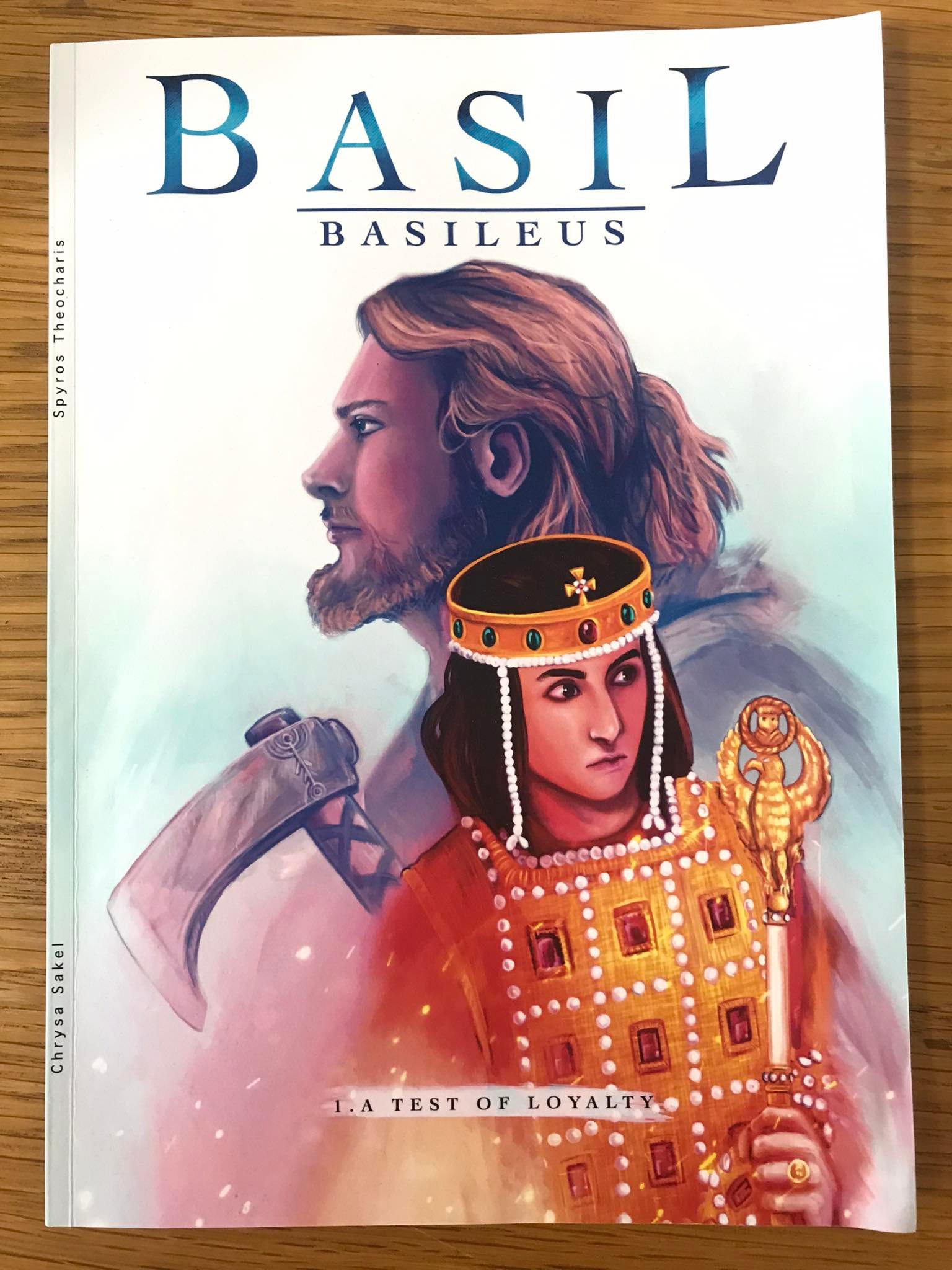


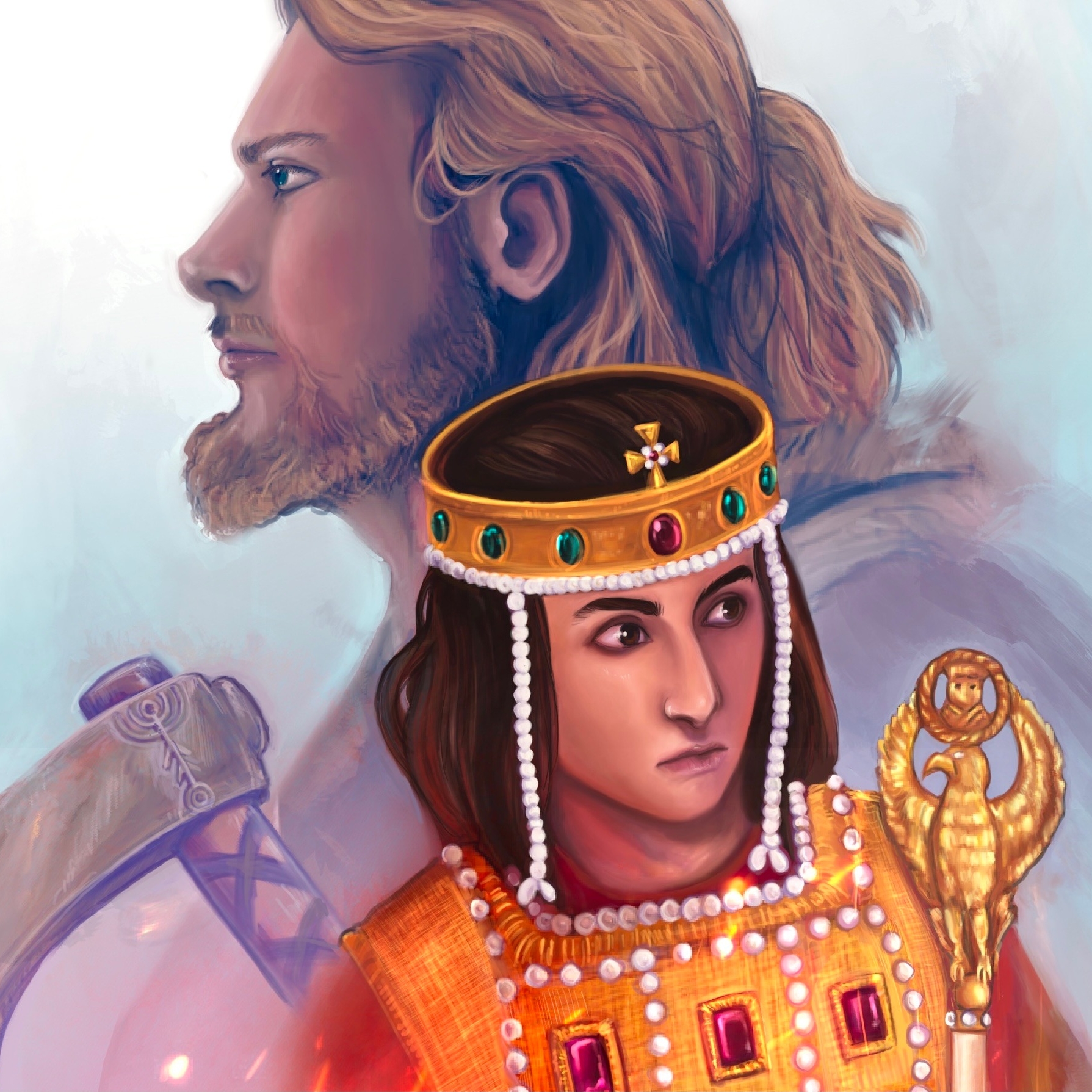
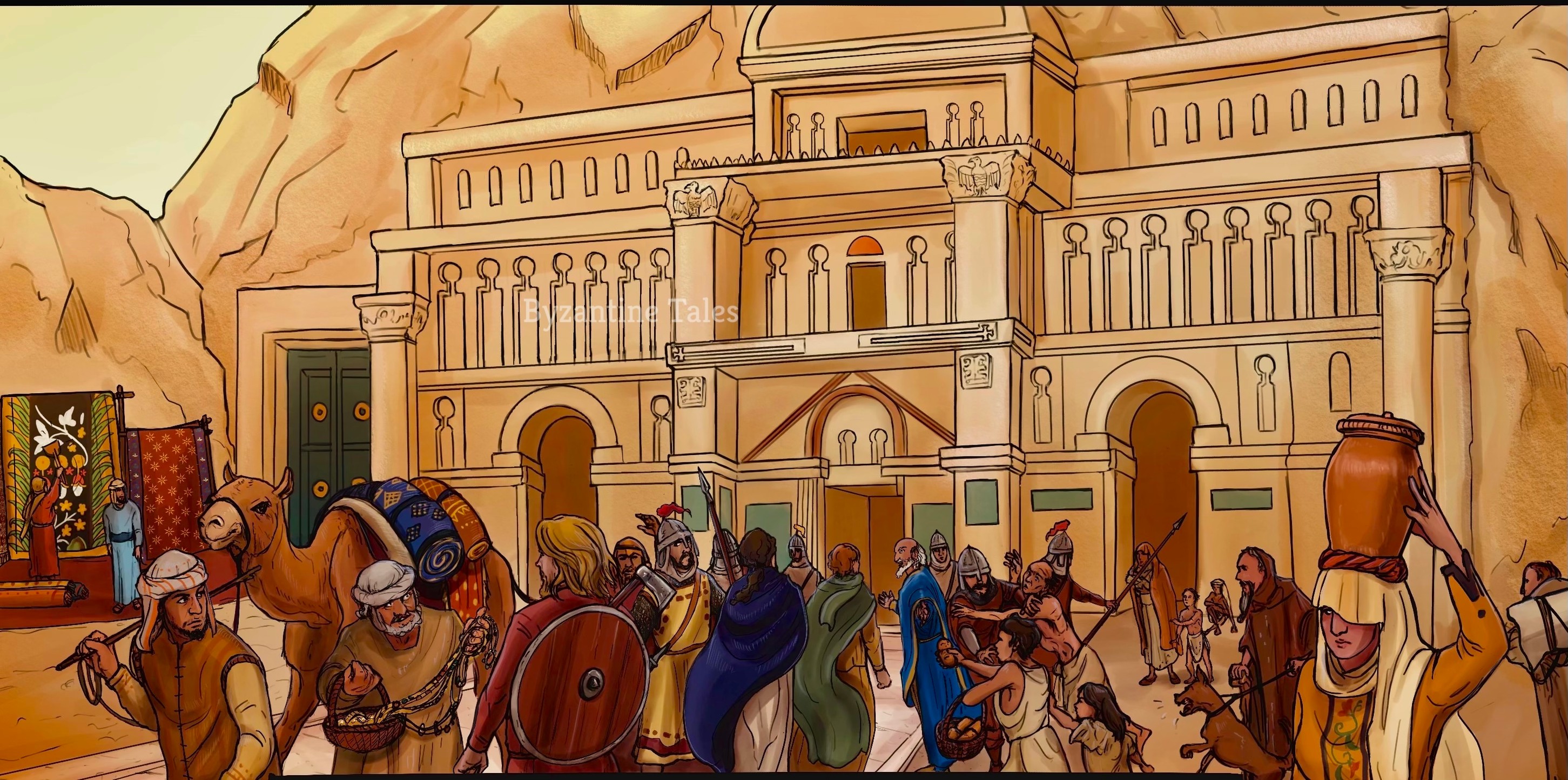
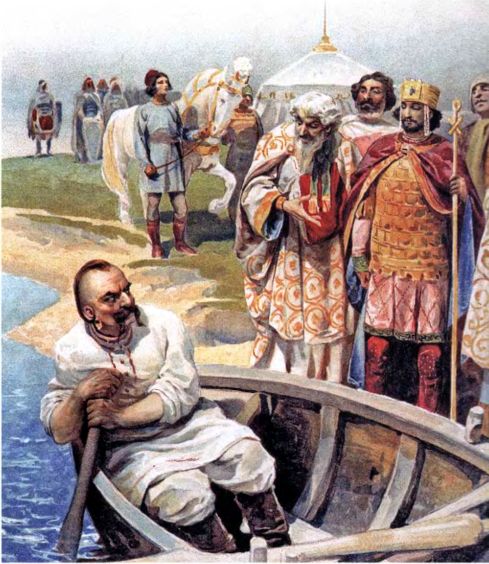
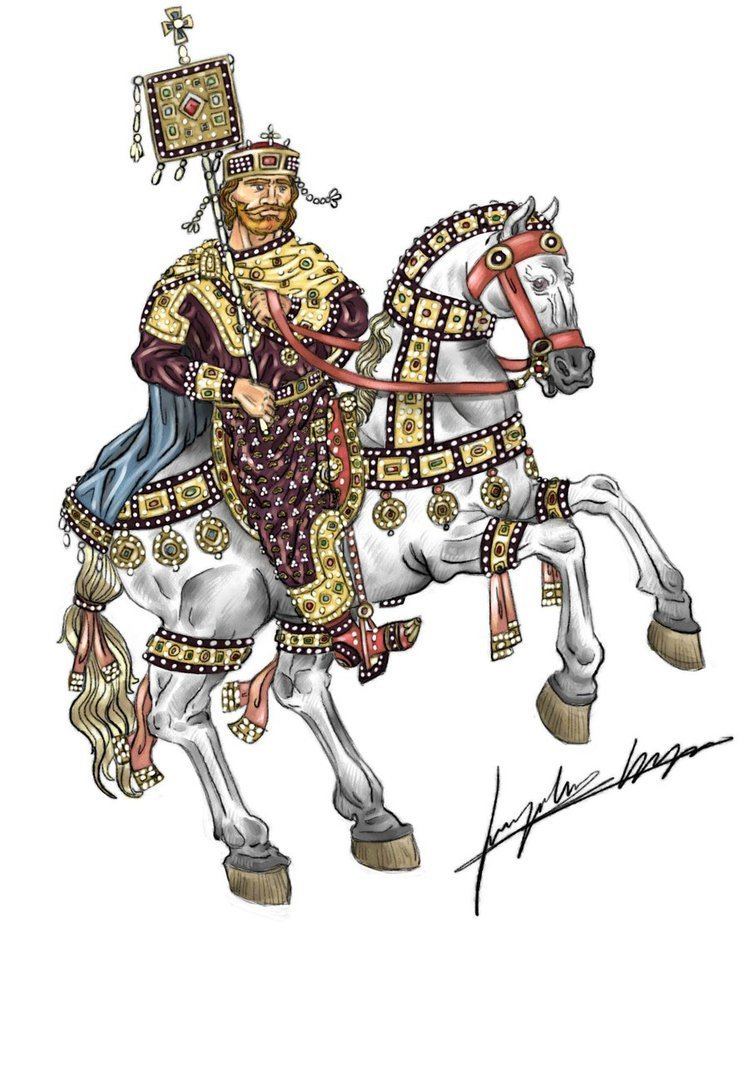
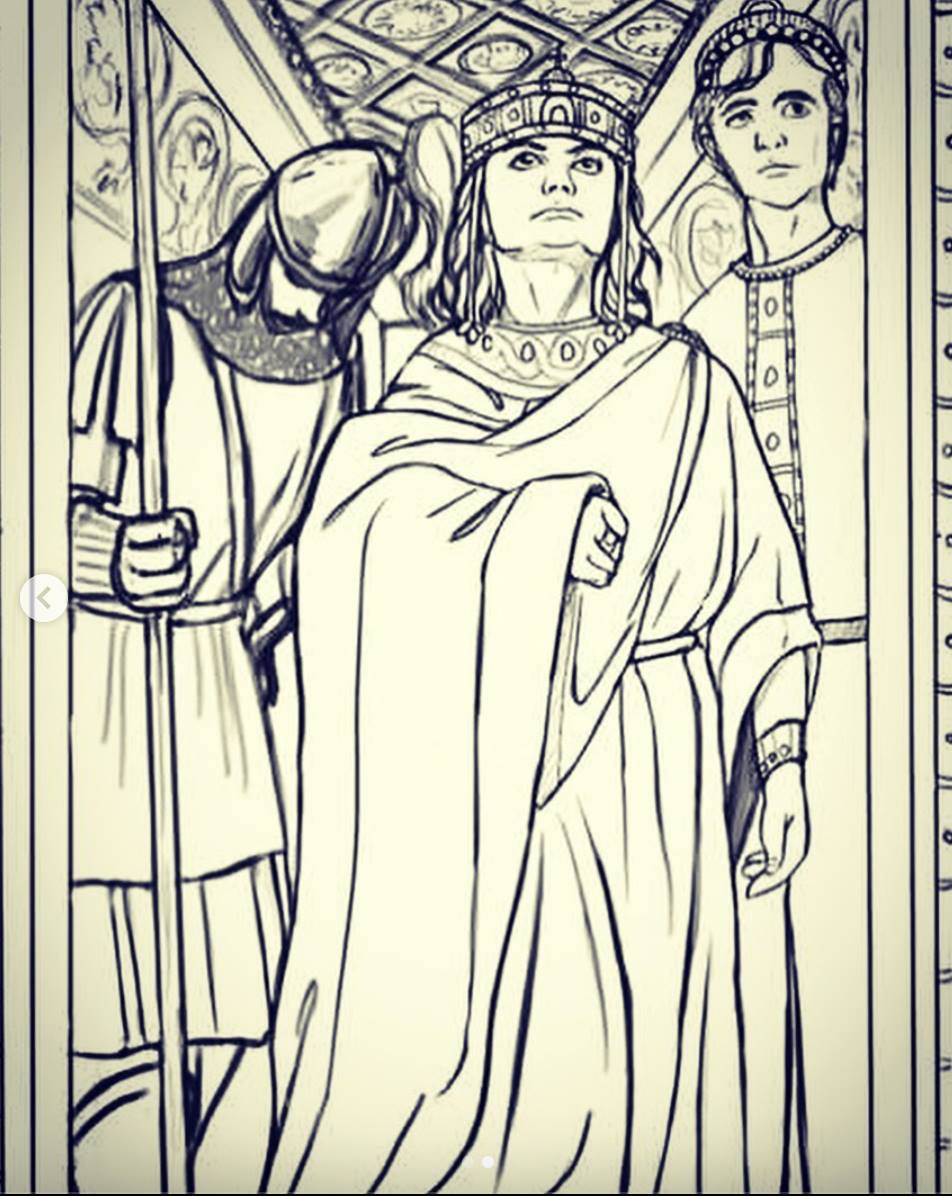
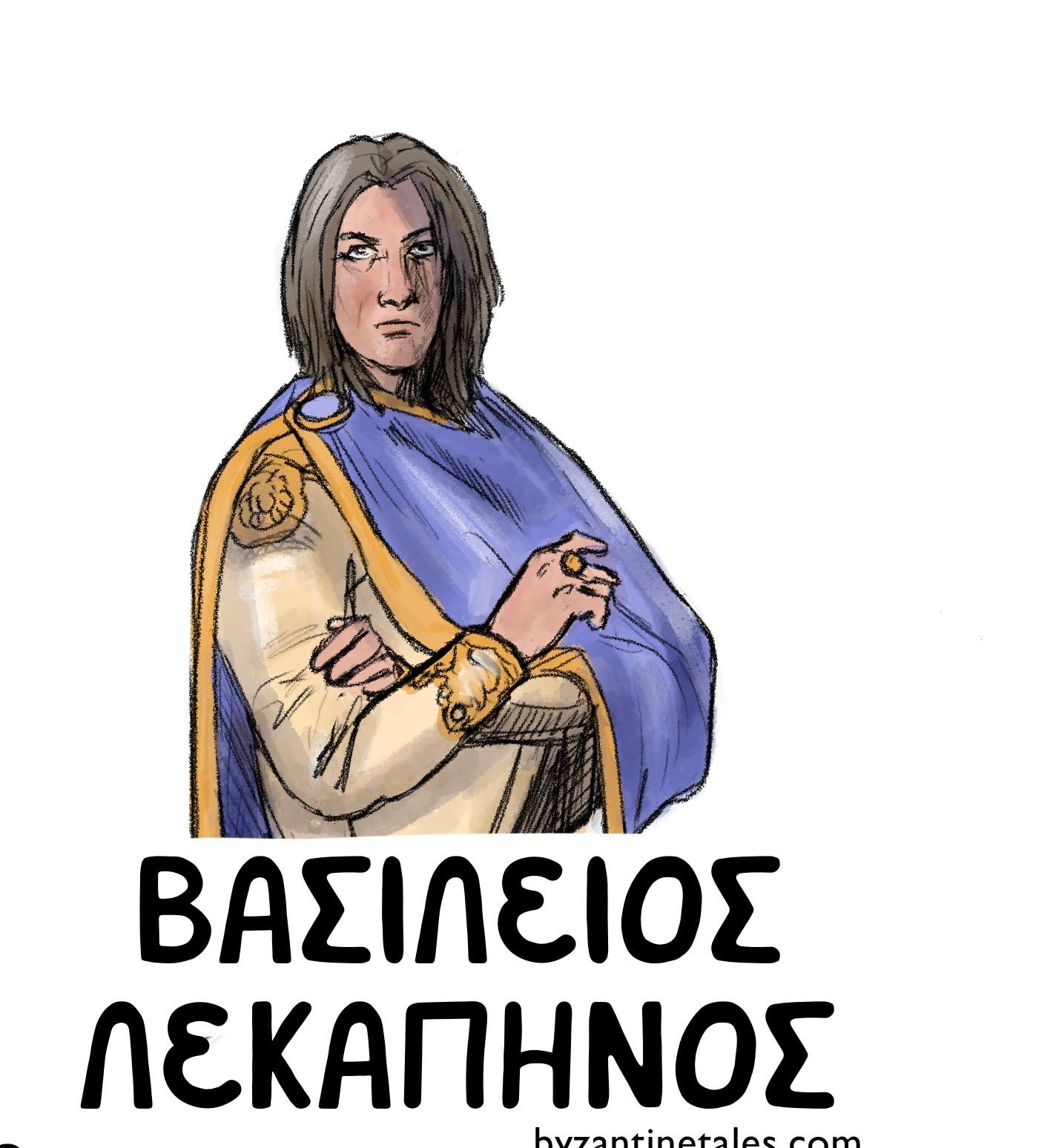
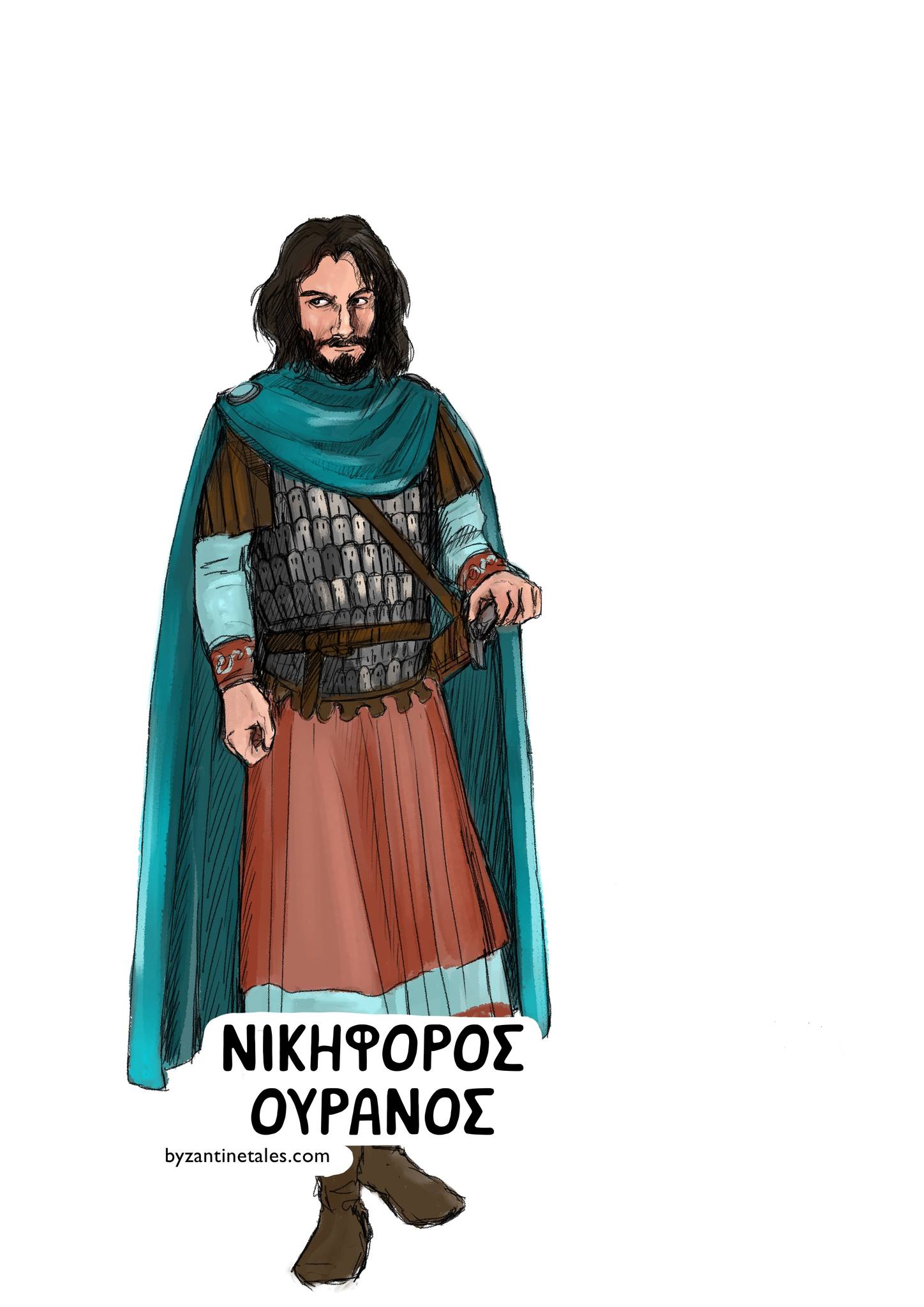
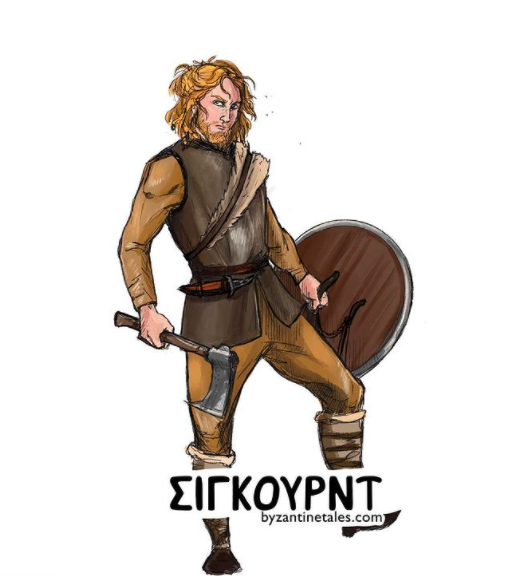
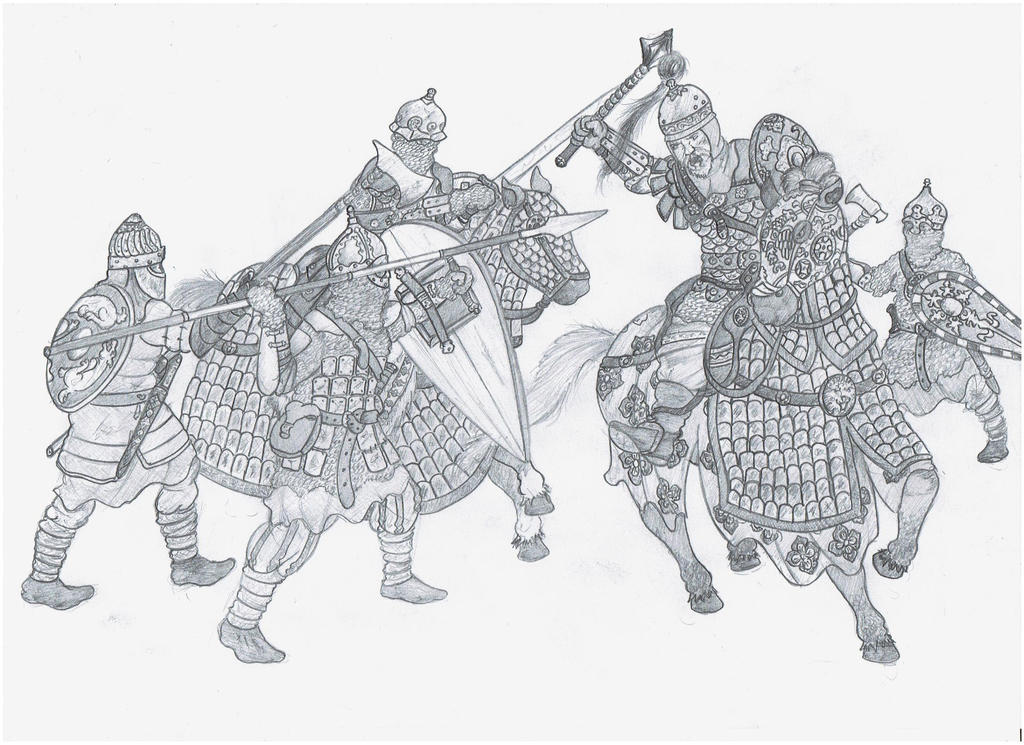
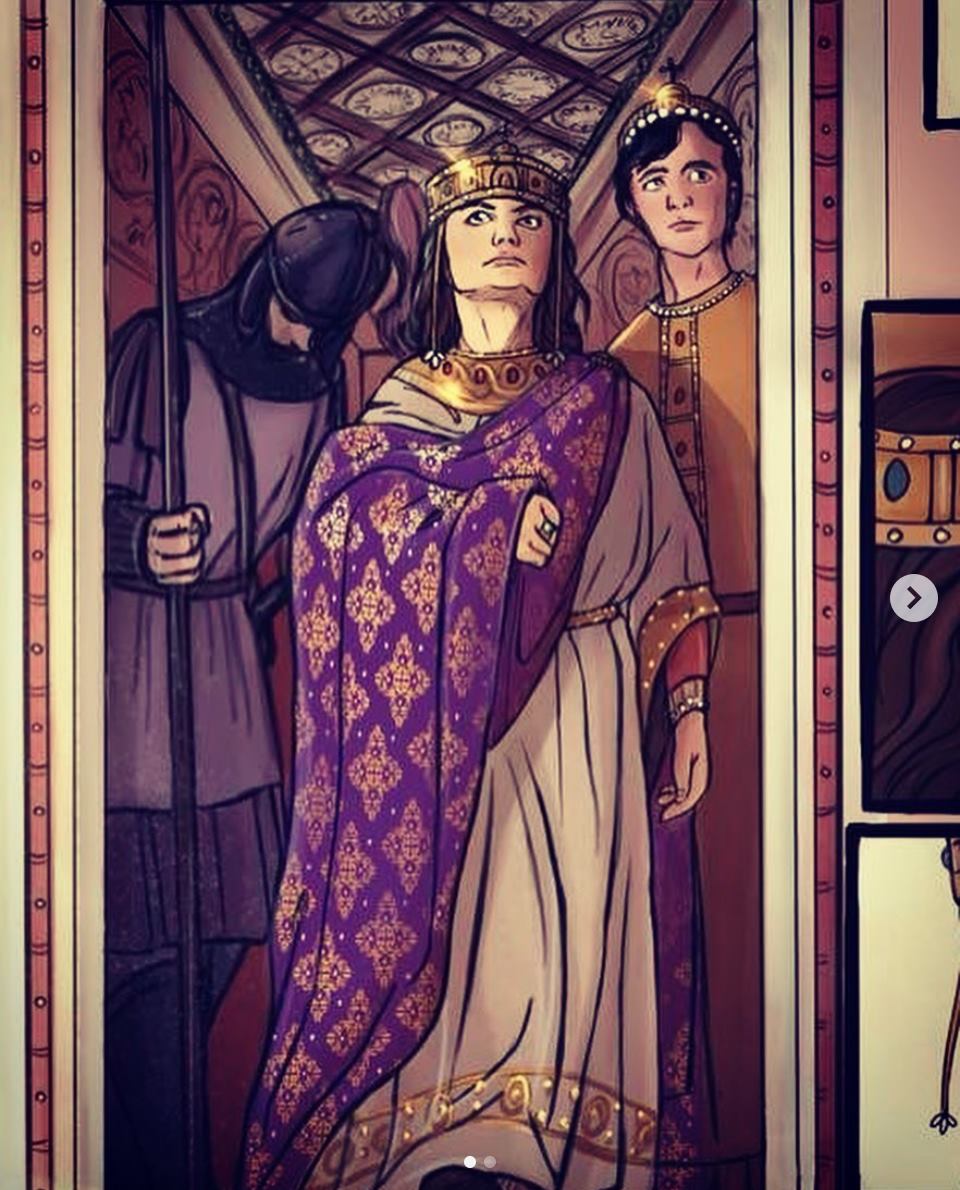
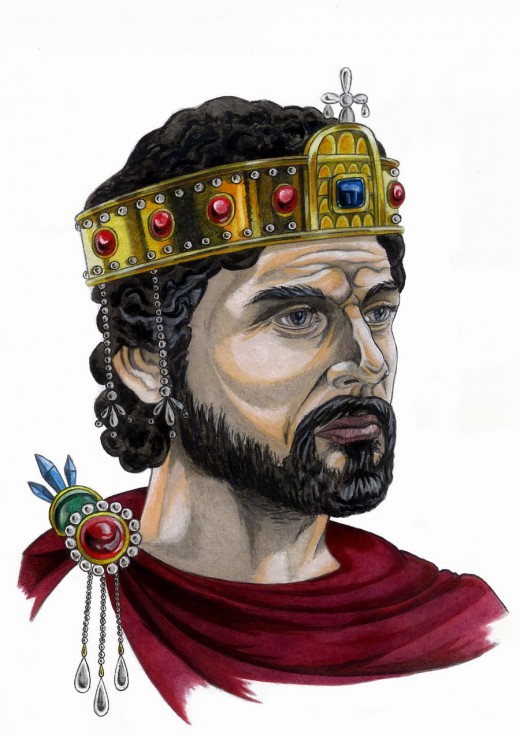


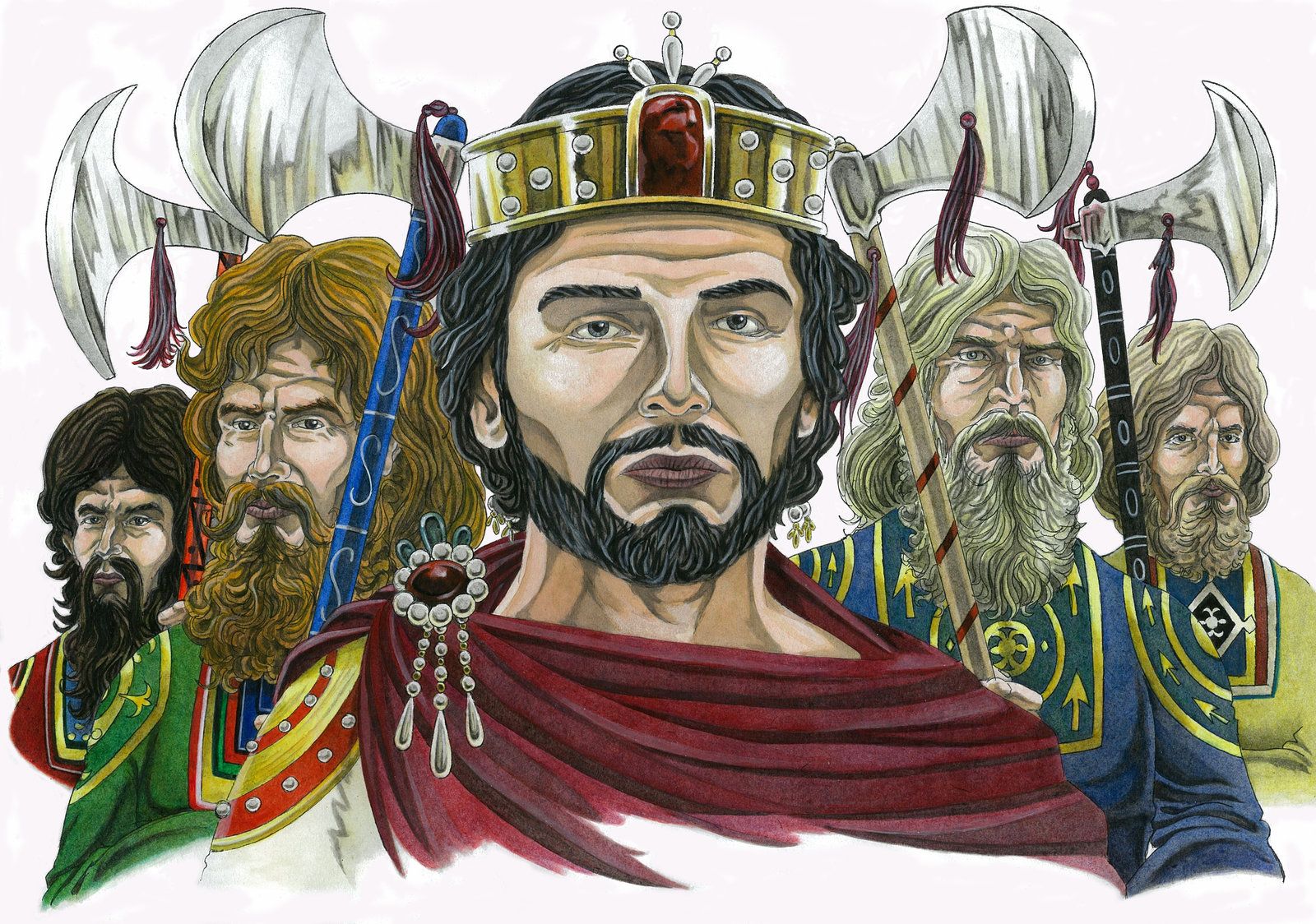

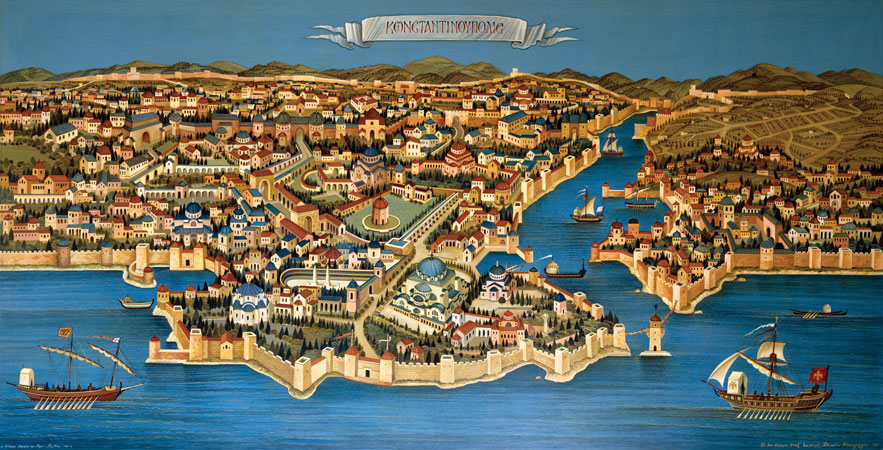

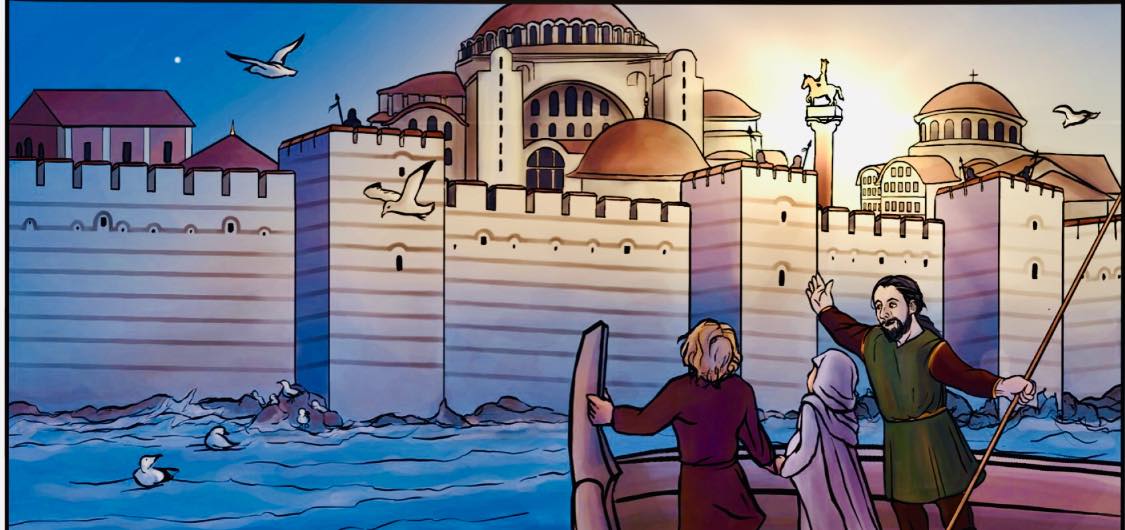


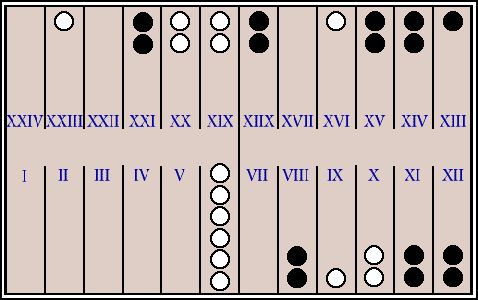
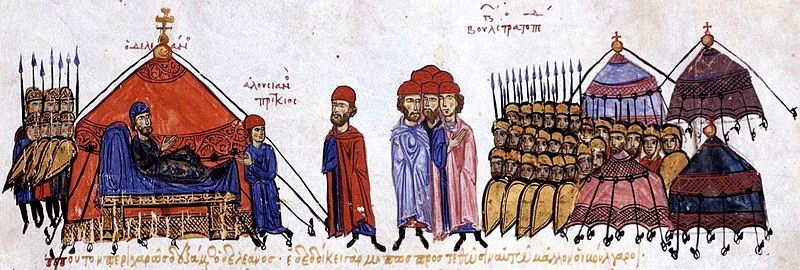


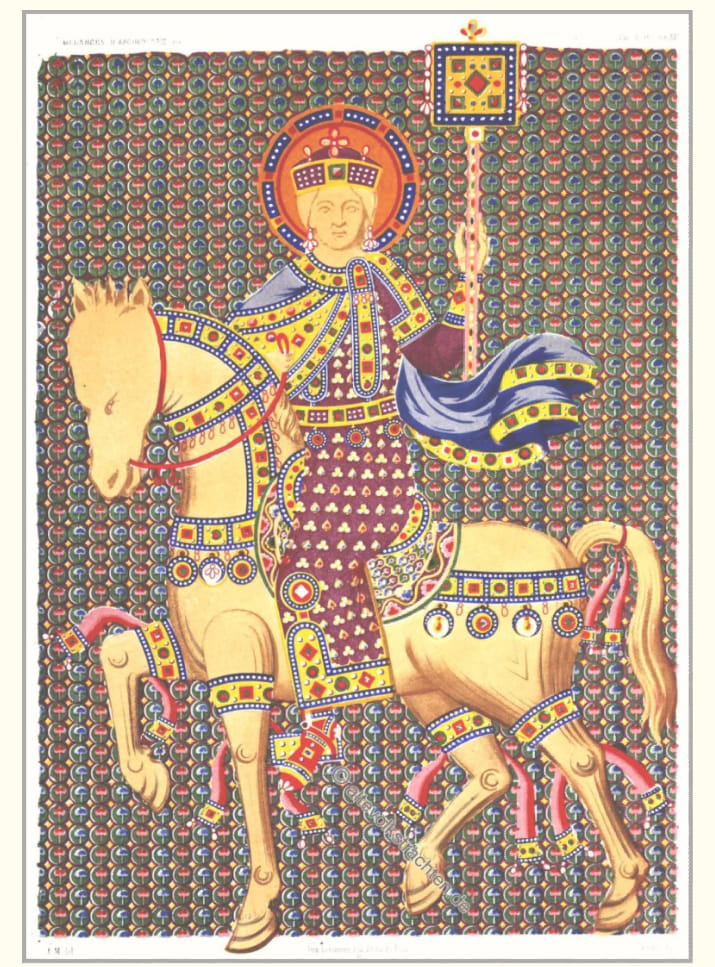
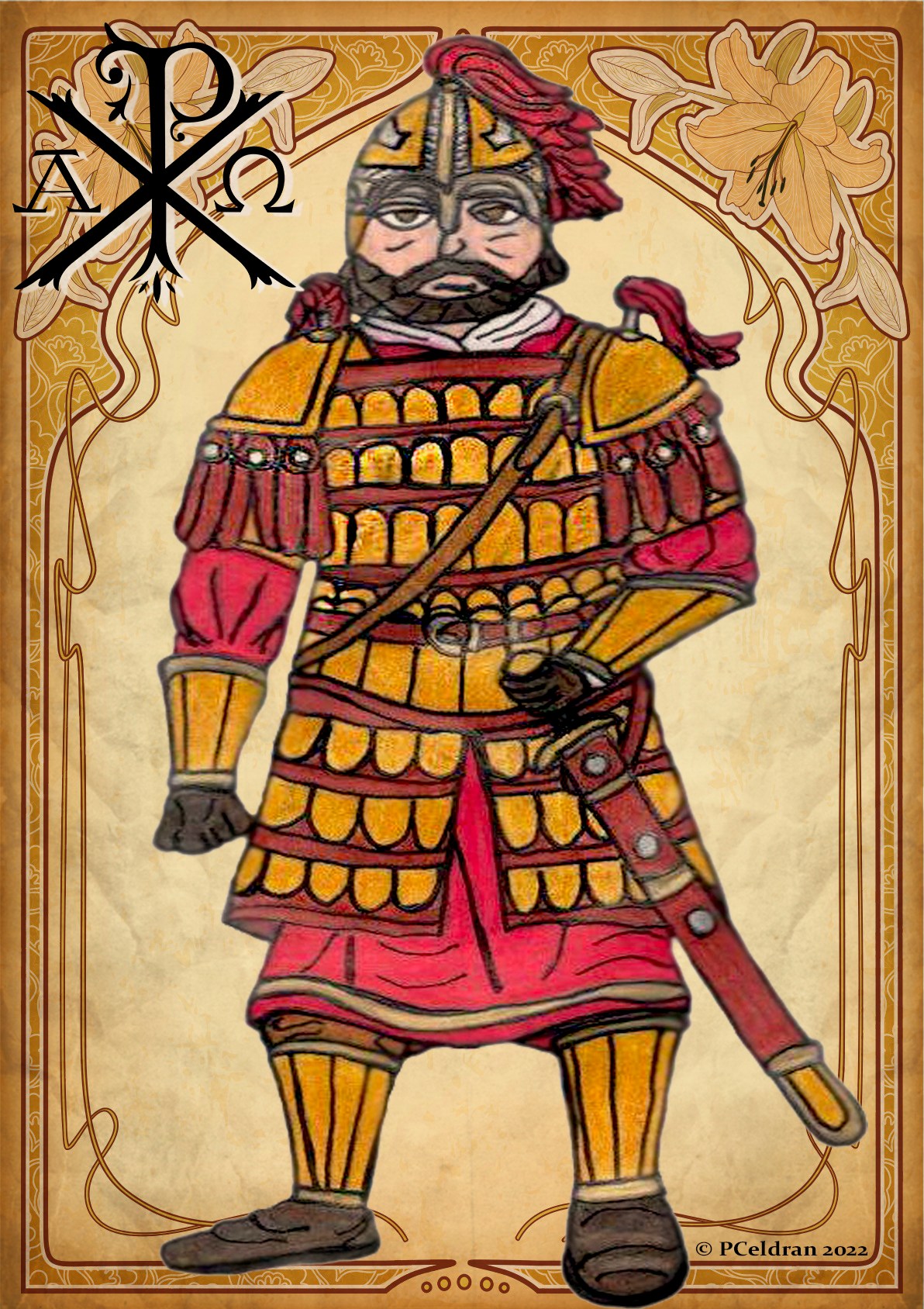
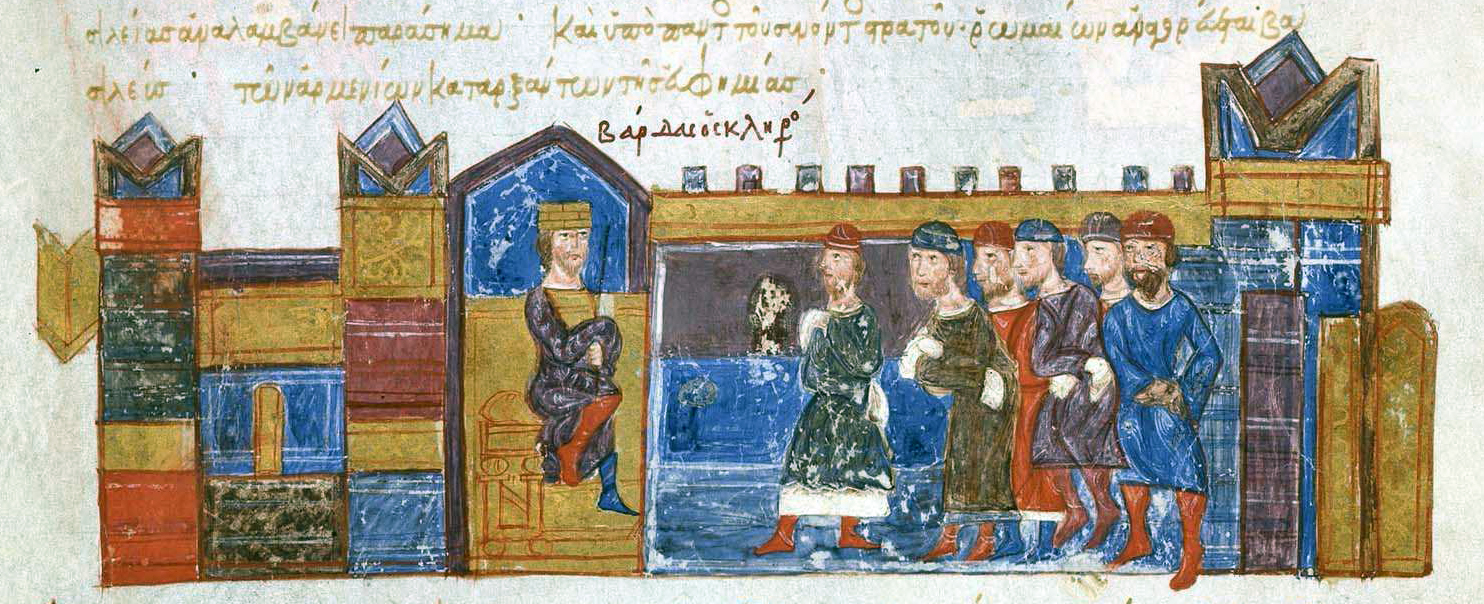
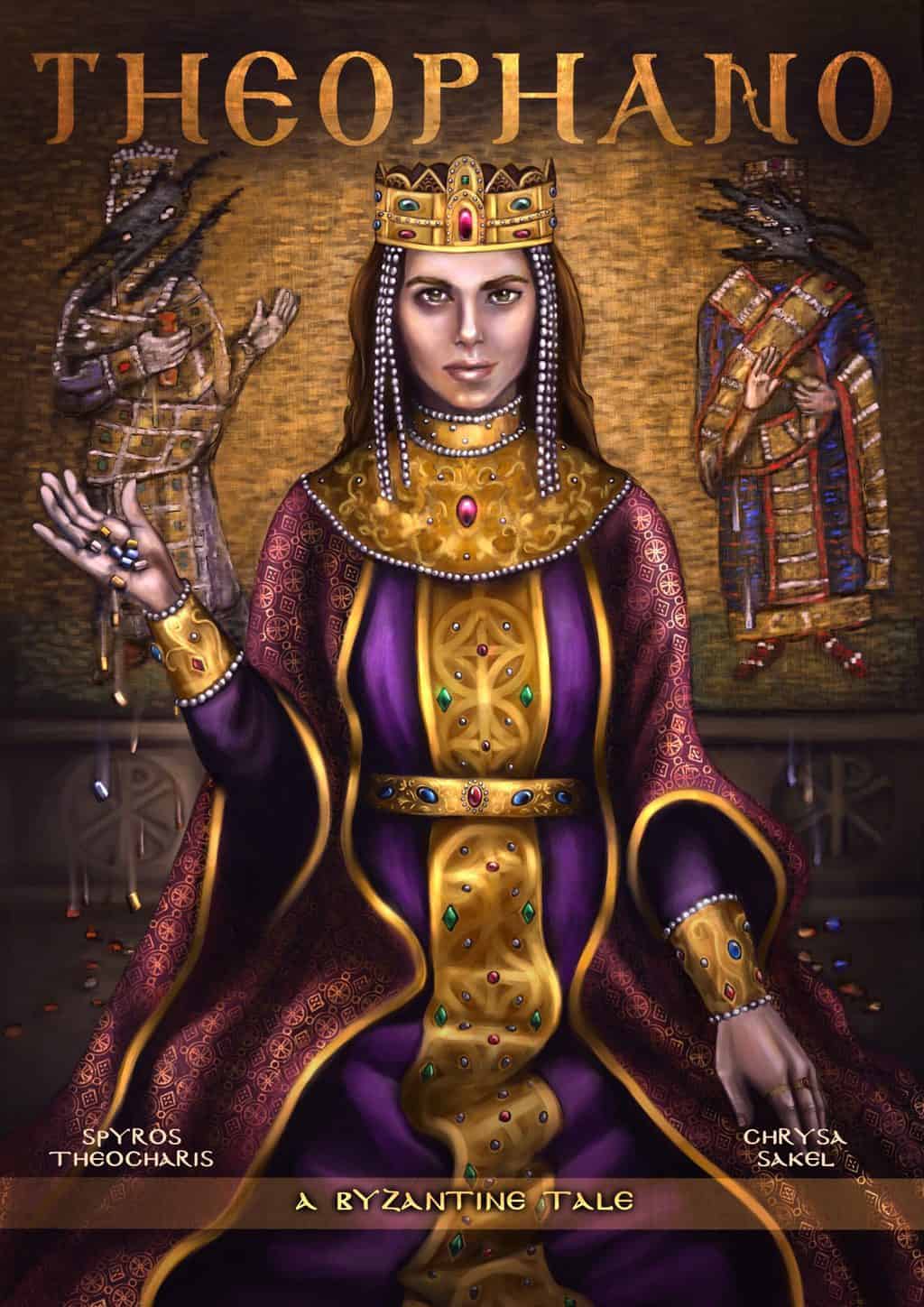

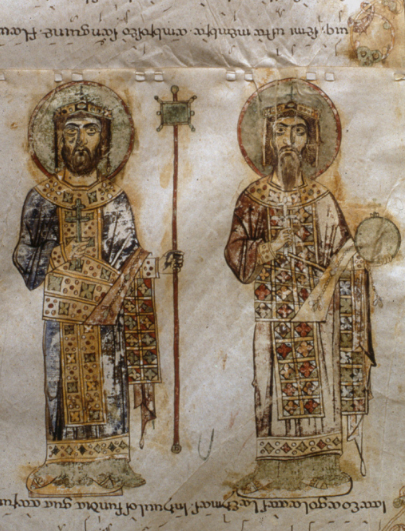

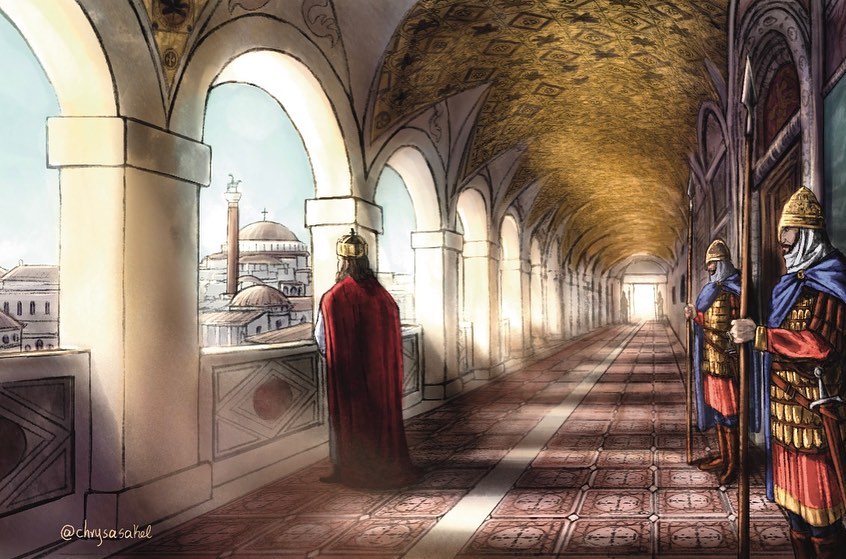
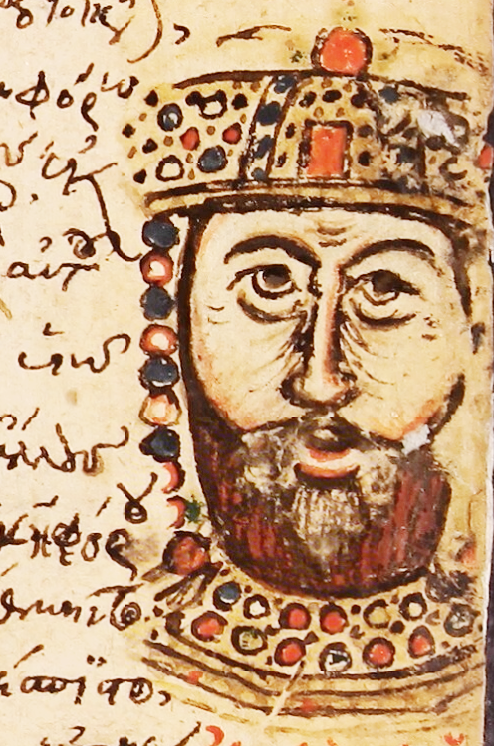

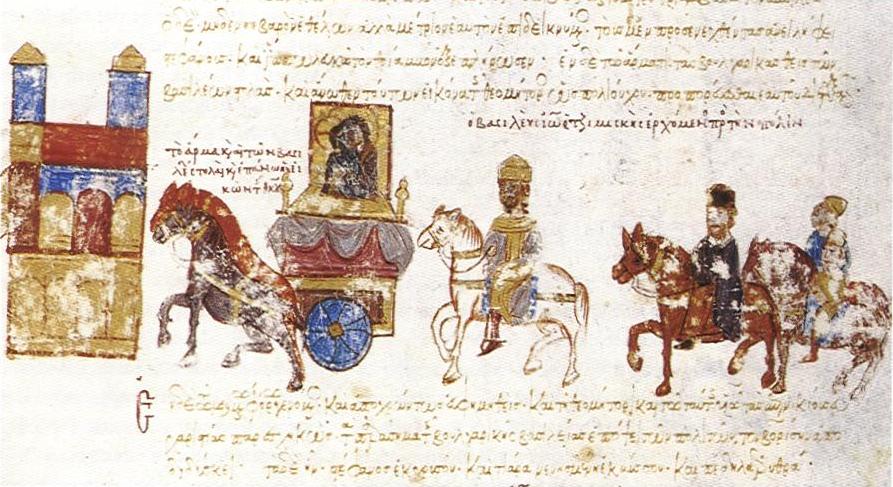

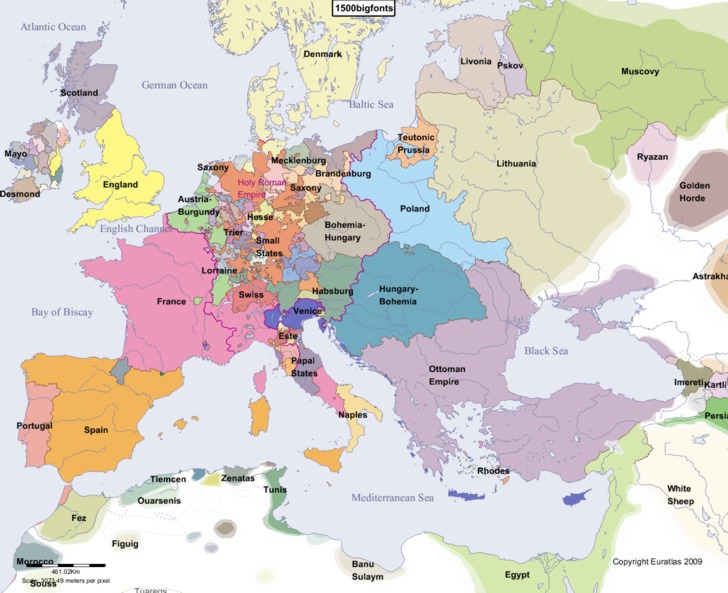


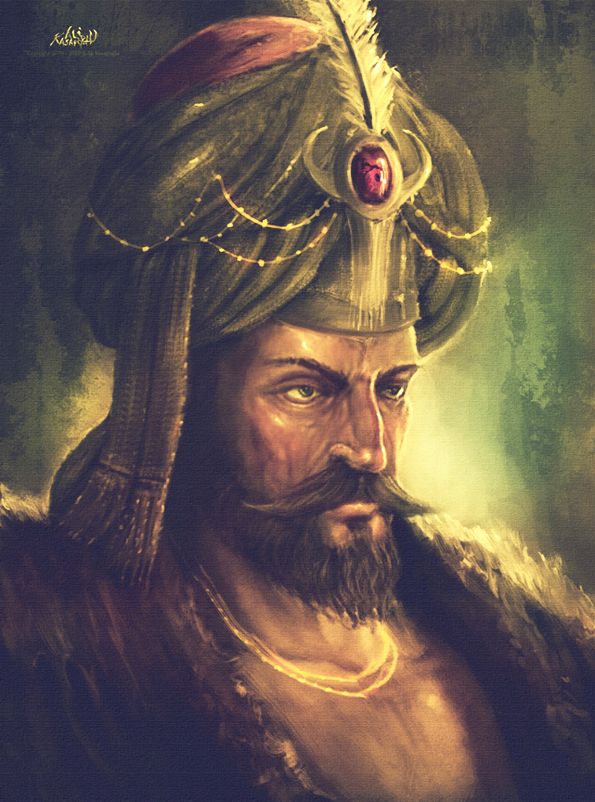
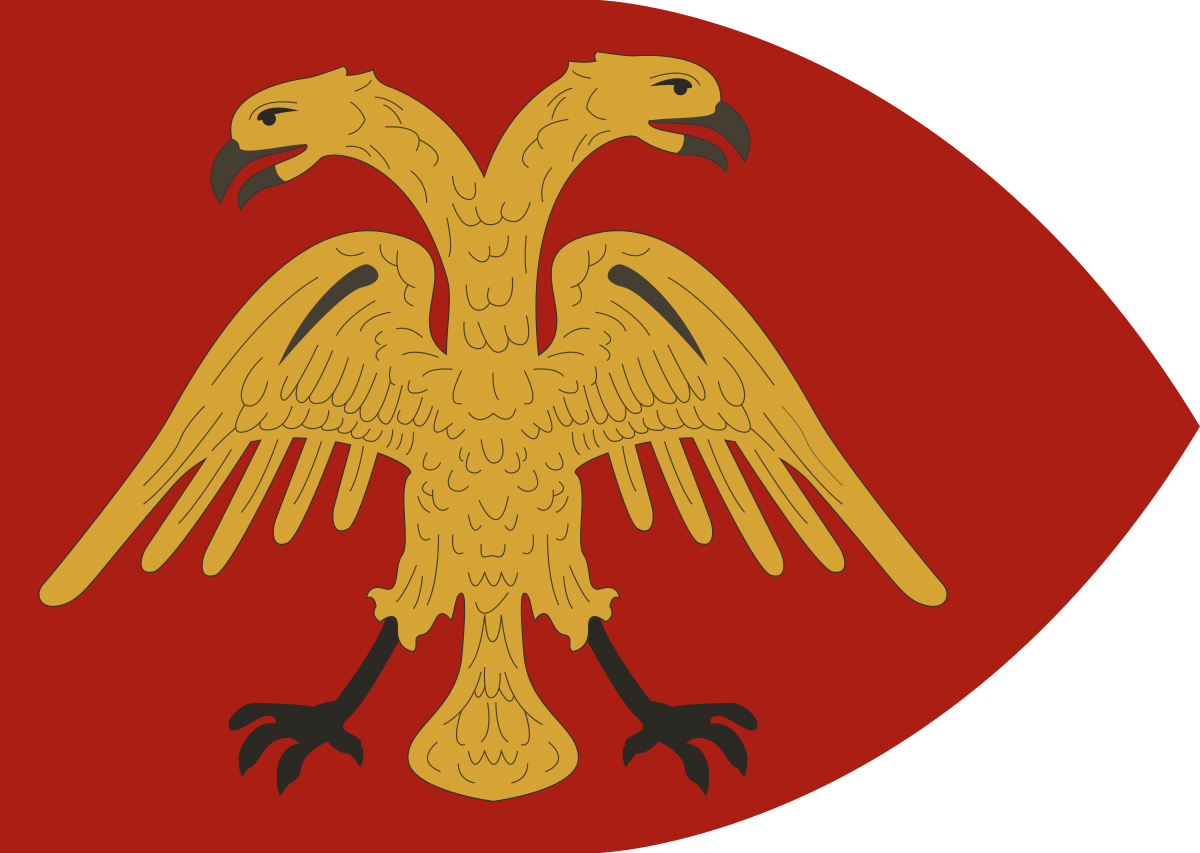
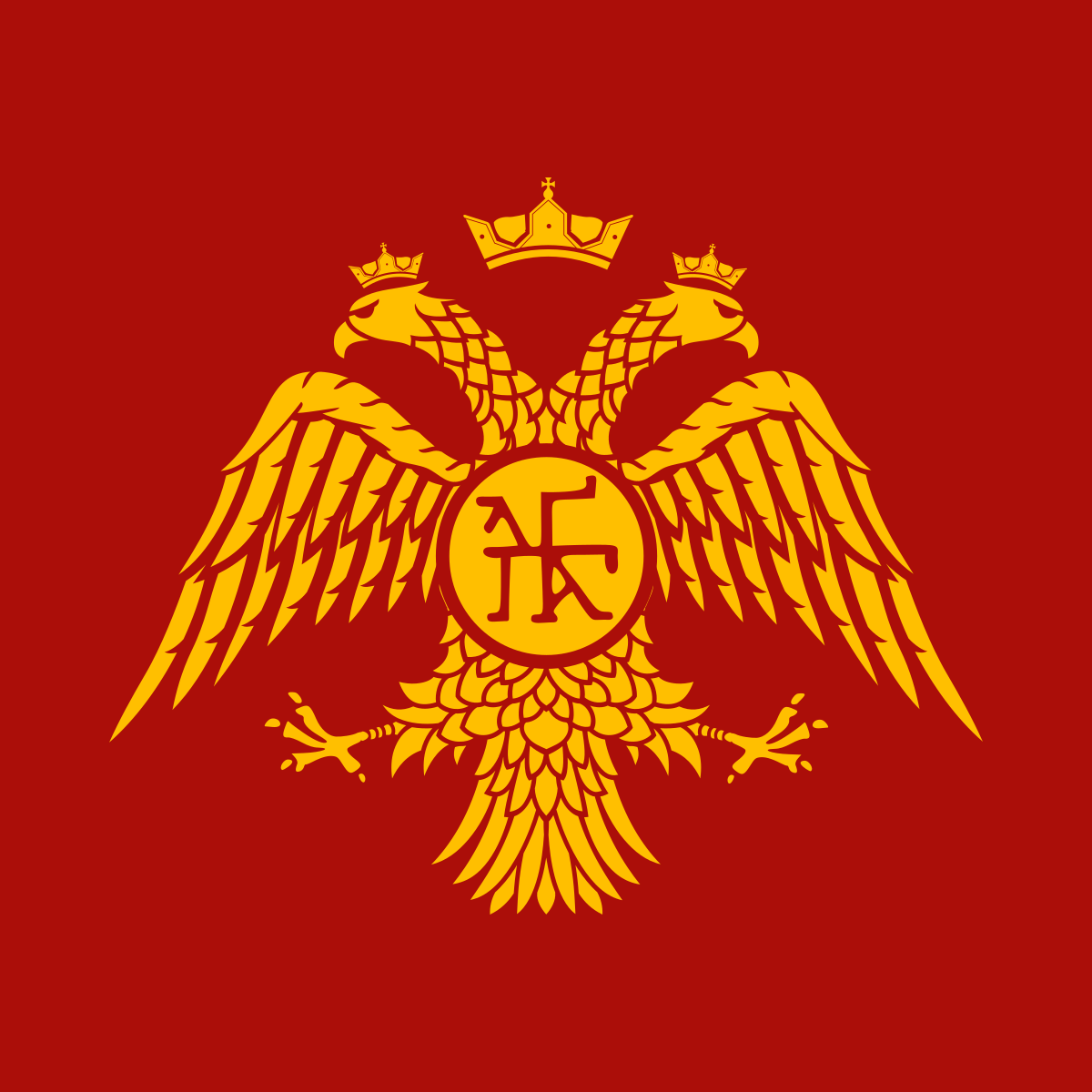
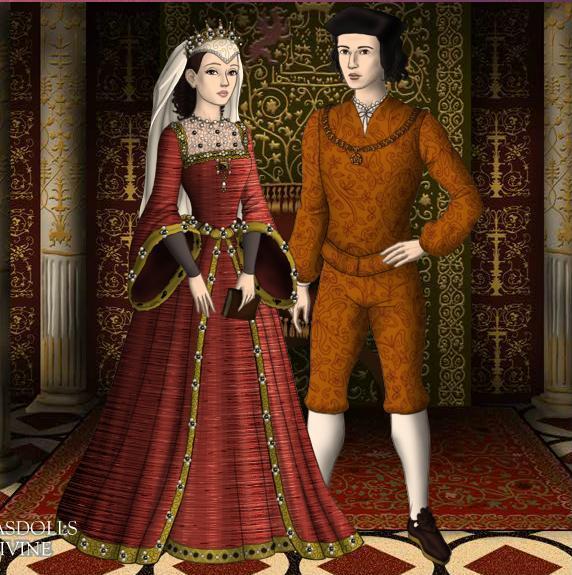
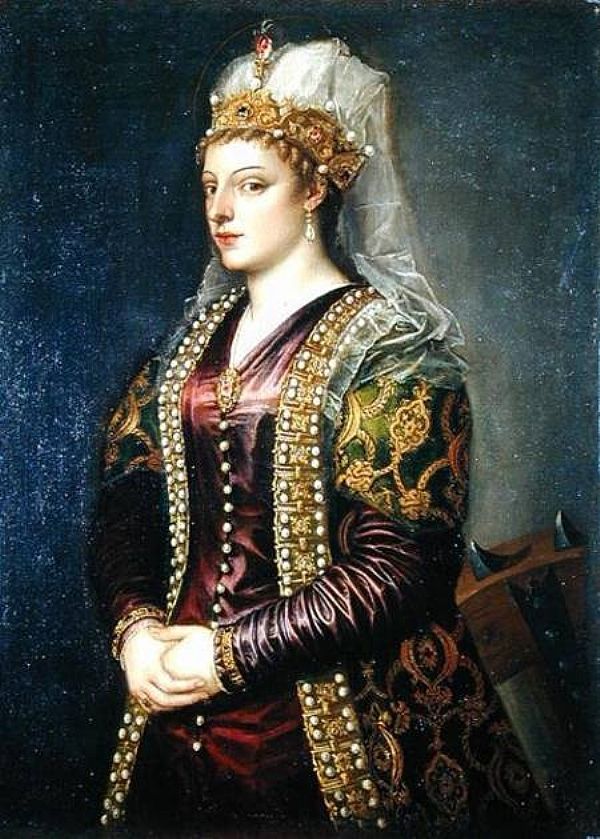

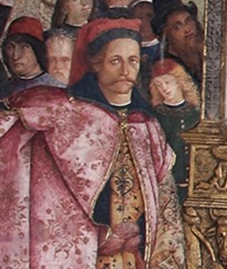

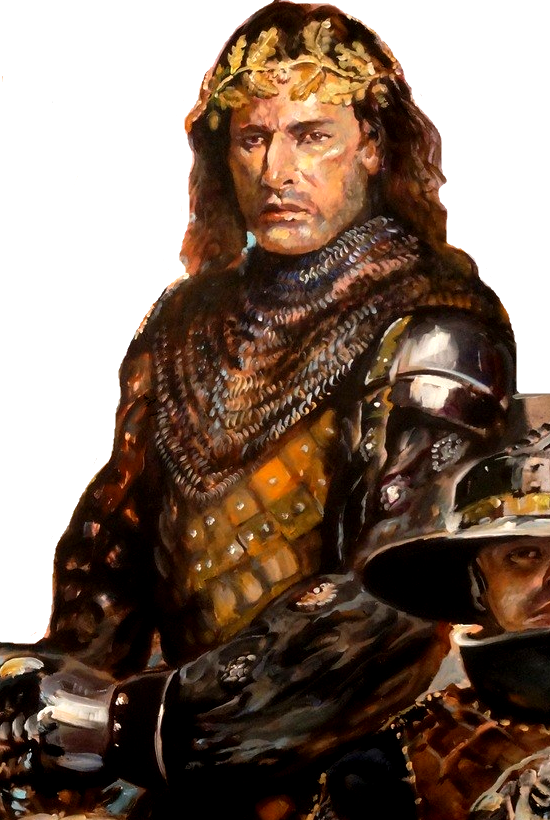

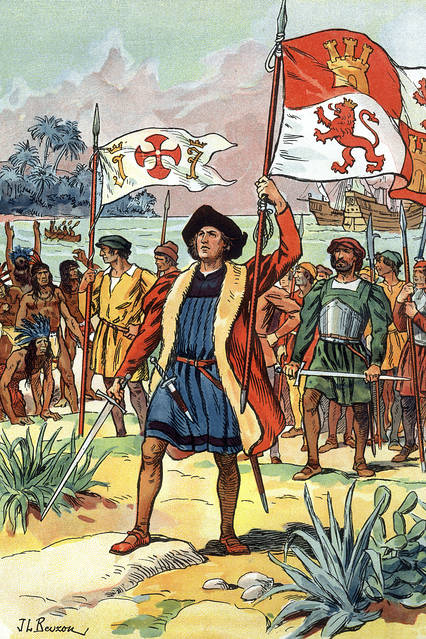
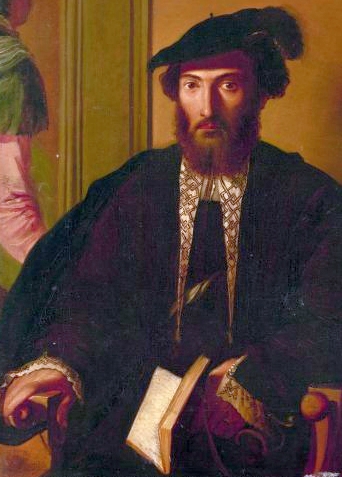
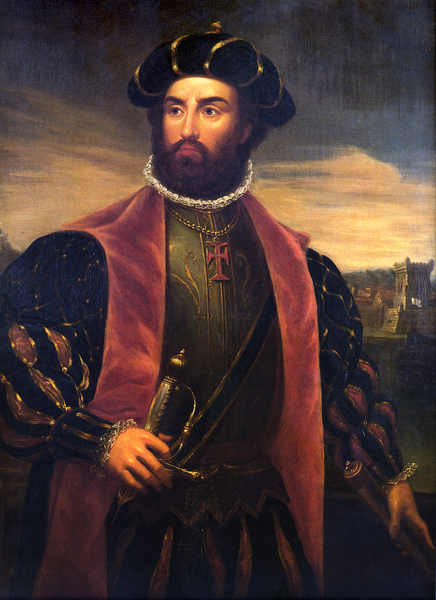
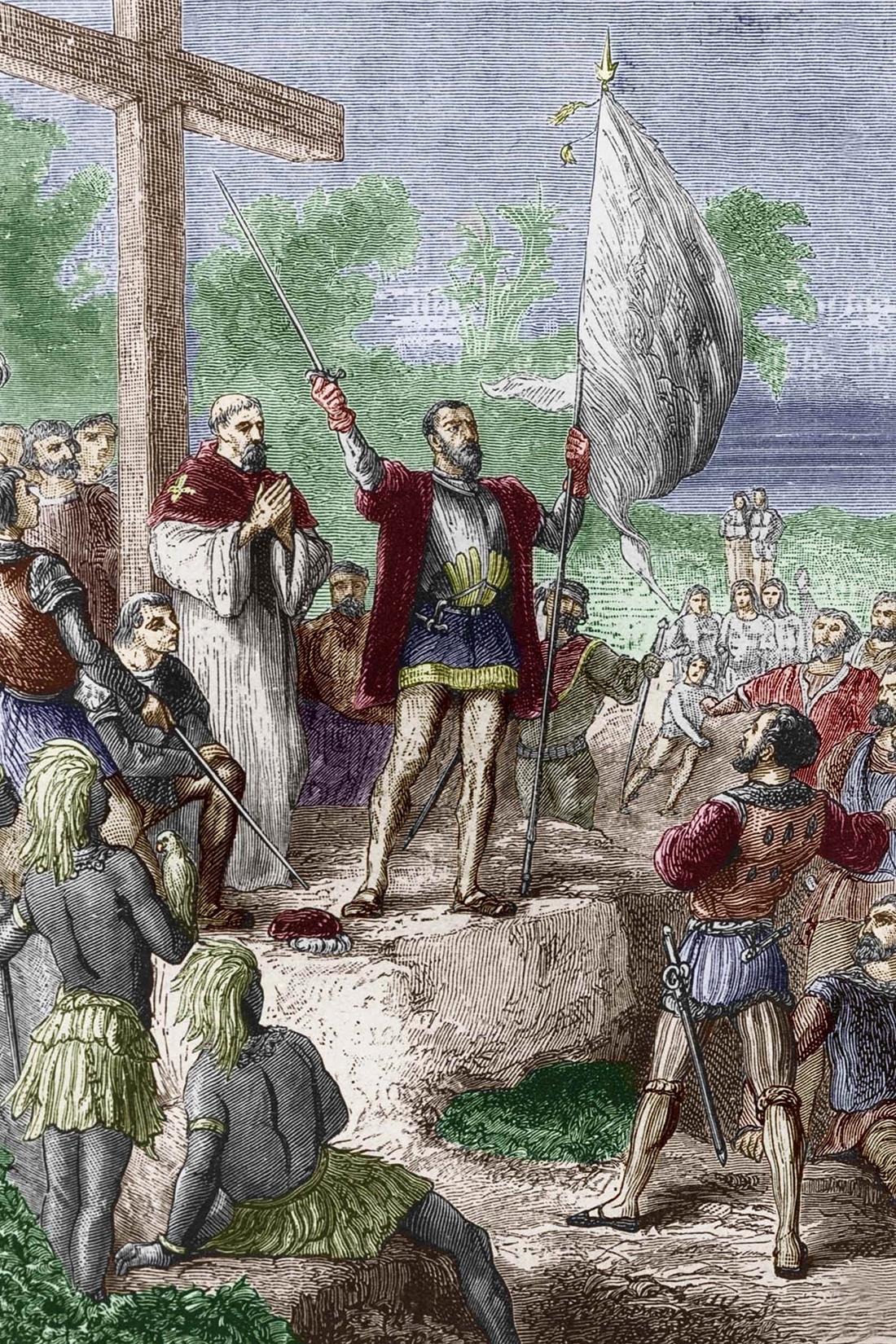


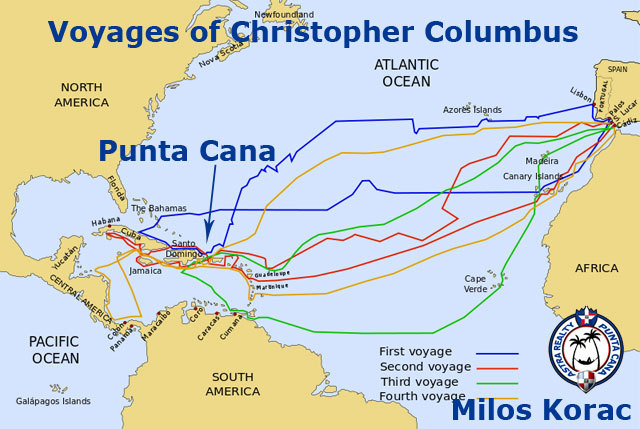


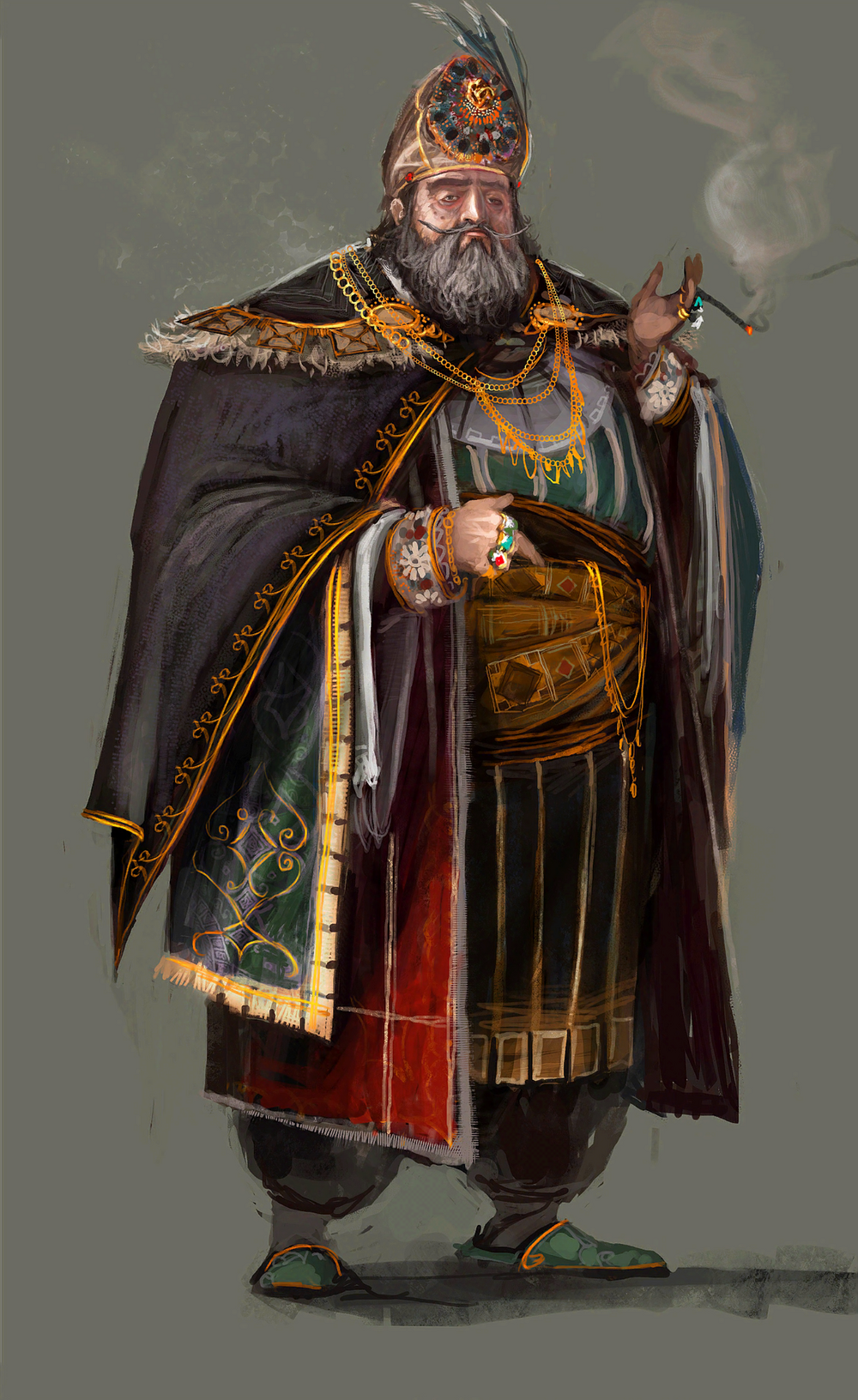
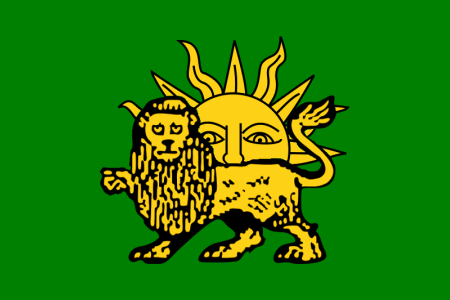


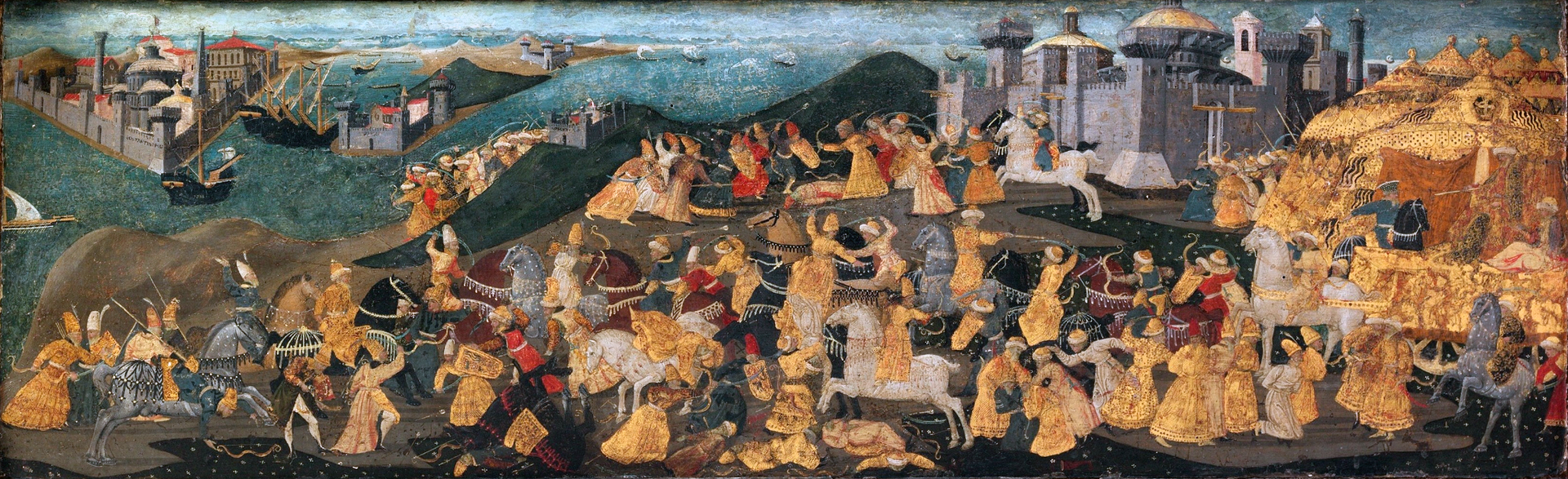
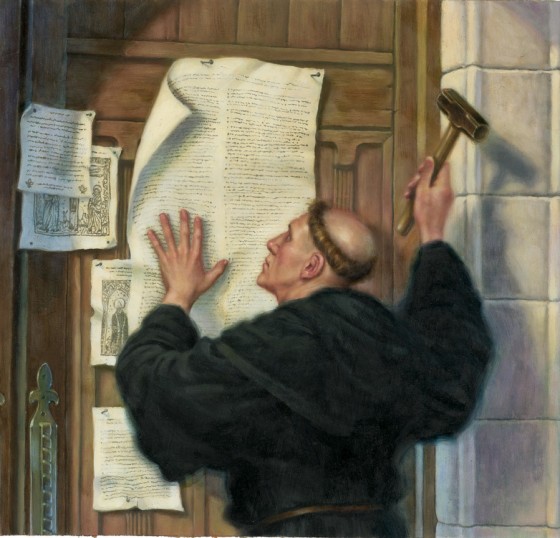


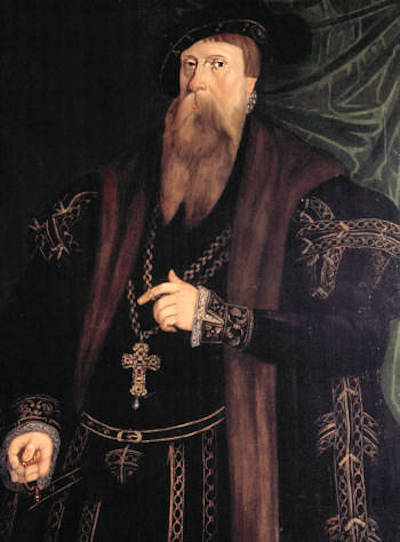







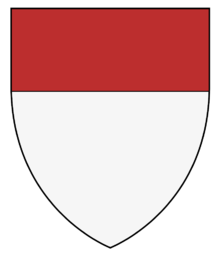

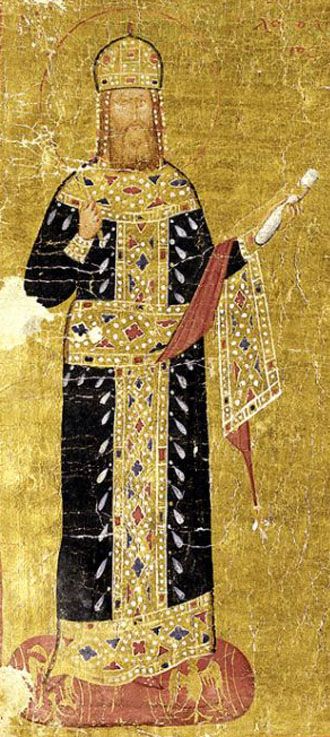
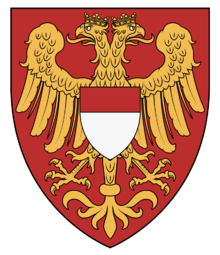


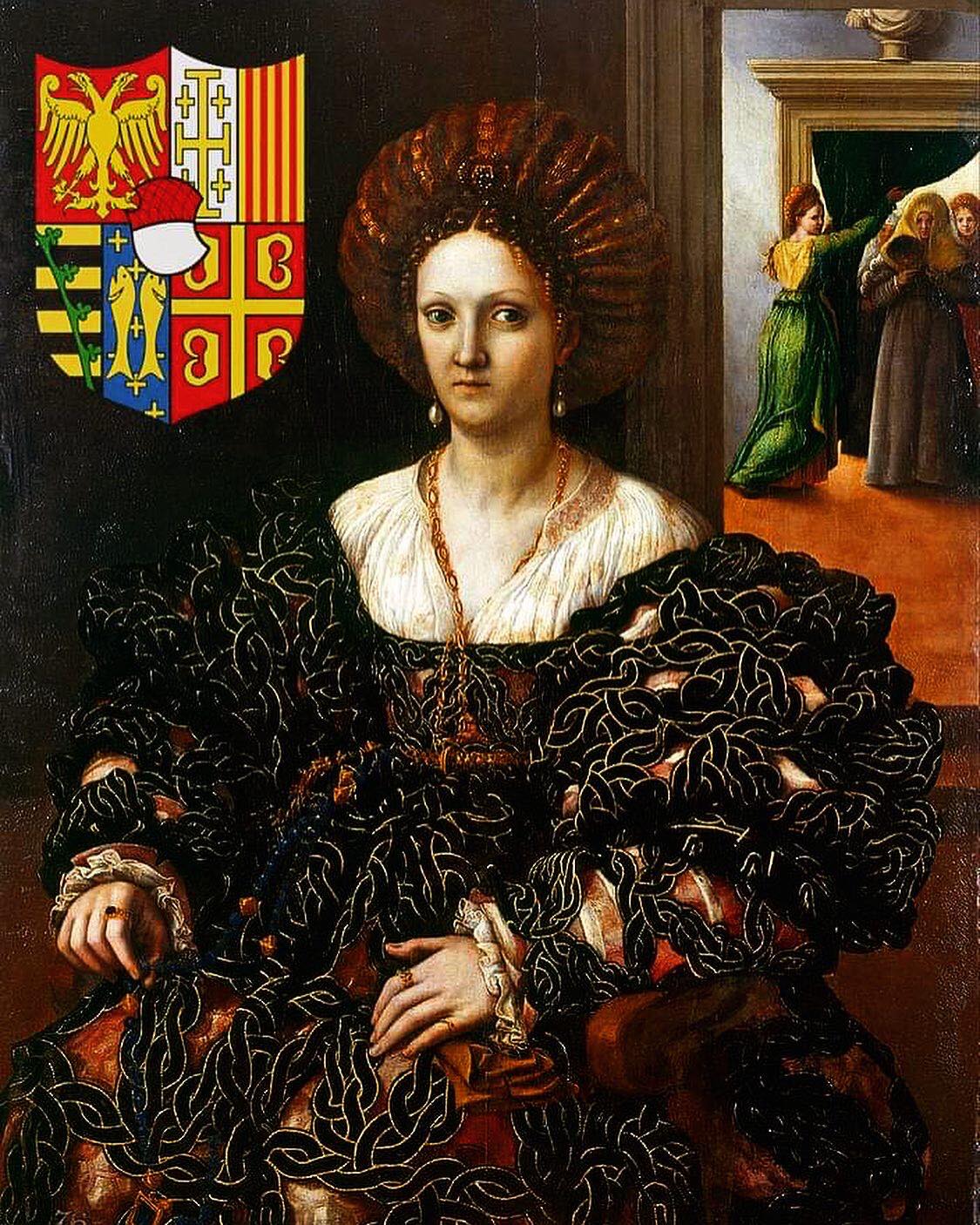
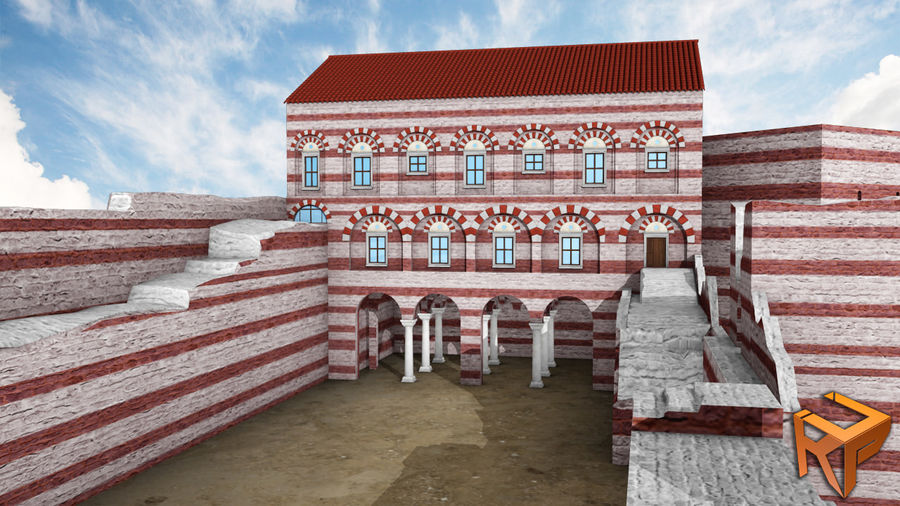

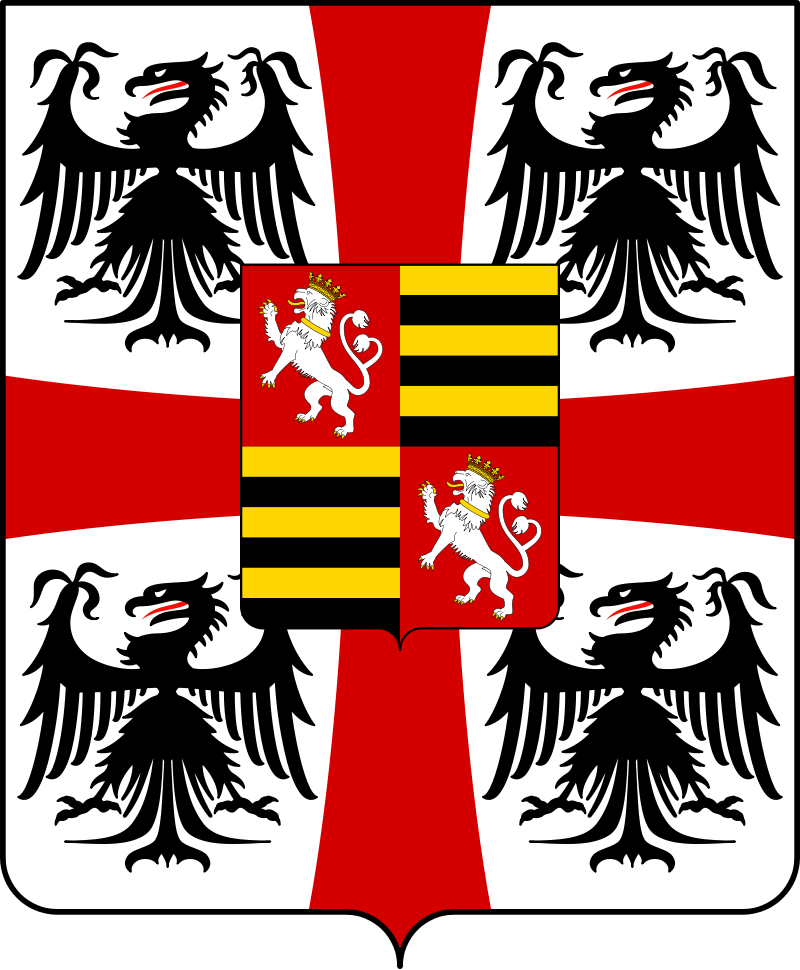
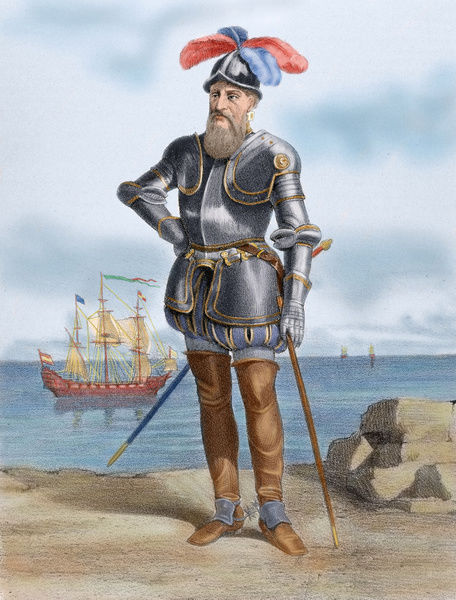

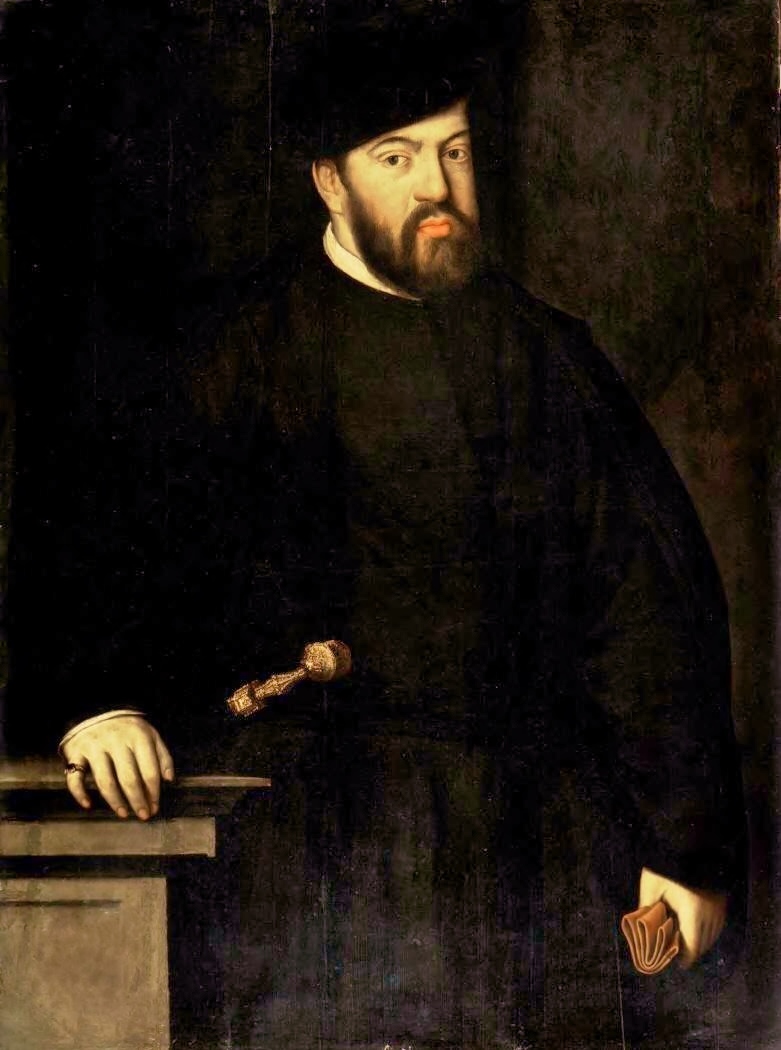
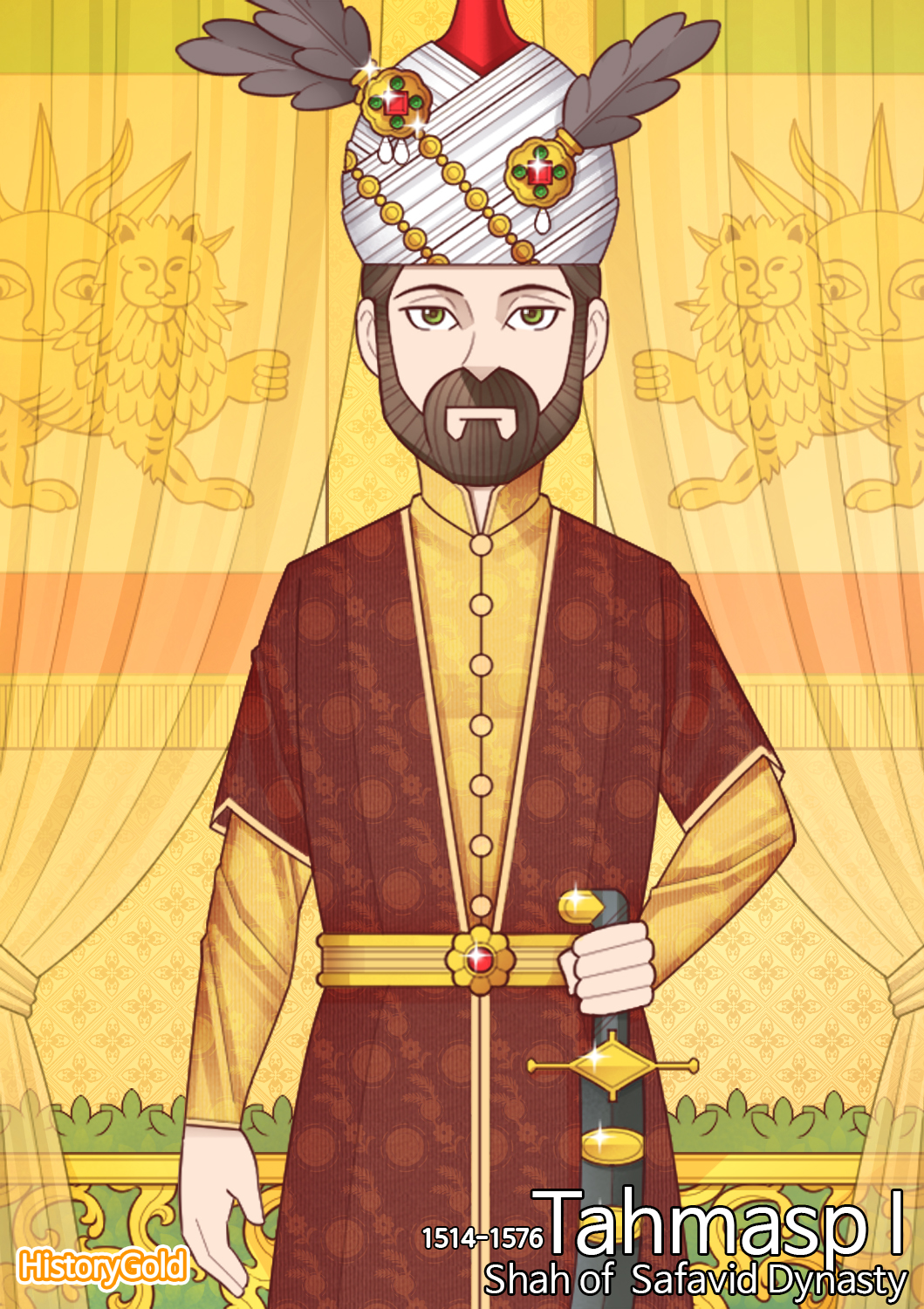


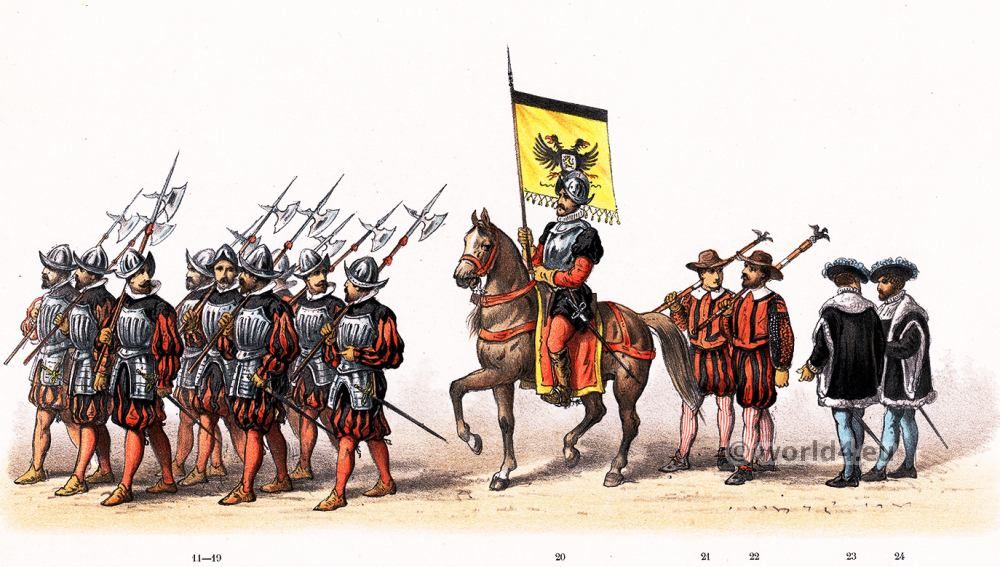


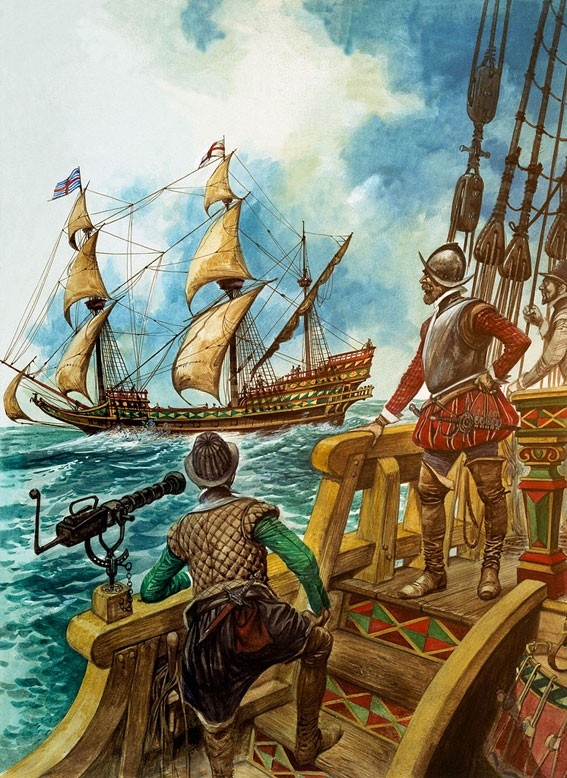

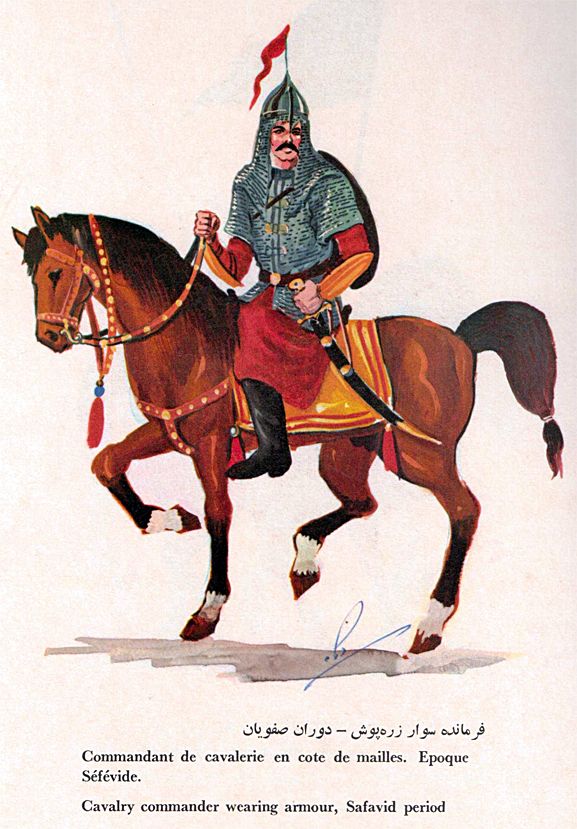
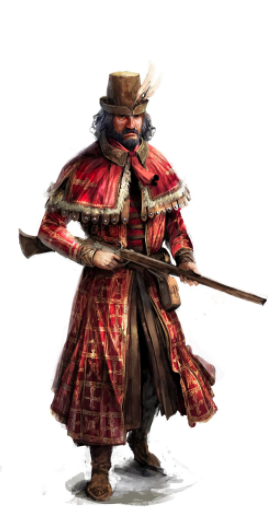

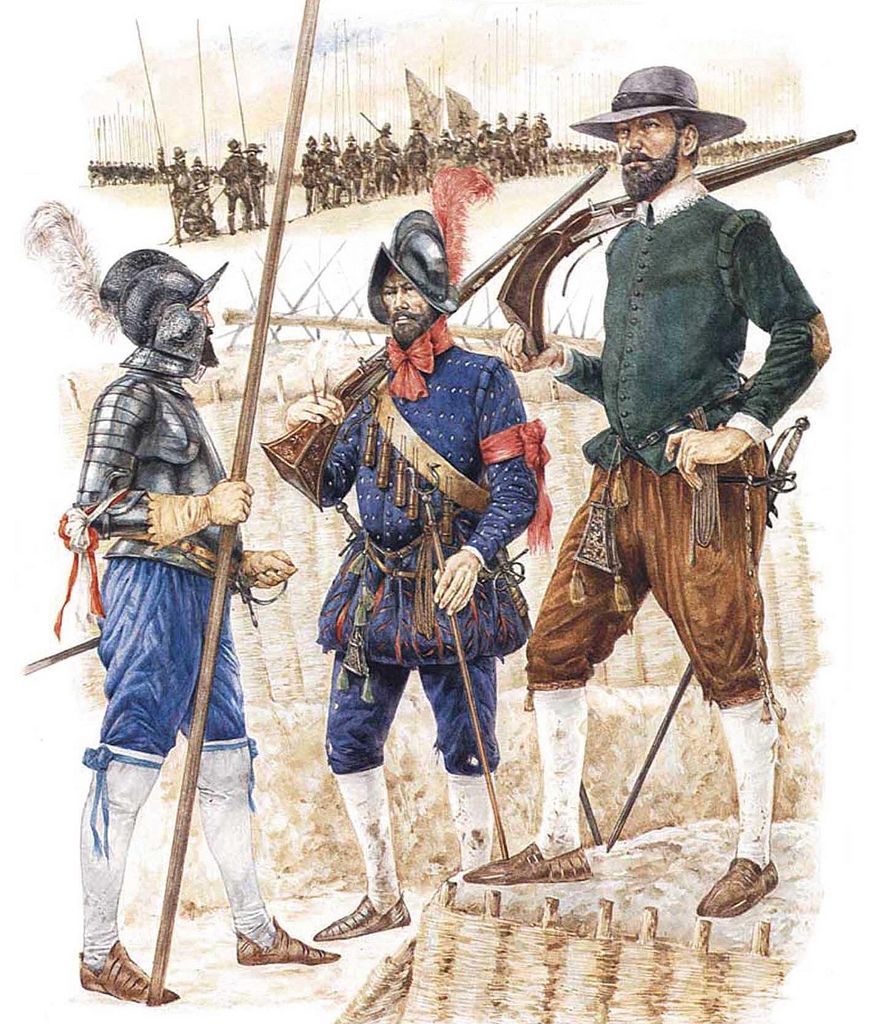

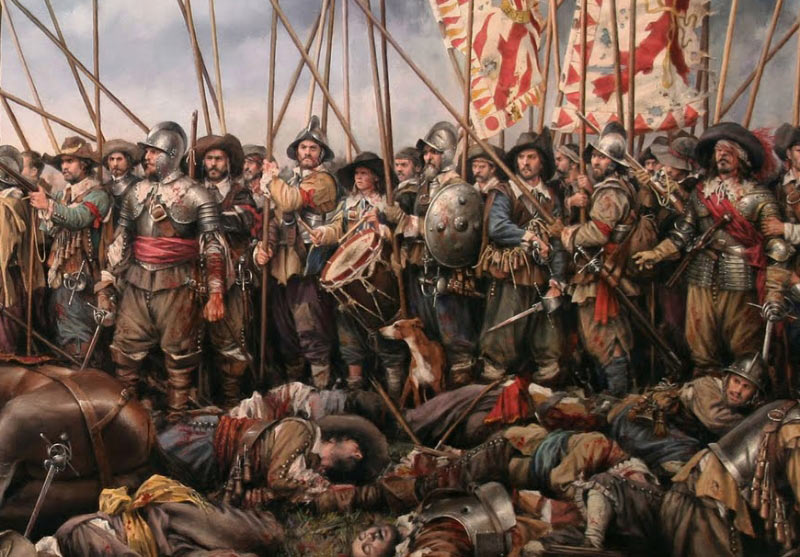
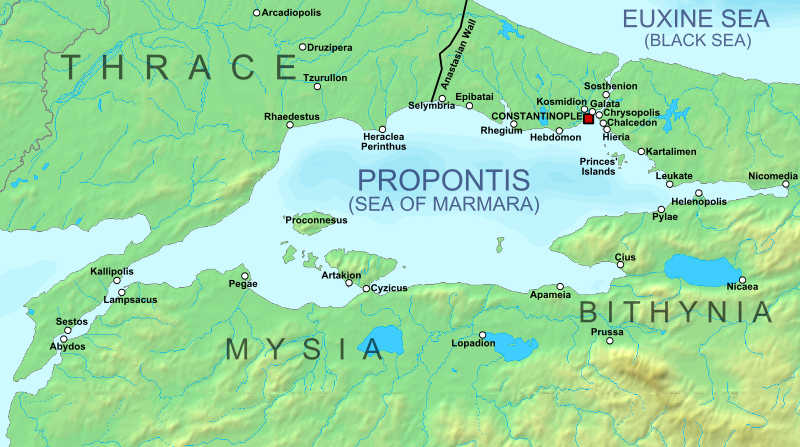




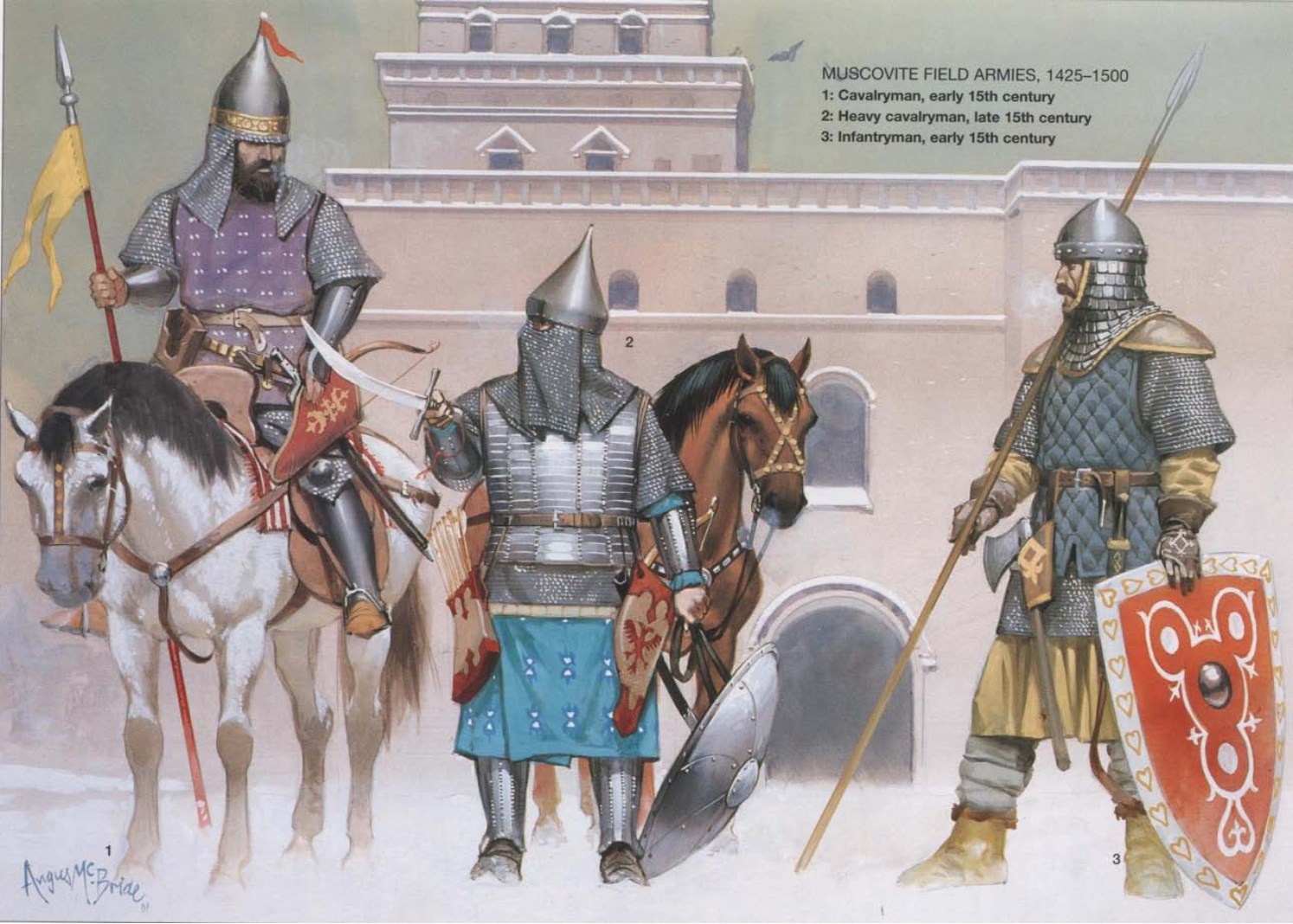
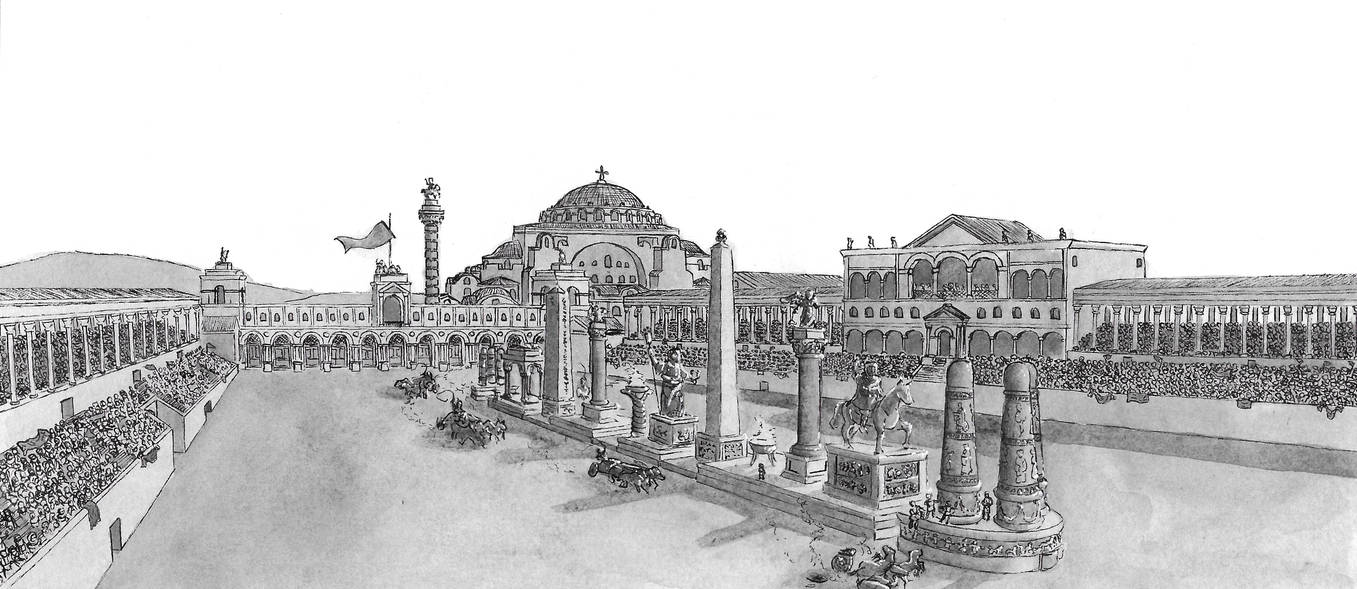
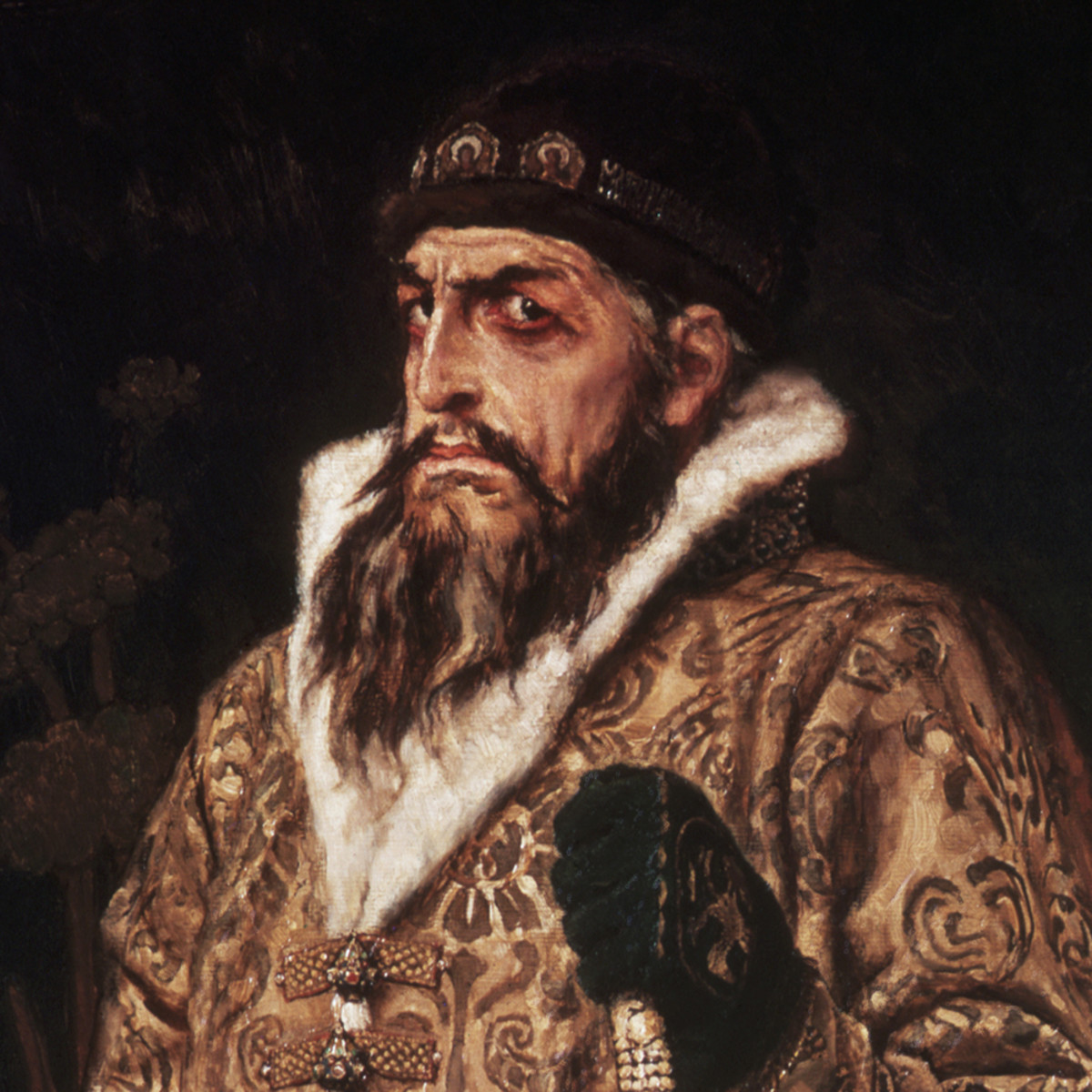
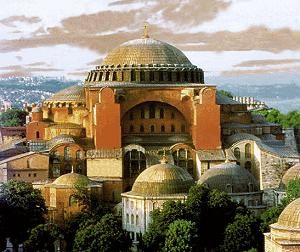
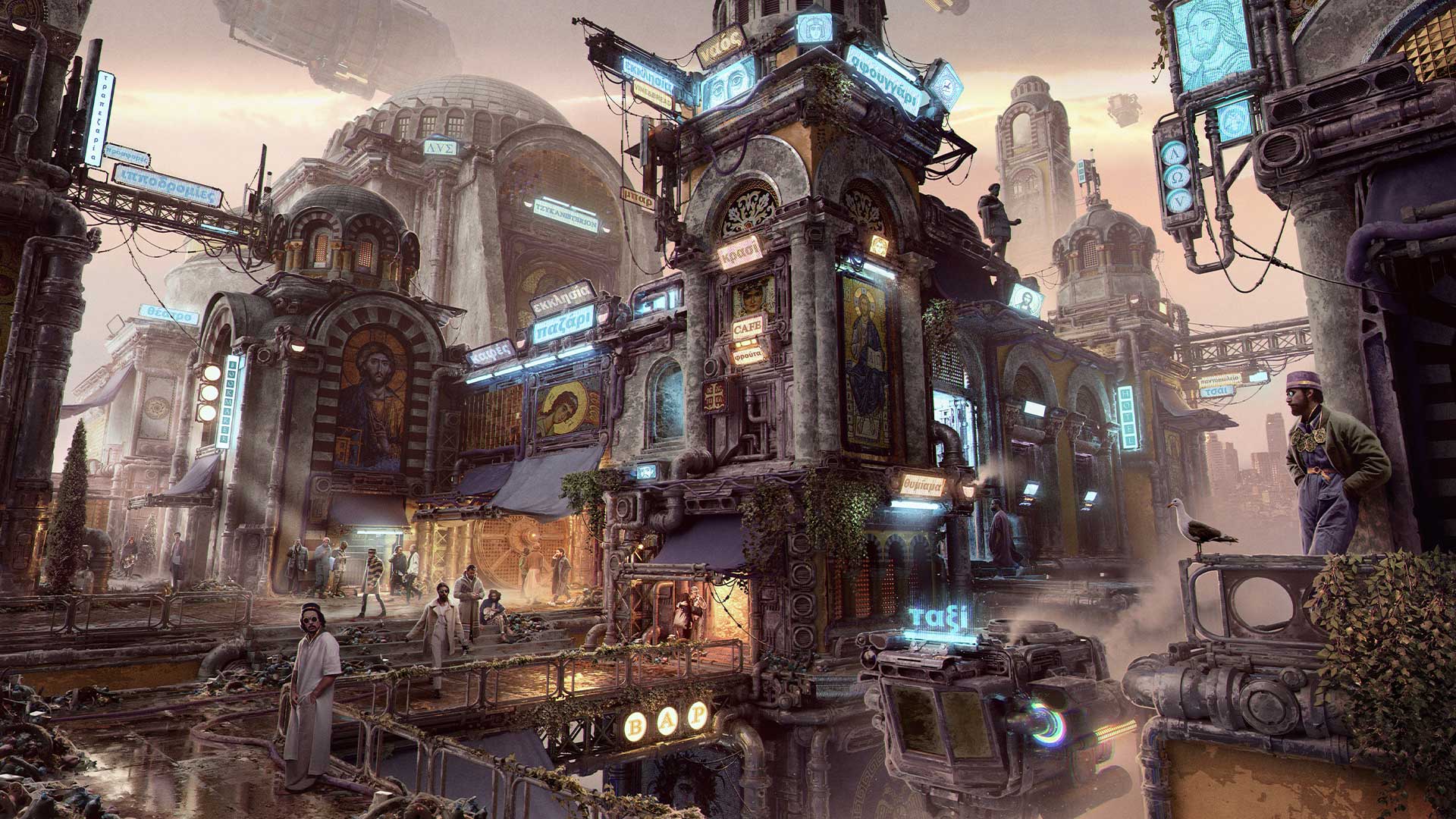
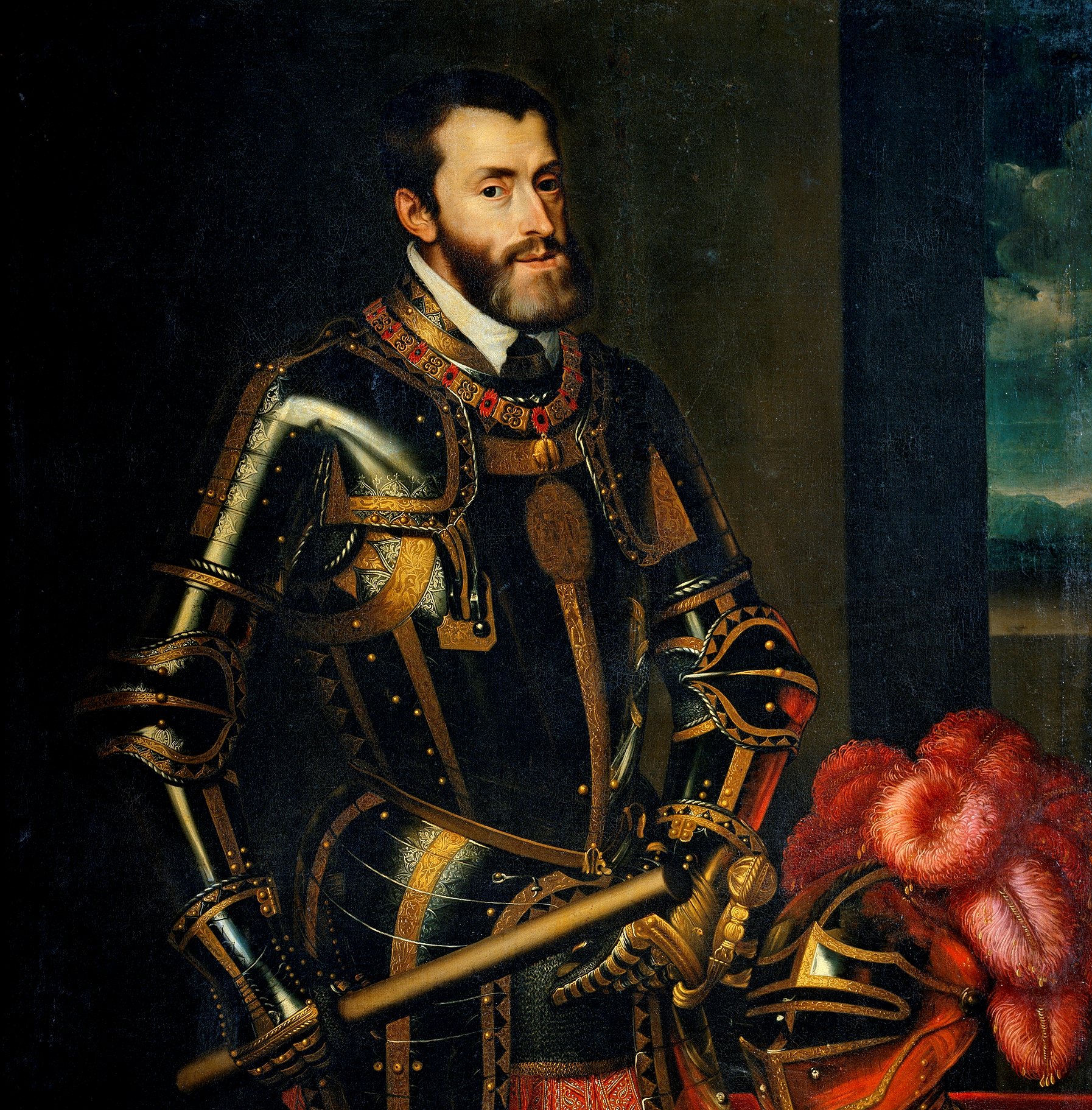



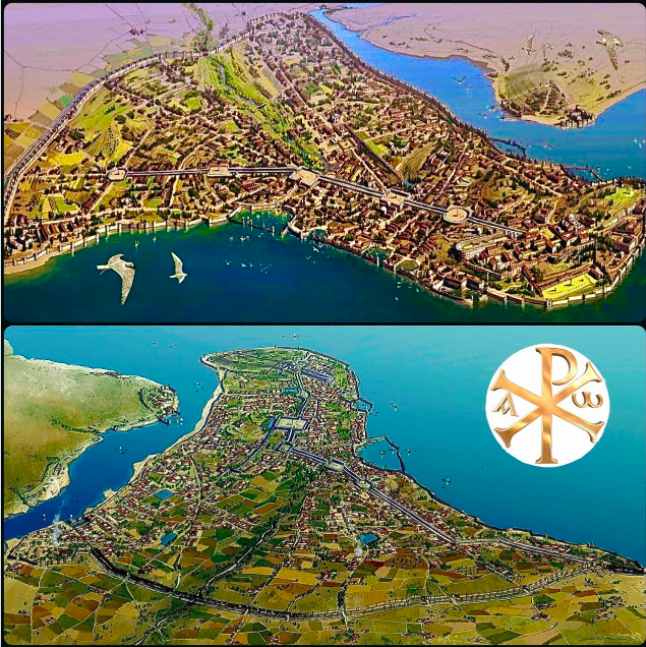

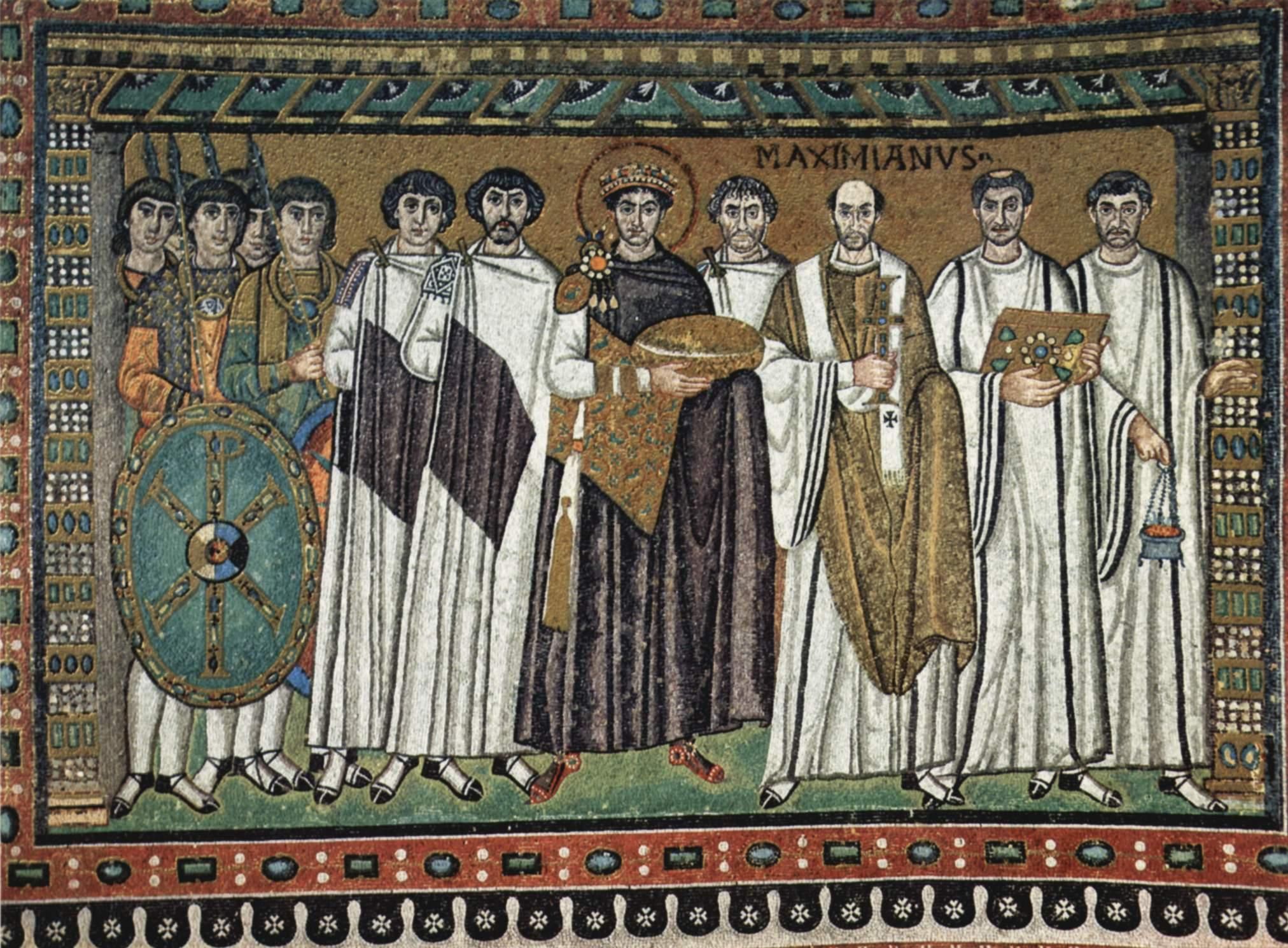



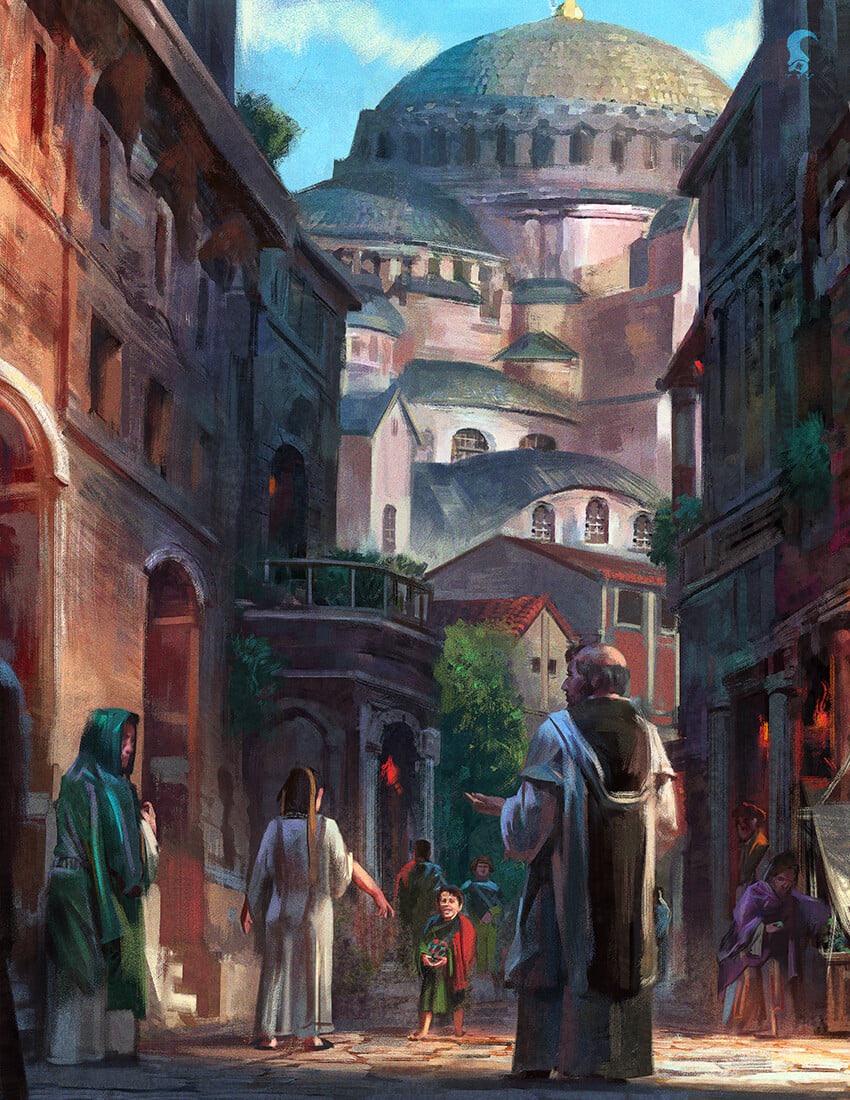

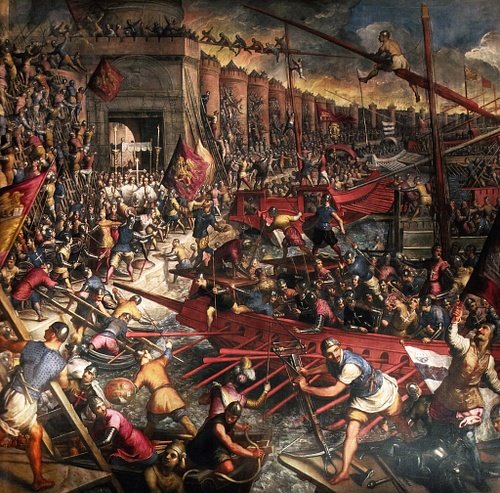

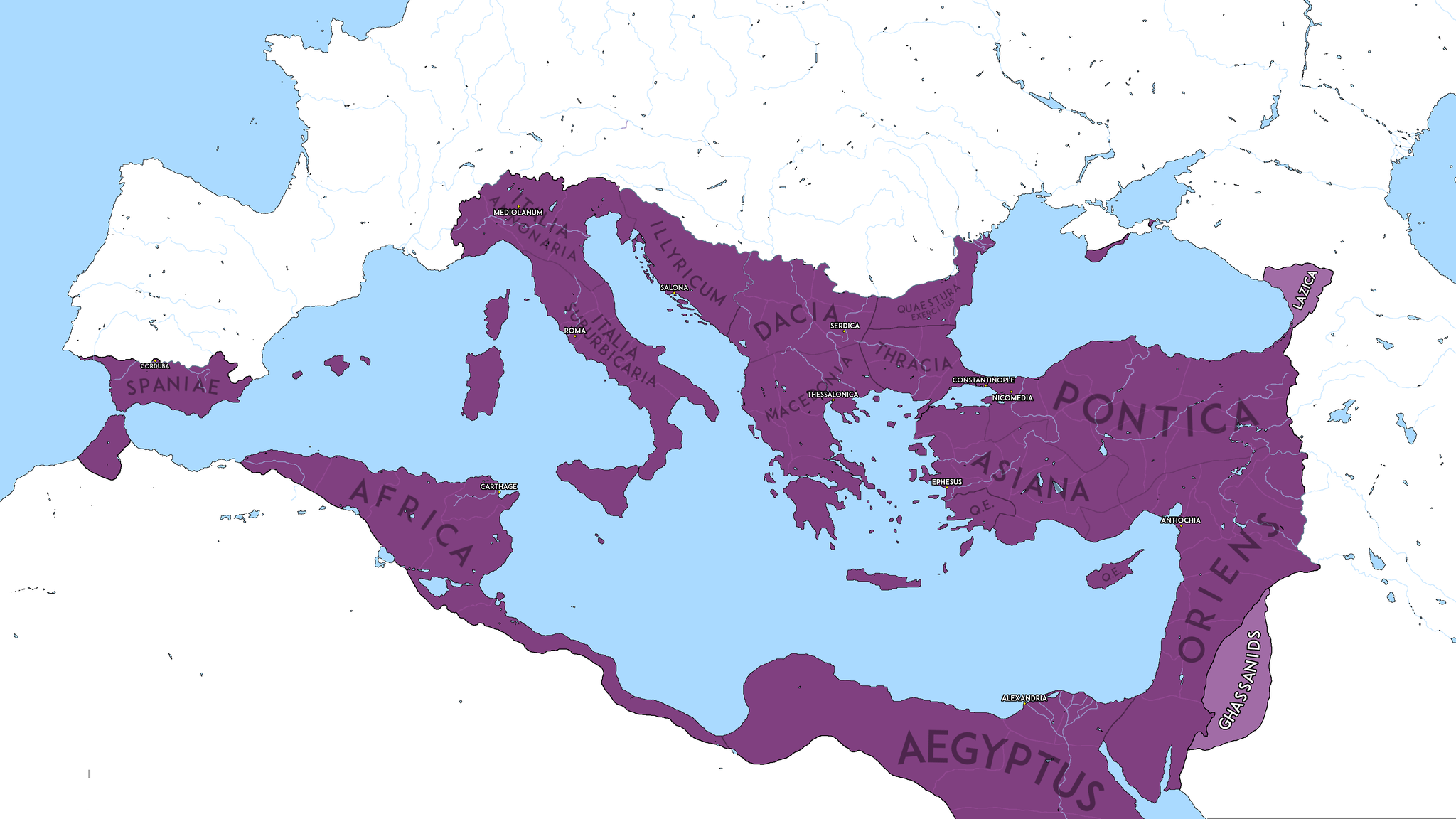

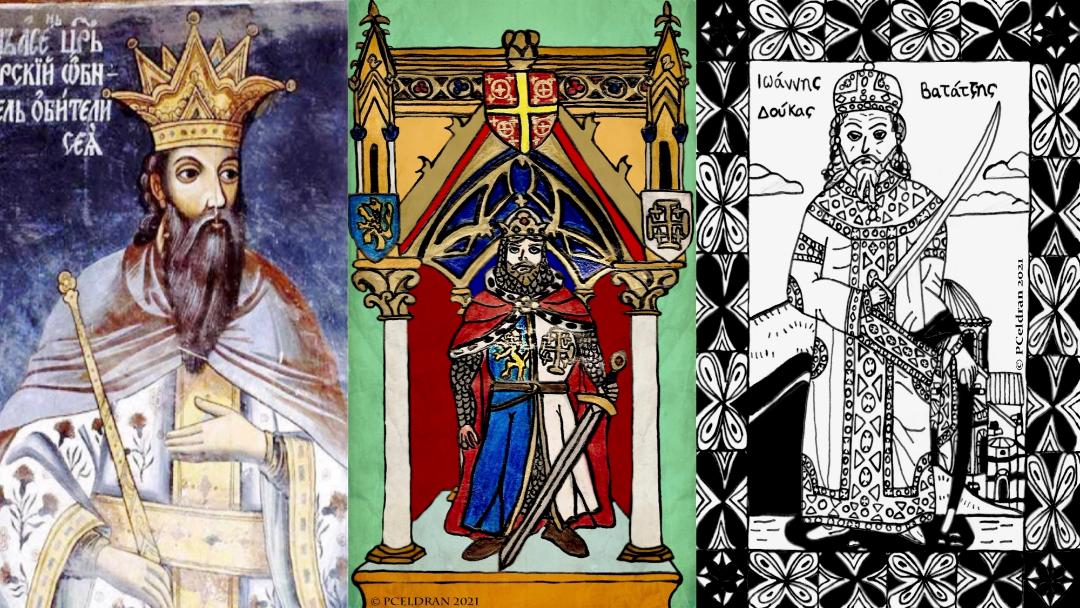


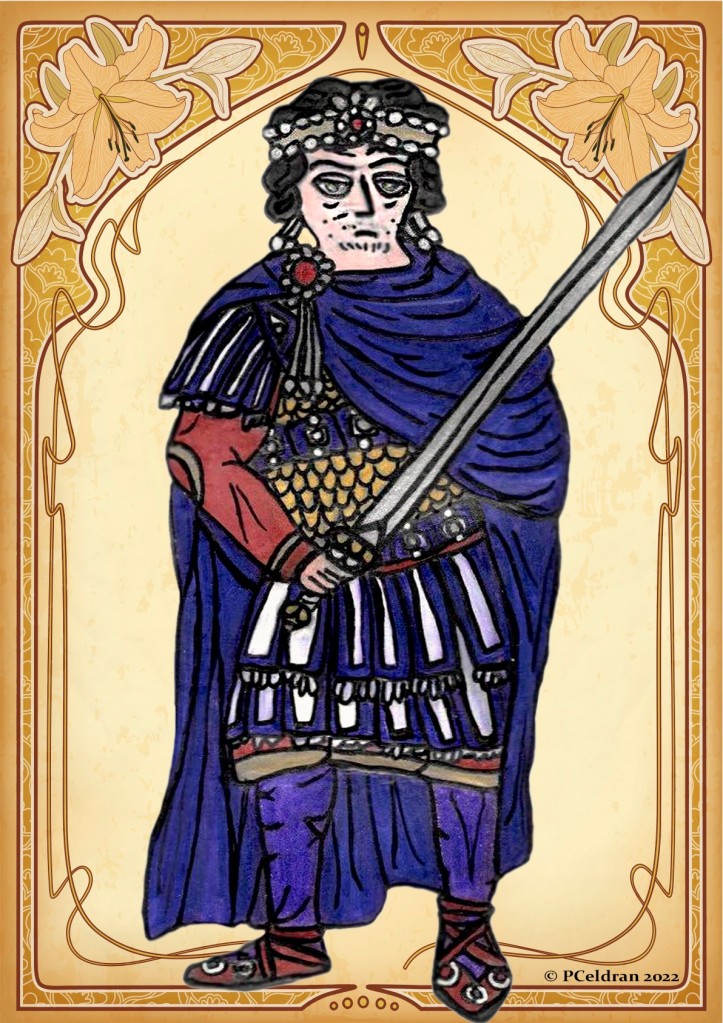

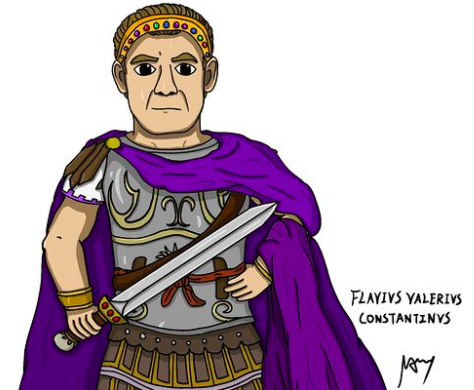

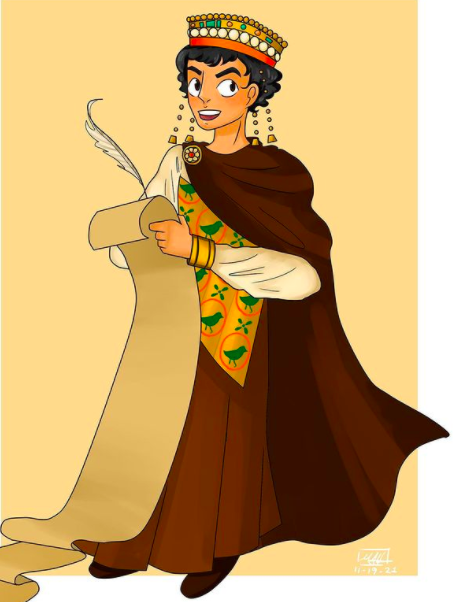
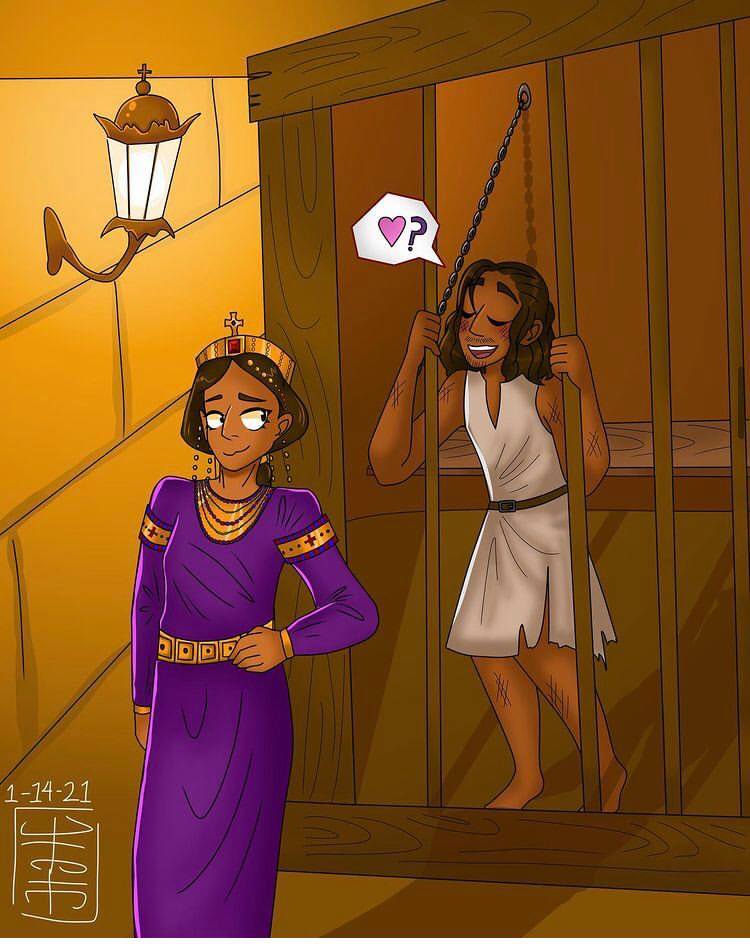
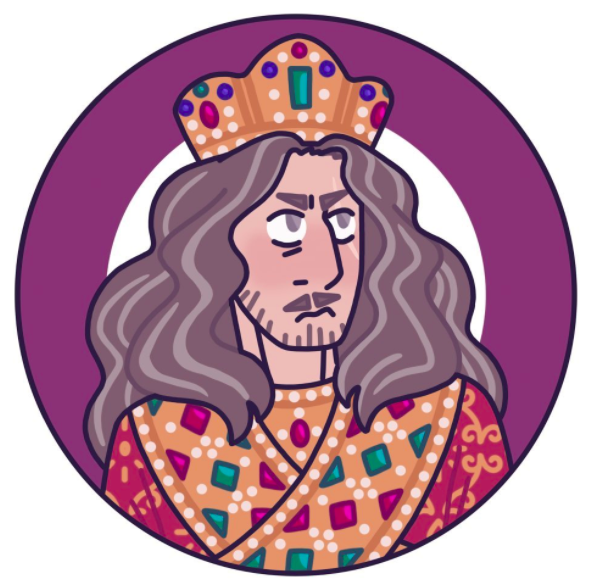
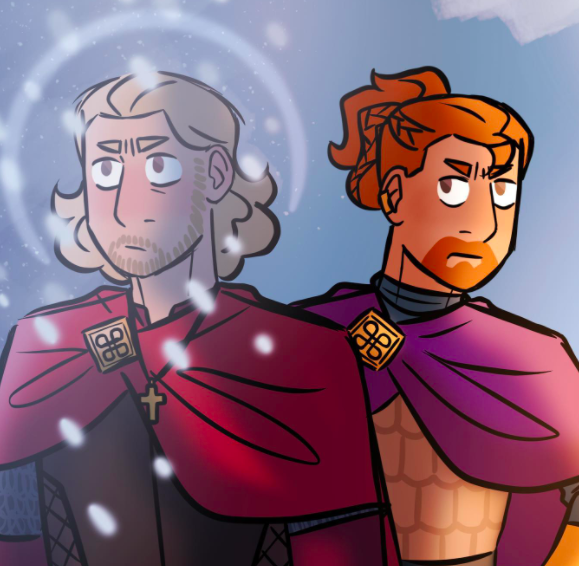
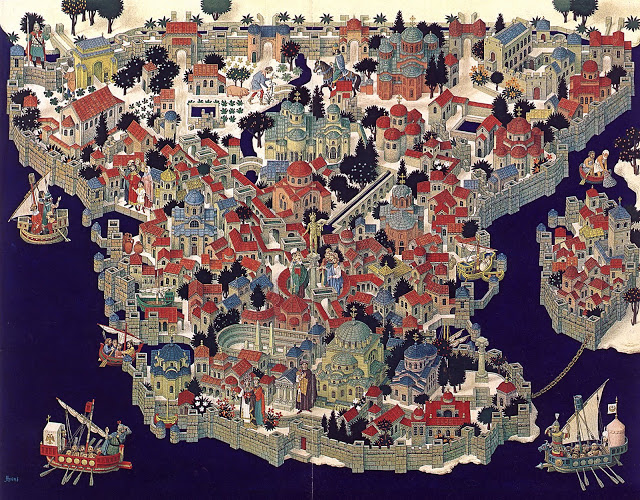
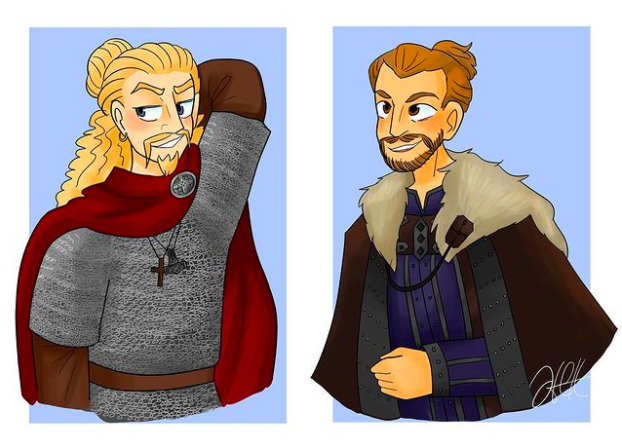
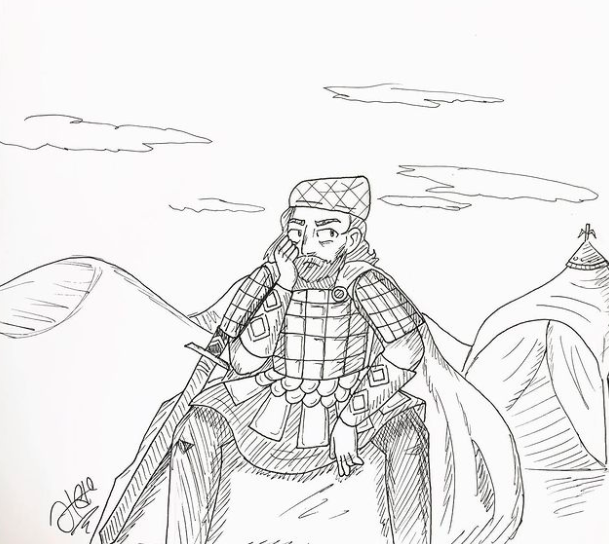
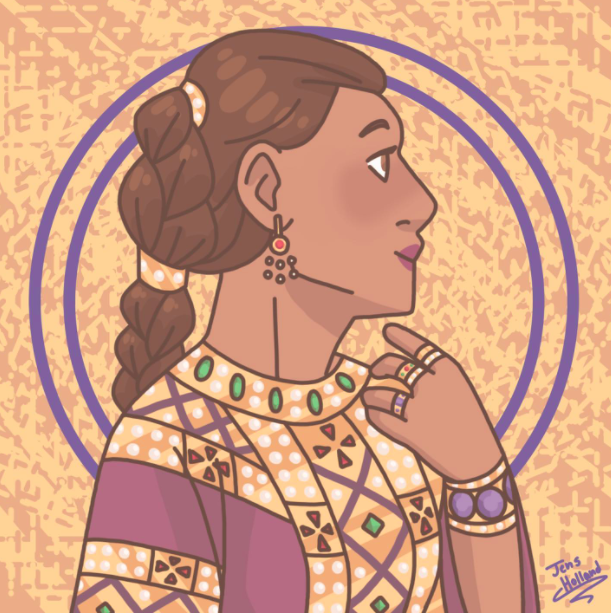
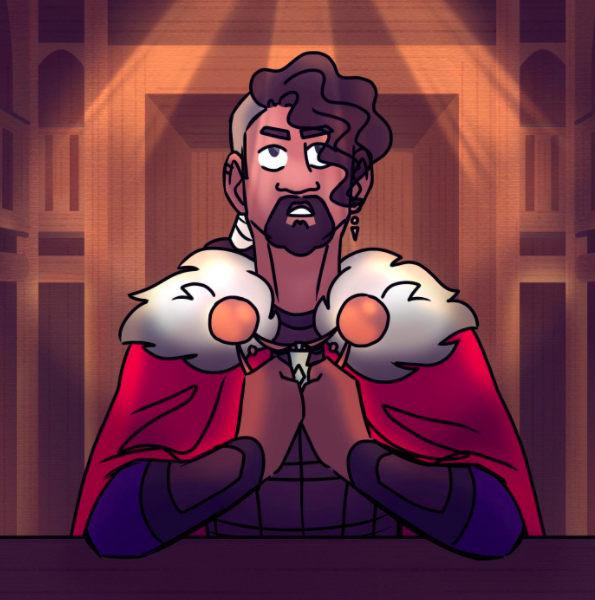
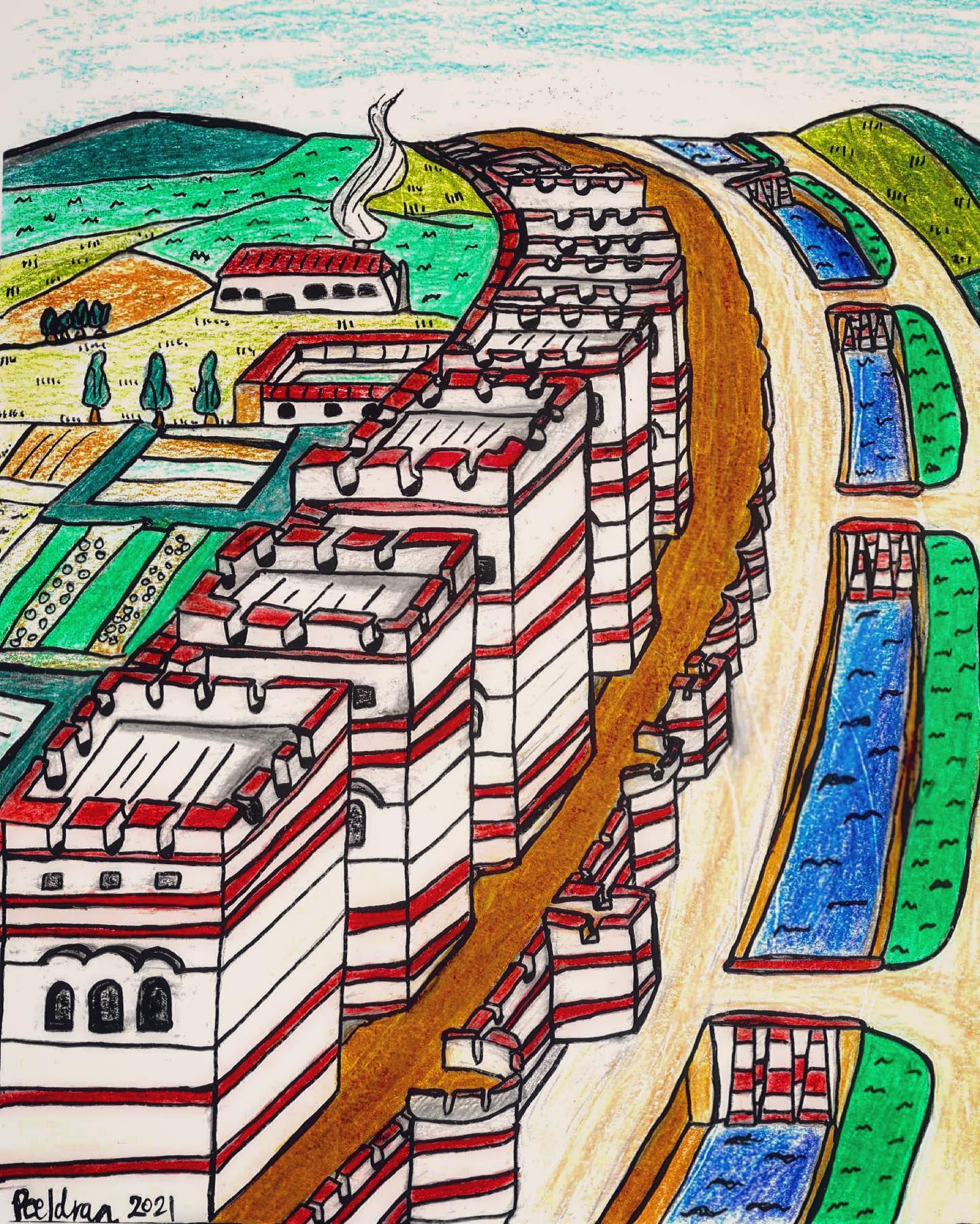

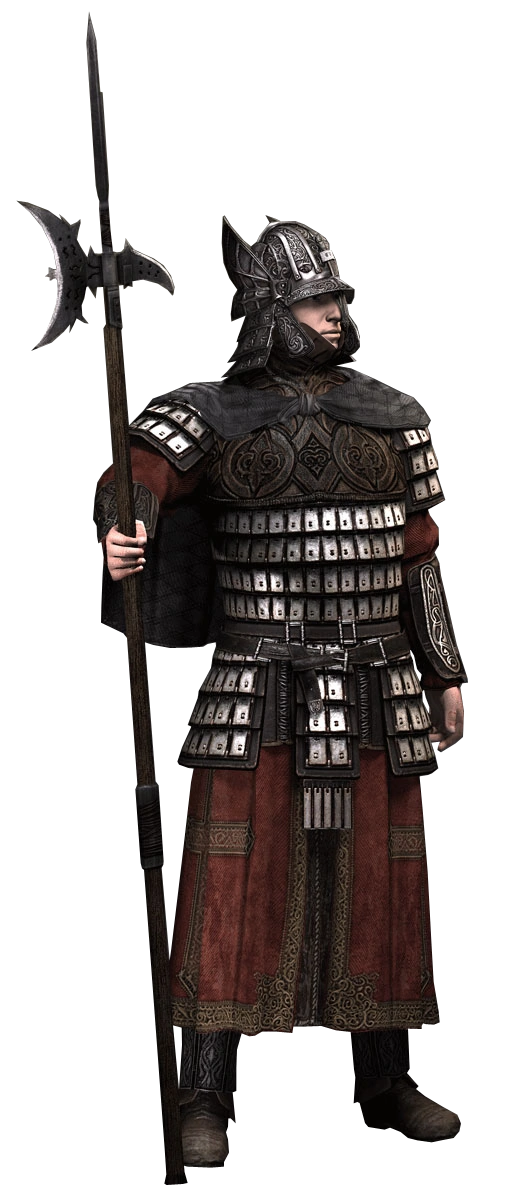
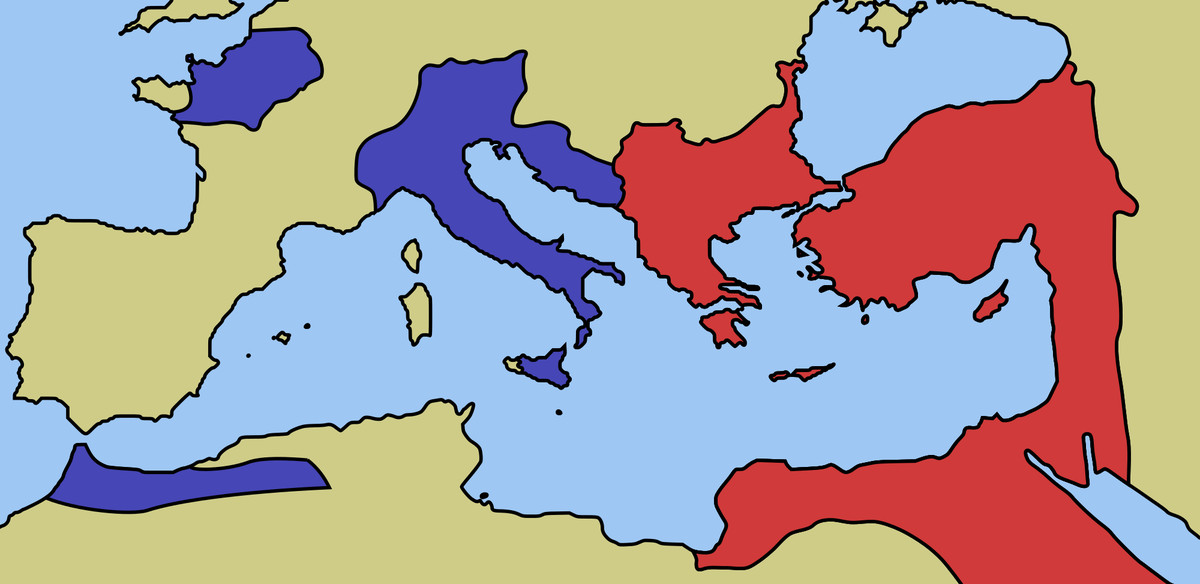
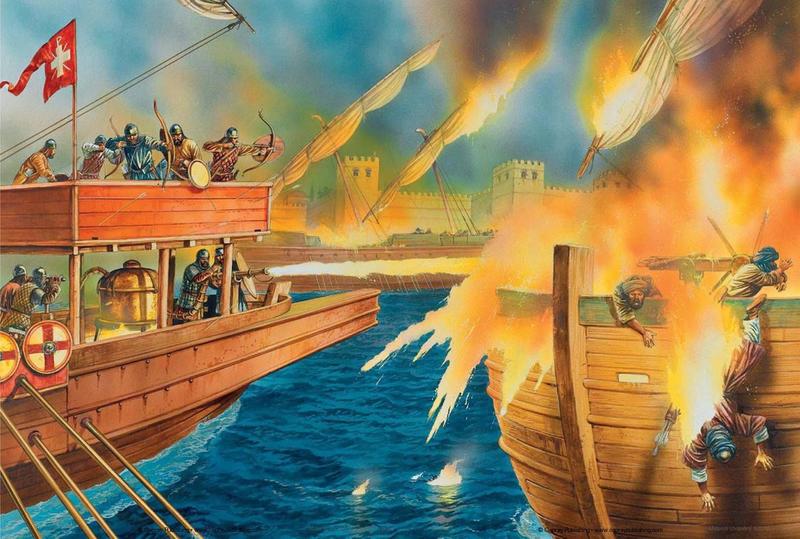


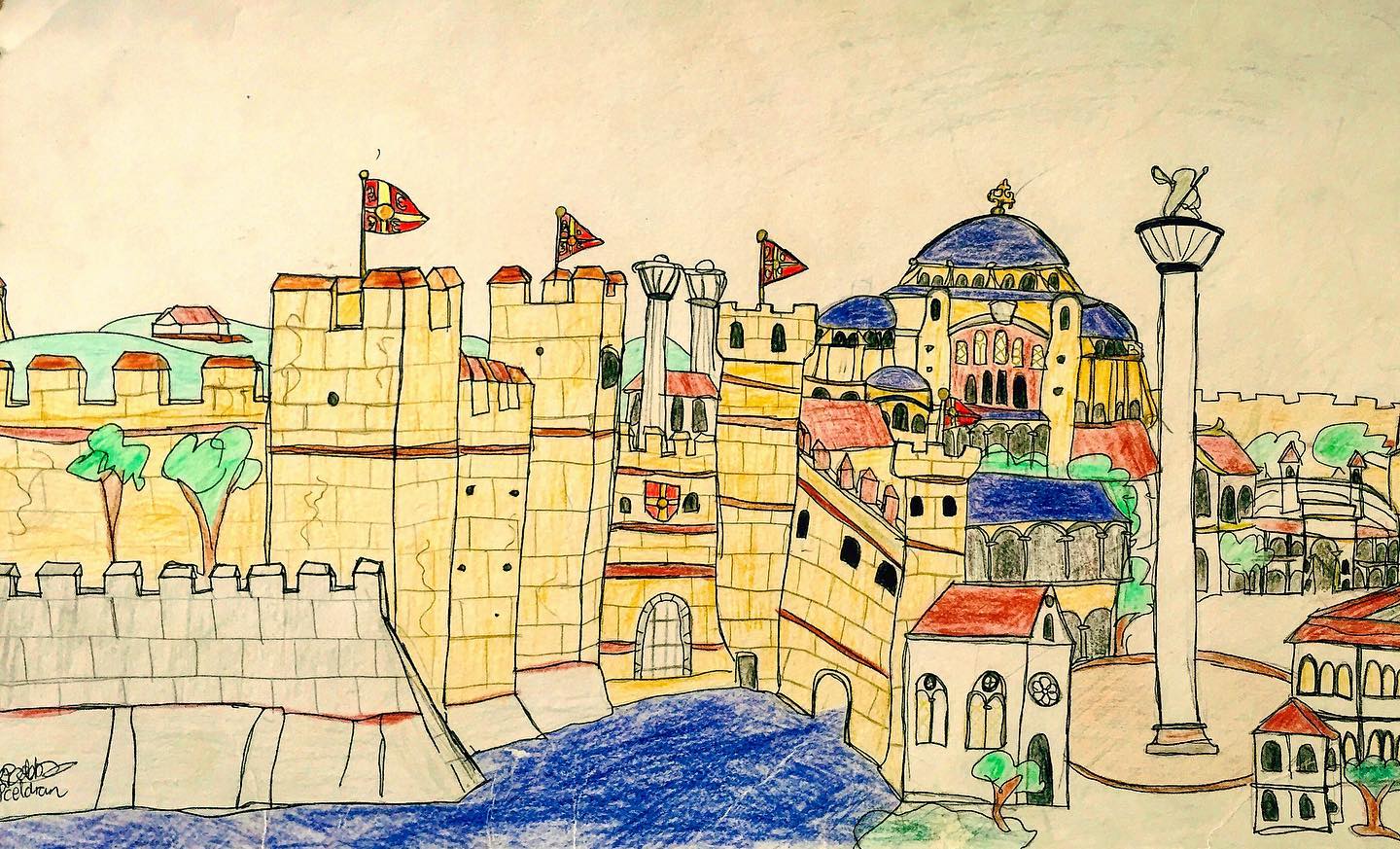

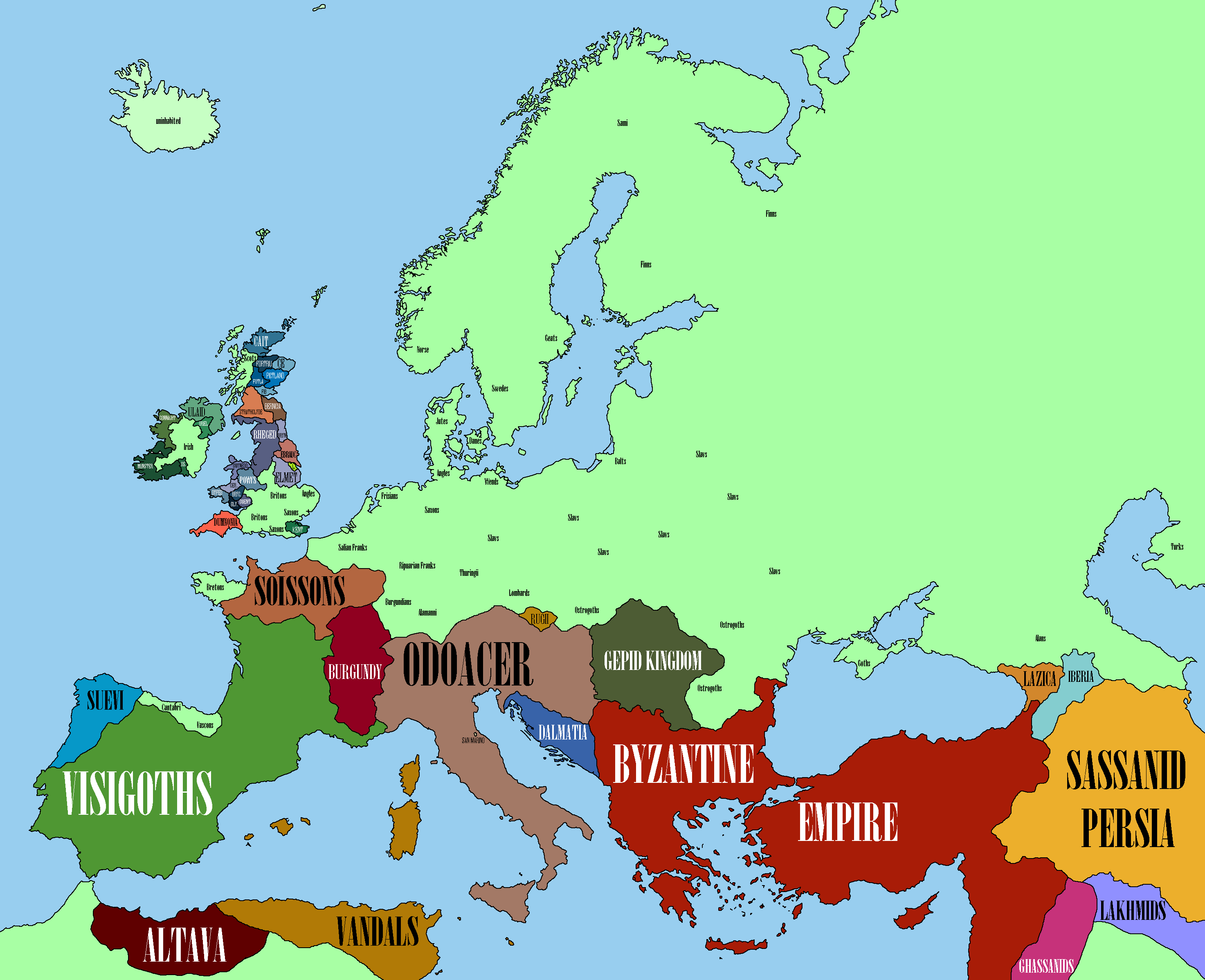
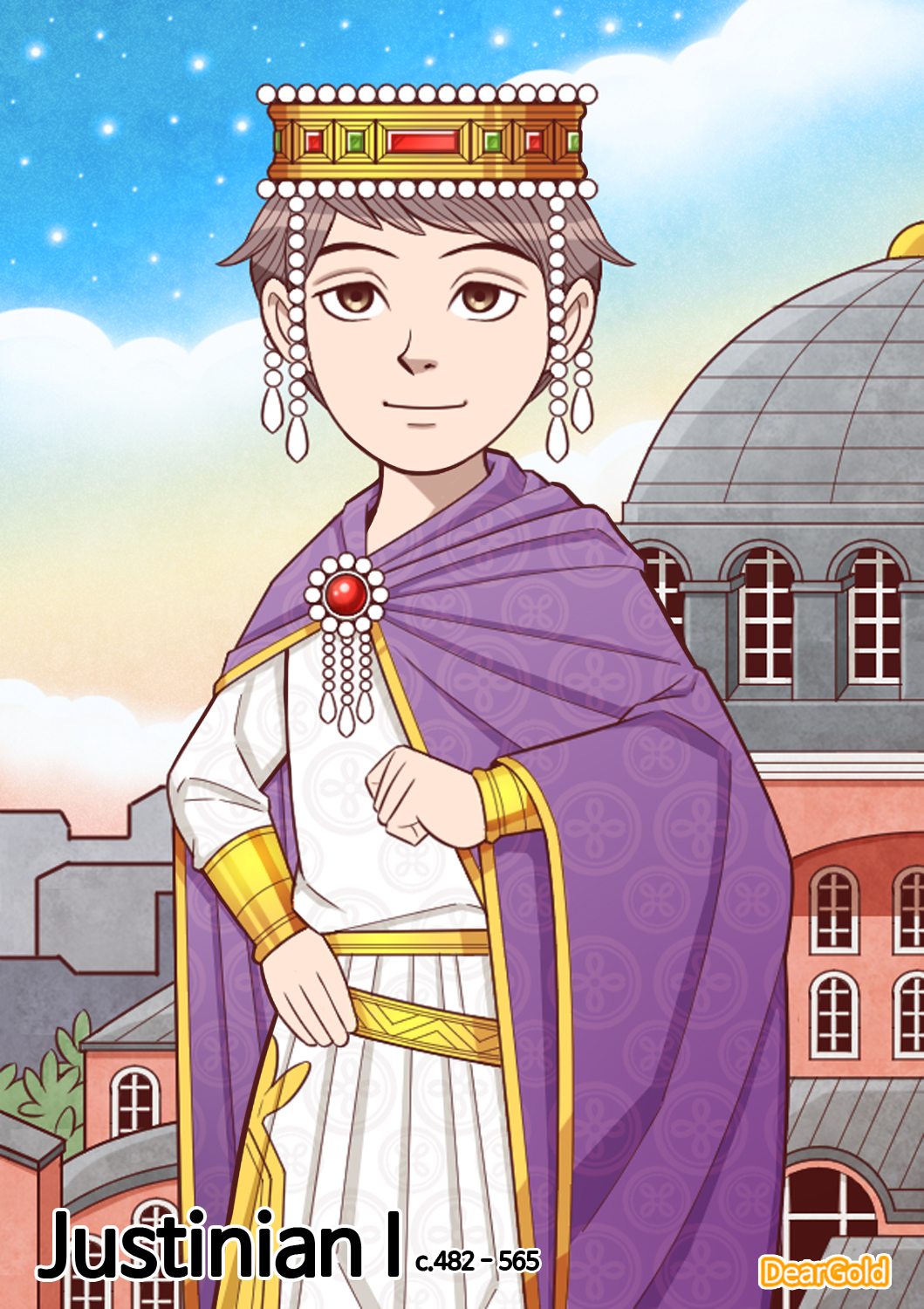


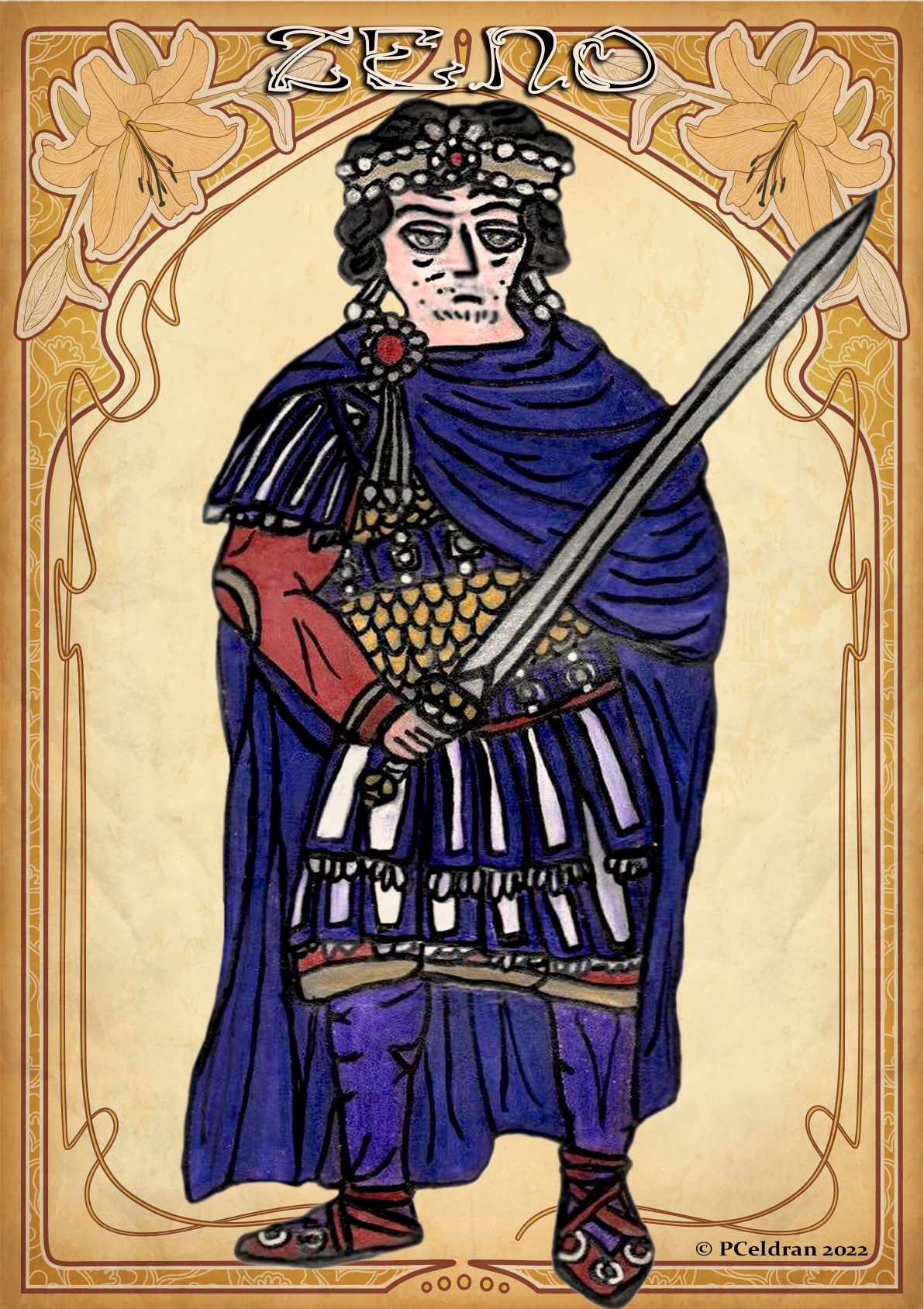
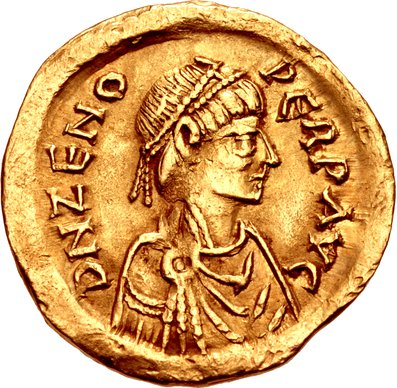
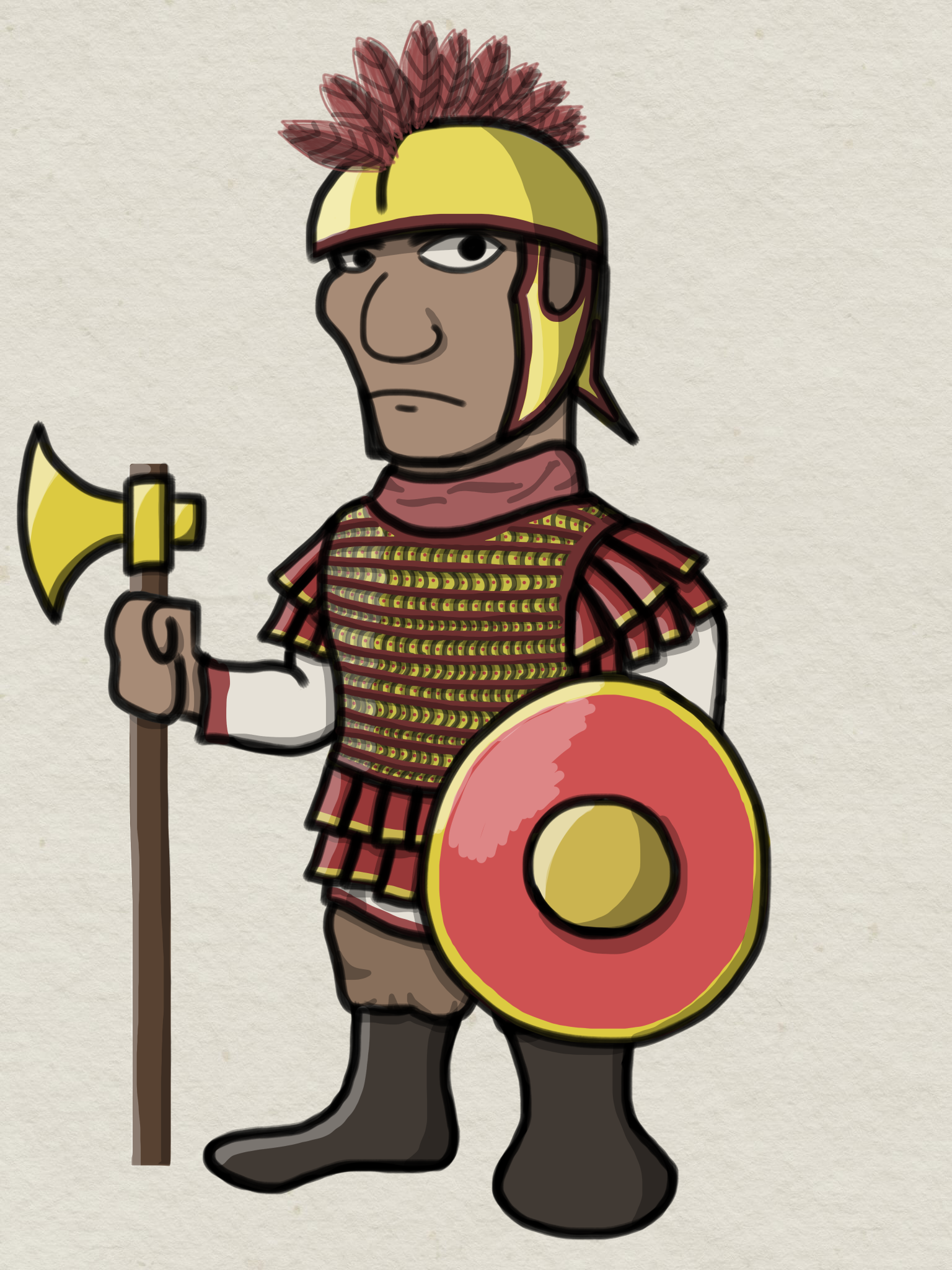
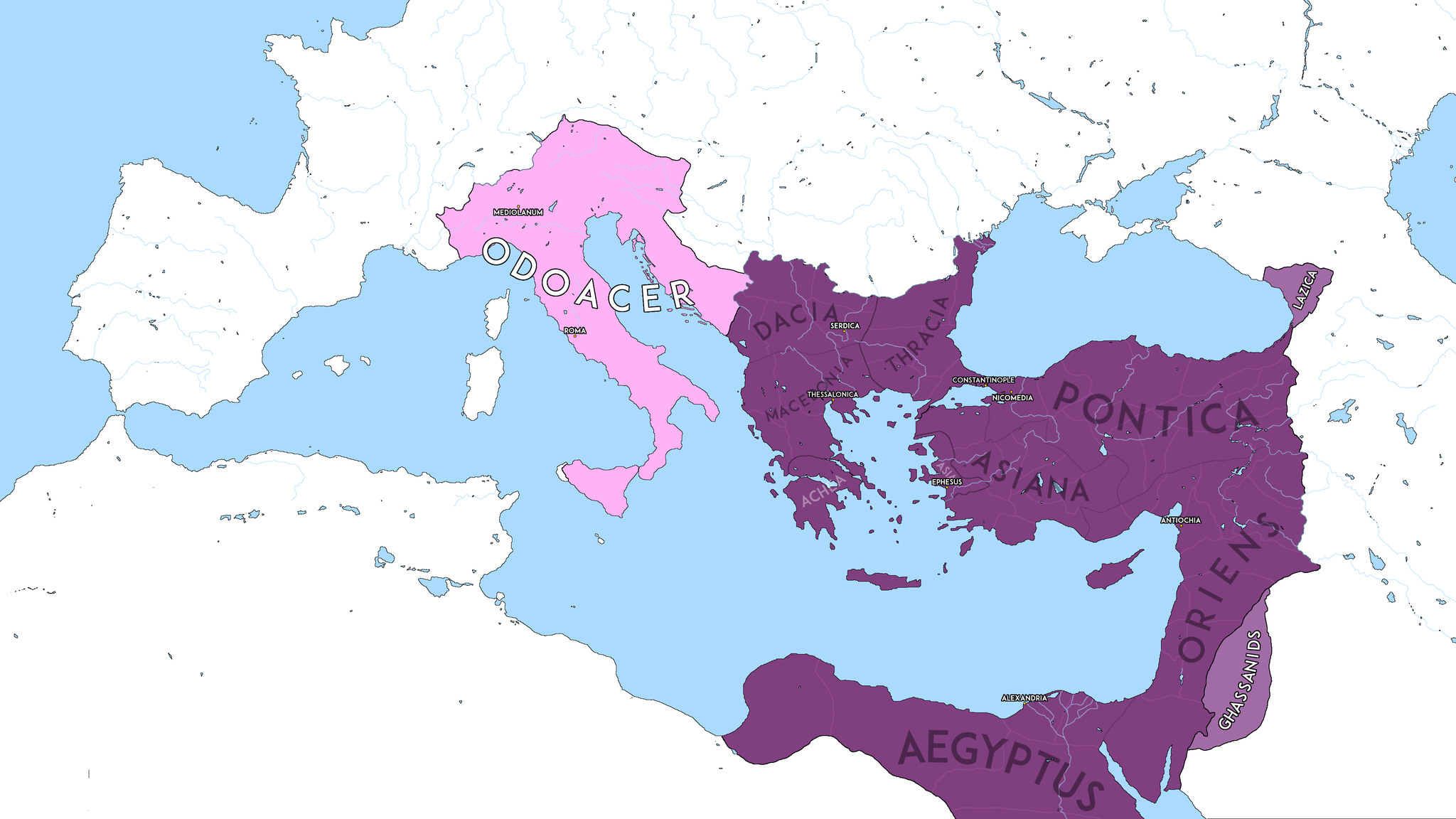
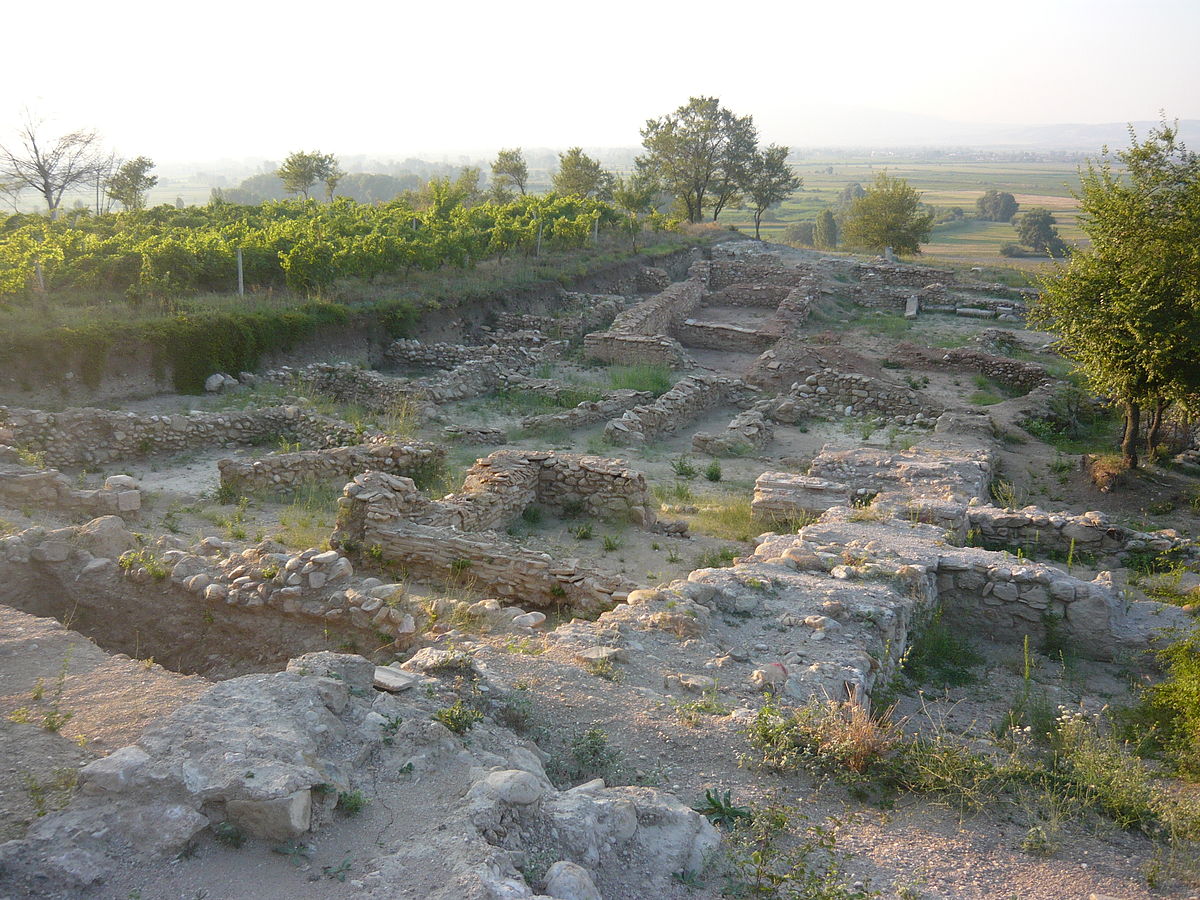
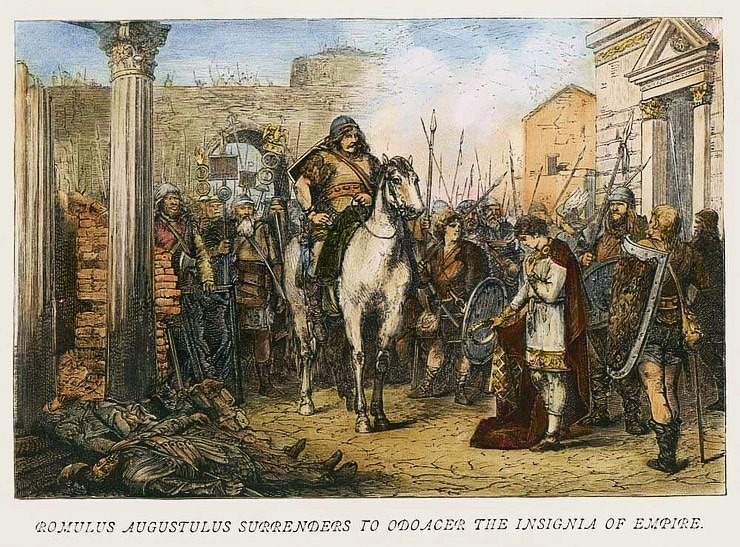


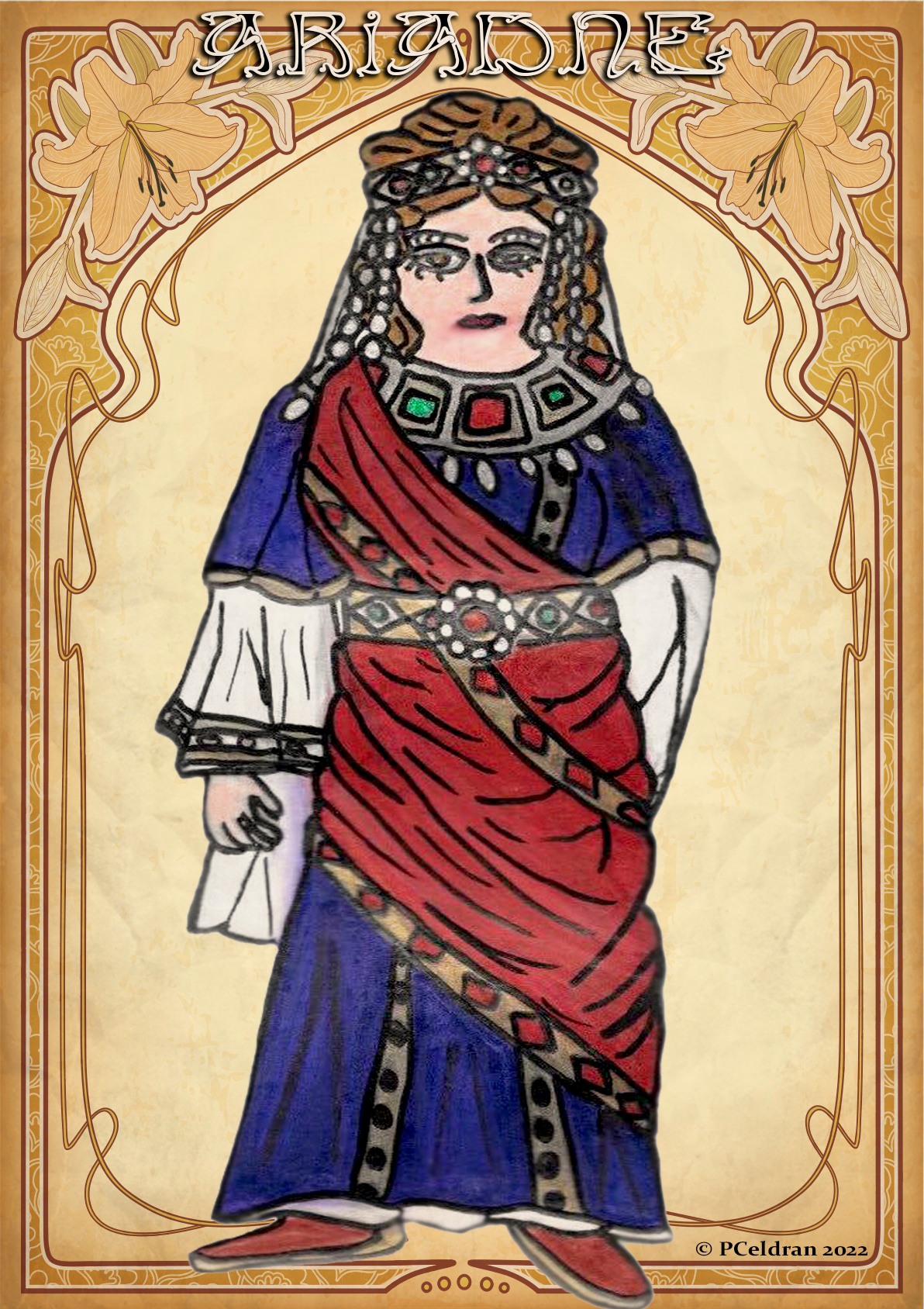
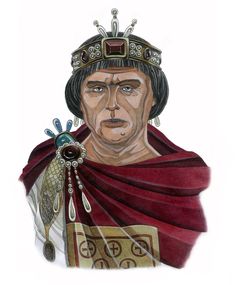
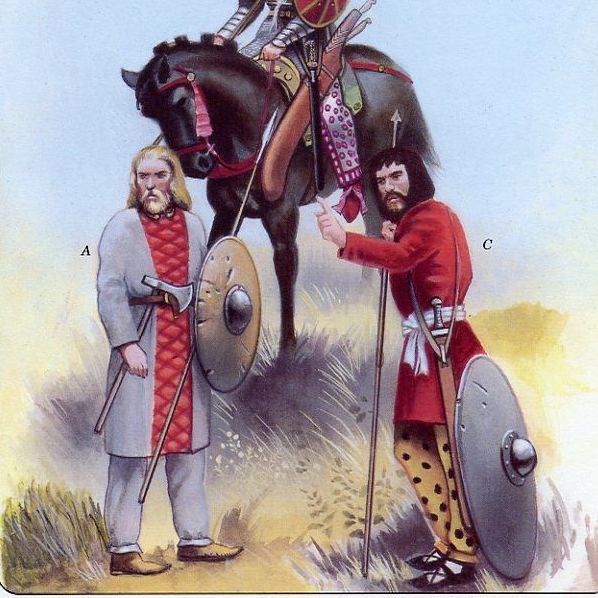


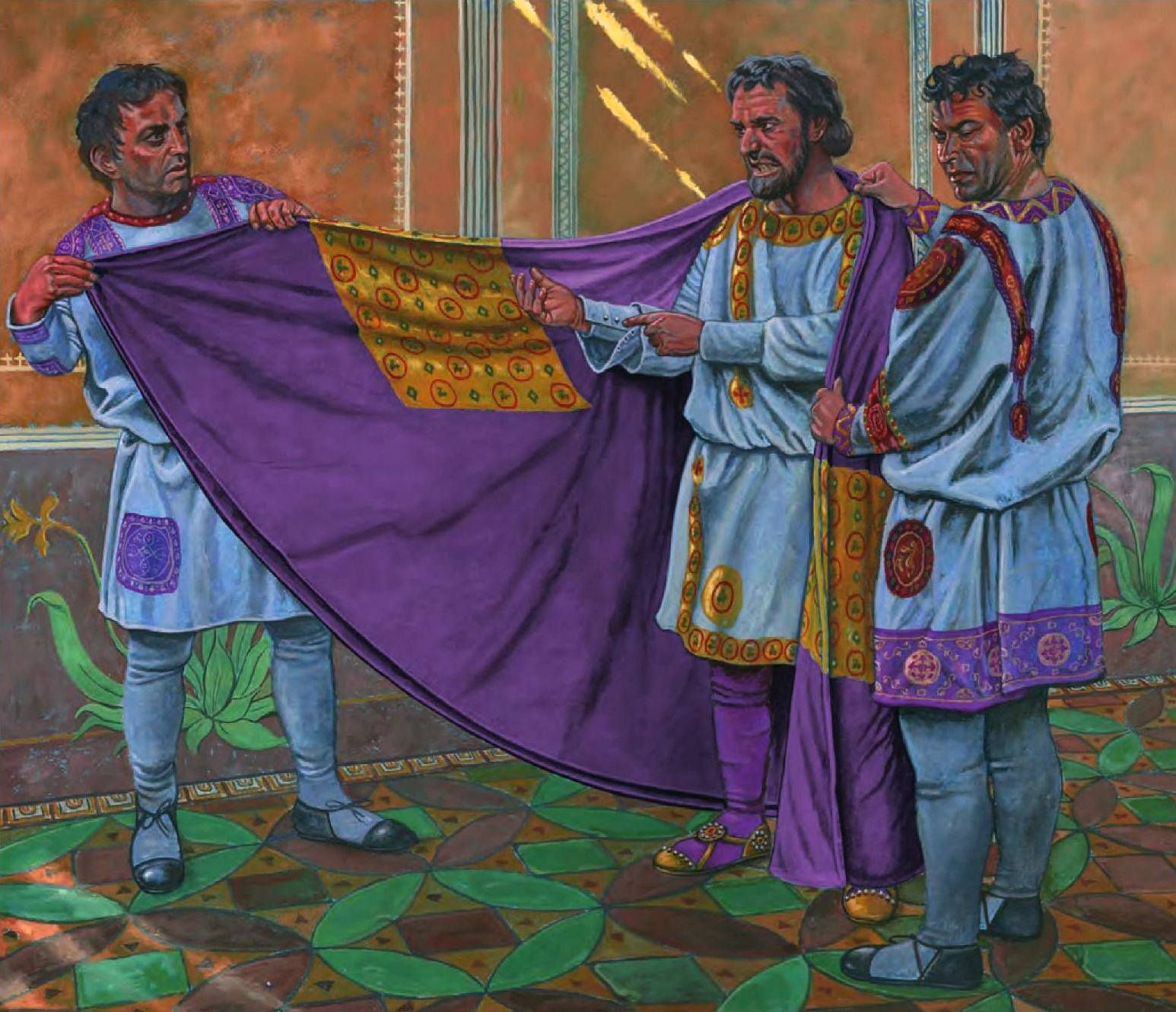
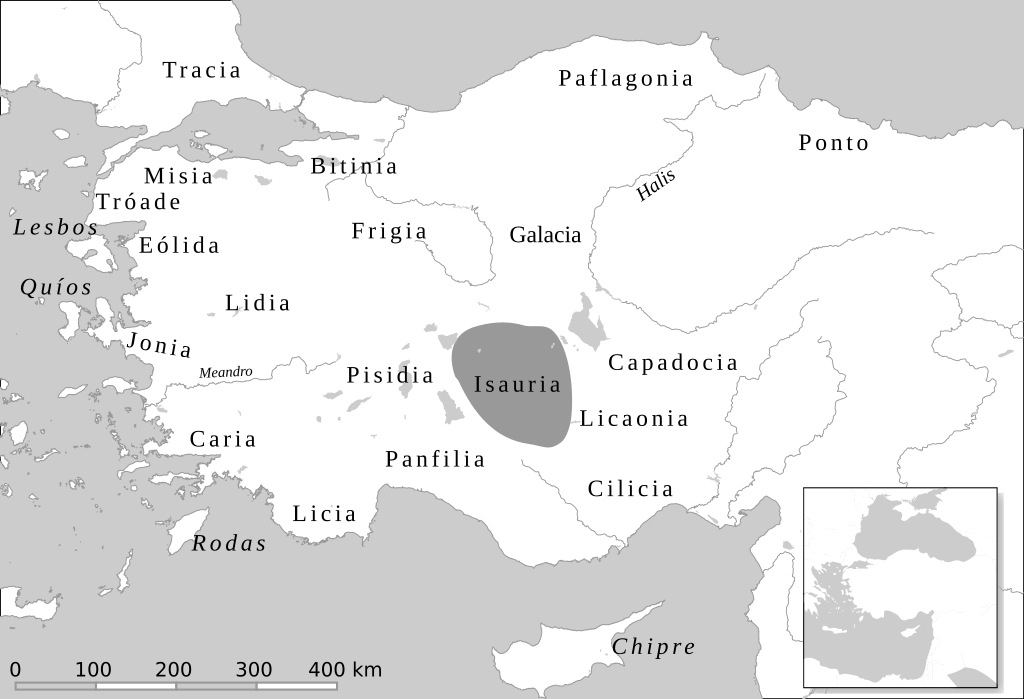
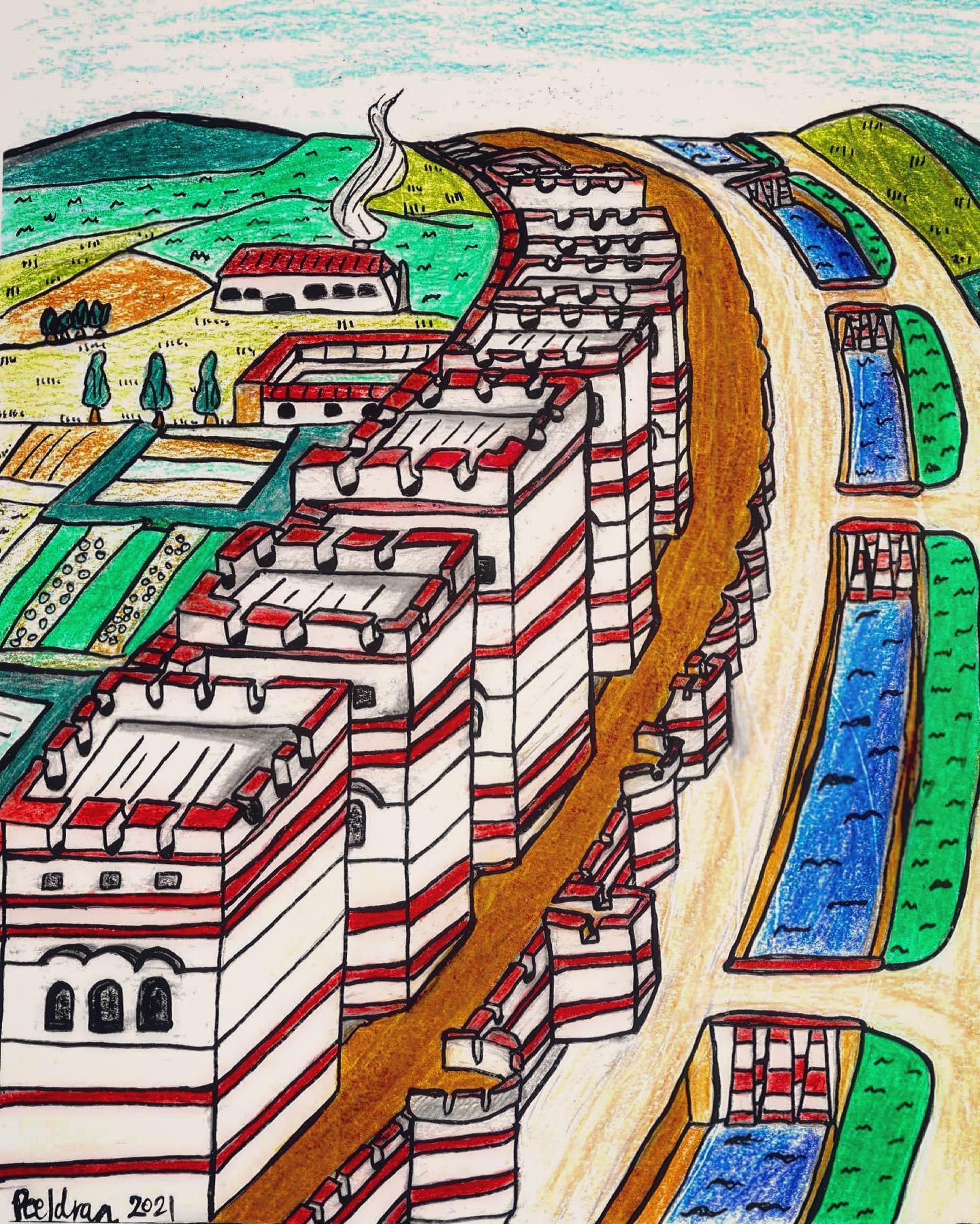
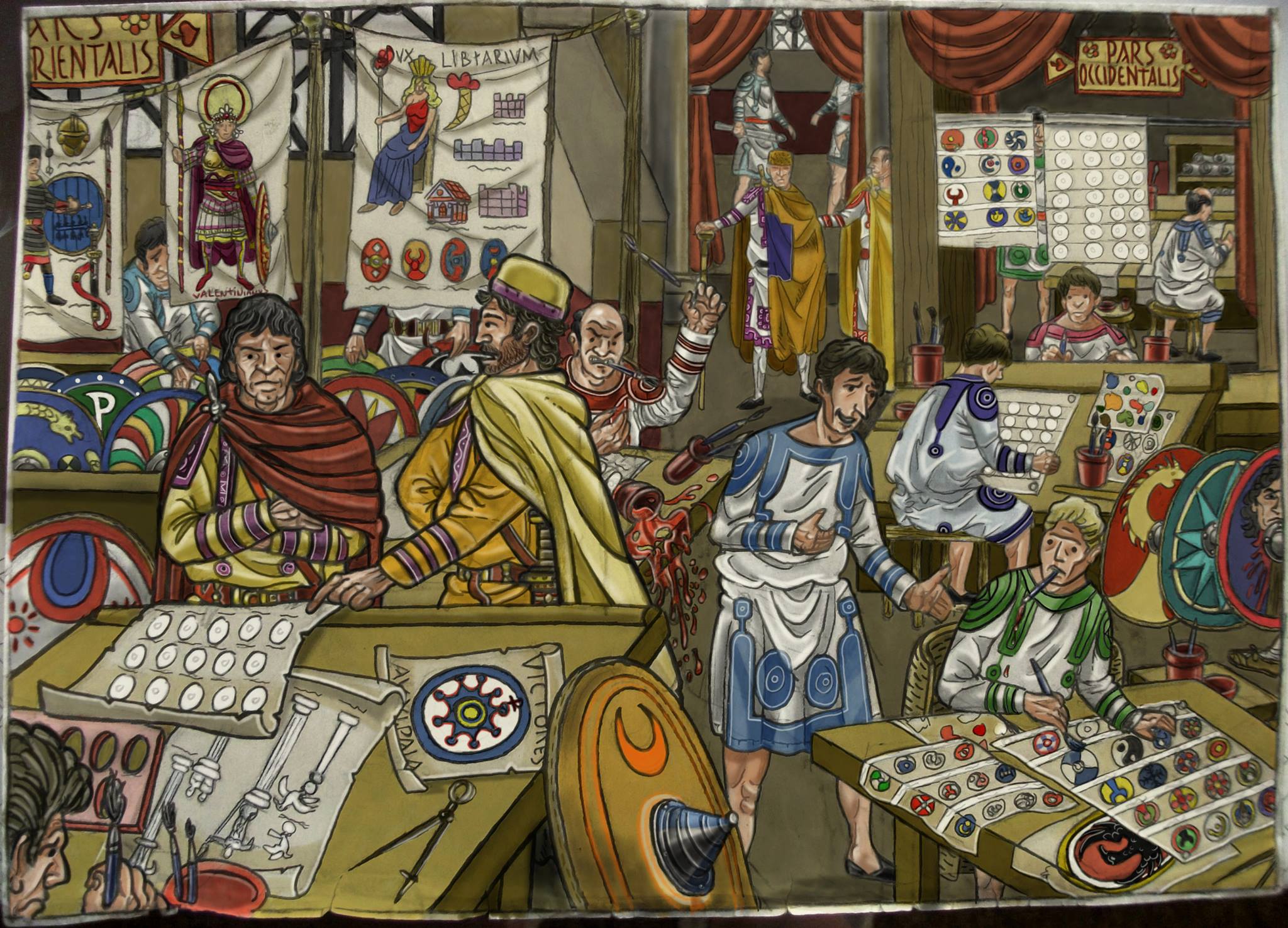
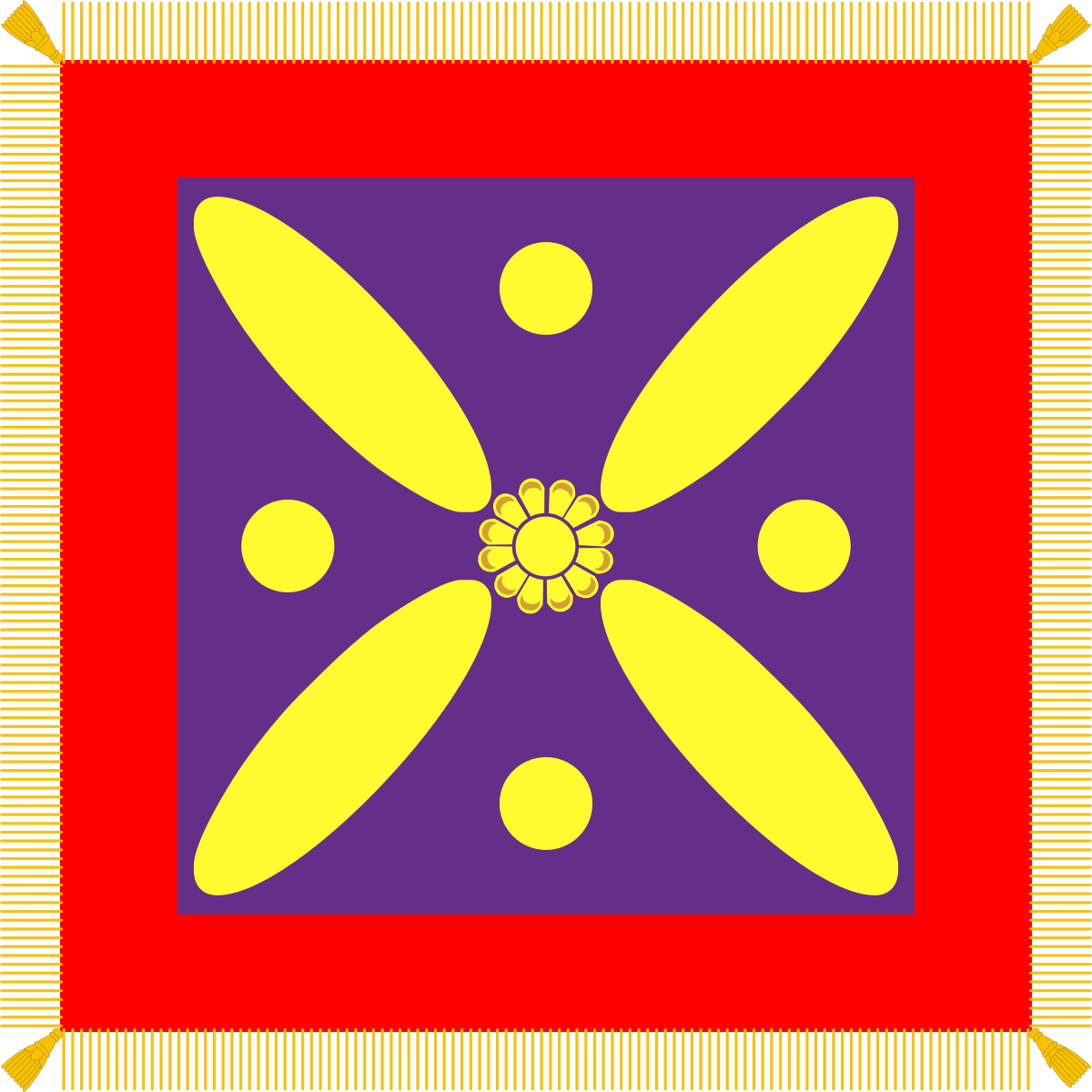


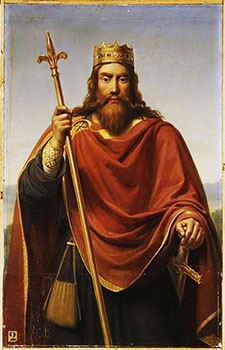
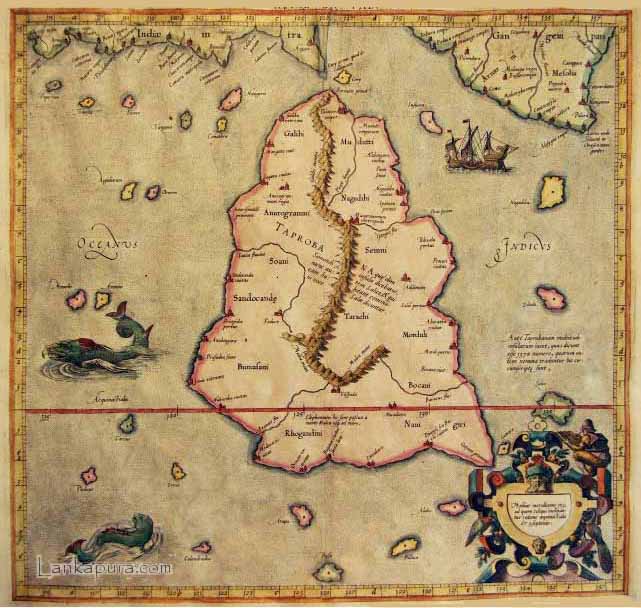
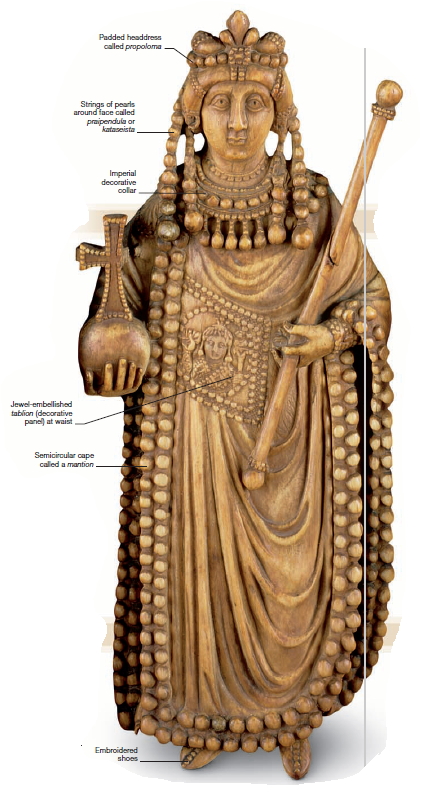
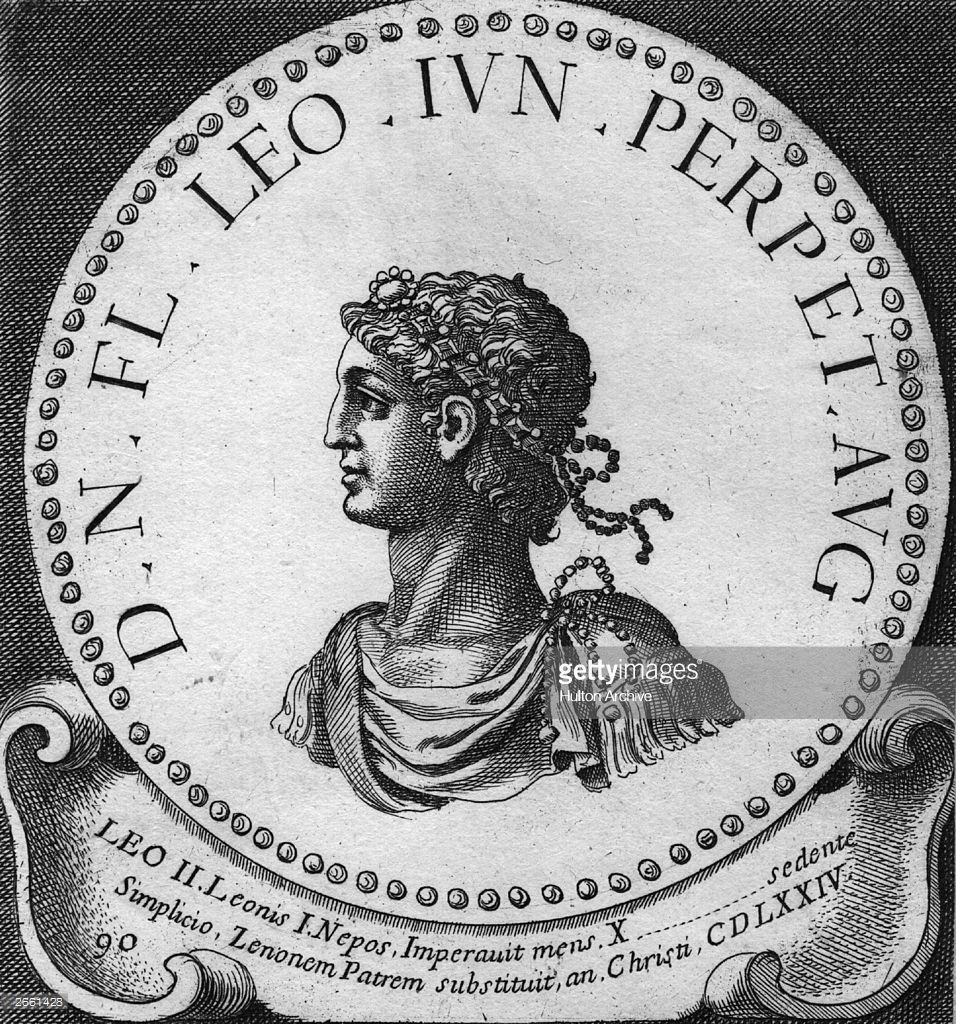


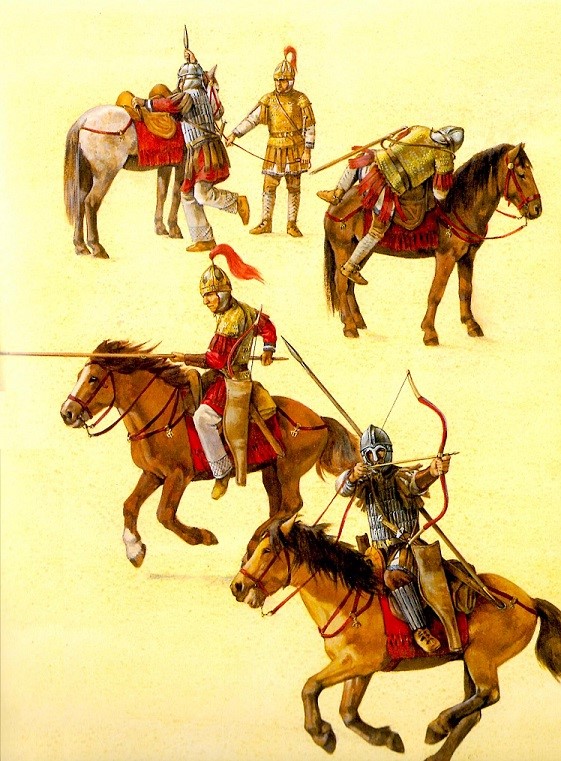


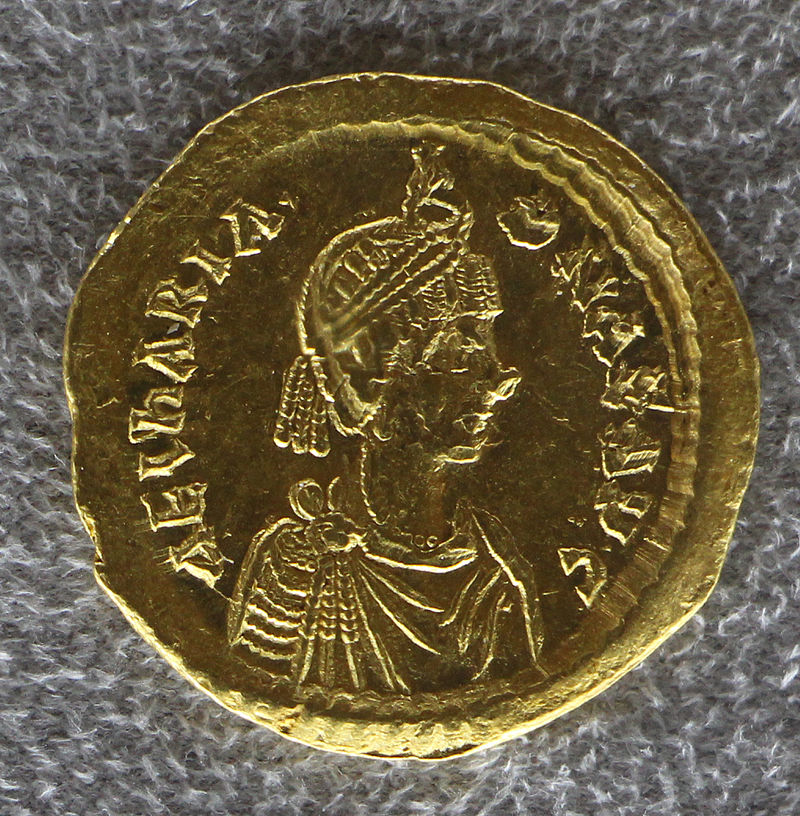
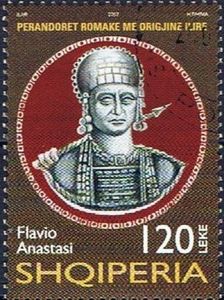
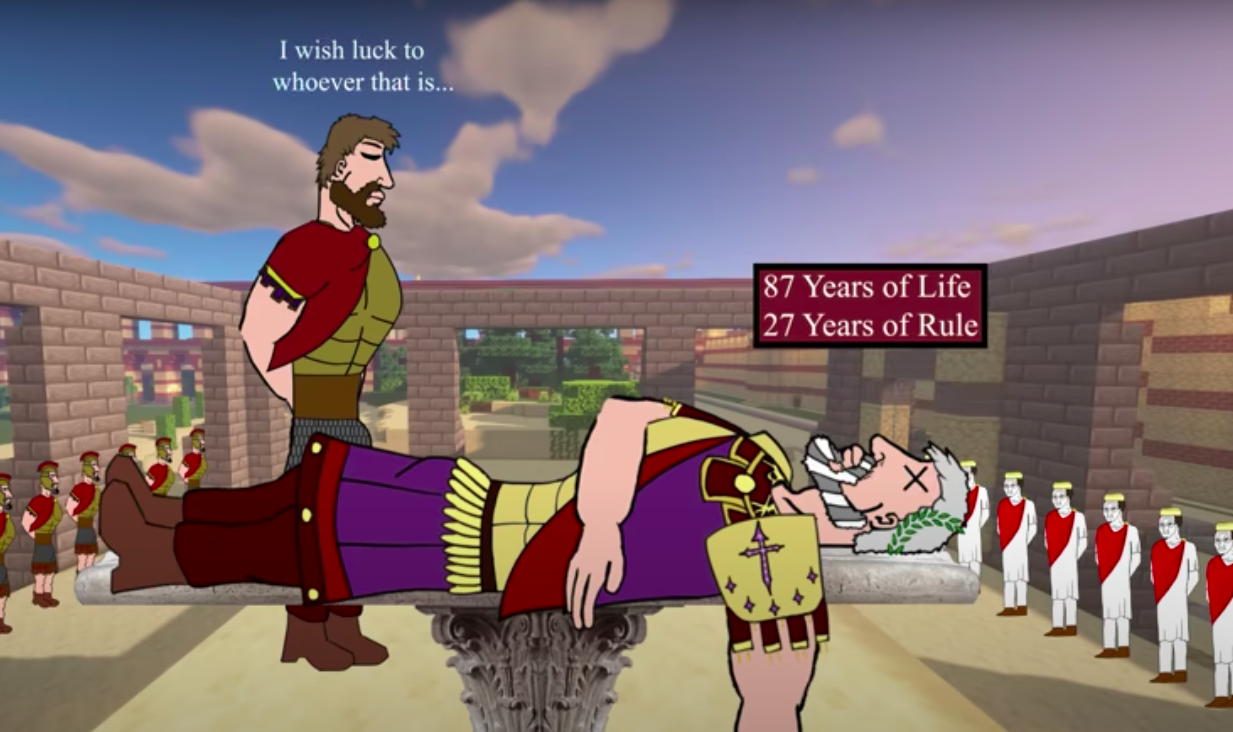

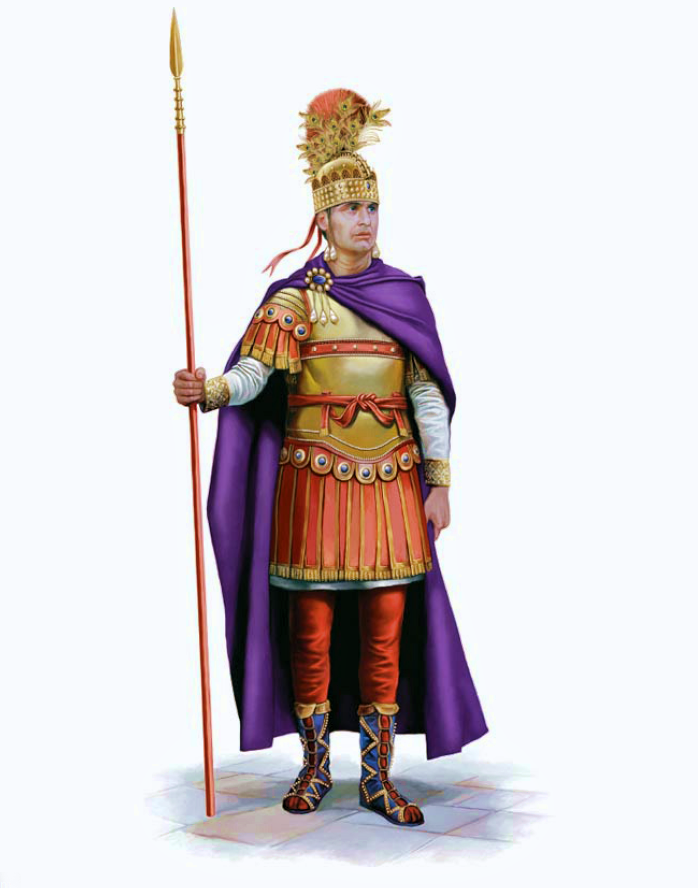
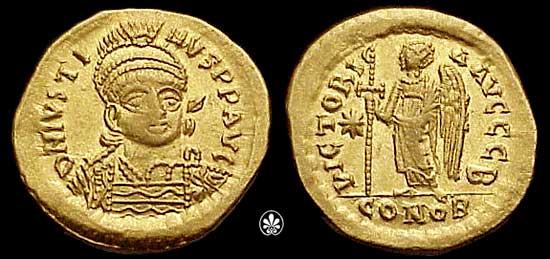
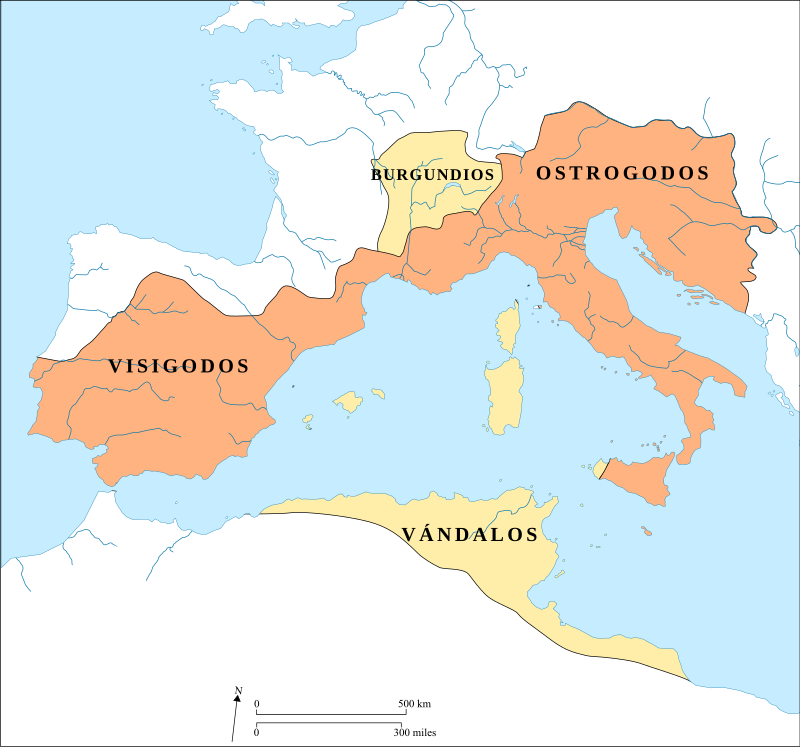
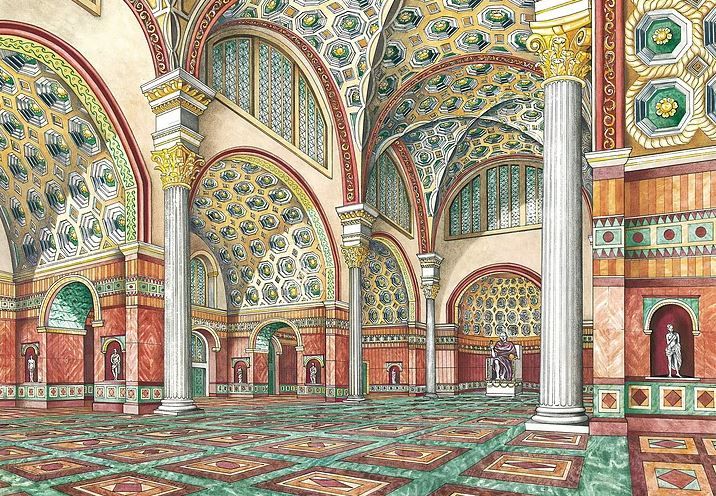
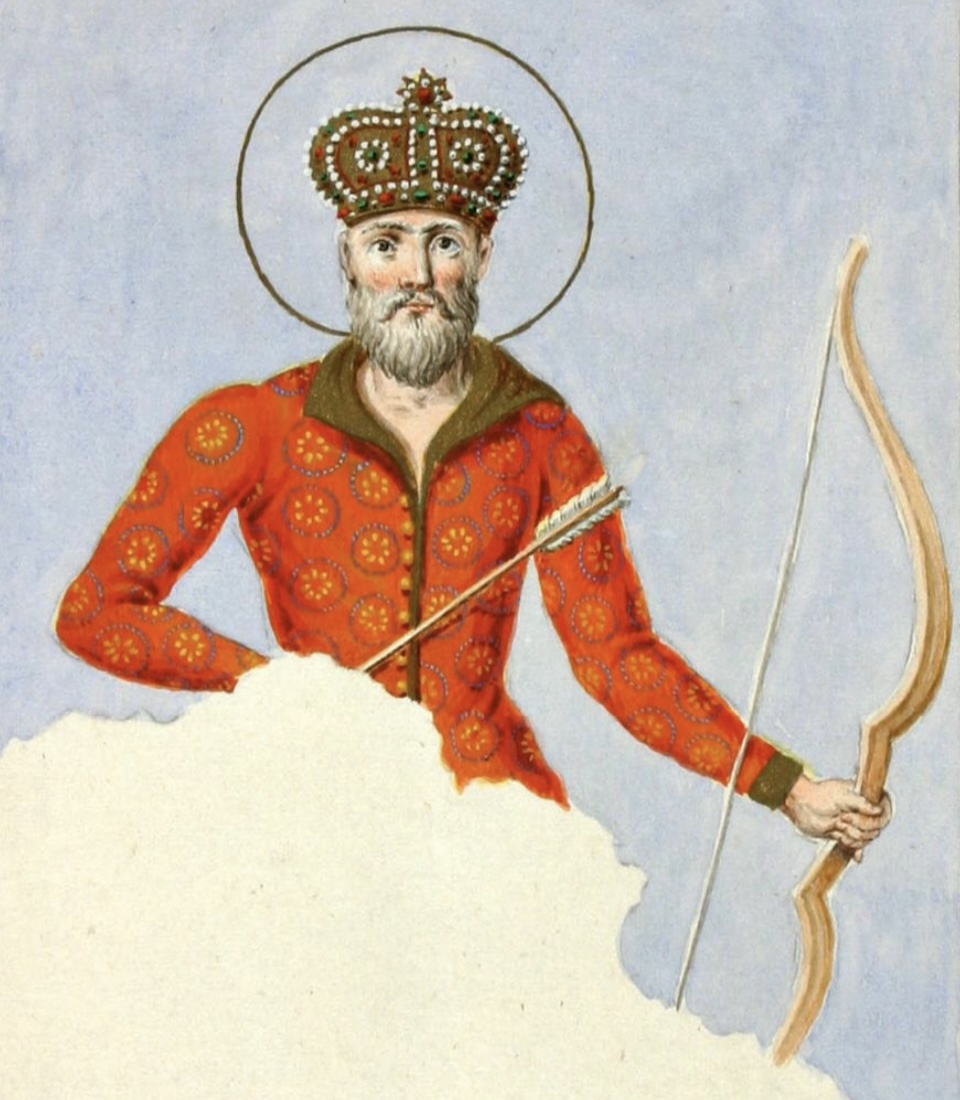


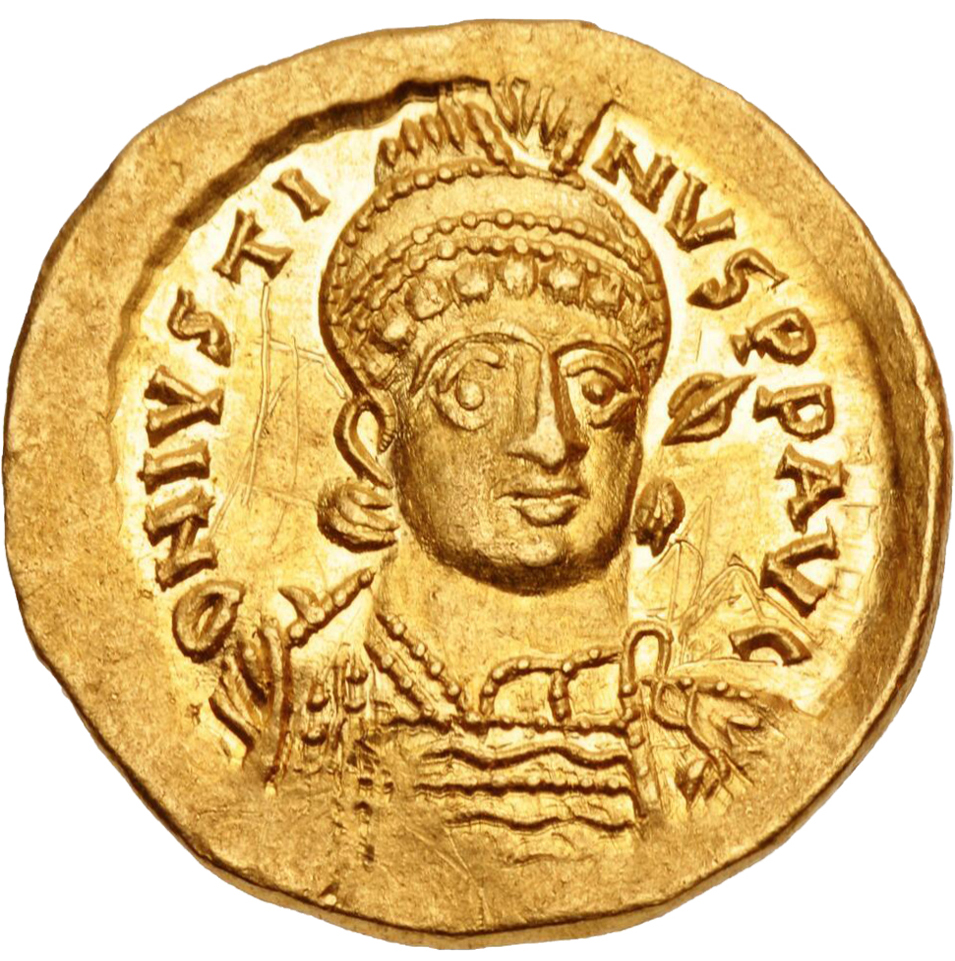
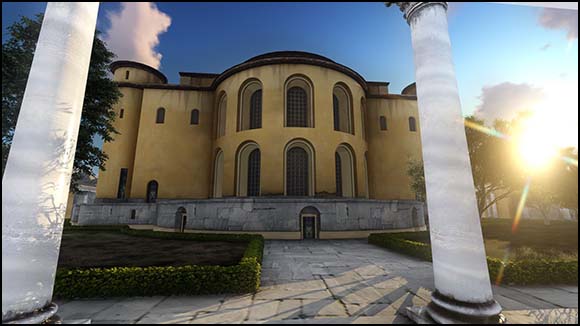
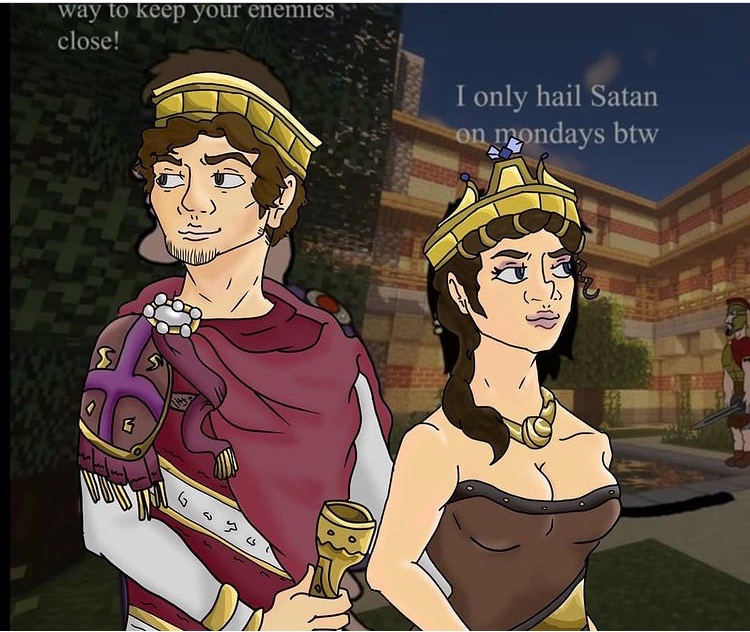
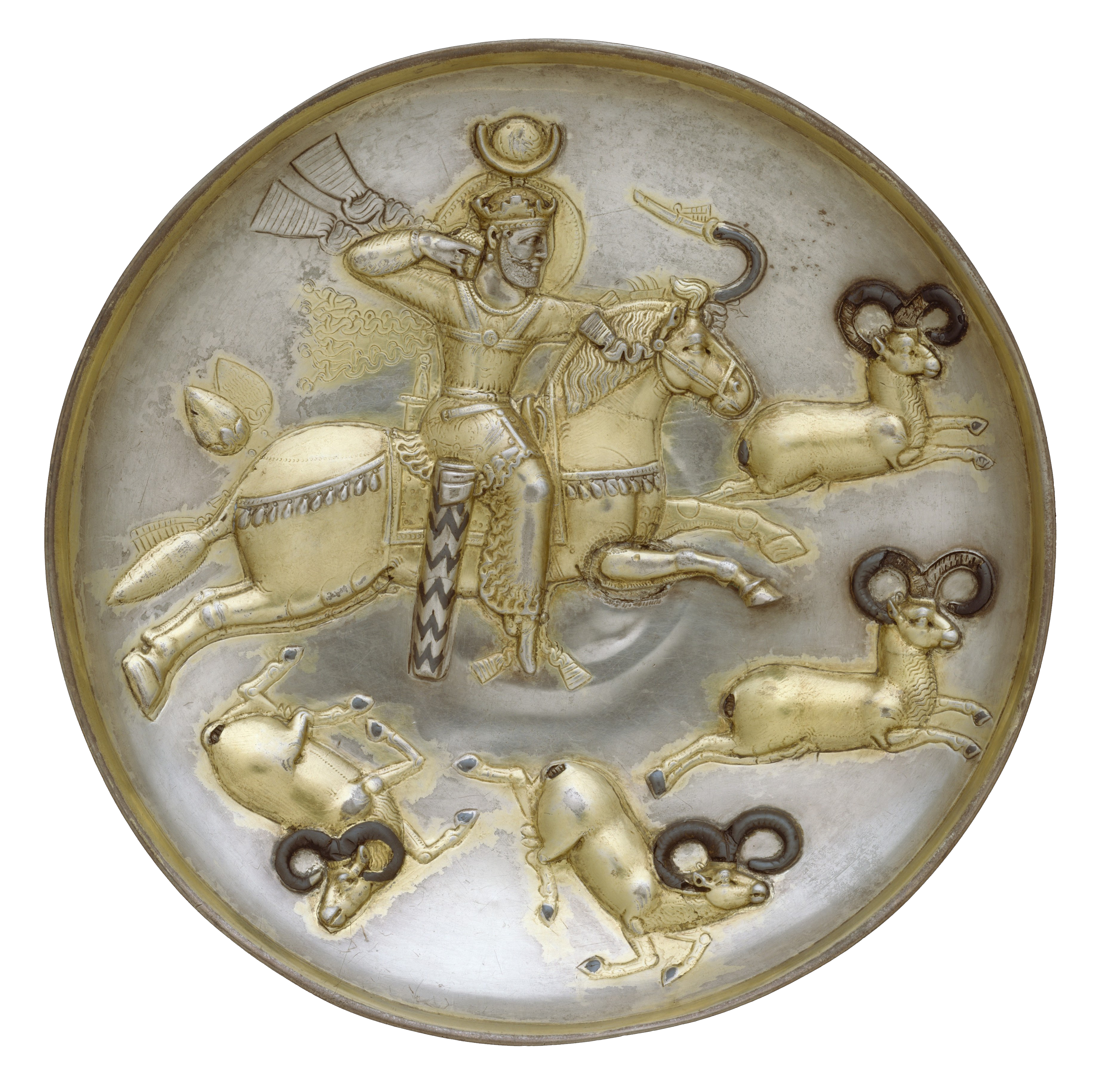

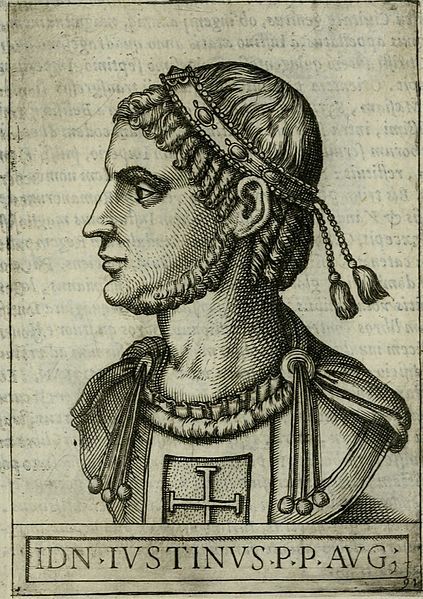
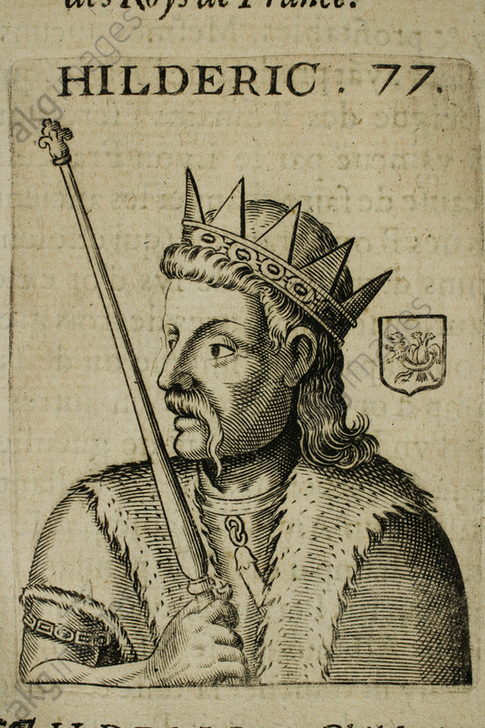
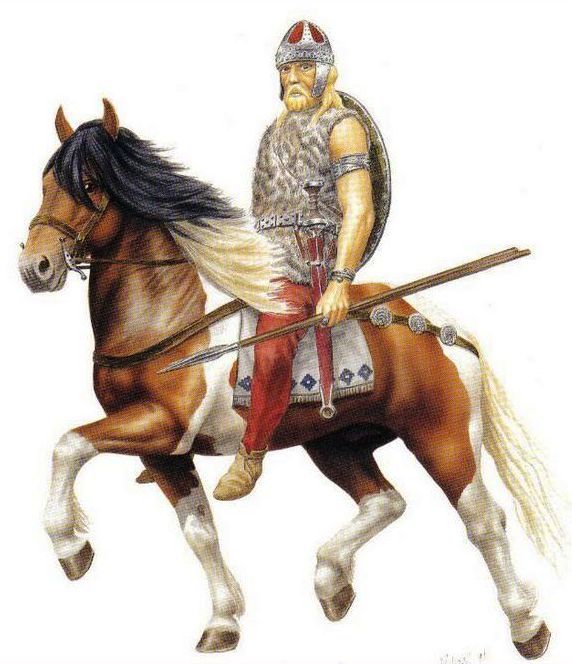


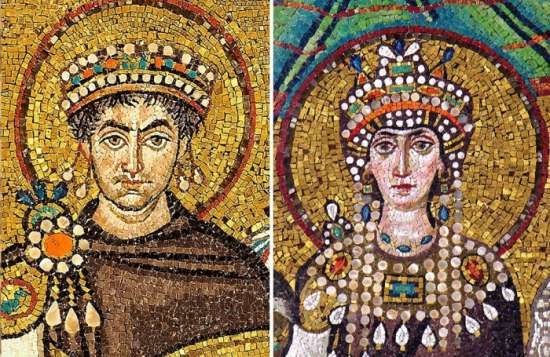
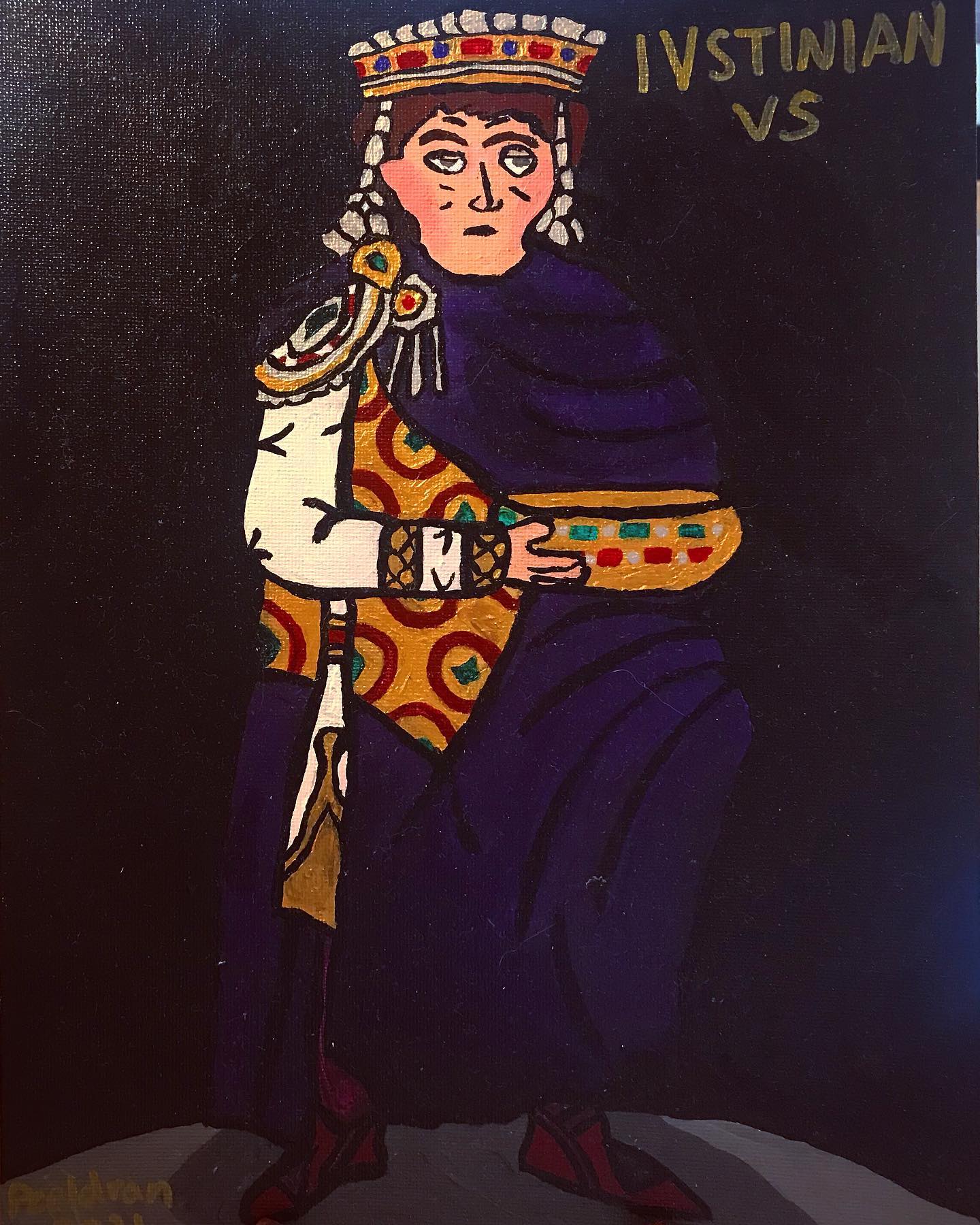
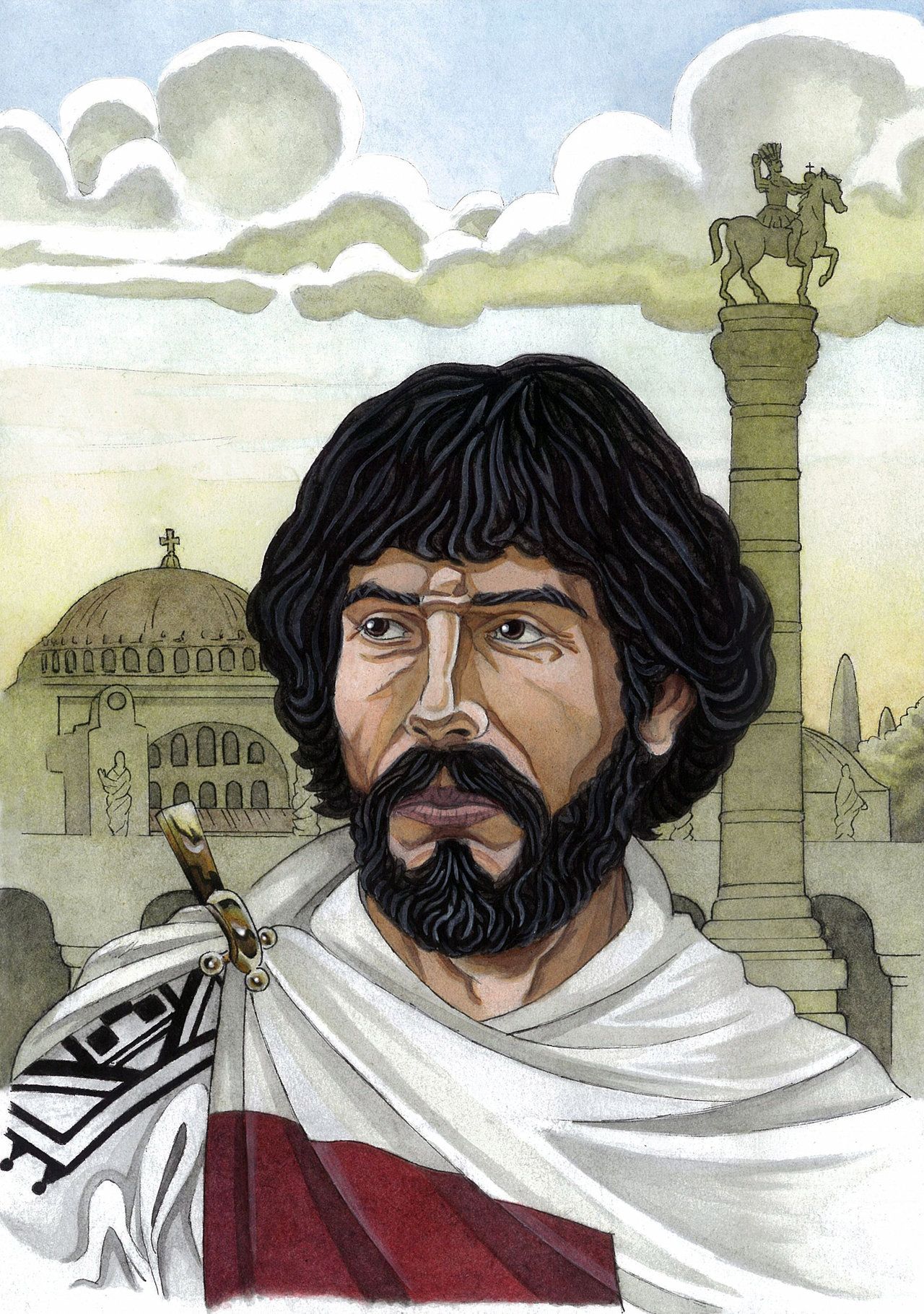
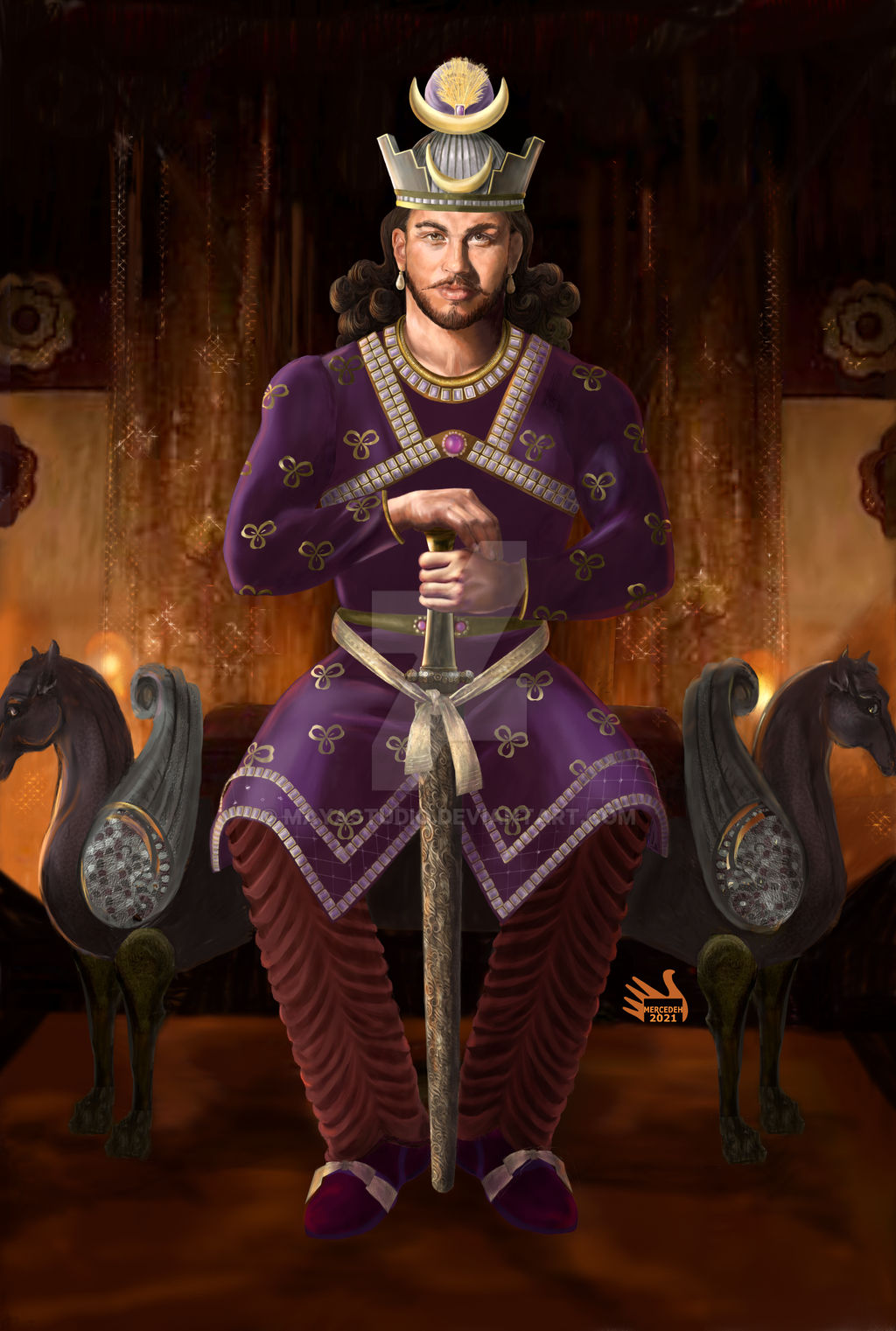
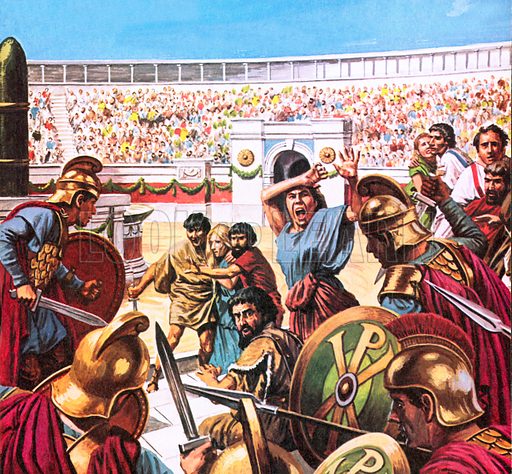
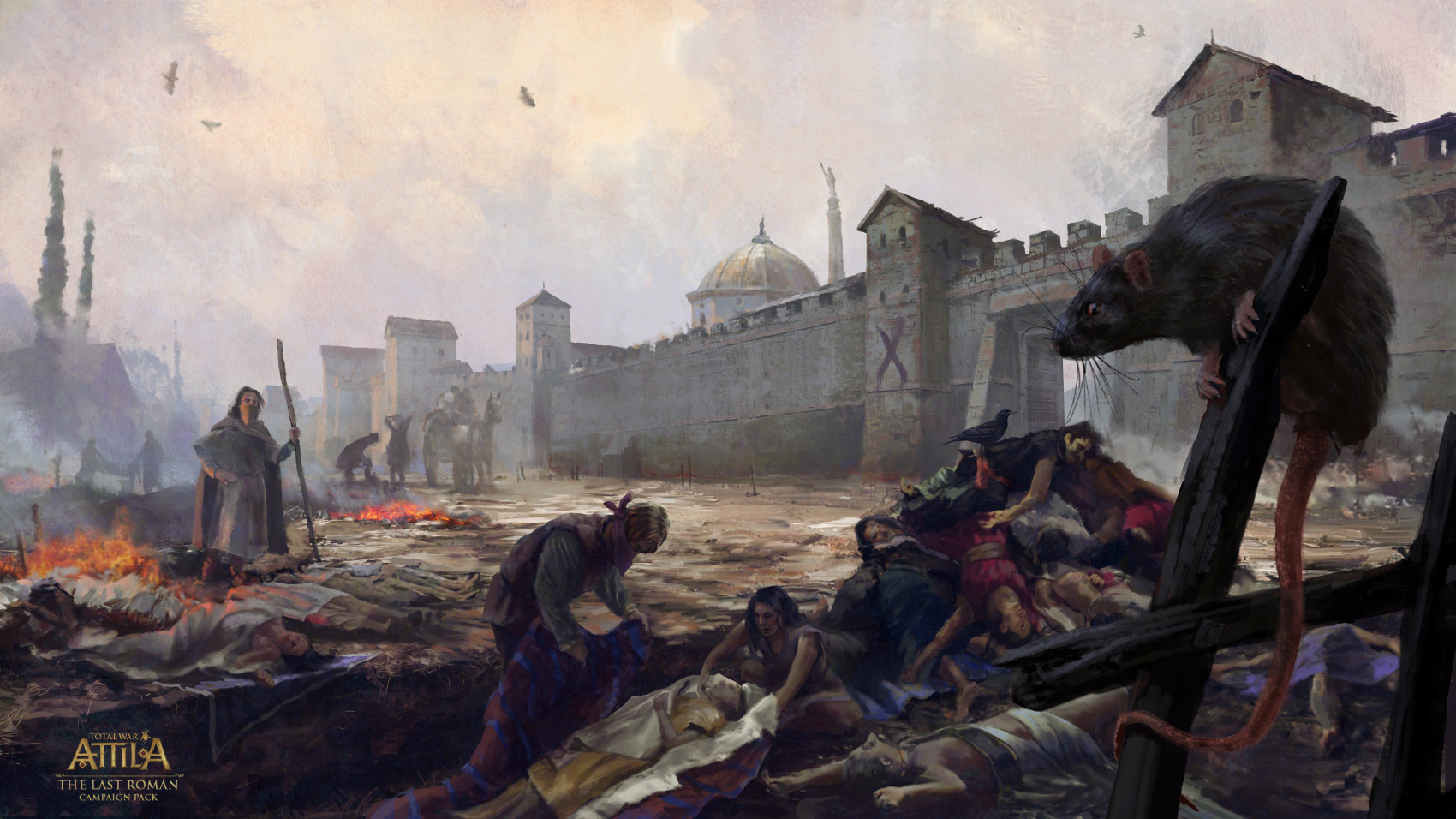

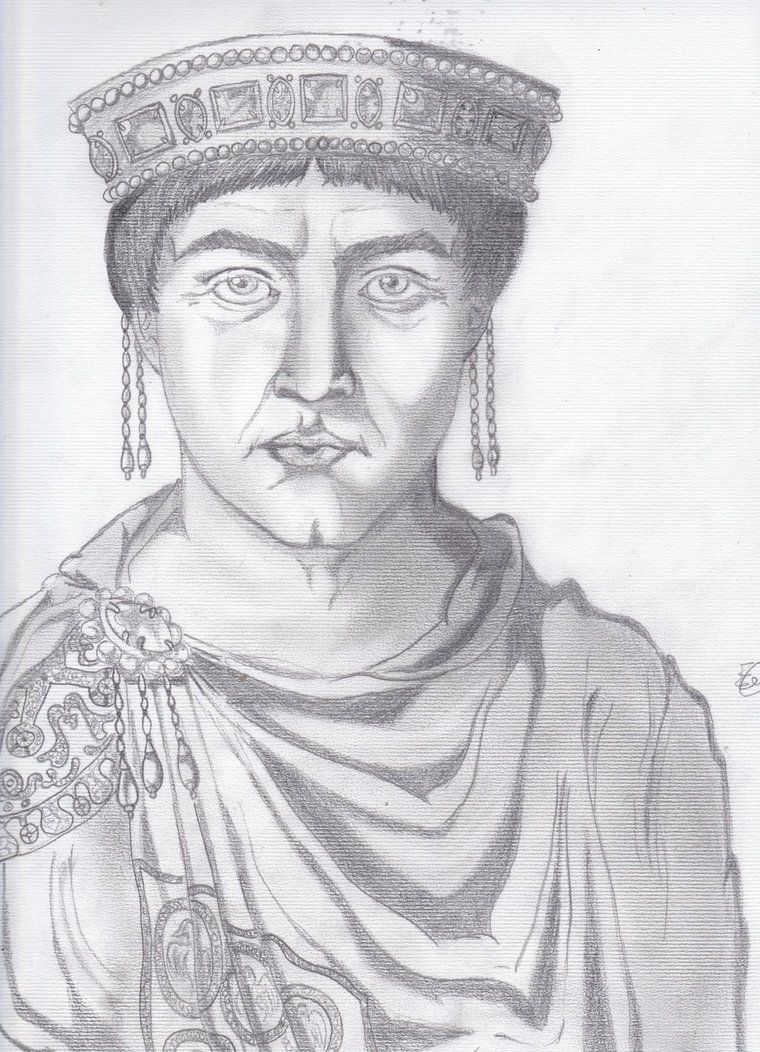

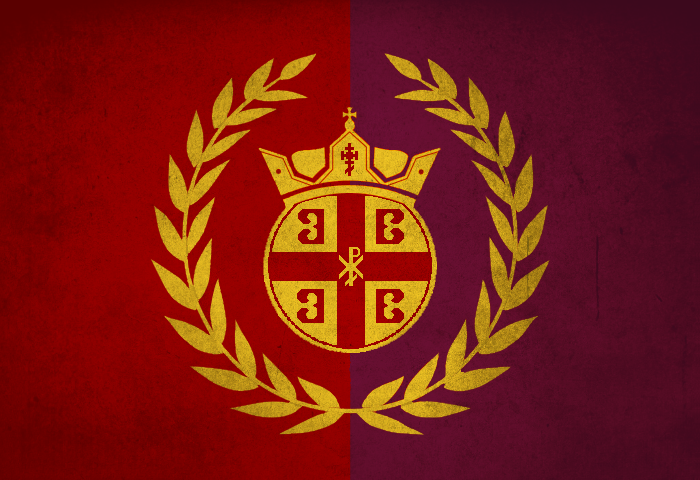


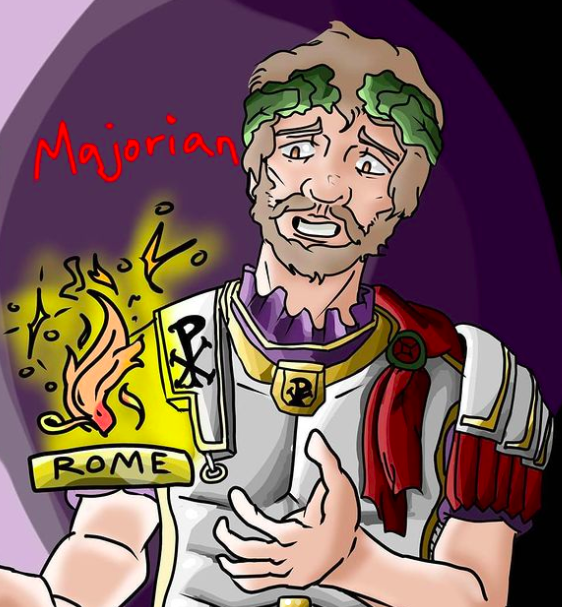
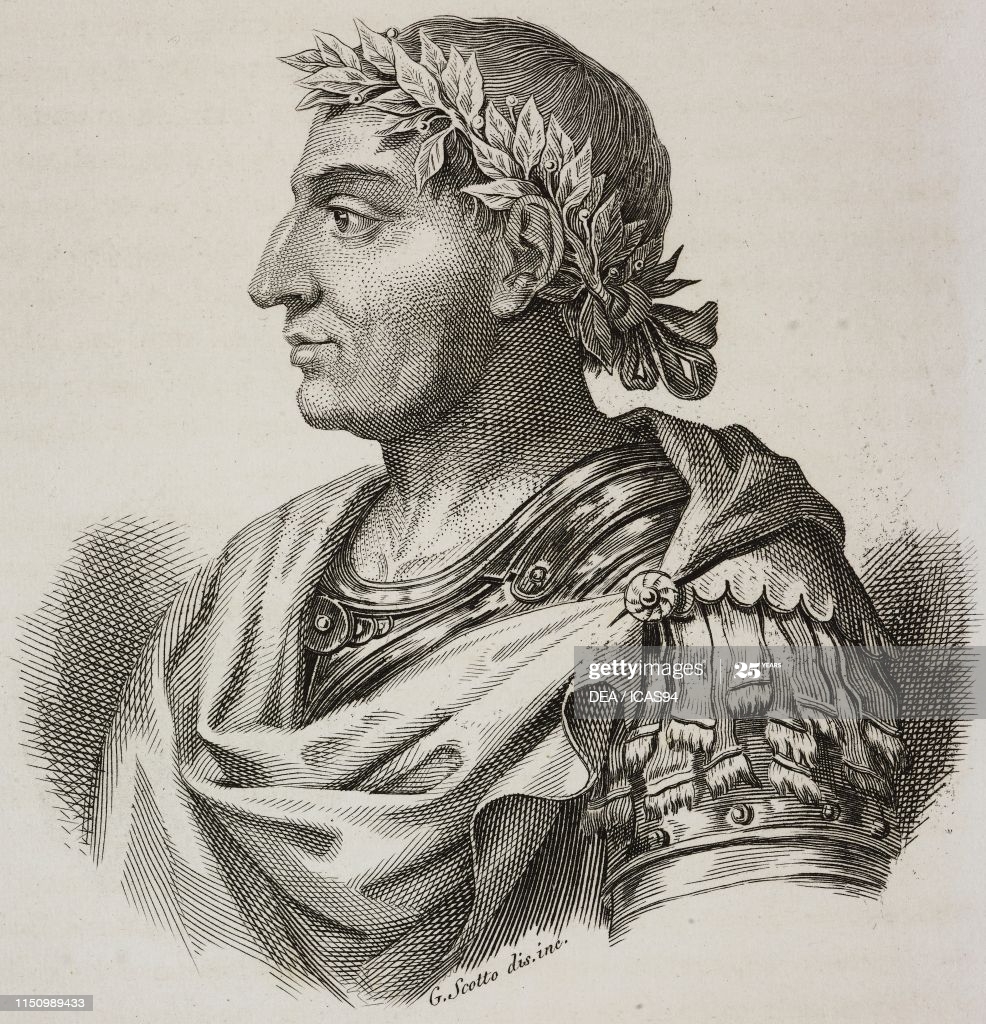

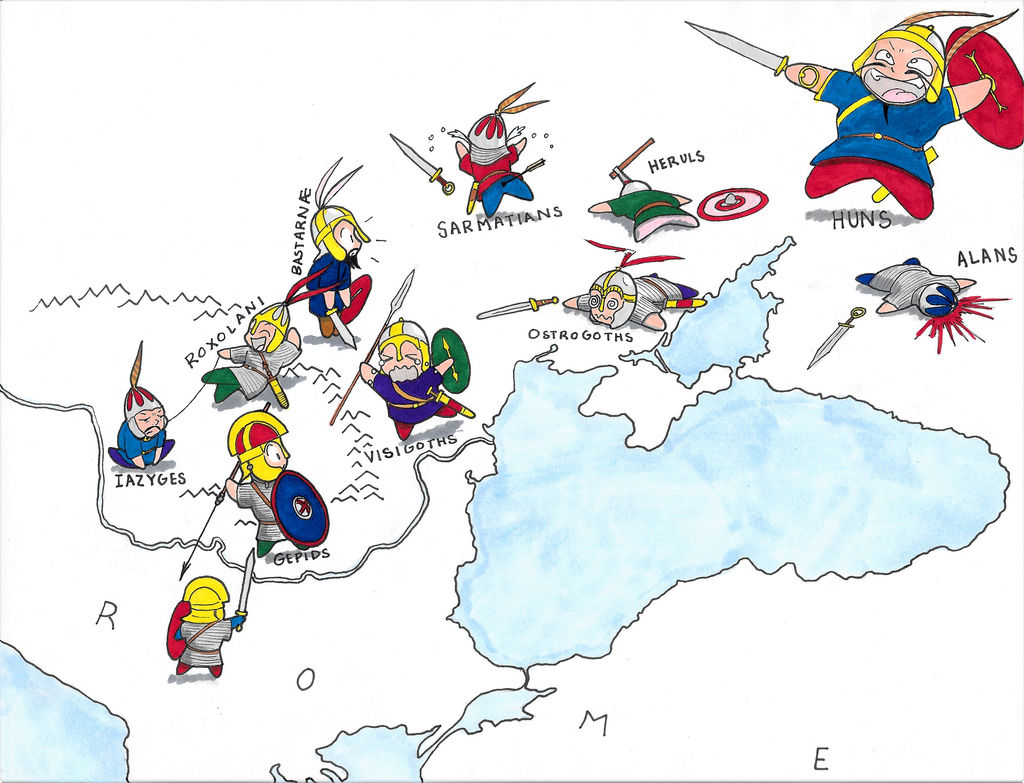
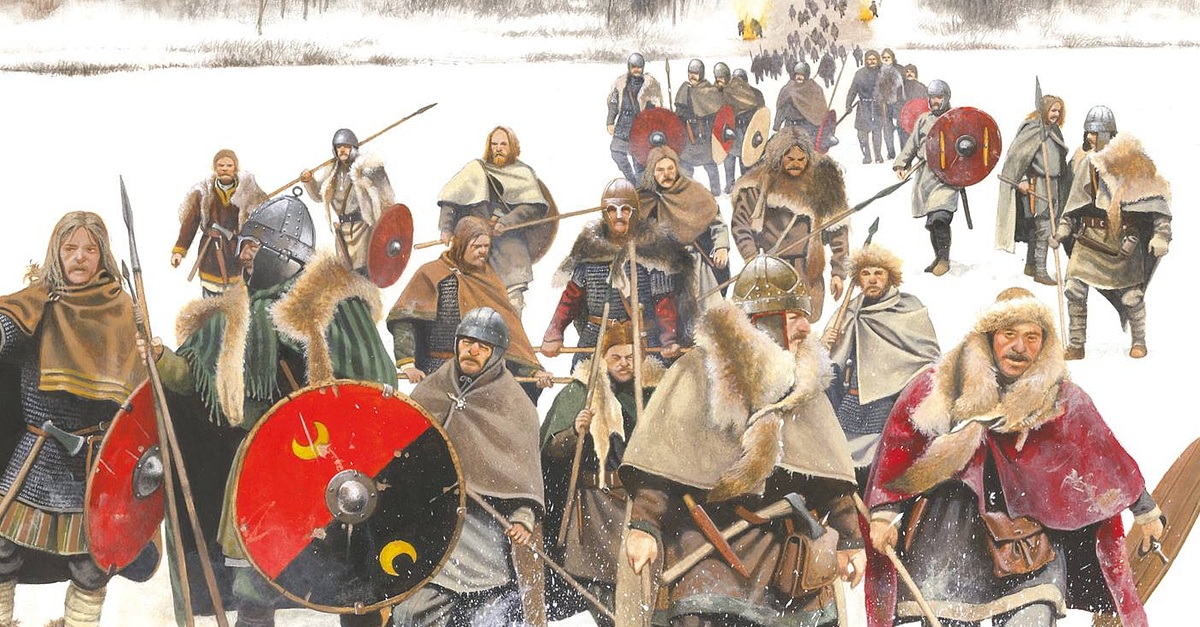

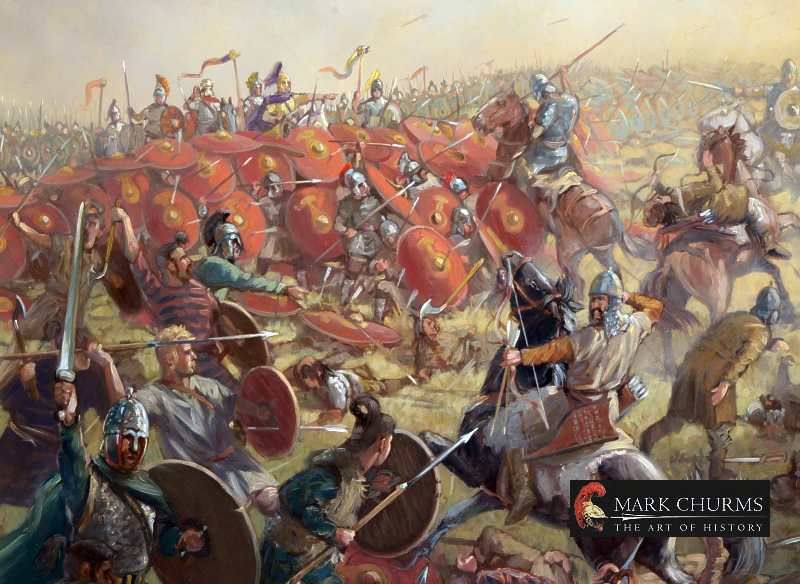
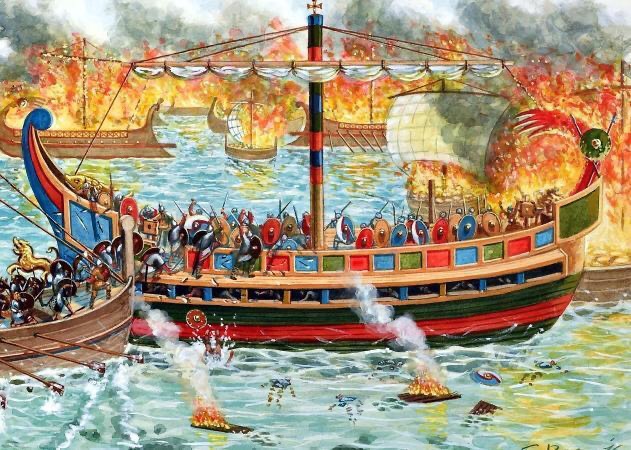
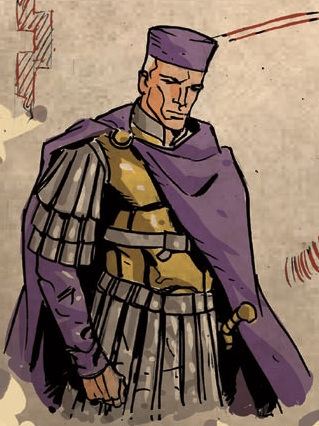
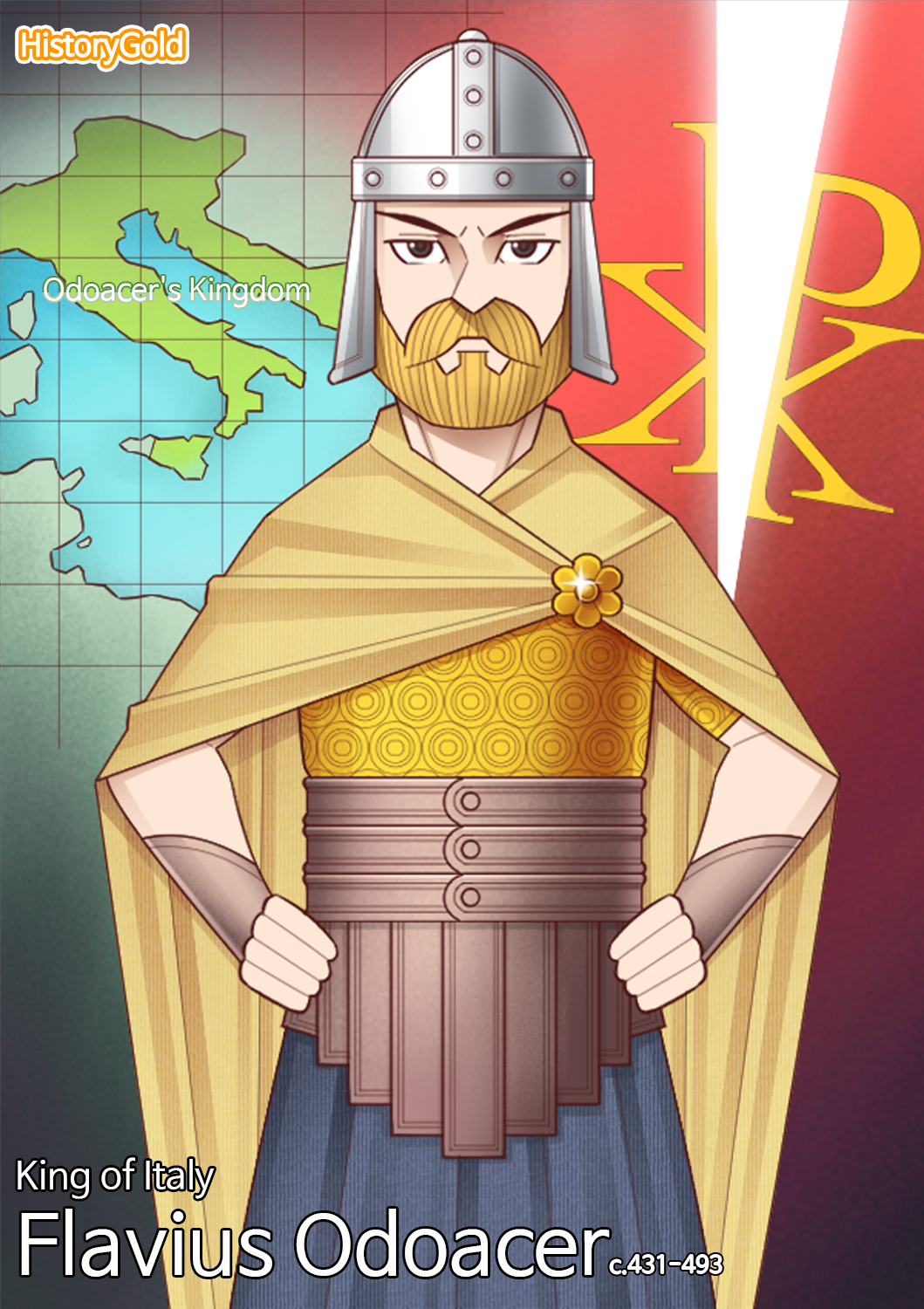
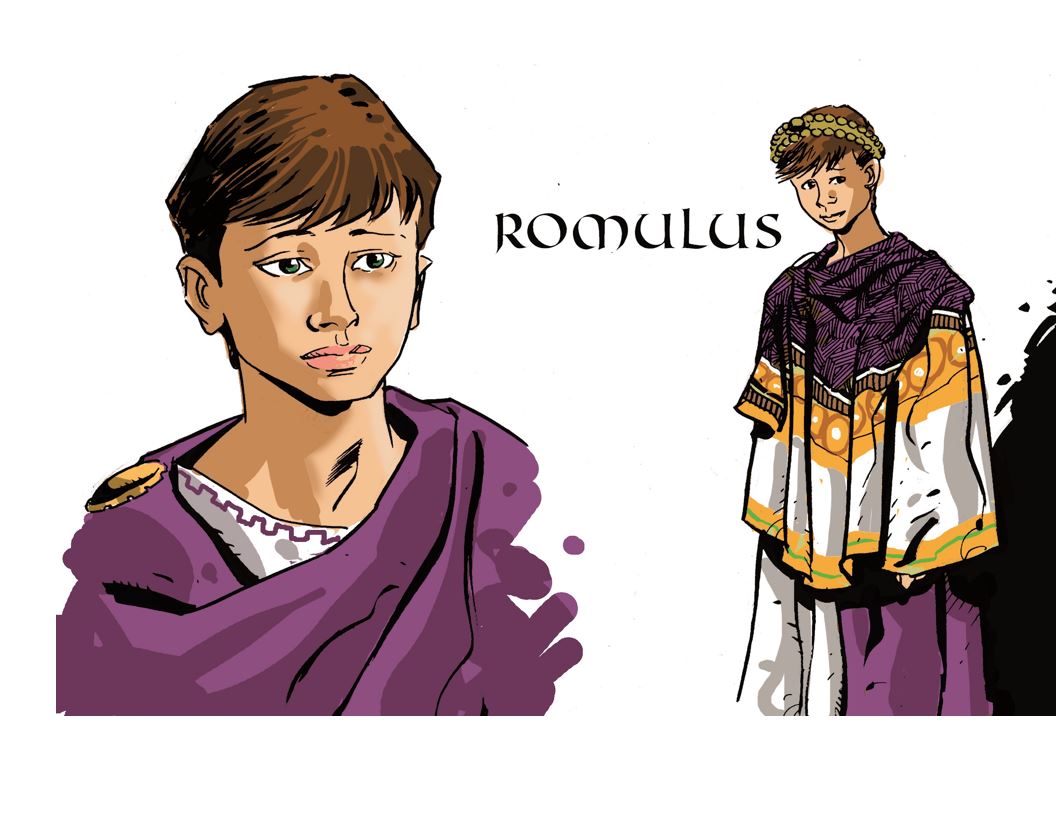
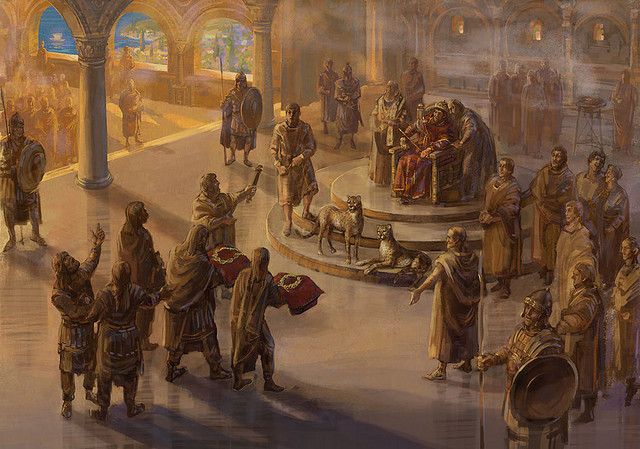

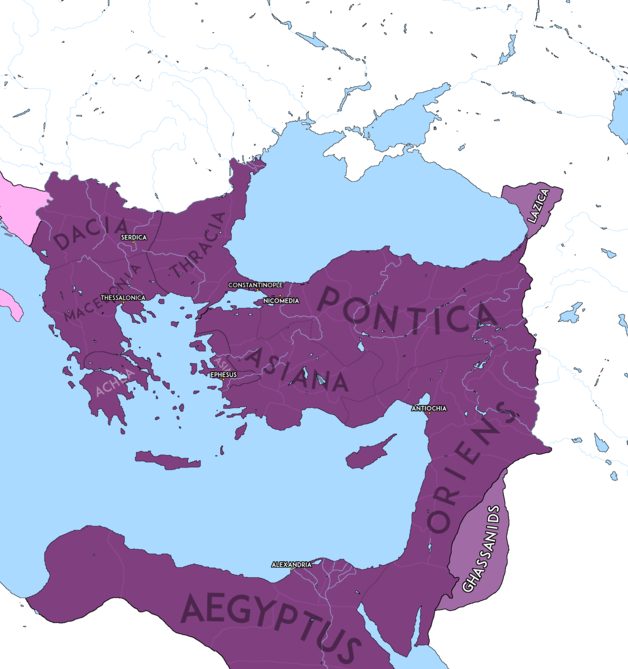
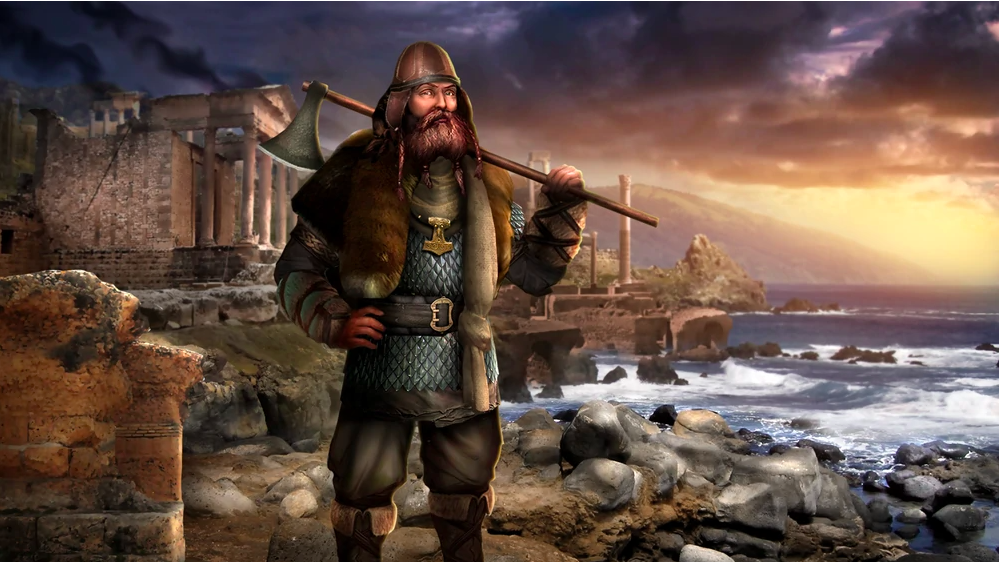
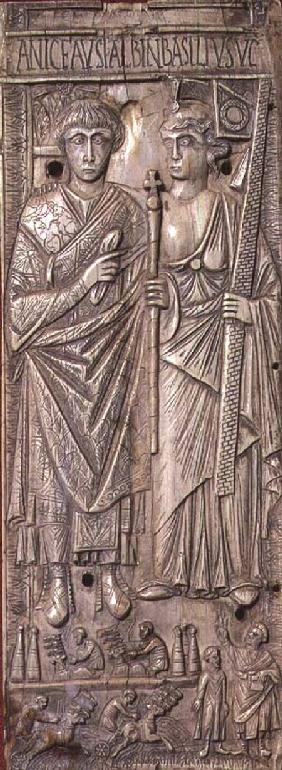
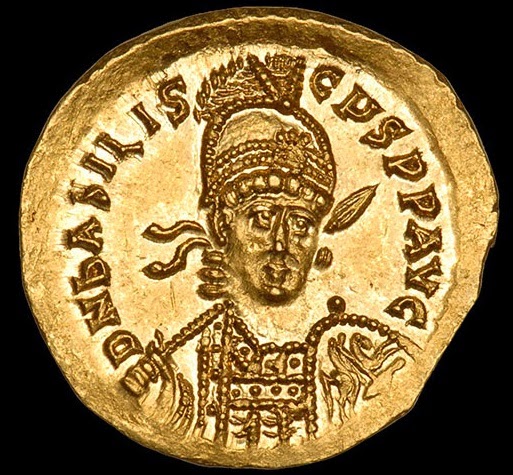

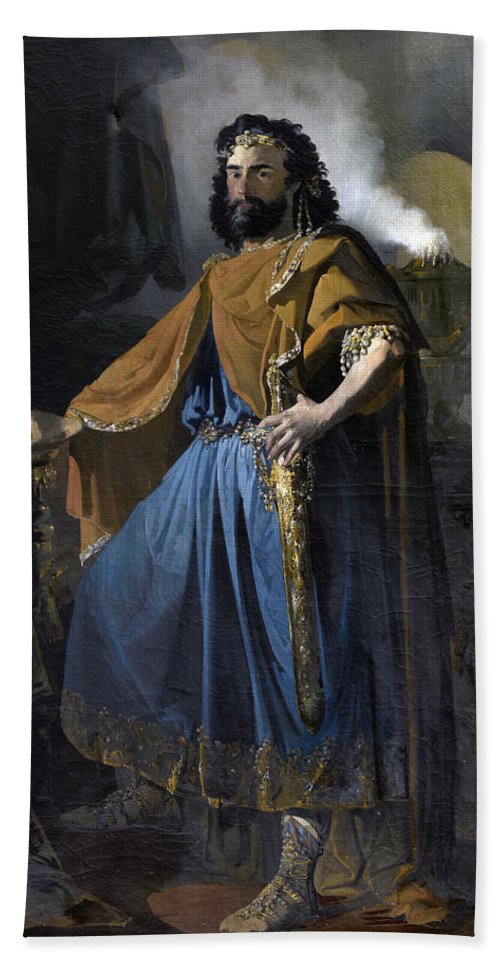
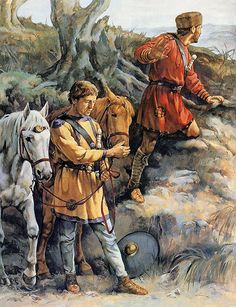
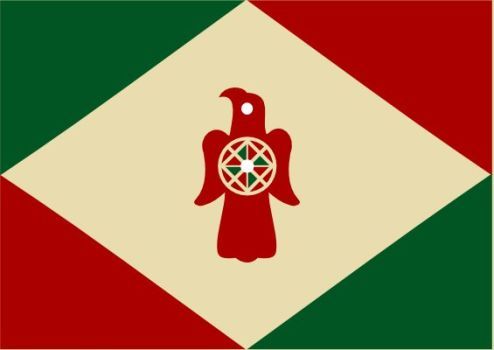
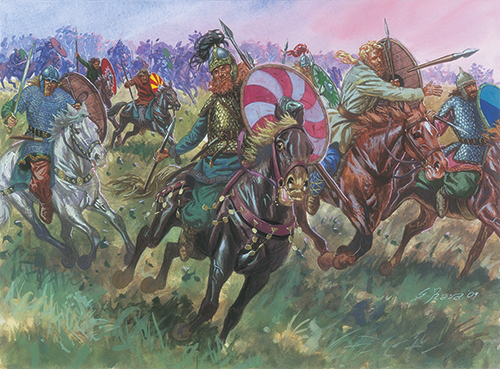

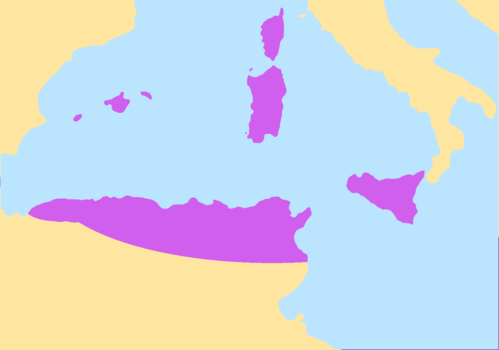


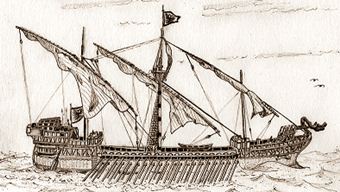

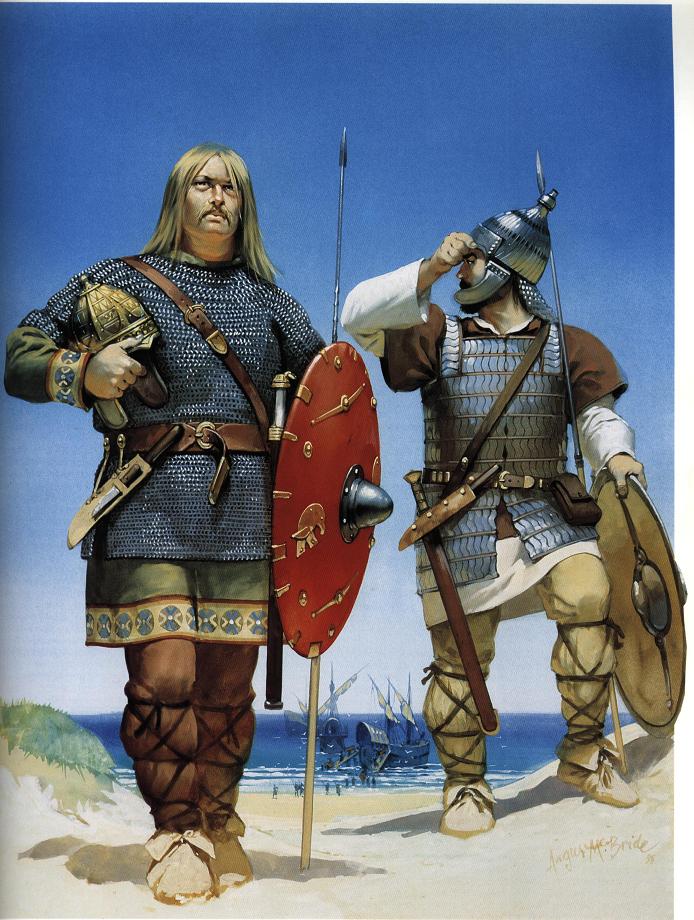


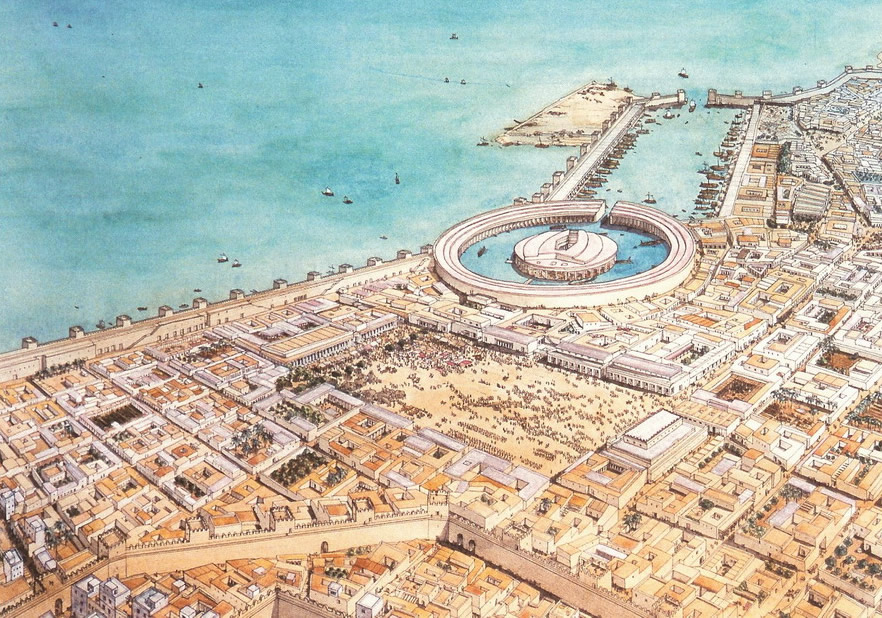
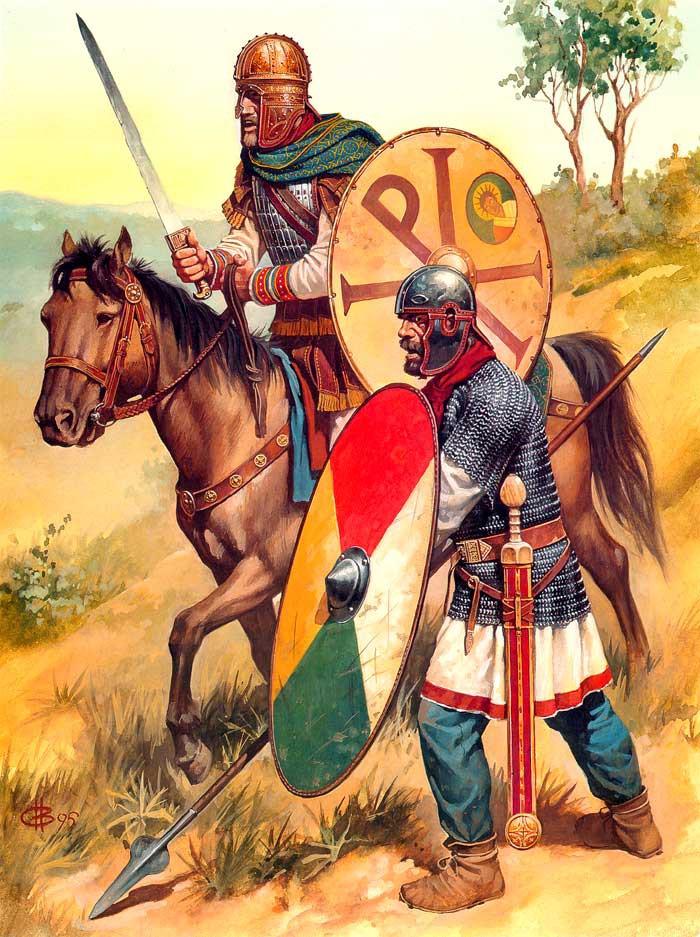


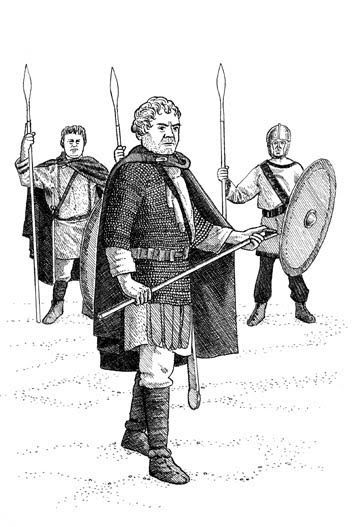


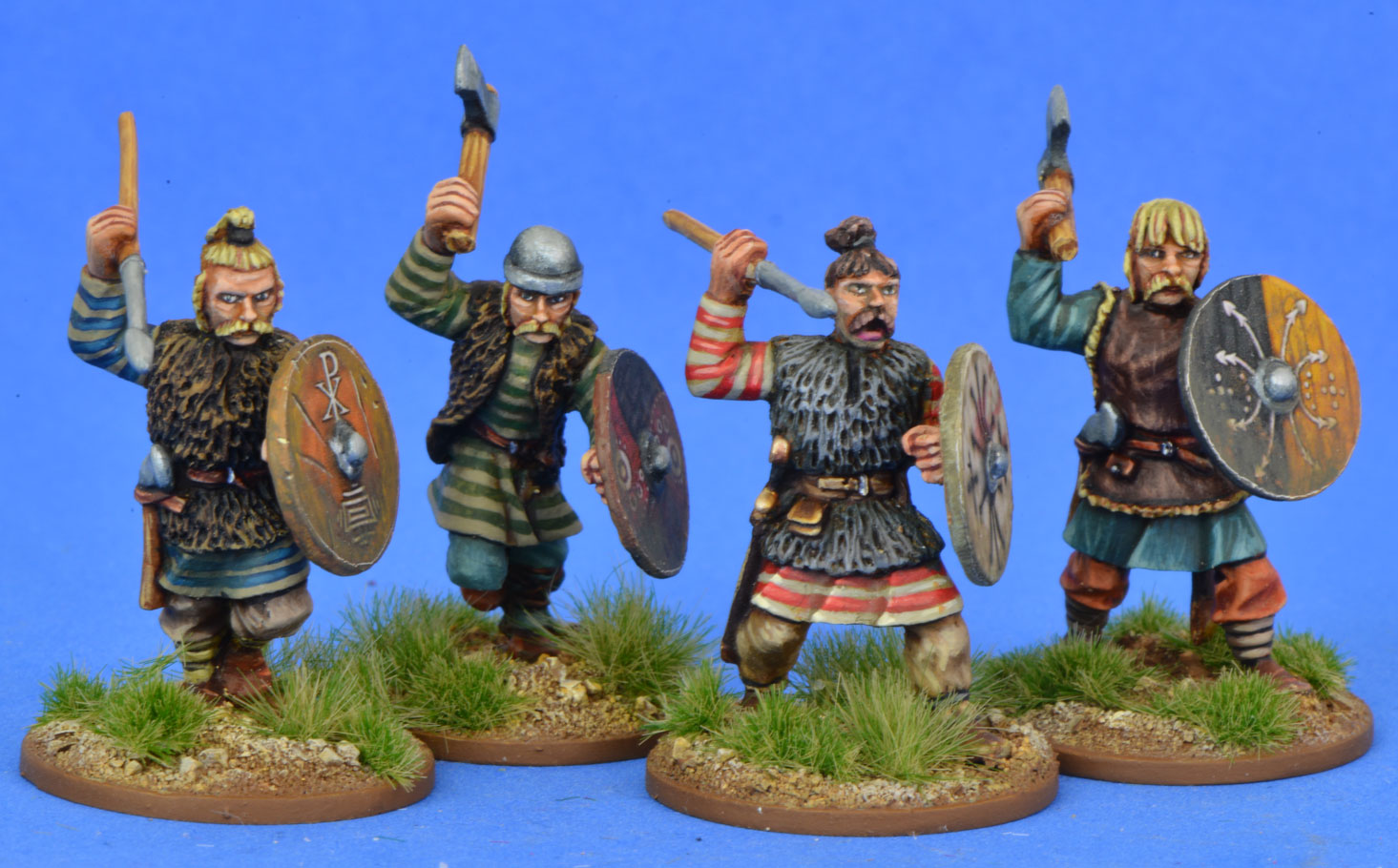
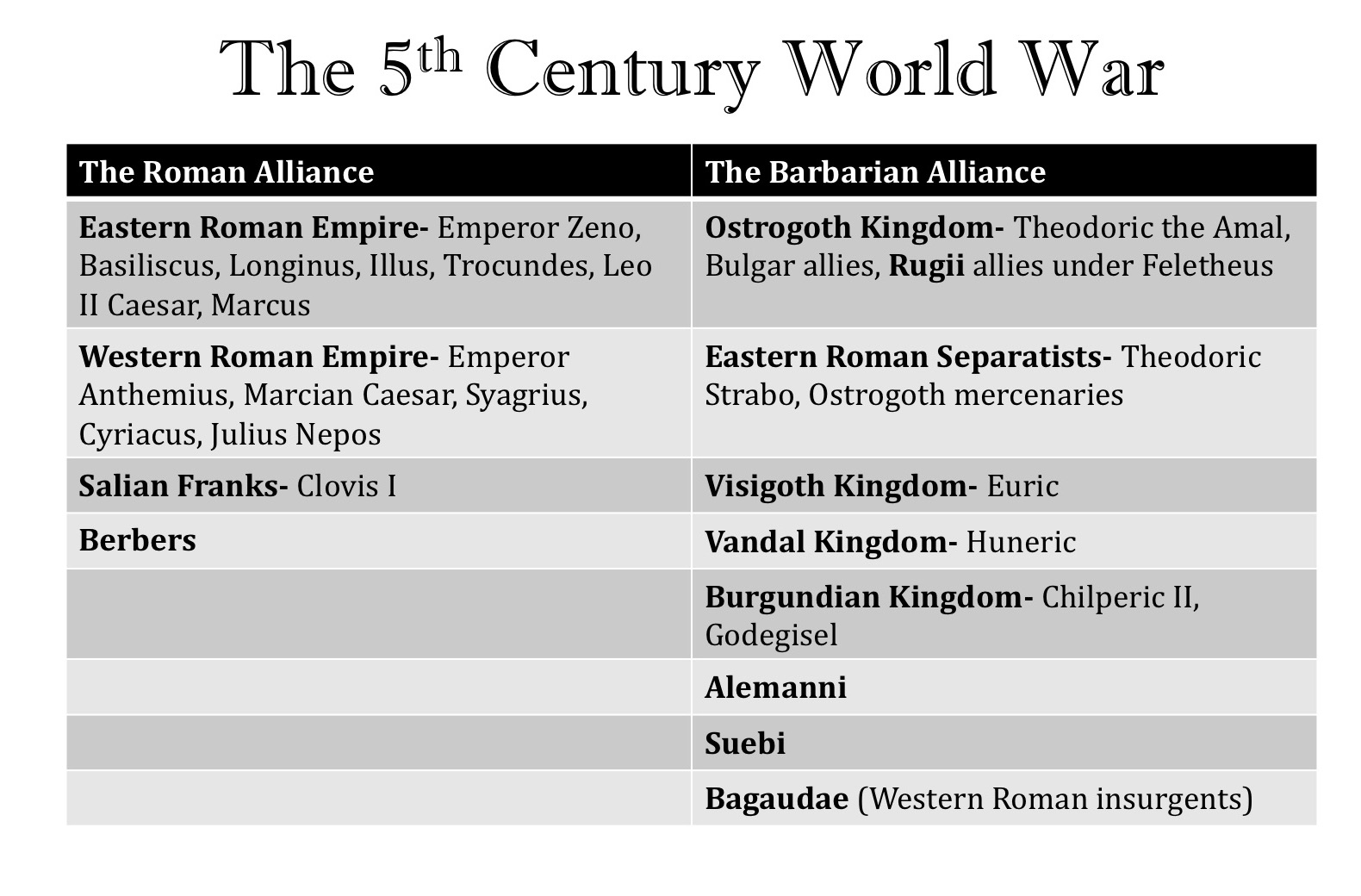
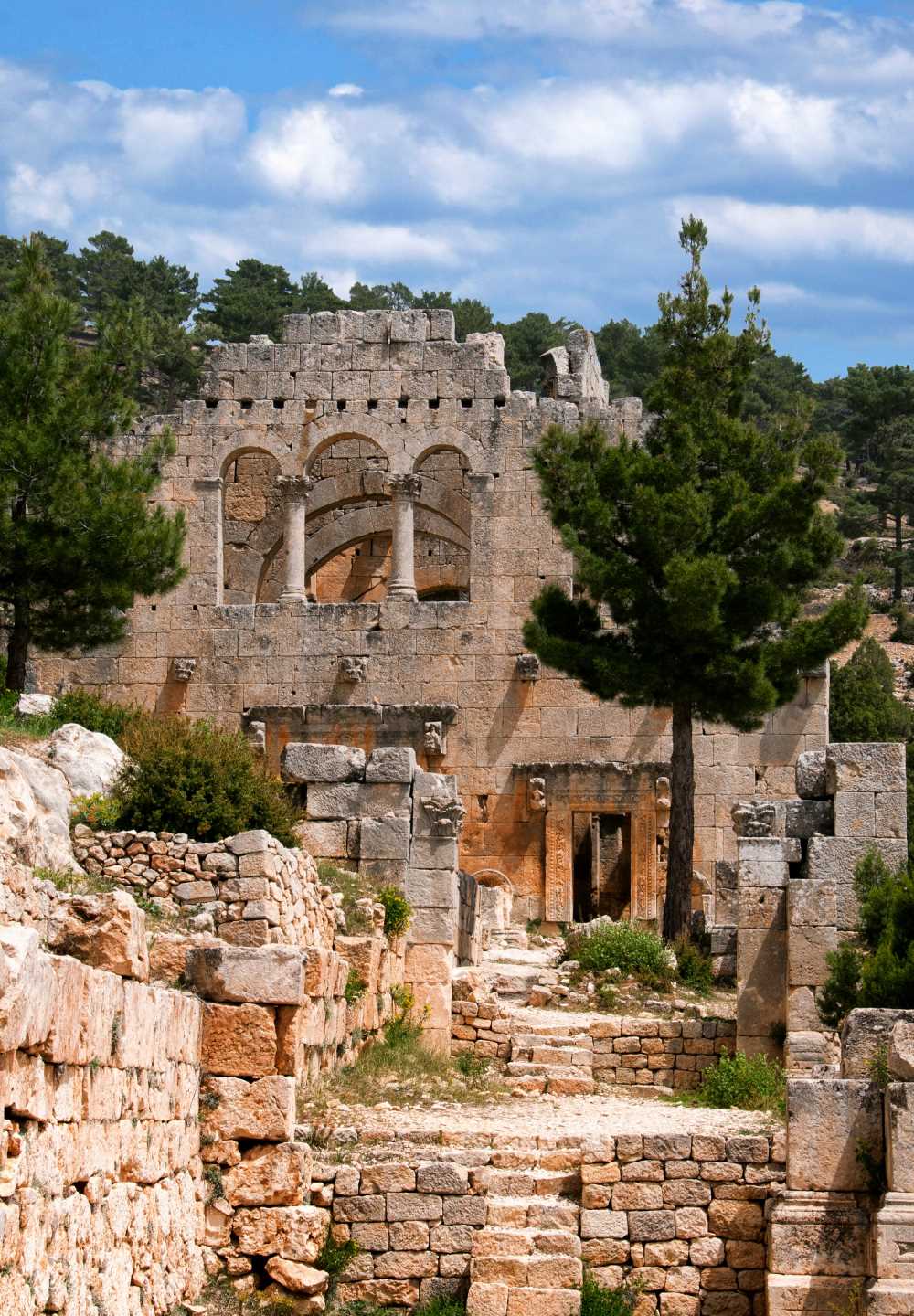
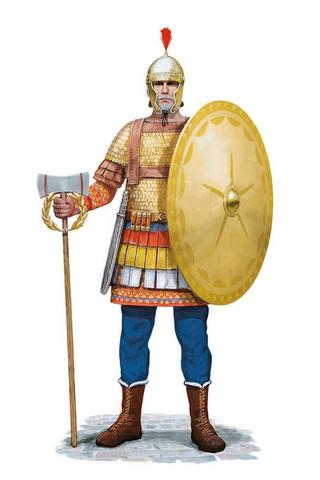
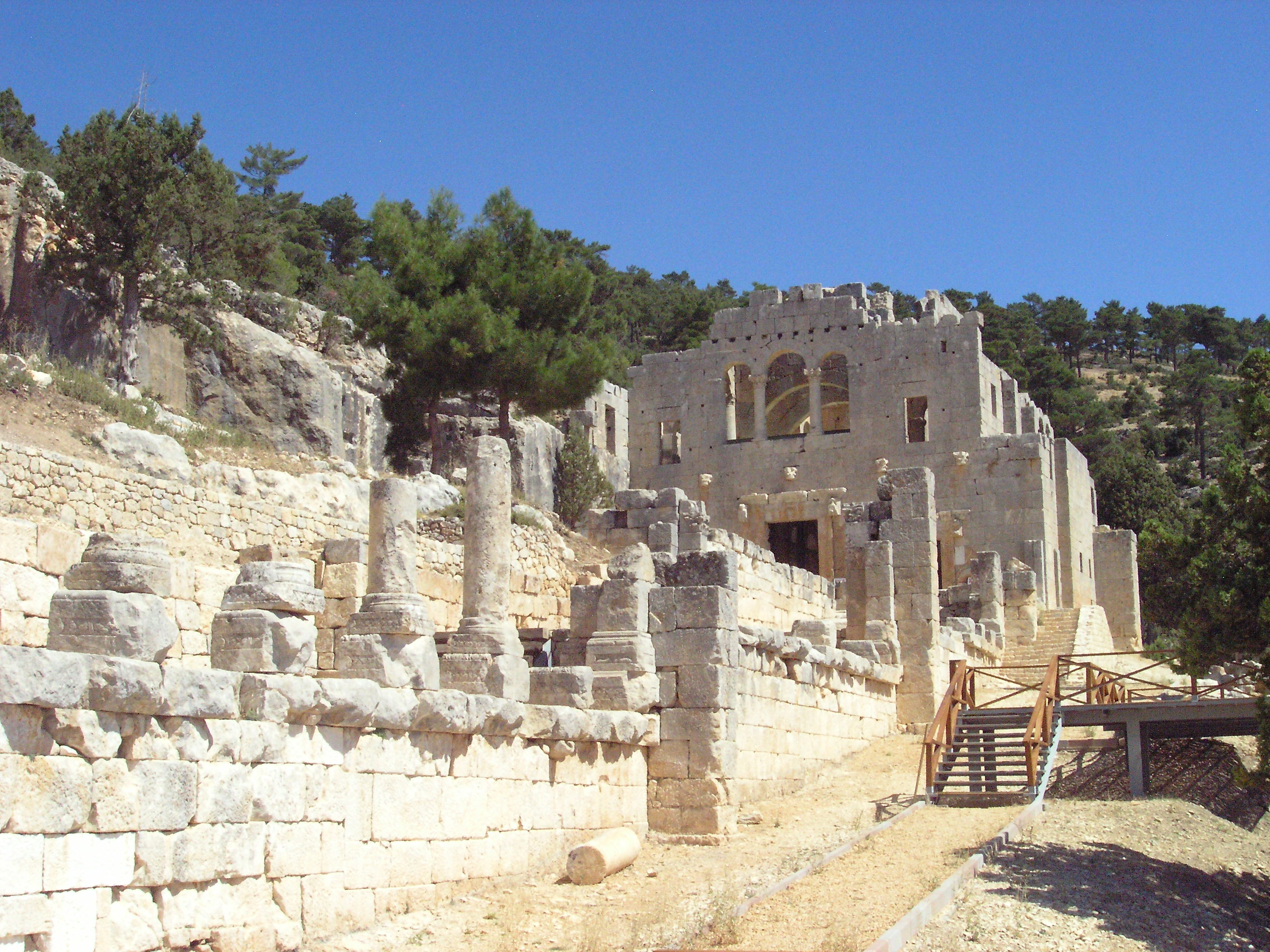

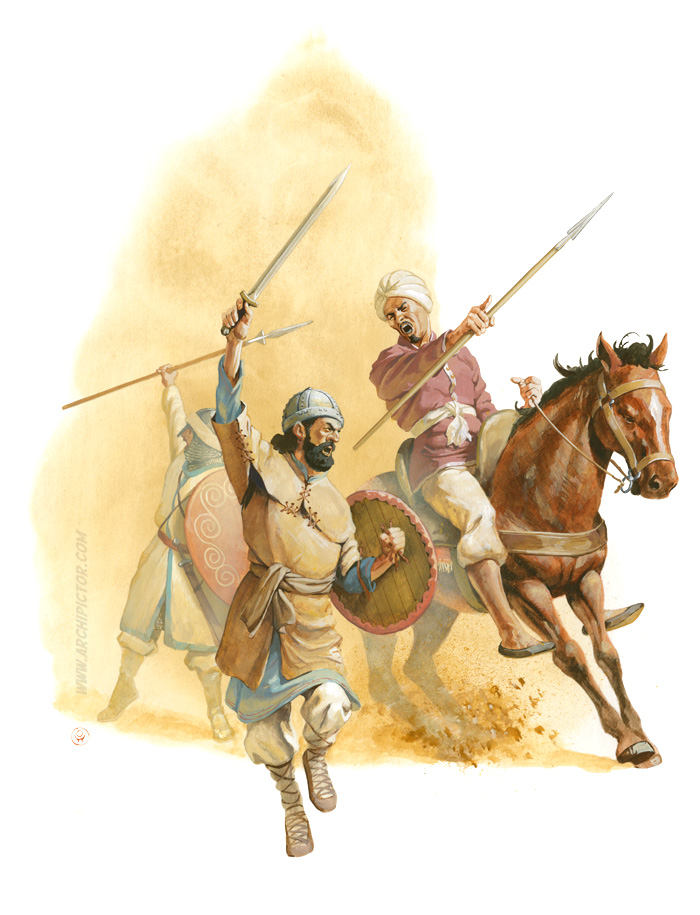
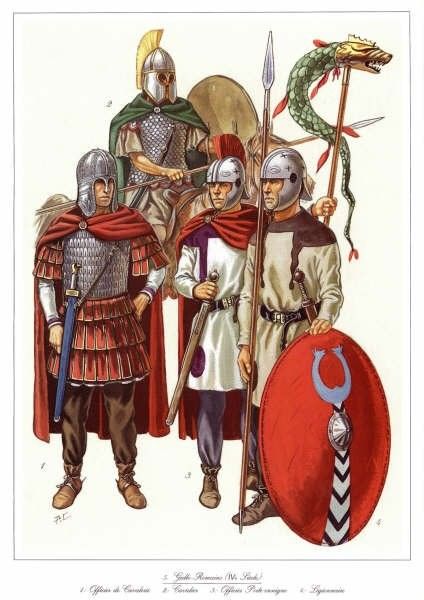


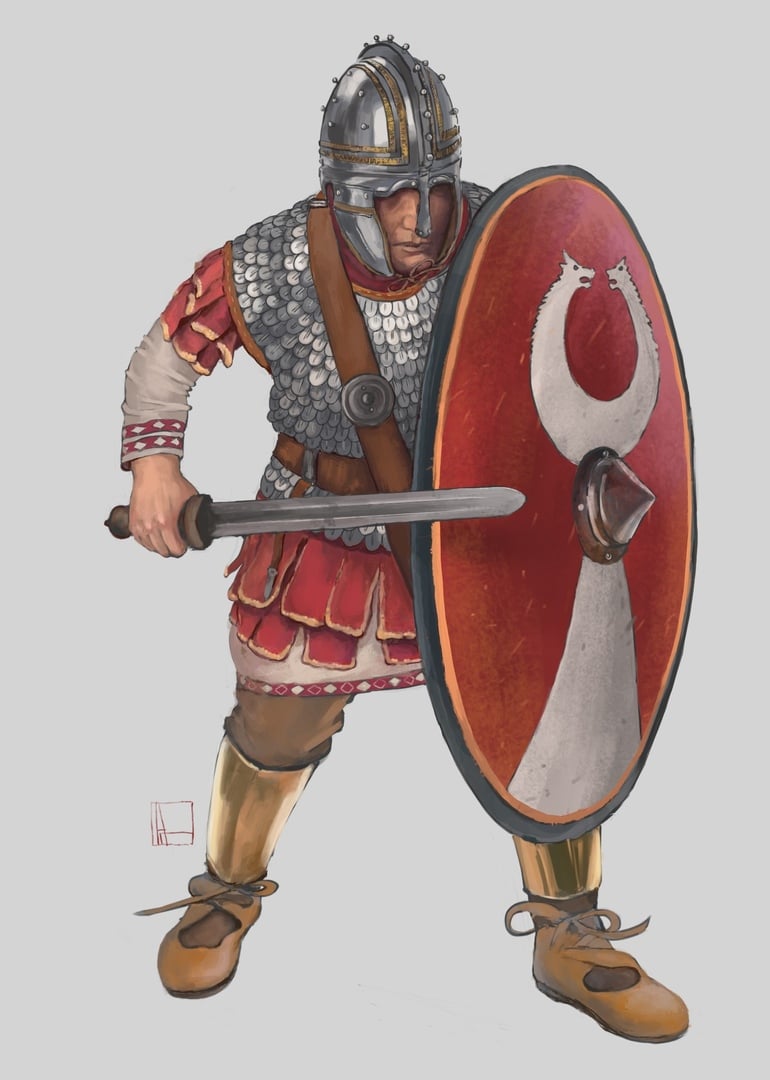

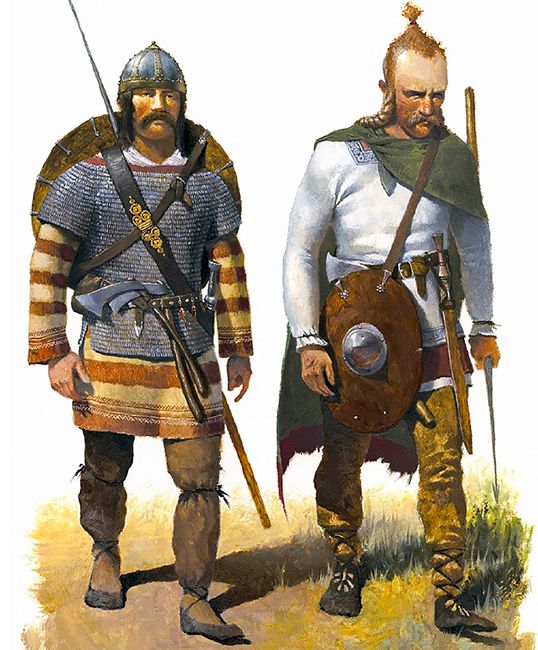
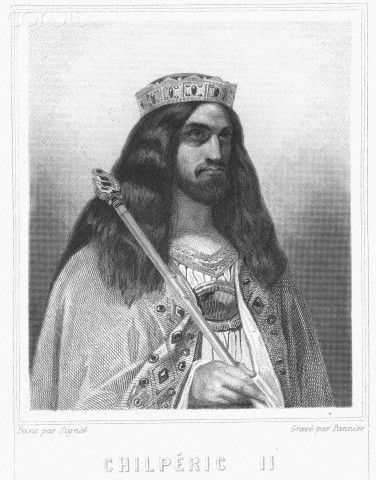
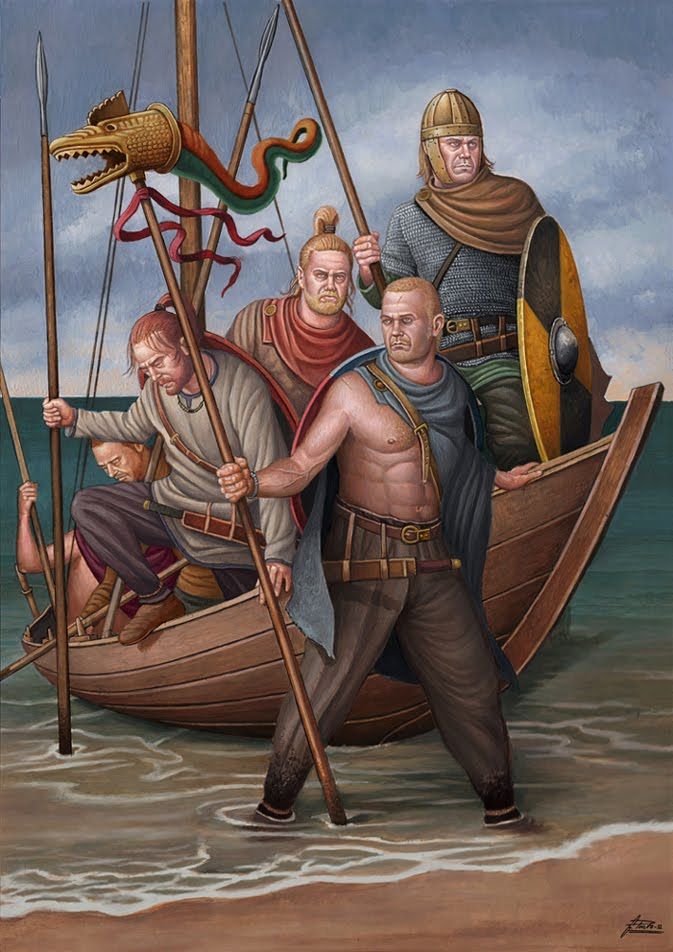
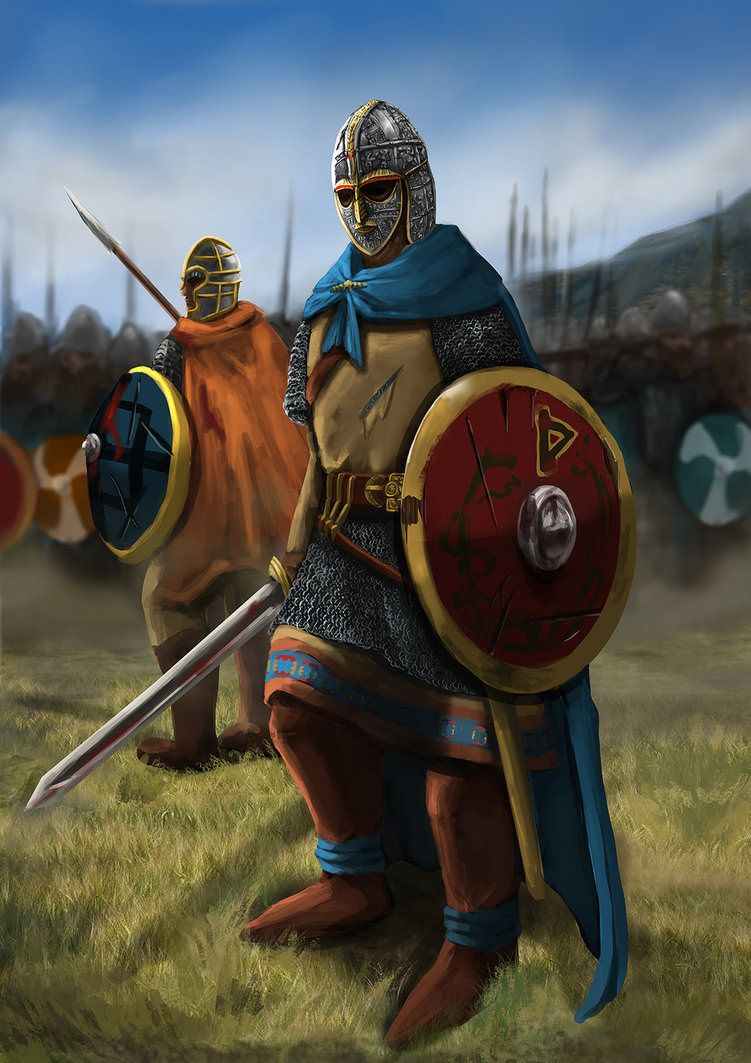


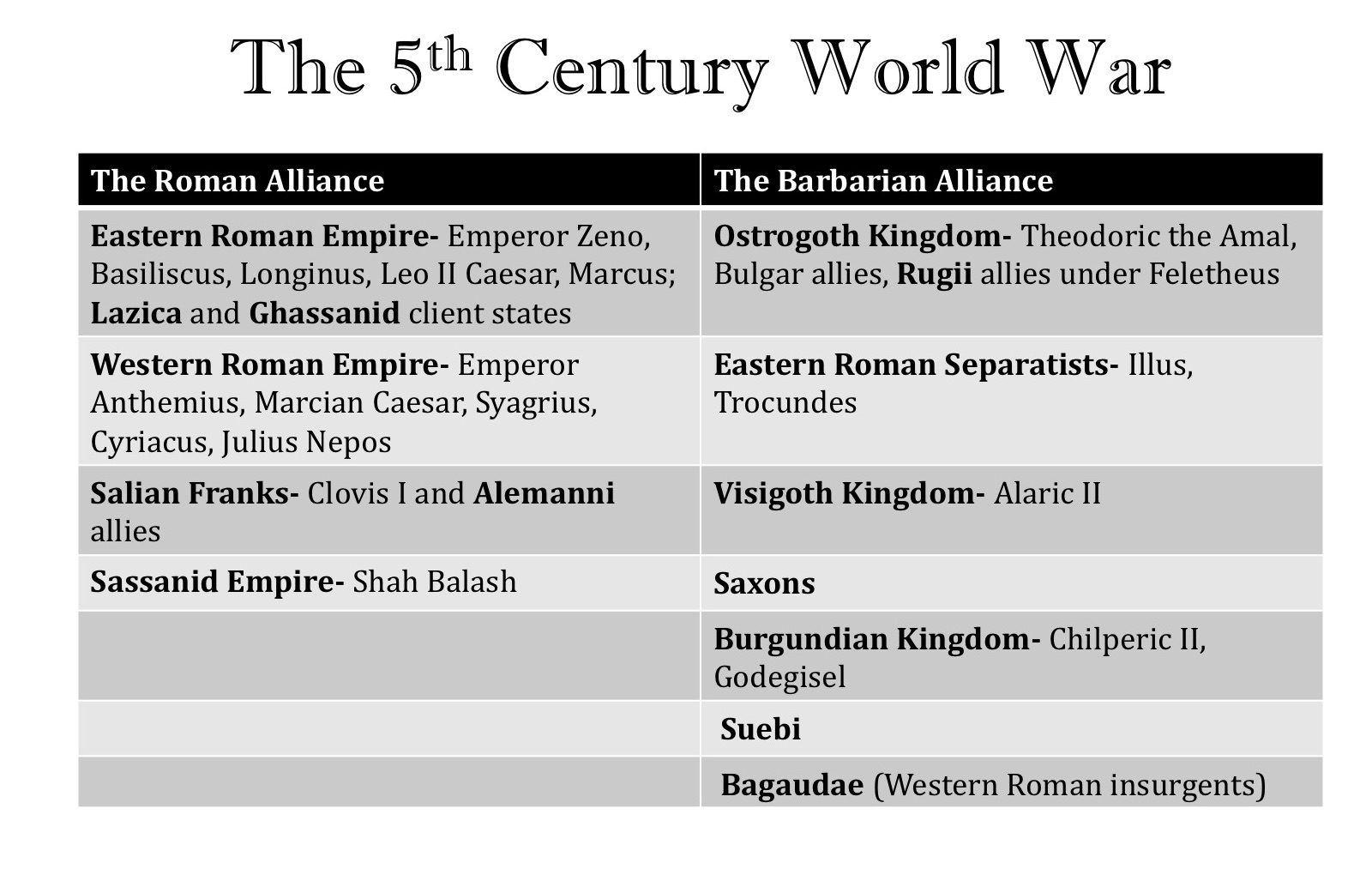
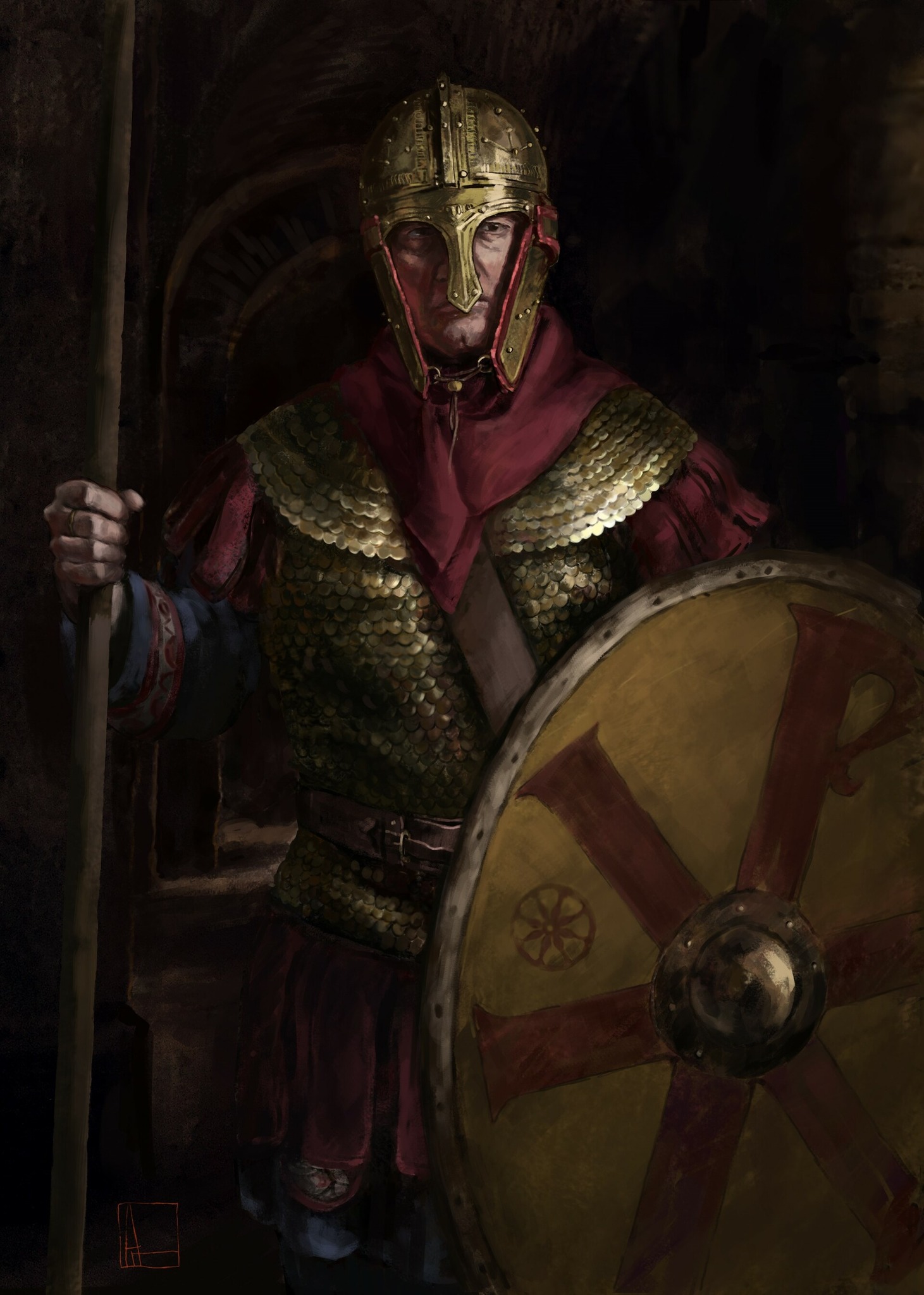
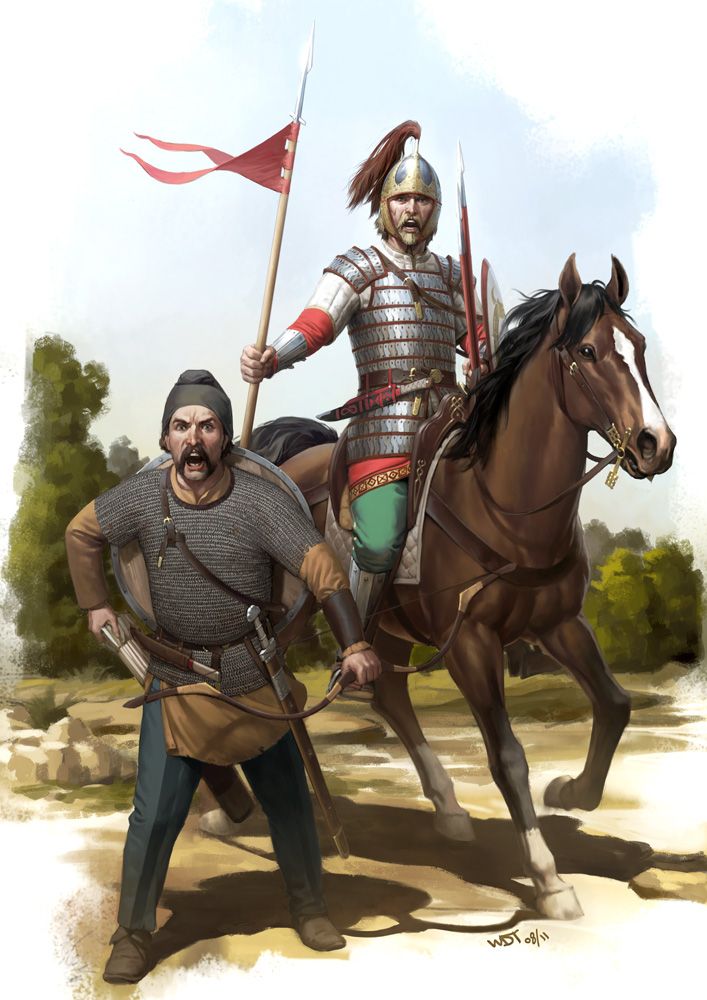
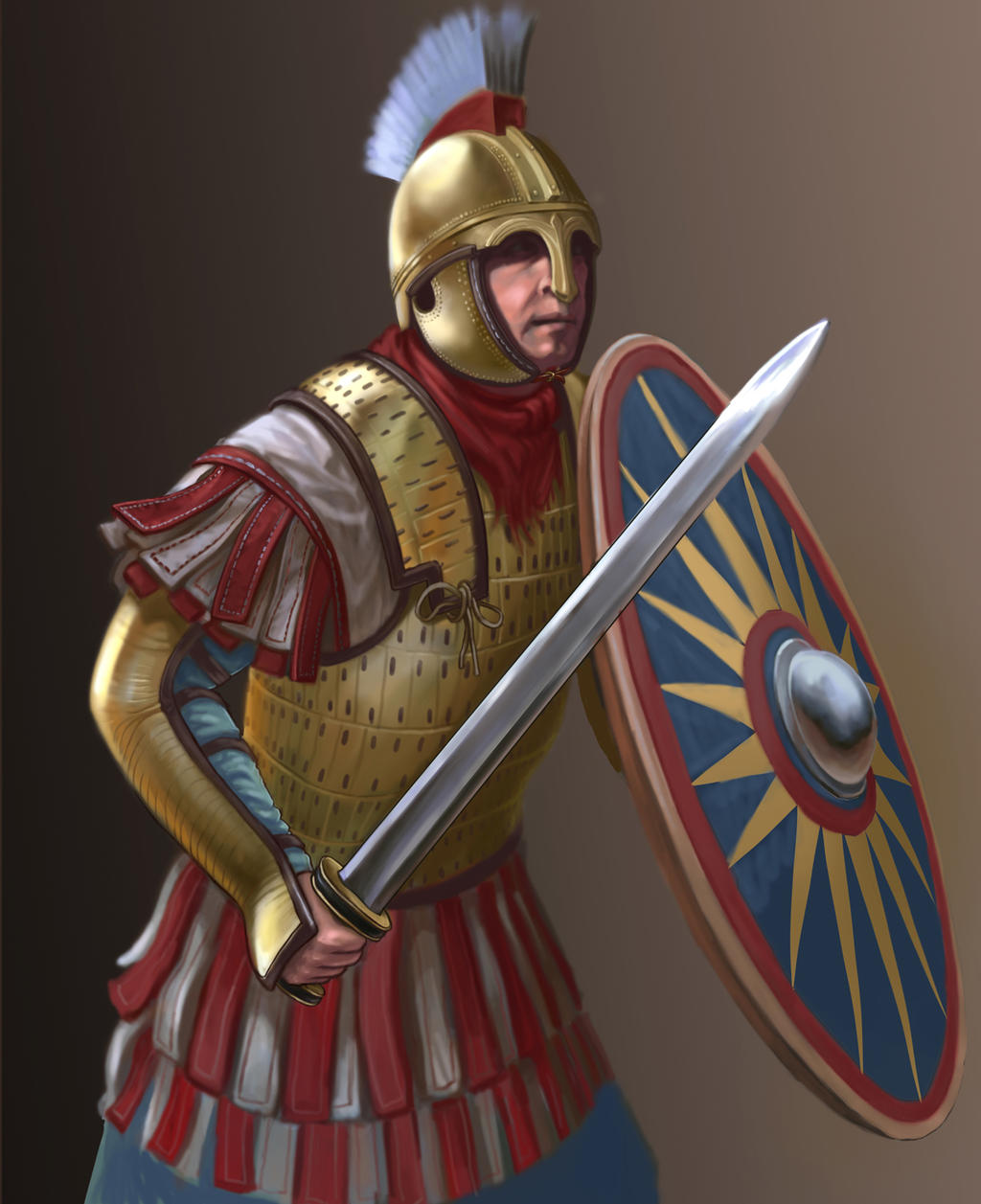
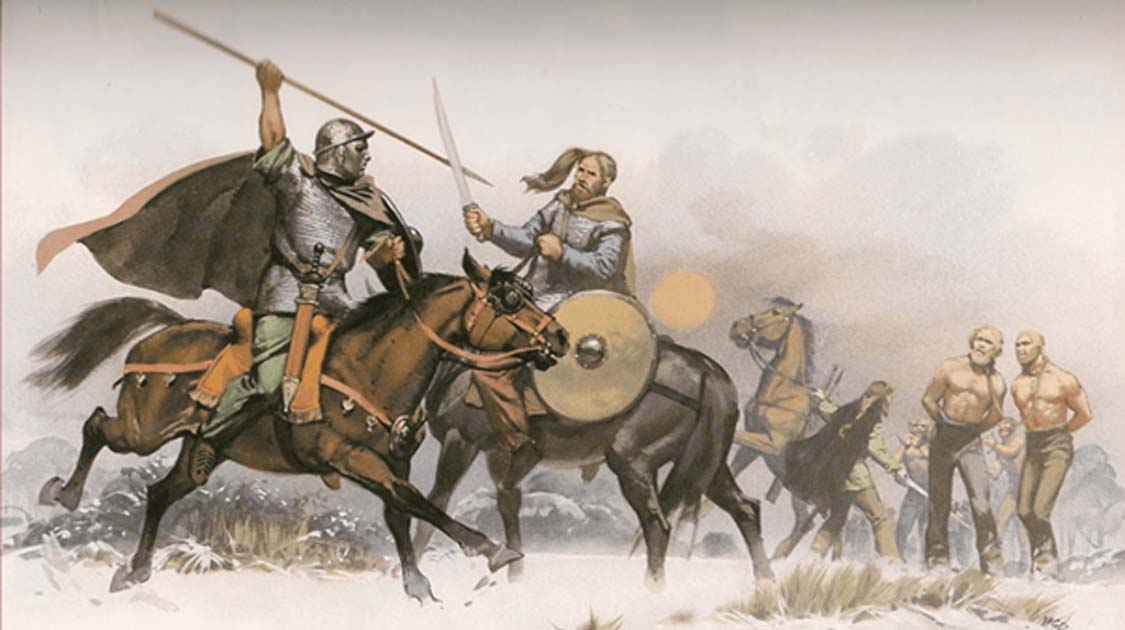
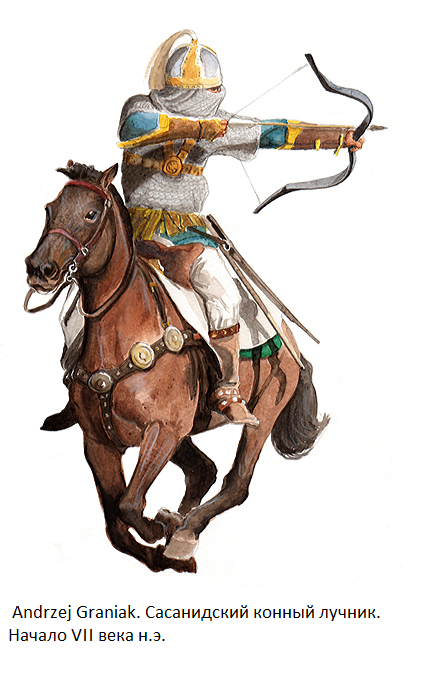
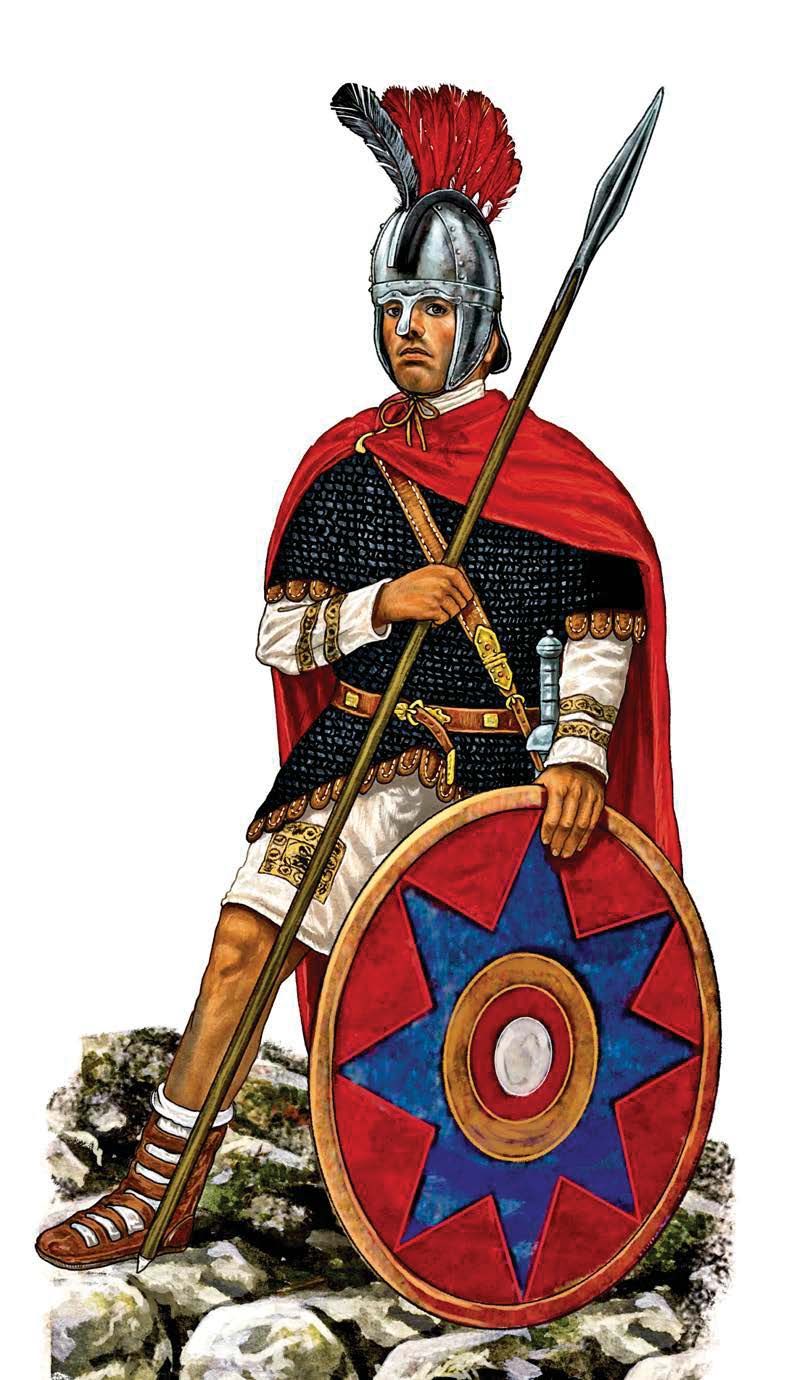
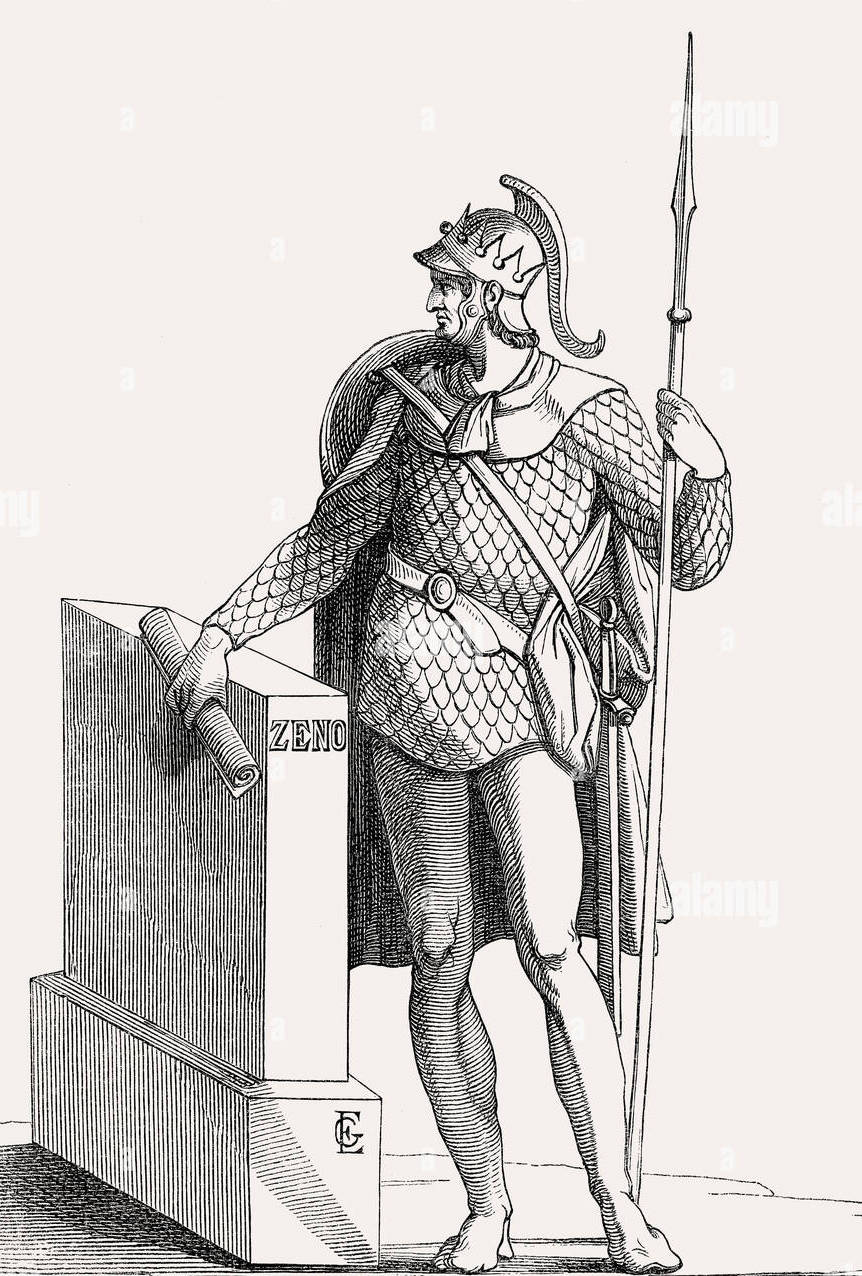

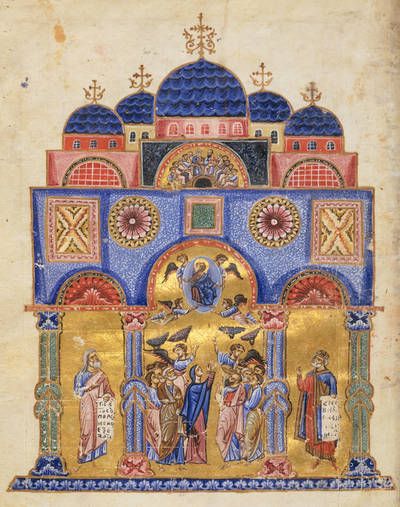
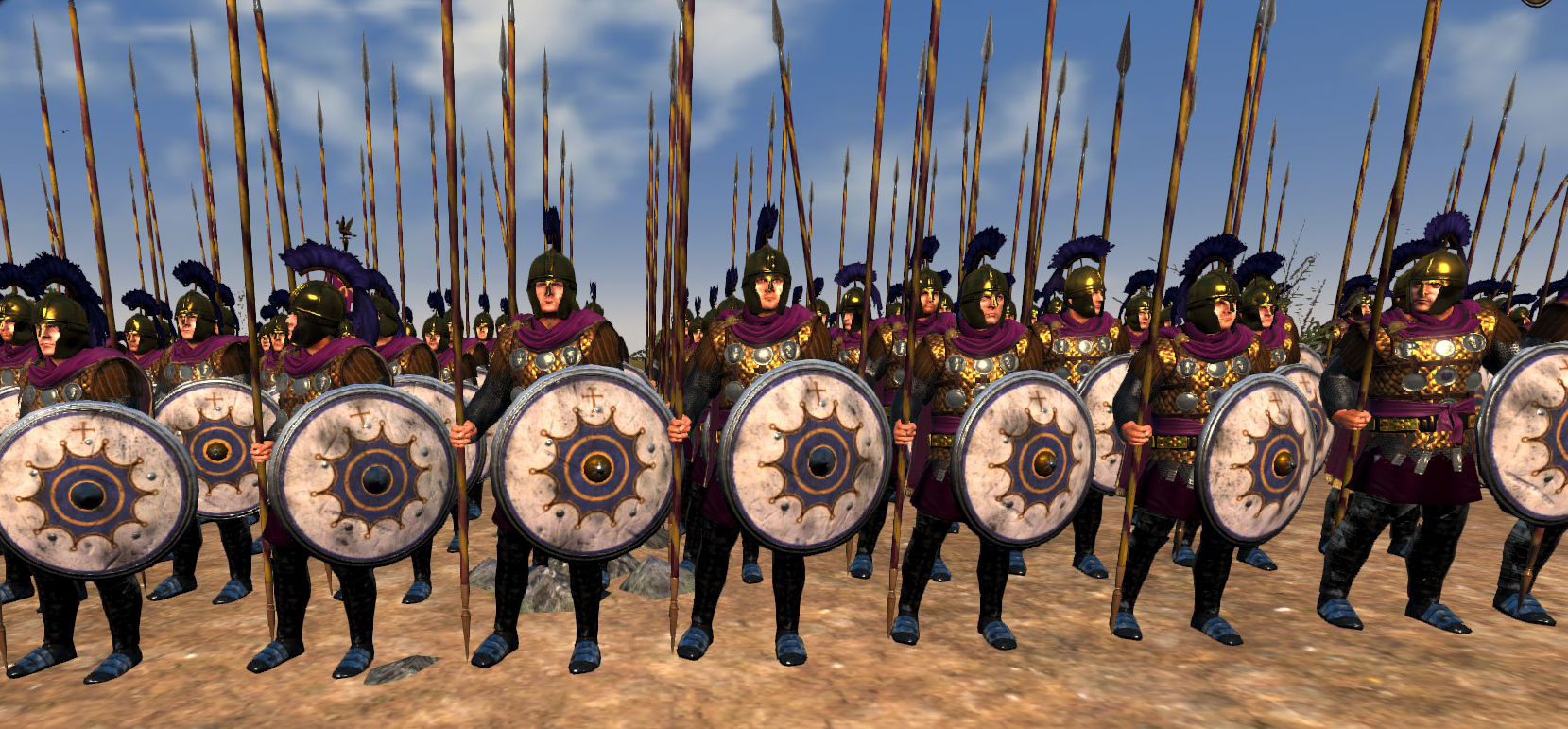
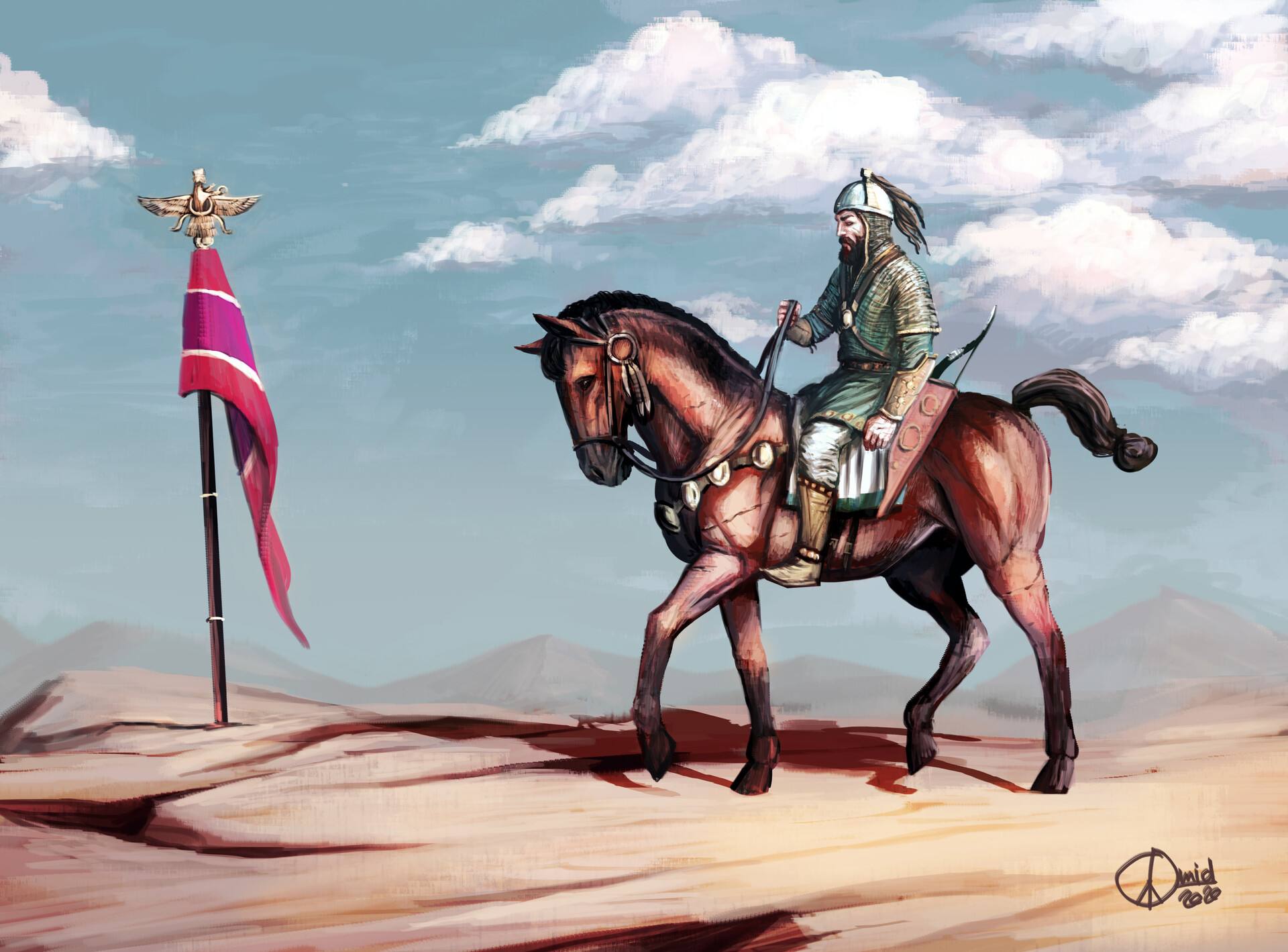
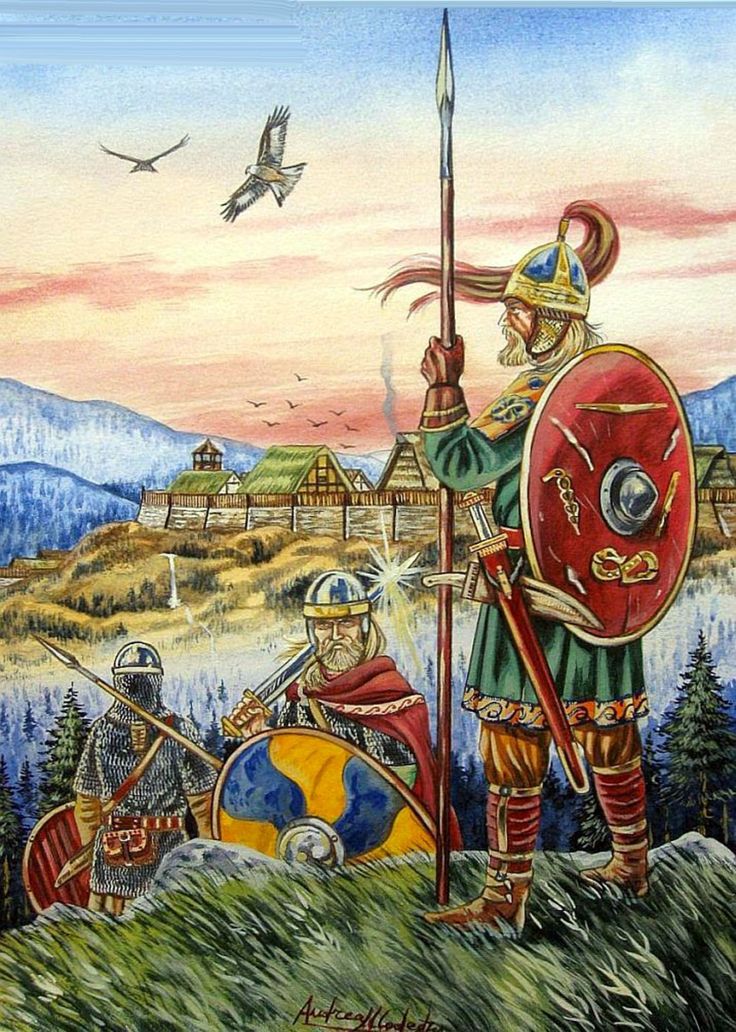
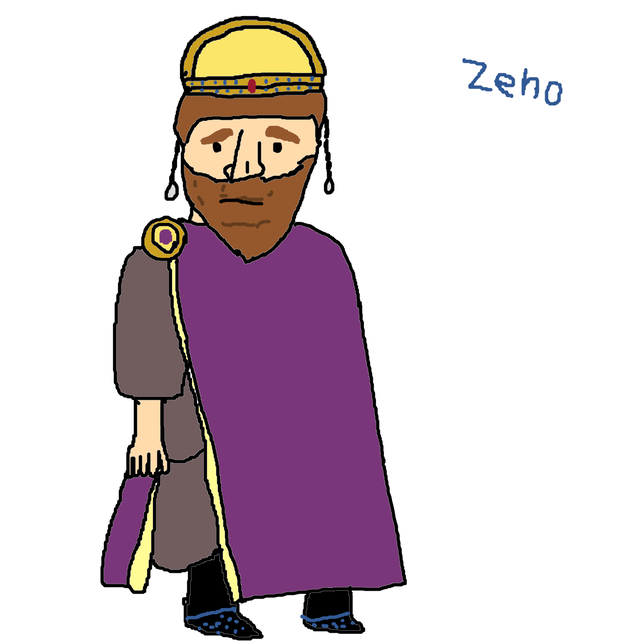


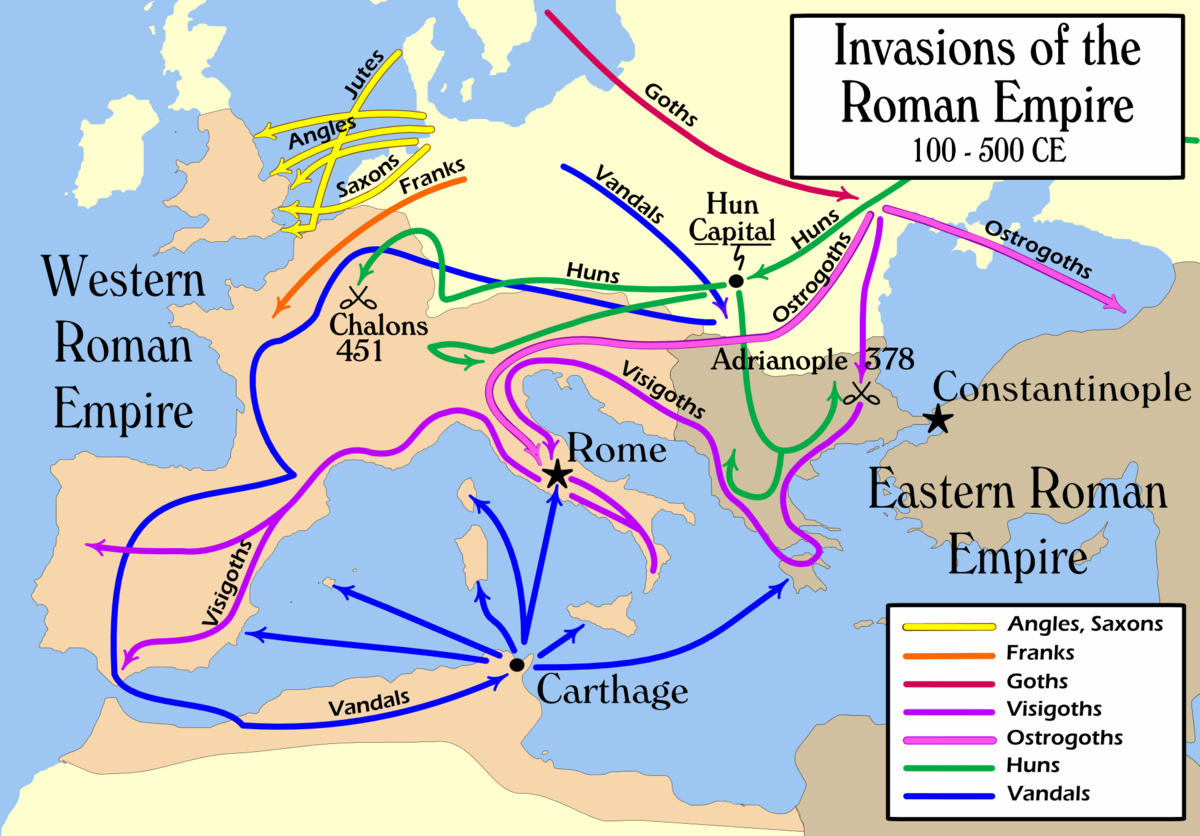


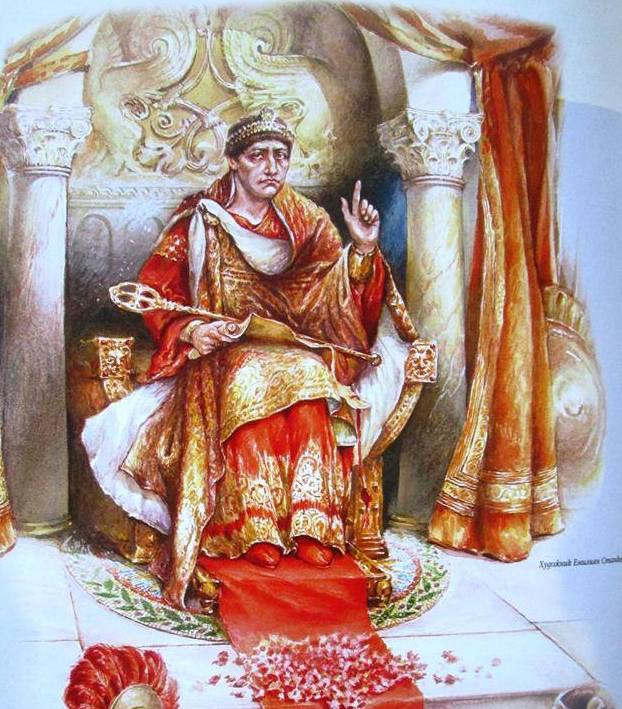

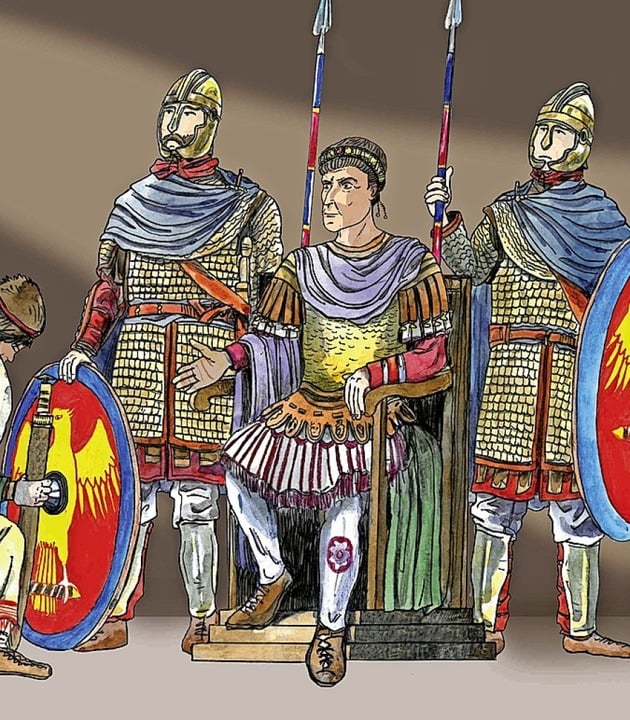

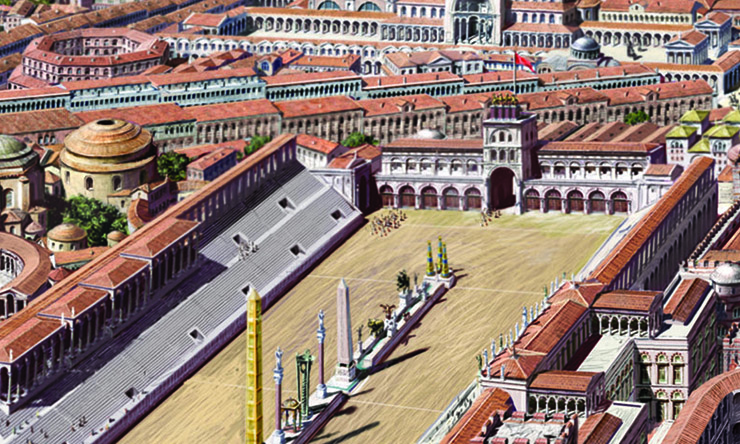
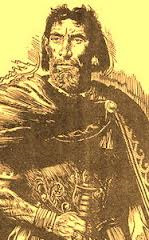

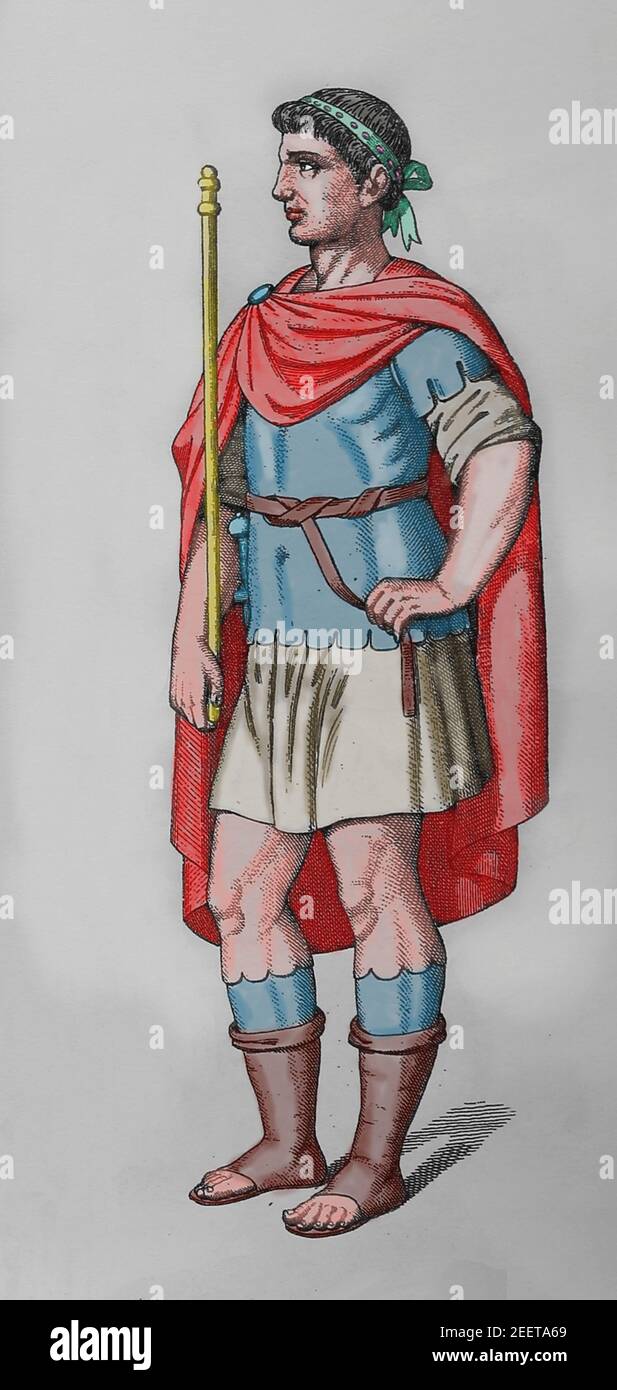
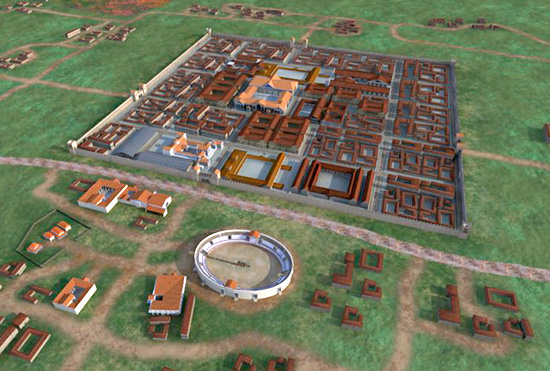
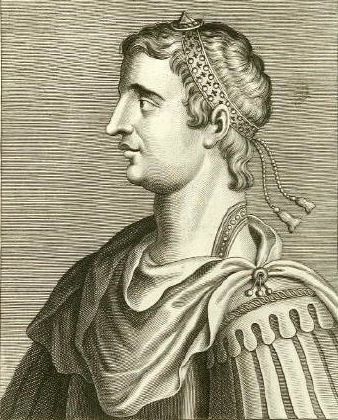
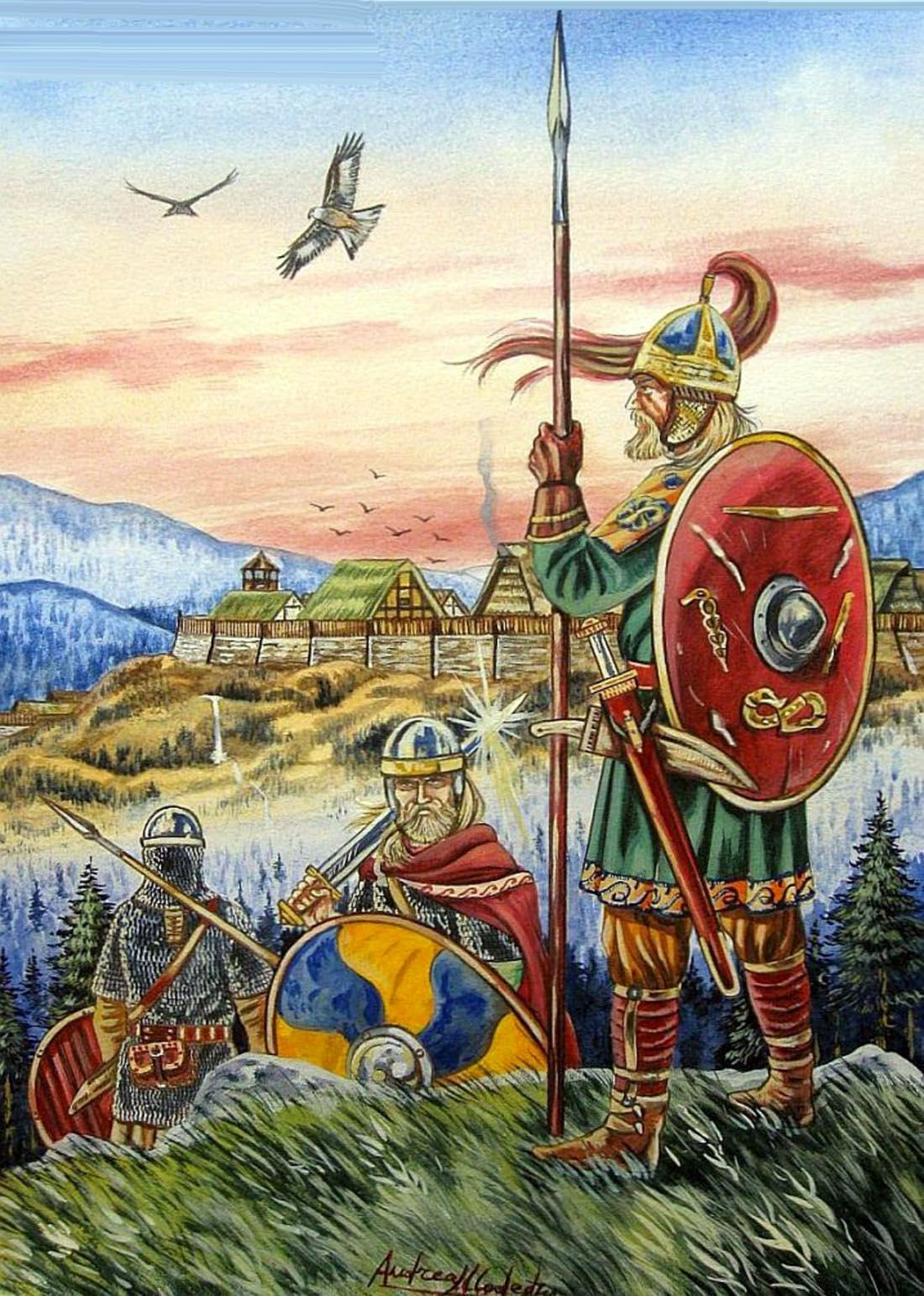
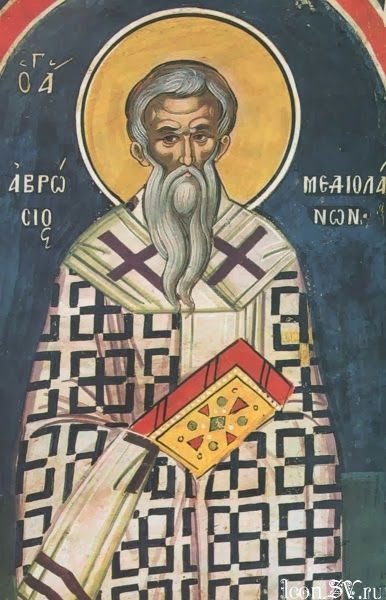


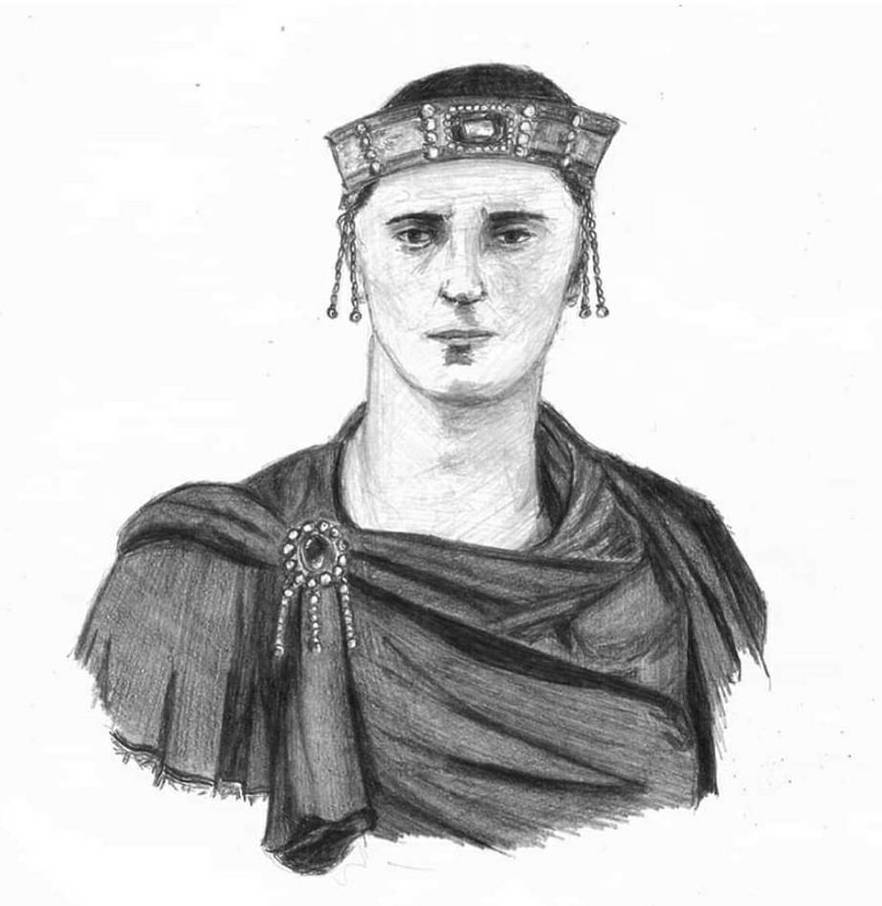
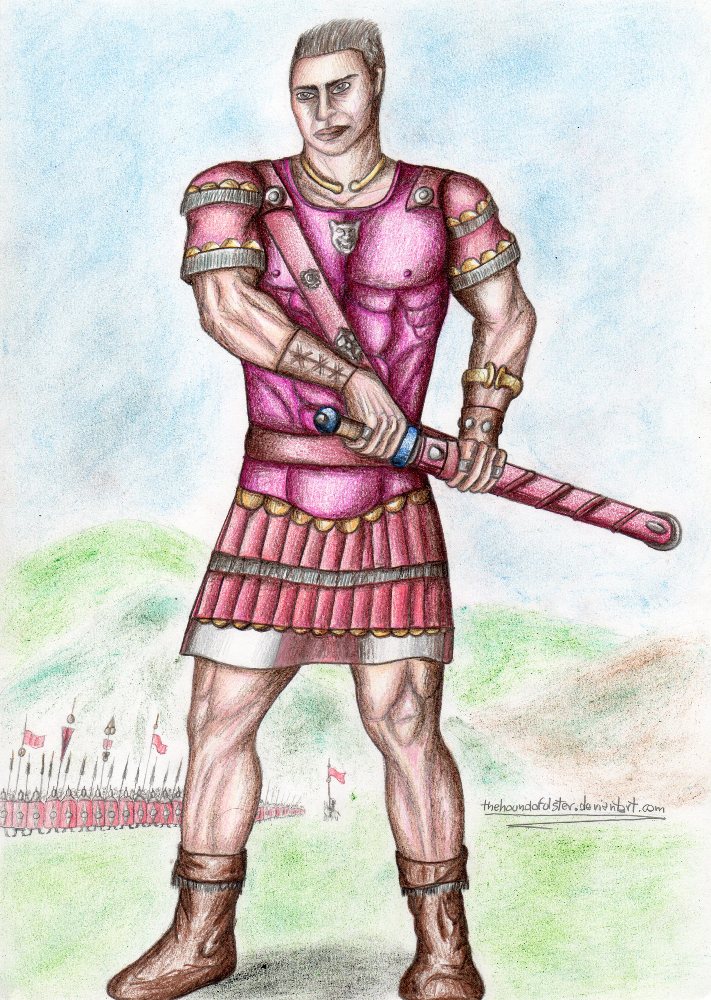


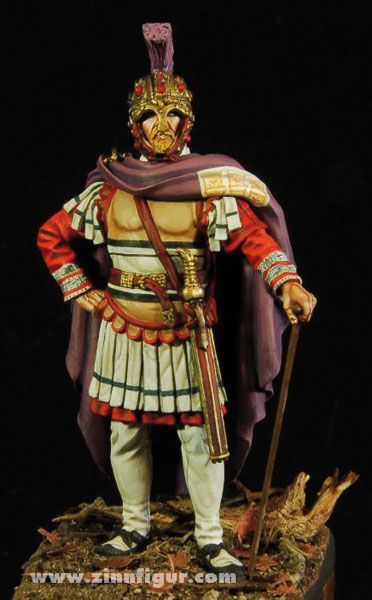

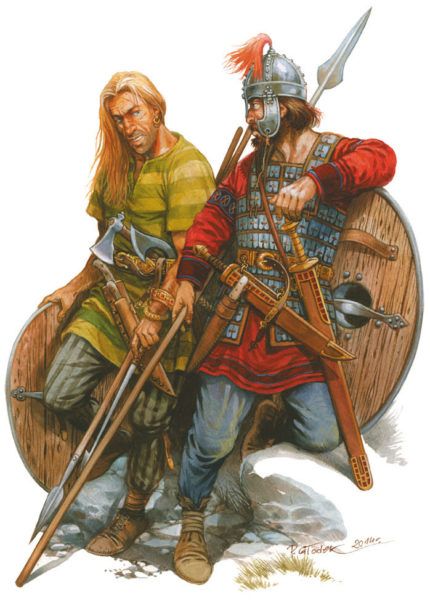


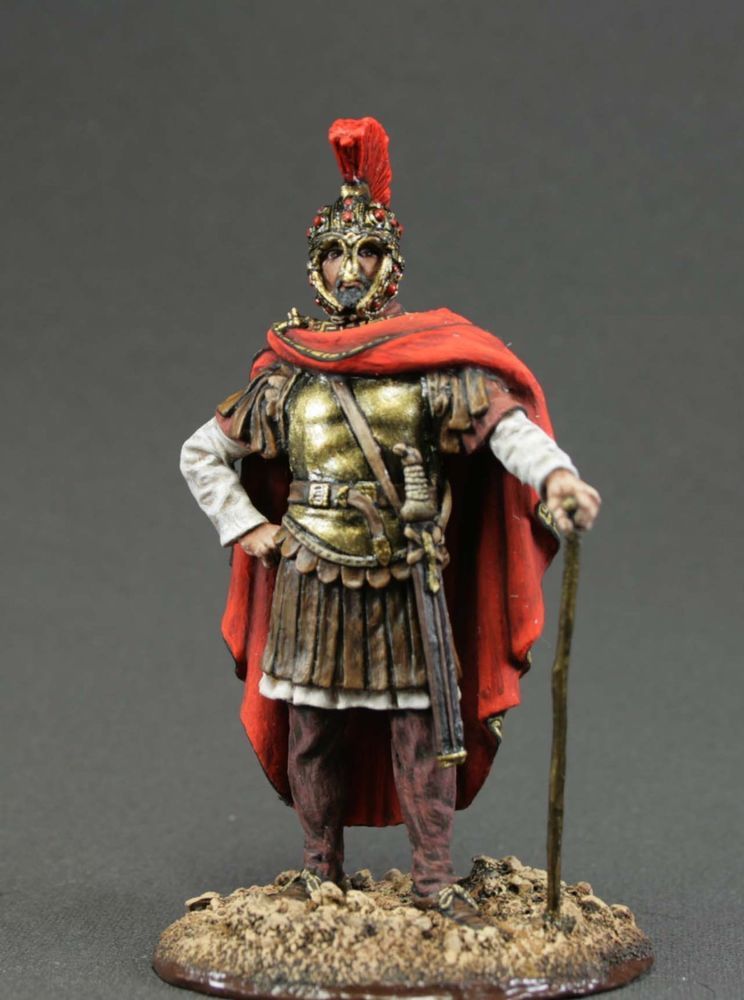
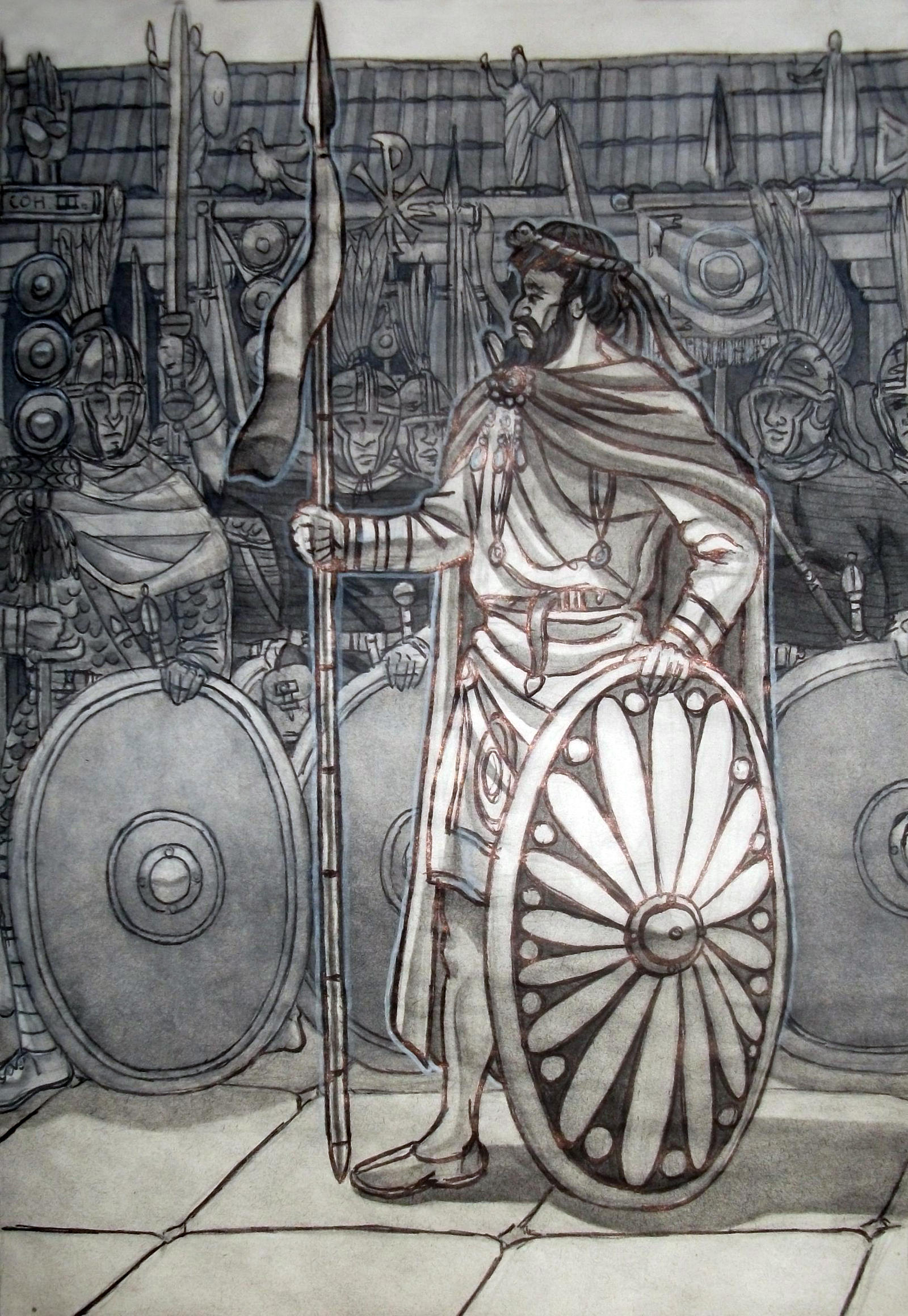



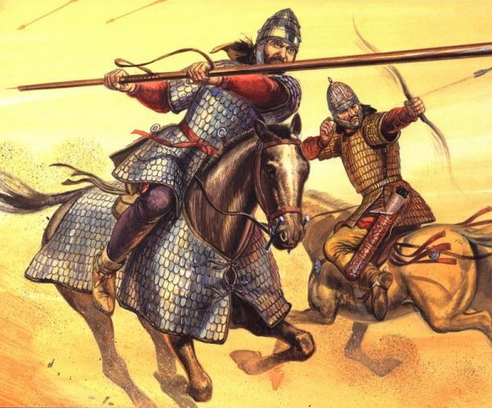





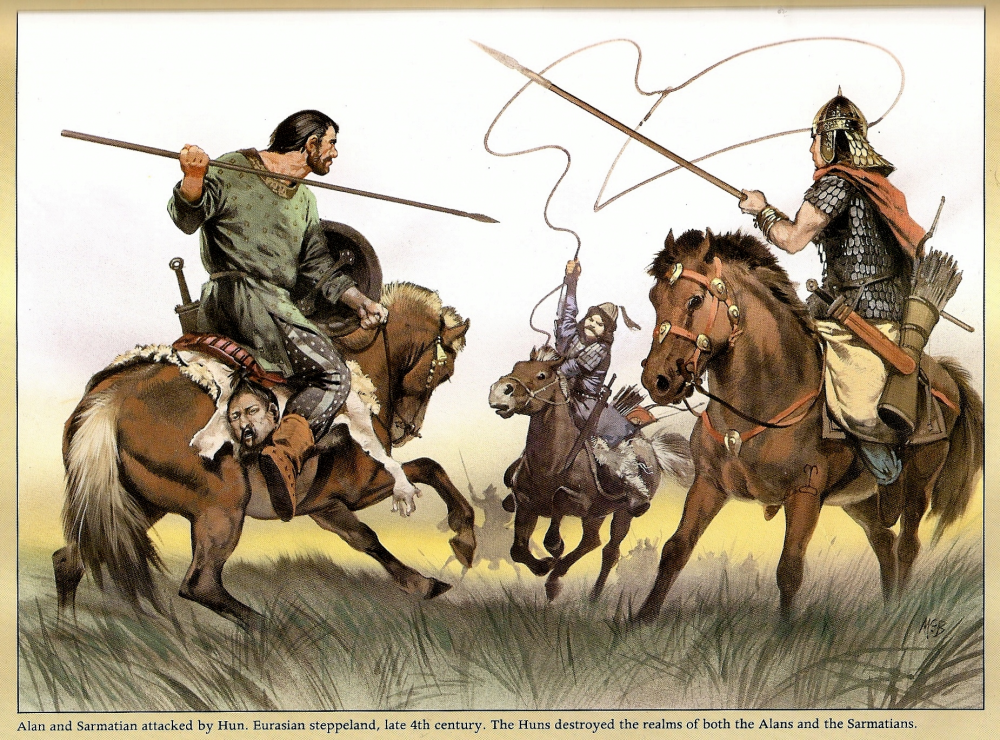






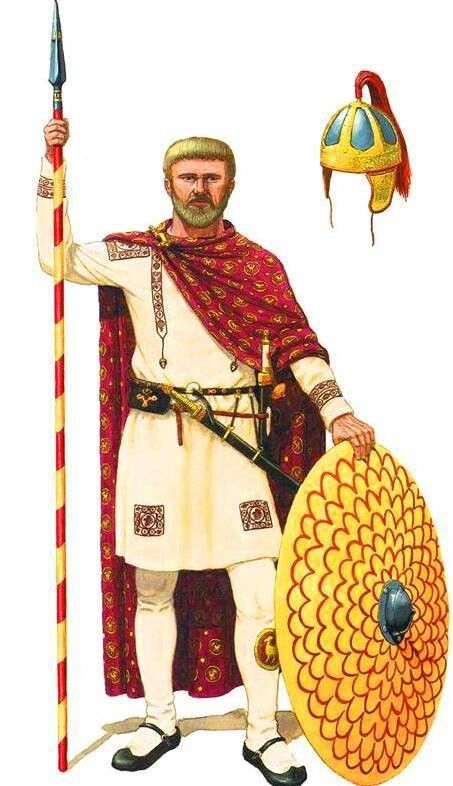


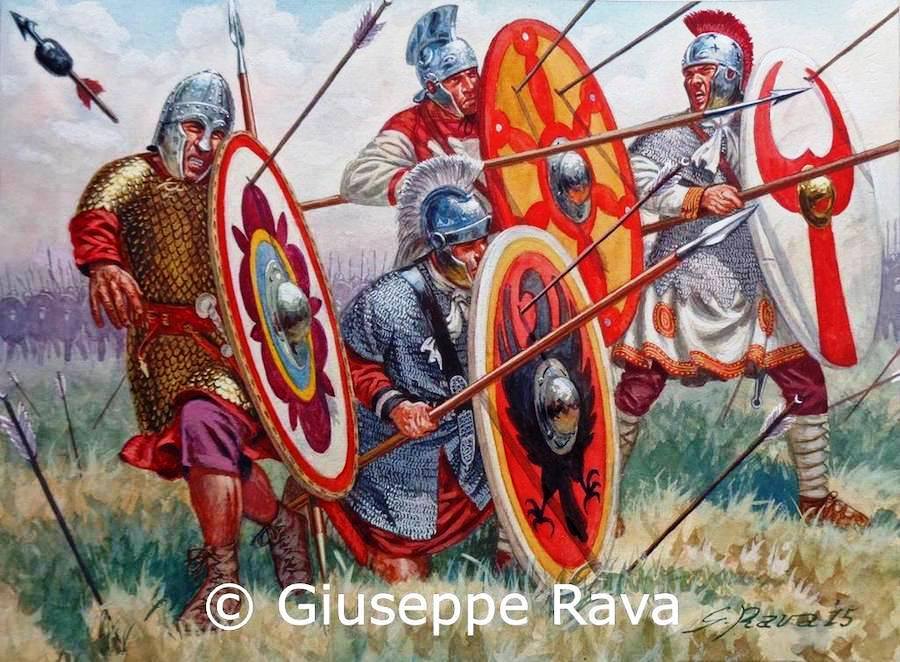



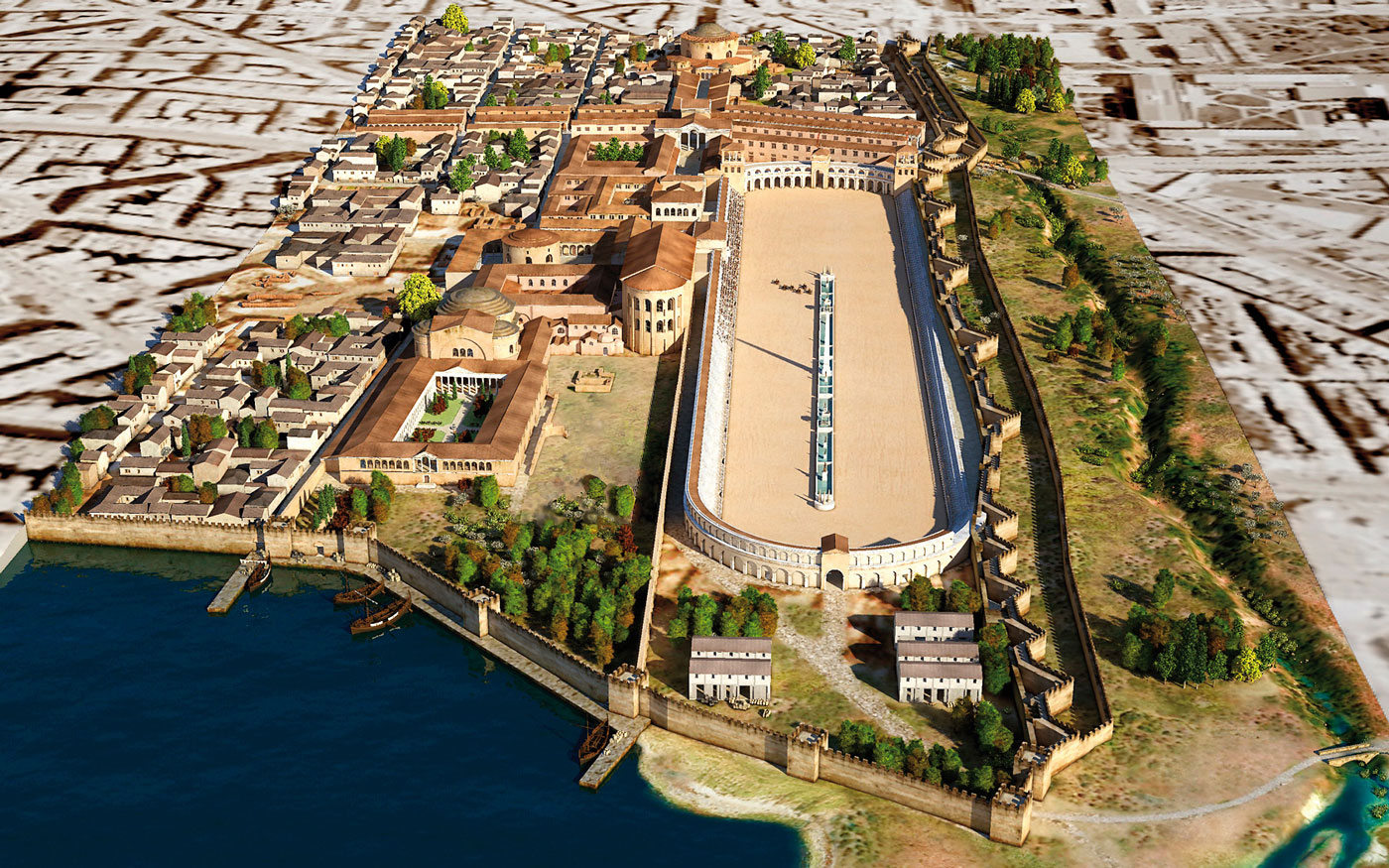


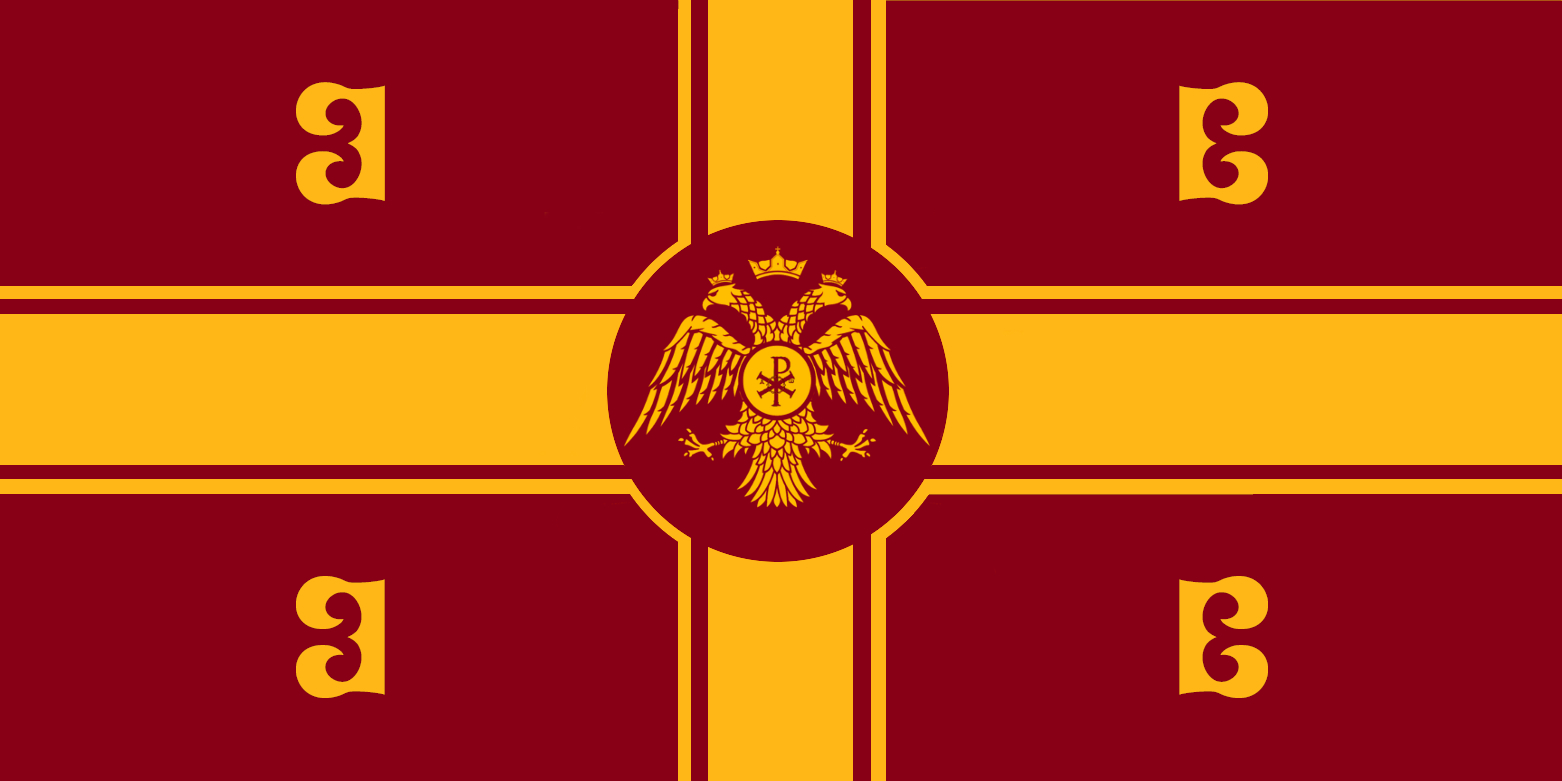
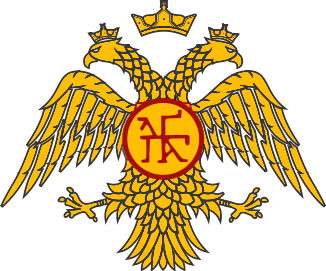
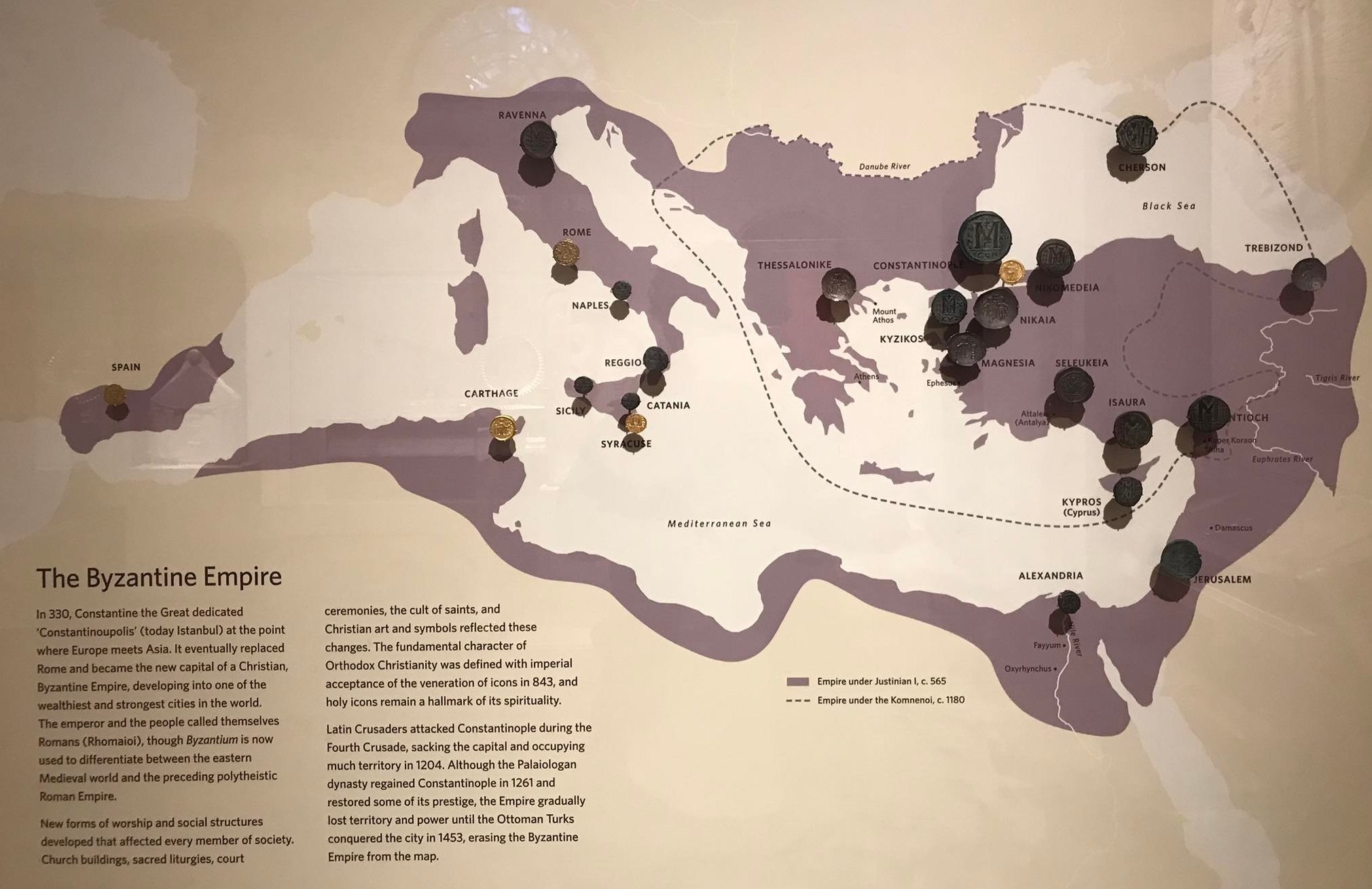

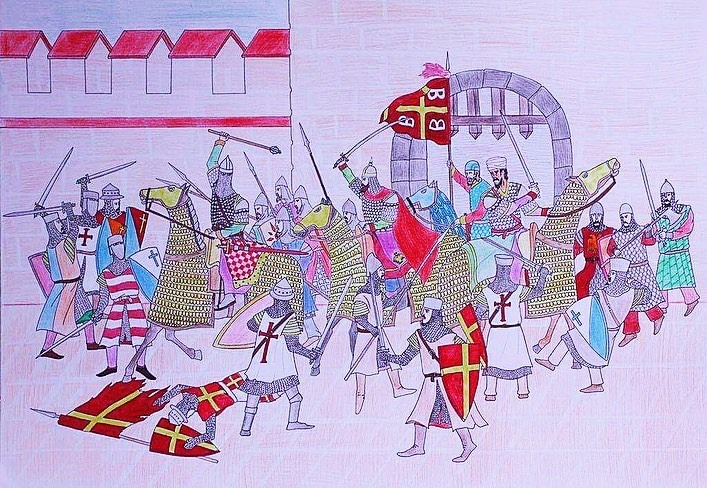

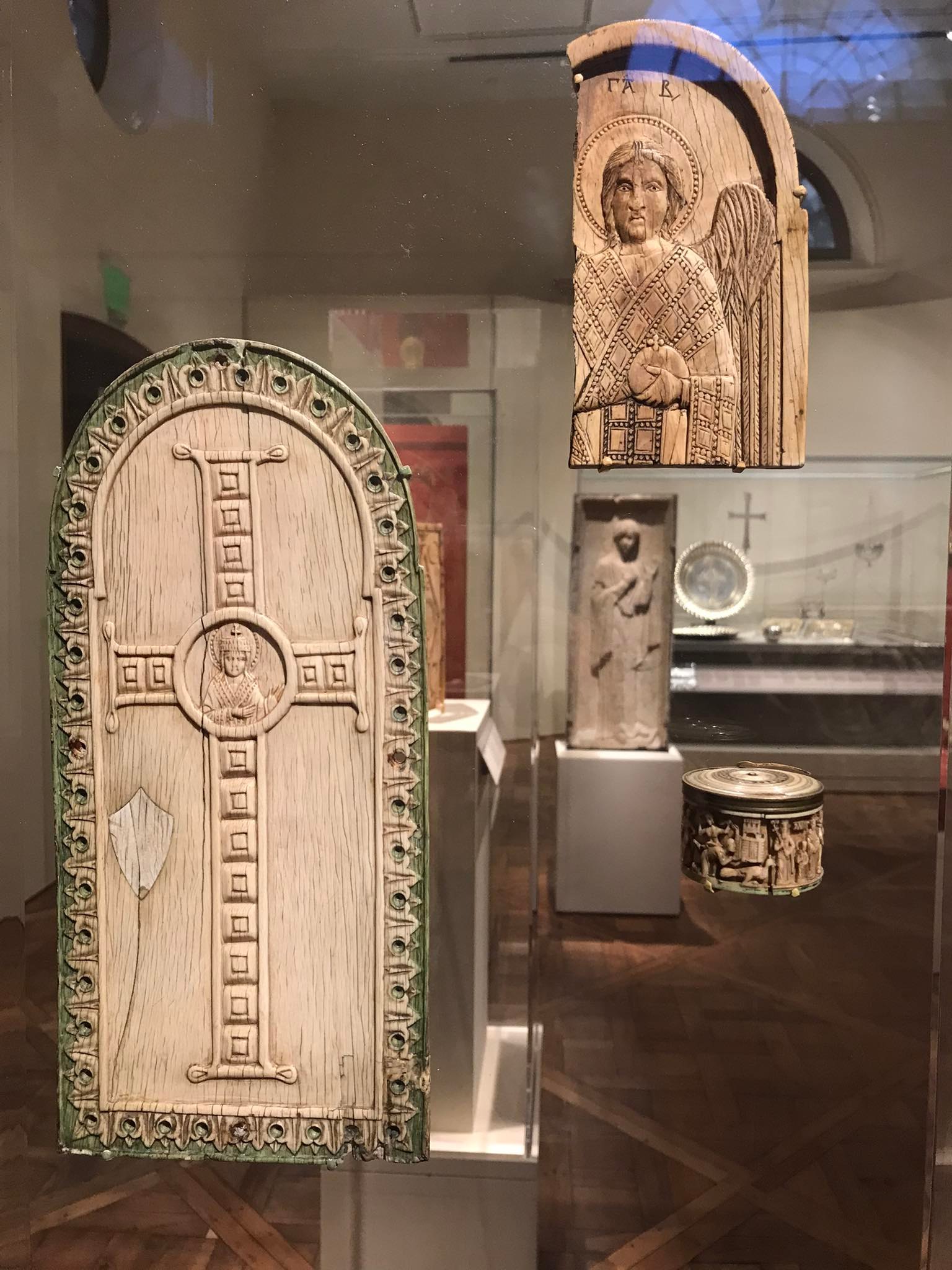

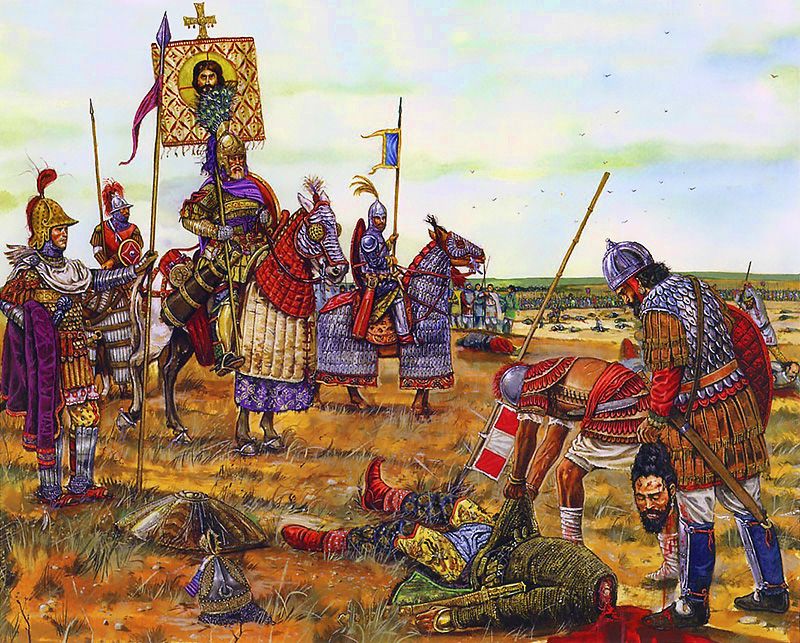


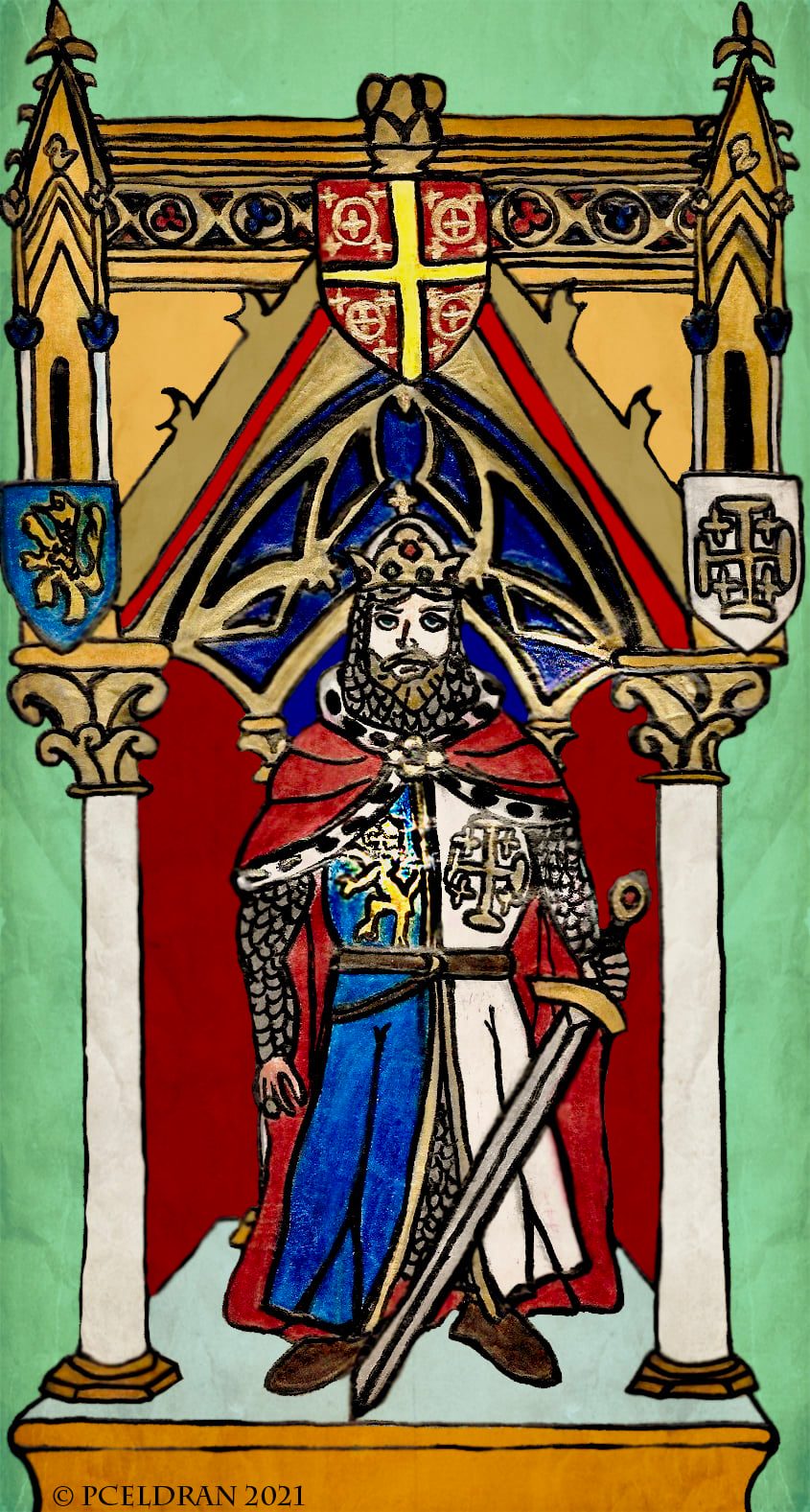

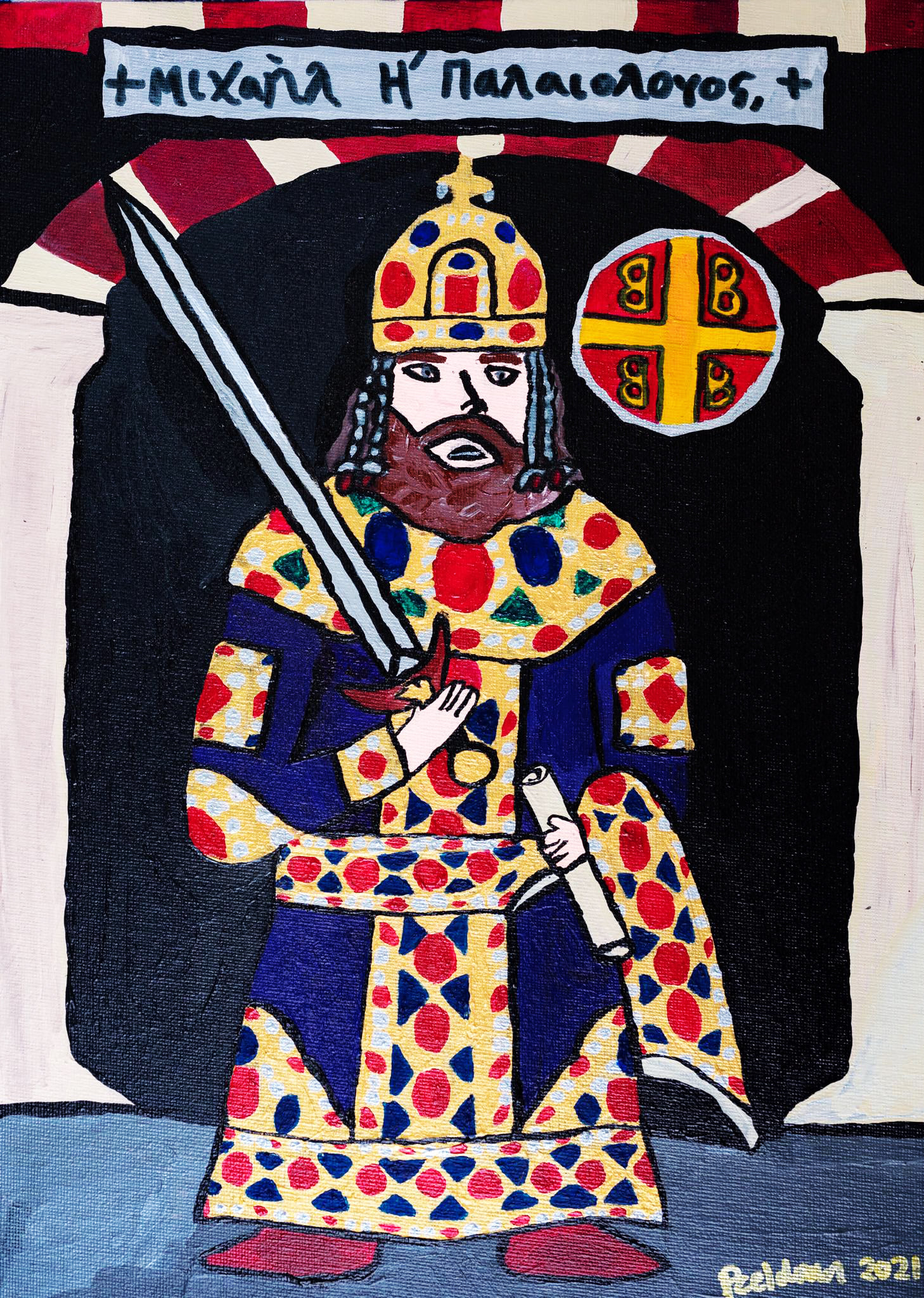


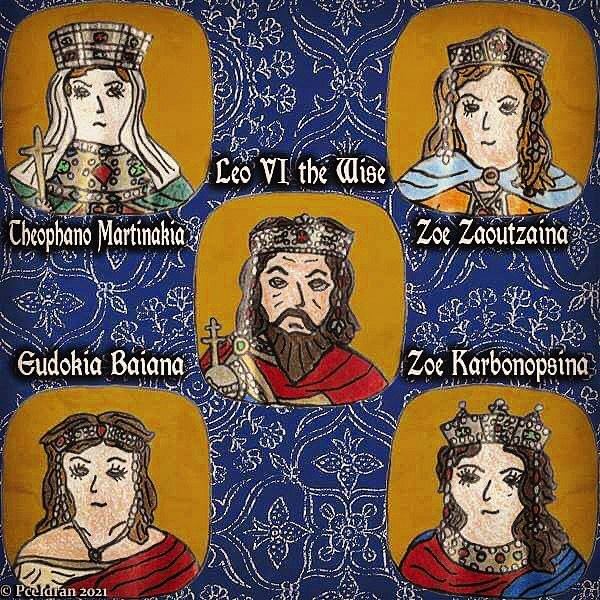
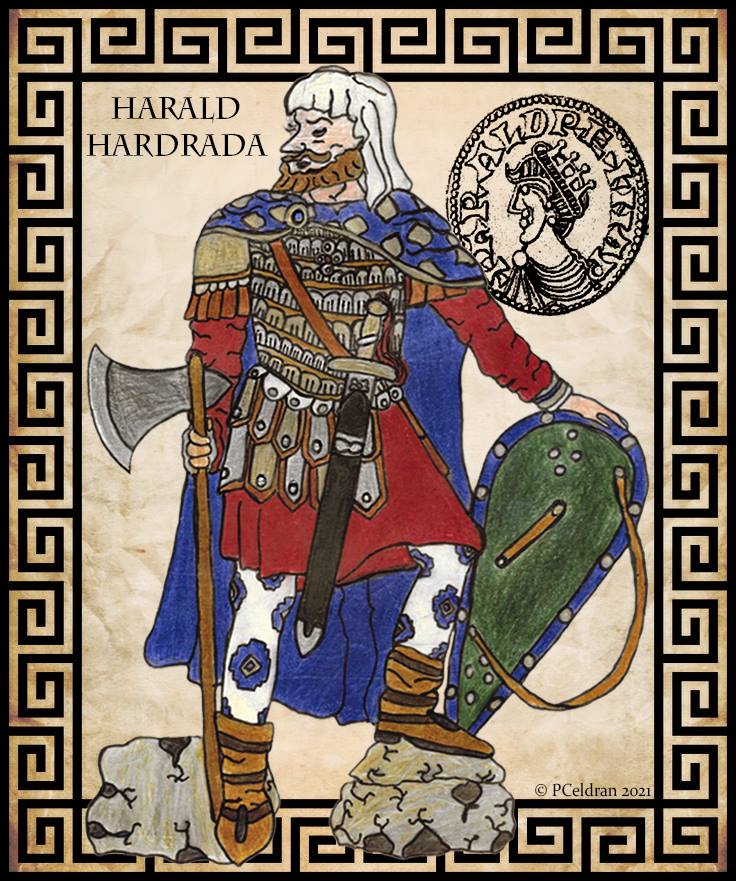
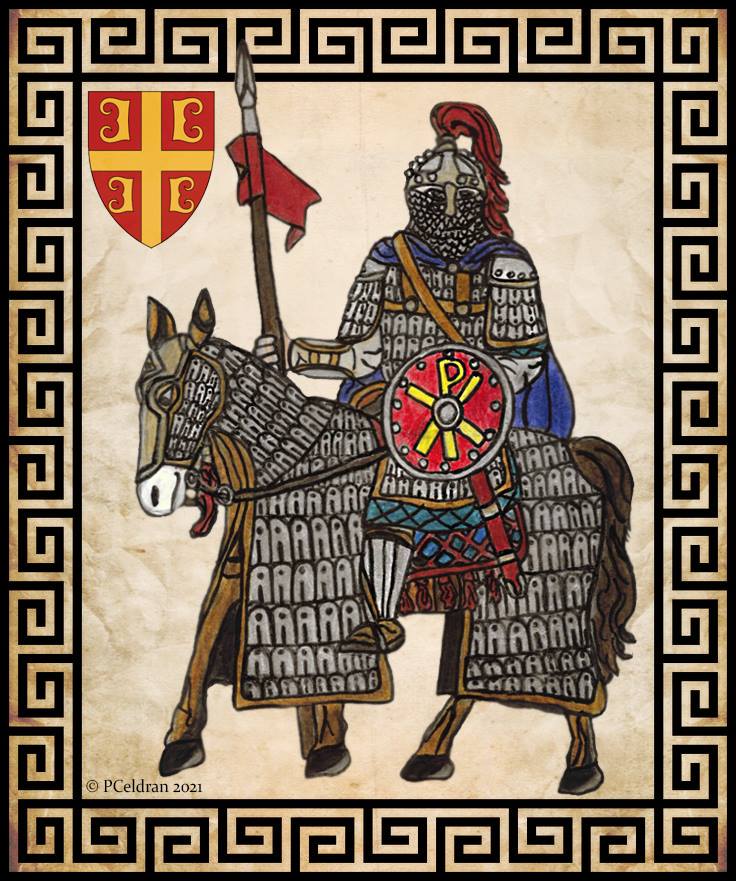
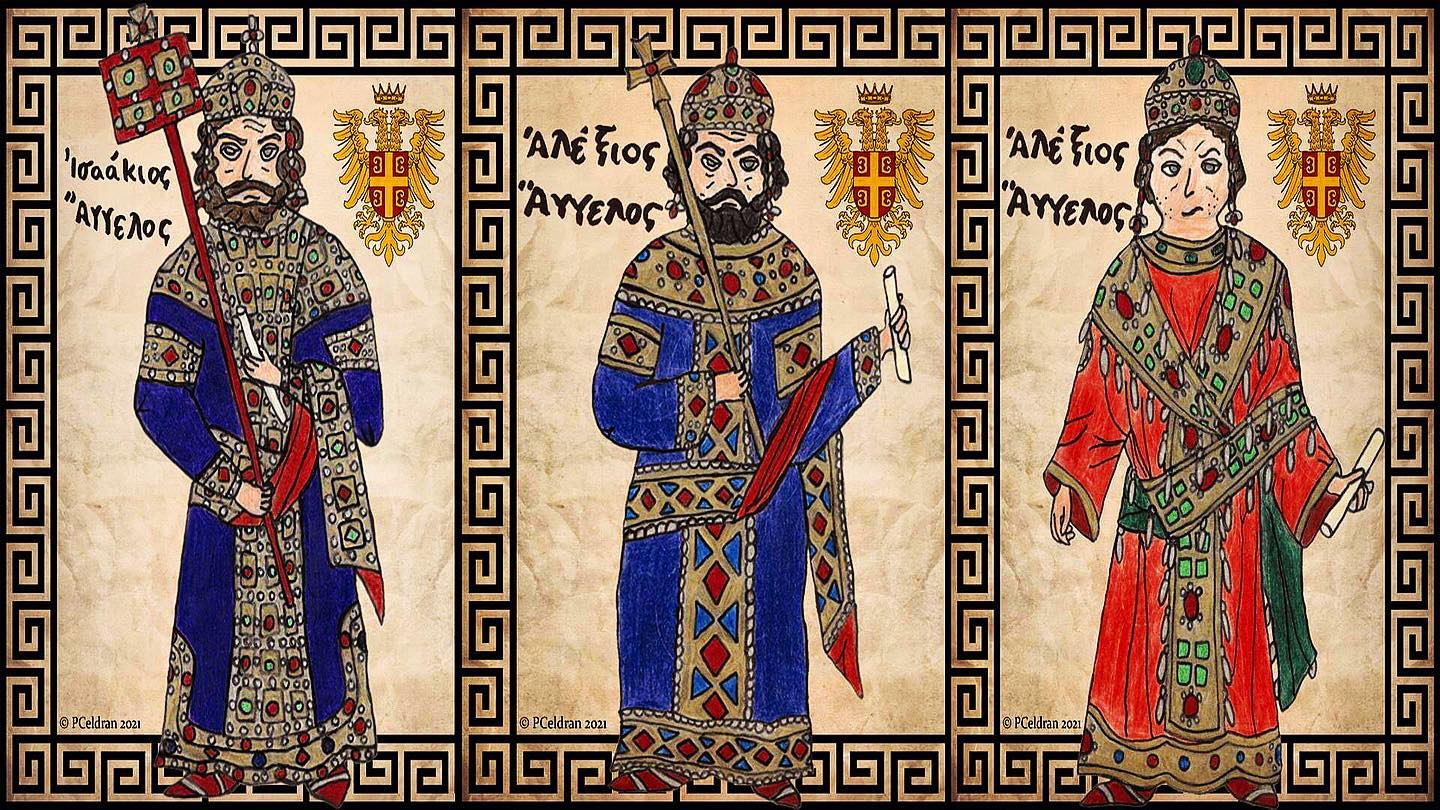
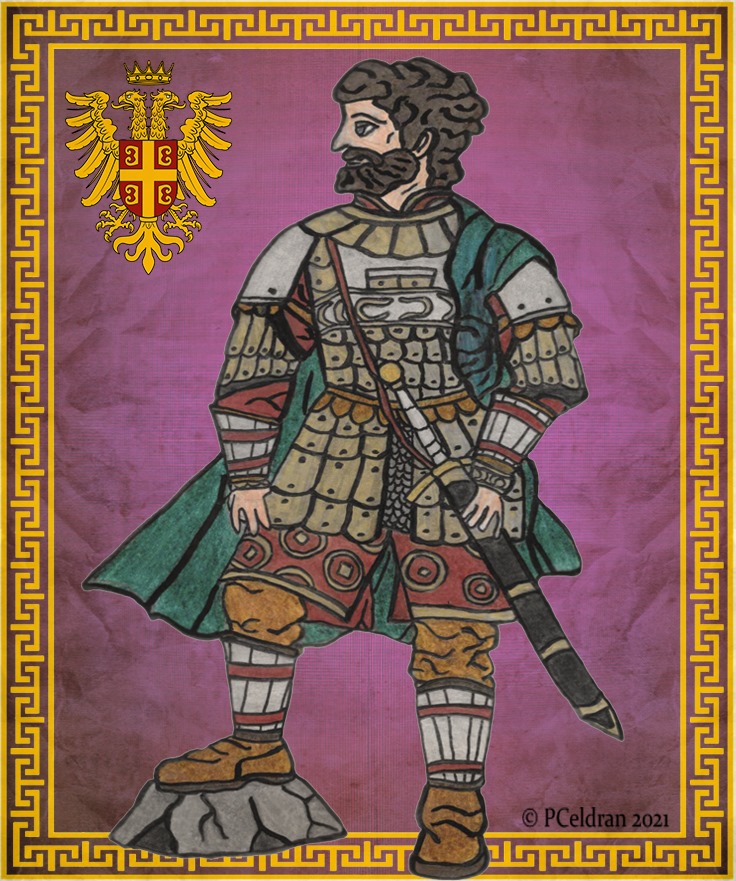
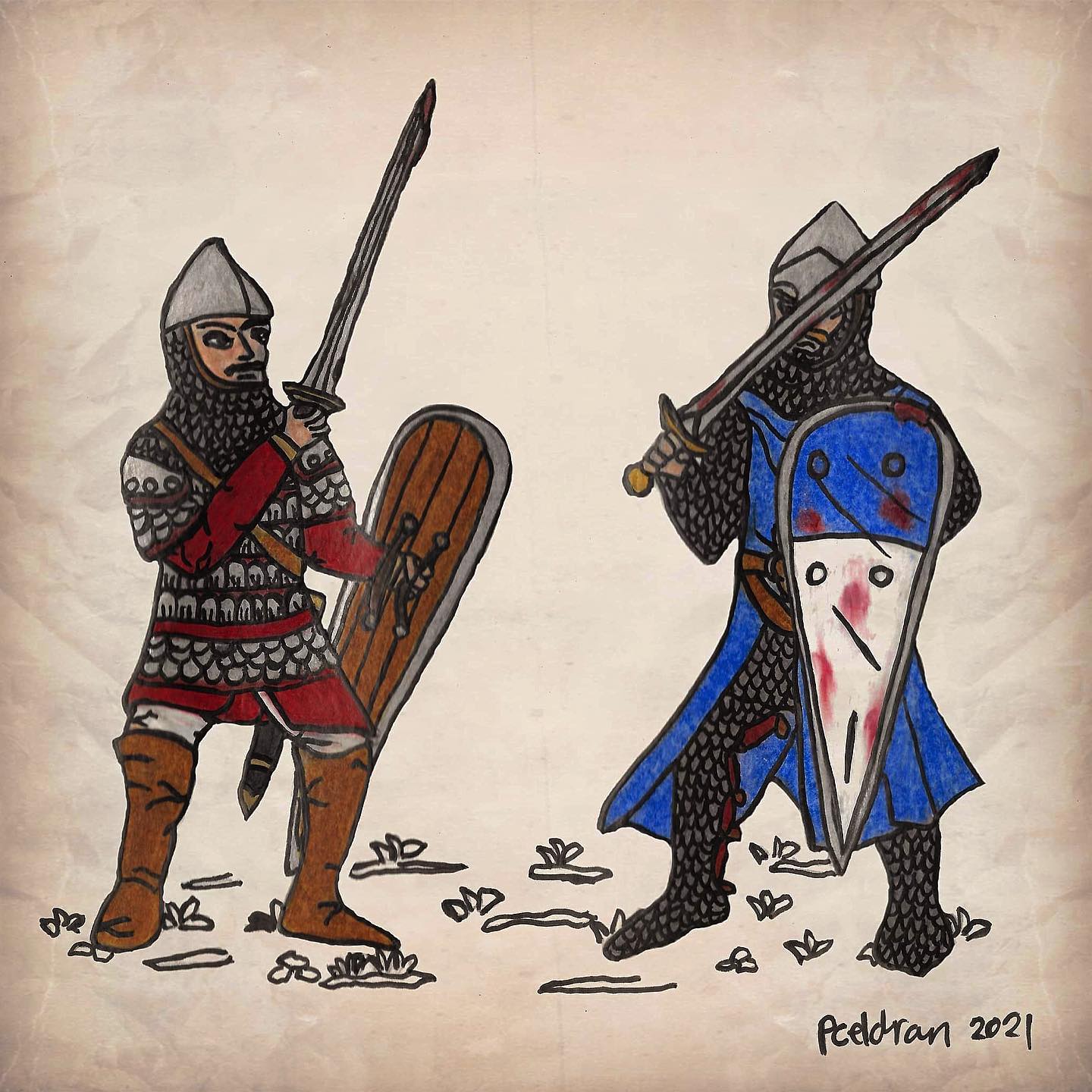


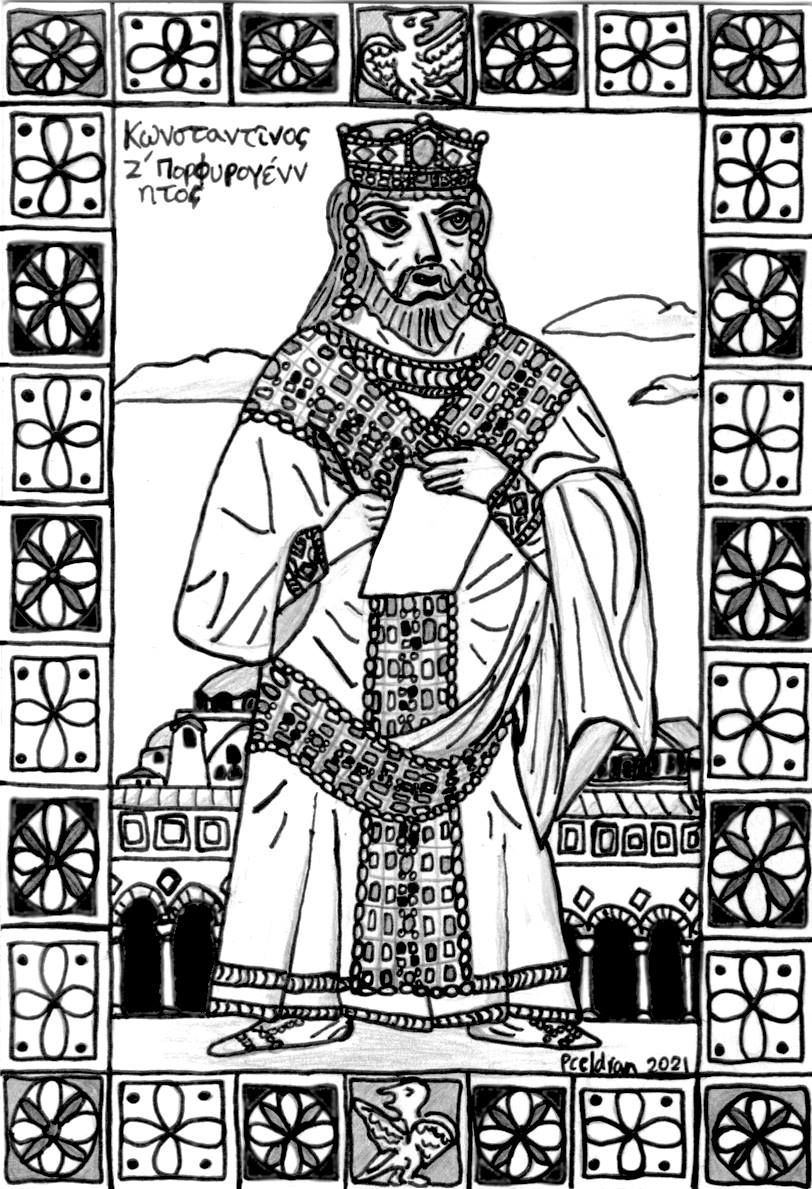
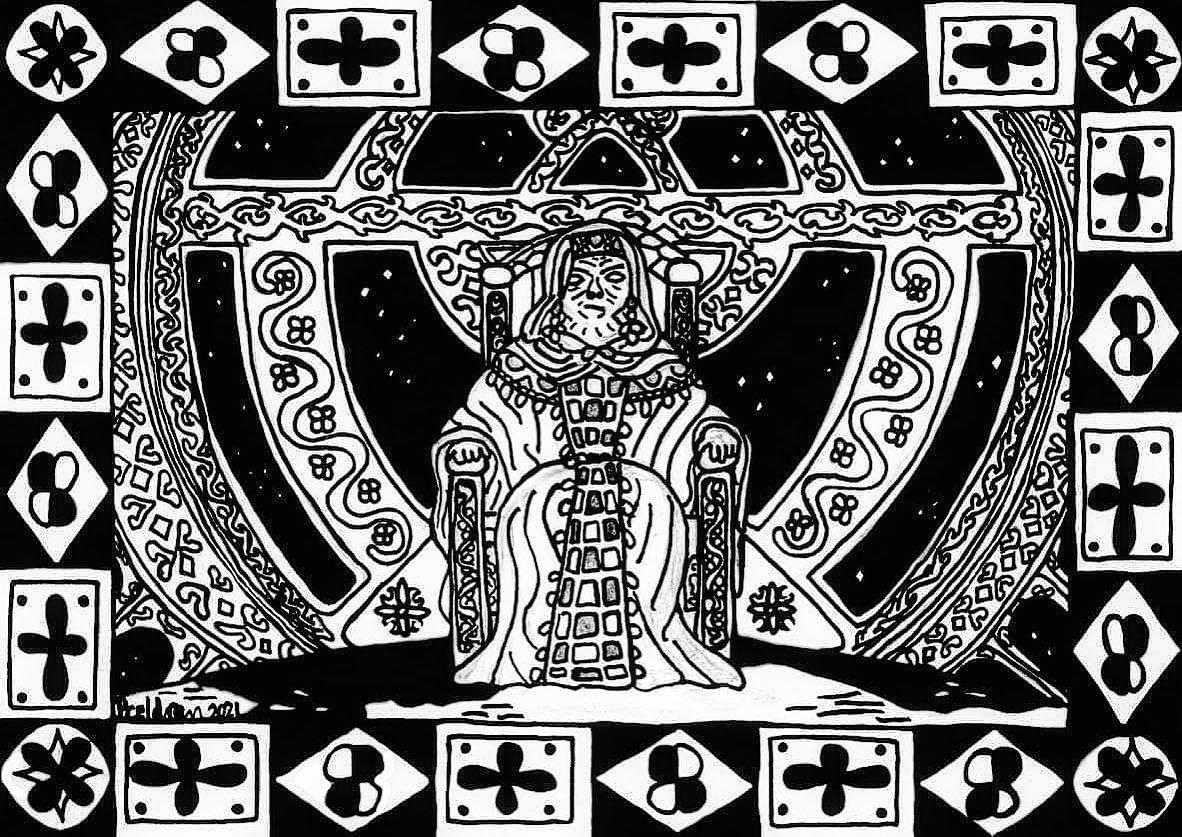
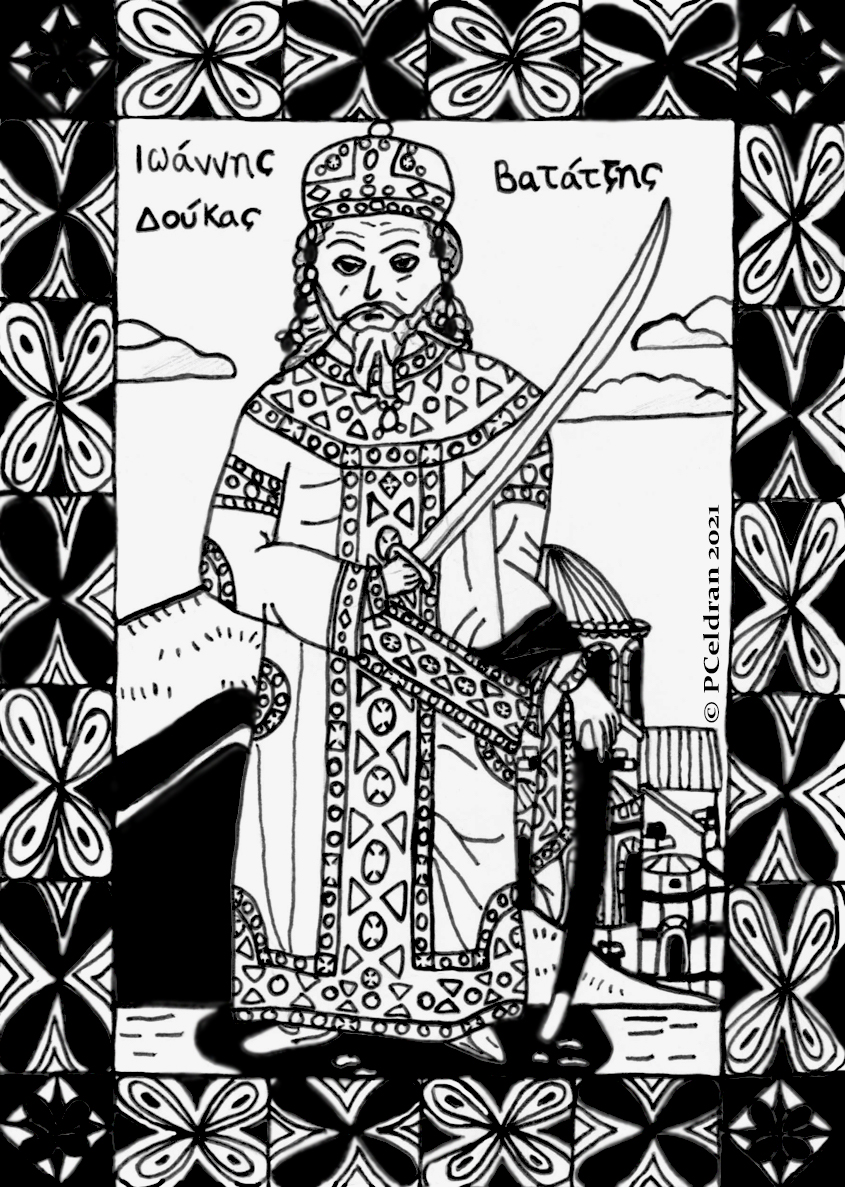
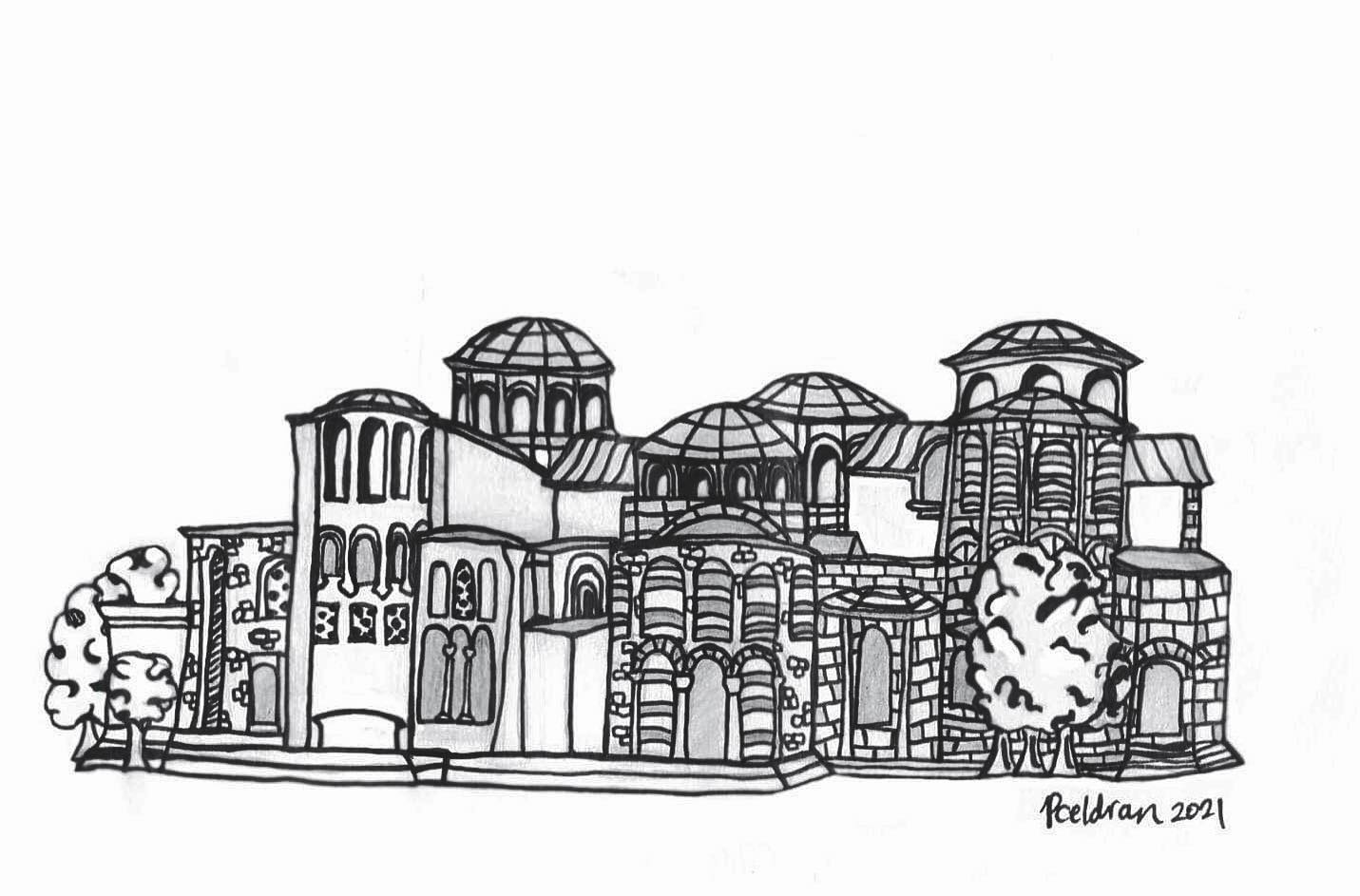
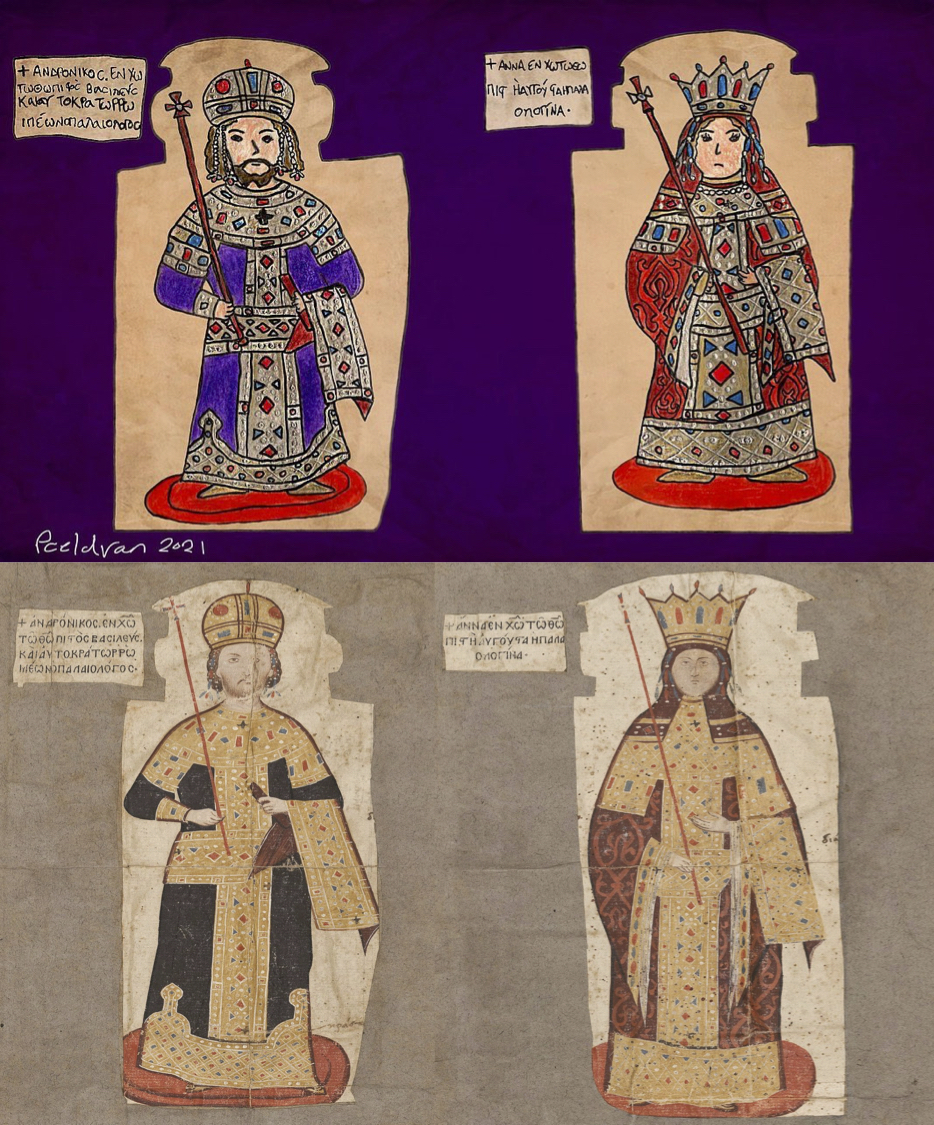
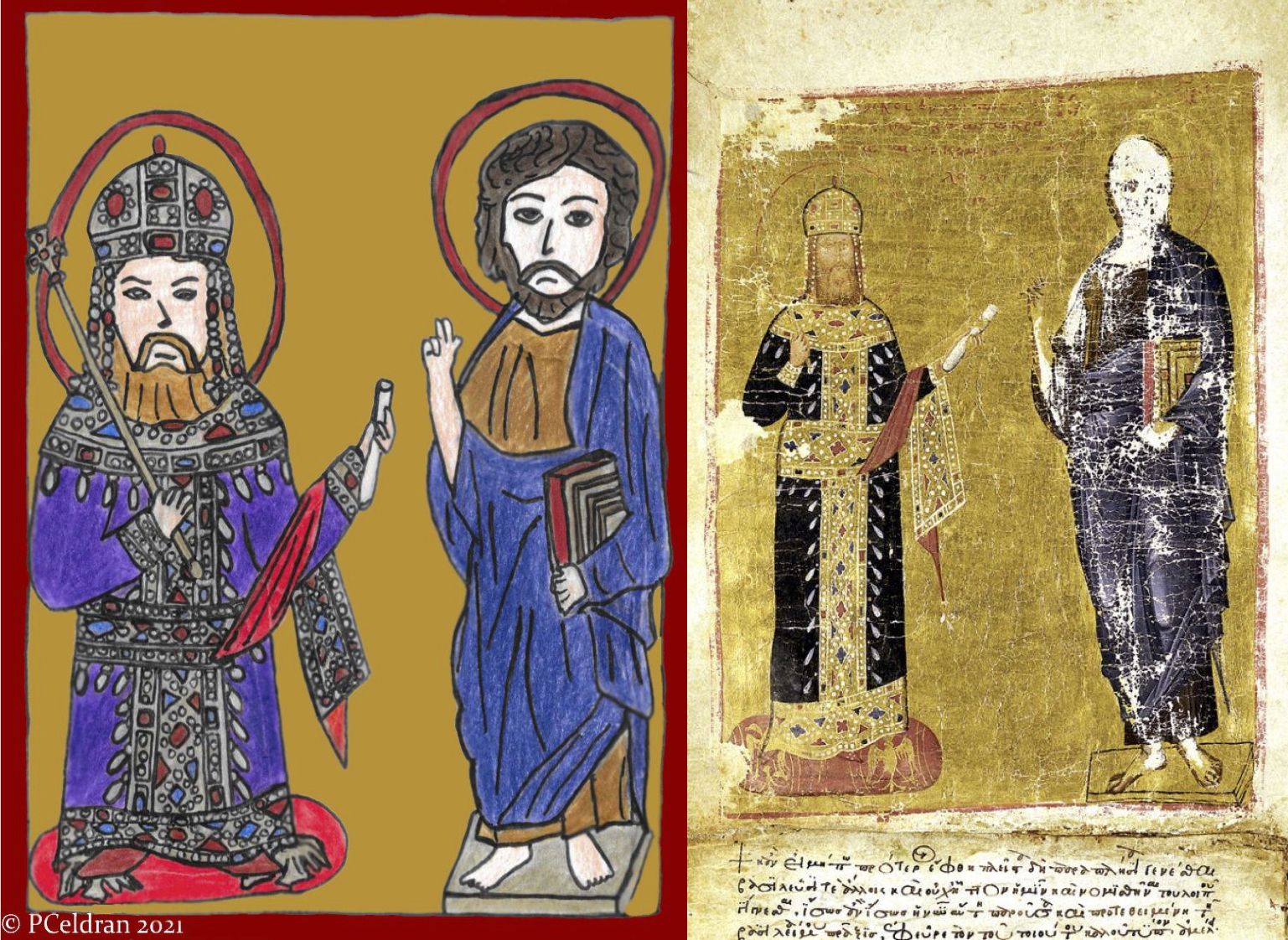

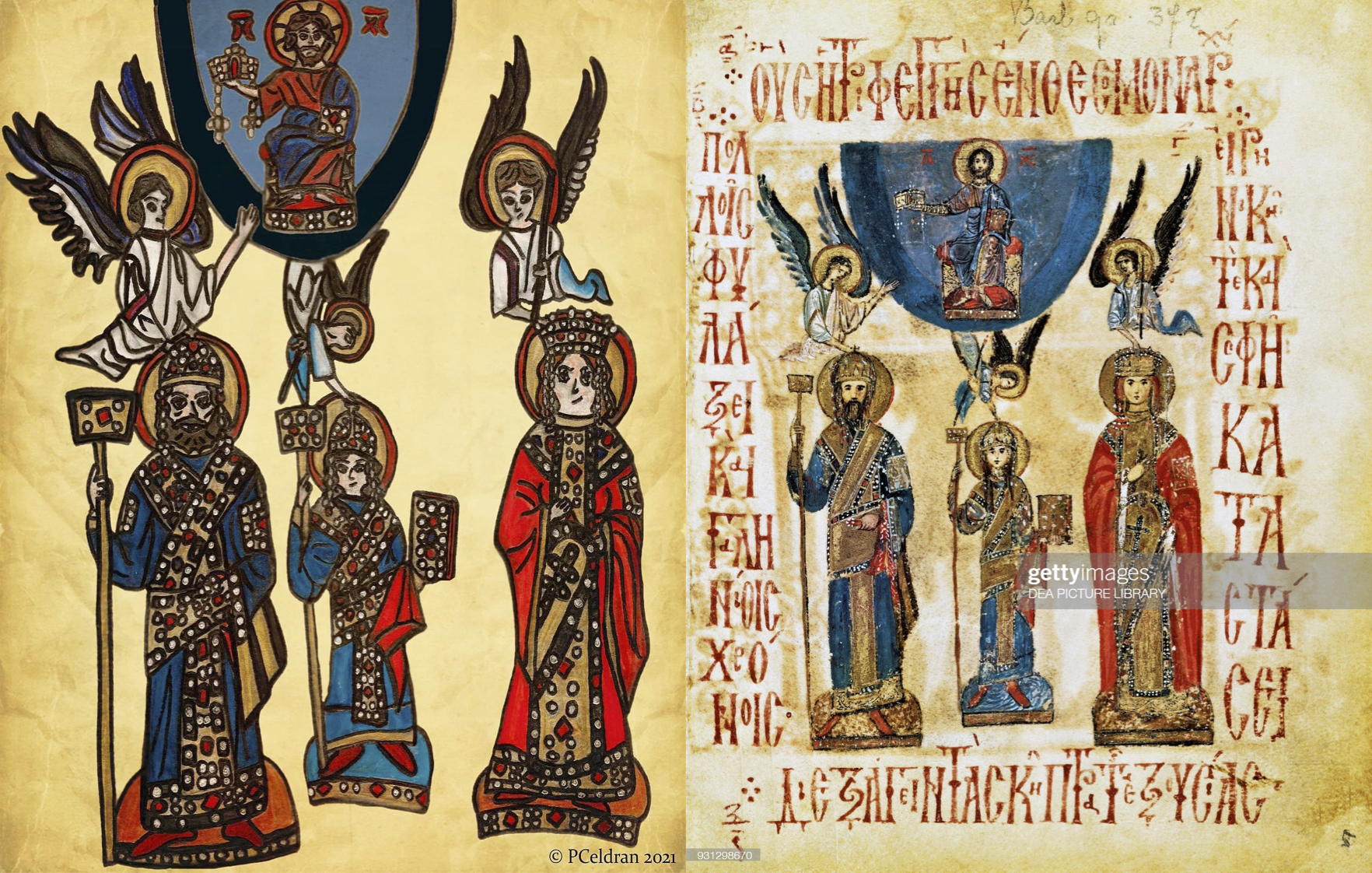



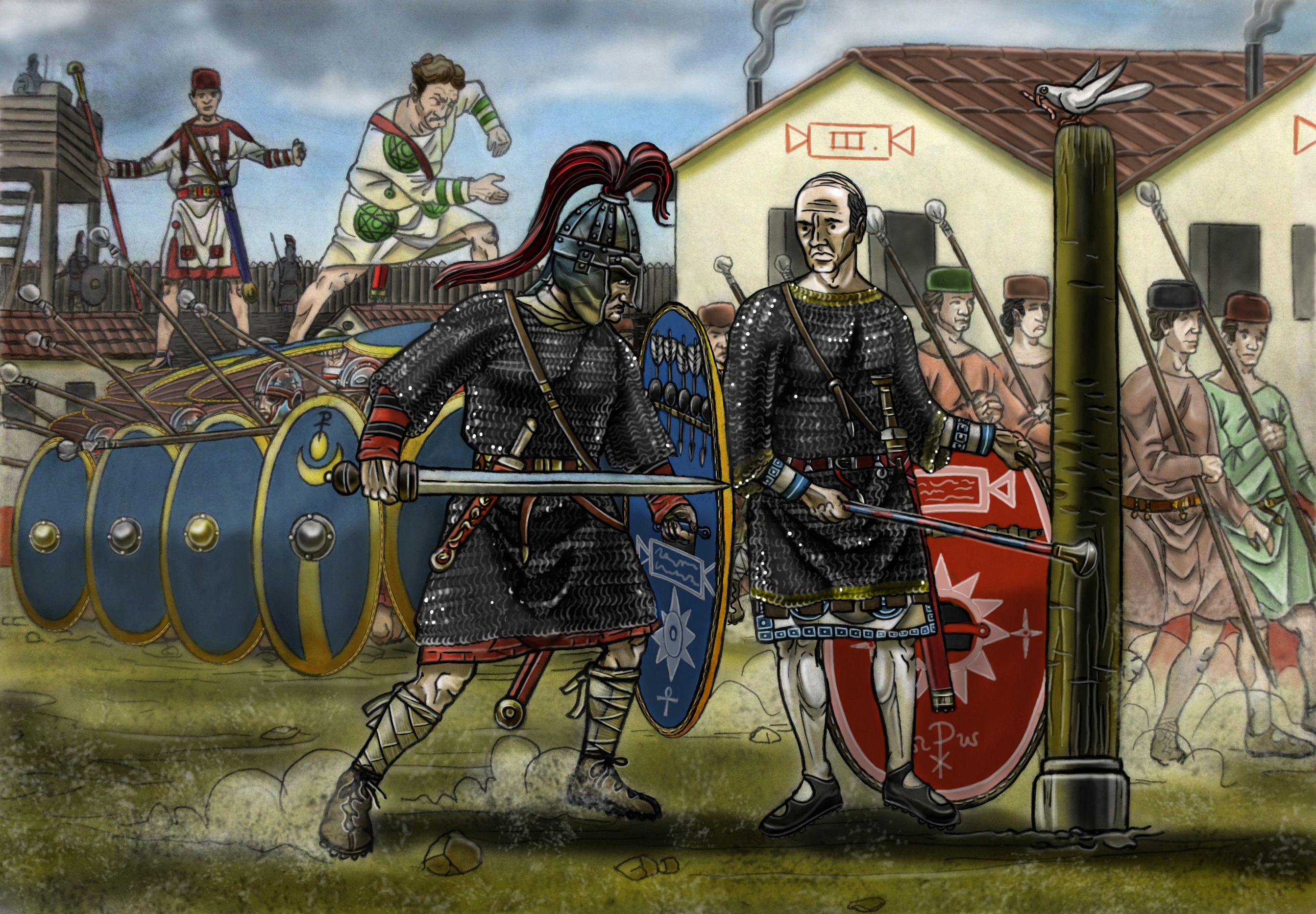
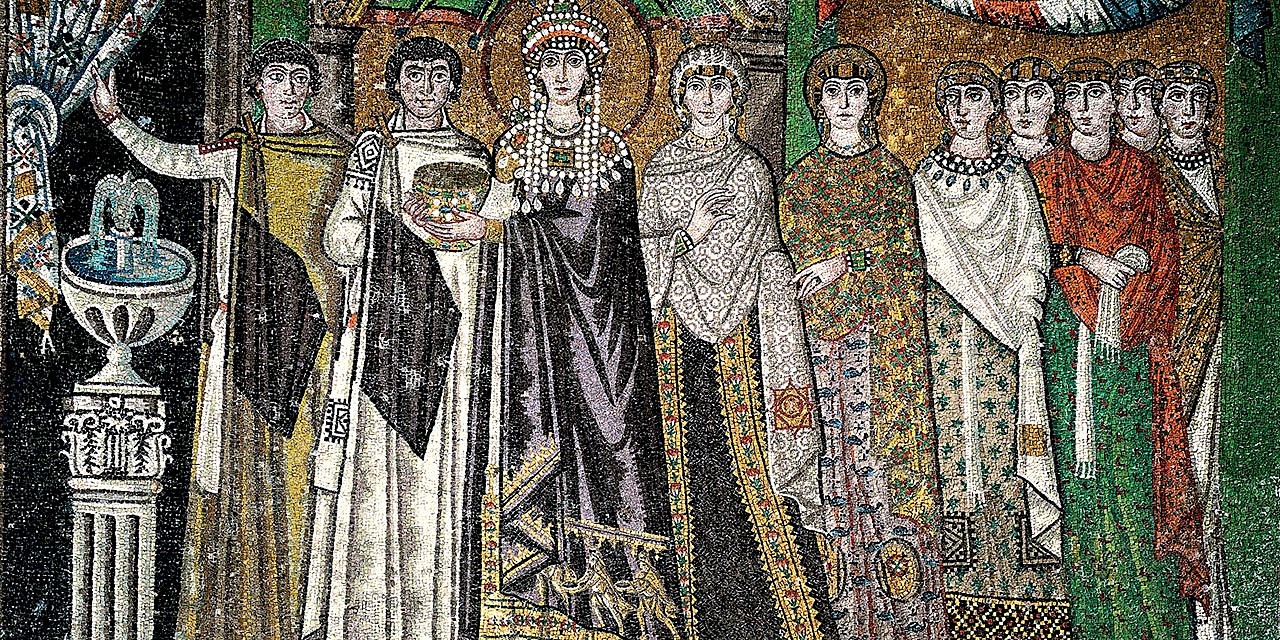
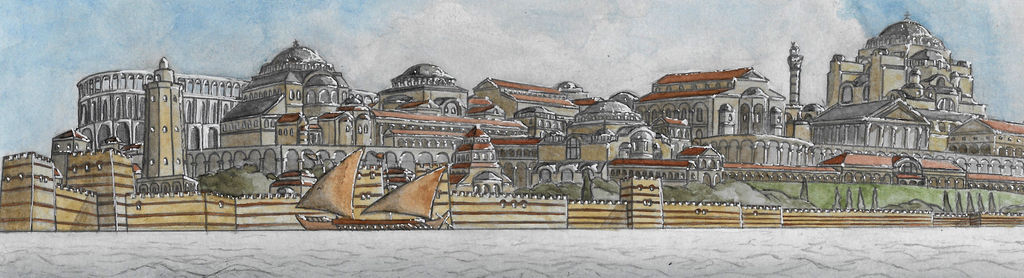
 The Byzantium Blogger