Welcome back to the Byzantium Blogger and here we are back again after a rather long time with a Byzantine history article! This time around, I have decided to revive my usual blog posts on Byzantium but this time with a unique feature on top 10s concerning the lives of certain Byzantine emperors which I think have the most interesting stories. This one being the first of this top 10 series will cover possibly one of the most colorful yet controversial Byzantine emperors, Justinian II Rhinotmetos (r. 685-695/ 705-711), the emperor best remembered for losing his nose and throne yet eventually regaining both!
Justinian II, Byzantine emperor (r. 685-695/ 705-711), art by Amelianvs
Now in Byzantine history, Justinian II has become one of the most remembered emperors not so much for being great but for being one of Byzantium’s most despised emperors for his cruelty to opposition against him and his constant desire for war and vengeance as well as for losing his nose and coming back to power with a fake golden one. Justinian II true enough gets such a highly negative reputation thanks to the Byzantine historians Theophanes the Confessor (758-817) and Nikephoros the Patriarch (758-828) who present him as an evil monster, thus making all of us believe he was one, and although he may have done some despicable things as emperor, there were also a number of times to feel bad for him as well such as when he lost his nose and throne in 695 and his eventual downfall and execution in 711- the event which true enough ended the Heraclian Dynasty- which he may have not deserved.
Justinian II by Peter Crawford
Just recently, I have finished reading the biography on Justinian II by Peter Crawford, and by reading it, it gave me new thoughts on how to view the said emperor in a different light thus leading me to create this article wherein I both express times to feel some sympathy for Justinian II no matter how terrible he may have been but also some moments to hate him as he true enough also did some unforgivable evil deeds as emperor. Due to reading the said book on Justinian II, this article too will be something like a commentary to it wherein most of the information here is based on it. Now, in this article, we will go over 5 times we felt bad for him and 5 times we hated him in an alternating pattern, and before we begin, please check out the latest video I made on Justinian II on my channel No Budget Films which is basically the same list we will go through in this article!
Watch my latest video on Justinian II hereFlag of the Byzantine Empire
Follow me, Byzantine Time Traveller on Social Media:
Before we go through the list, here’s a quick background on the Byzantine Empire at the time of Justinian II. First of all, the Byzantine or Eastern Roman Empire of the 7th century was one in a state of constant warfare and shrinking territory. Although the century began with the empire having control of almost the entire Mediterranean, it soon enough lost most of its territories in Italy to the Lombards, all their territory in Southern Spain to the Visigoth Kingdom, and most of the Eastern provinces namely Egypt and the Levant and even some of Asia Minor to the Sassanid Persian Empire during the long war between both empires (602-628). Additionally, the Byzantines since the late 6th century lost most of their lands in the Balkans to the Avars and Slavs who in 626 during the war against the Persians even tried to besiege the imperial capital Constantinople but failed. Although the Byzantines won the war against the Sassanid Persians by 628 and regained territory lost to them, the Byzantines were too exhausted from the war to face the rise of a new rapidly expanding enemy from the south. These people from the south were the Arabs who after uniting under the new faith of Islam began rapidly expanding north to conquer both Byzantine and Sassanid Empires. The rapid and sudden expansion of the Arabs eventually conquered and destroyed the Sassanid Empire by 651 whereas the Byzantines following the catastrophic Battle of Yarmuk against the Arabs in 636 would once again lose the Levant and later Egypt to the Arabs, this time for good. With the rich provinces of Egypt and the Levant lost to the Arabs, the Byzantines had to adapt to the situation by reorganizing their empire by establishing military provinces known as Themes to further protect the empire which had been reduced by a lot. By the time Justinian II was born in 668, the Byzantine Empire had been severely reduced compared to how it was at the beginning of the 7th century wherein the Empire now only consisted of primarily Asia Minor, some of Greece and Macedonia, a colony in the Crimea known as Cherson north of the Black Sea, and parts of Italy and North Africa respectively under the semi-autonomous provinces known as the Exarchates of Ravenna and Africa. The Byzantines here, ever since the rise and expansion of the Arab Caliphate in the 630s had now been fighting on the defensive to defend what was left of their empire as not only were they facing the Arabs as while the century progressed, they would also face the expansion of aggressive powers namely the Bulgars and Khazars in the north-east who would also be potential allies to the Byzantines.
Genealogy of the Heraclian Dynasty of the Byzantine Empire, illustrated by myselfMap of the Byzantine Empire (purple) in 641Map of the Byzantine Empire (orange) at Justinian II’s birth, 668
The future emperor Justinian II of the Heraclian Dynasty was born in around 668 to the newly crowned Byzantine emperor Constantine IV (r. 668-685) and his wife the empress Anastasia and was named after the emperor Justinian I the Great (r. 527-565) of the 6th century- hence during his reign, Justinian II would constantly try to emulate his namesake being Justinian I.
Byzantine emperor Constans II (r. 641-668), grandfather of Justinian II, art by myself
Coincidentally, Justinian II was born in the year 668, the same year his grandfather the emperor Constans II (r. 641-668) was assassinated in his bath in Syracuse, Sicily when he sought to relocate the Byzantine imperial capital there, though it is unclear whether Justinian was born before or after his grandfather’s death as his date of birth remains unknown while it is also speculated that he could have been born in the following year (669). When still a young child, Justinian had already gone through the difficulties his father the young Constantine IV had faced in ruling a troubled empire such as a number of military revolts in which all were crushed and annual Arab attacks on Byzantine territory, both by land and sea as Constantine IV true enough inherited from his father an empire troubled by invasions from the Arab Umayyad Caliphate, a rapidly expanding superpower that had just been formed under the rule of its first caliph Mu’awiyah I (r. 661-680) after overthrowing the first Islamic Empire known as the Rashidun Caliphate during the civil war known as the “First Fitnah” (656-661). The most important event that took place in Justinian’s childhood was the first Arab Siege of Constantinople (674-678)- an event which featured intermittent attacks by the Umayyad army and fleet from April to September for 4 consecutive years- which his father successfully defeated thanks to the invention of Greek Fire, therefore forcing the Arabs to retreat for good.
Byzantine emperor Constantine IV (r. 668-685), father of Justinian II
This was certainly such a great victory for the Byzantines that the Umayyad caliph Mu’awiyah I was forced to pay annual tribute to the Byzantines and following his death in 680, the Arab world was thrown into another civil war known as the “Second Fitnah”. Although the Byzantines were victorious over the Arab armies after 678, the young Justinian had spent these 4 years of his childhood in fear of whether the Arabs will destroy them or not as without Greek Fire, then possibly things would have ended differently. Additionally, Justinian’s father the emperor Constantine IV not only had to deal with Arab attacks as following the conclusion of a truce with the Umayyad Caliphate, Constantine first headed to Thessaloniki wherein he successfully relieved the city from a siege by the Slavs and afterwards, he turned his attention north to deal with the invading Bulgars under the leadership of Khan Asparukh (r. 681-700) who have been threatening Byzantium’s Danube frontier.
Mosaic of the young Justinian II in Ravenna, Italy
This however ended in a humiliating defeat for the Byzantines at the Battle of Ongal at the mouth of the Danube River in 680 due to Constantine having to leave the battlefield due to sickness which then led to the Byzantine army being thrown into disorder and thus being routed. Thanks to this defeat, Constantine IV was forced to cede land in Byzantine Thrace to the Bulgars and recognize the foundation of the Bulgar state of Asparukh in 681. Furthermore, Constantine IV in either 681 or 682 had also eliminated his younger brothers and co-emperors Heraclius and Tiberius by mutilating their noses which may have also affected the young Justinian; however, this was done to ensure Justinian’s succession while Constantine’s brothers too were never heard from again following this event, and thus when Constantine died of dysentery at the relatively young age of 35 in 685, his son Justinian II succeeded him as emperor at only 17.
Greek Fire at the Arab Siege of Constantinople (674-678)Bulgars at the Battle of Ongal, 680Mosaic depicting Constantine IV with his brothers Heraclius and Tiberius and his son Justinian II in Ravenna, Italy
II. Hated Him- His Pointless Wars Against the Arabs and the Massacre of the Slavs
Thanks to Constantine IV’s victories over the Arabs, the political situation in Byzantium was stable and so immediately after beginning his first reign in 685, Justinian II broke the peace his father sealed with the Umayyad Caliphate by embarking on an unnecessary offensive campaign against the Arabs.
Justinian II in his first reign (685-695), art by myself
Here, despite Justinian II not personally leading the campaign, his armies led by the general Leontios- the Strategos (military governor) of the Anatolic Theme (military province) and a loyalist to his father- raided deep into Arab territory all the way into modern-day Armenia and Iran. The Byzantines were able to have the upper hand as the Umayyad Caliphate here was still engaged in the civil war known as the “Second Fitnah” against other Arab factions across the Middle East. The Byzantine attacks on Arab territory was so severe that the ruling caliph Abd al-Malik ibn Marwan (r. 685-705)- who coincidentally came to power in the same year as Justinian II- was forced to pay a higher amount of tribute to the Byzantines than what the Umayyads were paying to his father and agree to share rule over the island of Cyprus with the Byzantines. With peace temporarily settled with the Arabs, Justinian from 688-689 campaigned against the Slavs and Bulgars in the Balkans and Greece wherein he was successful at that he once again even relieved Thessaloniki from another Slavic siege, and thus the defeated Slavs were resettled into colonies at depopulated areas in Asia Minor in exchange for these said Slavs coming to the emperor’s assistance in battle when needed. These Slav warriors which numbered up to 30,000 true enough came to the emperor’s service when war resumed with the Arabs in 692. The Byzantine forces led by Justinian II himself and the same general Leontios with their 30,000 Slav allied troops under their leader Neboulos then confronted the Arabs at the Battle of Sebastopolis in Cilicia in 692 which was at first an undecisive battle but ended in a defeat for the Byzantines due to 20,000 of the Slavs defecting to the Arabs in exchange for higher pay and land to settle in Syria. Frustrated due to this defeat, Justinian as said by the historian Theophanes ordered a massacre on any Slavs he could lay his hands on particularly in the region of Bithynia in Asia Minor (the Opsikion Theme) including the women and children; though the source mentioning this massacre remains unreliable and there is no other evidence for it.
Slavic warriors, art by Krzysztof Pyzik
III. Felt Bad- He was Provoked by the Caliph Abd al-Malik
After 3 years of war against the Arabs, both the Umayyad caliph Abd al-Malik ibn Marwan and the Byzantine emperor Justinian II settled peace with each other in 688 with the agreement to share rule over Cyprus and to split its tax revenue together with that of Armenia and Iberia.
Abd al-Malik Ibn Marwan, Umayyad Caliph (r. 685-705), art by Albarqawy
Additionally, part of this agreement was that Justinian II was to resettle the troublesome Syrian Christians under Arab rule known as the Mardaites into Byzantine territory wherein they were thus resettled in the newly created Karabisianoi Themeor simply the “Naval Theme” of the Byzantine Empire located in Southern Asia Minor wherein the Mardaites were to be enlisted as rowers in the Byzantine navy. Justinian II too during the period of peace with the Arabs established the new Byzantine Theme of Hellas in Greece following his victories over the Slavs there all while he too settled a number of Cypriots from Cyprus at a colony in Cyzicus in Asia Minor along the Sea of Marmara. However, not too long after in 692, war resumed between both empires, and although Justinian can be blamed for restarting the hostilities with the Arabs, he was also provoked to resume war by the caliph Abd al-Malik who in 692 as well defeated all his enemies in the caliphate after his forces successfully captured Mecca from them and thus ending the Second Fitnah. This renewed conflict all began when the caliph who was paying tribute to the Byzantines was not paying the exact amount of gold and not in the Byzantine currency- which the Arabs were originally using- but using the new coinage of the Arabs which Abd al-Malik began minting all while Justinian further offended the caliph by putting Christian symbols, most notably the image of Christ together with his own on the coins he minted. In retaliation to Justinian’s minting of coins, the caliph ordered that all papyrus scrolls exported from Arab held Egypt to the Byzantine Empire- which had already been in practice since the loss of Byzantine Egypt to the Arabs since the 640s- have Islamic art put on them which only further angered Justinian. In response to this, Justinian threatened the caliph that he will mint coins with words insulting Islam if the caliph did not stop sending these papyrus scrolls, however Justinian instead decided to declare war on the Arabs in 692, and following the Byzantines’ defeat to the Arabs in Sebastopolis thanks to the mass defection of the Slavs, Arab attacks on Byzantine territory grew even worse as the years went by additionally also thanks to a rebellion in Armenia against Byzantine rule which therefore opened the province to Arab attacks which resulted in their conquest of Byzantine Armenia from 694-695.
A sample coin minted by Justinian II
IV. Hated Him- His Strict Religious Policies and Harsh Taxation
Another highlight of Justinian II’s first rule of 10 years was his holding of the Quinisext Church Council in either 691 or 692 which was done for no other reason except for the sake of Justinian having the achievement of holding a Church Council when there was really no need for one. Justinian simply wanted to imitate the reign of both his father Constantine IV who held the 6th Ecumenical Council in Constantinople from 680-681 and his namesake Emperor Justinian I the Great who held the 5th Ecumenical Council in Constantinople as well in 553. At the 6th Ecumenical Council held by Constantine IV, the doctrine of Monothelitism which his great-grandfather Emperor Heraclius (r. 610-641) initiated to find common ground between the Orthodox population and the Monophysites and was championed by Constantine IV’s father Constans II was declared heresy and thus returning the empire’s official faith to the Orthodoxy defined at the Council of Chalcedon in 451.
Manuscript depicting the Quinisext Council of Justinian II, 691-692
With his father having successfully achieving returning the empire to Orthodoxy as its official religion through the council he held, for his son and successor Justinian II, there was really no need for a new council but he still held one anyway to further expand and clarify the rulings of his father’s Church Council and that of the 5th Ecumenical Council held by Justinian I, hence it was known as the “Quinisext Council” meaning “fifth and sixth”. Although the Quinisext Council did not rule anything significant for the Christian Church, it produced a vast number of canons made by the emperor himself which the people despised as many of them forbade anything with just a hint of Pagan practices such as festivals, theatre plays, and games, which therefore made Justinian unpopular among the common people. Additionally, the canons Justinian issued in this council were not received well by Pope Sergius I, thus Justinian ordered that the pope be arrested- just as his grandfather Constans II did with Pope Martin I in 653- but this time the arrest was unsuccessful as the Byzantine militias in Italy instead sided with the pope. Back in Constantinople though, the one group that despised Justinian II the most were the aristocrats as Justinian favored the poor over them as seen by his issuing of laws that protected peasants from the aristocrats buying their lands, though Justinian too brutally taxed both rich and poor through his finance ministers Stephen the Persian and Theodotus. It is even said that Stephen tortured the rich aristocrats to force them to pay such high taxes which the emperor true enough did not use for the good of the empire but to construct costly and luxurious structures for the great palace such as the emperor’s dining hall. Justinian true enough did not only alienate the aristocracy but the Church as well when he ordered a church structure in the great palace torn down to build a fountain which thus made the Patriarch of Constantinople Kallinikos I never forgive him for doing such a thing.
Byzantine Constantinople map
V. Felt Bad- He was Deposed and His Nose was Mutilated
Thanks to Justinian II’s harsh taxation towards the rich and his strict religious policy, both rich and poor and even the Church eventually turned on him by 695 as soon as Justinian released the general Leontios from prison who he imprisoned back in 692 after the Byzantines’ defeat at Sebastopolis which he blamed Leontios for.
Leontios, Byzantine emperor (r. 695-698), art by myself
When released from prison, Leontios who here was assigned by Justinian to be the governor of the new Hellas Theme in Greece after receiving a prophecy back when he was imprisoned from two monks that he would be emperor rallied the people of Constantinople to his cause in overthrowing Justinian II. In only a single day, Justinian lost all support and was thus dragged out of the palace by the mob now supporting Leontios as emperor- who was although backed by the aristocrats- all while the patriarch Kallinikos I who also came to hate Justinian turned on him by rallying more people at the Hagia Sophia whereas political prisoners too were released and Justinian’s finance ministers Stephen and Theodotus dragged by the mob to the Forum of the Ox in Constantinople and burned alive. Justinian was thus brought to the Hippodrome of Constantinople wherein the crowd watched him humiliatingly get his nose cut off. As Leontios was loyal to Justinian’s father Constantine IV, he chose to spare his life out of reverence for the emperor’s late father. Thus, with no more nose, Justinian II lost the throne as it was believed by the Byzantines that any kind of physical deformity could disable a man from ruling considering that the emperor as God’s representative on earth had to be physically perfect. The general Leontios thus took the throne whereas Justinian was sent off by ship to the remote Byzantine province of Cherson north of the Black Sea, but it wasn’t over yet for Justinian.
Mutilation of Justinian II’s nose in 695 (left) and his execution in 711 (right)
VI. Hated Him- His Return to Power and Purge
Following his deposition in 695, Justinian II now without a nose spent the next 10 years in exile in Cherson although still determined to regain power. All while Justinian plotted his return first with the Khazars and then with the Bulgars, things were again politically unstable in Constantinople.
Tiberius III Apsimar, Byzantine emperor (r. 698-705), art by myself
Leontios, the general who overthrew Justinian and became emperor true enough just like Justinian lost the throne 3 years later in 698 following the Byzantines’ permanent loss of Carthage to the Arabs- which marked the end of Byzantine rule over Africa- thus Leontios like Justinian as well was overthrown by the army and mob and got his nose mutilated too, though he was exiled to a monastery in Constantinople by Apsimar, a commander from the naval Theme who returned from the expedition in Carthage who usurped him and then became the new emperor Tiberius III. However, in 705 the noseless Justinian II after forming an alliance with the Bulgar khan Tervel (r. 700-721) managed to return to Constantinople and with the assistance of Bulgar troops, Slavs, and some Byzantine deserters, Justinian managed to sneak into the city using a small breach in the wall where the damaged Aqueduct of Valens was which apparently had not been repaired ever since it was damaged in the Avars’ Siege of Constantinople back in 626. As the emperor Tiberius III- who although had a rather successful reign militarily- fled the city, Justinian II thus regained the throne despite missing a nose, and thus for his support, Justinian rewarded Tervel with great amounts of gold, silks, and the imperial title of “Caesar” making him the first foreigner to receive the said title.
Khan Tervel of Bulgaria (r. 700-721)
After tracking down and capturing Tiberius in Asia Minor and dragging Leontios out of the monastery he was locked up in, Justinian in early 706 when watching a race at the Hippodrome placed one foot on the neck of Leontios and the other on Tiberius’ neck as a sign of having conquered both of them for the audience to see and laugh at. Once humiliating both Leontios and Tiberius, Justinian had both executed by beheading which was thus followed by a brutal purge of any loyalists to either Leontios or Tiberius who Justinian executed in the most gruesome of ways. Among the victims of Justinian’s purge was the patriarch Kallinikos I who Justinian had blinded and exiled to Rome as he was responsible for Justinian’s deposition back in 695 in the first place as he was the one to crown Leontios; Justinian then replaced Kallinikos as Patriarch of Constantinople with Cyrus, a loyal follower of his from his exile in Cherson. As for Leontios and Tiberius, although their bodies were dumped in the sea, people from the shore recovered them and buried them at a church in one of the Princes’ Islands in the Sea of Marmara.
Justinian II rewards Khan Tervel, 705
VII. Felt Bad- He was Hunted Down Even in Exile
Now, if you wonder what had been going on with Justinian II during his 10 years in exile, we will talk about it right here. First of all, while he was in the remote city of Cherson in the Crimea, imperial authorities kept a close eye on him, however at one point, Justinian began expressing his desire to return to power and thus the authorities considered having him brought back to Constantinople to be executed.
A Khazar warrior
Fearing for his life, Justinian in around 702 or 703 escaped Cherson and headed first to the Crimean Goths, but when they refused his offer to help him regain the Byzantine throne as they were too few in number to assist him, he headed east to the Khazar Khaganate in today’s Southern Russia wherein he managed to seal an alliance with its ruler Busir Khagan who agreed to provide military assistance to Justinian in regaining the throne. Additionally, Busir married off his sister to Justinian to seal the alliance and when married to him, she was renamed Theodora after the famous empress and wife of Justinian the Great. Justinian and Theodora were then given a place to live in the Khazar city of Phanagoria along the Black Sea, however the new emperor Tiberius III when hearing of Justinian’s whereabouts in 704 bribed Busir to hunt down his brother-in-law and kill him.
Theodora of Khazaria, wife of Justinian II, art by myself
Busir knowing that Tiberius’ offer was better and more realistic than Justinian’s thus sent two of his Khazar officials Papatzys and Balgitzin to Justinian’s house in Phanagoria, however Justinian was already informed of the plot by his wife Theodora and as the officials entered his home, Justinian killed both of them personally by strangling them. Now betrayed by the Khazars and his own brother-in-law, Justinian using a fishing boat sailed back to Cherson to gather his supporters and from there west into Bulgarian territory. While in the Black Sea, they were caught up in a storm which almost killed them all wherein Justinian- when being told by one of his companions that he would have to promise to not seek revenge if they survive the storm- was reported to have said “if I spare a single enemy, may God drown me here”, thus suggesting his desire to seek revenge on those who overthrew him. However, they managed to make it across the Black Sea into Bulgarian territory where Justinian thus successfully made his alliance with Tervel to regain the Byzantine throne in 705. Although Justinian’s wife Theodora was left behind in Khazaria when Justinian regained the throne, she was eventually sent back to Constantinople in around 706 by her brother the Khagan wherein at this time she had already produced a son with Justinian; the half-Khazar boy was thus named Tiberius and made co-emperor by his father whereas Theodora here would be the first foreign Byzantine empress.
Map of the Khazar Khaganate (Khazaria) and the Byzantine Empire, early 8th century
VIII. Hated Him- He Turns on an Ally and Sends One of his Men to Die
Although the Bulgar khan Tervel helped Justinian II regain the Byzantine throne in 705 in return for being awarded the title of Caesar, silks, gold, and some lands in the Balkans ceded to him, 3 years later in 708, Justinian suddenly betrays him possibly to take back the lands he gave Tervel.
Justinian II in his second reign (705-711) without his nose, art by myself
The reasons though remain unclear to why Justinian turned on Tervel or vice-versa but what definitely happened is that in 708, both Justinian and Tervel with their respective forces battled each other in Anchialos in today’s Bulgaria along the shore of the Black Sea. The Battle of Anchialos thus ended with a humiliating defeat for Justinian II with the Bulgars’ surprise attack on the Byzantine camp, thus the Byzantine army was massacred all while the emperor and his surviving troops barely escaped with their lives to a ship headed back to Constantinople. Justinian II following this defeat thus agreed to resume peace with Tervel by returning the lands promised to him. To make things worse for the Byzantines, the Arab Umayyad Caliphate now under the rule of the new caliph Al-Walid I (r. 705-715) who succeeded his father Abd al-Malik following his death in 705 resumed attacks on Byzantine Asia Minor and going as far as penetrating into Cappadocia and successfully capturing the fortress of Tyana in 709, thus paving the way for the Arabs’ offensive on Constantinople years later. The reason for this military defeat of the Byzantines to the Arabs in 709 together with that at Anchialos in 708 was possibly because of Justinian’s purge on the competent generals of the previous emperors Leontios and Tiberius III wherein he replaced them with generals lacking in competence but loyal to him. Now, if we would come to hate Justinian II for turning against his own ally being Tervel, we would come to hate him even more later on for sending one of his own loyal men to die out of fear of this man’s imperial ambitions.
Konon the Spatharios (later Emperor Leo III the Isaurian), art by myself
This man who had served Justinian was the Syrian Konon who was a shepherd of Isaurian origin from Asia Minor born in Byzantine Syria but resettled with his family in Thrace when Justinian met him in 705 on his way to regain the throne, and due to Konon’s intelligence, willingness to serve, and ability to speak Arabic and know the Arab mind- thanks to Konon’s childhood in Syria being in contact with the Arabs- Justinian took him in and made him his Spatharios or personal assistant. However, when Justinian regained the throne, he began suspecting Konon of having imperial ambitions and thus he sent Konon off on a diplomatic mission to Alania and Lazica in the Caucasus to propose an alliance against the Arabs, although Justinian’s real reason of sending him there was to get him stranded as a way to get rid of him. Konon however managed to survive with his diplomatic mission ending successfully all while he even crossed the snowy Caucasus Mountains, captured an enemy-held fortress by using an army of shepherds, and make it back to Byzantine territory wherein he sometime later was appointed as the Strategos or military governor of the Anatolic Theme, the empire’s most powerful Theme. Eventually, Konon would become the future Byzantine emperor Leo III the Isaurian (r. 717-741) who successfully defended Constantinople from the Arab siege of 717-718 together with Tervel too who reappeared to assist the Byzantines.
Map of the Battle of Anchialos, 708
IX. Felt Bad- The Bloody End of his Life and Dynasty
Justinian II’s brutal suppression of opposition against him true enough turned the city of Cherson where he was once exiled to against him in 711 wherein its people were supported by the same Khazar khagan and Justinian’s brother-in-law Busir.
The Cherson city card, art by Chrysa Sakel
In Cherson, not only had its people rebelled but Busir setting his eyes to conquer it from the Byzantines appointed his own Khazar official, therefore further angering Justinian who then sent an expedition to Cherson to quell the rebellion. The expedition thus succeeded in capturing the Khazar official and putting to death the leaders of the rebellion, but when returning to Constantinople, the ships of the expedition sunk in a storm. Justinian then sent another expedition to quell the Chersonite rebellion and the Khazars assisting them, and although the imperial army laid siege to Cherson, the Khazar army arrived right in time to save the city all while the commander of this expedition Mauros- a former Bulgar chieftain who became a Byzantine patrician- and the newly appointed governor of Cherson Elias defected to the rebels who have already proclaimed the general Bardanes who was exiled to Cherson as emperor against Justinian. With Bardanes now proclaimed as emperor Philippikos, the imperial expeditionary fleet sent to Cherson thus sailed back to Constantinople all while Justinian headed east to campaign against the Arabs in Armenia. However, Justinian rushed west back to Constantinople immediately after hearing news of Bardanes approaching Constantinople and Mauros’ defection to the rebels, and after seeing the rebel ships in the Black Sea, it was too late for him as Philippikos Bardanes had already seized the capital where the garrison who was never really loyal to Justinian opened the city to the rebels anyway.
The murder of Justinian II’s son Tiberius by Bardanes’ rebels, 711
Before making it back to Constantinople, Justinian was arrested by Elias who out of revenge for Justinian’s massacre of his family put an end to him once and for all by beheading Justinian with his sword. The decapitated head of Justinian II was thus sent to Rome and Ravenna in Italy as proof of his execution wherein the people of Ravenna rejoiced seeing it. Justinian though was not the only person to die in November of 711 as when Philippikos had seized the capital, his henchman John and Mauros now serving him was able to track down Justinian’s mother Anastasia and his 6-year-old son and co-emperor Tiberius to the Church of Blachernae in Constantinople. Despite Anastasia’s pleas to spare her grandson, the young Tiberius who hid at the church’s sanctuary while also holding on to the relic of the True Cross was dragged out of the church and stabbed to death, thus ending the Heraclian Dynasty for good. The fate of Justinian’s mother Anastasia and wife Theodora though remain unknown, though it is most likely that Anastasia became a nun whereas Theodora was returned to her brother in Khazaria if she was still alive at this point.
Map of the Byzantine Empire (purple) during the 22-Year-Anarchy, 695-717
X. Hated Him- His Brutal Suppression of Ravenna
If you wonder why the people of Ravenna rejoiced at seeing the decapitated Justinian’s head, this was because Justinian II in 709 ordered a punitive expedition against Ravenna, capital of the Byzantine Exarchate of Italy which put to death many of Ravenna’s citizens.
Emperor Justinian II Rhinotmetos, art by Ediacar
Justinian sure enough had always hated the nobility, but he hated the nobles of Ravenna even more for apparently plotting his deposition back in 695. Both as an act to take revenge on those who wronged him but also to reinstate the pope’s authority over the defiant people of Ravenna, Justinian ordered a military expedition against the city led by the Strategos of Sicily Theodore. When arriving in Ravenna, Theodore tricked its leading citizens who were mostly nobles by inviting them to a banquet only to have them all arrested and sent to Constantinople by ship wherein the emperor ordered them all executed upon arrival. Additionally, Theodore and his forces sacked Ravenna and captured its archbishop Felix, a rival of the new pope Constantine who Justinian then had blinded when he was sent to Constantinople together with the nobles Justinian had executed. With the incident in Ravenna over, Justinian invited Pope Constantine to come over to Constantinople in 710- considering that relations between Constantinople and the Papacy were now good- in order to approve the canons Justinian issued years ago, and although the visit of the pope was a success as the pope true enough approved the canon issued by Justinian at the Quinisext Council years earlier, just a year later, Justinian would lose the throne again together with his life.
Pope Constantine
Pope Constantine’s visit to Constantinople too would be the last time a pope would visit Constantinople until Pope Paul VI’s visit to Istanbul in 1967. Meanwhile, in Byzantium, the 22-Year-Anarchy which began with Justinian II’s deposition by Leontios in 695 would continue for 6 more years after Justinian’s death in 711 which saw a change of emperor 3 more times: first being Anastasius II who took over after deposing and blinding Philippikos Bardanes in 713 during a military rebellion, then Theodosius III who took over from Anastasius II in 715 after another military rebellion, and finally Konon who took over from Theodosius III after once again another military rebellion in 717 wherein Konon thus became Emperor Leo III. It would only be in Leo III’s reign after the Byzantine victory over the Arab Siege of Constantinople from 717-718 that the anarchy would end and that stability would return to the empire.
Emperor Justinian II in his second reign, art by ByzansimpByzantine emperors of the 22-Year-Anarchy; top row: Leontios (r. 695-698), Tiberius III (r. 698-705), Justinian II (r. 705-711); bottom row: Philippikos Bardanes (r. 711-713), Anastasius II (r. 713-715), Theodosius III (r. 715-717); art by myself
Conclusion
Now, this is about it for this list of 5 times we hated Justinian II and 5 times we felt bad for him. For the times we may despise him but also for those times when we come to feel bad for him, this thus shows us that Justinian II was really a complex figure as no matter how despicable the things were he did to suppress opposition against him and take revenge on those who wronged him, there were still times we may have felt bad for him even though he may have still deserved these things happening to him such as losing his nose and throne, having an attempt on his life, and being executed together with his son which is a rather unfair way to end a strong dynasty being the Heraclians. At the same time, Justinian II’s first deposition in 695 and his eventual fall and execution in 711 only made things worse for the empire by plunging it into anarchy. Now, I would like to know what are your thoughts on Justinian II on whether he was a truly evil emperor with no redeeming qualities or if you would still feel bad for him at times no matter how cruel he may have been or if he was simply painted in such a bad light by the historians who wrote about him; please say so in the comments. For me, I surely think that Justinian II’s evil-doings were simply exaggerated by the likes of Theophanes and Nikephoros but I still think he may have been overly cruel, bloodthirsty, and autocratic, at times, yet I can still admire him for his strong determination and fearlessness, traits that surely defined the Heraclian Dynasty’s rule over Byzantium. At the same time, I also think he may have been to obsessed about emulating his namesake Emperor Justinian I the Great, though I don’t know if you viewers would think the same. Once again, thank you all for reading this article on Justinian II and thank you as well for visiting my site!
“Son of Cappadocia, the third part of the Basil: Basileus series again does an excellent job in bringing the complex world of 10th century Byzantium to life especially when it comes to the intensity of the battles in this epic civil war fought by the forces of the imperial administration of Basil II led by Bardas Phokas against the rebels of Bardas Skleros. Through the eyes of the general Bardas Phokas the Younger known as the Son of Cappadocia we get to experience the intensity of war in the Byzantine era.” -Powee Celdran, the Byzantine Time Traveller
WARNING: THIS ARTICLE CONTAINS SOME SPOILERS
If you do not want any spoilers, please order Basil: Basileus part 3 on the site of Byzantine Tales.
Basil: Basileus- Part 3: Son of Cappadocia by Byzantine Tales; cover- Emperor Basil II (left), Bardas Phokas (center), and Bardas Skleros (right)
Welcome back to another article by the Byzantium Blogger! It’s been quite a while since I last posted an article on this site, but now I’m back this time with a new special edition article being a review on the Byzantine graphic novel and the third part of the Basil: Basileus series entitled Son of Cappadocia by no other than Byzantine Tales, the creators of the Byzantine graphic novels Theophano: A Byzantine Tale and its sequels Basil: Basileus Part1- A Test of Loyalty and Part2- Nothosin which I already read all 3 before and made reviews on. Now the novel that I will be reviewing here is the third instalment of the “Basil: Basileus” comic book series, and of course since this article which will be reviewing the book will contain SPOILERS, it’s best you check out their site and order a copy of it before you read this. Again, as the title of this novel suggests, it is about the famous Byzantine emperor Basil II (r. 976-1025) who is best remembered as the “Bulgar-slayer” for conquering the entire Bulgarian Empire, however being the third part of this series, it is set during Basil II’s younger years in the late 970s when he had just come to power as the senior emperor of the Byzantine Empire. Just like the 3 novels mentioned earlier, this one again is written by Spyros Theocharis (follow him on Instagram @spyrosem) and illustrated by Chrysa Sakel (follow her on Instagram @chrysasakel). As the third instalment of the Basil series, the story once more revolves around the famous Byzantine emperor in his younger years wherein his character is developing from a weak palace prince to a more decisive ruler making his own decisions, however despite the titular character being the young emperor Basil II, its lead character this time is the powerful general Bardas Phokas the Younger wherein the story is told from his own point of view whereas the novel’s subtitle “Son of Cappadocia” refers to Phokas who is the son of Cappadocia in the story. As it is told from the perspective of Bardas Phokas, the story therefore shows the battles during the civil war between the forces loyal to Basil II’s administration which Phokas leads against the rebel general Bardas Skleros who at this point is still continuing his rebellion against Basil II- ever since the end of the first book of the Basil series. Additionally, the third part of the series not only covers life in the battlefield as the forces of Phokas and Skleros square off but life in the imperial palace in Constantinople as well where the young Basil II is at a dangerous position due to Skleros’ rebellion still ongoing while Basil also begins asserting his independence as an emperor from his uncle the powerful eunuch minister Basil Lekapenos- in whose point of view the second instalment of the series is told. On the other hand, in this exciting and suspenseful third instalment of the Basil series, all characters are more or less given their fair share of story from the young emperor Basil II; to the general Bardas Phokas; the powerful eunuch Basil Lekapenos; Basil’s mother the former empress Theophano, younger brother and co-emperor Constantine VIII, and younger sister Anna; the rebel general Bardas Skleros; and even the minor characters. To make a long story short, this novel as the third part of the “Basil: Basileus” series follows a historical timeline and is set within a period of only 2 years from 978-980 starting off where the second instalment left off wherein Bardas Phokas is introduced; and although it is set within only 2 years or even less, a lot of action takes place both in the battlefield and in the palace where more court intrigues are being formed, while additionally this novel also contains a few flashback scenes such as Bardas Phokas’ origins to give some more context to the story as well as dream sequences. Although Basil II is who this story again revolves around- just as it did in the first and second volumes- the character now that is mostly driving the story is the general Bardas Phokas, hence Phokas is the lead character placed in front of the book’s cover wherein behind him to his left is Basil II as a young man and behind him to his right is the story’s main antagonist the rebel general Bardas Skleros. This article now will be discussing some perfect reasons on why to read this novel, some opinions I have on it, and some of my recommendations too. I will also include a short Q&A with the creators wherein I asked them about some elements in creating the novel. Just like the article I made for the first and second parts of the “Basil: Basileus” series, this article will basically be just reviewing the third part of the series, therefore no fan casting like I did when reviewing the previous “Theophano: A Byzantine Tale” novel. For the Basil series, I will only do a fan casting for its characters once the entire series is completed.
Basil: Basileus Part 3- Son of CappadociaFlag of the Byzantine Empire
Byzantine Tales’ first novel “Theophano” which has been around for already 3 years now was no doubt an excellent graphic novel with a Byzantine setting, hence I could not wait for its sequels to be released, thus when the first and second parts of the “Basil: Basileus” series were released, I true enough got signed copies of it, and certainly both were excellent graphic novels too. When the English version of the third volume was released- as again the first edition was in Greek- I too once again ordered a signed copy of it. The moment I got the signed copy of the third volume, I immediately read it and finished the whole story in only 5 days! Despite the shortness of the third volume like the first and second ones with its storyline taking place only within a span of less than 2 years, it was still very much exciting and full of substance wherein every page had something exciting happening. Basically, the third volume simply brings the action and excitement of Byzantine warfare to life as the third volume being told from Bardas Phokas’ perspective seemed to be more or less a war epic filled with bloody battles and intense action scenes. In terms of story, it was actually told very clearly in a more or less linear way- despite it beginning with a flashback sequence to explain Bardas Phokas’ story- and thus for those who are already familiar with Byzantine history, this story will then be something easy to follow. Now for this article, some of the information I will put were based on the few questions I’ve asked the creators, though a lot of the story in this novel was basically based off on primary Byzantine era sources as well as secondary sources by modern day Byzantine history scholars and academics.
Every single moment is action-packed and exciting despite the novel being set within a short period of just less than 2 years. From the beginning already, the story is already filled with excitement as we are introduced to its leading character Bardas Phokas who in 969 rebels in order to seize the throne believing he has the right to do so but at the end he is defeated by the general Bardas Skleros and thus surrenders. Bardas Phokas however is recalled from exile in the island of Chios by the powerful minister Basil Lekapenos who is the power behind Basil II as Phokas seems to be the only one strong enough to beat the powerful army of Bardas Skleros who is the one rebelling this time. As the story progresses, we get to see more intense action scenes especially with Bardas Phokas which includes him practicing sword-fighting skills with Basil II and afterwards heading off to Asia Minor to battle the forces of Skleros. Later, we get to see the forces of Phokas and Skleros square off at the Battle of Pankaleia in 978 in a very vivid way which although ends in defeat for Phokas. However, near the end of the story again, this time we get to see Phokas’ and Skleros’ forces square off again at the Battle of Aquae Saravenae in 979 which this time ends in a victory for Phokas who seriously injures Skleros, and thus Phokas returns to Constantinople as a hero. However, aside from all the battles and action scenes, the story is also exciting when it comes to the politics in the imperial court, forging alliances with foreign powers, family drama in the ruling Macedonian Dynasty, and even suspenseful dream sequences such as that experienced by Phokas at the beginning of the story and by Basil II later on. The part though that I personally found fascinating in the novel was when we are introduced to the Principality of Tao in Iberia (today’s Georgia) and its ruler David who Phokas would make a military alliance with to battle Skleros which definitely shows Byzantine diplomacy at its finest. Another thing I found fascinating about this novel is the way the story is paced wherein there is a lot of cross-cutting, meaning shifting of scenes wherein for example while a battle is taking place, it suddenly cuts to the palace or to something else and then returns back to the battle. Aside from these scenes I mentioned, the ending too is very suspenseful, which I will go over later.
Map of the Byzantine Empire in 976 during the accession of Basil II as emperor
Once again, the illustrations truly bring the greatness of Byzantium to life and thus Chrysa Sakel once again has done a great job with the illustrations which again brings the rich history of Byzantium to life. Here, in the third volume of the Basil series, we get to see the lavishly decorated imperial robes worn by the co-emperors Basil II and his younger brother Constantine VIII in vivid detail as well as the lavish clothes worn by members of the imperial court. Aside from these costumes mentioned earlier, since this novel features a lot of battle sequences, the armor worn by Byzantine soldiers as well as the armor worn by the generals are also excellently and vividly illustrated most especially Bardas Skleros’ gold armor with a red cloak over it and Bardas Phokas’ silver one with a blue cloak over it.
Bardas Phokas in full armor from the novel
True enough, according to the creators, having Phokas wear blue and Skleros wear red was intentional as the red Skleros wears is to show that he proclaimed himself emperor as red is considered an imperial color while it is also to match his fiery personality whereas for Phokas his blue and silver outfit is to show he is wearing something opposite to what Skleros is wearing as both generals clash in battle, however blue was also used to symbolize mystery and Phokas’ ambitions as blue again is also another Byzantine imperial color. For me however, the most impressively illustrated part of this novel are the battle sequences as they surely show a lot of action and movement among the soldiers and the most impressive part here is that it shows not just a few soldiers in action but multiple soldiers in battle formations, most notably the hollow-square formation which Phokas’ infantry uses. Other than the outfits and battle scenes, what is also impressively illustrated in this novel are the numerous locations it is set in whether it is the lavish imperial palace at Constantinople or in the vast countryside of Byzantine Asia Minor where most of the battles take place. Additionally, the colors are surely very vibrant, and therefore I should say that it is the colors that bring Byzantium to life in this novel. The particular panel in the novel I am most fascinated with is the one depicting Bardas Phokas leading his army on a march wherein you can spot countless soldiers and officers behind him all in colorful attire together with the respective flags of their units as well as an important Byzantine Easter egg being the icon of the 40 Martyrs of Sebasteia which is a unique 10th century Byzantine work of art made of ivory.
Bardas Phokas and his troops march out to battle from Basil Part 3 by Byzantine Tales
It features a very diverse number of locations in the Byzantine Empire and beyond during the late 10th century. Now, what I personally like most about this novel being the third instalment to the Basil series is the huge number of locations featured in it within the Byzantine Empire and even beyond. Here, already where the novel begins, we get to see the impressive landscape of Cappadocia in Asia Minor where the Phokas family comes from, then later we get to see the Greek island of Chios where Bardas Phokas was exiled to but where he is also recalled from exile in 978 by Basil Lekapenos to battle the rebel army of Bardas Skleros. Once again, we get to see a lot more of the imperial palace in Constantinople including new locations within it that the previous novels of this series have not shown us such as the Oratory of St. Theodore in the throne room, the training grounds, the bedchambers, and even the underground passages which allows safer passage for the emperors. True enough the imperial palace complex of Constantinople can be compared to a small city as mentioned at the notes section at the back of the novel while other locations in the capital Constantinople which this novel shows us as well include the docks where Bardas Phokas departs by ship, the suburb of Chalcedon on the Asian side across the Bosporus from Constantinople, the Church of the Holy Apostles where Byzantine emperors are buried in, and the Golden Gate where Phokas enters the capital in a triumph at the end of the novel. Now other than the imperial palace complex, this novel too shows us other cities in the Byzantine Empire aside from Constantinople such as Thessaloniki, the empire’s second city where Basil II sends his loyal men Sigurd the Varangian and the officer Manuel Komnenos to, and although Thessaloniki makes a brief appearance in the novel, its landmarks such as the Arch of Galerius and Church of St. Demetrios are impressively illustrated. Other than Thessaloniki, two other major Byzantine cities makes an appearance as well namely Caesarea in Cappadocia where Phokas in 978 assembles his army and at the beginning of the novel the Black Sea port of Trebizond in northeast Asia Minor where Bardas Phokas was appointed as its governor- although only indoor scenes are shown for Trebizond. Another impressive location shown in the novel is the monastic community at Mt. Athos founded by the emperor Nikephoros II Phokas (r. 963-969) who was Bardas Phokas’ uncle and here Mt. Athos’ monastery complex despite appearing so quickly is beautifully illustrated. However, the one location I found the most impressive in the novel was the Iberian Principality of Tao where for once we get to see a location beyond the empire which here features an impressive Iberian (Georgian) walled city being Ardanuc on a hill with impressive houses and churches. Additionally, the novel also shows us some obscure Byzantine locations many may not know of such as the Tyropoion Castle at the beginning of the story where Skleros chases Phokas to, which is also where Phokas surrenders to Skleros.
Great Palace Complex of Constantinople, art by EdiacarThe Monastic Community of the Great Lavra, Mt. AthosByzantine era Thessaloniki
It has an exciting narrative told from the perspective of the general Bardas Phokas the Younger as certainly when being told from the point of view of a general who is the titular character the “Son of Cappadocia”, it is surely very exciting and action-packed with battle scenes.
Byzantine emperor Nikephoros II Phokas (r. 963-969), uncle of Bardas Phokas, art by myself
Where the story begins, it is a flashback sequence going back to the year 963 which happens to overlap with the setting of the first novel of the series being “Theophano: A Byzantine Tale” and here we are introduced to Bardas Phokas- though not shown in the Theophano novel- who at this time is in Cappadocia as his uncle the new emperor Nikephoros II Phokas arrives there, and yes, we get to see the warrior emperor Nikephoros II in action once again! Here, Bardas narrates the story of how Cappadocia was once a constant warzone between Byzantines and Arabs which thus forced its people to live in underground cities until military aristocratic clans such his own being the Phokas clan rose to prominence producing great generals such as his uncle Nikephoros and father Leo- Nikephoros’ younger brother- who were able to turn the tide of war and push the invading Arabs away. In the Cappadocia sequence where the novel begins, Bardas is introduced to the empress Theophano who Nikephoros had just married and her son the young co-emperor Basil, her son by her previous marriage with the late former emperor Romanos II (r. 959-963). Following this, Bardas is assigned to Trebizond where he later gets word that his uncle Nikephoros II was assassinated by no other than Bardas’ cousin and Nikephoros’ nephew John Tzimiskes who thus takes over as emperor, and due to this Bardas is dismissed from his position and thus declares rebellion against the new emperor believing he has the right to claim the throne and to continue the Phokas’ family’s rule over the empire as he is the late emperor’s nephew. Bardas Phokas’ rebellion is thus launched with many joining his cause, though the new emperor John I responds to Bardas’ rebellion by sending his most trusted general and brother-in-law Bardas Skleros to Asia Minor and crush Phokas’ rebellion in which a number of Phokas’ rebels defect to.
Concept art of Bardas Skleros by myself
Although Phokas bravely rides to the castle of Tyropoion where he personally kills a soldier sent to chase him with his mace, Phokas is eventually overpowered by Bardas Skleros’ forces and thus surrenders to Skleros and thus Phokas is banished to the island of Chios until he is recalled in 978 as the imperial administration changes wherein Skleros is now the rebel general. Phokas is then summoned to the imperial palace in Constantinople by the powerful eunuch minister Basil Lekapenos and swears an oath of loyalty to the emperor Basil II thus making Phokas the “Domestic of the East”. Although Basil II’s mother Theophano is suspicious of Bardas Phokas believing him to be only used as a tool of Lekapenos to further his powerful position, Lekapenos tells Theophano that it is only Phokas that can beat Skleros and end the long devastating civil war. However, Lekapenos is secretly using Phokas as a tool to gain full authority over the empire once they defeat Skleros. Before departing for Asia Minor to battle Skleros’ forces, Phokas is seen training with Basil II in sword-fighting where he gives some useful advice to Basil when it comes to battle.
Concept art of Bardas Phokas the Younger by Akitku
When in Asia Minor, Phokas builds his army among the locals there all while the generals Eustathios Maleinos and Michael Bourtzes- who appear in the previous novels of the series- join his cause before they march deep into Asia Minor and confront the forces of Skleros at the Battle of Pankaleia in June of 978 which although ends in a defeat for Phokas’ forces who then retreat to the Principality of Tao in Iberia wherein Phokas tries to persuade its prince David, his long-time ally to provide him troops in order to crush Skleros’ army. David is although considering an alliance believing that he will be surrounded by enemies if Skleros wins but as word gets to Constantinople on this, Lekapenos and the Byzantine Senate do not agree with allying with David’s Iberians, however Basil considers allying with David believing it’s the only way to beat Skleros’ rebels. The final say however comes from the empress-mother Theophano who successfully gets David of Tao to support their cause by having the retired Iberian general Tornikios brought out of retirement in Mt. Athos and summoned to the palace in Constantinople. Tornikios agrees to support the cause of keeping Basil II in power and fighting off Skleros after he asks Basil II to fund an Iberian monastery in Mt. Athos in exchange for Tornikios in convincing David to provide Phokas with an army. David finally agrees to provide Phokas with an Iberian army when Tornikios arrives in Iberia telling David that Basil II is offering him territory in Western Armenia and the high imperial title of Kouropalates. Following this, Bardas Phokas with an Iberian army of 5,000 led by no other than Tornikios marches off to confront the rebels of Skleros, this time at Aquae Saravenae in March of 979 wherein after a long bloody battle, Phokas courageously charges at Skleros who is thus brutally struck down by Phokas using a mace and is therefore seriously injured. The battle then ends with Skleros to be presumed dead and thus Skleros’ forces surrender whereas the victorious Phokas returns to Constantinople in a triumphal parade through the Golden Gate while at the end Phokas is thus assigned to Antioch. Now as the story is told from the point of view of Bardas Phokas, it is told in a very exciting and action-packed way as not only do we get to see intense battles but aside from that, Phokas’ own character is very interesting. In the novel, we get to see Phokas as someone courageous, ambitious, charismatic, mysterious, vengeful, and more so someone who wants to bring honor to his clan- the Phokas clan- no matter the cost which makes him someone interesting to follow in a graphic novel.
Bardas Phokas commands his troops in battle, art by Nikos Boukouvalas
Battle scenes are very intense and thus exciting as they are portrayed so vividly as if it were in a medieval action movie and not just briefly skimmed over. Already at the start of the novel we get to see an action-packed scene wherein Bardas Phokas himself is chased by Bardas Skleros’ forces wherein Phokas personally kills a soldier chasing him by slamming his mace into his face in a very detailed manner. Later on, at the scene featuring the Battle of Pankaleia in 978, we get to see in full-view an epic Byzantine battle between Phokas’ and Skleros’ forces which begins wherein Skleros has more cavalry and Phokas more infantry and here the battle begins when Phokas orders his infantry to form a large hollow-square formation or simply a phalanx formation in the form of a square to counter Skleros’ cavalry.
Sketch of Bardas Skleros leading his troops in battle from Basil Part 3 by Byzantine Tales
The hollow-square formation true enough worked in blocking Skleros’ cavalry and thus Phokas’ cavalry charged at Skleros’ forces, however Skleros ordered his cavalry to charge all at the same time thus breaking the lines of Phokas’ troops and therefore forcing them to retreat. Later on, near the end of the story, we get to see an even more epic battle once again between Phokas’ and Skleros’ forces being the Battle of Aquae Saravenae in Cappadocia in March of 979. The battle here begins with Phokas and Skleros exchanging a dialogue where Skleros arrogantly claims he is the emperor while Phokas denounces Skleros as a pretender. Skleros thus orders his troops consisting not only of Byzantines (Romans) but Arab and Armenian allies to charge at Phokas’ men whereas Phokas in return has his recently gained allied Iberian cavalry under the general Tornikios charge at Skleros’ men from above a hill. Despite Phokas’ side having the upper hand, Skleros unleashes a massive surprise first by having his catapults or rather onagers fire Greek Fire bombs and beehives to paralyze Phokas’ troops. According to the creators, Byzantine manuscripts use such a biowarfare weapon being beehives, but not specifically in that battle seen at the climax of the novel. Other than the Greek Fire bombs and the beehives, Skleros’ men unleash a deadlier weapon being the portable Greek Fire cannon known as a Cheirosiphon, which is simply a handheld flamethrower which was powerful enough to burn the battlefield and countless soldiers, and it is here where Phokas leads a courageous charge against Skleros. Here, as Phokas gallops, an intense scene is shown wherein Phokas using his sword slices off the ear of Skleros’ horse and with one blow of his spiked mace brutally injures Skleros by hitting him in the face with it. With Skleros injured, his soldiers presume he is dead and thus they either all retreat or surrender whereas Phokas now wins the battle. Skleros however survived and fled later finding refuge among his Arab allies but is arrested by the forces of the new Persian Buyid ruler Adud al-Dawla who defeated his Arab allies.
Bardas Phokas and Bardas Skleros clash at the Battle of Pankaleia (978), art by Nikos BoukouvalasA Byzantine soldier uses a Cheirosiphon (hand-held Greek Fire), art by Amelianvs
All characters in the story are given a great amount of substance and not only its leading characters being Bardas Phokas, Basil II, and the main antagonist Bardas Skleros.
Emperor Basil II from Basil Part 3 by Byzantine Tales
Although no matter how much of a badass both Phokas and Skleros are presented as, Basil II in the third part of the series bearing his name also shows a lot of character development as here in the third instalment you already get to see him making his own decisions as the emperor although still trying to free himself from the influence of his powerful eunuch minister and uncle Basil Lekapenos all while facing a lot of stress due to the conflict with the usurper Skleros still being at large. Just like in the previous novel being part 2 of the series, Basil Lekapenos who was the character that the story of the second part of the series revolved around once again has a major role here, and once again he is seen as the same old scheming eunuch with his own ambitions to rule the empire as here Lekapenos true enough released Phokas from exile to further his own position by having Phokas crush Skleros’ rebellion for his own interest of ruling the empire with the young Basil II as his puppet. Aside from Basil II, his surviving family members too have quite some substance in the novel such as his younger brother and co-emperor Constantine VIII who is for most of the novel often relaxed and easily swayed by advisors, their younger sister Anna who is often unaware of events happening and just assumes everything will work out for them, and of course their mother Theophano who here plays a very important role in the story by once again being in conflict with Lekapenos and suspicious of Bardas Phokas especially due to him being from the Phokas clan who Theophano now distrusts due to past experiences with them, though later on in the novel Theophano plays an important role in the story by suggesting that the retired Iberian general Tornikios be recalled from exile to assist Basil’s side of the conflict led by Phokas to finally defeat Skleros.
Basil Lekapenos the eunuch minister and “Nothos”
Two other characters who also are given some substance in the novel include Basil’s loyal Varangian protector Sigurd who was the main character of the first novel of the series and the officer Manuel Komnenos who remains loyal to the emperor Basil II, and both Sigurd and Komnenos escort the retired Tornikios from Thessaloniki to Constantinople. The minor characters of the story too are given quite some substance such as the generals Eustathios Maleinos and Michael Bourtzes who join Phokas’ cause as well as characters from the very first novel being “Theophano” who return here as cameos such as the great Nikephoros Phokas himself and John Tzimiskes. Aside from the Byzantine characters in the story, the Iberian ones too play quite a role namely the Prince of Tao David III who after a lot of convincing and being given the high title of “Kouropalates” by Basil II agrees to provide Phokas an army and the general Tornikios who plays a crucial role later on in the novel in assisting Phokas defeat Skleros despite his reluctance to come out of retirement in Mt. Athos seen earlier on. Through these two Iberian characters we get to also see a different perspective of Byzantium during this time in history.
Icon of St. Athanasios the Athonite
Not to mention, other historical figures who make a cameo in the novel too include the monk Athanasios the Athonite who appears very briefly in the Mt. Athos scene who was a friend of the late emperor Nikephoros II Phokas and a founder of the first monastic community at Mt. Athos. At one part of the story, the one character that makes a cameo appearance for those who know him is the stylite monk St. Luke, a former Byzantine soldier who in the story’s setting lives above a column in isolation. Then at the very end of the novel the one who makes a shocking cameo appearance is the Bulgarian ruler Samuil who eventually becomes Basil II’s main enemy. Another character too who makes a surprising comeback is Basil II’s loyal general and agent Nikephoros Ouranos who was presumed dead at the end of the previous novel, however here he returns at the end giving us all a surprise.
Empress Theophano from the “Theophano” novel (left) and from “Basil part 2” (right)Illustration of St. Luke the Stylite from the Menologion of Basil II
It does great “fan service” by giving us throwbacks to previous novels in the series, especially the first one “Theophano: A Byzantine Tale”. This means that this particular novel is full of references to the successful first novel of the series whether by bringing back old characters from the first novel or just references to the first novel as seen in the characters’ dialogue.
Concept art of Empress Theophano
At the beginning of the story, we already get a throwback to the first novel as it starts with a scene in the year 963 which is during the setting of the Theophano novel wherein we get to see familiar faces from the first novel once again such as the emperor Nikephoros II Phokas, the empress Theophano, and the general John Tzimiskes. Later on in the story, during the scene where Basil II practices sword fighting with Bardas Phokas, we get another reference to the first novel when Phokas tells Basil about his father the emperor Romanos II and grandfather the emperor Constantine VII (r. 913-959) wherein Phokas tells Basil that both of them didn’t even know how to hold a sword properly, and surely they didn’t as both Basil’s father and grandfather appeared in the Theophano novel as major characters and they were never seen holding any weapons whereas Basil on the other hand since a young age wanted to be the opposite of his father and grandfather by mastering the art of war and using weapons. Of course, the biggest piece of “fan service” in this novel is the appearance of the empress-mother Theophano, the lead character of the first novel who here plays a very major role, though it is also her last one in this novel. Theophano’s role was in fact such a major one that the last page of the novel includes a section dedicated to her with a full-body illustration of her as this novel is her last appearance in this series. Aside from all the “fan service” in returning characters and giving reference to the highly successful first story of the series, I would say that this third part of the Basil series really does show more fan service by making it seem like a movie where we get to see dream sequences, the first one experienced by Bardas Phokas where he sees a vision of himself losing to the imperial army of the emperor John I Tzimiskes and the next one later on experienced by Basil II where he sees himself in danger. True enough, according to the creators, Bardas Phokas’ dream sequence is based on a primary source being the Madrid Skylitzes illuminated manuscript, though Basil’s dream sequence here was fictional; though through these dream sequences the creators wanted to stress how much importance the Byzantines gave to dreams.
Byzantine Constantinople skyline from Theophano: A Byzantine Tale
Its ending is once again very suspenseful that it once again makes you want to anticipate its sequel. True enough this novel being the third one of the series only ends in 980- although according to the creators some events at the end of the novel take place at an undefined time period- being only the beginning of Basil II’s long reign, thus there is so much more to happen later on especially since Basil would rule the empire for almost 50 more years!
Basil II, Byzantine emperor (r. 976-1025), art by Amelianvs
The ending of this novel is surely a satisfying one as finally the rebel Bardas Skleros who has been rebelling against Basil II for such a long time- ever since the first novel of the Basil series- has been taken care off as Bardas Phokas severely injures him in battle and thus the wounded Skleros flees with his Arab allies but is eventually arrested by the new Buyid ruler of Persia Adud al-Dawla, thus Skleros’ threat is finally taken care of. Following this, the 3-year long civil war between the forces of the administration of Basil II and the rebel Bardas Skleros comes to an end wherein Phokas rides into Constantinople as a hero, though this is still not yet the end. The surprising part at the end comes with Basil II who now shows that he is no longer the weak young puppet-emperor but someone acting on his own as not only does he say that he wants to make peace with Byzantium’s foreign enemies as the war is over, he also shows that he is finally able enough to rule on his own as he says that he will now take control of the government from his uncle Basil Lekapenos now that the war is over whereas Basil even lets his uncle know of these intentions of his which however further enrages Lekapenos who tells Basil that Basil still can’t rule alone due to new external threats the empire is facing. Basil II’s younger brother and co-emperor Constantine VIII too doesn’t agree with his brother’s choice in letting go of Lekapenos and thus Lekapenos still refuses to give up power over the empire, though Basil II true enough “counter-plotted” on his own against Lekapenos by getting his old ally Nikephoros Ouranos who was previously presumed dead at the end of the previous novel back in the imperial court, thus deeply upsetting Lekapenos who never expected Ouranos’ return as true Lekapenos would always be aware of everything.
Character art of Nikephoros Ouranos by Byzantine Tales
Nikephoros Ouranos true enough survived despite him drowning in the sea as seen in the previous novel, and earlier on in this novel in the Thessaloniki scene, Ouranos despite not revealing who he is returns as a mysterious cloaked figure who is then brought to Constantinople as a “guest” by Basil’s loyalists Sigurd the Varangian and Manuel Komnenos wherein Ouranos is kept at the palace’s underground passages to make sure Lekapenos knows nothing of Ouranos’ return. Sigurd later leads Basil II into the palace’s underground passages where Basil and Ouranos reunite and here Ouranos who survived drowning by being saved by a fishing boat tells Basil that Lekapenos planned to get rid of him and now Ouranos tells Basil that they will together plot to reduce Lekapenos’ influence. The story therefore has a kind of cliffhanger ending wherein Lekapenos now sets up his new pawns in the upcoming struggle for authority and power in the palace knowing now that Basil is starting to become too independent. However, the real ending of the story is more shocking as the empress-mother Theophano falls ill and dies- although according to the creators, historical sources stopped mentioning her after a certain period so the date of her death remains unclear- though in this story, before her death Theophano reveals to Basil that his empress is somewhere in the west, but before giving exact details to her son Basil, Theophano dies. Lastly, before the novel finishes, we get an even bigger surprise as when Basil now believes it’s time to turn the empire’s attention to threats in the west, over in Thessaly Basil’s love interest Ariadne- at least in this series only- gives birth to a boy named Romanos who may be Basil’s son, and although she believes Basil and his army is coming to rescue her when getting word of an army approaching, it is however a different army that is approaching. The story thus ends with a major cliffhanger as the army approaching Thessaly is not a Byzantine one but a Bulgarian one led by its new ruler Samuil now ready to strike at Byzantine Greece which had been exposed due to the recent Byzantine civil war in the east. True enough, Samuil plays an important part in Basil II’s story as his main enemy in the north.
Clash between the armies of Bardas Skleros and Bardas Phokas (979), Madrid Skylitzes
Opinions, Suggestions for Upcoming Novels, and Conclusion
To put it short, the third volume in the “Basil” series being “Son of Cappadocia” was surely a great read by showing so much action and activity in a very short period of time. Overall, the novel is very easy to understand and follow, especially if the reader is already familiar with Byzantine history or with the comic series this novel is part of. The one thing I would say is the most impressive part of this novel are the intense battle scenes as they really show how Byzantine era battles were in full detail including armies clashing with each other, swords and maces swinging, spears impaling bodies, and so much more. The one element that I could say makes this novel different from the other ones in this series is the intensity of the battle scenes and all kinds of weapons seen on the battlefield as it is certainly in this novel only where they are so full of life. Other than the battle scenes, those set in the palace or in other places too are exciting and suspenseful at the same time that it makes the reader want to continue reading. Not to mention, the novel also stays very authentic once again to the era it is set in as the word “Byzantine” is never used as true enough the word never existed in their time whereas the Byzantines still referred to themselves as “Romans” and their empire as the “Roman Empire”. For me however, what I found most impressive in the story aside from the intense battle scenes was the diversity of its locations which is also what I think would make this novel different from the others in the series. Overall, the intense battle scenes, court intrigue, and diverse locations surely bring Byzantium to life in this novel. What I also find interesting in this novel is also how we get to see Byzantium this time from a military perspective through the eyes of Bardas Phokas which thus makes this novel an intense one especially with the battles. However, the end of the story surely makes it an exciting one as it is a major cliffhanger, and thus makes us definitely anticipate the next novel in the series.
Emperor Basil II by Byzansimp
Now, as much as I enjoyed the third instalment to the “Basil” series, there are a few things I am disappointed about in the story and how it was written. First of all, the one negative thing I would have to say about the story is that it is quite confusing to follow especially as it starts with a flashback sequence, though this flashback at the same time is also important as it gives context to the character of Bardas Phokas; though what I mean by being confusing is that sometimes the story can be hard to follow unless the reader is already familiar with Byzantine history. The other thing I found disappointing about the story is that it is simply too short while it also felt rushed especially with the death of Theophano at the end of the story, thus if I were to write it, I would not let Theophano die this suddenly. Meanwhile, the one thing I would suggest that the novel should feature are more of everyday life scenes in the Byzantine Empire aside from palace intrigue and epic battle scenes as this way readers can really get a glimpse of life in 10th century Byzantium; however, this may be difficult to achieve as Byzantine sources do not really mention much about everyday life in the empire. Overall, the novel was still very exciting and full of life while it also has a very satisfying and even suspenseful ending as finally the threat of Bardas Skleros is finally taken care of yet more trouble awaits the empire. Of course, this is not yet the end of the series as more things are bound to happen in the very long reign of Basil II.
The complete comic series by Byzantine Tales
And now I have come to the very end of this article reviewing “Basil: Basileus” part 3, and once again I shall say it was a job well done in bringing 10th century Byzantium to life despite some disappointments I mentioned earlier. Certainly, this novel once again brings the exciting story of 10th century Byzantium alive with its very vivid visuals and exciting action scenes which can therefore make this novel like the rest in the series a perfect tool to get people unfamiliar with Byzantine history get into it. To put it simply, the visuals of the novel will really help everyday people once again understand Byzantine history and possibly be fascinated with it without having to read long history books about Byzantium. Thus, in this way, Byzantium can be again accessed to a wider audience and not just for academics. Once again, I would like to congratulate the author Spyros Theocharis and artist Chrysa Sakel for doing another excellent job in bringing Byzantium to life in this novel, and I would like to thank them too for answering the questions I had for them which was very instrumental in making this review article. Of course, this is not yet it as I have already completed my board game “Battle for Byzantium” which is now available and again most of its artworks were illustrated by Chrysa while its setting too is very similar to her comic series as the game is set in Basil II’s reign, except the game takes place at Basil II’s death in 1025 wherein Byzantium has turned into a military and cultural power thanks to the efforts of the great emperor Basil II. Now, I would once again highly recommend the 3rd instalment to the Basil series being “Son of Cappadocia” especially to those who like Byzantine history as it contains many references Byzantine history fans would be familiar with. This is all for now in this special edition article reviewing “Basil: Basileus” part 3 and thank you all for reading!
As the board game I created Battle for Byzantium is now finally out, here’s another article I made that I would like to share with you all about the game! In the past few months leading up to the game’s release, I wrote 3 articles about the board game: first about how I came up with its idea and what to expect from it, the next being a tour of the 18 cities that feature in the game set in 1025 Byzantium, and lastly about the game’s 4 characters and their background stories. Now that the game has finally been produced and launched, I will write an article about the game’s design elements and more importantly about its mechanics. Now, this game being a 2-4-player action/ conquest game like all games definitely has a set of rules to be followed, though the rules aren’t really complicated but rather quite easy to understand for a war game. In this game, the objective is basically to capture cities wherein there are 18 in the map which features the Byzantine Empire in the year 1025, and at the end the player who owns the most number of cities wins the game. However, the game also features a number of obstacles wherein players can retreat, be in exile due to plague, and even lose a city due to rebellion. This article will now explain how the game is played including how cities can be gained and lost and what obstacles and advantages it has. The game now basically features an alternate historical timeline wherein it is the year 1025 and thus the powerful and popular yet feared Byzantine emperor Basil II (r. 976-1025) has died- which happened in real history- and due to his death, 4 powerful warriors from different backgrounds and civilizations- being Demetrios the Byzantine commander, Al-Sadin the Arab general, Jean-Pierre the Norman knight, and Freydis the Varangian warrior- all compete for control of the Byzantine Empire, though only one can emerge victorious, and this one is the player who conquers the most cities on the map.
Now with the board game Battle for Byzantium being set in the year 1025, not only the characters and their appearances and background stories but the design elements for the game’s action cards, city cards, and map had to match its historical time setting. As the creator of the game, I conceptualized the map, as well as the action cards and their functions, though the illustrations on the 7 different action cards were done by the game’s lead artist Chrysa Sakel (follow her on Instagram @chrysasakel) while the map and its elements were illustrated by artist Alessia Valastro (follow her on Instagram @alessiahv).
The “Battle for Byzantium” board map
As for Chrysa when illustrating the game’s action cards, it is actually not very far from the main work that she does being the illustrator of the Byzantine Tales comics (follow on Instagram @byzantine_tales) as the period of her comics is actually close to the game’s setting, therefore there is a lot of similarities between the illustrations she made for this game and her comics, especially since this game features many Byzantine Easter eggs such as Greek Fire, weapons, and ornaments. As for Alessia when illustrating the map, she also included Byzantine Easter eggs on it as well such as the golden tiles which represent the tesserae used for Byzantine mosaics and the red tiles which represent the precious porphyry marble used in many Byzantine era structures. Additionally, Alessia says that when illustrating the game’s map and its elements, she made her style match that of Chrysa’s in order to make the finished product consistent despite two artists working on it. Now, as for my part as the game’s creator, ever since I first conceptualized the game back in 2019, I already envisioned the same mechanics it has now, although along the way before the game was fully completed and released, a lot of changes were added to the game’s mechanics as well as to its design elements as the game was being tested a number of times. Additionally, the one person who played a vital role in coming up with a number of the designs for the game’s action cards as well as for the elements on the map was Nilay Tokaoglu (follow her on Instagram @ntokaoglu) who was the game’s creative consultant, and at the end her choices for design elements made it to the final product. And now before beginning the article itself, I would like to give a brief summary of it wherein we will start with a quick intro to the game’s 1025 setting before we move on to the design elements wherein we will first discuss the elements on the map done by Alessia, then the action cards illustrated by Chrysa and their functions, some additional mechanics and features of the game, how to conquer cities and the use of the conquest tokens, and lastly about how to finish and win the game. We too will go over a few behind-the-scenes and the historical significance for some of the action cards and elements in the game, then we will end discussing about how the game’s reception is so far by the public and a wrap-up on the creation process of the game itself. Now, to get to know about the game’s characters and their special abilities please read the previous article, and to get to know how to play the game thoroughly please watch the video below.
Watch this video to learn how to play “Battle for Byzantium”
The Historical Background on Battle for Byzantium
The board game Battle for Byzantium is set in the year 1025 following the death of the great Byzantine emperor Basil II (r. 976-1025) of the Macedonian Dynasty, and here the Byzantine Empire is the military and cultural superpower of the Middle Ages wherein its borders extend west to east from Italy to Armenia and north to south from the Crimea to Syria.
Basil II, Byzantine emperor (r. 976-1025), art by Amelianvs
In his long reign as emperor, the brave though ruthless emperor Basil II expanded Byzantium’s borders through wars of conquest in the north by totally crushing and annexing the Bulgarian Empire into the Byzantine Empire in 1018, in the east annexing parts of Armenia and Georgia, and in the south securing a number of victories against the Arabs. By the time of Basil’s sudden death in 1025 at the age of 67, the Byzantine Empire had seen its borders stretch larger than ever, something the Byzantines (Romans) never saw their empire at ever since the glory days of the 6th century under Emperor Justinian I the Great (r. 527-565)- though back then the Byzantine (Eastern Roman) Empire almost controlled the entire Mediterranean. At Basil II’s death however, the Byzantine Empire was practically still a superpower compared to almost all other medieval powers in Europe and the Middle East that true enough other powerful states such as the Holy Roman Empire and the Kievan Rus’ Empire either were in fear of Byzantium or respected its power and culture while other neighboring kingdoms to Byzantium more or less feared its military power that they did not want to mess around with Byzantium or else suffer the same fate as Bulgaria in being totally wiped off the map as it has been annexed into Byzantium. However, no matter how great Basil II was as a warrior, diplomat, and statesman emperor who had left behind a powerful empire not just militarily but in terms of state administration and diplomacy, his major problem was succession as Basil true enough never married in his whole lifetime and therefore did not produce any children to be his heirs.
Manuscript depicting Basil II (left) and his younger brother and co-emperor Constantine VIII (right)
Fortunately, Basil had a younger brother Constantine VIII who being his co-emperor for the longest time- ever since both Basil and Constantine were children wherein both were crowned as co-emperors by their father the emperor Romanos II (r. 959-963)- succeeded him as the new emperor. The new emperor Constantine VIII (r. 1025-1028) however was nothing compared to his strong ruling older brother as Constantine did not possess the ability and experience his brother had in ruling an empire, rather he was someone that would turn out to be a weak, useless, and often times a cruel ruler. In real history, we all know that the great and strong emperor Basil II was succeeded by his weak brother Constantine VIII and it was in his short 3-year reign when the glory days of the empire would begin to end and thus the empire would go all downhill from here on. True enough, just immediately after the glory days of Byzantium under Basil II and the Macedonian Dynasty, the Byzantine Empire would experience an age of gradual decline with weak rulers, corruption in the government, and foreign invasions by new powers coming into the scene such as the Seljuk Turks in the east and the Normans in the west. Sad enough, it was all during the same century being the 11th century when Byzantium went from glory days to an age of decline which culminated in Byzantium’s fatal defeat to the Seljuk Turks at the Battle of Manzikert in 1071, and thus after that the empire would never really recover to how it was in 1025.
Map of the Byzantine Empire (white) at Basil II’s death in 1025
In this game however being an alternate historical timeline, all these setbacks Byzantium would face following Basil II’s death in 1025 could be reversed if either of the 4 characters- Demetrios, Al-Sadin, Jean-Pierre, and Freydis- seized the empire. Here in the game’s story at least, history is altered following Basil’s death as here these 4 warriors from different lands and of different ethnicities exploit the weakness that the empire is in now that the weak Constantine VIII is the new emperor. These 4 warriors thus do not recognize the new emperor Constantine VIII, and thus they all fight amongst each other for control of the empire. As each warrior comes from a different ethnic background, they have their own starting point from where they launch their rebellion to seize the Byzantine Empire. Now despite all warriors having a common cause being to seize the empire, they are in fact not allied with each other as true enough each have their own objective being to seize the empire by capturing cities for themselves, therefore this whole idea makes the game a competitive one wherein each player must seize cities for themselves.
The full game map of Byzantium in 1025, art by Alessiahv
The Map and its Design Elements
First of all, we shall begin with the most important part of the game being the map as this is where all the action takes place. Now the map itself features the Byzantine Empire with its borders (marked by black lines) in the year 1025 wherein as you can see above, the area covered in it spans west to east from Southern Italy to Armenia and north to south from the Danube River to the heart of the Mediterranean Sea with the islands of Crete and Cyprus.
“Battle for Byzantium” characters and cards on the map
The map basically covers Greece and most of the Balkans, the Greek islands, almost the entire Asia Minor, a part of the Levant which is basically Syria, a part of the Caucasus being today’s Georgia and Russia in the northeast, the Crimea Peninsula, and the Southern part of the Italian Peninsula with a small portion of Sicily- Messina- being visible; and practically these were all the lands under the rule of the Byzantine emperor back then in 1025. Today, the countries that appear in the game’s map would include Italy, Croatia, Bosnia, Montenegro, Serbia, Kosovo, Romania, Bulgaria, North Macedonia, Albania, Greece, Cyprus, Lebanon, Syria, Turkey, Georgia, Russia, and Ukraine. Additionally, the seas of the Byzantine Empire then can also be seen in the map represented in blue and these include the Mediterranean Sea, Ionian Sea, Adriatic Sea, Aegean Sea, Sea of Marmara, and the Black Sea- though the Marmara and Adriatic Seas aren’t named in the map due to lack of space. The entire map itself and all its elements- except for the faces of the 4 characters in their starting points- was illustrated by Alessia who gave the map an antique looking finish basically to give the game a historical feel.
The mosaic of Emperor Justinian I in Ravenna with the red border mosaic
Now the first thing on the map to be mentioned here is its border which runs across all 4 sides, and the design used on the map’s border is based on the border mosaic design used at the 6th century Basilica of San Vitale in Ravenna, Italy where this particular red border with the design of green and white gems on it can be seen in the mosaics of the emperor Justinian I the Great and his wife the empress Theodora and their respective courts. The border mosaic pattern on the game now bears a lot of similarities with the border mosaic seen in Ravenna while this same pattern can be seen on the edges of all 4 sides of game’s box. Now, when I first conceptualized the game being played on a map, I already envisioned it to have an artistic border that would be based on any kind of Byzantine art, though this particular red mosaic border being the one from Ravenna was suggested both by the game’s creative consultant Nilay and by another person on board being Sophia Tan (follow her on Instagram @sophia_lioness_t) before it was illustrated by Alessia. Additionally, on each of the 4 corners of the map are golden square tiles inspired by the design of golden Byzantine tesserae.
Major design elements for the map of “Battle for Byzantium”, art by AlessiahvDraft map of the Byzantine Empire in 1025, art by Alessiahv
Since the game features 4 playable characters, the map features 4 different starting points wherein each of the characters has their own designated one which has their respective face and color on them. Each of these starting points are located at each edge of the map- north, south, east, west- and come in the form of a rectangular tile and next to it is the name of each character so players know where to place their character when beginning the game.
Demetrios at his starting point (red background in the game)
In the map, Demetrios the Byzantine commander’s starting point is at the east where he is launching his rebellion which was then Mesopotamia which is seen with his face on a rectangular tile with a red background. Al-Sadin the Arab general’s starting point is at the south literally in the middle of the Mediterranean Sea from where he is launching a naval invasion of the Byzantine Empire, and his starting point can be seen with his face on a rectangular tile with a green background. Jean-Pierre the Norman knight’s starting point is at the west being in the region of Calabria in Southern Italy where he is based in and is launching his invasion of the empire, and his starting point can be seen with his face on a rectangular tile with a blue background.
Freydis’ at her starting point
Lastly, Freydis the Varangian warrior’s starting point is at the north being in the Byzantine Empire’s Danube River border where she is based in and is launching her rebellion, and her starting point can be seen with her face on a rectangular tile with a gold background. As a dice game, the map features tiles forming pathways scattered across the map going in all directions like a maze. In this game, players using the dice can choose wherever they want to move across the map wherein the tiles they move across are represented by golden tiles which resemble golden tesserae which are small pieces of colored glass, stone, or ceramic cut in square shapes to create decorative mosaics.
Sample of a Byzantine mosaic using gold tesserae
To create these golden mosaics that are found in Byzantium’s greatest churches and palaces, artisans applied thin sheets of gold between two slabs of molten glass cut into small tiles which therefore are tesserae. The map also features a number of larger rectangular red tiles every here and there, and the purpose of these red tiles is that whenever a player’s character lands on it using the roll of the dice, the player must select an action card. The red-purple tiles now that appear on the board represent the precious red-purple marble known as porphyry.
Sample of a Byzantine porphyry stone
Now, “porphyry” is the Latin word for red-purple and it was the color of nobility for the Romans (and later Byzantines) and this rare kind of stone was quarried in Egypt while its rich purple hue was prized for its rarity and was the preferred material for imperial columns, chambers, churches, and tombs of emperors. True enough in Byzantium, a number of important buildings had columns made of porphyry and most famously the Column of Constantine in the capital Constantinople was also made from it and so are some tombs of Byzantine emperors and even the room in the imperial palace where imperial heirs were born in too was said to have walls made of porphyry. Now when creating the game, I chose for the tiles where players move across to be represented by golden mosaic tiles as a Byzantine Easter egg and so are the porphyry tiles, and to give some special value to porphyry as a precious stone, it was to be the rare tiles where players are to select an action card when landing on it. Before the final designs of the golden tesserae and red porphyry were added to the map, Alessia did a number of samples for them for me and other people behind the game to choose from, and the designs with the most number of votes made it to the finished product.
Sample tesserae and porphyry tiles designed by Alessiahv
Aside from the gold tesserae and red porphyry tiles, the game’s map also features 17 castle towers which represent the cities on the map that players are supposed to capture wherein the names of the cities are seen right next to them and these are: Bari, Dyrrhachion, Thessaloniki, Philippopolis, Adrianople, Dorystolon, Cherson, Sinope, Ancyra, Nicaea, Smyrna, Athens, Chandax, Attaleia, Nicosia, Antioch, and Melitene.
Cross-section of a tower from Constantinople’s Theodosian Walls
The design of the towers now that represent these 17 cities on the map were based on the appearance of the many towers of Constantinople’s famously impregnable 5th century Theodosian Walls or simply the land walls that withstood constant attacks for over a millennium and was only broken in 1453 by the Ottomans with the use of cannons. As for the design of the towers, Alessia did two samples for them in which I and other people behind the game were to choose from, and again the design with the most number of votes from the people behind the game made it to the finished product. In the meantime, since the game’s map features 18 cities, the imperial capital Constantinople on the other hand is not represented by a tower like the rest but by an imperial crown in order to highlight its importance as the capital. The design of the crown done by Alessia that represents Constantinople on the map now was based on that of the Holy Crown of Hungary also known as the “Crown of St. Stephen” which is one of the two surviving Byzantine crowns today with the other one being the Monomachos Crown also found in Hungary.
The “Holy Crown of Hungary” representing Constantinople in the game, art by Alessiahv
The Crown of St. Stephen now despite being used as the coronation crown for Hungarian monarchs from the 12th century up to 1916 was Byzantine made wherein it is presumed to have been made in Constantinople. However, the date of this crown’s origin is debated as some say it was first presented to the King of Hungary Geza I (r. 1074-1077) by the Byzantine emperor Michael VII Doukas (r. 1071-1078), though some say it is even older dating back to the time of King Stephen I of Hungary (r. 1000-1038) who was crowned with it in either 1000 or 1001, which is why it is known as the “Crown of St. Stephen” in honor of him. If it is true that the crown dates back to the time of Stephen I of Hungary, then the design of the crown is more or less historically accurate in the game as the game is true enough set during the same time Stephen I was King of Hungary thus making him a contemporary of Basil II. Now in Byzantium, the kind of style of crown seen in the map was a common design of an imperial crown worn by Byzantine emperors in the 10th and 11th centuries. Meanwhile, all Byzantine emperors since Leo I (r. 457-474) in 457 were crowned by the Patriarch of Constantinople at the Hagia Sophia cathedral in the imperial capital.
The crown and tower for the game’s map, art by AlessiahvThe real “Holy Crown of Hungary”
In the meantime, found on the map’s upper-left corner is a skull wearing a Byzantine style imperial crown which was also designed by Alessia.
Plague skull in the game’s map, art by Alessiahv
This skull now represents Ragusa (today’s Dubrovnik, Croatia) and this is where players who get the plague in the game are transported to be exiled and thus lose a turn. Apparently, in medieval history Ragusa had turned out to be a quarantine location for sailors in case they were bringing the plague with them, thus for the game it was very much fitting to have Ragusa in it as a quarantine location for plague victims, and fortunately enough Ragusa was under Byzantine protection in 1025. The skull meanwhile represents the plague which is why the quarantine location Ragusa is represented as a skull, and to add a Byzantine angle to it, Alessia added an imperial crown over the skull. Just like with the towers, porphyry, and golden tesserae tiles, Alessia did a number of samples for the skulls and the sample with the most number of votes from the people behind the game made it to the finished product. On the other hand, found on opposite ends of the map- at the upper-right (Black Sea) and lower-left (Ionian Sea) corners- are the “gain a navy” anchors, and in the game these anchors work when players land on them with the roll of the dice, and when landing on them players can choose to capture any city of their choice. The anchor’s design though was not based on any kind of historical anchor but simply on a generic one, and like with the other elements on the game’s map, Alessia did a number of samples for it and the sample of the anchor again with the most number of votes from the people behind the game made it to the finished product.
Skull and anchor design samples by Alessiahv
Furthermore, on the map’s upper-right corner in the Black Sea right next to the “gain a navy” anchor there is a large compass which was also illustrated by Alessia and just like the anchor it was not based on any historical compass but rather on a generic one, and its purpose is more or less a decoration on the map but to also give players a sense of direction. On the other hand, located above the gold tesserae tile pathway at the upper-left part of the map (being the Balkans) is the game’s title “Battle for Byzantium” also done by Alessia and so is the game’s logo- being a Byzantine style golden double-headed eagle with a crown above- on the lower-left corner of it right next to the Ionian Sea “gain a navy” anchor. Another thing Alessia included in the game’s map are the rivers, lakes, and other bodies of water in that part of the world, though the one thing that was omitted in the map were biomes such as forests, mountains, and deserts as a way to simplify things.
The full (though unfinished) game map of Byzantium in 1025, art by Alessiahv
The Action Cards
In the game, there are a total of 50 action cards which have 7 different kinds of functions. Each time a player lands on a red porphyry tile, he or she gets to pick a card. The cards that are picked when a player lands on a porphyry tile are random but again there are only 7 kinds that players can pick. The cards determine the players’ actions. To begin the game, each player must roll the dice and the one who has the highest number starts and thus rolls the dice again to proceed across the tiles.
The “Gain Gold” Card
The “Gain Gold” card, art by Chrysa Sakel
When being selected, this card allows the player to move 4 steps forward. Sometimes all that is needed is 4 steps to conquer a city- if the player has the “gain an army card”- or to land on another porphyry tile. Therefore, this card can be kept when needed in the future just in case a player is 4 steps away to a city or a porphyry tile. When already used, this card must be surrendered to the discard pile.
The “gain gold” card features an image of a golden Byzantine chalice studded with jewels and filled up with gold coins to the point of it spilling out illustrated by Chrysa. This gold chalice seen on the card was inspired by a golden Byzantine chalice decorated with semi-precious stones and enamel plaques featuring saints which dates back to 1070 and is today found at the Treasury of St. Mark’s in Venice, Italy. Now when first conceptualizing the game back in 2019, I already had a “gain gold” card in mind as a kind of card that allows players to advance, however back then I had no design in mind for the card but I already thought of using gold for the card as a Byzantine Easter egg referring to the Byzantines using gold coinage in their history. Originally during the early development phase of the game, this card was supposed to be used as a kind of currency card which players keep and use when they pass another city another player owns; however, this rule was omitted as it was too confusing for players. During the creation process of the game in 2022, the first draft of the “gain gold” card illustrated by Chrysa appeared much simpler featuring only a gold jeweled necklace. However, the game’s creative consultant Nilay suggested the idea that the gain gold card should feature the design of the exact same golden chalice found in Venice, which thus true enough made it to the finished product. Out of all the 50 action cards in the game, there is a total of 12 “gain gold” cards.
Golden Byzantine chalice from the Treasury of St. Mark’s, Venice
The “Gain an Army” Card
The “Gain an Army” card, art by Chrysa Sakel
When being selected, this card allows a player to capture an open city when landing on one with the roll of the dice, thus this card must be kept until landing on an unconquered city. Take note that this card only works in capturing open cities on the map, therefore if a player owns this card and lands on a city someone owns, it cannot be taken with this card. Once the card is used, it must be immediately surrendered to the discard pile. In order to capture the capital Constantinople, a player will need two of these cards. In the meantime, the special advantage of the game’s character Freydis is that she can use this card twice instead of once which means she can use one “gain an army” card to capture two cities or she can also use this ability once in the game to capture Constantinople with just one “gain an army” card when landing on it with the roll of the dice as this power is equivalent to using two “gain an army” cards. However, this power of hers regarding the “gain an army” card’s use only works once in the game.
The “gain an army” card features an image of a red Byzantine kite-shaped shield with two Byzantine style swords crisscrossing it in front.
Byzantine soldier with a kite-shaped shield
For the image of the swords and shields in this card, Chrysa as its illustrator based them more or less on the illustrations she made of swords and shields in her Byzantine era comics. The design on the red shield now features a yellow cross which turns out to be a common design on Byzantine shields used by Byzantine soldiers especially in the 10th and 11th centuries while its kite shape was a common one used by Byzantine soldiers. Now, when first conceptualizing the game back in 2019, I already had a “gain an army” card in mind as a kind of card that allows a player to capture a city as true enough gaining an army allows someone to seize a city while using the card only to capture a city when landing on it is a reference to marching an army to capture a city which was how armies captured cities back then. During the development phase of the game, I already had a design of two swords and a shield in mind for this card, thus it was this exact design which Chrysa illustrated that made it to the finished product. Out of all the 50 action cards in the game, there is a total of 12 “gain an army” cards.
Byzantine infantry soldiers with kite-shaped shields and spears
The “Greek Fire” Card
The “Greek Fire” card, art by Chrysa Sakel
When being selected, this card forces a player to return to his or her starting point on the board, though when returning to his or her starting point with this card, the player does not lose a turn. Once the card is used, it must be immediately surrendered to the discard pile. In the meantime, the special advantage of the game’s character Demetrios is that he is immune to this card only once in the game, meaning he is not forced to return to his starting point at least only once in the game. Additionally, as Demetrios is immune to this card once in the game, he can keep this card in order to capture an open city once in the game similar to the “gain an army” in which this can only be used to conquer an open city and only when landing on it with the roll of the dice.
The “Greek Fire” card features an image of Byzantium’s secret superweapon being Greek Fire represented in the form of a gilded dragon head spewing out liquid fire from its mouth like a flamethrower. True enough, Greek Fire as a weapon emitted from Byzantine ships was usually emitted from a siphon in the form of a dragon’s head, and once emitted the liquid fire had the power to burn down enemy ships and even stick on water for a time, thus the mere sight of the Greek Fire alone emitted from these kinds of siphons on Byzantine ships overpowered their enemies causing some to jump into the water to their deaths out of fear.
Greek Fire emitted from a siphon on a Byzantine ship
For this image of the Greek Fire which includes both the gilded dragon siphon and the liquid fire emitted from it, Chrysa based it on both the illustrations she did of Greek Fire in her comics and on other illustrations of the superweapon Greek Fire used by Byzantine ships. Now, when first conceptualizing the game back in 2019, I already had a “Greek Fire” card in mind as a kind of card that will give players an obstacle while I also thought of adding this card as a reference to Greek Fire as Byzantium’s secret superweapon. True enough in the game’s 11th century setting, as Byzantium was at its height of power as a medieval empire, Greek Fire was its prized superweapon which the Byzantines did not share with anyone its formula as this was basically the weapon that saved the empire many times from foreign invasions. Originally, during the game’s development phase, the “Greek Fire” card’s function was that it forced players to move back by 5 steps as a reference to the power of this weapon which forces enemies to retreat, however for the finished product this particular function was changed wherein this card would instead force players to return to their starting point as a way to show that this weapon is more powerful than just forcing people to retreat by just a few steps. This card though is a rare one in the game as it has a strong effect, and out of all the 50 action cards in the game, there is only a total of 4 “Greek Fire” cards. Originally, there was supposed to be more than 4, but since it has a strong effect on players, it was reduced to 4.
The Byzantine superweapon Greek Fire in action
The “Besiege a City” Card
The “Besiege a City” card, art by Chrysa Sakel
When being selected, this card allows a player to capture the nearest open city to him or her, thus when selecting this card on a porphyry tile, the player automatically captures a city without having to land on it with the roll of the dice. When this card is drawn, a player must immediately relocate his or her character to the nearest open city to him or her, and thus when already used it must be immediately surrendered to the discard pile. This card works on capturing any city on the map represented by a tower except for Constantinople. Just like the “gain an army” card, this card only works when it comes to capturing open cites, thus it does not work when capturing any owned city. If a player selects this card when there is no open city nearby then a player will have to still capture the nearest open city even if it is far away from where the player is.
The “besiege a city” card features an image of a Byzantine or more or less a medieval era siege engine with a sling loaded with a stone about to attack a walled city. The particular look of this siege weapon illustrated by Chrysa bears resemblance to a Byzantine siege weapon seen in the illustrated chronicle known as the Madrid Skylitzes from the 11th century which true enough features illustrations of Byzantine history in the same era the game is set in, so the siege weapon seen in the card should more or less be accurate if it was based on the one seen in the Madrid Skylitzes. The whole idea of this card’s function is a reference to besieging cities as true enough just like how it is in the game where players capture a city from a distance, this is how it works in a siege wherein the besiegers lay siege to a city from a distance. Additionally, the part about the “besiege a city” card not working when it comes to capturing Constantinople is a reference to how no armies were able to successfully besiege Constantinople in its entire history until its fall to the Ottomans in 1453. Now, when first conceptualizing the game back in 2019, I already had a “besiege a city” card in mind as a kind of magic card that allows players to capture the closest open city immediately when selecting it. In the development phase of the game, there was no change added to the use of this card except in adding an illustration to it which in the finished product more or less accurately depicts a Byzantine siege weapon. Out of all the 50 action cards in the game, there is a total of 8 “besiege a city” cards.
A Byzantine siege weapon seen in the Madrid Skylitzes manuscript
The “Plague” Card
The “Plague” card, art by Chrysa Sakel
When being selected, this card forces a player to be exiled in Ragusa (represented by a skull) at the upper-left corner of the map. When a player gets this card, he or she must immediately relocate his or her character to Ragusa and there the player loses one turn- unlike with the “Greek Fire” card- and thus resumes playing from Ragusa. Once the card is used, it must immediately be surrendered to the discard pile. In the meantime, the special advantage of the game’s character Jean-Pierre is that he is immune to this card only once in the game which means that when selecting it, he does not have to be exiled to Ragusa, and so the card has no use and is thus immediately surrendered.
The “plague” card features an image of death in the form of a skeleton in a black robe holding a scythe which was true enough a symbol of plague. Originally, the plague card illustrated by Chrysa featured a rat as a symbol of plague, however I had her omit that as it could scare potential players, thus for a symbol less provoking but still haunting at the same time, I had Chrysa illustrate death as this is a symbol universally recognized for plague and disease. Now, when first conceptualizing the game back in 2019, I already had a “plague” card in mind as a kind of obstacle card, however back then the map had no Ragusa as an exile place for plague, rather in the old mechanics when players selected it, they would lose a turn staying at the same tile where they selected this card. It was only in the game’s development phase where the whole idea of being transported to Ragusa and losing a turn there when getting this said card came about. On the other hand, I also chose to include a plague card as a reference to the many times plagues struck the Byzantine Empire in its history. Out of all the 50 action cards in the game, there is a total of 6 “plague” cards.
Historical depiction of Ragusa (now Dubrovnik, Croatia)
The “Rebellion” Card
The “Rebellion” card, art by Chrysa Sakel
When being selected, this card forces a player to lose one city he or she owns. However, if a player selects this card when not yet owning a city, the card thus has no effect and must be immediately surrendered to the discard pile. Once this card is used, it should also be immediately surrendered to the discard pile. In the meantime, the special advantage of the game’s character Al-Sadin is that he is immune to this card only once in the game which means that when selecting it, he does not lose a city he owns, and if the player playing as Al-Sadin selects this card when not owning any city yet, it can be kept for future use.
The “rebellion” card features an image of 3 fists in the air with the central one larger than the other two, and this is a universal symbol of rebellion and uprising. Since there is no creative way of depicting rebellion for a small card, I simply chose to have this universal symbol of rebellion illustrated on the card by Chrysa, and true enough it appears to be as simple as black fists on the air which therefore gives it a strong appearance. Now, when first conceptualizing the game back in 2019, I already had a card in mind similar to the “rebellion” card being the worst card players can get. At first, this was supposed to be the “assassinated” card and then the “blinded” card- the latter being a reference to the practice of blinding political opponents in Byzantium- which had the same function of forcing a player to lose a city. However, both assassination and blinding did not make sense when it comes to losing a city, therefore it became rebellion as true enough this card had turned out to be a reference to a conqueror losing a city he conquered as a result of the conquered people of the city revolting against his or her rule over them. It was in the development phase of the game true enough when the “rebellion” card came about and it true enough made more sense when it came to losing a city someone owns as again it means that the people in any city a player conquered does not like its new conqueror. This card is true enough a reference to the many rebellions in Byzantine history that usually began in cities. Out of all the 50 action cards in the game, there is a total of 6 “rebellion” cards.
Rebellion and civil war in 10th century Byzantium, from the Madrid Skylitzes
The “Sack a City” Card
The “Sack a City” card, art by Chrysa Sakel
When being selected, this very rare and powerful card allows a player to steal any conquered city on the map of his or her own choice including Constantinople! When being used, this card must immediately be surrendered to the discard pile. If this card is selected when there is no owned city on the map yet, then it unfortunately has no use and thus must be surrendered to the discard pile. When it comes to capturing the capital Constantinople, then this card can be used on it whether it is owned or not. Unlike the “gain an army” card, players who selects this said “sack a city” card should immediately relocate their character to the city they want to steal from another player, similar to how the “besiege a city” card works.
The “sack a city” card is perhaps the most ornate of the 7 kinds of action cards as this one does not just feature a single image but a number of them which includes a bloody dagger, a treasure chest, coins and jewels, a barrel, and amphorae vases with loot inside. The items seen on this card represent the items taken when a city is pillaged which includes the chest, barrel, and amphorae filled with loot which is mostly gold while the bloody dagger represents the bloody nature of sacking a city. This card contains perhaps the most graphic and mature image in the whole game as it features a dagger with blood spilling out of it all while the name of the card alone is very disturbing and mature especially since sacking a city involves so many unthinkable aspects.
A Byzantine amphora vase
As for the dagger on this card, Chrysa based its appearance on generic medieval daggers all while the other items were just based on generic chests and barrels all while the appearance of the amphorae vases was to give the card a more Roman/ Byzantine look. Now, when first conceptualizing the game back in 2019, I definitely had no 7th card with a kind of superpower in mind, rather the game only began with 6 different kinds of action cards. It was only during the development phase of the game in 2022 when this card was first conceptualized during a game testing session wherein players wanted more excitement wherein conquered cities can be taken, hence the idea for the “sack a city” card was born. True enough, the suggestion for this new card made it to the finished product despite debates about whether to put it or not especially due to the violent nature of sacking a city which may be too disturbing for younger players, but due to the sacking of cities being frequent in the Byzantine era, this card made it to the finished product anyway. The “sack a city” card now is the rarest of the action cards as out of the 50 action cards in the game, there are only TWO “sack a city” cards.
The sacking of a Byzantine city, from the Madrid Skylitzes
Additional Game Mechanics and How to Win
Aside from the 7 action cards in the game, another part of it that has a function are the two “gain a navy” anchors located on opposite sides of each other- one at the upper-right corner found in the Black Sea coast of Russia and the other at the lower-left corner in the middle of the Ionian Sea. This function only works when players land on either of them by the roll of the dice, and once a player lands on either of them, he or she can take any city of his or her own choosing whether it is already an owned city or not, while players can even choose to capture Constantinople with it. However, the “gain a navy” anchors are very hard to reach and thus players must really go out of the way to get there, but at the end it is very rewarding for players to travel that far to reach them at the most remote corners of the map especially since it allows them to take any city they want. However, each “gain a navy” can only be used once by players, hence if a player has already used both once then he or she cannot use it again. Just like the crown on the map representing Constantinople and the skull representing Ragusa, in the final version of the map, a red porphyry circle was added to both anchors below it in order to make the anchors appear more visible. Meanwhile, when the game was first conceptualized in 2019 I had no “gain a navy” function in mind as back then the game was much simpler and only a draft on an illustration board. It was only in the development phase again when the whole idea of the “gain a navy” came about as players wanted more excitement or other ways to capture a city, hence the magic “gain a navy” function was added to the remote corners of the game map. The “gain a navy” meanwhile is a reference to how commanders in Byzantine history possessed great power to the point of capturing cities and this was by controlling a navy. Logically, using a navy to conquer cities can only work on coastal cities and not on inland ones. However, in order to keep things simple in the game, the “gain a navy” does not just work on coastal but inland cities as well.
The Byzantine navy, from the Madrid Skylitzes
Although “Battle for Byzantium” isn’t entirely all a strategy game, there are still some strategies involved that players should keep in mind as well. One strategy here is that players must look closely at the map and choose their own path carefully as here in this game, players can go in any direction they choose. Another strategy players should take note of as well is that they must know when to maximize the special advantage of their character especially since it can only be used once in the game, thus it must be used when it is most advantageous. Lastly, players who seem to be winning should also look at the map carefully and should try their best to avoid landing on the red porphyry tiles especially if it would mean drawing a “rebellion” card which would thus make the player lose a city they worked so hard to gain. True enough, in this game players may think they may be winning by possessing so many cities, but fortunes can turn quickly and thus the one who seems to be winning may still not win at the end.
Characters and their routes in “Battle for Byzantium”
Meanwhile, in the game players are given a color-coded handmade pouch which contains 18 wooden tokens each- due to there being 18 cities on the map- and these tokens have the respective color of the character and the first letter of the character’s name on it in the form of a sticker. Here, those who play as Demetrios are given a red pouch with 18 red tokens bearing a “D” which is the first letter of his name, those who play as Al-Sadin are given a green pouch with 18 green tokens bearing an “A”, those who play as Jean-Pierre are given a blue pouch with 18 blue tokens bearing a “J”, and those who play as Freydis are given a gold pouch with 18 gold tokens bearing an “F”. These tokens are meant to signify ownership of a city and so when a player conquers a city, he or she must place their character’s respective token on them as a visible sign of ownership. Additionally, the game comes with city cards wherein each of the 18 cities has its own respective card depicting a famous landmark it has illustrated by Chrysa on the front side and behind it some historical trivia on the city and what it is today. 17 of the city cards are colored in sepia and only Constantinople is colored to highlight it as the imperial capital. The conquest tokens and city cards however were not part of the original concept of the game back in 2019 and thus it was only in its development phase in 2022 when the conquest tokens and city cards were included in order to make the game more visual and exciting. Due to the rare case wherein one player may take all 18 cities at the end, it was decided that each player’s pouch should contain a total of 18 conquest tokens.
The color-coded conquest tokens in “Battle for Byzantium”
Now, in order to conquer cities, as mentioned earlier players can take an open one when landing on it with the roll of the dice by using the “gain an army” card or they can take them in a much easier way using the “besiege a city” card which allows them to jump to the nearest city and take it, while the “sack a city” is more powerful as it allows a player to take any owned city.
The Constantinople city card, art by Chrysa Sakel
Conquering Constantinople meanwhile is a bit more difficult as it is the imperial capital, thus in order to take it, a player needs 2 “gain an army” cards or rather they can take it by travelling all the way to the “gain a navy” anchors, and in a rare occasion they can take it using the “sack a city” card. As mentioned earlier, using a single “gain an army” card or the “besiege a city” card does not work when it comes to capturing the capital. As cities can be taken in the game, players can also lose them despite it being almost impossible to take a conquered city. Players thus can lose a city either when it is stolen from them by another player using the rare “sack a city” card, when another player steals it from them by landing on the “gain a navy”, or when a player draws the “rebellion” card. Owning Constantinople meanwhile has a lot of perks especially since it involves a challenge to conquer it, thus the major perk about owning Constantinople is that the player who owns it is immune to the rebellion card, meaning he or she cannot lose any city they own. However, a player who owns Constantinople can still lose it when another player takes it by using the “gain a navy” or the rare “sack a city” card. Originally, when the game was first conceptualized in 2019, Constantinople had no special perks but was rather just another city like the others that players can easily take the same way the other cities can. However, in the development phase of the game, in order to give more value to Constantinople as the capital, these new rules were added wherein it would be more difficult to take it. Additionally, Constantinople is equivalent to two points, so if a player owns it, it is worth two cities. Meanwhile, if a player so happens to land on a city whether owned or unowned by the roll of the dice while not possessing any “gain an army” card, then he or she is simply just visiting. The same also applies for Ragusa as when a player so happens to land on it with the roll of the dice and does not have the “plague” card, then again, he or she is just visiting. Other than that, if a player happens to land on the same tile another player is already on, then nothing happens except that two characters are simply sharing the same tile.
City cards in “Battle for Byzantium” on display
Originally, when being conceptualized, the objective of “Battle for Byzantium” was to take all cities on the map and the game ends when one player owns all cities, meaning players could use the “gain an army” or “besiege a city” card to take any city on the map whether owned or not. However, this kind of objective would make the game too long to play, thus in the development phase the rules were changed while new cities were added as well from 10 in the first version to 18 in the final one. In order to simplify the game, the rules were made that players cannot take owned cities and thus the one who wins would own the most number of cities and not necessarily all cities on the map. Although to add some more excitement to the game wherein players can still happen to take owned cities though rarely, the “gain a navy” and “sack a city” card were added. Now, when it comes to finishing the game, it ends when all 18 cities are conquered and the one who has the most wins. However, in the rare case wherein there is a tie among players, then the one who owns Constantinople wins. Constantinople too is equivalent to two points so at the end the player who owns it has an additional point. Meanwhile, if the full version of the game takes a very long time to play, then players can go for the option of playing the shorter version of the game and this ends when all the action cards have been used, and thus the one with the most number of cities wins the game. Although if players choose to play the full version and the action cards run out at the middle of the game, then the action cards surrendered to the discard pile must be reshuffled and then reused.
Complete game set-up for “Battle for Byzantium”
Conclusion and Game Reception
The entire creation process of the board game from its conceptualization to the development phase and finally to its completion and distribution phase was a total of 4 years! At least at this point I’ve come to realize that all the hard work of the past 4 years has finally paid off now that the game is already out there and for sale. What I did realize now from the creation process of the game is that a project at this scale with many components, rules and mechanics, and elements really takes a lot of time, brainstorming, debating, and alterations especially if the finished product is to be an impressive one. True enough this game goes all the way back 4 years ago to 2019 wherein the idea and the first prototype of it came about, however for a long time the entire project was forgotten until I decided to bring it back in 2021 when thinking of creating a business out of my own passion for Byzantine history. However, it was only in mid 2022 when the execution of this project took place which included the illustration phase first by Chrysa for the characters, action cards, city cards, and box cover and following that the map by Alessia, the character stories by Franco Gallardo (follow him on Instagram @franco.gallardo96) and consultations on designs by Nilay, and the artworks of both artists assembled together by the game’s layout artist Arjun Altomonte (follow him on Instagram @ctrl_arj_del) which thus put the game together. Additionally, the final phase which included proofing and printing as well as distribution took even longer that the entire process was completed in June of 2023, thus whole process was really a total of 4 years! In the meantime, a lot of brainstorming and debating took place regarding both the artworks for the game, the mechanics, and elements that goes in it, but at the end I would say that it all paid off especially since the final result was both a fully functioning board game in terms of mechanics and an artistic masterpiece.
“Battle for Byzantium” game box cover
So far, the board game has received positive feedback from viewers and buyers who are both entertained by the gameplay especially since it is a game of chance wherein fortunes can easily turn while others admire it for the art done by both Chrysa and Alessia. Most people who have played the game so far found it excitable especially due to its unpredictable nature while some found it simple to play and understand that they did not need a manual, and this is how I intended the game to be in the first place, though some on the other hand found the game’s gameplay too long- as it is a 1 to 2-hour game- and some found it too much based on luck. Meanwhile, on the negative side, some mentioned in the comments on my social media accounts complaining that its title is not accurate as the Byzantines in their time never referred to themselves as such but rather as “Romans” while the whole point of having a female Varangian character being Freydis was also questioned. On the other hand, my intention true enough for the game was to give people a fun, exciting, and easy to understand board game that could at the same time also educate them about history, more specifically on the lesser-known history of the Byzantine Empire which often is not represented in entertaining media such as board games. Through this board game, I hope to make the fascinating yet lesser-known history of Byzantium accessible to more people around the world especially to everyday people rather than keeping the subject something only limited to scholars and historians. So far, I have been achieving this objective through the game especially since the buyers so far were not academics but simply gaming, art, and history enthusiasts while on the other hand I’ve also had a number of features in the media already. Of course, this is not it yet as I have more hopes and dreams for the game but I will have to save that for another time. And now, this is about it for this article on the mechanics and elements for the “Battle for Byzantium” board game, goodbye and thanks for reading!
The long wait is now over as the board game I created Battle for Byzantium is finally out! Last time, I wrote two articles about the board game I am producing: the first about how I came up with its idea and what to expect from it and the other one being a tour of the 18 cities that feature in the game set in the Byzantine Empire in the year 1025. Now that the game has finally been produced and is ready to be launched, I will now write an article about probably the most important part of the game- its characters. Since this is a 4-player action/ conquest game, it obviously features 4 characters wherein each one is unique not only because they come from a different part of the world and have an interesting backstory but because they have their own unique special abilities in the game which gives them an advantage over the others. These 4 formidable, brave, intelligent, and ambitious warriors featured in the game that players can choose from include the cunning and vengeful Byzantine Cataphract commander Demetrios, the ambitious Arab general Al-Sadin, the glory-seeking Norman adventurer-knight Jean-Pierre, and the fearless female Varangian warrior Freydis. All these 4 characters that players can choose from now are not real historical figures but are based on real civilizations and people from this time in history being the 11th century. The game basically features an alternate historical timeline wherein it is the year 1025 and thus the powerful and popular yet feared Byzantine emperor Basil II (r. 976-1025) has died- which happened in real history- and due to his death, these 4 powerful warriors of different backgrounds and ethnicities all compete for control of the Byzantine Empire, though only one can emerge victorious. The game true enough features 18 cities in the map- being Byzantium in the year 1025- and thus its objective is to conquer all its 18 cities, and once all are taken, the warrior who has the most number of cities wins the game. Now in the game itself, the 4 characters come as printed wooden figures in their shape featuring their front and back sides almost similar to an action figure of them!
Now since the board game Battle for Byzantium is set in the year 1025, the characters including their appearances and background stories had to match its historical time setting. Of course, I as the creator of the game conceptualized these 4 characters but behind their appearances and designs is the game’s lead artist Chrysa Sakel (follow her on Instagram @chrysasakel) who illustrated these 4 characters and the game’s story writer Franco Gallardo (follow him on Instagram @franco.gallardo96) who created the background story for each character and more importantly came up with their names. As for Chrysa when illustrating the characters, it is actually not very far from the main work that she does being the illustrator of the Byzantine Tales comics (follow on Instagram @byzantine_tales) as the time period of her comics is actually very close to this game’s setting, therefore there is a lot of similarities between the illustrations of this game and her comics. As for Franco when coming up with the background stories for the characters, he apparently did some research on the time period and thus based off their stories on those of other historical figures he researched on as well as on the races these characters come from.
The 4 in-game characters as wooden figures
Now, as for my part as the creator when creating the characters; ever since I conceptualized the game back in 2019, I already envisioned it as a 4-player game and thus there would have to be 4 unique characters, therefore each of them had to have a unique look and backstory. However, as time passed all while the game was being developed, a lot of changes took place when it came to conceptualizing the characters, but at the end it was still my choice that the game would have characters and that they would be as they are being a Byzantine, Arab, Norman, and Varangian. The whole point of having these 4 characters come from these 4 different races was to represent each of the 4 parts and major players of the world at that time wherein the Byzantine represents the Byzantine Empire, the Arab representing the Arb world, the Norman representing the Western world, and the Varangian representing the Norse people. And now before beginning the article itself, I would like to give a brief summary of it wherein we will start giving a quick intro to the game’s 1025 setting before we move on to the characters. As we discuss the 4 characters, we will then go over for each of them a character background story, their special abilities, their appearance which includes their arms and armor, and lastly a behind-the-scenes section on them which covers what they were based on in real history and the whole story of creating the said character. This article will then end with a part about the reception for each character by the public and a wrap-up on the creation process for the characters.
The 4 in-game characters, left to right: Jean-Pierre, Freydis, Al-Sadin, Demetrios; art by Chrysa Sakel
The Historical Background on Battle for Byzantium
The board game Battle for Byzantium is set in the year 1025 following the death of the great Byzantine emperor Basil II (r. 976-1025) of the Macedonian Dynasty, and here the Byzantine Empire is the military and cultural superpower of the Middle Ages wherein its borders extend west to east from Italy to Armenia and north to south from the Crimea to Syria.
Basil II, Byzantine emperor (r. 976-1025), art by Amelianvs
In his long reign as emperor, the brave though ruthless emperor Basil II expanded Byzantium’s borders through wars of conquest in the north by totally crushing and annexing the Bulgarian Empire into the Byzantine Empire in 1018, in the east annexing parts of Armenia and Georgia, and in the south securing a number of victories against the Arabs. By the time of Basil’s sudden death in 1025 at the age of 67, the Byzantine Empire had seen its borders stretch larger than ever, something the Byzantines (Romans) never saw their empire at ever since the glory days of the 6th century under Emperor Justinian I the Great (r. 527-565)- though back then the Byzantine (Eastern Roman) Empire almost controlled the entire Mediterranean. At Basil II’s death however, the Byzantine Empire was practically still a superpower compared to almost all other medieval powers in Europe and the Middle East that true enough other powerful states such as the Holy Roman Empire and the Kievan Rus’ Empire either were in fear of Byzantium or respected its power and culture while other neighboring kingdoms to Byzantium more or less feared its military power that they did not want to mess around with Byzantium or else suffer the same fate as Bulgaria in being totally wiped off the map as it has been annexed into Byzantium. However, no matter how great Basil II was as a warrior, diplomat, and statesman emperor who had left behind a powerful empire not just militarily but in terms of state administration and diplomacy, his major problem was succession as Basil true enough never married in his whole lifetime and therefore did not produce any children to be his heirs.
Manuscript depicting Basil II (left) and his younger brother and co-emperor Constantine VIII (right)
Fortunately, Basil had a younger brother Constantine VIII who being his co-emperor for the longest time- ever since both Basil and Constantine were children wherein both were crowned as co-emperors by their father the emperor Romanos II (r. 959-963)- succeeded him as the new emperor. The new emperor Constantine VIII (r. 1025-1028) however was nothing compared to his strong ruling older brother as Constantine did not possess the ability and experience his brother had in ruling an empire, rather he was someone that would turn out to be a weak, useless, and often times a cruel ruler. In real history, we all know that the great and strong emperor Basil II was succeeded by his weak brother Constantine VIII and it was in his short 3-year reign when the glory days of the empire would begin to end and thus the empire would go all downhill from here on. True enough, just immediately after the glory days of Byzantium under Basil II and the Macedonian Dynasty, the Byzantine Empire would experience an age of gradual decline with weak rulers, corruption in the government, and foreign invasions by new powers coming into the scene such as the Seljuk Turks in the east and the Normans in the west. Sad enough, it was all during the same century being the 11th century when Byzantium went from glory days to an age of decline which culminated in Byzantium’s fatal defeat to the Seljuk Turks at the Battle of Manzikert in 1071, and thus after that the empire would never really recover to how it was in 1025.
Map of the Byzantine Empire (white) at Basil II’s death in 1025
In this game however being an alternate historical timeline, all these setbacks Byzantium would face following Basil II’s death in 1025 could be reversed if either of the 4 characters seized the empire. Here in the game’s story at least, history is altered following Basil’s death as here these 4 warriors from different lands and of different ethnicities exploit the weakness that the empire is in now that the weak Constantine VIII is the new emperor. These 4 warriors thus do not recognize the new emperor Constantine VIII, and thus they all fight amongst each other for control of the empire. As each warrior comes from a different ethnic background, they have their own starting point from where they launch their rebellion to seize the Byzantine Empire. Now despite all warriors having a common cause being to seize the empire, they are in fact not allied with each other as true enough each have their own objective being to seize the empire by capturing cities for themselves, therefore this whole idea makes the game a competitive one wherein each player must seize cities for themselves.
The full game map of Byzantium in 1025, art by Alessiahv
The Characters
Demetrios- the Byzantine Commander
Background Story
Demetrios, the classic disgruntled military commander and war veteran belongs to the Cataphracts (Kataphraktoi in Greek), the elite cavalry force of the empire.
Full body image of Demetrios, the Byzantine commander, art by Chrysa Sakel
He served the Byzantine Empire as a cavalry commander and at one point as an operator of the empire’s secret superweapon Greek Fire during the long reign of Basil II wherein he fought in his many wars. However, by the time of Basil II’s death in 1025, the borders of the empire have been pacified thanks to Basil’s conquests and diplomatic feats, hence there are no more wars to fight for soldiers like Demetrios. Due to the lack of wars, Demetrios and his men therefore have no more purpose, and more so those people in power- namely Constantine VIII who now rules as emperor- treat Demetrios and his men like expendable henchmen. Now in a quest to gain power but also out of loyalty to the late emperor Basil, Demetrios feels that it is the right time to rebel against the imperial authority being the new emperor. The turning point happens when Demetrios is nearly killed in a fire caused by no other than Byzantium’s secret superweapon Greek Fire, and as a result of this, a strong passion burns within him to raise an army in rebellion against the Byzantine government. Demetrios’ purpose for rebellion now is to change the way things are run in the empire, basically meaning ridding the empire of corruption and weak leadership- which is what defines the new emperor Constantine VIII- and return the empire to stability and strong leadership which is what defined Basil II’s rule. Now in the game, Demetrios’ starting point is at the eastern edge of the map in Eastern Asia Minor (today’s Eastern Turkey) which is where as a commander, he is stationed but also where he is launching his rebellion.
Byzantine Cataphracts led by Emperor Basil II
Special Ability
As a former operator of the Byzantine superweapon Greek Fire and also as a result of getting his face burned by it- hence he covers his face with chainmail- Demetrios’ is immune once in the game to the “Greek Fire” card. This means that he unlike the other 3 characters does not have to go back to his starting point when selecting this card. With this special advantage, he can for once in the game keep the Greek Fire card and use it to capture an open city by landing on it with the roll of the dice.
Appearance (Arms and Armor)
In terms of appearance, Demetrios is an imposing figure made to look like the classic Byzantine Cataphract soldier wherein almost his entire body is covered in armor except his eyes. True enough, the word “cataphract” comes from the Greek word Kataphraktos which meant “completely enclosed” which is why this military unit is called as such. Cataphracts too had been around as an elite military force even long before Byzantium as they were used by the Romans and the Parthian and Sassanid Persians, although the most famous kind of Cataphracts were the Byzantine ones which were literally fully armored cavalry soldiers that served as a medieval version of a tank.
Concept art of a Byzantine Cataphract and his horse in full armor by myself
The kind of Cataphract design of Demetrios is a Byzantine Cataphract from the 10th-11th centuries, which is more or less the game’s setting. For the head, Demetrios wears a classic Byzantine conical helmet which above it has a large red plume sticking out, then covering his face leaving only his eyes exposed is a chainmail hood which were commonly worn by Byzantine Cataphracts. As for his armor, he wears a suit of gold lamellar or scaled armor sewn over a red leather base, this armor type was known to the Byzantines in Greek as Klivanion which literally meant “oven” as it would usually overheat under the sun, and this scaled armor suit not only protects his body but upper arms and thighs as well. Beneath this suit of scaled armor, Demetrios wears a suit of chainmail which extends down to his knees and to his hands, and beneath his chainmail a red tunic with a golden border can be seen which is his inner shirt. Additionally, Demetrios wears scaled gauntlets protecting his lower arms and scaled greaves protecting his lower legs while in his chest over his scaled armor, he wears a leather harness which is worn to further support the armor. For his weapons, Demetrios wields a long spear known to the Byzantines in Greek as a Kontos– which has a red band attached to it-as his primary weapon, while seen sheathed on his right side is his sword or Spathion being his secondary weapon, and attached to his left arm is a small round shield with the initials of Christ in Greek (the chi-rho) on it. True enough, as cavalrymen Cataphracts held with them a small round shield on one arm which is why Demetrios is seen wearing one. Meanwhile, Demetrios’ gold colored scale armor as well as the red plume over his helmet is meant to indicate his rank as a high-ranking officer. Meanwhile, in the box cover of the game, Demetrios as a Cataphract is seen mounted on an armored horse, however in his wooden figure which is used in the game, he is seen standing up without a horse.
Behind-the-Scenes
As a Byzantine game, a Byzantine character is an essential for it in order to represent the empire the game is set in. Ever since the game was first conceptualized in 2019 where there was no particular time period in Byzantine history for the game, there was already a Byzantine character who back then was still unnamed, though interestingly this character created for the game was also a Cataphract.
Character draft for Demetrios, art by Chrysa Sakel
It was only when the game’s creation process in 2022 took place, when the character of Demetrios was decided on together with his name which was given to the character by the game’s story writer Franco who also came up with Demetrios’ back story. Interestingly, Demetrios bears the name of the patron saint of Thessaloniki- the second largest city in the Byzantine Empire which appears in the game too- St. Demetrios, who true enough is a military saint as well as a Christian martyr from the early 4th century, and thus with Demetrios being a warrior, his name very much fits his occupation since he gets his name from a warrior-saint. Now when it comes to basis on historical figures, Demetrios was not based on a particular person at this time in history but his story was true enough based on the rebel Byzantine general Nikephoros Xiphias, a loyal general to Basil II who eventually betrayed his emperor by rebelling against him. Nikephoros Xiphias now famously served Basil II in his Bulgarian War wherein Xiphias earned a reputation as a war hero by fighting alongside Basil II at the famous Battle of Kleidion in 1014 which was the decisive battle that paved the way for the full Byzantine conquest of the Bulgarian Empire in 1018 wherein Xiphias took part in other battles which ensured further Byzantine victories. By 1022, Xiphias was then assigned to Asia Minor being made the Strategos (military governor) of the Anatolic Theme, but here he had grown disillusioned with Basil especially since Basil did not allow him to accompany him in the emperor’s campaign against the Kingdom of Georgia.
Basil II from the Menologion of Basil
When Basil II was away campaigning against Georgia, Xiphias together with another general being Nikephoros Phokas Barytrachelos- son of the general Bardas Phokas whom Basil defeated earlier on in his reign- launched their rebellion against the emperor wherein even the King of Georgia George I supported it, although between Phokas and Xiphias it wasn’t clear on who will take over as emperor after they kill Basil. However, Basil was able to crush the rebellion not by force but by sending letters to both Xiphias and Phokas separately to create distrust among them to the point that it so happened to work wherein Xiphias ended up having Phokas killed. However, with Phokas dead, the rebellion they launched collapsed, and thus Xiphias was forced to surrender wherein he was brought to Constantinople, and from there he was banished to the Princes’ Islands nearby in the Marmara Sea to retire as a monk. Xiphias’ supporters were then executed under Basil’s orders wherein one that tried to poison Basil was killed by being thrown to the beasts. In 1028 however, following Constantine VIII’s death, the new emperor Romanos III Argyros (r. 1028-1034) released Xiphias from the monastery, although due to his old age, Xiphias chose to no longer fight but instead retire again as a monk, this time to the Stoudios Monastery in Constantinople.
Byzantine fresco of St. Demetrios of Thessaloniki
As for Demetrios, he does not exactly have the same story as Nikephoros Xiphias, rather his whole story arc was based on Xiphias’ rebellion against Basil II and it was also more or less almost at the same point in time when both Xiphias and Demetrios would launch their respective rebellions, except Xiphias’ happened 3 years earlier in 1022 while Demetrios’ happened after Basil’s death in 1025. The main similarity however between Xiphias and Demetrios is that both were commanders that rebelled against the emperor at around the same point in history, though their purposes were different as Xiphias wanted to overthrow Basil II whereas Demetrios here is loyal to the late emperor and his memory which is why he decided to rebel. The other major difference between both rebelling commanders is that Xiphias’ rebellion greatly failed whereas nothing is known about what will happen to Demetrios as he has just launched his rebellion, thus only playing the game will determine if Demetrios’ rebellion will succeed if he wins it by conquering the most number of cities, otherwise if he doesn’t win, then his rebellion fails.
Basil II orders the execution of one of Nikephoros Xiphias’ supporters, Madrid Skylitzes
Al-Sadin- the Arab General
Background Story
In his native Syria, Al-Sadin al-Dawla is an Arab warrior with the rank of general and is a descendant of the now gone Hamdanid Dynasty that once controlled his homeland from 890-1004.
Full body image of Al-Sadin, the Arab warrior, art by Chrysa Sakel
Due to having no more control of his lands- which now fell under the control of the Fatimid Caliphate in Egypt since 1004- Al-Sadin aims to avenge his lost dynasty by becoming a military leader with dreams of leading his men in conquering the Mediterranean Sea. In hopes of becoming this kind of leader with a vision of conquest, Al-Sadin sets his eyes on conquering the Byzantine Empire now in a state of weakness due to the death of their strong emperor Basil II and the ascension of the weak Constantine VIII which for him would be just one of many conquests ahead of him. Additionally, Al-Sadin excels in duels and crushing local rebellions with brute force. Now in the game, Al-Sadin’s starting point is at the south- literally the Mediterranean Sea- as he is coming from Syria by ship and aims to conquer Byzantine lands by sea through his navy.
Special Ability
Being a master at crushing rebellions, Al-Sadin is immune to the “Rebellion” card at least once in the game. This means that when selecting this card, he does not lose a city unlike the other 3 players when selecting the card. However, if he selects this said card when not owning any city yet, the card can be kept for future use wherein when once again selecting the Rebellion card, he can use his other one to prevent him from losing a city.
Appearance (Arms and Armor)
In the game, Al-Sadin appears to be ethnically Arab and in his 40s in terms of age with a thick black beard and strong piercing eyes.
Concept art of a medieval Arab warrior
He thus wears the traditional outfit worn by Arab warriors of this time in history consisting of a pointed conical-shaped helmet, a hood attached to it to protect his neck from the sun, a blue outer tunic, and inside the tunic a set of leather armor protecting his upper arms, and below that a suit of chainmail that extends down to his knees and to his elbows. His lower arms meanwhile are protected by leather gauntlets and his lower legs by leather greaves. Across his waist is a leather belt to hold his equipment and a leather strap across his chest which is to hold the sheath for his sword. As for his weapons, Al-Sadin wields a classic Arabic Scimitar sword on his right hand, and on his left hand a large round shield with Arabic patterns on it. In the box cover of the game meanwhile, Al-Sadin appears the same way as he does in his wooden character figure except that in the cover, he is in a crouching position with his sword drawn.
Behind-the-Scenes
Ever since the game was first conceptualized in 2019, an Arab character was already created as one of the game’s 4 characters despite there being no particular time period yet for the game’s setting and also no name for the said Arab character.
Character draft for Al-Sadin, art by Chrysa Sakel
True enough since the Arabs played such a major role in Byzantine history as the empire’s major enemy for some 4 centuries (7th-11th centuries), it was definitely fitting to put an Arab character in the game to represent the main enemy of the Byzantines and the Arab people. It was only when the game’s creation process took place in 2022 when the character of Al-Sadin as the Arab was decided together with his name and background story in which both the name and story were created by the game’s story writer Franco. Although Al-Sadin was not based on anyone in particular from the time period of the game being the 11th century, according to Franco his inspiration for Al-Sadin and his backstory was on the famous 12th century Islamic warlord and Sultan of Egypt and Syria Saladin- full name: Salah-ad-Din Yusuf ibn-Ayyub- who although lived more than a century after the game’s setting. Although Al-Sadin and Saladin lived at different periods in history, both warriors have names similar to each other and both were ambitious warriors with dreams of world domination- at least in the Mediterranean. Meanwhile, the appearance and attire of Al-Sadin was inspired by several illustrations of medieval era Arab warriors in battle attire in which Chrysa combined a series of images and artworks of medieval Arab warriors in order to create the character of Al-Sadin.
Sayf al-Dawla and his court, Madrid Skylitzes
Although Al-Sadin is an entirely fictional character, the dynasty he comes from being the Hamdanid Dynasty was a real historical Islamic Arab dynasty that ruled Northern Mesopotamia and Syria from 890-1004. The Hamdanid Dynasty was at its height of power under the emir Sayf al-Dawla (r. 945-967)- Al-Sadin’s great-grandfather- ruling from Aleppo, and during his reign the Hamdanids were a major opponent of the Christian Byzantine Empire that were expanding east all while Sayf al-Dawla’s court in Aleppo was a center of culture and Arabic literature, however it would no longer be such after the Byzantine conquest of Aleppo by the general Nikephoros Phokas who would then be Emperor Nikephoros II (963-969). Following Sayf’s death, the power of the Hamdanid Dynasty would decline, and thus in order to avoid being conquered by the Byzantines, the Hamdanids surrendered as a vassal to the Fatimid Caliphate in Egypt, though in 1003 the Fatimids had deposed the Hamdanids, and by 1004 the Hamdanid Dynasty was no longer in power and thus Syria fell under the rule of the Fatimids. Now, in real history the last Hamdanid ruler in Aleppo was Sayf al-Dawla’s grandson Sa’id al-Dawla (r. 991-1002) who died in 1002 thus creating a power vacuum in the Hamdanid state which led to its eventual overthrow by the Fatimids not too long after. In real history, it is known that Sa’id al-Dawla had no children, however in this game being an alternate take on history, Al-Sadin is actually the long-lost son of the emir Sa’id al-Dawla, and thus he uses his birthright as a way to raise an army and reestablish his now gone dynasty, but in order to do so to prove his ability, he must first conquer the Byzantine Empire before returning home to Syria to reestablish the Hamdanid Dynasty’s rule over it. However, it is only by playing the game that would decide whether Al-Sadin’s bid to restore his dynasty is successful, and this would mean winning the game by taking the most number of cities in the Byzantine Empire.
Map of the Hamdanid Dynasty’s territories in the 10th century (red)
Jean-Pierre- the Norman Adventurer
Background Story
Jean-Pierre, although originally from Normandy (Northern France) is a veteran Norman knight based in Southern Italy ever since the first Norman adventurer-knights arrived in the region at the turn of the 11th century.
Full body image of Jean-Pierre the Norman knight, art by Chrysa Sakel
Jean-Pierre now was among the first Norman knights to venture from Normandy to Southern Italy in search of land and riches due to the lack of land in Normandy to be given by its duke to the many men he knighted. In 1017, Jean-Pierre as one of the many Norman knights that came to Southern Italy first as pilgrims entered the service of Melus of Bari, the leader of the Lombard rebels against Byzantine rule in Southern Italy and thus he helped the Lombards score some victories against the Byzantines. In the following year however, Jean-Pierre fought against the Byzantine imperial troops at the Battle of Cannae wherein the Lombard rebels lost while only 10 of their Norman allies survived the battle which included Jean-Pierre. The Byzantines on the other hand despite fighting against the Normans were impressed by their bravery in battle, and thus the Byzantines decided to recruit what was left of the Norman knights as mercenaries and thus settling them at the Fortress of Troia in Southern Italy, and Jean-Pierre too happened to be one of these knights settled in the said fortress. Jean-Pierre however was not satisfied with sharing control of a small fortress with other Norman knights, rather he had dreams and ambitions to conquer as much land as possible for his family, which was a vow he made many years back in his knighting ceremony. Thus, to gain as much land as possible for he and his family, Jean-Pierre had set his eyes on conquering what was left of Byzantine territory in Southern Italy including its regional capital Bari. Though when hearing the news of the emperor Basil II’s death in 1025, Jean-Pierre had now set his eyes on conquering the entire Byzantine Empire itself taking advantage of the weakness the empire is at now that the strong emperor is dead and that a weak one being Constantine VIII now rules. Additionally, it is rumored that Jean-Pierre is descended from a Greek god which apparently makes him immune to the plague. In the game, Jean-Pierre’s starting point is at the west being the region of Calabria where he is based in and owns land despite the region still being under Byzantine hands.
Illustration of Normans in the 11th century
Special Ability
Being immune to the plague due to his alleged descent from a Greek god, Jean-Pierre is immune to the “Plague” card at least once in the game. This means that when he selects this said card for the first time in the game, he does not end up being exiled to Ragusa at the northwest corner of the map and thus lose a turn unlike the other 3 players. However, once this advantage is used, it cannot be used again, and thus when he selects the plague card again, he like the others is exiled to Ragusa where he loses a turn.
Appearance (Arms and Armor)
Out of the 4 in-game characters, Jean-Pierre happens to be the oldest being already in his 50s due to the fact that he was already an adult when he first arrived in Southern Italy at the turn of the 11th century wherein he was around 25 at that time, and thus 25 years later where the game is set in, he is definitely at least 50.
Concept art of an 11th century Norman knight
Now in appearance, Jean-Pierre was made to look like the classic Norman knight from the 11th century wearing a full set of chainmail armor known as a Hauberk which extends all the way down to his thighs. As for his head, he wears the classic conical shaped Norman helmet which is painted red above and has a nose guard protecting his nose, while attached to the helmet and protecting his neck is a chainmail hood, though this kind of helmet design leaves at least his face exposed where you can see that as a Norman being a descendant of Vikings, he has blond hair as seen with his blond mustache and blue eyes. Beneath his chainmail armor, Jean-Pierre is seen wearing a blue padded vest for extra protection while underneath it is a red tunic with gold borders, and as for his feet he wears high-cut leather boots. As for his weapons, Jean-Pierre wields a large two-handed sword as his primary weapon which was a weapon commonly used by the Normans while on the other hand, he too has a large shield with a dragon symbol on a blue background painted on it. In the box cover of the game, Jean-Pierre- although wearing the same attire he appears in his wooden figure in the game- is seen in battle position swinging his large sword whereas he wears his large shield behind him which here is strapped across his chest.
Behind-the-Scenes
When the game was first conceptualized in 2019, there were already 4 playable characters in it wherein 1 of the 4 was a Westerner or “Latin” and as for its Byzantine setting, there needed to be a character to represent the Western Latin world, however this character at first was not necessarily a Norman.
Character draft for Jean-Pierre, art by Chrysa Sakel
It was only when the game’s creation process began in 2022 wherein it was decided that the character to represent the Western world would be a Norman due to the popularity the Normans have among medieval history fans and also because true enough, by 1025 the Normans were already a growing power in Southern Italy, hence it was fitting that the character to represent the west in the game should be a Norman. The character’s name “Jean-Pierre”- which is a very common and popular French name- and his background story meanwhile was created by the game’s story writer Franco. Jean-Pierre on the other hand was not based on anyone but just on any generic Norman knight in the early 11th century in search of land to conquer as his own. However, if there is one historical Norman person that has a similarity to Jean-Pierre then it is Robert Guiscard of the Hauteville clan, the Norman adventurer from the late 11th century well-known for his conquests in Sothern Italy which eventually earned him the title of “duke”. Robert Guiscard too became an enemy of the Byzantines who clashed with them in numerous battles wherein Guiscard even invaded Byzantine Albania and Greece in 1081 and defeated a Byzantine army led by the Byzantine emperor Alexios I Komnenos (r. 1081-1118) himself at the Battle of Dyrrhachion in 1081. Although highly intent to conquer Byzantine Greece and the Balkans, Robert did not achieve his dream as he died of sickness in 1085 while in Greece. Although both Jean-Pierre and Robert Guiscard are Normans, the major difference aside from Jean-Pierre being entirely fictional is that they lived at different time periods although very close to each other as Jean-Pierre is at the earlier part of the century and Robert Guiscard at the latter part. The major difference too between them is that Guiscard eventually ended up becoming the Norman duke of Southern Italy while Jean-Pierre is only a knight, though Jean-Pierre still has ambitions for something higher, though both Jean-Pierre and Guiscard also share the same kind of origin story where they started as something rather small and ended up achieving big time.
The Battle of Dyrrhachion between Byzantines and Normans in 1081, art by FaisalHashemi
Now, out of all Western people- German, Lombard, French, Hungarian- to represent the Western world in the game, a Norman was chosen as again due to the popularity of Normans among medieval history fans and more so because by 1025 the Normans were already a rising power in Italy, and true enough Southern Italy appears in the game, so it was therefore fitting that the character coming from there should be a Norman knight.
Robert Guiscard, Norman Duke of Italy (r. 1059-1085)
In 1025 as well, the Normans have already begun expanding their hold on Southern Italy that by the latter part of the 11th century, the Normans under Robert Guiscard have already become the masters of Southern Italy and Sicily as well wherein the latter was conquered by Guiscard’s younger brother Roger. Not to mention, the Normans played such a key role in the 11th century as seen with their conquests of Southern Italy and even England in 1066 which therefore makes the 11th century the “Norman century”, therefore because of this it was very much fitting to have a Norman character in the game. Now, the Normans who first settled in Northern France in 911 were actually descendants of Vikings led by a warrior named Rollo who originally is supposedly from Norway. These Vikings led by Rollo that arrived in France in 911 besieged the French city of Chartres that in order to appease them, the King of West Francia (France) Charles III agreed to cede his lands between the mouth of the River Seine and Rouen in exchange for Rollo and his men swearing allegiance to the King of France, converting to Christianity, and to defend the Seine from other Viking invaders. These Norsemen that settled in Northern France eventually became the Normans wherein their leader Rollo became the first Duke of Normandy, and there the Normans easily integrated into society that they would soon enough be speaking French and would be Catholic Christians as well.
11th century Norman knight on a horse
However due to the increase of knights in Normandy, there was not enough land there anymore to be granted to them, thus by the turn of the 11th century, many Norman knights and adventurers would leave Northern France wherein many would find themselves in Southern Italy first as armed pilgrims and later as adventurers seeking land and riches. According to the 11th century Norman chronicler William of Apulia, the Lombard rebel leader Melus of Bari- who was mentioned earlier- came across this group of armed pilgrims being the Normans who were heading to the shrine of St. Michael in Byzantine held Southern Italy. Apparently, these Norman pilgrims came to Italy as they were exiled by the Duke of Normandy Richard II for murdering one of his relatives. Here, Melus was raising his own rebellion against Byzantine authority in Southern Italy, and being impressed by the Normans’ bravery, Melus recruited these Normans under their leader Rainulf Drengot as mercenaries to help him battle the Byzantines. At first, the Lombard rebels of Melus assisted by these Norman knights had the upper hand by defeating Byzantine forces a number of times. In the meantime, since the Byzantine emperor Basil II was busy annexing the Bulgarian Empire to Byzantium, he thus sent a reinforcement army of the elite Varangian Guard to assist the Byzantine Catepan (governor) of Southern Italy Basil Boioanes. It was the army including the Varangian Guard unit led by Boioanes that confronted the Lombard rebels and their Norman allies at the Battle of Cannae wherein the Byzantines won a decisive victory which thus forced Melus to escape Italy and for the surviving 10 Normans to now be enlisted in the Byzantine army as mercenaries as true enough Boioanes and his troops were impressed by the bravery and fighting style of the Normans that the Byzantines agreed to settle them in Southern Italy in exchange for the Normans fighting alongside them as mercenaries.
Normans defeat Arabs in Italy, 11th century
However, since the Byzantines gave the Norman knights land in Southern Italy, the Normans would eventually want more that they would later turn against the Byzantines in order to seize control over Southern Italy; long story short, by 1071 the Normans under Robert Guiscard ended Byzantine rule over Italy after their capture of the last Byzantine city there being Bari. Now at least in the alternate historical timeline this game is set in, the opportunistic Jean-Pierre was one of the Norman adventurer-knights that came to Italy as pilgrims in the early 11th century, and Jean-Pierre too joined the Lombard rebels of Melus as a way to gain glory in battle, and he too together with Drengot was one of the 10 Normans that survived the Battle of Cannae and was thus settled in Byzantine Southern Italy. As the game’s map suggests, Jean-Pierre had happened to be settled in the region of Calabria which is where he is launching his conquest not just of Italy but of the entire Byzantine Empire based on pure ambition and greed for wealth and land. However, it is only by playing the game that would decide whether Jean-Pierre will achieve his dreams of conquering the Byzantine Empire, and this can only be determined if he wins the game by capturing the most number of cities.
Normans battle at the shores of Italy, 11th century
Freydis- the Varangian Warrior
Background Story
At a young age, Freydis left her homeland in the far north- today’s Sweden- to join the elite Varangian Guard force which consisted of Scandinavian and Kievan Rus’ warriors sworn to protect the Byzantine emperor.
Full body image of Freydis the Varangian warrior, art by Chrysa Sakel
Being a female, Freydis was an exception in the Varangian Guard force as this was a male dominated army unit, though she did not hide the fact that she was female and she true enough excelled as a Varangian Guard. At the time Freydis joined the Varangian Guard, the emperor Basil II was heavily focused on his campaign against the Bulgarian Empire which was during the 1010s. Freydis thus joined the Varangian Guard force in 1015, the year after Basil II’s decisive victory over the Bulgarians at the Battle of Kleidion (1014), thus Freydis was not yet present at this epic battle that ended with Bulgaria’s total defeat which therefore paved the way for Byzantium’s ultimate conquest of the Bulgarian Empire. However, Freydis still got the chance to be in the Varangian Guard force protecting the emperor in his campaign to pacify what was left of Bulgaria from 1015 until the full Byzantine conquest of Bulgaria in 1018, and during this time she also served alongside the Byzantine war heroes of the Bulgarian War such as the generals Nikephoros Xiphias- the same one who rebelled against Basil II in 1022- and Constantine Diogenes. With the Bulgarian War over and Bulgaria thus fully annexed into the Byzantine Empire, Freydis would then join Basil II in his campaign against Georgia in 1022 which ended with a success for the Byzantines as this resulted in more lands annexed for Byzantium in the east. By the time of Basil’s death in 1025, Freydis was stationed back again in Bulgaria, though this time at the Danube River which was now the empire’s northern frontier, and here at this point she had a change of heart. Freydis true enough spent many years fighting alongside Basil II which thus made her fully loyal to him, and thus with Basil dead Freydis no longer had a sense of loyalty to anyone, especially not to the new emperor being Basil’s younger brother Constantine VIII who Freydis saw as unworthy of being emperor as well. At the same time too, Freydis had grown bothered by her role in Basil’s wars as being an elite warrior, she has killed many soldiers in the battlefield, though she also grew bothered of witnessing her fellow Varangians and Byzantine comrades slain in battle. Because of her trauma in the previous wars and the death of Basil, the emperor she was loyal to, Freydis left the Varangian Guard and decided to go rogue to pursue a plan to raid the imperial treasury in Constantinople in order to help children orphaned by the previous wars in the past few years. Apparently, raiding the imperial treasury was also a tradition among the Varangian Guard when an emperor dies. However, in order to achieve this goal, Freydis must seize the empire and its capital Constantinople.
Emperor Basil II and male Varangian Guards, art by Amelianvs
Special Ability
As a skilled and seasoned commander, Freydis can at least once in the game use the “Gain an Army” card twice instead of once unlike the other 3 characters. Here, she can use this card to capture an open city when landing on it with the roll of the dice, and unlike the others who have to surrender the card after using it, she can use the card again to capture another open city when again landing on one with the roll of the dice. Additionally, she can use this advantage to capture the capital Constantinople with just one gain an army card since this is also equivalent to using 2 gain an army cards since normally for the other 3 characters, 2 gain an army cards are needed to capture Constantinople. However, this advantage can only be used once in the game, and thus if she uses this advantage already when capturing Constantinople with just one gain an army card, she can no longer use the advantage of using the same gain an army card twice in the game after that action takes place.
Appearance
Out of the 4 in-game characters, Freydis is the youngest among them wherein in the game’s setting being 1025, she is 30-years-old, which puts her birth year at 995 while at the age of 20 in 1015 she left her homeland Sweden to join the Varangian Guard serving in it for 10 years. Now Freydis appears to be a beautiful, young, tall, and well-shaped woman with fair skin and red hair while on her face is blue face-paint in the form of lines.
Fantasy female Viking warrior art, the inspiration for Freydis’ look
As for her attire, Freydis wears an unusual set of armor which is not the uniform type worn by other male Varangian Guards, thus the unusual style of her armor resembles more of a fantasy style armor and hints that it is a rare one made for female Varangians in which there were so little of if not non-existent except for Freydis. The body armor Freydis wears does not cover her whole body as it leaves her shoulders and upper chest exposed, thus it starts at her bust and goes down to her waist while she too is seen to be wearing nothing under it; basically, her armor is a strapless top in the form of a corset as it is made to protect her body and is laced at the back- however the back of her armor is not visible. Her shoulders and upper arms meanwhile are covered by a large fur cloak fastened by a chain across her chest. Freydis’ waist and thighs on the other hand are protected by a kind of leather armor held up together by a belt, and as for the legs she wears long blue trousers.
Concept art of a Varangian Guard in the service of Byzantium by myself
She also wears leather gauntlets lined with fur to protect her arms and leather greaves lined with fur as well to protect her lower legs. As for her weapons, Freydis wields a large Dane-axe as her primary weapon which was the main weapon used by the Varangian Guards of Byzantium whereas her secondary weapon is a double-edged Byzantine style Spathion sword which is seen sheathed and attached to her belt. Behind her on the other hand is a large Viking style round shield which is held together by a leather strap running across her shield. Although the illustration of Freydis does not show what design is on her shield, her wooden figure which players use to play her in the game shows what she looks like from behind wherein the large round shield is most prominent and here one can see that the shield is yellow with a flower pattern. Meanwhile, in the game’s box cover, Freydis is seen in an imposing battle position wherein she is at mid-air swinging her Dane-axe up high with both arms which also exposes her arms completely showing that her armor does not protect her arms and thus leaves it together with her shoulders exposed.
Behind-the-Scenes
When the game was first conceptualized in 2019, there was no idea yet that there would be a unique female Varangian warrior character as one of the 4 playable in-game characters. Originally, the character of Freydis was supposed to be a male Rus’ warrior or a male Varangian Guard, however for the sake of diversity and inclusivity, there needed to be a strong female character for the game, therefore the Varangian was the one most fitting for this.
Character draft for Freydis, art by Chrysa Sakel
The reason now to why the female character had to be the Varangian (Viking) is mainly because at this time in history, the only people to have had recorded female warriors were the Vikings or in the east known as Varangians. It was also definitely fitting to have a Varangian character in the game as it was true enough during the reign of Basil II when the Varangian Guard consisting of warriors from faraway lands in the north like Russia and even Scandinavia was created to be the professional bodyguard force of the Byzantine emperor, and true enough the Varangian Guard unit turned out to be an institution in the Byzantine army that continued to be in use even way after Basil II’s time. As for the part of there being a female Varangian Guard, this was purely fictional as the whole reason for the Varangian character to be female was simply to make the game’s story more interesting but also because out of the 4 civilizations represented in the game, the best one for a female warrior is the Varangians or Vikings. The character of Freydis meanwhile was not based on anyone in this time period, although her appearance was based on that of fantasy artist Alquatica also known as Ro (follow her on Instagram @alquatica). On the other hand, Freydis’ name and background story were created by Franco, the game’s story writer. Included in creating Freydis’ story was the tradition among the Varangian Guard to loot the imperial treasury when a Byzantine emperor dies, however in Freydis’ case she seizes the opportunity to loot the gold for those orphaned by recent wars instead of using it purely for herself.
Emperor Basil II and the Varangian Guard in Constantinople, art by Volkrov
Although Freydis’ character was not based on any Varangian warrior from this time period nor inspired by anyone in this time period, the basis of her story comes from the story of the Viking warrior Sigurd from Byzantine Tales’ Basil: Basileus comic series wherein Sigurd originally from Sweden finds himself serving as the protector of the young emperor Basil II.
Sigurd and Basil II from Byzantine Tales’ “Basil: Basileus Part 1”
Despite Sigurd being a male Varangian warrior and Freydis being a female one, they have a lot of similarities as both come from what is now Sweden, both end up serving in the Varangian Guard, and both protect the emperor Basil II whereas Sigurd- although fictionally- protected the younger Basil II whereas Freydis would protect a much older Basil II. Meanwhile, it is not also very unusual for there to be a female Varangian character as true enough historical sources even mention the fact that there were female Varangians, although not serving the Byzantine emperor but in one instance where the Byzantines battled the Kievan Rus’ who had along with them female Varangian warriors. This historical source now being that of the 11th century Byzantine historian John Skylitzes famous for producing the illustrated chronicle known as the Madrid Skylitzes mentions that at the aftermath of the Battle of Dorystolon in 971- where the Byzantine emperor John I Tzimiskes (r. 969-976) defeated the army of the Kievan Rus’ under their prince Sviatoslav I- the Byzantine troops were surprised to see among the enemy corpses women in armor, which therefore gives evidence that there were female warriors at this point in history. However, for Freydis, despite it being a known fact that there were female Rus’ (or Varangian) warriors, she is the only female Varangian that serves the Byzantine emperor which therefore makes it a challenge for her. The bigger challenge for Freydis though is not to assert herself as a woman in the male dominated Varangian Guard force but to seize the empire’s cities and most importantly Constantinople and its treasury to help the children orphaned by the recent wars. It is only by playing the game that will decide if Freydis will succeed in her goal, and this can only be determined if she wins the game by capturing the most number of cities.
Byzantines vs the Kievan Rus’ at the Battle of Dorystolon, 971
Conclusion and Character Receptions
Creating the characters for the game despite there being only 4 was not an easy task, especially since all characters have to have a strong story and appearance to make players invested in them. However, it was also a fun and entertaining process when it came to conceptualizing the characters together with their appearances and background stories, and so once again congratulations to Chrysa and Franco for a job well done in making these characters truly unique and special! So far, the 4-in game characters have received positive feedback wherein many admire them for the design of their armor and weapons. Out of the 4 in-game characters, Freydis has happened to be a fan-favorite as majority had said that among the 4 characters Freydis is their favorite. This is possibly due to the fact that she is a badass looking female warrior thus making it something very unique; although despite her being a fan favorite, some have also questioned the idea of her being a female Varangian in the game saying that it is not historically accurate. However, the whole idea of the game and its characters is that it is not supposed to be historically accurate as after all, all 4 characters are fictional and so is the story of the game which features an alternate timeline of history. Meanwhile, the other 3 characters being Demetrios, Al-Sadin, and Jean-Pierre were also well received especially for their appearance especially Demetrios in which many admired the epic design of his armor. Of course, all characters in the game are equally important to each other and all equally special having their own unique abilities, but overall, the characters are essential as they are what makes the game playable among players as without them the game cannot be played but instead just admired as an artwork. Although no matter how important the characters are, they are just one part of the game as this game involves so many more details, therefore I will have another article coming up on the game, this time on its gameplay. Now, this is all for this article on the 4 characters in the “Battle for Byzantium” board game, thanks for reading and stay tuned for more articles on the game!
The board game Battle for Byzantiumis soon to be released! Last time, I wrote an article on the board game I am producing, how I came up with the idea of it, and what to expect from it. Now that production for the game is about to wrap and every detail already finalized, it’s about time I write this article as a sort of teaser to the game. As this article is more or less a teaser for the epic board game, it will not discuss the whole game itself but rather a big part of it. This part of the game that this article will discuss will be the 18 Byzantine cities that are included in the game’s map together with the story of each city, what these cities are famous for, and what they are today. These cities that will feature in the game’s map include well known ones such as the Byzantine imperial capital Constantinople, Athens, Antioch, Thessaloniki and lesser-known cities which true enough had some importance in the Byzantine era such as Melitene, Smyrna, and Attaleia. The game itself is set in the year 1025 CE wherein the Byzantine Empire is at a golden age as the military and cultural superpower of the Middle Ages. However, it was also in this year when Byzantium’s great emperor Basil II (r. 976-1025) had died, and due to his death- at least in this game’s setting only- 4 powerful warriors of different backgrounds and ethnicities all compete for control over the Byzantine Empire, though only one can emerge victorious. These 4 warriors being the Byzantine commander Demetrios, the Arab Al-Sadin, the female Varangian warrior Freydis, and the Norman knight Jean-Pierre though having different backgrounds all have one goal, which is to conquer the most number of cities in the empire. The game’s objective true enough is to conquer all 18 cities in the 1025 CE Byzantine Empire map, and once all cities are taken, the winner is the one with the most.
Since the setting of the game is the year 1025 CE, it features a detailed map of the Byzantine Empire beautifully created by Alessia Hilary Valastro (follow her on Instagram @alessiahv) in that year wherein the empire stretches north to south from the Crimea to Syria and west to east from Southern Italy to Armenia. Since the game’s setting is 1025, I therefore had to choose cities in the Byzantine Empire that had both already existed in the 11th century CE and had an important role to play in the empire especially during this era where the game is set in as a way to add in some historical accuracy to the game.
The crown representing Constantinople in the game, art by Alessiahv
In the game’s map which was illustrated by Alessia, the cities are represented by Byzantine style towers except for Constantinople which is represented by an imperial crown. Additionally, all 18 cities in the game’s map have their own respective city cards wherein all 18 of them feature an illustration of a landmark they have which more or less had already existed in 1025 or rather in the 11th century. The landmarks that feature on all the 18 city cards are illustrated by Chrysa Sakel (follow her on Instagram @chrysasakel) of Byzantine Tales wherein all cities except for the capital Constantinople feature sepia illustrations of landmarks or sceneries from each of the 17 cities all while Constantinople due to being the capital is the only colored city card in the game. Behind all the 18 illustrated city cards are paragraphs containing some important information and history for each city as well as what these cities are today while on the front side of every card, below the illustrations of the landmarks is the name of the city and a caption which describes what is seen on the card. According to Chrysa in the previous article when being asked if she did a good amount of research to illustrate the landmarks for all 18 cities, she said “I mostly revisited information I already knew, since the game takes place during the same period as my comics, so I already did a lot of research on the topic. There were certain city cards where I had to search information on the buildings and the history of the city to choose a good landmark”. In other words, she is already familiar with the game’s setting and its cities due to using some of them already in the past in the comics she made, so therefore she used the same research she used for the comics, though some things were new to her when illustrating the city cards, hence she had to do some more research on their history and landmarks, especially to make them fit the game’s 11th century setting.
The “Battle for Byzantium” board game in motion
Now as for my part, when creating the game, I decided that since the game is about conquering cities, it had to have a fair number of cities, hence I ended up deciding that the game will have 18 cities. When it came to selecting the cities, I had to carefully choose those that have not only been already around by the 11th century but already had an active role by this time period. Hence, when choosing the cities for the game, I had to do a lot of research on cities in Asia Minor and the Balkans to see which ones will fit the setting of the game, thus I did not choose cities that have already lost their importance by this time such as Ephesus or cities that have not yet been around by this time such as Mystras. On the other hand, in order for the cities on the map to be evenly spaced from each other, I had to avoid choosing cities that are too close to each other, while some cities I chose for the map were those that are well-known ones such as Athens, Antioch, and Thessaloniki so that people when playing the game will already be familiar with it, while for other cities I chose to add them into the game due to popular request by fans of my social media accounts and from requests others in my team had made. Now, this article will cover all 18 cities in the game which are: Constantinople, Adrianople, Philippopolis, Dorystolon, Thessaloniki, Dyrrhachion, Bari, Athens, Chandax, Smyrna, Attaleia, Nicaea, Ancyra, Sinope, Cherson, Melitene, Antioch, and Nicosia; while it will also feature the same description each city has from the game’s city card, and lastly it will also explain why I chose each city and what each city is today.
The full game map with cities represented by towers- except Constantinople which is represented by a crown, art by Alessiahv
The Cities
Constantinople
Constantinople, where Europe meets Asia and the Black Sea links with the Mediterranean, was the capital of the Byzantine Empire since the city’s establishment in the 4th century CE by Emperor Constantine the Great, from whom the city gets its name. Due to its status, size and splendor, the cosmopolitan citadel on the Bosporus Strait was often called the “Queen of Cities”, or simply as “Polis”- “The City”- as there was no other urban center as grand and sophisticated as she was at the time. In 1025 CE, Constantinople’s population is mourning the death of the great emperor Basil II and anxious about the empire’s future.
Today, Constantinople is currently known as “Istanbul”, the largest, wealthiest, and most cosmopolitan city of modern Turkey and is one of the most beautiful cities in the world.
The Constantinople city card, art by Chrysa Sakel
Now, Constantinople being the imperial capital definitely has to be in the game as Byzantium itself is nothing without its grand capital, the “Queen of Cities”, hence even before conceptualizing the game, Constantinople was already something definitely on my mind to add to the game. Due to the Byzantine Empire as a dominant superpower during the year 1025 CE, its capital Constantinople definitely must have been a bustling cosmopolitan metropolis with people from different parts of the world coming to trade, activity everywhere, and lots of magnificent sites wherever you look.
A diagram of the Hagia Sophia in Byzantine Constantinople
True enough, since Constantinople as the capital which was even known by the name “Polis” meaning “the city”, its design on the city card had to stand out from the rest of the 17 other city cards, hence only the Constantinople card is colored and features a variety of landmarks. To highlight it as the imperial capital, the Constantinople card features 4 important landmarks- in which all were already around by the 11th century- being the magnificent church of the Hagia Sophia with its legendary dome constructed under Emperor Justinian I the great (r. 527-565 CE), next to it on the right the church of the Hagia Eirene also constructed under Justinian I in the 6th century, and to the left of the Hagia Sophia the imposing Column of Justinian I and behind it the 4th century Aqueduct of the emperor Valens (r. 364-378 CE). Below these landmarks is a colonnaded hallway which is something supposed to represent Constantinople as the capital had many of these hallways, and this hallway is more or less supposed to be part of the Imperial Palace Complex which was the residence of Byzantine emperors from the city’s founding in the 4th century by Emperor Constantine I the Great (r. 306-337 CE) up until the late 11th century, thus in the game’s setting it was still the imperial residence. Additionally, as Constantinople is the imperial capital, in the game it first of all is represented by a crown in the map while it also has its own unique privileges which no other city in the game has; and one privilege is that those who own Constantinople are immune to the “Rebellion” card, hence one cannot lose a city when owning Constantinople, however one can also lose Constantinople if someone steals it using the “Sack a City” card or the “Gain a Navy” Function. However, Constantinople is also difficult to acquire since the “Besiege a City” card does not work on it as a reference to Constantinople’s impregnable land walls, while on the other hand it takes 2 “Gain an Army” cards to capture it. In the meantime, the box cover art for the board game also features a landmark of Constantinople which here is its mighty 5th century Theodosian land walls with the game’s 4 characters assembled outside of it in fighting positions.
Skyline of Byzantine ConstantinopleSkyline of Constantinople (Istanbul, Turkey) today
Adrianople
This city in Thrace was founded and named after the Roman emperor Hadrian in the 2nd century CE. Adrianople was where a number of catastrophic battles were fought, one of which was the devastating Roman defeat to the Goths in 378 CE, and again, in 813 CE, when the Bulgarians defeated the Byzantines and seized the city. Here, in 1025 CE, Adrianople, the capital of the Byzantine Theme or province of Macedonia, is heavily protected by its massive walls and imposing “Macedonian Tower” named after the current imperial line of Byzantium, the Macedonian dynasty.
Today, it is the city of Edirne in European Turkey close to the border with Greece and Bulgaria.
The Adrianople city card, art by Chrysa Sakel
The reason now to why I chose Adrianople- a city which gets its name from the Roman emperor Hadrian (r. 117-138 CE) who founded it the same way Constantinople was founded and named for the emperor Constantine the Great- as one of the 18 cities in the game is because of its importance in Byzantine history due to its proximity to Constantinople and all the events that happened here which were mostly war related.
The Battle of Adrianople, 378
True enough, it was at the area of Adrianople where the Romans in 378 suffered a catastrophic defeat to the army of the invading Goths wherein the Eastern Roman emperor Valens himself was killed in this battle. Again in 813, the Bulgarian khan Krum (r. 803-814 CE) attacked Adrianople and succeeded in capturing it from the Byzantines for a time. On the other hand, due to Adrianople’s importance as the capital of the Byzantine Theme of Macedonia, I therefore chose it to be in the game. As for the city’s landmark to be depicted on the card, I had to choose one that had already existed by the 11th century, and luckily Adrianople (now Edirne) still has the imposing Macedonian Tower from the 10th century which happens to be named after the Macedonian Dynasty, the ruling dynasty of Byzantium during the setting of this game, hence I chose this tower to be the landmark for the Adrianople city card. Additionally, Adrianople has some more significance after the setting of this game in the 11th century, as in the 14th century beginning 1369, Adrianople which was then renamed “Edirne” became the Ottoman Empire’s capital until the Ottomans captured Constantinople from the Byzantines in 1453, and thus from then on Constantinople would become the Ottoman imperial capital.
The Macedonian Tower in today’s Adrianople (Edirne, Turkey)
Philippopolis
This city was named after the ancient Macedonian king Philip II, the father of Alexander the Great. During the Roman Empire, and later, the Byzantine Empire, Philippopolis became an important commercial center due to its location on the crossroads of the Balkans; a geographical position which likewise made it vulnerable to attacks from neighboring tribes like the Goths, Huns, Avars, and Bulgarians. Just before 1025 CE, Philippopolis was the base of the late emperor Basil II during his wars against the Bulgarian Empire which ended with Bulgaria’s total defeat in 1018 CE.
Today, this is Plovdiv, the second largest city and cultural capital of Bulgaria, as well as the home of many impressive archaeological sites from Ancient Roman times such as the Roman Theater.
The Philippopolis city card, art by Chrysa Sakel
Like Constantinople and Adrianople, Philippopolis is yet another city named after a famous ruler, this time being the Macedonian king Philip II (r. 359-336 BCE) who is best remembered for expanding the Macedonian kingdom of Ancient Greek times and for being the father of Alexander the Great (r. 336-323 BCE). I now chose Philippopolis to be one of the 18 cities in the game mainly because there had to be a city in Bulgaria represented in the game, thus I chose Philippopolis (now Plovdiv) out of several different cities mainly because of its historical significance too and because it also features an imposing landmark being the Roman Theater which is worthy enough to be seen on the city’s respective card. Since Philippopolis is famous for its Roman Theater, I therefore chose it to be the landmark on the city’s card, and fortunately it is historically accurate to the game’s time period being the 11th century since this theater had already existed long before the game’s setting. Additionally, due to this game being centered around Basil II’s empire, I chose Philippopolis to be one of the cities due to its major role in Basil II’s reign as one of his bases in his previous war against the Bulgarian Empire which culminated in 1018 with a total Byzantine victory and all of Bulgaria being annexed into the Byzantine Empire.
The Roman Theatre in today’s Philippopolis (Plovdiv, Bulgaria)
Dorystolon
Originally an Ancient Roman fortress along the empire’s Danube River border, Dorystolon continued to serve as a defensive barrier after the establishment of the Byzantine Empire, and in the 7th century CE, by the conquering Bulgarians. In 1025 CE, the city is back under Byzantine rule after a series of invasions and reconquests by the Bulgarians and Kievan Rus’ and reestablishment as a key fortress city along Byzantium’s northern border.
Today, Dorystolon is called the town of Silistra in Northern Bulgaria along the Danube River where remnants of its medieval fortifications remain visible.
The Dorystolon city card, art by Chrysa Sakel
Now, no matter how obscure Dorystolon may be, I chose it to be part of the game due to its northern location along the empire’s Danube River frontier and, as to evenly space the cities in the game’s map, there needed to be one city up north along the Danube area, hence I chose Dorystolon.
The Battle of Dorystolon, 971
I also chose Dorystolon as a city in the game for the same reason I chose Philippopolis which was for the reason of having a Bulgarian city in the game, while I also chose to include Dorystolon because of its significance during this part in Byzantine history the game is set in. True enough in 971, not too long before this game’s setting, an important battle took place here wherein the Byzantine emperor John I Tzimiskes (r. 969-976 CE) defeated the army of the Kievan Rus’ that had invaded Bulgaria, and due to the Byzantine victory here, part of Bulgaria was annexed into the Byzantine Empire. As for the illustration of the Dorystolon card, the illustrator Chrysa illustrated an artistic recreation of the Walls of Dorystolon which is not completely accurate but more or less an accurate guess on what the walls of this fortress city must have looked like back in the 11th century when it was under Byzantine rule again. The whole point of this image on the Dorystolon city card is to depict the city as a powerful citadel at the border of the empire, hence it features a drawing of mighty city walls almost identical to the powerful Walls of Constantinople.
The ruins of Dorystolon in today’s Silistra, Bulgaria
Thessaloniki
This was the second wealthiest and most important city of the Byzantine Empire after the capital, Constantinople. In the late 3rd and early 4th centuries CE, the port city on the key military and trade route, the Via Egnatia, grew to become one of the Roman Empire’s most important capitals with grand imperial buildings and landmarks marking its status. Under Byzantine rule in 1025 CE, the city maintains its military, cultural, and commercial significance, second only perhaps to the great capital, Constantinople.
Today, Thessaloniki, the capital of the region of Macedonia, is also known as Symprotévousa, or “co-capital”- a reference to its status in Byzantine times as the empire’s second city after Constantinople.
The Thessaloniki city card, art by Chrysa Sakel
Since Thessaloniki remains an important city even today being the second largest in Greece- next to Athens- I therefore chose to include it in the game, but aside from that I also chose to include it due to how much significance it had in the Byzantine Empire. In the game’s 11th century setting, Thessaloniki was already the empire’s second city after Constantinople in terms of status and wealth, thus this gives it every reason to be included in the game. As for the landmark featured on the Thessaloniki city card, I chose the Rotunda of Galerius since this more or less happens to be the city’s most recognizable landmark that had already been around by the 11th century, and true enough the Rotunda of Galerius had been there since the early 4th century CE constructed by the Roman emperor Galerius (r. 293-311 CE) who it was named after as Thessaloniki was used as his capital when the Roman Empire at that time was divided into 4 quarters in the system known as the Tetrarchy. The Rotunda of Galerius in Thessaloniki true enough still stands today, and it too has a very interesting history as in Roman times when it was built it was a Pagan Temple, then under the Byzantines it was an Orthodox church, and under the Ottomans beginning in the 15th century it was a mosque, while today it stands as a tourist attraction. In the city card of Thessaloniki, the Rotunda of Galerius appears to be a church as seen with the cross above it as this was to accurately portray the landmark in the Byzantine era.
The Rotunda of Galerius in today’s Thessaloniki, GreeceSkyline of Byzantine Thessaloniki
Dyrrhachion
During the Roman Empire, and its successor, the Byzantine Empire, the city was a major port city and key transport hub linking the Adriatic to Constantinople through the great Roman highway, the Via Egnatia. For about a hundred years beginning in the early 10th century CE, Dyrrhachion fell under the rule of the Bulgarian Empire before the city was recaptured by the Byzantines in 1005 CE. Here, in 1025 CE, the Byzantines continue to control this key Balkan trading port, transport hub, and lifeline to the Adriatic.
Today, this is the major Adriatic port city of Durres in Albania where remnants from the Byzantine era such as the 6th century castle built by the emperor Anastasius I can still be seen.
The Dyrrhachion city card, art by Chrysa Sakel
As Dyrrhachion has always been an important port city in the Adriatic for centuries, I definitely had to include it in the game, though it was also for the reason that the game needed to include an important city in Albania, hence I chose Dyrrhachion as it true enough still had great significance as an Adriatic port as well as being the start of the highly critical highway being the Via Egnatia during the 11th century. On the other hand, selecting a landmark for Dyrrhachion was difficult, especially a Byzantine one, thus the best I could find was the Byzantine walls of the city which is part of the 6th century castle built by the Byzantine emperor Anastasius I (r. 491-518 CE) who was in fact born in Dyrrhachion in 431 CE. When it came to illustrating this landmark on the Dyrrhachion city card, Chrysa had to not make it look like a generic Byzantine city wall, thus the illustration of Dyrrhachion’s wall on the city card is an artistic recreation of the city’s walls which features an arch as a gate and on opposite sides of it two alcoves with angels wearing Byzantine imperial robes; now the addition of the angels on opposite sides of the gate was more or less done to give a distinctly Byzantine look to the walls.
The walls of Dyrrhachion (Durres, Albania) today
Bari
During the time of the Ancient Greeks, and later under the Roman Empire, Bari served as an important trading and naval port on the Adriatic coast of Italy. From the 6th century CE onwards, Bari was ruled by the Byzantines based in Constantinople and remained as one of its last remaining territories in the Italian peninsula despite a brief period when Arabs captured the city in the 9th century CE. In 1025 CE, Bari is the residence of the imperial governor of Byzantine Italy and the hub of the Mediterranean slave trade, a dark side of the imperial economy that taints its history.
Today, Bari remains an important port city of the Puglia region of Southeastern Italy and a major hub for tourism along the Adriatic coast.
The Bari city card, art by Chrysa Sakel
Since the Byzantine Empire still had Southern Italy by 1025, I definitely had to consider including a city in Italy for the game’s map, and since Bari was the largest and most important city in Byzantine Italy at this time, I chose it as true enough by the game’s setting the Byzantines had already lost more important cities in Italy like Rome and Ravenna. Bari was true enough still an important city in Byzantine Italy as it was a major port in the Adriatic, thus it was a major trading hub which also involved the Mediterranean slave trade. As for Bari’s illustration in the city card, due to there being no major landmark in the city- particularly a Byzantine one- I ended up choosing the illustration for Bari to be a port featuring walls and ships being docked, thus for its city card Chrysa illustrated an artistic recreation of the harbor of Bari with Byzantine Dromon ships anchored and next to it Byzantine style city walls. True enough the illustration on the city card which depicts a port reflects what Bari is which is a naval and trading port.
The harbor of Bari, Italy today
Athens
Athens was home to some of the best-known philosophers of Ancient Greece such as Socrates and Plato and statesmen like Themistocles and Pericles. Under the aegis of these influential leaders and political thinkers, the city was regarded as the “birthplace of democracy”, a participative political system that was later replaced by autocratic Roman and Byzantine imperial rule. In 1025 CE, Athens has lost its status as an important political and intellectual capital, but remains a key outpost of imperial power and cultural prestige in the mainland of Greece.
Today, Athens is the capital and largest city of Greece and one of the world’s most visited tourist destinations.
The Athens city card, art by Chrysa Sakel
Although Athens was no longer a powerful and important city in Byzantine times the way it was in Ancient Greek times, I still chose to include Athens in the game due to the great fame the city has just by its name alone. I also chose Athens to be part of the game as not only did the game need a city in Central Greece but because of Athens’ legacy as a great cultural and political center that produced some of the greatest thinkers and statesmen in world history and some highly valuable concepts like democracy. Hence, by including Athens in the game, people will already be familiar with it compared to other cities featured in the game that are so obscure that many may not know what it is.
The Parthenon as a church in Byzantine Athens
Now since the Parthenon is Athens’ most famous landmark and in fact what people associate the city with, I chose to use it as the landmark for Athens in the city card. In the city card, the Parthenon which was once the Temple to Athena is depicted as a church as seen with the cross above its façade, and true enough during the Byzantine era, the Parthenon as well as other Pagan temples across Athens were converted into churches. Athens under the Byzantine Empire true enough lost its significance as a political and cultural center as in 529 CE the emperor Justinian I had the academy of Athens shut down as it taught Pagan philosophy. Athens under Byzantine rule thus became a sleepy and religious town and true enough not even the capital of a Byzantine province or Theme- rather Athens belonged to the Theme of Hellas in which its capital was Thebes- however, Athens continued to be a trading center in the Aegean while it was also known for producing soaps and dyes. In the Byzantine era, at least one ruler being the empress Irene (r. 797-802 CE) came from Athens as she was born here in 752 CE.
The skyline of Athens, Greece today
Chandax
This port city on the island of Crete was known as Heraklion during the Ancient Minoan civilization. Under Byzantine rule, the city was of little significance until after Crete fell to Arab pirates in the 9th century CE and the new conquerors rebuilt the ancient city into a heavily fortified coastal fortress with a defensive moat. From 960-961 CE, Chandax, as the city would later be known, was besieged by the Byzantine general Nikephoros Phokas, in a siege that ended in a decisive, though brutal, Byzantine victory. Here, in 1025 CE, Chandax is completely rebuilt by the Byzantines and is made the capital of the Byzantine Theme or province of Crete.
Today, Chandax is once again known by its ancient name “Heraklion” and is the largest city in Crete.
The Chandax city card, art by Chrysa Sakel
As the game needed at least one city in Crete or in the Aegean Sea area, I therefore chose Chandax to be included in it as it was after all the largest city in that area of the empire during the time the game is set in. On the other hand, Chandax also has some rich and interesting history as it true enough dates back thousands of years ago to the time of the Ancient Minoan civilization while just less than a century before the game is set in, Chandax since the 9th century CE was the stronghold of the Arab pirates in the Aegean- wherein the Greek name “Chandax” even derives from the Arabic word Rabd al-handaq meaning “Castle on the Moat”- until it was recaptured by the Byzantine army in 961 CE led by the general Nikephoros Phokas- later emperor (r. 963-969)- wherein the Byzantines literally on a rampage massacred its population all while they looted and burned the city as they captured it. In 1025 CE however, the fortress city of Chandax has been rebuilt since it was destroyed in 961, and thus during the game’s setting it is the capital of the Byzantine Theme of Crete and still remains an important city. As for the illustration for the Chandax city card, due to there being no famous landmark for Chandax, Chrysa illustrated a fortress city above rocks overlooking the sea, as Chandax was described to have looked like that. Although since this fortress city in this kind of style doesn’t exist today but is instead the port city of Heraklion, the illustration of the fortress above the rocks is therefore an artistic recreation. In the meantime, Chandax together with Nicosia- to be described later- are one of the southernmost cities on the game’s map.
The Byzantine recapture of Chandax in 961, from the Madrid SkylitzesChandax (Heraklion, Greece) today
Smyrna
Smyrna was a thriving Ancient Greek settlement before it was established as an imperial city by Alexander the Great in the 4th century BCE and later rebuilt under the Roman Empire as a bustling port city on the eastern Aegean coast. In 1025 CE, under Byzantine rule, Smyrna remains an important port in Western Asia Minor as well as the capital of the Samos Theme or province.
Today, Smyrna is called “Izmir”, a major port city on Turkey’s Aegean coastline, and the third largest urban center in the country.
The Smyrna city card, art by Chrysa Sakel
Due to Smyrna being a large and important city along the Aegean coastline of Western Asia Minor, I chose to include it in the game despite it not being as well-known as its neighbor Ephesus. The reason now to why I chose Smyrna to be the city to represent the western coast of Asia Minor in the game and not Ephesus is because during the 11th century where the game is set in, Smyrna had more importance as it even was the capital of the Byzantine Theme of Samos whereas Ephesus by that time had been reduced and was thus no longer a major city the way it was in Roman times and during the early Byzantine Empire. The problem however with Smyrna is that despite it being a major port city, it was not known to have any famous landmark- unlike Ephesus which had its library- thus the most I could find for a Smyrna landmark was the ruins of its ancient agora. Now when illustrating the landmark for the Smyrna city card, Chrysa simply did a hypothetical artistic recreation of how the agora of Smyrna could have looked like back in the 11th century Byzantine era, thus this illustration features an Ancient Roman style courtyard with an arch wherein a man driving a chariot passes through, and to add a Byzantine element to this city card, a dome of a church can be seen behind the arch.
The Agora of Smyrna (Izmir, Turkey) today
Attaleia
Attaleia, a scenic coastal city along the Mediterranean Sea in Southern Asia Minor, was an important trading port during the Roman and Byzantine empires. Under the Romans, the city grew in size with famous landmarks such as the imposing Gate of Hadrian built to commemorate its emerging status. In 1025 CE, Attaleia remains an important naval and commercial port city of the empire and the capital of its naval Theme or province.
Today, it is known as the city of Antalya, the largest city along the Mediterranean coast of Turkey and also the country’s most popular seaside resort destination.
The Attaleia city card, art by Chrysa Sakel
It is due to Attaleia’s position along the southern coast of Asia Minor why I chose to include the city in the game as there needed to be one city along the Mediterranean coast of Asia Minor. Aside from this, Attaleia particularly during the 11th century where the game is set in was the capital of Byzantium’s naval Theme, which is also why I chose to include it in the game. As for the city card illustration, what is depicted on the one of Attaleia is the 2nd century CE Gate of the Roman emperor Hadrian made to look like how it did in the 2nd century CE wherein it was originally built as a triumphal arch for the emperor Hadrian who visited the city in 130 CE. Fortunately, Attaleia has a famous landmark which is this gate, hence I did not really have a hard time when it came to looking for landmarks for the Attaleia city card. In the city card, as the gate was made to look like how it did in the 2nd century CE during the reign of Hadrian (117-138), it features 3 arches with 4 columns and above each column are different statues while on both sides of the gate are the city’s walls.
The Gate of Hadrian in today’s Attaleia (Antalya, Turkey)
Nicaea
Nicaea, an important ecclesiastical center of Orthodox Christianity, was where two important Church Councils were held, one in 325 CE which established the Nicene Creed, and another, in 787 CE, which revived the veneration of religious icons after the divisive period of Iconoclasm in Byzantium. In 1025 CE, Nicaea remains a key center of Orthodoxy and a well-defended provincial capital with imposing double-layered walls dating back to Ancient Roman times.
Today, Nicaea is known as the Turkish city of Iznik, the capital of the country’s world-famous ceramic and tile-making industry.
The Nicaea city card, art by Chrysa Sakel
Because Nicaea had such an important part to play in Byzantine history not just being a place where two important Church councils were held but being strategically important as well, I definitely had to include it in the game. In the game’s setting in 1025, Nicaea is an important city being the capital of the Byzantine Theme of the Opsikion which was known to be the most rebellious of the military provinces or Themes, as true enough prior to this the Opsikion Theme based in Nicaea had rebelled against the emperor.
Flag of the Empire of Nicaea (1204-1261)
Later in Byzantine history from 1204-1261 when Constantinople fell to the 4th Crusade, Nicaea was the temporary capital of the Byzantine Empire- here known as the “Empire of Nicaea”. On the other hand, Nicaea also remains close in distance to the capital Constantinople which is also why the city has some kind of importance while it too has a strategic position being next to a lake. As for the city’s landmarks, Nicaea features a number of them being for one the lake with the now submerged senate house, the Hagia Sophia cathedral, and its double-layered walls. Since the Hagia Sophia in Nicaea in its current structure only existed by the late 11th century and therefore hasn’t been around yet by 1025, I did not choose it to be the landmark on the city card, but rather I chose the gate in its imposing double-layered walls as these walls had actually been around since Ancient Roman times. The illustration for the Nicaea city card now depicts a gate flanked by two large round towers which belong to the city’s walls wherein a road leads to the gate, and inside this gate is another gate which belongs to the city’s inner wall.
A gate in the walls of Nicaea (Iznik, Turkey) today
Ancyra
Once settled by ancient civilizations such as the Hittites, Phrygians, Lydians, Persians, Greeks, and Romans, Ancyra in the 4th and 5th centuries CE was known as the summer capital of Byzantine emperors and nobility. The city was invaded by Arabs twice, once in the 7th century CE, and then in the 9th century CE, when it was razed to the ground. In 1025 CE, Ancyra has been completely rebuilt and remade into the capital of the Byzantine Theme- or province- of the Boukellarion.
Today, the city is called Ankara, the current seat of government and second largest city of Tukey after Istanbul.
The Ancyra city card, art by Chrysa Sakel
The reason now to why I chose to include Byzantine Ancyra in the game is both because of it being today’s capital of Turkey and for having some well-known attractions that still stand today which therefore makes it easy to recreate for the artwork on the city’s card. Even back in the Byzantine era, Ancyra already had a lot of importance as it was true enough a capital of a Byzantine Theme while it also had an imposing and impressive fortress. As for the Ancyra city card illustration, I chose no other than the city’s famous fortress as it is again easy to recreate due to it being mostly intact today while at the same time it would also be more or less accurate to the game’s time period to depict this castle as this said castle had already been around by the 11th century. However, in order to recreate the castle to what it looked like in the Byzantine era, it took some imagination for the part of Chrysa in illustrating it, thus to give the castle and its landscape a more Byzantine look, Chrysa added a church with a Byzantine dome along the castle walls.
The Castle of Ancyra (Ankara, Turkey) today
Sinope
This ancient city along the Black Sea cost in the region of Paphlagonia in Northern Asia Minor was a thriving Greek colony in Classical times. Apart from its commercial significance in the Black Sea region, Sinope was also known as the birthplace of Diogenes, the Ancient Greek philosopher. In 1025 CE, Sinope remains a key city on the lucrative Black Sea trade route and an attractive target for raiders and invaders.
Today, it is known as the city of Sinop along Turkey’s northern Black Sea coast where it is still possible to see the castle walls.
The Sinope city card, art by Chrysa Sakel
In order to have a Black sea coastal city in northern Asia Minor represented in the game, I chose to include Sinope in it as true enough this is the most “well-known” city in that part of Turkey despite it being a rather obscure one. The city card of Sinope now features its 8th century castle which still stands today, and due to being from the 8th century CE it does indeed make it accurate to depict it for the game which takes place in the 11th century. Since this castle is located right next to the water- which here is the Black Sea- Chrysa illustrated not only castle walls but walls with trees and the shore next to it in order to make the illustration of the city card look more visually attractive especially to in a way promote Sinope which many may not have even heard of.
The Sinope Castle today in Sinop, Turkey
Cherson
Located in a remote corner of the Crimean Peninsula north of the Black Sea, the ancient city also known as Chersonesus was once a part of the Greco-Scythian Kingdom, a client state of the Roman Empire. Under Byzantine rule, the city became known by its Greek name, Cherson, and served as a place of exile for enemies of the empire due to its isolated location and brutally cold climate. In 1025 CE, Cherson is recovering from its recent occupation by the Kievan Rus’ who have left after making peace with the late Byzantine emperor Basil II.
Today, the ancient city of Cherson is in ruins, although archaeological remains of the city from the Roman and Byzantine eras are visible near the city of Sevastopol.
The Cherson city card, art by ChrysaSakel
Originally, when conceptualizing the game, and even in the first prototype of the game, Cherson was not one of the cities included, as back then the game only had 16 instead of 18 cities. However, due to the lack of a city in the empty northern section of the game’s map which is north of the Black Sea, I decided to include Cherson, which now being in the game happens to be the northernmost city on the map. True enough, in the 1025 Byzantine Empire, Cherson due to being in the Crimea Peninsula is at the northernmost part of the empire, and due to its location, it was very remote while it also had a brutally cold climate, which thus made it the perfect place to exile political enemies.
Emperor Justinian II of Byzantium (r. 685-695/ 705-711), exiled to Cherson
In Byzantine history, notable people exiled to far away Cherson included Pope Martin I in 653 CE who was exiled there by the emperor Constans II (r. 641-668 CE) and in 695 CE it was Constans II’s grandson the emperor Justinian II (r. 685-695/ 705-711) that was exiled there after being overthrown all while his nose was cut off as part of his punishment, although in 705 Justinian II from Cherson returned to power. Decades before the game’s setting during the 980s CE, Cherson was invaded and occupied by the Kievan Rus’ under their grand prince Vladimir I (r. 980-1015 CE), and it was only after making peace with the Byzantines wherein Basil II married off his younger sister Anna to Vladimir when the Rus’ left Cherson thus returning it to the Byzantines, and so in 1025 CE Cherson is back under Byzantine rule and is still its northernmost city. Due to most of Cherson being in ruins today, it was a difficult task to choose a landmark to have illustrated for the Cherson city card, however due to one of the ruined landmarks in today’s archaeological site of what was once Cherson which is known as the “1935 Basilica” being the most intact, I chose to have that as the landmark for the Cherson city card. When illustrating this, Chrysa hypothetically recreated the ruined basilica to make it look like how it looks like in the Byzantine era. Whether or not the city card accurately depicts the 1935 Basilica in the Byzantine era, it is still a smart guess, and due to this basilica being located on a rock overlooking the Black Sea, the card also depicts the Black Sea below the basilica. It is now mostly because of Cherson’s rich history and its unique position of being north of the Black Sea to why I chose to include it in the game even though it may be obscure compared to well-known cities in the game like Constantinople, Thessaloniki, or Athens.
The “1935 Basilica” in today’s Cherson archaeological site
Melitene
Melitene was an impressive metropolis under the Roman and Byzantine empires. For about three centuries, the city was under Arab rule and served as the capital of an Arab Emirate until it was recaptured by the general John Kourkouas for the Byzantines in 934 CE. In 1025 CE, Melitene stands as an important commercial center in the eastern region of the Byzantine Empire.
Today, Melitene is known as the city of Malatya in Eastern Turkey and is popular for producing apricots of superior quality.
The Melitene city card, art by Chrysa Sakel
Just like Cherson, Melitene was not included in the initial version of the game which just had 16 instead of 18 cities. However, due to the initial version lacking cities in the eastern regions of the empire, I had to include at least one city in the eastern part of the empire, though initially I did not consider Melitene but rather a city in Cappadocia or something else. It was due to Melitene being a larger city in the empire’s eastern regions why I chose to include it in the game and also because of its location wherein it would be at the easternmost part of the map. True enough, when looking at the game’s map, Melitene is located at the easternmost area right next to the starting point of Demetrios, the Byzantine commander who is one of the game’s characters. Melitene now has some rich history as it has always stood as a metropolis for centuries, though in the 7th century CE the Byzantines lost it to the Arabs, and thus the city would remain under Arab rule for the next 3 centuries wherein for a time it would even be the capital of an Arab emirate. Just less than a century before the game’s setting in 1025, Melitene in 934 CE was recaptured by the Byzantine general John Kourkouas serving the emperor Romanos I Lekapenos (r. 920-944 CE)- the great-grandfather of Basil II- and thus in 1025 Melitene is under Byzantine hands again and remains an important center in the empire’s eastern regions. As for the illustration on the Melitene city card, due to the city having no famous landmark, particularly a Byzantine one, I had to choose an illustration of Melitene’s walls from the 12th century CE Madrid Skylitzes manuscript which depicts the capture of Melitene in 934 by the general John Kourkouas. Hence, for the city card Chrysa illustrated an artistic recreation of Melitene’s walls based on its appearance from the Madrid Skylitzes; the end result of the card though depicting the city’s walls looks rather different from the rest of the city cards, though it also looks much more minimalist too compared to the other city cards.
The Byzantine recapture of Melitene in 934, from the Madrid SkylitzesMelitene (Malatya, Turkey) today
Antioch
Once the imperial capital of the Seleucid Empire in ancient times, and the capital of Roman Syria during the Roman Empire, Antioch was known as an important center of early Christianity, and later, the seat of one of the five Christian patriarchs. Antioch fell under Arab rule in the 7th century CE but was recaptured by the Byzantines in 969 CE. In 1025 CE, Antioch has lost much of its imperial prestige but retains its status as an important center of Christian heritage and culture.
Today, the mostly buried citadel of Antioch is found close to the city of Antakya in Southern Turkey, from which its current name was borrowed from.
The Antioch city card, art by Chrysa Sakel
Because of the great historical significance Antioch has whether in Ancient Greek and Roman or in Christian history, I definitely had to include it in the game as the city at the map’s southeastern section.
The walls of Antioch ascending up the mountain
I also chose to include it as that side of the map needed to be represented by a city, and true enough in that part of the empire there is no other city more important than Antioch itself. By 1025 however, although Antioch had been returned to Byzantine hands since the recapture of the city from the Arabs in 969 CE, it no longer has the prestige it had centuries ago before its fall to the Arabs in the 7th century CE, rather Antioch in the 11th century is much smaller in size, population, and status than it once was, while it is also not as cosmopolitan anymore as it was back then. Antioch on the other hand has a unique feature wherein the city itself ascends up a mountain and so does its walls, thus this is what is depicted in the Antioch city card. For this said city card, Chrysa illustrated the city to have this unique feature wherein not only its walls but the city’s buildings too ascend up the mountain, which therefore gives the Antioch card a unique feature.
Antioch in the Byzantine era
Nicosia
A thriving Mediterranean metropolis of the Byzantine Empire, Nicosia became the Byzantine capital of the province of Cyprus in 965 CE when the island was completely recaptured from Arab forces. In 1025 CE, it remains the capital of Byzantine Cyprus, where its safe inland position makes it less vulnerable to sea raids from Mediterranean pirates and Arab navies.
Today, Nicosia is the current capital and largest city of the Republic of Cyprus, an independent state since 1960.
The Nicosia city card, art by Chrysa Sakel
In order to represent the island of Cyprus in the game, I chose to include its main city Nicosia in it as true enough by the 11th century where the game is set in, Nicosia was already Byzantine Cyprus’ main city. A fun fact here is that between the 7th and 10th centuries CE, rule over the island of Cyprus was split between Byzantines and Arabs until the Byzantines in 965 CE regained full control of it, while this was also when they established Nicosia as the island province’s capital as its inland position made it less vulnerable to naval attacks as compared to having the capital at a coastal location. Therefore, in 1025 Nicosia was already the main city of Cyprus, hence I chose it as the city for Cyprus in the game. Although Nicosia is Cyprus’ capital and largest city, it however does not have any existing Byzantine era landmark, thus it was quite a challenge to find a landmark for the Nicosia city card that had already existed during the 11th century. Fortunately, there is a Byzantine era landmark that had already existed in the 11th century outside Nicosia which is the Castle of St. Hilarion in the Kyrenia mountain range, and this is the landmark Chrysa illustrated for the Nicosia city card which features a Byzantine church and behind it a mountain, and true enough the Nicosia card is perhaps one of the most detailed of the 18 city cards aside from the one of Constantinople.
The Fortress of St. Hilarion today, outside Nicosia, Cyprus
Conclusion
Selecting the 18 cities for the “Battle for Byzantium” board game was honestly a fun undertaking especially for someone like me who enjoys the history and geography of the Byzantine Empire. The fun part was surely in choosing the best cities to be represented in the game’s map and their corresponding landmarks to be depicted on their respective city cards. True enough, due to how complex this task is in choosing a total of 18 cities for the game and their corresponding landmarks as well, I did not do this all alone but rather I got some help from other fellow Byzantine history content creators and from those who helped me in the creation of the game. Thus for helping out in conceptualizing the cities in the game I would have to thank the game’s executive consultant Nilay Tokaoglu (follow her on Instagram @ntokaoglu) for helping in the creation process by choosing the perfect landmarks for the city cards and to some extent what cities go in the game, while I would also like to thank fellow Byzantine history content creator Byzansimp (follow on Instagram @byzansimp) for choosing some of the cities as well that came out in the game, and of course lastly I would have to thank Chrysa for bringing these cities in the game to life by illustrating their city cards and Alessia for putting these 18 cities on the map. Therefore, I will have to thank them a lot as without them, this game will not really be anything as these cities are true enough what gives the game its objective. Now, the 18 cities are just one part of this game that involves so many details, therefore I will have many articles coming up soon about this upcoming board game including those about how to play the game, the characters, and much more. Now, this is all for this article on the 18 cities in the “Battle for Byzantium” board game, thanks for reading and stay tuned for more articles on the game!
The idea for the game began in 2019 when I found myself immersed in the rich and colorful history of the Byzantine Empire after reading about the Eastern Romans and traveling to some of their historic cities in Europe. This sparked a journey of discovery that led me to discover even more books about its history and culture, to online discussion groups on Byzantine themes with scholars and enthusiasts, and ever more visits to key museums and the many locations that have had a part in the empire’s history – even a course on Byzantium in Oxford University!
This new knowledge, interactions with the like-minded, and travel experiences across the Byzantine world have in turn inspired me to embark on telling original stories and creating original content that can be shared with other enthusiasts of Byzantine history on social media and the internet. Thus, was born @byzantine_time_traveler on Instagram and Facebook where I regularly post historical trivia, original art works, and photos from my travels across what used to be the Eastern Roman Empire. I’ve also created original short documentaries and animated films in Lego recreating Byzantine historical themes and characters for my YouTube channel No Budget Films. After gathering a large following on IG (and counting) and a lot of interest on my FB posts, I knew I was ready for something even BIGGER. And that’s why I decided to create my most ambitious project yet: “Battle for Byzantium”, a historical board game with elements of fan fiction integrated in it.
We all do our part to educate people about Byzantine culture and history. Historians and academics produce scholarly works, archeologists gather artifacts for display in the world’s museums, museum curators and tour guides introduce travelers to the wonders of Byzantium, and online content creators upload artworks, podcasts and blogs to discuss its history with a larger audience. Some, like me, choose to go a STEP FURTHER and tap popular culture to popularize the marvels of Byzantium to the rest of the world. THE CHALLENGE: to create a fun and family-friendly historical board game that can entertain and educate players at the same time. Few things bring people together to have fun and discuss history at the same time as a board game can.
“Battle for Byzantium” game cover
The game “Battle for Byzantium” is set in the year 1025 AD in the aftermath of the death of the great emperor Basil II with the empire at its greatest territorial extent reaching as far north as the Danube River, west to Southern Italy, south to Syria and the Mediterranean Sea and east to Armenia. Uncertainty, however, rules in the empire as Basil II’s younger brother, Constantine VIII, is seen as not fit enough to manage the powerful realm left behind by his great predecessor. In a fictional, though realistic, twist to authentic history, the board game introduces four opportunistic commanders who, after refusing to recognize the reign of the new emperor, set out to compete with each other to conquer the great cities in the empire, including the ultimate prize – Constantinople!
Map of the Byzantine Empire in 1025, the game’s setting, art by Alessiahv
Featuring 18 Byzantine cities on the map, the objective of the game is for the players to capture the most number of cities using the roll of the dice to advance and the relevant game cards to conquer one city after another. Many surprises along the way either help or frustrate the conquest of the commanders. After the last city on the map is taken, the commander with the greatest number of captured cities conquers the empire and wins the game. On the road to conquest, players discover the many treasures of Byzantine art and architecture, the rich history of its cities, and the wonders of civilization introduced by the world’s longest reigning empire.
For those interested in the art, design, and historical background of this game, this is an international collaboration with various individuals from different parts of the world. For instance, the game’s box design, characters, event cards, and city cards were illustrated by Athens based artist Chrysa Sakel (follow on Instagram @chrysasakel) who many may know as the artist of the Byzantine Talesgraphic novels series. While the map wherein the game is played as well as the elements on the map was illustrated by Catania based Alessia Hilary Valastro (follow on Instagram @alessiahv) well known for illustrating mythology and fairytale books. Other than them, this entire project involved a number of historical and marketing consultants in which Byzantine history artist and video creator Byzansimp (follow on Instagram @byzansimp) was even a part of, storytellers, and many other gaming enthusiasts, and of course my family and friends. This article now will include 10 puzzling questions for me to answer on the creation of this special passion project being the “Battle for Byzantium” board game as well as what it is all about and following that a few questions I will have for the key members in the creation of this special project namely the artists Chrysa and Alessia together with the game’s lead history and design consultant Nilay Tokaoglu (follow on Instagram @ntokaoglu) and the game’s storyteller Franco Gallardo (follow on Instagram @franco.gallardo96) who was responsible for creating the background stories for the 4 in-game characters. This article too as the last one for 2022 on this site of mine is a wrap-up of the year, and truly there is no better way to wrap it up by announcing and describing my ultimate achievement for the year which was in producing this board game itself!
Initial cover art for the game, art by Chrysa Sakel
What to Know About the Game?
Q:Why Create a board game to popularize Byzantine history and culture?
A: It has always been my passion to create a product that can both popularize and give some fun to Byzantine history which often gets either a very academic or obscure image. Since I have already seen so many books including encyclopedias, novels, and even comic books about Byzantium, I wanted to create something different which at the same time could be fun and family-friendly as well, hence I thought of creating no other than a board game which I think is the perfect way to get family and friends to bond together over a story as interesting as Byzantium. True enough, more than 3 years ago I had a class on designing games, and being already fascinated with Byzantium back then I chose to make my game a Byzantine themed one. However, over the years the game and its idea were forgotten, until I one day decided to bring it back as I felt like I wanted to do something worthy out of my Byzantine passion as a business and passion project. The MAIN REASON now to why of all products did I choose a board game to popularize Byzantine history and culture is because for me a board game is possibly the most interactive way to bring Byzantine history to life while at the same time Byzantium does not really get much representation in board games the way it does in comics or books in general, hence it was about time to create a new product in the market for Byzantium that hasn’t been tested yet from what I know, which here is this game “Battle for Byzantium”.
The “Battle for Byzantium” board game in motion
Q:Why choose 11th century Byzantium as the setting for the game?
A: Well, the history of Byzantium is full of interesting periods which have their own fair share of colorful emperors, battles, intrigues, and all kinds of events.
Emperor Justinian I the Great (r. 527-565), art by HistoryGold777
If someone were to think of Byzantium and therefore create something like a story or game out of it, many would choose the 6th century which was its golden age under Emperor Justinian I the Great (r. 527-565) wherein the empire literally covered almost the whole Mediterranean Sea west to east from Spain to Syria and north to south from the Danube to Egypt. No matter how fun and exciting it would be to create a board game featuring the map of Justinian I’s Byzantine Empire, it would be too tedious to create while the gameplay may be too long due to the enormous size of the empire then. Therefore, in order to choose a setting in the Byzantine Empire that is not too big to fit within a map which could take forever to play being Justinian I’ Byzantium or a time period where the empire is too small with such a depressing story such as during the 14th and 15th centuries, I had to choose a time period wherein the empire would be large enough but not small, therefore I chose its 11th century setting. Additionally, I am also a fan of the middle era of Byzantine history being the 10th and 11th centuries wherein Byzantium was ruled by the Macedonian Dynasty.
Basil II, Byzantine emperor (r. 976-1025), art by Amelianvs
On the other hand, the Byzantine Empire of Justinian I often gets too much attention, hence I wanted to create a game set in a time wherein Byzantium is powerful and fascinating yet not talked about much, thus the early 11th century was the perfect choice. True enough, it was in the early 11th century when Byzantium was once again a dominant power especially in the year 1025 during the death of Emperor Basil II of the Macedonian Dynasty (r. 976-1025). At this point, Byzantium was the cultural and military power of the Middle Ages whereas its territory covered the entire Balkans following Basil II’s conquest of the Bulgarian Empire in 1018. Byzantium’s conquest of Bulgaria thus cemented its reputation as a feared yet respected empire that no other kingdom would dare challenge. Additionally, I also chose this exact setting being 1025 because here- although Byzantium did not have the entire Mediterranean- it had a large enough empire with varied territory spanning west to east from Southern Italy to Armenia and north to south from the Danube River to Syria, hence we get a varied set of cities and topography without having to have a map so huge while at the same time we get to feature a time in the Byzantine Empire so interesting yet so underrated!
Map of the Byzantine Empire by 555 under Emperor Justinian I the GreatMap of the Byzantine Empire (white) in 1025
Q:What were the 4 characters playing the different commanders based on?
A: Since the game “Battle for Byzantium” is a 4-player game, it features 4 in-game characters who are not just mere game characters but commanders and warriors with special abilities.
Demetrios, the Byzantine commander, art by Chrysa Sakel
One of the 4 commanders is Demetrios, a disgruntled Byzantine military commander who is now up in rebellion against the imperial government following the death of the emperor Basil II as Demetrios despite winning many battles and gaining glory for it is tired of being treated as just a henchman and so are his men, which gives him a reason to rebel in order to change the way things are run in the empire. Demetrios’ story is actually based on a real-life Byzantine general from the reign of Basil II being Nikephoros Xiphias who despite being the hero of Basil II’s Bulgarian war was disgraced and like Demetrios treated only like a henchman and not a military hero which therefore led Xiphias to rebel against Basil II in 1022 only for his plot to be discovered and therefore blinded and exiled. Demetrios’ story is therefore based on Xiphias’ except Demetrios rises up in rebellion 3 years after Xiphias did already after Basil II’s death.
Jean-Pierre, the Norman knight, art by Chrysa Sakel
The other commander in the game is the Norman knight and adventurer Jean-Pierre who is originally from France but has just recently settled in Southern Italy in search of land and wealth where he true enough gained both but now has further ambitions to expand his lands for his family. Now, Jean-Pierre’s character is loosely based on the story of the famous Norman duke and adventurer Robert Guiscard (1015-1085) who although was more prominent after 1025 where the game is set in. On the other hand, Jean-Pierre was based on a lot of research on the Normans, and true enough in 1025, the Normans were already present in Southern Italy as knights, adventurers, and mercenaries having just arrived from Northern France and were already in contact with the Byzantines either as allies or troublemakers, therefore it was fitting to put a Norman character in the story with the same kind of background which here was Jean Pierre.
Al-Sadin, the Arab warrior, art by Chrysa Sakel
As for the 3rd commander being the Arab Al-Sadin, he is a member of the now gone Hamdanid Dynasty that once ruled Syria where his mission is to avenge his fallen dynasty by conquering lands to the point of having ambitions of conquering the entire Mediterranean Sea. According to Franco when creating Al-Sadin’s story, he based his story off on the story of the famous 12th century Sultan of Egypt and Syria Saladin who although lived almost 2 centuries after the game’s setting. The 4th commander of the game being Freydis, the female Varangian warrior is one character entirely made up for the sake of fantasy, as for one despite there being female Viking warriors, there were no females in Byzantium’s famous Varangian Guard unit- or at least none recorded- made up mostly of Scandinavian Vikings or Rus’ people protecting the Byzantine emperor.
Freydis the Varangian warrior, art by Chrysa Sakel
Freydis now is the rare exception being the only female in the Varangian Guard force, though this was entirely made up for the game, although she has a higher purpose which is not just to become rich but to loot the money from the imperial treasury to give to the children of military officers killed in war, as apparently there’s a Varangian tradition that when the emperor they are sworn to protect dies, they loot his riches, but in Freydis’ case she resigns from the Varangian Guard once Basil II dies in order to loot the money for the orphaned children of war. To sum it all up, I chose these 4 particular characters for the game for the sake of representing different races and civilizations during this time while it had to be accurate to the time setting as well. In the game, Demetrios’ character represents the Byzantine Empire and its mostly ethnically Greek people, Jean-Pierre as a Norman is to represent the Latin West (Western Europe) as he is a French Norman wherein by 1025 the Normans were already an active force in Byzantine Italy, Al-Sadin as an Arab is to represent the Arabs or more generally the non-Europeans as he originates in Syria and is of Arab ethnicity, and lastly Freydis represents not only the Northern Europeans or Vikings but her gender as in order to have a sense of equality and balance in the game’s setting there needed to be a strong female character hence a female Viking would be the perfect choice and true enough the early 11th century was also the golden age of Byzantium’s Varangian Guard which makes Freydis very fitting for the story. Due to coming from different lands, the 4 characters have their own respective starting points- wherein each have their faces on it- as here due to Demetrios being a Byzantine commander stationed in the empire’s eastern provinces his starting point in the map is at the east, as Al-Sadin comes from Syria by ship which is in the south his starting point is at the south, as Jean-Pierre is a Norman based in Italy his starting point is to the west in Southern Italy, and as Freydis being a Scandinavian comes from the north but also because she was stationed at the empire’s northern Danube frontier she starts there. Each player too is given a color-coded pouch depending on the character they choose, and each of the 4 pouches have 18 tokens with the first letter of each characters’ name with its own color code- hence if the player plays as Demetrios his color is red and so are his tokens, if Jean-Pierre his respective pouch and tokens are blue, if Al-Sadin it is green, and if Freydis her pouch and tokens are gold.
Draft sketch for the 4 in-game characters for the box cover, art by Chrysa Sakel
Q:What elements of Byzantine history and art are accurately represented in the game?
A: First of all, the characters in the game had to be from ethnicities and countries already present in the year 1025 such as the Byzantines, Arabs, Normans, and Varangians (Norsemen), which is therefore why I did not put any character from a civilization no longer in contact with the Byzantines anymore by this time like the Sassanid Persians, Avars, or Huns while I also did not want to put people from races and countries that were not yet in contact with the Byzantines by 1025 such as the Turks and Latin Crusaders. However, aside from the Arabs, Normans, and Varangians there were more people in contact with the Byzantines by 1025 such as the Pechenegs, Kievan Rus’, Magyars, Lombards, and Khazars, though it would add too much to the game if I put characters of these other ethnicities. Although if I were to do an extended version of the game, I would definitely add a Rus’, Khazar, and Magyar character. As for the Bulgars, despite them being another power in contact with Byzantium during the 10th and 11th centuries, they do not appear in the game as by 1025 the Bulgarian Empire had already been wiped off the map and annexed into the Byzantine Empire by Emperor Basil II since 1018.
Full body image of Demetrios, the Byzantine commander
Now as for the game’s elements, first of all the attire worn by the characters are historically accurate to the 11th century time period which includes the complete lamellar armor set worn by Demetrios, the leather armor and conical Arab style helmet of Al-Sadin, and the Norman style chainmail armor of Jean Pierre; however Freydis’ attire was not entirely accurate but rather more fantasized as there were true enough no female Varangian Guards, although the lamellar armor she wears on her body is more or less accurate to the lamellar body armor worn by Byzantine soldiers known in Greek as Klivanion which means “oven” due to it overheating under the sun when soldiers wear it fighting in the intense heat. When creating the characters, Chrysa as the artist did a great amount of research for the characters’ attire to appear historically accurate to its 1025 setting. Other than that, since the game has 18 cities to conquer, it includes 18 different city cards wherein each have an illustration of a particular landmark of the city which was already around during the 11th century, and out of these 18 cards Constantinople is the only colored one as it is the imperial capital and the ultimate prize of the game being the most difficult city to capture. Each of the 18 city cards which a player gains when conquering a city have an illustrated image while at the back of each card is a quick description of the history of each city as well as what is important about it in 1025 where the game is set and what the city is today. As Chrysa illustrated the landmarks found in the city cards, she did not just copy an image of the said landmark of the city, rather she had to recreate them based on research so that they looked like what they did back then.
Sample city card of Athens, art by Chrysa Sakel
The images on the city cards meanwhile all depict landmarks in each of the cities that have already been around by the 11th century hence some city cards such as that of Philippopolis and Attaleia show landmarks there that have already been around since Ancient Roman times while city cards like that of Athens shows the famous Ancient Greek Parthenon which in the Byzantine era became a church, the one of Constantinople not only shows its famous landmark being the Hagia Sophia but the Hagia Sophia with other important landmarks of the city, while other cities in the map such as Dorystolon, Ancyra, and Sinope which have nothing much to show depict the said cities’ Byzantine castles which still stand today. Other than that, some city cards such as Antioch show the whole city being city walls climbing up a mountain whereas some cities like Nicosia in Cyprus which does not really have anything Byzantine to show nowadays features a Byzantine era landmark from the 11th century not within the city but nearby being the Castle of St. Hilarion, and lastly cities like Smyrna which do not really have any famous landmark instead just shows a generic looking recreated agora which Smyrna definitely had in ancient times.
Sample event card in the game (Gain an Army), art by Chrysa Sakel
Other than illustrating the city cards, Chrysa also illustrated the game’s 7 event cards which are the cards that give directions to players, and all these event cards depict things that already existed in Byzantium or generally in medieval times- though not strictly from the 11th century- and such images seen in these event cards are two swords and a shield for the “Gain an Army” card, the Byzantine superweapon Greek Fire which has already been around since the 7th century for the “Greek Fire” card, a Byzantine or at least a medieval catapult for the “Besiege a City” card, a generic fist for the “Rebellion” card as it is a symbol of rebellion, an ornate golden Byzantine style chalice with golden coins for the “Gain Gold” card, the symbol of death for the “Plague” card, and lastly a chest with gold and a bloody medieval style dagger for the “Sack a City” card. As for Chrysa’s illustration of the box cover featuring the game’s 4 characters it also shows the mighty 5th century land walls of Constantinople known as the “Theodosian Walls” which was no doubt already standing by 1025. Overall, the elements in the game especially the city cards’ illustrations and the event cards’ illustrations had a lot of research involved including some consultations with Nilay who helped in choosing some of the landmarks that would appear in the city cards and event cards. The game’s map meanwhile which was designed by Alessia includes a great number of historically accurate elements such as the golden mosaic tiles or tesserae wherein the characters move and the reddish-purple tiles or porphyry tiles where players select the event cards upon landing. Additionally, the anchors of the 2 “Gain a Navy” functions and the crown which is Constantinople also appear over round porphyry slabs. The golden tesserae as well as porphyry were very common elements of architecture and design found in the Byzantine Empire and were in fact precious items too.
The crown representing Constantinople in the game, art by Alessiahv
All 17 cities in the map except Constantinople- which is represented by a crown- are represented by Byzantine style towers illustrated by Alessia which were inspired by the towers found in Constantinople’s land walls whereas the crown which represents Constantinople too is historically accurate to the era as the design of it illustrated by Alessia was after all inspired by the crown of St. Stephen I, the King of Hungary who ruled basically during the time period of the game while his ornate crown too was in fact made in Byzantium which is why it has a very distinct Byzantine style.
Plague skull in the game’s map, art by Alessiahv
The skull meanwhile on the upper-left corner of the map being Ragusa, the exile place for those who get the “Plague” card which was also designed by Alessia also appears to have a Byzantine style crown on it. Lastly, the map’s border which Alessia designed is based on something historically accurate as it was based on the border of the 6th century mosaics of Emperor Justinian I and his wife Empress Theodora found in the Basilica of San Vitale in Ravenna, Italy. Meanwhile, the back part of the event cards as well as the front page of the manual feature a red porphyry slab while the eagle being the game’s logo designed by Alessia depicts a double-headed Byzantine eagle which is historically accurate as its wings are facing downwards, as true enough the Byzantine style double-headed eagle has its wings facing downwards unlike Western- particularly German- double-headed eagle designs which have their wings facing upwards.
“Plague” in-game card, art by Chrysa Sakel“Gain Gold” in-game card, art by Chrysa Sakel“Greek Fire” in-game card, art by Chrysa Sakel“Besiege a City” in-game card, art by Chrysa Sakel
Q:What elements are fictional?
A: Of course, the most obvious fictional part of the game is Freydis the female Varangian warrior as there is true enough no record of any female in Byzantium’s Varangian Guard force protecting the emperor.
Full body image of Freydis the Varangian warrior, art by Chrysa Sakel
With Freydis’ character being plainly fictional and something based on fantasy, the attire she wears too isn’t entirely accurate as in the game she is seen wearing a fantasy-like female armor in the form of a strapless top in which its style most likely never existed which therefore leaves her shoulders unprotected except for the thick layer of fur covering it, although the large axe she wields is historically accurate for the Varangian Guardsmen as they wielded large two-handed axes known as a Dane-axe whereas they wielded swords as their secondary weapons, and here Freydis wields the standard Byzantine sword known as a Spathion as her secondary weapon which is seen sheathed. As a matter of fact, Freydis’ facial appearance was not based on anything historical but rather on that of influencer and content creator Alquatica (follow her on Instagram @alquatica) who is also known by the name Ro.
Full body image of Jean-Pierre the Norman knight, art by Chrysa Sakel
Now for the other 3 characters, whatever they wear is historically accurate and so are their weapons as Demetrios wields a Byzantine style spear and sword as well as a small shield with the standard of Christ (Chi-rho) on it as seen in the shields of many Byzantine soldiers, Jean-Pierre carries a large two-handed Norman longsword, and Al-Sadin wields the classic Middle Eastern curved sword or Scimitar as well as a small round shield with Arabic patterns on them. Other than Freydis being the most obvious fictional part of the game, nothing else in the game is really fictional as the cities that appear in the game had to be cities that already existed and were still existing during 1025, hence newer cities like Mystras doesn’t appear in it as it only became a thriving city by the 14th century while cities like Ephesus don’t appear in it too as by the 11th century it already lost its significance.
Full body image of Al-Sadin the Arab warrior, art by Chrysa Sakel
Other elements in the game though may not be entirely accurate but not entirely fictional too such as the skull, anchors, and compass on the upper right corner which were designed by Alessia, as more or less the skull, anchors, and compass appear to just be generic looking ones. Of course, no matter how accurate most elements in the game are, it is still not overall accurate as for one the game is in English and so are the names of the locations, hence if it were to be really accurate the game would therefore have to be in the Greek language spoken by the Byzantines back then and so would its color schemes too. Now, as to give the entire game an antique feature, its letters use an old-fashioned style font being the Antiquarian font while the map is covered in a faded texture to give it a historical feel. The game too includes 72 wooden tokens wherein each of the 4 characters is given 18 each due to there being 18 cities, and these tokens too are not all accurate and so is the print on them as if they were to be accurate the letters on them would have to be in Greek and the pouches too would have to be made using a material that had existed in Byzantine times, if it were to be all historically accurate.
The full game map, art by Alessiahv
Q:Will those not familiar with Byzantium be able to enjoy the game?
A: I would say yes because Byzantium is after all just the game’s setting, therefore one does not really have to be completely familiar with Byzantine history to appreciate the game. To simply put it, the game’s nature is overall exciting and full of unexpected twists and turns which can make players more and more excitable as they get their hands on it. Pretty much, a lot of board games are like that wherein they just have a particular setting which could be a historical one, but those playing it don’t really have to know its historical setting because they’re really in it for the fun of playing. This is then is the whole point here, as I think that people will really play the game for the fun of it especially for the exciting element of capturing city after city without having to know so much about Byzantine history. Other than that, I believe the game features such beautiful and detailed artworks that one can already appreciate the game without having to know much about Byzantine history. For other players, I think they can enjoy it too especially if they are already familiar with the Total War PC game series, most especially Rome Total War which definitely inspired this game a lot in terms of its mechanics. Now, I don’t think it is necessary for people to have to know about the Byzantine Empire before playing the game, but I encourage that those who play the game must do a little bit of research about Byzantium just to get themselves familiar with it.
“Battle for Byzantium” board game with its components in motion
Q:What can those not familiar with Byzantine history and culture learn from the game?
A: I would say they could learn a lot as for one the map obviously shows the borders of the Byzantine Empire in 1025 while the characters too appear to look interesting and the event cards feature things that are only found in Byzantium such as Greek Fire, Byzantine weapons, and other elements found in Byzantine history. The images found in the game such as the crown and the towers which were based on the towers of the Walls of Constantinople, the weapons, Greek Fire, the mosaic border, and the porphyry and tesserae tiles I believe will surely make one be interested to know what they are and therefore begin searching on google for it.
Philippopolis city card, art by Chrysa Sakel
What I believe those who are not familiar with Byzantine history and culture will learn from the game when playing it are for one the cities as the game features 18 of them with illustrated cards showing them in detail. Those who play it and would not really be familiar with Byzantium too would I believe simply appreciate the art to want to know what these certain things are such as the cities like Dyrrhachion, Chandax, Ancyra, and Sinope or when seeing things like let’s say Greek Fire on the cards they would be interested to know what it is especially since the Greek fire symbol looks so prominent being a bronze dragon emitting fire. While other event cards such the Gain Gold card which features something prominent on it being the golden chalice would I believe also make people want to do research on this kind of ornament. For me, I really think that the illustrated city cards which feature quick descriptions of the cities will truly get those unfamiliar with Byzantium into it as the illustrations are so well made while it contains very informative texts which I believe will surely get people interested to know what they are. Lastly, I really think that the Byzantine setting in general being the 11th century would really want to make people learn about it especially since it is a very unique background for a board game. Other than that, I think that the game’s Byzantine history setting can also make it marketable worldwide as Byzantium was after all a global empire which people from different parts of the world may already be familiar with even by just knowing its name.
Skull and anchor design samples by Alessiahv
Q:At what stage of development is the game currently at? And when can we hope to see it finished?
A: Honestly, the creation process of the game was a long and tiring one that goes a long way back and never seemed to end. The idea for this game began all the way back in 2019 but only as a project for a class I had as after that, the game was completely forgotten. It was only in early 2021 when I revisited this idea and decided that it would be time to execute it, however it still took even more than a year for the idea itself to be fully executed; as certainly I had to build up my name and brand as a Byzantine history content creator, and that surely took a lot of time! The game itself was first put into motion early this year (2022) yet it still used the very first 2019 prototype version when we were play testing the game as well as the very first mechanics of it that was created back in that class I took back in 2019. Over the months in 2022 we continued to develop the game and its mechanics as well as introducing new elements and features to it, however we were still using the very first crude 2019 prototype of the game which was simply a handmade illustration board with elements glued to it until August. It was only in August of this year when the game finally became digitalized using photoshop which I used to place shapes over a map of 1025 Byzantium, and it was thanks to the layout artist Arjun for really creating the template for the game’s map- although not yet a real board but a large mock-up piece of paper- which eventually became the finalized version done by Alessia just last November while for the meantime we were still using homemade mock-up pieces for the game’s cards and other elements. During September, October, and November the game testing phase occurred and this was when the game’s mechanics were finalized and so was the art done by Chrysa for the characters, city cards, event cards, and box cover thus these months definitely saw the completion stage. Now by December, we already had everything for the game complete and the mechanics more or less finalized wherein there is already a box design too but not a physical box yet. More or less, I can say we are complete with everything and the next step is just to set up our online store to sell the game and therefore begin selling. By February of 2023 I can assure that we can see it all finished and either by then or by March it will be fully available for sale in a number of stores and in our online store. True enough creating a board game like this was a long and tedious process, but it was actually quite surprising that despite the whole conceptualization phase taking more than a year if not almost 2 years, the execution phase was completed in just 4 months from August to December of 2022. Really, I believe that all these hardships involved in creating this game will really pay off at the end when the game is already for sale. Overall, I would say that it is because of how those who worked on the game believed in the project enough to the point that it would become a success that the game really moved forward to the point that it is now complete!
The original 2019 prototype of the gameThe 2022 initial prototype of the game
Q: How can those interested in the game help you fund it?
A: Well, I really think that the best way to help fund this game project is for those interested in Byzantine history, art, or board games in general to purchase the game and more so for individuals to not just buy one but several copies of it. I also think that in order to get funds to continue this project, potential fans of my game or just my site Byzantine Time Traveller in general can subscribe to my Patreon and donate to it as well as donate additional funds to my PayPal to show some support. True enough, I believe this game will have true fans that would really believe in the product enough to the point that they could help fund it if they want to see me create more Byzantine themed products in the future.
Q:Are you creating other Byzantine-themed games and products at the same time- or in the future?
A: Yes, definitely! In fact, as I was creating the board game, I was already creating a Byzantine themed deck of cards featuring my illustrations of historical figures from the whole history of the Byzantine Empire (4th-15th centuries) as well as Byzantine weapons and ornaments which are now out! Now that we are in the completion stage of the main product being the board game, I already have future Byzantine themed products in mind in which some I am already beginning to work on which in particular is a late Roman era themed deck of cards which will be the follow-up to my Byzantine deck of cards. Other than that, other products I have in mind for the future with a Byzantine theme include Byzantine puzzles, rulers with the names of Byzantine emperors, shirts, and another big project being a book featuring “on this day” events in Byzantine history. Despite all the challenges I went through in creating, this does not stop me from wanting to create more Byzantine themed products in the future as after all I have my mission to further popularize the rather obscure history of Byzantium and make it seem like something for everyday people!
My Byzantine themed playing cards, now for sale!
Q&As with Some Members of the Project
Now here are some questions about the “Battle for Byzantium” board game with answers from key members of the creation team. Here, 4 team members will be sharing their experience on taking part on this project through a number of questions.
I.
First will be no other than Byzantine Tale’s illustrator Chrysa Sakel, the lead artist of the game who illustrated most of the game’s elements which includes the 4 characters, box cover, event cards, and city trivia cards. Here, she will be answering 5 questions related to what she did for the game as well as her experience on creating her designs together with some of her thoughts on Byzantine history.
1) What was your favorite experience in creating the art for this board game project?
Chrysa: I really enjoyed making the cover of the box, I wanted the result to look epic. I’ve never done anything similar before. I also enjoyed the event cards, since I had to come up with different ideas on how they could look like.
2) Did you do a good amount of research on Byzantine history to create the art for the city cards and event cards?
Chrysa: I mostly revisited information I already knew, since the game takes place during the same period of my comics, so I’ve already done a lot of research on the topic. There were certain city cards where I had to search information on the buildings and the history of the city to choose a good landmark i.e., Nicosia.
3) Do you think this game could be something that could further give the lesser-known history of Byzantium some more exposure and could it be a good way to introduce those unfamiliar with Byzantine history to it?
Chrysa: A board game is a really cool approach on making Byzantine history more popular. While playing the game, people can become more familiar with the history of the Eastern Roman Empire, and get a glimpse of the very intriguing parts of this time period and its interesting characters.
4) Did working on this board game help you get to learn more about Byzantine history and expand your passion for it?
Chrysa: I already have a great passion for Byzantine history. This game actually helped me find ways to depict Byzantium in a more approachable, modern, and epic looking way. I had to imagine what would look appealing to someone who doesn’t have any idea on the topic and just wants to try out a new board game. It was very interesting to work on something that has a very different audience than what I’m used to.
5) What were your biggest learnings from this experience of working on this board game?
Chrysa: It’s the first time I worked on something like this, and I really enjoyed collaborating with people across the world. It was a different experience to work in a team, get feedback, and see the final result after, being printed. It was a very wholesome experience and I really appreciate it.
Sample artwork by Chrysa Sakel for the Byzantine Tales comics
II.
The next team member to be interviewed for this article is the game’s second artist Alessia Valastro, an artist influenced mostly by fairytales, fantasy, and mythology who has worked on a number of projects before for both Italian and international authors. Here, she will be answering 6 questions about her passion for board games and design as well as her thoughts on Byzantine history as she worked on the game’s map and logo.
1) What is your background on board games?
Alessia: I’ve started to play with some friends more than 10 years ago. We started randomly by reading the Arkham Horror manual and organizing some game sessions out of curiosity. From that, we explored many other games, so my visual background started to be more and more expanded.
2) Did helping in creating the game get you interested in Byzantine history?
Alessia: Well, I already knew something about it, but for sure it made me more curious about the art. Even if I was already familiar with it, the chance to do specific research about the crown or the map for example made me more curious for sure.
3) Is Byzantium something familiar to you?
Alessia: Yes, it is! Both because of my “artistic education” and because I’ve studied Byzantine history during my university years.
4) What were your favorite parts in creating the game’s map?
Alessia: The map itself! I was curious to test my ability to create something simple but elegant and with precise borders, I love old maps so it was a pretty good chance!!
5) What were your biggest learnings from this experience on working on a board game?
Alessia: The importance of having specific info before starting to work and I’ve had the chance to experiment again how important it is to try and match the style with other artists. I already knew that, but for the first time I applied it “professionally” on an actual soon-to-be published product.
6) Are you willing to do more Byzantine related art projects in the future?
Alessia: If the chance comes, why not?
Sample tesserae and porphyry tiles designed by Alessiahv
III.
The next team member to participate in this Q&A is the game’s “executive consultant” for history and design Nilay Tokaoglu. Here with these 4 questions, she will be sharing her experience on the historical and geographical parts of the game as well as her experience in providing information for the design elements of the game and her background in Byzantine history.
1) What is your background with Byzantine history and is it something that fascinates you?
Nilay: Because I live in Turkey, Byzantine history is part of my life. I was born and raised in Bursa where it is an old important Byzantine city and also it consists Nicaea in its borders. I live so close to Istanbul today and every time I go out to the city center, I see Byzantine historical buildings. Of course, it fascinates me a lot. I should tell you that what triggered my interest in Byzantine history was when I visited the Hagia Sophia for the first time when I was a teenaged girl.
2) What did you enjoy most in the process of creating the game?
Nilay: First of all, I think I loved most that someone living far from old Byzantine lands is interested in its history and spending efforts to make it popular and I also loved how the creator was open to any ideas to make the game better. I witnessed every step of building the game, and being a part of it made me really happy.
3) What made you decide on choosing some of the landmarks for the city cards as well as for the design elements such as those seen in the event cards?
Nilay: Depending on my knowledge on cities, I tried to decide the most popular landmark belonging to them. Because some of them are still alive and I visited them on site. I love visiting ancient ruins. About the design of some elements, I actually trusted my memory again. I chose the ones closer to the real ones as design and colors. Helping choose the “art” elements was so much fun for me.
4) Do you think this game has a potential to introduce people to the rather unknown side of medieval history being the Byzantine Empire?
Nilay: To be honest, “people” is me actually because I haven’t got so much information about the medieval period of the Byzantine Empire. With Byzantine Time Traveller I learnt so many new things. And the game of course without even noticing will help players to learn about history and surely will encourage them to be curious about more.
“Battle for Byzantium” game manual cover
IV.
The 4th and last member to take part in this Q&A is Franco Gallardo, a film graduate with a passion for creating stories. For this project, he provided the 4 characters with a quick background story as well as their names.
1) Before you worked on this project, were you already familiar with Byzantine history?
Franco: Unfortunately, not at all, I was familiar with modern human history and I’ll admit my knowledge on the Roman Empire and everything that came before the 19th century was limited outside the religious history we were taught in school, however once I started reading and researching about the Byzantine Empire and where it fits in human history it was easier to put things together.
2) When working on the background stories for the characters, did this get you interested in learning about the Byzantine Empire and this particular timeline?
Franco: Yes, during my days in high school I was always interested in human history and modern wars, although I admit I wasn’t too familiar with the Byzantine Empire and its timeline, it was very interesting reading about their history, what was done during that time and the significance of that period in history today.
3) Who is your favorite of the 4 characters in the game and why?
Franco: If I could say all four of them would be favorites but I had the most fun making the background story for Demetrios due to his struggle or rebelling against the government, who treat him and his men like expendables, so he and his men can have a place back home even without a war. I feel like this resonates even today, hence why he was one of my favorites.
4) How does it feel like to be working on a project of such a large scale like this being an international collaboration project?
Franco: It was a very humbling and eye-opening experience but at the same time it was exciting to work with a unique pitch for a board game along with the team. I had fun researching and knowing something new about this time in history and making background stories for these incredible characters for this revolutionary board game.
Draft sketch of the box cover featuring the 4 in-game characters, art by Chrysa Sakel
Conclusion
And now this is practically all you would need to know for now for this upcoming board game “Battle for Byzantium”. To be honest, for me this was truly a revolutionary experience as this was in fact my first time to work with a large team with members from different parts of the world, and also my first time to actually do such an ambitious project that is an actual business at the same time. It is through this board game project that I am finally combining my knowledge in business which is what I studied in college being entrepreneurship with my passion for Byzantine history. However, this is just the beginning of it, but at least the product is more or less already there and no longer a concept like it is was for the longest time. So far, in my Byzantine history journey which had lasted for almost 4 years now, this has been my greatest achievement as no longer am I just producing content such as videos, blogs, social media posts, and artworks but a physical product itself that will be for sale borne out of my own imagination and creativity shared with the knowledge and creativity of others passionate for the subject being Byzantine history. It is really now a dream come true that I have gone this far in producing this revolutionary board game, and for getting this far in creating it I am truly thankful for Chrysa in terms of illustrating almost all its elements that therefore bring this game to life, for Alessia who made the map which thus makes this project look like a true board game, for Nilay for giving good quality information and images that were used as references for a lot of the game’s elements, for Franco for giving life to the game by giving some story to the game’s characters, and of course to all those who gave in their ideas and suggestions which helped shaped the game both in terms of mechanics and designs which include many others especially Arjun for creating the game’s box design and the initial prototype for the map which definitely did help in shaping the actual game map itself. It was to be honest very tough to work on this project with so many setbacks along the way especially in getting everyone together to work on it and make sure they deliver on time and worrying whether it will actually succeed or not. However, from working on this board game project, I came to learn that ambitious projects such as these are really difficult and it requires taking great risks and going out of your comfort zone especially if you want to produce something big out of your passion. At the end though, it was all worth it as there is indeed already a finished product, but again this is not yet it as even though the development is more or less done, the real action being the marketing and actual selling of the game is yet to come.
“Battle for Byzantium” game with its components
Now as 2022 comes to an end, I cannot be more than satisfied that I have actually produced something not only based on my passion for Byzantine history, but something that also brings to life my mission in making Byzantine history for everyone and not just scholars and historians. This board game “Battle for Byzantium” I believe is something that can take Byzantium out of its scholarly perception as it is something families and friends can enjoy yet learn something about Byzantine history whether they know it or not while it is also a game that is not too complicated to play wherein its Byzantine history setting is very prominent but not too difficult to understand as the game really explains it a lot in a way that is very understandable to everyday people. The goal for this game is really to make Byzantine history something fun and approachable and not just something only for history books, and due to having tests of this game a number of times as well as marketing it, it surely does seem that those who are not familiar with Byzantine history are actually interested in it. However, at this point the product has just been completed and the real action hasn’t yet started, but when the time comes that we begin to sell the game itself, that would now be a whole different story, but I still do hope for the best that it not only sells but that it could also spark an interest for Byzantine history among everyday people who purchase and play the game so that Byzantium does not anymore just stay an obscure topic only academics and hardcore history nerds are fascinated with. So as 2022 comes to end, I am glad that it ends with something I’ve always wanted to create become a reality so I hope that for 2023, this game will truly be a REALITY. I am definitely proud that I have made something big out of my passion for Byzantine history through this game the way others make their passion for it big by becoming historians or writing books, but for me creating an actual board game is something just as big as what I just mentioned. One again this is Powee Celdran the Byzantine Time Traveller saying thank you for reading this article and goodbye for 2022! I hope to see you all again in 2023 wherein I will have more articles especially about this board game of mine which will by then be a reality, so I am ready for whatever you have for me 2023 wherein I will continue to have more articles on this soon to be released exciting and revolutionary board game!
“Nothos, the second part of the Basil: Basileus series once more does an excellent job in bringing the complex history and politics of the 10th century Byzantine Empire to life whether it be with the luxuries of the imperial palace or the intensity of the civil war battles. It truly gives a feel of what Byzantine life was like especially for those in power such as the emperor Basil II and the power behind his rule being his uncle Basil Lekapenos as well as those like Bardas Skelros who have ambitions for the imperial throne.” -Powee Celdran, the Byzantine Time Traveller
WARNING: THIS ARTICLE CONTAINS SOME SPOILERS
If you do not want any spoilers, please order Basil: Basileus part 2 on the site of Byzantine Tales.
Basil: Basileus- Part 2: Nothos by Byzantine Tales; cover- Emperor Basil II (on throne) and Basil Lekapenos (behind)
Welcome back to another article by the Byzantium Blogger! It’s been such a long time since I last posted an article on this site, but now I’m back after 3 months with a new special edition article being a review on the Byzantine graphic novel and second part of the Basil: Basileus series entitled Nothos– a fancy word for “bastard”- by no other than Byzantine Tales, the creators of the Byzantine graphic novels Theophano: A Byzantine Tale and its sequel Basil: Basileus Part 1- A Test of Loyalty in which I have already read both before, check the links here to see my reviews on them (For Basil: Basileus Part 1, For Theophano). Now this novel that I will be reviewing here is the second instalment of the “Basil: Basileus” comic book series and therefore the follow-up to “Basil: Basileus Part 1- A Test of Loyalty” which therefore was a direct sequel to the previous hit graphic novel “Theophano: A Byzantine Tale”, and of course since this article which will be reviewing the book will contain SPOILERS, it’s best you check out their site and order a copy of it before you read this. As the title of this novel suggests, it is about the famous Byzantine emperor Basil II (r. 976-1025) who is best remembered as the “Bulgar-slayer” for conquering the entire Bulgarian Empire, however being the second part of this series, it is set during Basil II’s younger years in the 970s when he had just come to power as the senior emperor of the Byzantine Empire. Just like the two novels mentioned earlier, this one again is written by Spyros Theocharis (follow on Instagram @spyrosem) and illustrated by Chrysa Sakel (follow on Instagram @chrysasakel). With this being the second instalment of the Basil series, the story once more revolves around the famous Byzantine emperor in his younger years wherein his character is developing from a weak palace prince to a more decisive ruler making his own decisions, however obstacles get in his way namely the real power behind the empire which is his great-uncle Basil Lekapenos who restrains the young emperor from being his own man all while in the east, a massive rebellion is launched by the general Bardas Skleros who is putting his claim on the throne. This novel being the second part of the series now has a rather unique angle to it as it is told from a certain point of view, here by the eunuch Basil Lekapenos- the “Nothos” as the title suggests- who is really the real power behind Basil II’s empire. At the same time, the second part of the series features another epic action-packed story with epic battles all coinciding with the intrigues and luxuries of the palace and the personal struggles of the lead characters, namely its title character the emperor Basil II. Other than that, all characters in the story are given their fair share of story from the young emperor Basil II, to his uncle Basil Lekapenos, to the members of the ruling Macedonian Dynasty, and even the enemy general Bardas Skleros and his allies as well as even the minor characters. To make a long story short, this novel as the second part of the “Basil: Basileus” series follows a historical timeline, thus it set in the span of only 2 years from 976 to 978 starting off where Basil II at 18 is crowned as the senior emperor of the Byzantine Empire following the death of his predecessor Emperor John I Tzimiskes (r. 969-976) where the previous novel ended. Although only set within 2 years, a lot of action takes place in this story which again includes the rebellion of Bardas Skleros and his march to Constantinople all while internal power struggles happen within the palace, while at the same time it also features a number of flashback scenes to give a bit more context to the story. Although Basil II is who this story again revolves around- just as it did in the first volume- the character now that is mostly driving the story is his uncle and power behind his rule Basil Lekapenos, hence Lekapenos is the largest character on the book’s cover wherein he is hovering above Basil II who is seated on the throne which is symbolic of Lekapenos being the power behind the emperor and on opposite sides of Basil II is his trusted general Nikephoros Ouranos (left) and fictional love-interest Ariadne (right). This article now will be discussing some perfect reasons on why to read this novel, some opinions I have on it, and my recommendations too. It will also include a short Q&A with the creators wherein I asked them about some elements in creating the novel, as well as a few strategies in marketing Byzantine history. Just like the article I made for the first part of the “Basil: Basileus” series, this article will basically be just reviewing the second chapter in this series, therefore no fan casting like I did when reviewing the previous “Theophano: A Byzantine Tale” novel. For the Basil series, I will only do a fan casting for its characters once the entire series is completed.
Basil: Basileus Part 2- NothosFlag of the Byzantine Empire
Check out the trailer for Basil: Basileus Part 2 here!
Note: pictures of the graphic novel from the Byzantine Tales FB page. Works of other artists namely Byzansimp, Amelianvs and Ediacar too appear in this article.
Byzantine Tale’s first novel “Theophano” which came out about 2 years ago was no doubt an excellent graphic novel with a Byzantine setting, hence I couldn’t wait for its sequel to be released, and when “Basil: Basileus” part 1 was earlier this year, I true enough got a signed copy of it, and just like “Theophano” it too was a great Byzantine graphic novel.
My signed copy of Basil: Basileus part 2 with free stickers
Since the first part of the Basil series was much shorter than Theophano, I was so hooked that I was true enough excited for its follow-up, and the moment the English version of “Basil: Basileus” part 2 was released- as it was first released in Greek- I once again ordered a signed copy of it. Just recently, I received my signed copy of “Basil: Basileus” part 2 which came with a note too as well as 2 free stickers. Just like the first book of the series, this one being the second part was also another quick and easy read which just took a few days to finish. Although this novel was a rather short one with its main storyline taking place only within 2 years, it had quite a lot of substance wherein every page of the book had something exciting happening in it. More so, the second part of the series really does bring the riches and complexities of Byzantium to life from the opulence of the imperial palace and lavish lives of the people living in it to the action and adventure taking place in the rest of the empire including the bloody battles. Now when it comes to its story, it’s is actually told in pretty good way as it is linear and therefore easy enough to understand- if the reader is familiar with Byzantine history- while parts which are supposed to be flashbacks are explained clearly too that they are flashbacks. It too is highly climactic in story as true enough the first 2 years of Basil II’s reign were very challenging and thrilling times. Now for this article, some of the information I will put were based on a few questions I’ve asked the creators, though a lot of the story in this novel were basically based off on primary Byzantine era sources as well as secondary sources by modern day Byzantine history scholars and academics.
It is concise yet full of excitement at almost every moment despite its rather short time period of only 2 years. From beginning to end it is action-packed, not just in battle scenes but in exciting plots. Although this novel had quite a fair share of battle scenes mostly between the imperial forces of Basil II against the rebel forces of Bardas Skleros; in this novel a lot of the action also takes place within the palace including all the plots, ceremonies, and complex Byzantine politics. The palace scenes although without much real “action” are still very intense especially when seeing the young emperor Basil II himself on the throne, all the ceremonies such as weddings and feasts, and even just the everyday lives of Basil II and his family members. Other than that, the battle scenes in this novel too are really intense to the point of showing decapitated heads, sword duels, and cities under siege. Basically, the story here is divided into two parts, not literally but side-by-side with each other- just like cross-cutting editing in movies- where the epic battles between the imperial forces and those of Bardas Skleros coincide with life in the palace and the capital Constantinople. The story now as I said is basically narrated by the eunuch Basil Lekapenos- who is the “Nothos” or bastard- who in the main setting is the empire’s prime-minister and head of the Byzantine Senate and basically the most powerful man in the empire as not only did he amass a lot of wealth but that he was literally the power behind the throne. To give a bit of context to his character, the story begins with Lekapenos narrating his story wherein he has lived in the imperial palace all his life serving in the regimes of the past emperors beginning with his father Emperor Romanos I Lekapenos (r. 920-944). The story then proceeds to the main setting in 976 where the previous novel ended, and here the emperor John I Tzimiskes had already died and therefore the 18-year-old Basil II comes to power as the senior emperor whereas his younger brother Constantine VIII remains as his co-emperor, and here Lekapenos claims that he was responsible for putting Basil II in power following the death of John I. The beginning of the novel features the opulent life in Constantinople’s imperial palace before it cuts to Bardas Skleros now marching west after beginning his rebellion in the city of Melitene in the east, and once Skleros wins his first battle against the forces loyal to Basil II and the eunuch Basil Lekapenos whereas his soldiers proclaim him as emperor, he then proceeds west in an attempt to capture Constantinople and become emperor basically because he felt that it was his right to take the throne feeling that he was the late John I’s successor due to Bardas being John I’s top general and right-hand-man- as seen in the previous novel. The story then returns to Basil II who is now in a dangerous position as Skleros’ rebellion is growing ever larger all while Basil is starting to realize that he is his uncle’s puppet in which he no longer wants to be. The story then returns to the action scenes wherein Basil II’s forces bravely hold out against Skleros culminating in Skleros’ siege of Nicaea in 978. The whole story culminates at an epic naval battle wherein the imperial forces win at the end despite Skleros’ threat being still around. The story ends wherein Basil Lekapenos releases a powerful prisoner, being the general Bardas Phokas the Younger who is therefore sent to challenge the rebel Skleros.
Map of the Byzantine Empire in 976 during the accession of Basil II as emperor
The illustrations truly bring the greatness of Byzantium to life. Once again, the artist Chrysa Sakel has done a great job with the illustrations bringing the rich history of Byzantium to life. In this novel, a lot of the characters and their outfits appear in a very vibrant and bold way and so does the armor of the soldiers and generals, the weapons, the imperial robes and crowns, ships, and even the landmarks found in Constantinople and in the different parts of the Byzantine Empire.
The young junior emperors Basil II (left) and Constantine VIII (right)
In my opinion, I really liked how the novel vibrantly brought the grandness of 10th century Byzantine Constantinople to life, despite most of the scenes here taking place in the imperial palace. However, since a lot of us don’t really have any clear image of what the imperial palace of Constantinople was like, this novel does indeed give us a clear and vivid look at the palace and its opulence from its hallways decorated with marble and other precious stones like porphyry, it fountains, courtyards, mosaics and columns, dining hall, throne room, library, and even its bedrooms. Other than that, the one feature I really like in the palace as seen in this novel was the illustration which recreated the stunning 9th century church of Nea Ekklesia found within the palace complex built in the reign of Emperor Basil I the Macedonian (867-886) in which we have no clear idea of what it looked like as this church exploded during the Ottoman era, though in the novel it was recreated so beautifully. Other than the landmarks, the riches of 10th century Byzantium truly comes to life here in the attire worn by the people especially when seeing the elaborateness of the imperial robes worn by Basil II and his brother and co-emperor Constantine VIII as well as their crowns and imperial regalia. According to the artist Chrysa, she says that all the locations as well as the costumes of characters were actually based on doing research and therefore recreated to match the historical setting rather than just being copied from other images or plainly based on imagination. Truly, Chrysa has once again done an excellent job in visualizing Byzantium and its riches… And this is definitely the reason to why I chose her to illustrate the art for my upcoming Byzantine era board game “Battle for Byzantium”!
The Church of Nea Ekklesia in Constantinople’s Great Palace from Basil Part 2 by Byzantine TalesGreat Palace Complex of Constantinople with the Hagia Sophia, Augustaion, and Hippodrome, art by Ediacar
It features a lot of adventure and new locations in Byzantine Asia Minor that we only hear in history books. Now when we read about Byzantine history in history books, we often come across the names of so many locations in which we don’t get any image of when searching online for them. This novel however surely did bring a lot of these places we hear in history books to life by visualizing it, again thanks to Chrysa for doing so! Since half of the story features Bardas Skleros’ rebellion which took place in Asia Minor, a lot of the scenes that aren’t in the palace or in Constantinople takes place across the camps and cities of Asia Minor. True enough, the novel doesn’t really feature much on Constantinople as the previous 2 in my opinion had already done the job of bringing Byzantine Constantinople to life, thus in this one most of what is in Constantinople takes place within the massive palace complex. The scenes here now that don’t take place in the imperial palace in Constantinople take place across Byzantine Asia Minor where the epic battles between the forces of Bardas Skleros and Basil II take place. The first scene outside the palace in the novel takes place in a place in Eastern Asia Minor known as Lykandos where the first battle between Basil II’s and Skleros’ forces takes place wherein Skleros wins routing the imperial army all while the general Michael Bourtzes who was seemingly loyal to the emperor defected to Skleros who he now recognizes as emperor. Following this, one panel depicts the coastal city of Attaleia in Southern Asia Minor- today’s Antalya-which is the base of the fleet, as here the navy based there joins the rebellion of Skleros. The next scene outside Constantinople takes place in the city of Kotyaion in 977 where Basil II’s army meets up before battling Skleros’ forces at Rageai in 977 too wherein the loyalist general Petros Phokas- who helped recapture Antioch with Michael Bourtzes in 969- is killed in battle being decapitated by Skleros himself. Following this, the opposing armies later meet up in the important city of Nicaea in 978 which at the end is surrendered to Skleros who laid siege to it. The climax scene then takes place in the Sea of Marmara with a major naval battle- although history records 2 rather than one naval battle- again between the loyalist imperial forces and Skleros’ rebels which the loyalists win at the end. Personally, my favorite location in the story that was recreated was Nicaea as here its ancient powerful double-layered walls and the church of the Hagia Sophia of Nicaea are really shown in great detail. True enough, as Chrysa said, her artworks here especially for the landmarks were not just copied from existing images but were well researched in order to recreate how it appeared back in the Byzantine era. Other than that, the first page features a map of the Byzantine Empire in 976 which true enough helps readers know where these said locations are and where the story is going. Overall, the great part of this novel is really that it shows these locations we just hear in history books come to life as an actual location with things happening. True enough, the review found on the back cover of the book by archaeologist Nikolaos Tsivikis says that Byzantium does really come to life in this comic, especially the sites in Asia Minor and its landscape. Because Chrysa was able to recreate these locations in the novel so well by research, in my upcoming board game, she also recreated a number of landmarks from important Byzantine cities in which we have no idea on what it looks like today, therefore she recreated the images of these cities based on research to look like how they did back in the Byzantine era.
Nikephoros Ouranos in Kotyaion as seen in the novelMap of Byzantine Asia Minor with its Themes (military provinces) during the 10th century
Action scenes if not almost all scenes are very intense and even rather gruesome and graphic in which a lot of them are the battle scenes in which this novel shows them at such wider scales as compared to the previous 2 books in the series. Unlike in the first 2 Byzantine era comics of Byzantine Tales which show a number of battle scenes, the battle scenes in this novel are far grander than those in the previous 2 as here it shows large armies- especially the Byzantine infantrymen or Skoutatoi– in combat, horses galloping, arrows flying in the air, dead bodies on the ground, heads decapitated, cities under siege seen on a full scale, and ships burning and crashing during the naval battle in the climax. Other than the action scenes, the dialogue in this second instalment of the “Basil” series too is intense wherein you can really feel the emotions of the characters while other scenes in the novel too appear to be so intense that it could make it already “R rated” as seen in the beginning where the child Basil Lekapenos is turned into a eunuch and later on where you see Basil and his beautiful love interest Ariadne practically naked on the bed- except of course not showing their private parts- before Basil gets dressed which therefore makes this novel somewhat questionable for children to read! For me however, the most intense and gruesome scene in the whole novel was the general Petros Phokas getting his head chopped off by Badas Skleros when charging against him. This novel in particular has scenes so intense that here you hardly get to see anything about everyday life or even slices of life in the Byzantine Empire the way the previous two novels did. When asking the creators about this, they simply said that there was more action as they were really following the plot of this time in history while they too wanted to add in more action as compared to the previous 2 novels which had more dialogue.
Byzantine army in battle position
It is told from a certain point of view that you would least expect as it is told from the perspective of a highly unlikely character which here is the eunuch minister and state administrator Basil Lekapenos, the illegitimate son of the former emperor Romanos I Lekapenos- the “Nothos” of the story- therefore we get to see a different angle of Byzantium, here from that of a politician rather than from a general, emperor, or common man.
Basil Lekapenos the eunuch minister and “Nothos”
The novel thus starts with Basil the eunuch narrating his story, first with a flashback scene of himself as a child in the palace being the illegitimate son of the emperor Romanos I, and here as a child we get to see his origin story of himself being turned into a eunuch. Following this, Lekapenos narrates his story where he says that he lived and served for decades under different emperors beginning with his father Romanos I until the latter was overthrown in 944- whose image briefly appears at the start of the story- then after him under the next emperor being the scholar Constantine VII Porphyrogennetos of the Macedonian Dynasty until his death in 959- who had a major appearance in the “Theophano” novel- then after that under the short lived Romanos II (r. 959-963) who was Constantine VII’s son and also a major character in the “Theophano” novel, then under the general turned emperor Nikephoros II Phokas (r. 963-969) who again was another major character in the “Theophano” novel. Here Basil Lekapenos narrates that all these 4 emperors he served all died while he as an administrator survived them all, and all while the generals of the empire were fighting for dominance and glory, Lekapenos says that he was taking care of the state’s administration which is the most vital part of the empire yet not appreciated much. This role therefore gave Lekapenos such power and influence as he literally ran the empire.
Character art of Basil Lekapenos in the novel
In the novel’s present setting beginning 976, the emperor John I Tzimiskes who Lekapenos also served had just died, yet Lekapenos once again serves as the power behind the throne for the young Basil II who is now the new senior emperor. The beginning of the story too shows a number of flashbacks from this series’ first novel “Theophano” showing Basil Lekapenos and John Tzimiskes orchestrating the murder of Emperor Nikephoros II Phokas in 969 wherein Theophano is framed for it and banished. The main sequence of the story then opens in 976 where Basil II now is emperor while his mother Theophano returns to Constantinople from exile, which was the exact same final scene of the “Theophano” novel. The rest of the story is thus narrated by Lekapenos- at least in most parts- as he manipulates his way through the imperial court’s politics to make things go his way, and as the story ends, he is still in power.
Basil II as the title character displays a good character arc as here in the second part of the “Basil” series, we get to see Basil’s character development from a being a puppet to becoming his own man. It true enough does frequently appear in this story where you get to see moments of Basil II complaining about how he is being influenced by palace officials like his uncle Basil Lekapenos.
Basil II, Byzantine emperor (r. 976-1025), art by Amelianvs
Other than that, we get to see him making his own decisions for this first time such as earlier on in the story where he orders that the imperial army must head east to defend Asia Minor against the rebel Bardas Skleros despite the Bulgarians attacking Byzantine Greece. Here, we too get to see Basil transforming into his own man by forming his own network of people consisting of his fictional lover Ariadne, the general Nikephoros Ouranos, and his Viking (Varangian) protector Sigurd, who became his loyal protector in the previous novel. In the meantime, the same emperor Basil II that we know off as a cold and tough leader in his older years, is done justice here by being given a whole different angle here being someone more human with emotions and insecurities as seen when he feels insecure because of people calling him crude and illiterate behind his back due to showing no interest in intellectual pursuits, while he appears to have such a human side here as seen when actually having Ariadne as his lover, though just like in real history Basil in this story never gets married even if his younger brother Constantine already did. Where the story ends however, despite Basil II’s forces defeating the rebel fleet of Bardas Skleros at a naval battle and being hailed as a hero, he is still not yet free of his uncle’s influence and therefore still naïve whereas the threat of Bardas Skleros still looms. Although at this point Basil is at least seen having a say in the decisions made by his uncle, and despite his mother Theophano advising Basil to not trust Lekapenos, Basil still agrees to listen to his uncle believing it would help him stay in power. Now where this story ends, Basil II is not yet the strong and ruthless military emperor we would remember him as since he still has a long way to go!
Basil II from the novel (left) and a coin image of his brother and co-emperor Constantine VIII (right) by Byzantine Tales
All characters in the story are given a great amount of substance. True enough despite the emperor Basil II and his eunuch uncle and minister Basil Lekapenos being the two characters that basically drive the story, everyone else in it doeshave quite a part to play.
Empress Theophano from the “Theophano” novel (left) and from “Basil part 2” (right)
Such characters include the emperor’s mother Theophano now back from exile who is now no longer the beautiful young empress involved in plots and schemes but now someone much older and wiser after many years in exile in a nunnery, though now still the empress or Augusta wherein she now plays a role advising Basil while also reconciling with Lekapenos who banished her in the first place, though in this novel despite having no such ambitions anymore, Theophano’s only concern here is that her sons being Basil II and his younger brother and co-emperor Constantine stay in power. Members of the imperial family in this story such as Basil II’s younger brother and co-emperor Constantine VIII also play quite a major role rather than just being side characters as here we get to at least see some story from Constantine being a co-emperor as someone who prefers to enjoy the luxurious life of the palace while already being married, and although his older brother thinks that Constantine acts like he doesn’t care, Constantine is true enough afraid of either being overthrown by an ambitious general like Skleros or poisoned just how his father Romanos II and grandfather Constantine VII were, therefore making him someone willing to live life to the fullest before everything comes crashing down.
Character art of Constantine VIII in the novel
Constantine VIII here true enough appears to be very much like how history portrays him as someone who simply wanted to rule as emperor and have all its benefits yet not care about his duties and responsibilities, very much like how his father Emperor Romanos II was like, unlike Basil II who really wants to be more than an emperor in name only. Basil and Constantine’s younger sister Anna also plays quite a part in the story where you get to see how she feels about her life wherein she cannot marry someone of her own choice but someone assigned to her, while we also get a bit of a glimpse into her future about marrying a Rus barbarian as true enough, she would later marry the prince of the Kievan Rus’ Vladimir I the Great (r. 980-1015).
Character art of Sigurd in the novel
The fictional Viking warrior and loyal protector of Basil being Sigurd who was a leading character in the previous novel too makes a comeback here again serving as the emperor’s loyal protector as well as his teacher in combat. Here in this story, we get to see Sigurd get more and more accustomed to the sophisticated life in the Byzantine Empire especially in the part where he is curious about books from Byzantium kept in the imperial palace’s library while in the story’s climax we really get to see the Viking warrior Sigurd in combat during the epic naval battle wherein he almost dies. Two other characters with a good story arc include Nikephoros Ouranos who throughout the story is a general undyingly loyal to Basil II as well as Ariadne, being Basil II’s fictional lover during his younger years, and together both Ouranos and Ariadne happen to be Basil’s trusted people due to Basil trying to build his own power base with people answering to him and not to his uncle Basil, however at the end due to the manipulation of Basil Lekapenos, both Ouranos and Ariadne disappear.
Concept art of Bardas Skleros by myself
On the other side of the story, we get to see more interesting character arcs from the military commanders on both sides of the civil war, such as for instance the rebel general Bardas Skleros who in this story develops into someone like the main antagonist where he appears to have an antagonistic, violent, and power-hungry personality now that his singular objective is the Byzantine throne. The other generals in the story that also have quite a part to play include the untrustworthy Michael Bourtzes, the eunuch Petros Phokas who dies in battle against Skleros, the elder general Eustathios Maleinos, and a new character introduced to this story being Manuel Komnenos who is first introduced as the commander of Nicaea who then turns out to be an ally of the young Basil II. For me, I liked the addition of Manuel Komnenos to the story as after all the Komnenos Dynasty which was founded by Manuel’s son Isaac I in 1057 has roots going back to Basil II’s time wherein the first Komnenos being Manuel who was a general gained power and influence due to loyally serving Basil II.
A recreation of the co-emperors Basil II and his brother Constantine VIII based on their coin, by Byzantine Tales
The story is full of twists and turns you wouldn’t expect would happen which therefore gives it an element of suspense that would get you hooked when reading it. Part of the many twists and turns here is the sudden return of Theophano, the mother of the title’s character Basil II who was the title character of the first novel, and surprisingly the former empress Theophano plays a major role in this story advising her son, although she is less active in politics as compared to the first novel. True enough in real history, Theophano did return from exile- after she was banished in 969 by Emperor John I Tzimiskes- although she is no longer mentioned much in the sources anymore when she returned from exile when her son Basil II became emperor in 976.
Character art of Nikephoros Ouranos in the novel
Another surprise in the story I found shocking was the betrayal of the general Michael Bourtzes who at first seemed to be loyal to the new emperor Basil II suddenly betraying his men and joining forces with the enemy, Bardas Skleros. Later on, more surprises are seen such as when two of Basil’s trusted people being his lover Ariadne and trusted general Nikephoros Ouranos suddenly disappear wherein the former is banished by Lekapenos and the latter drowns in the sea during the climax’s epic naval battle, though it still remains unclear whether Ouranos is already dead or not! As true enough in real history, Ouranos appears in Basil II’s later campaigns many years later. The ending scene though was the biggest surprise wherein the general Bardas Phokas the Younger- nephew of the former emperor Nikephoros II (r. 963-969)- is released from prison, which was therefore something we have all been waiting for! This is certainly because Phokas was a famous figure of this time and also a key player in Basil II’s civil wars.
It contains a fair share of Easter eggs from the Byzantine Empire during this period from objects, to certain rooms and features in the Great Palace, crowns, weapons, and the superweapon Greek Fire itself! Truly, I would say that the strength of the Byzantine Tales comics is in bringing Byzantium to life visually, and this is mostly by showing Byzantine Easter eggs of this certain period, and this was true enough very obvious in their 2 previous novels. In this novel, some of the best known Easter eggs you would come across would be the mosaics decorating the imperial palace in which some are even on the floor, porphyry and jasper columns seen in the palace complex, the luxurious ornaments and icons seen in the churches, the ornate golden chalices and crowns, and the famous golden mechanical throne in which Basil is sitting in here. When the book begins on the other hand, you will already see one large Easter egg being an illustration of Basil Lekapenos’ gold ring with a large emerald. The other Easter eggs in the story that I’ve noticed too and vividly remember included a caravan transporting tribute money from Byzantium’s Arab vassal Aleppo to Constantinople, the library in the imperial palace with books including Nikephoros Phokas’ Praecepta Militaria and Constantine VII’s De Administrando Imperio, Sigurd’s carvings of runes on the imperial palace’s walls which I can tell is a reference to the Viking runes found in the Hagia Sophia, the outfits of the Byzantine senators and courtiers which consist of large white turbans, the porphyry tombs of the Byzantine emperors, the hall or Triclinium of the 19 couches, the women’s quarters of the palace, the secret passageways within the palace complex that allowed the emperor and courtiers access to different parts of the palace, the Byzantine army camps across the countryside which I can tell that the tents it has was based off on their appearance from the Madrid Skylitzes manuscript, the Byzantine siege engines, and last but not least Greek Fire mounted on warships known as dromons being used in a naval battle! What could be more epic for a Byzantine story than fire on the sea!
Constantine VIII’s wedding from Basil Part 2The imperial library from Basil part 2 by Byzantine Tales
It’s so engaging that you can finish reading in less than a day! This is mostly due to it having only a few pages, though the story itself as I mentioned earlier was so action packed with lots of surprises that you as a reader will simply be so hooked to it. According to someone I know of, she actually finished the entire novel in just 30 minutes! In my case however, it took me less than a week to read as I really wanted to look deep into the story and not just skim over it. True enough the very vivid yet neat illustrations as well as the fast and easy to understand dialogue will sure allow you to read it without stopping that little would you know that you already finished reading the entire thing! It is certainly the action scenes that make the story so engaging but so are the story arcs of the characters as I mentioned earlier too. However, in order to appreciate this particular novel and all its action scenes, you must read the previous two novels to understand the context and characters, otherwise you would get lost reading it. For example, to understand Basil II’s story arc here as well as that of Basil Lekapenos, Theophano, Constantine VIII, Anna Porphyrogenita, Bardas Skleros, Nikephoros Ouranos, Ariadne, and Sigurd, you must read both the previous novels as it is there where their story is explained as in this one being the second part, the characters have already been established except for new ones like Manuel Komnenos and at the end Bardas Phokas the Younger.
It remains very authentic to the era and is based on a large number of primary and secondary sources that once again, the word “Byzantine” or “Byzantium” is never at all mentioned in the story the same way as it was in the previous 2 novels. The term “Byzantine” or “Byzantium” true enough only first appeared in the 16th century after the fall of the Byzantine Empire itself (1453), therefore the story is more authentic wherein the Byzantines are called “Romans” which they really called themselves to show they were the same Roman Empire of ancient times continued. Despite Greek becoming the Byzantine Empire’s language, the Byzantines still called themselves “Romans” using the Greek word Romaioi and the empire itself as Basileia ton Rhomaion, and in this novel, foreign characters like the Viking Sigurd even refer to the Byzantines as Romans. Although the novel has a number of historical inaccuracies such as Nikephoros Ouranos already being in the scene despite his career being not yet recorded in the 970s and Ariadne who is more or less a fictional character as well as Sigurd. However, according to one of the latest posts on social media by the creators, Ouranos’ part in the story was to simplify things in order to avoid adding too many characters of the same name as true enough the Byzantines were not very creative in names! As for Ariadne and Sigurd, I believe that their addition to the story was simply to add more substance wherein Sigurd’s part shows us a foreigner’s view of Byzantium while Ariadne was to add a more human side to Basil II being his lover. Another fictional angle in the story too is Theophano’s major role behind her son’s reign which the creators say was entirely fictional, although it is known that in real history, Theophano returned from exile when her son Basil II became emperor, though she is never really mentioned in the sources anymore. In the meantime, when it comes to research using both primary and secondary sources, I really have to hand that to Byzantine Tales that they do a good job in it wherein again, they don’t just copy images of characters and landmarks but do extensive research on them to recreate what they more or less looked like.
De Ceremoniis by Constantine VII Porphyrogennetos, cover design by myself
Now when it comes to the primary sources, I could tell the author Spyros did a lot of good research on them and these sources include the Chronographies of Leo the Deacon which explains a lot about the events of 10th century Byzantium, the 12th century Madrid Skylitzes manuscript which shows in full detail illustrations of Byzantium from the 9th to 11th centuries which also includes this novel’s setting, and lastly the book De Ceremoniis by Basil II’s grandfather Emperor Constantine VII Porphyrogennetos which is a really valuable source for court ceremonies and procedures in 10th century Byzantium. On the other hand, a lot more research for this novel was done through so many secondary sources which are all labelled in the last page wherein a total of 22 were listed! Of course, I cannot name all the secondary sources but a lot of them that were used for this novel are really extensive ones by historians explaining in detail Byzantium during that era including the military tactics and uniforms, the politics and governance of Byzantium, the wars fought during this time, the great palace of Constantinople, and so much more. One of the most notable secondary sources for this novel is Streams of Gold, Rivers of Blood by Anthony Kaldellis which I too read myself which true enough really explains the complex politics and situations of Byzantium during the 10th and 11th centuries. Other than that, since this novel is originally in Greek while I read the English version of it, the one person to be thanked for translating to English is the author Eileen Stephenson. Overall, the usage of a large number of secondary sources and a few primary sources really shows that a lot of effort was made into creating the graphic novel with its storyline and dialogue and not just the illustrations.
Basil: Basileus Part 2- “Nothos” in Greek
Streams of Gold, Rivers of Blood by Anthony Kaldellis
Leo the Deacon’s Chronicle
It once again has a suspenseful ending that will once again make you anticipate its sequel and this is a true fact because this second instalment to the “Basil” series only ends in 978 being only the third year in Basil II’s long reign. The story’s climax part begins wherein Nicaea was surrendered to Bardas Skleros and his rebels therefore growing his rebellion now that he had secured the fleet of the naval Theme of the empire. This then leads to a major naval battle between Basil II’s forces and the rebels of Skleros at the Sea of Marmara near Constantinople to prevent Skleros and his forces from crossing over into Europe. This naval battle did in fact happen in real history, although when asking the creators, they say the sources mention 2 naval battles, but to keep things concise they merged it into one battle only. The naval battle was indeed so intense that it featured ships crashing into each other, Greek Fire blown out from ships, people drowning, and Basil II’s loyal general Nikephoros Ouranos too disappearing in battle when drowning thus leaving us readers to question if he is still alive or not. The battle despite ending with a victory for Basil II’s side still did not end the rebellion of Bardas Skleros, rather it just stopped him from crossing over to Europe as his rebellion is still at large in Asia Minor. The novel ends wherein Basil II and Basil Lekapenos have to make a risky decision of releasing a former enemy general from prison as this is what they believe would be the only way to beat Skleros, though this causes a lot of tension within the imperial family especially with Basil II’s mother Theophano who knew that based on her experience that a member of the Phokas clan cannot be trusted. At the end of the story though, Bardas Skleros is still alive and his rebellion still at full-swing, though the story ends where the general Bardas Phokas the Younger is released from prison agreeing to serve Basil II and beat Skleros, thus giving the novel a cliffhanger ending that anticipates us for what is to happen next! Although for those who know Byzantine history, Bardas Phokas true enough defeated Skleros in 979 therefore ending Skleros’ rebellion forcing Skleros to flee to Baghdad until one day both Skleros and Phokas teamed up in rebellion against Basil II, but that’s a story for another time. When asking the creators, they too said that the “Basil” series will be divided into 4 parts, hence this said scene will come soon as this particular novel had to end with a cliffhanger, which here is the appearance of a new character being Bardas Phokas.
Greek Fire used in a Byzantine naval battleClash between the armies of Bardas Skleros and Bardas Phokas, 979
Opinions, Suggestions for upcoming novels, and Conclusion
To put it short, the second volume in the “Basil” series known as “Nothos” was really a great read in many ways as it showed so much action and activity in such a short period of time. Overall, it was very well-written as a sequel to the first volume of the Basil series being “A Test of Loyalty” as it really shows a lot of continuity in terms of the story arcs of the many characters who appeared in the previous novel.
Manuscript depicting co-emperors Basil II and Constantine VIII
Part of the continuity this novel too has from the previous 2 ones is the consistency of elements especially when showing the lavishness of the Byzantine court, the intensity of the battle scenes, and of course the complex Byzantine court politics. At the same time as the themes and elements in this novel are consistent with the previous 2, it is not repetitive due to more characters being introduced as well as new locations that in this novel being the second part, we in fact get to see more of the opulence of Constantinople’s imperial palace more than we get to see the streets of Constantinople. In the meantime, what I really liked about the second novel was how all characters get their own story and not just being talked about briefly. On the other hand, this novel too allows us as readers to not just get a clear image of what Byzantine Constantinople looks like, rather we get to see what the Byzantine Empire is meaning not only opulence and luxury but complex politics, intense battles, countrymen fighting against each other, and of course the vast landscape and locations of Asia Minor, the Byzantine heartland especially during the period the novel is set in. To sum it all up, as Byzantium by the late 10th century was on its way to becoming the military and cultural superpower of the medieval world, therefore the novel is able to show Byzantium as such except not yet as the empire itself isn’t yet politically stable due to all the civil wars and eunuchs namely Basil Lekapenos manipulating everything, though despite all this, the novel really does show that Byzantium is a dominant power and no longer one fighting on the defensive especially now that in the novel, the empire is able to have civil wars and no longer care about being destroyed by a foreign power outside. However, I wouldn’t say that this novel is the right one to get readers to be oriented with Byzantium as this one is after all the second part of the series, thus if one wants to get oriented with Byzantium, it is best to read the first two novels being “Theophano” and “Basil Part 1” as both these previous ones are really the ones that will get viewers oriented with the Byzantine setting of the series. Although for those who aren’t really familiar with Byzantium or haven’t read the previous 2 novels yet, one may simply find this second instalment to the Basil series very exciting with what’s going on whether in the palace or in the battlefield. What I really found interesting though in this novel was how intense the story was as well as it’s quick pace with all the battles all coinciding with life in the imperial palace, therefore showing a lot of contrast. To me, this novel being the second part of the “Basil” series kind of reminds me of some of the Star Wars films due to having epic battles all coinciding with politics and dialogues, and if anyone would ask me what the story of the second part of the “Basil” series was like, I would simply say that it’s like Star Wars in the Middle Ages.
Scene of imperial Byzantine Constantinople, art by Byzantine Tales
Now as much as I enjoyed the second instalment to the “Basil” series, I have a few disappointments about it too, and the first of these is its title “Nothos” meaning “bastard” which is an obscure synonym of it originating from both Latin and Greek which no one might understand, hence in order to make this second installment more appealing, it should have used a subtitle people would understand more which matches the story such “the manipulator” if it is after all referring to the eunuch Basil Lekapenos who is the largest character in the cover. The disappointments I have now with the story itself is that it does not really show any slices of real life in the Byzantine Empire except in the army camps unlike how the previous 2 novels of the series did, and this is for me disappointing as in order to really bring the Byzantine Empire to life, you should not just show the lives of the emperor, imperial court, and important people like generals and senators but rather the everyday lives of common people in the streets, markets, taverns, Hippodrome, and other locations. However, the problem too is that historical sources written in the Byzantine era do not really mention much about everyday life and what ordinary people did but rather only the epic events and things going on in the lives of emperors and generals. Hence if this second instalment did not really feature everyday life in Byzantium, I could say that it was really patterned after Byzantine sources which tend to prefer only focusing on the big events revolving around people in power. Another disappointment I had here was that I found the novel itself too short and its ending not really satisfying as it only ended with Bardas Phokas introduced in order to battle the rebel general Bardas Skleros. If that were me, I would end the story with Phokas actually defeating Skleros in battle which did indeed happen in 979, just a year after this novel ended just to end the story with some closure as after all the main conflict was really Bardas Skleros’ rebellion, so if it were to have a defined ending it would have to be his rebellion being crushed.
Concept art of Empress Theophano
Other than that, a slight disappointment I had was with Theophano aging so much when she was only exiled for 7 years, thus if I were to correct it I wouldn’t make her appear too old. Lastly, what I have also found disappointing in this novel was how it tended to be confusing at times meaning that the story itself wasn’t very defined as some parts felt like it was a family or political drama while on the other hand it shifts to being an action epic, very much like how the “Star Wars” prequel films were. Here in this novel, what I found confusing was whether Basil Lekapenos was really narrating the story or not as in some parts you as the reader would end up tending to forget that the eunuch Basil Lekapenos is actually narrating the story. Therefore, if I were to suggest some things for their upcoming novels in this series of Basil, I would suggest that the title should be something easy to understand rather than using an obscure word while the story too has to be more straightforward and defined, thus if it were to be an action story most of the plot has to mostly involve battle scenes and adventure, while if it is a political drama most of the story must involve dialogue and scenes in the palace. Other than what I mentioned, everything else was impressive and I don’t see any need to change them. Of course, the events of this novel more or less show just the beginning as Basil II himself has more or less more than 40 years of ruling the Byzantine Empire which saw so much happening in them!
Bardas Skleros’ rebellion as seen in the Madrid SkylitzesEmperor Basil II by Byzansimp
And now I have come to the very end of this article reviewing “Basil: Basileus” part2, and before finishing off I would have to say once again that it was more or less a job well done in bringing the Byzantium of the 10th century to life despite all the disappointments I mentioned earlier.
Basil II from the Menologion of Basil
I could also say that its very intense and colorful visuals can certainly do a great job in marketing Byzantine history to those unfamiliar with it as these visuals can surely get viewers stunned and therefore interested to know more about this historical setting. With the type of story this novel features, I can say it is really targeted towards teenagers and young adults who are into history or those of this age group that would want to get to know more about Byzantium, and I would say it is targeted for this age group and not to younger ones due to the gruesome and graphic scenes it contains. To put it simply, the visuals of this novel surely does once again bring Byzantium to life to the point that it will not only just attract scholars and historians but rather everyday people too, and thus this is certainly a good start to get Byzantium out of its scholarly perception and make it more accessible to everyday people. Once again, I would like to congratulate the author Spyros Theocharis and artist Chrysa Sakel for doing another excellent job in bringing Byzantium to life with this novel, while I would also like to thank them for answering the few questions I had which were instrumental to writing this article. Of course, this is not yet it as with the artist Chrysa, I do have another project to be done with her… which will be the board game “Battle for Byzantium” wherein she will illustrate the characters, box design, and other features. Like the comics of her series, this game will have more or less the same setting which is in the year 1025, ironically taking place when this novel’s titular character the emperor Basil II died. My game’s setting will be set some decades after this novel by the time Basil II had already grown Byzantium into the dominant power of the Middle Ages following his conquest of the entire Bulgarian Empire, and certainly I would say that the 10th and 11th centuries would be the perfect time period in Byzantium to create products on such as Byzantine Tales’ comics and my upcoming board game as this is the best time to project the Byzantine Empire as a military and cultural superpower during medieval times, especially if you want to attract those interested in medieval history. Once again, I highly recommend this novel to those who like Byzantine history or want to familiarize themselves with it, so this is all for this special edition article reviewing “Basil: Basileus” part2, and thank you all for reading!
Welcome back once again to the Byzantium Blogger! Now it’s been such a long time since I last posted an article here, but now at least I’m back! This time, I prepared for you a special- and rather personal- article on the behind-the-scenes of me being a content creator, particularly for Byzantine history. Now, Byzantine history has been consistently my greatest passion for the past 3 years, and never has a day gone by since then when I have not thought about it. Although I was initially quiet and shy about my passion for Byzantine history that I did not really want to post much about it to the rest of the world, I eventually chose to give it a go in being a content creator for the said subject matter, hence I have posted so many articles about Byzantine history for this site of mine, created an Instagram account dedicated to Byzantine history and anything related to it as well as a Facebook page with more or less the same content, done many Byzantine related videos for my Youtube channel No Budget Films, and created a large number of Byzantine themed artworks which I plan to make further use of. Doing something useful out of your own passion- which in my case was Byzantine history and letting it be known to a larger audience- sure opens you up to a lot of new things and comes with so many rewards, but when you are a creator like me, you have to also expect that things may also go sour for you. For this article, this is exactly what I will discuss, which will be the pros and cons in being a content creator especially for Byzantine history based on my experiences, thus I will tell a lot of my stories as a creator here. As this article will be something basically based on personal experiences in being a content creator, please keep in mind that this will be a rather personal and even a heavy read, but at least this would be my chance to express my feelings about my so called “work” to the world. In the Byzantine history industry, basically I just call myself a “content creator” as I am in no way a scholar and historian, while I too want to show an example that to be so invested in Byzantine history, you do not need to be a scholar or historian, and I choose to use the word “content creator” since that’s what I basically do. For this article, I will list 6 pros first and following that I will list 6 cons which will be the rather heavier and more personal part as here I will be talking about the pains of being a content creator as well as the struggles you would face as a creator to a certain extent as well as the “dark side” of the industry of content creating for a topic as specific as Byzantine history- at least only based on my experiences- and following that the conclusion where I will give a few tips and bits of advice for those who want to be content creators like me or if you are a content creator and are facing the same kinds of challenges the way I do.
Getting your passion and things you create out of it known to the world. We being lucky these days having the internet and social media platforms like Facebook, Instagram, Youtube, Twitter, and so much more gives us all a chance to share our works and hobbies to the wider world. Not too long ago with none of these platforms available, it would be difficult or if not impossible for an enthusiast in a specific topic such as Byzantine history to get the rest of the world to know what they’re into and to get their talents be seen. Now, with all these social media platforms available, it is not that difficult, hence that way you can get many followers, and if not fans from all parts of the world and build connections with them especially when having a common interest, in this case Byzantine history. By getting your interests be known by a large number of people, this can only help you grow your interest and give you more the motivation to pursue it, and in my case by creating my social media sites dedicated to Byzantine history, the more and more I was motivated to learn more about Byzantine history and create more posts about it as the number of my followers and interactions grew. Once you get your name out there online among other enthusiasts of the subject, the more and more you would want to learn more about your interest and come up with posts about it that other fellow enthusiasts may not have heard of before. In my case, when seeing other creators post things about Byzantine history that may already be common knowledge, I choose to find something more obscure and post something about it such as something about let’s say Byzantine relations with China or things you may not have known like the Byzantines having invented the concept of hospitals. Overall, the beauty of getting your passions known to the rest of the world through the internet is that it helps you develop your passions ever more to the point of wanting to know more things about it so that you end up posting something interesting and unique as compared to what others post about.
Hospitals- a concept created by the Byzantines. Illustration of the 12th century Pantokrator Monastery/ hospital by myself
Getting to interact with people from different parts of the world. Another great thing about creating a social media account about a specific interest is that you can end up getting to know and eventually make friends with people from different parts of the world. It is kind of a dream for a lot of people to have friends from other parts of the world, and no doubt I always wanted to do so but never really had the chance before or rather attempts to do so were not successful, until of course knowing what I wanted and creating something out of it, which in this case was my passion for Byzantine history and creating something out of it being my social media accounts. Based on this experience, I have discovered that the best way to get to know and stay in touch with people from different countries far away from yours is to find a common dominator between both of you, keep talking about it, and eventually become close to each other to the point of talking about your everyday lives and whatever. In the past, I have tried a number of times to get to know people of different nationalities and backgrounds online through different Facebook groups, namely foreign language exchange groups, but these were not at all successful as basically the group was just primarily for finding someone to talk to in order to learn a different language and nothing more. However, when it came to posting about Byzantine history, it really helped a lot as when I created both my Instagram user and Facebook page dedicated to Byzantine history, I eventually go the chance to even have long and meaningful conversations with people from different countries, and not to mention of different ages too, all because of our common interest in Byzantine history. Therefore, I would say that the interest for Byzantine history was really the glue that connected me to all these people from all parts of the world, so thanks to it I became more open to the wider world! The other beauty of this too is that not only will you get to interact with people from other countries, but sometimes it may turn out that someone from another part of the world is actually a fan of what you do, and luckily, I once experienced one time that one of my followers was shocked in such a happy way that I was The Byzantium Blogger as apparently this follower had already been reading my blogs for quite a time. Another great part about getting to know people from different parts of the world online is that you would one day even end up having the chance to meet up with them whether you’re a fan of them or they’re a fan of you, and true enough I already experienced this twice, once in New York and another time in Istanbul. Getting to know people from other parts of the world too is after all part of the Byzantine experience since after all, Byzantium and its capital Constantinople was very cosmopolitan with all kinds of people from different parts of the known world coming and going!
Illustration of Byzantine era Constantinople, the cosmopolitan capital
Getting the Chance to do Collab Posts. Certainly, this is one of the best things that come along with you when you decide to do the extra effort of becoming a content creator and posting regularly on social media while this too is another perk that comes with the first pro I have mentioned of getting to know people from all over the world with the same interest. The better the quality of your posts become, the more you get noticed, and the more you get noticed you have higher chances of doing collab posts with other fellow creators. This was true in my case as just recently I already got the chance to collab with other creators a number of times, although some was by my own request of wanting to collab with them, and some because other creators wanted to collab with me. For instance, I had the chance to collaborate on already 3 Instagram posts with the creator Slavic History Mythology (follow on Instagram @slavic_history_mythology) as both of us shared some common ground, in this case Byzantium in relation to Slavic history in general; hence I had one collab post with this creator on the story of the Serbian king Stefan III Decanski’s stay in Constantinople in the early 14th century, the next which was my own creation wherein I just added this creator as a collaborator being a chart with my illustrations of all the kings of Serbia from the Nemanjic Dynasty (1166-1371) as it was very much closely related to Byzantium, and the third one which was the anniversary of the Battle of Kosovo in 1389 which was on June 28.
Basil the Digenes Akritas, collab post with Byzansimp
Other than that, I had the chance to also have several collab posts with fellow creator and Youtube channel Byzansimp (follow on Instagram @Byzansimp) first on the Byzantine emperor Isaac II Angelos (r. 1185-1195/ 1203-1204) wherein I used a drawing done by this creator and another time being a collab post on my drawing of the Byzantine literary hero Digenes Akritas as apparently this channel has done a video too on the literary epic Digenes Akritas. Another time, I had the chance to do a collab with another fellow creator (follow him on Instagram @alexander_the_great_325) who posted his own drawing of the last Byzantine emperor Constantine XI Palaiologos (r. 1449-1453) with a quick description and another time with him just recently on the anniversary of the Battle of Manzikert which took place on August 26, 1071. And lastly, I also got the chance do a collab with another fellow creator and Roman history enthusiast (follow him on Instagram @Amdanielito) which was just last August 7 on the life, reign, and death of the last great Western Roman emperor Majorian (r. 457-461) wherein the post included a painting he made of the emperor Majorian. By doing collabs now, I do not just mean these posts on Instagram where I created them with another fellow creator, but this also means making use of the work of another creator in a project of mine.
House Komnenos film logo
For instance, my latest Lego film House Komnenos: A Byzantine Epic which came out last May was a major collaboration project as many other fellow Byzantine history creators from different parts of the world that I knew through Instagram took part in the project by voicing some characters or giving in some ideas, while at the same time I also worked together here with Byzantine history creator and musician Billy Chrissochos (follow him on Instagram @billy_chrissochos) wherein he provided some of his soundtracks for the film. Other than that, as of now I am even undertaking in an even larger collaboration project with artist Chysa Sakel of the Byzantine Tales comics (follow her on Instagram @Chrysasakel) for a Byzantine themed board game. Basically, the more and more you make an effort to interact with other creators and share ideas as well as to keep posting interesting content, but the more you also ask, you would have better chances to come up with collab posts. However, doing collab posts, at least in my case has to be done very carefully wherein you have to have a great level of understanding and trust with the other creator you are doing a collab post with, because at the end the output has to be something you and the other creator have to strongly agree on, which is therefore why it takes a lot of time and trust to do collab posts, otherwise almost all my posts would end up being collabs!
The Nemanjic Kings of Serbia (1166-1371), collab post with Slavic History Mythology
Constantine XI Palaiologos by Achilies Khan
Emperor Majorian by Amdanielito
Isaac II Angelos blinded by Byzansimp
Watch House Komnenos: A Byzantine Epic here!
Getting new ideas and sharing your own. Therefore, it is not only collabs that will be the result of having interactions with other creators or users on social media, but also gaining new ideas from them and also sharing your own. The more time and experience you have on social media creating your own content and interacting with others thus definitely allows you to get new ideas whether from conversations with them or from seeing their posts. In my case, I by seeing other accounts that do Instagram reels was inspired to make one too which in my case was on my photos of the Byzantine collection from the British Museum in London while during May, since I saw many other Byzantine history creators do posts dedicated to the Fall of Constantinople in 1453 which took place in May, I decided to also do a few posts dedicated to the Fall of Constantinople but to be more original I posted more unknown and original content about it such as the lesser-known volcanic eruption of 1453 that happened all the way in Vanuatu which coincided with the events leading up to the Fall of Constantinople to the Ottomans. Sometimes, I not only get new ideas from other creators doing Byzantine related stuff but from other successful social media posts from different brands or sites which in this case use graphic posts which include both texts and visual images for the image that is posted. Just recently as I have also been advised to do this, I have tried this style of posting on social media wherein I first created a mini-visual presentation on Canva including both images and text and then posting that as my post with a quicker caption, and such recent posts in this format like the one I made on the Battle of Yarmouk which took place between Byzantines and Arabs in 636 which had this format of having the text already on the images was a really successful post as apparently viewers usually look at the image and do not really care about the caption as it takes effort to scroll down, but when the text is already there in the image it gets them engaged. On the other hand, not only did other creators or other posts give me new ideas on what to post, but sometimes I also did, and in one case in particular, I posted to my Instagram story a large 14th century Byzantine icon from the British Museum in London, and true enough another creator whose Instagram account is dedicated to Byzantine art and paintings made an entire post about this icon basically after being inspired after seeing it on my story.
14th century post coverBattle of Yarmuk, 636 graphic post cover
Becoming more open to new things and interests. Now when I became a content creator for Byzantine history, not only was I introduced to new ideas by other creators through their posts, but to new topics of interest as well. This is basically because by being a history themed content creator, I also ended up following other similar accounts that not only post about Byzantine history but world history in general, thus making me be exposed to more things outside my Byzantine history “bubble”. Therefore, because of seeing other posts about the history of other places especially if there was something related to Byzantium in it, I ended up becoming interested in it and therefore I soon enough created a few posts about a history of a totally different place but with Byzantium involved in it. A major factor to why I did this too is in order to get a wider audience, therefore in order to achieve that I had to adjust and create posts talking about a different topic in history with a parallel to Byzantium in it, or at least just a mention of Byzantium.
Jean de Brienne, King of Jerusalem (1210-1225), Latin emperor of Constantinople (1229-1237), original art by myself
Such posts I have created about the history of a totally different culture or empire but with Byzantium involved in it was my illustration of the Latin emperor Jean de Brienne (r. 1229-1237), a bit on Ancient Greek and Roman history when it came to the founding of Byzantium before it became Constantinople, China and its relations with Byzantium, the Frankish Kingdom’s story with a Byzantine angle to it, the Kievan Rus’ relations with the Byzantines, and even a bit of Ottoman and Serbian history. By doing these kinds of posts that are not only so narrowed on Byzantium, the more I can open up to audiences from different countries, as after all by creating posts about the history of these said countries with Byzantium involved in it, people from these said countries may be interested as it includes their history too, and that way they could somewhat start wanting to know more about Byzantium especially since it had their country involved in it. For instance, I made one post before about the short Byzantine rule over Southern Spain in the 6th and 7th centuries, and true enough it got a lot of attention especially from Spanish people, as apparently the Spanish barely know anything about their country- at least one part of it- being under Byzantine rule, as also there is hardly anything written about the Byzantine period in Spain. On the other hand, becoming open to new things and interests in this case also means experimenting every now and then when posting content, and in my case, I ended up becoming to be more open to mixing some modern elements into my Byzantine history posts for the sake of experimenting and enjoying myself. By this I meant using modern graphics for Byzantine related posts, or when using modern day music such as songs from my favorite bands like Chvrches and Of Monsters and Men when posting a reel or video, or as the music accompanying an Instagram story I have made that is Byzantine related. This way, I can show that I am willing to make Byzantium seem “young” and “relatable” and not something so old school and traditional the way others creators do by using Byzantine themed music to accompany their Byzantine posts or being so authentic by using original names the Byzantines used for their posts and videos such as calling historical figures from the Byzantine era by their real names like Konstantinos instead of Constantine or Ioannes instead of John, or more so being too authentic by calling the Byzantines by what they really called themselves which was Rhomaioi instead of calling them simply as “Byzantines”. Basically, I have always been experimental when posting historical media, which is why my Lego films in my channel No Budget Films use modern day English language for dialogue instead of trying to sound so historically accurate or why I use more modern-day music instead of historical themed ones for my videos, and this is overall done to give a more relatable feeling to what I do.
Cover poster for an article with Tsar Ivan Asen II of Bulgaria (left), Latin emperor Jean de Brienne (center), and Emperor of Nicaea John III Vatatzes (right)
Having lots of interactions and getting the sense of being recognized. Creating content about a specific topic can sure take you on unexpected turns whether for the better or for the worse. In my case, when posting content on Byzantine history, I soon enough came to the point of getting so much interactions with some posts already having over a thousand likes and tons of comments- whether these comments were positive of negative- whereas getting such positive ones despite them having some criticisms sure made my day! On the other hand, I also do not mind getting negative reactions too as after all at least it means that my work has been recognized. Having some moments of unexpectedly a lot of likes, comments, shares, or interactions in general is something I am truly grateful for.
Byzantine emperor Zeno (r. 474-475/ 476-491), art by myself published for an article
However, this does not happen all the time, at least for me, as with me there are times when a post I make unexpectedly gets so much interactions such as one I made recently being a visual presentation on the 14th century being the worst time in Byzantine history and the one I made about the Battle of Yarmouk in 636. Other kinds of interactions I enjoy having include doing polls, quizzes, and Q&As on my Instagram stories, and I am always thrilled to see the results of them as usually I always get rather unexpected answers in the Q&As and polls on Byzantine history. Sometimes though, some posts I make and put a lot of effort don’t really get much attention for some reasons, but sometimes I just think I may have posted it at a wrong time, and on Instagram especially, posts are always noticed instantly, so after the 5-hour window it would not really get much interactions anymore. In the meantime, when talking about getting interactions and being recognized for my work, I do not only mean posting content and getting a lot of interactions from it, but rather also a chance to be featured somewhere or write for another site. At this point, I true enough had the honor to do so by having interviews on two different sites on Byzantine history and writing two articles for more well-known sites: the first one for Byzantine Real History on the unknown 1235 Siege of Constantinople and the next one for The Freelance History Writer on the reign of the Byzantine emperor Zeno (474-475/ 476-491), and I do definitely hope to continue having more in the future. Basically, at this point I can say that I have more or less gone quite far reaching up to over 9,000 followers on Instagram and over 2,000 page likes for my Facebook page, though I still have a long way to go!
Emperor Andronikos III Palaiologos (r. 1328-1341) and his wife Empress Anna of Savoy, art by myself
Favoritism and selective choices of creators and their content. This here is my ultimate pet peeve, and I have encountered this countless times! This especially happens when dealing with the “big sites” of Byzantine history or of historical topics in general and when they favor another creator and their works over the other by giving them a lot of attention, interviews, shares, and even giving them the chance to write for their site. The thought of it alone surely does disgust me as I have experienced it numerous times. For example, one Byzantine history site I know has given so much attention to a certain creator who creates artworks of Byzantine historical figures and has given this creator so much “screen time” on their site including allowing this creator to write for them while I had to constantly beg this site to allow me to write and publish an article for them, yet at the end I was able to but with such difficulty. Aside from that, another example is how other sites too pick favorites and keep sharing their work and do not give chance to other upcoming creators such as myself and others that I know too. Then another case happens when it comes to sharing posts to their Instagram stories wherein you ask them to share yours but at the end of the day, they don’t honor it and instead share another creator’s post, and this true enough happened a lot in my case to the point that I got really angry. What I hate too- which is very personal too- is when another fellow creator’s post is shared to the Instagram story or Facebook page of a more established creator, and yes this has happened a lot in my experience too that I had to beg the site that shared the other creator’s work to share my post only to get rejected. No matter how hard I ask another bigger site dedicated to Byzantine history to share something I made, it still does not happen as they probably don’t like what I do and just blindly like another creator’s post, though at times I just have to do them a favor of sharing their post to my story and then get a share in return. Then there are just many more cases on where I experienced the sense of favoritism where the work of others gets more attention than mine when it is of equally good quality which I can’t really explain further anymore. Certainly, this is usually the case with academics and those in the industry not of content creating but historians, and certainly they usually favor the works of other academics who they see as “qualified” and do not really give a chance to content creators trying to make an effort. This is really because from what I know, there is a kind of conservatism when it comes to Byzantine academics wherein they like to play it safe by promoting things that seem familiar to them and thus don’t want to go experimental in posting something that seems alien to them, while other “academics” may also be selective of works of others by nationality as some even tend to prefer only let’s say the works of Greek or Eastern European authors and do not like works by Western authors. This then makes me conclude that the Byzantine history authorities are definitely hard to please and they too don’t really open up to anyone passionate about the subject that are not academics, and that those who get on their good graces happen to be lucky. At least in the case of creators like myself, although I do not always have the support of the “big sites” of Byzantine history, at least I have quite a large “die hard” fan base enthusiastic about what I post, therefore making there be a strong division on whether your posts appeal more to the authorities or to the fans. For me, although I certainly appeal more to fans, I still do wish to have from time to time the attention of the authorities since this helps a lot in building your brand. Now, if I were an authority in Byzantine history, I would at least give chances to promote the work of other creators especially since it has to do with making the rather unknown topic of Byzantine history popular wherein it takes a well-respected authority in Byzantine history to popularize it. If I were a larger time content creator on the other hand, I would not just favor one account and keep sharing their posts but rather be more flexible and let’s say share the works of 5 other creators per day. On the other hand, whenever my post is shared by another creator- especially a more well-known one- at least once, I am really glad that they did it, more so if they asked me to draw, write, or do a collab post with them, and when these rare events had happened to me, they were one of the best things that had happened to me in my Byzantine history journey, as honestly for now I am the one who usually has to ask to be promoted or featured and not the other way around. Honestly, this all has to go down to proving yourself and it may be such a great struggle if you are an independent content creator like myself and not an established one or someone who works for a larger time creator or historian.
Byzantine Constantinople skyline from Theophano: A Byzantine Tale
The tough competition and having to be consistent at all times. Sometimes, I have to admit that having a bit of a challenge when it comes to creating content, especially making them in your own unique way and having to be consistent with it as well as consistently keeping up the interactions may be fun. However, it is not fun when you try so hard and put so much effort to creating something different and thinking it will be a game-changer but at the end does not really get much attention. This was exactly the case when doing my Lego film “House Komnenos: A Byzantine Epic” a few months ago wherein I expected quite a lot of buzz about it and other sites sharing it but at the end only half of my expectations were met, probably because many don’t really get the concept of Byzantium in Lego or it was just not really relatable. What I also mean about having to face the tough competition is not only creating new and unique content and expecting to get a lot of attention from it but also having to deal with the innovations out there from other Byzantine history sites. For example, when I see other creators coming up with new kinds of artworks which get quite a lot of attention, I as a creator am also forced to react to it by creating my own in order to still stay relevant among fans who may end up beginning to favor the works of another creator. Then this is also the same thing what I mean about having to be consistent at all times, basically wherein I have to keep posting quality content regularly that it ends up eating my entire day. Sometimes, things too do not become consistent, like for example in my case I’ve done a number of posts that get so much interactions, thus you end up expecting your followers will be hooked for the next post, but this is not really the case as sometimes it’s all just hit and miss wherein one post just so happens to get so much attention, and overall, I just find it annoying. Other than that, what I also dislike but is the reality too especially for content creators like me is to have some moments where you seem like you are above things by consistently having posts with so much interactions and then suddenly your popularity drops and your posts no matter how much effort you put into it just doesn’t anymore get as much buzz, and in my case this happened a lot wherein especially last June it seemed like my content didn’t really have the magic it used to have anymore, at least for now I’m thankful that my posts are getting a bit more attention more or less. For me, the biggest competition and therefore the greatest challenge is really my Youtube channel, creating videos for it, and gaining subscribers as really the competition is very high on Youtube especially with millions each day watching and tons of videos uploaded every day. What is however here a mystery is how other creators manage to keep the same consistent number of interactions in their posts no matter what they post, and I have seen this a lot of times too. Overall, I really don’t hate having to stay consistent and keep posting all the time in order to stay relevant in the industry of Byzantine history content creating, in fact I find it fun to always have to keep thinking of something to post, but this is honestly still a con of being a content creator.
House Komnenos: A Byzantine Epic movie poster with the voice cast
The questionable loyalty of your followers. It is said that in social media, it is better to have a few number of loyal followers than having thousands or even millions of followers who just follow and don’t care. In my case, it is no doubt that I have quite a lot of followers on Instagram and on my Facebook page, but the question remains if they are loyal ones or not?
Guide to the late Roman army’s structure, a post that had a lot of interactions; art by myself
Sure, I do have loyal followers who are always willing to participate in the Q&As, quizzes, and polls as well as commenting on my posts and sometimes sharing them, but usually the case is that for a lot of my followers, their loyalty is not that consistent as for a moment I seem to be getting a lot of interactions from certain followers which are usually other creators like myself, and then suddenly I’m just ghosted by them. Sure, this kind of situation may seem alright as long as you’re account let’s say is still growing and also because these said followers have their own lives and may not be free all the time or it is also their choice, but again this relates to the first and second cons I pointed out where it has to do with favoritism and having to keep up with the competition as some accounts who also post Byzantine history again stay consistent in the number of interactions they get, whether post likes, comments, or shares. Again, this goes back to what I said about the academics and big sites preferring to share the work of those who are more or less like them, meaning other creators who appeal as more “academic” meaning that these creators have a degree in Byzantine studies or are historians themselves. In my case, I may have the love of the fans in general mostly being everyday people, but not necessarily the respect as sure I do posts and other content which includes fun and memorable things fans enjoy, while I too have managed to connect more with the fans by messaging them, cracking a few jokes with them, and trying to make my Byzantine history topics more fun and relatable to everyday people which are my fans, but this does not necessarily attract the historical authorities in the audience as usually from what I know they respect those who more or less create content that is more “academic” and does not really have anything fun in it. Part of this con too that I want to stress about here is that in my case I get support from viewers from different countries, though when it comes to my real friends at home it doesn’t really seem like they care to share or bother when it comes to my posts about Byzantine history, therefore this is more or less the other part I could get insecure about. And on the other hand, when it comes to those supporting my content from other parts of the world, I too get nervous only due to the fact that I don’t know them too well, thus not knowing if they really support what I do or not, or if they just show some support for the meantime and afterwards do not care anymore. However, one last thing I want to point out here is that although the authorities meaning the “bigger sites” primarily on Facebook do not really promote my content by sharing it, I have also noticed a number of times that my posts on my Facebook page gets a number of shares by other users to their own Facebook profiles, which is at least something and therefore shows that I do actually appeal more to everyday people rather than to the authorities of Byzantine history.
Byzantine Constantinople, art by myself
The language barriers and the lack of responsiveness. Now, as my passion for Byzantine history grew and so did the content that I created for it, the more and more I ended up interacting with people of different nationalities and who speak different languages. I would only say this is a con for me when it comes to promoting my work and wanting to interact with let’s say another creator who writes in a different language but posts something interesting. It is something frustrating for me because a lot of sites- namely Facebook pages- that are dedicated to Byzantine history wherein I want my work to be shared on are in the Greek language as definitely many Byzantine history enthusiasts who post a lot about Byzantine history are native Greek speakers and do their posts in Greek. Sure, if I made my posts or videos in the Greek language then perhaps I would have more of the chance to get my works shared but unfortunately, it is also because of the lack of sites dedicated to Byzantine history that are more universal by posting it in English that I also don’t really get the chance to have my works shared. If not in Greek, other sites dedicated to Byzantine history that could possibly share my work are in other languages more associated with Byzantium and its history like in Serbian, Bulgarian, Russian, Turkish, or even Italian, hence it is hard to get my content promoted by them. On the other hand, those sites that do have some posts dedicated to Byzantine history that are in English are too “big time” and do not really seem to care about sharing my content as they probably get so many requests too, thus it puts me always in the frustrating position of being in the middle of things with no means to get out of it successfully. This was exactly the case with me recently when I produced the Lego film “House Komnenos” and asked a number of Byzantine history Facebook pages to share it to their page in order for it to get more viewers, and although some pages did share it, others did not, primarily because their Facebook page posts things about Byzantium in Greek making it out of place for there to be something in English and more so a Lego Byzantine film, which to them may seem alien.
Logo of Youtube channel No Budget Films
At the same time, when it also came to promoting my Lego film, I asked a site which does Byzantine history posts in Italian to share it, however it wasn’t shared primarily because the site was in Italian, and according to its creator any posts including videos in English or something too unfamiliar like a Lego film would give his site some criticism especially among his Italian audience. Now, this whole point about language barriers when it comes to Byzantine history and pursuing a “career” in it does not only involve getting your content shared, but in my case, it also had to do with getting to do experiences related to Byzantine history, particularly getting tours. In my case, when trying to get a real Byzantine Constantinople tour of Istanbul, it was a difficult task because a lot of the guides that do these tours do it in either Greek or Turkish.
The Walls of Constantinople, art by myself
However, at the end at least I did get a tour of Byzantine sites in Istanbul, but it was not all that easy. Both experiences I went through either in trying to get my content shared but could not because of language differences and getting tours specifically on Byzantine locations therefore shows that Byzantine history isn’t yet all universal and mainstream. On the other hand, the other solution to get over these language barriers is to actually learn Greek or any other language these sites post their content in so that I could possibly get their attention, though I find it to be too difficult and involves too much effort. The other point now I wanted to stress out about here is the lack of responsiveness especially online with other sites and creators. It is not entirely related to the point about the language barriers but I find it frustrating too that when I message other creators about something whether some tips about creating something or for some information, their response never comes too quick that it sometimes takes 5 days for them to reply or even more! Sometimes they do not even answer at all, especially on Instagram due to the requests especially if the other creator is not following me, although sometimes it really has to do with either different time-zones or time of year, as apparently I just discovered lately that the time between June and August could be the worst to do projects with other creators- especially those in Greece who do Byzantine history content- as it is summer, thus in these months the engagements in my posts tend to be low as compared to months like December, January, and February where from my experience I gained more interactions and engagements while connectivity with other creators from my experience in those months was much higher too. Basically, the whole point about the slow responsiveness online is not really a problem as true enough they may have other things to do in the meantime, and I too have to admit that I am not always quick to respond to messages, but to be honest the slowness is just what I would call a great obstacle when being a content creator.
Map of the Byzantine Empire (purple) and all its dependencies (light purple) during the reign of Manuel I Komnenos (1143-1180), promotional for the “House Komnenos” film
The possible toll it can take on your physical and mental health. Basically, if you are so into something and want to keep building your success in it, it may sometimes have negative effects on both your physical and mental health. In my case, my passion for Byzantine history led me to create content related to it, which I wanted to further enhance so that it gets more notice, however to gain success, it comes at a cost, meaning your health. For quite a long time, as I kept on creating content, especially those that require so much work which included my blog posts especially the very long ones being the Byzantine Alternate History fan fiction stories together with the videos including Lego films I made for my channel No Budget Films, it sure did quite take a toll on my physical health as due to spending so many hours editing videos or writing articles, I lost a lot of sleep and tended to eat more and thus gain more weight. Due to spending so much time creating such content, it also got in the way of my daily schedule thus preventing me from exercising and making me sleep at irregular times too. In the meantime, all of this also takes a toll on your mental health, as for one due to working so much on creating content, you end up sometimes becoming insane due to being alone and not leaving your house much which had happened to me when editing videos. Other examples of how content creating in general took a toll on my mental health was especially when dealing with disappointment and rejection, and true enough this happened just last June when my posts weren’t getting as much engagements as it used to, that I started going insane due to putting so much effort in creating content only for it to be in a way “ignored”, which thus made me even think of quitting particularly my Instagram on Byzantine history to save me from insanity. Another sample of how content creating can usually affect your mental health or how it can be related to mental health, at least in my case is finding the motivation as sometimes you may not have it thus it slows you down from creating something or instead makes you procrastinate and never achieve anything, and this happens to me a lot! True enough, when being a content creator especially for a topic as niche as Byzantine history where there tends to be so much favoritism, you have to expect that you will face so much disappointments along the way, and if you are not mentally stable enough to face them, you may go insane; much like what happened to Emperor Justin II (r. 565-578), the nephew and successor of Emperor Justinian I the Great (r. 527-565). Part of what could cause the insanity too is the feeling you may have sometimes of feeling so invincible by feeling you have so much support from followers and get so many interactions in your posts, and then suddenly all of it just drops one day; and this is exactly what I faced which kind of drove me insane for a time. But literally, if you really want to succeed in what you do, you usually have to make sacrifices.
Emperor Justin II in insanity (left) with his successor Emperor Tiberius II (right), art by Byzansimp
How narrow the interest for Byzantine history is and how “stuck-up” it can be. For the last con I want to stress out, I first of all do not want to offend anyone, but sometimes it just frustrates me a lot on how Byzantine history and the enthusiasm for it can be so narrow and always be seen as scholarly.Basically, I have been stressing out on this point a lot, on how Byzantine history is always associated with scholars and historians and is not something that can appeal to everyday people.
Byzantine Palaiologos Dynasty eagle
My mission for creating Byzantine related content is really to make Byzantine history something relatable to everyday people regardless of age or nationality, however it is not really something easy to achieve as people still usually have the stereotype of Byzantine history being something highly scholarly and academic, at least based on my observation. From my observation too when interacting with other Byzantine history content creators and enthusiasts, they always seem like they are inclined to become scholars in Byzantine history- basically Byzantinists- or they too read the primary sources from the Byzantine era itself if they want to pursue their passion for it without realizing that you can pursue possibly a career or at least a lifelong hobby in Byzantine history by doing what I do in making Byzantine history content or selling Byzantine themed products. I also basically want to be living proof that a person who can specialize in something Byzantine does not have to be a scholar or historian and doesn’t even read primary sources from the Byzantine era such as Procopius, Michael Psellos, or Niketas Choniates but instead just gets information from modern day books, blogs, or videos on Byzantine history yet can be highly knowledgeable in it.
Flag of the Byzantine Empire
Other than that, what also gets on my nerves about Byzantine history enthusiasts is how narrow they could be wherein they don’t seem to be living in the real world, and true enough when messaging some enthusiasts they just keep either analyzing a situation in Byzantine history and ask too much rhetorical questions without having an answer to it or they seem to have no interest in modern day things, at least because I although being so heavily invested in Byzantine history am at least open to modern day things, that I even like to use modern day music for my Byzantine videos, unlike other creators and enthusiasts I know that just stick to the book and let’s say post a video on Byzantine history using either traditional Greek music or even Byzantine style music. Other than that, I also come across the frustration of how Byzantine history enthusiasts can be so inconsistent especially if they really want Byzantine history popularized through movies or not as sometimes, they say they want a Byzantine movie but then they or others would object and say a Byzantine movie would not be a good idea especially if done by Hollywood as they would just end up bringing up so much misconceptions about Byzantium. True enough, in one interview article I made with 3 other Byzantine history content creators, all 3 agreed that the best way to popularize Byzantine history is through movies or a series on Netflix, however this is still not universally accepted most especially at least from academics. Again, the Byzantine history authorities are usually always hard to please and popularizing Byzantine history may not be their priority as true enough when talking to more academically inclined Byzantine history enthusiasts, they too had said that it is not really a priority for Byzantine history to be popularized but the main aim rather is to find the truth and remove all the misconceptions people have about Byzantium being a corrupt, scheming, and violent society. For me however, I still of course want Byzantine history to be told truthfully but when it comes to all these things Byzantium is known for including the corruption in the empire, the scheming court, bloody civil wars, and so much more, I still do not mind how bad it all seems and how it makes Byzantium look like as it overall makes Byzantine history an interesting story.
Byzantine inspired purple silk dress fashion concept, mixed media, art by myself
Conclusion
And now, this is about it for all the pros and cons of being a content creator, especially for a subject matter as obscure and “selective” as Byzantine history. Having been a Byzantine history content creator for about a year and half now, I have come to learn so many new things, not only about my subject matter being Byzantine history but also about the industry of content creating and social media and how to survive in it. In this past year and half, I could say that my passion for Byzantine history further evolved not only by learning more about the rich history of Byzantium, but also by learning more about what people today want to learn and expect from Byzantine history, which people in the audience to please, how to gain the trust of other followers and creators, and how to create your own unique kind of content and find the right time and situation to post them. Basically, if you want to be a creator for something like Byzantine history on social media, it is not overall just about creating content but also observing the industry by looking at what other creators do so that you can create something similar or at the same time also investigating, looking for trending topics, experimenting on new kinds of styles and techniques for your posts, and even forecasting things that your viewers would want to see. In my case, just lately I have developed new kinds of styles for posting such as posts that are not just one image but a collage of images so that it gives viewers more visuals altogether as well as images with texts on them as it turns out viewers would prefer things that they already see which includes text rather than scrolling down the captions to know what the post is about. Also, when being a content creator, you have to keep finding ways to please your audience and keep them posted, and if not by spending time thinking of what to post and posting it, then by coming up with quizzes, polls, or Q&As. Basically, as you progress with what you do such as creating Byzantine history content in my case, you also have to adapt to the changing world around you such as the new trends on social media and the things people want to see, otherwise you wouldn’t really get anywhere unless you just want to post content without any plan in mind and don’t really care if you have followers or not. To be honest, when I first began my Byzantine history Instagram account in the beginning of 2021, I really had no clear plan of where it will go or if it will even last, however it was only when seeing the works of other creators that post about Byzantine history whether artworks, trivia, or photos of locations that had to do with Byzantine history that made me want to continue posting. This therefore means that sometimes it really takes a lot of inspiration to continue, though sometimes- at least in my case- getting too much inspiration would also drive you to the point of wanting more and more that you wouldn’t stop at nothing. Therefore, I would also say that I have also experienced the dangers of content creating, in this case the envy for other creators who I think are doing better content and getting more attention for their posts, which thus fuelled my ambition to keep making more and more and do better. However, this isn’t entirely a bad thing since at least it keeps me going instead of just one day getting lazy and deciding to stop doing what I am doing.
Byzantine era Constantinople
Now, this is about it so before finishing, I would just want to give you all a bit of advice on being a content creator and what to expect if you want to be one- at least based only on my experiences. First of all, when being a content creator you have to be mentally strong in able to face all the disappointments ahead of you such as the occasional backstabbing among other creators where they can turn on their word when asking them a favor or when they just happen to prefer the work of other creators other than your own, which basically shows that even in content creating for Byzantine history, the same kind of treacherous landscape of Byzantine politics still lives on, hence you too as a creator have to stay active to protect yourself! You too also have to be prepared to face the disappointments of putting so much effort into something you create and at the end not really meet your expectations, while at the same time you would also have to expect working for so many hours to create something which also includes a lot of research which also involves a lot of free time taken away from you including hours of sleep, and not to mention even moments where you might not feel inspired or motivated to create something and thus end up procrastinating. Another thing you have to keep in mind too is that as a creator, you will also end up interacting with other creators doing the same kind of thing and a lot may come from other parts of the world, thus you have to be sensitive too of their cultures and way of thinking. Especially for a topic as sensitive and controversial as Byzantium which has a lot to do with politics, culture, and religion involved, you really need to stay sensitive to other people’s thoughts as sure enough posting things about Byzantium especially controversial events like the Crusaders’ Sack of Constantinople in 1204 and the Fall of Constantinople in 1453 can get you a lot of mixed reactions from followers, and this has happened to me when posting about such events. Basically, as a content creator, you have to first of all be open to criticism and disappointment, but you also have to find what you’re good at which in my case is Byzantine history in general, and more specifically Byzantine history trivia. If you’re not really open to criticism, or if you don’t want any responsibilities or facing disappointments, or also if you do not really have any time to dedicate to creating content, then don’t be a creator at all and instead just choose to be a passive follower who doesn’t create anything. True enough, other followers even told me that they would also like to be creators for Byzantine history but they do not have both the time and talent for creating things. However, if you want to be a content creator, you should also expect a lot of positive outcomes such as getting to know people from different parts of the world, making new discoveries about your area of interest, getting to do collab projects, and once in a while having the luck of getting featured in the sites of other creators, but at all times you should also keep a positive outlook and remain respectful or at least diplomatic. At the same time, which is something I learned from my experience, you should also expect some moments of sudden popularity and moments where it can drop, therefore you should stay calm and from what I learned, do not become arrogant and feeling “invincible” when all of a sudden gaining some kind popularity. In my case now, since I have discovered Byzantine history and creating things related to it is what I’m really good at and where I can basically only succeed in, I just chose to kept on going on by posting more and more content about it, otherwise I would be nothing of significance but just another fan liking the posts of other creators. Certainly, my journey as a content creator for Byzantine history still has a very long way to go as there is so much more ahead of me which will include creating products related to my passion for Byzantine history and selling them. Overall, creating content especially if you are so passionate about it takes you through such unexpected turns, and sometimes for the better wherein it allows you to expand on your passions but at the same time it opens you up to new responsibilities as well especially if you want to succeed, and in my case, I am now about to launch a business on Byzantine merch including a board game, hence my passion for Byzantine history is reaching new higher levels. And for now, as I am still what you can just call a “content creator”, I choose to call myself that as certainly I am no historian and have no plans to be one, and since I haven’t really fully operated my Byzantine history business yet I can’t yet call myself a real businessman or entrepreneur, but when the time comes I will still call myself both a content creator and entrepreneur as not only will I be selling Byzantine themed products, but I will still continue creating Byzantine history content. To sum it all up, being a successful content creator involves the “high risk, high reward” philosophy as you will really have to go through so much struggles if you really want to succeed, especially if you are doing it independently the way I do. Again, my Byzantine history journey as of now in 2022 still has a long way to go, so once more I would like to say thank you and I hope you enjoyed this article from the Byzantium Blogger!
DISCLAIMER: Although this is almost entirely a work of fiction, it is based on true events and characters. This story alters events that transpired in the 4th century using real historical figures but having a totally different story altogether.
Welcome to another spin-off chapter to the 12-part Byzantine Alternate history series by the Byzantium Blogger! This chapter now is the sequel to the first spin-off story I made some months ago which in itself was the spin-off sequel to chapter I of the Byzantine Alternate History series, therefore making this story here the third and final instalment to the Byzantine Alternate History chapter I trilogy. Other chapters in the entire series that got their own spin-off sequel stories were chapters II, III, and XII while chapter IX got its own Lego film adaptation being House Komnenos: A Byzantine Epicwhich just released at my channel No Budget Films not too long ago! However, since chapter I’s story was the most colorful especially in terms of getting a follow-up, I decided to give it not only one follow up story but two, thus making it an entire trilogy which will thus be the only chapter of the series to end up becoming one. Now since these spin-off stories were continuations to alternate history chapters in which all altered the course of history, their spin-off stories which followed them up therefore were definitely fictional ones based on possible events that could have happened if a particular event in history was altered. Therefore, since this story is not the first follow-up sequel to its alternate history chapter but the second, it will be very much entirely fictional with a large number of fantasy elements except for the fact that it is set in a real historical period being the late 4th century with real historical places and people. Since chapter I discussed the alternate history scenario of a Roman victory over the invading Goths at the Battle of Adrianople in 378 wherein the Romans actually lost in real history, its sequel then focused on the aftermath of that battle with a Roman victory and the slow return of the Goths that had been defeated, thus this one will discuss the final part of this story arc wherein now that the Goths as a major power fully invaded the Roman Empire and how the Romans and all their allies will strike back. As it may already be implied that you as readers would know what happened in chapter I of Byzantine Alternate History and in its sequel, this story will just discuss the fictional scenario and not the real historical events of this time anymore, but if you do not know yet what happened in chapter I and in its sequel then the link is just right above! Also keep in mind, that this article is not based on any research but just my own theories and hypotheses if events in the 4th century history of Rome were altered, so if you are not familiar with this era, then I have to warn you all that these events are almost entirely fictional. Lastly, this article will be the LAST fan fiction story I will be writing as a whole, so enjoy and savor it!
Flag of the Eastern and Western Roman Empires, 4th century
Note: Since this story is set in the 4th century before the fall of the Western Roman Empire, the Byzantine characters will be referred to as Romans, not Byzantines.
Watch my Lego film House Komnenos: A Byzantine Epic here!
Chapter I of Byzantine Alternate History focused on the fictional scenario of the Romans victorious over a massive army of Goths at the Battle of Adrianople in 378 unlike in real history where the Romans lost a humiliating defeat with the crisis of the invading Goths only to be resolved a couple of years later. Since chapter I ended with a fictional scenario that altered the events of history, its sequel had discussed a chain-reaction of events if history were altered wherein the Romans won this major battle and the Goths retreating back to where they came from north across the Roman Empire’s Danube River border. In the previous story, with the Romans emerging victorious and the Goths defeated, over the course of the next few years the Goths began rebuilding their strength and learning to fight the Roman way in order to beat the Romans while the Romans on the other hand began growing divided over political and religious issues as the Goths were regaining their power. In the climax of the previous story, the Goths now building a massive empire covering most of Eastern Europe once again invaded Roman territory in 395 with the intention to fully conquer and replace it as the superpower Gothic Empire. The previous story then ended with the Goths destroying much of the Roman army and invading the western half of the Roman Empire leaving only the eastern half surviving, thus still keeping the last remnants of the Romans alive to resist against the growing power of the Goths. In this story now which will begin in the year 395 where the last one ended, it will begin with the massive army of the Goths together with their allies including Alans, Sarmatians, Huns, Slavs, and more led by the Gothic king Athanaric invading the Roman Empire and pouring into Western Roman territory while the last of the Romans have survived in the eastern half, wherein Constantinople was its capital. Here, as Western Roman territory in Germania, Gaul, Italy, and Hispania falls to the ever-expanding Gothic Empire of Athanaric, the Romans from the eastern half and other parts that had not yet fallen to the Goths such as Britain and the provinces of North Africa would mount a resistance and strike back also allying with an old enemy, their eastern neighbor being the Sassanid Persian Empire. The whole plot of this story thus will be the counter-attack against Athanaric and his Goths and the war to fully destroy the evil of the Goths and their barbarian allies, thus overall making it a kind of “good vs evil” story, hence the title “The Battle for the Fate of the World”. This story will then be one with lots of action, adventure, uncovering mysteries, drama, blood and gore, and will culminate with an epic battle for the ages to destroy the power of the Goths once and for all. Therefore, the whole premise of this story would be one which begins wherein its heroes or protagonists being the Romans are in such a bad phase but still have hope to reverse everything and will thus keep getting exciting as the story progresses, although in this case it will still be one with a lot of “plot-armor” meaning that many characters are immune to being killed off simply to push the story forward. On the other hand, despite this story being set in a real historical period using real nations such as the Romans, Goths, and more as well as historical figures of this time, it is plainly a historical fiction story as with the events of the Battle of Adrianople in 378 being almost entirely altered, what had followed it was all made-up based on my own theories. As for the historical figures of this time that will be in this story namely the sibling Roman emperors Gratian and Valentinian II, Theodosius the Younger, Magnus Maximus, Alaric, the Gothic king Athanaric, and a lot of others, their stories will be modified to fit into this story while at the same time this story will also include other new characters who were also historical figures from this time but with a different story arc as this story is overall a fictional one that evolved from a historical one. Since this will be the last instalment in the trilogy of Byzantine Alternate History chapter I, it will obviously have a happy ending and also a highly climactic story. Before we move on to the main story itself, this story will first begin with a quick recap of what happened in the previous story but no longer discussing anymore what happened in real history as by the time where this story takes place, everything has already become fictional, then afterwards we proceed to the main story itself. Additionally, I’d like to give a shoutout to the artists whose works featuring Late Roman era characters and scenes which will be included in this story and these artists include Giuseppe Rava, Youngcavalier, Corbax Studio, Thehoundofulster, LordMatini, Amelianvs, Giulia Valentini, and Amdanielito.
Map of all barbarian invasions into the Roman Empire, 100-500ADGuide to the late Roman army’s structure, positions in the late Roman army will feature a lot here; art by myself
The Leading Characters (Recurring Characters from the Previous 2 Stories):
Theodosius the Younger- Roman general turned Goth turned Roman again
Flavius Stilicho- Eastern Roman general
*Valdis- Gothic commander and wife of Theodosius (fictional character for this story)
Athanaric- King of the Thervingi Goths and Emperor of the Gothic Empire
Gratian- Western Roman emperor in hiding
Valentinian II- Eastern Roman emperor and half-brother of Gratian
Richomeres- Western Roman general
Alaric- Goth commander
Magnus Maximus- Roman general turned Goth commander
Flavius Anthemius- Eastern Roman general and Prefect of Constantinople
Rufinus- Eastern Roman general
New Leading Characters Introduced for this Story:
Yazdegerd- Sassanid Persian prince
Fravitta- Roman general turned Goth commander
Gainas- Goth commander
Mascezel- Roman-Berber warlord of North Africa
Gildo- Roman governor of North Africa and brother of Mascezel
Story characters set1- Theodosius, Stilicho, Valdis, Athanaric, Gratian, Valentinian II, Richomeres, Alaric
Story characters set2- Magnus Maximus, Anthemius, Rufinus, Yazdegerd, Fravitta, Gainas, Mascezel, Gildo
Recap of the Roman-Gothic War Spin-off Story
Following the Roman victory over the Goths at the Battle of Adrianople in 378, the victorious Roman emperor Valens would continue to rule the eastern half from Constantinople while the western half went to his nephew Gratian as Valens’ older brother and Gratian’s father Valentinian I had died in the events of the battle. The defeated Goths meanwhile fled north back to where they came from across the Danube River and had assembled in the abandoned Roman settlement of Sarmizegetusa in Dacia together with one Roman general turned traitor Theodosius the Younger who decided to join the Goths and train them to fight in the more superior ways of fighting the Romans used so that they could one day strike back against the Romans. Back in the Roman Empire, both eastern and western halves have been doing their own thing until discovering that the Goths were regaining their power when other Germanic barbarian tribes being the Alemanni and Vandals attacked Western Roman territory revealing that the Goths pushed them that way.
Emperor Valens of the Eastern Roman Empire
In the meantime, tensions would also rise between the eastern and western halves of the Roman Empire over political and religious differences especially with the Western emperor Gratian being a Nicene Orthodox Christian and Valens being a heretical Arian Christian, which was the same religion of most Goths. Eventually, Gratian’s western half of the Roman Empire would enter civil war when the Roman general in Britain Magnus Maximus crossed over to Gaul in order to overthrow Gratian, but Magnus’ ambitions were crushed in this story’s case as his forces were destroyed primarily by Gratian’s lethal weapon, the Goth leader Alatheus who was in this story’s case a Goth commander who defected to the Romans back in 378 at Adrianople. The defeated Magnus however found himself fleeing to the Goths’ base at Sarmizegetusa where he reunited with his old Roman friend Theodosius and together Magnus and Theodosius would upgrade the Goths’ arms and further train them in the Roman ways of fighting. As for the Goths, they soon enough began gaining more power when their two kings Fritigern and Athanaric who were once rivals united with a purpose to together rule a large Gothic empire but in order to grow their empire, they had to temporarily stop giving the Romans trouble much to the disappointment of most of the Goths. However, some of the Goths broke the pact with their kings and attacked Roman territory just to have revenge on their former commander Alatheus for betraying them, and thus they succeeded in capturing and torturing Alatheus who at the end killed himself out of humiliation. At the same time as well, the tension between the Roman co-emperors Valens of the east and his nephew Gratian of the west was at an all-time-high as Valens was suspected of collaborating with the Goths due to his Arian faith thus leading to both battling each other in front of everyone in Constantinople’s Hippodrome only for their fight to be stopped when the corpse of Alatheus was brought in, but at the end both emperors just decided to cut ties with each other to the relief of the Goths.
Fritigern, King of the Thervingi Goths
Although rather than striking back at Rome, the Goths under Athanaric and Fritigern instead decided to expand their territory north in order to reclaim what was once the homeland of the Goths in Eastern Europe, and so from 389-391 the Goths led by Theodosius and his new Gothic wife Valdis– a fictional character for this story- set off on an expedition north ending up in the shores of the Baltic Sea and from there back down south. As a result of this, the Goths marked their territory and created an empire north to south from the Baltic Sea to the Black Sea and Danube River and west to east from the Vistula and Tisza Rivers to the Dnieper River and the people within these lands being Goths, Alans, Sarmatians, Slavs, Baltic people, and Huns as their subjects. The Goths after having built a massive empire and adopting Roman administration and military tactics too would then only decide to invade the Roman Empire in 395 when hearing that the eastern emperor Valens had died thus giving them an opportunity to seize the eastern throne in Constantinople, however little did they know that there was already a new eastern emperor which was Gratian’s younger half-brother Valentinian II who Theodosius and the Goths never knew existed, therefore with the new eastern emperor the eastern and western Roman halves have once again reconciled. From Sarmizegetusa, one division of the 200,000 strong Gothic army led by Theodosius headed south straight into eastern Roman territory with the intention to march to Constantinople while another division led by the Goths’ kings Fritigern and Athanaric had headed west to attack Western Roman lands. As Fritigern and Athanaric invaded Western Roman lands, they defeated a Roman army led by the general Arbogast who after being tortured revealed to the Goths a way into Italy but shortly after following an intense argument between both kings on how to rule their new empire, Athanaric being tired of having to rule together with Fritigern suddenly killed Fritigern by slitting his throat. In the Balkans meanwhile, the Goths led by Theodosius began gaining ground after they refused the peace proposal of Valentinian II and with a powerful army of Goths and other barbarian allies, Theodosius succeeded in destroying a large number of Roman troops except for the cunning half-Roman half-barbarian general FlaviusStilicho who managed to escape and flee to the Haemus Mountains where Theodosius found him only to end up in an inconclusive duel with him. The Goth invasion of the Eastern Roman Balkans was more or less crushed as the surviving Goths including Magnus and Valdis managed to flee west knowing that their kings were headed that way while Athanaric after killing off Fritigern destroyed the larger Roman army sent to attack his camp in Roman Pannonia led by the Western Roman emperor Gratian himself thus forcing Gratian to escape and Athanaric to make his way into Italy. At the end, Theodosius who had been a traitor to Rome surrendered to Valentinian II while Gratian after being disgraced disappeared as he escaped south by ship possibly to Egypt. Where the previous story ended, the Goths emerged victorious now that they had already invaded the western half of the Roman Empire leaving only the eastern half (which included the Balkans, Greece, Asia Minor, Syria, and Egypt) spared as well as a few Western Roman holdouts being the provinces of North Africa and the island of Britain as the Goths were to control most of Europe.
Roman legionnaires (above) and Goth warriors (below) at the Battle of Adrianople in 378, art by Giuseppe RavaSarmizegetusa, former Roman capital of Dacia, turned into the Goths’ base in this storyMap of Athanaric’s “Gothic Empire” (in red) by 395 in this story
The Spin-of- The Expansion of the Goths (395-396)
After crushing a large Roman army led by the Western emperor Gratian himself at Roman Pannonia, the victorious Goths under their sole ruler the 64-year-old Athanaric freely rampaged through Pannonia heading south reaching the Alps and into the pass that led to Italy which was revealed to him by Arbogast, the Roman general he previously tortured at his camp in Pannonia. With no more Roman troops to stop the Goths’ advance as most which had previously joined Gratian in his attack on the Goths’ camp in Pannonia were destroyed, Athanaric freely claimed Roman Pannonia as his and after crossing the Alps, he was joined by a Roman army that defected to him led by the general of Goth descent Fravitta. Now in real history, Fravitta who despite being a Goth and Pagan who also lived at this time in history was also loyal to the Roman Empire, but in this story his storyline will be altered as instead he would feel more inclined to join forces with the expanding Gothic empire of Athanaric.
Athanaric, King of the Thervingi Goths (Visigoths)
When meeting up, Athanaric then instructed Fravitta to go south and secure the Istrian Peninsula and most of Dalmatia and claim it for the Goths to give the Goths access to the Adriatic Sea in order to one day launch a full invasion of the Roman Empire’s eastern half. Fravitta thus followed Athanaric’s orders and headed south to the coast while Athanaric and his large army rode south directly into Italy first arriving at the coastal city of Aquileia which he attacked and quickly conquered thus claiming it for the Goths, and from there he headed west straight for Milan, the Western Roman capital all while Fravitta declared the region of Dalmatia and the Istrian Peninsula as part of Athanaric’s Gothic Empire. Now in the eastern half, the Romans that survived which included the Eastern emperor Valentinian II, the general Flavius Stilicho, the generals Flavius Anthemius and Rufinus, and Theodosius who had just surrendered to them had regrouped in the city of Thessaloniki where upon arriving, they would already meet up with Gratian’s trusted veteran general Richomeres and Arbogast, the nephew of Richomres who had just been saved from captivity under Athanaric and just recovered from being tortured by Athanaric.
Emperor Valentinian II, made Eastern Roman emperor in 395 in this story
When seeing both Richomeres and Arbogast, Valentinian II had asked them about whatever happened to his half-brother the emperor Gratian, and Richomeres would tell Valentinian II that the Goths were victorious in the west and have already rode into Italy and all while they escaped south to the port of Pula in the Istrian Peninsula (today’s Croatia), Gratian separated from them by getting onto another ship as Richomeres and Arbogast headed for Thessaloniki as Gratian instructed them to do so while they saw Gratian getting on to another ship that was headed south in which Richomeres possibly suspected it was heading to Egypt. Both Richomeres and Arbogast now did not know the reason to why Gratian went separate ways from them but they believed that because of his defeat to Athanaric he needed to get away and disappear for some time and that Richomeres and Arbogast chose to head to Thessaloniki and not Constantinople as it was closer and it just so happened that they ran into the Eastern Roman generals and Valentinian II by coincidence there. Valentinian II here was greatly concerned over what could happen to his older half-brother Gratian believing he would never come back which could thus put the Western half he ruled in chaos while Valentinian being still young knew he could not rule both eastern and western halves of the Roman Empire alone if Gratian was believed to be dead especially since the empire was in great chaos as the Goths invaded but Richomeres would tell Valentinian in return that ever since Athanaric invaded, there is possibly no more western empire and thus it would be their job to take it back.
Concept art of Arbogast by Giuseppe Rava
A few days after Valentinian II arrived in Thessaloniki and with Theodosius being kept in prison for the meantime as Valentinian was still deciding on what to do with Theodosius for betraying Rome and committing such atrocities, Arbogast who now having fully recovered in one occasion celebrated his recovery by getting drunk and here, he arrogantly revealed to both his uncle Richomeres and Valentinian II that he revealed to Athanaric the way into Italy as Arbogast simply did it to survive thinking he could one day gain more power under Athanaric. For committing such a crime, Arbogast was tried in public in the following day, proven guilty, and executed by being beheaded at the city’s Hippodrome as ordered by the emperor Valentinian II. Theodosius meanwhile would be kept in Thessaloniki’s prison and would remain there for weeks until Valentinian II came up with the decision to put him on trial, and when tried Theodosius successfully defended himself saying how regretful he was for betraying Rome, joining the Goths, giving the Roman military secrets of their advanced weaponry and battle tactics to the Goths, and how he committed such atrocities on the Roman citizens of Moesia and Thrace earlier that year when the Goths invaded. Theodosius though stated that committing such a brutal genocide on the Roman citizens of Moesia and Thrace was not his idea and that he even condemned it as he did not want that to happen finding it simply too much even for him but simply the Goths under his command did such savage acts out of their own rage. At the end, Valentinian ruled that Theodosius would be proven innocent for the meantime but would only spare Theodosius if Theodosius renounced his loyalty to Athanaric and the Gothic Empire as a whole, and if he did so he would be rewarded with the position he so wanted which was that of Magister Militum or “Master of Soldiers” as well as a full pardon, and to save himself Theodosius did so. However, Valentinian could not yet fully allow Theodosius to go free and be given that rank, thus he ordered that Theodosius be contained in Thessaloniki under heavy watch by the general Stilicho, the same one who Theodosius duelled earlier on during the battle between the Goths and Romans at the Haemus Mountains in the Balkans, and the thought of being watched by the same man that he failed to kill in the duel heavily frustrated Theodosius. As for Valentinian, he wanted to spare Theodosius as he needed someone fierce and ruthless on his side hearing of Theodosius’ fearlessness when battling the Romans earlier, and Valentinian believed that if he could get Theodosius to realize his mistakes and return his loyalties to Rome, then Valentinian would have the ultimate weapon he needs to strike back against the Goths, but in order to make Theodosius return to the light Valentinian believed that keeping him under some kind of house arrest would end up giving him a change of heart. Theodosius would thus be left in Thessaloniki under the watch of Stilicho whereas Valentinian II headed back to the capital Constantinople with Richomeres and Anthemius while the general Rufinus was tasked to hunt down the remaining pillaging Goths including Theodosius’ Gothic wife Valdis. Back in Constantinople, Valentinian II wrote a letter of help which was only for the eyes of Bahram IV, the ruler (shah) of the Sassanid Empire, the Roman Empire’s eastern neighbor and occasional enemy, but in this letter Valentinian asked Shah Bahram IV to be an ally telling him that the Roman Empire itself is on the verge of extinction now that an unexpected powerful force had invaded from the north being the Goths and have already taken over Western Roman lands.
The Hippodrome of Late Roman Thessaloniki
As the Roman-Gothic war in the Balkan region more or less came to an end with a rather inconclusive result, Theodosius’ wife Valdis who came from the Greuthungi tribe of the Goths after splitting ways with Theodosius following the duel with Stilicho at the Haemus Mountains went her own way from the Haemus Mountains down to the fields of Thrace in what would be today’s Bulgaria and there she would make it down south into what is today Greece.
Concept art of Valdis in armor, art by Amdanielito
Eventually, Valdis who would be extremely tired dressed in her gold scale armor would find herself at the main Roman road of the region, the Via Egnatia thus feeling no longer lost, and from there she would head west knowing that going east would lead her into a trap which was Constantinople itself. When travelling west down the Via Egnatia, Valdis would eventually reunite with her Goth companions being the Roman traitor turned Goth commander which was Theodosius’ close friend the Roman-Spanish Magnus Maximus and Alaric, the fearsome Goth commander and killer of innocents who was also the nephew of no other than the King of the Thervingi Goths Athanaric. As the 3 leaders of the Goths met up, both Magnus and Alaric asked Valdis what had ever happened to Theodosius who was their de facto leader here in this mission, and all she told them was that he went his own way and told her to do the same. Alaric and Magnus then did not suspect Theodosius of turning against them but were worried if he had already died, although Magnus here ordered that they must all head west until they reach the Adriatic where they would travel by ship to Italy believing Athanaric as he had told them earlier on had already reached Italy and conquered it from the Romans, however little did Magnus, or Alaric, or Valdis know that Athanaric had killed off their other king Fritigern. After camping along the Via Egnatia for a night, the 3 leaders with the remains of their Gothic troops as well as Slav, Hun, Alan, and Sarmatian allies proceeded west down the road to the point of approaching Thessaloniki but just kilometers east of Thessaloniki, a Roman task force had already spotted them and so began a skirmish with them.
4th century Roman Limitanei legions, art by Amelianvs
This Roman task force mostly made up of the weaker Limitanei legionnaires or simply border patrol troops that were not even armored but fought instead by throwing javelins was commanded by the same Eastern Roman general Rufinus who Valentinian II tasked to hunt down the remaining Goths. Alaric and Magnus and most of their men that were not killed escaped to the nearby wooded area where they were no longer spotted, but Valdis losing her stamina especially when having to swing her heavy two-handed sword dropped to the ground where she was hit in the neck by a dart thrown by one of the Limitanei soldiers who had darts beneath his shield, however the dart was not meant to kill her but to put her to sleep as the order was to capture her alive. The survivors would then make it out alive bypassing Thessaloniki and eventually making their way down the road west without encountering any Roman troops, and after a week they would reach the Adriatic coast. However, the city at the western end of the road being the port city of Dyrrachium was still under Roman control, thus Magnus ordered to lay low and begin moving again at night, and as night fell and the city garrison was asleep, Magnus together with Alaric and the rest of their men boarded a Roman ship, killed its crew and soldiers stationed in it without any resistance, and set sail across the sea heading for Italy. Magnus on the other hand knowing the geography of the land more than the Goths and other barbarians with him did as he was a Roman instructed that they should dock in a discreet location knowing that all of Italy may have not yet completely fallen to Athanaric’s rule.
Valdis meanwhile woke up in a dark and damp cell with tiled floors seeing it as some kind of abandoned baths, and as she tried to move, she could not get any further than 5 steps as her arms were chained to the wall, and when looking down she saw herself wearing rags made of sack cloth which made her come to think that while she was put to sleep by the dart, she was stripped off all her armor and clothes and was dressed with these rags as she did not wear these rags beneath her armor. A few moments later, the same commander Rufinus that captured her earlier came to check on her entering the baths and when approaching her he told her he wanted her as his own slave even attempting to undress her rags but as he tried to do it, Valdis fought back biting his fingers only for Rufinus to punch her face back. Valdis after being punched however told him she was Theodosius’ wife and asked Rufinus wherever he is and in return Rufinus told her Theodosius is kept under arrest in the city and that he could be brought to her. Later that day, a very drunk Theodosius with his clothes all loose and unbuttoned was brought into the baths to see his wife Valdis escorted there by Stilicho who was put in charge of keeping Theodosius under watch. When seeing his wife in chains, Theodosius immediately went to her while hugging and kissing her as well, though following that Stilicho had announced only here that the emperor Valentinian II had sent him a new order stating that he would decide to fully pardon Theodosius if Theodosius himself would personally find Gratian and bring him back. When hearing of this deal, Theodosius had definitely agreed to it believing it as a sure way to prove himself and abilities and his renewed loyalty to Rome, but Stilicho told him that Theodosius could only do so only if Stilicho would accompany Theodosius to Egypt or wherever Gratian was as Valentinian instructed it believing that if Theodosius were to do it alone, he would be up to some kind of foolishness. Additionally, Theodosius also did not know the Roman law which stated that no one of powerful status could go to Egypt without the emperor’s permission as Egypt considering how valuable it was to the empire with its grain production and ports along the Red Sea that allowed Romans to trade with lands further east in Asia was basically the emperor’s personal province and was so coveted by anyone in power, and if someone powerful like any senator or general walked into it, it could possibly mean they would take it for themselves and cut the grain supply to the empire. Here, Theodosius only found out about this certain law about entering Egypt when Stilicho told it to him which thus further frustrated him, but to achieve something he reluctantly agreed to have Stilicho watch over him and even humiliate him in this entire journey to come. Stilicho then had Valdis released from her chains and following that Theodosius told her to wash up and get dressed deciding she would join this adventure too.
The Via Egnatia, Roman highway from Constantinople to DyrrhachiumRun down Roman bathhouse, in Thessaloniki in this story
In the meantime, over in Italy, the remaining Goth, Hun, Alan, Sarmatian, and Slav troops under Alaric and Magnus arrived safely in Roman Italy already discovering that half of it except for the south fell under Athanaric’s rule. There they would meet up with their ruler Athanaric at a swampland near the Roman city of Ariminum (today’s Rimini) in Western Italy which had also surrendered to Athanaric. Here Athanaric would ask whatever happened to Valdis and Theodosius, and Magnus being the one to speak would say Valdis was captured by Roman troops and possibly enslaved while Theodosius who they last saw almost an entire month earlier had already possibly died being ambushed by Roman troops or from starvation as he was stranded in the wilderness in the Balkans.
Concept art of Alaric by Giulia Valentini
Alaric meanwhile asked Athanaric who was his uncle about whatever happened to their other king Fritigern who they saw was not around with Athanaric, and Athanaric here would simply reveal to Alaric and Magnus the truth that he killed the old man Fritigern himself as overall Athanaric being from the royal house of the Goths which was the Balti Dynasty had every right to rule and that Fritigern was just an attention seeking usurper that wanted to corrupt the Goths with the faith of Arian Christianity as Athanaric wanted the Goths to remain what they really were as Pagans. Magnus not really caring about who was in charge but only to keep his powerful position among the Goths did not seem to care about Fritigern’s murder despite Magnus being not a Pagan but in fact a Nicene Christian while Alaric who although being an Arian Christian did not also care as his loyalty was really with his uncle Athanaric. Now Athanaric had ordered his nephew Alaric to head straight into Rome itself and force the city to surrender to his rule otherwise Alaric should put it to the sword while Athanaric would need Magnus’ help to take over Milan as previously the city refused to surrender to him but by having a Roman on his side which here was Magnus, then perhaps the city would surrender. Alaric would then after 3 days reach the walls of Rome and find the city completely barred by its people refusing to surrender as they already knew Athanaric and his Goths have invaded Italy. Alaric although not exactly laying siege to the city would order his army of Goths, Alans, Sarmatians, Huns, and Slavs to set up camp and by night scout the walls to look for some weak spots.
Proto-Slav (Venedi) warrior
After some 5 days of surveying Rome’s relatively low and weak Aurelian Walls, a group of Slav (then known as Venedi) warriors under Alaric’s command found a weak spot at the northeast corner of the city’s walls, and following that as Alaric’s Goths placed oil barrels beneath this part of the walls and as the Alans with their flaming arrows fired at these barrels, they exploded creating a large breach in the walls allowing Alaric’s men to violently storm into Rome, the Eternal City. Alaric now having conserved his lifelong hatred towards Rome ordered his men to kill everyone within the walls without mercy as this was in fact the city itself that gave birth to the empire Alaric so hated. The very limited troops defending Rome were thus easily slaughtered like ants by the wild Hun horsemen while civilians whether men, women, children, the sick, and the elderly were all decimated especially by the Goth and Hun troops with the use of their swords and axes. With no resistance in Rome left, Alaric thus ordered that the Roman Forum itself and all historic Roman buildings be razed to the ground to show to the world that the soul of Rome has been destroyed, however Alaric being an Arian Christian ordered his men to at least spare the churches of the city.
Alaric and his forces sack Rome, 395 in this story
Now in real history, Alaric and his Goths really did brutally sack Rome and severely reduce it in 410, however in this story this sack of Rome led by Alaric had taken place 15 years in advance in late 395- the year Alaric in real history began his armed rebellion against Rome- as compared to when it happened in real history. Meanwhile as for Athanaric and Magnus, at around the same time they had come across the walls of Mediolanum (Milan) seeing its people led by the city’s bishop Ambrose still refusing to surrender whereas Ambrose said he would not surrender to a barbarian Goth who much worse was a Pagan referring to Athanaric, however Athanaric coming up with a trick told Magnus to go up to Ambrose and negotiate. When seeing Magnus still dressed in the full Roman general’s uniform beneath Milan’s walls, Ambrose concluding that after all Athanaric had possibly thought of maybe appointing a puppet Roman emperor considering that Gratian had disappeared agreed to get down and negotiate with Magnus.
Ambrose, Bishop of Milan
However, as Ambrose got out of the city’s gate, Magnus had 4 Goth soldiers rush to Ambrose and put him in handcuffs, and here Ambrose was brought directly to Athanaric’s tent just a few kilometers away. Athanaric then kicked the chained Ambrose in the stomach and began telling him continuously to surrender the city of Milan as Athanaric savagely beat the rather old bishop Ambrose by kicking him, punching him, slamming his knee to his face, and tearing his clothes off. Still having some pride, Ambrose still refused to say anything until he fell to the ground severely beaten with bruises and cuts all over his body, and as Ambrose fell to the ground, Athanaric ordered one of his Goth soldiers to gouge out one of Ambrose’s eyes which the soldier did, and only here did Ambrose scream out loud that he would surrender Milan. Athanaric then had Ambrose released but thrown off the camp with force, and thus Athanaric together with Magnus rode into Milan, however the locals threw rotten food and objects at Athanaric and his men not welcoming them into their city but Athanaric in return ordered all people who threw things at them killed and everyone in the city deported to the far-away cold lands of Athanaric’s Gothic Empire along the Baltic Coast. Once the troublemakers were massacred, another one of Athanaric’s Goth commanders which was the large sized man Gainas rounded up the people who were to be deported while Athanaric entered the emperor’s palace in the city and sat on the throne in which Gratian and his father Valentinian I before him sat in. A few days later, Alaric who had just conquered Rome for the Goths rode in to Milan to report his success and here Athanaric made an announcement that now since all of Italy had fallen under the Gothic Empire and so did Dalmatia, the land would be divided among co-rulers in which there would be 5 for the meantime over different lands, and in this case Athanaric who would be the most senior ruler would not base himself in Milan but in Gaul which they would later conquer, Magnus Maximus over the entire Iberian Peninsula which was his homeland, Alaric over Italy basing himself in Milan, the Roman general which defected to the Goths being Fravitta over Dalmatia which was the smallest of the territories, and lastly the original massive Goth lands from the Vistula and Tisza Rivers to the Dnieper River and from the Baltic Sea to the Danube and Black Sea under this random commander Gainas for the meantime as this large landmass was supposed to be for Theodosius and Valdis to rule together, however since Theodosius and Valdis were no longer around these lands were temporarily placed under Gainas’ control. Now since there would be 5 co-rulers for Athanaric’s Gothic Empire, all of them were given each by Athanaric small crowns in the form of a ring over their heads to signify they had the authority of a king or rather an emperor.
Alaric’s Goths sack RomeLate Roman era Mediolanum (Milan)
It is now 396 and in Thessaloniki, Stilicho together with Theodosius and Valdis were all set to set sail for Egypt in an imperial ship now also getting permission from the emperor Valentinian II to go there.
Theodosius in a Roman general’s uniform
A few months now have passed since Theodosius was brought to Thessaloniki and Valdis’ capture and in the few months in between, the expedition to Egypt had been planned. Theodosius now having cut off his long and hair and beard which he had during his time with the Goths returned to his old Roman look with shorter hair curled up at the front and no beard while Valdis had changed her clothes here from her old Gothic look of crude clothes with fur to a long Late Roman style dress with large sleeves and a large belt to hold it together. Stilicho then left the same general Rufinus who captured Valdis earlier to be in charge of protecting Thessaloniki while they were away, and it would be when the group of 3 got into the imperial ship together with a number of soldiers to escort them when Stilicho hearing from intelligence reports from spies in Italy that Fritigern had been killed by Athanaric. Theodosius when hearing this was not devastated as he now wanted to begin forgetting that he had loyally served the Goths and thus start again but Valdis was greatly upset about it especially since Fritigern was more of a mentor to her than Athanaric was and that it was really Fritigern that made her what she was and not so much Athanaric. Hearing of Fritigern’s death and more so that it was done by Athanaric, Valdis here felt that she would no longer want to serve the Goths and would rather choose to serve Rome more so because her husband had now more or less returned his loyalty to Rome as after all the only Gothic ruler Valdis would really serve was Fritigern and by living in Roman Thessaloniki for some time now, she began growing more accustomed to the more sophisticated Roman life that she felt she missed out on in her 40 years of existence. What was even more exciting for Valdis was that this would be the first time in her life wherein she would take a ship across the Mediterranean to a land she never knew existed which was Egypt or more generally the African continent.
Back in Constantinople meanwhile, in early 396 the Sassanid contingent sent by their shah Bahram IV had already arrived and in command of it was the shah’s brother Yazdegerd, and prior to that their father the previous Sassanid shah Shapur III (r. 383-388) had already settled peace with the Romans back in 385 with Stilicho himself traveling to the Sassanid Empire back then to settle the peace- as mentioned in the previous story.
Flag of the Sassanid Empire
When meeting the Sassanid prince Yazdegerd in Constantinople, the emperor Valentinian II together with the city’s Prefect (Mayor of Constantinople) Anthemius would show him around the capital and host a lavish feast in the palace to entertain him, but Valentinian being a young ruler who was not very much familiar with the rest of the world would make fun of Yazdegerd’s appearance of thick and long curly hair, his loose white Persian robes, and a hat shaped like an egg while Yazdegerd would mock Valentinian for being rather young as a ruler and having the appearance of a child. However, both Yazdegerd and Valentinian despite both making fun of each other would manage to have a conversation wherein Valentinian would tell Yazdegerd about the new danger his empire was facing which was mainly the threat of Athanaric who had now taken over most of the Roman Empire’s west which is why Valentinian asked for Sassanid aid in the first place.
Concept art of Yazdegerd the Sassanid prince
As for Yazdegerd here, the Sassanid Empire which was now under his brother was in a relatively peaceful state except for some Hun raids they have been occasionally facing in their northeast border, thus when arriving in Roman territory with a large Sassanid army of about 6,000 men, Yazdegerd in this dinner with Valentinian said impatiently that he would be ready to kill Athanaric but Valentinian disagreed to it as Athanaric was so many miles away to the west. Yazdegerd on the other hand not knowing the geography of the Roman Empire very well thought that the enemy Athanaric was just nearby yet he did not know how many men Athanaric had with him when invading Roman territory. Valentinian though would also remind his new ally Yazdegerd that he would have to further train his Sassanid troops not only in battle skills but in how to get along with the Roman legions as both forces would together strike against Athanaric, but Yazdegerd would at first arrogantly disagree to it feeling insulted that the Romans would train his men when they were in fact already skilled warriors. Valentinian II would then put an end to conversation and serve Yazdegerd a few more drinks to doze him off. Now Yazdegerd would be given a house within the downtown of Constantinople near the imperial palace for him to stay in for the meantime that he would be in Roman territory while his Sassanid troops would be camped at the city of Chalcedon across the Bosporus from Constantinople, then just 4 days after Yazdegerd’s arrival in Constantinople, Valentinian would get another surprise. This surprise Valentinian got was the arrival of the badly beaten and disfigured bishop of Milan Ambrose and when Valentinian asked whatever happened to him especially seeing that Ambrose was only left with one eye with a patch placed over the missing one, Ambrose replied that Athanaric himself did that to him and that all of Italy including Rome and Milan had fallen under Athanaric’s rule wherein Ambrose failed to stop it, and this threat was to even get worse as Athanaric was now set to take over Roman Gaul, Hispania, and other western lands. Ambrose however told Valentinian that there is still some chance to take back these lands from the Goths by organizing a counter invasion from Britain where Ambrose believed there was still a large enough Roman army there to assemble and march into Gaul. Other than that, Ambrose had also told Valentinian that he was sorry for and had greatly regretted what he did in the past by allowing the Romans to be so divided between the Arian and Nicene Christian faiths and for turning Gratian against his uncle Valens, and that now all this conflict just led to the near extinction of the Roman Empire as Athanaric and his Goths invaded. Valentinian II on the other hand hearing of what could be a possible Roman resistance that could form a counter-invasion from Britain some days later asked to meet with his top general Richomeres who happened to be nearby Constantinople to come over to him, thus Valentinian tasked the now old Richomeres who was here already over 60 to take the long and perilous trip to the island of Britain to see if there was really an entire Roman army there.
Roman imperial shipSassanid army of Yazdegerd, 4th century
The Spin-off- The Hunt for Gratian and the Roman Resistance (396-398)
As for the group of Theodosius, Valdis, and Stilicho, after weeks of sailing down the Aegean and Mediterranean Seas, they arrived in their destination, the port of Alexandria which was the Roman capital of Egypt. For all 3 of them, it was their first time to set foot in the African continent and especially for Valdis it was something new as this was the first time that she saw the Mediterranean and to set foot in a very different climate from her original homeland in Eastern Europe as this was a much warmer climate very far from her cold and damp homeland.
Lighthouse of Alexandria
When arriving at Alexandria’s harbor, Valdis was in awe seeing a white lighthouse built since Ancient Greek times that was so large and a very large sprawling city with Greek and Roman architecture ahead of them, however as the ship docked a large number of military men approached the ship to inspect it in order to make sure those in it had permission from the emperor considering that this was an imperial ship with soldiers in it. Stilicho was first to get off the ship showing to these soldiers of Alexandria the letter from the emperor Valentinian II himself that permitted them to set foot in Egypt. The group then headed out of the ship and into the busy streets of Alexandria and along the way, people from the city were staring at the blonde Goth Valdis seeing her as an unusual sight for they never saw a woman so fair in skin with blonde hair before while soon enough a dark-skinned man with large curly hair approached them, most particularly Stilicho knowing who he was. This man who approached them was Mascezel, a native Berber (Moor) from North Africa who happened to be the brother of the Roman governor of the Province of Africa (today’s Tunisia). Now Mascezel as well as his brother the governor of Africa Gildo were sons of the Berber warlord Nubal who although was loyal to Rome, while Gildo’s and Mascezel’s older brother Firmus had happened to be the leader of a local rebellion in North Africa against Roman rule some 20 years earlier in 375, and this rebellion was crushed by Theodosius’ father the general Theodosius the Elder, and when hearing about this, Theodosius immediately remembered as he remembered that in that time his late father was in North Africa where he destroyed this rebellion wherein its leader Firmus avoided capture by killing himself. Theodosius, Valdis, and Stilicho would then come over to Mascezel’s house as Mascezel’s family happened to have a house in Alexandria and in his house, they would ask him if he knew anything about Gratian’s whereabouts and if Gratian was actually in Alexandria. Mascezel would tell them that he did in fact see Gratian some months ago in Alexandria as Gratian actually came there still wearing his imperial robes and crown, however after staying in Alexandria for some days he left and that his imperial robes and crown was in fact left behind with Mascezel who showed it to Theodosius, Valdis, and Stilicho. Mascezel would then tell them that he remembered Gratian sailing down south the Nile River to the ancient Egyptian city of Thebes as Gratian claimed that he would go there to look for answers like his father the former emperor Valentinian I did many years ago, and here Mascezel told them that if they want to look for Gratian they would have to sail down the Nile at their own risk, but this Berber Mascezel at the same time would only allow the group to leave his house and continue their hunt for Gratian on the condition that if they come back to him after finding Gratian they would have to help Mascezel defeat his brother Gildo in order for Mascezel to take over from his brother as governor of North Africa as apparently in this story’s case, Gildo was paid off by Athanaric to rebel in order to cede North Africa to Athanaric’s empire. Athanaric meanwhile had actually managed to get some information on Gildo’s rule over Roman North Africa as its governor and thus he used this to his advantage by paying off Gildo and supporting him as long as he would give North Africa to Athanaric’s empire knowing that Gildo was highly unpopular as governor for his despotic rule there.
Athanaric now in 396 would happen to be basing himself in the city of Burdigala (today’s Bordeaux) in Western Gaul where as being close to the Atlantic Ocean, he would use it to construct a massive fleet in order to take over the rest of Roman territory such as Britain and North Africa as well as Eastern Roman territory which needed a navy to invade. In Burdigala, Athanaric would meet with his subordinate rulers Magnus Maximus, Alaric, Gainas, and Fravitta over how they will build their navy and invade the Eastern half of the Roman Empire itself wherein all would conclude that it would take some time being a full 3 years to achieve this goal entirely. Athanaric too would confirm it here by telling Magnus, Alaric, Gainas, and Fravitta that he had already paid off Gildo to rebel so that his province of North Africa would be ceded to Athanaric. Back in Alexandria, after staying there for a month and gathering supplies including armor, weapons, food, and more, Theodosius, Valdis, Stilicho and some 40 Roman soldiers boarded another ship that would sail down the Nile to Thebes in order to complete their mission to find Gratian.
Top view of Roman era Alexandria, Egypt
Now at some point in 396, after a perilous sea voyage for over 3 months from Constantinople to Britain passing through the Marmara, Aegean, the Mediterranean all the way out through the Strait of Gibraltar, up the Atlantic Ocean through Lusitania (today’s Portugal) and Gaul, Richomeres arrived in the distant island of Britain, a land with such bad climate with unpredictable storms that come and go with sunshine in between.
Richomeres, Western Roman Magister Militum
The old veteran general Richomeres at least arrived safely in Britain’s southern coast with an army of only about 150 heavy infantry troops or the Comitatenses legions, and when arriving they headed straight to the coastal fortress known as Portus Adurni along Britain’s southern coast. When entering the fortress, Richomeres only encountered a few troops stationed in it and thus he asked where everyone else had gone. The soldiers though told him that there are still about 15,000 Roman troops left in Britain but most of them are scattered around the island as again the Saxon pirates from across the North Sea have been doing their usual raids in Britain’s eastern coast while the North was as usual again attacked by the Picts from across Hadrian’s Wall. Richomeres then told the soldiers at the fort that the empire itself was in greater danger more than just the usual Saxon and Pict raids as almost the entire Western half of the Roman Empire had fallen to a new power being the Goths under a mad king which was Athanaric that came out of nowhere. The Roman troops in this fortress in Britain however only agreed to join Richomeres in the fight against the Goths in mainland Europe if Richomeres were to assist them against the Saxons and Picts, which was something the veteran Richomeres easily said yes to as he had encountered more difficult enemies in his lifetime while he also knew that based on recent history that the Picts and Saxons were an easy enemy to beat, especially for a seasoned general like him.
In the meantime, Athanaric who had based himself in the city of Burdigala in Western Gaul would now rule over his now massive empire which now already took over the entire Germania between Gaul and the original Goth lands of Eastern Europe through fear and oppression whereas all his subjects who did not agree with him especially if they were Christian were tortured and put to death and their properties confiscated all while Athanaric acting as the all-powerful ruler of Europe was never visible but instead chose to stay within the walls of his newly built luxurious palace in Burdigala which he built using the ruins of the old Roman buildings there which he broke into pieces and reassembled to build a large palace complex.
Athanaric, King of the Thervingi Goths and Emperor of the Gothic Empire
All the loot that was taken from Rome previously by Alaric and all the wealth confiscated from those who disagreed with Athanaric’s rule were thus used for the construction of Athanaric’s fleet of 1,000 ships intended to conquer the entire eastern half of the Roman Empire which was being constructed in the Bay of Biscay between Gaul and Hispania. At this point too in 396, as all of Italy, Gaul, and Germania fell under the rule of Athanaric’s Gothic Empire, all of Hispania including Lusitania also ceded to Athanaric’s Empire considering that his lieutenant Magnus Maximus was put in charge of it and so would Dalmatia which was under Athanaric’s other lieutenant Fravitta. Now the Roman citizens that were living under Athanaric’s empire that were happy with his rule and that could thrive were those who were still Pagan as Athanaric declared that all those who practiced any faith that was not Christianity or Judaism were tolerated and would not be persecuted while those who did not would be given a hard time, thus thousands if not even millions of Christians and Jews who were from the Western provinces fled as refugees to lands that were not under Athanaric and these would include Britain, North Africa, or the Eastern provinces which were under the Roman emperor Valentinian II. In order to force all these Christians and Jews that did not agree with Athanaric’s policies out of the western provinces which he now ruled, he together with his subordinate rulers Magnus, Alaric, Fravitta, and Gainas levelled many churches and Jewish synagogues to the ground, however with Magnus still being a Nicene Christian and Alaric being an Arian Christian they secretly kept some churches standing but to prove their loyalty to their boss Athanaric they obeyed and destroyed many churches, although Fravitta who still remained a Pagan Goth eagerly followed Athanaric’s order to destroy all churches in his region which was Dalmatia. On the other hand, those that were Roman subjects loyal to Athanaric which were mostly Pagan began dressing up in the Goth fashion of wearing fur out of pride.
Now by 397, the Eastern provinces of the Roman Empire which included Thrace, Greece, most of the Balkans, Asia Minor, Syria, Cyprus, the Aegean islands, and Egypt were flooded with Christians whether Arian or Nicene and Jewish refugees from the Western provinces wherein thousands all poured into Constantinople where there was no more space to put them.
Flavius Anthemius, Prefect of Constantinople
To solve this problem Valentinian II and Constantinople’s prefect Anthemius who was his main advisor had the refugees dispersed across Asia Minor and Syria while Valentinian also asked his new ally the Sassanid prince Yazdegerd who was still in Constantinople at this point to send a number of them over to the Sassanid Empire to seek asylum as after all the Sassanid shah and Yazdegerd’s brother Bahram IV was someone tolerant to Christians. Now, the Arian and Nicene Christians which just recently beat each other up in the streets all of a sudden had begun working with each other especially since they had a common enemy out to destroy them being Athanaric who now brought about a resurgence of the old Pagan faith which suppressed Christianity less than a hundred years earlier. The bishop Ambrose who now was seeking asylum in Constantinople too had suddenly turned from being one that further divided the Arian and Nicene Christians to someone that was making speeches that would unite both Christian sects.
Tabula the board game, used in Valentinian II’s midnight events
All while both rival Christian sects were beginning to unite, Valentinian II despite ruling an empire in crisis was still enjoying the pleasures of the palace that here being already very close to his new ally the Sassanid Persian prince Yazdegerd, he would invite Yazdegerd to his usual midnight events in a private room in the palace which had walls made of the purple stone porphyry and purple drapes where the nobles of the Roman Empire’s eastern half would drink and feast all night eating roast pork and duck while playing the board game known as tabula where people betted using money and even property, listen to music from lute and lyre players, and watch women only clothed in something like towel dance a very dynamic dance. Now apparently- in this story’s case only- Valentinian’s uncle and his predecessor the former Eastern emperor Valens already had this tradition of having midnight events in the palace where he would feast and drink with other nobles and leaders, though with Valens it was in these midnight events where he made shady deals especially with Arian bishops as Valens was an Arian Christian emperor. As for Valentinian II, he still continued these midnight events of his uncle as he was still young being still in his 20s and thus wanted to enjoy his time, and to further please his generals he even invited them to it such as Anthemius and Rufinus who happened to enjoy the company of the other people in the event and the entertainment as well. Yazdegerd on the other hand who grew up in a lavish environment in the Sassanid Persian palace in their capital Ctesiphon was definitely used to these nights partying and drinking, therefore he enjoyed these midnight events hosted by Valentinian II in Constantinople’s imperial palace.
Roman era Burdigala (Bordeaux), Athanaric’s seat of powerVisual map of the Eastern Roman capital Constantinople
Back again in Egypt, after a 2-week cruise down the Nile River and encountering the ancient wonders of Egypt such as the pyramids, sphynx, and obelisks, the team of Theodosius, Valdis, and Stilicho arrived in their destination which was the Ancient Egyptian city they knew as Thebes, known in Egyptian as Waset.
Late Roman troops in Egypt, art by Amelianvs
Before getting off the ship, everyone in the expedition had to change into outfits that could blend into Egypt’s desert environment thus the 40 soldiers knowing they would not have to fight heavy battles here removed their armor and changed into yellow-brown tunics with brown pants and brown hats while only keeping their weapons, whereas Stilicho changed into the same yellow-brown tunic and brown hat except with a brown cloak over it while Theodosius changed into a light colored tunic with a green cloak over it and a scale armored vest over it. Valdis on the other hand changed to a rather strange outfit which was a piece of scaled armor which was formerly used by female gladiators and it was simply a strapless top made of metal scales which exposed her shoulders and connected to it was an iron shoulder guard strapped across her chest going beneath the armpit, while at the bottom was a skirt made of leather tassels, and above she wore a gray cloak that doubled as a headscarf, though her outfit was uncomfortable as the armor was placed over her bare skin. With everyone getting off the ship and into the rather half-ruined city of Thebes, half the team searched across the ruins and run-down houses just in case Gratian was around while the leaders Stilicho, Valdis, and Theodosius mounted camels and surveyed the entire perimeter of the ancient city. However, by the end of the day, no one achieved in their goal to find Gratian thus they all set up tents along the perimeter of the city as none of them wanted to stay with anyone in the rather deteriorated houses of the ancient city as over the years Thebes had been neglected allowing the most impoverished people of Roman Egypt to squat in it.
Ancient city of Thebes, Egypt
In the next day, the team would continue searching the entire run-down ruined city again but at the end would only find thin and sad faced impoverished native Egyptians with large eyes and long noses and when asking around if they’ve seen a man who doesn’t look like them no one answered as none of them knew Latin, while some soldiers even interrogated these locals by beating them to reveal information but still got nothing in return. However, Theodosius knowing some Greek asked them in Greek if they saw a man with light skin the way Theodosius and Stilicho did, yet they still did not reply despite these Egyptians knowing the Greek language other than their native Egyptian language, thus these people who didn’t reply too were struck a few times by the soldiers using the bottom of their weapons. Suddenly, one of the 40 soldiers was ambushed from above by a man cloaked in black using a large curved sword known as the Egyptian Khopesh, and this cloaked man leaped from above an Ancient Egyptian column and landed straight at that Roman soldier killing him. The others soldiers tried to fight back and so did Stilicho but it was too late as that man ran like lightning out of Thebes and into the desert. Theodosius then ordered the remaining 39 soldiers as well as Stilicho and Valdis to all mount on any camel or horse they saw in order to chase that man. Everyone thus got on to any horse or camel they saw and galloped out of Thebes and into the desert to the point of eventually catching up with that man as that man without riding anything but ran on foot was able to make it in time for the mounted Romans to reach him. The man however managed to get back to his camp which was a fort in the middle of a canyon with sandstone houses built into the rock, and blocking the canyon was a spiked rope. As the team reached the area, a large number of thugs dressed in the same black cloak as that man went into battle formation with those above the scaffolds firing arrows at them. Due to arrows being fired, 7 of the 39 Roman troops were killed, however Valdis using her large two-handed sword and her flexibility barged into the canyon fort’s entrance killing 2 of the thugs with just one blow of her sword, and one of these 2 men was the man they chased after.
Egyptian Khopesh sword
Theodosius and Stilicho then stormed in killing the rest of the thugs with their own swords and by throwing the spears of their fallen soldiers at them. Eventually, all 25 of these black cloaked thugs wielding khopesh swords were all slain while the Romans lost 10 more soldiers, and once the fighting was done the team searched all the sandstone houses. Stilicho meanwhile kicked down the door of one house and found a rather fat man with a messy beard and messy hair with fair skin wearing a white tunic thus concluding it was Gratian, however this man recognizing Stilicho’s face kicked Stilicho into the clay jars thus shattering it. Theodosius then approached him but he being strong and athletic fought back leading to a fierce fight involving punching and kicking between him and Theodosius, which ended with Theodosius pinning him down and placing his foot over his chest while Valdis pulled out her large sword pointing it at his neck. Stilicho then got up and looked at him and thus concluded that it was Gratian who here was in his late 30s- the same age as Stilicho- but not recognizable with his messy hair and beard. When seeing him, both Theodosius and Valdis introduced themselves telling Gratian that they had shifted their loyalties to Rome and want him back as he is after all the emperor and the west which he ruled has no more emperor and thus it had fallen to the Goth king Athanaric. Gratian replying to them told them that he knows all about it as he witnessed a crushing defeat to Athanaric’s forces in Pannonia almost 2 years earlier which thus forced him to flee to Egypt as he wanted to disappear believing he could do nothing anymore to save the empire he ruled. Stilicho then tried to convince Gratian telling him that Rome is in such a dire situation and his younger half-brother Valentinian II is still too young and inexperienced to run an empire in this kind of crisis and that Gratian is the more able one there is considering that his more able father Valentinian I and uncle Valens were both already dead.
Coin of Western Roman emperor Gratian
Gratian however still declined to return to serving as emperor but he asked to be brought back to Thebes as these cloaked men kidnapped him some days ago for some unknown reason but most likely because they knew there was something different about him. The remaining soldiers together with Theodosius, Valdis, and Stilicho thus headed back to Thebes together with Gratian who mounted one of the camels earlier on used by one of the slain soldiers. Back in Thebes, Gratian returned to his small shack house where he had been living in for almost a year now and when back in Thebes Gratian told Stilicho, Theodosius, and Valdis that he chose to stay there as a long time ago when Gratian was still a very small child in around the year 362, his father Valentinian who was not yet the emperor had for some reason been sent in a kind of exile to Thebes as it was a very distant place yet still part of the Roman Empire. The time Valentinian had been in Thebes was during the reign of the emperor Julian (r. 361-363) who was the last emperor of the previous Constantinian Dynasty, however Valentinian in 363 was called back to imperial service when Julian launched his campaign against the Sassanid Empire only resulting in Julian being killed in Sassanid territory by a flying spear that came out of nowhere thrown by a Sassanid soldier. Valentinian however survived this expedition and returned home to Roman territory with the newly elected emperor, the uninspiring and unambitious officer Jovian who just 8 months later in 364 died after suffocating on toxic fumes when sleeping before even making it back to Constantinople.
Valentinian I, Western Roman emperor (r. 364-378) and father of Gratian
Following that, Valentinian was elected as the new emperor by the army and when returning to Constantinople, the empire was divided between east and west with Valentinian ruling the west and his younger brother Valens ruling the east, while to prevent a succession crisis, Jovian’s very young son was blinded by Valentinian’s and Valens’ orders, and the rest is history. Now Gratian chose to remain in Thebes to contemplate and find more meaning as when his father was in Thebes more than 30 years earlier, he found more purpose and meaning in life while being alone in distant Thebes with the ruins of a long-gone civilization that was so mysterious yet so great, which was the Ancient Egyptian civilization. Gratian although said to Stilicho and company that he would sooner or later return to serving the empire but that they must go ahead and leave Thebes and report to Mascezel that Gratian is still alive, as true enough when encountering Gratian, it was Stilicho that told him that they encountered Mascezel in Alexandria who knew Gratian went to Egypt, thus Gratian also told Stilicho to tell Mascezel too that it will have to be Mascezel to be the one to go to Thebes and bring Gratian back. The remaining soldiers together with Stilicho, Theodosius, and Valdis then returned to their ship and sailed back up the Nile to Alexandria while Gratian at the dock in Thebes waved at them goodbye before returning to his modest house among the ruins. Moments later, Gratian when alone somewhat encountered his father the former emperor Valentinian I, however it was just an apparition of him as Valentinian had already been dead for almost 20 years, and here Valentinian told Gratian to not give up on the empire as the empire really needs him as Gratian was basically the most powerful man in Rome and the only one left having his father’s strength as his younger half-brother Valentinian II was not as strong as his father was. Valentinian I’s apparition then disappeared leaving Gratian with some mixed feeling now on whether to return to running the empire or not.
City of Thebes from Assassin’s Creed OriginsEgyptian sandstone houses
Athanaric on the other hand had already been living so comfortably in his newly built massive palace complex in Burdigala and there he would enjoy himself drinking and feasting while watching those who opposed him- mainly political enemies like Roman senators and bishops- being eaten by bears, lions, or tigers in his own private arena. From time to time, Athanaric would inspect the construction of his 1,000-ship navy together with Magnus Maximus who Athanaric here put in charge as the commander of this entire fleet when the time comes for it to be launched and invade all Roman lands. The next thing Athanaric would then do was to plot the abduction of Valentinian II and Gratian who Athanaric had no clue wherever he was, thus he summoned both Alaric from Italy and Fravitta from Dalmatia to come to him in Burdigala to plan the abduction of both emperors and bring them there to Burdigala as a way to break the Romans’ morale as Athanaric knew that with no emperor in charge, the Roman state will have a freefall into chaos.
Back in Egypt, Stilicho, Theodosius, and Valdis returned to Alexandria and they would thus settle there for many months for most of the year of 397 as after all, they all needed a time to slow down after all these years of being in action fighting wars and travelling to such distant places. Valdis would be the one to really enjoy herself here in Egypt by seeing a desert for the first time in her life and she also realized that this was the life she missed out on for over 40 years of being in a hard and cold place, and here in Egypt she had everything she had missed out on for the longest time such as good food and wine, warm climate, and an easy life of walking around the city and swimming in the sea.
Alexandria street scene
Another thing Valdis also enjoyed doing in Alexandria was using the bathhouses where she was able to really cleanse all her skin from all the dirt accumulated over the years for the first time, however when she was in the baths one time, Mascezel suddenly approached her forcing her to immediately grab a towel and cover herself up. Apparently, Mascezel had already approached both Theodosius and Stilicho before approaching her, and here Mascezel told Valdis that she would now have to join in the mission to now fully subdue the Athanaric sponsored rebellion of Mascezel’s brother Gildo in the province of Africa, and in return for that, Mascezel will bring Gratian back from Thebes. Valdis then returned to her villa where she and Theodosius lived, packed their supplies including weapons and armor, and thus Stilicho, Valdis, and Theodosius got on to the same ship they took down the Nile to Thebes but this time with Mascezel and instead of going south they would head west out of Alexandria through the Mediterranean into Carthage.
Over in Constantinople meanwhile, the bishop of Milan Ambrose had already died in 397- same date as his death in real history- and by this point the rival Arian and Nicene Christians have begun setting aside their differences now that they would have to fight together against a common enemy.
Bahram IV, Shah of the Sassanid Empire and brother of Yazdegerd
By this point, Valentinian II asked Yazdegerd who was still with him to ask his brother the Sassanid shah Bahram IV to provide him an additional 2,000 men as Valentinian knew Athanaric’s threat was still getting larger. By this point too, Yazdegerd’s Sassanid troops stationed in Chalcedon had already been getting more and more used to being alongside Roman troops while Yazdegerd and Valentinian II continued growing closer to each especially through Valentinian’s secret midnight events in the palace. The Prefect of Constantinople Anthemius at this time had also got a letter sent from Stilicho in Alexandria before the latter left asking for additional troops from the capital which would be needed to assist Mascezel against the pro-Athanaric rebellion of Gildo in North Africa. Now over in North Africa now already being the year 398, the ship carrying Stilicho, Theodosius, Valdis, and Mascezel arrived not in its capital Carthage but in a port nearby while following their arrival, they had discovered that the 1,000 men Stilicho asked from the capital had already arrived and met up with them. That night, as the troops camped before they would set off for Carthage, Mascezel had a rather strange dream and here the late bishop Ambrose of Milan spoke to him assuring him of a victory over his brother. On the following day, the team headed west to the walls of Carthage where Mascezel came face-to-face with his brother Gildo who stood above the walls. Gildo then gave his brother an ultimatum saying that its either Mascezel surrenders or Gildo will execute Mascezel’s two sons who were kept within Carthage. Mascezel who not wanting to give up refused to surrender and so Gildo ordered Mascezel’s sons executed by having their heads chopped off and a few hours later their heads were shown to their father Mascezel who then declared war, though Gildo only agreed to battle against his brother’s forces and the Roman reinforcements from Constantinople if they would clash in a camp west of Carthage in the middle of the desert.
Western Roman legionnaires in North Africa, art by LordMatini
The team of Mascezel including his own troops from North Africa, reinforcements from Constantinople, Stilicho, Theodosius, and Valdis then headed west eventually coming across the camp of Gildo in the desert right next to the Mediterranean shore where at sunrise they attacked the camp by surprise as Gildo’s troops mostly consisting of native Berbers of North Africa were just getting out of bed and putting their armor on. A large number of Gildo’s troops however managed to get their armor on and arm themselves with spears, bows, swords, and slings but were still no match against the more disciplined and equipped forces of Mascezel and their Eastern Roman reinforcements while Stilicho himself using his strategic ways in war ordered the heavily armed Eastern Roman Comitatenses troops to all march in a straight horizontal line with their spears forward which thus scared Gildo’s men. Stilicho now charged into battle himself personally slaying Gildo’s men while Theodosius using the same savage ways he fought when serving the Goths killed off Gildo’s men like ants, and Valdis who dressed in the same armor she was wearing in Egypt earlier on spun her large two-handed sword around without stopping thus killing many of Gildo’s men in one stroke.
North African Berber troops of Gildo
Gildo meanwhile when seeing so many of his men slain like ants and his brother Mascezel emerging victorious, he ran quickly to the dock of the camp getting on to a small fishing boat with a small sail which he paddled so swiftly out into the sea. When noticing Gildo escaping by that boat, Theodosius threw off his armor as well as his shirt inside it and thus jumped into the sea shirtless and swam to reach the boat of Gildo which he was able to grab. Valdis on the other hand grabbed a bow and after lighting the arrow she was using on fire, she fired it directly hitting the wooden boat Gildo was on leading to the boat burning forcing Gildo to also jump into the sea. Theodosius then grabbed Gildo while both were on the water, and Theodosius being the better swimmer than Gildo put his arms around Gildo’s neck strangling him, and within a few minutes due to the pressure on his neck from Theodosius’ arm and drowning in the water, Gildo had died and thus his body was left to float in the sea.
Flavius Stilicho, half-Vandal half-Roman general
As Theodosius swam back to the camp, the surviving troops of Gildo surrendered and defected to Mascezel, and thus Mascezel was proclaimed as the new Roman governor of North Africa, and therefore freeing the region from Athanaric’s influence. Mascezel was then asked by Stilicho if Gratian would now be finally brought back, and Mascezel here agreed to it as long as Stilicho, Theodosius, and Valdis would go over to Sicily and stay in another of Mascezel’s family’s villas there, and there Mascezel would meet them with Gratian himself as after all Stilicho, Theodosius, and Valdis fulfilled their end of the deal in helping Mascezel destroy his brother Gildo. Meanwhile, Athanaric back in his new base at Burdigala now already very close to completing his 1,000-ship fleet had just heard of his ally Gildo being destroyed and was greatly upset with it. However, Magnus Maximus who was here with Athanaric advised Athanaric to now get Mascezel to his side by paying him off as Magnus knowing of Mascezel from before when both served in the Roman army that Mascezel did not really care about loyalty but the money, and he would do anything just for the pay. Athanaric now agreed to paying off Mascezel with a large amount of gold but on the condition too that Mascezel would bring Gratian to Athanaric as Athanaric had already knew from Gildo that Mascezel knew Gratian’s whereabouts. Other than that, Athanaric also asked Fravitta who was also here in Burdigala to be the one in charge of brining Valentinian II to him, and Fravitta despite being far away from Constantinople knew he could get the job done as he did in fact still have contacts in Constantinople that once served him before when he was a general in the Eastern half of the Roman Empire.
Late Roman legionnaires in battle at the North African civil war, 398Roman era Carthage
The spin-off’s Climax- The Final Battle of the Ages (398-399)
Over in the distant land of Britain in 398, the veteran general Richomeres who was sent there by Valentinian II to gather up a resistance first had to do his part of the deal to get the troops of Britain to join him, and this was in helping them defeat the Saxon pirates raiding Britain’s eastern coast and the Picts up in the north.
Saxon pirate raiders in Britain
The Saxon pirates were thus easily subdued by Richomeres that by the beginning of 398 the entire eastern coast of Britain was safe from Saxon raids whereas some of the defeated Saxons even promised to ally with the Romans by providing ships to strike against Athanaric. With the Saxons taken care off, Richomeres as well as the remaining Romano-British troops in Britain headed north to Hadrian’s Wall to deal with the Pict attacks. The painted and drugged Picts as usual charged and broke into the broken parts of the wall in such a wild frenzy that scared the Roman troops defending the wall. Richomeres however who had seen so many wars and enemies over the decades knew that defeating the Picts was not a hard task, and so he ordered the troops to all stay in formation as the Picts charged at them. True enough this tactic suggested by Richomeres was a success, and thus the Roman troops moved in a single formation pushing the Picts back across the wall.
Pict warrior of Northern Britain
Once the Picts were fully repelled, Richomeres ordered that the cracks in Hadrian’s Wall which for the longest time had not been repaired be repaired and strengthened. Once the wall was repaired, the Romano-British troops then agreed that they will join Richomeres in attacking Athanaric, and apparently some of the Romano-British troops knew Athanaric was in Gaul as true enough some Romans from Gaul wanting to escape Athanaric fled to Britain and thus told these soldiers. Over in Sicily meanwhile, Theodosius and Valdis had been staying in Mascezel’s villa for a couple months and again Valdis enjoyed its much warmer climate the same way she enjoyed the climate of Egypt as again Sicily was still so much different from the cold climate of her homeland in Eastern Europe while Theodosius too enjoyed Sicily as it very much had the same climate and landscape as his native land Hispania, while Stilicho had been living in another house but also part of Mascezel’s family’s estate. Eventually, Mascezel returned to them, this time to give them updates on the situation, however Theodosius, Valdis, and Stilicho all put on their armor believing something suspicious was about to happen. True enough, there was something suspicious as beside Mascezel was Fravitta and no other than Alaric who was put in charge of Italy by his uncle Athanaric, and here it certainly showed Mascezel was really up to no good. For the past years now, Athanaric and even Magnus and Alaric had thought both Theodosius and Valdis had disappeared for good, however here Alaric when seeing both Theodosius and Valdis again were greatly shocked especially at the fact that they turned against Athanaric and joined the Romans. Theodosius however answered back to Alaric telling him that he no longer wants to serve the Goths especially because of how Alaric savagely killed innocents while Valdis shouted at Alaric that she is done serving the Goths especially due to all the backstabbing and murder in which she certainly referred to Athanaric killing Fritigern.
Concept art of Valdis (female Goth warrior)
Valdis too angrily asked Mascezel about what he did to Gratian while Mascezel told her that he had already taken care of Gratian by sending him off to Athanaric in chains, then following this the exchange of angry words led to a small skirmish breaking out whereas Theodosius and Valdis threw Fravitta at the exterior wall of the house where they both continued to torture him by slamming his head which was although protected by a helmet against the wall whereas Alaric using sneaky tactics hid beneath some of the haystacks in the villa while Mascezel ran way to the bridge while Stilicho ran after him. This bridge apparently was a high one and beneath it was a shallow river which had more rocks than water, and in this bridge Stilicho and Mascezel got into a fierce fistfight where Stilicho had gained more ground to the point of holding Mascezel by the neck, and out of anger for Mascezel betraying them, Stilicho simply threw Mascezel off the bridge to his death as Mascezel fell off the high bridge breaking his bones on the rocks below. In the villa, Theodosius when smashing Fravitta against the wall continuously asked where Athanaric is at, and after some 30 hits against the wall which thus shattered his helmet, the badly beaten Fravitta revealed the location only saying Gaul, and by this time Stilicho returned and he too continued beating Fravitta and thus Fravitta revealed that Athanaric was amassing a very massive fleet in the western coast of Gaul.
Concept design for Western Roman general turned Goth ruler Fravitta
Following this, Valdis with one blow of her large sword cut the Goth Fravitta creating such a clean cut that cut the helmet in half and went all the way down to his neck. As Fravitta dropped dead on the floor, Alaric suddenly jumped from beneath the haystack grabbing both Theodosius and Valdis at the legs telling them that they will be brought over to Athanaric to pay for their betrayal, however Stilicho tried to fight back only for him to get pushed away by Alaric’s Goth bodyguards. Alaric then put bags over the heads of both Theodosius and Valdis and had them loaded at the back of a wagon which was to be brought to the port of Sicily where a ship would take them to Athanaric’s palace in Burdigala whereas Stilicho fled the villa in fear but knew where to go which was Dalmatia knowing that with Fravitta already dead, his lands could already be retaken by the Romans. Back in Constantinople in the latter part of 398, as Valentinian II was again having his usual midnight events in the palace together with Yazdegerd, Anthemius, and Rufinus, Valentinian II happened to get the most drunk but this was done on purpose as apparently it was one of the dancers dressed in the revealing rough towel dress simply wrapped around the body that served Valentinian his wine, and once he passed out she told him she’s sorry she did that but her boss saying the name Fravitta instructed her to do it however not knowing that Fravitta had already died.
Palace dancer in the imperial palace, art by myself
At first, the people with Valentinian at this midnight event were not aware of what happened but simply dismissed it as Valentinian getting drunk and having to be brought back to his room, though little did they know that this dancer dragged his body out of the private room for the guards who were actually Fravitta’s men to load him into a ship in the harbor. It was thus only in the next day when they discovered that Valentinian went missing, therefore leading to the whole city to panic as now not only was there no more Western emperor but there was no more Eastern emperor too, thus no emperor at all to lead the Roman Empire. As the people of Constantinople were in a great panic, Anthemius as the city’s prefect reassured them all that things will all be fine and that they will find Valentinian. On the other hand, a large number of people whether Arian or Nicene Christians had joined forces together telling Anthemius that they are agreeing to volunteer in the fight against Athanaric. By this time as well, Rufinus got word from Stilicho which he presented to Anthemius that they must all meet up in Dalmatia where Stilicho was at already, and there they would regroup and plan their full counter-attack against Athanaric in Gaul. Before leaving for Dalmatia, Anthemius with the absence of Valentinian II being the de facto leader of the Eastern half of the Roman Empire as he was the head of Constantinople permitted the Roman people very much angry with the Goths to carry out a massacre of the Gothic population of Constantinople and in other parts still under Roman rule.
Picts attack Roman legionnaires at Hadrian’s Wall
Now in early 399, a large number of Eastern Roman troops with Anthemius, Rufinus, the Arian and Nicene Christian volunteers, and even Yazdegerd and a total of 8,000 Sassanid troops which included infantry, cavalry lancers and archers whether on horses or camels, and infantry archers arrived in the city of Pula in Dalmatia- the same port Gratian set off from for Egypt back in 395- meeting up with Stilicho and the last remains of the Western Roman troops. As Stilicho was inspiring everyone there to all fight back against Athanaric, the two Eastern Roman leaders Anthemius and Rufinus were hesitant as they did not really trust Stilicho in commanding them and would only do so if Richomeres, the most senior general was there to lead them, however Richomeres was still in Britain and none of them got word from him. Here, it was only the Sassanid prince Yazdegerd that was willing to side with Stilicho and fight back as Yazdegerd only came into Roman territory with the purpose to kill Athanaric and his Goths.
Roman Comitatenses legionnaire, art by myself
Stilicho thus would recall the Battle of Adrianople in 378 more than 20 years earlier which he witnessed himself when he was much younger then, and he would tell all his troops in which some of them there at the moment were even surviving veterans of that battle that they almost lost that battle to fear but since they stood united and overcame that fear, now they can apply that same principle and they could once again defeat the Goths that way. Anthemius who also remembering the events of the Battle of Adrianople which he saw for himself too would now finally agree to Stilicho in joining forces against the Goths, while Rufinus who was not present at Adrianople would agree as well since Anthemius said so, and usually he agreed to whatever Anthemius said. In the following day, everyone stationed in Pula thus began the long and treacherous march west to Gaul to finally face-off the dark lord Athanaric. Meanwhile in Gaul, Alaric in his ship had arrived in Burdigala brining Theodosius and Valdis with him, and only in the throne room of Athanaric were the bags removed form Theodosius’ and Valdis’ heads where they saw their former master Athanaric in thick fur robes with his white hair tied up in a ponytail in the throne right in front of them, and across Theodosius and Valdis from this large marble dining table were no other than Gratian still with his beard and messy hair and Valentinian II, and in front of them a large variety of food to feast on, and all over a room made of the purple stone porphyry. Athanaric then thanked his nephew Alaric for bringing Theodosius and Valdis to him and thus he sent Alaric to return to the fleet as he together with Magnus Maximus were to command it for it was already going to be launched. The reason now to why Athanaric kept both Gratian and Valentinian II in his palace was to make them seem powerless to save their empires from his invasion as they here could get all the luxury they wanted but could never leave while Theodosius and Valdis were brought here as Athanaric at this time was still thinking of ways to punish them for their betrayal. Theodosius on the other hand had thought that this was all a trap as Athanaric wanted to stuff them all for them to have the best meal of their lives before they are all killed as true enough Theodosius having been with Athanaric for many years until he defected back to Rome in 395 definitely knew Athanaric had so many tricks up his sleeves.
Late Roman cavalryman with dragon banner
In the meantime, the united remains of the Roman army with their dragon banners have arrived in Western Gaul together with their Sassanid allies, and when seeing Athanaric’s massive fleet docked in the sea from above an elevated area, none of them believed they could take them down altogether, thus the generals of the attack being Stilicho, Anthemius, Rufinus, and Yazdegerd settled down on a strategy to divide themselves into 4 divisions whereas Stilicho’s would find a secret way to get to the ships bypassing the land army on the shore, the Sassanids under Yazdegerd which mostly consisted of cavalry was to charge straight at the land army while Anthemius and his division of Roman troops were to attack the land army at the left side and Rufinus and his division from the right. The Sassanid cavalry thus marched down the slope to the land army with the Sassanid infantry spearmen behind them as reinforcements, and when getting to the bottom of the slope they saw that the enemy land army mostly consisted of cavalry troops of Huns, Alans, and Sarmatian cavalry warriors in which the latter were mostly female.
Mounted Sassanid archer
The Sassanids having many horse archers with them thus simultaneously shot arrows at the enemy cavalry taking down many but it was not enough as the enemy cavalry charged straight at them with such fury. This then made the Sassanid horse archers fall back allowing the Sassanid heavy armored cataphract cavalry lancers to charge at the enemy cavalry, and with their speed and strength, the horsemen with their long and heavy lances took down a large number of the enemy, especially the Alan cavalry. However, even the heavy Sassanid cavalry at the end was no match for the fury of the Hun cavalry who then routed a large number of the Sassanid forces with their speed and by taking down so many Sassanid horsemen from their horses by the use of their lassos, and as the Sassanid horsemen fell on the ground and got up, the Huns slaughtered them with their swords and axes. Seeing the Sassanids being slaughtered by the Hun, Alan, and Sarmatian cavalry, both Anthemius and Rufinus then ordered their divisions consisting of Roman Limitanei and Comitatenses troops to attack the enemy on opposite sides from behind knowing that this was the perfect time to distract them as they focused their attention on slaying the Sassanids.
Comitatenses Roman legionnaires in this battle
Meanwhile, Stilicho with his troops including Iberian (Georgian) and Armenian mercenary archers and the local Berbers of North Africa once under the traitor Mascezel’s command reached the shore a few kilometers south of where the battle was being fought and there, they saw a number of boats they could use to get to one of the ships. Stilicho with a few mercenary archers got onto the small boats which they used to get into one of the boats as the strategy Stilicho came up with was to capture one of the 1,000 enemy ships which he would then use to sail to the shore and pick up the rest of his army. When on these small boats, the archers were able to burn down one of the enemy ships by firing an arrow directly at an oil vase which scattered oil to the point of reaching the ship’s brazier, therefore causing this ship to burn and its mostly Goth crew to jump into the sea. Stilicho on the other hand was able to board one of the enemy ships, and once on the ship, he and his men killed off the crew and took control of the ship, which they then used to pick up their remaining men on the shore.
Now, back in Athanaric’s palace in Burdigala, Theodosius, Valdis, Valentinian II, and Gratian continued feasting with Athanaric watching them who still kept on talking about that he will succeed in destroying the Roman civilization now that he has their two emperors kept with him.
Gratian, Western Roman emperor
Gratian being as brave and quick tempered like his father Valentinian I then told Athanaric that if he wants to destroy the Roman civilization then he has to test the strength of all 4 of them first, and Gratian with his arrogance too told Athanaric that he will be a very tough enemy to face for whatever is thrown at him. Athanaric now who already had a plan to destroy them then got off his throne and entered a door on the side of the room which led to a terrace above this room wherein Athanaric had another throne above, and the moment Athanaric got upstairs, he had his bodyguards shut all entrances to the room as that was the surprise for his 4 captives. Back in the battle, the Roman Limitanei and Comitatenses troops of both Anthemius’ and Rufinus’ divisions were able to push back the enemy Hun, Alan, and Sarmatian horsemen and take down many of them with their spears, but many Roman troops were still taken down by the Huns’ lassos and afterwards slaughtered as they fell to the ground.
Hun cavalry warrior
The Sassanids on the other hand after losing so many cavalrymen had to fall back to where their leader Yazdegerd was, and not wanting to sacrifice their elite cavalry forces, Yazdegerd sent his infantry spearmen to take the place of the cavalry and attack the enemy horsemen, especially the savage Huns as Yazdegerd did not really mind sacrificing his weaker troops. Stilicho meanwhile had managed to capture 5 more ships as the troops under his command jumped from one ship to another and by leaping from ship to ship by surprise, the Goth and Slav troops that were on these ships were either easily slaughtered by Roman swords and spears or had jumped into the sea and had drowned to death. By the use of the mercenary archers who by firing flaming arrows, they were able to destroy 10 more enemy ships further away by fire that had a difficult time reaching them.
Back in the palace, the surprise came as the main door was opened releasing 4 hungry wolves that became even more savage as there was a lot of leftover food on the table, and the worst part for the 4 captives was that they did not have weapons to take them down.
Theodosius in full armor, art by Thehoundofulster
Valentinian II rushed to all the doors but realized all doors, whether the door to the stairs leading to the terrace where Athanaric was or even the main door had been sealed while Theodosius with the use of a knife injured one of the wolves by cutting its leg as the wolf had already taken him down and already about to eat him. With this wolf injured, Gratian being very athletic ran very fast jumping on the table and onto the wolf which he wrestled with and was able to kill by stabbing its head with another knife on the table. Valentinian II meanwhile took down another wolf by throwing a torch at it thus burning the wolf to the point of weakening it allowing Theodosius to kill it by using a hammer that was available in the room. Theodosius then threw the hammer at Valdis who then struck down another wolf with it and managed to kill it by hitting it in the head with it. The 4th wolf was then taken down by Gratian who smashed a large glass vase and used a large shard from it to stab the wolf in the chest. Athanaric on the terrace above feasting on grapes and wine was greatly impressed with how the 4 killed all 4 wolves without weapons, thus he ordered his guards to open the main door so that they would be given their weapons, and here Valdis got back her large two-handed sword, Theodosius his longsword known as a Spatha with a shield, while Gratian was given a large spear, and Valentinian II a Frankish axe, and following that would be another surprise for them to fight. Back in the main battle, the Roman troops of Anthemius and Rufinus had soon enough become no match for the savage Hun cavalry and thus more and more were slaughtered especially by the Huns while the weaker Sassanid spearmen were almost entirely obliterated. What was even more shocking to the Roman and Sassanid troops battling in the shore was that Gainas, one of Athanaric’s generals charged at them riding his horse while wielding a large spiked club killing a number of Roman and Sassanid troops so easily with it.
Back in Athanaric’s palace, the new surprise came which were 2 savage and hungry lions, and as the door was opened to let them into the dining hall, Gratian in his usual attitude of striking first charged at one lion with his spear, however the spear only slightly stabbed the lion while Gratian was pushed aside by the lion with its massive paw. Valentinian II however wounded this lion that attacked his brother by slashing its back leg with his axe, and afterwards Valentinian who was the weakest of the 4 was the one able to kill this lion by stabbing it at the back of its neck with his axe, although it was a rather long process to kill it leading to Valentinian himself being injured as the lion scratched his chest and his arms but luckily, he had leather armor protecting him, but the armor was still scratched. The other lion meanwhile was injured by Valdis who slashed its front leg and side; however, the lion was able to stand and scratch Valdis at the back, and this scratch was a severe one as Valdis’ back was exposed as the armor she wore was only up until her upper chest, therefore exposing her back. As Valdis fell to the ground due to her injury, Theodosius was the one who managed to kill this lion by throwing his sword right at the lion’s head. With the group of 4 defeating the 2 lions, Athanaric was once again greatly impressed that he laughed so hard, therefore he now ordered 8 of his guards which were fully armed and armored to now be the ones to attack the 4 of them to see if they are still a match to them.
King Athanaric of the “Gothic Empire” in full armorAthanaric’s navy amassed at the Bay of BiscayLate Roman Comitatenses soldiers in battleSassanid Cataphract and archer cavalryHuns charge into battleAlan, Hun, and Sarmatian cavalrymen
Back in the sea, although Stilicho had captured a large number of ships from the Goths, he soon enough ran out of men to capture and board ships as the Gothic fleet was simply too many in number compared to Stilicho’s men. Soon enough, Stilicho encountered Alaric himself who here jumped from ship to ship that were captured by Stilicho and his men, and as he jumped from ship-to-ship Alaric mercilessly slaughtered all of Stilicho’s men with his blades or by ripping their arms and legs off by himself.
Alaric wielding two weapons, art by Thehoundofulster
Eventually, Alaric came face-to-face with Stilicho aboard one of the ships and both battled each other with their blades. At the end, Alaric who wielding two weapons being an axe and a sword was able to overpower Stilicho by pushing him down, and following that Alaric kicked Stilicho off the ship into the sea, however Stilicho who knew how to swim well still survived. In the land battle on the other hand, Gainas riding his horse and wielding a large spiked club continued taking down many Romans and Sassanids with it until a Roman comitatenses legionnaire with his spear managed to stab the horse causing Gainas to fall. Gainas although got up on his feet and picked up his spiked club which he then used against Rufinus killing him with it as he struck the spiked club at Rufinus’ head, and the spikes of this club was true enough able to penetrate his helmet. In the palace meanwhile, 8 of Athanaric’s guards with 4 being from the Thervingi Goth tribe which he was the king of and the other 8 from the Greuthungi tribe which Valdis was from came into the hall all dressed in thick scale armor and wielding large weapons including large two-handed axes, spears, two-handed swords, spiked clubs, and large hammers ready to attack Theodosius, Valdis, Gratian, and Valentinian II. Gratian being the most energized of the 4 charged first as usual with his spear killing one of the Goths by stabbing him in the stomach, and following that Gratian grabbed this slain Goth’s axe which he threw at another Goth straight at his face killing him, however the 3rd Goth using the other end of his spear used it against Gratian by tossing him across the room with it.
Athanaric’s Goth guardsman
Theodosius on the other hand using his Spatha longsword duelled the Goth wielding the large two-handed sword with it, and when seeing an opening in this Goth’s chest as he raised his arms with this heavy sword, Theodosius stabbed him in the chest thus killing him. Valdis here although wounded from the lion’s scratch still managed to fight with her large two-handed sword, although lacking in energy, but at the end she was able to take down one of the Goths by slashing his legs with her sword, and when he was down, she decapitated his head with her sword. Now half of Athanaric’s guards were slain, and thus the 5th one was killed by Valentinian II who struck this Goth’s arm with his small axe, and following that as this Goth was down, Valentinian struck his face down with his axe. However, the same Goth wielding a spear that took Gratian down also took Valentinian down by hitting him hard in the stomach with the bottom of his spear but just right before this Goth was about to stab Valentinian with his spear, Theodosius intervened by stabbing this Goth in the neck.
Goth warriors with complete weapons set
Theodosius then ended up wrestling with the 7th Goth to the point that both disarmed each other of their weapons, and using the same strangling technique he used on Gildo in the sea, here he used it on this Goth killing him. The last Goth was then slain by Valdis who grabbed the other slain Goth’s large axe by slashing his legs with it, and after that she used her sword by cutting him from the collarbone down to his waist with one strong blow. Although all 8 heavily armored and armed Goths were slain, Theodosius collapsed as a result of using all his energy in wrestling one of the Goths while Valdis who was still recovering from her wound from the lion’s scratch and also using all her energy on battling the Goths also fell whereas Gratian and Valentinian II were already taken down and almost unconscious. Seeing all 4 of them down, Athanaric in the throne in the terrace above laughed believing that the time was now right to kill all 4 of them.
Gainas with his large club on a horse
In the meantime, the Romans and their Sassanid allies seemed to be losing the battle both in the shore and in the sea, and as Stilicho jumped into the sea, the rest of his men were so easily slaughtered by Alaric and his Goth and Slav warriors. In the land battle, Gainas with his large club continued slaying both Romans and Sassanids while the Sassanid cavalry out of fear from the savage Hun cavalry retreated in panic. However, Stilicho after a time managed to get back up to one of the ships which his men still held, and when looking across the sea, he saw more ships headed their way believing it was now the end as Athanaric probably sent reinforcements. Surprisingly though, about a thousand flaming arrows came firing from these ships being shot at Athanaric’s navy. As these ships came closer, they happened to be the ships of the Saxon pirates of the North Sea that now assisted the Romans, and as they came closer a few ships with the mark of Christ the chi-rho (Px) on its sails appeared, and apparently these were Roman ships containing the troops from Britain led by the veteran general Richomeres.
Meanwhile, as Theodosius, Valdis, Gratian, and Valentinian II were down on the ground, they began hearing voices of people from the past and these included the voices of Valens, Valentinian I, the previous emperors Julian, Constantius II, and Constantine I the Great as well as the fallen Roman heroes of the past and in Valdis’ case she even heard the voice of Fritigern, the late Gothic king and co-ruler of Athanaric, and all these voices were telling them the same thing, which was to get back up and therefore giving all of them courage to rise up and face whatever comes at them whereas Theodosius looking at some pieces of amber he had with him all the way from the Baltic gained strength as he remembered his late mother. When all 4 of them got back up on their feet, Athanaric after laughing as usual ordered them to face the final challenge which would surely mean the end for all of them. The remains of Athanaric’s guards then opened the main door to the hall, and out came two large bears in armor which were surely very difficult to fight as not only were they almost completely covered in armor but they were hungry and would not hesitate to eat anything in their way. Gratian when seeing these bears knew that Athanaric was doing it to mock them too as Gratian’s father Valentinian I when he was emperor used bears to execute his political enemies by having them eat them, thus Gratian thought Athanaric had learned of this kind of practice done by the late Valentinian I.
Magnus Maximus, commander of the Goth fleet and co-ruler of the Gothic Empire, art by YoungCavalier
Back in the sea, as hundreds of Saxon ships with a few Roman ones approached the Goth fleet, Magnus Maximus in the command ship of Athanaric’s fleet being distracted ordered the remaining ships of their fleet to switch direction and attack the incoming Roman and Saxon ships head-on. The winds though happened to come north and were thus on the side of the incoming ships, and due to the winds, the Roman and Saxon ships were able to crash into Athanaric’s ships. Hundreds of Saxon pirates then boarded the Goth ships and were the ones now to jump from ship-to-ship wiping out the Goth and Slav warriors within them. In the land meanwhile, as the army of Goths, Huns, Alans, and Sarmatians looked back and saw their ships under attack, they too panicked, and Anthemius who was here took advantage of the situation and led what was left of his Roman legionnaires to charge at the enemy cavalry while the Sassanids did the same too with Yazadegerd himself leading them from the front. In this part of the battle, a Sassanid lancer mounted on a camel managed to stab Gainas with his spear, and as the large Goth Gainas fell to the ground, Anthemius was the one to give him the death blow with his spatha sword by decapitating him with it.
Sarmatian woman warrior on a horse
Following that, the female Sarmatian horse warriors still put up a fight but were at the end routed by the Sassanid lancers. Back in the palace, as the two large armored bears had entered the hall, Gratian, Valentinian II, Theodosius, and Valdis stood side-by-side with each other with their weapons drawn as if they were about to be killed by these bears, however Theodosius thought of a strategy to distract the bears, and thus he threw the leftover food still on the table being the remains of a roast pig to the other side of the room causing one of the bears to rush that way, and as the bear went to that side of the room, Theodosius grabbed the spear of one of the slain Goth guards from the ground and threw it at that bear, however it hardly hit it as its armor was too strong. Gratian on the other hand came up with a strategy to injure the bear by lighting his spearhead on fire, and so he ripped a part of his clothes and wrapped it around his spear’s tip which he thus set on fire by placing it over a torch in the room, and using his flaming spear he charged straight at one of the bears and did in fact hurt it by stabbing it in the mouth with it.
Armored bear, art by Corbax Studio
However, the bear was ever more savage when injured that it charged at Gratian pushing him to the other side of the room, but before this bear was about to eat Gratian, Valdis and Valentinian II came to his aid by stabbing this bear’s exposed stomach from underneath whereas Valdis used her large sword and Valentinian II using a spear he picked up from another of the slain Goth guards. This bear thus fell to the ground, and as it was down Gratian stabbed it right at its mouth with his spear killing it. However, the other bear was still left standing which Theodosius ended up wrestling with it by himself to the point that Theodosius was badly injured as the bear scratched him several times and even bit his lower leg, though Gratian came to the rescue and was the one now to wrestle with this bear. Now back in the main battle, the Romans and Sassanids had now been emerging victorious in the land battle as with Gainas slain, a large number of the enemy troops on the ground fled in a panic, including the fearsome Hun horsemen. In the sea, Alaric still continued slaughtering the Romans and now Saxons until he encountered both Richomeres and Stilicho who now reunited in one of the ships, and together both generals agreed to take down Alaric together.
In the palace again, seeing no way to take down the second bear with their pure strength, Valdis as well as Valentinian II were the ones here to come up with a plan to burn the hall using the hanging oil lamps above them, and thus this could allow the sealed doors to break, and from there they can all head upstairs. Valentinian II then threw his axe at one hanging oil lamp while Gratian threw one of the spears at the other, and thus both lamps fell creating an explosion of fire in the ground which therefore stalled the bear from moving. Theodosius then ordered them all to head to the side of the room, and eventually the fire spread to that door going beneath it and thus burning off the wooden bar that sealed it.
Meanwhile, in the sea, both Richomeres and Stilicho battled Alaric themselves yet they were still no match for Alaric wielding two weapons who had so much energy. Alaric thus managed to strike Richomeres down to the floor, however Richomeres crawled to reach a bow of one of the fallen Roman archers in the ship’s deck, and when grabbing it and an arrow, he fired the arrow which then hit Alaric straight at the eye. Although being shot in the eye, Alaric savagely swung both weapons but this time without control as he was injured, and using this to his advantage, Stilicho threw his longsword straight at Alaric thus stabbing him.
Flavius Stilicho, half-Vandal half-Roman general, art by Thehoundofulster
Following this, Stilicho ordered Richomeres to jump to the next ship where they will fire a flaming bolt at the ship Alaric was on. As they jumped to the next ship, it fortunately had a siege weapon being a ballista, and before firing it, Stilicho set the bolt that it was to shoot on fire, and thus Richomeres when operating it shot the bolt straight at the ship Alaric was on, and within minutes the ship burned killing Alaric in the process too. Over in the palace again, as the door opened up due to the flame, Valdis, Gratian, and Valentinian II rushed into the door and to the stairs going up to the terrace while Theodosius who was still in the hall saw Athanaric above attempting to flee as his hall was burning. Theodosius here using Gratian’s spear threw it at Athanaric and was thus successful hitting Athanaric in the hand with it. Athanaric then fell to the ground injured and ordered the last of his guards to attack the 4 but as the guards came in, Valdis and Valentinian II killed all of them in a frenzy. Eventually, all 4 of them reached Athanaric, and as Athanaric was down on the ground injured, he told the 4 of them what he really aimed to do and why he wanted to conquer the Roman Empire. Apparently, the barbarian Athanaric had a true purpose which was that he was tired of the world being so divided among different people being Romans, Goths, other Germanic barbarians, Scythians, Celts, Sassanid Persians, Huns, and a lot more, and thus he wanted to break this whole reality and create a new one where all races live under one empire with no more borders. Gratian however replied to Athanaric that this can never happen as no one no matter how powerful can rule an empire this big with so many races, and this was true in this case as the Romans once thought they could do it but at the end it was the massive size of their empire that made it so difficult for them to survive. Theodosius and Valdis too proved Athanaric wrong and both here said that they will never serve a mad barbarian ruler like him anymore, and as the room continued burning below, Theodosius, Valdis, Gratian, and Valentinian II all grabbed Athanaric and pushed him off the terrace into the burning hall. The bear meanwhile was still standing below, and as Athanaric fell into the burning hall, the bear devoured the 68-year-old Athanaric to death, but a few minutes later the bear was killed as well by the flames. Soon enough, the whole palace would burn, thus the group of 4 rushed with such speed out of the palace eventually coming out in the river that flowed through the city of Burdigala.
In the meantime, the land battle at the shore was already over whereas the Hun, Alan, Sarmatian, and Goth cavalry either surrendered to the Romans or Sassanids or had escaped, but in the sea the battle was still raging and it had already been over 24 hours since the battle began, however the small Saxon ships now surrounded the capital ship where Magnus Maximus was. Eventually, Gratian, Valentinian II, Theodosius, and Valdis after taking a boat up the river into the sea, they found some horses and managed to make it right in time to the shore to meet up with the Roman and Sassanid troops that had won. Yazdegerd thus noticed Valentinian and was happy that he was after all alive while Gratian here now reuniting with his fellow Romans then ordered a group of soldiers to go out to the sea and send word to their fellow troops fighting there that Athanaric is dead. After more hours of fighting with the capital ship of Magnus still being surrounded, this group delivering the message approached both Stilicho and Richomeres informing them of Athanaric’s death. Seeing Magnus in the ship in front of them, Stilicho shouted at him telling him to surrender as Athanaric was dead.
Saxon ship
Magnus here not knowing how to react ordered his ship to break the Saxon ships surrounding him but it was too late as the Saxons boarded his ship and took him away, and as ordered by Stilicho, they pushed Magnus into the sea, and with Magnus in full armor here, he drowned to death. The battle was at last over with Athanaric and his Gothic Empire over in just 4 years after it was formed. The surviving men of Athanaric all surrendered as they were leaderless as not only was Athanaric dead but all his subordinate leaders too. With the battle over, everyone who survived including Stilicho, Richomeres, Anthemius, Yazdegerd, Valentinian II, Gratian, Valdis, and Theodosius returned to the shore where the land battle was fought, and thus they celebrated their victory there.
Goths charge into battleRoman legionnaires battle GothsRoman and Goth navies clash at the “Battle for the Fate of the World”, art by Giuseppe Rava
The Aftermath and Conclusion
With this epic battle in the coast of Gaul over and Athanaric now dead, the Gothic Empire that Athanaric put all his life into making just crumbled in the blink of an eye as not only did Athanaric die without an heir as he true enough had no children throughout his life, while his immediate successor which was his nephew Alaric was killed in this battle too and so were his other subordinate leaders of his empire being Magnus Maximus, Gainas, and Fravitta. All of Athanaric’s men that survived the battle but lost whether Goths, Franks, Vandals, other Germanic people, Slavs, Alans, Sarmatians, or Huns were either forced to surrender to the Romans and be settled into the Roman Empire as allied troops or Foederati or if not, they were to be all executed or sent back to their lands, and here it was both Gratian and his younger half-brother Valentinian II that issued this order on the defeated troops. Gratian now returned to ruling the empire’s western half from Milan which he had repaired as it was badly damaged and depopulated when it was under Athanaric’s rule through the savage Alaric who based himself there, and in Milan Gratian now age 40 reunited with his wife the empress Laeta once again. Valentinian II meanwhile returned to Constantinople together with both Theodosius and Valdis while Rome which Alaric badly damaged 4 years earlier was to be restored. In the meantime, due to Athanaric’s death, his massive Gothic empire that almost covered all of Europe from all the way up north in the Baltic Sea down south to the Black Sea and Danube River and from Germania all the way east to the Dnieper River simply disintegrated from one central state to becoming once again lands under different scattered tribal leaders like it was not too long ago. The Western half of the Roman Empire which was for the past 4 years temporarily under Athanaric- except for Britain and the provinces of North Africa- had returned to having its same borders as usual, except that the only part that had to be given up was the entire island of Britain, as due to the Saxons assisting the Romans against Athanaric, Gratian agreed to give up the entire island to them as the Romans now believed Britain had become too difficult to manage due to its distance and the lack of soldiers to further protect it. The Eastern half of the Roman Empire meanwhile kept its same old borders as throughout this whole time, nothing really changed in its geography except that its population increased when many fled the western provinces escaping Athanaric’s rule, but with Athanaric dead, the refugees who fled to the eastern provinces returned home. Later in 399, a large number of people came to Constantinople and this included Gratian and his wife Laeta, Theodosius and Valdis, Anthemius, Richomeres, Stilicho, and Yazdegerd, and the occasion was a grand wedding for the now 28-year-old Valentinian II to a fictitious Sassanid princess who was a younger sister of Yazdegerd and of the ruling Sassanid shah Bahram IV, and this was to now show that both Roman and Sassanid Empires have become full allies.
Theodosius in Roman imperial armor, art by myself
Following this grand wedding, Valentinian II announced that the 52-year-old Theodosius would be given a full pardon for all his crimes against Rome in the past as he proved himself in his actions by finding Gratian, taking down the evil Athanaric, and fully returning his loyalty to Rome, and thus Theodosius was given the rank he so wanted which was that of “Magister Militum” and he was to be the Magister Militum of the entire Western Roman army under Gratian, while Theodosius’ Gothic wife Valdis for willing to betray her own Gothic people and serving the Romans too was given Roman citizenship by both Valentinian II and Gratian, and even more given the special privilege of a patrician status especially since she bravely protected both Valentinian II and Gratian when Athanaric was going to execute them in his palace. Richomeres now had retired from military service due to his old age and serving in so many wars for over 30 years while Theodosius took his place as the Magister Militum in the west and in the east, Stilicho was made the new Magister Militum whereas Anthemius still kept his position as Prefect of Constantinople. It also happened in 399 too that Yazdegerd after doing his part in assisting the Romans defeat the ultimate threat of Athanaric returned home to the Sassanid Empire as apparently it was also in 399 when his older brother the shah Bahram IV died- just like in real history too- and since his brother died without children, Yazdegerd was crowned as the new Sassanid shah. The Romans of both eastern and western halves of the empire would thus live at peace even more so now that the Nicene and Arian Christians had mostly put aside their differences, and since both co-rulers Gratian and Valentinian II were still quite young, they would have many years ahead of them to rule and create a succession plan, and thus for the Romans they would have more less the happy ending they would deserve, but what would happen next would be a totally different story.
Silver dish depicting the new Sassanid shah Yazdegerd I, since 399Map of the Eastern (red) and Western (green) Roman Empires without Britain after 399 in this story
And now this is all for this story and for the entire trilogy of Byzantine Alternate History chapter I! At first, I really thought chapter I itself would be its own standalone story, but since it ended with such a cliffhanger and since I was so engaged with the story and fascinated with the Late Roman era as well, I decided to follow-up the story with its own sequel story which was therefore the first Byzantine alternate history spin-off I made. However, the follow-up to chapter I was not yet enough as it was a kind of story that had to be expanded more, and thus I thought of making an entire trilogy out of chapter I of Byzantine Alternate History. However, there would no longer be any follow-up for this story, as I completely envisioned this to only be 3 parts like most stories do, therefore there had to be a complete happy ever after ending to this one. Overall, this story was actually a fun one to create and write especially when it came to more about exploring parts of the Roman Empire including Egypt, Britain and North Africa which were not part of chapter I and its first follow-up story. On the other hand, since this story was more and more getting fictional due to events being altered ever since history was altered with a Roman victory over the Goths at the Battle of Adrianople in 378, things here were so heavily based on fantasy, but whatever the fantasy here, it is just something only limited to this story as of course all these events here with battles like this and people travelling all over the Roman Empire in one go and all the “plot armor” it included is something that I would even think is pure historical fantasy. Therefore, this story was all based on hypothesis and no longer on any historical sources, so for those who are not familiar with this time in history, I would just like to let you know that almost entirely none of these events in this story happened in real history. Of course, these fan fiction stories were all based on my imaginations and how history would be different if certain events in history were altered, but of course others may think differently of how history would be different if certain events had a different outcome. However, for giving me inspiration to write stories like this which greatly change the course of history and add a lot of fantasy to it, I would have to thank other history related channels like Dovahhatty, Kings and Generals, and so much more for giving me great visuals in order to reimagine history, while I would also like to thank the artists whose works were included in this story which thus further visualized this time in history. Anyway, this is all for this epic finale story of the trilogy of the 4th century Byzantine story and at the same time the end of my journey in writing fan fiction stories since I believe there is not much left to write about in terms of fan fiction stories, but spending a year and a half writing them from the 12 chapter Byzantine Alternate History series and its following spin-offs was overall a fascinating but at the same time a tiring and frustrating journey too, though at the end it was still very much deserving. Now, this is Powee Celdran the Byzantine Time Traveler… Thank you for your time!
WARNING: SPOILER ALERT!! WATCH THE FILM FIRST BEFORE READING THIS!!!
“This is Byzantine storytelling at its finest, reconstructed with attention to detail that allows us to follow the historical narrative while imagining a different fate for the Byzantine Empire with the alteration of a single event.” -Dr. Niki Dados on House Komnenos: A Byzantine Epic
Welcome back to the Byzantium Blogger! This time, I have prepared a special edition article on my most recent highly ambitious special Byzantine project, the Lego Byzantine epic film House Komnenos which was released on my Youtube channel No Budget Films last May 11, and please don’t forget to like, comment, and subscribe to my channel!
Logo of Youtube channel No Budget Films
This film was another grand project of mine which took several months in the making from the conceptualizing, to the putting together of the Lego characters and sets, to the filming, and lastly to the editing. If you all remember from way back last year, I made a 12-part Byzantine Alternate History series, and like I said, one of the 12 chapters was set to be made into a Lego film, and at the end the chapter that was selected was chapter IX which takes place in the 12th century. Now chapter IX was the one selected out of all the 12 chapters as for me I found it the most interesting yet practical to make a Lego film of it in terms of plot as it wouldn’t be too ambitious by having so many epic battle scenes that I would not have been able to do or too slow with more dialogue than action. Now this article will start off discussing a bit about the film’s plot, what was historical and what was not, the characters with their backgrounds, then the creation process from the writing to the filming to the editing, and then lastly about the reception of the film and what I intended to do when making it. Once the part about my film in general is done, the article will move on to the interviews with another set of 4 different Byzantine history content creators whose main topic of interest is not really about Byzantium but happen to somehow post things about Byzantium too. The questions that would be asked from them would be about what they think about Byzantine history and if they can also market it to more people who are unfamiliar with it, especially younger people (primarily kids) as a way to overall stay consistent with the theme of this article which is about a Byzantine Lego film with a purpose to further market Byzantine history as something entertaining to younger audiences. On the other hand, before you read the rest of this article, it’s best you all watch my film, it will be found just right below!
This latest grand project of mine being the Lego film House Komnenos: A Byzantine Epic is an action, political, and family drama film using Lego characters and sets which takes place in the Byzantine Empire during the turbulent late 12th century. At the same time, it is also a work of alternate history being based on an alternate history story (Byzantine Alternate History Chapter IX) which begins with events that took place in real history but becomes fictional as the film progress.
Coat of Arms of Byzantium under the Komnenos Dynasty
The film’s plot focuses on Byzantium after the death of Emperor Manuel I Komnenos (r. 1143-1180) in 1180 wherein the stable Byzantine Empire is plunged into a state of chaos and uncertainty due to his son and heir Alexios II’s young age which forces him to be ruled under the regency of his mother Empress Maria of Antioch who is unpopular with the people for her Western Latin origins as the local Byzantine Greek people do not trust the Catholic Western Europeans. The unpopularity and incompetence of the empress lead the people to back someone who would champion their Greek identity and anti-Western sentiments, and this is Manuel’s cousin and long-time enemy Andronikos Komnenos who although is seen by the people as their champion deep inside has the intention to finish off Manuel’s bloodline being Empress Maria and her son Alexios and to carry out a revenge quest against his cousin Manuel’s memory as Andronikos had been mistreated by Manuel in the past. Andronikos may sure have everything he needs to gain ultimate power, but at the end only a twist of fate could save young Alexios II before his uncle Andronikos finishes him off for good. This film is set between the years 1180 and 1187 with flashbacks depicting earlier years too. At the same time, the film covers not only events surrounding Byzantium and the ruling Komnenos Dynasty but on their interactions too with other powers mainly the Crusaders, Hungary, Serbia, Venice, and the Normans as the 12th century was definitely a time the Byzantines were in constant interactions with the powers around them. As a Lego film, some elements of fun were added to the film as well together with a wide variety of epic music, Byzantine era Easter eggs, pop culture references, and a large voice cast bringing the characters of 12th century Byzantium to life, and to make it seem more authentic the film never even used the word “Byzantine” the entire time except for its title as the word was never even used then, instead the word “Roman” is used as that was what the Byzantines really called themselves. In the meantime, this project was a united international collaboration project and in fact my first one for a Lego film. Truly, the film was a success now that it has over a thousand views considering that it was just released weeks ago, however there is a lot more to explain about the film, and this is exactly the purpose of this article.
Before moving on to the main part of the article itself, here is one review I want to include for this article as a testimonial to the film House Komnenos: A Byzantine Epic from historian and blogger Dr. Niki Dados (follow her on Instagram @novi.precari)
“The intrigues of the Byzantine court come to life in this epic Lego film as the tragic fate of Alexios II Komnenos, the young son of the emperor Manuel I Komnenos, is creatively reimagined in a brilliant alternative history twist. This is Byzantine storytelling at its finest, reconstructed with attention to detail that allows us to follow the historical narrative while imagining a different fate for the Byzantine Empire with the alteration of a single event. Thank you, Byzantine Time Traveller and the cast and crew of “House Komnenos”, for this very enjoyable film. Highly recommend it!”
-Dr. Niki Dados
House Komnenos: A Byzantine Epic movie poster with the voice cast
House Komnenos Storyline, Characters, and Historical Accuracy
The film itself opens with its protagonist, the young emperor Alexios II Komnenos narrating the story of his empire, the Byzantine (Eastern Roman) Empire during the 12th century under the reigns of his great-grandfather Alexios I Komnenos (1081-1118), grandfather John II Komnenos (1118-1143), and father Manuel I Komnenos (1143-1180) wherein these 3 emperors brought the Byzantine Empire out of troubled times and into a new golden age of power and prosperity known as the “Komnenian Restoration”.
Emperor Manuel I Komnenos of Byzantium (r. 1143-1180), art by Diogos_Tales
The narration of Alexios II however stresses that this golden age did not last long as his father Manuel’s arrogance and pride which was seen with his policy in bullying neighboring powers to submit to him or be crushed led to his downfall which was made evident when the powerful Byzantine army was defeated at the Battle of Myriokephalon to the Seljuk Sultanate in 1176 which caused Manuel such great depression leading to his death just 4 years later (1180). The main part of the film then begins in 1180 at Manuel I’s funeral at the Pantokrator Monastery in Constantinople where his wife the empress Maria of Antioch is deeply worried about the future of the empire especially since her son with Manuel being Alexios II is only 11 therefore having no experience in running an empire while Maria herself too barely has any ruling experience, thus the empire’s golden days died with Manuel. Following Manuel’s funeral, two of the empire’s most powerful generals being Manuel’s nephew Andronikos Kontostephanos who is the Megas Domestikos (Grand General) and Manuel’s first cousin Andronikos Angelos debate with each other about the empire now under the administration of the empress and her young son as they walk along Constantinople’s main street, the Mese. Both generals agree that the rule of the incompetent empress and her son will only make things worse especially since the empress is not well liked by the people as she is not only a Western Latin but a Norman, a historical enemy of the Byzantines. In the meantime, just shortly after Manuel had died instability has already been brewing in the empire now that there is talk of Manuel’s long-time enemy and cousin Andronikos Komnenos staging a coup to return to Constantinople and that a random Bulgarian warlord by the name of Asen keeps shouting as he walks through Constantinople’s streets about wanting to make his lands in Bulgaria independent from Byzantine rule.
Seljuks ambush the Byzantines at the Battle of Myriokephalon, 1176
The generals here simply ignore Asen and think he is a lunatic and thus Kontostephanos reminds Angelos of the event 4 years ago that almost killed both of them and Manuel, which was the Battle of Myriokephalon. The film then shifts back in time 4 years earlier to the catastrophic battle at Myriokephalon Pass in Asia Minor where Manuel who was still alive made it his intention to fully recapture Asia Minor from the Seljuk Turks by besieging the Seljuk capital Iconium in Southwest Asia Minor, however the Seljuk sultan Kilij Arslan II sued for peace but Manuel did not comply with it as his generals wanted him to continue. However, Manuel and his forces including allied forces from the Crusader Principality of Antioch, the Kingdom of Hungary, and Grand Principality of Serbia are ambushed at the pass and nearly wiped out to the last man but at least Manuel, Kontostephanos, and Angelos narrowly escape the battle alive.
The Battle of Myriokephalon (1176) as seen in the Lego filmMap of the Byzantine Empire (pink) at Manuel I’s death in 1180
The film then cuts back to the main timeline now in the year 1182 showing that the empress Maria of Antioch can barely keep her act together as she is constantly arguing with her stepdaughter Maria Komnene- daughter of Manuel I from his first marriage with Bertha of Sulzbach (d. 1159)- over the rule of young Alexios II.
Emperor Manuel I Komnenos and his wife Empress Maria of Antioch
Maria Komnene here feels betrayed with the birth of her stepbrother Alexios II and plainly blames her stepmother as she gave birth to him as after all the daughter Maria was supposed to succeed her father as empress with her supposed husband-to-be the King of Hungary Bela III as emperor, however the engagement between Maria Komnene and Bela III was broken off when Bela III became King of Hungary in 1172 as prior to that Bela was educated in Constantinople and betrothed to Manuel’s daughter thus he was set to inherit both Byzantium and Hungary but following his brother’s Stephen III’s death in 1172, Bela had to return to Hungary but would still remain a Byzantine ally while Maria later married the small-time Italian noble Renier de Montferrat in 1179. Following this, the film cuts to the generals Andronikos Kontostephanos and Andronikos Angelos now coming face-to-face with the dangerous man they are sent to stop, Manuel’s first cousin and enemy Andronikos Komnenos who they face off with at a field in Asia Minor not too far from Constantinople. Andronikos Komnenos then challenges the generals to single combat with the use of just their bare hands and despite being over 60-years-old Andronikos beats the two generals easily and therefore convinces both generals to defect to him and his cause. When word of the generals defecting to Andronikos reaches Constantinople, Maria Komnene and the empress Maria of Antioch again argue over it to the point that the empress does the petty thing of attempting to drown her stepdaughter as she is taking a bath only for the young emperor Alexios II to intervene and stop the fight.
Andronikos Komnenos and the aftermath of the 1182 Massacre of the Latins, as seen in the Lego film
Andronikos Komnenos then arrives in Constantinople now backed by Kontostephanos and Angelos and majority of the people who open the gates for him, and as Andronikos gives his speech the people are ever more thrilled that they celebrate so greatly that the celebrating leads them to storm into Constantinople’s Latin Quarter where they carry out the infamous 1182 Massacre of the Latins as a way to get back at the empress they so hated but also to celebrate the arrival of their savior which is Andronikos. Following the massacre, Andronikos is in fact shocked that the people spilled out so much blood killing their Latin (mostly Italian) brothers but he doesn’t condemn it as this act shows that the Byzantines are proud and will no longer give in to the demands of Western foreigners. In the meantime, a celebration is being held at Constantinople’s imperial Blachernae Palace with the empress, Maria Komnene, Alexios II and his new wife the young French princess Agnes, and Maria Komnene’s husband Renier in attendance, but little do they know that Andronikos had already bribed the kitchen staff to poison some of the drinks. Andronikos then storms in to the palace together with Kontostephanos and Angelos and as Maria of Antioch tries to fight back it is too late as both Renier and Maria Komnene drank the poisoned drinks and drop dead. As the young couple Alexios II and Agnes of France flee the scene, Andronikos arrests the empress Maria and locks her up in prison.
Empress Maria of Antioch in her bath with Maria Komnene (left) as seen in the Lego filmAndronikos Komnenos hailed by the crowd, as seen in the Lego film
The film then cuts to a flashback 30 years earlier in the 1150s where both Manuel and Andronikos are much younger, and here Manuel as the emperor frames Andronikos for treason and sentences him to prison for life but Andronikos claims that he had no intention to overthrow Manuel and only said something about it as a joke. Andronikos is however sentenced to lifetime imprisonment and this is when he begins his lifelong grudge against Manuel, although Andronikos is seen to have escaped prison when a guard was not looking. After this, the scene shifts back to the main timeline in the 1180s where it is the empress Maria of Antioch who is now in prison while Andronikos comes in revealing to her that her son Alexios II signed her death sentence to her disbelief. True enough Andronikos was able to drug Alexios II in order to make him sign his mother’s death sentence to make it look legitimate, and although Maria tried to fight back, she is strangled to death by one of Andronikos’ henchmen by the use of a chain, after which Andronikos orders the henchman to dump Maria’s body in a nearby beach but to not get rid of young Alexios yet.
The young emperor Alexios II beneath the shadow of his uncle Andronikos, art by Ediacar
Following that, the scene moves to 1183 and here the people are gathered at the main square of Constantinople known as the Augustaion where they cheer as the young Alexios II above a platform announces to them that he is proclaiming his uncle Andronikos as his co-emperor, but obviously Andronikos is threatening him to do so by pointing a knife to his back. Below, the generals Kontostephanos and Angelos are among the crowd, and although they are still supporting Andronikos, here they both have second thoughts about it as they too know that Andronikos got Alexios II to have his mother executed therefore making him more dangerous. When Andronikos comes to meet them, both generals still pretend to show they are still completely loyal but Andronikos warns them that if they simply question him, they will be considered traitors. The two generals then again walk down Constantinople’s market area where they discuss their feelings towards Andronikos’ danger where Kontostephanos still feels that he needs to support Andronikos but Angelos feels enough is enough, therefore Angelos decides to flee Constantinople by boat together with his sons to one of the Crusader states of Outremer.
Street life in Byzantine Constantinople
As both generals reach the harbor of Constantinople, they say goodbye as Angelos now plans to leave for the Levant with his 5 sons, although Angelos tells Kontostephanos that he will leave behind his youngest son Isaac as he is the most able out of his 6 sons in the way that the other 5 are plainly good for nothing. Angelos plans to leave his youngest son behind in order to take his place in serving the empire, and thus Kontostephanos is tasked with assisting Isaac. As Angelos gets into a boat, back in the palace Alexios II who is reading something begins thinking about his mother and executing her saying it was not his idea and that he was only drugged to do it. As Alexios is in deep thought, Andronikos interrupts him saying that Alexios will be with his mother again, and suddenly the same henchman Stephanos that strangled Empress Maria to death earlier that year does the same to Alexios strangling him again with a chain until suddenly events turn as the henchman Stephanos is cut down from behind and killed by Angelos’ youngest son Isaac while Kontostephanos with his troops rush in to the room now having fully turned against Andronikos and putting him under arrest.
Alexios II Komnenos, son and successor of Manuel I
This here is where history is altered just like how it was in chapter IX of Byzantine Alternate History, as in real history Alexios II was killed by being fully strangled to death while Andronikos fully seized the throne and married Alexios II’s very young wife Agnes of France. In the film, as Andronikos is put under arrest, he still fights back as even his two remaining henchmen had turned against him but at the end he is defeated when another soldier serving Kontostephanos catches and restrains him with his spear. As Andronikos is being restrained, he tries to justify himself saying that he is only doing what he is doing for the good of the empire and for it to be a strong one again with no foreign women or young boys running it, but Kontostephanos doesn’t spare him knowing that Andronikos only aims to plunge the empire into a dark totalitarian reign only to have revenge on Manuel. Andronikos however is not killed, instead Isaac Angelos gives him the most humiliating punishment of cutting off his hair and blinding him to disfigure his good-looking face. With Andronikos now disfigured, Alexios II who is spared reunites with his wife Agnes as well as with Kontostephanos and Isaac wherein Isaac swears he will train Alexios to be a stronger man.
Andronikos Komnenos with generals Angelos and Kontostephanos at a Constantinople market scene, as seen in the Lego filmAlexios II strangled under Andronikos’ orders, as seen in the Lego film
The film then proceeds to a montage scene accompanied by a monologue narrated by Isaac Angelos who here is now in charge of training the young Alexios II in the ways of war. As Isaac is narrating this scene, Andronikos who has now been blinded and his hair cut off is paraded at Constantinople’s streets in humiliation as the people who just supported him in his rise to power have now turned against him by throwing things at him and shouting insults at his face.
Isaac Angelos, youngest of Andronikos Angelos’ 6 sons
Isaac too explains that even though Andronikos will be sent into exile and has no more means to return to power, the Massacre of the Latins instigated by his arrival the previous year has sent shockwaves across Europe reaching the Norman kingdom of Sicily and Southern Italy where their king has decided to declare war on the Byzantines by sending an army to invade Greece while the King of Hungary Bela III and Grand Prince of Serbia Stefan Nemanja who were Byzantine allies too have withdrawn their support for the empire when hearing of Andronikos’ take-over despite Andronikos having already been banished. With the empire now about to slip into chaos, Isaac trains Alexios II how to fight with a sword while the scene too shows Alexios literally growing from a boy to a man. As Isaac’s monologue ends, it is already 1185 and the Byzantine army together with the now grown-up Alexios II, Isaac, and Kontostephanos have set up camp in Thrace in order to strike back against the Norman invasion while the Norman army from Italy meanwhile had already breached in to Thessaloniki, the empire’s second city and had been carrying out such a brutal massacre of the population and a looting of the city’s treasures to exact revenge on the Byzantine people’s Massacre of the Latins back in 1182, however the Norman soldiers had turned out to not loot the city’s valuable items but instead just stole construction materials such as nails, screws, and tools. The film then cuts to the army camp where Alexios II is introduced to Alexios Branas, another general who is highly skilled and fierce in battle but shady as it is unclear who his loyalty is with. Branas reports about the Normans’ attack on Thessaloniki and that one division of the Normans is headed directly for Constantinople while Alexios asks him his suggested strategy but Branas mocks him still thinking of the emperor as a little boy until Isaac interrupts and says they should stop arguing as the Norman threat is growing larger. However, before the emperor and his generals come up with a strategy to beat the Normans, the same old Bulgarian warlord Asen who was last seen 5 years ago at the early part of the film returns and this time to the imperial tent asking the emperor to give the Bulgarians their independence in exchange for Asen providing some of his men to battle the Normans. Asen’s request though is not granted as before the emperor could decide, Isaac bullies him out of the tent by threatening to make Asen into a eunuch as Isaac was never really asking for any assistance anyway and he together with Kontostephanos still see Asen as an annoying thorn on their side. As Asen leaves, Kontostephanos develops the strategy wherein he would stay with the emperor and protect their camp, Isaac would launch an attack on Thessaloniki to recapture it, and Branas would lead the main army to locate the Norman forces in Thrace.
Byzantine Thessaloniki, attacked by the Normans in 1185Norman army of 1185 in LegoByzantine army camp scene as seen in the Lego film with Alexios Branas, Kontostephanos, Alexios II, and Isaac Angelos
Following the camp scene, the film shifts to the Normans led by their general Count Baldwin now pillaging their way through Thrace right when Alexios Branas and his army locate them from above a hill. Branas then orders his men to charge at the Normans in order to catch them by surprise and true enough this tactic is successful but simultaneously over in the mountain city of Tarnovo in Bulgaria, Asen who was at first seen as a joke has now assembled his own warriors consisting of Bulgarians, Vlachs, Slavs, Cumans, and Pechenegs no longer intending to assist the Byzantines in battle but to declare Bulgaria independent from the empire.
Byzantine soldier (left) battles a Norman soldier (right) at the Battle of Demetritzes in 1185, hand drawn and colored, art by myself
As Asen elaborates on how the Byzantines mistreated him and keeps bringing up the issue of the Byzantines harshly taxing the Bulgarians only for them to not do anything in return to the Bulgarians, the Normans and Byzantines begin clashing with each other in a bloody battle at the field of Demetritzes in Thrace. Asen on the other hand continues fueling the rage of his people on how they are treated by the Byzantines like second class citizens and barbarians while also spreading propaganda about how God abandoned the Byzantines as Thessaloniki had fallen to the Normans to the point that Bulgaria has already declared independence behind the emperor’s back. Back in the field of Demetritzes, the Byzantine have gained the upper hand now surrounding the disorganized Norman troops while Branas himself defeats Count Baldwin in battle and decapitates Baldwin himself using his sword. Although the Byzantines have won a decisive victory over the Normans and thus putting an end to the 1185 Norman invasion, the victorious Branas makes his disloyalty to the emperor evident saying that he will raise his army in rebellion against the emperor after crushing the Bulgarian uprising that he just got word of. Back in Constantinople’s imperial palace, Alexios II gets word from Kontostephanos that Branas after defeating the Normans did not deal with the Bulgarian uprising but instead declared his intention to overthrow Alexios and take the throne, while Kontostephanos too brings Count Baldwin’s severed head which Branas sent as a message to threaten the emperor. Alexios II however here says that he has learned from all his past experiences believing he failed in everything and blames his mother’s death on his weakness and thus here he says he together with Isaac have come up with a plan to eliminate all the threats- namely Asen’s rebellion in Bulgaria, Branas’ own rebellion, and Andronikos who despite being blind and in exile is still continuing to threaten Alexios in thought- at the same time in a more discreet and systematic way all while Alexios is to settle peace with the Republic of Venice, a long-time enemy of the empire since his father’s reign.
Byzantines and Normans clash at the Battle of Demetritzes, as seen in the Lego filmAsen’s 1185 Bulgarian Uprising at Tarnovo as seen in the Lego film
The film then cuts to a flashback taking place sometime in the 1170s where Alexios again as a young boy is with his father Manuel I who was still alive and here during this point of his reign, he declares the Republic of Venice as an enemy for making money trading in Byzantine waters and not giving much back to the empire. Manuel then tells his young son to never trust the Venetians and thus makes Alexios see his men burning down a Venetian ship to fully show that Venice is the enemy.
Pope Urban III
The film then returns to the main timeline and now in 1187, Alexios II now grown-up does not follow his father’s advice here and decides to reconcile with Venice again, thus it shows here that Alexios II invited the Doge of Venice Orio Mastropiero and the pope Urban III himself to Constantinople to mediate peace where the reconciliation ceremony would take place in the Hagia Sophia. Meanwhile, as Alexios planned this event he was to be present in, he had already planned the systematic elimination of his enemies in different parts of the empire thus Isaac who is now Alexios’ right-hand-man was sent to Asen’s stronghold of Tarnovo in Bulgaria, Kontostephanos to Andronikos’ place of exile in the East Black Sea region, and a task force of the loyalist troops from the capital including the Varangian Guard force led by Conrad de Montferrat to defend the city’s walls from the rebel army of Branas which was reported to attack while the ceremony was to take place.
Orio Mastropiero, Doge of the Republic of Venice (r. 1178-1192)
As Pope Urban III successfully convinces Alexios II to return to Venice their trading rights in Byzantine waters and to make all Venetians Roman citizens and for Doge Mastropiero to give 50% of Venice’s earnings trading in Byzantine waters back to the empire, each of the empire’s enemies fall one by one. Andronikos who although old, blind, and weak is assassinated by Kontostephanos in one strike being cut in the throat, in Bulgaria Isaac when pretending to negotiate with Asen cuts Asen down with his sword while Isaac’s aide too throws a spear directly hitting Asen’s brother and ruling partner Theodor, and outside Constantinople Conrad knocks Branas out of his horse and decapitates Branas which then makes the rebel army surrender seeing Branas’ head on display. Back in the Hagia Sophia, both Alexios II and Doge Mastropiero fully make peace with each other and even bow to each other showing that Byzantium and Venice are again at peace, otherwise both rulers would face the threat of excommunication if either one broke any of the peace terms while back in the Black Sea area Kontostephanos after killing Andronikos burns the house down to make it look like nothing had happened, after which Kontostephanos completely disappears hinting that he possibly retired. Some weeks later, it appears that all of Byzantium’s problems have been solved, although through bloodshed whereas Alexios II and Isaac play football with Branas’ severed head. Alexios’ wife the empress Agnes of France enters the room seeing Branas’ head on the floor and also knows of all the enemies having been eliminated, however she doesn’t seem happy about her husband getting rid of them all by bloody means. Before Alexios could clarify all his doings to his wife, he asks her to leave as he names Isaac as his successor in case Alexios dies. The film then ends with Isaac leaving the room and with a shot of Alexios sitting on his throne with his desk in front of him and the Komnenos imperial dynasty’s flag behind.
Flag of the Republic of VeniceByzantine loyalist forces defeat the rebel army of Alexios Branas outside Constantinople (1187) as seen in the Lego filmPope Urban III and Patriarch Niketas II conclude peace between Alexios II and Doge Orio Mastropiero of Venice in the Hagia Sophia, as seen in the Lego film
Characters
Alexios II Komnenos- He is the main protagonist of the film who is only 11 when the film begins in 1180. He is first a young boy without any experience who suddenly comes to power due to his father’s death. Despite being a purple-born ruler (Porphyrogennetos), his lack of experience and general weakness leads to his mother’s execution and he almost getting killed if not for Isaac Angelos and his loyalists saving his life. His near-death experience shapes him to be a strong yet ruthless ruler at such a young age and by the time the film finishes in 1187, he is already 18 and proves to be someone that cannot be messed around with otherwise they would end up as dead meat. In real history, the young ruler Alexios II at only 14 was killed off in 1183 by Andronikos Komnenos who then took over the throne, but since this film was a work of alternate history, Alexios survived and lived on to be the effective emperor himself. His character is voiced by Mario Puyat (follow him on Instagram @mariopuyatrewreplays) who usually plays roles similar to this in No Budget Films media being young men destined to rule which included Andronikos Palaiologos in No Budget Films’ Lego film War of the Sicilian Vespers: A Byzantine Epic(2020). For Alexios II’s character, Mario likens him to the protagonist of Dune Paul Atreides.
Emperor Alexios II Komnenos of Byzantium in Lego
Andronikos Komnenos- As the main antagonist of the film, Andronikos (born 1118) is portrayed as handsome despite already in his 60s yet deceptive as other than being the estranged cousin of the late emperor Manuel I, he was known to be a conman with a very complex life as back in the 1150s he was sentenced to lifetime imprisonment for plotting against his cousin the emperor Manuel, however using some tricks Andronikos escaped prison but developed a lifelong grudge against Manuel for unjustly putting him in prison.
Andronikos I Komnenos in real history
The escaped Andronikos found himself in the Rus Principality of Halych (in Ukraine) but was discovered by Manuel sometime later and brought back to Byzantium in 1165 as Halych was allied with the Byzantines, thus Andronikos was fully pardoned. Andronikos however refused to recognize Bela III of Hungary who was Manuel’s heir then as the imperial heir, and thus Andronikos was banished from the empire and in this point in time, he traveled across the courts of the Middle East such as the Crusader states of Antioch and Jerusalem, the court of the Sultan of Syria Nur ad-din Zengi, and the Kingdom of Georgia. Andronikos however kept fleeing from place to place after causing trouble by seducing princesses from each place. By the time Manuel died in 1180, Andronikos was allowed back into the empire again and when hearing of instability in the imperial family as the unpopular empress Maria of Antioch was now in charge, he seized the opportunity and entered the capital backed by the people.
Andronikos Komnenos, cousin of Manuel I, art by Skamandros
The film faithfully portrays Andronikos as he was depicted in history as a charming and cunning man who would use his charm and intellect to get everything his way, however since the film was a work of alternate history, Andronikos fell from power before he killed Alexios II and became emperor. In the film, Andronikos’ plot is discovered and right when Alexios II is about to be strangled to death, Andronikos is arrested and blinded with his hair cut off as well to humiliate him as his hair was what he was really defined by, and afterwards he was sent to exile somewhere in the East Black Sea area – although not specified in the film- where at the end of the film he is killed off under Alexios II’s orders. In real history, Andronikos’ plot succeeded and he ruled as emperor for the next 2 years until the people that previously supported him in 1182 turned against him in 1185 and tortured him to death. In the film he is voiced by Andre Martin (follow him on Instagram @travelsaroundmyhome) who imitated the voice of Emperor Palpatine from Star Wars to give the character a more villainous vibe, as true enough Andronikos is something like a 12th century Emperor Palpatine. To learn more about Andronikos Komnenos, please check out this video here.
Andronikos Komnenos in Lego
Maria of Antioch- The empress-regent and mother of the young emperor Alexios II Komnenos who was the wife of the late emperor Manuel I as well. Manuel I after the death of his first wife Bertha of Sulzbach married Maria of Antioch (born 1145)- the daughter of the former prince of Antioch Raymond de Poitiers (r. 1136-1149) and Constance of Antioch- in 1161 after searching for the perfect new wife, and Maria was someone to his liking as she was described as a tall and blonde beauty, like a true Norman.
Crusader Principality of Antioch coat of arms
Although they married, the couple did not produce a child until 1169 which was their son the future emperor Alexios II. With Manuel I’s death in 1180 Maria took over as regent for her son, but she lacked knowledge in running an empire while she was hated by her people mainly because of her foreign blood being a Western Latin, and more particularly a Norman which were historical enemies of the Byzantines. The unpopularity and incompetence of Maria led to the people to choose to instead back Andronikos Komnenos as their champion, and just like in real history, this film shows Maria being imprisoned and later executed by Andronikos’ orders in which the death sentence was signed by her son Alexios II who was drugged by Andronikos in order to do it. The film almost entirely follows what exactly happened to Maria in real history after Manuel’s death in 1180 except for the fact that she became a nun despite having many suitors after her husband’s death, which was omitted from the film to simplify it. Like in real history, the film shows Maria executed in prison, however history does not say in what means was she executed by except that in real history she was killed by the commander of the imperial guard and a eunuch while in prison unlike in the film where she is killed by Andronikos’ top henchman Stephanos who killed Alexios II in real history. It is also said that Maria was not strangled to death but instead put inside a sack and drowned, though in the film she was strangled to death in prison. Her character is voiced by Gen Maramba (follow her on Instagram @genmaramba) who usually voices characters like these being tragic female characters in other No Budget Films media.
Empress Maria of Antioch in Lego
Andronikos Kontostephanos- As the nephew of Manuel I- the son of his older sister Anna Komnene and a powerful general- Andronikos Kontostephanos (born 1132) had been serving in the Byzantine army since a young age and had an impressive track record as a soldier, admiral, politician, and at one point even the commander of the emperor’s Varangian Guard which was at this time made up of mostly Anglo-Saxon exiles from distant England.
Byzantines battle Hungarians at the Battle of Sirmium, 1167
Kontostephanos first came in to the picture as a young soldier in 1149 where he helped expel the Norman invasion of Greece then, and in 1167 he made a name for himself as the victorious general of Manuel’s campaigns against Hungary where Kontostephanos defeated the Hungarian army and their Serbian allies at the Battle of Sirmium which then led to the Byzantines annexing some lands in today’s Serbia and Bosnia and making the Kingdom of Hungary itself a vassal. Kontostephanos although later took part in the failed Byzantine-Crusader joint operation to invade Fatimid Egypt in 1169 which failed due to mistrust between the Byzantines and the Crusader King of Jerusalem Amalric, but in 1171 Kontostephanos again led the Byzantines to victory, this time against Venice. Being Manuel’s top general or Megas Domestikos, he joined Manuel at the disastrous Battle of Myriokephalon against the Seljuks in 1176 and although the Byzantines were defeated, he escaped the battle alive. When the film opens in 1180, Kontostephanos as the top general defects to Andronikos Komnenos to save his position only to later learn he would be deceived and thus he turns against Andronikos before it is too late. In real history, Kontostephanos did defect to Andronikos but at the end would plot against Andronikos following Alexios II’s murder believing he was deceived by Andronikos, however his plot failed and Kontostephanos and his sons were blinded by Andronikos and never to be heard from again. In the film however, the veteran war hero general Kontostephanos turns against Andronikos right when Alexios II is about to be killed, thus Kontostephanos would continue to loyally serve the new emperor Alexios II. In the film he is voiced by the film’s co-producer Carlos Francisco (follow him on Instagram @thecarlosfrancisco) who portrays Kontostephanos as a seasoned yet foul-mouthed general who had seen so much in his lifetime, thus affecting his personality and outlook on life.
Megas Domestikos Andronikos Kontostephanos in Lego
Andronikos Doukas Angelos- In the film, the storyline of the general Andronikos Angelos (born 1122) who was a first cousin of the late emperor Manuel I Komnenos was portrayed very much accurately as to how history describes him. Angelos in the film is seen as the older general as compared to his closest friend and nephew Kontostephanos who is 10 years younger. Angelos is seen as a high-ranking general not really because of his military feats but because he is a member of the imperial family being the late emperor’s first cousin, and therefore is not very much competent as a general but is more so a politician.
Seljuks ambush the Byzantines at the pass of Myriokephalon in Asia Minor, 1176
The film shows him fight beside Manuel at the disastrous Battle of Myriokephalon in 1176 and surviving it like he did in real history, however the film does not show his other failed attack on the Seljuks in 1179. Just like in real history, Angelos in the film defects to Andronikos following Manuel I’s death in 1180 but in the film, he realizes before Kontostephanos does that Andronikos has fooled them into making them submit to him or be destroyed, thus Angelos leaves the scene midway through the film by escaping Constantinople with his 5 sons to the Crusader states of Outremer where he is to retire. In real history though unlike in the film, it wasn’t as simple as Angelos and Kontostephanos defecting to Andronikos after losing one fight to Andronikos, rather in reality the forces of Angelos lost to Andronikos’ rebel army in a minor battle and following that Angelos and later Kontostephanos defected to Andronikos’ side. In real history too, Angelos flees the empire when Andronikos had already taken over the empire in order to not be executed or blinded by Andronikos and in real history too, all 6 sons including the youngest one Isaac fled with him to Outremer. Angelos died in Acre which was part of the Kingdom of Jerusalem sometime in 1185, but in the film, he is never mentioned again after he fled which hints that he could have also died in 1185. His character is voiced by Igi Rollan (follow him on Instagram @igianime15).
Andronikos Doukas Angelos in Lego
Isaac Angelos- The 6th and youngest son of the general Andronikos Angelos, and thus a second cousin of the emperor Alexios II.
Coat of Arms of the Angelos family
In real history, Isaac Angelos (born 1156) only becomes prominent in 1185 when the people switch support to him against the emperor Andronikos I Komnenos, thus finishing off the Komnenos Dynasty and establishing the Angelos Dynasty. In the film however, Isaac’s story is told completely different from his story in reality, as rather than becoming emperor, in the film Isaac ends up becoming his second cousin the emperor Alexios II’s most trusted advisor and mentor who trains Alexios in fighting skills. At the end, it seems that Alexios II and Isaac have worked very well together in running the empire especially since Isaac loyally served Alexios in carrying out his dirty work, thus Isaac at the end is named as Alexios’ successor. In the film, Isaac is the character I voiced, and I chose to portray him with a modern-day sounding voice to make it appear that Isaac is more or less someone modern day people can relate to.
Isaac Angelos in Lego
Manuel I Komnenos- The late and great Byzantine emperor (r. 1143-1180) who is already dead during the main timeline of the film, thus he only appears in 3 flashback scenes first being the disastrous Battle of Myriokephalon in 1176, then a scene in the 1150s where he sentences his cousin Andronikos to a lifetime imprisonment, and lastly in the 1170s where he reminds his young son Alexios that the Venetians are the enemy. Additionally, Manuel appears in the opening montage narrated by Alexios II as the main focus of it showing that he was proud and arrogant as emperor but his ultimate defeat to the Seljuks at Myriokephalon was his downfall and led him to a deep depression wherein he died just 4 years later at the age of 62. The Battle of Myriokephalon scene was the one that put the most emphasis to Manuel’s character in the film, however for the film this scene was made to look simpler compared to how it was in real history as in reality there were more generals assisting Manuel in this battle and not only Kontostephanos and Angelos. His character is voiced by Angelo Lacson (follow him on Instagram @angelolacson_).
Emperor Manuel I Komnenos of Byzantium in Lego
Maria Komnene- Being the daughter of Emperor Manuel I with his first wife Bertha of Sulzbach, Maria (born 1152) too was a purple-born imperial princess (Porphyrogenita) the same way her younger half-brother Alexios was.
Bela III, King of Hungary (r. 1172-1196)
Because of being born first, Maria sees herself as the true heir to the empire and not her young half-brother as after all she was already set to inherit the empire due to being betrothed to Bela III of Hungary, however the marriage never happened as Bela came to rule Hungary in 1172 and Manuel by 1169 already had a son being Alexios, thus Maria ended up marrying the smalltime Italian noble Renier de Montferrat in 1179. In the film, Maria is constantly bitter about her stepmother Maria of Antioch and more so bitter about the existence of her half-brother Alexios II and thus she is seen always arguing with her stepmother to the point that Maria of Antioch almost killed her by drowning her in the bath only for young Alexios to intervene and stop the argument. In real history though, the rivalry between Maria Komnene and her stepmother Maria of Antioch was so much more intense that Maria Komnene had her own faction that violently fought the empress’ supporters while in real history Maria Komnene was the one who even invited the old foe, being Andronikos Komnenos to Constantinople to spite the empress, however all of this was omitted from the film to further simplify it as true enough it was already confusing to have two Marias in the film! Like in real history, Maria as well as her husband Renier meet their ends being poisoned by Andronikos, however in real history it is not said where the couple died but, in the film, both Maria Komnene and Renier die at a function in the palace where both immediately drop dead after drinking a glass of poisoned wine. In the film, Maria Komnene is voiced by Jen Tarnate (follow her on Instagram @jentarnate) which is her first ever voicing role for No Budget Films media, here she portrays Maria as bitter and sarcastic with a very modern voice.
Maria Komnene Porphyrogenita in Lego
Asen- The Bulgarian warlord who history remembers as one of the founders of the 2nd Bulgarian Empire better known also as Ivan Asen I, who makes quite an appearance in the film. Although Asen’s story is much more complicated considering that his family’s origins are still quite unclear and so is his age, in the film he is shown as a rather annoying side character at first when he first appears in Constantinople’s streets in 1180 asking for Bulgarian independence but is not minded and again asks for the same thing in 1185 from the emperor Alexios II himself but is not taken seriously and turned down.
Ivan Asen I of the 2nd Bulgarian Empire
Asen however is later shown to actually mean what he is saying when he raises an army in Tarnovo and declares Bulgaria independent from the empire by giving out such a charismatic speech that gives him so much support from the Bulgarian, Vlach, Slav, Cuman, and Pecheneg population of Byzantine Bulgaria who are tired of oppressive Byzantine taxes and want to rule a state of their own. In the film, Asen together with his rebellion is crushed in 1187 when Isaac Angelos assassinates him when pretending to negotiate with him, however in real history Asen together with his brothers really did lead a rebellion against Byzantine rule beginning 1185 which at the end succeeded as the Byzantines failed to crush it. In real history, Isaac Angelos is the Byzantine emperor when Asen’s rebellion expands and thus the 2nd Bulgarian Empire was born while Asen in real history was ironically assassinated too, not by the Byzantines but by a disgruntled Bulgarian boyar (aristocrat) in 1196. In the film, the Bulgarian warlord Asen is voiced by Jon Cabrera (follow him on Instagram @hangkeljon).
Asen of Bulgaria in Lego
Alexios Branas- A seasoned Byzantine general who although may be skilled in battle while very aggressive towards his enemies too, he clearly lacks loyalty as his true intention really is to seize the throne for himself. In real history, Branas was known to be one of the only generals that remained loyal to Andronikos I Komnenos when Andronikos was emperor (1183-1185) and when Isaac Angelos became emperor from 1185 onwards, Branas did not really trust the new emperor who he saw as weak which led him to rebel after his decisive victory over the Normans in 1185 at the Battle of Demetritzes, though in real history Branas met his end in 1187 being beheaded when losing in a duel to Isaac’s lieutenant Conrad de Montferrat. In the case of the film, with Andronikos never becoming emperor, Branas’ purpose is to continue where Andronikos left off and do what Andronikos failed to do in ruling the empire which turned out to be his reason to put a claim on the throne, as true enough Branas was a strongman type of general who disliked “weak” rulers like Alexios II or Isaac Angelos. In the film, Branas is depicted as tough yet shady and untrustworthy which makes him take the place of Andronikos Komnenos as the main villain in the second half of the film. A lot of his story too is accurately depicted in the film such as him leading the Byzantine army to victory against the Normans in 1185 as well as his death in 1187 where he is killed off by loyalist troops outside Constantinople’s walls by Conrad de Montferrat as well who decapitated him. In real history, the severed head of Branas was kicked by Isaac Angelos like a football while in this case Isaac and Alexios II play football with his head at the end of the film. In the film, Branas is voiced by Manskee Nascimento (follow him on Instagram @manskeemusicmotoringmunchies) which is his first ever voicing role for No Budget Films media, here he portrays Branas with a sinister sounding voice making Branas one of the few characters in the film to have an old-fashioned accent as the rest of the characters sound very much modern.
Alexios Branas in Lego
Agnes of France- The daughter of King Louis VII of France (r. 1137-1180) who marries the young imperial heir Alexios, son of Manuel I Komnenos in 1180 shortly before the deaths of Manuel I and her father in which the latter died in the same year too.
Agnes of France (left) and Maria Komnene (right), art by Ediacar
Being only 9-years-old when arriving in Constantinople when marrying the 11-year-old Alexios in 1180, Agnes hardly knows anything about the world and not a single word in the Greek language the Byzantines spoke. With Manuel dead in 1180, Agnes already becomes the empress with her 11-year-old husband Alexios already the Byzantine emperor, although due to her young age Agnes does not do any duties required of her yet. In the film, Agnes first appears at the imperial function where Maria Komnene suddenly drops dead in 1182 where Agnes and Alexios flee the scene as Andronikos takes over the palace. The only time in the film Agnes speaks is after Alexios’ near-death experience in 1183 where she asks if he’s alright and at the ending scene of the movie where she wonders if her husband was behind all the recent murders. Agnes also appears in the scene at the Hagia Sophia attending the ceremony where Alexios makes peace with Venice, although she is only in the background without any speaking lines. In real history though, following Alexios II’s murder in 1183 she marries the usurper Andronikos who was already 65 while she was only 12 just as a way to secure Andronikos’ legitimacy since as part of Byzantine customs, he had to marry the wife of the former emperor to be the legitimate emperor. Agnes in real history remains to be Andronikos’ wife despite there being no chemistry or attraction between them due to the very large age gap, and following Andronikos’ fall in real history in 1185, Agnes survives and lives all the way up to some point in 1220. The Lego character of Agnes meanwhile appears to have hair with blue and red highlights which definitely did not exist in Byzantine times but was added just for a touch of fun. Her character is voiced by Justinianus Byzantinus (follow her on Instagram @justinianusthegreat) who is a Byzantine history enthusiast and it is her first time ever to voice for No Budget Films media, though she also happens to be the co-writer of the film.
Agnes of France in Lego
Count Baldwin- The Norman general from Southern Italy who leads the 1185 Norman invasion of Byzantine Greece including the brutal Sack of Thessaloniki. Baldwin is present at the Battle of Demetritzes in Thrace where he leads the Normans against the Byzantine army that attacked them by surprise but at the end, he is defeated in a duel by Alexios Branas and decapitated with his head sent to the emperor Alexios II as a threat message from Branas. In real history though, Baldwin was only taken as a prisoner of war when the Byzantines defeated the Normans at Demetritzes and therefore not executed. He is voiced by Francis Ventura (follow him on Instagram @cisven).
Count Baldwin, Norman general in Lego
Orio Mastropiero- During the events of the film, he is the Doge (leader) of the Republic of Venice which is at odds with Byzantium until Alexios II manages to reconcile with them by inviting Orio himself to Constantinople where peace is mediated between them by the pope Urban III.
Seal of the Republic of Venice
Orio Mastropiero was Doge of Venice from 1178 until his death in 1192, and although history doesn’t say what his age was, in the film he appears to be old but not too old, while on the other hand his reign as Doge of Venice was very much unremarkable as he himself was not a very competent or strong-willed ruler unlike his successor Enrico Dandolo- who as an old and blind man had a lifelong desire to destroy the Byzantines- which definitely shows that Orio was willing to make peace with Byzantium in the film. In reality, Byzantium and Venice following the conflict between them that began with Manuel I declaring war on Venice in 1171 was never resolved and it only culminated in disaster in 1204 when the army of the 4th Crusade brought by Venice now under Doge Enrico Dandolo sacked and captured Constantinople. Thus, the appearance of Venice and their reconciliation with Byzantium in the film was done as a way to prevent the tragic 4th Crusade of 1204 from happening. Doge Orio Mastropiero is voiced by Emanuele Rizzardi (follow him on Instagram @ultimopaleologoemanuelerizz), author of 3 Byzantine era historical novels and someone I interviewed in my blogs before, while for the film he happens to be a guest voicer, though the only thing he says in the entire movie is “I do” in Italian when agreeing to the peace terms with Byzantium which the pope asks of him to comply with.
Doge Orio Mastropiero of Venice in Lego
Pope Urban III- Just like the Doge of Venice Orio Mastropiero, Pope Urban III who was pope from 1185 up to his death later in 1187 makes an appearance in the film only at the scene where the Byzantine emperor and Doge of Venice reconcile at the Hagia Sophia wherein Urban III mediates the peace by asking both the emperor and doge to comply with certain terms otherwise face the threat of immediate excommunication if any of them break any of the terms just once. In the film only, Urban III makes the bold move of going to Constantinople being the first pope to set foot in Constantinople since the early 8th century, though in real history none of these events happened and Venice and Byzantium never made peace. The year Urban III comes to Constantinople in the film is 1187 which happens to also be the same year Urban III died from shock after hearing that the Crusaders were defeated by the new power of Saladin at the Battle of Hattin and that Jerusalem had also fallen to Saladin, though this does not appear in the film as Urban III died in October of that year while the film ended possibly in around July before both Hattin and the Fall of Jerusalem happened. His character is voiced by artist Achilies Khan (follow him on Instagram @alexander_the_great_325) who also happens to be a guest voicer in the film, and when playing the pope, he was also one of the only few characters to speak with an old-fashioned accent that he in fact even blended in some Italian and Latin words into his dialogue which he in fact requested to do.
Pope Urban III in Lego
At the same time, the film featured a couple more characters with their own voice actors such as the Italian knights in the service of Isaac Angelos which is Conrad de Montferrat who in the film was the one who restrained Andronikos in 1183 as Isaac cut his hair off and blinded him, fought with Branas against the Normans in 1185, and decapitated Branas in 1187. After his service to Byzantium, Conrad becomes the king of the exiled Kingdom of Jerusalem from 1190 until his death in 1192, but this no longer appears in the film, and in the film, he is voiced by artist Daniel de Cervantes (follow him on Instagram @amdanielito) in which this is his first ever voicing role for No Budget Films media. Another historical character who appears in the film is Isaac Angelos’ maternal uncle Theodore Kastamonites who in real history becomes Isaac’s top advisor in his time as emperor, though in the film it is never said that he is Theodore Kastamonites but instead viewers would only know him as a merchant in Constantinople’s market selling gems from India and later he is seen joining Isaac as his aide in Bulgaria to kill off Asen where Theodore was the one who threw a spear which struck and killed Asen’s brother Theodor; in the film Theodore Kastamonites is voiced by Twitch streamer Miguel Abarentos who also voiced the Varangian Guard in the flashback scene guarding Andronikos’ cell. In the market scene where Theodore is present, there are two other merchants with extra speaking lines; one selling silks who also appears in the earlier market scene voiced as well by Igi Rollan and the other merchant who appears in the second market scene selling spices who is voiced by Felipe Chuidian (follow him on Instagram @felipechui10). On the other hand, the other character I voiced was Andronikos’ main henchman Stephanos who strangled the empress to death and later tried strangling Alexios II to death but was killed by Isaac Angelos, and the only line he has is spoken as he is about to kill Alexios II. The other extra voice over lines in the film are the mob chants in Greek which were voiced by myself, Igi, Carlos, as well as Geno Roy (follow him on Instagram @roy_geno) during the scenes where the people cheer for Andronikos; the Italian screams shouted by the victims of the 1182 Massacre of the Latins which were voiced by myself, Mario, and Fabiana Mariosdottir (follow her on Instagram @aspassoperleuropa); and lastly the Bulgarian mob chants of Asen’s warriors during the scene where Asen proclaims Bulgarian independence which were voiced by myself, Carlos, and Igi. The Greek lines used for the mob chants included “Nika” meaning “conquer” as a reference to the famous and bloody 6th century Nika Riot of Constantinople, and the other one being a Greek phrase meaning “long live emperor Andronikos”, while the Italian screams were simply shouts crying out for help, and in Bulgarian the phrase was simply “long live Bulgaria”.
Andronikos Komnenos and his henchmen in LegoAsen and his Bulgarian warriors in Lego
Additionally, a number of other historical figures appeared as Lego figures in the film, but had no speaking lines. These included Maria Komnene’s husband Renier de Montferrat who died seconds before she did when drinking poisoned wine at the function in the imperial palace, the King of Hungary Bela III and Grand Prince of Serbia Stefan Nemanja who appear at the montage scene being narrated by Isaac Angelos at the middle of the film who happen to be the famous cameos in the film, and Asen’s brother Theodor-Peter Asen who is killed off by Theodore Kastamonites at the climax scene. In real history, both Bela III and Stefan Nemanja cut ties with Byzantium after Manuel I’s death but returned their support for Byzantium by the time Isaac II Angelos was emperor (1185-1195), while Theodor-Peter Asen ruled Bulgaria alongside his brother Asen and was the sole ruler of the new Bulgaria from Asen’s death in 1196 to his own death in 1197. Another historical character too that made an appearance in the film but with no speaking lines was the Patriarch of Constantinople Niketas II who was patriarch in 1187, and in the film, he appears only in the scene at the Hagia Sophia where he joins Pope Urban III in mediating peace between Alexios II and Doge Orio Mastropiero of Venice but does not speak a single word. Originally, in the script, Niketas II was to say exactly every line the pope was saying but in Greek, but since this would make the film longer in running time, his lines were cut out when the script was put into action.
Patriarch Niketas II of Constantinople in LegoLeft to right: Stefan Nemanja of Serbia, Isaac Angelos, Bela III of Hungary in Lego
House Komnenos Filmmaking Process
Back in July of 2021, I published the 9th chapter of my Byzantine Alternate history series (read it here) which took place in the 12th century. Each of the 12 centuries in Byzantine history (4th-15 centuries) got their own chapter in the series with each having a twist to events in history in order to create a different outcome. Chapter IX of the series was thus the chapter for the 12th century story of the Byzantine Empire and the story’s purpose was to alter the events of the turbulent end of the 12th century in order to prevent the devastating 4th Crusade of 1204 that captured and sacked Constantinople. In order to prevent that tragedy from happening, in chapter IX the legitimate emperor Alexios II Komnenos survives an attempt on his life by the usurper Andronikos Komnenos, and thus he continued to rule the empire for a much longer time.
Andronikos I Komnenos, Byzantine emperor in real history (r. 1183-1185), art by Ediacar
In real history, this was not the case as Alexios II was really killed off in 1183 and thus his uncle Andronikos seized the throne and turned the empire into a paranoid totalitarian state until his own downfall 2 years later (1185) when the people turned on him and lynched him to death while Isaac Angelos took over as emperor but was not entirely competent. In real history, the once stable Byzantine Empire further unraveled in the reign of Isaac II Angelos (1185-1195) as the Normans attempted to invade but were at least expelled, the Bulgarians broke free from the empire, and the Crusader state of Jerusalem fell to the new Islamic power of Saladin which led to the 3rd Crusade being launched that was not successful as well and Byzantium’s image was further stained especially with how they distrusted the armies of the 3rd Crusade. The reign of Isaac II further destabilized the empire with so many military rebellions left and right and the Bulgarian rebellion growing stronger, however right when Isaac was to put down the Bulgarian rebellion of the Asen brothers in 1195, he failed to do so as his own older brother Alexios being backed by the aristocrats betrayed and blinded him and as the new emperor, Alexios III cancelled Isaac’s expedition to crush the Bulgarian rebellion.
Isaac II Angelos, Byzantine emperor in real history (r. 1185-1195), art by myself
In the meantime, tensions between Byzantium and Venice were still at an all-time high and with Isaac II overthrown and imprisoned, his son Alexios was broken out of prison and later found himself in Venice where the 4th Crusade was launched, and although it was aimed to finish off what the 3rd Crusade failed to do which was to recapture Jerusalem, the intervention of Isaac’s son Alexios and his arrival in Venice led to the 4th Crusade being diverted to instead attack Constantinople. Long story short, at the end both Isaac II and his son Alexios died and Constantinople had fallen to the 4th Crusade’s army only to be recovered by the Byzantines 57 years later (1261). Now as part of my plan, one out of the 12 chapters of the series was to be made into a Lego film for my channel No Budget Films, and at the end this chapter was chapter IX. The reason to why it was chapter IX out of all the chapters that became a Lego film was because this one seemed the most practical to be made as a Lego film as the story seemed straightforward and battle scenes were especially not too ambitious while the climax of this chapter being the alternate take on history where Alexios II survives and continues ruling and thus the catastrophic turn of events at the end of the pretty much stable 12th century do not happen seemed to be the most perfect to be made into a Lego film. Since the climax part of chapter IX had a perfect amount of balance between epic battles, suspense, drama, and politics, these reasons too made it the best choice for the story that would be made into a Lego film as the rest of the chapters as well would either be too ambitious in battle scenes or had too much still moments and talking.
Seal of the Western Roman Empire, fell in 476
Of course, chapter IX was not the only chapter in the series taken into consideration to be made into a Lego film, the other one was chapter II which took place in the 5th century and its alternate twist in history was to prevent the fall of the Western Roman Empire in 476. However, when torn between turning the 5th or 12th century into a Lego film, I asked some people I knew which would be a better story, and at the end everyone said the 12th century was better; and this was when Carlos Francisco agreed to co-produce the film. I too thought the same as for one the 12th century was very much closer to the timeline of my other Lego Byzantine films which featured events in the 13th century that came after including the tragic 4th Crusade of 1204, the Byzantine Reconquest of Constantinople in 1261 which was the setting of my other film Summer of 1261 (2019), and the War of the Sicilian Vespers of 1282 that involved Byzantium in it which was the setting of my other film War of the Sicilian Vespers (2020). Since my previous films were set in the 13th century with a few others in the 10th century being The Rise of Phokas(2019) and its follow-up short clip Killing a Byzantine Emperor(2019), I thought it would be best to cover a period between the two eras my previous films were set in, therefore the 12th century would be the best as a film in that period would serve as a prequel to my 13th century set films. Although since this new film was to be based on one of my alternate history stories, it turned out it wouldn’t be related to any previous No Budget Films movies of the past and therefore it had to be standalone movie, as the ones I made before that were set in the 13th century really followed events of real history without changing the outcome of things, and since the film would be based on an alternate history story with a different outcome as to what happened in history, the film would end up becoming a standalone piece.
Coat of Arms of the Palaiologos Dynasty of the Byzantine Empire, 13th-15th centuries
Additionally, I also thought the 12th century would be the best time period to make a Lego film out of because in the past, the imperial dynasty of the Byzantine Empire that I kept on covering was the Palaiologos Dynasty which was the main focus of my 13th century films and an entire 9-part audio-epic series I also made for my channel last year covering the entire story of this dynasty ending with the fall of Constantinople in 1453, however I wanted to experiment by trying something new, therefore I chose the 12th century in order to cover a different imperial dynasty being the Komnenos which came before the Palaiologos. Now once I decided on doing chapter IX and the 12th century as the subject matter for my new film, I wrote the script for it from November to December of 2021 and basically based the script on the climax part of chapter IX, while in January of this year 2022 I further revised the script before filming began later that month.
Niketas Choniates, Byzantine historian (1155-1217), recreation of the original manuscript depicting Choniates, art by myself
Basically, the script was almost entirely based on that particular alternate history chapter but since it was based on real historical events, the historian that served as a major primary source for the creation of the film’s script was Niketas Choniates (1155-1217) who basically wrote down almost all the events of 12th century Byzantium, although the scene of the Normans’ attack on Thessaloniki was based on the writings of the Bishop of Thessaloniki then Eustathios (1115-1195) who witnessed this particular event himself. Additionally, when I was putting together ideas before crafting the script, I had asked my fellow Byzantine history enthusiast friend Justinianus Byzantinus for ideas on particularly what locations in Constantinople should be used for the film and what activities should characters be doing, thus for doing her part in this she was credited in the film as a co-writer aside from being the voicer for Agnes of France. At the same time too, the story for this film “House Komnenos” was made to be as realistic as possible compared to the past No Budget Films movies, so therefore the story did not include fantasy elements like ghosts of past characters and characters entering parallel dimensions, thus the only fantasy element in the film’s story was the pope going himself to Constantinople to negotiate peace between Byzantium and Venice which was something that was very unlikely to happen especially in the 12th century.
Constantinople in the Byzantine eraMap of the Byzantine Empire (purple) and all its dependencies (light purple) during the reign of Manuel I Komnenos (1143-1180), promotional for the film
As for the process of filming, before I even began, I assembled all the Lego characters and sets which took some time as I had to decide too on which Lego figures would fit best for their respective characters. Now basically, I haven’t done an actual Lego film with filming Lego characters and stop-motion sequences in 2 years, ever since filming “War of the Sicilian Vespers” in 2020 which was a very ambitious film in the process. However, the filming for this film “House Komnenos” had turned out to not be as ambitious as the process for filming the Sicilian Vespers film, however since I haven’t filmed a large-scale Lego film like this in 2 years, it turned out to be quite a difficult task to film this one, as true enough for the whole of 2021 I did not make any Lego film that required many sets and stop-motion sequences as for the entire year all I did for my channel were narrated audio-epics that only used images as visuals, thus it felt odd returning to filming large scale Lego films with different set designs and stop-motion again. As for the Lego sets that I used, I basically recycled character parts and sets from my previous films except tweaked them a bit, and as to make them look as if they came from the 12th century, I printed out Byzantine flags with the Komnenos imperial symbol- a yellow flag with an outline of a black eagle- together with print-outs of my own Byzantine themed art from the past months which were used as Easter eggs for the film. For the images that were to be used as images on display in the background, I carefully chose them, thus I made sure they depicted images of past Byzantine emperors before the 12th century and not those that came after like the Palaiologos emperors or more so things from beyond the Byzantine Empire’s time.
Cross-section of Constantinople’s Hagia Sophia, interior and exterior
For some scenes that required more intricate backgrounds that could not be made using Lego pieces, namely the Hagia Sophia’s interiors I used a large printed out image of it to serve as the background for the scene, to particularly indicate it is set inside the Hagia Sophia, while cotton with red paint substituted as blood for when it was needed and strips of blue paper for water. As for the Lego characters and sets used, since Lego does not produce anything Byzantine, I simply went for using character parts that belong to medieval Lego characters such as pieces from the Lego Lord of the Rings sets for certain characters like Manuel I Komnenos, Andronikos Kontostephanos, and Andronikos Angelos as the Lego medieval sets including the LOTR sets are the closest Lego has to Byzantine sets. The rest of the pieces used for characters were simply recycled from the pieces used for characters from previous films such as the body and hair piece used for Empress Maria of Antioch which had already been used in past No Budget Films Byzantine media and the outfit of Manuel I which had already been used as the outfit of Emperor Michael VIII Palaiologos (r. 1261-1282) before in the “Summer of 1261” and “War of the Sicilian Vespers” films whereas the signature hair piece of Andronikos Komnenos was already used in the past as the hair piece of Emperor Nikephoros II Phokas (r. 963-969) in previous No Budget Films media.
Isaac II Angelos, in the appearance as described by Choniates
As for the Lego character of Alexios II he was simply made to look like a young person as true enough he was only in his teens when he was emperor while for Isaac Angelos, his appearance was made to resemble what the historian of his time Niketas Choniates describes him to look like by having reddish-brown hair, however the appearance of Isaac in the film got a bit of criticism mostly because the outfit he had in the film being something gray looked too drab for Byzantine clothes which were more lavish than that especially for people of high status like him, although the outfit Isaac was wearing in film happened to be a piece of hunting attire. The Lego figure of the general Alexios Branas on the other hand turns out to wear the armor piece of Din Djarin, the Mandalorian from Star Wars which was put in as a Star Wars Easter egg while for the Lego character of Maria Komnene, she appears to have the black and green outfit of the character Hella from Marvel’s Thor as again it looked quite similar to something in the Byzantine era but not quite because again there are no Lego Byzantine figures; however the second outfit Maria Komnene wears at the banquet scene where she drops dead from the poison being a gold backless dress is not at all accurate but was just for style purposes. The character of Agnes of France on the other hand was made to look young and edgy with highlighted hair despite it having not existed in Byzantine times, though the outfit she wears is the Lego piece used for medieval women from medieval sets consisting of a white shift shirt and a leather vest, whereas Asen on the other hand was made to look like a generic Lego medieval warrior and his Bulgarian warriors basically used Lego pieces used for generic ancient/ medieval warriors. The only Lego characters in the film with a custom appearance was Pope Urban III who had a custom-made paper cut-out papal miter while the Patriarch Niketas II was made to wear all black like what the Orthodox clergymen wear.
Byzantine soldier, 12th century
The pieces for the Byzantine soldiers in the film meanwhile were simply Lego medieval soldiers in black armor which were the ones used for the Varangian Guard troops while the Lego medieval soldiers with scale armor and the Lego figures with the bodies of the Ancient Greek soldiers’ body armor were used for the rest of the Byzantine army, however the famous Byzantine Cataphract cavalry unit never made an appearance in the film, while for the Norman soldiers all of them were the Lego medieval soldiers in blue uniforms. Basically, since there are no Lego sets that exactly depict the Byzantines, as a way to make the film more authentic in appearance, again the printed-out flags were used to make it seem like it is set in the 12th century Byzantine Empire while other flags seen in the film were those of the Principality of Antioch, Kingdom of Hungary, Principality of Serbia, Republic of Venice, and the Norman Kingdom of Italy.
Behind-the-scenes filming for “House Komnenos”
As for the filming process meanwhile, this was the first ever No Budget Films movie to be filmed using the Nikon Z6 digital camera, and a lot of different types of lights too were used depending on the scenes, while the filming process took place from January to February of 2022. Since the film had so many locations which were supposedly locations within Constantinople or places around the empire at that time, the filming process was long and scenes too were not filmed every day. Overall, the movie was filmed over a course of 13 full days in total and it was a very tedious process especially with the constant shifting of sets as the movie featured so many scenes and more so tedious with the stop-motion sequences especially for battle scenes. The filming technique then that was used for filming the movie was in filming scenes per location and not according to the script as it was more convenient that way. All scenes were filmed indoors using Lego sets only with the exception of one scene depicting ocean waves which was true enough filmed in an actual beach, though this only appears as a vision the young Alexios II is experiencing. Additionally, the film also used the hand-drawn Constantinople background for establishing shots, which had been in use for No Budget Films media since its earliest days in 2015 and had been used for every Byzantine set film since then, however for this film the shots of this background were simply recycled shots from previous No Budget Films Byzantine media.
No Budget Films’ Byzantine Constantinople background, in use ever since 2015Alexios Branas and the 12th century Byzantine army in LegoAlexios II and the Varangian Guards in LegoRecreation of 12th century Byzantine Constantinople
Filming for the movie was completed by February of 2022, however the editing did not immediately begin when the filming was completed as by early March of 2022 I completed and released another Byzantine audio-epic which was a 63-minute summary of the entire history of the Byzantine Empire (watch it here). The editing process for the film then began later on in March 2022 and was a process that lasted an entire 7 weeks. For the editing, the software I used was my usual one Adobe Premiere Pro which I used for all my Byzantine history audio epics and was first used for “War of the Sicilian Vespers” in 2020. For the editing process of the film, the first step was in organizing all the video clips and putting them into the editing timeline in accordance to the script and following that the recording of the voices. For this film, half of the voice cast were recorded directly using a Zoom H1N recorder while the other half sent their voice recordings through messenger. The longest part of the editing process though was putting in the voice recordings of the characters and the sound effects as the film contained a wide variety of them. Following the voices and sound effects, the soundtracks were added in as well as the color correction to further enhance the visuals of the film, and the last step was adding in the credits. For the editing of the film, the style that was used was one with fast cuts, so therefore there were very few scenes with long dialogues while cross-cutting was used a lot where one scene is simultaneously happening with another one and such scenes in the film that had this editing style was the 1182 Massacre of the Latins which showed that scene at the same time as the empress Maria of Antioch in her bath; then the Battle of Demetritzes between the Byzantines and the Normans which showed the scene cross-cutting to Asen declaring Bulgarian independence; and lastly the scene where Alexios II agrees to make peace with Venice in the Hagia Sophia and while he says yes to the terms said by the pope, every time he says yes an enemy of his is slain in a different part of the empire, thus this scene imitated the climax scene of the film The Godfather (1972) where the enemies are killed one-by-one, and true enough the climax of chapter IX of Byzantine Alternate History was written that way.
Porphyra rock band logo
As for the soundtracks, this film basically recycled a lot of soundtracks used in previous No Budget Films media which were either from the Assassin’s Creed game series, Total War game series, Star Wars films, and so much more, though this film being No Budget Films’ first international collaboration project used 3 instrumental soundtracks from the Byzantine rock metal band Porphyraof fellow Byzantine content creator BillyChrissochos (follow him on Instagram @billy_chrissochos) who I also interviewed for another article before together with author Emanuele Rizzardi who had a guest voicing role in the film too as Doge Orio Mastropiero. On the other hand, with this film being an international collab project too, fellow Byzantine history Youtuber Byzansimp (follow on Instagram @byzansimp) and the creators of Byzantine Tales (follow on Instagram @byzantine_tales) who make Byzantine graphic novels, particularly artist Chrysa Sakel (follow her on Instagram @chrysasakel) helped in translating some lines into Greek, particularly the crowd noises cheering for Andronikos. One of the last steps of the filmmaking process then was creating the poster, and for the poster I chose to put a map of the Byzantine Empire during Manuel I’s reign in the 12th century to already point out it is set there while the characters used for the poster were the 6 leading characters Alexios II, Andronikos Komnenos, Maria of Antioch, Andronikos Kontostephanos, Andronikos Angelos, and Isaac Angelos while the Byzantine eagle and a faded finishing touch was added to give it a more authentic look. For the font used for the film’s title, I used the same one I used for my previous Byzantine Lego films which is the Morris Roman font while the slogan for the film Deus ex Machina was used as a hint to what the film is about as at the end it was this kind of situation for Alexios II who was miraculously saved by a twist of events as he was about to be killed.
House Komnenos film logo
Lastly, the title “House Komnenos” was only decided later on before the editing process began as I couldn’t think of the film’s title yet until I asked my followers on Instagram through a poll whether “Komnenos” or “House Komnenos” would be a better title, and at the end, everyone went for the latter one. The editing process was completed on May 5, 2022 and was uploaded first on Youtube for private viewing only and first shared on my Patreon page on May 7, then it was made available to the public on May 11. The reason to why the film was released to the public not right after it was completed was because the specific date of May 11 was a special occasion in the case of Byzantine history, being the anniversary of the founding of Constantinople as the imperial capital which was founded on May 11, 330 while it is also the day the most influential Byzantine emperor Justinian I the Great (r. 527-565) was born in 482.
Complete editing timeline for the HouseKomnenos film
Reception and Marketing for the Film
“House Komnenos: A Byzantine Epic” was undoubtedly a record breaker in No Budget Films’ 7-year history in the sense that it got the greatest number of views within just days after being released to the public. Now just over 3 weeks after its release, it has over 1,700 views thus making this the first time a No Budget Films movie had this number of views within just weeks after its release. This film too within just about 3 weeks has over 150 likes and has received mostly positive reviews in the comments. The only thing that was basically criticized about the film was that half of the voice cast did an excellent job voicing while the other half was either just mediocre or lousy while others say Mario Puyat who voiced the lead character Alexios II overacted his role while his narration in the introduction scene was not very comprehensible in terms of sound to viewers as his voice seemed too rushed while he happened to eat his words a lot, hence subtitles were added to the intro narration segment which he voiced. The other voicer whose voice was said to not be so clear was Justinianus Byzantinus who voiced Agnes of France; hence subtitles were also added for her lines. On the other hand, the voicers that got the most praise for their roles which they voiced very much perfectly were Andre Martin who voiced Andronikos Komnenos, Manskee Nascimento who voiced Alexios Branas, and Achilies Khan who voiced Pope Urban III who true enough voiced all their lines in just one take. This amount of success regarding the number of views had a lot to do with it being on our Facebook page Byzantine Time Traveler as the pinned post while the film has also been shared by high profile Byzantine history Facebook pages to their timelines namely Byzantine Tales and Scholae Palatinae Byzantine Hoplomachiaas well as in the channel of Byzansimp and it too was once streamed in the Twitch channel HybridNinja run by Miguel Abarentos who had also voiced some roles in the film. However, despite all this success, the film did not entirely meet my expectations in terms of shares as I too expected more Byzantine related sites to share it but it was not entirely the case, and although a number of followers of mine seemed very interested in it, a lot also did not. Possibly, I could have turned off my followers on Instagram and Facebook through the Lego film which many of them may not really get the concept of it seeing it as too unusual for something Byzantine as after all, many of the fans of Byzantine history aren’t really that open to new ideas like Lego films but rather are more into the same old images of Byzantine era artifacts, coins, and frescos whereas others did get the concept of the film possibly because it was in English as some viewers may only like something in their native language. However, at the end, the best thing that happened was that the film was completed and all the hard work paid off as it was more or less a success.
Reviews/ testimonials for House Komnenos: A Byzantine Epic
When it came to how I wanted to create the film in terms of treatment and how I wanted to market it to viewers, I aimed to do it in a way that makes Byzantine history appear “modern” and “relatable” to viewers today despite the setting of the movie being all the way back in the 12th century. True enough, I still wanted to make sure things were historically accurate such as the sequencing of events in the historical timeline of the film before the events of history were altered at the middle of the film, the use of artworks for background images not portraying Byzantine emperors or things that came after the 12th century, and that no weapons that had not existed yet in that time like guns or cannons would be used for the movie, however despite this being a Byzantine film there was no use of their superweapon Greek Fire at all since there was no need for it considering the entire film had no siege battles. The only thing that was not exactly historically accurate for the film’s sets were the outfits worn by the characters, but I just let it happen that I would use any Lego outfit piece that looked medieval or historical for the characters to wear as there are no such Lego Byzantine pieces. As mentioned earlier as well, what I did to give the film a Byzantine era touch was the use of the printed-out flags with Byzantine imperial symbols such as the double-headed eagle. But really at the end of the day, I don’t really care much if what I do is 100% historically accurate, so long as it stays faithful to the time it is set in and the end result is entertaining. On the other hand, when it came to the treatment of the film itself, I chose to further enhance the color for all scenes by using the color corrector function in the editing software to differentiate whether some scenes took place during daytime or nighttime, if the weather was clear or not, or if it was in a dark room or outdoors as true enough all scenes were filmed indoors, thus only some tweaking in color could make scenes look different from each other. For the soundtracks meanwhile, I also chose to experiment in that part by using some different types of music whether modernized medieval soundtracks, epic music, and the metal rock music from Porphyra as usually a lot of creators I know that make Byzantine videos either use traditional Greek music or Byzantine era music, but in order to make the film appear more modern and relatable I chose not to use the usual traditional music. The other thing too I experimented in for the film was in having the cross-cutting technique for editing in some scenes where one scene simultaneously happens with another the way it is done in a lot of action-epic films whereas I also chose to focus on some of the smallest details by adding a sound effect to almost everything that would require a sound including background sounds like seagulls, ocean waves, dogs barking, crowd noises, and even the sound of church bells which were just put in to add a dramatic effect to the Massacre of the Latins scene. Other than that, as a way to make this movie with a Byzantine setting appear fun, I added some obvious references to modern pop culture such as Thor’s hammer being used by one of the Greek locals during the Massacre of the Latins scene as well as a Lego R2-D2 from Star Wars in that same scene with his signature beeping sound effect, while the climax part where Alexios II says “I do” many times while he orders the deaths of his enemies was as I said patterned exactly after the climax scene of The Godfather movie. Lastly, the way how I really wanted to show my film as something that seemed modern and can appeal to modern day people despite it having a Byzantine era setting was that I chose to not use an old-fashioned language for the characters in the script, hence the words the characters used were basically the words we people speak with today. As the dialogue was basically spoken in our modern-day English language- with exception of Pope Urban III- the rest of the voice cast spoke in the usual everyday voice they speak and not in any kind of accent. Usually, my past films in my channel usually had characters speaking with a distinct accent especially in the historically set pieces, however for this film as my aim was to make it appear like the Byzantine people are like us today, I not only made the dialogue in the script use words we use today but I asked the voice cast to voice their characters in the normal way they speak, and the same goes for me as well since I have always voiced characters for my film with a distinct accent, but this time when voicing Isaac Angelos this was the first time I spoke with my normal voice. Basically, this idea I had here of having historical figures speak using a modern-day casual language is quite experimental as surely a lot of historical films out there use an old-fashioned and formal language while others stay very authentic meaning Roman era films or series being spoken in Latin or if ever Byzantine era films or series being spoken in Greek. However, in my film there was just a few Greek words used but only for background sounds just to give it a taste of authenticity, yet a lot the Greek words used for the film are modern Greek words and not medieval ones. Additionally, this film “House Komnenos” has the record of being the No Budget Films movie with the greatest number of swear words in which many were said by Andronikos Kontostephanos while it also contained a lot of graphic violence especially with the decapitated heads, and violence against women and children as seen with Maria of Antioch and Alexios II being strangled. On the other hand, there was really no nudity or sex in the film and the most was Maria of Antioch in her bath, although here the paper strips that substituted for the water had to be above the level of her breasts while after that, she was at least seen with a piece of toilet paper which substituted as a towel wrapped around her in which the top of it was made to be above her breasts’ level. Other than that, another “mature” element the film had was the scene where Isaac Angelos had threatened to cut off the balls of Asen and turn him into a eunuch wherein Isaac is actually seen pointing his sword at Asen’s private part, though this did not end up happening. In the meantime, “House Komnenos” has 3 deleted scenes which were originally supposed to be in the main film but were removed from it, and you can watch these 3 deleted scenes to the film right here!
Watch the deleted scenes of House Komnenos here!The Komnenos imperial family, left to right: Manuel I Komnenos, Alexios II, Maria of Antioch, Maria Komnene in LegoLeft to right: Doge Orio Mastropiero, Pope Urban III, Patriarch Niketas II, Alexios II Komnenos in LegoHouse Komnenos Lego main cast group picture
The Interviewsand Conclusion
For the last part of this article, I will be doing interviews with 4 content creators on social media wherein this will be the first time I am interviewing them. Unlike the ones I interviewed before who specialize in Byzantine history, the ones that will be interviewed here have Byzantine history as one of their many topics of interest and somehow do something related to it. Now all 4 of them will be asked separate questions from each other but all will be asked 3 questions while everyone will be answering the same question for the 3rd one which is about the importance of unity especially when it comes to doing Byzantine related projects, such as the epic film I just made.
Illustration of Byzantine era Constantinople
The first of the interviewees here will be no other than Achilies Khan, the voice actor of Pope Urban III who is also an artist and content creator going by the name Gaius Julius Caesar on Instagram. Here, I will be asking him about the same topic of marketing Byzantine history and the need for Byzantine history to appear on mainstream media. Now, this is what he has to say about it.
1) Is Byzantine history an era of history that needs more attention the way Ancient Greece, Rome, or Medieval Europe does?
Achilies: It definitely deserves more attention of course than medieval era history since movies you usually and typically get medieval style movies and it gets annoying, it’s time for a new change of style.
2) How do you think Byzantine history can be made more accessible and entertaining to a wider range of people?
Achilies: Video games, animated shows, Netflix shows, movies.
3) Do you think unity is important especially in the sense for content creators to work together on collab projects to promote certain topics of history?
Achilies: Oh of course it is, it gives other creators to learn more off each other and gives them more opportunities to spread information even better and gives people a chance to be more creative when doing projects together.
Constantine XI Palaiologos by Achilies Khan
The second of the interviewees will be another great friend and fellow content creator Milica from Serbia (follow her on Instagram @cu_ltur.e), a global culture enthusiast who somehow has some interest in Byzantine history. On the other hand, she too had a role to play in the creation of my film by suggesting some soundtracks, primarily the medieval themed ones used in some certain scenes, and in total 4 soundtracks she suggested made it to the film! Here, I will be asking her about the need to introduce and market Byzantine history to a younger crowd and how to get them interested in it. Now, this is what she has to say about it.
1) Should Byzantine history be talked about more especially to younger people?
Milica: Of course, yes. Hell yeah!
2) In what way can you make Byzantine history and cultures related to it seem entertaining to people, especially younger ones who are learning about it for the first time?
Milica: To make people know how important it was for Europe, especially Eastern Europe. It helped to make root for Orthodoxy in Europe and the Middle East. Byzantium had influence in Anatolia too.
3) Do you think unity is important especially in the sense of content creators to work together on collab projects to promote certain topics of history?
Milica:Yes, when united we are stronger.
Byzantine influenced fresco in Serbia
The third of the interviewees will be another great supporter and friend of mine, Slavic History and Mythology (follow on Instagram @slavic_history_mythology) a content creator which does a very excellent job in creating very well-made and visually appealing posts about anything to do with Slavic history, religion, mythology, tradition, and everyday life and at the same time is very adept in marketing and promotion. Additionally, I have already done a collab post with Slavic History Mythology (SHM) in the past not once but twice and he also highly praised my film “House Komnenos” describing it as “one word- perfection! So much attention is paid to details. Well done!” Here, I will be asking him about if Byzantine history should be presented in a more “modern” approach like how I am doing it and how to make the said subject seem fun. Now, this is what he has to say about it.
1) Should Byzantine history be presented in a more modern approach meaning not so much anymore through serious and scholarly lectures and papers but through fun means like fun animated videos or fan art?
SHM: Definitely! There is a lot of stuff from the everyday life and culture of the Byzantines, which can be an inspiration for some kind of modern art, such as fan art, anime, and of course, as in the case of your work- Lego film. We need to get out of those scientific-research frameworks!
2) How can Byzantine history or anything related to it appear fun and interesting to people from different parts of the world?
SHM: Simple- to show people’s daily lives through some stories, videos, workshops, lectures or of course, some series or movies. There are still many ways, which are not scientific-research, and which can be interesting to people in the world. That is why it is necessary to pay as much attention to it as possible, in a more modern and interesting way.
3) Do you think unity is important especially in the sense of content creators to work together on collab projects to promote certain topics of history?
SHM:Absolutely! As people here say- two pairs of hands are stronger than one pair of hands. Working together on projects related to this topic is extremely important. Just imagine- a 3D artist, who collaborates with a historian and animator, and then they all make a very good video about, say, a day at the Byzantine market… Yes, the unity and cooperation of more people is definitely important!
Sample post of SHM (collab post with my account)
The fourth and last of the interviewees is a special guest for this article which is Greek artist and author Ioanna Athanasopoulou (follow her on Instagram @ioanna.athan.art) who at the same time is also a teacher. Interestingly, she wrote and illustrated a children’s novel set in the 11th century Byzantine Empire focusing on a game of chess which is “Chess, the Game of Kings”, which I should say is a very unique concept. For this article, I will be asking her what inspired her to do a children’s book with a Byzantine setting and how to teach the very complicated and bloody Byzantine history to young children. Now, this is what she has to say about it.
1) What inspired you to create children’s’ books with a Byzantine setting?
Ioanna: I believe that we are living in the continuity of the historical events that have preceded. As a teacher, I believe that giving children pictures from other eras helps them to understand the similarity of those times with the present and, also, to understand the linear course of history. It is a way to help students love history without being condescending and without the pressure that is being put in the teaching procedure, like, for example with exams. For all the reasons above, I wanted my book “Chess, the Game of Kings” to be set several centuries ago. I chose the Middle Ages of the Mediterranean, and specifically Byzantium, as I consider it to be a brilliant era, full of events, with which we have dealt little.
2) How can you teach kids about something so complicated and violent like Byzantine history?
Ioanna: Depending on the age of the child, we focus on the parts of the story that are most relevant. In every culture there are dark, violent aspects and bright moments where the arts flourish and citizens prosper. My studies focus on the education and general well-being of children aged from 4 to 7 years of age. Having this age group in mind, I focus more on the daily life of the inhabitants or the carefree moments of the palace and less on the intrigue and the plots that are involved in the struggle for succession to the throne. The battles were captured in a more fairytale-like tone, as is the case with all historical events when the audience is young, thus fueling the interest in the past and helping the child to memorize the events in a pleasant way. Having this contact with history from an early age will give children a better opportunity to develop their knowledge, as they grow older, by studying in depth the complexity of the thousand-year-old Byzantine Empire in terms of diplomacy as well as the darker and lighter aspects of each personality.
3) Do you think unity is important especially in the sense of content creators to work together on collab projects to promote certain topics of history?
Ioanna: Collaborations are very important and really help to highlight each historical period in vivid colors. They give “life” to stories that should not be forgotten. In projects where more participants are involved, it seems that a rounder, dare I say better, approach to the events is achieved to an astonishing degree, as well as the promotion of the respective work to a larger audience. Both of the factors above are crucial for communicating such issues.
Novels/ illustrations by IoannaVarangian Guards by Ioanna
Based on all the answers of the 4 interviewees here, again this surely shows that in one hand there are some that are actually willing to bring Byzantine history to a new level by creating new and unique content related to it from engaging posts, to artworks, films, and even children’s books which have a Byzantine setting.
Flag of the Byzantine Empire
Other than that, these answers show that Byzantium sure enough should deserve more attention in mainstream media as it has a very interesting story while it had such a significant impact in many parts of the world whether culturally, politically, or religiously, and at the same time too that there are so many more projects wherein Byzantine history can be applied to and not just in scholarly research papers. Out of all the 4 interviewees, I would say the one with the most unique concept and things to point out is Ioanna as first of all her idea of using Byzantium as a setting for a children’s book is very unique and something I’ve never heard of before as first of all Byzantine history is so complex and violent that it’s hard to imagine it being a setting for a children’s book, but at the same time she makes a point too as Byzantine history is so interesting and thus children should be introduced to it from a young age first by teaching it to them in a more “fairytale-like” way as she said or rather a censored version before proceeding to teaching them the actual history.
“Chess, the Game of Kings” by Ioanna
True enough, I totally agree with her here as by doing Lego films such as “House Komnenos” I would like to introduce people, especially younger ones to Byzantine history first in a more entertaining although highly fantasized way which is to first of all get them hooked into the topic which would then get them more curious to make them do some research on the actual truth about Byzantine history. Lastly, the one question I asked everyone here was about unity and how important it is especially in doing collab projects on the said historical topic, and certainly all 4 of them said it is very important as when people work together on something especially if all members have a particular skill, the end product is always of better quality. I also agree here on this point, as my overall mission in doing Byzantine history content is to work together with other content creators as each of us can inspire each other and at the end make a unique and high-quality output. The importance too of working united is that it will benefit not only one creator who would end up getting ahead of everyone else, but it will let everyone working together get ahead at the same time and pace, and this reason in which no one should be left behind is why I believe in unity for content creators especially when it comes to Byzantine history which is a topic still not yet so popular but is gaining ground.
The Byzantine Imperial Palace Complex of Constantinople, art by Ediacar
And now this wraps up this article on my latest Byzantine Lego film “House Komnenos” and certainly the process of making this film was a very exciting roller-coaster of a journey full of successes and dull moments, unpredictability and certainty, and of course great moments when it came to interacting with other content creators from different parts of the world. For now, the success of my film would still continue to grow as it has just been a month since it was released, and since the film is on Youtube it is there to stay, therefore even years from now people will come across it and may find something interesting about it hopefully. Of course, I would like to thank everyone that took part in the creation of my latest Lego film from the voice cast to the crew and even to those who just helped in the least way possible such as by sharing it to their Facebook pages or Instagram stories, recommending it on their Youtube channels, or even by suggesting soundtracks that made it to the final cut of the film itself.
Logo of Byzantine Time Traveller
As of now, after spending months creating this masterpiece Lego film and having just released its deleted scenes video, I would rest for now, and if I would make videos, most for now will just be quick narrated videos with my art or other creators’ art in them- again to fulfill my goal of unity- since these videos do not require such effort to do. Of course, in the future I do plan to make another Lego Byzantine film again but still have no clear concept in mind, but if I am to do one again, it would again be of course a united international collaboration project like for this film. Truly, this film was the first time I’ve experienced working on something big that is an international united collaboration project, and at the most, I could say it was a good starting-point in doing projects like these, and at the end it really shows it was a united work with a large voice cast and music provided by other producers instead of a film where one person voices every character using different voices and all soundtracks from one artist. Overall, the main highlight when it came to working on this particular film “House Komnenos” was not so much producing something from my wildest dreams or working on a project I have wanted to create for such a long time, sure these were the highlights too, but the greatest one was that I was able to work on it as a united international collab project, and hopefully for my future No Budget Films projects I would work on them the same way as I did with this one. Now, after all these months of putting this epic piece together, I can say it’s all over and it has paid off, and of course No Budget Films will return! Now before I conclude this, I would again like to thank all those that participated in this interview as your answers were truly inspiring especially in the sense that Byzantine history should get more attention and that it can also be made into more entertaining means including Lego films, but more so you really inspired me a lot especially in believing that unity is very important. Anyway, this is all for this article, this is Powee Celdran the Byzantine Time Traveler and the creator of No Budget Films… Thank you for your time!



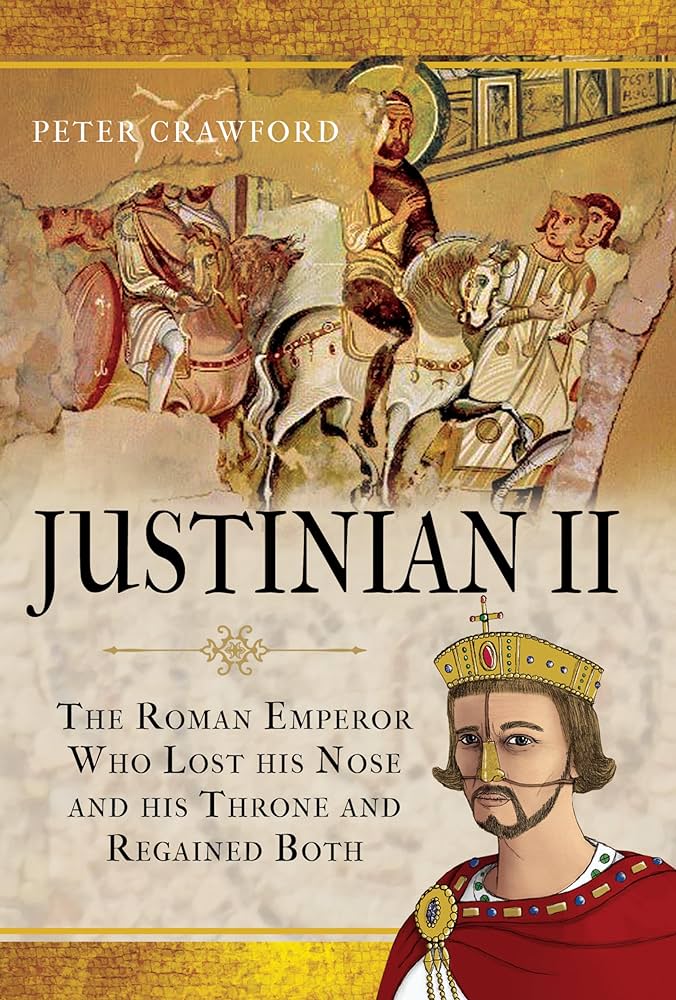

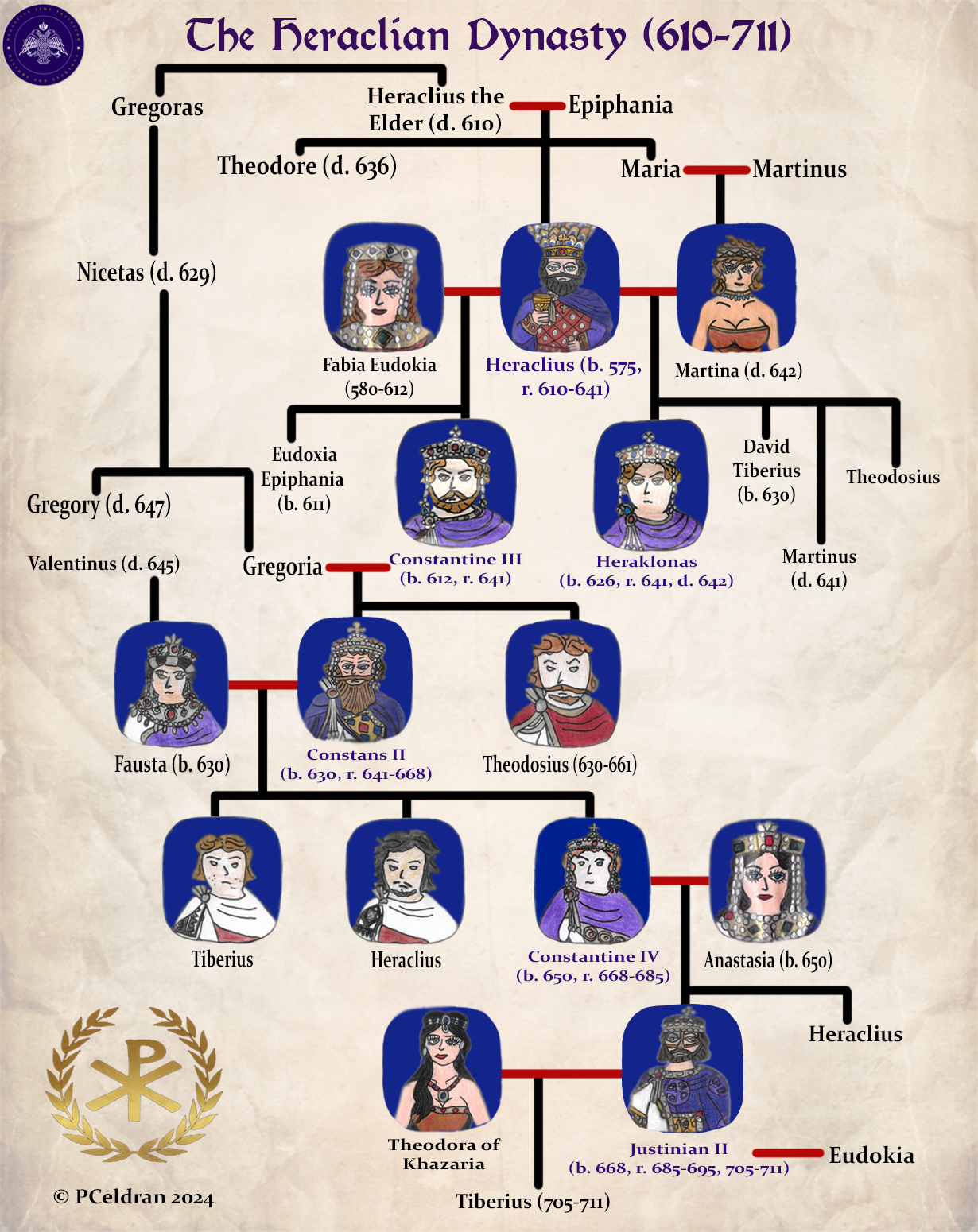

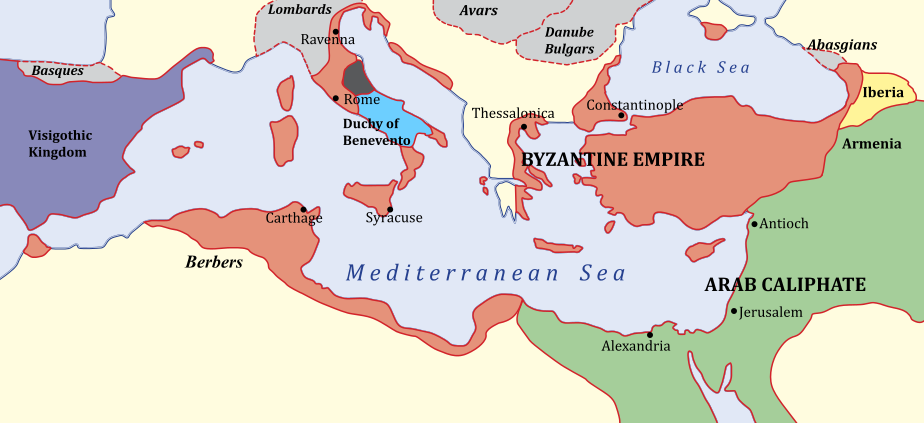
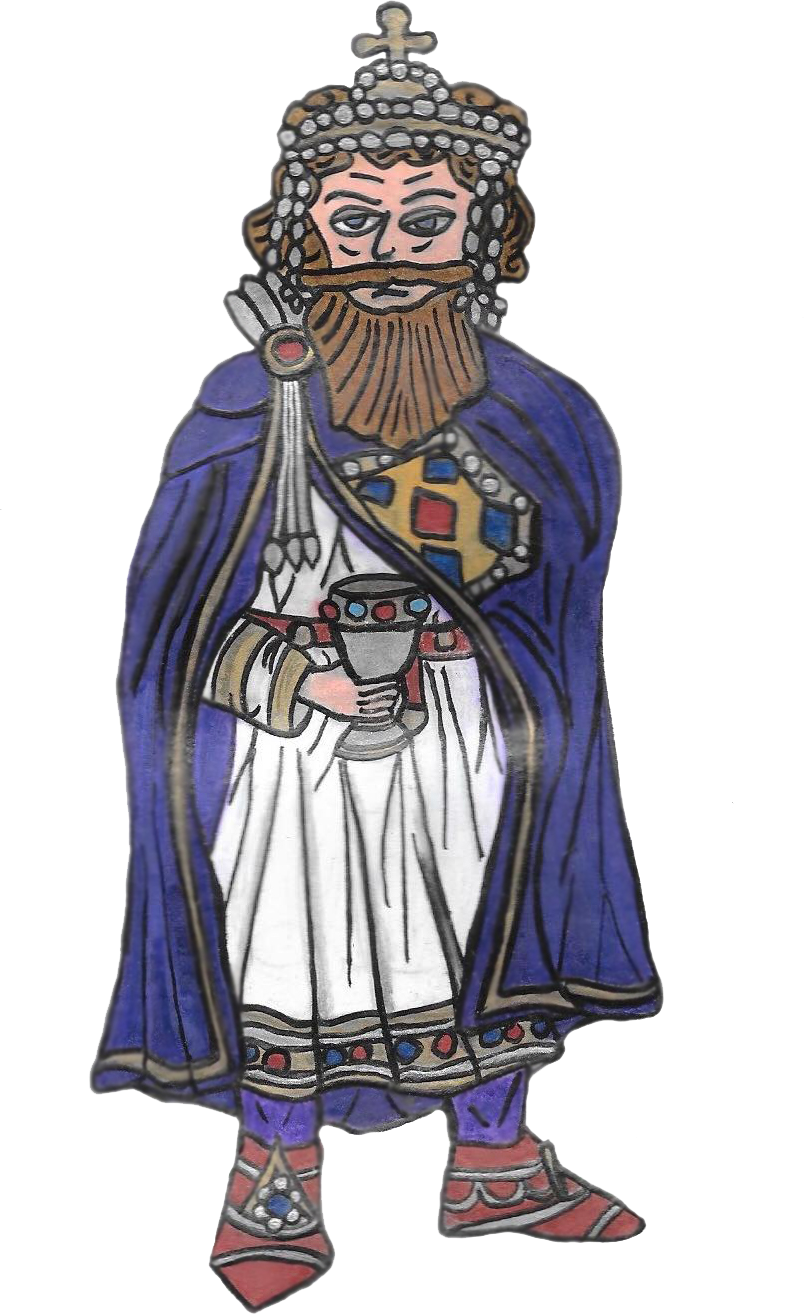


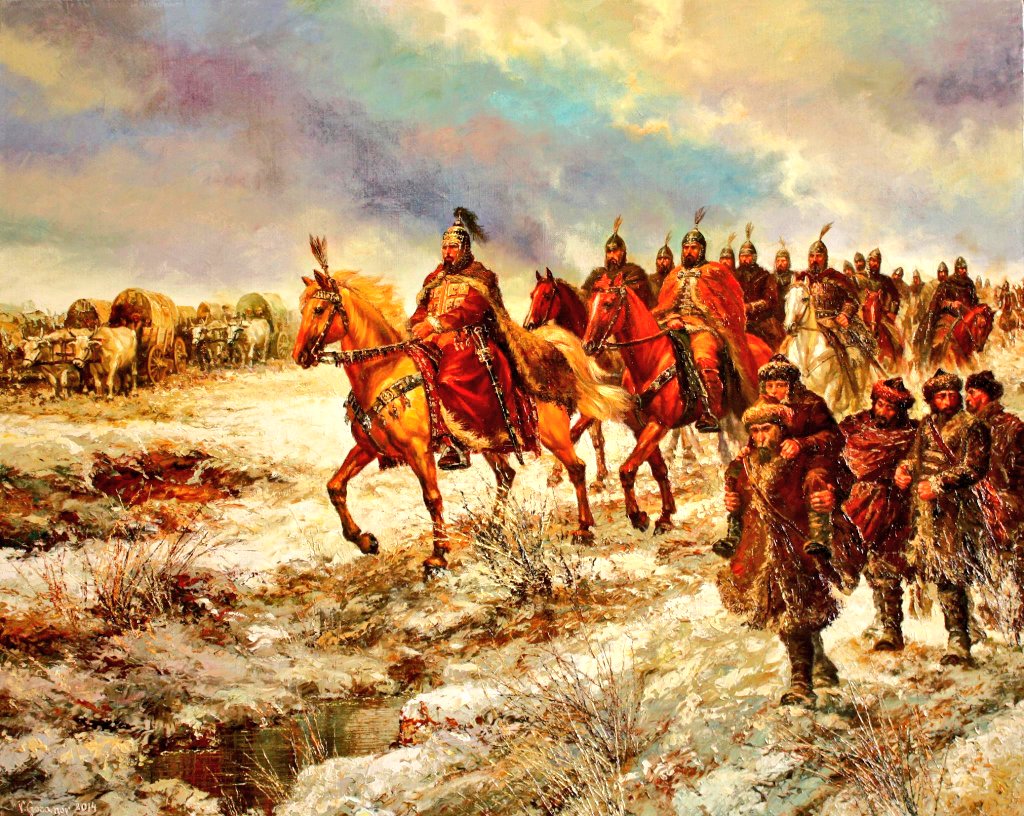
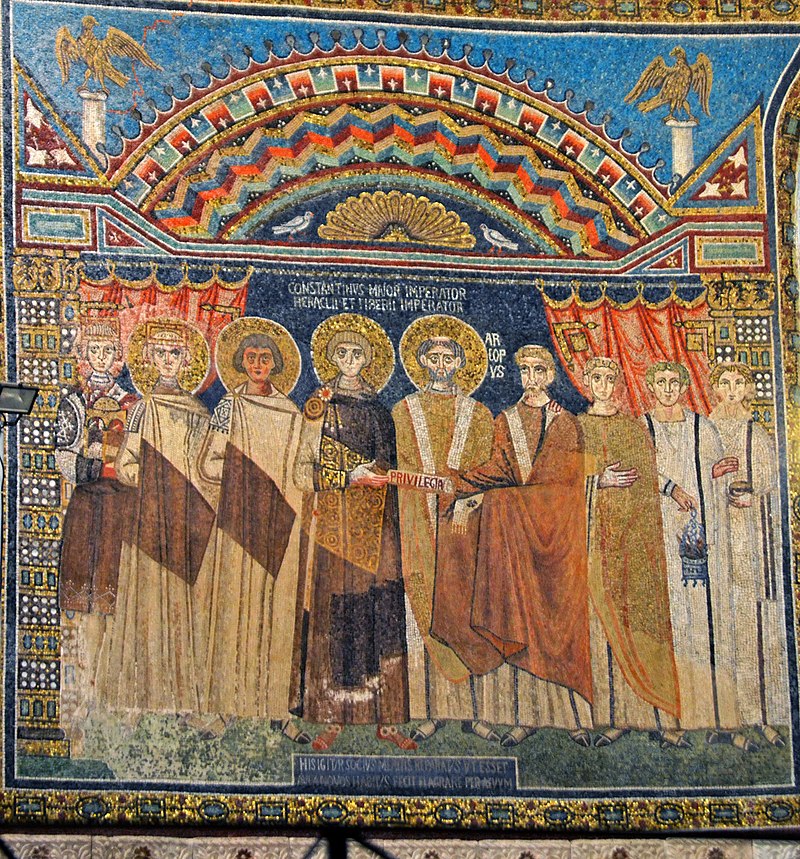
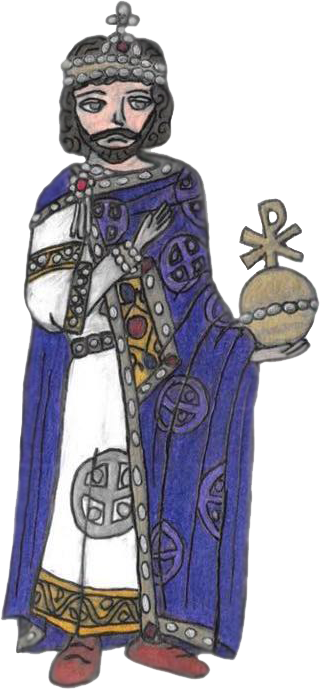

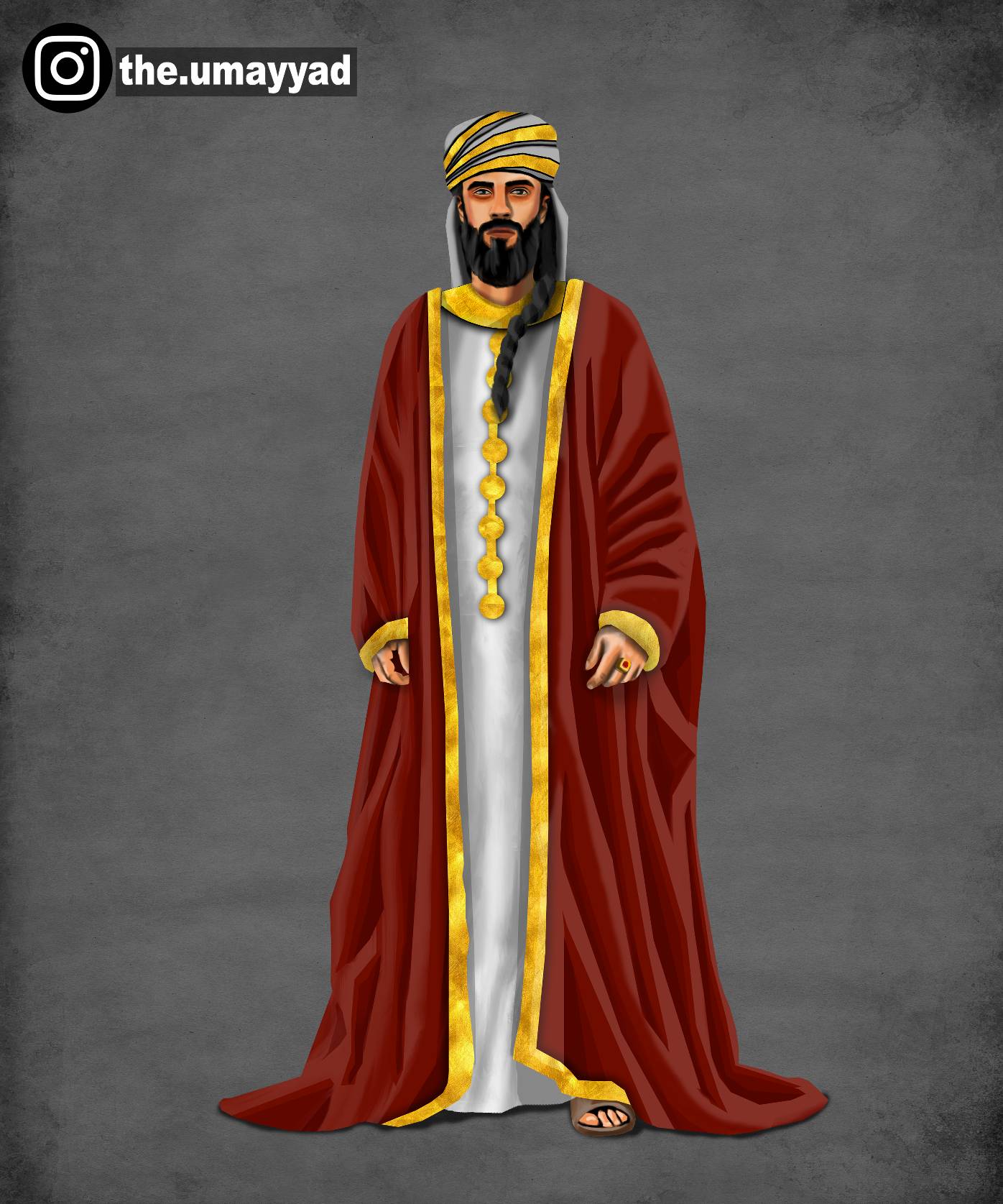


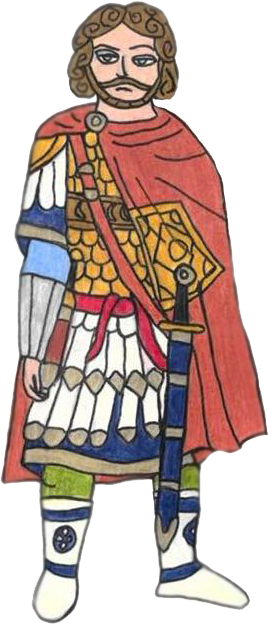
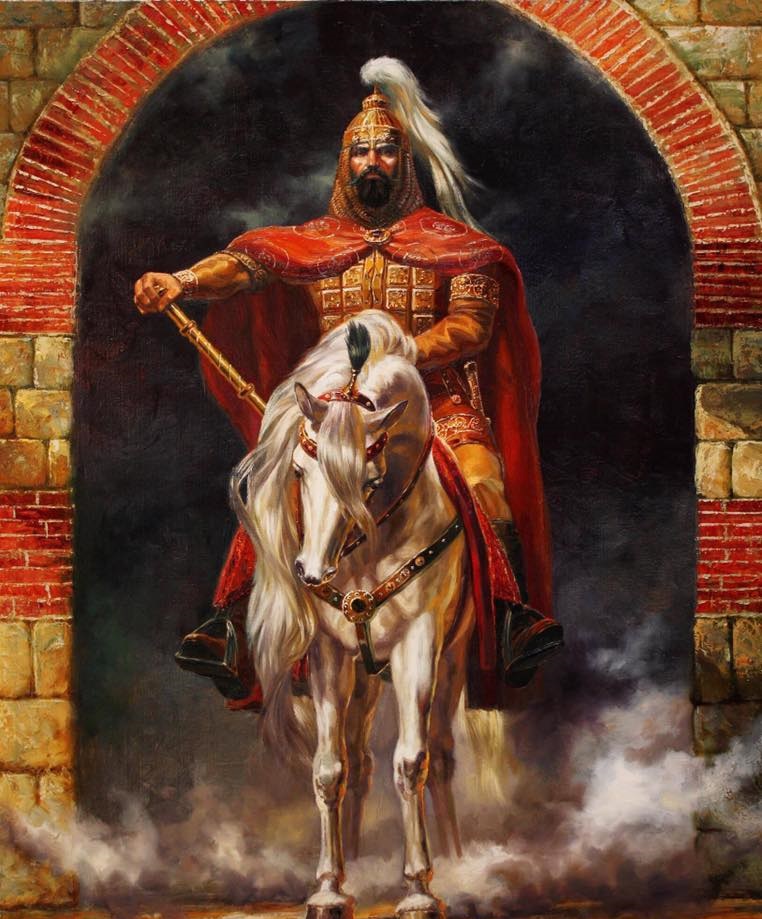
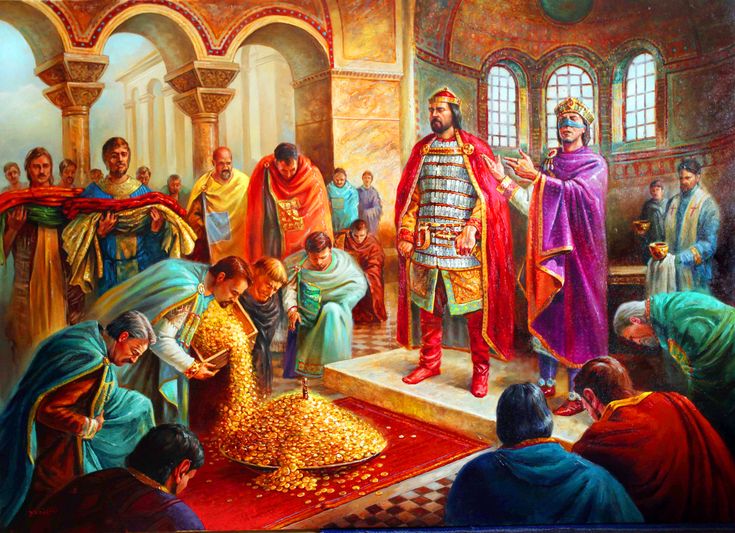
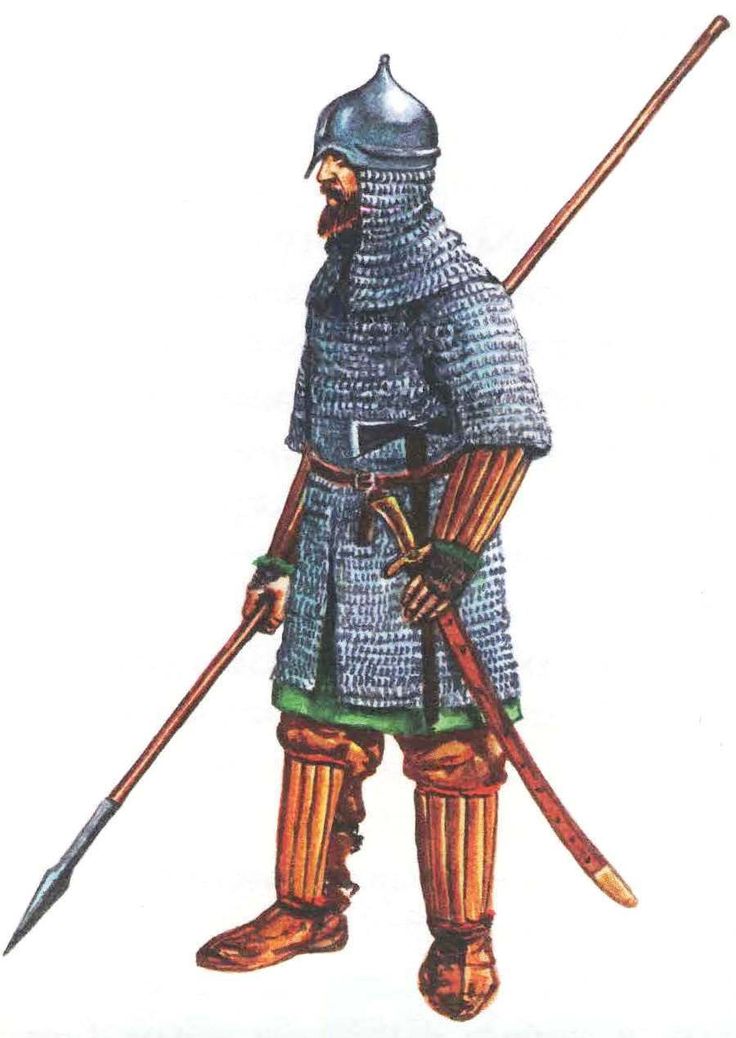
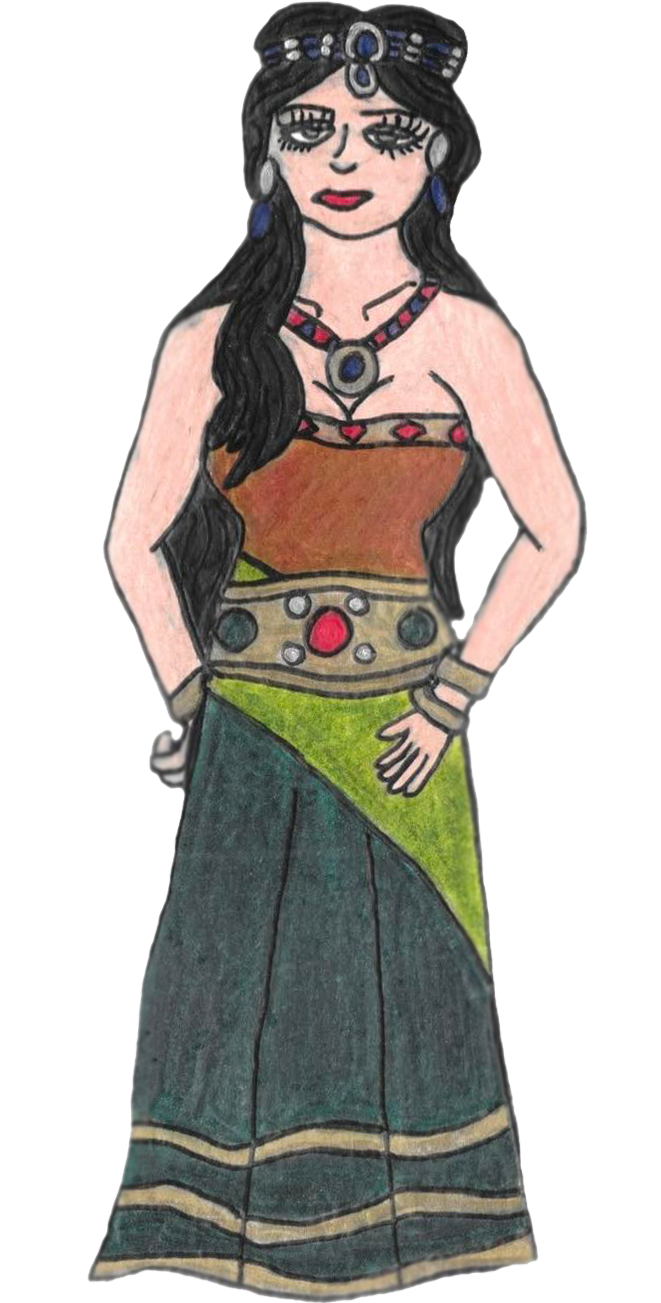
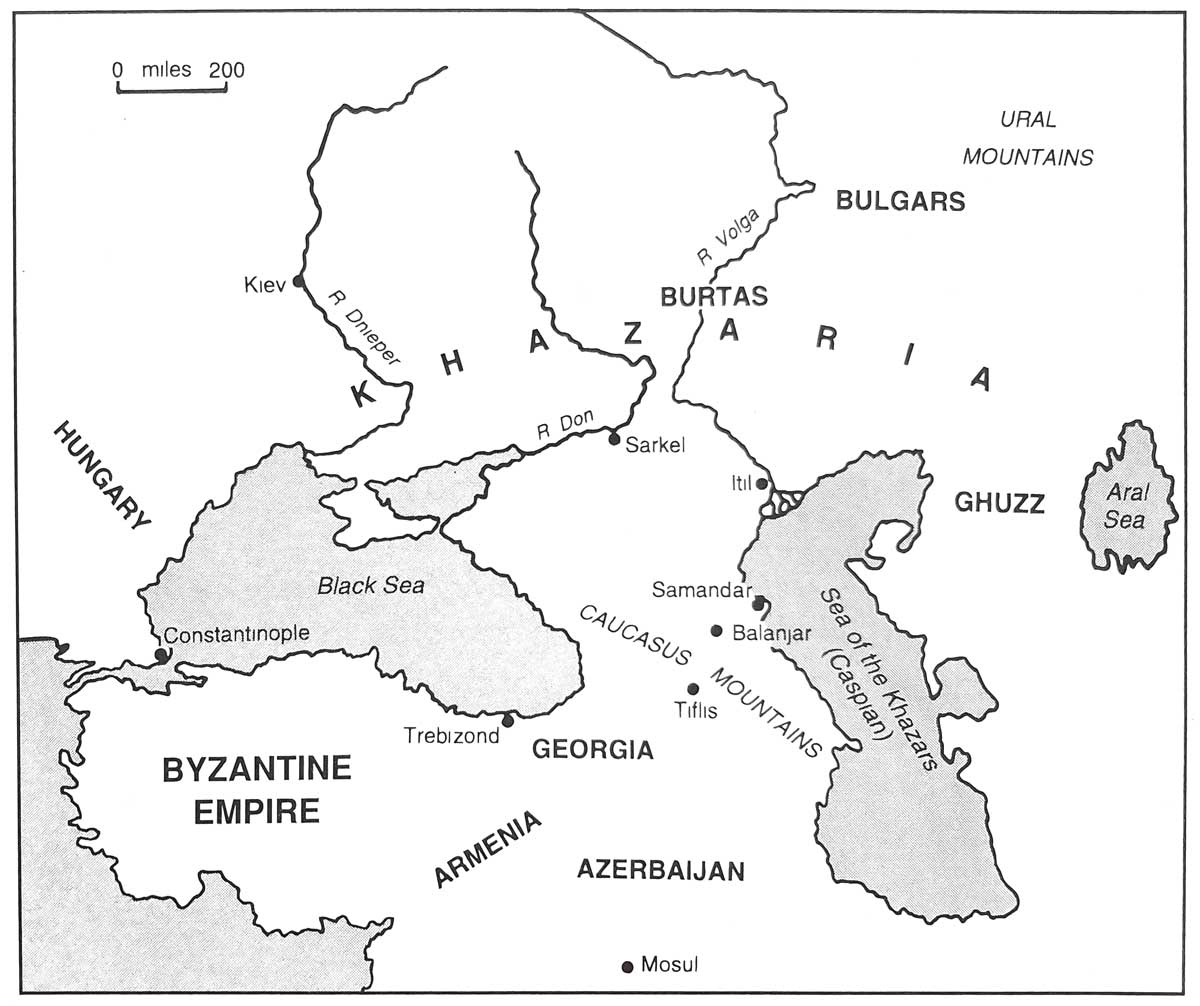

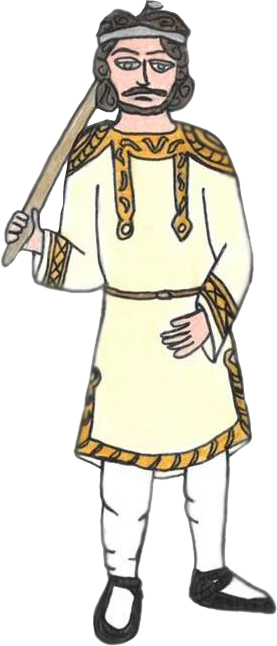
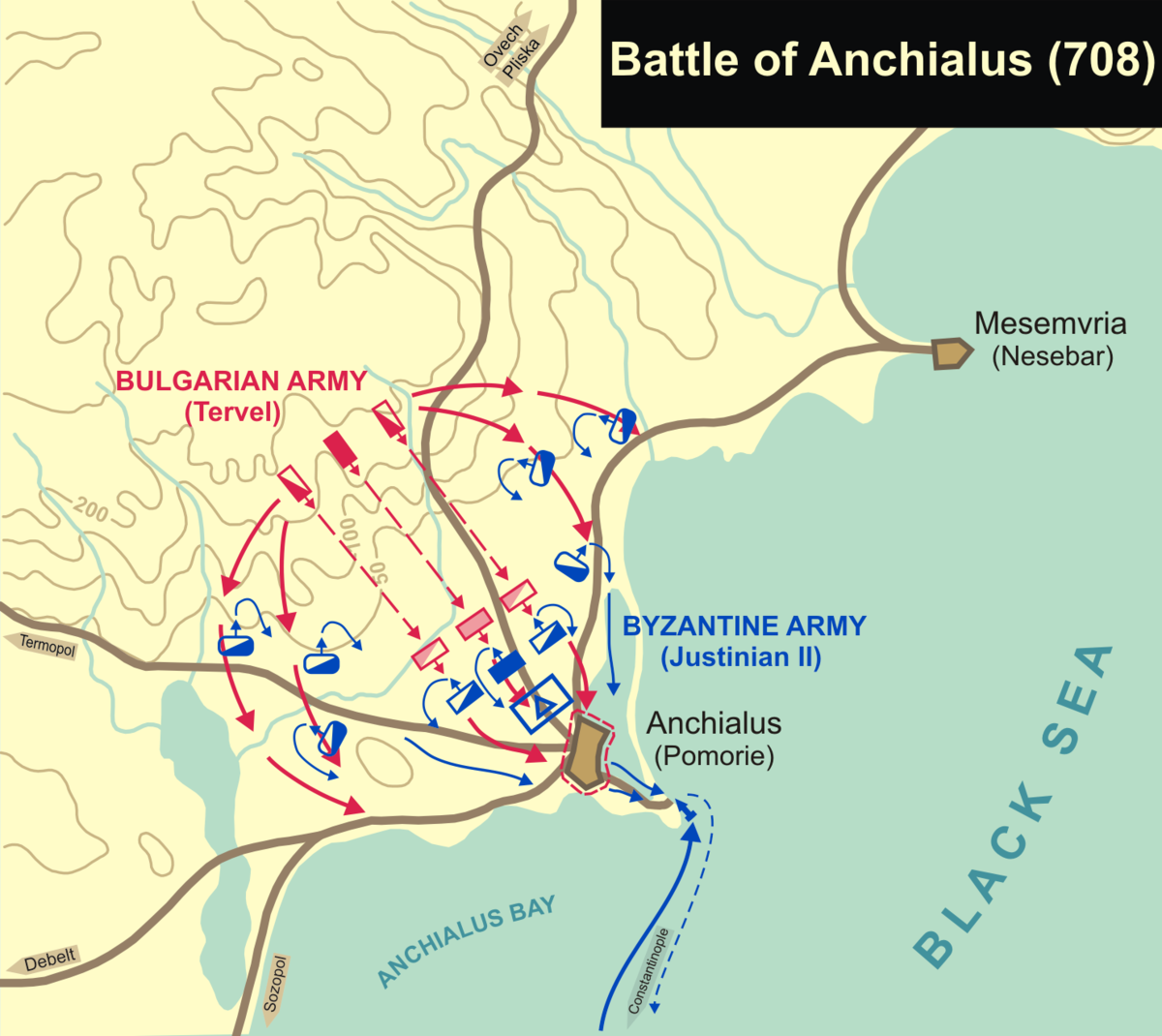
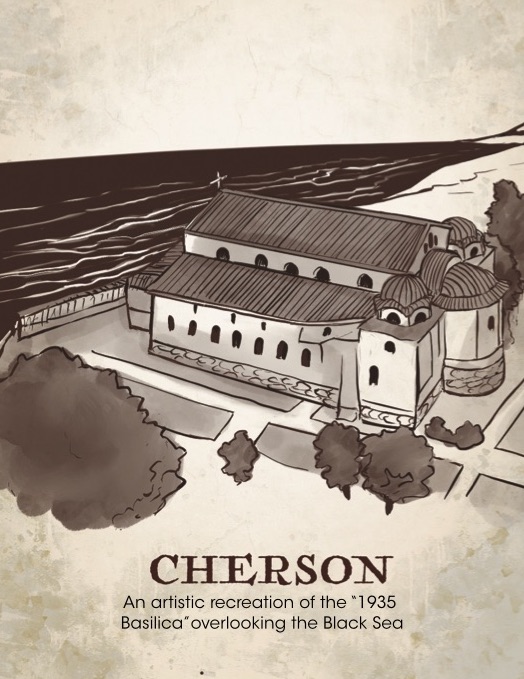
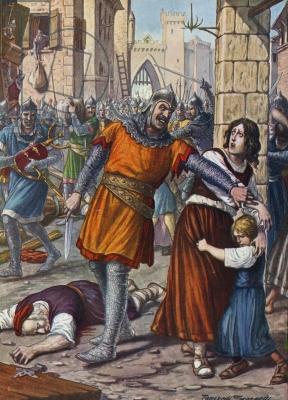
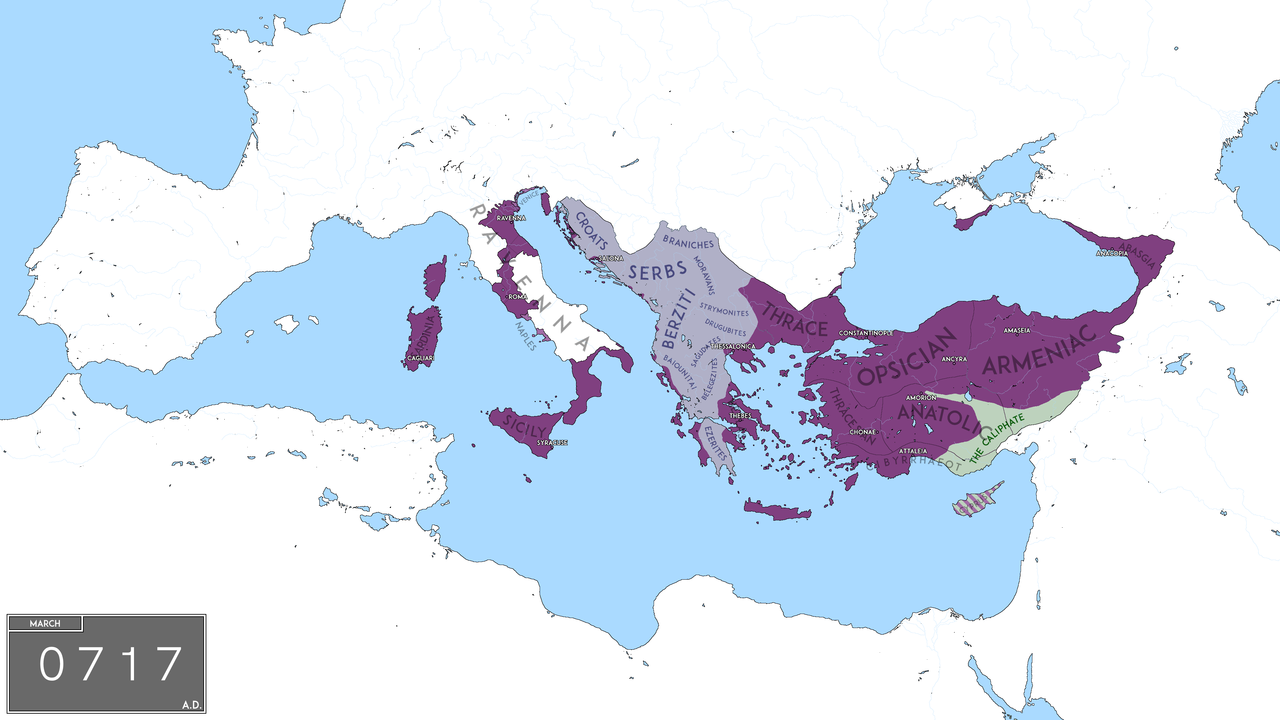
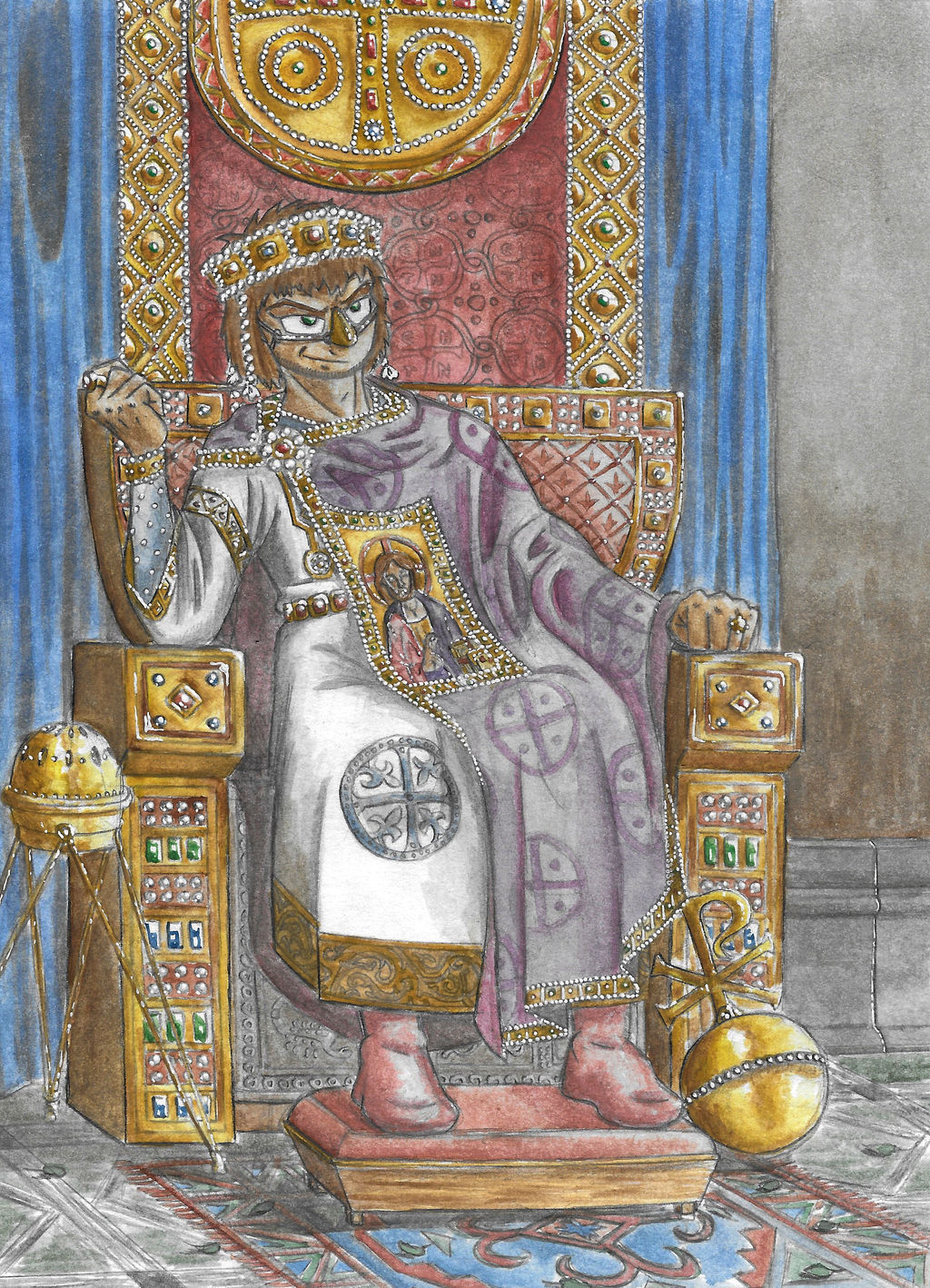


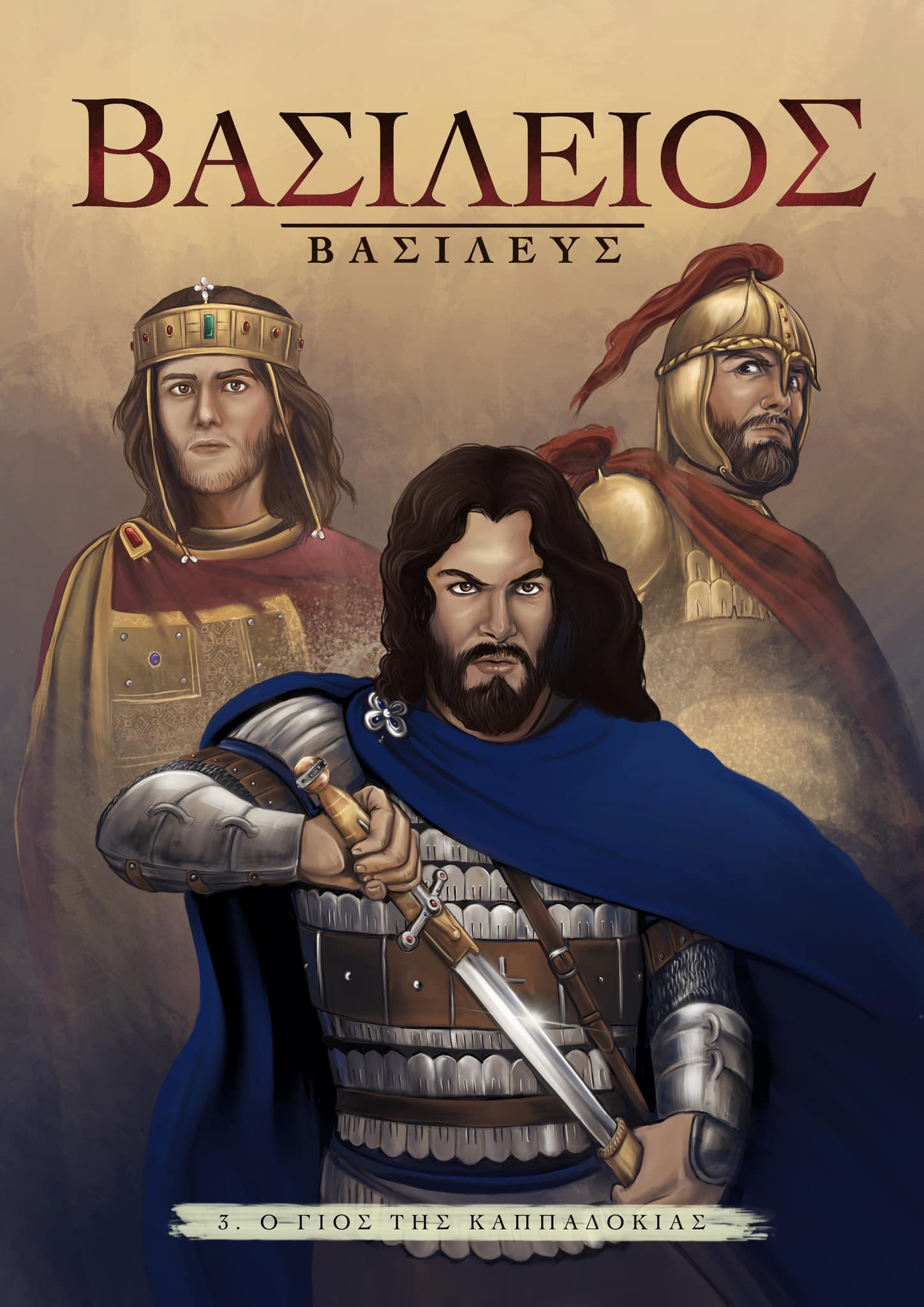

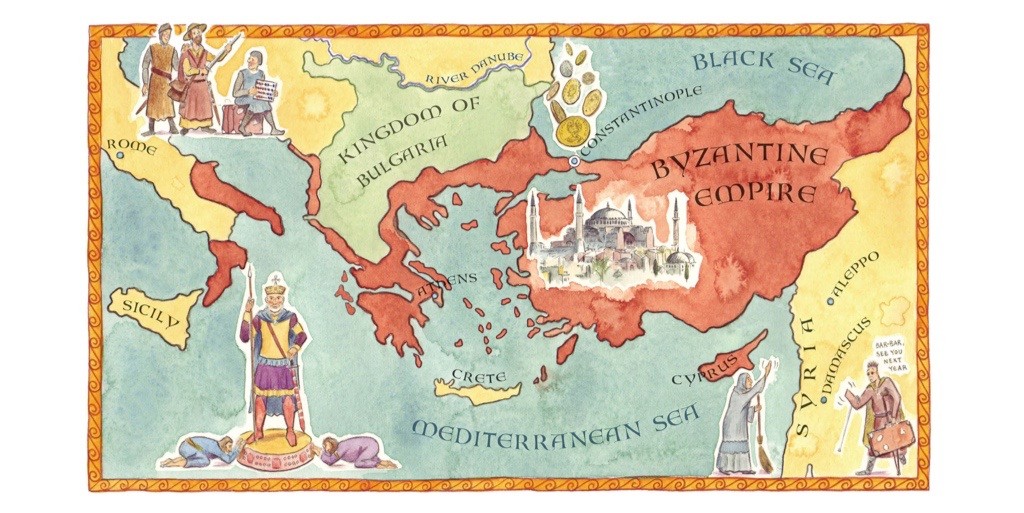

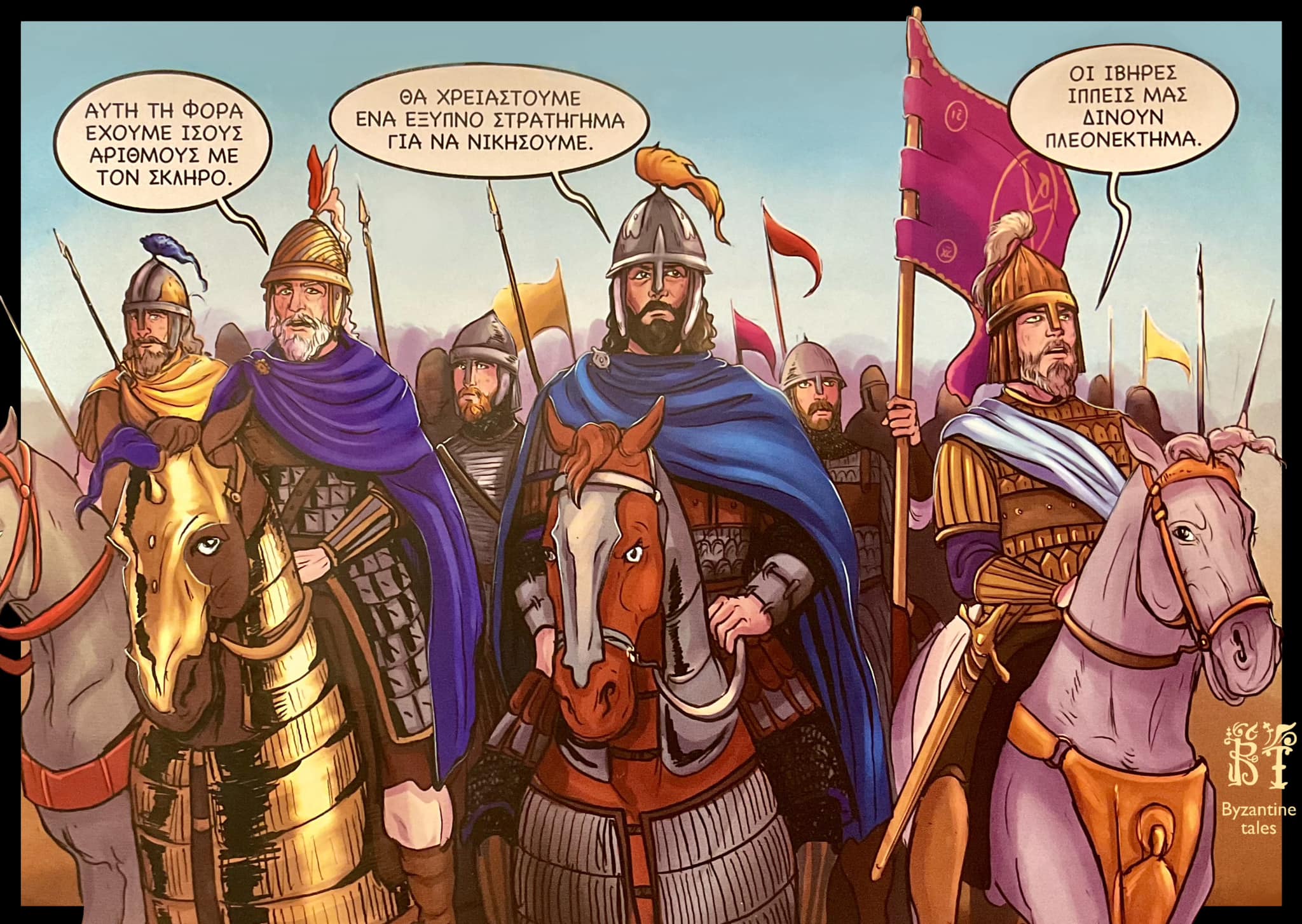
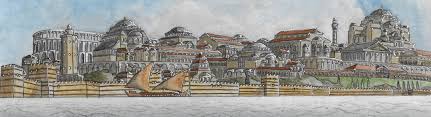
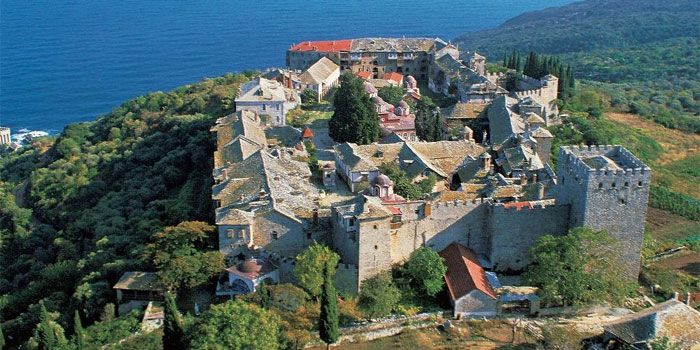
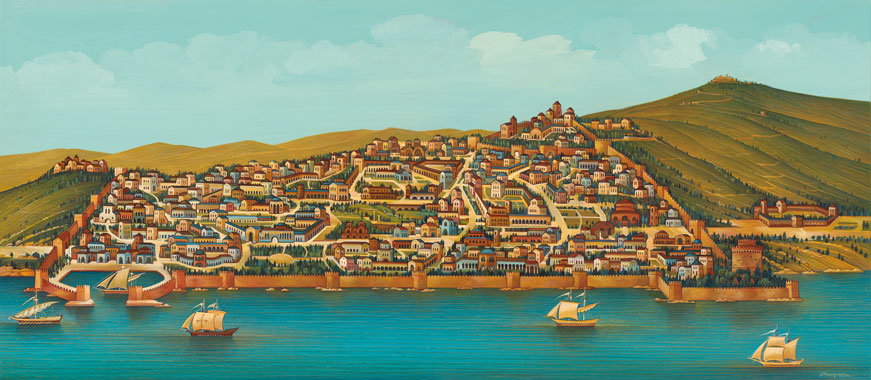

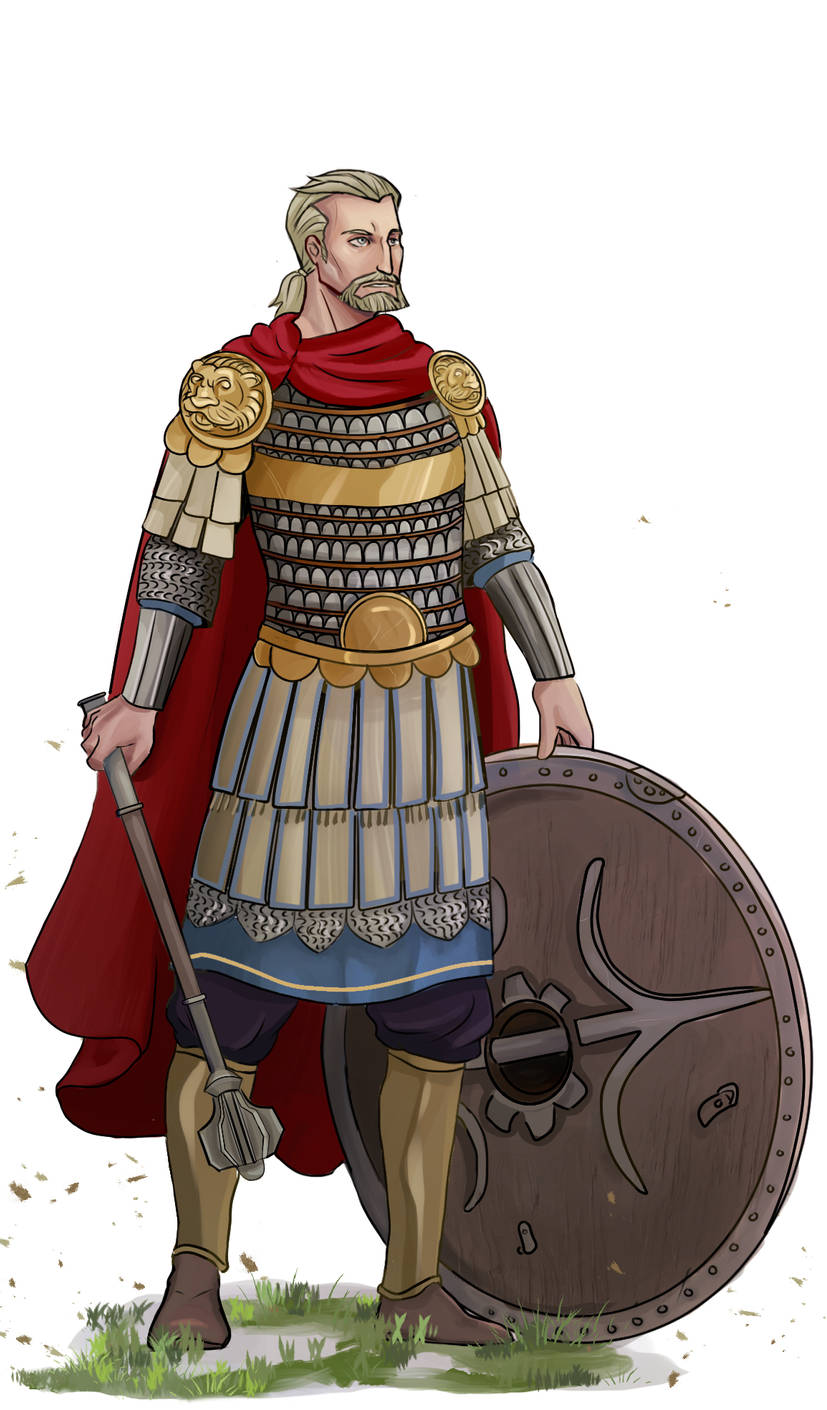
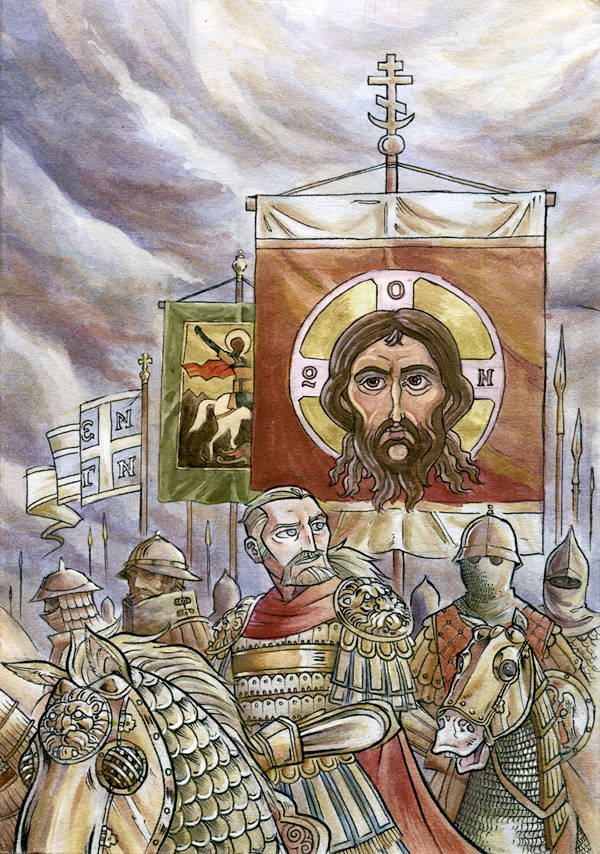
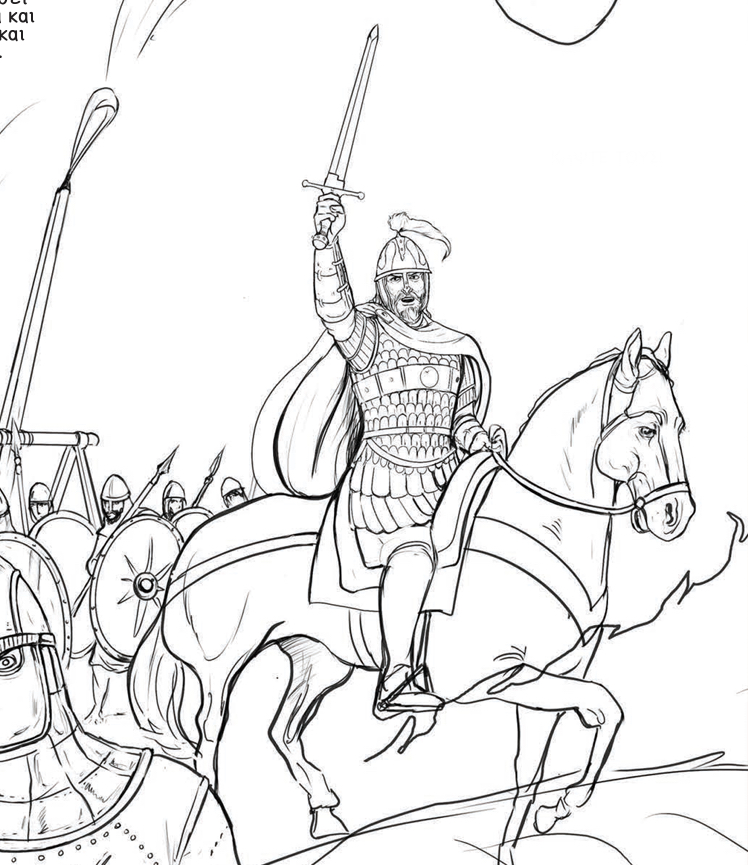


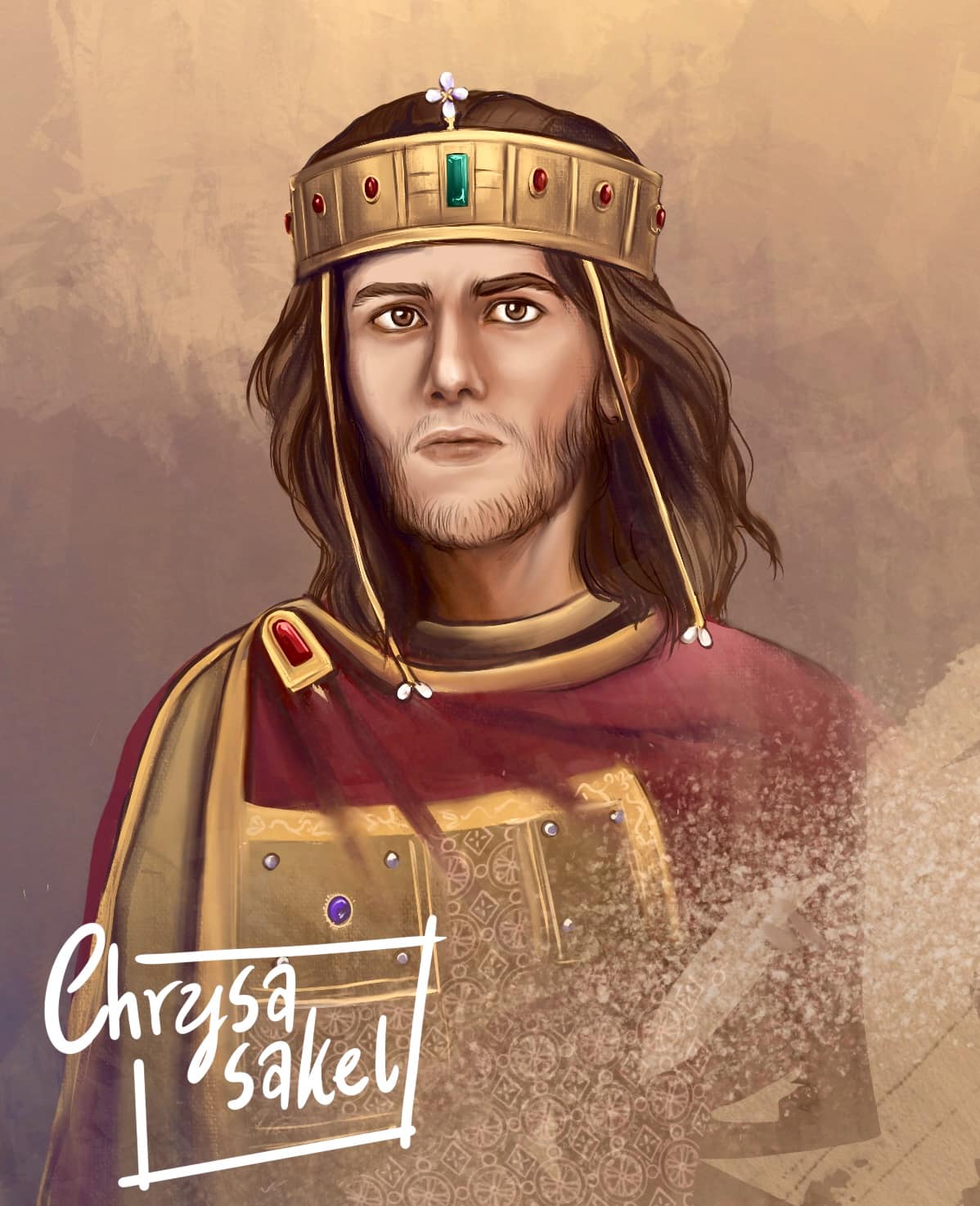

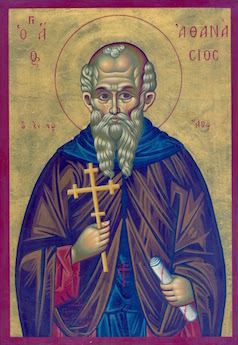
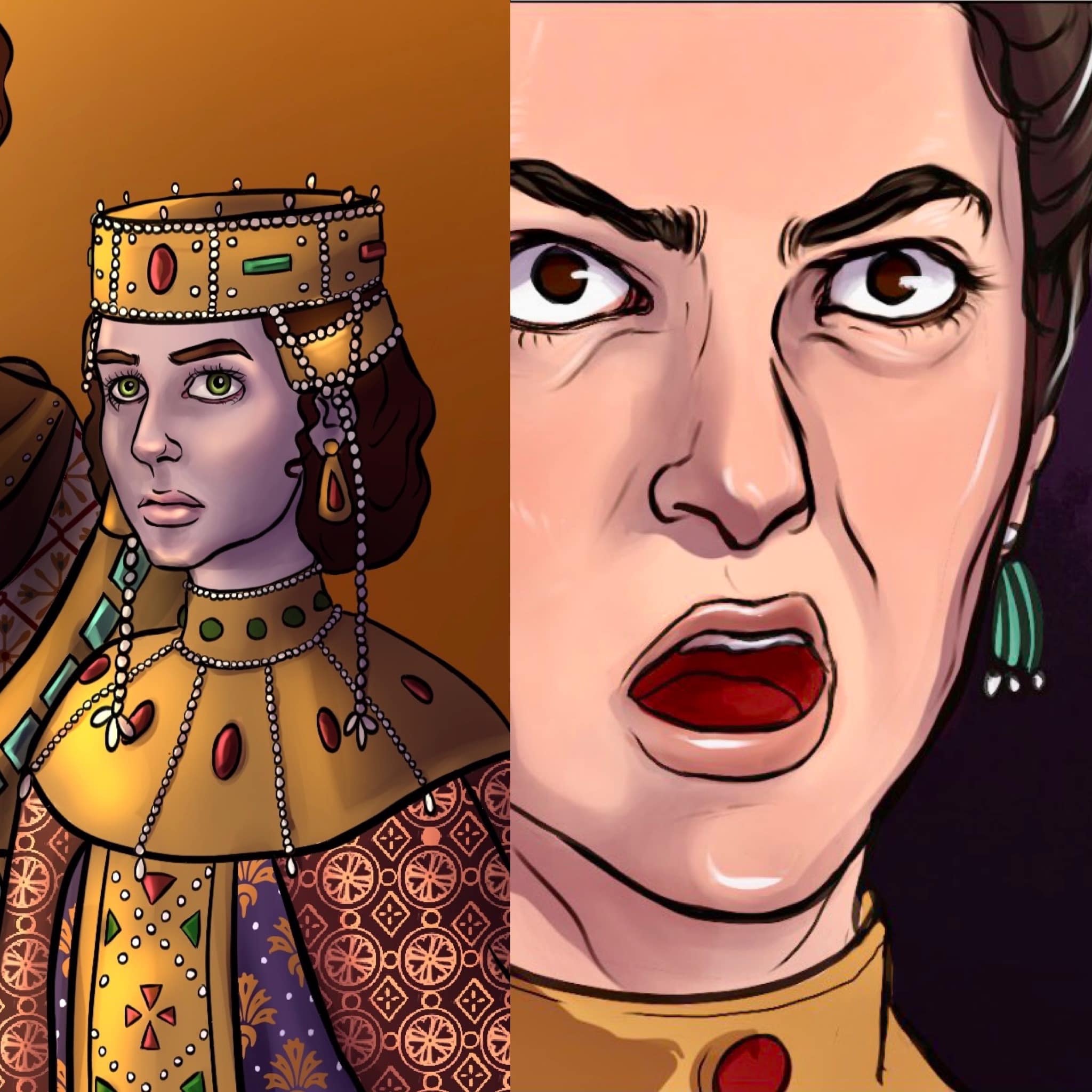
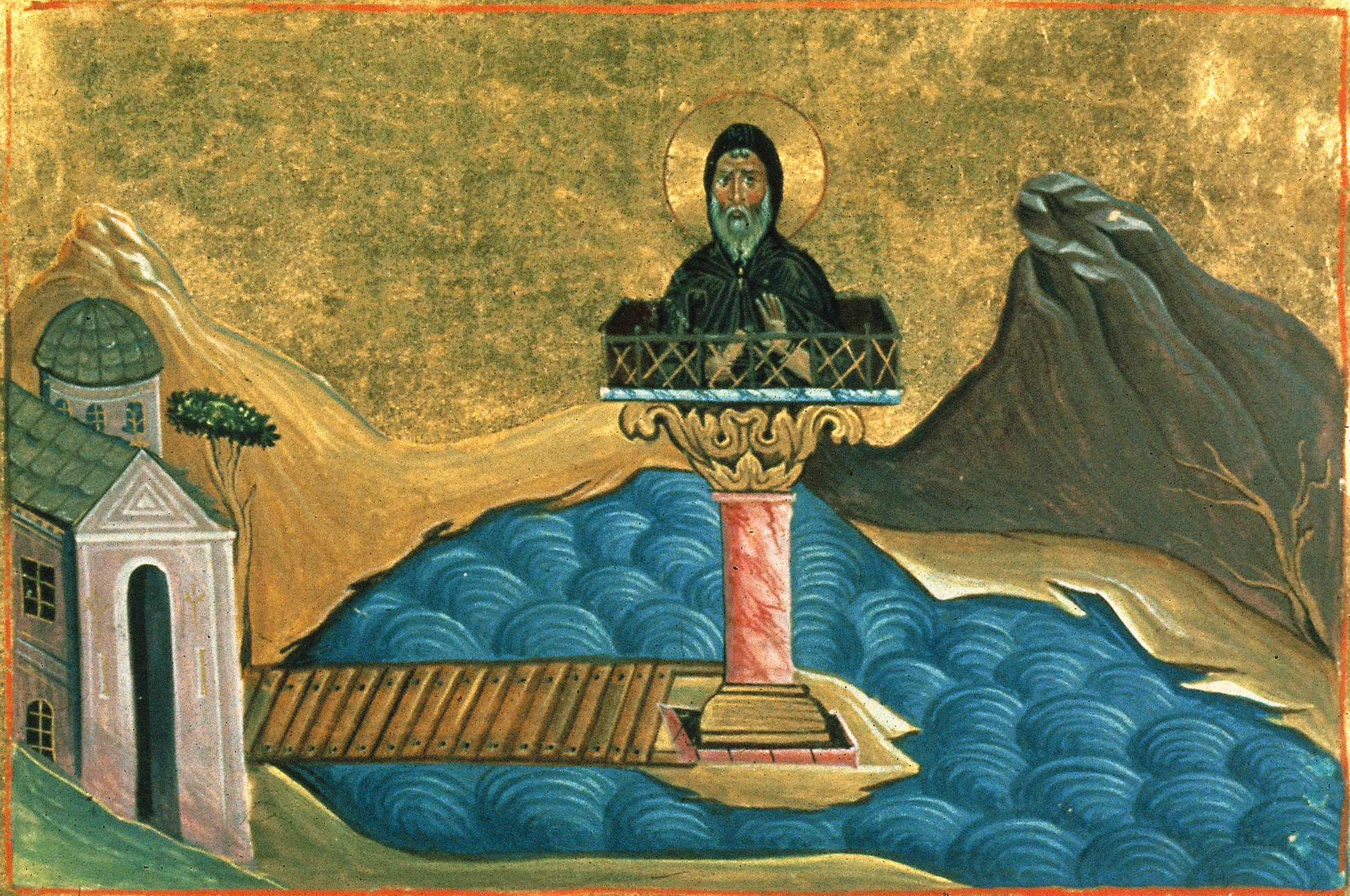

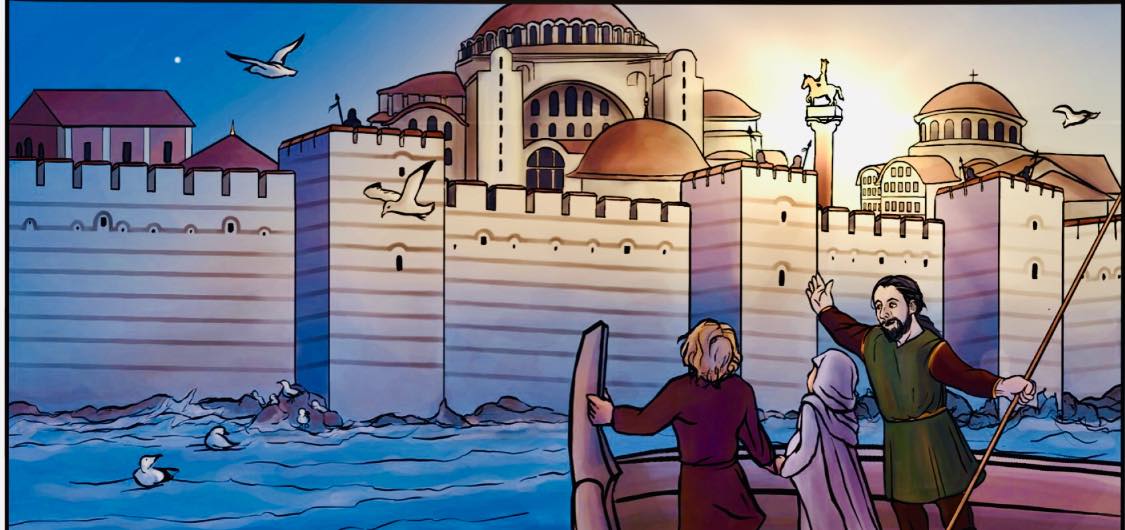

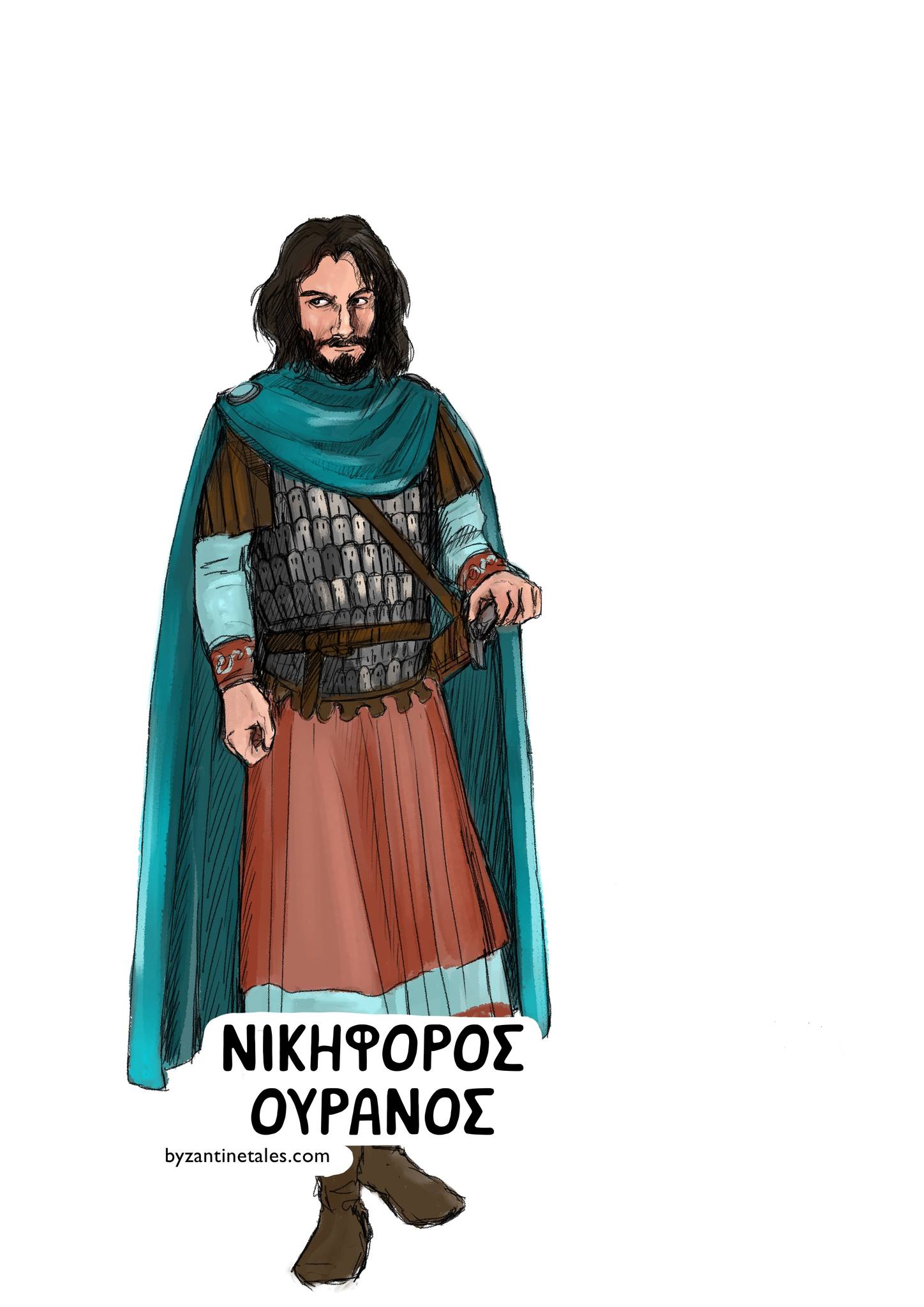
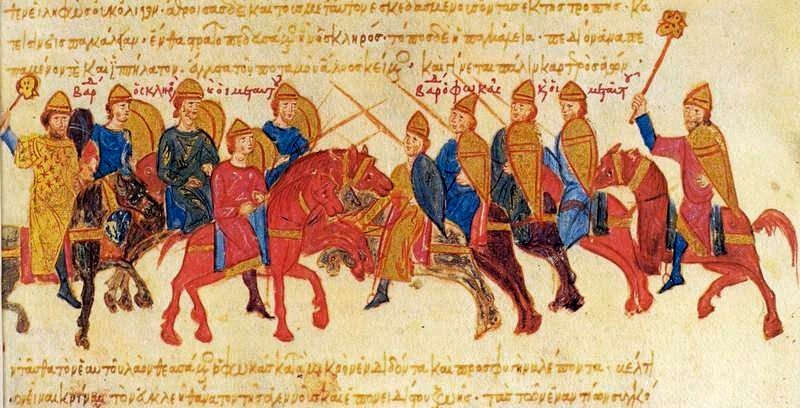





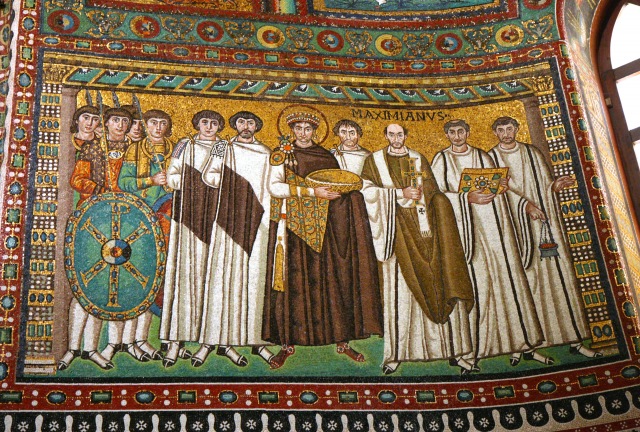


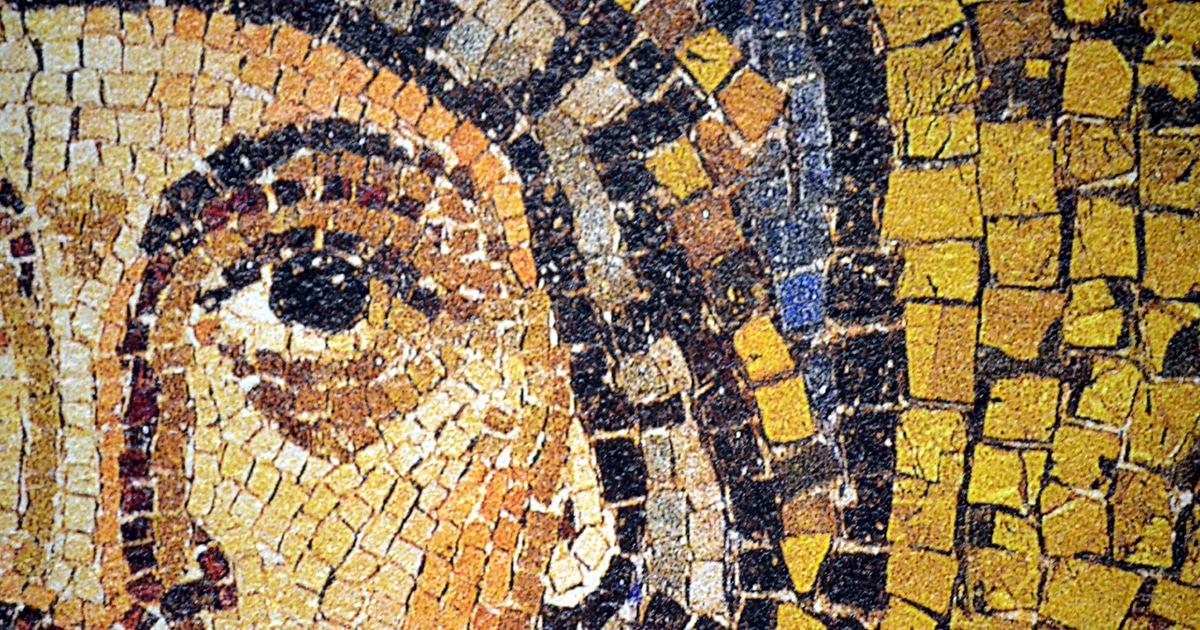


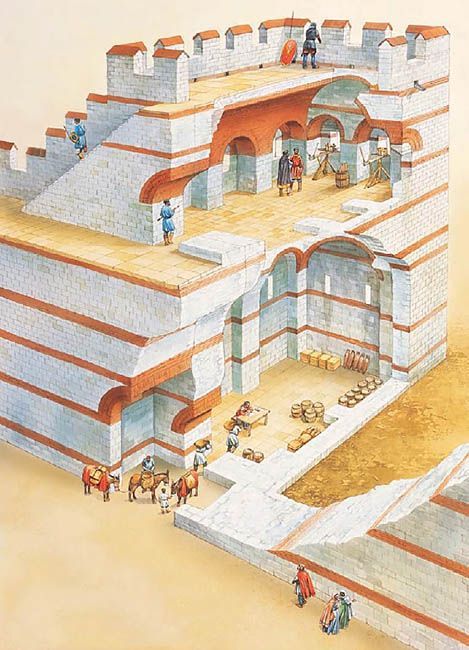


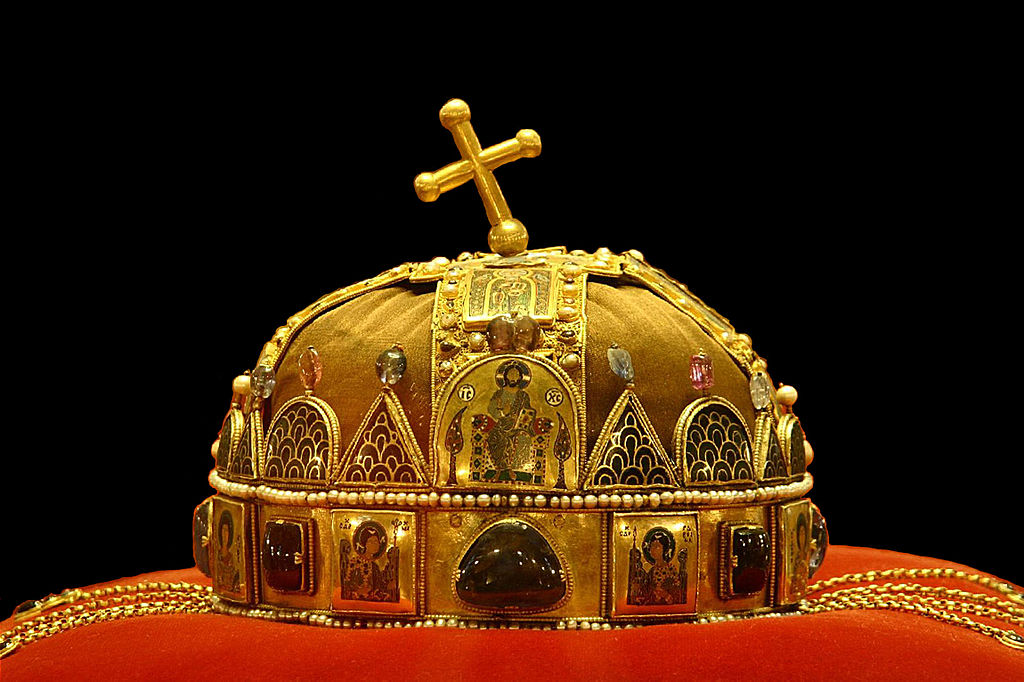


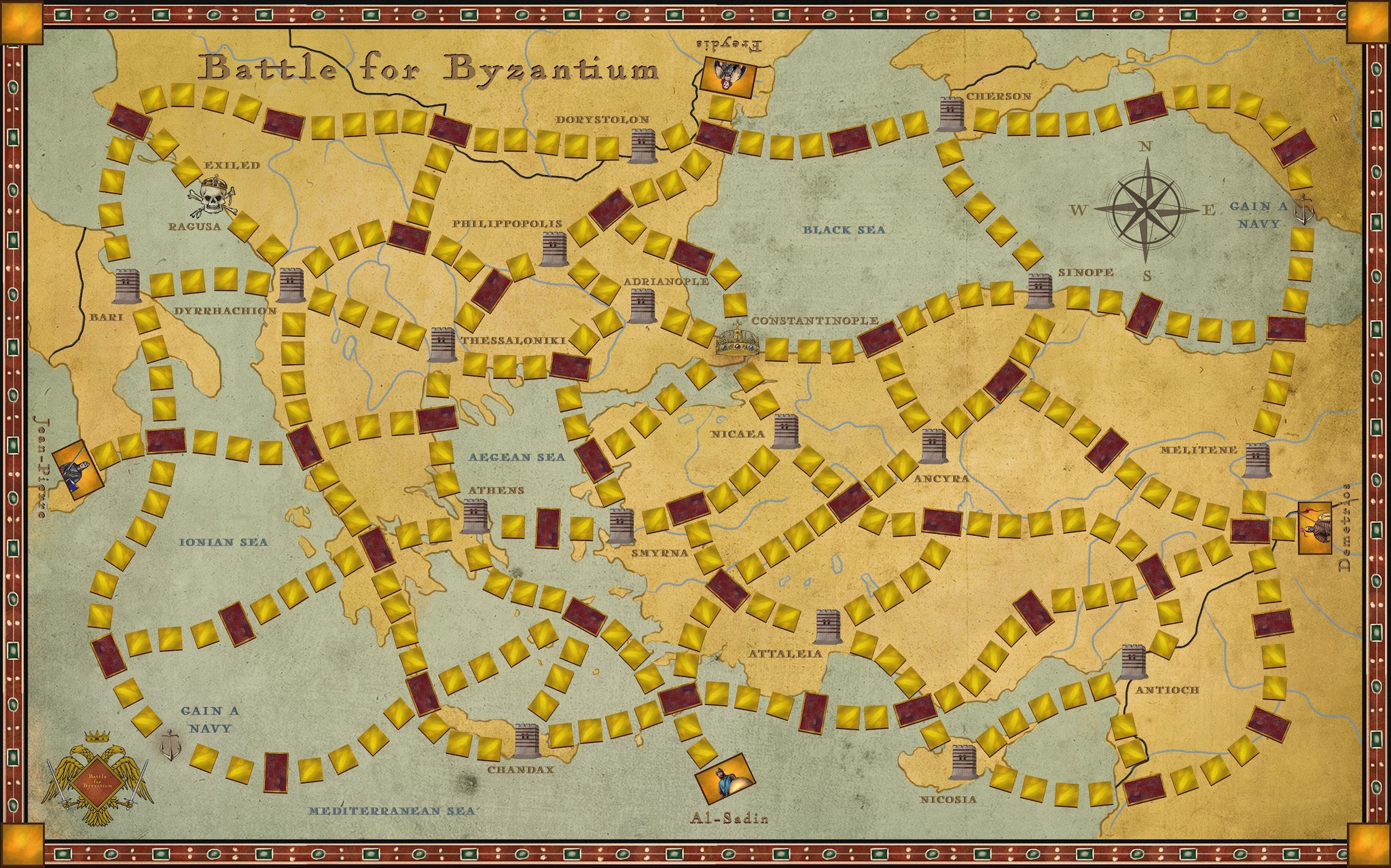


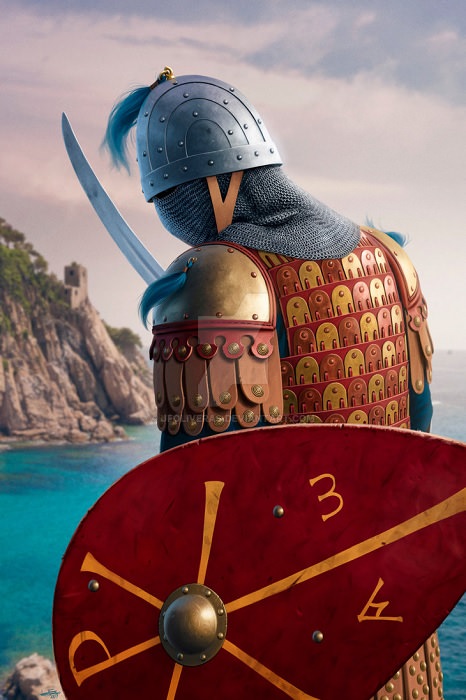
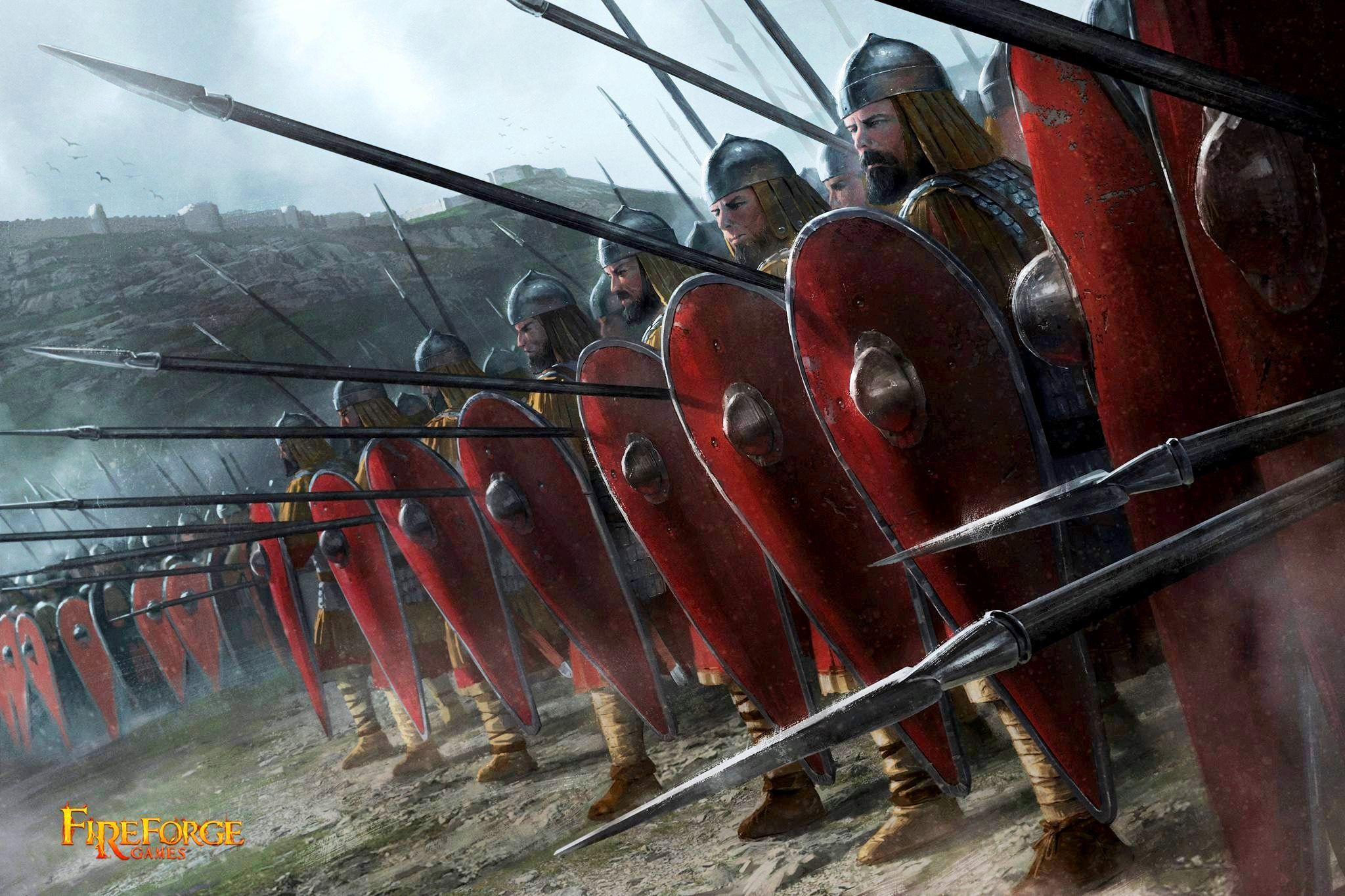


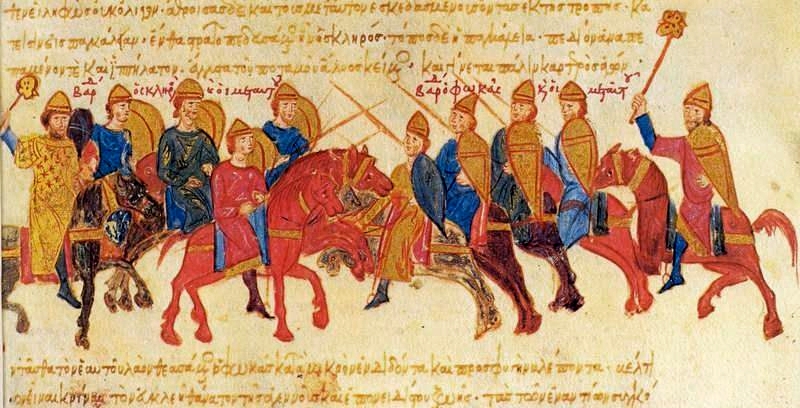





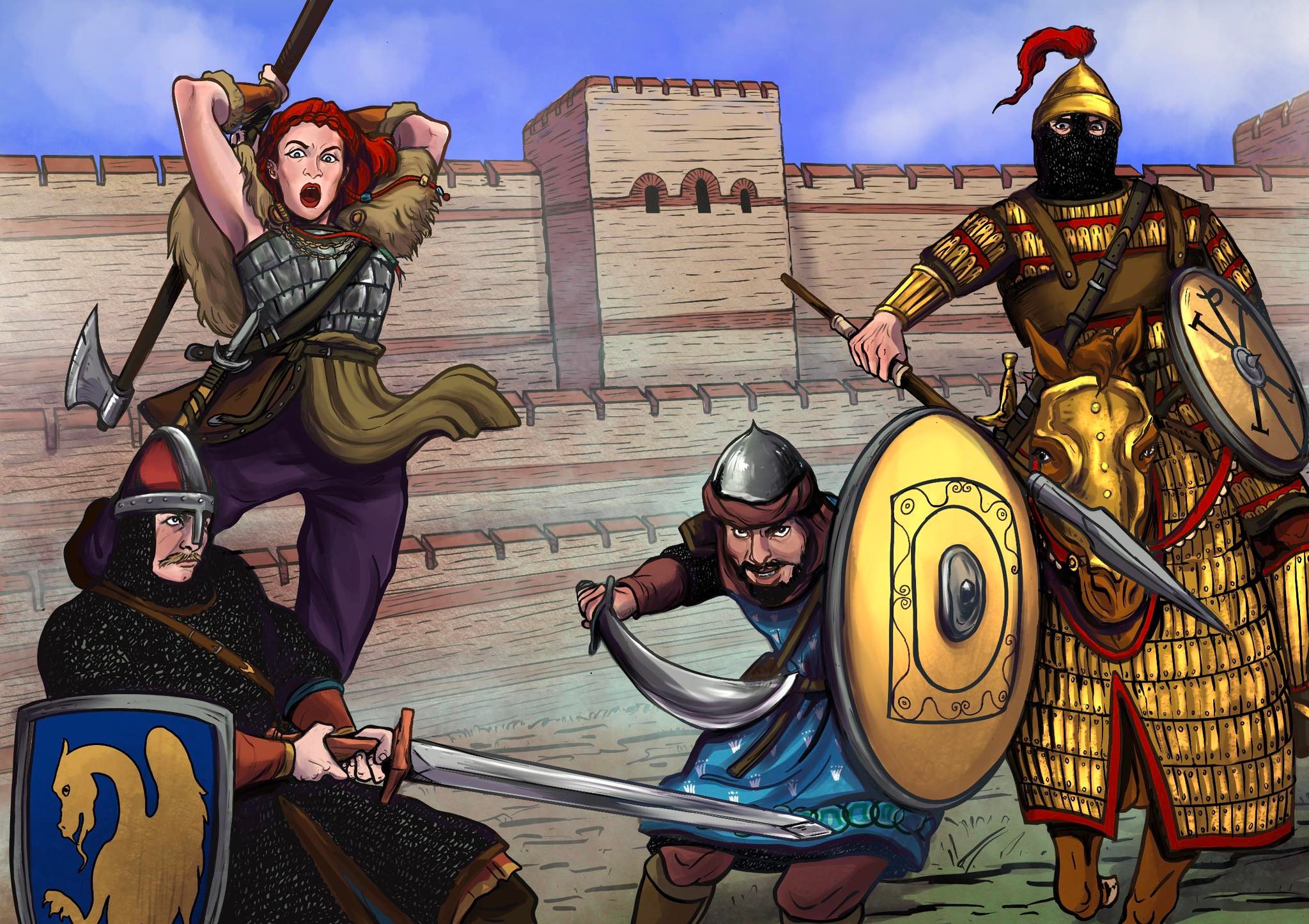


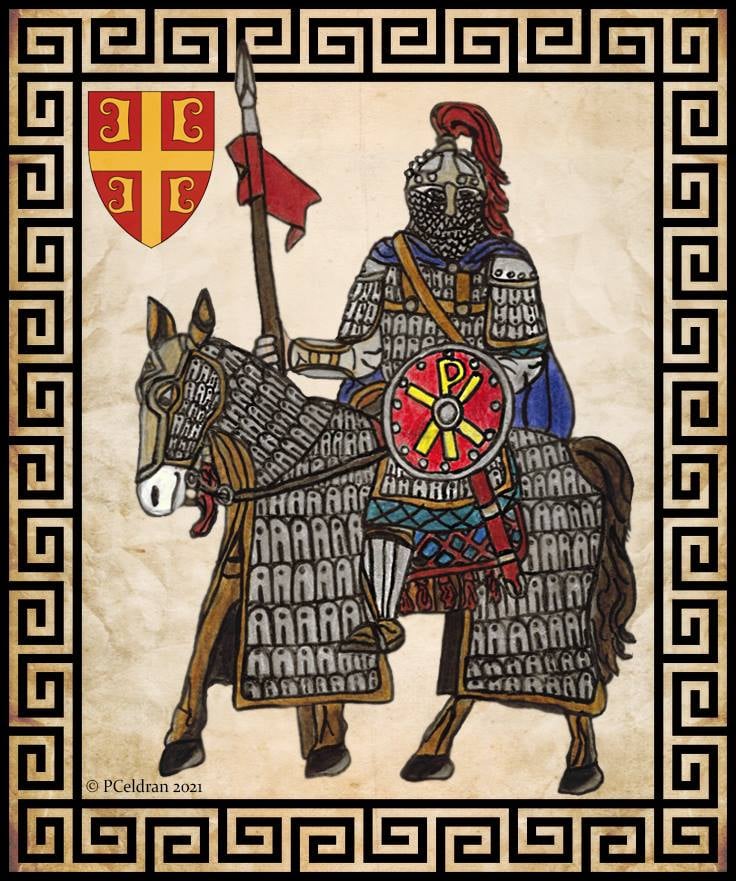


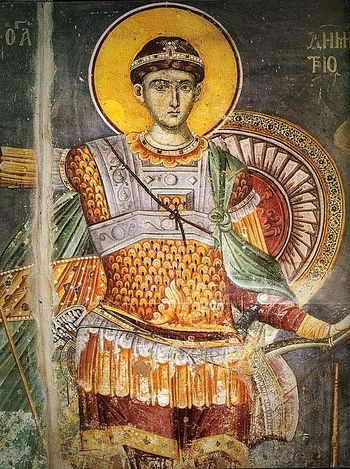


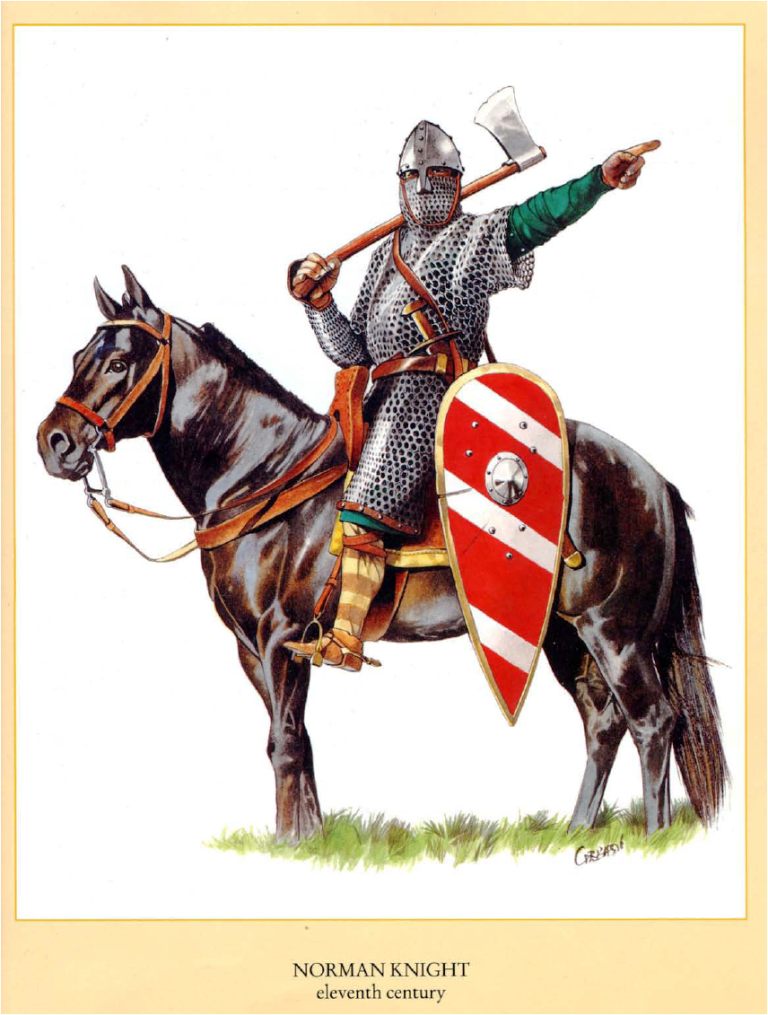

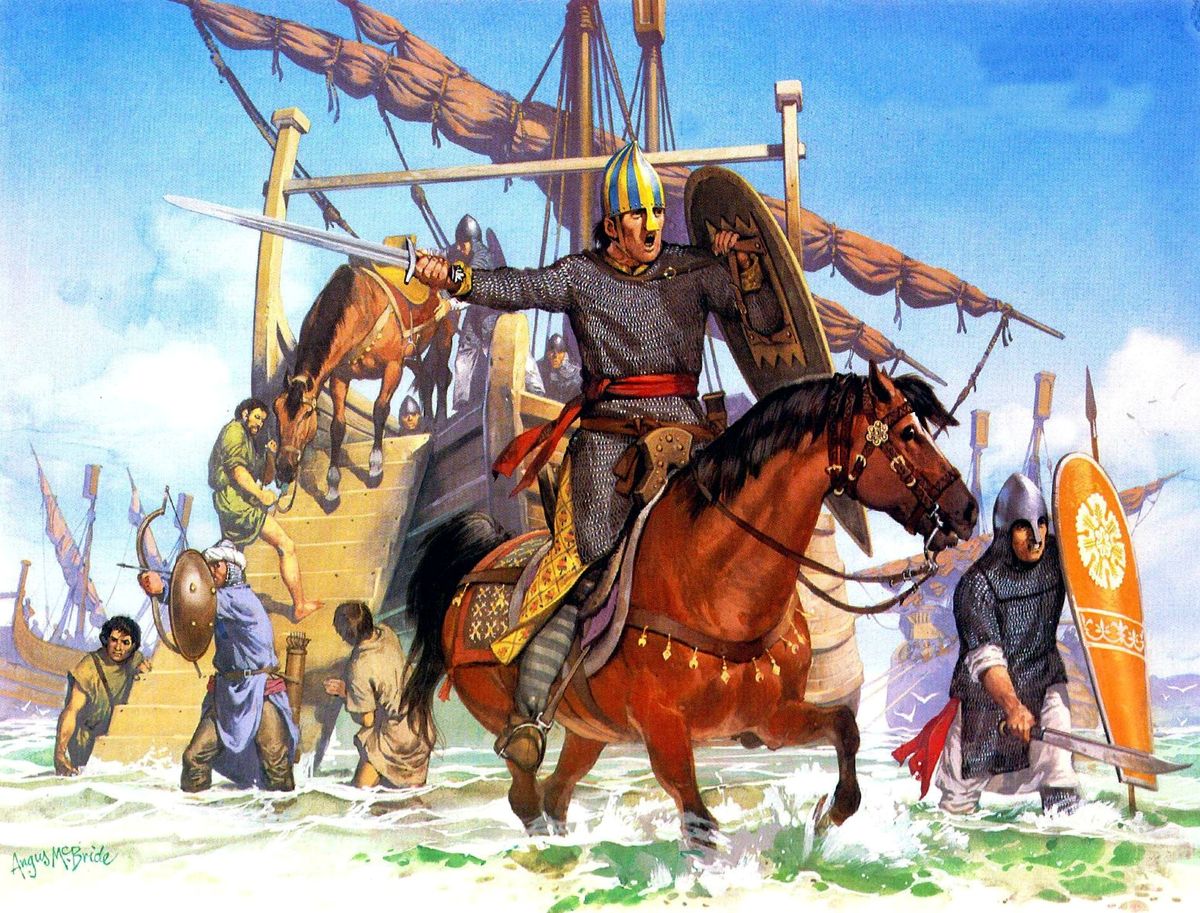

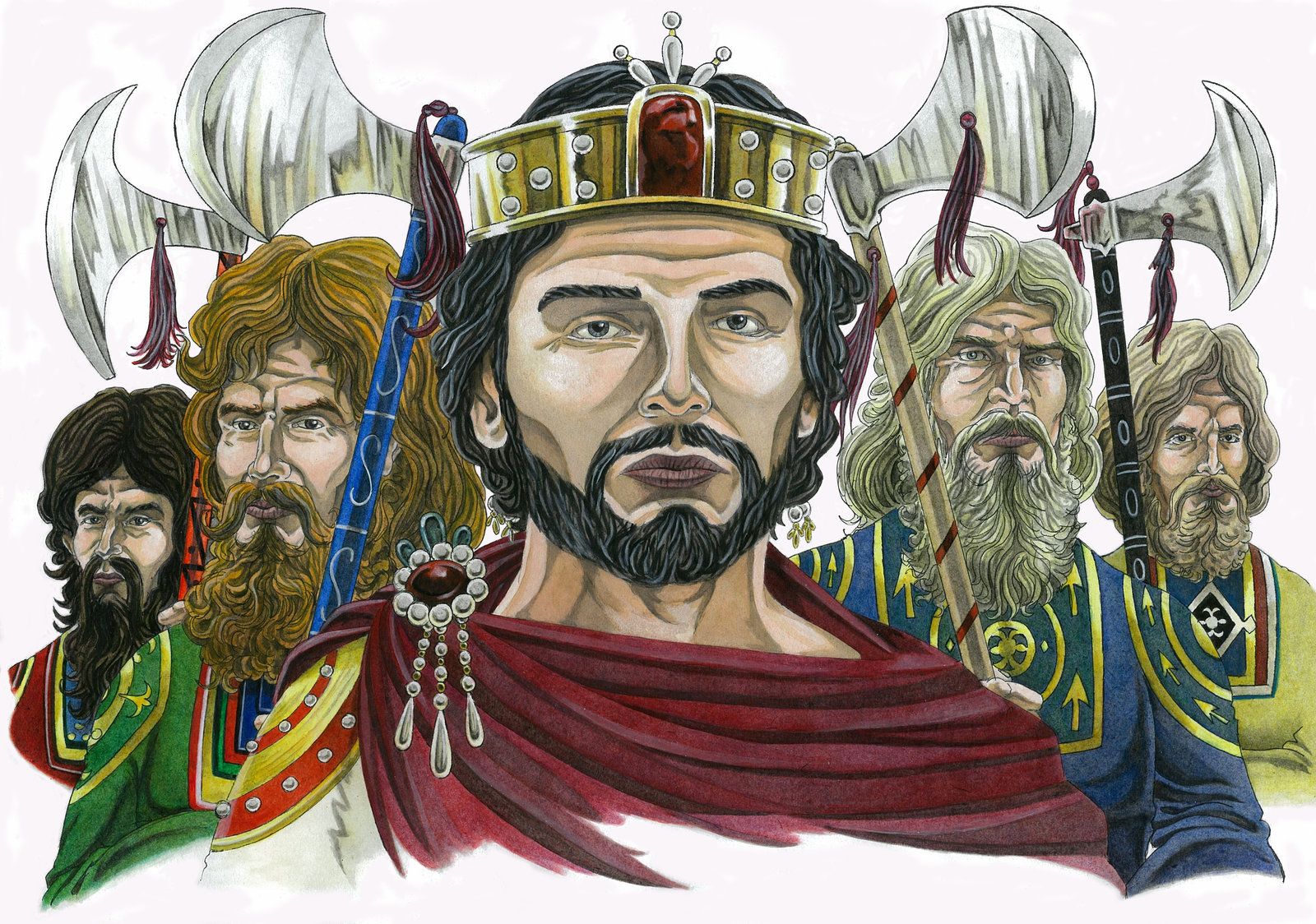

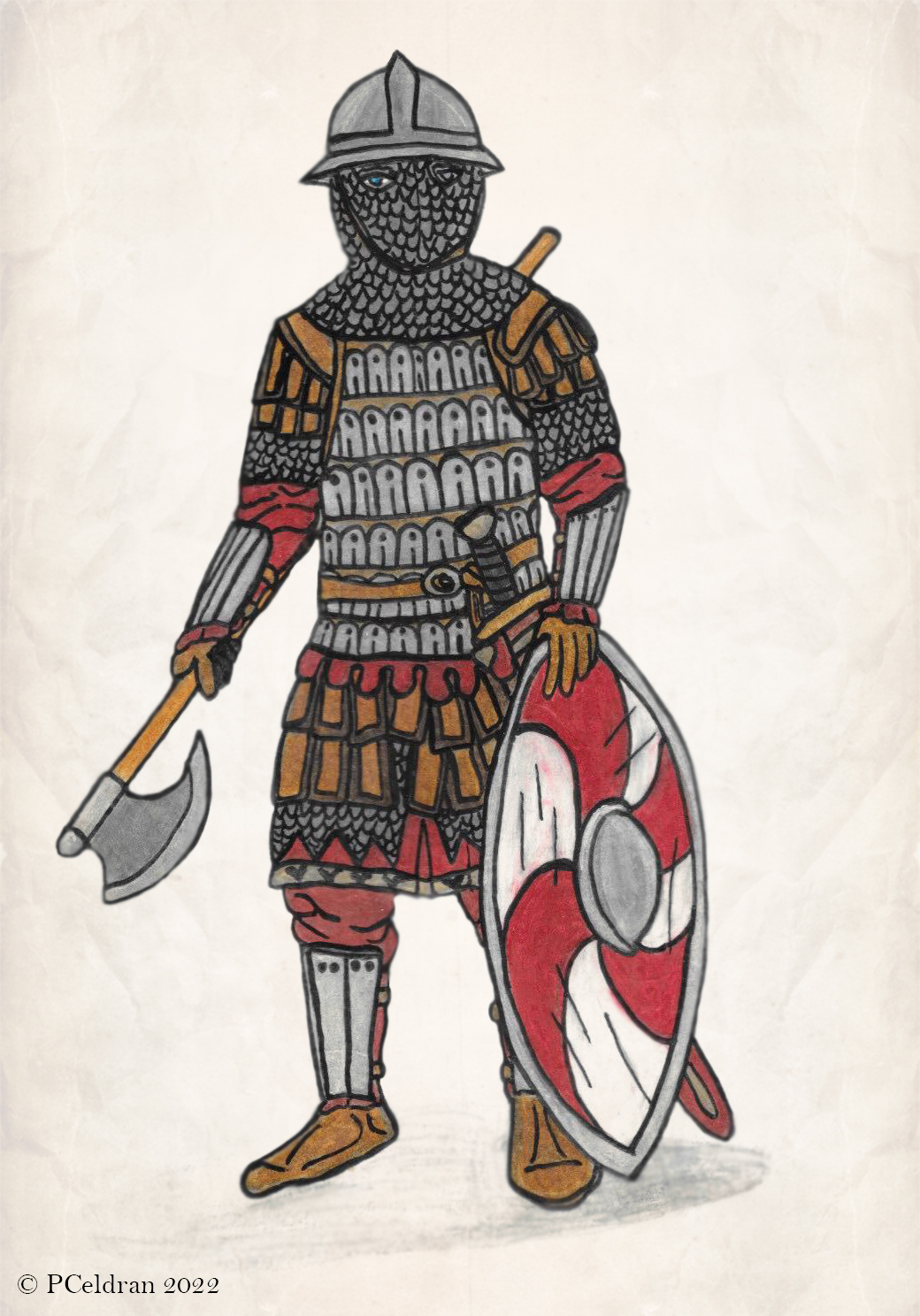


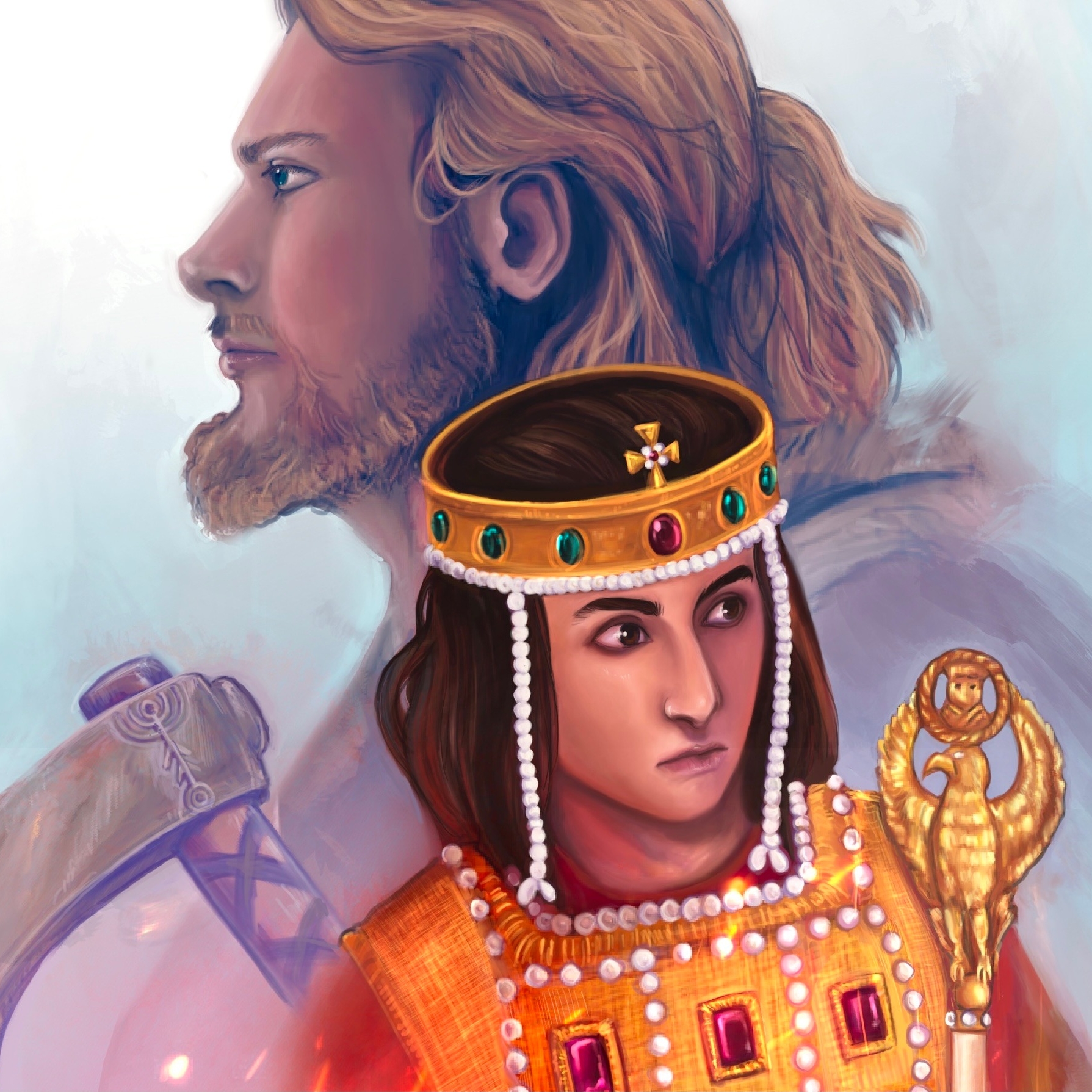
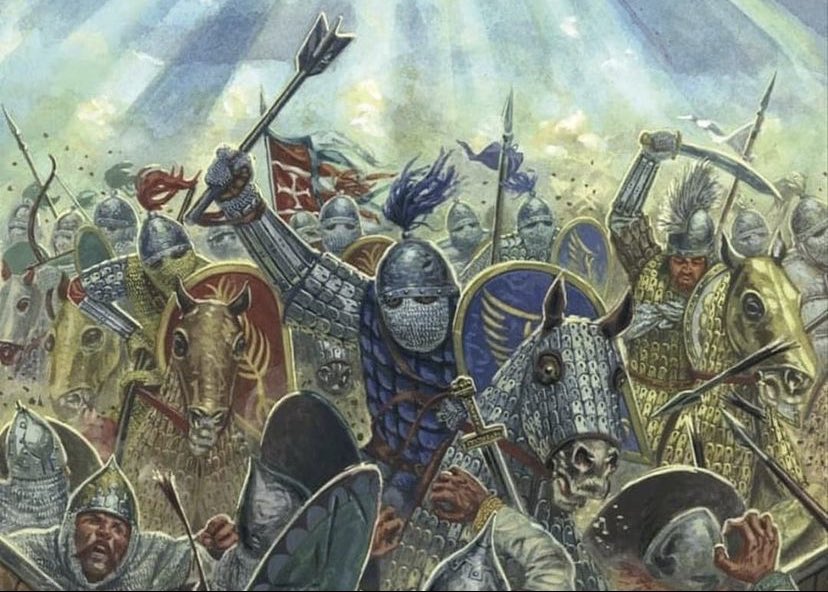


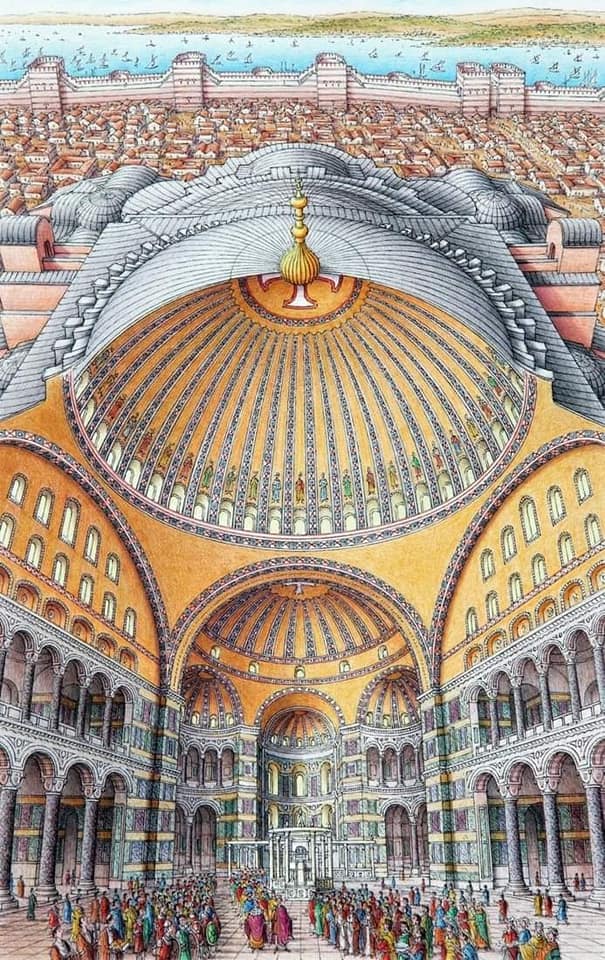
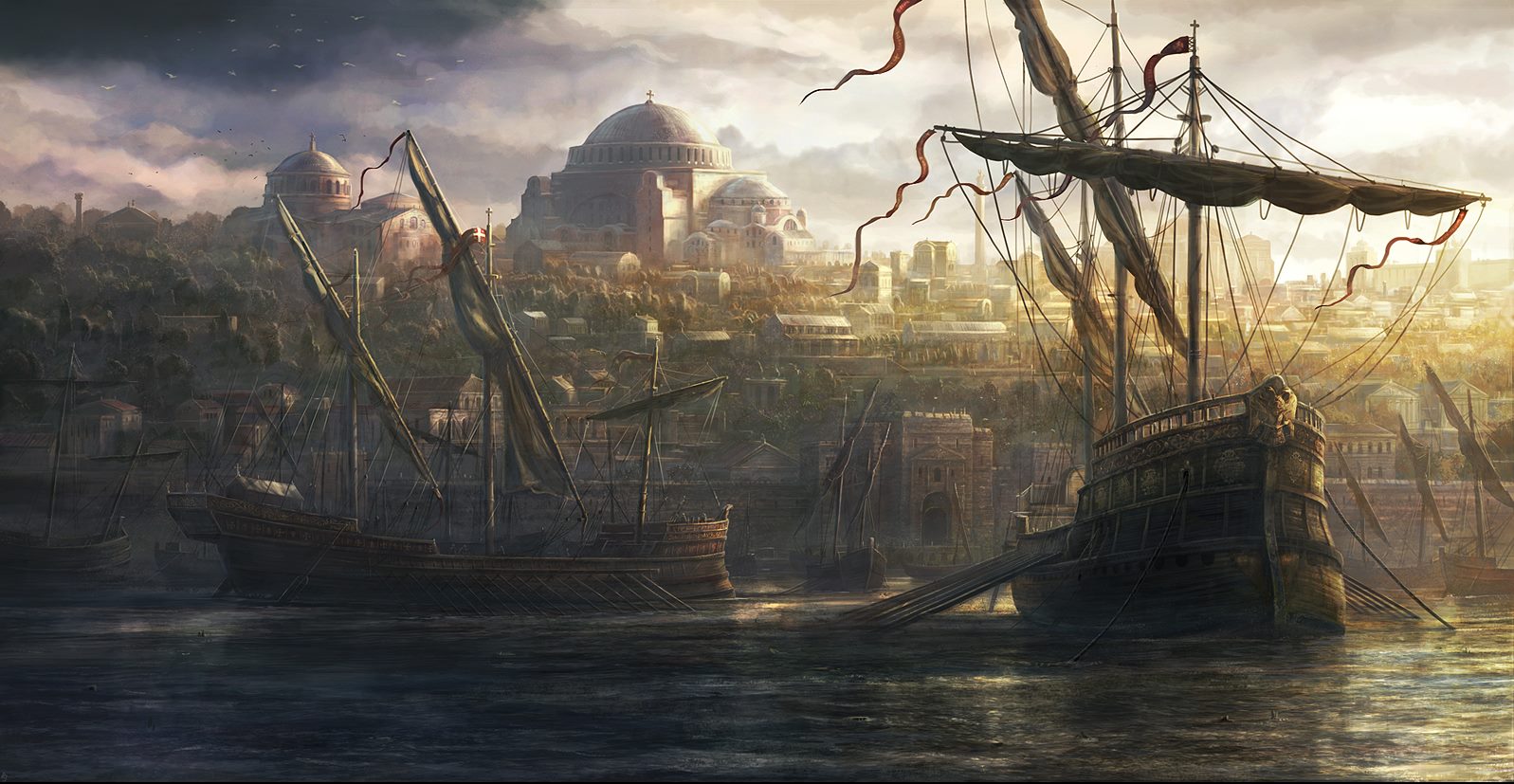
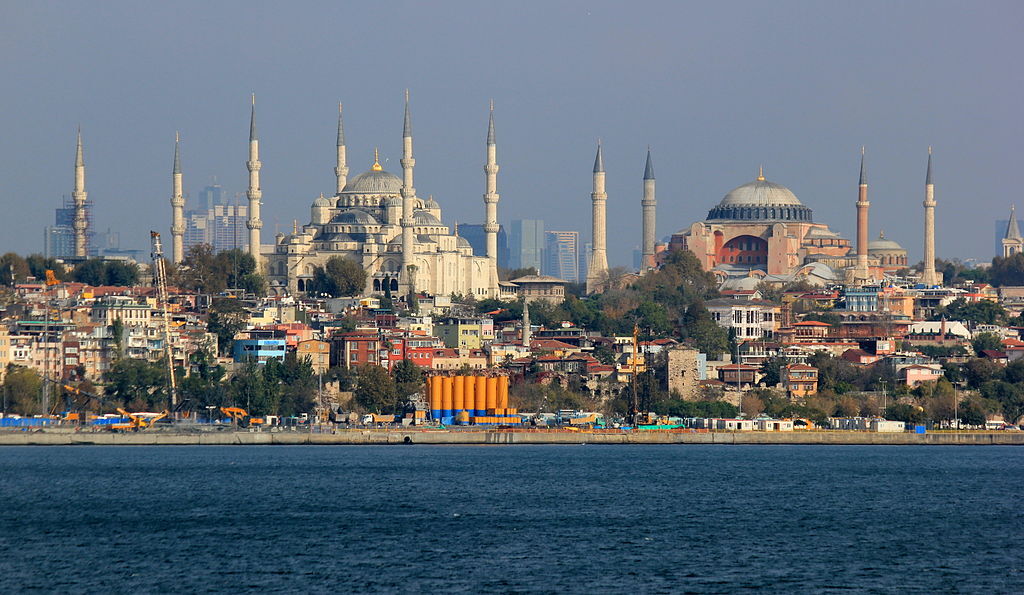
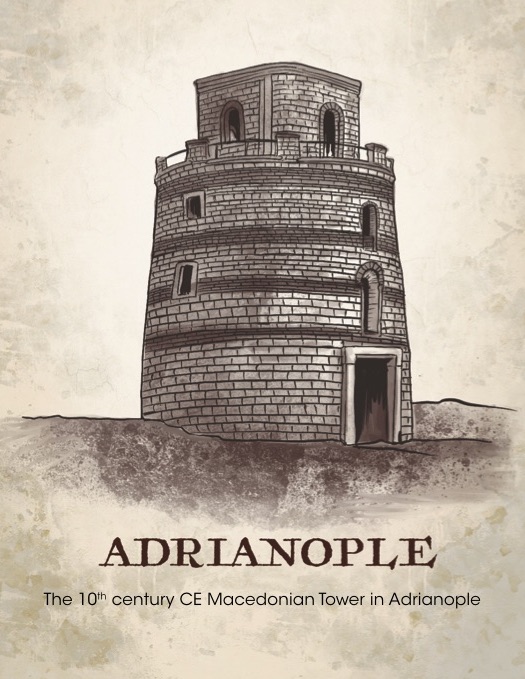
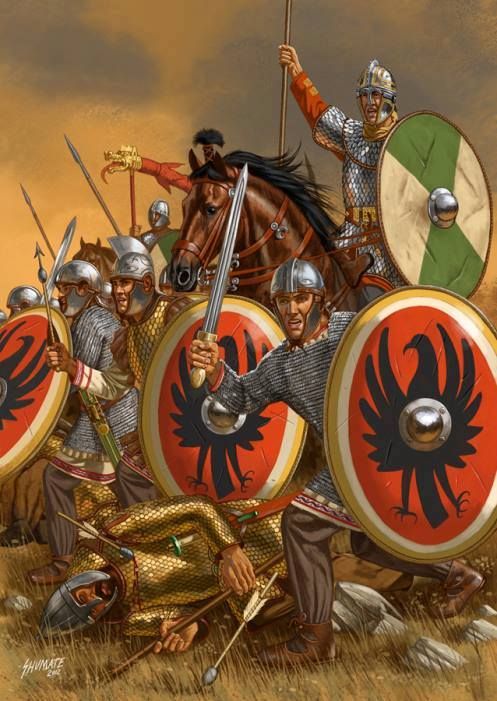
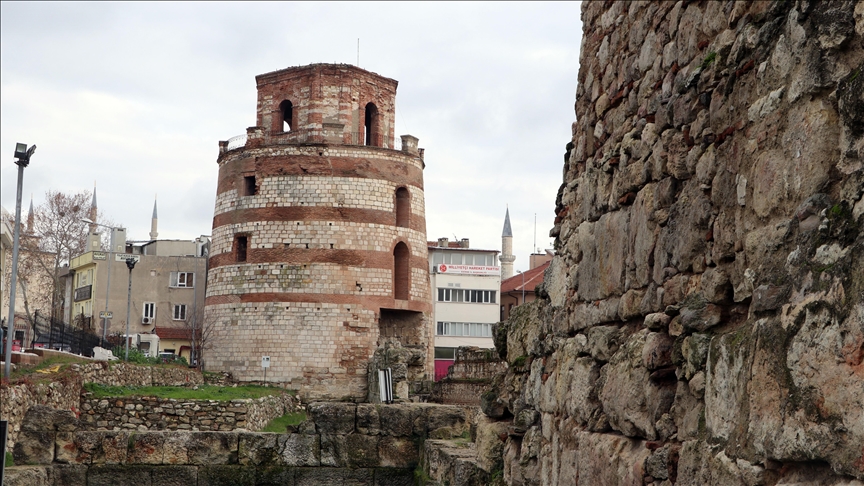
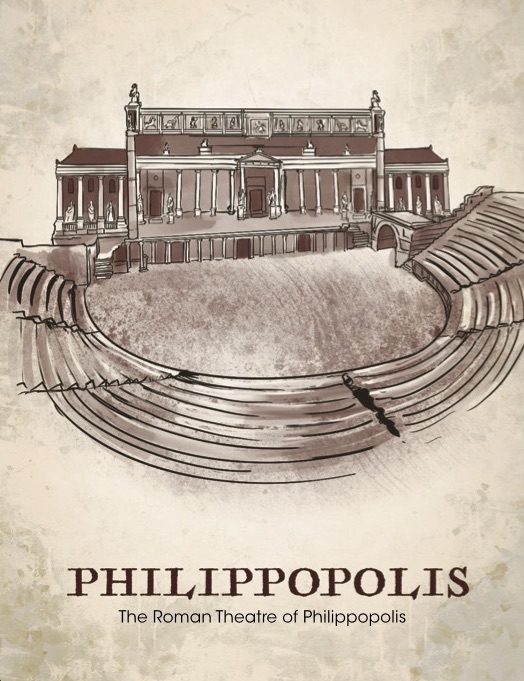
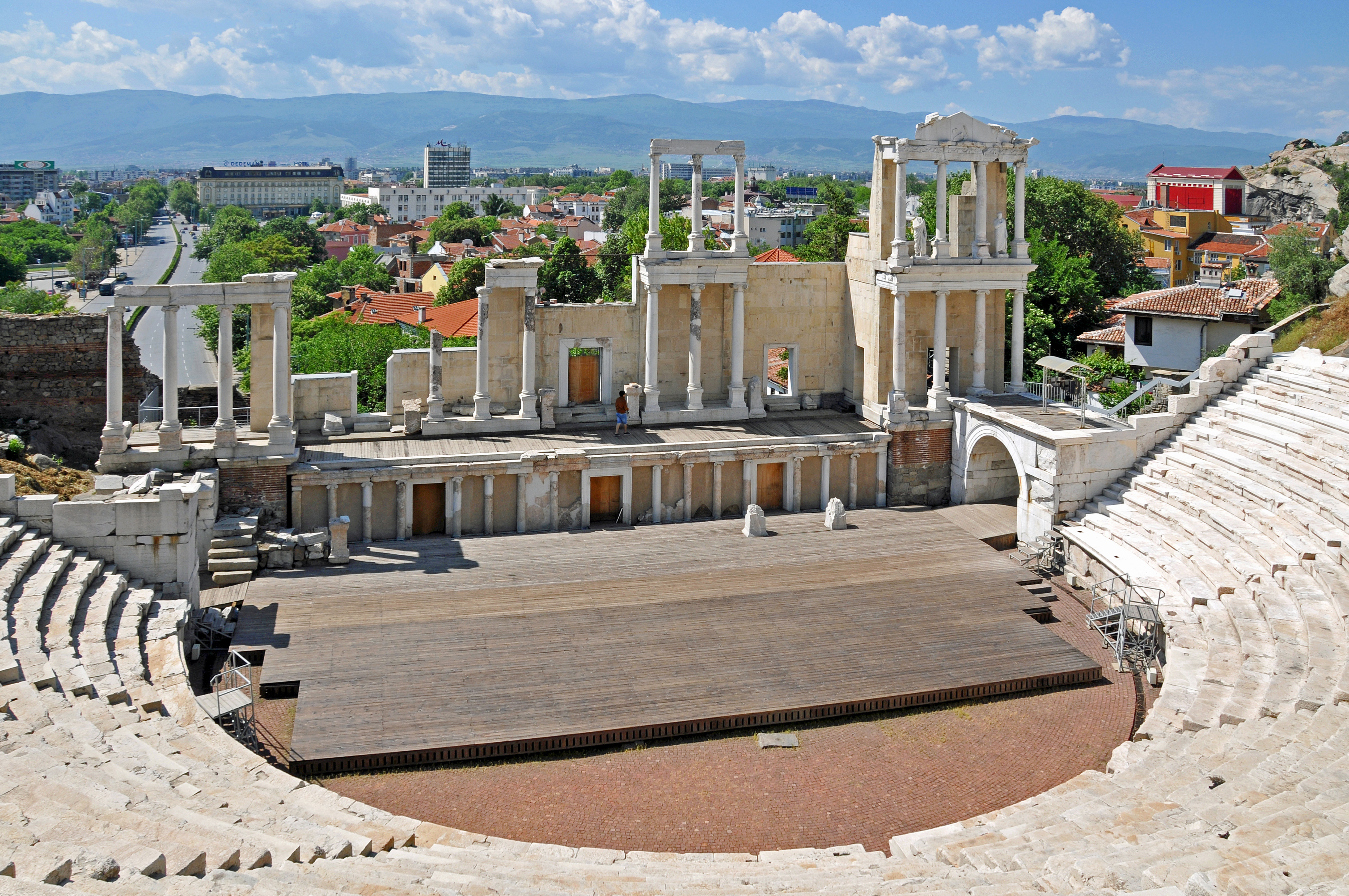

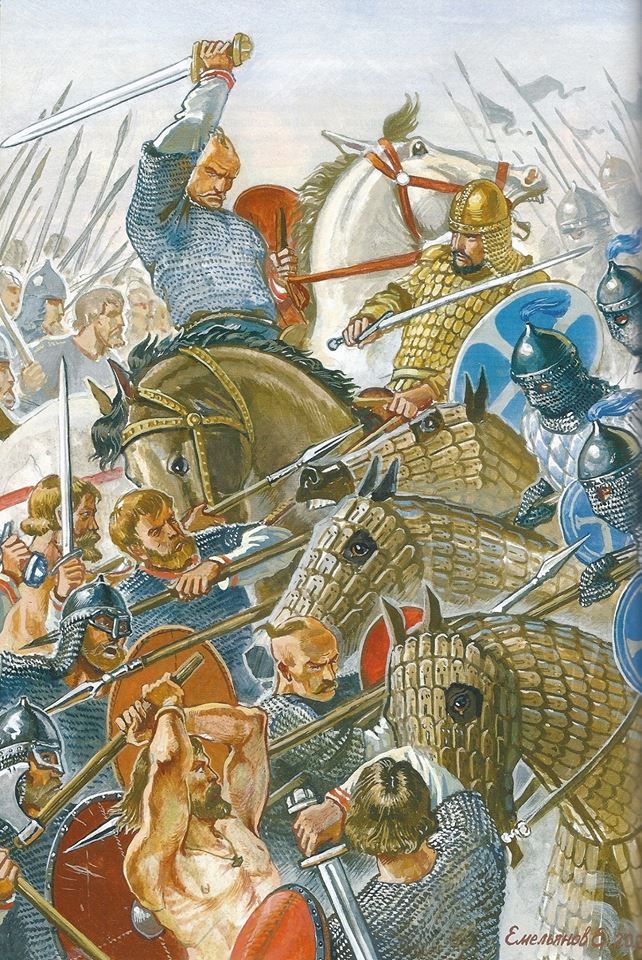
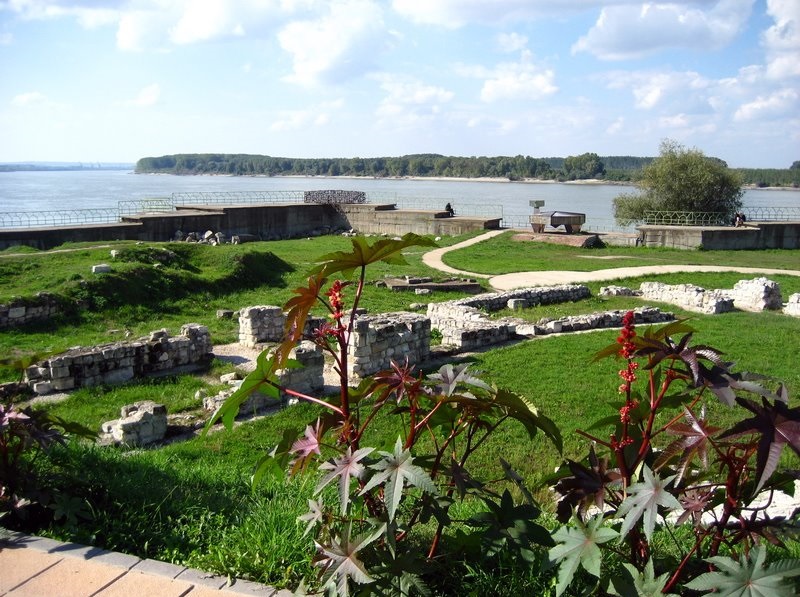
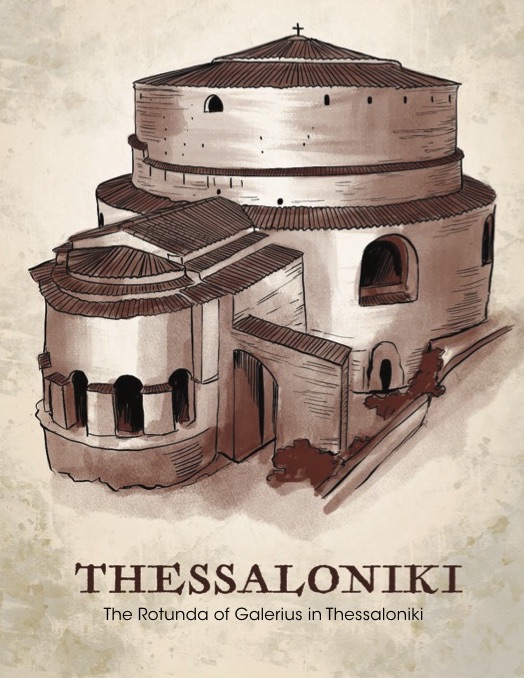
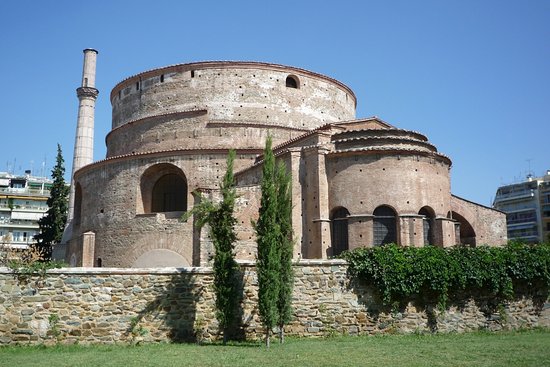
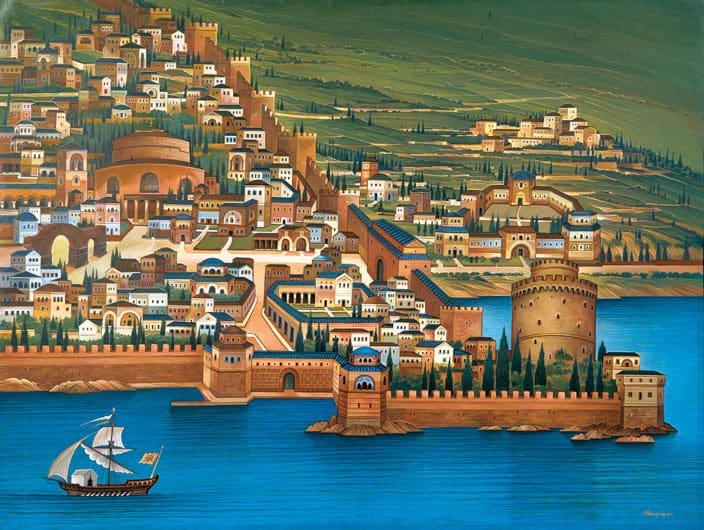
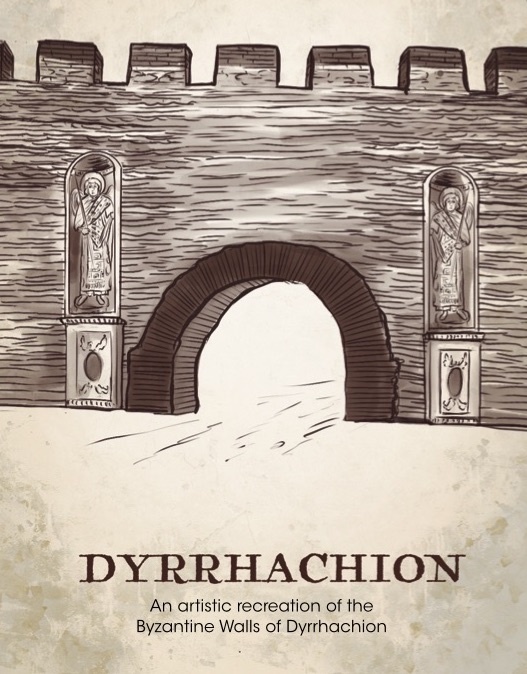
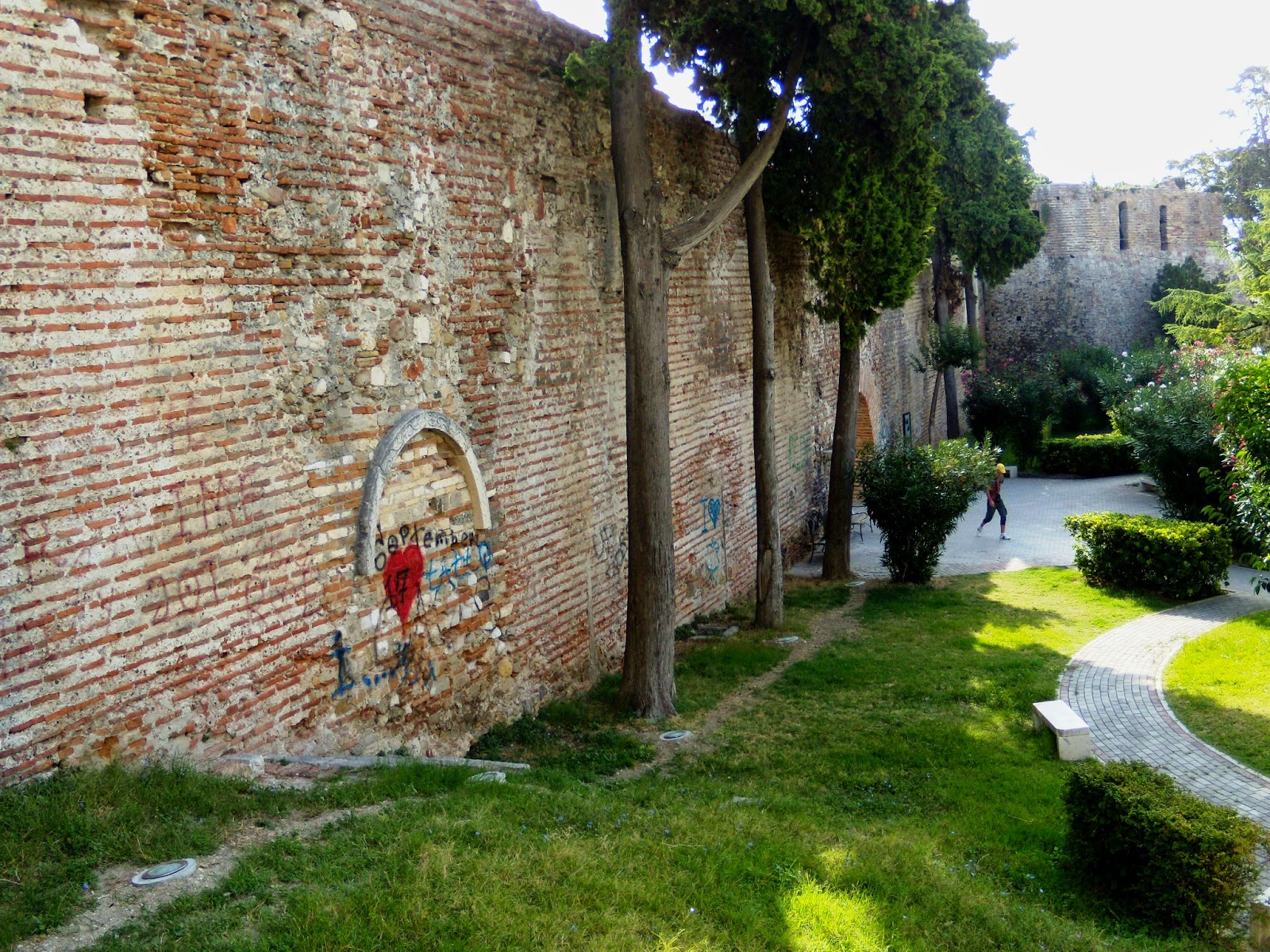
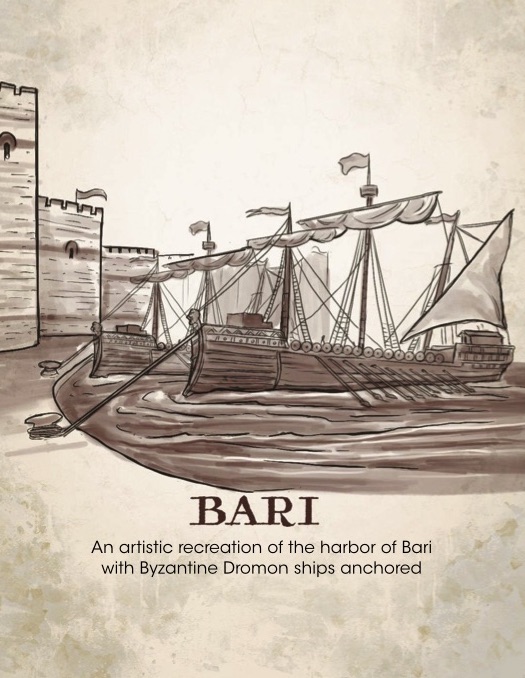
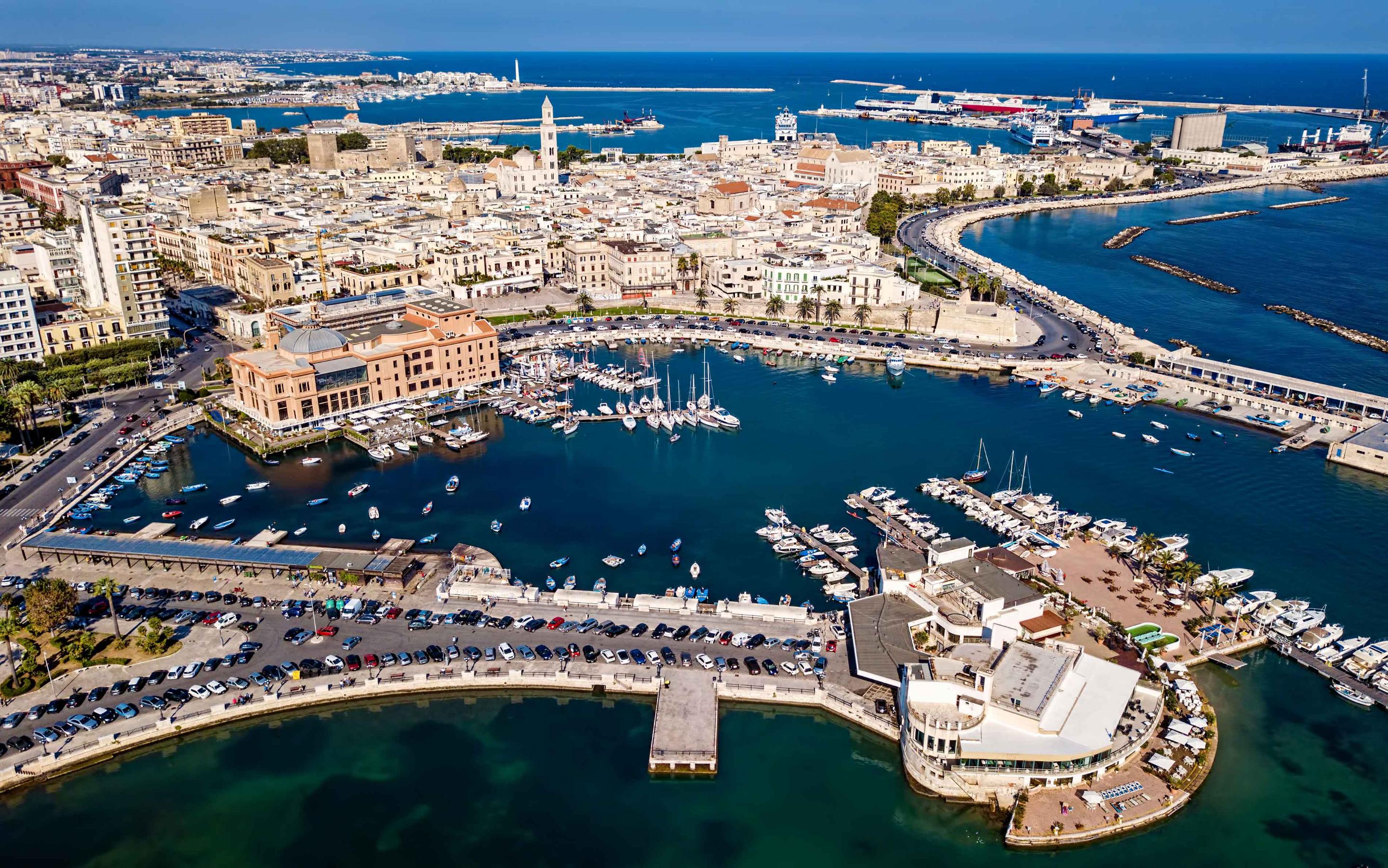
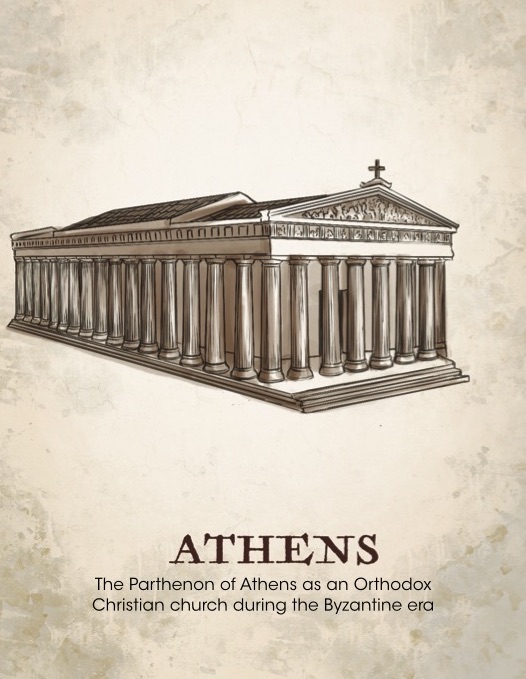
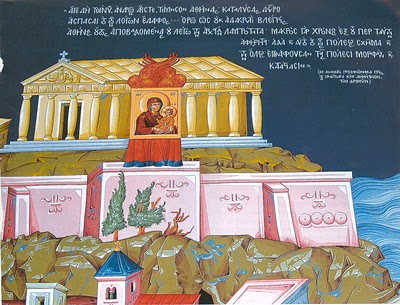

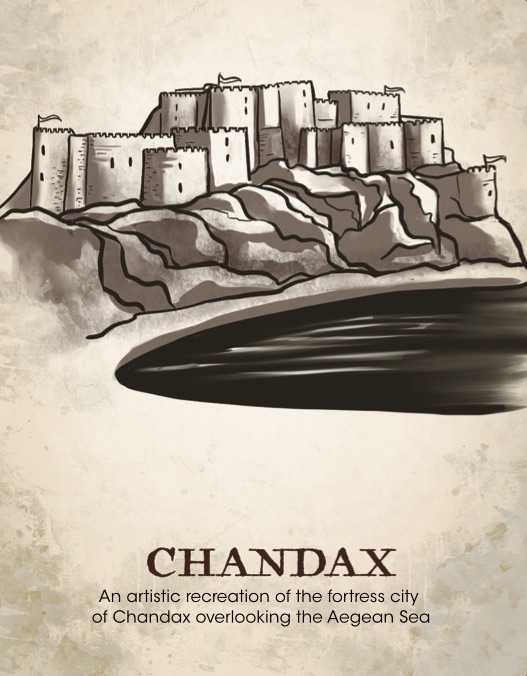


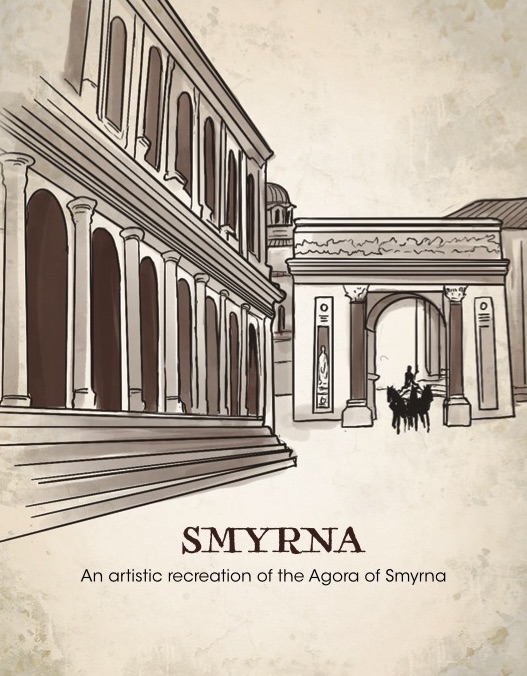

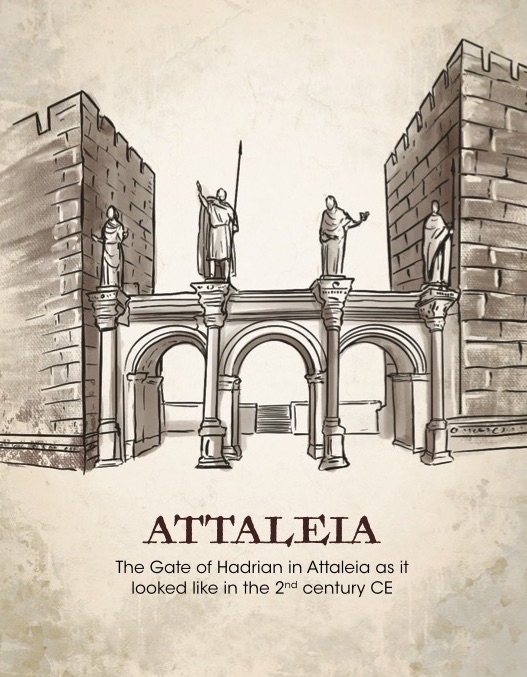
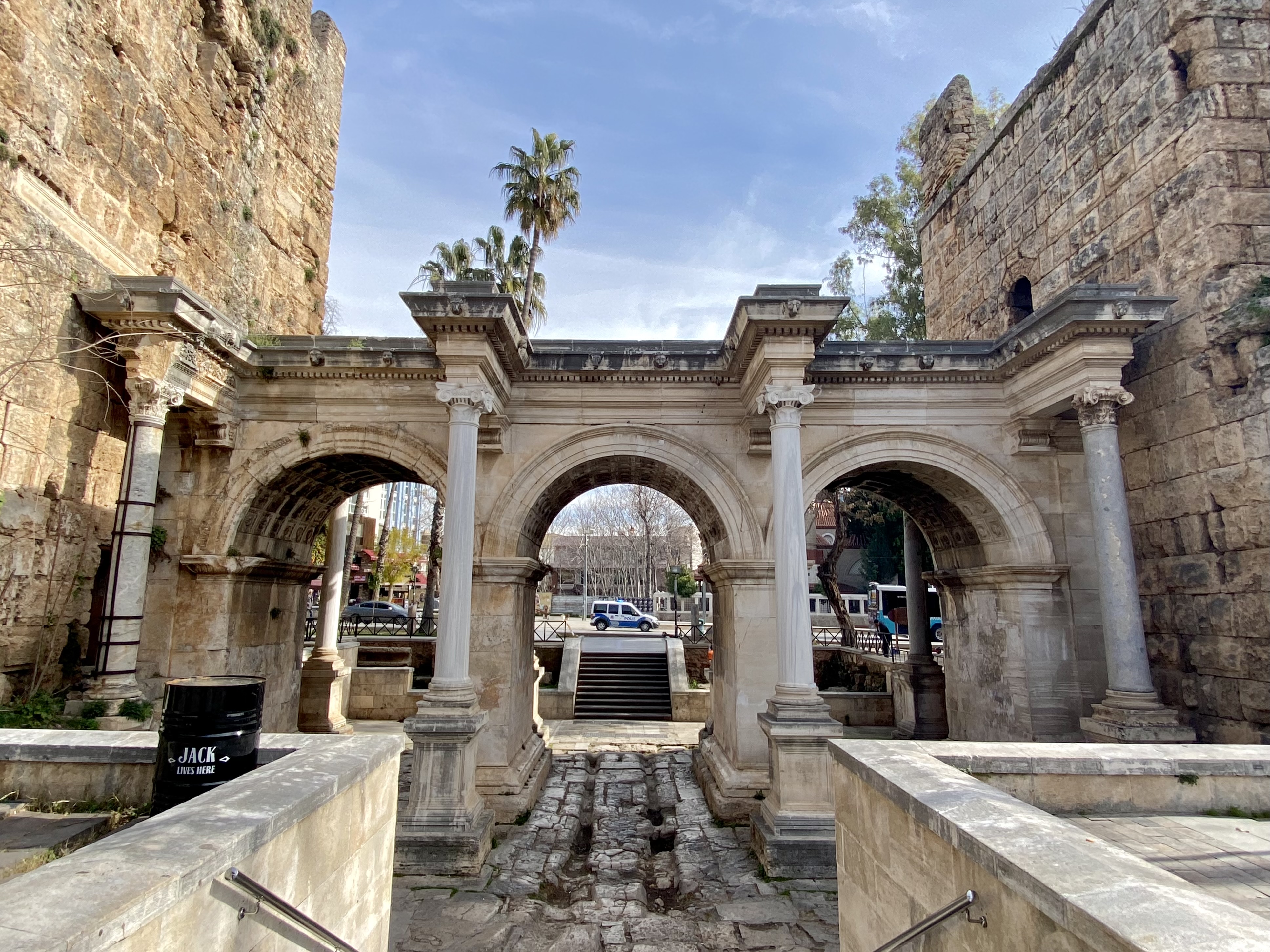
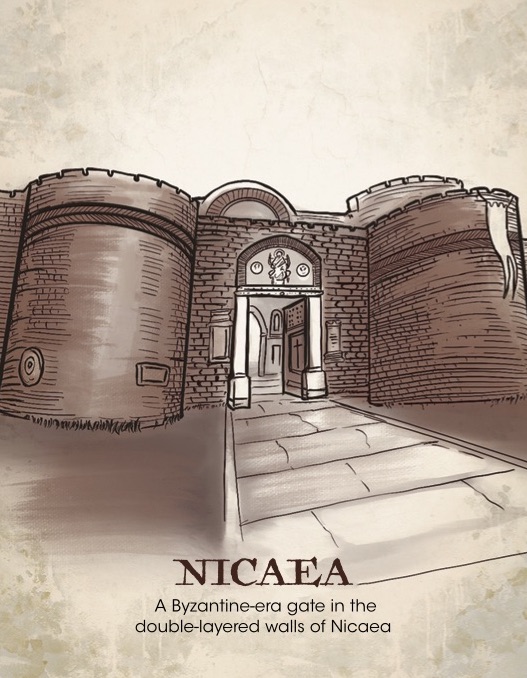

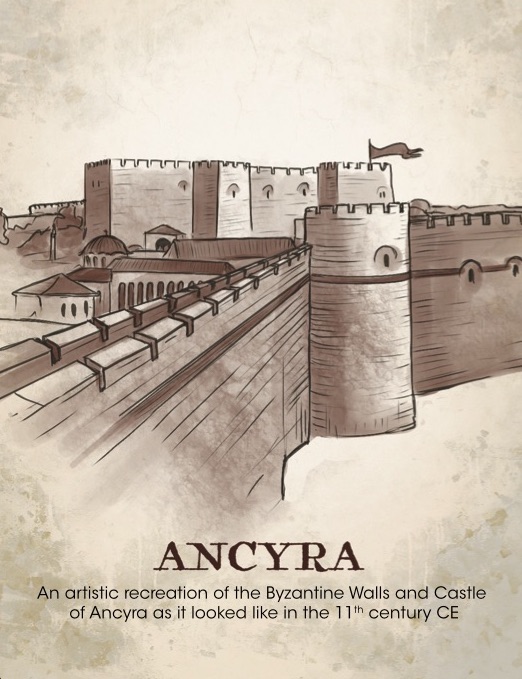
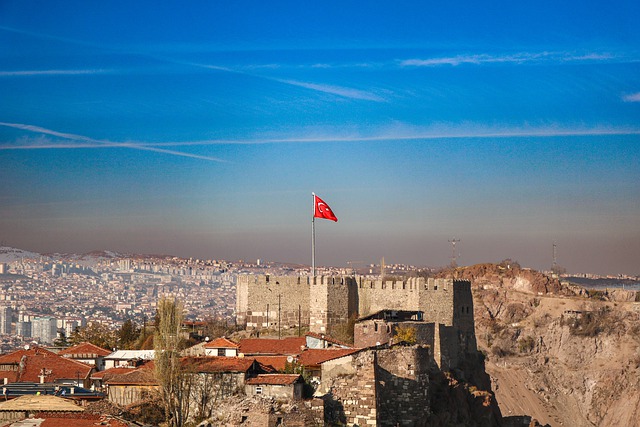
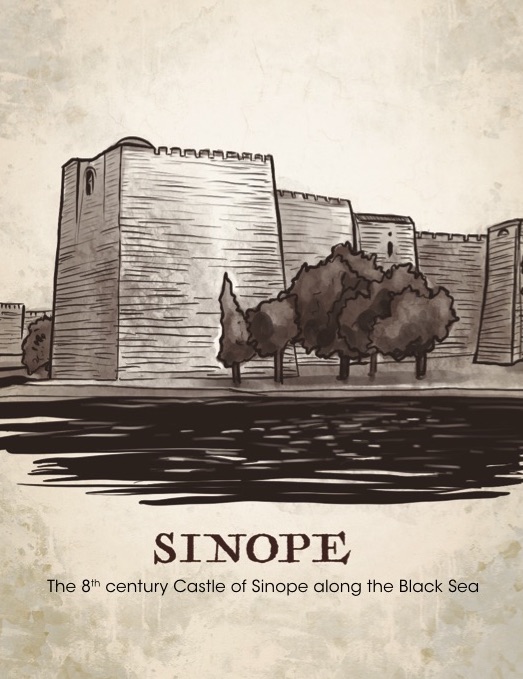
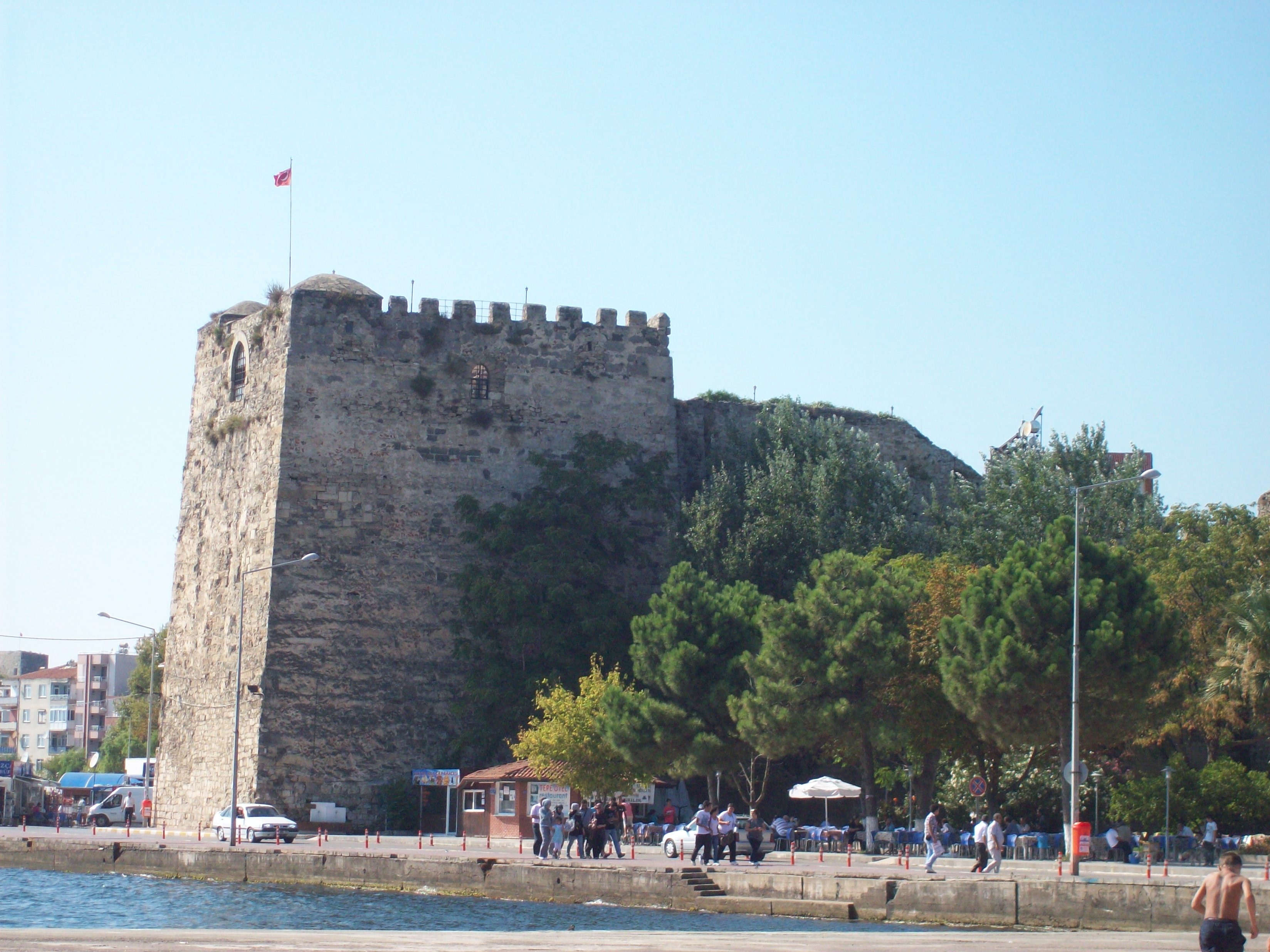
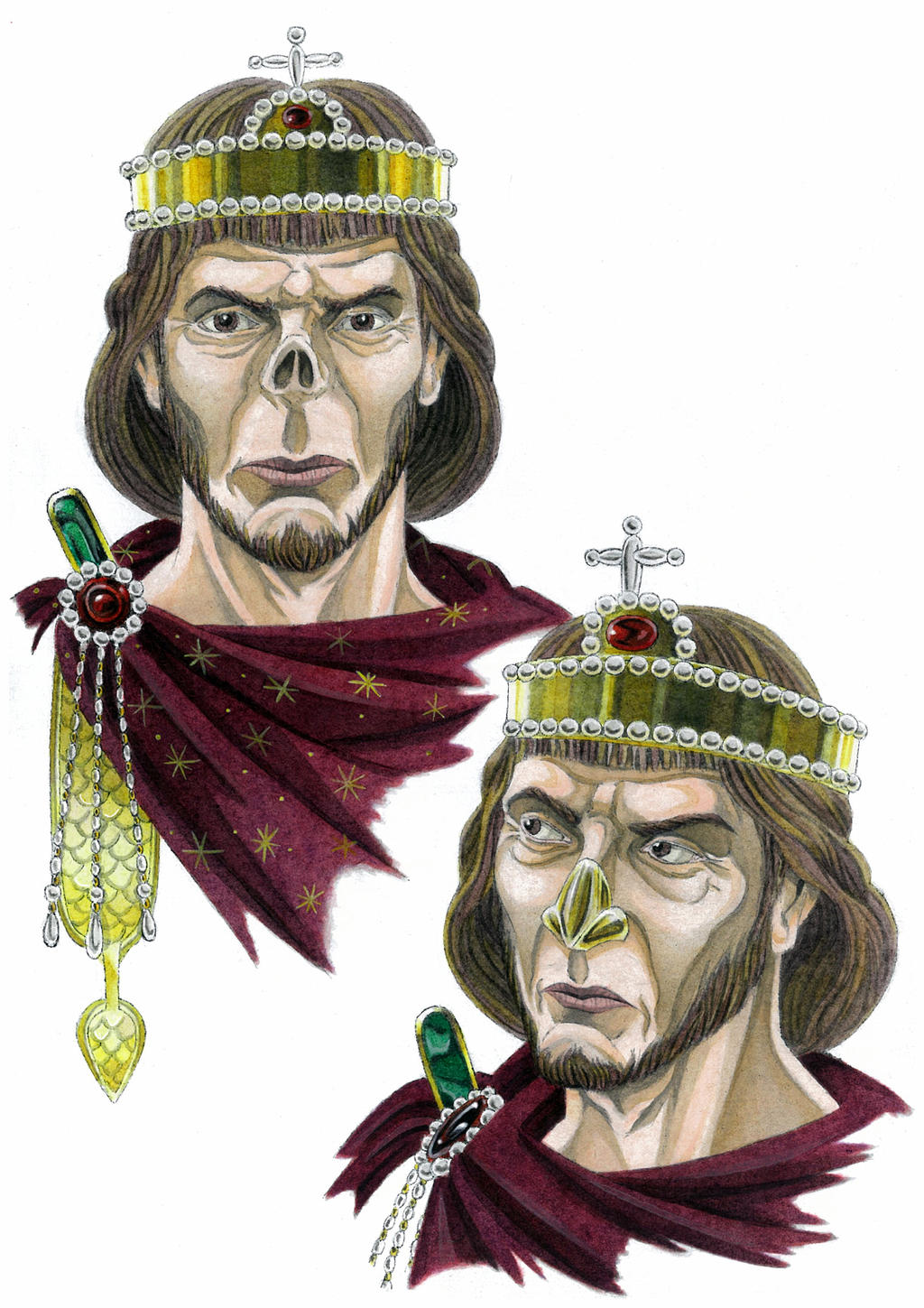
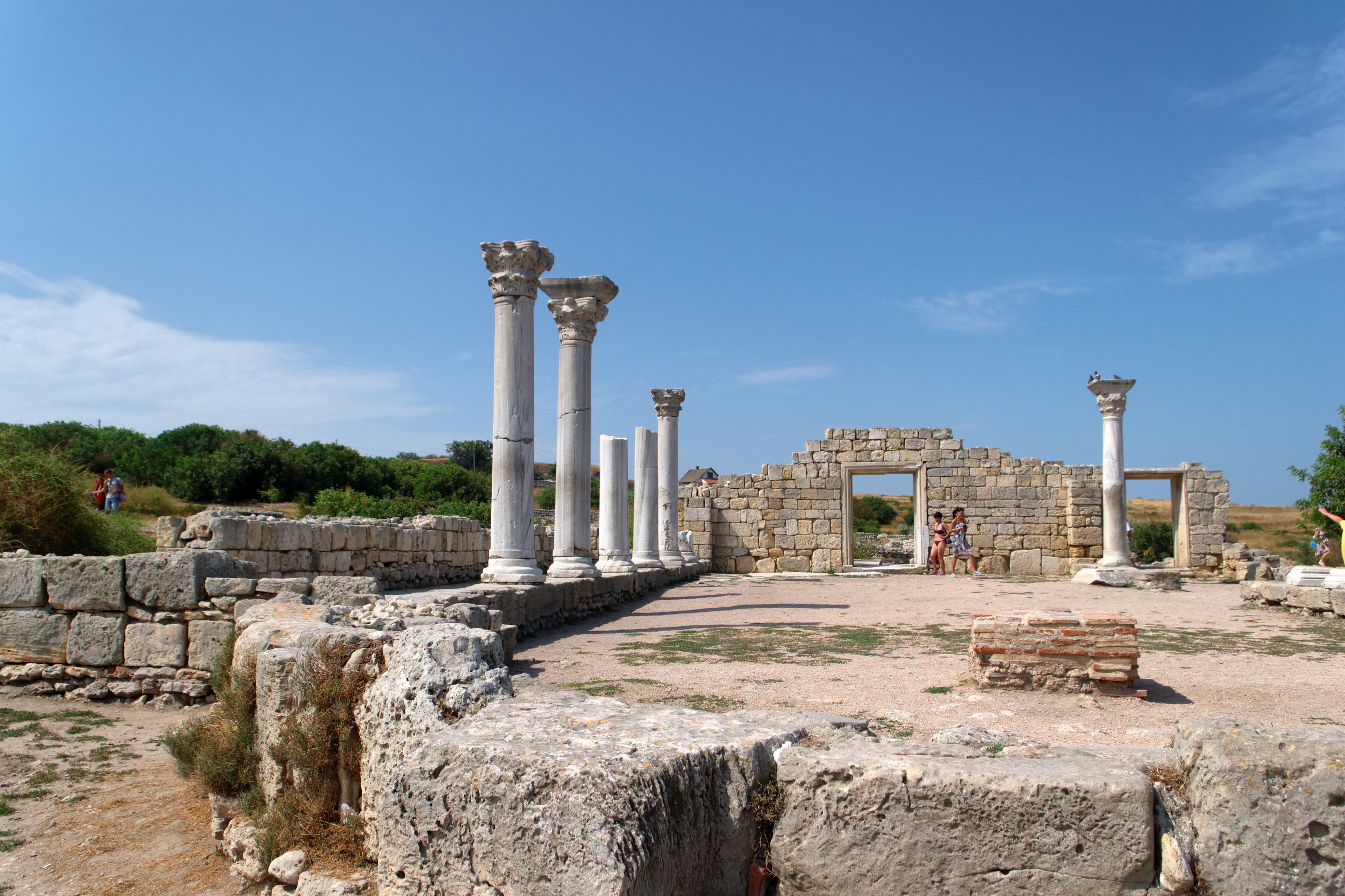
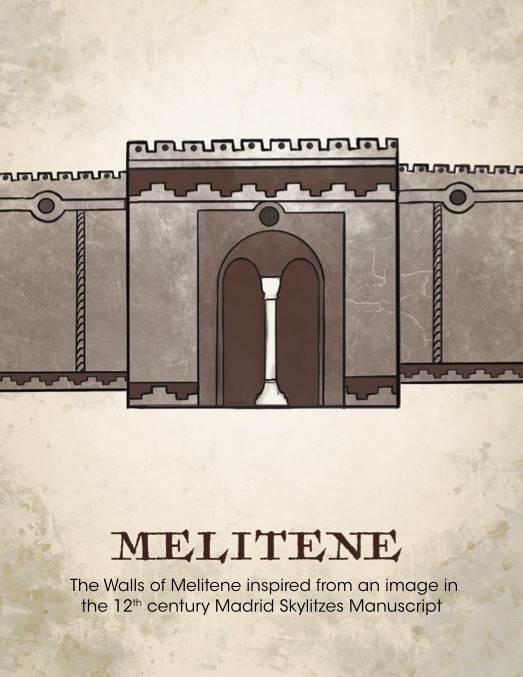
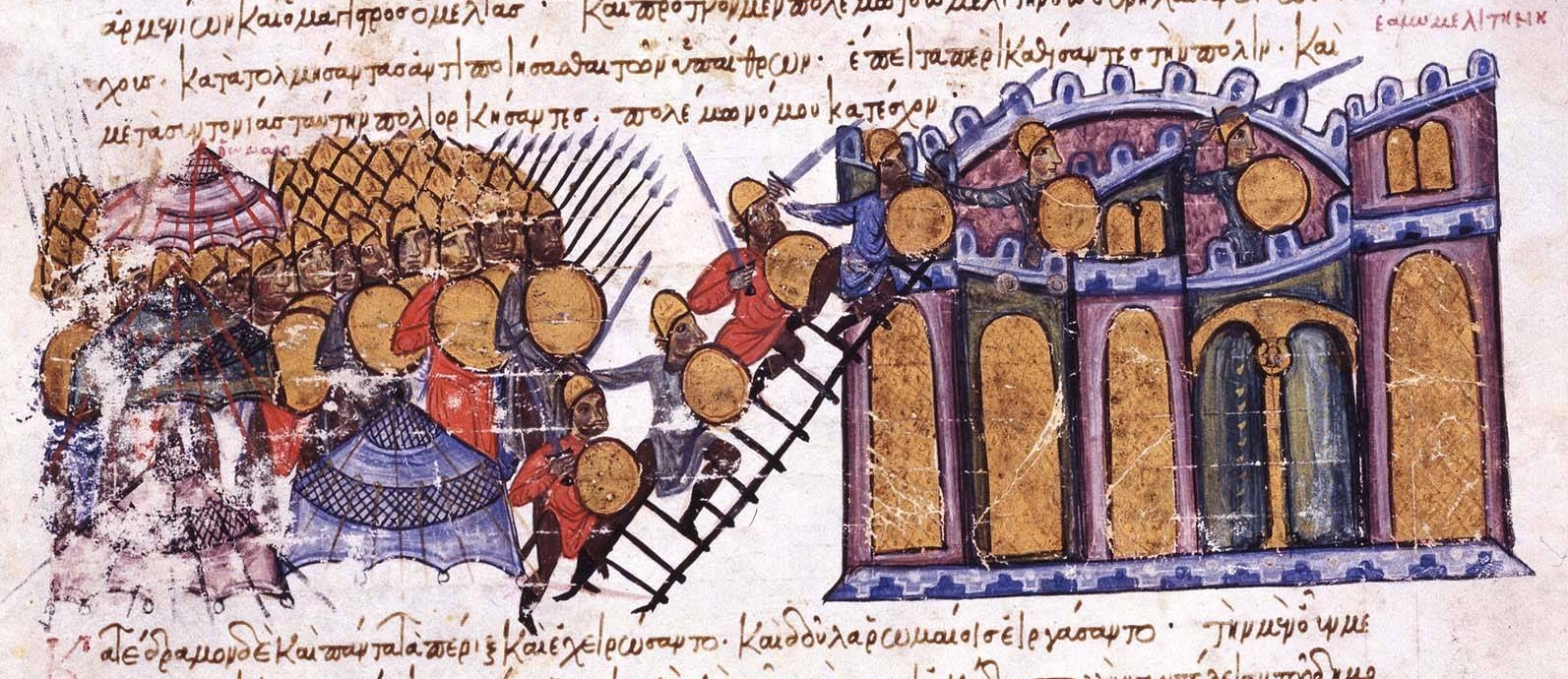
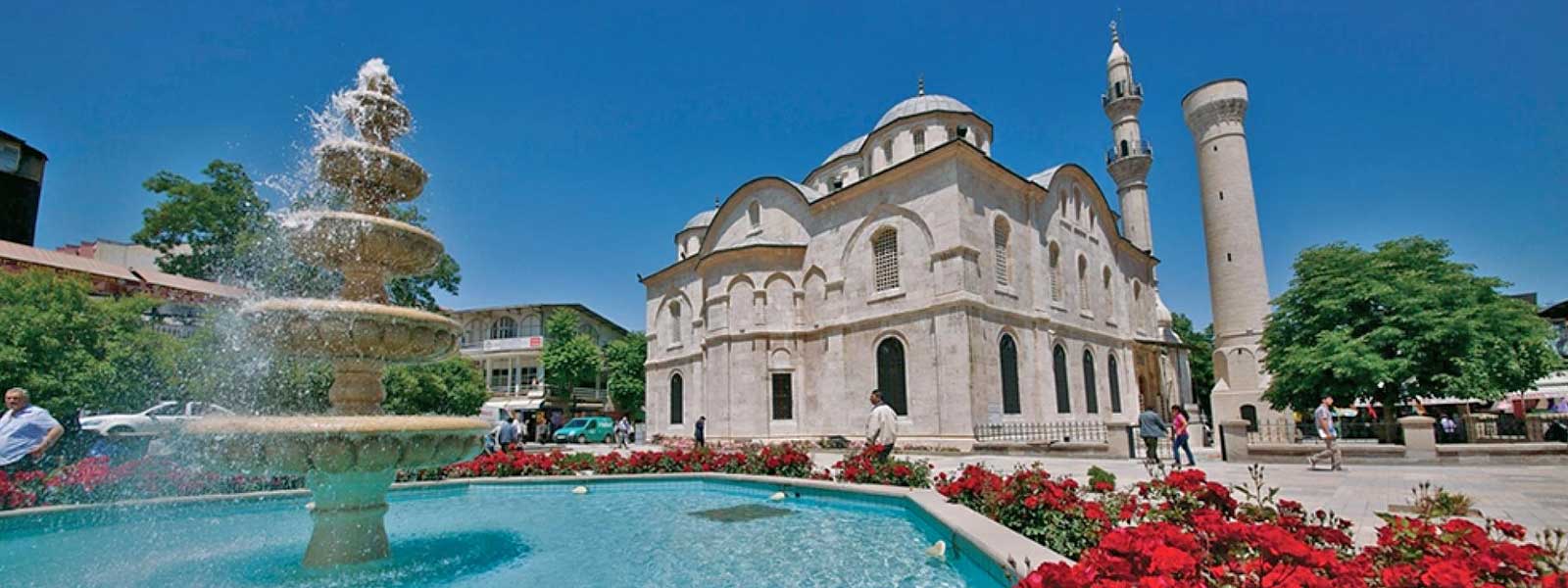
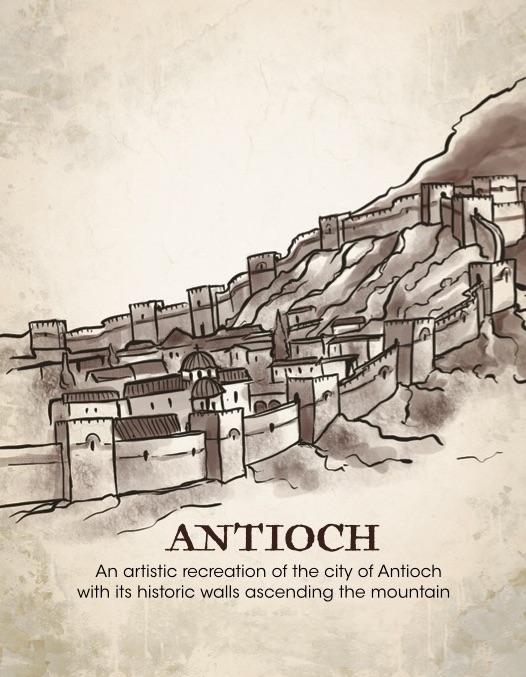
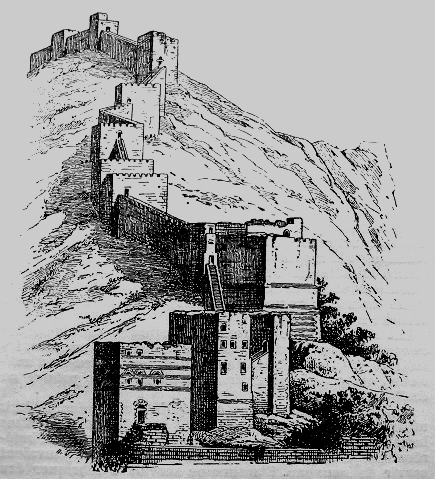
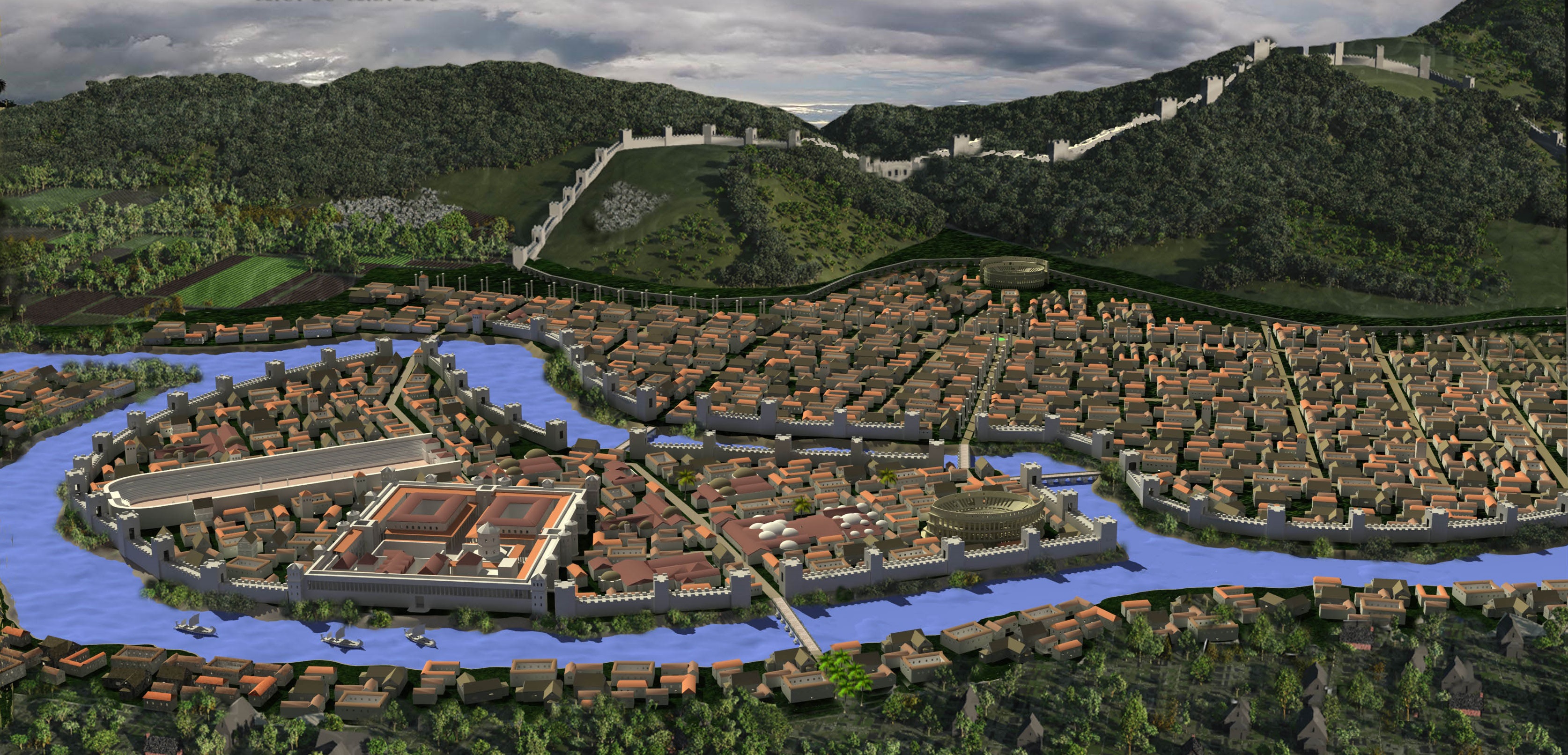
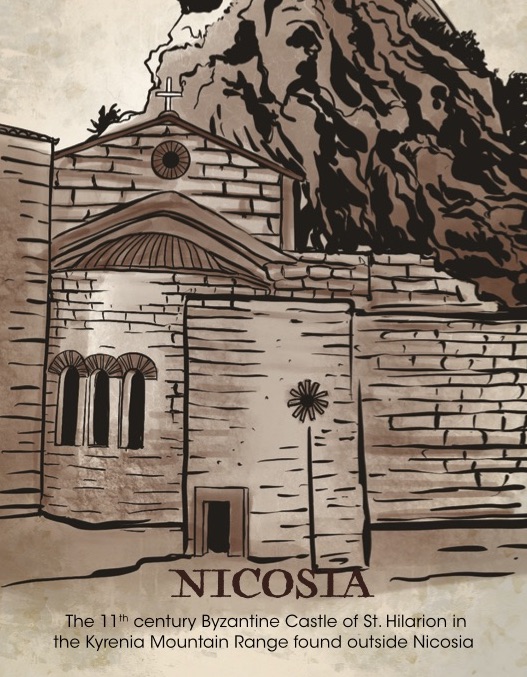


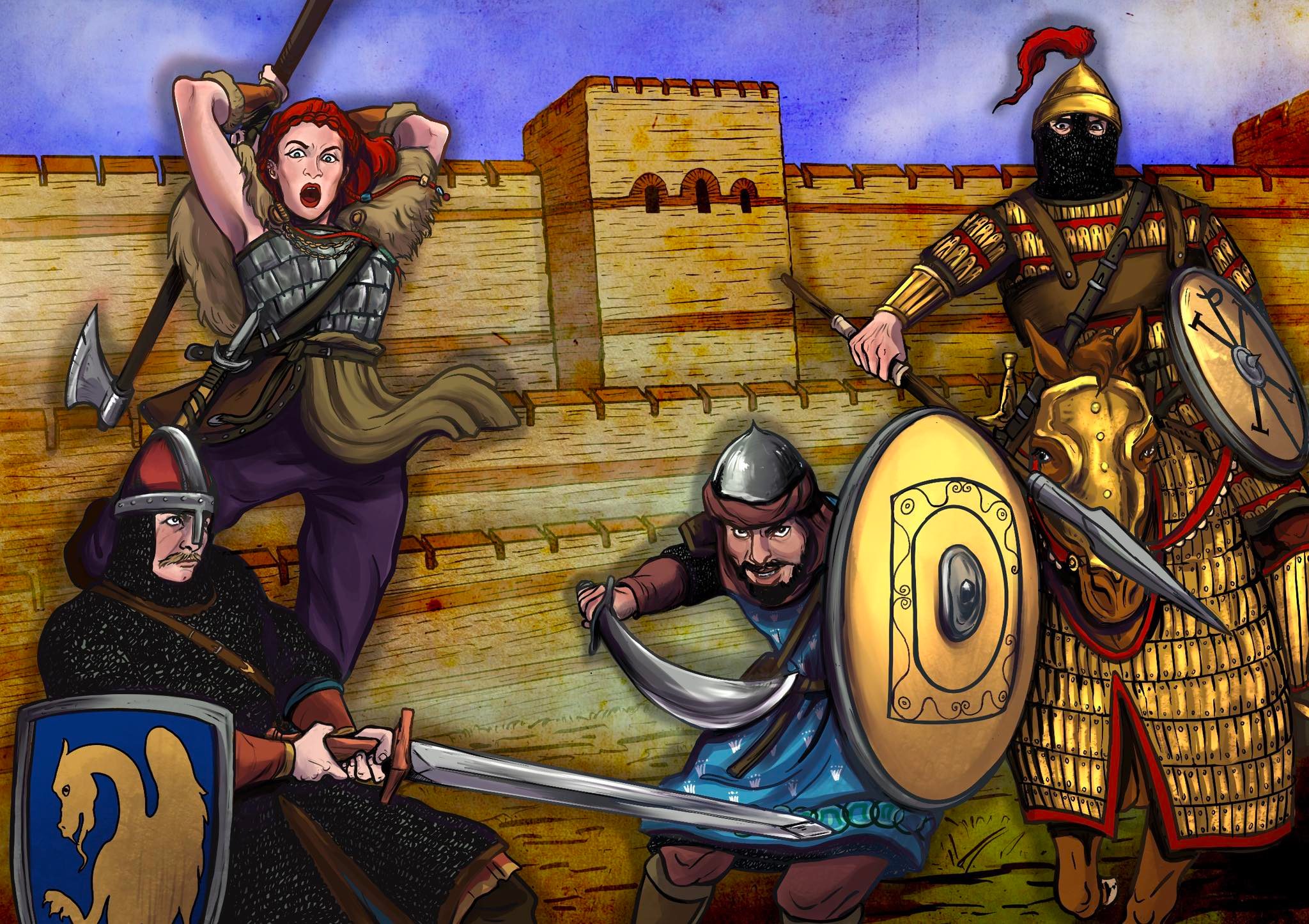
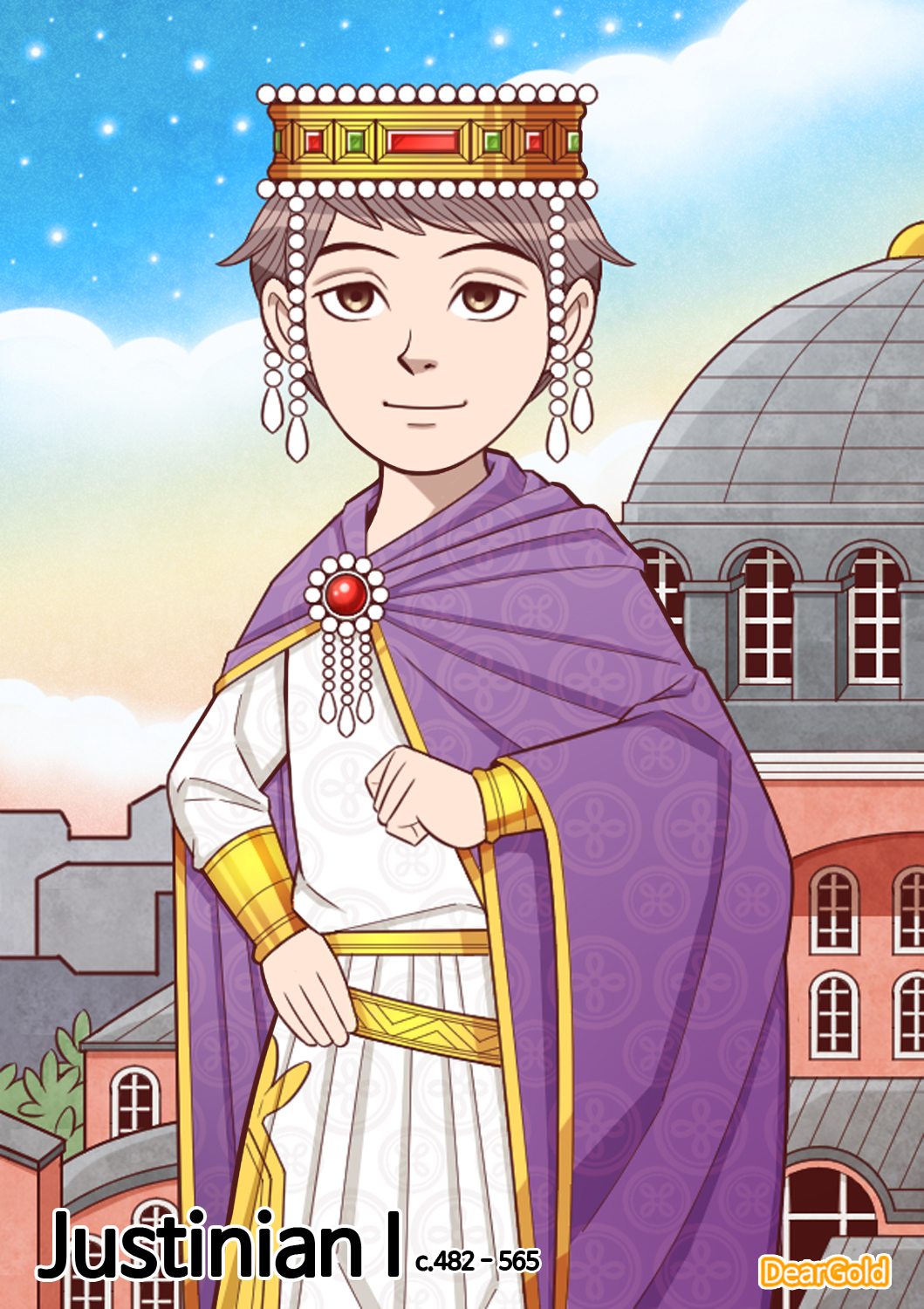
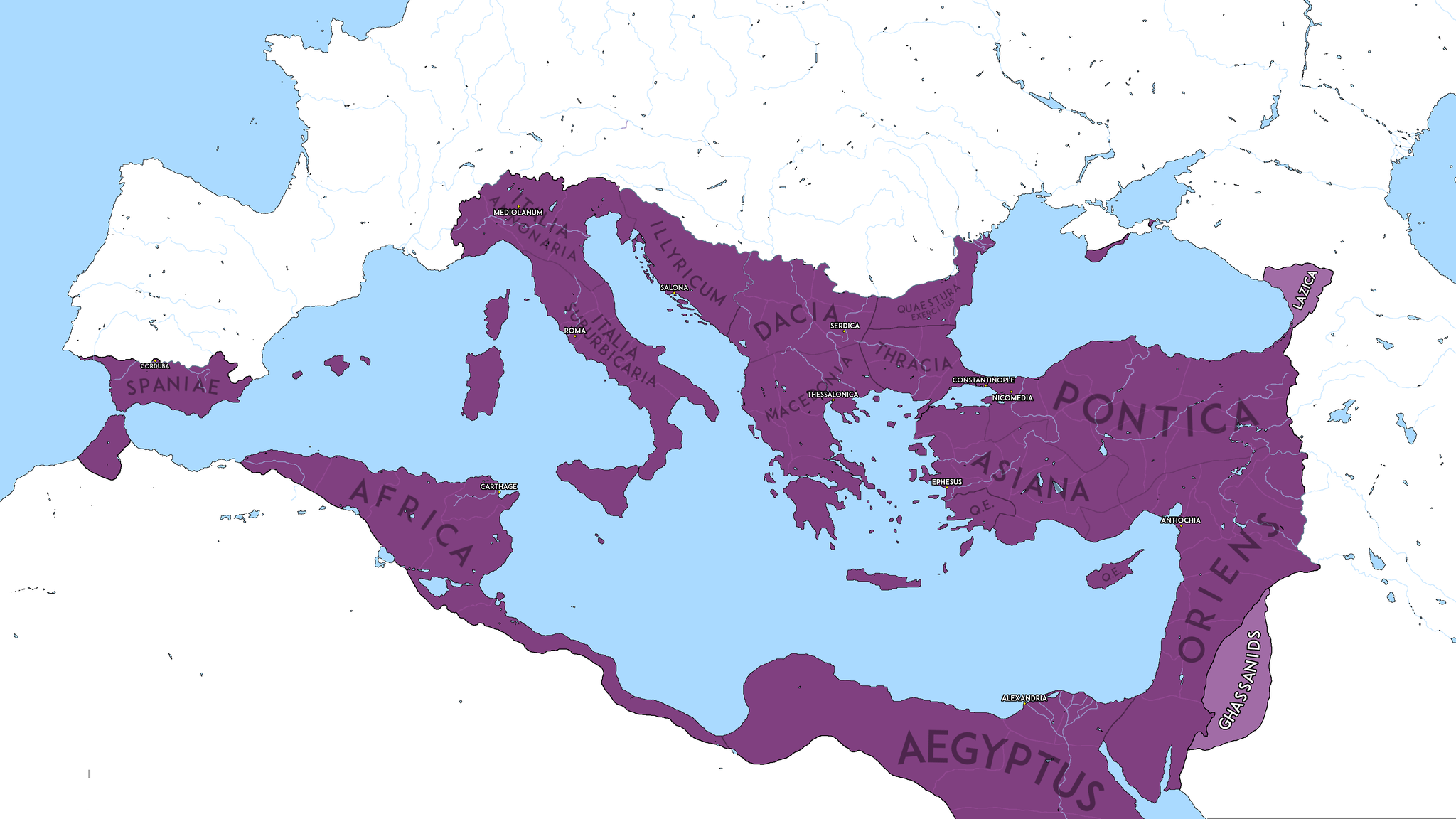

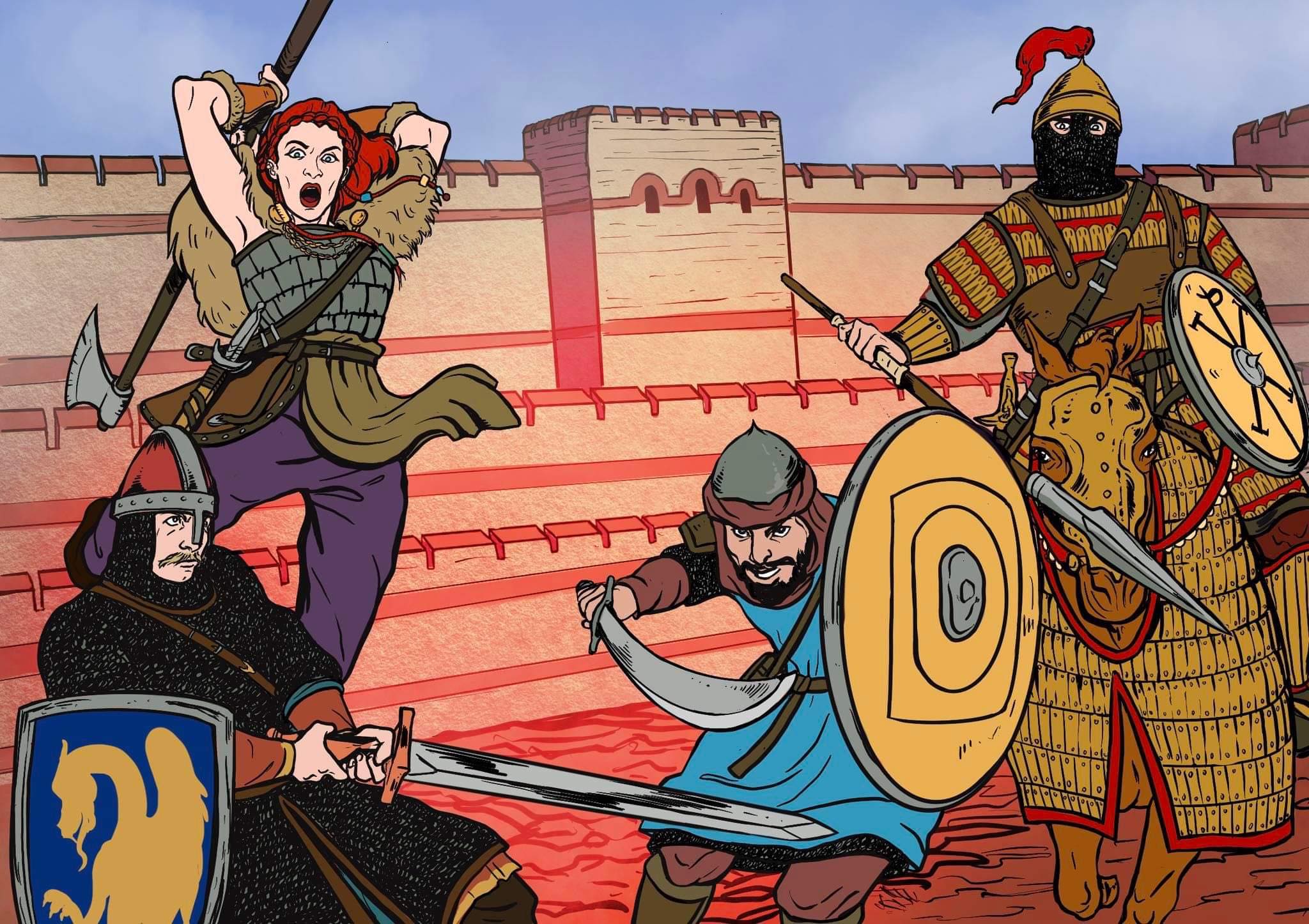
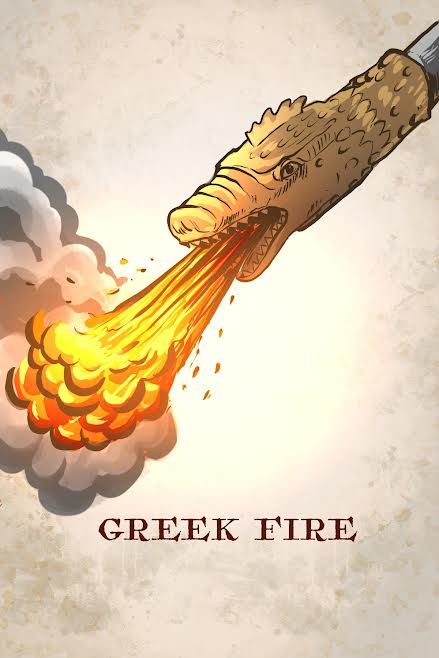
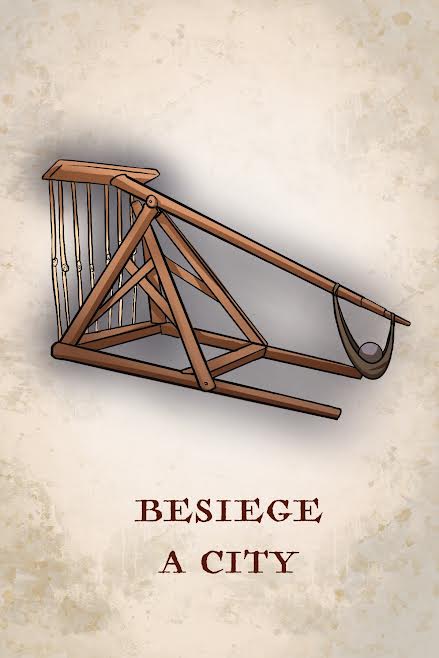

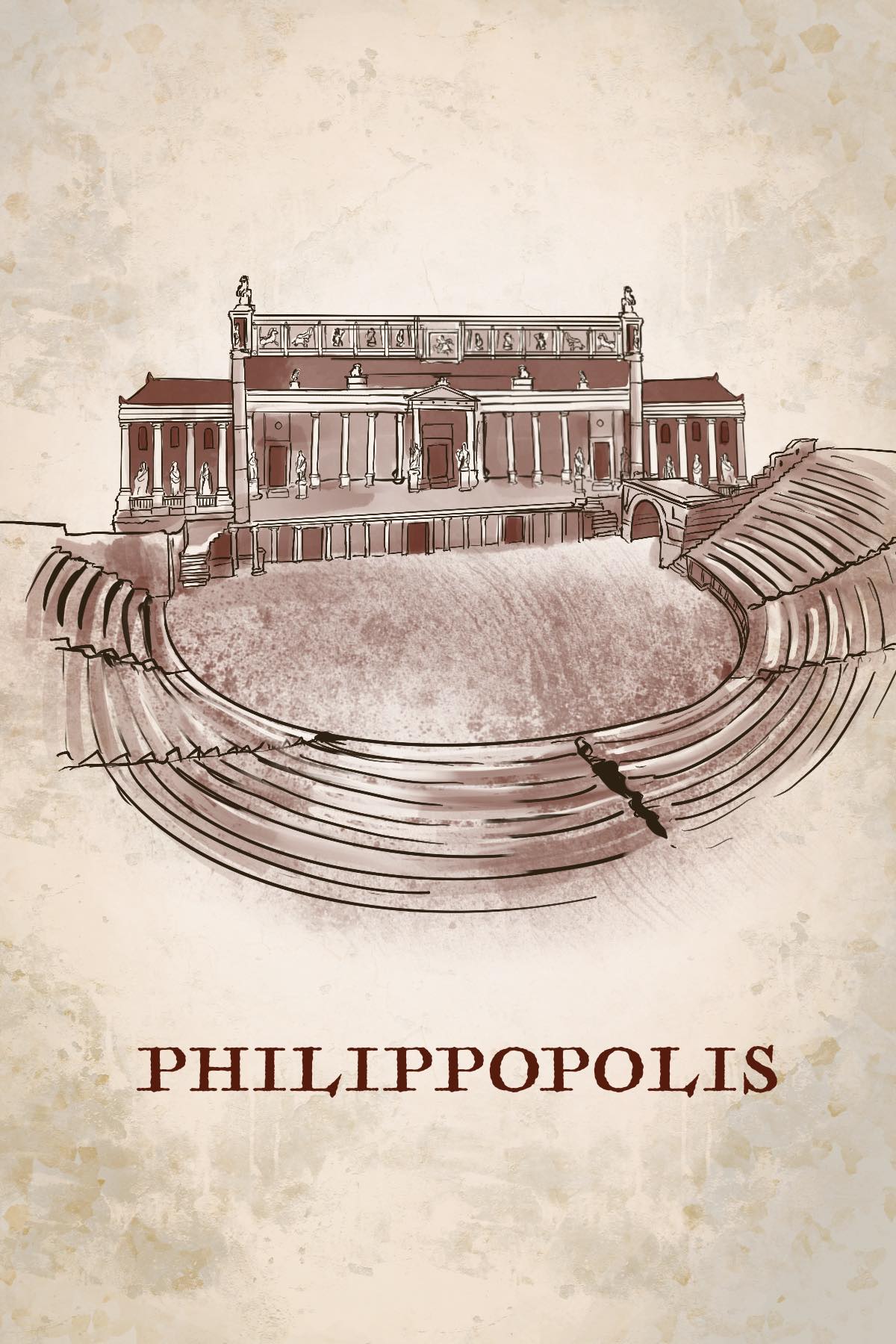
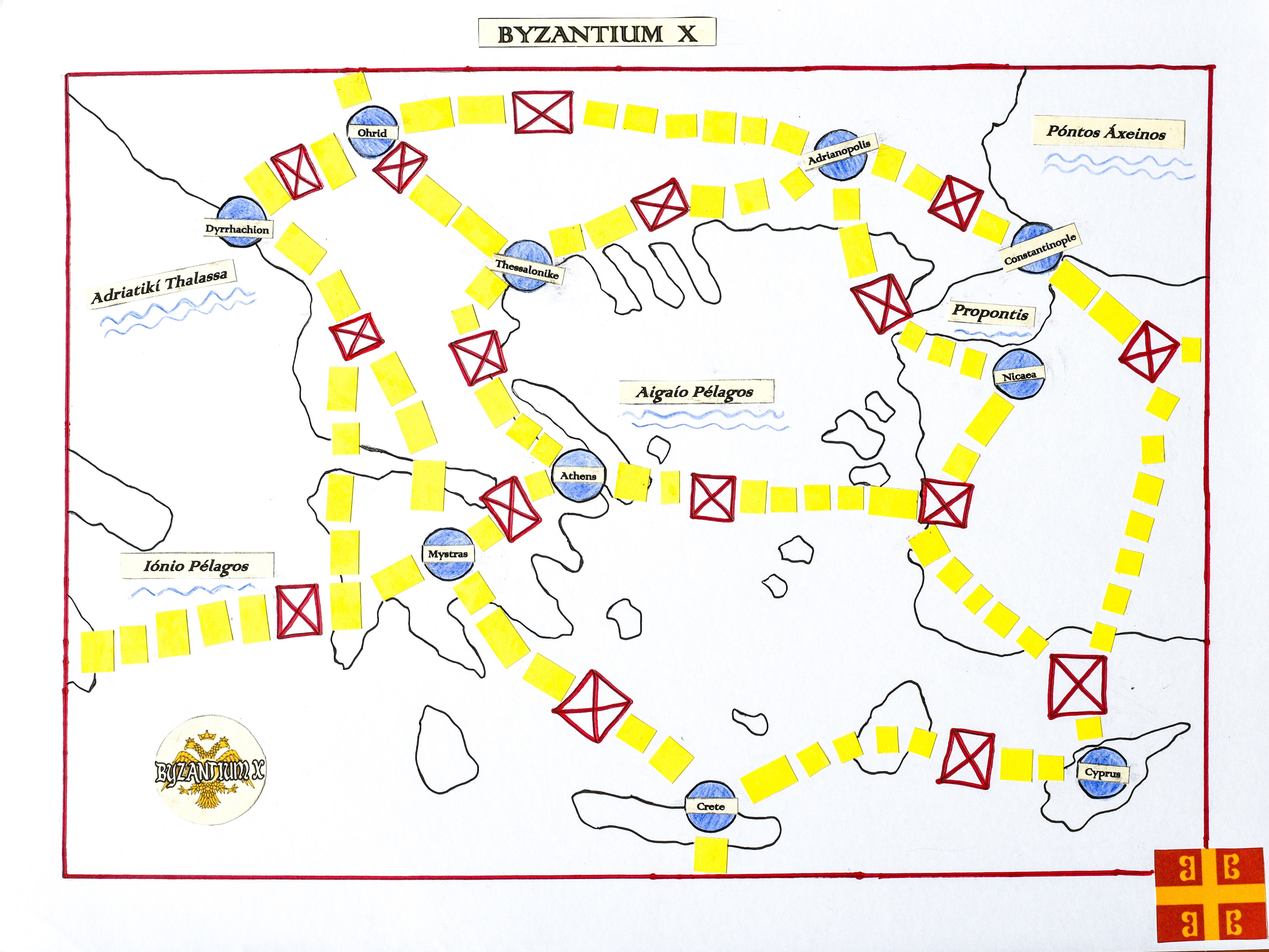
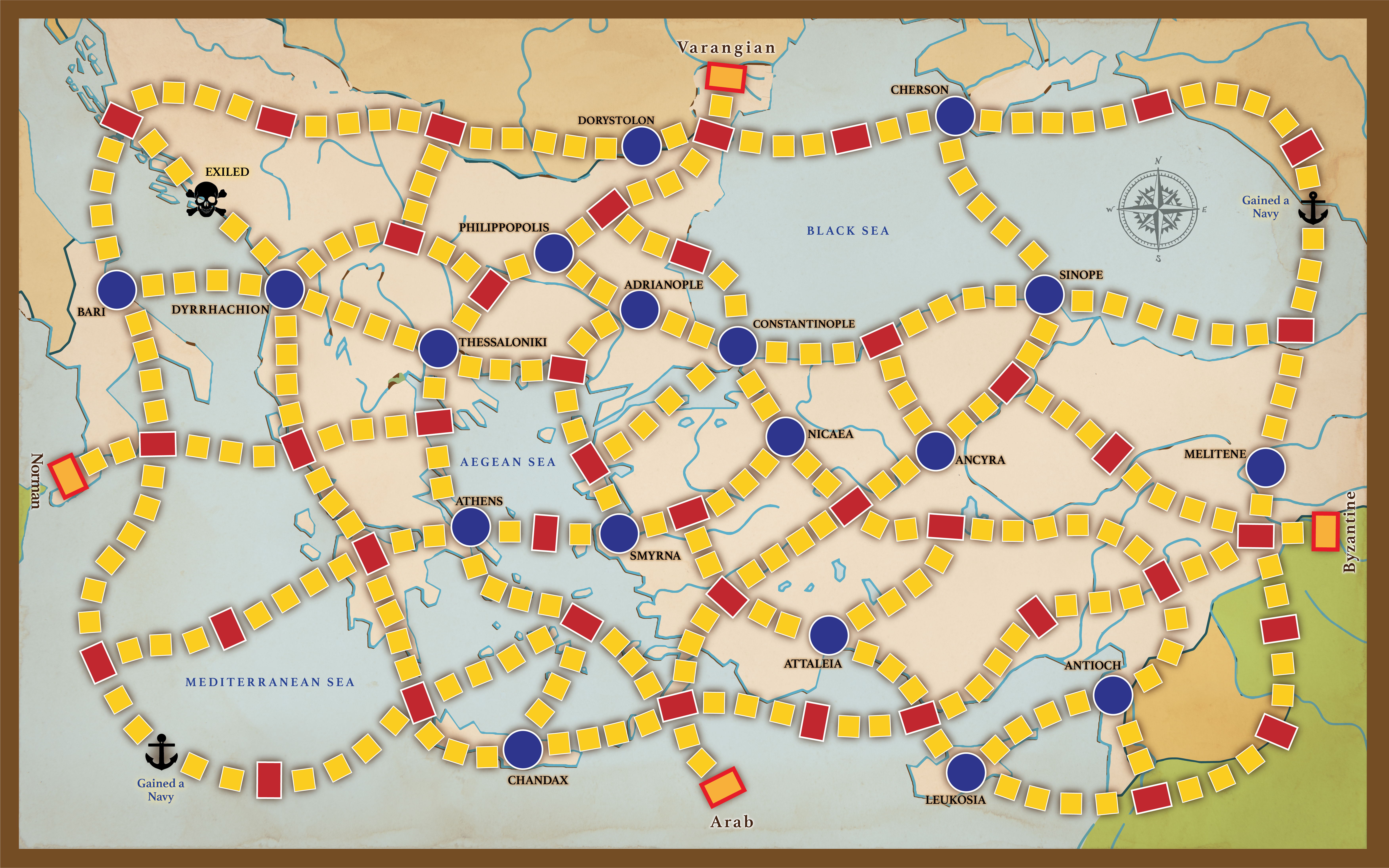
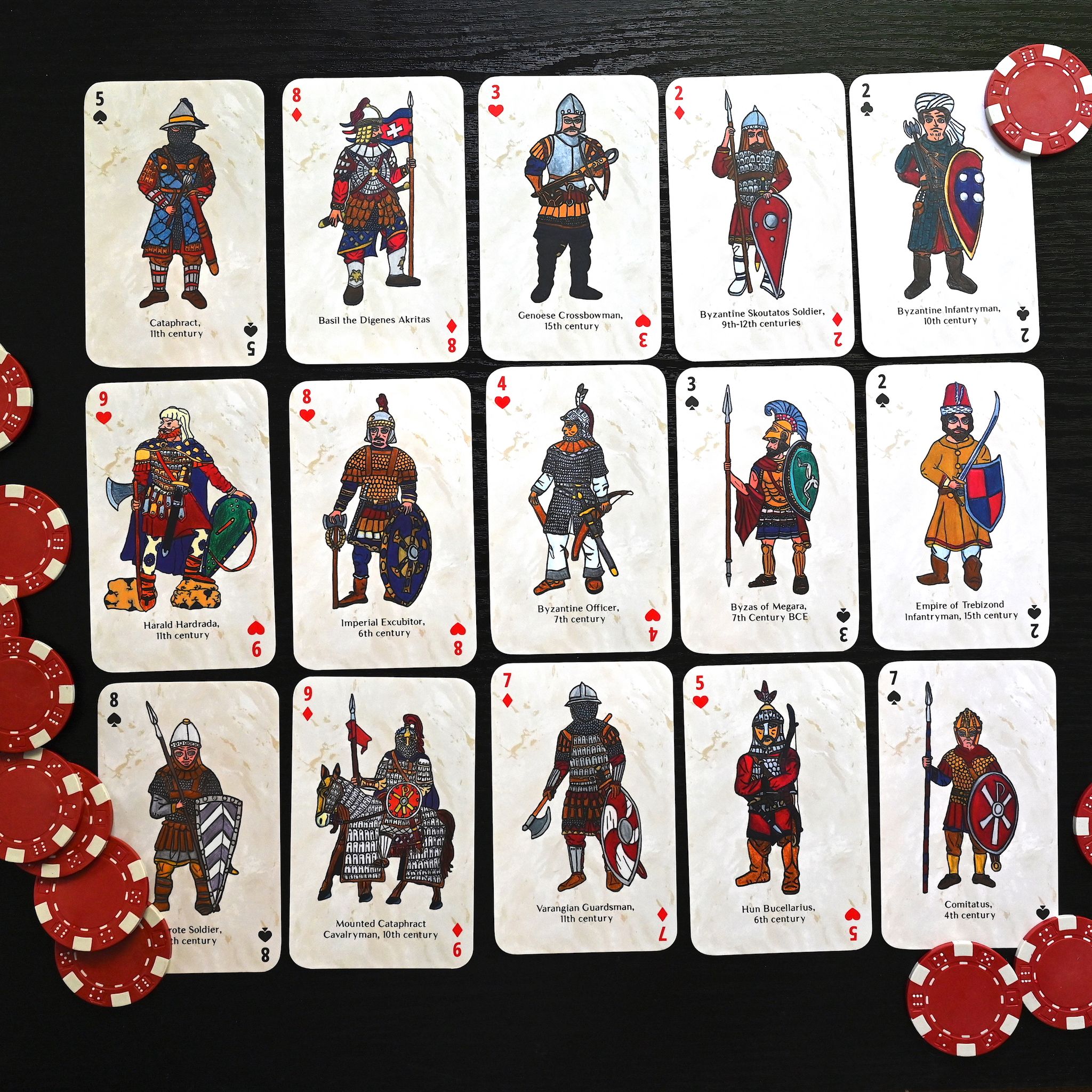
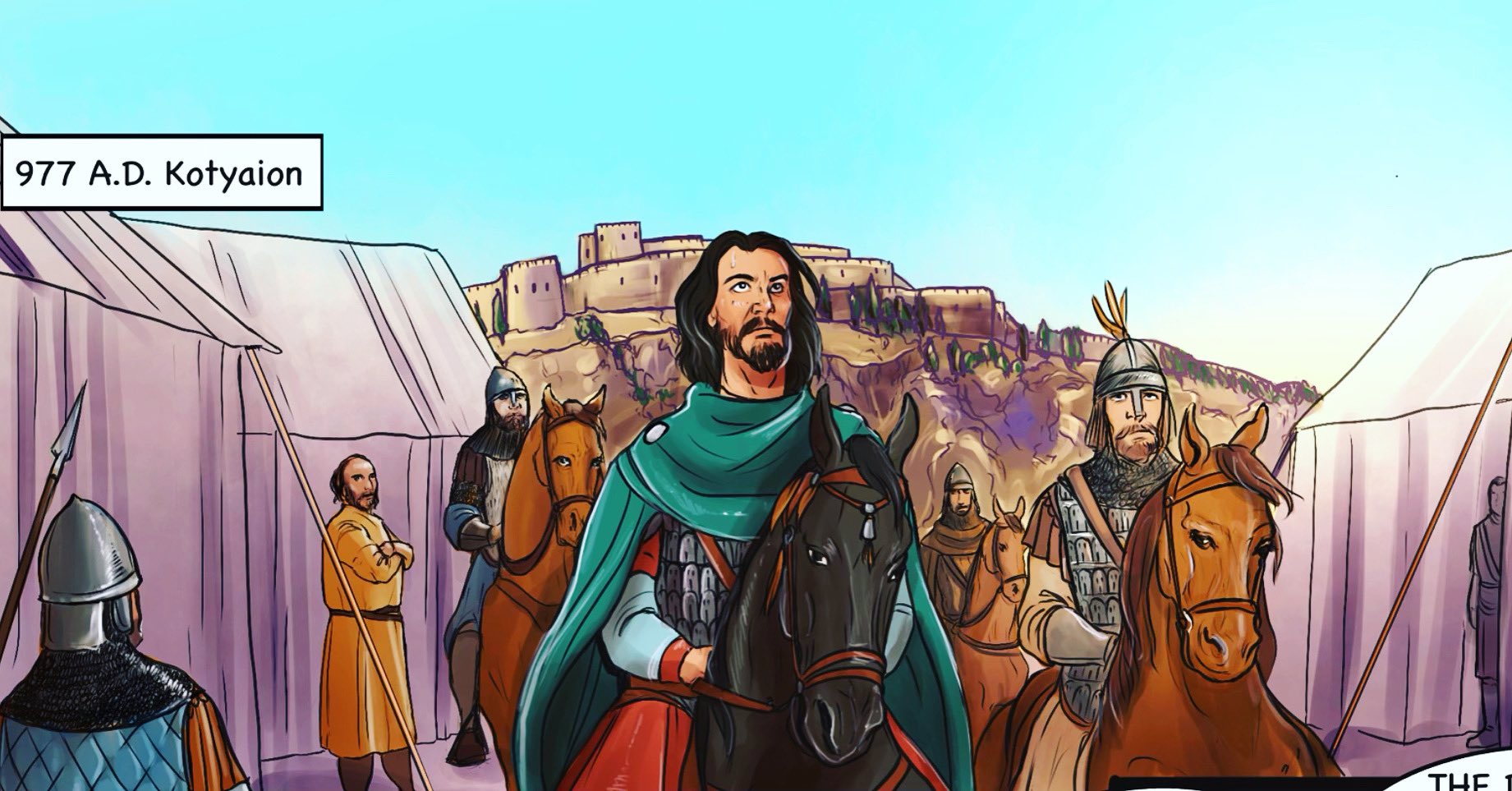


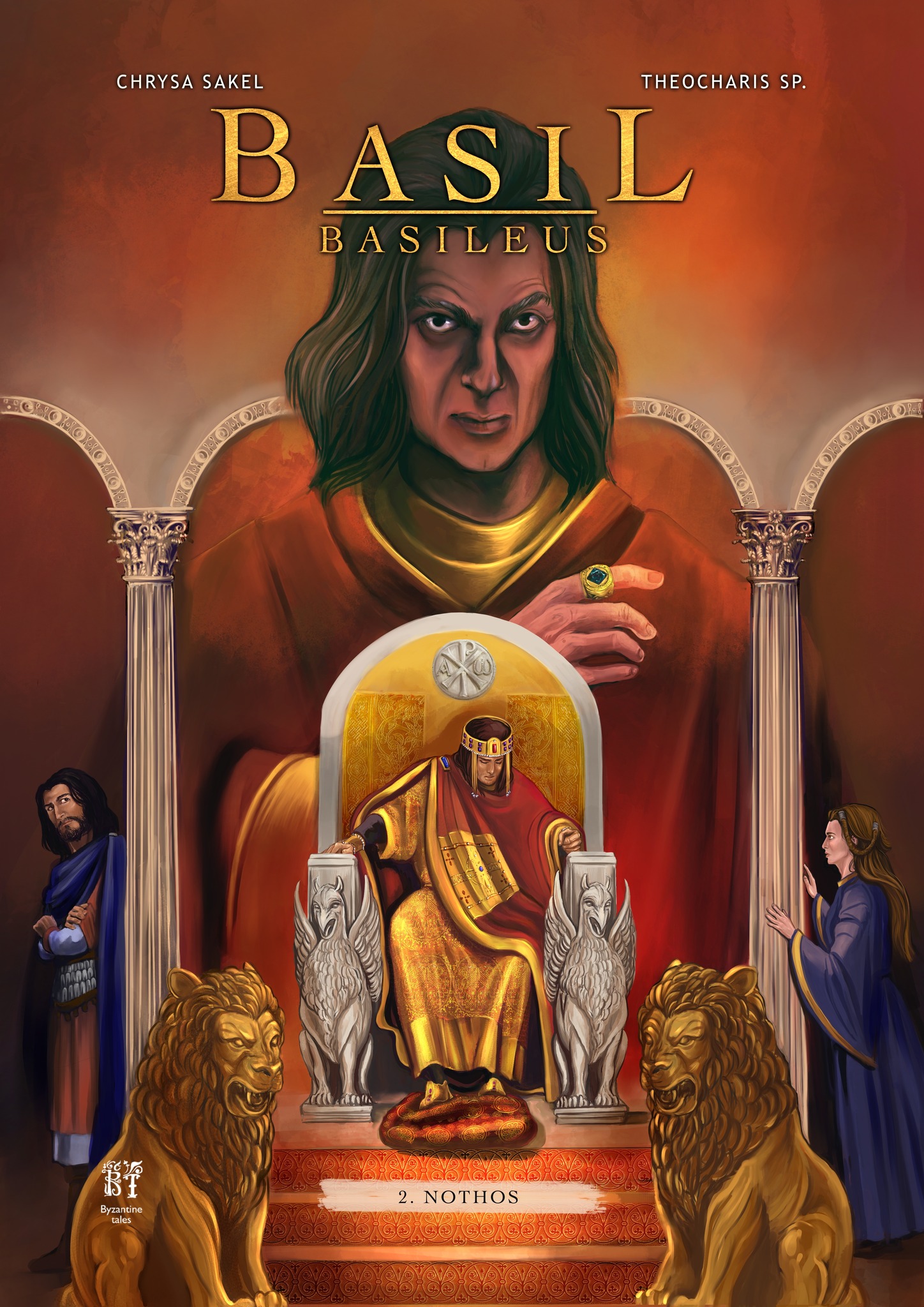

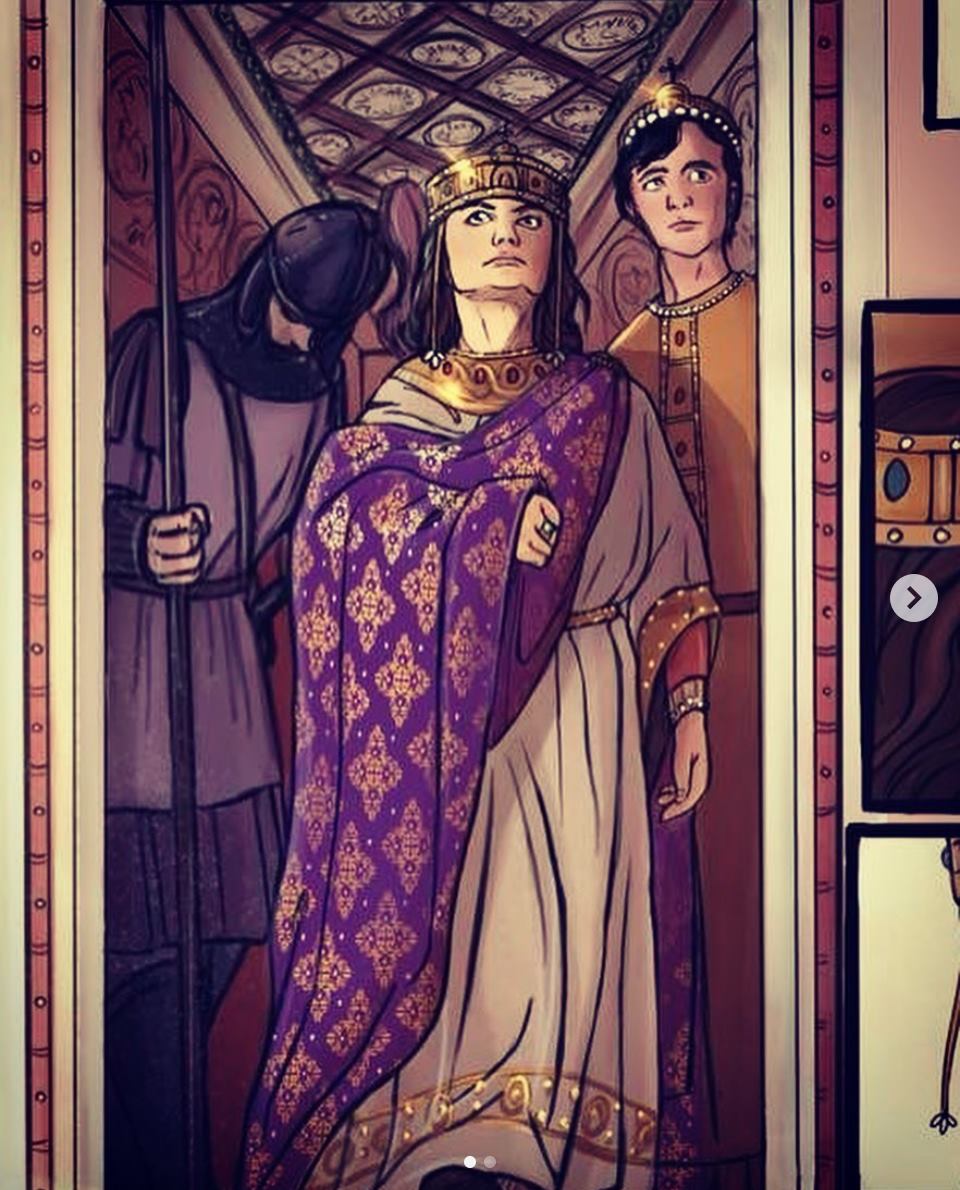
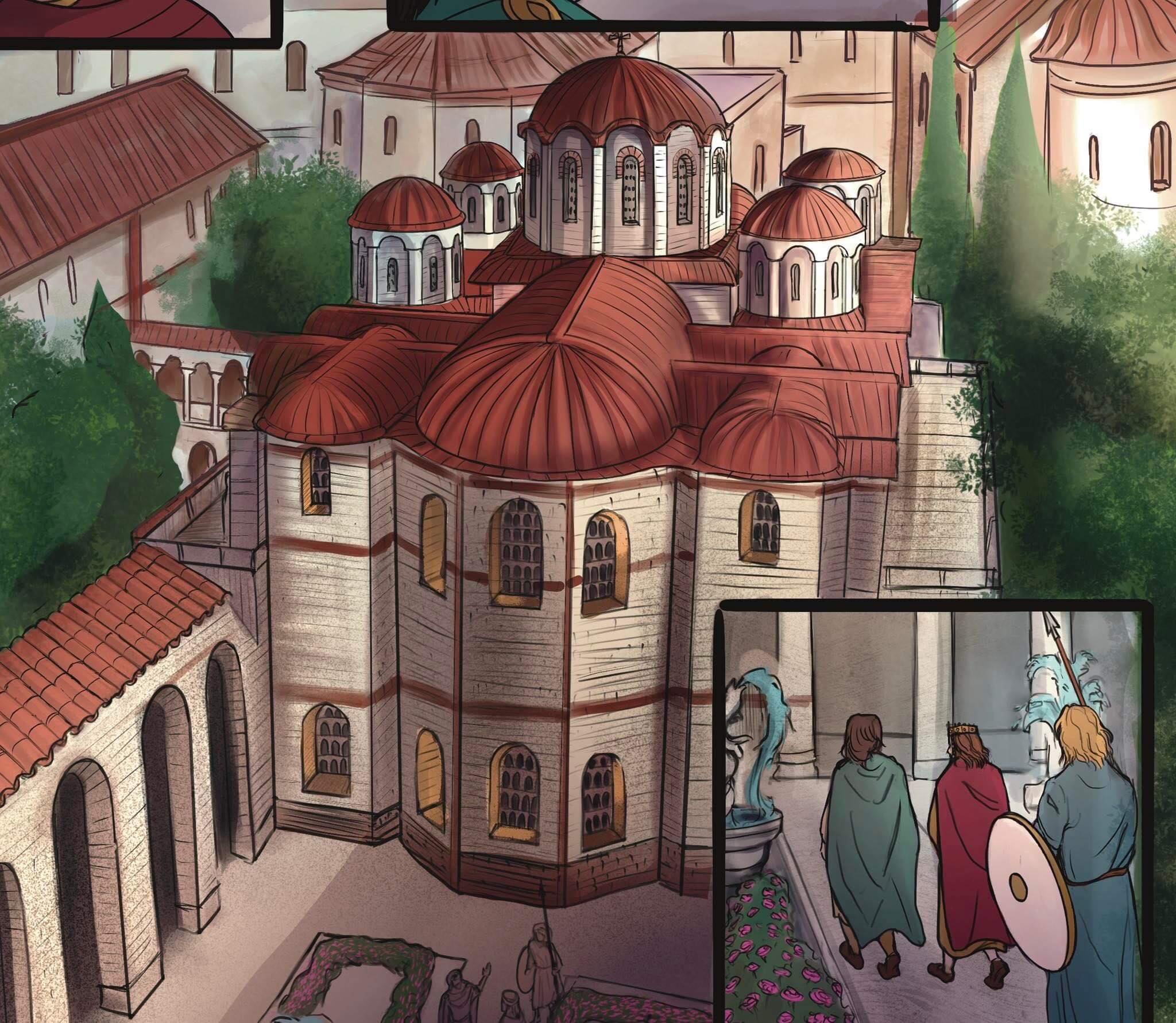

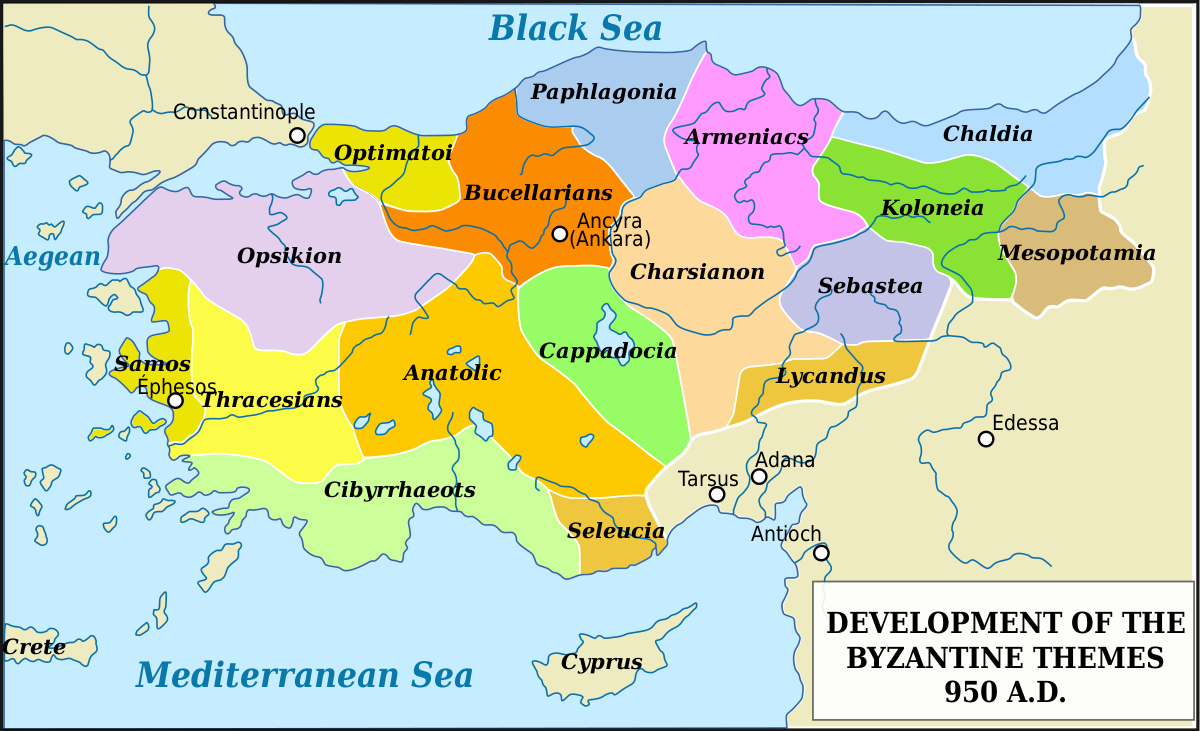
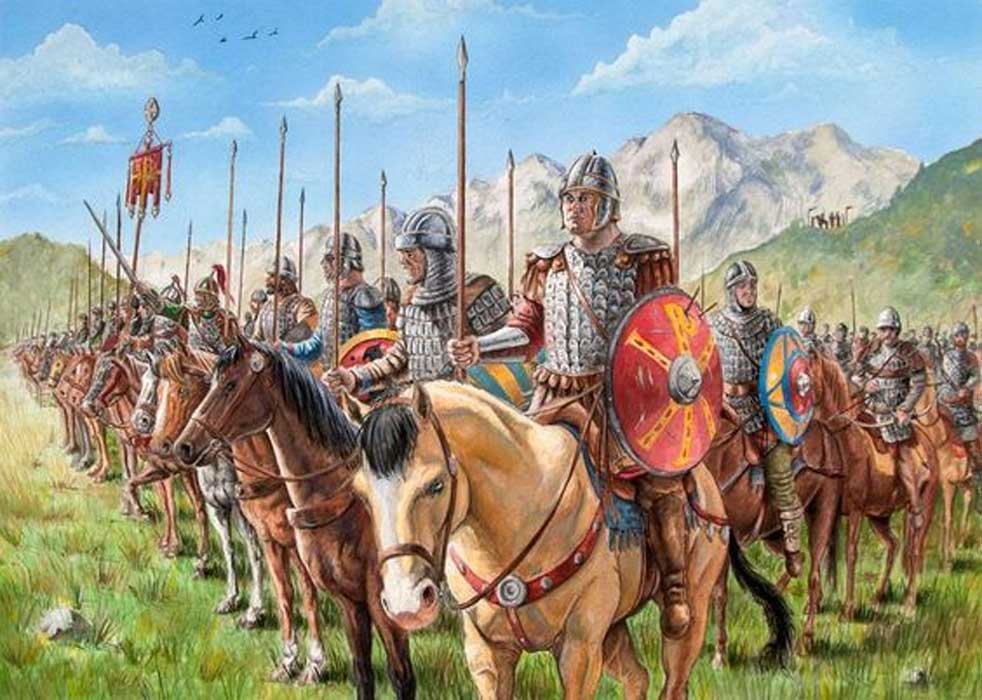
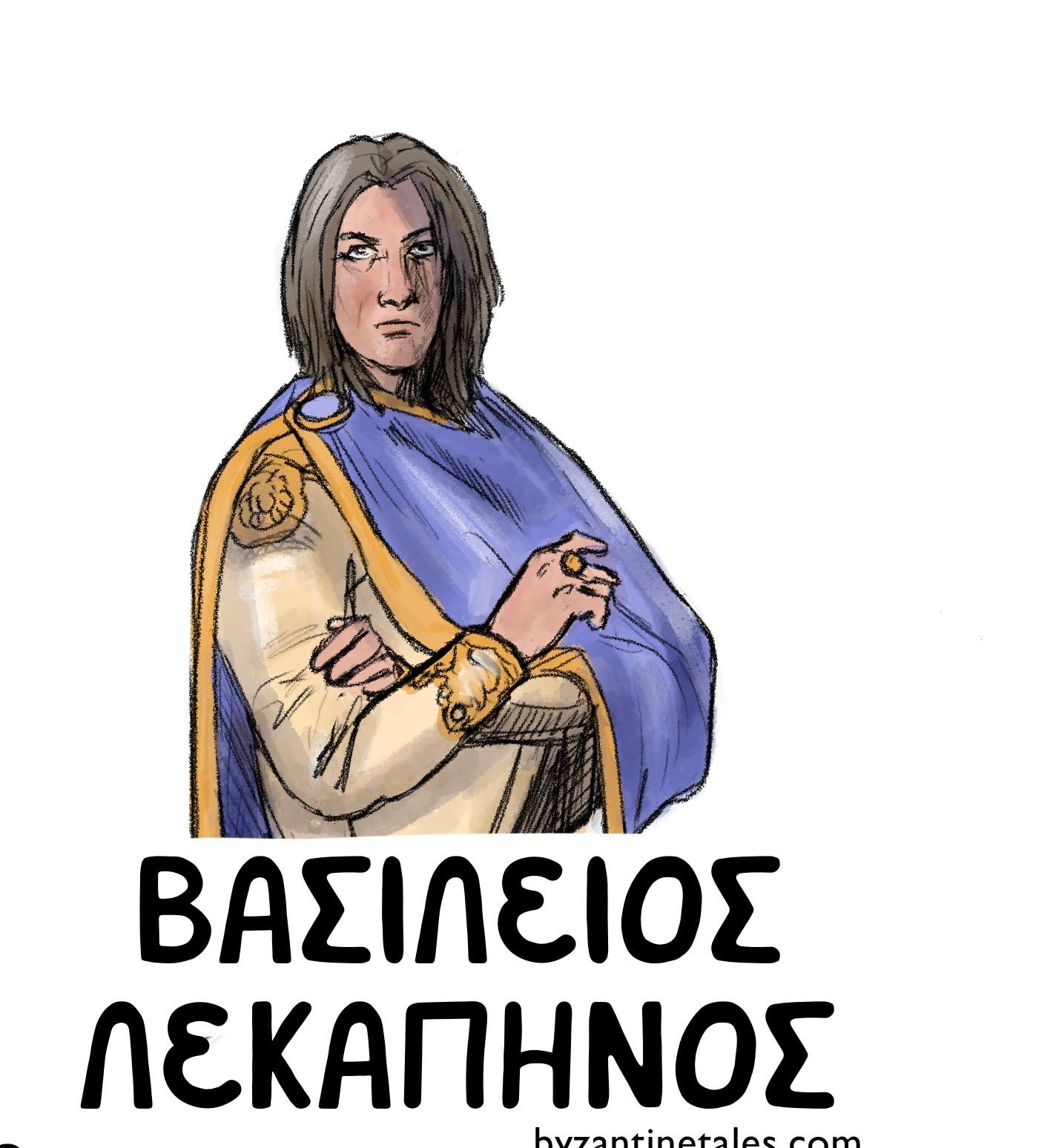


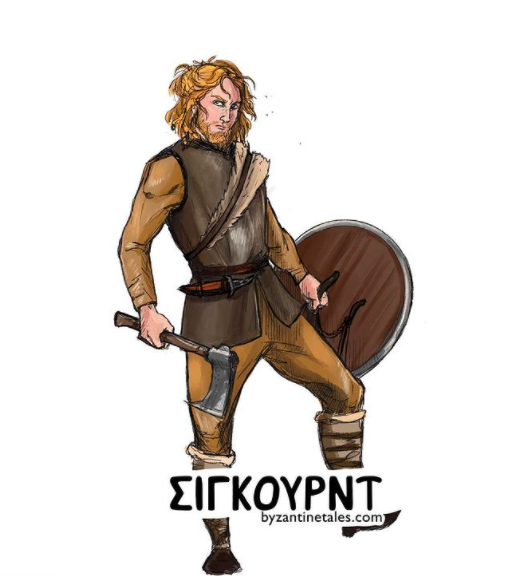

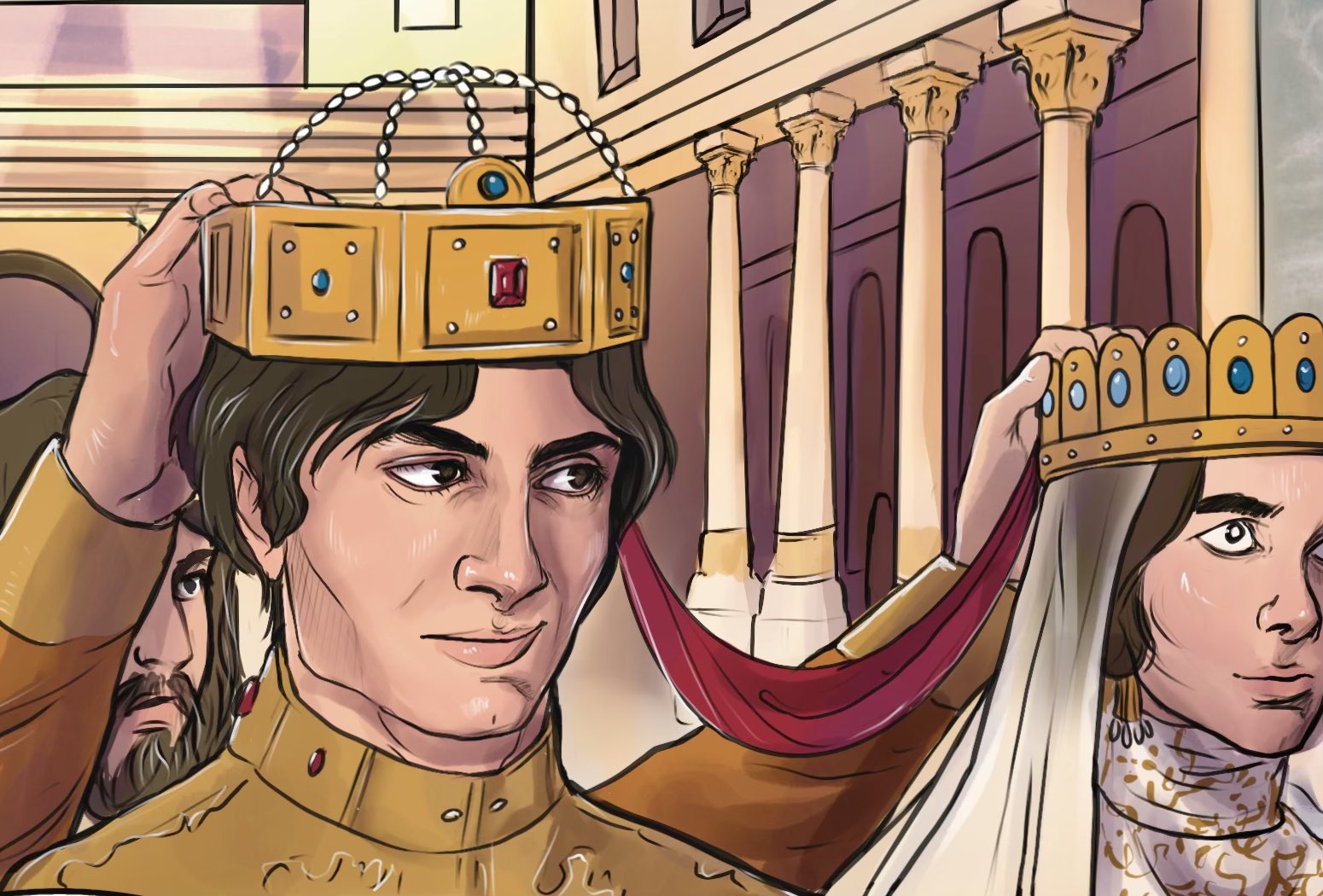
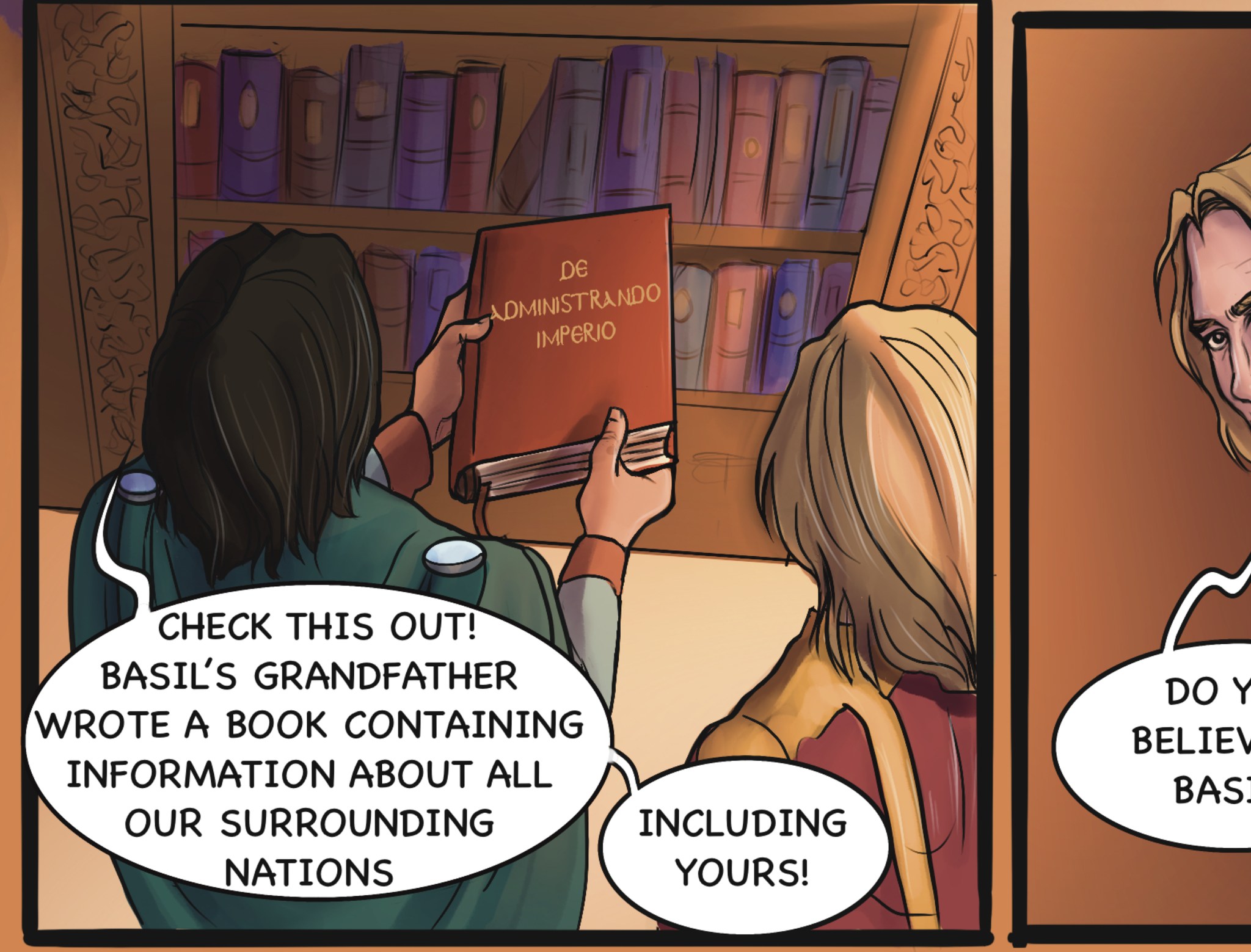


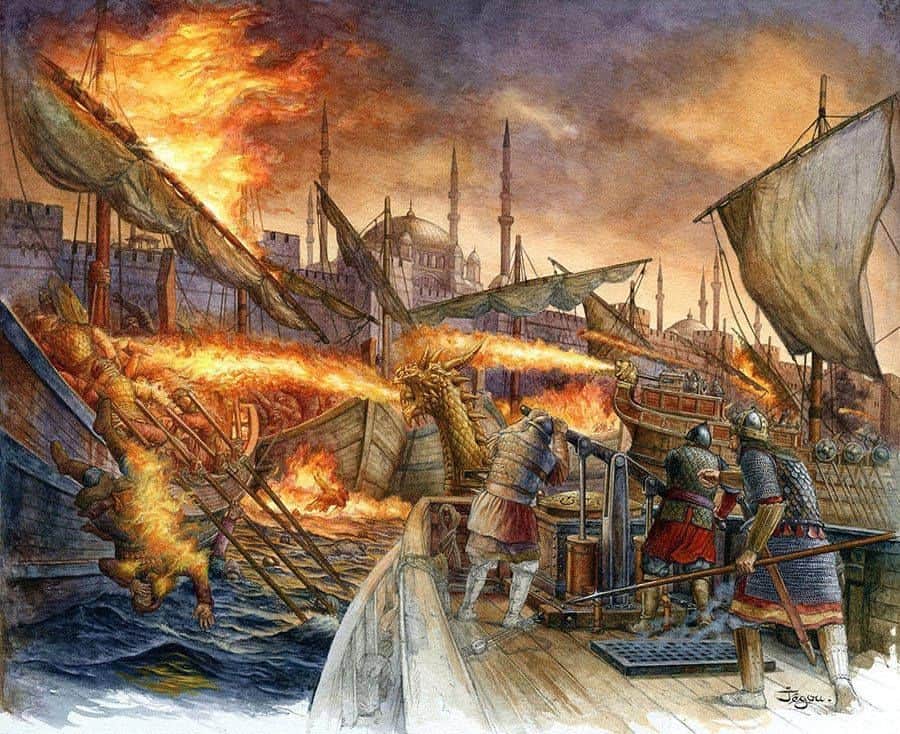
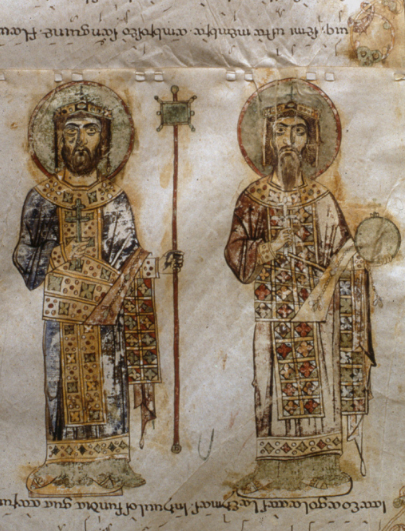
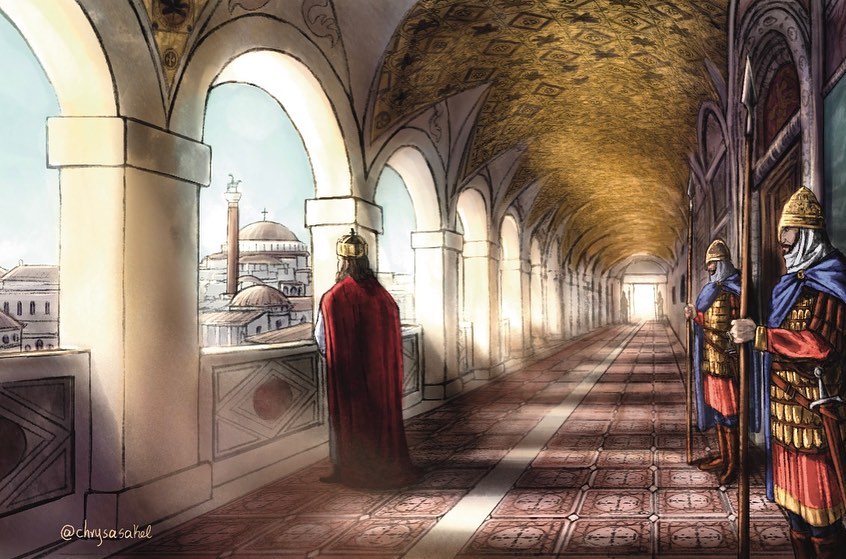


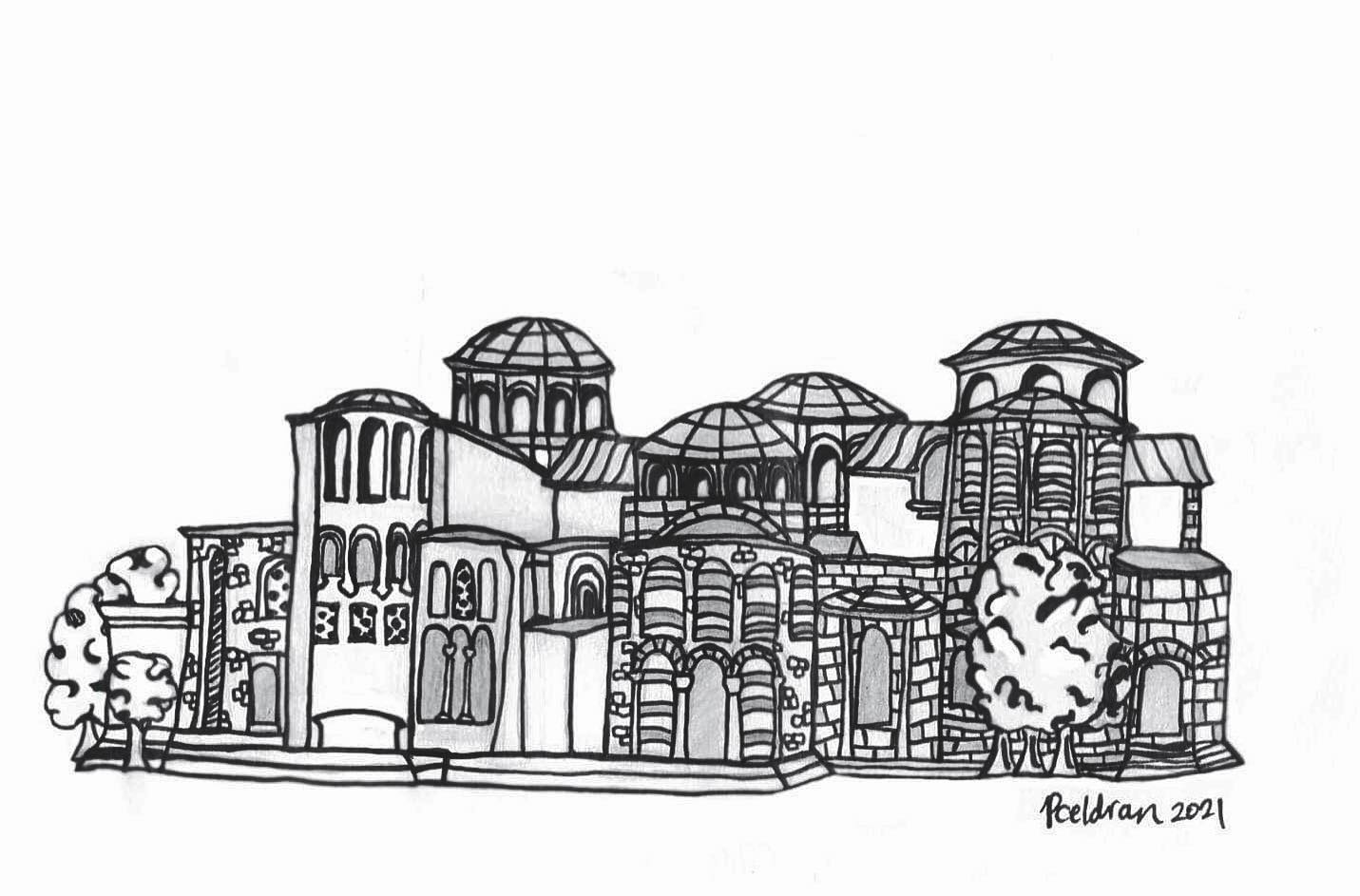
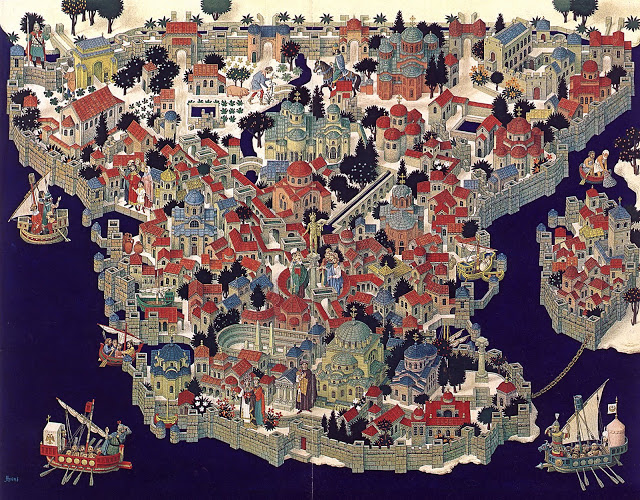
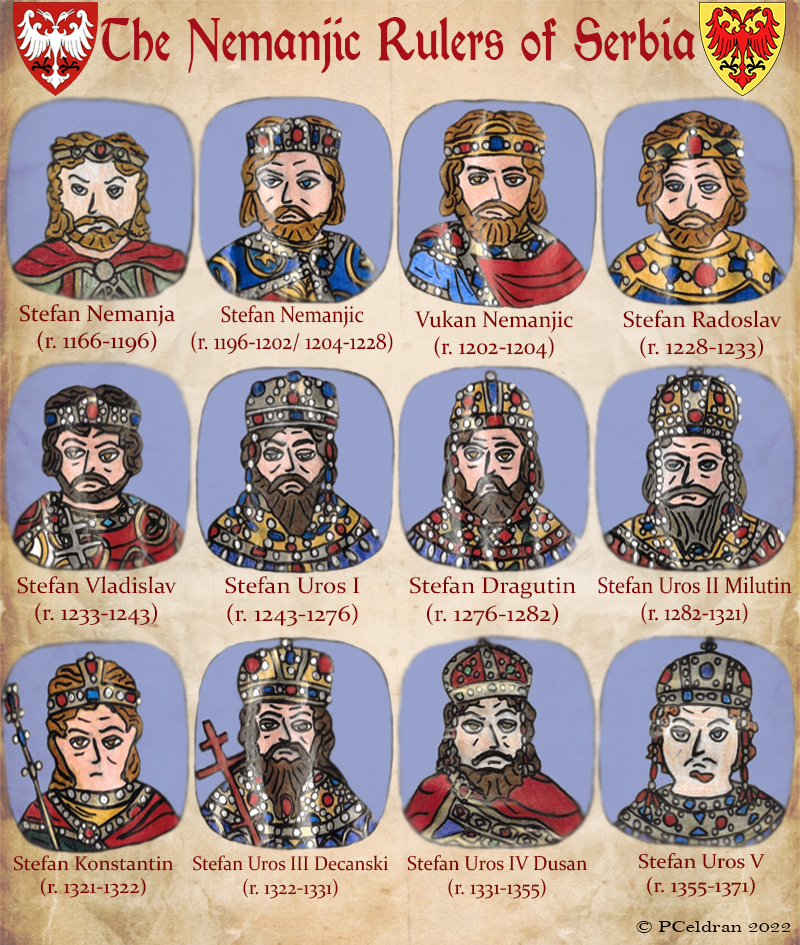


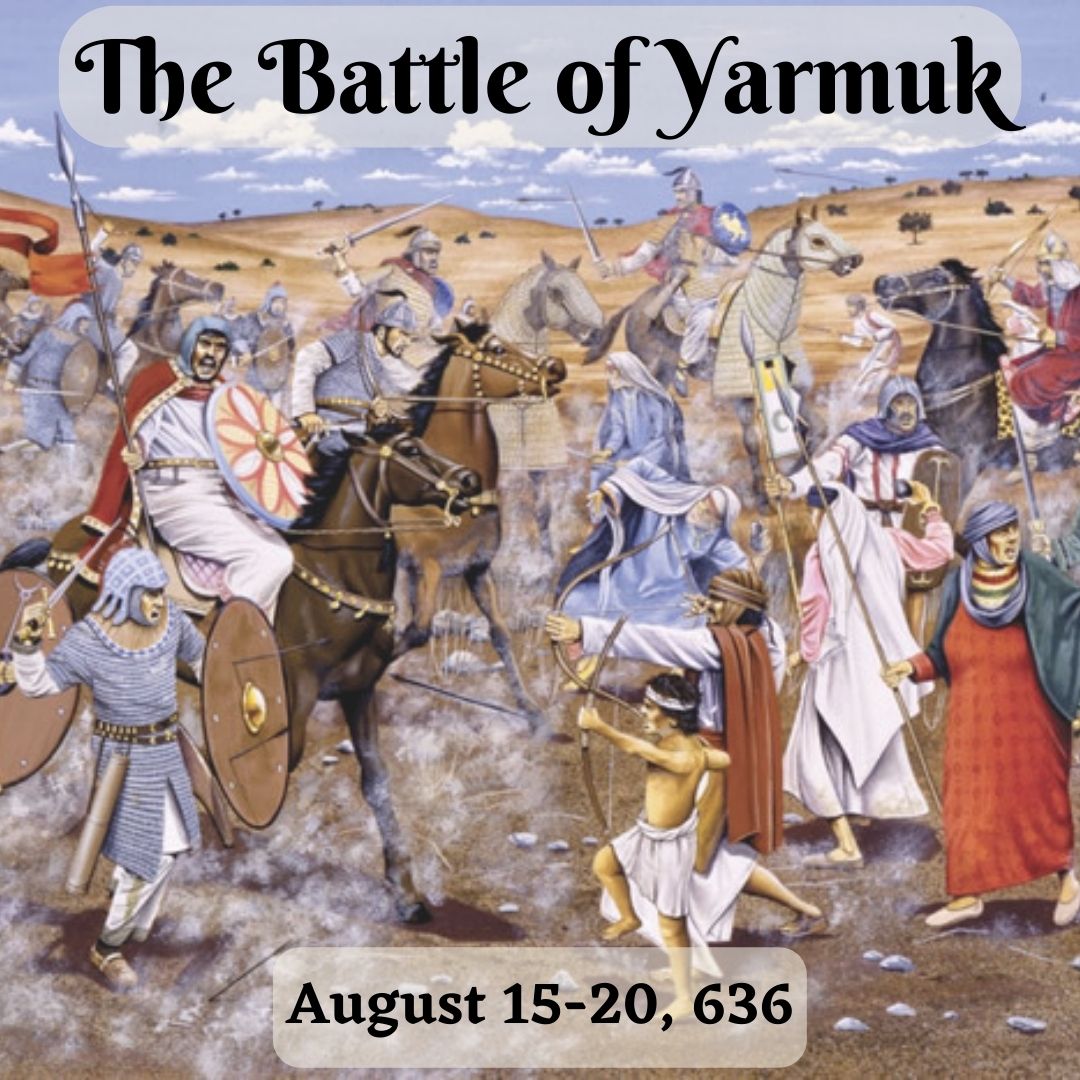
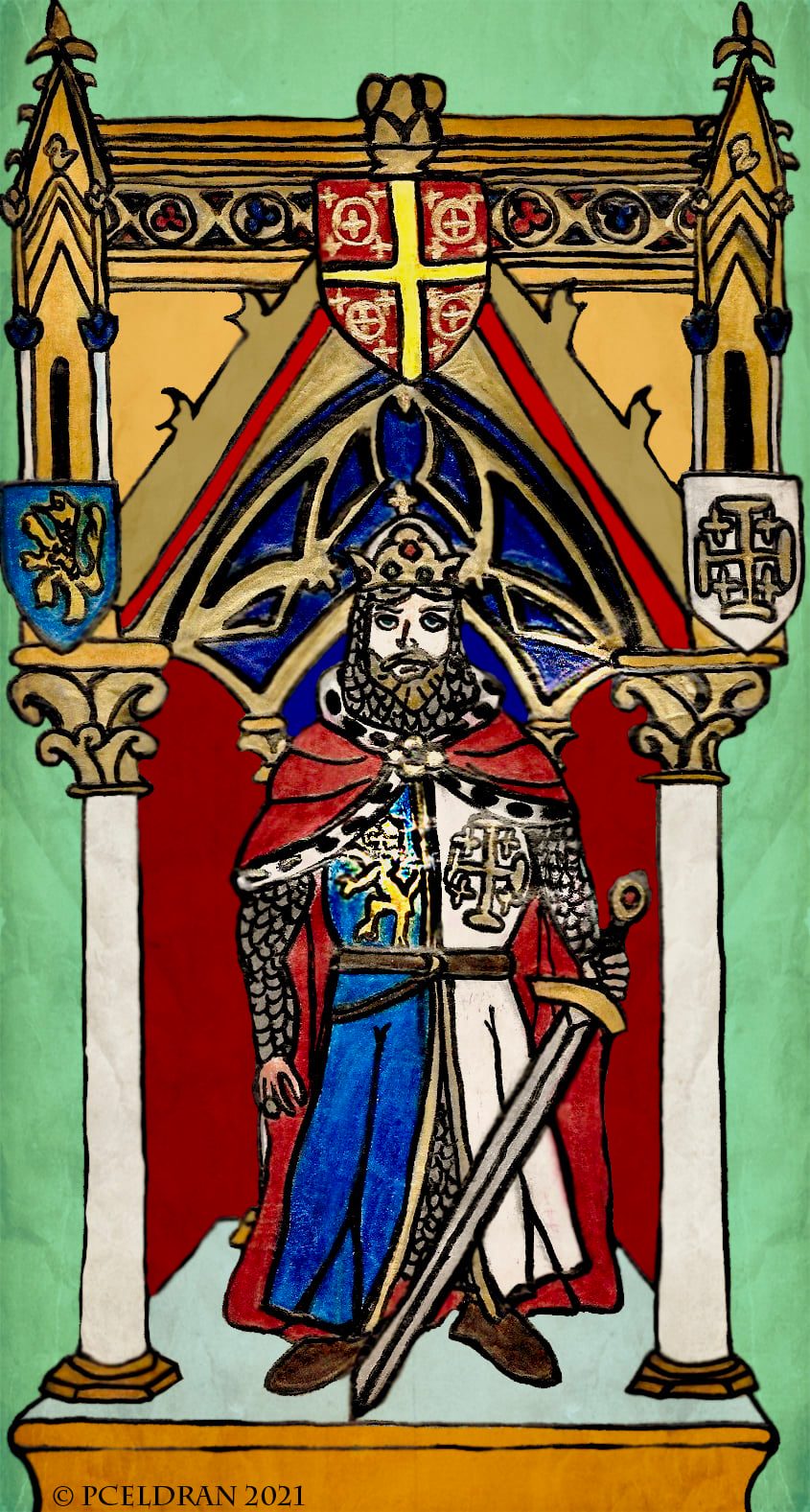
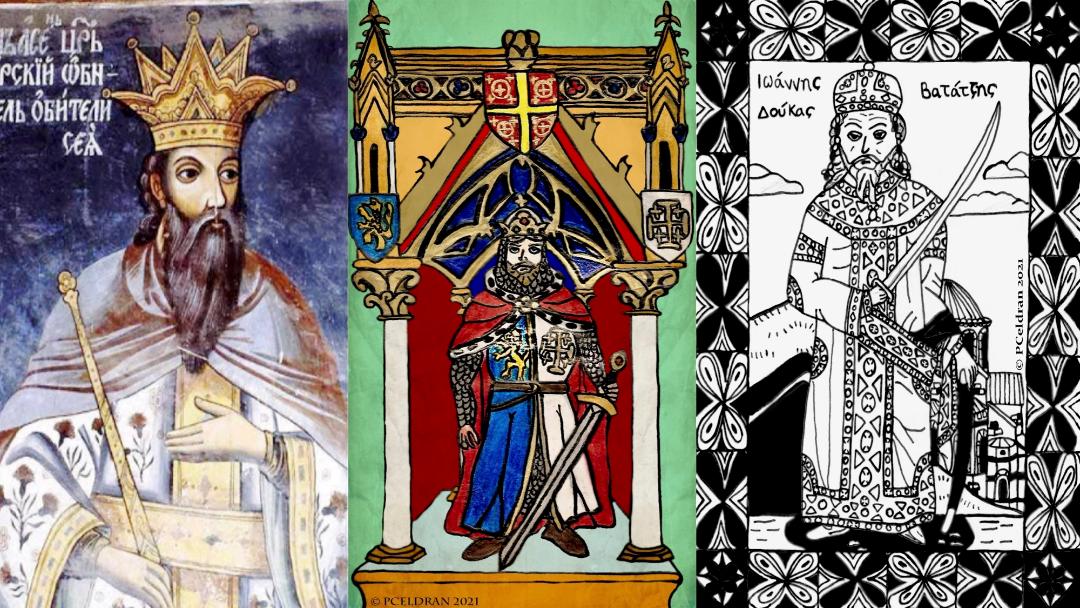
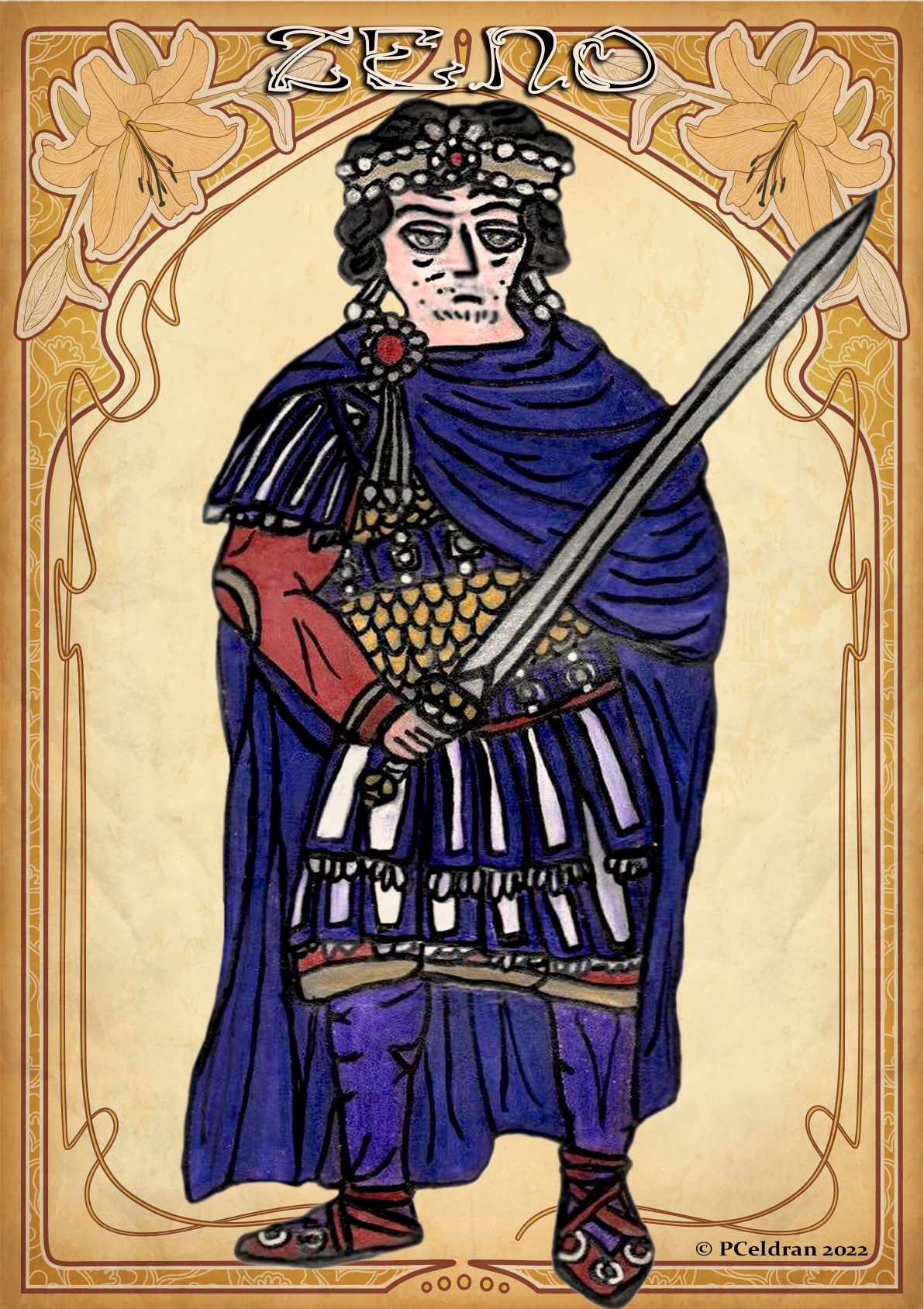


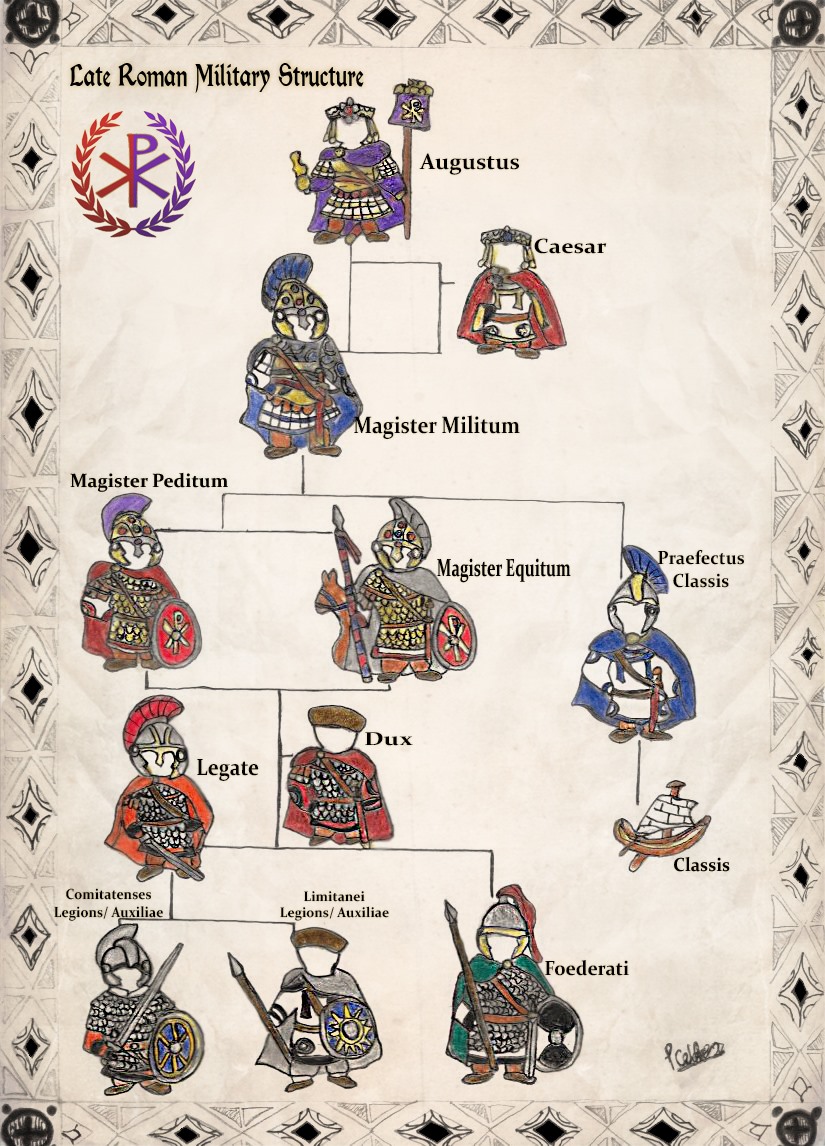
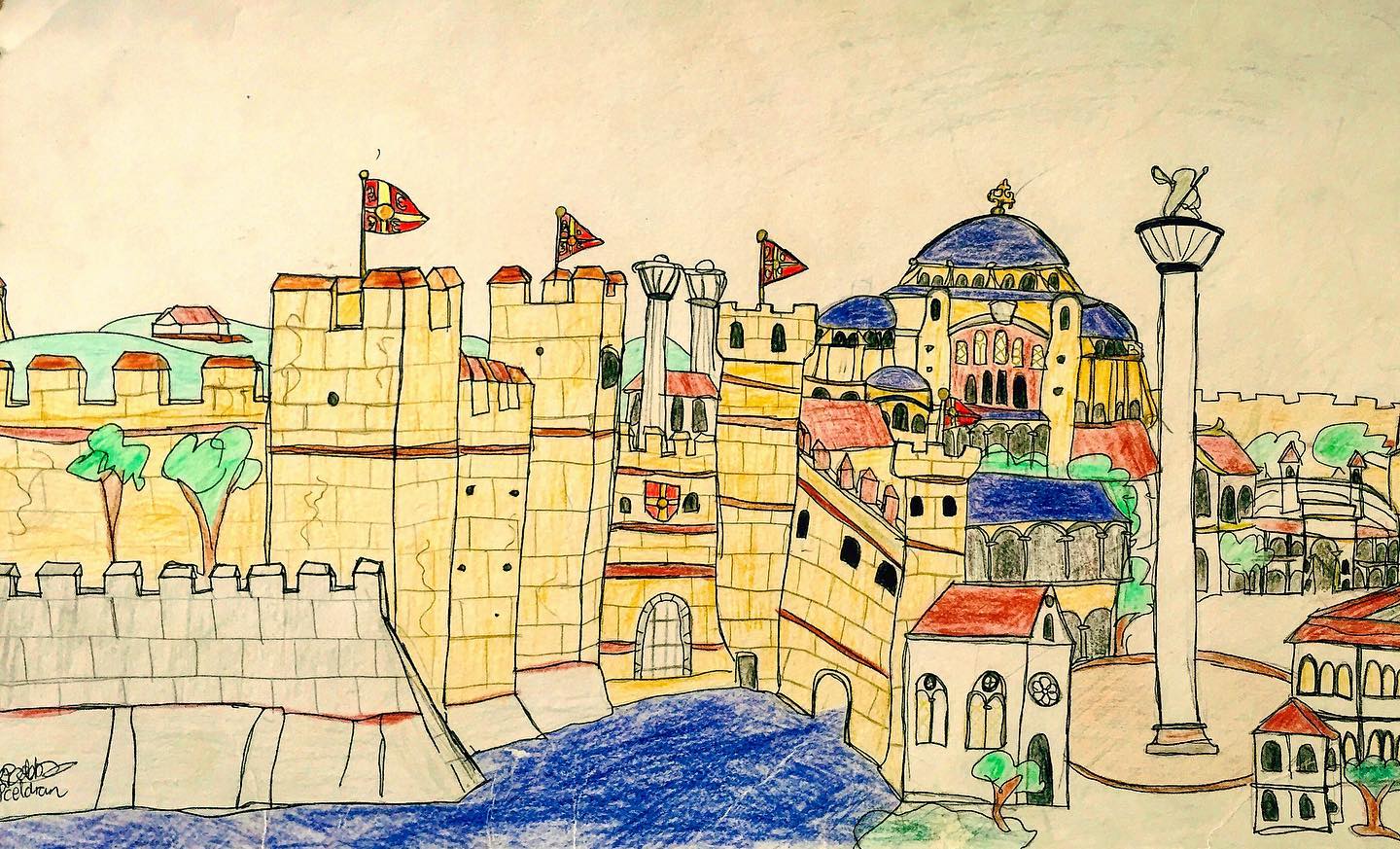

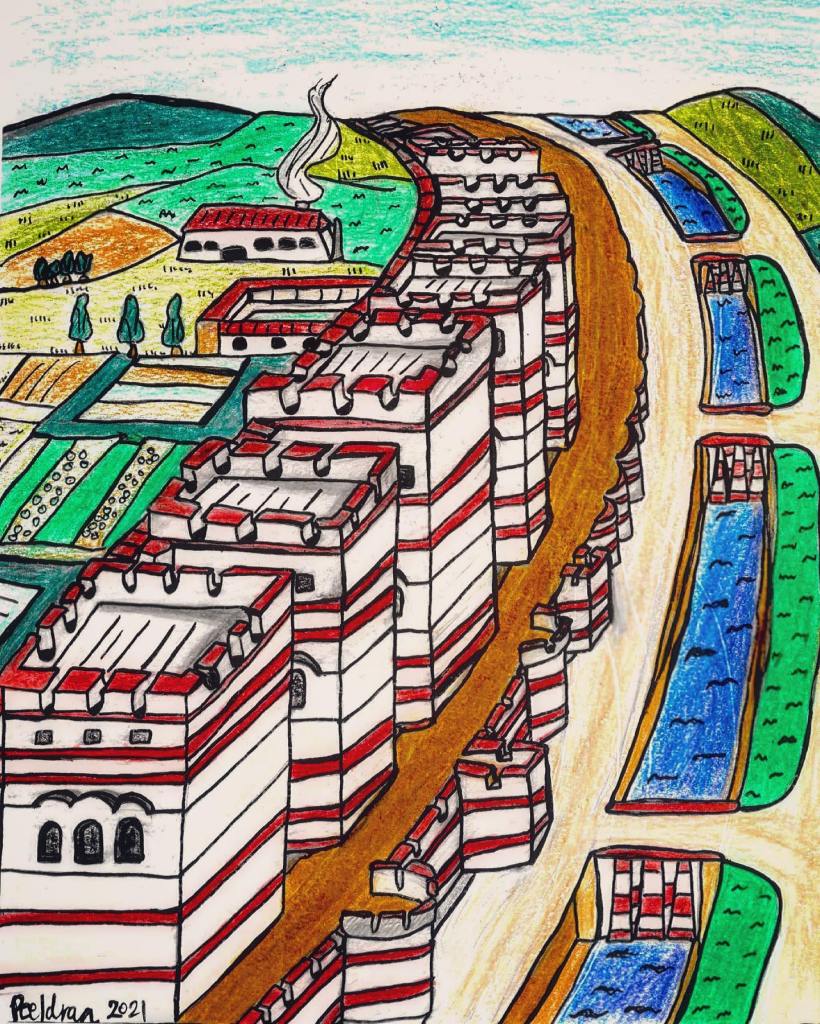

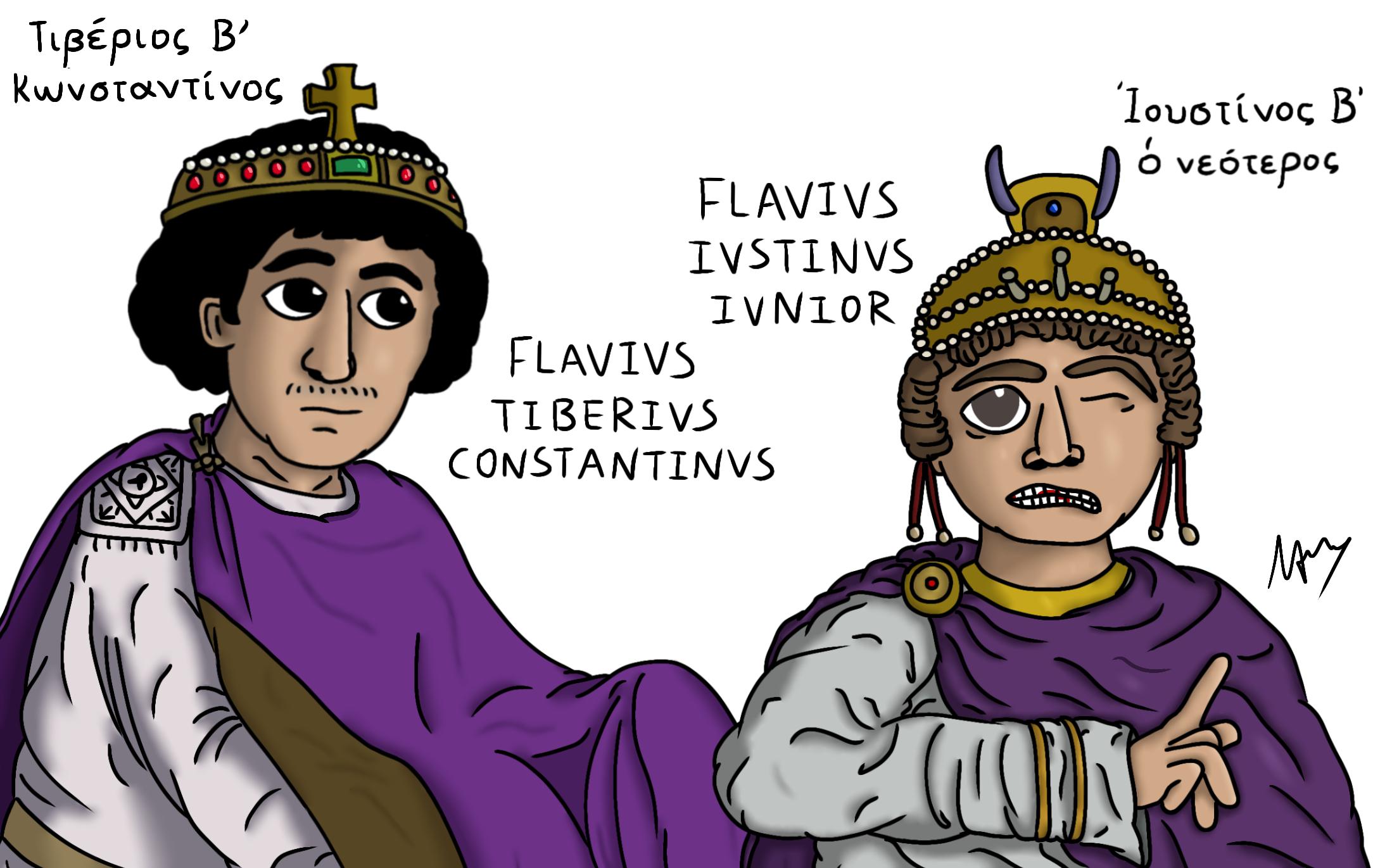


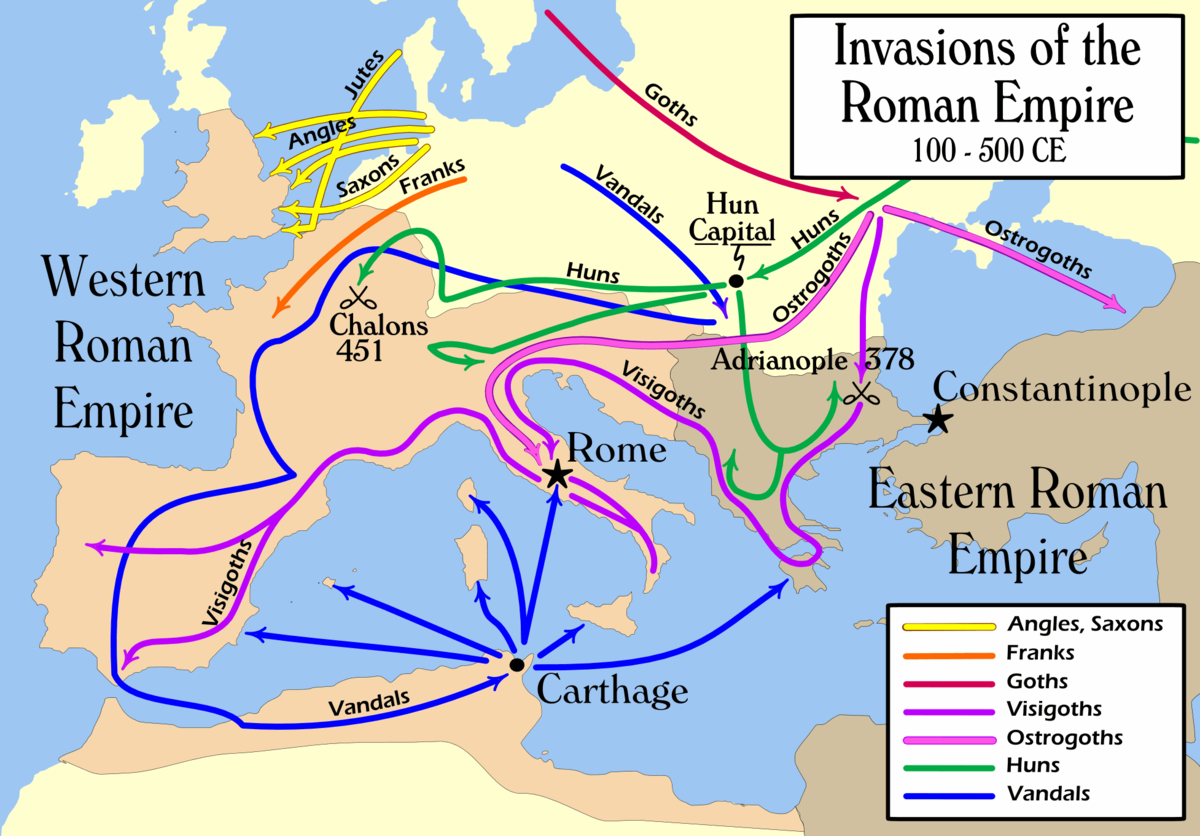


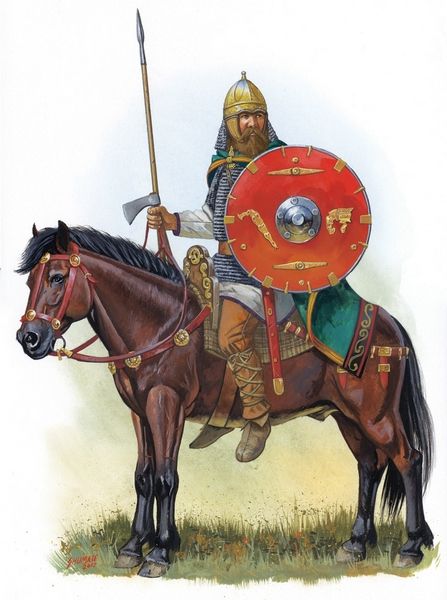

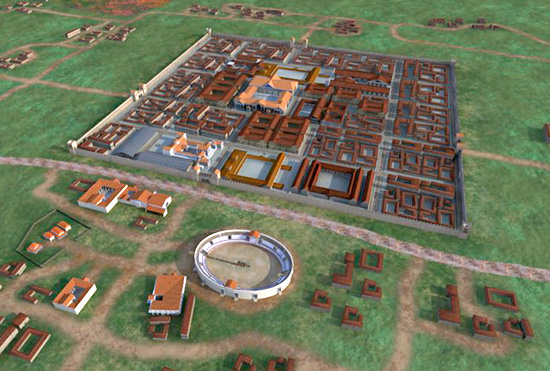

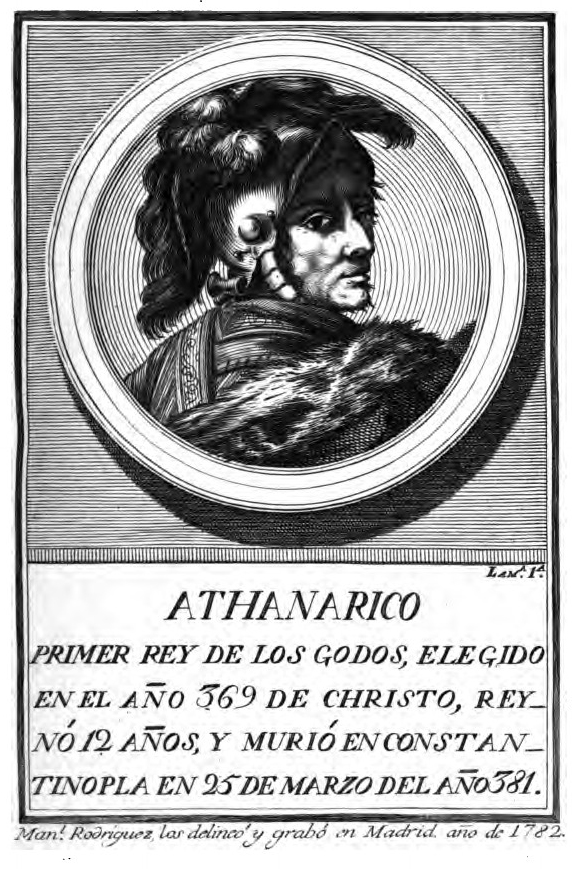


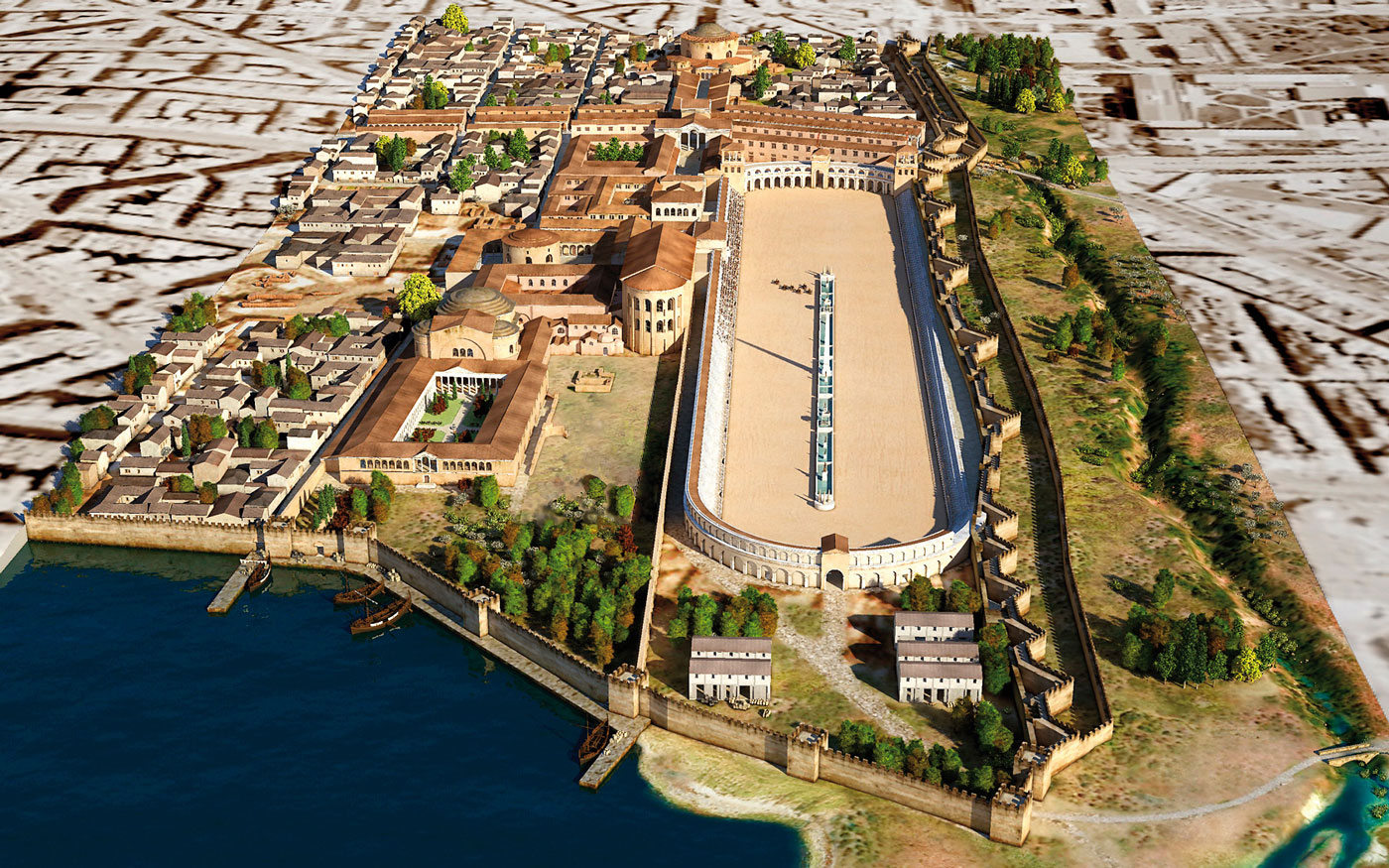

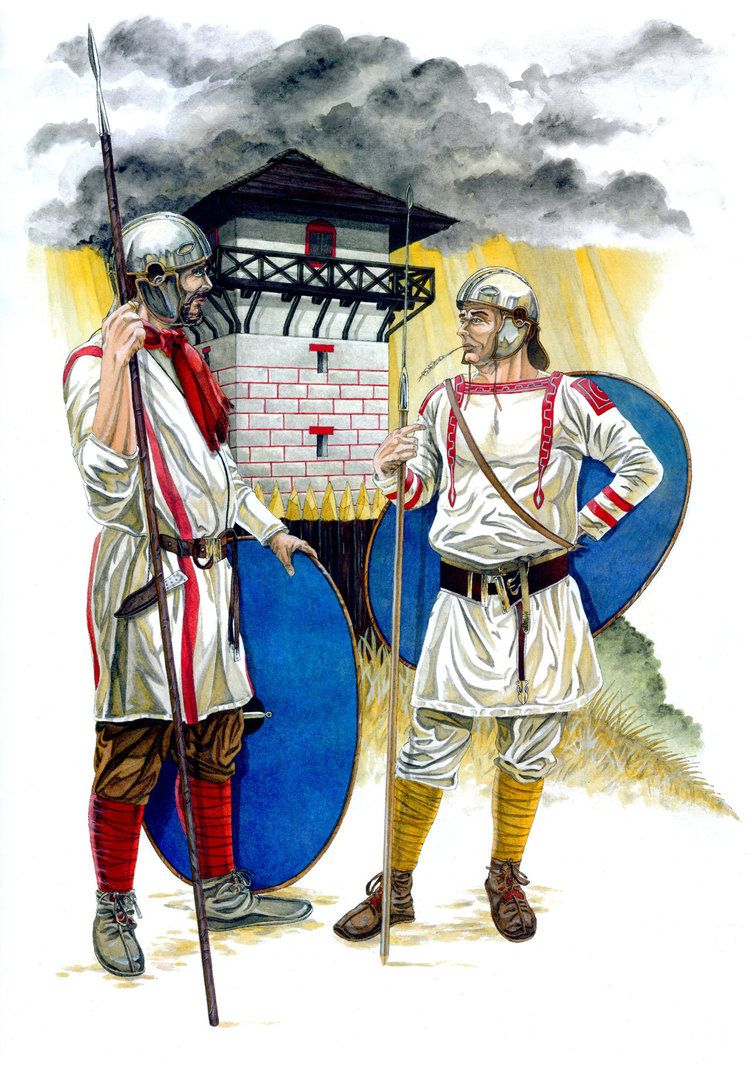
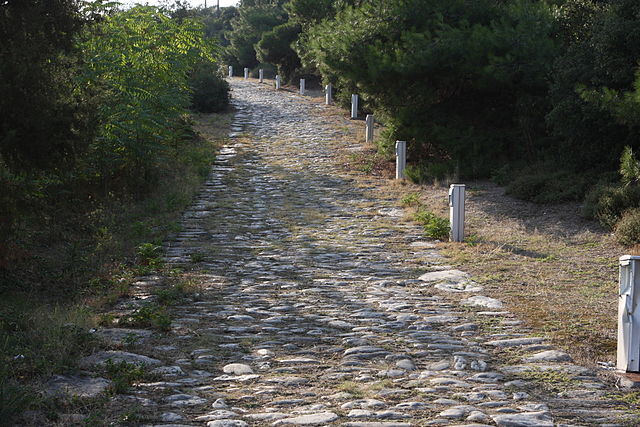




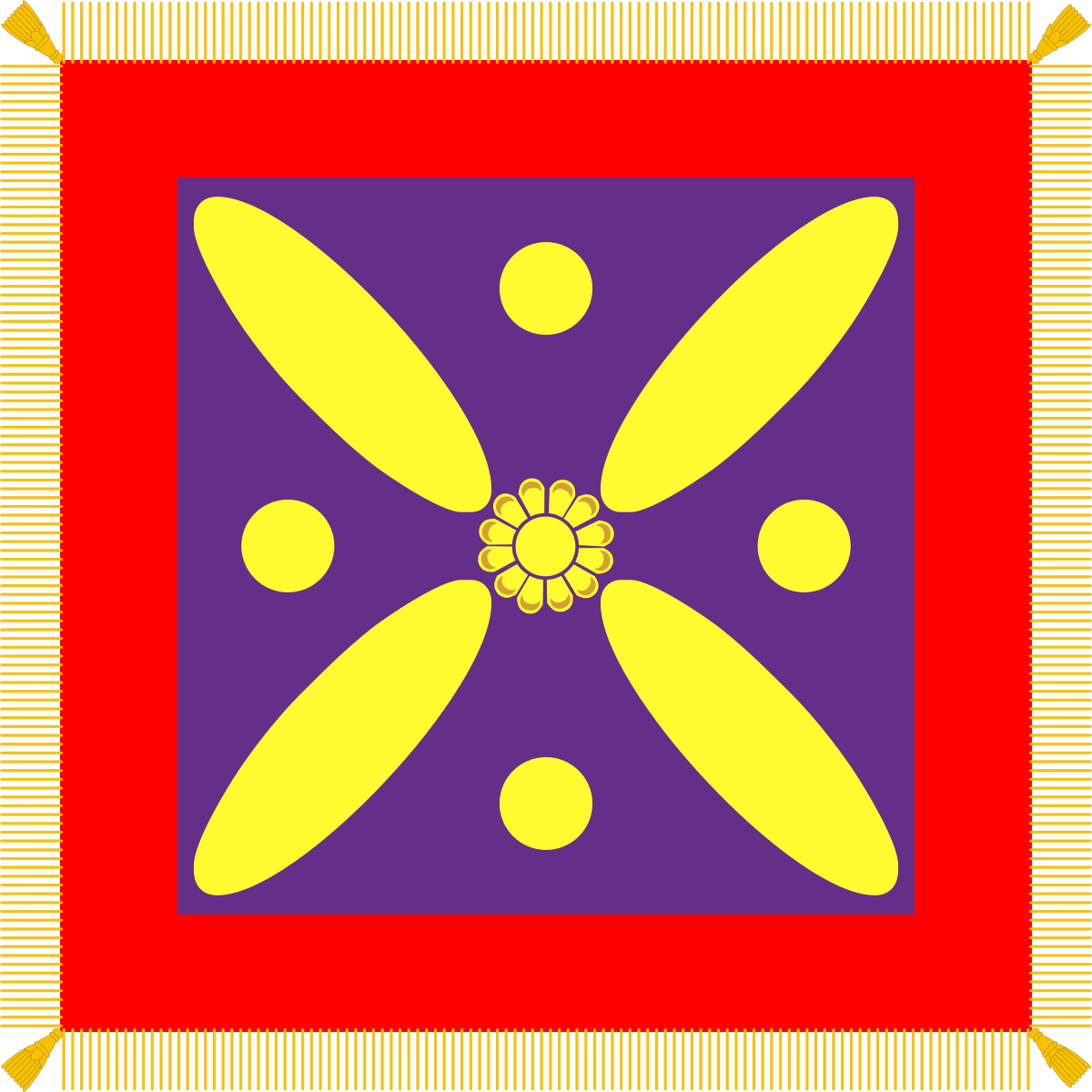
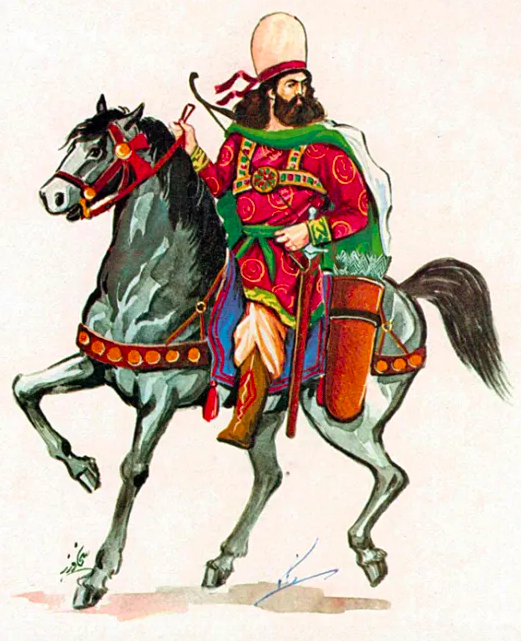
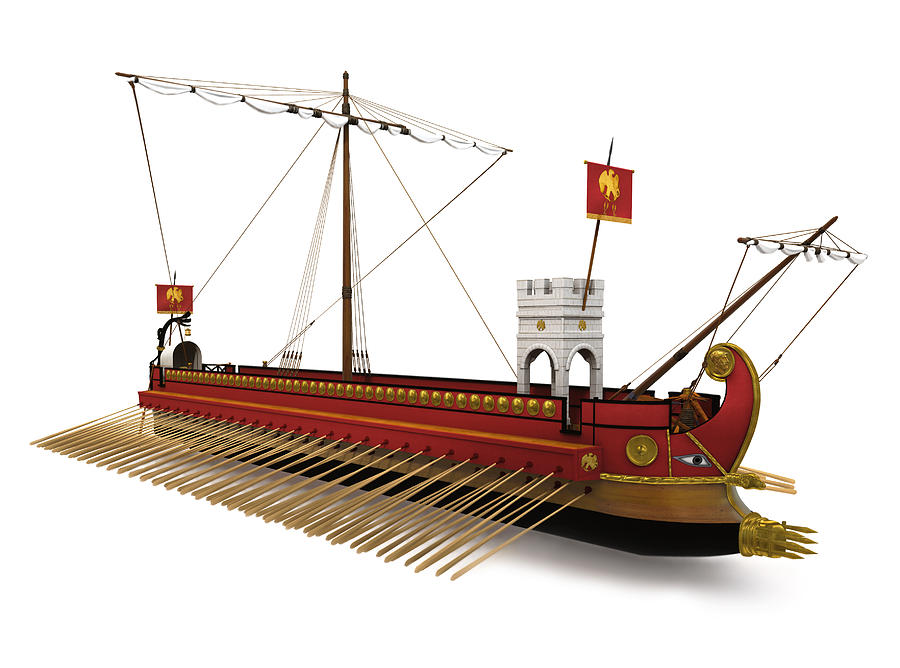
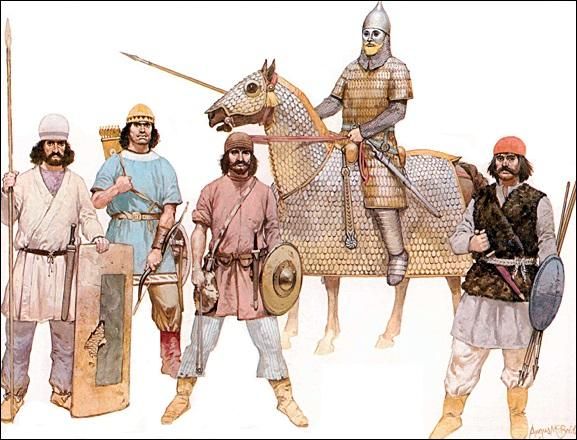

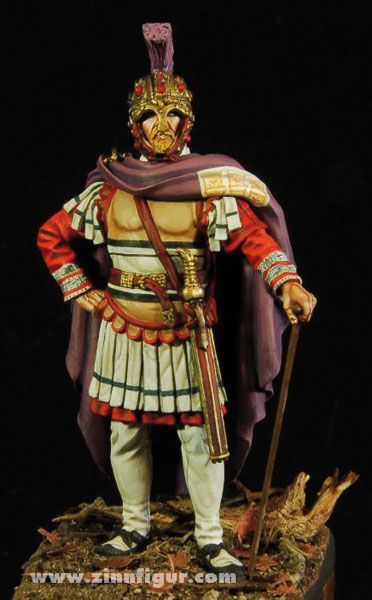
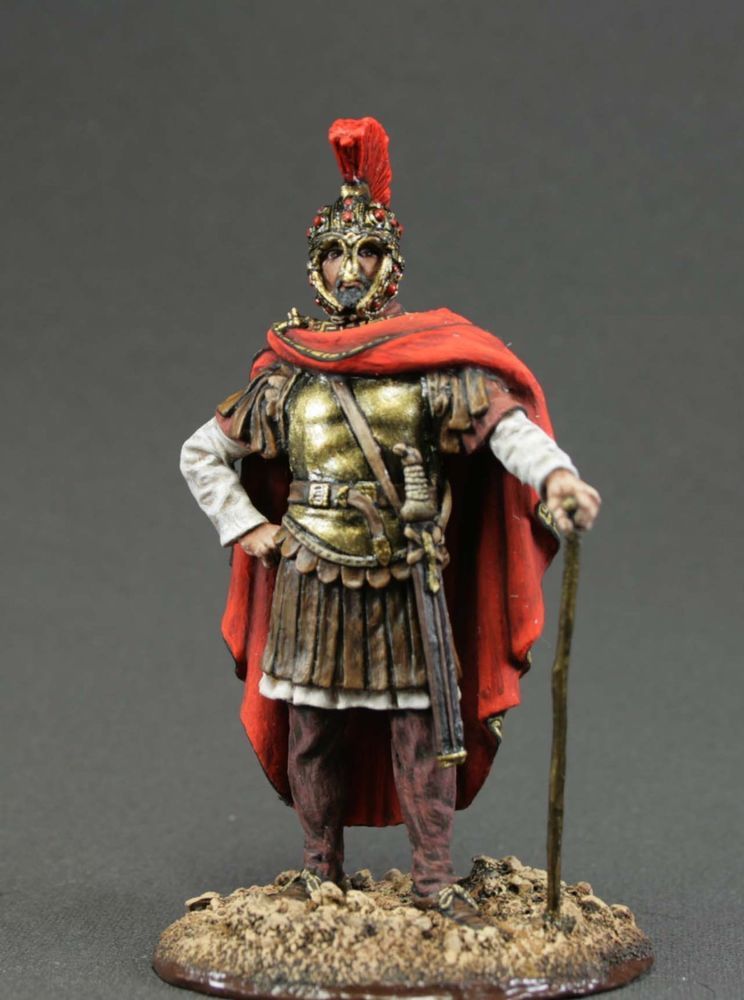
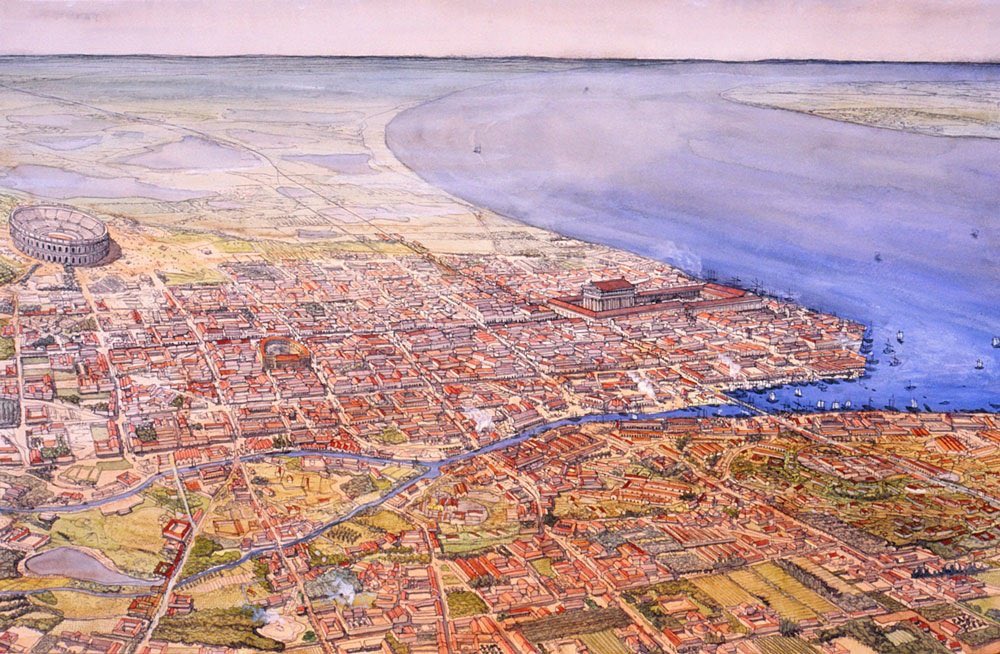

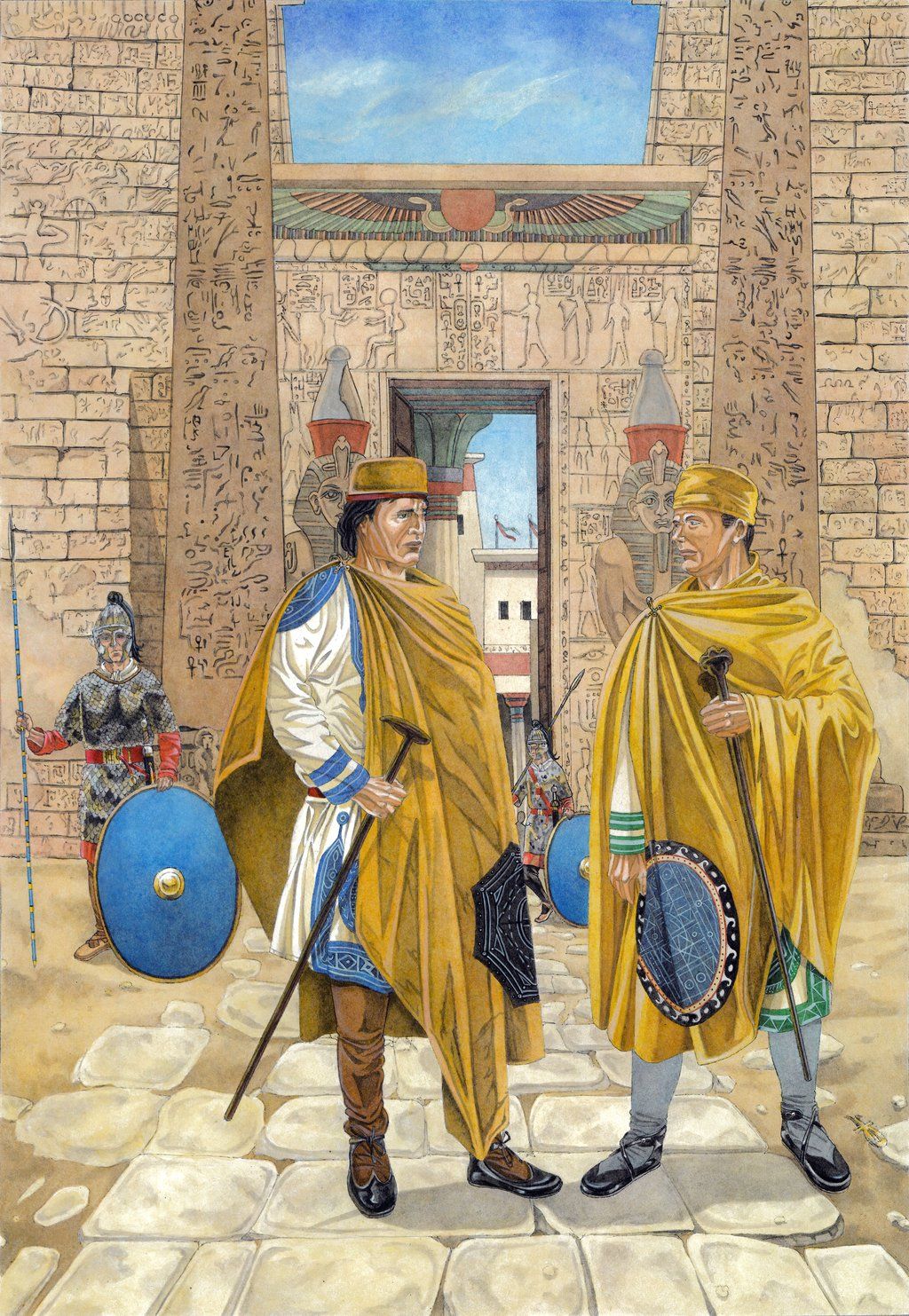
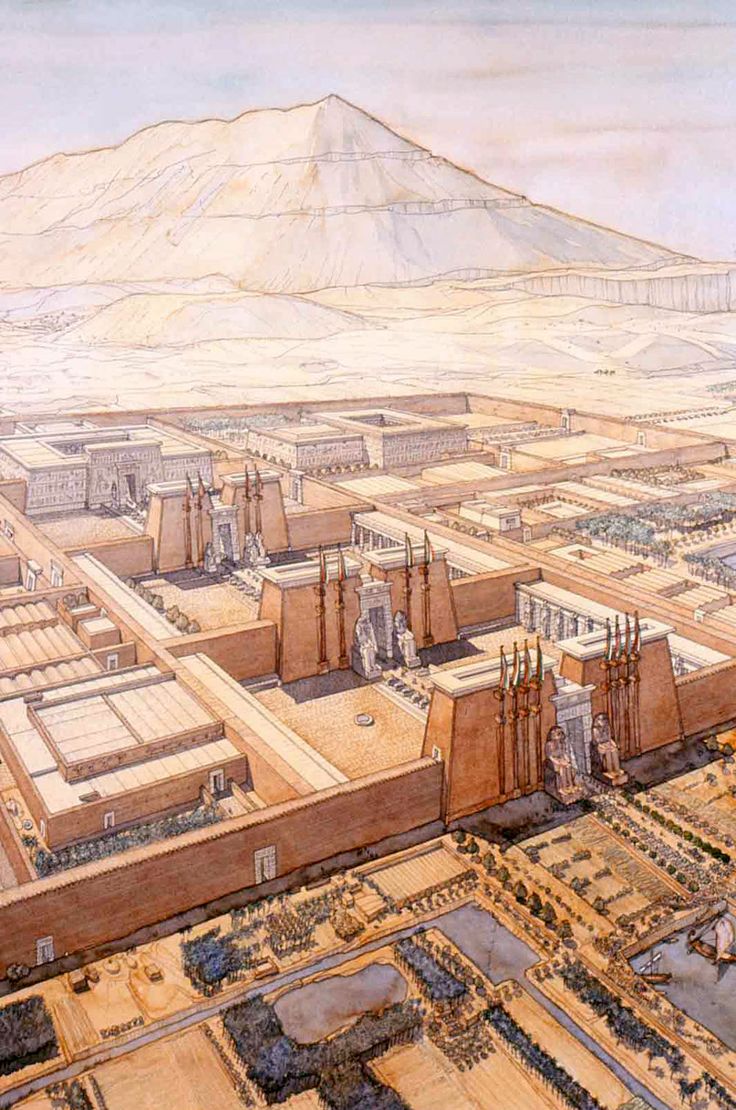
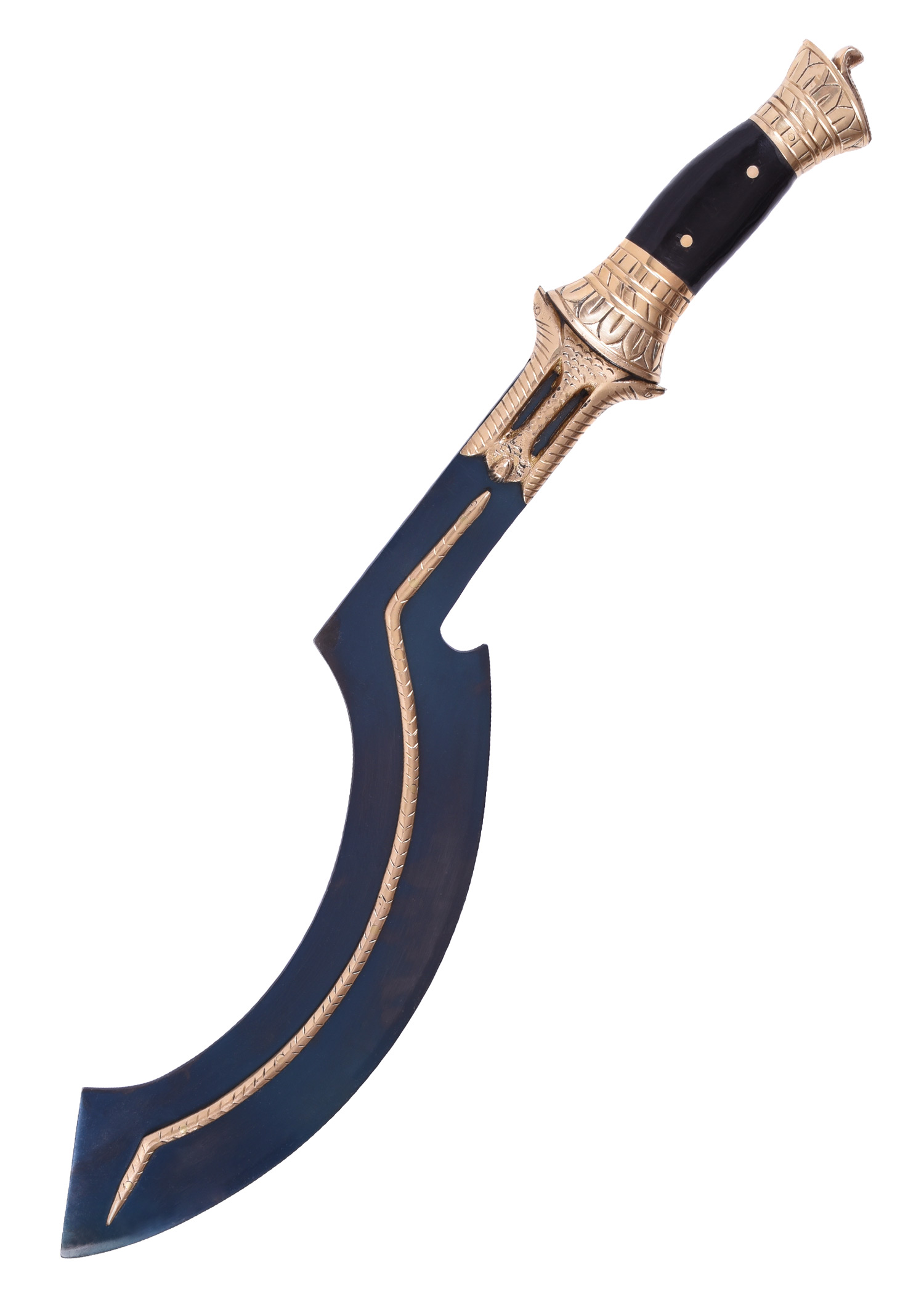


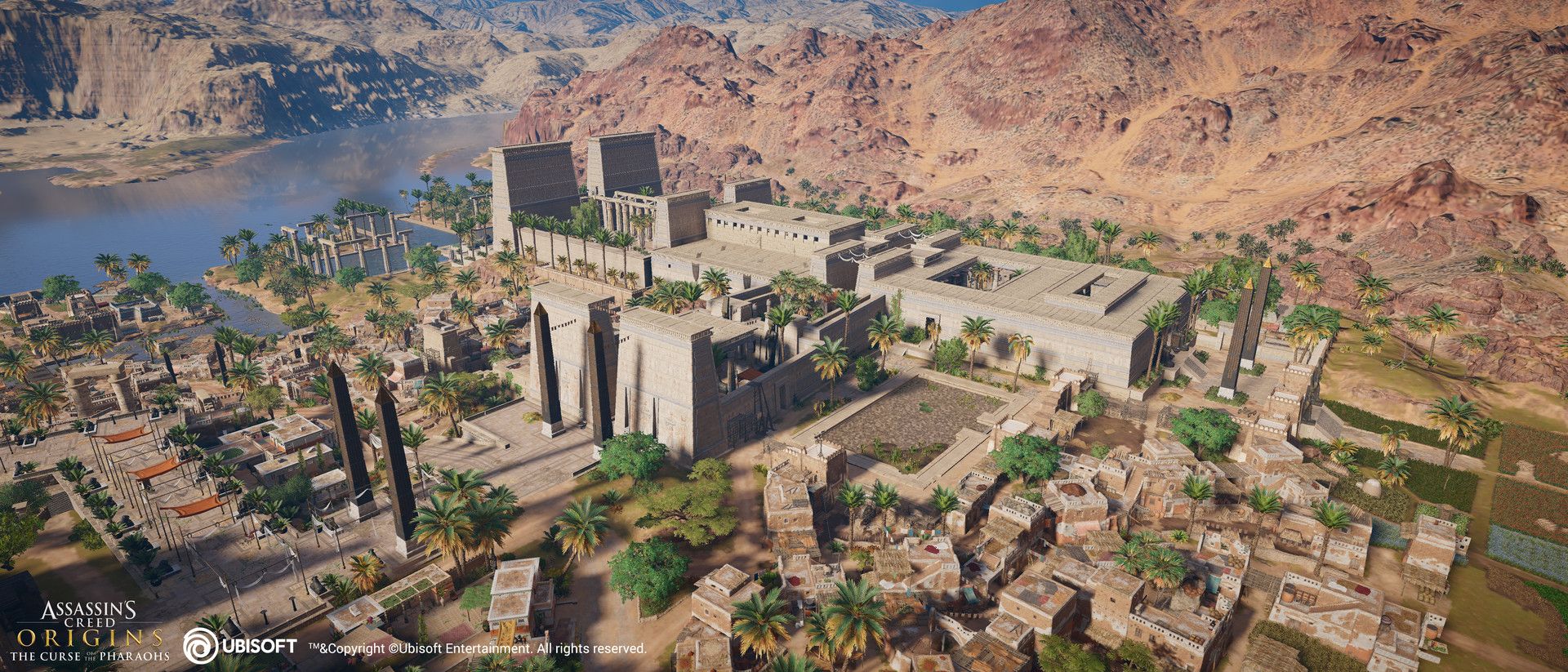
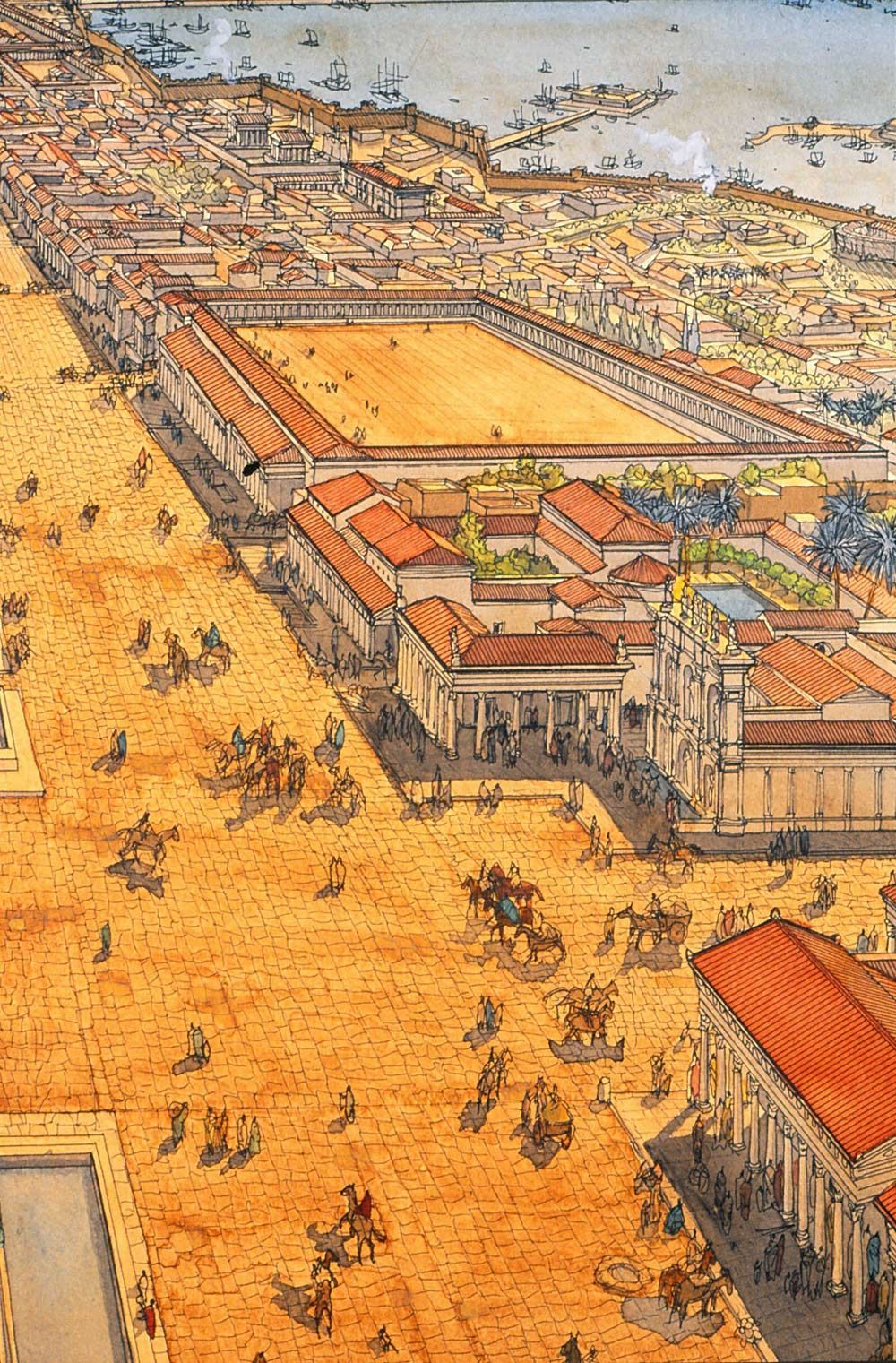
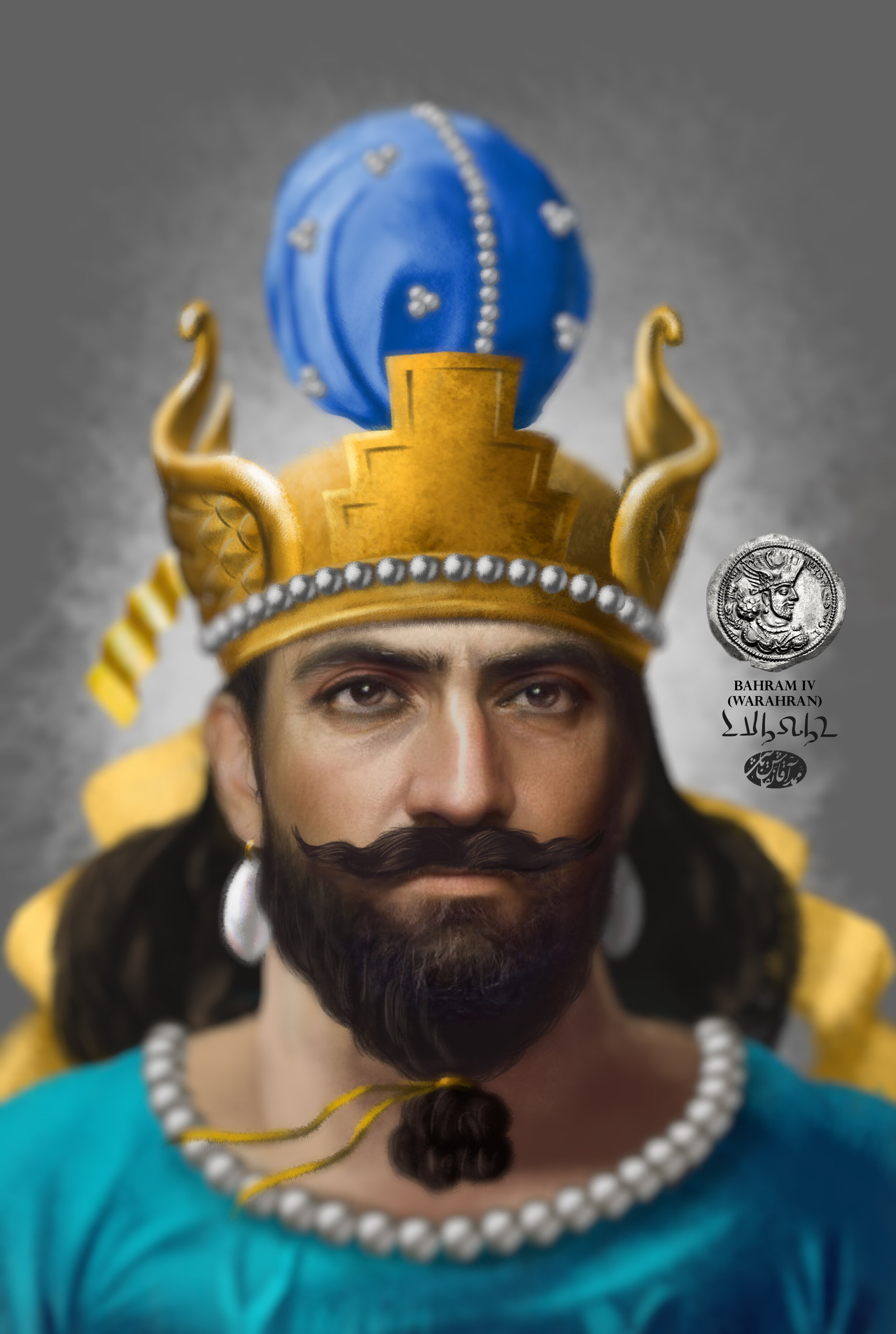

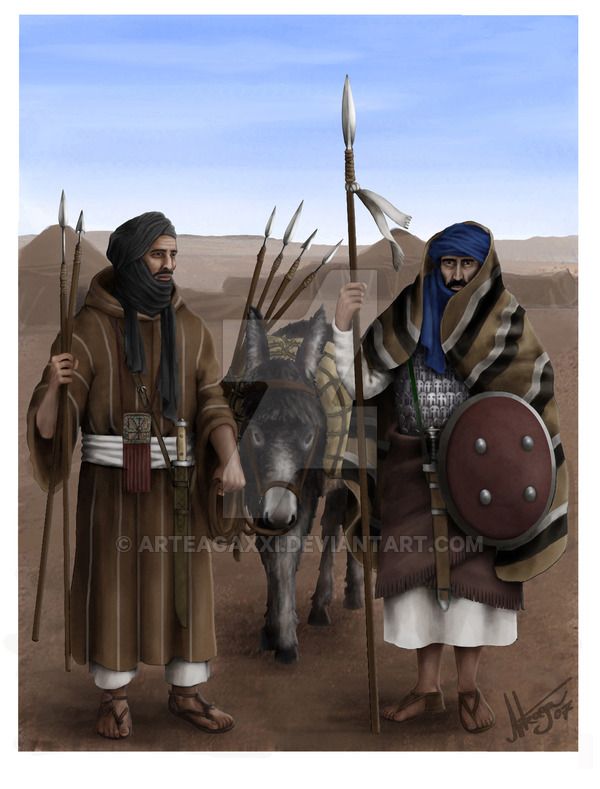

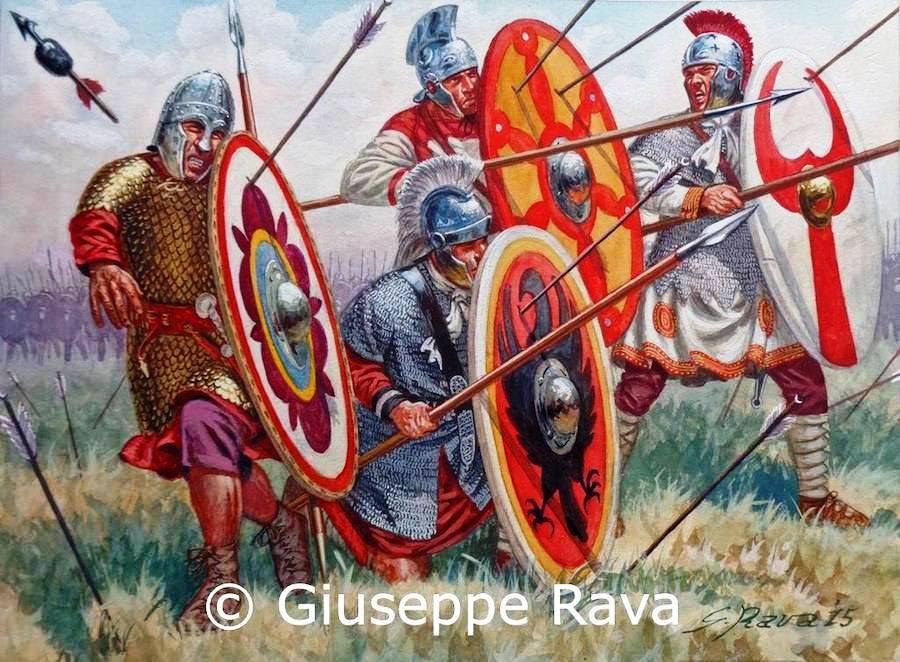
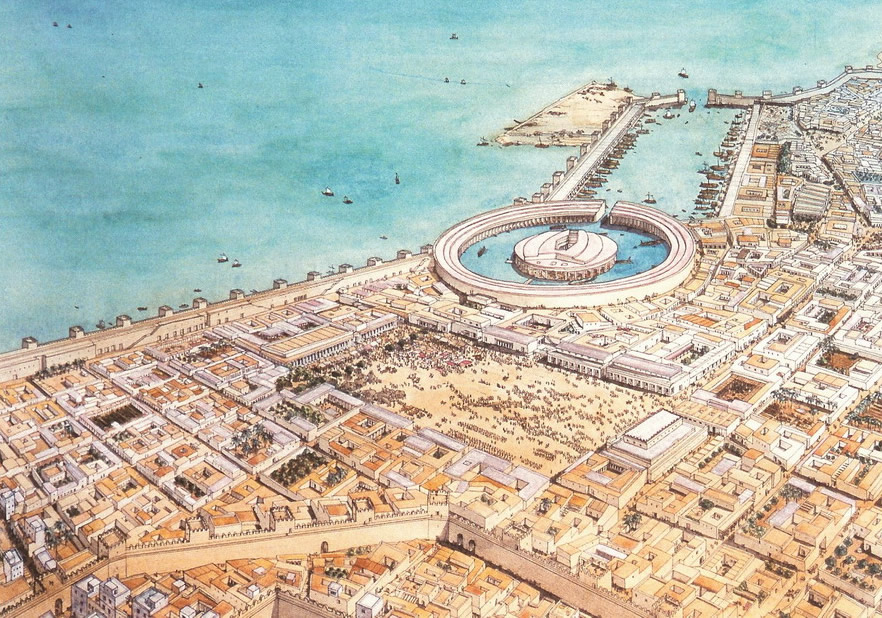

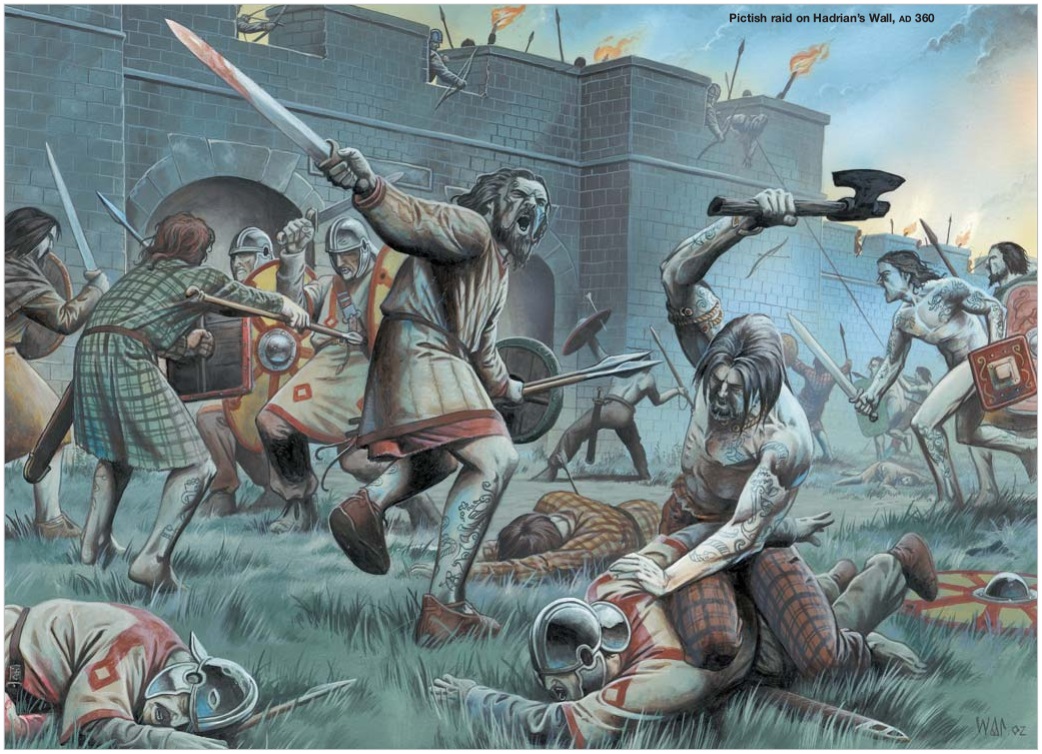

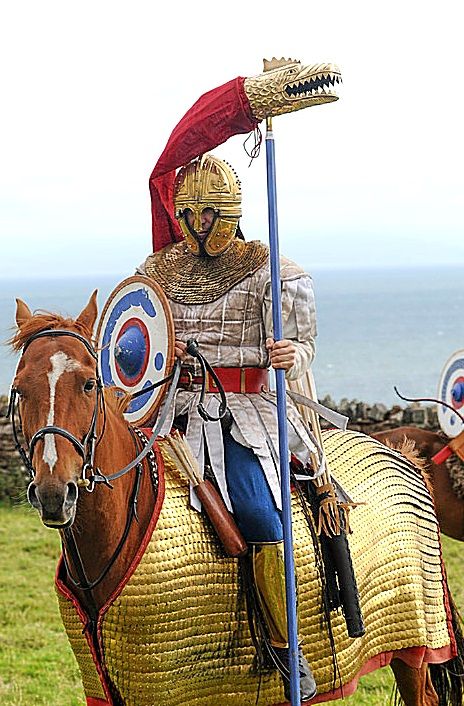
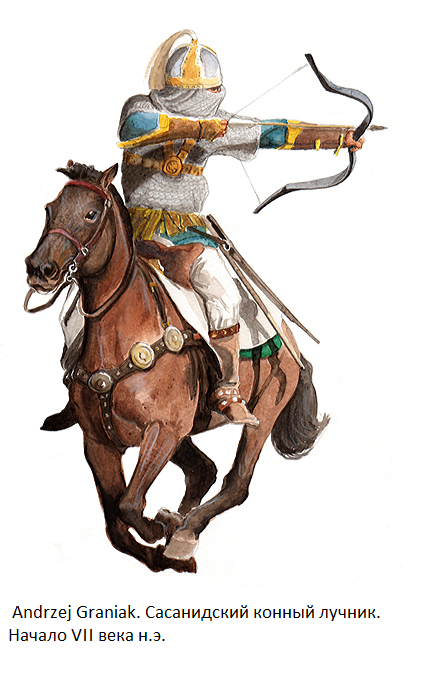
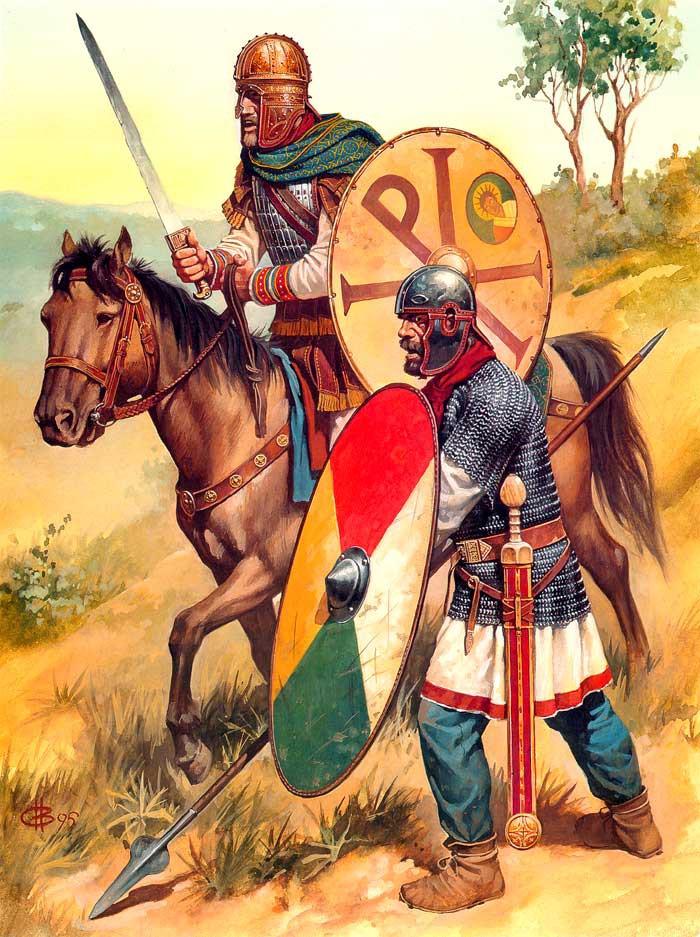
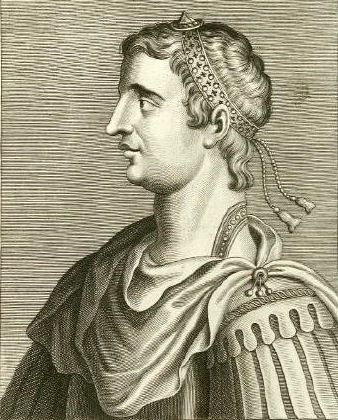





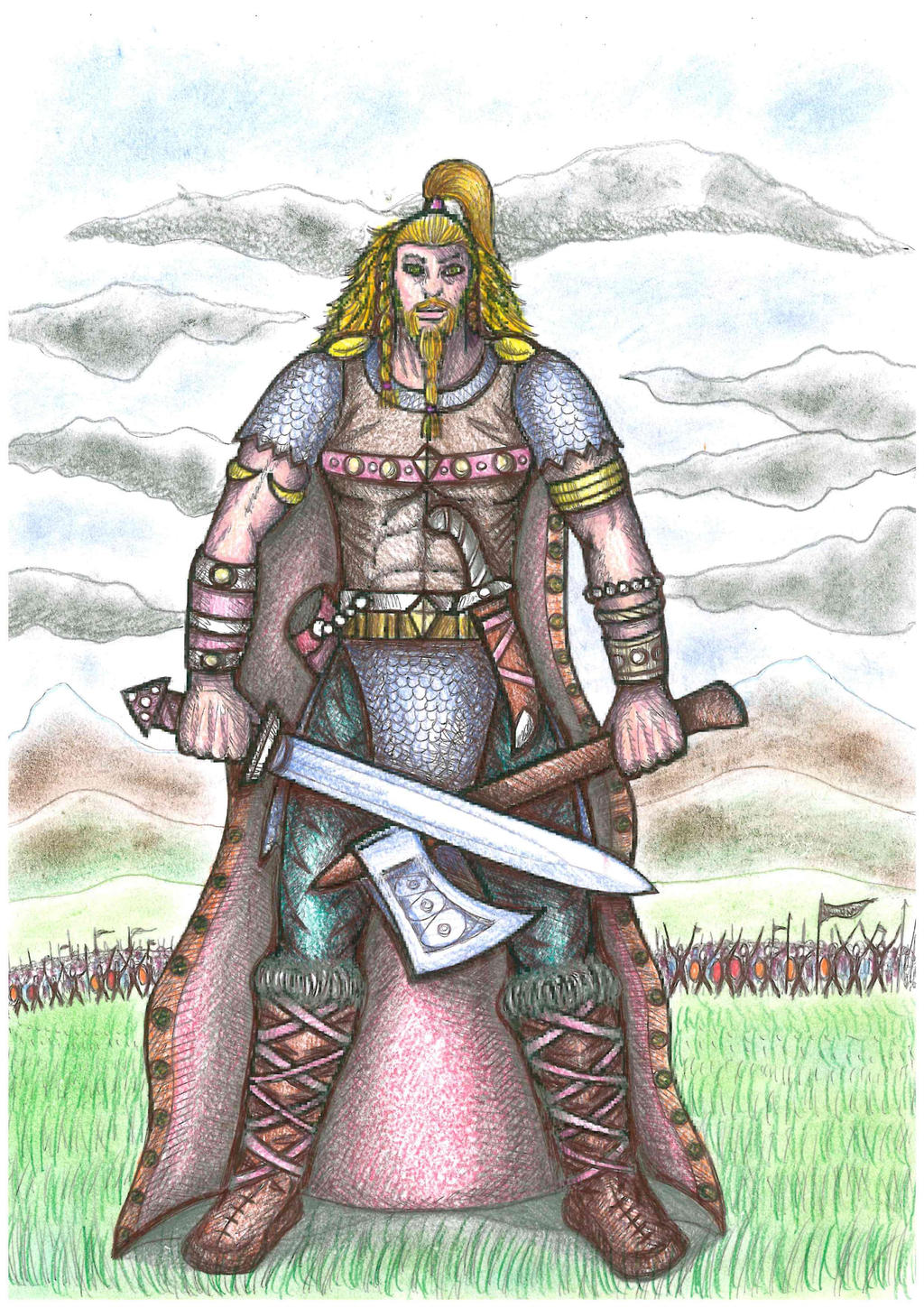
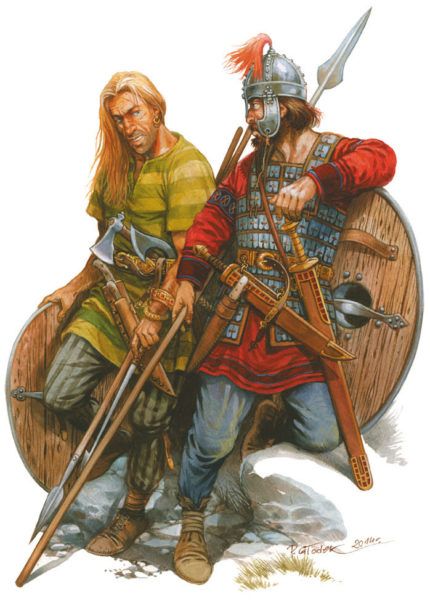
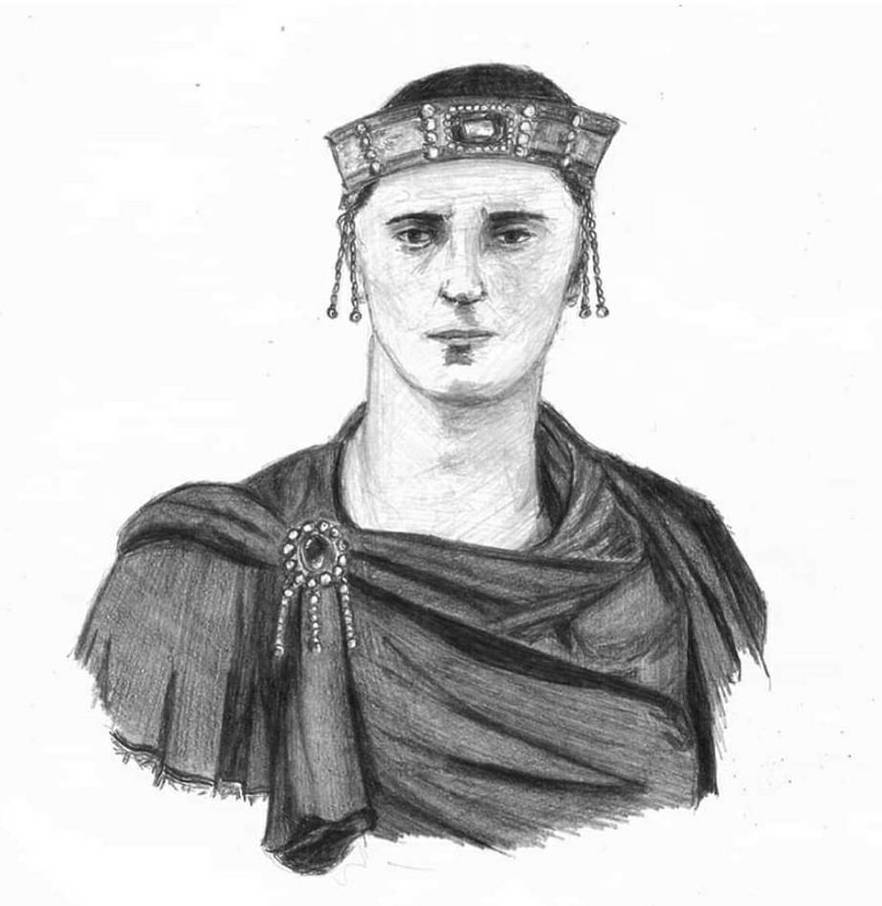


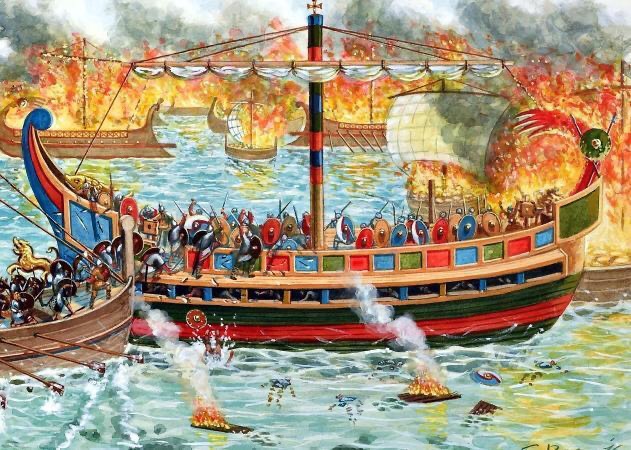


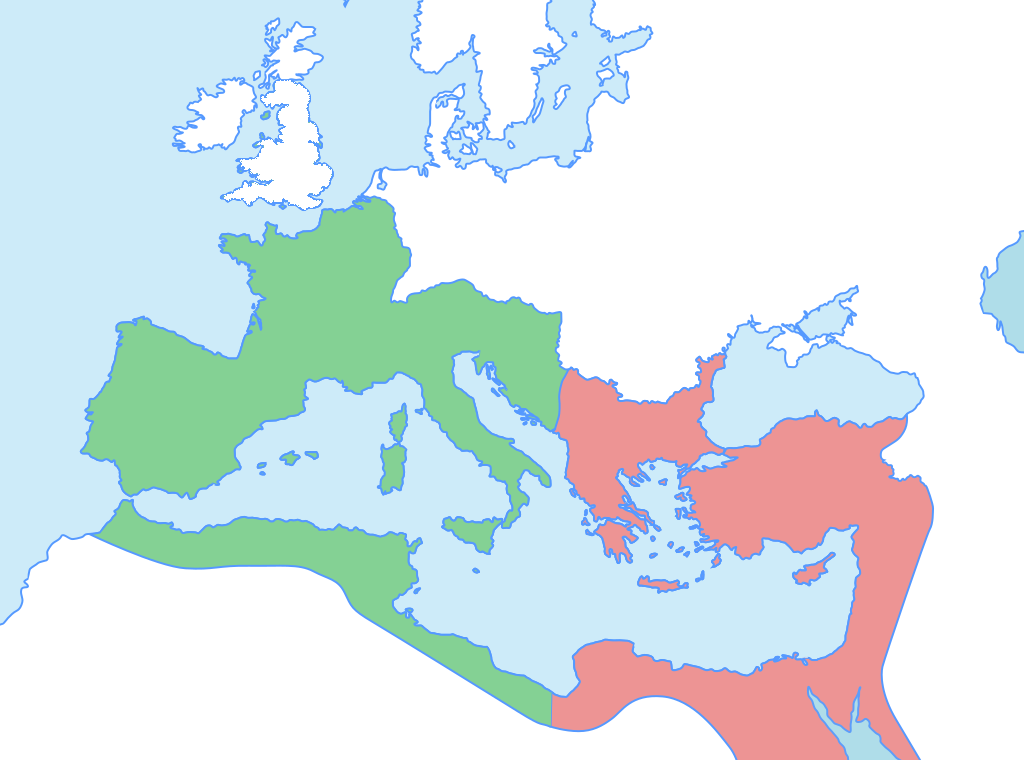
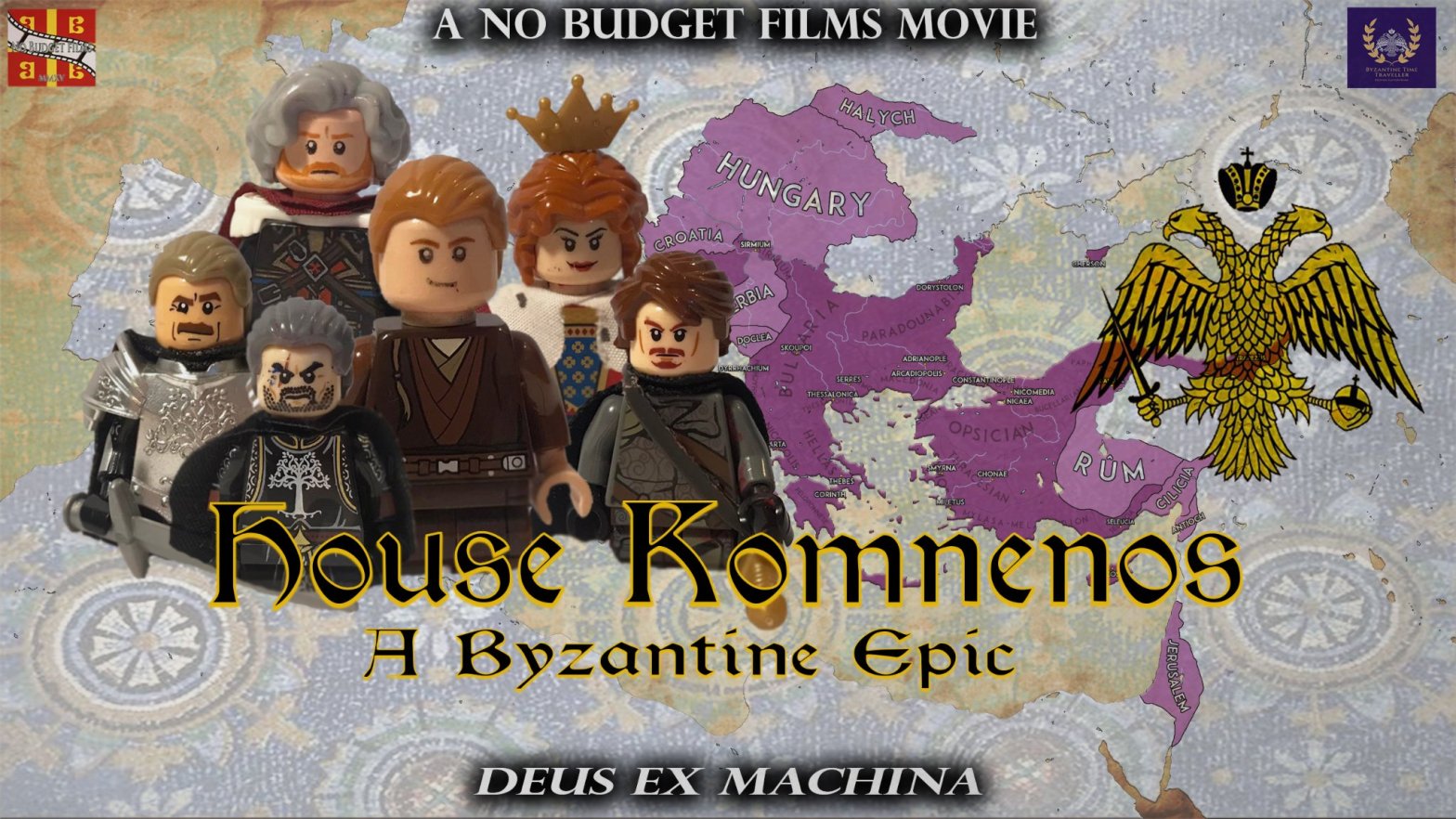

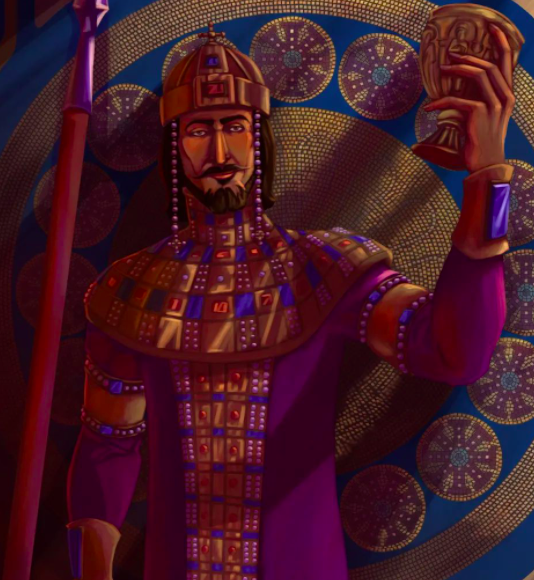

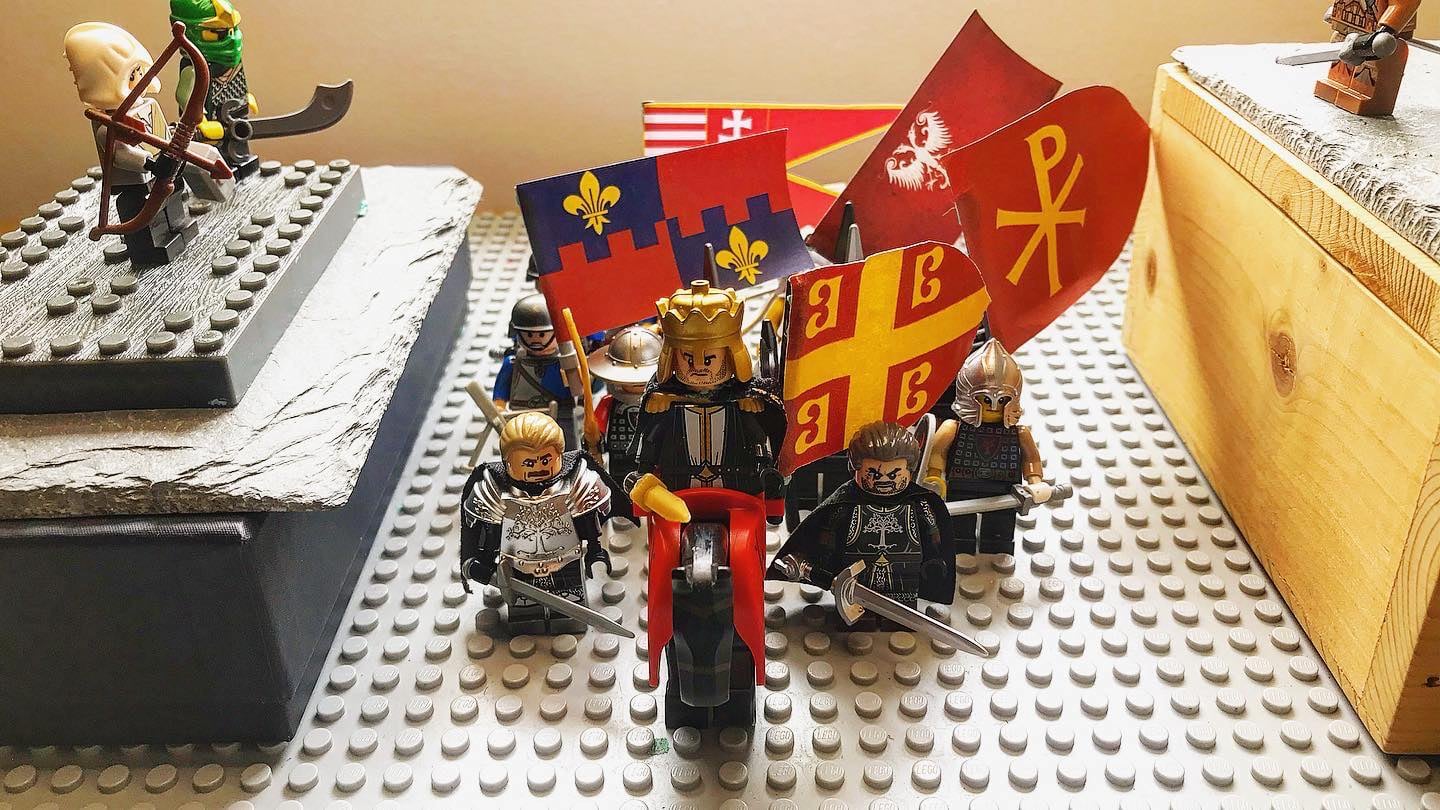


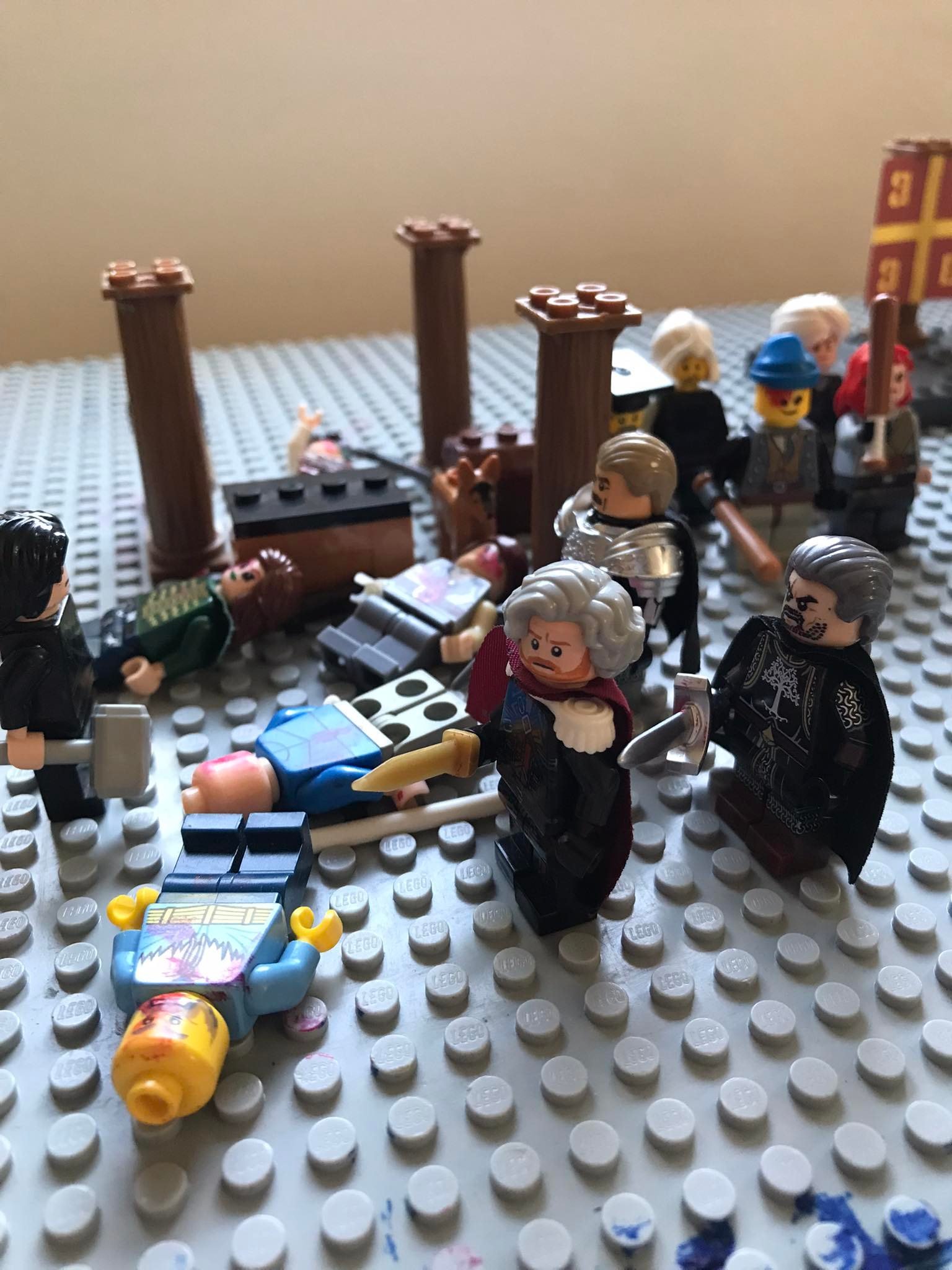
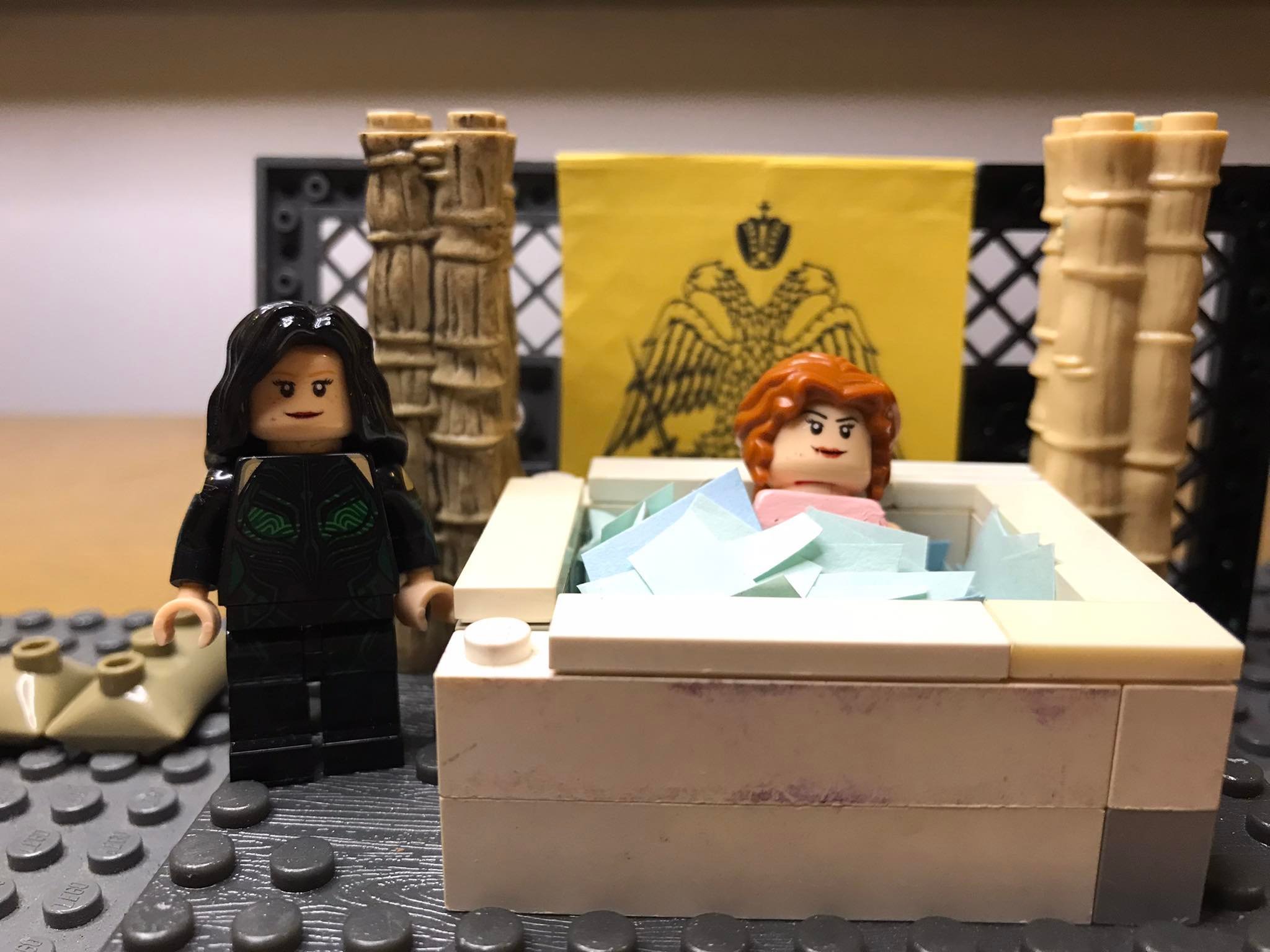
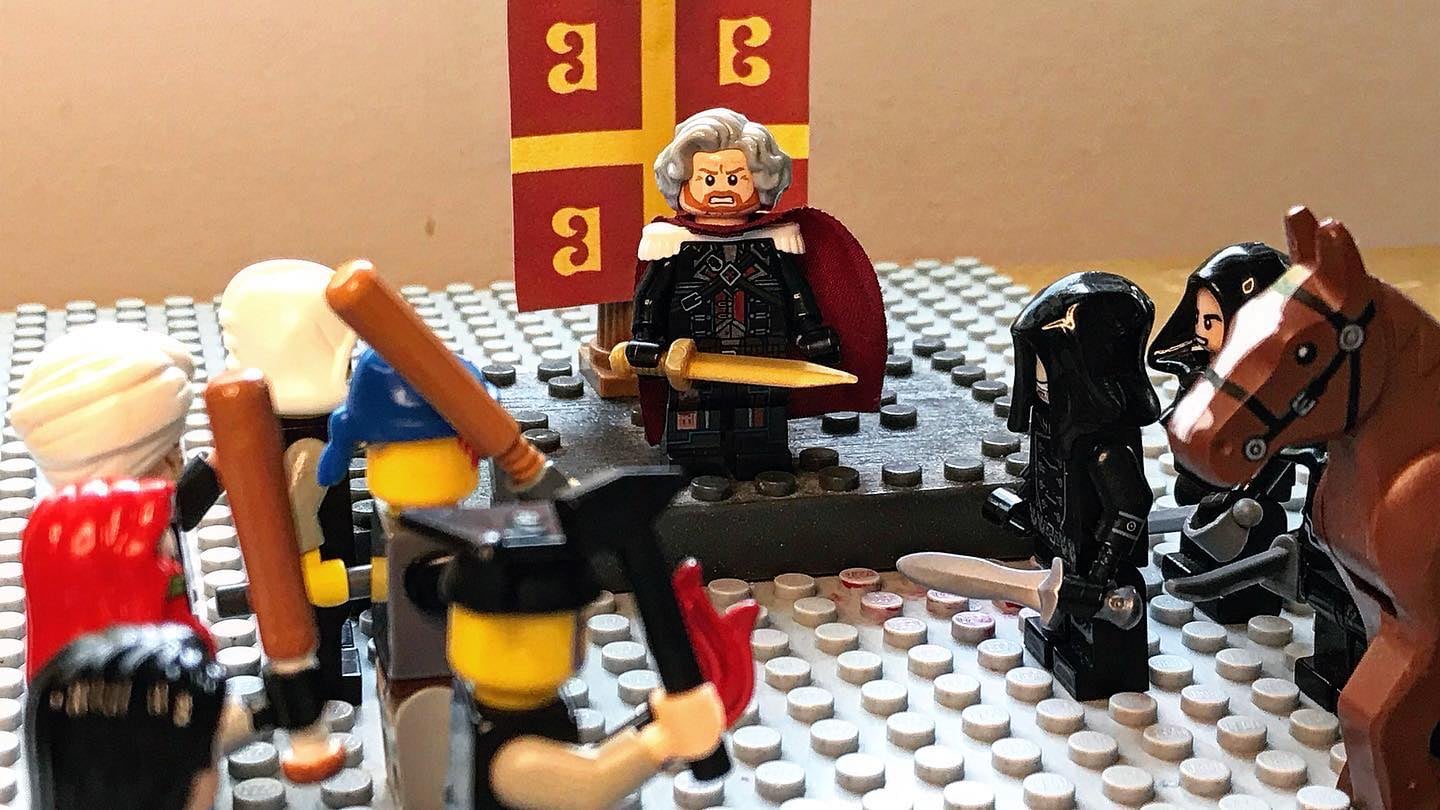
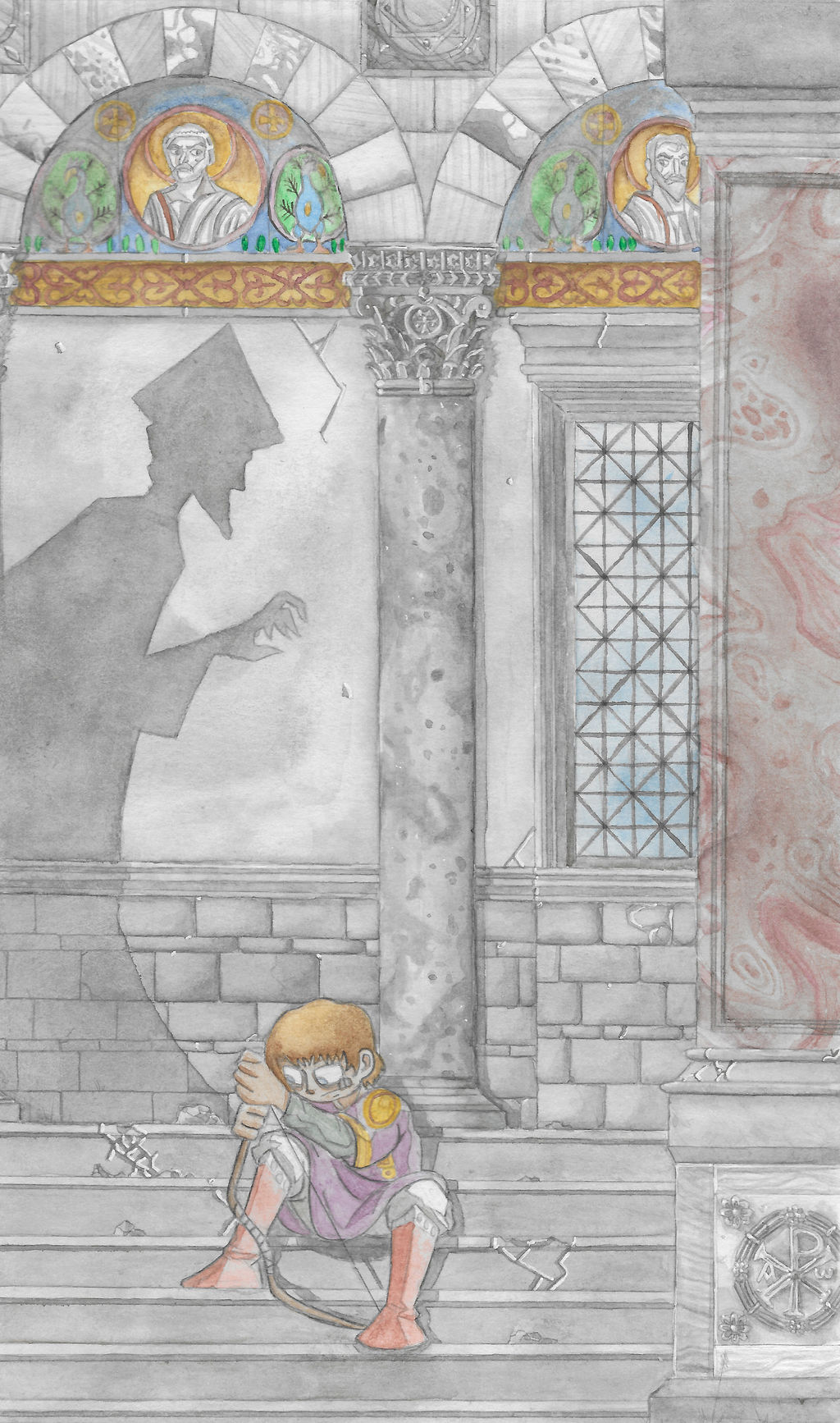
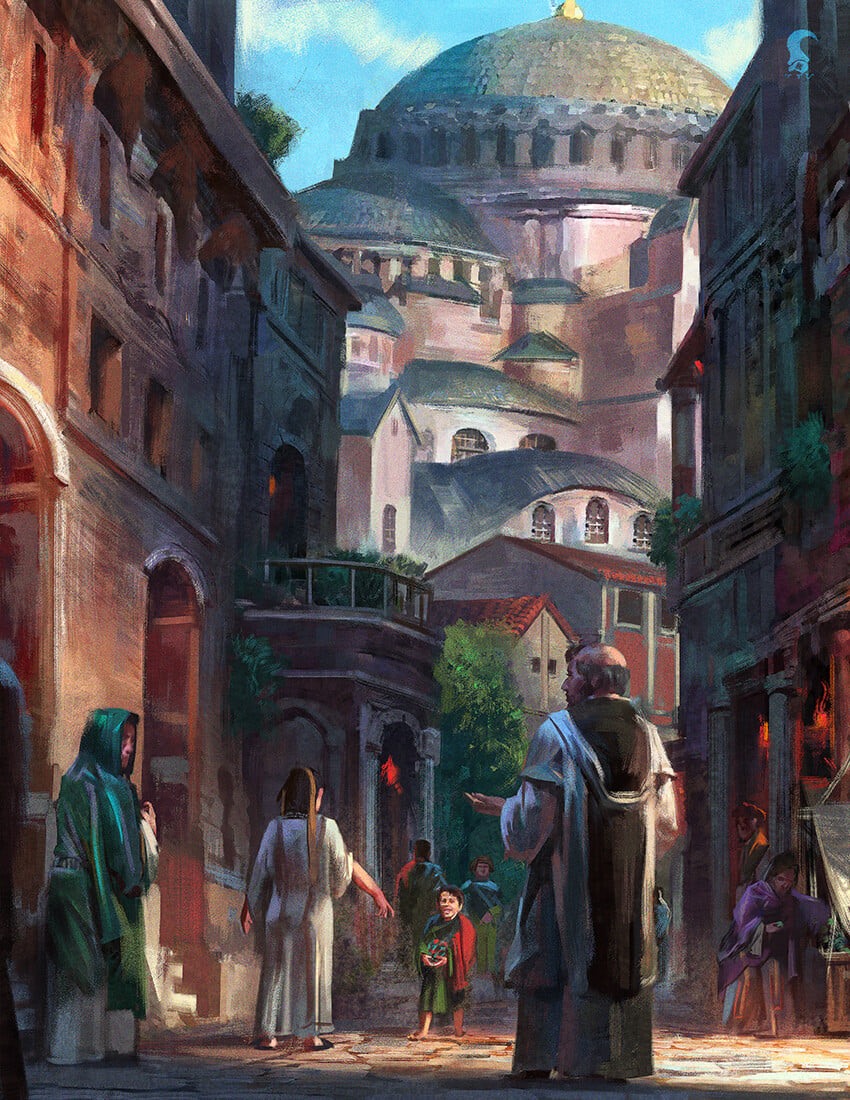

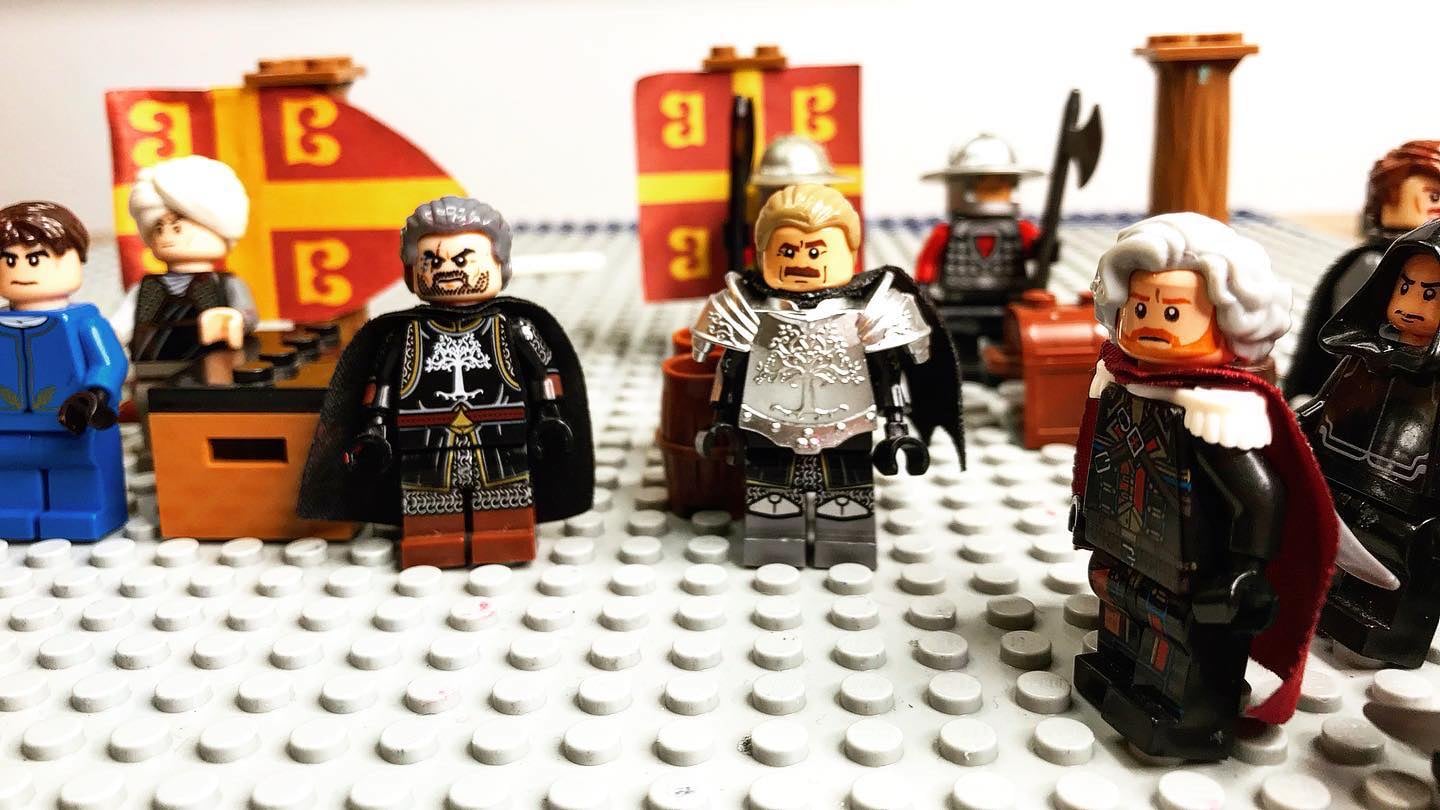
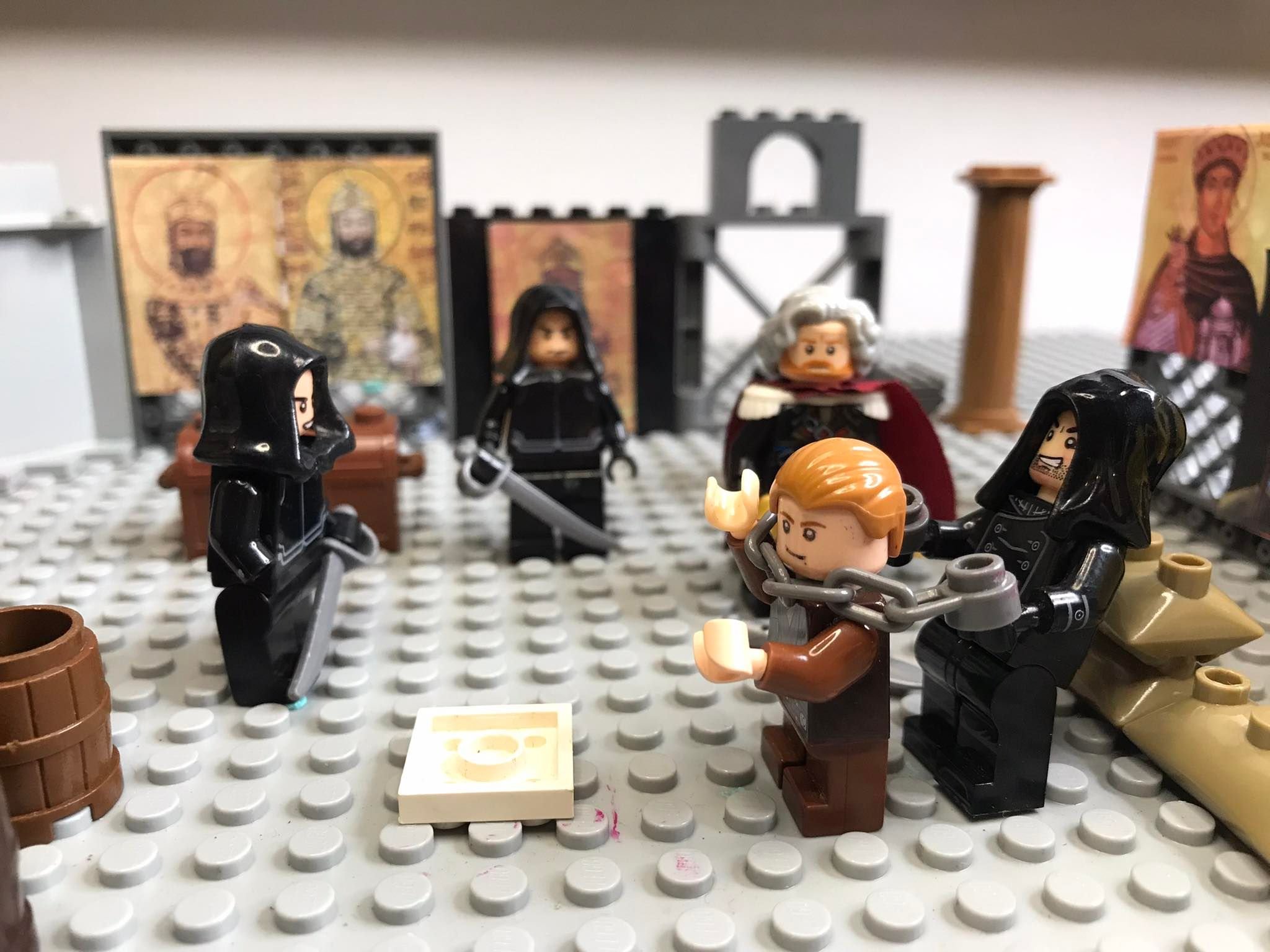
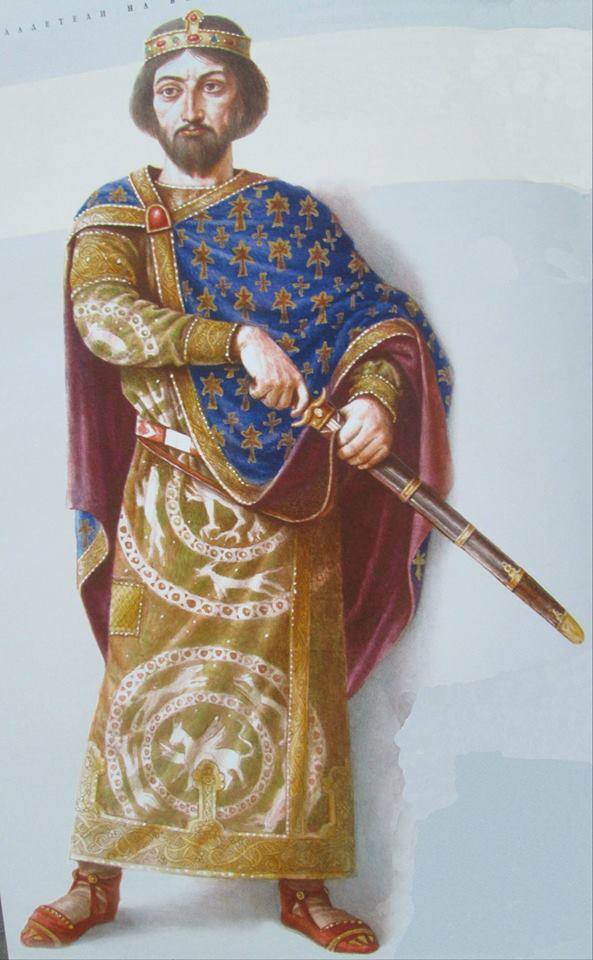
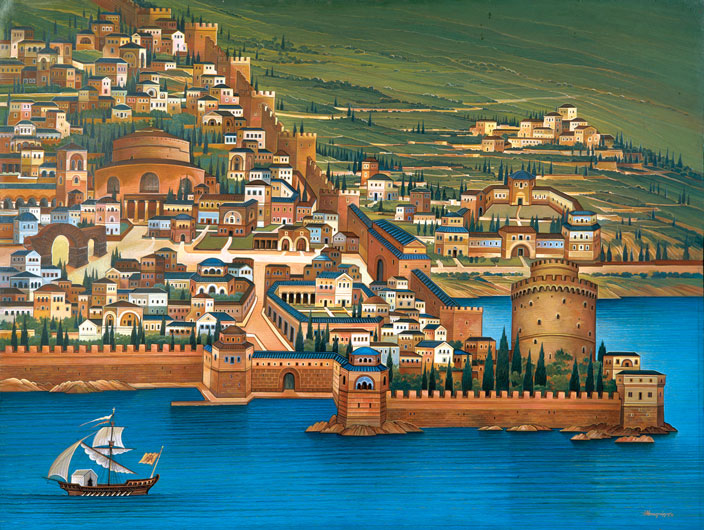
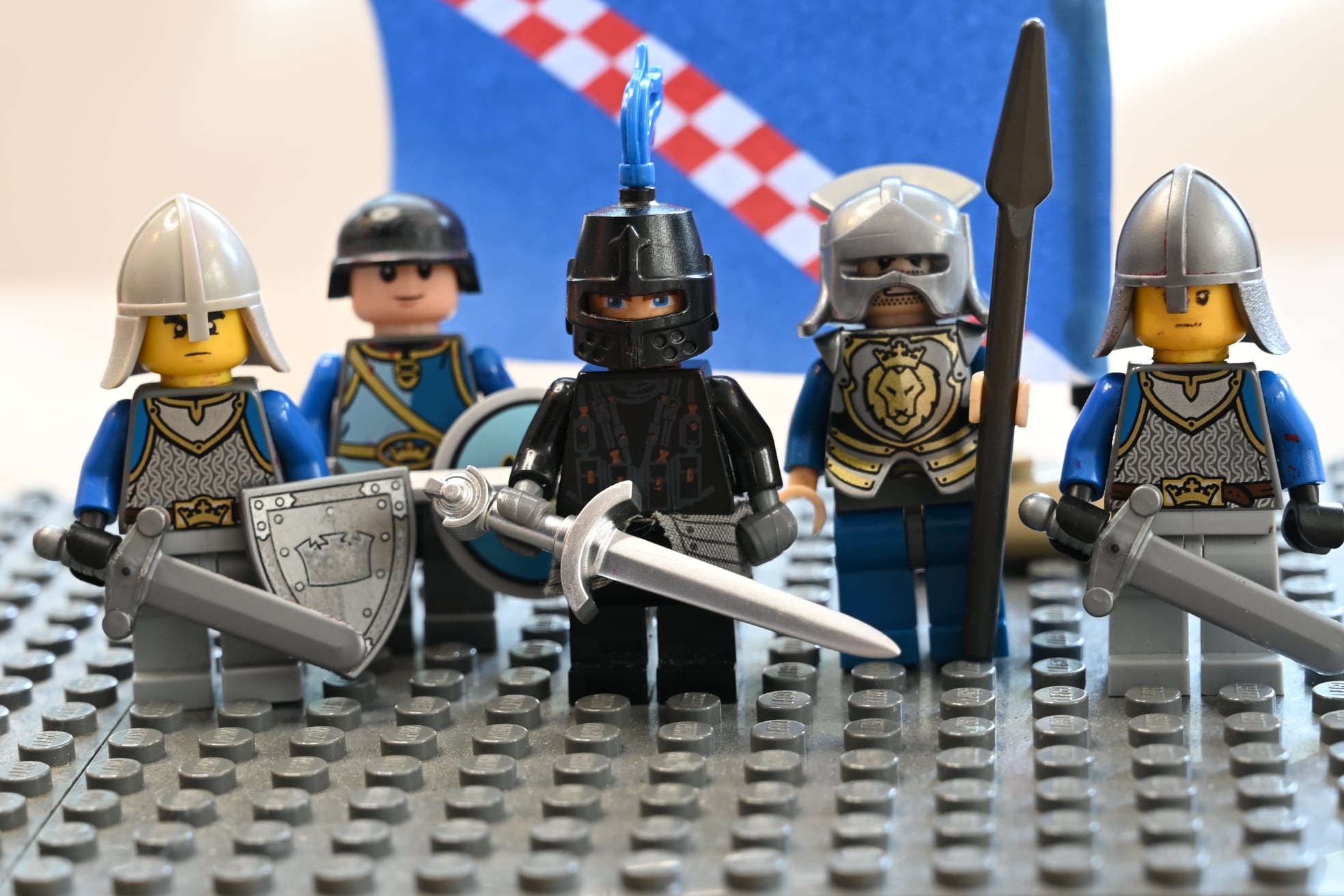


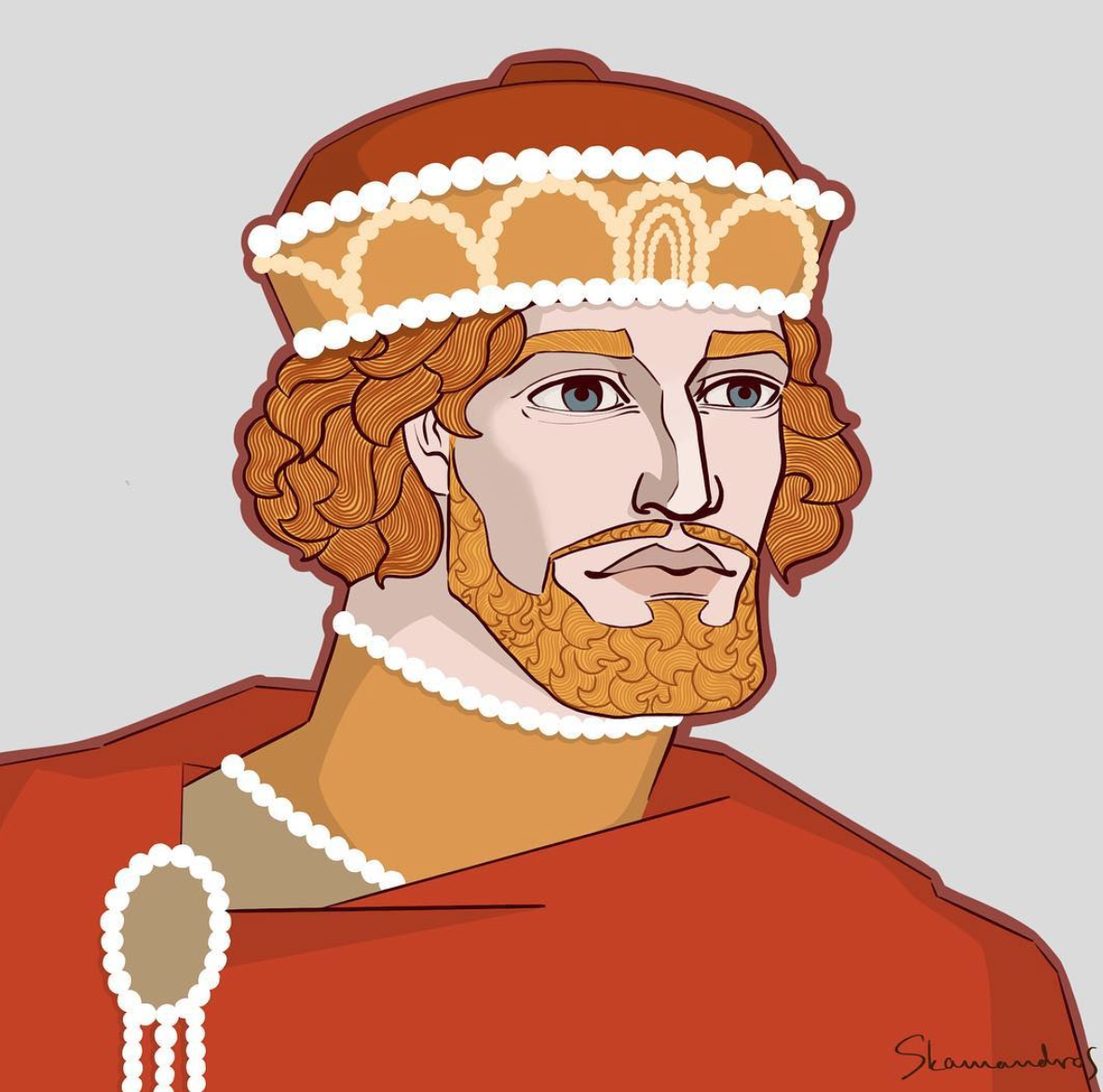
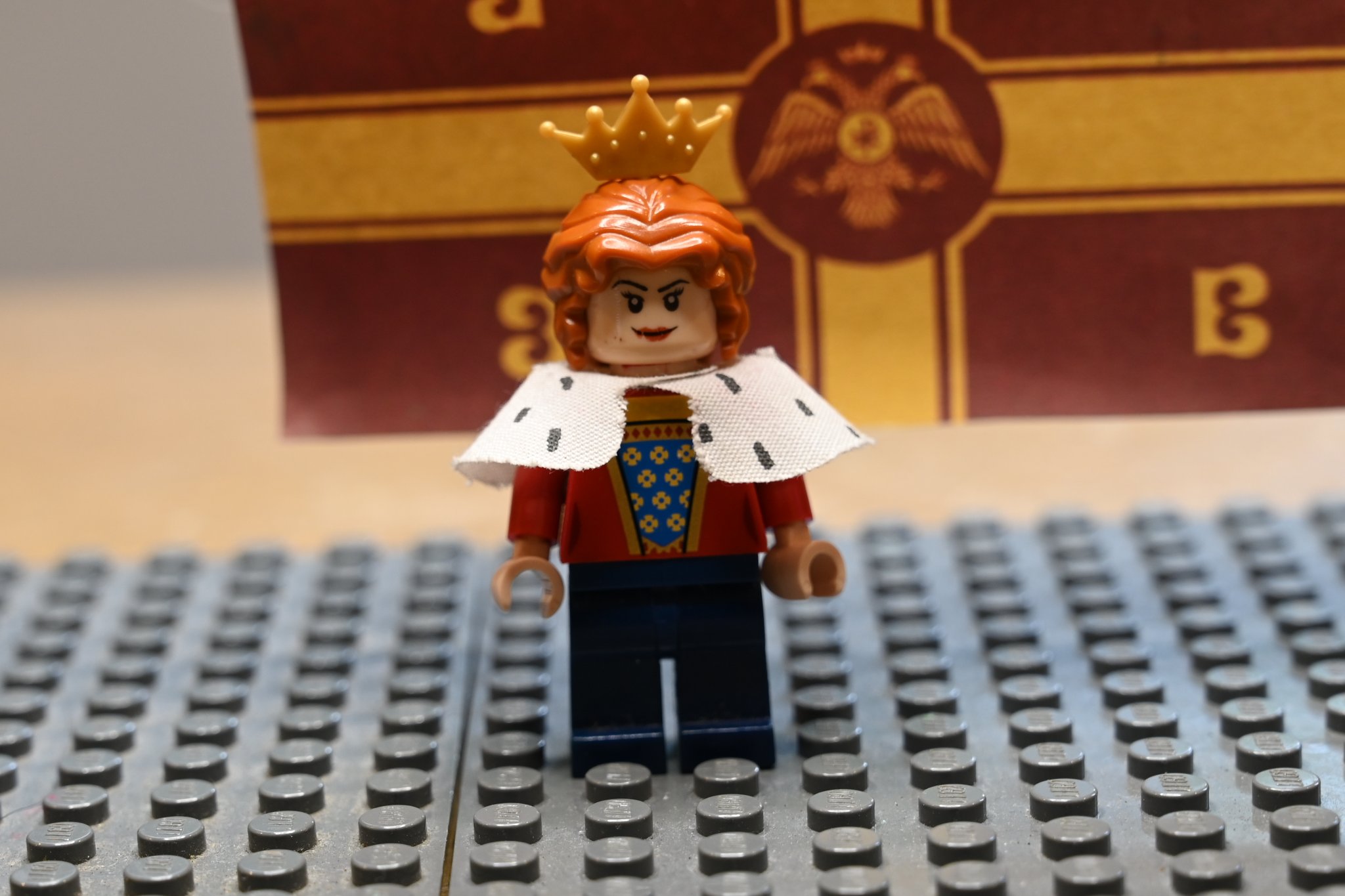
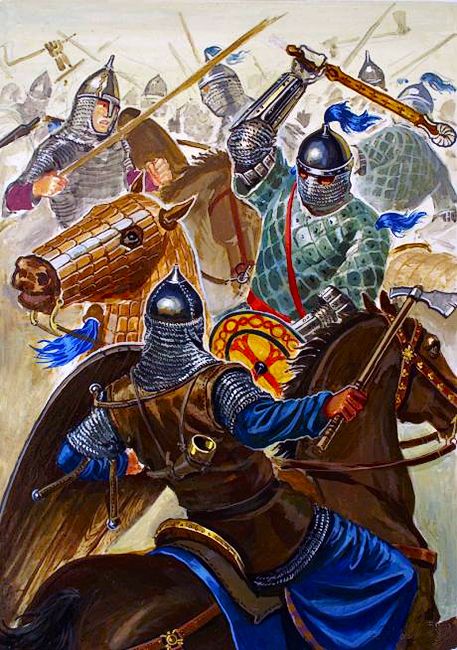
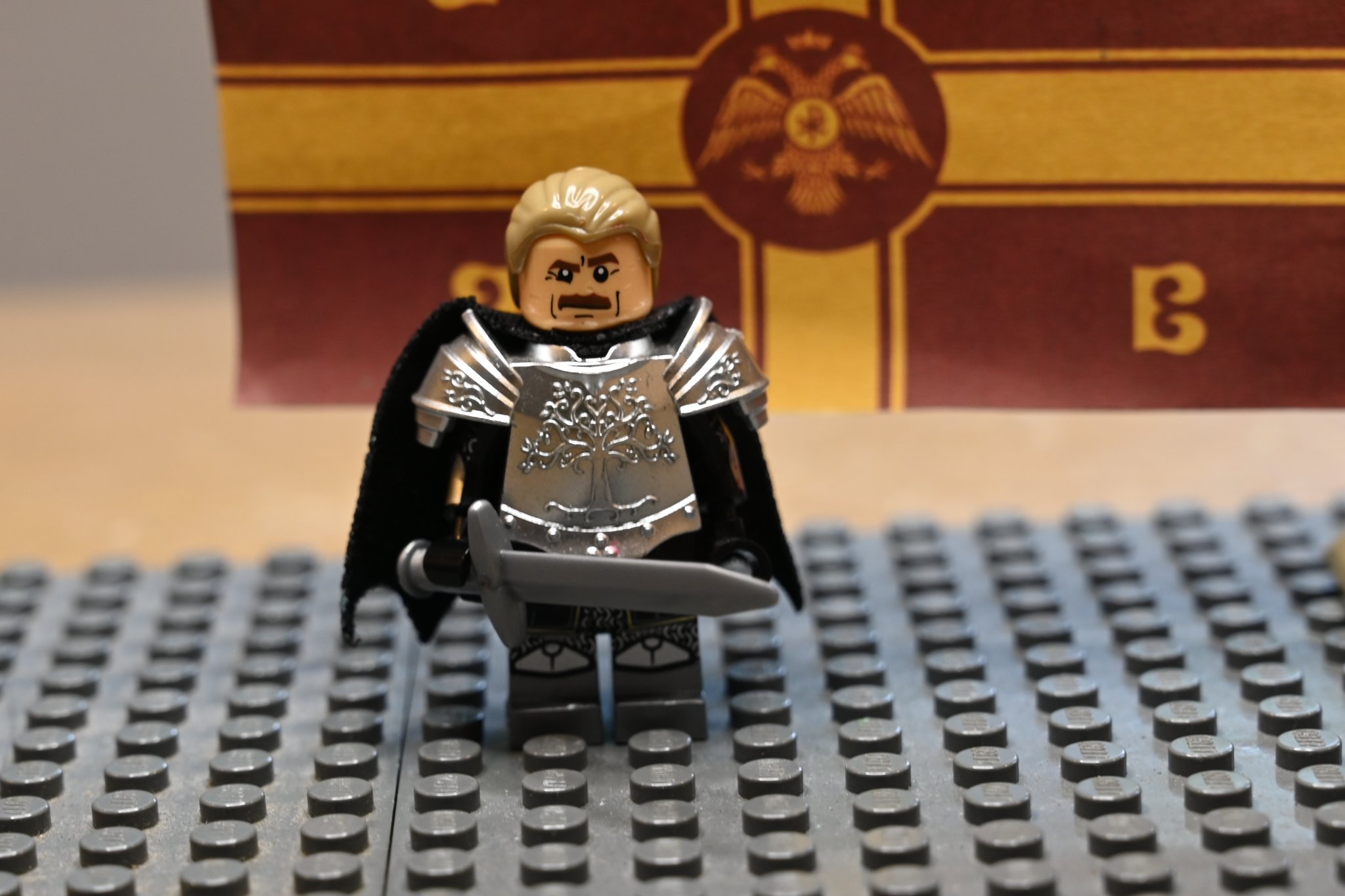
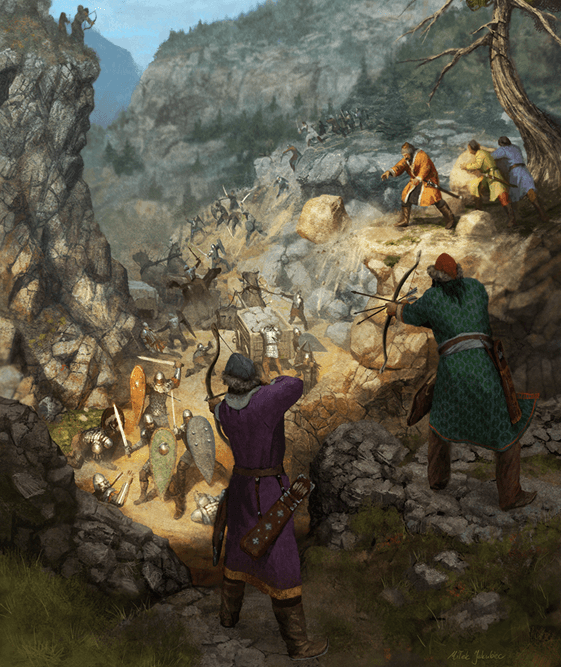

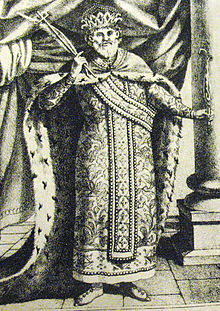
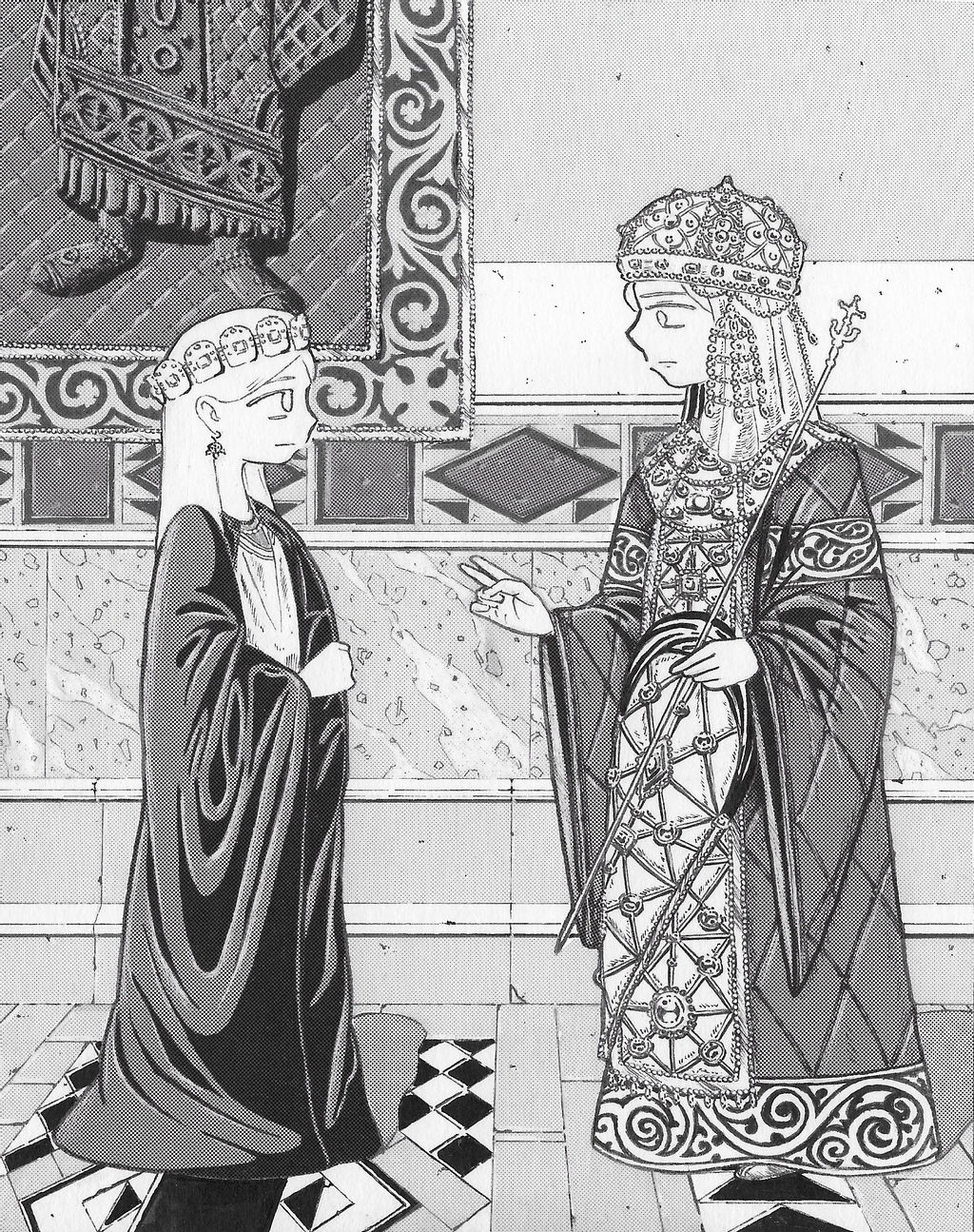



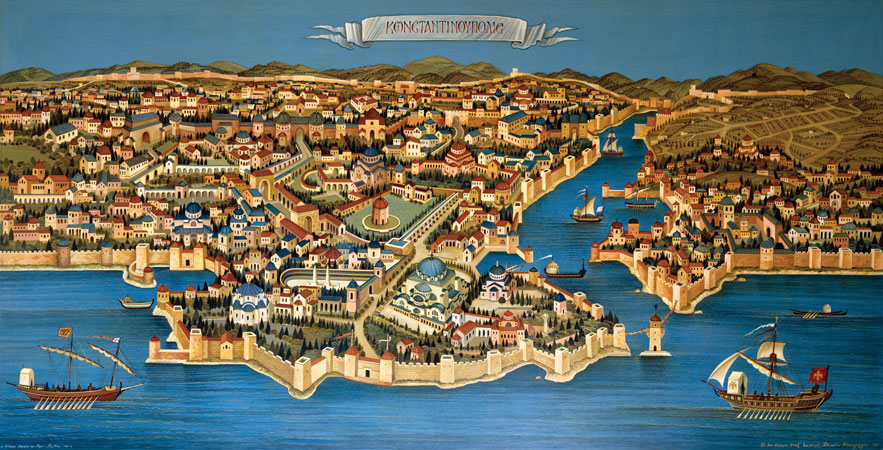


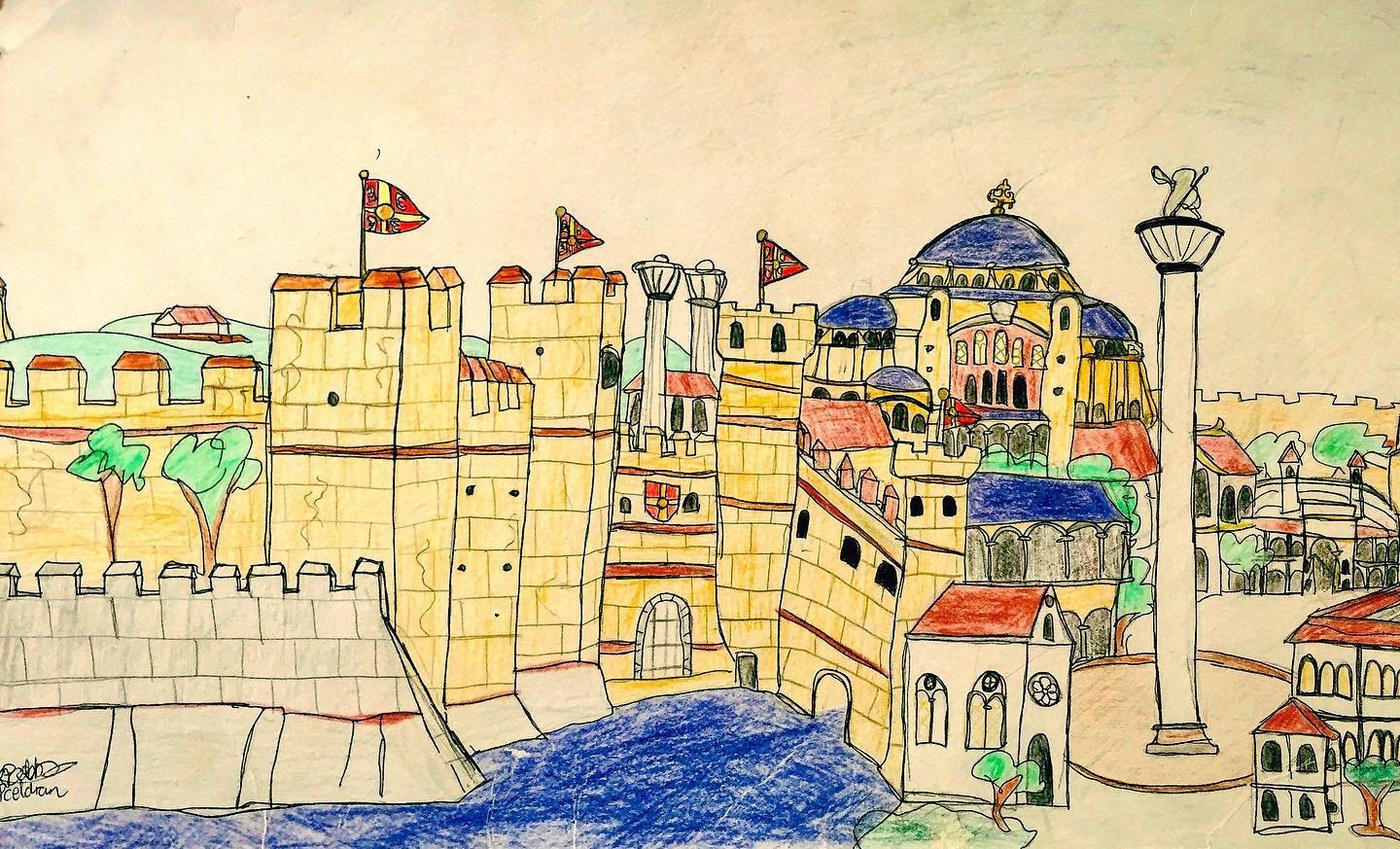
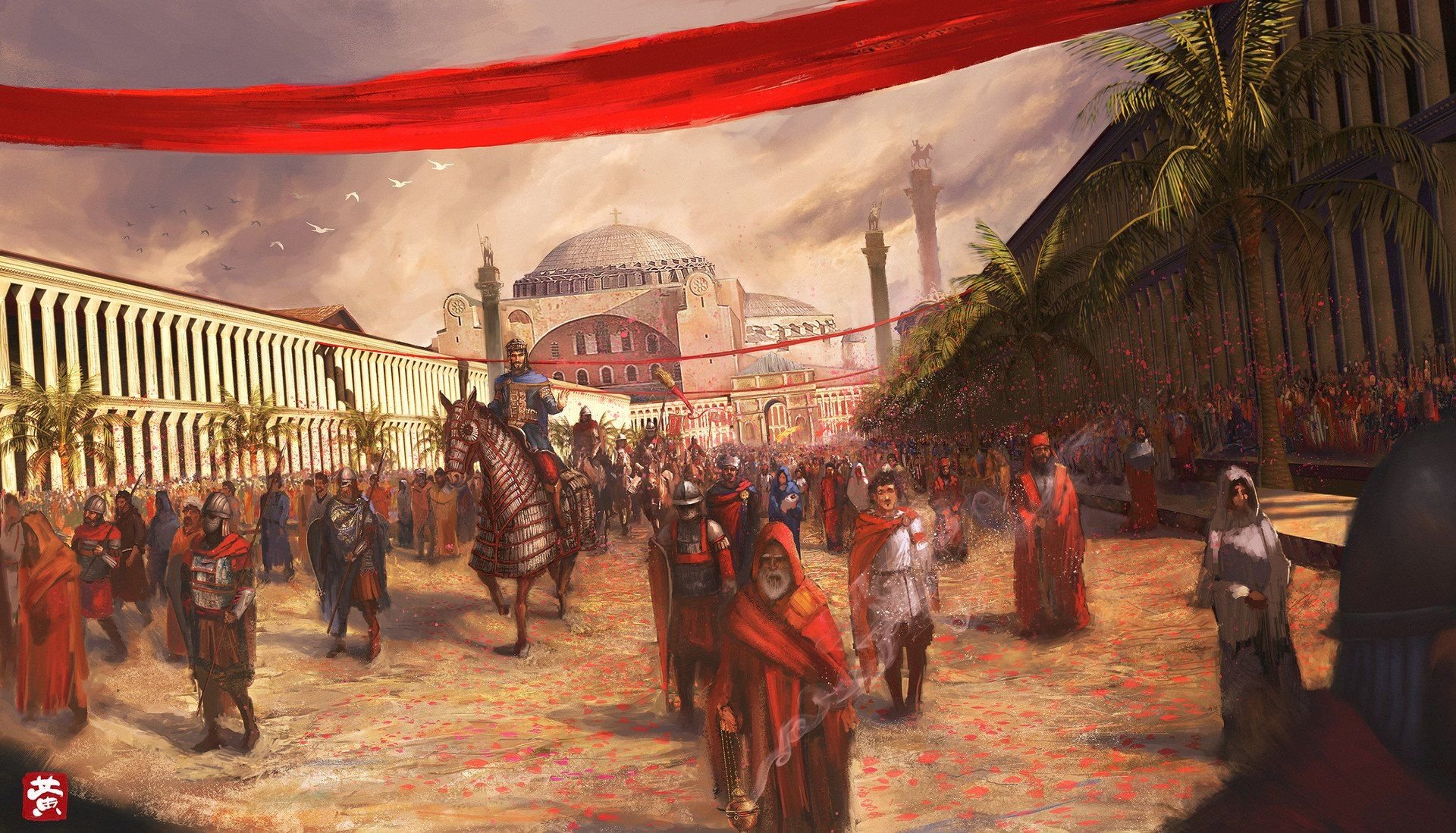



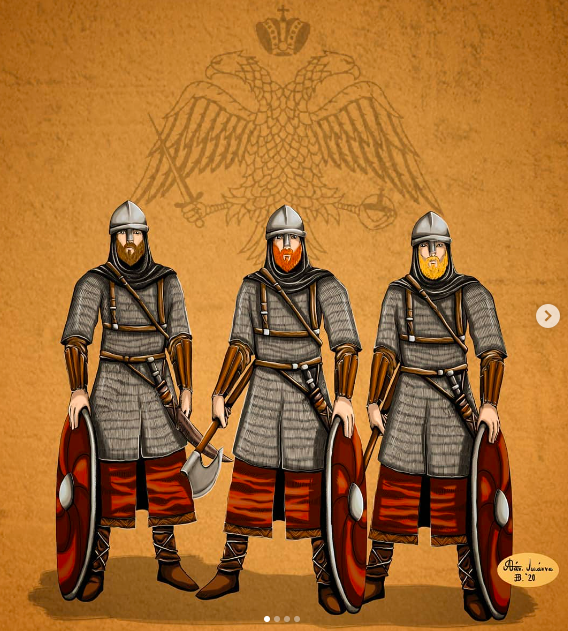
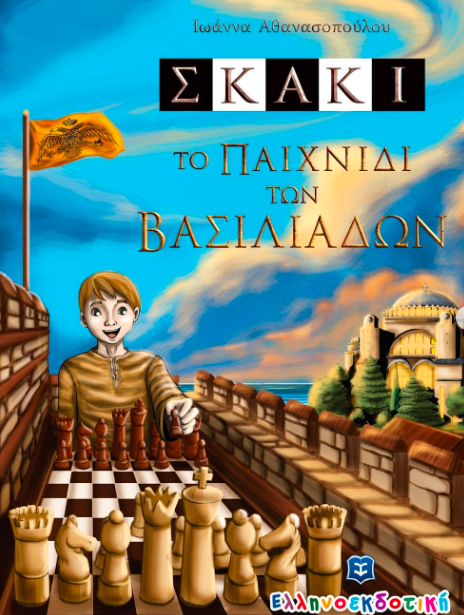
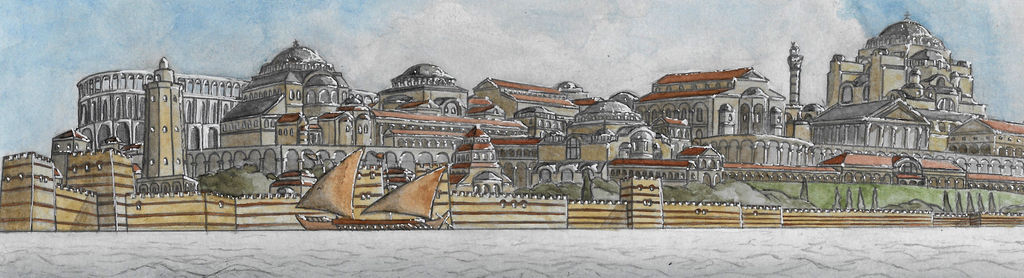
 The Byzantium Blogger