Welcome back to the Byzantium Blogger! As the first post for this year 2025, I will do another interview with fellow content creators, on historical topics, not specifically Byzantine history this time. Last year, I have done an article like this wherein I interviewed 4 content creators on their passion for Byzantine history and how they aim to promote it through social media. Of course, every year there are always new content creators who come about, thus for this reason I decided to follow-up last year’s article of the same topic but this time interviewing a new set of content creators who have just risen in the past year or who I had just come across recently. Through these new content creators, we will hopefully get new insights about content creating for history- not just specifically Byzantine history- and how to promote history through social media. In the case of this article, I chose new content creators who I have recently come across in order to gain new insights in content creating. I also chose creators who don’t just specialize in Byzantine history but in other periods of history as well in order to compare my strategies of promoting Byzantine history to theirs’s in their own historical periods. The questions that I will be asking the creators for this article will be very much like the ones I did for the same topic last year but with a few modifications. The questions here will include on what got the said creators into their specific timeline in history and why they decided to create content on it, how they can popularize history as a content creator, their tips and strategies in promoting history, and if they think that one does not need to be a scholar or academic to know so much and share about history. Overall, the aim of this article and the interviews with these creators is really to show how history can be promoted and shared these days to everyday people through content creators on social media and not just something made only by and for scholars and historians who specialize in the field.
First, I shall introduce the 3 different creators that will be interviewed for this article, and though they may have different points of views when it comes to history, they all have a common passion for history and thus choose to create content for it. The first of the creators that will be interviewed here goes by the name Cloud Winchesteron Instagram (follow him on Instagram @serarthurpendragon) who I have recently had the pleasure to know and follow. His posts are mostly related to Byzantine history but more so on travel locations usually around the Byzantine world and his insights on them.
The second of the creators that will be interviewed here is Dr. Anne Maltempiof the Sicilian School(follow her on Instagram @the_sicilian_school) who although a historian and writer with a Ph.D. creates interesting content on the rich and fascinating history of Sicily. Her content ranges from unknown facts and stories from Sicilian history and several series of topics particularly about Sicilian history.
Last but not least for the creators that will be interviewed here is Anastasiaor Sia(follow her on Instagram @history.anastasia) who is a new history content creator I just had the pleasure of getting to know recently! Despite being relatively new in the world of history content creating, she has a varied body of work on her Instagram page mostly focused on Byzantine history whether they are travel locations or history facts about Byzantium. The most fascinating part about her is that although she is a medical student, she has a strong passion for Byzantine history.
Now, as for how the interviews will work, I will post each question that I came up with separately and below them will be each of the interviewee’s own responses to the respective 4 questions.
The Byzantine Palace of the Porphyrogennetos, photo by Cloud Winchester
The Questions
What got you interested in your specific period of history and why did you choose to create content on it?
Cloud:I have always been passionate about history thanks to my father who took me around Rome on his free days to discover hidden places (I still remember that we had lunch inside the Colosseum which at the time was not as well kept as it is today) and my mother who bought me piles and piles of books, but my relationship with Byzantium has always been special:
As I was saying, my family is from Rome and my uncle had a laboratory for the creation and importation of religious icons, he traveled a lot in the East and chose the most beautiful subjects and materials to offer to his customers in the Vatican, so I grew up among mosaic tiles and gold leaf because many members of my family worked in that laboratory. In that laboratory I saw Orthodox icons for the first time and they left a deep impression on me, among them was the famous mosaic of Justinian in Ravenna which followed me like a shadow throughout my classical studies.
When my uncle passed away, everything that had been part of my life at home vanished, no more pieces, no more icons, no art. This loss weighed heavily one me and I decided to delve deeper into that part of history that had been with me so much but that I took for granted and never explored.
So, I left for a few days of vacation with my wife, first to Athens and then to Istanbul and from there I understood why he was always there, a wonderful world, full of different cultures that coexist and that the Byzantine Empire contributed in large to give birth to, and now it seems that I can never get enough of delving into the history of these wonderful places and characters.
I started creating content about it to raise awareness about the Middle East, Western media are unable to tell these places in an effective and above all real way and people do not have access to a lot of information about it.
The Byzantine Land Walls of Constantinople, photo by Cloud Winchester
Anne:I’ve always loved the Renaissance and what initially drew me to the period was the art and poetry. As the daughter of Sicilian immigrants, I wondered what was happening in Sicily during the Renaissance and realized there wasn’t much written on the period. So, I figured I would try it myself. I also thought if I was interested surely there were other people that might be, so I started my IG page.
Sia: As a child, I always loved history. Growing up in a Christian family, I had more knowledge about the ancient Christian Eastern Roman Empire. I always felt this invisible connection through Orthodoxy and the Church. As I became older, I consciously started immersing myself in studying this topic. It was like love at first sight. Mysticism surrounds Byzantium from its founding to this day. Humanity still cannot figure out its relationship with the “Second Rome”. The myth of Byzantium has proven to be immortal. But if Byzantium had not existed, it would have had to be invented.
Mosaic of Justinian I and his court at the Basilica of San Vitale in Ravenna, Italy
Do you think that you can popularize history through your work as a content creator?
Cloud: Passively yes, even if my main goal is to find passionate people like me with whom to share information and ideas, I am a very introverted person and I prefer to let my shots speak in which I try to pour the feeling I feel in that precise moment in which I am there.
Anne: I can try! I think content creation helps people see how history is relatable even if events happened long ago, humans are humans. Content creation is a great way to show that.
Sia: I want to show the real Byzantine Empire, with all its rises and falls. I can do this as a content creator. I have access to all the available tools to share information with my audience. I also gain new knowledge myself. It’s a great global exchange of history. We can use social media for good.
The Plague of Justinian in Constantinople, illustration by Alessia Valastro
What are your tips and strategies in promoting history?
Cloud: I’m certainly no one to teach people this activity, but if you pour your passion into every post even if a topic is boring, you will always find someone who stops to take a look. On Instagram in particular (I only use this social network) a good shot attracts attention followed by an easy and short description. Creating content in collaboration is very important to me, it allows you to compare yourself with other enthusiasts and understand where to do better or perhaps discover further information to improve the content. My subjective opinion is on the use of AI to create historical images, I understand that many use it to give an idea of the story you want to tell but for me it is misleading because even though people know that it is created by AI they will always have that unreal image in their mind, so I advise against using it for this kind of topic.
Anne: Be authentic and show your enthusiasm for the topic and others will see that and be more willing to engage.
Sia: My main advice is to never stop and keep moving forward. Study history, share content daily. Even if the numbers of followers is small at first, you will always find your audience. It is quality, not quantity that counts.
Skyline of Byzantine Constantinople, illustration by Alessia Valastro
Do you agree that you do not need to be a scholar or historian to know so much about your subject matter and share it?
Cloud: It depends on how deep you go into a topic; you always have to keep your feet on the ground and get it into your head that often (not always). Those who have studied or do it for work have a broader and more complete vision of the topic and therefore have respect for it and take advantage of it to learn as much as possible from them. It is not necessary to have a degree to share a passion for something, but you must necessarily use reliable sources and verified information, otherwise you risk doing the opposite and sending misleading and incorrect messages (on a delicate topic like the Middle East then it takes a spark to ignite religious hatred). History is not a collection of opinions but facts, facts that must be studied and shared to remind people who we were and how we got to where we are today.
Anne: Yes, what matters are good sources and thorough research.
Sia: I am absolutely certain that history is something we can study on our own. History is something you can feel. This love and desire to understand the world of the past and future can be more than just having a degree from a history university.
Greek Fire against an Arab ship, illustration by Alessia Valastro
Conclusion
Once again through the answers of these 3 content creators in this interview article, I had learned so much more not just about history but in the world of content creating and particularly in content creating for history. Based on the responses of these 3 creators, there is still definitely a potential for very specific topics in history such as Byzantium and Sicilian history to be presented as a popular subject-matter for everyday people. It may not be easy to popularize history through content creating in social media but content creating as suggested by the 3 creators interviewed here is still the best way to reach out to a wider audience. All it takes is a lot of enthusiasm, collaboration and interaction with other creators, and of course patience and to keep going forward in order to actually popularize history through social media as content creators. Nowadays, one does not need to be a historian or academic in order to share and spread history with the wider world or to be interested in it due to the rise of the internet and history content creators, which is thus why history content creators do deserve their break. People too nowadays can learn about history and be fascinated by it not only through the highly scholarly works of historians and academics but through engaging posts made by content creators whether they are videos, reels, or basic posts with images, and thus for this reason new content creators rise every year. However, as both Cloud and Anne mentioned here, although it is a good thing that history should not only be limited to scholars to share it with the world, careful research and sources are still needed so that it does not lead to further trouble, especially for content creators. However, as Sia mentioned, history should still not be something only learned from university but on our own through everyday experiences. At the end, as discussed in this article, people like these 3 creators interviewed do not get into history because of studying it in school but through everyday experiences since childhood whether it is due to family traditions or personal experiences such as visiting historical sites. I would say these are more powerful means of getting yourself fascinated with history rather than plainly studying it as something academic.
The destruction of the palace gate mosaic (730), illustration by Alessia Valastro
Now, based on the responses of these creators, I surely agree with everything they said especially when it comes to getting into history and sharing content on it online. In my case, I did not get interested in Byzantine history because I studied it as a course, rather it was because of personal experiences with books and traveling to locations related to it and I chose to create content on it not just to share my passion for it with others but to show that you do not need to be an academic to share your passion about history. For me, I believe that it is our job as content creators to reach out to everyday people and share rather obscure historical topics such as Byzantine history with them when scholars and historians do not do so. Of course, to further popularize topics such as Byzantine history, it takes more than just social media posts but actual works such as films or books. In my case, as I had already mentioned before, I will be releasing my own book on Byzantine history with my own insights on it to both further popularize the rather obscure history of Byzantium and to represent content creators like me who are not historians in a work that can be accessible to all. Before finishing off, I would like to thank the 3 creators interviewed here being Cloud Winchester, Anne Maltempi, and Anastasia for giving some of their time and effort to answer these said questions which are valuable in inspiring other content creators to create content on history and show that history can be for everyone. Once again, this is Powee Celdran, the Byzantine Time Traveller… Thank you for reading this article!
Ever since I first got fascinated with the rich and colorful history of the Byzantine Empire back in 2019, my interest for it never stopped, hence my life became all about the Byzantine Empire. For the past 5 years, I have read endlessly about Byzantine history whether through books, posted videos and Lego films about it on my YouTube channel No Budget Films, created social media accounts on the subject in both Instagram and Facebook with the page Byzantine Time Traveller, participated in online groups about it, and even designed and sold products inspired by Byzantine history namely the board game Battle for Byzantium and the Byzantine playing cards decks. Now, after reading so many books focused on the rich and fascinating 1,100-year history of the Byzantine Empire, I have decided that it is my time to create my own book about it!
Flag of the Byzantine Empire
Follow me, Byzantine Time Traveller on Social Media:
This book on Byzantine history that I have written ever since last year which is soon to be published is entitled A Time Traveller’s Guide to Byzantium: 62 Years that Shook and Shaped the Eastern Roman Empire. As the title suggests, the book focuses on Byzantine history from my perspective as THE Byzantine Time Traveller wherein the whole history of Byzantium is told in a summarized form through 62 different years that I consider in my opinion to be the most important in shaping and shaking the course of Byzantine history. It begins with the year 330AD with the founding of Constantinople as the new capital of the Roman Empire and thus the capital of the Byzantine Empire and ends in 1461 with the fall of the Empire of Trebizond, the last Byzantine state to the Ottoman Empire. The other years featured in the book include major battles that changed the course of Byzantine history such as Yarmuk in 636, Manzikert in 1071, and the Sack of Constantinople in 1204; the ascensions and deaths of certain important Byzantine emperors like Justinian I the Great (r. 527-565), Basil II (r. 976-1025), and Alexios I Komnenos (r. 1081-1118); and major events such as the Plague of 542, the issuing of the policy of Iconoclasm in 730, and the summoning of the First Crusade in 1095. What’s more is that the book will also contain original artworks, excerpts such as trivia and explainers, timelines, unique design elements, and spreads that focus on the entire important 62 years alone. Of course, with myself being the Byzantine Time Traveller, the book will also include my own “Time Traveller Tips” of places to visit relating to each specific year in the book, hence it will feature 62 different locations!
The Plague of Justinian in Constantinople (542), illustration by Alessia Valastro for the book
As the book’s title suggests, it is written from the point of view of a Byzantine history content creator and NOT a scholar or academic like most books, especially those on Byzantine history are about. My whole intention to write this book true enough was to represent online history content creators who are often underrepresented in the world of history books which are often written by historians; hence this book will be written in a way easy to understand for all people from all over the world. This is true enough the first book I am writing, and it is my intention to make it a book to introduce Byzantine history to those unfamiliar with it but want to learn it but also to popularize Byzantine history to the rest of the world that may not know about it so well. Usually, books especially about Byzantine history are written in such an academic way that only scholars may appreciate, hence I decided to write a book in a style that will appeal to all with hopes to make Byzantine history more popular beyond academics. By writing this book, I hope that the rich and fascinating history of Byzantium which is often overlooked and underappreciated will become more mainstream the way other periods of history such as Ancient Greece and Rome and Medieval Europe are.
WIP sample cover for the book
Of course, this book would have not been possible without Gentry Press (follow on Instagram @gentrypress) who will be publishing it, so big thanks to them for believing in this project! Like all major projects, a large team was behind the creation of it aside from myself being the author. First of all I would like to thank Rheea Hermoso-Prudente (follow her on Instagram @reehp) for editing the massive amount of texts in the book and basically reorganizing the texts with the trivia boxes, year spreads, and timelines in order to make the book seem more engaging. Of course, the book would not be possible without the layout so I would like to thank Dany (follow her on Instagram @danyelmaxin) for basically doing the hard work of laying out the texts and chapters. The book will also contain 4 intricate battle maps done by artist Justine (follow him on Instagram @yuwelskiiee)- for 4 certain years in book- who I would like to give a big shoutout to as well. Then of course there are the 2 artists who have also worked hard in bringing the book to life through visuals and these include no other than Alessia Valastro (follow her on Instagram @alessiahv) from Sicily who previously worked on the map for my board game “Battle for Byzantium” and is now returning for this project with 10 unique illustrations and Sarah (follow her on Instagram @sarusquillart) from Spain who is a quest artist in this project who has prepared 3 drawings of 3 different figures from Byzantine history. Lastly, another person I would like to mention who has also played a major role in this project is Istanbul tour guide Anastasia Kizilkaya or Ana (follow her on Instagram @anaredkaya) who here was instrumental in choosing the sites for the Time Traveller Tips on each of the 62 years. Lastly, other people I’d like to thank for this project in terms of consultation for historical aspects include no other than the previous consultant of my board game Nilay Tokaoglu (follow her on Instagram @ntokaoglu) who helped in choosing a number of symbols and motifs; fellow artist and content creator Daniel de Cervantes (follow him on Instagram @mauritius_helios) who played a crucial role in sharing his facts about late Roman history; fellow author Simon Green (follow him on Instagram @galen_hermit1998) who helped also with historical aspects; and fellow content creators Natalie Mallat (follow her on Instagram @medievalarabhistory), Milica Babic (follow her on Instagram @cu_lture), and Byzantium Aeternum (follow him on Instagram @vasilia_romaion) who shared their knowledge too for this project. This article now will include first a history of the book and its publication, the components and what to expect in it, and lastly a Q&A with 3 members of the team namely Alessia, Sarah, and Ana on their experience in working on this project. This article too will be the last one on my site for the year 2024, and truly there is no better way to end the year by announcing this massive project which is sure to be a highlight for next year 2025!
Map of the Byzantine Empire at its fullest extent (565)
A Quick History on the Project
It was in October of 2023 when I began embarking on this project on writing a book about Byzantine history and back then I had no idea where this project would be going to. After the success of my Byzantine products- namely the Historical Figures of the Byzantine Empire and The Late Roman Empire playing cards and following that the board game Battle for Byzantium– I decided to then give my shot at writing a book based on my own knowledge on Byzantine history with all the social media posts and articles- namely the Byzantine Alternate History series of 2021- I created in the past as a guide to create the book’s contents. Since I had really no idea what this kind of project would be except that it would be an easy-to-read book that basically summarizes the very long history of Byzantium in order to familiarize everyday people with Byzantium, I basically began writing what was a rough draft wherein I just put all my thoughts into the document. However, when beginning I already had a structure in mind which was to subdivide the text into important years, and at the end I ended up randomly with 62 years that I personally handpicked based on what I think are the most important. Little did I know that I had been working on the project so fast that even when I was travelling in Istanbul, Greece, Serbia, and Hungary in November of 2023 I was nonstop writing the draft, and then in December of 2023 I finally finished writing everything! With the new year 2024 coming, I knew that a lot of changes would be needed for the book, hence I spent a lot of time in early 2024 editing the text I wrote before Rheea came into the project to do the actual editing. Additionally, I knew that what was to be the book would need original artworks, hence I contacted Alessia- who previously worked on my board game’s map again- to work on this project by doing 10 different artworks depicting large scenes and she true enough agreed to be in the project last March. As for the other artworks for the book, I originally thought of having other artists be involved but at the end I changed my mind and decided to do the character artworks myself wherein some were recycled ones from my playing cards and others I did from scratch from June to July of this year which were characters I haven’t yet drawn before. Eventually, the other artist of the project Sarah agreed to join as a guest artist and do 3 drawings of characters for the book.
The destruction of the palace gate mosaic (730), illustration by Alessia Valastro for the book
The major turning point came last September when I finally got a publisher for the book in the form of Gentry Press. At the same time, the final structure for the book also came about wherein it was to have the main text accompanied by trivia and explainer boxes and the spreads containing each of the 62 important years to be discussed and the locations I chose for them. On the other hand, I basically based the book’s design for its pages and layout on the visual history books such as those by DK and on one I have being The Emperors of Byzantium by Kevin Lygo whereas the book’s cover was based on an art-nouveau style particularly on the book Eighteen by Alice Loxton. As of now as the year 2024 comes to an end, all the artworks whether by myself, Alessia, or Sarah are completed and so is the book’s final structure. As of now, the rest of the chapters are being edited and the work being laid out by Dany of Gentry Press. Of course, it is still a long way to go before it is fully published but the end is now in sight.
Eighteen by Alice Loxton, the inspiration book cover
What to Expect from the Book?
As usual it begins with a foreword and an introduction which describes basically what the whole book is about and my purpose for writing it. As of now, I am still in the process of looking for someone rather important to write the foreword whereas I already have the introduction. For the introduction, I will basically explain why I am writing the whole piece, who is the audience, and how the book will be written. The book is primarily made for a general audience especially history buffs and those who want to discover Byzantine history for the first time whereas its writing style as a way to get people to understand the Byzantine Empire more is to connect its history with its Roman origins, hence a lot of the book will have a lot of trivia on the Roman Empire’s history to orient readers about Byzantium and what its origins are especially considering that the Byzantine Empire itself is the Roman Empire continued for a thousand more years. The introduction will also explain that the book was made in order to prove that not only scholars and historians can write history books and that this project was made to represent history content creators like myself.
Map of the Roman Empire before the foundation of the Byzantine Empire
It will have a total 62 important years and 29 chapters which contain certain years which is basically the layout as of now. I will however not spoil the entire project and what all the 29 chapters will be, but to give an example I will discuss Chapter 1. Each chapter contains a certain number of important years; some will have 3 at the most, some 2, and some just have one. In the case of Chapter 1 entitled “The Foundation of the Eastern Roman Empire” it will include first of all the main text explaining the history of the period, then 3 important years which will have its own spread with a purple page to indicate it as its own special part. For chapter 1, the 3 important years highlighted will be 330 being the foundation date of Constantinople as the Roman Empire’s new capital, 363 being the fateful campaign of Emperor Julian in Persia, and 378 being the catastrophic defeat of the Romans to the Goths at the Battle of Adrianople. The 62 years now that will be covered in the book will only be years that played an important part in the Byzantine or Eastern Roman Empire but also for the short-lived Western Roman Empire of the 5th century considering that both empires were more or less the same one. In this case, important years for other Byzantine states such as the Empire of Trebizond from the 13th-15th centuries will not be covered as I barely know anything about its history.
Byzantine troops land at the beach (961), illustration by Alessia Valastro for the book
Each important year will have its own spread with a purple page in which there will be 62 of them! Basically, the important year spread will cover the important information about the certain year it features wherein the texts discusses the event of that year and the circumstances that led to that certain event. For example, the first year of the book being 330 will discuss in detail what led to Emperor Constantine I the Great (r. 306-337) to establish the port city of Byzantium into Constantinople as the new capital of the Roman Empire. Meanwhile, each year spread will contain an illustration of the event of the year which in the case of the year 330 will be Alessia’s illustration of the skyline of Byzantine Constantinople which will have a caption underneath it. However, not all of the 62 years in the book will have an image for it but for the years that do have an illustration, it is either a big scene illustrated by Alessia or a drawing of a certain figure in Byzantine history either by myself or Sarah. The year spreads too contain the “Time Traveller’s Tip” featuring a location that I have been to relating to the year it is on, which will be discussed afterwards.
Skyline of Byzantine Constantinople by Alessia Valastro for the book
Each of the 62 years will have its own location relating to it which in the book is called a “Time Traveller Tip”. With myself being the “Byzantine Time Traveller”, I have decided to also put my own travel insights to the book and to be more specific for each of the 62 years which will thus have a location that I’ve been to that relates to it. Luckily, I have a location for each of the 62 years which does not necessarily have to be the literal place the year took place in, although some are. For the first year in the book being 330, the location featured is the remains of the Forum of Constantine in today’s Istanbul which I got the chance to see and is literally a location regarding that year. However, for some years such as the next one being 363, since I did not personally go to where Emperor Julian (r. 361-363) died in Mesopotamia, which is in today’s Iraq, instead for that year the location I chose is Julian’s statue in Paris which I have seen myself. For some years such as 628 later on being the end of the Byzantine-Sassanid War of 602-628, rather than showing a location of the war, I instead chose to use something I’ve seen being the silver plates from Emperor Heraclius’ reign (610-641) at the MET Museum in New York. Most of the locations though for the years will be in Istanbul as it was obviously where most of the action in Byzantine history took place in being the capital Constantinople and since I don’t have pictures of all locations of the years taking place in Istanbul, Ana who is from Istanbul shared some with me to be added into the book. Additionally, Ana had also helped in choosing what locations in today’s Istanbul go for certain years such as the St. Romanos Gate for 1453 which was literally where the demise of the last Byzantine emperor Constantine XI Palaiologos (r. 1449-1453) took place in. The locations now for the “Time Traveller’s Tips” have a wide range of locations being in different countries and although most are in Turkey, the locations include Byzantine related places in Greece, Serbia, Hungary, Italy, France, the UK, and even the USA which I have been to before.
The Forum of Constantine in Istanbul, sample travel destination for the book
The book will contain all original artworks which will be featured in almost every important year spread. Most of the original artworks were drawn by myself with some recycled from past projects of mine and others being new artworks I illustrated for this project. The drawings by myself include those of emperors, empresses, generals, soldiers, and even some battle scenes- namely the Battle of Demetritzes between the Byzantines and Normans for the year 1185- which will feature in many year spreads. The 10 original artworks by Alessia meanwhile which cover larger scenes will feature in 10 different years: such examples will be the Founding of Constantinople in 330, the Plague of Justinian in 542, and the Sack of Constantinople by the 4th Crusade in 1204. On the other hand, Sarah who is a guest artist for this project will have her 3 different artworks of 3 different characters featured in 3 different years which are 802 featuring her illustration of Byzantine empress Irene of Athens (r. 797-802), 945 featuring Byzantine emperor Constantine VII Porphyrogennetos (r. 913-959), and 1453 featuring the last Byzantine emperor Constantine XI Palaiologos. Lastly, Justine who is another guest artist for the project has illustrated 4 battle maps which is another unique feature of the book wherein 4 year spreads instead of character or scene illustrations would feature recreated battle maps based on existing ones. These years featuring the battle maps are those that were known for major battles being 378 with the Battle of Adrianople, 533 being the general Belisarius’ major victory over the Vandals at the Battle of Ad Decimum, 1071 being the Battle of Manzikert that was catastrophic for the Byzantines, and lastly the map of the final siege of Constantinople by the Ottomans in 1453.
Empress Irene, illustration by Sarusquillart for the book
The main texts will include several trivia boxes and explainers as a way to make readers understand Byzantine history and its characters more but also to simplify and make the texts more entertaining. This idea for the book came about when Rheea began editing the chapters and I thought it would be the best way to make the book entertaining and visual especially since this is more or less the format of visual history books such as those by DK. In the early chapters of the book, a lot of the trivia boxes included explain some interesting facts about the emperors and the times such as Constantine the Great’s vision of the cross in 312 that led to his conversion to Christianity and the Romans abandoning Britain in 410 as well as some shocking and extraordinary facts such as the Goths being sold dog meat by the Romans before the Battle of Adrianople in 378 and Emperor Honorius’ (r. 395-423) pet chicken named “Rome”. In the earlier chapters, a lot of the trivia and explainer boxes will discuss earlier Roman history to give a context to late Roman or Byzantine history and basically connect Byzantium with its Roman past considering that Byzantium is the Roman Empire itself continued. Some other explainer boxes meanwhile will include short biographies of certain important people of the time such as the 5th century generals Aetius who defeated Attila the Hun and the Germanic kingmaker Aspar of the Eastern Roman Empire. For the chapters focusing on the highly eventful reign of Emperor Justinian I the Great in the 6th century, these explainer boxes will now explain other facts about Byzantine history such as the Blue and Green faction rivalries and the concept of proxy wars and client kingdoms which was basically what went on between the Byzantines and their enemy then, the Sassanid Persian Empire. Other explainer boxes throughout the book will also discuss the enemies of Byzantium to give some context to them such as the Sassanid Persians, Arabs, Slavs, and Turks.
Byzantine-Arab wars- Siege of Constantinople, 717-718
Each chapter has its own Byzantine symbol and border which will be specific for certain periods in Byzantine history. This new idea for the book was suggested by Gentry Press in order to make it more visual and colorful for readers. Basically, each of the 29 chapters will begin with a certain Byzantine symbol which relates to the time period such as the chi-rho for Chapter 1 which takes place in the 4th century, and for later chapters the famous double-headed Byzantine eagle. Another feature will be border patterns which will usually be Byzantine mosaics placed at the edges of pages which will vary depending on the century the chapters are set in, hence earlier chapters covering the earlier years of Byzantine history will feature late Roman mosaics such as those in Ravenna for the page edges while later chapters will feature later Byzantine mosaics or patters such as those seen in the Church of Chora in Istanbul. Aside from the symbols and borders, another new surprise feature of the book is that opening letters of each section contain styled fonts illustrated by myself.
Sample Byzantine era symbol for the chapters
There will be no footnotes, references, or bibliography at the end as this is for one not meant to be a scholarly book. Instead of having these features, the book will end after the final year being 1461 with a conclusion section and following that an appendix which features a list of all Byzantine emperors from Constantine I the Great to Constantine XI Palaiologos (306-1453) with the Emperors of Nicaea from 1205-1261 included as well as a list of all Western Roman emperors from 395-476, the rulers of the Latin Empire of Constantinople from 1204-1261, the Despots of the Morea from 1349-1460, Despots of Epirus from 1205-1475, and the Emperors of Trebizond from 1204-1461. Although the book will have no footnotes and bibliography which discusses the sources used, the text itself includes accounts by primary sources being historians from the Byzantine era while the end of the book will also have a section on further reading which were basically the books I used as sources for writing this project.
Greek Fire against an Arab ship, illustration by Alessia Valastro for the book
Q&As with Some Members of the Project
Now here are some questions I asked 3 members of this project about their thoughts on it wherein their answers will appear too. The 3 members will be sharing their experience on taking part in this project through several questions.
First to answer the questions is the lead artist of the project Alessia Valastro who illustrated 10 major artworks for the book featured in 10 different years of Byzantine history, namely: 330, 413, 476, 542, 678, 730, 961, 1018, 1176, and 1204. She previously worked on the map for my board game “Battle for Byzantium” and all its elements. Here, she will be answering 4 questions related to her work in the project, her experience, and her thoughts on Byzantine history.
Which of the 10 illustrations that you drew is your favorite and why?
Alessia: My favorite is the 9th, the one with the battle between the Byzantines and Turks (for the year 1176 featuring the Battle of Myriokephalon) and I have a special spot for the Greek Fire one too (for the year 678 featuring the First Arab Siege of Constantinople). Both of them have specific reasons: I love depicting battle scenes, warriors, sand, weapons, etc. and I also love ships and the sea, so it was very satisfying and fulfilling to work on them.
2. What was the process like to do the drawings? Did you need to do a lot of research on Byzantine attire, weapons, and elements?
Alessia: Yes, I had to look for references very often to get the right armor or ships or even buildings and symbols. Sometimes sources can be confusing, so I had to be sure I was depicting the right and most historical element. The process was all about that, besides the purely artistic method (thumbnails, sketches, colors, etc.), once I had to get to the details I used to keep references at hand so I could have a strong grip on the subject.
3. Did doing the illustrations help you understand the Byzantine world more?
Alessia: For sure! I mean for what I like the most (ah! Warfare attire and weapons) it was a good way to learn how to paint them, the main differences with other soldiers and warriors and probably what their strengths in battle were.
4. How was doing the illustrations for the book different from doing the one for the board game previously? Which project did you enjoy more?
Alessia: It’s difficult to say, because I’ve enjoyed both in different ways. The board game gave me a lot of space for creativity, I had to play with props, recreating the map with all the elements, so it was a more dynamic process, while the book gave me the chance to work on something historical, so I had to study and be as close to reality as I could. I honestly love both projects and I would work on the same kind of subject again given the chance!
The Battle of Myriokephalon (1176), illustrated by Alessia Valastro for the book
The next team member to be interviewed for this article is the project’s guest artist Sarah who although mainly does medieval themed art has recently been doing a lot of Byzantine themed art as commissions. In this project she illustrated 3 major figures in Byzantine history being Empress Irene of Athens for the year 802, Emperor Constantine VII Porphyrogennetos for the year 945, and the last emperor Constantine XI Palaiologos for the year 1453. Here, she will be answering 4 questions about her part in the project, her experience with Byzantine history, and her thoughts about the project in general.
How does it feel like to be part of this project in creating an easy to read and accessible Byzantine history book?
Sarah: It has been very interesting to, as a medieval times enthusiast, get in touch with this period in specific. I usually draw later in time representations, and it really helped me to research and find out more about the clothing in the Byzantine era. My art being used as a vehicle for education is such an achievement for me, and the path I want to follow in the future. I really feel grateful for the opportunity.
2. Out of the 3 illustrations you made which is your favorite and why?
Sarah: I think I have a special affection for my illustration of Irene of Athens. I remember talking about her dress and the way it was going to be wrapped around her, I found it very interesting and fun. I also paid real attention to her jewelry and facial expression, which I think is noticeable in the artwork.
3. Did doing these drawings help you get interested in Byzantine history?
Sarah: My interest about it definitely grew! In the past few years many of my commissions have been related to the Byzantine period, and I really hope I get more now that I know more about the topic.
4. Do you think that your drawings will help people see Byzantine history in a more interesting way?
Sarah: I really hope so, it is always the main goal of my historical illustrations. Specially, Byzantine history is one of these subjects of which you struggle to find entertaining as well as educational resources. Therefore, I find this project very promising, and I really hope it achieves its goal.
Sarah’s illustrations for the book, left to right: Irene of Athens, Constantine VII, Constantine XI
Last but not least to take part in this Q&A is Istanbul tour guide Ana who played a major role for consultations in this project’s “Time Traveller Tips” through her knowledge of specific Byzantine locations in Istanbul and her pictures of them. Here, she will be answering 4 questions sharing her thoughts on this project and how her knowledge of Byzantine locations helped in it.
How does it feel like to be part of this project in creating a unique book on Byzantine history?
Ana: I was so excited to know that I have my share in helping to create it. It was in checking on Byzantine places in Istanbul and in what I call “Byzantine gossips”- exchanging information about the history.
2. Which Byzantine locations featured in the book are your favorites?
Ana: The former Chora Monastery (featured for the year 1321). It’s so beautiful and well preserved.
3. Do you think sharing your knowledge on Byzantine history locations will help in growing an interest for Byzantine history?
Ana: Of course, it will. We must know our environment, and knowledge always makes things more interesting.
4. Do you think that we could grow interest in Byzantine history through this book by presenting it in a way everyone can understand?
Ana: It is very important to present it in exactly this way.
The former Pantokrator Monastery (today’s Molla Zeyrek Mosque) in Istanbul, photo by Ana
Conclusion
Although the project isn’t entirely complete yet, I must say that at this point it has gone such a long way! Overall, this has been such an ambitious project from the beginning, and I would say it was even more ambitious than the “Battle for Byzantium” board game that I was working on 2 years ago. This is because I have never worked not only with such a large team but with a publisher and its team as well. To sum it up, working on this project did not only require me to simply write the text and send it to the publisher but required me to also supervise the project whether it was in the editing part, the artworks, and the layout. Although the project required a lot of work especially from me, I would say that the entire process from writing the text, to receiving the artworks, and supervising the editing and layout was not very stressful at all considering that the book itself has so many elements in it and not just plain text. I do not know what the future will hold but I can say that this project is going the right direction and I do hope to see it published soon! Also, I would like to announce that by next year as well I will be also releasing the 3rd edition to the Byzantine playing cards decks this time with a late Byzantine Empire theme! Of course, before finishing the article, I would like to thank everyone who took part in this project which I believe is going to be a great success! Truly, I am very glad to have this opportunity to write this book as this is my chance to put all my knowledge about Byzantine that I have worked so hard to share to the world for the past few years and make it public to a wider global audience. However, I more grateful to do this project because by doing it, it is my chance to represent the underrepresented Byzantine history content creators in a massive project and I am more than happy to see it become a reality! Now, this is Powee Celdran the Byzantine Time Traveller saying thank you for reading this article and goodbye for 2024! I hope to see you all again for 2025 wherein I will have more articles especially that I will be releasing the book by then, therefore I am ready for whatever you have for me 2025!
“Trajan’s Gate, the fourth part of the Basil: Basileus series I have to say is the best so far in the series! It not only has well-done illustrations that bring the world of Byzantium to life but its story is so well-written and intense with action packed battle scenes, exciting court intrigue, and locations all across the Byzantine Empire!” -Powee Celdran, Byzantine Time Traveller
WARNING: THIS ARTICLE CONTAINS SOME SPOILERS
If you do not want any spoilers, please order Basil: Basileus part 4 on the site of Byzantine Tales.
Welcome back to another article by the Byzantium Blogger! Here I am back again with a special edition article reviewing once again another Byzantine graphic novel by no other than Byzantine Tales! In this article I will be reviewing their latest edition in their Basil: Basileus series which is now the 4th part entitled Trajan’s Gate. In the past, I have reviewed the other Byzantine era graphic novels of Byzantine Tales on my site which included Theophano: A Byzantine Taleand its sequels Basil: Basileus Part1- A Test of Loyalty, Part2- Nothos, and Part3- Son of Cappadocia, and so it is now time to write a review for the 4th and latest part of the series! Of course, since this review is about the latest installment in the series, it will contain a lot of SPOILERS, so it’s best that you check out their site and order a copy of it before you read this review. Again, as the title of this novel suggests, it is about the famous Byzantine emperor Basil II (r. 976-1025), and here in the 4th installment, as Basil’s story as emperor progresses, we get to see him more in action as the famous warrior-emperor at the earlier part of his reign in the 980s. Just like in the 4 novels mentioned earlier, this one again is written by Spyros Theocharis (follow him on Instagram @spyrosem) and illustrated by Chrysa Sakel (follow her on Instagram @chrysasakel) with assistance from Ioanna Athanasopoulou (follow her on Instagram @ioanna.athan.art). As the 4th installment of the Basil series, the story once again revolves around the famous emperor Basil II now having developed into a stronger and more determined ruler as the years had passed. Although Basil II is the story’s titular character, it is narrated in the point of view of Basil’s trusted advisor and general Nikephoros Ouranos who tells the story of this crucial period in Byzantine history as we see Basil II evolve from being someone controlled by more powerful figures at court into becoming a determined ruler ruling in his own right free from the influence of others. Here in the 4th part of this series, you will get to see not only Basil’s evolution as an emperor but more exciting court intrigue, epic battles, drama, and sites and sceneries across the Byzantine Empire of the late 10th century. Each character in this story too has an interesting character arc whether it is the emperor Basil II, Nikephoros Ouranos, the rival generals Bardas Phokas and Bardas Skleros, the Bulgarian ruler Samuel, and the top minister of the Byzantine Empire the eunuch Basil Lekapenos. The main part of the story now of the 4th part of the Basil series takes place in the 980s beginning in 984, 5 years after part 3 of the series left off, though it also shows a number of flashback sequences in earlier years to establish the stories of some characters such as the narrator Nikephoros Ouranos. The climax of the story then takes place in 986 with the catastrophic defeat of the Byzantines led by Basil II himself at the Battle of Trajan’s Gate to Samuel’s Bulgaria which led to Basil’s lifelong desire to conquer Bulgaria, though apart from that, it also shows the consequences the defeat had on Basil’s rule. As the 4th part of the series centers on Basil’s evolution into becoming the famous warrior-emperor, the cover of the book thus shows him at the center on his horse dressed in imperial armor while around him is his main adversary Samuel of Bulgaria, his former lover Ariadne who he seeks to find, and the story’s narrator Nikephoros Ouranos. Now, in this article, I will discuss 10 perfect reasons on why to read this novel, some opinions I have on it, and some of my recommendations too. I will also include a short Q&A with the creators wherein I would ask them about some elements in creating the novel. Just like in the articles I made reviewing the first, second, and third parts of the “Basil: Basileus” series, this article will basically be just reviewing the fourth part of the series, therefore no fan casting like I did when reviewing the previous “Theophano: A Byzantine Tale” novel. For the Basil series, I will only do a fan casting for its characters once the entire series is completed.
Cover of Basil: Basileus Part 4- Trajan’s GateFlag of the Byzantine Empire
Note: Pictures of the graphic novel here are from the Byzantine Tales FB page. Works of other artists namely Amelianvs and Byzansimp too appear in this article.
Byzantine Tales’ first novel “Theophano” which has been around for already 4 years now was no doubt an excellent graphic novel with a Byzantine setting, hence I could not wait for its sequels to be released, thus when the first 3 parts of the “Basil: Basileus” series was released, I true enough got signed copies of it being a Byzantine history enthusiast, and they all had great stories too! When the English version of the 4th volume was released- as again its first edition was in Greek- I too once again ordered a signed copy of it. The moment I got the signed copy of the fourth volume, I immediately read it and finished the whole story in only 3 days! The fourth volume may have been short in story being only 63 pages, but each page was so vividly illustrated and packed with epic stories of action, intrigue, and drama that basically only took place within more or less a 3-year period with happenings all across the Byzantine world. As the fourth volume covers the whole story of the Byzantine Empire at the time period from 984-987, whether it is the epic battles, exciting court intrigues, or emotional stories experienced by its characters, I would say that this part is so far the BEST of the “Basil: Basileus: series. Overall, this story is one that is easy to follow and understand but at the same time, in order to fully get the whole story, you must have already read the past 3 volumes of the series or if not, you have to know Byzantine history very well in order to fully get it. Now for this article, some of the information I will put were based on the few questions I’ve asked the creators and despite a lot of parts and characters of the story being made up, it was still mostly based off on primary Byzantine era sources as well as secondary sources by modern day Byzantine history scholars and academics.
The Byzantine world if not the world of the 10th century is very well represented despite the story taking place within only more or less a 3-year time-period! Aside from once again seeing the magnificent Byzantine capital Constantinople and its famous landmarks like the imperial palace and Hagia Sophia cathedral, we get to see almost the entire Byzantine world, even less significant places. When the story opens, we are introduced to two of its lead characters first being Ariadne who originates in Larissa in Thessaly which is in Greece wherein she is told that she has to go to Constantinople and Nikephoros Ouranos who originates from the Greek port town of Nauplion (Nafplion) where he sets off for Constantinople to start his career. Aside from seeing Nauplion and Larissa, the story also shows us what other parts of the Byzantine Empire looked like such as Thessaly, Cappadocia, and even parts of the Balkans that were at that time of the story under Bulgarian rule such as Prespa which was the Bulgarian ruler Samuel’s capital then, Philippopolis (today’s Plovdiv), Serdica (today’s Sofia), and of course the woodland known as Trajan’s Gate where the catastrophic battle at the story’s climax takes place in. Aside from seeing locations within the Byzantine and Bulgarian Empires, the story too shows places in the east beyond Byzantium such as the notable Arab city of Aleppo and Baghdad which was the capital of the Arab Caliphate shown to look just as impressive as Constantinople with its circular walls and towering landmarks. In this story, Baghdad is where Nikephoros Ouranos travels to on a diplomatic mission to negotiate with Baghdad’s new Persian ruler Adud al-Dawla (r. 949-983) of the Buyid Dynasty only to find himself imprisoned and that the old enemy Bardas Skleros has been kept there.
Map of the Byzantine world in Basil: Basileus part4
The illustrations once again bring Byzantium to life which had more so improved here in the 4th part of the series! Once again, through the art of Chrysa Sakel, we get to see the rich and colorful history of Byzantium come to life and this time in an even grander scale. As compared to the past 3 volumes of the Basil series, this one being the fourth definitely shows a major improvement in terms of artworks and details. Here, not only do we get to see landmarks of the Byzantine world so well illustrated but we get to see them in such great detail, and these include locations such as the interior of the Hagia Sophia, the imperial palace and particularly Basil II’s throne room, and the intricate palace gate. Apart from the locations, Chrysa’s artworks this time in the fourth volume of the Basil series is more vibrant in color especially when it comes to the lavish imperial costumes, military attire worn by the Byzantine army, and even when it comes to battle scenes with both hand-held weapons and siege weapons. Personally, I really think the lead character Basil II was so well-illustrated here when wearing his imperial armor topped with a richly decorated imperial helmet with peacock feathers known as a toupha. Apart from the well-illustrated landmarks and attire, the artwork here in the fourth volume was so well-made that it shows the emotions of the characters as well as physical movement as seen in the many action-packed battle scenes of the story which is definitely an improvement from the past 3 volumes of the Basil series. Lastly, towards the end of the story, we get to see something very unique being the earthquake that shattered the ceiling of the Hagia Sophia, and I must say this was very well illustrated especially in showing an earthquake in 2D and the damage it caused to the Hagia Sophia.
A sample illustration from Basil: Basileus part4
Through the perspective of Nikephoros Ouranos we get to see the much bigger picture of the late 10th century Byzantine world as from his point of view we get to see beyond the imperial palace. Now in the first two volumes of the Basil series, Nikephoros Ouranos had played a major role, that was until he disappeared at the end of part 2 during the climactic naval battle against Bardas Skleros’ forces.
Character art of Nikephoros Ouranos by Byzantine Tales
True enough, at the end of part 3 he reappears in the imperial palace by surprise, and thus we as readers discover he was alive after all. Nikephoros Ouranos is true enough a real historical character and one of Basil II’s most trusted generals and advisors, and here in part 4 of the series we finally get to discover his origins story. Ouranos, at least in this story originated in the Greek port town of Nauplion wherein as a young man he travels to the capital Constantinople to pursue a career as a high official in the imperial court and true enough his family knows the high-ranking imperial official Basil Lekapenos. We discover too that Ouranos after finishing his studies gained his position in the court by buying an honorary title from Lekapenos who made him the commander of the foreign troops, although Lekapenos intended to use him to spy on the young Basil II. By seeing these flashbacks of Ouranos’ life, we as readers also get some nostalgia by going back in time to where the first volume of the Basil series took place in the 970s during the reign of Emperor John I Tzimiskes (969-976).
Character art of Basil Lekapenos by Byzantine Tales
Later, we also get to know how Ouranos survived the naval battle washed up on the coast of Thessaly wherein we also learn that Lekapenos intended for him to die in the naval battle but miraculously he survived. In Thessaly, Ouranos reunites with Ariadne- who Lekepenos also used to spy on Basil II- who true enough was sent there into exile by Lekapenos. Now, in the story’s main setting beginning in 984, Ouranos is back in Constantinople wherein Basil II appoints him as the Kanikleios or keeper of the imperial inkstand as a way to limit Lekapenos’ growing power as Ouranos here with his new position could make decisions such as appointing people in the name of the emperor. As the story progresses, we get to see Ouranos advising the rather impulsive Basil II on military and diplomatic matters wherein Basil is now seen relying more on Ouranos than Lekapenos. Later, Basil II sends Ouranos on a diplomatic mission to Baghdad to sue for peace as Basil II now is directing his attention towards Bulgaria in the north. On his way to Baghdad, Ouranos encounters the lead character of the previous volume Bardas Phokas who is not happy with the emperor’s decision to cease hostilities with the Arabs in the east.
Coin of Adud al-Dawla, Buyid ruler of Baghdad
When in Baghdad, Ouranos fails to sue for peace and finds out that Baghdad’s new ruler Adud al-Dawla has kept the old enemy Bardas Skleros there with the intention to release him and back his claim as Emperor of Byzantium. Ouranos is thus thrown into prison in Baghdad, yet he still narrates the story even if he isn’t there to see the crucial events taking place in the Byzantine Empire such as the overthrow of Basil Lekapenos in 985 and the epic war against Bulgaria which ended in a total defeat for Basil II. When Basil II returns to Constantinople following his catastrophic and humiliating defeat to Samuel’s Bulgaria at the Battle of Trajan’s Gate in 986, he discovers that Ouranos had returned to Constantinople after bribing the guards in Baghdad to release him from prison. When back in Constantinople, Ouranos brings Basil news that Skleros has returned with a combined army of Byzantines and Arabs with the intention to take the throne once again from Basil II.
Nikephoros Ouranos depicted in the Madrid Skylitzes
We get introduced to many new faces from the world of the late 10th century which is thus a major improvement from the previous volumes in the series. It is of course great to see characters from the previous volumes of the series that we all got to know and love such as the emperor Basil II, the scheming and powerful eunuch minister Basil Lekapenos, Basil II’s younger brother and co-emperor Constantine VIII, Basil’s younger sister Anna and former lover Ariadne, the rival generals Bardas Skleros and Bardas Phokas, the aged powerful general Eustathios Maleinos, and of course Basil’s loyalists being Nikephoros Ouranos, the rising general Manuel Komnenos, and the Varangian warrior Sigurd.
The young co-emperors Basil II (left) and Constantine VIII (right), art by Byzantine Tales
However, part 4 is a lot more exciting than the past 3 volumes as we are introduced to many new faces who each have interesting stories. One such character introduced here with an interesting character arc is the Bulgarian ruler Samuel who here is first introduced when he captures the city of Larissa in Thessaly in 980 wherein he encounters Ariadne- renamed Agatha- who now has a child, he then takes them with him to Bulgaria. Samuel though does not really have much appearances in the story yet he plays such an important role in it especially since he later marries Ariadne as part of a deal he made with her father John Chryselios to appoint the latter as the governor of Dyrrhachion. Basil later discovers that Ariadne had married Samuel which definitely enraged him that he out of pure emotion later charged at Samuel at the Battle of Trajan’s Gate only to fall off his horse and lose to Samuel who had escaped. Although Samuel is more or less the story’s antagonist and one of the main adversaries of Basil II, the story does justice to him by showing Samuel as not an evil person despite being the antagonist but just someone willing to defend his territory the way Basil was doing as well.
Tsar Samuel of Bulgaria (r. 997-1014)
What I like about this story is that it is not a predictable one which is just black and white wherein Basil should be depicted as pure good and Samuel as pure evil, rather it shows the bad and good sides of both characters wherein Basil has an impulsive and irrational side and Samuel just willing to defend his territory. Other interesting new characters introduced in the story include powerful men such as the Governor of Dyrrhachion John Chryselios who is Ariadne’s father and true enough an ally of Lekapenos, Lekapenos’ loyalist general Leo Melissenos, another commander named Kontostephanos who although has a brief appearance, and the poet John Geometres who in the story is exiled by Basil for being an ally of the recently overthrown Lekapenos. In this story, we also get brief cameo appearances of other notable Byzantines of the era such as the unnamed Patriarch of Constantinople who Basil allies himself with and the historian of this time Leo the Deacon who is a primary source for this story and its timeline who Basil here has a brief encounter with. For characters outside the Byzantine Empire, we get to meet the powerful Persian ruler of Baghdad Adud al-Dawla who being intent to restore the ancient Persian title of “King of Kings” in the story is dressed as an Ancient Sassanid Persian shah. Lastly, another character with a brief appearance in the story is Ibn Sahram, Adud al-Dawla’s emissary to Basil II’s Constantinople who Basil settles a peace agreement with. However, in part 4 we also no longer get so see some important characters from the previous stories such as the emperors Nikephoros II Phokas and John I Tzimiskes and Basil’s mother the empress Theophano.
Nikephoros Ouranos (left) and Sigurd (right) from Basil: Basileus part4
The story also shows us the lesser-known parts of Constantinople that we don’t really know about in which most are documented but not known to us. For instance, here in part 4 we are shown different parts of the vast imperial palace complex of Constantinople that we may not have heard of and that did not appear in the previous volumes of this series. Such locations in the imperial palace complex introduced only here is the lavishly decorated entrance known as the Skyla which was the gate closest to the lower palace where the imperial administration took place, then we also get to see the magnificent golden imperial throne room of the palace known as the Chryostriklinos. Later, we too get to see an often forgotten but important location of Byzantine Constantinople being the patriarch’s palace located beside the Hagia Sophia which here in the story was based on the description of the Russian traveler Anthony of Novgorod who in his visit to Constantinople in 1203 described that the patriarch’s palace was full of flowers and trees and also that fruits there were submerged into wells in order to be kept fresh and cold. As the story progresses past Basil Lekapenos’ fall from power, we get to see once again the Church of the Holy Apostles where Byzantine emperors are buried in where Basil together with his brother and sister visit their mother’s tomb and following that the Monastery of St. Basil which Lekapenos personally had constructed using state money, though here in the story Basil II who now rules in his own right free from being dominated by Lekapenos orders the monastery torn down to fund his military expedition to Bulgaria.
The Chrysotriklinos of the imperial palace from Basil: Basileus part4
Court intrigues and Byzantine politics are at an all-time-high as here in part 4 we get to see the intense court politics of Byzantium at such a high level as compared to before. Where the main part of the story opens in 984, we already get to see Basil II now slowly asserting his own right to rule despite Basil Lekapenos still being there to dominate him and Lekapenos’ men still dominating the court. Here, Basil II is already trying to be his own person in power as seen by appointing Nikephoros Ouranos to a powerful position in order to limit Lekapenos’ growing power.
Basil II, Basil Lekapenos, Bardas Phokas, and Bardas Skleros by Byzantine Tales
Although Basil intends to limit Lekapenos’ power, Lekapenos still feels he is invincible and thus he finds a way to get Basil II and his brother and co-emperor Constantine to turn on each other, in this sense Lekapenos gets closer to Constantine who he intends to have as his new puppet considering Basil is growing too independent. Little does Lekapenos know though that Basil II and Constantine are actually still communicating with each other through their sister Anna who sends messages between her brothers by using pigeons. As the imperial palace and its court continues to be divided as well as the loyalties of the army, Basil II tries to win the support of the people by allying with the Church which he is successful at. On the other hand, this fourth edition in the Basil series also shows us more of Basil’s younger brother and co-emperor Constantine VIII who did not really have much of a role in the previous volumes as here he seemingly falls under the control of Lekapenos and seems to be turning against Basil who Lekapenos believes has fallen under the influence of Nikephoros Ouranos. Additionally, here we also get to see that Constantine already has a family with a wife and 3 daughters in which one being Eudokia has smallpox and the other two being Zoe and Theodora who become future Byzantine empresses in the 11th century. Apart from the court politics, we also get to see how Byzantine diplomacy especially during the part when Basil being advised by Ouranos attempts at making a peace treaty with Baghdad which however only ends up in failure with Ouranos being imprisoned in Baghdad. However, Basil II’s intention to cease hostilities with the Arabs in the east succeeds, although the general Bardas Phokas doesn’t agree with it as his many victories against the Arabs has been boosting his popularity and his ambitions to take the throne.
Constantine VIII with his wife and 3 daughters from Basil: Basileus part4
Basil Lekapenos’ fall from power is highly dramatic and exciting as this was the part of the story that we may have been all waiting for! In the past 3 volumes of this series, the high-ranking ruthless eunuch minister Basil Lekapenos who is the lead character Basil II’s great-uncle was surely the real antagonist and although his power had seemed to be slowly limited by Basil II who was willing to assert his own independence, Lekapenos never seemed to fall from power.
Basil Lekapenos the eunuch minister and “Nothos” by Byzantine Tales
Finally, here in the fourth volume we finally see what we’ve been waiting for as Lekapenos finally falls from power in a coup orchestrated by Basil II in 985. In this part of the story, as Basil sits alone in the throne room secretly ready to strike against Lekapenos and his supporters, Lekapenos has already hatched a plot wherein he intends to replace Basil with the latter’s brother Constantine as his new puppet emperor wherein Lekapenos had already gotten the generals including Bardas Phokas to support Constantine. However, little does Lekapenos know that Basil II had his own plans and as Lekapenos enters the throne room ready to depose Basil, Basil dressed in full armor arms himself with a sword and what follows is an epic confrontation wherein even a few palace guards on both sides of the conflict are killed. At the end, it is a victory for Basil II as Constantine VIII suddenly shows his loyalty to his brother by holding a knife to Lekapenos’ neck. Basil here reveals that he knew of the plot through his sister Anna who had been exchanging messages between the brothers. As Lekapenos had fallen from power, he was thus sent into exile by ship never to return again and despite his ability through many imperial regimes in the past and never lose power, he was defeated by the emperor he least expected could limit his power. Overthrowing Lekapenos was not it yet for Basil as following that, he too now being fully in power purged all of Lekapenos’ supporters such as the poet John Geometres who Basil sent into exile while Basil too demolished some of Lekapenos’ projects such as the Monastery of St. Basil both to erase Lekapenos’ memory and to fund his upcoming campaign against Bulgaria.
The evolution of Basil Lekapenos by Byzantine Tales
Basil II truly had an impressive character development as here in the fourth part of the series, he drastically evolves from a weak puppet-emperor to one determined to rule in his own right free from the influence of others. Of course, in the past 3 volumes we got to see Basil II slowly evolve as he becomes more and more independent as an emperor, however here in the fourth volume it clearly becomes evident that Basil has finally become independent as an emperor making his own decisions.
Basil II, Byzantine emperor (r. 976-1025), art by Amelianvs
In the earlier part of the story, we see Basil already asserting his own independence when he attempts at making a peace treaty with Baghdad and in winning the support of the Church. However, it is only after Lekapenos’ overthrow where we see Basil now fully independent and determined as an emperor. Not only does Basil purge Lekapenos’ loyalists and demolished his monastery but he also confidently if not rashly decides that he will invade Bulgaria when getting word from Sigurd that Samuel is launching an invasion on Byzantine Greece. With the eastern armies under Bardas Phokas here focused on campaigning against the Arabs, Basil decides that he will lead the army himself against Bulgaria despite his lack of experience and so he summons all the generals of the empire for a meeting. However, despite Basil’s impressive character development wherein he finally decides to command the army, it is evident that his impulsiveness would lead to his downfall especially in his quest to find Ariadne who had been taken into Bulgaria. Ultimately, Basil’s impulsiveness together with his lack of experience leads to his defeat to Samuel’s Bulgaria at the Battle of Trajan’s Gate at the story’s climax. At the end, Basil at least learns from his mistakes but his position has been weakened due to his recent defeat.
Basil II in full imperial armor from Basil: Basileus part4
The Battle of Trajan’s Gate gives the story an epic climax as we finally get to see one of the defining battles of Basil II’s reign and one that we’ve all been waiting for! Even before the climactic battle takes place, we already get to see the excitement building up first with Basil’s bold decision to lead the troops himself combined with the very detailed illustrations of Basil and the Byzantine army marching into battle, Byzantine weapons and war standards, and siege engines in action. To add more to the excitement, as Basil marches into Bulgaria and laying siege to Bulgarian held Serdica, simultaneously we see Samuel marrying Ariadne.
Byzantine army defeated by the Bulgarians at the Battle of Trajan’s Gate, 986
The siege of Serdica however fails and thus Basil orders his army to retreat into the woods where we get to see another interesting Byzantine easter egg of a Byzantine portable bath in the emperor’s tent which true enough did exist all while Basil’s soldiers in the woods are suddenly ambushed by Samuel’s men when they are hunting for animals. Following this, Ariadne finally confronts Basil bringing him news that she has married Samuel which only further enrages Basil that he marches his army in retreat out of Bulgarian territory only to be annihilated by Samuel’s forces at the location known as Trajan’s Gate between Serdica and Philippopolis. Basil here being driven by emotion forgets everything he learned about military tactics and what follows is a total ambush by the Bulgarians on all sides. The intensity of the battlefield was so well depicted in this scene wherein we not only get to see soldiers clashing with each other but Basil daringly charging at Samuel only to fall off his horse as Samuel escapes all while his loyal Varangian bodyguard Sigurd clears the way for him so that Basil could escape. Following the intense battle, we then discover that Basil ordered a hasty retreat as he feared the general Leo Melissenos was planning to usurp power in Basil’s absence only to find out it was not true, yet Basil returns very enraged all while he returns home to Constantinople with a humiliating defeat and not the triumphal parade he was expecting.
Basil II marches his army into battle from Basil: Basileus part4
It once again has a very suspenseful ending wherein there is once again a cliffhanger that makes us want to anticipate the sequel. As Basil returns to Constantinople after such a humiliating defeat, he is very upset and angry at himself for losing that he does not know what to do anymore. Fortunately, as Basil returned, Nikephoros Ouranos had just arrived back from Baghdad wherein he gives some consolation to Basil telling him that his defeat was a mistake that he must learn something from but more so that tough days are coming as civil war in Byzantium is about to resume. As Ouranos had returned from Baghdad, he saw that Bardas Skleros had been released from captivity with a massive army of Arabs and Byzantine combined wherein his purpose is to take the throne from Basil considering Basil lost credibility due to his recent defeat to the Bulgarians. To make things even worse for Basil, a massive earthquake struck Constantinople and damaged the Hagia Sophia’s ceiling thus making Basil believe that even God is against him. Furthermore, in the east the generals now disgusted at Basil’s incompetence and lack of experience acclaim Bardas Phokas as emperor despite Skleros already having a claim. Due to both powerful generals having their ambitions for the throne, Bardas Phokas and Bardas Skleros who were once bitter enemies reunite and make a deal with each other wherein it is agreed that Phokas is to rule Europe and Skleros is to rule Asia. With this alliance, the armies of both generals have merged and with both forces united it seems that Basil’s position is in ultimate doom. As the story ends, Ouranos convinces Basil to seek foreign assistance from a distant powerful kingdom so that he could stand a chance against the rebel armies.
Bardas Phokas and his troops march out to battle by Byzantine Tales
Opinions, Suggestions for Upcoming Novels, and Conclusion
To put it short, I have to say that volume 4 of the “Basil: Basileus” series “Trajan’s Gate” is the best so far in the series! Basically, it had everything needed to make it truly a Byzantine epic. First of all, the story was very well told wherein we get to see great character development from its lead character Emperor Basil II, Byzantine court intrigue to the highest level, intense battle sequences, and of course a suspenseful ending that makes us all want to anticipate another well-made sequel. Personally, I really like how the epic battle of Trajan’s Gate was portrayed here as we get to see a lot of movement from the soldiers and more so a “wide-angle shot” of the battlefield wherein we get to see both Byzantine and Bulgarian soldiers in action. Aside from the intense battle scenes here whether it was Basil’s war against Bulgaria at the climax of the story or the battle against the Arabs earlier on, what I also really liked about part 4 of the series was that it showed us the wider world of the 10th century and not just Byzantium as a major part here true enough shows Baghdad and the Arab world and Bulgaria as well which is something rather new here as the previous volumes of this series were not really extensive in showing locations beyond Byzantium. Overall, part 4 really does bring Byzantium to life especially since here, aside from the intensity and excitement of the story, the illustrations really do the job especially as it shows a lot more movement and emotions of the characters. Lastly, I would say that part 4 too has a very valuable lesson to learn from which is not to give in to your emotions especially before battle as this is surely a recipe for defeat as seen with Basil II.
Emperor Basil II, art by Byzansimp
Now, despite highly enjoying part 4 of the Basil series, I have to say there are some things that need improvement as well. For one, I think that one really needs to be familiar with Byzantine history or must have read the other volumes of this series to fully understand its story especially since it contains many things only Byzantine history fans would know about while readers might also get lost in the storyline if they hadn’t read the previous volumes. Apart from that, some other elements in the story may contain references that only Greeks would understand such as some traditions that I may not have heard of by not being Greek and festivals such as the “Calends of January” and the Brumalia which those who are not Greek or not of Greek descent may understand, hence I must say that this volume may not really be accessible to other Byzantine history fans who aren’t Greek. The story alone I must say is very well written, however what I find rather disappointing in it is that some parts tend to be repetitive especially when it comes to Basil’s obsession to find Ariadne which affects his judgement. Personally, I think the story focused too much on Basil’s emotions and desire to find Ariadne which I think should be lessened if the story were to improve. Also, I found the scene of the Battle of Trajan’s Gate to be too short as I think it would be better if the battle depicted more action and if it were longer. Other than that, I think nothing else has to be improved in the story all while I really think that the court intrigues and drama, especially the downfall of Basil Lekapenos was really well written and illustrated. The ending too was very intense as it once again makes us look forward to another epic sequel.
Basil II in full imperial armor by Byzantine Tales
And now I have come to the very end of this article reviewing “Basil: Basileus” part 4, and once again despite the things I commented on wherein the story needs some improvement, I still have to say it was a job well done and it is the best so far in this series. It overall truly brings the epic story of the Byzantine Empire of the late 10th century to life with very detailed illustrations and well-made storytelling, hence this way it is a perfect tool to get people unfamiliar with Byzantine history interested in it. Its visuals and easy to understand way of storytelling I can say can surely get everyday people and not just academics excited about Byzantine history considering that the story features so many epic moments that you can only find in comics. Once again, I would like to congratulate the author Spyros Theocharis and artist Chrysa Sakel for doing another excellent job in bringing Byzantium to life here in part 4, and I would like to thank them too for answering the questions I had which were instrumental in creating this article. I would really recommend part 4 of the Basil series to other Byzantine history fans as it true enough also does what my main objective is, which is to make Byzantine history accessible to everyone. This is all for now in this special edition article reviewing “Basil: Basileus” part 4 and thank you all for reading!
Welcome back to the Byzantium Blogger and here we are again with another Byzantine history article! In this one being the 15th and final part of this series featuring top lists concerning the lives of emperors who I think have interesting stories, we will go over Emperor Nikephoros II Phokas (r. 963-969), one of Byzantium’s greatest warrior-emperors from the military golden age in the 10th century.
Nikephoros II Phokas (r. 963-969), Byzantine emperor, art by myself
For those who are interested in Byzantium’s military history, Nikephoros II Phokas is one of the first names that comes to mind, and true enough he is also one of the most famous Byzantine emperors despite his rather short rule of only 6 years, and this is for a lot of reasons. Nikephoros Phokas was certainly one of Byzantium’s greatest and accomplished generals before he came to power as emperor in 963; he too was born to the powerful military Phokas clan who owned vast estates in Byzantine Asia Minor, and he too certainly followed in the footsteps of his male family members by being part of the Byzantine army and rising up the ranks. Prior to becoming emperor, Nikephoros serving under different emperors had accomplished many feats of conquest, most notably his recapture of Crete from the Arabs in 961 and further successes in Byzantium’s eastern frontier against the Arabs. As emperor, after marrying the widowed empress Theophano and thus becoming part of the ruling Macedonian Dynasty, Nikephoros II continued his successful campaigns in the east.
Gold coin of Nikephoros II Phokas
However, despite his successes in the battlefield, especially against the Arabs, Byzantium’s traditional enemy, Nikephoros wasn’t entirely successful in the west and neither was he in diplomacy that he ruined Byzantium’s relations with the new Holy Roman Empire in Germany and with the new state of the Kievan Rus’. Nikephoros II too failed as a politician as his popularity was only based on his military conquests, otherwise he alienated his subjects by his lack of charm, over-religious way of life, and heavy taxation. He too made many enemies from among Byzantium’s military elite including his nephew and successor the general John Tzimiskes who in 969 after organizing a conspiracy murdered Nikephoros in his sleep and thus succeeded as the new emperor John I Tzimiskes (r. 969-976). Now, Nikephoros II Phokas is one of those emperors of Byzantium who is depicted as having a colorful life and career both before becoming emperor and after, thus in this article we will thoroughly examine his colorful life and career through 10 important events in it. Before beginning this top 10 list though, I would first give a background to the 10th century Byzantine Empire Nikephoros grew up in.
Flag of the Byzantine Empire
Follow me, Byzantine Time Traveller on Social Media:
At the turn of the 10th century, the Phokas family to which Nikephoros belonged to was already an established Byzantine military clan from Cappadocia in Asia Minor who had owned vast estates there. Nikephoros Phokas the Elder, who was Nikephoros’ grandfather that he was named after and the first known member of the Phokas clan, served as an important general under the founder of the Macedonian Dynasty Basil I (r. 867-886) and his son and successor Leo VI the Wise (r. 886-912).
Basil I the Macedonian, Byzantine emperor (r. 867-886)
Under Basil I, Nikephoros the Elder first served as a general in the east and was notable for winning successes against the Arabs, after which he was reassigned to Byzantine Southern Italy where he continued scoring more successes against the Arabs and thus retaking land from them there. Following Basil I’s death in 886, the new emperor Leo VI reassigned Nikephoros the Elder to the Balkans wherein he was given the position of Domestic of the Schools, the highest military position in Byzantium. Nikephoros the Elder when in the Balkans managed to score successes against the attacking Bulgarians under Tsar Simeon the Great (r. 893-927) who Byzantium was at war with from 894-896, however this war ended in defeat for the Byzantines whereas Nikephoros the Elder died sometime before 900. Leo VI, who was the Byzantine emperor at this time now had a mixed reputation as he was an effective administrator despite being under the influence of corrupt officials and also a learned scholar who published many works including Byzantium’s updated code of laws and some military treatises during his reign, however he was not always successful in the battlefield and he true enough never personally set foot in battle.
Leo VI the Wise, Byzantine emperor (r. 886-912)
Although the Byzantines were successful in 900 wherein, they defeated the Arab Emirate of Tarsus in battle, Leo VI’s reign still saw two major defeats to the Arabs, first was the fall of Taormina in Sicily to them in 902 and then the sack of Byzantine Thessaloniki by the Arab pirate Leo of Tripoli in 904. However, Leo VI’s reign had also seen the Byzantine navy successfully attack the Arab port of Tarsus in 904 and some successful attacks on a number of Arab ports in Syria in 910. In 907 though, the Kievan Rus’ fleet attacked Constantinople for the second time- first time in 860- although this attack was averted when Leo paid off the Kievan Rus’ to leave. The greatest problem to Leo though was succession and after being married 4 times- which the Church saw as scandalous and troublesome- he finally had a son named Constantine born in 905 with his 4th wife Zoe Karbonopsina. 4th marriages though were seen as unacceptable by the Church that in order for his 4th marriage to be recognized, Leo had to fire the existing Patriarch of Constantinople Nikolaos Mystikos and replace him with his former teacher Euthymios. Leo VI however did not have much longer to live and in 912- the same year as the future emperor Nikephoros II Phokas was born- he died at the age of 45 right after a failed Byzantine expedition to recapture Crete from the Arabs who had held it since the 820s.
Alexander, Byzantine emperor (r. 912-913)
Succeeding Leo VI was his drunk and rather useless brother Alexander (r. 912-913) whose purpose to rule was to undo all of Leo’s policies out of revenge and thus Alexander removed many of Leo’s appointees from their positions including the patriarch Euthymios who was replaced by the old Patriarch Nikolaos Mystikos. Alexander too undid Leo’s policy of paying tribute to the Bulgarians which triggered their ruler Simeon to resume war with Byzantium. However, Alexander never lived to see the war with Bulgaria resume as in 913 after just a year in power he suddenly died from a stroke caused by excessive drinking. With Alexander dead, his young nephew and the late Leo VI’s son Constantine VII Porphyrogennetos (r. 913-959) succeeded as emperor but since he was still a child, he was under a regency council headed by the patriarch Nikolaos. However, the patriarch lost all support due to his violent mishandling of a conspiracy by the general Constantine Doukas- who died as he attacked Constantinople’s walls in 913- and in mishandling the problem of Simeon’s Bulgaria too.
Zoe Karbonopsina, Byzantine empress, 4th wife of Leo VI
In 914 then, Constantine VII’s mother the empress Zoe Karbonopsina stepped in as regent and although Simeon continued his attacks on the Byzantine Balkans, the Byzantines scored a major victory against the Arabs in the east in 915. Zoe feeling hopeful from this victory against the Arabs ordered an attack on Simeon in the north led by the generals Leo Phokas the Elder- uncle to the future Nikephoros II- and his brother Bardas Phokas the Elder- father of Nikephoros II- all while the Byzantine navy under the admiral Romanos Lekapenos was to lead a naval invasion of Simeon’s Bulgaria. This attack however failed as the navy failed to arrive all while the army under the Phokas brothers were annihilated by Simeon at the Battle of Anchialos along the Black Sea in 917. These defeats thus weakened the empress’ popularity and so in 919, she was ousted from the regency when the admiral Romanos Lekapenos usurped power in order to save himself. Although the empress Zoe still tried to save her position by attempting to marry the disgraced Leo Phokas who would become emperor, Romanos struck first and had Leo Phokas blinded.
Simeon I the Great, Tsar of Bulgaria (r. 893-927), art by StoriaGold
In 920, after Romanos married off his daughter Helena to the young Constantine VII, he assumed the position as the senior emperor Romanos I Lekapenos (r. 920-944). As the new emperor, Romanos I had inherited the war with Simeon’s Bulgaria continuing until both rulers settled their problems diplomatically in 925 which thus effectively put an end to the war leaving Byzantium and Bulgaria to be at peace for the next 4 decades. As Romanos I ruled as Byzantium’s senior emperor, his son-in-law Constantine VII despite being the rightful emperor was demoted to become the lowest-ranking emperor out of the 5 who had the title as Romanos true enough made 3 of his sons: Christopher, Stephen, and Constantine as his co-emperors and his other son Theophylact as Patriarch of Constantinople despite having no religious experience. During all those years Romanos I ruled as the senior emperor, Constantine VII was practically a “prisoner” in the palace, though he used this time for literary pursuits such as writing scholarly books the way his father did. In the meantime, Romanos I’s reign was mostly successful militarily and this was mostly thanks to his brilliant general John Kourkouas, who Romanos appointed as the Domestic of the Schools in the East.
Romanos I Lekapenos, Byzantine emperor (r. 920-944)
In his long military career, John Kourkouas successfully campaigned against the Arabs of the Abbasid Caliphate in the east and their powerful vassal, the Emirate of Melitene which had been a constant threat to Byzantium since the 9th century. The threat of Arab Melitene however was subdued once and for all in 934 when Kourkouas captured the city of Melitene itself thus ending the Emirate of Melitene making this the first time the Byzantines ever annexed an entire Arab state therefore beginning Byzantium’s eastward expansion. Furthermore, Kourkouas together with the future Nikephoros II’s father Bardas Phokas scored a further victory in 941 by expelling the Kievan Rus’ sudden invasion of Constantinople which was also defeated thanks to the emperor Romanos equipping the fleet with Greek Fire. Kourkouas later in 942 occupied Arab held Edessa temporarily, however he would eventually fall from power when his patron Romanos I was ousted by his sons and co-emperors Stephen and Constantine in 944. Now, ever since the death of Romanos I’s eldest son and co-emperor Christopher in 931, he grew more and more depressed and since he did not really trust Stephen and Constantine, he began favoring his son-in-law more, thus both his sons ousted him from power and sent him to exile in a monastery. The brothers thinking they would stay in power were however mistaken as in early 945, they too were overthrown in a coup by no other than Constantine VII and thus exiled to the same monastery as their father whereas Constantine VII from here on became the sole emperor.
Genealogy of the Macedonian Dynasty of the Byzantine Empire (867-1056), illustrated by myselfThe Sack of Thessaloniki by Leo of Tripoli (904), from the Madrid SkylitzesByzantine defeat to the Bulgarians at the Battle of Anchialos, 917Romanos I Lekapenos orders Leo Phokas the Elder blinded (919), from the Madrid SkylitzesThe Byzantine Reconquest of Melitene (934), from the Madrid SkylitzesMap of the Byzantine Empire (pink) during the 10th century, art by Byzantine Tales
Nikephoros Phokas the Younger- the future emperor Nikephoros II- was born in 912 in Cappadocia to the powerful military Phokas clan; his father as mentioned earlier was the general Bardas Phokas the Elder and his mother belonged the Maleinos clan, another powerful Byzantine Greek family that settled in Cappadocia. In both his father’s and mother’s side, Nikephoros belonged to what was known as the Dynatoi, the landed military elite of Byzantium who gained power and prominence by expanding their lands which they bought from the peasants. Nikephoros thus grew up in Cappadocia destined to be a soldier and so was his younger brother Leo, although aside from choosing to be a soldier, Nikephoros also chose to follow a religious life wherein he made it his purpose to fight not just for the empire but for the Christian faith. When grown up, it was said that Nikephoros had married, but following his wife’s death which occurred before he rose to fame, Nikephoros took an oath of chastity choosing to never remarry and live an ascetic life which included being vegetarian too.
Constantine VII Porphyrogennetos, Byzantine emperor (r. 913-959), art by Sarusquillart
Meanwhile in 945, the rightful emperor Constantine VII Porphyrogennetos returned to power as sole emperor after the deposition of his in-laws, his father-in-law Romanos I Lekapenos- who later died in 948- and his sons Stephen and Constantine, thus when back in power, Constantine removed many of the officials appointed by Romanos I such as the brilliant general John Kourkouas and replaced them with those loyal to him. Part of the new officials Constantine VII appointed to run the empire were those in the Phokas clan whereas Bardas Phokas was made the supreme commander of the Byzantine armies in the east. Bardas’ son Nikephoros is first mentioned here in 945 wherein at the age of 33, he was appointed by Constantine VII as the Strategos (military governor) of the Anatolic Theme (military province). As a learned scholar, Constantine VII was inactive in military matters which he left behind to his generals, all while he too was more interested in pursuing a scholarly life of writing books than administering the empire in which he left that job to his wife the empress Helena Lekapene and his eunuch ministers.
Court of Constantine VII in Constantinople
As emperor, Constantine VII published a number of works such as De Ceremoniis being the guidebook to Byzantine court ceremonies and De Administrando Imperio which was the guidebook to managing the empire and dealing with its neighbors. As Constantine VII was busy impressing foreign diplomats with the cultural power of Byzantium, another failed attempt was launched to recapture Crete from the Arabs in 949. Bardas Phokas meanwhile who commanded the armies in the east was not very successful in the battlefield being repeatedly defeated by the Hamdanid Emir of Aleppo Sayf al-Dawla (r. 945-967). After being severely wounded in battle against Sayf’s forces in 953, Bardas decided to retire from military command and was thus replaced in his position by his eldest son Nikephoros who true enough proved to be more successful than his father. In 957, Nikephoros managed to capture and destroy the Arab held town of Adata at the Byzantine-Arab border while in 958, his nephew the young general John Tzimiskes captured Samosata in Eastern Asia Minor from the Arabs. In 959 however, Constantine VII died at age 54 possibly from a heart attack due to being overweight and he was thus succeeded by his son Romanos II (r. 959-963) as emperor.
The Death of Emperor Constantine VII (959), from the Madrid Skylitzes
II.The Reconquest of Crete
The greatest achievement of Nikephoros Phokas in his pre-imperial career was perhaps the successful reconquest of the entire island of Crete from the Arabs in 961. Now, ever since the Byzantines had lost Crete to Arab exiles from Spain in the 920s who captured Crete and created the Emirate of Crete, the Byzantines attempted many times to recapture the island, but all attempts failed including one by Emperor Leo VI in 911 and again by his son Constantine VII in 949.
Romanos II, Byzantine emperor (r. 959-963)
As the new emperor, Romanos II made it his goal to finish what his father failed to do by launching another expedition to recapture Crete, and to lead this expedition he saw no other than the star general Nikephoros Phokas. Now, Romanos II like his father showed no interest in military matters and running the empire and thus he left the job of running the empire to his eunuch minister Joseph Bringas and command of the armies to successful generals such as Nikephoros Phokas and his brother Leo all while Romanos enjoyed life. As Leo was assigned to command the armies in the east, Nikephoros in 960 was tasked by Romanos II and Bringas to command the expedition to recapture Crete which consisted of 27,000 oarsmen and marines, 308 ships, and 50,000 troops. In 960, this expedition led by Nikephoros assembled and set sail from Ephesus and later disembarked at the shore of Crete wherein these ships used ramps to unload soldiers on the beach. When landing at the beach, the Byzantine forces faced little resistance and easily wiped out the Arab forces, and although one division of the Byzantine army was slaughtered as it made a raid on the Cretan-Arab forces, Nikephoros later put Chandax, capital of the Arab Emirate of Crete under siege.
Byzantine forces arrive in Crete, 960
The siege though would last for over 9 months lasting through the winter in which the Byzantines suffered through as they ran out of food supply, although Nikephoros still pushed through with the siege by blockading Chandax both by land and sea. Additionally, once the Byzantines slaughtered the Arab forces outside the city walls, Nikephoros had their heads catapulted into the city to scare its inhabitants. The Emir of Crete Abd al-Aziz meanwhile who was inside Chandax in a panic appealed to different rulers of the Islamic world but got no reply and thus he even wrote to the Byzantine emperor Romanos II asking him to put an end to the war. By the time the spring of 961 came, supplies from Constantinople arrived and thus Nikephoros’ forces were reinvigorated to continue the siege wherein they dug beneath the city walls placing explosive devices in them which true enough led to the walls’ collapse. With the walls down, the Byzantine forces stormed into the city and out of anger for waiting so long to breach the walls, they mercilessly killed off its inhabitants and pillaged the city. With the fall of Chandax in March of 961, the entire island of Crete too returned to Byzantine rule and thus ended the Arab Emirate of Crete and the threat of Arab pirates in the Aegean Sea disrupting Byzantine trade activities. For wiping out the Emirate of Crete from the map and returning the island to Byzantine rule, Nikephoros Phokas gained the nickname “Pale Death of the Saracens” all while Abd al-Aziz as the last Emir of Crete was displayed in Nikephoros’ triumphal parade back in Constantinople and presented before the emperor Romanos II. Although victorious, Nikephoros was immediately assigned by the emperor to return east and deal with the Arab threat there.
Emperor Romanos II (left) and his wife Empress Theophano (right), art by ByzansimpNikephoros Phokas’ Siege of Chandax (960-961), from the Madrid Skylitzes
III.Campaigns in the East and Rise to Power
All while Nikephoros campaigned against the Arabs in Crete, his brother Leo Phokas who was in command of the armies in the east in 960 decisively defeated the Emir of Aleppo Sayf al-Dawla in battle wherein Sayf barely escaped with his life. In 961, with Crete back under Byzantine hands, Nikephoros returned to the eastern frontier joining his brother wherein they both marched a large and well-equipped army into Arab held Cilicia, not to conquer it, but to devastate it in order to one day conquer it.
Nikephoros Phokas as a general, art by Ancient City Lullaby
In 962, Nikephoros scored a major victory by taking the Cilician city of Anazarbos from the Arabs and later defeating the forces of the Arab governor of Tarsus Ibn al-Zayyat who killed himself after losing in battle. Sayf al-Dawla however this time conducted raids into Byzantine territory in Asia Minor, though this gave Nikephoros an opportunity to attack Sayf’s capital Aleppo which was left unguarded with Sayf away. After capturing the city of Hierapolis in Syria, Nikephoros in December of 962 marched on Aleppo wherein he split the army into two divisions: one under his and Leo’s command and the other under their nephew John Tzimiskes in order to attack Aleppo on two sides. Nikephoros and his forces true enough managed to defeat Sayf’s forces outside Aleppo and thus in December of 962, they entered the city and brutally sacked it the way they did with Chandax the previous year. The Byzantines however did not capture Aleppo, but the sack and destruction of the city was a major blow to the Muslim world. The Byzantines thus took great amounts of loot from Aleppo and returned west, however in March of 963, word reached Nikephoros in his camp that the emperor Romanos II had died at a young age. Romanos II had either died from an illness caused by excessive drinking, a hunting accident, or by being poisoned by his wife, the ambitious Theophano, but either way the succession was not entirely troubled as Romanos had already crowned both his young sons with Theophano Basil and Constantine as his co-emperors, but due to their young age, Romanos’ top minister Joseph Bringas assumed full control of the empire following Romanos’ death.
Nikephoros II Phokas proclaimed as emperor, 963
Bringas fearing Nikephoros would be acclaimed as emperor by his troops and the aristocrats due to his popularity sent orders to have Nikephoros arrested, however Nikephoros did exactly what Bringas thought and had his soldiers and officials proclaim him emperor in Caesarea in Cappadocia in July of 963. Nikephoros with his troops then marched west to Constantinople whereas he too sent a fleet to secure the Bosporus Strait against his enemies. Bringas however when hearing that Nikephoros was proclaimed emperor had Constantinople put under lock-down and thus rallied a number of supporters and troops including the general Marianos Argyros who was tasked to defend Constantinople from Nikephoros. During this time, Nikephoros’ father Bardas now very old took refuge in the Hagia Sophia and although Bringas was able to rally some support, he was not convincing enough to get a number of influential politicians on his side such as the other powerful eunuch minister Basil Lekapenos- illegitimate son of Romanos I- and the Patriarch of Constantinople Polyeuktos. With the assistance of his brother Leo who broke into Constantinople at the dead of night to gather some boats to cross the Bosporus, Nikephoros entered the city with his troops whereas the mob now rioted in his favor. As the riots broke out, Joseph Bringas soon lost support when the mob killed his general Marianos Argyros, and thus without much opposition left, Nikephoros Phokas was formally acclaimed as emperor by the patriarch Polyeuktos all while Bringas now powerless fled the city never to be seen again.
Nikephoros Phokas’ attack on Aleppo (962), from the Madrid SkylitzesDeath of Emperor Romanos II (963), from the Madrid SkylitzesNikephoros Phokas enters Constantinople (963), from the Madrid Skylitzes
IV.Nikephoros II as Emperor and Eastern Campaigns
In August of 963, Nikephoros II Phokas was formally crowned as emperor by the Patriarch of Constantinople Polyeuktos, but in order to legitimize his claim as emperor, he needed to marry the widowed empress Theophano.
Concept art of Empress Theophano, 10th century
After marrying Theophano, Nikephoros thus became the senior emperor and guardian to his stepsons Basil and Constantine who were his junior co-emperors. Although now the new emperor, Nikephoros did not care for the life in the palace and in the capital, thus after being crowned, he immediately returned to what he loved doing most, campaigning against the Arabs in the east. In the spring of 964, Nikephoros II with an army of 40,000 marched east to once again raid Arab held Cilicia, Upper Mesopotamia, and Syria, and here Byzantine forces managed to capture Adana in Cilicia. Later in 964, Nikephoros attempted to take the Cilician city of Mopsuestia but failed, though by the summer of 965, the full Byzantine conquest of Cilicia had begun. By this time, Nikephoros’ forces together with John Tzimiskes after a long siege finally captured the city of Mopsuestia whereas Leo Phokas laid siege to Tarsus wherein Nikephoros and John arrived there after Mopsuestia was taken. With the help of the Byzantine cataphracts, the Arab forces of Tarsus were routed and thus Tarsus surrendered to the Byzantines whereas Nikephoros allowed its inhabitants to leave unharmed so long as his troops could plunder the city.
Nikephoros II Phokas in battle, art by Spatharokandidatos
By 965, the whole of Cilicia was once again under Byzantine control but it also happened in 965 that a Byzantine force under the admiral Niketas Chalkoutzes sent by the emperor took back the entire island of Cyprus. Now, since the Arab invasions in the 7th century, the island of Cyprus was split between Arab and Byzantine rule in what was known as a condominium, but from 965 onwards, the whole island was once again fully under Byzantine rule. In 966, Nikephoros had agreed to an exchange of prisoners with his old nemesis the Emir of Aleppo Sayf al-Dawla at Samosata and afterwards he continued campaigning east, here going as far as to raiding Amida, Dara, and Nisibis in Mesopotamia where no Byzantine forces had gone since the 7th century, and then from there he marched towards Hierapolis in Syria where he took a holy relic which was to be displayed in Constantinople. Nikephoros then proceeded deep into Syria wherein he later laid siege to Antioch but abandoned it after 8 days due to the lack of supplies. The Emir of Aleppo Sayf al-Dawla meanwhile had died in 967, thus the Emirate of Aleppo which he ruled was no longer a serious threat to the Byzantines.
Nikephoros II Phokas as a warrior emperor, art by ByzansimpThe Surrender of Tarsus to Nikephoros II (965), from the Madrid Skylitzes
V. Nikephoros II’s Religious Policy
Nikephoros II Phokas was not only a skilled warrior and general but also a deeply religious man with ascetic tastes. As emperor, he was fond of collecting holy relics from his conquests and having them displayed in his triumphal parades and in the capital. In warfare, Nikephoros not only encouraged his troops to fight for their empire but for their Christian faith as well, especially against Muslims who he considered to be enemies of the faith.
Icon of St. Nikephoros Phokas
Although he was emperor, Nikephoros disliked the luxuries of the imperial court and instead preferred to live an ascetic life by not getting close to any women that he true enough never slept with his wife the empress Theophano, wearing a hairshirt, sleeping on the floor in a rag which was a gift to him by his uncle who was a famous monk, and having a vegetarian diet the way most monks did. Despite having a strict religious lifestyle, Nikephoros II as emperor oftentimes came into conflict with the Church as his religious views were true enough so extreme that he forbade the founding of new monasteries by nobles as he believed that the Church should not be involved in worldly matters. Furthermore, Nikephoros imposed taxes on the Church as well in order to fund his campaigns which made him unpopular with them. Nikephoros even made himself further unpopular with the Church when he demanded the Church to make all Byzantine Christian soldiers slain in battle by Muslims into martyrs, the way the Muslims did by making their fallen soldiers martyrs known as Shahid. Nikephoros here did not get his wish as the Patriarch of Constantinople Polyeuktos strongly opposed this idea. Although Nikephoros strongly opposed the nobility funding the foundation of monasteries, strangely he hypocritically funded the construction of monasteries. The most famous construction project of Nikephoros II was the Great Lavra Monastery on Mt. Athos which he helped his friend the monk Athanasios the Athonite establish in 963 by funding the construction of it. True enough, Nikephoros funded this monastery as he intended to retire there when his time as emperor is done as the two young co-emperors Basil and Constantine who he was to protect would grow up, however this did not happen due to Nikephoros’ assassination in 969 as will be seen later.
Monastery of Great Lavra in Mt. Athos, founded by Nikephoros II and Athanasios the Athonite
VI.Unsuccessful Wars in the West
There was no doubt Nikephoros II Phokas was successful in his wars against the Arabs in the east, however when it came to wars in Byzantium’s western front, in which he was not present in, there were mixed results. Most of Byzantium’s military failures in the west during Nikephoros II’s reign were in Sicily and this began in 962, just a year before he came into power, and here the Fatimid Caliphate’s army based in Sicily captured and reduced Taormina, Byzantium’s last major stronghold in Sicily.
Emperor Nikephoros II Phokas
One Sicilian stronghold though which the Byzantines still held on to being Rometta appealed to the newly crowned Byzantine emperor Nikephoros II for aid against the approaching Fatimid army. Nikephoros true enough cancelled paying tribute to the Fatimid Caliphate and in 964 sent a naval expedition to Sicily in order to relieve Rometta which here was now under siege by the Fatimid Arabs. As the Byzantine fleet arrived in Sicily, it recaptured the city of Messina from the Arabs, however the fleet failed to relieve Rometta, thus in 965 Rometta fell to the Arabs. Following the fall of Rometta, the Byzantine fleet which was headed to mainland Italy was cornered at the Straits of Messina by the Fatimid fleet, thus beginning the Battle of the Straits. Although the Byzantine navy here was well-equipped with a good amount of ships, the Fatimid Governor of Sicily employed a tactic of sending divers to dive into the sea and climb up into the Byzantine ships. This tactic true enough succeeded as these Arab divers who jumped aboard the Byzantine ships burned these said ships with incendiary devices. The Battle of the Straits thus ended with a decisive Fatimid victory wherein many Byzantine soldiers and sailors were captured including the admiral Niketas.
Otto I the Great, King of Germany (r. 936-973) and Holy Roman emperor (r. 962-973)
This defeat true enough was such a humiliating one for the Byzantines that Nikephoros II in 966 was forced to request a truce from the Fatimids wherein it was agreed that all of Sicily was lost to the Arabs. Other than this massive defeat to the Arabs in Sicily, Nikephoros II’s Byzantium too was threatened by the newly crowned German “Holy Roman emperor” Otto I (r. 962-973) who had been threatening Byzantine territory in Southern Italy after diplomatic relations broke down between Nikephoros and Otto- as will be seen later. Otto first invaded Byzantine Apulia in 968 though failed to capture the important city of Bari, and although he later proceeded into Byzantine Calabria, Otto failed to make further progress. Otto thus returned to Germany leaving behind his ally the Lombard prince Pandulf I Ironhead to be in charge of the Southern Italian campaign, however Pandulf was later defeated and taken prisoner by the Byzantines. The Byzantines and Germans thus continued being in conflict with each other, even after Nikephoros’ death in 969, but at the end neither side made any real gains.
Map of all Byzantine-Arab naval battles from the 7th-11th centuries
VII. Nikephoros II as a Failed Politician and Diplomat
As a military emperor, Nikephoros II’s popularity was largely based on his conquests and military victories, otherwise he was not at all loved by his people and this was for many reasons. The moment Nikephoros II’s reign started seeing defeats, such as the one at the Battle of the Straits against the Fatimid Caliphate in 965, his people no longer saw him as the victorious commander that he was, and thus he began losing his popularity.
Nikephoros II Phokas in imperial attire, art by UltimusRomanorum Art
Nikephoros’ antagonistic and puritanical personality too was one major factor to why he was not loved by his subjects and in return he did not like them too as he simply preferred both the ascetic lifestyle of a monk and the life of a soldier constantly on campaign and not the life of a politician in the capital trying to please his people. Additionally, Nikephoros made himself further unpopular with the people for imposing heavy taxes on them to fund his military campaigns which the people seemed to be tired of. There is true enough one instance in 967 that shows how Nikephoros did not care for the well-being of his people despite them facing a major tragedy. Here, due to Nikephoros’ troops’ undisciplined behavior in the capital which led to some civilians being hurt in their brawls, Nikephoros in an act to demonstrate that his troops still had some discipline had them stage marching drills in the Hippodrome of Constantinople. However, some people in the audience here began spreading a rumor that the emperor staged these drills in order to kill those in the audience, thus began a large panic in the Hippodrome that led to a stampede causing a number of deaths as the people rushed to the exits.
Nikephoros II Phokas (left) and his brother Leo Phokas (right), art by Byzantine Tales
Following this incident, Nikephoros rather than apologizing hid himself in the palace and even constructed an additional wall for it so that he would no longer see his subjects. On the other hand, Nikephoros II too was not very skilled when it came to diplomacy and one incidence of this is shown in 968 when the Italian Bishop of Cremona Liutprand representing the Holy Roman emperor Otto I came to Constantinople. Previously, Liutprand had already visited Constantinople during the reign of Constantine VII wherein he was impressed by the imperial court and seeing the emperor himself be elevated on a mechanical throne. However, during his second mission to Constantinople in Nikephoros II’s reign, Liutprand was this time not impressed and most of this was because of how the emperor treated him. Here in 968, Liutprand came to Constantinople to ask from Nikephoros for the hand of his stepdaughter the Byzantine princess Anna Porphyrogenita- daughter of Romanos II and Theophano and sister to the junior co-emperors Basil and Constantine- for Otto I’s son the future Holy Roman emperor Otto II (r. 973-983). Nikephoros though did not give in to Liutprand’s request due to a letter sent to Nikephoros by the pope John XIII that insulted Nikephoros by calling him only the “Emperor of the Greeks” and not “Roman emperor”. Nikephoros in return insulted Otto I by only calling him a “king” therefore denying his right to the title of “emperor”. Liutprand on the other hand wrote a very graphic account describing Nikephoros as a “monstrosity of a man” and in return Nikephoros insulted Liutprand by making him sit at the far end of the banquet table and serving him the worst food. To make things worse for Liutprand, as he was to return home to Italy with precious Byzantine silks, Nikephoros had these silks he bought confiscated.
Byzantine army mutiny against Nikephoros II, from the Madrid Skylitzes
VIII. Diplomacy and the Rus’-Bulgarian Conflict
Nikephoros II Phokas may have not been the best emperor when it came to diplomacy, though there were at least some instances wherein he succeeded in making gains through diplomacy and not warfare. In this case, Nikephoros II in 968 was able to annex the entire Armenian Principality of Taron together with the cities of Arzen and Martyropolis into the Byzantine Empire not by conquest but by cutting a deal with its prince. Here, Nikephoros managed to convince the Armenian Prince of Taron to surrender his entire realm to the Byzantines when dies and true enough with this said prince’s death, his entire principality was absorbed into the Byzantine Empire in exchange for the prince’s sons being made generals in the Byzantine army.
Peter I, Tsar of Bulgaria (r. 927-969)
In the meantime, the peaceful relations between Byzantium and their northern neighbor the Bulgarian Empire that had been ongoing since Romanos I’s reign was broken by Nikephoros II in 966 when he refused to continue paying tribute to the Bulgarian tsar Peter I (r. 927-969), son of Simeon. Nikephoros too complained to Peter about his inability to prevent the Magyars from raiding into Byzantine Thrace considering that Bulgaria was in between Byzantium and the land of the Magyars (Hungary). To punish Peter for his inability to stop the Magyar raids, Nikephoros did not respond by leading a campaign against Bulgaria, rather he resolved the issue through diplomacy by asking the Kievan Rus’ prince in the north Sviatoslav I (r. 945-972) to invade Bulgaria. After receiving a messenger sent by Nikephoros to the lands of the Kievan Rus’, Sviatoslav in 969 invaded Bulgaria by crossing the Danube River with an army of 60,000. Sviatoslav here was able to crush the Bulgarians in battle and capture some 80 Bulgarian fortresses thus occupying Bulgaria. The Rus’ invasion however did not only scare the Bulgarian tsar Peter but Nikephoros himself who ended up deciding to sue for peace with Bulgaria. Peter on the other hand managed to get Sviatoslav away by paying off the hostile Pechenegs to attack Kiev itself, however in 969 once Sviatoslav defeated the Pechenegs in his lands, he invaded Bulgaria again intending to conquer it. Due to too much pressure by both the Byzantines and Rus’, Peter abdicated from power in 969 and retired as a monk whereas Sviatoslav’s occupation only ended in 971 when the new Byzantine emperor John I Tzimiskes invaded Bulgaria and expelled the Rus’.
Grand Prince Sviatoslav I of Kiev (r. 945-972) with his army
IX.Continued Eastern Campaigns and the Capture of Antioch
In the early centuries of the Byzantine Empire, Antioch was their major city in the east and thus had a very important role especially in the foundations of Christianity. In the 7th century however during the reign of the Byzantine emperor Heraclius (r. 610-641), Antioch was lost twice, first to the Sassanid Persians in 613 and although the Byzantines regained it from them in 628, it fell to the Arabs for good in 637. As mentioned earlier, Nikephoros II in 966 attempted to lay siege to Arab held Antioch but abandoned his siege after 8 days due to the lack of supplies.
Byzantine army units, 10th century
Nikephoros though returned again to besieging Antioch in 968 wherein he laid siege to it this time for 13 days and afterwards he proceeded south to sack a number of Syrian cities including Maarrat Misrin, Maarat al-Numan, Kafartab, Shaizar, Hama, and Homs before reaching Tripoli in Lebanon. Afterwards, Nikephoros captured the Arab held cities of Arqa, Tartus, Maraclea, Jableh, and finally Laodicea (Latakia) which surrendered to him. By capturing all these cities, Nikephoros’ aim was to cut off Antioch from its allies, thus with all these cities captured, Nikephoros left behind a detachment of 1,500 men under the generals Michael Bourtzes and the eunuch Peter at a fort near Antioch in order to capture Antioch itself. Nikephoros thus returned to Constantinople, though before leaving, he instructed his generals not to take Antioch by force but to instead blockade it and starve its population to surrender the city as he wanted to keep this historic city intact. The general Bourtzes however was impatient to take the city all while he too wanted to gain glory for himself by capturing the city, thus Bourtzes entered into negotiations with the city’s defenders hoping they would surrender to him all while Peter raided the countryside surrounding the city. In order to take the city, Bourtzes negotiated with the walls’ commander Aulax in exchange for gifts so that Aulax and his men would get Bourtzes and his men above the walls. In October of 969, as Bourtzes was led into the city walls by Aulax, he sent word to Peter to come and assist him, and although Peter was hesitant at first, he eventually marched into Antioch whereas the presence of his large army forced the Arab garrison of Antioch to surrender. With Antioch now taken by the Byzantines, a large fire broke out due to the battle which thus burned a large part of the city. Bourtzes on the other hand rather than being rewarded by the emperor for capturing Antioch was punished for insubordination and expelled from command which thus led to Bourtzes joining a conspiracy with the emperor’s nephew the general John Tzimiskes who had also been fired from command some years earlier to assassinate the emperor.
The Byzantine capture of Antioch by Michael Bourtzes (969), from the Madrid Skylitzes
X. Assassination and Legacy
Back in 965, Nikephoros II’s nephew and top general John Tzimiskes was dismissed from command and thus sent into exile in Asia Minor. However, in 969 John was back in Constantinople due to the pleas of Nikephoros’ wife the empress Theophano, though little did Nikephoros know that John and Theophano were already having an affair with the aim to kill the emperor, at least according to the historians John Zonaras and John Skylitzes. Additionally, Michael Bourtzes who was dismissed from command for taking Antioch without the emperor’s orders also saw a reason to finish off the emperor thus he too joined the plot of John Tzimiskes. Nikephoros II meanwhile had grown to be more bitter and depressed by 969 and most of it was because of the death of his father Bardas- who he made a Caesar– in the previous year at the old age of 90.
John Tzimiskes assassinates Nikephoros II Phokas (969), art by Spatharokandidatos
In December of 969, the plot had finally materialized and here according to some sources, Theophano left the door to Nikephoros’ bedroom unlocked so that John Tzimiskes and his conspirators could enter. John and his conspirators with Bourtzes included true enough made their way into the Boukoleon Palace of Constantinople facing the sea by passing through the window and from there, they made their way into the emperor’s bedroom where they found Nikephoros asleep on the floor as usual. As the emperor was asleep, John and the other conspirators began slashing him, and although he woke up praying to the Mother of God, the emperor was given his death blow by John who then severed his head, thus died Nikephoros at age 57. Nikephoros’ brother Leo however tried to rush to defend his brother, however it was too late as he saw the emperor’s severed head all while Theophano put on her imperial dress and rushed to the throne, but it was too late too as the troops together with the powerful eunuch politician Basil Lekapenos had already supported John Tzimiskes as emperor. Following Nikephoros’ assassination, the Patriarch of Constantinople Polyeuktos being horrified at what happened agreed to crown John as the new emperor but only on the condition that he banished Theophano for allegedly convincing him to kill the emperor and to donate his wealth to charity.
John I Tzimiskes, Byzantine emperor (r. 969-976), art by Oznerol-1516
Theophano although being banished to the nearby Princes’ Islands returned to Constantinople but she was eventually caught and thus banished to distant Armenia so that she may not return, although following John’s death in 976, her son the new emperor Basil II had her returned to the capital. In order to be crowned as emperor by the patriarch, John had to have Nikephoros buried properly at the Church of the Holy Apostles and also had to marry Theodora, a sister of the late Romanos II in order to be part of the ruling Macedonian Dynasty all while Romanos II’s sons the co-emperors Basil and Constantine were at least still allowed to keep their positions as junior emperors as John I Tzimiskes ruled as the new senior emperor. Nikephoros’ relatives meanwhile being his brother Leo and Leo’s son Bardas rose up in rebellion against the new emperor, though they were eventually defeated and imprisoned. Now in terms of legacy, Nikephoros II Phokas despite his unpopularity as emperor and his short rule due to his assassination in 969 has left behind a great number of legacies. For one, he expanded the Byzantine Empire further east by subduing the Arab states which no emperor before him had done while he too established what would be the first monastic community on Mt. Athos being the Monastery of the Great Lavra thus leading to the establishment of more monasteries there. Another one of Nikephoros II’s legacies were the military manuals he wrote which give us valuable information about how the Byzantines during his time fought. One of these military manuals is the Praecepta Militaria which focuses on military tactics and the other one being the lesser-known On Skirmishing which focuses on guerilla- like tactics against a superior enemy.
Coronation of John I Tzimiskes (969), from the Madrid Skylitzes
Conclusion
Following Nikephoros II Phokas’ assassination and John I Tzimiskes’ accession as emperor, the Byzantine Empire had further expanded and stabilized. As emperor, John I basically resolved most of the problems that began in Nikephoros II’s reign, notably the Rus’ invasion of Bulgaria that eventually spilled into Byzantine Thrace. In 970, John I’s forces under the command of his general Bardas Skleros defeated Sviatoslav’s Rus’ at the Battle of Arcadiopolis and thus expelling the Rus’ forces from Byzantine territory. In the following year (971), once the revolt of Nikephoros II’s nephew Bardas was subdued, John I proceeded with his campaign into Bulgaria wherein he managed to expel Sviatoslav and the Rus’ from Bulgaria for good wherein both Sviatoslav and John I agreed to a treaty.
John I Tzimiskes meets with Sviatoslav I of Kiev, 971
At the same time as well, John I’s expulsion of the Rus’ from Bulgaria effectively put most of the Bulgarian Empire under Byzantine rule as the Bulgarian tsar Boris II (r. 969-971) surrendered to John and was thus brought to Constantinople. However, the western regions of the Bulgarian Empire remained unconquered by the Byzantines which thus made this a place for resistance against Byzantine expansion, though this would later be quelled by Emperor Basil II (r. 976-1025) who effectively put the entire Bulgarian Empire under Byzantine control by 1018. With Bulgaria pacified, John I turned his attention south wherein he further expanded on his predecessor Nikephoros II’s victories by annexing more land in the Middle East into Byzantium. In one swift campaign, John I was able to annex more of Syria into the empire and later even march to as far south as Palestine by 975. Although intending to conquer Jerusalem from the Arabs, John never made it as he fell ill and thus returned to Constantinople where he would die in early 976. Following John I’s death, the rightful emperor Basil II who was now old enough succeeded as the new senior emperor with his younger brother Constantine VIII ruling as his junior co-emperor. It was in Basil II’s reign after he defeated all opposition against his rule that the Byzantine Empire entered a new golden age as the military and cultural superpower of the Middle Ages, but this is a story for another time. Now, when it comes to Nikephoros II Phokas and his achievements, he did not initiate Byzantium’s reconquests in the east as even before his time, Byzantine generals such as John Kourkouas had already done that, but what Nikephoros did was that he basically began the more aggressive territorial expansion of Byzantium.
Greek stamp featuring Nikephoros II Phokas
Nikephoros’ capture of the entire island of Crete in 961 and sack of Aleppo in 962 when he was still a general showed just how aggressive Byzantium had become when it came to taking back lost territory especially with the brutal manner of his reconquests. As emperor, Nikephoros II’s further conquests in the east had definitely shown that Byzantium was once again back as a military superpower and ready to once again fight on the offensive, especially against the Arabs who they had been fighting against for centuries. Although Nikephoros II may have failed in diplomacy especially with the Latin west and in being a politician, his greatest achievements were surely his conquests and in showing that Byzantium was ready to strike back after centuries of fighting on the defensive. His eastern conquests together with that of his successor John I Tzimiskes truly did lay the foundations for Byzantium’s new golden age under Basil II by the turn of the 11th century especially in stabilizing the once hostile eastern frontier of Byzantium. As a fun fact, Nikephoros II Phokas due to his military conquests is revered as a hero in today’s Greece that an entire town in Crete is named after him as well as many streets throughout Greece. Nikephoros II too despite committing genocide is considered a saint in the Orthodox Church and this was because of his religious devotion and for establishing the monastic community at Mt. Athos. Now, what are your thoughts on Nikephoros II Phokas and do you really think his conquests laid the foundations for Byzantium’s golden age as the medieval military and cultural superpower or was he plainly a genocidal maniac? I would like to thank you all for reading this article and please continue to support me by following and subscribing to my sites!
Welcome back to the Byzantium Blogger and here we are again with another Byzantine history article! In this one being the 14th part of this series featuring top lists concerning the lives of emperors who I think have interesting stories, we will go over Emperor Isaac II Angelos (r. 1185-1195/ 1203-1204) who may be one of Byzantium’s most controversial and often negatively portrayed emperors.
Isaac II Angelos, Byzantine emperor (r. 1185-1195/ 1203-1204), art by myself
Isaac II Angelos now may not be one of the most remembered of Byzantine emperors, though despite being rather obscure, his 10-year reign from 1185-1195 together with his shorter second reign from 1203-1204 saw a lot happening both in the Byzantine Empire and in the wider world. Isaac was born to Byzantium’s aristocracy in the last golden age of the Byzantine Empire as a dominant power during the era of the Komnenos Dynasty founded by Isaac’s great-grandfather Emperor Alexios I Komnenos (r. 1081-1118) who we discussed in the previous article. Although not the most likely of people to succeed to the imperial throne, Isaac came to power by chance in 1185 when the people rioted in his favor against the last Komnenos emperor, the cruel and autocratic Andronikos I Komnenos (r. 1183-1185) who was then beaten to death by his own people whereas Isaac was proclaimed as emperor in his stead. As emperor, Isaac witnessed a number of successes such as the defeat of the Norman invasion of Byzantium immediately after he became emperor and the subduing of several rebel generals who rose up against his rule.
Portrait of Isaac II Angelos
However, despite seeing some victories, Isaac II’s reign had seen more defeats and setbacks such as the major uprising of the Vlach and Bulgarian people that led to Bulgaria declaring independence from Byzantium, numerous revolts against his rule, foreign invasions, and military defeats. After a troubled and rather incompetent 10-year rule, Isaac II fell from power when his older brother Alexios usurped and blinded him and thus took over as Emperor Alexios III Angelos (r. 1195-1203). Despite blind, Isaac II regained the throne together with his son Alexios IV (r. 1203-1204) with the help of the 4th Crusade which too ousted Alexios III from power. Isaac’s time back in power however was short-lived as just months after, a palace coup in Constantinople in 1204 deposed him and his son leading to the death of both and what followed was the 4th Crusade’s violent and unforgettable sack of Constantinople and the temporary collapse of the Byzantine Empire. Now, Isaac II Angelos often gets a reputation as a corrupt and incompetent ruler without much skill in running the empire while his dynasty is often depicted as the destroyers of Byzantium, thus in this article we will examine his rule and see whether he was really that way or rather it being because of the situation the empire he ruled was at. Here, in this article we will go over 5 moments of victory in the life and reign of Isaac II and 5 moments of defeat. Before beginning this top 10 list though, I would first give a background to the 12th century Byzantine Empire Isaac grew up in together with the Crusades. Additionally, in my channel No Budget Films, I’ve made 2 Lego films being House Komnnenos: A Byzantine Epicand Revolution in Constantinoplein which both feature the character of Isaac Angelos in it.
Flag of the Byzantine Empire
Follow me, Byzantine Time Traveller on Social Media:
After a long reign of 37 years (1081-1118), Byzantine emperor Alexios I Komnenos had left behind a strong and stable empire on all fronts, thus starting a new golden age for Byzantium known as the “Komnenian Restoration”.
Alexios I Komnenos, Byzantine emperor (r. 1081-1118)
Despite returning some stability and prosperity to Byzantium, Alexios I too brought in new problems such as for one the Crusaders who since the First Crusade (1095-1099) established their own states in the Middle East- the County of Edessa, Principality of Antioch, County of Tripoli, and Kingdom of Jerusalem- collectively known in French as Outremer. Apart from bringing in the Crusades who would true enough cause more difficulties for Byzantium, Alexios I had also introduced the problem being the Republic of Venice who ever since becoming an ally of Byzantium were given excessive trading rights and privileges in Byzantine waters. Following Alexios I’s death in 1118, he was succeeded by his eldest son John II Komnenos (r. 1118-1143) and his reign began successfully as he scored further successes against the Seljuk Sultanate in Asia Minor, Byzantium’s primary eastern enemy and later in 1122 against the Pechenegs who had invaded the Balkans again at the Battle of Beroia which thus saw the complete end of the Pechenegs as a threat to the Byzantine Empire. In the meantime, due to the rising power and influence of Venice that they gained trading in Byzantine waters, John II in 1124 renounced his father’s treaty with them and thus leading to war breaking out with Venice which however went badly for the Byzantines that John II in 1126 decided to stop the conflict by reconfirming his father’s treaty with Venice.
John II Komnenos, Byzantine emperor (r. 1118-1143)
Apart from waging war against the Republic of Venice, John II too from 1127-1129 successfully fought off a Hungarian invasion into the Byzantine Balkans while his rule too was seen as mostly successful and accomplished by his people as he too was seen as a merciful and just ruler who provided a lot for subjects including the construction of a major monastery and hospital complex in Constantinople. In 1130s meanwhile, John II spent most of his time away from the capital campaigning against both the Seljuk and Danishmend Turks in Asia Minor and reclaiming territory from them which once belonged to Byzantium. With his campaigns against the Seljuks and Danishmends more or less over, John II thus began campaigning against the breakaway Armenian Principality in Cilicia all while also getting the rulers of the Crusader states of Antioch, Edessa, and Tripoli to submit to him as vassals in 1137. With the said Crusader states submitting to Byzantium as vassals, John II with their armies combined laid siege to the Muslim held city of Shaizar in 1138 which too eventually submitted to Byzantium as a vassal too. Following his successes in the east, John II resumed campaigning against the Seljuks and Danishmends in Asia Minor, although when his vassal being the Prince of Antioch Raymond of Poitiers (r. 1136-1149) proved to be disobedient towards him, John decided to launch a campaign against Antioch in 1142 with the intention to conquer and subjugate it.
Manuel I Komnenos, Byzantine emperor (r. 1143-1180), art by Diogo’s Tales
However, when preparing his campaign to finally put Antioch back under direct Byzantine rule, John II died of a hunting accident in Cilicia in 1143 and was thus succeeded by his youngest son Manuel I Komnenos (r. 1143-1180) who as the new emperor cancelled his father’s campaign against Antioch. In the meantime, in 1144, the entire Crusader state of Edessa had fallen to the Muslim warlord Imad al-Din Zengi (r. 1127-1146) which then sent shockwaves across Europe thus leading to the 2nd Crusade being launched in 1147. Just like the First Crusade some 50 years earlier, the 2nd Crusade too passed through Byzantine territory and even into Constantinople itself where they were welcomed by Manuel I and leading this Crusade included the King of France Louis VII (r. 1137-1180) and the King of Germany Conrad III (r. 1138-1152). As the armies of the 2nd Crusade proceeded to fight in the Middle East and assist the Crusader states there, Manuel was preoccupied both with war against the Seljuks in Asia Minor and the Sicilian-Norman invasion of Byzantine Greece in 1148. Although the Byzantines with assistance from both Venice and Conrad III of Germany managed to expel the Norman invasion of Greece, the 2nd Crusade on the other hand ended in total failure when Zengi’s son and successor Nur al-Din Zengi (r. 1146-1174) defeated the Crusader armies at the Battle of Inab in 1149.
Manuel I Komnenos in his camp
After taking care of the Norman threat and with the 2nd Crusade over, the ambitious Manuel in the 1150s organized a massive Byzantine military expedition to reclaim what they had lost in Southern Italy to the Normans in the previous century and although the invasion of Southern Italy was successful in 1155, it was defeated by the Normans in 1156 who forced the Byzantines to return home. At around the same time as the expedition against the Normans, Byzantine Cyprus was threatened by the new Prince of Antioch Reynald de Chatillon (r. 1153-1161), thus Manuel punished him by launching a campaign against Crusader Antioch which ended with Manuel victorious and Antioch becoming a Byzantine vassal once again. With Antioch now a Byzantine vassal, Manuel married one of its princesses, Maria of Antioch all while the Crusader armies of Antioch and Jerusalem further helped Manuel defeat the Seljuks in Asia Minor. Furthermore, Manuel’s reign also saw Byzantium at war against the Kingdom of Hungary with the Byzantines victorious at the Battle of Sirmium in 1167 and the Hungarian prince Bela adopted by Manuel as his heir until Manuel’s son with Maria, Alexios was born in 1169, thus Bela in 1172 returned to Hungary to be King Bela III (r. 1172-1196).
Byzantine defeat to the Seljuks at the Battle of Myriokephalon, 1176
In 1169 meanwhile, Manuel sent a large army under his best general and nephew Andronikos Kontostephanos to assist the Crusaders of Jerusalem under their king Amalric I (r. 1163-1174) in a campaign against the Fatimid Caliphate in Egypt, however this expedition to conquer Egypt failed due to the lack of cooperation between the Byzantines and Crusaders. Although the Egyptian expedition failed, in 1171 the Fatimid Caliphate was overthrown by the general Saladin (r. 1174-1193) who thus began his own dynasty in the Middle East known as the Ayyubids. Manuel in the meantime in 1171 declared war on the Republic of Venice by arresting all Venetians in Byzantine territory and though Venice responded by invading Byzantium in 1172, the Byzantines managed to defeat this said invasion. Manuel I’s downfall however came in 1176 when he declared war against the Seljuks in Asia Minor for violating their treaty with Byzantium, and though Manuel came close to besieging the Seljuks’ capital of Iconium, the Byzantine army was annihilated by a Seljuk ambush at the mountain pass of Myriokephalon wherein Manuel barely escaped with his life.
Manuel I Komnenos (left) and his wife Empress Maria of Antioch (right)
Manuel’s last 4 years were thus tragic and although he made a few more attempts to take back lands lost to the Seljuks, the Seljuks were to stay forever in Asia Minor whereas Manuel died in 1180 a broken man leaving the empire to his young and inexperienced son Alexios II Komnenos (r. 1180-1183) who was only 11-years-old. Due to the young age of Alexios II, he was under the regency of his mother, the empress Maria of Antioch but because of her Norman-French origins, she was unpopular among Constantinople’s people all while there too was a strong rivalry over control of Alexios II between her and Manuel’s daughter Maria from a previous marriage wherein the latter called upon Manuel’s estranged and exiled cousin, the conman Andronikos Komnenos to come to Constantinople and seize the throne. With his life-long rival Manuel gone, Andronikos in 1182 rode into Constantinople victorious wherein the people who hated the rule of the empress celebrated his entry to the capital by massacring Constantinople’s Latin inhabitants. Following this event, Andronikos had both Manuel’s daughter Maria and the empress Maria killed and then in 1183 finished off Manuel’s bloodline by killing off the emperor Alexios II himself and dumping his body in the sea, thus Andronikos who was already in his 60s to legitimize himself married the late Alexios II’s 12-year-old wife Agnes of France, therefore Andronikos became the new emperor.
Genealogy of the Angelos Dynasty of the Byzantine Empire (1185-1204), illustrated by myselfThe 2nd Crusade arrives in Constantinople, 1147Defeat of the 2nd Crusade to the Zengids at the Battle of Inab, 1149Map of the Byzantine Empire (purple) in the reign of Manuel I Komnenos
Watch this Lego film above from my channel to see Isaac II Angelos’ story.
As Andronikos I Komnenos came to power in 1183, he initiated what would be a “reign of terror” wherein his sole aim was to rid the Byzantine Empire of most of its aristocrats who he saw as corrupt and this meant torturing and killing every one of them or those who supported them.
Andronikos I Komnenos, Byzantine emperor (r. 1183-1185)
Among the aristocrats who suffered under Andronikos I’s bloody rule were Manuel’s top general Andronikos Kontostephanos who together with his sons were blinded by the emperor and Manuel and Andronikos’ cousin Andronikos Angelos, father of the future emperor Isaac II who when his part in a plot against the emperor was discovered fled to the Crusader states in the Middle East. Andronikos I’s rule true enough was literally the Byzantine version of a totalitarian dictatorship wherein he had spies everywhere and that anyone suspected of the slightest disloyalty to the emperor could be executed. Other than that, Andronikos too punished those who stole from shipwrecks by having them hung from the masts of ships, however Andronikos despite his brutality supported the peasants and their rights. Furthermore in 1184, Andronikos launched a campaign against the cities of Prusa and Nicaea in Byzantine Asia Minor which opposed his rule and part of this revolt against Andronikos was Andronikos Angelos’ youngest son Isaac and during the imperial army’s attack on Prusa, Andronikos had Isaac’s mother Euphrosyne placed above a battering ram so that the city’s defenders would surrender, and true enough the city surrendered whereas Andronikos had the defenders impaled outside the city walls, though Isaac here was spared.
Emperor Andronikos I Komnenos, art by Ediacar
In the meantime, the Byzantine Empire under Andronikos I was troubled by foreign invasions, first of all the King of Hungary Bela III used Andronikos’ execution of his allies, the late Manuel I’s wife and son as a pretext to invade the Byzantine Balkans whereas the Serbian prince Stefan Nemanja (r. 1166-1196) who was once a vassal to Manuel I declared Serbia independent from Byzantine rule. Furthermore, many Byzantine noblemen who suffered under Andronikos’ persecutions fled the empire to request assistance against him from foreign rulers including the pope, King of Jerusalem, the Holy Roman emperor, the Norman King of Sicily, and the Seljuk sultan all while another of Andronikos’ relatives, Isaac Komnenos who was imprisoned by the emperor escaped prison in 1184 and fled to Cyprus where he established his own independent state there. In 1185, one of the foreign rulers who Byzantine nobles appealed for help from against Andronikos answered the call, and this was the Norman King of Sicily William II (r. 1166-1189) who then launched a massive naval invasion on the Byzantine Empire wherein his troops captured the port city of Dyrrhachion in Albania from the Byzantines and from there proceeded east to Thessaloniki which they too captured. From Thessaloniki, the Normans then prepared to march further east with the intention to take Constantinople, however Andronikos at least sent troops to counter the Norman attack which true enough slowed it down.
Andronikos I Komnenos tortured to death, 1185
Although the Normans’ march to Constantinople was slowed down, the same people of Constantinople who previously put Andronikos in power back in 1182 turned on him believing he caused the Norman invasion. In the meantime, Andronikos had also received a prophecy that the young aristocrat Isaac Angelos would overthrow him, thus Andronikos sent his henchman Stephen- the same person who killed Alexios II in 1183- to Isaac’s house in Constantinople and arrest him. Isaac however managed to evade arrest by getting on his horse and decapitating Stephen afterwards proceeding to the Hagia Sophia where he rallied the people to his side. In the course of just one day, Isaac with the backing of both his uncles John Angelos- his father’s brother- and Theodore Kastamonites- his mother’s brother- managed to get the people on his side and thus he was crowned as the new emperor. The mob now rioting in favor of Isaac thus stormed the imperial palace, and although Andronikos tried to escape with his wife and mistress, they were eventually caught whereas the old Andronikos was brought before the new emperor Isaac II who handed him over to the people. For 3 days straight, Andronikos I was savagely beaten to death thus having the kind of horrible death that reflected his horrible 2-year reign.
Isaac II Angelos’ rise to power, 1185
II. Defeat- The Vlach-Bulgarian Uprising
As the new emperor, Isaac II- although already married before- needed an empress, and this was to be the 10-year-old Margaret of Hungary, the daughter of no other than Bela III of Hungary. However, in order to raise funds for his lavish wedding to Margaret, Isaac resorted to taxing his subjects heavily, and those that suffered most from this tax were the people of Bulgaria who had been Byzantine subjects ever since Emperor Basil II’s (r. 976-1025) conquest of the Bulgarian Empire back in 1018.
Emperor Isaac II Angelos
Just a month after becoming emperor, Isaac when preparing for his counterattack against the Norman invasion was approached by two Bulgarian brothers named Asen and Theodor who asked Isaac if they could be enlisted into the Byzantine army to fight off the Normans in exchange for being given land in Bulgaria so that they could raise money to pay the recently imposed tax of Isaac. Asen and Theodor were however treated badly by Isaac and told to leave and thus in response to this, when the brothers returned home to Bulgaria, they declared open rebellion against the Byzantines. In order to convince the people of Bulgaria to join their rebellion, the brothers came up with a propaganda story that the icon of St. Demetrios who was Byzantine Thessaloniki’s patron saint fled the city and “teleported” to Bulgaria which thus meant that St. Demetrios had abandoned Thessaloniki as true enough the city had just been sacked by the Normans, and therefore he now favored the Bulgarians. Eventually, many Bulgarians, Vlachs, Slavs, Cumans, and Pechenegs who were all subjects of the Byzantines joined the rebellion of the brothers- Asen who renamed himself Ivan and Theodor who renamed himself Peter- and thus in October of 1185 as the brothers declared rebellion against Byzantine rule, the Second Bulgarian Empire was born.
Icon of St. Demetrios
As soon as the rebellion began, those who had joined it raided a number of Byzantine cities in Bulgaria, thus in 1186 Isaac following his lavish wedding to Margaret responded by sending troops to crush this said rebellion. The Byzantines were at first successful that they managed to force many of the rebels to flee across the Danube River frontier whereas Isaac took back the icon of St. Demetrios which was however a fake one, just to prove that the saint favored the Byzantines again. As Isaac returned to Constantinople to celebrate his victory, the Bulgarian rebels once again struck back and retook the lands Isaac captured from them, therefore as the lands the rebels seized grew, the Second Bulgarian Empire too had grown in size. When discovering this, Isaac thus sent two generals to defeat the growing Bulgarian rebellion but at the end, these generals only rebelled by defecting to the rebels.
The Vlach-Bulgarian uprising of Asen and Theodor in Tarnovo, 1185
III. Victory- The Defeat of the Norman Invasion
When becoming emperor in 1185, Isaac II inherited the problem of the Norman invasion of Greece which was still ongoing. The Norman army had true enough already captured and sacked Thessaloniki and split into 3 divisions: one stayed behind in Thessaloniki, one marched east into Thrace, and the last one was headed directly towards Constantinople.
Sicilian-Norman knights, 12th century
Immediately after becoming emperor, Isaac received an influx of volunteers from Byzantine Asia Minor who were then armed and paid by the new emperor and made to fight under the command of the experienced general Alexios Branas, who although being a loyalist of the late Andronikos I was assigned to block the Normans’ advance to Constantinople. Marching west, Branas and his forces managed to expel the Normans from the town of Mosynopolis in Thrace facing little resistance and from there he chased the Norman army to a site known as Demetritzes where a bloody battle was fought. According to the Byzantine historian of this time Niketas Choniates, the Normans initially planned to ask for peace from the Byzantines, though Branas seeing this as a sign of weakness refused the offer and attacked the Norman camp by surprise thus putting the Normans into flight. At the end of the day, the Byzantines won the battle whereas many Normans were either taken prisoner including their leaders Count Baldwin and Count Richard while those who weren’t captured escaped across the Strymon River.
William II, Norman King of Sicily (r. 1166-1189)
Following their defeat in November of 1185, the Norman garrison in Thessaloniki abandoned the city and escaped by ship whereas those left behind in the city were massacred by the Byzantines as an act of revenge for the Normans’ sack of the city earlier that year. The Norman invasion of Byzantium thus ended just the same year it began and it was said that more than 4,000 Norman captives were sent to Constantinople where they suffered great mistreatment at the hands of Isaac II. Although the Normans packed up and returned to Sicily in defeat, their fleet still managed to destroy a fleet of 80 ships that Isaac II sent to Acre in order to liberate his older brother Alexios. Furthermore, Isaac now free from the Norman threat sent a fleet of 70 ships to this time reclaim the island of Cyprus from the rebel Isaac Komnenos, but again it was destroyed by the Norman fleet which was headed back to Sicily. Due to the defeat of the Norman invasion of Byzantium, the Norman Kingdom of Sicily eventually fell a few years later being replaced by the German Hohenstaufen Dynasty.
Byzantine soldier (left) against Norman knight (right) at the Battle of Demetritzes, 1185
IV. Defeat- The 3rd Crusade in Byzantium
Although Isaac II Angelos’ reign had seen a number of defeats and setbacks as well, some were beyond his control such as the event of the capture of Crusader Jerusalem by the Ayyubid sultan Saladin- who it was believed Isaac made an alliance with- in 1187 which effectively put an end to the Christian Kingdom of Jerusalem.
Ayyubid sultan Saladin (r. 1174-1193) and the capture of Jerusalem, 1187
News of the fall of Jerusalem true enough sent shockwaves across Europe and allegedly Pope Urban III died of a heart attack when hearing of the news all while this news too led to the launching of a new Crusade, the 3rd Crusade. This Crusade’s intention now was to recapture Jerusalem from Saladin and it was to be led by 3 of Europe’s most powerful monarchs: the King of England Richard I the Lionheart (r. 1189-1199), the King of France Philippe II Auguste (r. 1180-1223), and the Holy Roman emperor Frederick I Barbarossa (r. 1155-1190). Although the French and English kings and their respective armies took the sea route to the Levant whereas Richard I of England true enough even managed to capture Cyprus from Isaac Komnenos on his way, the German army led by Frederick Barbarossa chose to take the land route from Germany which true enough passed Byzantine territory.
Frederick I Barbarossa, Holy Roman emperor (r. 1155-1190)
In 1189, Frederick sought and obtained permission to lead his troops through Byzantine territory, however Isaac II was suspicious of Frederick believing that he brought his German troops into Byzantine territory with the intention to conquer it as true enough before marching into Byzantium, Frederick made diplomatic contacts with Byzantium’s enemies then being Serbia under Prince Stefan Nemanja and the Bulgarian rebels under Asen and Theodor as Frederick believed Isaac formed an alliance against his enemy, Saladin. Another reason to why Isaac had suspected Frederick of having intentions to conquer Byzantium was Frederick’s long history of conflict with Manuel I and Frederick’s bad behavior when passing through Byzantine territory back when he was still much younger during the 2nd Crusade wherein, he accompanied his uncle the King of Germany Conrad III. Feeling that Isaac would betray him, Frederick made war against Byzantium anyway by occupying the city of Philippopolis in Bulgaria wherein he defeated a Byzantine army of 3,000 men sent to recapture the city.
Death of Frederick Barbarossa, 1190
Although the Byzantines managed to harass the German Crusader army as they progressed through Thrace, a number of Armenian deserters revealed to the Germans a strategic plan that the Byzantine troops had set up, thus the Germans caught these Byzantines unprepared and defeated them. Due to this minor defeat the Byzantines had faced, Isaac was forced to come to terms with Frederick by agreeing to release a number of German hostages kept in Constantinople in 1190 whereas Frederick too was forced to release a number of Byzantine captives he took. In exchange for both Isaac and Frederick releasing hostages, the Germans had agreed not to sack local settlements until they departed Byzantine territory. Frederick and his troops were true enough ferried by Byzantine ships across the Sea of Marmara into Asia Minor, however when in Seljuk Asia Minor, Frederick drowned to death in a river, thus his army returned home to Germany before even making it into the Middle East to assist the French and English Crusaders.
The Capture of Jerusalem by Saladin, 1187The leaders of the 3rd Crusade, left to right: Richard I of England, Philippe II of France, Holy Roman emperor Frederick I Barbarossa
V. Victory- Victory over Alexios Branas and Other Local Rebels
Prior to the arrival of the 3rd Crusade in Byzantium but after the defeat of the Norman invasion and the Vlach-Bulgarian uprising in 1185, the general Alexios Branas who gained popularity and prestige for the defeating the said Norman invasion declared rebellion against Isaac II in 1187. Following his victory over the Normans in Greece, Isaac II sent Branas to counter the growing rebellion of Theodor and Asen after the generals Isaac previously sent to crush them defected to them.
The Bulgarian tsar brothers: Theodor-Peter and Ivan Asen I
According to the historian Niketas Choniates, Branas was successful in subduing the Bulgarian rebels but because of his success, he decided to use it in order to start a rebellion against Isaac II wherein he true enough proclaimed himself as emperor against him in Adrianople, Branas’ native city. From Adrianople, Branas and his army advanced on Constantinople but did not succeed in attacking its walls as Isaac’s brother-in-law and henchman Conrad of Montferrat led a counterattack out of the city against Branas with his heavily equipped infantry forces. Conrad himself was said to have personally dueled Branas wherein Conrad using his lance unhorsed Branas and knocked him down to the ground wherein Conrad thus decapitated Branas, therefore ending Branas’ rebellion. Branas’ head was thus brought to the imperial palace wherein the emperor Isaac was said to have kicked the head around like a football. Branas’ rebellion now was perhaps the greatest local rebellion Isaac II had to face, however his reign had also faced a number of other local revolts, although smaller in scale to that of Branas’.
Conrad of Montferrat, King of Jerusalem (r. 1190-1192)
One such person to challenge Isaac II’s rule was the late emperor Andronikos I’s nephew also named Isaac who escaped prison and incited a mob to riot in his favor in the Hagia Sophia, however this Isaac was eventually captured and tortured by being suspended in the air and due to his internal organs suffering severe damage, he died the next day. Two other rebels to challenge Isaac II were Basil Chotzas who rebelled near Nicomedia but was captured by imperial forces and thus blinded and imprisoned whereas another one being Constantine Tatikios after secretly establishing a group of 500 individuals in Constantinople to conspire against Isaac II was eventually captured and blinded. In 1188 meanwhile, the general Theodore Mangaphas who was stationed at the city of Philadelphia in Asia Minor with the support of his people suddenly declared rebellion against Isaac II that he even minted his own silver coinage. Isaac thus responded to Theodore’s revolt in 1189 by marching against Theodore in person and then besieging Philadelphia.
Kilij Arslan II, Seljuk sultan (r. 1156-1192)
Isaac’s siege of Philadelphia however did not last as he got word of Frederick Barbarossa and his German Crusaders- as mentioned earlier- marching into Byzantine territory, thus Isaac agreed to pardon Theodore and return to the Balkans to deal with Frederick on the condition that Theodore returned his loyalty to Isaac. However, this was not yet the last of Theodore Mangaphas as in 1193 he was captured by the Seljuk Turks but was eventually returned to Byzantium while following the fall of Constantinople to the 4th Crusade in 1204, Theodore taking advantage of the chaos declared himself emperor once again with Philadelphia being his territory, though in 1205 he was subdued by the Emperor of Nicaea- the Byzantine emperor in exile- Theodore I Laskaris (r. 1205-1221). Lastly, in 1192, another man challenged the rule of Isaac II pretending to be the late emperor Alexios II, Manuel I’s son who Andronikos I had killed in 1183, and by claiming to be Alexios II back from the dead, this man after allying with the Seljuk sultan Kilij Arlsan II (r. 1156-1192) invaded Byzantine Asia Minor and managed to defeat an imperial army sent by Isaac led by the emperor’s brother Alexios. However, the false Alexios II’s rebellion came to an end right after it started when a priest assassinated him due to collaborating with the Muslim Turks.
Gold Hyperpyron coin of Isaac II Angelos
VI. Defeat- The Battle of Tryavna, 1190
As the Vlach-Bulgarian rebellion grew larger in 1187, Isaac II responded to it himself by personally leading the campaign against it, however this time he failed at besieging the Bulgarian held city of Lovech, thus he was forced to conclude a treaty with the brothers Asen and Theodor by recognizing the independence of Bulgaria as the Second Bulgarian Empire.
Isaac II Angelos in armor, art by Ana Cagic
However, Isaac saw the treaty being broken when the brothers allied with Frederick Barbarossa in 1189 by supplying him with troops to march through Byzantium, thus with Frederick out of the picture in 1190, Isaac being free of the German Crusader problem returned his attention back to the Bulgarian rebels. In 1190, Isaac II thus personally led another campaign to subdue the rebels wherein Byzantine troops would invade Bulgarian territory both by land and sea with Isaac himself leading the land invasion. Isaac however failed in besieging the rebels’ capital Tarnovo which was defended by Asen himself, thus following this failure, Isaac led his troops into retreat, however little did they know that they were to face to full might of the rebels at a narrow mountain pass known as Tryavna. Here, as the Byzantines marched through the pass wherein their troops and baggage train stretched for kilometers, the Bulgarian rebels who had arrived before the Byzantines did staged an ambush from above using rocks and arrows.
Map of the Battle of Tryavna, 1190
The Byzantine troops thus panicked and broke up in a disorganized retreat which thus led the Bulgarians to charge at them and kill everyone on their way. Isaac II on the other hand barely escaped with his life that his own guards had to cut down their own troops just so that he could get out of the battlefield alive. The Battle of Tryavna thus ended with a catastrophic defeat for the Byzantines wherein the victorious Bulgarians captured the imperial treasure left behind at the pass which included the emperor’s golden helmet, the crown, and the emperor’s gold cross containing relics inside all while the Bulgarians too seized the much more superior weapons of the slain Byzantine soldiers. As a result of this victory, the Bulgarian co-rulers Theodor and Asen grew their power and influence capturing from the Byzantines more cities in Thrace in the following years. Although defeated by the Bulgarians, Isaac II not accepting defeat decided to launch another attack, this time against Serbia in 1191 wherein this time he successfully crushed the Serbians at the Battle of the Morava River resulting in a treaty concluded between Isaac and the Serbian prince Stefan Nemanja which returned Serbia back to the status of being a Byzantine vassal and the city of Nis returned to Byzantine control.
The Battle of Tryavna (1190), art by Ana Cagic
VII. Victory- Isaac II’s Foreign Relations
Although not always successful on the battlefield, Isaac II at least remained mostly popular with his subjects, but his greater successes came in diplomatic relations with foreign powers most of which were done through marriages from among his family members. Isaac himself true enough was a product of dynastic marriages as his great-grandfather was the Byzantine emperor Alexios I Komnenos himself through his grandmother Theodora Komnene, Alexios I’s daughter who was married to the Byzantine nobleman Constantine Angelos.
Constantine Angelos (left) and Theodora Komnene (right), grandparents of Isaac II, art by Chrysa Sakel
Constantine and Theodora’s son being Isaac’s father the general Andronikos Angelos who was also a cousin of the former emperors Manuel I and Andronikos I Komnenos was in turn married to Euphrosyne Kastamonitissa, another Byzantine noblewoman and together they had 8 children with Isaac being the youngest son born in 1156. Before his rise to power in 1185, Isaac was already married to a Byzantine woman named Irene who may have been a commoner, and when becoming emperor, he had probably divorced her in order to marry the Hungarian princess Margaret, daughter of the King of Hungary Bela III. In 1187 meanwhile, Isaac scored a major success by reconciling with the Republic of Venice- after this agreement was broken off by Manuel I in 1171- and this agreement Isaac made with Venice allowed the Venetians once again favorable trading concessions in Byzantine waters in exchange for Venice to provide between 40 and 100 galleys at 6 months’ notice.
Bela III, King of Hungary (r. 1172-1196), father-in-law of Isaac II
On the other hand, Isaac’s marriage to Margaret of Hungary once again resumed friendly relations between Byzantium and the Kingdom of Hungary under Bela III that true enough, the Hungarians would agree to come to Byzantium’s assistance whenever needed. Meanwhile, among Isaac’s children from his first marriage, one daughter being Anna-Euphrosyne was married to the Russian prince Roman the Great who was both Prince of Novgorod (1168-1170) and following that Prince of Volhynia (1170-1205) and Galicia (1198-1205). Irene Angelina on the other hand who was Isaac’s other daughter from his first marriage was married first to the Sicilian-Norman prince Roger in 1193, although he died in the same year he was married. Irene later married the Duke of Swabia Philip from the House of Hohenstaufen, son of Frederick Barbarossa in 1197 whereas in 1198, Philip became King of Germany until his death in 1208. Due to Irene’s marriage to Philip of Swabia which produced many children married off to different royal houses across Europe, Isaac II is therefore considered to be the ancestor to all European monarchs. Isaac’s sister Theodora Angelina on the other hand was also married to another powerful European monarch being the Marquis of Montferrat in Italy Conrad who served as a henchman to Isaac II when Conrad lived in Byzantium and it was true enough this same Conrad who decapitated the rebel general Alexios Branas in 1187.
Philip of Swabia, King of Germany (r. 1198-1208), son-in-law of Isaac II
Conrad too was the brother of Renier of Montferrat, once a Byzantine Caesar who was married to Manuel I’s daughter Maria Komnene though both were killed in 1182 by Andronikos Komnennos, all while Conrad’s other brother was the Marquis of Montferrat Boniface I (r. 1192-1207) who would later be the leader of the 4th Crusade. Conrad though would not stay long in Byzantium as in 1190 he would abandon Isaac II and travel to the remains of the Kingdom of Jerusalem in the Levant and become its king until his death in 1192. A niece of Isaac meanwhile being Eudokia Angelina, the daughter of Isaac’s older brother Alexios was married to the Serbian prince Stefan Nemanjic- also known as Stefan the First-Crowned- who was the son of the Grand Prince of Serbia Stefan Nemanja, and this marriage alliance was sealed in 1191 after Isaac defeated Stefan Nemanja in battle in order to form an alliance with Serbia. The marriage between Stefan Nemanjic and Eudokia Angelina though did not last long as in 1200, Eudokia was expelled from Serbia, though Stefan Nemanjic would later become the first King of Serbia from 1217 until his death in 1228 and two of his sons with Eudokia would become Kings of Serbia: Stefan Radoslav (r. 1228-1234) and Stefan Vladislav (r. 1234-1243).
Emperor Isaac II Angelos, art by Byzansimp
VIII. Defeat- Isaac II’s Deposition and Blinding
Following their victory over the Byzantines at the Battle of Tryavna in 1190, the Bulgarians began launching frequent attacks on Byzantine Thrace and Macedonia without anything stopping them this time. By 1194, Asen now Tsar Ivan Asen I of Bulgaria had taken the city of Sofia from the Byzantines and following that the area of the upper Strymon River. In order to distract Asen’s attention, Isaac II decided to strike from the east sending an army under the generals Alexios Gidos and Basil Vatatzes to do the job.
Army of the 2nd Bulgarian Empire
The Byzantines and Bulgarians thus confronted each other at the Battle of Arcadiopolis in Eastern Thrace which once again resulted in a decisive victory for the Bulgarians whereas almost the entire Byzantine army was annihilated and Vatatzes killed in battle. Isaac II however once again could not accept this defeat and so in the following year 1195, he organized a joint expedition with his father-in-law and ally King Bela III of Hungary wherein Isaac was to personally lead an invasion of Bulgarian territory from the south and Bela from the north passing through Belgrade. However, this joint invasion never happened as right when Isaac was assembling his army for his part of the invasion, he was suddenly deposed and blinded by his older brother Alexios in April of 1195. Now, despite Alexios treated well by Isaac that he was even given the honorary court title of Sebastokrator by Isaac, the ungrateful Alexios suddenly decided to turn on his younger brother out of envy that he did not become emperor despite being the older brother, though many of Byzantium’s senators and noblemen too were unhappy with Isaac’s rule and thus wanted Alexios in his stead. Furthermore, Alexios’ power hungry wife Euphrosyne Kamatera had also been wanting to remove Isaac from power and replace him with Alexios who she could control all while the senators and noblemen too wanted Alexios in power as they believed him to be easier to control than Isaac who they originally put in power back in 1185 believing him to be easy to manipulate, yet he was not as easy as they thought. Now, during Isaac’s preparations for his campaign against the Bulgarians in 1195, Alexios who was at Isaac’s camp took advantage of Isaac being away on a hunting trip had the soldiers at the camp proclaim him emperor. As Isaac returned to the camp, it was too late as the soldiers had already turned on him and had now supported his older brother Alexios III Angelos as emperor.
Alexios III Angelos, Byzantine emperor (r. 1195-1203), brother of Isaac II, art by myself
Under Alexios’ orders, Isaac was arrested and taken to a monastery where he was blinded, thus Alexios when returning to Constantinople had Isaac and Isaac’s son also named Alexios put in prison under the close watch of Alexios; Isaac was thus to remain there as a prisoner for the next 8 years. As the new emperor, Alexios III lavishly scattered the money from the imperial treasury to buy off the people for support as Isaac true enough was still loved by the people. Alexios III however spent too much of the treasury to gain the people’s support that when the new Holy Roman emperor Henry VI (r. 1191-1197)- a son of Frederick Barbarossa- demanded a heavy tribute of gold from Alexios or else he would invade Byzantium, Alexios had nothing to pay him. In order to pay this said tribute, Alexios had the tombs of the past Byzantine emperors at the Church of the Holy Apostles looted for gold, however Alexios was lucky as in 1197, Henry VI died and thus there was no longer any need to pay this tribute. The money looted from the tombs was instead used to pay off the Seljuks in Asia Minor to stop attacking Byzantine territory there.
Portrait of Alexios III Angelos
Alexios III’s reign however proved to be more disastrous than that of Isaac II with him being far more incompetent than the already incompetent Isaac II. In Alexios III’s reign, both Hungary and the newly established Bulgarian state attacked Byzantine territory in the Balkans without really anything stopping them all while Byzantium’s alliance with Serbia ended in 1200 when the marriage between the Serbian prince Stefan Nemanjic and Alexios III’s daughter Eudokia was dissolved thus leaving Byzantium with no more allies. With the empire collapsing around him, Alexios III did not care to do anything, rather he spent public money for his palaces and gardens all while he too made the corrupt sale of government positions legal again in order to raise money. In Bulgaria meanwhile, Tsar Ivan Asen I despite his recent victories against the Byzantines was assassinated by one of his noblemen in 1196 thus leaving his brother Theodor-Peter as the sole Tsar of Bulgaria but again he too was assassinated in the following year (1197) whereas their younger brother Kaloyan (r. 1197-1207) took over as the new Bulgarian tsar. However, due to the 3rd Crusade ending not so successfully for the Crusaders, a new Crusade movement was in the making beginning 1198 by the new pope Innocent III and as this movement was brewing, Isaac’s son Alexios escaped prison for Europe to be part of this new Crusade.
Map of the Byzantine Empire (purple) under the Angelos Dynasty
IX. Victory- Return to Power and the 4th Crusade
The Byzantine Empire ruled by Alexios III just like how it was under Isaac II before him was in a state of turmoil as local rebellions sprung up all across the empire including in Constantinople itself. As a result of the failed coup of John Komnenos the Fat in Constantinople who proclaimed himself as emperor against Alexios III in 1201, a number of political prisoners had escaped Constantinople, and this included Isaac II’s son Alexios who after disguising himself as a sailor arrived in Italy and from there travelled to the court of his brother-in-law Philip of Swabia in Germany.
Pope Innocent III
In the meantime, Pope Innocent III had already organized the 4th Crusade with the intention to take back Jerusalem from the Muslims wherein this Crusader army was to first sail to Egypt and from there march north to Jerusalem, however unlike in the 3rd Crusade where powerful armies led by the kings of Europe joined, this time only the armies of the minor nobles of Europe led by the Marquis of Montferrat Boniface I took part as the said kings had their own problems to deal with: France and England were now at war with each other and Germany was facing a political crisis. In order to transport the Crusader army to Egypt, the Republic of Venice constructed numerous ships, although the armies that arrived in Venice to join the Crusade were less in number than what the Doge of Venice Enrico Dandolo (r. 1192-1205) had expected.
Enrico Dandolo, Doge of Venice (r. 1192-1205)
The Doge of Venice Dandolo now was a bitter enemy of the Byzantines as he was blinded back in 1172 by the Byzantines during their war against Manuel I, thus Dandolo surely had the goal to have this Crusade attack Byzantine lands. Dandolo however only agreed to ship the Crusaders to Egypt if the Crusaders would first attack the Hungarian held port of Zara in Croatia, thus the Crusaders agreed and in 1202 successfully captured Zara despite it being held by a Catholic power, therefore the pope sent a letter of excommunication to the Crusade’s leaders. In Zara, the young Alexios Angelos, son of Isaac arrived to meet the Crusaders promising to pay them off their debts to Venice which totaled to 200,000 silver marks while also agreeing to supply them with 10,000 Byzantine soldiers and 20 ships to assist them in their Crusade in the Holy Land and also to submit the Byzantine Church to the pope in exchange for the Crusade helping young Alexios oust his uncle Alexios III and return him and his father Isaac II to the Byzantine throne.
The 4th Crusade’s Siege of Zara, 1202
The leaders of the Crusade thus agreed to give in to Alexios’ request as he promised them a lot, thus the Crusade set sail for Constantinople arriving there in 1203 wherein they attacked the city both by land and sea. Here, the Byzantine fleet proved ineffective to fight the Venetian fleet as previously, Alexios III had allowed a corrupt admiral to sell off the ship’s parts, thus the Venetian ships managed to break into the Golden Horn and attack Constantinople’s sea walls. Alexios III though put up a fight against the Crusaders but eventually, he gave up and fled the city to Thrace with the imperial treasury. With Alexios III gone, the people of Constantinople rushed to the prisons and broke Isaac free, thus Isaac despite being blind was later crowned as emperor once again, however the Crusaders had allowed this to happen if Isaac’s son Alexios who was to be their puppet was to be crowned as his father’s co-emperor. Alexios IV was thus crowned as emperor whereas his father Isaac II due to being blind was practically his son’s puppet, though at least Isaac II would be the only Byzantine emperor to rule blind. Now in power, Alexios IV had to face the challenge of paying his debts to the Crusaders considering that the Byzantine treasury was now empty thanks to Alexios III fleeing with it.
The 4th Crusade’s Siege of Constantinople, 1203
X. Defeat- Death and the Sack of Constantinople, 1204
Although blind, Isaac II’s mind was still intact and thus he knew that his son Alexios IV could never entirely pay the said 200,000 silver marks he promised to the Crusaders.
Alexios IV Angelos, Byzantine emperor (r. 1203-1204), art by myself
Alexios IV however true enough could not raise up to the said amount, instead he only raised up to half the sum being 100,000 silver marks which he did by melting church treasures and confiscating the property of his political enemies. However, as Alexios IV left Constantinople in search of his uncle Alexios III who fled to Thrace, the local inhabitants of the capital began rioting against Alexios IV and his pro-Crusader policies that tensions between the locals and the Crusaders camped outside the city had grown. Eventually, the Crusaders had grown impatient as they had been camped outside the city for months yet had not received their pay from Alexios IV that they even began launching minor attacks against the city. Alexios IV true enough grew more and more unpopular with the people of Constantinople especially for bringing in the Crusaders in the first place whereas his father too even began turning on him by spreading rumors about him being homosexual. In January of 1204, Alexios IV attempted to get the Crusaders away by launching a number of fire ships to attack the Venetian ships but this failed. At the same time, riots in Constantinople against Alexios IV grew more and more that they even proclaimed a man named Nikolaos Kanabos as emperor against the Angelos father and son.
Alexios V Doukas Mourtzouphlos, Byzantine emperor (r. 1204)
To settle this problem, Alexios IV sent the official Alexios Mourtzouphlos to deal with Kanabos, and although Mourtzouphlos succeeded in arresting and executing Kanabos, he bribed the Varangian Guard to proclaim him as Emperor Alexios V and now as the new emperor, he used his power to arrest and imprison both Alexios IV and Isaac II. Alexios IV was thus strangled to death in prison whereas Isaac II died at the age of 47 from a heart attack when hearing of his son’s death. As the new emperor, Alexios V attempted to get the Crusaders away by negotiating with the Doge of Venice Enrico Dandolo telling him that he would no longer honor Alexios IV’s payment of debts to the Crusaders, however being enraged at this, Dandolo sent troops to attack Alexios V. Following this, the Crusaders then launched their second attack on Constantinople and although Alexios V managed to put up a defense, he eventually fled the city when the Crusaders breached into it in April of 1204. The Varangian Guard though continued to resist but eventually fled when not receiving their pay as the emperor Alexios V true enough fled to Thrace with the former emperor Alexios III’s family. The army of the 4th Crusade thus broke in to Constantinople and brutally sacked the city for days, and thus the Byzantine Empire temporarily fell wherein the new Latin Empire was established with Constantinople as its capital.
Varangians defend Constantinople from the Crusaders, 1204The 4th Crusade’s Sack of Constantinople, 1204The Sack of Constantinople, 1204
Conclusion
Following the 4th Crusade’s Sack of Constantinople and the establishment of the Latin Empire in 1204, the “last” Byzantine emperor Alexios V who fled the city was eventually found, captured, and executed by the Crusaders by the end of 1204. The Count of Flanders Baldwin IX who was a leader of the Crusade thus became the first Latin emperor in Constantinople Baldwin I (r. 1204-1205) whereas the Crusade’s main leader Boniface of Montferrat settled in Thessaloniki and married the late Isaac II’s wife Margaret of Hungary.
Baldwin I, Latin emperor (r. 1204-1205)
Alexios III in the meantime remained a fugitive finding himself in the newly formed Crusader states including Thessaloniki and the Byzantine breakaway Despotate of Epirus before seeking help from the Seljuks in Asia Minor and leading an invasion into the newly formed Byzantine Empire in exile- the Empire of Nicaea- which was defeated by the Nicaean emperor Theodore I Laskaris- Alexios III’s son-in-law- in 1211, thus Alexios III died exiled to a monastery. With the temporary collapse of the Byzantine Empire in 1204, 3 Byzantine breakaway states were created and these included the Empire of Trebizond along the Black Sea in Northeast Asia Minor founded by the late Andronikos I Komnenos’ grandsons, the Despotate of Epirus in Western Greece founded by Despot Michael I Angelos (r. 1205-1215) who was a cousin of Isaac II and Alexios III, and lastly the Empire of Nicaea in Asia Minor founded by Theodore I Laskaris which was to restore Byzantium through the reconquest of Constantinople from the Latins in 1261. The Second Bulgarian Empire established in the Balkans in 1185 meanwhile was there to stay and the fall of Constantinople to the Latins in 1204 even allowed this new Bulgarian state to grow. Now, with all this trouble Byzantium went through as a result of its temporary collapse due to the conquest of the Crusaders, one may question if Isaac II Angelos and his dynasty were responsible for all of it.
Illustration of Isaac II Angelos
The answer to this question may be a complicated one as there are several people to blame for Byzantium’s temporary collapse in 1204 and these people range from Manuel I Komnenos who alienated Venice in the first place back in 1171, Andronikos I Komnenos who rose to power in 1182 by massacring the Latins in Constantinople thus giving the Western Latins a reason for revenge against the Byzantines, the leaders of the 4th Crusade whose intention was to really loot Constantinople, Alexios III Angelos for blinding his brother Isaac II thus indirectly leading to the 4th Crusade arriving in Constantinople, and of course Alexios IV Angelos who brought the 4th Crusade to Constantinople in the first place in order to return him and his father back to power. Now, as for Isaac II, there is not much to blame him for with regards to the 4th Crusade’s Sack of Constantinople as he did not really do anything that led to it, rather it was more about the circumstances around the world during his time. As emperor, Isaac II was not anything great, but at least during his first reign of 10 years from 1185-1195, he still tried to keep the Byzantine Empire together when everything around started to fall apart while he too at least had the determination to not accept defeat to his enemies. Isaac II surely had a lot of failures during his rule such as his mishandling of the 3rd Crusade, his defeats in battle to the Bulgarian rebels, and losing the throne unexpectedly to his brother, though his reign was still one of the most eventful times not just in Byzantine but in world history as it saw events such as the 3rd and 4th Crusades. It is a true fact that Isaac II’s reign was one of the most unsuccessful in Byzantine history as it saw the golden age Byzantium had during the Komnenos era suddenly deteriorate with the loss of territory on all sides and the empire suddenly dropping in power and prestige, and although Isaac’s incompetence as emperor can be blamed for it, it is not entirely his fault as to put it as a whole, Byzantium’s decline was already imminent when Manuel I Komnenos died in 1180. If Isaac II Angelos no matter how obscure he may be was to have one great legacy, it was perhaps in expanding Byzantium’s influence across Europe through the marriages he formed through his family members to other rulers in Europe and for that reason, Isaac is considered to be the “ancestor of all European monarchs”. Now, what are your thoughts on Isaac II and do you really think he was that incompetent to bring about the decline of Byzantium after his predecessors worked so hard to keep the empire stable? I would like to thank you all for reading this article and please continue to support me by following and subscribing to my sites!
Welcome back to the Byzantium Blogger and here we are again with another Byzantine history article! In this one being the 13th part of this series featuring top lists concerning the lives of emperors who I think have interesting stories, we will go over Emperor Alexios I Komnenos (r. 1081-1118) who many consider to be one of the greatest Byzantine emperors. Alexios I Komnenos who is immortalized through his daughter Anna Komnene’s work The Alexaid was one of those few Byzantine emperors to achieve a lot, both as a successful military commander on the battlefield and as a reformer and diplomat emperor.
Alexios I Komnenos, Byzantine emperor (r. 1081-1118), art by myself
Although no matter how much successes Alexios I achieved as emperor in his 37-year reign, his rise to power was a complicated one and so were the times he grew up in. The Byzantine Empire Alexios I grew up in during the late 11th century was past the golden age it had at the beginning of the same century; it was to put it short troubled on all sides. After a series of unfortunate events which included incompetent emperors, military disasters, economic decline, and foreign invasions which all took place during the 11th century, the Byzantine Empire by the 1070s hit one of its lowest points. One major disaster for the Byzantines took place in 1071 and this was their defeat to the invading Seljuk Turks at the Battle of Manzikert which thus brought in an age of instability to the Byzantine Empire wherein most of their territory in their heartland Asia Minor had been lost to the Turks. Had the young and energetic Alexios of the noble Komnenos family not usurped power in 1081 from the previous incompetent Doukas Dynasty, the Byzantine Empire may have ended sooner wherein it would have fallen to two invading powers: the Seljuk Turks in the east and the Normans in the west.
Coin of Alexios I Komnenos
Alexios I true enough began his reign battling the Normans who had invaded the Balkans and eventually expelling their invasion. He too fought off and defeated the nomadic Pechenegs in the north and later on called upon armies from Western Europe which came as the First Crusade to assist the Byzantines in taking back the lands they lost to the Turks in Asia Minor. Although the First Crusade did not entirely help the Byzantines regain their territory- as they at the end took lands for themselves- they still at least stabilized the situation in the east by neutralizing the Turks and thus allowing the Byzantines to take back what the Turks had taken from them in Asia Minor. Alexios I thus died in 1118 at least returning some stability and economic prosperity to his empire all while also establishing the Komnenos Dynasty that would once again make Byzantium a dominant power in medieval Europe in what would be known as the “Komnenian Restoration”. Here in this article, we will go over 10 instances in Alexios I Komnenos’ life wherein he saved the Byzantine Empire both through military victories and reforms. Before beginning this top 10 list though, I would first give a background to the 11th century Byzantine Empire Alexios grew up in and the catastrophic Battle of Manzikert which brought Byzantium to its knees.
Flag of the Byzantine Empire
Follow me, Byzantine Time Traveller on Social Media:
At the beginning of the 11th century, the Byzantine Empire under Emperor Basil II (r. 976-1025) of the Macedonian Dynasty entered a golden age as a military and cultural superpower.
Basil II, Byzantine emperor (r. 976-1025), art by Amelianvs
In Basil II’s long reign, Byzantium had control of the entire Balkans thanks to Basil’s conquest of the Bulgarian Empire all while it too expanded east into Georgia and Armenia and west to Southern Italy. Although the Byzantine Empire reached its peak of territory and influence at Basil II’s death in 1025, it would all be downhill for them afterwards. Without having any children, Basil was succeeded by his incompetent and useless younger brother Constantine VIII (r. 1025-1028) and it was during his reign when the slow decline had begun. In the meantime, Basil II’s reign had also seen the rise of new military aristocratic families such as that of Komnenos and Diogenes which would eventually produce emperors, though Constantine VIII’s successor did not come from either of those families, rather it was another weak person being the Mayor of Constantinople Romanos Argyros who married Constantine’s daughter Zoe and following Constantine’s death in 1028 succeeded him as Emperor Romanos III (r. 1028-1034).
Romanos III Argyros, Byzantine emperor (r. 1028-1034)
As emperor, Romanos III launched an unnecessary offensive against the Arabs in Syria in 1030 which ended with a humiliating defeat for the Byzantines all while he too focused on finding all sorts of ways to produce children with Zoe in which none worked due to the couple’s old age. Romanos III died in 1034 allegedly being killed in his bath by his servant taking orders from Zoe and her young lover Michael the Paphlagonian wherein the latter then succeeded Romanos as Emperor Michael IV (r. 1034-1041). During Michael IV’s reign, a massive Byzantine expedition under the command of the brilliant general George Maniakes was organized to recapture Sicily from the Arabs and in this expedition, the Byzantines were assisted by foreign allies including the Lombards and the Normans, the latter being a new people from Northern France that have arrived in Italy to fight as mercenaries before establishing their own lands there, while part of this expedition too was the future King of Norway Harald III Hardrada (r. 1046-1066) who here served the Byzantines.
Empress Zoe Porphyrogenita (r. 1042)
Although the expedition to reclaim Sicily was initially a success, it was cancelled in 1040 due to infighting among the Byzantine army and thus Sicily never returned to Byzantine hands again all while the Normans soon began taking Byzantine territory in Southern Italy as their own. Michael IV died in 1041 and what followed was the unpopular rule of his nephew Michael V (r. 1041-1042) which ended with him being overthrown by the people and the empress sisters Zoe and Theodora co-ruling the empire for 2 months until Zoe married the Byzantine senator Constantine Monomachos. The reign of the new emperor Constantine IX Monomachos (r. 1042-1055) was an eventful one as it saw the Byzantines defeat a naval invasion of the Bosporus by the Kievan Rus’ in 1043 and the annexation of the Armenian Kingdom of Ani in 1045, however the annexation of Ani which further expanded Byzantium eastwards only exposed the Byzantines to new enemies in the east, most notably the Seljuk Turks of Central Asia who first invaded Byzantine Asia Minor in 1048 and scored a minor victory over the Byzantines and their Georgian allies.
Constantine IX Monomachos, Byzantine emperor (r. 1042-1055)
In the meantime, Constantine IX’s reign had also witnessed Pecheneg invasions into the Byzantine Balkans and the rise of the Normans as an independent power in Southern Italy but the most important part of his reign however was the Great Schism in 1054 wherein the Churches of Rome (Catholic) and Constantinople (Orthodox) were to be fully split forever due to disagreements over minor doctrines and the pope and Patriarch of Constantinople excommunicating each other. Constantine IX then died in 1055 whereas his wife Zoe had already died in 1050, thus Constantine was succeeded by Zoe’s sister Theodora (r. 1055-1056) being the last member of the Macedonian Dynasty which ruled Byzantium since 867. With the death of Theodora in 1056, the Macedonian Dynasty thus ended and thus she was succeeded by her secretary as Emperor Michael VI (r. 1056-1057) who also only lasted a year in power as his policy to not support the army only led to a number of generals led by Alexios’ uncle Isaac Komnenos to rebel against him. The future emperor Alexios I Komnenos was then born in 1057 to the general John Komnenos and his wife Anna Dalassene, the same year his uncle Isaac- John’s older brother- took the throne from Michael VI after winning the civil war against him.
Isaac I Komnenos, Byzantine emperor (r. 1057-1059)
As emperor, Isaac I Komnenos (r. 1057-1059) was an energetic ruler who sought to restore Byzantium to its old glory and reverse its ongoing decline. Isaac I thus made reforms to fill the imperial treasury although this meant increasing taxes which therefore made him unpopular, but he too personally campaigned against the invading Pechenegs in the Balkans and removed the power-hungry Patriarch of Constantinople Michael I Keroularios from his position. Although Isaac had ambitions to reverse the decline Byzantium was at, he suddenly fell ill in 1059 and abdicated from power and listening to the advice of the powerful politician Michael Psellos, Isaac passed the throne to his friend and fellow general Constantine Doukas. The new emperor Constantine X Doukas (r. 1059-1067) however proved to be a weak ruler whose decisions further ruined the empire. One such terrible decision he made was to disband the army in the east and this was done at the worst time possible as the Seljuks had once again invaded it once they got a new ambitious ruler in Alp Arslan (r. 1063-1072) who in 1064 sacked the city of Ani.
Constantine X Doukas, Byzantine emperor (r. 1059-1067)
Constantine X’s reign too saw the Balkans further threatened by the Pechenegs and the Hungarians as well as the loss of more territory in Southern Italy to the Normans under their new duke Robert Guiscard (r. 1059-1085). In 1067, Constantine X died and although he made his wife the empress Eudokia swear to never remarry, she decided to remarry anyway in 1068 to the general Romanos Diogenes as the empire needed a strong military man at a difficult time like this. As emperor, Romanos IV Diogenes (r. 1068-1071) spent his reign mostly campaigning against the Seljuk Turks in Asia Minor who had been raiding it with massive numbers and serving under Romanos IV in his campaigns against the Seljuks were the young Alexios Komnenos and his older brother Manuel. However, the Seljuk sultan Alp Arslan had no intention to conquer all of Byzantine Asia Minor, rather he just wanted to take some of it in order to gain land access to achieve his conquest of Arab Egypt in the south. Romanos IV on the other hand was not willing to let the Seljuks have anything, instead he was intent to finish them off and expel them from Asia Minor for good as true enough Alp Arslan could not control his people in mindlessly raiding Asia Minor.
Emperor Romanos IV Diogenes defeated and captured at the Battle of Manzikert, 1071
In 1071 then- during the same year that all of Byzantine Italy had fallen to the Normans under Robert Guiscard- Romanos IV gathered an army of up to 40,000, most of which included disorganized foreign mercenaries and marched east to confront Alp Arslan and the Seljuks at the area of Lake Van in Armenia. Although Alp Arslan was willing to sue for peace with Romanos, Romanos declined it and thus began the Battle of Manzikert wherein the Byzantines’ organized formations were no match to the hit-and-run tactics of the Seljuks who at the end surrounded the Byzantines in a crescent formation. To make things worse for Romanos, his rival general Andronikos Doukas betrayed him by deserting the battle thus leading to Romanos being captured by the Seljuks and humiliated before Alp Arslan who however eventually released Romanos and began treating him with respect when realizing he was the emperor. Romanos thus was not forced to give up a lot to Alp Arslan and was true enough even allowed to return to Constantinople but when returning, he was met with a shocking surprise.
Genealogy of the Komnenos Dynasty of the Byzantine Empire (1057-1185), illustrated by myselfThe Byzantine Empire (purple) at Basil II’s death, 1025The 1040 Byzantine Siege of Syracuse from the Madrid SkylitzesByzantine defeat to the Seljuks at the Battle of Manzikert, 1071
Watch this video above by Byzansimp to learn more about Alexios I Komnenos
As Romanos IV returned to Constantinople following his defeat at Manzikert, he had already lost the throne as his rival the Caesar John Doukas- brother of the late Constantine X- and his son Andronikos- who betrayed Romanos in battle- had declared Romanos to be dead and thus placed his stepson Michael VII Doukas (r. 1071-1078)- son of Constantine X and Eudokia- as the new emperor all while Michael’s mother Eudokia was forced to retire.
The Battle of Manzikert, 1071
Romanos however refused to give up and so he was forced to battle his rivals, the Doukas loyalists in a civil war battle in 1072 which ended with Romanos defeated, captured by his rivals, and blinded so brutally that he died. In the meantime, the Seljuk sultan Alp Arslan had also died in 1072 being assassinated by a disgruntled official of his. The new emperor Michael VII meanwhile like his father Constantine X before him was another weak ruler uninterested in state affairs which he left to his uncle the Caesar John Doukas and his ministers Michael Psellos and the corrupt eunuch Nikephoritzes. Due to Nikephoritzes’ corruption and manipulation of the grain trade to make money for himself, rebellion started all over the empire, including a major one in Bulgaria which was seen as an independence movement which was however crushed by the Byzantine general Nikephoros Bryennios.
Michael VII Doukas, Byzantine emperor (r. 1071-1078)
To make things worse for the Byzantines, the Seljuks following their victory at Manzikert continuously raided deep into Asia Minor all while the economy too had suffered that the Solidus, Byzantium’s standard gold currency had been reduced in value by a quarter! In the meantime, not only did the Seljuks make things worse for the Byzantines in Asia Minor, rather in 1073 a group of Norman mercenaries led by a certain Roussel de Bailleul who previously fought under Romanos IV after defeating the Seljuks established their own breakaway state in what was Byzantine territory in Northern Asia Minor. When discovering that the Norman Roussel had created his own state with himself as its prince, Michael VII then sent his uncle John Doukas to defeat it and recapture it for the empire, however John was defeated and routed by the Normans. Roussel then eventually proceeded west to the suburbs of Constantinople across the Bosporus which he sacked and then proclaimed John as his puppet emperor against Michael. To settle the problem of Roussel, Michael VII then made a deal with the Seljuks in Asia Minor agreeing to hand over more territory to them in Asia Minor in exchange for defeating Roussel and his Normans. Roussel however managed to escape the Seljuks wherein the latter took their lands promised to them in Asia Minor anyway, though in 1076 Roussel and his threat was finally dealt with as he was captured by the young general Alexios Komnenos who then brought him in chains to Constantinople where Roussel was to be imprisoned in. John Doukas and his son Andronikos meanwhile were forced to step down from their court positions for conspiring with Roussel all while in the Danube frontier of the empire, the Byzantine garrison rebelled due to Nikephoritzes’ taxation policies and thus allied with the Pechenegs, though this rebellion did not end in success. In 1077 however, two major military revolts broke out against Michael VII’s rule, one in the Balkans led by the general Nikephoros Bryennios and the other in Asia Minor by the aged general Nikephoros Botaneiates. To deal with Botaneiates’ rebellion, Michael released Roussel from prison which only ended with Roussel joining the rebels and dying shortly afterwards. Michael VII then considered allying with the Seljuks again promising them more lands in Asia Minor in exchange for defeating Botaneiates, though this again did not in any way succeed.
Seljuk army, 11th centuryMichael Psellos (left) and Emperor Michael VII Doukas (right)
II. Usurping Nikephoros III Botaneiates
In early 1078, Michael VII Doukas abdicated from power in favor of the 76-year-old general Nikephoros Botaneiates who then took over as the new emperor Nikephoros III (r. 1078-1081) who then married Michael’s wife the empress Maria of Alania whereas Michael retired as a monk. With Michael VII out of power, his top minister Nikephoritzes too lost his position, and he was thus beaten to death.
Emperor Nikephoros III Botaneiates (left, r. 1078-1081) and his wife Empress Maria of Alania (right)
In order to gain military support to seize the throne from Michael VII, Nikephoros like Michael VII before him allied with the Seljuks who he promised to give up land in Asia Minor too, thus it was in Nikephoros III’s reign when practically almost if not all of Asia Minor was lost to the Seljuks. Nikephoros III’s reign too saw the Byzantine Solidus devalued again, this time by a full third, although on the positive side, Nikephoros III had appointed the young and able Alexios Komnenos as the military commander in the Balkans. When commanding the armies in the Balkans, Alexios had first defeated the ongoing rebellion of Nikephoros Bryennios in 1078 at the Battle of Kalavrye whereas the captured Bryennios was blinded and following that, he defeated the rebellion of Nikephoros Basilakes by ambushing his camp in a night attack. Nikephoros III then ordered Alexios to cross over to Asia Minor and defeat another rebellion, this time by the rebel general Nikephoros Melissenos, though Alexios refused to follow the emperor’s orders as Melissenos was his brother-in-law, however Alexios was not fired from command as he was needed to help repel the upcoming Norman invasion of the Balkans by Robert Guiscard.
Manuscript depicting Nikephoros III Botaneiates (center)
In the meantime, Alexios too was approached with an offer by both his mother Anna Dalassene and the empress Maria of Alania to help overthrow Nikephoros III and thus make Alexios take over as emperor ruling alongside Maria and Michael VII’s son Constantine. Furthermore, the empress Maria also adopted Alexios who was just 5 years younger than her as her son in order to secure his succession and thus in early 1081, Alexios left Constantinople claiming to raise an army against the Norman invasion, though his real intention was to raise this army to overthrow Nikephoros III as at this point Alexios now had the intention to usurp power in order to save the empire from the rule of an old man who was just leading the empire into decay. As Anna gathered the people in the Hagia Sophia in an act of protest against the old emperor Nikephoros III, Alexios and his older brother Isaac with an army arrived before the walls of Constantinople and put the city under siege.
Alexios Komnenos as a general, art by AlexiosI
Nikephoros III on the other hand seeing that he had no more allies left to turn to considered abdicating but in favor of the rebel Melissenos, though the letter the emperor sent to Melissenos approving him as successor was intercepted by Alexios Komnenos’ agents. The letter was therefore shown to Alexios who then took this as an opportunity to make himself emperor whereas the rebel Melissenos eventually cut a deal with Alexios and supported him. Alexios eventually too managed to break into Constantinople whereas his troops sacked the city for 3 days all while the 79-year-old Nikephoros III by the convincing of the Patriarch of Constantinople Cosmas stepped down in order to not prolong the civil war, thus the old emperor retired as a monk in Constantinople dying later that year. Alexios I was then crowned as the new emperor by the patriarch Cosmas, though being true to his word in rewarding the empress Maria of Alania for her part in putting him in power, Alexios allowed her to stay in the palace all while her son Constantine was to keep his title as co-emperor and therefore rule together with Alexios. Additionally, now that Alexios was the new emperor, his mother arranged for him to marry Irene Doukaina, granddaughter of the Cesar John Doukas in order to forge an alliance between both Komnenos and Doukas families.
Map of the Byzantine Empire (purple) in 1081Coronation of Alexios I Komnenos, 1081
III. The War Against the Normans
Although the 24-year-old Alexios I Komnenos had just saved the empire from decay by usurping the old and ineffective emperor Nikephoros III in 1081, the Byzantine Empire was to face a new immediate threat in the form of a massive Norman invasion led by the Norman duke of Southern Italy Robert Guiscard himself.
Robert Guiscard, Norman Duke of Italy (r. 1059-1085)
Now, back in 1074, Michael VII Doukas when still reigning as Byzantine emperor promised a marriage between his son and co-emperor Constantine Doukas and Robert Guiscard’s daughter Helena, but this marriage never pushed through as Michael VII was ousted from power in 1078 by Nikephoros III Botaneiates who broke off the marriage agreement which therefore gave Robert a reason to invade Byzantium claiming that his daughter was mistreated. Immediately after coming to power in 1081, Alexios I offered to make peace with Robert who however refused the offer as he had already raised an army to invade Byzantium, thus Robert began the invasion of the Byzantine Balkans by sending his son Bohemond to attack Albania. Once Bohemond arrived in Albania, Robert then captured the Byzantine held island of Corfu and afterwards laid siege to the important port of Dyrrhachion in Albania, however a storm in the Adriatic Sea destroyed most of Robert’s ships. Alexios on the other hand when hearing of the Norman invasion requested for naval assistance from the growing Republic of Venice in Italy to provide him with ships to counterattack the Norman fleet whereas he too left the administration of the empire to his capable mother Anna while he set off to fight the Normans.
Norman knight, 11th century
The Venetian ships true enough helped the Byzantines defeat Robert’s navy as he had less experienced sailors, though despite suffering casualties on sea, Robert continued besieging Dyrrhachion. To make things worse for Robert, a plague struck his camp and killed 10,000 of his soldiers and 500 of his knights, therefore giving Alexios who was in Thessaloniki the opportunity to attack Robert while he was at his weakest. Alexios thus rushed west to Dyrrhachion wherein he managed to lead a surprise assault on Robert’s troops from behind as they attacked the city and although the Byzantine charge on the Normans was initially a success, the tide of battle changed when Robert’s Lombard division descended on a division of the Byzantine army. Alexios’ Varangian Guard on the other hand who mostly consisted of Anglo-Saxon warriors from England in an act of revenge against the Normans for taking over their homeland in 1066 led a charge against the Norman knights but the end, these Anglo-Saxon Varangians only got separated from the main Byzantine army and obliterated by the Norman knights. In the meantime, the Norman troops too managed to break the Byzantine lines and charge directly at Alexios’ camp whereas Alexios according to his daughter and historian Anna Komnene personally battled a number of Norman soldiers and barely escaped with his life.
Alexios I against the Normans at the Battle of Dyrrhachion, 1081
Alexios though managed to survive and escape to the city of Ohrid, though the Byzantines at the end still lost the Battle of Dyrrhachion to the Normans in October of 1081 whereas the city of Dyrrhachion in the following year (1082) surrendered to the Normans. Once getting a hold of Dyrrhachion, the Normans thus advanced east into Greece without facing much resistance from the Byzantines, though when news of a local revolt in Italy reached Robert, he was forced to return home and crush it. Alexios in the meantime had apparently paid off Robert’s subjects in Southern Italy to rise up in revolt against him while he too paid off the German king Henry IV (r. 1054-1105) with 360,000 gold coins to attack Robert’s territory in Italy in order to get Robert out of Byzantine territory. As Robert returned to Italy to deal with the local rebellion and the German invasion, his son Bohemond was left behind in Greece wherein he suffered two defeats to Alexios’ army. Despite facing two defeats, Bohemond still laid siege to the Byzantine city of Larissa in Thessaly in 1083, however when laying siege to the city, Bohemond was defeated in a surprise attack by Alexios here assisted by 7,000 allied Seljuk troops, thus forcing Bohemond to flee back to Italy. Robert however after succeeding in expelling the German invasion and crushing the rebellion in his lands in Southern Italy resumed his invasion of Byzantine Greece in 1085. This second wave of invasion however was aborted as Robert died of a fever in Greece whereas his men decided to return home, thus Byzantium was saved from the Norman invasion, although it was not over yet for Bohemond to torment Byzantium.
The Battle of Dyrrhachion (1081), art by FaisalHashemi
IV. Dealing with the Pechenegs and Tzachas of Smyrna
At the same time as dealing with the Norman threat in the Balkans, Alexios I and his wife Irene Doukaina began starting their family as in 1083, their first child Anna who was to be her father’s biographer was born. Later, in 1087, Alexios’ first son John who was to be his heir was born and with John’s birth, Alexios’ co-emperor Constantine Doukas was stripped of his title as co-emperor which then went to John whereas Constantine’s mother the former empress Maria of Alania was forced to retire to a monastery. In the meantime, the heretical Christian sects of the Bogomils and Paulicians residing in the Balkans revolted against imperial rule and allied with the invading Pechenegs from the north of the Danube who in 1087 as well raided into Byzantine Thrace wherein they captured a number of cities.
Pecheneg and Cuman warriors, 11th century
Alexios thus rushed north from Constantinople to deal with the Pechenegs which he successfully dealt with until he was defeated by them at the Battle of Dorystolon, thus Alexios was forced to sign a truce with the Pechenegs and pay them off. The Pechenegs however broke the truce and in 1090 invaded Thrace again all while making an alliance with Tzachas of Smyrna (r. 1081-1093), a Turkish lord and father-in-law to the Seljuk sultan Kilij Arslan I (r. 1079-1107) who had seized Smyrna in Asia Minor from the Byzantines and made it his own state. Having a powerful navy which he seized from the Byzantines, Tzachas had begun making preparations for a naval attack on Constantinople whereas his Pecheneg allies were to attack by land. Alexios however managed to overcome this crisis by first dealing with the Pecheneg threat by allying with their mortal enemy being the Cumans, another nomadic people from Eastern Europe and together, the Byzantines led by Alexios himself and the Cumans destroyed and massacred the Pechenegs at the Battle of Levounion in 1091.
Byzantines and Cumans defeat the Pechenegs at the Battle of Levounion, 1091
This battle thus happened to be such a heavy blow for the Pechenegs that they would never return to threaten the Byzantines again with full force, however the threat of Tzachas was still around. In 1092 then, Alexios sent his own fleet led by his brother-in-law John Doukas to attack Tzachas’ territories in Asia Minor and here the Byzantines true enough succeeded in taking back Lesbos and other Aegean islands from Tzachas. In the following year (1093), Alexios then made a temporary alliance with the Seljuk sultan and Tzachas’ son-in-law Kilij Arslan I to eliminate Tzachas which the sultan managed to do so by personally killing Tzachas himself. Although the Pechenegs and Tzachas were eliminated, the Cumans who were supposedly Byzantium’s ally began raiding Byzantine territory in Thrace in 1094 being led by a pretender who claimed to be Constantine Diogenes, the late emperor Romanos IV’s long-dead son, however this threat was short lived as the Cumans’ leader was killed in battle near Adrianople. With the Balkans now more or less pacified, Alexios I thus turned his attention to taking back what was once Byzantine territory in Asia Minor, but in order to do this, he needed more foreign allies.
Alexios I Komnenos, Byzantine emperor, art by Byzansimp
V. Alexios I and the First Crusade
Ever since Alexios I Komnenos came to power in 1081, almost all of Byzantine Asia Minor had been lost to the newly formed empire of the Seljuk Turks, and although Alexios at times sent peasant armies to attack the Seljuk camps and even once allied with Western Europeans such as Count Robert I of Flanders (r. 1071-1093) in 1086 against the Seljuks, it still did not entirely remove the Seljuks as a threat. In order to really eliminate the Seljuks in Asia Minor as a threat, the only solution Alexios saw was to reconcile with the Papacy who Byzantium broke up with during the Great Schism of 1054 and that way gain large armies from across Western Europe.
Pope Urban II calls for the First Crusade at the Council of Clermont, 1095
In 1095, Alexios sent ambassadors to Italy appealing to Pope Urban II for military support from the west at the Council of Piacenza. The pope considered assisting Alexios, however he mistook the request as rather than just sending the few Western mercenaries Alexios asked for, he instead preached what would be a massive Crusade movement at the Council of Clermont in France later in 1095 which was not really intended to assist the troubled Byzantines but to take back the important holy city of Jerusalem which too had recently fallen to the Seljuk Turks. Pope Urban’s message to start a Crusade movement was true enough so powerful that thousands of people from Western Europe whether rich or poor took up arms and began marching east. The first movement in this First Crusade launched in 1095 was known as the “People’s Crusade” which consisted of poor unarmed peasants led by the charismatic monk Peter the Hermit. The People’s Crusade too was the first wave of the Crusaders to arrive in Byzantine territory in the Balkans which they pillaged thus forcing Alexios to hastily ship them across the Marmara Sea to Asia Minor and there, they were massacred by the Seljuks of Kilij Arslan I at the Battle of Civetot in 1096, although their leader Peter the Hermit managed to survive.
Knights of the First Crusade, 1095-1099
The main army of the First Crusade however which were led by different noblemen of Europe including the Count of Toulouse Raymond IV (r. 1094-1105), Godfrey of Bouillon, and Alexios’ old enemy the Norman Bohemond of Taranto had arrived later in 1096 causing further trouble for Alexios. The leaders of the Crusade however took their own separate ways to reach Constantinople and thus Alexios demanded to personally meet each leader and one-by-one extract an oath of allegiance from them which also required them to return whatever land they capture from the Seljuks back to the Byzantine Empire in exchange for being supplied with provisions. Once each leader took his oath, Alexios thus shipped them and their armies off across the sea to Asia Minor wherein the leaders and their troops later regrouped to besiege Nicaea in 1097, the former Byzantine city which became the Seljuks’ capital. At the end, the siege was a success thanks to the efforts of the Crusaders, however the Byzantine troops sent by Alexios took the city back for themselves behind the backs of the Crusaders which deeply upset them.
Battle of Dorylaeum, 1097
The Crusaders however later in 1097 when proceeding deep into Asia Minor decisively defeated the Seljuks at the Battle of Dorylaeum which thus cleared much of the Seljuk threat in Asia Minor and this therefore allowed the Byzantines led by Alexios’ brother-in-law John Doukas to recapture much of Western Asia Minor from the Seljuks from 1097-1099. The Crusaders eventually arrived before the walls of Antioch and since the Byzantines did not come as far as there, the Crusaders then believed that their oaths to Alexios had been invalid and so when the Crusaders managed to successfully capture Antioch from the Seljuks in 1098, they did not return it back to the Byzantines but rather they took it for themselves wherein Bohemond being one of their leaders set it up as his own principality with him as its prince. To put it short, the First Crusade ended with ultimate success when they managed to capture Jerusalem in 1099 and establish the Kingdom of Jerusalem.
Map of the First CrusadePeter the Hermit preaches the People’s CrusadeThe First Crusade’s Siege of Antioch, 1097-1098The First Crusade’s capture of Jerusalem, 1099
VI. Alexios I’s Monetary Reforms
For about 700 years, the gold Solidus or Nomisma coin which was established by Emperor Constantine I the Great (r. 306-337) had been the standard gold currency of the Byzantine Empire and had therefore never lost its value until the 11th century. It was only during the reign of Michael VII Doukas from 1071-1078 when the solidus was first devalued and not by a little but by a full quarter hence giving Michael VII the nickname Parapinakes which in Greek meant “minus a quarter”. Furthermore, in the reign of Michael VII’s successor Nikephoros III Botaneiates (1078-1081), the solidus was further devalued, this time by a full third!
Emperor Alexios I Komnenos
As the new emperor, Alexios I Komnenos took it upon himself to save the empire not just from foreign threats but from economic decline as well and thus he saw that the solution to this problem was to create a new currency altogether. In 1092, after a long overhaul of the old Byzantine Solidus currency, Alexios I introduced a new gold coin known as the Hyperpyron which fully replaced the Solidus as Byzantium’s standard gold currency. The name “Hyperpyron” in the meantime meant “super-refined” in Greek and in terms of weight it weighed slightly lighter than the old Solidus at 4.45 grams though like the Solidus it was also made of pure gold but unlike the Solidus, the Hyperpyron was lesser in fineness being 20.5 carats instead of 24 which the Solidus was. The Hyperpyron thus remained the new standard gold currency of the Byzantine Empire until the 14th century when the Byzantines ceased to mint gold coins due to economic problems. Additionally, Alexios I further in his reign further reformed the imperial economy by introducing an electrum coin known as the Aspron Trachy which was worth a third of the Hyperpyron and made with 25% gold and 75% silver. The other coins Alexios I introduced was the Histamenon made of an alloy known as billon which valued at 48 to the Hyperpyron and with 7% silver wash and the copper Tetarteron and Noummion which was worth respectively 18 and 36 to the billon Aspron Trachy.
Gold Hyperpyron coin of Alexios I Komnenos
VII. Forming a Dynasty and Creating New Titles
Before Alexios I Komnenos came to power, the Byzantine Empire’s government was exclusively imperial and centered around the emperor and his court which thus created strong opposition from the nobility who despite all their wealth and power felt excluded from running the empire.
Alexios I Komnenos, art by Theophilia
Alexios I in the meantime despite coming from the noble Komnenos family was not in any way descended from a previous ruling dynasty and although his uncle Isaac I Komnenos who ruled from 1057-1059 was the first emperor from the Komnenos family which gained prominence during Basil II’s reign (976-1025), he was just a one-time Komnenos ruler whereas it would be Alexios I that would be the one to establish the imperial dynasty. Another problem Alexios I had inherited when coming to power was the strong opposition to imperial rule posed by powerful noble families. In order to put an end to this problem, Alexios’ solution was to form alliances with these powerful noble families by marrying off his family members to them and this was a highly possible solution considering that the Komnenos family was a large one. One such example of how Alexios united other noble families with his own was seen through the marriage alliance he made in 1097 between his daughter Anna Komnene and the general Nikephoros Bryennios the Younger who was the son or grandson of Alexios’ former enemy the general Nikephoros Bryennios who he defeated and blinded back in 1078 when serving the emperor Nikephoros III. Another example of how Alexios used marriage to seal alliances with the other noble families of Byzantium to achieve political unity was his own marriage to Irene Doukaina of the former imperial Doukas Dynasty, thus that way the former rival Komnenos and Doukas clans became allies.
Empress Irene Doukaina, wife of Alexios I, art by StoriaGold
Together, Alexios and Irene had 7 children who reached adulthood and all were married either to other members of Byzantium’s nobility or to foreign princesses in order to seal alliances with foreign powers and this was seen in the marriage of Alexios’ son and heir John to the Hungarian princess Piroska who was renamed Irene in Byzantium after her mother-in-law. Additionally, Alexios had created another solution to prevent opposition among family members of the emperor and to do this, he created new court titles which despite its great prestige had no practical roles such as that of Panhypersebastos which he gave to his son-in-law Nikephoros Bryennios the Younger and Sebastokrator which he gave to his older brother Isaac in order to satisfy him whereas this title too was later given to Alexios’ younger sons Andronikos and Isaac. Although Alexios’ reforms in giving extended family members imperial titles and letting them be in government was successful, it also made the Byzantine Empire and its court more centered on family connections than merit, and this would be the way things would work in the Byzantine Empire until its fall in 1453. On the other hand, because of the marriages Alexios made between his own family members and that of members of other noble families in Byzantium, almost all emperors of Byzantium despite coming from a different dynasty from the 12th century onwards would all be related to Alexios I either by direct descent or marriage.
Alexios I Komnenos in the Hagia Sophia
VIII. Dealing with the Crusade of 1101 and Bohemond of Antioch
The First Crusade was no doubt a success as it ended with the Crusader armies of Western Europe neutralizing the Seljuk Turks and other Muslim powers of the Middle East and additionally establishing their own states there such as the Principality of Antioch, County of Edessa, County of Tripoli, and Kingdom of Jerusalem. Since the First Crusade ended in success, more waves of Crusading armies from Western Europe once again headed east, this time to assist the newly formed Crusader states in the Middle East collectively known as Outremer.
First Crusade army on the march
One such new wave of Crusader armies to go east took place in 1101 which was known as the “Crusade of 1101” and like the First Crusade it also consisted of unruly mobs of peasants passing through Byzantine territory. This mob of peasants which came from the Northern Italian region of Normandy in 1101 like the People’s Crusade of 1096 pillaged their way through the Byzantine Balkans and even went as far as attacking the imperial Blachernae Palace of Constantinople from outside the city walls and killing Alexios’ pet lion. To deal with this unruly mob, Alexios did the same as he did to the People’s Crusade by ferrying them across the Bosporus to Asia Minor where this Crusade also met a doomed end being annihilated by the Seljuks under Sultan Kilij Arslan I. In the meantime, the Norman Bohemond who had been Prince of Antioch since his capture of the city in 1098 was ambushed, captured, and imprisoned by the Danishmends, another Turkish power in 1100.
Bohemond of Taranto, Prince of Antioch (r. 1098-1111)
Bohemond was later released from prison in 1103 whereas Alexios I offered to pay his ransom, and rather than thanking Alexios for the offer, Bohemond instead returned to Europe to ask both the new pope Paschal II and the King of France Louis VI (r. 1108-1137) for permission to launch a new Crusade, not against the Muslims of the Middle East but against the Christian Byzantine Empire as Bohemond believed that Alexios had betrayed the First Crusade. After raising a large army in 1107 together with Venetian ships, Bohemond directly attacked the Byzantine Empire taking the same route his father Robert Guiscard took back in 1081 in attacking the same port city of Dyrrhachion in Albania. Alexios I in the meantime had already knew the Normans’ fighting style as he already defeated them before and here, instead of attacking them head-on, he blockaded Bohemond’s camp until Bohemond was forced to surrender in 1108. Here, Bohemond was forced to submit to a humiliating peace treaty known as the Treaty of Devol agreeing that he and his Principality of Antioch would be a Byzantine vassal. With his ambitions to conquer Byzantium crushed, Bohemond later died in 1111 in Italy a broken man not even returning back to Antioch, thus saving Byzantium again.
Map of the Crusade of 1101
IX. Defeating the Seljuks One More Time
On the other hand, although the First Crusade had initially neutralized the threat of the Seljuks in Asia Minor and thus allowed the Byzantines to regain their lands there, the defeat of the Crusade of 1101 allowed the victorious Seljuks now based in the city of Iconium in Central Asia Minor to once again make raids into recently retaken Byzantine territory in Asia Minor that in 1113 they even tried to take Nicaea from the Byzantines, though the Byzantine troops there managed to repel this Seljuk attack.
Seljuk Turkish army
The Seljuk Sultanate in the meantime had a change of rulers as following the death of Sultan Kilij Arslan I in 1107, the Seljuk throne was vacant for 3 years until his son Malik Shah (r. 1110-1116) assumed power in 1110 after returning from imprisonment in Iran. In 1116, Alexios I despite now being terminally ill decided to take to the battlefield one last time and crush the Seljuks again wherein here, he managed to defeat a number of Seljuk raids into Byzantine territory and afterwards march deep into Asia Minor with the intention to take the Seljuk capital Iconium. According to Alexios’ daughter Anna Komnene in “The Alexiad”, Alexios here developed a strategy of having his soldiers form a hollow square formation with the baggage train at the center, infantry on the outside, and cavalry in between. Using this strategy, Alexios, although unable to take Iconium, was able to take the fortress town of Philomelion before the Seljuk army could attack them and thus using the same formation, Alexios led a counterattack against the advancing Seljuks.
Byzantine against Seljuk in battle
The Seljuks at first did not attack the Byzantine formations with any vigor until their sultan Malik Shah arrived the following day, and thus the Seljuks simultaneously attacked the Byzantine formations. The Byzantines however struck back with two counterattacks, the first being unsuccessful but the second led by Alexios’ son-in-law Nikephoros Bryennios the Younger being a success that it managed to rout one division of the Seljuks with their sultan included. In the following day, Malik Shah led another attack on the Byzantines, and despite surrounding the Byzantine forces, the Seljuks were at the end put into flight by the Byzantines. Defeated, Malik Shah surrendered to Alexios I wherein he agreed to evacuate his subjects from Byzantine lands in Asia Minor and to give up his raids into it in exchange for Alexios evacuating Greek Christians from Seljuk lands and relocating them to Byzantine lands. This defeat was apparently so humiliating for Malik Shah that later in 1116, he was deposed, blinded, and killed by his brother who took over as the new Seljuk sultan Mesud I (r. 1116-1156).
Seljuks vs Byzantines at the Battle of Philomelion, 1116
X. Choosing the Right Successor
Alexios I Komnenos in his last years had lost much of his popularity as despite defeating the Seljuks one last time at the Battle of Philomelion in 1116, he was active in persecuting the heretical Bogomil and Paulician Christian sects. One of Alexios’ last acts as emperor true enough was in having the Bogomil leader Basil the Physician burned at the stake after a theological dispute with him. Due to Alexios’ failing health in his last years, control of the Byzantine government was left in the hands of his ambitious wife Irene Doukaina considering that Alexios’ mother and power behind his early rule Anna Dalassene had already died in around 1100.
Anna Komnene, daughter of Alexios I
Being basically in control of the imperial government, Irene made it her goal to alter her husband’s succession by having their daughter Anna, their eldest child and her husband Nikephoros Bryennios the Younger succeed Alexios. Alexios despite his failing health still did not fall for his wife’s ambitions in altering the succession but was instead still intent to stick to his original plan which was for his eldest son John to succeed him as John true enough had already been crowned by his father as co-emperor back in 1092 when only 5-years-old. John’s mother Irene however did not like him and did not see him worthy of succeeding his father, though Alexios saw no other choice but to stick to tradition by having his eldest son instead of his daughter succeed him as he saw that based on recent history, being succeeded by a daughter and her husband could only lead the empire into danger as seen back in the 11th century with the empress Zoe and her husbands.
John II Komnenos, Byzantine emperor (r. 1118-1143), son of Alexios I
As Alexios was on his deathbed in August of 1118, he passed his signet ring, a symbol of imperial authority to his son John officially naming him as his successor, and shortly after, Alexios had died at the age of 61. John II Komnenos (r. 1118-1143) was thus crowned as the new emperor despite initial opposition from the palace guard who believed he had no proof that his father chose him as his successor. John’s mother Irene in the meantime when discovering that her son was crowned as the new emperor was shocked but was powerless to convince John to step down or have her son-in-law Nikephoros contest John’s rule. The one however to challenge the rule of John II was his older sister Anna who plotted to assassinate him, however the plot was discovered and Anna was thus forced to retire to a monastery where she would live out the rest of her days writing “The Alexiad” being her father’s biography whereas their mother Irene too was forced into a monastery to live out the rest of her days. Nikephoros Bryennios the Younger on the other hand renounced his part in the plot against John II and thus swore his loyalty to his brother-in-law and was therefore allowed to keep his position as a general. To put it short, John II like his father was another successful emperor both on the battlefield and in state administration, but his reign would be a story for another time.
Map of the Byzantine Empire (pink) under John II Komnenos
Conclusion
Alexios I Komnenos’ story is perhaps one of the most eventful of all Byzantine emperors, and there is a lot more in terms of story to tell about Alexios I than told in this article. Unfortunately, we will just stop here as I could go on forever if I told more details about the life of Alexios I such as the many failed coups against his rule, additional dealings with the Crusaders after the First Crusade, and his other reforms which otherwise were not very good for the Byzantine Empire as a whole.
Alexios I Komnenos from a manuscript
Alexios I can true enough be considered one of the greatest Byzantine emperors as he gave his all to save the empire many times when everything seemed to be irreversible for the Byzantines. He came at the right time to save the empire from the rule of the old and incompetent emperor Nikephoros III by usurping him in 1081 when the Byzantine Empire was in near collapse. Despite initially losing in battle, he bravely fought off Robert Guiscard’s massive Norman invasion of the Balkans not only through military strength but through diplomacy by having Robert’s enemies attack him from behind. He brutally crushed the Pechenegs in battle and thus removing them as a threat to the empire while he too did the same to the troublesome Turkish emir Tzachas before calling upon the First Crusade to strike against the Seljuks and take back what the Byzantines lost to them in their heartland Asia Minor. Although the First Crusade caused some further trouble for the Byzantines by creating their own states in the Middle East, it nevertheless neutralized the threat of the Seljuks for the Byzantines and thus allowed Byzantium to regain much of Asia Minor. Furthermore, Alexios I reformed Byzantium’s decaying currency by replacing it with a new one, prevented succession crisis and limited the ambitions of the nobility by including them into one big extended imperial family, asserted power over the newly formed Crusader states, and neutralized the threat of the Seljuks one last time. Overall, Alexios I as Byzantine emperor was one with one of the greatest legacies as he not only restored stability to Byzantium when it seemed like the end was near but he too partially thanks to the First Crusade took back almost half of what they lost in Asia Minor from the Seljuks.
The Alexiad by Anna Komnene
The greatest legacy though of Alexios I was in establishing a rather long and stable dynasty being the Komnenos Dynasty and a period of what would be known as the “Komnenian Restoration” as it was not only his rule that saw Byzantium rise from the ashes and reemerge as a dominant power but the reigns of his son John II Komnenos (1118-1143) and grandson Manuel I Komnenos (1143-1180) too saw Byzantium continue being a dominant power in medieval Europe. Now, no matter how great Alexios I was, his greatness though remains over exaggerated especially through the eyes of his daughter Anna Komnene in her biography of him known as “The Alexiad” which depicts Alexios as somewhat superhuman, however Alexios still had his faults which also would be damaging to Byzantium in the long term. For one, Alexios I was responsible for starting Byzantium’s “feudal system” known as the Pronoia system which granted land to soldiers in exchange for their service while he too made Byzantium’s government more centered on family connections rather than merit. Additionally, Alexios’ other policies had also proved to cause Byzantium more suffering in the future such as in getting the Italian Republic of Venice a Byzantine ally as this had just further indebted Byzantium to Venice as a trading partner. Another one of Alexios’ policies that had further weakened Byzantium in the future was in calling in the First Crusade and because of this, the Crusades had now become more or less a permanent movement that would continue to trouble Byzantium in the following years. Although despite his faults, Alexios I at least brought Byzantium back as a dominant power by the time the 12th came and for throughout most of the 12th century, Byzantium would stay that way. Now, what are your thoughts on Alexios I Komnenos and do you really think he really saved the Byzantine Empire when it seemed like all hope was lost and more so brought Byzantium into a new golden age? I would like to thank you all for reading this article and please continue to support me by following and subscribing to my sites!
Welcome back to the Byzantium Blogger and here we are again with another Byzantine history article! In this one being the 12th part of this series featuring top lists concerning the lives of emperors who I think have interesting stories, we will go over Emperor Basil I the Macedonian (r. 867-886), the founder of the famous Macedonian Dynasty. Now, when it comes to Byzantine emperors, Basil I has one of the most interesting stories not because he was a great ruler but because of his origins as a simple peasant and how he was able to rise up to the top of society by becoming the emperor himself.
Basil I the Macedonian, Byzantine emperor (r. 867-886), art by myself
Basil true enough started out as a peasant in the Byzantine Balkans but he did not choose to stay that way for life, rather he went from peasant, to stable boy, to wrestler, to the emperor’s bodyguard and trusted confidant, to co-emperor, and finally the emperor of the Byzantine Empire. By going through this process, this thus shows that Byzantium was a world full of many possibilities and opportunities for people and that anyone if they had the right amount of intelligence and cunning could rise above and even become emperor. Basil I’s story too shows how Byzantium was not the kind of medieval state where rulers had divine rights and that only their sons can succeed them, rather as seen in Basil’s case, again anyone intelligent and cunning enough could become emperor. On the other hand, Basil’s story too shows that in order for someone of humble origins like him to become emperor, it had to be done through violent means as Basil true enough even killed his political rivals including his own friend and benefactor the emperor Michael III (r. 842-867) in order to take the throne. Although originally illiterate and uneducated, Basil I turned out to be more or less effective and intelligent as a ruler as he for one true enough initiated the recodification of Byzantine law into a new code of laws known as the Basilika, something quite extraordinary for someone of humble origins. Additionally, Basil too showed success in the battlefield whether he was personally commanding his armies or not as seen with the annexation of more lands in the east and the restoration of Byzantine control in most of Italy. Apart from that, Basil I too was a skilled diplomat that he maintained good relations between the Churches of Rome and Constantinople while it was under his reign too that Orthodox Christianity spread across the Balkans and Eastern Europe. Basil I’s greatest legacy though was in establishing the Macedonian Dynasty, one of Byzantium’s longest ruling imperial lines and also the dynasty that brought Byzantium into its new golden age. Here in this article, we will go over 7 key moments in Emperor Basil I’s life beginning with his humble origins and proceeding to his mostly successful reign, and finally ending with his rather mysterious death. Before we begin this top 7 list though, I would first give a background to the Byzantine Empire of the 9th century which Basil I grew up in and how the Byzantine Empire managed to regain success in what was known as the “Byzantine Renaissance” after years of constant foreign invasions and difficulties.
Flag of the Byzantine Empire
Follow me, Byzantine Time Traveller on Social Media:
At the turn of the 9th century, the Byzantine Empire was in turmoil as first of all, the sole empress Irene of Athens (r. 797-802) was overthrown in a coup and replaced as emperor by Nikephoros I (r. 802-811) whose reign despite seeing the return of financial stability to the empire also saw numerous defeats namely to the Arabs in the east and to the north against the growing state of Bulgaria under Khan Krum (r. 803-814).
Khan Krum of Bulgaria (r. 803-814) with the skull of Byzantine emperor Nikephoros I
The emperor Nikephoros I true enough even died at the Battle of Pliska against Krum’s Bulgar forces wherein Nikephoros’ skull was said to have turned into Krum’s drinking cup. Following the disastrous Battle of Pliska, Byzantium had gone through a succession crisis wherein Nikephoros I’ son Staurakios (r. 811) only ruled for a few months due to his injuries in the same battle where his father was killed while his successor and brother-in-law Michael I (r. 811-813) also ruled very quick as his reign saw another disastrous defeat to Krum in 813 which thus forced him to abdicate. The future emperor Basil I meanwhile was born in 811- the same year as the disastrous Battle of Pliska- in the Byzantine Theme (military province) of Macedonia to a family of peasants, hence he was known as “Basil the Macedonian”. According to legend, Basil and his family in 813 were taken as captives to Bulgaria by Khan Krum and thus Basil spent his childhood there.
Leo V the Armenian, Byzantine emperor (r. 813-820)
In 813 as well, the emperor Michael I abdicated in favor of his ambitious general Leo the Armenian who then became Emperor Leo V (r. 813-820) and at the beginning of his reign he had to face off the serious threat of Krum who had rampaged his way across Byzantine Thrace and had even laid siege to Constantinople. Krum’s siege however never resulted in anything as during the siege, Krum suddenly died of a stroke whereas his successor Khan Omurtag (r. 814-831) decided to settle peace with Byzantium. The new emperor Leo V however restored the divisive policy of Iconoclasm or the destruction of religious icons which happened to be overturned back in 787 by the empress-regent Irene of Athens at the Second Council of Nicaea. Leo V however did not rule for a long time as in 820 during the Christmas Eve Mass, he was suddenly hacked to death by conspirators of his general Michael the Amorian who he had imprisoned. With Leo V dead, Michael- who too was an Iconoclast- was thus released from prison and immediately crowned as the new emperor Michael II (r. 820-829), although his rule was immediately challenged by the general Thomas the Slav, his former friend together with Leo V.
Michael II the Amorian, Byzantine emperor (r. 820-829)
In his rebellion, Thomas proceeded to lay siege on Constantinople for 2 years from 821 to 823 until his forces were decisively defeated by imperial troops assisted by Omurtag’s Bulgars all while Thomas who fled was later captured and executed by Michael II. Thomas’ rebellion and the civil war it caused however deprived the empire of troops that by 824, the Byzantines had lost the island of Crete to Arab Muslim invaders from Southern Spain whereas in 827, Arabs from North Africa had begun their invasion of Byzantine Sicily thanks to the lack of troops to protect both places. Michael II then died in 829 and was succeeded by his son Theophilos (r. 829-842) who as emperor was a more hardline Iconoclast but also a champion of justice and an admirer of the sophisticated court culture of the Arab Abbasid Caliphate despite them being the enemy of Byzantium. As emperor, Theophilos modeled his court and Byzantium’s literary culture after that of the Abbasid Caliphate in Baghdad, though ironically, he spent most of his reign at war against the Arabs of the Abbasid Caliphate.
Theophilos, Byzantine emperor (r. 829-842), art by Anastasia Soldatkina
Theophilos had in fact lost multiple times in the battlefield against the Arabs who had invaded Byzantine Asia Minor, first in 830, then in 831, and then again in 833, and despite winning an initial victory over the Arabs in 837, he lost again to them at the catastrophic Battle of Anzen in 838 which was followed by the Arabs’ sack of the city of Amorion in Asia Minor, the birthplace of his father. Although the Arabs invaded Byzantine Asia Minor, they did not annex it to the Caliphate and simply retreated whereas Theophilos due to his failing health died at a young age in 842. Succeeding Theophilos after his death in 842 was his infant son Michael III who was thus under the regency of his mother the empress Theodora and her chief eunuch minister Theoktistos. Under the regency of the Iconophile Theodora, Iconoclasm was finally put to an end once and for all in a council in 843 after the Iconoclast Patriarch of Constantinople John VII was deposed and replaced with the Iconophile Methodios. The regency of Theoktistos and Theodora was true enough successful as it saw the Byzantines score a number of victories over the Arabs including a raid on one of their ports in Egypt in 853 that true enough during this time, the Arab threat from the east had begun to recede.
Empress-regent Theodora, wife of Theophilos, art by Sarusquillart
However, when Michael had come of age by 855, he supported by his uncle Bardas- Theodora’s brother- managed to overthrow his mother’s regency first by murdering the eunuch Theoktistos and by 856 banishing his mother to a monastery. Michael III was thus in control of the empire from 856 although under the influence of his brilliant uncle Bardas who he gave the title of Caesar to and it was Bardas who was the one responsible for kick-starting the Byzantine cultural Renaissance by particularly funding the university at Constantinople. One of Bardas’ greatest achievements however was in appointing Photios I, an imperial secretary as the Patriarch of Constantinople in 858 as Photios was true enough the one responsible for sending the Greek missionary brothers St. Cyril and St. Methodius to convert the Slavs of Eastern Europe and the Balkans and the Khazars in Southern Russia to Orthodox Christianity. This therefore was a cold war against the Catholic Church in Rome who also had plans to convert these said people to their form Christianity but with the Byzantines being able to convert them by spreading the faith in the converts’ native Slavic languages and developing a new alphabet for them, they succeeded in the race of converting the Slavs. Michael III in the meantime was also known to have actively campaigned against the Arabs- the Abbasid Caliphate and their vassals- in the east, particularly in 857 and 859, though the latter campaign was later cancelled as Michael had to rush back to Constantinople as in 860, a new enemy from the north being the Kievan Rus’ attacked Constantinople by sea but failed.
Genealogy of the Macedonian Dynasty of the Byzantine Empire (867-1056), illustrated by myselfMap of the Byzantine Empire (purple) in 813The Rebellion of Thomas the Slav (821-823) from the Madrid SkylitzesThe Sack of Amorion (838) by the Arabs from the Madrid SkylitzesEmpress Theodora (left) with her son Emperor Michael III (center) and brother Bardas Caesar (right), art by Byzansimp
As already mentioned earlier, Basil was born in 811 in the Byzantine Theme of Macedonia- which was actually in Thrace- to a family of peasants, and despite being known as the “Macedonian” due to his birthplace, his father Bardas was an Armenian peasant resettled in Thrace whereas Basil’s mother Pankalo was either of Greek or Slavic origins. Whether it is true or not, Basil when he became emperor in 867 in order to justify himself as emperor claimed that his ancestors were not mere peasants but members of royal dynasties such as the Arsacid Dynasty of Armenia that ruled it until 428 while he too claimed descent from the legendary Macedonian king Alexander III the Great (r. 336-323BC) and the first Byzantine emperor Constantine I the Great (r. 306-337).
Basil the Macedonian
The one thing that was certain however was Basil’s Armenian descent as he was said to have spoken Armenian aside from Greek and when speaking Greek, he was said to have spoken it with a strong Armenian accent. As also mentioned earlier, the young Basil and his family in 813 were carried off as captives to Bulgaria during Khan Krum’s invasion of Byzantine Thrace and that Basil only escaped Bulgaria and returned back to Byzantium already as an adult in 836, though this story cannot be entirely proven. The more acceptable story is that Basil when grown up journeyed from his homeland in Thrace to Constantinople in order to escape poverty by finding a job there. Although the year is not recorded, Basil did find himself in the capital Constantinople where he was lucky enough to find a job as a stable boy in the service of Theophilitzes, a relative of the emperor Michael III’s uncle Bardas. During his time as a stable boy, Basil visited the city of Patras in Greece where he met Danielis, a wealthy local woman in which Basil inherited all her fortune when she died which explains how Basil all of a sudden got rich. Basil later caught the attention of the emperor Michael III possibly in around 862 and there are two stories of how the emperor began to notice him. The first one being that he was able to tame a horse in the imperial stables that nobody could tame and thus the emperor noticed him for that while the second story states that Basil as a strong and able wrestler managed to beat the undefeatable Bulgarian champion in a wrestling match which the emperor had watched.
Michael III, Byzantine emperor (r. 842-867)
Whatever story was the true one, Michael III when noticing Basil’s abilities made him his favored companion, confidant, and personal bodyguard or Parakoimomenos. Michael III’s reign in the meantime had begun seeing a number of successes in the battlefield as for one in 863, his other uncle and Bardas’ brother Petronas defeated a large combined army of the Paulician separatists of Asia Minor- a heretical Christian sect with their own principality- and the Emirate of Melitene- an Arab vassal of the Abbasid Caliphate- at the Battle of Lalakaon. In this said battle, both the Emir of Melitene Umar al-Aqta and the leader of the Paulicians Karbeas were slain by Byzantine forces, thus this Byzantine victory was said to be the one to turn the tide of war in their favor against the Arabs whereas following this victory, Petronas returned to Constantinople with a triumphal parade awarded by his nephew, the emperor. In 864 meanwhile, Michael III together with Bardas launched a campaign against Bulgaria, their northern neighbor which still remained Pagan in order to convert them to Orthodox Christianity before the pope could convert them Catholicism. Michael III’s invasion of Bulgaria turned out to be a success that the Bulgarian khan Boris I (r. 852-889) when being surrounded by Byzantine forces agreed to settle peace with them by converting to Orthodox Christianity and thus Boris was later baptized wherein Michael was his godfather and so Boris too took the additional name of Michael. Boris’ conversion to Orthodox Christianity was therefore one of Michael III’s reign’s greatest achievements as it eventually saw the Bulgarian state itself convert to Byzantine Orthodox Christianity.
Basil defeats the Bulgarian wrestler from the Madrid SkylitzesThe Battle of Lalakaon (863), art by FaisalHashemi
II. Basil’s Murderous Rise to Power
Previously, Michael III was forced by his mother Theodora to marry Eudokia Dekapolitissa, a woman he did not love and thus the marriage was childless although all this time, Michael had kept his longtime mistress Eudokia Ingerina, a daughter of a Varangian (Norse) commander in the imperial guard. In order to avoid scandal as Michael was still married, Michael in 865 had his lover Eudokia Ingerina married to his favorite companion Basil the Macedonian as a way to keep her close.
Basil the Macedonian concept art
Basil in the meantime was forced by Michael to divorce his lowborn first wife Maria in order to marry Ingerina but in exchange for that, Michael offered to Basil his sister Thekla as a mistress as Michel was to continue his relationship with Ingerina. Basil soon began to influence Michael so heavily to the point that he became even more influential behind Michael’s rule than his uncle Bardas that true enough, Basil was successfully able to convince Michael that Bardas was plotting to overthrow him, something Michael fell for easily. In 866, as Bardas was organizing a campaign to recapture the entire island of Crete from the Arab pirates that had taken over it in 824, he was suddenly murdered under the orders of Basil and Michael. With Bardas dead, Basil then took Bardas’ position of Caesar which was given to him by Michael and following that, Michael even took a step further by crowning Basil as his co-emperor. At the same time as well in 866, Eudokia Ingerina who had been married to Basil gave birth to a son, Leo who was said not to be Basil’s son but Michael’s as true enough following Leo’s birth, Michael III celebrated it with chariot races in the Hippodrome. Basil now in a powerful position began feeling that he could never let go of such power and thus felt that he wanted even more of it and thus the moment Michael III started favoring another courtier named Basiliskianos which therefore threatened Basil, Basil soon enough began plotting Michael’s assassination. During one night in September of 867, as both Michael and Basiliskianos had gotten very drunk during a feast, Basil with a group of his relatives snuck into the palace wherein they destroyed the lock of the door to Michael’s bedroom.
Coin of Emperor Basil I
True enough this plan worked as when Michael returned to his room, he was stabbed to death in his sleep by Basil’s conspirators. Immediately after Michael was killed, Basil was immediately crowned as emperor whereas Michael was buried in a church across the Bosporus from Constantinople. Michael’s murder on the other hand was no secret to the people of Constantinople and the imperial court and he was not really mourned as for one the court and people did not really like him for his lack of interest in ruling and his public displays of impiety. Basil I too when being crowned as emperor justified murdering Michael by claiming he had done that to rid the empire of a corrupt and immoral ruler being Michael whereas Basil swore he would be the opposite as a devout Christian emperor. The murder of Michael III too was more or less acceptable to the people as just 47 years earlier in 820, Michael III’s grandfather Michael II came to power as emperor in the same way by murdering his predecessor Leo V.
The murder of Bardas Caesar, 866Map of the Byzantine Empire (purple) in 864
III. Basil’s Church Policy
Although Basil I came from humble origins and thus being illiterate and uneducated, he turned out to possess a lot of intelligence including those involving diplomatic affairs as immediately after becoming emperor in 867, he fired the accomplished Patriarch of Constantinople Photios I and replaced him with his predecessor Ignatios as a way to heal the schism with the Church of Rome.
St. Photios, Patriarch of Constantinople (858-867/ 877-886)
Now, Photios for one did not have any religious background prior to becoming patriarch, rather he was by career a politician and imperial secretary and due to his political and diplomatic skills, Michael III’s uncle Bardas appointed him as Patriarch of Constantinople in 858 and thus removing Ignatios- a eunuch and son of the former emperor Michael I- who had been patriarch since 847. After just a few days of being a priest, Photios suddenly rose up the ranks to becoming Patriarch of Constantinople which was something not taken lightly by Pope Nicholas I in Rome as he preferred someone without political background as Patriarch of Constantinople, in this case being Ignatios who was by career a monk. In 863, the former patriarch Ignatios appealed to Pope Nicholas I declaring Photios as illegitimate due to his political background and thus starting what was known as the “Photian Schism” between the Churches of Rome and Constantinople. Part of this schism was a “cold war” between both Churches on getting the Slavic world in Eastern Europe under their spheres of influence whereas both the Church of Rome and Church of Constantinople were at a race to convert them wherein Constantinople won thanks to the efforts of Photios in sending the missionaries St. Cyril and St. Methodius. The schism further intensified in 867 during a synod presided over by Michael III wherein Photios and the 3 other eastern patriarchs- that of Antioch, Jerusalem, and Alexandria- excommunicated Pope Nicholas I and condemned the Latin clause of the Filioque concerning the procession of the Holy Spirit.
Ignatios, Patriarch of Constantinople (847-858/ 867-877)
However, this schism suddenly came to an end when Basil I usurped power in 867 when deposing Photios as patriarch and restoring Ignatios to that position. The new pope Adrian II who succeeded Nicholas I in 867 true enough supported Ignatios as Patriarch of Constantinople, and thus good relations between both Churches were restored. Even after Pope Adrian II’s death in 872, relations between Byzantium and the Papacy were still good as the new pope John VIII also saw Basil I as an ally. Basil too eventually reconciled with Photios and thus when Ignatios died at an old age in 877, Basil restored Photios as Patriarch of Constantinople whereas Photios too served as the tutor to Basil’s sons Leo- who may actually have been Michael III’s son- Stephen, and Alexander and also to the Bulgarian prince Simeon, son of the ruling Bulgarian khan Boris I. Due to Photios’ recent success in the conversion of the Slavs and Bulgars to Orthodox Christianity, Pope John VIII too saw him as an ally and even with Photios back as patriarch, the “Photian Schism” did not continue. Additionally, Basil I as an Iconophile continued his predecessor’s mother Theodora’s policy of restoring the veneration of icons that Basil’s reign true enough saw the restoration of religious icons in churches across the Byzantine Empire at such a grand scale, possibly to make up for those years icons were forbidden by the Iconoclast emperors.
The trial of Patriarch Photios from the Madrid Skylitzes
IV. Basil’s Domestic Policy and Construction Projects
Although illiterate and uneducated as already mentioned earlier, Basil I the Macedonian as emperor not only possessed a lot of diplomatic skill, he too was a brilliant reformer and patron of the arts and construction projects. Once becoming emperor in 867, Basil undertook a great legislative work in supervising the recodification of Roman laws into a new code of laws known as the Basilika meaning “Imperial Laws”.
Emperor Basil I the Macedonian
This project was meant to update and simplify the “Code of Justinian” or the Corpus Juris Civilis, the Byzantine Empire’s code of laws since the 6th century which was compiled under Emperor Justinian I the Great (r. 527-565). The recodification of Roman laws into a new system which was to be translated into Greek although was said to have begun under the watch of Michael III’s uncle Bardas, however it was Basil who ordered it to be completed, although Basil died before this code of laws could be fully completed as it was during the reign of his son and successor Leo VI (886-912) when it was fully completed. Basil however gets the credit for compiling this updated code of laws for the Byzantine Empire; hence he is often called the “Second Justinian” and true enough Basil like Justinian I came from humble origins as both emperors too were born to peasant families in the Balkans. The “Basilika” meanwhile which consisted of 60 books and smaller legal manuals known as the Esiagoge also saw the translation of imperial laws from Latin to Greek and this would be the Byzantine Empire’s law code until its end with the Ottoman conquest of Constantinople in 1453.
Church of Nea Ekklesia in Constantinople
Apart from presiding over the recodification of Byzantium’s laws, Basil was best known for ordering the construction of a new cathedral in the capital known as the Nea Ekklesia or “New Church”. This new cathedral found in the imperial palace complex of Constantinople which was built between 876 and 880 was the first church in Constantinople to be built in such a monumental scale since the construction of the Hagia Sophia in the 6th century under Emperor Justinian I. Additionally, this church too was the first one in Byzantine history to be built in a cross-in-square structure which thus set a new standard for a new style in the structure of Orthodox churches across the Balkans and even in Russia. When it was completed in 880, the Nea Ekklesia was a magnificent site lavishly decorated in marble as Basil seeing himself as the new Justinian spared no expense to decorate his church in order to make it equal the Hagia Sophia in its magnificence. Now, no matter how grand this church was, it no longer exists today as in 1490 with Constantinople now the capital of the Ottoman Empire, the Church of Nea Ekklesia which had been converted into a gunpowder storage by the Ottomans exploded when it was hit by lightning. In the imperial palace complex, Basil too built two additional structures one being the Church of the Theotokos of the Pharos (Church of the Virgin of the Pharos) and his own palatine hall known as the Kainourgion which was richly decorated with mosaics.
Church of Nea Ekklesia in the Great Palace of Constantinople, art by Byzantine TalesEmperor Basil I the Macedonian, art by Byzansimp
V. Conquests in the East
Aside from his domestic policies in recodifying the law, constructing new structures, and being involved in Church politics, Basil I the Macedonian was also known to have been active as a soldier-emperor on the battlefield and this was seen particularly when he defeated the heretical Paulician state assisted by the Arabs in 872. Now, the Paulicians being a heretical sect of Christians had not wanted to be under the rule of the Orthodox Byzantines, and thus they resisted against them. In 843, once the empress-regent Theodora put an end to Iconoclasm for good, she then focused on dealing with the heretical Paulicians wherein it was said that up to 100,000 Paulicians were massacred by Byzantine troops under her orders whereas those who survived fled to the Arabs, most notably to the Emirate of Melitene, an Abbasid vassal.
Tephrike (today’s Divrigi, Turkey)
Among the survivors of the massacre was Karbeas, the Paulician leader who with the help of the Emir of Melitene Umar al-Aqta established his own Paulician state in Eastern Asia Minor centered around the city of Tephrike which was its capital. For the next decades, the Paulicians campaigned alongside the Arabs against the Byzantines but ultimately lost to the Byzantines later on at the Battle of Lalakaon in 863- as already mentioned earlier- wherein both the Emir of Melitene Umar al-Aqta and the Paulician leader Karbeas were slain. Although Karbeas was killed in battle against the Byzantines, he was still succeeded by another leader, Chrysocheir and under his rule, the Paulicians assisted by the Arabs again raided into Byzantine territory from 869-870 going as far as to attacking Nicaea and sacking Ephesus. Basil I as the new emperor at this time at first sent ambassadors to Tephrike to negotiate peace with Chrysocheir, however negotiations failed and thus Basil prepared a campaign intended to crush the Paulician state once and for all. Basil though began his campaign in failure in 871 wherein he narrowly managed to escape the battlefield alive which thus allowed Chrysocheir to resume his raids into Asia Minor. However, in 872, Basil struck back by sending his relative the general Christopher to counterattack the Paulicians and thus both forces eventually clashed at the pass of Bathys Ryax, a strategic location. Here, the Paulicians were caught by surprise thanks to Christopher’s strategy of sending two army units to shadow the Paulicians, and thus the Paulicians were eventually routed whereas the Byzantines won the battle. Chrysochier though managed to escape the battlefield with his bodyguards, however he was soon enough wounded by a Byzantine soldier during his escape and thus he fell off his horse and was then beheaded whereas his head was sent to Basil in Constantinople. Following their defeat at the Battle of Bathys Ryax in 872 and the death of Chrysocheir, the Paulician state had collapsed and was thus annexed into the Byzantine Empire all while Tephrike by 878 was captured by the Byzantines and razed to the ground. With the annexation of the Paulician state, the Byzantine Empire thus expanded eastwards as Basil too continued launching campaigns in the east against the last remaining Paulician strongholds and the other Arab emirates there.
The Massacre of the Paulicians under Empress Theodora from the Madrid SkylitzesAftermath of the Battle of Bathys Ryax, 872
VI. Campaigns in Italy
If Basil I was known to have actively campaigned in the east by crushing the Paulician state there and annexing their lands into the Byzantine Empire, he too pursued an active policy to restore Byzantine control to the west particularly Italy thus making him the first emperor since Constans II (r. 641-668) over 200 years ago to actually put attention to what was left of Byzantine Italy. Basil though never personally campaigned in Italy, nevertheless he still organized a number of expeditions to restore what the Byzantines had lost in Southern Italy back into imperial control.
Louis II, Frankish emperor (r. 844-875)
In order to regain territory in Southern Italy and fight off the Arab raids there; Basil concluded an alliance with the Frankish emperor Louis II (r. 844-875) who provided the Byzantines with 139 ships to clear the Adriatic Sea of Arab naval raids. The Frankish emperor Louis II on the other hand since 866 had been campaigning against the Southern Italian city of Bari which had been under Arab control as the Emirate of Bari since the Arabs took the city from the Byzantines in 847. Although Louis II initially failed at capturing Bari, after gaining Byzantine military assistance, he was able to take the city from the Arabs in 871 and take its emir as a prisoner. Louis II then held Bari until his death in 875 as following that, the Byzantines then reoccupied the city in 876. Despite the success in recapturing Bari, Basil I’s reign also saw some failures in Italy most notably the fall of Byzantine Syracuse to the Arab Emirate of Sicily in 878 and this was partly Basil’s fault as he diverted a relief fleet from Sicily to haul marble for the construction of the Nea Ekklesia church in the capital instead. Although Syracuse and much of Byzantine Sicily was lost during Basil I’s reign, his latter reign had also seen the recovery of a lot of territory in Southern Italy from both the Arabs and Lombards thanks to the general Nikephoros Phokas the Elder. By 880, Nikephoros Phokas the Elder had retaken most of the towns and cities in Calabria and Apulia that the Arabs had recently captured and these included Taranto, Rhegion, and Amantia and he continued successfully campaigning deep into Southern Italy up until the region of Basilicata- in which most of it was returned to Byzantine rule- even after Basil’s death in 886. Nikephoros was later recalled to the Balkans by Basil’s successor Leo VI in order to defend it against the Bulgarians who resumed war with the Byzantines by 894.
Fall of Byzantine Syracuse to the Arabs (878) from the Madrid SkylitzesByzantine forces under Nikephoros Phokas the Elder capture Amantia, Italy from the Madrid Skylitzes
VII. Last Years and Death
Despite Basil I’s last years seeing some more achievements such as the construction and completion of the church of Nea Ekklesia in the capital in 880, his spirits began to decline in 879 when his eldest and favorite son Constantine from his first marriage suddenly died. Following Constantine’s death, Basil raised his youngest son with Eudokia Ingerina Alexander to the rank of co-emperor as Basil disliked Leo who he was said to have occasionally beaten up physically as Basil did not consider him to be his son but Michael III’s with Eudokia.
Emperor Basil I on horse
Basil grew further depressed when his wife the empress Eudokia Ingerina died in 882 while in the following year (883), Basil had Leo imprisoned after Basil was informed by the monk Theodore Santabarenos that Leo was plotting to kill him in order to avenge his “real” father Michael III who Basil killed, though it is unclear if whether Leo wanted to have Basil killed or not. On the other hand, Leo too began resenting Basil for forcing him to marry Theophano, a religious woman he did not love, although it was actually Leo’s mother Eudokia who chose Theophano for him. As Leo did not love the woman he was forced to marry, he took in his own lover being Zoe Zaoutzaina, a daughter of Stylianos Zaoutzes, a minister of Basil I, though this also further intensified Basil’s hatred towards Leo. For 3 years then (883-886), Leo remained in prison, however he happened to remain popular among the people and thus his imprisonment resulted in public rioting. Eventually, Basil considered having Leo blinded to prevent him from succeeding as emperor, but he was dissuaded to do so by the patriarch Photios I who was Leo’s teacher.
Leo VI the Wise, Byzantine emperor (r. 886-912), “son” of Basil I
In 886, Basil then released Leo from prison but shortly after this, Basil died from an alleged “hunting accident”. Here, as the 75-year-old Basil went hunting in the woods near Constantinople, his belt was suddenly caught by a deer’s antlers which thus dragged him for 16 miles across the woods. Eventually, he was saved by an attendant who cut him loose with a knife, however the paranoid Basil suspected this attendant of trying to kill him as he held a knife and so Basil had the attendant executed. Basil days later died of a fever caused by the hunting accident, although the accident could possibly have just been a cover-up for Basil may have actually been poisoned to death by the orders of either Leo or Stylianos Zaoutzes, Basil’s minister. Once Basil was dead, Leo VI as his eldest surviving “son” immediately succeeded as emperor and his first act as emperor was to rebury Michael III who he believed was his real father at the Church of the Holy Apostles in Constantinople where almost all Byzantine emperors were buried in, and by doing this, the public too believed that Leo was after all Michael III’s son.
Basil discovers Leo holding a knife from the Madrid Skylitzes
Conclusion
Basil I the Macedonian’s story is surely an impressive one as it shows how one could rise from the bottom of society to the top, yet it also shows how Byzantine society could allow one to do such a thing. The Byzantine emperor true enough was someone who had absolute power, yet Byzantine law never said anything about them having divine rights and for this reason someone with enough intelligence and cunning like Basil I could rise up the ladder from peasant to emperor. On the other hand, Basil’s story too shows the dangers of power and how one cannot stop desiring it especially when first getting a taste of it the way Basil did when rising up to a powerful position under Michael III that he true enough never wanted to let go of it to the point that he even killed Michael who helped him rise to power in the first place in order to become emperor.
Basil I concept art
Now, no matter how impressive Basil’s rise to power was, it was still very bloody as it involved murder, but this at least gave the Byzantine Empire its greatest dynasty which would last for nearly two centuries. As emperor, Basil’s reign also surely saw a lot happen for the Byzantine Empire and mostly in positive ways whether it was his successful campaigns in the east or in Italy, new construction projects in the capital and across the empire, and the recodifying of the empire’s laws into a new code. Basil I though may not have been one of the greatest emperors of Byzantium, but his achievements mentioned earlier surely shows that one from such low origins can achieve a lot and have a great amount of intelligence and ability to rule an empire especially one as powerful as Byzantium. When it comes to legacy, Basil I no doubt left a lot and this included first of all his recodification of the empire’s laws into the law code known as the “Basilika” which would be in use until the empire’s fall to the Ottomans in 1453, continuing the Byzantine cultural renaissance that took place in the 9th century through sponsoring large scale construction projects across the empire, and in once again turning the tide of war against the Arabs to the offensive by expanding Byzantine territory to the east again. However, the one greatest legacy of Basil I was in establishing the Macedonian Dynasty, possibly the greatest dynasty in Byzantine history which would last until 1056, though this may be disputed considering that Basil’s “son” Leo may not actually have been his son but Michael III’s which is highly possible. If it is true that Leo VI was actually Michael’s III son then the long-ruling Macedonian Dynasty may have not existed except for the rule of Basil I from 867-886 and that of his youngest son Alexander (912-913) who ruled briefly after Leo VI’s death in 912, thus if Leo VI were actually Michael III’s son then the dynasty that would rule Byzantium until 1056 would not have been the Macedonian Dynasty but still the previous Amorian Dynasty continued. On the other hand, a lot of the information we get of Basil I comes from a biography written about him by his grandson the Byzantine emperor Constantine VII Porphyrogennetos (r. 913-959)- the son of Leo VI- known as the Vita Basilii written in around 950 which portrays Basil as a heroic character and Michael III as evil, yet little would Constantine VII know that his real grandfather was Michael III, the evil man in his story who Basil killed. Now, what are your thoughts on Basil I the Macedonian and do you really think he established the Macedonian Dynasty and left behind a great legacy as emperor? I would like to thank you all for reading this article and please continue to support me by following and subscribing to my sites!
Welcome back to the Byzantium Blogger and here we are again with another Byzantine history article! In this one being the 11th part of this series featuring top lists concerning the lives of certain emperors who I think have interesting stories, we will go over Irene of Athens (r. 797-802), the first sole empress to rule the Byzantine Empire. Now, the Byzantine Empire has had a great share of powerful women who exercised political power whether behind the rule of their husbands, sons, or brothers which I have already discussed before in my previous article on Empress Theodora from the 6th century who played an influential role behind her husband Emperor Justinian I the Great (r. 527-565).
Irene of Athens, Byzantine empress (r. 797-802), art by myself
However, despite the Byzantines having a number of powerful women throughout their history, there were not many women who ruled the empire alone as empress the way Irene of Athens did, and she sure did exercise a lot of political power during her time as empress. Irene now despite her rather humble origins coming from an obscure noble family in Byzantine Athens found herself in the imperial capital Constantinople marrying into the ruling Isaurian Dynasty and then becoming empress-consort to her husband Emperor Leo IV (r. 775-780) and following his death regent and co-ruler to their son Constantine VI (r. 780-797), and finally the sole empress of the Byzantine Empire (797-802) after overthrowing and blinding her son. Aside from being the first woman to rule Byzantium in her own right, Irene too had a number of achievements both during her time as empress-regent for her son and as the sole empress. As empress-regent, Irene put a temporary end to the divisive policy of Iconoclasm or “icon-breaking” which her predecessors initiated by convening the Second Council of Nicaea in 787.
Gold Solidus coin of Empress Irene of Athens
As sole empress though after 797, Irene surely had the achievement of defying tradition by ruling the empire alone as woman, but this did not mean her rule was entirely effective, thus her 5-year reign as sole empress was a rather unstable one with plots and revolts left and right. Additionally, Irene as sole empress witnessed a new potential threat to Byzantium coming from Western Europe with the coronation of the Frankish king Charles (r. 768-814)- or Charlemagne- by the pope as “Roman emperor” in 800 which sure enough threatened the Byzantine Empire as for the longest time the ruler of Byzantium was the true “Roman emperor”, but with a new emperor in the west, things would be more complicated. It was said that Irene had planned to marry Charlemagne in order to “reunite” the Roman Empire and avoid conflict, but this never came to happen as a political coup in 802 suddenly overthrew Irene and exiled her. Here in this article, we will go over 7 incidences in Irene of Athens’ life wherein she exercised political power whether she was empress-consort, regent, or the sole empress. Before we begin with the top 7 list though, I would first give a background to the life of Irene, the troubled Byzantine Empire of the 8th century under the Isaurian Dynasty, and the divisive policy of Iconoclasm.
Flag of the Byzantine Empire
Follow me, Byzantine Time Traveller on Social Media:
At the turn of the 8th century, the already troubled Byzantine Empire invaded by enemies on all sides, most notably the Arab Umayyad Caliphate from the east faced yet another disaster, this one being a 22-year period of anarchy (695-717) which saw a change of emperor 7 times in just 22 years! To make things worse, as Byzantium had been weakened due to this anarchy, the Arabs taking advantage of the situation began launching constant invasions into Byzantine Asia Minor which intensified as the years passed. Finally, the anarchy period ended in 717 when the general Konon- originally a Syrian shepherd- seized the Byzantine throne and became Emperor Leo III the Isaurian (r. 717-718).
Leo III the Isaurian, Byzantine emperor (r. 717-741)
Leo III thus began his reign defending the capital Constantinople from the massive one-year siege (717-718) by the armies of the Arab Umayyad Caliphate and thanks to a brutal winter, the Byzantine secret super-weapon of Greek Fire, and the inability of the Arabs to breach the walls of Constantinople, the siege ended in failure for the Arabs and thus the Byzantine Empire was saved. As emperor, Leo III was known to have successfully campaigned against the Arabs, defeated rebellions against his rule, and issued a new code of laws for the empire known as the Ecloga. Despite having a successful rule, Leo III’s reputation was damaged due to issuing his divisive policy of Iconoclasm or simply the “war on religious icons” and this all began in 726 when Leo ordered that the mosaic of Christ be removed from the gate of Constantinople’s imperial palace which thus triggered rioting in the capital that a group of women went as far as killing the soldier who removed the icon by pushing him off the ladder he was on. Soon enough, revolts broke out across the empire over the emperor’s decision to destroy and remove icons that in 730, Leo III had decided to make the destruction of icons a law and that those who restored or kept icons would be punished by law. Now, it was not for no reason that Leo III issued a general ban on icons as being from the east as a Syrian, he knew the ways of the Muslim Arabs wherein icon veneration was forbidden whereas the Second Commandment too considered icon worship idolatry.
Byzantine Iconoclasm, initiated by Leo III
Leo here too believed that all the disasters the Byzantines had faced recently such as the anarchy period and losing against the Arabs were due to the Byzantine people excessively venerating icons whereas the Arabs were winning because they simply did not venerate icons all while an eruption of the volcano of Thera in the Aegean Sea (now the island of Santorini, Greece) in 726 further convinced Leo that God was against the Byzantines for excessive icon veneration. Although Leo III’s policy of Iconoclasm was received well by the imperial army, many in the empire resisted against it, especially women all while Byzantine Iconoclasm too created a schism between the Byzantine Church and the Church of Rome under the pope who saw Leo’s policy as heretical. Leo III at least ended his reign with another decisive victory against the Arabs in 740 which made him further believe God was on his side for banning icons, however in the following year (741) Leo had died and was thus succeeded by his son Constantine V (r. 741-775) who was more extreme in his policy against icons compared to his father.
Constantine V, Byzantine emperor (r. 741-775), art by Chrysa Sakel
Constantine V’s early reign however was unstable as his brother-in-law the general Artavasdos (r. 742-743) usurped power from him claiming to do it in the name of religious icons, however in 743 Artavasdos’ rebellion was crushed and thus Constantine V returned to power having Artavasdos blinded. Now back in power, Constantine V reformed the army and the Thematic System or military provinces of the empire by reducing their sizes in order to prevent large revolts- like that of Artavasdos- but his reign also saw numerous victories against the Arabs in the east wherein Constantine himself too led a number of campaigns against them. Constantine V true enough crushed the Arab forces so many times in battle that by 750, the Umayyad Caliphate which was based in Syria had collapsed due internal rebellions and thus was replaced by the Abbasid Caliphate which eventually moved its center to Baghdad which was much further away to Constantinople. In the north meanwhile, Constantine V too led numerous successful campaigns against the Bulgarian state in the Balkans- which established itself there in the late 7th century after defeating the Byzantines- during the 750s and 760s that this true enough weakened Bulgaria and threw it into anarchy.
Iconoclast art during the reign of Constantine V
However, Constantine V’s rule was not entirely successful as his reign had also seen the Byzantines completely lose all their territory in Northern Italy to the Lombards which culminated with the fall of the city of Ravenna to them in 751. Although Constantine V’s reign was highly successful militarily and economically as he not only stabilized the empire militarily but made it prosperous again, his reputation was forever ruined by historians of time most notably Theophanes the Confessor (758-817) who portrays Constantine as an evil monster primarily due to his extreme Iconoclast policies. Constantine V was true enough the emperor who held the Church Council of Hieria in 754 which fully condemned religious icons and initiated a persecution on those who supported icons or “Iconophiles”. Constantine V’s measures against icons were so severe that he targeted monks and nuns for keeping them whereas he too ordered troops to confiscate icons from homes and churches and destroy them while some people too such as St. Stephen the Younger were martyred for venerating icons. Irene Sarantapechaina meanwhile was born in Byzantine Athens during Constantine V’s reign in the 750s- possibly in 752- as a member of the noble Sarantapechos family of Greece which despite being part of the nobility was an obscure family. Although an orphan, Irene’s uncle or cousin was the powerful general Constantine Sarantapechos and it was possibly because of her relation to him why she was selected by the emperor Constantine V himself to be the wife of his son and heir Leo (born 750). It is strange for Constantine V to have chosen Irene to marry his son because Irene was an Iconophile who stood for icon veneration whereas the emperor was an Iconoclast extremist. Whatever the reason was for Irene’s selection, Irene travelled from Athens to Constantinople in 769 and married Leo while she too was crowned as co-empress as Leo as a child had already been crowned by his father as co-emperor. Following her marriage to Leo, Irene produced a son with him in 771 named Constantine after his grandfather, the emperor.
Genealogy of the Isaurian Dynasty of the Byzantine Empire (717-802), illustrated by myselfByzantine victory over the 2nd Arab Siege of Constantinople, 718Map of the Byzantine Empire (purple) in 717
In 775, the emperor Constantine V had died while making preparations for a campaign against Bulgaria under their ruler Khan Telerig (r. 768-777). Constantine V was thus succeeded by his 25-year-old son Leo IV the Khazar- his nickname was due to his late mother being a Khazar princess- as emperor whereas his wife Irene now became the empress.
Leo IV the Khazar, Byzantine emperor (r. 775-780), art by Androklos
In 776 though, Leo IV’s half-brothers Christopher and Nikephoros launched a coup intending to overthrow Leo and make either of them emperor, however their coup was discovered, and Leo exiled both of them together with their 3 younger brothers to Cherson in the Crimea all while Leo too proclaimed his young son with Irene Constantine as co-emperor. The Bulgarian khan Telerig in the meantime fled Bulgaria in 777 to seek refuge in the Byzantine court of Leo IV and when in Byzantium, he married an unnamed cousin of Irene; Telerig would then live out the rest of his life in the Byzantine Empire. The highlight of Leo IV’s reign though took place in 778 wherein he personally led the armies of all 5 Themes of the Byzantine Empire and accompanied by the Strategoi (head generals of all these Themes) in a successful campaign against the Abbasid Caliphate Arabs ending with the Byzantines expelling them from Asia Minor and returning to Constantinople with a triumphal parade. Irene now may have had no part in influencing her husband during his military campaigns such as the one previously mentioned but during her time as empress-consort to her husband, she may have influenced him in his religious policy.
Seal of Leo IV (left) and his son Constantine VI (right)
Leo IV true enough had a more moderate policy against religious icons unlike his father Constantine V and grandfather Leo III who were extreme against icons, and this may have possibly been due to his Iconophile wife’s influence. Additionally, Leo IV removed the penalties on monasteries that his father had imposed while in 780, Leo appointed Paul IV who was an Iconophile as Patriarch of Constantinople following the death of the Iconoclast patriarch Nikeatas I. Although Leo IV may have been more tolerant to icon veneration, at one point in 780 he suddenly became much harsher as he had a number of courtiers in the palace arrested, scourged, tonsured, and even tortured after they were caught venerating icons. According to the 11th century Byzantine historian George Kedrenos, Leo began this crackdown on icons after he discovered that Irene hid icons beneath her pillow and because of this Leo scolded Irene and refused to have any marital relations with her ever again. This story though of Leo discovering the icons underneath Irene’s pillow may not have been true as it is confused with another story about the empress Theodora in the 9th century wherein her Iconoclast husband Emperor Theophilos (r. 829-842) discovered the hidden icons. Leo IV then died later in 780 of tuberculosis- or according to legend by a fever caused by wearing a cursed crown of a previous Byzantine emperor- and he was then succeeded by his 9-year-old son Constantine VI.
Emperor Leo IV the Khazar, art by Byzansimp
II. Rule as Empress-Regent of Constantine VI
Following Leo IV’s death and the accession of Constantine VI as the new emperor in 780, Irene assumed the role of empress-regent for her underaged son and immediately after becoming empress-regent, Irene banished a number of Iconoclast court officials and generals who were loyal to her late husband and replaced them with those who were loyal to her.
Empress-regent Irene of Athens, art by Chrysa Sakel
Just 6 weeks after she came to power, Irene was faced with another conspiracy, again with the aim to make Leo IV’s half-brother Nikephoros emperor. Irene however quickly dealt with this conspiracy by having Nikephoros and his brothers ordained as priests in order to disqualify them from ruling and thus on Christmas Day of 780, Nikephoros and his brothers were forced to say Mass at the Hagia Sophia. Irene additionally wanted to have her late husband’s half-sister Anthousa to co-rule with her as regent for the young Constantine VI, although Anthousa refused the offer. The moment she became regent, Irene already began exercising a lot of power, most notably when she minted coins with her image on the obverse- the more important side of the coin- as if she was the emperor whereas her son the real emperor was only on the reverse- the less important side. Irene too made sure that in imperial orders whether oral or written, her name came first before her son’s and that her name too would come first in the oath of allegiance sworn by the people serving the empire.
Charlemagne, King of the Franks (r. 768-814)
In 781 meanwhile, Irene already began forging diplomatic relations with the Carolingian Dynasty of the Frankish Kingdom and with the Papacy in Rome and thus here, she negotiated a marriage between her son and Rotrude, daughter of the Frankish king Charles (Charlemagne). Irene thus sent a Byzantine official to Western Europe to teach Rotrude the Greek language and Byzantine customs. The regency of Irene however was not all successful as it too faced many difficulties as for one the Strategos (military governor) of Sicily Elpidius rebelled against her rule and thus Irene in 782 sent a fleet to Sicily and crush the rebellion. The rebellion was true enough defeated whereas the governor Elpidius escaped to Africa and defected to the Abbasid Caliphate. In 782 as well, despite an initial Byzantine victory over the Arabs in the east thanks to the successful general Michael Lachanodrakon, a massive Arab army of the Abbasid Caliphate from Baghdad led by the future caliph Harun al-Rashid (r. 786-809) invaded Byzantine Asia Minor by surprise. While this invasion took place, the Byzantine general Tatzates being unhappy with Irene’s rule defected to the Abbasids all while Irene being powerless to stop the invasion agreed to pay off the Abbasid caliph an annual tribute of 70,000 or 90,000 dinars. Despite the Byzantines’ failures against the Arabs in the east, Irene’s trusted eunuch general Staurakios in the meantime was successful in subduing the Slavs in the Balkans and thus recapturing most of Greece from them that Staurakios even returned to Constantinople in 784 with a triumphal parade.
Coin of Constantine VI (left) and Irene (right)
III. Ending Iconoclasm
Irene’s greatest achievement as empress-regent was perhaps her role in ending Iconoclasm- at least for the first time- and restoring the veneration of icons. Ever since becoming empress-regent, Irene had already begun making small measures to end the divisive policy of Iconoclasm that her predecessors initiated by removing Iconoclast officials and generals in the empire and replacing them with Iconophiles who were loyal to her.
Patriarch Tarasios of Constantinople
When the Patriarch of Constantinople Paul IV- who was appointed by Leo IV in 780- retired to a monastery in 784, Irene immediately took this as an opportunity to appoint her trusted imperial secretary Tarasios as the new patriarch. Together, Irene and Tarasios worked on how icon veneration could be restored and thus they organized a Church Council intended to overturn the rulings of Constantine V’s Council of Hieria in 754 which banned icons. For this new council, which was to be held in Constantinople, Irene and Tarasios invited the pope Adrian I to participate, however he could not attend but he still sent a delegation from Rome. In 786, the council was then held at the Church of the Holy Apostles in Constantinople which was presided over by Irene, her son the emperor Constantine VI, and the patriarch Tarasios, however the council of 768 could not achieve anything as the Iconoclast imperial troops of the Tagmata– the imperial special force founded by Constantine V- “attacked” and broke into the church thus dispersing the council.
Constantine VI and Irene at the 2nd Council of Nicaea, 787
Irene however could not let this happen and thus she sent these soldiers to the frontiers of the empire to “campaign” against foreign enemies as a way to peacefully hold a council. Since Constantinople was not the right place to hold a Church Council, Irene in 787 decided to hold it at the Hagia Sophia church in the nearby city of Nicaea. This council in 787 now was attended by 350 members wherein 308 of them were bishops while 2 Papal legates representing the pope attended as well. Long story short, after days of constant debating, icon veneration was finally declared legal by the Church once again on the condition that icon veneration was only honorary, and that true adoration was preserved only for God alone. This council in 787 being the 7th Ecumenical Council or also known as the Second Council of Nicaea and its rulings are therefore accepted by both Orthodox and Catholic Churches. Furthermore, the restoration of icon veneration as ruled by this council once again restored relations between the Byzantine Empire and the Church of Constantinople with the Catholic Church in Rome.
The Second Council of Nicaea, 787
IV. Conflict with Constantine VI
In 788, Irene suddenly broke off her son Constantine VI’s engagement to Charlemagne’s daughter Rotrude which therefore upset Constantine. To make things worse for Constantine, his mother forced him to marry Maria of Amnia, a woman he did not like, and thus Constantine began slowly resenting his mother. By turning down this marriage, Irene too decided to turn on her potential ally Charlemagne by sending the Lombard pretender Adalgis back to Italy in order to command the Byzantine forces against the Lombards and Franks- the latter which invaded Italy- though this invasion ended in failure as Adalgis was defeated in battle by the Lombards and Franks.
Constantine VI, Byzantine emperor (r. 780-797), son of Leo IV and Irene
Constantine VI in the meantime who had now come of age and now tired of his mother’s influence over him and more so of the influence of Irene’s chief eunuch minister Staurakios began plotting to overthrow both of them. Staurakios however soon enough heard that Constantine was plotting against him and Irene, and thus Staurakios had Constantine put under house arrest which however did not work as the troops in Asia Minor rebelled demanding that Constantine be released. Constantine was eventually released later in 790 and this time he plotted with the troops who were still Iconoclasts by pretending to support their cause despite still being an Iconophile. Due to pressure by the army, especially from the troops of the Armeniac Theme, Constantine was proclaimed as sole emperor and as sole emperor, his first act was in having Staurakios whipped and banished to the Armeniac Theme. Irene on the other hand was placed under house arrest under her son’s orders at a palace in Constantinople, though she was still able to keep her title as empress. Although now in full control of the empire, Constantine VI proved to be totally incapable of running it especially in terms of military matters as seen when imperial troops were defeated in battle by the Arabs. Constantine VI’s greatest failure however took place in 792 wherein he launched a military campaign against Bulgaria under Khan Kardam (r. 777-803) and here the Byzantines had suffered a humiliating defeat to the Bulgars at the Battle of Marcellae in Thrace wherein many Byzantine commanders were slain including the brilliant general Michael Lachanodrakon all while the Bulgars went as far as to looting the emperor’s tent and chasing Constantine himself all the way back to Constantinople. Because of Constantine’s defeat in 792 to the Bulgars, the army turned on him this time by once again proclaiming his uncle the Caesar Nikephoros- who Irene dealt with back in 780- as emperor. Constantine though when hearing of this conspiracy had Nikephoros brutally blinded and the tongues of Nikephoros’ brothers cut-off. Additionally, Constantine too had the general Alexios Mosele blinded as a way to blame him for his failures in battle. The blinding of Alexios Mosele however only turned the Armeniac Theme against Constantine who then rebelled against him, though Constantine in 793 managed to at least crush this revolt but with extreme cruelty. Eventually, many people including the army had grown tired of Constantine VI’s bloody rule and thus Constantine was forced to restore his mother Irene to power as his co-ruler all while the eunuch Staurakios was recalled to administer the empire for them.
Emperor Constantine VI (left) and his mother Empress Irene (right), art by Byzansimp
V. Seizing Power and Becoming Sole Empress
Although Irene returned to power co-ruling with her son Constantine VI, the rivalry between both of them grew worse especially in 795 when Constantine divorced his wife Maria of Amnia- who his mother selected for him- despite her producing him two daughters.
Sketch of Constantine VI by Chrysa Sakel
Now, Constantine divorced Maria not only because she could not produce him a son but because he accused her of trying to poison him. Constantine then married his mistress Theodote, a lady-in-waiting to his former wife and his mother Irene, however his divorce and second marriage ruined relations between Constantine and the Church and thus creating what was known as the “Moechian Controversy”. Due to creating this controversy, Constantine thus lost support from the Church led by Patriarch Tarasios who now began favoring Irene more and thus Irene’s position from here on was strengthened more so especially since Constantine showed no interest in ruling. In 797, as Constantine withdrew from Constantinople and took the entire imperial court including his mother to Prusa (today’s Bursa, Turkey), he got word that his new wife Theodote in Constantinople had finally given birth to a son. Constantine thus immediately rushed back to Constantinople, but little did he know that this allowed his mother who was left behind in Prusa to plot his downfall with the rest of the court who remained there. As Constantine returned to the capital it was too late as Irene had already bribed the imperial Tagmata army to capture him as he was attempting to flee the capital. Constantine was thus brought to the purple room of the imperial palace, the same place he was born in 26 years earlier and there he was brutally blinded under his mother’s orders.
Irene as sole empress after 797, art by Sarusquillart
Nothing is therefore known about Constantine VI’s fate after his blinding in August 797 and though some say the blinding was brutal that he immediately died from his wounds, it is more likely that he survived for a few more years exiled to the Prince’s Islands in the Marmara Sea outside Constantinople where he died in 805 outliving his mother by 2 years. Constantine’s former wife Maria meanwhile retired as a nun and so did her daughters wherein one of them being the younger one Euphrosyne (born 790) would later marry the Byzantine emperor Michael II the Amorian (r. 820-829). As for Constantine’s second wife Theodote and their son, nothing much is heard from them but in 821, the rebel general Thomas the Slav claimed to be Constantine VI reborn when he declared rebellion against the same Michael II who married Constantine’s daughter. Now as for Constantine’s mother Irene, once she blinded and exiled him, she now ruled as sole empress in her own right, although it was said that after Constantine was blinded, a solar eclipse occurred and lasted for days. Although Irene began ruling as sole empress in 797, she still continued using the title of Basilissa meaning “empress” in Greek except for 3 instances wherein she used the title of Basileus which meant “emperor”. Irene however as the sole empress proved to be incapable as a ruler and thus to appease her people, partly for blinding her son, she was known to have given money away to them. Furthermore, Irene’s incompetence was seen when she could not do anything to stop the growing rivalry between her eunuch minister Staurakios and Aetios, another eunuch who had recently climbed up the ranks in the imperial court, although Irene also could not stop their rivalry and Aetios’ growing influence as she fell seriously ill at one point in 799, though she eventually recovered.
Empress Irene of Athens, art by Ediacar
VI. Irene and Charlemagne’s Supposed Marriage
The Frankish king Charlemagne, who was already mentioned earlier- as his daughter was supposed to marry Constantine VI until Irene cancelled the marriage proposal- in the meantime had scored a lot of successes in Western Europe. By the time Irene became sole empress in 797, Charlemagne had already created a very massive Western European empire.
Charlemagne, Frankish emperor since 800, art by ViniSalesi
Ever since becoming King of the Franks in 768, Charlemagne already began expanding his kingdom through conquests wherein he first of all had invaded Italy and had completely annexed the Lombard Kingdom there by 774 whereas he too spent more than 30 years at war against the Saxons in Northern Germany which he managed to conquer and convert to Christianity. Additionally, Charlemagne too had expanded his territory east to Central Europe defeating the Avars and in the west while he successfully campaigned against the Moors in Spain and created what was known as the “Spanish Marches” as a buffer zone between his Frankish kingdom and the Muslim held Iberian Peninsula. Apart from his conquests, Charlemagne too modelled his rule after Roman emperors of the past- and Byzantine emperors of his time too- by sponsoring large-scale construction projects such as his palace and the cathedral in his capital of Aachen in Germany while he too sponsored artists and intellectuals the way many Byzantine emperors did. Seeing his great achievements in building a massive and successful “empire”, Pope Leo III in Rome had decided to crown Charlemagne as a “Roman emperor” and thus on Christmas Day of 800, Charlemagne was crowned in Rome by the pope as an “emperor” whereas the clergy and nobles attending the ceremony all proclaimed him as Augustus in title.
Pope Leo III crowns Charlemagne as a “Roman emperor”, 800
Now, Charlemagne being crowned as an emperor by the pope basically upset the Byzantine Empire and its court as the Byzantine Empire was true enough the true Roman Empire and ever since the Western Roman Empire had fallen in 476, the Byzantine Empire or Eastern Roman Empire was the only Roman Empire and its emperor as the only person in the world who could legitimately call himself an emperor. With the coronation of Charlemagne in 800 however, there was from here on no longer one single person with imperial authority in the world but two like it was before 476. Charlemagne on the other hand too was surprised to find out that the pope decided to crown him as an emperor and this is most likely because the Eastern Roman Empire at this time was ruled by a woman being Irene, and thus for this reason the pope considered that the Roman throne itself was vacant as in the west it was believed that a woman could not rule and thus since there was no male ruler around, the pope simply decided to crown Charlemagne to fill in that position. Charlemagne however now as the “Frankish emperor” made no claim to the Eastern Roman Empire ruled by Irene though Irene on the other hand was said to have considered a marriage alliance with Charlemagne himself- as both Irene and Charlemagne were true enough widowed at this point- in order to unite both their empires. Although this marriage could have reunited the Roman Empire and save the much weaker Byzantium with military assistance from the more powerful Franks, this marriage did not happen as according to the historian Theophanes the Confessor, Irene’s trusted eunuch minister Aetios frustrated this scheme whereas the people of Constantinople opposed it too as they did not want someone who they considered a “barbarian”, in this case Charlemagne ruling over them.
The coronation of Charlemagne in Rome, 800
VII. Irene’s Sole Rule and Deposition
As a woman in power ruling alone since 797, Irene’s position was not entirely stable as many could not accept her authority basically for being a woman as it was true enough still unacceptable in Byzantine society and law for a woman to rule alone.
Empress Irene of Athens, art by myself
In order to remain popular with her subjects, Irene was said to have distributed money to them while she also lowered taxes, however many of the nobility did not like Irene for doing that as they saw it as being incompetent. As already mentioned earlier, when Irene fell seriously ill in 799, a strong rivalry over influence began growing between her two eunuch ministers Staurakios and Aetios which Irene could do nothing to stop. In 800 then, Staurakios fled the capital to Asia Minor where he raised an army to support his cause in usurping power from Irene and placing himself as emperor believing that Irene had betrayed him in favor of Aetios. Although eunuchs were legally barred from the imperial throne the same way women were, Staurakios still pursued his imperial ambitions claiming that Irene despite being a woman took the throne for herself and for that reason, Staurakios as a eunuch could do the same. Irene in the meantime when hearing of Staurakios’ revolt appointed Aetios to the position of Strategos of the Anatolic Theme, the most powerful of the Byzantine Themes whereas Staurakios marched his army to confront the troops Aetios. This civil war between Staurakios and his rebels against Irene’s loyalists commanded by Aetios however was averted as before Staurakios could lead his troops into battle, he fell seriously ill wherein he was said to have coughed out blood and soon enough he died. With Staurakios dead, Aetios was now the chief minister and power behind Irene’s rule and it was this same Aetios too who was instrumental in preventing the supposed marriage alliance between Irene and Charlemagne.
Nikephoros I, Byzantine emperor (r. 802-811), successor of Irene
Aetios too scored a major victory over an Arab invasion of Asia Minor later in 800 but in 801 he suffered a defeat to them. Aetios too further consolidated his power by appointing his brother Leo as the commanding general of both Themes of Thrace and Macedonia which had the armies closest to Constantinople, however by doing that it was said that this was Aetios’ way of making his brother the new emperor, but this never came to happen as another faction of the courtiers which included the finance minister Nikephoros, the commander of the palace guard Niketas Triphyllios who was Aetios’ former ally, and Irene’s relative Leo Sarantapechos had staged a coup. Additionally, Irene too began losing her popularity ever since she considered the marriage alliance with Charlemagne as the people could not accept the fact that they would be ruled by a barbarian. These conspirators from the court who were mentioned earlier too were tired of Irene’s incompetent rule and the power of her eunuch ministers, particularly Aetios and thus finally in October of 802, these conspirators together with the patriarch Tarasios launched their coup and entered the imperial palace whereas the leader of the conspiracy being the finance minister Nikephoros was crowned as the new emperor by the patriarch. Irene on the other hand seeing that she had no more allies left, not even Aetios- who strangely defected to Nikephoros- or the patriarch, simply surrendered and abdicated whereas the new emperor Nikephoros I (r. 802-811) banished her to one of the Princes’ Islands. However, due to Irene’s banishment location being too close to the capital, Nikephoros I fearing she might plot her return to power there exiled her to the Greek island of Lesbos in the Aegean Sea and in the following year (803), Irene died there.
Irene of Athens in the imperial palace, art by myselfMap of the Byzantine Empire (purple) in Irene’s reign, 800
Conclusion
Irene of Athens is no doubt one of the most polarizing figures in Byzantine history as despite being Byzantium’s first female ruler and restoring the veneration of icons, she was still a ruthless figure that would do anything to ultimately gain full power including blinding her own son. Despite ruthlessly going through so much to become the sole empress of the Byzantine Empire, Irene as empress was at the end still not a very successful or competent ruler, thus she in no way can make it to the list of the greatest Byzantine rulers. However, Irene as a ruler still achieved a lot that no other Byzantine rulers did as for one during her time as empress-regent for her son Constantine VI, she restored the veneration of icons through the Second Council of Nicaea in 787, though her greatest achievement alone was in being the first ever woman to rule the Byzantine Empire in her own right.
Empress Irene Sarantapechaina, art by UltimusRomanorum
Overall, Irene was still one of the very few Byzantine women in power who truly exercised real political power not only within the empire or imperial court but in foreign policy as well as she true enough was engaged in conflicts with foreign powers such as the Arabs of the Abbasid Caliphate and in negotiations with the Frankish Kingdom of Charlemagne, the two superpowers of her time. Now, things would of course have gone differently in world history if Irene married Charlemagne rather than being overthrown in 802 like in real history as if this happened then perhaps the Roman Empire would have reunited and thus the threat of the Arabs in the east and Bulgarians in the north would have been pushed back earlier. However, this is all just speculation as Irene and Charlemagne true enough never even met each other all while Irene too eventually fell out of power not too long after she considered marrying Charlemagne. On the other hand, Charlemagne’s new Frankish Empire too did not last long as following his death in 814, his massive territory would be split up among his sons into smaller territories, thus it could mean that the supposed marriage between Charlemagne and Irene would have not really resulted in anything great.
Irene of Athens, art by StoriaGold
As for Irene, despite her reign ending tragically in a very anti-climactic way in 802 wherein she died in exile a year later, she had at least still left behind a great legacy for the empire and this was not only in being the first woman to rule the Byzantine Empire alone but in setting the stage for the restoration of religious icons and thus ending the controversial movement of Iconoclasm that tore the empire apart. Irene’s successor Nikephoros I who deposed her true enough was also an Iconophile like Irene although he eventually died in battle against the Bulgarians in 811 which thus threw the Byzantine Empire once again into chaos which too was accompanied with the return of Iconoclasm under Emperor Leo V the Armenian (r. 813-820). Iconoclasm would thus once again be imperial policy under the emperors Leo V, Michael II- who was ironically married to Irene’s Iconophile granddaughter Euphrosyne- and Theophilos. Ironically it would be another woman ruling as empress-regent for her young son in this case being the empress Theodora in the 9th century, the wife of the late emperor Theophilos and mother of Emperor Michael III (r. 842-867) that would finally end Iconoclasm once and for all and forever restore the veneration of icons the same way Irene did as empress-regent for her son. Therefore, especially for those who still venerate icons today, we have both Irene and the 9th century empress Theodora to thank for making it an acceptable religious practice. Now, what are your thoughts on Empress Irene of Athens, and do you really think she had left behind a legacy as empress? I would like to thank you all for reading this article and please continue to support me by following and subscribing to my sites!
Welcome back to the Byzantium Blogger and this time we are doing a special edition article critiquing the recently released season 3 of Netflix’s Vikings: Valhalla! It’s been a while since I have done an article which is a review and reaction to something Byzantine, but just last month the latest season of “Vikings: Valhalla” had just been released and on the positive side it does give the medieval Byzantine Empire the representation it deserves on mainstream media.
Netflix’s “Vikings Valhalla” season 3 (2024)
The Byzantine Empire story arc true enough plays such a prominent role in the series which shows stories happening across medieval Europe in the 11th century and to be fair the Byzantine arc of the season was a very exciting one. However, on the negative side, the Byzantine arc of the series features a great number of historical inaccuracies that historians or even just everyday history enthusiasts such as myself can spot whether it is chronological errors, outfit errors, or the roles of certain historical figures. Now, I true enough watched the series and as a big fan of Byzantine history who knows what happened in 11th century Byzantium, I did spot a number of mistakes. On the other hand, the YouTube channel Byzansimptoo has recently posted a video- which can be found below- on the exact same topic as this article being about the historical inaccuracies in the Byzantine arc of season 3 of “Vikings: Valhalla” and this video numbers all the inaccuracies in the series to 100! The most notable errors in the series now include getting the wrong Byzantine emperor for the timeline, vilifying the famous Byzantine general George Maniakes for no reason, embellishing the story arc of the Viking hero Harald Hardrada in the service of Byzantium, and making the obvious mistake of having medieval Byzantine commanders wear Ancient Roman imperial armor. Nevertheless, the series as a whole was exciting to watch especially for Byzantine fans as it surely does show a lot in the Byzantine story, but it would have been a lot better if it got things more historically accurate especially for the Byzantine arc. Now, in this article I will explain the historical inaccuracies of the series per theme and not in a chronological format and I too will not explain all the inaccuracies in the series as the video by Byzansimp has already done that. Now, let us begin with the article!
Flag of the Byzantine Empire
Follow me, Byzantine Time Traveller on Social Media:
Watch Byzansimp’s reaction to Vikings: Valhalla season 3 here
Historically Inaccurate Outfits
The most obvious historical inaccuracies in season 3 of “Vikings: Valhalla” are the outfits worn by the Byzantine characters. For one, the Byzantine soldiers in the series are dressed in golden helmets and breastplates over red tunics which are not historically accurate to the era and do not match anything historical.
A historically accurate Byzantine Skoutatos soldier, art by myself
The only accurate part of the outfits worn by the soldiers are the red tunics with gold trimmings beneath their armor as Byzantine soldiers of the 11th century true enough wore them, but it would have been better if the soldiers wore either chainmail or scaled armor over their tunics as worn by the Skoutatoi infantry soldiers of the middle Byzantine Empire. The use of spears by the soldiers meanwhile is historically accurate as Byzantine soldiers true enough did use spears as their primary weapon, although it would be better if they had used kite-shaped shields like the Skoutatoi of Byzantium. The most obvious mistake now is the use of Republic era Ancient Roman leather armor by the general George Maniakes and Harald Hardrada during their triumphal parade into Constantinople as obviously Byzantine generals of the 11th century did not wear such armor. The outfits meanwhile worn by the emperor Romanos III Argyros in the series look more or less accurate to those worn by Byzantine emperors in the 11th century as they are mostly purple and are ornately decorated. The outfits however worn by Romanos’ wife Empress Zoe are mostly not historically accurate to those worn by Byzantine empresses in the 11th century and true enough there is an obvious existing mosaic of Empress Zoe at the Hagia Sophia in Istanbul today which shows exactly what kind of imperial dress she would have been wearing. Later in the series, we get to see clerical outfits in Byzantium and all of them are historically inaccurate as for one the Patriarch of Constantinople Alexios I did not wear colorful robes, this was only worn by Russian patriarchs centuries later. The series too shows Byzantine priests and the patriarch as well wearing plain black robes and again this was only worn by Orthodox priests in modern times, Byzantine era priests would have worn clothes more ornate than that.
Harald Hardrada (left) and George Maniakes (right) in historically inaccurate Ancient Roman armor from the series
The Battle of Syracuse and the Sicilian Expedition
The Byzantine arc in season 3 of “Vikings: Valhalla” opens with the Byzantine military expedition to recapture Syracuse- and the rest of the Sicily- from the Muslim Arab Kalbid Dynasty from North Africa. This expedition true enough did happen in real history taking place from 1038-1040 and Harald Hardrada and George Maniakes were true enough present in it too. Although the expedition to reclaim Sicily did happen, the major mistake the series made was that the emperor during the expedition was Romanos III Argyros (r. 1028-1034) but in real history, Romanos III was already dead by the time of the expedition, hence the Byzantine emperor during it was not Romanos III but his successor Michael IV (r. 1034-1041).
Byzantine general George Maniakes from the Madrid Skylitzes
Additionally, the series too shows Romanos III himself present in the campaign leading his troops, however in real history the emperor during the expedition being Michael IV did not even take part in the campaign leading his troops. In real history, the Byzantine expedition to reclaim Sicily went well initially until reinforcements from North Africa arrived in Sicily in 1040. The emperor Michael IV too sent his brother-in-law the incompetent admiral Stephen to assist Maniakes in recapturing Sicily, and although Maniakes won a number of battles against the Arabs, Stephen failed in his task which was to secure the coast of the island. Due to his failures, Stephen was publicly humiliated by Maniakes who constantly beat him with a whip. Stephen however reported his treatment by Maniakes to the emperor Michael IV who then had Maniakes recalled from Sicily and imprisoned in Constantinople until the following year (1041) when Michael IV died. As a result of Maniakes being recalled and the Byzantines’ Lombard and Norman allies rebelling against them, the Sicilian expedition ended in failure for the Byzantines and thus the island returned to Arab rule. In the series however, the Byzantines ended victorious by successfully capturing Syracuse from the Arabs and thus returned to Constantinople with a triumphal parade which true enough did not happen in real history. The series too shows the Byzantine army after capturing Syracuse destroying the city and massacring its Arab population with a flammable substance in the form of yellow salt similar to Greek Fire- this could possibly be the series’ reference to Byzantium’s super-weapon of Greek Fire.
The 1040 Byzantine Siege of Syracuse from the Madrid Skylitzes
Emperor Romanos III Argyros
At the end of season 2 of “Vikings: Valhalla” we are introduced to the Byzantine emperor who is identified as Emperor Romanos III Argyros (played by Nikolai Kinski). The series is historically inaccurate here as the Byzantine emperor at the time when Harald Hardrada served in the Varangian Guard force of the Byzantine army was not Romanos III but Michael IV. By the time Harald arrived in Constantinople to join the Varangian Guard it was either 1033 or 1034 and although Romanos III may have still been the emperor, Harald probably did not personally meet him whereas the emperor for most of Harald’s time in Byzantium was Michael IV.
Emperor Romanos III Argyros from the Madrid Skylitzes
The series too depicts Romanos III to be way younger than he actually was as emperor as during his reign (1028-1034), Romanos was already in his 60s unlike in the series where he is depicted as somewhere in his 30s. Now, in real history, Romanos III was born in 968 to the noble Argyros family of Byzantium; his grandmother Agatha was daughter of the Byzantine emperor Romanos I Lekapenos (r. 920-944). When grown up, Romanos was a senior official in the empire and even the “Mayor” of Constantinople during the reign of Constantine VIII (1025-1028) of the Macedonian Dynasty. Without having any sons, Constantine VIII had to choose a successor who would marry his daughter Zoe and although he initially chose the general Constantine Dalassenos to marry her, the Byzantine Senate and the emperor’s advisors convinced him not choose him but Romanos instead as they did not want a strong military man to succeed Constantine VIII but someone weak and easy to manipulate which Romanos seemingly was.
Empress Zoe Porphyrogenita, wife of Romanos III
The 60-year-old Romanos then being forced by the emperor divorced his wife and married Zoe who was 50 years old and 3 days after their wedding, Constantine VIII died and thus Romanos III succeeded as emperor. The series too makes a brief mention of Romanos’ predecessor Constantine, although the series says Constantine ruled for only a year whereas in real history, he ruled for 3 years as sole emperor and basically held the title of emperor for almost his entire life (66 years) as he was already crowned as co-emperor in 962 at age 2 by his father Emperor Romanos II (r. 959-963) and for throughout the 49-year reign of his older brother Basil II (976-1025), Constantine was co-emperor. Romanos III too unlike in the series never participated in the Sicilian expedition of 1038-1040 as again, he was already dead by that time whereas his successor Michael IV too never personally joined it despite organizing it. The last time a Byzantine emperor ever came to Sicily to campaign was Constantine IV (r. 668-685) and this was almost 400 years before the setting of the series. In real history though, Romanos III personally led the troops in battle in 1030 in a pointless war against the Arabs of Syria who did not want any war with the Byzantines and true enough this campaign ended in total failure for the Byzantines which made the powerful Byzantine army become a “laughingstock”.
Romanos III Argyros in a manuscript
In the series, Romanos says that he was unable to produce children with Zoe and this is in fact true in real history as both Romanos and Zoe did want to produce children despite their old age in order to continue the Macedonian Dynasty that they did all sorts of experiments using all sorts of potions and sorcery to conceive children, but none worked. The failure to produce children thus alienated Romanos from Zoe but unlike in the series where Romanos has someone being Harald be the one to produce his heir with Zoe, in real history this did not happen. In real history, Zoe and Romanos began growing distant from each other wherein they began having their own lovers; for Zoe it was the young courtier Michael the Paphlagonian, brother of the chief eunuch minister John. Eventually, in 1034 Romanos III was assassinated by drowning by servants in his bath possibly by the orders of Zoe and Michael and on the same day as that, Michael and Zoe married and thus Michael succeeded as emperor. In the series though, Romanos was murdered not in his bath but in a party possibly by the orders of George Maniakes who had imperial ambitions. In real history, George Maniakes had just begun his successful career as a general by the time Romanos died and thus it was during Michael IV’s reign afterwards when Maniakes’ career was at its peak.
Emperor Romanos III Argyros (r. 1028-1034), art by ByzansimpThe death of Romanos III (1034) from the Madrid Skylitzes
Empress Zoe Porphyrogenita
The character of Empress Zoe (played by Sofya Lebedeva) in “Vikings: Valhalla” season 3 was first of all completely historically inaccurate as in the series she is first of all not a Byzantine but the foreign princess Eleana from the Kievan Rus’. The real empress Zoe (born 978) was first and foremost a member of the ruling Macedonian Dynasty and the eldest daughter of Emperor Constantine VIII and thus she was the source of power and legitimacy for all 3 of her husbands who were emperors- Romanos III, Michael IV, and Constantine IX- and of her stepson Michael V (r. 1041-1042).
Mosaic of Empress Zoe at the Hagia Sophia in Istanbul
The series therefore totally portrays the empress Zoe inaccurately wherein she is not even Zoe but Eleana who just changed her name to Zoe so that she could fit into the historical timeline. Whether or not this is the real empress Zoe, her character in the series was depicted to be looking too young as in real history, Zoe was already 50 when she became empress in 1028 after marrying Romanos III and therefore during the setting of the series which should probably be in around 1038-1040, Zoe was already by that time in her 60s. Additionally, most of Zoe’s attire as seen in the series does not look very much like the outfits of Byzantine empresses in the 11th century and true enough there is an existing picture in the form of a mosaic of Empress Zoe in the Hagia Sophia in today’s Istanbul which certainly shows you what kind of outfit Empress Zoe would have worn! The series too shows Zoe speaking directly with the other Varangian warriors but in real history it is highly impossible for foreign warriors to speak directly to the emperor and empress. Another thing fictionalized in the series was Zoe’s affair with Harald and although this did not happen in real history as Harald never possibly even got physically close to Zoe, some Norse sagas claim that Zoe wanted to marry Harald at one point that she turned down his request to marry her niece or granddaughter but there’s no historical source that can confirm this as true enough Zoe never had any children or nieces. In real history, only eunuchs and no “bearded men” could enter the gynaeceum or women’s quarters in the palace, thus it was definitely impossible for Harald to have ever entered it as shown in the series. At the end of the series, Zoe is suddenly shown married to General George Maniakes following Romanos’ death, however Maniakes is later killed by Harald who escaped his death sentence and fled Byzantium whereas Zoe’s fate after this scene is left unknown.
Emperor Michael IV the Paphlagonian (r. 1034-1041), 2nd husband of Zoe and successor of Romanos III
In real history, immediately after Romanos III’s death in 1034, Zoe married her lover Michael the Paphlagonian who then became Emperor Michael IV but later on, he fearing that Zoe would plot against him the way she did with Romanos had Zoe confined to the women’s quarters of the palace under strict surveillance. In 1041, as Michael IV was dying possibly from epilepsy, he even refused to see Zoe whereas Michael’s brother the eunuch John who literally ran the empire for him forced Zoe to adopt their nephew also named Michael. When Michael IV died, his nephew thus succeeded as Emperor Michael V all while he too was adopted by Zoe but Michael V tired of Zoe’s influenced banished her to a monastery which only started riots in the capital in 1042 as Zoe was apparently popular. The riots eventually were successful and Zoe together with her sister Theodora were returned to power by Michael V whereas Michael V was later arrested, blinded, and sent to a monastery to live out the rest of his life. For 2 months in 1042, Zoe co-ruled together with her sister Theodora until a man was desperately needed to rule and thus Zoe married her former lover Constantine Monomachos who then became Emperor Constantine IX (r. 1042-1055). Zoe co-ruled alongside her 3rd husband until her death in 1050 at the age of 72.
Romanos III Argyros (portrayed by Nikolai Kinski, left) and Empress Zoe (portrayed by Sofya Lebedeva, right)Marriage of Michael IV and Zoe in real history from the Madrid Skylitzes
Harald Hardrada in Byzantium
Harald Sigurdsson (played by Leo Suter), also known as Hardrada who would later become King Harald III of Norway (r. 1046-1066) is the central character of the Byzantine arc in season 3 of “Vikings: Valhalla”, and although most of his story there is more or less accurately depicted there are still many errors.
Harald Sigurdsson “Hardrada” as the commander of the Varangian Guard in Byzantium, art by myself
At the beginning of the season which takes place 7 years after the last season ended, Harald is now the commander of the Varangian Guard unit in the Byzantine army sworn to protect the emperor and although the series says he had 2,000 men under his command, in reality he may have had only 500-700. In real history, Harald did true enough command the Varangians in the 1038-1040 Sicilian expedition but unlike in the series, Harald did not develop a brilliant strategy of bringing down the walls of Syracuse by undermining it. As shown in the series when the Byzantines successfully captured Syracuse, Harald personally battled the Emir of Syracuse in a duel, though in real history this did not happen and although the emir was challenged to a duel, it was not by Harald in real history but by the Norman mercenary commander Guillaume Hauteville who earned his nickname “iron-arm” after personally slaying the emir the way Harald did in the series. Unlike in the series where Harald is shown returning to Constantinople with a triumphal parade together with George Maniakes, in real history the expedition in Sicily failed whereas Harald was sent by the emperor Michael IV to put down a rebellion in Italy by the Norman and Lombard contingent of Maniakes’ army and later to Bulgaria to crush the local rebellion of the warlord Peter Delyan who had declared independence from Byzantium.
Concept art of a Varangian Guard in the service of Byzantium by myself
Harald true enough succeeded in putting down the Bulgarian rebellion wherein it is even said that he personally slew Peter Delyan thus giving Harald the nickname “Bulgar-burner” and like in the series as well he was awarded here by the emperor Michael IV with the honorary title of Spatharokandidatos basically for his success in Bulgaria and not in Sicily. This title too in real history was an honorary one and not like as said in the series the “second most powerful in the empire”. In the series as well, Harald true enough was shown having the ambition to return to Norway to be king and this was true in real history as Harald’s purpose to serve in the Varangian Guard was to return home rich enough to claim the Norwegian throne. However, unlike in the series, Harald was never accused of killing the emperor Romanos III in a party and of sleeping with the empress and therefore he was never sentenced to death and definitely not by George Maniakes. Harald true enough in real history was thrown in prison in Constantinople- and not in a deserted island like in the series- but this was after the death of Emperor Michael IV in 1041 as his successor Michael V did not trust Harald. However, when the riots against Michael V broke out in 1042, Harald was broken out of prison all while he too played a role in leading the riots and it is even said that Harald himself was the one who blinded Michael V. Like in the series, Harald did escape Byzantium except that in real history he looted the palace’s treasury- as apparently it was tradition for the Varangian Guards to loot the imperial treasury when the emperor dies, in this case Michael IV. Harald in real history did manage to break a blockade and escape Constantinople against Empress Zoe’s wishes and once leaving Byzantium, he returned to the lands of the Kievan Rus’ under Prince Yaroslav I (r. 1019-1054) who he previously served under. It is possibly Harald who leaked some information to Yaroslav on how to attack Constantinople as true enough in 1043, the Kievan Rus’ fleet showed up in the Bosporus ready to attack Constantinople but at the end failed. The last episode of the series no longer shows Byzantium anymore, instead it shows Harald back in Norway wherein he takes the throne as in real history this did happen in 1046 but the rest of Harald’s story is no longer shown anymore.
Harald Sigurdsson “Hardrada” in the series (portrayed by Leo Suter)Stained glass depicting King Harald III “Hardrada” of Norway (r. 1046-1066)
General George Maniakes
In season 3 of “Vikings: Valhalla”, the famous and successful 11th century Byzantine general George Maniakes (played by Florian Munteanu) is depicted as a ruthless villain having a strong rivalry with Harald Hardrada. Although Maniakes is shown to have a rivalry with Harald in the series, this cannot be proven as historical sources make no such mention of a rivalry between them while real history too makes no mention of Maniakes having imperial ambitions the way he did in the series.
Concept art of George Maniakes by AlexiosI
The one thing though the series did get right about Maniakes is his large size and great strength as historical sources true enough does mention him as exceptionally tall and strong while also having a bad temper. During the Sicilian expedition in the series- which Maniakes did lead in real history- Maniakes was shown having an intense hatred towards the Muslim Arabs that he would go as far as to genocide them, however this cannot be confirmed as historical sources make no mention of Maniakes hating the Arabs or Islam in general. Instead, in real history, Maniakes was just portrayed as a general loyal to the empire and emperor/s until he later rebelled when accused of treason. The series too shows Maniakes saying that the Arabs would soon threaten Constantinople and later Jerusalem, but this is untrue in real history as the Arabs by the 11th century were very far from Constantinople unlike in previous centuries and Jerusalem was true enough by this time in Arab hands, under the Fatimid Caliphate which by that time was at peace with Byzantium.
George Maniakes, art by Amelianvs
The series too shows Maniakes serving under Emperor Romanos III, though in real history it was only in Romanos III’s reign when Maniakes began his military career successfully defeating the Arabs in Syria and later capturing and defending the city of Edessa from the Arabs. In real history, it was under Michael IV’s reign that Maniakes was the top general of the empire but because of the failure of the Sicilian expedition which he led and due to Maniakes humiliating the emperor’s brother-in-law the admiral Stephen, Maniakes was recalled to Constantinople and imprisoned. However, when Michael IV died in 1041 his nephew and successor Michael V released Maniakes and sent him back to Southern Italy to be its governor. In the series though, once Romanos had been assassinated- which in the series was by Maniakes’ orders- Maniakes threatened to marry Zoe and become emperor, and true enough he is later seen as the new emperor but again the series shows him wearing something historically inaccurate to the era as he wears the robes of a Roman emperor from the 1st or 2nd century AD. Maniakes in the series after he is shown as being the new emperor battles Harald who escaped prison in a duel wherein Harald himself kills Maniakes with a spear. However, in real history Maniakes’ story ends differently as in reality Maniakes later as the governor in Southern Italy had a falling out with the new emperor Constantine IX Monomachos, Zoe’s 3rd and final husband. Being fed up of being accused of treason, Maniakes decided to rebel and thus he even proclaimed himself as emperor against Constantine IX, left Italy with his troops including Varangians, and marched into Greece. However, in 1043, Maniakes met his end in a battle near the city of Thessaloniki against the emperor’s forces wherein like in the series, he was killed with a spear stabbing him in the heart.
George Maniakes arrested and sent back to Constantinople from the Madrid Skylitzes
Constantinople and the Imperial Palace
The Byzantine imperial capital Constantinople plays a significant part in the series, and although the city skyline and its landmarks were more or less depicted accurately, there are some minor details that the series got wrong.
Ancient Macedonian sun symbol
For one, as shown in the triumphal parade the Byzantine army were using yellow sun symbols in purple banners, in reality the Byzantines never used such symbols as this sun symbol on a purple flag was used by the Ancient Macedonians of Alexander the Great in the 4th century BC and not by the Macedonian Dynasty Byzantines. The one thing though that the series got correct when it came to banners and standards was the use of crosses over the banners as the Byzantines true enough did use them. Triumphal parades in Constantinople meanwhile began at the Golden Gate of Constantinople and not from a narrow street coming from the harbor as seen in the series. The one thing though that the series got correct about triumphal parades in Constantinople is that it passed through the Mese or main street of Constantinople, although the major mistake in this particular scene was the use of Ottoman Turkish military march music in the background. The imperial palace complex of Constantinople in the series meanwhile was more or less accurately depicted with its lavish halls and walls made of marble and porphyry.
Prince Yaroslav I of the Kievan Rus’ (r. 1019-1054)
The series too shows underground passageways in the palace which true enough did exist in the imperial palace as a way for people in the palace including the emperor to get around more quickly and safely. However, in real history, foreign rulers who came to the imperial palace in Constantinople were received with a lavish banquet in the palace attended by numerous guests and accompanied by spectacular performances unlike in the series where we see Prince Yaroslav I of the Kievan Rus’ (played by Marcin Dorocinski) just presented with a simple dinner at a room in the palace; this would be more likely if the series took place in the late Byzantine era such as in the 14th or 15th centuries when the empire was too poor to afford such lavish ceremonies but not in the 11th century when Byzantium was at the height of its power. On the other hand, Prince Yaroslav I of the Kievan Rus’ too never visited Constantinople in real history and additionally, the series too says that Yaroslav was Harald’s uncle, but this was not true in real history. Later on, the series shows an Ancient Greek and Roman orgy style party in the imperial palace- where Romanos III is killed- but these kinds of parties certainly no longer took place in 11th century Byzantium and possibly never happened ever since the Roman Empire became Christian in the 4th century.
Skyline of Byzantine Constantinople from the sea
Other Inaccurate Elements
One of the most major elements the series got wrong was the use of the word “Byzantine” and their empire as the “Byzantine Empire”. The Byzantines during their time true enough never called themselves that, instead they referred to themselves as “Romans” or Romaioi in Greek and their empire still as the “Roman Empire” unlike in the series where they refer to themselves as “Byzantine”. However, I would still agree with the series using the word “Byzantine” as it would make sense in order to avoid confusing their empire with Ancient Rome as if the series would stay historically accurate and refer to themselves as “Roman”, then the audience too would be confused and would think that it is set in Ancient Rome and not in the Middle Ages. Additionally, the emperor Romanos III in his speech mentions that the Byzantine Empire which he ruled stretched from the “Alps to Asia” but this is not true as the 11th century Byzantine Empire only went as far west as Southern Italy and not the Alps, but it was still a massive empire as it covered almost the entire Balkans and stretched west to east from Italy to Armenia and north to south from the Danube to Syria. The series too shows the famous Viking Leif Erikson (played by Sam Corlett)- the first European discoverer of the Americas (Vinland)- serving in Byzantium’s Varangian Guard and travelling to Byzantine Greece but in reality, Leif Erikson never travelled to Byzantium and joined the Varangian Guard as he was already dead by the time of the series; he died possibly in 1025. However, the series did get the scene of Byzantine life in the countryside- in this case being Greece- right as it shows it being under attack by bandits and bandit raids on villages were in fact common in Byzantine history. The series too shows Leif Erikson visiting the mapmaker Callinicus in the Greek island of Corfu, however this mapmaker never existed in real history whereas the Byzantines too in real history never knew that Greenland or the New World had existed as they did not know about Leif Erikson’s discovery of it.
Map of the Byzantine Empire (white) during the mid 11th century
Conclusion
And now this is about it for my own take on what were the inaccuracies of season 3 of Netflix’s “Vikings: Valhalla”. There are possibly many more minor details that the series got wrong historically, but I would not know, otherwise you can check Byzansimp’s latest video if you would want to know more about the series’ inaccuracies. The series surely did have a lot of inaccuracies historically speaking but nevertheless the series was still exciting to watch but more importantly it finally gave us something where the lesser-known and often overlooked Byzantine Empire is represented in popular media. For me, I really think that despite all the inaccuracies, the show has still done an excellent job in bringing the often-overlooked Byzantine Empire and its notable characters such as Emperor Romanos III Argyros, Empress Zoe, George Maniakes, Harald Hardrada, and Byzantine Constantinople itself to life and more so in popular media for the whole world to see. However, I still think that the series would have been way better if the historical research team of it did their research better and avoided at least the simplest historical errors such as the use of the Ancient Roman armor and other outfits and if they got the emperor of the time right being Michael IV and if Zoe was actually the real empress Zoe and not a foreign princess. If the series did get most of the details historically accurate, then I would think that it would be the best possible representation of Byzantium in popular media. Now, I would like to know what are your thoughts on the series and if you really think it did bring Byzantium to life? I hope you enjoyed reading this article too and learned a lot from it and thank you for reading!
Welcome back to the Byzantium Blogger and here we are again with another Byzantine history article! In this one being the 10th part of this series featuring top lists concerning the lives of certain emperors who I think have interesting stories, we will go over the 7th century Byzantine emperor Heraclius (r. 610-641), one of the most famous of the Byzantine emperors.
Heraclius, Byzantine emperor (r. 610-641), art by myself
Now, Heraclius came to power as emperor in a way that can be described as heroic as he usurped power from the terrible usurper Phocas in 610 and thus took over a Byzantine Empire in debt and at war on all sides. Heraclius though stood up to all these difficulties and decided to personally lead campaigns against the Sassanid Empire who Byzantium had been engaged in an ultimate and devastating war with since Phocas usurped power in 602. Despite the Sassanid Persians being seemingly undefeatable, Heraclius eventually managed to turn the tide of war against them by campaigning deep into enemy territory. Heraclius’ reign had also seen the Sassanids assisted by other enemies to the Byzantines, namely the Avars and Slavs attack Constantinople in 626 which however ended with a Byzantine victory all while Heraclius continuing his campaigns against the Sassanids won a total victory against them in 628 which resulted with the seemingly undefeatable Sassanid ruler Khosrow II (r. 591-628) overthrown and executed thus throwing the Sassanid Empire into chaos and Byzantium emerging victorious. Although Heraclius and the Byzantines won the war against the Sassanids and took back territory they lost, this victory was short lived as the war had severely drained the Byzantines of troops and resources and true enough just a few years after Byzantium’s ultimate victory over the Sassanids, they were to face a new and unexpected enemy from the south being the Arabs now having united as the Rashidun Caliphate under the new faith of Islam.
Coin of Emperor Heraclius
Heraclius now despite all his heroic efforts ended his life in misery as the now expanding Arabs took everything the Byzantines took back from the Sassanids being Palestine, Syria, and later even Egypt following their unexpected victory over the Byzantines at the Battle of Yarmuk in 636. Heraclius thus died a broken man in 641 with his empire severely reduced and now forced to fight on the defensive against the Arabs for the next centuries to come. Aside from having a reign filled with battles against enemies, Heraclius’ reign too was a turning point in Byzantine history as it was during his time when the empire’s official language had changed from Latin to Greek while it was also in his reign when the Byzantine Balkans officially began being occupied by the Slavs. Now, in this article we will go over 10 key moments in the life and reign of Emperor Heraclius which would include his wars against foreign enemies such as the Sassanid Persians, Avars, and Arabs as well as his notable policies for the Byzantine Empire which had a major impact in its history. Before we begin the top 10 list, I would first give a background to Heraclius and the troubled Byzantine Empire he grew up in.
Flag of the Byzantine Empire
Follow me, Byzantine Time Traveller on Social Media:
With the death of the Byzantine emperor Justinian I the Great (r. 527-565) in 565, everything would more or less go downhill for the Byzantine Empire. Justinian I’s nephew and successor Justin II (r. 565-578) had inherited an empire short of funds thanks to his uncle and predecessor spending them all on wars and construction projects all while the empire he inherited too was too large thanks to his uncle’s expansionist policy.
Shah Khosrow I of the Sassanid Empire (r. 531-579), art by MayaStudio
Justin II too inherited an empire too massive- extending all the way west to Southern Spain and east to Syria, north from the Danube and Crimea and south to Egypt- and short of troops thanks to the great plague of 542 killing a large number of the empire’s population. As emperor, Justin II too did not spend the nearly empty treasury wisely as he continued spending on lavish building projects instead of paying off their enemies to not attack them. As the Byzantine Empire was short of funds to pay off foreign enemies, Justin II decided to resume war against the Avars to the north and with the Sassanid Empire ruled by the powerful shah Khosrow I (r. 531-579) to the east. This decision of Justin II however proved to be disastrous for the empire as the Byzantines ended up losing many battles notably to the Sassanid Persians that when the fortress of Dara in Syria fell to the Sassanids in 573, Justin II was reported to have gone insane that he eventually stepped down as emperor by 574 naming his palace guard commander Tiberius as his Caesar and thus putting him in charge of the empire.
The insanity of Emperor Justin II (center, r. 565-578), art by Amelianvs
When Justin II died in 578, Tiberius II (r. 578-582) thus succeeded him as emperor or Augustus and despite having a different policy of agreeing to pay off Byzantium’s enemies, war still continued against the Sassanids in the east, the Avars and Slavs in the Balkans, and the invading Lombards in Italy. The future emperor Heraclius in the meantime was born in around 575 in Byzantine Cappadocia in Asia Minor; his father the general Heraclius the Elder was said to be of Armenian origins while his mother Epiphania was probably a Greek of Cappadocia. When growing up, Heraclius the Younger was bilingual speaking both Armenian and Greek all while he too grew up trained to be a soldier. Meanwhile, in 582 the emperor Tiberius II died and was thus succeeded by his successful general and son-in-law Maurice (r. 582-602) and as the new emperor, Maurice inherited an empire at war on all frontiers that true enough in his entire reign, Maurice was forced to fight a war on 7 fronts.
Maurice, Byzantine emperor (r. 582-602), art by myself
To defend the empire against its foreign enemies, Maurice appointed capable generals to do the job and one of these generals was Heraclius the Elder, father of the future emperor Heraclius who was assigned to the east to battle the Sassanids. Here, the future emperor joined his father in his campaigns against the Sassanids, the notable one being in 590 against the Sassanid usurper Bahram VI Chobin (r. 590-591) wherein the Byzantines supported the rightful Sassanid ruler Khosrow II- grandson of Khosrow I- who had been ousted from power by Bahram. In 591, the Byzantines succeeded in ousting Bahram from power and returning Khosrow II as Shah of the Sassanid Empire and in return for their assistance, Khosrow II made peace with the Byzantines even giving them a number of provinces in the east. With the eastern front settled, Maurice thus focused his attention to the Balkans to deal with the Avars and Slavs who have been invading it in the thousands and true enough Maurice was successful once again here. Another problem Maurice had to face were the remote provinces of the Byzantine Empire in the west namely Italy which during his time was constantly threatened by the expansion of the Germanic Lombards since they first invaded Byzantine Italy in 568 and North Africa which was threatened by the Berber tribes from the south. Since both North Africa and Italy and Southern Spain as well was too distant for the emperor to protect, Maurice developed a new system by reorganizing these provinces into Exarchates put under the control of a semi-autonomous governor known as an Exarch and these two Exarchates created by Maurice included the Exarchate of Africa consisting of North Africa, Southern Spain, and the islands of Sardinia and Corsica which was to be ruled from Carthage and the other was the Exarchate of Ravenna which was basically what was left of Byzantine Italy.
A Byzantine soldier (right) against a Slav and Avar (on horse) warriors, end of the 6th century
Once the Sassanid threat had been taken care of in 591, Maurice thus appointed Heraclius the Elder as the first Exarch of Africa based in Carthage whereas his son Heraclius the Younger joined his father there too. Although Maurice’s reign was more or less successful militarily, it was not successfully economically that true enough all of his wars to defend the empire against foreign enemies eventually depleted the treasury and with the empire nearly bankrupt, there was no more money left to pay the troops and thus Maurice had lost his popularity. In 602, the troops stationed in the Danube frontier of the empire mutinied due to lack of pay and being forced to camp across the river during winter in order to subdue the Avars and Slavs. Leading this military mutiny was a centurion or low-ranking officer named Phocas who after being proclaimed emperor by his troops marched on Constantinople and successfully deposed and executed Maurice and his sons. With Maurice overthrown and executed, his ally the Sassanid shah Khosrow II used this as a reason to resume war with Byzantium, and thus in 603 Khosrow invaded the Byzantine Empire the moment Maurice’s loyalist general Narses requested assistance from the Sassanids in his rebellion against the new emperor Phocas.
Genealogy of the Heraclian Dynasty of the Byzantine Empire (610-711), illustrated by myselfMap of the Byzantine Empire under Emperor Maurice in 600The execution of Emperor Maurice in 602, art by Amelianvs
As emperor, Phocas proved to be extremely cruel and incompetent that he focused more on purging Maurice’s loyalists and family members rather than taking care of the immediate threat posed by the Sassanids in the east that soon enough the Sassanids had taken almost all of the Byzantine Empire’s eastern provinces.
Phocas, Byzantine emperor (r. 602-610), art by Amelianvs
In the meantime, the general Priscus, a loyalist of Maurice although serving Phocas but actually a double agent had been secretly writing letters to the Exarch Heraclius the Elder and his son in Carthage encouraging them to rebel against Phocas and avenge Maurice. True enough, in 608, Heraclius the Elder and his son renounced their loyalty to Phocas and rebelled by minting coins with their faces although neither of them proclaimed themselves as emperor, but they still did start a civil war when Heraclius the Younger’s cousin Nicetas captured Egypt from Phocas’ loyalist forces in 609 all while Heraclius the Younger with an army set sail for Constantinople. As Heraclius the Younger set sail for Constantinople in 610, Priscus knowing that Heraclius was to arrive any time soon suddenly turned on Phocas by having the palace guards known as the Excubitors capture Phocas. As Heraclius’s ship arrived at the harbor of Constantinople, Phocas was brought in chains to the ship where he confronted Heraclius himself wherein Heraclius was reported to have said “Is this how you have ruled, wretch?” whereas Phocas replied “And will you rule better?”.
Coronation of Emperor Heraclius, 610
Being enraged, Heraclius beheaded Phocas on the spot and thus had his head put on display for the whole of Constantinople to see. With Phocas executed, Heraclius was thus crowned by the Patriarch of Constantinople Sergius I- who Phocas recently appointed- as the new emperor and following his coronation, Heraclius married Fabia Eudokia who was to be his empress all while his father Heraclius the Elder who remained in Carthage died after hearing that his son successfully took the throne. In the meantime, despite Phocas executed, Heraclius was still not safe in his position as Phocas’ brother the general Comentiolus continued to resist in Asia Minor, though he was eventually assassinated by one of his own men in 611. Heraclius together with Fabia Eudokia had two children, a daughter named Eudoxia Epiphania born in 611 and a son who was to be the future emperor Constantine III (r. 641) born in 612. Fabia Eudokia however died in 612 and her death was greatly mourned and Heraclius needing a new empress ended up marrying his niece Martina- daughter of his sister Maria- in 613 and since this marriage was considered to be incestuous, it was very unpopular and thus Heraclius too began losing his popularity despite having a number of children with Martina.
The execution of Phocas by Heraclius, 610
II. First Campaigns Against the Sassanids and the Fall of Antioch and Jerusalem
Due to the Byzantine Empire being in a civil war between Heraclius and Phocas, the Sassanids had gained the advantage to strike deep into Byzantine territory in Mesopotamia and Syria. When Heraclius seized power from Phocas in 610, he attempted to negotiate with Khosrow II to stop the war claiming that Maurice had been avenged as Phocas was killed, however Khosrow refused to negotiate as he had been gaining the upper hand, thus Heraclius was forced to continue the war with the Sassanids that Phocas had more or less started.
Byzantine emperor Heraclius, art by Skamandros
By 611, Sassanid forces had overrun most of Byzantine Syria and Mesopotamia all while also reaching as far as Cappadocia wherein they managed to capture its capital Caesarea. Heraclius thus sent his general Priscus to expel the Sassanids from Cappadocia, and although Priscus had laid siege to Caesarea, the Sassanid general Shahin and his troops managed to break out of the city. Due to Priscus’ failure to contain the Sassanids, Heraclius in 612 recalled him to Constantinople supposedly to become godfather to Heraclius’ son Constantine, however when arriving in the capital, Priscus was fired from command both as the commander of the Excubitors and general in Asia Minor. Priscus was thus replaced as the commander of the Excubitors with Heraclius’ cousin Nicetas and as general in Asia Minor with Philippicus, an aged general and loyalist of Maurice who was brought out of retirement. Priscus was thus brought before the senate, accused of treason against the emperor, and then forced to become a monk dying shortly afterwards. Although Philippicus had replaced Priscus as the general in Asia Minor, he too proved to be incompetent in battling the Sassanids possibly due to his old age, thus Heraclius decided to personally lead the troops himself in battle together with his brother Theodore.
Sassanid Persian cavalryman, 7th century
In 613, the Sassanids led by their general Shahrbaraz began attacking the important city of Antioch which then forced Heraclius and Theodore together with their cousin Nicetas to rush to its defense. The Byzantines however suffered a major defeat to the Sassanids led by their generals Shahrbaraz and Shahin outside Antioch and thus the Sassanids had captured Antioch wherein they looted the city and deported its population including its patriarch to Persia. Furthermore, the Sassanids later succeeded in capturing the city of Tarsus and the rest of Cilicia as well as all of Syria following their capture of Antioch. Once Syria had fallen to the Sassanids, they then proceeded south into Palestine which they too conquered from the Byzantines without much resistance despite suffering a minor defeat to the Byzantines led by Nicetas near Emesa. A major blow for the Byzantines however took place in 614 when the Sassanids led by Shahrbaraz captured Jerusalem after a 3-week siege thanks to betrayal by the city’s Jewish population who opened the city to the Sassanid forces. When capturing Jerusalem, the Sassanids were said to have slaughtered up to 60,000 people there all while deporting 35,000 including its patriarch Zacharias to Persia. Aside from that, the Sassanids too had stolen many important Christian relics from the city including the True Cross, the Holy Lance, and Holy Sponge which were then taken to the Sassanid capital Ctesiphon. The loss of Jerusalem true enough was so shocking to the Byzantines in Constantinople and all across the empire that many had blamed the Jews for it that true enough people in Constantinople were seen to have been beating up Jews at will.
Byzantine Antioch, captured by the Sassanids in 613The capture of Byzantine Jerusalem by the Sassanids, 614
III. Further Losses to the Sassanids- Egypt and Asia Minor
As the Sassanids continued making gains in the east, the Avars assisted by the Slavs taking advantage of the situation too overran much of the Byzantine Balkans and had even laid siege to the city of Thessaloniki in 617 but unsuccessfully; true enough nowhere left was safe in the Byzantine Empire. By 615, the Sassanid armies having overrun most of Asia Minor even made it as far as occupying Chalcedon right across the Bosporus from Constantinople.
Khosrow II, Shah of the Sassanid Empire (r. 591-628), art by JFOliveras
Heraclius at this point seeing that all hope was lost according to the Armenian historian Sebeos agreed to go as far as surrendering Byzantium to Khosrow II as a Sassanid vassal and even permitting Khosrow himself to choose a new Byzantine emperor if he could. In his letter delivered to Khosrow, Heraclius acknowledged the Sassanid Empire as his superior and described himself as Khosrow’s obedient son, however when the ambassadors reached Khosrow in Ctesiphon, Khosrow rejected Heraclius’ offer and imprisoned the ambassadors. With this plan to submit to Khosrow failing, Heraclius then considered moving the Byzantine capital out of Constantinople to Carthage where it was safer, however a number of powerful politicians in Constantinople including the patriarch Sergius convinced Heraclius to stay. During this time when the Sassanids were right outside the Byzantine capital, Heraclius cut down on the payments for government officials and for anything not related to the military in order to grow the army to fight back against the Sassanids all while he too devalued the currency and melted down Church treasures to raise funds.
Shahrbaraz, Sassanid general
Meanwhile, the Sassanid forces under Shahrbaraz by 618 proceeded south into Byzantine Egypt facing little resistance and thus began laying siege to Alexandria. In 619, the Sassanids successfully captured Alexandria with assistance from a traitor inside the city who revealed to the Sassanids a canal that led into the city all while Nicetas who was defending the city fled and was to never return again. With the loss of Alexandria, the grain supply from Egypt to Constantinople was cut off and thus it was a further blow for the Byzantines as prices of grain had gone up triggering riots. By 621, the Sassanids had taken over all of Byzantine Egypt all while they too had captured Rhodes and other Byzantine held Eastern Mediterranean islands in 620 in order to launch a naval invasion on Constantinople. With his empire on the verge of extinction, Heraclius thus had no other choice left but to launch a brave counter-offensive on the Sassanids who here were at their height of power.
Map of the Sassanid Empire (orange) at its greatest extent under Khosrow II
IV. The Counter-Offensive Against the Sassanids and Dealings with the Avars
Seeing no other choice left when dealing with the Sassanids, Heraclius in 622 decided to do the bold move of leading a counter-offensive against them by marching what was left of the Byzantine army into Sassanid territory. Here, Heraclius took with him his wife Martina on the campaign whereas he left behind in Constantinople his son and heir Constantine under the protection of the patriarch Sergius and the general Bonus.
Emperor Heraclius in armor, art by UltimusRomanorum
In order to inspire his troops whose morale was low due to the recent losses to the Sassanids, Heraclius claimed that this war was to be a holy war wherein his troops were not just fighting for their empire but for their Christian faith, thus he had the image of Christ put on his army’s banners and so began what was known as the “First Crusade” with Heraclius as the “First Crusader” before the Crusades were even a thing. As the counter-offensive was launched, Heraclius marched his army deep into Sassanid occupied Cappadocia and Armenia wherein the Byzantines scored their first victory in the war, here against no other than Shahrbaraz. Although winning his first victory in the war, Heraclius in 623 had to return to the Balkans as his absence allowed the Avars and Slavs to continue their constant raids. Heraclius thus decided to settle the issue by meeting with the Avar ruler or khagan himself, but at the spot the unnamed khagan set up a trap in which he intended to capture Heraclius who in return barely escaped with his life.
A Sassanid soldier attacks a Byzantine solider
Since defeating the Sassanids was his top priority at this time, Heraclius then decided to simply pay off the Avar khagan so that he and his Slav subjects would not pose a threat to the Byzantines for the meantime. The following year 624 however was to turn out badly for the Byzantines as it was in that year when the Byzantines lost all of their territory in Spain to the Visigoths who recaptured Cartagena, the last Byzantine city there whereas more territory in Byzantine Italy was lost to the Lombards. Despite these losses, Heraclius continued his campaign in the east in 624 wherein he this time invaded the Sassanid heartland through Armenia and Azerbaijan and by this he was able to regain all of Cappadocia. With Cappadocia retaken, Heraclius proceeded east again this time defeating a Sassanid army led by their shah Khosrow II himself at Ganzak where one of the holiest fire temples of the Sassanids was.
Replica of a Persian fire temple
Once defeating the Sassanids, Heraclius had the fire temple at Ganzak destroyed to the ground possibly as an act of retaliation for the Sassanids destroying and looting the Church of the Holy Sepulcher in Jerusalem back in 614. In 625 however, Heraclius and his army were encircled by 3 Sassanid armies commanded by 3 of their best generals: Shahrbaraz, Shahin, and Shahraplakan. Heraclius though managed to defeat all 3 armies and later attack Shahrbaraz’s camp at night knowing that the best strategy to attack the Sassanids was to attack their disorganized camps as mentioned in the late emperor Maurice’s book on war strategies known as the Strategikon. With the attack on the camp successful, Shahrbaraz fled allowing Heraclius to recapture more cities and again defeat Shahrbaraz at a bridge over the Sarus River in Asia Minor, although Shahrbaraz still managed to escape as his next move was to attack Constantinople itself.
Heraclius in battle against the Sassanids
V. The 626 Siege of Constantinople
As Heraclius continued campaigning deep into Sassanid territory, Khosrow II seeing an opportunity had Shahrbaraz go straight to Constantinople and put it under siege knowing that Heraclius was away from the capital. Additionally, Khosrow II ordered his other general Shahin who had 50,000 men under his command to stay behind in Mesopotamia in order to prevent Heraclius from invading the Persian heartland.
Avar (left) and Slav (right) warriors
As Shahrbaraz managed to escape despite losing to Heraclius as previously mentioned, he still headed straight for Chalcedon across the Bosporus from Constantinople with a large army and from there he and his troops were to be ferried across the Bosporus to Constantinople by the Slavs using their small boats. Now, Khosrow II at the same time too made an alliance with the Avars and their Slav subjects as he also knew they were at war with the Byzantines at the same time, thus Khosrow coordinated with the same Avar khagan that tried to capture Heraclius back in 623 a joint attack on Constantinople from both the European and Asian sides. Khosrow II had also promised that if they destroy the Byzantine Empire here by capturing Constantinople, then the Sassanids will have all of Byzantium’s territory in Asia and Africa whereas the Avars and Slavs will have their territory in Europe. In this attack on Constantinople meanwhile, the Avars and Slavs were to attack the land walls of the city with their siege engines whereas the Sassanids who were camped at Chalcedon across the Bosporus were to be ferried by the Slavs so that they could join them in attacking the walls considering that the Sassanids had more superior siege engines and tactics as compared to the Avars and Slavs.
The Avars and Slavs attack Constantinople’s walls, 626
Before the Sassanids could even cross the Bosporus, the Avars and Slavs had already begun their siege of the land walls all while also cutting off the city’s water supply being the 4th century Aqueduct of Valens. Although Heraclius was not there to defend his capital, the outnumbered defenders- numbering up to 15,000- still resisted against the enemy forces who numbered up to 80,000 combined and leading the defense of the city was the patriarch Sergius who rallied the defenders by inspiring them to fight for their faith by holding a religious icon of the Virgin Mary in a procession and the general Bonus as well as Heraclius’ young son and heir Constantine III who despite his young age also rallied the troops to defend the city. When hearing of the capital under attack, Heraclius split his army into 3 parts with one division to rush to the defense of Constantinople, the other under his brother Theodore to deal with Shahin, and the last one under his command to march deep into the Persian heartland. For over a month, the Avars with their siege engines continuously attacked the Theodosian land walls of Constantinople but without achieving any success due to the strength of the walls alone all while their Sassanid allies failed to arrive as the strong currents of the Bosporus made it impossible for them to cross using the small boats of the Slavs.
Byzantine ships arrive in the Bosporus, 626 Siege of Constantinople
Eventually, a Byzantine fleet with the troops sent by Heraclius arrived in the Bosporus right in time to lift the siege by overpowering and destroying the small boats of the Slavs and thus drowning many Sassanid and Slav soldiers who attempted to cross the Bosporus. The Slav attackers however refused to give up that they even tried launching attacks using their small boats on Constantinople’s sea walls, however the Slavs never succeeded here as their boats were attacked and destroyed by larger Byzantine boats sent to attack them by the general Bonus. The Avars too eventually gave up their siege when seeing that the Sassanids could not arrive to help them, thus by August of 626, the Avars and the Slavs as well lifted their siege, packed up, returned to the Balkans, and would never attack Constantinople again, though the Avars when returning back north would leave behind their Slav subjects in the Byzantine Balkans to stay. The Sassanids under Shahrbaraz too decided to retreat as they could not successfully cross the Bosporus all while they too possibly lifted their siege after receiving news that Heraclius’ brother had just defeated Shahin. Meanwhile, the Byzantine victory over the Avar, Slav, and Sassanid siege of 626 was not only attributed to the arrival of the Byzantine fleet right in time to destroy the Slavs and Sassanids crossing the Bosporus but also to divine intervention wherein it was said that the Virgin Mary herself protected the city.
The Avar armyFresco depicting the 626 Siege of Constantinople
VI. The Byzantines Turn the Tide of War
As the Sassanids failed at besieging Constantinople in 626 with their Avar and Slav allies, they got word of another loss which was that their general Shahin had lost in battle to the forces of Heraclius’ brother Theodore. Shahin was either killed in battle by the Byzantines or had committed suicide due to his failure but either way, his body was brought to Khosrow II and whipped several times by the shah who was displeased with Shahin’s failure. With the death of Shahin, the Sassanids now began losing the war and thus Heraclius seeing this as an opportunity decided to ally with the Western Gok Turks- also identified as the Khazars- under their khagan Tong Yabghu (Ziebel) who were the Sassanids’ northern enemy for decades.
Emperor Heraclius in battle attire
In early 627, the Western Gok Turks had answered Heraclius’ call for help and began their invasion from across the Caucasus Mountains into Sassanid Persian territory. After a long and bloody siege, the Gok Turks had captured the Sassanid fortress of Derbent and from there proceeded south to the Kingdom of Iberia (Georgia), an ally of the Sassanids, wherein they joined forces with the Byzantines and besieged the important Iberian city of Tiflis (modern Tbilisi). In exchange for helping Heraclius in battle against the Sassanids, Tong Yabghu was given in marriage Heraclius’ daughter and firstborn Eudoxia Epiphania. Heraclius however could not stay for long in besieging Tiflis; thus he left his Gok Turk allies behind to do the job in laying siege to the city until they were victorious at it in 628 as Heraclius and his army would then march south into the Persian heartland to defeat the last army of Khosrow II led by the general Rhahzadh. In the meantime, Khosrow II began growing distrustful of his top general Shahrbaraz and thus he sent an order to have Shahrbaraz executed. This letter containing the execution order from Khosrow however was intercepted first by Byzantine soldiers who were then given an order by Heraclius to send the letter to Shahrbaraz himself in order to convince Shahrbaraz to switch sides. True enough, when seeing the letter, Shahrbaraz decided to rebel against his shah by defecting to the Byzantines and thus Khosrow had now lost his top general. Khosrow II in the meantime had been growing more and more unpopular due to the Sassanids’ recent defeats in the war but also due to his oppressive policies towards the nobility thus the Sassanids nobility with Shahrbaraz included began plotting to overthrow him.
Western Gok Turks, allies of Heraclius against the Sassanids
VII. The Battle of Nineveh and the End of the War
In late 627, Heraclius and his army proceeded south from the Caucasus into the Sassanid heartland in Mesopotamia, however as they came closer to Mesopotamia, Heraclius’ Gok Turk allies who joined him deserted apparently due to strange winter conditions. Heraclius nevertheless proceeded south stalking the last Sassanid army under Rhahzadh to the ruins of the ancient city of Nineveh in Assyria where Heraclius managed to corner Rhahzadh and his much smaller army.
Emperor Heraclius and his troops
Once both forces met in the field of battle, the Byzantines who had a more advantageous position performed a feigned retreat simply to confuse the Sassanids and lead them to a trap. To make things worse for the Sassanids, a fog occurred making it difficult for them to see the Byzantine forces rush back at them. After 8 hours of fighting, the Sassanids were severely defeated with 6,000 of their soldiers slain and the survivors retreating to the nearby foothills, thus the Byzantines had won. According to the 9th century Byzantine historian Nikephoros the Patriarch, Rhahzadh challenged Heraclius to single combat which Heraclius accepted and killed Rhahzadh with a single blow from his sword; additionally, Heraclius too personally killed two other Sassanid challengers. Whether it is true or not that Heraclius challenged and personally killed Rhahzadh, it is clear that Rhahzadh had died in the Battle of Nineveh as well. With the battle over, Heraclius and his army then proceeded into Khosrow II’s palace at Dastagird which the Byzantines plundered recovering tons of riches such as spices and silks and over 300 Roman/ Byzantine war standards captured by the Sassanids over the past 3 decades of warfare between both empires. Heraclius though failed to take the Sassanid capital Ctesiphon as the bridges leading to it had been cut off.
Heraclius symbolically “executes” Khosrow II
Khosrow II in the meantime after hearing of the defeat of his last army to Heraclius and knowing that he was losing his popularity fled to the mountains near Ctesiphon but did not successfully escape as his troops had just rebelled against him and proclaimed his son Kavad II as shah in his stead. Khosrow was thus betrayed by his troops and thrown in prison where he in February of 628 was shot to death several times by arrows fired by his own soldiers. With Khosrow dead, the Sassanids surrendered to Heraclius as they were no longer interested to continue the war with the Byzantines knowing that they had already lost. The new Sassanid shah Kavad II who was uninterested in continuing his father’s policy of war here was the one to surrender to Heraclius by sending peace offers to him. Heraclius on the other hand did not impose harsh terms on the Sassanids as he knew his empire too had been exhausted from war, thus all Heraclius asked from the defeated Sassanids was to return to the Byzantines all the lands they took from them in the past 26 years of war which included Mesopotamia, Syria, Palestine, and Egypt.
Heraclius’ victory over the Sassanids at the Battle of Nineveh, 627Fresco of the Byzantine victory at the Battle of Nineveh, 627
VIII. Heraclius’ Triumph and the Fall of the Sassanids
In 628 with Khosrow II defeated and executed, the great war between Byzantines and Sassanids since 602 finally came to an end. Apart from returning to the Byzantines all the lands the Sassanids had taken from them since the great war began, the new Sassanid shah Kavad II had also returned to Heraclius the relic of the True Cross stolen by the Sassanids during their capture of Jerusalem in 614.
Kavad II, Shah of the Sassanid Empire (r. 628), son of Khosrow II
\Once he took back the True Cross and regained the lands taken by the Sassanids, Heraclius returned to Constantinople with a grand triumphal parade wherein he rode on a war elephant captured from the Sassanids. When the True Cross was brought to Constantinople, it was raised in the Hagia Sophia, the main cathedral of the city whereas Heraclius was hailed as the “New Scipio”, after the Ancient Roman hero who defeated Carthage centuries ago. Heraclius too following his victory over the Sassanids began styling himself with the Persian tile “King of Kings” which the Sassanid rulers used and in the following year (629) he began using the Greek title of Basileus which meant “emperor” and thus dropping old Roman imperial titles such as that of Augustus and Imperator, and this new title that Heraclius had adopted here would then be used by all Byzantine emperors for the next 800 years- until the fall of Constantinople in 1453.
Heraclius returns the True Cross to Jerusalem, 629
In 629 as well, Heraclius personally travelled to Jerusalem which that the Sassanids had just returned to the Byzantines, and there Heraclius personally carried the relic of the True Cross back to its original place, the Church of the Holy Sepulcher where a grand ceremony was held for the occasion. Heraclius was thus at the highest point of his reign with his popularity very high due to winning the war, however some events in the near future that would turn everything around for him would be unforeseen, thus Heraclius would enjoy his strong popularity for the time being. In the meantime, over in the Sassanid Empire, within 628 their shah Kavad II died only within months after assuming the throne due to an outbreak of plague, thus the Sassanid Empire was plunged into dynastic turmoil and civil war which would therefore spell the end for their empire. Kavad II was then succeeded by his young son Ardashir III (r. 628-630), however Heraclius supported his new ally the general Shahrbaraz who defected to the Byzantines to be his puppet on the Sassanid throne.
Flag of the Sassanid Empire
Shahrbaraz true enough succeeded in taking the throne by capturing Ctesiphon and executing the child Ardashir III in 630 but just weeks after becoming shah, he met his end when his rival faction led by Khosrow II’s daughter Boran had him killed by throwing a spear at him during a dinner. Succeeding Sharhbaraz was Boran who also ruled for a brief period of time as she too was overthrown and replaced with another contender who was later overthrown and replaced by Boran’s sister Azarmidokht who too ended up killed by her rivals and thus allowing her sister Boran to rule again in 631. Boran however met her end in 632 again killed by political enemies and thus succeeding her was her nephew Yazdegerd III (r. 632-651), another grandson of Khosrow II, and although stability more or less returned during his reign, he would be the last Sassanid shah. In Yazdegerd III’s reign, the Sassanid Empire being extremely weakened due to their defeat to the Byzantines and years of political infighting and civil wars stood no chance against a new invading force from the south, the Arabs now having united as the Rashidun Caliphate and thus with Yazdegerd’s death in 651, the Sassanid Empire came to an end whereas all its lands had been annexed into the new Arab Caliphate.
Painting of Heraclius’ return of the True Cross to Jerusalem
IX. The Rise of the Arabs and the Loss of Byzantine Syria and Palestine
As already said earlier, a new power from the south had suddenly risen with the strength to take down both empires exhausted from war against each other: the Byzantines and Sassanids. This new power from the south were the Arabs, once disunited tribes but already united under one faith being Islam by the 620s under the prophet Muhammad all while the Byzantines and Sassanids had fought the long and bloody war against each other.
Army of the first Arab Caliphate in the 7th century
As early as 629 when Sassanid troops had just pulled out from Byzantine territory, the Arab armies from the deserts of Arabia in the south sent by the prophet launched an attack on the territory of the Ghassanids- a Christian Arab kingdom which was a Byzantine vassal- in today’s Jordan in retaliation for Muhammad’s ambassador being killed by the Ghassanids. However, this attack of the Arabs was successfully repelled by the Ghassanids and Byzantines at the Battle of Mu’tah, and because of this victory the Byzantines felt that there was no need to keep a watch on the Arabs from the south. The Byzantines however underestimated the might and numbers that the Arabs would soon have just a few years later all while the Byzantines too had no idea of what the Arabs’ fighting styles were as even the Strategikon of Maurice made no mention of it despite covering all the fighting styles and strategies of all of Byzantium’s enemies at this time. In 632 meanwhile, things would take a complete turn as in that year the prophet Muhammad had died and was thus succeeded by Abu Bakr (r. 632-634) as the first caliph or ruler of the first Islamic Empire known as the Rashidun Caliphate.
A miniature depicting the first caliphs of Islam (Rashidun Caliphate)
Although before the Arabs and Islam itself could expand beyond Arabia, Abu Bakr had to consolidate his rule in Arabia by fighting the Ridda Wars against other tribes in Arabia who refused to be under his rule. Abu Bakr at the end emerged victorious in this war, though after only 2 years of rule he died in 634 and was succeeded by Umar (r. 634-644) as the second caliph and it would be under his rule when the Arabs began marching north out of Arabia to attack both the weakened Byzantines and Sassanids. As the Arab armies marched north into the Byzantine Levant, Byzantine troops despite being unaware of the Arabs and their fighting styles put up a resistance but its Monophysite Christian and Jewish population welcomed the Arab invaders as liberators as they had felt oppressed by the rule of the Orthodox Byzantines. Heraclius in the meantime who by 634 had already grown old and tired decided not to lead his armies in person anymore, thus partly due to his absence in the battlefield, the Byzantines lost two battles in Syria to the Arabs which later resulted in the capture of Byzantine Damascus by the Arabs led by their brilliant general Khalid ibn al-Walid later in 634.
Khalid ibn al-Walid, Arab general
Hearing of the fall of Damascus to the Arabs, Heraclius who here based himself in Antioch had a massive army assembled put under the overall command of the Armenian general Vahan to expel the Arabs from the Levant once and for all. Despite having such a large army with multinational allies included such as Armenians, Iberians, Ghassanids, Gok Turks, Lombards, and Franks, Vahan and the other Byzantine generals were more or less lured into a trap by the much smaller army of the Arabs under Khalid ibn al-Walid at the Battle of Yarmuk in 636. After 5 days of fighting, the Arabs who were much fewer in number but using the land to their advantage won a decisive victory over the much larger forces of the Byzantines and their allies wherein many of their commanders including Vahan were killed and the survivors jumping off the cliffs to their deaths to avoid capture. Later in 636 as well, another Arab army invaded the Sassanid Empire and destroyed them as well in battle thus beginning the Arab invasion that would eventually destroy the Sassanid Empire by 651.
Byzantines battle the Arabs at Yarmuk, 636
Following the catastrophic defeat of the Byzantines at the Battle of Yarmuk, Heraclius left Antioch and returned to Constantinople whereas he agreed to evacuate Byzantine troops from Syria accepting that they had already lost it to the Arabs. Eventually, Antioch too fell to the Arabs while in 637, the Arabs had captured Jerusalem itself after a long siege, although they unlike the Sassanids before them did not attack the Church of the Holy Sepulcher and steal the relic of the True Cross as before the Arab attack, the Patriarch of Jerusalem Sophronius had already shipped off the relic to Constantinople for safekeeping. With the Arabs successful in their siege of Jerusalem, Sophronius thus surrendered the city to them on the condition that the caliph Umar himself must travel there to receive the keys to the city and spare its population from massacre. The caliph true enough kept his word and was thus welcomed into the city by the patriarch. By 638, the Arab forces then proceeded north to Byzantine Armenia which they also easily conquered while in 639 another division of the Arab army which was in Palestine headed south beginning their invasion of Byzantine Egypt.
Arabs defeat the Byzantines and their allies at the Battle of Yarmuk, 636
X. Heraclius’ Last Days and Death
Despite Heraclius losing most of what he gained back from the Sassanids just a few years later to the rapid expansion of the Arabs, his armies were at least able to hold Asia Minor, the new Byzantine heartland and prevent the Arabs from invading it. The same thing can be said about Byzantine North Africa as despite the Arabs already beginning their invasion of Byzantine Egypt while Heraclius was still alive, Byzantine Carthage was still safe for the meantime.
Emperor Heraclius at his old age
Now following the loss of Syria to the Arabs, Heraclius when retreating back to Constantinople ordered that his armies must withdraw from Syria and the Levant and no longer engage on the offensive against the Arabs and instead fight on the defensive against them. When returning to Constantinople, Heraclius now old and paranoid was said to be so afraid of water that he could only cross the Bosporus if he rode his horse over a pontoon bridge with the sides blocked off, so he does not see the water. However, when back in Constantinople in 637, Heraclius was met with another shocking surprise, this time it was his illegitimate son John Athalarichos conspiring to overthrow him together with his cousin Theodore and the Armenian noble David Saharuni. When discovering the plot, Heraclius had his son’s nose and hands cut off and then exiled him to the Princes’ Islands in the Marmara Sea outside Constantinople whereas the other conspirators were mutilated and exiled too. In the meantime, Heraclius possibly in his later years settled a number of Slavic tribes in the Byzantine Balkans as Foederati or foreign troops serving the empire in exchange for land but not citizenship all while he too had them baptized as Christians. These Slavic tribes settled by Heraclius in the Balkans would eventually become the Serbs and Croats and it is according to tradition that both the states of Serbia and Croatia began here during Heraclius’ reign.
Drawing of Heraclius and his family from a 7th century manuscript
Back in Constantinople however, Heraclius during his later years failed in one major thing together with Patriarch Sergius I of Constantinople which was in attempting to unite his Christian population- the Orthodox and Monophysites- through a heretical compromise doctrine known as Monothelitism which stated that Christ had only one will. This new doctrine was thus seen as heretical especially by the pope in Rome all while this also made Heraclius greatly lose his popularity as he aged and in the same year (638) too as this doctrine was issued, the patriarch Sergius had died, although this new doctrine would remain in place in the empire even after Heraclius’ death that some of his successors true enough even supported it. In 638 as well, Heraclius now being heavily influenced by his wife Martina elevated his eldest surviving son with her Heraklonas- who had been made Caesar in 632- as his co-emperor despite Heraclius having already made his eldest son Constantine from his first marriage as his co-emperor back in 613, thus now there were 3 emperors.
Empress Martina, wife of Heraclius, art by Skamandros
Heraclius and Martina too had other children most of which were born back during Heraclius’ long campaign against the Sassanids, but many of these children either died during infancy or were born with serious defects allegedly due to Heraclius’ incestuous marriage to Martina. By 639 on the other hand, Arab forces led by the general Amr ibn al-As had begun the invasion of Byzantine Egypt which too rapidly fell to Arab control, however Heraclius at least did not live long enough to see all of Egypt fall to the Arabs. In February of 641, Heraclius died a broken man from sickness at the age of 65 or 66 seeing all what he had gained back from the Sassanids suddenly lost to the Arabs. Heraclius was succeeded by his eldest son Constantine III who only ruled for a few months as it was said that he was allegedly poisoned to death by his stepmother Martina so that she could rule as regent for her son Heraklonas, although it is also likely that Constantine III died of illness. Heraklonas and Martina too did not survive the year 641 as before the year ended, she and her son were ousted from power and exiled by the late Constantine III’s forces and replacing Heraklonas as emperor was Constantine III’s 10-year-old son and Heraclius’ grandson Constans II (r. 641-668) whose reign would then see the complete loss of Egypt to the Arabs and thus the beginning of the centuries long conflict between Arabs and Byzantines with the Byzantines now fighting on the defensive.
Coin depicting Heraclius and his sons and co-emperors Constantine III and HeraklonasMap of the Byzantine Empire (purple) at the death of Heraclius, 641
Conclusion
Heraclius can surely be considered one of the greatest Byzantine emperors and his reign as one of the most eventful periods in Byzantine history. Heraclius true enough saved the Byzantine Empire from destruction many times when he was needed most as he true enough came at the right time to save the empire from the rule of the cruel and incompetent Phocas who could have ended the empire during his rule, he courageously set off to campaign against the Sassanids while they were at their highest point and the Byzantines at their lowest, brilliantly made alliances to help win against the Sassanids, and lastly he overcame all obstacles and won the war defeating the seemingly undefeatable Sassanid Persians.
Heraclius action figure
For literally standing up and saving the empire when all hope seemed to be lost, Heraclius was truly a heroic emperor and thus can make it to the list of the greatest of all Byzantine emperors. However, despite all his achievements, Heraclius’ reign ended in complete failure for the Byzantines as the Arabs suddenly invaded Byzantine territory thus taking almost everything the Byzantines had gained back from the Sassanids, and thus it is for this reason that Heraclius cannot and should not also be considered as one of the greatest Byzantine emperors. On the other hand, it was not his fault that the Byzantines suddenly lost almost everything they gained to the unexpected rise of the Arabs as the long war with the Sassanids true enough weakened both Byzantines and Sassanids, and despite the Byzantines victorious against the Sassanids, they were nothing more but exhausted from war and thus would stand no chance against a new enemy especially one as surprisingly powerful as the Arabs united. However, Heraclius at the end true enough made a bold and practical decision to no longer engage war against the Arabs unless it would be in a defensive position and this decision true enough would be crucial in saving the Byzantine Empire itself and allowing it to live for over 800 more years whereas the Sassanid Empire in the meantime literally collapsed in only a few years due to the sudden invasion of the Arabs.
Emperor Heraclius, art by Spatharokandidatos
Heraclius’ choices can more or less be some of the reasons to why the Byzantines would survive the Arabs for the next few centuries before they could turn the tide of war against the Arabs by the time the 9th century came as if not for reorganizing the empire’s armies by fighting on the defensive against the Arabs, then the Byzantines would suffer the same fate as the Sassanids in ceasing to exist. Now asides from fighting numerous battles to restore and defend the Byzantine Empire, Heraclius too as emperor had left behind some great legacies whether positive or negative such as in totally changing the empire’s official language from Latin to Greek and notably adopting the Greek title of “Basileus” for the emperor for the first time and forging diplomatic ties and alliances with other foreign powers such as the Slavs and Gok Turks, but he also created more religious division in the empire by creating the new doctrine of Monothelitism. At the same time too, Heraclius’ other great legacy was in establishing a dynasty known as the Heraclian Dynasty that would rule the Byzantine Empire for the rest of the 7th century which was known for strong emperors that bravely defended the empire against the threat of the Arabs and other external enemies. Overall, as seen with the official shift in the empire culturally and linguistically from Latin to Greek, the final defeat of the Sassanid Empire, and the rise of the Arabs as a new enemy for the Byzantines for the next centuries to come, Heraclius’ reign is therefore considered a major turning point not just in Byzantine history but in world history in general and his reign is true enough considered by historians to be the literal end of antiquity and start of the Middle Ages. Now, what are your thoughts on Emperor Heraclius, and do you also think the same as I do that he was both a brilliant diplomat and courageous warrior as emperor and that his reign was surely a major turning point in world history? I would like to thank you all for reading this article and please continue to support me by following and subscribing to my sites!



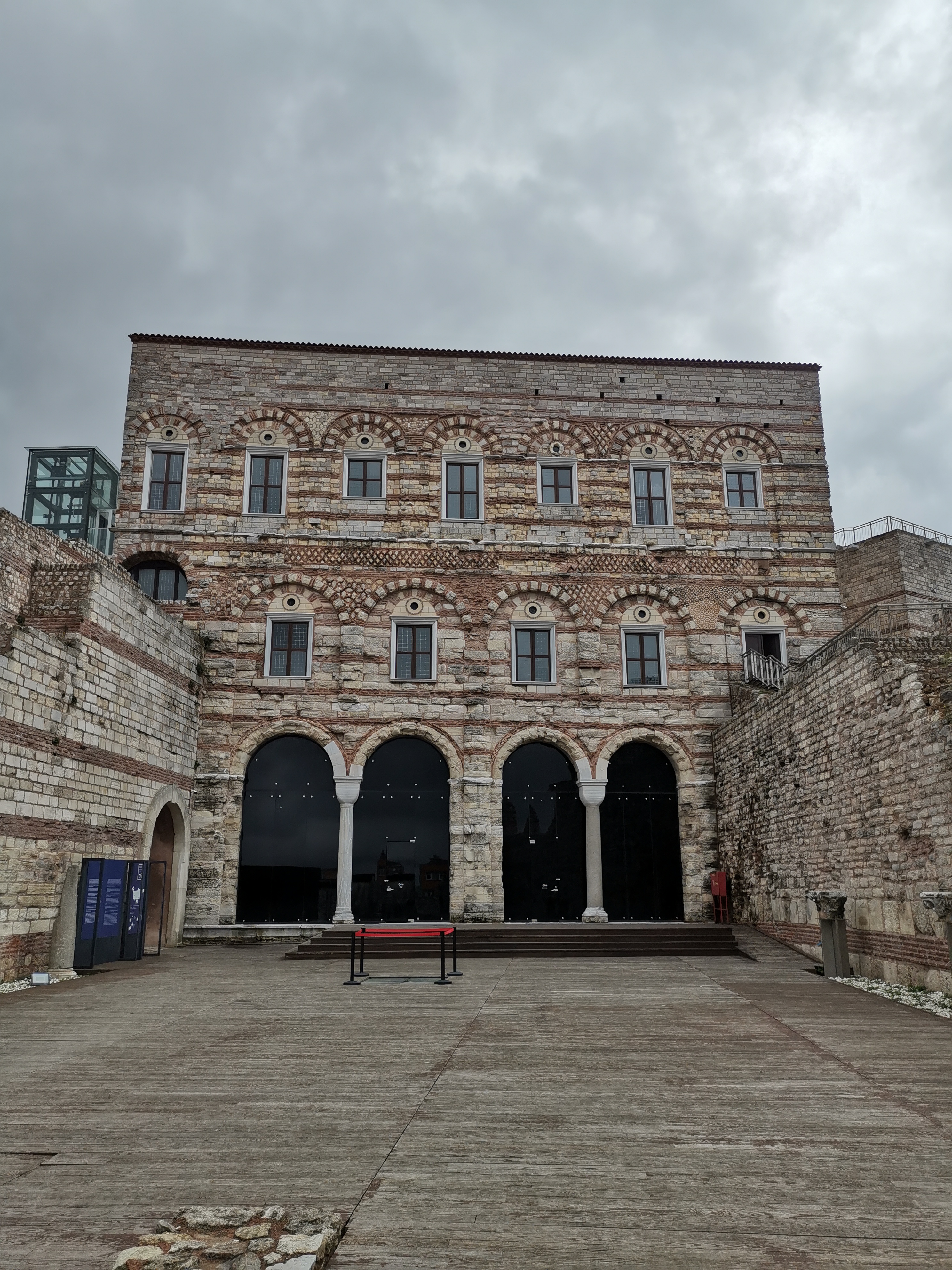
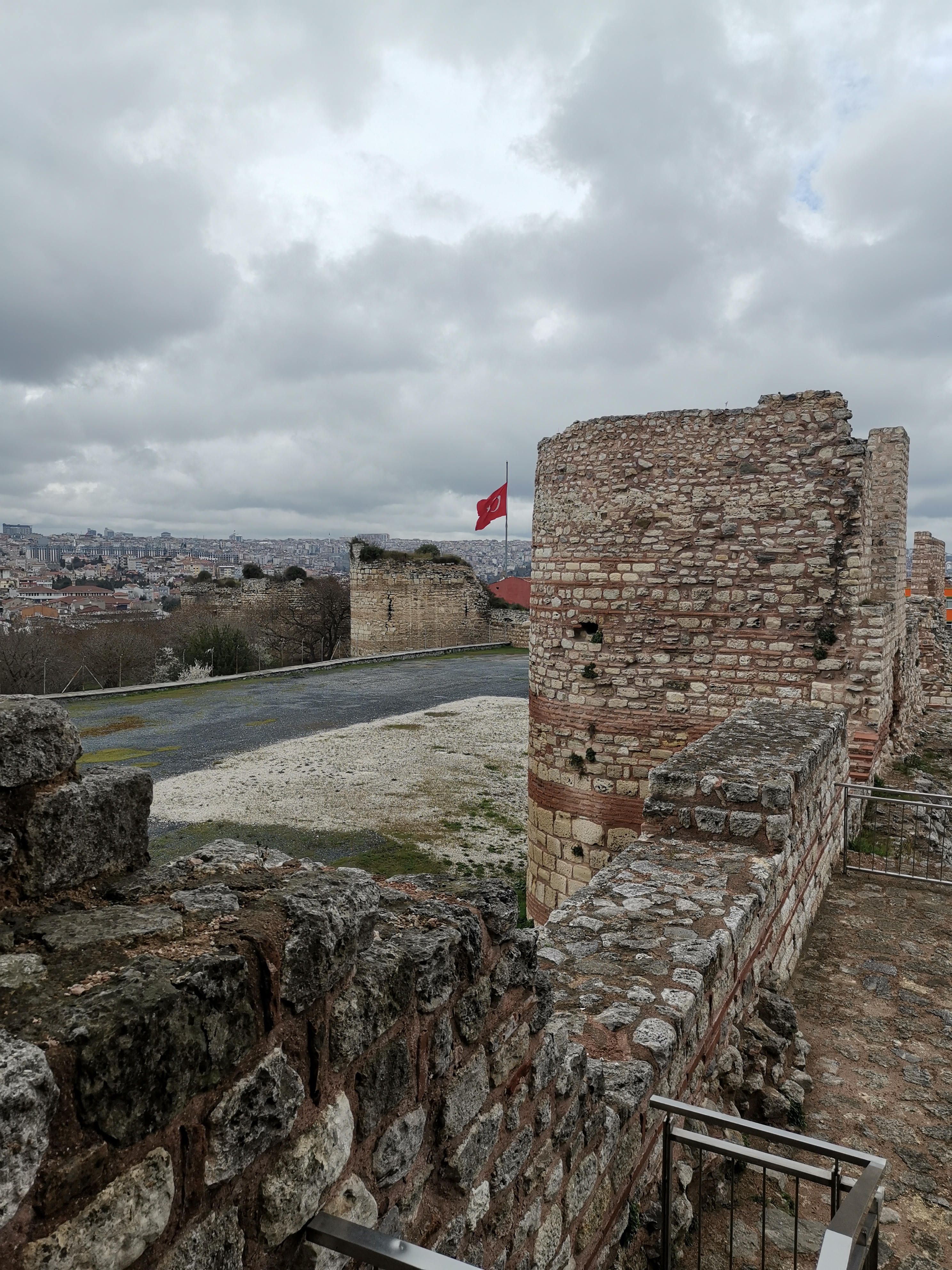

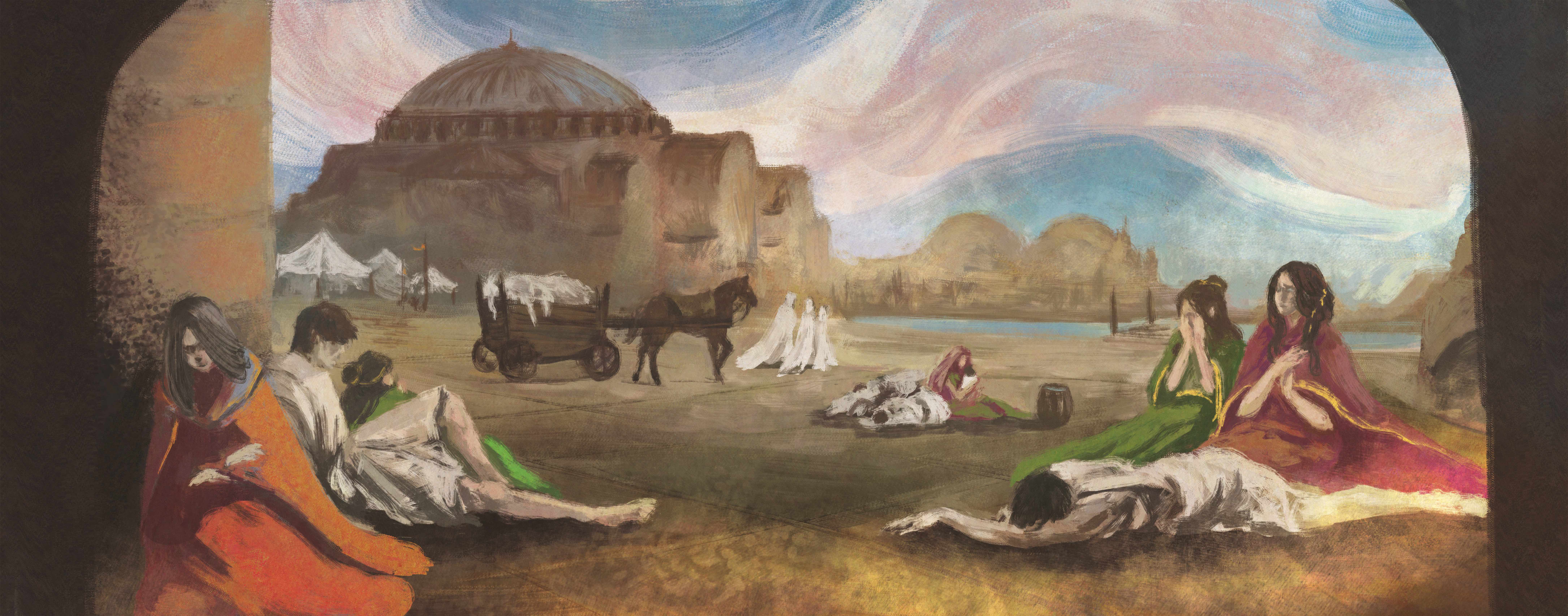
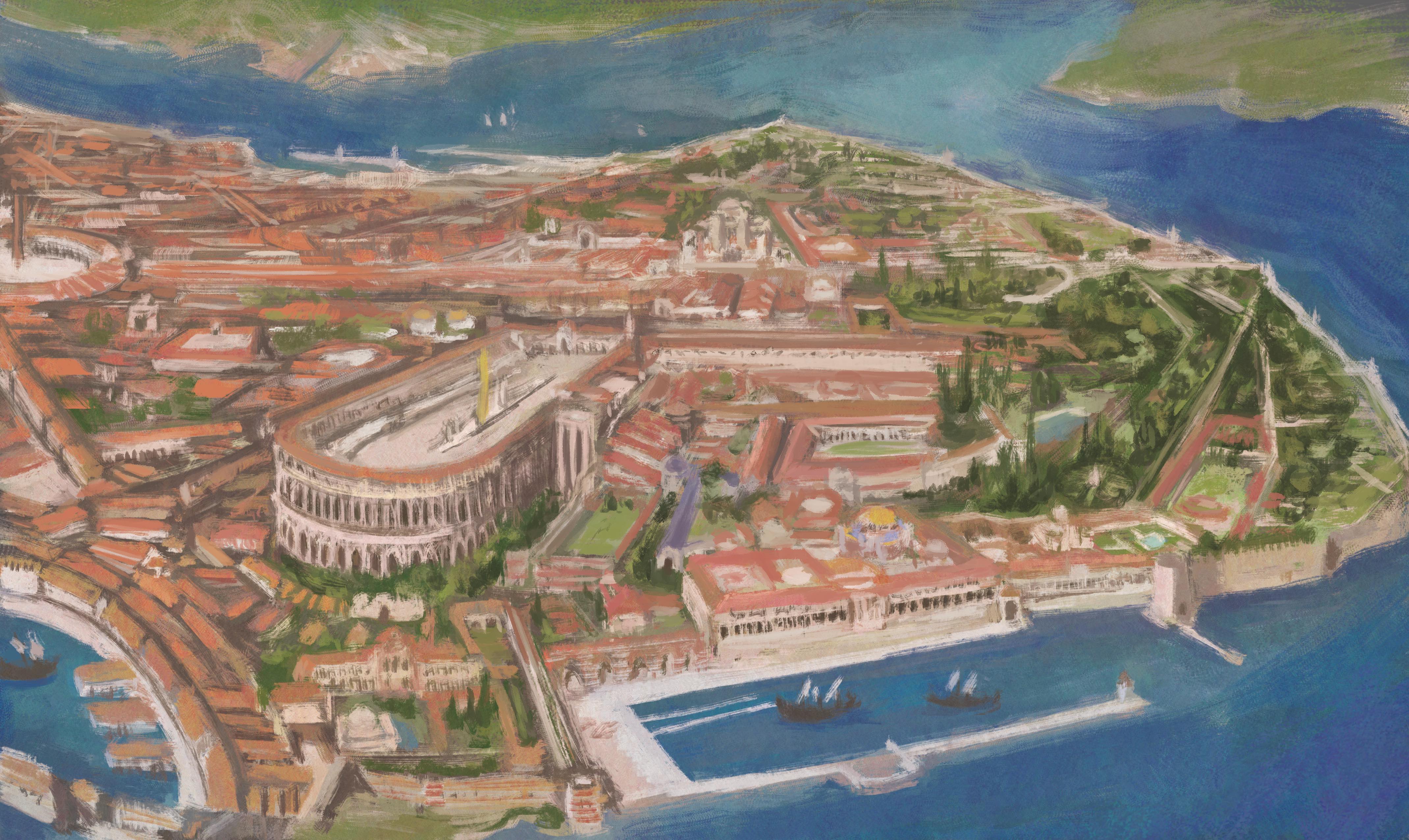
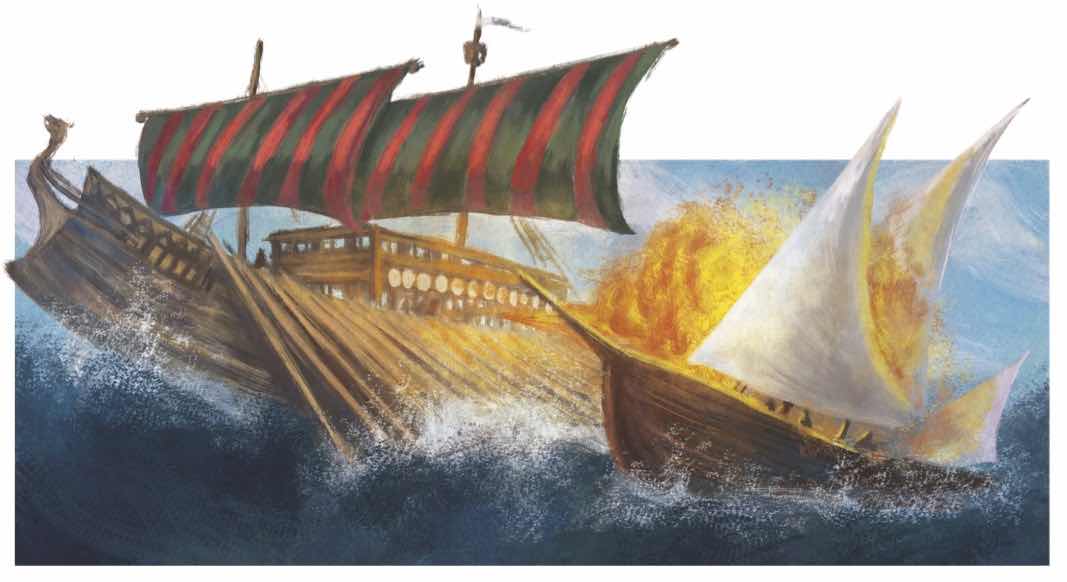


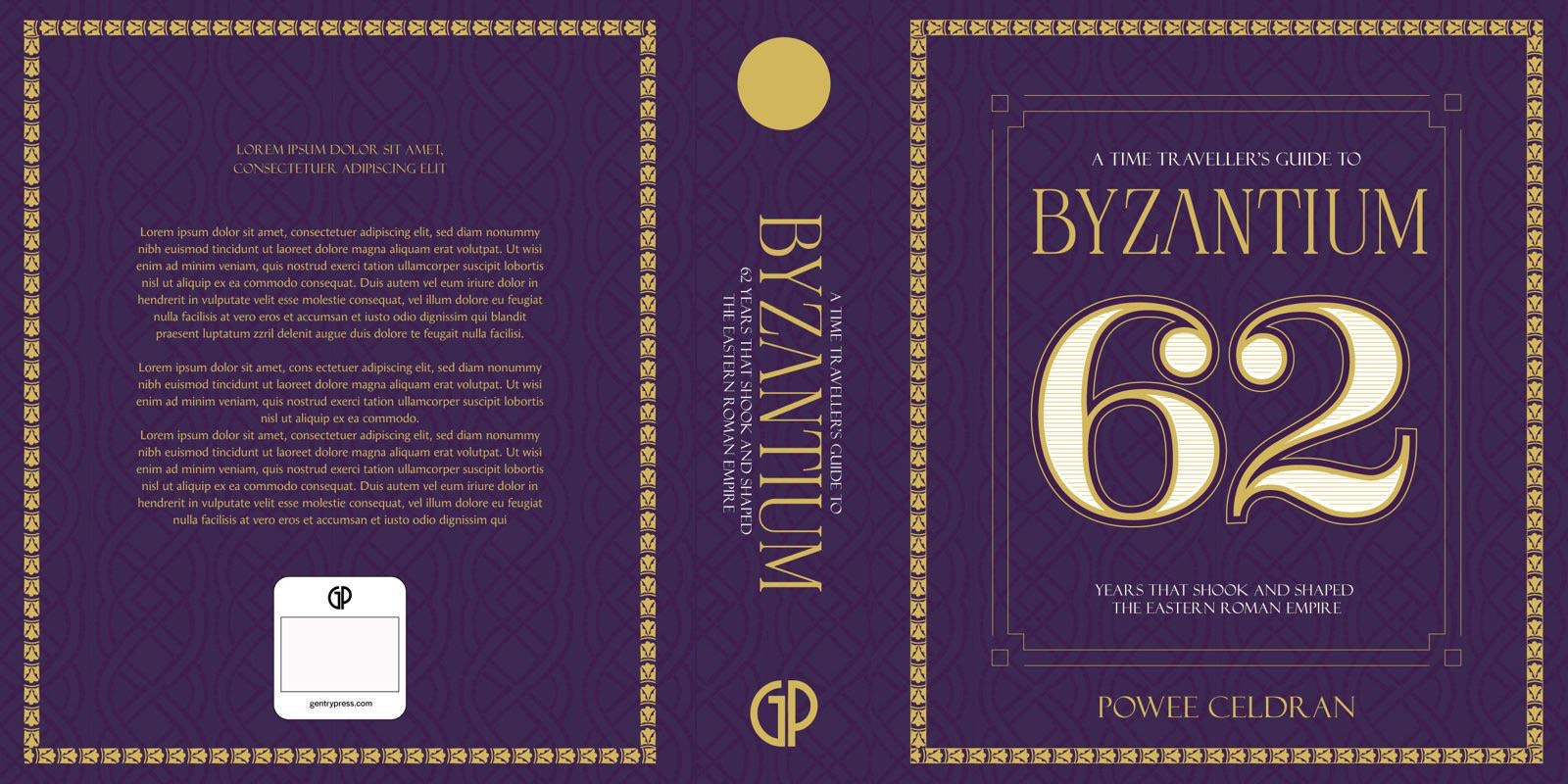
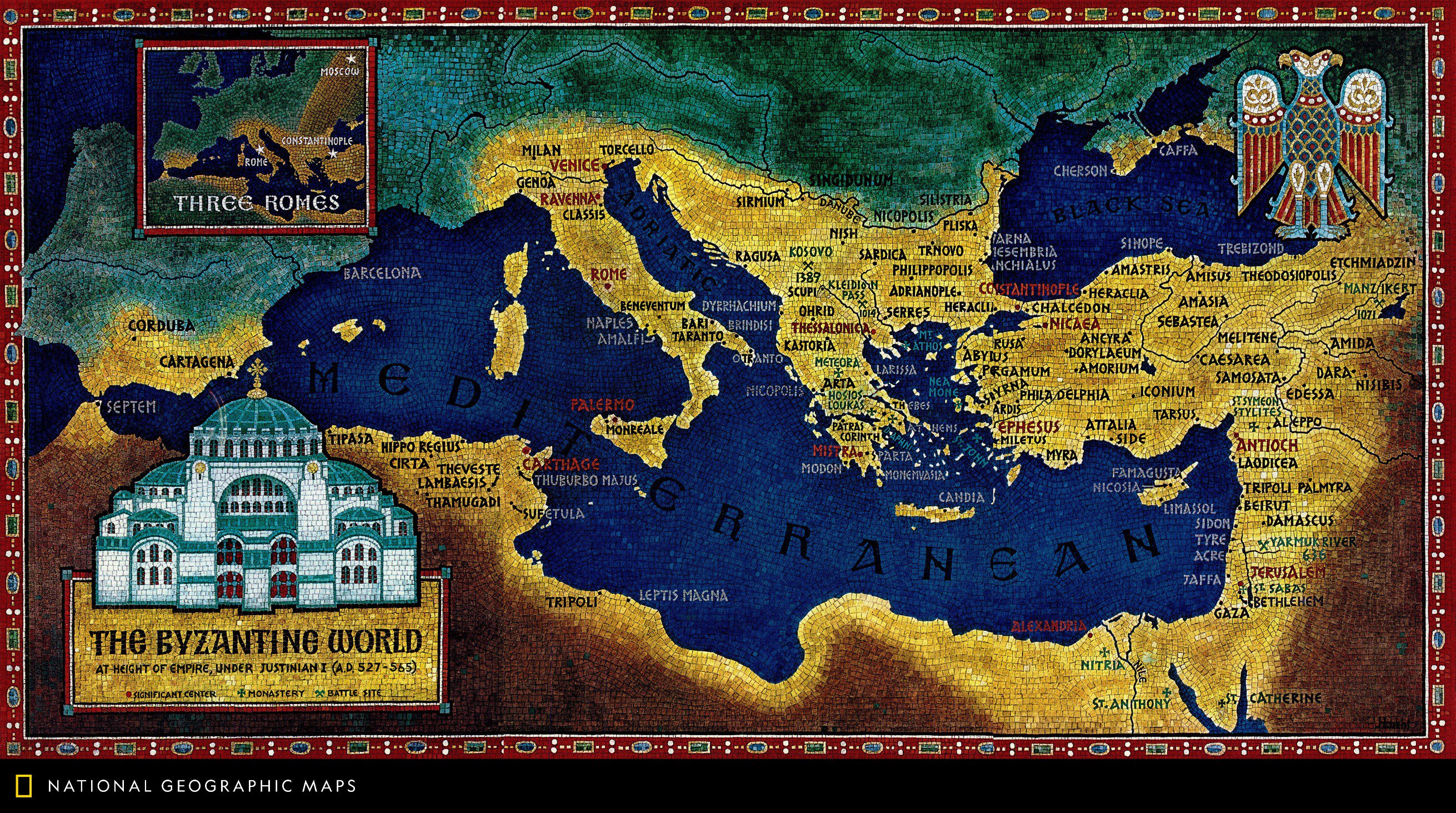

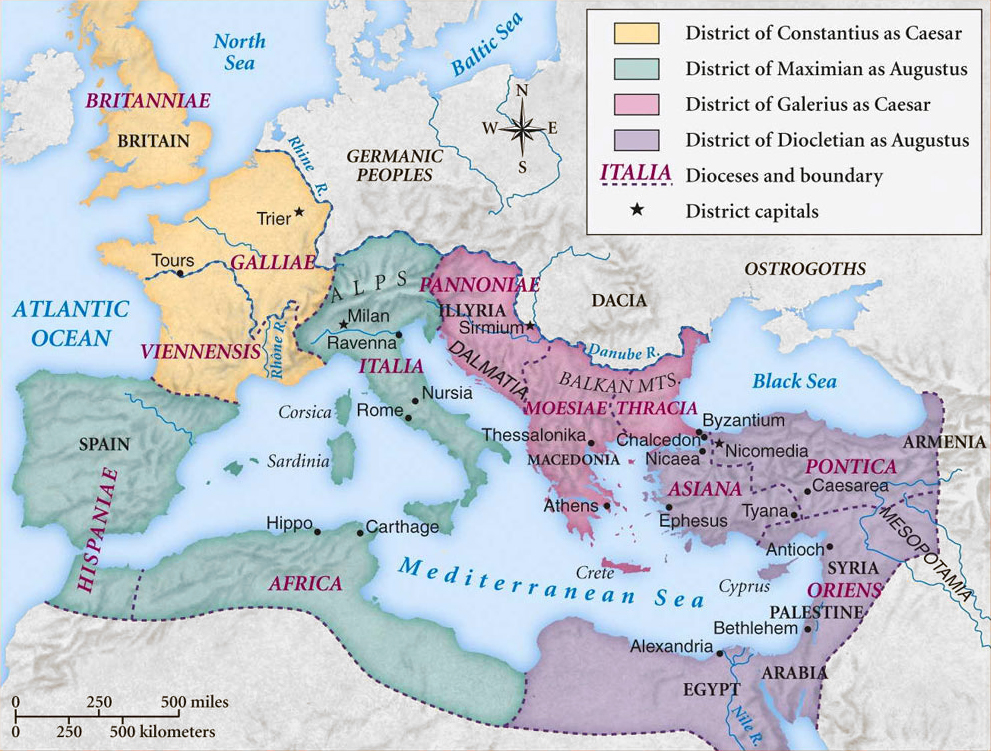
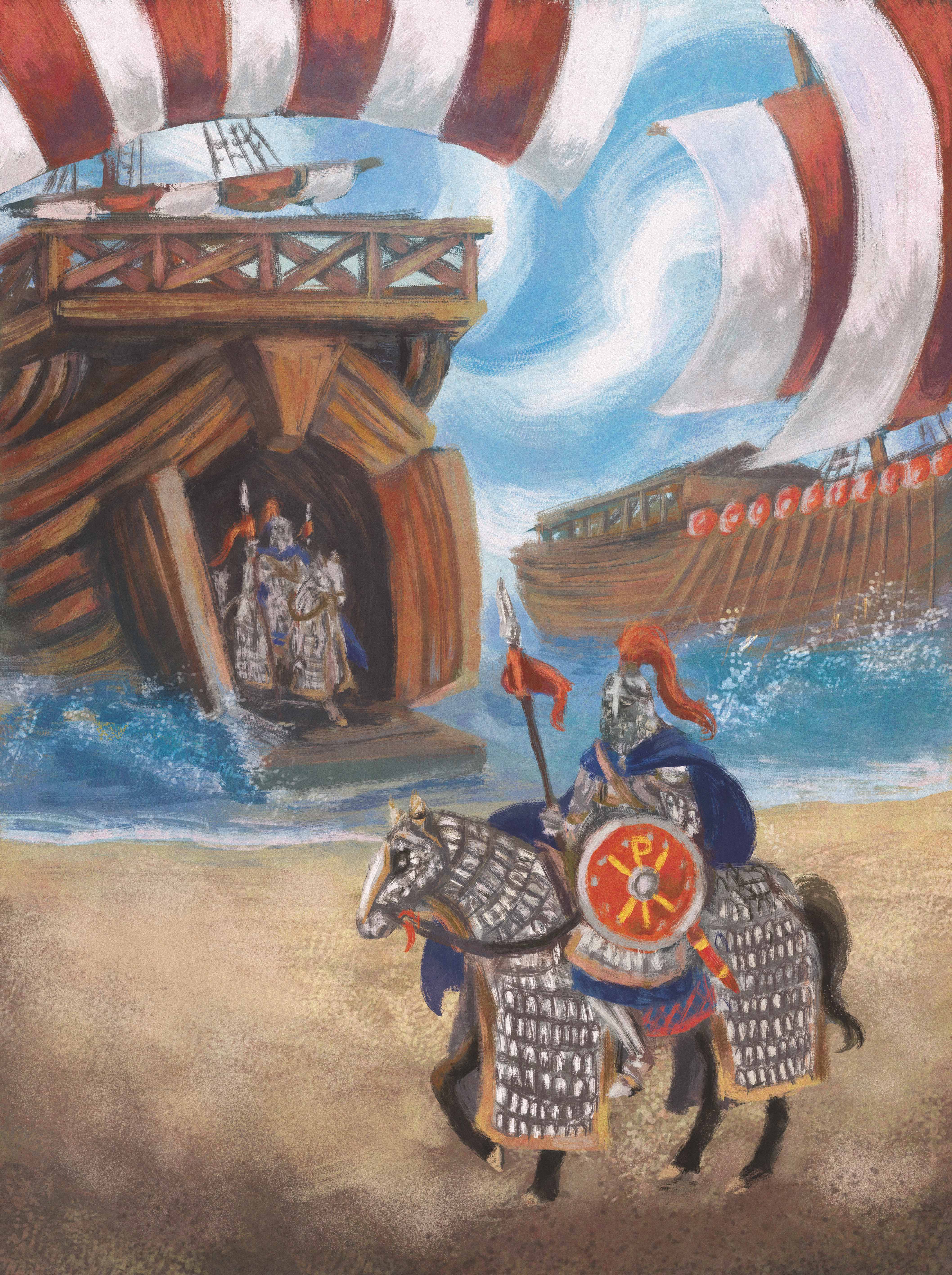

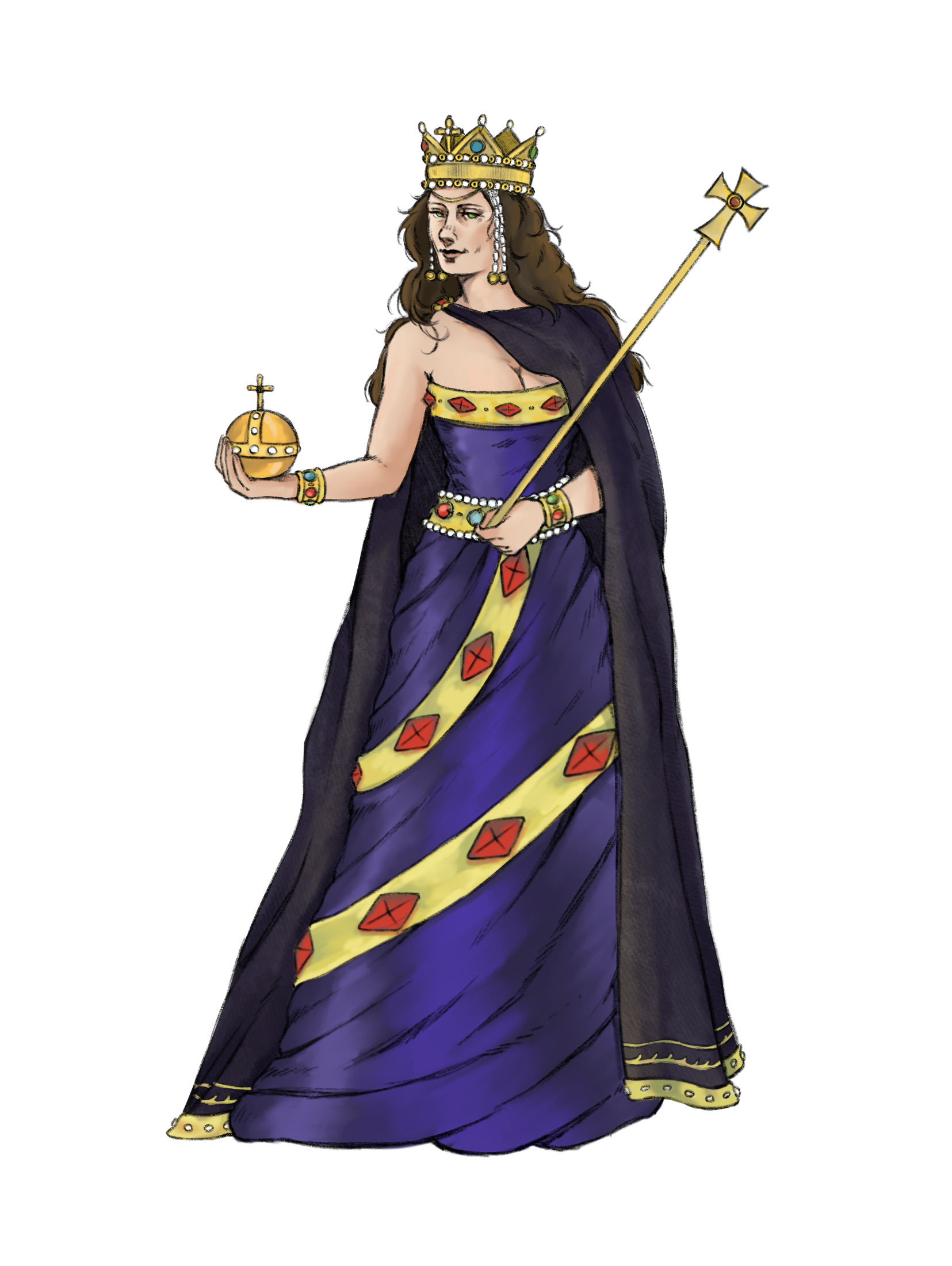
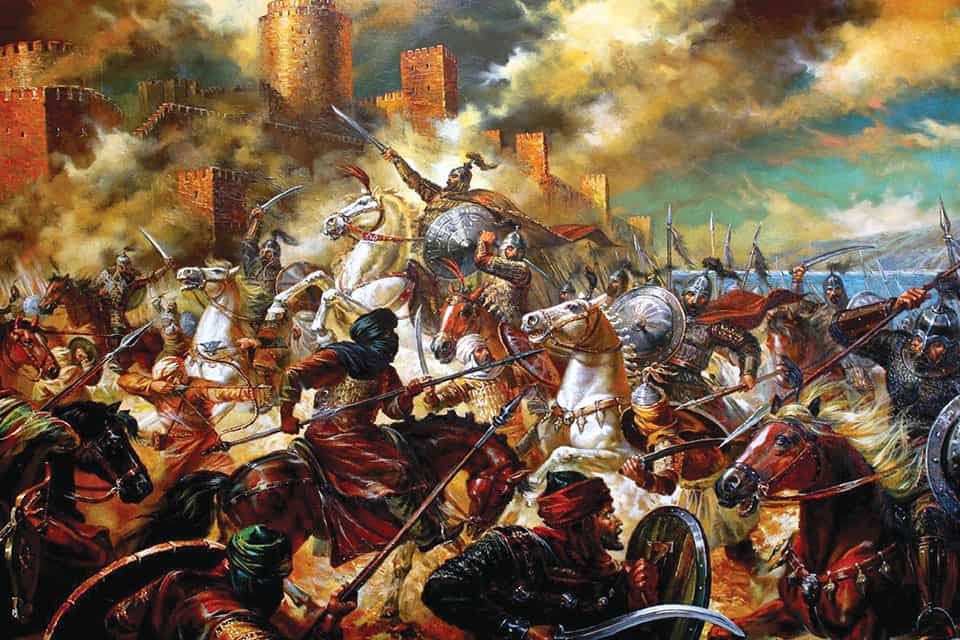
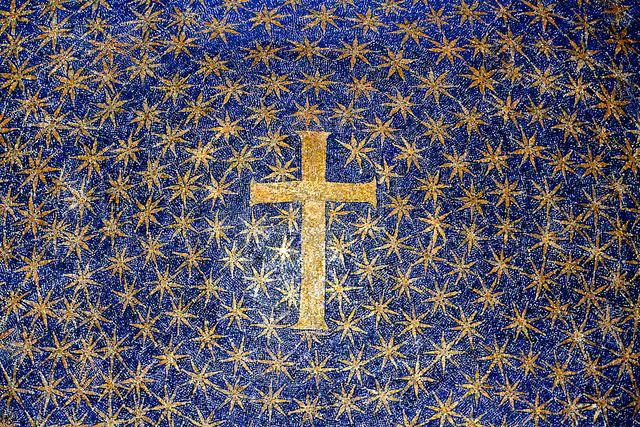
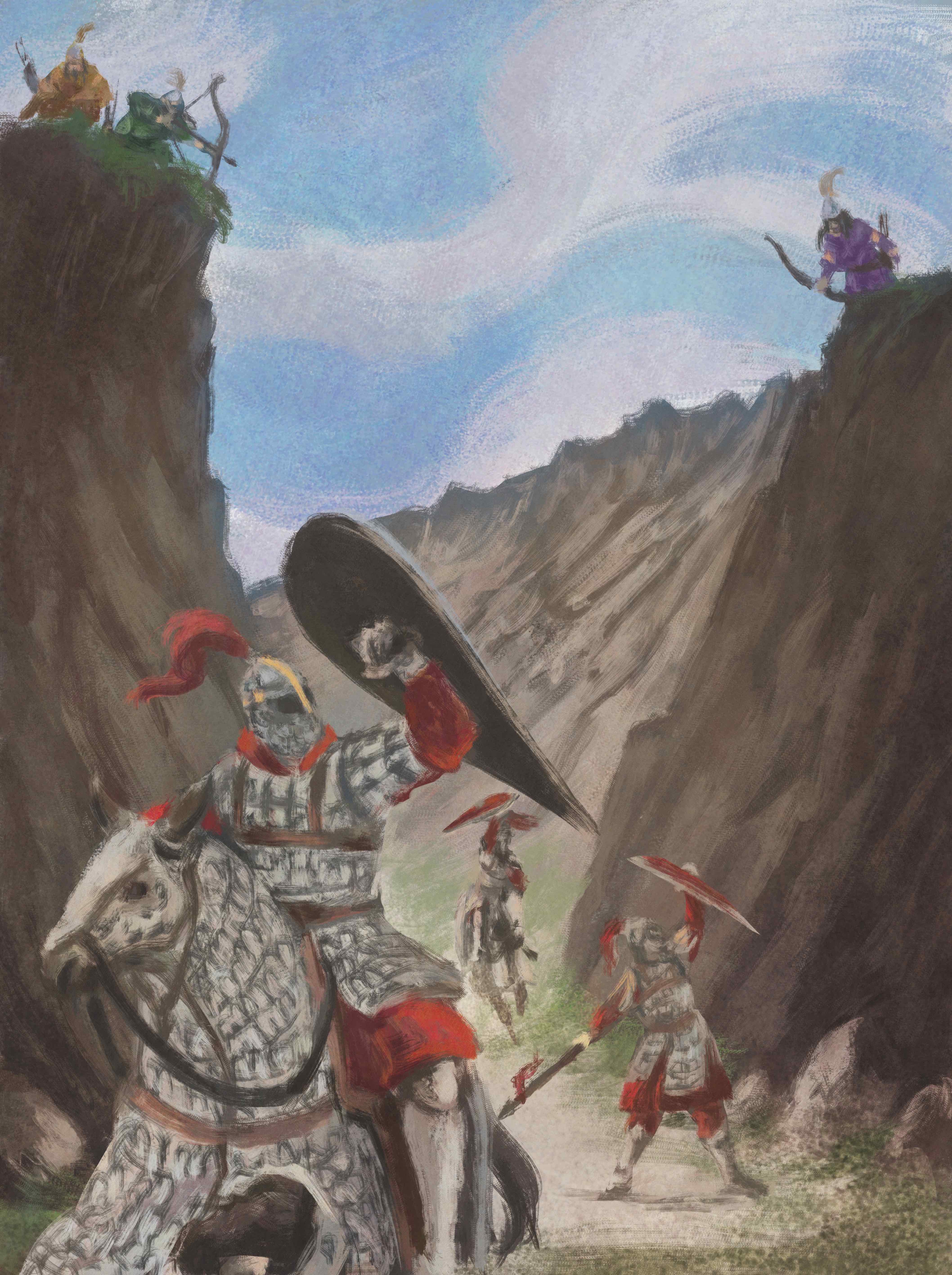
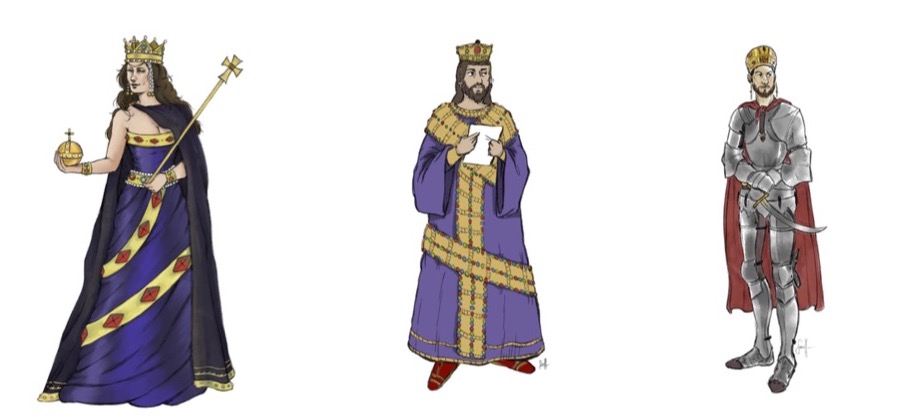


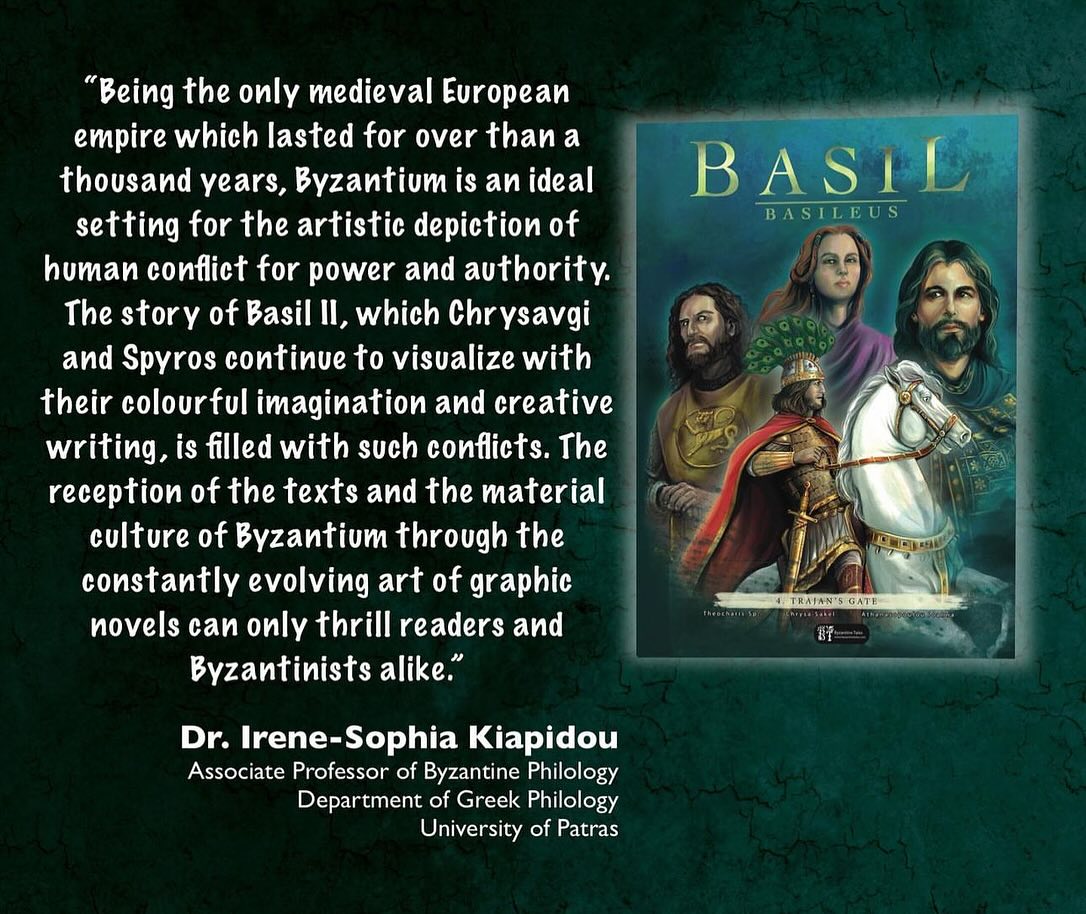
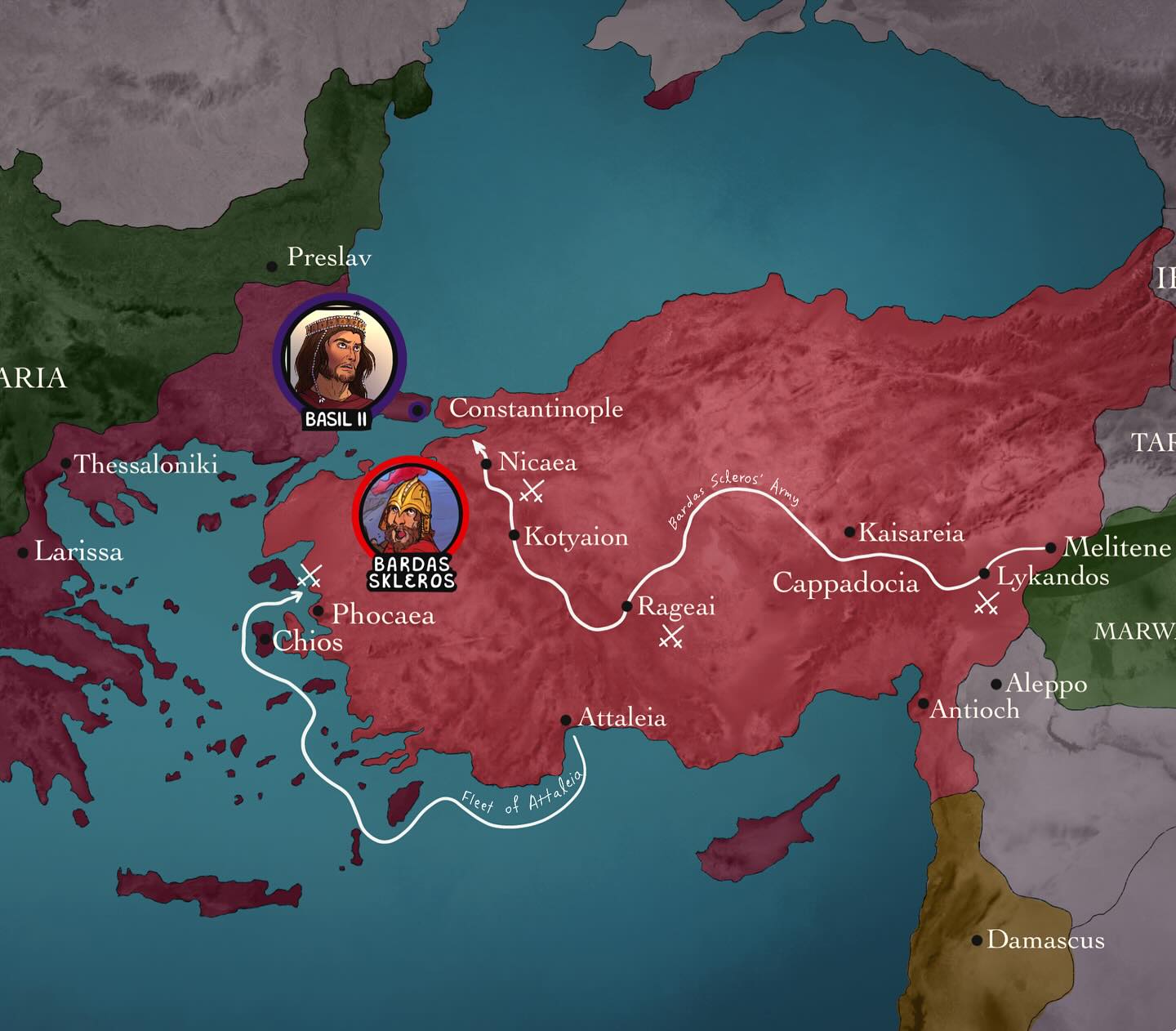
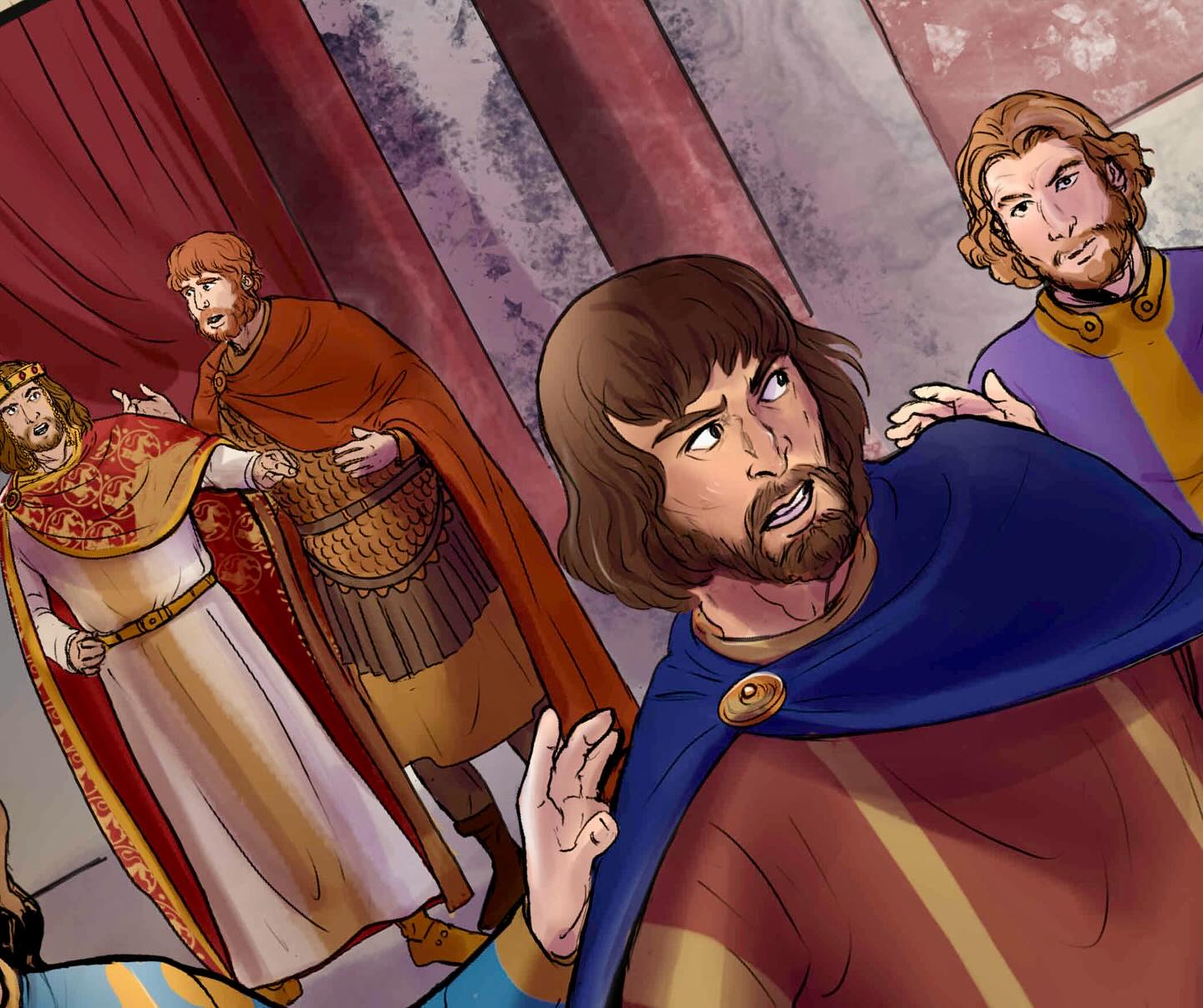
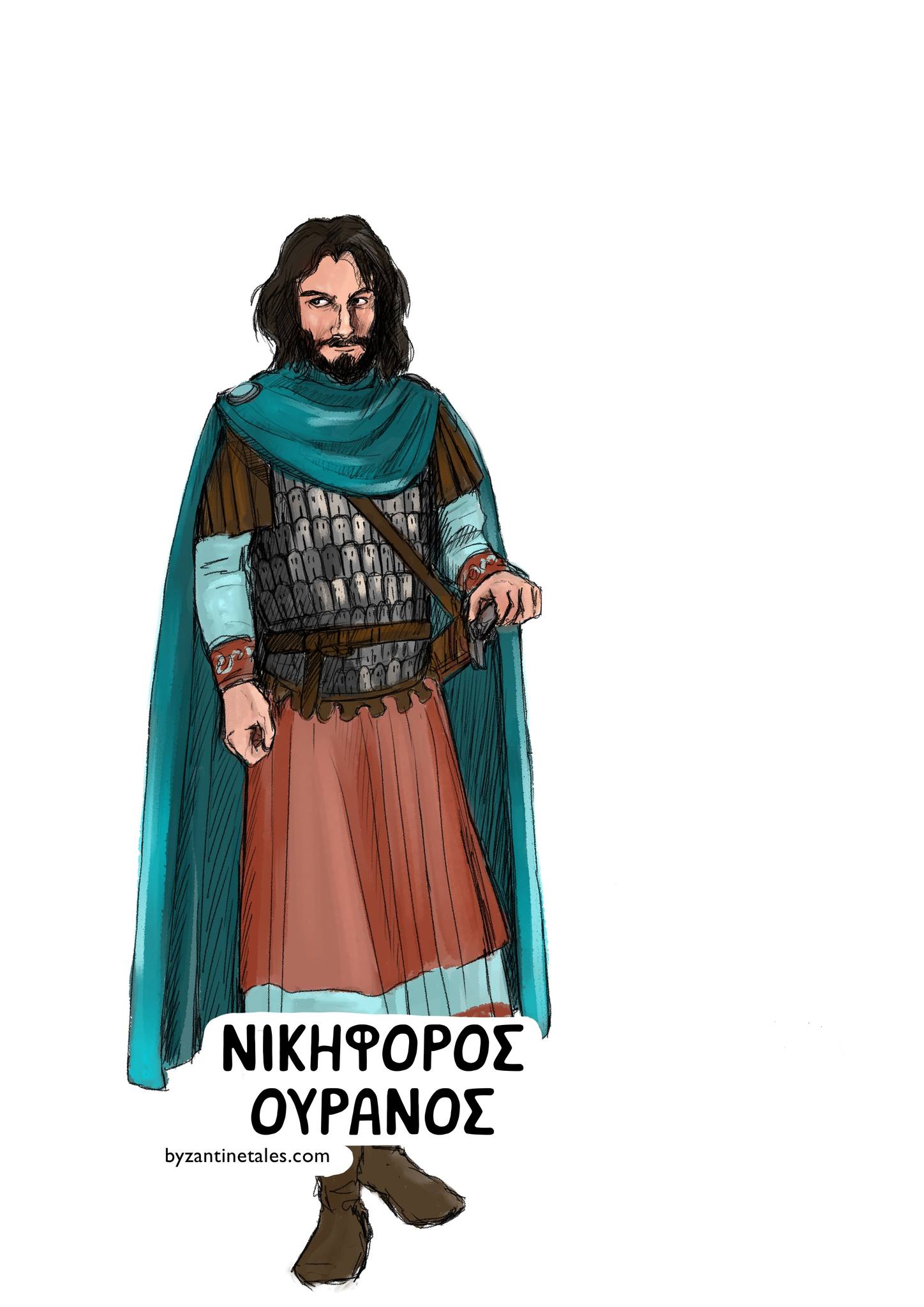
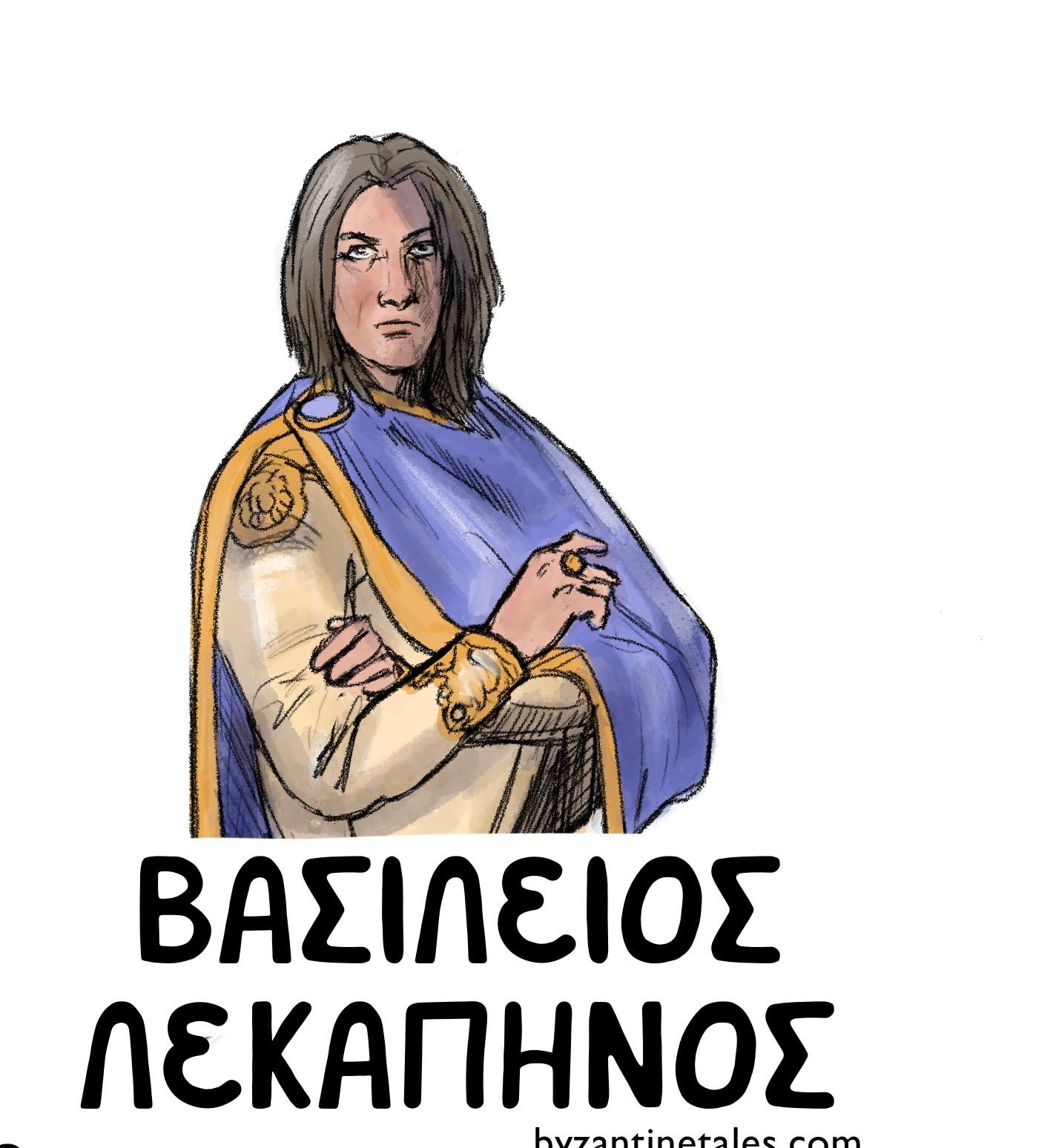
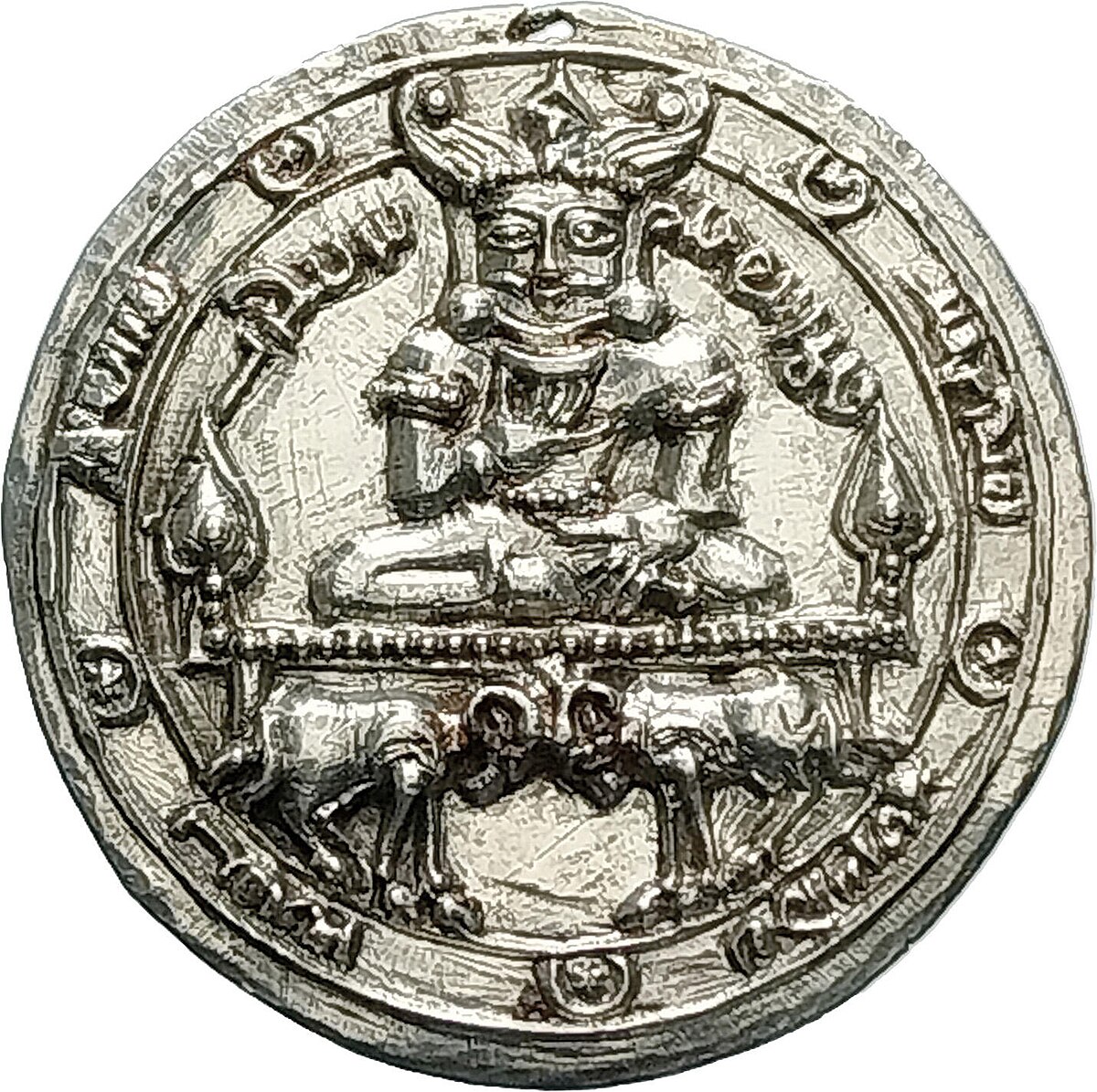

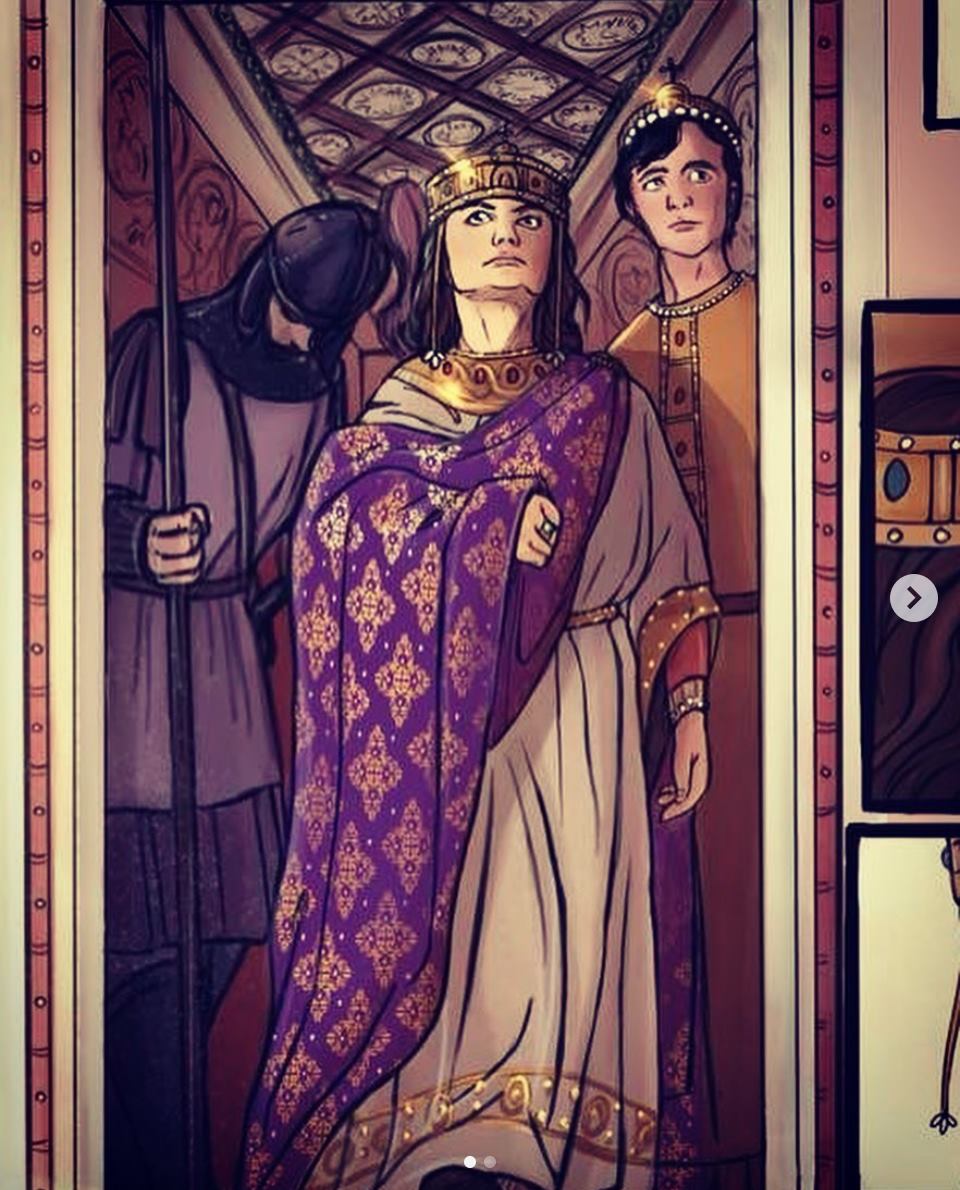
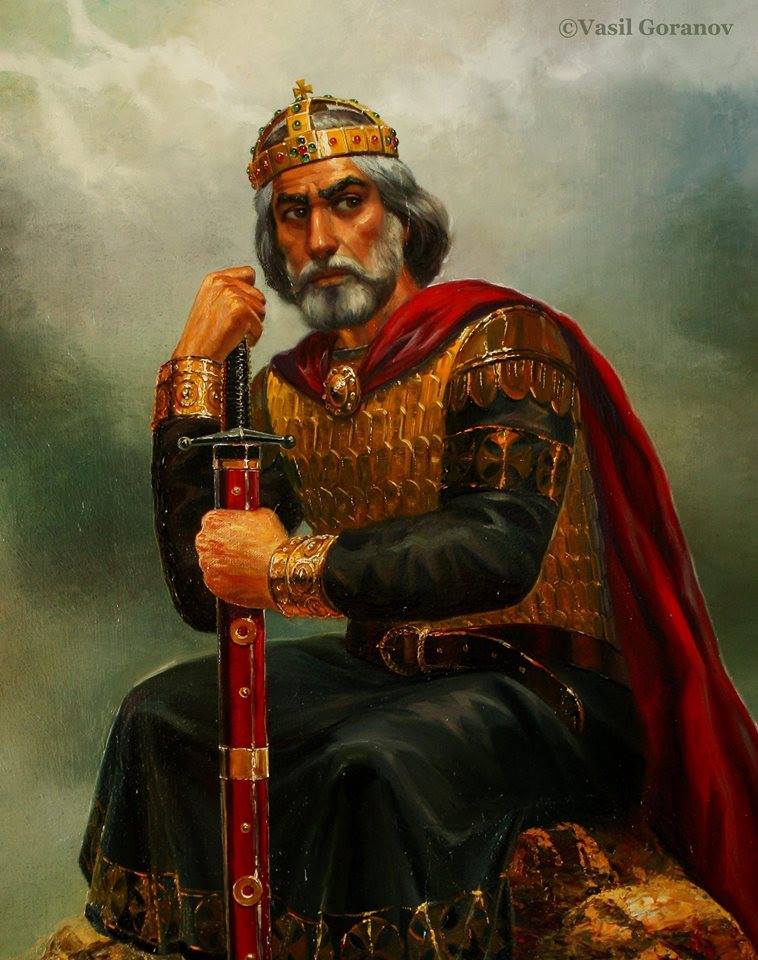
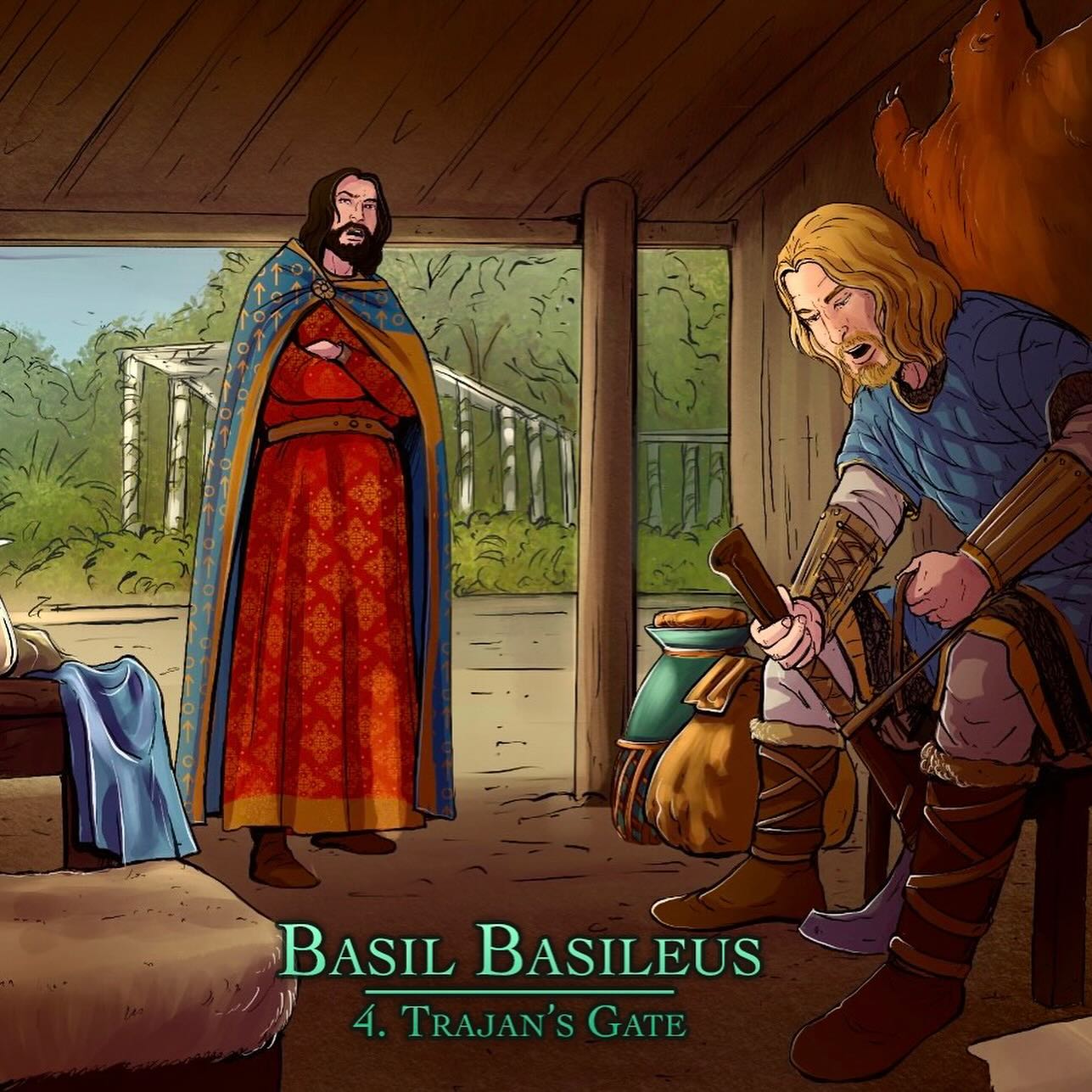
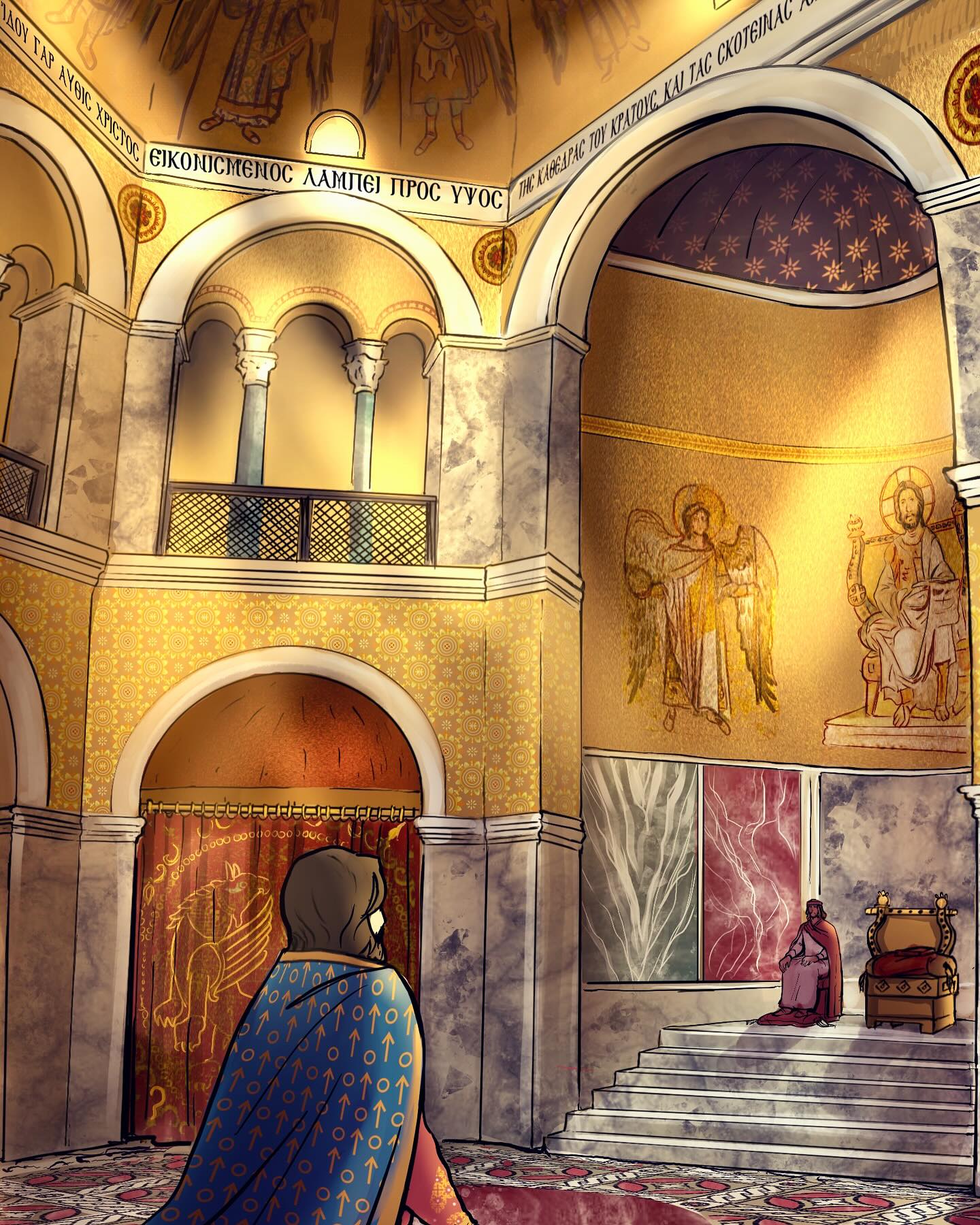
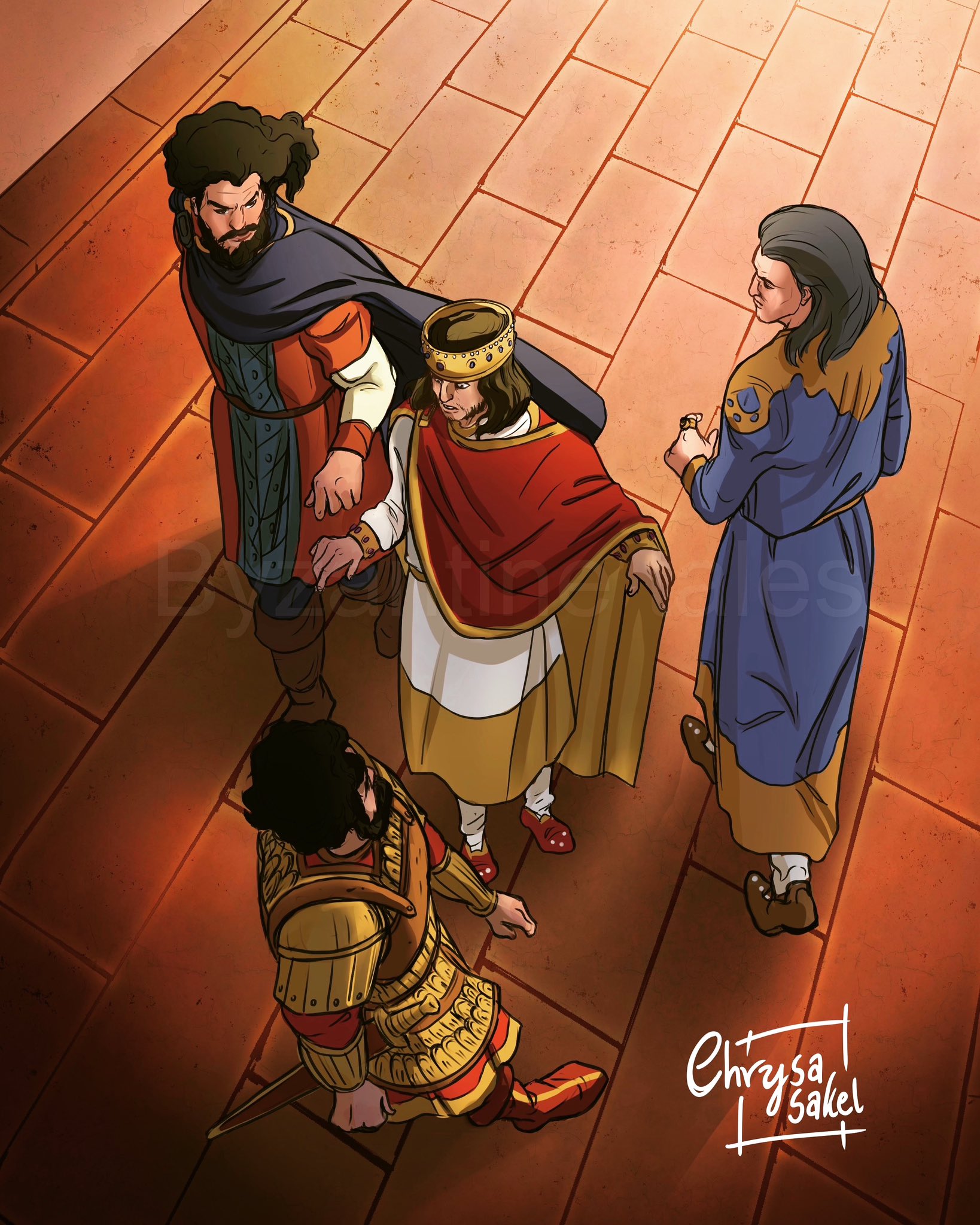
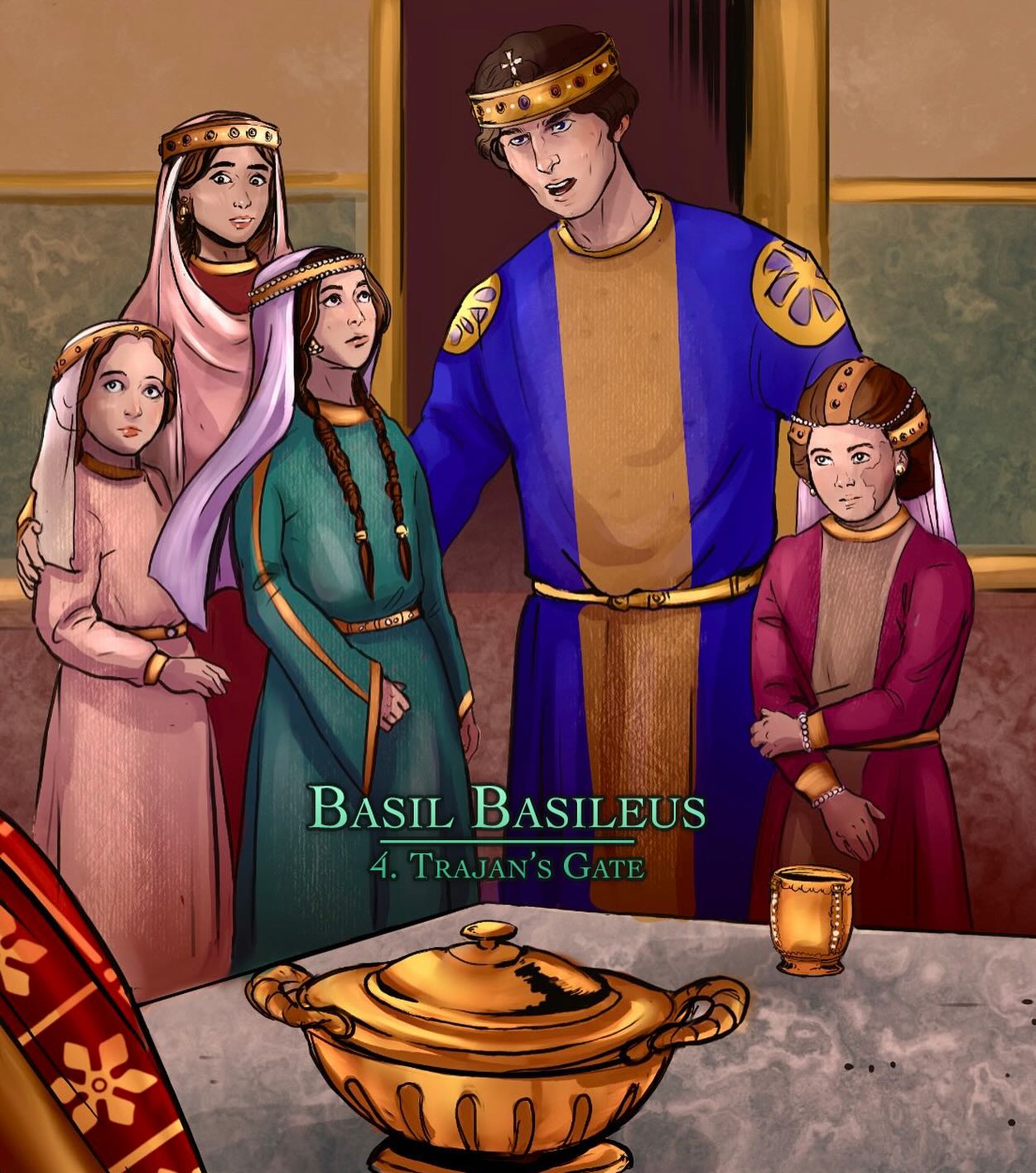

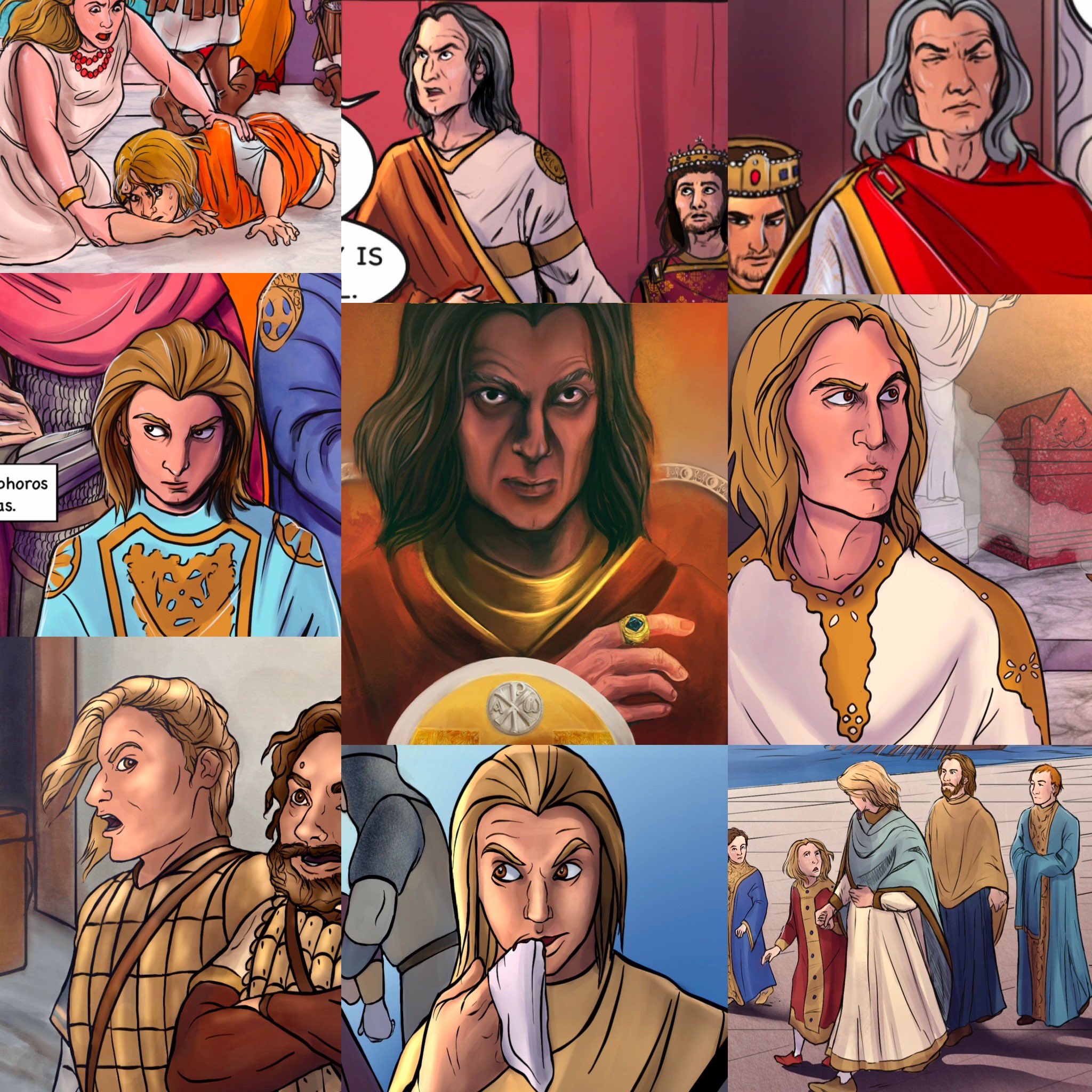

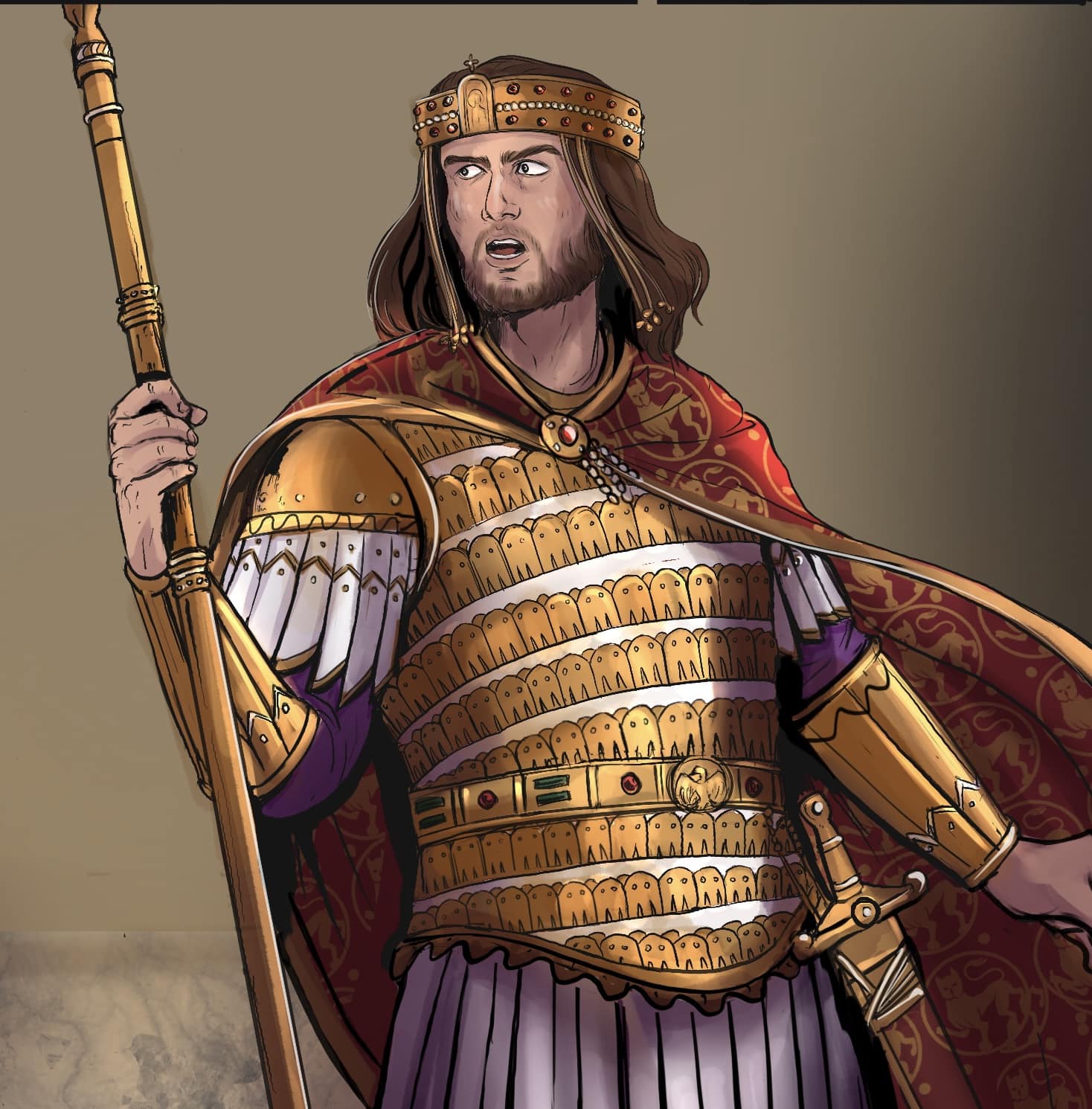
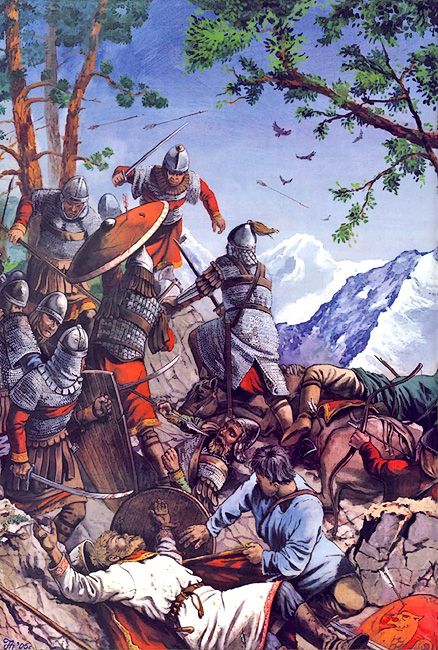
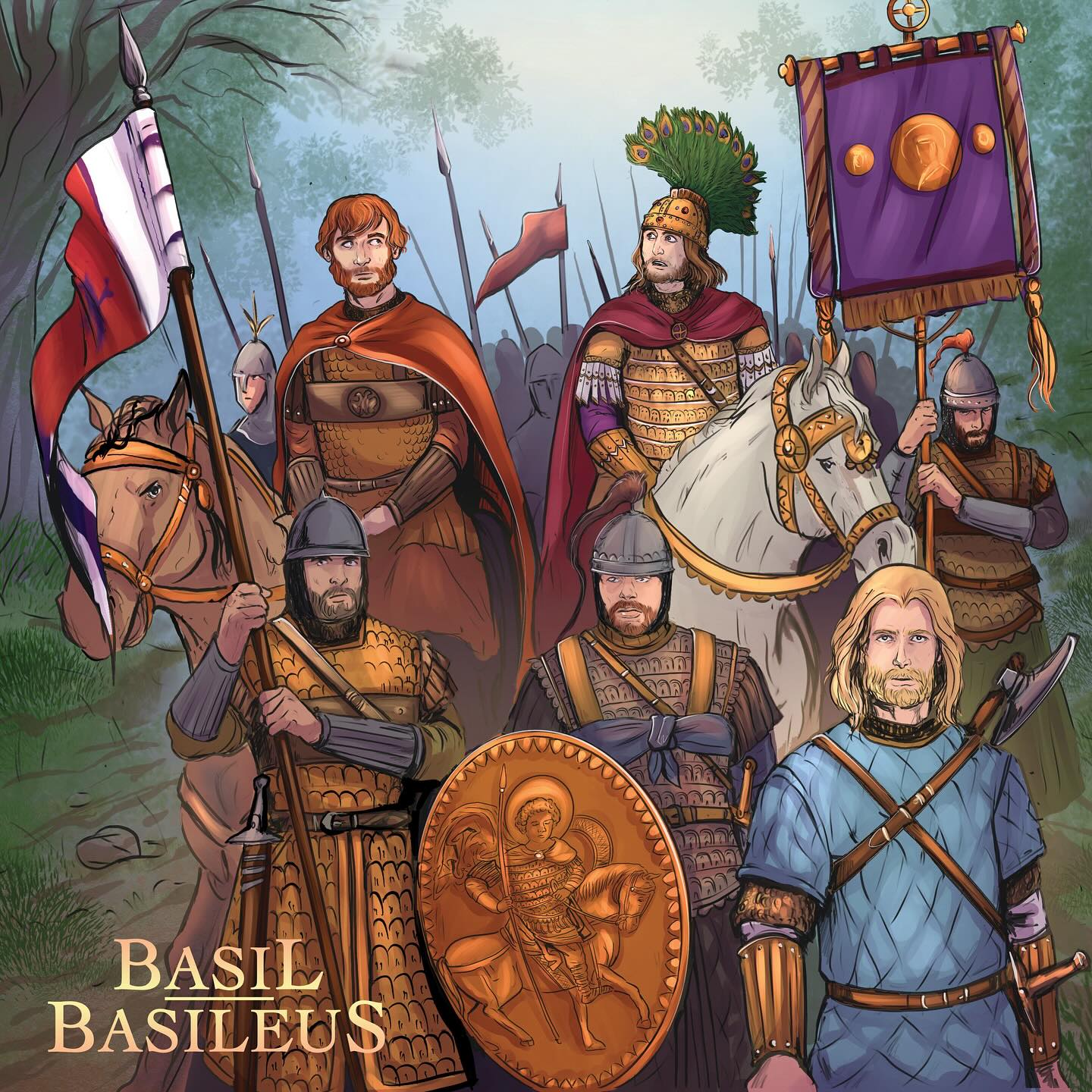
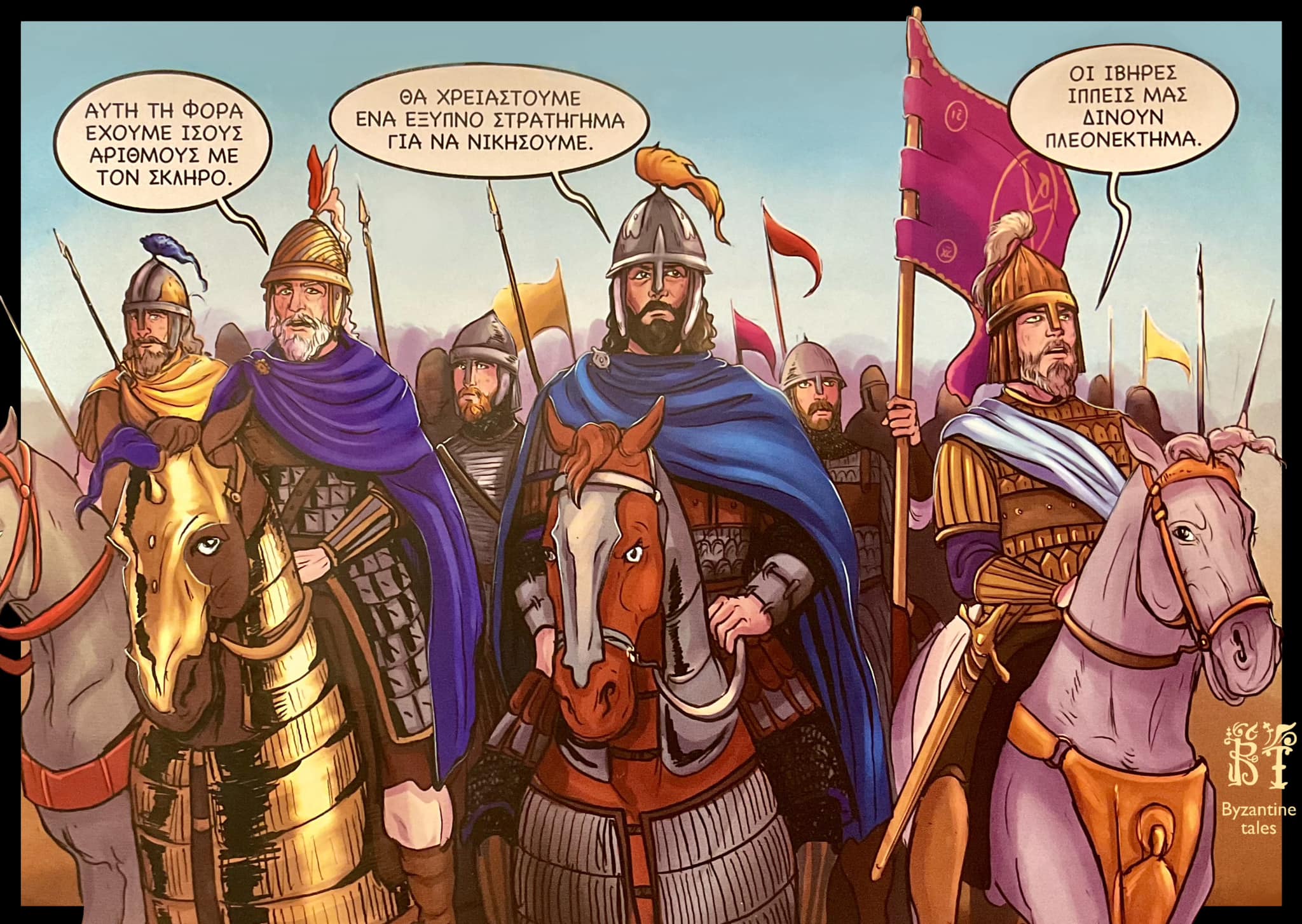
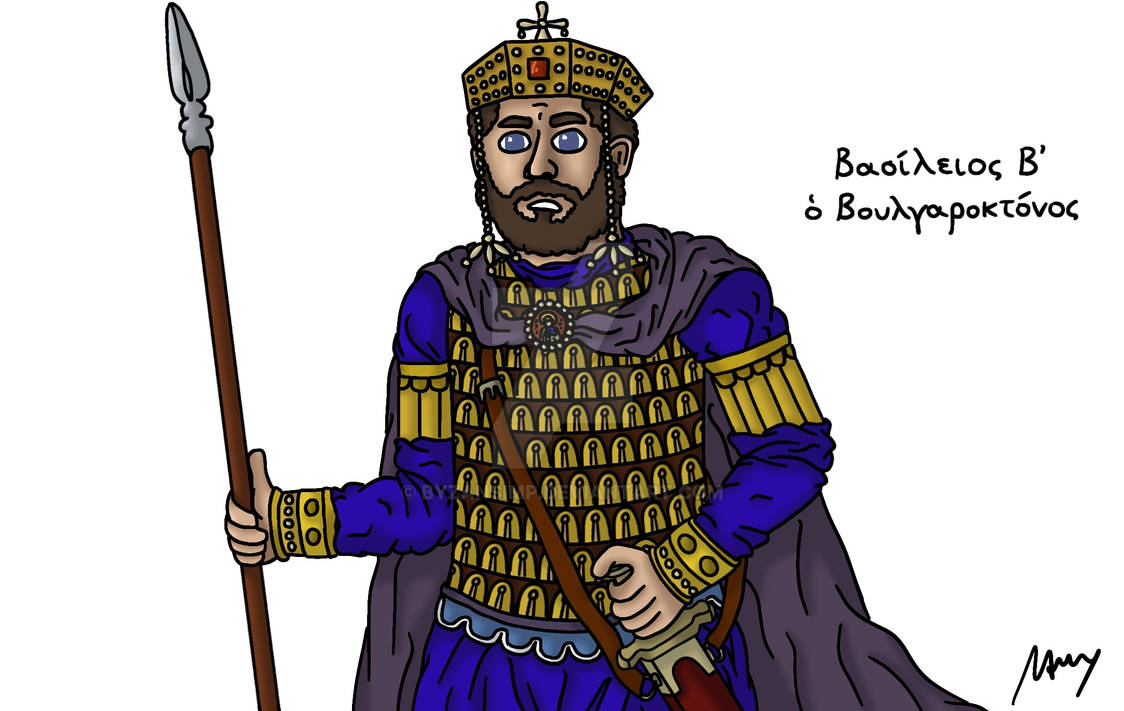
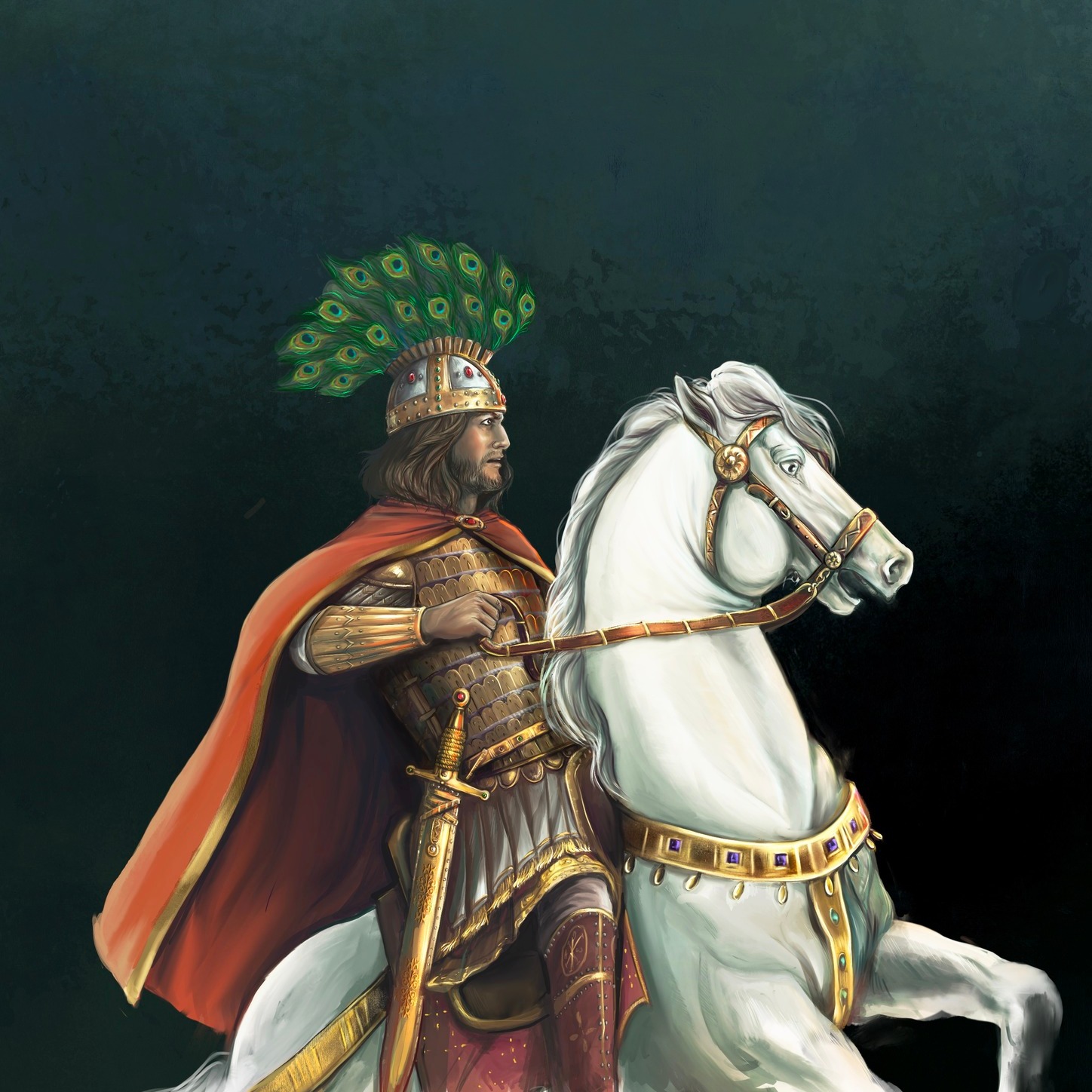


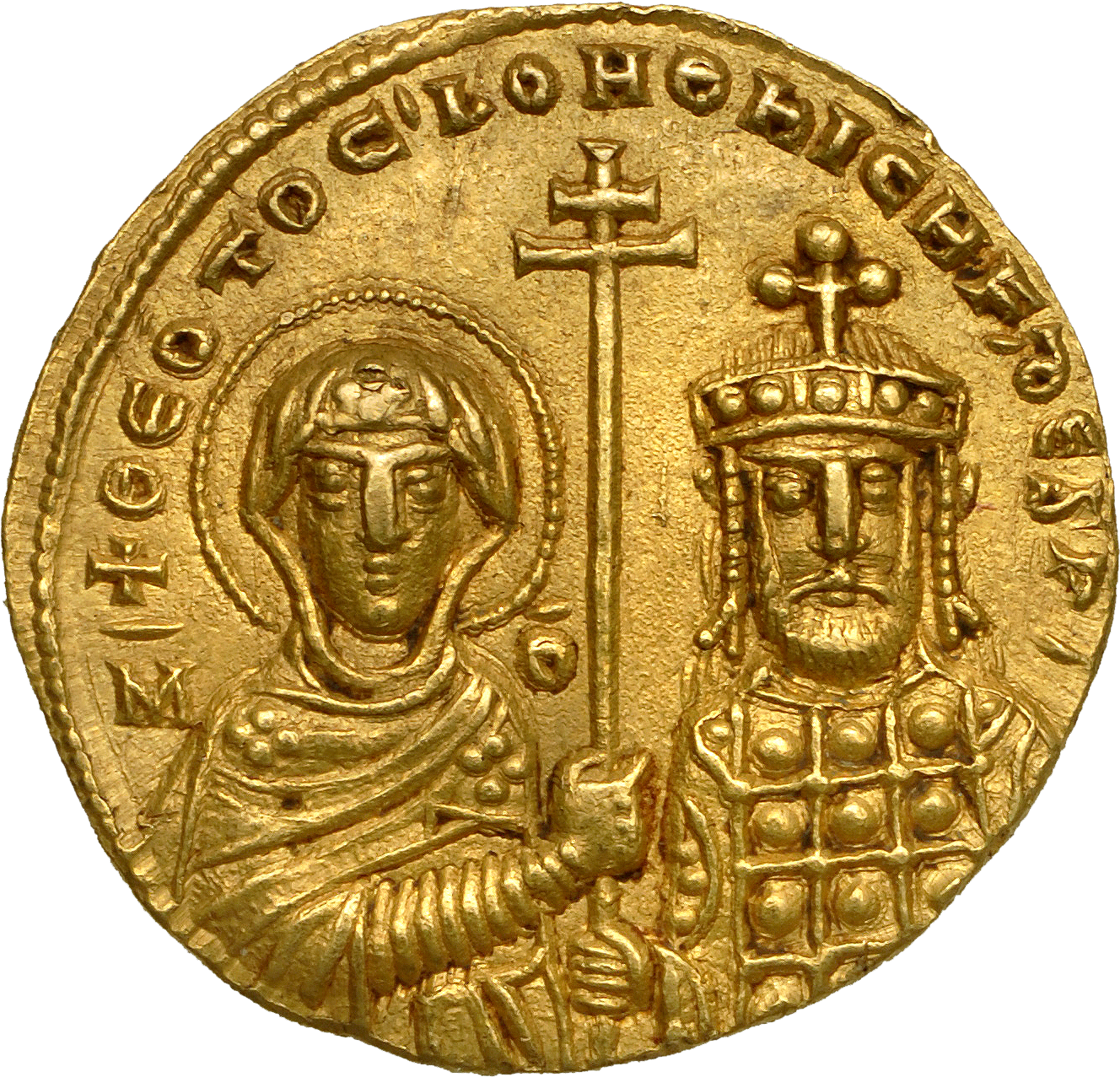

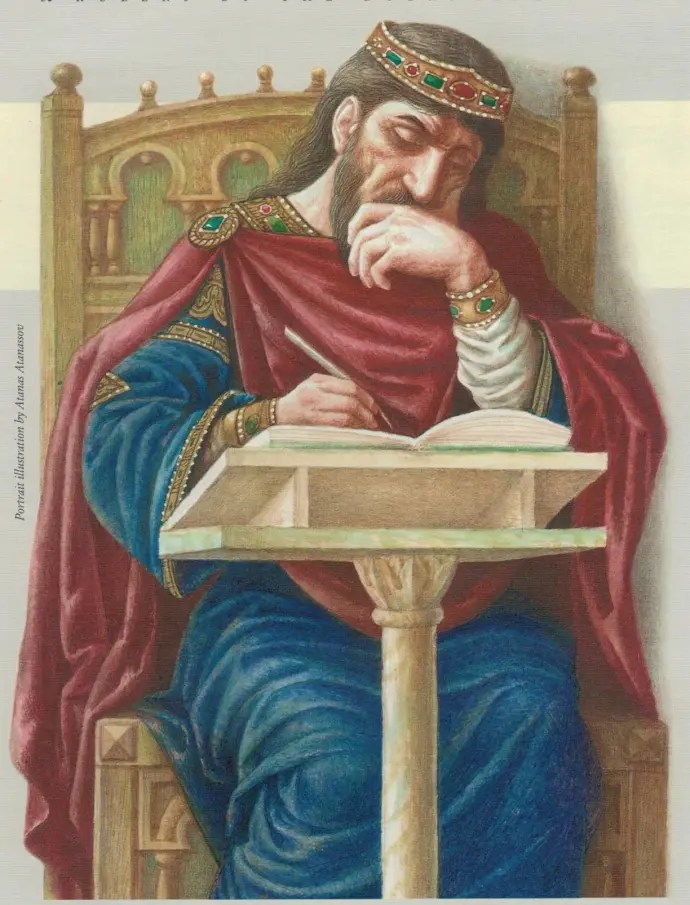
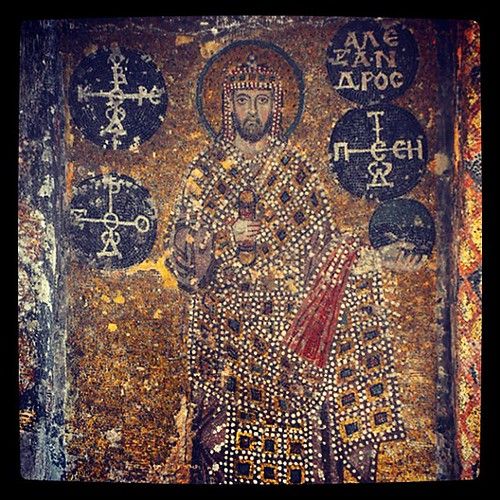
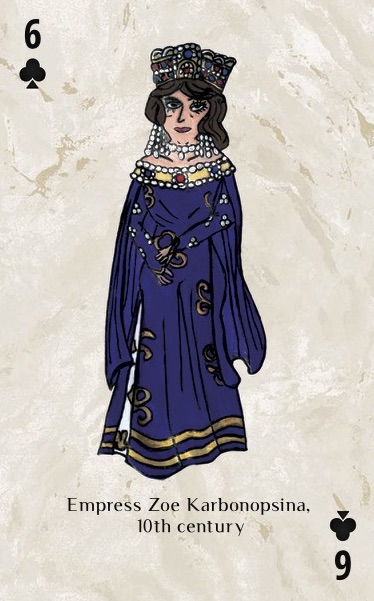

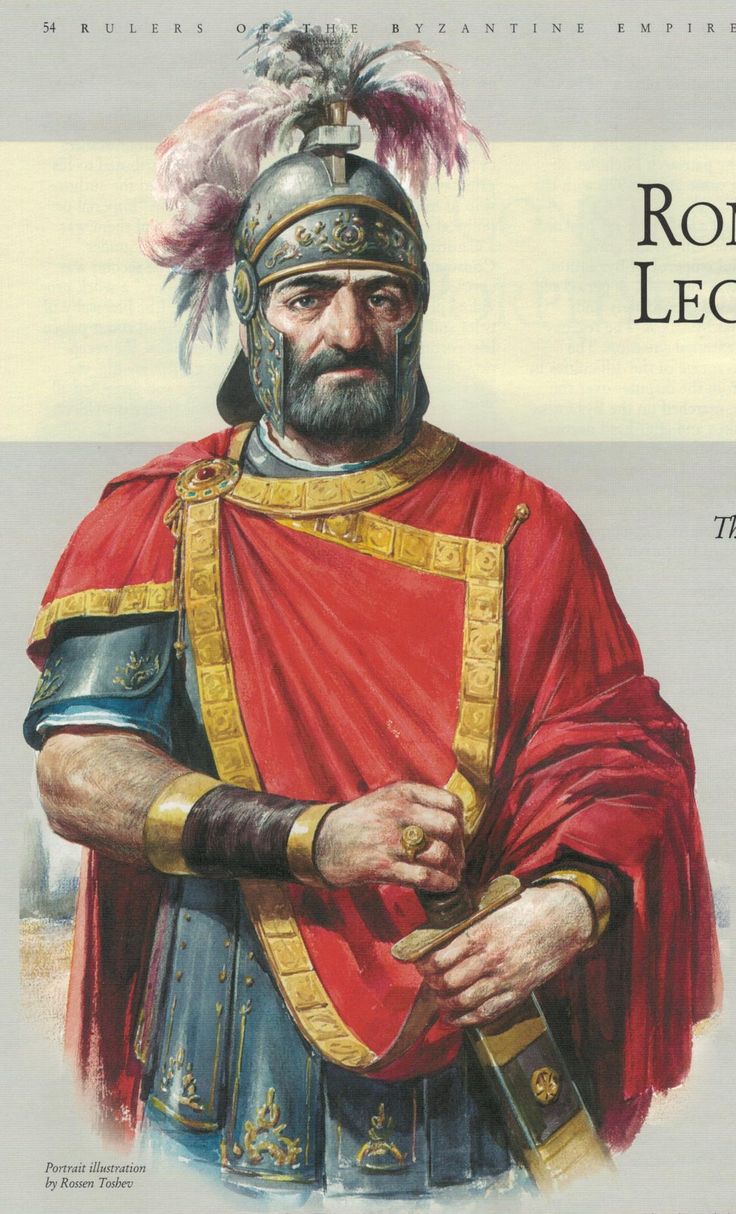
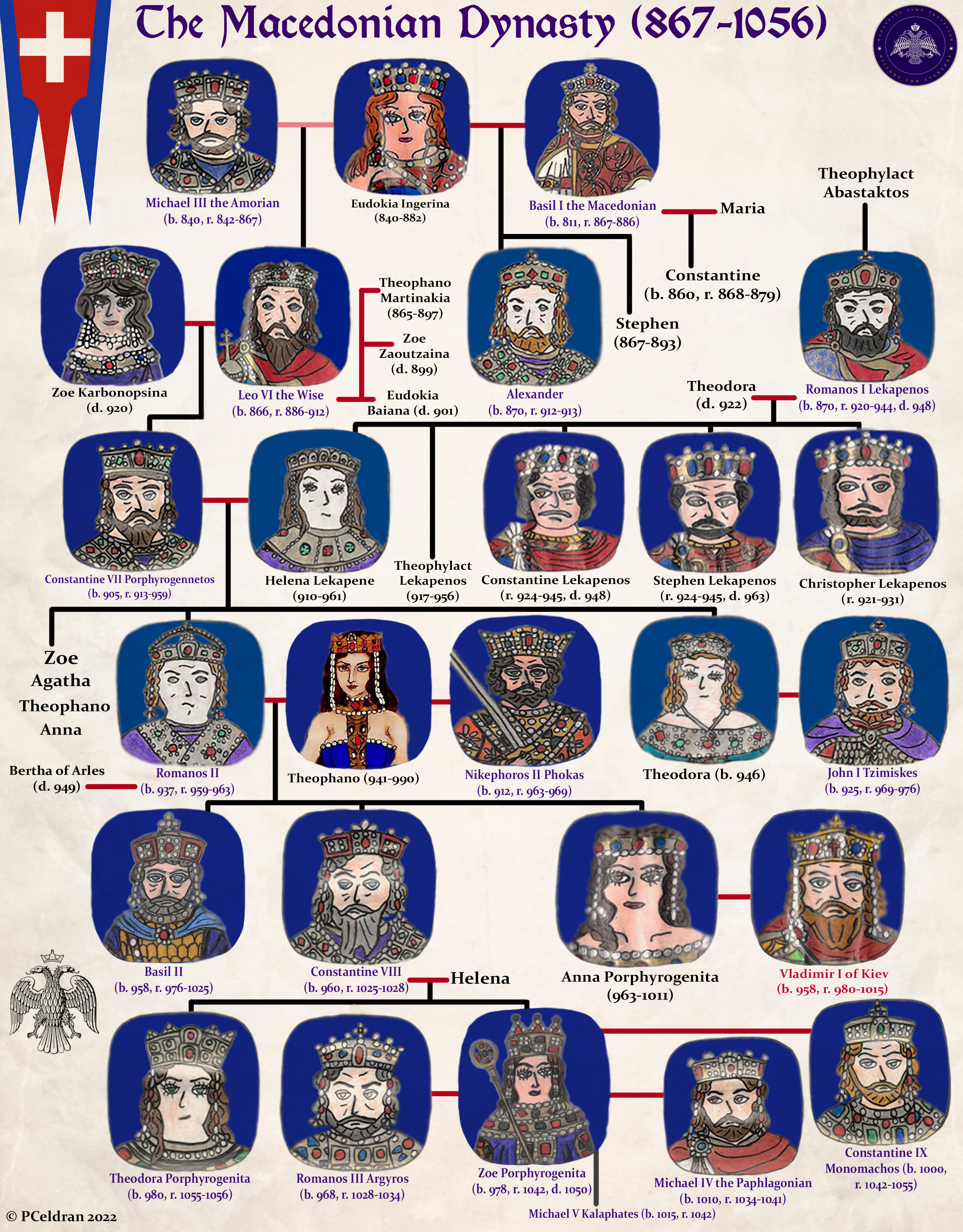
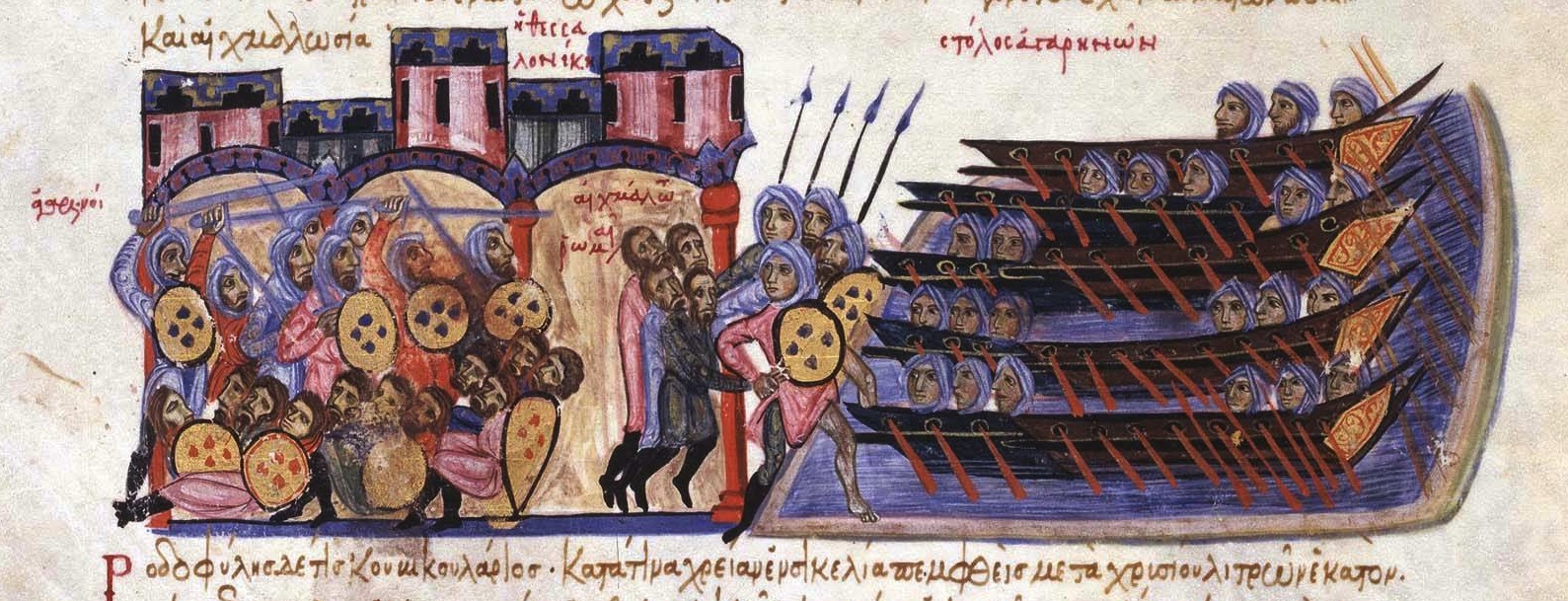
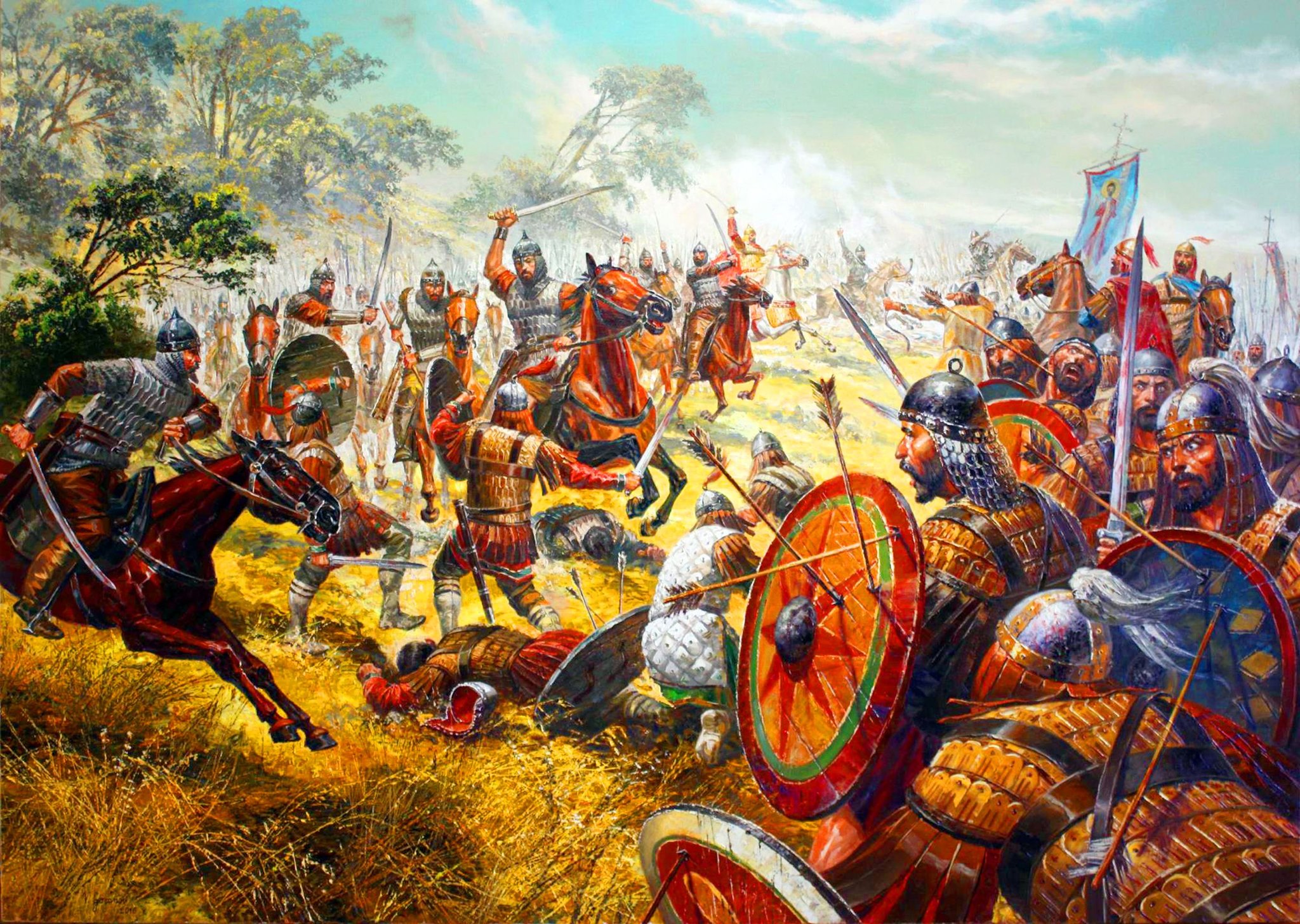
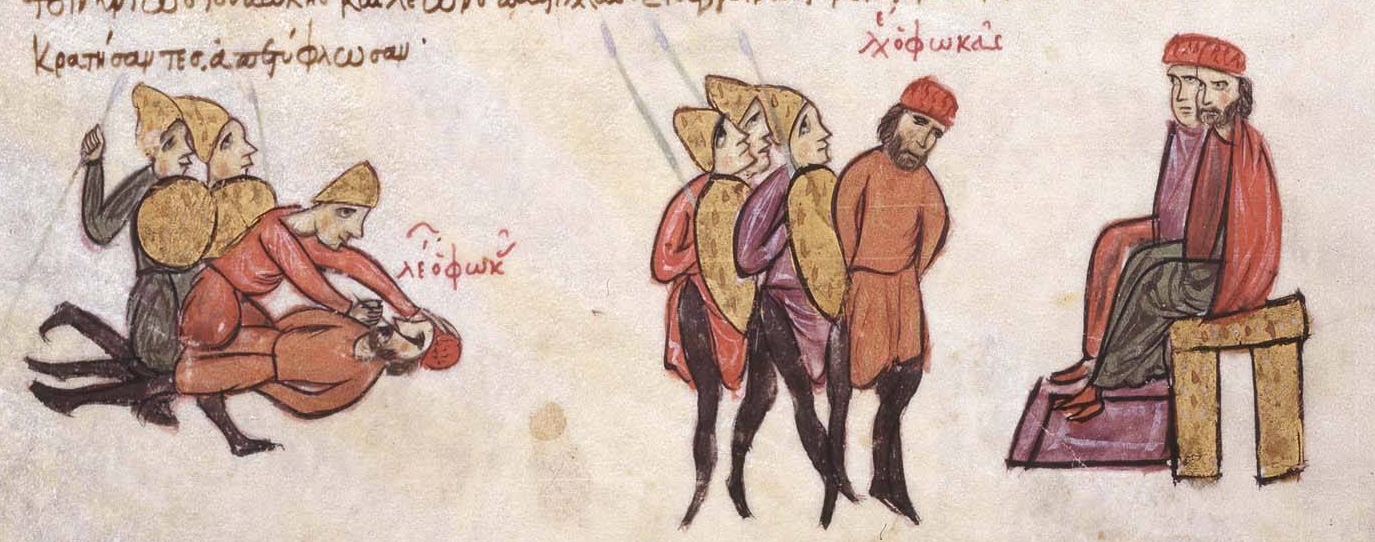
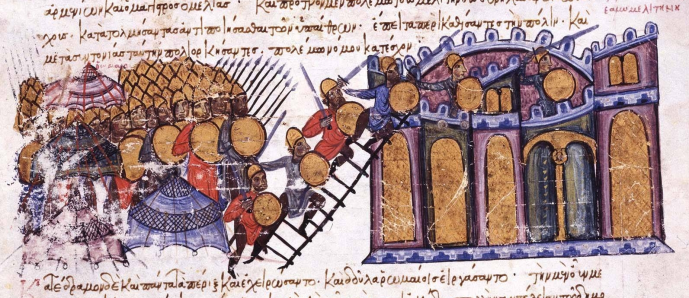
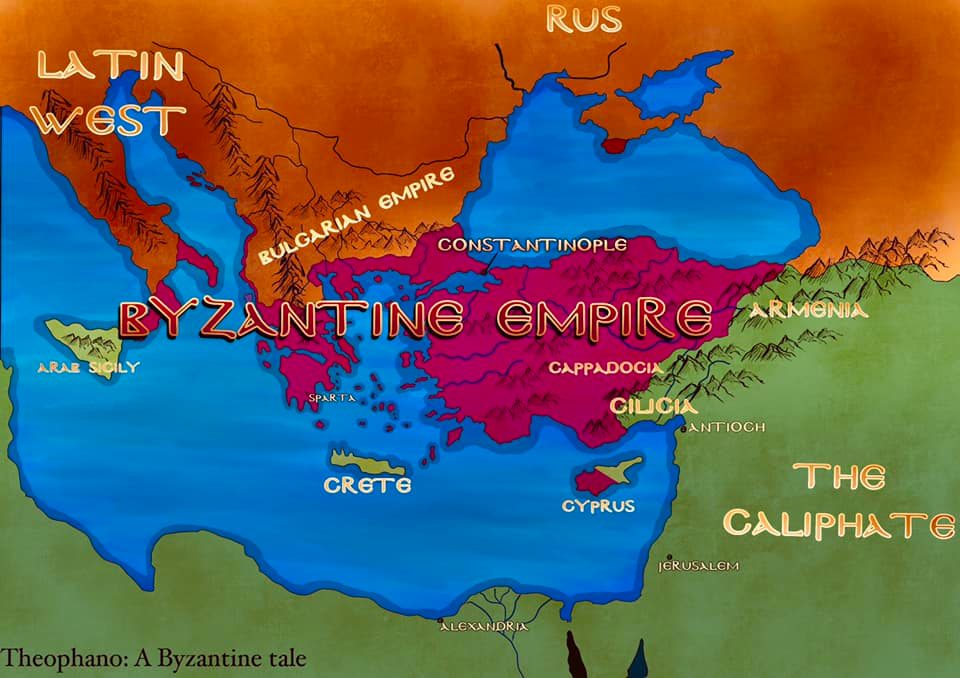

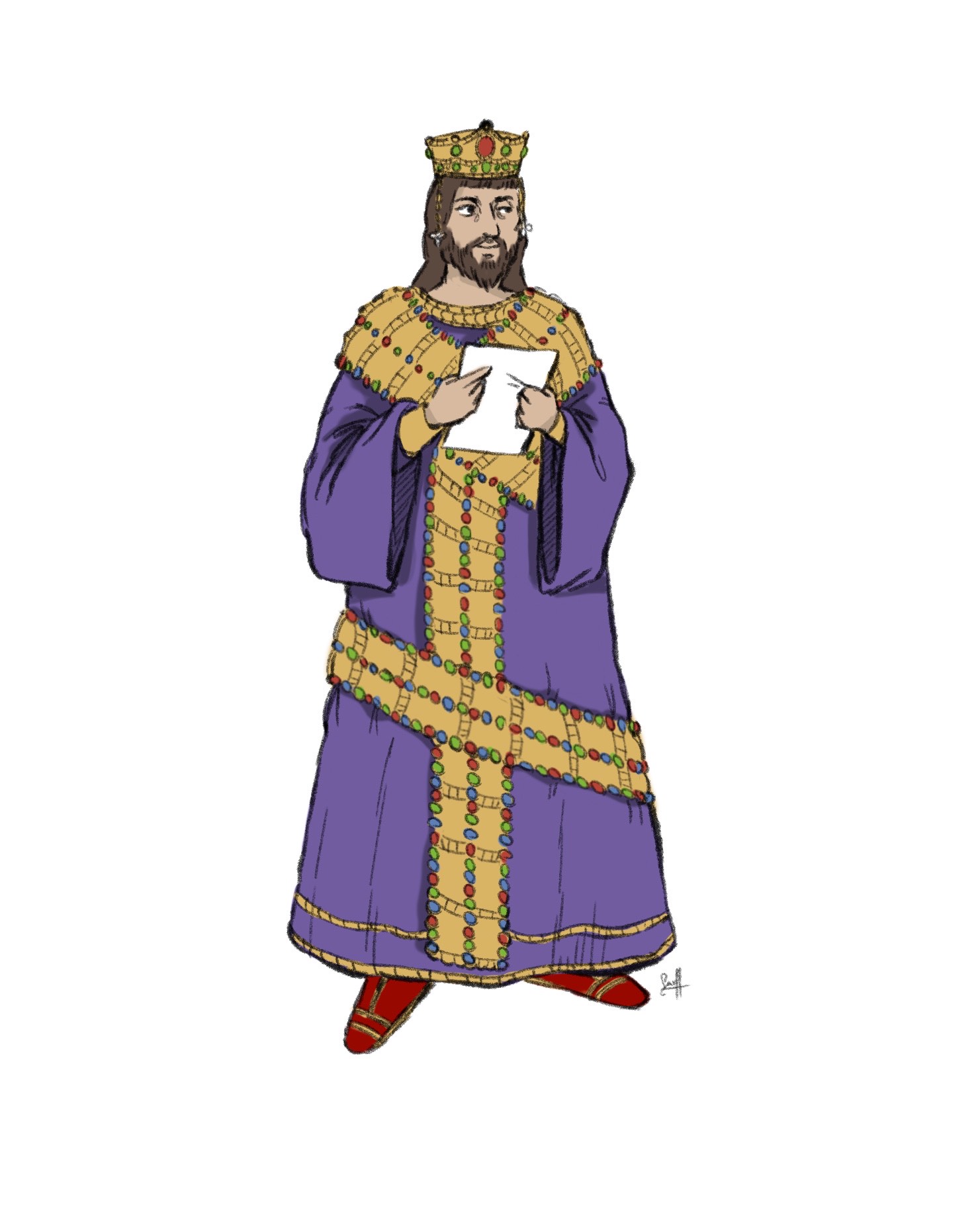
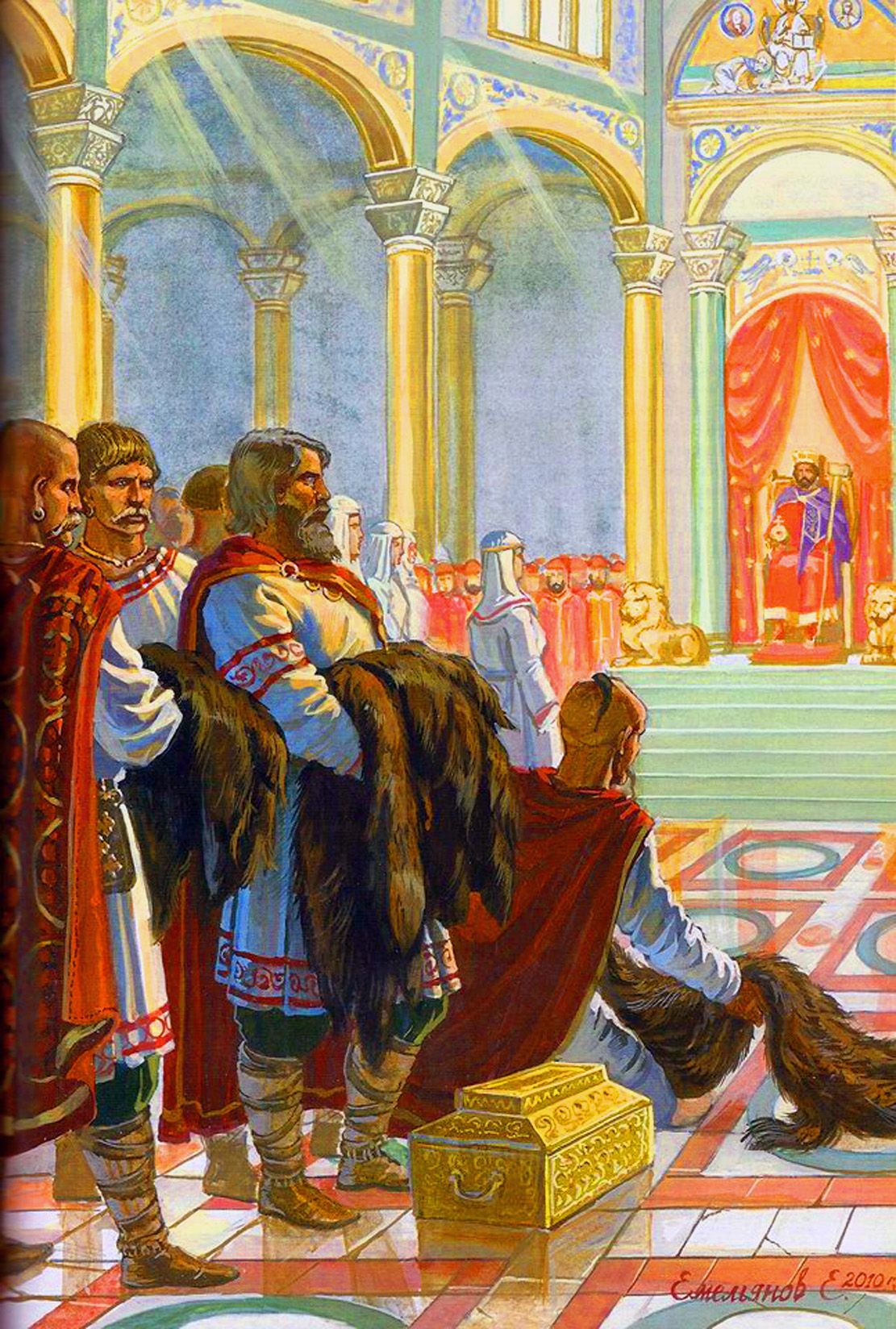
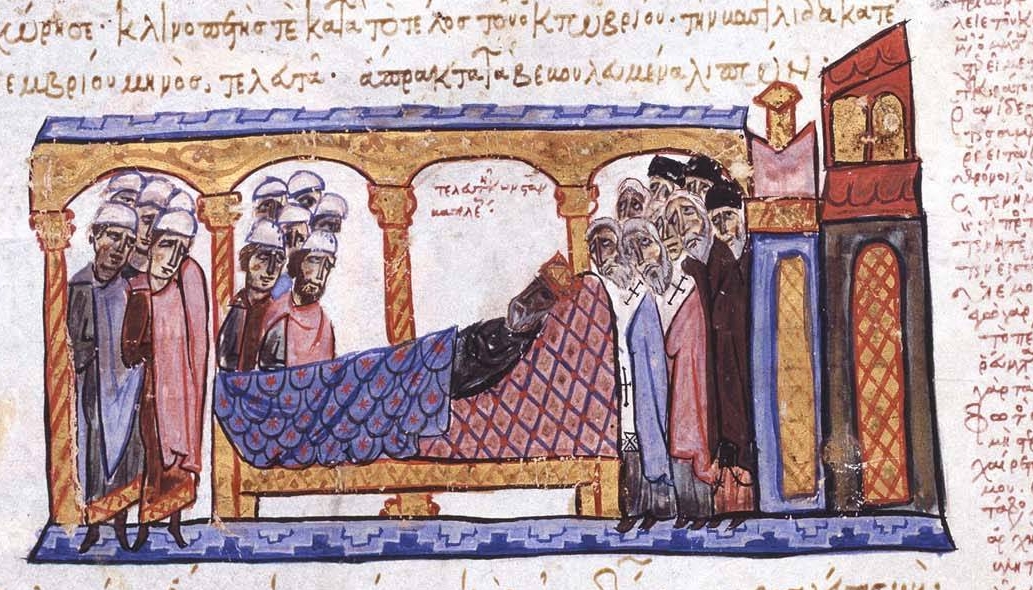

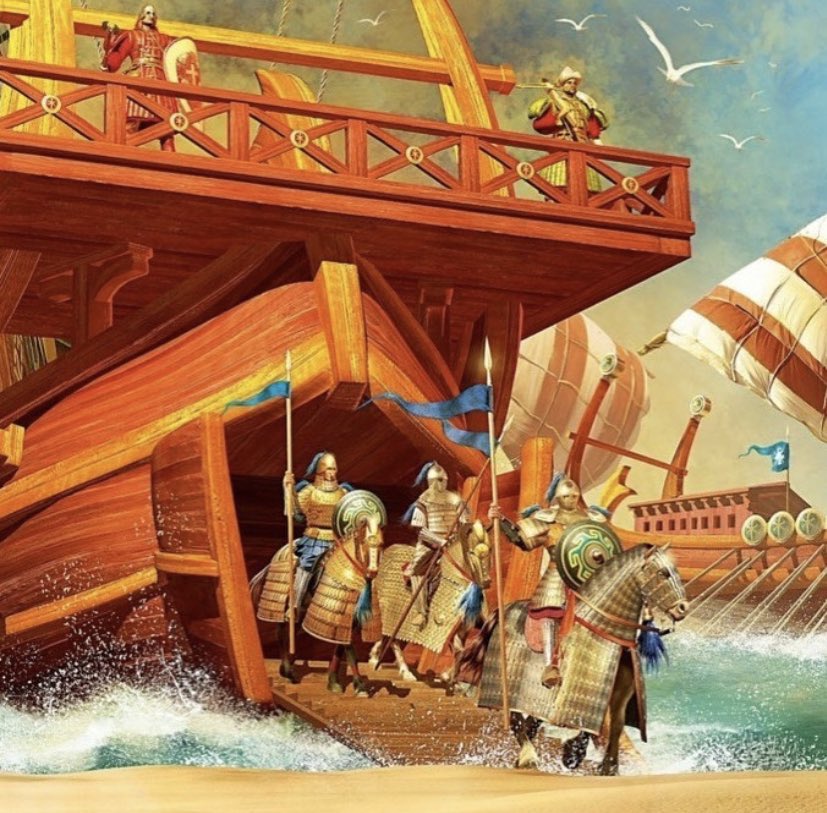

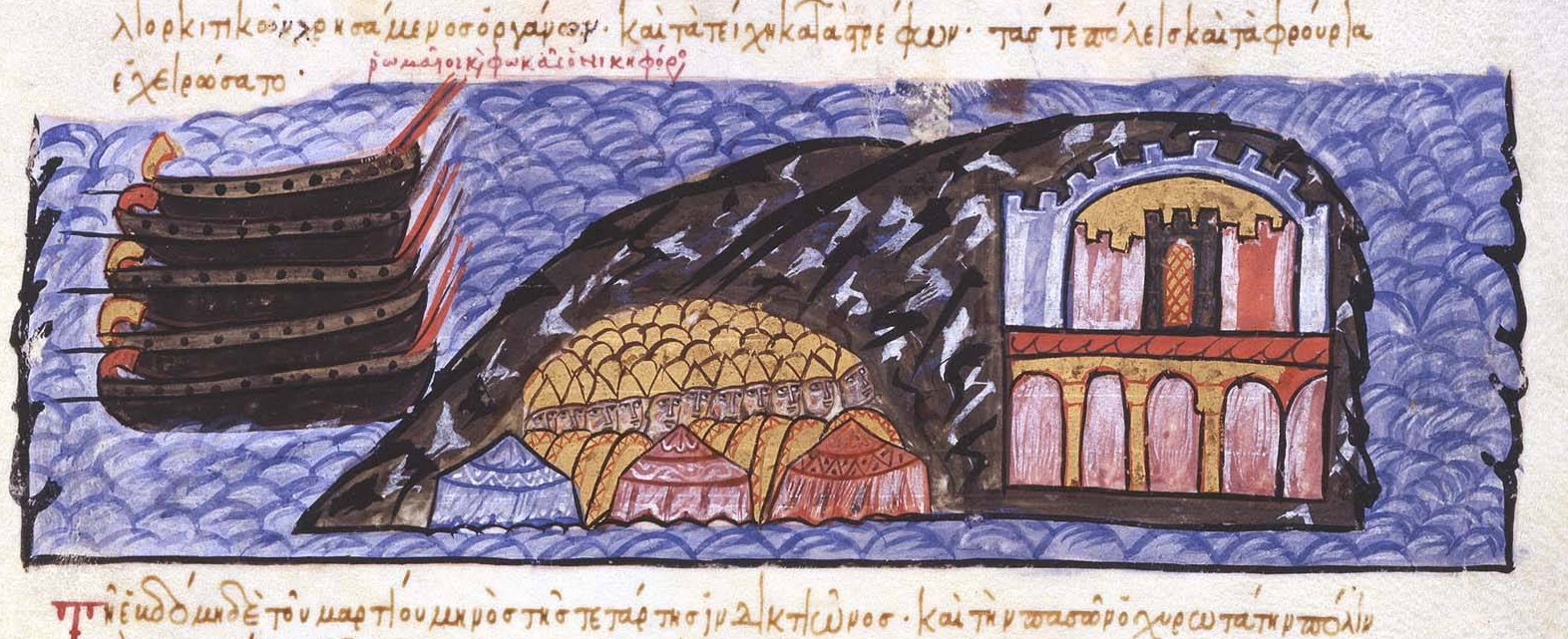
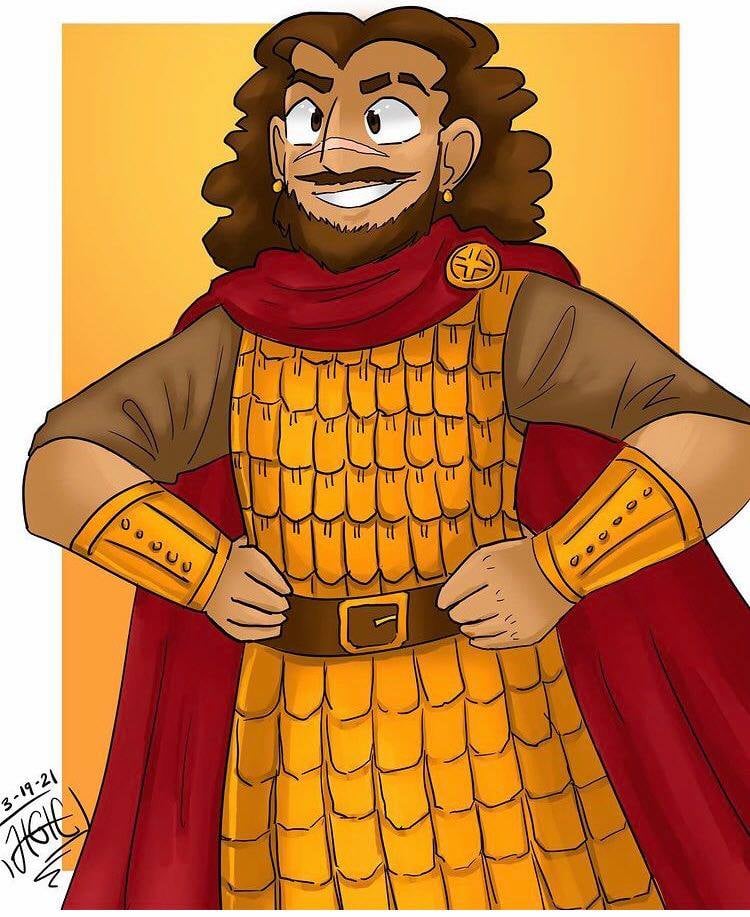

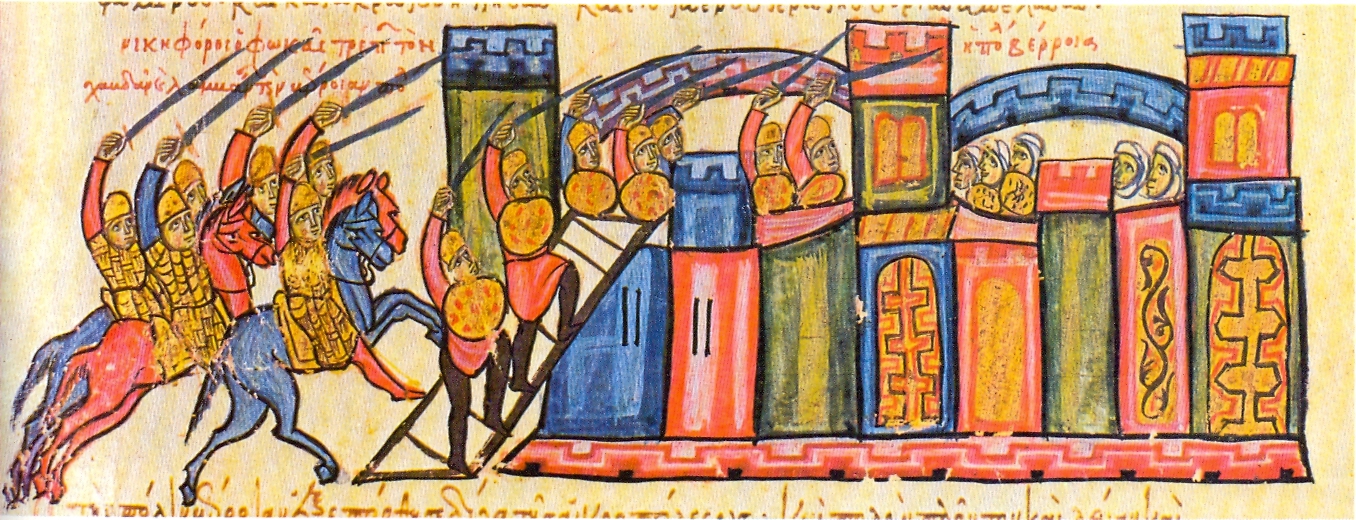
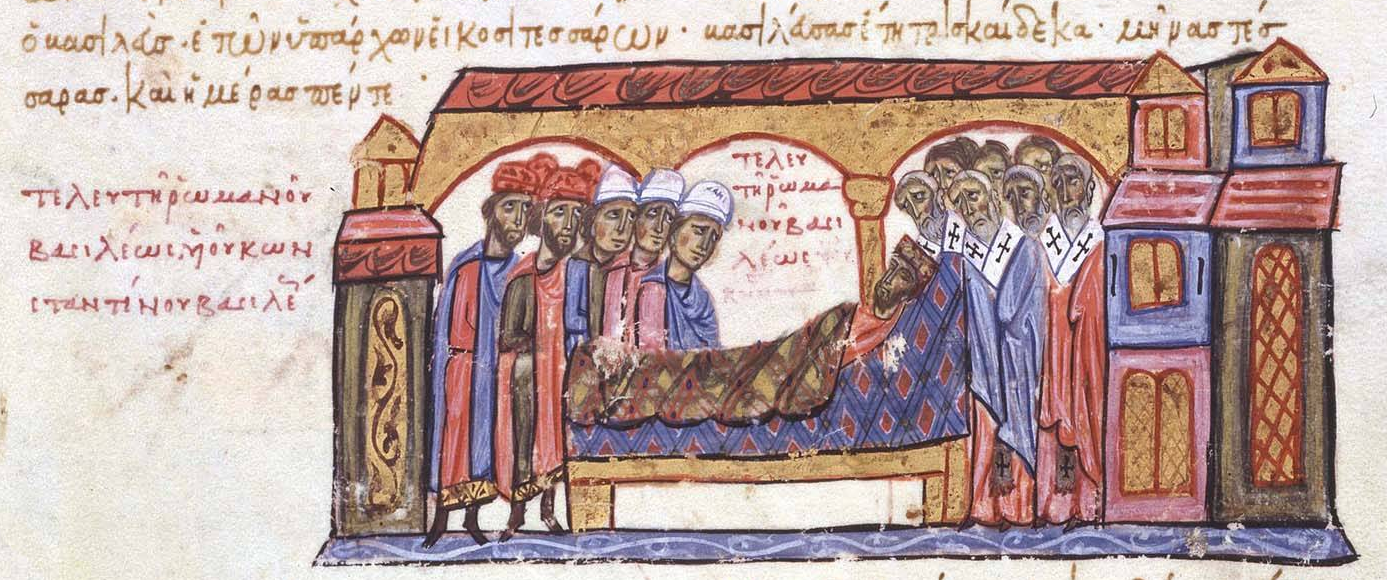


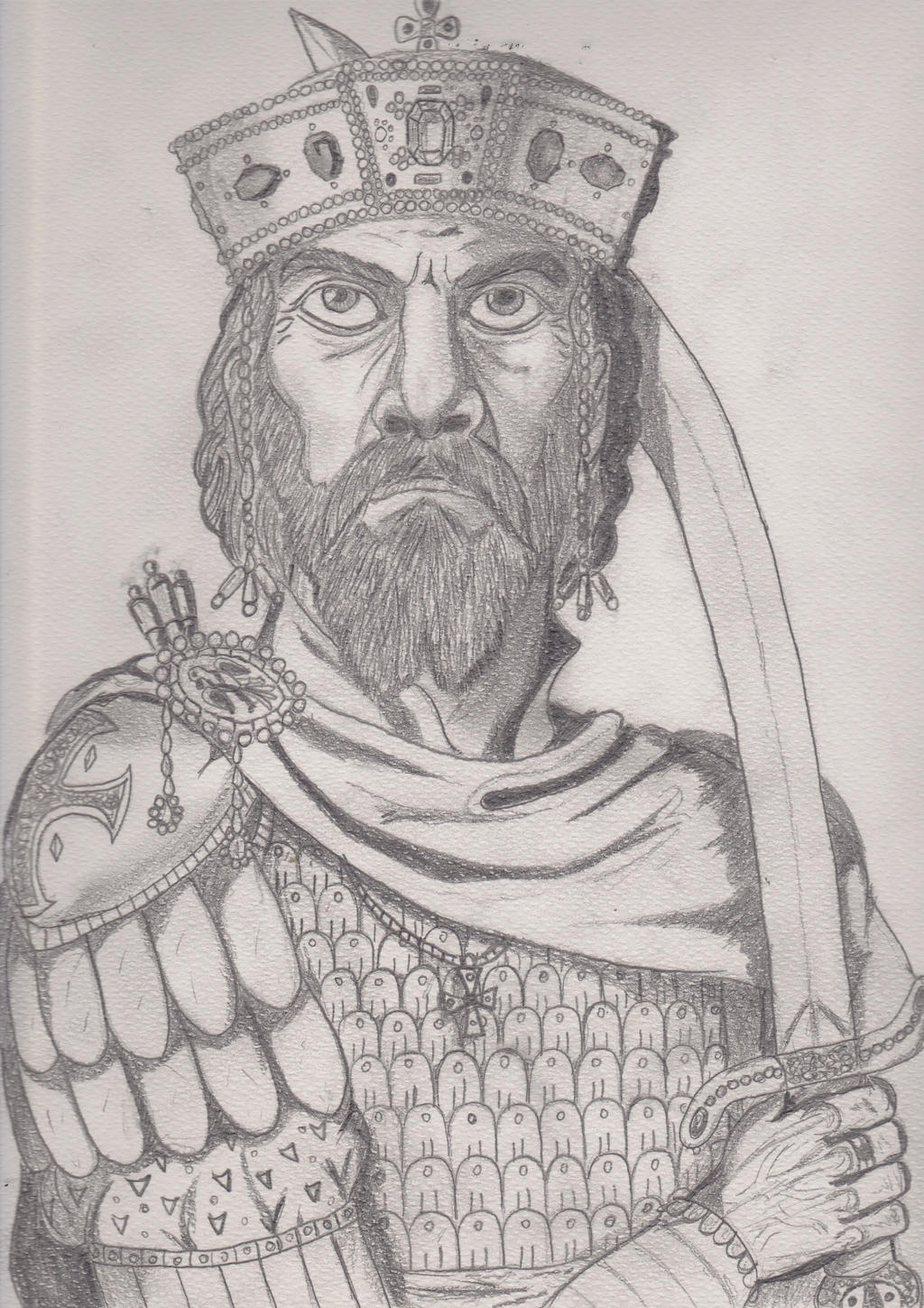
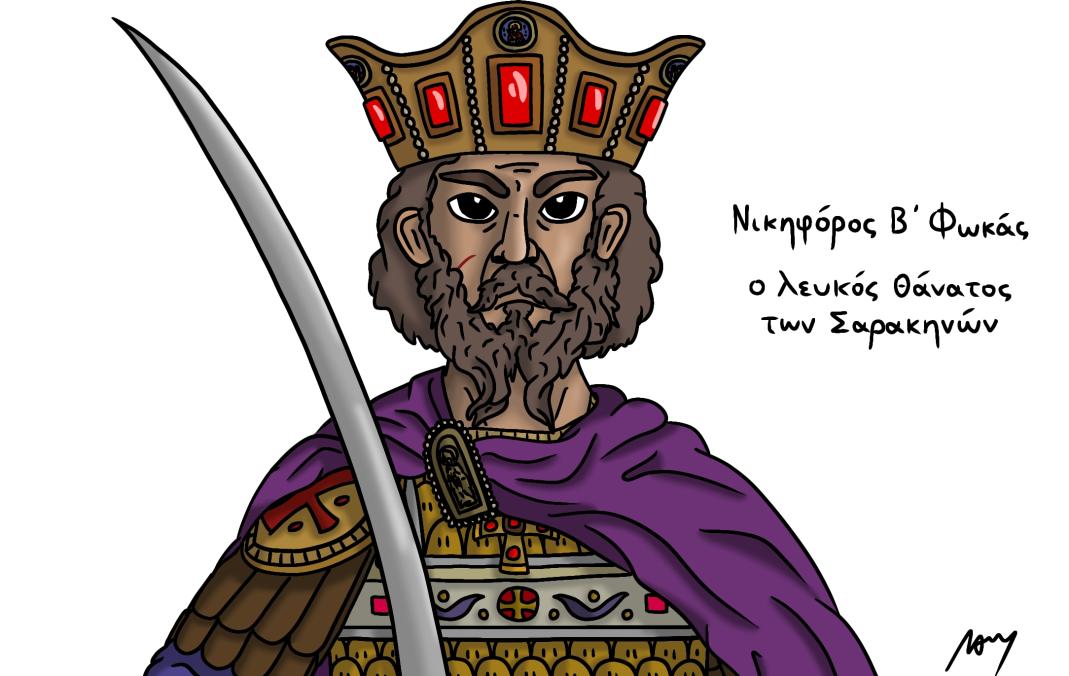
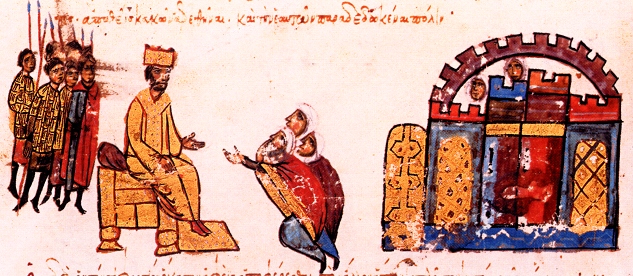
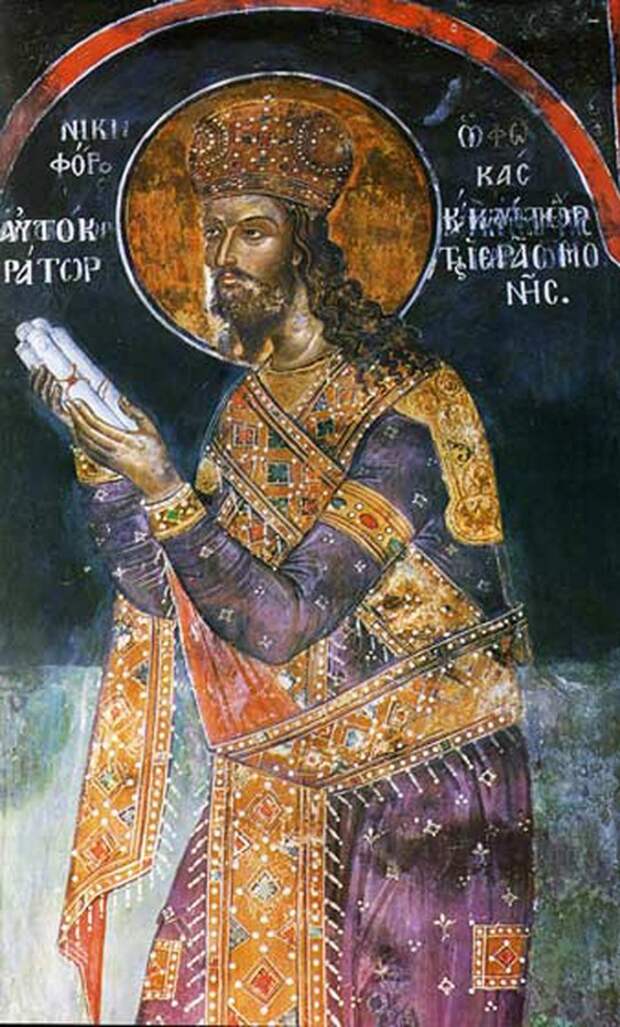
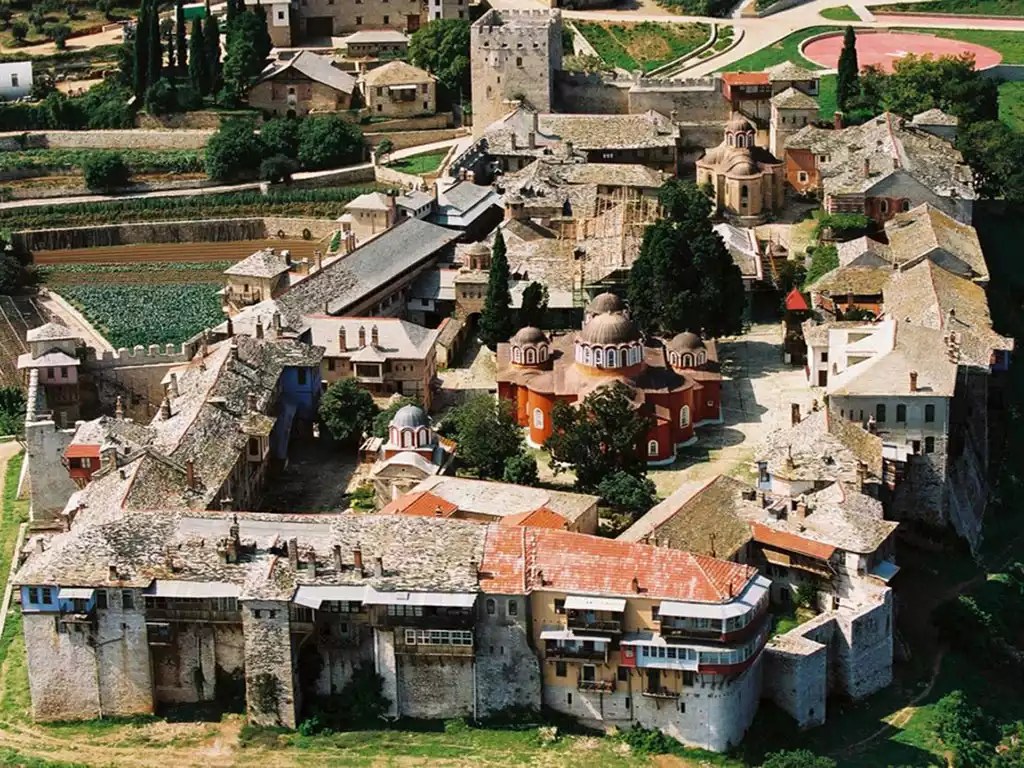
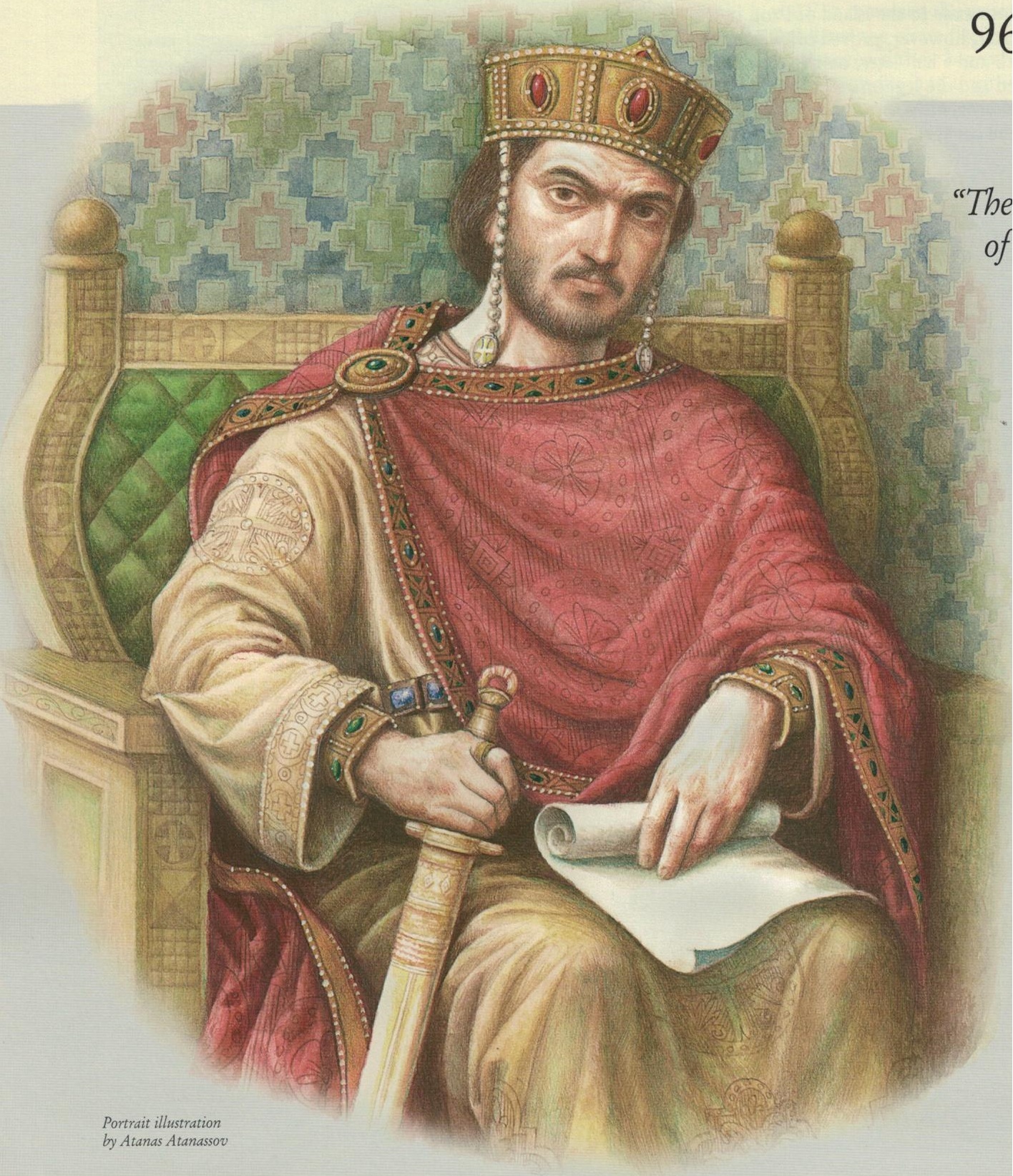
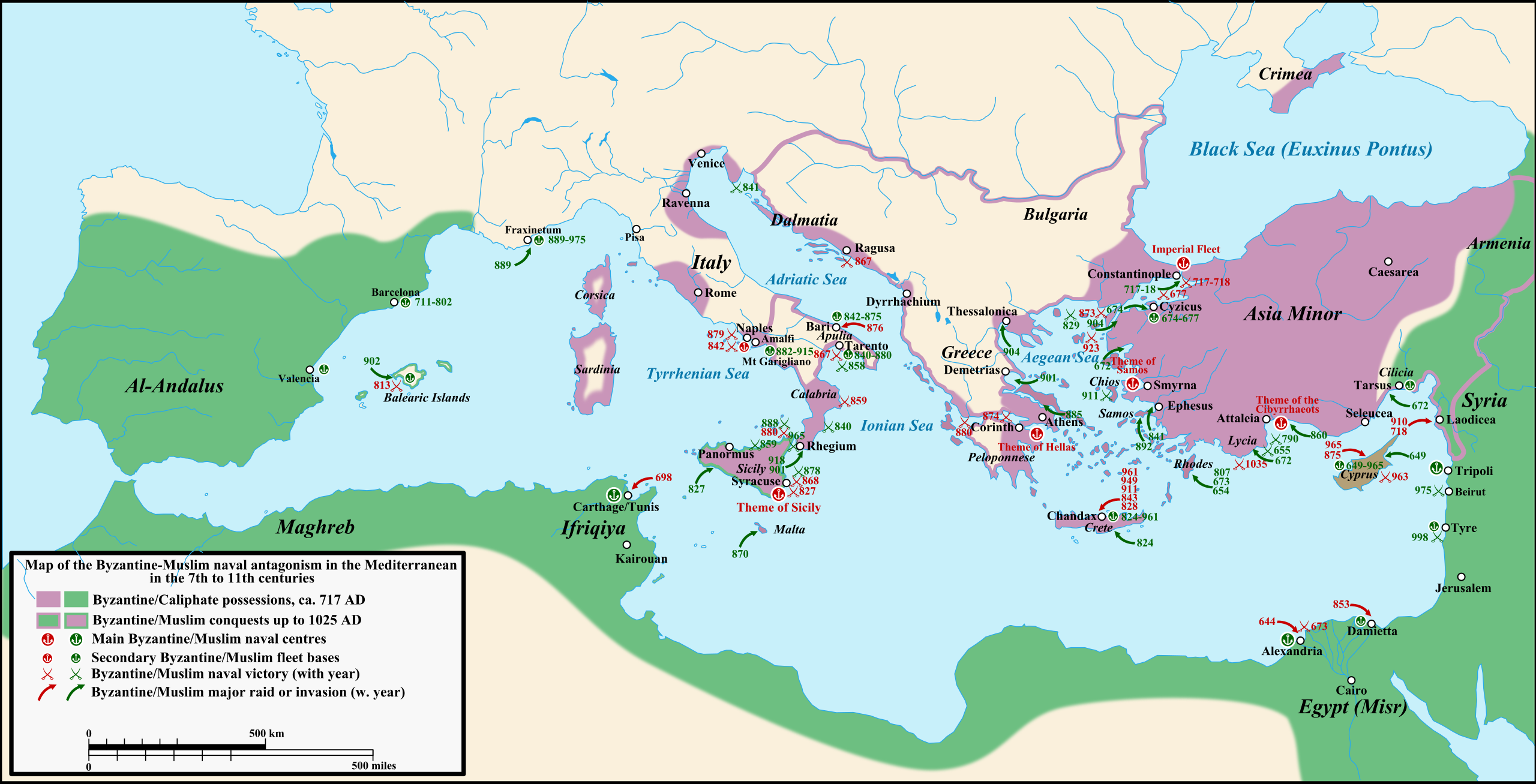
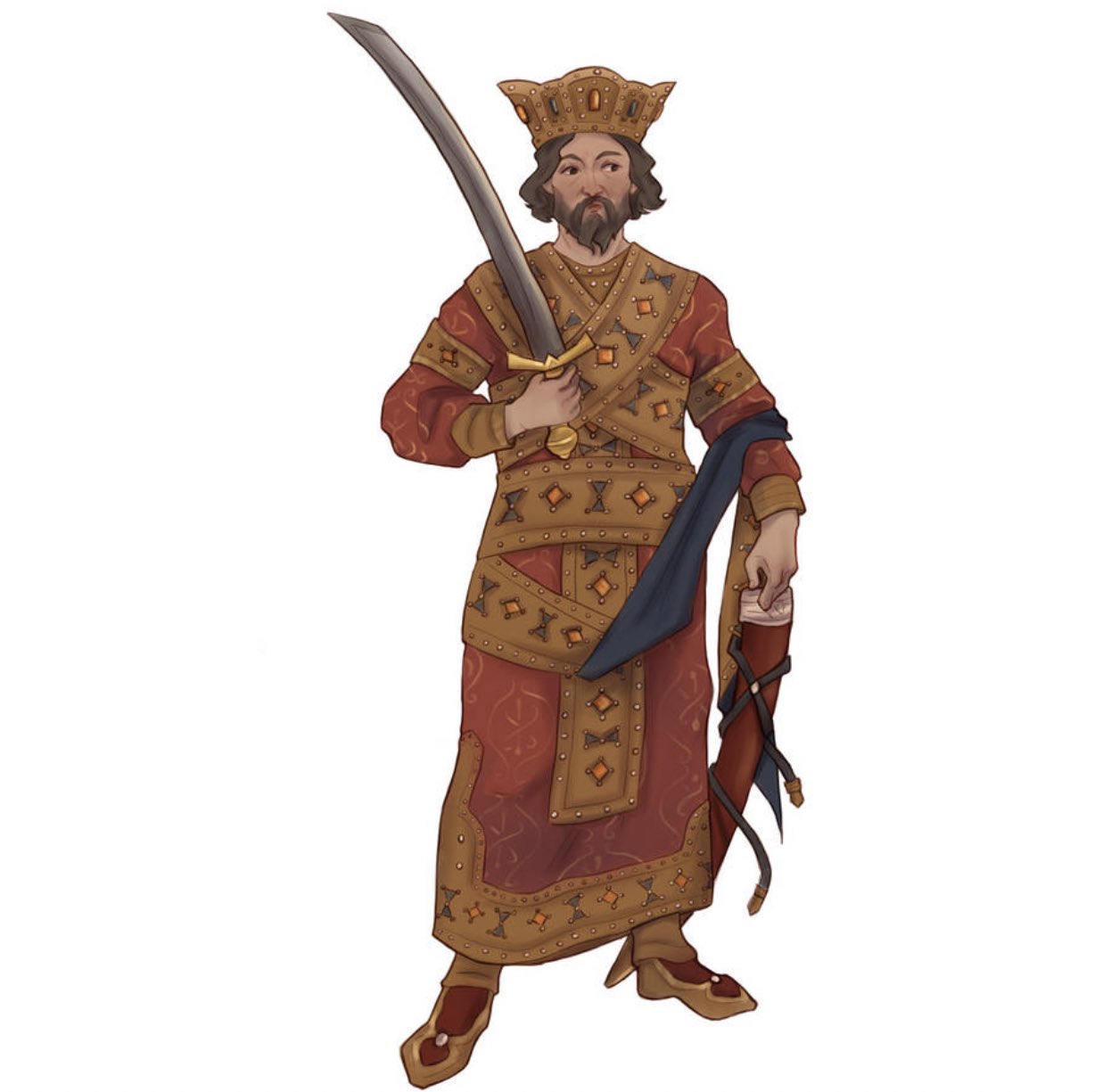
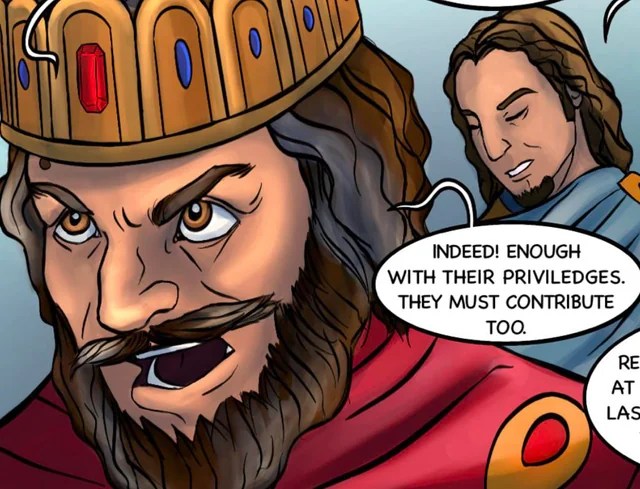
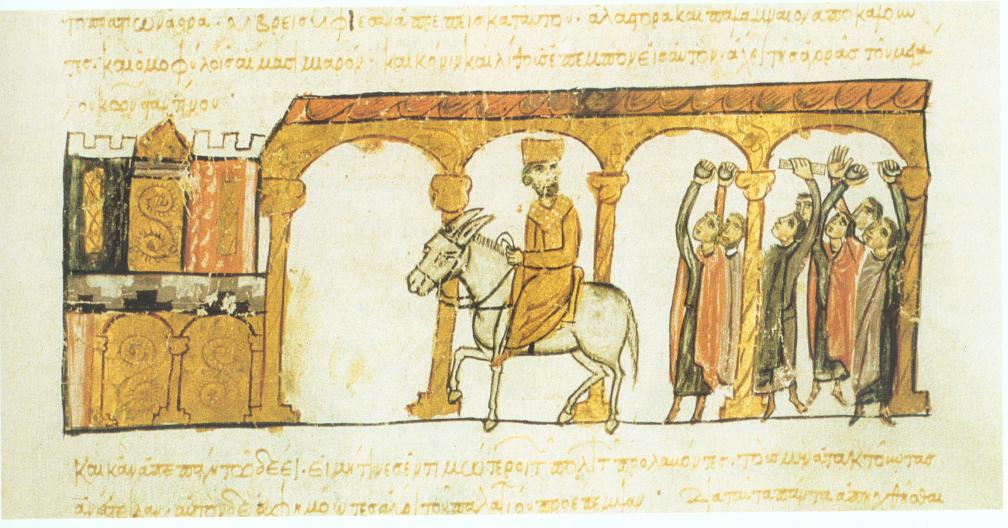
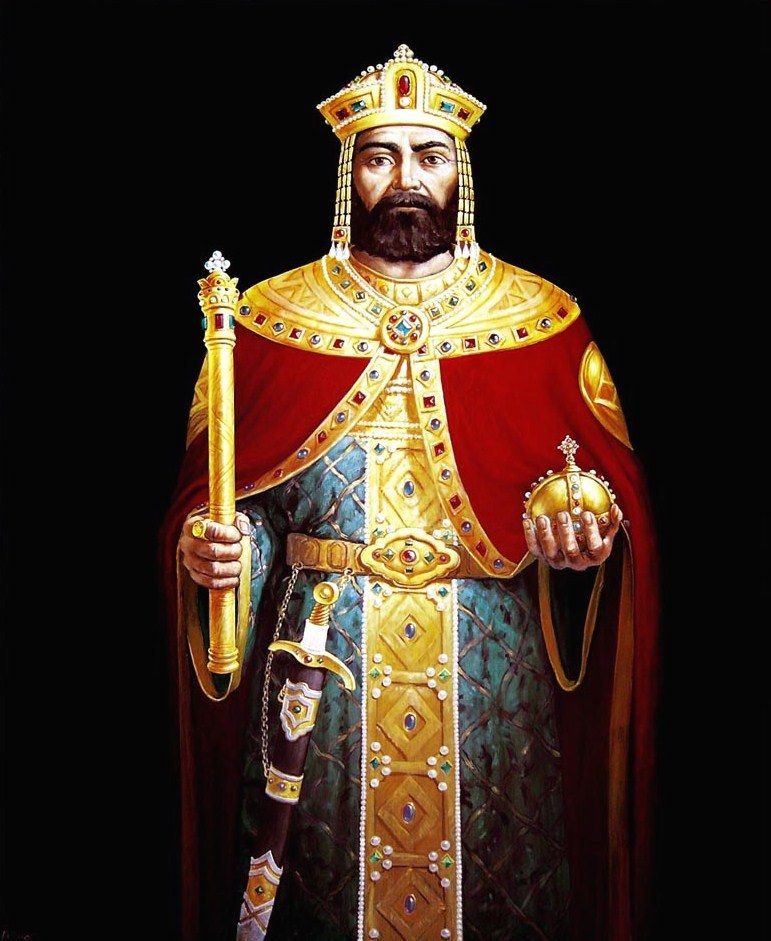
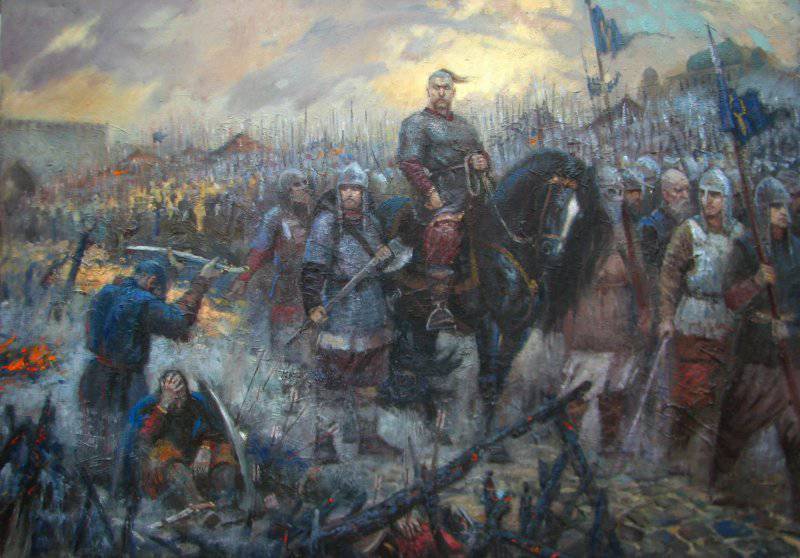
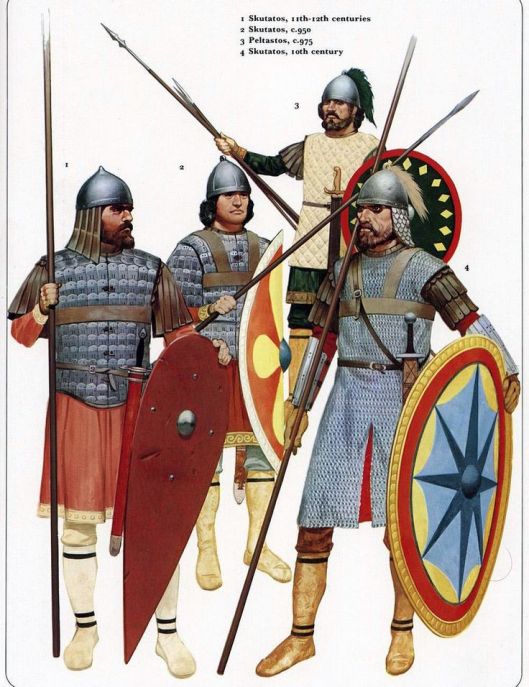
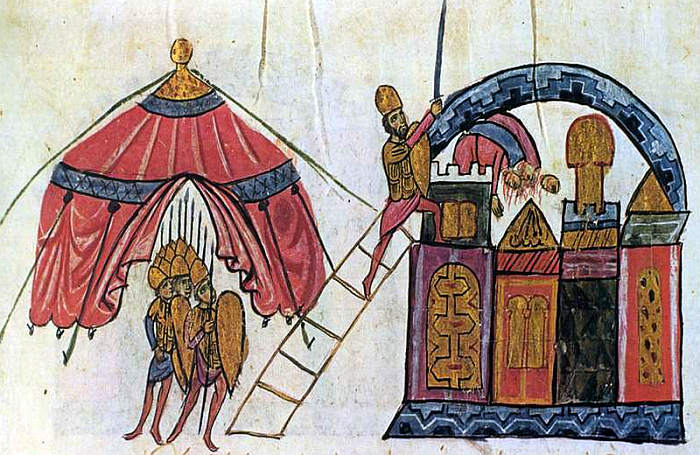
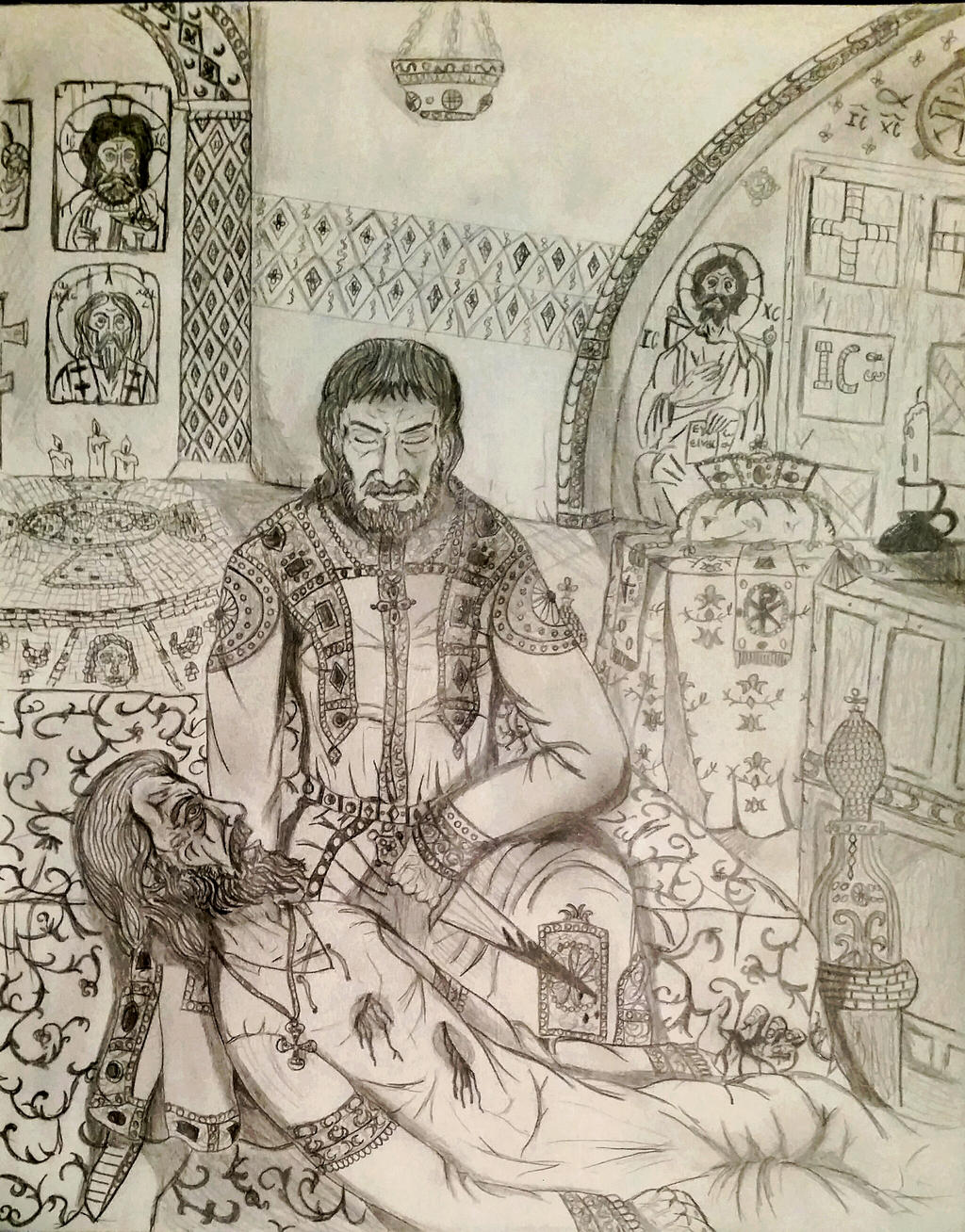

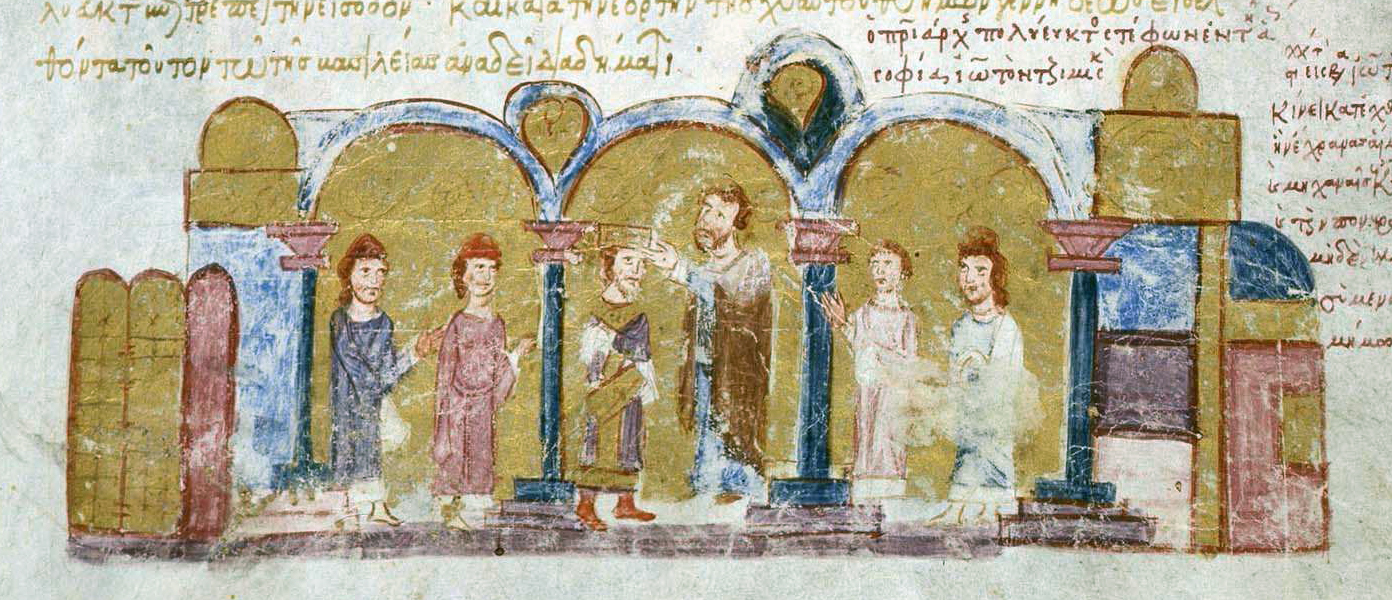
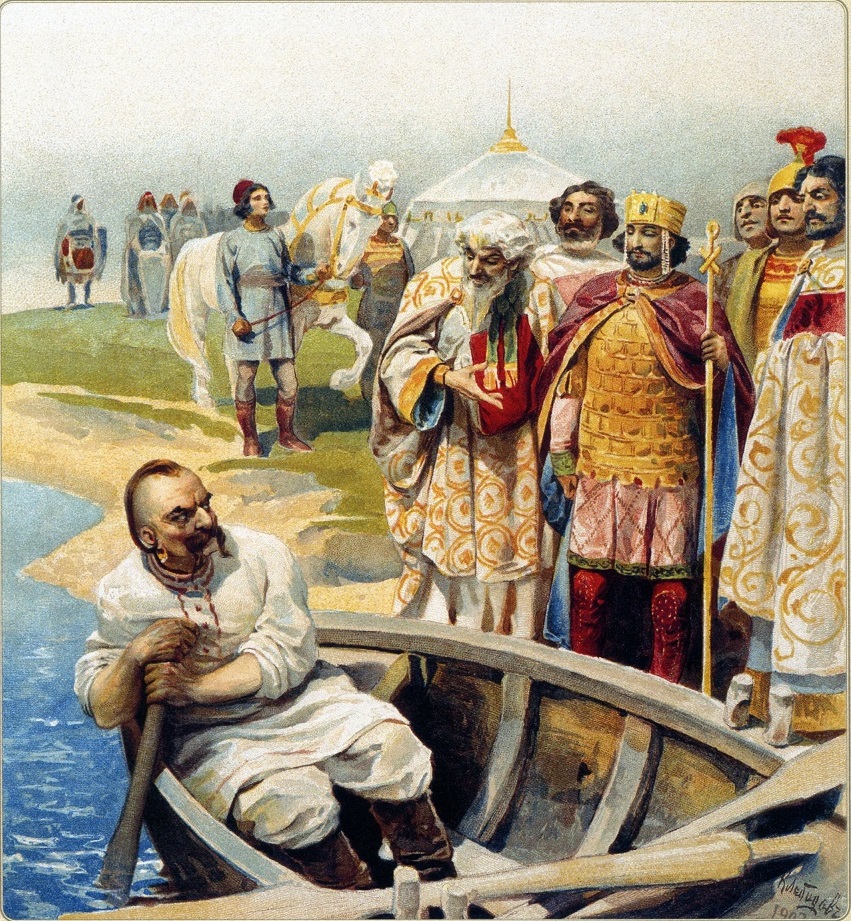

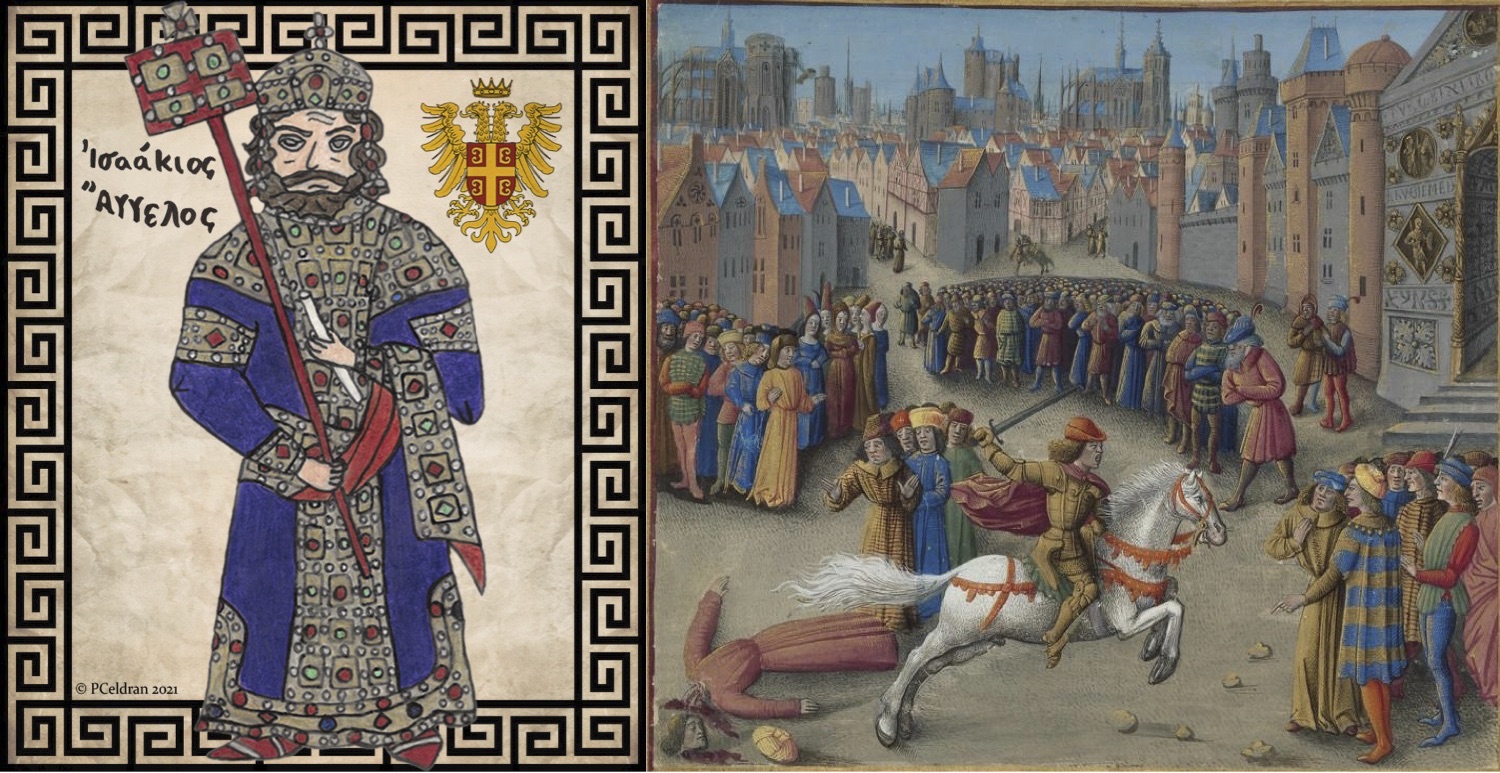
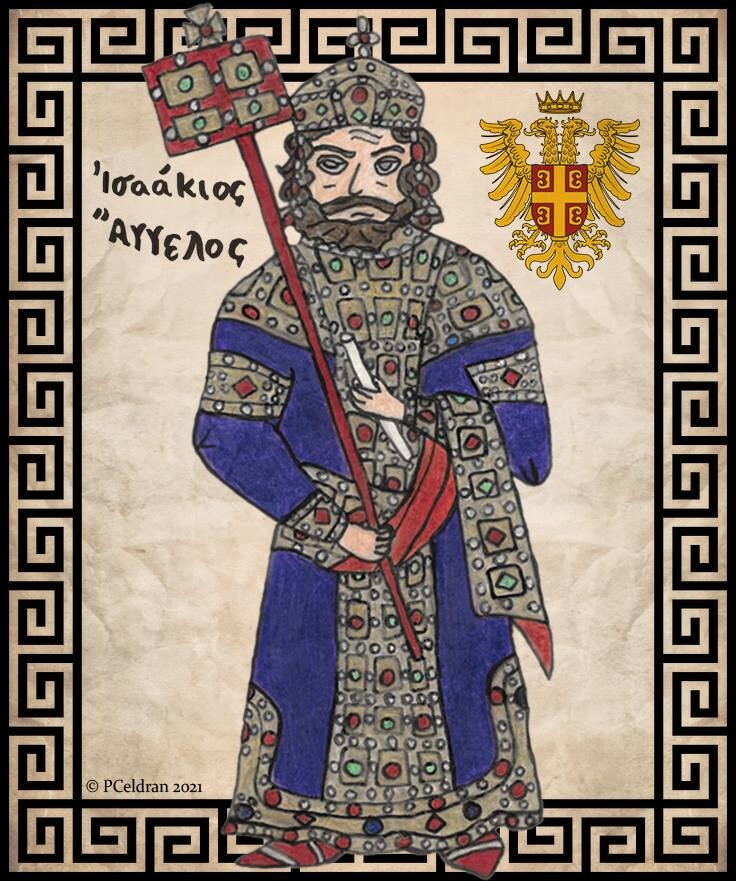


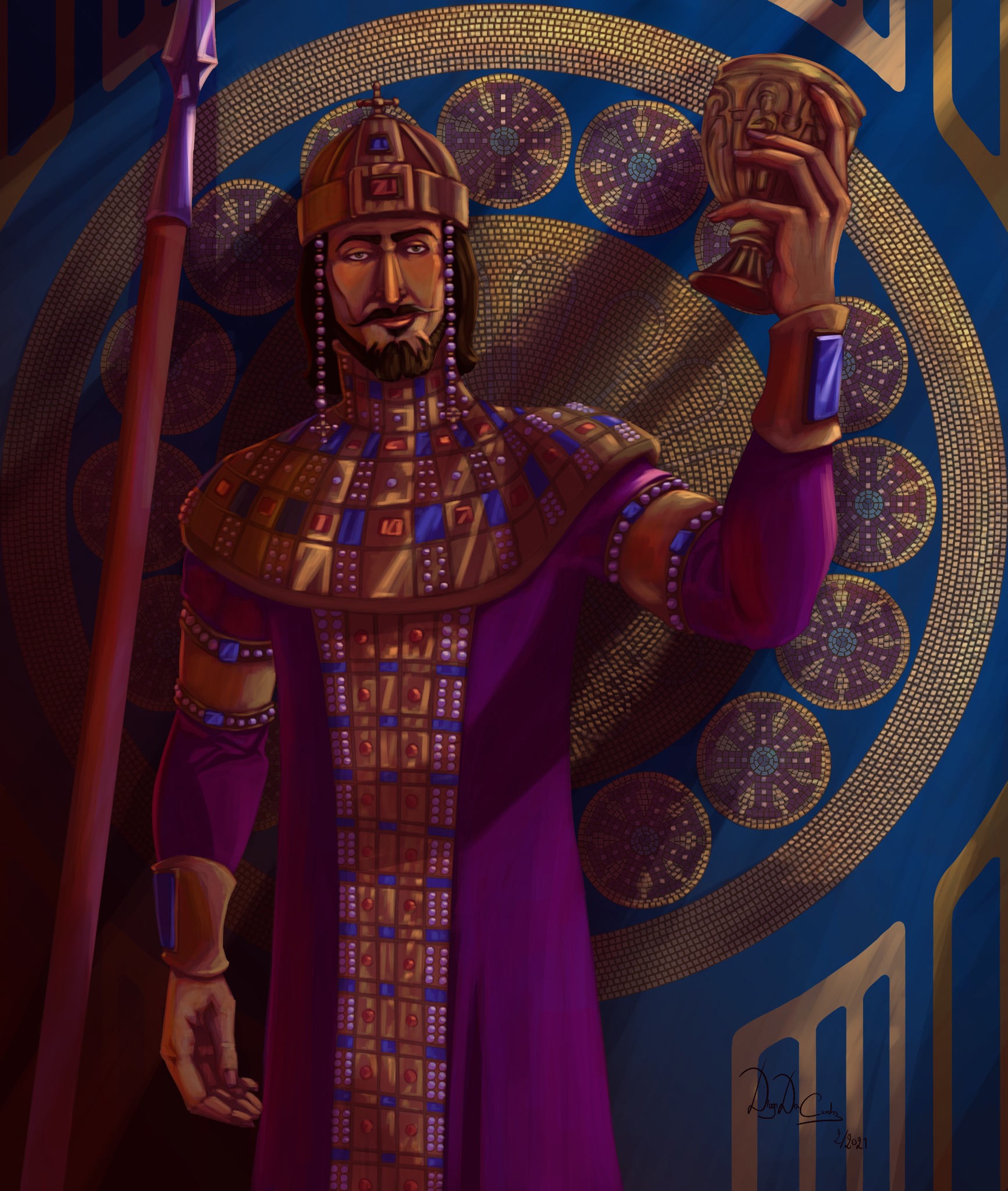
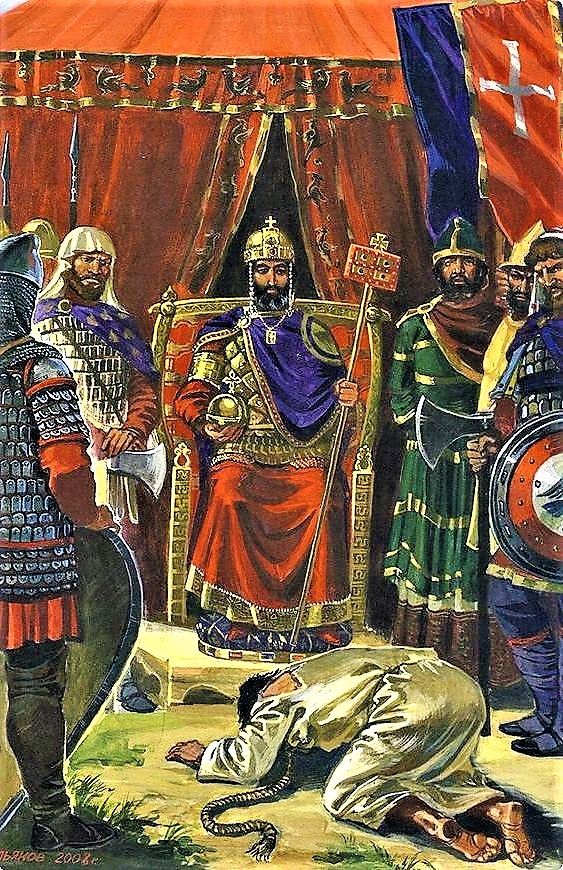
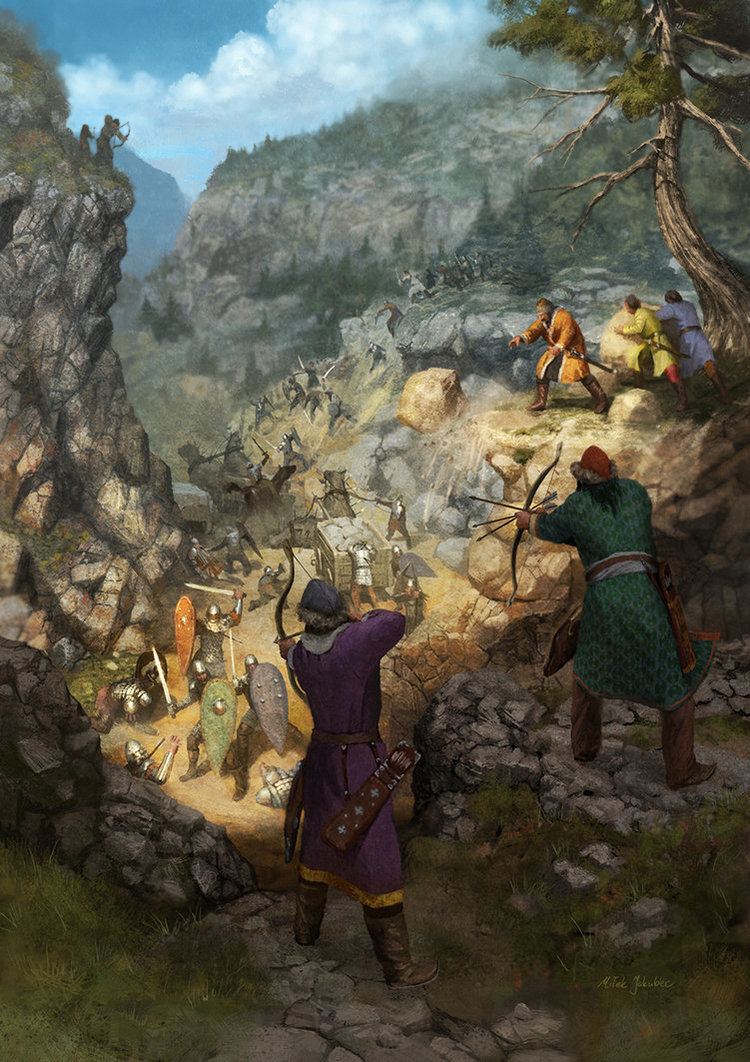


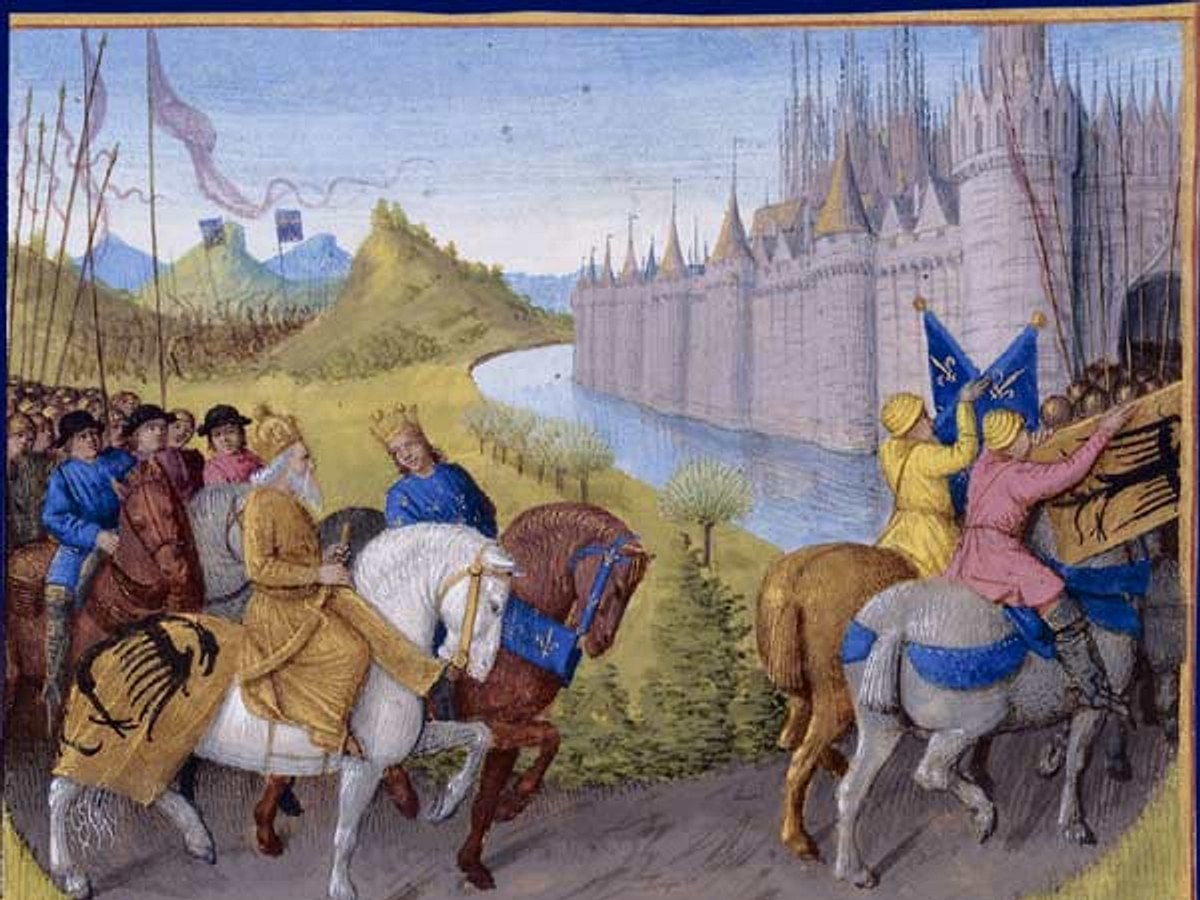
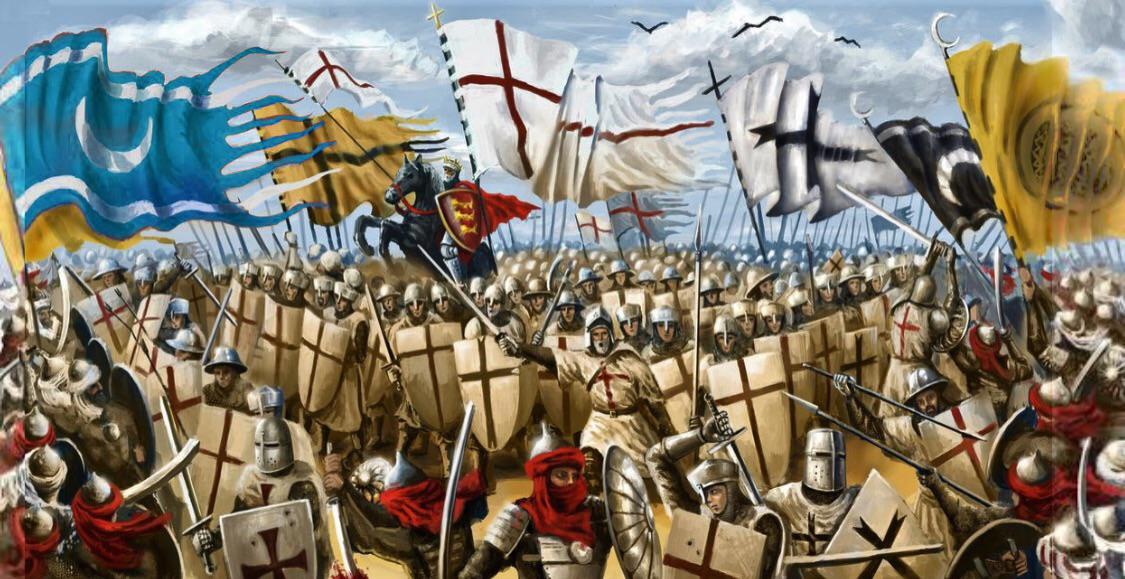
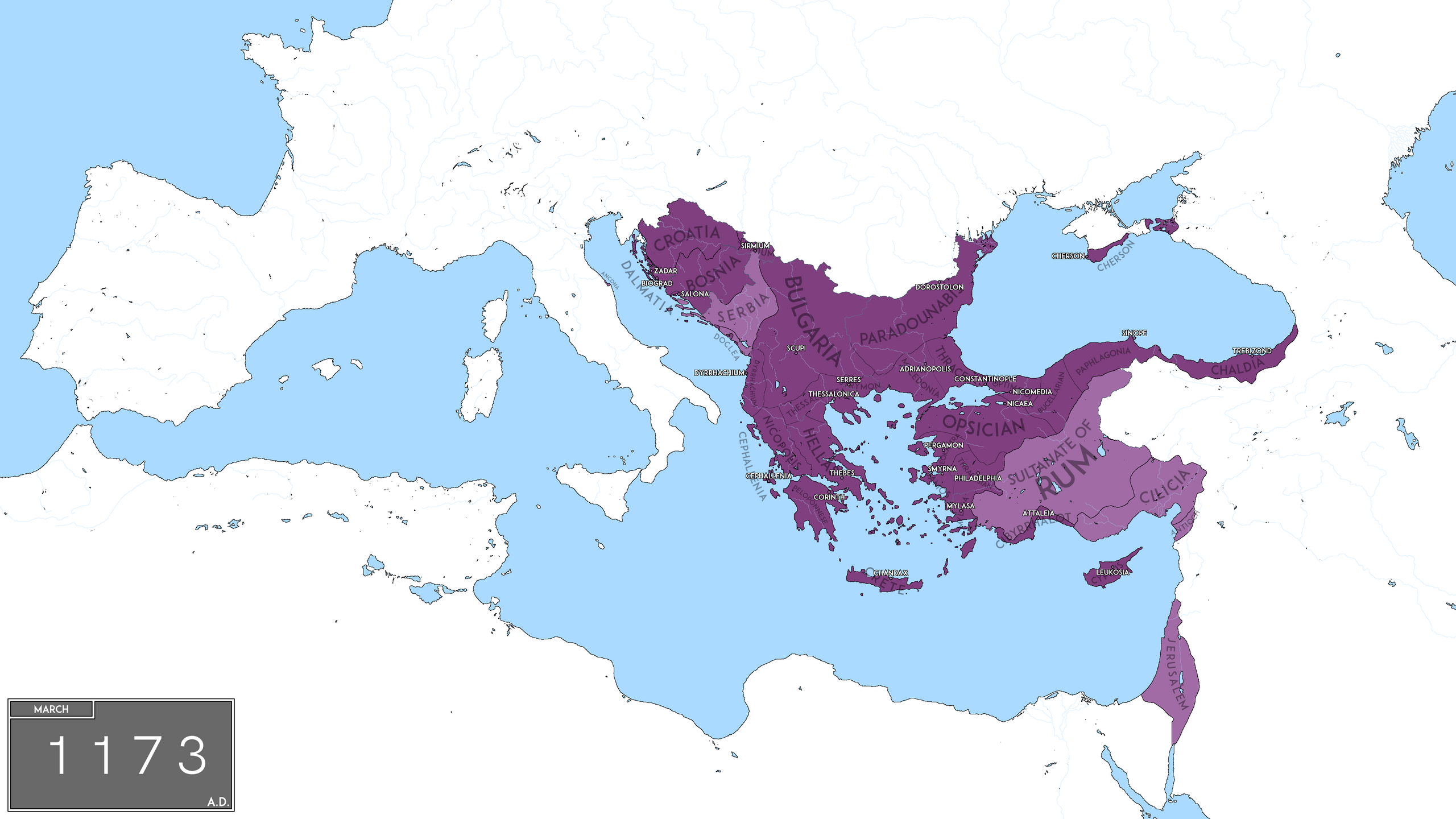


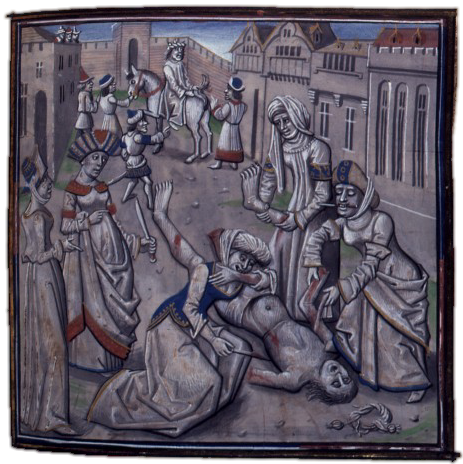
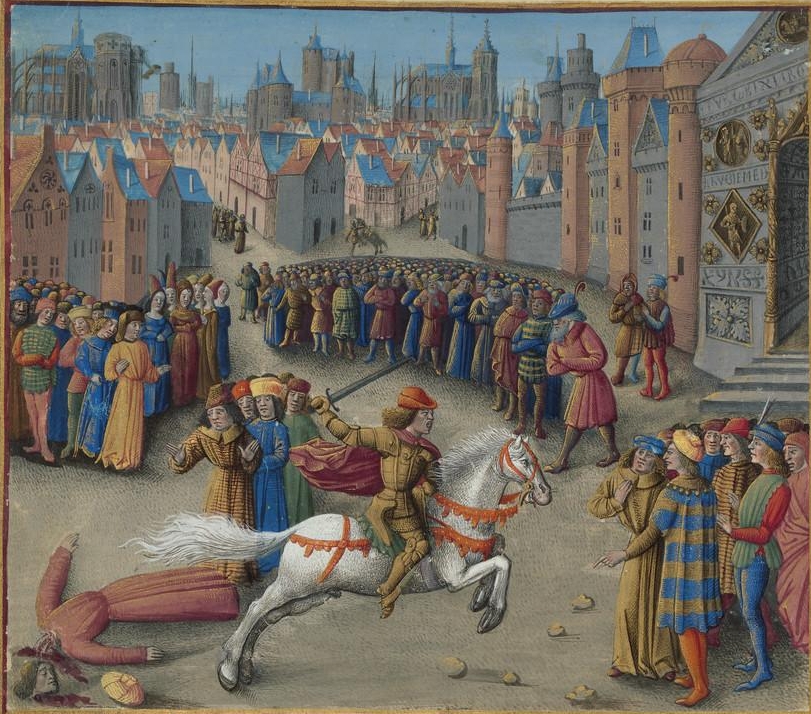
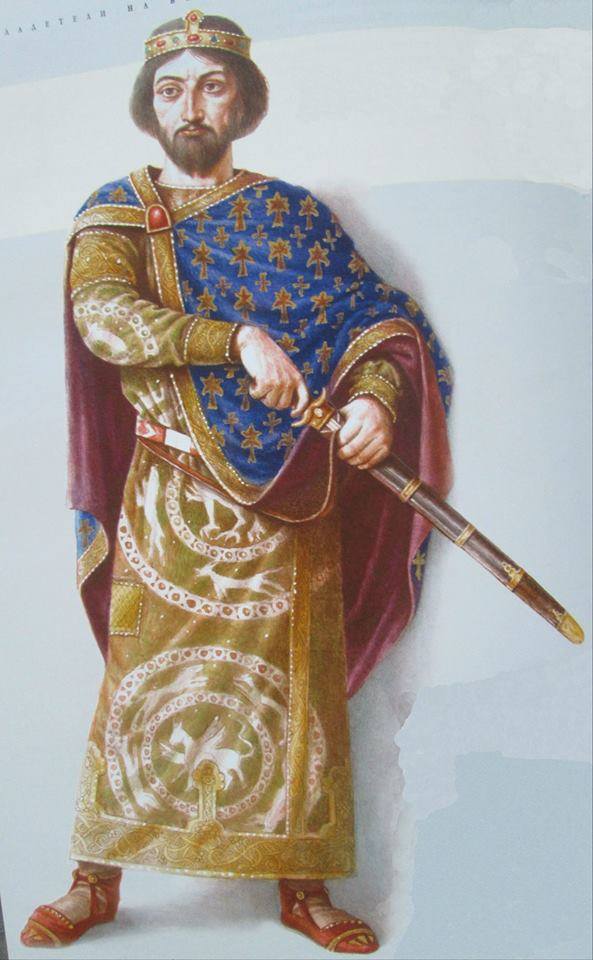
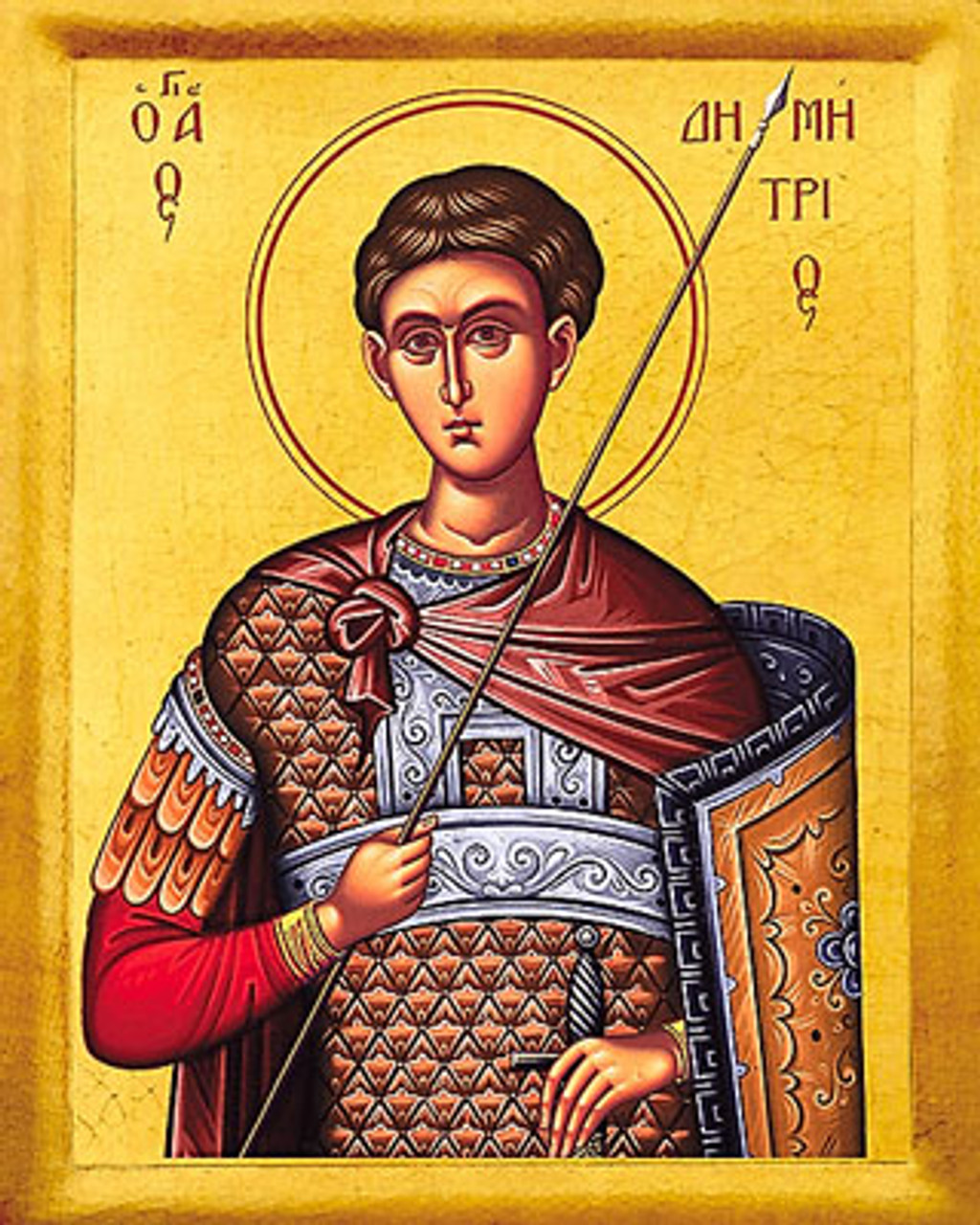
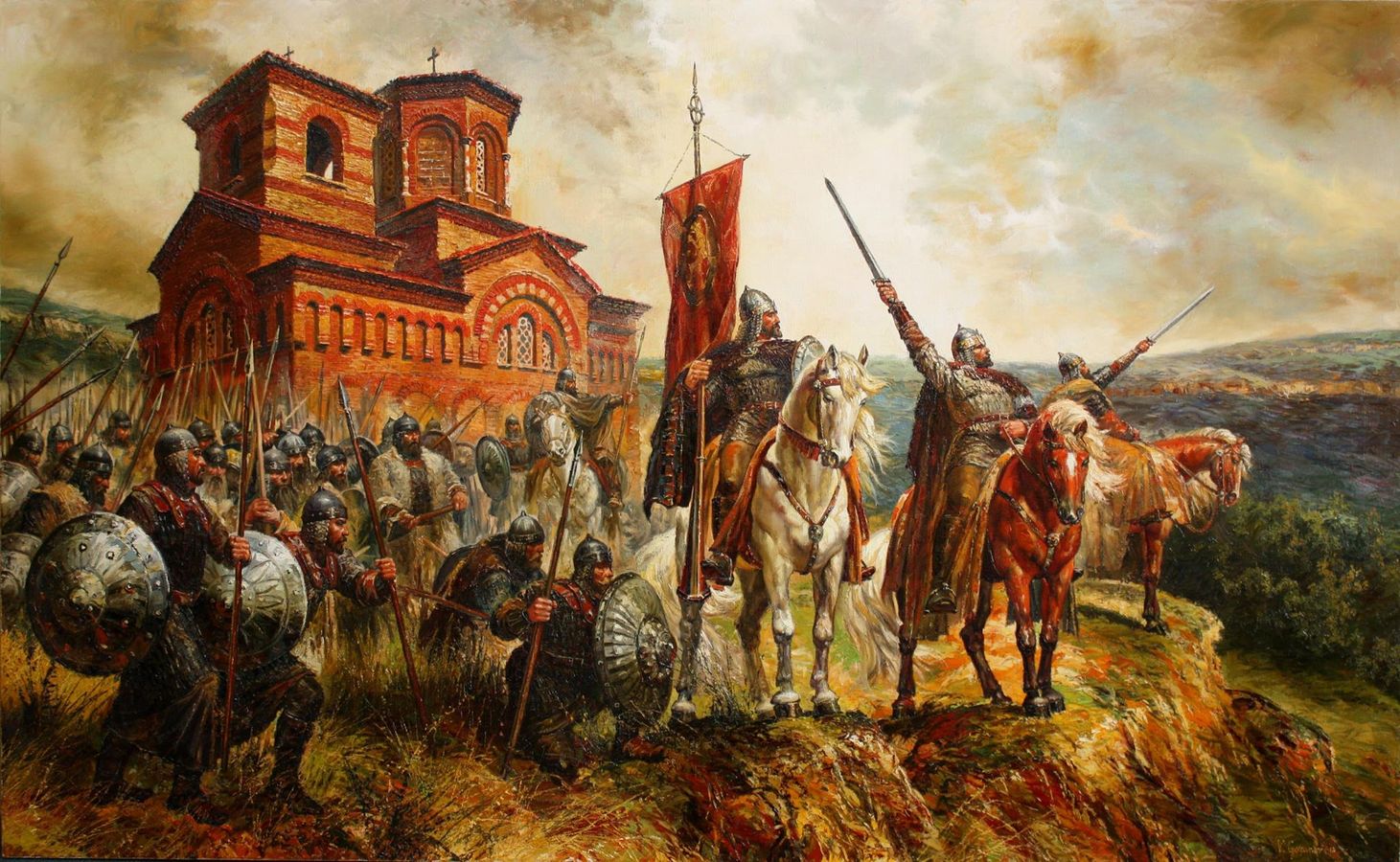
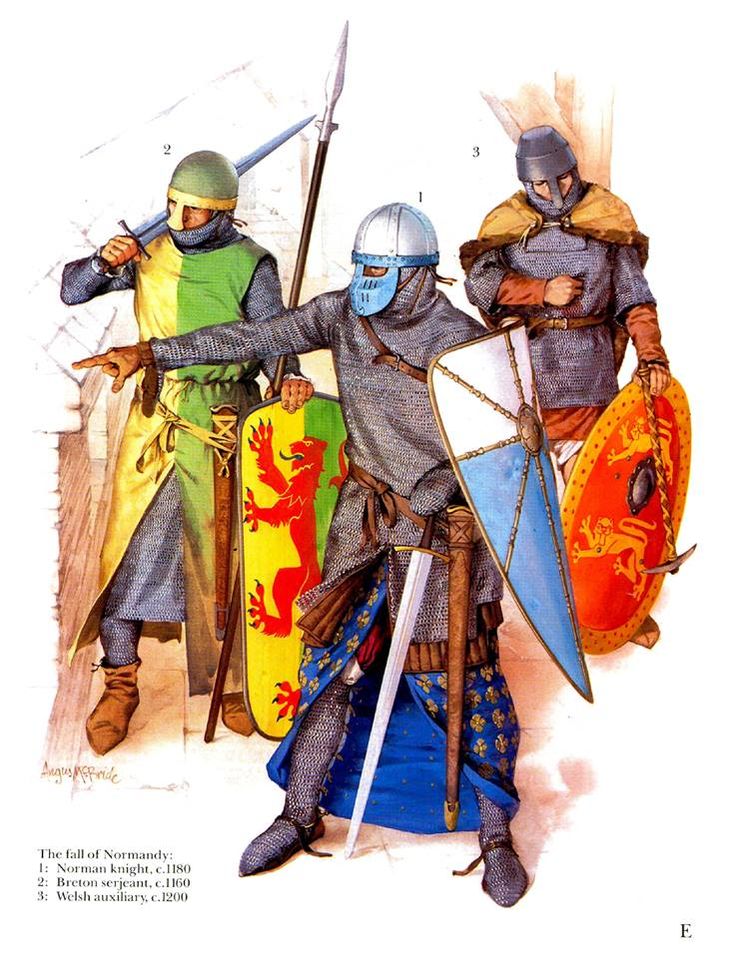
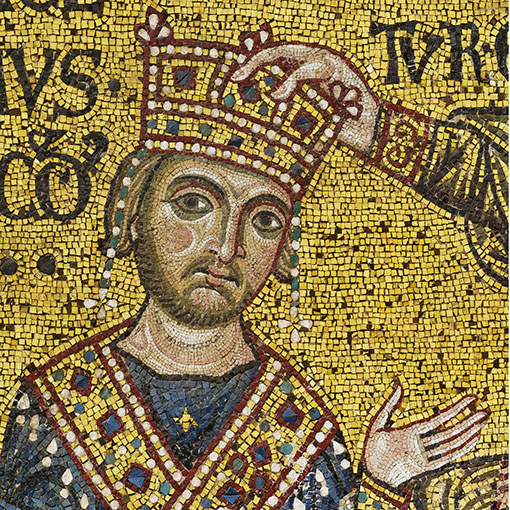
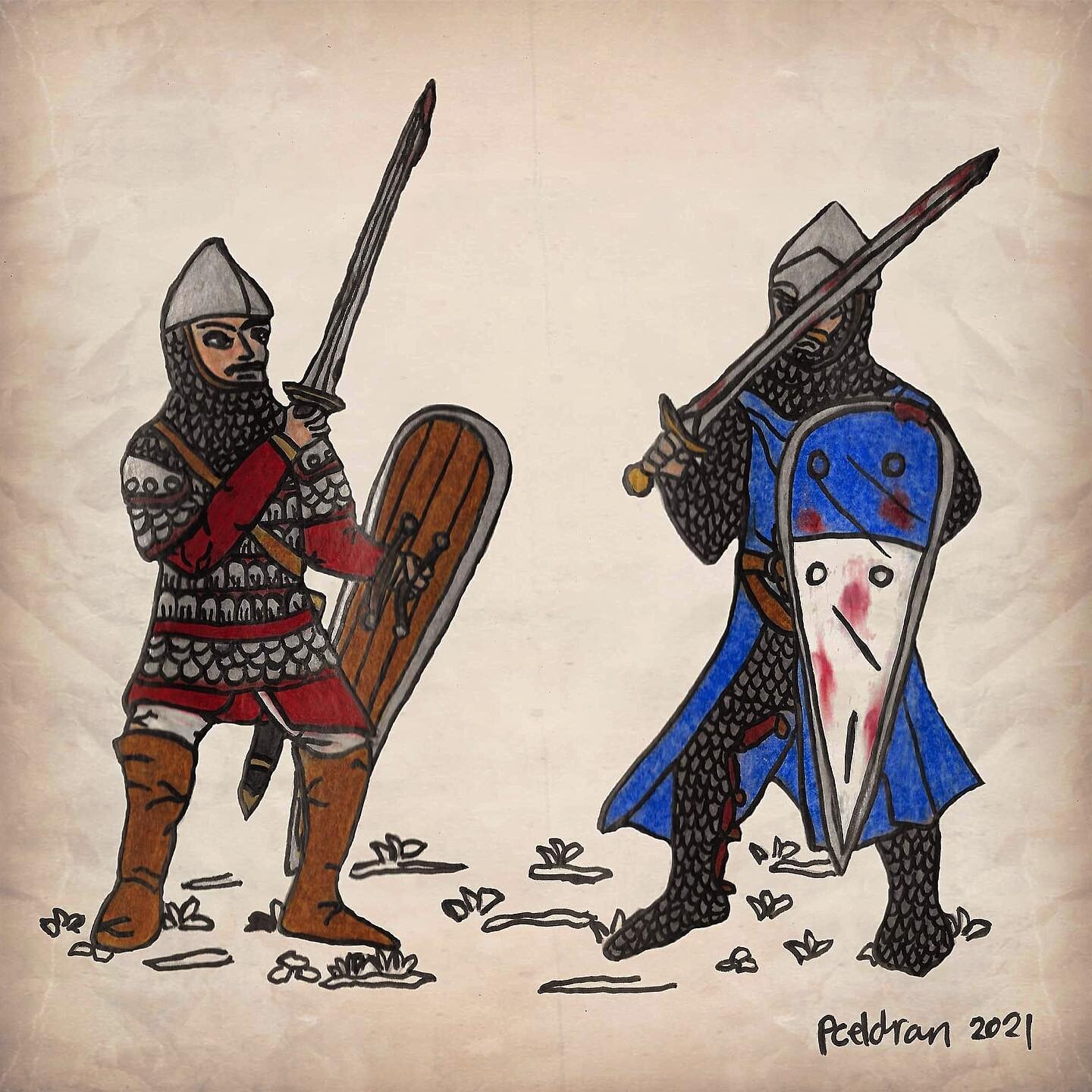

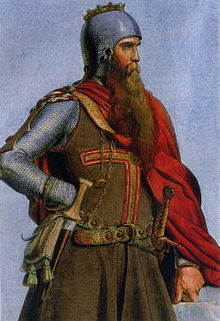

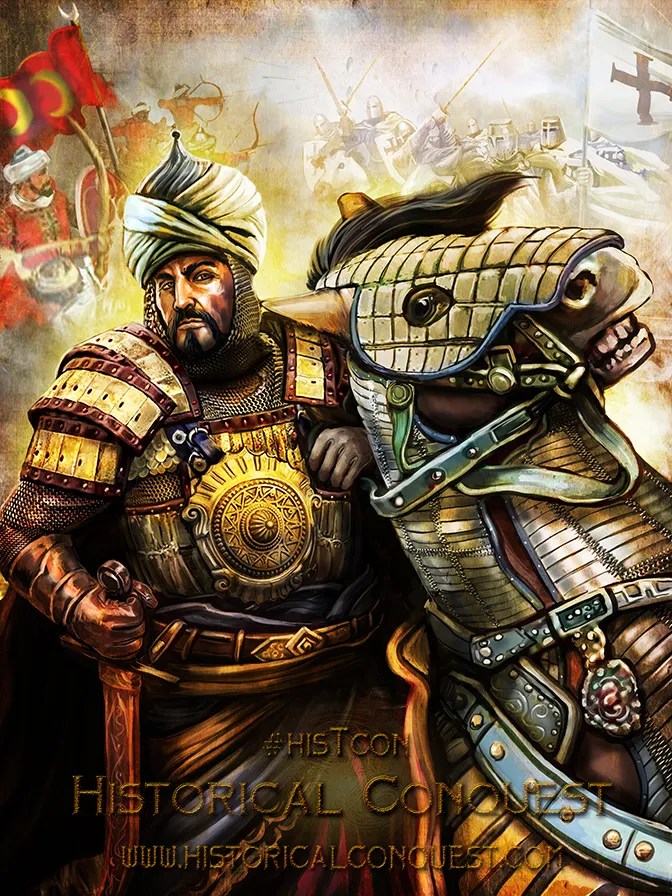
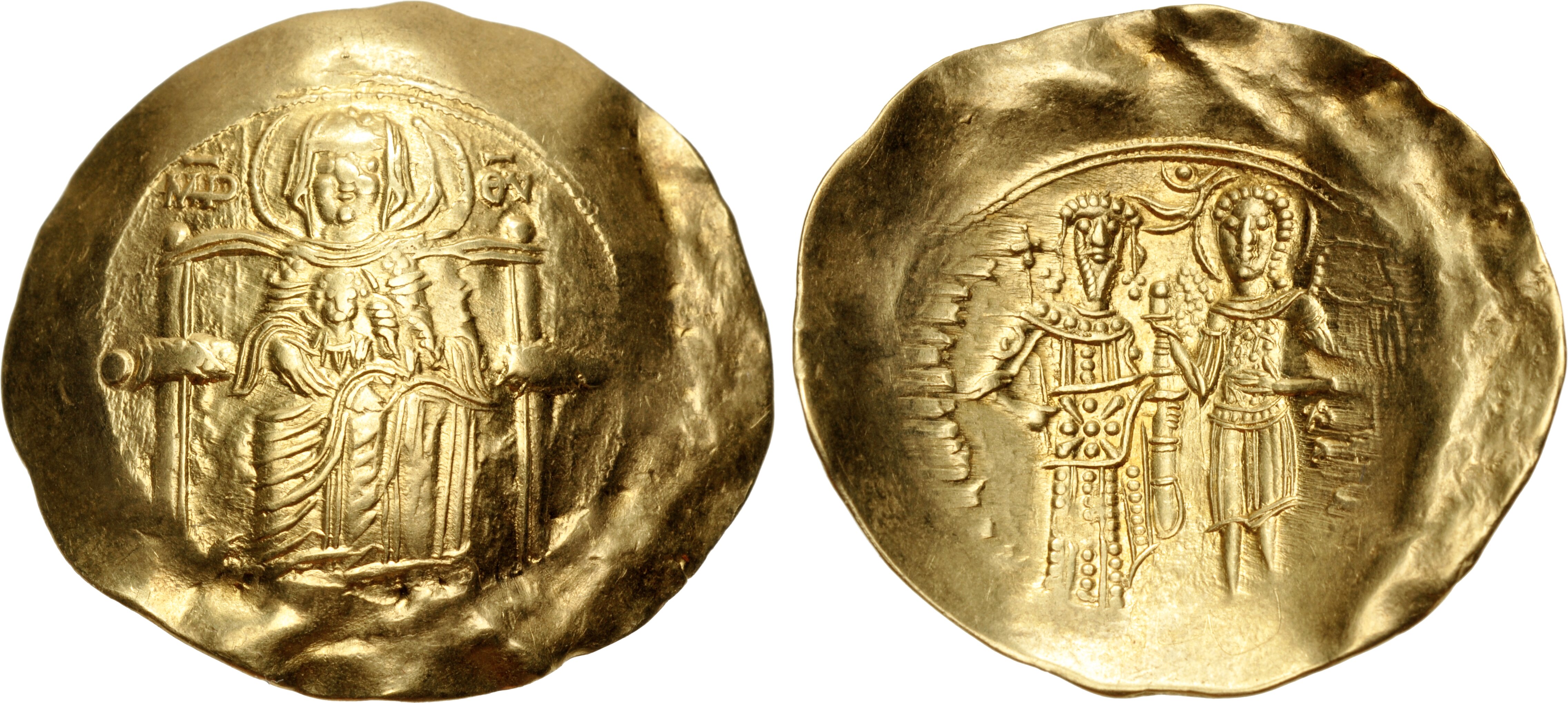
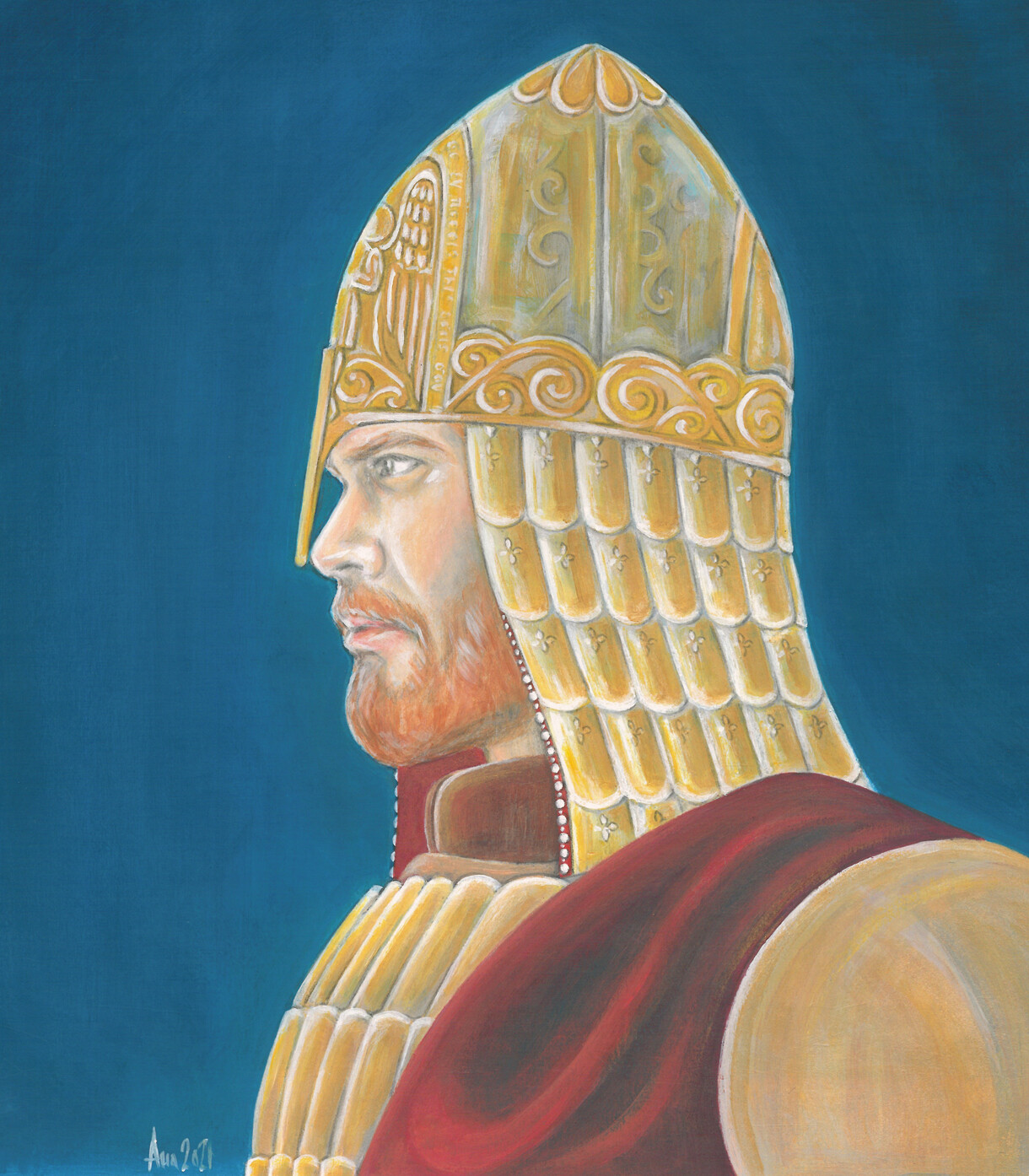

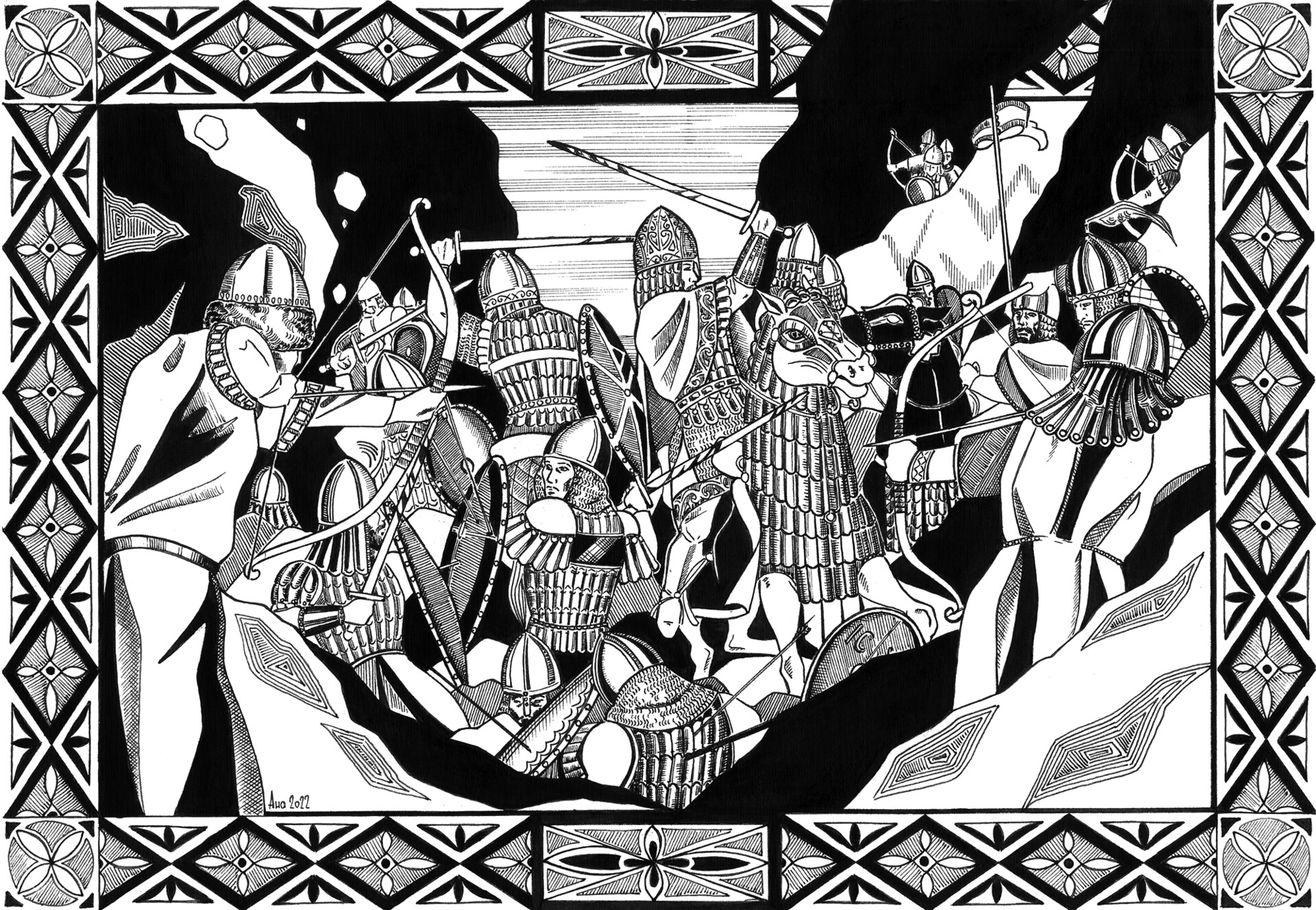
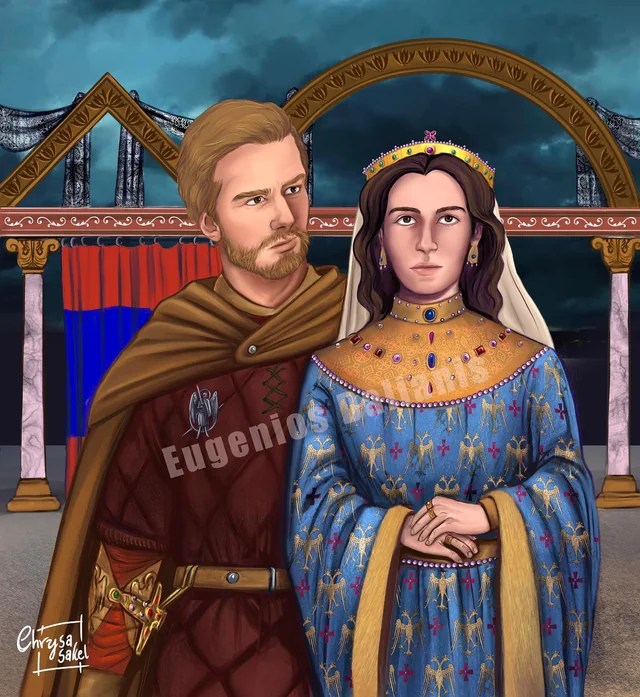
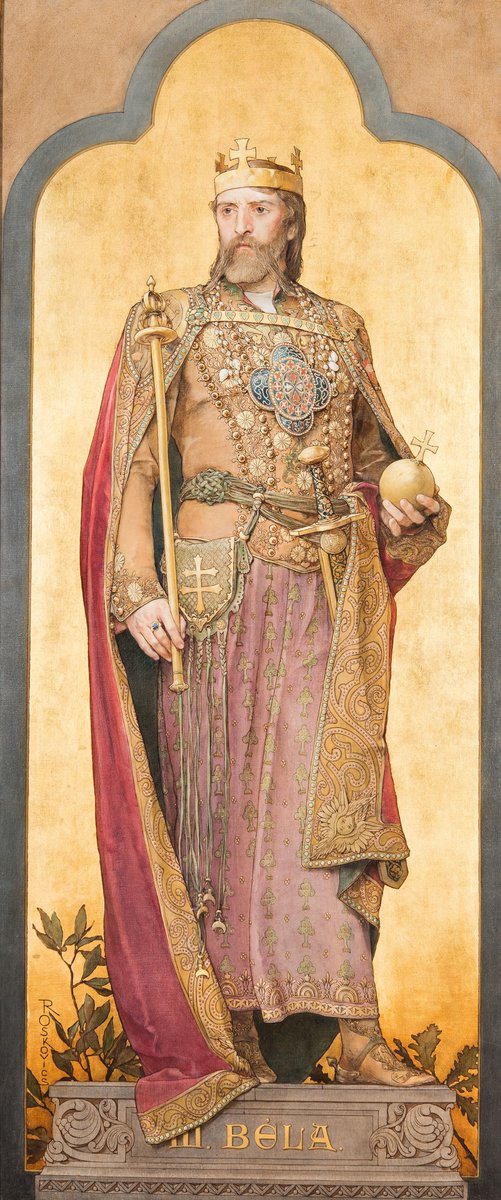


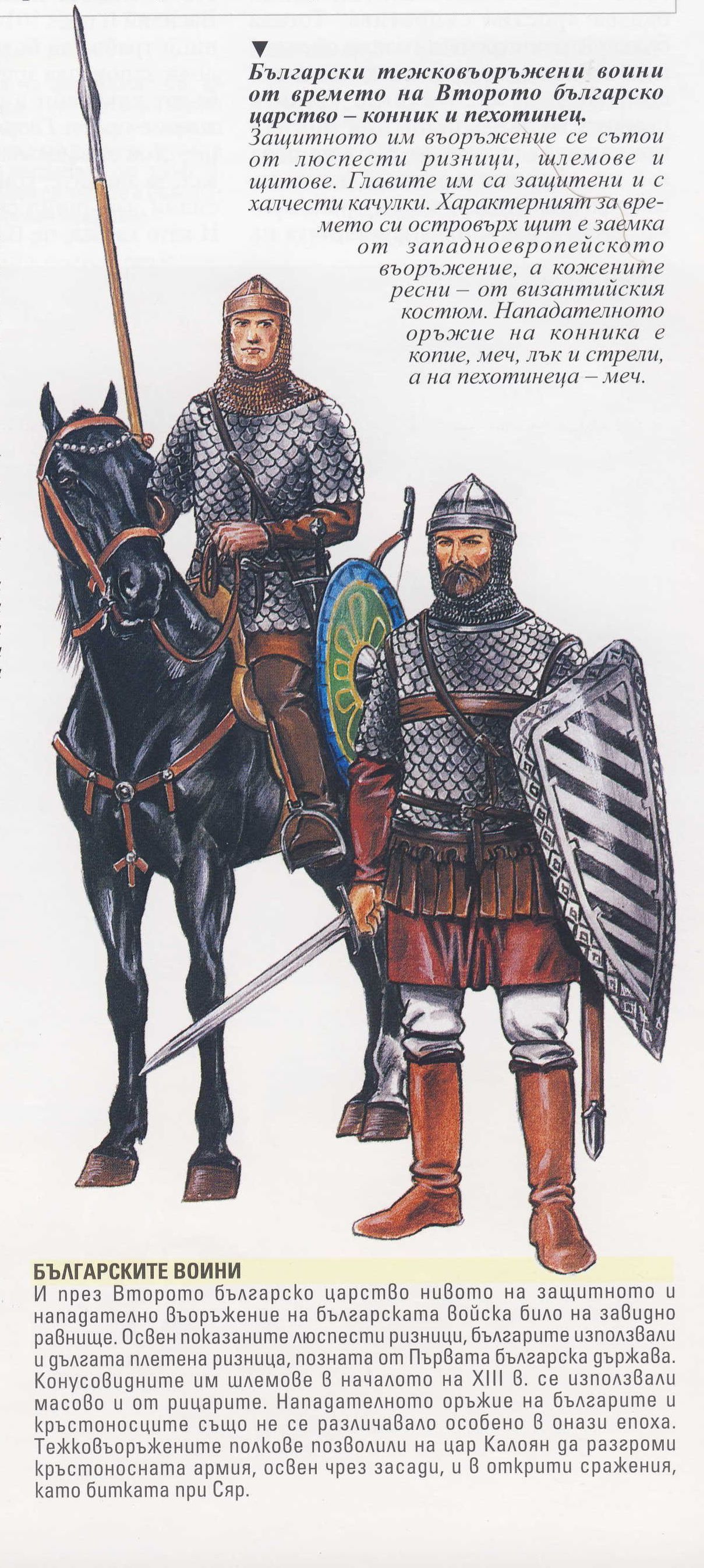


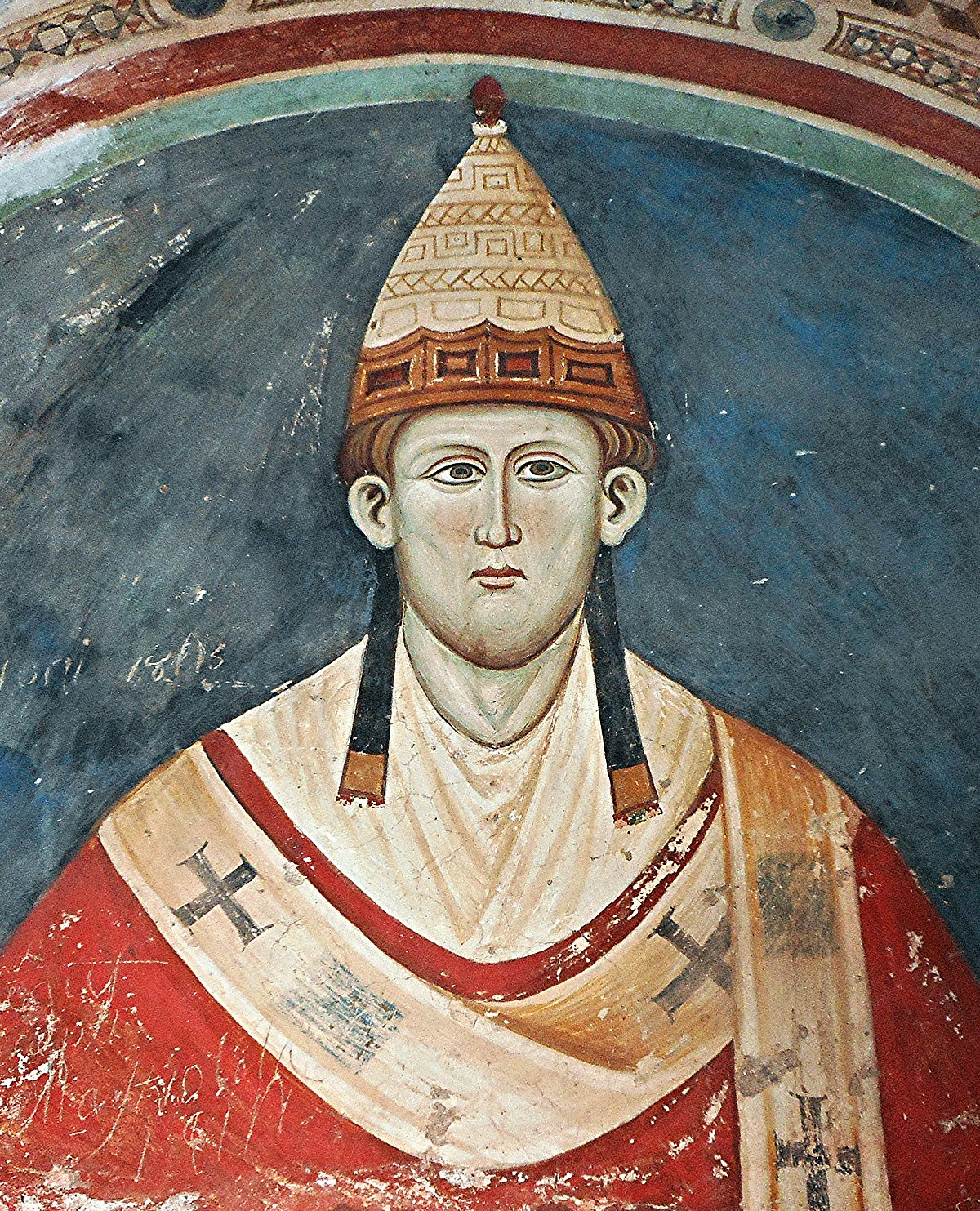

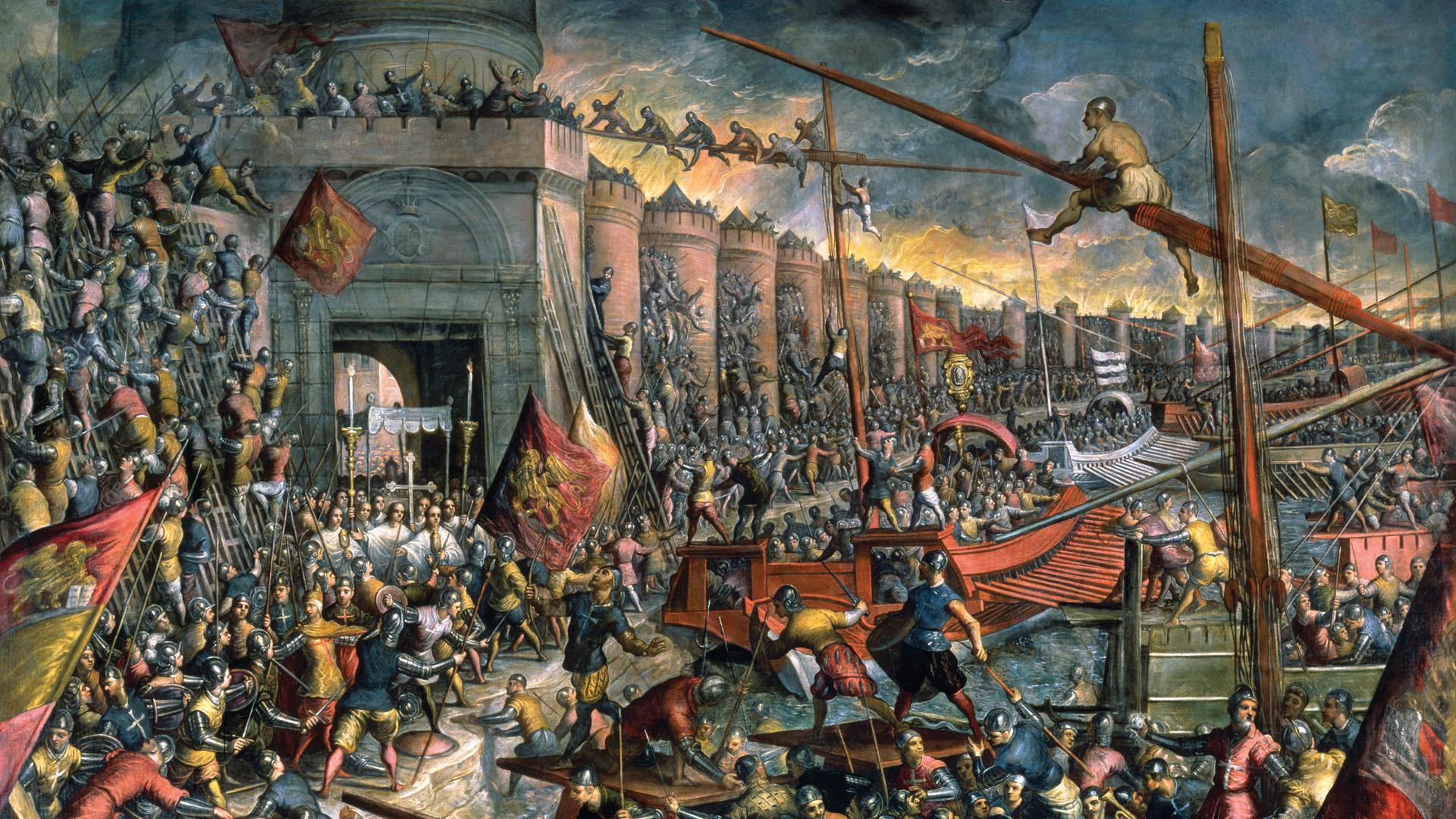
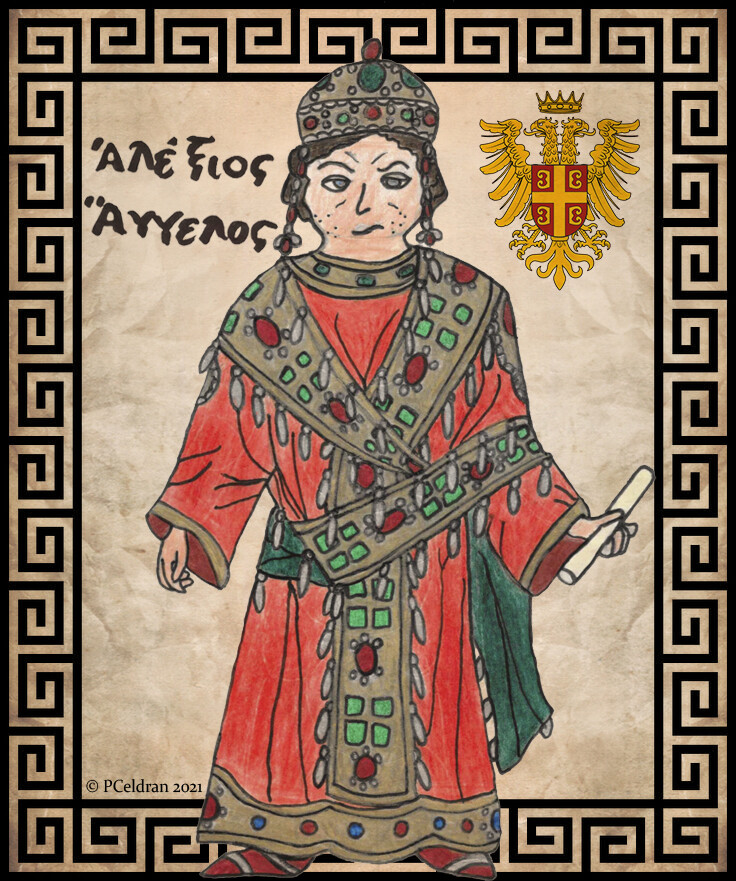


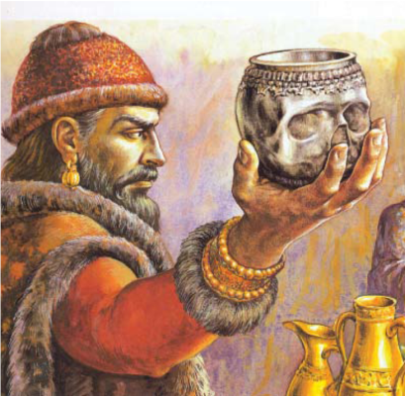
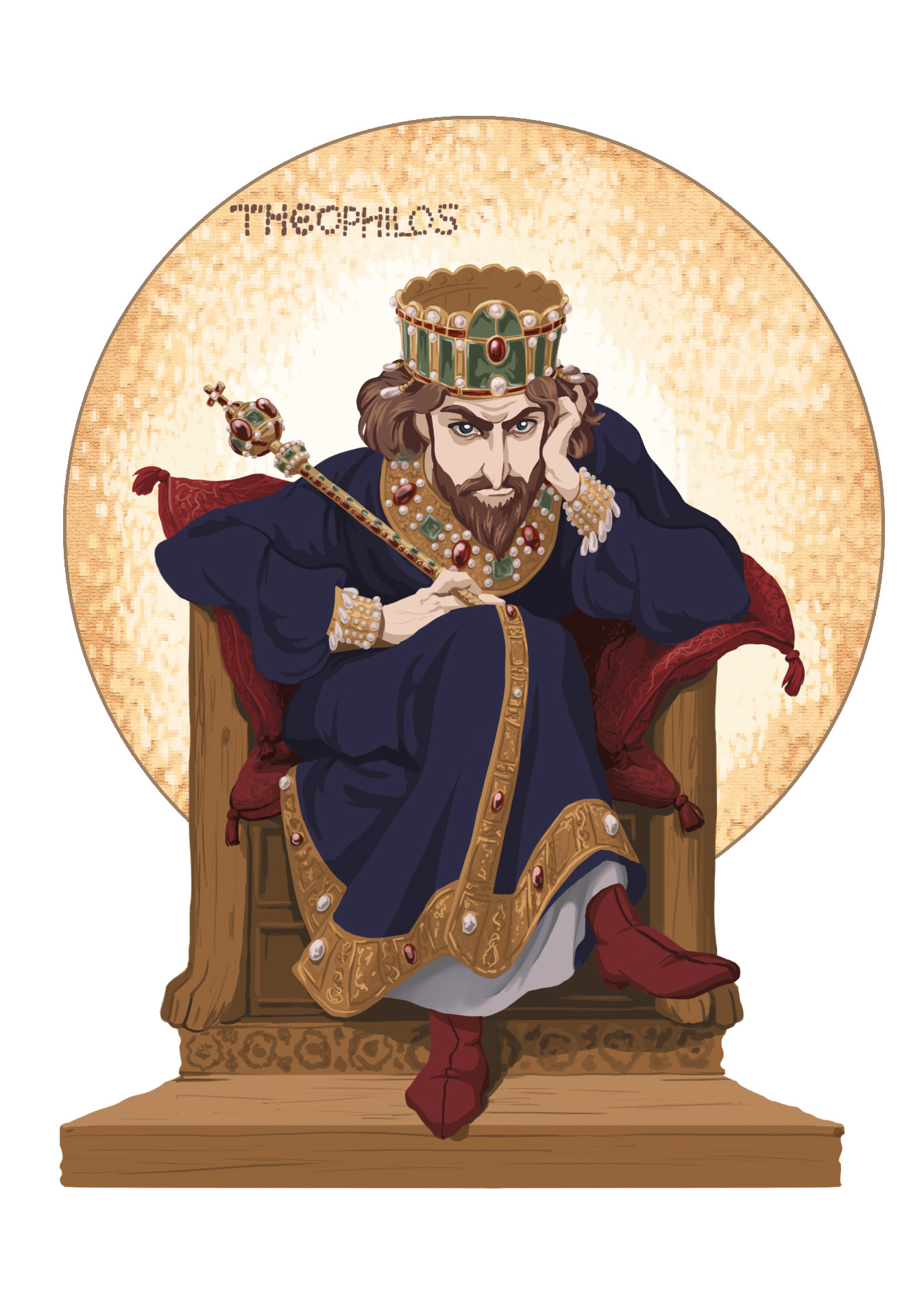
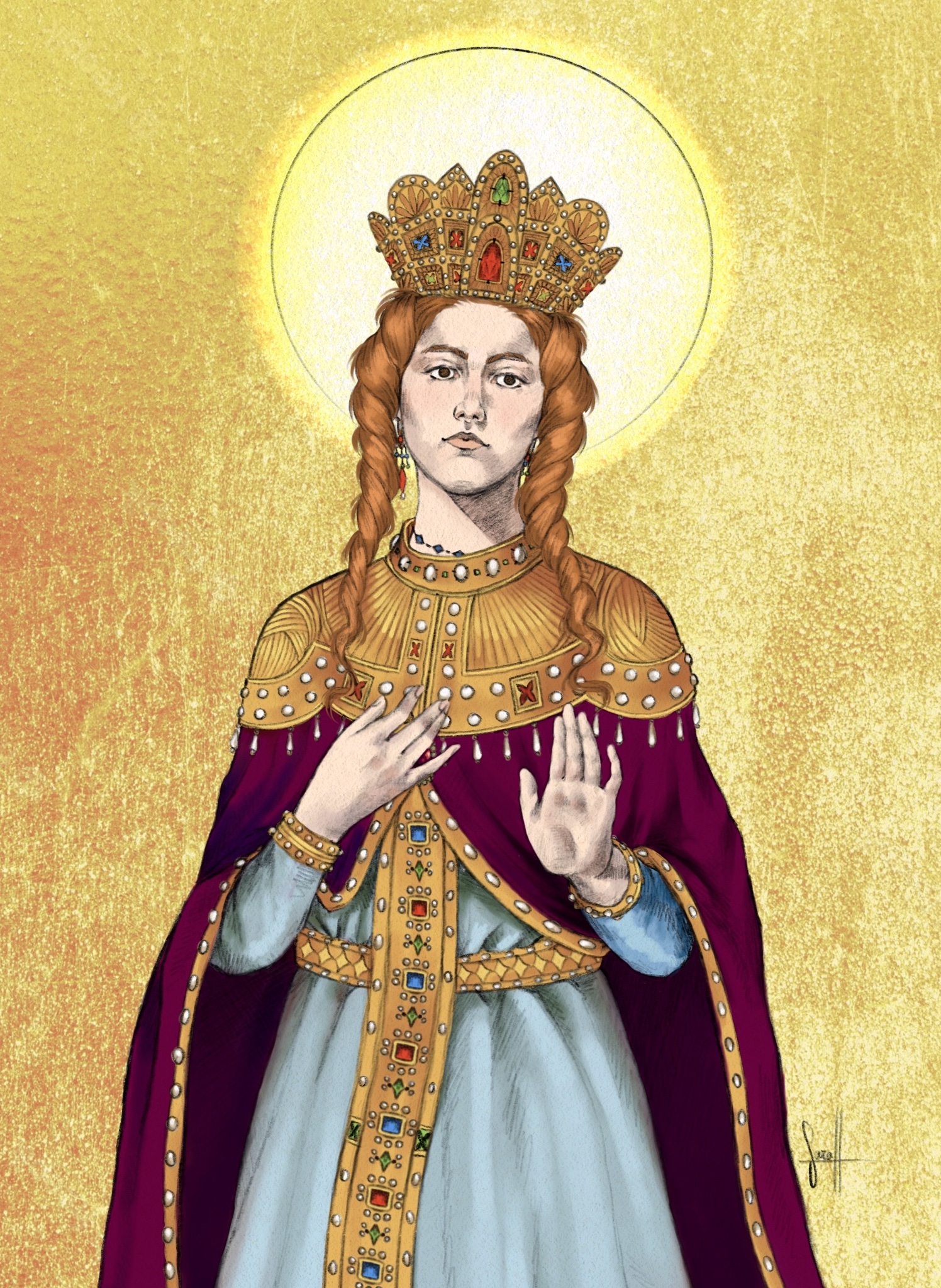
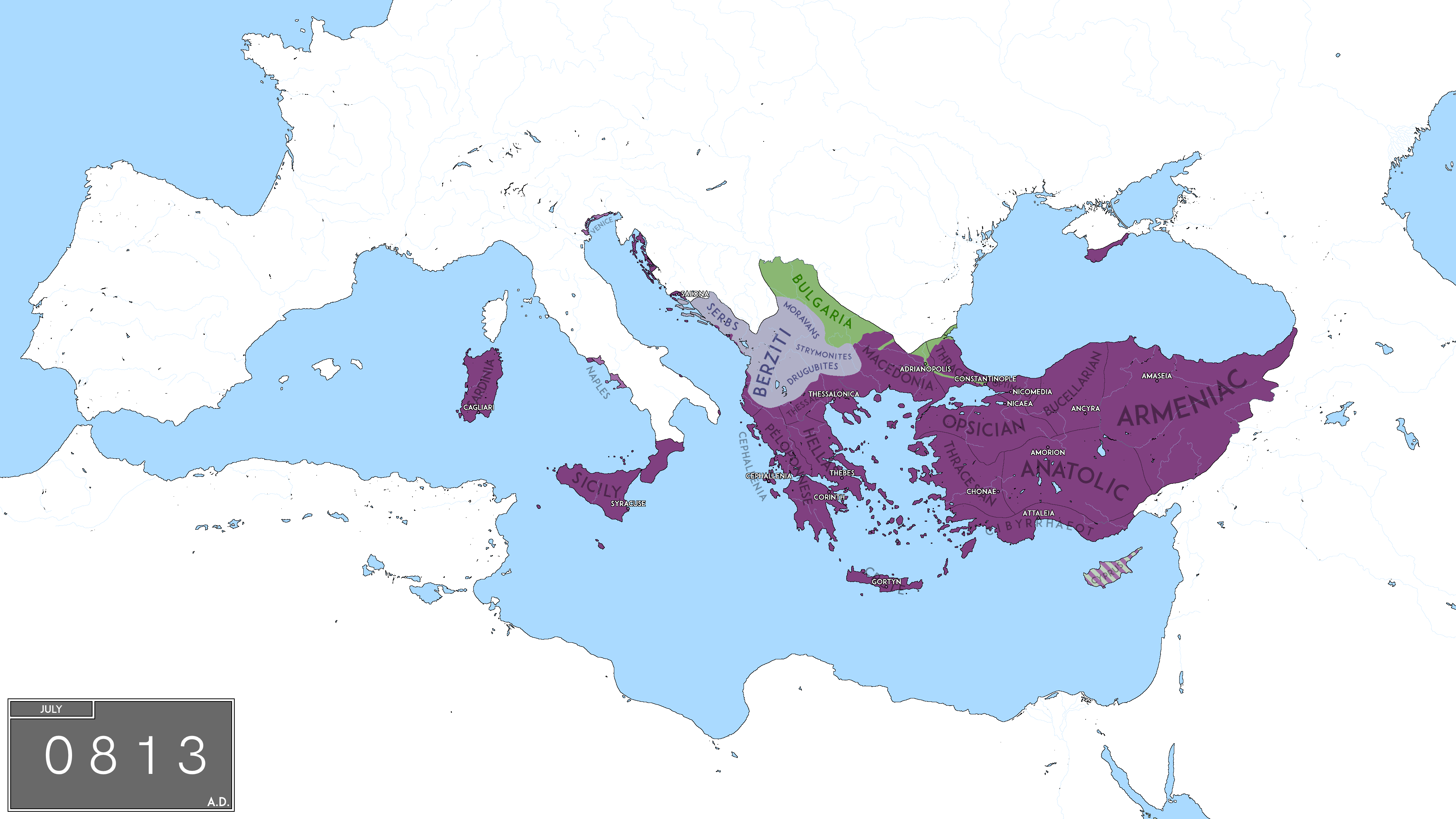


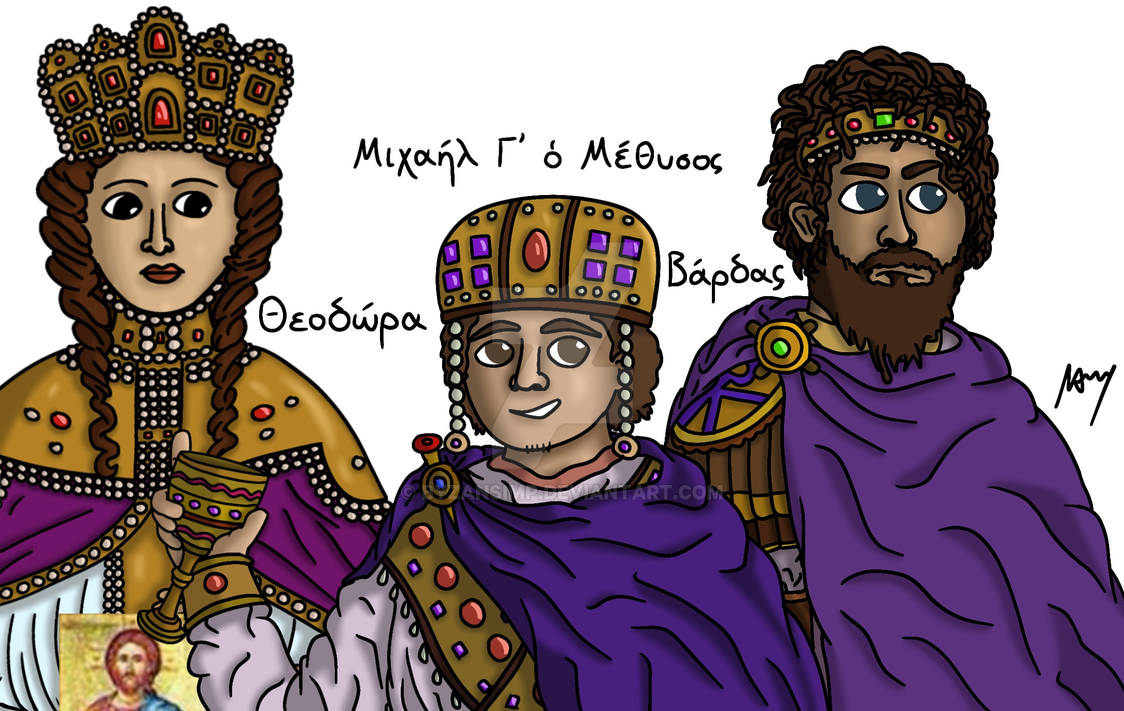
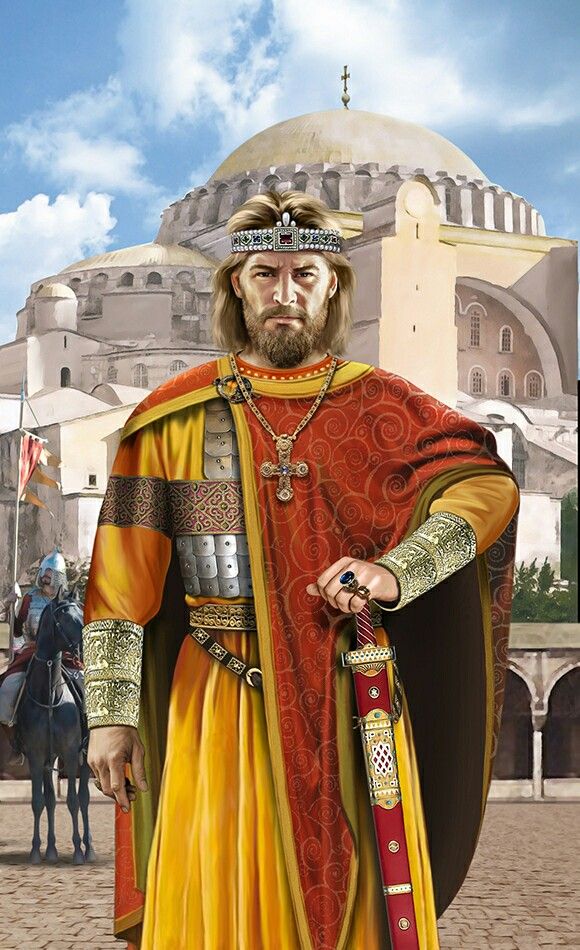
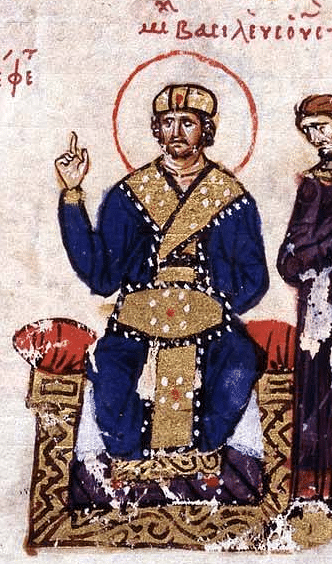
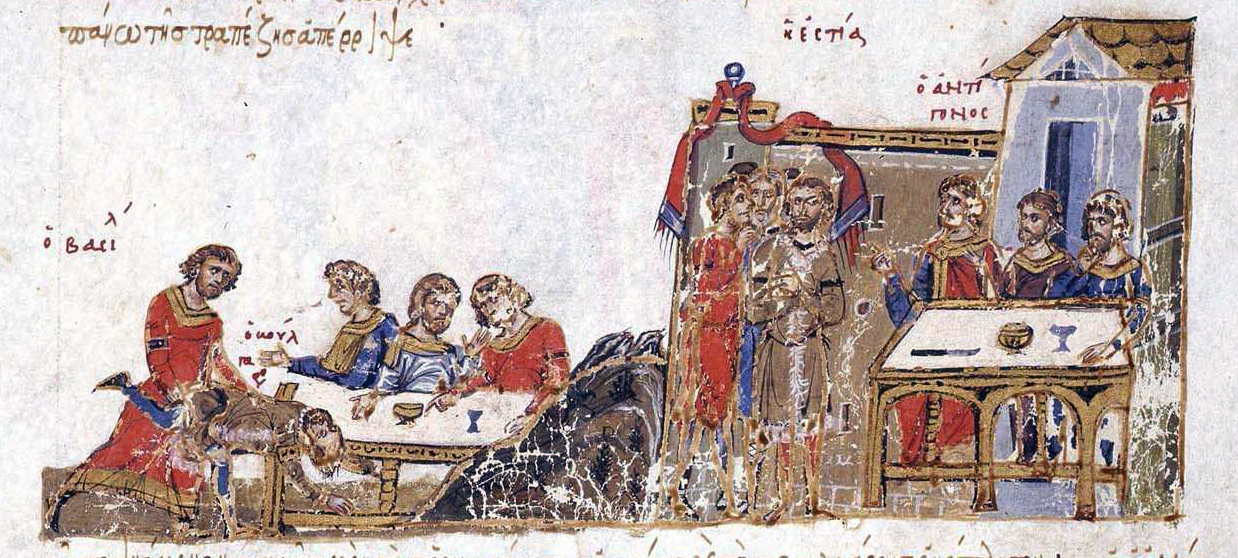
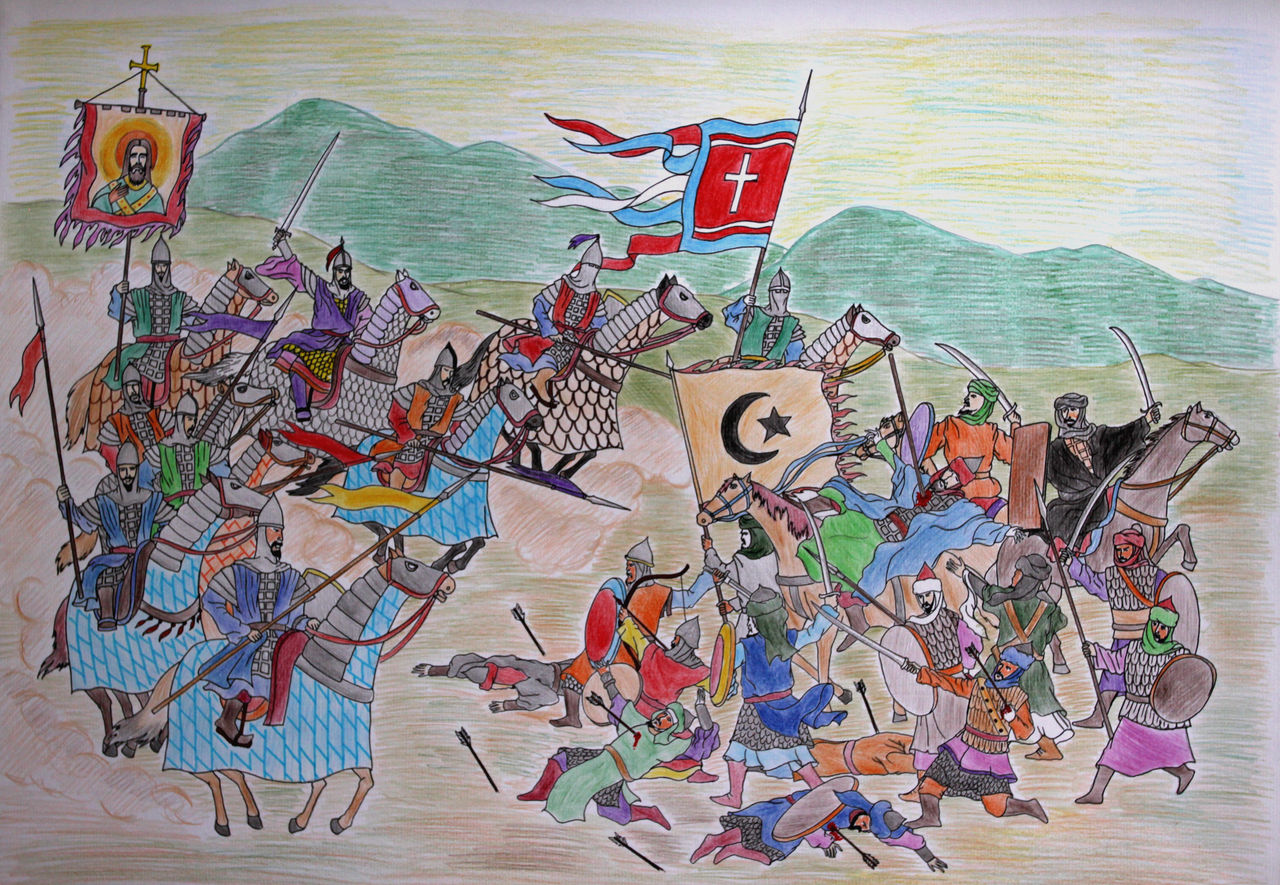
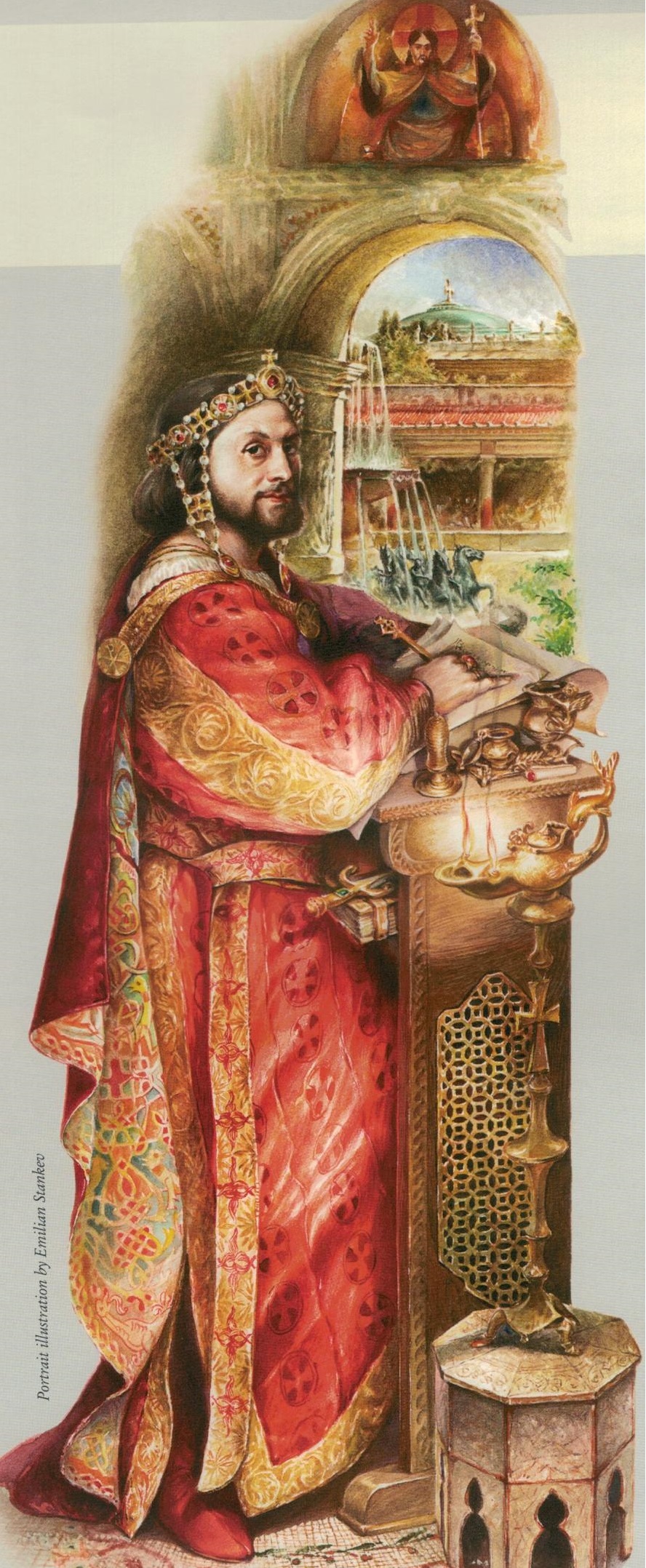
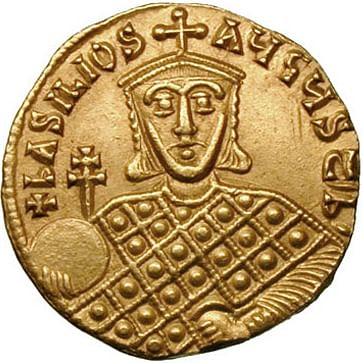

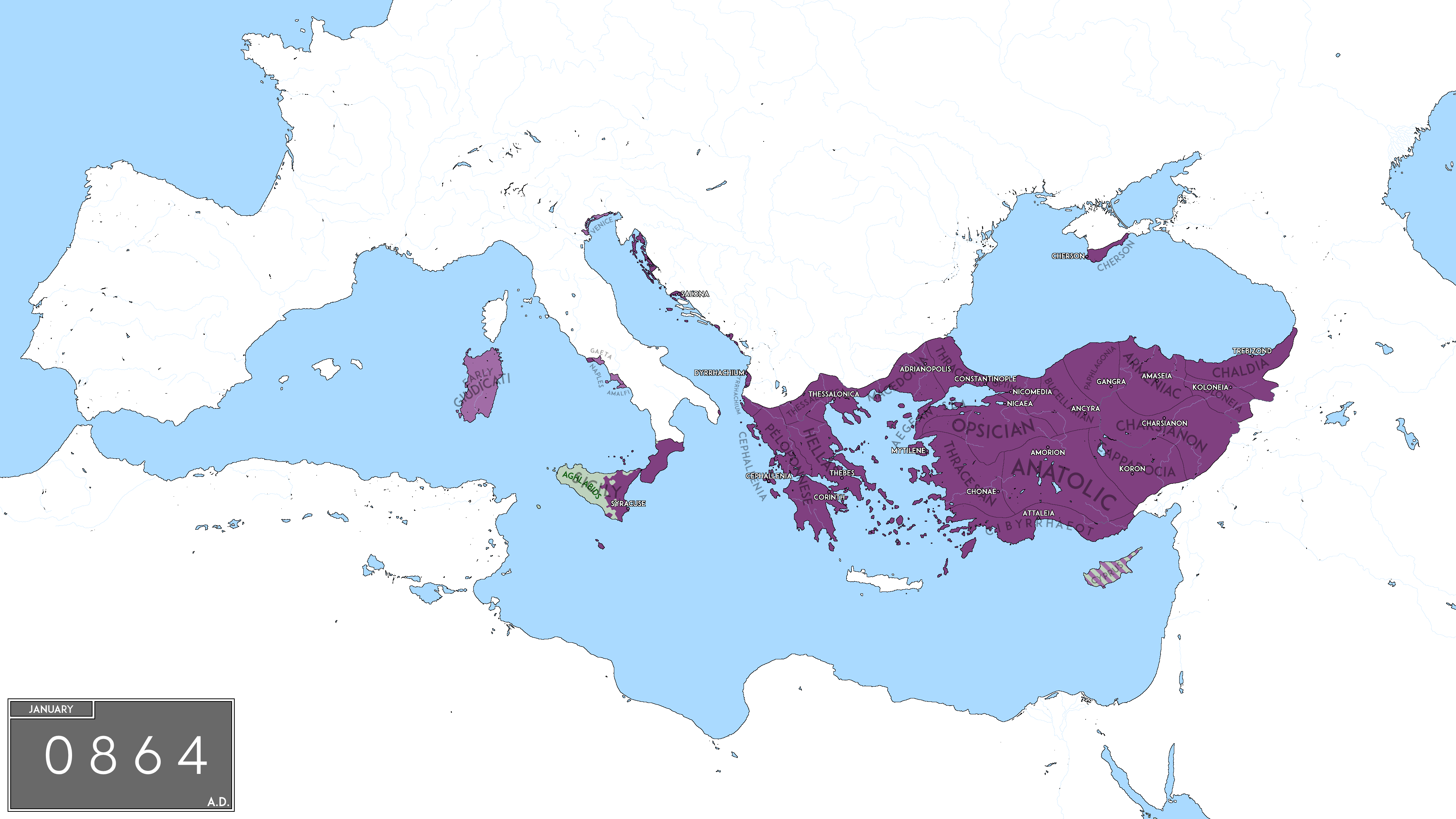


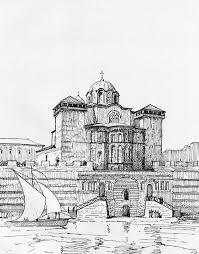

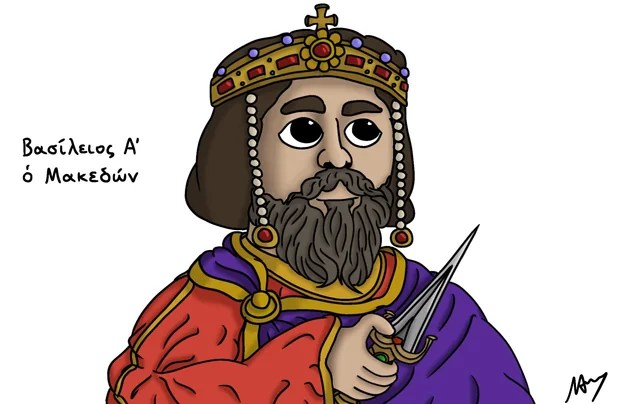
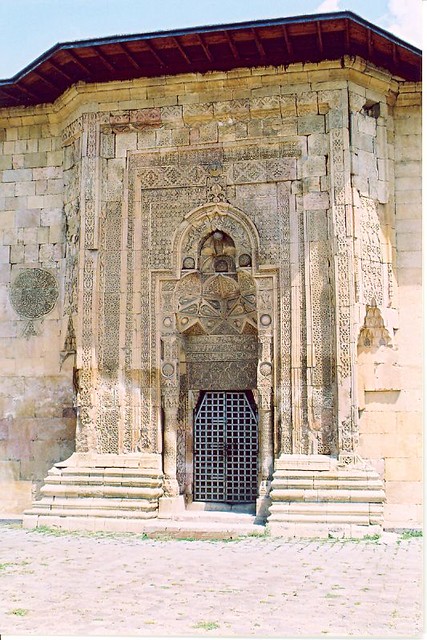
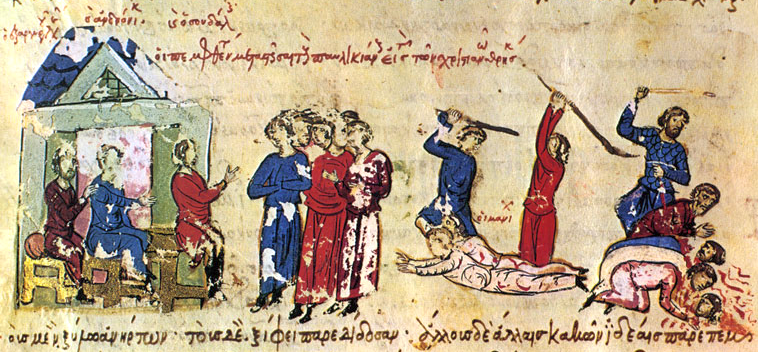

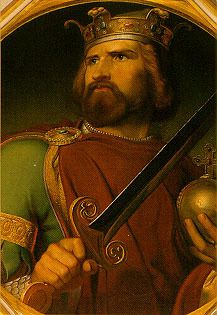


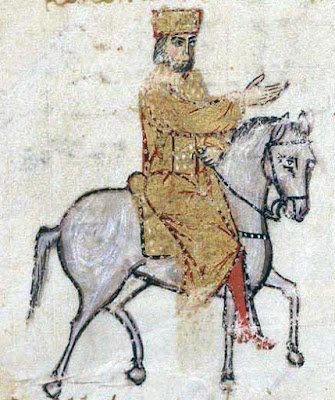
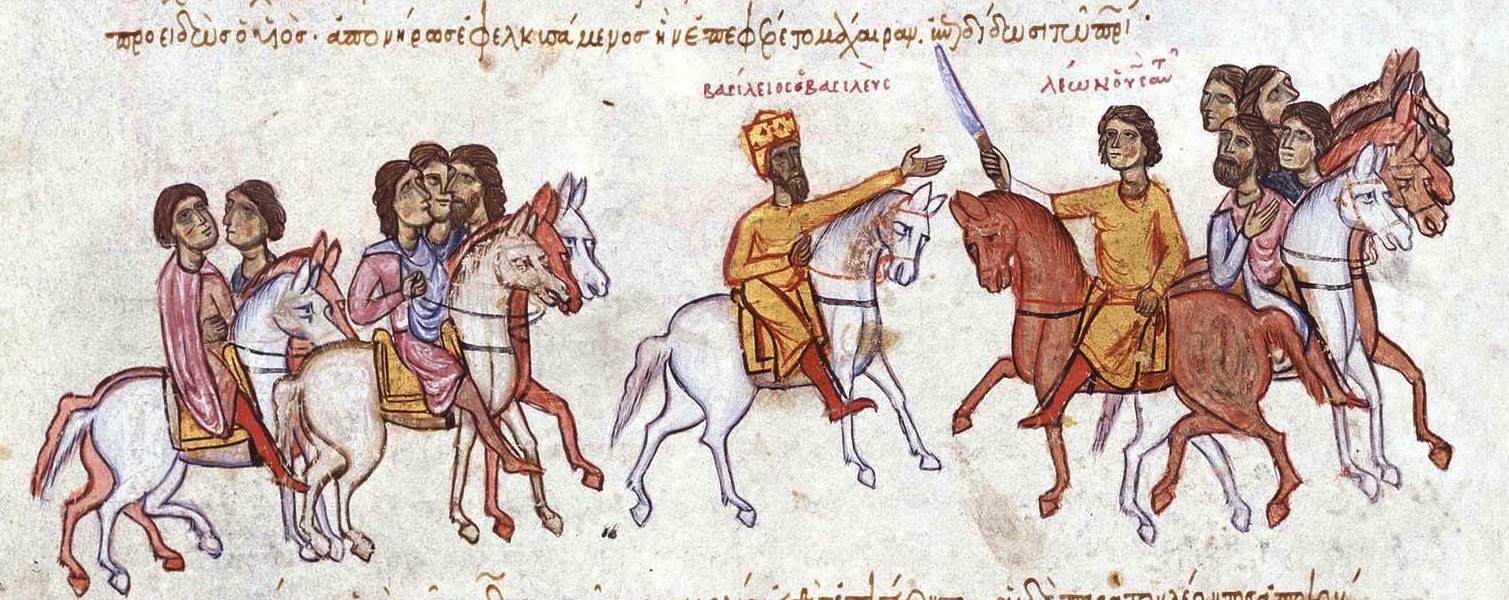
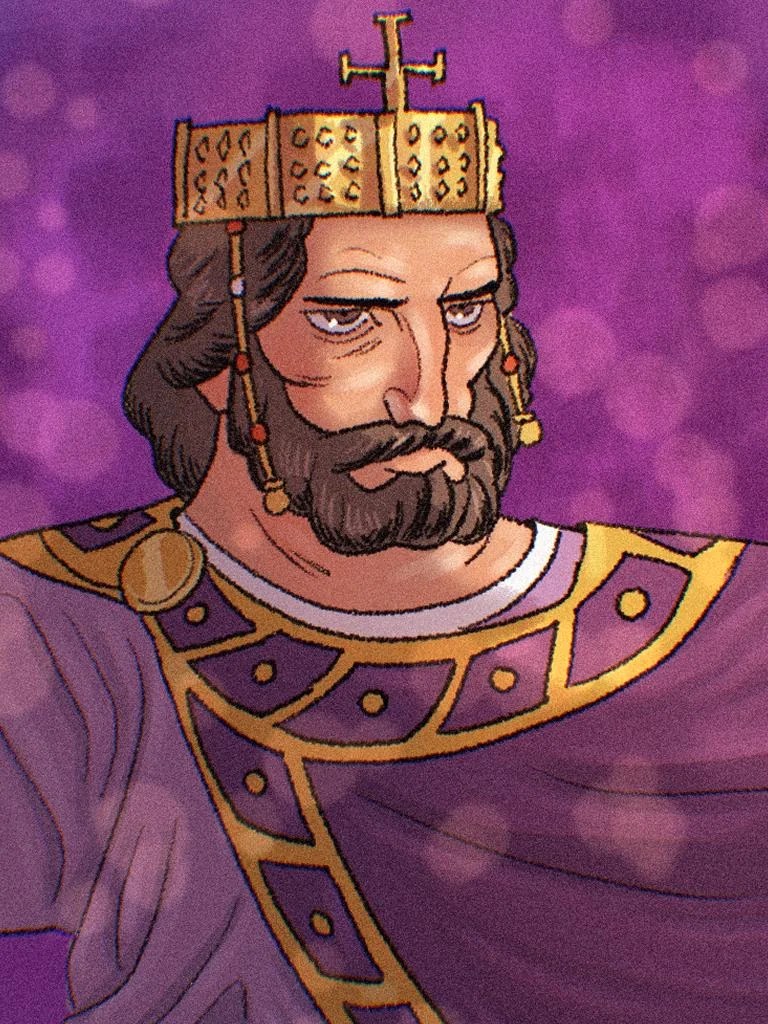

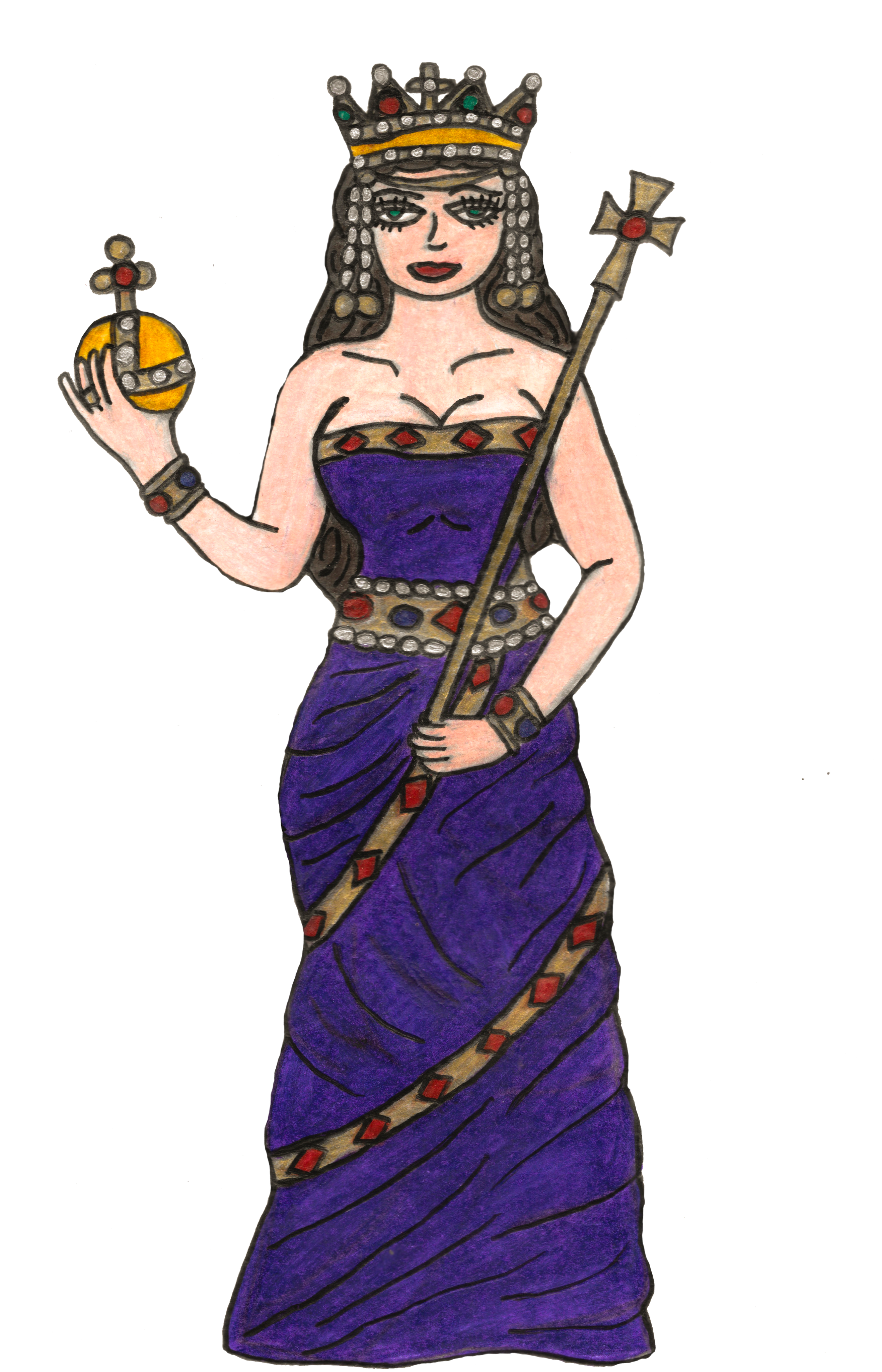
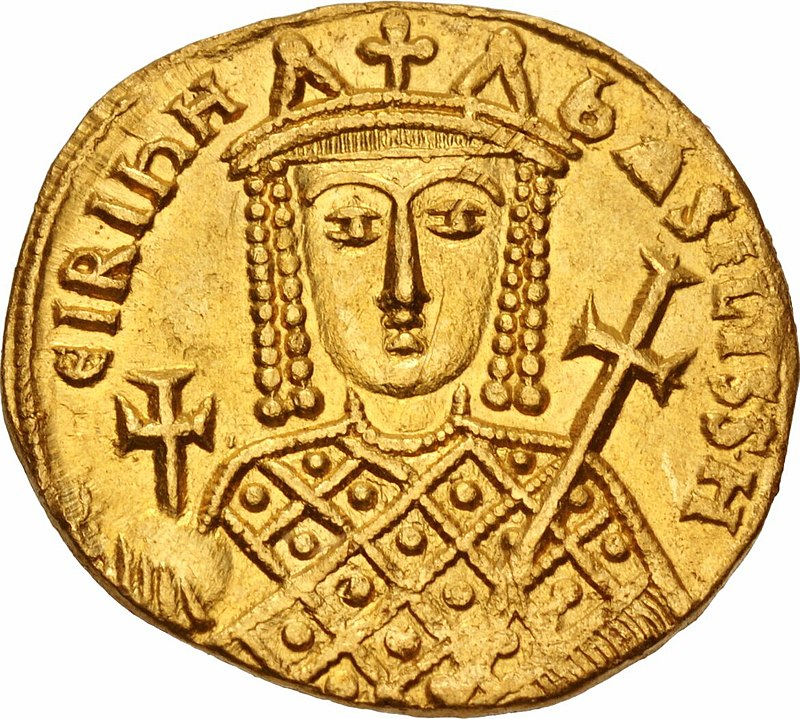
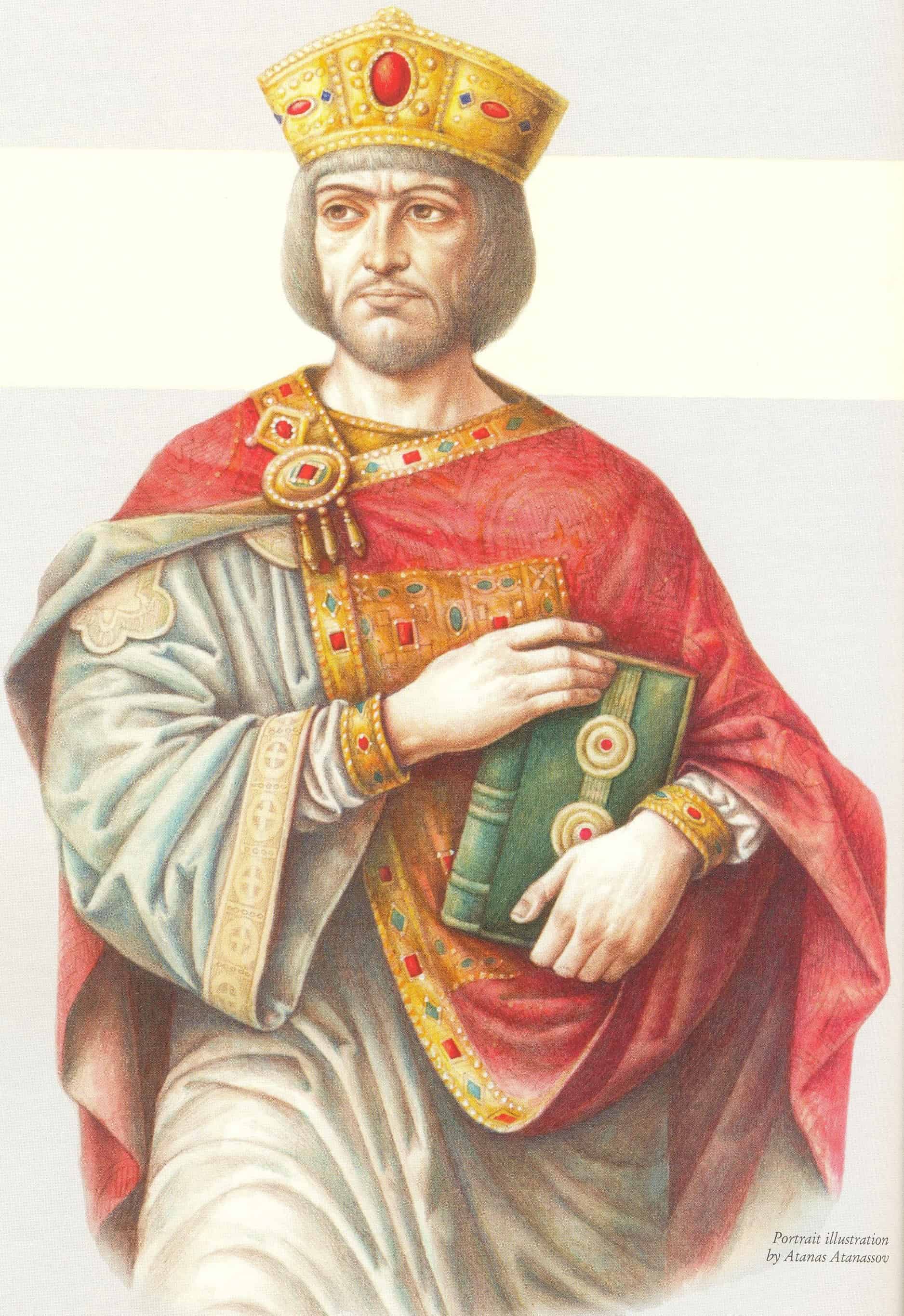
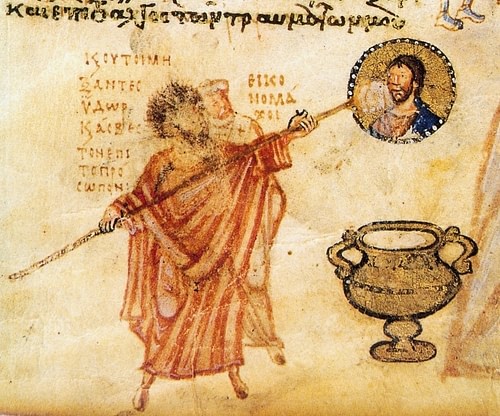
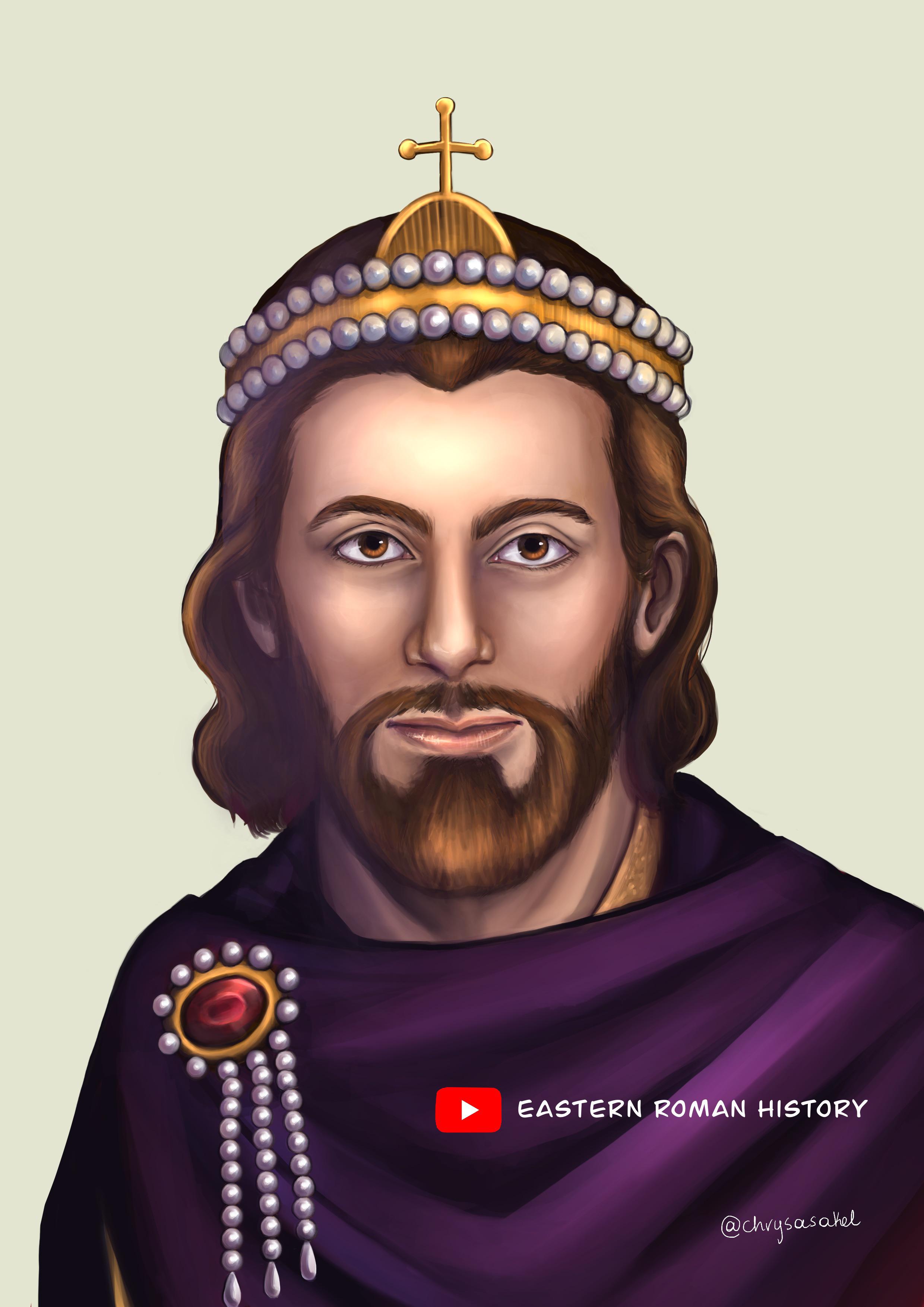
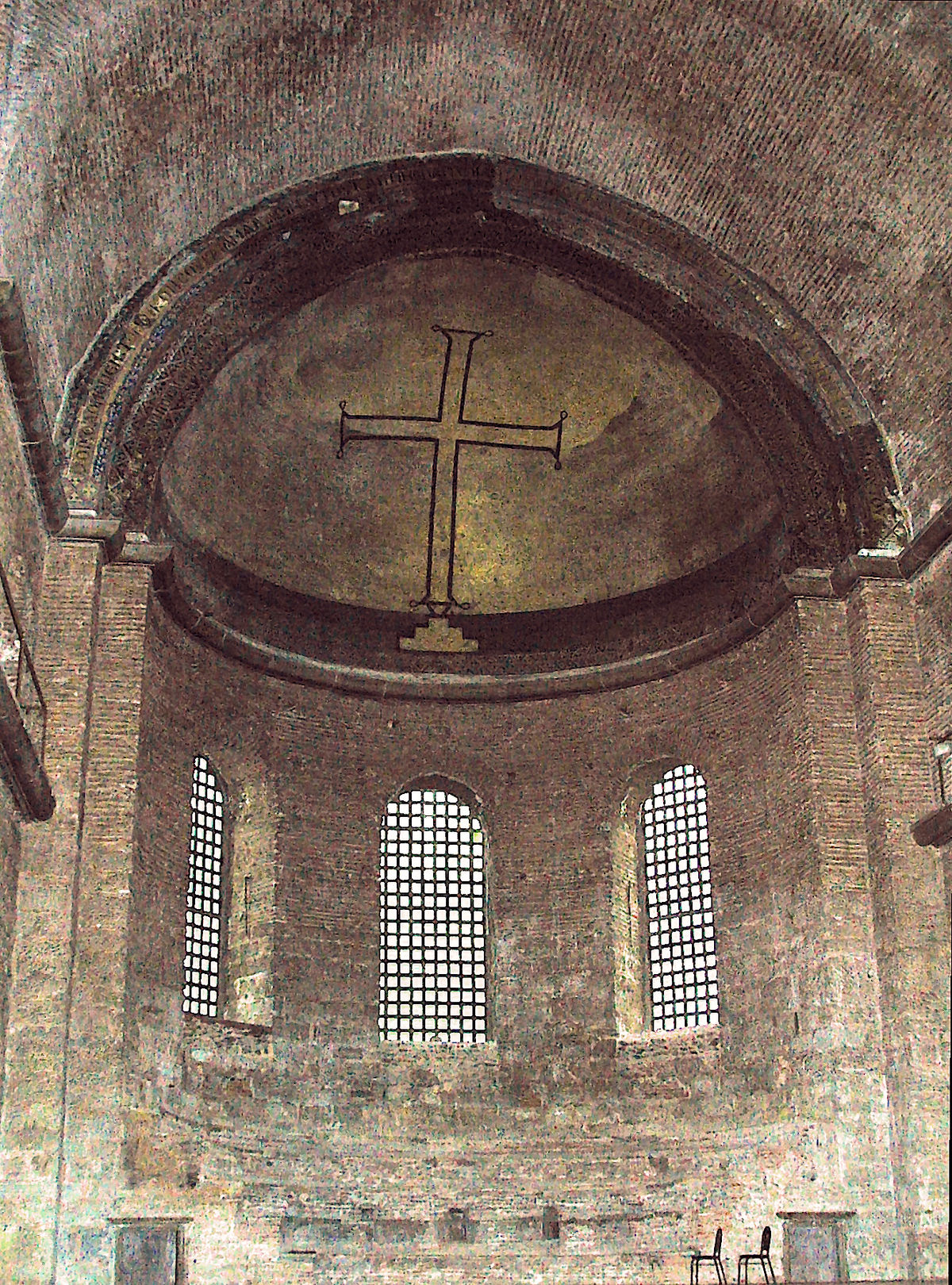

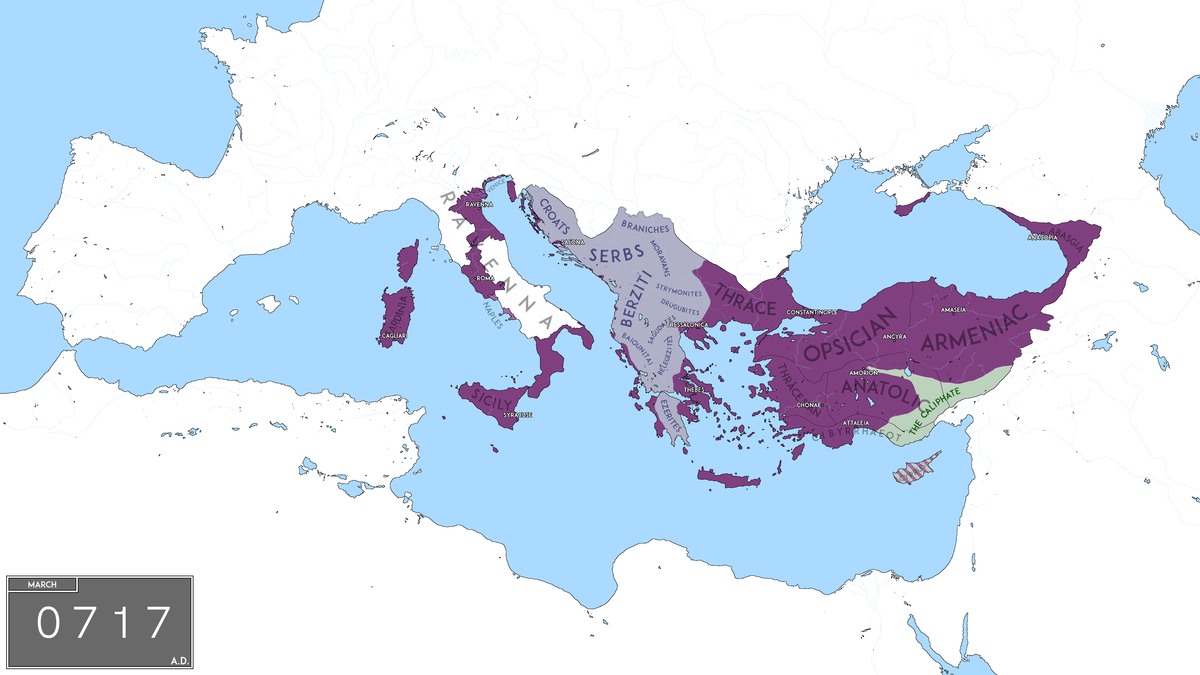

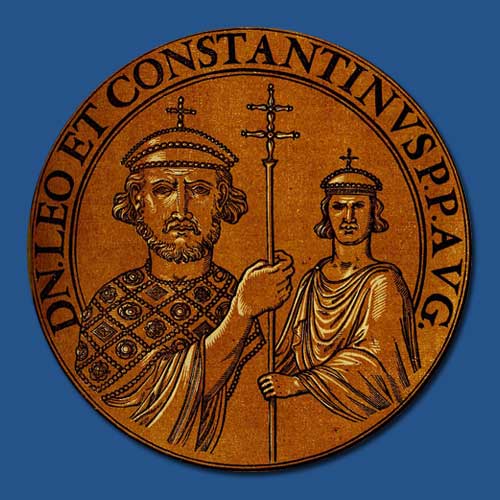
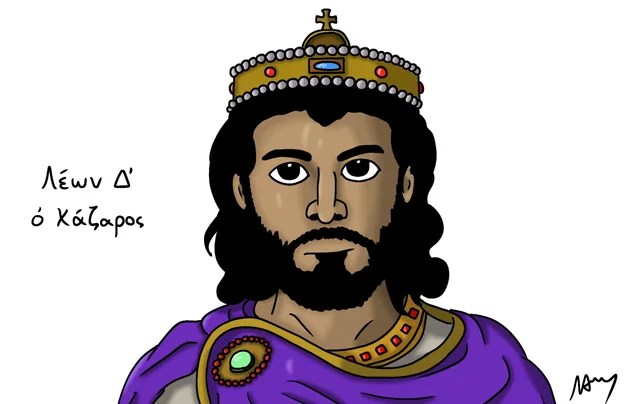
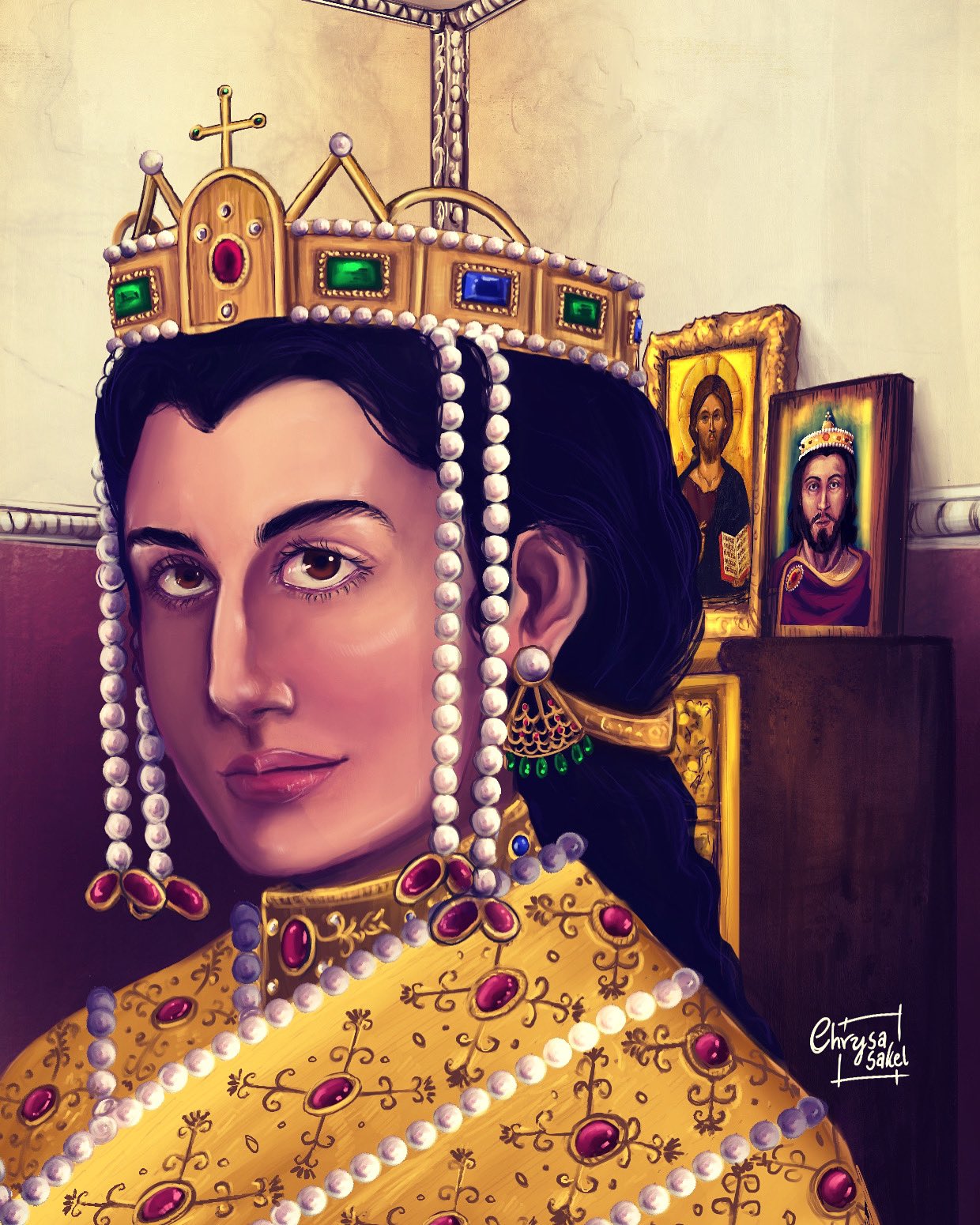
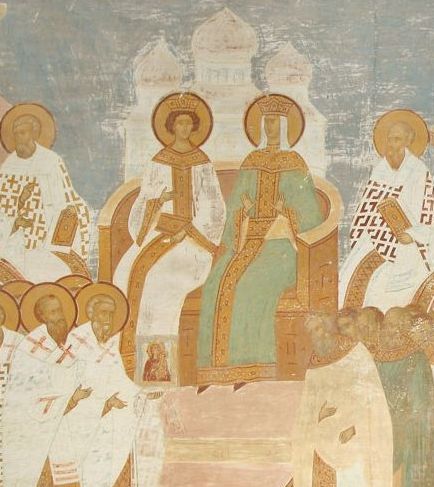
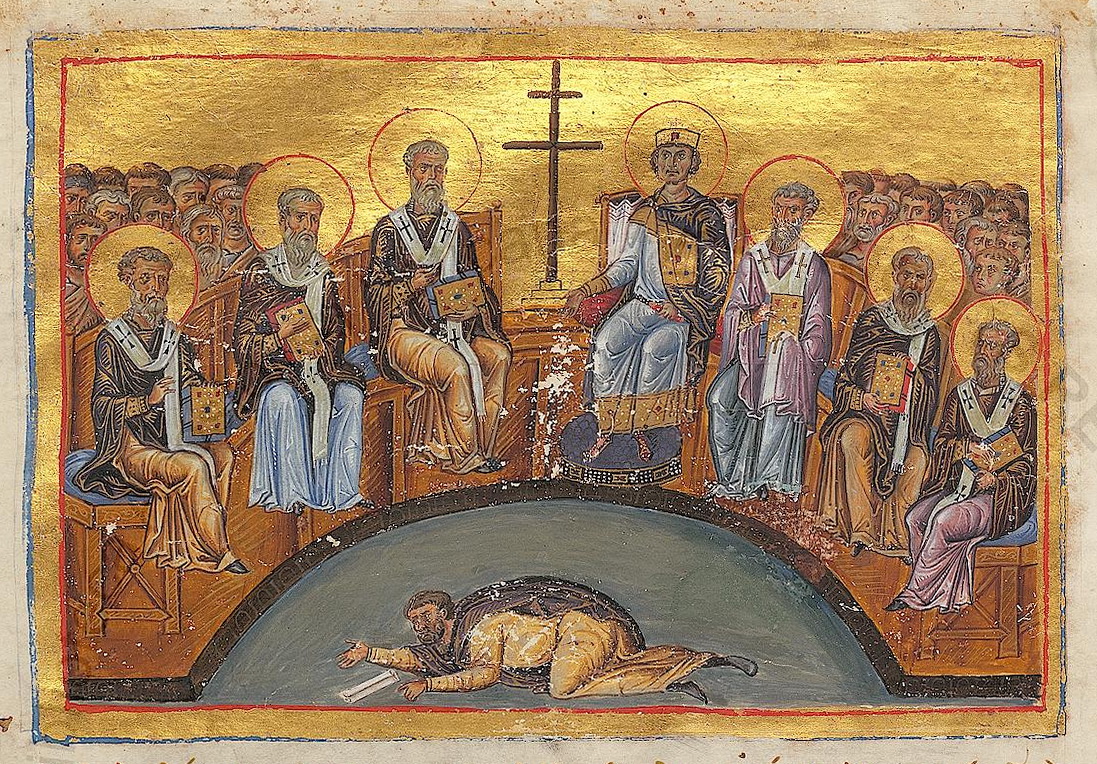

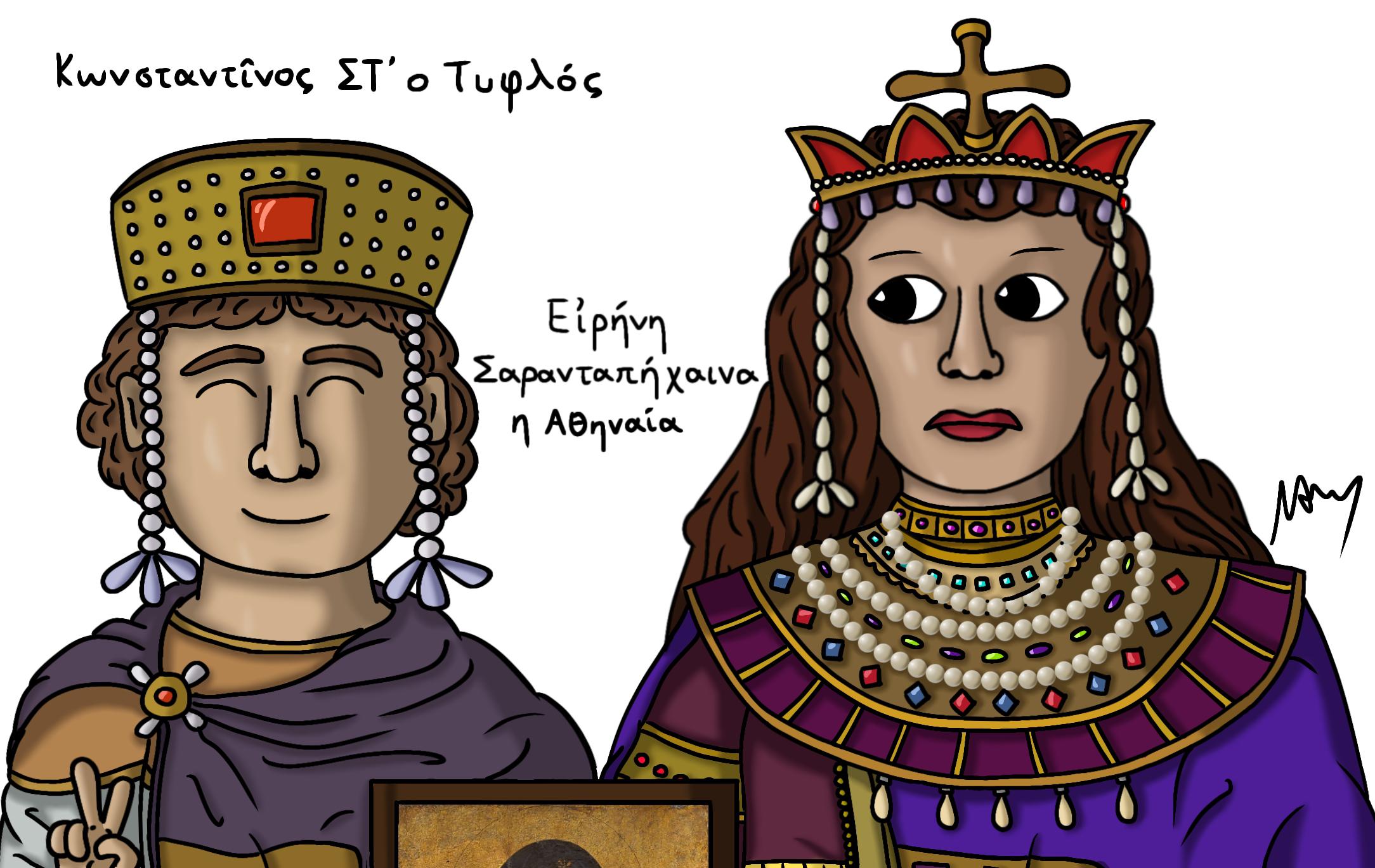


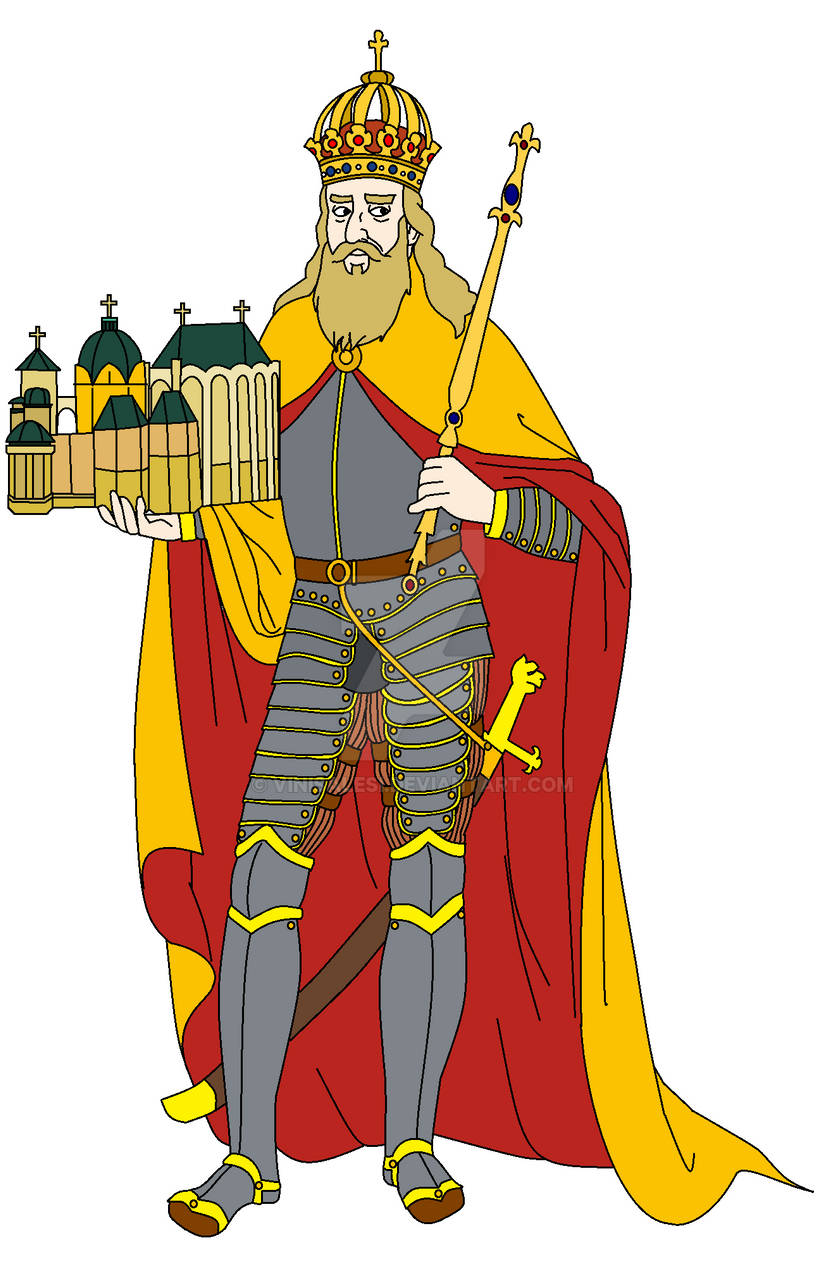
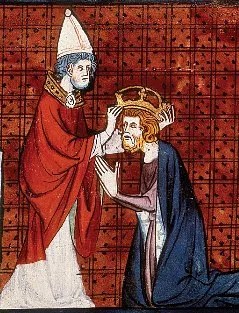
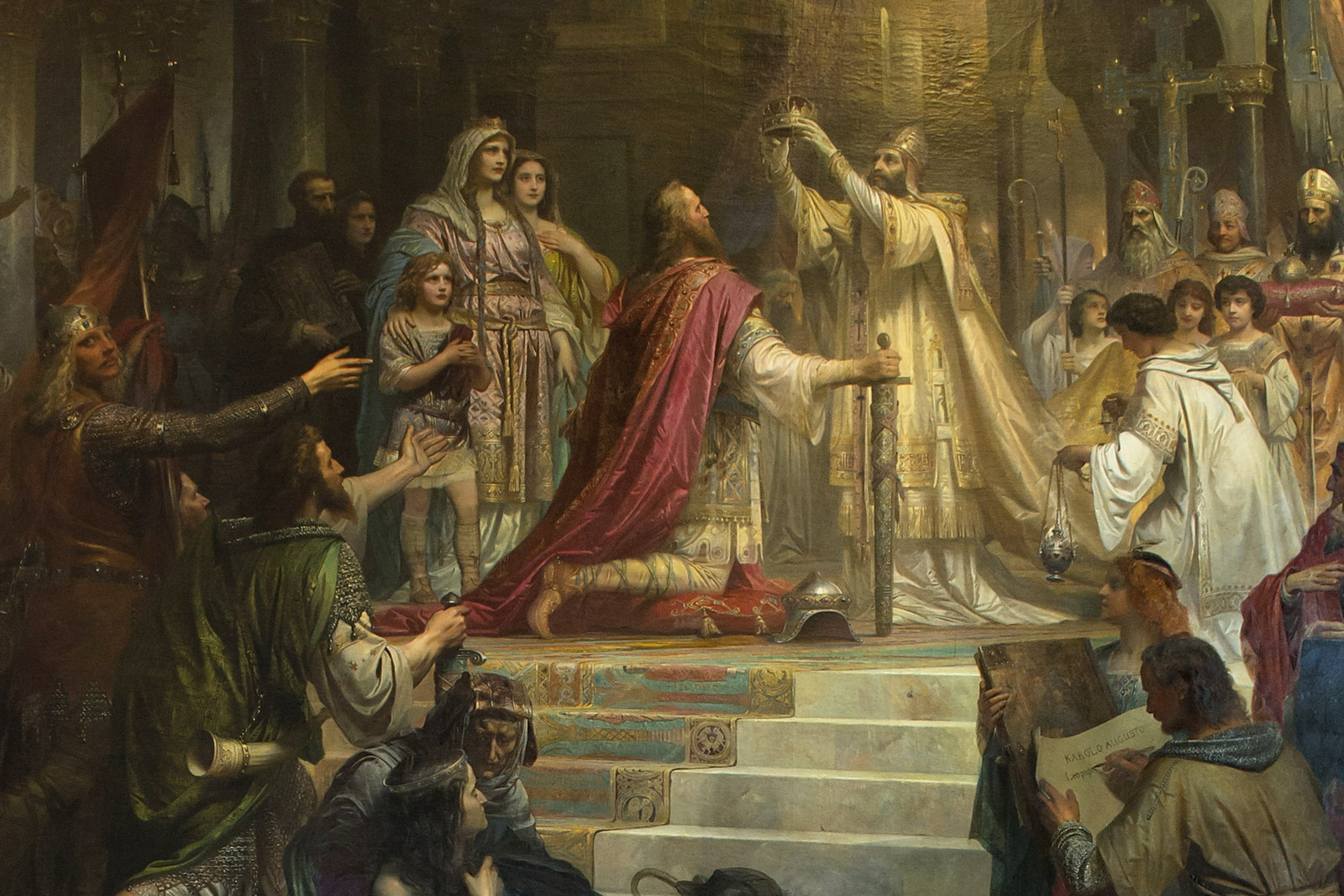
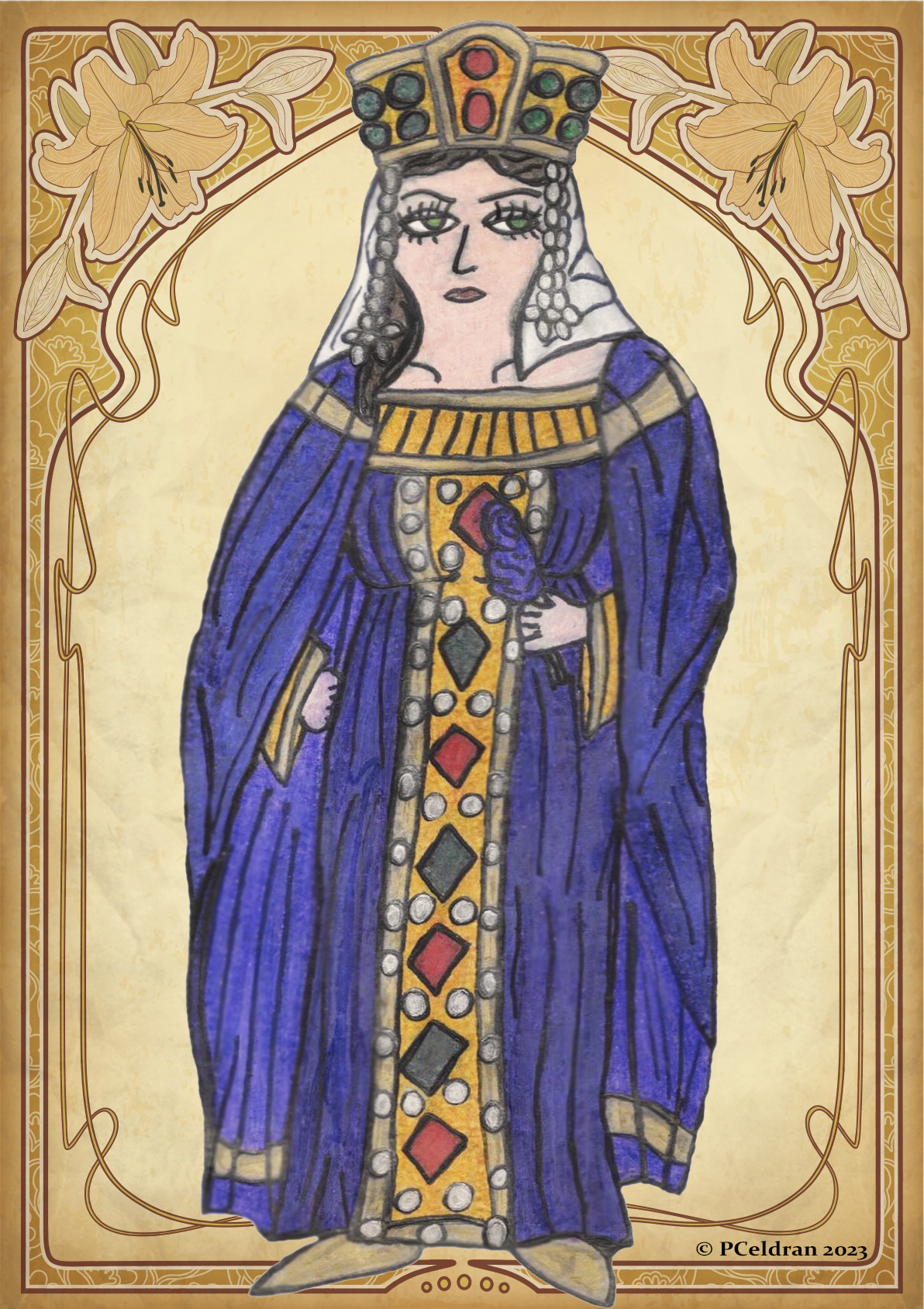
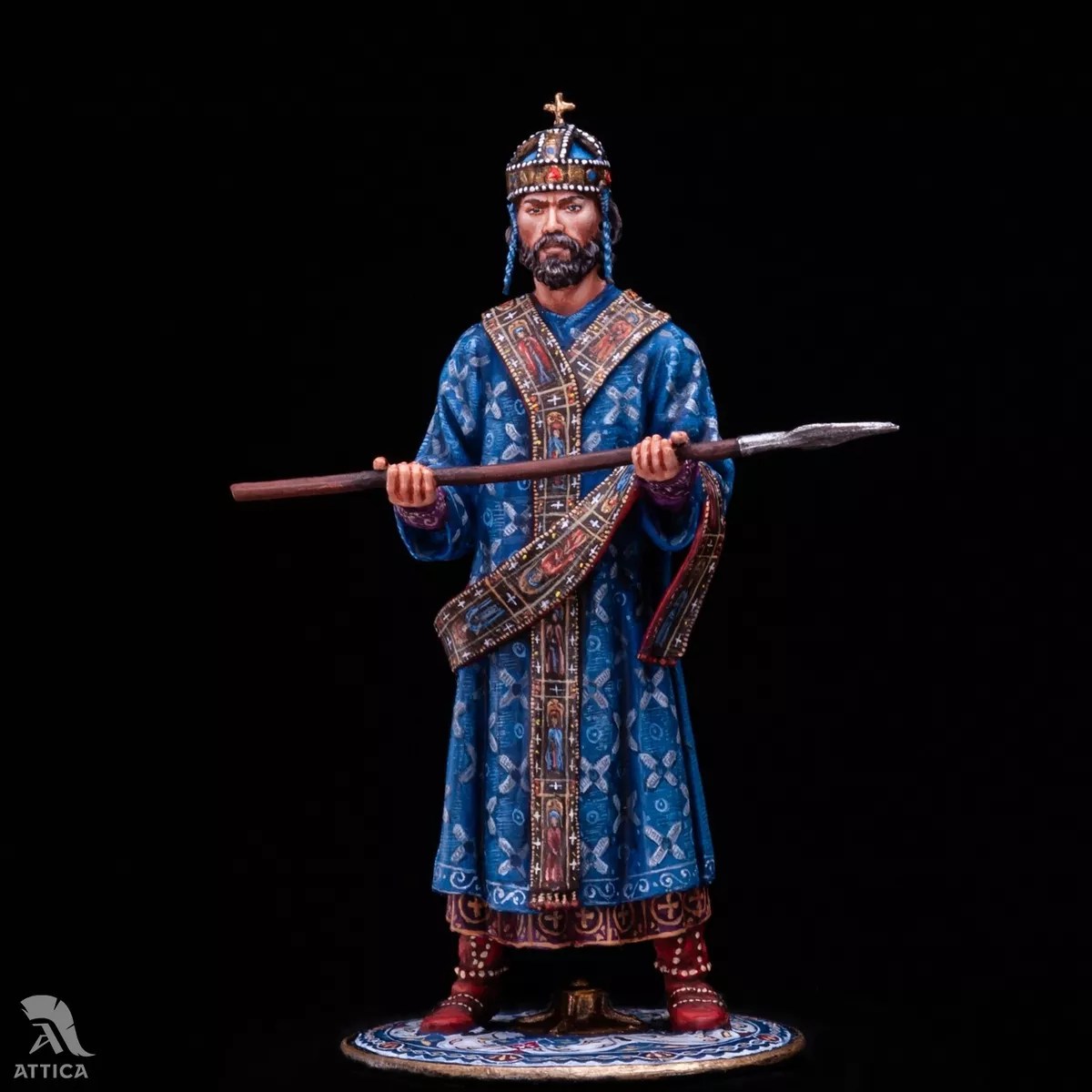

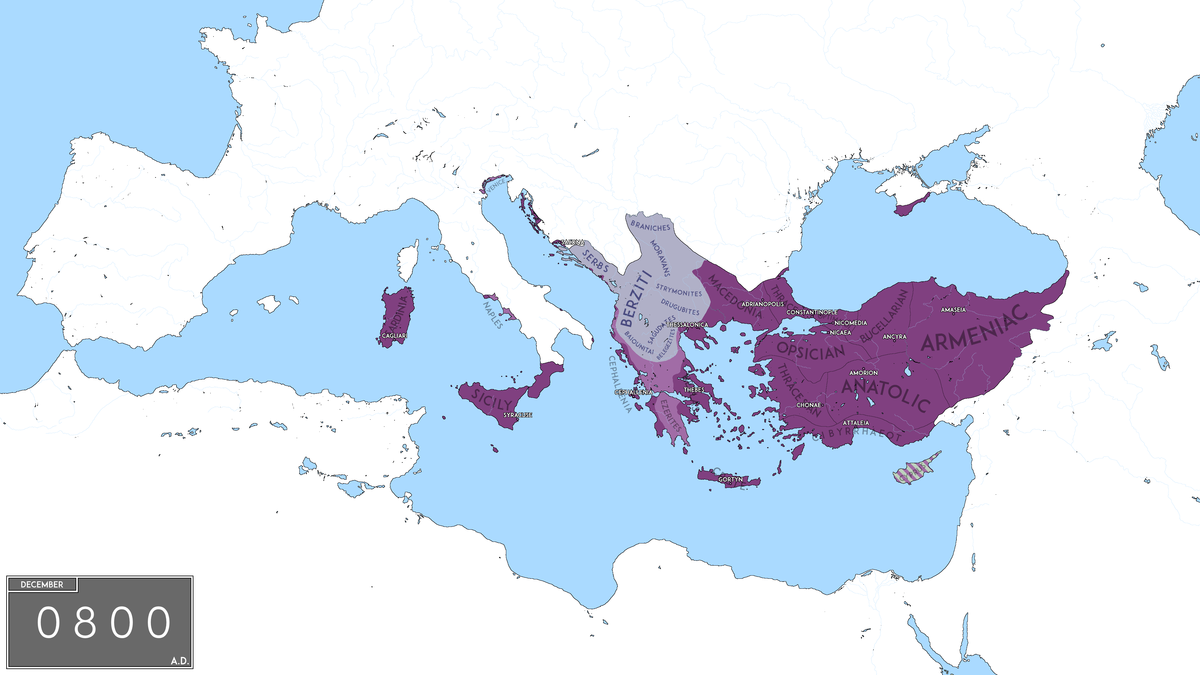

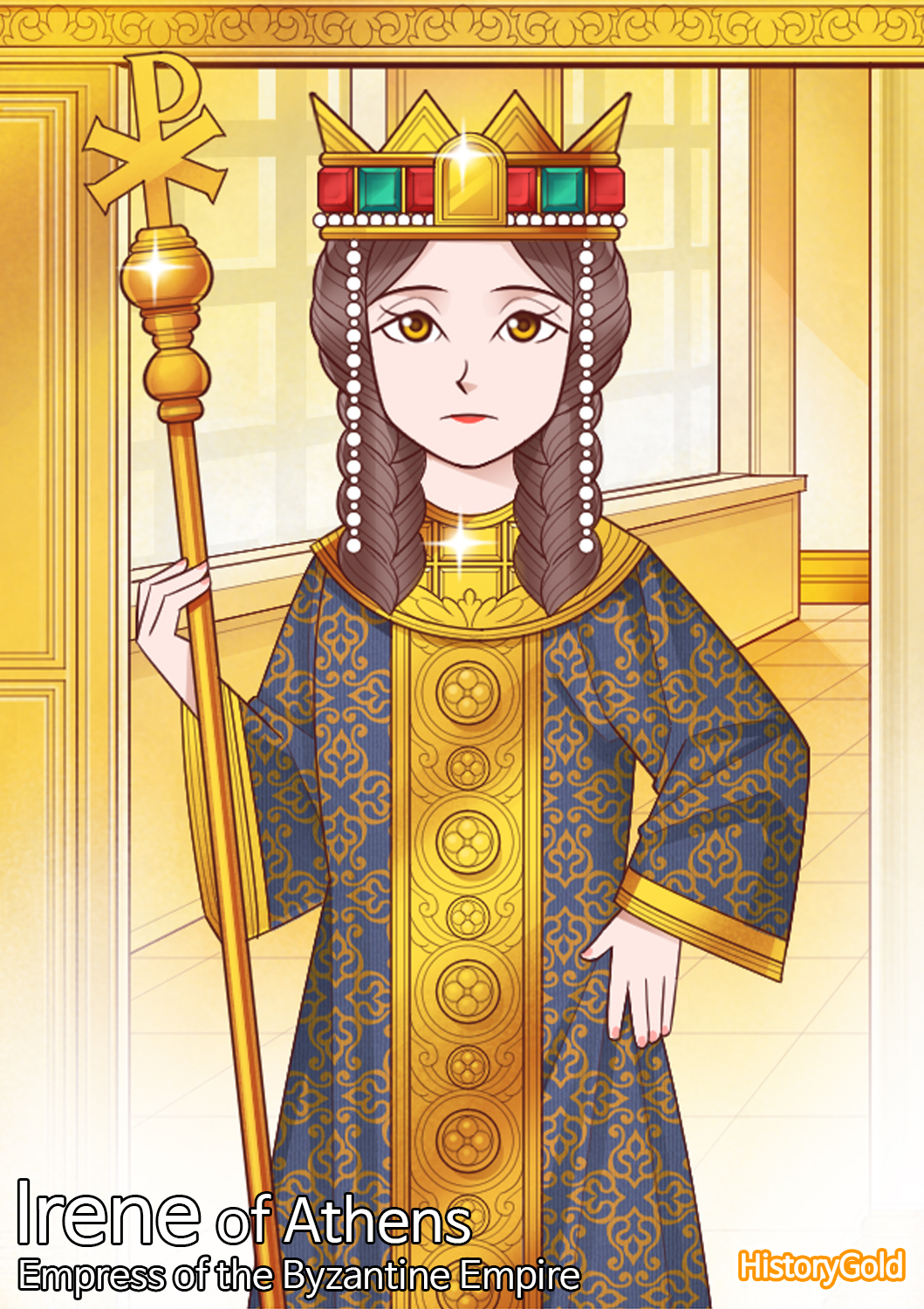


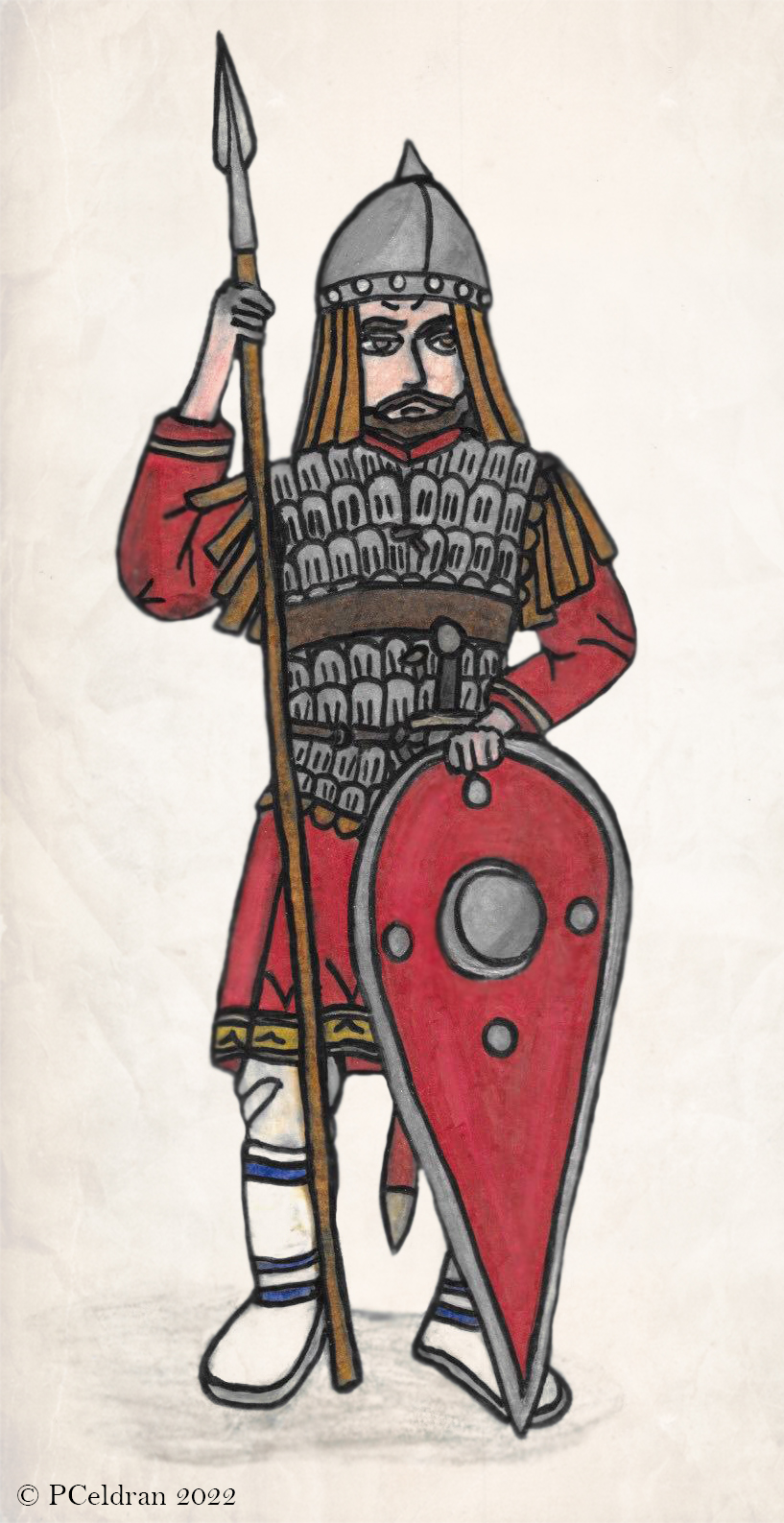
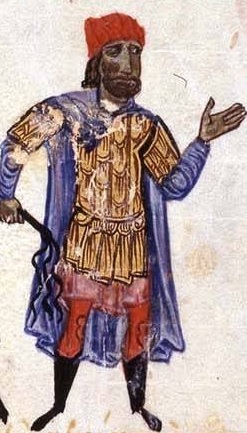


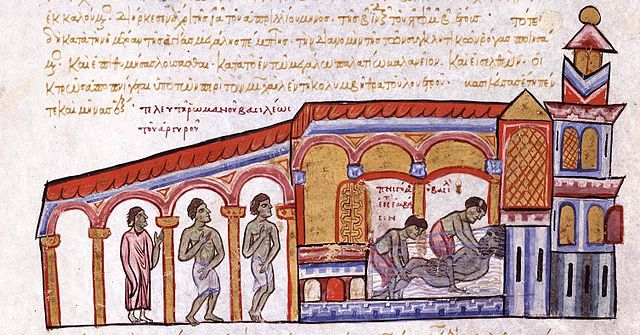
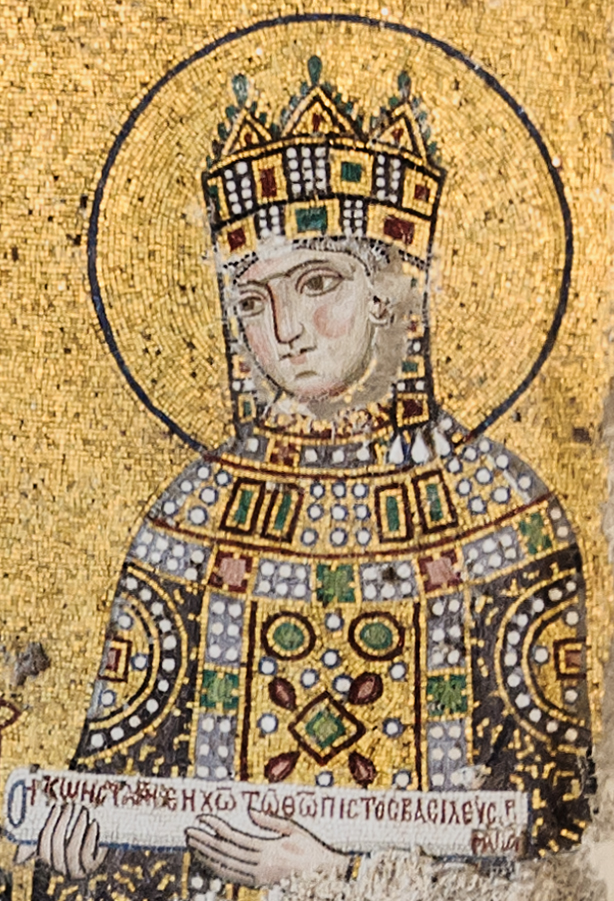
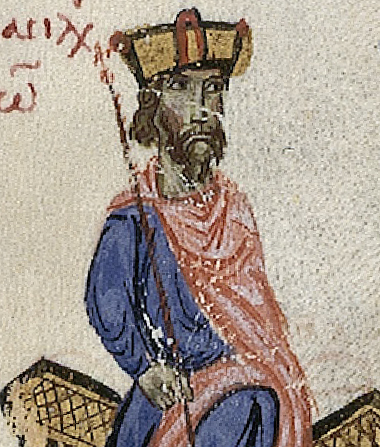
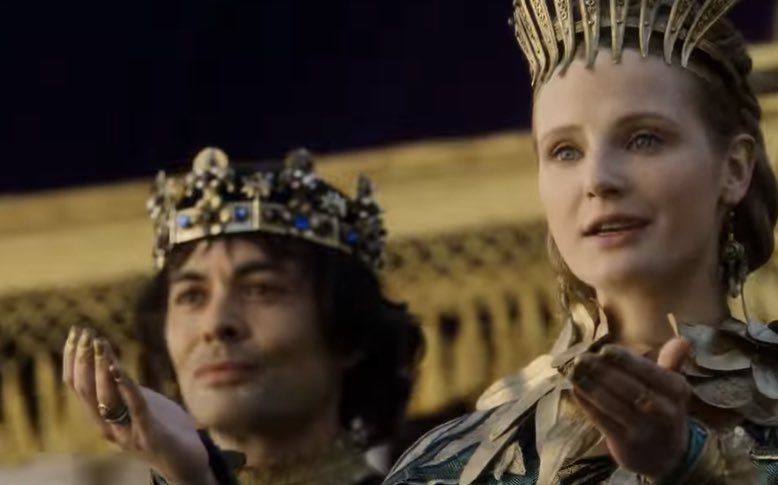
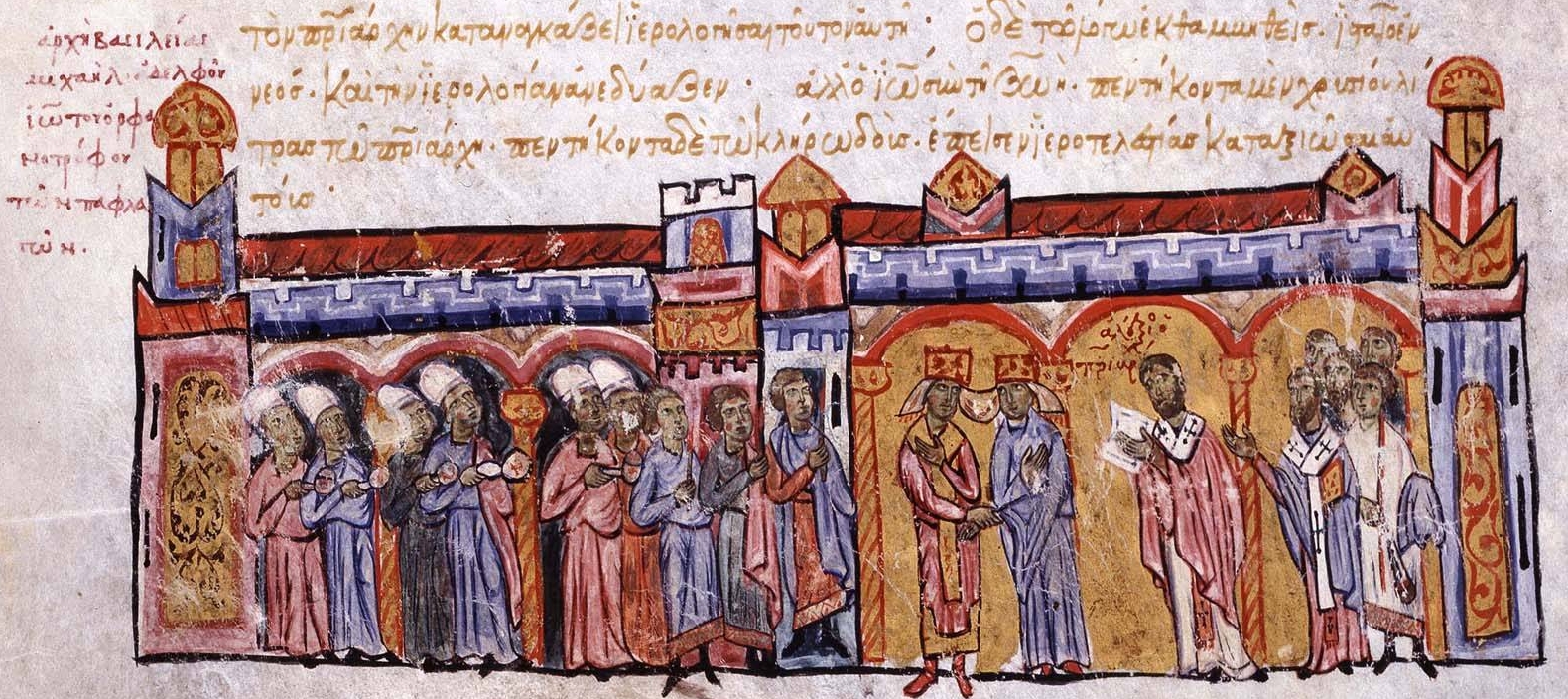
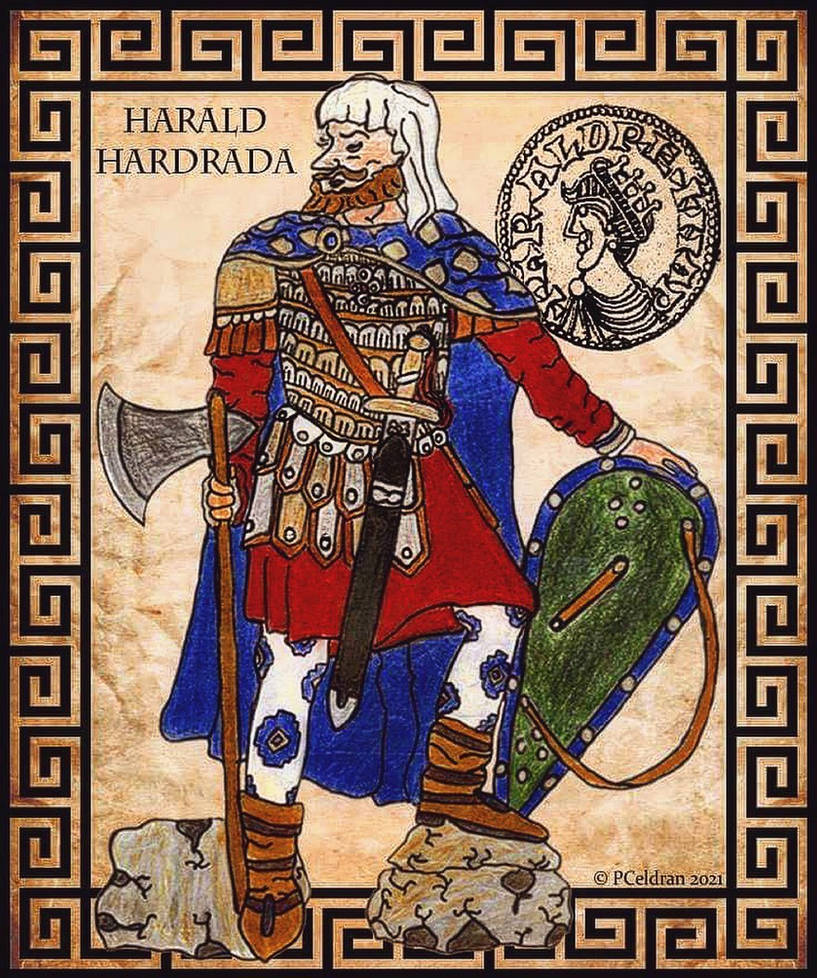
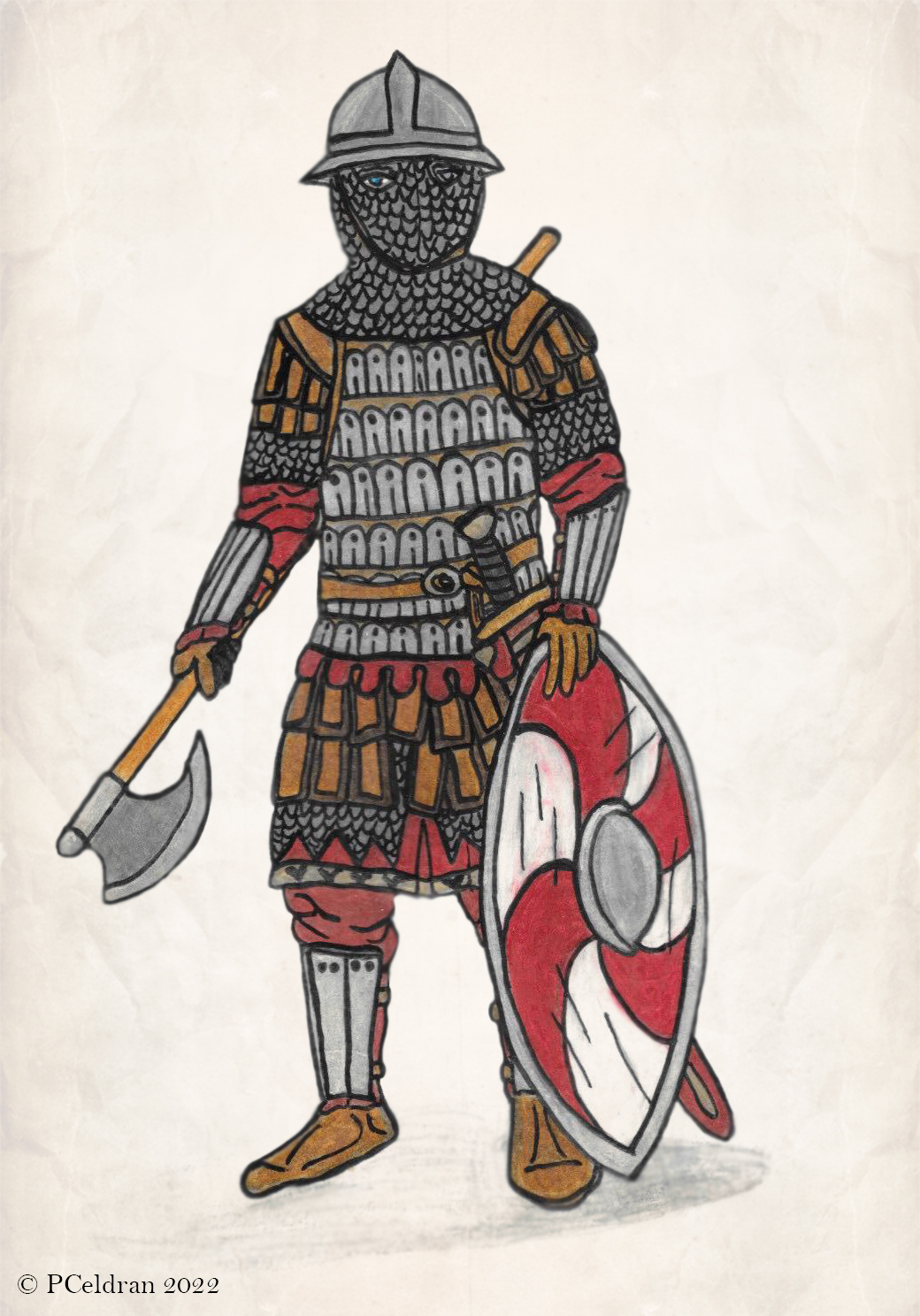

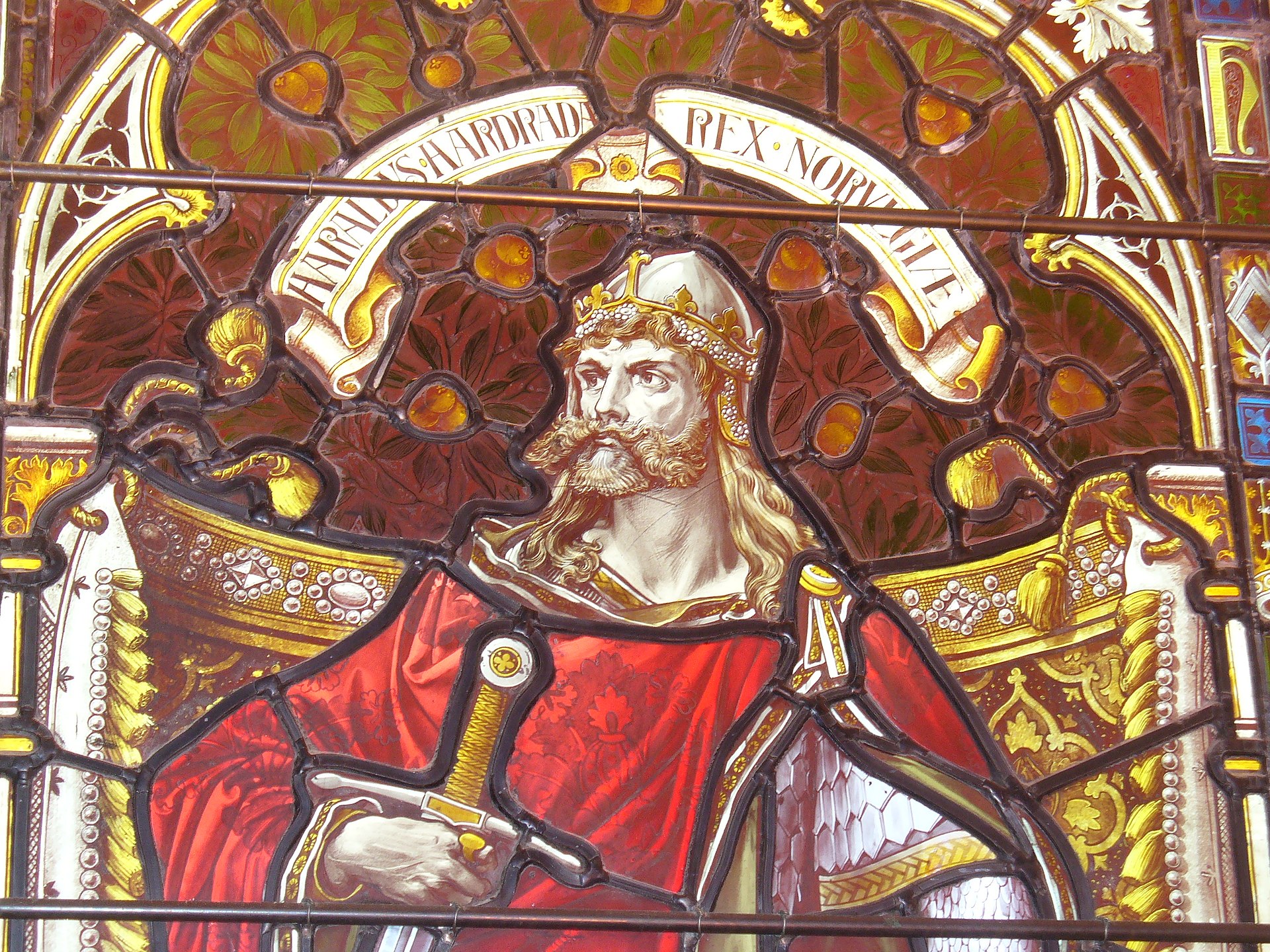


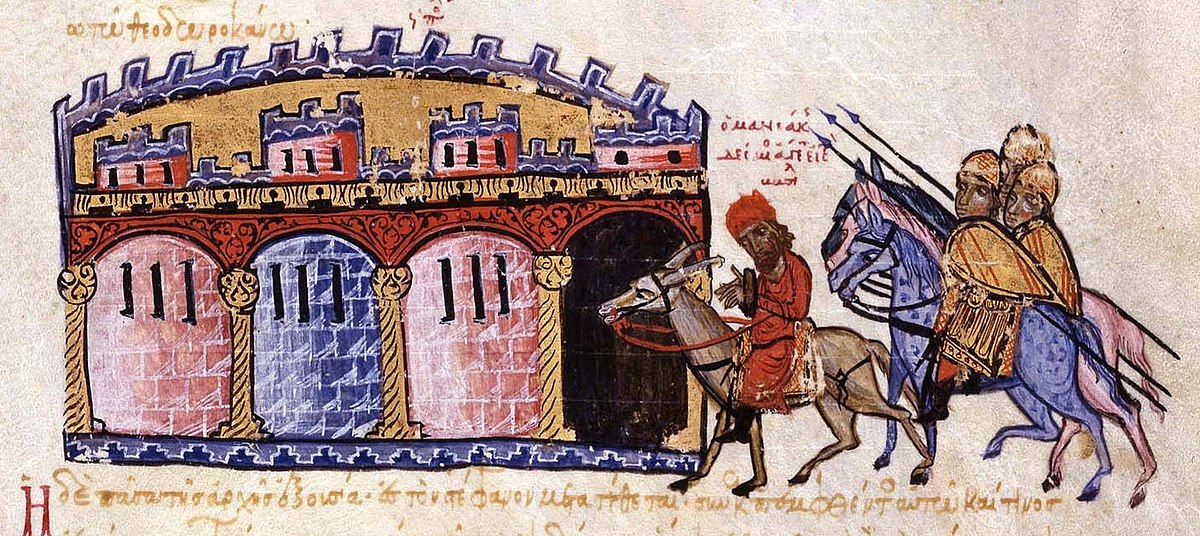

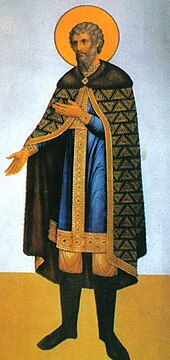
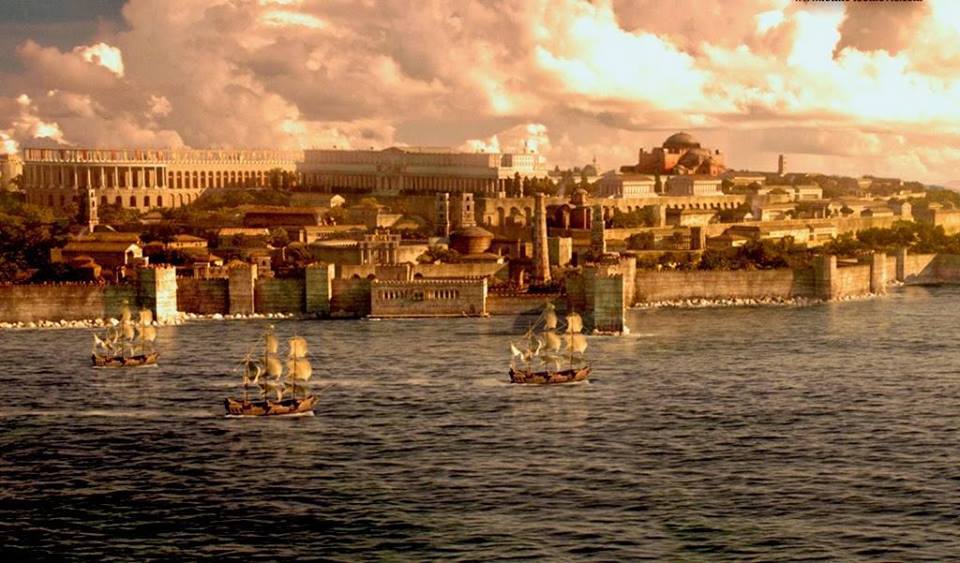


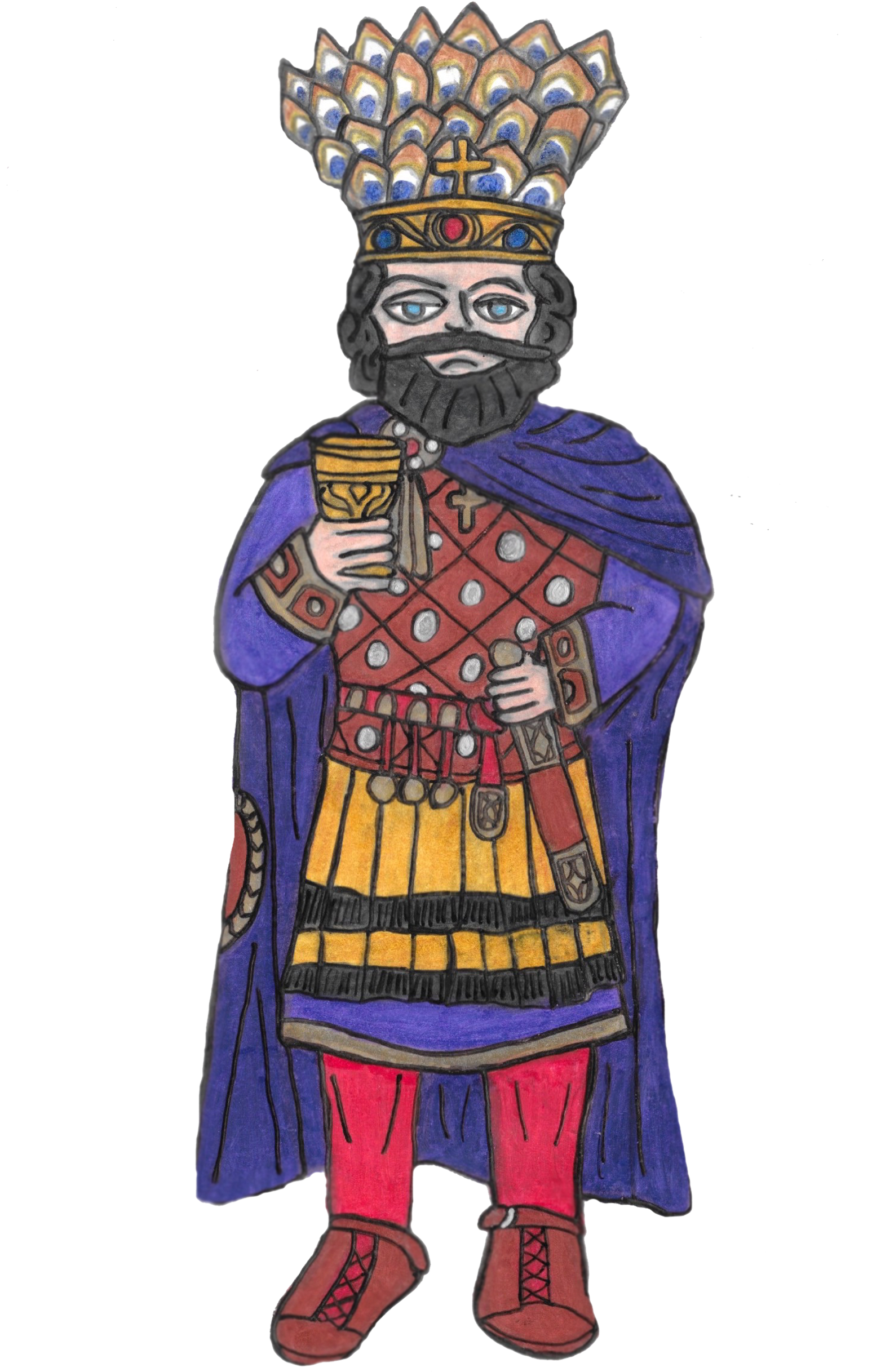
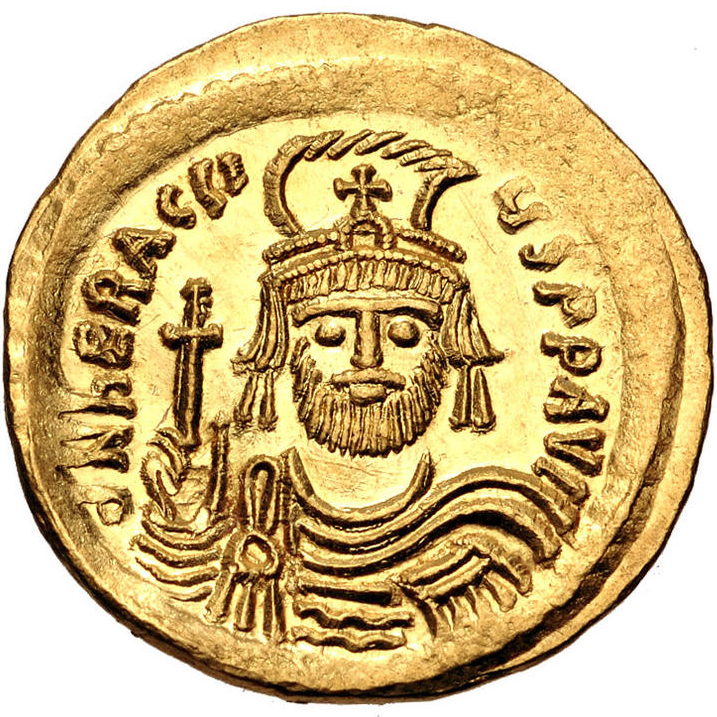
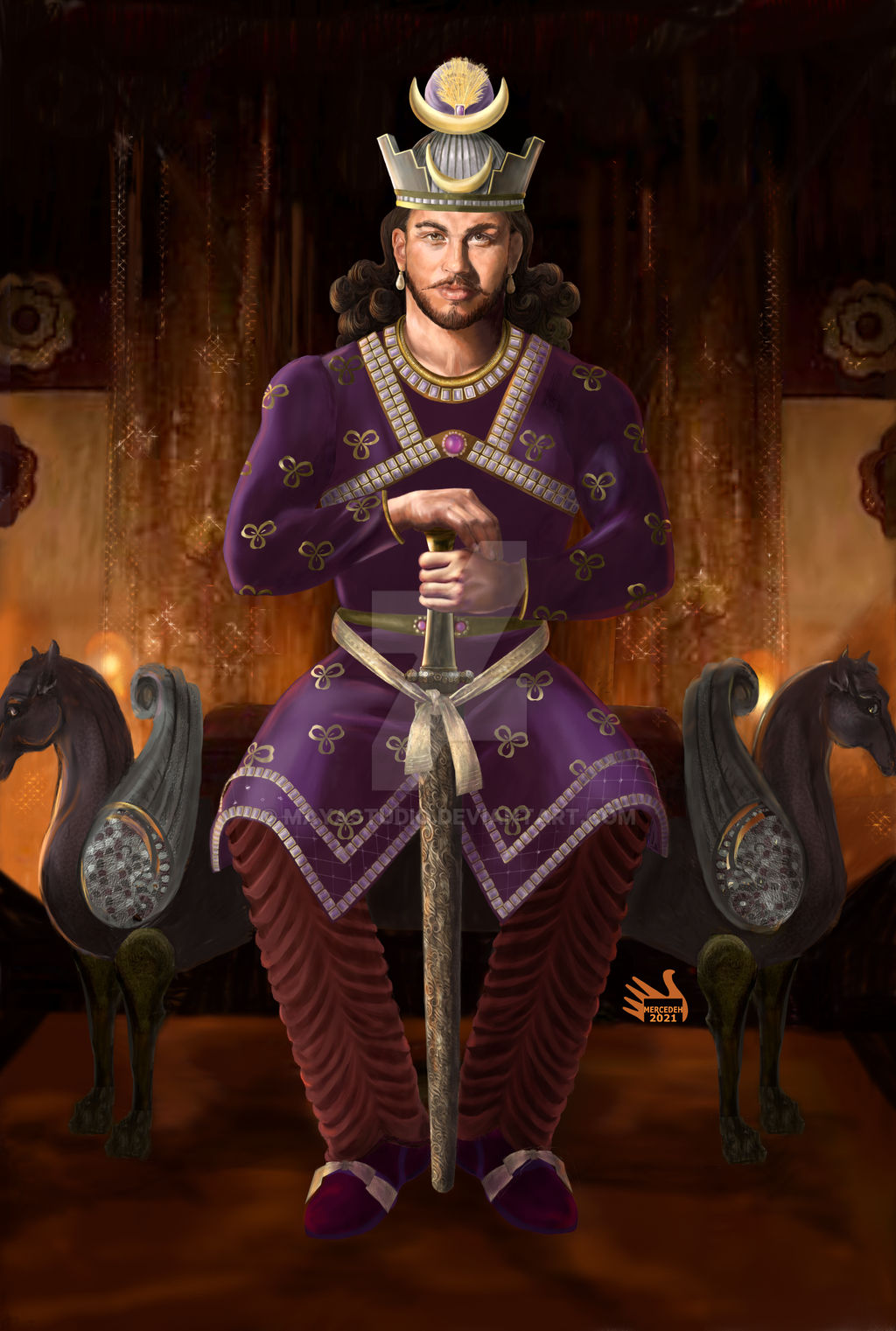
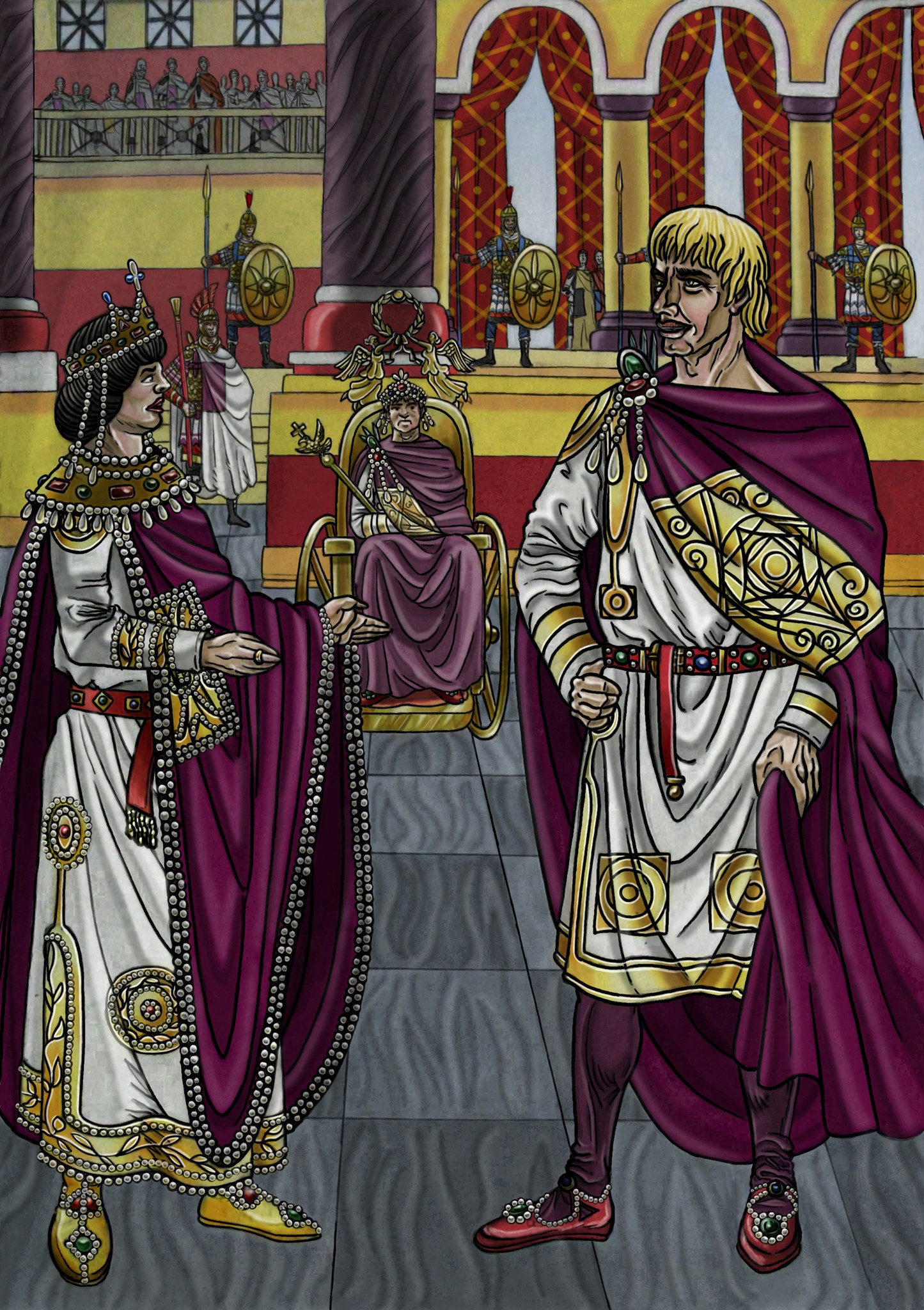
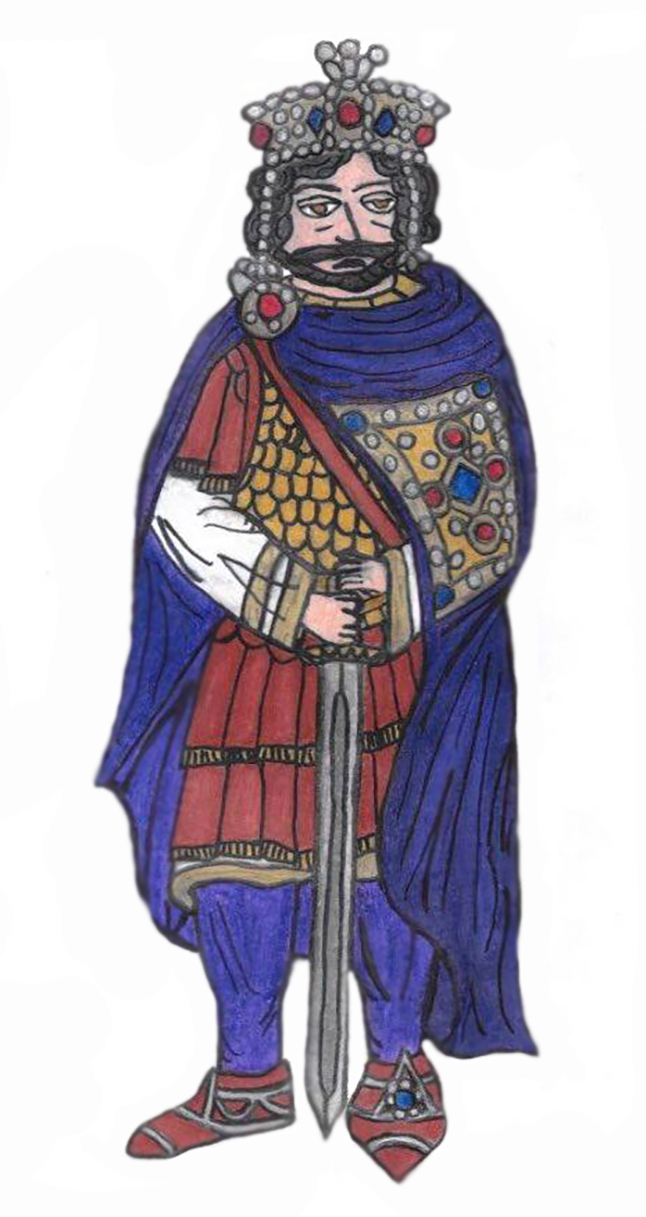
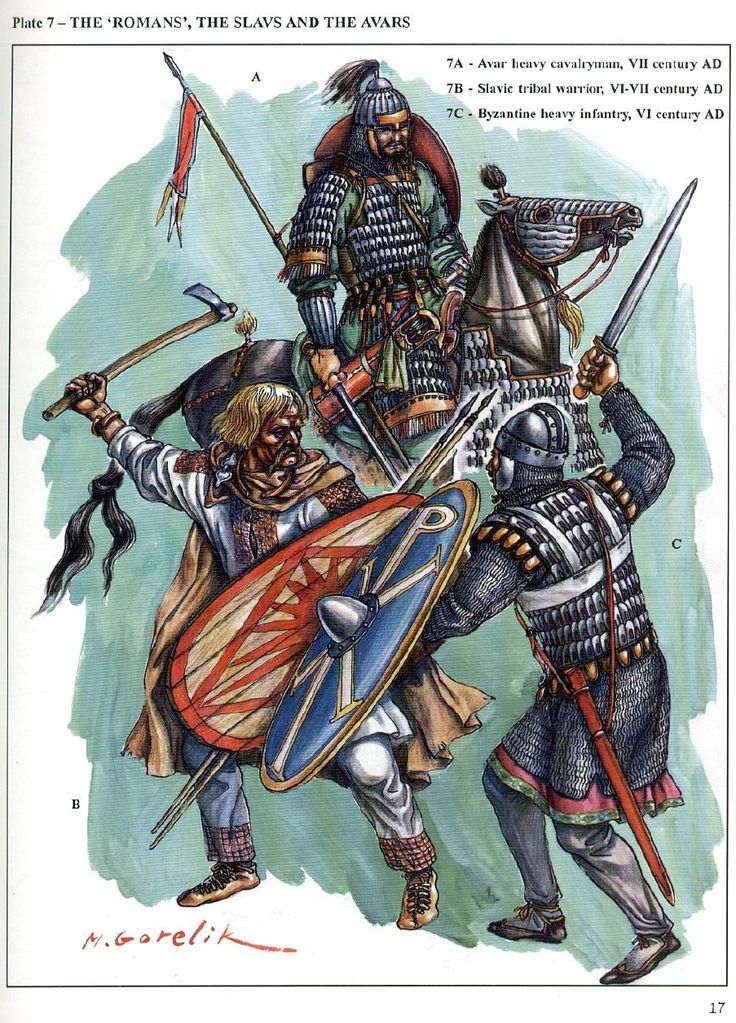
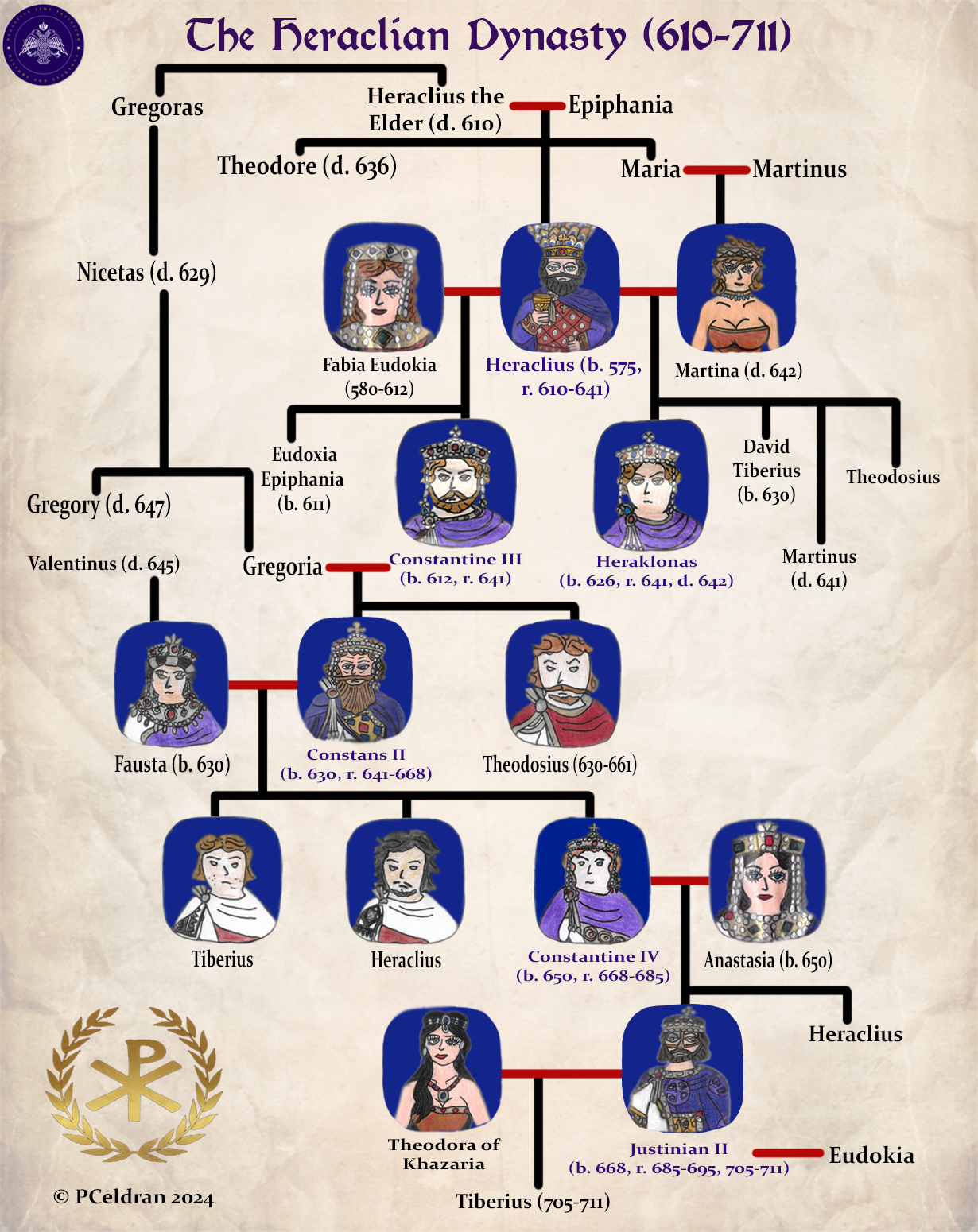
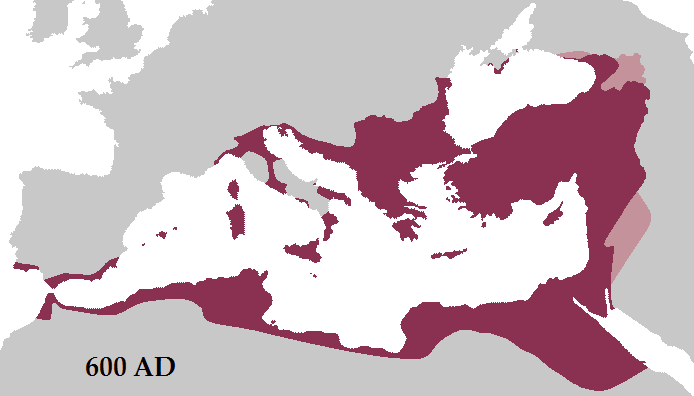
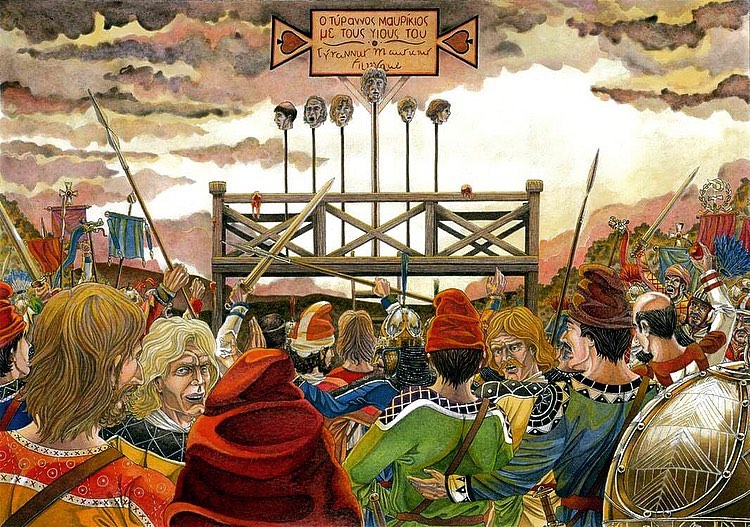
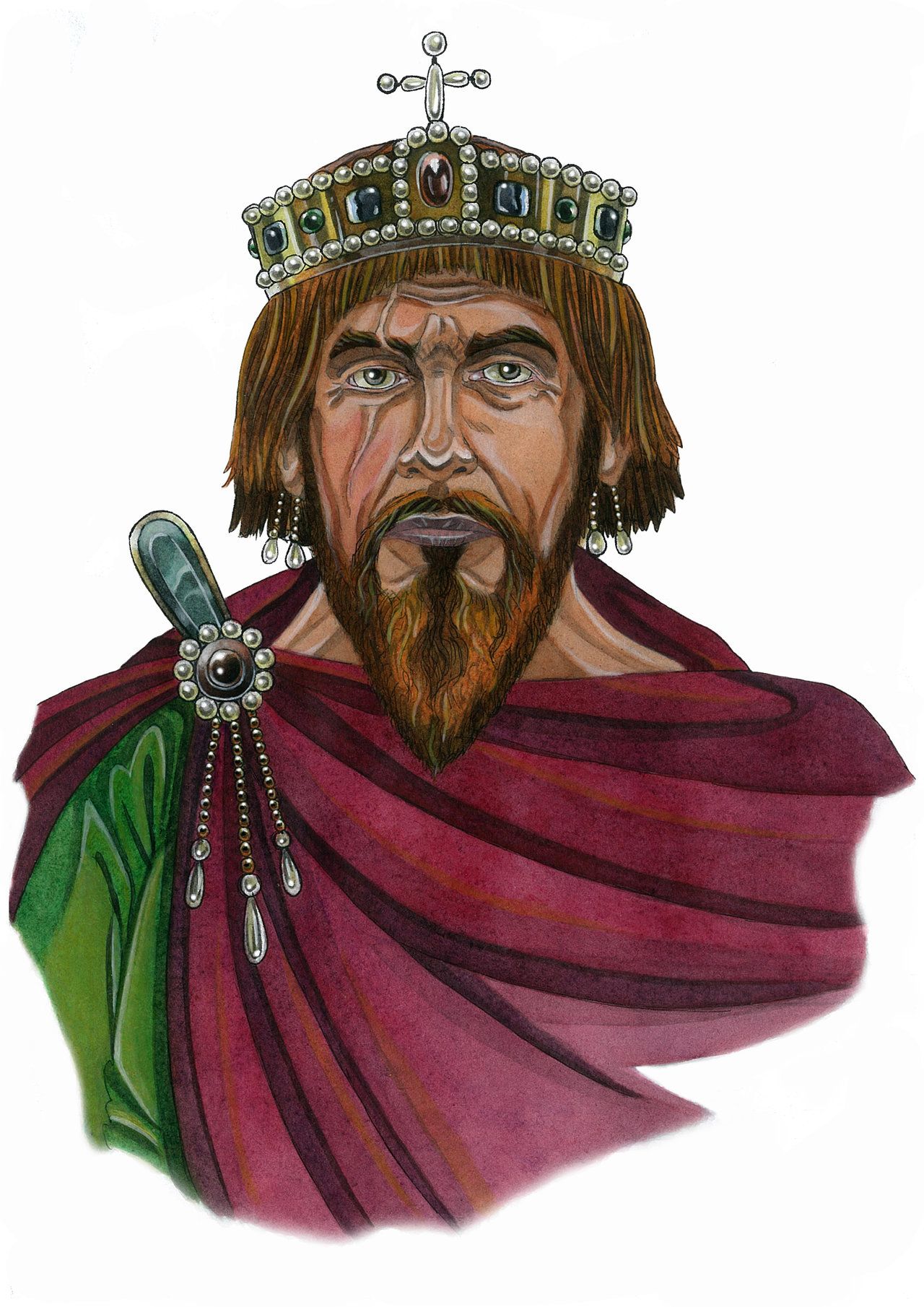
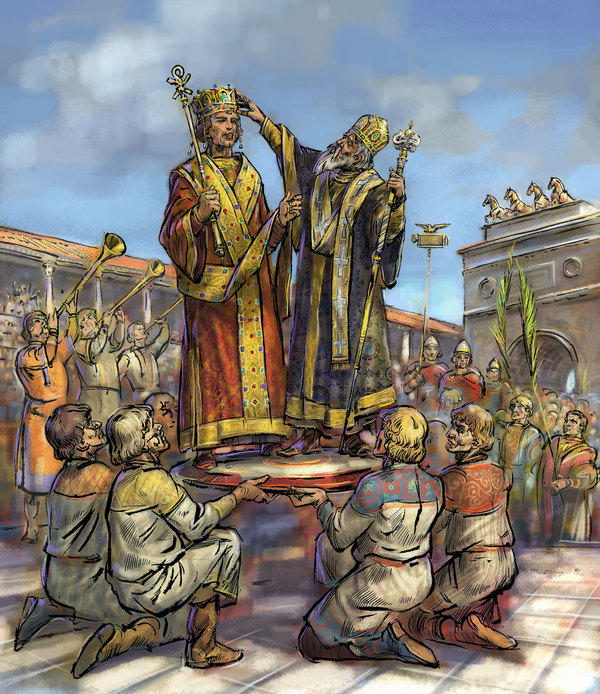
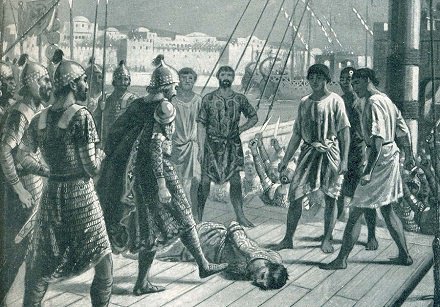

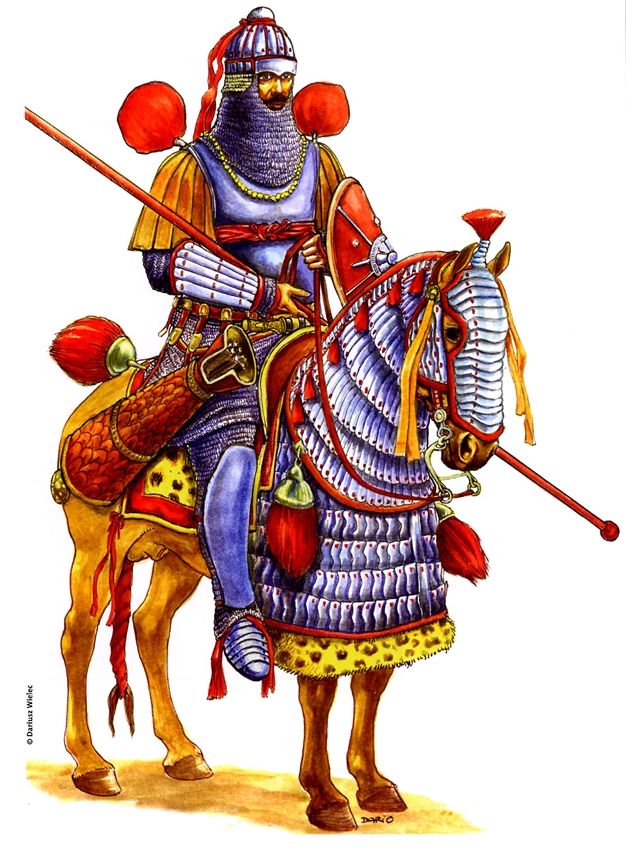

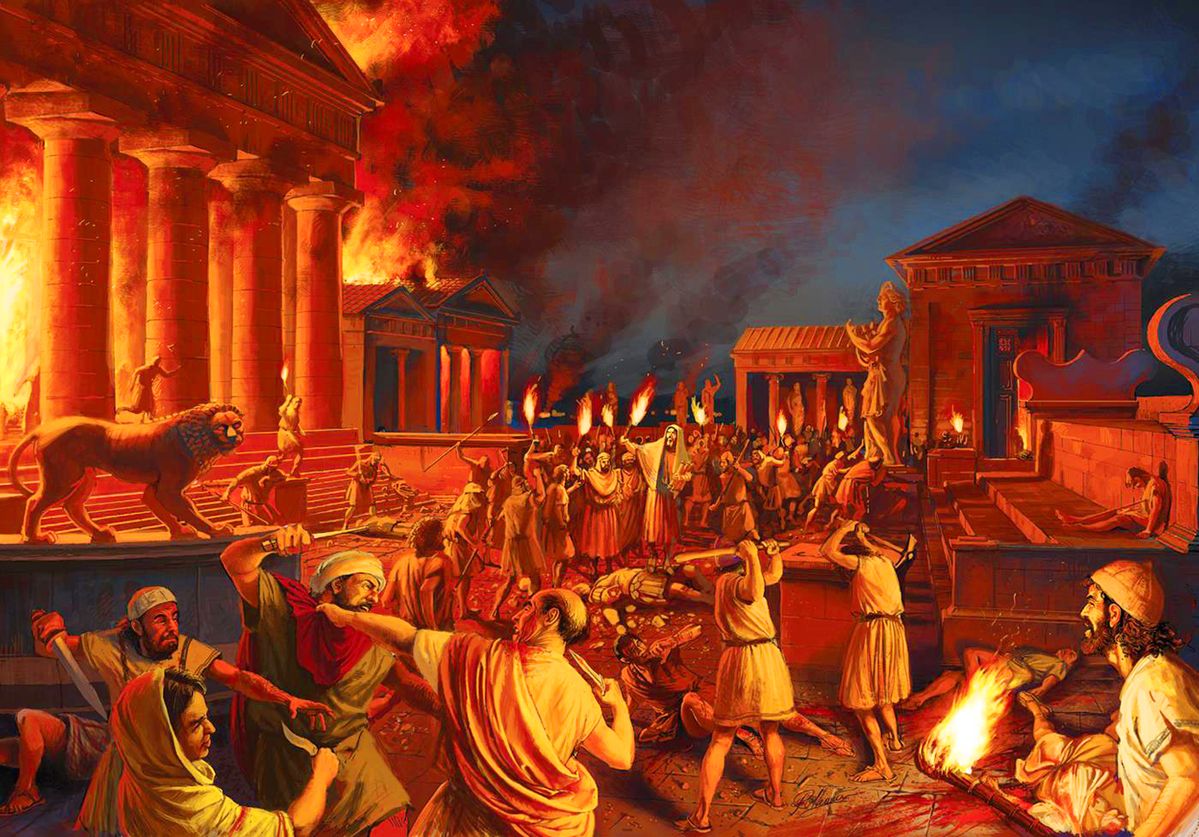
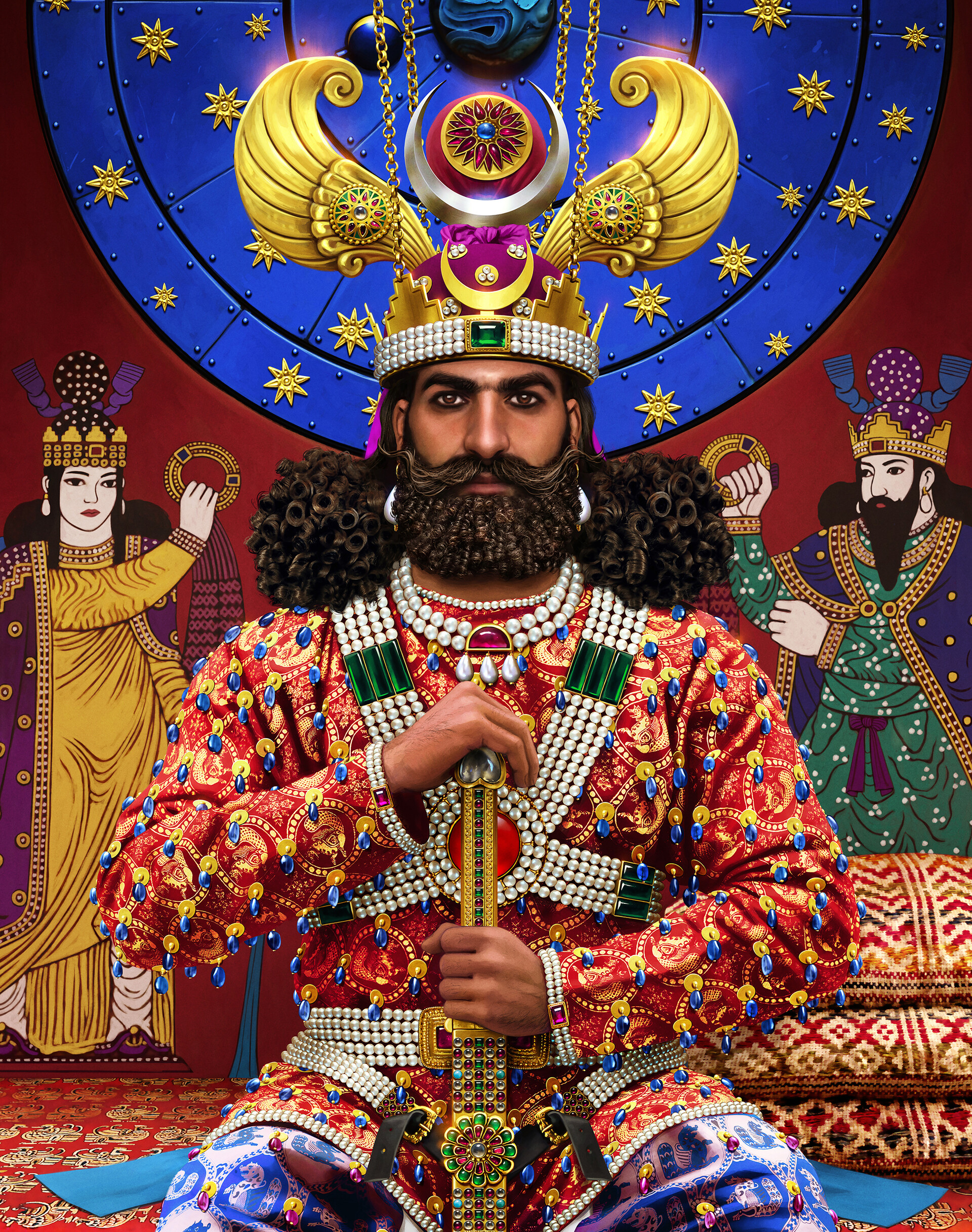
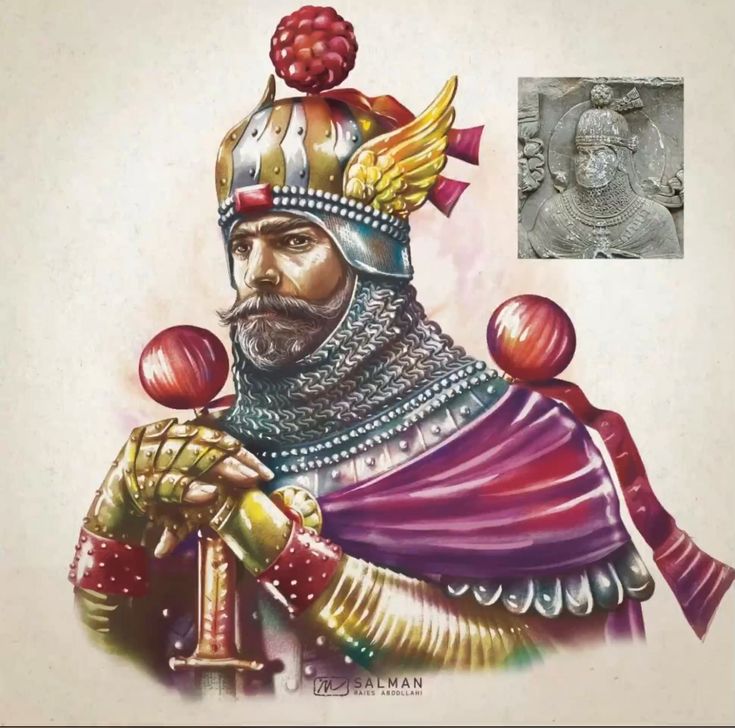

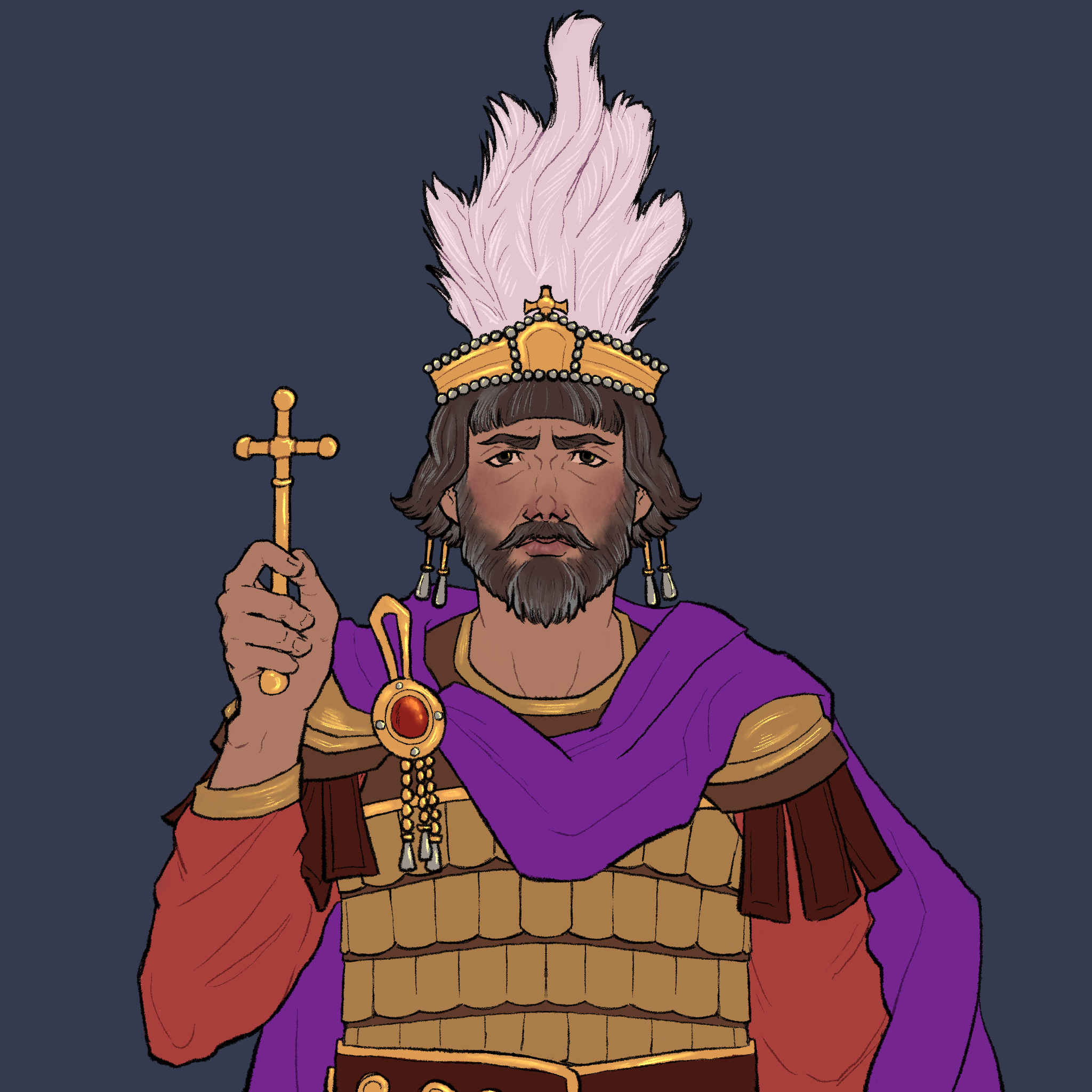
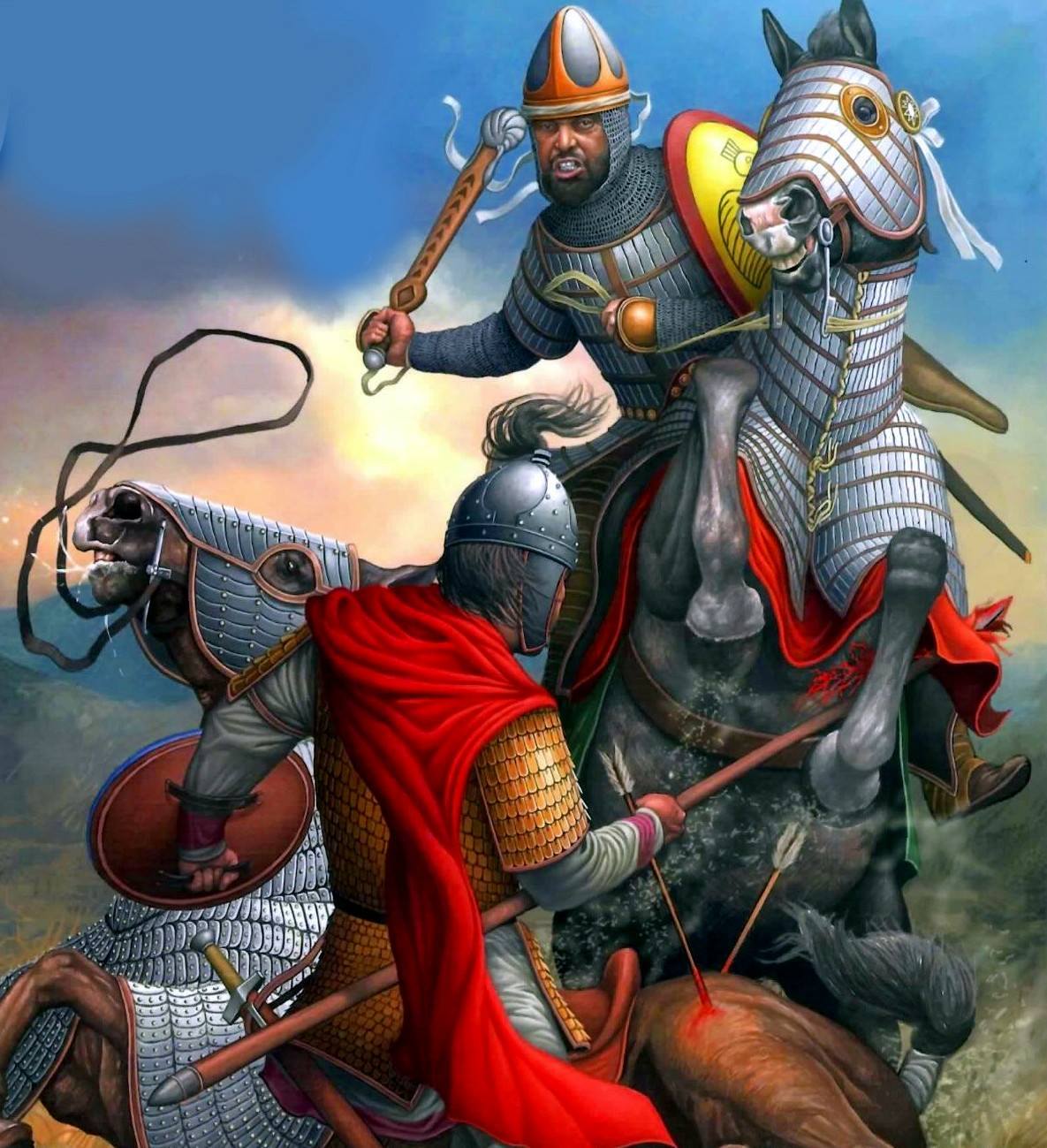
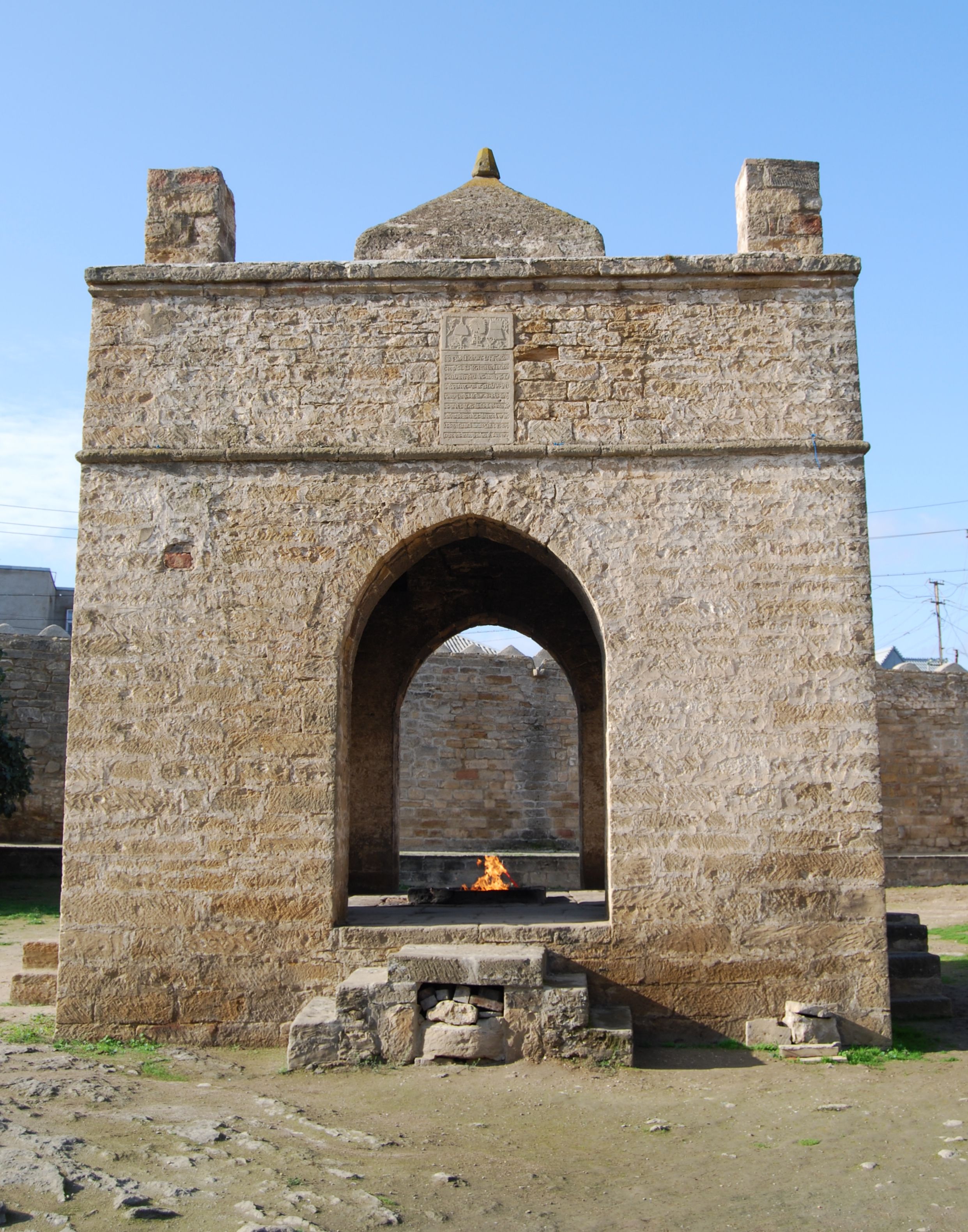
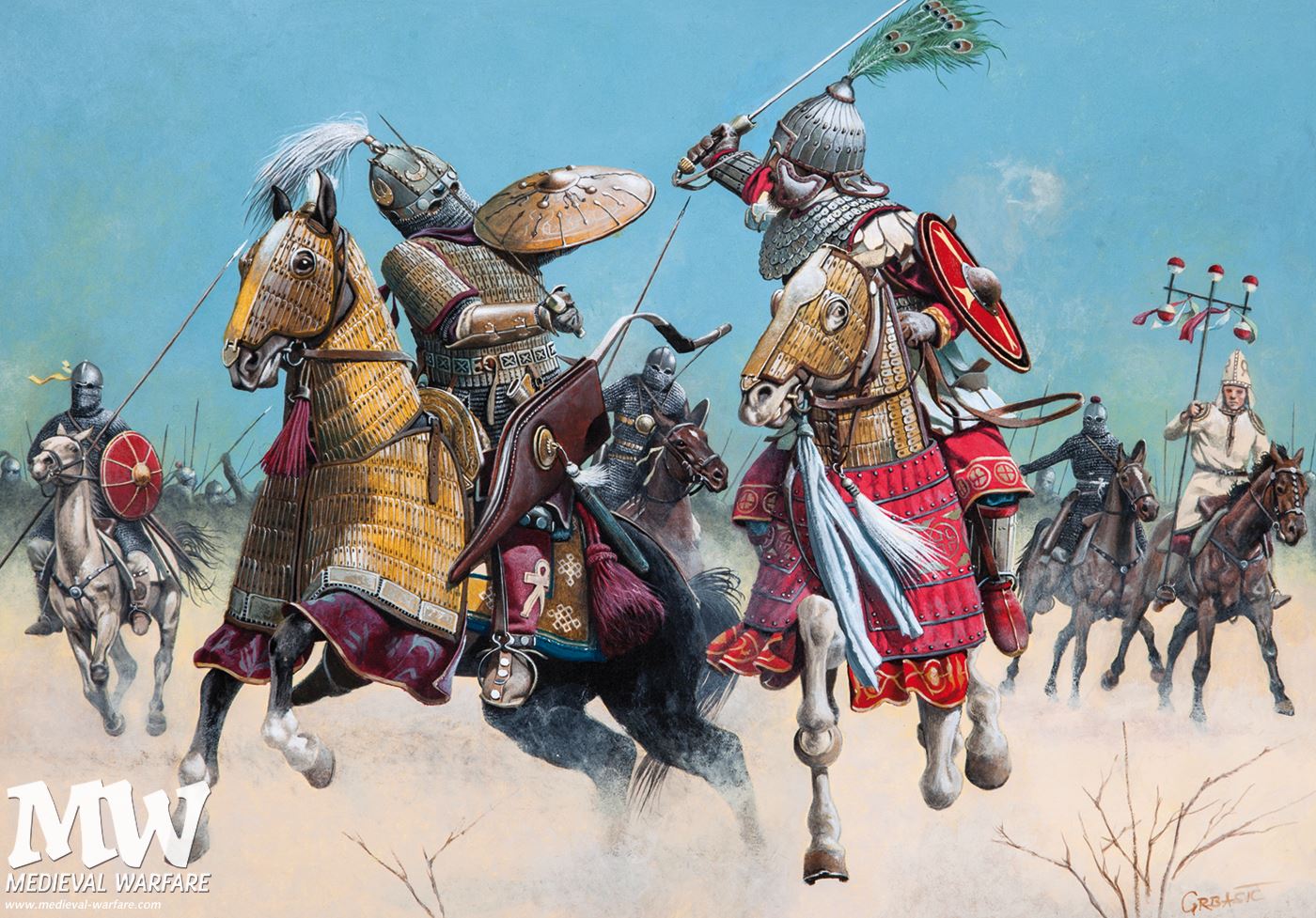
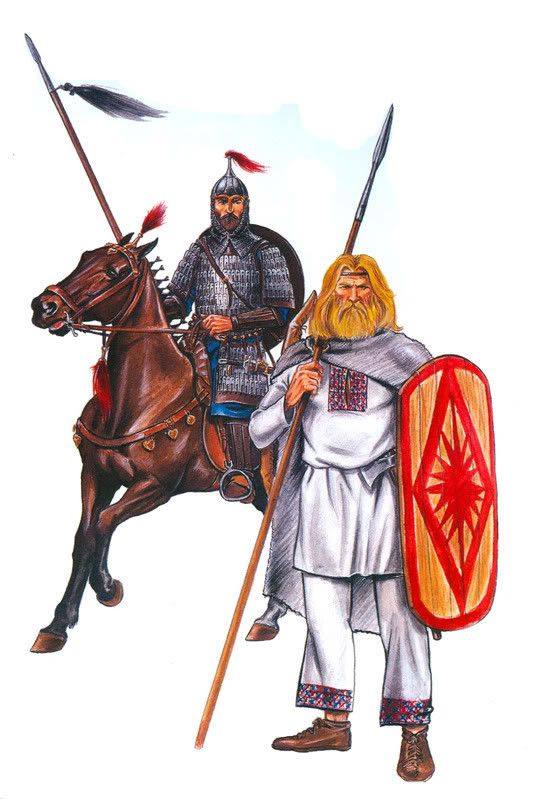
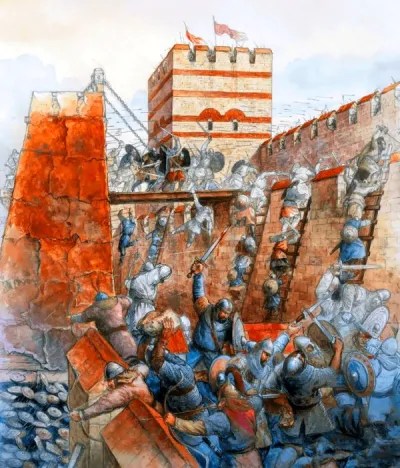
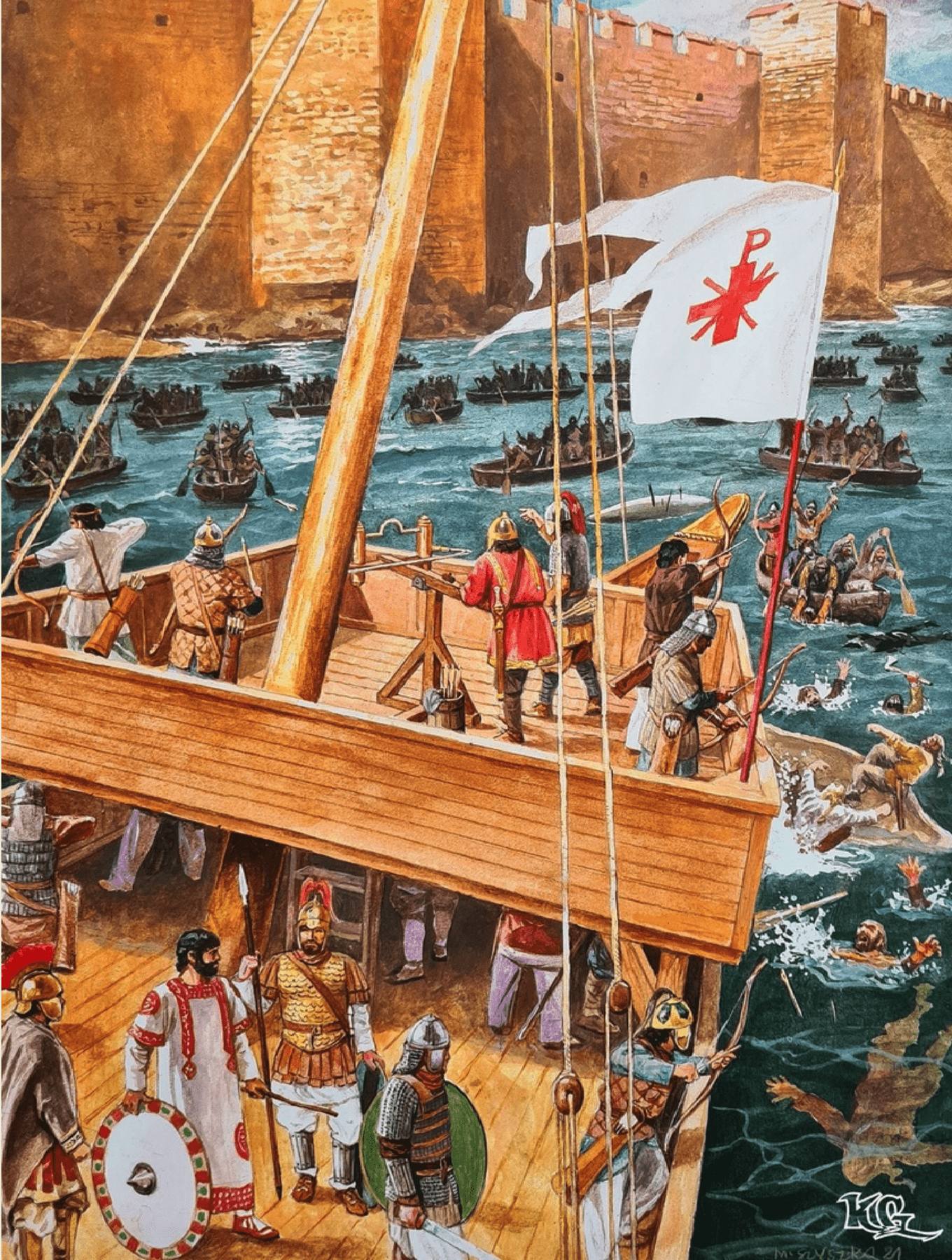
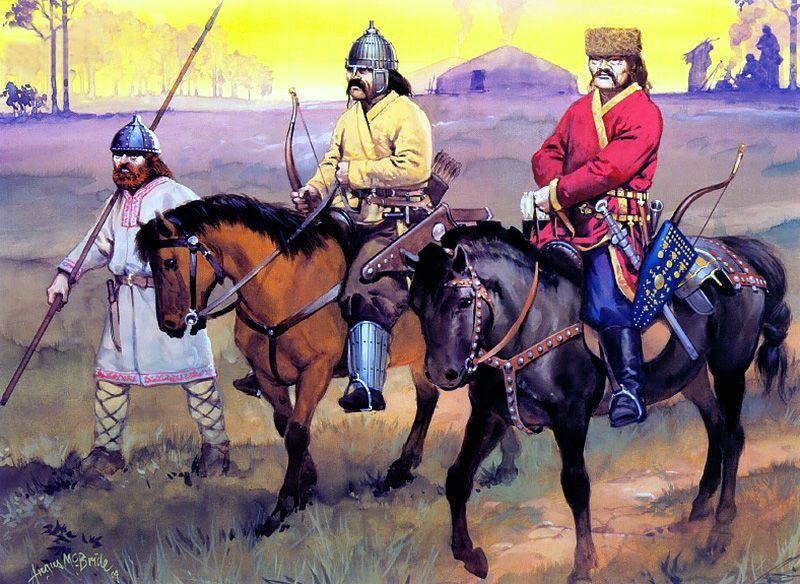
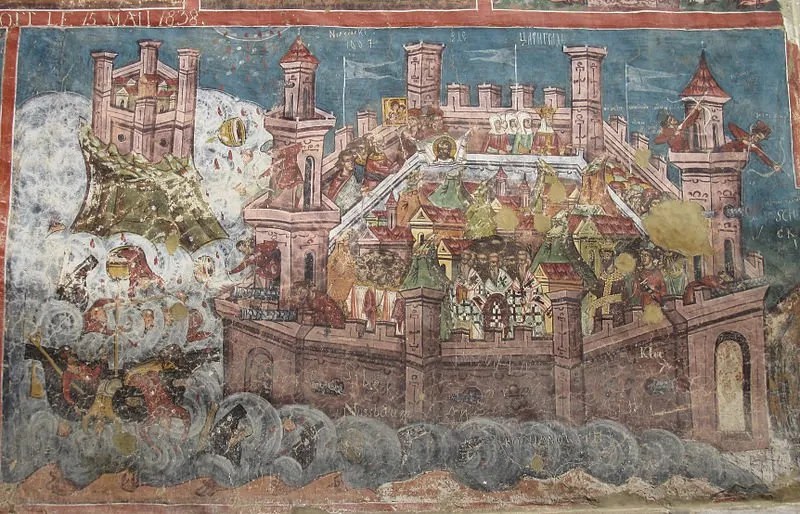
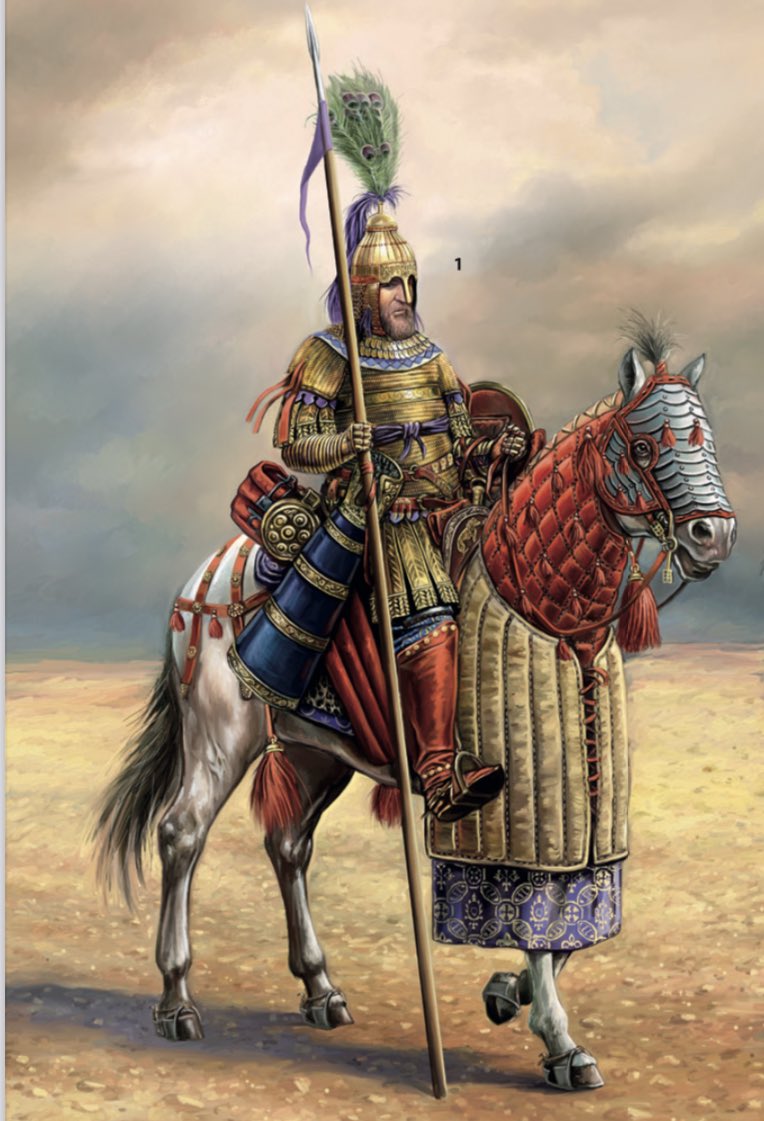
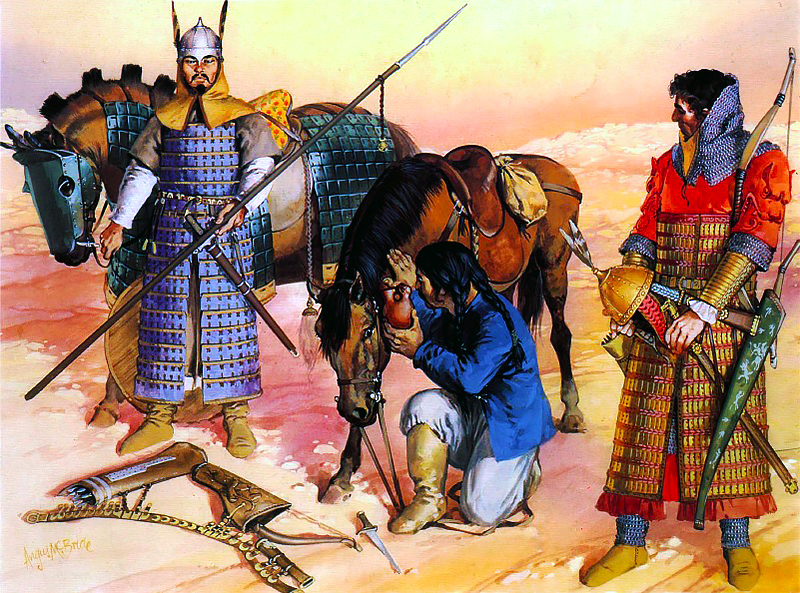
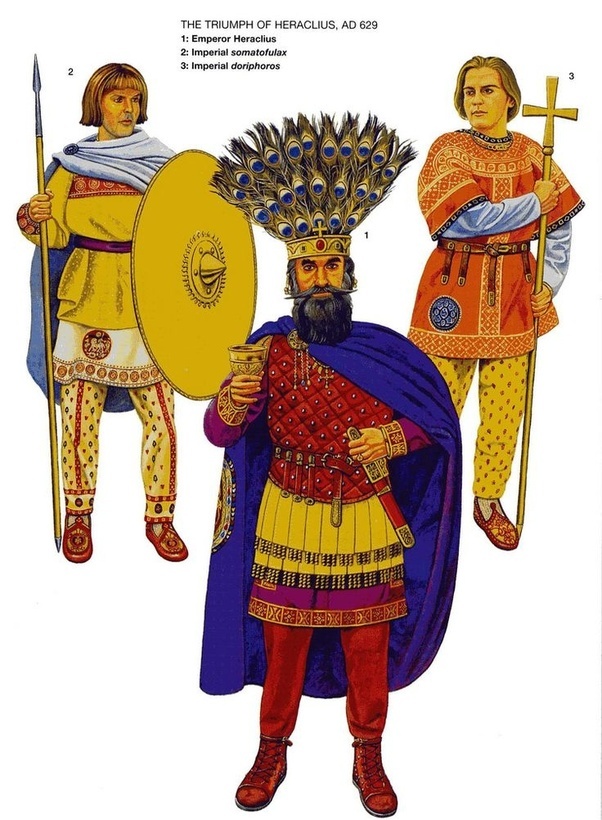
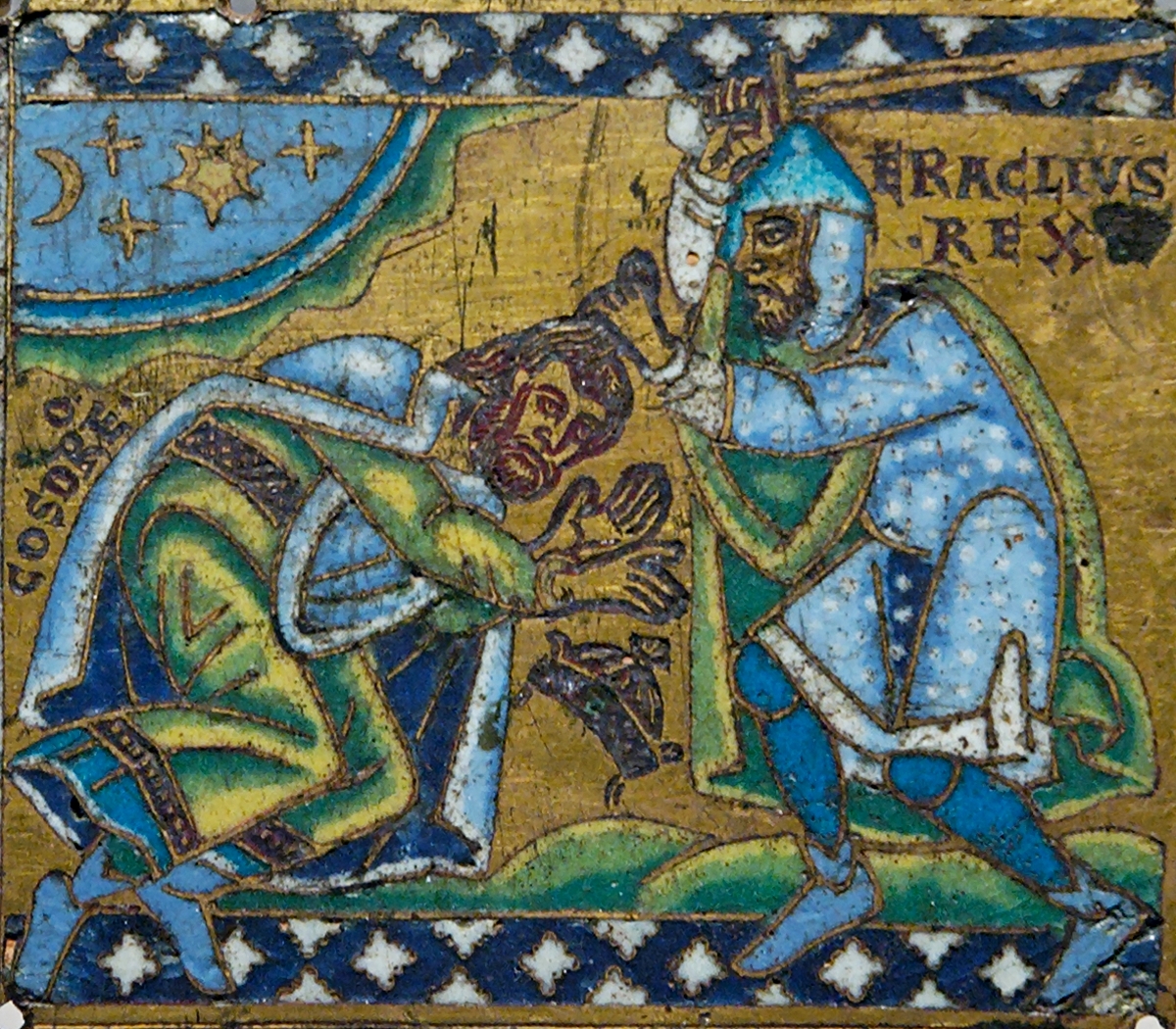

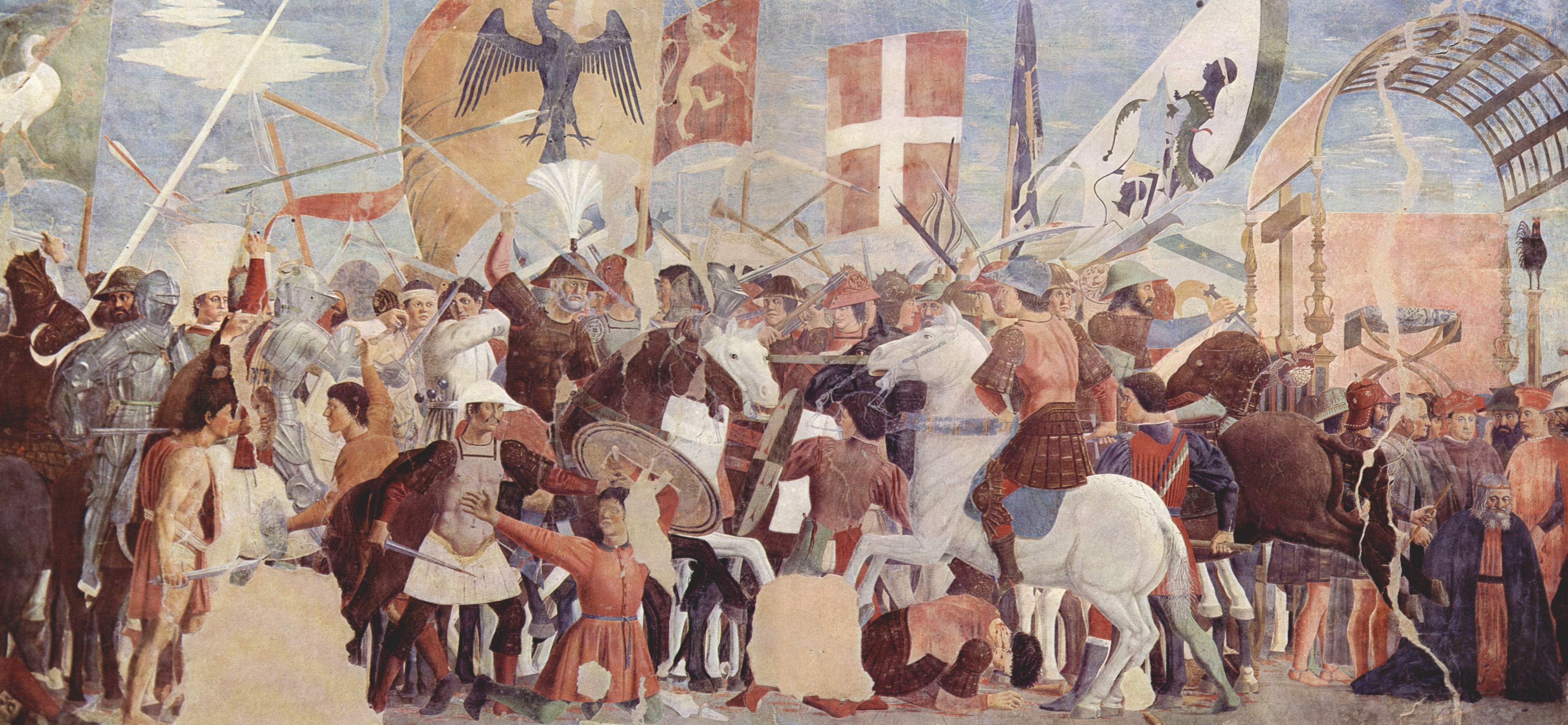
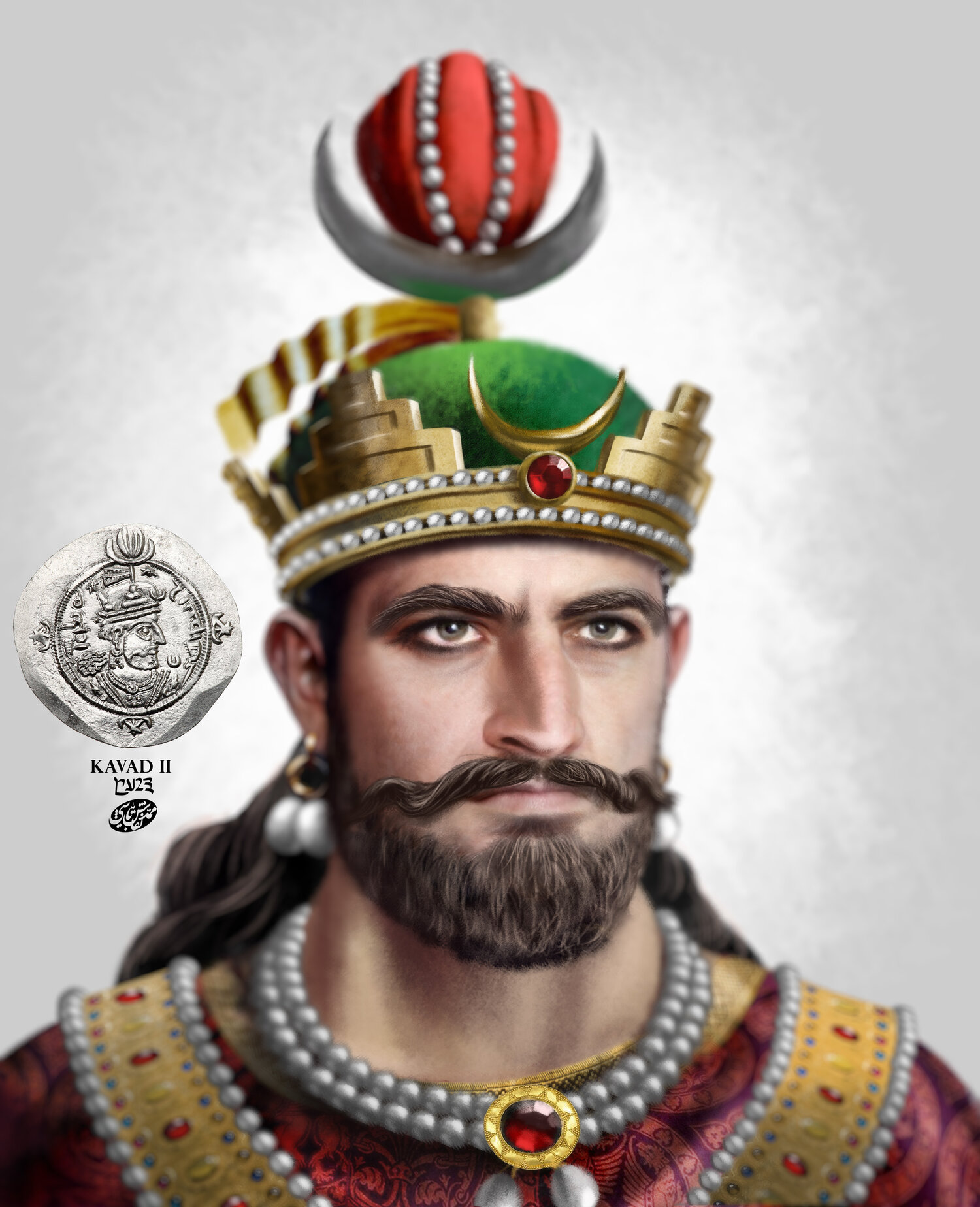
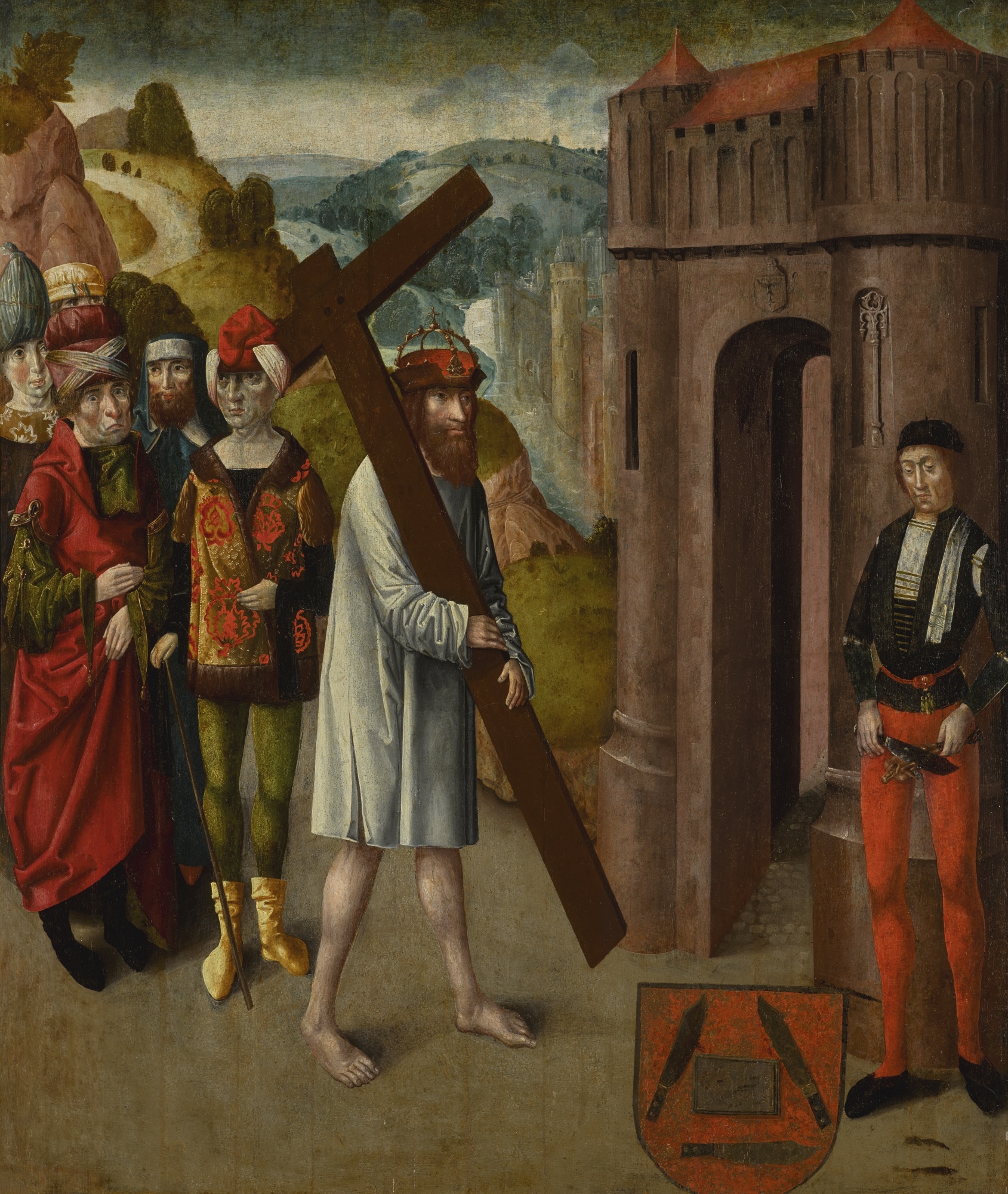
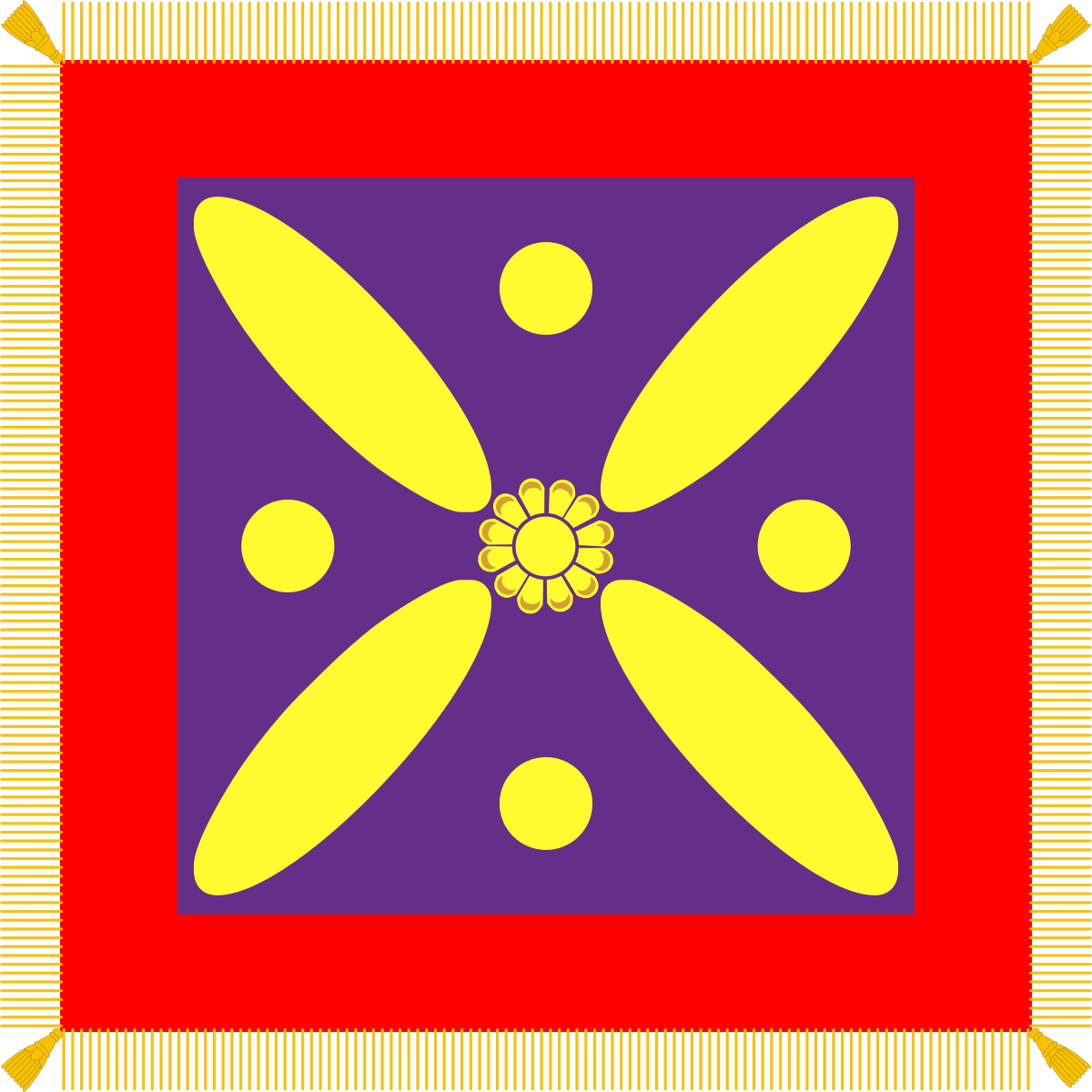


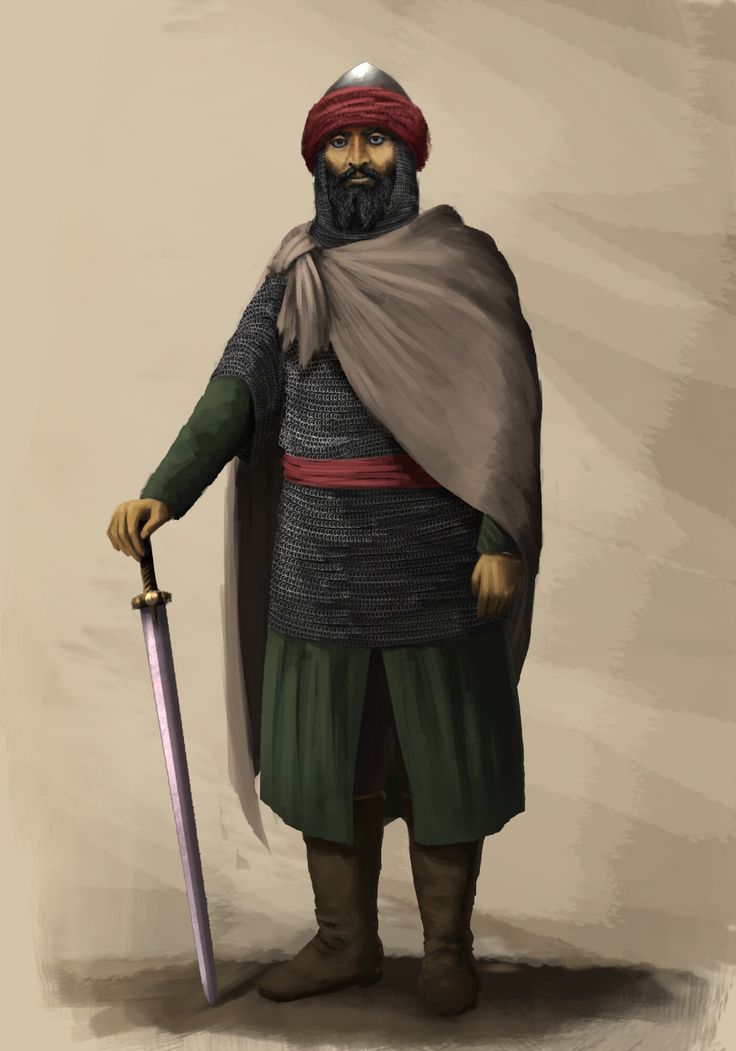

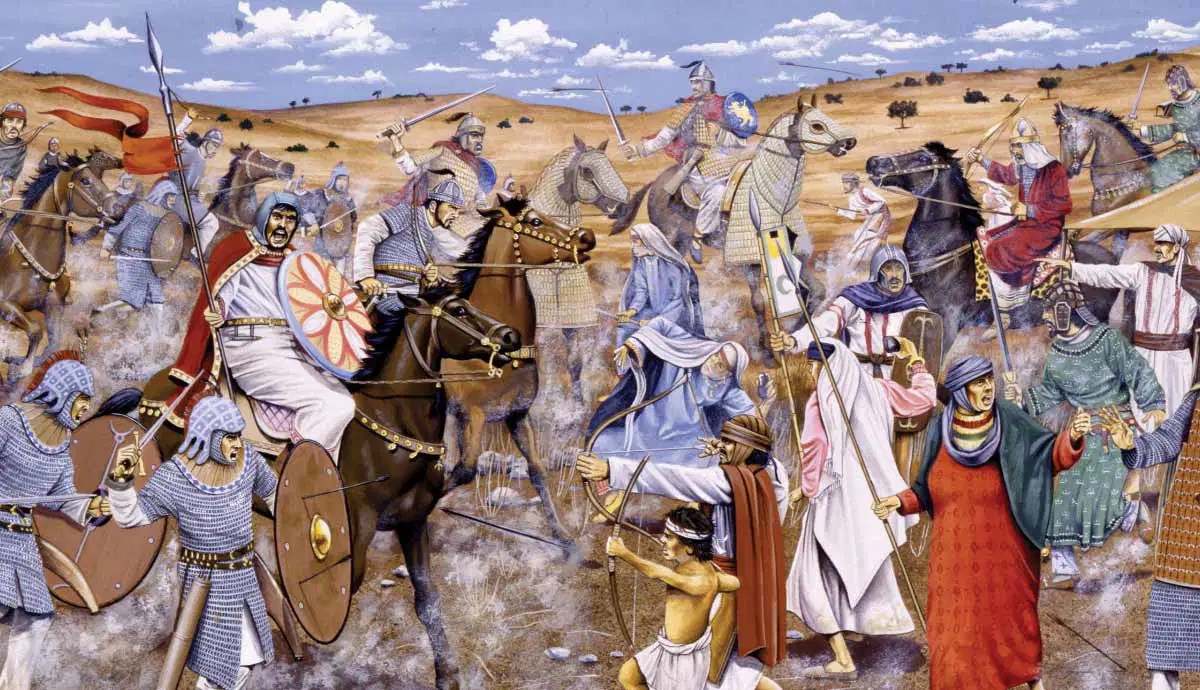


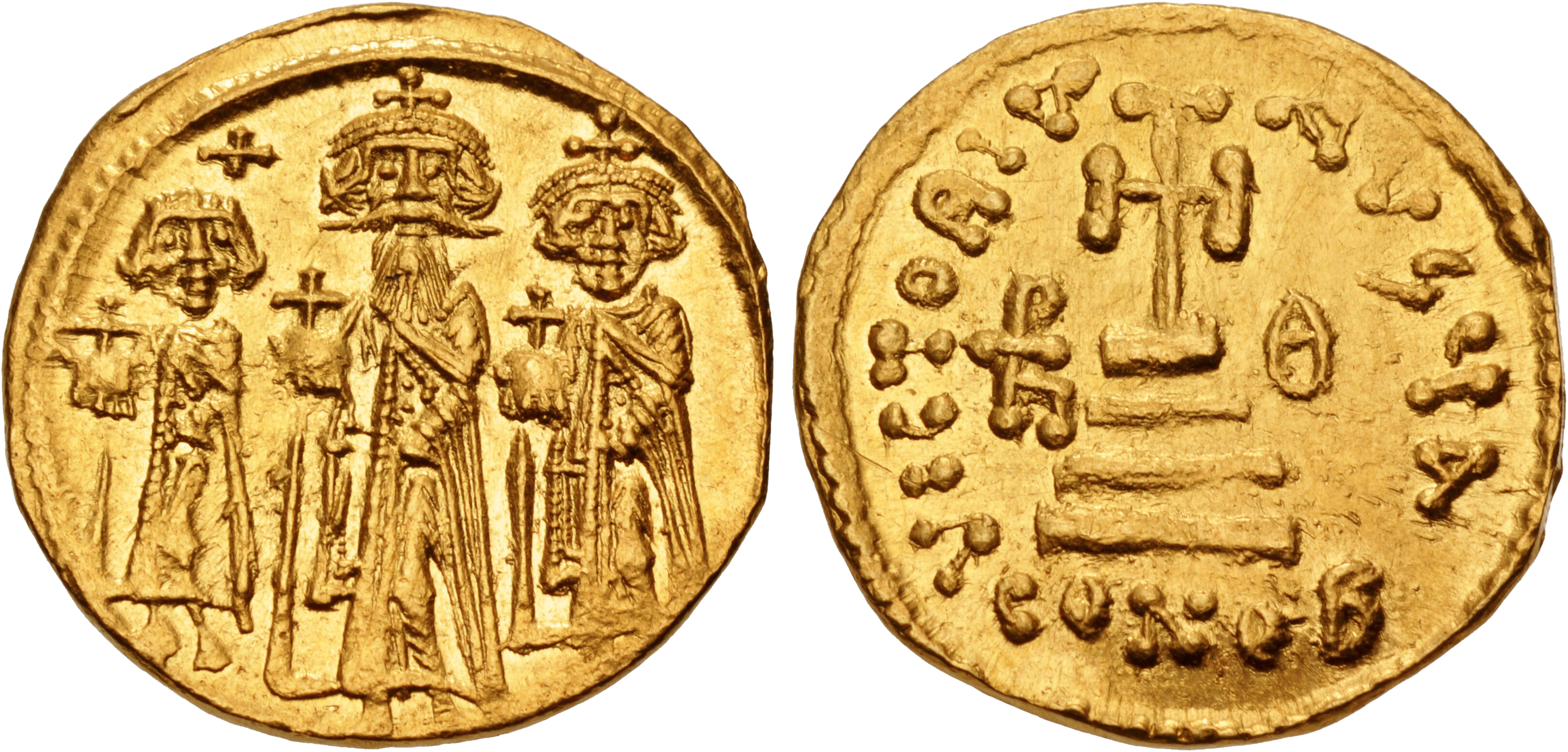
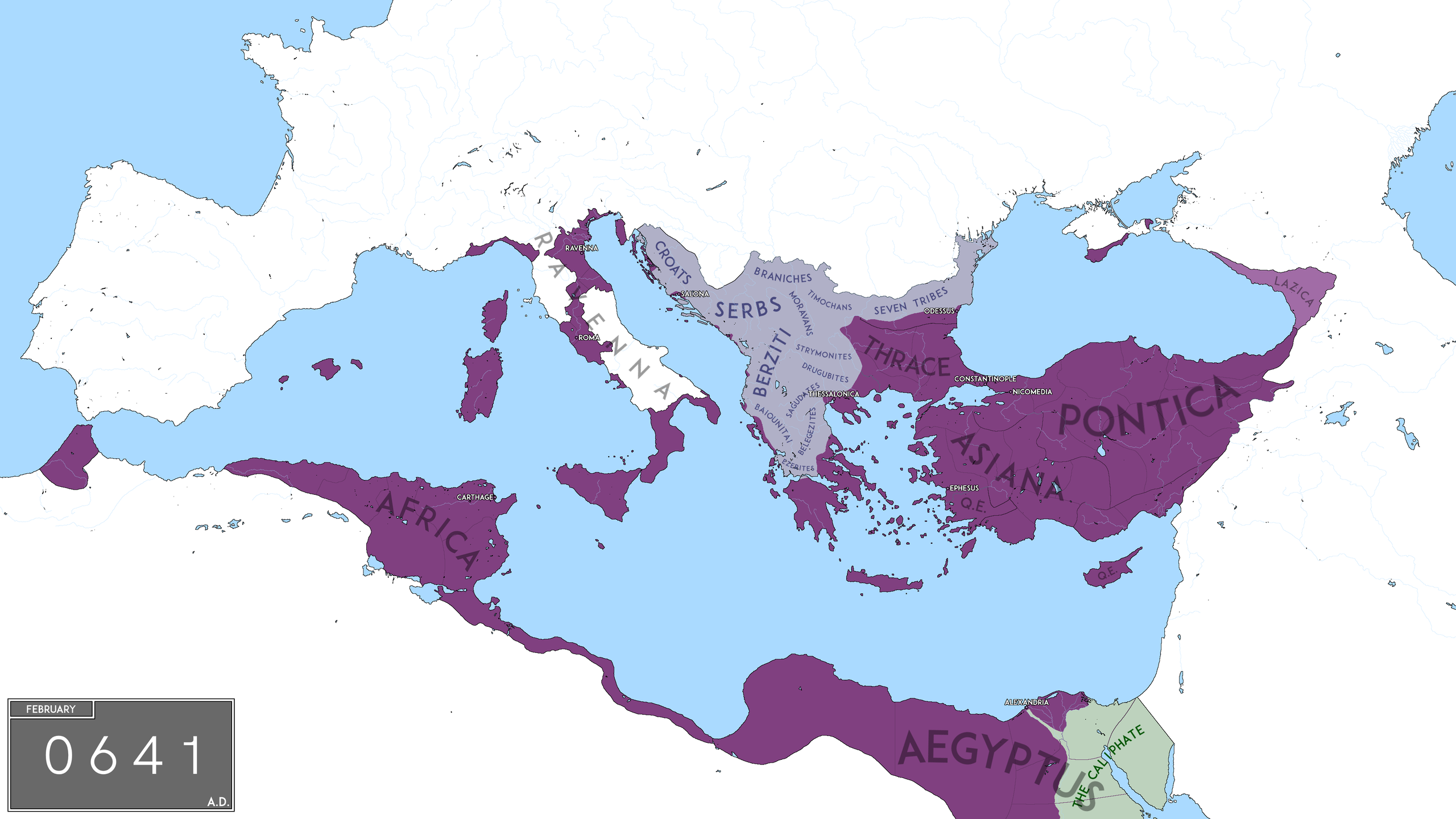
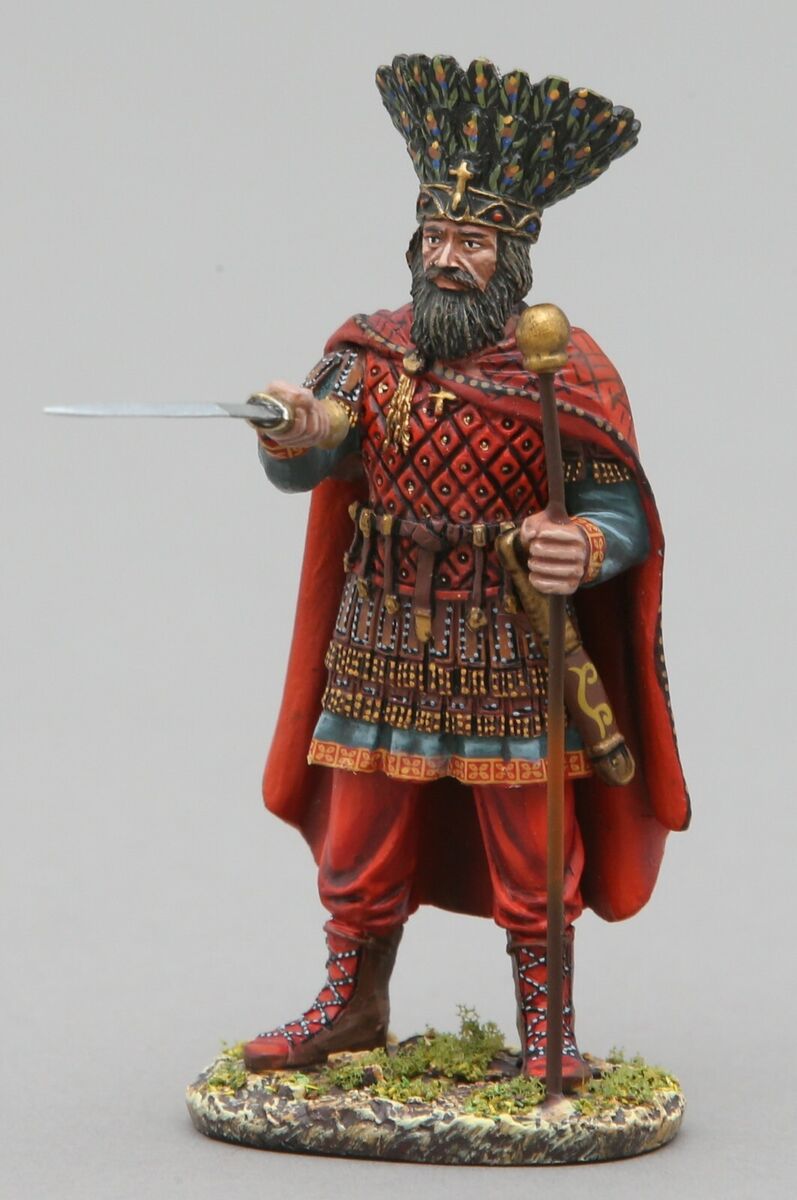

 The Byzantium Blogger