Posted by Powee Celdran

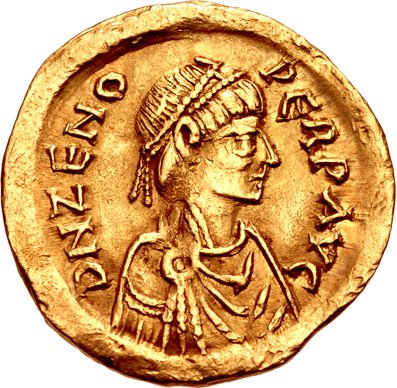
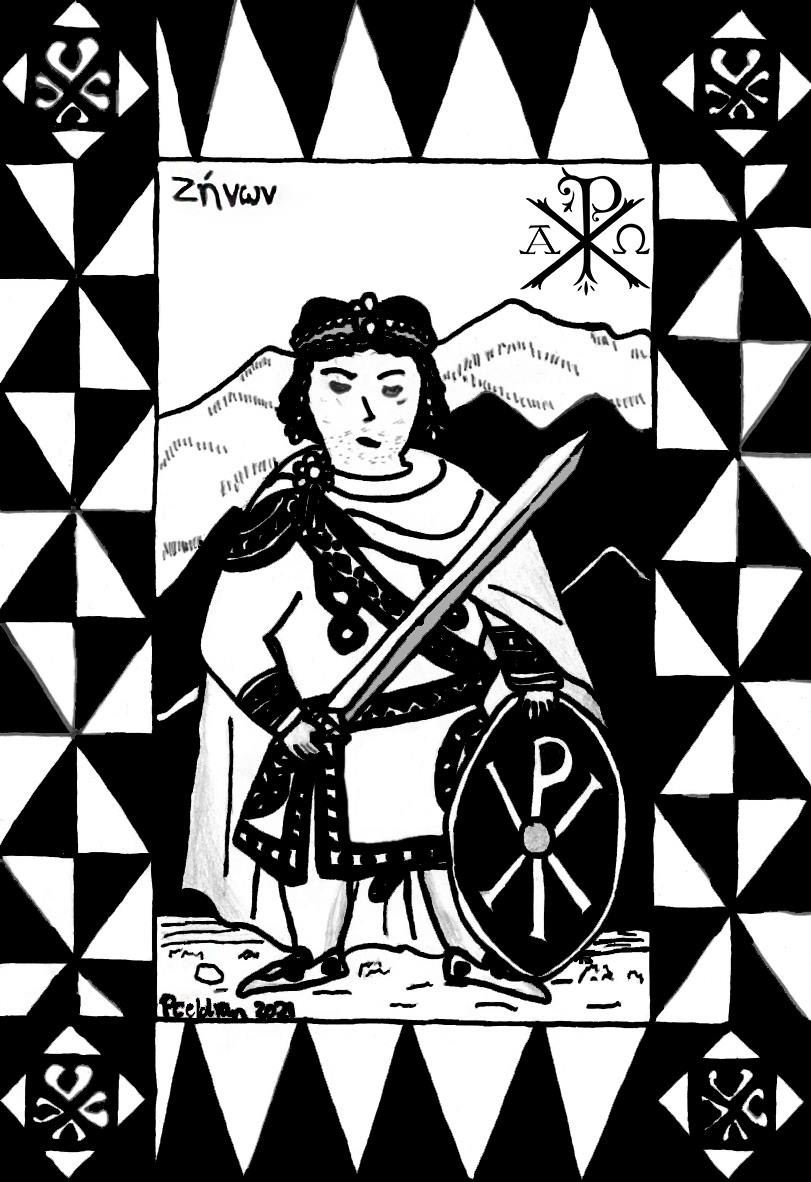
Welcome back to the Byzantium Blogger and here we are again with another Byzantine history article! In this one being the 8th part of this series featuring top lists concerning the lives of certain emperors who I think have interesting stories, we will talk about Zeno (r. 474-475/ 476-491), the Eastern Roman emperor in whose reign saw the fall of the Western Roman Empire.
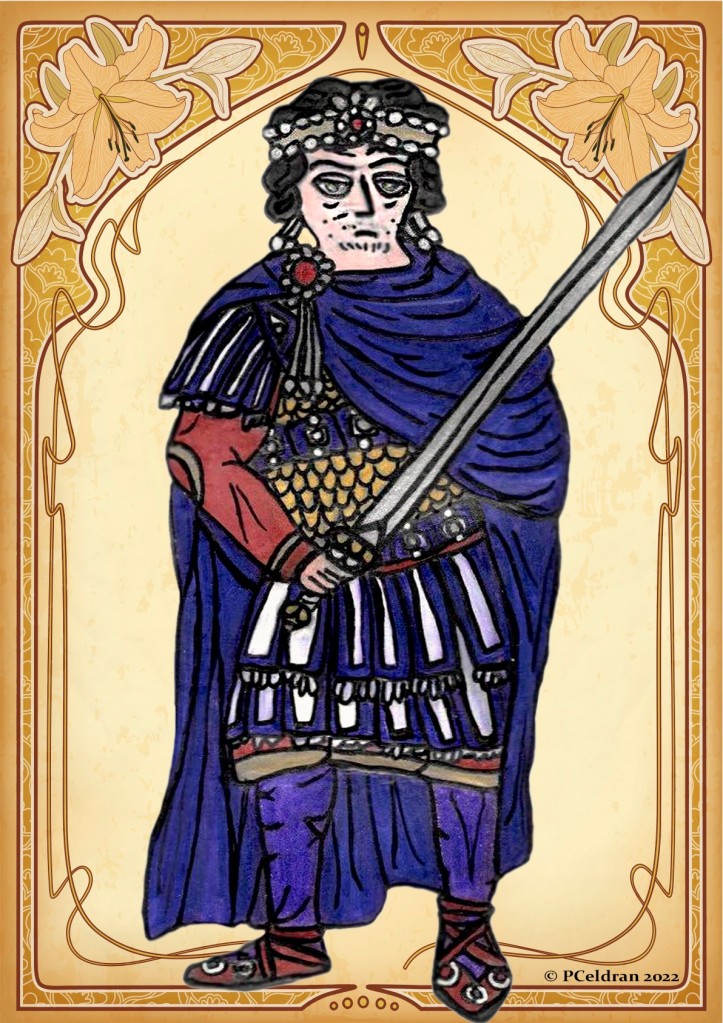
Apart from being the emperor of the east who saw the fall of the west in 476, Zeno had a reign full of domestic revolts in which one even ousted him from power from 475-476, nevertheless, Zeno managed to survive all these local rebellions against his rule and die in 491 at least still in power, hence Zeno is what you can call a “survivor”. Zeno now inherited a highly unstable Eastern Roman Empire in economic crisis and plagued with revolts and religious dissension, but at the end he overcame all this and thus is credited for further stabilizing the empire and thus paving the way for the Byzantine golden age that would take place in the reign of his successors namely Anastasius I (r. 491-518) and Justinian I the Great (r. 527-565). Therefore, if we think of the reign of Justinian I the Great in the 6th century as the golden age of Byzantium or rather the Eastern Roman Empire, we have Zeno to thank for paving the way in order for this said golden age to happen. However, before we get to this Byzantine golden age in the 6th century and even into the reign of Zeno who stabilized the empire, we would have to go through a quick background on who Zeno is, his origin story, and what the Roman Empire was like- both in the east and west- before Zeno’s rise to power in 474. This article thus will begin with a quick background to the Roman Empire in 5th century in order to establish the time Zeno ruled in then afterwards we will proceed to Zeno’s reign wherein we will cover 8 events which proved how Zeno was a survivor himself.
Zeno now as emperor was generally unpopular due to his Isaurian origins in which most people of the Eastern empire saw as “barbarian” which is one of the main reasons to why he faced so much opposition including major revolts wherein one as mentioned earlier even succeeded in overthrowing him. Despite his unpopularity, Zeno though managed to survive all these plots against him through his political will, cunning nature, ruthlessness, and ability to play his enemies against each other, and again it is mostly thanks to Zeno’s abilities and cunning to why Eastern Rome managed to survive and not collapse like the Western Roman Empire and therefore enter a golden age. In the 8 events covered in this article, we too aside from going over Zeno’s life and reign will go over how he managed to survive these plots and thus become known as a “survivor”. However, this article will not go over much about Zeno’s religious policy which he was also known for as most of this article will simply be about Zeno’s political life and achievements, though we will also go over a few minor details about his life.

Follow me, Byzantine Time Traveller on Social Media:
Instagram: @byzantine_time_traveller
Facebook: Byzantine Time Traveller
Youtube: No Budget Films
Website: Byzantine Time Traveller
Deviantart: Byzantium-blogger55
Art Station: Powee Celdran Porphyrogennetos
Patreon: Byzantine Time Traveller
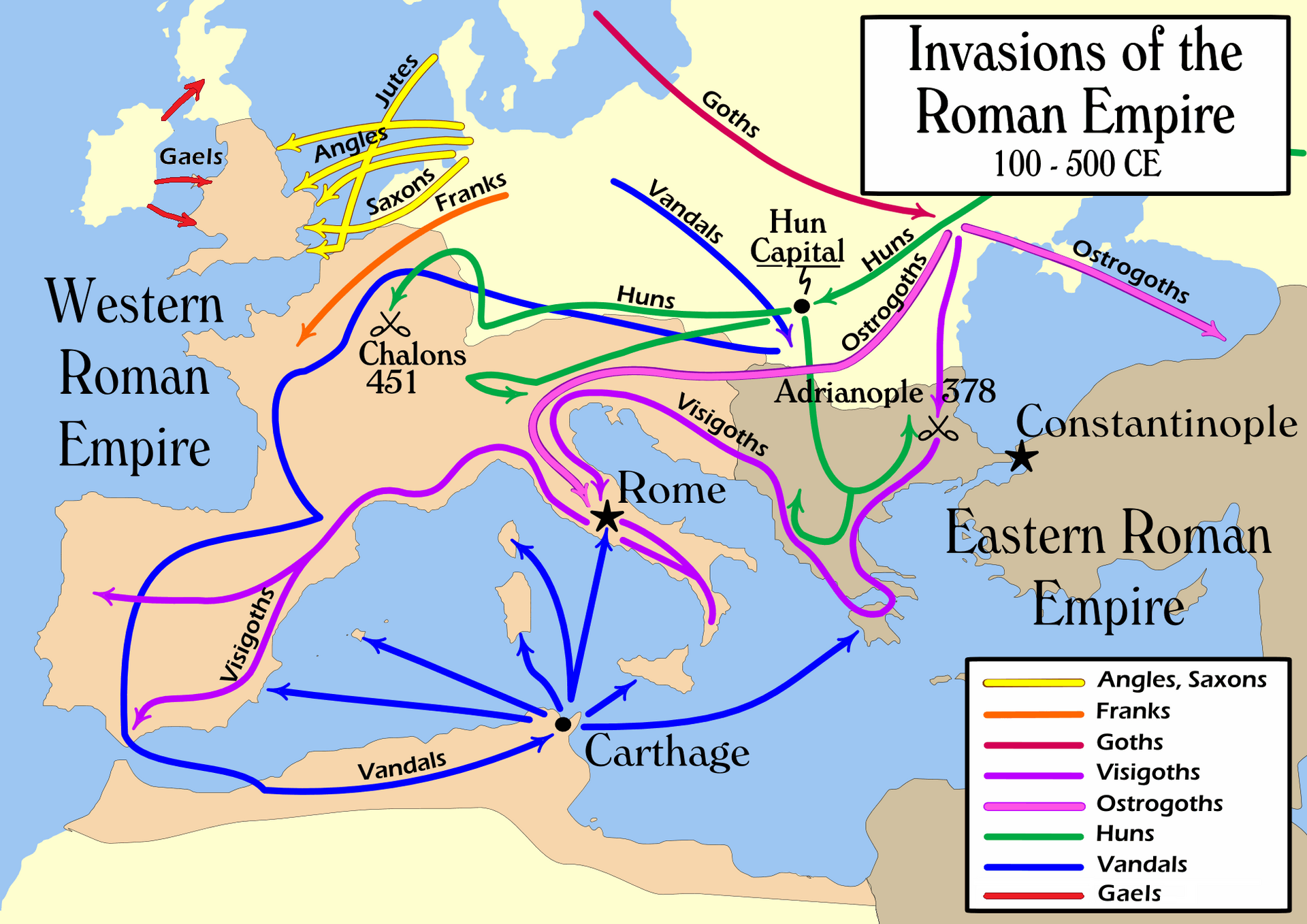
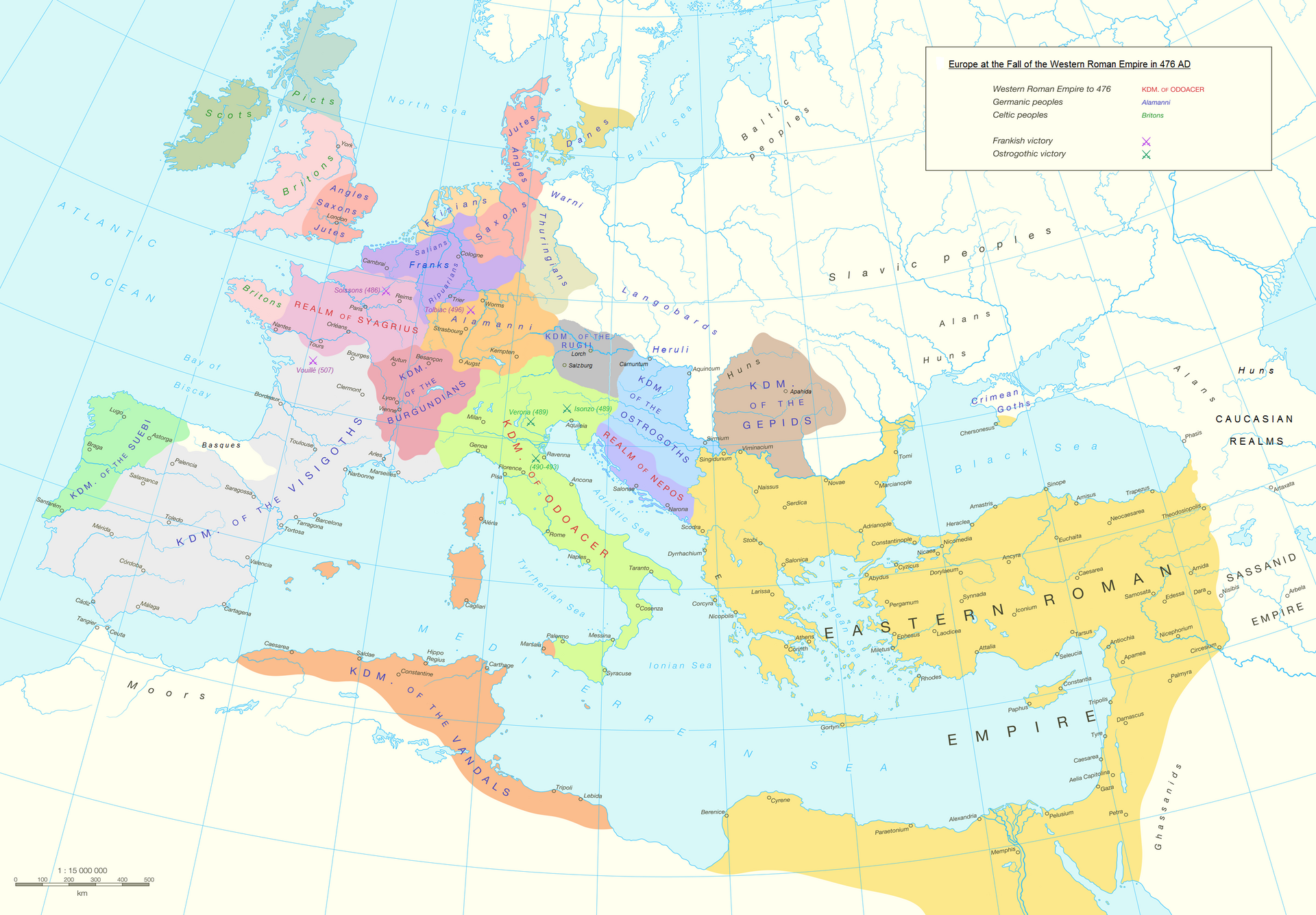
Ever since the death of Emperor Theodosius I the Great (r. 379-395) in 395, the Roman Empire was permanently divided in two- east and west- never to reunite again. Between the two halves of the Roman Empire post-395, the Eastern Roman Empire consisting of the eastern provinces which was based in Constantinople would remain as the far more stable one as compared to the west which in 410 witnessed the first sack of Rome in over 800 years by the Visigoths led by their rogue leader Alaric whose people had eventually established the Visigoth Kingdom in Gaul, a barbarian kingdom within Roman territory.
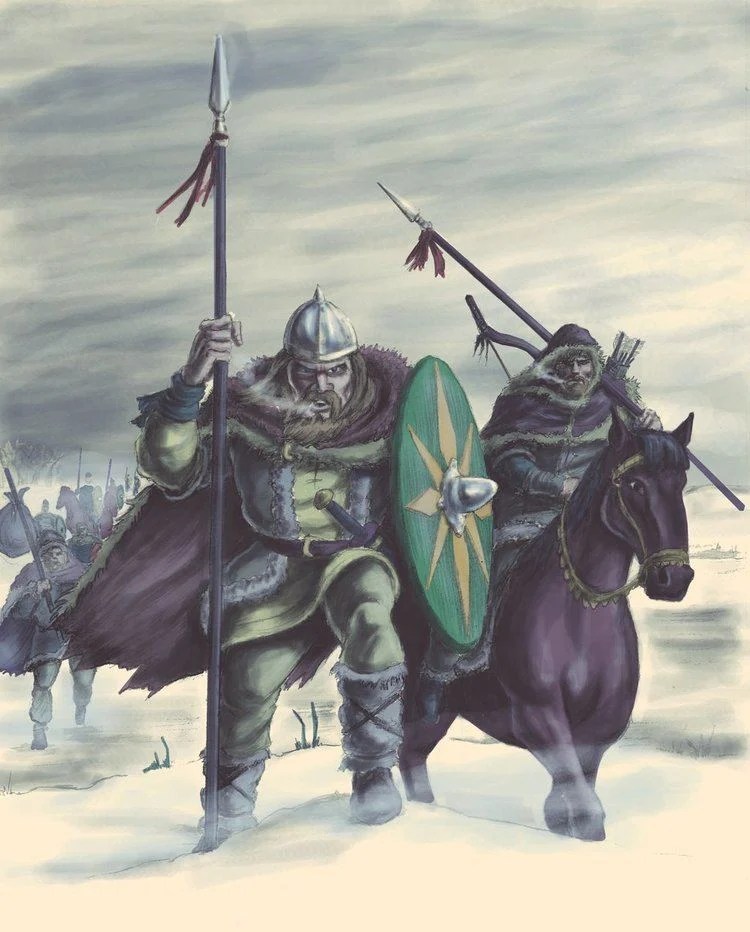
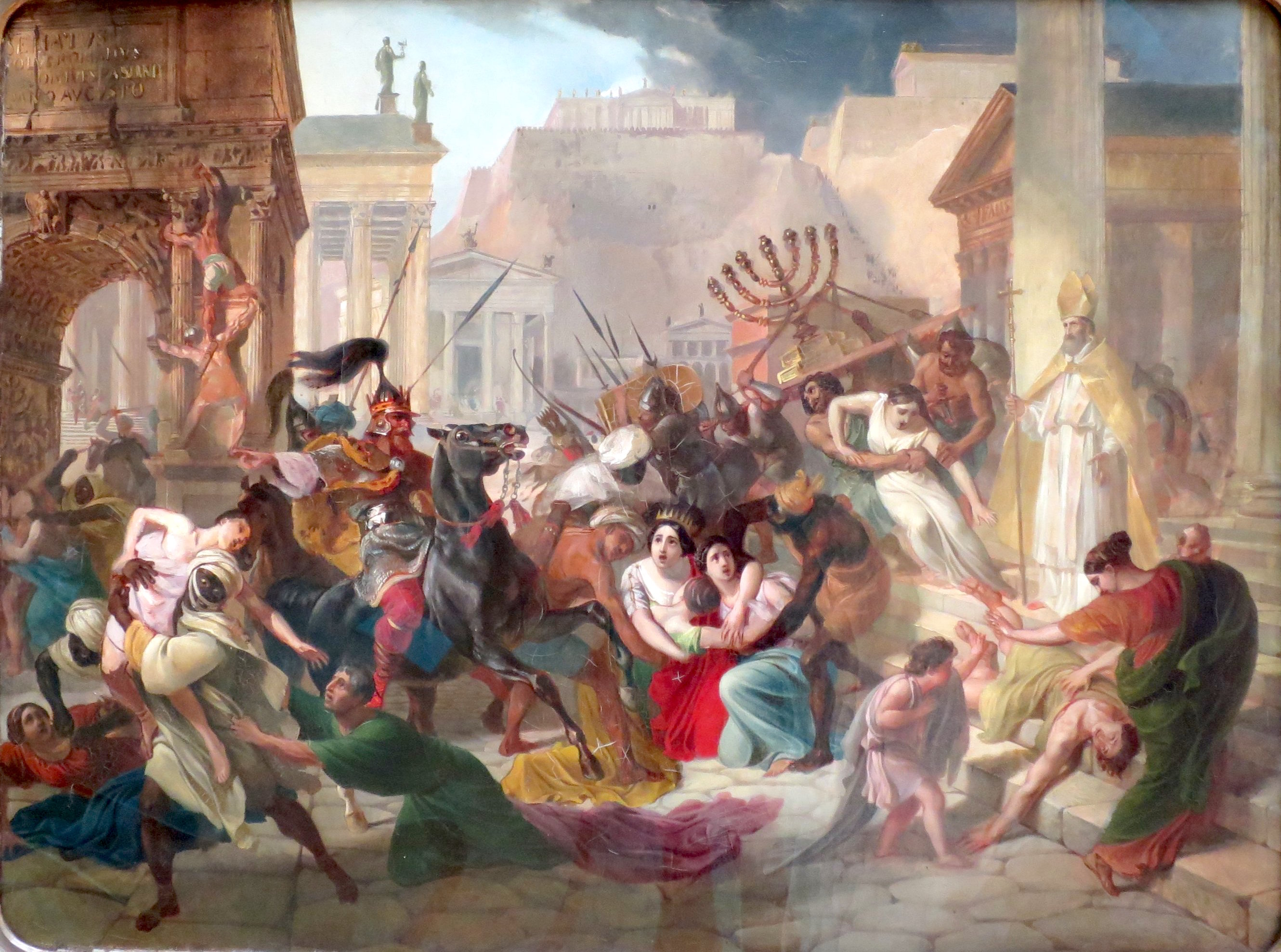
Other than that, the Western Roman Empire due to all its previous wars was short of troops that in 406 without any troops left to defend the borders anymore, several barbarian tribes from across the Rhine River crossed it when it froze and thus flooded into the Roman Empire. In order to settle down these invading tribes, the Western Roman emperors settled them in different parts of the Western Roman Empire as Foederati or soldiers given land in exchange to fight for Rome, however these barbarians soon enough turned out to be rebellious and thus established their own kingdoms in Western Roman territory. One of the most notable of these barbarian tribes establishing their own kingdom in Roman territory were the Vandals who being settled in Southern Spain crossed the Mediterranean Sea in 429 into North Africa wherein they established their own kingdom there under their king Genseric (r. 428-477) by 439 after capturing the city of Carthage from the Romans.
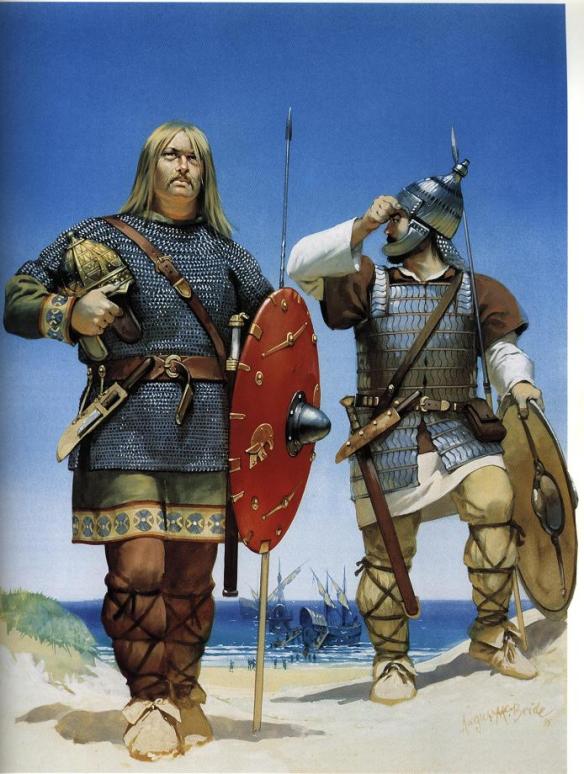
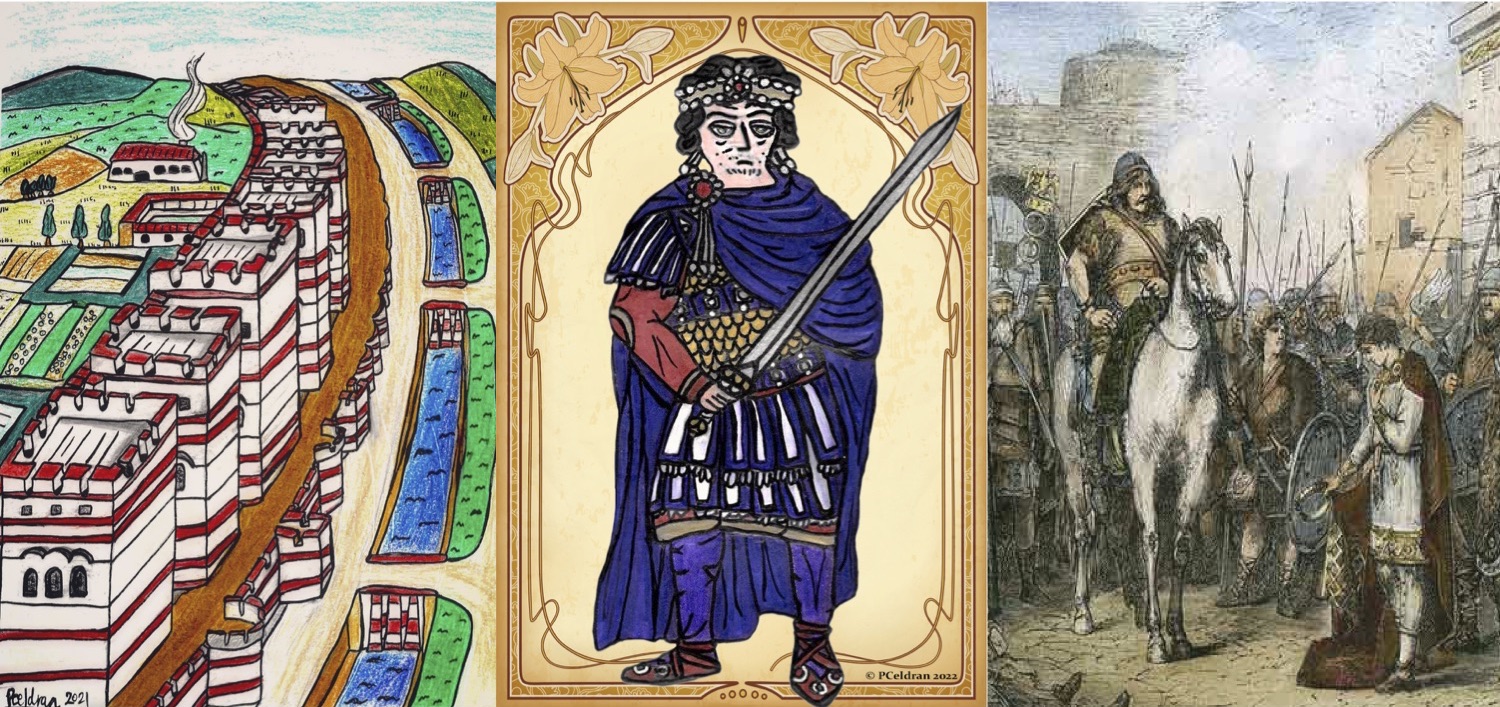
The lifetime of King Genseric thus saw the Vandals transform from a small insignificant Germanic barbarian tribe into the naval power of the Western Mediterranean. Meanwhile, the Eastern half of the Roman Empire based in Constantinople would turn out to be far more stable and prosperous thanks to it possessing the richer provinces such as Egypt and Syria thus allowing its emperor Theodosius II (r. 408-450) to have a long and stable reign. Although long and most of the time stable, Theodosius II’s reign witnessed the fall of North Africa to the Vandals, a short war with the Sassanid Persian Empire in the east in the 420s, and several raids into the Balkan provinces by Rome’s deadliest enemy, the Huns led by their fearsome king Attila (r. 434-453). Fortunately, the Eastern Roman Empire had a full treasury which allowed Theodosius II to keep Attila away by paying him off a heavy tribute and when Attila decided to attack Constantinople in 447, he failed to do so thanks to the city being heavily fortified by massive walls built earlier on in Theodosius II’s reign.
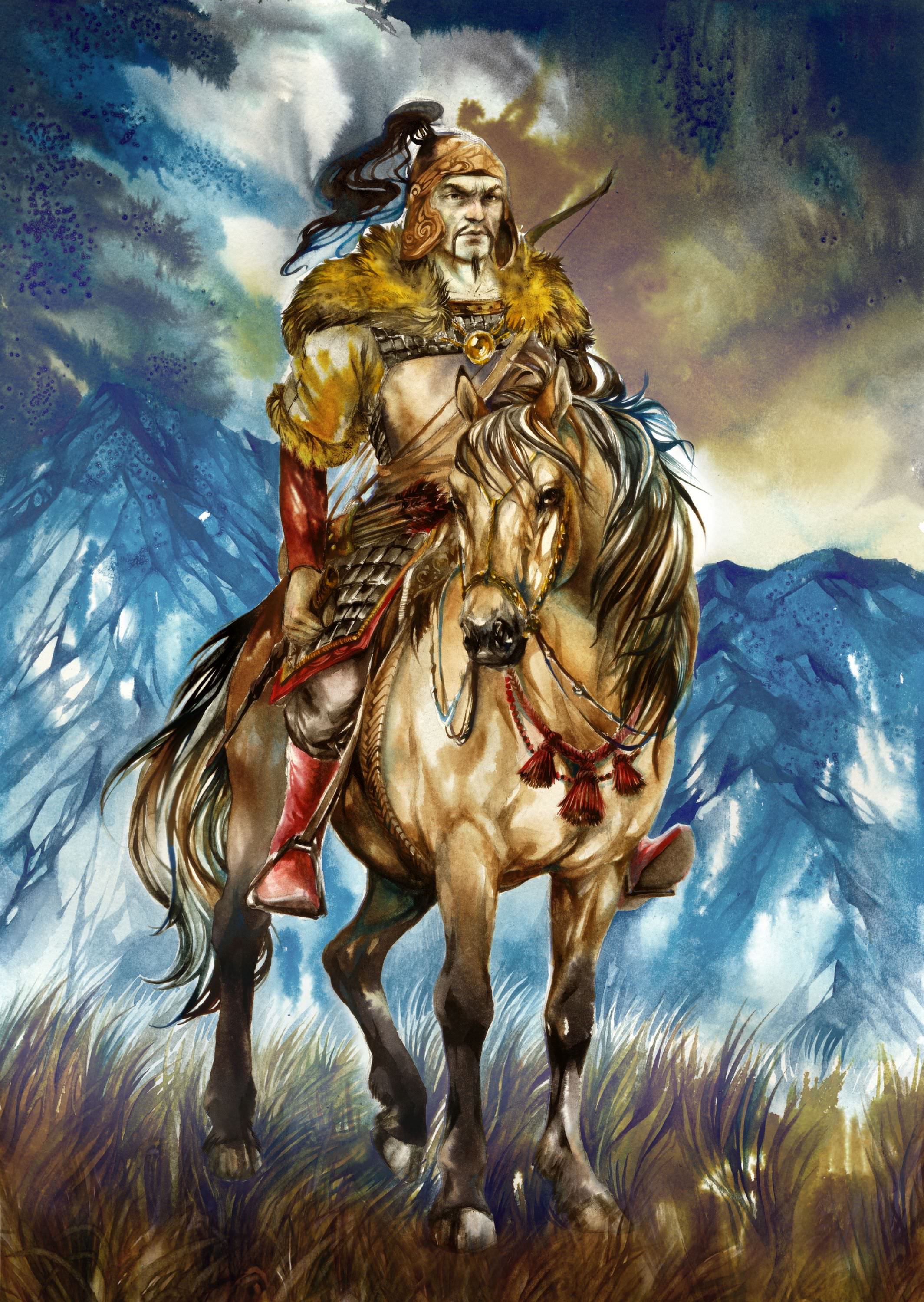
Being unable to attack Constantinople, Attila instead decided to attack the much weaker Western Roman Empire but was defeated by a coalition of Romans and barbarians in Gaul at the Battle of the Catalaunian Plains in 451. Furthermore, after Theodosius II died in 450 from a horse-riding accident, his successor and brother-in-law Marcian (r. 450-457) reversed his predecessor’s policy by cancelling the payment of tribute to Attila and thus attack Attila’s lands in today’s Hungary. In 452 meanwhile, as Attila attempted to invade Italy, the heartland of the Western Roman Empire, he was turned away and forced to return home, both due to the intervention of Pope Leo I and because Marcian’s troops attacked his lands. Attila then died in the following year (453) and thus disintegrated his powerful Hunnic Empire, and although the Eastern empire was stable once again, the west would face another tragedy in 455 when the Vandals from North Africa led by Genseric sacked Rome following the death of the Western Roman emperor Valentinian III (r. 425-455), thus making this the second time Rome was sacked in the 5th century. Just 2 years later in 457, both the east and west would gain highly competent emperors; in the east, Marcian had died in 457 and having no sons to succeed him, the powerful barbarian descended general Aspar who was the power behind Marcian’s rule elevated one of his own army officers being a Thracian named Leo as his “puppet” emperor as Aspar due to his barbarian origins and belief in Arian Christianity was disqualified from being emperor; in the west meanwhile another powerful barbarian general by the name of Ricimer elevated Majorian (r. 457-461), an aristocratic military officer as his puppet emperor.

Both Majorian in the west and Leo I in the east however did not want to be puppets to barbarian generals and so Majorian in the west embarked on his own campaigns to prove his independence but despite successfully defeating the barbarians in Gaul and Hispania- namely the Visigoths, Burgundians, and Suebi- his attempt to crush the Vandal Kingdom for good in 460 was thwarted by the Vandal king Genseric who had Majorian’s ships burned before it even took off from the harbor in Hispania. In 461, Ricimer fearing the growing independence of Majorian had Majorian executed when the latter returned to Italy, thus the last hope of restoring Western Rome was gone. Leo I (r. 457-474) of the east on the other hand had started his reign agreeing to be a puppet of Aspar as Leo was seemingly unambitious, though eventually when getting a taste of power, he felt that it was time he should exercise power on his own and thus get rid of the strong influence of Aspar and his barbarian troops that made up most of the Eastern Roman Empire’s army.
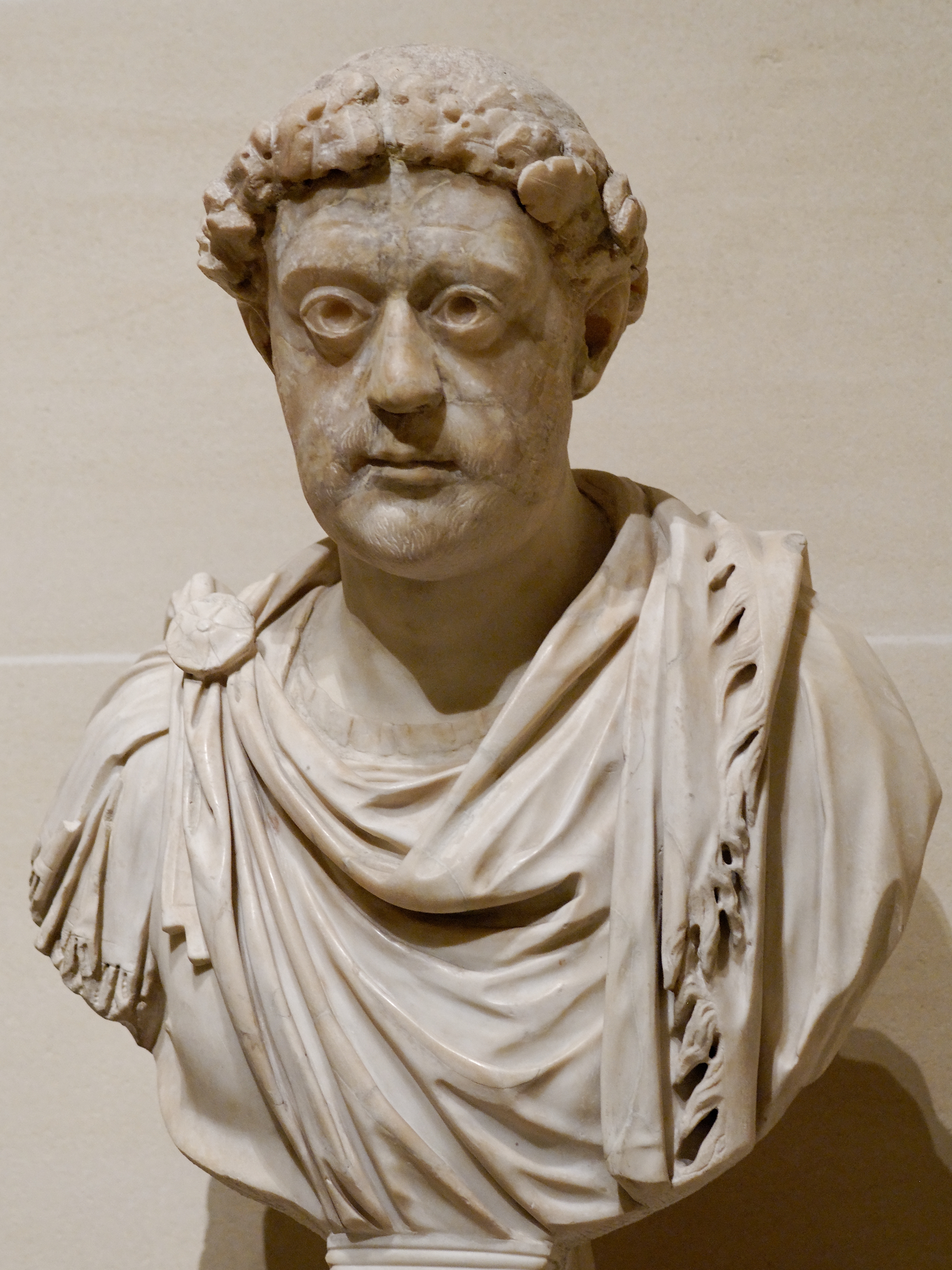
In order to balance out the influence and weight of the Germanic barbarians in the Eastern Roman army, Leo called upon the Isaurians, tough and warlike people from the Taurus Mountains in Southern Asia Minor to be a professional unit in the army and leading this contingent of Isaurians was the future emperor Zeno then known as Tarasikodissa (or Tarasis son of Kodisa) who back then was an Isaurian tribal chieftain. The Isaurians now although known to be fierce warriors were seen by the mostly Greek population of the Eastern Roman Empire as “internal barbarians” as despite being Roman citizens and subjects for some 500 years already as well as Orthodox (Chalcedonian) Christians, they still did not integrate into Greek and Roman society and instead spoke their own Isaurian language and retained their tribal customs. Tarasikodissa in the meantime who was born in around 425 was most likely from the ruling class of the Isaurians wherein his father like himself was also a tribal chieftain whereas Tarasikodissa too had a mother named Lallis and a brother named Longinus who both came to Constantinople with him all while Tarasikodissa too was said to have been married with children by the time he came to Constantinople to serve the emperor.


Related Articles from the Byzantium Blogger:
Byzantine Alternate History Chapter II
Byzantine Alternate History Chapter II- Spin-off
Byzantine Alternate History Chapter III
Byzantine Alternate History Chapter III- Spin-off
5 Achievements and 5 Failures of Theodosius I the Great
10 Achievements of Constantine I the Great
7 Times Constantine XI Exemplified Bravery
10 Unknown Facts About Emperor Justinian I
8 Times Michael VIII Palaiologos was an Evil Genius
10 Surprising Facts About Basil II
5 Reasons to Feel Bad for Justinian II and 5 Reasons to Hate Him
Article on Zeno on The Freelance History Writer– Guest Post by Me
I. Zeno’s Rise to Power and the Assassination Attempt by Aspar
The first recorded mention of Tarsikodissa before he was known as “Zeno” was in 464 when being already part of the new imperial guard unit created by Emperor Leo I known as the Excubitors and here Tarasikodissa when in the palace discovered letters written by Aspar’s son Ardabur inciting the Sassanid Persian king Peroz I (r. 459-484) to invade the Eastern Roman Empire.
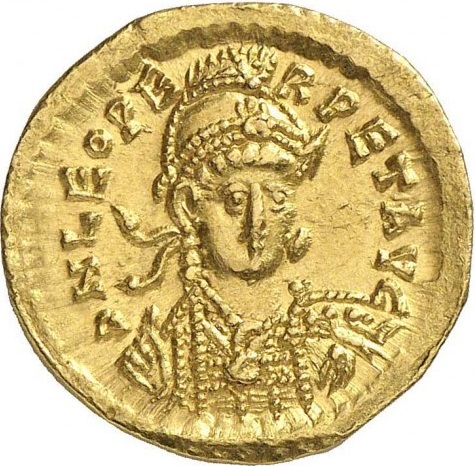
When Leo I discovered these letters, Leo fired Ardabur from command all while Leo too gained the trust of Tarasikodissa who then became a close friend of his. Tarasikodissa after gaining the trust of the emperor in 466 married Leo I’s and his wife Verina’s elder daughter Ariadne all while Tarasikodissa would change his name to the Greek “Zeno” to be more acceptable to Constantinople’s Greek speaking population, and thus he would be known by this time throughout his life. In the meantime, Zeno’s first wife Arcadia may have already died at this time as it is not mentioned that he divorced her to marry Ariadne while in the following year (467), Zeno’s and Ariadne’s son named Leo after his grandfather was born. In 467 as well with no emperor in the west, Leo I appointed his friend and top general the aristocrat Procopius Anthemius who was the son-in-law of the former emperor Marcian- and Leo’s rival to the throne when coming to power back in 457- as emperor of the west, though with Ricimer still around and still influential in the west, Anthemius (r. 467-472) would end up becoming Ricimer’s puppet as well.
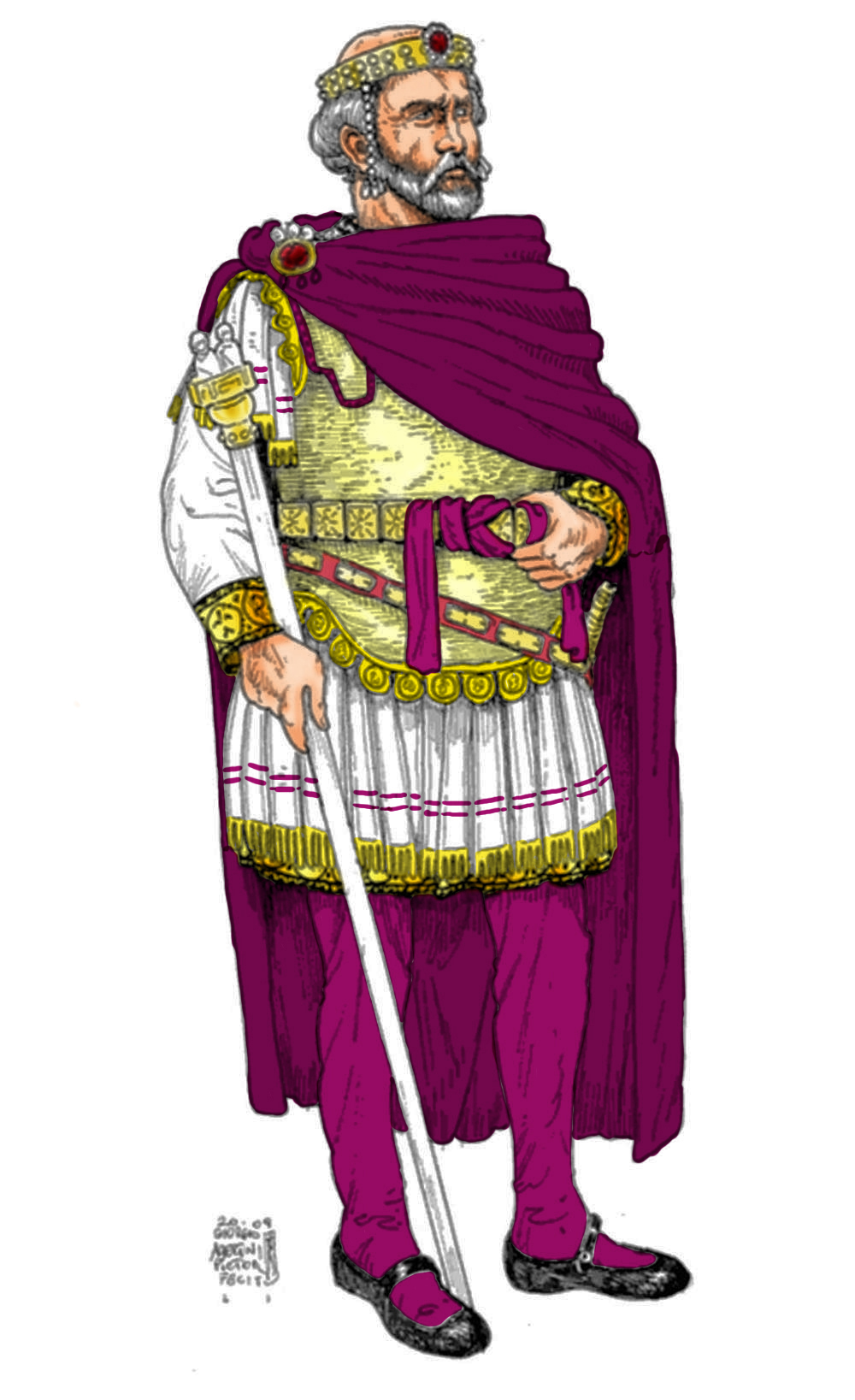
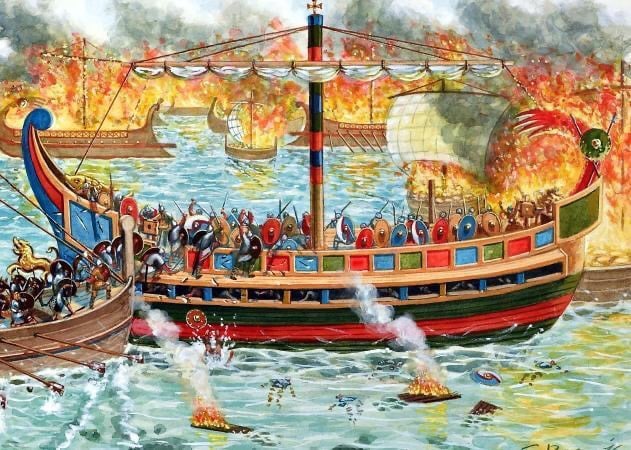
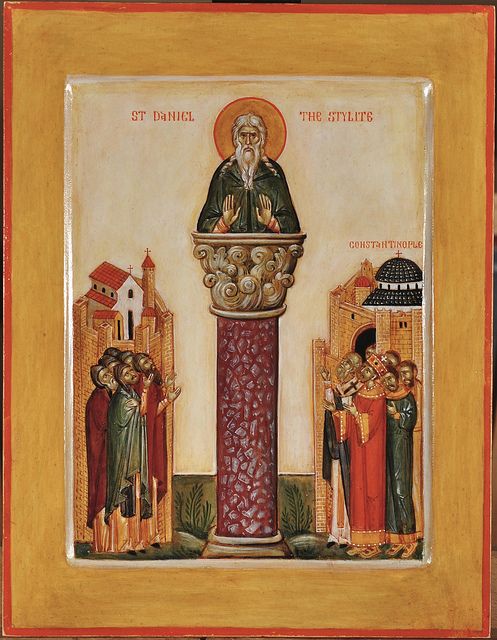
With Anthemius emperor in the west, he together with Leo I launched a massive invasion on the Vandal Kingdom in 468 with about 1,000 ships, however this invasion failed with the fleet destroyed at the Battle of Cape Bon thanks to the incompetence of the expedition’s top commander Basiliscus, Leo’s brother-in-law which thus allowed Genseric an opportunity to burn half of the Roman fleet. Zeno in the meantime was fortunate to not be present in this failed expedition against the Vandals in 468 which true enough bankrupted the empire, rather in the same year he was appointed by Leo as the Magister Militum per Thracias or the “Master of Soldiers in Thrace” wherein Zeno here was appointed to expel attacks in the Balkans by the Huns and Ostrogoths. At this same expedition as well, Aspar who now was feeling threatened by the growing power and influence of Zeno plotted to assassinate Zeno by bribing the bodyguards that Leo sent to accompany Zeno in order for them to kill Zeno while on campaign. Leo however before the expedition consulted with St. Daniel the Stylite- a monk living above a column in Constantinople- on Zeno’s fate on the campaign wherein Daniel warned Leo that Zeno would be in danger but would survive. Zeno true enough was informed of the plot set up by Aspar and thus he managed to barely escape alive to the city of Serdica (today’s Sofia, Bulgaria).
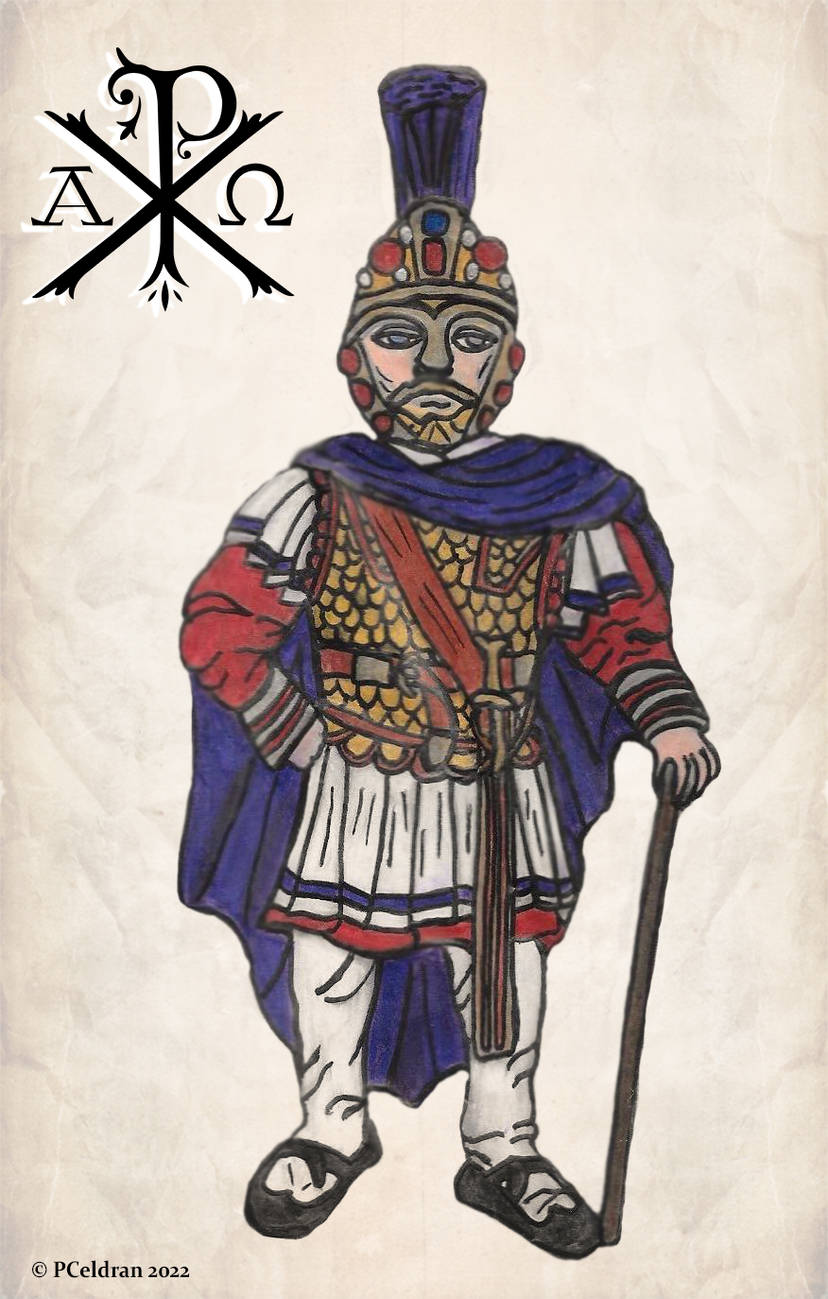
Because of this incident, Leo grew even more suspicious of Aspar and his family all while Zeno on the other hand chose not to return to Constantinople and instead travelled east first to his native Isauria to put down a local rebellion and after that to Antioch where he was appointed by Leo as Magister Militum per Orientem (Master of Soldiers in the East) and during his time in the east, Zeno was known to have dealt with an invasion of the Tzanni tribe into Roman Armenia in 470. Aspar in the meantime used Zeno’s absence from Constantinople as an opportunity to increase his power and influence that he even had Leo appoint his son Patricius as Caesar. Leo however soon enough recalled Zeno from the east and Basiliscus- leader of the failed expedition against the Vandals in 468- from exile in order to deal with Aspar and his family. In 471, Leo with the support of both Zeno and Basiliscus had Aspar and his son Ardabur treacherously killed in the palace, although the other son Patricius escaped alive, though Aspar’s murder created further trouble as people loyal to Aspar revolted in Constantinople’s streets and even stormed the palace. With Aspar dead, Zeno thus took Aspar’s position as Magister Militum Praesentalis, basically the most senior military commander of the empire and together with Basiliscus subdued a rebellion by Aspar’s ally and brother-in-law the Ostrogoth general Theodoric Strabo who agreed to renounce his rebellion against Leo in exchange for being given the title of “Magister Militum”.
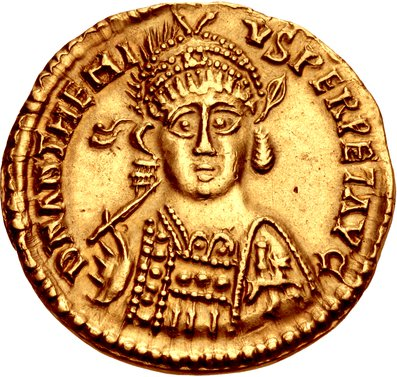
In the meantime, over in the west in 472, Rome was sacked again for the 3rd time in the 5th century this time by Ricimer’s troops who were engaged in a civil war against Anthemius who again did not want to be Ricimer’s puppet. In this Sack of Rome, Anthemius was found and killed under Ricimer’s orders and was thus succeeded by Olybrius (r. 472) who was the Vandal king Genseric’s puppet, though in the same year both Olybrius and Ricimer died. With Ricimer dead, his nephew the Burgundian Gundobad as the new kingmaker in the west elevated the palace guard commander Glycerius (r. 473-474) as the new Western emperor, though he was not recognized by Leo I who instead appointed the general in Dalmatia Julius Nepos as his candidate for the west. However, before Nepos could make it to Italy, Leo I died in early 474.

II. Zeno’s First Reign and Basiliscus’ Usurpation
With Aspar and his power eliminated, Leo I could now focus on his succession and thus in 473 he appointed his grandson Leo II- Zeno’s and Ariadne’s son- as his Caesar or junior emperor and following Leo I’s death in 474 from dysentery, Leo II succeeded as Augustus or senior emperor despite being only 7 years old.
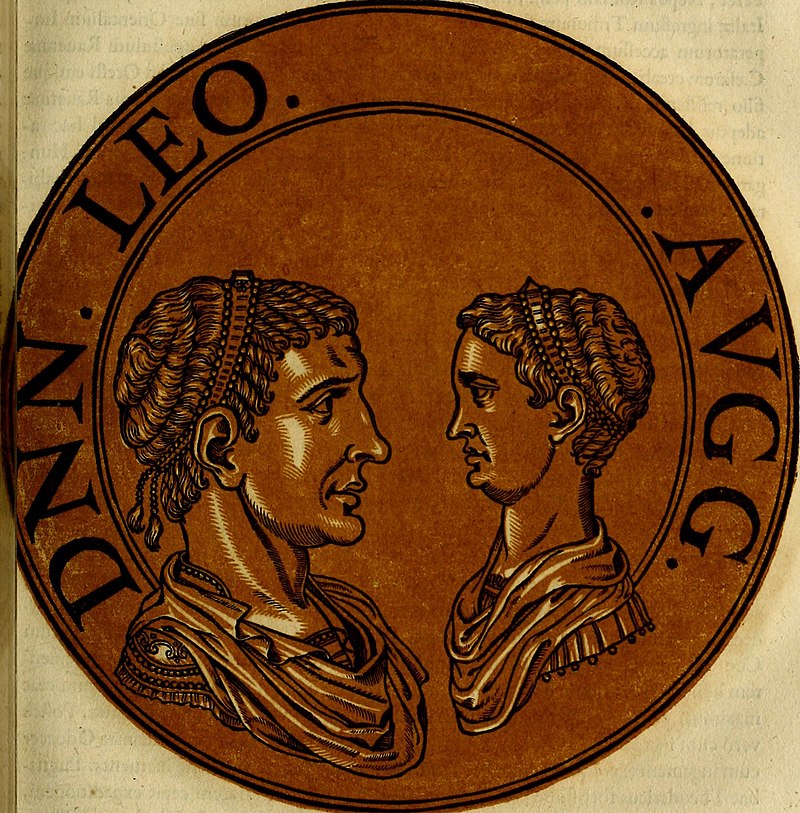
Due to his young age and thus his inability to rule alone himself, Leo II’s father Zeno by the convincing of his wife Ariadne and mother-in-law Verina was crowned as his son’s co-emperor and thus was basically the real power of the empire. During the time his son was senior emperor, Zeno first of all confirmed Julius Nepos (r. 474-475) as Western Roman emperor and concluded a lasting peace with the Vandal king Genseric by sending the Eastern Roman senator Severus to Carthage to negotiate the peace; Genseric would then die in 477 at peace with the Eastern Romans. Although Zeno was highly successful, things would turn around for him when his son the emperor Leo II suddenly died later on in 474 which thus made Zeno the sole ruler and it was here when he would be a target by the elite people of Constantinople and the Senate due to his Isaurian origins which they saw as “barbarian”. True enough, the Isaurians in the capital had also begun behaving badly through their drunken behavior and arrogance that they had gone as far as looting homes and beating people up in the streets which therefore further ruined Zeno’s reputation. Just 2 months into power as the sole emperor, in early 475, Zeno’s mother-in-law Verina organized a plot to oust Zeno and place her lover the former Magister Officiorum also named Patricius on the throne, and this conspiracy was supported by Verina’s brother Basiliscus, the Isaurian generals Illus and Trocundes who were both brothers, and the powerful Ostrogoth general in Thrace Theodoric Strabo. When hearing of the plot, Zeno thus fled the capital in early 475 taking his wife Ariadne, mother Lallis, a few Isaurian loyalists, and the imperial treasury to Isauria where he would hold himself up.
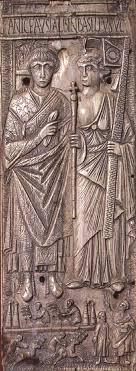
Although Verina intended to place her lover Patricius on the throne, it was instead her brother Basiliscus who took the throne for himself and thus he had Patricius executed which only turned his sister against him. In his short reign (475-476), Basiliscus had only further alienated the people that supported him as for one when he allowed the people to massacre the Isaurian population in Constantinople, this only turned the powerful Isuarian generals and brothers Illus and Trocundes against him and furthermore, Basiliscus appointing his nephew the inexperienced Armatus as the senior Magister Militum Praesentalis instead of Theodoric Strabo who had more military experience too enraged Strabo. Due to Zeno taking the treasury with him, Basiliscus who was short of funds was forced to impose heavy taxes on his people which too turned the people against him. Additionally, Basiliscus being a Monophysite Christian which was seen as heretical by the Orthodox Church also turned the Church against him that soon enough there were riots in the streets against him encouraged by the Church and by Daniel the Stylite who after many years descended from his column to incite the riots. Basiliscus’ reputation was further damaged when a large fire burned down several parts of the city including a major library and palaces wherein Basiliscus did nothing to contain it. Due to his incompetence, the Senate true enough turned against Basiliscus too and instead decided to secretly support Zeno who they intended to put back in power.
In the meantime, Basiliscus had also sent the Isaurians Illus and his brother Trocundes to hunt down Zeno in Isauria wherein they managed to capture Zeno’s brother Longinus and make him their hostage, however they failed to capture Zeno who held himself up in a fortress. Rather than taking the fight to Zeno, Illus and Trocundes after being bribed by Zeno switched sides to him and together marched back to Constantinople. When hearing that Zeno was near the capital, Basiliscus then sent his nephew Armatus to stop Zeno but Armatus too was bribed by Zeno while also promised by Zeno the title of Magister Militum Praesentalis for life while Armatus’ son was also promised with the title of Caesar, thus Armatus too switched his support to Zeno. In August of 476, Zeno thus besieged Constantinople all while Basiliscus lost all support as the Senate true enough opened the city’s gates to Zeno. As Zeno returned to power as emperor, Basiliscus and his family fled to the Hagia Sophia cathedral but were eventually betrayed to Zeno by the Patriarch of Constantinople Acacius, thus Basiliscus surrendered to Zeno in exchange for a promise that Zeno would not shed any of their blood. Rather than violently executing Basiliscus and his family, Zeno instead sent them to Cappadocia and locked them up in a dry cistern wherein they all died in 477 due to starvation. As for Armatus, although being promised by Zeno the title of Magister Militum Praesentalis for life, Zeno in 477 changed his mind and had Armatus executed fearing Armatus would be trouble in the future whereas Armatus’ son was removed from power and forced to become a monk.

III. The Fall of Western Rome
Meanwhile in the Western Roman Empire- which basically just consisted of Italy at this point- the Eastern Roman candidate Julius Nepos came to power in 474 and thus as Western Roman emperor he remained in friendly terms with Zeno in the east, until Zeno was overthrown by Basiliscus in 475. During the period Zeno was ousted from power, Nepos too faced a revolt by his Magister Militum Orestes- who formerly served Attila the Hun- who in 475 succeeded in forcing Nepos out of power and fleeing back to Dalmatia.
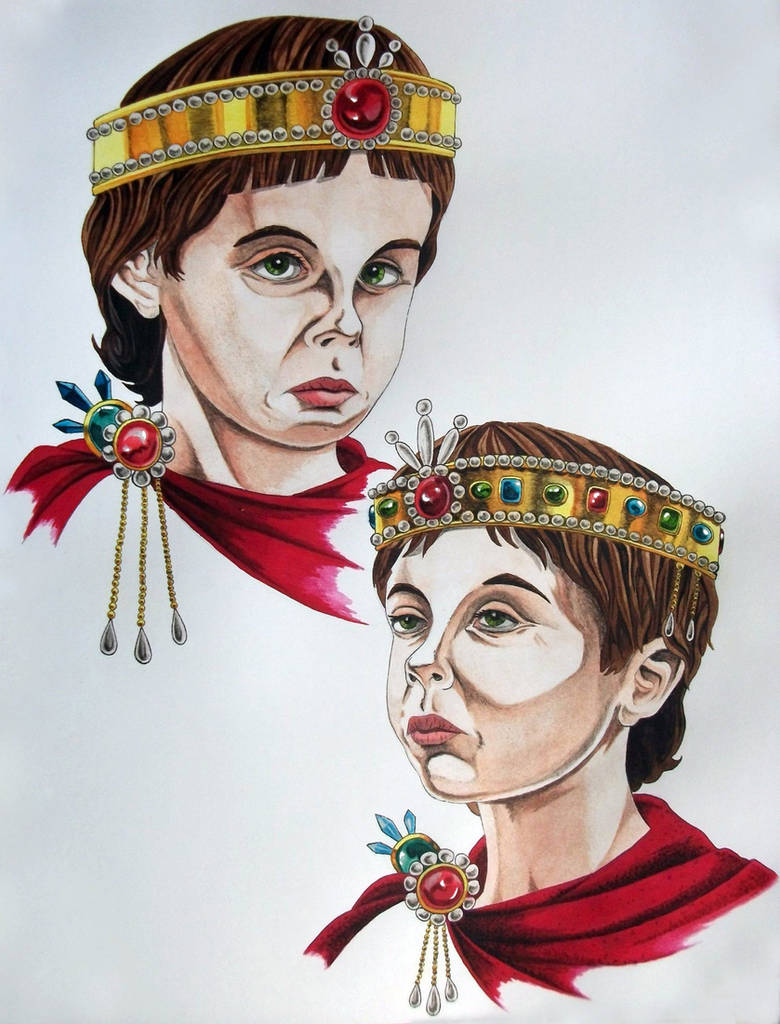
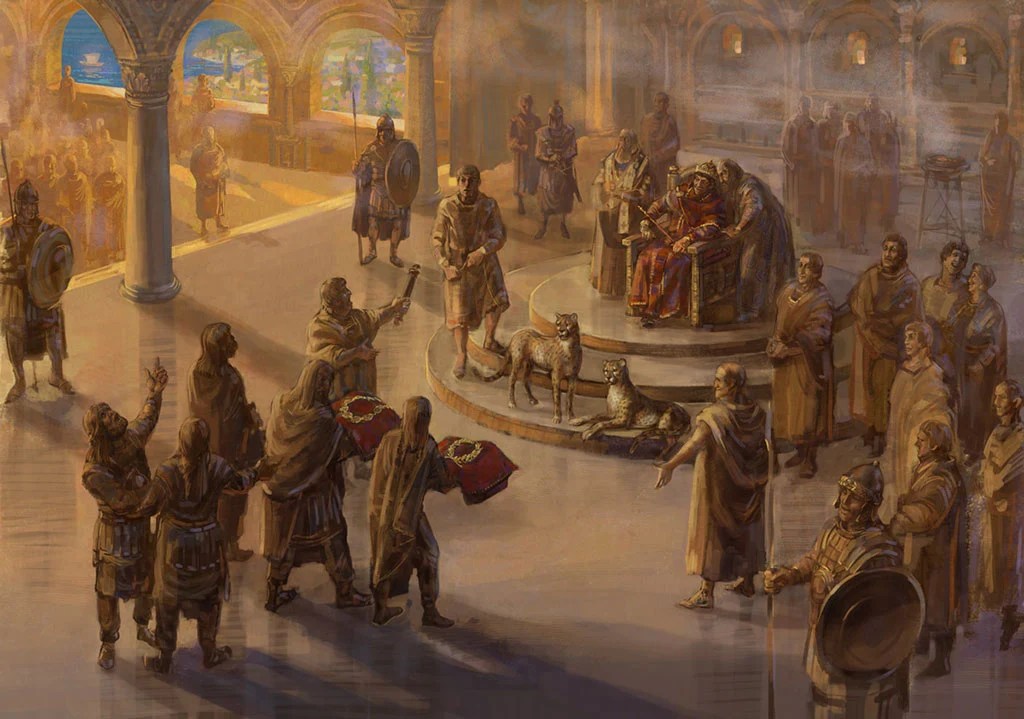
Instead of making himself emperor, Orestes placed his young son Romulus Augustus (r. 475-476) as his puppet Western Roman emperor as Orestes intended to be the new kingmaker in the west. Orestes however faced opposition by a faction of his army, namely the barbarian Foederati troops under Odoacer- who also served Attila previously with Orestes- who were not given the land in Italy promised to them by Orestes. In 476 then, Odoacer and his troops rose up against and killed Orestes and then marched to Ravenna, capital of the Western Roman Empire wherein during a skirmish outside the city’s walls killed its defending commander Paulus, brother of Orestes, thus leaving the young emperor Romulus Augustus with no more support. Romulus with no one to defend him anymore simply surrendered to Odoacer and thus ended the Western Roman Empire simply because Odoacer refused to rule as “Western Roman emperor” and instead as “King of Italy” whereas Romulus after surrendering the throne was sent into exile at a castle in Southern Italy where he would live out the rest of his days.
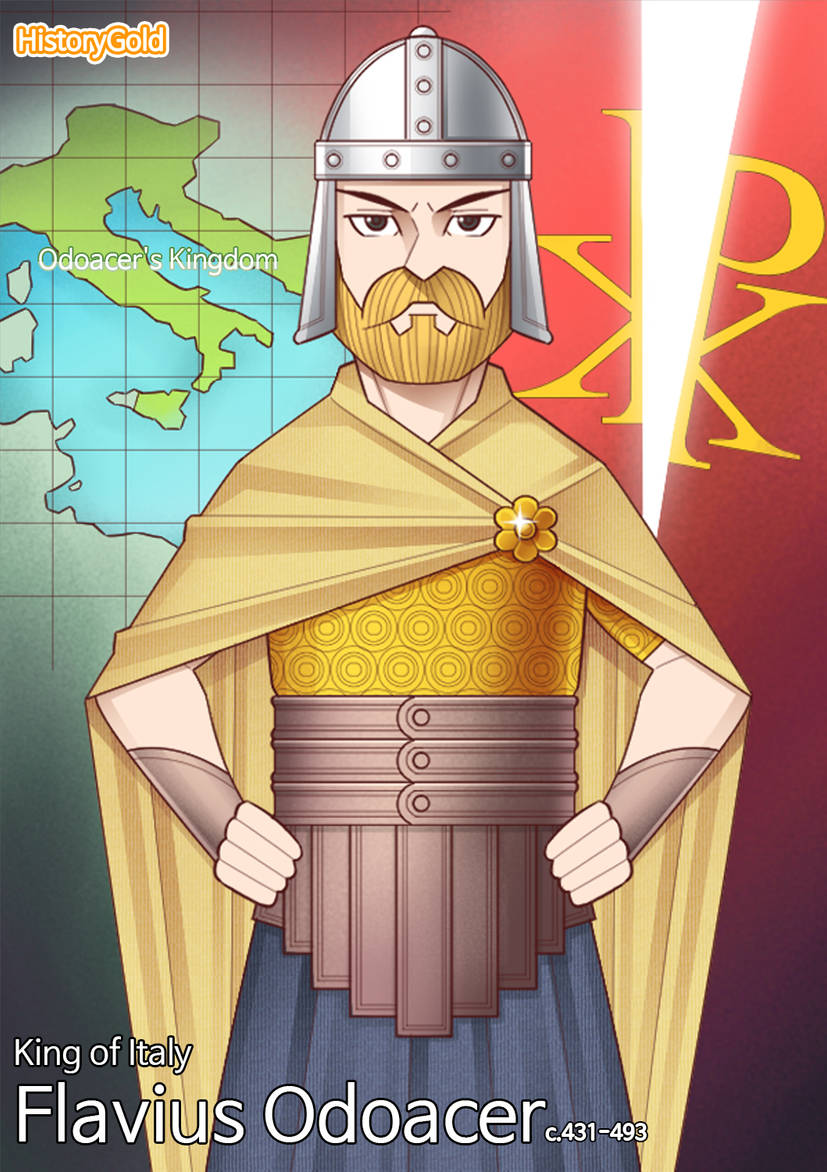
Although abolishing the Western Roman Empire and ruling as a barbarian king, Odoacer allowed the Roman Senate in the west to still function all while he too kept many of the Roman political institutions in place, though as a symbol of having abolished the Roman Empire in the west, Odoacer sent Romulus’ crown to the Eastern emperor Zeno who had just returned to power after ousting Basiliscus. Zeno was thus the sole Roman emperor from here on and aside from recognizing the abolition of the Western Roman Empire, he too recognized Odoacer as his vassal “King of Italy” and a “patrician” in status. Meanwhile, Zeno in 476 as well received another embassy, this time from the former Western emperor Julius Nepos who here was residing in Dalmatia, and here Nepos had asked Zeno for money and troops in order to take back Italy from Odoacer, though Zeno at the end only recognized Nepos as Western Roman emperor in name only and that his holdings were only just Dalmatia. Although Nepos was still intent to take back Italy, he never succeeded as in 480 he was assassinated in Dalmatia, thus Odoacer saw this as an opportunity to invade and annex Dalmatia into his own Kingdom of Italy, and this conquest was recognized by Zeno as well.

IV. The Revolt of Marcian
Although Zeno managed to regain the throne for himself in 476, 3 years later in 479 he almost lost it again due to the rebellion of his brother-in-law Marcian. Now, this Marcian was the son of the former Western Roman emperor Anthemius who had been executed under Ricimer’s orders in 472, and in his mother’s side this Marican was a grandson of the former Eastern Roman emperor and Leo I’s predecessor Marcian who he was named after. The younger Marcian now was related to Zeno due to being married to Leontia, the younger sister of Zeno’s wife Ariadne.
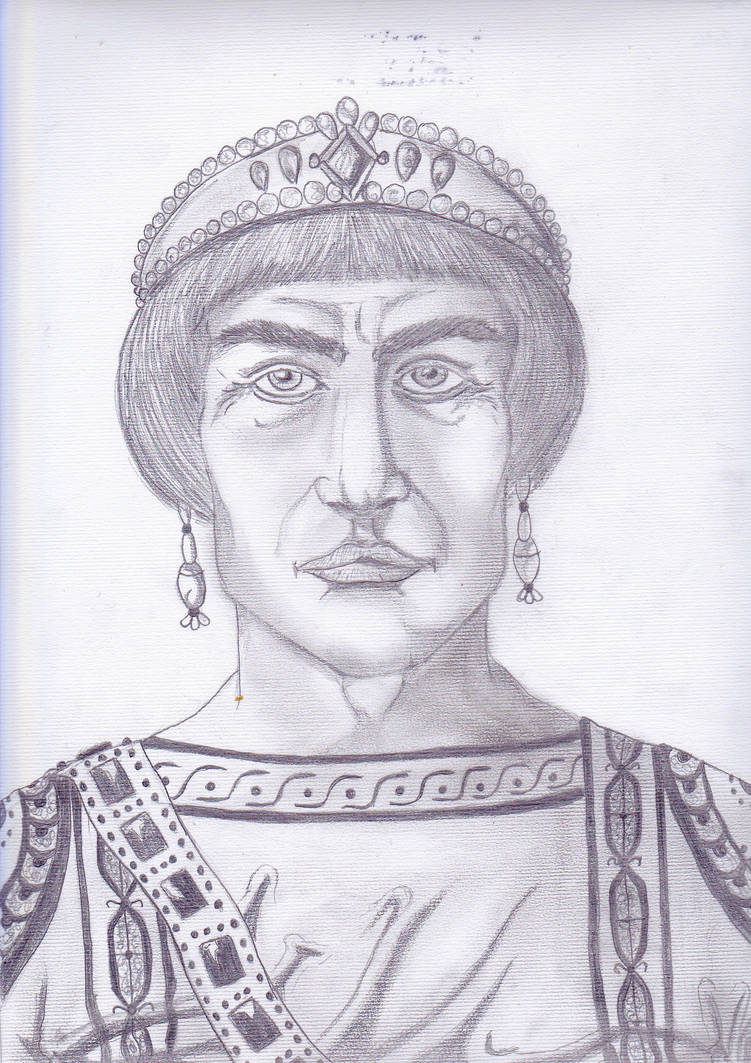
Due to his connections to the ruling Leonid Dynasty, Marcian in 479 decided to rebel against Zeno with the support of his brothers Procopius and Romulus and by rallying the troops and people in Constantinople who opposed Zeno again due to the emperor’s Isaurian origins. Marcian thus led the people to riot in the streets wherein they went as far as storming the imperial palace and the house of Illus, Zeno’s trusted commander and fellow Isaurian. Zeno true enough almost fell victim to the riots as his own loyalist troops were overwhelmed and ambushed by the rioters from the rooftops of the houses in Constantinople. The rioting was only stopped thanks to Illus bringing in a unit of Isaurian soldiers into Constantinople during the night and bribing off some of the troops supporting Marcian to switch sides which thus allowed Zeno to flee the city. In the next morning, Marcian now saw that his situation was hopeless and his ally being the Ostrogoth general in Thrace Theodoric Strabo would not arrive in time, thus he and his brothers sought refuge in the Church of the Holy Apostles but eventually they were found there and arrested. Zeno then sent Marcian and both his brothers to Cappadocia but there, they tried to escape with the help of some monks but at the end failed and thus the brothers were forced by Zeno to become monks. Marcian in particular this time as a monk in Cilicia attempted to escape again and this time succeeded until he was eventually caught by Illus’ brother Trocundes and thus Marcian was under captivity. When Illus revolted against Zeno in 484- which will be mentioned later- Illus sent Marcian to Italy to ask for help from its king Odoacer, though after this Marcian is never mentioned again, thus it is most likely that he died a peaceful death in Italy.
V. Dealings with the Ostrogoths
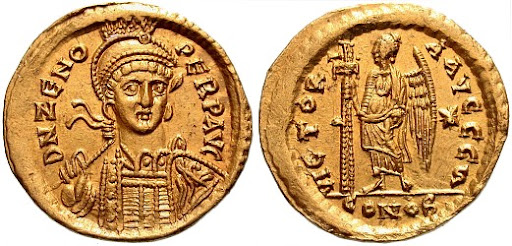
Originally, the Ostrogoths were the Gothic people known as the Greuthungi who invaded the Roman Empire in the 370s as refugees fleeing the Huns and defeated the Romans at the Battle of Adrianople in 378 with the assistance of their Gothic cousins the Thervingi- later known as the Visigoths. The Greuthungi following the catastrophic battle were settled in both Eastern Roman Pannonia and Thrace by the new Eastern emperor Theodosius I the Great and when there they would eventually become the Ostrogoths.
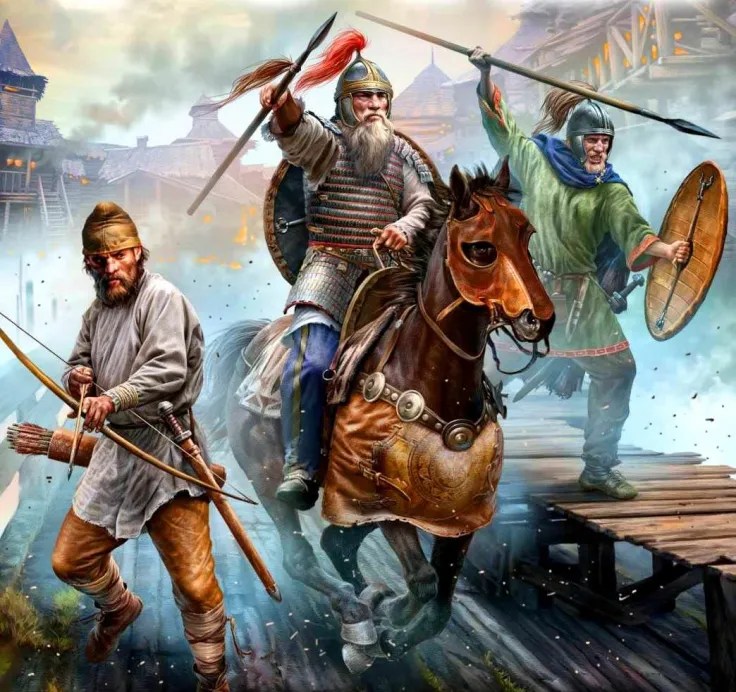
By the mid 5th century, the Ostrogoths of Pannonia were subjugated by the Huns who under Attila began expanding as an empire whereas these Ostrogoths too assisted the Huns in raiding Roman territory. However, following Attila’s death in 453 and the fragmentation of the Hunnic Empire, the Ostrogoths had gained independence as their own kingdom in Pannonia under the rule of King Valamir (r. 447-465) of the Amal Dynasty all while the Huns in 454 after being defeated by their Ostrogoth and Gepid subjects were forced out of Europe. Valamir would then rule his people in Pannonia together with his brothers Vidimir and Theodemir whereas his nephew and Theodemir’s son Theodoric the Amal was sent to the Eastern Roman capital Constantinople as hostage in the court of Emperor Leo I wherein the young Theodoric would be educated under Aspar. In the meantime, the other group of Ostrogoths in Thrace being Foederati troops under Theodoric Strabo had also become powerful in Leo I’s reign thanks to Strabo being the powerful Aspar’s brother-in-law.

Theodoric the Amal meanwhile returned to his homeland in around 469 when his father became king following Valamir’s death in battle against neighboring tribes and when back home, the young Theodoric scored a major victory against their neighbor, the Sarmatians. The Ostrogoths of Pannonia however soon left their homeland and migrated further south wherein they reached Macedonia by the time Zeno became emperor in 474, and later in 475 Theodoric the Amal succeeded as king of his people following the death of his father Theodemir. At the same time as Theodoric the Amal came to power, a strong rivalry began growing between him and the Thracian Goth’s leader the general Theodoric Strabo wherein the latter supported Basiliscus in his rebellion against Zeno in 475. With Zeno back in power as emperor in 476 with Basiliscus ousted from power, Theodoric Strabo though continued to oppose Zeno, thus Zeno used the rivalry between both Ostrogoth leaders to his advantage by having the Amal attack Strabo in Thrace. In 479 when Marcian rebelled against Zeno, Strabo too as an enemy of Zeno allied with Marcian and it was here when the Amal was sent to attack Strabo.
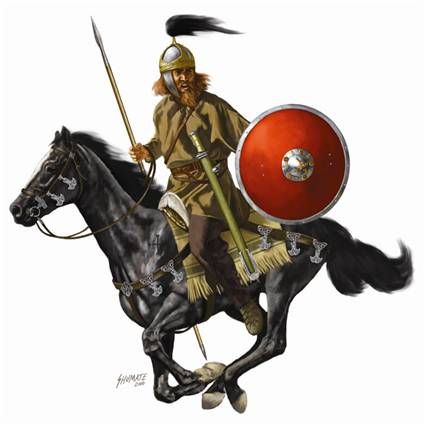
Zeno though promised to reinforce the Amal with imperial troops, however no troops arrived and the Amal was thus forced to agree to a truce with Strabo wherein both were to make a request to Zeno to extend the Amal’s territory and to restore to Strabo his title of Magister Militum. Zeno however at this point refused the Amal’s request and instead decided to support Strabo while even giving him back his title of Magister Militum which only further enraged the Amal who then pillaged his way across the Balkans until reaching Epirus where an army sent by Zeno subdued them through a surprise attack. Zeno however soon enough began fearing Strabo and thus to get rid of a potential threat by Strabo, Zeno in 480 paid off the Bulgar tribes north of the Danube to attack Strabo in Thrace. Strabo though managed to defeat the Bulgars and thus moved to Constantinople intending to attack it but seeing the might of its land walls and hearing of his own people causing trouble, he turned back and when in Macedonia he suddenly died by falling off his horse into a spear. Although Theodoric Strabo was dead, problems weren’t over yet for Zeno as for one Theodoric the Amal continued pillaging Eastern Roman Greece all while Strabo’s men all defected to the Amal. Once the Amal killed off Strabo’s son, Theodoric the Amal was the undisputed leader of the Ostrogoths whereas Zeno could do nothing anymore to subdue him.
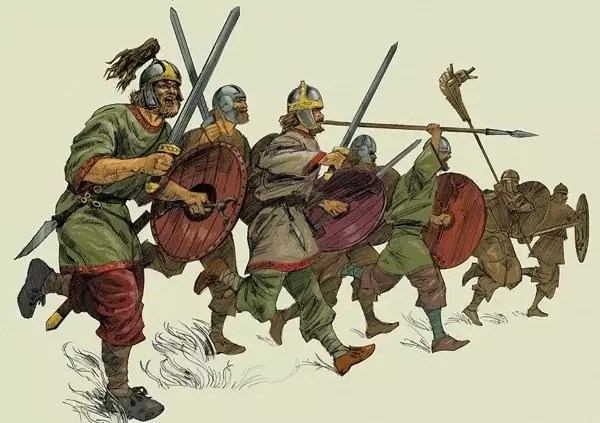
VI. The Revolt of Illus
Despite the Isaurian general Illus as mentioned earlier helping Zeno defeat his rivals first being Basiliscus in 476 and then Marcian in 479, Zeno eventually began growing suspicious of him due to his victories making Zeno suspicious that Illus would use his popular position in order to overthrow Zeno one day. Zeno thus began plotting ways to get rid of Illus and so did Zeno’s mother-in-law Verina who hated Illus too. Shortly after Marcian’s failed revolt in 479, Verina attempted to have Illus assassinated but failed, thus to punish her, Zeno at the suggestion of Illus banished her to the Fortress of Papurius in Isauria where she was to be under the watch of Illus and his brother Trocundes.
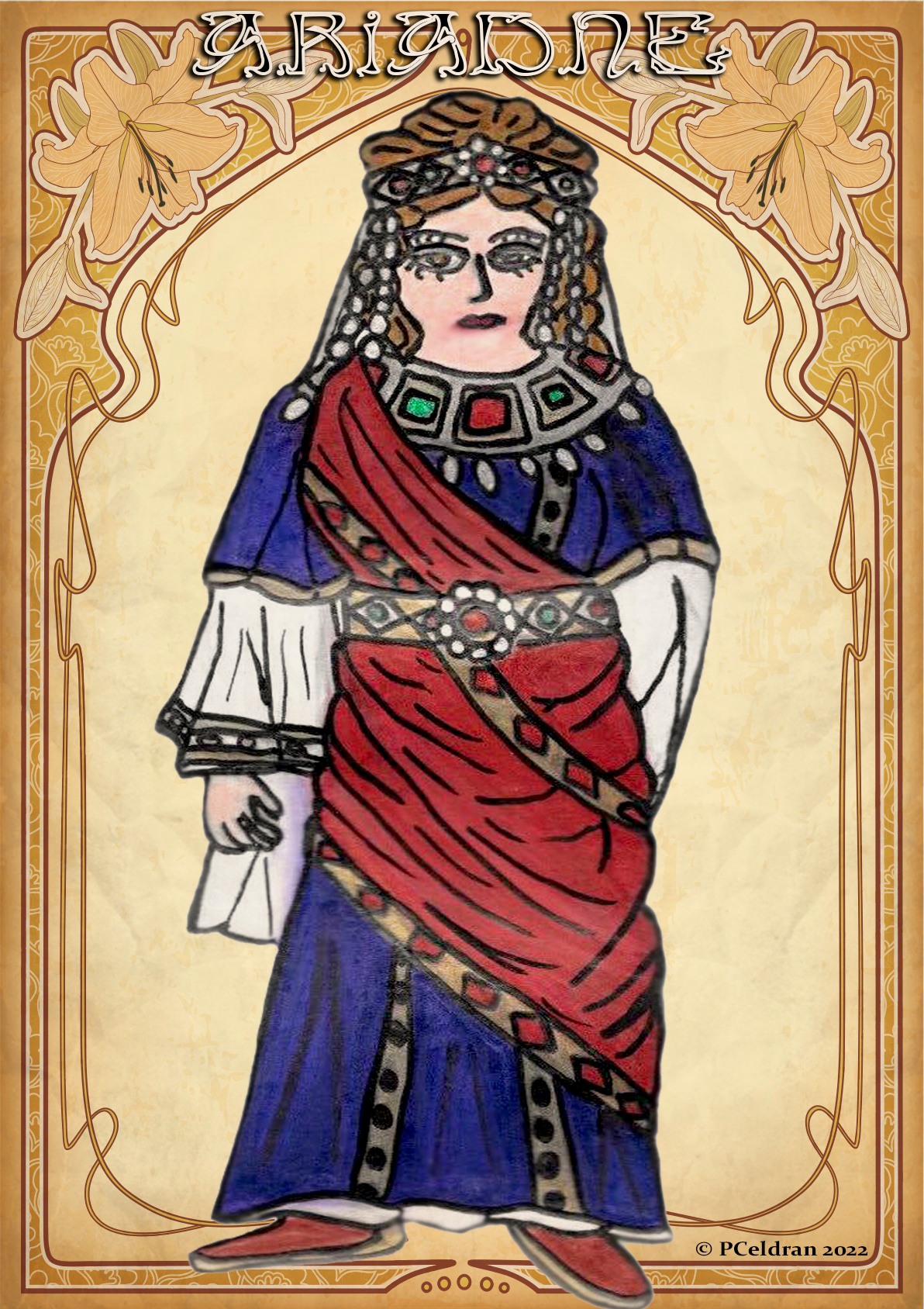
Although imprisoned, Verina managed to write to her daughter Ariadne to convince both her husband Zeno and Illus to release her. Illus though refused to release Verina and thus Ariadne like her mother before her attempted to assassinate Illus who at this point was in Constantinople. The assassin sent to kill Illus however only succeeded in wounding Illus by cutting off one of his ears as Illus attended a race at the Hippodrome of Constantinople. Feeling betrayed by Zeno who he believed sent the assassin to kill him left the capital for Asia Minor and together with his brother Trocundes and friends the Pagan philosopher Pamprepius and the general Leontius rose up in rebellion against Zeno in 484. Illus and his men thus based themselves in Papurius where Verina was imprisoned in which was the center of their revolt. Rather than proclaiming himself as emperor against Zeno, Illus knowing he wouldn’t be popular due to his Isaurian origins proclaimed his co-general Leontius as his puppet emperor in Tarsus wherein Verina was released from prison only to perform the coronation of Leontius in order to legitimize him as she was part of the ruling Leonid Dynasty. Zeno in the meantime could not fully put his attention in crushing Illus’ revolt as in 484 as well he was simultaneously dealing with another revolt by the Samaritan Jews in Samaria who rose up due to persecution by the emperor.
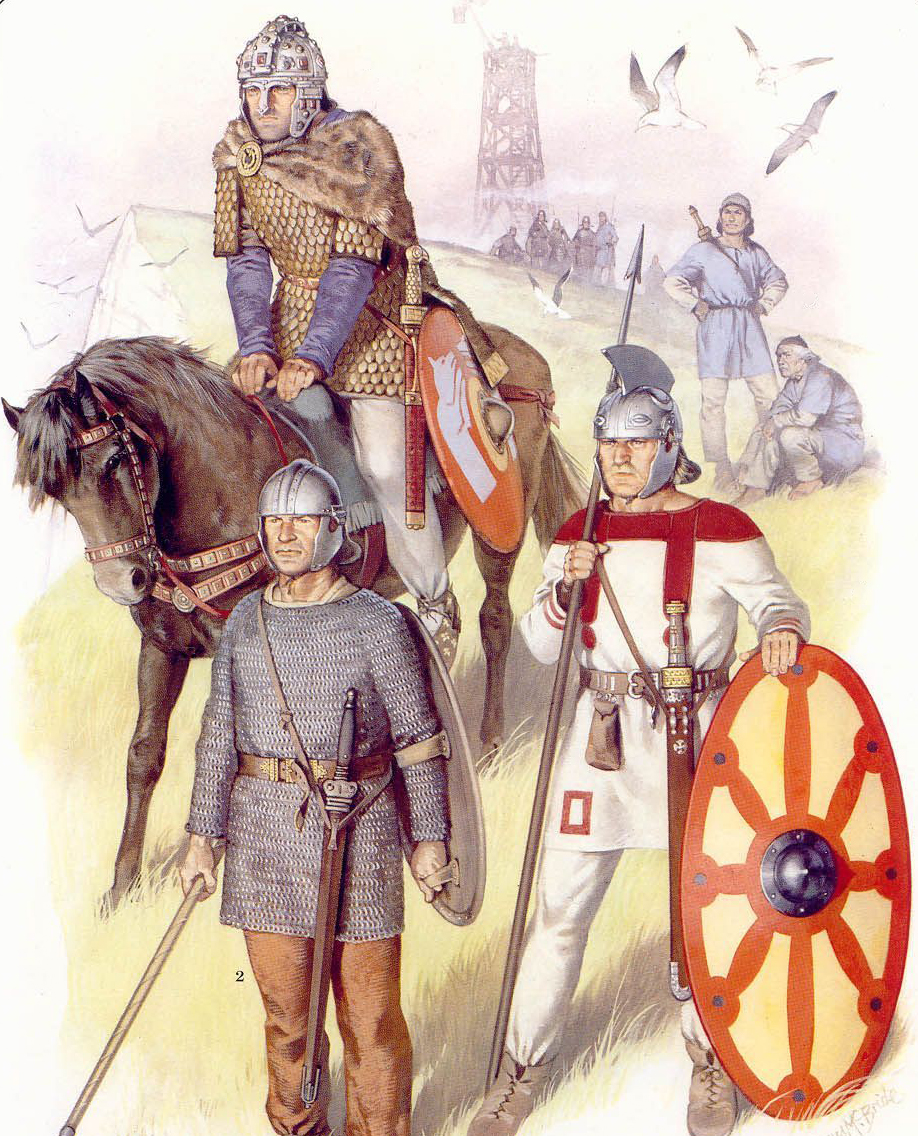
According to the 6th century historian Procopius of Caesarea, Zeno himself personally travelled to Samaria wherein he brutally suppressed the revolt. A division of the imperial army though was sent to crush Illus’ revolt in Isauria but failed, thus in the following year (485), Zeno sent another army led by the general John the Scythian and the emperor’s new ally, Theodoric the Amal of the Ostrogoths. This attempt in 485 was more successful though as John the Scythian managed to contain the rebels to Papurius and blockade them there. During this time, Trocundes was killed in a skirmish outside the fortress with Zeno’s forces whereas Verina on the other hand died in prison all while the blockade of the fortress had lasted for 3 more years and during this time as well, Illus had Pamprepius executed when they had a falling out. The fortress only fell to the imperial forces in 488 with the support of a traitor being the late Trocundes’ brother-in-law and thus ended Illus’ rebellion. Illus and his puppet emperor Leontius were then beheaded and their heads were sent to Zeno.

VII. Dealings with Theodoric the Amal and Odoacer
Following the death of the Ostrogoth general Theodoric Strabo in 481, the Ostrogoth king Theodoric the Amal was basically the undisputed leader of the Ostrogoths especially since Strabo’s army had defected to him. The emperor Zeno true enough could not stop the Amal’s rising power and so in 483 Zeno appointed the Amal to the position of Magister Militum Praesentalis or the most senior general in the empire and in the following year (484), the Amal was even made consul for the year making him the first barbarian and non-Roman citizen to have this title.
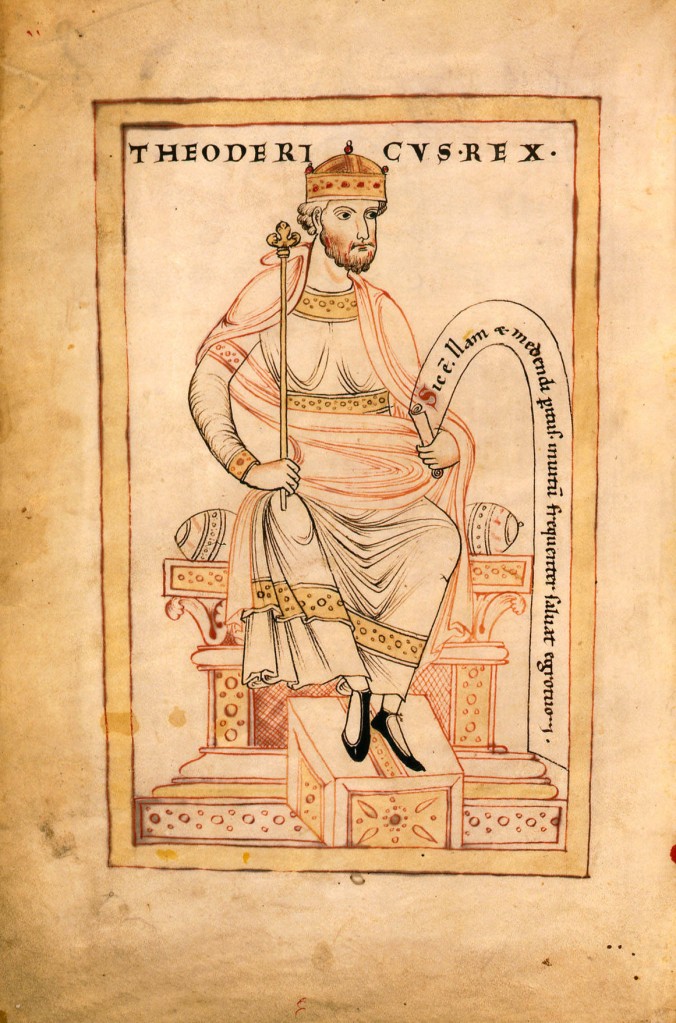
In 485, with the Amal now an ally of Zeno, he as mentioned earlier was sent with his army of Ostrogoths to attack Illus and his rebels in Isauria which ended mostly in success. Although allied to Zeno, Theodoric the Amal who still wanted more power and recognition from the emperor this time rebelled in 486 going as far as to attacking Constantinople’s walls and severing its water supply being the Aqueduct of Valens. In the meantime, as Illus’ rebellion in Isauria was ongoing, Illus seeking for allies against Zeno turned to the King of Italy Odoacer who in an act of assisting Illus invaded the Eastern Roman Empire’s westernmost provinces being Illyria. Zeno however being adept at diplomacy turned to his ally, the Rugii tribe in today’s Austria by having them invade Odoacer’s Italy. Odoacer however responded to this in 487 by invading the Rugii lands north of Italy which he successfully annexed into his kingdom. Zeno now seeing Odoacer as a problem due to supporting Illus’ rebellion and attacking an Eastern Roman ally being the Rugii decided to now turn on Odoacer.
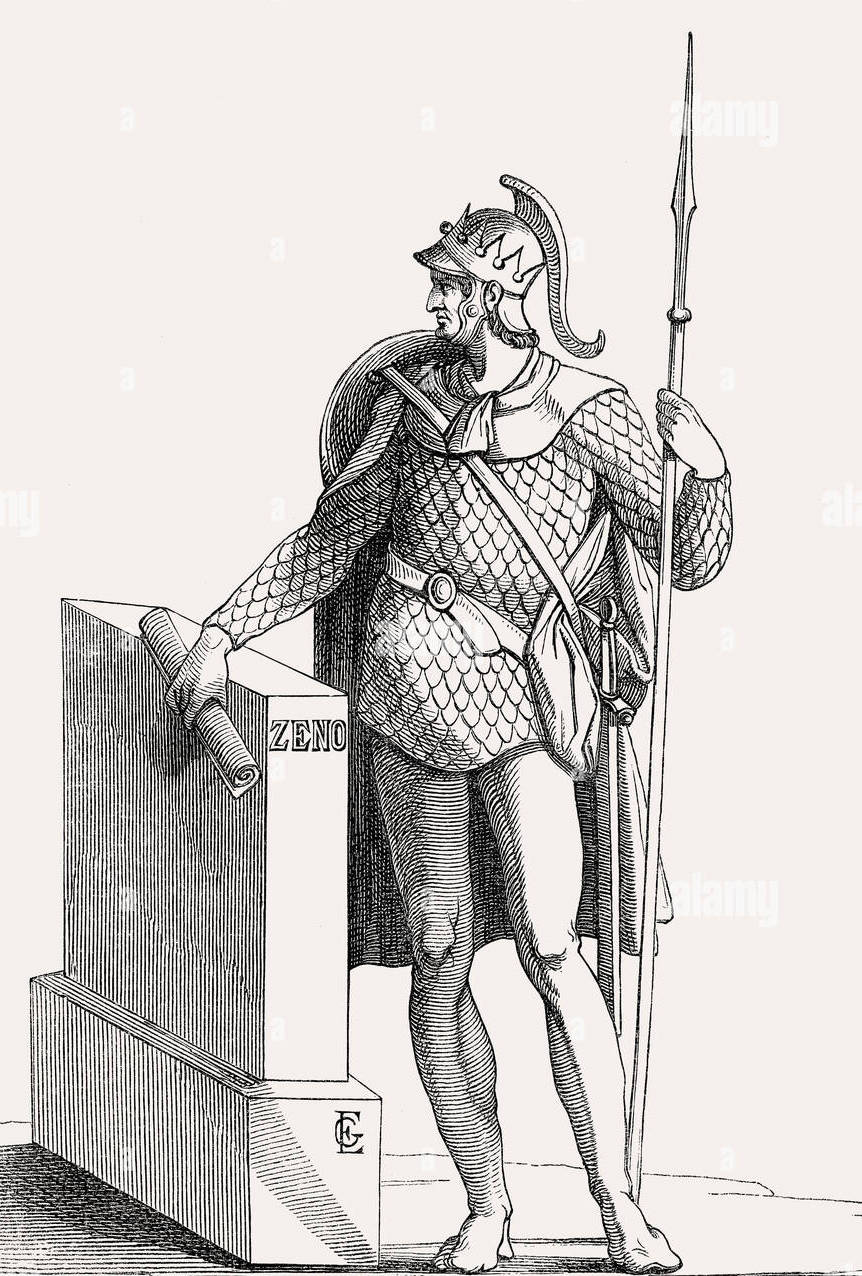
Here, Zeno saw that he could eliminate two problems to him at the same time being Theodoric the Amal and Odoacer by having the former attack the latter and this true enough would benefit both Zeno and the Amal as for Zeno it would clear a major problem for him and for the Amal it would mean more land for him and his people to settle in. In order to get Theodoric the Amal to give up his attack on Constantinople, Zeno in 488 asked him to invade Odoacer’s Italy in which the Amal gladly accepted the offer especially since it would give him and his people lands to settle in permanently considering that the Ostrogoths for the longest time were simply roaming around the Balkans without a permanent capital. Later in 488 then, the Amal departed the Balkans with his people and troops and thus began their long march to Italy arriving there in 489 meeting Odoacer and his forces at the Battle of Isonzo wherein the Amal defeated Odoacer who was thus forced to flee to Verona.
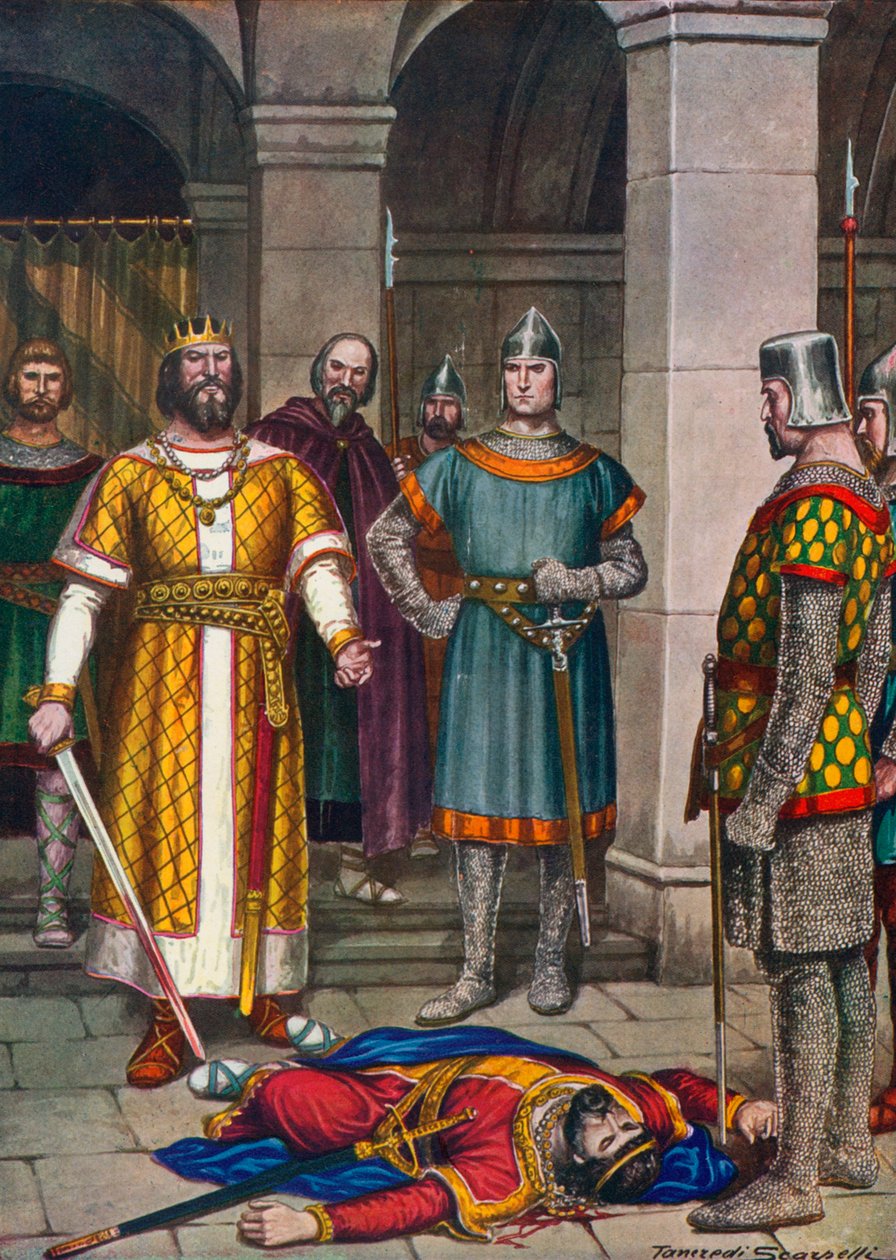
The Amal then laid siege to Verona and was successful and thus he now occupied most of Northern Italy forcing Odoacer to flee back to his capital Ravenna. Odoacer however in 490 managed to turn the tide by defeating a division of the Amal’s forces outside Ravenna and thus recapture most of Northern Italy from the Amal. However, the Amal managed to gain allies from the Visigoth Kingdom in Gaul and with them he defeated Odoacer once again at the Battle of the Adda River, thus this time Odoacer fled back to Ravenna which the Amal would blockade for the next 3 years. By 493 after 3 years of being blockaded and without making any successes, Odoacer decided to negotiate with the Amal with the condition that both would rule Italy together. Just 10 days later after the negotiation however, Theodoric the Amal suddenly betrayed his word and brutally killed Odoacer personally with his sword slicing Odoacer from his shoulder to thigh. Following Odoacer’s death, Theodoric the Amal purged the rest of Odoacer’s family and allies who he had put to death, and thus the Amal was the undisputed ruler of Italy- and some of Illyria and Pannonia- now having transformed into the Ostrogoth Kingdom which Theodoric the Amal would rule until his death in 526 though like Odoacer before him he too kept many Roman institutions in his kingdom in place such as the Senate. However, by the time the Amal had taken over all of Odoacer’s kingdom, Zeno had already died.

VIII. Zeno’s Religious Policies and Death
Before we get to Zeno’s death in 491, we would have to first go through his religious policy and the religious conflicts in the Roman world during his time. Now, during the 5th century the Roman Empire’s Christian population- its majority- had been split between the Orthodox or rather Chalcedonian Christians and the new sect of the Monophysites which were strong in the empire’s eastern provinces. The Chalcedonians here had believed that Christ had two natures: human and divine whereas the Monophysites believed Christ only had one being divine.

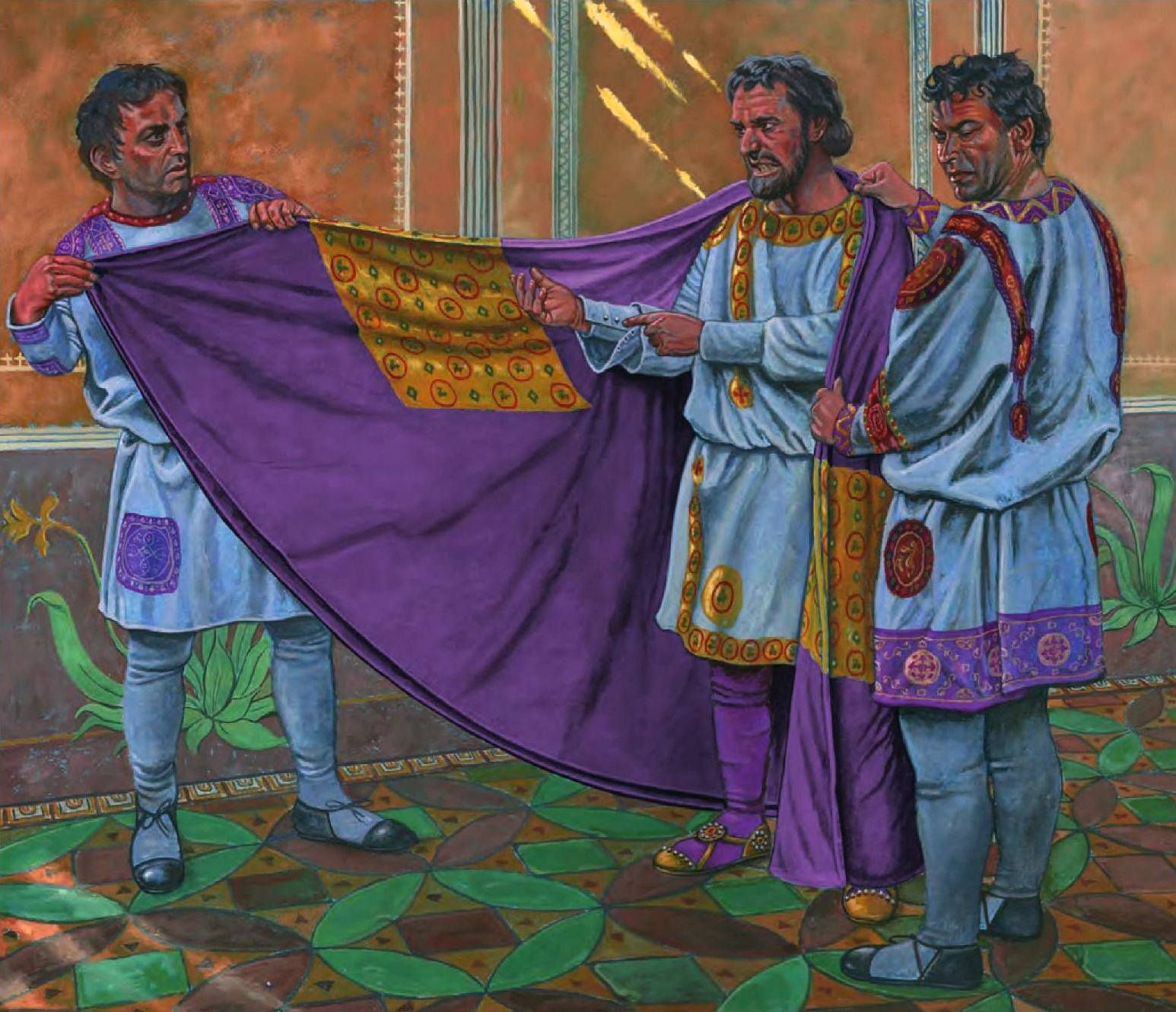
The Council of Chalcedon in 451 headed by the Eastern Roman emperor Marcian and his wife the empress Pulcheria- sister of the late Theodosius II- had meanwhile condemned the Monophysite position as heresy though the Monophysites still remained strong. Basiliscus who overthrew Zeno in 475 was a Monophysite as well which is why he was unpopular and thus overthrown as Zeno returned to power in 476. Zeno however being unpopular among the people of the capital Constantinople for being an Isaurian despite being a Chalcedonian Christian needed the support of the people of the eastern provinces- Egypt, Syria, Palestine, and Asia Minor- who were mostly Monophysite. To gain the support of the Monophysite population, Zeno and the Patriarch of Constantinople Acacius in 482 issued a decree known as the Henotikon or “Act of Union” which was made to compromise with the Monophysites over the natures of Christ. Although this decree was accepted in the Eastern empire, the Patriarch of Rome Pope Felix III did not accept it as he saw it as compromising with heretics, thus in 484 Felix III excommunicated Patriarch Acacius, therefore beginning the Acacian Schism between the Churches of Rome and Constantinople that would last until 519, long beyond Zeno’s death.
Zeno on the other hand could not do anything to solve the schism, though in 488 he recognized the autonomy of the Church of Cyprus under its bishop Anthemius. The last few years of Zeno’s life and reign meanwhile remain rather mysterious as not much is recorded anymore about him after 488 except for one incident in 489 when he closed the Persian school at Edessa and replaced it with a church as the school taught Nestorian Christian teachings which was also seen as heretical. Zeno thus died in April of 491 at the age of 66 possibly from epilepsy which he had throughout his lifetime, dysentery, or from excessive drinking. According to later Byzantine sources such as George Kedrenos in the 11th century and John Zonaras in the 12th century, Zeno when falling unconscious was buried alive by the orders of his wife Ariadne and when Zeno was heard screaming inside his tomb, Ariadne ordered passersby to ignore his cries for help, thus Zeno eventually died. This scenario of Zeno being buried alive however is not likely as these sources mentioning it were written centuries after his time and were basically made to slander him again because of his Isaurian origins which means to say that even centuries after his time, he still remained unpopular in memory. Whether Zeno was buried alive or not, he at least died secure on the throne without being overthrown again which therefore again shows him being a survivor.

Zeno though died without any successor considering that his only son with Ariadne Leo II had died back in 474 whereas Zeno’s other son from his first marriage had died as well, thus shortly after Zeno’s death Ariadne who survived him was to choose the successor and here, she chose the court administrator the 60-year-old Anastasius who was successful at managing the empire’s finances and was said to have been Ariadne’s lover. Once Ariadne married Anastasius, he thus succeeded as the new emperor Anastasius I who was more favorable to the people of Constantinople who demanded that their new emperor be “orthodox” and “Roman” as he unlike Zeno did not seemingly sympathize with the Monophysites and was not an Isaurian. The Isaurian population of the empire however felt betrayed by Ariadne choosing Anastasius as the new emperor as they backed Zeno’s brother Longinus who they believed Ariadne would marry following Zeno’s death. The Isaurians thus rioted in Constantinople which therefore led to the civil war known as the “Isaurian War” beginning in 492 when Longinus was exiled by the new emperor. This war would thus drag on until 497 ending with a victory for the imperial forces and the Isaurians subdued and dispersed across the Eastern Roman Empire.

Conclusion
Although highly controversial as an emperor, Zeno in his 17 years in power had achieved a lot, and most of his achievements proved important for the survival of the Eastern Roman Empire. Whatever you may say about Zeno, he at least managed to stamp out all local rebellions in the empire, clear out major potential threats such as Theodoric Strabo and Theodoric the Amal, and die at least secure on his throne with an empire still intact, therefore one could say Zeno played a key role in stabilizing the Eastern Roman or Byzantine Empire.

Now, a lot of the stabilizing process done by Zeno for his empire was due to his cunning nature and political abilities as seen by having his enemies fight each other like when he had Theodoric Strabo and Theodoric the Amal fight each other and later when Theodoric the Amal fought against Odoacer; by managing to get his enemies to defect to him as seen when he got Illus, Trocundes, and Armatus to side with him when he retook power from Basiliscus; and sometimes he too managed to survive out of pure luck as seen earlier on when he evaded an assassination attempt by Aspar before he became emperor, when he survived the revolt of Marcian, and when Theodoric Strabo suddenly died. Not to mention, a major reason to why Zeno managed to survive and stay in power with an empire intact was his adept ability not just in local politics but in diplomacy and foreign policy as was seen when Western Rome fell in 476 wherein Zeno agreed to have Odoacer’s Kingdom of Italy as his vassal and when he had Theodoric the Amal eliminate Odoacer later on. Zeno now was definitely the right emperor the Eastern Roman Empire needed at such a difficult time as his cunning and ruthlessness was highly necessary for the empire’s survival as if a weaker emperor ruled Eastern Rome at this time, then the empire would simply fall just as the west did. Although successful in keeping the empire intact, Zeno too had many faults most notably his religious policy in compromising with the Monophysite heretics which only further divided the empire religiously and created a schism with the pope in Rome that would take a long time to heal. Now, by stamping out local rebellions across the empire and thus stabilizing it- although not financially- Zeno surely paved the way for the Byzantine golden age after his time though he was not influential in starting this golden age as the job would be left behind to his successors namely Anastasius I whose genius economic policies made the empire rich, Justin I (r. 518-527) who further stabilized the empire, and most notably Justinian I the Great who would make the empire physically great. Now, what are your thoughts about Zeno and his reign, and do you really think he stabilized the Byzantine Empire in order to kickstart its golden age? I would like to thank you all for reading this article and please continue to support me by following and subscribing to my sites!

