Welcome back to another article from the ByzantiumBlogger! This time, it is time again for a bit of break from extremely long and highly researched articles and stories spanning the entire 1,100-year history of the Byzantine Empire (330-1453), therefore time for a quick yet entertaining top 10 list, this time on Byzantine inventions. Now, the Byzantine Empire among the many things it was known for, was known to have come up with a series of spectacular inventions including items we know very well up to this day, however not many know these items date back to the Byzantine era and were created by the Byzantines themselves. Some inventions in the Middle Ages including Greek Fire would immediately be associated with Byzantium when first hearing about especially when one is familiar with Byzantine history, however there is more than just Greek Fire when it comes to items the Byzantines created throughout the existence of their empire. These spectacular creations include larger than life architectural styles such as the pendentive dome and simple everyday items like the fork, and other than that, a lot of civil laws, scientific theories like the Theory of Impetus and that of the round earth and time zones, religious doctrines and icons, and the Cyrillic Alphabet can be attributed to Byzantium too. This article however will be only limited to the material inventions of the Byzantine Empire whether they were for architectural, warfare, or daily life purposes, therefore we will not include Justinian I’s Corpus Juris Civilis or “Body of Civil Laws”, spiritual innovations of the Byzantines which would include religious icons, political innovations like the Thematic System, and scientific theories despite them being of great importance even up to this day. Now if you remember from 2 years ago, I did a similar article to this (check out Forgotten but Significant Byzantine Science and Technology), however this previous one was more related to science as it included not only inventions but scientific theories made by the Byzantines in their history, while this one will basically be limited only to material inventions. Although just like that previous article, this one will also be heavily inspired by the book A Cabinet of Byzantine Curiosities by Anthony Kaldellis, and since a lot of these inventions were discussed in the 12 chapters of my recent Byzantine Alternate History series, these chapters will be linked as well in the list of these inventions. Before starting off, I would like to remind you all that this article would seem rather amateur and less researched than the previous ones I made, mainly because this one was just a spontaneous piece I just suddenly thought of writing for now.
Map of the Byzantine Empire at 3 different eras; greatest extent in the 6th century (red line), in 1025 (pink), and by 1360 (red)
I. Pendentive Dome
Pendentive dome of the Hagia Sophia from the interior
Possibly the most famous landmark from the Byzantine Empire which still exists up to this day is the Hagia Sophia in Constantinople which is famous for its massive and high dome, and this type of dome design is known as the Pendentive Dome.
Pendentive dome design of the Hagia Sophia
The pendentive dome now is a construction solution that allows a circular dome to be built above a rectangular floor plan, and although the Romans before the rise of the Eastern Roman Empire based in Constantinople in 4th century had already come up with a number of early designs of this kind of construction plan in which known examples of this include the Pantheon in Rome built in the 1st century, these Ancient Roman pendentive domes were only prototypes and not as high and large as the dome of the Hagia Sophia itself. Shortly after Constantinople’s founding in 330, the original structure of the Hagia Sophia was already present, however it was a much smaller church without a dome and following the Nika Riot of 532 during the reign of Emperor Justinian I the Great (r. 527-565), most of the city including the original Hagia Sophia was burned down, thus Justinian sought to rebuild it from scratch into a much larger structure with a dome higher than everything else.
Anthemius of Tralles and Isidore of Miletus, architects of the Hagia Sophia
To build this cathedral, Justinian left the job to two brilliant architects being Anthemius of Tralles and Isidore of Miletus, and in only less than 6 years (532-537), the entire church with the dome included was completed due to having thousands of workers constructing the building day and night and lots of wealth brought back to Constantinople as war spoils from the Byzantine conquest of the Vandal Kingdom in North Africa (533-534). The dome of the Hagia Sophia looked as if it was suspended in midair without any pillar to support it by connecting its middle part to the ground, instead its architects used a solution of building 4 semi-domes or pendentives on the 4 corners below the main dome in order to hold it up. Though no matter how impressive the structure was, the dome itself when completed was unstable that the historian of the 6th century Procopius of Caesarea who saw the cathedral built with his own eyes writes “the piers on top of which the structure was being built, unable to bear the mass that was pressing down on them, somehow or suddenly started to break away and seemed to be on the point of collapsing”.
Emperor Justinian I the Great of Byzantium (r. 527-565), acrylic painting, art by myself
True enough, following the great earthquake in Constantinople in 557 when the Justinian I was still ruling, the foundation of the Hagia Sophia was weakened, and in the following year (558), the dome itself collapsed. In 563, the dome was rebuilt by the architect Isidore the Younger who was a nephew of its original architect Isidore, and by the time Justinian I died in 565, he at least saw the dome of his cathedral that he put a lot of attention into making completed. Back in the Byzantine era, the dome itself was not only impressive from the outside but from the inside as well, as its interiors were filled with gold mosaics while its base had 40 windows forming a circle that let light in, and the dome was in fact so impressive that people from all over the world were in awe when coming to Constantinople basically because of it. In the 10th century, ambassadors from the Kievan Rus’ Empire (includes today’s Ukraine, Belarus, and Russia) sent by their Grand Prince Vladimir I the Great (r. 980-1015) when seeing the dome, suggested to Vladimir that he and his people must convert to Orthodox Christianity as it was their faith that had the most spectacular place of worship being the Hagia Sophia with its dome. The dome meanwhile had a diameter of 33m and a height of 55m from the ground, and for about a thousand years until the 15th century, it would be the world’s largest dome until the one of the Cathedral of Florence which is the Santa Maria de Fiore was completed in the 1430s. The style of the Hagia Sophia of Constantinople’s dome meanwhile would also be the basis for the architectural plans for many Greek Orthodox churches in the centuries to come, and after the Ottoman Empire captured Constantinople from the Byzantines and took over the Byzantine Empire, the Hagia Sophia with its pendentive dome would be the basis for the architectural plans for many of their mosques as well.
Cross-section of Constantinople’s Hagia Sophia, interior and exteriorThe Hagia Sophia, built in the 6th century under Emperor Justinian I
Other than the pendentive dome, another architectural style especially used for churches that can be attributed to the Byzantines was the Cross-in-Square plan, in which many Orthodoxy churches use this kind of style. This kind of plan consisted of a basic square shape with 4 halls in the middle of it being the naves intersecting each other forming a cross while above the intersection area at the middle was the church’s main dome, while the 4 different corners of the square sometimes had their own domes as well, thus this kind of church architecture would usually have 5 domes in total, however there are many variations to this design, therefore not all churches in this cross-in-square plan have this said plan, but this said plan was the standard design for these churches. This kind of style was developed by the Byzantines from the 9th to 10th centuries which took the place of the former long Basilica style of churches which consisted of a great hall with an apse at the end, and as I recall from the History of Byzantium Podcastby Robin Pierson, in one of its earlier episodes it is said that this kind of compact style of churches was more preferred in the Eastern Roman Empire as a lot of their churches were built over tombs of early Christian martyrs, therefore it had this kind of style while churches in the western world such as in Italy and other parts of Western Europe used the long rectangular Basilica as they were based on the Ancient Roman Basilica structures as the western world on the other hand too did not have that much tombs of early Christian martyrs compared to the east. In the Byzantine world, the cross-in-square style of church was first introduced with the Church of the Nea Ekklesia built between 876 and 880 by Emperor Basil I the Macedonian (r. 867-886) which was part of the Imperial Palace Complex of Constantinople, however this structure does not exist anymore today as in 1490 when Constantinople was under the Ottomans who used this former church as a gunpowder storage room, it exploded when it was struck by lightning. However, the earliest cross-in-square style church in Constantinople that still exists up to this day is the Church of the Theotokos dating back to 907/908 constructed under Basil I’s son and successor Emperor Leo VI the Wise (r. 886-912). At this day, this kind of plan can be seen in many Orthodox churches whether dating back to the Middle Ages or to more recent times all over the Orthodox world especially in countries like Greece, Macedonia Serbia, and Bulgaria.
Example of a Middle Byzantine era cross-in-square style churchChurch of the Theotokos, Constantinople
III. Pointed Arch Bridge
Byzantine era Karamagara Bridge, Turkey, built in either the 5th or 6th centuries
When it comes to bridge building, the Byzantines too apparently had made innovations to it as well, and one style they had created for bridges was the pointed arch bridge, which as basically a long bridge over a river or other kind of body of water with arches supporting it that are not just a regular semi-circle arches, but arches that narrow at the top forming a point. Now the reason why we conclude that the pointed arch bridge was invented by the Byzantines is because the earliest known pointed arch bridge is in the region of Cappadocia dating back to either the 5th or 6th century where Cappadocia at that time was under the Eastern Roman (Byzantine) Empire. This bridge in Cappadocia was the Karamagara Bridge which however unfortunately became submerged with the completion of the Keban Dam in 1975, but before that, it was an impressive bridge crossing the Euphrates River with just a single pointed arch over the river spanning 17m yet holding up the entire bridge without any mortar between the stones that was used in creating the arch. When this bridge was completed in either the 5th or 6th century as part of the Roman road to the city of Melitene in Asia Minor, an inscription was written on the eastern edge of the arch in Greek which is a passage from Psalm 21, verse 8 from the Bible which says “The Lord may guard your entrance and your exit from now and unto all time, amen, amen, amen”, and although this inscription may have nothing really to do with the bridge, it shows that in this part of the empire, Greek was the mainly spoken language. Of course, in the centuries to come, the pointed arch bridge style would become more and more common, and there are many notable ones you can find that still exist such as the Mostar Bridge in Bosnia built by the Ottomans, and apparently the pointed arch design for bridges had happened to be one of the many things the Ottomans had carried over from the Byzantines before them.
Example of a Byzantine era pointed arch stone bridge
Medieval ship mills, original one created by the Byzantines during the 536-537 Siege of Rome
The ship mill, as a means to create milled wheat for flour in order to make bread by the use of a boat on a body of water is credited to the 6th century Byzantine general Flavius Belisarius (505-565) as recorded by the same historian Procopius mentioned earlier who was a secretary of Belisarius.
Flavius Belisarius (505-565), Byzantine general in Justinian I’s reign, art by Amelianvs
Now Belisarius who was the famous general that served Emperor Justinian I was a military genius not only in the battlefield but in coming up with creative means in order to win including digging trenches to slow down the enemy cavalry as seen with him during the Battle of Dara in 530 against the Sassanid Empire, lighting up campfires across the hills to scare off the enemy to make it seem the Byzantines had a larger army as seen in his campaigns against the Ostrogoths in Italy in the late 530s, and by beating trees in order to release giant gas clouds to scare off the enemy as well in his last battle in 559 fought against the Kutrigur Huns. Another genius solution Belisarius came up with was the ship mill in which he created in 537 after taking over Rome from the Ostrogoths, however the Ostrogoth army led by their king Vitiges attempted to recapture Rome while Belisarius and his army were within, and in order to starve out Rome’s population and Belisarius’ Byzantine army, the Ostrogoths cut off the aqueducts supplying water to Rome, which not only cut the water supply but disabled the mills to create flour as the water from the aqueducts powered the mills too.
Belisarius and his army
To not make the people starve and to keep his troops strong, Belisarius had the mill wheels of Rome moved to where the current of the Tiber River was the strongest, and here he stretched two ropes across the river as tight as possible attaching them to many boats with the wheels attached to them. This invention then proved successful as the river’s current was strong enough to power the wheels in order to grind the wheat creating flour, and thus the population of Rome and the army had a sufficient food supply despite the city being blocked off by the Ostrogoths’ siege. The Ostrogoths however fought back by tossing logs and the bodies of their dead soldiers into the river which made it into the walls of Rome jamming the mill wheels. Belisarius in return hung chains stretched tightly across the arches of a bridge which then proved successful in stopping the debris and dead bodies thrown by the Ostrogoths, thus resuming the operations of the mills allowing the population to continue being fed, and by late 537, the Ostrogoths lifted their siege of Rome as Belisarius and his army chased them away to the north. Following the success of the ship mill used in Rome, this invention would later spread across Europe as a new way for creating flour that not too long after it reached Paris in 556, Geneva in 563, and Dijon in 575. Between the 8th and 10th centuries, ship mills too became a popular means of milling wheat in the Arab world and common in the rest of Europe as well, although little did they know that this effective means of milling wheat came from the mind of a brilliant Byzantine general.
Belisarius at the 536-537 Siege of Rome, art by Amelianvs
V. Greek Fire
Byzantine navy using Greek Fire against the Arab fleet, 717-718 Siege of Constantinople
When hearing of the Byzantine Empire, usually the naval superweapon of Greek Fire would be one of the first things that comes into a lot of people’s minds, and true enough this was one of the most cutting-edge innovative things the Byzantines had created that only they, and no one else had made, as true enough this weapon was a heavily guarded state secret as it was the secret weapon that saved the empire from ultimate destruction a number of times.
Emperor Constantine IV of Byzantium (r. 668-685)
Greek Fire (Hygron Pyr in Greek) first came into use during the 674-678 Umayyad Arab Siege of Constantinople where the Syrian refugee Kallinikos made it right in time for the event during the reign of Emperor Constantine IV (668-685), and although this Arab siege basically consisted of on-and-off attacks by the Arab army and fleet, it was with Greek Fire used for the first time on the ship of the emperor Constantine IV himself that was able to relieve Constantinople from the siege. Greek Fire was basically an incendiary weapon that served as a kind of flame-thrower blowing out a sticky kind of fire that could even stick to the water which is why some Byzantine chroniclers call it “sea fire” or “liquid fire”. This weapon not only destroyed enemy ships by burning them but struck fear into the enemies that the enemy armies fighting against the Byzantines at sea when seeing Greek Fire would jump to the sea in fear and would not die really from the fire but by drowning. The fire then came from a liquid mixture which was heated in a brazier, pressurized by a pump, and lastly ejected through a large siphon against the enemy. The Greek Fire now wasn’t entirely this mechanism but the liquid fire formula the mechanism used, however the formula of Greek Fire being kept as a heavily guarded secret remains to be a mystery, but it is most probably a mixture of petroleum, pitch, sulfur, pine or cedar resin, lime, and bitumen, while some even speculate that it even had gunpowder in it due to how the fire could explode.
Greek Fire operated by the Byzantine navy
The operators of this weapon would then be a very elite force of the imperial guard and only this unit could operate it as the weapon was overall meant to be a secret, however the operation process was a difficult one as the cannon that fired the liquid fire was heavy and unwieldy while the range of the fire was very short, therefore when the weapon was mounted on a ship it needed to be up close to the enemy ship in order for it to be fully effective, and at the same time the weapon was only very effective when being used on a ship when the sea was calm and the wind blew from behind the ship. Although the weapon may have been difficult to use, it defended Constantinople a number of times including against the more massive Umayyad Arab siege from 717-718 and in a massive naval battle near Constantinople against the fleet of the Kievan Rus’ navy in 941. On the other hand, there were many variations of the Greek Fire weapon as well, as long as it used the same formula, and these included Greek Fire that could be stored in grenade jars and thrown at the enemy or hand-held cannons ejecting the same kind of fire known as a Cheirosiphon which was mostly used during sieges as a medieval version of the modern flamethrower. Now it is unclear when the Byzantines discontinued the use of Greek Fire or if they never discontinued it at all, although one theory says that the secret of Greek Fire was lost before the 4th Crusade captured Constantinople in 1204, though Greek Fire could have also been used in 1453 in the defense of the city before it fell to the Ottomans.
Operation process of Greek FireGreek Fire used for the first time at the 674-678 Arab Siege of ConstantinopleByzantine navy using Greek Fire against the Rus’ fleet outside Constantinople’s Walls, 941Hand-held Greek Fire (Cheirosiphon), art by Amelianvs
Other than using a large cannon as an incendiary weapon, the Byzantines too had used grenades as another means of using Greek Fire, and shortly after the successful defense of Constantinople against the Umayyad Caliphate Arabs from 717-718 during the reign of Emperor Leo III the Isaurian (r. 717-741), the soldiers who had defended the city had come to realize that Greek Fire could not be only be projected by flamethrowers, but could be thrown in stone and ceramic jars as well, thus leading to the creation of grenades.
Sample of a Byzantine era grenade
Over the years, the Byzantines had developed different versions of this exploding weapon such as in storing the flammable substance that Greek Fire was made of into small or large clay jars and pouches used as grenade shells that could be hurled at the enemy, and over time Byzantine soldiers developed a tactic by loading their catapults with these grenades as a way to besiege walled cities, which true enough proved to be effective. Other than using flammable substance, these grenades also dispersed sharp objects or shrapnel as well as smoke when exploding, and in the following centuries, this kind of weapon was adopted by armies of the Islamic world who also developed different forms of these incendiary grenades, and archaeological evidence as well shows that in the 13th century there was a grenade workshop in Syria showing that by this time, the use of grenades became popular in the Islamic world. Even in the video game Assassin’s Creed Revelations– which I said a number of times was one of the many things that introduced me to Byzantine history- which is set in 16th century Constantinople under the Ottomans, you have the option to craft a large variety of these kinds of grenades when playing it, while in one mission you actually get to operate the superweapon of Greek Fire from a ship.
Arab armies using the Byzantine warfare tactic of throwing grenades
Now if the Byzantines could create larger than life inventions from large domes without any central support to superweapons that could not be rivalled by anything in its time such as Greek Fire, the Byzantines too had made inventions very small and simple yet very important to our daily lives, and such inventions like this include the fork. Now for those who aren’t familiar with the fork and its origins, it certainly does date back to the Byzantine Empire, and although I’ve written about the fork and its Byzantine origins a number of times, I would like to discuss it again here, as recently I have made new discoveries about the fork’s Byzantine origins. Just recently, I had posted on my Facebook page my photos of the Byzantine Collection of the Dumbarton Oaks Museum in Washington DC, and part of this collection included a Byzantine fork, and in the comments of this post someone asked if the fork was really a Byzantine invention as it only first appeared in France in 1315 at the royal court, while someone here replied saying that the Byzantines have been eating using a fork ever since the 4th century, thus it took a full thousand years for an item as simple as this to be adopted in other parts of the world. Now the fork has been a utensil used by the Byzantines ever since the beginning while the rest of Europe had no idea about it, thus for a long time everyone else but the Byzantines had been eating with their bare hands and a knife, that also recently I have just heard a saying from Serbia which was also part of the Byzantine sphere of influence that “while a German would still use his fingers to eat, in the middle ages, a Serb picks his food with the fork”. For the longest time- such as in Ancient Rome- the fork was only used to serve dishes, while it was only in the Byzantine era after the 4th century when it became a personal utensil for eating, and it was only in the 10th century when the Byzantines first introduced this item to Western Europe.
Theophano Sklerina, niece of John I Tzimiskes and wife of the future Holy Roman emperor Otto II
This happened in 972 when the Byzantine princess Theophano Sklerina, the niece of the Byzantine emperor at that time John I Tzimiskes (r. 969-976) married the future Holy Roman emperor in Germany Otto II, and the people of the imperial court in Germany when seeing the fork for the first time being used by Theophano did not get the idea of it, thinking it was all useless as they already had their hands to do the job of picking up the food and bringing it to their mouths. Another story of the Byzantines introducing the fork to Western Europe happens in 1004 when another Byzantine princess being Maria Argyropoulina married Giovanni Orseolo, the son of the Doge of Venice Pietro II Orseolo, and during their wedding feast Maria used a two-pronged golden fork to eat the food. The Venetians meanwhile who saw her eating with it also did not get its concept thinking it was in fact blasphemous while some members of the clergy there had said “God had provided humans with natural forks being their fingers, therefore it was an insult to substitute them with artificial metal ones for eating”. In 1007, just 3 years after their marriage, both Maria and Giovanni died from a plague in which the Venetians claimed that Maria’s early death was a result of her disrespecting God by eating with a fork. Nowadays, we cannot imagine eating certain things without a fork, and to this we have to thank these Byzantine marriages to rulers in different parts of Europe as over time, these marriages with Byzantium would lead to the spread of the fork across Europe, and from there to the rest of the world.
Byzantine spoons and a fork, Dumbarton Oaks collection
Byzantine army using a trebuchet, Madrid Skylitzes
The Byzantines themselves were adept at siege warfare with weapons like Greek Fire and incendiary grenades, but the other kind of siege weapons they have developed as well and were skilled at were trebuchets, which was a type of catapult used for hurling large stones and missiles during sieges. The unique catapult design of the hand-trebuchet first appeared in the Byzantine Empire during the 10th century, which was Byzantium’s golden age of warfare when they had turned the tide of war against the Arabs from the defensive to the offensive.
Emperor Nikephoros II Phokas of Byzantium (r. 963-969)
This hand-trebuchet (Cheiromangana in Greek) was basically a staff sling mounted on a pole using a lever mechanism to propel projectiles which could be operated by only one man and was first advocated as a siege engine in an open battlefield by the military emperor Nikephoros II Phokas (r. 963-969) in 965 during his campaigns against the Arabs in Asia Minor and Syria. This weapon too had been mentioned in the Taktika or military manual of the Byzantine general Nikephoros Ouranos in around 1000. Aside from this small single-man operated trebuchet, the Byzantines not too long after this weapon was invented had also been apparently the first ones to use the much larger and more complex counterweight Trebuchet, which was basically a massive catapult with a heavy weight on the opposite side of the projectile to balance it.
Niketas Choniates, Byzantine historian (1155-1217), recreation of the original manuscript depicting Choniates, art by myself
This weapon is first recorded in the work of the 12th century Byzantine historian Niketas Choniates (1155-1217) who first mentions the use of this weapon during a siege in 1165 taking place in the area of the Danube River border, and that this weapon here was equipped with a windlass, which was an apparatus used for moving heavy weights that earlier trebuchets such as the traction or hybrid ones did not use when launching missiles. However, this counterweight trebuchet was also said to have appeared even before 1165 being introduced at the Byzantine-Crusader Siege of Nicaea in 1097 during the First Crusade against the Seljuk Empire wherein the Byzantine emperor then Alexios I Komnenos (r. 1081-1118) was credited for having invented it together with other artillery weapons, and with this weapon he made a deep impression on everyone whether Byzantine or Crusader.
Counterweight trebuchet, first recorded in Byzantium in 1165
Apparently, even the concept of a hospital was created by the Byzantines, however even way longer before the birth of the Byzantine Empire in the 4th centuries, hospitals were already existent in Ancient Greece, Rome, and in other civilizations, although hospitals back then were only mere places for people to die or for soldiers wounded from battle to be treated. The Byzantines now came up with the concept of hospitals being an institution to offer medical care and possible cures for patients due to the ideals of Christian charity which played a very important role in Byzantine society. In Byzantine Constantinople itself, there were a number of functioning hospitals with one such example being a structure found between the two important churches of the Hagia Sophia and Hagia Eirene that connected them, and this here was the Hospital of St. Sampson in which its structure however does not exist anymore today. Hospitals in Byzantium meanwhile were mostly associated with monasteries; thus, hospitals were usually found within monastery structures with another notable one being the 12th century Pantokrator Monastery in Constantinople (today the Zeyrek Mosque) which was founded in 1136 by Emperor John II Komnenos (r. 1118-1143) and his wife Empress Irene of Hungary, and back then it was one of the most impressive structures of its time with possibly the best medical services in the empire, if not the entire world. This structure contained not only a monastery but a church, library, hospital, and mausoleum for the Komnenos emperors. Its hospital meanwhile had 50 beds and 5 wards with one for women, 2 doctors per ward with a number of assistants, a chief pharmacist, and a female doctor with female nurses for the female ward. Salaries for male and female nurses here were equal, but for doctors the salary for the female ones was half of their male counterparts. The Pantokrator hospital too had a complete set of medical equipment including lancets, cauterizing irons, catheters, forceps, tonsil knives, tooth files, scalpels, rectal speculums, uterine dilators, rib saws, clysters, tweezers, needles, and something called a “skull-breaker” used possibly to break a dead fetus in order to make its extraction easier. With all these kinds of medical equipment as well as in having female doctors, the Byzantines too were an advanced society in medical matters, but one major innovation the Byzantines too had in medical matters was that they were the first to successfully carry out the operation of separating conjoined twins where the first known case of it took place in the 10th century. In this case, a pair of conjoined twins lived in Constantinople for many years and when one twin died, surgeons removed the dead one and its result was partially successful as the one that was alive still continued living for 3 more days, while the next known case of separating conjoined twins happened so many centuries later in 1689 in Germany.
Recreation of the Hospital of St. Sampson between the Hagia Sophia and Hagia Eirene, Constantinople12th century Pantokrator Monastery and Hospital in Constantinople, art by myselfSeparation of the conjoined twins in 10th century Byzantium, Madrid Skylitzes
Constantine VII on his throne with the mechanical lions and singing tree, art by Byzantine Tales
The type of self-operating mechanism known as an Automaton had already existed a lot earlier before in Ancient Egypt, Greece, and China, but it was in Byzantium where this mechanism was the most impressive as it was used to elevate a throne, while the lion sculptures that flanked the throne as well as the golden tree were able to operate on its own. Now before writing this article, I asked for suggestions on Byzantine inventions, and apparently someone mentioned the mechanical throne, and so I decided to put it here. The Byzantine automaton being the mechanical throne was mentioned in 949 when the Italian ambassador Liutprand, the Bishop of Cremona visited the imperial court of Constantinople wherein the Byzantine Empire here was ruled by Emperor Constantine VII Porphyrogennetos (r. 913-959).
Emperor Constantine VII Porphyrogennetos of Byzantium (r. 913-959), art by myself
Here, Liutprand when meeting the emperor Constantine VII had mentioned “lions, made either of bronze or wood covered with gold, which struck the ground with their tails and roared with open mouth and quivering tongue, a tree of gilded bronze, it’s branches filled with birds, likewise made of bronze gilded over, and these emitted cries appropriate to their species, and the emperor’s throne itself which was made in such a cunning manner that at one moment it was down on the ground, while at another it rose higher and was to be seen up in the air”. What Liutprand here said was that the lion statues on both sides of the emperor’s throne made a roar by itself with the actual sound of the lion, while the birds on the artificial tree next to it sang with the actual sounds of birds, but what was most impressive was that the throne of the emperor itself actually rose up to the air with the emperor as well. This same emperor Constantine VII too confirms in the book he wrote being De Ceremoniis that these mechanical items were present in his throne room at the Imperial Palace in Constantinople. An Ancient Jewish legend however says that King Solomon of Israel using his wisdom designed his throne room to look exactly like this with mechanical animals and a throne that could be elevated, however there is not much proof about this unlike how we have written evidence about Constantine VII’s mechanical throne and sculptures in which its design was definitely inspired by Solomon’s throne room. Now, the big mystery is how the Byzantines were actually able to record the sounds of these animals to make it so exact to fit the artificial animals in the said throne room.
King Solomon’s throne room with mechanical lions
Now with all these fascinating cutting-edge inventions, it truly does show that the Byzantines had a lot of creativity as well as the ability to come up with solutions at difficult times, and usually these difficult situations allowed the Byzantines to create powerful inventions like no other including weapons like Greek Fire and incendiary grenades. On other occasions, the Byzantines created such inventions including the pendentive dome and the mechanical throne as a way to assert the power of their empire and Orthodox faith as these domes were built for their churches to emphasize the power of the Orthodox Church, and the mechanical throne for the imperial throne room to assert the authority of its emperor. Other times, the Byzantines created these innovations out of necessity such as the ship mills, other times out of charity such as the concept of hospitals as a place to recover and not plainly to just die, while other times they created such things to make life easier such as the fork. Now no matter how much the Byzantines have created in their empire’s existence and no matter how great these inventions were, Byzantium does not really get the credit they deserve for coming up with these brilliant inventions, and it is for this reason why I suddenly came up with this short article. These days, we usually eat with forks, have hospitals, and have buildings with domes that seem to be floating in the air, but little do most of us know that the Byzantines played a major part in making these things possible, therefore again this article was made to let you viewers know more about Byzantium’s role in these items in which some are still relevant up to this day. On the other hand as well, there could possibly be more inventions made by the Byzantines that we don’t know much about including the beacon system and so much more, and so it is up to you viewers to comment if I missed out on any other inventions. Anyway, this article was rather quick as this was just a spontaneous article wherein an idea to do this just popped out in my head, which is why I just said whatever came to my mind when writing this without much thought or heavy research in the process. Before finishing off, I would like to greet you all viewers Happy Holidays in advance, and again this is Powee Celdran, the Byzantine Time Traveler… Thank you for viewing!
Welcome to another special edition article by the Byzantium Blogger! It has been about 2 years since I published an article on places to travel to in the Byzantine world, but now after 2 years of not travelling due to the COVID-19 pandemic, I am back again with another article after writing all the alternate history chapters and Byzantine history in general. However, this article will not be focusing on a travel destination in the Byzantine world like Constantinople, Asia Minor, Greece, or Ravenna which I have done before, instead this one will be focusing on the Byzantine Gallery of the Dumbarton Oaks Museum in Georgetown, Washington DC, USA and what to expect from it. (check out their site here).
Just recently, I got the chance to see the Byzantine collection of the Dumbarton Oaks Museum, and in the 1 hour I was there, I spent the entirety of it at the Byzantine collection alone. Now the collection may just be a single room with a bit more outside, but don’t let the size fool you, especially if you are an enthusiast of Byzantine history. You could get carried away looking at the items and their descriptions that you may never want to leave! As Dumbarton Oaks features specialized collections, the Byzantine collection does indeed have some of the best artifacts from the Byzantine world from the 4th to 15th centuries- basically their entire history. It is not really the quantity of their collection that is impressive, but rather its quality as the Dumbarton collection features premium Byzantine items including pieces that belonged to emperors. For this article, I will first give a little overview of the Dumbarton Oaks museum and its history before moving on to the Byzantine collection, then I will also discuss my favorite finds in the entire collection in which I have a lot of. Before beginning the rest of the article, I would also like to remind you all that I will not list the name of every single item found in the collection as it would just go on forever if I did, rather I will stick to talking about the pieces in the collection I find the most interesting and impressive.
Flag of the Byzantine Empire
To get to know more about Byzantium, follow me the Byzantium Blogger on Social Media:
Photos of the collections’ items are taken by myself.
When thinking of the capital of the United States of America, Washington DC, the first thing that would come into everyone’s minds would be its world famous landmarks like the White House, US Capitol, and the Washington, Lincoln, and Jefferson Memorials, or if not these important landmarks in US history, Washington DC would best be remembered for its museums such as the Smithsonian and National Gallery. However in the western part of the city which is the neighborhood of Georgetown, there is another great museum in the form of a historical mansion worth seeing, and this is Dumbarton Oaks. If you wonder about its name “Dumbarton”, this comes from the name of its location as the location this mansion was built in was known as the “Rock of Dumbarton” as it is in an elevated area, and in 1702- when America was still a British colony- this piece of land was granted by Queen Anne of Great Britain to the British army officer Colonel Ninian Beall. Fast-forward to 1801, many years have passed since the USA became a country declaring independence from Great Britain (1776), and here was when the first house which included an orangery was built on this property by William Hammond Dorsey, and between 1822 and 1829, this house became the Washington residence of the US Senator and later the 7th Vice President John Calhoun. In 1846, this small house was bought by Edward Linthicum who then enlarged it and renamed it “The Oaks”, which is possibly a reference to its environment of being full of oak trees, then in 1891 The Oaks was bought by Henry Blount. In 1920, the couple Mildred and Robert Woods Bliss bought the property including The Oaks and in 1933 they renamed it “Dumbarton Oaks” combining its two historic names, and now owning the house they continued to enlarge and restructure the house itself by adding a music room and a Renaissance style room to display their European furniture, tapestries, and other belongings, which would also be used as a space for music performances and scholarly gatherings.
Robert and Mildred Bliss, founders of Dumbarton Oaks
To give a background of the couple, they were both enthusiastic collectors and patrons of scholarships and the arts whereas Robert who was a graduate of the Harvard University pursued a distinguished career as an officer and diplomat in foreign service, while his wife Mildred had the funds to acquire this property after inheriting a fortune from her family’s investment in the patent medicine Fletcher’s Castoria. Part of the items the couple enthusiastically collected were Byzantine artifacts which included entire mosaic floors taken from Syria, and from 1936 to 1940, they invested heavily on collecting Byzantine art and artifacts as in 1940 they opened the house’s Byzantine gallery to the public envisioning it to be one of the world’s greatest collections of Byzantine art. Aside from their interest in Byzantine history and its artifacts, the couple too had an interest in Pre-Columbian America and its art and artifacts, thus in 1963, 2 decades after opening their Byzantine collection, they added another wing to the house to be used as a gallery showcasing their collection of Pre-Columbian American art and artifacts from different parts of the American continent. Though in 1962, just a year before the Pre-Columbian gallery opened to the public, Robert Woods Bliss had died, and in 1969 it was his wife Mildred’s turn to die. However, long before the death of Robert and Mildred, the Dumbarton Oaks collection as well as its research library was already transferred legally to Harvard University, while in 1987 the courtyard gallery of the museum was constructed. Today, the Dumbarton Oaks Museum may best be remembered for its gardens, but if you are a Byzantine, Pre-Columbian American, Medieval European, or Ancient Roman history enthusiast, this place would be a lot more than just the gardens.
Dumbarton Oaks House in the early 20th centuryFloor plan of the Dumbarton Oaks museum
When getting into the museum’s room containing the Byzantine collection, the first thing you may notice is a massive display of a map of the Byzantine Empire at its height of territorial extent in 565- marked in purple- the year its most influential emperor Justinian I the Great (r. 527-565) had died, wherein the empire stretched west to east from Southern Spain to Syria and north to south from the Crimea (Ukraine) to Egypt. If you look more carefully, this map also shows the greatest extent of the Byzantine Empire in 1180 at the death of Emperor Manuel I Komnenos (r. 1143-1180)- marked in dotted lines- wherein the empire occupied almost all of the Balkans and east to Central Asia Minor (Turkey). This map however is not just a map to make viewers see how large the Byzantine Empire was in size, but rather it is a display of coins of different Byzantine rulers from different eras of Byzantine history found all across lands once under the Byzantine Empire. These coins are displayed on the specific area on the map that they were found in. In the tour of this wall map of the Byzantine world, we would start at their westernmost province which was Southern Spain, and this map displays a Tremissis or a small gold coin of Emperor Heraclius (r. 610-641) that was found there as it was during his reign when Byzantine control of Southern Spain in which they gained in the 550s under Justinian I was lost. The map then shows 2 coins of Emperor Justinian I with one found at Carthage in North Africa which is the Byzantine standard gold Solidus coin and the other being a copper coin or Follis of Justinian I found in Ravenna, Italy.
Map of Byzantine Italy with coins found there
As you look below Ravenna on the map, you will then see a Solidus gold coin of Emperor Constantine V of the Isaurian Dynasty (r. 741-775) found in Rome and a half-follis coin of Emperor Constans II of the Heraclian Dynasty (r. 641-668) found in Naples, as in both their reigns the Byzantines were still in control of most of Italy despite their authority over it already greatly challenged by the Germanic Lombards. In the portion of the southern tip of mainland Italy and Sicily on the map, you will then see a Follis of Emperor Basil II of the Macedonian Dynasty (r. 976-1025) found there as in his reign Byzantium still had Southern Italy, then over in Sicily you will see two coins of Emperor Maurice of the Justinian Dynasty (r. 582-602) found there both being Dekanoummion coins, which are a variety of copper coins, then also in the Sicily part of the map you would see a gold Nomisma coin of Emperor Theophilos of the Amorian Dynasty (r. 829-842) found in Syracuse, as it was during his reign when Byzantine rule over Sicily began falling to the Arabs of North Africa. Now heading east in the map, we proceed to Thessaloniki, Greece where the map shows a 13th century Hyperpyron coin found there of Theodore Komnenos Doukas Angelos (r. 1215-1230), who was both Despot of Epirus and Emperor of Thessaloniki since 1224 in years when Constantinople had fallen to the 4th Crusade (1204-1261), and Theodore Doukas here was one of the many claimants to the lost Byzantine throne, though he never got his chance to take back Constantinople as he was defeated and blinded by the Bulgarians in 1230.
Map of the Byzantine Balkans, Asia Minor, and the Crimea with coins found there
When looking at the Byzantine capital Constantinople at the map there, you would then see two coins found there with one of them being a copper Follis of Justinian I and the other one being a gold Solidus of his nephew and successor Emperor Justin II (r. 565-578), then while heading across the Marmara Sea from Constantinople on the map you will see two other coins of Justin II found there in which both are copper Follis coins with one found at the city of Nicomedia just across the water from Constantinople and the other one at Kyzikos. The map then also shows a coin found in Nicaea and Magnesia in Asia Minor, the one found at Nicaea being a Hyperpyron of the first emperor and founder of the exiled Byzantine Empire of Nicaea (1204-1261) Theodore I Laskaris (r. 1205-1221), and the found at Magnesia being also a Hyperpyron, except this is one of Theodore I’s grandson Emperor Theodore II Laskaris (r. 1254-1258). Now moving north up the map to the Byzantine colony of Cherson in the Crimea in Ukraine north of the Black Sea, you would then see a copper Follis of Maurice that was found there, and directly south from there at the city of Trebizond at the northeastern corner of Asia Minor along the Black Sea you will then see a Hyperpyron found there of Manuel I Megas Komnenos (r. 1237-1263) who was an emperor of the Empire of Trebizond, the breakaway Byzantine Empire based there since Constantinople fell to the 4th Crusade in 1204. When looking at the regions of Seleukeia and Isauria in Asia Minor on the map you will then see copper Follis coins of Heraclius with one found in Seleukeia and the other in Isauria, then when looking at Cyprus you will also see another copper Follis of the same Heraclius found there as well. Now lastly when proceeding to the eastern provinces of the Byzantine Empire on the map, when looking at Antioch you will then see a copper Follis coin of Emperor Justin I (r. 518-527) who was the uncle and predecessor of Justinian I found there, then in Jerusalem you will see another copper Follis of Heraclius found there, and lastly at Alexandria in Egypt you will see a copper coin of Justinian I found there.
Complete map of the Byzantine Empire at its greatest extent in 565 (purple), and in 1180 (dotted lines) with coins found in certain locations
Aside from the massive map displaying coins found all over the Byzantine world, the collection also displays another portion focusing on the evolution of the images of Byzantine emperors shown on their coins, mainly about the Byzantine imperial uniform known as the Loros which was a 16ft long heavy jewelled scarf wrapped in a cross shape over the emperor’s body and draped over the left arm, which was then introduced as an imperial uniform by the late 7th century. This imperial garment was then something that evolved from the Ancient Roman togas, and in the Late Roman era, the consuls in the Roman/ Byzantine Senate began wearing a robe wrapped around the body like a scarf instead of a large sheet being the toga worn before, and in the 7th century with the office of consul being abolished, the Byzantine emperor who now had the powers of the consul began wearing the consul’s robe, which then became the standard uniform of Byzantine emperors in official ceremonies until the fall of the empire in 1453, although over the centuries the style of the imperial Loros kept evolving. Now the coins at this part of the collection first shows images of Late Roman emperors minted in their respective coins dressed in the consular robe known as the Trabea Triumphalis which was an elaborate toga with a decorative border and sometimes even encrusted with jewels.
Top to bottom: coins of Roman/ Byzantine emperors Numerian, Constantius II, Julian, and Arcadius
The 4 coins here showing the emperors in the Trabea Triumphalis include a copper one of the Roman emperor Numerian (r. 283-284) found in Rome, a double gold Solidus of the second Byzantine emperor Constantius II (r. 337-361) found in Trier in Germany, a gold Solidus of Emperor Julian (r. 361-363) found in Antioch, and a Gold Solidus of Emperor Arcadius (r. 395-408) found in Constantinople. The next set of two coins to the right of these 4 then show the first ones depicting emperors in the early version of the Loros now holding an imperial scepter using the symbol of the Christian cross now replacing the old Roman symbol of the eagle, and these coins include a gold Solidus of Emperor Theodosius II (r. 408-450) found in Constantinople and the other one being a copper Follis of Emperor Tiberius II Constantine of the Justinian Dynasty (r. 578-582) also found in Constantinople.
Top to bottom: Coins of Byzantine emperors Theodosius II and Tiberius II
To the right of these 2 coins, the next 4 coins you will see show how the coins beginning in the 7th century have evolved into ones having more Christian symbols such as crosses and these include a gold Solidus found in Constantinople of Justinian II during his first reign (685-695) who is said to be the emperor credited for introducing the Loros as the standard uniform for Byzantine emperors, then below his coin is a gold Solidus of Constantine V found in Constantinople. Below the coin of Constantine V is a copper Follis of Emperor Basil I (r. 867-886) who was the peasant turned imperial bodyguard that founded the famous and long reigning Macedonian Dynasty (867-1056) found in Constantinople, and below the coin of Basil I is a very important and rare Byzantine lead seal which is that of Emperor Romanos I Lekapenos (r. 920-944) who was the Armenian admiral that took over the throne at that time, in which there are not that many coins that depict him, and this one here shows not only Romanos I but him with his two sons and co-emperors Stephen and Constantine Lekapenos.
1st column, top to bottom: Coins of emperors Constantine VII, Theodora (2&3), and Theodore I; 2nd column, top to bottom: Coins of emperors Andronikos II and Michael IX, Basil II, and Nikephoros III
The next 7 coins on display to the right of the last 4 ones I mentioned then show coins from the 10th century onward showing how the imperial Loros evolved into becoming more simplified, whereas the design of the coins too have been simplified to the point where the emperor’s image became more and more unrecognizable, whereas as some depict the full body of the emperor and the others just the emperor’s bust. The first of the 7 shown here is a gold Solidus of the same Romanos I mentioned earlier except this one with his co-emperor and son-in-law Constantine VII Porphyrogennetos of the Macedonian Dynasty as a child (r. 913-959) beside him, found in Constantinople. Below this is a gold Solidus of Empress Theodora (r. 1055-1056) who was a sole woman ruler of the empire and the last of the Macedonian Dynasty, while below her gold Solidus is another coin of her, except this one being a gold Histamenon Nomisma which is slightly lighter than the standard gold Solidus, and both these coins of Theodora were found in Constantinople.
Top to bottom: Coins of emperors Justinian II, Constantine V, Basil I, and Romanos I
The coin seen below the ones of Theodora is a Byzantine Hyperpyron coin which in the reign of Alexios I Komnenos (r. 1081-1118) replaced the standard gold Solidus that had been devalued in the mid-11th century, and the Hyperpyron seen here is of the first Emperor Nicaea Theodore I Laskaris who had been mentioned earlier, and just like the coin of Theodore I on the map mentioned earlier, the one here was also found in Nicaea which he chose as the base for his exiled Byzantine Empire. The next 3 coins to the right include a Basilikon which was a variation of a silver coin in the late Byzantine Empire in which this one here is of Emperor Andronikos II Palaiologos (r. 1282-1328) wherein it shows a rather crude full-body image of him next to his son and co-emperor Michael IX Palaiologos (r. 1294-1320) found in Constantinople, then below this is a lead seal with the bust of Emperor Basil II of the Macedonian Dynasty, and below this is a full-body lead seal of Emperor Nikephoros III Botaneiates (r. 1078-1081).
Ivory triptych panel with Emperor St. Constantine I the Great
Next to all these coins to the right is a precious Byzantine artifact, which here is a piece of a 10th century ivory triptych, and this piece shows the Roman emperor and first Byzantine emperor Constantine I the Great (r. 306-330) dressed in the 10th century Byzantine imperial Loros. Above this part of the collection containing the coins is a large marble roundel from the 12th century depicting the Byzantine emperor John II Komnenos (r. 1118-1143) dressed again in the imperial Loros, however based on certain studies the identity of the emperor on the marble roundel is not clear, meaning that it could not exactly be John II but could possibly be any other 12th century Byzantine emperor, but whoever the emperor on the roundel is, this roundel is something I would like to recreate as part of my artworks recreating Byzantine era images.
Marble roundel with the image of John II Komnenos in the imperial Loros (disputed)
The other most noticeable items in the collection include a number of intricately carved marble pillars, arches, niches, and sarcophagi. The one you cannot miss is the marble “Seasons Sarcophagus” which was found in Rome dating back to around 330, the same year Constantinople was founded by Emperor Constantine I, and this piece being from the 4th century still shows some Pagan elements considering that by this time Roman Paganism was still strong despite Christianity already rising to becoming a dominant faith, although it was only by the 380s when Christianity became the empire’s official religion under Emperor Theodosius I (r. 379-395).
Byzantine marble chancel barrier
Another piece similar to this sarcophagus that you will find in the collection is a 6th-7th century fragment of a marble Byzantine chancel barrier showing that this piece could have been much larger than how you see back in its day. Something similar to the chancel barrier that you will also find is a 5th-6th century marble reliquary box designed to look like a miniature sarcophagus which was found in Syria. Another of the more notable large sized sculptures from the collection that you will see is an 11th century marble slab known as the Hagiosoritissa depicting the Mother of God and suggesting that it could have been part of a larger relief part of a pillar from a church with an identical one opposite it, except with a sculpture depicting St. John the Baptist, however its twin slab is missing, though this piece is definitely a rare one that shows some evidence of Byzantine sculpture art from the 11th century.
Byzantine marble slab with the Hagiosoritissa
In another of the smaller vertical display cases is a set of 3 items in which I consider it to be some of my finest pieces in the whole collection and this includes a 10th century ivory slab with a cross, and at the center of it a bust of a Byzantine emperor, while the borders of this ivory slab show some sockets suggesting that they were once used for placing jewels to border it. Next to this slab is a fragment of another ivory slab which just like this has an arched top, except this one has a sculpture of St. Gabriel the Archangel dressed in the Byzantine imperial Loros, and below it is a small but very intricately carved ivory round box known as a pyxis.
Consular diptych of Philoxenus, 6th century
Now one of the larger pieces in the entire collection I find very interesting is the 6th century consular diptych of the consul Philoxenus as it shows inscriptions in both Latin as seen at the center showing the name of the consul, and in Greek as seen in the 4 circles surrounding it, thus showing the transition of Latin to Greek in language which already began taking place in the 6th century where Greek had already slowly been becoming used as an official language in the government, rather than just the everyday language. Additionally, 3 other impressive ivory pieces include a late 10th century triptych of the Virgin Mary and the child Christ at the center with 3 saints on each of the 2 sides flanking it making it have a total of 6 saints, another one being a late 10th century ivory sculpture of the Virgin Hodegetria (mother and child icon), and one made from between the 7th-8th centuries depicting the Nativity. When it comes to the famous Byzantine boxes and caskets, Dumbarton Oaks too features some of the finest examples of it such as the very intricate and symmetrical rosette casket with carvings of warriors and animals which is made of wood and clad with bone plaques, it dates back to either the 10th or 11th centuries and is a lockable piece intended to store valuables such as spices, perfumes, and coins. Another intricate rosette casket you will find in the collection is a long rectangular one made also of wood with bone plaques dating back to the late 10th century, and this one here has religious images carved into it.
Ivory panel with an emperor, fragment of the panel with Archangel St. Gabriel, and the pyxis boxSeasons Sarcophagus, 4th centuryRosette casket with warriors and animalsRosette casket with religious figures
Now when it comes to Byzantine jewellery, the collection features a wide variety of it spanning across the different centuries of Byzantine history, thus you can see the evolution in the designs Byzantine jewellery had over the centuries. In the jewellery collection, one of the most noticeable is something known as the “Marriage Belt” dating back to either the 5th or 6th centuries featuring 23 golden medallions forming a circle which features both Christian and Pagan symbols minted on the golden medallions showing that the ancient Pagan faith and its traces were not yet totally wiped out by then.
10th century Byzantine earrings
One of the impressive pieces of jewellery also includes an early 10th century golden ring surrounded by a circle of pearls, which still looks very much intact even up to this day. Aside from this ring, the same case as the ring and marriage belt also features an early 10th century pair of earrings made of gold with pearls as well, two golden marriage rings from the early 7th century, and a series of golden necklaces and earrings with gemstones dating all the way back to the early 5th century too. However, the item from this case that I find the most interesting is the early 7th century golden necklace with the image of the Ancient Greek goddess Aphrodite at its pendant, thus showing that even up until the 7th century when Orthodox Christianity was not only already the official faith of the empire but one that already dominated over society, their Pagan Greek roots were still not yet forgotten.
7th century gold and lapis lazuli Aphrodite necklace
Additionally, this necklace’s pendant does in fact stay true to how art was like in Ancient Greece showing the golden sculpture Ancient Greek goddess in her full beauty exposing most of her body’s physique with only her lower part covered, while the blue lapis lazuli background is meant to represent the sea, while the necklace itself features an alternating pattern of gold and lapis lazuli pieces. As part of the golden necklaces, one of them that I really found interesting was a large one with the bust of Emperor Anastasius I (r. 491-518) at its pendant while the two clasps of this necklace feature two coins with one of Anastasius I and the other one of his predecessor Emperor Zeno the Isaurian (r. 474-491), and next to this necklace are two golden coins with the image of Emperor Justinian I used as a clasp for either a belt or necklace. One thing that you will notice here that has a very interesting appearance is a set of 2 golden medallion bracelets dating back to the 6th century but still looking very intact except for the top-left corner of the left medallion chipped off while the rest of it still looks very much of good quality after all these centuries.
4th century gold and jewelled bracelet
Next to these 2 golden medallions would then be another interesting piece being another golden bracelet as well, except this one still has 4 out of 9 jewels still in place, and the more impressive part is that this bracelet being from the 4th century is 2 centuries older than the previous one I mentioned yet looks even more intact than the former. Another interesting and very intact piece you would also see in this part of the collection is a pair of 2 early 7th century bracelets worn by certain Byzantine governor generals in which this one contains not only the image of one emperor but 3, which include emperors Maurice, Heraclius, and the emperor between them which was Phocas (r. 602-610) who was the emperor that overthrew Maurice and was overthrown by Heraclius.
Cameo of Caesars Galerius and Constantius I
In this part of the collection, you will also see one of the oldest pieces in the Byzantine collection, which is in fact something that even predates the founding of the Byzantine Empire (330), and this is an Ancient Roman pendant known as a cameo dating back to the year 300 made of chalcedony and gold depicting the busts of the emperors Galerius (r. 293-311) and Constantius I (r. 293-306) when they were Caesars or junior emperors of the Roman Tetrarchy- when the Roman Empire was divided into 4 parts- with the latter one (Constantius I) being the father of Byzantium’s founder Constantine I.
Circular and hexagonal pendants with medallions of Constantine I, 4th century
Other than this cameo, the collection does in fact feature even earlier pieces such as gold pendants with the coins of Roman emperors Caracalla (r. 211-217) and Elagabalus (r. 218-222) of the Severan Dynasty and a coin of Emperor Diocletian (r. 284-305). Something else here that would be of great interest is a pair of 2 pendants of Constantine I from the 4th century, with one being circular and its pair a hexagonal one, and here Constantine I is depicted as the Roman god Apollo as he true enough went back-and-forth in his images from Christian to Pagan.
Golden necklace with Anastasius I, coins with Justinian I belowMarriage Belt with 23 golden medallionsGolden medallion bracelets, 6th centuryDumbarton Oaks Byzantine jewellery collectionGolden bracelets with emperors Maurice, Phocas, and Heraclius
Another impressive collection at Dumbarton Oaks are the crosses from the Byzantine era which were used as reliquaries or cases to store holy relics, and apparently these containers used to store pieces of the True Cross came in the form of crosses, and considering the importance of the relic of True Cross, the containers holding them too had to be of high quality with very impressive and intricate art on them. The case containing the collection of reliquary crosses then shows a large number of them coming in different forms and designs together with 2 other reliquary items and 4 different rings.
Cloissone enamel reliquary cross with golden box, 12th-13th century
In this collection of reliquary crosses, the one that I find the most impressive is the gold and Coisonne enamel one made from the late 12th to early 13th centuries that is still fully intact as it not only has its cross but the gold box in the shape of a cross underneath it, and to display both items still intact, this piece is seen with the golden box turned over beneath the painted cross above it. Another piece here that is very impressive is although now seen in 3 fragments coming from the 11th century made of silver, niello, and gilding showing that they once belonged to one piece, although these surviving fragments are pieces coming exactly from 3 edges of this cross- except for the bottom one- wherein the fragment of the upper edge shows the emperor Constantine I the Great in the Byzantine imperial Loros with Pope St. Sylvester, the one on the left edge shows the archangel St. Michael at the location of Chonae in Asia Minor, and the one on the right showing the Old Testament figure Joshua- although only half of him is seen- prostrating himself before an Archangel.
11th century reliquary cross fragments
One of the other crosses you will easily notice is the bronze one from either the 11th or 12th centuries which is still highly intact that it even still has its base hanging from it, and not to mention you will also see crosses from as early as the 6th and 7th centuries here still mostly intact with one being a necklace with a cross pendant from the 7th century and another one being a series of 4 small pendant crosses made as early as the 6th century. Aside from the reliquary crosses and cross pendant necklaces, this same case that contains them also contains 3 small, but very intricate Byzantine rings and the most impressive of these 3 rings happens not be the most detailed and colorful one but the simplest of the 3 from the 11th century as this ring is a rare one of great value belonging to an important historical figure of that time which was the historian Michael Attaleiates (1021-1080).
Byzantine rings, Michael Attaleiates’ ring (leftmost)Dumbarton Oaks Byzantine reliquary crosses collection
Now as icons have played such a major role in the history of Byzantium, the Dumbarton Oaks Byzantine collection does in fact feature a few valuable and very stunning icons, and the one here that I find the most impressive is the one of the late 4th and early 5th century Patriarch of Constantinople St. John Chrysostom made in around 1325, and this piece is not just a hand-painted icon but a miniature mosaic made of several tiny tesserae or painted tiles assembled to form the image of the saint in a very realistic way as if it were a hand-painted icon.
Miniature mosaic of St. John Chrysostom, 1325
Other than the miniature mosaic icon of St. John Chrysostom, this collection also features another impressive miniature mosaic in which the other one here also made in the 14th century depicts not one character but 40! The 40 figures in this miniature mosaic are the 40 Martyrs of Sebasteia, which were Christian Roman soldiers from the 4th century who were sentenced to death by the Roman authorities during the early 4th century Christian persecutions by being forced to march to death in the dead of winter with their clothes stripped off. The collection too features another icon of the same subject being the 40 Martyrs of Sebasteia, although the second one with the same subject is a post-Byzantine era piece made in the 17th century using tempera and gilding on wood, and this one here is a triptych icon with the central panel showing the same 40 martyrs except this one with one of them finding a warm bathhouse as the legend about them says, while the panels left and right of the central one show different saints painted on them.
Golden frame with 8 Cloissone medallions, 11th century
Another thing you will find here is a golden icon frame from the mid-11th century containing 8 Cloisonne medallions around it depicting religious images. The largest one and perhaps the most noticeable of the icons in the collection happens to be the 14th century icon of St. Peter made of tempera and gilding on a large wooden slab which shows him with such strong emotion and depth, in which became the style of icons in the late Byzantine era, compared to the more emotionless way saints were depicted in earlier Byzantine eras. Other than icons, you will also find Byzantine era illuminated manuscripts made on sheets of vellum, and here you will see one displayed on a page of an opened book and 2 others as hanging sheets.
Miniature mosaic of the 40 Martyrs of Sebasteia, 14th centuryTriptych of the 40 Martyrs of Sebasteia, 17th centuryIcon of St. Peter painted on a large wooden slab, 14th centuryByzantine illuminated manuscripts on vellum
Of course, the collection not only features larger than life treasures from the Byzantine world belonging to larger-than-life figures like emperors or items that depict them, but rather the collection also features several objects of everyday life in Byzantium including plates, utensils, chalices, and a lot more.
5th century silver plate with a hunting scene
Although no matter how ordinary these items may seem, a lot of them are of great historical value with some even having a story to tell, and this could be said about the silver plate from the 5th century depicting a hunting scene here which shows that hunting had a major role in Byzantine society especially among the elites, while the same too can be said with a large silver chalice you will see which actually belonged to the important Ardaburius family of 5th century Constantinople.
Byzantine spoons and a fork
Now one thing you cannot miss in the collection is the display of Byzantine era utensils as here among the several serving spoons, you will see an actual Byzantine era fork, and when looking at it, it may at first seem very ordinary to see a simple silver fork, but if you know the history of Byzantium you will know it is a very important object as the fork was in fact an item the Byzantines had developed as a utensil for eating in which they have introduced to the Western world, and at this day we have the Byzantines to thank for introducing it to us. Among the other silver housewares in the collection, you will find a series of silver plates, chalices, incense burners, candlesticks, ewers, intricate bronze lampstands, small oil lamps in the form of animals, and even trading instruments such a weight for a scale in the form of the bust of a 5th century Byzantine empress.
Weight in the form of a 5th century Byzantine empress’ bust
Outside the room of the collection, you will then find a large pot made of the purple stone porphyry, in which the Byzantines used in order to make the room the imperial heirs were born in purple to legitimize their claim to the throne. Other than that, you will also find a series of tiled mosaics found in floors from different parts of the Byzantine era like Asia Minor and Syria wherein one shows an interesting green one with red and white lines and another one looking like a maze of different patterns made of green and red porphyry stones laid into marble, this piece is thus an amazing geometric mix of a tiled mosaic and a checkerboard which was found in a church in Southern Italy.
Byzantine lamps in animal designs and lampstandsPorphyry jarFloor mosaic pattern with red and green porphyry stones laid into the marble
That’s about it for my article on the Dumbarton Oaks Byzantine collection. To sum it up, the collection does feature very valuable treasures, though not very large, its size does not really matter as you would in fact spend endless minutes staring at these valuable items. Prepare to be immersed in the fascinating history and culture of Byzantium. The Dumbarton Oaks collection has some of the rarest and most well-preserved Byzantine treasures as well as the most important ones that are not only treasures found all over the Byzantine world but those that belonged to important people in the Byzantine era. This is what makes this collection very special, and it was such a great pleasure for me to see this collection. Of course, the entire Dumbarton Oaks museum has a lot more to show than its Byzantine collection, but since my site only features the history of Byzantium, I only chose to cover it. Also, if you all noticed I did not mention every item you would see since if I did, then I would go forever with this article, so for the sake of making this post short and simple, I chose to just stick with my best finds in the collection. Anyway, this is all for now on this special edition article on the Dumbarton Oaks Byzantine collection, this is Powee Celdran the Byzantine Time Traveler… thank you all for reading!
Welcome back to the Byzantium Blogger! It’s now been over 2 weeks since I finished the final chapter of my 12-part Byzantine Alternate History series that had been going on for almost 8 months! Now since I have just finished the finale (chapter XII) of my 12-part Byzantine Alternate History series, I thought that it would be a great idea to do an extra special edition article to share my thoughts on the entire series I made (beginning in February and finishing in September of this year), how it taught me more about the very fascinating history of Byzantium and enriched the passion I had for it for over 2 years now. If you have been following my site, then perhaps you would recall that almost a year ago I came up with a similar special article like this when finishing off 2020 (read it here) wherein I discussed my personal story with Byzantine history and what it meant to me, as well as my learnings from it wherein I also announced that I would be doing an alternate history series for Byzantium for 2021. Now, this article will be something similar to that, except this one would be simply limited to my journey in writing the 12-part Byzantine Alternate History series, and since I am very much tired as of now considering that I completed writing all chapters, this article itself will not be as articulate in words as the chapters of the series, basically this article you will read is just me talking regularly. On the other hand, as we also finish off another quarter of this year 2021, I decided once again to do it with another special edition article, whereas this year I have already come up with two previous end of quarter articles, the first one being an interview with 5 friends on their thoughts on quotes from the Byzantine era despite them not being really familiar with it, and the next one being my own personal ranking of the 12 centuries of Byzantine history from my own personal best to least. This special edition article would then be as I said a reflection on all the 12 chapters I have previously written which covered the 12 centuries of Byzantium’s history with one chapter per century from the 4th to the 15th. By having over 1,100 years of history, the Byzantine Empire (Eastern Roman Empire) surely had gone through so much ups and downs, colorful characters that defined it, encountering all sorts of people from beyond, and so many changes both in territory and culture that would make it look like their empire’s history had gone such a long way that with about a thousand years going by, its history a thousand years earlier may have in fact seemed like that of a totally different country’s history altogether! Just as the Byzantine Empire and its history kept on evolving over these 12 centuries, the same can be said with my journey through these 12 centuries when putting all of them into 12 different stories over the months. From February to September of this year, I have gone through a very amazing yet challenging journey of writing 12 different alternate history scenarios for each of the 12 centuries of Byzantine history, and throughout these months I have somewhat gone through the same kind of ups and downs the Byzantines had gone through in their history, and in my case of writing this 12 part series, I have simultaneously been doing a social media campaign to spread awareness on the history of Byzantium where I have come across many groups on Facebook to share and gain new knowledge on Byzantine history, posted numerous posts on my Instagram to share some bits and pieces of Byzantine history, and as I always did since before create some videos in which I have shared on my Youtube channel No Budget Films. At the same time as I have written my 12-part series, I have created several artworks on historical figures and locations from the Byzantine era, and additionally throughout these past months that I have been sharing new information on Byzantium through Instagram and creating my alternate history series, I have also come across many channels and podcasts that made me learn more about the rich history and met so many interesting people along the way through social media who share similar interests as I do, especially in the very rich and complex history of Byzantium. As this article will be something to do about discussing the great legacy of the very colorful Byzantine Empire that still lives on up to this day, I will be interviewing 3 different people that I have come across over the past months on their thoughts about Byzantine history and how they can still see its legacy up to this day by asking each of them the same 3 questions, although each of them will be asked a separate 4th question after answering the 3. Much like the post I made several months ago wherein I interviewed different people on the history of Byzantium, this post would be something similar, although unlike the last one wherein I was asking people their thoughts on Byzantium despite knowing very little of it, for this one I will be interviewing those who are not only very familiar with it but passionate about it the way I am, thus the questions I will ask will be quite complex ones that only those who know Byzantine history very well can answer. This article will then begin off with my interviews on these 3 different Byzantine history enthusiasts and their thoughts about Byzantium’s history and legacy, then I will move on to my own personal journey throughout the time I wrote my 12-part series wherein I would like to share a behind-the scenes story of writing the 12 chapters including all the ups and downs I went through while immersing myself deeper into Byzantium’s history together with a bit about what other things I have been up to as I wrote my 12-part series, as well as the Byzantine themed artworks I made throughout the months. Afterwards, I would then move on to the lessons I learned from both the 12 centuries of Byzantine history and from my personal journey in creating content on Byzantium which for me was a very new experience as even though I have been into Byzantine history for the past 2 years and have posted articles about it, it was only this year when I began making myself public in sharing the history of Byzantium through social media. Lastly, this article will also have my thoughts on how I see the legacy of Byzantium living on up to this day, and then some updates on what I would do next now that I have completed my 12-part series, as after all my Byzantine journey is still continuing to go on.
Flag of the Byzantine Empire
To get to know more about Byzantium, follow me the Byzantium Blogger on Social Media:
First of all, I shall introduce the 3 different interesting individuals that will be interviewed for this article, and although they may come from different parts of the world with their own different stories and world-views especially on how they see and want to share this rich history, they share a common passion for Byzantine history. The first of the interviewees is Flavian the Historian, a young Byzantine history enthusiast, artist, and influencer who had sharing and promoting knowledge on Byzantine history through his Instagram account (follow him on Instagram @flavianthehistorian) for more than a year now, and earlier on this year when I just started out with my own Byzantine history account similar to his, he was one of the first ones I followed and in return followed me due to having similar ideas, and on the other hand other he also shares engaging Q&As on his stories while he too has a number of interesting artworks on Byzantine historical figures which includes his drawing of the last Byzantine emperor Constantine XI in which I included in chapter XII, the grand finale of my series.
Emperor Constantine XI Palaiologos, art by Flavian the Historian
The second of the interviewees is Akitku (follow him on Instagram @akitku), another artist who does a lot of medieval era including Byzantine themed artworks and has also published the Crusades era fan fiction comic book Brothers’ Keepers’, and for many months I have also followed him on Instagram as he never fails to come up with interesting artwork whether medieval Western European or Byzantine, while I have also included some of his artworks in chapters III, VII, and VIII of my series such as his illustration of Constantinople’s Hippodrome and the chariot racing factions, his Emperor Justinian I the Great illustration, and General Bardas Phokas illustration.
Chariot racing at the Hippodrome of Constantinople, art by Akitku
The 3rd and final of the interviewees is no other than the illustrator of both the recent Byzantine era graphic novel Theophano: A Byzantine Tale and 1821: The Beginning of a RevolutionChrysavgi Sakel (follow her on Instagram @chrysasakel). Although she says she isn’t very much knowledgeable about Byzantine history, she comes from a country where the Byzantine legacy is very strong which is Greece, while she has also done many Byzantine themed illustrations both for her graphic novels and for the Youtube channel Eastern Roman History.
Now, as for how the interviews will work, I will post each question separately and below them will be each of their own responses to the respective 3 questions, and once these 3 questions and each of their answers are done, I will move on to the bonus question in which each of the 3 interviewees will be given their own different question.
The Hagia Sophia’s interiors from Theophano: A Byzantine Tale, art by Chrysa Sakel
The Questions
1) In our present day, where can you still see the influence of the Byzantine Empire?
Flavian: In our present day we can still see the influence of the Byzantine Empire on the territories that it once ruled over, and especially in the region of Southeastern Europe. With the castles, the great walls around cities like Constantinople or Thessaloniki, and also the Byzantine churches and monasteries. These are the direct material heritage from the Byzantine Empire, but we have also immaterial heritage like the famous Byzantine chants that are still sung in the Orthodox Church. There is also the Byzantine art that is preserved by the Orthodox. There are a lot of things that are coming from the Byzantine Empire and I can’t cite all of them. The Byzantine Empire conserved and passed on the rich Greco-Roman culture, which had a very important influence on the Western civilization. Indeed, with the fall of the empire, the savants fearing the Ottomans fled to the west with the knowledge that the Byzantines had preserved and thus they participated to the Renaissance. As the Empire of Christ, Byzantium evangelized the Slavs, who are indebted to it for the creation of the Cyrillic alphabet, and the Orthodox faith is still present today. In Italy, Ravenna owes to Byzantium its famous basilicas with their sparkling mosaics, while Genoa and Venice have inherited Byzantium’s diplomatic genius.
Akitku: To me, the Byzantine influence can be seen in historic architecture in many countries around the Mediterranean: Greece, Turkey, Bulgaria, Southern Italy, Israel, and Syria. Byzantine architecture also influenced the art and architecture of other cultures. The Cyrillic alphabet is another Byzantine legacy and is still used in much of Eastern Europe. Also, many public institutions such as state-funded public hospitals, universities, bureaucratic records, and attempts at legal transparency took place in Byzantium earlier than they did in Europe, and I think they might have been a strong influence for Western states, which is completely unknown or ignored.
Chrysa:It can be seen almost everywhere around me since I live in a country with a heavy “Byzantine” legacy. The vernacular Romaic written in the Epic poem “Digenes Akrites” isn’t much different from the modern Greek spoken today in my country. Most of the religious celebrations like Easter are celebrated in the same manner as centuries ago. Our traditional Greek dances and music have a lot of influences from the “Byzantine” period. Many traditional Greek recipes come from that time too.
The Byzantine Legacy- The Land Walls of Constantinople
2) Do you think the history of Byzantium deserves more attention and awareness all over the world such as in being made into popular movies or series?
Flavian: I think that yes, the Byzantine Empire deserves way more attention, because of its big role and influence on the Western civilization. Now, making movies and series about it, I am not opposed, I would really like to see a movie about Justinian, or Basil II for example! But now, I’m fearing that there could be some derivatives where they are historical inaccuracies, or that the movie will be objectively bad and thus making a bad advertising on Byzantium. But I hope that something like that will not happen, and I would really like to see a good series about this topic!
Akitku: I think it would be great if people learned more about the Byzantine Empire, especially about its developments and culture, not just its start and fall.
Chrysa:Definitely. I think right now Byzantium is on a steady path towards getting more and more historical attention. It’s very important to communicate the idea of the Roman legacy. To make a wider audience understand that the Romans actually survived and have a long medieval history that ends in the 15th century. This could make Byzantine history more catchy to a wider audience. Maybe then, we’ll be able to watch some really exceptional movies and series set in the medieval Roman era.
The Byzantine Imperial Palace Complex of Constantinople, art by Ediacar
3) What are the greatest life lessons you have learned from the history of Byzantium?
Flavian: In the history of Byzantium, we can find all the different lessons in life. Because of course of its long history, and so there is a big variety of life lessons. Now, if I have to cite some of them when I think specifically about Byzantium, I would say that you must know how to combine strength and spirit. The mastery of letters with the mastery of weapons. You must have one same coin with two faces. The one face is the material domain, and the other the spiritual domain. You can’t have the one without the other, unless you want to become a monk, where you have to be entirely devoted to the spiritual domain. But on a greater scale, you can see that those two characteristics are present, especially on the Byzantine Empire! And I think that’s one of the reasons for its great longevity.
Akitku: I think one of the main lessons from Byzantium is that internal divisions and corruption can lead to the destruction of great and culturally advanced communities. I think that it also shows that an advanced culture provides protection and help to its weakest members (the poor, orphans, etc.), in many ways I think this made the Byzantine Empire rather unique.
Chrysa:I wouldn’t say I am knowledgeable of Byzantine history. But one thing that comes to mind about the history of Byzantium is that whenever a person wants to achieve something, it doesn’t matter who they are, they will achieve it. Someone may say that the political system allowed it but still we have seen peasants becoming emperors, eunuchs controlling the empire, and women taking charge of a male dominated empire. So in our much evolved today’s society I believe it’s up to everyone to legally follow their dreams and make them true.
Byzantine court life from Theophano: A Byzantine Tale, art by Chrysa Sakel
Bonus Questions
How do you feel about young people such as yourself being fascinated with and promoting the history of Byzantium?
Flavian: I am very glad to see that the Byzantine Empire is still fascinating those young people, and that we are not alone! Especially on our times, where sadly the majority of young people pass their time to do things that are useless, that doesn’t improve them culturally and intellectually. That’s why I’m very proud of those young historians who are being fascinated with the Eastern Roman Empire and are promoting it! They are transmitting this rich and precious knowledge to others, and in this way, they are keeping the flame of the Byzantine Empire burning, as if it had not been extinguished since the fall of Constantinople on the tragic day of May 29, 1453.
If the Byzantine Empire survived up to this day, how would things be like?
Akitku: This is something I wonder about quite a lot. I think it sort of depends on how it would survive, for example how much of it would survive in terms of geography. But overall, I think it would maintain its character as a blend of East/ West. I assume that Orthodox religion would still play an important role in its identity though I don’t think it would be a religious state. More like modern Greece, I think it would be a secular state in which the Orthodox Church would still be significant culturally. I imagine it would be advanced but also quite classical in terms of art and education.
If there was one thing you would want to change in Byzantine history, what would it be?
Chrysa:I would probably try to stop the beginning of the Iconoclasm. So many invaluable works of art were lost during that time just like after the 4th Crusade. I think if Iconoclasm did not happen, everything that came later would be totally different, including the Crusades.
Behind the Chapters- My Personal Journey Writing the 12-Part Series
Since early 2019 I have already been writing Byzantine era articles for my own site which is this one, however I have never come across writing an alternate history story relating to Byzantine history the entire time I have been doing blogs on Byzantine history. From 2019 to 2020 I have written numerous articles on Byzantine emperors, culture, society, warfare, fashion, travel destinations such as Constantinople and Ravenna, and even cuisine, however it was when I came across writing all these said topics when I began thinking of doing something different, thus I thought of coming up with what if kinds of stories for Byzantine history. Now, even before I have started becoming passionate about Byzantine history in 2019, I have already been fascinated with what if kinds of stories especially if it had to do with history like Roman history, as before getting into the history of Byzantium, I was very much interested in its predecessor the Roman Empire. Additionally, in 2020 I have discovered the Youtube channel Dovahhattyand his series the Unbiased History of Rome, in which its name is very misleading and it is true enough a very biased but still very fun series of Roman history from Rome’s founding in 753BC up to the Byzantine Empire in the 7th century told through memes and animation, and it was through this series that I was soon enough inspired to write an alternate history series for the history of Byzantium.
Icon of Dovahhatty
It was in December of 2020 when the idea first came into my head to do an entire alternate history series, though not for the history of Rome, but for the history of its successor the Eastern Roman Empire or Byzantium, although it was particularly one of Dovahhatty’s videos which was Episode XVII- Imperial Wrath of his Unbiased History of Rome that got me inspired to do a kind of alternate history fan fiction. This particular episode was set in the 4th century history of the Roman Empire, which I would already consider part of Byzantine history, as I would mark the history of Byzantium’s beginning with the establishment of Constantinople by Roman emperor Constantine I the Great in 330, while this video took place after Constantine I’s death in 337 thus focusing on the following events with its climax being the death of the Western Roman emperor Valentinian I in 375 from a stroke caused by his own anger followed by a massive migration of the Goths from the north resulting in war with the Romans leading to a catastrophic Roman defeat at the Battle of Adrianople in 378.
Roman defeat to the Goths at the Battle of Adrianople, 378
When carefully watching this video over and over again, it made me come to think that if the emperor Valentinian I in 375 did not die out of his own anger, then perhaps he would have been around to defeat the Gothic invasion of the Roman Empire that happened after his death in reality, as true enough Valentinian I was a strong and capable warrior emperor who would have enough experience in fighting barbarians in order to fully beat the Gothic invasion unlike his brother Emperor Valens who in real history tried to crush the Goth’s invasion but failed dying at the Battle of Adrianople. After thinking of this particular what if scenario, I eventually came to think that there would be a lot of others in the following centuries after the 4th that I could do what if stories on, thus I eventually came to conceptualize two other what if kinds of stories in Byzantine history with one being in the 5th right after the first story, and the other in the 13th century.
Logo of my channel- No Budget Films
In addition, from October to December of 2020, I have also been doing a 3-part Byzantine history audio epic for my Youtube channel No Budget Films which was the 57 Years: Byzantium in Exile set in the 13th century during the 57 years (1204-1261) when the Byzantine Empire temporarily vanished as the 4th Crusade took over Constantinople, and when doing this audio epic series (watch episodes here), I also came to conceptualize an alternate history scenario taking place in that era. Before 2020 came to an end, I then finally came to decide that for 2021 I would do a series wherein each of the 15 centuries of Byzantine history gets its own alternate history story, and since there are 12 centuries in Byzantine history (4th to 15th), I had decided to come up with 12 different stories, as after all I came to realize that the best way to tell the story of Byzantium is to tell it per century, while each century in Byzantine history too is a story of a different ruling dynasty. It was then in January of this year when I finally decided what each of the 12 stories would be including the what if scenario, and in addition it was also right when this year began when I launched my Byzantine history Instagram account Byzantine Time Traveler wherein I was at first reluctant to start one, but when starting it I got the hang of it to the point of already putting my life into it, and though I had quite a steady although hopeful start with quite a small following and a lot to expect in the next months to come, I just began with posting old photos of different Byzantine era travel destinations that I have been to including Constantinople (Istanbul) and Ravenna with very short and simple captions. However, the moment I launched my Byzantine history Instagram and began writing for the first chapter for my new series, everything changed, and thus there was no going back as for the next 8 months, I would experience a very interesting and meaningful although very challenging journey especially when it came to promoting my Byzantine history content online and trying to get the people I am close to be aware of it. On the other hand, from January of this year onwards I would also come across many things I would call external elements beyond the chapters I wrote and this would include movies and series I have watched, places I have travelled to, people I met whether physically or online, and so much more which added to the inspiration in writing the 12 chapters of my series. Not to mention, as I was in the process of writing my 12-part alternate history series, I was also doing an additional project which was the continuation of my Youtube audio epic from last year, in which this year’s continuation series The Last Roman Dynasty would also cover Byzantine history from the 13th to 15th centuries although not told as an alternate history story, but still it was also quite a challenge as my mind would be on two different eras of Byzantine history at the same time until my alternate history series which I worked on much faster would catch up with the era my audio epics were set in.
Constantinople in the Byzantine era artwork, artist unknown
For my 12-part alternate history series, I thought it would be the best choice to write it in chronological form meaning that it would begin with the origins of Byzantium’s history in the 4th century and end with its fall in the 15th, thus I would chronologically go over 12 centuries in a span of 7 months. Now although the first chapter of my 12-part series was published on February 11 this year, the conceptualizing and writing process for it began about a month prior to that in January, however I still waited for an entire month to publish it as even though I fully wrote the story itself, I was still thinking of how to systemize the rest of my alternate history series while at the same time I was also busy laying the foundations for my Byzantine history account which was progressing quite slowly only reaching 100 followers by the end of January, then at the beginning of February I also created my own Facebook page for my Byzantine history Instagram account.
Theophano: A Byzantine Tale graphic novel by Spyros Theocharis
On the other hand, for the first 3 weeks of this year I was reading the new Byzantine era graphic novel Theophano: A Byzantine Tale(2020) that I was so excited about, which was true enough a very fascinating read that I even made a review on for my site (read it here) which included my own fan casting for the novel’s characters, and luckily for me the creators even shared it on their Instagram and Facebook page. The article that I made reviewing the graphic novel was then the very first one I published for this year, even before publishing the first chapter of my alternate history series, and at the same time I also created my first Byzantine history themed artwork by the end of January which was a chart of the structure of the late Roman military from the late 3rd to 6th centuries, which was surprisingly a very great hit on the Facebook groups I shared it to that it in fact got hundreds of shares which I only discovered months after I first shared it, and true enough this drawing of mine is one of the first results you see on Google images when searching “Late Roman Military Structure”. This drawing would then also be used as a guiding illustration for the first 3 chapters of my alternate history series as these first 3 chapters prominently featured the late Roman army which is the drawing’s main subject. What then took long for me to publish the first chapter happened to be the system of my alternate history series, but at the end I still finalized how the system would be like wherein each story has its own alternate history scenario wherein they do not continue to the next chapter, but rather each chapter begins with events that took place in real history and will only be altered as the story progresses.
The Byzantine chi-rho symbol
The first chapter would then already begin the system I would use for the next 12 ones wherein each chapter and its sections begin with the Byzantine Empire’s chi-rho symbol, a disclaimer at the beginning, optionally a quote from the era the respective chapter is set in, the Byzantine Empire’s flag and maps at the intro section, links to my social media accounts and other related articles, related videos, and images wrapped into the texts of the paragraphs as well as features of artworks relating to the respective century the chapter was set in by various online artists in which already began in chapter I. Another thing I have done for my series’ first chapter that would then be a standard for the next 11 chapters would be my own illustrations of the leading characters for each story- in which I was inspired by the Theophano graphic novel which begins the story with illustrations of the story’s leading characters- though the one for the first chapter featured a total of 27 character illustrations as true enough the story featured so many characters including Western and Eastern Romans and Greuthungi and Thervingi Goths wherein the characters’ background colors depended on the country/ empire they came from.
Sample of the Byzantine Alternate History chapters’ character illustrations
As for the first chapter’s story, I would say it was quite simple to write it as most of it basically just featured battle sequences while its setting being the 4th century was not a really complicated one considering that the century’s story basically only focuses on the Roman Empire and its neighbors in which they never really had much of except for the powerful Sassanid Persian Empire to its east and the Germanic tribes such as the Goths in the north which here were being chased west into migrating into the Roman Empire’s borders by the westward expansion of a new mysterious enemy, the Huns. When writing the first chapter, I also set a standard for my series which was in giving a background and context to the story’s setting, although for the first chapter I wrote the background in a very simple way just to mention Constantinople’s and therefore the Eastern Roman (Byzantine) Empire’s establishment by Emperor Constantine I the Great in 330, the aftermath of his death in 337, the origins of the Goths in Central Europe and the spread of the Arian Christian faith from the Roman Empire to the land of the Goths, and the rise to power of the general Valentinian in 364 who then became emperor of the western half of the Roman Empire appointing his brother Valens as the emperor of the eastern half based in Constantinople.
Western Roman emperor Valentinian I (r. 364-375)
Now the main premise for the first chapter’s story wherein I was inspired by Dovahhatty’s video was to have the western emperor Valentinian I who in real history died in 375 from a stroke caused by his own anger escape death and live long enough to see the massive Gothic migration into the Roman Empire in the following year (376) in which he was not alive to see happen and possibly stop it and save the empire from breaking apart. True enough for the story’s climax I had Valentinian survive 375 although only meet up with his brother and eastern co-emperor Valens in 378 when the war between the Roman Empire and the invading Goths was already in full-scale. For chapter I however, the main highlight I really put a lot of attention to in writing was really the action scenes wherein I wrote its climax being the 378 Battle of Adrianople as a massive epic battle in this story with both brothers Emperors Valentinian and Valens teaming up together with their respective Eastern and Western Roman armies against the hordes of the Gothic king Fritigern and his toughest warriors. At the same time, I also included as many named characters as I could for this chapter’s epic battle and these included notable Romans of this time including Arbogast, Stilicho, and Theodosius despite them not yet rising to prominence by the time of the Battle of Adrianople in 378, while another thing I did here for experimenting was in blending in an entirely fictional character into the historical setting which here was the female Gothic warrior Valdis.
Emperor Theodosius I (r. 379-395), last emperor of a united Roman Empire, art by myself
Although chapter I was more or less plainly an action epic story without much depth, I also thought of adding a few elements of drama and betrayal such as an entirely fictional scenario of the future Roman emperor Theodosius I- who in real history came to power in 379- betray Rome and join forces with the Goths feeling he would gain greater power with the Goths, while also since I began writing this chapter shortly after season 3 of the Netflix series Cobra Kai was released, I put in a few references to the show in the story considering that both had the same kind of action epic genre in common. Now for the endings, I always end each chapter with the side of the Romans (Byzantines) winning despite them losing in real history, thus chapter I ended with a Roman victory at the Battle of Adrianople, although I ended the story discussing possible outcomes from this Roman victory in which I just chose to keep the question hanging. When the entire article was finished and published on February 11, I immediately shared it on social media considering that this era where the story was set in which is the Late Roman era is a popular one more so compared to later centuries in Byzantine history, thus it received quite positive feedback especially in the Late Roman Groupon Facebook where one commented saying the idea of Valentinian surviving and living up to 378 to beat the Goths was a good and interesting idea no one has ever thought of considering that Valentinian was a strong warrior emperor that rarely lost battles against barbarians, however chapter I also got some mixed feedback as when I shared it in the comments of the channel Eastern Roman History in his video about the Valentinian Dynasty, someone commented saying that in a way my article was not professional enough as it quoted the rather comedic parody historian Dovahhatty, which was quite hilarious. With the first chapter completed, I then felt that there was no more going back and so the rest of my Byzantine journey continued, both in social media and my blogs.
Visual guide to the Late Roman army’s structure, art by myselfGoths settling in the Roman Empire, 376Late Roman era legionnaires in battleDefeat of the Romans to the Goths at the Battle of Adrianople, 378
Right when conceptualizing chapter I’s story, I was already conceptualizing what I would write for chapter II, and even before writing the series I already knew what story the 2nd chapter would feature, again thanks to Dovahhatty. Chapter II’s what if scenario was then inspired by Dovahhatty’s finale The Fall of Romewhich was Episode XIX of his Unbiased History of Rome series, which was a rather unknown scenario in the 5th century history of Rome regarding a secret letter which in real history was discovered thus leading to the death of the dying Western Roman Empire’s last strong and competent emperor Anthemius in 472, and afterwards leading to the collapse of Western Rome just 4 years later (476), an event everyone who basically does not know about Byzantium remembers as the fall of Rome. Although between the completion of chapter I and the beginning of writing chapter II, I had another Byzantine history project ongoing which was the first video for my new 2021 series The Last Roman Dynasty for my Youtube channel, thus the challenge here was shifting my mind between the 5th century where the 2nd chapter of my alternate history series was set in and the late 13th century where this video (Part I: Michael Palaiologos’ Imperial Restoration) was set in, although luckily I have already written the script for this video back in January before even writing the first chapter, and thus between publishing chapter I and II, I uploaded this 43-minute video being the first for this audio epic series which is still ongoing up to now.
Flag of the Western Roman Empire, 395-476
When writing the second chapter, true enough I wrote its background and most of the story’s main part with such great speed as I already knew the history of the 5th century Roman Empire very well due to both taking notes in advance based on other videos of this era including time-lapse videos on the fall of Western Rome in the 5th century and of course memorizing it after watching Dovahhatty’s Fall of Rome over and over again. It was also here when doing Chapter II wherein I first came across the history related Youtube channel Thersites the Historianwhich I would then use as a reference for the rest of the entire series up to the end, as his videos do indeed explain the complicated parts of history including the reigns of each and every Byzantine emperor up to the 11th century in complete detail, thus for chapter II it proved to be such a great help.
Western Roman and Foederati (barbarian allied) soldiers, 5th century
For chapter II, it was also easier as I just used the same formula I used for chapter I, while I again did the individual character illustrations for the story’s main characters, although unlike in chapter I wherein I did a complete set of 27 character illustrations, for chapter II I only did 20 which was still a lot, as unlike in the previous chapter, chapter II did not have all these characters all have a big role at the same time but rather in different time settings, as chapter I’s story basically just focused on a time setting from 375 to 378, whereas chapter II covered the entire 5th century up to the 460s in its background section to establish the rise of the Germanic barbarians and the rapid decay of the Roman Empire due to the barbarian migrations and invasions, the permanent split of the Western and Eastern Roman (Byzantine) Empires in 395 after the death of Theodosius I who was the last emperor of a united Roman Empire, political instability in the Western empire, the apocalypse being the invasion of Attila the Hun and how it just faded away, and the last days of Western Rome wherein the Germanic barbarians basically just won and sought to destroy the empire both from within and beyond. On the other hand, the Eastern Roman or Byzantine Empire was at relative peace for most of the 5th century that they managed to survive the threat of Attila; thus, the Byzantines do not have much of an exciting story until the latter part of the 5th century. For me, I personally find the 5th century one of the most interesting in Byzantine history which is why I ranked it as 2nd place in my article of ranking the centuries- with the 10th century as first place- and due to my strong interest in this century which is however not a very much popular one in Byzantine history, I put a lot of attention into writing chapter II.
Emperor Leo I (Leo Marcellus) of the Eastern Roman Empire (r. 457-474)
Chapter II was then another action-packed epic story where its main part then took place beginning the 460s when both the Eastern and Western Roman Empires are controlled by powerful barbarian generals acting as kingmakers wherein the emperors are just puppets to them whereas the east is practically ruled by the Gothic general Aspar who was the power behind the 3 consecutive eastern emperors Theodosius II (r. 408-450), Marcian (450-457), and Leo I (457-474) while the west is ruled by the Gothic general Ricimer, the undefeatable puppet-master. However, in the east, Aspar’s puppet Leo I turns out to have no desire of being a puppet and while he sent his friend and once rival, the Eastern Roman Anthemius to the west to rule it as his puppet emperor, Anthemius still falls under the influence of the powerful Ricimer in which both become each other’s enemy. This chapter too features the unexpected rise of the Germanic Vandals from a small tribe to the masters of the Mediterranean in only a few decades under their king Genseric that they were in fact able to seize the Roman fleet, sack Rome in 455, control most of the Mediterranean, and defeat the combined fleet of the Eastern and Western Roman Empires numbering up to 1,000 in 468.
Emperor Anthemius of the Western Roman Empire (r. 467-472)
At this very chaotic time, the Vandal king Genseric also acts as a kingmaker to the failed state of the Western Roman Empire, and as Genseric pressures Leo I of the east to recognize his own Roman puppet Olybrius as Western emperor, as the Eastern emperor had the power to make a Western emperor being his puppet a legitimate one, Leo soon enough breaks free from Aspar’s influence and kills Aspar finally becoming an independent emperor and thus saving the Eastern Roman Empire from falling to barbarian influence and allowing it to survive, while he also encouraged his Western puppet Anthemius to do the same, thus Leo pretends to accept Genseric’s demands to make Olybrius the western emperor, though in fact Leo had happened to send a secret letter to kill both Olybrius and Ricimer and thus save Anthemius and the Western Roman Empire. In real history, Ricimer intercepts the letter in advance, proclaims Olybrius as his new puppet emperor, and murders Anthemius who he began to believe was too independent and could not be controlled. In this alternate history story however, Anthemius gets the letter in advance and kills both Ricimer and Olybrius, thus the Western Roman Empire continues to live on but at a cost, as my alternate history story would discuss a possibility of a world war before it was even a thing to erupt between the Eastern and Western Romans against a united coalition of barbarian tribes considering that the 5th century was the era of the rise of the barbarian powers.
Zeno the Isaurian, Byzantine emperor (r. 474-475/ 476-491), art by myself
Chapter II did also feature interesting characters of this era including the Isaurian general Zeno who was Leo I’s successor who may have been unpopular due to his heritage of coming from a mountain tribe in Asia Minor but at the end in real history saves the Eastern Empire from falling to barbarians like the west did in 476, while in the alternate history version Zeno too succeeds Leo and takes part in the fictitious world war all while the Western Roman Empire too lives beyond 476 in the story. Now I also have to admit that it was chapter II that I enjoyed writing a lot that when writing it, I got so immersed into the world of the Late Roman Empire, although on the negative side the era this chapter was set in barely had online images relating to it making this chapter be the one in the entire series with the least images, however this made me immerse more into the time setting as without the images, I basically had to imagine life back then, while also the what if I chose was a very obscure one compared to maybe writing an alternate history story in this era wherein Rome does not get sacked by the Vandals in 455, however the more obscure what if story made me enjoy writing it even more. Chapter II was then completed and published on February 28 and shared on social media 2 days later, and the most memorable part was that I completed and shared this chapter not at home or nearby but while I was on a road trip at a very remote place which then lasted for more than a week, and because of finishing this chapter while on a trip, my mind throughout the trip was still in the 5th century setting.
Map of all Barbarian invasions into the Roman Empire, 100-500ADRoman Empire 5th century map, dissolution of the west (red).Fall of the Western Roman Empire, the last emperor Romulus Augustus surrenders to Odoacer, 476
For chapter III of Byzantine Alternate History, I then had a completely different approach as this was the first story to be written in collaboration with another Byzantine history fan, and this was Justinianus the Great (follow her on Instagram @justinianusthegreat) who I have known since the very first weeks of doing my Byzantine history Instagram, and not too long after we got to know each other, we already chatted a lot about Byzantine history to the point of doing a role playing wherein we travelled back in time and played different Byzantine era characters.
Emperor Justinian I the Great of Byzantium (r. 527-565)
Although the 3rd chapter of the alternate history series was published on March 22, the conceptualizing process for it including the role-playing with Justinianus where we went back to the 6th century whereas she played the influential Byzantine emperor Justinian I the Great and I played other characters through Instagram chat started out back in January, though the role play chat itself went on for about 2 months! This character role playing through Instagram chat did in fact occur for so long that I was able to publish 3 articles being my review on the Theophano novel, chapter I and II of the series, and one video for my channel. However, the writing process for the 3rd chapter only began in mid-March after coming back from the same road trip wherein I finished chapter II while the role playing on Instagram chat was still ongoing as well, and luckily before writing chapter III, Dovahhatty released his own episode on Justinian the Great (Unbiased History: Byzantium II- Justinian the Great), which was indeed such a great help to writing the 3rd chapter as the story for the chapter which was about the influential Justinian the Great was to be a very complex one that so many books and videos have had their own take of it. In addition, other than Dovahhatty’s video on Justinian, the same channel Thersites the Historian was of great help in explaining the situation of the 6th century and so was the History of Byzantium Podcastby Robin Pierson, although Dovahhatty made the story plain and simple enough in order to put it all into one story as after all the reign of Justinian I (527-565) was not only long but very eventful.
Emperor Justinian I of Byzantium and Shah Khosrow I of the Sassanid Empire, by Justinianus the Great
The role-playing chat with Justinianus meanwhile did serve as the basis for the fictional part of the story especially on Justinian’s life that history does not record, therefore we made up some parts of his life including his thoughts and personality for the story through the role-playing. As for the story of chapter III, a lot of the same locations, characters, and themes from chapter II still continued- although not the alternate history outcome- as the time jump between chapter II and chapter III was in fact very short, and true enough chapter III’s lead character Justinian I was born in 482 just 6 years after the Fall of the Western Roman Empire (476), while other characters in chapter III were in fact still alive back when the Western Roman Empire was existing. Due to the relatively short time jump from chapter II to III, some of the same characters from chapter II such Emperor Zeno and the Ostrogoth king Theodoric the Great returned for the background part chapter III, as well as the Vandals, Ostrogoths, and Visigoths, although the one power that was mostly left out in the previous two chapters was the Sassanid Persian Empire in the east, and only in chapter III did they begin having a major role in the story, as true enough it was only in the 6th century when the Sassanids again began to be a bigger threat to the Romans as while Justinian I ruled Eastern Rome, the Sassanids had a ruler equally as ambitious as him which was Khosrow I.
Emperor Justinian I and Empress Theodora at the imperial court
Another new feature chapter III had was that it was the first time in the series which from here on the word “Byzantine” would be used referring to the Eastern Romans, and this was due to the Western Roman Empire falling in 476, however the term may be incorrect as the Byzantines even after the fall of Western Rome in 476 never called themselves “Byzantine” but still continued calling themselves “Romans” and only in the 16th century after Byzantium fell was the term “Byzantine” only first used to refer to them. However, since the series was called “Byzantine Alternate History”, and also for the sake of not confusing viewers, I chose to stick to referring to the Eastern Romans from chapter III in the 6th century onwards as “Byzantines”. Now the big challenge for chapter III was to put all the spectacular events in Justinian I’s reign into one story, thus chapter III would then become the longest so far that I have written considering that it covered Justinian’s wars against the Sassanids, Vandals, Ostrogoths, and Visigoths that he never fought in personally despite the Byzantines taking back North Africa, Italy, and Southern Spain, while it also featured the Nika Riots of 532 that almost destroyed Constantinople if it were not for Justinian having it brutally put down, the spectacular careers of his generals like Belisarius and Narses, the codification of Roman laws, the construction of many notable landmarks like the Hagia Sophia, the Plague of Justinian that almost brought the empire down killing thousands each day, and the hidden story of how Justinian acquired silkworms from China using these smuggled silkworms to begin manufacturing silk in Byzantium. With all these events taking place in one story, it was then set to be a very spectacular one that was not only an action story but one with a lot of drama, intrigue, and overall a larger-than-life figure which was Emperor Justinian I the Great.
Flavius Belisarius, Byzantine general in Justinian I’s reign, art by Amelianvs
The writing process of chapter III was then something very engaging and memorable especially when putting all these legendary historical figures like Emperor Justinian I, his wife Empress Theodora, the generals Belisarius and Narses, the finance minister John the Cappadocian, the jurist Tribonian, the Sassanid emperor Khosrow I, the Ostrogoth king Totila, and Justinian I’s nephew and successor Justin II into one story, while just like in chapter I and II wherein I blended fictional characters into the historical setting wherein in chapter I it was the female Goth warrior Valdis and the assassin/ soldier Cyriacus in chapter II who was the one made up for the story to carry the secret letter to Anthemius, while in chapter III the made up character was a general named Andreas who was made to join in Belisarius’ campaigns and later encourage Justinian himself to take part in the campaign to put Italy back under Roman rule, and this character Andreas was created in the role-playing chat with Justinianus wherein I played as Andreas, however he would also be the last made up character to be blended into a historical setting for the entire series.
The Plague of Justinian, 542
Now the alternate history scenario for chapter III had a lot to do with the deadly plague of 542 that Justinian himself was a victim of, although in the story Justinian would end up using the plague as an act of biological warfare which he would use against the Sassanids in the east by sending over plague victims there to spread the plague and destroy their empire in order to focus on his dream of reconquering the lost Roman west. Other than the plague, the other fan fiction part of the story was in having the old emperor Justinian himself join his military campaign to recapture Italy from the Ostrogoths, and in the story Justinian being depressed over the death of his wife Theodora in 548 would go himself to Italy to get a sense of purpose again, though on the other hand the other part the story wanted to explore was to have Justinian properly train his successor, his nephew Justin II as in real history Justin II succeeded his uncle in 565 following his death without any proper training in running an empire, though in this story what would be different would be that Justin would join his uncle Justinian in his Italian campaign to train to be a strong ruler like his uncle.
Emperor Justin II of Byzantium (r. 565-578), nephew and successor of Justinian I
True enough the story ended happily with Justin II succeeding his uncle in 565, and with the Sassanid Empire no longer around things would be much easier for him especially in focusing on the reconquest of the west, unlike in real history where Justin II inherited from his uncle a very massive empire covering the entire Mediterranean that proved to be too difficult to hold together. Indeed, the 6th century was a very challenging time with the Byzantines reconquering Roman lands lost to barbarians all while they were being pressured by the Sassanids in the east and by a deadly plague, and even though Justinian I achieved his dream in the end, it still cost a lot as the plague and wars depopulated his empire, most especially Italy that just shortly after his death, Byzantine rule over Italy would gradually slip away to a new barbarian invader, the Lombards.
Icon of Emperor St. Justinian the Great (r. 527-565)
Just how the 6th century was a great challenge that still achieved a lot at the end, it was also a great challenge to write chapter III considering that it was longer than the previous two chapters and had so much story to tell, while chapter III did include a lot of images too. When writing the chapter though, the bigger challenge came from outside as while I was writing the chapter, I was simultaneously busy with school work as I am still in college, and it was true enough very challenging to the point of becoming quite too stressful that I had already slept so very little in the process of doing chapter III with school work combined, that it was here when I decided to take a long break from school to focus on my alternate history series, as it would be hard to balance two difficult things at the same time. Additionally, it was when writing chapter III that I started becoming more ambitious in writing my stories that my stories would not only consist of words but images that I drew, and during March when I published chapter III, this is when I began becoming serious in doing Byzantine themed artworks, wherein one I made at this time was the black and white image of Emperor Zeno, as well as the illustrations of chapter III’s lead characters and a visual genealogy for Justinian’s Dynasty. At the same time, it was during the process of writing chapter III when I began a new gimmick for my Byzantine Instagram account, and this was in posting content related to the era of my current alternate history chapter, and here since my mind was set in the 6th century, most of my Instagram posts then had a lot to do with events happening then. The challenge now at this time was in promoting my Byzantine content online, as it was here in March when I began to aggressively promote my work wherein, I have to admit it was quite a difficult time for me then as my following was basically at a standstill with very little growth, however in the long-term chapter III would turn out to be the most mentioned chapter as its story especially a mention of Justinian I kept making a comeback in the next 9 chapters of the series.
Detailed map of the Byzantine Empire at its fullest extent under Justinian in 555 (gold)The Hagia Sophia, built in the 6th century under Emperor Justinian IJustinian I receives silkworms from monks arriving from China, 552Belisarius defending Rome from the Ostrogoths from 537-538, art by AmelianvsGuide to the Justinian Dynasty of the Byzantine Empire, 518-602; character illustrations and layout by myself
With chapter III completed, I then did another major Byzantine themed art project, which was a painting of Byzantine emperor Michael VIII Palaiologos (r. 1261-1282), as well as the 2nd episode of my audio epic series on Youtube (Part II: Michael VIII Palaiologos’ Redemption), and between publishing chapters III and IV, I made my first special edition quarter end chapter for the year which was as I mentioned earlier my interview with friends on their reactions to Byzantine era quotes. The process now between writing chapters III and IV was quite a long one with all the research through Youtube channels like Thersites the Historian and Kings and Generals, as well as Robin Pierson’s History of Byzantium Podcast, but at the same time, the process of writing chapter IV compared to chapter III was such a great relief with school work no longer in the way.
Byzantine soldier (right) attacks a Slav (left) with an Avar behind, during the 7th century Balkan Wars
For me, I could really feel the change in Byzantine history when writing chapter IV, and this change for me could already be felt the moment after Justinian I’s death in 565 which I think from here on the feeling of Byzantine history begins to feel different as the late Roman era comes to an end while the dark ages begins to rise as the arrival of new enemies like the Avars, Slavs, Lombards, and the threat of the Sassanids in the east intensifying, although the Dark Ages itself is basically usually limited to Western Europe at this time and not so much to the Byzantines, however some historians mark the end of antiquity and the beginning of the Byzantine Dark Ages in the year 602 with the execution of the Byzantine emperor Maurice, the last ruler of Justinian’s dynasty and the takeover of the common soldier Phocas as emperor, wherein it would then be all downhill for Byzantium. Chapter IV would then be another new kind of phase just as it was for the Byzantines when entering the 7th century, as it was in chapter IV when I would leave the late Roman era wherein chapters I to III were set in that my mind was so focused on for the past months, and thus enter the Middle Byzantine era wherein things will drastically change, and so did the layout of the chapters as the late Roman military structure drawing of mine beginning in chapter IV was no longer in use.
Emperor Heraclius (r. 610-641), art by Skamandros
Although when writing chapter IV, I still began with a long background section discussing the events after Justinian I’s death in 565, his successors, how the threat of the Sassanids from the east grew worse thus ending the Golden Age Justinian I left behind for Byzantium, the overthrow of Maurice and rise of Phocas, the fall of Phocas in 610 and the rise of Emperor Heraclius, the great Byzantine-Sassanid War from 602-628, the fall of the Sassanid Empire, and the rise of a new and unexpected enemy, which were the Arabs coming from the deserts of the south. The second and main part of chapter IV would then discuss Byzantium after the fall of the Sassanids and the rise of the Arabs, which then included the drastic loss of so much territory to the Arabs including Egypt and Syria, how Asia Minor would then become Byzantium’s new heartland, the formation of the Thematic System that would define the Byzantines for the next 4 centuries, and the wars with the Arabs that would also define Byzantium for the next 4 centuries as well.
Emperor Constans II of Byzantium (r. 641-668), art by myself
For the lead character of chapter IV, I chose the Byzantine emperor Constans II (r. 641-668), which is quite an unlikely choice as for the 7th century the Byzantine emperor that would be the most remembered would be Constans’ grandfather Emperor Heraclius (r. 610-641) who was the emperor that lived long enough to see the Sassanids fall only to be replaced as a new major threat by the Arabs. It was however in Constans II’s reign when the Arab threat became real, and so did the creation of Byzantium’s Theme System, which is why I chose to make him the lead character and his reign the story’s main setting. The alternate history scenario for the 4th chapter was then to have Constans II survive the assassination attempt on him in 668, where in real history he was killed in his bath when attempting to move the Byzantine capital to Sicily fearing that Constantinople was no longer safe especially if the Arabs attacked it by sea.
Assassination of Constans II in real history with the use of a soap dish, 668
In chapter IV, with Constans II surviving the attempt on his life, the Byzantine capital would then be temporarily moved to Sicily, although without much results, thus this would be the first chapter wherein the what if would not really be useful to the Byzantine protagonists at the end, however chapter IV would end with the epic battle being the first Arab Siege of Constantinople from 674-678 wherein Constans’ son and successor Emperor Constantine IV successfully defended Constantinople due to the invention of a Byzantine superweapon which was Greek Fire, though in the story Constans II had lived long enough to come to Constantinople’s rescue during the siege wherein everyone thought he had disappeared. In addition, chapter IV was the first one in the series to feature a multinational conflict as while the Byzantines and Arabs were at war with each other, I put a fictional scenario of a Sassanid army returning to ally with their old enemy the Byzantines against the Arabs which was their common enemy, while I also thought of giving a bigger role to Tang Dynasty China as in the 7th century as well, Constans II sent Byzantine ambassadors to Tang China to send gifts to their emperor and get some in return, although history does not record much about it, but in the story I put in a fictional part of China assisting the Byzantines against the Arabs by attacking the Arabs from behind as the Arabs did in fact expand so fast that in only a few decades since they united and rose from the deserts of the Arabian Peninsula, they were able to take over all of Egypt and Syria from the Byzantines, destroy the Sassanid Empire, and reach as far as Central Asia to the east. Chapter IV was thus a turning point in the series with the rise of the Arabs as well as the new dystopian kind of setting the Byzantine Empire would be in, and it was also in the process of doing chapter IV when I began taking my Byzantine themed art much more seriously, thus for the chapter I did a black and white style drawing of its lead character Constans II, as well as an illustration of Constantinople’s land walls. Both in the timeline of the story and in the publishing date, the time jump between chapter III and IV was large, and it was on April 15 of this year when chapter IV was published, and just like chapter II, I also published chapter IV when away on a road trip.
The Byzantine Empire in 650 (orange)Expansion of the Arabs, 7th centuryMap of the first original 5 Themes of Asia Minor created under Constans IIGreek Fire used for the first time at the 674-678 Arab Siege of ConstantinopleThe Land Walls of Constantinople, art by myself
Shortly after finishing chapter IV, I already began the researching and writing process for chapter V while I was also on that same road trip where I completed chapter IV. Chapter V would then see the experimental phase of the alternate history series, and a lot of this both had to do with me wanting to experiment a bit more on Byzantine history by putting a dystopian feeling into it as well as some personal factors I have been going through at this point. Chapter V was then true enough quite entertaining to write as considering that the 8th century where it is set in is the least documented century in Byzantine history while also being my personal worst and least interesting as there were fewer epic battles and the rest all internal conflicts, though the fun part was in playing around by coming up all sorts of made-up stories for the characters in this era just to simply fill in the blanks. Though the era the chapter is set in is the least interesting for me, the writing process for chapter V may have been exciting only because of all the continued wars against the Arabs and civil wars, but its end result would then be nothing more but a story of so much senseless violence including gouged out eyes and chopped off noses, graphic scenes of soldiers eating their own feces to survive the winter, imperial anarchy, tiring wars, petty characters, and the useless breaking of icons known as “Iconoclasm” which defined the 8th century history of Byzantium.
Emperor Leo III the Isaurian, aka Konon (r. 717-741)
When writing chapter V, I began by discussing the chaos and anarchy Byzantium fell into as the 7th century came to an end, the continued expansion of the Arabs, and then getting to the 2nd Arab Siege of Constantinople from 717-718 ending with another Byzantine victory thanks to the use of Greek Fire and the intervention of new people in the north that was once Byzantium’s enemy which were the Bulgarians, while a new emperor came to power as well which was Leo III the Isaurian, one of the powerful generals of this time who put an end to Byzantium’s 22-year anarchy period that began in 695 and once again brought stability to the empire by establishing his dynasty, however to stabilize the empire once again he issued a very unpopular policy which was that of Iconoclasm or the braking of icons believing it would save the empire as he thought icons were sinful. The ban on icons however created such division among the Byzantine people wherein some supported it especially the army while many opposed it and reacted to it with such violence, but the worst part about this simple policy of breaking religious icons led to the permanent schism between the Byzantine Orthodox and the Latin Church in the west together with the rise of the Republic of Venice as well.
Byzantine Iconoclasm under Leo III in the 8th century
The climax of chapter V however did not have to do so much with Iconoclasm but rather with a dystopian setting in the Byzantine Empire which here was on how the banning of icons affected society, thus making it quite an unique take on setting a dystopian story in Byzantine times, as dystopian style stories are usually set in modern times. The other major story in chapter V then was the family drama within the imperial family wherein the emperor’s daughter Anna even led a resistance against her father’s Iconoclasm while her brother Constantine V strongly stood loyal to his father’s policy of breaking icons. The alternate history scenario for chapter V would then regard Artavasdos, the general and son-in-law of Emperor Leo III who being married to Anna secretly opposed Leo III’s Iconoclasm, and in real history Artavasdos after Leo III’s death in 741 did rebel against Leo’s son and successor Emperor Constantine V in 742, but at the end Artavasdos still failed, and thus Iconoclasm still continued.
Emperor Artavasdos (r. 742-743), Funko pop recreation by myself
In the alternate history scenario however, I made Constantine V lose to Artavasdos and thus making Iconoclasm ended early enough to make amends with the west that had just been alienated from Byzantium, and the reason now why I decided to focus on such a small topic for chapter V was to show that even the smallest events such as if Artavasdos won the civil war can have a major impact on history, this way by ending Iconoclasm early enough to not create a schism with the Western Church that would end up becoming permanent.
Emperor Constantine V of Byzantium (r. 741-742/ 743-775), art by Chrysa Sakel
Overall, chapter V considering that it was mostly a gore fest story with lots of useless drama, it was still the shortest one in the series that it could have in fact been skipped altogether, however just for the sake of experimenting I chose to do an entire chapter on this unknown part of Byzantine history, while on the other hand I used chapter V to explain some of the bigger events happening at that time such as the rapid expansion of the Arabs all the way west to Spain and the beginning of the end of Byzantine rule over Italy as by the end of the 8th century, the Byzantines were left with only the south in Italy. In addition, chapter V was the second chapter that I wrote for the series wherein I wrote it in collaboration with someone, and this was with my friend Mario (follow him on Instagram @mariopuyatrewreplays) who was also one of the 5 friends I interviewed on the their take on Byzantine history earlier on, and although he isn’t very much familiar with Byzantine history, I just thought it would be a good gimmick to have someone unfamiliar with Byzantium have his own take on the story, again for the sake of experimenting.
The Mandalorian in Byzantine armor, art by myself
Chapter V was in fact so experimental that for this chapter I even made digital artworks of not very Byzantine looking funko-pop figures for the story’s 3 leading characters Artavasdos, Anna, and Constantine V, while my Byzantine themed artworks at this time (late April to early May) have also began becoming experimental such as the one I made with the Mandalorian in Byzantine armor. Additionally, the time I was writing chapter V was more or less the low point of my Byzantine journey this year as my social media accounts (FB and IG) saw little growth, post likes and shares, while at times I would feel as if my content was being neglected that there were even some times wherein I felt like quitting the alternate history series entirely after finishing only chapter VI, and thus starting from scratch afterwards. This kind of situation I was having back then also contributed a lot into the very experimental way I wrote my stories, while at the same time the same kind of situation was ironically the same situation Byzantium was going through where I was at in writing my series which was the Byzantine dark ages, but at the end chapter V was still published on May 2 together with a series of artworks I did relating to this time period in Byzantine history which included by black and white portraits of the 6 emperors of the 22-year Byzantine anarchy (695-717). However, I soon enough overcame these obstacles and hard times through persistence and determination by using these hard times to drive me to push harder thus unleashing a competitive streak within me that would seek to post better quality posts regularly in order to survive and not slip away.
The 6 emperors of the Byzantine 22-year-Anarchy (695-717)- Leontios (top-left, r. 695-698), Tiberius III (top-middle, r. 698-705), Justinian II Rhinotmetos (top-right, r. 705-711), Philippikos Bardanes (bottom-left, r. 711-713), Anastasius II (bottom-middle, r. 713-715), Theodosius III (bottom-right, r. 715-717), art by myselfVictory for the Byzantines with Bulgarian aid against the Arabs in Constantinople, 718Iconoclasm- breaking of religious icons and persecution of monks in the Byzantine Empire, 8th century
When it all seemed that my Byzantine journey was beginning to go downhill, it eventually did not as I still chose to persevere despite all the adversities and do all it takes to get my content recognized, and after chapter V was completed, I immediately moved on to doing another project which this time was again for my audio epic series, and on May 15 not too long after chapter V was published, I uploaded the 3rd part (Part III: The Beginning of the Decline) of my audio epic series on my channel. While editing the 3rd part of my audio epic series, I also began writing chapter VI for the alternate history series, which was then not too difficult to conceptualize and begin as the story for chapter VI was basically just a direct sequel of chapter V, wherein the story of chapter VI itself is set just right after chapter V finished off while also continuing the stories and themes that were introduced in chapter V including Iconoclasm, the beginning of the “Cold War” style conflict with the Latin west, while characters from chapter V such as Emperor Constantine V too made a comeback in chapter VI with the only difference being that the alternate history scenario of chapter V wherein Constantine V lost the civil war to Artavasdos did not happen, but instead the story would begin with how things actually went in real history.
Emperor Leo IV the Khazar of Byzantium (r. 775-780), art by Chrysa Sakel
For chapter VI, the story’s main focus was then on Irene of Athens, the daughter-in-law of Constantine V who married Constantine’s son Leo IV “the Khazar” (r. 775-780), and following Leo IV’s death in 780, Irene came to rule the empire first as regent for her son Constantine VI until she ordered his blinding in 797, wherein afterwards she became the sole empress of the Byzantine Empire, the first time a woman would rule the empire alone. As the ruler of Byzantium, Irene had the great legacy of putting an end to Iconoclasm as she strongly believed in the use of religious icons, while at the same time she was also a strong female ruler both decisive and comfortable with herself. Just like chapters III and V, chapter VI was another article in collaboration with someone, and again it was with Justinianus the Great with whom I have worked together with in creating chapter III, and originally for chapter VI, we were again supposed to do the same kind of role playing like we did for chapter III, however the role playing through Instagram chat instead became an interview with Justinianus wherein I asked her a number of questions regarding Irene as a way to come up with her personality for the story.
Empress Irene of Athens, regent (780-797), full empress (797-802)
The alternate history scenario for chapter VI was then my own take on the popular what if of Empress Irene and Charlemagne, the newly crowned Frankish emperor marrying as an act to unite both their empires into one massive Frankish-Roman Empire. Chapter VI also had the major innovation of being written in the form of flashbacks wherein it begins off already with Irene as empress in year 800 while she narrates the events of the past such as her backstory. Chapter VI too was the first chapter in the series that equally featured Byzantium and another empire, in this case being Charlemagne’s Frankish Empire that became the new power that conquered and united most of Europe, while Byzantium here was losing in terms of power wherein their salvation could come if both rulers of these said empires married each other.
Irene Sarantapechaina, Byzantine empress, art by myself
The writing process for chapter VI happened to be quite a fun one especially when introducing Irene’s character, the extravagance of the Byzantine imperial court, the court rituals and ceremonies, the scheming court eunuchs, the fashion styles of the time, and the journey of Irene from a small-town orphaned girl in Athens to the ruler of the Byzantine Empire. This chapter also had some experimental elements, and here it was especially in Irene’s character not only as a strong empress but as an attractive figure as this was the only chapter in the series to have a female lead character, thus for Irene I even created an experimental seductive drawing of her in a kind of dress that may have not been existing in the Byzantine era, while additionally this story was the one too with the most side stories made up just out of fun to put some more life into it.
Charlemagne, King and Emperor of the Franks (r. 768-814), art by myself
Chapter VI was also for me a very ambitious project and for it I created a number of more detailed and intricate drawings rather than just the character illustrations for the intro, as here I came up with a full-body drawing of the story’s lead characters Irene and Charlemagne. When writing the chapter, the entertaining part was in introducing Charlemagne, and here when showing him in person, rather than introducing him as a great man even in physical form, I chose to introduce him as a tired old man feeling like his life’s mission is over as an act of downplaying the greatness he is seen having in history, however he and Irene still married- which never happened in real history- although they only marry for an alliance to join both their empires together in order to fully defeat the Bulgarian Empire. Although each chapter in the alternate history series is made per century out of the 12 centuries in Byzantium’s history, chapter VI was a hybrid one as though it is basically the chapter for the 9th century, its events were in both the 8th and 9th centuries.
Irene and Charlemagne as husband and wife
The story’s climax however which was Irene and Charlemagne’s wedding in 802, and the battle against the Bulgarians in 811 where the story ends however is in the 9th century, though in the early part of it. With only the early years of the 9th century discussed in the chapter, it would then so happen that my alternate history series skipped an entire part of Byzantine history, which was almost the entire 9th century itself, true enough a very important time for the Byzantine Empire as this was when Byzantium would come out of the dark ages and begin rising again, while also seeing a Renaissance in the arts and academics, and the spread of Orthodox Christianity from Byzantium to the Slavs in Eastern Europe in the latter part of the century, as well as the rise of the Bulgarian Empire and the decline of Charlemagne’s Frankish Empire and the Arab Abbasid Caliphate which were at first thought to be all powerful empires that were a main threat to Byzantium.
Flag of Irene and Charlemagne’s fictional united Frankish-Roman Empire, crossover between Byzantine (red) and Frankish (blue) flags (photo from Reddit)
However, since the chapter was basically about Irene and Charlemagne, I chose to just set the story in the early 9th century skipping the rest of the century, while at the same writing about the outcome of this marriage between Irene and Charlemagne was also confusing especially seeing how long the union of the empires would last, which therefore requires great analytical skills wherein only great historians could succeed in doing. One thing I have to mention too about this chapter’s setting and characters was that just recently I discovered a new Byzantine podcast on Empress Irene and her story, except not including Charlemagne and an alternate history of them marrying, check out Icons/Idols: Irene. On the other hand, just a few days before publishing chapter VI on May 24, I experienced one lifetime achievement, which here was getting my first dose of the COVID-19 vaccine, and not to mention the side effects were quite strong that the sleepiness I got from it delayed the publishing of the article by 2 days!
Empress Irene at the palace, art by myselfCharlemagne crowned as “Roman emperor” by Pope Leo III in Rome, 800Speculated map of Irene and Charlemagne’s united empireGuide to the Isaurian Dynasty of the Byzantine Empire, 717-802; character illustrations and layout by myself
Before publishing chapter VI, I was at a low point in my Byzantine history journey, however success had turned out to be found just right around the corner, as after chapter VI was completed, my Byzantine online career suddenly had an upswing, and this was seen when I created and posted a visual genealogy of the Isaurian Dynasty- the emperors from Leo III to Irene- which got a great number of shares on Facebook, while on May 29 I posted an Instagram a post commemorating the Fall of Constantinople in 1453, which also happened on that day, and this post did in fact all of a sudden get hundreds of likes and multiple shares both on IG and FB, thus making it the first time since my Late Roman Military Structure drawing in late January to get so much hits. Though at the same time as I posted this very successful post, I had already begun doing research for chapter VII’s story in which I true enough even began doing it just 2 days after publishing chapter VI. Basically, because chapter VII covered a lot of content and more than 150 years of history, it required tons of research that for almost a full week I have been going through the videos of the same Thersites the Historian on Youtube as well as listening to Robin Pierson’s History of Byzantium podcast to get some more new information on the era and put the entire story together. Now since chapter VI despite being the assigned chapter to the 9th century only featured the first few years of it as the story was supposed to be about Empress Irene and Charlemagne, I instead covered the important events of the latter 9th century in chapter VII despite it being the 10th century’s respective chapter. Since there would be so much information in chapter VII, I then chose to write it in a more concise way wherein I would condense all the events of the years from the 830s to the 980s, although to still make it in the form of a fan fiction story rather than a factual story, I chose to write chapter VII in the style of a historical parody mocking but at the same time admiring the Byzantines, especially since the 9th and 10th centuries feature Byzantium at its prime with so much to admire about from them such as their victories, military might, and extravagant court life while there is also so much to mock about them at this era such as the toxic court politics and the infamous eunuchs.
Emperor Basil I the Macedonian (r. 867-886)
When writing chapter VII, I began off with the beginnings of the Byzantine Renaissance and the evangelization of the Slavs under Emperor Michael III the Amorian (r. 842-867), the rise to power of the simple peasant turned wrestler, turned emperor Basil I the Macedonian (r. 867-886), the continued war with the now weakened Arabs, and the rise of the major Bulgarian conflict and that of their powerful ruler Simeon the Great. Once the story hit the 10th century, the more it became detailed as personally it is my all-time favorite century in Byzantine history, and no doubt because this was the glory days of Byzantium on the rise as a military and cultural power that commanded both great respect and fear among everyone around them, thus for chapter VII I had a lot of fun writing it due to its action-packed style despite it being quite complicated as it featured too many characters, battles, locations, and foreign powers like the Bulgarians, Arabs, Rus, Khazars, Magyars, Pechenegs, and the new Holy Roman Empire in the west.
Emperor Leo VI the Wise (r. 886-912) of Byzantium
Now for chapter VII’s alternate history part, I chose to not write it like the previous 6 chapters wherein it begins with what happened in real history wherein everything will get fictional as it ends, instead I wrote it in a way wherein I just basically told it like how the story in real history was told, except to make it a fan fiction I altered a few things along the way, such as that the ruling dynasty of that time which was the Macedonian Dynasty would not actually be that dynasty, instead it would be the previous Amorian Dynasty still continued as this story went with the rumor of the Macedonian emperor Leo VI the Wise (r. 886-912) not being the dynasty’s founder Basil I’s son but the son of the emperor he killed which was Michael III being the truth, thus Leo VI’s descendants as the Macedonian Dynasty would be a lie and instead his descendants would still continue ruling as the Amorian Dynasty.
Empress Theophano of Byzantium, omitted from chapter VII
In addition, when conceptualizing the chapters I also planned to use chapter VII as a rewrite of the graphic novel “Theophano: A Byzantine Tale” that I read earlier on in the year wherein the chapter was the exact same setting as that book, but for chapter VII, I rewrote the book’s story by omitting its lead character Theophano from the real historical setting as if she did not exist at all, and at the end things would never really change until the story’s ending if she were removed, as after all Theophano was the mother of the legendary Byzantine emperor Basil II (r. 976-1025), therefore the story ended totally differently as compared to real history due to the fact that Emperor Basil II would not be around.
Emperor Constantine VII Porphyrogennetos of Byzantium (r. 913-959), art by myself
The best part for me about writing chapter VII was that it covered the most interesting Byzantine characters as the 10th century had all of them put together including the scholarly and highly cultured emperor Constantine VII Porphyrogennetos (r. 913-959), his former co-emperor and regent Emperor Romanos I Lekapenos (r. 920-944) who rose up the ranks to be emperor despite being also of low birth, the scheming court eunuchs Joseph Bringas and Basil Lekapenos, the powerful and ruthless general and later emperor Nikephoros II Phokas (r. 963-969), his successor Emperor John I Tzimiskes (r. 969-976), and the other powerful generals of the era like Leo and Bardas Phokas as well as Bardas Skleros.
Emperor Nikephoros II Phokas of Byzantium (r. 963-969), art by Spatharokandidatos
Chapter VII too featured numerous larger than life events including Nikephoros Phokas’ wars against the Arabs and the Byzantine reconquests, Greek Fire on the sea, the chaotic regency civil war for the young emperor Constantine VII from 913-920, and the all the court intrigues including the assassination of Nikephoros II Phokas in 969. When doing chapter VII, I also made a number of ambitious art projects for the same chapter including a black and white illustration of Constantine VII- which was however done weeks prior to writing the chapter- and an illustration of Emperor Leo VI and his 4 different wives, and of course the usual icon illustrations for the story’s lead characters in which for chapter VII I did 20 of them, being the first time to do this much character illustrations since chapter II, and not mention chapter VII was also the first time the intro symbol for the story changed from the Byzantine chi-rho that had been used since chapter I to the double-headed Byzantine eagle which would be the one in use until chapter XII and is used here in this post as well. Chapter VII too featured quite a lot of images as this era in Byzantine history was perhaps the one with the most historical illustrations due to one important illustrated manuscript still around up to this day which is the Madrid Skylitzes showing the 9th, 10th, and 11th century history of Byzantium in very detailed illustrations, and for both chapters VII and VIII I used a lot of images from this manuscript. Also, not to mention while in the process of writing chapter VII, I had also been balancing the hectic workload of my Byzantine Alternate History stories with re-watching all 11 seasons of Modern Family on Netflix and playing the futuristic video game Cyberpunk 2077, which seem to be so far away from Byzantium, though these things still showed that my life was still perfectly balanced between Byzantium and the real world, as I had already been comfortable where I was at in my Byzantine journey.
Byzantine battles in the 10th century
The more impressive part too was that when writing chapter VII, the dark days of my Byzantine career which was just less than 2 months earlier seemed like it was long gone, and ironically just like the Byzantine Empire which in the same era I was at during this point of my journey was at a very high point too while I also had reached the high point of my Byzantine journey and part of this was that when I published chapter VII on June 9- not too long after publishing chapter VI- and immediately shared it on social media, I even caught the attention of the creators of the Theophano graphic novel considering that the chapter I wrote was at the same era as their book’s setting, that they asked me to be interviewed for their site which I gladly accepted (read it here). Following the completion of chapter VII, I took quite a quick break doing a road trip again, ironically going back to where I went to after chapter II was completed 3 months earlier, and during the 4 days away I mostly kept my mind out of Byzantium for the first time in a long time until returning home with some good news that my interview on the site of Byzantine Tales had been published while my recent artworks too had been shared by other Byzantine Facebook pages, and some days later I also completed the edit and uploaded the 4th part of my late Byzantine era audio epic (Part IV: Andronikos III: The Last Revival). Feeling confident of where I was at in my Byzantine journey then, I then proceeded to do the research and begin writing chapter VIII without much hesitation, although the research process for the upcoming chapter was also another great challenge as its setting being the 11th century had so much happening while having so many sources too.
Streams of Gold, Rivers of Blood by Anthony Kaldellis
When doing the research for chapter VIII and its 11th century setting wherein the Macedonian Dynasty from chapter VII continues, I deeply immersed myself by listening to Robin Pierson’s podcasts and read the very informative non-fiction book on this era Streams of Gold, Rivers of Blood by Anthony Kaldellis, in which both turned out to be of great help for putting together the story for chapter VIII. Now if chapter VII of the series basically discussed Byzantium on the rise to power and glory, its direct successor chapter VIII was basically written as the reverse story to chapter VII as it discussed Byzantium declining from its glory days during the 11th century. Chapter VIII would then discuss the glorious reign of possibly Byzantium’s most popular emperor these days which is Basil II (976-1025) who being omitted from chapter VII as the story omitted his mother Theophano finally had a big role to set the stage for the 11th century which begins as a glorious time for the Byzantines as they finally defeated and conquered their major enemy the Bulgarian Empire to the north thus putting the entire Balkans under their rule.
Painting of Emperor Basil II of Byzantium (r. 976-1025), art by myself
Chapter VIII though was also the last chapter in the series to feature the conflict between the Byzantines and Arabs in the east, as the 11th century saw the end of the Arab-Byzantine conflicts that began way back in the 7th century where chapter IV was set in due to the rise of another new eastern enemy, the Seljuk Turks of Central Asia. Aside from continuing in discussing the same Byzantine court politics, extravagance, and extensive military campaigns of the 10th century that continued on to the 11th century, chapter VIII also discussed the rise of new threats to Byzantium such as the Normans in the west and the Seljuk Turks in the east together with their backstories, as well as many side stories like that of the origins of the famous Nordic and Rus Varangian Guard in the Byzantine army wherein the future King of Norway Harald Hardrada served in from the 1030s-1040s and the Great Schism of 1054 which was then the permanent divide between the Byzantine and Latin Churches.
Byzantine Cataphract cavalry soldier in the 11th century, art by myself
The climax of chapter VIII however was the catastrophic Battle of Manzikert in 1071, which was the event marking the end of Byzantium’s glory days and although it may not have really been a terrible disaster for the army, it would still result in the permanent loss of Byzantine rule over their heartland Asia Minor and the collapse of the centuries old Thematic System there that had been around since the 7th century. Now just like chapter VII, chapter VIII was written in the same kind of way wherein there was more facts than fictional elements, though only at the end do things change as the story’s what if was to have a Byzantine victory over the invading Seljuk Turks at the 1071 Battle of Manzikert, whereas in real history it was a Byzantine defeat.
Byzantine (left) and Seljuk (right) cavalrymen clash at the Battle of Manzikert, 1071
Chapter VIII then true enough altered history by having a Byzantine victory wherein the emperor Romanos IV Diogenes would not be captured by the Seljuk Turks’ sultan Alp Arslan, however the main point of the story was to prove that it was not the Battle of Manzikert that really destroyed Byzantium in the 11th century but the corruption, betrayals, and wasteful spending in the imperial court, as well as weak leadership of emperors like Constantine X Doukas (r. 1059-1067) and Michael VII Doukas (r. 1071-1078). In the story, I also explained that even with a Byzantine victory at Manzikert, Byzantium would still be brought down from the inside through corruption, although the major difference with a Byzantine victory at Manzikert was that a lot of Asia Minor would not really be lost to the Seljuks while the First Crusade which was called for in 1095 as a result of the Seljuks’ victory at Manzikert in real history would still be called as true enough the First Crusade’s real purpose was not really to help the Byzantines recover lands lost to the Seljuks but to take back the city of Jerusalem that had also fallen to the Seljuks. While doing chapter VIII, I had also created several Byzantine themed artworks including a black and white Byzantine style inspired drawing of Star Wars’ Emperor Palpatine on the Death Star II, and for chapter VIII itself I did the usual illustrations for the lead characters, but more than that, I also did a full-scale drawing of a Byzantine cataphract cavalry soldier for the story as well as a drawing of the famous future King of Norway Harald Hardrada as a Varangian Guard who had a cameo in the story as well, while I also made a genealogy for the Doukas Dynasty which ruled Byzantium in the setting of chapter VIII (1059-1081) wherein the Battle of Manzikert took place in. Chapter VIII itself was published on June 29 right before the end of the very eventful month, and unlike the Byzantine Empire that had begun going through a decline in power at this time, my own Byzantine journey’s success still remained yet continued to grow at the same time with the sudden increase of followers on Instagram, thus making June surely an eventful month.
Emperor Leo VI of Byzantium and his 4 wives, art by myselfA scene of the Rus-Byzantine War of 941 from the Madrid SkylitzesNikephoros Phokas enters Constantinople in 963, Madrid SkylitzesThe Byzantine Empire (red) at its apogee, at Basil II’s death in 1025Painting of the fateful Battle of Manzikert between the Byzantines and Seljuks, 1071Byzantine- Star Wars crossover, Emperor Palpatine as a Byzantine emperor on Death Star II, art by myselfGenealogy of the Doukas Dynasty of the Byzantine Empire, 1059-1081; character illustrations and layout by myself
The success of my Byzantine journey would then continue onwards after the completion of chapter VIII and this was seen with the success of new posts most notably that of my Byzantine cataphract cavalry soldier and Harald Hardrada as a Varangian Guard illustration which got a great number of likes and shares both on FB and IG, with in fact a total of 39 shares on Facebook.
Harald III Sigurdsson “Harald Hardrada”, King of Norway (r. 1046-1066), former Varangian Guard commander in the service of Byzantium, art by myself
The month of July was then set to be a busy one for me, as not only was it the month for writing and publishing chapter IX, but it was also a busy one for posting on Instagram as it was here when I posted so much new and unique interesting content that would define my Byzantine IG account. These posts would include a 5-part series I did on Byzantium’s famous Varangian Guard and on the Armenian city of Ani in the Byzantine era in which were all successful posts, and in between publishing chapters VIII and IX, I published my article on how I rank the 12 centuries of Byzantine history from my personal best to worst which then came out on July 7 as a break article between chapters. Now the researching part for chapter IX was quite challenging as the History of Byzantium podcast by Robin Pierson had not yet reached the era of the chapter which was the 12th century, thus for research I had to turn to my old go to book for a more concise approach in telling Byzantine history which was the History of the Byzantine Empire by Radi Dikici, while also going through Wikipedia to get more information on the era and its people.
Map of the 4 Crusader States of Outremer in 1135, during the reign of Byzantine emperor John II Komnenos
Writing chapter IX was also a challenge for me especially when getting the facts right as this era was a confusing one, although it was also exciting to write as the 12th century it was set in featured Byzantium, the now rising kingdoms of Western Europe, the Seljuk Turks, the new Crusader states in the Levant known as Outremer, the Balkans, and the Arab powers of the Middle East all coming together. Chapter IX was then really supposed to be the chapter on the Crusades as it was its era, thus chapter IX began where chapter VIII left off which was the beginning of the First Crusade which was originally called for by the Byzantine emperor Alexios I Komnenos (r. 1081-1118), originally aimed in helping Byzantium drive away the Seljuks that have taken over Asia Minor since their victory at Manzikert in 1071, but at the end the Crusaders’ real intention was to take back Jerusalem from the Seljuks for themselves and not assist Byzantium recover their lost lands, and as the Crusaders succeeded in achieving their goal, they became a new neighbor to Byzantium that would be both a friend or an enemy.
Emperor Alexios I Komnenos meets the leaders of the First Crusade, 1096
In the meantime, after sharing chapter VIII which was about Manzikert to the Alternate History Discussion Groupon Facebook, I got one suggestion from a comment saying that my next chapter should have to do with the following century (12th century) about an event that could stop the catastrophic 4th Crusade of 1204, another major disaster for the Byzantines that would begin the end for their empire, thus I kind of took this comment into consideration for the 9th chapters’ alternate history topic. Originally when conceptualizing the chapters, the story of chapter IX was only supposed to be about the rather controversial Byzantine emperor Isaac II Angelos (r. 1185-1195) wherein the story would prevent his blinding in 1195 by his older brother Alexios- who in real history blinded Isaac and took over the throne thus leading to the 4th Crusade in 1204- and if this event were to happen then this could possibly prevent the 4th Crusade from happening.
Isaac II Angelos, Byzantine emperor (r. 1185-1195), art by myself
However, this what if scenario for chapter IX did not push through for rather complicated reasons being the first and only time in the series wherein an original idea did not push through for the chapter’s story, instead I chose to go with another what if for the 12th century, and this would have to do with identifying events that may have led to the disastrous 4th Crusade in 1204 and thinking of ways to avoid them to prevent that tragic event from happening. The story for chapter IX then covered the 3 consecutive stable and successful reigns of Alexios I Komnenos (1081-1118), his son John II (1118-1143), and his son Manuel I (1143-1180) which was a total of 99 years combined, while at the same time the chapter also featured the First, 2nd, and 3rd Crusades, the rise of the Republic of Venice and the kingdoms of Western Europe including the Normans of Italy, the rise of Balkan powers like Serbia and the Kingdom of Hungary, the Seljuk Empire that had been established in Asia Minor that was there to stay, and a lot more.
Emperor Manuel I Komnenos (r. 1143-1180), art by Justinianus the Great
For the Byzantines, most of the 12th century was another time of power and dominance over the Mediterranean where Byzantium was basically the bully of the era under the Komnenos emperors wherein the new Crusader states even became Byzantium’s vassals. However, this renewed era of power would not last as following the death of Emperor Manuel I Komnenos in 1180, everything would go downhill for Byzantium, as his son and successor Alexios II Komnenos (r. 1180-1183) was still only a child, thus he was overthrown and killed by Manuel I’s cousin and strongest enemy Andronikos I Komnenos who took over the throne with a bloody massacre of Constantinople’s Latin inhabitants and later only making things worse for the empire by running the empire in a totalitarian manner. In the story, what was then changed was that before killing young Alexios II and taking over the empire, Andronikos’ plot was discovered by the loyalists of the young emperor including Isaac Angelos- who in real history was chosen by the people to seize the throne and overthrow Andronikos I- though in this story, Andronikos’ plot was discovered and thus he was blinded and exiled unlike in real history where he ruled for the next 2 years (1183-1185) until being overthrown by Isaac Angelos and executed by being brutally beaten to death by the same people that put him in power just recently.
The young emperor Alexios II beneath the shadow of his uncle Andronikos, art by Ediacar
The climax of chapter IX then featured the same Norman invasion of Byzantine Greece in 1185 like in real history which was defeated by the Byzantines, though while the Byzantines won a major victory, they also faced a major challenge of the Bulgarians once again breaking free from Byzantine rule after being under Byzantium since Basil II’s conquest of 1018, thus the 2nd Bulgarian Empire was declared in 1185. However, in the story the young Emperor Alexios II who survives the attempt on his life carefully plans the elimination of all rivals including the leaders of the Bulgarian uprising and his exiled uncle Andronikos, thus the chapter ended in a very dramatic moment wherein the young emperor with the leader or Doge of Venice swear a sacred oath to be allies once again all while all enemies are eliminated one by one at the same time in the same style as the climax of The Godfather.
Niketas Choniates, Byzantine historian (1155-1217), recreation of the original manuscript depicting Choniates, art by myself
The story then ended happily for Byzantium whereas the Alexios II would continue to rule with Isaac Angelos as his right-hand-man now having more experience to one day run the empire- unlike in real history where Isaac came to rule the empire despite having not much experience- and although it was a happy ending for Byzantium with Venice which Alexios II’s father Manuel made an enemy become their ally again, and with the Bulgarian uprising defeated before it could grow worse like in real history, the 3rd Crusade still did happen, but the happy ending though was that the 4th Crusade in 1204 that sacked Constantinople never took place due to Byzantium and Venice fixing their ties with each other, as Venice in real history brought the Crusaders to Constantinople to sack it, even if the Crusade was originally aimed for Jerusalem to take it back from the new Islamic power being Saladin’s Ayyubid Empire. When doing chapter IX, I also did a number of art projects for the chapter like a recreation of the manuscript depicting Niketas Choniates, one of the primary historians of the 12th century, and aside from the usual lead character illustrations for the chapter, Justinianus who previously helped in writing chapters III and VI did an illustration of chapter IX’s lead character Emperor Manuel I Komnenos in her own style. Chapter IX was then published on July 19, and only after finishing chapter IX did I do my own illustrations for the 3 Angelos emperors of Byzantium: Isaac II, Alexios III, and Alexios IV who are said to be Byzantium’s 3 worst emperors.
Map of the Byzantine Empire (pink) at Manuel I’s death, 1180Manuel I Komnenos (on a horse) at a triumphal parade in ConstantinopleIsaac II Angelos’ rise to power by beheading Andronikos I’s hitman, 1185Normans from Sicily invade Byzantine Greece, 1185
As chapter IX was completed and published, I quickly worked on the 5th episode of my audio-epic series (Part V: Double Disaster: Civil War and Black Death) which was uploaded before the end of July and true enough my schedule in late July and early August was a very tight one with all the art projects included.
John III Doukas Vatatzes, Byzantine emperor in Nicaea (r. 1222-1254), art by myself
After chapter IX was completed, I immediately began working on my acrylic painting of Emperor Basil II which was to be completed on the day he defeated the 2nd Bulgarian Empire (July 29), while at the same time I was also working on my drawing on the 3 Angelos emperors, and lastly a black and white illustration of Emperor John III Vatatzes (r. 1222-1254), who would be the lead character for chapter X. The time for writing chapter X too was a tight one, but luckily before writing I already knew a lot of information for the era the chapter was to be set in which was the 13th century in which I have been making many Lego films including audio epics of it in the past, while I was lucky here also since the Youtube channel Kings and Generals had also published some videos regarding that era earlier on. When writing chapter X, I then wrote it with such speed but again as I already knew the events of the time, it was not so much of a challenge to write, however the challenging part of writing it was its very confusing story, as this chapter covered the 4th Crusade of 1204 which temporarily ended the Byzantine Empire and fractured the area of the Byzantine Empire into so many different states both Latin and Byzantine Greek. Although for chapter IX I gave a more positive image to the controversial Byzantine emperor Isaac II Angelos, for chapter X however where he returns, I returned to portraying him as he is usually portrayed in history as an incompetent and corrupt ruler while his dynasty was even much worse that their bad leadership would eventually lead to the army of the 4th Crusade arriving before Constantinople’s walls in 1203.
4th Crusade army storms Constantinople’s walls, 1204
Chapter X’s main highlight then was the tragic betrayal and fall of Constantinople to the 4th Crusade’s Western European army in 1204 which led to the victorious Crusaders carving up Byzantine lands and dividing it among themselves while looting tons of precious Byzantine treasures and relics taking them back to Europe, though the Byzantines that survived it had formed their own successor states such as the Empire of Nicaea, Empire of Trebizond, and Despotate of Epirus, while in the north the absence of Byzantium allowed the newly proclaimed 2nd Bulgarian Empire to grow. The confusing part about chapter X was in combining all these post-1204 successor states and the constant fighting among them into one story, however the what if for this 13th century story would take place in 1235 wherein the powerful Bulgarian emperor Ivan Asen II and the exiled Byzantine emperor of Nicaea John III Vatatzes team up to take back Constantinople from the Latin Empire.
Tsar Ivan Asen II of Bulgaria (r. 1218-1241), art by HistoryGold777
Although both rulers teamed up in real history, neither of them succeeded in taking back Constantinople from the Latins, however in the story the change was very shocking with Ivan Asen II betraying John III and capturing Constantinople from the Latins for himself, thus putting Constantinople under Bulgarian rule. This chapter’s what if as mentioned earlier was then something I have planned long before I conceptualized the whole series, as last year when doing my audio epics set in the 13th century, I came across this very unfamiliar and unlikely what if of the 2nd Bulgarian Empire taking over Constantinople in 1235. Chapter X though ended with what did not happen in real history, which here was John III eventually taking back Constantinople from the Bulgarians after Ivan II’s death in 1241 thus restoring the Byzantine Empire that was thought to have died out in 1204, as in real history John III died in 1254 and Constantinople was only recaptured by the Byzantines of Nicaea in 1261.
Emperor John III Vatatzes in imperial armor on a horse
Due to so much happening in the early 13th century, I chose to end chapter X by 1261 no longer covering the latter part of the 13th century, although chapter X uniquely featured an alternate ending wherein I had the dynasty of John III Vatatzes survive by having Michael Palaiologos, the man who overthrew John III’s dynasty in 1261 blinded and imprisoned for life as his plot to overthrow the dynasty was discovered, thus in the story the descendants of John III or the Laskaris-Vatatzes Dynasty would continue ruling the restored Byzantium. On the other hand, the success of my Byzantine journey had still continued, at the time I was writing chapter X, although not really increasing too much but at least still staying at the same level of success, and part of this was seen with one of my Instagram posts which was a map I made of the post-1204 Byzantium with the different states’ respective coats of arms on it which then got a number of likes and shares and so did my drawing of the 3 Angelos emperors, and my post on August 15 about the reestablishment of Byzantium in 1261 which did happen on that day, and later on another one on the Slavs in the 6th century according to the Byzantines which was for me a very surprising success that now has more than 600 likes on IG. Other than having my success continue after chapter X, I also uploaded the 6th part of my late Byzantine history audio epic (Part VI: The Tragedy of John V Palaiologos), which was uploaded just 2 weeks after finishing chapter X and 3 weeks after the previous video of the series, and it was here when the stories of my late Byzantine history audio epics began coinciding with the stories of my chapters, and other than all the successes I have been facing at this time, it was also between finishing chapter X and before starting the next chapter wherein I got the 2nd dose for the COVID-19 vaccine, thus becoming fully vaccinated. Now as for chapter XI, this then happened to be the one with the quickest writing process out of all the chapters in the entire series, and most of this was due to having enough information on the era in advance considering that the audio epic series I was working on and still working on now is set in the same timeline as chapter XI which is the late 13th and the rest of the 14th centuries.
Emperor Michael VIII Palaiologos of Byzantium (r. 1261-1282), painting by myself
The rest of the events of the late 13th century beginning with the Byzantine reconquest of Constantinople in 1261 and the reign of Michael VIII Palaiologos (1261-1282), the War of the Sicilian Vespers in 1282, the first attempt to convert the Byzantine Empire to Catholicism in the 1270s, the reign of Michael VIII’s son and successor Andronikos II (1282-1328), and the further destruction brought to Byzantium by the Catalan mercenaries were then covered in chapter XI. At the same time, chapter XI was the chapter made to introduce the final act of Byzantine history as it was the first chapter to introduce the Ottoman Turks as the new enemy of Byzantium that would in 1453 bring about their end replacing the now dissolved Seljuk Empire in Asia Minor, while the chapter also continued the story of the Mongols as well as the 2nd Bulgarian Empire, but also of the rise of Serbia into a kingdom and eventually to the dominant power of the Balkans being the Serbian Empire. Chapter XI’s story also featured the reign of Andronikos III Palaiologos (1328-1341) being the last period of revival for Byzantium by reconquering most of Greece, as what followed his death in 1341 was a devastating civil war between his wife Anna of Savoy backing their young son Emperor John V and Andronikos III’s right-hand-man and general John Kantakouzenos.
Emperor John V Palaiologos (r. 1341-1391), art by Justinianus the Great
The story then basically went through what actually happened in real history whereas John Kantakouzenos won the civil war in 1347 becoming Emperor John VI only to have the plague of Black Death hit the Byzantine Empire and further destroy it all while their northern neighbor the Serbian Empire under their newly proclaimed emperor Stefan IV Dusan not being much affected by the plague took advantage of Byzantium’s weakness and took over a lot of Byzantine territory in Greece. The story of the 14th century in chapter XI was then only altered when reaching the 1350s and here I chose to have the Serbian emperor Dusan capture Constantinople, not to conquer and pillage it but to save Byzantium from dying, therefore I chose to make this chapter’s story very much like the previous chapter with a foreign power taking over Byzantium.
Stefan Uros IV Dusan, King of Serbia (1331-1346), Emperor of Serbia (1346-1355)
The lead character for chapter XI then was the Serbian emperor Stefan IV Dusan who I chose to portray in a more positive light as an admirer of Byzantium despite him being their enemy and in changing the course of history, I had him take over Byzantium to not only save it from deteriorating but to fully expel the Ottomans from the Balkans before they begin to expand, as in real history Dusan never took over Constantinople while the Ottomans after first crossing into Europe in 1354 began rapidly expanding to the point of destroying both the Serbian and Bulgarian Empires. Chapter XI then ended with Constantinople returning to Byzantine rule after Dusan’s death in 1355, though the main difference was that the Ottomans would no longer pose as a threat. The 14th century history of Byzantium true enough never interested me much as it basically just featured Byzantium as a weak and impoverished state with so much wars, plotting, and disaster to the point where it already becomes too tiring unlike how it was in Byzantium’s glory days of the 10th century, therefore I did not put as much effort and attention into writing chapter XI that I could have in fact skipped this entire era being the 14th century which many historical books featuring Byzantium do anyway.
Byzantine art recreated- Chrysobull of Emperor Andronikos II (r. 1282-1328, left) presenting the document to Christ (right), art by myself
However, since all centuries in Byzantine history were to be represented per chapter, I still went with doing a chapter for the 14th century anyway where the most possible what if was for Dusan to take over Byzantium as it was part of his intention in real history anyway. On the other hand, chapter XI was also basically more or less the teaser chapter for the grand finale (chapter XII), while I also did not do much art projects for chapter XI except for the usual lead character illustrations in which I only featured 10 characters as very early on back in February I already did an illustration of the Byzantine emperor Andronikos III and his wife Empress Anna of Savoy recreating a historical illustration of them, while in March I did a portrait of Emperor Michael VIII, and in April a recreation of a historical illustration of Andronikos II.
Seal of the Palaiologos Dynasty of the Byzantine Empire, founded in 1261
Chapter XI was then completed and published on August 31 and when sharing it, it got rather mixed reviews in the comments section just like chapter X previously, and for chapter XI the comments I got usually said that they did not agree much with Constantinople being taken over by Dusan seeing it as worthless, but despite the criticism the success of my Byzantine journey was still ongoing. While doing chapter XI, I also came across new things such as beginning in watching the series Downton Abbey and later Into the Night on Netflix, replaying Assassin’s Creed Valhalla for PS4, and beginning a new Byzantine historical novel which was TheUsurper which was also set in the same era as that of chapter XI.
Map of the Division of the Byzantine Empire after 1204 with the respective flags and seals of post and pre-1204 states, design by myselfConstantinople falls to the 4th Crusade, 1204The 1261 Byzantine Reconquest of Constantinople, art by FaisalHashemiByzantine art recreated- Emperor Andronikos III Palaiologos (r. 1328-1341) and his wife Empress Anna of Savoy, art by myselfCoronation of Dusan as Emperor of Serbia in Skopje, 1346Map of the spread of Black Death across Europe, 1347-1351
Before writing the finale chapter XII, I first finished reading The Usurper and even published a review for it on September 11 (read it here) accompanied by a drawing I made of its lead character the late 13th century Byzantine general Alexios Philanthropenos, while at the same time as my success was continuing, on September 6 I posted an artwork I made of Emperor Theodosius I (r. 379-395) which was the day he won a victory at the Battle of Frigidus in 394 becoming the last emperor of a united Roman Empire before it permanently split with the east becoming the Byzantine Empire and the west falling in 476, and again this post was a success on both FB and IG.
Alexios Philanthropenos from The Usurper, art by myself
At the same time, before writing chapter IX I also returned to studying after 5 months of being on break, although only doing one subject, thus chapter XII’s release date was delayed as originally it was supposed to be out on September 15, but due to other things I had to do, the date for release was moved to September 27. The process of writing chapter XII then was a long one as considering it being the series’ finale, I put a lot of time and attention to it in order to make a well-made conclusion to the entire 12-part series. Now ever since the very beginning when conceptualizing all the chapters for the series, I already had very big plans for chapter XII which was the finale set in the 15th century being Byzantium’s last century, therefore I wanted to have the final chapter have a much more epic story with a battle more epic than that in the past chapters for its climax, and to also have stories from all the other past chapters including characters like Justinian I the Great and Nikephoros II Phokas make a comeback as a fitting way to end the series.
Flag of the Ottoman Empire, born in 1299
The researching part and the structuring for chapter XII too was quite tricky, as for the final chapter the story itself was not only about Byzantium as by the 15th century, Byzantium itself had already been so reduced, thus the story itself had a lot more to do about the Ottoman Empire now growing strong than ever, the rest of the Balkans including Serbia, Albania, Wallachia, and Hungary, and the now more powerful kingdoms of Western Europe becoming aware of the threat of the Ottomans. The 15th century where chapter XII was set in was also a time of great transition wherein the Middle Ages transitioned into the Renaissance especially in Italy while the Age of Exploration also began especially in Portugal, while for Byzantium things went the other way around as centuries ago, they were the advanced power both respected and feared by all others around them, but by this point they were the ones weaker and backwards while the rest of the developments happened in the rest of Europe.
Emperor Manuel II Palaiologos of Byzantium (r. 1391-1425)
With all the stories of the wars against the Ottomans, the birth of the Renaissance and Age of Exploration, the schism with the Latin Church still continuing, and lastly the 1453 Siege of Constantinople, the finale then went along with real history beginning with the reign of Manuel II Palaiologos (1391-1425) wherein the Ottoman Empire was temporarily destroyed following the defeat of the Ottoman sultan Bayezid I to Timur and his forces at the Battle of Ankara, then the story proceeded to the reign of Manuel II’s son John VIII Palaiologos (1425-1448) wherein the old ideas from Byzantium would spread to Italy and help introduce the Renaissance when John VIII himself visited Italy.
Emperor John VIII Palaiologos of Byzantium (r. 1425-1448)
The story also discussed the tensions in Byzantium especially about uniting with the Latin Church in the west to stand against the Ottomans wherein many Byzantines opposed it choosing to fall to the Ottomans rather than giving up their soul being the Orthodox faith and submit to the pope as a result of the trauma they faced under the Catholic Latins of the 4th Crusade in 1204, and this conflict was true enough even present in the ruling dynasty as the emperor John VIII as well as his brothers Constantine and Thomas supported the union while the other brother Demetrios stood against with such passion creating a strong conflict between the brothers despite their empire already on the verge of extinction. The climax of the story would then take place during the reign of John VIII’s brother Constantine XI Palaiologos (1449-1453) as the last Byzantine emperor, although rather than doing what he did in 1453 in real history which was in refusing to surrender the city to the Ottoman sultan Mehmed II and instead choose to fight till the end, in the story I made Constantine XI go for the other option of surrendering Constantinople to Mehmed II in order to buy time to one day launch a massive Crusade to take back Constantinople from the Ottomans, thus totally altering history.
Constantine XI Palaiologos, the last Byzantine emperor (r. 1449-1453)
From 1453 onwards, the story was totally altered as Mehmed II took over Constantinople without a fight, while Constantine XI returned to the Morea in Southern Greece, the last Byzantine holding to once again be its Despot (governor) together with his brother Thomas while the other brother Demetrios then abandons and betrays them switching sides to the Ottoman sultan Mehmed II, though both Constantine and Thomas then do the bold move of going to Rome themselves to fully submit to the pope and convert to Catholicism, thus once and for all ending the great schism between the Eastern and Western Churches, which never happened in real history.
Sultan Mehmed II the Conqueror of the Ottoman Empire (r. 1451-1481)
The story then ends with a climactic final battle to recapture Constantinople wherein the famous rulers and defenders of Europe at this time including the Albanian resistance leader against the Ottomans Skanderbeg, the Hungarian general John Hunyadi, and the Prince of Wallachia Vlad III the Impaler all team up to join Constantine and Thomas in the recapture Constantinople from Mehmed II. In addition, I also wanted to add in a very unlikely story and this here was in having the distant Kingdom of Portugal which here was the 15th century’s rising star to come and assist in the recapture of Constantinople, as in real history the Byzantines and Portugal hardly if not had any interaction with each other at all, and just for the sake of fantasy, I had the powerful Portuguese navy come at the last minute to turn the tide of the war to the side of Byzantium, thus at the end the Ottoman Empire was shattered, and Byzantium continued to live on.
The last Byzantine emperor Constantine XI in the Portuguese blue and white tile art style, art by myself
As the grand finale of the series, chapter XII was no doubt longer than all the previous 11 chapters as it featured so many side stories of the major characters from different parts of Europe and beyond, while it also brought back the highlights from the past 11 chapters. As part of the process of doing chapter XII, I did the usual illustrations for the leading characters which here had 15, while on the other hand as a reference to the Portuguese part in the story, the illustration I did for the story’s cover was a blue and white artwork of Emperor Constantine XI inspired by the Portuguese blue and white azulejo tiles. After publishing the final chapter on September 27, when sharing to the various history groups in Facebook I am a part of, it received rather mixed reviews wherein many commented saying that this kind of story of Constantine XI surrendering Constantinople to one day take it back seems rather absurd as the schism between east and west could not be solved while Western Europe was either too busy with their problems or too selfish to assist Byzantium, however I still did not really give much of damn about what they said as true enough the final chapter for the series was pure fantasy, and overall I was just very glad to have finished the entire series still coming out of it in one piece. Now after completing the series, my following on both FB and IG still continued to increase and after more than a week of taking a break from posting on IG, I continued posting in which my posts still continued getting the same success, and just recently on October 7 I uploaded the 7th episode of my audio epic (Part VII: Byzantium’s Last Respite) which has the same setting as the prologue part of chapter XII, and even with the series over, my Byzantine journey still has a long way to go.
Map of the Byzantine Empire by 1450 (purple) and other territories including the Ottoman EmpireRenaissance Italian painting of John VIII as one of the magi, made during his stay in Florence by Benozzo GozzoliThe Fall and Ottoman Conquest of Constantinople, 1453Constantine XI’s final charge against the Ottomans on May 29, 1453, art by FaisalHashemi
Lessons from the History of Byzantium and from my Byzantine Journey, My Take on Byzantium’s Legacy, and Updates
Now when it comes to discussing the lessons that I have learned throughout my journey of writing the 12 chapters, I have to divide this into two parts as there were lessons that I have learned from the Byzantines in their entire 1,100-year history, and lessons I also learned from my journey as a Byzantine content producer.
Flag of the Byzantine Empire (13th-15th centuries)
First, I shall start with the lessons I learned from the history of Byzantium itself and being an empire that lasted for a total of 1,123 years with over 90 emperors and 15 ruling dynasties, there is just so much to learn from. The biggest learning I had from the entire history of Byzantium itself that I have been impressed with the most was the longevity of their empire and how they persisted through such challenges to the point of lasting for over 1,100 years, that true enough just recently when looking at a list of the world’s longest living states in history, Byzantium ranked at #7 while the other longer living states higher than that had in fact happened to be lesser known states that had either existed in Ancient history or were very unknown states in other parts of the world like India or Africa. There were many incidents wherein Byzantium could have already surely disappeared such as in the 7th century when the Arabs all of a sudden expanded and could have conquered the entire Byzantium that had just recently been weakened by war with the Sassanids but impressively Byzantium survived while the Sassanid Empire that had been their longest enemy had completely fallen to the Arabs. When Byzantium’s golden age came to a close in 11th century with another enemy coming out the blue being the Seljuks that so rapidly crushed the Byzantines at the Battle of Manzikert in 1071, it was also impressive here to know that Byzantium not only survived but were able to overcome this enemy and grow to become a major power again in the 12th century.
Constantine XI in full plated armor with his broadsword at the last moments of Byzantium, art by JohnJollos
Lastly, when the army of the 4th Crusade sacked Constantinople and could have possibly ended the existence of the Byzantine Empire itself in 1204, the Byzantines though still going into exile still managed to come back and return to ruling Constantinople despite now no longer ruling a powerful empire but rather one that was a shadow of its former self, and more so that Byzantium at their last days chose to fight to the end for their empire even knowing this would be their end as the Ottomans did in fact capture Constantinople on May 29 of 1453 ending the empire. Now what I leaned from the longevity of Byzantium is that life goes that way, there are many ups and downs to go through, and many challenges to face, and just like Byzantium that overcame these life-threatening challenges through persistence and courage, the same can be said with overcoming life’s greatest challenges and surviving them. Of course, we all meet an end the same way all empires do, and for the Byzantine Empire itself I could say that if it were a person, it would have lived a life of 110 years with every century being a decade in one’s life, and truly this 1,100-year existence of Byzantium was so impressive enough that in entire lifetime as an empire, things had changed so much that the Byzantium of the 12th century ruled by the Komnenos emperors may look so far different from the Byzantium of the 6th century under Justinian I when it fact it was the same empire with the same capital, and in their entire existence they had seen many states around them both rise and fall all while they continued to exist, and even at the very end when the Ottomans conquered all their surrounding states such as Serbia and Bulgaria, Byzantium still stood.
Byzantine Cataphracts in battle
Just as Flavian said when interviewing him, I have to agree with what he said that one of his greatest learnings from Byzantium is that success comes with the mastery of sword and spirit and this can truly be said about Byzantium as it was through fighting constant wars throughout their existence, that there was barely a time in their history that they experienced multiple decades of peace, and it was through their mastery of war and studying the battle tactics of their enemies that they were able to overcome them and survive, while for the part of the mastery of spirit I can say that they lived on for so long basically because they had the faith of Orthodox Christianity uniting them despite Byzantine society being so divided.
Emperor Alexios I Komnenos of Byzantium (r. 1081-1118), master of both warfare and diplomacy
However, another thing I have to say about Byzantium is that they were able to live on for so long not only due to inventions of weapons like Greek Fire or having powerful armies and massive walls protecting their capital, but also because of their mastery of diplomacy, thus a very big learning from Byzantium is that winning wars also require a lot of diplomacy and true enough the Byzantines managed to turn so many enemies away by bribing them, but also the history of Byzantium teaches us that if there is no peaceful way to resolve a conflict, war is the answer as seen many times with the Byzantines. Another great learning too from Byzantine history was that they were basically the empire that continued the existence of the Roman Empire and preserved the knowledge of the Classical Era from Ancient Greece and Rome that they in fact even absorbed it and blended it together with the Christian faith, thus making them an advanced society while the rest of Europe was in the Dark Ages. Of course, over time things would evolve thus the rest of Europe itself would begin advancing while Byzantium itself would stay in the past especially in its last years where their institutions that once seemed so advanced eventually began becoming obsolete, but luckily enough Western Europe was able to obtain knowledge from Byzantium to become more advanced the way Byzantium was before, thus brining about the Renaissance. As Akitku said earlier when I interviewed him, was that Byzantium was true enough a very advanced society in their time, and I have to agree here as when literally most of the entire world did not really have a structured government or laws, Byzantium did, and not only did Byzantium have a very centralized government, they also had state-funded hospitals and schools and a society that was much more literate than that of Europe and most other parts of the world in their time long before the modern age when society became like this.
Civil War between Emperor Andronikos II and his grandson Andronikos from 1321-1328, sample of political instability in Byzantium
On the other hand, Byzantium also shows that even the most advanced societies are very vulnerable to corruption and internal division, and true enough corruption in the government, incompetence and cruelty by emperors in running the empire at some occasions, political rivalries and even fighting among ruling families, and a highly divided society especially regarding religious or political issues defined their history, but overall this shows that Byzantium was not perfect which makes them seem like any other country today rather than a mythical utopia that may or may have not existed. Meanwhile, another great learning for me is that even the Byzantine emperors no matter how powerful they seemed could lose their power at any moment the moment they lose their popularity, thus this shows that Byzantium really was the continuation of the Roman Empire of old as not only did it continue its imperial institutions but those from the Ancient Roman Republic itself, and true enough Byzantine emperors just like the Roman emperors before them and the consuls of the republic before them were not like the monarchs of Western Europe or the Sassanid or other eastern emperors (China and Japan) that had divine rights but rather, Byzantine emperors got their power from the Senate, army, and people just as how a republic works, therefore Byzantium never really had a system wherein the emperor’s eldest son would succeed him, which is why whenever an emperor comes to power, his authority is sure to be challenged despite him being the eldest son, which is why emperors had creative means of getting around this such as making their sons co-emperors as a way to already immediately name a successor to prevent power struggles.
Byzantine emperor Nikephoros II Phokas (r. 963-969), an example of an emperor going from hero to zero
In Byzantium’s history there had also been many incidents showing that their political system had allowed anyone to rise to power as emperor, thus in their history there had been generals, admirals, common soldiers, peasants, even women, young children, a tribal chieftain, and a money changer becoming emperors, thus I would have to agree with what Chrysa said that Byzantium is kind of the place to follow your dreams as if yo are lucky enough, it will lead to you to something big. There were also some incidences wherein even long before our time when people do have the right to change their system did exist, and true enough there were even some incidences in Byzantine history when revolutions led by the people changed the regime by installing a new emperor of their own choice even long before revolutions like this like the American and French Revolutions happened. Their history too had shown incidences wherein emperors despite starting out popular eventually lost their popularity the moment they are no longer in favor with their people, that some emperors in fact even lost their power when losing popular support, thus being an emperor was a really tough job as to stay in power you really needed to maintain your popularity mostly by winning battles against enemies.
Constantine XI Palaiologos with the Byzantine emperors of the past above, left to right: Constantine I the Great, Justinian I the Great, Heraclius, Basil II, John II Komnenos, and Michael VIII Palaiologos, art by JohnJollos
Lastly, the biggest lesson I learned from Byzantium was that learning to adapt to the current situation is the way to survive, and this was true enough how Byzantium was able to live on for over a thousand years, as when the times changes such as first when the Western Roman Empire had fallen in 476, they took up the role as the civilization that was there to preserve the imperial Roman identity; when the Arab threat came out of the blue and was there to stay, the Byzantines had to adapt in order to survive, thus creating the Thematic System and Thematic army; when their economy was falling apart, they had to adapt by issuing new economic reforms and new forms of currency; but Byzantium still had major weaknesses, and for me, I would say it was religious schism which further divided their society, and no matter how great they were in solving political and economic problems in their empire, it was their religious problems they could not solve, therefore if there was something I would want to change about Byzantine history, for me it should be that they should have not gotten themselves too fixated on religious schisms which was thus the cancer in their society, especially Iconoclasm as for me I would say the same as Chrysa did, wherein if the Iconoclast policies of the 8th century never came to exist, then perhaps Byzantium would never get into any strong bitter schisms with the west, therefore no Great Schism in 1054, no bad blood between Byzantium and the west, no 4th Crusade sacking Constantinople in 1204, and surely the west will help Byzantium against the Ottomans at the end. Now even up to this day in the distant future, I would say that if we have questions about the society we live in and are either confused or frustrated, I would say that a good solution is to look back at the history of Byzantium to take a look at patterns, as after all history does repeat itself.
Map of the Byzantine Empire at 3 different eras; greatest extent in the 6th century (red line), in 1025 (pink), and by 1360 (red)Life in 6th century Byzantine Constantinople, art by AmelianvsEarly period Byzantine soldiers in training, art by AmelianvsByzantine emperor Theophilos (r. 829-842) with the backing of the Byzantine Senate, Madrid SkylitzesAlexios V bribes the Varangian Guards to proclaim him emperor, 1204Left to right: Byzantine emperors Isaac II Angelos (r. 1185-1195), Alexios III Angelos (r. 1195-1203), and Alexios IV Angelos (r. 1203-1204), said to be the worst Byzantine emperors, art by myself
Now that I have discussed the lessons that I have learned from the history of Byzantium itself, it’s now time to move on to the lessons that I have learned from my journey in creating Byzantine related content online. Basically, the greatest lesson I’ve learned from doing online content on Byzantine history whether blog posts like these, videos, or Instagram posts is to first of all set a goal on where you aim your account/ page to be headed towards as well as how big you want yourself to become in the industry, then to come up with a plan of what you will post as well as your own unique style of posting. For over 2 years now I have been posting articles about Byzantine history on this same site, however it was only at the start on this year when I decided to reach a wider audience and raise more awareness about Byzantine history by creating social media accounts relating to it, beginning with my Instagram account which I in fact was at first reluctant to start wondering in what direction it would be headed to. Although at first, I basically just posted old travel posts on Byzantine era locations I have been to in the past and behind the scenes posts of my previous Byzantine era Lego films, however when the number of my followers began to increase, it was about time that I posted things that had more depth and information mostly being Byzantine history trivia in order to make my content more interesting considering the increase in followers and engagements.
Byzantine Cataphract cavalry unload using ramps
This strategy of posting too would include posting a variety of posts which in my case included Byzantine travel destinations, Byzantine history trivia, Byzantine fan art, sometimes a quick bio on a Byzantine emperor, and once and a while a spin off post whether it was a Byzantine-Star Wars crossover drawing or a post of another country’s history like that of the Sassanid Empire, Slavs, or even of a far-off place like India or China with a hint of Byzantine history, while when posting every post on my Instagram, from the very early days I already created a trademark of introducing the caption for every post with a diamond emoji, while the emojis too would be common in my posts to make them seem to appear more light and less scholarly, while I also chose to put in a lot of hashtags as a way to get more notice.
Sample of my posting style on Instagram
At the same time, I also learned some tips in posting from the other accounts I follow in which one before basically posted something long everyday whether it was a bio of a Byzantine emperor or something about Byzantine history wherein the caption was so long it had to spill over to the comments- which I do at times and dread it- while another user does every post beginning with a picture of the user in that certain historical landmark wherein you can view the pictures of the place itself when swiping right while the caption below on the other hand explains the historical angle. The accounts however that basically served as the inspiration for mine included Shadows of Constantinoplewhich tells the history of Byzantium in a very informative, smart, and more organized manner of a collage to put all the pictures at once so that everything is seen immediately, and there was the user Roman Courierwhich never fails in creating interesting content discussing Roman history and lesser known facts about it including debunking myths in a very light and engaging but at the same time in a very serious way by using primary and academic sources; although from the same Flavian I interviewed here, one major tip I learned in posting history content is to engage followers more by having regular Q&As as well as keeping the posts concise yet entertaining. Another strategy I considered was to also balance and in a way experiment a little in your posts by making them both historically accurate and authentic but also contemporary, meaning not going too over the top in historical authenticity, and for this one example I would give would be in terms of soundtrack when doing videos wherein I would choose to use more modern soundtracks such as those from my favorite bands Chvrches and Of Monsters and Men instead of going too over historical by using Byzantine chants as a soundtrack, while the same can be said too when for example doing a post on Byzantine Constantinople wherein I would choose to balance it better by putting historical information in the caption but using a modern illustration of Byzantine Constantinople for the image instead of one from the Byzantine era itself, and also in this case I would sometimes share funny memes relating to Byzantium as well.
Meme of Irene blinding Constantine VI, 797
As time progressed, another trick I learned was to post at a regular interval meaning coming up with a new Byzantine IG post every 2-3 days or every 5 days at the most in order to keep things balanced, as posting something or even more than one post every day would soon enough become too tiring for viewers, while posting irregularly- like once every week and once every 2 weeks at times- would confuse viewers making them wonder where you went, while posting irregularly too would not really get you anywhere in followers and engagements unless you have already reached your peak.
Slavic warriors attacking a Byzantine fortress in the late 6th century, one of my most successful Instagram posts
Along the way, I also came up with a strategy to post on Instagram posts relating to the era where I was at in writing the alternate history stories, and it was around March in between doing chapters II and III when I developed this trick, which was basically a way to just keep my mind focused on the era I was currently working on. When it comes to posting something that would get a lot of hits, from my experience it was usually doing a post about what happened on this certain day, such as my post on the Fall of Constantinople on May 29, while on the other hand the posts that would get the most number of likes as well as comments sometimes happen to be the most unlikely ones, and in my case it was my post on the Slavs and how Byzantium saw them, which then got me a lot of followers including catching the attention of one user posting similar content as I do (follow Slavic History Mythologyon Instagram). Of course, if you want your post to gain more attention including shares globally, what I do here is to post whatever I posted on Instagram to my Facebook page, then share it to various Byzantine history related groups that have thousands of members like Roman and Byzantine History, The History of the Byzantine Empire, and Byzantine Real History, which is also basically how I share my blog posts. What I would then say is the key to a successful post is consistency, and I do this by as I said posting things related to the era you’re currently working at, and not to wander off too much into different eras, however for a change it would be good to do so as well. With success however comes a lot of criticism, and in my journey I began experiencing a lot of this especially when my accounts became more successful, and a lot of this had to do with comments of others disagreeing with my post or sometimes speaking ill about Byzantium, and usually I reply back to explain exactly what I was saying or usually don’t mind them if they are just senseless comments as these could be trolls, although this criticism also shows that at least people are interested, though sometimes I also speak out my opinion by commenting what I think or what I suggest for the posts of others especially when it comes to a topic in Byzantine history that interests me a lot. The very rare thing now that I’ve faced was other users plagiarizing by posting the exact same content that I had posted behind my back without mentioning me, and although I very rarely experience this, what I do here about it is to usually remind them when seeing it that the post was originally mine, and also if it all comes to worse; I would report the post. On the other hand, another great experience was in having people out of the blue send you messages praising your content or being plainly curious to know about you and why you like Byzantine history, and when my account became successful, I have experienced this a number of times, in which this kind of experience taught me how to be truly appreciative for something like that to happen as these moments are very rare. Now, one very major thing I learned about in my journey of creating Byzantine history content is to know your audience and who exactly are you aiming to impress, as when it comes to posting about history, people see things differently, and in my experience, I have noticed there are two kinds of audiences, in which there is for one the history fans or history buffs such as myself, and there are the authorities which are basically the scholars and professors of Byzantine history.
Emperor Manuel II Palaiologos (r. 1391-1425) with his family manuscript
Based on my experience, both these audiences are usually different from each other and certain posts please either of them, and usually my posts due to its more contemporary and easier to understand style please more history buffs which are the majority of users on Instagram, while posts that usually contain more information on sources and more historical accuracy please the authorities more. At the end however, as I have learned it is quite difficult to please both at the same time or in my case to please the authorities, therefore it turns out that my posts appeal more to history buffs, and although this may not command as much respect as it does when pleasing historical authorities, at least I can get a wider variety of audience, as after all my mission and vision for my Byzantine history social media accounts was to make the history of Byzantium accessible to everyone of all walks of life whether they are familiar with it or not, rather than to just keep the history of Byzantium among a smaller circle of scholars and historians. Of course it would still be great to get the attention of the authorities on Byzantine history online, and to do this I also learned along my journey that this would mean doing tons of research for a an article or for just a simple post and to explain the historical sources as well rather than just searching Wikipedia, and true enough I also applied this method to writing my alternate history stories, meaning that when writing each of the chapters I did more than just search Wikipedia but go through the links linked in Wikipedia, read different articles and books, and go through many channels and podcasts discussing the era to get different versions of it in order to compare them.
A Cabinet of Byzantine Curiosities by Anthony Kaldellis
Additionally, whenever I complete a chapter for the alternate history series or a video on my channel, I always promote it by putting its link on my Instagram bio, while also since I post a lot of Byzantine history trivia it then turned out that my Instagram account became a way of retelling the trivia from one of my favorite Byzantine history books which is A Cabinet of Byzantine Curiosities by Anthony Kaldellis, thus probably my viewers would no longer buy the book but instead just follow my IG to get info on Byzantine trivia from the book. Now the greatest learning I have made here was that success comes with time as for the first few months, progress was quite slow, but through time things turned unexpectedly that from over 300 followers I suddenly reached 1,000, then 2,000, and now I have over 4,000 followers on Instagram and over 900 likes on my Facebook page all in less than a year, thus I would say the trick here is to regularly post interesting information but also to be original, and in my case I do this by using filters for every image I post as a way to authenticate it as mine, as well as a detailed caption on what the image is. Although another important learning is to also know your place and what kind of account or page you are, and in my case, I soon enough came to realize I’m more of a Byzantine history fan page posting popular content that appeals to a wider audience in which I have now been growing more satisfied in being such. Of course, the biggest thing I’ve learned is still to basically enjoy posting and creating and let the inspiration flow as this will lead you to many places, and in my case this passion for Byzantine history and posting made me virtually meet and communicate with people from all over the world who all share this common interest.
Map of Constantinople in the early 15th century
And now I’ve come to the part of discussing about the rich legacy of the Byzantine Empire and where I can still see it today. Obviously, like as many would say I also see the legacy of Byzantium in the many landmarks built in the Byzantine era still around today including the massive and still intact Hagia Sophia and a lot of other landmarks in Istanbul including the Walls of Constantinople, Forum of Constantine, the cisterns, old monasteries and so much more including monasteries and churches in Greece, Turkey, and the Balkans with their impressive mosaics and very deep looking frescos usually with a dark blue background, and the mosaics and churches of Ravenna and in other parts of Italy as well in which I was truly lucky enough to see.
Sts. Cyril (left) with the Cyrillic Alphabet and Methodius (right), Byzantine missionaries sent to convert the Slavs by Patriarch Photios in the 9th century
Of course, I do not only see the legacy of Byzantium in the physical form meaning landmarks but rather in the non-material world and this would include the Orthodox faith and the Patriarchate of Constantinople that had been the Church of Byzantium which until this day is still around, while another of the spiritual influences of Byzantium that still live on to this day is the Cyrillic Alphabet the Slavic countries such as Bulgaria, North Macedonia, Serbia, Ukraine, Belarus, and Russia still use which was in fact first introduced to them by the Byzantine Greek missionaries St. Cyril and St. Methodius in the 9th century in which the alphabet in fact even gets its name from St. Cyril, although these missionaries did not really invent it as other monks in the Balkans developed it over time in the late 9th century.
Emperor Justinian I with his Corpus Juris Civilis
Aside from the Orthodox faith and the Cyrillic Alphabet, the Byzantine legacy in the non-physical form can be seen in a much bigger picture even beyond the lands once under Byzantium, and this is in terms of legal systems, as true enough even up to this day the code of laws or Corpus Juris Civilis created by the jurist Tribonian under Emperor Justinian I way back in the 6th century still serves as the basis for legal systems of many modern countries, while on the other hand laws made back then in that code of laws still even apply up to this day, as recently I discovered about a law wherein any body of water cannot be owned, and this law itself dates all the way back to Justinian’s code. Now Justinian’s code had happened to be so influential that many rulers and kingdoms after his time including the Visigoths of Spain, Emperor Stefan IV Dusan of Serbia, and the Ottoman sultan Suleiman I the Magnificent in the 16th century were all inspired by Justinian to make their own code of laws for their empires, thus showing how Byzantium even in their time already influenced others a lot.
Kievan Rus’ and Scandinavians (Varangians) sail down to Constantinople (Miklagard), 860
Byzantium’s reach true enough was so large, not even in our time but in theirs, as in the 10th and 11th centuries when Byzantium was a major world power, stories of the grandness of their empire reached as far as Scandinavia to the north and Sub-Saharan Africa in the south wherein Scandinavians even referred to Constantinople as Miklagard simply meaning “the city”. Of course, even after the fall of Byzantine Constantinople to the Ottomans in 1453, Byzantium itself never really died as many states took in the identity of Byzantium, therefore it remains unclear to tell which state is really Byzantium’s successor. For me, I would say that the Ottoman Empire was Byzantium’s political successor as they took over Constantinople themselves and made it their new capital while also adopting Byzantium’s government systems and architecture, while Italy on the other hand is Byzantium’s spiritual successor mainly because of the Renaissance as after the fall of Constantinople several Byzantine scholars fled to Italy escaping the Ottomans and bringing with them knowledge from Classical Greece and Rome that they have preserved and there introducing a new revival of art and academics which was the Renaissance in which we owe it very much to the Byzantines, and lastly there is Russia as they were the ones to succeed Byzantium in terms of faith as long after the fall of Byzantium it was Russia that became the world’s Orthodox power the way Byzantium was in the Middle Ages.
Constantine XI, the last emperor with the great rulers of Byzantium’s past above, left to right: Basil II, Manuel I Komnenos, Justinian I, Theodora, Irene of Athens, Zoe Porphyrogenita, art by Gambargin
Now, for many Western minded people including myself, Byzantium should be held with such high respect as even though they were not a Western empire, they still preserved the ideas of Classical Greece and Rome that would help bring about the Renaissance and greatly influence Western thinking up to this day, and unfortunately those who put Byzantium in such a bad light after the 16th century- when the word “byzantine” was for the first time coined- by remembering Byzantium only for corruption and everything despicable were Western scholars, therefore I have to say that these Westerners including the likes of Edward Gibbon and Voltaire who basically slandered Byzantium should be ashamed of themselves as it was Byzantium that preserved the philosophy that influenced their way of thinking! Now at this day, no matter where you are in the world, you can surely see that Byzantium lives on especially in the way countries with their governments and political systems work, most especially when seeing how leaders are backed by the people, army, and aristocrats, including all the political rivalries, and power struggles which definitely still shows that Byzantium does indeed have its relevance all the way up to this day in the distant future.
Byzantine forks
On the other hand, I would also see Byzantium’s influence not only in large aspects including faith, politics, art, and culture but in the smallest things used in everyday life as well like the simple fork, in which many do not know that the Byzantines did in fact invent it and spread it throughout Europe sometime in the 10th century when a Byzantine princess married the Holy Roman emperor in Germany. For me, the fork is such an important part of life that I literally use it to eat everything including pizza and sandwiches, thus truly I owe a lot to the Byzantines for making life easier that way! Of course, what keeps Byzantium and its history alive today are those who keep the flame of the empire burning as if it had not been extinguished in 1453- as Flavian had said- from renowned scholars and academics to content creators such as myself and many others I know who live to believe Byzantium never really died out and see the legacy of the empire still alive in many forms, in which for my case I do in fact still see Byzantium in many things no matter how very unrelated they are such as in a good and emotional song which brings me back to the Byzantine era.
The lifetime of the entire Roman civilization- Kingdom, Republic, Empire, and Byzantine Empire (753BC-1453AD)
However, it is still such a shame that Byzantium is not really popular in world history that general history books barely mention it except for Constantinople’s founding by Constantine I in 330, the reign of Justinian I in the 6th century, and the fall of the empire in 1453 while many people either ignore Byzantine history instead believing the Roman Empire had fallen in 476 and after that Europe fell into the dark ages. However, I would also say that I am glad to see young people such as myself, Flavian, and a lot of others being aware of the great history of Byzantium in an age where most young people are rather shallow, narrow-minded, or do not care much about the wider world but just their immediate surroundings, which shows that the rich history and legacy of the Byzantine Empire still does indeed have some relevance and interest with young everyday people rather than just scholars and historians, thus I have to say that I am glad to be part of the movement of young people not only interested in but willing to share the great history of Byzantium to other everyday people whether or not they are familiar with it. Of course, the best way for Byzantine history to get more exposure especially among everyday people is to have a large budget Hollywood movie or a large budget series on the topic, as Byzantine history unlike Ancient Greece, Rome, or Medieval Europe has never even made an appearance in popular films and series, and true enough it does have the potential do so, and that way people would more and more be aware of Byzantium’s existence.
The Byzantine Legacy- frescos on a dark blue backgroundThe Byzantine Legacy- golden mosaics, Hagia Sophia, Constantinople
And lastly before I finish off, I would just like to share a few updates on what I would be doing now that I have finished my 12-part series, and basically since I have completed writing it, of course what I have to share next is this long post you are reading here to conclude the entire series and my thoughts and feeling about it. Now after finishing chapter XII, I do not really have plans of posting anything on this site for a while, as after all I need to take quite a long rest after about 8 months of writing the entire series with barely any breaks and facing so many ups and downs, but of course I will still continue to do more Byzantine themed art and posts on Byzantine trivia for my Instagram account to keep you all updated and to know that I am still out there and still willing to share more Byzantine history content, as after all there are still tons topics that may be of interest to many in their very rich and complex history that I have not yet shared in social media. Definitely I will still continue doing my Byzantine themed art which I would continue to post wherein I also have one planned for the end of the year being a chart of all the Byzantine emperors in which I have already drawn many of them for the 12 chapters of the series, although for the ones I have not drawn yet, I would draw them in the same icon style I used for the series’ character illustrations in order to complete the chart of the emperors. As for my Instagram posts, now that the series is over, most of them will no longer follow the course of Byzantine history but instead be random, meaning that one post would be something about Byzantium in the 6th century, then the next one may be something about the 12th century, although with chapter XII finished my other IG posts would also include spinoff stories discussing characters from the story including non-Byzantines like Vlad the Impaler, Mehmed II, and Skanderbeg, as well as events after 1453 like the last descendants of the Palaiologos Dynasty, the last dynasty of Byzantium’s 15 ruling dynasties. At the same time, my audio epic series “The Last Roman Dynasty” for my Youtube channel discussing Byzantium under the Palaiologos Dynasty still remains unfinished with 2 more episodes left to go, thus before the end of the year my plan is to finish this entire audio epic series. Overall, I would definitely miss writing the alternate history series though possibly before the year ends, I also plan to write one more alternate history chapter, although this one being chapter XIII would basically be a Byzantine spinoff discussing an alternate reality of the Byzantine Empire if it lived up to the 16th century wherein the events that had been altered from chapter XII would spill over to this story. Other than this, I definitely plan to do more interactive articles like this one in the future with interviews or articles in collaboration with someone, which was after all a new thing for my site I only began doing this year. Aside from possibly writing this story, I also have a major project planned in mind once I finish the audio epic series I have also been working on for the entire year, and this major project I have in mind is another Byzantine Lego epic film, as after all I have not filmed a major Lego epic film since War of the Sicilian Vespersin 2020, therefore it would be such a pleasure to do another large-scale Byzantine era Lego epic after such a long time as a comeback film. Now for this upcoming Lego epic, the plot I have in mind for it would be one of the 12 chapters of my series, and out of the 12 chapters I am for now deciding whether it would be the story of chapter II or that of chapter IX of the series that would be made into this film, as after all these were the two most enjoyable chapters in the series for me, while it is also these two that I believe have the potential to be made into and are the most practical ones in story to be made into a homemade Lego film for my channel No Budget Films that is mainly a channel of homemade Lego films telling an epic story set in history. Now aside from more Byzantine themed artworks, the possible epilogue story to the 12-part series, and the upcoming Lego film, the even much bigger thing I have in mind in the future related to my Byzantine history interest is going to be a business I aim to launch next year on a Byzantine themed board game and a deck of cards considering that I study a business course, though I still have to organize my thoughts and plans on this. As for now, with the 12-part series completed what is to happen next would be a trip to New York and Washington D.C. wherein I will continue my Byzantine journey seeing the Byzantine collections there including the Dumbarton Oaks collection of Byzantine seals and coins in Washington D.C. Now that I have completed the series, I have also come to realize that my career path in Byzantine history is that I am more of a generalist as I basically share information not just in a specific part of Byzantine history, or of a certain emperor, or on a certain part of Byzantine culture, but on the entire 1,1100-year history of Byzantium and everything about it, therefore I shall stick to this career path in Byzantine history. Of course, with the series over, I definitely have much higher ambitions and goals for my Byzantine journey and this would include getting more exposure and publicity worldwide, as well as also writing an article for a Byzantine history site, and getting one of my artworks featured by another site, but of course the best thing to do is still to share good information and enjoy doing it. Lastly, before I completely finish off, I would want to say that this Byzantine career I have launched only this year no matter how tiring it was still gave me a great sense of purpose and direction, as without it I would not know where I would be, therefore I would like to thank all those who share the content I made in any social media platform, those who have also recommended my IG account to the others as this truly helped in growing my account in terms of likes and followers, and of course I would like to thank all my fans and viewers whether on Instagram, Facebook, or in this site for showing some support. After all, it all turned out this Byzantine journey of mine was very much like a dream coming true like that of the Byzantine emperors of the past who began out as nothing and rose up the ranks, as in my journey over the months as well, the same can be said. Now, this is all for this article, and I hope you enjoyed reading it, this is Powee Celdran, the Byzantine Time Traveler, thank you all for reading and showing your appreciation!
DISCLAIMER: Although this is mostly a work of fiction, it is largely based on true events and characters. It seeks to alter the course of actual events that transpired in the 15th century AD. This story will begin with real events in history but will become fictional as it progresses.
“Consider then, my brothers and comrades in arms, how the commemoration of our death, our memory, fame and freedom can be rendered eternal.” -Final speech of the last Byzantine emperor Constantine XI Palaiologos, 1453
Welcome to the 12th chapter of the Byzantine Alternate History series by the Byzantium Blogger, the grand finale of this 12-part series! Last time in chapter XI, we went over a possibility wherein the powerful and ambitious Serbian emperor Stefan IV Dusan in the 14th century would take over a deteriorating Byzantium not to destroy it but to save it from decay and expel the new threat of the Ottoman Turks from the Balkans which in real history would in fact be the power that would conquer the once great civilization of the Byzantines in 1453. Once again, as these chapters in this alternate history series are not continuous with each other in plot, the outcome of the previous chapter wherein the Serbian Empire took over Byzantium for a brief time which resulted in the full expulsion of the Ottoman troops in the Balkans before the Byzantine Empire itself returned following the death of the Serbian emperor in Dusan in 1355 would not happen, instead this chapter as usual will begin with what actually happened in real history.
Flag of the Byzantine Empire (13th-15th centuries)
Now as we all know it, the Byzantine Empire had lived on for so long, and true enough this Byzantine Alternate History series had been running for more than 7 months now, featuring 11 chapters covering more than 1,000 years of Byzantine history beginning all the way back in the 4th century (chapter I) when basically the only major power in Europe and the known world was the Roman Empire eventually becoming the Eastern Roman or Byzantine Empire that continued to live for over a thousand years to where we are at now wherein it remains a small state in the middle of countless of others all over the world. In the past 11 chapters of this series, we went over many emperors and empresses, battles, traditions, political intrigues, betrayals, disasters, reforms, civil wars, and so much more over the past 1,000 years as well as a large number of foreign powers that the Byzantines had come across over the centuries that either posed as a serious threat to them or came as an ally and these included the likes of the Goths, Huns, Vandals, Sassanids, Franks, Lombards, Avars, Slavs, the Arab Caliphates, Bulgars, Khazars, Rus, Magyars, Pechenegs, Seljuk Turks, Crusaders, Mongols, Serbians, and finally the Ottoman Turks. The truly impressive and inspiring part here is that the Byzantine Empire saw all of these people come and go with so many kingdoms around them rising, evolving, and falling in its entire existence, but of course all empires have their end and the 15th century where this chapter takes place in was in real history the end of the Byzantine Empire as a state. In the past 1,000 years there were several instances wherein Byzantium could have already ended whether it was to the sudden and rapid expansion of the Arabs back in the 7th and 8th centuries, or to the Seljuk Turks in the 11th century, or most recently to the 4th Crusade in 1204, but throughout all these hard times, the Byzantines still persisted and through their determination and willingness did not allow their proud empire to disappear. By the end of the 14th century however, the end for Byzantium was already inevitable and like many threats the empire had faced in its history, the one that had the potential to bring about its end was an unlikely power, in this case the Ottoman Turks. The 14th century true enough saw the rise and quick evolution of the Ottomans from a small Turkish feudal state or Beylik located along the Byzantine border in the former Byzantine heartland Asia Minor to becoming the master power of Asia Minor and the rising new power of the Balkans that had been able to crush the once powerful Serbian Empire in 1389 at the Battle of Kosovo, make what was left of the Byzantine Empire its vassal, and later on conquer the entire 2nd Bulgarian Empire and wipe it off the map.
Flag of the Ottoman Empire
By the end of the 14th century, the Ottomans had already expanded deep into the Balkans to the point of already posing a threat to the more powerful kingdoms of Western Europe, but luckily the Byzantine Empire despite being severely reduced to Constantinople already surrounded by Ottoman territory as well as parts of Southern Greece and some Aegean islands was still standing and this was mainly because the Byzantines to ensure their survival surrendered to the Ottomans as a vasal no matter how humiliating it was. However, as the 15th century began, the rising Ottoman Empire’s new sultan Bayezid I whose life-long ambition was to finally capture Constantinople decided to capture it once and for all thus leading to an 8-year siege, while the Byzantine emperor Manuel II Palaiologos not wanting to surrender what was left of his empire travelled around Europe to seek military aid from the various kingdoms there that had now surpassed the once powerful Byzantium in military and economic power. Though Manuel II returned to Constantinople empty handed, Byzantium was fortunately saved from the inevitable Ottoman threat as in 1402, the undefeatable Ottoman sultan Bayezid I was for once defeated out of the blue by the powerful Turco-Mongol emperor Timur at the Battle of Ankara resulting in the capture of the sultan and the Ottoman Empire itself thrown into anarchy and civil war among the sultan’s sons. If not for Timur crushing the Ottoman army causing a temporary collapse for the Ottomans, Byzantium would have already fallen, but because it happened, Byzantium was given 50 more years left to live allowing their history to extend deep into the 15th century. Manuel II would then die in 1425 and would be succeeded by his son Emperor John VIII Palaiologos (r. 1425-1448) and in the meantime, the Ottomans would get their act back together again thus once more becoming a major threat not only to the existence of Byzantium but to the rest of Europe which made organizing Crusades a thing once again. The Byzantines being the most threatened by the rise of the Ottomans were the ones to have to ask for the kingdoms of the west and for the pope’s approval to launch a Crusade against the ever-expanding Ottomans, but such aid from the west would come at such a high price, and the price to pay here in order for the Catholic kingdoms of the west to agree to help Byzantium was for the Byzantines to give up their old faith of Orthodoxy and convert to Catholicism. In the last days of Byzantium, Byzantine emperors as mentioned even in the previous chapter were more than willing to end the age old schism with the west by submitting their empire to the faith of Catholicism in order for the empire to survive, and though this may turn out to be a practical choice, it proved to be very unpopular among the Byzantine people that there was even a famous saying at this time by the Byzantine imperial official Loukas Notaras in the last days of Constantinople which said “I would rather see a Turkish turban in the midst of the city than the Latin miter” meaning that it would be better off that Byzantium would fall to the Ottomans rather than losing their identity by submitting to the Catholic Church as after all, the Byzantines even over 200 years later could still not get over the damage and destruction brought upon them by the Catholic armies of the 4th Crusade in 1204 as discussed in chapter X of this series. Despite the Byzantine Empire already in ruins and their end near, disunity and conflict among the people especially over religious matters still remained unchanged while the centuries old “Cold War” between Byzantium and the Western world too was still existent even up to Byzantium’s last days. In the meantime, the Ottomans could not also focus all their attention in capturing Constantinople as they too were distracted by other problems in the Balkans such as resistance from the Albanians and the threat of Crusades summoned against them from the other kingdoms of Europe particularly Hungary. The Ottomans however at this time were still able to defeat two massive Crusades launched against them by Hungary, first at the Battle of Nicopolis in 1396, then at the Battle of Varna in 1444, and lastly once again at the Battle of Kosovo in 1448 fought in the same place the Ottomans crushed the Serbians in 1389, and following the Ottoman victory at the 2nd Battle of Kosovo in 1448 the way to besiege Constantinople was clear. With the death of the Ottoman sultan Murad II in 1451, the new sultan which was his son and successor the young and ambitious yet treacherous Mehmed II had only one single objective which was to simply capture Constantinople and finish off the Byzantine Empire for good as no matter how weakened the Byzantines became to the point of becoming just a small dot surrounded by a vast sea of Ottoman territory, they still posed a dangerous threat by asking for help from the rest of Europe against the Ottomans. Mehmed II in 1453 then raised an army of about 80,000 men including some 320 ships, 70 cannons, and one massive cannon intended to completely destroy Constantinople’s 1,000-year-old walls that no enemy before had ever managed to destroy. The Byzantine emperor here meanwhile which was Constantine XI Palaiologos, the younger brother of John VIII and this story’s tragic hero that came to power in 1449 after John VIII’s death was known to be a brave soldier-emperor, an exception for his time when Byzantine emperors no longer fought in battle themselves, and apparently Constantine XI was in fact given an offer by Mehmed II to simply surrender Constantinople and be able to leave unharmed. Constantine XI however declined this offer and bravely chose to fight to the death, thus resulting in a 2-month Ottoman siege of Constantinople that had been described in such vivid detail wherein Constantine XI despite having an army of roughly more than 7,000 men including barely trained local Greek forces and Italian mercenaries were able to defend Constantinople’s walls against an Ottoman army of over 80,000 that had a more of an advantage with the use of cannons. At the end however, the outnumbered defenders still lost, Constantine XI died as the last Roman emperor, while Constantinople had fallen to the Ottomans on May 29 of 1453 making Sultan Mehmed II be remembered as “Mehmed the Conqueror” who then built Constantinople back up scratch turning it into the Ottoman’s capital. Now, a lot say that the defeat of the Byzantines here in 1453 despite fighting courageously to the end was because they were outnumbered while no aid from the west came for them, and so for this chapter, I would say that if Constantine XI did initially surrender Constantinople to Mehmed II when given the offer, then would this allow Constantine XI to buy time and organize a large Crusade consisting of various European powers now aware of the Ottoman threat which could achieve in taking Constantinople back from the Ottomans a few years later and allow the Byzantine Empire to continue its existence?
Note: Since this chapter is set in the 15th century, after the fall of the Western Roman Empire, the Byzantine characters will be referred to as Byzantines, not Romans.
Map of the Byzantine Empire at 3 different eras; greatest extent in the 6th century (red line), in 1025 (pink), and by 1360 (red)Map of the Byzantine Empire by 1450 (purple) and other territories including the Ottoman EmpireFall of Byzantine Constantinople to the Ottomans, 1453
Since this chapter will be the grand finale of this 12-part series, I had something specular in mind planned for it, thus this chapter will be a lot longer than the past 11 ones. As the finale, it will be a culmination of all the stories from the past 11 chapters going as far back as the 4th century, and ever since conceptualizing this 12-part series before even writing the first chapter, I had already planned something big for the final chapter. The past 5 chapters since chapter VII now had however contained more history than fiction, but here in the last chapter of the series it will once again be like the first 6 chapters of this series with more fictional elements including larger than life battles, more insights on the people of the story and their character, many side stories and cameos of famous historical figures, and a number of supernatural elements such as ghosts of the important characters from the previous chapters returning here for the grand finale.
Map of the 1453 Ottoman Siege of Constantinople, art by FaisalHashemi
To conclude this series, this chapter will have a climax more epic and larger than life than the past 11 chapters as after all in real history, the Byzantine Empire in 1453 did not die out with a whimper but with a bang when the Byzantines of Constantinople fought to the end defending their city against the 80,000 Ottoman army despite still losing to the Ottomans at the end, unlike let’s say the Western Roman Empire in 476 which just ended quietly when its last emperor surrendered to a barbarian general who just chose to make himself King of Italy instead of emperor, which if you remember was part of the story of chapter II of this series. However, since this series is always in favor of Byzantium wherein all chapters ended with a Byzantine victory, the series in this chapter will definitely have to end with Byzantium once more victorious and alive, thus we will conclude this series with one epic battle like no other. This chapter like all others in this series will again begin with events that did take place in real history in order to establish the story’s 15th century setting wherein Byzantium although still standing is no longer what it once was as a major world power that all other powers around them were either in awe of or feared but instead reduced to an insignificant backwater in the humiliating position as a vassal of the new power of the Ottomans and a shadow of its former self. World history in the 15th century true enough hardly makes any mention of Byzantium if not for the fall of Constantinople to the Ottomans in 1453 as the 15th century true enough had too much happening around the world that had more significance to what was happening in Byzantium, but on the other hand even if Byzantium was already so reduced to the point of making it more or less a city-state, Constantinople itself despite being so damaged and depopulated still had the prestige of being a thousand-year-old imperial capital and Byzantium itself too still had the prestige of basically being the Roman Empire still alive, thus making it the ultimate goal of the Ottomans to conquer it as the saying goes “whoever possesses Constantinople controls the world” as Constantinople was once the world’s greatest metropolis.
Coat of Arms of the Palaiologos Dynasty of the Byzantine Empire, 13th-15th centuries
Other than the prestige Byzantium still had all the way up to the 15th century, Byzantium although no longer known for being a military power still had a great cultural influence and in its last years as Constantinople was decaying, one of Byzantium’s last holdings in the Peloponnese Peninsula in Southern Greece known as the Morea and particularly its capital Mystras would have an important part to play here as a place where art, culture, and education thrived despite the Byzantine Empire and Constantinople already weak and dying. In this chapter, Mystras will have a major part to play especially since it was here where new ideas formed and ancient ones were revived such as the Ancient Greek Platonic philosophy which would later on play a major role in impacting the Renaissance in Italy. The 15th century is as well best remembered for being the century when the Middle Ages came to an end and when the Renaissance began and thrived especially in Italy, but what a lot do not realize is that the kick-start of the Renaissance in Italy can be attributed a lot to the Byzantines especially since throughout the Middle Ages, the Byzantines had preserved the ancient Greek and Roman knowledge of the past, but in the last years of Byzantine history due to Byzantium no longer being safe especially due to the expansion of the Ottomans, several scholars fled especially to Italy with their texts containing ancient knowledge, which would soon enough begin a trend there in the revival of ancient knowledge in which most were in Greek which only these Byzantine scholars could understand and translate. It was then particularly the event of the Council of Florence from 1437-1440 wherein knowledge from Byzantium was brought into Italy as the Byzantine emperor John VIII himself visited Italy together with several Byzantine scholars in which some chose to stay behind in Italy. The 15th century was therefore true enough an era of major transition and change and a lot of this had to do with the Middle Ages fading away and a new age of learning, art, and science emerging in Europe known as the Renaissance wherein it would now be the rest of Europe’s turn to be more and more of an advanced society the way Byzantium was centuries ago- if you remember from chapter VII of this series set in the 10th century- when the rest of Europe was still in the Dark Ages, however for Byzantium it would be the other way around in the 15th century wherein they would be the ones left behind in time as the rest of Europe progressed. In the 15th century, the biggest challenge the Byzantines would have to face aside from the Ottomans is to now give up their old ways and “Westernize” meaning to be more like how the rest of Europe was turning out to be in this era, but for Byzantium to change, this would mean taking away their soul which is the faith of Orthodoxy as to be at the same level as the rest of Europe they had to convert to the religion of the rest of Europe at that time which was Catholicism. As mentioned earlier, despite the Byzantine rulers of this time willing to submit to Catholicism to save their empire, the thought was strongly opposed by the proudly Orthodox Byzantine people which only did more harm than good to the already dying Byzantium. Now the climax of this story would start off in 1453, the exact same year Constantinople fell to the Ottomans, but here rather than the last emperor Constantine XI Palaiologos choosing to fight to the end, he would initially surrender Constantinople to the Ottoman sultan Mehmed II as a way to buy time and one day a few years later recapture Constantinople. As a more realistic approach, rather than Constantine XI suddenly receiving a last minute Crusade from the west sent by the pope to assist him while defending Constantinople from the Ottomans in 1453, I chose to have Constantine XI surrender at first and return to Mystras in the Morea wherein his brothers Demetrios and Thomas Palaiologos still remained as its governors or Despots, and it is here where Constantine would in the next few years organize a Crusade and personally go to Rome to once and for all submit to the pope and convert to Catholicism realizing it is the only way to get assistance from the more powerful west especially since he would be the one particularly asking for the Crusade.
Rise of Empires: Ottoman series
The Fall of Constantinople in 1453 is then a very well-known historical topic that was true enough made into many historical fiction books and live action series like the recent 2020 Netflix miniseries Rise of Empires: Ottoman (watch the trailer here), however most people when hearing of 1453 will just think about the last Byzantine emperor Constantine XI battling against the Ottoman sultan Mehmed II. True enough it was not only Constantine XI that was resisting against the Ottomans as he did in fact have younger brothers in the Morea at the time he was emperor wherein one of them being Thomas was on Constantine’s side willing to also submit Byzantium to Catholicism in order to launch a Crusade against the Ottomans while the other brother Demetrios who for the longest time had bad blood with his brothers envying them strongly opposed Church unity and found it better to just continue having Byzantium as an Ottoman vassal despite Mehmed II unlike the other sultans before him being tired of having Byzantium as a vassal but instead wanting to conquer it once and for all. On the other hand, while Byzantium and the Ottomans were at war with each other, there were a number of famous rulers across the Balkans resisting the Ottoman expansion as well which included the independent Albanian warlord George Kastrioti better known as “Skanderbeg” who once serving in the Ottoman army knew their tactics which made him later on be undefeatable by the Ottomans, the Hungarian general John Hunyadi who fought a number of battles against the Ottomans despite losing them but at the end still successfully resisted, and the Voivode or Prince of Wallachia Vlad III Tepes known as “the Impaler”, who would forever be remembered for his atrocities against the Ottomans and basically the basis of the famous “Dracula”. This story’s fictional climax wherein the final battle to recover Constantinople will then take place in 1458, 5 years after the actual fall of Constantinople to the Ottomans, and here in 1458 Constantine XI would return to take back Constantinople from Mehmed II now with more assistance as here he would be aided by his brother Thomas as well as the Genoese mercenary general Giovanni Giustiniani- who did assist him in real history when defending Constantinople- while at the same time these great figures I just mentioned being Hunyadi, Skanderbeg, and Vlad III who were all contemporaries of Constantine XI would also come to his assistance as in real history neither of them came to Constantinople’s aid, but if they did then possibly Constantine XI’s side would have more of an advantage. In addition, I wanted to include one more power from Europe that would assist in the reconquest of Constantinople from the Ottomans, and here it would be the very unlikely choice of the Kingdom of Portugal which was also another rising power here in the 15th century.
Coat of Arms of the Kingdom of Portugal, rising star of the 15th century
Now having the Portuguese come to assist Byzantium here seems to be very odd and unlikely considering how far Portugal being at the far western edge of Europe along the Atlantic Ocean was to Byzantium, but here in this story it could be a possibility considering that with Byzantium converting to Catholicism, a Catholic power like Portugal would come to their aid, and out of all the powers that could come to assist Byzantium I chose Portugal for the sake of it being unlikely as for the Byzantines in their entire history of being in contact with several powers around the world, they never in fact had any contact with Portugal, thus this alternate history story would be this chance for the Portuguese and Byzantines to finally meet each other which is the kind of fantasy I always wanted to see happen. Now at this time in history, Portugal was in fact a growing power especially considering that it was here in the 15th century when they would also begin the Age of Exploration where they would develop faster ships known as caravels enabling them to sail down the Atlantic and discover new lands especially in Africa that no one else had seen before, and for this story it would be only fitting to have this new rising star of this era being Portugal to also have a part in assisting Byzantium.
The last Byzantine emperor Constantine XI in the Portuguese blue and white tile art style, art by myself
Now with all these characters and countries mentioned, this chapter is thus set to be like no other as rather than just a Byzantine story, this chapter as the grand finale will be not only the story of Byzantium but of the Ottomans, Serbia, Albania, Hungary, Wallachia, Italy, and Portugal put together in one big epic. Now due to Portugal’s part in this story’s climax I chose to draw this story’s lead character and tragic hero Emperor Constantine XI in the art style of the Portuguese blue and white tiles. Now, this story’s climax will feature an epic battle like no other mentioned in this series levelling up from battles with Cataphract cavalry soldiers and Greek Fire to one with knights and armies in full plated armor, gunpowder weapons such as cannons and guns finally in use, and faster and more effective ships being the Portuguese caravels squaring off against the much smaller Ottoman ships, and true enough the 15th century saw a major change in the course of warfare with guns and cannons finally coming into the picture. Before moving on to the story itself, I would like to thank the Youtube channels Eastern Roman History and Kings and Generals for providing a good amount of information for this very eventful era especially on the Byzantine angle, while additionally for my own channel No Budget Films, I have made 3 videos covering events in the 15th century history of Byzantium ending in 1453 as part of the Last Roman Dynasty series that was discussed in the previous chapter, in which these videos will be linked below in the main story itself. At the same time, I would also like to thank the artists (Spatharokandidatos, Pyrasterran, FaisalHashemi, Elveo, HistoryGold777, Radialart, Badbuckle, R7artist, JohnJollos, Gambargin, Rana Venturas, Olga Shvetskaya, and FlaviantheHistorian) whose works will be featured here in order to guide you viewers through the very action-packed 15th century, the concluding century of the 1,100-year history of Byzantium.
The Fall and Conquest of Constantinople with the massive cannon, 1453
Story characters set1- Constantine XI Palaiologos, Mehmed II, George Sphrantzes, Demetrios Palaiologos, Thomas Palaiologos
Story characters set2- Loukas Notaras, Giovanni Giustiniani, Mara Brankovic, Basil Bessarion, Durad Brankovic
Story characters set3- John Hunyadi, Skanderbeg, Vlad III, Zaganos Pasha, Prince Ferdinand
Prologue- The Ottoman Expansion into the Balkans and the Reign of Manuel II Palaiologos (1389-1425)
Once the Ottomans from Asia Minor gained their first holding in Europe in 1354 which was the Byzantine city of Gallipoli along the European shore of the Dardanelles Strait separating Europe from Asia following the massive 1354 earthquake there, nothing was left anymore to stop the Ottomans from expanding. Not too long after the Ottomans had first crossed into Europe, the Byzantine city of Adrianople in Thrace not too far from the imperial capital Constantinople was captured and turned into the new Ottoman capital renamed “Edirne”, thus Constantinople and its surroundings would now be surrounded by a sea of Ottoman territory.
Seal of the Palaiologos Dynasty of the Byzantine Empire, founded in 1261
By this point, the Byzantine Empire based in Constantinople was only limited to just its capital and its surroundings, a few islands in the Aegean, and a region in the Peloponnese Peninsula in Southern Greece known as the Morea which was however isolated and cut off by land from Constantinople wherein only ships that were in fact not even Byzantine but hired from foreign powers particularly Italian ones were the only means of connection between Constantinople and the Morea. By the late 14th century, the glory days of Byzantium as a Mediterranean power with professional armies of Cataphracts and Varangian Guards, lavish banquets and functions, emperors sitting on a golden mechanically operated throne, secret super-powered weapons like Greek Fire defending the capital, and a cosmopolitan imperial capital with a multi-ethnic population of about a million was long gone, instead Byzantium was reduced into an impoverished backwater state surrounded by Ottoman territory while the imperial capital of Constantinople was severely depopulated with a population of about only 50,000 with the rest having been killed off by the plague of Black Death in 1340s. Though Constantinople still had its centuries old impressive landmarks including the cathedral of the Hagia Sophia, the Theodosian Walls, and the Hippodrome, they were however rundown and neglected to the point of being taken over by cobwebs, insects, and rats as the empire no longer had funds to maintain them anymore; the imperial Blachernae Palace too was run down where a long wooden dining table now appeared before the emperor’s throne, while at the same time there were already patches of farmland within Constantinople’s walls. Though no matter how much of a shell of its former self Byzantium became, it still had the great prestige of being the surviving relic of the centuries old Roman Empire which is why Constantinople itself was such a great prize for the new Ottoman Turkish power to conquer.
Emperor John V Palaiologos of Byzantium (r. 1341-1347, 1354-1376, 1379-1391)
The emperor at this point John V Palaiologos who had ruled the empire since he was a child in 1341 although with a few interruptions tried all he could to keep his empire alive as the Ottomans rapidly expanded around him, but when seeing there was no other choice as John V had been turned down every time he asked for assistance from foreign powers such as the Kingdom of Hungary and the Papacy, John V decided to peacefully surrender Byzantium as a vassal to the Ottoman sultan Murad I who was the 3rd Ottoman sultan that had been in power since 1362. With the Byzantine Empire as an Ottoman vassal, the emperor had to pay annual tribute, provide the Ottomans with young Christian boys wherein they would convert to Islam and serve as the Ottomans’ toughest and most loyal soldiers known as the Janissaries which not only included former Christian Byzantines but former Christian Balkan people and Armenians as well, and basically do whatever the sultan ordered him to do. Although no matter how humiliating the idea was of the once proud Byzantine Empire having to submit to the Ottomans as vassal, this at least spared Byzantium from being conquered and wiped off the map by the Ottomans, thus allowing the Ottomans to fight wars against Byzantium’s northern neighbors in the Balkans being Serbia and Bulgaria in which the Ottomans intended to conquer both. As for Serbia here in the 1380s, just 3 decades earlier they were the dominant power of the Balkans being the Serbian Empire but this golden age of Serbia however did not last as immediately after the death of the Serbian Empire’s founder and only great ruler Stefan IV Dusan in 1355, Serbia fell into ruin breaking apart into various independent states ruled by their own powerful magnates. In 1387 however, one of these powerful Serbian magnates which was Prince Lazar with a united force of Serbians and Bosnians won a surprising victory over the expanding Ottomans at the Battle of Plocnik, although in the same year the Byzantine city of Thessaloniki in Greece fell to the Ottomans as well after a 4-year siege.
Prince Lazar of Serbia (r. 1373-1389)
Now due to his victory over the Ottomans in 1387, Prince Lazar felt the confidence to reunite the fractured states of Serbia and revive the Serbian Empire of Dusan that died out in 1371 with the death of Dusan’s son Uros V, thus Prince Lazar began to organize a massive army intending to once and for all drive the Ottomans away from the Balkans. On June 15 of 1389, the massive Serbian army of Prince Lazar then confronted the massive Ottoman army led by their sultan Murad I himself at the Battle of Kosovo in which the site of the battle was known as the “Field of Blackbirds”. Though no matter how large the Serbian army was here, at the end they were still surrounded by the Ottoman forces and thus defeated, and to finish off the last remains of the Serbian forces, Murad I sent a large number of his men to chase the fleeing Serbians though this also left Murad undefended which then caused the Serbian knight Milos Obilic to break into Murad’s tent and assassinate Murad on the spot, although right after killing Murad Milos was immediately cut down and killed by the sultan’s guards.
Serbians and Ottomans clash at the Battle of Kosovo, 1389
As the battle came to an end, the Serbian army’s leader Prince Lazar too was captured and executed which led to the collapse of the Serbian army here as they no longer had a leader, and as for the Ottomans although they suffered a lot of casualties in this battle, they at least won which then allowed them to continue their expansion into the Balkans. Following Murad I’s death, his son who was also present in this battle commanding a division of the Ottoman army immediately came to power after the battle as the new Ottoman sultan Bayezid I, and following the Ottoman victory over the Serbians, Bayezid I to seal an alliance with the defeated Serbians married the slain Prince Lazar’s daughter Olivera Despina whose brother then which was Stefan Lazarevic, son of Prince Lazar was made the Ottoman vassal Prince of Serbia ruling Serbia’s northern portion as the entire south of Serbia fell under direct Ottoman rule, therefore Serbia would now be forced to ally with the Ottomans and join their future campaigns. In the meantime back in the Byzantine Empire, the emperor John V in 1390 was suddenly overthrown by his 20-year-old grandson becoming Emperor John VII Palaiologos, who rebelled and overthrew his grandfather to continue what his father started and failed to do as apparently John VII’s father Andronikos IV Palaiologos had rebelled against and had overthrown his father John V thus becoming emperor for 3 years (1376-1379), however John V being assisted by Murad I took back the throne in 1379 forcing his son Andronikos to surrender, although Andronikos in 1385 decided to rebel again but suddenly died before he could launch another rebellion, which therefore left the job of rebelling against John V to his son.
John VII Palaiologos, Byzantine emperor in 1390, grandson of Emperor John V
After travelling to Genoa in Italy himself to get some support from the Genoese government, John VII who also got support from the new Ottoman sultan Bayezid I was able to oust his grandfather out of Constantinople and seize the throne, however the deposed John V managed to escape to the Aegean island of Lemnos where his other and more loyal son Manuel Palaiologos was and just 5 months later, John V was able to take the throne back from his grandson with the help of Manuel and the Knights of Rhodes while the young John VII was forced to flee back to his base which was the port town of Selymbria west of Constantinople, although John VII would still not give up his imperial title.
Bayezid I the “Thunderbolt”, Sultan of the Ottoman Empire since 1389
When back in power, the old John V decided to continue being a vassal of the new Ottoman sultan Bayezid I, thus part of the agreement was for John to send his grown-up son Manuel as a hostage to the court of Bayezid in both Bursa in Asia Minor and Edirne in Thrace where Manuel was to join in the sultan’s military campaigns. Feeling that his rule was once again secured, John V ordered the repair of the damaged Golden Gate of Constantinople’s Walls, however Sultan Bayezid I saw John V repairing the gate as a threat especially since John repaired it without Bayezid’s permission, and being an Ottoman vassal the Byzantine emperor could not do even the slightest thing such as repairing the gate without the sultan’s permission, thus Bayezid sent John an ultimatum to tear down the Golden Gate he had just repaired or else his son Manuel who was in Bayezid’s court was to be blinded. John V not wanting to lose another son who would succeed him, as his eldest son Andronikos already died back in 1385 complied with the sultan’s orders and so he ordered the gate he just repaired torn down, however John could no longer live from the humiliation of this as true enough he lived a life of constant humiliation and stress, and so in one February night in 1391 John V decided to end his tragic life, and so the 58-year-old John V killed himself in the peaceful way of possibly poisoning his wine, and in the next day he was found dead on his bed. Now John V’s eldest surviving son Manuel who was in Bursa when hearing of his father’s death by suicide returned to Constantinople at the dead of night without even asking permission from his master Sultan Bayezid as Manuel needed to get to Constantinople and be crowned before his nephew John VII would as John VII true enough had still not yet given up his claim on the throne.
Manuel II Palaiologos, Byzantine emperor since 1391, son of John V, art by Spatharokandidatos
Manuel luckily made it right in time back to Constantinople in 1391 to be crowned as Emperor Manuel II Palaiologos, and as the new emperor Manuel II decided to continue in having Byzantium as an Ottoman vassal while Bayezid I too had forgiven Manuel for leaving Bursa at the dead of night without asking permission, however Bayezid still preferred to have the young John VII instead of Manuel II as Byzantine emperor. Manuel II despite being already 42 by 1392 still remained unmarried as he was both never arranged to marry anyone and had no time to do so, but as emperor and finally having the time to do so, Manuel here married the 20-year-old Serbian princess Helena Dragas, daughter of the Ottoman vassal Serbian prince Konstantin Dejanovic, and despite the age gap between Manuel and Helena their marriage would turn out to be a happy one. Meanwhile, as Bayezid I had Byzantium as a vassal, Byzantine troops were sent to assist the Ottomans in their campaigns into Asia Minor in which Bayezid would conquer the last remaining Turkish feudal states or Beyliks there that were still not yet under the Ottomans, while at the same time Bayezid also continued his conquests in the Balkans, most particularly his wars against the now deteriorating 2nd Bulgarian Empire which had formed some 2 centuries earlier when the Bulgarian population rebelled against Byzantine rule due to heavy taxation imposed on them by the Byzantine emperor Isaac II Angelos (r. 1185-1195) and after crushing all Byzantine attempts to recapture Bulgaria, Bulgaria became a full independent empire that for a short time in the 13th century under their ruler Ivan Asen II (r. 1218-1241) was the dominant Balkan power.
Flag of the 2nd Bulgarian Empire, established in 1185, ended in 1393
By the end of the 14th century however, the 2nd Bulgarian Empire was already weak and divided between two rulers the brothers Tsar Ivan Shishman ruling from the city of Tarnovo and Tsar Ivan Sratsimir ruling from the city of Vidin in Western Bulgaria. In 1393, Bayezid I’s Ottoman forces then laid siege to Tarnovo which was once the united 2nd Bulgarian Empire’s capital, and with the defending Bulgarians unable to resist the attacking Ottomans, Tarnovo was captured by the Ottomans while its ruler Ivan Shishman fled and would be captured and executed by the Ottomans 2 years later, thus leaving Vidin as the last Bulgarian holding for one more year. The fall of Tarnovo to the Ottomans in 1393 then ended the existence of the 2nd Bulgarian Empire making Sultan Bayezid I be the second “Bulgar-Slayer” for slaying the Bulgarian Empire, although instead Bayezid was known as “the Thunderbolt”, while the original “Bulgar-Slayer” was the Byzantine emperor Basil II (r. 976-1025) who in 1018 conquered the original Bulgarian Empire that had been Byzantium’s neighbor being both its ally and enemy since the late 7th century, though this event in 1393 would then once and for all end Bulgaria’s time as a medieval empire putting it now not again under Byzantium but under full Ottoman rule.
Map of the Ottoman expansion into the Balkans and Asia Minor under Murad I, 1362-1389Ottomans defeat the Serbians at the Battle of Kosovo, 1389Sultan Murad I assassinated by Serbian knight Milos Obilic after the Battle of Kosovo, 1389Golden Gate of Constantinople’s Walls, repaired and destroyed by John V
Back to the Byzantines, Manuel II began to feel that his nephew John VII who was still in Selymbria might once again launch a coup to take over the throne, thus Manuel attempted to solve the tension between them diplomatically, which however turned out to be another violation of the treaty with the Ottomans, as again Manuel was doing something without the sultan’s permission. In response to this act of violation by Manuel, Bayezid I first considered executing Manuel although he instead demanded that Manuel turn the Genoese colony of Galata in Constantinople into an Ottoman colony with a mosque. Manuel II now tired of being bullied by the Ottoman sultan then proceeded to do something very bold yet foolish which was suddenly refusing to pay annual tribute to Bayezid and also no longer responding to all of Bayezid’s letters leading to Bayezid becoming more enraged than ever, thus in 1394 Bayezid began laying siege to Constantinople by blockading it as after all Bayezid’s lifelong dream was to conquer Constantinople.
Sultan Bayezid I’s 1394 Siege of Constantinople
To enable his conquest, Bayezid constructed a large fortress in the Asian side of the Bosporus Strait known as the Anadoluhisari in Turkish meaning “Fortress of Asia” at the narrowest part of the Bosporus to block off all ships coming from the Black Sea to assist Constantinople, while supplies could also not come from the Aegean as the Dardanelles Strait too that connected the Aegean to the Marmara Sea where Constantinople was too was under Ottoman control. The people of Constantinople however soon enough began to get used to life under a blockade as they were apparently able to sustain themselves with the farmland inside the walls.
King Sigismund of Hungary
In the meantime, there was one chance of salvation for Constantinople here as in 1394 as well, the King of Hungary Sigismund was organizing a Crusade consisting of armies from all across the kingdoms of Europe intending to expel the Ottomans from Europe once and for all as apparently Hungary too began feeling threatened by the Ottomans’ expansion due to the Ottomans crushing the Serbians at the Battle of Kosovo in 1389, crushing and annexing the Bulgarian Empire in 1393, and now laying siege to Constantinople. Although busy in blockading Constantinople, Bayezid I was also busy fighting a war with the rich and dark forested though politically unstable Principality of Wallachia or the “Land of the Vlachs” which now also felt threatened by the Ottomans as their southern neighbor being Bulgaria had just fallen, and so in 1395 the Prince of Wallachia Mircea I with his army clashed against the Ottoman army together with their Serbian vassals led by Bayezid I himself at the Battle of Rovine in Wallachia, and here for the first time Bayezid I was defeated due to the Wallachians using guerilla warfare, though Bayezid still survived but the Serbian prince and Manuel II’s father-in-law Konstantin Dejanovic who was present here assisting Bayezid as his vassal was slain in battle against the Wallachians.
Prince Mircea I of Wallachia (r. 1386-1418)
Feeling the Ottoman threat was still at large despite winning, Prince Mircea then agreed to join the Crusade organized by King Sigismund of Hungary, and in 1396 despite the rest of Europe in conflict with each other most notably France and England fighting the Hundred-Years’-War with each other, they still sent troops to join Sigismund’s Crusade, while other armies from the Hospitaller and Teutonic Knights, Burgundy, Aragon, Poland, Bohemia, and Italy as well as ships from both the Republics of Venice and Genoa all took up arms joining the Crusade of Hungary and Wallachia against the Ottomans. The massive Crusader army of about 100,000 led by Sigismund then marched south to Bulgaria wherein Bayezid I who was besieging Constantinople quickly marched north when hearing about this, thus the army of Sigismund’s Crusade confronted the Ottoman army of only 30,000 which included Serbian allies too led by the Serbian vassal prince and his brother-in-law Stefan Lazarevic at the Battle of Nicopolis in 1396.
Bayezid I defeats the Crusader army at the Battle of Nicopolis, 1396
At the end of the day, no matter how well organized this Crusader army was which consisted of knights in full plate armor and archers armed with powerful longbows, they still suffered a defeat to the Ottomans while King Sigismund in fact barely escaped back to Hungary with his life, although the Ottomans too suffered many casualties but this still did not stop the Ottomans from conquering the last Bulgarian holding which was the city of Vidin later on in 1396. With nothing anymore in the way of the Ottomans, Bayezid I now put all his attention in capturing Constantinople, however Manuel II who was defending it still did not want to surrender that in 1397 he even sent word to the King of France to send a reinforcement army of knights to defend Constantinople, and true enough an army of 1,200 French knights led by the French general Marshal Jean Boucicaut came to the aid of Constantinople.
French knights, 1390s
With the help of these French knights, the Byzantines still managed to defend Constantinople for more than year but by 1399 the Marshal Jean had to return home to France while he also convinced Manuel to travel himself to the courts of the kings of Western Europe if he desperately wanted military aid, and so in December of 1399 Manuel II recalled his nephew John VII from Selymbria assigning him to defend Constantinople with some 300 French knights while Manuel departed for Western Europe. Before travelling to Western Europe, Manuel first left behind his wife Helena and their 3 sons in the Morea under the care of Manuel’s brother the Despot of the Morea Theodore I Palaiologos as Manuel feared that if his wife and sons were left behind in Constantinople, John VII might harm them as after all John VII had not yet given up his claim on the throne. In early 1400 Manuel II and Jean arrived in Venice from where they headed north to Milan, and from there north to France wherein Jean returned home while Manuel proceeded to the suburbs of Paris, the Kingdom of France’s capital meeting the King of France Charles VI of the Valois Dynasty and from there they proceeded to the king’s palace which was the Louvre.
King Charles VI of France (r. 1380-1422)
In Paris, Charles VI treated Manuel as a special guest entertaining him with banquets and hunting trips and no matter how well received Manuel was, Charles VI was still quite blind to the Ottoman threat and rather than providing Manuel with real assistance, Charles only went as far as sending another army of 1,200 French knights to assist Constantinople. Seeing that he did not gain much from the King of France, Manuel then decided to travel north across the channel to England being the first Roman emperor since Constantine I the Great (r. 306-337) who was also the first Byzantine emperor more than a thousand years earlier to set foot in the island of Britain. By this point in 1400, the King of England Henry IV of the Lancaster Dynasty had only been in power for about a year recently just overthrowing his cousin the last Plantagenet King of England Richard II (r. 1377-1399), and by this point as well it had been about 1,000 years since the Roman forces of the Western Roman Empire left and abandoned Britain.
Manuel II of Byzantium (left) meets King Henry IV of England (right) in London, 1400
In December of 1400, Manuel arrived in England personally meeting its king Henry IV, and for the next 2 months Manuel would stay at Eltham Palace which was one of the royal palaces in London wherein he would spend Christmas and New Years’ in, and true enough Manuel was treated so well by the king that a joust was even held in his honor. The English chroniclers at the king’s court meanwhile were in awe but also perplexed with Manuel and his Byzantine entourage’s exotic look with their long beards and golden robes seeing them as a kind of weird cult, while Manuel on the other hand describes that Henry IV was a good ruler who was generous enough to provide him with a donation of 2,000 pounds intended for the defense of Constantinople. Not receiving anything more from Henry IV, Manuel left England in February of 1401 returning to France wherein he would reside for an entire year in the Louvre still feeling it would be unsafe to return to Constantinople which was still under siege. During his stay in the Louvre, Manuel sent letters with important holy relics to a number of rulers across Europe including the pope Boniface IX, Queen Margaret I of Denmark, King Martin of Aragon, and King Charles III of Navarre in order to ask them for further assistance, but in return none of them came to his aid as they all had problems of their own. Fortunately Manuel II received some good news for once from Constantinople later in 1402 and this good news was that the Ottoman threat suddenly vanished as out of the blue, the powerful yet deadly and brutal ruler of the new Turco-Mongol empire of Central Asia Timur also known as “Tamerlane” out of the blue invaded Ottoman Asia Minor forcing Sultan Bayezid I to abandon his siege of Constantinople to confront Timur’s forces, and at the Battle of Ankara in Asia Minor in July of 1402, Bayezid I who seemed unbeatable in battle suffered a heavy defeat to the powerful Turco-Mongol army of Timur.
Fortress of Asia (AnadoluHisari), built by Bayezid I in 1394 on the Asian side of the Bosporus for the Siege of ConstantinopleMultinational Crusader army of knights at the Battle of Nicopolis, 1396Battle of Rovine, Wallachian army of Prince Mircea I defeat the Ottomans, 1395The Louvre, late medieval royal residence of the Kings of France in ParisEmperor Manuel II Palaiologos arrives in London, December 1400
At the Battle of Ankara in July of 1402, Bayezid I “the Thunderbolt” commanded an army of 60,000 Ottomans as well as Serbian allies again led by his brother-in-law Prince Stefan Lazarevic of Serbia while Timur on the other hand who attacked Asia Minor as a result of Bayezid expanding Ottoman territory too far into the east exposing himself to Timur’s new empire commanded an army of 90,000 mostly made up of fully armored Turkic horse archers and Indian war elephants.
Turco-Mongol army of Timur’s empire
Timur had after all since he began his reign in the 1370s achieved a large number of victories wherein he managed to conquer Persia and even parts of Northern India and Russia through terror, thus by having so much experience especially in conquering entire kingdoms mercilessly, he managed to defeat Bayezid I in battle thus throwing the Ottoman Empire into chaos and anarchy as their sultan Bayezid I himself after his defeat was captured and brought over thousands of kilometers away east to Timur’s capital of Samarkand in Central Asia inside a cage, and in the following year (1403) Bayezid I would die there in captivity. Following Timur’s victory, he and his forces freely raided and pillaged Asia Minor mercilessly killing off its inhabitants and when taking as much loot as they wanted, Timur decided to return east as after all he only wanted to pillage Asia Minor as his main objective to conquer was Ming Dynasty China.
Timur “Tamerlane”, founder and emperor of the Mongol Timurid Empire (r. 1370-1405)
Now Timur’s main objective really was to restore the Mongol Empire of his ancestor Genghis Khan (r. 1206-1227) to its dominance as a power that controlled almost all of Asia, the Middle East, and Eastern Europe some 200 years earlier which is why he intended to conquer Northern India, Persia, Asia Minor, Russia, parts of the Middle East, and China as they were all once under the Mongol Empire until it fragmented wherein some of the Mongol successor states like the Ilkhanate of Persia disintegrated while the Chagatai Khanate of Central Asia which Timur came to rule rose up again, and Timur at the same time too wanted to establish his empire as an Islamic cultural superpower as his branch of the Mongols had in fact adopted the religion of Islam.
Emperor Manuel II Palaiologos of Byzantium
On the other hand, as Manuel returned home to Constantinople in 1403, he sent tribute money to Timur convincing Timur to not attack the severely reduced Byzantium, but true enough Timur had no such intention as here he was already making preparations to invade China and return it to Mongol rule, however Timur would never achieve this dream as in 1405 before launching his invasion of China, he died at 70 and thus his Timurid Empire would no longer be much of a threat. Now, thanks to Timur’s unlikely intervention in crushing the Ottomans at Ankara, the Byzantines would now be given a great relief as this terrible defeat caused the Ottoman Empire to collapse after just about 100 years of existing, and here civil war would erupt between the sons of Bayezid wherein one of Bayezid’s sons Prince Suleiman took control of Ottoman territory in Europe allying himself with Byzantium, while Bayezid’s other son Prince Mehmed was recognized by Timur as the ruler of Asia Minor that would be a vassal of the Timurid Empire, and also as a result of Bayezid’s capture the Serbian prince Stefan Lazarevic declared Serbia once again independent and no longer an Ottoman vassal as his loyalty was only to Bayezid and not his sons.
Prince Suleiman, claimant Ottoman sultan, son of Bayezid I
By sealing an alliance with Prince Suleiman, the Byzantines fortunately were able to gain back a number of lands they had lost to the Ottomans and this included the city of Thessaloniki itself, a long strip along the Black Sea coast all the way up north to Mesembria in Bulgaria, the Khalkidhiki Peninsula in Northern Greece, and in fact even getting back some land in Asia Minor along the Marmara coast across Constantinople from Scutari to Nicomedia as part of the treaty, while it was also agreed that the Byzantines too would stop paying tribute to the Ottomans as well. Now Manuel’s nephew John VII who stayed behind to defend Constantinople apparently did a good job assisted by the few French knights left behind, and the moment Manuel returned to Constantinople, John VII who was able to regain these said lands through the treaty with Prince Suleiman dutifully surrendered control of Constantinople back to his uncle as after all John VII really just wanted some control over Constantinople for a time, and for his loyalty and renouncing his claim to the throne, Manuel rewarded John VII by making him governor of Thessaloniki which they just gained back from the Ottomans, thus John VII would rule Thessaloniki as its governor until his death not too long after in 1408 never giving his uncle the emperor a hard time anymore, while Manuel’s wife and sons too would return to Constantinople from the Morea at this time.
Palaiologos family portrait- Emperor Manuel II (in purple) and his wife Empress Helena Dragas and their first 3 sons John (in purple), Theodore, and Andronikos
With the Ottomans now facing a civil war between its princes known as the “Ottoman Interregnum”, Manuel II would now be given a chance to rule his empire in peace and in this period of peace, he turned to continuing Byzantium’s Palaiologan Renaissance by promoting art, culture, and literature in his empire as apart from being a highly skilled diplomat emperor, Manuel was also known to be a serious, highly cultured, and devoted scholar and theologian making him have a vision of a highly cultured and educated Byzantium which for the past decades could not have been a reality due to all the wars and disasters the Byzantines had to face, however this would be the last time Byzantium would enjoy a period of peace. In the meantime, Suleiman being the most ambitious of the warring Ottoman princes put his claim on Asia Minor thus marching there but Mehmed who was the crowned-prince had counter-attacked by sending his allied brother Prince Musa to the Balkans to attack Suleiman’s territory which then forced Suleiman to return back to defend his territory. In 1410, Suleiman then defeated Musa’s forces in battle although Musa still escaped alive, and though Suleiman was victorious his troops were however unhappy with him thus they killed him and all defected to Musa’s side.
Prince Musa, claimant Ottoman sultan, son of Bayezid I
Following Suleiman’s death, Musa then proclaimed himself the ruler of Europe taking over from Suleiman, thus declaring rebellion against his brother Mehmed in Asia Minor and out of revenge on the Byzantines for being his brother Suleiman’s ally, Musa decided to lay siege to Constantinople in 1411. With Constantinople again put under siege although a much smaller one this time, Manuel II then turned to diplomacy to save Constantinople, thus he allied himself with Mehmed who became Musa’s enemy and so Manuel asked Mehmed to cross over to Europe to defeat his brother Musa. When Mehmed arrived outside Constantinople, he managed to help lift Musa’s siege forcing Musa to flee deep into the Balkans.
Stefan Lazarevic, Ottoman vassal Prince of Serbia (r. 1389-1402), Independent Prince of Serbia (r. 1402-1427), brother-in-law of Bayezid I
It would only be in 1413 when Mehmed and Musa would once again clash in battle, and here in 1413 Mehmed with the help of a small army sent by Manuel II and from Stefan Lazarevic of Serbia defeated Musa’s forces in a battle in Bulgaria killing Musa in the process, thus ending this 11-year period of anarchy in the Ottoman Empire and once again restoring order. With the Ottoman interregnum over, Mehmed I became the full Ottoman sultan and due to Manuel II helping him take over the Ottoman Empire, both rulers would be in good terms with each other while Byzantium would once again no longer have to pay tribute, and now with the Byzantines and Ottomans having established friendly terms with each other, Mehmed I would then focus his attention in taking back lands in Asia Minor and also in conquering the independent feudal states of Albania as this part of the Balkans had not yet fallen under the Ottomans. As part of Mehmed I’s conquest of Albania, one Albanian feudal lord which was John Kastrioti in 1415 surrendered himself as a vassal to Mehmed and in the process, he also sent his 10-year-old son George Kastrioti to Mehmed’s court in Edirne as a Janissary, wherein George would later be known to the Ottomans as “Skanderbeg”.
Map of Timur’s Mongol Empire (green), territory invaded by Timur (light green)Ottoman sultan Bayezid I captured by Timur at the Battle of Ankara, 1402Bayezid I as a prisoner at Timur’s capital SamarkandMap of the Byzantine Empire (pink) in 1403 with new gains including Thessaloniki, Thessaly, Thrace, and Asia Minor across Constantinople
Watch this to learn more about the Battle of Ankara in 1402 (Kings and Generals)
With Manuel II and Mehmed I in a more or less peaceful co-existence with each other, Manuel then turned to assigning his 3 eldest sons to control different parts of the empire thus he made his eldest son John his co-emperor in 1414 as Manuel was starting to age, then in 1415 he appointed his second son Theodore as the Despot of the Morea based in its capital Mystras wherein Theodore now as Despot Theodore II would succeed his uncle Manuel’s younger brother Theodore I who had died back in 1407, while at the same time Manuel had already appointed his 3rd son Andronikos who despite being weak-minded and sickly as the Governor of Thessaloniki as the previous governor Manuel’s nephew John VII had died back in 1408, while on the other hand Manuel’s 3 younger sons were both still too young to be given positions while there was also no longer much land in the empire to assign them to anymore.
Emperor Manuel II Palaiologos
In 1415 when Manuel travelled to the Morea to appoint his son Theodore II as its despot, Manuel did a tour of the Peloponnese Peninsula and here he ordered the construction of a wall across the entire Isthmus of Corinth, the small piece of land that connected the Peloponnese to mainland Greece, and this wall that was built here was known as the Hexamilion or “6-mile wall” in which its purpose was to further defend the Morea from attackers from the north. When visiting the Morea and particularly Mystras, Manuel came to believe that if ever Constantinople was to fall, Byzantine civilization would continue to thrive in Mystras as after all Constantinople had grown more and more insignificant while its location too made it very vulnerable for future Ottoman attacks if Mehmed I’s successors were to again resume war with Byzantium, while Mystras on the other hand was in a safe location being found on the high slopes of the mountains above the ruins of the Ancient Greek city of Sparta, thus making its location a hard one to attack which would therefore allow learning and culture to thrive there.
Sultan Mehmed I of the Ottoman Empire (r. 1413-1421), son of Bayezid I
This period of peace between the Byzantines and Ottomans would however unfortunately not last as in 1421, Sultan Mehmed I after making a quick stop in Constantinople to attend a function hosted by Manuel II as Mehmed was returning back to Bursa in Asia Minor from a military campaign in the Balkans, Mehmed suddenly died only in his 30s when returning to Bursa, thus only ruling for 8 years as a legitimate sultan. Mehmed I was then succeeded by his son Murad II as sultan who was however only 17, while in 1421 as well Manuel already reaching his 70s decided he was too old to run the empire alone, thus he went into retirement leaving his eldest son John to be practically in control of the empire while Manuel only ruled in title, and now the new rulers were not entirely interested in maintaining diplomatic ties with each other the way Manuel and Mehmed did. Byzantium now practically under John had turned out to make quite a risky and foolish move when they attempted to get Murad II away by starting a rebellion within the Ottoman Empire by backing a man named Mustafa who claimed to be the long-lost son of Bayezid I that returned from captivity in Samarkand in rebelling against Murad II. The rebellion of Mustafa was however quickly defeated by Murad II in 1422 and again out of revenge on the Byzantines for supporting the rebel Mustafa, Murad II shortly after once again put Constantinople under siege the way his uncle Musa did back in 1411 with the same reason as well which was for plain revenge, thus Murad II here did not really have a large enough army to fully capture Constantinople and end Byzantine rule.
Manuel II as an old man
The co-emperor John in charge of Constantinople meanwhile was the one here this time to defend it against the Ottomans together with his younger brother and Manuel’s 4th son the brave Constantine Palaiologos despite him being only 17, however as Constantinople was under siege Manuel II came out of retirement to again use diplomacy to save Constantinople and this time, Manuel found a way to pay off Murad II’s younger brother also named Mustafa to rebel which then forced Murad II to abandon his siege on Constantinople and rush back to Asia Minor to deal with his brother Mustafa in which Murad succeeded in defeating. Constantinople was then once again saved from another Ottoman siege, however Manuel later in 1402 suffered a stroke which left him paralyzed, thus Manuel retired to become a monk using the name Matthew, while his son John from now on really ruled the empire. In the meantime as Murad II put Constantinople under siege, he sent an army to attack the Morea and destroy the Hexamilion Wall Manuel had just built to simply punish the Byzantines while Murad also blockaded Thessaloniki, and though his siege of Constantinople was lifted, Thessaloniki could no longer resist and so in 1423 its governor Manuel’s son Andronikos sold off the whole city of Thessaloniki itself to the Republic of Venice hoping they would defend it better against the Ottomans, thus Andronikos would return to Constantinople to retire as a monk while the Byzantines from here on would forever lose Thessaloniki.
Sigismund, King Hungary (r. 1387-1437), King of Germany (r. 1411-1437), Holy Roman emperor (r. 1433-1437)
In 1423 as well, Manuel now having recovered but also traumatized from Murad’s attack the previous year decided to do one last trip to Europe to ask for assistance, this time to Buda, the capital of the Kingdom of Hungary wherein his father John V travelled to many decades earlier in 1366, and at this point King Sigismund who led the failed Crusade in 1396 that was defeated by Bayezid I at the Battle of Nicopolis was still Hungary’s king in addition to being King of Germany since 1411. Just like his father many decades earlier, Manuel II here was turned down by the King of Hungary as Sigismund true enough suffered a heavy defeat to the Ottomans at Nicopolis, thus Sigismund came to believe nothing could stop the Ottoman expansion anymore, however Sigismund at this point also had his own problems to deal with in his own lands and this was particularly a civil war in Bohemia known as the Hussite Wars against a militant heretical branch of Christianity known as the Hussites, thus Sigismund needed most of his own forces to defend against the Hussites who were many in number. Manuel II then returned back to Constantinople empty handed once more and the worst part was that in 1424 when seeing nothing could be done anymore, he had to do the humiliating thing once again of signing a treaty together with his son John that would make Byzantium an Ottoman vassal once again to ensure its survival as Murad II unlike his father really intended to end Byzantium’s existence, thus the Ottomans were back again as Byzantium’s overlord that would continue to bully it. Manuel II Palaiologos then died at the age of 75 in 1425 as a broken man although as a monk while his son and co-emperor John was away in Rome at this time to seek an alliance with the pope, though Manuel on the other hand left behind a number of philosophical works written in his time as emperor.
Map of Constantinople in the early 15th centuryRemains of Byzantine Mystras in Greece todayByzantine Thessaloniki, sold to Venice in 14231422 Ottoman Siege of Constantinople, art by FaisalHashemi
The Reign of John VIII Palaiologos, the last Victories of the Byzantines, and the Resurgence of the Ottomans (1425-1448)
The Byzantine emperor Manuel II Palaiologos who died in 1425 had a total of 6 children with his wife Empress Helena Dragas the Serbian princess, and all these 6 children were boys with the eldest of them being John who was born in 1392 and named after his grandfather Emperor John V succeeded his father as the senior emperor John VIII Palaiologos who was however still in Rome when hearing of his father’s death.
Emperor John VIII Palaiologos of Byzantium, son of Manuel II
Here, John who is in Rome after hearing about the death of his father immediately rushed back to Constantinople to be crowned as the new senior emperor at the age of 33, and in personality John was wise, practical, and diplomatic much like his late father. Now the second son of Manuel and Helena which was Theodore II at this point in 1425 still ruled as the Despot of the Morea and although he was very much unambitious and lazy, he still did not want to step down from power while the 3rd son on the other hand which was Andronikos who was previously in charge of Thessaloniki but surrendered it to the Venetians in 1423 had already chosen to retire as a monk and stay away from politics due to his bad health. Meanwhile, the 4th son of Manuel and Helena which was Constantine Palaiologoswho was born in 1405 in Constantinople and named after his maternal grandfather- Helena’s father the Serbian prince Konstantin Dejanovic who was killed in the battle against Wallachia in 1395- was a large and muscular man who was courageous and adventurous, highly skilled in military matters, as well as in martial arts, horsemanship, and hunting much like the legendary great brave warrior Byzantine emperors centuries ago which explains why Constantine at only 17 was able to help defend Constantinople against the Ottomans in 1422, although Constantine too was very superstitious but also loyal to his family and empire making him the favorite brother of John VIII. Now the 5th son of Manuel and Helena which was Demetrios Palaiologos who was born in 1407 happened to be the most neglected of the brothers which made him the most selfish and rebellious of the 6 when grown up, however Demetrios only arrived back in the Byzantine Empire in 1427, 2 years after his father’s death as for the past 4 years Demetrios had been living in the court of the King of Hungary Sigismund in Buda feeling that the Hungarian king could protect him from his brothers who constantly gave him a problem, and even though returning to Byzantium in 1427 Demetrios was still granted nothing by his eldest brother the emperor. Lastly the youngest of the 6 sons which was Thomas Palaiologos who was born in 1409 was a large and intimidating man, although being the youngest of the brothers he basically just did whatever he was told.
Durad Brankovic, Ottoman vassal Prince of Serbia since 1427, successor of Stefan Lazarevic
It also happened in 1427 that the former Ottoman vassal Prince of Serbia Stefan Lazarevic had died and without naming an heir, both the Ottomans and the Kingdom of Hungary came close to the point of having a war with each other over the vacant Serbia, until one of the Ottoman vassal Serbian nobles Durad Brankovic who previously took part fighting with the Ottomans against Timur at Ankara in 1402 also here in 1427 stepped up and claimed the vacant throne of Serbia agreeing to be a vassal prince or “despot” of both the Ottomans and Hungary to prevent either side from invading Serbia, thus Serbia would become the buffer zone between the Ottomans and Hungary. In 1427 as well, the Morea in southern Greece which was under Despot Theodore II Palaiologos became threatened by Carlo I Tocco, the independent Italian ruler of the Ionian Sea islands of Cephalonia and Zakynthos who constantly raided the coasts of Byzantine Morea with the pirate fleet he commanded, and Theodore who was quite an ineffective ruler could barely stop the pirate attacks that the action had to be done by the emperor John VIII himself.
Seal of Carlo I Tocco, independent Italian warlord in the Ionian Sea
Later in 1427, John VIII together with his brother Constantine and Constantine’s childhood friend and now secretary George Sphrantzes travelled by ship from Constantinople to the Morea to settle down the conflict with Carlo Tocco through diplomacy, however the negotiations failed leading to a minor naval battle along the Western coast of the Morea between the last remains of the Byzantine fleet commanded by Constantine and the pirate fleet of Carlo. The Byzantines however still won the battle defeating Carlo’s fleet, thus in 1428 Carlo agreed to a peace treaty with the Byzantines wherein he returned the islands and parts of the Morea he conquered from Byzantium along the Western coast back to the Byzantines, and to further seal the deal Carlo also married off his niece Theodora to Constantine. For Constantine’s victory against the Italian pirates in the Ionian Sea and reclaiming most of the Peloponnese, John VIII rewarded him by appointing him as Despot of the Morea, however Constantine’s brother Theodore II was still in power as Despot of the Morea, and despite being unambitious Theodore still refused to give up his rule over the Morea, thus both Theodore and Constantine had to share their rule over the Morea. Additionally, John VIII in 1428 as well appointed his youngest brother Thomas who was only 19 as an additional Despot of the Morea thus making the Morea have 3 rulers simultaneously, and while John VIII as the emperor basically in control of just Constantinople would for the next years not really do much, the action from here on would all take place in the Morea with the 3 brothers. Seeing that the entire Byzantine Morea (Peloponnese) was not sufficient enough in land for all 3 brothers to control, the 3 all decided that they should attack and conquer the still surviving but already weakened Latin Principality of Achaea, one of the many states the Crusaders in 1204 established when carving up the remains of Byzantine territory.
Seal of the Latin Principality of Achaea in Greece, founded in 1204
Although the restored Byzantine emperor and founder of the current Palaiologos Dynasty Michael VIII Palaiologos (r. 1261-1282) after restoring Byzantium in 1261 managed to take back the southeast part of the Peloponnese for Byzantium in 1263, thus establishing the city of Mystras which became the major Byzantine city there, the Latin Principality of Achaea still survived, although by the 15th century it was basically reduced to just the northern Peloponnese. Now by 1429, Constantine, Theodore II, and Thomas joined forces in attacking the Principality of Achaea’s strategic port city of Patras along the northern coast of the Morea, however due to Theodore’s laziness and Thomas’ inexperience due to his young age, the conquest of Patras failed leaving Theodore and Thomas to abandon the campaign, though the courageous Constantine still chose to continue it himself together with his secretary George Sphrantzes.
Constantine Palaiologos in armor, Despot of the Morea and son of Manuel II
Constantine’s siege of Patras that would then go on for 3 months turned out to be a difficult and hopeless one that in one occasion Constantine’s horse was shot by an arrow and killed while Constantine was on it thus nearly killing Constantine if not for George saving his life. Eventually the last Latin knights and soldiers defending Patras surrendered to Constantine accepting him as their overlord, thus Patras after about 225 years of Latin occupation returned to Byzantine rule with George appointed by Constantine as Patras’ Byzantine governor, however the Prince of Achaea which was the Italian Centurione II Zaccaria was still alive and following the fall of Patras to the Byzantines, he retreated to the inland region of Arcadia in the Peloponnese which would here be the last holding of the Latin Principality of Achaea. In the meantime, the 3rd son Andronikos who retired as a monk in Constantinople since 1423 had died in 1429 at the young age of 29 due to sickness while Thessaloniki which was now under the Venetians could no longer resist against the Ottomans that were blockading it, thus in 1430 Thessaloniki once again fell under the rule of the Ottomans, and this time for good. Later in 1429, Constantine experience the tragedy of the death of his wife Theodora Tocco after more than just a year of marriage which resulted in no children.
Turahan Bey, Ottoman general under Sultan Murad II, art by Pyrasterran
Now due to Constantine crushing the Principality of Achaea which however happened to be an Ottoman vassal as well, the Ottoman sultan Murad II furious about Constantine who was also his vassal attacking another Ottoman vassal which was Achaea sent an Ottoman army led by his general Turahan Bey in 1431 to attack Byzantine Morea by land not to invade it but to pillage it just to teach Constantine and his brothers a lesson that as Ottoman vassals, they should not mess around with their other fellow vassals. The Ottoman devastation over the Morea however was only minimal and now with the Byzantines secured, the youngest brother Thomas made a deal with the defeated Prince of Achaea Centurione II wherein Thomas would marry Centurione’s daughter Caterina Zaccaria as a way to finally put an end to more than 200 years of the Latin Principality of Achaea, and in 1432 following the death of Centurione II as the last Prince of Achaea, the Principality of Achaea itself ceased to exist as Thomas who now married the late prince’s daughter inherited the entire Principality of Achaea whereas the late prince had no sons. Rather than taking the title of “Prince of Achaea”, Thomas decided to abolish it and chose to simply be “Despot of the Morea”, and now in 1432 the entire Peloponnese Peninsula was again fully under Byzantine rule, except for a few port towns which were under Venice.
Map of the Morea (Peloponnese) in the Byzantine eraIllustration of Constantinople in the 1430sPatras Castle in the Morea, attacked by Despot Constantine in 1429Byzantine army in the Morea, 15th century
With the entire Peloponnese under Byzantine rule once again, Constantine and his brothers Theodore II and Thomas would now come to the point of co-existing as rulers of the entire peninsula with their own capitals as Theodore would be based in the thriving mountain city of Mystras, Constantine in the fortress city of Kalavryta in the north of the Morea, and Thomas based in the Ancient Greek city of Elis in the west of the Morea.
Emperor John VIII Palaiologos, art by Spatharokandidatos
Meanwhile, the Byzantine emperor John VIII in Constantinople in his lifetime had been married twice, although the first wife died back in 1417 before he was emperor, while the second wife had divorced him without warning in 1426, and now John was married for the 3rd time, here to the Byzantine princess Maria Komnene from the Byzantine successor state of the Empire of Trebizond at the far eastern corner of Asia Minor along the Black Sea founded in 1204 which in the 1430s was still existing, however both of John’s first two marriages failed to produce children while the 3rd so far too had not produced any. Having no children so far, John VIII whose favorite brother was Constantine considered naming him his heir in case John died without a son and thus John called Constantine to come over to Constantinople in 1435, which however only made Theodore suspicious thinking his brother John was going to make Constantine co-emperor making Theodore follow Constantine to Constantinople leaving Thomas as the only brother to watch over the Morea. However, John VIII only called Constantine to come over to Constantinople to just stay behind as its regent as here John had planned to travel to Italy to attend the Church Council there that had been held since 1431 wherein the Byzantines wanted to have a part in it to negotiate with the pope in finally submitting the Byzantine Church to Catholicism, something no emperor has ever achieved ever since the permanent schism between both Eastern and Western Churches in 1054 if you remember from chapter VIII of this series.
Helena Dragas, wife of Manuel II and mother of their 6 sons
Although Theodore found out there was really no intention to make Constantine co-emperor, a quarrel still erupted between Theodore and Constantine in Constantinople almost leading to civil war if not for it being resolved a year later (1436) by their mother Helena Dragas who was still alive retired as a nun. All while the Palaiologos brothers Theodore and Constantine were at a petty conflict with each other, a revival of Classical Greek philosophy had been developing in the city of Mystras in the Morea and the one particularly responsible for this revival was the scholar George Gemistus Plethon, a Greek native of Constantinople who for several years studied Ancient Greek texts in the Morea, as well as one of his students which was Basil Bessarion, a Greek native of the Empire of Trebizond.
George Plethon, 14th to 15th century Byzantine philosopher
Together they were at a campaign to revive the philosophy of the Ancient Greek philosopher Plato on nature and politics known as “Neo-Platonism”, and in fact Plethon even called himself “Plethon” thinking himself as the reincarnation of Plato. At the same time, the Ottoman capital in Europe Edirne, once Byzantine Adrianople was also growing as a center of learning under Murad II wherein the Ottomans themselves would learn the Ancient Greek philosophy too which the Byzantines had left behind there blending it with their own Islamic philosophy, and in 1435 in Edirne Murad II had married the Serbian princess Mara Brankovic, the daughter of the Ottoman vassal Serbian prince Durad Brankovic who sent his young daughter to marry the sultan to prevent the Ottomans from literally invading Serbia as Durad like many others knew the sultan was up to trouble. John VIII too despite being an Ottoman vassal knew that Murad II was up to trouble as due to his unpredictability Murad could just break their treaty and attack Constantinople anyway, which is then why John agreed to take part in the Church Council held in Italy to submit the Byzantine Church to the pope as he believed it was the only way to get protection from the pope and the more powerful Western kingdoms against the once more ever-expanding Ottomans.
John VIII in Florentine Renaissance painting by Gozzoli
In 1437, John VIII departed Constantinople for Italy to attend the still ongoing council in Ferrara made to discuss various religious issues of the day, thus John VIII left with an entourage of 700 as a way to show full commitment in submitting to the pope, and the entourage included the Patriarch of Constantinople Joseph II who turned out to be a son of the last Bulgarian tsar Ivan Shishman, a large number of bishops and priests, and the same scholars from Mystras Plethon and Bessarion who were interested to travel to Italy to introduce their new philosophical ideas there. Meanwhile, the 5th Palaiologos brother Demetrios comes back to the picture here in 1437 being forced by his eldest brother the emperor to join him in their trip to Italy as John surely knew that if Demetrios were left behind in Constantinople he would immediately seize the throne behind John’s back as apparently Demetrios had his own rebellious tendency to seize the throne in the name of the Orthodox faith due to Demetrios’ strong anti-Western worldview.
Meme of Loukas Notaras, preferring the Sultan’s turban over the Latin miter
Constantine was then left behind to watch over Constantinople as its regent while John VIII was away, and during his time as Regent of Constantinople, Constantine would be advised by his mother Helena Dragas, his secretary George, and the politician Loukas Notaras who just like Demetrios was also strongly anti-Western preferring that it would be better that Byzantium would fall to the Ottomans rather than for the emperor to submit to the pope which is why he said he preferred the sultan’s turban over the Latin miter, while Theodore on the other hand returned to the Morea to rule it together with Thomas.
Dome of the Santa Maria del Fiore cathedral, Florence
By 1439, the council moved from Ferrara to Florence where it was held at its famous cathedral Santa Maria del Fiore in which just a few years back its impressive and massive high dome that could already rival that of the Hagia Sophia’s in Constantinople had been completed which then would have humbled the Byzantines visiting it unlike before when it was the other way around as those from other parts beyond including Italy were humbled when seeing Constantinople and the Hagia Sophia cathedral. Here at the cathedral of Florence, the historic moment of 1439 happened wherein the union between both Byzantine and Latin Churches was finally declared when the pope Eugene IV as well as the Patriarch of Constantinople Joseph II and Emperor John VIII signed the Church Union making the Byzantine Church now fully submitting to the pope’s authority. At this time, Florence had already been a growing center for arts and culture, and during his visit to Florence John VIII was in fact painted by famous Florentine Italian painters of this age such as Piero de la Francesca and Benozzo Gozzoli in which the latter painted John VIII as one of the figures in a massive wall fresco at the Magi Chapel in Florence which can still be seen today.
Basil Bessarion, Byzantine scholar turned Catholic cardinal in Italy
Among John VIII’s entourage, Basil Bessarion who had previously been ordained as a priest in Byzantium chose to stay behind in Italy after the Council of Florence and due to the Byzantines submitting to the pope at the council, Bessarion was made a Catholic cardinal as well, while Plethon who however turned out to secretly renounce Christianity and return to worshiping the Ancient Greek gods returned to Mystras. Other than Bessarion, other Byzantine scholars who joined John VIII here in Italy also chose to stay behind as in Byzantium the noble families both no longer had enough money to sponsor scholars and were more interested in mystical ideas- such as the meditation practice of Hesychasm if you remember previously from chapter XI- than the progressive philosophy at this time, while in Italy these Byzantine Greek scholars were in high demand as the Italians too had been starting to become interested in Classical Greek philosophy but could not understand it as it was in Greek therefore needing these Byzantine scholars to translate them.
Cosimo de Medici, Florentine banker and patron of the artists and scholars
On the other hand, there were more wealthy patrons in Italy such as the rich and powerful Cosimo de Medici who was the one responsible for this revival of art and learning in Florence, and it was possibly Cosimo who sponsored these émigré Byzantine scholars in Italy leading to the rise of the Italian Renaissance that began and grew in Florence. John VIII meanwhile extended his stay in Italy to explore the land as after all aside from John’s grandfather Emperor John V who visited Italy back in 1369, there has not been a Byzantine emperor to really travel around Italy since the 7th century Constans II (r. 641-668), who if you remember from chapter IV of this series not only toured Italy but even chose to move the Byzantine capital to the city of Syracuse in Sicily only to get assassinated in his bath there in 668.
Joseph II, Patriarch of Constantinople, present at the 1439 Council of Florence
Members of John’s entourage including the Patriarch Joseph II with a number of bishops and priests meanwhile did their own side trip to Venice wherein they came across the loot the Crusaders stole from Constantinople back in 1204 while the Venetian locals that toured them told them that these were important treasures from Constantinople, however these bishops and priests who true enough could read the Greek inscriptions on these treasures realized that this loot the Venetians stole were not as valuable as the Venetians thought they were as these priests and bishops knew they came from smaller monasteries in Constantinople based on the inscriptions carved into them. The patriarch Joseph II meanwhile had died in Florence in 1439 before returning back to Constantinople while John VIII returned to Constantinople by ship in 1440 while his brother Demetrios returned earlier and back in Constantinople, John returned receiving a grand celebration thrown by Constantine and Demetrios celebrating the union of both Churches that had finally been achieved.
Complete painting of John VIII as one of the magi, made during his stay in Florence by Benozzo GozzoliJohn VIII (far left in red robes and hat), painting by Piero de la FrancescaSketch of John VIII and his entourage in Florence by Pisanello
Watch this to learn more about the reign of John VIII Palaiologos (No Budget Films)
Following John VIII’s return to Constantinople in 1440, his brother Constantine would not yet return to his brothers Theodore and Thomas in the Morea but would stay behind as he was to look for a suitable candidate for a second wife as his first one died back in 1429, and eventually he came across the young Caterina Gattilusio, the daughter of the Italian Lord of Lesbos Dorino Gattilusio who was in fact a Byzantine vassal.
Coat of arms of the Palaiologos Dynasty (above) and of the Genoese Gattilusio family (below), the Byzantine vassal rulers of Lesbos since 1355
Dorino, the Byzantine vassal Lord of Lesbos apparently had not only been paying tribute to the Byzantines who paid tribute to the Ottomans, but had also turned out to be a second cousin of Constantine as Dorino’s grandmother was Constantine’s great-aunt Maria who was the sister of Constantine’s grandfather Emperor John V, as back in 1355 if you recall from the previous chapter, Dorino’s grandfather the Genoese pirate Francesco Gattilusio was rewarded by John V the island of Lesbos to rule it as his own independent vassal state as well as John V’s sister Maria in marriage in exchange for helping John V take back the throne from his father-in-law Emperor John VI Kantakouzenos (r. 1347-1354) . Now Constantine’s future wife Caterina would apparently be related to him, although Constantine would not yet meet Caterina until he would go to Lesbos himself in 1441, though prior to this Constantine had already sent George to Lesbos to arrange the marriage. Following Constantine’s arrival in Lesbos in 1441 together with George and Loukas Notaras, Constantine after meeting Caterina and her father would marry Caterina in Lesbos, but shortly after marrying Caterina Constantine finally returned to the Morea leaving Caterina behind in Lesbos with her father.
Seal of the Byzantine Despotate of the Morea
When returning to the Morea, Constantine came to discover that his brothers Theodore and Thomas were able to rule it well while he was in Constantinople for the past 4 years, and although things seemed very much stable in the Morea, it was Constantinople that was not as apparently the people were discontent with their emperor John VIII uniting the Byzantine Church with the Catholic Church. Rather than holding their emperor in such high regard for travelling all the way to Italy and leaving his empire for 3 full years, most of the Byzantine people especially in Constantinople saw their emperor as a selfish traitor who betrayed them for his own personal interests, as the Byzantine people were certainly not willing to let go of their centuries old Orthodox Christian traditions despite their beliefs being very similar to that of the Catholics with only minor differences. The Byzantine people basically even 200 years after the sack of Constantinople by the Catholic Crusaders in 1204 were still traumatized by it which gave them a true reason to refuse submitting their faith to Catholicism. In response to John VIII reuniting with the Catholic Church, the Byzantine people rioted for days in Constantinople, thus the Church union wherein John VIII travelled all the way to Italy for just to sign it never pushed through due to popular objection, and the one mostly responsible for stirring the rioting that went as far as burning houses was no other than the trouble-making brother Demetrios.
Demetrios Palaiologos, younger brother of John VIII and Constantine, portrait depicting him as one of the magi, made during his stay in Florence by Benozzo Gozzoli
As it turned out, Demetrios not only wanted to rebel against his brother John VIII for his own selfish objectives but to seize the throne in the name of Orthodoxy as Demetrios was a proud Orthodox Christian and traditionalist who resented all the radical changes the Byzantines were going through which John VIII as well as his brothers Theodore, Constantine, and Thomas championed such as Church unity, the introduction of new fashion styles from Western Europe, and new philosophies. Demetrios on the other hand wanted Byzantium to be how it was like in the past centuries, therefore he resented the new fashion styles borrowed from Western Europe which consisted of more comfortable, loose, and simpler robes together with vests and smaller hats for men and women’s dresses that were much more lose with wider necklines showing more skin and shoulders.
Renaissance fashion styles in Italy, 15th century
Instead, Demetrios still preferred the age old Byzantine fashion styles of tight-fitting and uncomfortable silk tunics and oddly shaped hats for men as well as tight-fitting silk dresses for women that basically covered up everything except their faces and hands, but more so Demetrios strongly championed these old traditions and fashion styles as they were more associated with the Orthodox faith, while the Ottomans too had supported him as they were true enough threatened by John VIII’s plans to unite with the Catholic Church which for the Ottomans meant starting a new Crusade against them. At this time, Demetrios following his return from Italy had been given control of the port of Mesembria along the Black Sea by John VIII, which was at this point Byzantium’s northernmost holding while Constantine on the other hand feeling that he had done his part as Despot of the Morea and now wanted to have a new experience considered switching positions with Demetrios wherein Constantine would rule Mesembria and Demetrios would be Despot of the Morea. Constantine then sent George to deliver Demetrios in Mesembria his proposal but also sending George afterwards to the Ottoman sultan Murad II in Edirne as again with Byzantium as an Ottoman vassal, the slightest thing such as an appointment of a family member in ruling a part of the empire needed the sultan’s approval first.
Murad II, Ottoman sultan since 1421
Demetrios in 1442 however no longer had any desires for new appointments, instead his main objective now was the imperial throne and by having the backing of Sultan Murad II, Demetrios declared war on John VIII thus preparing to march to Constantinople to seize the throne in the name of Orthodoxy and age-old traditions. Seeing Demetrios’ threat being large, John VIII had to recall Constantine from the Morea once again to defend Constantinople as John himself did not have as much military ability as Constantine. On his way to Constantinople, Constantine returned to Lesbos to fetch his wife Caterina but on the way to Constantinople, an Ottoman fleet that supported Demetrios prevented them from going further thus stranding them at the island of Lemnos until a Venetian fleet arrived to break the Ottoman blockade, however in Lemnos Caterina suddenly died after suffering a fever and thus Constantine for the second time lost a wife and again this marriage did not produce any children, though Constantine still arrived outside Constantinople’s walls right in time to repel Demetrios’ attack which however consisted of just a few soldiers.
Fresco of Despot of the Morea Constantine (left) and his secretary George Sphrantzes (right)
The defeated Demetrios was then imprisoned while George was appointed by Constantine to be in charge of the port town of Selymbria west of Constantinople to keep a watch on Demetrios who was imprisoned there. In the following year 1443, Constantine’s older brother and co-Despot of the Morea Theodore II finally decided it was time to give up his position as despot after holding it for many years and in exchange for resigning his title as Despot of the Morea, Theodore was given control of Selymbria thus George stepped down as he was supposed to be only its temporary governor, thus bringing down the number of Despots of the Morea to two being Constantine and Thomas. In his time as despot co-ruling with Thomas, Constantine ruling from Mystras proved to be a highly capable administrator and politician that he greatly won the loyalty of the people and landowners of the Morea by holding athletic games such as footraces for prizes, thus in a way reviving the Ancient Greek Olympic Games in Greece after a thousand years as in the year 390 it was the Christian extremist Byzantine emperor Theodosius I (r. 379-395) that put an end to the centuries old Olympics believing it to be Unchristian. The biggest achievement of Constantine in his time as despot though was that he completely reconstructed and further fortified the Hexamilion Wall at the Isthmus of Corinth that his father Manuel II constructed in 1415 in which the Ottomans destroyed in 1423 and 1431, and its completion in 1444 greatly impressed the people of the Morea as well as the Venetian colonists there.
Life in Byzantine Morea, 15th centuryThe Hexamilion Wall, Isthmus of Corinth, Greece
In the meantime, the Kingdom of Hungary had been in a state of chaos after the death of their king Sigismund in 1437- who also became Holy Roman emperor in 1433- and only in 1440 did Hungary once again have a king, and however this new king was the young reigning King of Poland and Duke of Lithuania Wladyslaw III who then came to rule both Poland and Hungary.
John Hunyadi, Governor-General of Hungary
At this time when Hungary had no legitimate king, the one holding the kingdom together happened to be the general John Hunyadi as its governor-general, while the state of chaos Hungary was in allowed the Ottomans to further threaten Serbia which was the Ottomans’ and Hungary’s buffer state. After becoming King of Hungary, Wladyslaw III then turned to making alliances with the kings all over Europe against the Ottomans and from 1441-1442, both Wladyslaw III and John Hunyadi while waiting for their allies to come began launching initial campaigns against the Ottomans in the Balkans which had turned out to be successful. It was then only in 1443 when Pope Eugene IV considered launching a Crusade against the Ottomans consisting of armies from all across Europe which was to be led by Wladyslaw III, while at the same time the Serbian vassal prince Durad Brankovic also decided to turn against the Ottomans and join forces with the Crusaders. This Crusade initially won a major victory over the Ottomans at the Battle of Nis in 1443 and part of this was due to George Kastrioti known to the Ottomans as “Skanderbeg”- the same Albanian boy originally an Orthodox Christian taken as a hostage by the Ottomans in 1415 and converted into Islam to be a Janissary soldier- who at this point was already a grown man turned against the Ottomans switching sides to the Crusaders.
George Kastrioti “Skanderbeg”, independent Lord of Albania since 1443
Following the Crusade’s victory at Nis in 1443, Skanderbeg returned to Albania converting to Catholicism and ruling it as its independent lord as his father its former feudal lord John Kastrioti died back in 1437, and as for the Crusaders their next battle against the Ottomans later in 1443 would result in defeat, but in early 1444 they would win another victory over the Ottomans. This defeat the Ottomans faced to the Crusaders in early 1444 then made their sultan Murad II unpopular among his subjects that he had to decide to abdicate the throne and go to retirement in Asia Minor despite Murad still being quite young, thus Murad here passed the Ottoman throne to his 12-year-old son Mehmed II who despite being still a child had already been developing a singular objective and obsession which was the ultimate conquest of Constantinople from the Byzantines, however the Crusade of Wladyslaw III and John Hunyadi distracted Mehmed II from pushing through with his main objective.
King Wladyslaw III of Poland (r. 1434-1444), King of Hungary (r. 1440-1444)
Believing that the Ottomans were now in a weaker state especially since their new ruler was still a child, Wladyslaw III decided to resume his Crusade believing he had a strong chance of winning, thus the young Mehmed II being too young to lead the campaign himself called his father out of retirement to lead the counter-attack against the Crusaders. In the meantime, a smaller Ottoman force was sent by Murad II who came out of retirement to attack Albania in which Skanderbeg had just declared independent from the Ottomans, but apparently Skanderbeg after returning to Albania had united neighboring Albanian and Serbian lords into a military alliance known as the “League of Lezhe” and with a united army of Serbians and Albanians as well as some hit-and-run tactics, Skanderbeg defeated the Ottoman army sent against him in 1444. In October of 1444, the Crusader army led by Wladyslaw III of Hungary and John Hunyadi with armies from Poland, Hungary, Lithuania, Wallachia, Serbia, and Burgundy clashed with the Ottoman army led by the retired Murad II at the Battle of Varna in Bulgaria.
Ottoman Janissaries
The battle started going in the favor of the Crusaders until the tide suddenly turned to the side of the Ottomans when Wladyslaw III after charging at the Ottoman Janissaries and not expecting their fierceness in battle was killed by them while Hunyadi when trying to reach Wladyslaw’s body was encircled by the Ottomans and forced to retreat, thus the Ottomans decimated this large Crusader army and won a decisive victory just like at the Battle of Nicopolis back in 1396. Now as the Ottomans were busy fighting wars in the Balkans, Constantine as the Despot of the Morea used the situation to his advantage and thus with only a few forces marched north to invade the Duchy of Athens which at this point was under the rule of the Catalans ever since 1311, and thus after being defeated in battle the Catalan Duke of Athens Nerio II Acciaioli was even forced to start paying tribute money to the Byzantines instead of the Ottomans in which they were initially paying tribute to as well.
Andronikos III Palaiologos, Byzantine emperor (r. 1328-1341), great-grandfather of Constantine, art by myself
Constantine’s victory over Athens thus made him confident enough to campaign all across Greece with the ambition to return it all again to Byzantine rule much like his great-grandfather Emperor Andronikos III Palaiologos (r. 1328-1341) who Constantine looked up to wanting to continue his legacy in making all of Greece Byzantine again. However, Constantine would sadly not be able to fulfil his dreams as in 1446, the young Ottoman sultan Mehmed II feeling too young to rule stepped down asking his father Murad II to come back to power while the Janissaries also rebelled demanding that the more experienced Murad II take back the throne, and with Murad II back in power, the Ottomans were again a threat to the expansion of the Byzantines. Murad II then recaptured what Constantine took back in Thessaly and again forced the Duke of Athens Nerio II that paid tribute to Byzantium to pay tribute to the Ottomans again while Constantine refused to surrender the lands he captured back to Murad, thus Murad tired of Constantine sent an army of 60,000 to attack Byzantine Morea led by Turahan Bey, the same Turkish general that attacked the Morea in 1431.
Byzantine troops defending the Morea during the 1446 Ottoman raid
Knowing that the Ottomans would again attack from the Hexamilion Wall, both Constantine and Thomas with an army of 20,000 rushed there to defend it but stood no chance against the Ottomans when the Ottomans arrived as the Ottoman army true enough had cannons with enough power to break down this wall. With the use of their cannons, the Ottomans were able to reduce the wall that Constantine had just repaired and fortified to rubble, thus allowing the Ottomans to mercilessly slaughter the Byzantine defenders and take the survivors as slaves, while Constantine and Thomas themselves barely escaped with their lives. The Ottomans then raided south into the Morea even attempting to besiege Mystras, however due to its strategic position on a steep mountain slope, the Ottomans failed to capture it, but because Constantine and Thomas lost a lot of men, they were left with no choice but to again renew their deal with the Ottomans to pay them tribute and not do anything without the sultan’s permission which included promising to never again repair the Hexamilion Wall.
Pope Eugene IV
On the other hand, the defeat of the Crusaders at the Battle of Varna in 1444 made Pope Eugene IV once more consider calling for another Crusade, but this time the rest of Europe was too busy having their own problems, thus leaving the Hungarian general John Hunyadi alone to face the Ottomans wherein Hunyadi waited for the arrival of Murad II’s forces at the same field of Kosovo where the battle of 1389 wherein the Ottomans crushed the Serbian army despite their sultan Murad I being assassinated took place in. Like in the first battle in 1389, the Ottomans at the 2nd Battle of Kosovo in 1448 again won a major victory, this time over Hunyadi, while Serbia’s prince Durad Brankovic again returned his loyalty to the Ottomans after Hunyadi’s defeat, while in Wallachia the young Ottoman backed prince Vlad III who like Skanderbeg had also been taken as a hostage and made to serve as an Ottoman Janissary seized the entire Wallachia with Ottoman support while his cousin the current prince Vladislav II joined Hunyadi in battle, but due to Hunyadi’s defeat Vladislav II returned home to Wallachia forcing his cousin Vlad to go into hiding in Hungary.
Emperor John VIII Palaiologos portrait, died in 1448
Back in Byzantium, Theodore II Palaiologos the former Despot of the Morea who had retired to Selymbria since 1443 had died in June of 1448 while in October of 1448 just 2 weeks after the 2nd Battle of Kosovo, it was the emperor John VIII’s turn to die at the age of 55 leaving behind no children as even his 3rd wife who died back in 1439 failed to produce him children, thus a succession crisis broke out. Among the 3 surviving Palaiologos brothers, Constantine being the eldest surviving one was the most popular choice as he was brave and charismatic while the youngest one Thomas backed Constantine as well but the 5th brother Demetrios who had already been released from prison was also popular due to his championing of Orthodoxy and old traditions, and right after John VIII’s death both Demetrios who intended to be emperor and Thomas who did not rushed to Constantinople leaving Constantine behind in the Morea.
King Wladyslaw III of Poland and Hungary at the Battle of Varna against the Ottomans, 1444King Wladyslaw III of Poland and Hungary slain at the Battle of Varna, 14442nd Battle of Kosovo in 1448, Ottomans defeat the Hungarian army of Hunyadi
Watch this to learn more about the 1402-1413 Ottoman Interregnum and the Battle of Varna in 1444 (Kings and Generals)
The Climax Part I- The Reign and Surrender of Constantine XI (1449-1453)
Though both brothers the thin and long-haired nationalist Demetrios and the large sized and bald pro-Western Thomas Palaiologos rushed to Constantinople after the death of their eldest brother Emperor John VIII in 1448, neither of them were crowned as the new emperor as for one their mother Empress Helena Dragas who was still alive preferred Constantine over all her 6 sons and Constantine was true enough the closest to his mother among his brothers that he even went by the name “Constantine Dragases” referring to his mother’s last name at certain times.
Murad II, 6th Sultan of the Ottoman Empire, 1st reign 1421-1444, 2nd reign 1446-1451
Refusing to accept either Demetrios or Thomas as the new emperor, Helena wrote to the Ottoman sultan Murad II who had the final say on who should be emperor that Constantine should take over, and Murad being Byzantium’s overlord when getting word of this accepted the offer to make Constantine the new emperor. With the succession problem quickly and peacefully resolved, Helena sent word to her son Constantine in Mystras that he was selected as emperor by Murad II, and in January of 1449 Constantine at age 44 was crowned as Basileus (emperor) Constantine XI Dragases Palaiologos in the main cathedral of Mystras though not by the Patriarch of Constantinople but simply by the local bishop crowning him only with a golden headgear instead of an actual crown, and the reason to why Constantine had to be crowned secretly with a small ceremony is that if he was crowned in the Hagia Sophia in Constantinople, the people would riot as they knew Constantine supported the unpopular Church Union policy of John VIII. Constantine eventually arrived in Constantinople in March of 1449, although since the Byzantines no longer had decent ships at this point, Constantine had to in fact hire a Catalan ship from Athens to transport him by sea from the Morea to Constantinople, while it was also impossible to travel by land as the lands between Constantinople and the Morea were no longer under Byzantine rule.
Byzantine emperor Constantine XI Dragases Palaiologos, crowned in 1449
When arriving in Constantinople, Constantine XI having no time to renovate the deteriorating Byzantine capital immediately focused on consolidating his rule by sending word to Murad II agreeing to continue being his vassal while also sending both Demetrios and Thomas back to the Morea wherein Thomas was to return to his capital Glarentza and Demetrios was to replace Constantine as Despot of the Morea based in Mystras in order to prevent Demetrios from further causing trouble. While negotiating with the anti-unionist Byzantines which included Constantine’s Megas Doux or top advisor Loukas Notaras who previously served John VIII, Constantine made himself busy seeking marriage alliances considering that his two previous wives that died failed to produce children, thus he wrote to the King of Aragon and Naples Alfonso V asking to marry Alfonso’s relative Beatrice who was however very distant coming all the way from the Kingdom of Portugal which was at the opposite end of Europe from Constantinople. The second option for Constantine XI to make a marriage alliance was with the Byzantine successor state of the Empire of Trebizond at the eastern edge of the Black Sea, which just like the main empire was also stranded and greatly reduced, although despite its distance from the main empire, Trebizond still retained the same Byzantine government systems and Greek culture while also still being ruled by the same Komnenos Dynasty ever since its formation in 1204.
Flag of the Empire of Trebizond, Byzantine successor state formed after 1204
Constantine XI then sent his old friend and secretary George Sphrantzes to Trebizond to arrange a marriage with the daughter of the Emperor of Trebizond John IV Megas Komnenos as well as with the daughter of the King of Georgia. In the meantime, the Ottoman sultan Murad II continued his campaigns against the independent Lord of Albania Skanderbeg, and in 1449 as well Murad II leading the army himself for once won a victory over Skanderbeg when capturing the Albanian fortress of Berat from Skanderbeg’s forces, thus Murad II with his son Mehmed proceeded to attacking Skanderbeg’s own stronghold itself which was the Castle of Kruje in 1450. Despite having an army of 100,000 and cannons, the Ottomans still failed to capture Kruje Castle due to its strategic position on a steep hill, thus Murad II and his forces retreated to Edirne achieving nothing allowing Skanderbeg to continue posing as a threat to the Ottomans. In 1450 as well, Constantine’s mother Helena Dragas had died in Constantinople at the old age of 78 as the last Byzantine empress, and being a popular figure, her death was mourned by many while the philosopher Plethon in the Morea who was still alive wrote funeral orations praising her for her fortitude and intellect, though 2 years later (1452) it would be Plethon’s turn to die in his 90s.
Ottoman sultan Mehmed II, son of Murad II
In early 1451, it was Sultan Murad II’s turn to die in Edirne at only 47, thus his son Mehmed II would succeed him for a second time as the 7th Ottoman sultan, although this time permanently. Now with Mehmed II as sultan, there was nothing anymore stopping the Ottomans from taking Constantinople as Mehmed unlike his father before him totally wanted to get rid of Byzantium as a vassal once and for all, for he really had the lifelong goal of conquering Constantinople and the decaying Byzantium altogether replacing it with the Ottoman Empire, a dream his great-grandfather Sultan Bayezid I had as well which he could have achieved if he were not defeated and captured by Timur at the Battle of Ankara in 1402. Wanting to continue Byzantium as an Ottoman vassal under Mehmed II, Constantine sent envoys to renew the treaty with Mehmed which Mehmed however refused as he surely wanted to capture Constantinople, thus right after becoming sultan he began laying his plans to conquer it. At the same time following Murad II’s death, his Serbian wife Mara Brankovic (known as “Mara Hatun”in Turkish) decided to return to her father Prince Durad Brankovic in Serbia, although it apparently turned out that Mehmed grew up close to his stepmother Mara. At the same time too, George Sphrantzes returned to Constantinople in 1451 from Trebizond and Georgia although empty handed, but he still suggested to Constantine that a highly possible candidate to marry was Mara Brankovic as with her husband the former sultan dead she was single again. Constantine was then all for marrying Mara, although Mara when getting word of it refused as following Murad’s death, she chose to live the rest of her life alone in Serbia, thus Constantine considered returning to making a marriage alliance with Georgia marrying whoever this Georgian princess would be.
Skanderbeg and his Albanian rebel armySkanderbeg’s castle in Kruje, AlbaniaMap of the Despotate of the Morea in 1450 divided between Constantine XI’s brothers Demetrios (pink) and Thomas (purple)
Ever since Mehmed II was a child, even before his first reign as sultan (1444-1446), he already had the singular dream to capture Constantinople and tear down its walls as he grew up with the saying “whoever possesses Constantinople controls the world”, while also hearing about how his father Murad II, great-uncle Musa, and great-grandfather Bayezid I failed to capture Constantinople, Mehmed grew more and more determined to achieve what they failed to do.
Mehmed II, 7th Sultan of the Ottoman Empire, art by Elveo
Additionally, Mehmed was a very cultured person who knew the Latin and Greek language together with his native Turkish language, Arabic, Persian, and Serbian, and aside from looking up to his Turkish ancestors such as the Ottoman Empire’s founder Osman (r. 1299-1324) who was his direct ancestor as well as the previous Seljuk sultans of Asia Minor from the 11th to 14th centuries including the Seljuks’ legendary founder Seljuq Bey, he also looked up to the great men of Ancient Greece, Rome, and Byzantium which gave him every reason to conquer Constantinople as after all Constantinople was once that impressive imperial city that preserved the Greek and Roman civilization in the Middle Ages. Even though Constantinople was no longer the imperial metropolis it once was by the 1450s, conquering it would mean so much as for the past 1,100 years if you remember from the past 11 chapters, several armies had tried to capture but all failed except for the 4th Crusade in 1204 which however only cheated by not breaking down its massive land walls but instead only attacking it from behind through the smaller and weaker sea walls. Mehmed’s attack on Constantinople however would be postponed at first as when coming into power, his authority was immediately challenged by the Ottoman’s vassal Turkish Beylik in Eastern Asia Minor which were the Karamanids, thus Mehmed had to quickly march east into Asia Minor to deal with them.
Constantine XI Palaiologos, art by Flavian the Historian
At the end, Mehmed managed to put down the Karamanid Beylik’s rebellion but in Constantinople, Constantine XI taking advantage of situation of Mehmed being away used the same kind of diplomacy his father Manuel II used, and this would be in organizing a civil war among the Ottomans as for many years, Mehmed’s cousin the Ottoman prince Orhan had been kept in Constantinople as a political prisoner, and to distract Mehmed from capturing Constantinople, Constantine released Orhan in an attempt to start a civil war as Orhan too had a claim on the Ottoman throne. Orhan however was never released as when Mehmed II returned from Asia Minor his Grand Vizier or top advisor Candarli Halil Pasha who was previously Murad II’s right-hand-man got word of Constantine’s plot and reported it to Mehmed, and for Mehmed this was the last straw as he finally had enough of tricks from the Byzantines, thus Mehmed decided it was time to launch his attack on Constantinople. In 1452, Mehmed II began raising a large army which he envisioned to be about 100,000 in men while also force working his engineers and blacksmiths in Edirne to forge tens of cannons, which were at this point the new trend in warfare, and knowing that no previous siege weapons such as catapults and trebuchets could not bring down Constantinople’s 5th century land walls, Mehmed strongly believed cannons would do the job as after all his father was able to raze the Hexamilion Wall to rubble back in 1446 with cannons. As Mehmed made preparations for besieging Constantinople, a Hungarian engineer named Orban suddenly showed up at Mehmed’s court in Edirne presenting to Mehmed his plans of making a superweapon that would tear down Constantinople’s walls, and this was a massive cannon that was 17ft long and could fire a cannon ball weighing half a ton for over a mile, and after hearing of its might Mehmed accepted the offer and bought the cannon’s plans from Orban, thus Mehmed immediately ordered the construction of this superweapon.
The cannon of Orban, Ottoman superweapon
Before selling the plans to Mehmed, Orban apparently tried to offer it to Constantine XI except that Constantine lacked the money to pay for it and its construction. In preparation for the ultimate siege, Mehmed II decided to do the daring move of constructing a fortress on Byzantine soil, and this new fortress Mehmed had constructed was located on the European side of the Bosporus Strait right across the Fortress of Asia (Anadoluhisari) which his great-grandfather Bayezid I built back in 1394. In only 4 months, a stronger and more massive fortress was built across the narrowest part of the Bosporus across the Fortress of Asia, and this new monstrous fortress was known as the Rumelihisari or “Fortress of Europe”, and the intention of this fortress was to again block off all ships coming to Byzantium’s aid from the Black Sea wherein the only way to Constantinople was through the Bosporus, which therefore gave the fortress the nickname of the “throat-cutter”.
Fortress of Europe, aka. the “throat-cutter”, built by Mehmed II in 1452
Constantine XI meanwhile tried to negotiate with Mehmed to stop the construction of the fortress even giving gifts, but in return Mehmed refused all offers and had the men Constantine sent to negotiate with him beheaded and their heads sent back to Constantine as a warning that Constantinople was to fall. With the fortress completed, Mehmed too imposed a heavy toll on all ships that were not Ottoman passing through it, and when a Venetian ship passed through it ignoring all signals from the Ottomans to stop and be inspected, the Ottoman forces at the fortress fired cannons at the ship sinking it while decapitating all the captured crew members and impaling the captain displaying him in public as a warning to all sailors passing through the Bosporus if they passed without stopping.
Pope Nicholas V, successor of Eugene IV since 1447
Knowing that the fall of Constantinople to the Ottomans was inevitable, Constantine XI decided it was time to renew his late brother John VIII’s policy of Church Union, thus he sent word to the pope Nicholas V in Rome- who had been pope since Eugene IV’s death in 1447- that it was time to have another council and this time the Church union was to be final, and this council was to be held in Constantinople. Pope Nicholas V then agreed to launch a Crusade to defend Constantinople which was now clearly threatened by Mehmed II only if Constantine XI was to fully submit to the pope and his people to the Catholic faith. In 1452, the pope sent his representative the Byzantine Greek native CardinalIsidore– who was present back in the Council of Florence in 1439 and was also formerly the Papal representative in Russia- to Constantinople together with an army of 200 archers from Naples just for safety measures, and it was Isidore who was to accept Constantine XI’s submission to the Catholic faith.
Cardinal Isidore, former Papal representative in Russia and to Constantinople in 1452
Right when Cardinal Isidore arrived in Constantinople, the people again just like in 1440 following John VIII’s return from Italy rioted in the streets in strong protest against Church unity believing that Constantine XI just like his brother John VIII and their ancestor Emperor Michael VIII was another traitor that would betray their Orthodox faith for his own selfish interest, however the people were unaware that the Ottomans would capture Constantinople any time soon. In December of 1452, despite popular opposition even by Constantine’s top advisor Loukas Notaras, the union between the Byzantine Orthodox and Latin Catholic Churches was once again declared, this time with a Catholic Mass held in the Hagia Sophia by Cardinal Isidore wherein the names of both the pope Nicholas V and the Patriarch of Constantinople Gregory III were mentioned showing that both Churches had now united, while Constantine as well as the patriarch were present at this Mass. Now that the Byzantine emperor had submitted to the pope- although unofficially- Constantine XI was now free to ask for troops from any Catholic kingdom of Western Europe which now had more powerful armies, however it would take time for these reinforcements to arrive as their kings and nobles would have to first train them while travel time to Constantinople would take long as well, so Constantine fearing that Mehmed would lay siege to Constantinople at any time sent word to both his brothers the Despots of the Morea Thomas and Demetrios to send an army to reinforce Constantinople. Both Demetrios and Thomas however could not send troops as in late 1452, another Ottoman army again led by the same general Turahan Bey invaded the Morea which was however defeated wherein Turahan fled the Morea never to return again, but by losing too many men in the process, the brothers still failed to send troops to Constantine.
Seal of the Republic of Venice
The ones to respond to Constantine’s call early enough though was the Republic of Venice, and even though they were never really always friendly with the Byzantines, their ruler or Doge which was the very old Francesco Foscari agreed to help them as they had a common enemy being the Ottomans, as true enough the Venetians wanted their revenge against Mehmed II for blowing up one of their ships, killing its crew, and impaling its captain. In January of 1453, Constantinople received a large reinforcement army of 700 Genoese Italian soldiers including knights in full plate armor and archers using either crossbows or longbows, and in command of them was the Genoese general and former pirate Giovanni Giustiniani Longo coming from the Genoese held island of Chios in the Aegean.
Giovanni Giustiniani Longo, Genoese Italian mercenary general
Now Giovanni Giustiniani was someone from a powerful family in Genoa, although when turning to piracy raiding ships in the Mediterranean, the Genoese government declared him an outlaw, thus he was not allowed to return to Genoa. Though despite having a criminal record, Constantine XI still had to count on Giovanni who was a master of siege warfare and defending cities, and though he was brave and tough, Giovanni was lacking in loyalty as his real purpose to fight was really for pay, however Constantine still appointed Giovanni to be in command of the city’s defense even giving him the Byzantine title of Protostrator, even promising Giovanni the Aegean island of Lemnos if they succeeded in defeating the Ottoman siege. In total, Constantine XI had an army of about 7,000 which included Giovanni’s 700 men while the rest were local Greeks from Constantinople and its surroundings in which most were new and barely trained recruits, while another portion of his army consisted of Ottoman traitors led by Mehmed’s cousin Orhan who Constantine decided to keep within the city in order to further defend it.
Ottoman Janissaries with guns
Mehmed II on the other hand by early 1453 already put together an army of over 80,000 men including the Ottomans’ most elite troops which were the Janissaries armed with guns, while another of the Ottoman troops consisted of Bashi-Bazouks or drunken shock troops, and the others being cavalry, while Mehmed had also brought 69 cannons with him over to Constantinople, 320 warships, and the massive superweapon cannon of Orban which took over 60 oxen and 400 men to transport it from Edirne to Constantinople. The 80,000 army of Mehmed II then marched from Edirne to Constantinople with Mehmed and a few of his bodyguards arriving outside the walls on April 2, while the rest of them would arrive a few days later.
Emperor Constantine XI Palaiologos with Constantinople behind, art by Olga Shvetskaya
When seeing the walls and its size, Mehmed despite having raised an army of over 80,000 and paying a large sum to construct a superweapon began doubting his ability to breach them, thus he decided to consider the second option of taking Constantinople by forcing the emperor Constantine XI to surrender it to him personally kissing the sultan’s ring and thus he would be allowed to go unharmed and so would his people. Mehmed then sent envoys to Constantine at the Blachernae Palace, and now Constantine was torn with a very tough choice as true enough he had only 7,000 men while Mehmed had over 80,000 making the chances of defending Constantinople very low, and if he surrendered and was allowed to escape alive back to the Morea, then he could one day start a major Crusade and take back Constantinople. On the other hand, Constantine also felt like fighting till the end as he did not want to suffer the same kind of humiliation his grandfather John V did many decades ago who in fact killed himself in 1391 out of the humiliation of surrendering to the Ottoman sultan’s terms. It is now in this part when the story will be altered, and here rather than Constantine refusing Mehmed’s terms to surrender like in real history, he would accept them and bring himself to Mehmed outside the walls and kiss his ring.
Fortress of Europe (RumeliHisari) in the Ottoman era paintingThe Hagia Sophia, built in the 6th century under Emperor Justinian IOttoman army led by Sultan Mehmed II, 1453
In real history, we all know that Constantine XI refused Mehmed II’s terms of surrendering Constantinople and thus he fought to the end beginning with the fist bombardment of the cannons on April 6 ending on May 29 when the Ottomans finally broke through the 1,000-year-old land walls entering through a tiny crack caused by the cannon balls.
Constantine XI Palaiologos, the last Byzantine emperor in armor
This story however would no longer go into full detail about how the Ottoman siege of Constantinople in 1453 happened, rather we will already jump to the end of it wherein Constantine XI on the final day (Tuesday, May 29) after making one last inspiring speech to his troops reminding them of the greatness of their empire, and as Giovanni was injured by an Ottoman arrow dying shortly after, Constantine seeing there was no more hope charged straight into the thickest part of the battle and disappeared for good as his body was never to be found, and after the Ottoman flag was placed above Constantinople’s walls, the victorious Mehmed II rode into the city entering it for the first time becoming known as the Fatih or “conqueror” as well as claiming the title of Qayser-I Rum or “Caesar of the Romans” in Turkish as he true enough conquered the Eastern Roman Empire’s capital since 330 which was Constantinople, thus making him its new emperor, although Mehmed still refused to call himself “emperor” as a way to start everything from scratch.
Emperor Constantine XI meets Emperor Justinian I, art by Spatharokandidatos
In this story’s case however, before Constantine XI would make the decision to surrender, two ghosts would show up and convince him to surrender and these would be the ghost of Byzantium’s greatest past emperor from 900 earlier Justinian I the Great (r. 527-565), and the ghost of his ancestor Emperor Michael VIII Palaiologos wherein Justinian I would tell Constantine that their empire once covered the whole Mediterranean- which it did under Justinian I if you remember from chapter III– thus he cannot simply let go of it by fighting a fight he is not sure to win, while Michael VIII would tell his descendant that he worked so hard to take back Constantinople from the Latin occupiers in 1261 therefore Constantine can’t just simply let it fall.
Constantine I the Great (r. 306-337), the first Byzantine emperor
Constantine would at first also remember the prophecy saying that the last Byzantine emperor would have the same name as the first one, and true enough Constantine had the name of the first Roman emperor to use Constantinople as his capital which was Constantine the Great (r. 306-337) while the prophecy additionally said the last emperor’s mother’s name would also be the same name as the first emperor’s mother, and true enough both Constantine XI’s and the first emperor Constantine I’s mothers were named Helena, the mother of the first emperor being St. Helena. Constantine XI would then be confused as these ghosts were telling him that he should not surrender or he would put all their hard work in vain, but both ghosts would tell him that surrendering would be the wiser choice as one day Constantine can still organize a massive Crusade and take it back. Constantine would also remember from the story of Byzantine emperor Romanos IV Diogenes (r. 1068-1071)- if you recall from chapter VIII- whose decision to not accept peace terms and charge straight into battle against the Seljuks at the Battle of Manzikert only led to the Byzantines’ defeat and the beginning of Turkish occupation over Asia Minor that eventually led to the rise of the Ottomans, and learning from this mistake of Romanos IV underestimating the Turks, Constantine would decide not to go into battle or suffer Romanos IV’s fate.
Loukas Notaras, Megas Doux of Constantine XI with his sons Isaac and Jacob, and daughter Anna, art by Elveo
After being convinced by these ghosts to surrender, both ghosts disappeared and Constantine headed outside the walls together with Giovanni, Loukas Notaras, and his old friend and secretary George to formally surrender the city to Mehmed II. Constantine dressed in the imperial purple robes with a golden crown on his head would then kneel down before Mehmed II dressed in the complete Ottoman sultan’s robes and turban, and thus Constantine would kiss Mehmed’s ring reluctantly but still telling Mehmed to stay true to his word and spare the people and not loot anything. Mehmed on the other hand having great respect for Constantinople agreed to Constantine’s terms thus allowing Constantine to return to the palace and pack his things, however back in the palace Loukas Notaras who in this story’s case would disapprove of Constantine’s surrender would abandon him right here and together with his sons Isaac and Jacob and daughter Anna choose to stay and serve Constantinople’s new ruler Mehmed II. Now, Constantine removing his imperial robes and putting on formal western style clothes would leave Constantinople together with Cardinal Isidore, George, and Giovanni and decide to return to Mystras, while Mehmed when entering Constantinople would like in real history also now be referred to as “the conqueror” and would also claim the title of “Caesar of Rome” while ending the title of “Byzantine emperor” as well.
Mehmed II the Conqueror rides into Constantinople after the conquest, 1453
Like in real history, Mehmed’s first act in this story’s case when capturing Constantinople would be converting the Hagia Sophia into a mosque, thus he would clean and repair all the damage from the neglect in the past years but also cover up all the mosaics showing human images by painting over them as images were forbidden in Islam. Mehmed on the other hand was at least still tolerant towards Christians, thus he would still allow Constantinople’s Christian population especially the Orthodox ones to continue worshiping their faith as long as they no longer rang their church bells and made their churches smaller compared to the mosques in which Mehmed would turn most of Constantinople’s churches into such as the Church of the Holy Apostles where the Byzantine emperors of the past were buried in which Mehmed then converted into the Fatih Mosque, and in addition Mehmed would also tear down the Column of Emperor Justinian I in front of the Hagia Sophia that had been there since the 6th century. Being able to take over the Byzantine capital and reside in the Blachernae Palace where Constantine XI and all other Byzantine emperors since the Komnenos Dynasty in the 12th century- if you remember from chapter IX of this series- had resided in with the exception of the exiled Byzantine emperors in Nicaea (1204-1261) whereas the Latin emperors resided there, Mehmed II would at least be satisfied that he achieved his dream in capturing the Byzantine capital making it now the Ottomans’ new capital.
Fatih Sultan Mehmed II
In this story’s case then, Mehmed would be initially enraged about not taking Constantinople by force- as in real history Mehmed even ordered his ships dragged across the land from the Bosporus to the Golden Horn to surprise the Byzantines- but would then soon enough come to realize that he did the wise choice of taking over the Byzantine capital through diplomacy as if he chose to declare war, he started coming to think that he would die and thus throw the Ottoman state into chaos. The ones disappointed however would be the 80,000 army including his Janissaries, his top general Zaganos Pasha, and the cannon’s engineer Orban as they came all the way there, trained for over a year, and crafted a superweapon including 70 other large cannons for nothing, however Mehmed would be able to convince them that they did not do all that for nothing as he definitely had plans for them in future campaigns namely against the undefeatable Skanderbeg of Albania who Mehmed would believe that Orban’s cannon would have enough power to turn Skanderbeg’s castle on the steep hill into dust.
Constantine XI Palaiologos, fought till the end in real history, art by HistoryGold777
Back to real history, the Morea where Constantine’s younger brothers Demetrios and Thomas still ruled as Despots still survived as a Byzantine fragment state despite Constantine XI’s death, although Mehmed II still decided to leave the Morea unharmed as long as both brothers continued paying tribute to him as after all, all Mehmed wanted was Constantinople therefore he could just leave the Morea alone considering it was in no significant location. In this story’s case though, Mehmed II would allow Constantine XI now no longer the emperor to return to Morea and once again return to being its Despot ruling it together with his brothers Demetrios and Thomas as long as Constantine continued to pay tribute and not plan any attempts anymore to reclaim Constantinople. In Constantine’s case for this story, he would still secretly form a resistance in the Morea to take back Constantinople which he was actually going to do in real history if he surrendered Constantinople to Mehmed, although here he would at first keep it a secret, and among the men with him that would flee to the Morea in this story, it would be the Italian general Giovanni Giustiniani who would be most disappointed as he really wanted a fight but could not get one as Constantine surrendered. To satisfy Giovanni, Constantine despite not using him for battle would still reward him with the entire island of Lemnos as Constantine returning back to the Morea no longer needed Lemnos.
Meme of Mehmed II’s takeover of Constantinople and the Roman Empire itself
Constantine would then return to the Morea together with the last remains of the Byzantine senate- as apparently the Byzantine senate still remained in real history up to the empire’s end in 1453- and there Constantine and the senate would rule from Mystras despite Demetrios already being there, however Demetrios when seeing Constantine return would be enraged and thus Demetrios would simply abandon Mytras and the Morea and flee to Constantinople altogether betraying Byzantium and joining the court of Mehmed thinking he would do better off with Mehmed as true enough Mehmed was more accepting towards true Orthodox Christians like Demetrios unlike his brothers Constantine and Thomas who chose to give up their Orthodox faith. Now in the Morea, things will now return to how they were before Constantine XI’s coronation in 1449, therefore the Morea would be under Constantine and Thomas again as Despots with Constantine ruling the eastern half and Thomas the western half, thus Constantine would now rule the Morea again, this time thinking of himself as ruling a Byzantium in exile the way the emperors Theodore I Laskaris (r. 1205-1221) and John III Vatatzes (r. 1222-1254) ruled the Empire of Nicaea while the Crusaders captured Constantinople, if you remember from chapter X.
Fresco of the 1453 Siege of ConstantinopleMehmed II orders his ships dragged across the land to the Golden Horn, 1453 in real historyThe last stand of Constantine XI against the Ottomans, May 29, 1453 in real history
Watch the video below to see the story of the 1453 Ottoman siege of Constantinople and its fall in real history (No Budget Films).
The Climax Part II- The Ultimate Reconquest of Constantinople and Final Battle (1453-1458)
In this story just like in real history, the Ottoman sultan Mehmed II at only 21 achieved the dream that no one else did before, which was taking over Constantinople, although in this story Mehmed would not really be seen as much as a great conqueror hero by his people as he still did not achieve in breaking down Constantinople’s walls but rather only took over it through negotiation, although this would still be such a feat for such a young ruler to force an emperor of a 1,100-year empire to surrender.
Battle of Castillon, French victory over the English finishing the Hundred-Years’-War with the use of cannons, 1453
Now the year 1453 was true enough a very big one world history as not only was it the year when the Eastern Roman Empire finally fell with Mehmed II capturing Constantinople, but in this year the Hundred-Years’-War between England and France that began back in 1337 finally came to an end concluding with the Battle of Castillon in France in July of 1453 just 2 months after the Fall of Constantinople, and here it ended with a French victory and ironically it had a lot to do as well with the use of cannons. 1453 would then see both France and the Ottoman Empire emerge as new world powers now that the French basically conquered all English holdings in France except for Calais while the Ottomans by taking over Constantinople no longer had a small piece of land at the center of their empire that was not theirs, however for Mehmed the French victory that ended the Hundred-Years’-War was too far for him to care about, while his conquest of Constantinople- even though it was only through diplomacy in this story’s case- was only the beginning of his life of more conquests, though in this story’s case Mehmed would start considering an alliance with the French as after all both were victorious in 1453. After capturing Constantinople, Mehmed II would at first consolidate his rule and build up his administration in Constantinople, and here Loukas Notaras who switched sides from Constantine XI to Mehmed would become one of Mehmed’s main advisors as a way to show continuity from Constantinople’s Byzantine administration to the new Ottoman administration, although in real history Loukas who survived the siege was executed by Mehmed a few days after Constantinople fell.
Zaganos Pasha, Grand vizier of Mehmed II since 1453
Mehmed however when taking Constantinople just like in real history will still choose to rule with the title of “sultan” instead of “emperor” while keeping the Ottoman style administration and military structure, which was however basically based on Byzantine systems, and for his new top advisor or Grand Vizier, Mehmed in this story just like in real history would also get rid of his old top advisor Candarli Halil Pasha by executing him thus replacing him as Grand Vizier with the younger Zaganos Pasha who Mehmed was closer to, while Mehmed would also execute his traitor cousin Orhan who was left behind, as in real history Mehmed also executed Orhan after capturing Constantinople. Meanwhile, Demetrios Palaiologos would arrive in Constantinople later in 1453 after abandoning the Morea to serve Mehmed, and here Mehmed would agree to make Demetrios as one of his top advisors as long as Demetrios stayed fully loyal, again to show continuity from the previous Byzantine administration to the new Ottoman one to please his new subjects, although Mehmed would also want to keep Demetrios to boost his popularity as Demetrios was still popular among Constantinople’s people for championing Orthodoxy and old traditions. Just like in real history, Mehmed would also want to keep the Orthodox faith here and not impose Islam on his new subjects, which was not only out of religious toleration but again to show Byzantine continuity and also to protest against the Church union policies of Constantine XI and John VIII before him, thus to spite the Catholic Church, Mehmed would appoint the strong anti-unionist Gennadius II who was a major political opponent of Constantine XI as Constantinople’s Patriarch in 1454, thus once again breaking the union with the Catholic Church Constantine XI sealed in 1452.
Sultan Mehmed II (left) and his newly appointed Patriarch of Constantinople in 1454 Gennadius II (right)
In this story’s case, some of the imperial palace’s staff and servants that Mehmed still kept to serve him would secretly be sending letters to the deposed Constantine XI and his brother Thomas in the Morea to inform them of possible opportunities to take back Constantinople, however Constantine and Thomas would at first be preoccupied with their own problems in the Morea and part of this is to rebuild their relations with the pope considering that the Church union just broke off when Mehmed appointed an anti-unionist Patriarch. Mehmed however would not be aware of the palace servants plotting to put Constantine XI back in power as in 1454 he would be busy with launching a new campaign, this time against Serbia as in real history Mehmed II in 1454 just after conquering Constantinople began making preparations to invade Serbia still under Prince Durad Brankovic from who Mehmed no longer wanted to accept tribute money from. In this story, just like in real history Mehmed II between 1454 and 1456 would fight a long campaign against Serbia in which he would win major victories against the Serbians capturing the important Serbian cities of Smederevo and Novo Brdo. In the meantime, as Mehmed was busy campaigning against Serbia, Durad Brankovic’s daughter Mara Brankovic, the widow of the late Ottoman sultan Murad II in this story’s case would have a change of mind by now considering marrying again as she previously chose not to marry again and return to Serbia following Murad II’s death in 1451.
Mehmed II and his stepmother Mara Brankovic, art by Elveo
In this story’s case, what would make Mara have a change of mind would be mainly because of finding out that her stepson Mehmed II who she was close to had turned against her by launching an invasion of her native land, and now threatened by her stepson, she would now in this story’s case consider marrying the deposed Constantine XI for an alliance as after all both were facing a common situation of losing their power. In the meantime, legend says that in 1454 when Mehmed II left for his campaign against Serbia, the young and mysterious Ottoman vassal Prince of Wallachia Vlad III who had been in hiding after losing his throne in 1448 suddenly appeared with an army outside Constantinople in 1454 where he would decide to now turn against the Ottomans and recapture Constantinople to avenge the fall of Byzantium.
Prince Vlad III of Wallachia attacks newly conquered Ottoman Constantinople according to legend, 1454
Vlad III taking advantage of the situation of most of the Ottoman forces departing for Serbia would attack Constantinople, however the legend says that Vlad was able to somewhat succeed in breaking into Constantinople as the walls were still in ruin from the previous year’s siege, however it would turn out Vlad did not really come to capture Constantinople from the Ottomans but to bury Constantine XI’s body, and true enough legend says Vlad did in fact find Constantine XI’s body in which Vlad buried it beneath Constantinople’s Golden Gate after turning Constantine undead, which then created the legend of Constantine XI as the “Marble Emperor” that would one day rise from the dead and take back Constantinople. However, in this story’s case none of this would happen as Constantine XI would still be alive and Constantinople’s walls would still be left intact as the siege of 1453 never happened, although what would happen in this story just like in Vlad’s legend would be that Vlad would impale the Ottoman soldiers he had killed in his attack thus leaving behind hundreds of spikes with impaled bodies outside Constantinople’s walls. Now in 1455 in this story’s case, Mara Brankovic would travel from Serbia to the Morea to marry the deposed emperor Constantine XI at a small ceremony in Mystras only attended by a few others including Thomas and Constantine’s old friend and secretary George Sphrantzes, however this ceremony would be a Catholic one as part of Constantine still staying true to his policy of Church Unity. Now with the slim and attractive 40-year-old Mara Brankovic with long dark hair, tanned skin, and green eyes marrying the now 50-year-old Constantine, both Serbia and the exiled Byzantines would make a common cause against the Ottomans, and although this marriage was one for alliance it would still not really result in something spectacular such as a union of two great empires like it could have been if the Byzantine empress Irene of Athens (r. 797-802) and the Frankish emperor Charlemagne (r. 768-814) married- if you remember from chapter VI of this series which was its main story- which could have thus resulted in uniting both east and west into one large empire but never did.
Thomas Palaiologos, Despot of the Morea and younger brother of Constantine XI
Although with Constantine marrying again, he would now no longer want to have children as not only was his new wife possibly too old but because Constantine’s younger brother Thomas already had 3 children with his Italian wife Caterina Zaccaria, the daughter of the last Latin prince of Achaea which included a daughter named Zoe and two sons named Andreas and Manuel, thus if Constantine died, he knew the Palaiologos line would be continued through Thomas’ sons. Back to Mehmed II, his campaign against Serbia would be all successful until 1456 when Mehmed would attempt to besiege the city of Belgrade which was the border city between Serbia and Hungary.
Battle of Belgrade, 1456
Here, Mehmed II himself would battle against the same legendary Hungarian general John Hunyadi, who despite losing against the Ottomans at the Battles of Varna in 1444 and the 2nd Battle of Kosovo in 1448 would this time finally win against the Ottomans in battle, this time by successfully defending Belgrade against them. Now John Hunyadi was supposed to come to Constantinople’s rescue in 1453 when it was under siege by the Ottomans, however by that time Hungary had its own problems that Hunyadi had to deal with considering that with the previous King of Hungary Wladyslaw III dead since 1444 at the Battle of Varna, the new king Laszlo V was still a child which made Hungary pressured by the Holy Roman emperor Frederick III of the Habsburg Dynasty who thus put his claim over the Kingdom of Hungary. In this story’s case, Hunyadi did not need to come to Constantinople’s rescue anyway as no siege happened, but here his major victory over the Ottomans would make Hunyadi not only a national hero of Hungary but a hero of the Christian faith that the pope in 1456 even started a tradition of ringing church bells at noontime to commemorate the victory of Hunyadi, considering that Hunyadi was a Catholic.
John Hunyadi, the Athleta Christi (Christ’s Champion), died in 1456 in real history
In real history however, Hunyadi died in 1456 just 3 weeks after defending Belgrade from the Ottomans as a result of a plague, and thus Hunyadi after his death was awarded with the title of Athleta Christi or “Christ’s Champion” for his victory over the Ottomans. For this story however, Hunyadi will not die 3 weeks after his great victory as he would be needed to stay alive for the upcoming final battle in this story, similar to the case of chapter I in this series where we chose to keep the Western Roman emperor Valentinian I (r. 364-375) alive for the Battle of Adrianople in 378 despite him in real history dying 3 years prior to it in 375 from a stroke caused by his own anger. However, the one to die in this story just like in real history in 1456 would be the Ottoman vassal Serbian prince Durad Brankovic at the age of 79, and like in real history he would be succeeded by his son Lazar. Now with Mehmed losing to Hunyadi at the Siege of Belgrade in 1456, he would instead once again return to campaigning against the undefeatable Skanderbeg of Albania, thus in 1457 Mehmed II just like in real history will send an army of 65,000 Ottoman troops under the command of his general Evrenos Isa Bey with the intention to conquer all of Albania and once and for all defeat Skanderbeg. Again, with the use of hit-and-run tactics and knowing the Ottoman warfare style as Skanderbeg grew up serving the Ottomans, he would with only 10,000 men once again defeat the Ottomans and stop another invasion of Albania, which would then make Mehmed even more frustrated.
Mehmed II and Ottoman Constantinople, Hagia Sophia transformed into a mosqueHungarian army of John Hunyadi defeat the Ottomans at the Battle of Belgrade, 1456
Watch this to learn more about Skanderbeg and his rebellion against the Ottomans (Kings and Generals)
In 1457 as well, for this story’s case only, Constantine XI together with his brother Thomas, new wife Mara Brankovic, secretary George, and Cardinal Isidore would travel themselves to Rome to once again conclude a Church Union at St. Peter’s Basilica- the same place the last competent Western Roman emperor and Byzantine ally Anthemius in 472 was executed (chapter II) and where Charlemagne in 800 was crowned as Roman emperor (chapter VI)- with the new pope Callixtus III who had been pope since the death of Pope Nicholas V in 1455, thus Constantine would see the city where the Roman civilization that his empire continued all began, also making this the first time for Constantine to set foot in Western Europe.
Pope Callixtus III, successor of Nicholas V since 1455
This new pope on the other hand in this story’s case would be willing to accept Constantine’s submission especially since it was aimed for expelling the Ottomans from Europe once and for all, and this new pope was hopeful about it considering Hunyadi’s victory against them in 1456. Callixtus III being from the noble Spanish Aragonese Borgia family would thus have ties to the King of Naples and Aragon Alfonso V who Constantine XI was previously going to ask troops from, however this time both the pope Callixtus III and Alfonso V would tell Constantine that they do not have enough men to assist him while Spain itself also cannot as by this time Spain itself was not yet united but still divided into the 3 kingdoms of Aragon, Castile, and Navarre, however both the pope and Alfonso V of Aragon who were present in Rome at Constantine’s visit in this story would recommend Constantine to count on the 4th kingdom in the Iberian Peninsula west of these Spanish kingdoms being the Kingdom of Portugal. Now Portugal was a land never under Byzantine rule from Constantinople as Justinian I’s conquests in the 6th century- if you remember from chapter III- only went as far as Southern Spain, although before the fall of the Western Roman Empire in the 5th century Portugal was in fact a Roman province named Lusitania.
Kingdom of Portugal coat of arms
By this point in the 15th century, Portugal was however a relatively new power although still older than the Ottomans, and if you remember from back in chapter IX, the story of how Portugal became a kingdom was explained as this happened during the 2nd Crusade in the reign of Byzantine emperor Manuel I Komnenos (1143-1180) when English knights on the way to the Levant to join the 2nd Crusade stopped over at the Atlantic coast of the Iberian Peninsula to help a local Catholic warlord establish his own kingdom by battling the Muslim occupiers, and back in 1147 after the Crusaders assisted this warlord in capturing the city of Lisbon from the Muslims, the Kingdom of Portugal was established with Lisbon as its capital and up to this point in the 15th century, it was still the capital. Now by the 15th century, this once small Kingdom of Portugal at the far western end of Europe had evolved into a major maritime power that had just recently driven away its Muslim (Moorish) invaders and began sailing the Atlantic Ocean and exploring as well as colonizing new lands to the south in Africa that no one has ever heard of before.
Alfonso V, King of Aragon and Naples (r. 1416-1458)
Back in 1451, Constantine XI when still in power if you remember had almost married the Portuguese princess Beatrice who was related to King Alfonso V of Aragon and Naples, although this marriage never came to happen but little did Constantine know that this distant Kingdom of Portugal was in fact a rising power, and when coming to Rome here in 1457 to once and for all submit to the pope, Constantine would meet the man responsible for turning Portugal from a minor backwater to a maritime power, and this was no other than the Portuguese prince Henry the Navigator who in this story’s case only had come to Rome to represent Portugal but also to meet Constantine and the Byzantines who were asking for help, and accompanying Henry to Rome was his nephew the Duke of Viseu Ferdinand, who here in the 1450s was a young adventurer exploring the Mediterranean in search for wealth while his older brother the King of Portugal also named Alfonso V was busy ruling.
Prince Henry the Navigator, son of King Joao I of Portugal
Now Prince Henry the Navigator of the Alviz Dynasty back in 1415 first came into the picture when helping his father the King of Portugal Joao I (r. 1385-1433) in successfully capturing the port city of Ceuta in Morocco from Moorish pirates, which then brought about the rise of the new Portuguese Empire. Henry was then appointed as governor of Portugal’s southern province of the Algarve and with it being located by the Atlantic Ocean, Henry seeing that the age of war against the Moors was over began investing in building effective fast-sailing ships known as caravels that could sail farther than any other ship could, and other than ships Henry also began training sailors and funding their explorations to discover lands down the coast of Africa that no one has ever knew of before as Henry believed that in the far south there was a mysterious rich Christian kingdom that could assist the Portuguese and Spanish kingdoms in their fight against the Moors, and now by the 1450s Portuguese explorers sent by Henry had already gone as far as the Senegal River and the islands of Cape Verde in the south and to the Azores islands deep in the Atlantic Ocean to the west, which were lands no other Europeans had set foot in before.
Ferdinand, Duke of Viseu, brother of King Alfonso V of Portugal
At this point however, Henry himself was too old to help Constantine in battle against the Ottomans, however his young and adventurous nephew Ferdinand, a short, stocky, and slightly overweight man with a slightly deformed neck was all willing to help as he lived for adventure and battle. Present at this meeting in Rome with the pope, Constantine XI, and the Portuguese princes was the same old Byzantine scholar turned Catholic cardinal Basil Bessarion who in this story together with the pope Callixtus III would convince Constantine that there would be no other ally in the Catholic world than Portugal that can guarantee real assistance against the Ottomans, as after all Portugal had real experience not only in fighting Muslims but in expelling them from Europe. Although Portugal may be of great help considering that they have built a large navy even more powerful than that of Genoa or Venice, their help would come at such a great price as here Prince Ferdinand told Constantine that he would help him only if Constantine were to give him islands in the Aegean to be used as Portuguese naval bases, the problem here though is that Constantine had nothing left to offer as he already handed over Lemnos to Giovanni Giustiniani, thus the only remaining land he can give up is the Morea. Here in Rome, Constantine had at least formally once and for all concluded the Church union with the pope as following the death of Pope Nicholas V in 1455 and Mehmed installing an anti-union patriarch in Constantinople, the union made in December of 1452 in the Hagia Sophia became void.
Emperor Michael VIII Palaiologos of Byzantium (r. 1261-1282), ancestor of Constantine XI and founder of the dynasty
Constantine however here would successfully convince the pope that even though he converted to Catholicism, his people including those who fled to the Morea wanting to escape Mehmed’s rule in Constantinople would have a hard time accepting Catholicism especially since the Orthodox faith was already deeply rooted in them, however the pope here would at least be understanding enough to not force conversion on them as this was the mistake Constantine’s ancestor Michael VIII made when he tried to convert Byzantium to Catholicism in the 1270s if you remember from the previous chapter, however the pope asked Constantine to slowly impose the Catholic faith on his subjects so that they don’t get shocked that suddenly they were forced to change their religion but after all, the differences between the Orthodox and Catholic faiths were very minimal except for a few rituals, which would then make it easier for the Byzantines to convert.
Byzantine Iconoclasm under Leo III in the 8th century
In addition, Constantine would also apologize to the pope that it was after all the fault of the Byzantines why a schism happened between the Eastern and Western Churches, and this was mostly because of a stupid policy imposed by the Byzantine emperor Leo III (r. 717-741) in the 8th century known as Iconoclasm or the breaking of religious icons- if you remember from chapter V of this series- which was at first thought to save Byzantium from its troubles but at the end only caused a deep schism with the pope that could never be resolved. Noticing how bold Constantine was to apologize for Byzantium being at fault for their schism, Pope Callixtus III here in this story too would apologize to Constantine for all the wrongs the Papacy did to Byzantium, namely directly insulting the Byzantines by crowning Charlemagne as a “Roman emperor” in 800 and organizing the 4th Crusade that sacked Constantinople in 1204, which the latter was however more of Venice’s doing. Before returning to Morea, both cardinals Bessarion and Isidore would tell Constantine and Thomas that more perks would await if they converted not only themselves but their people to Catholicism, and this would include getting military aid from the two most powerful warriors that resisted the Ottomans being the Hungarian general John Hunyadi and Skanderbeg of Albania who were both Catholics, also that their conversion would make the rest of the European powers start feeling that Byzantium would become one of them. Constantine together with Thomas, Mara, and George would then return to the Morea now fully converted to Catholicism, and back in Mystras Constantine would make a speech to his people telling them that he did not want to convert and impose conversion on them but he had no choice as being united as one with the rest of Europe is the only way they could stand against the Ottomans, and after all it was just about time that the Orthodox east and Catholic west must settle all the tension between them that has been going on for over 7 centuries already, thus the saying goes “time heals all wounds”, although Thomas here would tell the people that in case they still never take back Constantinople, the Morea should be reborn as the “New Byzantium”. The people would then surprisingly be fine with the Church union Constantine just signed in Rome as after it was finally agreed that the Byzantines were not forced to convert or be jailed or tortured if they did not comply but instead were just encouraged to do so simply to just not be treated as second class citizens.
Sultan Mehmed II the Conqueror
Now back in Constantinople, Mehmed II would be so infuriated for so many reasons including being defeated by Hunyadi at Belgrade, discovering that Constantine was going to strike back against him by concluding the Church union with the pope, discovering his stepmother Mara married Constantine behind his back thinking that she too had turned against him, and seeing his men impaled by Vlad when he was way, though Mehmed still ordered the spikes with the impaled men removed when returning. Mehmed too at this point would also start becoming unpopular especially among his Christian subjects as even though he allowed them to practice their faith, he still treated them like second class citizens while he also did not really care much about his people and instead cared more about conquests that his people started believing he would soon bankrupt the Ottoman treasury despite having already taken Constantinople. In early 1458, Constantine would depart Mystras with an army of about 7,000 Greeks that he had raised in the past 3 years he was in exile there, thus he would say goodbye to his wife Mara who would stay behind in Mystras as if it was the last time they would see each other, thus Constantine and Thomas here in early 1458 would end up provoking Mehmed to declare war on them the moment they suddenly stopped paying tribute to Mehmed.
Emperor Alexios I Komnenos meets the leaders of the First Crusade, back in 1096
Now Constantine would come to think of himself as his other direct ancestor the Byzantine emperor Alexios I Komnenos (r. 1081-1118) by doing exactly what Alexios I did in appealing to the pope to start a Crusade which Constantine did exactly that here, while also thinking of himself as the Byzantine emperor Zeno (r. 474-475/ 476-491) of the 5th century by doing exactly as Zeno did in making a brave attempt to take back throne despite having no chance of getting it back, if you remember from chapter II of this series. Before Constantine and Thomas with their respective armies would head to Constantinople, they would first head north to the ruins of the Hexamilion Wall they were forced to not rebuild anymore back in 1446 by Sultan Murad II, and here Constantine in direct rebellion against Mehmed would order the wall restored, thus Mehmed would send an army this time led by Evrenos Isa Bey who failed to defeat Skanderbeg the previous year to crush Constantine’s and Thomas’ army.
Genoese crossbow archer under the command of Giovanni Giustiniani
Here at the Hexamilion, Giovanni Giustiniani coming from Lemnos now with an additional 300 crossbowmen to his army of 700 making him now have a total of 1,000 men would then meet up with both brothers, and the moment Evrenos would arrive to crush them, the allied forces of Constantine’s and Thomas’ Byzantine soldiers and Giovanni’s Italian and local mercenaries from Lemnos would easily crush the Ottoman army of Evrenos killing Evrenos in battle. On the other hand, both Constantine and Thomas despite raising up a combined army of 11,000 still failed to produce cannons as they lacked funds and raw materials to do so, however after crushing the Ottoman army at the Hexamilion, they would seize the 6 cannons the Ottoman forces brought and would load them on the Genoese ships that came for them at the port of Corinth. From Corinth, Constantine together with Thomas and the secretary George as well as Giovanni with a combined army of 12,000 would board the Genoese ships and sail directly to Constantinople to immediately put it under siege.
Medieval era St. Peter’s Basilica, RomePortuguese blue and white (Azulejo) tiles depicting 15th century Portuguese caravels
After about 4 days on sea, the Genoese ships carrying an army of 12,000 combined would arrive at the port town of Selymbria west of Constantinople, and upon arrival, their large numbers would easily overwhelm the few Ottoman troops stationed there, thus Selymbria would fall back again to the Byzantines. From Selymbria, Constantine would order all of them to march west to the land walls of Constantinople which would just be 2 hours away, and when arriving before the 5th century land walls build under Emperor Theodosius II (r. 408-450) on April 2- exactly 5 years since Constantine surrendered the city to Mehmed- wherein the impaled bodies had just been cleared, Constantine himself would be shocked experiencing something new, as for the longest time being a Byzantine inside the walls, he never knew what it was like to attack them but only to defend them, but this time it would be the first time he would see how difficult it was for all the armies in the past like the Sassanids, Arabs, and Bulgarians, including that of Byzantine rebels like his brother Demetrios back in 1442 to attack it.
Constantine XI in full armor, art by Spatharokandidatos
When arriving before the walls, it would be then the other way around as compared to 1453, as instead of Mehmed standing before the walls with Constantine looking at him from above, it would be Mehmed standing above the walls and here to insult Constantine, Mehmed would be seen wearing Constantine’s purple imperial robes and crown instead of the sultan’s robes and turban while Constantine below the walls would be dressed not in the traditional Byzantine lamellar armor but in western style full plate armor with a purple cape and a golden band around his head. Standing next to Mehmed would be his top advisor and general Zaganos Pasha together with the Byzantine traitors Demetrios who was now appointed as Constantinople’s prefect or mayor and Loukas Notaras who became one of Mehmed’s top advisors, and from below Constantine would shout at Demetrios and Loukas asking them to come back as they will be given a second chance.
Loukas Notaras, art by Elveo
Both Loukas and Demetrios however would shout back saying they belong to Mehmed’s Constantinople, while Mehmed would laugh at Constantine for being that daring yet foolish enough to launch an attempt to take back his capital without the military aid from the west that he so desired, however Constantine would shout to Mehmed that he will surprise Mehmed knowing that western military aid will come for him. Once both rulers finished exchanging insulting words with each other, Mehmed would immediately order his Janissaries stationed at the wall to open fire, while Thomas beneath the walls too would order that the 6 cannons they took from the Ottomans open fire. The battle would thus begin with the Ottoman Janissaries above the 5th century land walls not only firing their bows and crossbows at the Byzantines and their allies but firing actual guns which were however slow to reload, but the attackers beneath the walls would still be frightened at these new weapons hitting them and killing some soldiers with just one shot. Now the attacking Byzantines had no experience in firing cannons, however some of Giovanni’s soldiers did and so in response to the guns fired by the Ottomans, the Genoese soldiers would fire the 6 cannons at Constantinople’s walls. Just as the siege began, horns would be heard from the distance and riding from the hills to west would be no other than the Hungarian John Hunyadi with an army of over 8,000 mostly consisting of fully armored knights, thus Hunyadi would rush down to help the attackers.
John Hunyadi on a horse
Constantine would at first be relieved that Hunyadi came to his aid while Hunyadi would say it was about time he did as the Byzantines now converted to Catholicism which gave a valid reason for the Catholic Hungarians to help them. Mehmed on the other hand would be enraged at the sight of Hunyadi, the Hungarian that just defeated him in Belgrade 2 years earlier, but this still would not stop Mehmed from having his men fire guns and cannons at the attackers, and at the same time send troops to march out of the walls to deal with the attackers. Under the command of Zaganos Pasha, the Ottoman troops including Janissaries, Bashi-Bazouk shock troops, and Sipahi cavalrymen would charge directly at the Hungarians and Byzantines, however Hunyadi here would easily defeat the Sipahi light cavalry with his mounted knights while Giovanni’s Genoese soldiers would take down many Janissaries using their crossbows.
Ottoman Sipahi cavalry
Constantine on the other hand would then come to realize, that this kind of warfare they are fighting is totally new and that this is what warfare is going to be like from here on as superweapons the Byzantines of the past thought as invincible like Greek Fire had now become obsolete with the invention of more powerful weapons that use gunpowder such as cannons and guns. At the same time, Constantine would also come to realize that the military manuals written by the past Byzantine emperors like Maurice (r. 582-602), Constantine VII Porphyrogennetos (r. 913-959), and Nikephoros II Phokas (r. 963-969) now did not mean anything with the development of these new weapons, thus the only key to winning is to adapt to this new style of warfare. For the next 5 days then, the siege would remain without results and with neither side gaining the upper hand despite the attackers using cannons, but on the 6th day of the siege, another reinforcement army would arrive, and this would be that of the Albanian lord and leader of the League of Lezhe Skanderbeg dressed in full armor with an army of 15,000 rebels, and just like Hunyadi Skanderbeg who was exactly Constantine’s age would tell Constantine he decided to come to his aid because of Constantine’s conversion to Catholicism which Skanderbeg believed was the way forward which is why he converted to it many years earlier.
Skanderbeg, Lord of Albania and Leader of the League of Lezhe in armor
Now with Skanderbeg and his army as an addition to the attackers, they would now have more of an advantage that when Zaganos Pasha would continue brining more troops to attack the attackers outside the walls, the attacking side with Skanderbeg’s men ambushing the Ottomans again with hit-and-run tactics would kill off more Ottoman soldiers compared to how many Ottomans were killed in the past 5 days. Eventually, Skanderbeg’s forces would begin having more difficulty in fighting the Ottomans here as back in Albania they were able to crush the Ottoman invaders basically because of the hilly terrain wherein the Albanian skirmishers had the high ground, unlike here outside Constantinople where the terrain was flatter. In the meantime, a Venetian fleet of 30 ships sent by the pope would arrive at the Marmara exactly a week after the siege began, and due to their larger size, the Venetian warships would then destroy most of Mehmed’s smaller Ottoman ships which were the same ones he brought over back in 1453. After destroying most of the Ottoman fleet, the Venetians would then be able to capture Mehmed’s Fortress of Europe in the Bosporus, thus the tide of war would begin to turn to the allied Crusade forces’ side.
Ottoman warships, 15th century
However, in the next day Mehmed would light up a few of his smaller ships turning them into fire ships which would then ram into and explode a large number of the Venetian ships on the Bosporus, the same way the Vandals destroyed the Byzantine navy of Emperor Leo I (r. 457-474) back in 468 at the Battle of Cape Bon if you remember from chapter II. In the meantime, it would be Thomas that would grow impatient of besieging Constantinople for so long, thus he would come up with a tactic out of both boredom and frustration just to intimidate the Muslim Ottomans by grabbing some pigs from nearby pig farm run by Byzantine Greek Christians who would also volunteer to join the Crusading army of Constantine, thus Thomas would catapult these pigs into Constantinople, which would however just annoy Mehmed. Demetrios on the other hand who would be in charge of defending the walls too would grow impatient, thus he would grab a rifle from one of the Janissaries and try to kill both his brothers Constantine and Thomas with it first targeting Constantine, although a Cretan archer in Constantine’s army would immediately get in front of Constantine taking the bullet and dying, making Demetrios even angrier. For the next 2 days then, the same would go with the Crusader forces of Constantine firing the 6 cannons still not making much progress in destroying the walls, while their Cretan archers would continue firing their longbows as the Ottomans would continue shooting arrows and ammunition at the attackers while Hunyadi’s and Skanderbeg’s forces would still continue obliterating the Ottoman troops sent outside the walls.
Voivode (Prince) Vlad III of Wallachia on a horse
In the meantime, the 3rd leader was still on his way to Constantinople, and this was the Wallachian Voivode (prince) Vlad III who since 1456 took back the Wallachian throne from his cousin, and although he was not invited to join the Crusade as Vlad still remained Orthodox, Vlad had made a name for himself in slaying Ottomans back in 1454 when impaling Mehmed’s men, while Vlad too had the title Dracula which was given to him by his father the former Prince of Wallachia Vlad II Dracul (r. 1436-1442), and this title was given to members of the Order of the Dragon formed by the former King of Hungary Sigismund in 1408 to combat the Ottomans in which Vlad II was a part of and now his son Vlad III as well. On his way to Constantinople, Vlad with a large and powerful Wallachian army consisting of infantry and cavalry would then pillage the Thracian countryside and again impale the Ottoman soldiers as an act of psychological warfare just as the Byzantine emperor Basil II did back in 1014 when blinding the Bulgarian soldiers he defeated, if you remember from chapter VIII. Not to mention, it would in the exact field outside Adrianople (Edirne) where the battle in chapter I of this series took place wherein the Byzantine emperor Valens (r. 364-378) met his end in real history wherein Vlad III would carry out these atrocities, thus going full circle for this series.
Ottoman Bashi-Bazouk soldier (shock troop), art by Badbuckle
Now as Vlad III and his forces were still on their way, the attackers at night would face the Ottoman Bashi-Bazouk shock troops which were basically easy to slay as they were barely armored and moved in a very disorganized way, but still difficult to fight due to their drunken behavior, while the Ottomans too would play such loud battle music to energize their troops which just tortured the ears of the attackers. After again wiping out another Ottoman force sent to attack them despite losing men, Constantine would remember a way to enter the city through the 4th century Aqueduct of Valens in which the Byzantine emperor Justinian II (r. 685-695) successfully used together with Bulgarian troops in 705 when he was restored as emperor, thus Constantine here would have Giovanni and about 100 of his men climb up the aqueduct and sneak into it at night in order to get to the walls and open the gates for them. Giovanni at first would succeed in getting inside the city, however due to the aqueduct’s narrowness, 5 of his men would slip and fall off to the ground to their deaths, thus alerting some Ottoman troops in time for them to fire a cannon at the aqueduct in order to kill the sneaking attackers. From outside, the attackers would hear one loud blast of a cannon, and this cannon that would fire at the aqueduct from inside the city would be no other than Orban’s superweapon intended to blast Constantinople’s walls wide open, and here Giovanni and all his men that sneaked through had been blasted to pieces as the massive cannon ball hit the aqueduct.
The 5th century Theodosian Land Walls of Constantinople, art by myselfOttoman Janissaries battle with gunsVenetian warship
By this point, 2 full weeks had already passed since the Crusader army led by Constantine had laid siege to Constantinople, and while the attackers especially Thomas and Hunyadi began growing impatient, the people inside Constantinople began growing more and more furious that the more they wanted a Byzantine to rule them instead of an Ottoman sultan.
Mehmed II in full battle gear, art by Elveo
At this point in this story, Mehmed II would begin showing his true cruel side especially in dealing with anyone inside the city who would dare open the gates to the attackers by executing whoever attempted to do it even if they just wanted to go out for food. As for Constantine, he would start coming to the point of seeing there was no more hope left especially since his plan to get Giovanni to sneak through the aqueduct and open the gates for them from the inside failed with the Ottomans blowing up the aqueduct killing Giovanni in the process. Constantine too would start thinking that the Portuguese prince Ferdinand was never really true to his word in assisting them as the Portuguese reinforcement fleet still had not yet arrived while the only navy they had which consisted of Venetian and Genoese ships had mostly been destroyed by the smaller Ottoman fire ships. When observing the walls one more time, Constantine once again came to realize how powerful they were with its 3 layers, massive towers, and a moat seeing that even the most powerful conquerors like Atilla the Hun back when the walls were still new in the 5th century still failed to breach them, while the 4th Crusade army too failed as they instead attacked the shorter sea walls, which Constantine considered attacking as well, although here that part became unreachable as the Ottomans blocked the way to the Golden Horn with a chain. For the next few days, the 6 cannons the Byzantines stole from the Ottomans in the Morea continued firing at the walls until all cannons broke down due to overheating as none of them knew that these cannons could only be fired every 3 hours to give a cooling period otherwise, they would explode which they did. Constantine and Thomas would then once again try to persuade both Demetrios and Loukas and Notaras to turn against Mehmed and join them again, but again both would refuse and Demetrios more furious than ever that his brothers had not yet left ordered the superweapon cannon of Orban fired to the point that he had fired it too many times that the massive cannon itself blew up exploding some houses and killing a few Ottoman troops in the process, although Demetrios still survived.
Prince Vlad III of Wallachia in full armor, art by RadialArt
On the 18th day of the siege, the 3rd army arrived to assist the attackers and this was that of the Prince of Wallachia Vlad III dressed in full armor and a hat covered in pearls with an additional 10,000 men including Wallachian knights, however the Crusader leaders Thomas, Hunyadi, and Skanderbeg would not be pleased with Vlad’s arrival as Vlad was never invited to join their fight as he still remained Orthodox. Thomas, Hunyadi, and Skanderbeg who were all men large in size would then gang up on the much smaller Vlad who was a quiet man with long black hair and green eyes, to the point of attempting to beat him up, however Vlad had a silent violent streak by the looks of him that he could eat them alive in an instant, though Constantine would come in time to put down the tensions between the 3 leaders and Vlad before things could go bloody telling them all that this is not the right time to fight among each other while Vlad even if coming uninvited has great use considering that the attackers lost a lot of men following the death of Giovanni. During the night when the rest of the attackers would sleep, Vlad would then prove his ability and deadliness in war as here he and his men would be awake to counter-attack another wave of Ottomans troops sent outside the walls to attack the camp of the allies, and here Vlad using the tactics he learned from his time in the Ottomans of fighting at night would obliterate the Ottoman forces and again impale them on spikes outside the walls.
Vlad III the Impaler (Tepes) with the Ottoman soldiers he impaled
When waking up, the leaders who initially were cold to Vlad were now surprised at this ability and ruthlessness seeing the entire Ottoman force sent outside the walls all impaled on spikes, which then even made these leaders start having some respect for Vlad, while in real history Vlad would in fact earn the nickname Tepes meaning “the Impaler” for his cruelty against the Ottomans by impaling the fallen Ottoman soldiers on spikes as an act of psychological warfare. Mehmed now when seeing his men all impaled would once again not only get furious but would be greatly terrified as just like Constantine, Mehmed was also very superstitious. On the other hand, Thomas would also again apply an act of psychological warfare, and this time he would have the heads of the fallen Ottoman soldiers catapulted into the walls to strike fear in the Ottoman defenders, which was a tactic applied by the Byzantine general and later emperor Nikephoros Phokas when besieging the city of Chandax in Crete from the Arabs in 961, if you remember for chapter VII.
Emperor Nikephoros II Phokas (r. 963-969), art by Spatharokandidatos
As Thomas would be busy catapulting heads and snakes into the walls, Constantine would remember that in 1261 the Byzantine army of only 800 from Nicaea were able to take back the city from the Latins by passing through a tunnel that led to a monastery, and when finding that tunnel, Constantine sent Hunyadi here with also only 800 men consisting of Hunyadi’s Hungarians and Constantine’s Greek troops to sneak in order to open the gate from inside, thus coming up with another trick to infiltrate the city discreetly. Hunyadi would then successfully make it inside the city wherein he himself would slay a number of Ottoman soldiers including Janissaries with his large sword, however the Ottomans would soon become too large in number that they would begin pushing Hunyadi and his men back into the monastery and into the tunnel.
Hungarian knights, 15th century
Mehmed’s top general Zaganos Pasha would thus arrive in time to drive away Hunyadi and his men to the monastery, and to block off that entrance, Zaganos would have gunpowder barrels brought in, although before Hunyadi and his men could retreat, Zaganos threw a torch straight at the barrels, thus causing it to explode blowing up the entire monastery and that section of the wall as well, thus died Christ’s Champion John Hunyadi, who in real history however had already died 2 years earlier from a plague. From outside, Constantine would then see a large part of the walls blown up wondering if Hunyadi had blown up with it, although as soon as the fires from the explosion had gone off, a large number of Ottoman troops rushed out of the small crack in the wall caused by the explosion to the point that the attacking allied army would be encircled. Meanwhile from above the walls, Demetrios when seeing his brothers Constantine and Thomas as well as Skanderbeg and Vlad encircled and fighting off the Ottoman soldiers one by one themselves in order to survive also seeing the small frail secretary George exhausted and falling to the ground thus brutally beaten up by two large Ottoman Janissaries, Demetrios would then have a change of heart. Beginning to realize his mistake of betraying his people and joining the ultimate enemy which was Mehmed II, Demetrios would then run to the Golden Gate of Constantinople’s walls and thus open it to the attackers. The Ottoman forces meanwhile when seeing the gate open would begin sounding their loud music forcing the rest of their men to fall back thinking that the sultan ordered them to do so, although as the Ottomans would begin falling back, the attackers would thus have the advantage, thus Constantine himself with his large broadsword would slay the Janissaries beating up George.
Constantine XI in full plated armor with his broadsword, art by JohnJollos
Constantine, Thomas, George, Skanderbeg, and Vlad themselves with what was left of their forces would then rush into the gate before it would close and with such momentum would slay all the Ottoman soldiers in their way with their swords. When getting into the gates, Constantine and Thomas seeing Demetrios above would shout a big thank you to him for letting them in before rushing deep into the city. Constantine and Thomas would then be impressed that Mehmed repaired most of their damaged capital but would still be enraged seeing the two holiest churches being the Hagia Sophia and Holy Apostles where most emperors until the 11th century had been buried in turned into mosques while the cross above the Column of Constantine was removed as well and so was the entire massive Column of Justinian. Mehmed II now dressed in the complete Ottoman sultan’s robes would then rush to the walls approaching Demetrios at such an enraged manner that Mehmed would pull out his knife stabbing Demetrios with it right at the heart thus killing him for betraying Mehmed and allowing the attackers in. In the meantime, Thomas would be first to hear a mysterious sound of ship bells ringing, and minutes later several cannon balls from these ships would hit Constantinople’s sea walls at the south side of the city right where the seaside Boukoleon Palace is, and these ships would be no other than the Portuguese caravels led by Prince Ferdinand himself finally coming to assist in the attack of Constantinople. As Thomas would be rushing down Constantinople’s main street or the Mese together with Skanderbeg killing all Ottoman troops at their sight, Thomas himself would spot the traitor Loukas Notaras and kill him with one blow of his sword to his head spilling his brains out while outside the walls at the Marmara Sea, the fleet of 50 Portuguese caravels would finally turn the tide of the battle obliterating the much smaller Ottoman ships with their cannons.
Portuguese army, 15th century
Soon enough, the Portuguese ships would manage to break down the sea walls along the Marmara with their cannons, thus these ships would dock along the ruined walls while Prince Ferdinand himself with his fully armored knights would immediately jump off to the land and make their way into the city. Mehmed II now seeing that the Crusader army had overwhelmed him would then have no choice but to send his best general and Grand Vizier Zaganos Pasha to the southern walls to counter-attack the Portuguese and also to create a distraction, however the Portuguese knights would overwhelm Zaganos and his men, thus Zaganos himself would be slain by the swords and pikes of the Portuguese knights in their charge. Constantine when seeing Ferdinand arrive would then be relieved that the Portuguese did indeed stay true to their word, although Vlad who would be slaying Ottoman Janissaries beside Constantine to the point of being pinned down to the ground, when seeing Mehmed all confused getting into a carriage loaded with explosive barrels would tell Constantine that Mehmed was escaping. The fully armored Constantine himself would then get into another carriage and chase Mehmed who was headed out of the city’s walls, and now with the sultan leaving the burning Constantinople, the rest of the Ottoman forces would lose morale thus in an instant the Portuguese army together with Vlad’s men would wipe them all out to the last man to the point when Thomas would suddenly shout out that Constantinople is Byzantine again. Constantine thus would continue chasing Mehmed out of Constantinople on carriage heading north to the high cliffs above the Bosporus where the Fortress of Europe was as apparently Mehmed was headed to the shore to get onto a boat and gather reinforcements from Asia Minor. As both carriages sped through the narrow road along the cliff, Constantine using his carriage would ram straight into Mehmed’s carriage, however the impact of the ram was so strong that both carriages fell off the cliff together with Constantine and Mehmed. In midair, the gunpowder barrels due to the crash exploded thus disintegrating the carriages as well as the 53-year-old Constantine and 26-year-old Mehmed to dust falling straight into the Bosporus Sea below. Some hours later as the sun began to set, the 21-day Siege of Constantinople had concluded with Constantinople falling back to the Byzantines, while Thomas, Vlad, Skanderbeg, George, and Ferdinand rushed to the scene where Mehmed and Constantine fell off, and realizing that the emperor Constantine XI Palaiologos had died, the remaining Byzantine troops from Mystras would then proclaim the very shaken Thomas, the last standing of the Palaiologos brothers as their new emperor, while everyone else around him would bow down to him, and before night came they would all return to Constantinople to clear out the mess from the battle.
Alignment table for this story’s 1458 Reconquest of Constantinople with characters and nations involvedDiagram of the 3-layered land Walls of ConstantinopleConstantine XI’s final charge against the Ottomans (1453, in real history), art by FaisalHashemiPortuguese caravel with full sails
The Epilogue and Conclusion
Back to real history, the Ottoman conquest of Constantinople carried out by Mehmed II on May 29 of 1453 was only the beginning of the many conquests to come for Mehmed II the Conqueror’s next 28 years in power. With Mehmed appointing the anti-unionist Patriarch Gennadius II as the new Patriarch of Constantinople in 1454, the Church Union concluded by Constantine XI in 1452 had become void, also because with Constantine’s death the union which he signed was made void as well as there was no more Eastern Roman emperor to continue it. As mentioned earlier, John Hunyadi in real history had died in 1456 shortly after successfully defending Belgrade from Mehmed II and his army, thus this victory of Hunyadi over the Ottomans here in 1456 would stall the Ottomans from invading Hungary for another 70 years.
Sultan Mehmed II the Conqueror (r. 1451-1481)
While busy continuing his campaigns to put all of the Balkans under Ottoman rule, Mehmed would be busy as well in repopulating and reconstructing the severely damaged late Byzantine era Constantinople to make it worthy of being the “3rd Rome”, and by doing this Mehmed would convert many of the deteriorating Byzantine churches other than the Hagia Sophia into impressive and lavish Ottoman style mosques, while he too would construct a new palace near the ancient church of the Hagia Eirene at the center of Constantinople, thus this palace would be where the Ottoman sultans beginning with Mehmed II would reside in, the Topkapi Palace. In addition, not all churches in Constantinople were turned into mosques as Mehmed respected the Byzantine culture thus, he allowed his subjects to continue practicing their Orthodox faith with a patriarch still charge, though some of the most important churches such as the Hagia Eirene and the 9th century Nea Ekklesia in the former Great Palace Complex built under Emperor Basil I (r. 867-886)- from chapter VII- were both converted into ammunition storage houses instead of mosques. On the other hand, the Morea in real history would continue to be under the rule of Constantine XI’s bothers Demetrios and Thomas as its despots even after the fall of Constantinople, however rather than working together to take back Constantinople from the Ottomans, Demetrios and Thomas would continue being at odds with each other as both brothers had their own motive whereas Thomas seeing himself as Constantine XI’s successor was making plans to once again seal the Church Union with the pope and launch a Crusade to recapture Constantinople- which was the case of this story- while the anti-Catholic Demetrios was willing to ally with Mehmed, and just like in this story to desert to him in exchange for great rewards. The tensions between the brothers Demetrios and Thomas would then intensify to the point that both almost started a civil war with each other all while Mehmed in 1458 managed to conquer the entire Catalan Duchy of Athens in Greece, and in real history it was only in 1459 when Vlad III of Wallachia who until this point was an Ottoman vassal prince declared war on the Ottomans by refusing to pay tribute to Mehmed and killing the envoys sent by Mehmed to collect tribute by nailing their turbans to their heads. Meanwhile, Mehmed having enough of the Palaiologos brothers in the Morea and fearing that one day Thomas would launch a Crusade to Constantinople decided to invade the Morea with a large army and finish off the brothers once and for all, thus on May 29 of 1460, exactly 7 years after the Fall of Constantinople, the entire Despotate of the Morea fell to the Ottomans.
Pope Pius II organizes a possible Crusade against the Ottomans with Thomas Palaiologos (in a blue hat) in Italy
Following the fall of the Morea to the Ottomans, Demetrios was taken as a prisoner and sent to Edirne where he would die in 10 years later (1470) while Thomas would eventually flee to Italy and make an attempt to again submit to the pope and launch a Crusade, however the Crusade would not come to happen as its organizer Thomas died in 1465 in Rome, though Thomas’ 3 children Zoe, Andreas, and Manuel would at least make it safely to Italy where they would live from here on as exiles. The Morea however would not completely fall to the Ottomans as a number of Byzantine generals would still resist the Ottoman invasion, however in July of 1461, the last Byzantine holdout which was the castle of Salmeniko held by the Palaiologos family’s relative the general Graitzas Palaiologos would finally fall which would then mark the complete fall of the Morea to the Ottomans. In the meantime, as Mehmed conquered most of the Morea and its capital Mystras in 1460, he decided to also end the last remaining Byzantine state which was the faraway Empire of Trebizond at the far east of the Black Sea, and being isolated with no allies around them, Trebizond was a much easier target than Constantinople. The Ottoman Siege of Trebizond however continued up until August of 1461 when the last emperor of Trebizond David Megas Komnenos having no more means to defend Trebizond and being too far away to ask for an alliance with the powers of Western Europe, had no more choice but to surrender to Mehmed II personally who travelled himself east to Trebizond while also conquering another Turkish Beylik in the process of capturing the city of Trebizond. The surrender of David Megas Komnenos to Mehmed in 1461 thus put an end to the Empire of Trebizond that had been around since 1204 under the same Komnenos Dynasty that once ruled Byzantium at its glory days, thus the Fall of Trebizond marked the complete end of the Byzantine Empire as a state, as even though Constantinople fell, Trebizond was still a standing Byzantine state with an emperor who still had a claim to the Byzantine throne, but with David surrendering, all claims to the Byzantine throne was gone, and to make sure David would no longer attempt to take back the throne, he was executed in Constantinople by Mehmed’s orders in 1463. In 1462 meanwhile, it was the turn of Lesbos which had been under the Genoese Gattilusio family since 1355 as a Byzantine vassal to fall to the Ottomans, and in 1462 Mehmed’s forces easily captured the Island of Lesbos as well as its last independent ruler Niccolò Gattilusio who was then executed as well when brought to Constantinople. In the meantime, the Palaiologos Dynasty was not yet fully destroyed, as all the way in the small state of Montferrat in Northern Italy, a member of the Palaiologos Dynasty still ruled it as its marquis as apparently back in 1306 if you remember from the previous chapter, a member of the Byzantine imperial Palaiologos family which was Theodore the son of the Byzantine emperor Andronikos II Palaiologos (r. 1282-1328) came all the way there to rule Montferrat thus establishing a branch of the Palaiologos line there, however being too far away from Constantinople, the rulers of Montferrat did not seem to care much about the Fall of Constantinople while their state was too small anyway to send aid.
Vlad III of Wallachia charges at the Ottomans
Also in 1462, Vlad III of Wallachia decided to launch an attack on Ottoman Bulgaria, which is when Vlad did what he was most famous for in impaling the Ottoman soldiers he had slain in battle, thus provoking Mehmed to go north himself and counter-attack Vlad, although Mehmed was caught by surprise and ambushed by Vlad and his forces at the Night Attack of Targoviste wherein Mehmed was defeated, however Vlad who attempted to assassinate Mehmed here still failed, though Vlad again impaled the slain Ottoman soldiers. In the same year (1462) however, Vlad was ousted from power as the Prince of Wallachia again due to the political instability of Wallachia where their boyars (nobles) who were not for Vlad’s anti-Ottoman policy plotted against him, thus Vlad escaped into hiding once again eventually fleeing to the Kingdom of Hungary which since 1458 order was again restored with a legitimate king in power which was John Hunyadi’s son Matthias Corvinus. In the meantime, Mehmed II succeeded in finally conquering all of Serbia by 1459 making it a full Ottoman province and it is here where Mara Brankovic would return to the Ottoman court this time in Constantinople, however the King of Bosnia Stefan II Tomasevic, ruling the small kingdom to the west of Serbia had attempts to claim the throne of Serbia while Stefan who was also paying tribute to the Ottomans decided to stop which then made Mehmed launch an army and conquer Bosnia, thus in 1463 after a short campaign, the small Kingdom of Bosnia completely fell under Ottoman rule while its last king Stefan II was executed under Mehmed’s orders. Bosnia then became the Ottomans’ westernmost territory and with Bosnia now under the Ottomans, its old capital Bobovac was no longer in use, instead the new city of Sarajevo was built to be its Ottoman provincial capital.
Skanderbeg, art by HistoryGold777
The last part of the Balkans now that would still resist Ottoman rule was Albania under Skanderbeg who in 1462 and 1463 again defeated multiple Ottoman invasions that in 1466 Mehmed II himself decided to lead the campaign against Skanderbeg himself with about 100,000 troops intending to conquer Albania once and for all. Here, Skanderbeg was for once defeated as his allies from Italy never arrived thus he fled to his castle, however in 1467 the Ottomans once again failed to capture Skanderbeg’s hilltop castle of Kruje leaving Skanderbeg undefeated again, though in the following year 1468 Skanderbeg died peacefully with all of Albania still not yet falling to the Ottomans. To fully conquer Albania, Mehmed had fortresses built all over Albania’s border to block off all reinforcements, however it would be only in 1478, 10 years after Skanderbeg’s death when all of Albania would finally fall under Ottoman rule when Mehmed managed to capture the Castle of Kruje, thus from here on the entire Balkans was under Ottoman rule.
Prince Vlad III Dracula of Wallachia (r. 1448/ 1456-1462/ 1476-1477)
On the other hand, Vlad III in late 1476 returned to power as Prince of Wallachia but shortly after a civil war erupted in Wallachia due to Vlad’s return wherein the other faction opposing Vlad was backed by the Ottomans, and in early 1477 Vlad III himself died in battle against his rival faction in the Wallachian Civil War, thus Wallachia became an Ottoman vassal again. With Ottoman rule in the Balkans becoming secure, Mehmed II then turned to finishing off the entire Ottoman conquest of all the Turkish Beyliks in Asia Minor where his great-grandfather Bayezid I failed due to being captured by Timur after losing at the Battle of Ankara in 1402, and here Mehmed would in fact manage to succeed in putting almost the entire Asia Minor under Ottoman rule by 1473, and in 1475 Mehmed had also gone as far as annexing a part of the Crimea Peninsula north of the Black Sea to the Ottoman Empire, thus giving the Ottomans some access to the now growing Russian principalities.
Mehmed II’s failed conquest of Rhodes, 1480
In 1480 then, Mehmed the conqueror after conquering so many lands decided to carry out a conquest of the Island of Rhodes from the Crusader Knights still there as well as his ultimate conquest which was Italy, thus he planned a naval invasion of Italy from Albania, however this invasion only lasted very quickly only succeeding in capturing the Southern Italian city of Otranto which only lasted for a few months, while the invasion of Rhodes failed as well. Before Mehmed could launch a full invasion of Italy, he suddenly died in 1481 from an illness at age 49, and although Mehmed II spent most of his reign at war, he had the legacy of repopulating Constantinople turning it once more into a thriving imperial metropolis, and though Constantinople would only be officially called “Istanbul” in the 20th century, following the Ottoman conquest of 1453 with most of the people that Mehmed repopulated it with being Turks, the name “Istanbul” which was Turkish for the original Greek phrase meaning “to the city” already became the new name people popularly referred to the city as, with “Constantinople” or Konstantiniyye in Turkish being just its official name. At Mehmed II’s death in 1481, the Ottoman Empire had gone a long way from a small Turkish feudal state in Asia Minor to an empire covering the entire Balkans- except for a few islands like Crete that was still under Venice- and almost all of Asia Minor taking the place of Byzantium with the addition of the Crimea and Wallachia as vassals, and following his death Mehmed II would be succeeded by his son Sultan Bayezid II (r. 1481-1512) whereas the Ottoman golden age would soon arise. Meanwhile for the Byzantine survivors, the most notable ones would be Cardinal Bessarion who would live as a Catholic Cardinal in Italy until 1472 and together with other scholars that would continue to flee the Ottomans, they would further help initiate the Italian Renaissance.
Andreas Palaiologos, son of Thomas Palaiologos and last bearer of the Byzantine imperial title, died in 1502 in Rome
As for Thomas’ children, the older son Andreas would still inherit the title of “Byzantine emperor” from his father following his death in 1465 which Thomas thus inherited from his brother Constantine XI, however Andreas despite having the title would eventually lose all his money due to spending unnecessarily that he would have to sell off his title to the King of France, however with the King of France’s death in 1498 the title went back to Andreas who in 1502 died in poverty in Rome as the last bearer of this title of “Byzantine emperor”, at least dying in Rome where the Roman civilization which Byzantium inherited all began. Andreas’ younger brother Manuel on the other hand would end up becoming a mercenary captain serving the various nobles of Italy in battle, although being unhappy with his pay in Italy Manuel would return to Ottoman Constantinople dying there in 1512. Out of Thomas’ 3 children, the one with the happy ending however would be the eldest one, which was his daughter Zoe who in 1472 would be arranged by Cardinal Bessarion to marry the Grand Prince of Moscow in Russia Ivan III, thus Zoe would travel all the way from Italy to Russia, and thus this marriage with a Byzantine princess who was the last emperor’s niece would then give Moscow the claim as the “New Byzantium” and “3rd Rome”, and Zoe would then die in Russia as a princess in 1503 unlike her brothers who died losing everything.
Fatih Mosque, built by Mehmed II over the Byzantine Church of the Holy ApostlesFall of Trebizond, last Trebizond Byzantine emperor David Megas Komnenos surrenders to Mehmed II, 1461Vlad III and his Wallachian army clash with Mehmed II and his army, 1462Ottoman era Constantinople, after 1453Map of the Ottoman Empire (green) at the death of Mehmed II in 1481
In this story’s case on the other hand, things will turn out to be entirely different with the Byzantines and their allies taking back Constantinople in 1458 and with Mehmed II dying together with Constantine XI. In this story, following the death of Constantine XI and Mehmed II at midair after their carriages exploded, Thomas would be proclaimed emperor by his troops while all his allies including Vlad III, Skanderbeg, and the Portuguese prince Ferdinand would all recognize Thomas as the restored Byzantine emperor. The day after the Battle of Constantinople, Thomas would at first summon the Ottoman appointed patriarch Gennadius II and have him blinded then exiled thus replacing him with a Catholic archbishop, which in this story’s case would be Cardinal Bessarion who would travel from Rome back to Constantinople to formally crown Thomas as the new Basileus of the Byzantine Empire at the Hagia Sophia which Thomas would have converted back from a mosque to a church again thus removing the plaster Mehmed painted over the mosaics, but rather than making it an Orthodox church again, the 900-year-old Hagia Sophia would from here on become a Catholic cathedral while Bessarion would no longer hold the title of Orthodox Patriarch of Constantinople, but instead would be the Catholic Archbishop of Constantinople submitting directly to the pope in Rome.
Statue of Emperor Constantine XI
In his first act as emperor, Thomas would have his late brother Constantine whose body however exploded into dust be declared as Byzantium’s national hero and defender, thus Thomas would order the construction of a massive statue of his late brother Constantine XI in full armor which would be placed above the Column of Constantine, the first landmark to be built in Constantinople by the first emperor Constantine I in 330 to mark the foundation of the new capital of the Roman Empire. Thomas would also commemorate the fallen heroes being the Genoese Giovanni Giustiniani and the Hungarian John Hunyadi by also building statues of them around the Forum of Constantine where Thomas would also restore the exiled Byzantine senate in Mystras to, as the forum was Constantinople’s original senate house. As for his other brother Demetrios, Thomas would still decide to honor him as a hero as Demetrios did in fact defend Byzantine traditions and the Orthodox faith till the very end and at least redeemed himself by turning against Mehmed and opening Constantinople’s gates, thus Demetrios too would be given a special burial in the Church of the Holy Apostles which Thomas would convert from the Fatih Mosque Mehmed turned it into back again into a church. On the other hand, Loukas Notaras would still be seen as a traitor thus Thomas who killed him himself would dump Loukas’ body together with the fallen Ottoman soldiers including their general Zaganos Pasha in a pit to be burned. Now after defeating the Ottomans and taking back Constantinople, the Byzantines would not only take back Constantinople but its surroundings as well as the entire Aegean coast of Thrace all the way to Thessaloniki in which the city of Thessaloniki itself would return to Byzantine rule, and so would the Princes’ Islands in the Marmara, and the Marmara coast of Asia Minor including the city of Nicomedia thus gaining some of their old heartland Asia Minor back again. All these lands taken back by Thomas would then be under his direct rule, while the Morea which still remained under Byzantine rule would be placed under Thomas’ sons Andreas and Manuel where they would at first govern as its despots to prepare them to one day rule the empire when their father dies.
The fallen Constantine XI with the first Roman emperor Augustus Caesar (left) and first Byzantine emperor Constantine I (right), art by Rana Venturas
Though at this point, both Andreas and Manuel being only young children- with Andreas only 5 and Manuel only 3- they would at first be only despots in name but under the regency of their mother Caterina Zaccaria- who in real history died in 1462- and here George Sphrantzes- who in real history would die as a monk in 1478- would be the one to train the young sons of Thomas in the Morea to one day rule the empire and also tell them about the greatness and the sacrifice of their uncle Constantine. In this story’s case, the late Constantine’s Serbian wife Mara Brankovic who remained in the Morea while the battle to recapture Constantinople in 1458 took place would return back to her homeland Serbia never to be heard from again when hearing of her husband’s death. In this story’s case with Mehmed gone, Serbia would again return to being its own independent principality under Mara’s brother Stefan Brankovic who in 1458 took over from his late brother Lazar as Prince of Serbia, while they would never have to face the threat of the Ottomans again, thus being independent again the Serbians would expand once more across the Central Balkans taking former Ottoman lands. As for the Ottomans, their defeat at Constantinople in 1458 and the death of Mehmed would once again throw their empire and system into chaos just like back in 1402 after Bayezid I was captured by Timur, and here in 1458 Thomas to ensure that the Ottomans would not return again would have Mehmed’s young sons including his eldest one and intended heir Bayezid who was only around 10 here executed, and in this case Thomas would send Vlad who now became his close friend over to Edirne where Mehmed’s family was to kill them, and as usual of Vlad, here he would impale all of Mehmed’s slain family members outside Edirne. Now with all of Mehmed’s family killed off, the entire Ottoman Empire’s system would fall into chaos, thus the surviving Ottoman generals would flee back to Asia Minor and dissolve the empire by returning again to the old system of disunited Turkish feudal states or Beyliks in Asia Minor like how it was before Osman founded the Ottoman Empire and united the other Beyliks in 1299, and here each of the surviving generals would establish their own separate Beyliks in Asia Minor. With the Ottomans now reverting to decentralized Turkish states that would be too busy in conflict with each other, they would no longer pose a threat to the Byzantines and the Balkans anymore. The Duchy of Athens meanwhile which fell to the Ottomans in 1458 in real history would still stay alive and would also choose to ally themselves with Thomas while Lesbos under the Genoese Gattilusio family too would still stay as a Byzantine vassal continuing in paying tribute to the new emperor Thomas. The Empire of Trebizond at the far east of the Black Sea too would not fall in 1461 due to the Ottoman threat suddenly melting away, thus the Emperor of Trebizond David Megas Komnenos would not be its last emperor, and knowing Constantinople returned to Byzantine hands, he too would also ally himself with Thomas.
Prince Ferdinand Alviz of Portugal (Ferdinand, Duke of Viseu)
The Portuguese prince Ferdinand and his troops would then be given the Island of Lemnos by Thomas in exchange for helping take back Constantinople, and considering that Giovanni Giustiniani who was originally given Lemnos had died, the now vacant Lemnos could be given as a reward to the distant Portuguese prince and his army, thus Ferdinand in this story’s case would make Lemnos his own Portuguese colony. In real history, Prince Ferdinand in 1458 was known to have joined his brother the King of Portugal Alfonso V in a military campaign against Moorish pirates in Morocco, and in this story’s case, Ferdinand after helping take back Constantinople would return west with his fleet and also help his brother in this same campaign in Morocco. In the long-term however, this new alliance between Byzantium and the distant Portuguese kingdom would also give the Byzantines access to rare products that the Portuguese would take from their colonies in Africa, as by this time Portuguese exploration and colonization of Africa’s west coast would continue and even progress, while in case Byzantium would be in trouble from the sea as well, the powerful Portuguese fleet would be there at all times to come to their aid.
Skanderbeg (left) and John Hunyadi (right), the defenders of Europe against the Ottomans, art by R7artist
As for the independent Lord of Albania Skanderbeg, in return for helping in taking back Constantinople, Thomas would allow him to take over territory in Macedonia, Epirus, and Thessaly considering that the Ottomans who held it were gone while the Byzantines not having much of an army anymore would no longer have much interest in recovering old lands. With the Ottoman threat gone, Skanderbeg in this story would no longer have to constantly defend Albania from the Ottomans, thus he would continue to rule in peace until his death in 1468 while Albania itself would never fall to the Ottomans like it did in real history in 1478. Vlad III of Wallachia too would turn out to be a great ally of Thomas and the now Catholic Byzantium despite Vlad still staying Orthodox, and in return for helping the Byzantines Vlad would be allowed by the Byzantines to annex Ottoman Bulgaria into his already rich Principality of Wallachia, and without the Ottomans in the picture anymore Vlad would possibly not be overthrown as prince by a rival pro-Ottoman faction, thus he would also not be killed in the Wallachian civil of 1477, and in addition Hunyadi’s son Matthias Corvinus would as well become King of Hungary too being an additional ally to Byzantium.
Zoe Palaiologina, daughter of Thomas Palaiologos, married to Ivan III of Moscow in 1472
In 1472 in this story’s case, Thomas unlike in real history who died in 1465 would still live, and unlike in real history wherein it was Cardinal Bessarion who arranged for Thomas’ daughter Zoe to marry the Grand Prince of Moscow Ivan III, here it would be both Thomas and Bessarion that would arrange it; thus, the Byzantines would now build ties with the rising Orthodox Grand Principality of Moscow. In this story’s case, Thomas would die in around 1479 at the age of 70 and would be succeeded as emperor by his son Andreas, and by the time of Thomas’ death Byzantium itself would completely change by adopting the ways of the Renaissance like the rest of Europe did at this time by getting rid of their old medieval traditions and fashion styles and begin to adopt the much more comfortable and colorful fashion styles of Renaissance Italy as well as the new invention of printing presses, while the Catholic faith too would slowly be more and more accepted by the Byzantine people who would in return slowly forget the past and all the bad blood with the Latin west thus fully healing the age old schism with the west, though Orthodoxy however would still live on but no longer the dominant faith of the empire. Now even though the Byzantine Empire once again returned and survived, it would still just continue to remain a small Greek kingdom with no more intention to become a world power anymore like how it was under the Komnenos emperors in the 12th century or under Basil II at the beginning of the 11th century, instead it would be happy with what it has especially considering that they not only survived but helped in destroying that undefeatable Ottomans. In the meantime, there would be one power to rise and see themselves as the “New Byzantium” and this would be the Grand Principality of Moscow in Russia considering that their grand prince married the Byzantine princess Zoe, and considering the Byzantines abandoning Orthodoxy and converting to Catholicism, Moscow remaining truly Orthodox would more and more see themselves as the “New Byzantium”, but this would be a whole different story altogether.
Map of Portuguese discoveries by 1500Constantine XI, the “marble emperor”Constantine XI (right) in a 19th century Greek Kingdom posterConstantine XI Palaiologos with the Byzantine emperors of the past above, left to right: Constantine I the Great, Justinian I the Great, Heraclius, Basil II, John II Komnenos, and Michael VIII Palaiologos, art by JohnJollos
And now we have reached the very end not only of this chapter but of this entire 12-part series and the history of Byzantium altogether, and jut to put it short the Byzantine Empire’s story does indeed show an impressive story of how an empire had lived on for a complete 1,123 years and 18 days in total surviving so many wars, disasters, plagues economic crisis, betrayals, and glorious days and conquests.
The lifetime of the entire Roman civilization- Kingdom, Republic, Empire, and Byzantine Empire (753BC-1453AD)
The Byzantine Empire too was the civilization that created a link between the Classical Greco-Roman world to the Middle Ages and to the Renaissance as true enough the Byzantine Empire was no other than the continuation of the Roman Empire based in the east that outlived the fall of the Western Empire in the 5th century, that preserved the traditions, culture, and knowledge of Ancient Greece and Rome fusing it together with the faith of Christianity, and at the end the Byzantines from the east were true enough the ones to return this knowledge of the past to the west in the 15th century and bring about a new age of learning, art, and development known as the Renaissance which would succeed the Middle Ages and define the next 2 centuries to come. The Byzantine Empire did indeed see the various kingdoms of Europe around them rise from small and weak barbarian tribal states formed by migrants following the fall of Western Rome and grow over the centuries to become kingdoms even surpassing Byzantium in power, while the Byzantines too saw several powers in its lifetime rise and fall namely the Arab Caliphates, Bulgarians, and Seljuk Turks which were powers that both rose and fall within the lifetime of the Byzantine Empire. The Byzantine Empire’s story was then of one empire that had many ups downs one after the other wherein in so many instances the end of the empire was already likely to happen, but miraculously Byzantium survived all these challenges and continued to live on, and true enough Byzantium still continued to live on deep into the 15th century whereas it could have already fallen when the century began if not for the intervention of Timur defeating the Ottomans at the Battle of Ankara. However like all empires in history, it still had to end, and its end true enough happened not so longer after it was supposed to end. On the other hand, the saying goes “where one ends, the other begins” and in this case the Byzantine Empire in 1453 if referring to the Fall of Constantinople or 1461 if referring to the Fall of Trebizond may have only just ended as a state as even though it ended politically, its systems, laws, and culture were still passed on to its immediate successor and conqueror, the Ottoman Empire.
Family tree of the Ottoman sultans beginning 1299
Although an Islamic power that may have seemed at first as a dark foreign invader, the Ottomans which from 1453 onwards took over Constantinople becoming the “New Byzantium” and “3rd Rome” still continued the systems, laws, military organization, and parts of the culture and knowledge the Byzantines were well-known for, and just like the Byzantines the Ottomans would become as successful as they were as in the 16th century the Ottoman Empire itself would be very much like the Byzantine Empire of Justinian I the Great 1000 years earlier in the 6th century being a major world power. In the 16th century, the Ottoman Empire would then enter its golden age wherein they would in fact manage to conquer the entire Kingdom of Hungary and finally meet the Portuguese in naval battles for new territories, thus the Ottoman Empire at its height would extend all the way to Central and Eastern Europe including parts of Russia and Ukraine, Egypt, parts of North Africa, most of the Middle East, and the Arabian Peninsula. The Ottoman Empire itself just like its predecessor Byzantium would also have such as strong imperial system that their empire would in fact survive all the way up to the 20th century ending in 1922 after World War I, and the more impressive part is that unlike Byzantium which in their 1,100 year history had a total of 15 dynasties, the Ottoman only had one which was the Dynasty of Osman the empire was named after that lived on in one straight line of succession from the empire’s founding in 1299 to its fall in 1922. Although the Ottomans would have succeeded Byzantium politically, it would be Italy considering that they adopted the knowledge from the Byzantines in forming the Renaissance that would succeed Byzantium spiritually, while Russia on the other hand by the 16th century could also be considered as Byzantium’s spiritual successor for continuing the Orthodox faith and Byzantine imperial culture. Meanwhile, despite the Byzantine Empire drastically shrinking to insignificance by the 15th century, the Fall of Constantinople to the Ottomans in 1453 was such a catastrophe to the rest of the world as it true enough showed that an empire over a thousand years old could still fall, thus it sent great shockwaves all over Europe. However, the impact of the Fall of Constantinople would only be evident in the long-term as due to the Ottomans capturing Constantinople, this meant that old routes like the Silk Route to get to lands in the far east such as India and China had been closed off, thus leading to several European powers to have to look for new routes to the far east, and so leading to the rise of new powers such as Portugal which had already been searching for sea routes through Africa and Spain by the end of the 15th century in which the powerful kingdoms there of Castile and Aragon had united being the Kingdom of Spain.
Christopher Columbus discovers the New World, 1492
Considering that new routes had to be discovered to reach Asia due to the Fall of Constantinople, an indirect coincidental result of this took place by the end of the 15th century which was that of the discovery and beginning of the colonization of the Americas by the Genoese Christopher Columbus under the new united Spain in 1492 where the rest of world history would entirely change altogether. Meanwhile, Sultan Mehmed II the Conqueror would make such a name for himself in history for achieving the dream no other could in conquering the once great imperial city of Constantinople as well as the entire Balkans. However, the last Byzantine emperor Constantine XI Palaiologos too would have such a great legacy for his part in real history when fighting till the end to defend Constantinople that soon enough so many legends about him would arise such as one wherein he is believed to never have died but rather when charging into the Ottomans for a final time on the last day (Tuesday, May 29 of 1453), an angel carried his body away and turned him into marble so that one day he would take back Constantinople from the Turks.
Constantine XI, the last emperor with the great rulers of Byzantium’s past above, left to right: Basil II, Manuel I Komnenos, Justinian I, Theodora, Irene of Athens, Zoe Porphyrogenita, art by Gambargin
During the Greek War of Independence against the Ottoman Empire in 1821, the legend of Constantine XI would be reborn wherein the memory of the last Byzantine emperor would play a major role in the Greeks’ fight for independence and due to his sacrifice and his part as a well-loved ruler as the Despot of the Morea before his time as emperor, Constantine XI would in fact be until this day one of the national heroes of Greece, while he too is considered as an unofficial saint though both his parents Emperor Manuel II and Empress Helena Dragas happen to be Orthodox saints. As for the other heroes in this story like John Hunyadi and Skanderbeg they too would be national heroes in their own respective countries Hungary and Albania for their role in resisting the ever expanding Ottomans. Vlad III Tepes too would have the same legacy in being a national hero of today’s Romania where Wallachia was for resisting against Ottoman expansion, however he would remain having a mixed reputation wherein westerners would view him as a sadistic monster for being too extreme in fighting the Ottomans to the point of mass genocide while his own people after his time would see him as their country’s protector, however Vlad’s legacy would turn out to be very well-known up to this day as he happens to be the basis for the famous literary vampire Dracula. Now to conclude this entire 12-part series, I thought there would be no other way to make it such an epic by having all of these legendary characters like Constantine XI, Sultan Mehmed II, John Hunyadi, Skanderbeg, and Vlad III Tepes put together in a massive epic battle for the fate of the world, while also showing side stories of the happenings around the world, and also the Portuguese part of the story too would have been very unlikely considering how far Portugal was to Constantinople but again because the Portuguese played such a big role in the 15th century, it was only fitting to put them in this legendary epic with all these other legendary historical figures. Overall, the 15th century with the Fall of Byzantium included was entirely one epic century featuring short lived empires like Timur’s Empire, the Renaissance, Hundred-Years’-War, the Ottoman expansion, and concluding with the Age of Exploration. Additionally, since this chapter was to conclude the entire series, it had to be obviously longer than all the other chapters as I also wanted to give a throwback to many of the highlights and historical people mentioned in the past 11 chapters in order to make everything come full circle. Now whether we go with this story’s case wherein Byzantium would continue to live or in real history where it fell, everything at the end still did go full circle as first the last emperor Constantine XI shared the same name with the first emperor, and second as Byzantium in which its imperial culture originated in Rome which was in Italy returned to Italy when those who fled the Ottomans returned to Italy and reintroduced the knowledge of the Classical past there. Now, even if the Byzantine Empire may be gone, there are still so many ways up to this day in the distant future where we can still see its legacy remain which include the landmarks left behind by the Byzantines like the Hagia Sophia and many other churches in Greece, the Balkans, Italy, and Turkey with impressive mosaics and frescos, the laws and political systems many countries still use which were based on Justinian I’s code of laws and other Byzantine imperial reforms, the culture of court ceremonies and lavish events, the Orthodox Church and the Patriarchate of Constantinople that still remains up to this day, and of course the stories of these historical figures in its 1,100 year history that will forever stay with us and inspire us. The big question now would be that if we go with this story’s case of the Byzantine Empire surviving, how would things turn out to be for them if they lived up to the very dynamic and crucial 16th century? True enough in the 16th century, just a century after Byzantium’s fall was the only time the name “Byzantine” was invented referring to the empire as well as the negative meaning of the word meaning “extremely complicated”, which is why up to this day we see the Roman Empire and the Byzantine Empire as two different empires even if they were one and the same, however this would be a totally different story for another time, and as this series would come to an end here, up next will no longer be another chapter but an article to conclude this entire series as a whole wherein I would put in my thoughts and feelings about Byzantine history in general and on this entire 12-part series I started and finished after more than 7 months. Now this is all for Chapter XII, the grand finale of Byzantine Alternate History, this is Powee Celdran, the Byzantine Time Traveler, thank you and goodbye for now!
If you do not want any spoilers, please order The Usurper on Amazon.
The Usurper (2020) by Emanuele Rizzardi; cover photo- Fresco of Byzantine emperor Andronikos II Palaiologos
Welcome back to another article by the Byzantium Blogger! For now, I am taking a quick break from my 12-part Byzantine Alternate History fan fiction series as I have just completed chapter XI of it and I’m now on the way to the series’ grand finale, chapter XII. For this quick break, I am doing this short but very special article which will be a review and my own personal reaction to the latest Byzantine era setting novel I have read which is The Usurper (2020) by Emanuele Rizzardi, which if you remember I briefly discussed in my latest alternate history chapter. For those who are not familiar with the book or want to order a copy of it, please check it out on Amazon before you read this article as it will contain some spoilers about the book, but for those who know about it, especially those who have already read it and may have some opinions about it whether positive or negative, please keep in mind that this article will basically express my thoughts about the book.
The Usurper original version in Italian
First of all, The Usurper (originally L’usurpatore) is the second novel of the Italian novelist and president of Byzantion Cultural Association Emanuele Rizzardi who prior to this wrote L’ultimo Paleologopublished in 2018 and just this year published his 3rd novel Lo stendardo di Giove, although “The Usurper” is the first of his books to be translated into English by both Rizzardi and Michael Gardiner, and what I read was the English translation of the original Italian one. Although the book is already a year old, I still chose to order it through Amazon and read it just recently as despite being already well educated about the history of Byzantium, I still want to know more and see different takes on it which would include historical fiction novels such as this one as well as the graphic novel Theophano: A Byzantine Tale (2020) by Spyros Theocharis in which I also made a similar review and fan reaction article for it earlier on this year. This then would be the second time I would be doing a review and reaction to a Byzantine era novel, and to sum it all up I would say that “The Usurper” is a very interesting read with a total of 23 chapters featuring an exciting and at the same time suspenseful story to tell, although it may have had some dull moments in between the entire story itself was a very interesting one, especially for those who are very familiar with Byzantine history as it discusses a period in Byzantine history not very well-known to those not familiar with the entire history of Byzantium. The novel basically follows the story of Alexios Philantropenos in his own perspective, who is a lesser-known figure in Byzantine history but at the same time a very underrated one who was a young general in the late 13th century related to the ruling Palaiologos Dynasty sent by his uncle the Byzantine emperor Andronikos II Palaiologos (r. 1282-1328) to the defense of Asia Minor, once the heartland of the Byzantine Empire that had fallen into anarchy as the threat of the Turks have increased over the years. Alexios sent to take care of the Turkish threat in Asia Minor particularly posed by the powerful warlord Karman Bey of Miletus initially succeeds in doing so, but at the end he comes to realize the harsh reality of the world he is living in which is that of a corrupt and decaying Byzantium, which then later puts Alexios in the position of rebelling against his uncle the emperor and usurping the throne in order to save his dying empire.
Flag of the Byzantine Empire
Follow the author Emanuele Rizzardi and Associazione Culturale Byzantion on Social Media:
For almost a year now since “The Usurper” was released, I have already been coming across it in posts by the author himself in the Byzantine history Facebook groups I am part of such as Roman and Byzantine Historyand Byzantine Real History while also seeing an interview of the author about this particular novel in the Youtube channel Eastern Roman Historythat I also follow, which then made me curious about it.
However, it was only just 2 months ago when I finally decided to order a copy and read it, and surprisingly it was for me an interesting and in fact even an enjoyable read. As mention earlier, this is the second time I have read and done a review article on a Byzantine era historical fiction novel, the first one being the graphic novel Theophano: A Byzantine Tale, which is however a very totally different kind of novel compared to this one I am reviewing now as the former is more of a colorful and lively graphic novel set in a famous and at the same time glorious period in Byzantine history (the 10th century) that basically shows you how life was in that time, while this one “The Usurper” is something I would call a much more serious novel set in a lesser known but still interesting period in Byzantine history (the late 13th century) that does not only show you but immerses you to life in that time, also featuring a time when the Byzantine Empire is in decline with an underrated tragic hero as its lead character which is the general Alexios Philanthropenos. Now for this article, I would basically be giving you reasons on why to buy this novel and what makes it an exciting and engaging one that not only shows you what life was like then but immerses you into the late 13th century Byzantine setting, then I would proceed to giving my own opinions about the novel and my own suggestions if I were to rewrite it. At the same time, I have to say that when writing this article, I did in fact have the honor of interviewing the author Emanuele Rizzardi by messaging him through Instagram, whom I have asked a couple of questions about the novel such as why he chose the late 13th century setting and Alexios Philanthropenos as the lead character, in which these answers will be mentioned here throughout the rest of my article. In addition, I have also done my own artwork of the novel’s lead character Alexios Philanthropenos specifically for this article as being the lead character, Alexios is someone I find very likeable and heroic who deserves much more attention than he actually does, and true enough I think “The Usurper” does a great job in giving justice to Alexios Philanthropenos, who is one of Byzantium’s greatest yet forgotten heroes who could have saved the empire from decaying if he did not meet such a tragic end of being betrayed and blinded.
For those who are already familiar with the history of Byzantium, this novel will not only show you the lesser-known part of Byzantine history in the late 13th century but will immerse you in it as the story is written in a very detailed way especially in describing the locations and people of the time.
Seal of the Palaiologos Dynasty of the Byzantine Empire, founded by Michael VIII in 1261
The story mainly takes place in Western Asia Minor in the 1290s wherein 30 years have passed since the Byzantine Empire has been restored after its fall to the 4th Crusade followed by the 57-year period of Latin rule over Constantinople (1204-1261), and even though the empire was restored, imperial rule especially in Asia Minor had already been disintegrating. A lot of this was due Asia Minor being left neglected by imperial authorities who instead focused their attention to Byzantine territories in Greece and the Balkans thus leaving Asia Minor to be threatened by the rise of the expanding Turkish states or Beyliks that have been moving westwards due to the pressure of the Mongols from the east and the decentralization of the Seljuk Turkish Empire that had ruled most of Asia Minor for about 2 centuries. Rather than showing a Byzantium at a time of glory as a world power, this story does a unique thing of showing a Byzantium at an age of decline, which is something I find new and interesting as most historical fiction books with a Byzantine setting would more or less like to talk about an age of glory and imperial power, but in the case of “The Usurper” it does it the other way around showing readers something new which is a much a more vulnerable Byzantium. Since this book talks about a lesser-known time in Byzantine history showing the empire in decline, I would really suggest that this book would be for those who are already familiar with the whole history of Byzantium in order to get to know more information about this period in Byzantine history.
It takes the reader through a journey across Asia Minor in the Byzantine era as most of the story’s setting is in Byzantine Asia Minor or at least what was left of it in the late 13th century with only the beginning and end of it not as it begins in Thessaloniki and ends somewhere outside Constantinople. Using Asia Minor as the story’s primary setting is therefore something I would say is a very unique feature for a Byzantine era historical fiction novel as most books of this genre set in the Byzantine era would usually use the capital Constantinople as its primary setting, but true enough Byzantium was more than just Constantinople but the empire as a whole especially in this period in Byzantine history where there was more happening outside the capital than within it. This novel then does a great job in representing Asia Minor, the heartland of the Byzantine Empire that it barely if not even has a single scene set in the imperial capital featuring the famous landmarks of the imperial palace, Hippodrome, and Hagia Sophia. The story then follows the journey of the general Alexios Philanthropenos from 1293-1295 starting off at his house in Thessaloniki then taking you to Kallipolis (Gallipoli), then across the Dardanelles Strait into Asia Minor first to the decaying city of Dardanelles, the fortress of Paleokastron, and to the ancient city of Nymphaeum which Alexios would use as his base for his entire Asia Minor campaign. From Nymphaeum, the story takes you through Alexios’ battles against the Turkish warlord Karman Bey and his allies in Philadelphia, the Meander Valley, Tralles, Nysa, Priene, Ephesus, and many places in between, then finally to Nicaea where the story’s climax takes place. As the story takes you through Western Asia Minor it does not only tell you about an adventure but describes in detail the landscape, the people and their customs, climate, and the system of Byzantine governance there, and this is what I meant by saying that the story does not only show you Byzantium in this time but immerses you in it.
Map of the Byzantine Empire (pink) together with the Turkish Beyliks of Asia Minor, Latin States of Greece, and Balkan kingdoms by 1300, art by TheGreyStallion
The lead character Alexios Philanthropenos is a likeable heroic character with a great character development as when he is introduced where the story opens, he is at first seen as a young and idealistic general who wants to prove his ability as a military commander when he is appointed by his uncle the emperor Andronikos II as the commander or Doux of Asia in 1293, but as the story progresses, he gets a taste of the reality of war and even of power that would have a great impact in the changing of his personality. Alexios Doukas Philanthropenos (1270-1340s) is actually a real historical figure and the story itself is based on his campaigns in which it is written in his own point of view wherein he refers to himself in first person as he narrates the story of his lengthy Asia Minor campaign 30 years later to his son Michael all in one letter. Alexios however despite being a great general and loyal solider to his empire is barely remembered in history and a lot of this had to do with him being betrayed and blinded at the end of his campaigns as a result of him usurping the throne from his uncle although unwillingly.
Palaiologos Dynasty coat of arms
Alexios too has a background of being from a distinguished military family in Byzantium as his father Michael Tarchaneiotes was a general that served the previous emperor Michael VIII Palaiologos (r. 1261-1282) who was the father of the current emperor in the story Andronikos II, and in his father’s side Alexios is related to the ruling Palaiologos Dynasty with his grandmother being a sister of Emperor Michael VIII, while Alexios’ last name of Philanthropenos that he uses comes from his mother’s side. Where the story opens, Alexios is a young man who is relatively new to military life and has in fact never set foot in Asia Minor his whole life, and despite only having taken part in a few campaigns in the Balkans, the young Alexios is already assigned by his uncle the emperor- who even comes to Alexios’ house in Thessaloniki at the dead of a winter night- to lead the campaign to drive away the raiding Turks from Byzantine Asia Minor as the emperor finally comes to realize the severity of the situation there which his father Michael VIII indirectly caused by putting all attention the west. At first, Alexios is only given a few thousand men to assist him in his battles, but after winning one victory after another his army multiplies as more and more people in the war-torn, impoverished, and neglected Asia Minor are inspired to join him believing he will do the job of saving them which their emperor Andronikos II and his father Michael VIII before him had failed to do. In his campaigns against the Turkish Beyliks, Alexios does not only prove to be a capable warrior and inspiring commander but a skilled diplomat as well that he manages to persuade the Turks despite them being seen as the enemy to fight alongside his army using the Turks’ disunity and their tribal rivalries to his advantage, but at the same time also convincing them that they would work better together to later on fight their common enemy which was the larger threat of the Mongols from the east. Though successful in securing Asia Minor and not only containing the Turkish threat but reconquering lost lands, Alexios is soon enough viewed as a threat by the emperor who believes Alexios to be disobeying orders when allying himself with the other Turkish tribes and imposing his own policy of recapturing lands in which both were not part of the emperor’s orders, though at the same time the emperor seems to be threatened as well believing that Alexios’ popularity would soon lead to Alexios taking throne. Alexios on the other hand is conflicted here which makes him a very interesting character as he is torn between loyalty to his uncle the emperor Andronikos II despite his incompetent rule and duty to the empire and its people as a whole to save them from corruption and decay.
Andronikos II Palaiologos, Byzantine emperor (r. 1282-1328), uncle of Alexios Philanthropenos
At the end, as the people of Asia Minor grow tired of Andronikos II’s rule, they rally under Alexios whose victories over the Turks and how he used the money looted from the enemy to rebuild the damage of the cities in Asia Minor, thus they proclaim him as their emperor (Basileus) against the reigning Andronikos II. At first Alexios is unwilling to allow himself to be made emperor seeing it as treason to the empire itself but eventually ends up deciding to put his claim on the throne becoming known as the “Iron Basileus” not out of greed but to save the empire itself from letting it destroy itself and return to it to the glory days of old. When deciding he has to usurp the throne for the greater good of the empire, Alexios once finished with his campaigns against the Turks prepares his men to march to Constantinople to overthrow the emperor but unfortunately only makes it to Nicaea where he is betrayed by some of his own troops and is blinded, thus ending his rebellion that could have saved the empire. Now Alexios Philanthropenos seems to be a very obscure choice for a historical figure in Byzantine history to do a complete novel about compared to more famous great figures such as Emperor Justinian I the Great (r. 527-565), his general Flavius Belisarius (505-565), Emperor Heraclius (r. 610-641), Emperor Basil II the Bulgar-Slayer (r. 976-1025), Emperor Alexios I Komnenos (r. 1081-1118), or the last emperor Constantine XI Palaiologos (r. 1449-1453), but when asking the author why his choice was Alexios Philanthropenos and this part in Byzantine history, he says it is because nobody really speaks or writes much about him, yet he still has a great story, while it is also his main interest to speak about people who did great things in the past but have been forgotten because of tragic circumstances that they face, which in Alexios’ case was his rebellion against the emperor that led to his betrayal and blinding. As for the rather more obscure late 13th century setting, the author says he chose it because it is that because no matter how not so well-known this time was, it was a very important transition period in history where the centuries rule of the Byzantines over their heartland Asia Minor comes to an end while the rule of the Turks over Asia Minor would begin, thus soon enough leading to the establishment of the Ottoman Empire that will in 1453 take over Byzantium and later on be the master power of the Mediterranean, Balkans, and the Middle East. As for me, I would definitely say Alexios Philanthropenos is a truly interesting character mostly because of his conflicted personality and his ability not only as a soldier but as a diplomat and politician at a relatively young age and he too would have had so much more potential if only he were not betrayed and blinded.
Flavius Belisarius, Byzantine general (505-565)
Alexios is then one of the many figures in history who could have done great deeds if only they did not meet their end too soon and similar figures to Alexios in Roman and Byzantine history include the Western Roman Empire’s general Flavius Stilicho (359-408) who could have saved his empire from being destroyed but was unfortunately betrayed and executed, although the great Roman/ Byzantine general of the past Alexios is compared to is Flavius Belisarius of the 6th century that the contemporary Byzantine historian of Alexios’ time which is Nikephoros Gregoras (1295-1360) in fact praises Alexios by calling him the “Belisarius of the Palaiologan era”, and in the book he is in fact also dubbed as a “new Belisarius” referring to Alexios’ deeds in battle and service to the empire. Where the book ends, the story fast-forwards 30 years later and Alexios despite being blinded is still alive, and in real history Alexios 30 years later is in fact called to military service again as he begins to get his sight back.
It features a variety of colorful characters whether historical or fictional and other than the lead character Alexios Philanthropenos, this includes the likes of Alexios’ military advisor and former soldier Michael the Armenian, the mercenary captain Konstas from Venetian held Crete, the old mercenary captain Theodore and his silent and enigmatic but fearless in battle adopted daughter known as simply as “the bastard”, the Turkish warlord and ally of Alexios Osman who is in fact the mysterious founder of the Ottoman Empire, and the bloodthirsty Turkish warlord Karman Bey who is the story’s main antagonist who Alexios is sent to fight. Other interesting characters in the story includes Alexios’ young wife Theodora who joins him in his campaign, Alexios’ doctor and priest friend Angelos who however sadly met his end too soon being torn to death by wolves, the governor of Nicaea Libadarios, Osman’s son Orhan who would eventually succeed his father as the second Ottoman sultan, the Metropolitan of Philadelphia Theoleptos and the noblewoman Irene Choumnos who push Alexios to usurp the throne, the young boy soldier Philippos from the Cretan mercenary forces, the members of the ruling Palaiologos family, and last but not the least Alexios’ uncle the emperor Andronikos II Palaiologos himself who is actually the real antagonist of the story who hides his corrupt and power tripping side with his friendly personality. The story in fact does not only center on the lead character and his thoughts and feelings but also on how the other characters feel about their objective and about each other with the most notable parts being the recurring bad blood between the Turkish warlord Osman and the Cretan mercenary captain Konstas when both are serving under Alexios, and how the old military advisor and the mercenary Theodore were old friends and how they have lost faith in the empire especially in their emperor and how he had neglected their homeland which is Asia Minor which is also how the people of Asia Minor feel especially about how the corruption in their empire and the court in Constantinople while their emperor leaves them alone to defend themselves which eventually triggers them to all rally under Alexios believing he would make the empire a better place for them.
It blends in a good number of fictional elements to a real historical setting while featuring a number of interesting side stories as well which makes this more of an engaging novel instead of just another history book that only stays true to the facts.
George Pachymeres, Byzantine historian (1242-1310)
At the same time, the novel is very much based on actual events in real history and when asking the author about it, he says that he based the novel on primary sources such as that of the contemporary historian of that era George Pachymeres (1242-1310) who does in fact make an appearance in the novel in its latter part being the one giving word to Alexios that the emperor plans to make Alexios his Caesar which Alexios refuses now coming to believe that he must take over the entire empire itself to save it. In his time, George Pachymeres not only wrote a historical account on Byzantium from 1255-1308 describing the reigns of Michael VIII Palaiologos (1261-1282) and that of his son and successor Andronikos II’s, but he also wrote about arithmetic, music, geometry, and astronomy, as well as on Aristotelian philosophy, the architecture of Constantinople in his time, a number of poems, and an autobiography. Other than Pachymeres, the author also used Byzantine military manuals by modern authors as his sources, especially for the novel’s very descriptive battle scenes whether taking place in open fields or in besieging cities. For me, one of the most interesting even if almost totally inaccurate part was that of Osman joining forces with Alexios’ troops as they both had common enemies first being Karman Bey and then the Mongols.
Osman Bey (r. 1299-1324), founder of the future Ottoman Empire, art by Doqida
This part of Osman joining forces with Alexios did in fact surprise me a lot as I had never heard of Osman at one point joining forces with the Byzantines, and when asking the author if this was historically accurate he says that the most correct answer to this is “no” because we know very little of Osman’s story as true enough Osman remains to be a very enigmatic historical figure that sources written about him at his time do not exist, and rather he was only written about years after his death which was in around 1324. However, when asking the author about the Osman part of the story, he also said that the part of Osman helping Alexios could be a possibility as in Alexios’ 1293-1295 campaign in Asia Minor he was in fact helped by many minor Turkish beys which could have been Osman who at this time was true enough only a minor Turkish warlord with a small state along the Byzantine border in Northwest Asia Minor. Whether the part on Osman’s involvement in helping Alexios in his campaigns is factual or not, I still think it was a good choice to put Osman into the story as in this rather obscure time Osman would be one of the most well-known figures despite his origins story being a mystery, as after all Osman after his death would leave behind a great legacy which was that of founding the Ottoman Empire and the unbroken dynasty named after him (Osmanli) that would rule this empire uninterrupted, and this empire of Osman would be the one to be able to conquer Byzantium in 1453 and afterwards become a major world power that would exist up until the 1922 shortly after World War I. On the other hand, Osman’s involvement in Alexios’ campaigns also makes sense as Osman swore loyalty to Alexios as his emperor and not to the reigning emperor Andronikos II, and following Alexios’ blinding in 1295 Osman in the story true enough severed his ties with Byzantium and would eventually become the most immediate threat to the Byzantines when Osman began his empire in 1299, and it was in fact Osman and his forces that crushed the Byzantine army at the Battle of Bapheus in 1302, which would be the event that would begin the end of Byzantine rule over Asia Minor and the rise of Osman’s Beylik that would soon become an empire.
Flag of the Empire of Nicaea under the Laskaris Dynasty (Byzantine Empire in exile, 1204-1261)
Now when talking about the interesting side stories of the novel, this include stories like how Michael VIII Palaiologos established his dynasty in 1261 when blinding the legitimate ruler which was the boy emperor John IV Laskaris (r. 1258-1261) who ruled the exiled Byzantine Empire at Nicaea, and in the story’s setting even more than 30 years after, this incident would still be remembered especially by the people of Asia Minor who had overall still preferred the former Laskaris Dynasty over the current Palaiologos one, and the one major twist in the story is that Alexios himself is in fact related to the previous Laskaris Dynasty which made the people proclaim him as emperor believing he is the legitimate one while the current emperor Andronikos II is the actual usurper being the son of the man who usurped the throne from John IV Laskaris who was in fact still in fact alive in this story’s setting although unfit to rule due to being blinded. Another side story in the novel that recurs a lot is that of the emperor’s brother Constantine Palaiologos who just a few years before the story’s setting had been removed from command for simply disobeying the orders of his brother the emperor which is the same fate Alexios would face.
Map of the expansion of the Ottomans in Northwest Asia Minor under Osman (1281-1324)
War scenes are very descriptive that it makes this story not only one of adventure but of the harsh reality of war, and this is also one of the reasons why the novel not only shows you but immerses you into the Byzantine world at that time.
Army of the Turkish Beyliks of Asia Minor, late 13th and early 14th centuries
First of all, the battle scenes which the novel features a lot of is written in a very detailed manner describing the smallest things that happen from swords clashing with shields to very graphic scenes of blood and guts spilling out as well as the differences battle tactics used by the Byzantines and Turks whereas as the Byzantines and their mercenaries fight more as heavy infantry with heavy weapons such as long spears and large swords while wearing heavy armor whereas the Turks fight more as light infantry and cavalry using shorter spears and bows. It also describes siege warfare and more advanced methods of it in detail such as the part where Alexios and his army infiltrated the city of Priene in Asia Minor by sneaking through its aqueduct to get to their main target Karman Bey who would be killed off here, which I would say is one of the most memorable parts of the novel together with the part when Alexios’ men successfully besiege Nysa prior to this by blocking off the river to cut off the population’s water supply. Though it may contain a lot of action sequences especially battle scenes, it would not be overall the usual war adventure type of story as with the story progressing, the more and more it would seem like a war drama with all the deaths, intrigues, and the trauma caused by war especially in a long one like the one featured in the story. As a true war drama, the book does in fact contain a lot of graphic violence, and some notable scenes that contain this kind of graphic violence and disturbing elements would be the battle between Alexios and his allies against Karman Bey and his allies wherein Karman Bey no matter how fearsome he is known to be breaks down in tears when his son is gruesomely beheaded in battle by Alexios’ men which causes Karman’s forces to be defeated as he flees. Another example of war’s harsh reality here is that in wars especially in the Middle Ages, the winning side does whatever they want and some scenes of that show this includes the very graphic part when Karman Bey brutally hung the corpses of the people of Nysa outside the city’s walls including women and children to send a message to his enemies that this would happen if they messed with him, while another disturbing one would be when Alexios’ forces had captured so many of Karman’s men to the point that a Turkish slave would be even cheaper to buy than a sheep. Other than these scenes, to put it short the novel’s war sequences show more than just fighting but the suffering all this fighting has brought to the people in the lands these battles were fought in and how soldiers like Alexios and the other characters were affected by it with the loss of loved ones and PTSD caused by it that makes people make such big decisions, in the story’s case it would be rebelling against the current emperor when they have already faced enough of his incompetent rule. On the other hand, the novel too shows that war in is not only a matter of fighting and giving or following orders but has a lot to do with both logistics and what could be called human resource management which is the case of Alexios who not only has to be a strong, brilliant, and inspiring general but a good manager that has to keep his troops in line especially since in the story he is in command of a multiethnic army consisting of Byzantines (Romans) and Turks that are not always in good terms with each other, while at the same time it also shows that a lot of funds and supplies are needed to fight wars. By showing this harsh reality as a result of war, it makes the novel a much more realistic one for readers in showing what life was like back then.
Byzantine army under the Palaiologos Dynasty, 13th and 14th centuries
It is not a plain black and white story as when reading “The Usurper” you would come to realize that there is in fact no good guys and no bad guys in the story as it clearly shows the reality of war where no one is neither good nor bad. This then is not the kind of story where the Byzantines being the heroes are immediately seen as the good guys while the Turks being the enemy would automatically be seen as the villains, instead it shows more conflict with both bad and good in each side of the war, which then adds a lot more complexity into the story therefore making it a more fascinating read.
Meme of Alexios Philanthropenos
The story’s lead character Alexios Philanthropenos no matter how much of an honorable man he is also has a conflicted personality which is mostly being that he makes his emotions get the best of him such as in the scene where he had the corrupt governor of Philadelphia Anastasios who allowed his city to fall to the Turks and escaped like a coward exposed in public being tied to a flagpole without knowing that the people would beat him to death. At the same time, the story also shows that the Turks even if they are Byzantium’s enemies are not entirely bloodthirsty savages as seen in the case of Osman who even if a Turk was as much as an honorable man the way Alexios was, while the main Turkish antagonist Karman Bey no matter how fearsome is portrayed also with a soft human side which was seen when he broke down into tears after his son was decapitated in battle. As for the Byzantines in this story, you can immediately tell that they are not at all the good guys despite being the protagonists, and even though Alexios may already come out as the virtuous and heroic Byzantine, most of the Byzantines who this story is on the side of are portrayed as corrupt, scheming, and petty such as the governors of Asia Minor and the emperor Andronikos II himself who is in fact the story’s secret villain as he is the one Alexios decides to strike against at the end despite failing. Here I would really think that Andronikos II is true enough the secret villain who just basically at first hides his true self which is that of a corrupt tyrant emperor, basically how the people of Asia Minor saw him in the story, while Alexios too had seen his uncle the same way the people of Asia Minor did except that Alexios at first wanted to show he was loyal to his uncle the emperor.
It tries to be authentic to the era basically in the sense that despite it being set in the Byzantine Empire, the Byzantine characters in the story such as Alexios, Theodore, Michael, and the emperor Andronikos II are not referred to as “Byzantines” but as “Romans”, thus showing the continuity of the Roman Empire of the past to the medieval era Byzantine Empire. The word “Byzantine” referring to the Byzantine Empire was true enough only coined in the 16th century after the fall of Byzantium which was in 1453 as in the Byzantine era, the Byzantine people did in fact still call themselves “Romans” despite no longer speaking Latin and having a very Greek cultural identity which was ever more evident especially from the 13th century onwards as a result of the 57-year dissolution of Byzantium by the 4th Crusade (1204-1261) which the exiled Byzantines in this time period rebuilt themselves as by rediscovering their Ancient Greek roots. The dialogue of the characters too mostly remains authentic to the Middle Ages as modern terms are hardly spoken by the story’s characters, while the word “Byzantine” is in fact never at all mentioned, thus making it truly authentic to the era it is set in.
For books that generally discuss Byzantium and its history, it is quite an innovation mostly because of its war-adventure-drama which is not so much common in Byzantine books whether written in modern times or back then in the Byzantine era. This kind of action epics like this book was not so much a common genre of literature back then in the Byzantine era wherein only a few books written back then in the Byzantine era have this kind of action-packed genre such as The Alexiad by Anna Komnene written in the 12th century and the epic poem Digenes Akritas. At this day, from what I know of there are not that much detailed war epic novels set in the Byzantine era, therefore making this one a unique Byzantine era novel. Most people would usually remember Byzantium either for endless religious debates and schisms or epic battles with thousands of Cataphract cavalry soldiers or large sized Varangians Guards clashing at enemy armies also numbering in the thousands or ships with superpowered weapons like Greek Fire. This book then truly shows that the Byzantines were not only either obsessed with religious debates or had massive battles but did in fact fight smaller scale battles no longer with large professional armies but with a mixed force of both professional troops, local Greek and foreign mercenaries, and even foreign allies which would then be the main difference of warfare in the late Byzantine era. Another unique feature of this book is that not only does it talk about battles and warfare in the late Byzantine era which is rarely talked about, but more so that it talks about it in a first-person perspective which makes the happenings in the story seem even more real.
Map of Asia Minor and Greece at the end of the 13th century
Its ending has a very surprising element but at the same time is still a climactic one. Now for those who know the history of the late Byzantine Empire, you would definitely come across the story of Alexios Philanthropenos and discover that no matter how successful he was in his campaigns, he still met a tragic end of being betrayed and blinded. When reading the book however, you will get to see Alexios in a different angle as you will definitely be invested in his character as well as in the other characters in the story, which then makes the climax a shocking one especially when finding out who the traitor was that would stop Alexios’ uprising against the emperor. When Alexios and his army arrive in Nicaea on their way to Constantinople in chapter 22, it is here when Alexios’ rebellion is suddenly crushed not by forces sent by the emperor but by his own men, and the traitor here happens to be the Cretan mercenary captain Konstas who has his men surround Alexios with their weapons, and true enough when reading this part, I was shocked. However, when looking back at the rest of the story, you can already tell that Konstas may possibly turn traitor as ever since Osman had been introduced in chapter 5 Konstas had already expressed his disliking of Alexios allying with Osman and towards the end Konstas also does not approve of Alexios rising up against his uncle while everyone else does, as true enough Konstas where the story begins was not recruited by Alexios to his army but a mercenary from Venetian held Crete despite being a Byzantine Greek hired by the emperor to be under Alexios’ command, and Konstas on the other hand also had some noble blood as his family was once from the Byzantine nobility of Crete before the Venetians took over in 1204 during the 4th Crusade, and having this noble Greek blood then made Konstas have a strong disgust towards the Turks.
Blinding in the Byzantine Empire
It is then Konstas who orders that Alexios be blinded after Konstas’ men defeat Alexios in a small skirmish at the governor’s palace in Nicaea, and here Alexios is blinded by Philippos the young boy in Konstas’ army who however happens to only partially blind Alexios by burning his eyes with a burnt knife coated in pig fat as Philippos true enough admired Alexios. The part of Alexios’ blinding however would later turn out to be confusing as when reading what he has been saying, it still seems like he was still able to see even if he has been blinded. When asking the author about the part of Alexios’ blinding if he was actually blinded or just “fake blinded”, he says that there is not really much information about how Alexios was blinded but what is known is that those who were close to the emperor like Alexios were just lightly blinded which was how Alexios was blinded here, thus the author made Alexios’ blinding be just a partial blinding due to the fact that in real history, Alexios 30 years later when being called out of retirement to once again deal with the Turkish raiders in the Meander Valley and later against the Latins in Lesbos had gotten his eyesight back. True enough, the incompetent emperor Andronikos II too would end up being overthrown by his grandson Andronikos III Palaiologos in 1328, and Alexios back back in military service would serve the new emperor who would turn out to be a much stronger one than his grandfather. The last chapter then also mentions for the first and only time in the entire story where Alexios is not present and this is when Konstas returns to Alexios’ men outside Nicaea making up a lie that Alexios was ambushed and killed by Osman’s Turks as a way to turn Alexios’ Greek soldiers against Osman and his Turks basically for Konstas to have his revenge against Osman while Osman was in fact present with them. Konstas’ mistake is however realized by his men when Michael the advisor questions Alexios’ death as Alexios’ body was not returned, then Philippos later comes in telling the whole truth about Alexios’ blinding which angers Konstas who is then suddenly killed by Philippos right when Konstas tries to escape by his horse, and following Konstas’ death all the survivors go their own ways with Michael shortly afterwards dying, Philippos never to be heard from again, and Osman returning to ruling his tribe now knowing the ways of Byzantines which would give him an advantage years later when he declares war on Byzantium as with his ally Alexios gone, he no longer had any loyalty to Byzantium.
Basileus Andronikos II Palaiologos
Alexios following his blinding faces the wrath of the emperor who is disappointed with how Alexios disobeyed orders when he was believed to be loyal but Alexios in return warns the emperor that because he was blinded and removed from command, Byzantine rule over Asia Minor would sooner or later be lost and therefore being the emperor Andronikos II’s fault, though rather than being executed Alexios is given the merciful option by Andronikos II to be returned back to his house in Thessaloniki where the whole story began. This kind of scenario here of a general being Alexios having popular support and usurping the throne from an incompetent emperor therefore shows that Byzantium even as late as the last years of the 13th century still retains some of its republican traditions from the Roman Republic, the predecessor of Byzantium’s predecessor which was the Roman Empire, meaning that the spirit of Rome still did in fact live on as Byzantium true enough did not have such a law wherein an emperor had divine rights.
Constantinople, capital of the Byzantine Empire
Suggestions and Conclusion
Overall, I would say that “The Usurper” by Emanuele Rizzardi is surprisingly a well-made historical novel that is actually quite engaging and does a great job especially in getting into the mind of a long dead person which is Alexios Philanthropenos, however there are still some things I would want to change in the narrative if I were to rewrite it.
Byzantine art recreated- Chrysobull of Andronikos II (left) presenting the document to Christ (right), art by myself
Basically, the one thing that I would really change if I were to rewrite it would be to give more of a role to the emperor Andronikos II Palaiologos rather than just portraying him as the man who sends Alexios on a mission and at the end just out of nowhere turns out to be the secret villain. Andronikos II is after all the person on the cover of the book making it quite ironic that his part in this story is actually quite minimal, therefore I would suggest that in order to make the story have more angles to it, rather than just showing the side of Alexios along his thoughts and feelings about the situation his empire is in, it is also fair to show how his counterpart the emperor also feels about the situation in Asia Minor as well showing how incompetent the emperor is in ruling by surrounding himself with intellectuals and constructing impressive churches for only him to see which would further establish the emperor’s character and his corrupt court that the story keeps mentioning of. At the same time, I have also noticed that there are no scenes in the entire novel set in the imperial capital Constantinople itself, thus if I were to rewrite it, I would include scenes taking place in Constantinople describing the imperial palace and the Hagia Sophia simultaneously with Alexios on his campaigns against the Turks in Asia Minor. I would also suggest that it would be better if there were scenes in Constantinople as a way to show some contrast between the cosmopolitan capital and the war-torn countryside in Asia Minor, while also to show how much Byzantium had drastically changed with Constantinople once being a thriving metropolis shrinking down to a shadow of its former self due to the damage inflicted on it when it was sacked by the 4th Crusade in 1204 and during the 57 years of Latin occupation that followed it. The other thing I would add if I were to rewrite the story would be to add more details about Alexios’ life such as inserting a few flashback scenes here and there that take you back to Alexios’ childhood to further establish his character as the story as the story only goes as far as just mentioning Alexios’ father the general Michael Tarchaneiotes dying from malaria thus failing to achieve his objective of conquering the city of Tralles in Asia Minor which Alexios manages to succeed in doing thus finishing off what his late father failed to do, therefore if I were to rewrite it I would also want to discuss some more about Alexios’ father Michael as a way to also further establish the character of Alexios and his life when growing up. Lastly, I would also want to add more visuals to the book such as a section at the center with plates depicting maps, costumes, soldiers, and weapons of this period in Byzantine history in order to make it much more engaging, but at least the book does in fact start off with a detailed map of Byzantine Greece and Asia Minor at the story’s setting as a way to guide you through the places mentioned in the book. Other than that, this is more or less all the suggestions I have for the novel and when it comes to omitting things, I would say that the novel did not really have anything that I would find unnecessary that I would think should be omitted.
Map of the Asia Minor locations in The UsurperConstantinople in the Byzantine era artwork, artist unknown
And now I have come to the end of this article reviewing “The Usurper”, and to sum it all up I would say that the entire novel itself was actually a good one, however I strongly suggest that it is something to be read by readers who are more informed about the history of Byzantium, otherwise for those who are not familiar with Byzantine history it may just seem like a usual medieval era war-adventure-drama. What really makes “The Usurper” unique I would say is that it uses a Byzantine era setting for this said genre which is something not very common, therefore making it a unique innovation, and not only that since this book also does a great job in getting into the mind of a long dead Byzantine general thus finally giving justice to this unknown Byzantine hero that deserves more praise which is Alexios Philanthropenos who could have in fact saved Byzantine Asia Minor from the Turkish raids if only he were not betrayed and blinded. Now if Alexios did manage to succeed in his rebellion and did take the throne from his uncle Andronikos II, then perhaps history itself would be different as possibly with Alexios as Emperor Alexios VI then Byzantine Asia Minor would be much more defended unlike how it was under Andronikos II, and also due to Alexios’ alliance with Osman and his tribe- at least only in this story- then possibly the Byzantines and Osman’s Turks would never be in conflict with each other, thus they would even be much stronger if united especially against a more powerful enemy such as the Mongols. Of course, all this I’m saying about what could happen if Alexios did take throne is all speculation but even though Alexios did not achieve his objective to revive the old glory of Byzantium, the corrupt and incompetent rule of Andronikos II did eventually come to an end when his grandson overthrew him in 1328, and the reign of the new emperor Andronikos III (1328-1341) was in fact a better time for the Byzantines in their last years, although it would be the last time Byzantium would be a strong power as after his sudden death in 1341 it would be forever downhill for the Byzantines until the fall of their empire in 1453. On the other hand, I would also say that “The Usurper” does have some potential to be either a movie or a series, although when reading I could not really visualize on how it could be a movie or series and who to cast for the roles, thus I did not do any fan casting for the story’s characters in this article, but if it were to soon enough become a movie or series then it would be really great.
Lo Stendardo di Giove (2021) by Emanuele Rizzardi
Before finishing off, I would like to say it once again that I truly thought of the book as a very interesting and engaging one especially for someone like me who is a Byzantine history enthusiast, and when already translated into English I would definitely want to read Emanuele Rizzardi’s 3rd novel Lo Stendardo di Giove as it is true enough set in one of my favorite historical settings which is that of the late Roman Empire and early Byzantine era. Now I would like to thank the author Emanuele Rizzardi for answering a few questions I have asked him about the novel itself which was very helpful for this article while I would like to congratulate him too for a job well-done in showing an unknown side of Byzantine history, and once more I highly recommend this book especially to those who are very interested in Byzantine history and want to know more about lesser-known periods like this. Up next for this site, my long-running Byzantine Alternate History series will finally reach its final chapter set in the 15th century which is perhaps going to feature the most epic story so far in my 12-part series, so stay tuned for what comes next on my site and thank you all for reading this!
DISCLAIMER: Although this is mostly a work of fiction, it is largely based on true events and characters. It seeks to alter the course of actual events that transpired in the 13th and 14th Centuries AD. This story will begin with real events that happened in real history but will become fictional as it progresses.
Welcome to the 11th chapter of the Byzantine Alternate History series by the Byzantium Blogger, the second to the last of this 12-part series! Last time in chapter X, we went over the major turning point of the disastrous 4th Crusade in 1204 which began the end for the Byzantine (Eastern Roman) Empire followed by the 57-year period of the Byzantine Empire temporarily disappearing and turning into the Empire of Nicaea with Constantinople falling under the rule of the Latin Empire, the possible what if of the powerful 2nd Bulgarian Empire taking over Constantinople from the Latins before the Byzantines do, as well as Byzantium as the Empire of Nicaea eventually recovering Constantinople before they actually did in real history, which was in 1261. Again, as these chapters in this alternate history series are not continuous with each other in plot, this chapter will begin with what actually happened in real history, therefore the events from the previous chapter including the 2nd Bulgarian Empire taking over Constantinople in 1235 from the Latins, the Byzantines of Nicaea eventually taking it back in 1248, and the Laskaris-Vatatzes Dynasty still continuing and ruling from Constantinople rather than being overthrown by the Palaiologos Dynasty would not happen, instead we will start this chapter off with what really happened in reality with the Palaiologos Dynasty succeeding in taking over the empire and Michael VIII Palaiologos becoming emperor after taking back Constantinople by surprise from the Latins in 1261, afterwards taking over the throne by deposing and blinding the last Laskaris-Vatatzes Emperor of Nicaea, the young John IV.
Seal of the Palaiologos Dynasty of the Byzantine Empire, founded by Michael VIII in 1261
After recovering Constantinople from the Latins and restoring the Byzantine Empire, Michael VIII vowed to put the empire back together and once again make it a major power, but at the end he only did what he could as the damage done by the army of the 4th Crusade back in 1204 when sacking and capturing Constantinople was beyond repair. The Byzantine Empire back on the map after 1261 now may have been restored as a functioning state but from here on, it would no longer be a major power of the medieval world like it was in the 12th century as discussed in chapter IX of this series before everything turned around in 1204, instead the post-1261 Byzantium despite still being called an “empire” would just be more or less a regional power in the Balkans together with their two neighbors to the north, the 2nd Bulgarian Empire and Serbian Kingdom, therefore making Byzantium one of the 3 kingdoms of the Balkans wherein all 3 will be in constant interaction with each other in the next century to come, the 14th century. Michael VIII would then be a rather controversial ruler as despite his iron fist rule, using dirty tactics to keep himself in power, and betraying his people by submitting his empire and its faith to the Catholic Church, he was still successful in keeping his empire together, restoring lands that they had lost to the Latins and other Byzantine Greek breakaway states like Epirus, and most of all using the smartest weapon of diplomacy by making alliances with powers near and far from them even if it may have seemed unpopular. Though his reign was one of constant stress, Michael VIII still kept his restored empire strong but at the end, he also indirectly caused the gradual collapse of his empire as for one his policy of wanting to submit his empire’s faith to the pope caused great division among his people and more significantly, all the funds he spent on fighting wars in the west left Asia Minor, once the heartland of the Byzantine Empire neglected and undefended, which would therefore result in the rise of new Turkish powers in Asia Minor slowly taking over Byzantine land. Now back in chapter VIII of this series set in the 11th century, the Turks being the massive Seljuk Empire had been introduced as Byzantium’s new traditional enemy and although in the following 2 centuries that they had settled in and occupied Asia Minor itself becoming the Seljuk Sultanate of Rum, they had turned out to be not so much a threat to the Byzantines, however in the 13th century the new powerful empire of the Mongols from the far east suddenly became a major threat and therefore had invaded Seljuk Asia Minor resulting in the dissolution of the Seljuk state there forcing many Turks to flee further west due to Mongol pressure in the east. With the power of the Seljuk Sultanate weakening due to the Mongol invasions, the Turks of Asia Minor seeing that their sultan could no longer protect them decided to break away and establish their own small states known as Beyliks in different parts of Asia Minor once under the Seljuks and the Byzantines before them. Following his death in 1282, Michael VIII was succeeded by his son Andronikos II Palaiologos who may have not been a worthy emperor but at least he turned to the worsening situation in Asia Minor which his father had indirectly caused and neglected, and though it seemed that most of these Turkish states or Beyliks in Asia Minor did not seem too much to be a threat, as most just wanted to rule their own small corner in Asia Minor, one of them which was located in Northwest Asia Minor right next to the Byzantine border ruled by the mysterious yet ambitious warlord Osman had the objective to permanently stay in Asia Minor, unite the other Beyliks, and establish an empire, and this exactly happened in 1299 at the turn of the century, and this Beylik of Osman would from this point on become the Ottoman Empire ruled for several centuries to come by the descendants of Osman.
Flag of the Ottoman Beylik, future Ottoman Empire
At the beginning of the 14th century, the state of Osman that would later become the Ottoman Empire had already began invading the last remains of Byzantine territory in Asia Minor at the worst time possible as here, the Byzantine emperor Andronikos II had just disbanded the army and fleet as a way to save on funds, instead relying on foreign mercenaries rather than investing on a standing army. When disbanding the army at the worst time possible, Andronikos II responded to the new threat of Osman’s Turks in Asia Minor by hiring a strong but untrustworthy army of Catalan mercenaries which at the end resulted in an even more devastating disaster for the Byzantines when these mercenaries turned on them when being not content with their pay, thus creating further damage by pillaging the Byzantine countryside of Thrace. The economic crisis and starvation in Byzantium caused by Andronikos II’s weak rule and decision making would later lead to Andronikos II himself being overthrown in 1328 by his grandson after a 7-year civil war, and now the grandson Andronikos III Palaiologos as the new emperor would once again vow to turn all the setbacks his grandfather caused and again restore what was left of Byzantium to its old glory. With a strong and energetic emperor again in power which was Andonikos III, the Byzantines would undergo another revival period, except this time only to become a dominant power in Greece even taking over the entire rebel breakaway Despotate of Epirus but at the end, Andronikos III still failed to stop the Ottomans from taking over all of Byzantine Asia Minor. At the same as Andronikos III was doing his best to revive the power of Byzantium, both Serbia and Bulgaria to the north were also expanding in power and Serbia here in particular was ruled by a king equally ambitious and energetic as Andronikos III which was Stefan IV Uros Dusan who had a vision to turn the Serbian Kingdom into an empire the way Byzantium was. The Byzantines again would unfortunately face another great tragedy with the sudden death of Andronikos III in 1341 at a relatively young age and the worst part here was that he did not name an heir, therefore leading to another civil war to erupt in Byzantium, this time between the late emperor’s wife Anna of Savoy backing their young son John V Palaiologos and Andronikos III’s closest friend and general John Kantakouzenos who believed that he was promised the throne and wanted to continue the hard work of Andronikos III. The civil war which involved Serbia, Bulgaria, and even the Ottomans in Asia Minor now ruled by Osman’s son Orhan was then the breaking point for Byzantium which resulted in Byzantium weakened once more with its end already inevitable, but this civil war too benefited the Serbians as by taking advantage of the civil war, Dusan succeeded in taking a large percent of Byzantine territory including Thessaly and Epirus allowing him to call himself a “Byzantine emperor” despite the Byzantine Empire still being around, while at the same time this civil war also benefited the Ottomans in Asia Minor allowing them for the first time to cross into Europe as a result of assisting the side of John Kantakouzenos.
Seal of the Serbian Empire, founded by Stefan IV Dusan in 1346
The 1340s too would see Byzantium facing a double disaster, as not only were they damaged by a deadly civil war, but in 1347 the plague of Black Death that would also spread to the rest of Europe and the known world had also arrived in the decaying Byzantium to further devastate it, while Serbia to the north under Dusan was not much affected by it which allowed them to further grow their empire. Now, one major possibility at this time is of Dusan now being the first Serbian emperor taking over Byzantium to save it from falling apart considering that Byzantium was already weakened by Black Death and the civil war, and true enough Dusan did in fact have ambitions to take over Byzantium, but at the end he never did due to his unexpected death in 1355 and lack of a navy to transport his troops. In real history, the death of the Serbian emperor Dusan in 1355 also marked the end for the short-lived Serbian Empire and not too long after, the once powerful Serbian Empire of Dusan that controlled most of the Balkans dissolved into various divided states ruled by different Serbian generals and nobles, thus the weakening and decentralization of Serbia would eventually result in their defeat by the Ottomans in 1389 at the Battle of Kosovo. Now, it seems like a very unlikely what if scenario in history for Dusan to take over the Byzantine Empire and replace its Greek identity with a Serbian one, but if Dusan actually did manage to take over the Byzantine Empire and Constantinople itself with the help of a Venetian fleet, could this actually result in saving Byzantium from decaying thus reversing the Ottoman expansion into the Balkans?
Note: Since this story is set in the 13th and 14th centuries, after the fall of the Western Roman Empire, the Byzantine characters will be referred to as Byzantines, not Romans.
Map of the restored Byzantine Empire (yellow), after 1261Map of the Balkans in the 14th century- Byzantine Empire (purple with eagle), Ottomans (green with crescents), Serbian Empire (gray with eagle), Bulgarian Empire (red with lion)
Now the 14th century is where the Byzantine Empire already reaches 1000 years of existence but is also its 2nd to the last century of existence wherein the main part of this chapter is set in is often overlooked and skipped in most history books as well as in videos and podcasts featuring the history of Byzantium being seen as an insignificant part of Byzantine history. At this point, the empire has already been so severely reduced that there is not much to discuss about anymore, that mainstream history media in fact when getting to the late Byzantine Empire only discusses the temporary fall of Byzantium to the 4th Crusade in 1204 and its restoration in 1261, afterwards skipping more than 150 years of history and important characters already going to where the empire falls to the Ottomans in 1453. True enough, I don’t really find the 14th century history of Byzantium that interesting or fascinating, although it does have some eventful moments as in fact most of the happening in the 14th century is no longer in Byzantium which had already been so reduced in size and power but more in the Balkans and even more so in the rest of Europe as the 14th century true enough saw a lot of happening in the rest of Europe including the Hundred-Years’-War between England and France and a lot more as we now enter the late Middle Ages. In Byzantium, most of the excitement no longer has to do much with the empire itself but with what is going on around them such as the rise of the Serbian and Ottoman Empires wherein the now weakened Byzantium is caught in the middle of it. When it comes to the story of the Byzantines in the 14th century as we go deep into the late Byzantine era, most of it is disappointing and if not even depressing with all their civil wars, defeats, social and economic problems, religious schisms, blindings, court intrigues, and the plague of Black Death, and though a lot of these stories of civil wars and court intrigues put a lot of color into the history of Byzantium, here in the 14th century it just happens too much that it all becomes too tiring, which is what I mentioned before in the article I made on ranking the 12 centuries in Byzantine history from best to worst, and this is why I put the 14th century this chapter will be set in as my second to the least favorite. On the other hand, the 14th century too had some interesting moments and interesting characters as well which will have a major part in this story, such as the last strong and visionary Byzantine emperor Andronikos III Palaiologos (r. 1328-1341), his wife the power hungry empress Anna of Savoy, the ambitious general and later Byzantine emperor John Kantakouzenos, the Serbian king turned emperor Stefan IV Dusan, the equally powerful tsar of the 2nd Bulgarian Empire Ivan Alexander, and the rulers of the new Ottoman Emirate which later on would become the Ottoman Empire. This chapter too will be the first time in this series that the Ottoman Turks would first be part of the story, and though the Turks being the Seljuks had already been a major part in this series ever since chapter VIII when discussing the crucial Battle of Manzikert in 1071 which began the Turkish expansion into Byzantine Asia Minor, it is only here when the Turks that will be the ones to bring the end of the Byzantine Empire which here are the Ottomans will first appear, as true enough the Ottomans which ended Byzantium in 1453 by besieging Constantinople only became an existing power just 150 years prior to it. Aside from the Ottomans, the Serbians too will have a major part in this story as the what if here is that if the Serbians took over Byzantium when it was at its weakest, then possibly the bigger threat being the Ottomans could have been stopped considering that Serbia had a more powerful army and under the reign of Dusan the first Serbian emperor (1346-1355), Serbia basically controlled almost the entire Balkans, except for Bulgaria which was their ally which will also have a major part in this story. In addition, the well-known plague of Black Death which struck Byzantium and the Balkans in 1347 before reaching the rest of Europe will also play a major part in this chapter as this also escalated the fall of Byzantium, and with Black Death having a part here, this is the second time this series and the history of Byzantium itself faced a major pandemic, with the first one being the Plague of Justinian in 542 which was a big part of chapter III of this series, and like Black Death here was also a bubonic plague.
Logo of my channel- No Budget Films
At the same time as well, this chapter will also feature a part in Byzantine history which I had made a major Lego film on last year for my Youtube channel No Budget Filmswhich was the Sicilian Vespers in 1282 as well as a short Lego film following it featuring the civil war between Andronikos II and Andronikos III from 1321 to 1328, and recently for my channel as well, I have produced and narrated an audio epic series entitled The Last Roman Dynasty referring to the Palaiologos Dynasty which takes place where this chapter is set in, beginning with the restoration of Byzantium in 1261 and ending with its fall in 1453, and for this I made 6 episodes set in the 13th and 14th centuries. Now all the 6 episodes of this series I made set in the era of this chapter will be linked below.
Map of the spread of Black Death across Europe, 1347-1351
Links toThe Last Roman Dynasty Audio Epic series, from No Budget Films:
Though this chapter focuses on 14th century Byzantium, it will start off right when the Byzantine Empire is restored in 1261 after 57 years of Constantinople occupied by the Latins of the 4th Crusade as a way to set the stage for what is to come in the 14th century, most particularly the decline and twilight of the Byzantine Empire under the Palaiologos Dynasty as well as the empire’s new identity as a culturally Greek kingdom which was established in the 57 years Byzantium was in exile as the Empire of Nicaea.
Palaiologos Dynasty coat of arms
This chapter will start off with the reign of Michael VIII Palaiologos (1261-1282) who in the previous chapter was a major character, but for this one we will be looking at his reign in real history seeing the last time Byzantium would be a strong and active power but his reign also sets the stage for what is to come in the 14th century as with his attention being focused on the west too much, it allowed Byzantine rule in Asia Minor which was once their heartland to collapse thus allowing the new independent Turkish Beyliks to rise, while Michael VIII in his reign had also done the controversial act of attempting to submit his empire’s faith to the pope which received great opposition from his proud Orthodox people, and though this act of union never really succeeded, it still set a new standard for the emperors succeeding him as many other rulers which were Michael VIII’s descendants too had considered submitting Byzantium to the Western Catholic Church to end the age old great schism between them and to also seek military support from the more powerful western Catholic powers, as the power of Byzantium had already faded away while that of the west had risen. Now, in this chapter the ironic thing but now the reality for Byzantium would be that they would be the ones asking for support from the west unlike how it was not too long ago wherein it was the other way around with Byzantium as the dominant power that other powers around them bowed down to. The great shift of circumstances for the Byzantine Empire from being a major power to becoming a weakened one gradually declining was the sack of Constantinople by the 4th Crusade in 1204 thus making it seem like a miracle that the Byzantine Empire still returned after 57 years even if it just returned as a shadow of its former self, as the Byzantium after 1261 would no longer be like it was in the previous centuries with a powerful professional army, advanced technology and extravagant court life, and territory covering the entire Asia Minor and the Balkans, instead it was reduced to basically a small Greek kingdom with an army mostly made of mercenaries, although on the positive side, the late Byzantine era after 1261 saw a period of growth in arts and culture which was known as the “Palaiologan Renaissance” named after the ruling dynasty and it was here when Greek culture flourished in the remains of the empire. As Byzantium downsizes in this chapter’s setting, the world of this chapter will also be downsized being now mostly limited to the Byzantines and their neighbors being the Serbians, Bulgarians, and Ottomans and occasionally the Italian maritime republics of Venice and Genoa too as they both played a part in the decline of Byzantium due to the Byzantines asking for either of them for an alliance countless times which resulted in either Venice or Genoa gaining more as in return for their support especially in providing a navy and troops, Byzantium had to cede what was left of their Aegean islands to either of them. What would then really define the Byzantine Empire in the 14th century would be weak and ineffective leadership as seen in the over 40 year reign of Andronikos II (1282-1328), although at least there was still some hope with his successor Andronikos III (1328-1341) whose reign would be one of Byzantine history’s last bright spots, but following his sudden death the same kind of instability would return to Byzantium with a devastating civil war, but apart from all the weak leadership, civil wars, and Black Death that would further weaken Byzantium, another major factor that weakened Byzantium was the age old cancer of religious schism and here in the 14th century it would be again on the question of submitting the Byzantine Orthodox Church to the pope for Church unity which may seem like a good and practical solution to solve Byzantium’s problems by getting the support of the now more powerful west, though this Church union was strongly opposed by the Byzantine people as back in 1204 they have seen the horrors of the Catholic westerners when they sacked Constantinople, therefore making the Orthodox Byzantine people strongly object Church unity with the people that wronged them before. This story’s climax would then take place in the 1341-1347 Byzantine civil war which would not only be a succession war but one that totally shows how Byzantine society had already become so divided especially over social, political, and religious issues, but even worse was that it was fought at such a bad time as the Ottomans from Asia Minor were already a major threat to the Byzantines. This civil war at the end would then only further harm the existence of Byzantium allowing them to be an easy target for the now expanding Ottomans to the point that nothing could be done to stop the Ottomans which in fact would in real history end the Byzantine Empire in 1453.
Stefan IV Uros Dusan, Emperor of Serbia (r. 1346-1355)
For this story however, I would consider that it could be the newly formed Serbian Empire of Stefan IV Dusan that could for better or for worse save Byzantium by expelling the Ottomans the moment they arrived in Europe even if it would mean that the remains of Byzantium would be absorbed into the Serbian Empire, thus this chapter’s climax set in 1352 would be another bizarre one just like in the previous chapter wherein the Bulgarians took over Constantinople. This chapter would then follow the same kind of what if like in the previous one wherein a foreign power would conquer Byzantium, which in the last one was Bulgaria under their tsar Ivan Asen II and for this one it would be Serbia under Stefan IV Dusan, although this time the Serbians despite being a foreign power would have a greater purpose to conquer Byzantium and this would not be to end its existence but to revive the power of Byzantium by joining it with Serbia as one empire, as after all Stefan IV Dusan in 1346 had not only called himself a “Serbian emperor” or “tsar” but “Emperor of the Serbs and Romans” with the part on the Romans referring to the Byzantines, and as an emperor Dusan patterned himself as a Byzantine ruler making him be Serbia’s version of the most influential Byzantine emperor Justinian I the Great (r. 527-565) as Dusan like Justinian I had also made a strong bureaucratic system and a codification of laws for Serbia. Now, at first it may be hard to imagine or unheard of for Serbia in the 14th century to take over the Byzantine Empire, but at the end the outcome would turn out to be very surprising. Before beginning, I would also like to thank the Youtube channel Eastern Roman History for providing some good amount of information for this very obscure part of Byzantine history, while I would also like to thank the artists (Wlayko111, TheGreyStallion, Doqida, Androklos, Borivoje Mikic, Ediacar, FaisalHashemi, and JustinianustheGreat) whose works will be featured here in order to guide you viewers through the 14th century.
Map of Stefan IV Dusan’s Serbian Empire at its greatest extent (dark green)
Andronikos III Palaiologos- Byzantine emperor (1328-1341)
Anna of Savoy- Byzantine empress, wife of Andronikos III
Stefan Uros IV Dusan- King and later Emperor of Serbia (1331-1355)
John VI Kantakouzenos- General of Andronikos III and usurping Byzantine emperor
John V Palaiologos- Byzantine emperor, son and successor of Andronikos III
Orhan- Sultan of the Ottoman Turks (1324-1362)
Ivan Alexander- Tsar of the 2nd Bulgarian Empire (1331-1371)
Umur Bey- Ruler of the Turkish Beylik of Aydin
Alexios Apokaukos-Megas Doux of the Byzantine Empire
Matthew Kantakouzenos- Byzantine general and son of John VI
Suleiman Pasha- Turkish general and son of Sultan Orhan
Stefan Uros V- Emperor of Serbia, son and successor of Dusan
Byzantine art recreated- Emperor Andronikos III Palaiologos (r. 1328-1341) and his wife Empress Anna of Savoy, art by myself
Background Guide: Byzantine characters (blue), Serbians (light blue), Ottomans and other Turks (dark orange), Bulgarians (green).
Story characters set1- Stefan IV Dusan, John VI Kantakouzenos, John V Palaiologos, Sultan Orhan, Tsar Ivan Alexander
Story characters set2- Umur Bey, Alexios Apokaukos, Matthew Kantakouzenos, Suleiman Pasha, Stefan Uros V
Prologue-The Restoration of Byzantium and Reign of Michael VIII Palaiologos (1261-1282)
On July 25, 1261 the 57-year rule of the Latin Empire that began in 1204 when the 4th Crusade captured Constantinople and brought the Byzantine Empire to its knees had ended when an army of only 800 Byzantines from the exiled Byzantine Empire of Nicaea in Asia Minor took Constantinople back from the Latins by surprise in only one night. The Latin Empire of Constantinople however was already doomed to extinction as in the previous years, the Byzantines of Nicaea under their strong military emperor John III Doukas Vatatzes (r. 1222-1254) had already surrounded the Latins to Constantinople by recapturing most of Northern Greece and Thrace making it seem like Constantinople could have already been recaptured.
Seal of the Latin Empire, established in 1204, died in 1261
The rest of the details on how Constantinople was taken back by the Byzantines of Nicaea had already been discussed in the previous chapter of this series, but to put it short Constantinople was recaptured in only one night wherein the outnumbered and overwhelmed remaining Latin forces as well as the last Latin emperor Baldwin II Courtenay fled Constantinople by sea using Venetian ships before the Byzantine troops burned down the Venetian warehouses as a way to make the escape of the Latins more difficult. Now the exiled Byzantine state of the Empire of Nicaea in which its capital was the ancient and rich city of Nicaea along a lake less than a day away from Constantinople at this point was ruled by the child emperor John IV Laskaris-Vatatzes who succeeded his father Theodore II Laskaris-Vatatzes (r. 1254-1258), the son of John III Vatatzes in 1258 following Theodore II’s sudden death, although since John IV was only a boy, the one actually running the empire was his co-emperor, the ambitious general Michael Palaiologos who schemed his way into power being actually the arch-rival of John IV’s father, and it was Michael who really masterminded the entire reconquest of Constantinople.
Michael VIII Palaiologos enters Constantinople in triumph, 1261
3 weeks after the Byzantines took back Constantinople, the 38-year-old Michael Palaiologos himself went to it being the first time he ever saw the Byzantine capital, and here the Byzantine Empire that disappeared for 57 years came back into existence as he was crowned as Emperor Michael VIII Palaiologos at the Hagia Sophia which had been left in ruin and turned into a Catholic church by the Crusaders after 1204, but with the Byzantines regaining the city, the Hagia Sophia once again became an Orthodox church. Immediately after being crowned, Michael VIII saw for himself the damage the Latins had done to Constantinople which they never even bothered to repair even when holding Constantinople for 57 years, therefore in 1261 Michael VIII still saw buildings in ruins and rubble in the ground that had been there since 1204, homeless people everywhere as a result of their homes destroyed by the Crusader attack of 1204, and the worst part was that the population of the city dropped to only 35,000 compared to how it was before 1204 when it had about 100,000 as many fled the city to Nicaea, Bulgaria, and the other Byzantine breakaway states after the Latins took over in 1204.
Emperor Michael VIII Palaiologos of Byzantium (r. 1261-1282), painting by myself
Michael VIII then began his rule doing all he could to restore all the damage the 4th Crusade had inflicted on Constantinople and so he quickly ordered the restoration of the city’s ruined buildings while he also had a large number of churches, hospitals, markets, baths, and learning centers rebuilt although most of the artistic restoration was done under the care of Michael’s artistic wife Empress Theodora, but what Michael repaired himself was the sea wall along the Golden Horn destroyed by the Crusaders’ attack if you remember from the previous chapter, while he also made it an objective to repopulate Constantinople by having the people of Nicaea and other parts of the empire in Asia Minor relocate back to Constantinople. Though Michael VIII had already taken back Constantinople, there was still one immediate threat to him and his rule which was the boy emperor John IV who was still reigning in Nicaea and so at the end of 1261, Michael VIII decided to get rid of John IV by sending one of his agents to Nicaea and blind his young co-emperor.
John IV Laskaris-Vatatzes (r. 1258-1261), Byzantine emperor of Nicaea, blinded by Michael VIII
The 11-year-old John IV was then blinded and sent to one of Michael’s family’s castles along the Marmara coast of Asia Minor to be imprisoned for life making him forever unfit to rule, thus Michael VIII was the sole ruler of the empire and after all, the blinding of the young emperor John IV was to secure the succession of Michael VIII’s infant son Andronikos Palaiologos to prevent challengers to his rule since Andronikos had already been crowned as his father’s co-emperor, as Michael did indeed want to establish his own dynasty. In 1262, the next thing Michael VIII needed to do to get the Byzantine Empire back on the map was to have its restoration be recognized by the other kingdoms of Europe including the pope, however Michael VIII’s Byzantine reconquest and restoration was not immediately recognized by many rulers of Europe, although the most powerful ruler of Europe at this time which was the King of France Louis IX did in fact recognize Michael VIII’s restored Byzantium which then gave it as much legitimacy as it needed.
Michael VIII Palaiologos, restorer of Constantinople, art by Ediacar
In the meantime, the other two major Byzantine successor states formed after 1204 which included the Empire of Trebizond in the far eastern corner of Asia Minor along the Black Sea and the Despotate of Epirus in Western Greece too did not recognize the restoration of Byzantium, and when Michael VIII sent word to both of them to unite with the restored Byzantium, both refused to do so as Trebizond was happy with their maritime empire in the Black Sea while the ruler or Despot of Epirus Michael II Angelos who was a bitter enemy of Michael VIII still did not give up his claim on Constantinople despite his army being defeated by Michael VIII’s forces back in 1259.
Byzantine-Genoese alliance flag
At the same time too, Michael VIII before the reconquest of Constantinople had sealed a permanent alliance with the Italian maritime Republic of Genoa and in return for Genoa’s support in providing the restored Byzantium with a navy, Michael VIII formally gave the Galata Quarter of Constantinople to Genoa, although this alliance with Genoa would also come at a great price as the Byzantines would now have to pay 87% of their revenue made from customs from ships passing the Bosporus strait where their capital is to Genoa, therefore making Byzantium no longer as rich as they were before. Meanwhile, despite Constantinople being taken back by the Byzantines and with the Latin Empire fading away, the other Latin states formed by the leaders of the 4th Crusade after 1204 in what was once Byzantine Greece were still around which included the Duchy of Athens, the Duchy of the Archipelago in the Aegean, and the Principality of Achaea in the Peloponnese Peninsula of Southern Greece, while Crete and many other islands were still under the rule of the Republic of Venice.
Seal of the Latin Principality of Achaea in Greece
In 1263, Michael VIII sent an army of 15,000 Byzantines as well as 5,000 Seljuk Turkish mercenaries to the Peloponnese to conquer the entire Principality of Achaea back for Byzantium as back in 1259, Michael VIII’s forces had already defeated the forces of the Latin Prince of Achaea William II Villehardouin allied with the Despotate of Epirus at the Battle of Pelagonia while William II too had been imprisoned but soon after escaped and returned to the Peloponnese also known as the Morea. The Byzantine expedition to recapture the Morea from the Latins began in failure as the Byzantine forces and their allies were ambushed by the Latins of Achaea while the Seljuk mercenaries after not receiving their pay defected to the Latins causing further defeat for the Byzantines.
Byzantine army mixed units in the 1263 Peloponnese campaign
At the end, the Byzantines only succeeded in taking back the southeast corner of the Morea (Peloponnese) which was the region of Laconia where the Ancient Greek city of Sparta was, though here the Byzantines would establish a new city around the castle of Prince William II found on the slopes of the mountain beside Ancient Sparta, and this new city would be Mystras, later an important learning and cultural center in the late Byzantine era. At the same time too as the Peloponnese campaign in 1263, the Genoese fleet being Michael VIII’s ally was defeated by a much smaller Venetian fleet in the Aegean and facing this kind of humiliation of being defeated by a smaller fleet in a surprise attack, Michael VIII decided to end his alliance with Genoa despite just beginning it 2 years ago, as he felt Genoa was weak therefore Michael turned to Venice instead as an ally believing them to be stronger, despite Venice being the one that brought the army of the 4th Crusade to attack Constantinople in 1204.
Michael VIII Palaiologos of Byzantium
With more challenges to face ahead of him, Michael VIII decided to make alliances with some of the most unlikely powers of the time and this included the new Mamluk Sultanate that was founded by Turkic slaves that overthrew the Ayyubid Sultanate back in 1250, thus taking over Egypt and Syria and later on in 1291 taking over the Levant’s last Crusader state of Acre too, while the other power Michael VIII signed an alliance with was no other than the biggest threat to the world which were the Mongols. Now, what made Michael VIII consider making an alliance with the Mongols was that in 1265 the Mongols from the Golden Horde (the Mongol state in Russia) led by their general Nogai Khan went as far as to Byzantine Thrace to raid it wherein Michael himself led the army to confront them but failed to stop them as after his officers fled out of terror, Michael barely escaped with his life back to Constantinople and so to settle the threat of the deadly Mongol warlord Nogai Khan, Michael had to marry off his illegitimate daughter Euphrosyne to Nogai while to further conclude peace with the Mongols, Michael also married off his other illegitimate daughter Maria who was Euphrosyne’s sister to the Mongol ruler of the Ilkhanate of Persia Abaqa Khan.
Charles of Anjou, King of Sicily since 1266
The biggest challenger to Michael VIII’s rule however came from the west and this came into the picture in 1266 being Charles of Anjou of the Capetian Dynasty of France, the youngest brother of King Louis IX of France, and in 1266 the ambitious Charles envisioning a Mediterranean empire and having the support of the pope invaded Southern Italy where he defeated and even killed the German ruler of Southern Italy and Sicily Manfred Hohenstaufen at the Battle of Benevento, and when taking over Southern Italy, Charles made his ambitions to take over Byzantium itself clear and from here on, Charles would be Michael VIII’s biggest problem. In 1267, Charles of Anjou made an alliance with all of Michael VIII’s enemies which were the former Latin Emperor of Constantinople Baldwin II, the Prince of Achaea William II, the Despot of Epirus Michael II, and the pope Clement IV to take back Constantinople and restore the Latin Empire as a much more powerful state compared to what it was before which is why it died out so easily.
King Louis IX of France (r. 1226-1270)
In 1268, Michael VIII would experience some relief when his major enemy Despot Michael II of Epirus died which weakened Epirus as he divided his lands among his sons Nikephoros I Angelos who inherited Epirus and John Angelos who inherited Thessaly, but Michael VIII too would face another challenge in 1268 as here Charles of Anjou managed to take over all of Sicily which he made as his base in order to launch a naval invasion of Byzantium. Charles however could not really carry out his ambition to invade Byzantium as his older and more powerful brother King Louis IX of France was keeping an eye on him, and wanting to maintain friendly relations with Byzantium, Louis IX would not allow his younger brother to do what he wanted most, instead Louis asked for troops from Charles for his Crusade against the Muslims in Tunisia which deprived Charles of troops for invading Byzantium. Unfortunately, in 1270 Louis IX died of a plague in Tunisia when leading the 8th Crusade there- therefore becoming St. Louis after his death- and from here on there would be nothing to stop Charles anymore from invading Byzantium.
The 1261 Byzantine Reconquest of Constantinople, art by FaisalHashemiCoronation of Michael VIII Palaiologos in the Hagia Sophia, 1261Michael VIII Palaiologos Lego figureCharles of Anjou defeats the forces of Manfred Hohenstaufen at the Battle of Benevento, 1266Map of the restored Byzantine Empire (purple) by 1265Map of the Mongol Empire’s 4 Divisions in the late 13th century
Meanwhile in Asia Minor, due to Mongol raids from the east over the past years, the Seljuk Sultanate there that had been around since the late 11th century began to disintegrate and with the central power of the Seljuk state crumbling away, their Turkish subjects fled further west into Asia Minor wherein they would begin establishing their own feudal states there known as Beyliks ruled by different warlords or Beys to further protect their people seeing that the Seljuk sultan could no longer protect them from external threats such as the Mongols. These Turkish Beyliks that broke away from the Seljuk Empire would then soon enough easily settle in Asia Minor taking over a number of Byzantine cities meeting little resistance from the Byzantine forces as Michael VIII reassigned most of the armies in Asia Minor to Greece to fight against the remaining Latin states there as well as against Epirus. Now seeing that Charles of Anjou as the King of Sicily was more and more posing a threat to the restored Byzantium, Michael VIII decided to turn to the most unpopular but practical solution to stop Charles from invading, which was submitting the Byzantine Orthodox Church to the pope, thus reuniting both Churches that had been at a permanently split since the Great Schism of 1054- if you remember from chapter VIII of this series- and apparently in 1272 a council was being held in Lyon in France with talks to reunite both Eastern and Western Churches.
Council of Lyon, 1272-1274
In 1274, Byzantine envoys travelled to Lyon presenting to the pope Gregory X a letter of consent from Michael VIII to submit the Byzantine church to the pope and after reading all letters, the Byzantine Orthodox and Latin Catholic Churches were once again united. Michael VIII then came to think that submitting to the pope was nothing more but a practical solution as with Charles being Catholic and Michael and his empire becoming Catholic as well, there would be no reason for Charles to attack Byzantium anymore, and to fully legitimize his empire’s conversion to Catholicism, Michael had the Hagia Sophia which back in 1261 he turned back to an Orthodox church be returned to a Catholic church again as it was under the Latins. The Byzantine people however strongly opposed Michael VIII’s Church union as they were proud of their Orthodox faith not wanting to submit to the faith of the Latins that had wronged them before by sacking Constantinople, thus when hearing that Michael VIII submitted to the pope, the people of Constantinople and the rest of the empire rioted. Michael VIII, once seen as the hero of the Byzantine people for taking back Constantinople from the Latins now drastically lost all his popularity becoming his people’s worst enemy as they believed he had betrayed them, as after all he took back Constantinople from the Latins but then at the end only chose to bow down to his enemy, the Latins by submitting to their religion.
Michael VIII Palaiologos
Now to make it look like he really accepted the pope’s authority, Michael VIII had to respond to opposition against rule, especially opposition against his policy of Church unity with such brutality thus Michael VIII viciously persecuted all those that spoke either against him, the pope, the newly appointed pro-Catholic Patriarch of Constantinople John XI, or generally against the Church union which then gave Michael the reputation of a tyrant emperor as he ended up jailing thousands of those who opposed him and the union, while imperial officials as well as monks were punished by all kinds of methods from exile to blinding if they opposed this policy, and by the point the prisons became too filled up as more and more kept opposing the Church union, Michael had to go as far as issuing a death penalty for those who simply just read or possessed documents directed against him. Due to Michael’s harsh treatment to opposition against him and his unionist policies, many Byzantine Greeks in Asia Minor including nobles who still preferred to be ruled by the former Laskaris-Vatatzes Dynasty anyway rather than Michael VIII defected to the newly formed Turkish Beyliks. Those who opposed Michael VIII in Greece fled to the rebel Byzantine states of Epirus and Thessaly as their respective rulers the brothers Nikephoros I and John Angelos saw themselves as defenders of Orthodoxy in direct opposition to Michael VIII, even if both brothers still swore loyalty to Charles of Anjou, while at the same time Michael’s older sister Irene who he grew up very close to had also turned against him as being proudly Orthodox, she was disgusted with her brother’s submission to Catholicism.
Charles of Anjou’s coat of arms
In the meantime, the last Latin emperor Baldwin II died in Italy in 1273 while back in Byzantium, Michael VIII renewed his alliance with Genoa as Venice chose to ally with Charles of Anjou instead, and while Michael was trying to consolidate the Catholic faith in his empire, he was also still busy in securing Byzantine rule over Greece by campaigning against the Latin Duchy of Athens and the Duchy of the Archipelago in the Aegean. Sometime in 1275, the Duchy of Athens allied with John Angelos’ Thessaly defeated the Byzantines in battle, but later that year after a brave Byzantine counter-attack led by Michael VIII’s younger brother John Palaiologos, the Byzantines won a decisive victory over the remaining Latins at the naval Battle of Demetrias which then secured Byzantine dominance over the Aegean once more, though John would retire from military service after this.
Flag of the 2nd Bulgarian Empire, established in 1185
In 1277 on the other hand, the 2nd Bulgarian Empire to the north of Byzantium after being devastated by Mongol raids from the north fell into civil war when Bulgarian peasants feeling that their ruler or tsarKonstantin Tih who ruled for 20 years was useless in protecting them from the Mongol raids rose up against him in favor of a charismatic peasant leader named Ivaylo– nicknamed “the cabbage”- who later managed to defeat the Bulgarian imperial forces and kill the tsar in battle, thus making the peasant Ivaylo become the new Bulgarian tsar.
Ivaylo, peasant uprising leader and Tsar of the 2nd Bulgarian Empire (1278-1279)
Using the chaos in Bulgaria to his advantage, Michael VIII reconquered some of Southern Bulgaria for Byzantium while also backing a Bulgarian claimant which was his son-in-law Ivan Asen III, the grandson of last chapter’s great and powerful Bulgarian tsar Ivan Asen II (r. 1218-1241), although the plan to put Ivan Asen III in the Bulgarian throne shortly after failed but Michael VIII being an ally of Nogai Khan of the Golden Horde who was Bulgaria’s northern neighbor further weakened Bulgaria by asking Nogai who was now Michael’s son-in-law to invade Bulgaria from the north and as a result of this, the incompetent peasant emperor Ivaylo lost his throne in 1279 to the Bulgarian noble or boyar George Terter I.
Nogai Khan, Mongol general of the Golden Horde, son-in-law of Michael VIII
Ivaylo then had no choice but to flee to Nogai Khan in Russia to submit to him, however Nogai when receiving Ivaylo in 1280 killed Ivaylo claiming he did in the name of his father-in-law Michael VIII. In the meantime, the King of Sicily Charles of Anjou still did not take Michael VIII’s submission to the pope seriously and so in 1280, Charles sent an army to invade Byzantine Albania which succeeded in capturing the fortress of Berat, but in 1281 a Byzantine army led by the general Michael Tarchaneiotes drove off Charles’ French army and recovered Berat even capturing Charles’ French general Hugh Sully who was taken to Constantinople as a prisoner. In 1281 as well, a new pope was elected which was Martin IV, a Frenchman who was blindly loyal to Charles and so he saw Michael’s Church union policy as fake thus making him authorize Charles’ invasion of Byzantium while excommunicating Michael as well.
Kingdom of Aragon flag
In 1282, now having limited resources to stop Charles’ invasion of Byzantium, Michael VIII had to again turn to what he was best at doing which was diplomacy and so he turned to an alliance with a distant kingdom which was Aragon in Spain, as Michael knew that its king Peter III was like him also an enemy of Charles of Anjou. Michael VIII here however could not really send a Byzantine army to stop Charles’ invasion as by 1282, the Serbian Kingdom to the north just got a new king which was Stefan Uros II Milutin of the Nemanjic Dynasty who also strongly opposed Michael’s Church union policy and when coming into power, Milutin saw himself as the opposition leader against Michael VIII in the Balkans as well as the defender of Orthodoxy.
Peter III, King of Aragon (r. 1276-1285)
Now, the Byzantine army here in 1282 was no longer as powerful as it was back in the 12th century, therefore it did not have enough power to do an actual invasion of Sicily to prevent Charles’ invasion, so instead Michael VIII had to turn to Peter III of Aragon to invade Sicily and when taking the island swear allegiance to Byzantium. At the same time too, Michael VIII knew that the locals in Sicily were unhappy being under French rule as Charles brutally taxed them while his soldiers mistreated the local Sicilians that some Sicilians turned to brutally murdering French people in Sicily whether they were soldiers or civilians, and using the discontent of the Sicilian people to his advantage, Michael VIII sent money to pay off the local lords of Sicily to lead their people in rebellion against their French overlords.
Uprising of the Sicilian Vespers, 1282
On Easter Sunday of 1282, the people of the city of Palermo in Sicily suddenly broke out in riot declaring their intention to overthrow their French overlords screaming countless times “death to the French!” in which this event would be known as the “Sicilian Vespers”, and soon enough this riot escalated into violence when the locals killed off the French garrison of Palermo and as the year progressed, this local rebellion turned into a full-scale war which did in fact succeed in driving the French away from Sicily when Peter III of Aragon and his forces arrived. By the end of 1282, the Spanish Aragonese took over Sicily and promised to rule over the local population better than the French did, while Charles though still having Southern Italy was no longer a threat to the Byzantines and 3 years later in 1285, he died and thus the returning threat from the west to restore the Latin Empire had vanished.
Fresco of Michael VIII Palaiologos
Back in December of 1282, Michael VIII Palaiologos too had died in a farm in Thrace at the age of 59, and though being an energetic, ambitious, and capable ruler while also an “evil genius” that put the Byzantine Empire back together as a functioning state, he also had the negative legacy of neglecting Asia Minor as by the time of his death, most of Byzantine territory there had slipped away to the rule of the Turkish Beyliks, and worse for him was that he died hated by his own people and following his death, the Orthodox Church which was again back in power refused to give Michael VIII a proper burial despite him being the man who took back Constantinople from the Latins in 1261, as they saw him as a traitor and heretic for submitting to the pope. Michael VIII after his death was then succeeded by his eldest son Andronikos II Palaiologos who then buried his father in secret at the dead of night outside Constantinople.
Byzantine victory over the Latins at the Battle of Demetrias, 1275Ivaylo’s peasant rebellion in Bulgaria, 1277Territories of Charles of Anjou’s empire (blue)The Sicilian Vespers Rebellion, 1282Map of Sicily under Aragon after 1282, Southern Italy remains under French rule
Watch War of the Sicilian Vespers (2020) by No Budget Films to see the Sicilian Vespers story with the Byzantine story involved in Lego
The Reign of Andronikos II Palaiologos and Decline of Byzantium (1282-1320)
Though Michael VIII Palaiologos had a strong rule which put the Byzantine Empire back together again, he died leaving his son Andronikos II to inherit so many external problems, although on the positive side Constantinople was repopulated by a lot going from 35,000 to 70,000 by the time of Michael’s death. Rather than mourning for the death of Michael VIII, the proud Orthodox Byzantine people cheered that their traitor heretic emperor had died, cheering at the coronation of their new emperor Andronikos II as well, as Andronikos unlike his father was strongly Orthodox and was only forced to support his father’s unionist policy when his father was still alive, however unlike his father who was a strong yet ruthless military and diplomatic genius emperor, Andronikos II was a weak and soft intellectual and artist very much like his mother.
Andronikos II Palaiologos Lego figure
Andronikos II then began his reign by cancelling his father’s infamous Church union with the pope and restoring the Hagia Sophia to an Orthodox church once again, which then stopped the Orthodox Byzantine breakaway states of Epirus and Thessaly from being a threat, although Andronikos II now had to face the external problems created during his father’s reign despite the Western threat of Charles of Anjou now out of the way after Byzantium’s ally the Aragonese took over Sicily. First of all, the biggest threat to Andronikos II came from the north which was Stefan Uros II Milutin of Serbia who was still intent in invading Byzantine territory in the Balkans, and despite his enemy Michael VIII already dead in 1282 Milutin did in fact capture the city of Skopje from Byzantium making it Serbia’s new capital replacing the old capital Nis, but the bigger threat to Andronikos II was still the expanding Turkish Beyliks of Asia Minor which were left unchecked as his father pulled out troops from there to fight wars in Greece and the Balkans.
Stefan Uros II Milutin, King of Serbia (r. 1282-1321)
Another problem Andronikos II inherited was an empty treasury as his father spent it all on his wars and in bribing the local lords of Sicily to rise up against Charles of Anjou, and so to fill up the treasury once again, Andronikos II had no choice but to raise taxes, reduce tax exemptions, devalue the currency which was the standard gold coin the Hyperpyron created by Emperor Alexios I Komnenos (r. 1081-1118), and worse of all dismantle the Byzantine fleet of only 80 ships to sell off their parts to raise funds. In addition, Andronikos II seeing that it was too expensive to maintain a professional army had no choice but to disband it and instead rely on hiring foreign mercenaries to fight his wars as well as relying on either Venice or Genoa for a fleet.
Andronikos II Palaiologos, Byzantine emperor (r. 1282-1328), son of Michael VIII
Just like his father who used diplomacy to solve some problems especially if it had to do with foreign powers, Andronikos II in 1284 following the death of his first wife married the 10-year-old Italian Yolande of Montferrat as a way to put an end to the claim of the small Northern Italian state of Montferrat over Thessaloniki as if you remember from the previous chapter, it was the Lord of Montferrat that took over Thessaloniki after Byzantium was divided in 1204 before Thessaloniki fell under Epirus and then to the Byzantines of Nicaea, and this marriage true enough put an end to Montferrat’s claim thus also making it seem like the new emperor Andronikos II had settled peace with the Western Latin powers. In 1290, Andronikos II released John IV Laskaris-Vatatzes, the boy emperor Michael VIII had blinded back in 1261 from 29 years of castle arrest who then came out from prison already as a middle-aged man, although Andronikos II still apologized to John IV for his father blinding him, but being already blind John had no more claim to throne however John was still allowed to retire peacefully in Constantinople wherein he would die many years later in 1305 at the age of 55.
Alexios Philanthropenos, late 13th century Byzantine general, art by myself
With the threat of the Turkish Beyliks of Asia Minor increasing now that the Turks were increasingly capturing Byzantine cities in the Meander Valley including Philadelphia, Andronikos II sent his young nephew the general Alexios Philanthropenos to lead the campaign and recover what was lost in Asia Minor to the Turks in 1293 while also appointing Alexios as the commander or Doux of Asia. Alexios despite having limited men in his campaign turned out to successfully take care of the threat of the Turks in Asia Minor by scoring a number of victories against them in the Meander Valley between 1294 and 1295, even recovering cities the Byzantines had recently just lost, while taking a large number of Turkish prisoners as slaves too, that Turkish prisoners in fact became much cheaper to buy than sheep. Alexios’ victories however made him highly popular among the troubled people of Asia Minor that in 1295 they chose to recognize him as emperor rather than the reigning Andronikos II who they felt was too distant and oblivious to their sufferings, thus Alexios in order to save the empire especially Asia Minor from falling apart usurped power and seeing this as treason, Andronikos II had his nephew Alexios blinded, while Alexios accepted this fate anyway to prove he was still loyal to his emperor.
Emperor Andronikos II Palaiologos
The blinding of Alexios however turned out to be a terrible decision as without Alexios around anymore to command his troops in Asia Minor, there would be no more strong general left to stop the growing power of Turks and true enough with Alexios gone, the threat of the Turks returned; now if you are interested about the general Alexios Philanthropenos who could have saved Byzantium at this time from the threat of the Turks in Asia Minor, you can read the book The Usurper by Emanuele Rizzardi which I have also read and is exactly about Alexios Philanthropenos and his campaigns in Asia Minor, and at the same time too I had also made an article reviewing the novel (read it here). Aside from the threat of the Turks in Asia Minor returning following the blinding of Alexios Philanthropenos, Andronikos II was again threatened in the north by Serbia, as at this point Serbia’s economic power had grown rapidly under King Milutin thanks to his development of silver mining in Serbia which therefore brought in more funds to raise a much larger army for his kingdom that would be no match against the Byzantines. Seeing there was no solution to stop Serbia’s expansion except for diplomacy, Andronikos II in 1298 was forced to marry off his 5-year-old daughter with Yolande Simonis to the 45-year-old Serbian king Milutin, as well as to cede a large portion of Byzantine Macedonia such as the city of Ohrid to Serbia, which was then a success as Serbia would no longer pose a threat to Byzantium, and with this marriage Milutin and Andronikos II even became allies.
Osman Bey, founder of the future Ottoman Empire, art by Doqida
The much larger threat to Andronikos II’s Byzantium however was from the east, and this was the rising Turkish Beylik of the rather mysterious Turkish warlord Osman, son of Ertugrul who unlike the other Turkish Beyliks that were not that ambitious only wanting their small corners to rule as their own in Asia Minor, was highly ambitious as for Osman and his people there was no more going back to the east due to the pressure of the Mongols which forced them to migrate west, therefore they decided that they were to stay in Asia Minor for good to conquer the remaining Byzantine lands seeing the Byzantines as their weakest enemy. According to legend, Osman had a dream seeing his descendants rule the world and to make this a reality, Osman in 1299 made his intention to expand west and conquer Byzantine lands clear by declaring Jihad which then gave his people a purpose to fight the Byzantines and expand and to unite the other Turkish Beyliks of Asia Minor as well under him in the name of Islam.
Map of the Byzantine Empire (pink) by 1300, art by TheGreyStallion
Right before the turn of the 14th century, the Turkish bey Osman solidified his rule establishing what would be known as the Ottoman Empire named after him and in 1300, Osman already began attacking the last of the Byzantine territories in Northwest Asia Minor, soon enough laying siege to the city of Nicomedia which was very close to Constantinople.
Michael IX Palaiologos, Byzantine co-emperor, son of Andronikos II
In response to the first wave of Osman’s attacks, Andronikos II sent his son and co-emperor Michael IX Palaiologos who was at this point already a skilled general to counter-attack Osman’s Turks, but Michael IX’s army of only 2,000 with most being Alan mercenaries suffered a crushing defeat to Osman’s 5,000 army mostly consisting of cavalry at the Battle of Bapheus in 1302 located between the cities of Nicaea and Nicomedia, and though neither of the cities fell, Osman’s Turks still seized a large amount of territory in that area. With a large and powerful professional army of Cataphract cavalry soldiers and the elite Varangian Guards no longer around anymore, Andronikos II here in 1302 had to turn to hiring a large army of foreign mercenaries, and here he decided to revive the alliance his father made with Aragon 20 years earlier before his death, thus Andronikos II hired from the Kingdom of Aragon an army of 6,500 Catalan mercenaries known as Almogavars (originating from Southern France and Northern Spain) which were light infantry soldiers, and since they not only proved successful in fighting the French and driving them away from Sicily 20 years ago in the War of the Sicilian Vespers, they in the past decades were successful in fighting the Moors in Spain that by the end of the 13th century, the Christian kingdoms of Spain such as Castile and Aragon had already contained the Moors to their last holdout in Southern Spain which was Granada.
Grand Catalan Company coat of arms
Since the primary enemy of the Byzantines here being the Turks were Muslims, Andronikos II believed the Catalans having experience fighting Muslims in Spain and succeeding in it could achieve the same results when battling the Turks in Asia Minor. Later on, in 1302 the 6,500 army of Catalan mercenaries known as the Grand Catalan Company arrived in Constantinople led by the sketchy Italian general Roger de Flor, a former pirate and Templar knight and already when arriving, the company’s general Roger demanded a lot from Andronikos II while the mercenaries turned out to be drunk troublemakers by starting a fight with the Genoese merchants in the Genoese held Galata Quarter.
Grand Catalan Company army in Asia Minor
To avoid further trouble from the Catalans and to make them carry out their job, Andronikos II had them quickly ferried across the Bosporus into Asia Minor to battle the Turks, and in 1303 the Catalans under the command of Roger de Flor true enough scored a number of victories against Osman’s Ottoman Turks and later on against the other Turkish Beyliks in the south, however his victories made Roger arrogant that he even thought of establishing his own independent state in Asia Minor as he already went as far as to treat the Byzantine locals there as his subjects. In the meantime, after a short period of a succession crisis in the 2nd Bulgarian Empire, a new tsar came to the Bulgarian throne in 1300 which was Theodore Svetoslav, the son of Tsar George Terter I (r. 1280-1292) and in 1303 as well, Theodore began launching an invasion of Byzantine Thrace, thus the co-emperor Michael IX was sent north with the main Byzantine army to stop the Bulgarian raids while his father Andronikos II recalled Roger de Flor to Constantinople to prove his loyalty, but back in Constantinople Roger demanded for more pay to continue his fight as well as to be promoted to the rank of Caesar and Andronikos complied to it.
Theodore Svetoslav, Tsar of the 2nd Bulgarian Empire (r. 1300-1322)
Meanwhile, Michael IX succeeded in repelling the Bulgarians in Thrace but at the Battle of Skafida in 1304, the Byzantines lost to the Bulgarians after crowding up on a bridge and with the combined weight of the Byzantine cavalry, the bridge collapsed drowning many of them, although Michael IX still escaped alive but his father had to sell off his jewellery to pay tribute to Theodore Svetoslav of Bulgaria in order to conclude a truce. Michael IX however began envying Roger de Flor for winning victories in Asia Minor while Michael was losing battles and so together with his father, they conspired to get rid of the troublemaker Roger, and in 1305 by Michael IX’s orders, Roger was assassinated at a feast in Adrianople by Michael’s Alan mercenaries.
Roger de Flor, general of the Grand Catalan Company, assassinated in 1305
The assassination of Roger de Flor however only severed the alliance between Byzantium and the Catalans leading to a Byzantine-Catalan War, and so the Catalans with their Turkish prisoners from Asia Minor that they made into their allies decided to turn on the Byzantines avenging the death of their general Roger de Flor who they saw as an inspiring figure, thus the Catalans savagely turned to pillaging the Byzantine countryside of Thrace and later Macedonia to the point of burning it into a desert. In response to the betrayal of the Catalans that now endlessly pillaged Thrace, the co-emperor Michael IX in 1305 led a large army to counter-attack the now rogue Catalans but at the Battle of Apros in Thrace, the Catalans charged at Michael’s army with such fury that Michael’s Alan mercenaries fled in fear leading to a Catalan victory and Michael IX almost killed.
Mercenary army of the Grand Catalan Company
The Catalans now defeating Michael IX’s forces had nothing stopping them anymore and so they continued their pillaging that even the monasteries of Mt. Athos in Macedonia, a very sacred site for the Byzantines were pillaged and burned by the Catalans, and soon enough even Thessaloniki was besieged by the Catalans although unsuccessfully due to its strong walls. The attack of Catalans then would be the worst tragedy the Byzantines would face since the Sack of Constantinople by the 4th Crusade in 1204 and again this one would be a tragedy caused by a Latin army, but the worst part was that with the betrayal of the Catalans, the Turks of Asia Minor which were thought to have been defeated by the Catalans became a threat again. Having no more troops to stop the Turks in Asia Minor, Andronikos II turned to allying with the Mongol Ilkhanate of Persia to attack them from the east, but at the end this alliance still resulted in nothing, thus all of Byzantine Asia Minor was already doomed to fall to the Turks.
Coat of Arms of the Palaiologos branch in Montferrat, Italy since 1306
Meanwhile in 1306, Andronikos II’s son Theodore with his second wife Yolande was sent to his mother’s homeland of Montferrat in the region of Piedmont in Northern Italy to be its ruler as Theodore’s uncle which was Yolande’s brother died without an heir, and being the closest male relative Theodore traveled to Montferrat to rule it, thus from here on a member of the Palaiologos Dynasty would rule a small feudal state in Italy, although Theodore and his descendants would give up their Byzantine Greek heritage, convert to Catholicism, and rule as Italian feudal lords. Back in Greece, the Catalans by 1308 stopped their mindless pillaging when travelling south to the still surviving Latin Duchy of Athens when they were hired by the French Duke of Athens to fight against the breakaway Byzantine Despotate of Epirus, but when again not receiving their pay the Catalans betrayed and killed the duke and in 1311 the Catalan mercenaries themselves took over the Duchy of Athens now adding it as well as the region of Attica surrounding Athens as part of the Kingdom of Aragon which here included mainland Aragon in Spain, Southern Italy, Sicily, and now Athens.
Osman Bey, sultan since 1308
Also, in 1308 the Seljuk Sultanate in Asia Minor finally dissolved after being around for more than 200 years since the late 11th century as their last sultan died without an heir, and with the Seljuk bloodline dying out, Osman inherited the title of Sultan, though not the remaining lands of the Seljuks in Central Asia Minor. In 1314, Michael IX led one more brave charge against the remaining Catalans and their Turkish allies in Thrace but once again, his Alan mercenaries deserted him, and now being tired of defeats Michael IX chose to retire for good from military service to live in Thessaloniki, while at the same time his stepmother who was Andronikos II’s wife Yolande was constantly scheming to get Michael IX away by constantly pressuring Andronikos to make one of his sons with her as his successor, but fortunately for Andronikos and his son Michael, Yolande had died in 1317.
Byzantine art recreated- Chrysobull of Andronikos II (left) presenting the document to Christ (right), art by myself
Over in Serbia, its king Milutin who was still alive in 1314 was at a conflict with his son Stefan Decanski, although Milutin put down his son’s rebellion sending Decanski to Andronikos II’s court in Constantinople to be blinded, however Decanski was never actually blinded and in Constantinople his 6-year-old son Stefan Dusan who would be Serbia’s future king would learn Byzantine administration here which he would turn out to admire. In 1320, Stefan Decanski together with his son Dusan were allowed by Milutin to return to Serbia after Decanski wrote multiple letters over the past 6 years to persuade his father to pardon him. In the meantime, most of the major Byzantine cities of Western Asia Minor fell to the Turkish Beyliks such as Smyrna which fell to the Beylik of Aydin in 1310, while in 1309 the Byzantine held Island of Rhodes had fallen to the Crusader Knights of St. John now becoming the Knights of Rhodes after being driven away from the Levant by the Mamluks. In Constantinople, the emperor Andronikos II decided he could not do anything to save his empire anymore and so he just basically used funds to instead build lavish churches and monasteries only for the imperial family and while due to the pillaging of the Catalans, his people were starving and prices grew higher and higher with the shortage of food caused by it that no one could afford anything anymore.
Grand Catalan Company arrives in Constantinople, 1302Byzantine army defeated by the Bulgarians at the Battle of Skafida, 1304All lands under the Kingdom of Aragon (yellow), Athens added in 1311Map of the different Turkish Beyliks of Asia Minor following the dissolution of the Seljuk Sultanate in 1308
The 1321-1328 Civil War and the Reign of Andronikos III Palaiologos (1320-1341)
As the Byzantine Empire was falling apart with the last remains of Asia Minor slipping away to various Turkish Beyliks including Osman’s and its treasury almost bankrupt, the old Andronikos II continued to rule incompetently allowing his officials to be corrupt.
Theodore Metochites, Byzantine politician and friend of Andronikos II
In these hard times for the empire, one particular imperial official which was Andronikos II’s friend and imperial advisor or MesazonTheodore Metochites who was also a patron of the arts in fact even tortured people to pay up their taxes which he used to renovate the 6th century Church of Chora near Constantinople’s walls only to be used as his personal church and monastery, although it still holds some of the finest Byzantine style frescos of the Palaiologan Renaissance, which took place in this period as a kind of artistic Renaissance in Byzantium where humans mostly being religious figures depicted in frescos appeared to have more life and movement while architectural backgrounds too were introduced to frescos and mosaics, as prior to this Byzantine paintings basically just had a plain background making the subjects seem like they were floating in space, and here the frescos of Chora show one of the finest examples of this era’s art. Now, while it all seemed like there was no more hope for Byzantium as the empire and its people were suffering and only the nobility was prospering as seen with all their art and construction projects of churches and monasteries, only a miracle could save Byzantium from corruption and decay in the form of a strong leader who would usurp power and overthrow the incompetent Andronikos II and his corrupt court. This hero who would save Byzantium however would be a very unlikely one and this was another Andronikos Palaiologos, who was in fact Andronikos II’s grandson and son of the co-emperor Michael IX, and even more ironically the grandson Andronikos who was born in 1297 shared the same birthday as his grandfather the emperor who was born back in 1259, which was March 25. However, it is only fate that would turn the young Andronikos into this hero that would save the empire from falling apart as here in 1320, the young Andronikos was the stereotypical rich, popular, and arrogant young man addicted to partying, drinking, gambling, and women but in only one night, everything would change for the young “bad-boy” Andronikos. In this one night, Andronikos after losing a bet when gambling returned home with his younger brother Manuel forgetting to pay up his debts to the man he lost to, which was the father of one of Andronikos’ lovers, and so when walking back home, this man who Andronikos lost to suddenly had his guards placed above the roofs of Constantinople ordering them to kill Andronikos by firing arrows at him. Andronikos however immediately noticed the thugs were after him and so he ran quickly and turned into a street where they could no longer spot him, however his brother Manuel missed the turn and the thugs mistaking him for Andronikos shot Manuel with their arrows killing him. The young Andronikos however was devastated about his brother’s death that was not meant to happen, but when their father the retired co-emperor Michael IX who was in Thessaloniki got news of his son Manuel’s death, he suffered a heart attack and died as by this point, all the defeats he faced in battle made his mental health slowly deteriorate to the point that another misfortune could cause his death.
Emperor Andronikos II Palaiologos as an old man
The emperor Andronikos II on the other hand was enraged when hearing of his grandson Manuel’s death, and not knowing the entire circumstances behind Manuel’s death, Andronikos II immediately blamed his eldest grandson Andronikos who he believed was a good for nothing drunk for ordering his brother’s death, thus Andronikos II quickly decided to disinherit his grandson Andronikos and remove him from the line of succession, instead replacing him with Andronikos II’s son Theodore who here was already the Lord of Montferrat in Italy. The young Andronikos however did not respond well to being disinherited by his grandfather, and so in Easter of 1321 the grandson Andronikos fled Constantinople to Adrianople with his best friend the young aristocrat John Kantakouzenos to raise an army declaring civil war against his grandfather, thus this is where everything turned around for young Andronikos. Here in Adrianople, a large number of the empire’s young men volunteered to join his cause as Andronikos promised that if he takes over the empire from his grandfather, he will reorganize the empire and bring forth a brighter future for Byzantium, thus what may have first seemed to be a selfish act which was that of Andronikos wanting to take the throne for himself after being disowned by his grandfather became a radical movement to save the empire from destroying itself through corruption and neglect very much present in the current administration of Andronikos II.
The grandson Andronikos declares civil war against his grandfather Andronikos II in Adrianople, 1321
The army of the grandson Andronikos then immediately marched to Constantinople to overthrow his grandfather and at their arrival outside the Walls of Constantinople, Andronikos II was overwhelmed with its size and determination to overthrow him, and instead of fighting them back or surrendering, Andronikos II did the cowardly thing of not putting up a fight and agreeing to simply just make his grandson his co-emperor and split the empire between both of them with the grandfather ruling Constantinople and the last territories in Asia Minor and the grandson ruling Byzantine Thrace and Macedonia. The agreement between grandfather and grandson however did not last as in the following year 1322, Andronikos II’s corrupt advisors convinced him to resume the civil war with his grandson, however the moment the grandson Andronikos seized the suburbs of Constantinople, his grandfather once again asked for a truce, thus the conflict was once again at a halt.
Stefan Uros III Decanski, King of Serbia (r. 1322-1331), son of Stefan II Milutin
Meanwhile, as the weakened and impoverished Byzantium was at a civil war, over in the Kingdom of Serbia their king Stefan Uros II Milutin died in 1321 after ruling for almost 40 years and in the following year 1322 he was eventually succeeded by his son Stefan Decanski becoming King Stefan Uros III, who had already reconciled with his father after both were in conflict with each other in the previous decade. In the 2nd Bulgarian Empire on the other hand, their tsar Theodore Svetoslav died in 1322 and was succeeded by his young son George Terter II but just a year later in 1323 George II died childless, thus he was succeeded as the Bulgarian tsar by his distant cousin Michael Shishman who when becoming tsar became known as Michael Asen III to emphasize his relation to the Asen Dynasty that founded the 2nd Bulgarian Empire back in 1185. By around 1324 as the exact year remains unclear, Osman the founder of the Ottoman Dynasty and now its sultan now ruling over much of Northwest Asia Minor died at an old age and was succeeded by his son Orhan who like his father was also an ambitious warrior that wanted to expand their lands.
Fresco of Emperor Andronikos II (left) and his grandson and co-emperor Andronikos (right)
Back in Byzantium, Andronikos II in 1325 formally crowned his grandson Andronikos as his co-emperor the same way Andronikos II crowned his son and young Andronikos’ father the late Michael IX many years ago, and due to the civil war, Byzantium ran out of peasants to work the field with many being recruited to the army of either the grandfather or grandson, and it is for this reason why the Byzantines no longer had a professional army by this point resorting to them hiring mercenaries, as many of the rich landowners of the countryside refused to let the peasants be recruited in the army as no one would be left anymore to farm the land.
Savoy coat of arms
In 1326, the grandson Andronikos was married to the young Italian noblewoman Anna of Savoy, the daughter of Amadeus V who was the Count of Savoy, a small state in Northern Italy which just like Montferrat was also in the region of Piedmont. Eventually, mistrust between the grandfather and grandson Andronikos would erupt again when both turned to different allies as the grandfather Andronikos II turned to his traditional ally which was Serbia here under the rule of Stefan III Decanski while the grandson Andronikos instead preferred an alliance with Bulgaria, and so in 1327 the civil war resumed to a more intense level as this time it involved the armies of both Balkan powers Serbia and Bulgaria fighting each other in Byzantine Macedonia backing either side of the civil war. The side of the grandson supported by Bulgaria soon enough was on the winning side and in early 1328 the city of Thessaloniki surrendered to and declared their support for the grandson, thus the victorious grandson and his best friend and now general John Kantakouzenos marched west to take over Constantinople itself. In May of 1328, the grandson Andronikos and John with only a small army bribed the guards at Constantinople’s walls and when successfully doing so, they stormed into the imperial Blachernae Palace where they forced the 69-year-old Andronikos II to surrender.
Icon of Andronikos II Palaiologos, abdicated in 1328
Seeing his end was inevitable, the old and tired Andronikos II surrendered and abdicated, and thus he was put in chains and arrested, afterwards being forced to retire to where he really belonged to as a religious intellectual, which was a monastery in Constantinople wherein he would spend the rest of his days. The incompetent 46-year reign of Andronikos II thus ended with the undeserving emperor sent to monastery arrest while his friend the corrupt Theodore Metochites too was forced into monastery arrest ironically in the same Monastery of Chora which he had built, and here in 1328 began what would be a new age of revival for Byzantium under the grandson Andronikos becoming emperor or Basileus Andronikos III Palaiologos.
Mosaics in the style of the Palaiologan Renaissance with architectural backgrounds behind in the Church of Chora, ConstantinopleFresco in the more realistic Palaiologan Renaissance style in the Church of Chora, ConstantinopleByzantium (purple) and the rest of the Balkans in the early 14th century
Watch The Imperial Epilogue (2020) by No Budget Films to see the 1321-1328 Byzantine Civil War in Lego
Becoming the sole ruler of the Byzantine Empire in 1328 at the age of 31, Andronikos III gave up his excessive lifestyle as a young man to become a strong and energetic emperor the way his great-grandfather Michael VIII was for the good of the empire in order to put it all back together again. As Andronikos III became emperor, he appointed his closest friend John Kantakouzenos who helped him win the civil war as the empire’s grand general or Megas Domestikos and just shortly after the beginning of his reign, Andronikos III and John put their funds into restoring the Byzantine fleet which Andronikos II decades ago had disbanded and sold for parts.
Orhan, Sultan of the Ottomans (r. 1324-1362), son and successor of Osman
In the meantime, the previous civil war between Andronikos II and Andronikos III again exposed the last remains of Byzantine Asia Minor to Ottoman raids led by their new sultan Orhan, thus the important Byzantine city of Prusa fell to the Ottomans in 1326 becoming the new capital of the Ottoman Turks renamed Bursa, then following it both cities of Nicaea and Nicomedia being the last important Byzantine cities there were besieged by Orhan. To relieve both Nicaea and Nicomedia from being under siege by the Ottomans, Andronikos III and John in 1329 led their troops into Asia Minor to expel Orhan’s Ottoman Turks, thus both forces met at the Battle of Pelekanon, which started off successful for the Byzantines until Andronikos III himself was wounded forcing him and John to flee the battle. At the end of the day, the Byzantine forces suffered a crushing defeat to the Ottomans as most of the Byzantine troops panicked thinking their emperor had been killed, although despite losing Andronikos escaped to safety and when recovering from his wounds, he asked his closest friend John to be his co-emperor if ever Andronikos would die any time soon from his wounds, John however refused the offer believing it to be too much for him while Andronikos true enough recovered from his wounds.
Andronikos III Palaiologos, Byzantine emperor since 1328, grandson of Andronikos II, art by myself
Although facing a major defeat to the Ottomans in battle, Andronikos III managed to score a few successes later on in 1329 by recovering the Aegean island of Chios from the Latins- who since 1204 were still holding on to it- after a short naval battle. Seeing that the Serbian kingdom under Stefan III Decanski was a growing threat, Andronikos III continued his alliance with the Bulgarian tsar Michael III planning a joint invasion of Serbia, which however only resulted in a major defeat for the Bulgarians against the Serbian forces at the Battle of Velbazhd in today’s Bulgaria where the Bulgarian tsar Michael III was in fact killed, and here the young Serbian prince Stefan Dusan, son of Stefan III proved his ability and fearlessness in battle. Due to the defeat of the Bulgarians to the Serbians, Andronikos III in 1330 turned against his ally Bulgaria by invading Bulgarian territory in Thrace seeing that Bulgaria was after all vulnerable after suffering a major defeat in battle. On the other hand, Andronikos III had the luck of being emperor in the year 1330, which was the 1000th year anniversary of the founding of Constantinople and therefore the Byzantine Empire itself by Emperor Constantine I the Great (r. 306-337) in 330, thus making Andronikos III the only millennial Byzantine emperor in Byzantine history, however due to the lack of funds Byzantium had at this point combined with the wars they were fighting, there were no spectacular celebrations held in Constantinople in 1330, its 1000th year.
Ivan Stefan, Tsar of the 2nd Bulgarian Empire (r. 1330-1331)
Over in Bulgaria meanwhile, with their tsar Michael III killed in battle his son Ivan Stefan succeeded him but only stayed in power for a year as due to his failure in stopping the Byzantine invasion in the south, Ivan Stefan lost a lot of his popularity and support, thus in 1331 Ivan Stefan was overthrown by his cousin the Bulgarian Despot of Lovech Ivan Alexander who then took over as the new Bulgarian tsar forcing Ivan Stefan to eventually flee to Italy, and Bulgaria’s new ruler Ivan Alexander would later turn out to be another one of Bulgaria’s greatest tsars. In Serbia on the other hand, despite their king Stefan III Decanski contributing to their victory over the Bulgarians at the Battle of Velbazhd, most of the nobility were discontented with his policies, thus they plotted to overthrow him in favor of his son Stefan Dusan who they saw as a more popular figure and so in 1331 after Dusan was proclaimed King of Serbia, his father was overthrown and later that year the deposed Stefan Decanski who fled was eventually captured by the army who switched their support to his son, thus Decaski was imprisoned and afterwards strangled to death by his son’s orders, and now Stefan IV Dusan at 23 became the King of Serbia. It also happened that in 1331, the Ottoman sultan Orhan finally managed to capture Nicaea from the Byzantines at least sparing its people by ordering them to evacuate, but from here on the city of Nicaea would never again be under Byzantine hands, while in the north now that Bulgaria once again had a strong ruler being Ivan Alexander, the gains Andronikos III made in Thrace were taken back by Bulgaria. In the following year 1332, Andronikos III decided to invade Bulgaria in retaliation for the Bulgarians invading Andronikos III’s newly gained lands in Thrace, and while preparing for his campaign against Bulgaria, Andronikos’s wife Anna of Savoy gave birth to their son in the city of Didymoteicho in Thrace, and this son was named John after Andronikos’ closest friend and general John Kantakouzenos who was with him in this campaign too. It also happened in 1332 that the former emperor and Andronikos III’s grandfather Andronikos II finally died as a monk after 4 years of monastery arrest in Constantinople at the age of 72.
Ivan Alexander, Tsar of the 2nd Bulgarian Empire since 1331
Confident of victory, Andronikos III led his troops against the Bulgarians in 1332 but here he was defeated by the Bulgarian tsar Ivan Alexander at the Battle of Rusokastro as Andronikos’ forces of only 3,000 were outnumbered by Ivan Alexander’s army of 11,000. Due to his defeat to the Bulgarians, Andronikos III had to formally cede what Ivan Alexander captured in Thrace to Bulgaria while Andronikos too had to marry off his young daughter Maria to Ivan Alexander’s young son Michael, and in 1332 as well both Ivan Alexander of Bulgaria and Stefan IV Dusan of Serbia sealed an alliance together after Dusan married Ivan Alexander’s sister Helena, which would then make the Serbian kingdom and 2nd Bulgarian Empire have a lasting and unbroken alliance. Andronikos III after losing Nicaea did not want Nicomedia to its north to suffer the same fate of falling to the Ottomans, and so Andronikos agreed to pay tribute to their sultan Orhan, though Andronikos too had accepted an invitation to join a military alliance that consisted of the Papacy, France, Venice, and the Knights of Rhodes to combat the Turkish pirates in the Aegean as these powers too in fact recognized the rule of Andronikos III as he proved to be a competent ruler, and here Andronikos was to provide a large percent of ships to assist these other powers.
Ibn Battuta, North African explorer, visited Constantinople in 1332
Another highlight of Andronikos III’s reign was that later in 1332, the famous North African explorer Ibn Battuta travelled to Constantinople as part of one of his many adventures that would take him to the distant parts of Africa and far east Asia, and although no Byzantine sources ever mentioned the meeting of Ibn Battuta and the emperor, Ibn Battuta in his memoirs mentions meeting Andronikos III in Constantinople. In 1333, Stephen Gabrielopoulos the ruler of Thessaly which had been its own state since 1268 after breaking away from the breakaway rebel state of the Despotate of Epirus had died without an heir, and with a succession crisis breaking out in Thessaly, Andronikos III taking advantage of the situation sent an army to invade Thessaly before the Despotate of Epirus could beat him, and at the end Andronikos III’s army achieved a great success when putting the entire region of Thessaly back under Byzantine imperial control, and by having Thessaly which had a large population and fertile land, the Byzantine revenue would grow again. In 1334, a traitor in the Byzantine army named Syrgiannes deserted to the Serbians and in Serbia he convinced their king Dusan to invade Byzantine Thessaly, however Andronikos III immediately got word of this and immediately marched to confront Dusan, but before facing off the Serbians in battle, Andronikos III had one of his commanders named Sphrantzes infiltrate the Serbian camp and kill Syrgiannes.
Stefan Uros IV Dusan, King of Serbia since 1331, son of Stefan III Decanski
With the traitor Syrgiannes assassinated, Andronikos III and Dusan concluded a peace treaty, as Dusan here did not yet have any intention to invade Byzantium, but to formally conclude peace Andronikos III had to give up the city of Kastoria in Byzantine Macedonia to the Serbian kingdom. After settling peace with Serbia, Andronikos III managed to reclaim the last Latin held city of Asia Minor which was Phocaea as well as the island of Lesbos from the Latins, and a lot of this success was due to Andronikos making an additional alliance with Umur Bey, the Turkish Bey of Aydin who at this point was building for his state a powerful navy. The Ottomans however still ended up breaking their truce with Andronikos III who offered to pay them annual tribute and in 1337, their sultan Orhan deciding that he no longer wanted to accept tribute laid siege to Nicomedia again and successfully captured it, thus here marks the complete end of Byzantine rule in Asia Minor, which had been Byzantium’s heartland for the past 7 centuries.
Emperor Andronikos III and his wife Empress Anna of SavoySerbian army defeats the Bulgarians at the Battle of Velbazhd in 1330, art by Borivoje MikicBulgarians defeat the Byzantines at the Battle of Rusokastro, 1332
Realizing that nothing much could be done anymore to restore Byzantine rule over Asia Minor, Andronikos III instead turned to focusing on Greece considering making it the new Byzantine heartland as he previously had already expanded Byzantine territory south by putting Thessaly back into Byzantine hands, and so in 1337 Andronikos III would do what he would be most remembered for, which was the conquest of the Despotate of Epirus itself. Lucky enough for the main Byzantine Empire, the Despotate of Epirus that had been an independent Byzantine state since Constantinople fell to the 4th Crusade in 1204 had fallen into disorder as here in 1337 as well, the Italian descended Despot of Epirus John II Orsini was poisoned by his wife which made the wife the regent for their young son the new Despot of Epirus Nikephoros II Orsini and with this chaos, Albanian tribesmen to their north raided and began occupying the territory of Epirus in Western Greece.
Andronikos III Palaiologos, art by Androklos
Taking advantage of the situation in Epirus rather than recovering Nicomedia from the Ottomans, Andronikos III together with John Kantakouzenos led their armies consisting of their Turkish allies from the Beylik of Aydin marching them west to invade Epirus itself in 1337, and after expelling the raiding Albanian tribesmen with such brutality and capturing Epirus’ capital Arta, the entire Despotate of Epirus was practically back again under Byzantine hands for the meantime as when Andronikos and John left leaving their troops behind to secure Epirus, the people of Epirus rebelled against being under Byzantine occupation. With the Epirote locals rebelling, Andronikos III and John in 1338 rushed back to Epirus to put the rebellion down and to do this, they deposed the young Despot of Epirus Nikephoros II sending him to Constantinople despite his mother attempting to negotiate to still keep him in power as a Byzantine vassal, while the people of Epirus too chose to submit to Andronikos III or else be brutally massacred by the imperial forces like how the Albanian tribesmen were the previous year. Andronikos III however refused these terms as if Nikephoros II were still a vassal, Epirus would still not be completely under direct Byzantine control, thus Nikephoros II was sent to Constantinople as a hostage while in his place a Byzantine governor was instead appointed to be in charge of Epirus, therefore ending the existence of the Despotate of Epirus which now was fully annexed back to the Byzantine Empire. With all the wars and conquests taken care off, Andronikos III now turned to settling political issues in his empire as well as in strengthening their ties to the other powers of Europe and so in 1339, Andronikos III considered a Church Council to discuss terms about Church unity with the Catholic Church like his great-grandfather Michael VIII did, however this said council never came to happen.
Fresco of John Kantakouzenos as Megas Domestikos of Andronikos III
Andronikos III however was more concerned in military conquests than politics while John was the one more concerned with reforming the government, and now with both the entire provinces of Thessaly and Epirus under direct Byzantine rule again, Andronikos began laying out his plans for future campaigns to reconquer the rest of Greece including the Duchy of Athens that fell under the Catalans and the still surviving Latin Principality of Achaea in the Peloponnese in order to connect the far-flung Byzantine territory of the Morea by land to the main empire itself. With Andronikos III’s military campaigns finished off for now, he would also do one of the greatest reforms of the 14th century as the empire was now at peace, and this would be a complete reform of Byzantium’s justice system that had decayed into corruption becoming bribe based during Andronikos II’s 46-year reign, although most of this judicial reform was carried out by John Kantakouzenos.
Andronikos III Palaiologos, Byzantine emperor (r. 1328-1341)
Andronikos III and John basically carried out this new reform on the justice system by replacing the disorganized old system of many judges with 4 “Universal Justices” with 2 being Church officials and 2 being government officials based in Constantinople as to make things fair, there had to be an equal number of judges to settle two different kinds of issues as people would have issues either concerning religious or political matters. To make the Universal Justices more approachable not only in Constantinople but in other parts of the empire, Andronikos III appointed an additional 4 Universal Justices in Thessaloniki and another 4 in the Morea. The Universal Justices however had turned out to not all be completely free of corruption as soon enough, a total of 3 of these Universal Justices were found guilty of corruption and accepting bribes, and to solve this issue Andronikos III simply fired these 3 corrupt justices and replaced them with new ones that were not corrupt. Though Byzantium was once again a strong and stable state thanks to the energetic rule of Andronikos III as well as his reforms, the age-old cancer of religious schism that weakened the Byzantine state still remained unsolved as in the latter part of Andronikos III’s reign, a new religious teaching which later became a controversy broke out, and this new teaching was known as Hesychasm and the one to first introduce it during Andronikos III’s reign was Gregory Palamas, a Byzantine monk from Mt. Athos whose new teaching was a kind of mystical practice that only required chanting a single sentence multiple times as a way to meditate, zone out, and get closer to God. Many of Byzantium’s aristocrats true enough supported this new meditation teaching, however this teaching was opposed by the Italian theologian Barlaam of Calabria, and to settle this controversy Andronikos III in 1341 held a council at the Hagia Sophia in Constantinople but at the end, when he could not rule whether Gregory or Barlaam’s side was right, the issue remained unresolved.
The Byzantine Empire (orange) during Andronikos III’s reign
Watch this to learn more about Byzantium’s last great revival under Andronikos III (Eastern Roman History)
The Climax Part I- The Civil War of 1341-1347
With the capable and ambitious Andronikos III Palaiologos running the empire, it may have seemed that everything was once again going well for the Byzantines especially now that they once again had the rich provinces of Thessaly and Epirus, which once again brought revenue to the empire. However, this short-lived age of prosperity and stability the Byzantine Empire was having unfortunately did not last long, as here in June of 1341 just 4 days after Andronikos held the Church council in the Hagia Sophia to discuss the new Hesychast controversy which still remained unresolved, he caught a fever and suddenly died at the relatively young age of 44 after a reign of 13 years. Despite ruling strongly and energetically, Andronikos III did in fact suffer from chronic malaria, and little did he know that this would cause his untimely death, and no matter how effectively he ran the empire, he made one fatal mistake which was that he never named his successor believing he would still continue to rule for much longer, and while on his deathbed his sickness was so severe that he could not speak about naming a successor. Andronikos III luckily enough had a son John who following Andronikos’ death became Emperor John V Palaiologos, however John was only 9-years-old and was never even proclaimed by his father as co-emperor, therefore making his succession a disputed one as the grand general John Kantakouzenos too had a claim to the throne as Andronikos at one point considered making him his co-emperor.
Empress Anna of Savoy, wife of Andronikos III and Regent of the Empire following his death in 1341, art by myself
However, by custom an underaged ruler was to immediately succeed his father and rule under the regency of his mother if his mother were still alive, and this was exactly the case here as Andronikos III’s wife Empress Anna of Savoy was still alive and following the death of her husband she immediately assumed control of the empire as her son’s regent. John Kantakouzenos who despite not wanting to accept the role of co-emperor before now accepted it as he believed he was the more competent one to run the empire and carry out the hard work of Andronikos III which he failed to finish due to his sudden death. Shortly after Andronikos III’s death, John rushed to the Byzantine Senate in Constantinople asking them to approve his claim as regent for Andronikos III’s young son John V saying that he had every right to do it being the late emperor’s most trusted general, and before the senate was about to rule that John was to be the empire’s regent the Patriarch of Constantinople John XIV Kalekas stormed in showing a letter of proof that the late emperor named him the patriarch as the guardian of Andronikos III’s son in case Andronikos died, however the letter the patriarch showed was forged. The senate however at the end still ruled that John Kantakouzenos was to be the empire’s regent though not co-emperor, but little did he know that there was already a faction that rose up to oppose him as regent of the empire and this faction was led by the empress Anna of Savoy, the patriarch John XIV, and the wealthy and influential politician Alexios Apokaukos who was previously a secretary of Andronikos III and at this point possibly the richest man in the empire now with the title of Megas Doux. Now it already seemed that in just something like a second after Andronikos III died, everything began to already fall apart for Byzantium as with a strong ruler dead, Byzantium’s neighbors took advantage of the situation by raiding into Byzantine territory, thus here King Stefan IV Dusan of Serbia in 1341 launched raids into Byzantine Macedonia, Tsar Ivan Alexander continued raiding into Byzantine Thrace, and Turkish pirates from the Beylik of Sarukhan in Western Asia Minor went as far as to raiding the Aegean coast of Thrace. When hearing that the empire’s borders were in danger, John Kantakouzenos left Constantinople to expel them and in so little time he managed to drive away the Bulgarian and Serbian armies as well as the Turkish pirate fleet, but the moment he left Constantinople the empress Anna with support from the ordinary people of Constantinople as well as the patriarch and Alexios Apokaukos declared Kantakouzenos a public enemy while officially crowning the young John V as emperor, thus beginning another tragedy of a civil war for Byzantium right when everything seemed to be going so well for them.
Alexios Apokaukos, Megas Doux of the Byzantine Empire
Now, the one to actually blame for bringing the empire down when it all seemed like everything was going well was Alexios Apokaukos and basically only for the petty reason that he hated John Kantakouzenos for being part of the old landed aristocracy as Alexios despite being rich was born a commoner, therefore he believed that aristocrats like John had no reason to be wealthy except by blood. Now that John Kantakouzenos was declared a public enemy by the empress, his relatives as well as the wealthy aristocrats that supported him were forced to leave Constantinople otherwise be imprisoned and have all their property confiscated by the empress. When Kantakouzenos arrived in the city of Didymoteicho in Thrace, his relatives and supporters were already there awaiting him after they were forced out of Constantinople and to save his reputation, they proclaimed him co-emperor against the regency of the empress and Alexios Apokaukos. Now unlike the civil war of 1321-1328 between Andronikos III and his grandfather Andronikos II which was a smaller conflict that was basically a revolution to overthrow an old and corrupt regime, this one beginning in 1341 was to be a much a larger and more devastating conflict that had deeper issues involved including those regarding society and religion.
Hesychasm, a religious teaching supported by the 14th century Byzantine aristocracy
In this conflict, Byzantium was split between the old landed aristocracy where John Kantakouzenos came from and their faction that backed John stood for more conservative and traditional Byzantine values which included Gregory Palamas’ Hesychast teaching which they saw as a sacred and mystical tradition, while the other faction in this conflict which backed the regency of the empress, patriarch, and Alexios consisted of the common people of the empire as well as merchants who stood for more progressive values and commerce including maintaining diplomatic ties with the Italian republics of Venice and Genoa, as well as Church unity believing this new Hesychast teaching as heretical making them move more and more away from achieving Church unity. At the same time, the conservative and even racist aristocracy that backed John Kantakouzenos also distrusted the empress for being a Western Latin as she was Italian and in fact still Catholic as she never really converted to Orthodoxy when marrying Andronikos III back in 1326, while they had also distrusted her son John V as emperor as not only was he a child but a half-Italian who was educated to have more Western European than Byzantine values, and ironically here at this point the world went the other way around with the west seeming to be more progressive and Byzantium the one to be seen as more backwards. However, this conflict would begin with things going in favor for the faction of the empress as majority of the population being commoners backed the empress and regency and so did a lot of provincial governors while only Thessaloniki where most of the aristocrats lived as well as an independent Serbian magnate in Thrace named Hrelja backed Kantakouzenos. In early 1342, John Kantakouzenos together with his ally Hrelja marched to Thessaloniki to reinforce it with troops and defend it against the army of the regency but when arriving it was too late as an anti-aristocratic faction known as the zealots kicked out the aristocrats and took over the city in the name of the regency and the young emperor John V. As John and Hrelja were about to lay siege to Thessaloniki, the fleet of the regency sent by Alexios Apokaukos arrived forcing both of them to lift the siege and flee north, but John was still intent to continue the war despite lacking armies and so he decided to go to Serbia itself to seal a military alliance with their king Dusan, however on the way to Serbia Hrelja deserted John as Hrelja never really wanted to help John’s cause but instead to only gain some lands for himself with John’s help.
Personal flag of King Stefan IV Dusan of Serbia
John Kantakouzenos in 1342 eventually arrived in Serbia to meet their king Dusan himself and at first Dusan was reluctant to help as here he was too busy growing the power of Serbia but when finding out that he could gain lands in Northern Greece by helping John, Dusan agreed and so together with John they launched an invasion of Byzantine Greece. John Kantakouzenos here would then end up betraying the memory of his late friend Andronikos III as here John desperately agreed to hand over to Serbia all the lands they conquered in Greece despite John and Andronikos III previously working so hard to put them back to Byzantine rule. Now with their alliance sealed, John assisted by an army of Serbian knights took over parts of Western Greece from the regency’s forces, but it was Dusan who was more successful here as he was able to capture all of Byzantine West Macedonia and parts of Albania. Worried about John Kantakouzenos’ progress, the empress wrote to Dusan to turn on John and send him to her in chains but Dusan refused believing that by being allied with John, he could gain a lot. Soon enough, both provinces of Epirus and Thessaly accepted the authority of John, although John’s base Didymoteicho soon enough was blockaded by the regency’s army which made John’s wife Irene who was there turn to asking for assistance from the Bulgarian tsar Ivan Alexander as after all Irene was related to the previous ruling Asen Dynasty of Bulgaria, and in return Ivan Alexander sent an army to drive away the regency’s forces, and though the Bulgarians succeeded in doing so but not in capturing Didymoteicho which was after all part of their tsar’s plan. Rather than capturing Didymoteicho, the Bulgarian army instead turned to pillaging the farms around it despite their tsar not ordering them to do so.
Alexios Apokaukos (center) and the Byzantine regency armyByzantine Thessaloniki, taken over by the ant-aristocratic Zealots in 1342Army of the 2nd Bulgarian Empire
Watch this video to see a summary of the 1341-1347 Byzantine Civil War (Jabzy)
When hearing that the surrounding area of his base city Didymoteicho was under attack by the Bulgarians that turned against them, John Kantakouzenos who was still in Macedonia revived his old alliance with the Turkish Bey of Aydin Umur Bey who now had built for his Beylik a powerful fleet.
2nd Bulgarian Empire army, 14th century
In early 1343, Umur Bey after being asked for assistance by John gathered his fleet and sailed from Southwest Asia Minor up to Thrace, where they sailed up the Evros River, arrived outside Didymoteicho and expelled the pillaging Bulgarians, and after doing their part the Turks of Umur Bey returned to their Beylik in Asia Minor. John Kantakouzenos in 1343 however began to fall out with his ally Stefan IV Dusan as when they both were laying siege to the city of Berroia in Macedonia held by the regency’s forces, John after his and Dusan’s forces succeeded demanded the garrison there to surrender the city to him and not to Dusan, which made Dusan furious especially since he was in this war to gain cities in Byzantine Macedonia. Feeling insulted and betrayed by John, Dusan here abandoned his alliance with John at once making John his mortal enemy and instead Dusan declared his support for the empress and regency as he believed they were easier to manipulate.
Umur Bey of Aydin (r. 1334-1348), ally of John Kantakouzenos
Despite losing his alliance with Dusan, John still continued his attempt to besiege Thessaloniki and take it from the pro-regency zealots and lucky enough for him, his Turkish ally Umur Bey and his fleet came to his aid here and as John besieged Thessaloniki by land, the Turks with their fleet attacked from the sea. However, right when they laid siege to Thessaloniki, the regency’s fleet led by Alexios Apokaukos once again arrived coming to the rescue of Thessaloniki, but this time the massive size of Umur Bey’s fleet managed to scare Alexios forcing him to retreat from Thessaloniki, though at the end John still failed to capture Thessaloniki. John Kantakouzenos and Umur Bey then abandoned Thessaloniki and marched east into Thrace where a number of towns and cities switched to John’s faction, though in Macedonia Dusan was still left to freely capture towns and cities and so by this point, all of Byzantine Macedonia except for Thessaloniki fell under the rule of Dusan’s Serbia.
Turkish army of Umur Bey, 14th century
As John and his Turkish allied army led by Umur Bey progressed through Thrace, the Turks burned and looted the countryside as a way to weaken Constantinople’s economy as its grain supply came from Thrace, and this pillaging was part of the plan to ruin the position of the empress in Constantinople. The empress Anna of Savoy meanwhile was now in a dangerous position as the pillaging of Thrace caused starvation in Constantinople and with so much funds spent for the war, the empress now had no choice but to pawn the empire’s crown jewels to the Republic of Venice to raise funds, and desperately wanting military assistance from the west, Anna did exactly what her great-grandfather-in-law Michael VIII Palaiologos did many years ago which was to consider submitting the Byzantine Church to the pope. Anna still being Catholic at heart then wrote to the pope that she will submit herself, her son the young emperor John V, the patriarch John XIV, and Alexios Apokaukos to the pope’s authority and to enforce this Church unity, she also agreed to do what Michael VIII did back then which was to persecute all those who opposed the Church unity, especially those who practiced the Hesychast teaching which the pope and the Western Church totally saw as heretical and nonsense.
Tsar Ivan Alexander of the 2nd Bulgarian Empire (r. 1331-1371)
In 1344, the empress Anna then concluded an additional alliance with Tsar Ivan Alexander of Bulgaria as Ivan Alexander too just like Dusan never really cared about which side he supported as long as it benefited him, and although Ivan Alexander was given the city of Philippopolis by the Byzantines in exchange to help the empress’ side, Ivan Alexander was not of so much help. At the same time, the independent Bulgarian bandit leader Momchil in the Rhodope Mountains of Thrace who previously supported John Kantakouzenos’ faction defected to the empress’ faction and in early 1345, John Kantakouzenos together with Umur Bey leading their respective forces clashed with Momchil and his forces in the Rhodope Mountains defeating Momchil’s forces and even killing Momchil himself. John however grew tired of all the battles and so after this victory, he attempted to negotiate with the empress to stop the war by sending Franciscan monks to Constantinople to deliver his proposal to the empress, but when arriving in Constantinople the monks were arrogantly stopped by Alexios Apokaukos who now here was busy building a new prison to house all those who opposed the regency most of which being John’s relatives and supporters. The turning point in the civil war then came here in 1345 as when Alexios here was inspecting the prison he just built wherein he now locked up a number of political prisoners, he was suddenly lynched to death by these prisoners who claimed they did it in the name of John Kantakouzenos, thus with the death of Alexios the side of the regency fell apart now that there was no more strong man to lead them.
Byzantine army in the 1341-1347 Civil War
The death of Alexios then gave John Kantakouzenos the opportunity to march to Constantinople and take over it but before he was able to do so, his ally Umur Bey got word that the pope launched a Crusade against his Beylik to punish him for attacking Christian ships in the Aegean. As part of this Crusade against Umur’s Beylik of Aydin, the Hospitaller Knights and the fleet of the Republic of Venice attacked Umur’s territory forcing Umur in 1345 to rush back and defend his territory, leaving John alone once again. Desperate for an ally once more, John had no more choice but to turn to the most despised man by the Byzantines which was the Ottoman sultan Orhan who had for the longest time remained silent but had now possibly become the most powerful Turkish ruler of Asia Minor after he captured the last remains of Byzantine territory there.
A ship from Umur Bey of Aydin’s Turkish fleetThe Crusade against Umur Bey of AydinByzantine army units of the 1341-1347 Palaiologos Civil War
The one who had been benefitting most in this pointless civil war the Byzantines had was neither the empress Anna of Savoy and the Palaiologos faction nor John Kantakouzenos and his faction but the Serbian king Stefan IV Dusan who after his alliance with John was severed became John’s most bitter enemy and when agreeing to help the empress’ side did not really help them but instead only did it to his own benefit.
Coat of Arms of Serbia’s Nemanjic Dynasty, Dusan’s dynasty
In 1345, Dusan managed to capture the last Byzantine held city in Macedonia which was Serres which stubbornly resisted Dusan’s siege, but with Serres falling into Serbian hands, all of Byzantine Macedonia was annexed to the Serbian Kingdom except for Thessaloniki which was left as a lone Byzantine city surrounded in a “Serbian sea”. With the city of Serres as well as all of Byzantine Macedonia falling to Dusan’s control, Dusan began to no longer call himself “king” but “Emperor of the Serbs, Romans (Greeks), and Albanians”, although in the Orthodox world which included Serbia, a ruler could not call himself emperor unless he was crowned by a patriarch, and so Dusan here having enough power to do so, he elevated the Serbian Archbishopric into the status of a Patriarchate turning the Serbian archbishop into the first Patriarch of Serbia. The special day for Dusan then came in April of 1346 in Skopje and this was when the unusually tall and strong King Stefan IV Uros Dusan Nemanjic who at 38 had long dark brown hair and large brown eyes was formally crowned by his newly appointed Patriarch of Serbia Joanikije as the first Emperor of Serbia with the Kingdom of Serbia now transformed into the Serbian Empire, and now Dusan would no longer rule as king but as “tsar” (emperor).
Emperor (Tsar) Stefan Uros IV Dusan of Serbia, crowned as emperor in 1346
Dusan’s status as emperor was then recognized by the Archbishop of Ohrid, the Patriarch of Bulgaria, and his brother-in-law and ally Tsar Ivan Alexander of Bulgaria, and as Serbia’s first emperor Dusan gave his son Stefan Uros V the title of “King of Serbia” giving him rule over the original Serbian provinces known as “royal lands” before they had expanded, while the newly conquered territories of Serbia in Macedonia and Albania were now known as “imperial lands” which were under Dusan’s direct control. Immediately after becoming emperor, Dusan already acted the way a Byzantine emperor did as not only did he wear the purple robes reserved for Byzantine emperors, but he also granted titles to his relatives and close generals, and most of these titles that he was granting were in fact those used in the Byzantium such as Despotes and Sebastokrator. At this point, it seemed that Serbia had gone such a long way as less than 200 years ago, when the Serbian state was founded by Dusan’s ancestor Stefan Nemanja (r. 1166-1196) the first Grand Prince of Serbia- who if you recall had a major role in chapter IX of this series- was just a relatively small principality in the Balkans. Back in Byzantium, John Kantakouzenos who now got military support from the Ottoman sultan Orhan who provided him with troops was now at the winning side of the civil war, and just a month after Dusan’s coronation as emperor, John having enough confidence had himself crowned as the senior emperor of Byzantium John VI Kantakouzenos in Adrianople.
Theodora Kantakouzene, daughter of John Kantakouzenos and wife of Orhan
To fully seal his alliance with Orhan, John VI then married off his daughter Theodora who was only 14 to Sultan Orhan who was already in his 60s at a lavish ceremony in the port town of Selymbria outside Constantinople, thus here Orhan himself would cross over to Europe making this the first time an Ottoman ruler would do so, although Theodora would end up just being one of Orhan’s wives in his Harem in the Ottoman capital Bursa in Asia Minor. Meanwhile in Constantinople, a part of the Hagia Sophia’s ceiling collapsed which the empress Anna of Savoy and her son John V saw as a bad sign believing that there was no more chance they could win against John VI in the civil war, and true enough shortly after his coronation and the marriage of his daughter Theodora to Orhan, John VI and his forces including Ottoman allied troops provided by Orhan arrived outside Constantinople’s walls, but rather than storming into the city they would camp outside it for months as John VI still being proudly Byzantine did not want the Ottomans to storm into their capital and pillage it.
John VI Kantakouzenos, Senior Byzantine emperor since 1346
As the months passed, the population of Constantinople began to starve due to being blockaded but the empress still confident of her position had not conceded yet that she in fact tried to assassinate John VI twice in which both attempts failed. In early 1347, the empress’ faction now lost all support as the patriarch John XIV who was their loyal ally was deposed by the Kantakouzenos supporters and in the night of the same day the patriarch was deposed, John VI’s supporters inside the city tired of being blockaded opened the gates of Constantinople letting their emperor John VI and his forces except for their Ottoman allies to storm into Constantinople surrounding the Blachernae Palace where the empress and her son the young emperor John V were. In this story’s case to add some more detail to the scenario, as the 41-year-old empress Anna was at her bath still refusing to surrender, John VI’s forces had already stormed the Blachernae Palace demanding her to surrender at once, and here the now 14-year-old John V rushed to his mother who was still at her bath convincing her to surrender peacefully as nothing could be done anymore. The empress in a panic then immediately got out of her bath despite still soaking and naked at her son’s presence and after just covering herself up with a towel, she rushed out, but at least she had enough time to put on her nightgown before John VI would confront her and her son. The empress Anna of Savoy looking totally different in her nightgown with her long brown hair which was barely seen in public completely down all the way to her bottom, her son John V, and the usurper John VI Kantakouzenos then confronted each other at the imperial Blachernae Palace’s main hall at the dead of night whereas John VI was formally dressed in purple imperial robes, although surprisingly they all came to a peaceful agreement wherein it was agreed that John VI from here on would rule as Byzantium’s senior emperor for the next 10 years, and following this both John V Palaiologos and John VI Kantakouzenos would rule as equals, while the empress mother was to remain unharmed in Constantinople but still forced to stay out of politics.
John V Palaiologos as a young man, Byzantine emperor since 1341, son of Andronikos III and Anna of Savoy, art by JustinianustheGreat
To unite both Palaiologos and Kantakouzenos families however, John VI had to marry off his younger daughter Helena to John V who was just a year older than her unlike Helena’s sister Theodora who had to marry a much older man being Orhan. With everything settled down, John VI was then formally crowned as senior emperor by the new patriarch, though not at the Hagia Sophia but at the church of the imperial palace, and now it looks like Byzantine history had totally repeated itself wherein a usurping general becomes senior emperor and the rightful emperor is demoted while also the demoted emperor was forced to marry the usurper’s daughter to legitimize the usurper’ claim, as if you remember from chapter VII of this series set in the 10th century the exact same thing happened, as back then in 920 the usurping general Romanos I Lekepenos who like John VI here demoted the rightful emperor which was John V who back then in 920 was Constantine VII of the Macedonian Dynasty, and John VI like Romanos I back then sidelined the rightful emperor’s mother and legitimized his claim by marrying off his daughter to the rightful emperor, and ironically both the daughter of Romanos I back then and of John VI here was named Helena.
Kantakouzenos family coat of arms
Though both John VI and John V stayed in power, things were not yet fully resolved as mistrust still continued with both factions where the supporters of John V and his mother still believed John VI would one day completely remove John V from power and possibly even blind him just as Michael VIII did with John IV back in 1261, while those who supported the Kantakouzenos faction wanted John V finished off for good not wanting John VI to share power with anyone. The one here who resented the young John V most was John VI’s son Matthew Kantakouzenos who resented his new brother-in-law John V believing that his father preferred John V more as John VI allowed John V to be his co-emperor rather than giving the position to Matthew, instead Matthew was only given some land in Thrace to rule. Though John VI was already the senior emperor, it did not mean much as first of all the crown placed on his head was no longer the original pure gold one as it had been pawned by the empress to Venice, instead he was crowned with a cheaper gold crown and in his coronation dinner, the food was no longer served in expensive gold and silver plates but in ceramic ones as the empress had to sell these gold and silver plates off too in order to continue the civil war even if her side still lost at the end.
Coronation of Stefan IV Dusan as Emperor of Serbia in Skopje, 1346Blachernae Palace, Imperial Residence of ConstantinopleThe Land Walls of Constantinople, art by myself
The Climax Part II- Black Death and Dusan’s Conquest of Byzantium (1347-1355)
The moment John VI Kantakouzenos became senior emperor of Byzantium, everything would turn around for them as here in 1347, Byzantium now already weakened from the civil war was to face a double disaster, the first being the civil war of course but what was to follow it was even worse. This new disaster that would further bring Byzantium to its knees was the plague of Black Death or also known as the “Bubonic Plague” which was said to have originated in the steppes of Central Asia as a result of climate change that had dried up the grasslands there forcing rodents there to flee bringing the pests with them, and apparently this plague had already spread across India and China in the early 1340s, though in 1347 this plague would first arrive in Europe through Genoese ships coming from their trading port of Theodosia (also known as Kaffa) in the Crimea, in which the people there had already been infected as previously the Mongol army of the Golden Horde besieged it by catapulting bodies of those who had died from this plague. Now one of the first ports these Genoese ships carrying the plague rats to was Constantinople and here in 1347, just shortly after John VI became senior emperor, people began falling ill and dying. Among the many in Constantinople who died from the plague of Black Death was the emperor John VI’s youngest son Andronikos who was only a young child as children were in fact the most vulnerable to the plague given the high child mortality rate back then. Though nothing much is recorded about the Black Death hitting Byzantium, Byzantine historians of this time such as Nikephoros Gregoras (1295-1360) and John VI himself who would write about it later on describe the symptoms of the plague which included swelling occurring all over peoples’ bodies as a result of the flea bites, followed by fever, vomiting of blood, hallucinations, and death occurring 2-7 days after contracting the plague.
Aftermath of the Plague of Justinian, 542
Of course, this was not the first time the Byzantines faced this kind of pandemic being a Bubonic Plague as 800 years earlier, this exact same plague happened which was the Plague of Justinian in 542 if you recall from chapter III of this series wherein the emperor Justinian I the Great (r. 527-565) himself was a victim of the plague but survived it, and just like 800 years ago, the plague of Black Death in 1347 killed thousands each day at the end killing off 2/3 of Constantinople’s population regardless of age, gender, or social class. The plague too had hit the other parts of what remained of the empire such as the cities of Thessaloniki and Adrianople despite not so much being recorded about the plague such as the death toll in those parts, although the region of the Morea in Southern Greece was not as much affected due to its remoteness.
Black Death in Byzantium, 1347
The Byzantines however despite the state of ruin their empire was in had a tradition of advanced medical practices as they had operational hospitals such as the Pantokrator Monastery in Constantinople and experienced doctors, although this was still not enough to stop the high death toll, while most people without modern science existing still did not know what was the cause of this plague, and monks and nuns were the ones who were most at risk in getting the plague and dying from it as they were the ones taking care of the patients.
A Black Death patient being treated
The one that would be hit worse by the plague however would be the kingdoms of Western Europe, although since this story mainly focuses on Byzantium and the world around them, I would not go too much in detail discussing about how the plague spread across the rest of Europe and how people reacted to it, but to put it short the rest of Europe was hit much worse that thousands kept dying each day to the point that there were no longer enough coffins and even spaces to bury the dead that those who died from the plague had to be dumped in rivers which even made things worse by contaminating the rivers which people drank from.
Black Death plague doctor in Western Europe
People in the west even at this point still being more superstitious than the Byzantines came up with all kinds of absurd cures including whipping themselves and burning Jews alive who they suspected of starting the plague. The plague would then go on for the next 4 years across Europe going as far as to Scotland, Scandinavia, Poland, Lithuania, and Russia, while North Africa and the Middle East were badly hit as well, although at the end the most affected were the port cities as they were part of the main shipping routes, and by 1351 the Black Death killed off 75-80% of the population of France and Spain combined, 40% of Egypt’s, and 20% of England and Germany’s. The biggest change caused by Black Death was the dissolution of the centuries old feudal system in Europe as with countless peasants dying, peasants became of such high value that they would no longer be forced to farm the lands of their feudal lords but would instead be travelling across Europe to places where they were in demand especially in parts where almost the entire peasant population was wiped out. The ones less affected by the Plague of Black Death on the other hand were the Ottomans in Asia Minor and Dusan’s Serbian Empire, although Ivan Alexander’s Bulgaria too was affected by the plague. With the plague wiping out most of the Byzantine soldiers in Thessaly and Epirus, Dusan in 1348 considering that the plague hardly affected his empire used the situation in Byzantium to his advantage and marched south conquering both Thessaly and Epirus in one swift campaign, and after taking these provinces Dusan appointed his brother Simeon Uros as the governor of Epirus, his general Preljub as the governor of Thessaly, and his other general Vojin as the governor of Macedonia which Dusan conquered prior to becoming emperor.
Cartoon map of Dusan’s Serbian Empire
With both Thessaly and Epirus under the Serbian Empire, Stefan IV Dusan was now the undisputed most powerful man of the Balkans with an empire stretching north to south from the Danube River to the Gulf of Corinth in Greece, and west to east from the Adriatic and Ionian Seas to the Aegean Sea and as emperor, he led Serbia into a golden age making it equivalent to what Byzantium was in imperial power and culture, and Dusan to promote his power and influence in 1349 began a codification of laws for Serbia known as Dusan’s Code, just as Byzantium’s most influential emperor Justinian I the Great 800 years earlier did making the Corpus Juris Civilis, and quite coincidentally Serbia’s capital of Skopje where Dusan resided was very close to the now ruined town Justinian I was born in 482 as the peasant Flavius Petrus Sabbatius.
A page from Dusan’s Code of Laws
Now that Dusan had conquered both Thessaly and Epirus which was followed by his conquest of the Chalcidice Peninsula from the Byzantines, Dusan began to plan out his ultimate goal of conquering Constantinople which was historically true, but the only problem here was that Serbia did not have a fleet large and strong enough do so, therefore Dusan would have to make an alliance with the Republic of Venice to provide him a fleet. In the meantime, John VI Kantakouzenos in 1348 was deeply saddened at the death of his old ally and friend Umur Bey who had been killed in battle against the Venetian fleet and Knights of Rhodes in their Crusade against him, but the even worse part for John VI was that his empire was in serious financial straits as a result of first the civil war and then Black Death which by killing off more than half of Constantinople’s population and a lot of the empire’s as a whole, the imperial revenue had dried out now that there were less people to pay taxes, and the worst part here was Genoa as considering that Byzantium chose to ally with them to recover Constantinople from the Latins back in 1261, Genoa ended up benefitting more as 87% of revenue made from ships passing through the Bosporus were to go to Genoa instead of Byzantium. Needing more revenue for Byzantium in order for it to survive especially since they only earned 13% from customs, John VI in 1349 decided to regain full control of the customs by discontinuing in paying Genoa 87% of it, but at the end this only provoked a small war between Byzantium and Genoa. Being provoked by John VI wanting to cancel their agreement, the Genoese in Constantinople set fire to the ships Andronikos III had previously restored thus again depriving the Byzantines of fleet, but in retaliation Byzantine soldiers in Constantinople set fire to the Genoese held Galata Quarter burning their warehouses as well. At the end, a peace agreement was again settled between Byzantium and Genoa wherein the Genoese agreed to never cause harm to the Byzantines again as long as the Byzantines left them alone forever in Galata.
Postcard of Emperor Dusan in battle
In 1350, as Dusan marched northwest to campaign against the Bosnian Principality which he intended to conquer and annex to Serbia, John VI taking advantage of the absence of Serbian troops in Macedonia who left to join Dusan’s campaign marched to Macedonia to take it back for Byzantium, and true enough John VI was able to take back the cities of Berroia and Vodena from the Serbians. Following his successes, John VI proceeded to Thessaloniki and at this point the anti-aristocratic zealots that held it since 1342 lost influence and control of the city, therefore welcoming John VI in with open arms accepting him as their emperor, while John VI as well had his loyalist Patriarch of Constantinople Kallistos excommunicate Dusan out of revenge. Dusan after finishing his campaign against Bosnia which did not result in much success anyway returned to Macedonia taking back the lands John VI had just reconquered for the Byzantines, again leaving Thessaloniki surrounded by a sea of Serbian territory.
Map and timeline of the Black Death across EuropeMongol siege of the Port of Theodosia (Kaffa) in the Crimea, origins of Black DeathThe Plague of Black DeathDeath toll of Black DeathDusan’s Serbian Empire by 1348- Original “Royal” Lands (light purple) and newly annexed “Imperial” Lands (dark purple)
Though it never came to happen in real history, in this story’s case the Republic of Venice in 1351 would finally decide in agreeing to provide Dusan with a fleet as here Venice and Genoa were at war with each other again, and with Genoa and Byzantium allies again, Venice now had a reason to attack Constantinople while Dusan here only exploited this conflict to his advantage. In real history, the Venetians although being in good terms with Dusan’s Serbia did not agree to an alliance to take Constantinople as Venice did not want to be obliged to Serbia, but here Venice would not only want to join Dusan’s cause as they were at war with Genoa, but rather they had been inspired by Dusan’s war against the Bosnians and against John VI’s Byzantium, thus in 1351 Dusan and Venice would formally conclude an alliance in which Venice would take over the Galata Quarter from Genoa if Dusan took over Constantinople.
Emperor John VI Kantakouzenos (center) surrounded by Byzantine nobility and clergymen declares Hesychasm Orthodox, 1351
It also happened in 1351 that John VI returned the favor to the nobility that supported him in the civil war by holding a Church Council in Constantinople wherein John VI himself approved and fully legalized the mystical Hesychast teaching that was once considered heresy, therefore finally declaring it Orthodox which made him more popular with Byzantium’s conservative aristocracy, though his son-in-law and junior co-emperor John V despite not showing his feelings strongly opposed it due to his progressive upbringing. In 1351 as well, the empress Anna of Savoy who had remained out of politics since 1347 decided to leave Constantinople for good to set herself up in Thessaloniki wherein she would still feel like an actual empress as there she would control the mints, while her son the co-emperor John V had already reached adulthood which made him no longer need his mother as his regent. In the meantime, John VI in 1349 had appointed his other son Manuel Kantakouzenos as the first Despot of the Morea therefore setting himself up in the city Mystras along the mountain slopes above Ancient Sparta which here would grow into a thriving cultural and educational center as mentioned earlier, though in Thrace John VI’s other son Matthew would have to share rule over it with is brother-in-law the co-emperor John V, which made mistrust between them grow even more, therefore leading to the civil war between the Kantakouzenos and Palaiologos factions to resume in 1352. At this point, John VI would completely turn against his son-in-law he was supposed to protect by backing his son Matthew against John V.
Ottoman sultan Orhan as an old man
John VI then would turn to the Ottoman sultan Orhan for military support, and Orhan still continuing his alliance to John VI as he was still married to John VI’s daughter Theodora would support John VI by sending an army of 10,000 Turks led by his son from a previous marriage the Turkish general Suleiman Pasha. In real history, Dusan also took part in this civil war by backing John V thus Dusan would send an army of 4,000 Serbian cavalrymen to assist John V while Venice allied with both young John V, and Dusan would also send a few soldiers to assist John V’s side. Additionally, young John V sent his younger brother by 5 years Michael to Serbia as a hostage to fully seal his alliance with Dusan, while in this story John V would do the same as well. In this story’s case however, Dusan would completely exploit the situation of Byzantium by literally launching an invasion of Constantinople himself being transported by the fleet provided by Venice while his forces and Byzantine ally John V would battle John VI’s forces and Ottoman forces that had been ferried across the Dardanelles into Europe at a land battle outside the city of Didymoteicho in Thrace which was John V’s birthplace.
Army of Dusan’s Serbian Empire
The real historical Battle of Didymoteicho in 1352 between John V’s forces with Serbian and Venetian allies against Matthew Kantakouzenos’ forces with Ottoman allies too would happen as well, and here the young John V himself with long and dark wavy hair dressed in golden imperial armor would personally lead his forces including his Serbian and Venetian allies outside the city he was born in 20 years earlier. In the meantime- but in this story’s case only- the same would happen as in 1204 where a large Venetian fleet would arrive outside Constantinople’s walls, except unlike in the 4th Crusade of 1204 where the Venetian fleet carried an army of Latins, the Venetians here would carry an army of Serbians including knights dressed in the full plate armor of this era and their emperor Dusan himself all armored up too. Dusan and his army here unlike the 4th Crusade back then would not really have any intention to sack Constantinople but rather to instead revive Byzantium and save it from decaying, and what Dusan really came to Constantinople with an army for was to capture their emperor John VI who Dusan saw as a traitor for turning against him many years ago in the civil war. The Venetians knowing Constantinople’s weak point being the Galata Quarter and the sea walls would immediately attack the walls of the Galata Quarter like they did when the 4th Crusade first arrived in 1203, and here unsurprisingly considering how weak and outnumbered the Byzantine forces were with most killed off by the plague and civil war, the people of the Galata Quarter would easily give up and let Dusan and his Serbians with their Venetian allies in as well.
Early Ottoman army, 14th century
Back outside Didymoteicho in Thrace, the forces of John V and Matthew with their respective allies would clash in an intense and brutal battle in the rain with the Ottoman light infantry throwing their short spears and firing their crossbows at heavily armed and armored Serbian knights only for the knights to kick the Ottoman soldiers to the muddy ground brutally beating them up to death while the few Venetian soldiers on the other hand would also fire crossbows on the Ottomans and Matthew’s few Byzantine forces. At the end however, the Serbian cavalry and Venetians despite their strength would still lose as they did in real history due to their smaller numbers compared to the Ottomans here who had an army of 10,000, though in this story’s case the side of Matthew and his Ottoman allies would end up being on the winning side when an Ottoman archer would shoot John V himself at the back with an arrow, while another Ottoman soldier would further injure John V by cutting his hand with a sword causing John V’s Serbian and Venetian allies to flee the battle in panic.
Mounted 14th century Serbian knight
Though Matthew’s side would appear to be winning here, Matthew in this story’s case would be killed in this battle when a Serbian knight would run a lance through his chest, impaling and killing him, though in real history with Matthew winning it he still remained alive, while John V not being injured would flee to the Aegean island of Tenedos where he would plot to take over the throne for himself with the help of Venice, though here John V when injured would be dragged away by a Serbian soldier. Back in Constantinople, Dusan’s army would meet little resistance from the defending Byzantine troops while the people especially the commoners tired of the aristocracy and John VI’s failure to keep the empire alive and his conservative ways that was only bringing them backwards would welcome Dusan with open arms accepting him as their emperor as these people wanted a stronger ruler that would lead their empire again to prosperity the way Andronikos III did before.
Tsar Stefan Uros IV Dusan Nemanjic, Byzantine emperor beginning 1352 (in this story’s case), art by Wlayko111
Most of the people, now being fed up with John VI would carry him out of the palace and drag him with force to the Galata Quarter to confront the angry Dusan himself. In Thrace, the Ottomans led by Suleiman Pasha after winning their victory would like in real history mindlessly pillage Thrace, although in real history their pillaging came to an end when John VI gave them a small fortress in Thrace to settle in, though here this would not be the case as John VI was already deposed by Dusan therefore allowing the Ottoman Turks to nonstop their mindless pillaging. John VI being badly beaten up by his people would then see Dusan again after about 10 years, and here the very angry Dusan would then blind the 60-year-old John VI at the spot for betraying him, afterwards sending John VI to Serbia to be imprisoned for life. Dusan would then go full circle here once again setting foot in Constantinople, the city he spent some of his childhood years in as an exile which he grew to admire, thus he would take over the Blachernae Palace as the Byzantine-Serbian emperor although still keeping John VI’s staff and soldiers at the city who had defected to Dusan as well, thus Dusan would now allow his ally John V who had been wounded in battle to be brought to Serbia to live as a hostage together with his brother Michael as Dusan intended his son Uros V to succeed him as Byzantine emperor as well.
Serbian army of Emperor Dusan for his 1352 attack on Constantinople, in this storyVenetian ship transporting Dusan and his troops to Constantinople in 1352, in this storyComplete flag of the Republic of Venice
In this story’s case, the Serbian emperor Stefan IV Dusan would take over the Byzantine throne in 1352 after blinding the unpopular John VI, and following this Dusan would depose the Patriarch of Constantinople Kallistos who had excommunicated him back in 1350, replacing him as Patriarch of Constantinople with the Serbian patriarch Joanikije who would now reside in Constantinople too, while the Venetians who helped Dusan take Constantinople were given the entire Galata Quarter as well as the Aegean islands of Lesbos and Tenedos. Now Dusan’s territory would consist of not only all of Serbia, Albania, Macedonia, Thessaly, and Epirus but all of Thrace itself including Constantinople, while Thessaloniki too would eventually surrender to him, however the Morea in Southern Greece which remained disconnected by land from the main empire here under its despot John VI’s son Manuel would resist against Dusan refusing to be under Serbian rule, therefore the Despotate of the Morea would be its own independent state, although Dusan would start making attempts to capture the Morea.
Knights of Dusan’s Serbian Empire
With the Ottoman Turks here continuing their pillaging of Thrace, Dusan in 1352 as well would first march out of Constantinople with his knights to expel the Turks led by Suleiman Pasha, and with his large army and their strength, the Turks would flee in fear at the site of the massive sized Dusan and his troops to the coast using any boat they could find to retreat home to Asia Minor. Now what would be a major change in history here if Dusan took over the Byzantine Empire would be that the Ottoman Turks which only crossed into Europe because of assisting John VI’s side in the 1352 civil war would be driven away from Europe long before they could settle in it, as in real history without Dusan taking over Byzantine Thrace, the reigning emperor John VI allowed the Turks to stay in Thrace as part of his alliance with their sultan Orhan. In real history, John V after his defeat would escape to Tenedos where in 1353, he would plot to take back the throne from his father-in-law John VI which would never happen, and John VI when hearing about this now angrier than ever being fed up with his son-in-law he was supposed to protect decided to remove John V from the succession and instead replace him with his son Matthew even crowning Matthew as co-emperor. In this story however none of this would happen, as John VI had already been blinded and imprisoned in Serbia, Matthew killed in battle by the Serbians, and the injured John V being brought to the Serbian capital Skopje as a hostage, and here John V in Skopje would first reunite with his brother Michael and get close to Dusan’s son Uros V.
Gallipoli Peninsula in Thrace, site of the 1354 earthquake
Now in March of 1354, a great earthquake struck the Gallipoli Peninsula in Thrace to the point of destroying the city of Gallipoli forcing its Byzantine Greek population to flee, and in real history with the Ottomans under Suleiman Pasha already in Thrace, they would take advantage of the people fleeing Gallipoli as well as the city being in ruins, and then settle in it themselves even relocating Turks from Asia Minor there, however in this story with Dusan already expelling the few Turks from Thrace, the Turks informally settling in the ruined city of Gallipoli would not happen and instead Dusan would have Gallipoli rebuilt and repopulated with Serbs. In real history, John VI when finding out that the Ottomans had settled in Gallipoli, he tried to convince them to leave even agreeing to bribe Orhan by paying him to vacate his people from it, but Orhan was true enough intent to keep it as it would begin his long-awaited dream of expanding Ottoman territory into Europe, and would refuse surrendering Gallipoli back to the Byzantines with the excuse that he did not take Gallipoli by force but that it was given to him by God through the earthquake. The loss of Gallipoli to the Ottomans then triggered riots in Constantinople as the people were now in fear especially since the Ottomans were already at their backyard, therefore the people including John VI’s own loyalists would riot against him demanding John V to return to power.
Fresco of Emperor Dusan (left), his wife Empress Helena (right), and son King Uros V
In this story however, Constantinople under Dusan would be at peace in 1354 as the entire Thrace with the Ottomans gone was already secured, allowing Dusan to go back and forth from Constantinople to Serbia, while here Dusan would be able to complete his code of laws and construct a number of churches and monasteries in Serbia and in this story too while being in charge of Constantinople, he would also renovate the ruined churches and monasteries there, and at the end the results would still look the same as after all, the Serbians based most of their architecture and art styles on that of the Byzantines. Dusan being emperor was also best known for constructing monasteries in Serbia, while he even founded monasteries as far as Jerusalem and the Sinai Peninsula of Egypt which he settled it with Serbian monks, while his brother-in-law and ally Ivan Alexander of Bulgaria did the same in Bulgaria as well despite Bulgaria being pressured by Hungary in the north and facing an economic crisis caused by Black Death. Back in real history, John V later in 1354 was able to reclaim Constantinople from his father-in-law by coming across an unlikely ally which was the Genoese pirate Francesco Gattilusio who arrived at John V’s base of Tenedos earlier that year and being fluent in Italian due to his Italian mother, John V easily sealed a deal with the pirate Francesco and with only a small army consisting of Francesco’s pirate crew, they arrived at the dead of night outside Constantinople’s walls in December of 1354.
Coat of arms of the Palaiologos Dynasty (above) and of the Genoese Gattilusio family (below) which ruled Lesbos after 1355, in real history
Francesco here came up with a trick to let them in telling the guards they needed to enter to get spare parts claiming one of their ships broke down, thus the moment they were let into the city, Francesco’s pirates gained control of the walls while the people woke up at the dead of night rioting in favor of John V while John VI at the palace the next day having no more support left was forced to abdicate in favor of his son-in-law. By the time the year 1355 began, John V at 22 was the sole ruler of the empire while his father-in-law John VI retired to become a monk in the Morea where his son Manuel was as its governor, although Matthew Kantakouzenos still did not give up his claim and so the conflict between him and John V still continued for the next 2 years, while for his support the pirate Francesco would be given the island of Lesbos by John V to rule as its vassal lord paying tribute to John V, being given John V’s sister Maria in marriage as well.
John VI Kantakouzenos as emperor (left) and as a monk (right) after his abdication from power in 1354, in real history
In this story then John V’s return to power in December of 1354 would not happen while Lesbos too would not fall under the Genoese pirate Francesco who in no way would come to the picture here with John V being in Serbia the whole time, instead the Byzantine Empire now united with Serbia would again be a major Balkan power with its economy growing again, although once again this age of peace and prosperity would not last long enough as in December of 1355, the emperor Dusan like in real history would suddenly die at the relatively young age of 47 wherein here he would not be able to achieve his conquest of the Morea from Manuel Kantakouzenos. Just like in real history he would be succeeded by his son Uros V who being young and unprepared would not have the strength of his father to keep his large empire intact, which means that in this story’s case with Dusan’s sudden death in 1355, Constantinople and Thrace would become its own independent Byzantine state again with John V returning from Serbia to be Byzantine emperor once more, although no matter how reduced Byzantine territory would become here, one major obstacle for them would have already been taken care of which were the Ottoman Turks as in real history with John V coming back to power, the Ottomans had already crossed into Thrace beginning their expansion, but here thanks to Dusan expelling them back to Asia Minor, John V back in power would no longer have to face the inevitable expansion of the Ottomans into Europe, therefore he would continue to rule out the rest of his years in peace.
Map of the Byzantine Empire under John V (pink), Serbian Empire under Uros V (gray), and 2nd Bulgarian Empire under Ivan Alexander (blue) after Dusan’s death in 1355, in real history and this storyMap of Lesbos, given by John V to Francesco Gattilusio in 1355 in real historyEmperor Stefan IV Dusan and the Serbian Empire’s flag fan art
The Epilogue (in real history)
The rest of the events following 1355 would now just be told in a fast-tracked way, so basically the Serbian emperor Stefan Uros IV Dusan suddenly died in 1355 without completing his objective of capturing Constantinople and reviving the Byzantine Empire to its old glory and replacing it as a Serbian power. Rather than Dusan taking over, John V returned to power in December of 1354 while his father-in-law the senior emperor John VI Kantakouzenos was forced to abdicate and become a monk residing in the Morea in Southern Greece where his son Manuel was its despot, though despite already being an old man here, John VI would continue to live being a monk until his death in 1383 at the age of 91, and as a monk he would write an autobiography of his life as emperor as well as a history of the time he lived in, which gives us up to this day an account of events that happened in 14th century Byzantium including the 1341-1347 Civil War and Black Death through John VI’s eyes.
Outline of the mosaic of Emperor John V Palaiologos in the Hagia Sophia
As for John V, the rest of his story after his return to power by 1355 was mostly a disappointing one as the Byzantium he came to rule was impoverished and already at a total breaking point while outbreaks of Black Death kept coming back every now and then, not to mention that their territory here only consisted of Constantinople, Thrace, Thessaloniki, a small number of islands in the Aegean, and the Morea, therefore an attempt to revive Byzantium to its old glory the way John V’s father Andronikos III did before was no longer possible. On the other hand, with the Ottomans having already settled in Gallipoli since 1354 due to the earthquake, their expansion in the Balkans had already begun and neither Byzantium which was now in economic ruin nor the Serbian Empire now under Dusan’s son Uros V who was a weak ruler unable to hold together the large empire his father left behind for him could stop the gradual advance of the Ottomans that began to slowly conquer the cities in the Balkans. On the other hand, John V who had taken back the throne was able to deal with the challenger to his authority which was his brother-in-law Matthew Kantakouzenos by using his alliance with Serbia as in 1356 a Serbian army led by the late Dusan’s trusted general and Governor of Macedonia Vojin defeated Matthew in battle capturing him as well while John V in 1357 paid Matthew’s ransom for him to be released from the Serbians as Matthew was supposed to face trial in Byzantium. Matthew however at the end did not face real punishment as all he had to do was renounce his claim to the throne, and when he finally did, he was sent to the Morea to retire along with his retired father the former emperor John VI and his brother Manuel who was its despot. Though with the conflict of Matthew settled, the Ottomans were left to freely conquer the Balkans that by 1363, the city of Adrianople itself which was the closest major city to Constantinople fell under Ottoman rule which in 1365 in fact even became the Ottomans’ new capital being renamed as “Edirne”. In the meantime, the Ottoman sultan Orhan had died in 1362 at the age of 80 and since his eldest son Suleiman Pasha who previously led the first wave of Ottoman expansion into Europe had died from a hunting accident in 1357, Orhan would be succeeded by his younger son and Suleiman’s younger brother Murad I who just like his father was another ambitious ruler, and it was Murad I who in 1365 moved the Ottoman capital from Bursa in Asia Minor to Edirne in Thrace.
Sultan Murad I of the Ottoman Empire (r. 1362-1389), son of Orhan
It was actually in fact under Murad I when the Ottoman Sultanate was established when the capital was moved to Edirne (Adrianople) as here the Ottomans formally adopted the bureaucratic and military systems of the Byzantines, while it was also under Murad I when the famous Janissary units of the Ottoman army were introduced, which were soldiers recruited from the Christian lands in the Balkans that they had conquered including Greece and Serbia who being recruited as boys and from early age trained to be fierce and loyal soldiers that were forbidden to marry as their duty was only to their sultan and empire. Now John V himself with his limited troops and resources could not stop the advance of the Ottomans into the Balkans, but luckily John V through his Italian mother Anna of Savoy had connections with Western Europe, and although Anna died in 1365 in Thessaloniki, her relatives from Savoy in Italy came to Byzantium’s aid in 1366 in a Crusade against the Ottomans wherein John V’s new brother-in-law and loyal ally the Lord of Lesbos and former pirate Francesco Gattilusio assisted the Savoy army in driving the Ottomans away from Gallipoli, but at the end the attempt was not all successful as the Ottomans had already expanded north and were already targeting the Serbian and Bulgarian Empires. Though being mostly unsuccessful in keeping Byzantium a strong state, John V was not overall a weak leader although he lacked some toughness therefore making diplomacy his only tool to keep his empire alive and this would exactly be the case here in 1366 as well, as when in need for military assistance from the more powerful kingdoms of Europe, John V himself traveled to the Kingdom of Hungary to ask from its king Louis I the Great for an army to help him drive away the Ottomans in the Balkans.
King Louis I the Great of Hungary (r. 1342-1382)
John V however when arriving in the Hungarian capital Buda did something rather embarrassing which was not getting off his horse while the Hungarian king Louis I approached John by foot, therefore Louis thinking John was arrogant only agreed to help John’s Byzantium if John was to convert his empire to Catholicism, which John saw as something too much to do. Eventually, John V realized that it was about time anyway to convert his empire to Catholicism as due to being brought up by his mother with Western values, John thought that it was only right to submit to Latin Catholicism believing Byzantine Orthodoxy and its beliefs were already becoming outdated.
Pope Urban V
In 1369, after eventually being invited to Rome by the pope Urban V himself, John V set sail from Constantinople to Rome where he would formally convert to Catholicism, however at the end it was only John V that converted as his people still being proudly Orthodox and even those who were pro-Western still refused to convert as Orthodoxy was already deeply set in their identity, therefore this would be another failed attempt in getting support from the more powerful west. John V by 1371 once again returned to Constantinople empty handed, and even worse when returning home, he was held in Venice as a debtor not being allowed to leave unless he paid up, and without having much money to pay, the Venetians only allowed John to leave if he surrendered the Aegean island of Tenedos to them, and when finally doing so John was allowed to leave even taking back the crown jewels that his mother pawned to them more than 20 years ago during the civil war. It also happened in 1371 that the short-lived Serbian Empire established by Dusan died out when its emperor Dusan’s son Uros V died without an heir and due to this, the once powerful Serbian Empire was divided into various states ruled by different powerful magnates, and in the 2nd Bulgarian Empire Ivan Alexander their last powerful tsar died as well in 1371 at the age of 70, and with Bulgaria already weakened at the time of his death it was divided between his 2 sons Ivan Shishman and Ivan Sratsimir, thus both Serbia and Bulgaria here would be more and more vulnerable to fall under the rule of the rapidly expanding Ottomans.
Map of the Ottoman expansion into the Balkans and Asia Minor under Murad IJohn V converts to Catholicism at St. Peter’s Basilica in Rome, 1369Map of the Serbian Empire divided into different states following Uros V’s death in 1371Meme of a Byzantine man in 1350
The Ottomans too would gain further success in 1371 when expanding west and winning a major victory over the now divided and disorganized Serbians at the Battle of the Maritsa where the Ottomans with only 800 men would crush an army of 50,000 Serbians by surprise while the Serbian troops were asleep by the Maritsa River which then turned red with their blood. This battle then marked the end of an independent Serbia, and with this Ottoman victory John V ruling what was left of Byzantium more and more feared for his survival, thus in 1372 John V was left with no choice but to do the most humiliating thing of submitting Byzantium as a vassal of Murad I’s Ottoman Empire to ensure its survival.
14th century Ottoman Janissaries, introduced by Murad I
Basically, all John V needed to do here was to pay annual tribute to Murad I at Edirne, have his Byzantine troops take part in the Ottoman conquests, and provide Murad I with young Byzantine men who were to serve as Ottoman Janissaries, and to sum it up, just do whatever Murad told him to do. The Byzantine people on the other hand were fine with John V submitting to them as an Ottoman vassal as long as their empire stayed alive, but the one who opposed the idea of Byzantium being a vassal the most was John V’s eldest son and co-emperor Andronikos who being unable to accept the humiliation of his empire being an Ottoman vassal and his father being bullied by the Ottoman sultan rebelled against his father’s rule in 1373 claiming that his father was weak and if Andronikos took over the throne, he would rule strongly, while at the same time Murad’s son Savci Bey joined forces with Andronikos with both rebelling against their respective fathers. Later in 1373, both rebellions of Andronikos and Savci Bey were crushed by their fathers while Murad I brutally blinded his son leading to his death, thus Murad also asked John V who was his loyal vassal to do the same to his son. John V however only faked Andronikos’ blinding by pouring hot vinegar into his eyes as a way to show Murad that he actually did it, though as punishment John V locked up his son Andronikos as well as Andronikos’ wife Keratsa who was the daughter of the late Bulgarian tsar Ivan Alexander and their young son as well in prison, while John V also stripped Andronikos of his title as co-emperor and instead appointed his younger son Manuel as his new co-emperor.
Andronikos IV Palaiologos, Byzantine emperor (r. 1376-1379), son of John V
At the same time, Venice and Genoa again went to war with each other using the conflict between John V and his son Andronikos as their proxy war and 3 years later in 1376 Genoa won the war, thus the Genoese in Constantinople’s Galata Quarter broke Andronikos, his wife, and son out of prison. Andronikos then became Emperor Andronikos IV Palaiologos and now taking the throne, he overthrew and locked his father up in prison together with Andronikos’ two brothers Manuel and Theodore, thus here John V would lose the throne for the second time in his life, although as emperor Andronikos IV would turn out to only be a puppet of the Genoese and in return for Genoa helping him, he handed them over the island of Tenedos while he also gave Gallipoli back to the Ottomans who helped him as well, thus giving more losses for Byzantium. 3 years later in 1379, Murad I using spies would suddenly break John V and his two sons out of prison and with the support of Murad I’s forces, John V later in 1379 would take the throne back again, although Andronikos IV at first would not surrender as he would hold himself in the Galata Quarter ruling it as his own, though in 1381 he would eventually surrender peacefully to his father, thus Andronikos IV would be allowed to continue ruling some land in Thrace.
Emperor John V Palaiologos of Byzantium (r. 1341-1347, 1354-1376, 1379-1391) as an old man
As John V was back in power, he would end up dividing what was left of Byzantium among his 3 sons with him taking Constantinople, the eldest son Andronikos IV in charge of what was left of Thrace, Manuel in charge of Thessaloniki, and Theodore as the new Despot of the Morea, although Andronikos IV now living in Selymbria near Constantinople would still not yet give up his rebellion but before once again launching an attempt to take the throne from his father, he suddenly died in 1385 giving a lot of relief to his traumatized father. Although with John V back in power once again paying tribute to the Ottomans, Murad I beginning 1383 would still lay siege to Thessaloniki basically because Murad saw its governor who was John V’s son Manuel as a dangerous threat, and in 1387 after 4 years of being under siege, Thessaloniki would surrender to the Ottomans while Manuel would flee to Lesbos where he would attempt to take back Thessaloniki.
Prince Lazar of Serbia (r. 1373-1389)
With Thessaloniki now falling to the Ottomans, the Ottomans would now continue focusing their campaign against the now divided Serbia but in 1387 as well, the most powerful of the post-imperial princes of the divided Serbian states which was Lazar Hrebeljanovic, who was once an official in Emperor Dusan’s court would win a surprising victory against Murad I’s large Ottoman army at the Battle of Plocnik, thus preventing the Ottomans from capturing the Serbian city of Nis. Feeling confident of his victory, Prince Lazar would make an attempt to restore the Serbian Empire of Dusan by reuniting the divided Serbian states and raising a large army to once and for all expel the Ottomans from the Balkans.
Serbians and Ottomans clash at the Battle of Kosovo, 1389
Prince Lazar’s attempt to reunite Serbia and drive the Ottomans away however would turn out to be unsuccessful as when Lazar’s large Serbian army would confront Murad I’s even larger Ottoman army at the Battle of Kosovo in 1389, the Serbians despite their strength would still be defeated by the Ottomans, although in the course of this battle Sultan Murad I himself would be assassinated by the Serbian knight Milos Obilic who broke into Murad’s tent killing him with a knife, though Milos would afterwards immediately be killed by Murad’s soldiers. With the Ottomans victorious despite their sultan assassinated, Prince Lazar would be executed by the Ottomans and all the divided Serbian states would be forced to be vassals of the Ottomans in order to still keep their rulers, and here Bayezid I the son of Murad I would succeed his father as the new Ottoman sultan, and now Bayezid was someone not content with having Byzantium as a vassal, therefore he would have the ultimate goal of conquering Constantinople.
Sultan Bayezid I of the Ottoman Empire (r. 1389-1402), son of Murad I
Back in Byzantium, John V’s tragic story was not yet over as in 1390 he was overthrown for the 3rd time and this time by his grandson John VII Palaiologos the son of Andronikos IV claiming that he was continuing his late father’s rebellion, although despite having support from the new Ottoman sultan Bayezid I, John VII would lose the throne 5 months later when his grandfather would take it back assisted by his son Manuel and the Knights of Rhodes forcing John VII to flee back to his base which was Selymbria. John V back in power again would continue being the new sultan Bayezid I’s vassal agreeing to also send Manuel to Bayezid I’s court as a hostage, and when John V had the Golden Gate of Constantinople’s walls repaired, Bayezid I was enraged as John did it without consulting him, thus Bayezid threatened to blind Manuel if John did not tear down the gate he just repaired. Fearing Manuel would be blinded, John V had the gate he just repaired torn down, though John would not be able to get over the humiliation of doing this and so in one night in February of 1391, John V was said to have committed suicide by poisoning himself as in the next morning he was found dead at the age of 58. John V would then be succeeded by his son Manuel becoming Emperor Manuel II Palaiologos who would surprisingly turn out to be a competent ruler, although his story would be saved for another time, however before the 14th century would end the entire 2nd Bulgarian itself would fall under Ottoman rule, and just half a century later, it would be Constantinople’s time to fall to the Ottomans.
Ottomans defeat the Serbians at the Battle of the Maritsa, 1371Ottomans against Serbians at the Battle of Kosovo, 1389Sultan Murad I assassinated by Milos Obilic after the Battle of Kosovo, 1389Golden Gate of Constantinople’s Walls
For this story, the biggest difference would be that the Ottomans would have already been expelled from Thrace and forced to move back to Asia Minor by Dusan, although following Dusan’s death which in this story would like in real history also happen in 1355, the geography of the Balkans would remain the same as it was in real history except for the Ottomans settling in Gallipoli and already taking parts of Thrace.
Stefan Uros V “the Weak”, Tsar of Serbia (r. 1355-1371), son and successor of Dusan
Following Dusan’s death in this story’s case, Uros V would succeed his father Dusan as Emperor of Serbia and just like in real history, he would not be as strong as his father in ruling his empire which is why he would in this story just like in real history be remembered as “Uros the Weak”, while in this story’s case with John V Palaiologos being sent as a hostage to Serbia by Dusan, John V would befriend Uros V who was just 4 years younger than John and a year older than John’s brother Michael who was in Serbia too, and due to Uros V’s weaker style of ruling, he would simply allow John V to return to Constantinople allowing Byzantium to be independent again, although Michael would still remain in Serbia for good. John V would then return to Constantinople and return to ruling as the sole Byzantine emperor in 1356, and thanks to Dusan’s rule as Byzantine emperor in Constantinople despite only lasting for 3 years, most of the city’s decay would be mostly repaired by Dusan who had more funds than the Byzantines here, therefore Constantinople would once again slowly grow into a thriving capital, unlike in real history wherein Constantinople by the latter part of the 14th century fell more and more into decay all while Black Death kept coming back and forth. The outbreaks of Black Death returning would however still happen in this story’s case after John V’s return to power and Byzantium’s separation from Serbia after just 3 years of being under Serbian rule. Although again the biggest difference here compared to real history aside from Byzantium and its capital being economically restored in Dusan’s 3-year occupation of Byzantium would be that the Ottomans would no longer threaten John V and Byzantium, thus despite coming back to rule a very much reduced and bankrupt Byzantium John V would no longer have to face the expansion of the Ottomans into the Balkans, thus giving a lot of relief to Byzantium which in fact would allow their empire to survive for even much longer.
New flag of the Ottoman Empire after 1362
With the Ottomans in this story being forced back into Asia Minor, they would not achieve their conquests in Balkans like they did in real history, therefore Adrianople would not become their capital and no young men from the Balkans would be recruited as Janissaries for the Ottoman army; instead, the Ottomans would be forced to expand their empire east and south, thus what could happen is that they would instead go east and conquer the breakaway Byzantine Empire of Trebizond and possibly later the Kingdom of Georgia. Like in real history, Orhan in this story’s case would also die of old age in 1362 and for the sake of changing history, here he would not be succeeded by Murad I but by his older son Suleiman Pasha who here would not die from a hunting accident in 1357, and under the new Ottoman sultan Suleiman they would begin their expansion east giving up their ambitions to expand into the Balkans and capture Constantinople. On the other hand, the former emperor John VI Kantakouzenos who had been blinded and imprisoned by Dusan after taking over Constantinople in 1352 would die not too long after being imprisoned in Serbia possibly by 1355 as well due to being blinded and slowly tortured to death in prison, therefore with John Kantakouzenos dying in prison he would not do as he did in real history when retiring as a monk by writing a history of his time and reign as emperor, meaning that we would also not get any insights to the this era of Byzantine history in John VI’s point of view as here he wouldn’t write his memoirs. Another major change here in this story is that John V when back in power would not have to face his brother-in-law Matthew Kantakouzenos challenging him as Matthew here had already died in battle back in 1352, therefore the continued civil war against Matthew which ended in 1357 here would not happen while Matthew’s brother the Despot of the Morea Manuel who refused to be under Dusan’s combined Byzantine-Serbian Empire would renounce his rebellion and accept his brother-in-law John V as his emperor thus returning the Morea in Southern Greece to direct Byzantine control while also Gallipoli which Dusan here just settled with Serbs would still remain a Serbian colony in Byzantine lands. Now with the Ottomans no longer expanding into Thrace like in real history due to realizing that their attempt had failed when being driven away by Dusan here, John V who here would not have the Ottomans at his backyard would no longer have to desperately ask for military assistance from the more powerful kingdoms of Western Europe, although John V would still focus on keeping diplomatic ties with King Louis I of Hungary as well as with Serbia, Bulgaria, Venice, Genoa, Aragon, France, the Papacy, and his cousins ruling the state of Savoy in Italy in case John V would need military assistance from them in the rare occasion of the Ottoman threat returning or if another power would try to invade what is left of Byzantium, and not to mention he would eventually recover the crown jewels that was pawned to Venice.
Icon of Emperor John V Palaiologos of Byzantium
Like in real history however, John V here in this story would also follow in the footsteps of his great-great-grandfather Michael VIII Palaiologos considering Church unity and would also do as he did in real history in agreeing to submit to the pope’s authority, though it would also have a negative impact on the proudly Orthodox Byzantine people who would rather die than accepting Catholicism as their religion still seeing the pain and damage inflicted on them by the Catholic Crusaders back in 1204 as a not so distant memory. Now in this story, John V would not do the humiliating thing of submitting Byzantium as an Ottoman vassal due to the Ottoman threat no longer growing in the Balkans, therefore John V would not have to be bullied and ordered around by an Ottoman sultan thus leading to no conflict with his son Andronikos who basically rose up against his father for the plain fact that he agreed to be an Ottoman vassal. Without the conflict between John V and his son Andronikos in 1373, as well as Andronikos’ brief take-over of the throne from 1376-1379, Byzantium would instead enjoy a period of relative peace in the 1370s and 1380s despite their economy and imperial prestige no longer a strong one like before, and without the conflict with Andronikos as well, John V later in 1390 would also not lose the throne again to his grandson and Andronikos’ son John VII. In Serbia meanwhile, its emperor Uros V would like in real history also die in 1371 without an heir, thus Serbia would be divided into several states ruled by powerful magnates as well, although with the Ottomans no longer expanding into Thrace, the Serbians would not suffer a humiliating defeat to them at the Battle of the Maritsa, therefore giving the Serbians an opportunity to reunite.
Prince Lazar as the eventual restored Serbian emperor (tsar) in this story
In this story, Prince Lazar would do the same in attempting to reunite Serbia into an empire once again like it was under Dusan, and this time he would in fact be successful as without the pressure of the Ottoman expansion, Lazar could focus on Serbia’s reunification and again with the Ottoman threat away, the catastrophic Battle of Kosovo in 1389 here would not happen, thus allowing Lazar to live to see his dream of reuniting Serbia into a strong empire once again come true with Lazar himself becoming the new Serbian emperor. Now what would happen here is that Serbia would again become the undisputed power of the Balkans surpassing that of their neighbors Byzantium and the 2nd Bulgarian Empire, while Byzantium on the other hand again without the Ottomans pressuring them or forcing them to pay tribute would still hold on to Thessaloniki unlike in real history which fell to the Ottomans in 1387, thus Byzantium would continue to live on, that they would in fact manage to recapture territories in Greece and even in Northwest Asia Minor that they have lost over the past decades. The last years of the 14th century for Byzantium under John V Palaiologos in this story though would still be quite disappointing mainly because they would no longer become a strong power anymore not even at the level they were for a very short time under John V’s father Andronikos III, but it would still not be as disappointing as it was in real history wherein Byzantium did in fact have to face the humiliation of being an Ottoman vassal to ensure its survival. John V here would at least rule out the rest of his years peacefully without losing the throne to his son and later to his grandson and without being an Ottoman vassal, instead the only major challenges John V would face would be a lack of finances, the plague of Black Death returning every now and then, and some PTSD from being injured and almost killed in battle against Matthew Kantakouzenos and his Ottoman allies back in 1352. In this story too, John V would not die too soon from a possible suicide caused by humiliation in 1391, so instead he would in fact live on until the early 15th century dying a natural death leaving behind a stabilized despite highly reduced empire, though to be realistic here his son Andronikos would also die suddenly in 1385 like in real history, therefore John V would like in real history also be succeeded by his other son Manuel II Palaiologos. The big question now would be if Byzantium being already so reduced in size would still continue to live on for a century or more, as well as if the Ottomans would return west once again, or if Serbia would eventually capture the remains of Byzantium again, though all of this would be a different story altogether.
Map of the Byzantine Empire (purple) and of the Ottomans (green) by 1389
And now we’ve come to the end of this chapter set in the 14th century, and to sum it all up the 14th century was indeed a very disappointing and even depressing time for the Byzantines with disaster and instability already becoming a normal part of life. The 14th century shows how far Byzantium has gone from being a rich world power, with an all-powerful emperor, advanced battle tactics, extravagant court life, and a bustling metropolis as its capital to a shadow of its former self with conflicts over the smallest issues, a disorganized army mostly made up of foreign mercenaries, a weak economy, divided society, defeat after defeat in battle, and emperors no longer as the master of the known world but reduced to beggars constantly asking for support from the now more powerful kingdoms of Western Europe. However, all empires do have their time to rise and become powerful and to decline and lose their dominance, and this was the case here as the 14th century was really the time for Byzantium to decline in its power and prestige allowing the kingdoms of Western Europe which were once disunited and weak to become the new powers. The 14th century too was a time of many uncertainties which included of course the well-known plague of Black Death that not only affected Byzantium but the rest of Europe and most of the known world, as well as the sudden rise of a new power being the Ottomans from a small Turkish feudal state in Asia Minor to a dominant power in the Balkans able to cripple Byzantium, and wipe the Serbian and Bulgarian Empires off the map. On the other hand, the 14th century also shows that it was a miracle that Byzantium not only came back to the picture back in 1261 when it was thought to have been lost forever when the 4th Crusade captured Constantinople back in 1204, but that Byzantium made it to 1,000 years of existence here, and more so that Byzantium survived the turbulent 14th century as well as the beginning of the Ottoman expansion into Thrace surviving into the 15th century. Of course with all the disasters and tragedies the remains of the once powerful Byzantine Empire went through in the 14th century, it would already look like its end would be inevitable, however there could still be some solutions that could save the dying Byzantium and perhaps keep it alive for much longer and others would think that maybe the right reforms, wise spending, or diplomacy could save Byzantium here, but I would say it would be quite an unpopular choice which would be foreign intervention and a takeover by a very similar power like Serbia that could save it, and it is for this reason why I chose the what if of Dusan’s Serbian Empire taking over Byzantium in order to save it. Another possible what if story in the 14th century that could result in saving the ruined Byzantium from its decay would be if Andronikos III Palaiologos lived much longer rather than dying in 1341 in which his death resulted in a very much devastating civil war at the worst time possible, however I would think that if Andronikos III lived much longer, maybe things would eventually not be so bright for Byzantium anymore as no matter how much success he brought, Andronikos III may not be able to be powerful enough to maintain it for long due to the rise of Serbia and the Ottomans. Andronikos III’s reign too is generally praised for being one of the last bright spots in Byzantine history only because it ended so abruptly with his sudden death.
Dusan’s Serbian Empire ball
It is then for this reason why I chose the alternate history topic for this chapter to be something to do with a more powerful foreign power taking over Byzantium not to conquer and destroy it but to restore it and save it from decay, and in this case, it was Stefan IV Dusan’s Serbian Empire. Dusan true enough did have the intention to capture Constantinople and possibly replace the dying Byzantine Empire as a Serbian power, however in real history this never came to happen due to Dusan’s alliance with Venice never coming into full force and his sudden death in 1355, therefore we would not really know if his intention was to conquer Byzantium to save it or wipe it off the map. Though Dusan’s true intention may remain unknown, I would rather think he would have the intention to conquer Byzantium to restore it and save it from decay as true enough Dusan did admire Byzantine culture and politics by making reforms as well as a code of laws for Serbia based on how things were done in Byzantium before it fell apart, while he also invested a lot in the arts by building churches and monasteries in Serbia with impressive frescos all based on the art and architecture of Byzantium, therefore this could mean that Dusan really wanted to revive Byzantium’s imperial power as well as its arts and culture scene. If Dusan’s intentions to revive Byzantium would prove to be true, however it will still be disappointing as his death came to soon which means that even though he took over the Byzantine Empire, his death would lead Byzantium to be independent again, but despite Dusan’s quick rule over Byzantium there would be one major change that would totally alter the course of history which is that the Ottoman threat would no longer be existent, therefore both Byzantium and Serbia as well as Bulgaria would continue to survive.
Statue of Emperor Dusan in Serbia
Now, if Dusan were to take over Byzantium and would manage to expel the Ottomans from Thrace before their expansion into the Balkans could begin, this would totally change everything by making the Ottoman occupation of the Balkans never happen as in reality the Ottomans did eventually and not too long after they became the master of the Balkans and in 1453 captured Constantinople ending the Byzantine Empire. Of course, these events such as Dusan’s conquest of Constantinople never came to happen therefore being all speculation, though even if Dusan never lived to see his dream of capturing Constantinople, he would at least leave behind the great legacy of elevating Serbia to the dominant power of the region from what was not too long ago just a small kingdom in the Balkans, thus he would be remembered as “Dusan the Mighty” that in the 19th century Dusan’s legacy would be a battle cry in the national awakening of Serbia that would happen by then as it was under Dusan when Serbia was at a time of glory with an empire that would cover most of the Balkans. Although at the same time, Dusan’s possible conquest of the dying Byzantine Empire would just remain one of the many what ifs of a foreign power taking over Byzantium, but surprisingly it would be a very interesting what if, and it for this reason why I chose to make this the main topic of this chapter, as after all Dusan remains to be one of medieval history’s most underrated great rulers. Now back to the Byzantine story of the 14th century, despite all their defeats and troubles they went through including all the devastating civil wars and Black Death, they at least managed to survive it and, in a way, still recover but even though they did, the 14th century was really the beginning of Byzantium’s end. The major characters in this chapter then from Michael VIII Palaiologos, to Andronikos II, Andronikos III, John Kantakouzenos, Anna of Savoy, John V, the first Ottoman sultans Osman and Orhan, the Bulgarian ruler Ivan Alexander, and the Serbian emperor Dusan would be the people to introduce Byzantium’s final act, which will be the story for the next chapter and the finale of this series. After all, since this chapter was in a more unknown and hardly talked about time in Byzantine history, it was more or less just a teaser for the next one which would be the grand finale as this chapter had introduced the Palaiologos Dynasty which would be Byzantium’s last ruling dynasty as well as the Ottoman Turks that had gone from a small group of people at Byzantium’s border in Asia Minor to become the most imminent threat to Byzantium’s existence by the end of the 14th century, as in the next chapter both the Palaiologos Dynasty and the Ottomans will return for the final act of the history of Byzantium. This series’ next and final chapter will no longer cover a what if of a foreign power taking over Byzantium like the previous one where it was Bulgaria and here Serbia, but instead the well-known event in world history of the Fall of Constantinople and the Byzantine Empire itself to the Ottomans on May 29 of 1453 where the last Byzantine emperor Constantine XI Palaiologos, the grandson of John V makes a heroic last stand defending the city as the Ottoman sultan Mehmed II lays siege to it for 2 months with a massive army and the newest weapon of the era being cannons. The what if for the next chapter would then be if Constantine XI would at first surrender Constantinople to Mehmed II but in the meantime would plan a counter-attack to recover Constantinople from the Ottomans that would come in the form of a massive Crusade with armies from across Europe culminating in an epic battle between the Ottomans and the many different armies and rulers of Europe now aware of the ever-expanding Ottomans. Well, this is all for chapter XI, the second to last chapter of Byzantine Alternate History, this is Powee Celdran, the Byzantine Time Traveller, see you all next time for our grand finale… thank you for your time!
DISCLAIMER: Although this is mostly a work of fiction, it is largely based on true events and characters. It seeks to alter the course of actual events that transpired in the 13th Century AD. This story will begin with real events that happened in real history but will become fictional as it progresses.
“It was Constantinople’s darkest hour- even perhaps, than that, two and a half centuries later, which was to see the city’s final fall to the Ottoman sultan.” -John Julius Norwich, Byzantium: The Decline and Fall, on the 4th Crusade’s 1204 Sack of Constantinople
Welcome to the 10th chapter of the Byzantine Alternate History series by the Byzantium Blogger! Last time in chapter IX of this 12-part series, I went over the events of the 12th century to identify what led to bringing the Byzantine (Eastern Roman) Empire to its knees and what could be done to avoid such a fate which would take place in 1204 wherein the Byzantine capital Constantinople would be sacked by the army of the 4th Crusade thus leading to the fracturing and temporary loss of the Byzantine Empire in an instant. The previous chapter ended with the 12th century ending and 13th century beginning with all things in favor of the Byzantines with their alliance with Republic of Venice resuming and all threats to the empire systematically eliminated, therefore no catastrophic sacking of Constantinople by the 4th Crusade in 1204. However, since the chapters of this alternate history series are not continuous with each other in plot, this chapter will begin with the events of real history taking place, therefore the events of the 12th century still led Byzantium to a downward spiral that will culminate in 1204 when Constantinople itself gets attacked and captured by the army of the 4th Crusade assisted by the Republic of Venice. Before beginning the chapter, I just have to say that now being at chapter X, I have realized that I have now gone a very long way as this chapter is going to be the first part in the last leg of this 12-part series wherein we now move on to the late Byzantine era. Now, the 13th century would already begin terribly for Byzantium due to the corruption and ineptness of its ruling dynasty, the Angelos Dynasty that rose to power in 1185 when the nobleman Isaac II Angelos overthrew the previous Komnenos Dynasty and established his own and in his reign, the empire drastically fell into a chaotic period particularly seen when the Bulgarians who have been under Byzantine rule for almost 200 years rebelled and declared independence creating the 2nd Bulgarian Empire that would be there to stay. Though Isaac II was aware that his empire was in great trouble wherein a lot of these problems were actually caused by his own corrupt policies, he never succeeded in restoring order to his empire as in 1195 he was overthrown and blinded by his jealous older brother Alexios III Angelos who as the new emperor proved to be even more of an incompetent disaster than his younger brother. In the meantime, as political instability was brewing in the Byzantine Empire, over in Western Europe a new Crusade was called for by the new pope Innocent III in 1198 who once more convinced the nobles of Europe to take up arms and again depart for the Holy Land and recapture the holy city of Jerusalem which in 1187 fell back to Muslim rule as the 3rd Crusade in the 1190s also failed to recapture Jerusalem. Things would however only get worse for the Byzantines when both the Republic of Venice and the deposed son of Isaac II which was Alexios IV Angelos got involved in the 4th Crusade as Venice here under its ruler or doge Enrico Dandolo being Byzantium’s mortal enemy at this time was the one to provide ships to transport the Crusaders to the Holy Land while the arrival of Alexios IV who sought for help from the new Crusade to put his father back in power as well as himself would cause the Crusade to divert to Constantinople. Though Alexios IV was successfully put in power as well as his father, it came at a great price as Alexios IV was to offer a large debt to the Crusaders which he promised but could never fulfil, thus what resulted from this was a great disaster so unimaginable. In 1204, with Alexios IV and his father killed in a local Byzantine coup in Constantinople, the Crusaders and Venetians with a great desire for revenge and tired of waiting to be paid while camped outside Constantinople attacked it overwhelming the defending Byzantine forces and on April 12 of 1204, the Byzantine capital Constantinople itself fell to the army of the 4th Crusade followed by a brutal sacking, burning, and looting of the city that went on for days making this one of the greatest crimes committed against humanity.
Seal of the Latin Empire, established in Constantinople, 1204
At the end, the 4th Crusade never made it to their objective which was the Holy Land and instead took over Constantinople establishing their own Latin Empire in it, thus ending the Byzantine Empire at least temporarily. The leaders of the 4th Crusade including the Republic of Venice then carved up the fallen Byzantine Empire among themselves establishing their own Latin (Western European) states in what was Byzantine territory, in which all of these states including the Latin Empire of Constantinople collectively would be known as the Frankokratia or “Rule of the Franks” in Greek. The Byzantines however would manage to survive the fall of their capital in 1204 and due to the imperial family growing large as with the previous ruling Komnenos Dynasty intermarrying with a large number of the noble families of Byzantium, these noble families all related to each other would establish their own Byzantine Greek successor states in the remains of the old Empire. The 3 major Byzantine successor states established after 1204 included the small Empire of Trebizond in the far eastern corner of the Black Sea founded by the direct descendants of the Komnenos Dynasty, the Empire of Nicaea in Western Asia Minor not far from Constantinople founded by the Byzantine noble Theodore I Laskaris, and the Despotate of Epirus in Western Greece founded by the relatives of the previous Angelos Dynasty. Out of the 3 Byzantine successor states, it was the Empire of Nicaea that grew to be the most successful among them that in only a span of a few decades, they would become the most powerful state in the area, although with a great amount of difficulty as most of the 13th century would see the lands of Greece, Thrace, the Balkans, and Asia Minor turn into a total warzone with Empire of Nicaea, Latin Empire, Despotate of Epirus, Seljuks of Asia Minor, 2nd Bulgarian Empire, and occasionally the new Serbian Kingdom at a constant war with each other over who would be the most dominant power of the area. Long story short, the Empire of Nicaea under the strong leadership of its emperors Theodore I Laskaris (r. 1205-1221) and his successor John III Doukas Vatatzes (r. 1222-1254) turned out to be the most successful of these new states and true enough the legitimate successor of Byzantium, while the Latin Empire based in Constantinople did not last long as the Latin rulers that ruled it true enough never had any long-term vision to build an empire as they just captured Constantinople unexpectedly in 1204 only intending to loot it, thus the Latin Empire of Constantinople having weak rulers with a lack of vision and being neglected by Western Europe would only last for 57 years. It is then known in real history that even though the Byzantines lost Constantinople to the Crusaders in 1204, the Byzantine Empire was only gone for 57 years as in 1261 the forces of the exiled Byzantine Empire of Nicaea by surprise recaptured Constantinople from the Latins thus ending the 57-year Latin occupation of Constantinople and re-establishing the Byzantine Empire, although the new Byzantium would no longer be what it was before 1204 as the damage caused by the Crusaders’ invasion turned out to be beyond repair. Now, during this 57 year period between 1204 and 1261, the Byzantines being the Empire of Nicaea here could have actually taken back Constantinople before 1261 considering how powerful the Byzantine Empire of Nicaea turned out to be and how the Latin Empire at Constantinople turned out to be a failed state, and true enough there was one such event in 1235 wherein the forces of the Empire of Nicaea led by their emperor John III Vatatzes together with his ally then the 2nd Bulgarian Empire with their forces led by their ruler or tsar Ivan Asen II could have taken back Constantinople. However, the siege of Constantinople by both John III of Nicaea and Ivan II of Bulgaria failed as mistrust erupted between both rulers over the question on which of them would take Constantinople, while the walls of Constantinople still proved to be too impossible to breach as the Latins despite being outnumbered defended the city so bravely, therefore the Latins continued to hold onto Constantinople until they eventually lost it back to the Byzantines in 1261. Now the big question here is that if the siege of 1235 was a success with the Bulgarians being the ones to take over Constantinople, how would things turn out to be and would the Bulgarians hold the Byzantine capital for long?
Note: Since this story is set in the 13th century after the fall of the Western Roman Empire, the Byzantine characters will be referred to as Byzantines, not Romans.
Map of the Division of the Byzantine Empire after 1204 with the respective flags and seals of post and pre-1204 statesThe 4th Crusade and the Venetian fleet attack Constantinople, 1203-1204
Now the 13th century was true enough a very tragic, chaotic, and bloody time in the history of the Byzantine Empire as it saw a very unique scenario of the empire disappearing for a full 57 years from 1204 to 1261 and its capital Constantinople occupied and desecrated by western invaders which were ironically the Crusaders who were supposed to be holy warriors, but the 13th century too saw the Byzantine Empire rise up from the ashes and be restored while it also featured some of the most colorful characters in Byzantine history. However, even though Byzantium was restored it would no longer be a significant power anymore despite having 2 more centuries left to live on, therefore the 13th century was really the beginning of the end for Byzantium. This chapter will therefore be a very unique one in this series as this will be the only one where the main story which is Byzantium does not exist but rather the main story will be on the Empire of Nicaea which was the exiled Byzantine Empire from 1204 to 1261. On the other hand, the 13th century no matter how tragic it was for Byzantium was also a very interesting period as this was the time Byzantium being in exile as the Empire of Nicaea rediscovered its Ancient Greek roots thus beginning the birth of Byzantium’s Greek national identity, therefore this 57-year period gave the Byzantines the time to reinvent themselves as when their empire was restored in 1261, they became fully aware they were a Greek power compared to before 1204 when they saw themselves as more or less a multiethnic empire. The 13th century has fascinated me so much as well that in the recent special edition article I made in ranking the 12 centuries of the Byzantine Empire’s existence, I ranked it at #4 while at same time, most of my Byzantine era Lego films that I made for my Youtube channel No Budget Filmsare set in the 13th century covering the events of the 4th Crusade in 1204, the Byzantine Reconquest of Constantinople in 1261, and the final Byzantine-Latin conflict and the Sicilian Vespers Rebellion in 1282, while recently I have also produced and narrated a 3-part audio epic series on the 57 years of the Byzantine Empire in exile for my channel as well, though I’ll save the mentions of my 13th century Lego films and audio epics for later wherein I’ll link all of them, though this article too will feature some of the 13th century’s characters in Lego from my previous films.
Logo of my channel- No Budget Films
Now when writing this chapter for my 12-part Byzantine Alternate History fan fiction series, I have once again come across the century in the history of Byzantium that I have put a lot of attention to in my films, but this time I will be writing about the 13th century in a much different perspective as rather than just retelling history like I did in my channel, I am going to alter it this time by coming up with an entirely fictional scenario of the 2nd Bulgarian Empire taking over Constantinople in 1235, which in fact they almost did. As a matter of fact, the whole what if scenario of the 2nd Bulgarian Empire of Tsar Ivan Asen II taking over Constantinople in 1235 was one of the reasons that led me to create this entire 12-part Byzantine Alternate History series as well as the what if for chapter I of this series. Both of these what if scenarios were then what led me to create this series while the other ones covered in the past 8 chapters were just thought of along the way, therefore since I have thought about writing this what if scenario of Bulgaria taking over Constantinople for a very long time now even before conceptualizing this series, this chapter is going to be a very special one. Now the time jump from the previous chapter to this one will be quite a short one as in fact some of the same characters from the last one, mainly the Angelos emperors will return here, although the largest difference in this one is that the events will start off with what actually happened in real history, therefore this chapter will begin with the Angelos emperors beginning with its founder Isaac II as an incompetent emperor in which he was remembered as such, while the rulers of his dynasty that followed him which were his older brother and son were in fact even worse than he was. This chapter will then show that the Byzantine Empire drastically changed from how it was in the previous 12th century as mentioned previously when it saw itself as the dominant power in the Balkans and the Eastern Mediterranean under the rule of 3 consecutive strong emperors from the Komnenos Dynasty which were Alexios I (r. 1081-1118), John II (r. 1118-1143), and Manuel I (r. 1143-1180) to becoming a shameful shadow of its former self that had to suffer the humiliation of falling to the 4th Crusade in 1204, and the bridge between this time of greatness to a humiliating fate in 1204 would be the less than 20-year rule of the incompetent Angelos Dynasty (1185-1204). The fateful event of the fall of Constantinople to the 4th Crusade in 1204 was hinted a number of times in the previous chapter but never did happen due to the plotline of the previous chapter being on how to avoid the fateful 4th Crusade from sacking Constantinople and also that the previous chapter was only limited to the 12th century, however in this chapter this fateful event of 1204 will come and go as well, as here for this chapter on the other hand, the main plotline will be on what happened after Constantinople fell to the 4th Crusade in 1204. The climax for this story will then take place in the year 1235 when the exiled Byzantines as the Empire of Nicaea under Emperor John III Vatatzes allied with the Bulgarian tsar Ivan Asen II had gained the upper hand and therefore were able to turn the tide of war and finally attempt to recapture Constantinople from the dying Latin Empire established there in 1204 with a very action-packed siege with some trickery involved. The twist then will be that in 1235, the allied Byzantines of Nicaea and Bulgarians would capture Constantinople ending the rule of the Latin Empire earlier than it was in real history, except that with an act of betrayal, Constantinople would instead fall under the rule of the Bulgarian Empire, although possibly not for long as in real history as well the Bulgarian Empire of Ivan Asen II too may have just seemed like a dominant power for a time as after Ivan’s death in 1241 the power of the Bulgarians declined, therefore allowing the exiled Byzantines in Nicaea to continue rising in power and influence. Eventually, the Byzantines also as the Empire of Nicaea under another emperor which was Michael VIII Palaiologos successfully recaptured Constantinople in 1261, and here begins the story of the restored Byzantine Empire under the Palaiologos Dynasty founded by Michael VIII which would rule the empire until its final end in 1453. This chapter however will no longer cover the latter part of the 13th century with the restored Byzantium under the Palaiologos Dynasty, but would instead only end in 1261, the same year Byzantium was restored in real history, although for an extra twist this story before getting to 1261 will actually have a secret ending that is true enough only fictional. On the other hand, since this topic of the lesser known 1235 Byzantine-Bulgarian Siege of Constantinople has fascinated me a lot, I also had the pleasure of writing an article for the Byzantine Real History site on this topic except this one is about what really happened in real history wherein this attempt to capture Constantinople from the Latins had failed, read the article linked below:
To set the stage for the confusing 13th century this chapter is set in, we will begin discussing in detail the catastrophic 4th Crusade in 1204 and its aftermath. The confusing part then happens after 1204 with the remains of the Byzantine Empire divided into various Latin powers established by the leaders of the 4th Crusade and Greek ones established by the surviving Byzantine nobility, though the trickiest part is about which of the 3 Byzantine successor states after 1204 which were the Empire of Nicaea, Empire of Trebizond, and Despotate of Epirus was the legitimate successor of the former Byzantine Empire itself.
Flag of the Empire of Nicaea (Byzantine Empire in exile, 1204-1261)
At the end however, it was really the Empire of Nicaea that proved to be the actual successor of the old Byzantine Empire as it turned out to be the largest and most successful of the 3 successor states, while it also was the one that from the very beginning was plainly existing in order to recover Constantinople one day, and true enough it was the one to recapture Constantinople and reestablish the Byzantine Empire in 1261 after eliminating all its obstacles. The Empire of Nicaea on the other was able to not only survive but grow thanks to the vision and persistence of its founder Emperor Theodore I Laskaris and his successor and son-in-law John III Vatatzes, and the second one John III would be the lead character of this story who happens to be one of Byzantium’s most underrated greatest emperors being a very rare example of a Byzantine ruler who was basically a Renaissance man, both a strong military man as well as very popular and in fact even well-loved by his subjects as he brought in an age of economic growth and military superiority despite his empire being one in exile, and in his 32-year reign, the Empire of Nicaea became a thriving one even when it all seemed like everything was lost.
John III Doukas Vatatzes, Byzantine emperor in Nicaea (r. 1222-1254), art by myself
At the same time, John III was one ruler with a great legacy as he started the Greek cultural revival among the Byzantine people in exile thus giving them a new sense of purpose, which therefore makes him be remembered as the “Father of the Greeks”. Although John III in real history died in 1254 just 7 years before Constantinople was recovered from the Latins therefore never seeing Constantinople being Byzantine again, he at least paved the way for the ultimate reconquest of 1261 by annexing the territory of the Empire of Nicaea into Europe, recovering the city of Thessaloniki, surrounding the Latins to Constantinople, and establishing good relations with neighboring powers in order to expand his empire at peace. In the meantime, as John III was expanding the exiled Byzantine Empire in order to recapture Constantinople, the 2nd Bulgarian Empire to the north was exactly doing the same thing given that Constantinople had fallen to the 4th Crusade which then gave the opportunity for the new 2nd Bulgarian Empire as well as its neighbor the Serbian Kingdom to expand, and for Bulgaria even more considering they had an ambitious ruler which was Ivan Asen II who was in fact intent to capture Constantinople for the Bulgarians, wherein here in this story he would in fact even make it the Bulgarian Empire’s new capital. All while the exiled Byzantine Empire of Nicaea, the 2nd Bulgarian Empire, and even the other Byzantine successor Despotate of Epirus was at a race with each other on whoever of them is first to capture Constantinople, the Latin Empire ruling from Constantinople was the one in trouble even if they have been around for just a very short time, and as you will see whether the Byzantines and Bulgarians together took back Constantinople in 1235 or not, the Latin Empire either way at the end turned out to be a failed state that was barely able to sustain itself, and that if Constantinople’s powerful centuries old walls could have been breached, then the Latin Empire would have just faded away in an instant, and true enough the Latin Empire ended that way in 1261 when a small Byzantine force found a secret way into the walls and at the dead of night regained their old capital. Now with all these happenings in the 13th century, especially with the Bulgarians, exiled Byzantines, and Latins in conflict with each other, you would see exactly the stereotypes of each other more and more evident with the Byzantines as wise and diplomatic but also scheming, the Bulgarians as unpredictable and savage, and the Latins as basically greedy and nothing much.
Flag of the Mongol Empire, the story of the 13th century
At the same time, a much larger threat far more powerful than any of these said powers was to arise from the far east of Asia, and this was the rapidly growing Mongol Empire, and true enough the 13th century too would be commonly remembered as the century of the Mongol Empire as it was here when the Mongols first came into the picture and expanded so vastly creating an empire that stretched from China all the way to Eastern Europe covering China, Russia, Persia, Central Asia, Asia Minor, and parts of the Balkans, and due to the rapid expansion of the Mongols, the Seljuk Empire of Asia Minor that had been for almost 2 centuries a threat to the Byzantines ever since their conquest of Asia Minor after the Battle of Manzikert in 1071 as mentioned in chapter VIII of this series would be devastated and brought to its knees by the Mongols and so would the 2nd Bulgarian Empire after Ivan Asen II’s death in 1241. The exiled Byzantines however would be the ones lucky as they were spared from the expansion of the Mongols, and with their neighbors being the Seljuks in the east and the Bulgarians in the north devastated by the deadly attacks of the Mongols, the exiled Byzantines would grow and prosper, thus the Mongols can be the ones to thank for allowing the Byzantines to rise up again from the ashes and once more take back their capital. Now the larger stories of the 13th century which is that of the rise of the Mongol Empire and of the kingdoms of Western Europe is a whole different story altogether as this chapter’s story to be more straightforward is to be limited only to the story of the Byzantines and their road to recovery, although both the Mongols and the powers of Western Europe too will have a small part here. Before beginning, I would like to thank the Youtube channel Kings and Generalsfor providing detailed information on the 4th Crusade and the events that followed it which they covered in their recent videos, while I would also like to thank the artists (Ediacar, Spatharokandidatos, AlexiosI, Byzantinelegacy, HistoryGold777, Amelianvs, Giuseppe Rava, Kzvasilski, TimbukDrew, Slawomir P, Simulyaton, and FaisalHashemi) whose works will be featured here in order to guide you viewers through the very complex 13th century.
Map of the restored Byzantine Empire (yellow), after 1261Map of the Mongol Empire at its greatest extent, late 13th century
Story characters set1- John III Doukas Vatatzes, Ivan Asen II, Theodore Komnenos Doukas, Jean de Brienne
Story characters set2- Theodore II Laskaris-Vatatzes, Elena Asenina, Baldwin II Courtenay, Michael II Angelos
Story characters set3- Andronikos Palaiologos, George Mouzalon, Michael Palaiologos, Alexios Strategopoulos
The Background- The 4th Crusade, 1204
In 1195, the incompetent ruling Byzantine emperor Isaac II Angelos who had been in power for almost 10 years set off on a military campaign to finally defeat the new 2nd Bulgarian Empire which had formed 10 years earlier when the Bulgarians once under the rule of the Byzantine Empire rose up against Byzantine authorities declaring themselves independent due to the corrupt tax policies imposed on them by the emperor Isaac II.
Isaac II Angelos, Byzantine emperor (r. 1185-1195), art by myself
The Bulgarian subjects of the Byzantine Empire no longer wanting to pay taxes to the corrupt imperial court of Constantinople and wanting to be free of Byzantine imperial influence and returning to their old Bulgarian roots rebelled under two Bulgarian boyars or nobles named Asen who became Ivan I and Theodor who became Peter II when declaring themselves as the new rulers or tsars of the new 2nd Bulgarian Empire also known as the “Vlach-Bulgarian Empire”, as the first Bulgarian Empire was defeated and conquered by the Byzantines back in 1018 by the Byzantine emperor Basil II (r. 976-1025). For the next 10 years following the Bulgarians’ declaration of independence in 1185, the Byzantine emperor Isaac II Angelos being at least aware that he caused this major problem of Bulgaria declaring independence due to his corrupt tax policies campaigned several times to crush the Bulgarian rebellion and return them once again under Byzantine imperial rule, but all attempts to do so failed. In 1195, Isaac II prepared one more campaign and this time it was to be a massive invasion of the new Bulgarian Empire to finally finish them off once and for all wherein he would be assisted by his ally the Kingdom of Hungary which would invade Bulgaria from the north, but at the end this campaign would never come to happen due to conspiracy.
Blinding of Isaac II Angelos, 1195
As Isaac II had already marched out of Constantinople to prepare his troops for battle in Thrace, he left his camp to go on a short hunting trip with his son Alexios for relief but while Isaac and his son were away, Isaac’s older brother who was also named Alexios usurped power by bribing the soldiers to proclaim him emperor, and when Isaac and his son returned to the camp, they were stopped and arrested while Isaac was blinded with a burning metal rod by orders of his older brother, thus Isaac and his son were brought to Constantinople to be imprisoned while Isaac’s older brother who had him blinded and imprisoned became Emperor Alexios III Angelos. Now the reason for why Alexios III deposed and blinded his younger brother remains mostly unclear but it can certainly be said that Alexios III was jealous that his younger brother was the one to become emperor instead of Alexios who was the older one, although Isaac II did not become emperor back in 1185 by blood but by a popular uprising against the former tyrant emperor Andronikos I Komnenos (r. 1183-1185) who Isaac II overthrew and the people lynched to death.
Alexios III Angelos, Byzantine emperor (r. 1195-1203), older brother of Isaac II, art by myself
The bigger reason however to why Alexios III usurped power from his younger brother was a well-planned conspiracy by the Byzantine nobility who began to feel that Isaac II who they initially backed in 1185 was no longer their intended puppet emperor as at first they believed Isaac II was someone easy to manipulate in order to tolerate the corruption of the nobility but as the years passed, Isaac II had after all turned out to be someone not too easy to manipulate as he did in fact act on his own decisions even if they were not made well while he had turned out to be popular with the people too, therefore the nobility wanted someone much easier to manipulate and this was Isaac’s older brother Alexios who was basically an incompetent degenerate with no interest in ruling. With Isaac II blinded and imprisoned in 1195, Alexios III now ruled as emperor and even though he really wanted the position his brother had, he only wanted to have it basically because he was the older brother and nothing more, and as emperor his rule had turned out to be far more incompetent and corrupt than that of his younger brother Isaac II thus making Isaac II’s incompetent rule look like a great one compared to Alexios III’s. As emperor, the first thing Alexios III did was to cancel Isaac II’s military campaign to finally crush the Bulgarian Empire once and for all as Alexios here needed the campaign money in order to generously bribe the aristocrats and people of the capital to back him and compensate them for blinding his brother as Isaac II was true enough still popular with the masses and him being overthrown upset them. Alexios III when ruling had shown clearly no interest in it leaving his wife Euphrosyne Kamatera and the corrupt aristocrats that backed him to run the government while Alexios himself indulged in pleasure also making the sale of government positions legal as Isaac II before him at least only tolerated it but did not make it legal. Due to Alexios III having no interest in ruling his empire, the Seljuk Turks of Asia Minor again raided Byzantium’s eastern border capturing a large amount of land while Alexios III did not seem to care much about it and in the north due to the campaign of Isaac II being cancelled, the Bulgarian tsars Ivan Asen I and Theodor-Peter had their way and resumed their raids again this time taking large amounts of Byzantine lands in Thrace for their empire, and again the emperor did not seem to care about his lands in Thrace being lost to the new Bulgarian power. In Bulgaria however, despite them gaining the upper hand against Byzantium, their tsar Ivan Asen I was assassinated in 1196 being stabbed to death by a Bulgarian boyar leaving his brother Theodor-Peter to rule alone, although Ivan Asen I here had a son also named Ivan Asen who would be the future ruler of Bulgaria but was however still too young to rule.
Henry VI, Holy Roman emperor (r. 1191-1197)
Back in Byzantium, as the incompetent and wasteful Alexios III was ruling, in the Christmas of 1196 the Holy Roman emperor Henry VI who was also the King of Germany and just recently made the King of Sicily- after the fall of the Norman Kingdom there in 1194- threatened to invade the Byzantine Empire if Alexios III did not pay a tribute of 5,000 pounds which here was an act of Henry VI avenging the blinding of Isaac II as Henry happened to be related to Isaac II in a far way with Henry’s brother the Duke of Swabia Philip being married to Isaac’s daughter Irene. Alexios III however despite his empire already in financial ruin due to all the wars with Bulgaria decided to pay this heavy tribute as he had no choice and so he had the tombs of the Byzantine emperors of the past at the Church of the Holy Apostles looted in order to find gold to pay this tribute while he also imposed a heavy tax on his people known as the Alamanikon or “German tax”. By 1197, Alexios III had raised enough funds to pay this tribute but luckily the Holy Roman emperor Henry VI died in 1197 before he could either collect the tribute or invade Byzantium, therefore there was no need to pay this tribute anymore so instead Alexios III used these funds to conclude peace again with the Seljuks in Asia Minor. Alexios III then again returned to indulging himself, appointing incompetent governors who were nothing but his favorites to administer the provinces, and allowing corrupt officials to sell of the sails and anchors of the deteriorating imperial fleet, and by being so uninterested, lazy, and even brainless as a ruler, the contemporary historian of this time Niketas Choniates (1155-1217) even mentions that Alexios III would sign any document given to him even if these documents were to agree to very stupid things such as sailing on land, plowing the sea, or even moving the mountains to the depths of the sea. In Bulgaria, their tsar Theodor-Peter in 1197 too suffered the same fate as his brother Ivan Asen I a year earlier as here Tsar Theodor-Peter was stabbed to death although under mysterious circumstances, and with both the brothers that ruled the new Bulgarian Empire dead, in 1197 they were succeeded by their younger brother Kaloyan who had turned out to be an ambitious ruler wanting to sever all Bulgaria’s ties with Byzantium and as a direct threat to the Byzantines, Kaloyan in 1198 entered into correspondence with the new pope Innocent III offering to acknowledge the supremacy of the pope and the Latin Church rather than the Orthodox Church and the Patriarch of Constantinople, however Kaloyan was later only crowned as “King of Bulgaria” instead of “emperor” by a Papal Legate sent to the Bulgarian capital Tarnovo.
Uprising of Theodor-Peter and Ivan Asen in Tarnovo, birth of the 2nd Bulgarian Empire, 1185Map of the expansion of the Bulgarian Rebellion and 2nd Bulgarian Empire (1185-1196)Ivan Asen I (left, r. 1185-1196) and Theodor-Peter Asen (right, r. 1185-1197), brothers and co-founders of the 2nd Bulgarian EmpireThe Byzantine Empire (purple) during the reign of Alexios III (1195-1203)
In 1198, the Italian Innocent III (originally Lotario dei Conti di Segni) was elected as pope at only 37 which was quite young for a pope although his young age also made him a very energetic and ambitious ruler, and the moment he was elected as pope, he already began making plans to launch a new Crusade to take back the holy city of Jerusalem from the Muslim Ayyubid Sultanate. Now if you remember from the previous chapter, the Crusader Kingdom of Jerusalem which was one of the 4 Crusader states of Outremer (the Levant) in 1187 fell to the new Muslim power which was the Ayyubid Sultanate when the city of Jerusalem itself was captured by this new sultanate’s founder and first ruler Saladin. Following the fall of Jerusalem to Saladin, the 3rd Crusade was launched in an attempt to recover Jerusalem, however this 3rd Crusade by 1192 only partially succeeded being only able to recapture the Mediterranean coast from Saladin instead of the city of Jerusalem itself and with the armies of the 3rd Crusade at least successfully recovering the coast of Palestine, the 3rd Crusade ended with its leaders the kings of England and France returning to Europe again resuming war with each other.
Pope Innocent III, art by Slawomir P.
The new pope Innocent III however was someone who would not let the issue of not being able to recover Jerusalem pass and being the kind of pope who wanted to assert himself as the authority over the rulers of Europe, Innocent III immediately began laying plans for a massive 4th Crusade to finally take back Jerusalem now that Saladin since 1193 had died, therefore the pope sent word all across Europe encouraging nobles to take up arms and raise armies to depart for Outremer on a new Crusade. This new Crusade however would take a few years to fully come into action as the nobles called to lead it needed time to raise and prepare their armies while the more powerful kings of Europe turned out to be too busy to take part in a new Crusade as first of all the Holy Roman Empire fell into a succession crisis following the death of Emperor Henry VI in 1197, the King of England Richard I the Lionheart who led the previous 3rd Crusade had died in 1199 when at war with the King of France Philippe II his former ally in the 3rd Crusade, and now that Richard I was dead Philippe II of France in 1200 went into a full-scale war with England now ruled by Richard I’s brother John.
Map of Outremer at the time of the 3rd Crusade (1190-1192)
The pope meanwhile already came up with his plan on how to get the Crusaders to Jerusalem which was by first invading Egypt and from there the Crusader army would march north, as hearing from the previous reports of Richard I of England, Egypt was the more vulnerable part of Saladin’s Empire while it was too dangerous to attack from the coast of Palestine being much more heavily guarded. The Crusaders however had no easy way of getting to Outremer unless they got there by sea as a march by land that would pass Byzantine lands would take almost an entire year or more, while the kingdoms they came from had no powerful navies, and so they had to turn to the largest naval power of the Mediterranean at that time which was the Republic of Venice. The Crusade planned by Innocent III then only came into full force with a leader in 1201 and this leader was the Marquis of Montferrat Boniface of the Aleramici Dynasty who may have just ruled a small and insignificant state in Northern Italy, though he was still a very rich and influential noble. Meanwhile, as Venice was expecting a large Crusader army of more than 30,000 men as the Crusaders promised they would send an army of 4,500 knights, 9,000 squires, and 20,000 infantrymen while agreeing to pay Venice a total of 85,000 silver marks, the Venetians halted all their trading operations for an entire year in order to construct the most powerful fleet in the world to transport the Crusaders, considering that the Venetians had a way to mass produce ships even centuries before the Industrial era. In 1202 however, a Crusader army of only 12,000 arrived in Venice which was a lot less than expected as a large number of the knights and soldiers who were French did not trust the Crusade’s assigned leader which was the Italian Boniface, and so a lot of these French Crusaders skipped Venice and sailed to Outremer on their own through other ports in Southern France and Northern Italy. The Venetians though were angered that an army of only 12,000 arrived as they stopped their trading operations for a whole year to construct a large fleet to transport them and even worse for the Venetians, the Crusaders did not have the silver which they promised to pay Venice.
Enrico Dandolo, Doge of the Republic of Venice (r. 1192-1205)
The ruler or Doge of Venice at this time was Enrico Dandolo, who had been ruling Venice for 10 years now and was already in his 90s and blind but still very energetic and physically strong, and if you remember from the previous chapter Dandolo was one of the thousands of Venetians living in Constantinople that were arrested in 1171 when the Byzantine emperor then Manuel I Komnenos (r. 1143-1180) declared war on Venice, and Dandolo here was not only arrested but blinded by the Byzantine authorities which then made Dandolo have a lifelong desire to have revenge on the Byzantines. With the arrival of only 12,000, the doge Dandolo came up with a solution for the Crusaders to pay up the amount they owed to Venice to transport them in order to continue the Crusade, which was to have these Crusaders attack the port of Zara in Croatia right across the Adriatic from Venice which was once a Venetian port but had been lost to the Kingdom of Hungary 20 years earlier in which they would use the looted wealth taken from Zara to pay up the Venetians. Most of the Crusaders either willing to push through with the long-awaited Crusade or wanting to take some wealth for themselves agreed to attack Zara even if it was under a fellow Catholic Christian kingdom which was Hungary while some did not agree with attacking fellow Christians and so those who did not agree backed out from the Crusade, though the Crusader attack on Zara was still carried out anyway. The doge Dandolo then made up his mind agreeing to set sail and join the Crusade himself despite his old age as deep inside he was intending to divert the Crusade to Constantinople and attack it out of revenge, and with Dandolo’s very encouraging speech, the army of the 4th Crusade doubled with an addition of 20,000 Venetian citizens taking up arms joining the Crusade as marines and sailors.
4th Crusade attacks and captures Zara, 1202
The Venetians and Crusader armies from different parts of Western Europe in 1202 then set sail for Zara which fell to them instantly after the Hungarian authorities of the city surrendered to them allowing the Crusaders to loot the city as long as they left its people unharmed. The pope soon enough discovered that the Crusade he planned true enough did not go out as expected as it attacked a fellow Christian city which was Zara and so the pope sent envoys to Zara with a letter threatening to excommunicate all the leaders of the 4th Crusade and Dandolo if they dare attacked Zara, however it was too late as when the Papal envoys came Zara was already sacked. The leader of the 4th Crusade Boniface of Montferrat only arrived to meet up with his men in late 1202 in Zara when it already fell to the Venetians and along with Boniface was a young Byzantine envoy which was no other than the imprisoned prince Alexios Angelos, son of the deposed and imprisoned emperor Isaac II Angelos. Now Alexios Angelos in 1201 had been smuggled out of prison in Constantinople by Pisan merchants and when smuggled out, Alexios found his way to Germany where he sought refuge in the court of his brother-in-law Philip the Duke of Swabia and there Alexios was just waiting for the right opportunity to get some military support to put himself in the Byzantine throne as well as to return his blinded and deposed father back in power, and luckily for Alexios the right opportunity came just a year later with the 4th Crusade which was already headed east. When hearing of the Crusaders’ financial struggles in paying their debts to Venice to transport them, Alexios offered to pay them 200,000 silver marks, as well as to provide them with an army of 10,000 Byzantine troops to assist them in taking back Jerusalem, and most important of all to submit the Byzantine Orthodox Church and the Patriarch of Constantinople to the pope’s authority all in order to help Alexios oust his uncle Alexios III from power and put he and his father back in the throne. The Crusader leaders here agreed to help young Alexios take the Byzantine throne as they could not refuse this offer as it was to pay them a lot too, but it was Dandolo who was more than ever willing to help young Alexios IV as it was to reward Venice very greatly, but it also provided Dandolo an opportunity to fulfil his dream in attacking Constantinople out of revenge before he dies of old age, while the pope when hearing that uniting the Byzantine Church with the Latin Church was part of the objective agreed to having the Crusade stop at Constantinople first, but little did the pope know that Dandolo and the other leaders were intending to sack Constantinople. In 1203, the new massive Venetian fleet with the Crusaders including Dandolo and Alexios departed Zara and set sail to Constantinople. Soon enough, the Venetian fleet with the army of the 4th Crusade arrived at the Marmara Sea before the walls of Constantinople and as the people of Constantinople were shocked seeing a massive fleet headed their way, the Crusaders on these ships too were stunned at the impressive skyline of the Byzantine capital.
Complete flag of the Republic of VeniceDoge Enrico Dandolo’s speech to the Venetians, 12024th Crusade era Venetian shipLeaders of the 4th Crusade: Enrico Dandolo, Baldwin of Flanders, Boniface of Montferrat, and Geoffroi de VillehardouinMap of the 4th Crusade (1202-1204), in real history
Watch this to learn more about the 4th Crusade of 1204 (Kings and Generals)
Over in Constantinople, the emperor Alexios III Angelos no matter how incompetent and inactive he was in ruling, he was still aware that the Venetian fleet with a large army was approaching and in fear of losing the throne as he knew that his nephew escaped and was now headed to put himself in power, Alexios III prepared the city’s defenses and rallied his people, although he could not do anything more as the provinces did not send reinforcement troops to defend the capital and the fleet stationed at the capital made up of only 20 ships were out of function as just mentioned earlier, a corrupt official sold off their anchors and sails.
Doge Enrico Dandolo (right) and Prince Alexios Angelos (left) on a Venetian ship approaching Constantinople, 1203
Alexios III at first attempted to make peace with the Crusaders but his terms were rejected and young Alexios was then brought into the harbor of Constantinople or the Golden Horn together with the Crusade’s leader Boniface in a boat, and rather than cheering at the arrival of the young prince Alexios, the people looked and mocked him while the Venetian fleet just attacked the sea walls of Constantinople anyway. The Crusaders then formed 7 divisions to attack different parts of Constantinople’s walls led by each of the leaders with the 8th division being the Venetians and their fleet, and the first attack was on the Galata Quarter north of the Golden Horn harbor which was less defended than the main city itself but this area too was attacked first in order to gain access into the Golden Horn harbor. The Galata Quarter soon enough fell to the Crusaders and when taking over it, the Crusaders headed to the tower that controlled the chain blocking the Golden Horn harbor- which had been around since the 8th century built by Emperor Leo III (r. 717-741) to defend Constantinople from the large-scale Arab invasion of 717-718 if you remember from chapter V of this series- wherein they gained control of it and lowered the great chain allowing the Venetian fleet to storm into the Golden Horn.
4th Crusade army attack the land walls of Constantinople, 1203
The land walls on the west side of the city built back in the 5th century were however still too powerful for the Crusader army no matter how large they were to breach, although the shorter sea walls along the Golden Horn were much weaker which the Venetian marines aboard their ships exploited, thus they attacked these lower walls using siege ladders as well as the high masts of their ships in order to get through these walls. The Byzantine troops defending the walls however only numbered up to 15,000 with 5,000 of them being part of the elite Varangian Guard sworn to protect the emperor which was still an existing unit in the Byzantine army even up to this point in the 13th century, and even if the Byzantine troops were outnumbered, they at first were able to push back the invading Crusader and Venetian troops. The Venetians however gained the upper hand when Dandolo himself despite his old age jumped off his ship onto the beach along the Golden Horn’s sea walls in full armor carrying Venice’s flag which then encouraged his men to bravely fight and at the end, the Venetians were able to capture 25 of the sea wall’s towers. The Byzantines however once again tried to push back the invaders but failed when the Venetians lit a massive fire across the sea walls to prevent a counter-attack and as for the emperor Alexios III when seeing that the sea wall along the Golden Horn fell, he led a small force out of the land walls to charge at Crusaders besieging it but when Dandolo sent reinforcements to the Crusaders at the land walls, Alexios III fled in fear back into the city.
Emperor Alexios III Angelos, older brother of Isaac II
At night, Alexios III not surprisingly as the weak and cowardly emperor he was decided to abandon the city for good and flee in fear taking 1,000 pounds from the imperial treasury. The next day, as there was no more emperor as he fled the city, the people rushed into the imperial palace’s prison and there they freed Alexios III’s younger brother the former emperor Isaac II Angelos who had been locked up there for over 8 years, and when broken out from prison, the blind Isaac II who was still popular among the people was dressed in the purple imperial robes and proclaimed emperor in the same way he was back in 1185 as a young man when it was also the people of the capital that rallied under him. Isaac II however after being blinded and locked up in prison for 8 years had not only lost his sight but his sanity, physical strength, and ability to think and rule properly, therefore the Byzantine senate as well as the Crusader leaders camped outside the city only confirmed that Isaac II was to rule as co-emperor with his son Alexios, while Isaac II also received the 4th Crusade’s leaders well and confirmed his son’s promises to them.
Isaac II Angelos, returned as emperor (1203-1204)
Now that Alexios III fled the city and Isaac II was released from prison, Isaac II was crowned as emperor again together with his son now Emperor Alexios IV Angelos as co-emperors, and with Isaac being disabled from years of imprisonment, Alexios IV was to rule as the effective emperor while his father only as a puppet as Isaac was the one more popular among the people. Although the 1203 siege by the Crusader army was over, the Crusaders and Dandolo still did not leave Constantinople, therefore they set themselves up in the Galata Quarter only agreeing to leave Constantinople and set off for Outremer when Alexios IV would finally fulfil his promise of paying their debt of 200,000 silver marks and providing an army of 10,000 Byzantine troops to assist them. The problem now was that Alexios III when fleeing the city took most of treasury with him and Alexios IV himself did not have that amount of money he promised and so Alexios had to negotiate with the Crusaders to extend the period to pay his debts by another 6 months, although the Crusaders soon enough started growing so impatient being on standby for months that at one point a group of Crusaders attacked the Muslim quarter of the main city by shooting flaming arrows to it and due to the winds, a massive fire broke out it Constantinople all while Alexios IV happened to be away in Thrace hunting down his escaped uncle which at the end resulted in nothing.
Alexios IV Angelos, Byzantine emperor (r. 1203-1204), son of Isaac II, art by myself
When Alexios IV returned to the capital, a large fight broke out in the main city between the local Greek inhabitants and the Latins mostly Venetian merchants, and these Latin merchants wanting to escape the troubles fled to Galata to seek refuge with the Crusaders and Venetians which then even gave them more of a reason to resume their attack on Constantinople. Alexios IV now wanting to fully pay off his debts in order to get the Crusaders away for good decided to have precious relics, church ornaments, and even religious icons melted down and turned into coins but doing such actions especially destroying icons would only make him grow more and more unpopular with the people seeing this as something equivalent to the most despised Iconoclast movement centuries ago mentioned in previous chapters of this series. At the end of 1203 and beginning of 1204, the people of Constantinople turned to rioting against Alexios IV for his stupidity in both melting down sacred icons and for agreeing to pay such a large amount of money to the Crusaders and as the weeks passed, the rioting further intensified. To deal with the angry mob, Alexios IV and his father Isaac II sent their relative the secretary Alexios Mourtzouphlos who was Alexios III’s son-in-law to negotiate with them but instead, Mourtzouphlos was proclaimed emperor by the senate, people, and Church at the square outside the Hagia Sophia cathedral and to fully to secure himself as emperor, Mourtzouphlos bribed the discontent Varangian Guards who were not paid by Alexios IV.
Alexios IV strangled to death in prison, 1204
Now having the support of the Varangians, Mourtzouphlos marched with them into the imperial palace where they dragged young Alexios IV from his bedroom to the prison and in prison, Alexios IV at only 22 was strangled to death by the Varangian Guards on Mourtzouphlos’ orders. Shortly after when the disabled Isaac II Angelos who was now more than ever traumatized from past events heard that his son was killed, he could not take it any longer, thus he died from a heart attack out of shock and sadness at age 47. With both Alexios IV and his father Isaac II dead, Mourtzouphlos then became Emperor Alexios V and as emperor he wanted to prove that he would be far more competent and decisive than the past 3 Angelos emperors and so right when his reign in January of 1204 began, Alexios V immediately had the walls along the Golden Horn that the Crusaders and Venetians destroyed rebuilt fearing that the Crusaders still camped at Galata would launch another offensive to avenge Alexios IV thus confiscating the properties of the corrupt officials linked with the Angelos emperors to finance the repairs.
Alexios V Mourtzouphlos, Byzantine emperor (r. 1204), art by Spatharokandidatos
Alexios V also tried to counter-attack the Venetian ships with Byzantine fire ships which failed, and also decided to no longer honor the debts that the late Alexios IV was to pay the Crusaders and Venice which was not completed yet as Alexios IV was killed off. Alexios V too went off to the Crusaders’ camp to confront Dandolo himself to formally cancel Alexios IV’s debts and to ask him and the Crusaders to leave for good, but when at the camp, Dandolo already set up a trap to ambush Alexios V although right before he was ambushed by the Crusader cavalry, Alexios V fled swiftly angering Dandolo. In March of 1204, Dandolo and the Crusader leaders at the Galata Quarter made the final decision to again attack Constantinople but this time to no longer install a puppet Byzantine emperor but to take the city for themselves and divide the remains of the Byzantine Empire among each other, then in April the Crusaders again laid siege to the sea walls along the Golden Horn that had just been repaired.
Medieval illustration of the 4th Crusade’s attack of Constantinople, 12034th Crusade, Venetian fleet attacks Constantinople’s sea walls, 1203Defending Varangians clash with attacking Crusaders, 1203Alexios V bribes the Varangians to proclaim him emperor, 1204
From April 9 to 12 of 1204, the Crusaders and Venetians resumed their attack on the same sea walls along the Golden Horn they attacked the previous year, except this time the Byzantine forces were much weaker and demoralized while the elite Varangian Guard again went on strike due to lack of pay and because of all this, the defending Byzantines could no longer hold out against the Crusaders.
4th Crusade army storms Constantinople’s walls, 1204
On April 12, the continuous attacks by the Crusaders created a small breach on the Golden Horn sea walls and right here at this point, Constantinople fell to the army of the 4th Crusade who then stormed into the city through this small breach. The emperor Alexios V however still tried to rally the remains of the army as well as citizens to repel the Crusaders that night but with no success as the Crusaders had already stormed into the city in the thousands and so Alexios V boarded a fishing boat and fled Constantinople the same way Alexios III did a year earlier. On the same night, another Byzantine noble which was Constantine Laskaris was crowned as emperor in the Hagia Sophia but to no success as when the Varangians who were still on strike refused to support him while the Crusaders had proceeded to looting the houses of the city, Constantine had no more chance to succeed and in the dawn of the next day he fled Constantinople to the city of Nicaea in Asia Minor which was less than a day away from the capital together with his brother Theodore Laskaris, who was also a son-in-law of the previous emperor Alexios III. With no more resistance from the Byzantine army, Constantinople was left to be pillaged for 3 days straight by the Crusaders, and with so much valuables the sacking went on day and night making this one of history’s greatest crimes against humanity. The Venetians and Crusaders however came up with a plan to divide the loot equally amongst each other with half of all the spoils going to Venice, although many of the Crusaders out of greed and excitement took as much plunder they wanted from the churches, mansions, and houses of Constantinople. The knights however refrained from harming the citizens as it was part of their chivalry code to not harm civilians, though the uneducated soldiers which were the majority did not follow such rules and so they massacred as many Byzantine civilians as they saw.
Niketas Choniates, Byzantine historian (1155-1217), survivor of the 1204 Sack of Constantinople, recreation of the original manuscript depicting Choniates, art by myself
The same historian Niketas Choniates who was present here when the Crusaders stormed into Constantinople based on his experience when fleeing the city here wrote that the Crusaders savagely destroyed precious ornaments and icons, carted away important works of art, and worst of all looted the most holy site of the Hagia Sophia wherein they chopped up its altar dividing the pieces which contained previous gems among themselves and when doing so, the Crusaders allowed mules into the Hagia Sophia to cart out their loot which dropped their excrements all over the cathedral’s floor when carting the items out. Apart from all the looting and atrocities committed against the people of Constantinople, the Crusaders too seeing no great value in the Ancient Greek and Roman statues that were preserved in Constantinople melted them down to be made into coins, and eager to find more wealth to take home, the Crusaders broke into the Church of the Holy Apostles as well to rob the tombs of the past emperors which Alexios III back in 1197 had looted to pay the heavy tribute to the Holy Roman emperor, and even though most of the imperial tombs were already robbed by Alexios III, the Crusaders still looted them anyway including the tombs of the great emperors of the past like Justinian I the Great (r. 527-565) and Heraclius (r. 610-641) wherein they found Justinian I’s body still being intact despite being dead for already more than 6 centuries.
Crusaders loot the tomb of Emperor Justinian I in 1204, art by Amelianvs
The brutal massacres and the looting only ended 3 days later on April 15 of 1204 but by this time the pillaging and fires made half of the city’s population homeless leading to a lot of inhabitants to abandon Constantinople for good either fleeing to Kaloyan’s Bulgarian Empire or to the new states being formed by Byzantine exiles from Constantinople. The Venetians on the other hand despite hating the Byzantines still had respect for its valuable treasures and so when stealing these treasures, they at least kept them intact, and such Byzantine treasures looted by the Venetians included the bronze statue of the 4 horses above the Hippodrome which the Venetians dismantled and reassembled back in Venice at St. Mark’s which was their main cathedral, while other precious objects taken to Venice included porphyry and marble columns from the 5th and 6th centuries, as well as the colossal statue of the 5th century emperor Leo I the Thracian (r. 457-474) who if you remember was the lead character of chapter II of this series, although the statue of Leo I never made it to Venice but was instead washed up in the beach of Barletta in Southern Italy wherein this statue still remains up to this day.
Colossal statue of Byzantine emperor Leo I from Constantinople, now in Barletta
For the Crusaders on the other hand, they would never make it to their main objective anymore which was Jerusalem as when looting Constantinople, they felt content enough with what they took and so many returned to Europe with important relics they looted in which they enriched their cathedrals back home with them, thus a large percent of the looted relics ended up in the churches of Paris and all over France as well wherein most of these Crusaders came from. Now about the 4th Crusade’s sacking of Constantinople, the French knight Robert de Clari who was present here writes that Constantinople had an endless amount of wealth to loot while the modern-day English historian John Julius Norwich (1929-2018) says that the sacking of Constantinople by the 4th Crusade in 1204 was “the city’s darkest hour even more than it would be a century and a half later” when Constantinople would finally fall to the Ottomans- to be covered in chapter XII of this series- SPOILER ALERT! With the 3 days of looting and violence over, the leaders of the 4th Crusade then settled down, divided Constantinople among themselves, and met together to decide on which of them would take over Constantinople as the new emperor, and the first choice was no other than the Crusade’s leader Boniface of Montferrat who now married the late Isaac II Angelos’ wife Margaret of Hungary which then made Boniface have a legitimate claim to the empire as he was in a way related to the previous Angelos Dynasty. The Doge of Venice Enrico Dandolo too was offered the position of emperor wherein he could possibly move Venice’s capital to Constantinople, however Dandolo declined the offer as he was too old but he suggested that one of the Crusade’s leaders which was the Count of Flanders Baldwin IX should accept the position as the new emperor of Constantinople as he was much younger and more charismatic. Baldwin IX was then elected as Emperor Baldwin I and no longer as a Byzantine emperor but a “Latin emperor” as with Constantinople being taken over by the westerners known as the “Latins”, the territory they would rule around Constantinople would be the “Latin Empire”, although even if Dandolo declined the offer, the Latin Empire was more or less a puppet of the Republic of Venice which got the largest share of the lands once part of the Byzantine Empire divided among the Crusade’s leaders.
The 4th Crusade’s Sack of Constantinople, 1204Crusader army loot the streets of Constantinople, 1204Looting of the Hagia Sophia in 1204, art by Ediacar4 Horses from Constantinople’s Hippodrome, taken to VeniceConstantinople falls to the 4th Crusade, 1204
Watch this to learn more about what was lost when the 4th Crusade sacked Constantinople in 1204 (Kings and Generals)
The Fragmentation of Byzantium (1204-1228)
With the army of the 4th Crusade in 1204 capturing Constantinople, not only were Constantinople and its buildings in ruins but the entire geography of the Byzantine Empire as well and with no more Byzantine emperor in Constantinople, the leaders of the 4th Crusade divided what was once the Byzantine Empire among themselves, and together all newly established Latin states in Byzantine territory would be known as the Frankokratia meaning “Rule of the Franks” in Greek, as the Byzantines here still mostly referred to the Latins of Western Europe as “Franks”.
Baldwin I “Baldwin IX of Flanders”, the first Latin emperor of Constantinople (r. 1204-1205)
The state that the Latins created as their successor state to the Byzantine Empire was the Latin Empire which was based in Constantinople with one of the 4th Crusade’s leaders Baldwin I as its emperor, although this newly formed Latin Empire could barely call itself an “empire” considering that the lands Baldwin I controlled only consisted of Constantinople, its surroundings in Thrace, the Marmara Sea and its islands, and only a small portion of Northwest Asia Minor along the Marmara, while the Latin authorities of Constantinople too could barely run their empire the way the Byzantines did. In the following year 1205, the other leaders of the 4th Crusade followed in establishing their own states in the remains of Byzantine Greece, basically doing what the Crusaders did a century earlier in Outremer when forming their own 4 separate states there if you remember from the previous chapter.
Seal of the Crusader Kingdom of Thessalonica, established in 1205
These new states formed in Byzantine territory were the Kingdom of Thessalonica established by the 4th Crusade’s actual leader Boniface of Montferrat who became the first King of Thessalonica controlling the region of Macedonia with Thessaloniki as its capital, then in the Southern Greece which was the Peloponnese Peninsula a new Crusader state was founded there which was the Principality of Achaea by the Frenchmen William I de Champlitte and Geoffroi de Villehardouin who were also both leaders of their own divisions in the 4th Crusade who became the first princes of their newly established Crusader state of Achaea which would later on turn out to be the most successful of these Latin states, and in Central Greece another new Crusader state was established as well which was the Duchy of Athens by the Burgundian French knight Otto de la Roche who was again one of the 4th Crusade’s leaders. On the other hand, the Republic of Venice that transported the Crusaders to Constantinople was the one that got the largest share of territory when the old Byzantine Empire was divided as here Venice got the important islands of Corfu, Cephalonia, Negroponte (Euboea), Crete, Rhodes, Lemnos, and as well as the port of Dyyrhachion in Albania, while most other islands in the Aegean fell under the rule of the noble Venetian Sanudo family who in 1207 established the Duchy of the Archipelago consisting of these islands they acquired for helping the Republic of Venice in the 4th Crusade. As for the Byzantines, there was no way for their civilization to die out and one of the reasons for this was that if you remember from the previous chapter, the previous ruling Komnenos family created such a large extended family by marrying off their relatives to the other noble families of Byzantium, and now at the beginning of the 13th century the extended imperial family was very large that almost all the powerful nobles of this time were all related to each other thus all having a claim to restore the empire. The nobles which were the Laskaris brothers Theodore and Constantine as well as large number of the population that escaped Constantinople the exact day the Crusaders stormed in set themselves up in the rich city of Nicaea along a lake which they intended to use as their base to regroup the scattered Byzantine forces around Asia Minor and eventually one day take back Constantinople from the Crusaders, however neither of the brothers despite forming their own exiled state in Nicaea could call themselves “emperor” due to their position being not fully secured as the Latins of Constantinople too had plans to take over Nicaea and the lands around it to establish another new Crusader state there which would be the Duchy of Nicaea that would be under the rule of one of the 4th Crusade’s top generals the Frenchman Louis I de Blois who in late 1204 together with the Latin emperor Baldwin I’s brother Henry of Flanders who was also one of the 4th Crusade’s leaders crossed the Marmara into Asia Minor and defeated a Byzantine army led by the Laskaris brothers.
Lego figure of Louis de Blois, French general of the 4th Crusade
The Laskaris brothers too were unsecure as also due to Constantinople being lost to the Crusaders, a number of Byzantine general stationed in Asia Minor and Greece controlling small holdings there seeing all was lost proclaimed themselves as emperors, such generals that did so included Leo Sgouros in the Peloponnese, as well as Theodore Mangaphas and Sabas Asidenos in Asia Minor. Meanwhile, even before Constantinople fell to the 4th Crusade’s army in April of 1204, news that the large army of the 4th Crusade was camped outside Constantinople reached the far southeast corner of the Black Sea still under Byzantine rule which was Trebizond and here, fearing that Constantinople would be lost to the Crusaders which in fact did happen, Alexios and David Komnenos who were grandsons of the former Byzantine emperor Andronikos I Komnenos who was deposed and executed by his people in 1185 seized the city of Trebizond with military support from the Kingdom of Georgia to its northeast ruled by the powerful queen Tamar the Great.
Queen Tamar the Great of Georgia (r. 1184-1213)
Basically, right when Constantinople fell to the Crusaders in April of 1204, the Komnenos brothers Alexios and David now having Trebizond and its surroundings as theirs proclaimed themselves co-emperors establishing their own Byzantine Empire known as the “Empire of Trebizond”, and as its rulers they referred to themselves as Megas Komnenos meaning “Grand Komnenos” to emphasize their legitimacy over all the other successor states formed by Byzantine nobles as these brothers were direct descendants of the Komnenos Dynasty and its founder Alexios I Komnenos (r. 1081-1118). Another Byzantine noble to put his claim on the throne and to restore the empire was Michael Angelos, the cousin of the former emperors Isaac II and Alexios III Angelos who in 1205 established his own state in Western Greece which was quite a large one along the Ionian Sea known as the “Despotate of Epirus” with the city of Arta as its capital.
Seal of the Despotate of Epirus, founded by Michael I Angelos in 1205
Although no matter how large his state was, Michael I Angelos could not call himself an emperor or Basileus yet but instead only as Despot which was basically a ruler with absolute power but not at the same level of power as an emperor, as Michael I here did not have much legitimacy to be called an emperor, although Epirus would still turn out to be the most unharmed of the 3 new Byzantine successor states in which the others were Nicaea and Trebizond as Epirus was protected by mountains on the east which served as its border with the new Latin state of Thessalonica. In the meantime, the former Byzantine emperors Alexios III who fled Constantinople back in 1203 and Alexios V who fled right when the Crusaders stormed into the capital in 1204 were still alive, and in fact both former emperors even met up with each other in Thrace later on in 1204 but both did not get along well as both had a claim to the Byzantine throne and so Alexios V was blinded by his father-in-law Alexios III. The blinded Alexios V was later captured by the Crusader army in Thrace and brought back to Constantinople to face trial for murdering Alexios IV who was the Crusaders’ ally but Alexios V still defended his action saying that Alexios IV was the one that committed treason against his empire by inviting the Crusaders, however Alexios V was still found guilty.
Death of Alexios V in Lego by being thrown off a column in Constantinople, 1204
In December of 1204, Alexios V was executed in a rather unusual way by being brought to the top of the Column of Theodosius I in Constantinople where Alexios V was pushed off by a Crusader soldier, thus Alexios V was thrown off the column to his death when hitting the ground. Now in early 1205, the Latin Empire’s forces added new territories in Northwest Asia Minor to the Latin Empire after Theodore Laskaris’ forces were defeated again in battle by the forces of Henry of Flanders and Louis de Blois wherein Theodore’s brother Constantine was captured and possibly even killed in battle when his forces were defeated by the Latins, as Constantine after this disappears from the historical record. In the meantime, the Byzantine nobles and people of the cities of Didymoteicho and Adrianople in Thrace now under the rule of the Latin Empire were unhappy with their new overlords and so they asked for assistance from the 2nd Bulgarian Empire and its tsar Kaloyan to the north to help them drive away their Latin overlords despite Kaloyan being at odds with the Byzantines, but with the Latins taking over Constantinople Kaloyan now feared they would invade Bulgaria next.
Kaloyan, Tsar of the 2nd Bulgarian Empire (r. 1197-1207)
Before Kaloyan and his Bulgarian army could arrive to assist the people of Adrianople, the people of Adrianople revolted declaring their city free from Latin rule but the Latin emperor in Constantinople Baldwin I could not let it happen and so he marched out of Constantinople with his army together with his general Louis de Blois and the very old Enrico Dandolo to besiege and take back Adrianople. Right when the Latins laid siege to Adrianople, Kaloyan and his large Bulgarian army of 40,000 appeared and charged at the Latin Crusader army. What then followed was the Battle of Adrianople in 1205, ironically on more or less the same site the Battle of Adrianople in 378 between the Eastern Romans (Byzantines) and Goths was fought in if you remember from chapter I of this series wherein the Romans in real history suffered a heavy defeat to the Goths with their emperor Valens (r. 364-378) killed in it as well. Now in this Battle of Adrianople, the Bulgarians won a decisive victory almost annihilating the Latin army where their general Louis de Blois was also killed in battle too while the Latin emperor Baldwin I was taken as a prisoner by the Bulgarians. The very old Enrico Dandolo however escaped alive back to Constantinople but just 2 months later he died there at the very old age of 97.
Baldwin’s Tower in Tarnovo, Bulgaria
As for Baldwin I, his fate is unknown but it is most likely that he died imprisoned in the Bulgarian capital Tarnovo as a tower that still stands there up to this day is known as “Baldwin’s Tower” where he was imprisoned, although the circumstances for his death later in 1205 are unclear but it is said that Baldwin had an affair with Kaloyan’s wife and out of revenge Kaloyan killed Baldwin in prison afterwards turning Baldwin’s skull into his drinking cup, a Bulgarian tradition done to rulers they defeated in battle, and if you remember from chapter VI of this series the Byzantine emperor Nikephoros I (r. 802-811) in 811 suffered this same kind of fate of having his skull made into a drinking cup when defeated in battle by the Bulgarians. The crushing defeat the Latin Empire faced to the Bulgarians at Adrianople thus was the beginning of their end even if it just happened a year after the Latin Empire was established, thus this defeat would allow the Byzantines of Nicaea to now gain the upper hand.
Map of the fragmentation of the Byzantine Empire into different Latin and Byzantine states after 12042nd Bulgarian Empire army defeats the Latin Empire’s Crusaders at the Battle of Adrianople, 1205Latin emperor Baldwin I captured and brought to Tsar Kaloyan as a prisoner, 1205
With the Latin Empire’s forces defeated at Adrianople and their emperor Baldwin I taken as a prisoner by the Bulgarians, Baldwin I’s brother Henry of Flanders in Constantinople at first took over the Latin Empire as its regent but in the following year 1206 when getting news of Baldwin’s death in prison, Henry was crowned as the second Latin emperor.
Henry of Flanders, Latin emperor (r. 1206-1216), brother of Baldwin I
Unlike Baldwin I who was plainly a warrior without much of a plan in running an empire showing little toleration to his Byzantine Greek subjects, his brother Henry was at least a much wiser ruler who was more tolerant to his Greek subjects being aware that his people the Latins were foreign occupiers in Byzantine lands. Now with the Latin Empire weakened after their defeat to the Bulgarians, the newly formed Byzantine successor state of Nicaea now was secure and so in 1205 after defeating the rebel generals in Asia Minor that established their own states there following the capture of Constantinople as well as relocating the Byzantine senate from Constantinople to Nicaea, Theodore I Laskaris was able to proclaim himself as emperor with the successor state based in Nicaea now becoming the “Empire of Nicaea”.
Theodore I Laskaris, Byzantine emperor of Nicaea (r. 1205-1221), founder of the Empire of Nicaea
To solidify his rule, Theodore I allied himself with Kaloyan and the 2nd Bulgarian Empire against the Latin emperor Henry to counter the expansion of the Latin Empire, although Henry to defend his empire allied with the other successor Byzantine Empire of Trebizond ruled by Alexios I and David Megas Komnenos. With his victory over the Latins in 1205, Kaloyan now having his way in 1207 launched an attack on the new Crusader Kingdom of Thessalonica and on the way to besieging its capital Thessaloniki, his Bulgarian forces ambushed the King of Thessalonica Boniface of Montferrat who was in fact even killed in the ambush. Kaloyan and his forces then laid siege to Thessaloniki and with Boniface dead, his very young son Demetrios with the former Byzantine empress Margaret of Hungary succeeded him as king but right when Demetrios succeeded his father, Kaloyan and his Bulgarian forces laid siege to Thessaloniki but before being able to finish the siege, Kaloyan outside the walls of Thessaloniki suddenly suffered a heart attack and dropped dead, although legend says Kaloyan suddenly dropped dead as the ghost of Thessaloniki’s patron saint St. Demetrios stabbed him to death. With Kaloyan dead, the Bulgarians abandoned their siege of Thessaloniki and without children, Kaloyan was succeeded as the Tsar of the 2nd Bulgarian Empire by his nephew Boril who was a much weaker ruler and when coming into power, Boril’s cousin Ivan Asen who was the same son of the former Bulgarian tsar and the empire’s founder Ivan Asen I who was assassinated back in 1196 now being grown up fled north to the land of the Russians possibly to the Kievan Rus’ Empire’s successor state the Principality of Kiev to seek support to seize the Bulgarian throne. In 1208, with the war between the Latin Empire and the Bulgarians still ongoing, Boril’s forces were defeated by the Latin emperor Henry allowing Henry to take over the Bulgarian city of Philippopolis while at the same time the Serbian Principality to the west of Bulgaria under its Grand Prince Stefan Nemanjic now the one growing, it took over some parts of Macedonia from the Bulgarians and the Kingdom of Thessalonica too. As for the Empire of Nicaea in Asia Minor, more and more Byzantine Greek people fled to it from Latin occupied Constantinople and Thrace being unhappy under Latin rule, and one of these Byzantine Greeks that ended up in Nicaea was the same historian Niketas Choniates who then became a historian at the court of Theodore I living there until his death in 1217. In 1208 as well, the seat of the Patriarch of Constantinople too moved to Nicaea and it was only here with the Patriarch of Constantinople now based in Nicaea that Theodore I Laskaris was formally crowned as emperor. Theodore I then renewed his alliance with Bulgaria by making an alliance with Boril as well as with the new Despot of Epirus Michael I Angelos while the Latin emperor Henry on the other hand now fearing Theodore I would expand his empire made an additional alliance with Nicaea’s neighbor in the east which was the still surviving Seljuk Sultanate of Rum under Sultan Kaykhusraw I as Henry too had previously allied himself with the new Empire of Trebizond. In the meantime, the former emperor Alexios III Angelos was still alive now as a renegade looking for opportunities to take back the throne and between 1205 and 1211, he had been at the Latin court at Thessaloniki and with his cousin Michael I at Epirus, though in 1211 he fled to Asia Minor to seek refuge with the Seljuk sultan Kaykhusraw I who Alexios III made an alliance with against Theodore I- who was Alexios’ son-in-law married to Alexios’ daughter Anna– as Alexios III did not want to recognize Theodore’s claim to the throne.
Nicaean Byzantine forces of Theodore I Laskaris clash with the forces of the Seljuks at the Battle of Antioch on the Meander, 1211
Now allied with the former emperor Alexios III and the Latin emperor Henry, the Seljuk sultan Kaykhusraw marched his forces together with Latin mercenaries to the Empire of Nicaea’s territory in Asia Minor confronting Theodore I and his Byzantine army at the Battle of Antioch on the Meander River. Now in battle, the sultan and Theodore I confronted each other face-to-face wherein the sultan struck Theodore in the head with a heavy blow from his mace knocking Theodore off his horse onto the ground unconscious, but soon enough Theodore regained his consciousness and with his sword struck the sultan’s horse knocking the sultan to the ground.
The victorious Theodore I displays the decapitated head of Seljuk sultan Kaykhusraw I, 1211
With Sultan Kaykhusraw I down on the ground and Theodore recovering, Theodore’s troops rushed to the sultan and beheaded him, afterwards displaying the sultan’s head on a spear for everyone to see and at the sight of their sultan decapitated, the Seljuk army fled in fear and panic, thus the Byzantines of Nicaea won their first major victory. The Byzantines of Nicaea thus won a pyrrhic victory here as they came very close to being defeated with their emperor Theodore I almost killed and only at the end did the tide turn to the favor of the Byzantines when Theodore I was able to get back his consciousness; and now that the Seljuks were defeated, the new Seljuk sultan which was Kaykhusraw I’ son Kykaus I concluded a permanent peace with the Empire of Nicaea wherein their borders would remain unchanged. With their defeat here in 1211, the tide of the Seljuks’ advance into Asia Minor ever since they won their first major victory over the Byzantines at the Battle of Manzikert back in 1071- if you remember from chapter VIII of this series- would be reversed, as here would begin the decline of the Seljuk Sultanate of Rum in Asia Minor. As for the former emperor Alexios III who allied himself with the Seljuks, he too was captured and brought to his son-in-law Theodore I who in return did not harm his father-in-law but instead just removed him of all his imperial titles and sent him to a monastery in Nicaea to retire for good, and later in 1211 as well Alexios III Angelos died at age 58 in the monastery he was banished to.
Nicaea, Capital of the Empire of Nicaea, temporary Byzantine capital
Winning a victory over the Seljuks and their Latin allies supplied by the Latin emperor Henry, Theodore I’s popularity rose to great levels that the Byzantine Greek people too across the Marmara in Thrace living under Latin rule also began to rebel against their Latin overlords. Emperor Henry however could not accept Theodore I and Nicaea’s victory and so in 1212, Henry with an army crossed into Asia Minor and attacked the Empire of Nicaea’s territories capturing a number of fortresses too, although Henry ended up seizing too many fortresses that he no longer had enough soldiers to station them in anymore, thus Henry turned to concluding peace with Theodore I. In 1214 then, both Theodore I of Nicaea and Henry of the Latin Empire agreed to a truce which was to also agree in formally ceding the region of Asia Minor along the south coast of the Marmara known as Troad to the Latin Empire.
Theodore I Laskaris in armor with the decapitated head of Sultan Kaykhusraw I, art by Alexios I
Since Theodore I concluded peace with the Seljuks as well, he in 1214 too allied with them in a short campaign east against the Empire of Trebizond which resulted in the Nicaean forces and their Seljuk allies capturing the region of Paphlagonia from the Empire of Trebizond. Here in 1214, the Empire of Trebizond was now only ruled by Alexios I Megas Komnenos as back in 1212 his brother David had died, and now with Paphlagonia lost to the Nicaean Empire, Alexios I realized that with his empire now reduced by a lot gave up his ambitions to restore the Byzantine Empire and instead decided to just make his empire a regional power in the Black Sea in which it would forever remain as such. Over in the Despotate of Epirus meanwhile, its ruler or despot Michael I Angelos ruled like a real despot in a cruel and tyrannical way to his subjects while he spent most his time being a violent war fanatic waging war against the Latins and Venetians in Greece, although in 1215 in Albania in the middle of his campaign to expel the Venetians from the port city of Dyrrhachion, Michael I was assassinated in his sleep by the order of his half-brother Theodore Angelos who immediately succeeded Michael as the Despot of Epirus becoming known as Despot Theodore Komnenos Doukas, and now the new ruler of Epirus Theodore unlike his half-brother was a legitimate member of the Angelos Dynasty as his half-brother Michael was an illegitimate son of their father John Doukas Angelos who was the brother of the emperors Isaac II and Alexios III’s father the general Andronikos Angelos, who featured prominently in the last chapter.
Stefan Nemanjic, King of Serbia (r. 1217-1228)
The new Despot of Epirus Theodore feeling that he had every right to claim the Byzantine throne as a legitimate member of the Angelos Dynasty that once ruled it and being a great-grandson of Alexios I Komnenos too questioned Theodore I of Nicaea’s authority therefore not recognizing him as an emperor and the Empire of Nicaea as an empire, and so Despot Theodore after making an alliance with his northern neighbor the Grand Prince of Serbia Stefan Nemanjic who in 1217 became Serbia’s first king, and began making preparations to first capture Thessaloniki and then Constantinople from the Latins. The Latin emperor Henry when hearing of the Despot of Epirus beginning his campaign to march west decided to counter-attack and so in 1216 Henry left Constantinople to head west and crush the Epirote army before it reached Thessaloniki, though Henry died on the march in 1216 before reaching Epirus. With Henry’s death died the unfortunately last and only competent Latin emperor who could have at least made the Latin Empire of Constantinople an established power and as a ruler, Henry was tolerant but not weak and strong but not cruel, and with his death the Latin Empire would no longer have a ruler like that. Meanwhile back in Nicaea also in 1216, one young talented soldier in the service of Theodore I would rise to prominence as a general and this was John Doukas Vatatzes, a Byzantine Greek noble born in the city of Didymoteicho in Thrace back in 1192 who after 1204 was one of the many people that fled to the new Empire of Nicaea. Now due to his talent in battle and state administration, Theodore I who at this point still had no male heirs to succeed him considered making John Vatatzes his heir, and so Theodore married off his daughter Irene Laskarina to John.
Coat of arms of the Courtenay family of France
Back to the Latin Empire, with Henry dead without any male heirs, the Latin barons at Constantinople decided to elect Henry’s brother-in-law Peter Courtenay, a French noble and grandson of the former King of France Louis VI (r. 1108-1137) as the new Latin emperor, however Peter here was all the way in France, and when getting word that he had to travel to Constantinople to be crowned, he left France first to Rome wherein he was crowned outside the walls of Rome by the pope Honorius III– the successor of the 4th Crusade’s planner Innocent III who had died in 1216- as Latin emperor in 1217. Despite being crowned as Latin emperor, Peter never made to Constantinople as also in 1217 when arriving in the Despotate of Epirus in Greece, he was captured by Despot Theodore and imprisoned. With Peter imprisoned, the Latin barons sent word to Peter’s sons in France Philippe and Robert Courtenay to take the throne in Constantinople but both brothers refused the offer and so it was their mother Yolande of Flanders, the wife of Peter and sister of the late Latin emperors Baldwin I and Henry that came to Constantinople to rule as its regent empress before Peter could be released or her sons would arrive.
Yolande of Flanders, Latin empress (r. 1217-1219), sister of Latin emperors Baldwin I and Henry
As the regent ruler of the Latin Empire, Yolande decided to conclude peace with Theodore I’s Empire of Nicaea and so Yolande married off her daughter Marie to Theodore I as Theodore’s first wife Anna had already died, while Yolande after she arrived in Constantinople too gave birth to her youngest child with Peter which was a son and soon to be ruler of the Latin Empire who was named Baldwin after his uncle the first Latin emperor. At the same time, Pope Honorius III continued his predecessor Innocent III’s plan in launching a 5th Crusade this time to finally recapture Jerusalem from the Ayyubid Empire as the 4th Crusade failed to do so when it sacked Constantinople and took over the Byzantine Empire, and so in 1217 as well the 5th Crusade was launched consisting of a large number of European powers including France, the Holy Roman Empire, and Hungary with the same King of France Philippe II from the 3rd Crusade joining again this time as an old man, and an allied force from the Seljuks of Asia Minor too, and the one in charge of the 5th Crusade itself was Jean de Brienne, a Frenchman who since 1210 became King of Jerusalem ruling the exiled Kingdom of Jerusalem from Acre.
Pope Honorius III, successor of Innocent III
Long story short though, the Crusaders here at least made it to Egypt capturing the port of Damietta there which was the suggested route to invade Palestine to capture Jerusalem but the Crusade at the end only made it to Egypt as it failed before the Crusaders could capture the Ayyubid capital Cairo as the Ayyubid sultan Al-Kamil ordered the dam blocking the Nile River broken which then flooded the Crusaders’ camp forcing the Crusaders to surrender and return home to Europe by 1221. Meanwhile in the 2nd Bulgarian Empire, its tsar Boril lost the throne in 1218 when his cousin Ivan Asen returning from the land of the Rus with military support captured the Bulgarian capital Tarnovo, thus Ivan Asen captured and blinded Boril, and thus Ivan became Tsar Ivan Asen II of Bulgaria. To consolidate his rule, Ivan Asen II did not allow the King of Hungary Andrew II who was passing Bulgaria returning to Hungary from the 5th Crusade to return home unless Andrew gave his daughter Maria in marriage to Ivan, and so Andrew agreed to this in order to return home. The supposed Latin emperor Peter Courtenay however never made it to Constantinople as in 1219 he died in prison in Epirus, possibly under the orders of Despot Theodore while Yolande also suddenly died in 1219 which was very fatal for the Latin Empire as Yolande and Peter’s only son in Constantinople Baldwin was only 2-years-old and their older son Philippe again refused though their other son Robert finally accepted the offer to be Latin emperor but it would take him some time to travel from France to Constantinople and in the meantime, the French knight Conon de Bethune who was a general of the former Latin emperor Henry was elected to rule as the regent of the empire for young Baldwin, but within only a few months Conon had died.
Cardinal Giovanni Colonna, Regent of the Latin Empire (1220-1221)
Looking for a new regent, the Latin barons turned to the cardinal from Rome Giovanni Colonna who had previously joined Peter on the trip to Constantinople but was captured in Epirus, although Cardinal Colonna managed to get released from captivity and in 1220, he was made the regent ruler of the Latin Empire but unfortunately as only a religious leader he had no government and military experience, thus things would already go all downhill here for the Latin Empire. In the Empire of Nicaea, Theodore I Laskaris then died in 1221 at 46 at least leaving behind a much more stable and thriving empire than how he had founded it with a strong government system patterned exactly on the old Byzantine government system back in Constantinople before 1204, but the major problem here was that his succession plan was disputed as his intended successor John Vatatzes was only his son-in-law and so Theodore’s younger brothers Alexios and Isaac Laskaris challenged John’s claim to the throne of Nicaea which would lead to a short civil war.
The 5th Crusade, Crusaders besiege the port of Damietta in Egypt, 1218Ivan Asen II seizes the Bulgarian throne from his cousin Tsar Boril, 1218
At Theodore I’s death in 1221, the Empire of Nicaea went a long way from a fragile new state to a strong and functioning one that now had a true purpose which was to preserve Byzantine civilization that was thought to have been lost when the Crusaders captured Constantinople in 1204, and one day recapture Constantinople.
Robert Courtenay, Latin emperor (r. 1221-1228)
As for the Latin Empire in Constantinople meanwhile, in 1221 as well their official emperor Robert Courtenay, the son of Peter and Yolande finally arrived from France and was crowned, thus seeing his youngest brother Baldwin for the first time while the empire’s regent Cardinal Colonna stepped down and returned to Rome. The Latin Empire Robert came to rule however was in financial straits due to the loss of great amount of territory to the Despotate of Epirus and Bulgaria while their crushing defeat to the Bulgarians back in 1205 at Adrianople significantly reduced their army, and the young emperor Robert when coming into power did not do anything to solve his empire’s problems, instead he continued to waste away his empire’s treasury using the funds to host lavish parties almost every night where he would waste away getting drunk. Now in Nicaea, John III Doukas Vatatzes at 30 was now emperor in 1222, and quite coincidentally when coming to the throne his son with his wife Irene Laskarina was born and this son was named Theodore after the empire’s founder and his maternal grandfather Theodore I.
Emperor John III Vatatzes of Nicaea and his wife Empress Irene Laskarina
John III although was not yet secure in power as Theodore I’s younger brothers Alexios and Isaac were in clear opposition to him seeing John was a lowborn usurper as the Vatatzes family he came from was not an established noble family, and so Alexios and Isaac went to Latin held Constantinople itself to seek military assistance from their emperor Robert, and Robert not caring much about his empire and his limited army gave the Laskaris brothers troops anyway to help them beat John III in battle. The Nicaean forces led by John III himself and the brothers Alexios and Isaac Laskaris with their allied Latin Crusader army met at the Battle of Poimanenon in 1223, and in this battle taking place in an empty field with a single church, John III being a capable soldier won an easy victory over the Latin army and the Laskaris brothers, thus the brothers Alexios and Isaac who were captured were blinded under John III’s orders then sent in exile to a monastery where they would live out the rest of their days in. The defeat of the Latin army in 1223 by John III’s forces was another heavy blow to the Latin Empire as due to this defeat, the Latins lost all their territory in Asia Minor which John III annexed into the Empire of Nicaea which now by having this land gained control of the Marmara Sea, thus allowing the Byzantines of Nicaea to now cross back into Europe. With the Latin forces so severely reduced after this defeat to the Empire of Nicaea, the Latin Empire would then have no more troops to defend their neighboring Latin Kingdom of Thessalonica from the rapid advance of the Despot of Epirus Theodore Komnenos Doukas who in 1224 then laid siege to Thessaloniki.
Theodore Komnenos Doukas, Despot of Epirus (r. 1215-1230), Emperor of Thessaloniki since 1224
At the end of 1224, the Latin garrison of Thessaloniki surrendered while its king Demetrios who was now grown up fled to Italy to the court of the new Holy Roman emperor Frederick II Hohenstaufen, and now occupying Thessaloniki and ending the existence of the Latin Kingdom of Thessalonica which was now annexed to the Despotate of Epirus, Despot Theodore proclaimed himself “Emperor of Thessalonica” only as a way to assert his authority as the legitimate successor of Byzantium in opposition to John III of Nicaea whose imperial authority was not recognized by Theodore. Now that Despot Theodore was first to be on the winning side on the race to take back Constantinople from the Latins, John III of Nicaea could not let it happen and to stop Despot Theodore from marching further east, John III gathered a large army in 1225 and crossed into Thrace through the Dardanelles strait from Asia Minor, making this the first Byzantine crossing into Europe since 1204. Afterwards, John III and his forces were successfully able to capture the city of Adrianople from the Latins with ease making this the first Byzantine conquest in Europe since the fall of their empire 2 decades earlier, thus with Adrianople falling to Nicaea, the Latin Empire was now only limited to Constantinople and its surroundings.
John III Doukas Vatatzes, Byzantine emperor of Nicaea since 1222, son-in-law of Theodore I Laskaris
The mostly Byzantine Greek people of Adrianople then cheered and welcomed John III with open arms not as a conqueror but as their liberator as finally the people of Adrianople were once again ruled by a fellow Byzantine Greek. Ivan Asen II of Bulgaria at this point concluded an alliance with Despot Theodore to counter John III’s advance into Europe and here Ivan married off his very young daughter Maria to Theodore’s brother Manuel, then in 1227 with Theodore of Epirus now the Emperor of Thessalonica gaining the upper hand, he managed to capture Adrianople from John III ending its Nicaean Byzantine rule after only 2 years, thus the path to Constantinople was fully open to Theodore. Over in Constantinople in 1227 too, Emperor Robert fearing Despot Theodore would capture Constantinople anytime soon travelled to Rome to ask for military assistance from the new pope Gregory IX who during this year became pope too following the death of Honorius III, however the new pope failed to send troops to Robert as at the same time, a large army from Europe headed on a new Crusade to again take back Jerusalem which here was the 6th Crusade led by the Holy Roman emperor Frederick II despite not getting the approval of the pope to lead one.
Frederick II Hohenstaufen, Holy Roman emperor (r. 1220-1250), leader of the 6th Crusade
On the way back from Rome to Constantinople, the Latin emperor Robert died in early 1228 when stopping over in the Peloponnese which was here still held by the Principality of Achaea leaving his 11-year-old brother who here was left in Constantinople as the sole Latin emperor Baldwin II Courtenay. As for the 6th Crusade of Holy Roman emperor Frederick II, long story short, it was a success for the Crusaders as here through diplomacy Frederick II succeeded in doing what the 3rd, 4th, and 5th Crusades failed to do which was recapturing Jerusalem, and in 1229 with Jerusalem Christian again, the Kingdom of Jerusalem based in it that fell in 1187 was restored.
John III Vatatzes’ forces defeat the Latins at the Battle of Poimanenon in 1223, art by SimulyatonHoly Roman emperor Frederick II recaptures Jerusalem in the 6th Crusade, 1229Map of the Byzantine successor states and the new Latin states in 1228
The Climax Part I- The emperor and the tsar besiege Constantinople (1229-1235)
As the Latin emperor Robert Courtenay died in 1228, his younger brother Baldwin II Courtenay who here succeeded him as Latin emperor was only 11 meaning he was still not yet at the legal age to rule alone, so the Latin barons of Constantinople again had to look for a regent.
Ivan Asen II, Tsar of the 2nd Bulgarian Empire since 1218
Seeing the Latin Empire’s succession was in chaos and that a regent was desperately needed, the 36-year-old Tsar Ivan Asen II of Bulgaria immediately grabbed the opportunity to claim for himself the regency of the Latin Empire, which was overall part of his plan to one day double-cross the young Latin emperor Baldwin II and take Constantinople for himself, therefore achieving the ultimate dream of the Bulgarians to put Constantinople under their empire. To claim for himself the regency of young Baldwin II and of the Latin Empire, Ivan offered his 5-year-old daughter Elena Asenina who was his daughter from his marriage to the Hungarian princess Maria to the 11-year-old Baldwin II, and so in 1229 Ivan sent his daughter Elena with an entourage of Bulgarian nobles to Constantinople to meet Baldwin II. The young Latin emperor Baldwin II then met the Bulgarian princess Elena who he was supposed to marry in Constantinople while Ivan II also proposed to the Latin barons of Constantinople that he will combine his forces with theirs on his upcoming campaigns. The Latin barons however soon enough declined Ivan II’s offer to be young Baldwin II’s regent as these Latin people from Western Europe did not trust a Bulgarian foreigner as these Latins saw the Bulgarians as a barbarian and inferior race while they also saw Ivan II as a threat whose aim to claim the regency was to abolish the Latin Empire and absorb Constantinople to Bulgaria, and so the proposed marriage between young Baldwin II and Elena never pushed through thus Elena returned to her father in Bulgaria. For the Latin barons of Constantinople, the person to be young Baldwin II’s regent had to be a fellow Latin (Western European), and not too long after they declined Ivan II’s offer they found a new candidate for the regency of the Latin Empire which was no other the 60-year-old former King of Jerusalem and leader of the the 5th Crusade Jean de Brienne as the Latin barons believed that due to Jean’s years of military experience, he could save the Latin Empire by reconquering the lands they have lost. In 1229 when Jean de Brienne was elected as Latin emperor, he was still in Italy commanding the pope’s forces against the forces of the Holy Roman emperor Frederick II, and when hearing about being selected as the Latin Empire’s regent Jean happily accepted it as he wanted a ruling position again as in 1225 he lost his position as King of Jerusalem to Frederick II. In the meantime, Despot Theodore Komnenos Doukas of Epirus felt that his ally Ivan Asen II betrayed him when Ivan tried to claim for himself the regency of Constantinople behind Theodore’s back, and so in 1230 Despot Theodore instead of proceeding to Constantinople to capture it suddenly but confidently led his army north across the Maritsa River which was his state’s border with Bulgaria thus invading the Bulgarian Empire bringing his family along without even declaring war on Bulgaria.
Tsar Ivan Asen II at the Battle of Klokotnitsa, 1230
Ivan Asen II however quickly responded to Theodore’s invasion and personally led his Bulgarian army with an addition of 1,000 Cuman horse archer mercenaries against Theodore’s forces, and being a more successful military commander than Theodore, Ivan defeated Theodore’s Epirote forces here at the Battle of Klokotnitsa in 1230, and although Ivan allowed the defeated Epirote Byzantine forces to retreat safely, Despot Theodore was captured and brought before Ivan. According to the Jewish-Spanish rabi Jacob Arophe who was present here, Ivan ordered two Jews to blind Theodore as Ivan knew Theodore persecuted Jews in Epirus and to make it look like the Jews were to have their revenge, they were the ones to blind Theodore, however these Jews refused to do so and so Ivan had them thrown off a cliff, therefore Ivan blinded Theodore himself. After being blinded, Theodore was imprisoned in Bulgaria thus ending the power of the Despotate of Epirus for now, while Ivan Asen II due to his victory over Epirus rapidly expanded his empire south capturing most of Thessaly, Macedonia, and Thrace including the city of Adrianople from the Despotate of Epirus.
Flag of the 2nd Bulgarian Empire
By the end of 1230, Ivan Asen II’s 2nd Bulgarian Empire having all of Bulgaria, most of Thrace, Macedonia, Thessaly, and parts of Epirus while extending all the way to Belgrade and Dyrrhachion in the east was now the dominant power of the Balkans, and the spectacular part was that it had only been 45 years since the 2nd Bulgarian Empire was founded when Ivan’s father Ivan Asen I and uncle Theodor-Peter in 1185 rebelled against Byzantine rule and founded the 2nd Bulgarian Empire which at their time was just a very small state in the mountains of Bulgaria, and now just 45 years later Bulgaria was on its way to its second golden age of power and influence being close to what Bulgaria was at the beginning of the 10th century under the reign of their greatest ruler so far which was Tsar Simeon the Great (r. 893-927) if you remember from chapter VII of this series. The Despotate of Epirus following the capture of Despot Theodore was now the one in ruins, although Thessaloniki was spared by Ivan Asen II who instead installed Theodore’s brother Manuel who was Ivan’s son-in-law- who managed to escape while Theodore and his family were captured- as his puppet ruler of Thessaloniki being only allowed to use the title of “despot” and not “emperor”. Manuel however basically just had control of Thessaloniki as the main state of Epirus in Western Greece itself fell under the rule of Theodore’s nephew Michael II Angelos, the son of the Despotate of Epirus’ founder Michael I who was assassinated back in 1215.
John III Vatatzes’ coat of arms
At the same time as the 2nd Bulgarian Empire was rapidly growing in power and influence, the same too could be said about John III Vatatzes’ Empire of Nicaea which in the 1230s started enjoying a time of peace, economic growth, and a Byzantine cultural revival as John III invested heavily in culture and part of his mission as emperor was to revive the Ancient Greek identity and culture which included art and philosophy, while his capital Nicaea too became a center of learning. John III’s son Theodore too was given the best education ever being the imperial heir, and true enough Theodore grew up to be a philosophical genius, but other than Theodore a number of other soon-to-be important people were also brought up at this time educated together with Theodore and these were the soon-to-be scholar and primary historian of the 13th century George Akropolites who was a Byzantine Greek originally born in Latin held Constantinople in 1217 sent to Nicaea, a Greek commoner from Asia Minor who was sent to Nicaea to be educated in order to be Theodore’s protector and general in the future which was George Mouzalon as well as his two brothers Theodore and Andronikos, and a young noble who already showed such ambition even at a young age which was Michael Palaiologos, the son of John III’s top general or Megas Domestikos Andronikos Palaiologos, and even though young Theodore and young Michael were 2nd cousins as both were great-grandsons of the former Byzantine emperor Alexios III Angelos, there was already a strong rivalry growing between the boys, mostly over who had more ambition to restore the empire wherein Michael clearly showed he had more. Meanwhile, John III in the 1230s and even before it succeeded in capturing the Aegean islands of Lesbos, Chios, Samos, and later Rhodes from the Venetians, thus the Empire of Nicaea grew to be a dominant power as well which by the 1230s covered almost all of Western Asia Minor having the coasts of the Black, Marmara, and Aegean Seas, as well as a small portion of Thrace.
Ivan Asen II defeats Despot Theodore Komnenos Doukas at the Battle of Klokotnitsa in Bulgaria, 12302nd Bulgarian Empire (orange) under Ivan Asen II by 1230
Back in Constantinople, Jean de Brienne who was to be the young emperor Baldwin II’s new regent arrived in 1231 where Jean was crowned not as regent but as senior emperor. Baldwin II however was the legitimate emperor as back in 1217 he was born in the same purple room of the imperial Blachernae Palace in Constantinople where the Byzantine imperial heirs were born in, practically making Baldwin a purple-born ruler or Porphyrogennetos, but here in 1231 with the coronation of his new regent Jean, Baldwin was demoted to junior co-emperor.
Jean de Brienne, King of Jerusalem (1210-1225), Latin emperor of Constantinople since 1231, art by myself
The agreement here was that Jean would rule as the Latin Empire’s senior emperor with Baldwin II as junior emperor until Baldwin turns 20 wherein both would rule as equal co-emperors and after Jean’s death Baldwin II would immediately succeed him, and since Jean was already old- that the historian George Akropolites even said that when seeing Jean he seemed like he was already 80 when he was in fact only in his 60s- his death was quite close. Being the Latin emperor even if it was considered the most prestigious title in the Latin east, it would not really mean anything for the old man Jean as his “empire” was basically here just Constantinople and its surroundings while the only prestigious part was that it was a title of “emperor” and Jean true enough wanted to have a title equal in rank to his rival the Holy Roman emperor Frederick II even if the title meant nothing powerful. When becoming Latin emperor, Jean set off to conquer some lands John III of Nicaea captured for his empire along the Marmara coast of Asia Minor as the Venetians in Constantinople urged their emperor Jean to have revenge on Nicaea as John III supported a rebellion among the local Greeks of Crete against their Venetian occupiers. The one growing ever more rich and powerful here was the 2nd Bulgarian Empire of Ivan Asen II, as now by capturing Northern Epirus, Macedonia, and Thrace the Bulgarians now had control of the major road there being the Ancient Roman Via Egnatia which made their empire richer due to trade, but not matter how rich and powerful the 2nd Bulgarian Empire was, Ivan was still not yet content with not having Constantinople part of his empire, and since he now became an enemy of the Latins when they refused his offer to be young Baldwin II’s regent, Ivan had no choice but to turn to John III Vatatzes of Nicaea for an ally. Meanwhile, the exiled Byzantine Empire of Nicaea also grew rich through John III’s smart economic policy but also because they had the luck of having their empire located in the fertile western regions of Asia Minor, and seeing that his empire could sustain itself without having to import anything, John III came up with a policy that was to ban the import of foreign goods into his empire, which was also a tactic to hurt the Republic of Venice which was their enemy as they made most of their money through trade in the Aegean area.
Emperor John III Vatatzes of Nicaea, art by Byzantinelegacy
Apart from banning the import of foreign goods, John III encouraged his people to be self-sufficient by using their small plots of land to farm and produce their own goods, and John himself even set an example by having his own farm and growing his own goods, and for setting a good example in being self-sufficient John would be more and more loved by his people. In the meantime, Ivan Asen II of Bulgaria asked for an alliance with John III and so in early 1235 Ivan II went himself across the Marmara into the Empire of Nicaea itself wherein he personally met up with John III at the coastal city of Lampsacus along the Asia Minor coast of the Dardanelles strait. Here, the two rulers of the two rising empires met face-to-face and coincidentally both rulers Ivan and Ioannes had the same name as “Ivan” was the Slavic name for John while John in Greek was Ioannes, and even more both rulers- at least in this story’s case- looked similar to each other in appearance with thick dark curly hair and strong eyes, and were both more or less the same age with John III being older than Ivan by only a year.
Ivan Asen II of Bulgaria, art by Kzvasilski
This meeting in Lampsacus in 1235 was then a historical one as finally for once the Byzantine Empire here being Nicaea and the Bulgarian Empire would join forces for once after centuries of being against each other, and here Ivan II basically agreed to help John III’s Empire of Nicaea expand further if John III was to allow the Bulgarian Church to have its own patriarch, and to further ally themselves Ivan’s daughter Elena who was previously supposed to marry Baldwin II here was to now be married to John III’s young son Theodore. John III then agreed to Ivan II’s terms, and what followed their meeting a few weeks later would be the extravagant wedding ceremony of John III’s 13-year-old son Theodore and Ivan II’s 11-year-old daughter Elena who had already joined her father to Lampsacus, as Ivan already before leaving had it in mind for his daughter to this time marry John III’s son. The extravagant wedding of young Theodore and young Elena would also happen in Lampsacus in 1235 and thousands would attend it including nobles, members of the Byzantine senate that relocated to Nicaea, the army, members of the Church, and commoners, and here the exiled Patriarch of Constantinople in Nicaea Germanus II married Theodore and Elena while John III and his wife Irene Laskarina who was Theodore’s mother as well as Ivan Asen II himself stood behind the couple as they were to marry each other. Now after marrying Theodore, Elena would more or less disappear from the historical record as the only other thing known about her is that she would have many children with Theodore later on, but here since this is a fan fiction story, Elena’s story would be different as here she would be the one to give off information to her father and father-in-law on the weak spots of Constantinople as they were both off to lay siege to it. Based on Elena’s memory of being in Constantinople 6 years ago in 1229 when she was sent there to meet her supposed husband Baldwin II, she would tell both her father Ivan and John III that she remembers that a part of the walls which is where the imperial Blachernae Palace is was a weak point as this part of Constantinople’s impregnable land walls being damaged by the 4th Crusade’s attack from 1203-1204 was not really repaired. Some weeks after Theodore and Elena’s wedding, both John III and Ivan II assembled their forces and captured the lands along the Asia Minor coast of the Marmara that Jean de Brienne of the Latin Empire captured 2 years earlier before setting sail across the Marmara to Thrace and marching to the Walls of Constantinople itself capturing Latin held lands in Thrace too, and in this story’s case, young Elena would be brought along to show them the weak part of the walls. Now the two armies of the Byzantines of Nicaea and the Bulgarians joined forces as well as their rulers and together John III and Ivan II looked like the perfect imperial combination with John being the stereotype of the wise and brave Byzantine emperor and Ivan being the stereotype of the ruthless and terrifying Bulgarian tsar.
Wedding of John III’s son Theodore and Ivan II’s daughter Elena Asenina in Lampsacus, 1235Young Theodore and Elena Asenina married by Patriarch Germanus II in Lampsacus with John III and his wife Irene behind, 1235Army of the Empire of NicaeaArmy of the 2nd Bulgarian Empire
The combined forces of the Byzantines of Nicaea and of the 2nd Bulgarian Empire led by their respective rulers John III Vatatzes and Ivan Asen II both wearing their imperial armor then arrived before the still powerful 5th century land walls or the Theodosian Walls of Constantinople with their siege engines, and right when the combined Nicaean and Bulgarian forces laid siege to the walls, the Latin emperor Jean de Brienne immediately came to it defense with the few remaining Latin Crusader troops stationed in Constantinople that it was said that he only had 160 knights with him to defend the walls, while the young co-emperor Baldwin II secured himself inside the Blachernae Palace. Now in real history, both John III and Ivan II laid siege to Constantinople in 1235 while the land walls were defended by the Latin emperor Jean de Brienne, but nothing much more is said about this siege in 1235 as the Byzantine historian Akropolites skims over this event very lightly while the sources that discuss this siege are mostly Latin ones being highly biased in favor of Jean de Brienne, and so here in this story what will be different and entirely made up to elaborate this siege would be that Ivan II had brought along his 11-year-old daughter Elena as a spy since she knew the secret of the weak spot in Constantinople’s walls. In this story, Ivan would have John and his Nicaean-Byzantine forces continue besieging the city with their catapults and other siege weapons while the defending Latins would counter-attack with their crossbows- which was a weapon more common to the Latins but less common to the Byzantines- while Ivan and his Bulgarian forces would follow his daughter to the weak spot of the walls near the Blachernae Palace.
Duchy of the Archipelago seal
In real history though, the siege of the combined forces of John III and Ivan II never succeeded as for one neither of them had any idea on how to breach such a massive wall, and even though John III was a Byzantine this was his first time ever to see Constantinople and its walls, and the other reason for why in reality they never succeeded was because the Venetian fleet from the Duchy of the Archipelago in the Aegean led by its duke Angelo Sanudo came right in time to the defense of Constantinople which made both John III and Ivan II panic and abandon the siege for the meantime as this Venetian fleet destroyed most of John III’s ships.
Jean de Brienne, senior Latin emperor of Constantinople since 1231
However when the Venetian fleet left, both John III and Ivan II with their forces returned in late 1235 to continue the siege, however the Latin emperor Jean despite being so outnumbered was said to have defended the city so bravely for months. Both John III and Ivan II eventually fully abandoned the siege in 1236 when neither of them came so close to breaching the walls as a large reinforcement army form the Latin Principality of Achaea in the Peloponnese as well as the fleets of the Italian republics of Venice, Genoa, and Pisa came to Latin Constantinople’s aid as true enough Jean sent word to the pope Gregory IX asking for military support, thus the pope diverted armies from Western Europe heading to the Levant to Constantinople. When neither John III nor Ivan II saw no conclusive end, Ivan II deserted his Byzantine allies mainly because the siege was becoming so difficult and if Constantinople fell to them, it would have fallen to Nicaea and not Bulgaria anyway. In this story however, before the Venetian fleet from the Aegean would come to the defense of Constantinople and the Latins in 1235, Ivan and his troops would be led by Ivan’s daughter Elena to where the weak spot of the walls were seeing it still unrepaired, and here with just a little shot from a catapult followed by some tearing down by the Bulgarian soldiers, the Bulgarians would then kill off the Latin forces in this part of the walls and afterwards rush into the Blachernae Palace killing off the soldiers guarding it, then storm right in to the palace to find Baldwin II. John III and his Byzantine forces meanwhile would be the ones to continue attacking the walls defended by Jean de Brienne who here would not easily surrender and like in real history as mentioned he would also defend the city so bravely with only 160 knights also believing that his side would soon have the upper hand as he heard the Venetian fleet that would come to their rescue was somewhere nearby. Now, the ironic thing here is that in this siege there were in fact 3 Johns involved as apart from the besiegers John III and Ivan II, the 3rd one was the defending Latin emperor Jean de Brienne as “Jean” was French for “John”.
Baldwin II Courtenay, Latin emperor in Constantinople
Anyway, as the forces of John III and Jean de Brienne are squaring off here, Ivan II together with his daughter Elena made it into the Blachernae Palace finding the 18-year-old co-emperor Baldwin hiding in fear under the dining table of the palace, and with no guards left to defend him, one of the Bulgarian soldiers would pull him out by the leg while Elena when seeing him would punch his face out of revenge for refusing to marry her 6 years earlier. Ivan would then have Baldwin brought out in chains while the Bulgarian troops would pour into the streets of Constantinople annihilating the few remaining Latin troops defending it before attacking the defending soldiers at the walls from behind. With the Bulgarians either killing off or forcing the rest of the Latin troops stationed at the walls to surrender, John III would order his army to halt in firing the siege engines while Ivan II himself would climb up one of the towers of the land walls and personally meet the defending Latin emperor Jean de Brienne showing to him Baldwin II in chains to prove that Jean’s side had lost. Ivan would here trick Jean into negotiating terms but before the negotiation at the walls would begin, Ivan would pull out his sword and stab Jean in the chest thus killing him, then afterwards Ivan would have the flag of the 2nd Bulgarian Empire mounted at one of the towers of Constantinople’s land walls directly across the sight of John III.
2nd Bulgarian Empire solider
At first John III would be questioning why the gate was not opened to him and his forces and even more shocking why the Bulgarian Empire’s flag was flying above the walls, and so John III would shout asking for Ivan to let him in, but for a while he would be met with no response. Eventually, Ivan together with his daughter Elena and Baldwin II in chains would come out of the gate to confront John III while Ivan would first speak directly to John where Ivan would say the he agreed for an alliance in besieging Constantinople but never agreed on who would take it and since Ivan got in first, Constantinople is now his and under the 2nd Bulgarian Empire. Ivan would then kick Baldwin to the ground and have his soldiers blind him, but as the soldiers were to point the knife to Baldwin’s eyes, John would come to realize that Ivan was nothing more but a brutal and savage double-crosser and he would attempt to stop Ivan from blinding Baldwin who had done nothing wrong, but before being able to stop the blinding, Ivan himself would push John away. Both Ivan and John wearing their imperial armor would then get into an intense fist-fight with some kicking and grabbing involved outside the walls and right in front of their respective troops.
John III Vatatzes with a sword
At the end, both Ivan and John would escape each other before either of them is knocked out or killed whereas John would tell Ivan out loud that he should have not agreed to an alliance with a lunatic which was Ivan in the first place while Ivan would push his daughter Elena over to John III giving Elena an ultimatum whether to come back to Bulgaria with him, break her marriage with Theodore, and never in her life return to Nicaea, or go back with John III to Nicaea and never set foot in Bulgaria ever again. Elena here with two tough choices would choose the latter and so she would never be allowed to set foot anywhere in the Bulgarian Empire again never being able to see her family ever again as she wanted to have experience as an empress when Theodore’s time to become emperor comes. Ivan would then successfully blind Baldwin II and then have Baldwin sent to Tarnovo to be imprisoned in the same tower Baldwin’s uncle the first Latin emperor Baldwin I who he was named after was imprisoned in by Ivan’s uncle Tsar Kaloyan. After loading the blind Baldwin II on a cart headed for Tarnovo, Ivan would return inside the walls of Constantinople closing the gate on John III thus putting a lifetime ban on John III from entering Constantinople which here in 1235 is now Bulgarian while John III and his troops together with Elena would retreat back to Nicaea in shame. John III here would at least be able to leave the area of Constantinople before the Venetian fleet from the Duchy of the Archipelago led by its duke Angelo Sanudo like in real history would arrive, but here it would be too late for the fleet to come to the rescue of the Latins when seeing several Bulgarian flags flying above the walls, and when hearing that Jean de Brienne had been killed and Baldwin being captured, Duke Angelo having no more purpose would turn back to the Aegean while Ivan’s archers would fire flaming arrows at the fleet to force them to turn back.
Ivan Asen II of Bulgaria, art by HistoryGold777
The Latin Empire in this story thus ended here in 1235 with Constantinople and its surroundings now falling under the rule of the 2nd Bulgarian Empire, and when inspecting his recently conquered city, Ivan II would see that Constantinople was a mess as the Latin Crusaders who captured it back in 1204 did not even bother to clean up the mess they created when destroying the buildings with their siege weapons and the fire they started, while also the streets of Constantinople would be full of homeless people as the Latin occupiers never even bothered to clean it up and put order in Constantinople as their only purpose was to loot the city’s relics and riches, and true enough by 1235 the Latin Empire that in this story had been destroyed had no more funds as they had already looted and sold off too many relics to the kingdoms of Western Europe that there were no more relics to sell off. Now occupying Constantinople, Ivan Asen II would decide to make it the new capital of his Bulgarian Empire with its capital Tarnovo now only as his summer residence, and even more Ivan would move the seat of the Bulgarian patriarch to Constantinople transforming the Hagia Sophia from the Catholic church the Latins turned it into to a Bulgarian Orthodox Church, then Ivan would reside in the Blachernae Palace and worst of all call himself the true “Byzantine emperor” or Basileus of the Romans.
The 5th century land walls of Constantinople (Theodosian Walls), art by myselfArmy of the Latin EmpireBlachernae Palace, Imperial Residence of Constantinople
The Climax Part II- The Revenge of the Byzantines and the Rise of the Mongols (1236-1250)
In real history, neither Ivan Asen II of Bulgaria nor John III of Nicaea succeeded in taking over Constantinople from the Latin Empire, thus the Latin Empire would continue to live on, except its end was already expected. For the Latin Empire, its senior emperor Jean de Brienne ended his reign in 1237 when he decided to retire to become a Franciscan monk as true enough Jean played a vital role in founding the Franciscan Order as a patron, while not too long after retirement, the old Jean de Brienne would die in 1237 as well. Before his retirement however, Jean married off his young daughter Marie de Brienne to the 20-year-old Baldwin II who here in 1237 became the sole emperor, however before Jean’s death Baldwin travelled to Western Europe in order to get military support while Ivan Asen II on the other hand after failing to besiege the city broke his alliance with John III of Nicaea and instead chose to ally himself with the Latins, thus Baldwin II was allowed to freely pass through Ivan II’s Bulgarian Empire when returning to Constantinople. The Latin Empire Baldwin II came to rule in 1237 was basically nothing and with its end either to the Bulgarians or to the Empire of Nicaea imminent, the inexperienced and weak Baldwin II spent most of his reign looking for solutions to raise money that he would later travel to Western Europe again to beg for funds from various rulers, and now one reason for the Latin Empire still having enough funds to live on was because Baldwin II by around 1240 pawned the relic of the Crown of Thorns which was one of the last relics left in Constantinople to the Venetians for 13,000 gold coins which later was bought by the King of France Louis IX (r. 1226-1270) who was possibly Europe’s most powerful ruler.
King Louis IX of France with the Crown of Thorns relic
In this story however, none of this would happen as by 1235 the Latin Empire had already ended with its senior emperor Jean de Brienne killed by Ivan Asen II himself and Baldwin II blinded and imprisoned in the Bulgarian capital Tarnovo, and Ivan here beating John III in taking Constantinople added Constantinople to his empire making it its new capital, although the process in fully making Constantinople the new Bulgarian capital would take years, and so a lot of the events that would happen to Ivan II in the latter part of his reign would play out the same way in this story. What would remain unchanged in this story was the rise and rapid expansion of a new threat from the far east and this here was the story of the 13th century which was that of the Mongol Empire founded by Genghis Khan originally named Temujin in 1206, and following his death in 1227, his successors would go in different directions and rapidly expand his empire west into Central Asia, Russia, and eventually west into Eastern Europe, east to China, and south to Persia and even into Eastern Asia Minor.
Mongol warrior, 13th century
The Mongols were the type of people that would stop at nothing to expand and with the fierceness, brutality, and discipline of their warriors which were mostly cavalry archers as well as the fear they brought with all the atrocities they committed when capturing cities along the way, they grew such a massive empire and by 1237 the nomadic Cuman people of Eastern Europe in fear of the savage expansion of the Mongols would here like in real history flee into Ivan Asen II’s Bulgaria. In this story as well, Ivan II like in real history would grant the Cuman refugees crossing the Danube asylum, although in real history Ivan II after betraying John III following the failed siege would ally with Baldwin II’s Latin Empire while both Ivan II and the Latins would hire the Cumans as mercenaries for their armies too, but here with the Latin Empire gone Ivan would simply just allow the Cumans to settle in his empire.
Cuman warrior, 13th century
In this story like in real history, a plague in Bulgaria would also break out here in 1237 which would result in the deaths of Ivan’s wife the Hungarian Maria and their son who was to be Ivan’s intended heir, thus both theirs deaths which did happen in this story too would greatly devastate Ivan now feeling a lot guilt believing that the mass migration of the Cumans, the plague, and the death of his wife and son was a punishment from God for betraying a great man which was John III, as true enough Ivan II like in real history also betrayed John III in this story. In the meantime, in 1237 Ivan II in this story like in real history would also fall in love with Irene Komnene, the daughter of his prisoner the former Despot of Epirus Theodore who by this point after 7 years was still in prison, and since Ivan’s wife had died here, he would marry his hostage Irene and as a gift to her, Ivan would release her father Theodore from prison.
Ivan Asen II and Irene Komnene, daughter of Despot Theodore
Theodore after being released despite being blind would rush back to Thessaloniki where later that year he would do as he did in real history and enter the city disguised as a beggar chasing his brother Manuel who was put in charge of it by Ivan back in 1230 away, and since Theodore was no longer qualified to rule as he was blind, he would install his son John Angelos as his puppet Despot of Thessaloniki, and Theodore here despite not ruling in name would be the one running the state for his son behind him as his son John never showed interest in ruling as he chose to live life like an ascetic monk. Now Despot Theodore here would not be able to take back Epirus which he ruled first as at this point it was already under the rule of his nephew Michael II Angelos as its despot, and just like in real history Theodore’s brother Manuel here in 1239 would claim for himself Thessaly but would die in 1241 as well, and with his death Thessaly would be annexed by Despot Michael II into Epirus.
Fresco of Tsar Ivan Asen II, died in 1241
In this story, Ivan Asen II’s last years would be not so pleasant as it was in real history as the same would happen wherein the Mongols by 1240 would have already expanded into the lands once under the massive Empire of the Kievan Rus and taking over Kiev as well, thus resulting in a number of Russian nobles (boyars) to flee south across the Danube into Bulgaria leaving Ivan with the headache of having to deal with their mass migration despite Ivan in this story now having Constantinople and ruling from it. Like in real history, Ivan Asen II here would also meet his end in 1241 dying at the age of 48, though here in Constantinople which was his new capital, and like in real history he would be succeeded by his 7-year-old son Kaliman Asen I ruling from Constantinople in this story. Both in real history and in this story, the death of Ivan Asen II in 1241 would be the end of Bulgaria’s glory days, and a major factor to it was the growing pressure of the Mongols that were to now after Ivan’s death impose a heavy tribute on the Bulgarians or else Bulgaria itself would suffer the consequences of being annihilated by the Mongol army. In this story, John III in Nicaea when hearing of Ivan II’s death and the weakness the Bulgarians were in now that they are under a child ruler, he would use this to his advantage in taking back Constantinople soon enough from the Bulgarians.
Map of the Latin states and Byzantine successor states by 1237Latin emperor Baldwin II Courtenay in Lego (r. 1228-1261, in real history)Latin emperor Baldwin II presents the Crown of Thorns relic to King Louis IX of FranceMongol army advancing
Back in the Empire of Nicaea, John III Vatatzes when returning in 1235 would return home with the shame of losing the race to recapture Constantinople to Ivan Asen II, though he would eventually overcome the shame by focusing on growing his empire’s economy and promoting its Greek culture.
Emperor John III Vatatzes of Nicaea
Now just like in real history, John III’s reign would see the revival of the Greek (Hellenistic) identity in the people of Byzantium and a lot of the reasons to this was that when being exiled in Nicaea, they as people came to realize that they were a kingdom of Greeks as first of all they fled Constantinople in 1204 and regrouped together as Greek speaking people, and here in the late 1230s most people who escaped Constantinople in 1204 were in fact still alive with John III being from that generation as he was already alive though not present there when Constantinople had fallen. Now, the reasons for the revival of the Classical Greek identity for the Byzantines took place during their time in exile as the Empire of Nicaea are complex and therefore has no single answer, but a lot of it was also due to the people facing the humiliation of losing their capital needing to find a sense of purpose, and having a ruler like John III who was very fond of the Greek classics, he also encouraged them to rediscover it. John III too when not leading his troops in battle spent his reign searching for and collecting Ancient Greek and Roman manuscripts, sculptures, and art, and being a well-loved ruler his people also followed his example which made them more and more aware of their Classical Greek heritage which at this time they began to see as the one they were more attached as they were in fact living in the lands the Ancient Greeks once lived in, therefore the connection of Byzantium to its Ancient Roman roots would begin to fade away, though not entirely as they would still continue to call themselves the “Roman Empire”.
Byzantine fresco of Alexander the Great
With this revival of the Greek classics ongoing in John III’s empire, John III himself would be seen by his people reconnecting to their Greek heritage as the new Alexander the Great, the legendary Ancient Greek King of Macedonia from the 4th century BC, and other than the visionary warrior emperor Alexander was, John III was also seen as a “philosopher-king” like the Roman emperor Marcus Aurelius (r. 161-180) as John III ruled wisely. Of course, John III would encounter a lot more challenges and losses along the way and one of the biggest ones he would face was in 1239 which was the death of his wife the empress Irene Laskarina, daughter of the Nicaean Empire’s founder Theodore I. Here in 1239 in this story just like in real history, Irene would die from a severe injury caused by a horse-riding accident a few years ago that made her unable to give birth for life that the only child she and John would have was their son Theodore, and little did she know that the accident would slowly cause her death in 1239. Irene’s death thus was greatly mourned by the people of the empire as she too was well-loved the same way her husband was, and even more she was the one who put more attention in Nicaea’s cultural revival by funding monasteries and learning centers, and for the people of the Nicaean Empire, what they admired most about Irene was her strong moral character which also encouraged them to also be like her. Now, the death of his wife would not stop John III from growing his empire and in this story when finding out Ivan Asen II had died in 1241, John would immediately resume his ambitions to take Constantinople back for the Byzantines seeing an opportunity here as now the 2nd Bulgarian Empire was at a weak position with their new ruler Ivan’s son Kaliman Asen I being only a child. John III here however would not immediately return to Constantinople’s walls and lay siege to it but instead do as he did in real history which was in prioritizing the Byzantine reconquest of Thessaloniki seeing Constantinople as the ultimate prize. In 1241 following Ivan Asen II’s death, John III being also a skilled diplomat would do as he did in real history by inviting the former Despot of Epirus and Emperor of Thessaloniki Theodore Komnenos Doukas who here had no title but was still the power behind his son John that ruled Thessaloniki to come over to the Empire of Nicaea in Asia Minor. The former despot Theodore here would like in real history also be received well by John III in Nicaea where John would treat Theodore like an uncle as Despot Theodore was much older than John, and here John and Theodore would frequently dine with each other in one of John’s seaside palaces along the Aegean coast of Asia Minor, and true enough John too was someone fond of good food and in this story’s case expensive seafood which he and Theodore would enjoy eating together overlooking the sea while also drinking expensive wines. The whole point however for John III treating Theodore so well was to lure Theodore into staying in Nicaea forever and never return to Thessaloniki as a way for John to get Theodore out of the way and take Thessaloniki for himself, and true enough Theodore here in his stay in the Nicaean Empire even though treated well with all the best luxuries was more or less a prisoner as for the entire time he was there, he was not permitted to go anywhere without John III’s watching. Now this whole time spent with the former despot Theodore gave John some valuable information in capturing Thessaloniki and in 1242, John III would begin preparing his fleet and army for the invasion of Thessaloniki wherein he would take Theodore with him as an honorary prisoner.
John III Vatatzes in imperial armor on a horse
As I forgot to mention, John III too had one challenge that he had to deal with his entire life which was chronic epilepsy that he frequently suffered unexpected seizures, but this still did not stop him from marching out into battle leading and inspiring his troops himself, and in 1242 following in the footsteps of the legendary Alexander the Great who his people saw him as, John III and his grand general Andronikos Palaiologos leading a large army taking Despot Theodore as an honorary prisoner set sail across the Aegean to Thessaloniki while in Nicaea John III left his now grown up son Theodore to be in charge of it as at this point he was already training under his father to rule the empire. Without any resistance, the Nicaean fleet would arrive before the walls of Thessaloniki where the fleet of John III would lay siege to it from the sea, though soon enough the siege engines of John III would turn out to be not as effective against Thessaloniki’s walls, thus the siege would continue for months. By the end of 1242, John III camped outside Thessaloniki would receive terrible news from his son Theodore in Nicaea and this was that Mongols who for the past years have been expanding west now invaded the territory of the Seljuks in Asia Minor wherein the Mongols brutally sacked and destroyed the city of Erzurum. John III here would be forced to abandon his siege and rush back to Asia Minor fearing that the Mongols would proceed further west and attack the Empire of Nicaea itself, though he would not tell his honorary prisoner Despot Theodore the reason why he had to return. With John III rushing back to Asia Minor, Despot Theodore would then be left behind to enter Thessaloniki and negotiate with his son John, and here Thessaloniki’s ruler John being uninterested in ruling would instantly agree to surrender Thessaloniki to John III but his father would slap him telling him to man up and not give up that easily, and so Theodore’s son John Angelos would continue to rule Thessaloniki until his sudden death in 1244 while his father would continue to run the state for him from retirement in the town of Vodena near Thessaloniki. Following John Angelos’ death in 1244, his father Theodore could still not claim the rulership of Thessaloniki being blind, therefore Theodore would make his younger son Demetrios Angelos his new puppet ruler of Thessaloniki and unlike his brother John who was a simple ascetic, Demetrios was a debauched young man more interested in partying and seducing married women than ruling that he would instantly lose his popularity the moment he came to rule Thessaloniki that his people would soon demand that the much wiser John III of Nicaea should rule them. When returning to Nicaea, John III would prepare for the imminent Mongol invasion of his empire by quickly raising and training a larger army, constructing new siege engines, and having stronger quality weapons made considering that in 1243 the Mongols defeated the Seljuk forces at the Battle of Kose Dag in Eastern Asia Minor. However, John III would soon enough find out that the Mongols had left Asia Minor as their recent attacks forced the Seljuks and the breakaway Byzantine Empire of Trebizond north of them to pay tribute to them thus making the Mongols retreat back east and north, and with the Seljuk state east of the Empire of Nicaea weakened to the point of near extinction by the invasion of the Mongols, the Empire of Nicaea was the one to be lucky here, thus allowing them to further grow.
Byzantine era ThessalonikiMongols defeat the Seljuks at the Battle of Kose Dag in 1243, art by Giuseppe Rava
Though the Empire of Nicaea was spared from a massive Mongol invasion, there was still a chance that the Mongols would one day attack Nicaean territory and so to further protect his empire, John III had to turn to an alliance with possibly the most powerful state of Europe of this time which was the Holy Roman Empire under Emperor Frederick II Hohenstaufen.
Seal of the Hohenstaufen Dynasty of the Holy Roman Empire
In 1245, the 53-year-old John III sealed his alliance with Frederick II by marrying Frederick’s 14-year-old daughter Anna Hohenstaufen who travelled from Italy to Nicaea and although she was married to John III, both would never have feelings for each other due to their large age gap. Anna would instead be closer to John’s now grown-up son Theodore and Theodore’s wife Elena the daughter of Ivan Asen II who was now also grown up, and together what all 3 had in common was a love for philosophy and thirst for knowledge. In 1246, just like in real history Ivan Asen II’s son and successor Kaliman Asen I would also die at only 12 except here he would die in the Bulgarian’s new capital Constantinople, thus he would be succeeded as tsar of the 2nd Bulgarian Empire by his younger brother Michael Asen who was only 7, therefore Bulgaria here would be under the regency of its boyars again. In 1246 as well, John III would get word from the people of Thessaloniki that they are tired of being ruled by the decadent and irresponsible Demetrios Angelos and instead preferred that John take over Thessaloniki and make it part of his empire. John III here would be torn between two tough decisions whether to attack Bulgaria and take back some lands in order to take advantage of the situation of their empire in chaos due to the Mongols now raiding their northern border while a child ruler was in charge, or to answer the call of the people of Thessaloniki and overthrow their unpopular ruler Demetrios. John here in this story’s case like in real history would choose to sail back from Asia Minor to Europe to first attack Bulgarian territory taking advantage of the chaos in their empire, and in this story’s case he would prioritize this first as his goal to now finally capture Constantinople considering that the Bulgarians were now weak while their child ruler ruling from it could possibly easily surrender it. Within only 3 months in 1246, John III like in real history here would quickly capture most of Thrace and all of Northern and Eastern Macedonia from the Bulgarians, while here in this story he would again have his grand general Andronikos Palaiologos take care of Constantinople wherein Andronikos with a few soldiers would inspect Constantinople’s walls to look for ways to besiege it. John III when camping in the town of Melnik in Thrace (in today’s Bulgaria) which was one of the towns he had just recaptured from the Bulgarians, he would hear that the nobles of Thessaloniki were conspiring to overthrow their ruler Demetrios and hand him over to John.
John III Vatatzes icon
Using diplomacy this time, John III would write to Demetrios asking for him to personally come to Melnik to negotiate terms, but Demetrios when seeing the letter refused to see John III at Melnik suspecting that it was trap set up by John. With Demetrios refusing John’s terms, John with Andronikos then marched his army from Melnik to Thessaloniki wherein they would lay siege to its walls on arrival. After only a few days, the conspirators that planned to overthrow Demetrios and hand Thessaloniki over to John III opened the gates to John III’s Nicaean army, and when marching into Thessaloniki the people would cheer and welcome John III as their new ruler in open arms, similar to what the people of Adrianople did back in 1225 when John III marched in. Demetrios would then be captured and sent by John III to Asia Minor to be imprisoned for life while Demetrios’ father Theodore being in retirement and still alive would no longer care much about the events going on around him. Now with Thessaloniki, Macedonia, and Thrace under the hands of the Empire of Nicaea, John III would place Andronikos in charge of all these recently conquered lands in Europe as its governor while John III in this story’s case would then have the time to focus on once again laying siege to Constantinople and capturing it from the Bulgarians. In real history, John III was said to have laid siege to Constantinople again in 1247 or 1248 except this time with no alliance with Bulgaria and in real history it was still the Latin Empire under Baldwin II that John III was trying to recapture Constantinople from. In this story’s case, John III would lay siege to Constantinople also at this point and considering that a large portion of the Bulgarian army was away as they had to defend their northern border which was the Danube River from Mongol raids, John III here could easily capture Constantinople. In this story’s case, John III would have to temporarily abandon his siege of Constantinople in 1248 when hearing that his newly appointed governor of Thrace and Macedonia Andronikos Palaiologos had died as in real history Andronikos also died in 1248, and with Andronikos’ death John III would replace Andronikos as the governor of Thrace and Macedonia with Theodore Philes, though John III like in real history too would assign Andronikos’ eldest son Michael Palaiologos to be in charge of the towns of Serres and Melnik in Thrace. Michael Palaiologos despite taking the position of his late father Andronikos was never close to his father as Andronikos after the death of his first wife which was Michael’s mother died when Michael and his siblings were very young, Andronikos remarried and had another family of his own, therefore abandoning his children with his first wife including Michael. Michael’s tough upbringing due to having no parents to watch over him heavily influenced his cruel and ambitious personality he had when grown up, and by the time Michael was appointed as an imperial governor in 1248, he already began showing his ambition to one day take over the empire himself and take back Constantinople. Eventually, it was in fact Michael Palaiologos that did succeed in taking back Constantinople from the Latins later on in 1261, but in this story’s case John III in 1248 would finally succeed in taking back Constantinople, though in this story from the Bulgarians and not the Latins.
Michael Asen, Tsar of the 2nd Bulgarian Empire (r. 1246-1256), son of Ivan Asen II
Now the circumstances in this story’s case for why John III in 1248 was able to recapture Constantinople from the Bulgarians won’t be really explained in full detail, but it was mainly because the Bulgarian forces left defending Constantinople’s walls were outnumbered as most were in the north having to defend their Danube border against the Mongols, and so here after weeks of being under siege the Bulgarian garrison of Constantinople would open the gates to John III and his army, while the Bulgarian tsar Michael Asen who here was ruling from Constantinople would just easily surrender Constantinople to John III as Michael Asen being very young really had no interest in controlling Constantinople anyway. Michael Asen would thus be able to return to the 2nd Bulgarian Empire’s original capital Tarnovo unharmed only on the condition that Baldwin II who Ivan Asen II imprisoned 13 years earlier there after taking Constantinople in 1235 was to be released. It was however too late for the former Latin emperor Baldwin II in this story as during these 13 years of imprisonment in Tarnovo, he had already died possibly from starvation or disease when inside prison. Now John III then in 1248 in this story would achieve the ultimate goal of his life which was the return of Constantinople to Byzantine rule, and it is here in 1248 in this story where the Empire of Nicaea’s story ends not by dying out and fading away from history but by once again becoming the Byzantine Empire that was thought to be lost forever when the 4th Crusade captured Constantinople in 1204. The return of Constantinople to Byzantine rule thus meant the restoration of the old Byzantine Empire, although here John III would be the one to rule from Constantinople while his son Theodore would rule as co-emperor from Nicaea, and now to consolidate the return of Byzantium and its newly gained dominance over all the powers that were the successor states of pre-1204 Byzantium such as Epirus and Trebizond, as well as the 2nd Bulgarian Empire, John III would turn to settling peace agreements with all of them, and with his people John III would be ever more loved.
Melnik, BulgariaConstantinople, returned to Byzantine rule in 1248 by John III in this story
In real history, John III Vatatzes would die in 1254 still never able to recapture Constantinople from the Latins, but even if he never achieved it, he at least lived long enough to see his empire becoming the most dominant of all the post-1204 successor states seeing it grow even more powerful than the 2nd Bulgarian Empire. The biggest conquest of John III happened to be Thessaloniki, thus making the Empire of Nicaea at its largest extent and to secure his claim on Thessaloniki, John III settled peace with the Despotate of Epirus ruled by Despot Michael II Angelos to prevent Michael II from taking it back. In 1251, Despot Michael II of Epirus broke his peace agreement with John and suddenly laid siege to Thessaloniki attempting to take it back from the Empire of Nicaea but the Nicaean forces still resisted successfully defending Thessaloniki before John III’s arrival in 1252.
Michael II Angelos, Despot of Epirus (r. 1230-1268), art by Alexios I
Here, Despot Theodore now very old came out of retirement to assist his nephew Michael II against John III, thus they both fled north to capture some towns from the Nicaeans but when hearing John III in 1252 arrived to relieve Thessaloniki for Michael II’s army, both Theodore and Michael II fled into Arta, the capital of the Despotate of Epirus itself. Both Theodore and Michael II at first thought of regrouping their troops in Arta where they would launch a counter-attack against John III’s forces, but when hearing that their Albanian allies defected to John III, Michael II and Theodore abandoned their plans and decided to resume their peace with John III. Michael II after ceding back the fortresses and towns he captured back to John III would then continue to rule as the Despot of Epirus while his uncle Theodore personally met up with John III again in Vodena, the same place Theodore had been living in retirement all this time. John III despite usually showing mercy to his defeated enemies this time did not as he had gown extremely fed up with Despot Theodore’s treachery and so John III this time without any second thoughts had Despot Theodore sent to Asia Minor to be imprisoned for life, and in the following year 1253 the blind 73-year-old Despot Theodore Komnenos Doukas finally died in prison somewhere in Nicaean territory in Asia Minor. In the meantime, John III’s daughter-in-law Elena Asenina who had been married to John III’s son Theodore since 1235 had died sometime in 1252 at only 28 possibly due to pregnancy complications, but at least she had 6 children with Theodore including a son named John born in 1250 who was named after both his grandfathers, John III Vatatzes and Ivan Asen II. In 1253 then, Michael Palaiologos who was appointed as the governor of Serres and Melnik in Thrace had the courage to speak about organizing a plot to overthrow John III and take over the empire, which eventually led to his imprisonment by orders of his arch-rival John III’s son Theodore. John III however showing some mercy and seeing potential in Michael agreed to release Michael from prison shortly after as long as Michael burned his hands by holding two red hot irons in front of John III to prove his loyalty. After burning his hands by holding these irons, John III released Michael, which John III in fact even rewarded Michael by marrying off his 13-year-old grandniece Theodora Vatatzaina who was the granddaughter of John III’s lesser-known brother Isaac Vatatzes to the 30-year-old Michael, while Michael too was awarded by John III with the new position of Megas Konostaulos which meant “Grand Constable”, or in other words the equivalent of a police general in Byzantium as Michael proved to be a strong military man. In the following year 1254, John III together with his son Theodore set off on another adventure, this time to travel into the lands of the Seljuks deep within Asia Minor to provide them with military aid against a possible Mongol invasion, however as John III began to age his epilepsy grew worse. John III and his son Theodore then never completed their mission as in late 1254 John III suffered a strong epileptic seizure and died at the age of 62 at the city of Nymphaion, part of Nicaean territory in Western Asia Minor. John III was then buried at a monastery he founded in that area while his death was mourned by all his people as he was the leader that they all looked up to and through his courage and great conquests despite suffering from a major challenge throughout his life which was epilepsy, he gave his people hope and inspiration in a time when they were so humiliated due to losing their capital. John III was then succeeded by his only son the 32-year-old Theodore who was present at his father’s death, and when becoming emperor Theodore II Laskaris-Vatatzes chose to rule with his mother’s last name “Laskaris” instead of his father’s last name “Vatatzes” to assert his legitimacy as the grandson of the Empire of Nicaea’s founder Theodore I Laskaris.
Emperor Theodore II Laskaris-Vatatzes of Nicaea (r. 1254-1258), son of John III
As emperor, Theodore II possessed a lot of knowledge as he grew up being a well-educated and intellectual scholar making him fond of philosophy, theology, math, science, and history rather than warfare, but he was also well-trained to run an empire by his father. Theodore II however was not as capable and masculine as his father was, as first of all the loss of his wife Elena two years earlier led him down a path of depression and growing up in the palace as the imperial heir with all the luxuries he wanted such as playing Tzykanion (Byzantine polo) made him a spoiled and entitled ruler who did not really care about anyone else’s opinions except his own, and already when coming to power in 1254 he dismissed a lot of the aristocrats from high positions in the government believing they were useless, thus replacing them with his loyal friends most of which were commoners that were educated with him like George Mouzalon who became Theodore II’s grand general or Megas Domestikos who would then be in charge of Asia Minor while Theodore was to campaign in Europe.
Map of the Latin states and Byzantine successor states by 1255Theodore II Laskaris-Vatatzes Lego figureElena Asenina of Bulgaria, wife of Theodore II Lego figure, died in 1252
Though the new emperor Theodore II appeared more as a scholar than a soldier the way his father was, he still ruled energetically, and when beginning his reign he fulfilled his father’s goal in making a defensive alliance with his eastern neighbor the Seljuk sultan Kykaus II against the Mongols who were still harassing the Seljuks by invading their territory and even if the sultan Kykaus II already agreed to pay tribute to the Mongol Empire’s ruler Mongke Khan, Kykaus II still did not directly pay homage to the khan by travelling to his court, thus giving a reason for the khan to continue raiding Seljuk lands, but now with military support from the Empire of Nicaea, the Seljuks could now stand against the powerful and destructive Mongol raids.
Theodore II Laskaris-Vatatzes, Emperor of Nicaea
Theodore II however would already fall out with the aristocrats as his reign began not only because he favored commoners over them but also because Theodore no longer prioritized the reconquest of Constantinople from the Latins, and many of the older population of the Nicaean Empire who had seen their capital fall to the Crusaders in 1204 were still alive and at least wanted to die seeing Constantinople under Byzantine hands again, thus they were upset with their new emperor for not letting them see their dreams come true. On the other hand, Theodore II still kept it in mind to take back Constantinople one day but as of 1255 he had other problems to deal with in which one of them was the 2nd Bulgarian Empire which struck back again by invading Nicaean territory in Thrace as the Bulgarian tsar Michael Asen who was at this point already grown up took advantage of John III’s death by continuing raids on Nicaean-Byzantine territory. In early 1255, Theodore II after raising an army of peasants from Asia Minor as he believed they were more effective than foreign mercenaries crossed the Marmara into Europe for the first time in his life to repel the Bulgarian invasion of Thrace while leaving behind his top general George Mouzalon to take care of affairs in Asia Minor. Long story short, Theodore II after several months drove off the Bulgarian invaders from Thrace and Macedonia and to chase the remaining Bulgarian troops back to their empire up north, Theodore had his general which was the aristocrat Alexios Strategopoulos lead a group of the army to chase them away but in a mountain pass in the Rhodope Mountains when hearing the horns of the shepherds, Alexios mistook the sound as the horns of the Bulgarian army, thus he panicked and ordered his men to retreat dropping their equipment in the process. Now the reason for this fiasco at the Rhodope Mountains happening was also due to Alexios being an aristocrat not wanting to take orders from the anti-aristocrat emperor Theodore II, thus Alexios returned to Nicaea where together with Michael Palaiologos who had turned out to be a supporter of the aristocrats and since childhood a rival of Theodore despite being Theodore’s 2nd cousin plotted to overthrow Theodore. When returning to Nicaea in Asia Minor, Theodore discovered the plot thus he had Alexios and the other nobles that took part in it imprisoned while Michael escaping arrest escaped at the middle of the night and fled east to the Seljuk Empire to serve in the army of Sultan Kykaus II as a general dressed in Turkish military attire.
George Mouzalon, general of Theodore II Lego figure
In the following year 1256, Michael Asen resumed his raids into Nicaean territory in Thrace which forced Theodore II this time with George Mouzalon to again cross into Europe and expel the Bulgarians, but seeing he could negotiate with Michael Asen, Theodore arranged a meeting wherein both of them would agree to terms, which at the end was successful wherein the Bulgarian troops were to leave Nicaean territory in Thrace for good. This peace treaty however was very humiliating for the Bulgarians that in late 1256 Tsar Michael Asen was overthrown and stabbed to death by his cousin Kaliman Asen II who took over as the new Bulgarian tsar, although he did not have much support, therefore Michael Asen’s brother-in-law Mitso and the Russian boyar Rostislav Mikhailovich who was one of the many Russian nobles that fled into Bulgaria from the Mongols laid claim to the Bulgarian throne, although Mitso beat Rostislav here and took the throne.
Stefan Uros I, King of Serbia (r. 1243-1277)
In the meantime, Theodore II’s success against the Bulgarians made the Despot of Epirus Michael II nervous that he made an alliance with his northern neighbor the King of Serbia Stefan Uros I who had ruled Serbia since 1243 against Theodore II, but wanting to solve the conflict with Epirus through Diplomacy, Theodore II arranged for his daughter Maria to marry Michael II’s son Nikephoros at Thessaloniki. As young Nikephoros travelled to Thessaloniki with his mother Theodora, Theodore captured Theodora after Nikephoros and Maria were married, and holding Theodora hostage, Theodore II sent word to Despot Michael II that he would release Michael II’s wife Theodora only if Michael II was to cede Epirote territory which included the port of Dyrrhachion to Nicaea. Michael II then agreed in order to get his wife back, thus by the end of 1256 the Empire of Nicaea grew even larger now that it controlled the entire important trade route the Via Egnatia, and now that the Empire of Nicaea had territory north of Eprius including the port of Dyrrhachion in Albania, its territorial extent now extended west to the Ionian Sea wherein right across it was already Italy. Theodore II too just like his father John III suffered from chronic epilepsy and in 1257, Theodore’s epilepsy had grown worse and as the months passed, his health began to fail possibly also due to an additional brain tumor that his contemporary chronicler George Akropolites who was educated together with him describes that Theodore drastically lost a lot of weight that he was already reduced to a skeleton, while his failing health would further increase his depression and the instability of his temper as well as making him despise the Bulgarians more seeing them as sorcerers and poisoners. Being not able to personally command the army anymore, Theodore II had no choice but to recall the person that troubled him most which was Michael Palaiologos from his service to the Seljuk sultan in Asia Minor as someone strong was needed to command the troops in Europe against the forces of Michael II of Epirus that resumed their attacks on Theodore’s recently gained territories north of Epirus. In the meantime, Theodore II concluded peace with the Mongol ruler of Persia Khan Hulagu where both agreed that the Seljuk sultan Kykaus II was to be a vassal of Hulagu, while Theodore II at the same time concluded peace with Bulgaria in 1257 as by this point a Bulgarian boyar named Konstantin Tih claimed for himself the Bulgarian throne after assassinating Mitso but to legitimize his claim, he had to marry a member of the Asen dynasty which here was Theodore II’s other daughter Irene who at her mother Elena’s side was a granddaughter of Ivan Asen II.
Fresco of Tsar Konstantin Tih of Bulgaria (r. 1257-1277, left) with his wife Irene Laskarina (right), the daughter of Theodore II
Back with Michael Palaiologos, he had successfully defeated Michael II’s Epirote troops that had invaded Theodore II’s recently gained lands but Theodore with his health worsening grew more and more paranoid of Michael Palaiologos and so he had Michael recalled to Nicaea fearing that if Michael would have scored more victories, he would be proclaimed emperor by his troops. Back in Nicaea, Michael Palaiologos was thrown in prison as Theodore II suspected him of plotting, but this would only make things worse as with Michael leaving his campaigns, the Epirote forces once again took back the lands Theodore II just gained north of Epirus and in prison, Michael now would plot Theodore II’s death as Theodore was already sick, therefore it was the perfect time to kill him off once and for all. Theodore II eventually released Michael from prison in 1258 but later that year, Theodore’s health worsened that his death was already very near therefore he named his only son John who was only 7 here as his successor while he was to be under the regency of Theodore’s closest friend George Mouzalon until John would grow up. Theodore II Laskaris-Vatatzes then died on August 16 of 1258 in the imperial palace of the city of Magnesia in Western Asia Minor at the age of 36, and it is most likely that he died from his worsening health condition, although with his chronic health condition of epilepsy and the brain tumor worsening too, it would still take him a few more years to die, therefore it is also possible that Michael Palaiologos who had always been looking for ways to have revenge on Theodore for bullying him since childhood grabbed the opportunity here of Theodore being sick, thus poisoning Theodore to give him a quick death.
Peasant army of the Empire of Nicaea, art by TimbukDrewMeme of the chad Michael Palaiologos and the virgin Theodore II LaskarisJohn IV Laskaris-Vatatzes, son and successor of Theodore II Lego figure, Emperor of Nicaea (r. 1258-1261)
Just shortly after Theodore II’s death in 1258, Michael Palaiologos’ ambition to take over the empire could already be clearly seen as during Theodore’s funeral taking place in the same monastery his father John III was buried in back in 1254, the Latin mercenaries that were under Michael’s command being the empire’s police general suddenly hacked George Mouzalon who was supposed to be Theodore II’s young son John IV’s regent to death, while at the same time George’s brother Andronikoswho was also loyal to Theodore II was murdered, though the other Mouzalon brother Theodoresurvived but was never heard from again. Following George Mouzalon’s murder, George’s wife fled to Michael’s house in Magnesia where Michael revealed to her that he was behind the plot against her husband as Michael told her to not say anything about it or she will be killed the same way. Despite his regent George Mouzalon being killed, Theodore II’s 7-year-old son John IV Laskaris-Vatatzes still succeeded to the throne in 1258 first under the regency of the Patriarch of Constantinople exiled in Nicaea which was Arsenios Autoreianos, though a large percentage of the Byzantine nobility in Nicaea as well as the senate backed Michael Palaiologos as the time they were at now was a troubled one with enemies on all sides which was mainly Epirus in the west and the potential threat of the Mongols at large making a child ruler which was John IV unable to handle this kind of situation, therefore a strong and ruthless military emperor was needed, and this here would be no other than Michael Palaiologos.
Michael Palaiologos, Regent Emperor of Nicaea (1259-1261)
To further put a claim to the throne of the Empire of Nicaea, Michael began spreading lies about the threat of the Mongols worsening as well as Epirus growing now that Epirus allied with the dying Latin Empire in Constantinople and with the new German king of Sicily Manfred Hohenstaufen, the son of the late Holy Roman emperor Frederick II who had died back in 1250. On New Year’s Day of 1259, Michael Palaiologos was officially crowned by the patriarch as co-emperor though Michael was the one crowned with the imperial crown while young John IV only with an ornate headdress that was not a crown, thus from here on it was Michael Palaiologos that was to effectively rule the Empire of Nicaea and lead it to victory while John IV was only to be a puppet. Now being in charge, Michael in 1259 had the general Alexios Strategopoulos who Theodore II imprisoned back in 1255 released from prison as Alexios was needed on a massive military campaign planned by Michael. Alexios together with Michael’s younger brother John Palaiologos then set sail for Greece to clash with the forces of Michael II’s Despotate of Epirus who now allied themselves with the King of Sicily Manfred, the Latin Principality of Achaea in Southern Greece, and the same Duchy of the Archipelago in the Aegean still under Duke Angelo Sanudo who came to the defense of Constantinople back in 1235. The forces then clashed in the epic Battle of Pelagonia in September of 1259 somewhere in Northern Greece which at the end resulted in victory for the Nicaean forces under John Palaiologos and Alexios Strategopoulos when a large number of the Epirote forces led by Despot Michael II’s son John defected to the Nicaeans as apparently Michael Palaiologos had bribed John knowing he had issues with his father to betray his father in battle.
Seal of the Latin Principality of Achaea in Greece
This battle too was also the last recorded appearance of the Varangian Guard in battle, though it resulted in the end of Latin dominance in Greece as the Prince of Achaea here which was William Villehardouin was captured by the Nicaean forces and escorted to prison by the Varangians, while the threat of the Despotate of Epirus too was neutralized. This victory then cleared all obstacles for the Empire of Nicaea allowing them to prioritize on their main objective which was the Reconquest of Constantinople, thus in 1260 Michael Palaiologos prepared for his ultimate goal and so he set off from Nicaea sailing across the Marmara again to the Walls of Constantinople. Michael here in 1260 again put Constantinople under siege but at the end, he again failed even though the Latins no longer had much of a defense as what Michael really needed here was a navy to support him. The Latin emperor Baldwin II and Michael then met wherein Michael agreed to a one-year truce with Baldwin II which really meant that Baldwin should prepare his defenses as a year later, Michael would return but this time with a full-scale invasion.
Seal of the Republic of Genoa
In early 1261, Michael made a permanent alliance with the Italian maritime Republic of Genoa which was to provide a navy to assist the Nicaean forces in recapturing Constantinople later that year as apparently at this time Genoa was at war with Venice which the Latin Empire was allied with, therefore the Genoese were more than willing to assist as they were to fight the Venetians. At the same time too, Michael sent Alexios Strategopoulos to scout the Walls of Constantinople and either look for weak spots or to ask locals for information on how to besiege the walls. Alexios however was in luck as the locals of Thrace told him that the main garrison of the Latins in Constantinople boarding a Venetian fleet left the city to raid an island in the Black Sea, thus Alexios grabbed the opportunity and before the Latin forces could return, Alexios with an army of 800 which included both Nicaean-Byzantine troops and Cuman mercenaries at the dead of night found a secret passage beneath the walls that led to a monastery inside the city.
Cuman warrior, allied forces with the Byzantines in the 1261 Reconquest
Alexios and a few men snuck beneath the walls, killed off the gate guards while they were sleeping, then opened the gate allowing his 800 men to storm in at the dead of the night. The very few Latin forces left to defend Constantinople woke up in panic seeing the Byzantines of Nicaea invade Constantinople burning the Venetian shipyards and warehouses to prevent their escape, but at the end it was all hopeless for the few Latin troops left inside. As the morning of July 25 came, the Latin emperor Baldwin II woke up and, in a panic, dropped his crown and sword but at least made it in time to board a Venetian ship headed back to France as the Venetian fleet returned from their raid at least coming in time to save those fleeing the city but too late to save the city itself, thus Baldwin II here would be the last Latin emperor. The unexpected Reconquest of Constantinople on July 25 of 1261 thus brought an end to the 57-year existence of the Latin Empire, while this was also the end of the Empire of Nicaea, although not really the end as the Empire of Nicaea simply returned to being the Byzantine Empire that was thought to be lost forever in 1204. Michael Palaiologos in his camp somewhere in Asia Minor later got word from his older sister Irene who being excited woke him up telling him Alexios with only 800 men took back Constantinople from the Latins, and although thinking of it as a joke at first as Michael himself saw the power of Constantinople’s walls a year earlier, he was true enough proven wrong as a messenger came delivering to Michael the last Latin emperor Baldwin II’s crown and sword that was left behind.
Michael VIII Palaiologos enters Constantinople in triumph, 1261
On August 15 of 1261, Michael himself entered Constantinople for the first time in his life seeing a severely damaged and depopulated city of only 35,000, and after a triumphal procession he was crowned in the Hagia Sophia by Patriarch Arsenios now restored as the Patriarch of Constantinople as the restored Byzantine emperor Michael VIII, and when being crowned Michael vowed that he would restore Byzantium to its old glory, but to achieve his goals Michael was someone who used rather dirty diplomatic means to achieve them. Now to fully consolidate his rule and his new dynasty, Michael VIII before 1261 ended had the rightful emperor the now 11-year-old John IV Laskaris-Vatatzes who was still in Nicaea blinded and afterwards imprisoned in one of the Palaiologos family’s castles in Asia Minor as Michael knew that one day young John IV may come back for revenge on Michael for possibly poisoning his father.
Seal of the Palaiologos Dynasty of the Byzantine Empire, founded by Michael VIII in 1261
Michael VIII Palaiologos would then rule for another 21 years until his death in 1282, and in his reign, he would do all he can to restore the Byzantine Empire now back in Constantinople to its old glory, but at the end he would never get anywhere far as the damage caused by the 4th Crusade when they sacked Constantinople back in 1204 had proved to be far beyond repair. Michael VIII too would have the legacy not only of restoring the Byzantine Empire but of founding the Palaiologos Dynasty which would be the longest reigning dynasty in Byzantine history that would rule until the end of the Byzantine Empire 2 centuries later in 1453, though the story of Michael VIII’s reign and that of his dynasty would be saved for another time.
Michael VIII Palaiologos Lego figureEmpire of Nicaea’s forces defeat the allied forces of Epirus and the Latins at the Battle of Pelagonia in 1259, art by FaisalHashemiAlexios Strategopoulos Lego figureThe 1261 Byzantine Reconquest of Constantinople, art by FaisalHashemiCoronation of Michael VIII Palaiologos in the Hagia Sophia, 1261
Watch this to see the story of the 1261 Reconquest of Constantinople in Lego (No Budget Films)
The Epilogue and Secret Ending (in this story) and Conclusion
Now in this story’s case most of the events will play out as they did in real history as mentioned previously beginning 1250, except the only difference would be that Constantinople would once again be under Byzantine hands after John III Vatatzes would take it back from the Bulgarians in 1248. The rest of the events taking place in the last years of John III’s reign would still happen which means that even though achieving the reconquest of Constantinople, John III would here do the same as he did from 1251-1252 in defending Thessaloniki from the sudden invasion of Despot Michael II Angelos of Epirus, his daughter-in-law which was his son Theodore’s wife Elena Asenina would also die in 1252, Michael II of Epirus would give up his claim on Thessaloniki while his uncle the former Despot of Epirus Theodore Komnenos Doukas would like in real history be imprisoned in Asia Minor by John III dying in 1253. Though ruling already from Constantinople, John III in 1254 would still go on an adventure wherein in this story John III would also die from his worsening epilepsy in Nymphaion at the age of 62 later in 1254, although at least John III in this story’s case would die a happy death as he had lived to see his empire’s ultimate goal of recovering Constantinople achieved as well as getting the chance to not just rule as an “Emperor of Nicaea” but as a “Byzantine emperor” from Constantinople. Theodore II Laskaris-Vatatzes here in this story would like in real history succeed his father in 1254, although Theodore II now having Constantinople thanks to his father’s capture of it from the Bulgarians in 1248 would now rule as a Byzantine emperor from Constantinople, therefore the people he was ruling now having what they for the longest time dreamt of which was the reconquest of Constantinople would no longer be upset with Theodore who in real history did not really prioritize taking back Constantinople, as here they already had it back. When ruling from Constantinople, Theodore II in 1255 would still do the same as he did in real history when campaigning against the Bulgarians in Thrace as the Bulgarian tsar Michael Asen would still raid Byzantine Thrace taking advantage of John III’s death. Like in real history, Theodore II too in this story’s case would prefer his loyal friends who were mostly commoners like George Mouzalon over the aristocracy which included Michael Palaiologos and Alexios Strategopoulos, thus Alexios would still be imprisoned while Michael would like in real history here also flee to the Seljuks to serve in their army as a general. The conquests of Theodore II in Northern Greece in 1256 would also happen in this story wherein Theodore II this time ruling from Constantinople would still turn his attention west to further expand the now restored Byzantine Empire to the Ionian Sea by capturing lands from Michael II of Epirus. At the same time, the same succession crisis in the Bulgarian Empire from 1256 to 1257 would also happen here wherein the Bulgarian throne would pass from Michael Asen to Kaliman Asen II, to Mitso, then finally to Konstantin Tih while also the marriage between the new Bulgarian tsar Konstantin Tih to Theodore’s daughter Irene would take place as well. Michael Palaiologos too in this story’s case would be recalled from his service to the Seljuks back to Byzantium to battle the Epirote forces of Michael II in 1257 wherein he would also be recalled and imprisoned by Theodore like in real history, but this here would be where things get different. Now the secret ending in this story would be that instead of Michael Palaiologos being eventually released from prison, Theodore II now tired of Michael and his schemes would show no mercy and thus blind Michael and would keep him in prison for life, thus this would fully disable Michael from seizing the throne and overthrowing the Laskaris-Vatatzes Dynasty like he did in real history. Theodore II however in this story would still meet the same end as he did in real history which was that of his health worsening as the months passed, although in this story due to Michael Palaiologos being blinded and imprisoned for life, Theodore II’s death would possibly not happen too sudden like in real history where in 1258 he just died less than a year after his health began to deteriorate, as here Michael would not be around to poison Theodore II. However, Theodore II would here also be too weak to personally lead his troops in battle, and without Michael Palaiologos left for the job, the job would instead be left to Theodore’s closest friend and top general George Mouzalon together with Alexios Strategopoulos who here in this story would be released from prison and would swear loyalty to Theodore II considering that the person he was more loyal to which was Michael was now out of function being blinded and imprisoned. In 1259, the Battle of Pelagonia would still take place and here it would be between the forces of the restored Byzantine Empire led by Alexios and George Mouzalon against the forces of Michael II of Epirus with his Latin allies being the Principality of Achaea in the Peloponnese and that of the Germans in Sicily, and at the end the forces of the restored Byzantium would still win, thus Epirus would be eliminated as a threat. In this story, Theodore II’s death would happen in late 1259 due to his worsening health finally giving in, though at least Theodore II in this story would die seeing not only the Byzantine Empire restored with Constantinople as its capital again but with it now being the dominant power of the area considering their victory over the rival the Despotate of Epirus earlier that year.
John IV Laskaris-Vatatzes, restored Byzantine emperor in Constantinople in this story
Obviously, since Constantinople in this story’s case is already back under Byzantine hands, the unexpected Reconquest of 1261 from the Latins would no longer take place, and as for Michael Palaiologos his real purpose in history was really in masterminding the ultimate achievement of the Byzantine reconquest of Constantinople from the Latins in 1261, but in this story’s case with Constantinople already back under Byzantine hands before 1261, Michael though would probably still want to take the empire for himself by overthrowing the ruling Laskaris-Vatatzes Dynasty, but here with Michael already blinded and imprisoned he would never achieve it. What would happen instead here is that after Theodore II’s death in 1259, his son John IV Laskaris-Vatatzes would succeed him, therefore the Palaiologos Dynasty that would rule Byzantium for 200 years would never come to exist, but since John IV is only a child, he would rule under the regency of the general George Mouzalon, who in real history was really assigned by Theodore II to rule as regent for his son until George was hacked to death by Michael’s orders in Theodore’s funeral. In real history, John IV never made it to see Constantinople himself as Michael Palaiologos in 1261 reclaimed it wherein he took the empire for himself becoming Emperor Michael VIII who later in 1261 blinded and imprisoned young John IV, and in addition Michael VIII also took all the credit for the hard work of his predecessors the Laskaris-Vatatzes emperors. Although John IV was blinded, he still lived long beyond Michael VIII’s death in 1282 and in 1290, John IV already a 40-year-old man was finally released from 29 years of imprisonment by Michael VIII’s son and successor Andronikos II Palaiologos (r. 1282-1328) who then allowed John IV to return to Constantinople where John would live the rest of his days peacefully in retirement until his death in 1305 at the age of 55. In this story, John IV would instead live long enough to rule on his own and like Michael VIII Palaiologos did in real history, John IV would be the one to restore the Byzantine Empire and repopulate Constantinople, however the possible what if of John IV Laskaris-Vatatzes being able to survive his blinding on ruling a long reign would be a different story altogether, although in this story’s case John IV would like in real history also die in 1305, therefore he would see the beginning of the end of the Byzantine Empire himself which took place with the birth of the Ottoman Empire in Asia Minor in 1299 that will from there begin to grow.
Map of the restored Byzantine Empire (purple) by 1265
The 13th century was indeed a very complicated and in fact violent time in the history of the Byzantine Empire considering the unexpected fall of Constantinople and the Byzantine Empire as a whole to the 4th Crusade in 1204 and how drastically the geography of what once was part of the Byzantine Empire in Greece and Asia Minor turned out to be with the formation of so many new states there, whether they were Latin (Western European) or Byzantine Greek. The 13th century too had shown that the Byzantine (Eastern Roman) Empire which seemed to be so invincible after surviving more than 800 years of constant challenges was overall not as invincible as it seemed as basically all it would take was an incompetent ruling dynasty being the Angelos Dynasty with a power struggle, a foolish offer which Alexios IV Angelos made to the Crusader army, and an external factor which was the 4th Crusade which at the end gradually made their way into Constantinople’s walls eventually taking over the city, thus changing the entire course of the history of Byzantium in an instant. On the other hand, the 13th century also showed that there was hope in such a dark time like this when the Byzantines had to suffer the humiliation of losing their capital and being broken apart into several successor states, and what is very inspiring here is the story of the Empire of Nicaea that persisted in this time with a singular objective which was to one day reclaim Constantinople and restore the Byzantine Empire when it all seemed like it was impossible. At the end of it all, despite the loss of Constantinople to the 4th Crusade, it would still seem like one day it would be back again under Byzantine hands with the pre-1204 Byzantine Empire restored considering that for one, the Latins that captured Constantinople and founded the Latin Empire in it never really had a plan to stay and establish their own empire but rather just came there to loot the city, and at the same time the Byzantines were a proud people that would never allow their city to fall and so in their time in exile, not only the Empire of Nicaea but also its rival the Despotate of Epirus, and even the 2nd Bulgarian Empire all put a claim on taking back Constantinople, and lastly it also took a great amount of luck for the Byzantines to take back Constantinople with the Latin Empire temporarily ruling from it which thus allowed the city to be taken back in one night in real history. Now, it would have just been a matter of time for Latin rule over Constantinople to end, and what only prolonged its existence up to 1261 was mainly the rivalry and constant conflicts ongoing between the Byzantine successor states of Nicaea and Epirus as well as the 2nd Bulgarian Empire, and if these conflicts between them would have not been so intense, then possibly one of these 3 powers would have been first to take back Constantinople, and in this story’s case it was Bulgaria. However, even if the Bulgarians or Epirus beat the Byzantines of Nicaea in the race to take back Constantinople, the Byzantines of Nicaea would still eventually take back Constantinople and restore the Byzantine Empire as ever since they formed their empire in 1204, the recovery of Constantinople was already their objective. Now for this story, instead of choosing a more popular what if in the 13th century like if Byzantium did not fall to the 4th Crusade in 1204, I chose the quite unusual what if for the 13th century which was that if the Bulgarians under Ivan Asen II were the ones to capture Constantinople instead of the Byzantines of Nicaea, as this is one very interesting possibility that could have happened in the turbulent 13th century but this topic too covered the two most interesting historical figures of 13th century Byzantine history which was the wise and strong Emperor of Nicaea John III Vatatzes and the unpredictable and cruel Bulgarian emperor Ivan Asen II, and to put these two characters together, this fan fiction of the Bulgarians taking over Constantinople in 1235 was the perfect one to write. In addition, these characters too further expand on the stereotypes that become more evident in the 13th century with the Byzantines as both wise and scheming, Bulgarians as savage and unpredictable, and the Latins as greedy and useless. The 13th century story of the Byzantine Empire too shows that things had gone such a long way as true enough the time the Byzantines were a dominant power in the Mediterranean under the Komnenos Dynasty as mentioned in the previous chapter during the 12th century was not too long ago before everything turned around in the blink of an eye 1204. However, as I said earlier that even though the Byzantines were to face this terrible tragedy of losing their capital Constantinople to the 4th Crusade, there would also be a positive side to it and this positive thing that resulted from such a tragedy was that the Byzantines being in exile as the Empire of Nicaea had the time to rediscover their Greek roots, build up an identity as a Greek power, and reinvent themselves as one.
Icon of St. John III Vatatzes
Now the person to thank for all this is Emperor John III Vatatzes of Nicaea and although as I said it would be too difficult to explain this entire Greek identity consciousness and revival, this new sense of identity would continue to define Byzantium after its restoration in 1261 now being no longer a multi-ethnic empire but a dominantly Greek kingdom. The other thing John III is to thank for is for laying the groundwork for the eventual reconquest of Constantinople, as in real history even if he did not live to see Constantinople back under Byzantine hands which only happened 7 years after his death, he at least made it a possibility that Constantinople would return to them by systematically eliminating all threats to them to allow them to achieve their ultimate goal. Overall, John III Vatatzes is one of the great but very underrated Byzantine emperors that deserves more attention especially since he basically turned an exiled empire into a strong state with a thriving economy but also gave his people as a sense of identity as Greeks which therefore makes him be remembered generations after his death as the “Father of the Greeks”, and for his merciful rule John III is in fact a saint in the Greek Orthodox Church.
Emperor Michael VIII Palaiologos of Byzantium (r. 1261-1282), painting by myself
Now John III is not only the main player of 13th century Byzantine history as the other most important 13th century Byzantine historical figure was Michael VIII Palaiologos who in 1261 in real history did achieve the ultimate goal of recapturing Constantinople, and although unlike John III who was a merciful and just ruler, Michael VIII was quite the opposite as a ruthless, scheming, and to a certain extent an even tyrannical emperor as true enough he came to power and founded his dynasty by blinding John III’s grandson John IV and overthrowing John III’s dynasty which had done nothing wrong, but in fairness to Michael VIII for all his evil doings, he at least cared a lot for the empire he restored and its survival. The reign of Michael VIII Palaiologos and his style of ruling though would be a story saved for the next chapter of this series but to put it short, even if Michael VIII restored the Byzantine Empire, he would still face a lot of challenges which would include the still ongoing threat of the Mongols and another plot from the Latins to once more take back Constantinople. Over time, the Greek identity of Byzantium would be more evident as from its restoration in 1261 onwards, Byzantium would no longer become a major world power but instead a local power in the Balkans at the same level as its neighbors the Serbian Kingdom and the 2nd Bulgarian Empire with the Byzantine Empire being the Greek power. The next chapter of this series will then go back to what actually happened in real history after the Byzantine Empire was restored by Michael VIII in 1261, which however would already be the beginning of the end for the Byzantines as new external enemies namely the new power of the Ottoman Turks in Asia Minor is to arise in 1299 while more civil wars and political intrigues are to come as well to bring Byzantium down from the inside. Just like this chapter which discussed a what if of the Bulgarians taking over Constantinople when they had the chance to so, the next chapter will discuss the possible what if in the 14th century wherein this time it would be Serbia that would take over Constantinople and the Byzantine Empire if they had the chance to, a chance they in fact did seem to have in 14th century when the Byzantine Empire after a civil war was at the point of near extinction. Before finishing, I would like to say that this chapter though a very difficult one to write considering all the events happening one after the other in the 13th century, it was also a very special one to write as for a very long time I have been covering the 13th century history of Byzantium in Lego films for my channel and now it was my chance to do a fan fiction on the 13th century topics I always cover. Well, this is all for chapter X of Byzantine Alternate History, this is Powee Celdran, the Byzantine Time Traveler… thank you for your time!
DISCLAIMER: Although this is mostly a work of fiction, it is largely based on true events and characters. It seeks to alter the course of actual events that transpired in the 12th Century AD. This story will begin with real events that happened in real history but will become fictional as it progresses.
“The most singular feature in the character of Manuel is the contrast and vicissitude of labor and sloth, of hardiness and effeminacy. In war he seemed ignorant of peace, in peace he appeared incapable of war.” -Edward Gibbon, English Historian (1737-1794) on Byzantine emperor Manuel I Komnenos
Welcome to the 9th chapter of the Byzantine Alternate History series by the Byzantium Blogger! Last time in chapter VIII of this 12-part series, I went over the 11th Century Crisis of the Byzantine Empire (Eastern Roman Empire) featuring the catastrophic Battle of Manzikert in 1071 where in my last story, the Byzantines were however able to win against the invading Seljuk Turks unlike in real history where it was a devastating defeat for the Byzantines that gradually resulted in the permanent Turkish occupation of the Byzantine heartland Asia Minor. Though the previous chapter of this series ended with the Byzantines victorious over the Seljuks at Manzikert, the same political instability in real history that dealt such damage to Byzantium still occurred, therefore even if the Byzantines defeated the Seljuks, the Byzantines would still be defeated from the inside with all its corruption and political instability where only the coming of a capable and visionary ruler could turn everything around. Now since the chapters of this alternate history series are not continuous with each other in plot, this chapter will as usual, begin with the events of real history wherein the plot is only altered as the story progresses. Although since the previous chapter ended basically with what actually happened in real history with the young and strong emperor Alexios I Komnenos coming to power in 1081 ready to save his empire from falling apart, this chapter will also begin with the exact same situation where the last one ended except that since it will start off with real historical events, this chapter will start off with the Battle of Manzikert back in 1071 ending with a crushing defeat for the Byzantines, therefore Alexios I as emperor would have a lot of stress to deal with especially in reclaiming Asia Minor from the Seljuks that have taken it over 10 years earlier, thus leading Alexios I to ask for military assistance from Western Europe which then came in the form of the First Crusade. Though the First Crusade proved to have a disastrous outcome as its leaders did not keep their word to Byzantium in restoring the lands that they reconquered from the Seljuks back to the Byzantines but instead taking these conquered lands for themselves, they at least relieved Alexios I from a number of difficulties as being able to crush the immediate threat of the Seljuks in battle allowed the Byzantines to gain the upper hand in pushing the Seljuks away from Asia Minor. As the disastrous 11th century came to an end, the new 12th century began with once again a bright future ahead for the Byzantines as for one the Crusaders having their own states such as Antioch, Edessa, Tripoli, and Jerusalem in the Levant known in general as Outremer were the ones now to have to constantly defend themselves against the Seljuks and the other Islamic powers of the Middle East allowing the Byzantines up north to turn the tide against the Seljuks to the offensive, thus allowing the Byzantines once again to achieve prosperity.
Coat of Arms of Byzantium under the Komnenos Dynasty
Most of the 12th century for Byzantium was the defined as the age known as the Komnenian Restoration as it was an age for an economic, military, and cultural revival for Byzantium under the emperors of the Komnenos Dynasty which sought to reverse the disasters Byzantium faced in the previous century, while for the rest of the world the 12th century was also defined as the beginning of the “High Middle Ages” which was most notable for the Crusades and the rise of several kingdoms in Europe which now rose in power and influence to something like the same level of Byzantium. The 12th century too was something like the end of an old age and the beginning of a new one which here meant that it was the last golden age for the Byzantine Empire as it was about time for others such as France, England, and Hungary that were once insignificant to have their time to emerge. As for the Byzantine Empire, it was much more stable again as the ruling Komnenos Dynasty became a strongly established one which no one would dare challenge, while at the same time the imperial currency was once again strong and its culture maintained as a highly sophisticated one. This period too saw the rare but fortunate event of the reign of 3 successful emperors one after the other in one straight line of succession being Alexios I Komnenos (1081-1118), his son John II Komnenos (1118-1143), and his son Manuel I Komnenos (1143-1180) which saw the Byzantine Empire grow to be the Eastern Mediterranean’s dominant power making the Crusader states of Outremer to the south of them, the much weakened Seljuks of Asia Minor, and the Kingdom of Hungary to the north of them see Byzantium as their overlords even if these powers were not entirely annexed into Byzantium itself. The problem here however was that the emperors of this time, especially Manuel I Komnenos were too ambitious in terms of acting out this policy in asserting themselves as the superior one to the powers around them, thus making the Byzantines bullies to those around them. As the Byzantine Empire, and more particularly Constantinople in the era of the 3 Komnenos emperors became the world’s cultural center especially for the people of Western Europe known as the “Latins” that were in awe of it, the Komnenos emperors of this time also maintained more or less good relations with the western powers that Western European culture too was introduced to Byzantium but at the same time, the increase of power and influence the Byzantine Empire had in the 12th century would also make them a threat for the other growing but insecure powers of Western Europe especially their rival the Holy Roman Empire making the age old “Cold War” style conflict between Byzantium and the west increase ever more in this century, this time to an even worse level considering now that both Byzantium and the west have become complete separate worlds spiritually ever since the Great Schism of 1054. As usual with how Byzantine history works, the said golden age produced by the 3 Komnenos emperors did not last and a large percent of the empire’s downfall can be attributed to ironically the same emperor who envisioned a strong empire which here was Manuel I who by his ambitious policies to assert the dominance of his empire fought too many wars and with his arrogance made too many enemies most specifically the Republic of Venice which would prove to be very fatal for Byzantium itself, and these wars too had resulted in severely draining the empire’s treasury, while his preference for Western Latin culture too created strong division among his people. The worst part however was that at Manuel I’s death in 1180, he did not have a son competent and old enough to succeed him but instead a young son which was Alexios II Komnenos who was barely fit to run an empire therefore putting him under the regency of his mother Empress Maria of Antioch who due to being a westerner, and even more coming from the Norman people that the Byzantines hated caused so much tension in the empire. What followed the unpopular rule of Maria of Antioch as the empire’s regent was a bloody revolution led by the late Manuel I’s cousin and mortal enemy the strongly anti-Western Andronikos Komnenos whose rise to power led to the execution of both young Alexios II and his mother as well as a brutal massacre of Constantinople’s Latin inhabitants. Andronikos I when coming into power in 1183 may have seemed popular at first as he stood for the pride of the empire’s Greek culture and identity against the virus of western influences that Manuel I introduced but at the end, his anti-Western policies were too much, therefore this kind of over confidence displayed by the Byzantines made tensions with the western world even far greater to the point that nothing could solve it anymore. As for Andronikos I, his bloody rule making Byzantium into a totalitarian dictatorship dominated with tortures and executions turned his people against him that in 1185 they all rallied under the young charismatic politician Isaac Angelos who seized the throne and put Andronikos I to death, but as the new emperor Isaac II Angelos was no better and although he managed to drive off the Noman invasion of 1185 with success, he ruled as a corrupt ruler inept in making decisions. In other words, all of the 12th century was more or less a chain reaction of events that got worse and worse as the years progressed while the combination of Byzantium’s arrogance, mistrust and intolerance to the west, and incompetent leadership by the emperors after Manuel I would all culminate at the beginning of the following century, the 13th century wherein this time it is the west coming in the form of the 4th Crusade assisted by no other than the Republic of Venice in a quest for greed and revenge against Byzantium that will bring the empire to its knees when these forces captured and sacked Constantinople itself in 1204 which resulted in the temporary loss of the Byzantine Empire itself for 57 years! The story of the 4th Crusade and the capture of Constantinople in 1204 however would be another story saved for the next chapter of this series (chapter X), but to understand the entire hatred that led to the Crusaders and Venetians attacking Constantinople itself, we have to go deep into its roots in the 12th century, thus this story here seeks to point out what events in the 12th century were the ones key to bringing about the capture and sack of Constantinople in 1204 by the 4th Crusade and true enough, Byzantium itself is to blame for bringing about their downfall by the time the next century came. Now, the big question here is what kinds of alternative courses of action could the Byzantines have made in advance during the 12th century in order to avoid the fate of losing their capital to the devastating 4th Crusade in 1204?
Note: Since this story is set in the 12th century after the fall of the Western Roman Empire, the Byzantine characters will be referred to as Byzantines, not Romans.
The Byzantine Empire (pink) by 1081 after the Battle of ManzikertMap of the Byzantine Empire (purple) in 1180 at the death of Emperor Manuel I Komnenos; Byzantine vassals at different points in Manuel I’s reign (light purple)
Before getting to the main part of this story, I personally think that the 12th century in which this chapter is set in was a very interesting yet complicated time in Byzantine history, therefore I have to say that this chapter itself is so far the trickiest one in this entire series to write. First of all, the history of this period this chapter is set in was a very complicated time not only for the Byzantine Empire but for the world around them as it saw layers and layers of nations both shifting alliances and conflicts with each other including the Byzantines, Seljuk Turks, the new Crusader states of Outremer, the Normans, Bulgaria, Serbia, Hungary, Venice, Armenia, the other Islamic powers of the Middle East, and the powers of Western Europe, while at the same time, this era saw the 1st, 2nd, and 3rd Crusades itself pass through the Byzantine Empire in order to reach the Holy Land. The 12th century once again saw the Byzantines rise up again to be a dominant military and cultural power except this time adopting customs from the west into their own culture. The 12th century for Byzantium too was not just a time defined by wars fought in pitch battles, but a time of bad blood and intrigues not only within the empire but in the empire’s relations with other powers around them especially the west as considering that Byzantium and the Western Latin world as ever since the Great Schism of 1054 as mentioned in the previous chapter, mistrust between both worlds intensified ever more to the point that both had stereotypes of each other whereas the Byzantines arrogantly looked down on the westerners as backwards, violent, and greedy barbarians while the westerners on the other hand saw the Byzantines as scheming trouble makers and traitors. These stereotypes both people said about each other would true enough be significantly featured in this chapter in order to explain what led Byzantium to a downward spiral that would later bring it to its knees by the time the 4th Crusade arrived in 1204. Although the 12th century was an era of mistrust especially between Byzantium and the west, it also featured some of the most interesting rulers of Byzantium whose decisions and policy making too had a part in contributing to the downfall of Byzantine society and its troubled relations with the western world, and such rulers included the ambitious and over confident bully Manuel I Komnenos (r. 1143-1180), the strongly anti-Western bloody tyrant ruler and former conman Andronikos I Komnenos (r. 1183-1185), and the corrupt and incompetent but still conscientious Isaac II Angelos (r. 1185-1195).
Niketas Choniates, Byzantine historian (1155-1217), one of the main sources of the 12th century, recreation of the original manuscript depicting Choniates, art by myself
At the same time, the 12th century is an era in Byzantine history that is very well documented especially about its emperors and the conflicts of this time as it featured new kinds of historians that have written their histories in a very detailed manner being eyewitnesses to the events of this century itself and these include Anna Komnene, the daughter of Alexios I who documented her father’s reign in her book The Alexiad in a very detailed although biased way and Niketas Choniates whose history records the reigns of the rest of the emperors in the 12th century very descriptively. These mentioned historians now would true enough provide very valuable information for the events of this story in order to look for events that could be altered in order to avoid what is to come in 1204. Now as I mentioned earlier about the difficulty in writing this story, here it is in pointing out the key events in the 12th century itself that would lead to the ultimate destruction of Byzantium in 1204, and in order to look for these key events, one must go back to beginning which in this case was the First Crusade taking place at the end of the previous 11th century in Alexios I’s reign wherein this article will begin. Since the backstory of Alexios I, the Komnenos Dynasty, the Seljuk occupation of Byzantine Asia Minor, and the rise of the First Crusade were already discussed in the previous chapter, this chapter’s main body will begin right when Alexios I is already emperor whereas the First Crusade takes place before the turn of the 12th century. The rest of the events of the century from 1100 to the beginning of Manuel I’s reign would be told as well to establish the story of the 12th century and the ruling style of the Komnenos emperors as energetic strongmen emperors with the objective of beating back their enemies and restoring the empire to its old glory as was seen with the reigns of Alexios I and his son and successor John II. This story will then get more detailed when reaching the unlikely rise to power of Manuel I in 1143 who being the youngest son of John II at first had no chance of becoming emperor but true enough did and as emperor, he ruled as a highly skilled although overly ambitious and ruthless ruler.
Emperor Manuel I Komnenos of Byzantium (r. 1143-1180), art by Diogos_Tales
Manuel I Komnenos is often remembered as one of the greatest and most ambitious Byzantine emperors giving him the name “Manuel the Great” as he spent his reign growing the power and influence of Byzantium over all the powers around them, although he is also to blame for leading the empire to its downfall due to his constant fighting of wars to strengthen the Byzantine state which at the end also drained its economy. With this story being a work of fan fiction, Emperor Manuel I here is to be seen in a more negative light the way the 18th century English historian Edward Gibbon saw him as which is quoted at the beginning of this chapter, as more or less Manuel I’s over confidence caused the decline of the empire and so here in this story, Manuel I who will basically have the largest role in order to point out the events that led the empire down would be seen as not so much a great visionary emperor but an arrogant bully demanding neighboring powers like the Crusader states and Hungary to recognize the authority of Byzantium as their overlords or be beaten in battle which will also make him have many enemies. Not to mention, Manuel I was also responsible for causing the rift between Byzantium and their supposed ally the Republic of Venice when declaring war on Venice in the 1170s when feeling threatened by the growing power and wealth of Venice, although at the end Manuel I before his death in 1180 would still realize his mistakes when paying the price for his over confidence as seen when getting his butt kicked by the Seljuks of Asia Minor at the Battle of Myriokephalon. Overall, when getting to know the 12th century more, I have started disliking Manuel I who happens to be the most popular and well-liked ruler of the 12th century based on results I made in a poll in the Roman and Byzantine HistoryFacebook group, however this story’s point is to put down Manuel I as the man who despite envisioning a great empire caused it downward spiral. The part where the course of history is altered in this story takes place in the climax set after Manuel I’s death in 1180 after he is succeeded by his only 11-year-old son Alexios II Komnenos like in real history and due to being under the regency of his unpopular western mother Empress Maria of Antioch, tensions in Byzantine society grow even more. Like in real history, Manuel I’s cousin the intelligent and charming but at the same time sadistic monster and rogue Andronikos Komnenos with the intention to have revenge on his late cousin for imprisoning and exiling him would usurp the throne in 1182 by popular support of the anti-Western people of the empire and just like in real history, his rise to power would include the brutal massacre of Constantinople’s Latin inhabitants. Where this story will be different however is that instead of Andronikos I securing the throne all for himself after killing off the young Alexios II and his mother in 1183, a coup led by the aristocrats that Andronikos hated would rise up against him in the name of Alexios II, therefore Alexios II would be spared unlike in real history where Andronikos I led a bloody reign until his fall and execution in 1185 where the Komnenos Dynasty ends as Isaac II Angelos comes to power. In addition, another thing I want to tackle in this story is Isaac II Angelos who in real history came to power as emperor in 1185 establishing the Angelos Dynasty which is often seen as the worst ruling dynasty in all of Byzantine history with its founder Isaac II often seen as an incompetent and corrupt idiot that further caused the decline of the empire. In truth, Isaac II was still a corrupt emperor that was inept in decision making, but he was in fact overall not that bad as an emperor as he was still conscientious enough to know that the empire he was ruling fell into chaos, therefore he needed to step up to clean up the mess in which most of it he was responsible for such as the Bulgarian uprising and declaration of independence in 1185. In this story however, I will experiment to see whether Isaac Angelos would have done better if he weren’t emperor but instead just the protector of young Alexios II as here in this story’s climax part, Isaac would lead a coup against Andronikos I to protect the young emperor. On the other hand, the unlikely hero at the end would not really be Isaac Angelos but the young emperor Alexios II who in real history was nothing more but a weak child ruler barely able enough to make his own decisions, but here due to surviving an attempt on his life by his uncle Andronikos I, he would turn out to be ruthless and decisive despite being young, while Isaac would instead be the young emperor’s right-hand-man and not the emperor himself. What I would do here at the end of the story to resolve all of Byzantium’s conflicts caused over the years is to have the Byzantines and Venetian Republic once more renew their alliance under Alexios II who would at the same time decisively eliminate all threats to his rule in order to once more continue an age of stability. Of course, this story would not go further anymore into the 13th century as its main focus is only the 12th as the story of 1204 and its aftermath would be saved for the next chapter. Basically, everything I said here is just the gist for this chapter, as to know how exactly how the 4th Crusade could be avoided, it is best to just skip the intro and read the main story itself. Now before beginning the main part of the story, I would also have to mention that this was heavily inspired by a fan fiction I read on the Byzantine Empire called Basiliea Rhomaion from althistory.fandom.com which also tells a similar story of Isaac Angelos rising to power as the protector of young Alexios II who was almost overthrown by Andronikos I, although my story will expand more to this existing one in order to be more authentic. For sharing with me this said story which is a major inspiration for this one, I would also want to thank my friend (follow her on Instagram @anacagic) who specializes in this era especially in Isaac II Angelos and makes art relating to it too in which some will appear here as well. Also, I would like to acknowledge the Youtube channel Kings and Generalsfor one of their most recent videos on 12th century Byzantium as well as the artists (Nikos Boukouvalas, CapturedJoe, Ediacar, Spatharokandidatos, Skamandros, HistoryGold777, Diogos_Tales, and Justinianus the Great) whose work will be included here to guide you viewers visually through the politically complicated 12th century. Before beginning, I would like to remind you all that this chapter will be a particularly bloody and graphic as well as a confusing one which exactly describes the nature of Byzantium in the 12th century.
Map of the 1st, 2nd, 3rd, and 4th Crusades from Europe to the east (1096-1204)
Watch this video to learn more about the 12th century events that led to the Sack of Constantinople in 1204 (Kings and Generals)
Story characters set1- Manuel I Komnenos, Maria of Antioch, Alexios II Komnenos, Andronikos Komnenos, Isaac Angelos
Story characters set2- Andronikos Kontostephanos, Andronikos Angelos, Agnes of France, Alexios Branas, Kilij Arslan II
Story characters set3- Frederick I Barbarossa, Bela III, Stefan Nemanja, Ivan Asen I, Theodor-Peter Asen
Prologue- The Reign of Alexios I Komnenos and the First Crusade (1095-1118)
In 1095, the ruling emperor of the Byzantine Empire Alexios I Komnenos who was 39 here had already been in power for 14 years now, and here he was no longer the young man he was when coming into power in 1081 but a highly skilled and experienced strongman emperor. To give a quick background of Alexios I and the ruling Komnenos Dynasty he came from, first of all even if he came to power back in 1081 establishing the Komnenos Dynasty, he was not the first ruler from his family as his uncle Isaac I Komnenos had ruled as emperor perviously (1057-1059) but abdicated passing the throne to his friend Constantine X Doukas (r. 1059-1067) who then established the short-lived Doukas Dynasty that came to an end when Alexios I took over in 1081.
Emperor Alexios I Komnenos of Byzantium (r. 1081-1118)
The Komnenos family where Alexios I came from was already an established family of Byzantium’s landed military aristocracy or the Dynatoi which had risen to prominence in the 11th century under the Macedonian Dynasty; and being from both an aristocratic family and a nephew of a previous emperor, Alexios I had the ambition to restore the empire to its old military glory, thus in 1081 he had enough support needed to put him in the throne and oust the previous elderly and ineffective emperor Nikephoros III Botaneiates (r. 1078-1081). Fast-forward to 1095, Alexios I after 14 years had already gained a lot of experience and accomplishments as in the past years of his reign, he had managed to drive away a massive invasion from the Normans of Southern Italy into Byzantine Greece, and he too had totally annihilated the nomadic Pechenegs that had invaded Byzantine Thrace in battle in 1091 which resulted in a bloody genocide of the Pecheneg people. Although the threat of the Normans from the west and the Pechenegs from the north had been settled, there was one big obstacle for Alexios I to take care of and this was the Seljuk Turkish occupation of almost the entire Byzantine heartland Asia Minor. As a result of the catastrophic defeat the Byzantine army faced against the Seljuk Turks at the Battle of Manzikert in 1071 together with the incompetence of the emperors since then, Byzantine control of Asia Minor slipped away allowing the Seljuks to settle in it and form their own empire there known as the Sultanate of Rum. By 1095, almost the entire Byzantine heartland of Asia Minor was under the Seljuk Sultanate of Rum with only some of the western coast and the coast across Constantinople as well as the Black Sea coastal cities of Sinope and Trebizond still under Byzantine hands, while the eastern portion of Asia Minor fell under control of the Seljuks’ rival Turkish power known as the Danishmends, and in the southern coast of Asia Minor specifically the region of Cilicia, a new state had been established there known as the Principality of Armenian Cilicia formed by Armenian refuges from Asia Minor escaping the Turkish invasion in the past years.
Seal of the Seljuk Empire
Seeing that the power of most specifically the Seljuks had grown so significantly over Asia Minor, Alexios I realized that his empire’s army was not powerful enough to strike back and push them out, therefore he needed foreign military assistance from no other than the kingdoms of Western Europe who Alexios I knew produced the strongest and bravest soldiers and knights. To take care of the Seljuk problem of Asia Minor completely, Alexios I was in need of a good amount of western or “Latin” mercenaries from all over Western Europe and so in 1095 he sent ambassadors to Pope Urban II in Italy asking for just that. The pope however misunderstood Alexios I’s request and so later that year, the pope organized a major council in Clermont which was in his homeland of France where he called for all the powers of Europe to join forces and form a Crusade not to help Byzantium reclaim their lost lands but to conquer the holy city of Jerusalem which fell under the rule of the Seljuks. In the past few years, the Seljuk Turks had captured the city of Jerusalem from their rival Islamic power the Arab Fatimid Caliphate of Egypt as their main objective was to conquer Egypt, although they still never achieved even marching into Egypt, and due to the Seljuk occupation of Jerusalem, things were no longer safe for Christian pilgrims from the west to reach there as along the way the armies of the Seljuks being fanatical Muslims would constantly ambush them unlike before when even though Jerusalem was under the Muslim rule of the Arabs, Christian pilgrims could still safely come there.
Council of Clermont, Beginning of the First Crusade, 1095
Now with the pilgrim route to Jerusalem no longer safe due to the Seljuk occupation, the pope had every reason to call for a Crusade to capture Jerusalem in the name of Catholic Christianity, while the Orthodox Byzantines on the other hand thought differently seeing that the Seljuks should just be driven away from their heartland. After the Council of Council of Clermont, most people attending were all eager to take up arms and march to Jerusalem to claim it in the name of their faith forgetting that the purpose for why they were called to arms was to help the Byzantine Empire, their fellow Christians in the east. The one person however to totally get the idea of this mission’s original purpose to help the Byzantines reclaim their land the wrong way was the charismatic French monk Peter the Hermit who after the council was able to rally thousands of disorganized peasants under him forming what would be known as the “Peoples’ Crusade”. True enough, the first wave of western armies to arrive in the Byzantine Empire’s Balkan borders in 1096 was not the organized army of knights and nobles Alexios I expected but the unruly mob of Peter the Hermit that went as far as pillaging Byzantine lands in the Balkans that the emperor had to put them under control by having them escorted to Constantinople by a unit of the Byzantine troops in the Balkans.
Peter the Hermit leads the Peoples’ Crusade, 1096
When the disorganized mob of Peter the Hermit arrived in Constantinople, Alexios I in order to immediately put them under control had them ferried across the Bosporus into Seljuk controlled Asia Minor where they were taken care of for good being massacred by the army of the Seljuk sultan Kilij Arslan I at the Battle of Civetot near the Seljuk’s new capital of Nicaea which was in fact very close to Constantinople. The Peoples’ Crusade thus ended in total failure with most of the peasants killed by the Seljuks in battle while the survivors were either enslaved or had disappeared never to return again, although their leader Peter the Hermit survived willing continue with the Crusades’ objective.
Alexios I Komnenos meets the leaders of the First Crusade, 1096
Not so long after, the army Alexios I was looking for did indeed arrive and this consisted of organized and formidable knights known as the “Princes’ Crusade” which were led by some of the most important nobles of Western Europe such as Robert II the Duke of Normandy and the son of the late King of England William I the Conqueror (r. 1066-1087), the Duke of Lorraine Godfrey de Bouillon and his brother Baldwin, and the Count of Toulouse Raymond IV, but the arrival of the one western noble that worried Alexios I the most was that of Bohemond, the Norman Prince of Taranto in Southern Italy as more than 10 years ago, Bohemond took part in the Norman invasion of the Byzantine Empire led by his late father the Norman duke of Southern Italy Robert Guiscard (r. 1059-1085); and by seeing his old enemy again except this time come to his aid, Alexios knew that Bohemond was still the same and would once again prove to be a pain to him. At first, Alexios had expected a small but large enough group of organized soldiers but what came to him here in 1097 were separate armies led by various nobles which were all in all more than he expected making him see them as no longer a positive thing but something to worry about as for one it would be too difficult to manage so many foreign armies in his territory, but the thing that bothered Alexios more was that he knew from past experiences that western mercenaries especially Normans would never stay true to their word in returning the lands they conquered from the Seljuks back to the empire but instead take them for themselves. The nobles leading the Crusade too believed Alexios I was someone weak that they could easily take advantage of as after all, he asked for help from them in the first place but when arriving in Constantinople, Alexios was not the kind of weak and desperate man the Crusaders expected him to be but a no-nonsense strong emperor that asked to meet each of the leaders one by one and force them to separately take an oath of allegiance to him in order to promise to return the lands they reconquered from the Seljuks back to the empire or not be permitted to leave Constantinople.
Anna Komnene and the Norman prince Bohemond, art by Nikos Boukouvalas
The Crusader leaders although took the oaths only because they were forced to, otherwise they would not continue their mission, but they true enough never really kept their word, though they did not make their real intentions obvious yet. Also not to mention Alexios’ daughter Anna Komnene who was an intellectual woman ahead of her time was already present here at her father’s imperial court as here, she described in detail these Crusader leaders and what they looked like. Anyway, after the leaders took their oaths, they were ferried across the Bosporus by the Byzantine navy one by one whereas Alexios also promised to supply them for the entire campaign in exchange for taking their oaths of allegiance and soon enough, the Crusader army successfully made it to the Seljuk’s capital of Nicaea in which they laid siege too. The Crusaders then managed to capture Nicaea and due to the arrival of the Byzantine forces, they surrendered Nicaea back to the Byzantines though the Seljuk sultan Kilij Arslan I escaped but his wife and children were captured and taken to Constantinople as hostages.
The First Crusade on the march
With Nicaea returned to the Byzantines, the Crusaders proceeded further east into Asia Minor wherein they won another decisive victory over the Seljuks at the Battle of Dorylaeum later in 1097 which then allowed the Byzantine forces to recover more of Asia Minor from the Seljuks. As the Crusaders proceeded further east, the Byzantine forces behind them led by the general John Doukas who was Alexios I’s brother-in-law recovered a large number of cities in Asia Minor and re-established Byzantine control there. As the Crusaders continued their march down Asia Minor, their supplies began running out causing them to either starve and soon enough be dehydrated due to the heat as they approached the desert, thus they soon believed that they were betrayed by the Byzantines when the Byzantine reinforcements failed to catch up with them, therefore the Crusade’s leaders now believed that the oaths they had taken had become invalid. In 1098, the Crusaders arrived at Antioch which had also fallen to the Seljuks and believing that the Byzantines wouldn’t arrive to assist them anymore, the Crusaders after successfully besieging Antioch captured it for themselves with the Norman Bohemond setting himself up there as its prince thus beginning the Principality of Antioch which would be another addition to the Normans’ empire that at this point consisted of Normandy in Northern France, England, Southern Italy and Sicily, and now Antioch. The remaining Crusader army under Godfrey de Bouillon then proceeded south towards Jerusalem and in 1099 before the turn of the 12th century, they were able to achieve this Crusades’ ultimate goal which was capturing Jerusalem from the Seljuks. What followed the siege and capture of Jerusalem by the Crusaders was a brutal massacre of thousands of the city’s Muslim and Jewish inhabitants as well as the conversion of the city’s Muslim mosques and shrines into Christian ones. The First Crusade then ended when Jerusalem was successfully captured and here in 1099, Godfrey de Bouillon when being offered to be Jerusalem’s king or prince refused such titles, instead preferring to use the title of “Defender of the Holy Sepulcher”, and as for Alexios I he did not approve of the mass slaughter the Crusaders had done in Jerusalem while at the same time, he was also disappointed at the Crusade’s leaders for breaking their oaths to him.
Map of the First Crusade’s Route (1096-1099)Peter the Hermit and the People’s Crusade arrive before Alexios I in Constantinople, 1096Different armies of the First CrusadeMap of Asia Minor at the time of the First CrusadeCrusader forces defeat the Seljuks at the Battle of Dorylaeum, 1097Crusader forces of Bohemond capture Antioch from the Seljuks, 1098Crusaders capture Jerusalem from the Seljuks, End of the First Crusade, 1099
Watch this to learn more about the full story of the First Crusade (Epic History TV)
Despite the Crusaders not returning most of the lands they captured back to Byzantium, Alexios I was at least still relieved now that a large percent of Asia Minor was returned to Byzantine control while the Seljuks after being beaten back to the east were now not that much a threat to Byzantium anymore, but this time the Crusaders’ problem. By 1100, 3 new states had formed in the Levant which included Bohemond’s Principality of Antioch, the County of Edessa to the north of it, and in the south was the largest being Jerusalem which in 1100 became a kingdom after Godfrey’s death that year wherein his bother Baldwin I succeeded him this time as its king, then by 1102 a new Crusader state had formed in what is now Lebanon which was the County of Tripoli, and all these states fused together would be known as Outremer meaning “overseas” in French as it was across the Mediterranean from Europe, and as it turned out by establishing their own separate states there, the Crusader leaders were never really true to their word in restoring Byzantine lands to Byzantium but instead keeping it as theirs as they were after all in it to take land in the Middle East and colonize them.
Bohemond, Norman Prince of Crusader Antioch (r. 1098-1111)
As it would turn out, the Seljuks and the other Turkish powers most notably the Danishmends in Eastern Asia Minor did become the problem of the Crusaders, most notably for Bohemond’s Antioch as in 1100 both Bohemond with his forces of only 300 knights and the Danishmends clashed in battle outside the Turkish occupied city of Melitene in Eastern Asia Minor where Bohemond was ambushed and completely surrounded. Bohemond was then captured and imprisoned by the Danishmends in Asia Minor for the next 3 years until the new King of Jerusalem Baldwin I rescued him in 1103, then in 1104 Bohemond returned Europe claiming that he was going to get reinforcements, but his actual objective was to talk the new pope Paschal II into launching a Crusade against Byzantium as Bohemond felt he had been betrayed by Alexios I. Bohemond’s objective was then justified by the pope as with the Byzantines now considered by the Western Catholics as heretical for splitting from them in terms of faith ever since the Great Schism of 1054, Bohemond had every reason to attack the Byzantine Empire. Bohemond then sent his new army of 40,000 to Antioch in order to defend it in case Alexios I would launch an attack to reclaim it, while Bohemond himself being in Southern Italy here launched an invasion by crossing the Adriatic Sea into Byzantine Albania, the same route he took long ago with his father Robert Guiscard in the first Norman invasion of Byzantium back in 1081. Alexios I was to again face another Norman invasion of his empire, except now that he already had experience in battling Normans considering that he defeated the previous invasion back in 1085, and so from 1107-1108 as the Normans under Bohemond laid siege to the Byzantine port city of Dyrrhachion in Albania, the Byzantines managed to hold out while another imperial force blockaded the Norman camp and at the end, the Normans were forced to lift the siege with Bohemond forced to submit to a humiliating peace which was known as the Treaty of Devol in which forced Bohemond to make both his territories of Southern Italy and Antioch as vassals to Byzantium paying annual tribute to Alexios I. Bohemond then died in 1111 as a broken man both not able to see his dreams achieved and not seeing Antioch ever again, although his relatives would continue ruling Antioch continuing the line of the Hauteville Dynasty, while for Alexios I the death of Bohemond was another major relief for him.
Byzantine emperor Alexios I Komnenos
In the meantime, due to the success of the First Crusade in capturing Jerusalem, Constantinople and the empire itself under Alexios I grew richer due to the constant passing by of pilgrims from the west now that it was safe to travel to Jerusalem again, as well as armies that were sent to reinforce the Crusaders in Outremer. One of the most notable people to pass the empire here was the King of Norway Sigurd I who was in fact the first king to take part in the Crusades, and on his way to Jerusalem and back, he passed through Constantinople meeting Alexios I himself whereas some of Sigurd I’s men even stayed behind to serve Alexios I in the elite Varangian Guard force protecting the emperor while Sigurd returned to Norway in 1110. Now that the threat of the Seljuks and the Norman Bohemond had passed, Alexios I turned to reforming the standard gold currency that had been devalued by more than 25% in the previous century and here he restored the value of the gold coin not by increasing it again but by replacing the centuries old Solidus coin with a new one called the Hyperpyron which as the empire’s new currency was higher in fineness than its predecessor. In addition, due to the centuries old system of governance for the imperial provinces known as the Thematic System in ruins as a result of the Turkish occupation of Asia Minor that put an end to many of the military provinces or Themes, this system was replaced with a new kind of feudal one called the Pronoia wherein land was granted to people in exchange for military service, and in his reign Alexios I supporting this new kind of system worked to systemize it by making it more centralized by having these new “feudal lords” produce taxes and soldiers for the centralized and professional imperial army.
Hyperpyron coin of Alexios I
On the other hand, Alexios I’s rise to power and his long reign led to the military aristocracy in which he came from to rise to become the dominant class of the empire, and in order to create a sense of unity among the powerful families of the empire, Alexios I made them all into one big extended family by marrying off his family members to the members of the other powerful families of the time. The purpose now in creating a big extended family and handing over positions and titles to all those that were part of it and deprive those who did not agree to marry into it of power and prestige was to balance power in the empire and limit opposition as those unrelated to the family with a powerful position could pose as a threat as seen with past events in the previous century. In addition, Alexios I had also introduced new court titles for family members such as that of Panhypersebastos and Sebastokrator as a way to satisfy them and not make them feel useless as these titles did not really have much of a practical role, while on the other hand those families that married into the ruling Komnenos family had also risen to prominence.
Sample of a Byzantine military saint fresco, popularized in the 12th century
Meanwhile, due to the rise of the military aristocratic families under Alexios I, new trends would start coming up such as private churches in Constantinople commissioned by these families as well as new art styles consisting of mosaics and frescos that looked more elaborate with emotion and movement replacing the old one-dimensional style of Byzantine art and icons and due to the rise of the military aristocracy, military saints also became popular that the new style of icons and frescos of saints depicted them looking tough wearing armor and with their weapons drawn. Alexios I however in the last years of his reign began losing his popularity and part of it was due to his brutality in persecuting the heretical Bogomil Christians that were dominant in the Balkans in which he had many of them burned alive. At the same time, the Seljuks in Asia Minor which now made the city of Iconium their new capital after losing Nicaea in 1097 began gaining the upper hand that they soon enough began raiding the newly reconquered Byzantine lands in Asia Minor once again, although none of them were successful.
Seljuk Turk army rides into Asia Minor
In 1116, Alexios I despite being already terminally ill decided to lead the army in person to put down the growing power of the Seljuks before they became a major threat again, and at the Battle of Philomelion near the Seljuk capital of Iconium, Alexios I once again won a decisive victory crushing the Seljuks. As a result, the Seljuk sultan here Malik Shah who had come to power back in 1110 was forced to agree to evacuate all his people from Asia Minor and restore the pre-1071 borders of Byzantium before the Seljuk occupation, however the agreement was never complied to as Sultan Malik Shah was later murdered by his brother who then took over as the new Seljuk sultan Masud I, thus the Seljuks still continued settling in Asia Minor with Iconium as their capital. Alexios I instead had agreed to evacuate all Greek people from Turkish occupied Asia Minor and settle them back in imperial borders, which would however later lead to the ethnic dominance of the Turks over Asia Minor, thus its “Turkification”.
Anna Komnene, daugther of Alexios I Komnenos, art by HistoryGold777
When returning to Constantinople, Alexios’ health grew worse and worse as the days went by and as he started to grow too weak to run the state, his wife the empress Irene Doukaina who was a strong woman stepped in to administer the state and the imperial court herself, and due to Alexios becoming bedridden, Irene began scheming behind his back to alter his succession plan by making their daughter Anna Komnene who was their eldest child succeed him together with her husband the general and CaesarNikephoros Bryennios the Younger. Alexios although terminally ill was still intent in his original succession plan of having his eldest son John Komnenos who had been co-emperor ever since 5-years-old in 1092 succeed him as Alexios knowing from the story of Empress Zoe (r. 1028-1050) and the reigns of her 3 husbands- if you remember from the previous chapter- that having a woman ruling the empire with her husbands that were all from different families ruling the empire would prove to be disastrous for the empire as a whole, although the empress Irene and Anna were against Alexios’ choice as both mother and sister saw John as an incapable good-for-nothing drunk. In August of 1018, as Alexios I was already on his deathbed, he decided that it was time he defy his wife and daughter and make his son his successor and so before dying, he passed his imperial ring to John believing that he would rule well, and on the same night, Alexios I Komnenos the “legendary” emperor had died at 62 having ruled for a full 37 years.
Map of the newly established Crusader States of Outrmer (Edessa, Antioch, Tripoli, and Jerusalem), 1100King Sigurd I of Norway in Constantinople, 1110Feasting and court life in the reign of Alexios I Komnenos mosaicRecreated manuscript of Alexios I Komnenos with his wife Empress Irene Doukaina and their son co-emperor John II Komnenos (center), art by myself
The Reign of John II Komnenos (1118-1143)
On the exact same day Alexios I died in 1118, his son John II Komnenos was immediately crowned as the new emperor in order to avoid a power vacuum as his ambitious older sister Anna and her husband Nikephoros Bryennios were already on the path to taking the throne by the backing of Anna and John’s mother Empress Irene. When finding out her husband Alexios I had died and that her son John II succeeded him, Irene went all insane throwing a massive tantrum in which she cut off her hair being in shock that her son that she loathed became the new emperor and not her intended candidate which was her daughter.
Anna Komnene, daughter of Alexios I, Byzantine historian, and author of the Alexiad, almost empress in 1118
Anna Komnene on the other hand was still not content with her brother taking over the empire and so she together with her husband plotted to assassinate her brother which however failed as their plot was discovered, although John had turned out to be merciful and so he simply did not execute or blind his sister and her husband, instead he just had their property confiscated. John II then had his mother Irene and sister Anna sent to a monastery to retire for life while Anna’s husband Nikephoros for renouncing his part in the plot to kill John and proving his loyalty was spared and allowed to resume his role as a general as long as he stayed loyal to John II. As for Anna now being banished to a monastery, she would spend the remaining years of her life writing her masterpiece which was no other than the Alexiad based on the documents she wrote when working for her father as his secretary back when he was emperor, and although Anna Komnene’s work may be very detailed in describing the reign of her father, it is also a very biased one which portrays her father Alexios I as a kind of perfect superhero while all his enemies especially those who were not Byzantines were looked down on being seen as treacherous and greedy barbarians.
Emperor John II Komnenos of Byzantium (r. 1118-1143), son of Alexios I
Now the empress Irene had turned out to be wrong about her son as John II after all when coming to the throne in 1118 at the age of 31 proved to be a strong yet merciful emperor as seen with his first act in not punishing his sister by blinding or execution but by forcing her to retire, and for his character as a strong ruler with an iron determination and brutality towards his enemies but at the same time merciful and understanding to his subjects, John earned the nickname Kaloioanes which was Greek for “John the Good” or “John the Beautiful”, though its second meaning was quite ironic as John in appearance was not attractive being short and overweight with a dark complexion and thick curly hair that sometimes people would call him a “Moor” referring to his dark skin, although his epithet “the beautiful” referred to his character. Since 1104, John II had been married to the Hungarian princess Piroska renamed Irene in Byzantium who unlike her mother-in-law was not a strong woman and together they had 7 children consisting of 3 sons and 4 daughters and in 1118 just a few months after becoming emperor, John II and Irene had their youngest child which was a son, and this was Manuel Komnenos, although in the same year John II’s younger brother Isaac Komnenos too had a newborn son which was Andronikos Komnenos. John II when coming to power too had appointed his closest friend John Axouch as his top advisor and general or Megas Domestikos, and John Axouch on the other hand had quite an interesting story as he was originally a Turk who following the First Crusade’s Siege of Nicaea back in 1097, John Axouch as a boy here was one of the Turkish hostages handed over to Alexios I in Constantinople and in Constantinople, John Axouch grew up together with the young co-emperor John II being educated together and over the years they grew closer to each other. The Seljuks then had again resumed their raids into recently reconquered Byzantine territory and so John II together with John Axouch immediately set off in campaign to push back the raiding Seljuks, and Axouch was the right choice as the general to be appointed to command the armies against the Turks as being a Turk by blood, he certainly knew their fighting styles. By 1120, John II and John Axouch had managed to drive off the Seljuk threat resulting in reconnecting the city of Antalya along the Mediterranean- which had been under Byzantine hands but cut off from the rest of the empire by land- to Byzantine territory in Asia Minor by land, and Antalya meanwhile was a strategic location as it was part of the road to Cilicia, Syria, and the Crusaders states. With the Seljuk problem in Asia Minor taken care off, John II turned to the Balkans to face another problem which was that of the Pechenegs, and even if it may have seemed that Alexios I had wiped out the entire Pecheneg race when defeating them in battle back in 1091, there was still another surviving group of them from across the Danube that crossed it into Byzantine territory in 1122.
Byzantine forces including Varangians defeat the Pechenegs at the Battle of Beroia, 1122
As the Pechenegs made their way into Byzantine Bulgaria, John II responded by leading the army himself to confront them and in 1122 as well, John II won a decisive victory over the Pechenegs at the Battle of Beroia in Bulgaria, and the Byzantine victory was mostly due to John II’s Varangian Guard which here mostly consisted of exiled Anglo-Saxons from England hacking the wagon fort or Laager– the same kind of fortification the Goths had used back in chapter I of this series if you remember- the Pechenegs held themselves in with their massive axes. The Byzantine victory and massacre of the Pechenegs here thus finished off the Pecheneg people for good while the Pechenegs that survived were taken as captives by the Byzantines and forced to settle in the Byzantine Empire’s borders as border guards. Meanwhile, it also happened in 1122 that John II’s younger sister Theodora married Constantine Angelos who was from the minor noble Angelos family that originated in Eastern Asia Minor and by marrying the imperial Komnenos family here, this somewhat obscure Angelos family would begin rising to prominence.
Seal of the Republic of Venice
Now, the other thing that bothered John II after the Seljuks and Pechenegs were taken care of was the growing power and influence of the Italian naval Republic of Venice that had ever since 1082 become the major trading partner of Byzantium as back then John’s father Alexios I had made an alliance with them against the Normans in return for the Venetians to be allowed generous trading rights in the empire. These increasing trading rights in Byzantium that the Venetians had however started worrying John II as the Venetians were getting rich in Byzantine territory, and so to limit the increase of Venice’s power, John II refused to confirm his father’s treaty with them in 1082 which however only made things worse as after John II exiled a number of Venetian merchants in Constantinople in 1124, the Venetian navy retaliated by sending 72 ships to raid Byzantine islands in the Ionian and Aegean Seas. With the Venetian naval attacks, John II came to realize he was wrong in provoking them and so he decided to end the conflict in 1126 when John II re-confirmed his father’s 1082 treaty with Venice as for John here, there were problems elsewhere.
King Stephen II of Hungary (r. 1116-1131)
In 1127, a new conflict for Byzantium arose and this was with the Kingdom of Hungary to the north and this new conflict had a lot to do with John II’s marriage to the Hungarian princess Piroska which involved allowing the blinded claimant to the Hungarian throne Almos to seek refuge in Byzantium and here in 1127, the King of Hungary Stephen II was suspicious that John II might back Almos, the king’s uncle in taking the Hungarian throne and to preempt this from happening, Stephen II launched a large Hungarian invasion into Byzantine Serbia and Bulgaria which went on for the next 2 years ending in 1129 when John II counter-attacked not by attacking Hungary but by attacking the Serbs who here were once again pushing to declare themselves independent from Byzantine rule by allying with Hungary. John II in 1129 had succeeded in defeating the Serbs and their Hungarian allies in Serbia and as a result, the Serbians were forced to once again acknowledge that the Byzantines were their overlords and that their state was a Byzantine vassal or protectorate while the defeated Serbian soldiers too were forced to relocate to Byzantium’s border in Asia Minor to defend it against the Seljuks. It was then however only after the death of the claimant Almos in 1129 that the entire conflict between Byzantium and Hungary had ended.
Mosaic of Emperor John II Komnenos (left) and his wife Empress Irene “Piroska” of Hungary (right) in the Hagia Sophia, Constantinople
Throughout his reign, John II was more present in military campaigns than in the capital spending more nights in tents than in the imperial palace, and in 1130 right after the Hungarian problem in the north was settled, John returned his focus to battling both the Seljuk and Danishmend Turks in Asia Minor as his intention was to restore the borders of the empire before the Battle of Manzikert in 1071.
Seal of John II Komnenos in Venice
In the early years of the 1130s, John II through his energetic campaigns earned a reputation as a “wall-breaker” for being able to recapture a large number of walled cities from the Turks through sieges. At this time as well, John II was able to recapture his family’s ancestral home city of Kastamonu in Paphlagonia from the Danishmends with the help of the Seljuks here who John II allied with against the Danishmends, their common enemy. Back in Constantinople, John II together with his wife Irene of Hungary had also heavily invested in the construction of churches and public buildings like hospitals as well as charitable work, and one of the major construction projects of John II and his wife in Constantinople was the massive Pantokrator Monastery which was both a monastery consisting of 3 chapels and a public hospital with 5 wards and top-class doctors, and it was true enough open to everyone regardless of social class and remains a fine example of the Komnenos era architecture.
John II and his wife Empress Irene “Piroska”
John II’s wife Empress Irene however did not have very long to live and in 1134 she died with her husband outliving her, and although saddened at the death of his wife John II relieved himself by resuming his military campaigns in Asia Minor but at the same time too, he started growing worried about the Normans of Sicily that had since 1130 become a kingdom with Roger II as its first king. Fearing an invasion by the Normans of Sicily, John II chose to ally himself with the Holy Roman emperor Lothair III by paying him off to attack the Norman kingdom. In the east meanwhile, John II in 1137 had conquered the cities of Tarsus, Adana, and Mopsuestia not from the Turks but from the growing Principality of Cilician Armenia which was mentioned earlier, thus this allowed the Byzantine Empire land access to the Crusader states in which John II wanted to assert himself as their overlord.
Map of the 4 Crusader States of Outremer in 1135, during the reign of John II
Now here is one example of the Komnenos emperors bullying the Crusaders states of Outremer into submission as John II here forced them to renew their oaths of allegiance that they swore to his father back in 1097 when they arrived in Constantinople or be invaded by Byzantine forces. True enough, the Prince of Antioch Raymond de Poitiers, the Count of Edessa Joscelin II, and Count of Tripoli Raymond II all submitted themselves as vassals and in 1138 all of them joined forces with John II in besieging the city of Shaizar in Syria from another Muslim power there. John II and his forces had fought hard in capturing the city from the Muslims all while his Crusader allies did not help as they were growing suspicious of him and so rather than fighting, Prince Raymond of Antioch and Count Joscelin II of Edessa stayed at their camp playing dice with each other. At the end, John II was able to break in to Shaizar, although its emir made a deal with him agreeing to be his vassal. In 1139 and 1140, John II returned to his campaigns in Asia Minor against the Danishmend Turks which was again successful in reclaiming a lot of lost territory and as a result of these campaigns, John II was able to return the Black Sea coastal city of Trebizond to imperial control as for the past years it had been almost entirely independent under the control of the Gabras family who were however Byzantines. Now with the Seljuks having served their purpose as allies to the Byzantines in neutralizing the Danishmends, it was time for the Byzantines to turn on the Seljuks as the Danishmends had already been taken care of and so in 1142, John II resumed his attacks on the Seljuk Sultanate of Rum.
Crusader Principality of Antioch seal
On the other hand, John II here in 1142 also planned to fully conquer Antioch and return it to Byzantine control to punish them for not helping him besiege Shaizar back in 1138, although part of John’s objective to finally capture Antioch was also to make a pilgrimage himself to Jerusalem. In Jerusalem however, its reigning king Fulk of Anjou feared that John II would come to take Jerusalem for himself and so Fulk requested that the emperor bring a small army but this response from Fulk only made John postpone his journey. In the meantime, John II in 1142 pushed through with his campaign to take back Antioch from the Crusaders taking his 4 sons along with him but along the way his eldest son and intended successor the co-emperor Alexios had died of a fever, while later that year John’s second eldest son Andronikos had died too making the 3rd son Isaac have to return to Constantinople to bury both his brothers.
Alexios Komnenos, eldest son, co-emperor, and original intended successor of John II, died in 1142
With only 2 sons left which were Isaac and Manuel, John still decided to push through with his Antioch campaign, and so he and his sons set up camp in Cilicia where they drilled their soldiers for the ultimate attack on Antioch. One day in April of 1143, John II went out on a hunting trip and while trying to fire an arrow at a wild boar, he accidentally cut his hand with the poisoned arrow intended to kill the boar. For the next few days, John ignored the small wound believing it would heal but some days later, the poison had entered his body spreading through his veins and just a week after cutting himself, John II had died from the infection caused by the wound at the age of 55. Now the unlikely death of John II cutting himself with a poisoned arrow is rather very unusual so it is also believed that he was assassinated by the Latin soldiers assisting him who were backing his western minded youngest son Manuel as their imperial candidate. In this story’s case however, John II still cut himself with the poisoned arrow although his death was made quicker as after he got cut, the Latin soldiers in this story’s case poisoned his drink which later resulted in his death, and true enough the son that succeeded him was not the eldest surviving one Isaac but the most unlikely of them which was the youngest one Manuel. On the other hand, there was also a prophecy made known as the “AIMA” Prophecy which said that all Komnenos emperors would in one straight line have the first letter of their names coming from this acronym and true enough the first ruler of this line was Alexios I whose name began with an “A”, the second John II who in Greek was Ioannes began with an “I”, and in order to continue it John II’s youngest son Manuel’s name began with an “M”. The more realistic story however of why the youngest son Manuel succeeded his father was that between him and his oldest surviving brother Isaac, Manuel was much more intelligent, capable of ruling, and more likely to listen to advisors than his older brother Isaac who was plainly a hothead. The general John Axouch however who was still alive tried to persuade the dying John II that Isaac should succeed him but it was too late as Manuel was already chosen by his father while the Latin troops in the army had backed him too. Now John II is often considered the greatest of the Komnenos emperors of Byzantium that the Russian historian George Ostrogorsky (1902-1976) in his book The History of the Byzantine State, also saying John II was both moderate in ruling but also pursued his father’s iron determination especially in restoring the empire and recovering the lands lost in Asia Minor. John II true enough was a very successful emperor especially in battle considering that he hardly lost any battle against all the enemies he fought, and although he displayed such brutality towards his enemies he was a merciful ruler to his people that it is even said that during his 25 year reign, there were hardly any executions or blindings as well as ambitious rebel generals wanting to claim the throne, and a major reason now to why there were no more challengers to the throne was that the Komnenos family had already firmly secured their control of the empire making everyone in fear to challenge their authority.
12th century Pantokrator Monastery and Hospital in Constantinople built under John II Komnenos, art by myselfThe Siege of Shaizar, John II leads the attack against the city while Prince Raymond of Antioch and Count Joscelin II of Edessa play die in their tent, 1138Death of John II with a poisoned arrow while hunting in Cilicia, 1143The Byzantine Empire (pink) at the death of John II, 1143
Following the death of John II Komnenos in 1143, his youngest son Manuel I Komnenos at 25 succeeded as emperor making this a very unlikely case in the entire history of monarchies where the youngest son succeeded his father. Although it was very unlikely that Manuel as the youngest son despite being a purple born prince or Porphyrogennetos succeeded his father, as it already turned out that Manuel as a child predicted that one day he would be emperor as according to the history of John Kinnamos who was a historian of that time, he says that Manuel as child had a dream where an angel gave him purple shoes which obviously meant he was destined to rule as the purple shoes were only reserved for emperors. After his father’s death, Manuel however cancelled the Antioch campaign as he thought securing his position as emperor in Constantinople was more important considering that he was the youngest son which for many was not very acceptable. Manuel after rushing back to Constantinople was formally crowned by the patriarch in the Hagia Sophia while his father’s closest friend and general John Axouch now shifting his loyalty to Manuel imprisoned both Manuel’s older brother Isaac and their uncle also named Isaac which was John II’s younger brother in the Pantokrator Monastery built by John II.
Emperor Manuel I Komnenos of Byzantium (r. 1143-1180), son of John II
Now Manuel I just like his father had dark skin and thick curly hair but unlike his father who was unattractive, Manuel I was said to be very tall and handsome which was inherited from his mother Irene who was a tall Hungarian beauty, and in personality Manuel was courageous, intelligent, charismatic, but also arrogant and outspoken but his good qualities would make him a highly skilled diplomat and soldier. In addition, Manuel I too unlike his father and grandfather who were Byzantine nationalists and suspicious of westerners had a very western mind being very fond of western Latin culture which was quite shocking to the people of Byzantium as they saw Latin culture as primitive compared to theirs. Being fascinated with the culture of Western Europe, Manuel introduced many western court customs to the Byzantine court such as western fashion and most significantly jousts that every now and then, Manuel would hold jousting tournaments in Constantinople wherein he would even take part in it himself riding on a horse wearing armor and clashing with another noble knocking him off his horse with a wooden lance. Part of Manuel’s fascination with the west was also his preference for western women which he found more attractive, and true enough Manuel was even married to a westerner which was the German noblewoman Bertha of Sulzbach, though at the same time he was also a womanizer and it was no secret to everyone. In the following year which was 1144 Manuel I just coming to the throne was faced with his first external challenge which was the Prince of Antioch the same Raymond de Poitiers, who here demanded from Manuel to cede lands in Cilicia to the Principality of Antioch, although later that year neither Manuel nor Raymond never achieved anything as to the north of Antioch, the city of Edessa itself which was the capital of the Crusader County of Edessa was besieged by a new enemy which was the Turkish Jihad warlord Imad al-Din Zengi who had already been the ruler of Mosul and Aleppo and by the end of the year, Edessa itself was captured by Zengi thus ending the County of Edessa founded in 1098.
Imad al-Din Zengi, Ruler of Syria (r. 1127-1146), conqueror of Crusader Edessa in 1144
The fall of Edessa to Zengi then sent shockwaves to the rest of Europe as here an entire Crusader state in Outremer had fallen to their Muslim enemies, thus this event of the capture of Edessa led to the launch of the 2nd Crusade. Manuel I would now have to face exactly what his grandfather faced with the arrival of the First Crusade about 50 years ago, and while Manuel was on a military campaign in Asia Minor in 1146 to again punish the Seljuks for raiding again into Byzantine territory, he here got word from the King of Germany in the Holy Roman Empire Conrad III and the King of France Louis VII from the Capetian Dynasty that they were both going to lead their armies to Outremer by passing Byzantine lands, at least warning the emperor in advance. With Edessa having fallen, the Prince of Antioch Raymond himself now was the one asking Manuel for protection that he even went to Constantinople to do so, and true enough Manuel was able to assist him.
St. Bernard de Clairvaux preaches to launch the 2nd Crusade in Europe
Meanwhile in Europe, news of the fall of Edessa spread fast that many people all took up arms preparing to join the new Crusade and just like 1095, there was another monk like Peter the Hermit spreading word to the people encouraging them to all take up arms and join the Crusade and this was Bernard de Clairvaux. The 2nd Crusade however was not just a movement in Outremer and Byzantium but in Europe itself as part of it was a Crusade in Northern Europe launched by the Holy Roman Empire against the still Pagan people to the north of Poland along the Baltic Sea and this was known as the Wendish Crusade, while the other Crusade movement here took place in Spain known as the Reconquista where now the Christian powers have been expanding driving away the Muslim occupiers or Moors in the south that had been there since the 8th century, if you remember from chapter V of this series. In the area of Spain or the Iberian Peninsula on the other hand, a new kingdom had just emerged which was Portugal under Afonso I Henriques who was its first king and in 1147 as English knights from England sailed down the Atlantic to get into the Mediterranean, they stopped by Portugal along the Atlantic to assist the Portuguese king Afonso I in besieging the port city of Lisbon from the Islamic Almoravid Dynasty that was holding it, and at the end the Portuguese with the help of the English knights were able to capture Lisbon, which then became the capital of the new Portuguese Kingdom. Back in Byzantium, some people in the imperial court who had seen the Fist Crusade pass the empire in their younger years 50 years earlier still remembered the pain they had to endure from the chaotic People’s Crusade and the difficult behavior of the First Crusade’s leaders, but Manuel I sympathizing with the westerners was all willing to let them pass through, although soon he started having suspicions.
Conrad III, King of Germany (r. 1138-1152)
In 1147, the first army to pass through Byzantium was that of the German king Conrad III assisted by his nephew the Duke of Swabia Frederick Barbarossa, and just as expected of the Crusaders’ unpredictable behavior, the German Crusaders did cause some trouble in Byzantine Thrace when a thief there stabbed a Crusader soldier that had fallen ill on the march and in retaliation, Frederick attacked a monastery in order to hunt down and kill the thief. Fortunately, a Byzantine police force arrived to intervene in time before the Germans could pillage the countryside of Thrace and soon enough, Frederick and his uncle Conrad III arrived in Constantinople to meet with Manuel I in person before both departed by ship to Jerusalem itself. The next wave of Crusaders to arrive in Constantinople later in 1147 was that of the French army led by King Louis VII himself and joining him in the Crusade was his wife Eleanor of Aquitaine, who was the Prince of Antioch Raymond’s niece. Manuel however started growing suspicious that Louis VII would want to claim the Byzantine throne considering that he brought with him an army of up to 30,000, and so just for safety measures against Louis VII’s ambitions Manuel ended up signing a peace treaty with the Seljuks which Louis mistook as a sign of Manuel betraying him. Louis VII although turned out to have no such ambitions to claim the Byzantine throne at all and his only purpose was to protect the 3 remaining Crusader states of Outremer from the advancing Muslim powers and to make a pilgrimage to Jerusalem to be absolved of his sins.
Louis VII of the Capetian Dynasty, King of France (r. 1137-1180)
Louis VII was then allowed to leave Constantinople after Manuel hosted a lavish banquet for him and his commanders but as soon as Louis and his army had left, Manuel I received another piece of shocking news and this was that the Norman King of Sicily Roger II who feeling he needed to do something invaded Byzantine Greece capturing the island of Corfu and sacking the cities of Corinth and Thebes in which the latter was the major silk production center of the empire wherein he even took the silk manufacturers as captives in order to steal Byzantium’s silk making secrets to produce his own as the Normans now having settled down looked up to Byzantine culture wanting to imitate it in their Kingdom of Sicily despite them having a bitter hatred towards Byzantium.
Roger II, Norman King of Sicily (r. 1130-1154)
To settle the Norman threat, Manuel I renewed Byzantium’s alliance with Venice while also asking for an alliance with the same German king Conrad III who in 1148 was still in Outremer taking part in the 2nd Crusade. In 1149, the Venetian fleet managed to defeat the Norman fleet while the Byzantine land army led by the same John Axouch who now even as an old man still kept his position as Megas Domestikos or grand general was able to land in the island of Corfu itself and had managed to take it back from the Normans driving them away. Meanwhile over in the east, the threat of Zengi who captured Edessa back in 1144 had already been neutralized as in 1146 he had been assassinated, and after his death his territories were divided among his sons Sayf al-Din who took Mosul and Nur ad-Din who took Aleppo, and it was Nur the new Emir of Aleppo who in 1148 crushed both the armies of the French and Germans of the 2nd Crusade, thus making the Crusaders’ original goal of recapturing Edessa from Nur impossible.
Baldwin III, King of Jerusalem (r. 1143-1163)
When seeing it was impossible to take back Edessa, the Crusader German and French armies assisted by the Kingdom of Jerusalem under their king Baldwin III with the Templar and Hospitaller knights instead laid siege to Damascus, which was once the powerful Arab Umayyad Caliphate’s capital, hoping to capture it from the Muslim Burid Dynasty which was an ally of Nur that held it but after only 4 days of laying siege, the siege spectacularly failed as mistrust also erupted among the kings of France, Germany, and Jerusalem taking part in it. To put it short, the 2nd Crusade in 1149 unlike the First Crusade which ended exactly 50 years earlier with ultimate success ended in a humiliating failure after the disastrous Siege of Damascus. It was after the failed Siege of Damascus in 1148 when Conrad III returned to Constantinople together with his nephew Frederick to seal an alliance with Manuel I against the Normans before returning to Germany. Although Manuel I defeated the Norman invasion in 1149, the French returned home the same year humiliated and true enough the failure of the 2nd Crusade was so humiliating that the marriage of King Louis VII of France and Eleanor of Aquitaine fell apart while at the same time too, both had believed the Crusade failed due to Manuel I betraying them by allying with the Seljuks. On the other hand, the Prince of Antioch Raymond de Poitiers clashed with Nur at the Battle of Inab in Syria where Nur’s forces won killing and beheading Raymond in battle allowing Nur to expand his empire all the way to the Mediterranean coast in which he bathed in it as a symbol of now possessing it, although he still decided to leave Antioch itself alone and not besiege it.
Medieval jousts, introduced to Byzantium by Manuel IEnglish Knights of the 2nd Crusade help the new Portuguese Kingdom capture Lisbon from the Moors, 11472nd Crusade armies of Louis VII of France and Conrad III of Germany arrive in Constantinople, 11472nd Crusade, Failed Siege of Damascus, 1148Battle of Inab, Nur’s forces defeat the Crusaders, death of Prince of Antioch Raymond de Poitiers, 1149
Ever since becoming emperor in 1143 and in fact ever since childhood, Manuel I possessed a lot of ambition to not only return the empire to its borders before Manzikert in 1071 but to make the empire a dominant power again like it was in the glory days in the reign of Basil II of the Macedonian Dynasty (976-1025) and by this Manuel was intent to take back Italy which the Byzantines had completely lost when their last city there which was Bari fell to the Normans in 1071 too, while at the same time he also wanted to continue strengthening Byzantine rule in the Balkans first over the rebellious Serbians and over the Kingdom of Hungary which he also sought to conquer. Wanting to make the Byzantine Empire the dominant world power again, Manuel I in fact dreamt even bigger not just wanting to be the new Basil II but the new Justinian I the Great (r. 527-565), the most influential Byzantine emperor from the 6th century where in his reign the empire ruled the entire Mediterranean, if you recall from chapter III of this series.
Norman Kingdom of Sicily and Southern Italy at the death of Roger II, 1154
The joint invasion of Norman Italy by both Manuel I from the east and the King of Germany Conrad III from the north never came to happen as in 1152 Conrad III had died and was succeeded by his nephew the same Frederick Barbarossa who joined him in the 2nd Crusade, although due to the failure of the 2nd Crusade which Frederick believed Byzantium had a part in it, he did not trust Manuel I therefore the alliance with the Germans was discontinued. In the meantime, another story happening at this time was Manuel I’s cousin Andronikos, the son of Manuel’s uncle Isaac who comes into the story in 1153 living a parallel life to his cousin except having totally different world views as for one Manuel was pro-Western while Andronikos was a strong anti-Western Byzantine nationalist. Here in 1153, a conspiracy by Andronikos to overthrow Manuel and take over the throne was discovered and so Manuel decided to imprison Andronikos for life, and here is where Andronikos’ lifelong desire for vengeance against his cousin Manuel begins. Fortunately for the Byzantines, the ambitious Norman King of Sicily Roger II who dreamt of conquering Byzantium had died in 1154 and his son William I who succeeded him as king was not a strong ruler like his father was and instead was lazy and useless having no desire to fight in wars, though when he came to power, he was faced with the internal conflicts of rebellions by his subjects in Sicily and Apulia. Using the internal instability in Norman Italy to his advantage as well as the fact that the promise for Manuel I to inherit Southern Italy as part of his dowry in marrying Bertha of Sulzbach who was Conrad III’s relative was not fulfilled as Conrad III died, Manuel saw it was the right time to invade Norman Italy and restore Byzantine rule there.
Frederick I Barbarossa, King of Germany (1152-1190) and Holy Roman emperor (1155-1190), nephew of Conrad III, art by HistoryGold777
At the same time in 1155 too, Frederick Barbarossa as the King of Germany had also been elected to the highest position of Holy Roman emperor. Now, Manuel however did not lead the campaign but instead sent two generals who were his relatives- in which neither of the two was John Axouch as he had already died by 1150- with a large army to invade Italy by ships from Albania landing in Apulia, and while planning the expedition, Manuel in this story’s case knew that the great emperors of the past Justinian I and Basil II who had high hopes for Byzantine rule in Italy were watching over him, therefore he knew he was on the winning side. After their arrival in Southern Italy in which the Byzantines had not set foot in ever since losing it to the Normans in 1071, the people and nobles of the area rebelling against Norman rule all rallied under the Byzantines who they saw as their liberators considering that a lot of the people under the Normans in Southern Italy were Greeks. The people of Bari too being tired of Norman rule opened their city’s gates to the Byzantine army while its citizens out of joy that they have been liberated tore town the Norman citadel and following the surrender of Bari to the Byzantines, the cities of Trani, Giovinazzo, Andria, Taranto, and Brindisi all fell back under Byzantine hands in one swift campaign. Manuel I now started realizing that his dream of taking back Italy for the empire was in fact possible, thus he started considering doing what Justinian I did some 6 centuries earlier in making all of Italy Byzantine, thus this led Manuel to also start considering Church unity between the pope and Byzantium if he were to add Italy which was mostly Catholic into his Orthodox empire, thus fixing the 1054 schism. Manuel’s dreams however were not as hopeful as he expected it to be as in the following year 1156, the Norman king of Sicily William I realizing that most of his lands in the mainland of Southern Italy was lost to the Byzantines, he responded by sending a large army consisting of Norman knights as well to counter-attack the Byzantines in the mainland.
Norman knight in Italy, 12th century
The end of the Byzantines’ ambitions to restore their rule in Italy ended when William I’s forces defeated them with his army and fleet at the Battle of Brindisi in 1156 which resulted in the end of the temporary Byzantine occupation of Southern Italy and the withdrawal of the Byzantine forces as well. At the same time as Manuel’s attempt to recapture Italy failed, he again got troubling news from somewhere else, and this troubling news was that of the ruler of the independent Armenian state in Cilicia Thoros II who in defiance of continuing making his state a vassal to Byzantium invaded Byzantine Cyprus with the help of the new Prince of Antioch the Frenchman Reynald de Chatillon who had come to rule Antioch in 1153 after marrying the Princess of Antioch Constance the wife of the late Prince of Antioch Raymond de Poitiers who had been killed in battle back in 1149.
Reynald de Chatillon, Prince of Antioch (r. 1153-1161), art by CapturedJoe
Now, Reynald’s reason to help the Armenian prince Thoros invade Byzantine Cyprus was that he claimed Manuel I did not keep his promise to pay him some money, thus both Reynald and Thoros when invading Cyprus brutally sacked and burned its towns taking large amounts of the riches there to both their states of Cilician Armenia and Antioch, although Cyprus never really fell to either the rule of the Armenians or Antioch. Reynald however when sacking Cyprus made a lot of prisoners in which he mutilated most of them though still keeping them alive, and as an act of defiance against the Byzantines who he hated, he sent the mutilated prisoners as a gift to Manuel I which only made Manuel angrier than ever. In 1158, after Manuel I settled the entire conflict with the Normans in Italy by making peace with William I and pulling out all Byzantine troops there, he swiftly prepared a large army to capture Antioch itself to punish its prince Reynald for his attack on Cyprus, thus fulfilling what his father John II failed to do before his death in 1143.
Flag of the Principality of Armenia in Cilicia
With a desire for revenge on both Thoros II and Reynald, Manuel led the army himself with such speed first into Cilicia to punish Thoros, although Thoros before being found fled to the region of Isauria in the mountains near Cilicia, although soon enough he was found and brought before Manuel in his camp. Thoros then bowed down before the emperor willing to surrender in fear of execution, and Manuel knowing that Thoros would be obedient allowed Thoros to live and keep some territories in his state of Cilicia for himself as long as he was to remain a vassal to the empire and to surrender all his other lands that he took back to the empire. After settling the issue of Thoros II, Manuel proceeded to march on Antioch himself but hearing that Manuel brought with him such a large army, the Prince of Antioch Reynald feared being defeated in battle by the Byzantines, and seeing there was no hope for him as in confronting the powerful Byzantine army led by its emperor in battle as he also knew that the King of Jerusalem Baldwin III would not arrive on time, Reynald decided to peacefully submit to Manuel by going to Manuel’s camp himself dressed in rags with a rope tied around his neck to beg for forgiveness.
Reynald de Chatillon bows down before Emperor Manuel I, 1159
At the camp, Reynald saw Manuel himself in such a lavish tent made of red silks while Manuel himself sat on a high throne dressed in a purple cloak over his golden armor while around him were the elite Varangian Guards and while Reynald bowed face-down asking for forgiveness, Manuel in his arrogance did not even look at Reynald and even at first refusing to spare him, though only because Reynald knelt down in a very humiliating way with a rope around his neck, Manuel allowed Reynald to live as long as Antioch was to be a complete vassal of the empire wherein not only did they have to pay tribute to Byzantium, but that the Byzantine emperor had to dictate every policy made for Antioch while anything done by its prince could only be done if it had the emperor’s approval. After both Manuel I and Reynald agreed to peace in 1159, Manuel and his army entered Antioch in a triumphal parade despite no battle being fought, and in the parade, only Manuel was allowed to ride on horse while Reynald who had agreed to submit to him had to march in the entire parade by foot holding the stirrup of Manuel’s horse the entire time as a sign of him being defeated, while Baldwin III of Jerusalem on the other hand who had finally came also agreed to make himself a vassal of Manuel, thus he too had to march on foot behind the emperor on his horse. What followed Manuel’s triumphal procession were series of lavish banquets with jousts in Antioch hosted by Manuel for both Reynald and Baldwin III which went on for 8 straight days which was Manuel’s way of persuading them to submit to him. Now that the entire Principality of Antioch had been incorporated into the empire as a vassal state, Manuel I left and headed east thinking of again recapturing Edessa which was under the control of Nur the Emir of Aleppo, although Manuel did not continue with his campaign as before reaching Edessa, he and Nur concluded a peace treaty where Nur returned to Manuel the 6,000 Christian prisoners he made in the past years. The Crusader rulers Reynald and Baldwin III however were disappointed when Manuel their overlord made peace with their enemy Nur but for Manuel, he believed that he needed to as his intention was to make peace between the Crusader states and Nur against the Seljuks of Asia Minor who were now attacking Byzantine lands again.
Manuel I’s triumphal parade at Antioch with Reynald de Chatillon holding the stirrup of Manuel’s horse, 1159Manuel I (on a horse) at a triumphal parade in Constantinople
Sad news though came for Manuel I when arriving back in 1159 as his wife Bertha of Sulzbach had died shortly after his return, and in her funeral Manuel was said to have been “roaring like a lion” out of grief, and unfortunately Manuel had no sons but only two daughters with her.
Manuel I Komnenos, art by Justinianus the Great
Having no son with his first wife, Manuel had decided to remarry and true enough, he found the right person to marry which was Maria of Antioch, the daughter of the previous Prince of Antioch Raymond de Poitiers who had been killed back in 1149 and Princess Constance thus making Maria the stepdaughter of the current prince and Manuel’s vassal Reynald de Chatillon, and despite the large age gap as Manuel was 43 here and Maria only 16, they married in 1161 in Constantinople. Again, Manuel’s marriage to Maria of Antioch showed his preference for western women as Maria was a blonde French speaking woman of Norman blood, although Manuel married her also to strengthen his ties with his vassal the Principality of Antioch but the people in Constantinople who were proud Byzantine Greeks looked down on the new empress due to her French origins seeing it as barbaric. In 1161 as well, the new sultan of the Seljuks in Asia Minor Kilij Arslan II launched a major 4-sided attack on Byzantine territory there but Manuel responded this time by sending an army not only of Byzantines but with their Crusader allies from Antioch and Jerusalem itself as well as Serbian troops as Serbia still remained the empire’s vassal, subjugated Pechenegs, and most unlikely of all troops of the Emir of Aleppo Nur, thus proving the alliance between the Crusaders and the state of Nur in Syria that Manuel intended to have was indeed working.
Nur ad-Din Zengi, Emir of Aleppo and Damascus (r. 1146-1174), son of Zengi
When seeing how large the army Manuel I sent to counter him was consisting of all these allies, Sultan Kilij Arslan II decided to give up his attacks on Byzantine lands therefore agreeing to submit to Manuel I and sign a peace agreement in which it was agreed that the Seljuks should not ever even try making raids into Byzantine lands or not even dare attack their rival Turkish power in the east which were the Danishmends or else be completely invaded by Byzantium. Following the peace agreement, even the Seljuk Sultanate was now to submit to Byzantium, and to get Manuel I to recognize Kilij Arslan’s surrender, Kilij Arslan himself travelled to Constantinople to meet with Manuel in the Great Palace where the sultan was greatly impressed by the palace’s extravagance and how well he was received by the emperor. Now with the Crusader States of Outremer, Cilician Armenia, and even the Seljuk Sultanate all submitting to the authority of the Byzantine emperor, Manuel I felt that he was now the unquestionable all-powerful ruler of the Balkans and the Eastern Mediterranean therefore being known in Greek as Manuel ho Megas meaning “Manuel the Great”, but his mission to assert Byzantium’s dominance was still far from over. The growing power of Manuel I and his empire however soon started becoming seen as a threat to others especially the powers of Western Europe who felt insecure as here in the 12th century, they had been growing in power and influence too and among the rulers of Western Europe, it was no surprise that the Holy Roman emperor Frederick Barbarossa was the most threatened as he was the one who hated Byzantium the most that he even formed an anti-Byzantine alliance with the pope to prevent Manuel from invading Italy again. Meanwhile in 1162, over in Hungary, their king Geza II had died and was succeeded by his eldest son Stephen III, although the younger son named Bela had already been sent over to Byzantium to be educated in the imperial court as part of their treaty considering that Byzantium and Hungary had ties as Manuel was Hungarian on his mother’s side, and so following Geza II’s death Manuel I backed Bela as the successor to the Hungarian throne as Manuel was actually intending to unite Hungary with Byzantium, but Bela’s older brother Stephen the king opposed this. In the meantime, Manuel’s cousin Andronikos who had been locked up in prison in Constantinople for 10 years now after plotting to overthrow Manuel had turned to be a highly skilled escape artist that he managed to sneak out of prison by digging the ground and finding an escape tunnel, although it took him years to actually finally make a successful escape.
Vlach people, 12th century
After his successful escape, Andronikos had ended up successfully escaping Byzantine territory by crossing the Danube River north to the land of the Vlachs (Romania), but the Vlachs were still able to identify who he was and so they captured him attempting to return him to Byzantium to be imprisoned again. When held as the Vlachs’ prisoner who were escorting him back to the empire’s border, according to the historian of this time Niketas Choniates (1155-1217), Andronikos having his talent as a conman and escape artist faked that he was having stomach problems and so he hid himself behind the bushes to defecate which he proved so successful at that soon enough he was able to escape the Vlachs by putting his clothes and his hat on a stick that the Vlachs at first fell for the trick but when finding out that they were tricked, they could no longer find the escaped Andronikos anymore. After escaping the Vlachs, Andronikos fled north to Kiev which was under his cousin on his mother’s side the Rus Prince of Galicia in Ukraine Yaroslav Osmomysyl; and now here in the 12th century, the once powerful Kievan Rus’ Empire of before was no longer a centralized state but now one divided into many principalities in which Galicia was one of them and unlike the other Russian states that supported Byzantium, Galicia was against it being instead pro-Hungarian which was its neighbor to the west.
Yaroslav Osmomysyl, Rus Prince of Galicia
At the same time as Andronikos arrived in the court of his cousin Prince Yaroslav to seek refuge, Hungary and Byzantium went to war with each other over the issue of Manuel I refusing to acknowledge Stephen III as the Hungarian king, instead wanting to put his intended puppet Bela on the Hungarian throne. Andronikos on the other hand persuaded Yaroslav to support Hungary in the war against Byzantium as Andronikos was eager to have revenge on his cousin the emperor and again plot to take over the throne and so here in 1165, Andronikos put his claim on the Byzantine throne with the support of King Stephen III of Hungary and the Rus Prince of Galicia Yaroslav. Manuel I on the other hand led a massive invasion on Hungary raiding deep into Hungarian territory between 1165 and 1167 all while the Serbians always wanting full independence from Byzantium here switched their support to Stephen III against Byzantium. Manuel I with the support of the pro-Byzantine Serbs however had gained the upper hand where his Serbian allies imprisoned the pro-Hungarian Serbian leader Stefan Nemanja, although in 1166 Stefan Nemanja managed to escape prison and declare himself the first Grand Prince of Serbia transforming the Serbian Principality of Rascia which he was in charge of into the Grand Principality of Serbia.
Byzantine forces of Manuel I defeat the Hungarians at the Battle of Sirmium, 1167
Though Nemanja declared his principality totally independent from Byzantium with the support of Stephen III of Hungary, Manuel I’s forces in 1167 led by his nephew the general Andronikos Kontostephanos won a decisive victory over the Hungarian forces of Stephen III at the Battle of Sirmium in Serbia, but even though with this Byzantine victory Manuel still had to face Stefan Nemanja who had just separated his state from the empire thus growing his power and influence over the region. Now having made the Kingdom of Hungary a Byzantine vassal, its king Stephen III had to agree to having his younger brother Bela succeed him who was Manuel’s intended puppet and already given the title of Despot by Manuel which was the Byzantine equivalent of a prince, while Manuel’s cousin Andronikos who however helped the Hungarians against him was still pardoned by Manuel who here was willing to give Andronikos another chance, and so Andronikos was returned to empire in 1168 no longer as a prisoner but to live freely, although when back in the empire Andronikos refused to take the oath of allegiance to accept Bela as Manuel’s imperial successor after Manuel dies, and so Andronikos was banished to Cilicia without any real punishment except being forced to retire from politics and live in a farm. Bela was now preparing to succeed Manuel as Byzantine emperor and unite Hungary and Byzantium into one massive European empire as Manuel so far had no son yet, but unfortunately for Bela some unforeseen events were to happen and this was mainly Manuel’s wife Empress Maria giving birth to a son in 1169. Now finally having his intended male heir, Manuel named his newborn son Alexios after Manuel’s grandfather Emperor Alexios I to complete the said “AIMA” prophecy, as Manuel was the “M”, therefore his son was named Alexios to complete it. The birth of Manuel’s long awaited male heir was a heavy blow to Bela who was already destined to succeed Manuel, but Bela still knew he would one day become the King of Hungary as his brother Stephen III was still childless.
Amalric, King of Jerusalem (r. 1163-1174)
In the Kingdom of Jerusalem meanwhile which was here the largest of the Crusader states of Outremer extending all the way south to the Red Sea, their king Baldwin III who became Manuel’s ally and vassal had already died back in 1163 and was then succeeded by his brother Amalric, who now as king wanted to finally pursue the ultimate goal of the Kingdom of Jerusalem ever since its founding in the beginning of the century which was to conquer Egypt, the center of the Arab Fatimid Caliphate but the problem was that Amalric did not have an army large enough but since Jerusalem here was paying tribute to Byzantium, Manuel agreed to send over an army to aid Amalric in attacking Egypt as Manuel actually also had an intention to conquer some land there. Being unable to take back Italy, Manuel now in 1169 turned his attention to the very rich land of Egypt, a land the Byzantines had not held ever since it fell to the Arabs in the 7th century during the reign of the emperor Constans II (641-668)- if you remember from chapter IV of this series- and for Manuel, he believed that by conquering Egypt, he would be able to achieve what no emperor before him could and so he sent a large army under the same Andronikos Kontostephanos from the Hungarian campaign with a fleet of 230 ships to meet up with Amalric and his forces at the Mediterranean coast of Palestine. When both forces of the Byzantines sent by Manuel and those of the Kingdom of Jerusalem led by Amalric met up, they sailed down to the coast of Egypt where they together laid siege to the port city of Damietta, and although both forces joined together were doing well in besieging it, they soon enough began to fail in cooperating with each other.
Seal of the Kingdom of Jerusalem
Amalric knowing that the Byzantines wanted to take part of Egypt for themselves did not want to share Egypt with them and as the mistrust between both forces grew, both Amalric and the general Kontostephanos decided to abandon the siege and return home, thus the failure to cooperate made the Byzantine-Crusader invasion of Egypt a failed one. The Fatimid Caliphate of Egypt on the other hand did not last long enough as just 2 years after this failed invasion in 1171, in the Fatimid’s capital of Cairo the young caliph Al-Adid was overthrown by his general the Kurdish Saladin who when taking over abolished the Fatimid Caliphate that had been around since 909 replacing it with his own dynasty, the Ayyubid Dynasty with him as the Sultan of Egypt.
Empress Maria of Antioch and Emperor Manuel I, art by EdiacarCrusader and Byzantine forces attempt to capture Egypt from the Fatimid Caliphate, 1169
As the 1170s came, Manuel I now much older in his 50s still continued with his over ambitious style of ruling that he was not so much a dreamer anymore that would go beyond his limits to grow his empire but now more so a bully that was already annoyingly wanting to assert the power of Byzantium over everyone else.
Manuel I Komnenos, art by Spatharokandidatos
Manuel’s personality as a bully was seen in 1171 when he out of nowhere broke Byzantium’s long-time alliance with the Republic of Venice as Manuel now just like his father John II back in the 1120s could no longer stand the increasing trading rights Venice was having on Byzantine waters that was making Venice rich so quickly. To limit the growing power of Venice, Manuel I secretly made alliances behind the back of Venice with the other Italian naval republics of Genoa and Pisa which were not as powerful yet before 1171 came, and in March of 1171 after Manuel gained both Genoa and Pisa as allies giving them quarters in Constantinople, he suddenly declared Venice as an enemy. Manuel then had sent word to all governors all over the empire to imprison all Venetian citizens living in all parts of the empire on March 12, and on March 12 the governors obeyed his orders that by the end of the day a total of 20,000 Venetians living all over the Byzantine Empire were arrested and imprisoned while all their properties were confiscated, including their ships in which Manuel seized them all and made them Byzantine ships, and part of these imprisoned Venetians in the empire was the future ruler or Doge of Venice Enrico Dandolo who was in fact blinded under the emperor’s orders. What Manuel did not realize however was that he was picking on the wrong power as by the 1170s, the Republic of Venice had already grown to become a wealthy maritime empire in the Adriatic Sea with a powerful navy while its capital Venice in the Venetian lagoon grew to become a bustling metropolis the way Constantinople was due to all the money it made as a result of the Crusaders passing through it on the way to Outremer. In response to the Byzantines for imprisoning 20,000 of their citizens, the Republic of Venice itself sent 120 large ships from Venice to attack the Byzantine ports along the Adriatic and Ionian Seas.
Stefan Nemanja, Grand Prince of Serbia (r. 1166-1196), art by Ana
At the same time as the Venetians launched their naval attacks there, the newly independent Principality of Serbia under the grand prince Stefan Nemanja began expanding by attacking the Serbian states still loyal to Byzantium such as Zeta, and since the Venetians were attacking Byzantine ports along the Adriatic such as Kotor which was close to Nemanja’s territory, Nemanja allied himself with the Venetians to attack the Byzantines in the western coast of the Balkans. Wanting to actually start a full-scale war with the Byzantines, Nemanja now allied with Venice was expecting Stephen III of Hungary who was already his ally ever since Serbia became independent in 1166 to come to his aid but in 1172 Stephen III unexpectedly died before coming to assist Nemanja and the Venetians, and also without having any children to succeed him.
Bela III, King of Hungary (r. 1172-1196)
Now since Stephen III died childless, his brother Bela still in Constantinople had to return to Hungary in 1172 to become King Bela III thus again never fulfilling his destiny to be Byzantine emperor, while also in 1172 the Venetian attacks on the Byzantine Balkans failed as 150 Byzantine ships led by the same general from the Egyptian campaign Andronikos Kontostephanos sent by Manuel chased the Venetian fleet back to Italy while a plague breaking out in the Adriatic coast of the Balkans made the Venetians give up their raids, although from here on Byzantium and Venice were now mortal enemies. Now since the Hungarians never came to assist Nemanja and the new Hungarian king Bela III was a Byzantine ally, Nemanja was left all alone therefore having no choice but to surrender himself and his state as a vassal of Byzantium or possibly be killed or blinded by Manuel. At this time in 1172, Manuel had happened to be in the Balkans and knowing that Manuel was nearby, Nemanja went to the emperor’s camp and just as Reynald de Chatillon did back in 1159, Nemanja presented himself to the emperor barefoot, wearing rags, and with a rope around his neck, but with a sword in his hand and when seeing Manuel, Nemanja bowed face-down to him handing him over his sword as a symbol of submitting his authority. Manuel then accepted Nemanja’s surrender allowing Nemanja to continue ruling his Principality of Serbia as long as he paid tribute to Byzantium, but Manuel here had a surprise for Nemanja and so Nemanja was brought over to Constantinople to take part in Manuel’s triumphal parade in the main street or Mese for Manuel’s victory over Venice and the Serbians. Manuel being the bully he was humiliated Nemanja in his procession by parading Nemanja like a dog for everyone to laugh at with a leash tied to his hand pulled by Manuel as he was riding his horse, although Nemanja was afterwards still returned home to Serbia. In the meantime, Manuel’s cousin Andronikos who had been banished to Cilicia back in 1168 was having the time of his life as not wanting to be idle in retirement in Cilicia, he began travelling around the known world living in royal courts as an honorary guest.
Theodora Komnene, wife of the former King of Jerusalem Baldwin III, lover of Andronikos Komnenos
First, Andronikos escaped to Antioch where he joined the royal court, although being a seducer of women Andronikos had an affair with the late prince Raymond de Poitier’s daughter the beautiful Philippa, who was in fact the empress Maria of Antioch’s sister and not wanting Philippa’s brother-in-law the emperor Manuel to find out about Andronikos’ crime of seducing her, Andronikos fled south to Jerusalem still under the rule of King Amalric who received him well. Again, Andronikos in Jerusalem seduced Theodora Komnene, his and Manuel’s niece and wife of Jerusalem’s former king Baldwin III, but again not wanting his cousin Manuel to discover his affair with a family member, Andronikos together with Theodora fled to Damascus now held by the same Emir of Aleppo Nur who was still alive. Andronikos and Theodora however did not feel safe at Nur’s court in Damascus as here Nur was still an ally of Manuel who could report to Manuel at any time that Andronikos was with him, and so Andronikos and Theodora in 1173 left and fled north to the Kingdom of Georgia which here was under the rule of King George III who had no relations with Byzantium, and in Georgia both Andronikos and Theodora were received well even being given a large estate in the east of Georgia. Now in 1174, the Emir of Aleppo Nur had died and following his death, his state weakened allowing the Seljuk sultan Kilij Arslan II to resume the fight against the Seljuk’s enemy in Asia Minor which were the Danishmend Turks and finally expel them for good as Nur was no longer in the way to stop him.
Kilij Arslan II, Sultan of the Seljuks (r. 1156-1192)
In 1175, Kilij Arslan II battled the Danishmends in Eastern Asia Minor managing to expel them, although Kilij Arslan did not comply with the treaty he made with Byzantium to surrender the lands he conquered from the Danishmends back to Byzantium, and when finding out about this Manuel I in Constantinople was provoked to declare war on the Seljuks and take back all of Asia Minor from them for good. In 1176, Manuel I raised an army of up to 25,000 soldiers including the Varangian Guards, while Bela III of Hungary, Stefan Nemanja of Serbia, and the Principality of Antioch being all vassals of Byzantium sent their own troops to join Manuel’s campaign against the Seljuks in Asia Minor, thus increasing the Byzantine forces in this campaign to 35,000. Manuel himself here led the campaign marching with his army deep into Asia Minor together with his nephew the general Andronikos Kontostephanos who was appointed to lead one division of the army while the other division was put under the command of another general which was Andronikos Angelos, who was also Manuel’s cousin being the son of Manuel’s aunt Theodora Komnene and the minor noble Constantine Angelos whose family rose to prominence when he married into the imperial family back in 1122. When Manuel and his large army arrived at the pass of Myriokephalon in Southwest Asia Minor, Turkish ambassadors approached him telling that their sultan Kilij Arslan II was considering renewing their peace agreement and Manuel here was confused as he was thinking of considering peace and abandoning his campaign but his younger commanders including the two Andronikoi (plural for Andronikos) urged him to decline as they had already prepared themselves and constantly drilled their troops for war.
Seljuks ambush the Byzantines at the Battle of Myriokephalon, 1176
Manuel then declined the peace offer and marched straight into the mountain pass with his army of 35,000 in one straight line stretching an entire 16km, and here Manuel made the fatal mistake of not sending troops to scout both sides of the pass to check if there were enemy soldiers, and so when marching straight into the pass, the Seljuks out of nowhere ambushed them with their arrows and rolling boulders. Due to the narrowness of the pass, the slow movement of the Byzantine army and their allies with their large baggage train consisting of food supply and siege engines, they were easily ambushed with little room to make an escape. Manuel who was in the middle of the ambush considered surrendering but the same generals Andronikos Angelos and Kontostephanos convinced him to push through. At the end, Manuel and most of his army managed to escape the ambush to the other side of the pass not losing a large number of men, but the devastating part however was that they had to abandon their siege engines which became too heavy to transport, thus with the siege engines either destroyed by the ambush or trapped deep in the pass, Manuel was no longer able to carry out his ultimate goal which was to besiege the Seljuk capital of Iconium which was just near the pass. Manuel and Sultan Kilij Arslan II then renewed their peace agreement the day after the battle in which Manuel had to agree to demolish two forts along Byzantium’s border with the Seljuk state in Asia Minor. This defeat at the Battle of Myriokephalon then was another fatal blow to the Byzantine Empire especially in their efforts to restore their rule to Asia Minor, and because of this defeat Manuel I had paid the price for his over confidence in believing he could fully defeat the Seljuks in battle. For the Seljuks, their victory in this battle proved that they were there to stay in Asia Minor for good, though Manuel on the other hand believed that the defeat he faced here was even worse than the one the Byzantine army suffered at Manzikert to the Seljuks 105 years earlier, except unlike Emperor Romanos IV Diogenes if you remember from the previous chapter who had been captured by the Seljuk sultan Alp Arslan after his defeat, Manuel here was left unharmed.
Complete flag of the Republic of VeniceVenice in the 12th centuryManuel I (on horse) parades Stefan Nemanja of Serbia in Constantinople, 1172Defeat of the Byzantines allied with the Crusaders, Hungarians, and Serbians to the Seljuks at the Battle of Myriokephalon, 1176
The Climax- The Last Days of Manuel I and the Rise of Alexios II Komnenos (1177-1187)
Though Manuel I had been decisively defeated by the Seljuks in 1176 at the Battle of Myriokephalon making him realize the negative effects of his over confidence, in the following year 1177 Manuel feeling that he had recovered from his defeat the previous year did not really learn his lesson, thus he sent another army to attack the Seljuks, except a smaller one this time. This time however in 1177, the small Byzantine force Manuel sent to drive away a Seljuk invasion at their border which was the Meander River was able to repel the invasion but in the following year 1178 however, the Seljuks attacked the Byzantine border again this time defeating the small army of border guards forcing them to retreat allowing the Turks to capture the Byzantine soldiers’ livestock. In 1179, the Seljuks raided even deeper into Byzantine territory going as far as the region of Phrygia in Western Asia Minor and in response to this, Manuel sent Andronikos Angelos, the same general who fought with him at Myriokephalon in 1176 but survived to counter-attack the Seljuks. Andronikos at first fought bravely but in one night the Seljuks who had the ability to fight in pitch darkness launched a surprise attack on Andronikos’ camp alarming Andronikos and his army with their loud voices, and Andronikos fearing he was encircled got on his horse and galloped away leading his soldiers to do same thing too when seeing him flee, while the Seljuks on the other hand finished off the remaining soldiers and captured the camp.
Manuel I Komnenos and his wife Maria of Antioch
At the same time, all these constant fighting of wars with the Seljuks for the past 3 years without any pause caused both Manuel’s physical and mental health to deteriorate as he was aging as well, and due to the weakening of his mental health according to the same historian Niketas Choniates who was already alive documenting events of this time, Manuel was so angry at Andronikos Angelos for panicking and fleeing from the Seljuks that Manuel threatened to have Andronikos humiliated in public by parading him in Constantinople’s Hippodrome dressed as a woman, however Manuel did not carry out his threat after hearing that another army drove away the invading Seljuks in Phrygia where Andronikos was defeated. By 1180, Manuel’s health had worsened even more that he soon caught a fever that would slowly take his life away, but also in 1180 when already sick and dying, Manuel first attempted for Church unity between the Byzantine Church and the Latin church led by the pope in Rome as part of Manuel’s pro-Western policy, however the people of Byzantium opposed this not wanting to be united in faith with the western people they were suspicious of, and so this union never came to happen. Another act of Manuel in his last days was in encouraging the Muslim population in his empire to convert to Orthodox Christianity in which he did so by removing Allah from their beliefs as after all the name “Allah” meant “God”, and both were the same, however this policy proved to be so unpopular that it was never carried out. Now as Manuel knew that his time to go was near, he made one last dynastic alliance with the west, and this one was with the same King of France Louis VII of the Capetian Dynasty who passed by Constantinople more than 30 years earlier in the 2nd Crusade who by this point was still alive. Here, Manuel arranged that his son and heir Alexios who was already co-emperor and now 10-years-old was to marry Louis VII’s 7-year-old daughter Agnes, who was Louis’ daughter with his new wife Adele of Champagne following his divorce with his first wife Eleanor of Aquitaine many years ago.
Agnes of France (left) and Empress Maria of Antioch (right), art by Ediacar
In March of 1180, the children Alexios and Agnes of France were married in the church of Constantinople’s Great Palace in which everyone saw it as Manuel wanting to continue his pro-Western policies even after his death as here, he even chose a western bride for his young son, although this marriage too would now make Byzantium stronger now that they had ties with the Kingdom of France itself. In September of 1180, King Louis VII of France had died at the age of 60 and so did Manuel I himself die due to his worsening fever on September 24 at age 61, just 6 days after Louis VII’s death, and following his death Manuel I was buried at the Pantokrator Monastery in Constantinople built by his father Emperor John II many years ago, right next to his first wife Bertha of Sulzbach who died back in 1159. At his death in 1180, Manuel I left the Byzantine Empire a large and powerful one covering almost the entire Balkans, with Hungary and Serbia as well as the Crusader states of Antioch and Jerusalem as its vassals, and France as an ally, however due to the defeats to the Seljuks only half of Asia Minor was restored to Byzantine rule leaving the shape of Byzantine territory there to again be a half-eaten donut with its western coast as well as half of its northern and southern coasts in the shape of a semi-circle still under Byzantium while the center and the other side of the donut was under the Seljuk Sultanate of Kilij Arslan II. At Manuel I’s death, Constantinople too was a thriving metropolis as well as a major hub for the Mediterranean and Black Sea trade and for pilgrims and Crusader armies heading to the Holy Land, but on the other hand, the empire’s treasury too had begun to empty out due to all the constant ambitious wars of Manuel I. Although on the positive side, in 1180 it had already been 99 years since the Komnenos Dynasty was established by Alexios I, and 99 years later the empire was still under the Komnenos line with young Alexios II succeeding his father as the 4th generation ruler, thus it now seemed that the idea of one family ruling the empire was absolute considering that almost all other noble families had already married into it forming one large extended family making the idea of rebel generals wanting to seize throne a rare one now as no one would dare challenge the Komnenos family.
Alexios II Komnenos, son and successor of Manuel I in 1180
The new emperor Alexios II Komnenos however was only a boy and although he received and was still receiving the best education, his young age obviously made him uninterested in state affairs, although when the year 1181 came he had the luck of seeing his dynasty rule the empire for a complete 100 years- as Alexios I came to power in 1081- without any interruptions. Although since young Alexios II was not yet at the age to rule effectively, his mother Empress Maria of Antioch was left to run the state as regent, and even though she may have been a strong and confident woman, she lacked political skills and the worst part for the people of the empire was that she was a full-blooded westerner being a Frenchwoman, therefore she immediately became very unpopular the moment she became her son’s regent. Since Maria did not really have any skill in running an empire and was insecure in her place as she was hated for her Latin heritage, she appointed Manuel’s nephew and Alexios II’s cousin also named Alexios as her top advisor who would now be the actual power behind her and her son, but since Maria was well known for her beauty being tall with long blonde hair, blue eyes, and a perfect figure, the advisor Alexios fell for her and they became lovers. The advisor Alexios on the other hand was a despised figure among the people of Constantinople as he was both arrogant and incompetent and also a strong believer of Manuel I’s pro-Western policies that he did not seem to care about the empire and its culture at all, and so the people conspired with a number of the anti-Western aristocrats now looking for a new candidate to put on the throne.
Map of the Byzantine Empire (pink) at Manuel I’s death, 1180
In the meantime, Manuel I’s cousin the conman Andronikos Komnenos after Manuel’s death in 1180 returned to Byzantine territory from Georgia knowing he wouldn’t be punished anymore as his cousin who put a high bounty on him had died, and back in the empire Andronikos settled on an estate near the city of Trebizond in the far eastern corner of the Black Sea which was close to Georgia. As the rift between the people of Byzantium grew larger where one faction supported the late Manuel’s pro-Western policies as well the regency of Empress Maria of Antioch while the others were against it, the conflicts began to escalate to the point of starting a civil war.
Andronikos Komnenos, cousin of Manuel I, art by Skamandros
This kind of instability then gave Andronikos who heard of it the opportunity to leave retirement, march into Constantinople, and seize the throne as a larger percent of the population was anti-Western and proudly Byzantine, and so in 1182 Andronikos left retirement and headed out to Constantinople paying off a small force of Muslim troops from the Seljuk sultan Kilij Arslan II’s army to join him in his march and take Constantinople. Empress Maria of Antioch when hearing that Manuel’s cousin Andronikos had raised an army and was marching to Constantinople to seize the throne, she dealt with his advance by sending the same generals Andronikos Angelos and Andronikos Kontostephanos to stop the rebel Andronikos. When the forces of Angelos and Kontostephanos met up with Andronikos Komnenos and his army, they however did not put him down, but instead both generals switched their support to him, therefore joining Andronikos Komnenos in his march to Constantinople as it turned out both Angelos and Kontostephanos were sick of the empress favoring the Latin merchants of the capital instead of the military aristocrats which were them. With Angelos and Kontostephanos defecting to the rebel Andronikos, they opened the gates of Constantinople for him when they all reached it and as Andronikos Komnenos with his Seljuk troops entered the gates of Constantinople, the people in which almost all were anti-Western and anti-empress all cheered so loudly welcoming Andronikos as their savior from the corruption and favoritism of the empress, and what followed Andronikos’ arrival was the oddest form of celebration which here came in the form of a massacre. Now for most of the people, now that their savior had arrived, they quickly rushed into Constantinople’s Latin Quarter where all the Venetian as well as other merchants and diplomats from Western Europe resided in with their weapons and torches and one by one, they hacked to death every single Latin person they saw while also setting fire to their houses and market stalls.
Massacre of the Latins in Constantinople by Andronikos’ supporters, 1182
At the end of the day, the people of Constantinople mercilessly killed thousands of Latins and not only the men, but the women and children as well as the elderly, and even patients in the quarter’s hospital were brutally hacked and stabbed to death, while the Papal legate residing there, Cardinal John was beheaded. With the massacre over, the streets of the Latin Quarter were drenched in the blood of the Latins that were killed, while the few that survived were sold as slaves to the Seljuks, although some managed to escape by ship and return to Italy with disturbing memories of what happened there on this day in April of 1182. Andronikos on the other hand did not expect his supporters to carry out such a brutal massacre but he still tolerated it as he was against everything his late cousin stood for which was really anything western, thus he would do whatever it took to rid the empire of western influence even if it meant genocide. Andronikos now having massive public support entered Constantinople’s Imperial Palace where his family members were, and having not seen him in years, they were in fact in awe of his entrance as Andronikos here despite being already in his 60s still appeared to be very handsome and buffed, around 6ft and 2inches in height, with thick curly hair despite it already being gray, was energetic, and was very fashionable with the preference of wearing pyramid-shaped hats which was what exactly he was wearing when coming into the palace. When entering the palace though, Andronikos immediately asserted his power over the imperial court and so he ordered that the empress Maria’s top advisor and lover Alexios be arrested, and so Alexios was put in chains by Andronikos’ hitman Stephen Hagiochristophorites, dragged out of the palace and blinded. In the palace, Andronikos then still having his seductive charm and voice seduced the emperor Alexios II’s older half-sister also named Maria who was Manuel’s daughter from his first marriage, although it turned out that Andronikos did it to trick her as during one dinner Maria and her husband Renier of Montferrat as well dropped dead as Andronikos secretly poisoned them. Andronikos now sought to systematically get rid of any challenger to him which is why he poisoned both the princess Maria and her husband, and now having eliminated them both his next target was the empress Maria of Antioch herself who Andronikos then had thrown in prison, thus removing her from her position as her son’s regent making Andronikos now take her place. In prison, Empress Maria tried writing to Bela III of Hungary who was still their ally and vassal to assist her by sending an army to Constantinople to overthrow Andronikos, however it came to no result as before the letter was brought to Hungary, Andronikos’ men discovered it and burned it.
The young emperor Alexios II beneath the shadow of his uncle Andronikos, art by Ediacar
The next step for Andronikos who now knowing the empress in prison was up to trouble was to finish her off once and for all, although he could not legally put her to death unless the legitimate emperor Alexios II signed his mother’s death warrant which he at first refused. In this story’s case, Andronikos drugged the young Alexios II in order to get him to approve his mother’s execution, and not knowing what was going on around him due to being drugged, he signed his mother’s death warrant. Andronikos then sent 3 of his hitmen which included Stephen to the prison where Empress Maria was and there, they strangled her to death in late 1182, thus after killing her they dumped her body in an unmarked grave in a beach outside Constantinople. The young emperor Alexios II though after the drug wore out could not believe that he put his own mother to death and the worst part was, with so much remorse in early 1183 he was forced to proclaim his uncle Andronikos who forced him to kill his mother as his co-emperor in front of the crowd. Eventually, the empire’s aristocrats that initially backed Andronikos which included the same generals Angelos and Kontostephanos began to realize that they were wrong in backing Andronikos when finding out that he would be nothing more but a bloody tyrant whose only purpose to rule was not save Byzantium from being infected by Western influences but only to have revenge on his late cousin Manuel I by undoing each and every of his policies all for the reason that he had been disgraced by Manuel. Another reason for Angelos and Kontostephanos to turn against Andronikos Komnenos was because Andronikos made it clear in his speech when being made co-emperor that he promised to entirely get rid of the empire’s aristocracy and these two generals who were aristocrats could now no longer stomach the radical thinking of Andronikos which they now saw was a danger to them and so both Angelos and Kontostephanos began to plot to put Andronikos down before he could gain full power over the empire by killing off young Alexios II. At the same time too, word of Andronikos taking over as co-emperor and as the power behind the throne reached the vassal Grand Prince of Serbia Stefan Nemanja who not wanting to swear allegiance to Andronikos who he knew was Manuel’s enemy again declared Serbia free from the control of Byzantium by stopping the payment of annual tribute, while at the same time Bela III who was an ally of Manuel also declared his intention to stop being a vassal to the empire as he too did not trust Andronikos, and so here both Bela III and Nemanja joined forces. As for Andronikos wanting to rule to have complete revenge on the late Manuel I, this meant killing off each and every one of Manuel’s family members and people associated with him, and now that he had become the power behind Alexios II, Andronikos’ next move was to execute Alexios II himself. In September of 1183, Andronikos ordered his hitmen including Stephen to secretly kill off Alexios II by storming into his part of the palace and strangle him with a bowstring, and now for this story this is where history changes. In this story’s case, the one to uncover the plot of Andronikos was Andronikos Angelos’ youngest but most able of his 6 sons Isaac Angelos who here overheard the plot by spying on Andronikos who in this story’s case plotted Alexios II’s assassination beneath the seats of the Hippodrome whereas Isaac was outside.
Isaac Angelos, youngest of Andronikos Angelos’ 6 sons
Isaac then rushed to his father and the general Kontostephanos who were in the Angelos mansion in Constantinople, and here in this story’s case after hearing of the plot, Isaac with Kontostephanos and Kontostephanos’ 4 sons rushed to the palace with the excuse of having to report something to Andronikos. Isaac’s father Andronikos Angelos however was skeptical if his plot would succeed and so he here had a backup plan knowing their plot may not work and so before Isaac headed to the palace, he packed up his things and brought all his other 5 sons to the south harbor along the Marmara where they all got into a ship on board for different places in the Levant. In the palace, as Andronikos’ hitmen cornered Alexios II who was at the palace’s balcony overlooking the Bosporus Sea while studying, Andronikos came in to confront young Alexios II to watch him be strangled to death, but the moment the hitman Stephen pulled out the bowstring and started strangling Alexios’ neck with it, Isaac with the 4 sons of Kontostephanos broke into the room where Isaac pulled out his sword and stabbed Stephen in the chest before young Alexios turned purple. As Stephen fell to the ground dead, Alexios fell too catching his breath but relieved that he was saved right before he had stopped breathing while Kontostephanos himself entered the door announcing that Andronikos Komnenos was under arrest for high treason against the emperor and empire and so were the two surviving hitmen. As Andronikos was put in chains, he started screaming that he was doing everything for the good of the empire, but he and his hitmen were not spared and all were blinded by Kontostephanos himself using a heated metal rod. Andronikos was then sent back to exile in his estate near Trebizond while both Isaac Angelos and Andronikos Kontostephanos and his 4 sons all swore they were there to protect young Alexios II, while at the same time the now 12-year-old wife of Alexios II Agnes of France rushed to him feeling relieved.
Great Palace Complex of Constantinople with the Hagia Sophia and Hippodrome, art by Ediacar
Watch this to learn more about the reign of Andronikos I Komnenos in real history (Rhi Hart)
In real history however, Alexios II Komnenos at only 14 in 1183 was killed off with a bowstring by the order of Andronikos Komnenos who then dumped the body of young Alexios II in Bosporus Sea, and afterwards Andronikos proclaimed himself Emperor Andronikos I Komnenos, the sole ruler of the empire and despite being already 65, he married the late Alexios II’s 12-year-old wife Agnes of France to secure his claim, although both only married for political reasons and due to the large age gap, neither of them had any feelings for each other. It was only after Alexios II’s death in late 1183 when the generals Andronikos Angelos and Andronikos Kontostephanos in real history rose up against the new emperor Andronikos I when now discovering that Andronikos I only used them to help him come to power and now being in power, his primary objective was to root out the empire’s aristocracy.
Andronikos I Komnenos, Byzantine emperor in real history (r. 1183-1185), art by Ediacar
In real history, Andronikos I discovered Kontostephanos’ part in the plot and so Kontostephanos and all his 4 sons were blinded while their fate after that remains unclear, although Andronikos Angelos in real history just like in this story escaped by ship to the Levant except with all of his 6 sons including the youngest one Isaac before the emperor could hunt them all down. Now in this story, just like in real history Andronikos Angelos and his 5 sons had already all escaped Constantinople leaving Isaac behind to be the young emperor’s new protector, and just like in real history Andronikos Angelos in this story would die also in around 1185 in Acre which was in the Kingdom of Jerusalem. Back to 14-year-old Alexios II in this story, after he survived the attempt on his life by his uncle Andronikos who was now blinded and banished back to his estate near Trebizond, Alexios II would first be confused on who these people that saved him were but here, Isaac Angelos who here in 1183 was only 27 with a large stature and mustache would tell Alexios that he means no harm and that he is also part of the extended family being his 2nd cousin as both were great-grandsons of Alexios I Komnenos, therefore young Alexios II would immediately come to trust Isaac. The 4 sons meanwhile as well as their father Andronikos Kontostephanos would also swear to young Alexios II that they were there to protect him and his rule until he comes of age, which here would be in 2 years as in Byzantium, when a ruler hits 16 he could fully rule alone. Now back in real history, Bela III of Hungary as well Stefan Nemanja of Serbia cut ties with the empire and even launched attacks on it in 1183 after hearing Alexios II had been killed and Andronikos I took over, however here Bela III when hearing Andronikos I was blinded and banished and that Alexios II survived, he would return his loyalty to the empire and pledge himself to be a vassal again, although Nemanja in this story’s case would do as he did in real history for he really always wanted his Principality of Serbia to be fully independent anyway, and so Nemanja would discontinue paying tribute to Byzantium.
Andronikos I Komnenos face icon
Back to real history, Andronikos I Komnenos becoming the sole emperor in 1183 may have had good intentions such as in wanting to rid the empire of any kind of corruption, bribery, the selling of government positions, and the unlawful seizing of people’s properties and making wealth from robbing shipwrecks, but despite his good intentions the measures he took to enforce his anti-corrupt policies were too harsh and violent that he would end up having anyone associated not only with corruption but with his late cousin Manuel I tortured to death wherein sometimes, Andronikos himself would personally torture his victims having pleasure in doing so, while for those who stole from shipwrecks he had them hung to death from the masts of these ships. However the historian Choniates say Andronikos more or less targeted the rich in his reign of terror leaving the poor unharmed as he wanted them to see him as their protector from the corruption of the rich. Under Andronikos I in real history, the empire turned into a totalitarian dictatorship and a terror state where not a single day went by without anyone being tortured or executed, and the aristocrats who were now all the target of Andronikos I began to live in fear of their lives that by 1184 they made numerous plots against the emperor in which all were crushed, and due to all the purges of the good looking conman dictator emperor, the empire soon enough became deprived of even its competent ministers and generals who were all executed for the slightest reason of being suspected plotters against the emperor leaving only very few competent generals around such as one named Alexios Branas who always remained loyal to Andronikos I, and in real history during the reign of Andronikos I Alexios drove away a Bela III’s Hungarian invasion of Byzantine Serbia, although here Alexios Branas would not do so as Bela III due to Alexios II surviving would not invade. One of the aristocrats to rise up against Andronikos I in 1184 in real history was his other relative Isaac Komnenos who fleeing from the purges of Andronikos escaped by ship and fled to Cyprus where he declared the whole island independent from the empire with him as its ruler calling himself “emperor”. In this story however, even if Andronikos I never came to rule alone and Alexios II surviving, this same Isaac Komnenos would also escape to Cyprus as he in this story’s case wanted to rule as an emperor anyway, and so just like in real history Isaac Komnenos in 1184 would declare himself “Emperor of Cyprus” and like in real history too, he would rule Cyprus in the same kind of tyrannical and abusive way as Andronikos I ruled the empire in real history.
William II, Norman King of Sicily (r. 1166-1189)
Now, the Massacre of the Latins in Constantinople carried out by its people in 1182 would in this story also trigger the Norman King of Sicily here William II to prepare another full-scale Norman invasion of Byzantium after hearing of the massacre back in 1182 wherein some of the people killed in it were his Norman people that came to work in Constantinople. In this story’s case, even though Alexios II continued ruling, William II of Sicily in 1185 would still do the same in launching a massive Norman invasion on Byzantine Greece as the Massacre of Latins did still happen 3 years earlier, and nothing could undo it, although in real history the Normans invading Byzantine Greece brought with them a pretender claiming to be the dead Alexios II, but in this story since Alexios II was still alive, there would be no pretender. In this story like in real history, William II’s forces consisting of 200 ships, 5,000 knights, and 80,000 men including infantry soldiers and crewmen would arrive in the region of Epirus in Western Greece wherein with their large numbers would defeat all Byzantine forces sent to stop them allowing them to march all the way to Thessaloniki, the empire’s second city in which the Normans captured and sacked wherein the Normans massacred up to 7,000 of its inhabitants, although the strange thing was that they did not really loot any valuables except for building materials like nails according to the chronicler and the city’s bishop Eustathios who saw the Norman attack with his own eyes. In real history, the loss of Thessaloniki caused Andronikos I to lose his popularity that even the people who put him in power back in 1182 turned against him, and a major factor for what caused the people to turn on him was the aristocracy who successfully persuaded them that their emperor was not their savior but a madman, and here is when Isaac Angelos in real history after returning to Constantinople from the Levant enters the picture. What happened in real history was that in September of 1185 when Andronikos was absent from the capital, the aristocrats seeing the right opportunity backed Isaac Angelos as their ideal candidate as he was energetic and charismatic but also was someone who could easily be manipulated by them as they knew he was someone that would allow them to continue with their corruption which Andronikos was brutally cracking down on, whereas Isaac seemed to tolerate it. Andronikos I however knew that the aristocrats turned on him and backed Isaac Angelos as their candidate, and so Andronikos despite being away sent his same trusted hitman Stephen Hagiochristophorites to arrest Isaac at his house, although Isaac the moment Stephen came to arrest him immediately jumped onto his horse and when galloping with full speed, he beheaded Stephen with one clean blow from his sword. Isaac then hid in the Hagia Sophia where during the night, with his strong charisma made a moving speech that resulted in turning thousands of people against their tyrant emperor Andronikos I and therefore proclaim Isaac as their new emperor as Isaac clearly told everyone that the Norman invasion was Andronikos’ fault and that Isaac as their new emperor would save them from the Normans. The following day, Andronikos I returned to Constantinople finding out that the same people that put him in power and massacred the Latins had turned on him and proclaimed Isaac Angelos as their emperor also releasing the rich that Andronikos jailed, and before Andronikos with his 14-year-old wife Agnes of France and his mistress were about to get onto a boat to escape, the people seized Andronikos and handed him over to Isaac who then cut off the right hand of Andronikos and handed him over to the people.
Andronikos I tortured to death by the people of Constantinople, 1185
For the next 3 days then as Choniates writes, the people viciously tortured Andronikos to death at the Hippodrome where they tied him to a post, pulled off his hair and teeth, gouged out his eyes, poured boiling water on him to disfigure his handsome face, while his killing blow was delivered by a Latin soldier who stabbed him deep in his chest, thus Andronikos I in real history died in the same brutal way he reigned but also as the last Komnenos emperor to rule the empire ending the 104-year period of Komnenos rule since Andronikos’ grandfather Alexios I came to power in 1081. In this story however, the 1185 events of the unexpected rise of Isaac II Angelos as the sole emperor of Byzantium and the brutal execution of Andronikos I by his own people would not take place, but the Norman Sack of Thessaloniki which did would cause Alexios II who here was 16 to lose his popularity. However, due to almost losing his life in 1183 when being strangled on Andronikos’ orders, Alexios II would already turn out to be ruthless and decisive when ruling despite still being a teenager, and so to deal with the Norman invasion and restore his popularity, he would split the army in 3 parts where Isaac Angelos would command the main one to retake Thessaloniki while the one to surprise attack the Normans from the north would be led by Alexios Branas and the one attacking from the south by Kontostephanos. Like in real history, Isaac Angelos on the way to retaking Thessaloniki would confront two Bulgarian brothers from the Bulgarian nobility of the empire named Theodor and Asen who asked Isaac to join him in battle against the Normans in exchange for autonomy over their lands in Byzantine Bulgaria. Like in real history too, Isaac Angelos not wanting another show of defiance against the empire and another piece of land to break free would have these brothers slapped and sent away. Meanwhile, right before Isaac Angelos in this story would reach Thessaloniki, the general Alexios Branas by launching a surprise attack had already won a major victory over the Normans at the Battle of Demetritzes east of Thessaloniki, and following this Byzantine victory the Normans would abandon Thessaloniki and flee by ship. Isaac Angelos too in this story’s case like in real history too would send a fleet from Northern Greece to Cyprus to put down Isaac Komnenos’ rebellion and take him as a prisoner, but along the way these ships too like in real history would be destroyed by the Norman fleet which was retreating back to Sicily. In the meantime, while the Byzantines were busy fighting the Normans that were about to march to Constantinople, over in the north in the city of Tarnovo in Bulgaria, the brothers Theodor and Asen who were insulted by Isaac like in real history would also lead a multi-ethnic uprising with followers of different races including Bulgarians, Vlachs, Slavs, Pechenegs, and Cumans against the empire. The brothers now really did have the intention to break free from the empire as they no longer wanted to pay taxes to Constantinople, and to boost their people’s spirit and convince them all to defy Byzantium, the brothers told them of the greatness of the once independent Bulgarian Empire and its culture before it was defeated and annexed into Byzantium by Emperor Basil II the “Bulgar-Slayer” in 1018. The brothers too when beginning the major uprising in Tarnovo also changed their names when declaring themselves emperors or tsars whereas Theodor renamed himself Peter and Asen as Ivan, and to further convince the people to join them and strike against Byzantium, they created further propaganda including one about the icon of St. Demetrios in Thessaloniki which was their patron saint, which they claimed had flown from Thessaloniki to Tarnovo as a way to convince them that the saint had abandoned the Byzantine people considering that Thessaloniki fell to the Normans, and that the saint had now favored the Bulgarians, although the truth was that the icon never flew away and the brothers for propaganda just created one in order to rally thousands of people to their cause to declare a new independent Bulgarian Empire.
Byzantine Thessaloniki, sacked by the Normans in 1185Isaac II Angelos beheads Andronikos I’s hitman in real history, 1185Normans from Sicily invade Byzantine Greece, 1185Byzantine soldier (left) battles a Norman soldier (right) at the Battle of Demetritzes in 1185, art by myselfUprising of Theodor-Peter and Ivan Asen in Tarnovo, birth of the 2nd Bulgarian Empire, 1185
The uprising of the Bulgarian brothers Theodor and Asen who now became the co-rulers Peter and Ivan Asen rapidly grew that by the time the year 1186 began, the 2nd Bulgarian Empire or better known as the “Vlach-Bulgarian Empire” was born after 167 years of Byzantine occupation in Bulgaria.
Flag of the 2nd Bulgarian Empire, established in 1185
In real history, this exact same event of the declaration of Bulgarian independence took place, although with Isaac II Angelos as the reigning emperor in real history, instead of succeeding in putting down this uprising, he only made things worse as he further increased taxes which here meant increasing taxes even for the Bulgarian nobility or boyars which was a clear violation of Basil II’s policy in keeping the taxes for the Bulgarians low in order to incorporate them into the empire. For the Bulgarians, the increase of taxes was a clear sign to rebel and break free from Byzantine imperial authority, and in real history Isaac II’s reasons for this great tax increase was not for any good reason except to pay for his extravagant wedding in early 1186 to the 10-year-old daughter of Bela III of Hungary named Margit, thus this increase of taxes only to pay for the corrupt and decadent emperor’s wedding triggered a large number of the Bulgarian nobles to all defect to the rebellion, therefore growing the territory of the independent Bulgarians. In this story however with Alexios II Komnenos still alive reigning as emperor with Isaac Angelos only as his Caesar, the marriage between Isaac and Bela III’s daughter Margit would not take place as Isaac not being the emperor would have no reason to marry a foreign princes for an alliance, although Alexios II would still have the taxes increased as his father’s constant spending still drained the empire of funds, thus the Bulgarian uprising would still continue to grow due to this increase of taxes with several Bulgarian boyars joining it. For Alexios II, first the capture of Thessaloniki by the Normans the previous year diminished his popularity, and now the uprising and separation of the Bulgarians from the empire diminished it even more, but Alexios II here despite being only 17 would still act ruthlessly to finish off the Bulgarian uprising just as he did with the Normans in order to gain back his popularity. Like in real history where Isaac II at around this time concluded peace with the Seljuk sultan Kilij Arslan II, Alexios II would so the same, but Alexios II here too would have Alexios Branas, the hero from the previous year who crushed the Normans in battle and forced them to retreat march to Bulgaria and crush the rebellion after two other attempts to crush it by two other generals failed just as it did in reality, and true enough in real history it was also Alexios Branas that was sent north to Bulgaria by Isaac II to deal with the rebellion and destroy it. Alexios Branas in this story like in real history would win a number of victories against the Bulgarian rebels thus weakening them before their rebellion would further grow and take over all of Byzantine Bulgaria, but just like in real history Alexios Branas here would not be able to fully destroy the Bulgarian rebellion for the reason being that his successes against the Bulgarians would make his army in 1187 proclaim him emperor in his home city Adrianople. In real history, Alexios Branas after being proclaimed emperor in Adrianople following his successes in battle would march to Constantinople in an attempt to seize the throne from Isaac II who he saw as incompetent, while in this story the exact same thing will happen except that Branas would be declared emperor in opposition to Alexios II who Branas here in this story did not take seriously as his emperor for being hardly an adult. In the capital, Alexios II would be disgusted at Branas for turning against him when he came so close to fulfilling the mission to finish off the Bulgarian rebellion for good before it could become worse, and so Alexios II would have to think of alternative ways to save his position. As Alexios Branas was on his way to Constantinople, Alexios II here would meet secretly with Isaac Angelos now made a Caesar and Megas Domestikos Andronikos Kontostephanos where they would agree that the only way to save the empire is to eliminate all those who posed a threat to it in a more discreet way, whereas in real history Isaac Angelos as emperor did not think of it that way, rather he dealt with these threats by going out into full-scale war. In this story, Alexios II knowing from past experiences especially from how his uncle Andronikos tried to kill him would consider that kind of ruthless approach Andronikos used in eliminating his rivals. Here, Alexios II’s rivals that he needed to get rid of using more discreet methods included the rebel leaders which were the self-proclaimed tsars Peter and Ivan Asen of Bulgaria, Isaac Komnenos in Cyprus, Alexios Branas who was on his way to Constantinople, and his uncle Andronikos who despite being blind was still alive exiled in his estate near Trebizond as Alexios II could still feel that his uncle may come back to threaten him again one day. Here, Alexios II’s plan was to send Isaac Angelos with Isaac’s uncle Theodore Kastamonites– who in real history was the top advisor of Isaac as emperor- over to Tarnovo to pretend to recognize Bulgaria as an independent state by congratulating Peter and Ivan, then have the sons of Kontostephanos go over to Cyprus, Kontostephanos himself to Andronikos’ estate near Trebizond to pretend to negotiate with him, and lastly have Conrad of Montferrat who in this story like in real history was Isaac Angelos’ brother-in-law to confront Branas, all while Alexios II was to attend to something more important which was to repair the ever-growing rift between Byzantium and Venice created by Alexios’ father Manuel I, therefore in this story Alexios II himself sent an invitation to both the pope and the ruler or Doge of Venice to come over to Constantinople.
Orio Mastropiero, Doge of the Republic of Venice (r. 1178-1192)
Now in the spring of 1187 in this story, as Alexios II and the Patriarch of Constantinople Niketas II were preparing the streets of Constantinople for the rare event of the arrival of two very important people which were Pope Urban III and the ruler or Doge of Venice Orio Mastropiero as Alexios II and the Doge of Venice were to agree to a sacred permanent alliance to heal all wounds with each other under the supervision of the pope and patriarch, Isaac Angelos and his uncle Theodore headed north to the Bulgarian rebels’ capital of Tarnovo with a large army in case something happens, while 2 of Kontostephanos’ sons sailed south to Cyprus whereas their father Andronikos Kontostephanos sailed to Trebizond through the Black Sea, and Conrad of Montferrat was to be posted at the walls to protect the pope and Doge of Venice as they would arrive but also to defend the city from Branas if he was to come when the pope and doge were in the capital. Pope Urban III and Doge Mastropiero however safely arrived in Constantinople making this the first time a pope would set foot in Constantinople ever since the early 8th century during the 2nd reign of Justinian II (705-711)- if you remember from chapter V of this series- and were escorted by the emperor’s Varangian Guard straight into the Hagia Sophia where both Alexios II and the doge were to take their vows to be allies forever, but like in real history Alexios Branas with his rebel army too had arrived before the Walls of Constantinople, although in this story Alexios Branas and his army would arrive by the time the pope and doge had already entered the Hagia Sophia.
Pope Urban III
As Alexios II and Doge Mastropiero stood facing each other with the pope and patriarch standing beside each other between them, the pope began speaking out in Latin about why they are gathered there and all the terms they were to agree to in order to fix the tensions between Byzantium and Venice once and for all while the patriarch said the exact same words the pope said in Greek. Meanwhile, over in Tarnovo both Isaac Angelos and his uncle Theodore were allowed into the city to meet with Peter and Ivan themselves, in Cyprus the Kontostephanos brothers were allowed into Isaac Komnenos’ villa to negotiate, in the area of Trebizond Kontostephanos was let into Andronikos’ estate to negotiate with him in the dining hall despite being the same person that blinded the latter 4 years earlier, and outside Constantinople Branas leading his army had already made contact with Conrad of Montferrat and the defending forces. In the Hagia Sophia as the pope said to Alexios II “do you promise to restore all the trading rights your great-grandfather Alexios I gave to Venice” and Alexios II said “I do”, Isaac Angelos in Tarnovo gave up negotiating terms with Ivan Asen and suddenly pulled out his sword stabbing Ivan to death with it. As the pope said to the doge “do you promise to recognize the Byzantine emperor as your overlord in exchange for trading freely in his empire” and the doge said “I do”, the 2 sons of Kontostephanos in Cyprus rushed into the bath seeing Isaac Komnenos bathing wherein they both stabbed him to death there. As the pope said to Alexios II “do you promise to make all Venetian citizens Roman citizens” and Alexios II said “I do”, Isaac Angelos’ uncle Theodore in Tarnovo grabbed a spear and threw it at the Bulgarian tsar Peter who was attempting to escape after his brother Ivan was killed by Isaac, therefore killing Peter as the spear struck straight into his head. As the pope said to the doge “do you promise to pay 50% of the profits you made while trading in Byzantine seas to Byzantium” and the doge said “I do”, Kontostephanos in Andronikos’ estate near Trebizond suddenly pulled out his knife and slit Andronikos’ throat killing him and afterwards performing what is known as the “Sicilian Necktie” on Andronikos by pulling his tongue inwards from the slit on his throat making it stick out from it. Lastly as the pope said to both Alexios II and the doge “do you promise to cooperate with each other and never make alliances with other powers behind each other’s backs” and both said “I do”, Conrad of Montferrat outside Constantinople’s walls just as he did in real history defeated the rebel general Alexios Branas in a duel by knocking Branas off his horse with a lance and when on the ground, Branas was beheaded by Conrad’s soldiers. As the peace settlement between Venice and Byzantium was settled with both Alexios II and Doge Mastropiero shaking hands in front of the pope and patriarch as a sign of it being a sacred pact that could not be broken or else if any of them did they would be immediately excommunicated, everything else around was settled.
Sicilian Necktie sample
In Tarnovo, the Bulgarian boyars in panic as their two leaders were killed in front of them all defected back to the empire bowing down to Isaac Angelos and his uncle Theodore; in Cyprus as Isaac Komnenos was killed in his bath, the sons of Kontostephanos who killed him were killed by Isaac’s guards although with no more leader in Cyprus the army there switched their support back to the empire; in Andronikos’ estate in Trebizond the 69-year-old Andronikos Komnenos was dead with his tongue sticking out of his neck thus eliminating him once and for all before he could launch another attempt to take the throne while Kontostephanos who killed him sailed back to Constantinople; and outside the Walls of Constantinople, the death of Alexios Branas made his soldiers all defect back to the imperial army in a panic as their leader had been killed. Some days later, the doge returned to Venice and the pope to Rome, while Kontostephanos retired from serving the empire, Conrad left for Jerusalem to defend it, and Alexios II now returned to the palace in relief as first the growing rift between Byzantium and Venice his father created was once and for all solved and everything that threatened his power from the Bulgarian rebellion, to rebel generals like Branas and Isaac Komnenos, to his uncle Andronikos who could have taken back the throne due Alexios II’s growing unpopularity all vanished in a blink of an eye thanks to Alexios II planning their elimination in advance. Alexios II’s wife Agnes of France who here in 1187 was 16 after hearing of her husband being able to fully fix the empire’s bad blood with Venice at only 18 but also hearing about all the murders went to her husband’s office in the palace first congratulating him that at such a young age he was able to more or less solve the empire’s problems but she also asked him in such a worried way if he really plotted all those deaths himself, but Alexios II in response told his wife to not ask anything about the dirty work he does as emperor, and so Alexios II to not let his wife know about it had Isaac Angelos who was at his office close the door on Agnes. Now in real history after Alexios Branas was killed by Conrad’s men, Branas’ head was sent to Isaac Angelos the emperor in the palace who then with his childish personality kicked Branas’ head around the place like a football. In this story, Isaac Angelos would still have the same childish personality, and as he closed the door on Alexios II’s wife Agnes, Isaac and Alexios spent the rest of the day in Alexios’ office playing football with each other using Branas’ head as the ball.
Ivan Asen I (left) and Theodor-Peter Asen (right), brothers and co-founders of the 2nd Bulgarian Empire, killed in 1187 in this storyThe Hagia Sophia interior
Aftermath and Conclusion
In this story, the death of the Bulgarian tsars Peter and Ivan Asen in 1187 put a definite end to the Bulgarian rebellion, therefore all of Bulgaria was once again returned to Byzantine control, although in this story to prevent another Bulgarian uprising from happening, Alexios II would resume Basil II’s policy of before that allowed the Bulgarians to both pay less taxes but to also pay taxes in the form of food or horses to provide for the Byzantine army in order to incorporate them into the empire and prevent them from rebelling. In real history however, with Isaac II Angelos as emperor and Alexios Branas dead, Isaac II himself continued to launch campaigns to crush the Bulgarians in 1187 in which all did not succeed. In real history, Isaac II also did as Alexios II did here by resuming Byzantium’s alliance with Venice except Isaac II in real history did not swear before the pope and patriarch to create a sacred and unbreakable alliance.
Saladin, Sultan of Egypt and Syria, founder of the Ayyubid Dynasty (r. 1171-1193)
On the other hand, some events that happened at the same time could not be altered for this story especially those that took place beyond the borders of Byzantium and this particular unforeseen event in 1187 that would also happen in this story was that Saladin of the new Ayyubid Dynasty who now ruling both Egypt and Syria would defeat the Crusader army at the Battle of Hattin and would afterwards besiege Jerusalem itself in which Saladin at the end succeeded therefore capturing Jerusalem and ending the rule of the Kingdom of Jerusalem. When news of Jerusalem’s fall reached Pope Urban III in Rome, he died of a heart attack out of shock from the news, while in this story the same would happen and here just shortly after returning to Rome from Constantinople after Byzantium sealed an alliance before him, Urban III would hear the same news that Saladin captured Jerusalem and ended the Crusader Kingdom of Jerusalem and would also die of shock hearing this. Just as it happened in real history, the new pope Gregory VIII who succeeded Urban III would spread word around Europe calling for a 3rd Crusade intended to recapture Jerusalem and this time like in real history, those to answer the call to join the 3rd Crusade in 1189 would include the 3 rulers of the 3 largest powers of Europe which were Frederick I Barbarossa who was still the Holy Roman emperor, the King of France Philippe II Auguste who was the son of Louis VII and brother of the Byzantine empress Agnes who in this story was still empress, and the new King of England Richard I known as the “Lionheart”.
Philippe II Auguste, King of France (left) and Richard I the Lionheart, King of England (right)
In this story, both Philippe II of France and Richard I of England would not end up being a problem for the Byzantines as they sailed to Outremer from Western Europe by sea, and in this story’s case Philippe II would dare not attack any Byzantine lands as his sister Agnes was still the empress as Alexios II would still be alive here by 1189 being married to Agnes. The problem however would still be Frederick Barbarossa who like in real history would also head to Outremer by land therefore passing Byzantine territory making this Frederick’s second time to go on a Crusade and pass Byzantine lands as he did the same thing too as a young man in the 2nd Crusade during Manuel’s early reign.
Isaac Angelos in a helmet and battle attire, art by Ana
In this story, Isaac Angelos would be crowned as Alexios II’s co-emperor by 1188 for his achievements, and it would later on seem that both were the perfect combination to balance things out as Alexios II like his father Manuel I was still sympathetic to the west while Isaac was like in real history here still anti-Western and a proud Byzantine, although both co-emperors with their worldviews would somewhat create that said balance wherein neither pro-Western or anti-Western policies would dominate the empire. Now just like in real history, Frederick Barbarossa would also march through Byzantine lands and as usual of Frederick strongly hating the Byzantines, he would in this story also renew his alliance with the Seljuk sultan Kilij Arslan II, and just like in real history Isaac Angelos here would grow paranoid of Frederick’s arrival in Byzantine lands as Frederick was bringing with him a large army, and in this story Alexios II who still alive too would be worried by it, therefore both co-emperors would consider making an alliance with Saladin just as Isaac Angelos did in real history as the sole emperor, although for this story like in real history, this alliance between Saladin and Byzantium would never come to happen. Like in real history, Frederick Barbarossa on his way to Byzantium would also encounter the Grand Prince of Serbia Stefan Nemanja who here would also ask to assist Frederick against Byzantium whereas Frederick at first refused until Isaac II in real history never accepted Frederick’s request to let him through as Isaac was in Asia Minor having to crush a rebellion by the general Theodore Mangaphas. In real history however, the Bulgarian co-rulers Peter and Ivan Asen also agreed to ally with Frederick against Byzantium which made Isaac even more suspicious, but in this story since both Peter and Ivan were already killed off therefore no more independent Bulgaria, Frederick would receive no aid from Bulgaria which would make his side weaker if ever he were to go into full war with Byzantium. Alexios II still being alive in this story would not trust Frederick and would be skeptical of letting him through knowing that this was the same German ruler Frederick that gave his father Manuel I some trouble more than 40 years ago in the 2nd Crusade and so Alexios II would at first not let Frederick and his forces into the empire, while Isaac here would do same in dealing with the rebellion of Theodore Mangaphas in Asia Minor. In real history though, as Isaac was away in Asia Minor 1190, his courtiers in Constantinople made the stupid mistake of taking Frederick’s German envoys as hostages which led to a short war to break out between Byzantium and the German Crusaders wherein the German Crusaders captured the Byzantine city of Philippopolis and defeated a small Byzantine force made up mostly of Vlach mercenaries sent to stop them when Byzantine deserters revealed to them the trap the Byzantine army set up. The conflict was only resolved when Isaac returned to Thrace to conclude peace with Frederick allowing Frederick and his army to be shipped by the Byzantine fleet across the Marmara without any charge as long as the Germans just continued down to Outremer and not stay long in Byzantine lands. In this story however, Alexios II still being alive would eventually allow Frederick and his army to pass through except that they would not be allowed to pass through Constantinople but instead be immediately shipped across the Marmara to Asia Minor without any charge on the same condition too that the German Crusaders would not stay too long in Byzantine lands and proceed straight to Outremer, therefore this would solve a lot of the problems leading to no major conflict between the Byzantines and the German Crusaders.
Death of Frederick I Barbarossa crossing a river in Cilicia, 1190
Like in real history as well, Frederick Barbarossa in this story would reach Seljuk territory and defeat them in battle and even capture their capital of Iconium but also like in real history, Frederick here when arriving in the region of Cilicia in Asia Minor before reaching the Crusader states of Outremer would also die drowning in a river, thus making his Crusade fail to reach Jerusalem as he died on the way making his men retreat back west. What would not happen in this story in 1190 due the 2nd Bulgarian Empire not existing anymore was Isaac II Angelos’ continued campaign to this time launch a massive invasion on the 2nd Bulgarian Empire to finish it off for good which only resulted in total defeat for the Byzantines where at a battle at the mountain pass of Tryavna were ambushed by the Bulgarian armies the same way the Seljuks ambushed Manuel I’s forces at the Battle of Myriokephalon in 1176. In real history, Isaac II himself was almost killed in this battle against the Bulgarians and although he survived, a large part of the Byzantine army which stretched for 4km when marching in the mountain pass was wiped out while the dead Byzantine soldiers’ more superior weapons too were seized by the Bulgarians allowing them to grow their army, and also as a result of this Bulgarian victory in real history, the Bulgarians would extend their new empire all the way to the Black Sea coast. In this story however since this battle never took place with the 2nd Bulgarian Empire already finished off right after it was formed, what would still happen in 1191 would be the Battle of the Morava River wherein Isaac Angelos as co-emperor here would defeat the forces of the Serbian grand prince Stefan Nemanja making Nemanja again a Byzantine vassal, whereas in real history Nemanja after his defeat was forced to give up all his ties with the new Bulgarian Empire. In real history however, Isaac only decided to launch a major attack on Serbia which he saw as weaker than Bulgaria to prove that he could still win battles as he did not want to accept that he was defeated by the Bulgarians the previous year, but in this story Isaac would only attack and crush Nemanja’s forces in 1191 only to fully take care of the problem which was Nemanja who Alexios II did not have eliminated when systematically eliminating all his rivals including the Bulgarian rulers in 1187. Also with the 2nd Bulgarian Empire already destroyed in this story considering that the brothers Peter and Ivan Asen had no children yet, Isaac Angelos in 1195 would not lose the throne when planning one more massive invasion to deal with the Bulgarians once and for all and restore the lands they declared independent back to the empire. In real history, Isaac Angelos when preparing his campaign against the Bulgarians in March of 1195 wherein he had his ally Bela III of Hungary invade from the north and him from the south heard rumors that his older brother Alexios who had returned from Syria was plotting to overthrow him feeling envious that his youngest brother became emperor and not him, and true enough as Isaac left his camp and went out hunting in the woods of Northern Greece with his son also named Alexios, his older brother Alexios bribed off the army and was proclaimed Emperor Alexios III Angelos.
Blinding of Isaac II Angelos and end of his reign in real history, 1195
When returning to the camp, Isaac and his son were arrested by the soldiers on Alexios III’s orders whereas Isaac was blinded and together with his son were brought to Constantinople to be imprisoned, thus the campaign to take back Bulgaria never came to happen as the new emperor Alexios III gave up on it and returned to Constantinople proving to be an even worse and far more incompetent and corrupt emperor than his younger brother Isaac. Now in this story’s case, since there would be no Bulgarian Empire to deal with and launch many attempts to reclaim it, what would happen instead in 1195 would be that Alexios II would get into a hunting accident and a few days later would die at only 26, and having had no children this whole time with his wife Agnes of France, Alexios II before dying would name Isaac Angelos as his successor, and following Alexios II’s death Isaac II as the sole emperor would marry the late emperor’s wife Agnes for legitimacy. In this story then, Isaac II Angelos would ironically become the sole emperor in 1195 which was the same year in real history wherein he was deposed and blinded, and here in this story to prevent any rivals from overthrowing him, Isaac II would start off by having his older brother Alexios who he knew envied him blinded and sent into exile in a monastery, thus begins the story of Isaac II’s sole rule.
Saladin’s forces defeat the Crusaders at the Battle of Hattin, 1187Saladin captures Jerusalem, end of the Crusader Kingdom of Jerusalem, 1187Holy Roman emperor Frederick I Barbarossa encounters Grand Prince Stefan Nemanja of Serbia, 1190Map of the expansion of the Bulgarian Rebellion and 2nd Bulgarian Empire (1185-1196), in real history
Now Isaac II Angelos’ reign in real history from his rise to power in 1185 when taking over the empire from the tyrant Andronikos I Komnenos through a revolution to his blinding in 1195 by his older brother Alexios III often gets a bad image as a corrupt ruler who without much state experience treated the empire like his private property while he also came to power by the backing of the aristocracy to allow them to continue their corruption, selling of government positions, and bribery which Andronikos I so brutally cracked down on.
Isaac II Angelos (r. 1185-1195), in real history
In truth, Isaac II was far from the ideal emperor the Byzantine Empire needed as he was the kind emperor surrounded by a crowd of slaves, mistresses, and flatterers and only possessing charisma and speeches that promised things that could not be achieved while also being inept at decision making that under him corruption in the government would continue to rise while his inept decision making also allowed disasters to keep escalating such as the declaration of the new independent Bulgaria in which most of the reason for it happening was Isaac II’s harsh tax policy he imposed in which funds were not put into good use and the short conflict the empire faced with Frederick Barbarossa which was mostly caused by Isaac’s suspicion of him. However, no matter how incompetent Isaac II’s rule as emperor in real history was, he at least did his best to care about the empire he was ruling being at least responsible to know that he made bad decisions therefore he had to face its consequences, and because of the problems he caused he at least responsibly dealt with them as seen when he launched several campaigns against the Bulgarians to end their rebellion and put them back under imperial control and when he dealt with generals that rebelled to seize throne.
Coat of Arms of the Angelos Dynasty, established by Isaac II Angelos in 1185 in real history, 1195 in this story
Now, I would say that Isaac II Angelos may have done better if he just ruled for a short time to serve his purpose instead of ruling for a full 10 years as he certainly gets the credit for saving Byzantium from the paranoid regime of the tyrant emperor Andronikos I who would have made things even worse if he ruled for much longer, and for saving Byzantium from the Norman invasion that sacked Thessaloniki and came so close to Constantinople itself. Isaac II Angelos thus is one example of those people in history who no matter how bad they ruled did have a part to play and for Isaac II it was in first overthrowing Andronikos I and his totalitarian regime and saving Byzantium from the deadly Norman invasion, but the events of his reign that followed this were almost all disastrous, therefore I would say things may have only been better if Isaac II only became emperor for a very short time to serve his purpose to save the empire from both Andronikos I and the Norman invasions, thus after doing his part it could have been better if he simply let go of power appointing someone more competent to take over. On the other hand, when getting to know more about Isaac II, it turns out too that he was just the wrong emperor for a wrong time as he ruled the Byzantine Empire at a point where chaos and mistrust reigned, therefore if the empire Isaac II was ruling was in a more peaceful time, perhaps his rule may have not been as disastrous and for this story, this was the exact same scenario. In this story then, the moment Alexios II Komnenos died in 1195, Byzantium was much more peaceful and stable as for one the Bulgarian rebellion was dealt with once and for all, the Normans were fully beaten back, Serbia made a vassal again, the Seljuks in Asia Minor weakened by Frederick Barbarossa, the 3rd Crusade over and so was Frederick Barbarossa, and the Republic of Venice now a loyal ally again considering that both rulers of Byzantium and Venice swore a sacred alliance before the pope and Patriarch of Constantinople or face excommunication and an eternity in hell if either of the leaders violated it, meaning that Isaac II now succeeding Alexios II would have to comply with the terms of the sacred treaty made with Venice. What this story was then trying to point out was that Isaac Angelos may be better off if he at first got some experience to be an emperor by having a pre-imperial career as a general and politician going from Caesar to co-emperor and finally to emperor or Basileus which he did here under Alexios II, and by the time Isaac II would come to the throne in 1195 after Alexios II’s death, he would definitely have all the experience needed as Isaac himself took part in systematically getting rid of all the empire’s problems in 1187. In 1195 here, the empire Isaac II would come to rule would be more or less a more stable one wherein things would be looking bright, but the big question here would be that even if Isaac II had a stable empire to rule, would he still rule it well considering that he was corrupt and incompetent in nature? Although that question is one I’m afraid I cannot answer as it would be one for another story that goes beyond the 12th century this one is set in.
Map of Outremer in 1190 with Saladin’s Empire (pink) dominating it
On the other hand, the events outside Byzantium before and after 1195 would play out as they did in real history. First of all, the 3rd Crusade would still be carried out by Philippe II of France and Richard I of England wherein the English would reach Outremer by sea and still capture Byzantine Cyprus in 1191 like in real history where Richard I captured it from the same Isaac Komnenos who here was killed off in 1187, although Richard I would not really rule Cyprus but instead sell it off to the Templar Knights who in 1192 would sell Cyprus to the former King of Jerusalem Guy de Lusignan. The English and French then under Richard I and Philippe II would proceed to the Holy Land defeating Saladin’s forces at the Battle Arsuf in 1191 and again at the Battle of Jaffa in 1192 which at the end however would only succeed in the Crusaders taking back the coast and not the city of Jerusalem itself, although still restoring the Kingdom of Jerusalem but with a new capital being the coastal city of Acre.
3rd Crusade led by Richard I of England arrives in Outremer, 1191
The 3rd Crusade then in this story like in real history would end in a partial success for the Crusaders but not a great victory as expected, but in other areas things would still play out as they actually did in reality as in the Seljuk Sultanate in Asia Minor their sultan Kilij Arslan II would still die in 1192, in Hungary Bela III would die in 1196, in Sicily Norman control of it would finally end in 1194 when the ruling Norman Hauteville Dynasty would end therefore Sicily would pass on to the hands of the new Holy Roman emperor Henry VI the son of Frederick Barbarossa, and in Serbia Grand Prince Stefan Nemanja who already being very old would in 1196 abdicate and retire as a monk in the monasteries of Mt. Athos in Byzantine Greece taking the name of Simeon wherein he would appoint his son Stefan Nemanjic to succeed him as the Grand Prince of Serbia thus beginning the Nemanjic Dynasty that would rule Serbia for the next centuries while Nemanja himself would die as a monk in 1199 at 86.
Stefan Nemanja of Serbia in retirement after 1196 as a monk renamed Simeon
The more important part however is if the devastating 4th Crusade of 1204 that will come and conquer Constantinople will happen or not, and the answer is it is very unlikely in this story’s case for it to happen considering Byzantium here is far more stable than it was in real history during the reign of Isaac II’s brother Alexios III. The reasons for the 4th Crusade’s attack on Constantinople would be that for one, considering that Isaac II Angelos when coming into power in 1195 already blinded and exiled his jealous older brother Alexios, the 4th Crusade would not happen as in real history when Alexios III Angelos took over the empire from his younger brother Isaac who he had blinded in 1195, Isaac’s son Alexios who was released from prison found himself in Venice by 1202 asking for military aid to overthrow his uncle and place him on the throne promising Venice and the Crusader army they summoned a large sum of money and an army to help them in their Crusade to again take back Jerusalem but in return this only led the Crusaders to arrive in Constantinople and later conquer it out of greed, but with Alexios III removed from the scene here, this kind of event would not come to happen.
Alexios III Angelos, Byzantine emperor in real history (r. 1195-1203), older brother of Isaac II
On the other hand, the more significant reason for why the 4th Crusade that would attack and conquer Constantinople in 1204 would definitely not happen is because Byzantium and Venice in this story already reconciled with each other making a sacred alliance under the blessing and supervision of the pope and Patriarch of Constantinople and if broken both leaders of either Byzantium or Venice would face immediate excommunication, whereas in real history Venice and Byzantium already became mortal enemies since Manuel I declared war on Venice in 1171 with no more going back thus it would only take one opportunity for Venice to attack Constantinople itself out of revenge, and this opportunity was the arrival of the armies of the 4th Crusade in Venice by 1202 as well as the exiled son of Isaac II Alexios in which Venice here led by the doge Enrico Dandolo- who in 1171 was one of the many blinded under Manuel I- only agreed to ship them to Outremer if they would attack Constantinople.
Enrico Dandolo, Doge of the Republic of Venice (r. 1192-1205)
In this story however, there would still be a need for a 4th Crusade to be summoned by the time the 13th century came as the 3rd Crusade never really succeeded in taking back the city of Jerusalem from Saladin’s new empire, but since Byzantium and Venice had already reconciled with a sacred alliance, the Venetian Republic even though led by Enrico Dandolo since 1192 after Doge Mastropiero’s death who strongly despised Byzantium for blinding him would still have to transport the Crusaders by sea, but due to following the sacred alliance would instead ship the Crusaders directly to Egypt in which they planned to use as their base to invade Jerusalem rather than stopping at Constantinople first. Now if the 13th century would begin in such a way wherein the sacred alliance between Byzantium and Venice would still be in place, then none of the tragedies Byzantium would face under the Crusader army which in 1204 attacked and looted the city for days and afterwards captured it causing a temporary end for the Byzantine Empire for 57 years with Constantinople as the capital of their new Latin Empire would never happen, therefore the 13th century would more or less proceed with everything looking well for the Byzantines in the meantime. Of course, this kind of peacetime would not last forever as possibly one day Isaac II may do as he did in real history and ruin things possibly by raising taxes again that there would be another Bulgarian rebellion to once more declare Bulgaria free from the empire, or maybe Serbia may end up again refusing to pay tribute and then declare war on Byzantium. Now these speculations of what could happen in the 13th century would be a story for another time and so would be the devastating 4th Crusade of 1204, and so I will have to end the story right here with Isaac II Angelos as emperor as the 12th century comes to an end.
English and French forces of the 3rd Crusade defeat Saladin’s forces at the Battle of Arsuf, 1191The Byzantine Empire before the 4th Crusade (purple), 1203Map of the 4th Crusade (1202-1204), in real historyThe 4th Crusade and the Venetian fleet attack Constantinople (1203-1204), in real history
The 12th century was one interesting and very eventful time for the Byzantine Empire from beginning to end as it was one that began with things looking bright for it with 3 consecutive long-reigning seemingly “legendary” emperors from the Komnenos Dynasty in the span of 99 years which were Alexios I (1081-1118), John II (1118-1143), and Manuel I (1143-1180). At the same time, the 12th century was also a time not only for the Byzantines to have a big story but everyone around them as well from the now emerging powers of Europe including England, France, the Holy Roman Empire, and Hungary, to the Italian republics like Venice, the Crusader states of Outremer, the Normans of Sicily, the Muslim powers of the Middle East like the Zengid Dynasty and then Saladin’s empire, the Seljuk Sultanate of Rum in Asia Minor, and the newly independent powers of Serbia and the 2nd Bulgarian Empire. With so much happening around Byzantium, the 12th century was a very rare one especially with Byzantium coming into contact with all these said powers around them especially with the powers of Western Europe, although this century would not only be the first but also the last time Byzantium and the kingdoms of Western Europe so well-known in world history would be in major contact with each other mainly due to the Crusades, which then makes the 12th century ever more intriguing. What it means here that this century would also be the last for Byzantium and the west to have major contact with each other is mainly because this was the last century for Byzantium to be a major world power as by the time the next century which is the 13th begins, the end for Byzantium begins when Constantinople is attacked and captured by the 4th Crusade, and even though the Byzantine Empire would be restored 57 years after its fall to the 4th Crusade in 1204 and the establishment of the Latin Empire in Constantinople, Byzantium would never recover again and instead just stay as a local power in the Balkans. Considering that the 12th century is the last time for Byzantium to be a dominant power in Europe and the Mediterranean, this chapter will be the last one to talk about Byzantium in a larger-than-life way with so many other powers around it involved, as the next 3 chapters of this series which will then be the last leg of it will rather focus on Byzantium in a smaller-scale with the empire shrunken to a regional power. At the same time with Byzantium in the 12th century this story is set in having so much contact with Western Europe, this was also the exact time the stereotypes we all have about the Byzantines coming from westerners up to this day as corrupt, treacherous, arrogant, tyrannical, and scheming considering how people like Manuel I, Andronikos I, Isaac II, and so many others of this time lived their lives with all the double-crossing, paranoia, and decadence, but their characters no matter how flawed shows that this period in Byzantine history had a lot to tell especially in how flawed the Byzantine Empire was making it again more interesting. Now when writing this chapter set in the 12th century, there happened to be many what if scenarios to choose from as the 12th century from beginning to end was full them and a lot of them were in fact discussed in this story such as what if Anna Komnene instead of John II came to the throne in 1118 after their father Alexios I’s death, what if John II’s eldest son Alexios lived and succeeded his father rather than the youngest son Manuel I in 1143, what if Manuel I had no son and instead had Bela III of Hungary inherit the whole Byzantine Empire therefore making it one with Hungary, and what if Andronikos Komnenos was already dealt with earlier. As a matter of fact, the alternate history premise of this story was not even the original one making this the first ever chapter in this series to have a revised premise, as many months ago when planning out all my alternate history chapters for this series, for this one being chapter IX set in the 12th century, the original premise of this story was just to primarily focus on the reign of Isaac II Angelos (1185-1195) and if he ruled much longer enough to survive the coup of his brother Alexios III in 1195 and finish off the Bulgarian rebellion once and for all, which would possibly avoid the 4th Crusade from happening. However, I came to realize that the original premise for this story would not explain much about the 12th century as a whole but only about the latter part of it, and so in order to put the entire 12th century’s story in it as well as the conflict between Byzantium and Venice to explain the tensions that would lead to the attack on the empire by the 4th Crusade, I decided to change the premise to make it more about Manuel I to explain the entire conflict, but more significantly if his son Alexios II survived. On the other hand, I was also either considering the what if of Bela III inheriting Byzantium after Manuel I’s death or if Manuel I killed off his troublemaking cousin Andronikos to stop Andronikos’ reign of terror later on, but I did not end up with both, as the first option which concerns Bela III would be too complicated and confusing for me to write about as I am not very familiar with Hungarian history the way I am with Byzantine history and if I went with the second option, the story would be less climactic as it ends. Therefore, since I wanted a more exciting and thrilling story that would involve all the big names of the 12th century including Andronikos Komnenos and Isaac Angelos, I went with the more obscure yet more authentic option of Alexios II surviving the attempt on his life by Andronikos and therefore coming to rule the empire alone in a ruthless but effective way despite his young age. At the same time, I also chose to go with the option of Alexios II unexpectedly ruling successfully in order to carry out the kind of climax I always wanted to put into one of my Byzantine Alternate History stories which here was the scene of the murdering of all imperial rivals happening simultaneously with a solemn event which here was the reconciliation between Byzantium and Venice, which happens to be a scene inspired from the climax of the movie The Godfather (1972). When thinking about and writing about the climax for this story, it made me think that if the Byzantines could finish off most of their problems in this century that way including making peace with Venice again, then perhaps all their problems would be solved, but unfortunately in real history with Isaac II Angelos as emperor and his brother Alexios III after him in the last years of the 12th century as emperors ruling incompetently, these events would not happen making them only fantasy. The next chapter of this series will then start off going back to reality, and so Isaac II Angelos too will return, although since it will begin sticking to reality where the Byzantines and Venetians would have never made peace, therefore the 4th Crusade would still happen and attack Constantinople in 1204. The 2nd Bulgarian Empire which in this story was dealt with before it could rise too will return in the next chapter as its alternate history scenario will be what if the Bulgarians took back Constantinople from the Latin Crusaders instead of the Byzantines? On the other hand, it may seem like the Komnenos Dynasty had died out in real history with the brutal execution of Andronikos I in 1185 and in this story with Alexios II’s unexpected hunting accident death in 1195, but either way the Komnenos Dynasty still lived on as true enough the Angelos Dynasty that succeeded was related to the Komnenos line by blood and so would be the next dynasties following it until the end of Byzantine history in 1453 due to the large extended family Alexios I created back in his day, and as a matter of fact even the dynasty bearing the Komnenos name did survive as well as after Constantinople fell to the 4th Crusade in 1204, the Komnenos branch of Andronikos I carried on by his grandsons established the breakaway Byzantine Empire of Trebizond that lasted until 1461, outliving the main empire by 8 years. At the same time too, Isaac II Angelos no matter how much bad reputation he gets also has the legacy of being an ancestor to many of the European dynasties that live on even to this day as I forgot to mention that Isaac’s daughter Irene being married to the German duke Philip of Swabia through their children had descendants all across Europe, therefore making Isaac II and more significantly the Komnenos line of Alexios I he came from the ancestor of these several European monarchies if one were to carefully analyze. Now, I have to say that this story with so much happening especially with the Crusades, Venice, the Seljuks, Serbia, Bulgaria, the Normans Hungary, and so much shifting alliances and conflicts all crossing paths at the same time as well as putting a very complex kind of climax, it was a very tricky one to write but also a very engaging and intriguing one. On the other hand, before I finish off, I also have to thank my friend Ana for giving some ideas in writing this chapter by sharing with me the alternate history story on 12th century Byzantium this one was patterned after, but at the same time I would also like to thank the artists including Ana whose works were featured in this chapter in order to make its respective century’s story more engaging. Well, this is all for Chapter IX of Byzantine Alternate History, this is Powee Celdran, the Byzantine Time Traveler… thank you for your time!
Welcome back to the Byzantium Blogger! As for now, I will be taking a break from the extremely long but informative Byzantine Alternate History series in which I have progressed very far, at this point I have completed the 8th chapter of this 12-part series. To break my consistent streak of Byzantine fan fiction articles now that I am in between chapter VIII and chapter IX of my series, I have decided to come up with another more entertaining special edition article which will mark the end of the 2nd quarter of this year 2021. Previously 3 months ago, I did another special edition article marking the end of the first quarter of this year wherein I asked 5 of my friends to give their own point of views on quotes quoted by Byzantine era people to see what these ancient quotes mean these days. This time, my special edition article to mark the end of the 2nd and beginning of the 3rd quarter of this year is a more personal one which will be a list ranking the 12 centuries of Byzantine history (4th-15th centuries) from my point of view from 1 being my most to 12 being my least favorite one. Now as may would know, the Byzantine Empire or Eastern Roman Empire lived on for an exact 1,123 years (330-1453), meaning 12 centuries of stories to tell and within these 12 centuries were a series of ups and downs wherein the empire at some points would be a dominant power then at some points lose it and have to fight to defend its borders and then once again become a power again, and so the cycle goes on. Basically, the Byzantine Empire was the Roman Empire itself continued except being based in the east with Constantinople as its capital throughout its 1,100-year existence- except for a brief period of time between 1204 and 1261 when the capital fell under the rule of the Latin Empire or basically the Crusaders- and throughout these 1,100-year existence there are a lot of stories to be told. Now out of the 12 centuries of the Byzantine Empire’s existence, some really had a lot of exciting moments within them while some had important turning points in world history, but some just had less stories to tell compared to others. For this article, I will rank the 12 centuries from my personal best to worst according to how eventful these centuries were. I will both put a summary of each century but will evaluate them by describing why I find each century more interesting or less interesting based on everything I have learned about Byzantine history in the past 2 years that I have been reading up on it, therefore this article is mostly based on my insights and did not involve heavy research. In my opinion, I find centuries filled with action-packed events as the more interesting, fascinating, and memorable ones compared to those that had less happening, and so here I would place the more eventful centuries on the higher tiers of this ranking and the less eventful ones on the lower ones. In the history of Byzantium however, each of its 12 centuries of existence had a lot of events happening, although some centuries may have just been more eventful than others. Now to find out which centuries I find more fascinating and which ones I find less fascinating, you will have to find out by scrolling down the list, and before beginning, the previous 8 chapters of my alternate history series will be linked to the respective centuries they are set in, except for the 12th, 13th, 14th, and 15th centuries as I have not yet written any alternate history chapters yet for these 4 mentioned centuries. In addition, each century that will be ranked on this list will be guided by images of important events that took place in these respective centuries, in which most of these images would be Byzantine fan art made by either myself or other Byzantine history fans that do art related to it.
Flag of the Byzantine Empire
To get to know more about Byzantium, follow me the Byzantium Blogger on social media:
Map of the 10th century Byzantine Empire (purple), from Byzantine Tales
My personal favorite out of the 12 centuries of the Byzantine Empire’s existence has to be the 10th century or the century of the Byzantine Renaissance, which is at the same time a very popular era in Byzantine history that is also fascinating to a lot, and there are just so many reasons to say why this century happens to be so popular among Byzantine history fans such as myself. First of all, if there were to be any century in Byzantine history that had so much happening both within the empire and beyond, it is the 10th century which featured Byzantium under the Macedonian Dynasty entering a golden age of military and cultural dominance over the known world while at the same time, this century shows exactly just how complex Byzantium was especially in politics and succession which makes Byzantine history ever more fascinating. The intriguing roller-coaster of the 10th century begins with the reign of Emperor Leo VI the Wise (886-912) wherein Byzantium is still fighting to defend itself against various attacks by Arab powers, which is then followed by a complicated succession crisis after Leo VI’s death where his son the young Constantine VII Porphyrogennetos is placed under regents all fighting each other for power all while Byzantium is threatened by their next-door northern neighbor, the Bulgarian Empire ruled by Tsar Simeon the Great. As the 10th century progresses, the complicated situation of Constantine VII’s regency is taken care of in 920 when the ambitious low-born admiral Romanos Lekapenos takes over the throne not to depose but protect young Constantine VII who he actually turns out to sideline, but even though he may seem to be a usurper, Romanos I ruled the empire well as during his 24-year reign (920-944), he was able to end the war with Bulgaria through the diplomacy while the Byzantines too had totally managed to turn the tide of war against their Arab enemies in the east to the offensive but Romanos I unfortunately did not stay in power forever as in 944 he was overthrown by his sons who were then overthrown by the legitimate ruler Constantine VII who then becomes the sole emperor.
Emperor Constantine VII Porphyrogennetos of Byzantium (r. 913-959), art by myself
Constantine VII’s reign as sole emperor (945-959) is also one of my favorite moments in Byzantine history as Constantine VII as emperor had shown a great example that Byzantium at this time was not only a military power but a cultural one which was perfectly demonstrated by the emperor himself being an intellectual who published 4 books himself about the Byzantine Empire’s history, court etiquette, and governance system while at the same time, he was able also able reveal to the world how Byzantium was a superior sophisticated culture by impressing foreign diplomats by sitting on a mechanical throne that lifted itself up while the mechanical lions beside it projected an actual sound of lion and the fake birds on the golden tree next to it sang. Constantine VII after his death in 959 was succeeded by his son Romanos II who despite ruling very quickly (959-963) had a lot of accomplishments in his reign which were although achieved not really by him but by his successful generals such as the brothers Nikephoros and Leo Phokas and their nephew John Tzimiskes who successfully crushed the powerful Arab armies a number of times in Cilicia and Syria while at the same time in 961, Nikephoros Phokas was able to reclaim the entire island of Crete itself from the Arabs after a long and brutal campaign.
Byzantine emperor Nikephoros II Phokas (r. 963-969)
The second half of the 10th century gets even more exciting when Nikephoros II Phokas becomes the emperor himself in 963 after marrying the empress Theophano, the wife of the late emperor Romanos II who died earlier that year, and in Nikephoros II’s reign Byzantium expands even more by conquest that a large number of territories they had lost over the past 3 centuries to the Arabs including the region of Cilicia, the island of Cyprus, and the city of Antioch itself are taken back by the Byzantines, thus forever weakening the Arab powers that had threatened Byzantium for the past 3 centuries. Nikephoros II as emperor was a brilliant general and strategist but nothing more as he failed as a politician in terms of pleasing his people and in foreign policy that when failing to negotiate with the Bulgarians, war between them resumed. Due to his harsh taxation policies and growing unpopularity, Nikephoros II in 969 was assassinated in his sleep by his nephew the general John Tzimiskes who then succeeded his uncle as emperor who just like his uncle was more or less a warrior emperor but at least succeeded more as a politician. John I Tzimiskes as emperor (969-976) was successful in fighting wars against the new power of the Kievan Rus’ army that had invaded Bulgaria which he defeated resulting in most the Bulgarian state itself to be absorbed into Byzantium and following this, John I returned to campaigning in the east winning more decisive victories against the Arabs again but before returning to Constantinople in early 976 he suddenly died.
Emperor Basil II the Bulgar-Slayer of Byzantium (r. 976-1025)
John I after his death in 976 was succeeded by the legitimate ruler Basil II, son of the previous emperor Romanos II and Empress Theophano, and would be the last ruler of the 10th century, although his early reign was not really stable as he was challenged by the ambitious rival generals Bardas Skleros and Bardas Phokas who believed that Basil II was unfit to be emperor due to being raised in the palace. Basil II however proved them wrong and in 989 after making an alliance with the Kievan Rus’ Empire that provided him with an army of 6,000 warriors which would become the Varangian Guard, Basil had defeated Bardas Phokas and 991, Basil II’s rule would be fully secure following the surrender of Bardas Skleros allowing Basil to grow the empire even more that by the time the next century began, the Byzantines had managed to conquer the entire Bulgarian Empire itself. Though the 10th century ended before the Byzantine conquest of Bulgaria finished, the Byzantine Empire at the end of the 10th century was a dominant military and cultural power in the Eastern Mediterranean and Eastern Europe that the entire Kievan Rus’ Empire (consisting of what is now Ukraine, Belarus, and Russia) fell under Byzantium’s sphere of influence by adopting the Orthodox Christianity of Byzantium, while at the same time, their rival empire which was the Holy Roman Empire in Germany looked up to them in terms of culture, and in the south the Arab powers that once threatened Byzantium were now the ones threatened by Byzantium’s growing power.
Byzantine Cataphract cavalry unload in Crete’s shore using ramps, 960
Overall, I would say the 10th century had the complete set of everything that would define the history of Byzantium including epic battles, ambitious yet brilliant generals with unique strategies like Nikephoros Phokas and John Tzimiskes, sophisticated and superior technology unheard of in the Middle Ages including the superweapon Greek Fire and mechanical thrones, superior intellectual culture in Constantinople, a decadent imperial court rich in luxury, lots of violence including blinding and assassinations, scheming eunuchs behind the throne, and ambitious women in power such as the empress Zoe Karbonopsina who ruled as regent for her young son Constantine VII in the complicated regency period (913-920) and Empress Theophano who was the wife of two emperors Romanos II and Nikephoros II, both who they say she had killed. It is for all these reasons why I would say it is the century in Byzantine history that fascinates me most, and other than all these reasons that I had mentioned above, what makes this period fascinating too was that there was never any dull moment in this century as every step of the way was action-packed and most of them were all the wars the Byzantines fought as they were not only fighting against one enemy but many including Arabs, Bulgarians, the Rus, and Pechenegs while at the same time there was a lot going on in this century especially in foreign relations as here Byzantium made contact with the various powers of the time including the Holy Roman Empire and a lot more. Now by having so much going on all in one century, I would also say that the 10th century is really the century that defined Byzantium the same way the 15th century or Renaissance was for Italy, the 16th century for Spain, the 17th for the Dutch, 18th for France, and 19th for England, and true enough it is also the 10th century where Byzantium gets a lot of attention in visualized media even centuries ago as the famous illustrated manuscript the Madrid Skylitzes specifically focuses a lot on the events of the 10th century and even up to this day, a lot of Byzantine related media such as the recent graphic novel Theophano: A Byzantine Tale is set in this period, and so are some of my Lego films including The Rise of Phokas(2019) and Killing a Byzantine Emperor(2019).
Emperor Constantine VII hosting a feast, art by Byzantine TalesNikephoros Phokas enters Constantinople in 963, Madrid SkylitzesByzantine navy using Greek Fire against the Rus’ fleet outside Constantinople’s Walls, 941
To learn more about Byzantium in the 10th century, read Chapter VII of my Byzantine Alternate History series.
2. The 5th Century
Roman Empire 5th century map, dissolution of the west (red).
For second place, I would put the 5th century which was the second century of the Byzantine Empire’s existence but also a very crucial point in their history as it was in this century when the Eastern Roman Empire was already a concept as a separate empire from the Western Roman Empire based in Constantinople, while the 5th century was also the century when the Eastern Roman Empire or Byzantium became the sole Roman Empire itself following the fall of the Western Roman Empire in 476. Now the story of 5th century Byzantium until 476 is basically told as a story of two parallel empires which are the Eastern Roman or Byzantine Empire based in Constantinople and its twin satellite empire the Western Roman Empire based in Ravenna wherein one empire (the east) is strong but still struggling to survive against the massive invasions of barbarian powers while the other one (the west) is weak and dying without any chance to live long anymore unless fully dissolved or absorbed into the eastern empire. The 5th century however happens to be more famous for the story of the Western Roman Empire which is already at a breaking point as when the century begins and progresses, the western empire is ruled by incompetent rulers like Honorius (395-423) and Valentinian III (425-455) while most of the empire is already falling apart being invaded by several barbarian people that have wither settled in it or invaded from beyond including the Visigoths who take over the Western Roman lands of Gaul and Hispania, the Burgundians and Franks that take parts of Gaul, and the Vandals that take over North Africa, while here the Romans completely lose control of Britain at the beginning of the century.
Battle of Chalons, 451
While several barbarian powers take over territories of the Western Roman Empire, a larger threat is yet to arrive which was Atilla the Hun and his rapidly growing Hunnish Empire which is not only a threat to the Eastern and Western Roman Empires but to these barbarian powers too, thus the Western Romans and some barbarian powers like the Visigoths, Burgundians, and Franks join forces against Atilla’s Huns and together led by the Roman general Aetius they manage to achieve the impossible in defeating Attila’s forces at the Battle of Chalons in 451, and after Atilla’s death in 453 the Huns from being the terror of the world simply vanished as a major threat. Despite the Western Romans’ victory over Atilla, the following years were not as favorable anymore as in 454 they lost their greatest general Aetius who was assassinated by the emperor Valentinian III out of envy and in 455 Valentinian III was assassinated which leads to conflict with the new power of the Vandal Kingdom of North Africa under their King Genseric who also in 455 launches an invasion on Rome and sacks it. The 5th century saw two major attacks on Rome itself first by the Visigoth king Alaric I in 410 and in 455 by the Vandals in which both forever weakened the power of Western Rome, although after 455 there were still some emperors that had the ambition to save and revive the weakened Roman Empire and reconquer their lands the barbarians took from them and these emperors included the capable soldier Majorian (457-461) and the Eastern Roman aristocrat Anthemius (467-472) but sadly both never achieved their dreams as they were in fact both puppets of Ricimer, the ambitious barbarian general in Roman imperial service who was responsible too for killing both of these emperors for being too ambitious and not being his intended puppets.
End of the Western Roman Empire with the surrender of the last Western Roman emperor Romulus Augustus to Odoacer, 476
After Anthemius’ death in 472 it was all downhill for the Western Roman Empire which was now only reduced to Italy, thus it was only a matter of time that the western empire would disappear and just 4 years later in 476, one small event brought the Western Roman Empire to its complete end and this was simply when the barbarian general Odoacer marched into the empire’s capital Ravenna and forced the last Western emperor Romulus Augustus to surrender which he did and so ended the Western Roman Empire which was replaced by Odoacer’s personal Kingdom of Italy. Meanwhile, the Eastern Roman Empire had a much different story in the 5th century which was as I would say more or less not as exciting in the century’s earlier half but more exciting in its second half. The earlier part of the 5th century did not have much happening for the Eastern Roman Empire or Byzantium except for the rule of the incompetent Arcadius (395-408) where the century begins although he did not really live long enough and following his death in 408 he was succeeded by his young son Theodosius II who later grew up to be a more competent ruler who ruled for a full 42 years (408-450), and in his long reign he was able to achieve a lot as a peace loving palace scholar emperor and his achievements included the construction of Constantinople’s massive land walls named after him even though he did not really have much of a part in building it, but in his reign he also compiled a code of laws for the empire, established universities, and oversaw a major Church Council.
Eastern Roman emperor Theodosius II (r. 408-450)
It was also in Theodosius II’s reign when Atilla was expanding his empire but wanting to get away from any major conflict, Theodosius II agreed to pay heavy tribute to Atilla annually, which however only made Atilla’s army stronger that despite their agreement, Atilla still invaded Eastern Roman territory but turned away when failing to besiege Constantinople‘s walls which already proved to be an effective defense system for the Byzantine capital. Theodosius II’s long rule came to an end when he died from a horse-riding accident in 450 and having no sons, he was succeeded by the general Marcian who married Theodosius II’s sister Pulcheria and as emperor, Marcian oversaw the major Church Council of Chalcedon in 451 and when dealing with the major threat of Atilla, he unlike Theodosius responded to it with force by sending armies to invade Atilla’s base in Central Europe itself which then contributed to Atilla’s downfall in 453. After Marcian’s death in 457, he was succeeded by Leo I the Thracian who being only a common soldier was appointed as emperor by Aspar, the powerful barbarian general serving the eastern empire who happened to be the actual power behind Marcian and Theodosius II before him. The story of the 5th century for the eastern empire then gets more exciting during Leo I’s reign (457-474) as Leo was someone who may have seemed unambitious and useless as an emperor being only a commoner by origin but as his rule progressed, he actually turned out to be ambitious yet ruthless with a strong desire to be independent that in 468 he launched a major invasion of the Vandal Kingdom of North Africa itself by sending 1,000 ships to punish the Vandals for sacking Rome in 455, though at the end this invasion failed but Leo I still succeeded in making himself an independent ruler with his own dynasty by killing off his power hungry puppet master Aspar in 471. Leo I was later succeeded by his son-in-law and general Zeno after Leo’s death in 474 and for me Zeno is one of the most interesting emperors of Byzantium and he is one of the reasons too why the 5th century makes 2nd place in this list.
Zeno the Isaurian, Byzantine emperor (r. 474-475/ 476-491), art by myself
As for Zeno, he was originally an outsider as he was an Isaurian chief named Tarasis Kodisa coming from the people of the mountains of Asia Minor that the people of Constantinople saw as primitive and uncivilized and basically because of his origins, Zeno was not accepted by his people that his rule was challenged countless times by ambitious generals that one time between 475 and 476, Zeno was in fact completely overthrown by Leo I’s brother-in-law Basiliscus who Zeno later overthrew himself. In addition, Zeno was also the Eastern Roman emperor in 476, the year the Western Roman Empire was abolished, therefore Zeno became the first emperor to rule the Eastern Roman Empire as the sole Roman Empire and throughout his reign, his position and that of the empire was left very challenged both internally and externally and the biggest threat here happened to be the Ostrogoth Kingdom of the ambitious king Theodoric the Great, although Zeno succeeded in overcoming Theodoric by turning him away from Byzantium and instead having him invade Italy. Zeno at the end at least managed to die in 491 peacefully without being ousted from power again but more importantly he left the eastern empire more stable than how he had founded it, although Zeno with his wife Ariadne had no children so after Zeno’s death Ariadne married the finance minister Anastasius I who as the next emperor was even far more successful especially in the managing the economy. Now, I would put the 5th century as my 2nd place in this list not only for the Eastern Roman Empire’s story but for the combined stories of both Eastern and Western Roman empires as one, as the 5th century was crucial for both and even though the earlier part of the century for the Byzantines is not as interesting for me, the story of their twin western empire was and following the fall of the western empire in 476, it is the story of the east that becomes more exciting, therefore to sum it up this entire century was basically eventful and action-packed, although not the same way the 10th century was in terms of being totally action-packed every step of the way.
Mosaics of the Galla Placidia Mausoleum in Ravenna, made in the 5th century
For both east and west, the 5th century saw so many memorable events of all kinds take place such as wars, religious debates and Church Councils, interesting emperors, bizarre stories such as men living above columns known as the Stylites, and cultural innovations including lavish construction projects in Constantinople from colorful mosaics to massive city walls. The more important part of the 5th century however was the drastic change of geography of the old Roman Empire into the several barbarian kingdoms of the Franks, Visigoths, Ostrogoths, Burgundians, Suebi, Vandals, and more, therefore this century being the transition of the Roman era into the Dark Ages for the west leaving Byzantium as the only Roman power left alive is a very crucial point in world history and thus because of how dramatic things had changed in this century, I consider it my 2nd favorite one out of the 12 centuries of Byzantium’s existence.
The 5th century land walls of Constantinople (Theodosian Land Walls), art by myselfKing Gaiseric and his Vandal army sack Rome, 455The world map after 476 with the Byzantine Empire (red) as the surviving Roman Empire
To learn more about Byzantium in the 5th century, read Chapter II of my Byzantine Alternate History series.
3. The 6th Century
Detailed map of the Byzantine Empire at its fullest extent under Justinian in 555 (gold)
If there was one century that everyone will come across when hearing about the Byzantine Empire which always features on general history books when briefly discussing Byzantium, this is the 6th century and this is because of no other than the reign of Byzantium’s most influential emperor Justinian I the Great (527-565) that took place here. The 6th century was then the first full century of the Byzantine Empire being the sole Roman Empire as previously mentioned, the Western Roman Empire came to an end in the previous 5th century, but it also happened that in the 6th century, the Eastern Roman Empire recovered the lands that were once part of the western empire although instead of restoring the old western empire, these lands came under the rule of the eastern empire from Constantinople.
Emperor Justinian I the Great of Byzantium (r. 527-565)
Now, I would say that no doubt the 6th century is a very fascinating part of Byzantine history especially considering that the reign of Justinian I when all the century’s highlights took place was a long one lasting for a full 37 years. It is basically the reign of Justinian I (originally Flavius Petrus Sabbatius) that puts the 6th century in the top 3 of my list, as in his reign, almost every step of the way had a story to tell from the massive Nika riot in Constantinople that almost overthrew him in 532 which then had to be dealt with such brutality, to ambitious construction projects in Constantinople, loads of reforms, the devastating plague of 542 that wiped out so much of the empire’s including Constantinople’s population wherein Justinian himself was a victim of it but still survived, and so much more. In his reign, Justinian I had two major legacies that still live on up to this day and this includes his Code of Laws or Corpus Juris Civilis that still serves as the basis of most countries’ legal systems up to this day and the other one being no other than the impressive Hagia Sophia cathedral in Constantinople with its massive dome which did in fact only take 5 years (532-537) to build its structure, yet it is still intact up to this day. Another great legacy of Justinian I were his ambitious military campaigns to reconquer the lands that were once part of the Western Roman Empire in order to bring them back to Roman rule and in his reign, Justinian I managed to reconquer all the entire Vandal Kingdom of North Africa, all of Italy from the Ostrogoth Kingdom, and Southern Spain from the Visigoths, and the even more fascinating thing about this was that first Justinian conquered by intervening in their political struggles and that Justinian himself did not have to go himself to any of these campaigns but just stay in the palace. Other than his conquests, Justinian I was also known to have had made contact with parts of the world very distant to the Roman sphere of influence such as Sub-Saharan Africa wherein he had sent Christian missionaries to and China wherein he sent monks to learn the secret of silk making which resulted in the monks smuggling silkworms from China leading to the creation of silks in Byzantium itself.
Court of Emperor Justinian I and Empress Theodora
Another thing that made Justinian I’s reign very eventful were the people behind his rule which included his wife Empress Theodora, the finance minister John the Cappadocian who managed to make the empire’s economy a strong and wealthy one, the jurist Tribonian who was responsible for codifying Roman law of the past thus creating the famous code of laws, the architects Anthemius of Tralles and Isidore of Miletus who were responsible for the building of great structures like the Hagia Sophia, the historian Procopius who gives us a very detailed source of this time, and the generals Belisarius and Narses who were responsible for expanding the empire through war in the years-long conquests of North Africa and Italy. By the time Justinian I died in 565, the Byzantine Empire was a very massive one basically covering the entire Mediterranean stretching west to east from Southern Spain all the way to Syria and north to south from the Crimean Peninsula of Ukraine all the way down to Egypt, but with all the wars and plague that had brought too much damage by killing off a large number of people and severely weakening the economy, this massive empire would soon enough prove to be too difficult to manage considering how large it was, therefore making it exposed to future invaders as well.
Emperor Justinian I of Byzantium and Shah Khosrow I of the Sassanid Empire, by Justinianus
Another thing that makes Justinian’s reign more action-packed therefore putting more story into the 6th century was Byzantium’s chronic war with its traditional enemy in the east which was the Sassanid Persian Empire which during Justinian’s reign was ruled by Shah Khosrow I, an equally ambitious ruler who despite being paid off by Justinian to not attack in order for the Byzantines to focus on their conquests in the west still attacked Byzantine borders from time to time. On the other hand, the 6th century had a lot more than just Justinian I’s reign and these were the events before and after his long reign, although I would say it is only Justinian I’s reign that makes the 6th century a very interesting one for me as the events before and after it were still dramatic ones but do not fascinate me much.
Anastasius I Dicorus, Byzantine emperor (r. 491-518), art by Amelianvs
Anyway, the events that had taken place before Justinian I came to power in 527 were not as exciting but very important especially in setting the stage for Justinian’s epic projects to expand the empire as first of all, the emperor who ruled at the beginning of the century which was Anastasius I- the successor of Zeno- was responsible for strengthening and enriching the economy with his smart economic policies which later made Justinian’s ambitious projects possible, and though Anastasius I’s empire was already threatened by the Sassanids in the east, the Byzantines were still able to successfully fight them. Anastasius I died in 518 at the age of 87 leaving the empire’s economy strong and rich, but the problem was that he did not have a clear succession plan by having no sons, so instead he was succeeded by the commander of the palace guard Justin I who was Justinian’s uncle and even though Justin I as emperor coming from humble origins was illiterate, he was able to still rule well especially in protecting the Orthodox faith of the empire, therefore gaining the support of the pope in Rome, although behind Justin I’s power was really his nephew Justinian who in 527 succeeded his uncle following his death. On the other hand, the latter part of the 6th century following Justinian I’s death in 565 was for me more or less disappointing especially to see how all the hard work of Justinian to expand his empire disappeared when new barbarian invaders came in such as the Lombards who in 568 just 3 years after Justinian’s death invaded Italy making their own kingdom only just a few years after the Byzantine reconquest of it from the Ostrogoths was completed, while in the Balkans new invaders such as the Slavs and Avars appeared, and in the east the war against the traditional enemy the Sassanid Empire under Shah Khosrow I intensified.
Imperial court of the mentally insane Justin II (seated) with Empress Sophia (left) and Tiberius II as Caesar (right), by Amelianvs
The more disappointing part however after Justinian I’s death was that his successors were not as capable as he was, and this included his nephew and immediate successor Justin II who without a clear solution but also having a weakened economy decided to stop paying tribute to the empire’s neighbors including the Sassanids which then made things only worse as seen when the Byzantines started losing a lot of lands to them. The mistake at the latter part of the 6th century however happened to be that the empire left behind by Justinian I was so large and defending so many borders proved to be so difficult that Justin II ended up turning insane that in 574 he had to abdicate passing the throne to his palace guard commander who then became Emperor Tiberius II who however proved to be a much more capable emperor than Justin II before him. Although Tiberius II was a competent emperor, he still could not solve all the empire’s problems at the same time so while he was busy continuing the war against the Sassanids in the east, the Balkans were left exposed therefore allowing the Avars and their Slav allies to invade it, while at the same time he too lacked enthusiasm in ruling.
Maurice, Byzantine emperor (r. 582-602)
After his death in 582, Tiberius II was succeeded by his general and son-in-law Maurice who was a far more competent emperor than his two predecessors, and as emperor Maurice set a new standard for emperors to personally lead the army in battle himself, therefore he spent most of his reign campaigning against the Sassanids in the east and against the Avars and Slavs in the Balkans. Although he was a capable general, Maurice was weak in economic policy but at least he still managed to solve the problem of having provinces very distant from Constantinople which were Italy and North Africa in which he made them semi-independent provinces known as Exarchates where their own rulers somewhat ruled independently except still answering to the emperor in Constantinople. Now, what I would say makes the 6th century a very fascinating one is that it had a lot of exciting moments especially in warfare as the Byzantines at this time were fighting a variety of enemies from the powerful organized armies of the Sassanids, to the barbarian kingdoms of Western Europe, and even the nomadic people of the steppes such as the Avars, Huns, and Bulgars while at the same time they also made contact with distant lands like China, and it was also a century of great cultural innovations especially seen with the ambitious projects of the Hagia Sophia and a lot of structures around the empire including the mosaics of Ravenna in Italy. Although the 6th century had a lot of moments that I find very exciting and dramatic, not all of it was, as this century also had a lot to do with religious controversies especially between the Orthodox, Arian, and Monophysite faiths and a lot about economics as well which I don’t find very fascinating, but overall the 6th century was still one with so much happening and drama which is why I consider it as my 3rd favorite.
World Map, 555AD, Byzantium under Justinian I (purple)Mosaic of Emperor Justinian I with his generals Belisarius and Narses, Basilica of San Vitale, RavennaThe Hagia Sophia, built under Justinian IMassacre of the 30,000 at the Hippodrome ending the Nika Riot, 532The Plague of Justinian hits Constantinople, 542The Byzantine Empire in 600 (green) and Sassanid Empire (orange)
To learn more about Byzantium in the 6th century, read Chapter III of my Byzantine Alternate History series.
4. The 13th Century
Map of the aftermath of the Byzantine Empire after its fall to the 4th Crusade in 1204
Despite the 13th century being the century wherein the Byzantine Empire disappeared for half of it (1204-1261), I still count it as one of my favorites for a number of reasons. The 13th century was one of if not the most turbulent time for the empire and also the beginning of its end as when the century began, the terrible 4th Crusade that was aimed at the Byzantine Empire was launched which in 1204 managed to capture Constantinople itself, thus temporarily ending Byzantine rule establishing the new Latin Empire with Constantinople as its capital.
Seal of the Latin Empire of Constantinople (1204-1261)
Following the fall of Constantinople to the Latin (Western European) army of the 4th Crusade, the geography of what was once the Byzantine Empire totally changed as Constantinople and it surroundings fell under the Latin Empire, Greece fell under various Latin nobles from the west, Crete and a number of islands to the rule of the Republic of Venice, while the Byzantine people as well divided themselves once their capital fell thus creating their own separate states including the Despotate of Epirus in Western Greece, the Empire of Nicaea in Western Asia Minor, and the Empire of Trebizond along the Black Sea coast in the far eastern corner of Asia Minor. Among the 3 successor Byzantine states which were the Empires of Nicaea and Trebizond, as well as the Despotate of Epirus, it was the Empire of Nicaea that was the most successful of them, therefore it remained as the legitimate successor state of the Byzantine Empire, so basically the story of Byzantium for half of the 13th century was the story of the successor state of the Empire of Nicaea. What I find very fascinating about the 57-year period of the Byzantine Empire in exile as the Empire of Nicaea in the 13th century was that despite them being so fatally defeated that they even lost their capital to the Crusaders, the Byzantines still had it in them to rise up again and one day direct their attention to reclaim their capital. Even in its earliest days, the Empire of Nicaea under its first ruler Theodore I Laskaris from 1205 to his death in 1221 already came up with a clear plan to put the pieces back together and form a state strong enough to one day make an attempt to reclaim the old capital and doing this required a lot of hard work, alliances, and good timing.
Emperor John III Doukas Vatatzes of Nicaea/ Byzantium (r. 1222-1254)
The real success for the empire of Nicaea however came during the reign of John III Doukas Vatatzes (1222-1254), Theodore I’s successor and son-in-law and as the emperor of Nicaea, John III was able to make the exiled Byzantium as powerful as it was when the Byzantines still held Constantinople by turning the tide of war against Byzantium’s Latin occupiers as true enough the Latin Empire of Constantinople had turned out to be a failed state, also John III gave his people a time of peace and economic growth. John III in fact almost succeeded in recapturing Constantinople in 1235 with assistance from the 2nd Bulgarian Empire’s tsar Ivan Asen II but failed in doing so when mistrust erupted between them but also when seeing that they had no way to break into the walls. The rest of John III’s military campaigns were mostly successful especially against the rival Byzantine power of the Despotate of Epirus that he was able to successfully reclaim the city of Thessaloniki from them, but other than military campaigns John III invested heavily in promoting Greek culture in the exiled Byzantine Empire of Nicaea that his reign would begin what would be the Greek cultural revival of Byzantium as well as the birth of the medieval Greek identity. Though John III ruled somewhat with an iron fist, he was also a well-loved ruler and that when he died in 1254, he was mourned by almost all his subjects, though the sad part about his death was that he was not able to live long enough to see Constantinople back in Byzantine hands. John III’s son and successor Theodore II Laskaris however only ruled for 4 years (1254-1258) and was not as successful as his father, while also did not prioritize the reconquest of Constantinople, although after his sudden death in 1258 the Empire of Nicaea was taken over by the ambitious noble and Theodore II’s greatest rival Michael Palaiologos who made his message clear to everyone which was to take back Constantinople from the Latins. The Empire of Nicaea’s army was then able to successfully recover Constantinople from the Latins in 1261 by surprise when attacking at the dead night, but to their surprise, most of the Latin army was away, therefore the Latin Empire came to an end and the Byzantine Empire was restored as Constantinople was recaptured. Now, again what makes the 13th century a fascinating one for me were the stories of the two strong emperors that dominated this century which were John III Vatatzes who ruled the exiled Empire of Nicaea for a full 32 years and Michael VIII Palaiologos who finally managed to recapture Constantinople in 1261 and restore the Byzantine Empire after 57 years of disappearance, and what both rulers had in common was that they persisted and made Byzantium persist despite the challenging times.
Emperor Michael VIII Palaiologos of Byzantium (r. 1261-1282), painting by myself
As for Michael VIII, despite restoring the Byzantine Empire, he faced so many difficulties immediately after taking back Constantinople. In Michael VIII’s 21-year reign (1261-1282), the restored Byzantium was threatened on all sides by various enemies including the Turks and Mongols, as well as the still surviving Latin powers in Greece established back in 1204 following the 4th Crusade and the rival Despotate of Epirus too that still continued to pose a threat to them even if the Empire of Nicaea became the Byzantine Empire again, although the most dangerous threat to Michael VIII’s restored empire was the new ambitious French king of Sicily Charles of Anjou who took over Sicily in 1266 and from there made it his goal to launch another invasion on Byzantium with the ultimate goal to take Constantinople back from the Latins. Now what makes Michael VIII an interesting character was that he was someone that would do all it took to save his empire especially through diplomacy even if there were dirty tactics involved such as turning against his allies and paying off people to rise up in rebellion known as the “Sicilian Vespers” which was in fact how he managed to get the ultimate threat of Charles of Anjou away from him as before Michael’s death in 1282, he paid off the people of Sicily to rebel against their French overlord Charles of Anjou which then succeeded in overthrowing the French overlords who were replaced by the Spanish Kingdom of Aragon, an ally of Michael VIII. On the other hand, Michael VIII’s may have ruled with an iron fist too much with very rash decisions such as his attempts to submit Byzantium to the pope in order to be allies with the rest of Western Europe, although this created such unrest among his proud Orthodox subjects which caused Michael to lose so much of his popularity.
Emperor Michael VIII Palaiologos of Byzantium
Michael VIII however responded with such brutality to all those that opposed his policy to reunite the Byzantine Church with the Latin Catholic Church that he imprisoned and even executed many of his subjects for opposing it, but at the end his intentions were still good which was to save his empire even if this would mean taking the greatest of risks such as submitting to the more powerful Latin Church despite great opposition by his people as he believed that it would be only by joining forces with their enemy being the western world that Byzantium could be saved. Basically for me, it is just John III’s and Michael VIII’s reigns that I find fascinating about the 13th century and the rest not so, though for me, the last years of the 13th century happen to be nothing more but disappointing as Michael VIII’s son and successor Andronikos II Palaiologos who ruled in the last years of the 13th century was a nothing much but a weak and incompetent emperor, although Michael VIII was in fact also to blame for leaving behind to his son such a troubled and bankrupt Byzantium, as in his reign Michael VIII had spent so much on war and bribing other powers to not attack while also by putting too much attention on the west and the Balkans, he neglected Byzantium’s borders in their heartland which was Asia Minor, therefore by the time Andronikos II came to power, he would have to face the consequences of his father’s decisions and over-spending. On the other hand, the 13th century was one of the periods in Byzantine history that I put a lot of attention to that I in fact made two major Lego films set in this era focusing on important events of the century and these films include Summer of 1261(2019) focusing on the Byzantine reconquest of 1261 and War of the Sicilian Vespers(2020) focusing on the conflict in Sicily which the Byzantines assisted the Sicilians in overthrowing their French overlords in 1282.
Constantinople falls to the 4th Crusade, 1204Byzantine Reconquest of Constantinople from the Latins in 1261, art by FaisalHashemiMap of the restored Byzantine Empire in 1261 (yellow)Rebellion of the Sicilian Vespers, 1282
5. The 11th Century
The Byzantine Empire at Basil II’s death in 1025 (white) with new annexed territories by 1055 (red)
The 11th century was no doubt one of the most action-packed centuries in Byzantine Empire which saw it be at its height of power when the century began then all of a sudden drastically fall from it, therefore the Crisis of the 11th Century comes in, although this century again ends with Byzantium strong again, therefore the 11th century is the one century which shows the usual pattern of Byzantium going up then down then up again in terms of power and influence.
Emperor Basil II the “Bulgar-Slayer” (r. 976-1025)
The 11th century began with the Byzantine Empire under Emperor Basil II of the Macedonian Dynasty as the dominant power of Eastern Europe and the Eastern Mediterranean in the Middle Ages and following the ultimate Byzantine conquest of the Bulgarian Empire in 1018, Byzantium and its army was feared by all that no one would dare attack Byzantium or else suffer the same fate as Bulgaria. The period of great power and influence Byzantium had held over the world however did not last long as after Basil II’s death in 1025 it would be all downhill from here despite Byzantium still being a massive empire that covered the entire Balkans going east all the way to Armenia while in the west still keeping most of Southern Italy. The downfall of Byzantium following Basil II’s death in 1025 was also due to how large the empire stretched making it already impossible to maintain a large enough army to defend all its borders although things still would have been better even if Byzantium held a large amount of territory if they had better leaders in the 11th century, but unfortunately the Byzantines did not. Most of the emperors that succeeded Basil II were weak rulers that tolerated having a corrupt court run by scheming eunuchs while a number of ambitious generals from powerful military aristocratic families many times rebelled and tried to claim the throne. Now while corruption reigned in mid-11th century Byzantium and so did economic problems that for the first time in their 700 years of history their standard gold coin or the Solidus was devalued, new and unexpected enemies came into contact with the Byzantines and these included the Normans in Italy which were just mercenaries that the Byzantines happened to underestimate as true enough it turned out they were there in Italy to stay and conquer it while in the east, a new power arose which the Byzantines never saw coming and this was the empire of the Seljuk Turks who the Byzantines first battled with in 1048 although still defeating the Seljuks.
Seljuk Turks ride from the steppes into Asia Minor
In 1056, the long-ruling Macedonian Dynasty came to an end with the death of the last Macedonian ruler Theodora, the niece of Basil II and what followed her death was some political instability until 1057 when the strongman emperor Isaac I Komnenos came to rule the empire promising to return it to its military glory in the time of Basil II, although Isaac I’s reign ended too soon as he abdicated in 1059 due to illness leaving the throne to an unworthy successor which was Constantine X Doukas who made the worst decision ever in disbanding the eastern army to save up on funds right when the Seljuks were threatening Byzantium’s eastern borders. After Constantine X’s death in 1067, his wife Empress Eudokia married the capable general Romanos Diogenes who in 1068 became Emperor Romanos IV right when the Seljuks made constant riads into the Byzantine heartland which was Asia Minor without orders from their leader the sultan Alp Arslan. In 1071, Romanos IV tired of the Seljuks raiding the empire declared war on them even if their sultan Alp Arslan’s intention was never to really fully invade Byzantium but just take a part of it in order to gain access to conquer his ultimate goal which was Egypt.
Defeat and capture of Romanos IV by the Seljuks, 1071
The forces of Romanos IV and Alp Arslan clashed at the fatal Battle of Manzikert in 1071 in which Romanos IV was defeated and captured although spared but when returning to Constantinople, he was betrayed as the imperial court declared him deposed therefore replacing him with his stepson Michael VII Doukas. Romanos IV was then blinded in 1072 dying shortly after although the next emperor Michael VII proved to be a very incompetent one, and due to his weak leadership, a number of ambitious generals rose up to claim the throne and with all this chaos, Norman mercenaries turned warlords created their own states in Byzantine Asia Minor itself while the Seljuks due to their victory at Manzikert freely raided and occupied lands in Byzantine Asia Minor. Michael VII eventually abdicated in 1078 and was replaced by Emperor Nikephoros III Botaneiates who was in fact much worse as due to his old age, he could not really do anything to save the empire from deteriorating that almost all of Asia Minor already fell under Seljuk rule, though in 1081 Nikephoros III was ousted from power by the much young and ambitious general Alexios Komnenos, nephew of the previous emperor Isaac I, and as emperor Alexios I promised to restore the empire to its greatness once more.
Emperor Alexios I Komnenos (r. 1081-1118)
Alexios I began his reign fighting off a Norman invasion finally defeating it by 1085, then in 1091 he defeated a massive Pecheneg invasion. The 11th century ends with Alexios I calling for military assistance from Western Europe to help him reclaim Asia Minor from the Seljuks, but in return he got the First Crusade which was never really loyal to him, though at the end despite the Crusaders claiming for themselves lands in the Middle East, they at least pushed back the Seljuks relieving Alexios I and Byzantium from its ultimate extinction. Now, I would say that the 11th century featured so many events that were not only crucial for Byzantium but for world history in general such as the Byzantine conquest of Bulgaria in 1018 and the significant defeat the Byzantine army faced at Manzikert which then turns out to be the most significant turning point of this century, as this defeat exposed that the once feared and all-powerful Byzantine army was in fact vulnerable, but this defeat that also led to the Seljuk occupation of Asia Minor more importantly led to the Crusades to become a thing which would be the major story for the next 2 centuries in world history. It is because this century had such crucial events such as the Battle of Manzikert in 1071 and the Great Schism before that in 1054 which finally separated Byzantium from the west culturally and spiritually that I find this century very fascinating, but also because it featured a lot of epic battles and the famous Varangian Guard consisting of Nordic mercenaries serving in Byzantium protecting its emperor. On the other hand, unlike the 10th century that preceded it, the 11th century was not all action-packed and memorable every step of the way, but instead had a number of exciting yet suspenseful moments such as of course Manzikert and a lot of other battles before it but it also had its share of disappointing moments especially its repetitive cycle of having one incompetent emperor after the other wherein one able emperor comes in between them but does not stay too long, while this century also featured a lot of economics and religious struggles again which makes it have some not so interesting parts for me. The 11th century however was one of the few centuries in Byzantine history that was action-packed from beginning to end despite a few dull and disappointing moments in between, which why I still consider it one of the more purely fascinating ones in Byzantine history but still not one of my plainly most fascinating ones.
Empresses Zoe (left) and Theodora (right) in the palace, art by Eldr-FirePainting of the fateful Battle of Manzikert between the Byzantines and Seljuks, 1071Map of the expansion of the Seljuk Turks and their empire (yellow), in the 11th centuryThe First Crusade, 1095-1099Emperor Alexios I Komnenos, art by Diogos_tales
To learn more about Byzantium in the 11th century, read Chapter VIII of my Byzantine Alternate History series.
6. The 4th Century
Map of the Roman Empire under Constantine I, 330
The 4th century is considered to be the first century in the history of Byzantium as this was when Constantinople was founded as the Roman Empire’s new capital by the Roman emperor Constantine I the Great, however the real history of the Eastern Roman Empire being the Byzantine Empire only begins in 395 where the 4th century ends, therefore the rest of the 4th century more or less is just the introduction period to the actual main body of Byzantine history that fully begins in the 5th century following it. Although since the 4th century still counts as part of Byzantine history basically because this was when Constantinople was founded and had become the new capital of the Roman Empire, I am putting it on this list. Now the 4th century as I would say was more or less a very eventful one filled with exciting, action-packed, and even dramatic moments which then makes it for me a very fascinating one, although I am only placing it on #6 of this list because as I mentioned earlier it is not really part of the main history of Byzantium and therefore still more or less part of the history of the original Roman Empire before Byzantium, but also because for some reason the history of the 4th century has many gaps as it is only the important events here that are mostly recorded, therefore I cannot appreciate it as much as the other centuries. From beginning to end, the 4th century had a lot of significant moments as when the century began, the Roman Empire was still under the experiment known as the Tetrarchy with 4 divided parts ruled by 4 different emperors which seemed to do well until 305 when this system’s founder Emperor Diocletian retired, therefore creating chaos leading into civil war as a result of the other rulers of this system wanting more land and power.
Roman emperor Constantine I the Great (r. 306-337), founder of Constantinople
The empire was then thrown into chaos until one of the rulers of the Tetrarchy which was the western emperor Constantine I defeated all his rivals over the span of 18 years (306-324), and by 324 after fighting an on-and-off civil war against all his imperial rivals in the western and eastern portions of the empire, he became the sole ruler of the Roman Empire deciding to turn the backwater port town of Byzantium along the Bosporus Sea between Asia and Europe as the Roman Empire’s new capital seeing it as a strategic location, and in only 6 years the small port town was transformed into an imperial capital which was inaugurated in 330. Constantine I known as “the Great” of course had made a lot more of achievements than founding Constantinople and therefore the Byzantine Empire and restructuring the Roman army, and a lot of his major achievements had to do with making Christianity the dominant but not official religion of the Roman Empire as in 313 he issued the Edict of Milan that finally gave toleration to Christians after centuries of persecution, then in 325 Constantine I organized the First Church Council at Nicaea that formally set the official doctrine for Christianity and condemned the teachings of Arianism as heresy, though it was only shortly before his death 337 that Constantine I was baptized as a Christian.
Council of Nicaea, 325
Although Constantine I ruled the entire Roman Empire alone, after his death the empire was divided among his 3 sons that were basically all at odds with each other and at the end, only the middle son Constantius II ruling from Constantinople survived his two brothers therefore ruling the whole empire alone until his death in 361 and without any son to succeed him, Constantius II passed the throne to his younger cousin Julian despite not trusting him. Julian’s 2-year reign (361-363) was one of the most interesting moments of the 4th century as he was the last Roman emperor willing to return to the glory days of Ancient Pagan Rome that he in fact was a Pagan himself although he did not rule long enough to achieve his goal to return the empire to its glory days of the past as in 363, he was killed in battle against the Sassanid Persian Empire while campaigning in the Sassanid heartland itself.
Emperor Julian (r. 361-363), art by Amelianvs
The Roman army however survived and returned to empire and in 364, a new emperor came to power establishing a new dynasty which was the soldier Valentinian I who when coming to power split the empire in half with him ruling the western half and his younger brother Valens ruling the eastern half from Constantinople. Valentinian I the Great ruled successfully managing to defeat a number of barbarian tribes invading the western half but in 375 he died from a burst blood vessel caused by his own anger while failing to negotiate with barbarian tribal leaders at the empire’s Danube border. Meanwhile, the eastern half of the Roman Empire ruled by Valens, a sudden massive migration of barbarian Goths poured into the eastern half’s Danube border in 376 which later proved to be too uncontrollable by Roman authorities in the Balkans leading to war against the Goths resulting in the Roman army defeated by the Goths at the Battle of Adrianople in 378 wherein Valens himself was killed. The death of Valens and the victory of the Goths put the eastern half of the empire into chaos without any emperor sitting in Constantinople until the next year came when the general Theodosius came to power as the Eastern Roman emperor and in his reign, he focused on containing the pillaging Goths which he succeeded in except that he was only able to take care of the problem only by allowing the Goths to settle within the empire as Foederati or defeated soldiers forced to serve their conquerors in exchange for being kept alive.
Emperor Theodosius I the Great (r. 379-395)
As emperor, Theodosius I known as “the Great” being a devout Christian prioritized making Christianity the empire’s dominant religion and true enough in 380 he declared Nicene Christianity which was established back in 325 as the official religion of the Roman Empire and began persecuting those who opposed it. Theodosius I too had dealt with two large civil wars in his reign in which he managed to defeat both and after defeating the second one in 394, he became once more the sole ruler of the whole Roman empire except only for a few months as in early 395 he died permanently dividing the empire in half leaving his older son Arcadius to rule the eastern half which was the Byzantine Empire and the younger son Honorius to rule the western half. Now, the 4th century more or less was full of exciting and memorable moments in different fields especially in warfare as it featured important and climactic battles whether in Roman civil wars such as the Battle of Milvian Bridge in 312 and Frigidus in 394 or in battles against barbarians such as Strasbourg in 357 and Adrianople in 378 while at the same time, it was a very crucial period especially for the history of Christianity as this was when it first became both a dominant faith and an official state religion. Although, the 4th century had a lot of important and exciting moments, it was only known for major moments and nothing much in between which is why I place it as #6 on this list which is in fact not very low, but even though this century may just be one notable for important events, it was still a very crucial one in world history as it saw the transition of what was Classical Ancient Rome into the Byzantine era as well as the era of Christendom, therefore I would say that this century would be most fascinating to Roman history enthusiasts, especially if they want to be introduced to Ancient Rome’s continuation which is Byzantium.
Constantinople, Eastern Roman Imperial capital, founded in 330Constantine I civil war victory at the Battle of Milvian Bridge, 312The Roman Empire divided among Constantine I’s sons Constantine II, Constans I, and Constantius II following Constantine I’s death, 337Emperor Valentinian I (r. 364-375, center) with his Palatini legions, art by AmelianvsDefeat of the Romans to the Goths at the Battle of Adrianople, 378The Roman Empire divided between east (purple) given to Arcadius and west (red) given to Honorius at Theodosius I’s death in 395Map of all Barbarian invasions into the Roman Empire, 100-500AD
To learn more about Byzantium in the 4th century, read Chapter I of my Byzantine Alternate History series.
7. The 12th Century
Map of the Byzantine Empire (red) during the reign of Manuel I Komnenos (1143-1180)
The 12th century is often remembered as the century of the Crusades wherein Byzantium did in fact play a major role in it, as true enough before the century began the Byzantine emperor Alexios I Komnenos requested military aid from Western Europe to help him drive away the Seljuk Turk occupiers from the Byzantine heartland Asia Minor but in return what he got was the First Crusade.
Coat of Arms of Byzantium under the Komnenos Dynasty
The Crusader army that came to aid Byzantium may have not kept their word in returning the lands they conquered to Byzantium and instead claimed these lands as their own but in return the Byzantines simply allow this to pass, therefore the 12th century was another period of Byzantium’s revival while also a challenging time as the empire had to battle different enemies on sides such as the Crusaders, Seljuks, Normans, and Hungarians. Most of the 12th century was then defined by what was the “Komnenian Restoration” which was a period of the Byzantine Empire’s revival in military and cultural power after it had lost most of it in the previous century due to the 11th century crisis and the catastrophic Battle of Manzikert in 1071, and most of the efforts to restore the empire to the old glory it had during the late 10th century and early 11th century were due to the reigns of 3 consecutive long-reigning strong visionary emperors in a straight line of succession which were Alexios I (1081-1118), his son John II (1118-1143), and his son Manuel I (1143-1180). These 3 Komnenos emperors may have had a strong vision to restore the empire, although their policies to revive the empire’s glory were a bit too ambitious, required so much funds, but also involved bullying other nations to submit to the authority of Byzantium as was seen with the new Crusader states in which these emperors demanded a lot from them including forcing them to pay tribute and to recognize Byzantium as their overlords, while the same thing too can be said to how the Komnenos emperors acted towards the Kingdom of Hungary. In the Byzantine Empire itself, the 3 long-reigning Komnenos emperors did in fact do a lot to restore the invincible power of the Byzantine army, strengthen the economy, and reclaim most of Asia Minor which was in the previous century lost to the Seljuks.
Emperor John II Komnenos of Byzantium (r. 1118-1143)
Alexios I’s son and successor John II mostly spent his 25-year reign away from the capital in military campaigns against Hungary in the Balkans and the Seljuks in Asia Minor, although his reign also saw the new age of revival for the empire take shape. John II’s son Manuel I meanwhile did the same ambitious projects as his father and grandfather did before him, except that he was far more ambitious that his constant wars throughout his 37-year reign drained the empire’s funds. Manuel I just like Justinian I in the 6th century put all his attention to restoring the empire and again reconquering the west which they have lost which in his reign was seen with his attempt to reconquer Italy which however failed.
Emperor Manuel I Komnenos of Byzantium (r. 1143-1180)
Manuel I’s over ambitious campaigns and spending would also later on cause the downfall of the empire and therefore the end of the Komnenian restoration and part of the reasons that caused the downfall of his dynasty and of the empire was his decision to have war with their ally Venice which then only made Byzantium and Venice bitter enemies for the next centuries to come, while at the same time Manuel I was also too fascinated with the culture of Western Europe that he even tried introducing it to Byzantine society which at the end did not work out well, therefore only causing division among his people. The most disappointing part however was that in 1176, the Byzantines again suffered a heavy defeat to the Seljuk army in Asia Minor therefore ending this age of restoration, thus Manuel I in 1180 died without seeing his dreams achieved but the worst part that was to come was that his son and successor Alexios II was only a child therefore under the regency of his mother Empress Maria of Antioch who was unpopular due to her western heritage that her regency caused internal conflict in the empire which resulted in the empress and her son the emperor overthrown and executed by Manuel I’s anti-western cousin who became Emperor Andronikos I Komnenos.
Emperor Andronikos I Komnenos of Byzantium (r. 1183-1185), art by Skamandros
The new emperor Andronikos I turned out to be nothing but a bloody and paranoid ruler that just ruled out revenge executing, torturing, and exiling everyone who was associated with the previous regime of his cousin Manuel I who he hated, but at the end Andronikos I too had met a bloody end in 1185 being tortured to death by the people that put him in power 3 years earlier as they switched their support to his relative, the young charismatic politician Isaac Angelos who then became emperor following this revolution. The new emperor Isaac II Angelos however was not what his people expected as rather than being the strong ruler promising to save the empire from collapse, he was one ruler that again faced so many difficulties on all sides especially usurping generals that questioned his legitimacy as they too saw he was unfit.
Emperor Isaac II Angelos of Byzantium (r. 1185-1195/ 1203-1204)
Isaac II however still had still managed to drive off a large Norman invasion of Byzantine Greece in 1185 but unfortunately this was only one of his few successes as the rest of his reign was filled with disaster and some of it caused by his own inept policies such as the Bulgarian uprising of 1185 that led to the breaking away of Bulgaria from Byzantium once again thus creating the 2nd Bulgarian Empire which was mostly due to Isaac II’s heavy taxation allegedly to pay for his lavish wedding ceremony while he too dealt with the arrival of the 3rd Crusade in Byzantium terribly by being skeptical about letting them through which at the end did not solve anything but instead only led to conflict with the Crusaders. Isaac II however at least knew he was responsible for creating such trouble including the Bulgarians’ declaration of independence that Isaac II in fact made many attempts to take back Bulgaria with force which however failed many times, but when finally launching a massive invasion to finally reclaim Bulgaria in 1195, Isaac II unfortunately did not succeed as he was overthrown and blinded by his jealous older brother who then became the next emperor Alexios III Angelos who proved to be even more incompetent than his brother, thus putting Byzantium down a path that will lead to its temporary collapse in 1204 when Constantinople was captured by the Crusaders. Now, I would say that the 12th century was in fact a very eventful and exciting one though I still do not consider it as one of my top picks as for me it is really a mixed century with equally fascinating but also equally disappointing moments. The part I find interesting and worth talking about for the 12th century is definitely the earlier part of it with the empire undergoing a time of restoration under the rules of the 3 ambitious and competent Komnenos emperors Alexios I, John II, and Manuel I, while the second half for me is nothing more but disappointing especially to see all the greatness of the empire fade away through a series of incompetent rulers including Andronikos I, Isaac II, and Alexios III. It is basically for the reason that this century that was supposed to be defined by the age of the restoration of Byzantium’s imperial glory ended so disappointingly why I don’t count this century as one of my favorites, but since it was one that had a lot of excitement including battles, political intrigues, and most importantly more significant contact made between Byzantium and the western world mostly because of the Crusades, this century is still something that fascinates me a lot when talking about the entire history of Byzantium in general.
Byzantine defeat to the Seljuks at the Battle of Myriokephalon, 1176Isaac II Angelos’ rise to power, 1185
8. The 15th Century
Map of the reduced Byzantine Empire in 1450 (purple)
The 15th century being the last century of the Byzantine Empire’s existence is best defined by one event which was the Fall of Constantinople to the Ottomans in 1453 with the epic siege of Constantinople, so basically the 15th century story of Byzantium was only half a century as in the second half of it, the Byzantine Empire was already gone. Now, I would say that the 15th century was very exciting and eventful in different parts of the world as by this point the kingdoms of Europe were already much more powerful than they were in the past centuries but for Byzantium it was the other way around as instead of the major power it was when the rest of Europe was still forming, Byzantium was now the one weak and reduced and by the time the 15th century began, Byzantium was basically just Constantinople and its surroundings as well as a few Aegean islands and the region of Southeast Greece known as the Morea.
Flag of the Ottoman Empire in the 15th century
In the region of where the Byzantine Empire was however, the main story was no longer Byzantium but the rapid expansion of the Ottoman Empire into Europe that already sent shockwaves to the kingdoms of Western Europe to fight them back considering that the Ottomans from being a small power just a century ago was able to defeat and conquer both Serbian and Bulgarian Empires. The reduced and dying Byzantine Empire meanwhile in the 15th century was just a backwater state entirely surrounded by the Ottomans that it was only going to be a matter of time that the capital Constantinople itself would be captured by the Ottomans therefore finishing off Byzantium for good.
Emperor Manuel II Palaiologos (r. 1391-1425) with his family
Fortunately the last emperors that ruled Byzantium in the 15th century which were Manuel II Palaiologos (1391-1425) and his son John VIII Palaiologos (1425-1448) were competent rulers that still managed to keep the Ottomans away and still keep their dying empire alive and a lot of their success in keeping Byzantium alive despite being surrounded by the Ottomans was through diplomacy and true enough both Manuel II and John VIII made several trips to Europe asking for financial aid and alliances from various rulers there. John VIII in 1448 however died without any sons to succeed him and so it was his younger brother that succeeded him as Emperor Constantine XI Palaiologos in 1449 who was then the last Byzantine emperor.
Emperor Constantine XI Palaiologos (r. 1449-1453), the last Byzantine emperor
In 1451, just 2 years after Constantine XI came to power, the young Mehmed II came to power as the Ottoman Empire’s sultan and he had the ultimate goal to begin his reign by conquering Constantinople to get it out of the way in order to push through with the complete Ottoman conquest of the Balkans. In 1453, Mehmed II thought of asking Constantine XI to simply surrender Constantinople to him without a fight so that the Ottomans could already take their ultimate prize in exchange for Constantine XI to be spared, but Constantine XI not wanting to shamefully surrender his city refused and so the Ottomans laid siege to Constantinople which lasted for 2 months. The Byzantines and their western allies defending the walls however fought bravely and resisted for 2 months strait but at the end they proved to be outnumbered and the Ottomans having more advanced weapons such as cannons were finally able to break through the 1,000-year-old walls of Constantinople for the first time and on May 29 of 1453, the last Byzantine emperor vanished in battle while the victorious Ottomans took over Constantinople making it their empire’s new capital, thus ending the 1,123-year history of Byzantium.
Ottoman sultan Mehmed II captures Constantinople, 1453
On the other hand, Byzantine history did not yet fully end in 1453 as the other parts of the empire still under Byzantine hands resisted but in 1460 Mehmed II was able to capture the last Byzantine holding in Greece which was the Morea held by Constantine XI’s brothers and in 1461 Mehmed II too conquered the last remaining Byzantine break-away state which was the Empire of Trebizond founded back in 1204 in the eastern edge of Asia Minor along the Black Sea, thus this event in 1461 marked the final end of the Byzantine story. Now I would say that the 15th century was a very action-packed one with all the battles with the Ottomans but also a very tragic one considering it was the end of Byzantium and true enough the siege and fall of Constantinople was no doubt this century’s biggest story and one of my all-time favorite moments in Byzantine history as it showed the Byzantine Empire not ending quietly but with a bang. However, it is only the Fall of Constantinople in 1453 that I consider the only major highlight of the century while the rest of the events were not as memorable for me especially seeing how the Byzantine Empire grew to be so insignificant, therefore with nothing else but 1453 being its major highlight, I would not consider the 15th century or more specifically the last century of Byzantium as one of my top picks when ranking all 12 centuries in Byzantine history.
1453, the final siege of ConstantinopleFall of Constantinople to the Ottomans, May 29, 1453
9. The 9th Century
Byzantine Empire in the 2nd half of the 9th century (yellow)
If I there was one century in Byzantine history that may have had a lot of important as well as exciting moments but with equally dull and uninteresting moments, it is the 9th century. First of all, I would say the 9th century had a lot of important moments and highlights worth remembering and a lot of them involved Byzantium’s interactions with the rest of the world around them such as the proposed marriage between Byzantium’s empress Irene and the newly crowned Frankish emperor of the west Charlemagne in 802 which never happened, the crushing defeat the Byzantines suffered to their northern neighbor the Bulgarian Empire in 811 at the Battle of Pliska wherein the Byzantine emperor Nikephoros I himself was killed in, the Bulgarian war that followed, the fall of Byzantine Crete and Sicily to the Arabs, continued wars against the Arab Abbasid Caliphate, the first attacks of the Kievan Rus on Byzantium, and the beginnings of the Byzantine Renaissance as well as its cultural and military revival at the latter part of the century. The first half of the 9th century basically saw Byzantium at a low point still in its Dark Ages having to defend itself both against the Arabs in the east and the Bulgarians in the north while within the empire the controversy of Iconoclasm or the breaking of religious icons still lived on.
It is only as the 9th century progresses when the Byzantine story gets more interesting which is when Michael II becomes emperor in 820 after assassinating his predecessor Leo V thus founding the Amorian Dynasty, while in the reign of his son and successor Theophilos (829-842) the Byzantine cultural Renaissance was already taking shape and despite losing heavily to the invading Arabs in battle, Theophilos invested a lot of money into making Constantinople a cultural and educational center. Things then get even more action-packed in the latter part of the century under Theophilos’ son and successor Michael III (842-867) and even though he was ineffective as an emperor, a lot had happened in his rule such as the final end of the Iconoclast controversy in 843, the mission of St. Cyril and St. Methodius to convert the people of Eastern Europe to Orthodox Christianity which was organized by the Patriarch of Constantinople Photios I, the Kievan Rus’ first attack on Byzantine territory in 860, the conversion of Bulgaria to Orthodoxy, and the rise to power of the unlikely peasant and wrestler Basil the Macedonian who after becoming close to Michael III killed him in 867 and became the new emperor Basil I establishing the long-lived Macedonian Dynasty that survived until the 11th century.
Emperor Basil I the Macedonian (r. 867-886)
The reign of Basil I (867-886) saw Byzantium once again rise up to become a strong military power as well as a cultural one, therefore laying the foundations for the actual Byzantine golden age in the following century. Now the reason why I am putting the 9th century far down on this list ranking the 12 centuries of Byzantium compared to the 10th century that followed it which is my personal best being #1 on this list is because the 9th century compared to the 10th that followed was definitely not action-packed every step of the way but it had a lot of exciting and memorable moments too. These memorable moments though that the 9th century had to offer mostly had to do with its relations with other powers such as the Bulgarians, Rus, Arabs, and the west and true enough a lot of important moments took place in this century that are worth telling regarded Byzantium’s foreign relations and these included the mission of St. Cyril and Methodius which has a more intriguing angle to it as their mission was not plainly one for spirituality but politics as this was a cold war situation wherein Byzantium competed against the Western Catholic Church to see who would convert the still Pagan people of Eastern Europe first, and at the end the Byzantines won it.
Sts. Cyril (left) with the Cyrillic Alphabet and St. Methodius (right), Byzantine missionaries sent to convert the Slavs by Patriarch Photios
The battles against the Bulgarians were exciting moments as well as already at the beginning of the century Byzantium was already engaged in war with them while the century also ended with Byzantium again at war with Bulgaria in which Bulgaria was much more powerful under its greatest ruler Tsar Simeon, while also the conflicts between Byzantium and the Arabs had a lot more excitement here as it was in this century when the Byzantines first turned the tide of war against the Arabs to the offensive when for the first time the Byzantine army in the 860s did not just fight to defend its borders from Arab raiders but in fact raided deep into Arab territory. On the other hand, it is only in the external situation that makes the 9th century exciting for me as internally, the Byzantine story was not very much exciting as a lot of the stories here had to do with complicated court politics and religious issues, although the internal issues of this century only gets more exciting in the latter part of century such as Basil I’s rise to power and the questionable parentage of his son the future emperor Leo VI who came to power in 886 as it is still debated whether he is actually Basil I’s son or the previous emperor Michael III’s. For me, the 9th century had more not so exciting if not dull moments compared to its more exciting and dramatic moments which is why I do not consider it as one of my favorite centuries, but other than that I still find the 9th century a period that has a lot of interest for me as the 9th century set the stage for the Byzantine Renaissance including its military and cultural golden age that took place in the following century which is my all-time favorite of the 12 centuries in Byzantine history.
Aftermath of the Battle of Pliska in 811, Khan Krum of Bulgaria uses Emperor Nikephoros I’s skull as his drinking cupMichael III (right, in blue) makes Basil the Macedonian (left, in red) his co-emperor, Madrid Skylitzes
To learn more about Byzantium in the 9th century, read Chapter VI of my Byzantine Alternate History series.
10. The 7th Century
The Byzantine Empire in 650 (orange) under Constans II
The 7th century was definitely a major turning point for the Byzantine Empire as this was the end of the old Roman era and the beginning of their Dark Ages, and a lot of this had to do with the final defeat of their traditional eastern enemy the Sassanid Persian Empire and the unexpected rise of a new power which were the Arabs that in such a quick amount of time took over the entire Middle East as well as half of the Byzantine Empire’s territory. The 7th century is often described as a dark time for Byzantium and was already dark right when this century began when in 602 the emperor Maurice was executed by the usurper Phocas thus ending the great Justinian Dynasty and the age of Antiquity in general and beginning what would be the Dark Ages. The execution of Maurice and Phocas seizing the throne led to war breaking out with the Sassanid Empire in the east as its ruler or shah Khosrow II was an ally of Maurice although he also had the ambition to invade Byzantium and using the execution of Maurice as an excuse, Khosrow II declared war on the Byzantines.
Emperor Heraclius (r. 610-641), art by Skamandros
Phocas however was overthrown and executed by Heraclius in 610 who became the emperor and as emperor he turned all his attention to fighting off the Sassanids and finishing them off for good whereas the Sassanids too had gained the upper hand and invaded a large percent of Byzantine territory including Syria, Egypt, and even laying siege to Constantinople in 626 with the help of the Avars and Slavs who at the same time were also invading the Byzantine Balkans. Heraclius at the end managed to defeat the Sassanids in 628 and reclaim all Byzantine territories lost to them but despite his victory, a large percent of the army was destroyed and the imperial treasury emptied out from the war, therefore meaning that another war would mean the end of Byzantium. True enough, just right after the war with the Sassanids came to an end, just some years later a new unexpected power arose and expanded with such speed with nothing to stop it, and these were the Arabs in the form of their first empire which was the Rashidun Caliphate and their invincibility was already shown when defeating the Byzantine army at the Battle of Yarmouk in 636 and defeating the Sassanids too that same year. Following the ultimate defeat of the weakened Byzantine army to the Arabs in 636, the Byzantines in the next few years lost all of their territories in the Middle East including the important cities of Antioch and Jerusalem, thus Heraclius died in 641 seeing everything he restored to the empire fall apart due to the Arab conquests.
Emperor Constans II of Byzantium (r. 641-668), art by myself
Heraclius’ reign was followed by that of his grandson Constans II (641-668) who in his reign saw all of Egypt fully fall to the control of the Arabs as well as the first Arab naval attacks and raids deep into imperial territory in the east. Though coming to power only as a minor, Constans II would later on prove to be a decisive ruler that held the empire together in such a challenging time and he had also created the new Thematic System or Themes thus restructuring the old Byzantine provinces into smaller ones run by the army in order to strengthen its defenses against the constantly raiding Arabs. Constans II although saw that Constantinople was in a dangerous position as it was vulnerable to the naval attacks of the Arabs and so he decided that the capital should be moved to Syracuse in Sicily where he even set himself up from 663 to 668 thinking that if the east would fall, he could rebuild Byzantium in the west but his plans never came to happen as he was assassinated in his bath in Syracuse in 668. Following Constans II’s death, he was succeeded by his son Constantine IV who despite being still young was a successful ruler and from 674 to 678 successfully defended Constantinople from its first siege by the Arab armies with the use of the new superweapon of Greek Fire.
Emperor Constantine IV (r. 668-685), son and successor of Constans II
It also happened in the late 7th century in 680 wherein the Bulgarians first appeared and settled in Byzantine lands forming their state and Constantine IV despite his success against the Arabs failed to contain the Bulgar raiders. Following Constantine IV’s death in 685 he was succeeded by his son Justinian II who although had the intention to revive the old glory of Byzantium and defeat all its enemies was too ambitious that his constant fighting off wars led to empire being further weakened while he too had a very oppressive ruling style which led to his downfall in 695 where he was overthrown by the senate, army, and people wherein his nose was cut off and therefore sent into exile afterwards. The 7th century then ended terribly for the Byzantines as the overthrow of Justinian II in 695 threw the empire into anarchy which would see a change of emperor 7 times in the course of 22 years and in this time, the Byzantines too suffered the great loss of losing their last territory in North Africa which was Carthage to the Arabs in 698.
Emperor Justinian II (r. 685-695/ 705-711), art by Amelianvs
Now, it is no doubt that the 7th century was a very crucial turning point in Byzantine history considering the fall of its old enemy being the Sassanids and the rise of a new one which were the Arabs, the creation of the Thematic System, the invention of Greek Fire, and countless wars everywhere which makes it a very eventful and exciting one. The 7th century for me no doubt had a lot of exciting moments worth remembering and a lot of it had to do with wars such as the full-scale Byzantine-Sassanid War from 602 to 628, the conflict with the Arabs, and the sieges of Constantinople first in 626 by the Sassanids with their Avar and Slav allies and from 674 to 678 by the Arabs, therefore this century is something that would interest war enthusiasts. At the same time, the rulers of this century which was mainly the Heraclian Dynasty being the emperors Heraclius (610-641), Constans II (641-668), Constantine IV (668-685), and Justinian II (685-695) were very interesting and colorful characters as well. The downside of this century however was that everything usually seemed so one-sided which was mostly because it had so much wars from beginning to end that the history of this century would in fact go from exciting to becoming already too tiring and repetitive in story. What makes this century less interesting too aside from that it did not have much to tell except wars, and if not wars its other stories had a lot to do with abstract religious debates such as the controversial new Monothelite doctrine that Heraclius and Constans II supported but was finally declared a heresy by Constantine IV. What makes the 7th century a bit too one dimensional as well was that there were no other interesting characters except for its emperors who were all strong military men, therefore no other interesting stories such as cultural innovations and ambitious women except for Heraclius’ wife Empress Martina who however only had a very brief role in this century at the time of Heraclius’ death in 641. If not for the exciting battles and new inventions like Greek Fire and Thematic System, the 7th century story of Byzantium is more or less disappointing considering how much territory they had lost including half of it which fell to the Arabs, most of the Balkans which fell to the Avars and Slavs and later on the Bulgarians, most of Italy to the Lombards, and all of Byzantine Southern Spain to the Visigoth Kingdom. Despite all the disappointing moments and one-dimensional kind of story that defined the 7th century, I still find it fascinating as it was a major turning point in their history but I would consider it as one of my least favorites for the reason that it did not have much stories to tell except of warfare.
Greatest extent of the Sassanid Empire (orange) under Khosrow II, by 622Defeat of the Byzantine forces (left) to the Arabs (right) at the Battle of Yarmouk, 636Byzantine and Arab fleets clash with each other at the Battle of the Masts, 655Greek Fire used for the first time at the 674-678 Arab Siege of Constantinople
To learn more about Byzantium in the 7th century, read Chapter IV of my Byzantine Alternate History series.
11. The 14th Century
Byzantium in 1350 (blue)
The 14th century which is the 2nd to the last century of Byzantium’s existence was no doubt one of its most disappointing ones especially considering how reduced and weakened the Byzantine Empire became due to the damage of the 4th Crusade in the previous century and even though the empire was restored in 1261 by Michael VIII Palaiologos, it was already too late for Byzantium to become a world power again. The 14th century is often the overlooked century in Byzantine history which many history books only make a very quick mention of or if not do mention the century as if it did not exist and true enough it is overlooked for many reasons, thus making this century be known as the “forgotten century”.
Emperor Andronikos II Palaiologos of Byzantium (r. 1282-1328)
First of all, the 14th century already began terribly for Byzantium as during the reign of Andronikos II Palaiologos when the century began, the empire was close to bankruptcy due to the great amounts of money his father Michael VIII spent in his reign (1261-1282), therefore without much funds the army had to be disbanded but it had happened in such a bad time as a new enemy rose up in Asia Minor which were the Ottomans that may have started out only as a small power in Asia Minor but after winning a number of victories in Asia Minor, they soon enough kept expanding. The reign of Andronikos II was also a very disastrous one due to a major mistake of hiring an unruly band of Catalan mercenaries in 1302 to strike back at the Ottomans which only ended in failure when the Catalans turned on the Byzantines due to lack of pay and as a result of it pillaged Byzantine lands in Thrace and Macedonia burning it to the point of turning it into a desert. The incompetence of Andronikos II’s rule would lead to his downfall as in 1321 his grandson also named Andronikos rose up in rebellion and in 1328 succeeded in overthrowing his grandfather following a 7-year civil war.
Emperor Andronikos III Palaiologos of Byzantium (r. 1328-1341)
In his reign, the new emperor Andronikos III Palaiologos (1328-1341) vowed to revive the Byzantine Empire and make it at least a significant power in the Balkan region again and so he spent most of his reign in military campaigns which however had mixed results as most of Greece including the rebel Byzantine states of Epirus and Thessaly were returned to Byzantium through Andronikos III’s conquests although he failed when battling the new power of the Ottomans in Asia Minor, thus proving that the Ottomans were now growing far too powerful. Andronikos III at least succeeded in making Byzantium a power in the Balkans but he died too soon in 1341 before seeing his dreams fully achieved, therefore it would be all downhill after his death. The following years after 1341 would be the worst for Byzantium as Andronikos III’s lack of a succession plan led to a civil war between the faction of his young son Emperor John V Palaiologos led by his mother the empress Anna of Savoy who was the late emperor’s wife and Andronikos III’s closest friend and advisor the general John Kantakouzenos.
Emperor John VI Kantakouzenos of Byzantium (r. 1347-1354)
The civil war ended in 1347 with John Kantakouzenos victorious therefore being crowned as Emperor John VI but this civil war was nothing more but devastating that it totally bankrupted the empire while both sides getting foreign alliances only allowed these foreign powers to take over land such as the Serbian Kingdom of King Stefan IV Dusan which as a result of the civil war took over most of Byzantine Greece and became the Serbian Empire while the Ottomans that backed John VI here finally gained their first territories in Europe as a reward for helping John VI win the war. The other tragedy that further struck Byzantium too was the plague of Black Death in 1347 which further weakened the empire and its economy. The rest of the century too featured more civil wars such as the one in 1354 wherein John V came back to power overthrowing John VI and later on in John V’s reign again, he had to fight a civil war against his son Emperor Andronikos IV in 1373.
Emperor John V Palaiologos of Byzantium (r. 1341-1391)
A large part of the 14th century saw Byzantium under the rule of John V Palaiologos from 1341 to his death in 1391 but with many gaps between his reign as he was removed from power 3 times and although he was not blind to the difficulties his empire was facing, he was ineffective in solving them. The 14th century then ended with the Byzantine Empire reduced only to Constantinople and its surroundings which were all surrounded by the ever-expanding Ottoman Empire while other the Byzantine territories they still held such as Thessaloniki, the Morea in Southeast Greece, and the Aegean islands were disconnected by land to the capital. Now the Byzantine story of the 14th century is nothing more but disappointing as the more exciting stories of this century had to do more with the other powers that Byzantium either allied with at this time or fought against such as the Ottoman, Serbian, and 2nd Bulgarian Empires, and the Italian naval republics of Venice and Genoa. The 14th century is definitely more or less the story of the Ottomans as it saw the Ottomans go from a small state at the Byzantine border in Asia Minor to an empire that had both Europe and Asia, yet by the end of the 14th century the Ottomans had in fact crushed both the Serbian and Bulgarian Empires that were just previously this century’s dominant powers.
Seal of the Palaiologos Dynasty of the Byzantine Empire
When it comes to the Byzantines’ story in the 14th century during its twilight years, it nothing more but disappointing seeing all the wealth and luxury that once defined Byzantium all disappear while its stories feature a lot of defeats and disasters as well as internal conflicts, and although stories of civil wars, political intrigues, blinding, poisoning, and scandals make Byzantine history interesting, this is not the case for the 14th century as here all these mentioned incidents happen to often that it already becomes too tiring to hear, therefore making this century’s story less memorable. On the other hand, having interesting characters such as Andronikos III, Anna of Savoy, John Kantakouzenos, as well as the Serbian king turned emperor Stefan IV Dusan and the Ottoman sultan Orhan give a bit of excitement to the century but other than that, I would say this century is not a very memorable one which is why I am ranking it very low in this list. Additionally, this century has a lot of importance especially in studying what led to the fall of Constantinople and ultimate end of Byzantium in 1453 as this century was really the story of the Ottoman Empire’s rise, therefore I would say that this century telling the story of how Byzantium’s end came to be adds some interesting element.
Byzantine art recreated- Emperor Andronikos III Palaiologos (r. 1328-1341) and his wife Empress Anna of Savoy (art by Powee Celdran)Stefan IV Dusan, Emperor of Serbia (r. 1346-1355), previously King of SerbiaMap of the spread of Black Death (1347-1351)Ottomans defeat the Serbians at the Battle of Kosovo, 1389
12. The 8th Century
The Byzantine Empire in 717 (purple)
Last on this list of ranking the 12 centuries of Byzantine history from my personal best to worst is the 8th century which is no doubt the least interesting century in Byzantine history for me and it is for a lot of reasons. First of all, the 8th century lacked a lot of sources describing the century as well as the reigns of its emperors in detail while most of the sources of this century are one-sided ones that portray most of its emperors as bloodthirsty monsters, therefore it seems to be hard to appreciate this century’s story. The 8th century already begins with Byzantium in a state of anarchy in which I mentioned earlier had a change of emperor 7 times in 22 years and part of this anarchy period from 705 to 711 was the second reign of the deposed Justinian II who ruled his second reign only to have revenge on those who overthrew him before that his reign ended up just becoming a gore fest in which he himself was executed at the end of it in 711. The worst part about this time of anarchy was that the Arabs now in the form of the Umayyad Caliphate used the chaos in Byzantium to their advantage to launch a massive invasion on Constantinople itself.
Emperor Leo III the Isaurian, aka Konon (r. 717-741)
In 717, the anarchy period ended when the general Konon came to power as Emperor Leo III and here he successfully defended Constantinople from the Arabs afterwards he restored order by creating his own dynasty. Leo III may have been a successful emperor in battle but his policies turned out to be disastrous for Byzantium and this was specifically Iconoclasm or the declaration to destroy religious icons which he thought would save the empire from its setbacks but at the end only created division among his people and even worse, the first schism with the west which led to the separation between the Byzantine Orthodox Church and Latin Catholic Church. This major controversy of Iconoclasm true enough even led to civil wars in Byzantium such as the one following Leo III’s death in 741 which was between Leo III’s son and successor Constantine V who strongly stood for Iconoclasm and his general Artavasdos who was against it, in which Constantine V was victorious at the end of it in 743 thus blinding Artavasdos.
Byzantine Iconoclasm under Leo III from the 9th century Chludov Psalter
Constantine V in his long reign (743-775) strongly enforced Iconoclasm in the empire believing it will save the empire from falling apart, though at the same time he was a very popular emperor for winning many battles against both enemies of the empire which were the Arabs in the east and Bulgarians in the north. By the time of his death in 775, Constantine V left the empire much stronger than his father founded in 717 while Constantine V too had the legacy of reforming the army and the Thematic System, however his son and successor Leo IV did not really prove to be effective as he only ruled for 5 years until his death in 780. The 8th century gets only more eventful after 780 when the empire was under the regency of Leo IV’s wife Empress Irene ruling for their young son Constantine VI as at this time Iconoclasm comes to its end in 787 and 10 years later in 797 Irene comes out victorious in the conflict against her son who she blinds here, therefore making her the first woman to rule Byzantium alone.
2nd Council of Nicaea and the end of Iconoclasm in 787, Irene and Constantine VI leading it
Now what I find very one-sided and uninteresting about the 8th century was that most of it was just seen as Byzantium only fighting to defend itself against the Arabs in the east and Bulgarians in the north while everything else just included internal struggles including civil wars, court intrigue, and of course Iconoclasm which was just nothing but a useless and divisive policy that went on for so long without resulting in anything good except for countless of tortures, blinding, exiling, and destruction of valuable art. On the other hand, the 8th century for me still had a few exciting and memorable moments such as the full-scale Arab siege of Constantinople from 717 to 718 wherein the Byzantines managed to defeat the Arabs with the use of Greek Fire, as well as through some help from the Bulgarians in the north, and a brutal winter that destroyed the Arab army as winter was alien to them while the other only exciting part of the 8th century was Irene’s reign as regent and later as sole empress at the end of the century and nothing more. Now if not for these two moments I find memorable about the 8th century, the rest were plainly nothing but a forgettable gore fest as it featured so much violence and infighting which for me makes the 8th century not a period that interests me a lot. At the same time, as I mentioned earlier, the 8th century basically lacks sources to tell it in such a colorful way, but if sources mentioning that era were not so biased then possibly, I would appreciate it more but since we only get a one-sided story of the 8th century which for me tells it in such an uninteresting way, I have to put the 8th century in the bottom of this list as my personal worst century in all of Byzantine history.
The 6 emperors of the Byzantine 22-year-Anarchy (695-717)- Leontios (top-left, r. 695-698), Tiberius III (top-middle, r. 698-705), Justinian II Rhinotmetos (top-right, r. 705-711), Philippikos Bardanes (bottom-left, r. 711-713), Anastasius II (bottom-middle, r. 713-715), Theodosius III (bottom-right, r. 715-717), art by myselfVictory for the Byzantines with Bulgarian aid against the Arabs in Constantinople, 718Iconoclasm- breaking of religious icons and persecution of monks in the Byzantine Empire under Constantine V (743-775)Empress Irene (r. 797-802), art by myself
To learn more about Byzantium in the 8th century, read Chapter V of my Byzantine Alternate History series.
And now I have come to the end of this list, and before I finish off, I have to say that when it comes to ranking the 12 centuries of Byzantine history, it is quite a difficult job as basically they all had their moments, except some were just more eventful than the others. Those that I have ranked in the highest numbers of this list such as the 10th, 5th, 6th, and 13th centuries were for me the centuries that had a lot of memorable and exciting moments as well as interesting characters from beginning to end while those ranked at the middle had mixed exciting moments but also dull ones while it is only the 14th and 8th centuries that I personally find less interesting although they too till had some interesting moments and characters. Basically, all these centuries show that Byzantine history was one big roller-coaster of ups and downs with many challenges which makes their history nothing more but totally interesting. Now, this article did not really have so much research involved as it just plainly involved my own thoughts and knowledge on the history of Byzantium. This entry is more or less a break from my extensive alternate history series in which I would want to share to you all my thoughts on the different centuries in Byzantine history. Anyway, this is all for this article on ranking the 12 centuries of Byzantine history from my personal best to worst, this is Powee Celdran the Byzantium Blogger, thank you all for viewing!
DISCLAIMER: Although this is mostly a work of fiction, it is largely based on true events and characters. It seeks to alter the course of actual events that transpired in the 11th century AD. This story will begin with events that happened in real history but will become fictional as it progresses.
“The Battle of Manzikert was the most decisive disaster in Byzantine history. The Byzantines themselves had no illusions about it. Again and again, their historians refer to that dreadful day.” -Steven Runciman, English historian
Welcome to the 8th chapter of the Byzantine Alternate History series by the Byzantium Blogger! Last time, in chapter VII of this 12-part series, I went over the origins story of the Byzantine Renaissance from the 9th to 10th century on how the Byzantine Empire (Eastern Roman Empire) went gradually from a troubled empire fighting to defend itself to the ultimate military and cultural power in the medieval world. Though the last chapter experimented in retelling the rise of the Byzantine Golden Age from the 9th to 10th centuries by only taking out one character being Empress Theophano, therefore her son Emperor Basil II as well, which meant that a lot of the events turned out very much like how they did in real history, so basically nothing had changed although only in the short-term, as in the long-term things may be different for the Byzantines without Emperor Basil II, though that would be a very hard question to answer. Anyway, this chapter will begin like all chapters in this alternate history series, meaning that the altered course of history from the previous chapter will not continue to the next, therefore this chapter will start out with the events of real history taking place, meaning that the ruling dynasty- even if it could be true that they were in fact the Amorians- would still be called the Macedonian Dynasty here, as it is historically called and Emperor Basil II known as “the Bulgar-Slayer” who is Byzantium’s longest reigning emperor too will be in power at the turn of the 11th century, or more importantly the turn of the 2nd millennium AD. It was at the beginning of the 11th century that the Byzantine Empire under Basil II was again since the 6th century at its peak of cultural and military power that Byzantium here had an empire again controlling almost the entire Balkans all the way east into Armenia and Syria and west to Southern Italy while the army was so powerful that all other powers from beyond feared it especially considering how the Byzantine army was able to defeat the Bulgarian Empire itself, the emperor meanwhile became a supreme authority in the medieval world, the sophisticated Byzantine imperial culture was respected and revered by all including their rival western empire the “Holy Roman Empire”, and the state itself was a well organized one. However, as is the case with many empires, what follows its peak of power and influence is its decline and the case of Byzantium here in the 11th century was no exception as following the death of the great ruler Basil II in 1025, it would all go downhill gradually for the Byzantine Empire, thus this period would be known as the 11th Century Crisis. In this period known as the 11th Century Crisis, a series of weak and even bad leadership by some emperors, the constant fighting of wars, corruption in the government especially by greedy eunuchs, ambitious and power-hungry generals on the quest to gain the throne, and disastrous reforms in society would create a gradual economic decline in Byzantium and for the first time in Byzantine history the devaluation of their standard gold currency, but the worst part was that when all these setbacks were happening, the Byzantines would encounter new and unheard of enemies for the first time being the Seljuk Turks from the east and the fierce Norman warriors from the west. True enough the history of the Roman Empire, which extends all the way to the Byzantine Empire’s timeline does repeat itself as centuries ago the Roman Empire was the dominant world power in the 2nd century but what followed this time of power and prosperity was an age of decline being the 3rd Century Crisis which in fact was one of the events that led to the division of the Roman Empire, thus the creation of the Eastern Roman or Byzantine Empire in 330, and centuries later here in the 11th century, the same would happen again to the Eastern Roman Empire wherein after an era of power and prosperity would be an age of political, economic, and military decline the same way it was for the 3rd century old Roman Empire. On the other hand, 4 centuries earlier (the 7th century), if you remember from chapter IV of this series, the Byzantines after defeating their traditional eastern enemy being the Sassanid Persian Empire would unexpectedly face the rise of a new enemy which was then the Arabs from the mysterious Arabian Desert of the south uniting into an empire known as the Caliphate under the faith of Islam and for the past 3 chapters of this series set in the past 3 centuries, the major conflict for the Byzantine Empire was always with these Arab powers but after 3 centuries of conflict, as told in the previous chapter, the Byzantines gained the upper hand and turned the tide of war against the Arab enemies from the east. Now in this chapter, we will say goodbye to the Arabs as the traditional eastern enemy of the Byzantines for 4 centuries as after beating them in battle so many times, the Arabs from being an invincible force of destruction would become severely vulnerable and divided, but even though the Byzantines may be on the winning side after finally weakening the Arabs, a new power from the east is to arise unexpectedly the same way the Arabs did back in the 7th century. Here in the 11th century, from the steppes of Central Asia, the unexpected power that would rise and within decades already pose a threat to Byzantium are the Seljuk Turks, a band of unknown tribal nomadic Turkic people that had recently united, converted to Islam, and formed an empire with a powerful cavalry army that will be a deadly force even to the superior and disciplined professional Byzantine army.
Seal of the Seljuk Empire, the new power in the 11th century
The gradual decline of Byzantium in the 11th century after its golden age would culminate at the catastrophic Battle of Manzikert in 1071, the first major battle between the centuries old Byzantine Empire and the new power of the Seljuk Empire which resulted in the most severe and humiliating defeat the powerful Byzantine army faced so far, thus showing that the Byzantine Empire’s army that was thought of as all powerful around the world was indeed not as powerful as it seemed, therefore it is considered the beginning of the end for Byzantium. Now when speaking of the Battle of Manzikert, a lot of people who know Byzantine history see it as a terribly tragic event like it was one battle that all of a sudden turned all of Byzantium’s successes around, but the truth is that even before this fatal battle, things were already going to go terribly for the Byzantines, thus what really led to the defeat of the powerful Byzantine army and the decline of its imperial power and prestige was not so much this defeat but the greed, corruption, and bad leadership the empire had been going through for the past decades following the death of Basil II in 1025. However, the real event that brought the powerful Byzantine Empire to its knees in the 11th century was in fact not the Battle of Manzikert itself in August of 1071 but its aftermath as following the defeat of the Byzantines here, their emperor Romanos IV Diogenes (r. 1068-1071) after being betrayed by a rival general was captured by the Seljuk Turks’ sultan Alp Arslan, and the emperor’s capture thus created panic and chaos in the empire and with this chaos, civil war erupted and so did a number of generals who used the chaos as an opportunity to seize the Byzantine throne for themselves rather than defending the empire against the new Seljuk enemy, thus this led to the weakening of the Byzantine state and the fall of the Byzantine heartland of Asia Minor to the Seljuks as well as the collapse of the centuries old Thematic System or the Themes. The aftermath of the Battle of Manzikert was so severe that shockwaves reached as far as Western Europe that in 1095, the new Byzantine emperor Alexios I Komnenos who rose to power to save the empire from destruction sent a distress signal to the pope to send armies from Western Europe to help the Byzantines drive the Seljuks away from their heartland, but instead what came out of this was the First Crusade that would start a world-famous movement in the Middle Ages being the Crusades. The aftermath of the Battle of Manzikert meanwhile was so shocking that it became one of the major factors that led to the rise of the Crusades as well as the rise of the Ottoman Turks due to the Seljuks’ occupation of Asia Minor, and the Turks true enough would centuries later carry out the ultimate end of Byzantium in 1453 (read chapter XII), and true enough if the Byzantines won the Battle of Manzikert, then there would possibly be no Crusades and no Ottoman Empire centuries later. The main point of this story however is not altering history by having the Byzantines win a total victory over the Seljuks at Manzikert, thus becoming a world power again and making the Crusades never happen, but rather the point of this story will be if the Byzantines won the Battle of Manzikert in 1071, would the empire’s corruption and political instability still cause its decline?
Note: Since this story is set in the 11th century after the fall of the Western Roman Empire, the Byzantine characters will be referred to as Byzantines, not Romans.
Painting of the fateful Battle of Manzikert between the Byzantines and Seljuks, 1071The Byzantine Empire (red) at its apogee at Basil II’s death, 1025Map of the expansion of the Seljuk Turks and their empire (yellow), 11th centuryThe Byzantine Empire (pink) by 1081 after the Battle of Manzikert
For this story, I am writing it alone this time, although with my own twists to the well-known catastrophic Battle of Manzikert which due to how well remembered it is in medieval history as a very significantly dreadful event as the quote mentioned above says, it is also a very popular what if in Byzantine history that many had in fact made their own alternate history stories and videos regarding Manzikert and its aftermath. My version here however will be my own take on the fatal battle in 1071 and therefore not a usual theory of this popular alternate history scenario as it will not only simply discuss what would happen if things went the other way around with the Byzantines defeating the Seljuk Turks, but rather it will discuss the difficult situation the Byzantine Empire went through after the Battle of Manzikert and if a Byzantine victory over the Turks could actually save the empire from falling apart in this said 11th Century Crisis or not. Basically this chapter will be a lot like the very first one of this series- Byzantine Alternate History Chapter I– except it will have more story than just pure battle scenes. On the other hand, some months ago I came across an article from Medievalists.netby Dr. Georgios Theotokis on the aftermath of the Battle of Manzikert and what really brought Byzantium to its knees (read it here), and true enough the Byzantine defeat at this battle is what ended Byzantium’s power in their heartland Asia Minor and thus the beginning of what would be the “Turkification” of Asia Minor which today is Turkey, but what I discovered from this article I mentioned that is very surprising and unlikely that caused the decline of Byzantine power in Asia Minor was not really the defeat to the Seljuks but the ambitions of the Norman mercenary leader Roussel de Bailleul who using the situation of the defeat at Manzikert took for himself some land in Asia Minor declaring himself its ruler in rebellion against the Byzantine emperor, and to deal with him the reigning emperor Michael VII Doukas (1071-1078) allied himself with the enemy which were the Seljuks and with their victory over the Norman mercenary, the Seljuks in return were able to take over most of Asia Minor, which was a mistake very difficult for the Byzantines to undo that it would take decades and even the call to start the First Crusade to recover their heartland. Now for this chapter, I will be exploring the era of the 11th century Byzantine Empire and the aftermath of Manzikert by putting more attention to the aftermath of the battle except with the Byzantines winning, therefore no massive Seljuk occupation of Asia Minor following the crucial battle. For its style, this chapter will be very much similar to the style of the previous chapter which is more of a fast-tracked documentary style of this era in which almost everything really is just a retelling of real history except with its own twist, and it is only at the latter part in 1071 where the real twist happens wherein also the story will have more depth and detail. Basically, this story will be more like a reverse style of the previous chapter (chapter VII) which had a fast-tracked documentation of the Byzantine golden age of the 10th century and how it came to be, while this one on the other hand will be a reverse of it as it will fast-track document how the decline of Byzantium after its golden age came to be as the 11th century progressed. The story of the entire 11th century history of Byzantium in which I find it to be another very interesting period in Byzantine history will be covered here as in order to explain the situation of the empire in 1071 as well as the background of the lead characters of this story and the new military aristocratic families that will rise up in this era such as the Komnenos, Doukas, and Diogenes families, we have to go back to the start of the 11th century in the reign of Emperor Basil II who’s reforms and conquests will shape the course of the 11th century history of Byzantium. This chapter will start in the year 1000 with the great and feared military emperor Basil II as the reigning emperor in order to give a background to this era where the Byzantine Renaissance from the previous century had culminated in together with the ultimate conquest of the Bulgarian Empire in 1018, then we move on to 1025 where the golden age ends with the death of Basil II wherein without ever being married or having children is succeeded by his ineffective brother Constantine VIII who dies just 3 years later. The story will then proceed to the heart of the 11th century when the crisis takes place with Constantine VIII’s daughter Zoe as the kingmaker behind her 3 husbands who were emperors one after the other in which the age of corruption and decline for Byzantium will start taking shape, then in 1056 the long-reigning Macedonian Dynasty that had ruled since 867 will come to an end with the death of Zoe’s sister Empress Theodora, the last Macedonian Dynasty ruler. Following the end of the Macedonian Dynasty, the empire would fall into a dynastic crisis with powerful aristocratic generals taking the throne and becoming emperors including Isaac I Komnenos in 1057, Constantine X Doukas in 1059, and Romanos IV Diogenes in 1068.
The Chronographia (14 Byzantine Rulers) by Michael Psellos
In this story too, there will be something like a historian’s angle of telling the story as a lot of the events of the 11th century here were told in the point of view of the historian Michael Psellos (1018-1078), a Byzantine monk, writer, philosopher, and politician who witnessed most of the events of this century himself therefore writing it all down in his famous work The Chronographia documenting the reigns of 14 Byzantine emperors from Basil II to Michael VII (976-1078), and in this story Michael Psellos himself will play an important role as he connects the early part of the century under the Macedonian Dynasty to the latter part when the fatal Battle of Manzikert takes place. This story will then be written in a more fast-tracked form until we hit 1071 where the main battle takes place and it is here where it will be more in depth with some insights of my own that I would add to the real story, and here in this chapter the most prominently featured character will be the emperor Romanos IV Diogenes who personally led an army of 40,000 soldiers including a large portion of mercenaries from all over the known world against the Seljuks in Manzikert, and here there will be a slight fictional angle to his story wherein he will be depicted like in real history as an aristocratic general from a disgraced family who marries the widowed empress Eudokia Makembolitissa, wife of the former emperor Constantine X Doukas in order to become emperor, but in this story Romanos IV has ambitions to take the throne in order to put his life back together and gain some credit for his disgraced family’s name by intending to finally defeat the invading Seljuks Turks in battle even if the Seljuks here never really wanted to fully invade Byzantium anyway but just take some land from them in order to pass through in order to carry out their ultimate goal of the conquest of the Arab Fatimid Caliphate of Egypt. Here, like in real history Romanos IV will also decide to confront the Seljuks at the massive Battle of Manzikert but for the sake of altering history, the Byzantines would win with Romanos IV coming out alive, but with this pyrrhic victory here, Byzantium would still go through a difficult situation while Romanos IV like in real history would still be betrayed by the imperial court in Constantinople while he is away.
Watch this to learn more about the Battle of Manzikert, 1071 (Kings and Generals).
Now, a lot of this chapter’s information comes from the very detailed book on this era Streams of Gold, Rivers of Blood by the Byzantinist historian Anthony Kaldellis, so this chapter like the book may be something like a political and economic lesson as the complicated Byzantine politics and economic crisis of the era will have a major role here, but this is to show how complex these times were and also to again give you all a clear example of the word “byzantine” meaning complicated and how the Byzantine Empire really defined this word.
Streams of Gold, Rivers of Blood by Anthony Kaldellis
Although this chapter will have a lot of the complex Byzantine politics involved, it would also be a very action packed one with the major battles against the Turks and other powers including the Normans being the real villains of this century, Arabs, Pechenegs, and a lot more including the famous and powerful Varangian Guards fighting for Byzantium, and in addition this chapter too will mention a few side stories most especially on how these new enemies such as the Seljuk Turks in the east and Normans in the west came to be, and also how the Arabs would slowly disappear from the picture as if you take note, this chapter will be the last time the Arabs which appeared so prominently in the last 4 chapters will appear. Now in the bigger picture, the 11th century was not just a very critical period for Byzantium but for the world in general as this century primarily saw the rise of both Seljuk Turks in the east from unknown nomads to a deadly military power and the Normans in the west which would both play an important part in shaping the medieval world in general, and in this century the Normans would go a long way from Viking warriors and adventurers to dominant rulers of Europe as in this century the Norman knights would establish their own state in Italy and not to mention in 1066 the Normans from their base of Normandy in France under William the Conqueror would conquer England and establish what would be the Kingdom of England itself. What would make the 11th century a very eventful one is that it also saw the early Middle Ages transform into the High Middle Ages as most of the powers in Europe began to expand, while this century too would end with the rise of a new movement that will define the Middle Ages which were the Crusades that would last for 2 more centuries, and true enough Byzantium did have a part in starting the Crusades which was their defeat to the Seljuks at Manzikert. This story will then end at the end of the 11th century and in one way or another, just like in real history the well-known fan favorite Alexios I Komnenos would still become Byzantine emperor to save the empire, although without the defeat at Manzikert he would have no reason to call for the First Crusade, though the First Crusade would still happen anyway as this story would go with the Seljuks still continuing on heading down south and capturing the important holy city of Jerusalem as after all, the reason for the Western Europeans or Latins to launch the First Crusade in 1095 was more to avenge the fall of Jerusalem to the Seljuks and take it for themselves rather than to help the Byzantines recover their lands in Asia Minor from the Seljuks. Additionally, this chapter too will not just be all about Manzikert but will also focus on another major issue that happened in the 11th century which was the Great Schism of 1054 that finally split the Byzantine Orthodox Church and Latin Catholic Church for good which therefore shows the “cold war” style conflict between Byzantium and the Western world again still in place, but in fact becoming ever worse. At the same time, the year 1071 was not only fatal to the Byzantines because of their great defeat to the Seljuks at Manzikert, but it was also the same year when all of Byzantine Italy was lost as it had been conquered by the expanding Normans, thus this event as the History of Byzantium Podcast by Robin Pierson suggests is what totally and permanently separated Byzantium from the Western world making Byzantium more and more Oriental as the centuries would go by. Before beginning I would have to thank Anthony Kaldellis for his book that I had just mentioned as well as history related Youtube channels like Kings and Generals, Thersites the Historian, and History Time, as well as the History of Byzantium Podcastby Robin Pierson for providing good and accessible information to this era in Byzantine history, while I would also like to thank the artists (Amelianvs, Oznerol-1516, Ancient City Lullaby, Grayjoy15, Ediacar, Akitku, Skamandros, Eldr-Fire, Hatem Art, Spatharokandidatos, FaisalHashemi, AlexiosI, Minaboh24, and Diogos_Tales) for providing their 11th century related artworks for this story. Also, I would just like to remind you all that this chapter is more of a retelling of real history with a few alterations such as the personalities and intentions of a few historical characters here told in a rather mocking style not so much to put Byzantium down but to look up at their history.
Genealogy of the Macedonian Dynasty of the Byzantine Empire which features heavily in this chapterGenealogy of the Doukas Dynasty of the Byzantine Empire which features heavily in this chapter, designed by myself
Story characters set 1- Romanos IV Diogenes, Constantine X Doukas, Eudokia Makrembolitissa, Isaac I Komnenos, Michael Psellos
Story characters set2- Michael VII Doukas, Maria of Alania, Alp Arslan, Nikephoros III Botaneiates, Roussel de Bailleul
Story characters set3- John Doukas, Andronikos Doukas, Alexios Komnenos, Nikephoritzes, Nikephoros Bryennios
Story characters set4- Robert Guiscard, Malik-Shah I, Theodore Alyattes
Part I.
Prologue- The Reign of Basil II the Bulgar-Slayer and the Peak of the Byzantine Renaissance (1000-1028)
In the year 1000 as the 2nd millennium AD begins, the Byzantine Empire was at its rise to a time of prosperity and influence as not only did it have a powerful and well-organized professional army that was capable of crushing any enemy army whether Arab, Bulgarian, or nomadic Pecheneg, but it was a cultural power too wherein its imperial court culture and state administration was sought after that foreign powers like their rival Holy Roman Empire in Germany even began to adopt Byzantine court customs. On the other hand, Byzantium at the turn of the millennium had also culturally influenced powers far away such as the empire of the Kievan Rus’ (consisting of today’s Ukraine, Belarus, and Russia) as it is through Byzantium that the people of the Kievan Rus’ empire converted to Orthodox Christianity thus falling under the Byzantine sphere of influence. Ruling the Byzantine Empire at its apogee of cultural and military power at the turn of the millennium was Emperor Basil II who had already been ruling the empire alone since 976 and before that had already ruled as a co-emperor since he was only 2-years-old in 960.
Emperor Basil II the Bulgar-Slayer of Byzantium (r. 976-1025)
In 1000, Basil II was a skilled administrator and soldier but also a tough and ruthless commander as well as a strict micromanager with his army and the state administration, though it is quite hard to believe how Basil II became this kind ruler with this kind of ruthless ruling style especially in war and living life like an ordinary soldier, that it would make you think that he grew up on the battlefield coming from a military family, but true enough he did not. Basil II was in fact a purple-born emperor or Porphyrogennetos born in the palace in 958 as the son of the emperor Romanos II (r. 959-963) and the empress Theophano, as well as a grandson of the famous scholarly emperor Constantine VII Porphyrogennetos (r. 913-959), and true enough Constantine VII and his son Romanos II- who had been mentioned in the previous chapter- were not at all tough military men but highly sophisticated palace emperors that never even set foot in a battle. The reason though to why Basil II grew up to be different being a soldier emperor were the difficulties he faced when growing up as when he was only 5 in 963 his father Romanos II died suddenly and his mother Theophano had to marry the rising star general of the time Nikephoros II Phokas who became emperor here after marrying Theophano to rule as young Basil’s protector but in 969 Nikephoros II despite doing so much to strengthen the empire’s military power was killed in his sleep as part of a conspiracy by his nephew who became the next emperor John I Tzimiskes, who would also rule as Basil’s protector and only after John I’s death in 976 did Basil II come to power as the senior ruler as his younger brother Constantine VIII had already been his co-emperor ever since 962. Now a lot of Basil II’s tough personality, capability in commanding and inspiring his troops, and living a simple lifestyle like an ascetic monk was said to be heavily influenced by his stepfather Emperor Nikephoros II Phokas who as emperor did not enjoy luxury but instead was most happy in the battlefield with his soldiers, and Basil II was very much the same as his stepfather that way. Though Basil II was the senior emperor in 976, his rule was not secure as the two ambitious generals Bardas Skleros and Bardas Phokas challenged his rule by proclaiming themselves emperors seeing Basil as a palace born ruler was a weak one as true enough Basil up until 985 was under the control of his grand-uncle the eunuch Basil Lekapenos. Basil eventually grew tired of being a puppet of his corrupt eunuch grand-uncle and so in 985, Basil II without any hesitation banished his grand-uncle from the palace under charges of corruption and conspiring with the rebels and in 986, Basil II wanting to show that he was not a weak ruler and that the empire was ruled by a member of the ruling dynasty and not by eunuchs or ambitious generals decided to personally lead the army for the first time against their northern neighbor and enemy the Bulgarian Empire but lacking military experience here, Basil II was defeated in battle by the Bulgarians.
Bardas Phokas the Younger, Byzantine general, art by Akitku
This defeat in 986 gave Basil II a strong desire for revenge against the Bulgarians and a lifelong goal to defeat them once and for all and absorb the entire Bulgarian state into the Byzantine Empire, although Basil’s defeat to the Bulgarians in 986 also exposed his weakness and created an opportunity for the general Bardas Phokas to rise up against Basil. Basil II however was able to defeat the rebellion of Bardas Phokas in 989 with the assistance of an army of 6,000 warriors from the Kievan Rus’ Empire which would be known as the Varangian Guard and with them, the rebel army of Phokas was swiftly destroyed while Phokas himself died from a stroke. The Varangian Guards then proved to be a successful military unit in the Byzantine army that from here on, they would become the new elite bodyguard force of the emperor, and warriors from as far as Scandinavia wherein they knew Constantinople as Miklagard or the “Great City” too would come to the emperor’s service as part of the Varangian Guard unit.
Varangian Guard soldier, introduced to Byzantium in 988
Meanwhile in 991, as Basil II was heading back to Bulgaria in a campaign against them, the other rebel general Bardas Skleros was at this point an old and broken man who had no more support as a lot of his rebel forces and that of Phokas defected to Basil II’s army and without anyone to turn to anymore, the old Skleros peacefully surrendered to Basil II before dying days later. The defeat and death of Bardas Phokas in 989 and Skleros’ surrender in 991 would show that Basil II had gained more military and political abilities, and after 991 Basil II would rule alone as the supreme authority with no one to challenge him. Now if you wonder how all of a sudden Basil II became the supreme and unchallenged authority of the empire, this was not only because he defeated his powerful rivals but because of his new policies, and the kind of policy Basil II would be remembered for was in putting away the old military aristocracy of Asia Minor which included that of the families of Phokas and Skleros and replacing them with new rising families that would be completely loyal to him, and these new aristocrats loyal to Basil would include the Komnenos family as well as the generals Nikephoros Xiphias and Constantine Diogenes. Basil II was also known to have confiscated property and wealth of the powerful landed aristocrats in Asia Minor known as the Dynatoi as a way to limit their power showing that the emperor was the supreme authority and not these landed military families, although Basil II also continued with the laws his predecessors passed which was to stop the powerful landed families from expanding their land by buying land from the small farmers, while these laws also made sure that these small farmers would not sell their land as they were to pay taxes and by selling their land, there would be no more taxes for the empire’s revenue, and certainly Basil II was the type that relied heavily on taxes for his military campaigns. In the meantime, as Basil II’s authority was ever increasing due to his policies to limit the power of the aristocrats, Basil II was able to continue his campaigns against the Bulgarian Empire in the north without any interruptions between in the first decade of the 1000’s according to the historian John Skylitzes (1040-1101), however the thing is that there are not that much sources that document a large part of Basil II’s reign from the 990s to 1010s, therefore there is a lot of missing information on the history of Byzantium at this point in time. However, what is known in this period is that while the Byzantines were at war with Bulgaria in the north, their recently conquered territories in Syria to the south were threatened by the new Arab power of the Fatimid Caliphate based in Egypt under the caliph Al-Hakim who is usually described as a madman as he was known to brutally persecute Christians, and Basil II here himself rushed all the way from the Bulgarian frontier south to Syria with his army with such great speed to defend it against the advancing Fatimids.
Al-Hakim bi-Amr Allah, Caliph of the Fatimid Caliphate (r. 996-1021)
In 1000, Basil II signed a truce with Caliph Al-Hakim in order for Basil to resume his war with Bulgaria in the north and in the next years, Basil II would launch raids into Bulgarian territory and capture a number of important fortresses and cities as a strategy to further weaken the Bulgarian state before carrying out the complete Byzantine conquest. Meanwhile, the Bulgarian Empire to the north of Byzantium had once been a major political and military power in the early 10th century but in the 960s it had been destroyed by the Kievan Rus’ army and in 971, Bulgaria itself was conquered by the Byzantine emperor John I Tzimiskes although not entirely as only the eastern third was conquered while the western 2/3 of Bulgaria still remained independent and resisted against Byzantium with a new dynasty rising being the Cometopuli wherein a member of it being Samuil who was a Bulgarian general soon enough became the ruler or tsar of Bulgaria attempting to restore the old power of the Bulgarian state except that right when Bulgaria was rising again, Basil II put all his attention in finishing them off.
Samuil of the Cometopuli, Tsar of the Bulgarian Empire (r. 997-1014)
By the 1010s, Samuil was still the Tsar of Bulgaria, though the only major decisive battle between the Byzantine forces of Basil II and Samuil’s Bulgarian forces would only take place in 1014 at the Battle of Kleidion at a mountain pass in what is today’s border of Greece and Bulgaria. Here, Samuil planned to ambush the Byzantine army as they were going to march at this mountain pass but before the battle, Basil’s general Nikephoros Xiphias knew of the plan and so he attacked the Bulgarian forces from behind while Basil II and the main army consisting of the new Varangian Guard unit of massive axe-wielding Norsemen as well attacked the Bulgarian forces directly at the mountain pass. At the end of the day, the Byzantine forces under Basil II and the generals Nikephoros Xiphias and Constantine Diogenes won a decisive victory over Samuil’s forces, although Samuil was able to escape but the Byzantines were able to make 15,000 prisoners of war and to send Samuil a message, Basil had them all blinded except for one man out of every group of 100 which was to lead his group back to the Bulgarian capital of Ohrid.
Basil II rides into Athens after completing his Bulgarian conquest, 1018
When seeing his men blinded, Samuil suffered a heart attack and died shortly after later in 1014 while Basil for winning a decisive victory over the Bulgarians at the Battle of Kleidion and brutally blinding his Bulgarian prisoners would earn the sobriquet of the “Bulgar-Slayer” or Boulgaroktonos in Greek years after his death, and the defeat at Kleidion and death of Samuil would put Bulgaria into chaos and succession crisis which allowed Basil to conquer the rest of Bulgaria with ease for the next 4 years. In 1018, after the murder of the last Bulgarian tsar Ivan Vladislav, the Bulgarian nobles or boyars seeing there was no more chance for Bulgaria to survive unless they were put under the protection of the Byzantine Empire all surrendered to Basil II, however one Bulgarian general named Ivats chose to not surrender but at the end, he and his fortress were still captured by the Byzantines while Ivats himself was blinded, thus all resistance had ended. Now following the defeat of Ivats in 1018, the entire Bulgarian state which had been around for more than 300 years since the Bulgars first arrived in the Danube in 680 was wiped off the map, and here the Byzantine Empire extended all the way to the Danube River having almost the entire Balkans under their control. Following the complete annexation of the Bulgarian Empire, Basil II toured his recently conquered lands ending his tour in Athens to give thanks to God in the Parthenon which under the Byzantines became a church, then after this Basil would return to Constantinople celebrating a triumph.
Emperor Basil II and the Varangian Guards, in real history, art by AmelianvsByzantines under Basil II defeat the Bulgarians at the Battle of Kleidion, 1014Bulgarian prisoners of war blinded by Basil II after their defeat at the Battle of Kleidion, 1014Emperor Basil II the “Bulgar-Slayer” at the cover of his book The Menologion
With the entire Bulgarian Empire that had once been a power in the Balkans wiped off the map and annexed into the Byzantine Empire, the Byzantine army became a feared force by all the powers around them while the blinding of the Bulgarian POWs sent a message to other foreign powers beyond to not mess with Byzantium or else suffer the fate of Bulgaria. In fact, right after the conquest of Bulgaria, the Serbian states that neighbored it also surrendered to Byzantium fearing they would be destroyed like the Bulgarian Empire while to the northwest of it, the Kingdom of Croatia too accepted the authority of Basil II and agreed to be a vassal paying tribute to Byzantium also fearing they would suffer the fate of Bulgaria if they did not pay tribute, thus practically with Croatia vassalized all of the Balkans was under Byzantine control.
Emperor Basil II in his later years
Basil II on the other hand despite ruthlessly crushing the Bulgarians in battle had managed to deal with the annexation of Bulgaria mercifully by making sure his new Bulgarian subjects were to be treated as equals to the Byzantines, that they would pay less taxes, and also that their nobility would still be allowed to keep their land, and that the Bulgarian Church was to be semi-independent, and this was all to make sure that the Bulgarians would stay loyal to the Byzantines and integrate instead of rebelling against their conquerors, and true enough Basil’s policy regarding the annexation of Bulgaria turned out to be successful. In the meantime as Basil II was busy with the conquest of Bulgaria, he had also concluded an alliance with the rising maritime power of Italy which was the Republic of Venice in order to use Venetian ships in transporting Byzantine troops around Southern Italy as the main Byzantine navy was too busy in the Mediterranean and Aegean Seas, and to be specific what was happening in Byzantine Southern Italy at the same time the Bulgarian campaign was happening was that the local Lombard population rose up in rebellion under the Lombard nobleman Melus of Bari against Byzantine rule in Southern Italy. As for Byzantine Southern Italy, back in the 10th century the 3 Themes (military administered provinces) there of Calabria, Lucania, and Apulia had merged into a larger province known as a Catepanate under the control of a military governor called a Catepan which was more powerful than the standard military governor known as the Strategos, although a major percent of the population in Southern Italy consisted of the Germanic Lombards which had been settling in Italy ever since the late 6th century when conquering Byzantine Italy and because of them being the majority, the Lombards sought to overthrow Byzantine rule. In 1017, the Lombard nobleman Melus came across a group of armed pilgrims in Southern Italy and these pilgrims happened to be a new group of warrior people known as the Normans who came from Northern France. The Normans meanwhile have a very interesting story as at the beginning, they had started out as a band of Viking warriors from Norway which in 911 under their leader Rollo had settled in the Northern coast of France which then was the Kingdom of West Frankia as the King of West Frankia here offered the Viking Rollo some land there in exchange for them to protect West Frankia from other foreign raiders. Over the decades, West Frankia would evolve into the Kingdom of France and these Norsemen becoming known as the Normans settled and assimilated in Northern France which under them became Normandy, while also they had adopted the Frankish culture and language, French names, Latin Catholic Christianity, and a feudal system of governance which was to grant land to knights for their victory, although soon as landed knights kept rising up over the decades, Normandy which was too small for them ran out of land that a lot of knights became adventurers looking for lands abroad to settle in, thus they came across Southern Italy which they saw as fertile and could make them gain a lot of wealth.
Norman knight, early 11th century
In 1018 meanwhile, the same year Basil II conquered the Bulgarian Empire, these Norman knights in Southern Italy joined forces with the Lombard rebels of Melus of Bari and clashed against the Byzantine imperial army including the fierce Varangian Guards at the Battle of Cannae- ironically the same place the army of Carthage under their general Hannibal defeated the Romans in 216BC- but here the Byzantine army again proved its strength by crushing the Lombard-Norman alliance, thus Melus fled to Germany where he died, but the Byzantines seeing the strength of these Norman mercenaries were impressed and had decided to enlist them to the Byzantine army in Italy as mercenaries even giving them land there. Now back to Basil II, as the emperor he devoted his time to commanding the army that he was hardly present in the Imperial Palace in Constantinople but instead in army camps with his soldiers and instead of wearing the lavish silk robes the palace emperors like his father and grandfather wore, he preferred wearing his purple cloak over his armor and being a soldier emperor, he even ate with his men while they were at the camp. Meanwhile, the historian Michael Psellos who did not meet Basil personally as he was still a child in Basil’s reign, based on what he heard from Basil’s soldiers that he met describes Basil as someone who was shorter than average in height with a stocky built but looked impressive riding his horse, while also Basil was described by Psellos as austere in tastes and not an articulate speaker that was even bad at the grammar of the Greek language, and instead spoke in such a boorish and unsophisticated way with foul language.
Basil II on a horse, art by Oznerol-1516
Basil II now had a reputation of being cold-hearted, cruel, boorish, bad-tempered, and foul-mouthed that he never had any real friends or was never really close to anyone and neither did he want any friends, but he was nevertheless highly respected and feared by his army and subjects and that the children of his fallen soldiers that also enlisted in the army saw him as their father as in fact a lot of the children of Basil’s fallen soldiers themselves were put under his protection and he had them all raised to be tough and capable soldiers. Also being the disciplinarian micromanager, Basil was someone who noticed everything especially when it came to his soldiers’ behavior in the battlefield especially when it came to staying in formation, and if a soldier charged out bravely and broke formation despite killing a number of enemy soldiers, Basil would not reward this soldier for his bravery but instead dismiss him from the army without any question. On the other hand, though being a ruthless conqueror, Basil was at the same time a very skilled diplomat that he was able to annex entire states through diplomacy which was seen in 1001 when he absorbed the entire Georgian principality of Tao found along the eastern border of the Byzantine Empire into the empire itself by making a deal with their prince David III that when he dies, Basil would claim his entire principality for further protection, thus when David III died in 1001 his entire state became a Byzantine Theme.
King George I of Georgia (r. 1014-1027)
Now after the conquest of Bulgaria, Basil II having the Georgian state of Tao under his control used it as a platform to launch a full expedition against the main Georgian Kingdom itself to the north, and in 1021 Basil again led the army in battle against the Georgians which resulted in victory for the Byzantines whereas the Georgian king George I fled the battle. In the meantime, Basil II was able to annex a number of Armenian states along the border that had been allied with the Georgian Kingdom into the empire in order to further protect them which included the Armenian principality of Vaspurakan which also became a Byzantine Theme, and in 1022 Basil II was able to score another major victory over the Georgians thus conquering a number of Georgian lands.
Painting of Emperor Basil II of Byzantium (r. 976-1025), art by myself
At the same time though, Nikephoros Xiphias the hero of the Bulgarian War who was in Asia Minor here rebelled against the emperor with support from the defeated George I of Georgia, although Basil proving himself to be effective again crushed Xiphias’ revolt and despite Xiphias helping Basil win victory in 1014 against the Bulgarians, he was not shown mercy and forced to become a monk. Now having secured the annexation of the small Armenian and Georgian states along the eastern border into the empire itself, Basil II turned to his other ultimate goal which was the complete Byzantine reconquest of Sicily which had for 2 centuries now been lost to the hands of the Arabs, and this full campaign against the Arabs in Sicily was to be carried out in 1026 but before 1026 came, Basil II died in December of 1025 in Constantinople. Now Basil II known as the “Bulgar-Slayer” would be remembered as one of Byzantium’s greatest emperors, in fact the second most influential emperor since the 6th century Justinian I the Great (r. 527-565), and in Basil’s case it was because he was able to achieve the total conquest of Bulgaria while at the same time was able to show the known world that the Byzantine emperor and army was all-powerful, however Basil II still made a very great mistake which was in succession. Basil II as it turned out had never married his entire life therefore never having any children as he wanted to rule and live like an ordinary soldier and ascetic monk that he also had no woman ever close to him his entire life except his mother Theophano who had already died back in the 990s. Fortunately, Basil II had a brother the co-emperor Constantine VIII who had been his co-emperor since the very beginning, although he had no sons but 3 daughters who were even forbidden to marry by their uncle Basil II, as Basil thought that if his nieces married then the authority of their Macedonian Dynasty would be threatened.
Map of the Byzantine Empire and all its Themes at its apogee at the death of Basil II, 1025
Watch this to learn more about the life and reign of Basil II (Kings and Generals).
Basil II died on December 15 of 1025 at the age of 67 as Byzantium’s longest reigning emperor and now the new emperor, Basil II’s younger brother Constantine VIII who was named after his grandfather Constantine VII had come to power as the sole ruler of Byzantium at 65 after ruling as a co-emperor with only a ceremonial function for a full 63 years but the problem was that Constantine VIII despite growing up through same difficulties in the dynastic succession his brother did never had any experience in ruling nor training in running an empire, and neither was he influenced by the ruling styles of his former protector emperors before which were Nikephoros II Phokas and John I Tzimiskes.
Emperor Constantine VIII of Byzantium (r. 1025-1028), younger brother of Basil II
Constantine on the other hand was very much like his father Romanos II who lived a life of pleasure without a care for the real world, and the whole time when Basil II was fighting wars or reforming the government, Constantine spent his time hunting, feasting, enjoying comedy shows, and playing Polo or Tzykanion, and only once in his life did he join his brother in a military campaign which was in 989 in the war against Bardas Phokas, but that was it for Constantine. Now Constantine unlike Basil who was short and quite unattractive was tall, athletic, and graceful as well as a skilled horseman who even trained his own horses while he too was married, although when he came to power in 1025 his wife had already died, but with her he had no sons but 3 daughters in which the eldest one Eudokia was physically deformed therefore she chose to stay away from public affairs and become a nun while his two other daughters Zoe and Theodora were seen as fit except both were unmarried and were already quite old. By the time Constantine VIII came to power as sole emperor in 1025, he had already been suffering from gout but the worst part though was that he had no state experience, and so the golden age of Byzantium that Basil II and his predecessors worked so hard to attain would all of a sudden fade away in Constantine VIII’s reign, thus his reign is described as an “unmitigated disaster”, “breakup of the system”, and “a collapse of the empire’s military power”.
Co-emperors Basil II (left) and his brother Constantine VIII (right)
In his reign, all of Basil II’s reforms regarding the military and cutting down the aristocracy would already become undone so quickly, as Constantine having no government experience was easily manipulated by the powerful people of the court and within months, by listening to the advice of some aristocrats, the reforms of Basil II to limit their power were already undone and a lot of these military aristocrats had gained their land back. In the imperial court meanwhile, Basil II had gotten rid of the administration run by corrupt eunuchs which he greatly loathed but with Constantine, a lot of these corrupt eunuchs returned to power and for the imperial court, he filled up these positions with incompetent administrators loyal to him rather than competent and experienced ones. Though not having the skill and ambitions of Basil II, Constantine VIII had his cruelty which was seen with his persecution of the nobility for the slightest insults against him and when it came to dealing with punishing those who conspired against him whether they really committed a crime or if the crime was just made up, Constantine made blinding his favorite form of punishment. One example of Constantine VIII’s cruelty was in 1027 when he accused the Strategos of the new Theme of Vaspurakan Nikephoros Komnenos of plotting against the emperor and when brought to Constantinople, Nikephoros was blinded in front of the emperor and over in Western Greece when the people rebelled against and killed their oppressive governor, Constantine punished the people so severely and even had their bishop blinded. Constantine though may have been brutal and quick to anger but he was also someone very emotional that he would be extremely remorseful after blinding or executing someone. However, Constantine was not young and healthy and in 1028 he already knew he was dying, and so it was time he thought of a successor which was to marry his daughter Zoe despite his brother wanting none of his nieces to marry, but in order to continue the dynasty, Constantine fell for the competent general and Byzantine governor of Antioch Constantine Dalassenos to marry Zoe and succeed him. Dalassenos then set off on a journey to Constantinople to be crowned but midway through it he found out that he was no longer the candidate for succession as the emperor as usual was convinced by the senate that a weaker ruler must succeed him as the senate wanted someone that could be easily manipulated as Dalassenos was a strong general that could be too independent, therefore the senate relied on one of their own which was the Prefect or city mayor of Constantinople Romanos Argyros to marry Zoe and succeed Constantine. Romanos however was already happily married, though Constantine VIII had Romanos and his wife arrested and brought to the palace where Constantine forced Romanos to divorce his wife and banish her to a nunnery and marry Constantine’s daughter Zoe or else Romanos and his wife would be blinded as usual with Constantine’s punishments. Romanos then chose the first option and married Zoe as he true enough had some ambition to be emperor and only 3 days after the wedding, Constantine VIII at 68 died on November 11, 1028 as the last male ruler carrying the Macedonian Dynasty’s name.
Blinding of Nikephoros Komnenos under Constantine VIII’s orders in 1027, Madrid Skylitzes
Empress Zoe and the End of the Macedonian Dynasty (1028-1057)
The gradual decline of Byzantium’s imperial power had already begun in the 3-year reign of Constantine VIII (1025-1028) right when the empire was at its strongest which meant that there was still some hope for its imperial power to be revived as it had been only 3 years wherein Byzantium’s power deteriorated, but this was not the case here as the new emperor Romanos III Argyros was very much as incompetent as Constantine VIII.
Emperor Romanos III Argyros of Byzantium (r. 1028-1034)
Coming to power in 1028 after Constantine’s death and marrying his 50-year-old daughter Zoe, Romanos III was already 60 and had a good amount of government experience, except that he was more or less an idiot with unrealistic ambitions, but really he was just insecure as for one he was not part of the ruling dynasty but had only married into it and as emperor he had big shoes to fill as he wanted to imitate the rule of Basil II and continue it, though he was very far from Basil II when it came to military and political skills. Romanos III as emperor too wanted to pattern his rule on that of the great Roman emperors of the past including Trajan (r. 98-117) for his military might, Marcus Aurelius (r. 161-180) for being a philosopher-king, and Justinian I the Great in terms of military and construction projects, but the truth was that Romanos was nowhere near these great men in ability. Now back to Zoe, this had been the first time she had married, and even though already 50, she was said to still be very beautiful, looking like she was still in her 30s and as a matter of fact, back in 1002 when she was much younger, she had been arranged to marry the half-Byzantine Greek Holy Roman emperor Otto III except when arriving in Italy, Zoe found out the man she was going to marry had died, then again in 1028 she was arranged to be married to the German prince Henry, son of the current Holy Roman emperor Conrad II, except that Henry was only 10 while Zoe was 50 and true enough the marriage never came to be as she already married Romanos. Zoe however had the looks but not the brains and though she held real power as she was part of the ruling dynasty, the same historian Michael Psellos describes her in an insulting way that she did not care about state affairs or the good of the empire but rather only cared about spending on luxuries that she in fact spent on the most expensive perfumes and silks from as far away as India.
Empress Zoe Porphyrogenita of Byzantium, daughter of Constantine VIII
Zoe’s marriage to Romanos though at first which was thought to be a happy one turned out to be the opposite as both were already old and passed the age to bear children that Romanos was said to even consult sorcerers on taking potions and even have surgery to make him and Zoe sexually younger again in order to have children, but at the end none of this worked and neither did their marriage that in only months after their wedding, the couple would no longer share the bed together. Meanwhile, Zoe’s younger sister Theodora who was not as attractive but smarter than her had an affair with the last Bulgarian tsar Ivan Vladislav’s son Presian who was a hostage in Constantinople, and together they conspired to assassinate Romanos III but the plot was uncovered and Presian was forced to become a monk while Theodora was banished by Zoe to become a nun. Now with Romanos III’s tax policies, it all seemed like the strong economy was about to fall apart as Romanos wanting to please the landed military aristocracy exempted them from taxes and also allowed them to resume buying off land from small farmers to expand their estates, thus the farmers too losing their land could no longer pay taxes and due to all this, the empire’s revenue would begin to decline. Becoming unpopular with his failed tax policies, Romanos III decided that it was time to prove his popularity by personally leading his troops in battle despite his old age and so in 1030 he led the army himself without realizing that this would be another stupid decision as for the past 5 years since Basil II’s death or even longer, the empire was relatively at peace, and now here in 1030 Romanos III for no clear reason would break this streak of peace by declaring war on the Arab Emirate of Aleppo in Syria despite them being allies of the Byzantines. The worst part now was that the area of Syria was a desert and Romanos had decided to attack in July, the hottest summer month and even the Arabs of Aleppo seeing it was not a good idea even asked Romanos to renew their peace agreement with Byzantium to avoid war, but Romanos hard-headed as ever refused these peace terms as well as the advice from his generals to give up the campaign, thus he continued the war. It was not surprising that in August of 1030 Romanos’ army was ambushed by the Arabs at the Battle of Azaz where the Byzantines lost a humiliating defeat, although not a lot of men were lost as a large number including the emperor were able to flee, but the Byzantine camp as well as their supplies ended up looted by the Arabs, thus this battle exposed the vulnerability of the Byzantine army for the first time.
George Maniakes, Byzantine general
The Byzantines however did not accept their defeat and so luckily for them, a local general in the area which was George Maniakes, a large and intimidating man with a brutal reputation and said to have a voice loud like thunder tricked the Arab army of Aleppo by offering them wine for a dinner feast, and when getting them all drunk, George was able to destroy every last one of them catching them off guard and mutilating all of the dead Arabs’ noses and ears sending them to the emperor as proof. Now finishing off the war with the Arabs in Syria with some success, Romanos III returned to strengthening his popularity with the people in Constantinople and now knowing he was not that much of a successful commander, he turned to construction projects and here to make a better picture of himself, he put a lot of the state’s money into building a large and lavish church at one of Constantinople’s hills known as the Peribleptos church, meaning “seen from everywhere”. This church however was not so much built as a sign of Romanos’ devotion to God but to glorify himself and show off his wealth, though also by this time, his marriage to Zoe was going from bad to worse that both being away from each other started having their own lovers. As for Zoe due to being away from Romanos, here by 1032 she had fallen in love with a man almost 30 years younger than her which was Michael the Paphlagonian, a native of Paphlagonia from Northern Asia Minor who although not from any noble family was from a family that became wealthy due to their profession as ship builders, although Michael before meeting Zoe was a money changer but was able to come across the empress as Michael’s older brother John known as the Orphanotrophos meaning “director of the orphanage” was the rising court eunuch finance official in Romanos III’s court. Now the eunuch John by 1032 had his first major moment in the imperial court when he arrested Constantine Diogenes- the same general that helped Basil II defeat the Bulgarians in 1014 if you remember- for charges of plotting against the emperor. Constantine Diogenes though had been married to a niece of Romanos III but when discovered that he was conspiring against the emperor, he was brought to the Palace of Blachernae along Constantinople’s land walls to be interrogated by the eunuch John but rather than confessing his part in the plot and the names of his co-conspirators due to not wanting a humiliating end of being executed, Constantine instead committed suicide by jumping off the palace’s wall. The Diogenes family thus became disgraced, however Constantine here in fact had a 2-year-old son Romanos Diogenes who would remain unharmed back in their family estate in Cappadocia, though he would true enough be a general and even the emperor one day. Romanos III’s health meanwhile began to worsen by 1033 that he was said to have turned into a “walking skeleton” losing a lot of weight and hair while his skin also began to turn pale, and this was possibly due to cancer, and Zoe did not give a care about her husband’s failing health but instead thought of ways to poison him to quickly finish him off, though Romanos still survived many poisoning attempts by Zoe and Michael who were lovers and to get Michael closer, Zoe had him become a servant in the palace who was in charge of cleaning Romanos’ feet and helping Zoe dress up, and it is here where their affair would grow ever more passionate despite their large age gap as after all Michael was getting closer and closer to Zoe due to the fact that he was actually the one in her dressing room seeing her dress and undress. Now in April of 1034, Romanos III finally died in his bath, a fate similar to that of the Byzantine emperor Constans II in 668- if you remember from chapter IV of this series- and Romanos’ death was not due to natural causes as when he was soaking in his tub, the servant sent by Zoe carefully drowned his head in the water and being already sick, Romanos quickly died without it looking like he was assassinated even if he was. The Patriarch of Constantinople Alexios I was shocked hearing of the emperor’s death but more shocked seeing Michael and Zoe in their purple imperial robes sitting on the throne, though after being bribed, the patriarch crowned both Zoe and Michael while Romanos III would be buried ironically in the Church of Peribleptos which he had built.
Romanos III in his 1030 Syrian military campaign, art by Ancient City LullabyDefeat of the Byzantines to the Arabs at the Battle of Azaz in 1030, Madrid SkylitzesAssassination of Romanos III in his bath in 1034, Madrid SkylitzesWedding of Empress Zoe and Michael the Paphlagonian in 1034, Madrid Skylitzes
Michael IV the Paphlagonian in 1034 was now another emperor that came to power despite having humble origins, though he would be the last of these emperors and only in his 20s, Michael was handsome and energetic possessing a lot of intelligence despite not being that educated, however Michael on the other hand was not all perfect as even though he was young, he was already known to be suffering from epilepsy which was very obvious to everyone. Zoe then thought that Michael would be a much more devoted husband unlike Romanos III before him but again it turned out to be the opposite as when coming to power, Michael IV had Zoe confined to the women’s quarters of the palace forbidding her to have the slightest say in his rule, and instead Michael not having much political skills relied heavily on his older brother the eunuch John in the state’s finances and administration, despite John being extremely corrupt and greedy.
Emperor Michael IV of Byzantium (r. 1034-1041), art by Grayjoy15
As emperor, Michael would intend to sideline the ruling Macedonian Dynasty which was basically Zoe and instead put his family members, the Paphlagonians in high-ranking positions in the government as he was here actually planning on replacing the ruling dynasty with his own. Michael IV’s reign began badly with famine and a locust plague in 1035, while at the same time the Nomadic Pecheneg tribes from the north of the Danube attacked Byzantine territory in the Balkans, and the Serbs too declared independence from Byzantium when the vassal Serb prince Stefan Vojislav refused to return the money he found in a shipwreck to Byzantium, and considering his condition of epilepsy he would be prone to ambitious generals wanting to seize the throne in their name, but being a decisive thinker Michael was able to put down a number of them. Though being an epileptic, Michael IV wanted to still show he was capable in carrying out full scale military expeditions and so in 1038 he decided to finish what Basil II failed to do before his death in 1025 which was the complete Byzantine reconquest of Sicily from the Arabs and with the fleet already assembled by Basil II years earlier, Michael ordered the postponed expedition to resume putting the empire’s rising star general George Maniakes in charge of it while Michael’s brother-in-law Stephen the admiral was in charge of the navy, and at the same time this large expedition would also include a multinational force consisting of the elite Varangian Guard unit led by the exiled Norwegian prince Harald Sigurdsson– known as Araltes in Greek- who would be the future King of Norway Harald III Hardrada, as well as Lombard and Norman mercenaries from Italy. Not to mention, George Maniakes back in 1037 being in command of the eastern armies since Romanos III’s reign had successfully recaptured the city of Edessa in Syria for the empire from the Arabs which meant that this expedition to Sicily would not be too hard now that he had a lot of experience in fighting Arabs. The expedition to reclaim Sicily thus was mostly successful that in only 2 years between 1038 and 1040, the Byzantines and their allies were able to successfully take back almost the entire island after the recapture of Syracuse, though right before completely driving off the Arabs from the island, George lost support from his Lombard allies while the Normans unhappy with their pay abandoned the Byzantines and returned to mainland Italy where they rebelled. The admiral Stephen meanwhile after being mistreated by the hot-tempered George wrote a letter to the eunuch John and Michael IV accusing George of conspiring to overthrow Michael IV, and so John recalled George to Constantinople to be imprisoned, thus the expedition to recapture Sicily ended in tragedy right before it could completely succeed.
Harald III Sigurdsson “Harald Hardrada”, King of Norway (r. 1046-1066), former Varangian Guard commander in the service of Byzantium
This expedition then was the last Byzantine attempt in taking back Sicily, although there was some reason too for why the troops had to be recalled as at the same time, Bulgaria once again erupted in rebellion. On the other hand, Harald Hardrada was recorded in the Viking sagas that he had campaigned and fought bravely in all corners of the empire during Michael IV’s reign and after the Sicilian expedition, he battled the uprising of the Lombards and Normans in Italy but lost, but then Harald and his men were immediately recalled to join the Byzantine forces in Bulgaria when the uprising broke out there. As it turned out, the policy of Basil II to keep the taxes for the Bulgarians low was violated as the eunuch John began to impose heavier taxes on the empire’s Bulgarian Themes for his own personal use thus triggering a revolt among the Bulgarian population there, although their uprising in 1040 was also for nationalistic purposes as the Bulgarians even after being conquered by Basil II still felt a sense national identity thus wanting independence from Byzantium, and so the Bulgarians rallied under a man named Delyan, a Bulgarian hostage who escaped Constantinople and returned to Bulgaria where he claimed that he was a grandson of the former tsar Samuil.
Peter II Delyan, Bulgarian Uprising leader and tsar (1040-1041)
The Bulgarian rebels under Delyan then seized the city of Belgrade in the Balkans, and here Delyan was proclaimed by the rebels as their tsar being renamed Peter II in opposition to the Byzantine emperor and within months the rebellion grew stronger as it swept across the Balkans by 1041. With the situation in Bulgaria becoming worse, Michael IV here despite his health already becoming worse due to epilepsy and a new condition of swelling legs, he decided to lead the army himself and put down the Bulgarian uprising of Delyan once and for all. The Byzantines here assisted by the Varangian Guards under Harald Hardrada fought a difficult war against the Bulgarian rebels but at the end still managed to succeed while Delyan himself was captured. Now there are two stories regarding Delyan’s fall and death in which one was that his cousin Alusian who was a Byzantine double-agent tricked and blinded him then sent him over to Constantinople to be executed, and the other one was recorded in the Viking sagas wherein Harald Hardrada himself cut down Delyan in battle, and this story would go for the version in the Viking sagas and so Delyan here in 1041 was killed by the Viking Harald Hardrada who would then become known as the “Bulgar-Burner” the same way Basil II was remembered as the “Bulgar-Slayer”. The cities and areas that had fallen to the Bulgarian rebellion then returned back to the empire’s control but Michael IV soon enough was that sick that he was near death wherein a seizure could happen at any time. By December of 1041 as Michael IV was close to death, he named his nephew also named Michael, the son of the admiral Stephen and already made a Caesar as his successor, and Michael IV too had made his older wife Empress Zoe adopt his nephew too. Before his death on December 10 of 1041, Michael IV retired to a monastery and even when Zoe begged to see him before his death he still refused, thus he died without seeing his wife for the last time.
The 1038-1040 Byzantine Expedition to reclaim Sicily from the Arabs, Madrid SkylitzesGeorge Maniakes, Byzantine general in charge of the Sicilian Expedition, art by AmelianvsGeorge Maniakes sent back to Constantinople in humiliation in 1040, Madrid SkylitzesMichael IV leads his army against the Bulgarian Uprising in 1041, Madrid SkylitzesDeath of Michael IV as a monk in 1041, Madrid Skylitzes
The rise of the Paphlagonian family of Michael IV thus definitely showed that the age-old Byzantium wherein nobodies when having connections to the imperial court could even rise up to become emperor whether they were to do it for the good of the empire or if they were just gold diggers. Michael IV however due to the strong influence his family began to have over the imperial court was able to continue his Paphlagonian Dynasty as his nephew Michael V succeeded him.
Empress Zoe, art by Grayjoy15
As the present day historian Anthony Kaldellis put it, the rise of the Paphlagonian family of Michael IV shows that the republican systems of Ancient Rome still lived on to the 11th century, and true enough Byzantium did not have any laws saying that their emperor had divine rights wherein they could only be succeeded by their eldest sons, therefore this is what allowed either ambitious generals or opportunistic gold diggers like Michael IV to grab the opportunity and take the throne, though in this case the long-time Macedonian Dynasty was still in power through Zoe even if her role was only ceremonial, but true enough the people too had a say in the imperial government and here Zoe despite not really doing anything was popular with the common people for the reason of being part of the legitimate dynasty as it was usual for the common people to prefer someone legitimate rather than a usurper. Now for an emperor to be able to consolidate his rule without being challenged, he had to both be able to please his people but also be feared by them otherwise if he was too soft, he would be an easy target, though the emperor too should not be too terrifying as this could make him seen as very unpopular for being too tyrannical, and the perfect example of who had a balance of being loved and feared was Basil II.
Emperor Michael V of Byzantium (r. 1041-1042), nephew of Michael IV, art by Ancient City Lullaby
In the case of the new young emperor here which was Michael V, he did not have any of the qualities of a strong ruler being both loved and feared, instead he appeared too harsh to his subjects on the outside but on the inside was very weak and emotional, and as a matter of fact not independent as his uncle the eunuch John was still the power behind him. At the beginning of 1042 with Michael V in power, he released a number of political prisoners his uncle Michael IV imprisoned including the general George Maniakes who was returned to his position as the Catepan of the Themes of Southern Italy, but the fatal mistake Michael V made here was in banishing his stepmother Zoe from the palace and sending her to a nunnery in the Princes’ Islands outside Constantinople in the Marmara Sea. The people of the capital had apparently loved Zoe and looked down on their rulers the Paphlagonians who they all saw as nobodies that just grabbed the throne for no good reason and when finding out Zoe was banished, thousands of people marched in the streets demanding that Michael V return her to power. The young Michael V having no popular support due to his low birth then agreed to return Zoe to the palace but when returning, Zoe however released her younger sister Theodora from the nunnery where she was sent to years ago and by popular demand declared her co-empress against Michael V in order to please the people. Michael V then with his other uncle fled the palace to the Monastery of Stoudion in Constantinople although the mob still followed them there where they seized and blinded both of them. Now the historian of this period Michael Psellos first appears in the picture here as a secretary in the imperial court wherein he had witnessed Michael V and his uncle seized and blinded in which he says that the young Michael childish as usual screamed and kicked as he was being blinded, and in this story’s case we will again go with the version from the Viking sagas wherein it was again Harald Hardrada that had blinded Michael V.
The empresses Zoe (left) and Theodora (right) in their join rule, 1042
Now in April of 1042, the sisters Zoe and Theodora would rule the empire together as co-rulers while Michael V would die 4 months later as a monk from the injury caused by his blinding, and although Zoe was the higher authority in name as she was the older sister, Theodora was the power behind Zoe as she had more intelligence. For 2 months, both Zoe and Theodora ruled together but soon enough the Byzantine Senate objected to their rule as they saw that women could not rule for a longer time, therefore a man was needed to run the show while on the other hand, the joint rule too was becoming a bit too unbearable as both sisters were eventually competing with each other on who had more favorites while Theodora grew jealous of Zoe for having more public support. A man was thus needed to run the empire and it was up to Zoe to choose her 3rd husband even if 3rd marriages were seen as unacceptable by the Orthodox Church- if you remember from the previous chapter- and this time the 64-year-old Zoe who was still attractive would have to choose her husband among 3 candidates, and the person she chose was her old lover from before who was here the 42-year-old Constantine Monomachos, a senator and civil aristocrat from the capital.
Emperor Constantine IX Monomachos of Byzantium (r. 1042-1055), 3rd husband of Zoe, art by Skamandros
The new emperor Constantine IX was generally a pleasure- and peace-loving person due to his origins as a city and not landed military aristocrat from the provinces, and although is he described by Psellos as somewhat neglectful towards state affairs and hated stress therefore only wanting to be emperor to enjoy life’s pleasures to the fullest, he was still someone who would act on issues when needed and for Constantine IX in his reign, he would face more difficulty than time to enjoy life. As someone who only fought wars when necessary, Constantine IX put a lot of money into funding universities, learning centers, and churches in Constantinople and it was also in his reign when this era’s primary source Michael Psellos would rise to prominence as Constantine IX would be Psellos’ patron despite Psellos slandering him. As with Zoe, Constantine IX as the 3rd husband finally allowed her to freely spend on luxuries as he enjoyed spending on them too, though at the beginning of his reign what both he and Zoe would put their attention to is in getting rid of the regime of the troublemaking Paphlagonians by banishing the family members of Michael IV which included the corrupt eunuch John, and not to mention it was also around this time when Harald Hardrada ended his service in the Varangian Guard returning home to Norway rich with the wealth he made serving the empire. Now the emperor on the other hand was someone who was easily paranoid by conspiracies especially by powerful generals even if they did not make their imperial ambitions known, and these ambitious generals included George Maniakes in Southern Italy who Constantine IX fearing an uprising by him ordered him to be recalled to Constantinople. In Italy, George was furious about this and when hearing from the emperor that he was going to be replaced, he declared himself emperor and rebelled against Constantine IX as he had grown tired of going back and forth from military service. George and his army then crossed over to the Balkans in 1043 where he faced off the emperor’s army but right before he could win the battle, he was wounded thus later dying from his wounds, and in the panic his army switched sides back to the emperor while George’s head was paraded back in the capital. Soon after George Maniakes’ rebellion was defeated, Constantine IX met a surprise invasion by the fleet of the Kievan Rus’ from the north as apparently some time ago, some Rus merchants had been killed by an angry mob of Constantinople’s locals triggering the Grand Prince of Kiev Yaroslav I the Wise to attack Byzantium despite the Byzantines and the Rus having concluded an alliance back in Basil II’s reign.
Yaroslav I the Wise, Grand Prince of the Kievan Rus’ (r. 1019-1054)
The Byzantine fleet however won the naval battle against the Kievan Rus’ fleet near Constantinople while the emperor and Psellos who records this event watched it from above a hill and with the defeat of the Rus, both Constantine IX and Grand Prince Yaroslav settled peace wherein Constantine married off his daughter from a previous marriage to Yaroslav’s son the future Grand Prince Vsevolod I while their son, the future Grand Prince Vladimir II born in 1053 used the name Monomakh which was the Rus’ translation of his grandfather Constantine IX’s last name Monomachos. Following this short conflict with the Rus, Constantine IX marched an army further east into Armenia in 1045 wherein he captured the far-flung small Kingdom of Ani along the eastern Byzantine border in what is now modern Armenia after its ruler Gagik II refused to submit as a vassal to the empire, thus Constantine IX expanded even further east than Basil II did before him, but this expansion would soon enough further expose Byzantium to more enemies from the east. As part of wanting to avoid ambitious generals from rising up in order to rule in peace, Constantine IX suspecting his nephew the general Leo Tornikios of having imperial ambitions had Leo fired from command and forced to retire as monk, however this action backfired as Leo was popular with his army that in 1047, they rose up against Constantine IX proclaiming Leo as their emperor thus marching to Constantinople to besiege it. Now Byzantium had not had any major civil wars for almost 60 years since the one between Basil II and Bardas Phokas, and it was only here in the reign of Constantine IX when civil wars would return first with George Maniakes in 1043 which was not that large but this one in 1047 against Leo Tornikios was a much more serious one as the rebel army actually managed to attack the walls of Constantinople. The emperor in fact almost lost his throne and life when defending the capital from the rebels due to his lack of military experience but by having some political experience and public support, the people themselves volunteered to fight on his side while Constantine managed to win by bribing off Leo’s men to abandon him and switch sides to the emperor. Leo after being defeated fled but was captured and blinded by the emperor’s men, and although Constantine IX was victorious, this civil war weakened military presence in the Balkans by the time a mass migration of the wild and unruly Pecheneg people from the north of the Danube arrived in 1048 which eventually led to a devastating war between the Byzantines and the rebellious Pecheneg settlers.
Michael V arrested by the mob at the Stoudion Monastery before his blinding in 1042, art by EdiacarEmpresses Zoe (left) and Theodora (right) in the palace, art by Eldr-FireCrown with Emperor Constantine IX (center), Empress Zoe (left), and Empress Theodora (right)Top view of the Armenian capital of Ani, annexed into the Byzantine Empire by Constantine IX in 1045Byzantine Civil War of 1047 between Constantine IX and Leo Tornikios, Madrid Skylitzes
Now over in the east, the expansion of Byzantine territory further east wherein no Byzantines had set foot in for over 4 centuries would turn out to be more of a liability than an achievement for the Byzantines as this conquest of Ani in 1045 exposed them to new and unheard enemies from the east and in this case, it was the sudden but rapidly growing empire of the Seljuk Turks. The origins of these Turkic people known as the Seljuks meanwhile remain to be shrouded in mystery, although they were named after their nation’s founder Seljuq, a warlord from the Oghuz Turkic people of the Central Asian steppes that had served the former Khazar Khanate of Southern Russia along the Caspian Sea as a military leader but when the Khazar state was destroyed in the 960s by the Grand Prince of the Kievan Rus’ then which was Sviatoslav I, Seljuq led his men east wherein they arrived deep in the steppes of Central Asia (today’s Kazakhstan) wherein they encountered Arab traders and converted to Islam. With their conversion to Islam, the people of Seljuq became united but at the same time this also attracted hundreds of nomadic people from the area to join their cause and the moment their movement grew, they began to expand and build a nation in the steppes. Their first leader Seljuq died by 1009 and his descendants would be the ones to carry out his bloodline ruling their people; thus, their empire took its name from its ruling dynasty named after its founder.
Seljuk Turks ride from the steppes into Asia Minor
The difficult situation these Seljuk people went through when living in the steppes made them hardline Muslims thus making them not only Jihads but more specifically Ghazi meaning Muslims fighting other Muslims and being part of the Sunni sect of Islam, the Seljuk Turks made it their mission to fight the Fatimid Caliphate of Egypt which belonged to their rival Islamic sect of Shia, while their purpose for expanding to and conquering what is Iran, Iraq, and Eastern Asia Minor was to find more land for their sheep to graze as it was too dangerous in the Central Asian steppes with all the other nomadic invaders coming in. At the beginning, the Seljuks started out as mercenaries serving their more powerful neighboring states, then in 1035 their people when gaining more military experience would establish their own state in the region of Khorasan north of Iran and from there, they would continue expanding westwards. The Seljuk people too had expanded their lands by taking advantage of the weakness of other states such as the still surviving but out of function Arab Abbasid Caliphate in Iraq, and now forming their own state, the Seljuks adopted the Islamic culture and religion but still kept their nomadic ways of fighting such as horse archery and the lifestyle of moving their tents around.
Seljuk Turk warrior, 11th-12th century
In 1046 due to the Byzantines expanding too far into the east by capturing Ani, they would encounter these Seljuk warriors for the first time and in 1048 their forces would clash for the first time at the Battle of Kapetron, which resulted however in victory for the Byzantines as the Seljuks did not yet come in large numbers. Over in Italy meanwhile, the Norman mercenaries had the same kind of expansion story the way the Seljuks did in the east and just like the Seljuks who expanded by taking advantage of the weakness of their neighboring states, the Norman mercenaries in Italy did the same as after the failed Byzantine reconquest of Sicily in 1040, the Norman mercenaries with them began seizing land in Italy for themselves. The power behind the ambitious expansion of the Normans in Italy was the noble Hauteville family of knights from Normandy which consisted of 12 brothers who were sons of the Norman knight TancreddeHauteville (980-1041), and following their victory over the Byzantines in 1041, the Hauteville brother William known as the “Iron Arm” would establish the Norman County of Melfi in Southern Italy together with his other brothers. Present day historian Anthony Kaldellis now says that these Normans expanded their power through acts of piracy and terrorism in which they created trouble in Southern Italy by attacking locals in order to force them to pay them money in exchange for protection which led them to annex their lands in Southern Italy to their control.
Normans in Southern Italy, 11th century
The Normans despite their courage in battle were more or less just greedy and bloodthirsty conquerors that took pleasure in pressuring weaker people in order to rule over them, which is why in this story’s case the Normans are the true villains of the 11th century more than the Seljuks. In very little time, the Normans would capture the Lombard Principality of Benevento thus making their holdings in Southern Italy much larger that the pope here which was the German Leo IX would already become threatened by the expansion of the Normans fearing that they would soon attack Rome. In 1053, the pope himself led an expedition with allied forces consisting of Lombards, German mercenaries, and even the Byzantine forces from the still surviving Byzantine Catepanate in the south of Italy against the Normans and would clash at the Battle of Civitate which resulted in a decisive victory for the Normans commanded by the late William’s brother Robert Guiscard whose sobriquet Guiscard was French for “the Cunning” as he was cunning in battle.
Robert Guiscard de Hauteville, Norman leader in Southern Italy, later Duke of Calabria and Apulia
The pope was then taken as a prisoner by the Normans although treated well as the Normans too were devout Catholics while over in Byzantium, Constantine IX was in a difficult situation as he had to face conflicts with the Seljuks in the east, Pechenegs in the Balkans, and Normans in Italy all at the same time. The constant spending on these wars which too included the civil war against Leo Tornikios in 1047 and all his wasteful spending on construction projects and luxuries as well as money he handed out to please his people as he was known to be a generous spender, the economy of the empire would fall so severely that it was in Constantine IX’s reign wherein for the first time in the 700 years of Byzantine history that their standard currency which was the gold coin known as the Solidus would be devalued and so the standard gold coin would no longer be purely made of gold, which was indeed very embarrassing for the prestige of Byzantium as the world power. In order to keep the empire’s tax revenue flowing, Constantine had to push for a new kind of political system across the empire known as the Pronoia System which would be Byzantium’s type of feudal system replacing the centuries old Thematic System, and in this new governing system land would be granted to particular individuals in exchange for military service and those who are granted the land are required to collect taxes from within it which would fund the imperial treasury.
Pecheneg warrior
In the meantime, Zoe had died quietly in 1050 at the age of 72 and in 1053 the Pecheneg rebellion in the Balkans came to an end despite the Byzantines losing in battle against them, although the general that led the Byzantine troops here Nikephoros Botaneiates who had shown great skill and bravery in fighting was promoted to the high rank of Magistros, although to conclude the issue, the emperor had to settle a deal with the Pechenegs allowing them to settle within the empire’s borders. The most significant event in Constantine IX’s reign however happened in 1054 and it was not a very pleasant one as it had to do once more with the differences of the Byzantine Orthodox Church and Latin Catholic Church which had already been separate and usually at odds with each other ever since the 8th century- back in chapter V of this series if you remember- when the Byzantines at that time had the policy of breaking icons known as “Iconoclasm” which then made the Church of Rome led by the pope grow independent from the Church of Constantinople and even though the Byzantines gave up breaking icons in the mid 9th century, the damage was too much that both Churches could no longer reunite and here in 1054 was the final separation between both Churches of Rome and Constantinople. In 1054, the issue regarding the two Churches mostly had to with the supremacy of the pope or Patriarch of Rome over the Christian world while the theological issues here were mostly minimal as it was just whether the use of unleavened bread the Latin Catholics of the west use for Mass or the leavened bread the Byzantines of the east use was correct, though there was one major theological issue that had to be settled here in 1054 and this had to do with term Filioque whether the Holy Spirit proceeded and was thus equal to the Father and Son which was believed by the Western Catholics, or if the Holy Spirit just proceeded from God the Father as believed by the Byzantines.
The Filioque Controversy explained, difference between the Byzantine Orthodox Church and Latin Catholic Church
This issue however had some political reasons too as back in Southern Italy in the lands the Normans had conquered which had been Byzantine lands, the Norman occupiers by order of Pope Leo IX who now sided with them after he was captured by them the previous year (1053) ordered that these Byzantine Orthodox churches in Southern Italy be converted to Catholic churches wherein Latin and not Greek rites would be practiced. The emperor Constantine IX was willing to comply with the pope’s orders as he did not want any conflict, but the troublemaker here was the current Patriarch of Constantinople Michael I Keroularios who was greatly furious about the pope’s orders as a lot of people in Southern Italy which were Byzantine Greeks were still Orthodox in faith, and in retaliation to the pope’s threatening to shut down the Orthodox churches in Southern Italy if they did not convert, Patriarch Michael had all Latin Catholic churches in Constantinople shut down without giving any conditions. The pope however before his death in 1054 decided to settle things peacefully with the patriarch by sending the French cardinal Humbert of Silva Candida and other papal legates to Constantinople but when arriving at the Hagia Sophia, it was a trick as instead of negotiating, Cardinal Humbert laid the pope’s excommunication order on Patriarch Michael who was so insulted from this that in return he excommunicated Humbert and his delegation, thus this was the final split between both Churches known as the “Great Schism” as after this there is no going back to unity for both if not for a few unsuccessful attempts to reunite in the following centuries of Byzantine history. This event was then a very shameful one especially for Constantine IX who had to shamefully watch it happen although this was also the end for him as just a few days into the next year 1055, Constantine died peacefully at age 55. A fun fact here is that even up to this day in the Hagia Sophia of Constantinople, there is a mosaic depicting Empress Zoe on the right with her husband on the left offering gifts to Christ, and as it turns out the husband in the mosaic up to this day is Constantine IX, her 3rd and final husband though back in the time of this story, the left mosaic’s face had been changed twice when Zoe had a new husband which means that before Constantine IX’s face was in place there it was Michael IV’s, and before him Romanos III’s.
Mosaic of Emperor Constantine IX (left) and Empress Zoe (right) offering gifts to Christ; the image of Constantine IX before his face used the faces of Zoe’s previous husbands Romanos III and Michael IV when they were aliveNorman victory at the Battle of Civitate in Southern Italy, 1053The Great Schism of 1054, Patriarch Michael I Keroularios and Cardinal Humbert of Silva Candida, Madrid SkylitzesMap of the final divide between the Orthodox and Catholic worlds after the Great Schism of 1054
At his death in 1055, Constantine IX Monomachos however had no male heirs although luckily the last remaining member of the Macedonian Dynasty was still alive and this was Zoe’s younger sister Theodora who had been Zoe’s co-ruler ever since both came to power in 1042 and the whole time Constantine IX was in power, Theodora still kept her position. Theodora now in her 70s was at least still agile as she would have to rule the empire alone now, thus making her the second woman to rule Byzantium alone with Empress Irene of Athens (797-802)- the lead character of chapter VI of this series if you remember- being the first sole female ruler of Byzantium. Theodora due to her old age and being a woman was not really taken seriously as a ruler that she would become a target for plots by ambitious generals, and this was already seen right when she came to rule the empire alone in early 1055 as Constantine IX before his death named the governor of the Theme of Bulgaria Nikephoros Proteuon as his heir, however Theodora had already beat Proteuon to the throne, and so Proteuon was arrested and forced to become a monk.
Empress Theodora Porphyrogenita of Byzantium, sole empress (1055-1056)
In her reign, despite Theodora not being seen as fit, she still did all she could to run the empire well although her style of ruling was not very effective as her rule was mostly influenced by her eunuchs. In addition, Theodora removed a number of highly skilled generals from their positions and replaced them with her loyal eunuchs while she did the same too with Church officials which in return offended Patriarch Michael Keroularios. At this time, Michael Psellos had retired as a monk in a monastery ever since 1054 but in 1056 he was recalled to Constantinople by Theodora but shortly after, Theodora suddenly fell ill coming close to death yet not even having named a successor. It was now certain that the Macedonian Dynasty that had been in power ever since its founding by Emperor Basil I the Macedonian in 867 without any interruptions despite a number of other families marrying into it and ruling through them would come to an end, and without having been married her entire life as well as having no children, Theodora had to name her successor at the last minute. Before her death on August 31 of 1056, Theodora named her elderly finance minister and court secretary Michael Bringas as her successor, and thus Theodora died as the last ruler of the Macedonian Dynasty.
Emperor Michael VI Bringas of Byzantium (r. 1056-1057), former court secretary of Theodora
The new emperor Michael VI Bringas known as Gerontas or “the old” in Greek now was not entirely chosen by Theodora but since she was too weak to say something, she just agreed with her eunuchs’ choice and Michael VI was for these eunuchs the perfect choice as he was an old man who was both weak and unambitious that he could be easily manipulated by them or that he could easily grant them favors. The military aristocrats of the Themes in Asia Minor meanwhile saw that the new emperor was someone they could take advantage of in terms of easily rewarding them, but when meeting him they were proven wrong as Michael VI told them “deeds first, rewards later”. Michael VI too being a civil aristocrat from the city was a snob towards the military aristocracy of the provinces who he saw as backwards and unsophisticated and so he did not reward them as much as he did with the city’s aristocrats, though he underestimated the military as they were still a lot more powerful than he thought and among the military aristocrats, the one who felt most insulted by the emperor looking down on them was Isaac Komnenos, a general who had been in the Byzantine army ever since the days of Basil II, yet he too was one of the many young orphaned soldiers placed under Basil II’s care long ago as Isaac’s father Manuel had died a long time ago while his uncle was the same Nikephoros Komnenos Constantine VIII blinded back in 1027. As it turned out, Isaac was one of the generals dismissed by Theodora earlier but he had a strong support base that included his childhood friends who were now in their 50s and already powerful generals which included his younger brother John Komnenos and friends Constantine Doukas, Katakalon Kekaumenos, and the same Nikephoros Botaneiates that fought against the Pechenegs in 1053. Having had enough of the empire run by eunuchs, empresses, civil aristocrats, and weak emperors, Isaac felt this was time to put the empire under the rule of strong military men again like it was under Basil II and thus bring back the glory days of the empire and so in June of 1057, Isaac declared himself Emperor Isaac I Komnenos with the support of his military cronies, while the Varangian Guard too shifted to Isaac’s cause and in August he and his rebel army clashed with Michael VI’s imperial troops at the Battle of Hades in Asia Minor where Isaac and his rebels won, thus they headed straight to Constantinople where the emperor Michael VI did not want to accept his defeat that he even agreed to settle peace with Isaac adopting him as his son and making him a Caesar. Michael Psellos was the one sent to Isaac’s camp across the Bosporus to negotiate with him but the emperor’s proposals were rejected, although Isaac only agreed to it if he were made co-emperor of Michael VI but back in the capital, the people broke out in a massive riot in favor of Isaac. Michael VI was now hopeless and so here it was the patriarch Michael Keroularios who happened to be the kingmaker that convinced Michael VI to abdicate as the empire was in need of a stronger emperor like Isaac and so Michael VI retired to be a monk allowing Isaac to take the throne and be crowned by the patriarch.
The Byzantine Empire at Basil II’s death in 1025 (white) with new annexed territories by 1055 (red)
The New Regime and the Road to Manzikert (1057-1070)
Once again, the common people of the empire had a say when they all backed the military man Isaac I Komnenos as their new emperor in opposition to the useless Michael VI and once Michael VI abdicated and retired to a monastery, Isaac I was emperor being the first of the Komnenos line which will later on rule the empire.
Mosaic of Emperor Isaac I Komnenos of Byzantium (r. 1057-1059)
When coming into power in 1057, Isaac I was 50 and in appearance was tall and intimidating with a loud voice, though what made his position a powerful one despite having no legitimate ties to the previous Macedonian Dynasty was that he both had powerful friends who were all high ranking generals and he too belonged to the Komnenos family, a crony family of Basil II that rose to prominence under him and as emperor, Isaac was clear about his intentions to restore the glory days of the Byzantine army under Basil II that had been neglected by the past weak civilian emperors. The people and most especially the army tired of being ruled by palace emperors like Romanos III and Constantine IX that only cared to spend on churches and luxuries were now satisfied with their new soldier emperor, although Isaac was a bit too rough around the edges despite being highly educated. Isaac’s first acts were to appoint his conspirators against Michael VI to the highest court positions such as his brother John who was made the Kouropalates or head of the palace as well as the empire’s top commander or Domestikos of the western armies based in the Balkans while Michael Psellos who despite serving the previous regimes was still kept in a high court position for switching his support to Isaac, and it was here during Isaac’s reign where Psellos would get all the information about Basil II despite Psellos never meeting Basil in person, although Isaac when he was younger did and it was through Isaac where Psellos would get to know what Basil II was like. Now ruling the empire, Isaac I’s top priority was to restore the army and its pay and when it came to taxes, Isaac was a strict tax collector that did not go with second chances while at the same time he was also not a lavish spender like the previous emperors, but rather he only spent on the most necessary things which for him was the army and the soldiers’ pay. Isaac I’s major reform in terms of the state’s economy was in cutting off bonuses for court officials and the land grants to certain people which Constantine IX introduced as Isaac’s main goal here by doing this was to reverse the devaluing of the standard gold currency that took place under Constantine IX. Isaac I too had made it clear to everyone that he was to rule as a strongman emperor and something like a military dictator by minting coins with his image holding a sword instead of a scepter or orb like the previous emperors, although Isaac soon enough overdid his image as a strong emperor that he would start becoming unpopular for issuing his reforms too soon such as his strict policies in taxation and cancelling bonuses, and the group of Byzantine society that he became most unpopular with was the Church as he cancelled donations given to them by the nobility while he imposed taxes on the Church was well. Once again, the troublemaker was the same patriarch Michael Keroularios who even went as far as threatening to remove Isaac from power as he after all put Isaac in power, therefore he could take him down and he believed he could as he also successfully put down Michael VI. Isaac in 1058 however grew tired of the patriarch’s arrogance which was already made very clear when the patriarch wore the purple boots reserved only for the emperor but before Patriarch Michael could organize a plot, Isaac immediately acted on this and had the Varangian Guard arrest the patriarch and send him to an island in the Marmara Sea. The patriarch despite being sent to exile still refused to resign and so back in Constantinople, Isaac held a council with the objective to legally depose Patriarch Michael but before the council was concluded in early 1059, the patriarch had died in exile.
Coat of Arms of the Kingdom of Hungary, est. 1000
Meanwhile, the situation with the new enemy being the Seljuk Turks in the east grew more severe during Isaac I’s reign that they began penetrating deep into Byzantine Armenia already but without much success while in the Balkans, the Pechenegs continued their raids and so did the Magyars who at this point had already transformed into the Kingdom of Hungary since the beginning of the century. Isaac would however only personally lead the army once in his reign which was in the summer of 1059 in the Balkans where he battled both the Hungarians and Pechenegs, although there are not that much sources recording this 1059 campaign, but what is known is that Isaac here concluded a peace treaty with the Hungarians in the city of Serdica in Bulgaria while with the Pechenegs, he was successful in crushing them. On his return trip to Constantinople, Isaac was caught in a storm and almost killed that a rumor was spread that he died, although Isaac still returned to the capital becoming more paranoid of everyone due the rumor according to Psellos who was present here. Later in 1059, Isaac as a hunting enthusiast went out on a hunting trip outside Constantinople but during the hunt, he fell ill with a fever which lasted for days that he would soon start fearing he would die any time soon, and so it was time he named a successor. Isaac meanwhile had been married to the Bulgarian princess Ekaterina, the daughter of the last Bulgarian tsar Ivan Vladislav and sister of Presian who if you remember was the lover of Theodora who plotted to kill Romanos III before, and following the annexation of the Bulgarian Empire in 1018 by Basil II, Ekaterina was taken to Constantinople as an important hostage wherein later on she would marry Isaac due to his connections with the emperor Basil II then, although Isaac and Ekaterina had only one daughter and no sons.
Michael Psellos, advisor and historian in Isaac I’s court
Though having no sons, Isaac had a younger brother the Kouropalates and Domestikos John who was in all ways fit to succeed him but Isaac’s daughter Maria and Psellos convinced him that he must not choose a family member but a man loyal to him to succeed him, and this man was the general Constantine Doukas who was however closer to Psellos than to Isaac. Now Isaac agreed to abdicate and pass the throne peacefully to Constantine Doukas, although some weeks later Isaac recovered and felt like he had no need to abdicate but it was too late as Constantine Doukas had already been crowned as Emperor Constantine X with Michael Psellos, now the new kingmaker even placing the purple sandals on Constantine’s feet. Seeing nothing could be done anymore, Isaac retired for good as a simple monk in the Monastery of Stoudion in Constantinople’s suburbs wherein he grew up and was educated in and now in retirement, he was reduced to performing the simplest tasks such as being the doorman, while not to mention it was also in 1059 when the ex-emperor Michael VI died as a monk somewhere else while Isaac unfortunately died later on in the next year 1060 here in the Stoudion Monastery at 53 when he was the kind of strongman emperor necessary for this time.
Coin of Isaac I Komnenos portrayed holding a drawn sword (right)Stoudion Monastery in Constantinople, retirement place of Isaac I after 1059
The new emperor Constantine X Doukas was by career a general though he never really had any military experience as compared to his predecessor Isaac I, and the only reason why Constantine was a general was because he was from the nobility, as in fact the Doukas family wherein he came from had turned out to be one of the original families in the Byzantine Senate ever since Constantinople and the Eastern Roman Empire was founded in 330 by the first Byzantine emperor Constantine I the Great (r. 306-337), and because of his family’s status, Constantine Doukas was able to attain the rank of general without really deserving it.
Emperor Constantine X Doukas of Byzantium (r. 1059-1067)
Though not having much military experience, Constantine though had once served as the governor of the Theme of Moesia in Northern Bulgaria but nothing much else is said about his earlier years until helping Isaac I take the throne in 1057, and then now in 1059 succeeding Isaac at the age of 53. The more interesting part though about Constantine X is that before he assisted in Isaac’s rebellion in 1057, he had been married to Eudokia Makrembolitissa, a woman 25 years younger than him who was not really anyone important except that she was only the niece of the former patriarch Michael Keroularios, though they would seem to be an odd couple as Constantine struck everyone as nothing much but a boring and negative old man while Eudokia was much younger, attractive, and flashy therefore her main reason to marry Constantine in this story’s case was because of his wealth and influence, although another reason to why they were married was because both enjoyed debating about religion and philosophy and Constantine was known to be an addict in debating about these topics which he happened to be more interested in than in running the empire.
Doukas family crest
Now as for Constantine X, there are not that much sources that discuss his reign in detail, so rather we only know the important events of his reign, as well as the people of his regime and speaking about the people he appointed, right at the beginning of 1060 when Constantine X had newly occupied the throne as the senior emperor, he already made his eldest son with Eudokia Michael Doukas who was 10-years-old here as his co-emperor as well as their newly born son Constantius, although they also had a middle child named Andronikos but he was left out from the succession for now for unclear reasons, but in this story’s case it would be because being the middle child he was neglected as Constantine too did not need another co-emperor, although Constantine’s younger brother John Doukas here was appointed as a Caesar. Constantine as the emperor lived well while his sons were to be educated by no other than Psellos who was the finest scholar of this time, but while things seemed to be going pretty well in Constantinople, there was more happening around the empire in Constantine X’s reign.
Coat of Arms of the Norman Duchy of Apulia and Calabria in Southern Italy under the Hauteville family
In 1059 over in Italy, the Normans under the same Robert Guiscard had practically conquered all of Calabria and Apulia from the Byzantines and Lombards leaving only the very tip of Apulia where the city of Bari is under Byzantine control, and by expanding his territory to such a great extent, the pope in 1059 recognized Robert Guiscard as a duke and his territory as the Duchy of Calabria and Apulia. In 1061, the Norman armies of Southern Italy now set off to finally conquer Sicily from the divided Arabs that still held it and in charge of the campaign was Robert’s younger brother Roger, and though the expedition began with failure when battling the Arab fleet near Messina, things would go in favor for the Normans in 1062.
Roger de Hauteville, brother of Robert Guiscard, later Count of Sicily
By 1063, the Normans would practically conquer almost all of Sicily after defeating the Arab forces at the Battle of Cerami, and here one brave but at the same time troublesome warrior, the henchman of the Hauteville brothers Robert and Roger would prove his skill and bravery in battle and this was Roussel de Bailleul, who would later serve as a mercenary for the Byzantines. Back in Constantinople, Constantine X proved that he wasn’t a very competent emperor although on the positive side he was neither idiotic nor wasteful in spending, but what made him unpopular with his subjects was because he was basically boring, unattractive, negative, bigoted, and demanded heavy taxes especially since Isaac I before him ruled too short to fill up the empire’s treasury again and restore the original value of the gold solidus coin. Not having any of his predecessor Isaac I’s skills as a strongman running the empire, Constantine decided to discontinue Isaac’s military reforms which turned Isaac’s supporters against him seeing Constantine as a traitor to their movement that in 1061, they plotted to assassinate him in his ship, however they got into the wrong ship as Constantine already set sail in another one and so to punish these conspirators, Constantine only exiled them and confiscated their property rather than doing something harsh like blinding or executing as Constantine was not really a brutal punisher despite being generally hateful towards people and intolerant towards non-Orthodox Armenian Christians who he persecuted. When it came to raising funds, Constantine X resorted to going as far as selling off court positions and for the army, just like Constantine IX before him, he was very much neglectful that he simply decided to disband 50,000 soldiers in the Armenian army as there was no longer that much state funds to pay them, therefore replacing them with mercenaries from all over including Pechenegs, Turks, Normans, and more as they did not need to be paid in a regular basis like the regular army was.
Alp Arslan, Sultan of the Seljuk Empire (r. 1063-1072), art by Hatem Art
The decision to disband the army however came at the worst time possible as right here, the Seljuks continued their raids into Byzantine territory and what was even worse for the Byzantines was that in 1063, the Seljuks got a new leader or sultan which was Alp Arslan which meant “Great Lion” in their language- although his real name was Muhammad Chaghri– a great-grandson of their founder Seljuq who was a very ambitious ruler compared to his predecessors. In 1064, the Seljuks led by Alp Arslan were able to capture the strategic Armenian capital of Ani from the Byzantines, the same city Constantine IX’s forces conquered almost 20 years earlier as well as its surrounding areas, and when capturing Ani, the Seljuks carried out such brutal atrocities including massacres on the locals that it sent shockwaves across the empire thus showing for the first the time how capable and deadly the Seljuks were when it came to war. In 1065, the Byzantines faced another disaster which was the loss of their Danube frontier city of Belgrade to the expansion of the Hungarians while at the same time, the Oghuz Turks that were now settling north of the Danube raided imperial territory in the Balkans but their attacks did not last long as a plague broke out there killing many and forcing the remaining ones to retreat. In the meantime, the Normans were not only succeeding in Italy but in other parts as well as in 1066, the Normans had their most famous conquest which was their successful invasion of Anglo-Saxon England under the Duke of mainland Normandy in France William the Conqueror who seeing that England being weakened was able to conquer it with success after the fateful Battle of Hastings, thus he became the first King of England. It also happened in 1066 that the same old Viking Harald Hardrada that served Byzantium under Michael IV before but now became the King of Norway died at the Battle of Stamford Bridge in England when trying to invade Anglo-Saxon England, but despite the Saxons’ victory their state became too weak that it fell to the Normans later that year. Back in Byzantium, the situation regarding the invasions had already proved too much for the aging Constantine X to handle and so he did not do anything at all and by the time 1067 came, his health had grown worse as already when coming to power in 1059, Constantine X was already unhealthy and overweight and in May of 1067, he died at 61 while on his deathbed he demanded his wife Eudokia to take a vow never to remarry as Constantine wanted to be succeeded by no one else but his sons which is why he already made them co-emperors.
Oghuz TurksBattle of Stamford Bridge and the death of the King of Norway Harald III Hardrada in England, 1066Battle of Hastings, Norman Conquest of Anglo-Saxon England, 1066
Though Constantine X’s eldest son with Eudokia Makrembolitissa which was Michael was already 17 here, thus being of legal age to rule alone, he was just as passive as his father and lacked the full training to be sole ruler, so instead his mother Eudokia had to be confirmed as both the regent for her co-emperor sons Michael and Constantius and the ruling empress or Augusta. The state administration for now however was not really under Eudokia’s management but rather by Constantine X’s brother the Caesar John Doukas and Michael Psellos who still remained serving the imperial court. This time however was a bad one in particular for the empire to have no senior male emperor running it as the Seljuks under Alp Arslan following their capture of Ani had expanded to a much larger extent that their territory had stretched across the entire eastern border of Byzantium, thus completely cutting off Byzantium’s border with the Arab powers of Syria and Mesopotamia, and so it was at this point when the Byzantine and Arab worlds that had bordered each other for the past 4 centuries would no longer border each other anymore due to the expansion of the new power of the Seljuk Empire. Despite the dire situation the empire was in wherein it needed a strong emperor in charge, Eudokia still kept her promise to her late husband to never remarry and wait until her sons are capable enough, although this power vacuum true enough caused ambitious generals to grab the opportunity and take the throne by marrying the widowed empress and among them was the same old Nikephoros Botaneiates who by this point resigned from his position as the governor of Antioch and the young Cappadocian Romanos Diogenes- the son of the late Constantine Diogenes who committed suicide back in Romanos III’s reign in 1032 when accused of conspiracy- now finally coming into the picture. Romanos Diogenes who was in the Balkans was much closer to Constantinople and after Constantine X’s death in 1067, Romanos was accused of planning to usurp the throne, and so he was arrested in the Balkans and locked up in prison in Constantinople.
Empress Eudokia Makrembolitissa oversees Romanos Diogenes in prison, 1067, art by Ancient City Lullaby
The thing here for Eudokia was that not only did she need a husband as an emperor but someone to be a father for her children as aside from her 3 sons with Constantine X, they had 3 additional daughters Anna, Theodora, and Zoe and when seeing Romanos for the first time in prison, Eudokia immediately fell in love with him as Romanos unlike her late husband Constantine X who was old and unattractive was handsome, energetic, and charismatic with green eyes and long brown hair, and Romanos too was only a year older than Eudokia being 37 while Constantine before him was a full 25 years older. Between the 65-year-old Nikephoros Botaneiates and 37-year-old Romanos Diogenes, Eudokia definitely fell for Romanos and with the approval of the Byzantine Senate, the Caesar John Doukas, Michael Psellos, and the current Patriarch of Constantinople John VIII Xiphilinos, Romanos and Empress Eudokia married on the first day of 1068 whereas Romanos too was crowned as the senior emperor Romanos IV Diogenes, and finally Eudokia and Constantine’s middle son Andronikos was crowned as co-emperor together with his two brothers Michael and Constantius.
Emperor Romanos IV Diogenes of Byzantium (r. 1068-1072), 2nd husband of Empress Eudokia, art by Spatharokandidatos
The leading people of the administration like the Caesar John Doukas and his son Andronikos Doukas who was a general in training, as well as Michael Psellos disliked the new senior emperor Romanos IV who they now saw as the new gold digger who only married Eudokia for wealth the same way how they viewed Eudokia marrying Constantine X before, though they also saw Romanos as a far from capable opportunist as for one he came from a disgraced family as his father in 1032 killed himself rather than confessing his crime and the army Romanos commanded was not the kind of feared and disciplined professional Byzantine army but an undisciplined and disorganized band of mostly foreign mercenaries including Slavs, Armenians, Bulgarians, and Franks, but Romanos at the same time was also a strict disciplinarian and so he was able to quickly discipline his unruly troops. In the meantime, the Seljuk Turks who now had gained allies among the nearby Arab powers and other Turkic nomads mindlessly raided deep into Byzantine Syria, Cilicia, and Cappadocia, even sacking Caesarea, the capital of the Theme of Cappadocia. Alp Arslan however never really intended to invade Asia Minor but only the eastern parts of the Byzantine Empire such as Armenia and Syria in order to gain access to march into the Levant and Egypt held by the Fatimid Caliphate, although at the same time he had been threatening the Kingdom of Georgia northeast of Byzantium in order to get some access to the Black Sea. The problem however was that most of Alp Arslan’s army was disorganized and so they mindlessly penetrated Byzantine Asia Minor without Alp Arslan’s orders, although Romanos knew very little and so he began his reign immediately campaigning in Asia Minor. Romanos IV was the kind of military emperor that disliked being in the capital and having to be involved in court politics and just as he was crowned emperor in early 1068, he immediately gathered his army and campaigned all over Asia Minor with successful results. The Seljuks and their other Turkic allies though proved to be an easy enemy to kill in battle as they travelled light, were barely armored, and primarily only used their bow but the problem with them was that they moved too fast, therefore it was too difficult to be able to contain their raids that here when Romanos was campaigning in Cilicia against a group of Turkic raiders, he got news that another group had breached into the region of Pontus to the north, thus he had to rush there and later when being able to capture a band of raiding Turks near the mountain city of Tephrike in Eastern Asia Minor, a large number of them escaped. Another example of how these Turks moved so fast and were able to escape so quickly was later in 1068 when they reached as far as the Anatolic Theme in Western Asia Minor even sacking its capital Amorion and by the time Romanos rushed to Amorion’s defense, it was too late as the Turks escaped back to their base in Eastern Asia Minor. Romanos IV then again spent the next year (1069) once more campaigning in Asia Minor against the uncontrollable Turkic raiders that now resumed attacking the cities of Melitene and Iconium, and hoping he could contain them this time Romanos once again attacked with some success that he was able to pursue the Turk raiders across the Euphrates River.
Ivory carving of Emperor Romanos IV (left) and Empress Eudokia (right)
Romanos then decided to march further east to capture the fort of Ahlat along Lake Van in Armenia to build a permanent defense there against the Turks, but at the same time, the Turks attacked in the south raiding into Cilicia where the Byzantine army there at least drove them away. Alp Arslan in the meantime was not around to control his people’s mindless raiding into Byzantine territory as here he was too busy in the south battling his primary enemy, the Fatimid Caliphate while Romanos waiting for a response from Alp Arslan returned to Constantinople in 1070 where he would spend most of the year in while he appointed his general Manuel Komnenos, nephew of Isaac I and son of the late John Komnenos (died in 1067) to be in charge of the eastern armies. Empress Eudokia meanwhile being 39 was still able to bear children with Romanos and so in 1070, she had given birth to her twin sons with Romanos which were Leo and Nikephoros Diogenes, which was something positive for the couple but for the rest of the imperial Doukas family such as Eudokia’s children with Constantine X and the Church, the birth of these twins was seen as trouble as one day it could create a major succession crisis on whether Eudokia’s children with Constantine would rule the empire or her sons with Romanos. On the other hand, Romanos too from his previous marriage already had a son named Constantine who was however estranged from him, so therefore Constantine would never enter the imperial palace and join the imperial family but rather live quietly away from the politics of Constantinople. Another person that was now in the picture of the politics in Constantinople was the Georgian princess Maria of Alania, the daughter of the King of Georgia Bagrat IV who since 1065 had married the co-emperor Michael Doukas as part of Michael’s father Constantine’s alliance with Georgia back then when he was still alive. Maria earlier on in 1056 as a very young girl was brought to Constantinople to be educated under the patronage of Empress Theodora but after Theodora’s death that same year, Maria had to return to Georgia only to return to Constantinople in 1065 to marry the co-emperor Michael, and now in 1070 she was 17 and in appearance was skinny with reddish-brown hair and pale skin, but despite her somewhat weak appearance, she possessed a lot more ambition compared to her bookish and passive husband. Back to Romanos IV, in the capital he resumed the unpopular economic measures of Isaac I years earlier by doing the same in cancelling bonuses and cutting the budget for beautifying the capital and for spending on court ceremonies and chariot racing in the Hippodrome, and instead diverting the budget for the army which made him highly unpopular in the capital. Romanos however saw that it was necessary he cut the budget on these things which he saw as unnecessary as it was obvious that the situation was dire not only in Asia Minor with the Seljuk raids but in Southern Italy too where Byzantine control was only limited to the city of Bari which now was already under siege by the Normans.
Seljuk Turkish army of Alp Arslan, 11th century
Part II.
The Climax Part I- The Battle of Manzikert (1071)
The year 1071 would indeed be a fatal one for Byzantium as at first in April, the Byzantines had completely lost control of Italy after 500 years of rule when their last city of Bari finally surrendered to the Norman brothers Robert Guiscard and Roger who had been besieging it for the past 3 years, thus these events would according to Robin Pierson of the History of Byzantium Podcast be the one that would forever make Byzantium culturally and physically distant from the west as Italy was their last holding in the Western world which they held onto since Justinian I’s time in the 6th century. The complete loss of Italy to the Normans was shocking to the emperor Romanos IV but his priority was still Asia Minor as for the past year being back in Constantinople, Romanos had been preparing his army and raising up to 40,000 which as usual of this time due to the disbanding of most of the professional eastern army by Constantine X included a large portion of mercenaries except this time it was very multinational with Armenians, Georgians, Arabs, Hungarians, Bulgarians, Oghuz Turks, Russians, Khazars, Slavs, Pechenegs, Franks (Germans), and Normans which were under the command of the same Roussel de Bailleul of the Battle of Cerami in 1063, while the elite Varangian Guard was to be at his side as they battle Seljuks. Romanos IV true enough used the budget he cut for the capital’s buildings and chariot races to build up this massive army and to pay for their supplies and new superior weapons which he invested heavily on. No matter how much the people booed at him for being no fun or no matter how much he was seen as the kind of military dictator like Isaac I, Romanos did not care as he was doing all of this to defend the empire against a serious threat which was that of the Seljuks which were actually not that serious as again their sultan Alp Arslan was more intent to just take over Byzantine land to gain access to fight the Fatimids of Egypt.
Byzantine Cataphract cavalry soldier in Romanos IV’s army, art by myself
Romanos however was another emperor who wanted to restore Byzantium and its army which had deteriorated over the past years of rule by the weak civilian emperors that neglected it to the glory days of Basil II where the Byzantine army was the most well-organized force in the known world that was feared by everyone, so therefore he wanted to show the Seljuks that they were not dealing with a disorganized force but with the world’s most powerful army. On the other hand, Romanos wanted to live up to the name of his father who had helped Basil II ultimately defeat the Bulgarian Empire at the Battle of Kleidion in 1014 and also bring honor to his family that had been disgraced with his father’s suicide in 1032. Alp Arslan however had previously captured the Byzantine fortresses of Manzikert and Archesh along Lake Van though only for strategic purposes as these fortresses controlled the trade routes in the area, but in Constantinople Romanos saw this as a declaration of war, although he did not immediately declare war but instead sent word to Alp Arslan over there that he wanted to conclude a treaty with him. The real purpose for this agreement however was to trick Alp Arslan into attacking him while Alp Arslan was unprepared and once he settled the agreement, Romanos marched out of Constantinople back to Asia Minor, but what here would be Romanos’ downfall was his impatience and arrogance as he was intent on a full-scale war with the Seljuks even if they were not really intending to fully conquer Byzantium. In this campaign, Romanos took along with him the Caesar John Doukas’ son Andronikos as a back-up general but also part of Andronikos’ military training, though Romanos’ real reason was to keep him close being paranoid that Andronikos would steal the throne from Romanos while he is away. The march however began out terribly when Romanos’ Norman mercenaries under Roussel pillaged some villages in Asia Minor without orders, though Romanos was able to discipline them by firing a number of Roussel’s men. The army of Romanos eventually reached the area of Lake Van by July wherein they were able to recapture a number of fortresses from the Seljuks, although here Alp Arslan who was over in Syria rushed north to Asia Minor seeing this as an act of violation by Romanos of their treaty. Romanos and his forces meanwhile were able to recapture the important fortress of Manzikert from the Seljuks, although they found no signs of Alp Arslan around and so Romanos sent a division of his army to encircle Lake Van in search for Alp Arslan but also to capture the other strategic fortress of Ahlat along Lake Van which also fell under the Seljuks.
Elite Seljuk cavalry soldier
After a few days, Romanos believing the men he sent were able to capture Ahlat sent word to them asking them to return to him at his camp near Manzikert, however this division never returned as they were true enough ambushed by Alp Arslan’s forces at the dead of night as it turned out the Turk horsemen having lived in the steppes for generations had the ability to ride and fight even in pitch darkness thus they left the survivors to retreat south to Byzantine Mesopotamia while their commander too did not think about returning as he was never really loyal to Romanos anyway. The next worst thing that happened following the loss of a large number of troops was that Romanos’ Oghuz Turk mercenaries deserted and joined the Seljuks as they’d rather fight with their Seljuk Turk cousins than against them. On August 25 of 1071, Alp Arslan here sent envoys to Romanos again to conclude peace as Alp Arslan believed Romanos’ attack could have been a misunderstanding but Romanos having raised up to 40,000 troops and putting all the empire’s money into it was intent on a decisive victory in battle, and so he immediately declined the peace terms and sent the envoys away. Romanos here saw it was only the right thing to attack the Seljuks and drive them away once and for all as they had invaded the lands of the Byzantine Empire that the heroes of the previous century such as Nikephoros Phokas and John Tzimiskes worked so hard and sacrificed so much to fight for in order to put them back into imperial control from the Arabs, therefore he did not want their hard work to be all lost to the new enemy and so here Romanos declined the envoys’ offers, although he still negotiated smartly sending word to Alp Arslan that he would only agree to peace if it were in Ray, the Seljuk’s newly established capital in Iran.
Routes of Romanos IV (purple) and of Alp Arslan (green) to the battle site of Manzikert, 1071Fortress of Ahlat along Lake Van todayEmperor Romanos IV receiving Seljuk envoys from Alp Arslan before the battle, 1071
On the night of August 25, Romanos IV’s camp was harassed by the Seljuk horse archers who as mentioned earlier had the ability to ride and attack at the pitch darkness of night constantly fired arrows at the camp killing even a few Byzantines, however Romanos ordered his men not to fight back as he wanted everyone to all fight together during daytime. The next day (Friday, August 26), both Byzantine and Seljuk forces met formally in the battlefield outside the fortress of Manzikert while Alp Arslan too was present and had been awake before the sun rose dressing himself in white which he did seeing it as a sign that he would die in battle knowing how great Romanos’ army was in number, and here Alp Arslan also summoned his son Malik-Shah to the battlefield announcing to everyone that he will succeed him if Alp Arslan would die here. As Alp Arslan saw this battle only as something that he had to get over with as he never saw it coming, Romanos was already seeing a great victory and a triumphal parade in Constantinople ahead wherein Alp Arslan and his son would be paraded as prisoners and so right after waking up, Romanos ordered his army to assemble into organized formations.
Battle map of the Battle of Manzikert, 1071
Here, Romanos positioned himself at the center with 5,000 men from the professional Byzantine army of Asia Minor and 500 of the Varangian Guards, while on the right flank were 5,000 Byzantine Cataphract cavalry soldiers and a large number of foreign mercenaries under the command of the general Nikephoros Bryennios who was a loyalist of Romanos, on the right flank were another 5,000 professional Byzantine soldiers and foreign mercenaries under the command of Romanos’ other loyalist general Theodore Alyattes, while the division behind consisted of the reserve troops under Andronikos Doukas. The one missing however was the Norman Roussel de Bailleul and his 500 Norman mercenaries as apparently during the night, he and his men escaped as they being the stereotypical Normans and mercenaries were only in it for money and not loyalty, and so they went away never to be found again. Romanos lost some hope when Roussel’s Normans deserted as well as his Oghuz mercenaries, but not wanting to show any signs of fear or unease which could cause panic among his soldiers, Romanos ordered everyone to charge at the same time in formation, the same old tactic the Byzantine armies have been using ever since. The advance of the Byzantine forces and their allies in organized formations however proved to be ineffective to the loose hit-and-run fighting style of the Seljuks who here formed into a loose crescent formation in order to surround the Byzantines with Alp Arslan and his son at the center of it. The Seljuks with their ability to fire arrows when riding at full speed overwhelmed the heavy armored Byzantines and their allies but the Byzantines still resisted and despite the extreme heat of this day considering it was a summer day in August, the Byzantines still continued fighting even if no side was gaining any advantage.
Byzantine (left) and Seljuk (right) cavalrymen clash at the Battle of Manzikert
The battle would continue to last until the sun was going down and this is where everything in this story’s case would change, as in real history Romanos ordered his men to retreat to their camp as the sky started to go dark, but in this story’ case, Romanos not giving up no matter what in order to come out victorious at the end ordered his men to all continue fighting even though it was getting dark as he saw they were coming close to cornering the Seljuk cavalry. The Seljuks however like in real history would also pretend to flee here to set a trap for the Byzantines before they could return and ambush the Byzantines, but in this story’s case as Romanos would see the Seljuk horse archers escaping, he would have the Cataphracts under Bryennios and Alyattes pursue them with full speed while Romanos would also order his Varangian Guards to perform their special ability to charge out in a frenzy while screaming at the same time as their large size and voice was true enough a powerful weapon to intimidate the enemy.
Varangian Guard with his Dane-axe, 1071
The Varangians here would now attack the Seljuk cavalry cutting down hundreds of horses with their large Dane-axes while Andronikos Doukas on the other hand would here like in real history show his intention to betray Romanos who he hated. In real history though, Andronikos would only spread a rumor to his division that Romanos had been killed in battle only when Romanos retreated to the camp and so rather than sending Romanos reinforcements, Andronikos escaped the battlefield with them. For this story however, Andronikos would break out of formation and attack the Seljuks from the other side as he would want to be the one to score the victory rather than making Romanos take the credit, and so Andronikos would attack Alp Arslan’s division directly. Now in this story since Andronikos Doukas did not abandon the emperor like in real history, the Byzantines would start gaining the upper hand by the time night fell and here in this story’s case, one young soldier which would be the 15-year-old Alexios Komnenos, nephew of the former emperor Isaac I and 6th son of the late John Komnenos that would fight bravely by the emperor’s side and would even lead Romanos into safety when his division came under the attack of Alp Arslan’s best cavalry as the Varangians went elsewhere fighting the rest of the Seljuks. Now in this story’s case, the battle would come to an end when a Varangian would spot Alp Arslan and kill his horse by swinging his axe at his horse, thus tossing the sultan to the ground wherein he would surrender and minutes later, his entire army would pause and panic as they would see their sultan on the ground. Romanos would then retreat to his camp while Alp Arslan would later be brought to him there by Nikephoros Bryennios in chains.
The Battle of Manzikert in 1071, art by FaisalHashemiVarangian Guards (on the ground) battle the Seljuk cavalry at ManzikertByzantines and Seljuks at the Battle of Manzikert in meme form
In real history, after Andronikos Doukas’ betrayal, Romanos and his Varangians were surrounded by the Seljuks and after the Varangians fought bravely to the last man, Romanos after falling off his horse that had been killed and getting shot by an arrow in the hand, was captured by a common Seljuk soldier who mistook him for an ordinary soldier as well, as he did not wear his crown while Alp Arslan chased away the remaining Byzantines the next day (August 27).
Defeat and capture of Romanos IV by the Seljuks, in real history
Romanos in real history was then brought in chains to Alp Arslan’s tent where Alp Arslan mistook Romanos for a common soldier, therefore he placed his foot on Romanos’ neck but when finding out he was the emperor, Alp Arslan began to treat Romanos well. In this story however, when Alp Arslan was the one brought to Romanos’ camp, Romanos would be the one to step on Alp Arslan’s neck just as a sign of saying he conquered him, but would also treat him well afterwards. In real history, the terms Romanos had to agree to in order to be released were surprisingly not very demanding as Alp Arslan only requested that the Syrian cities of Antioch, Edessa, Hierapolis, and also the fortress of Manzikert be surrendered to the Seljuks to make way for their invasion of Fatimid territories in the south while Romanos was to also pay Alp Arslan 360,000 gold coins annually and to agree for marriage between Alp Arslan’s son and Romanos’ daughter from his previous marriage.
Alp Arslan humiliates Romanos IV by stepping on his neck after Romanos IV’s capture, in real history
Here however, Alp Arslan and Romanos like in real history would end up becoming friends while Alp Arslan would be the one here that would have to agree on not so demanding terms which would just include paying tribute to the Byzantines as well as returning Manzikert and Ahlat in exchange for taking these Syrian cities mentioned earlier in order to fully carry out his conquest of Egypt, but the most demanding thing Alp Arslan would have to face here was to turn over his son Malik-Shah to Romanos as a hostage. In real history, after Romanos agreed to Alp Arslan’s terms, he was released, given gifts, and even escorted halfway into Asia Minor by Alp Arslan himself though here, Romanos would be the one to release Alp Arslan some days later and have his general Theodore Alyattes and the young Alexios Komnenos escort Alp Arslan to Syria wherein they would be the ones to personally hand over to Alp Arslan the keys to Antioch, Edessa, and Hierapolis. Romanos together with Bryennios, Andronikos, and their hostage which was the sultan’s son Malik-Shah would return to Constantinople but before arriving back in the city, Romanos would have both Andronikos and Bryennios search around Asia Minor for the renegade Roussel de Bailleul. Back in Constantinople, Romanos having lost 10% of his army in the battle and coming back extremely tired from it decided to not celebrate a triumph but would instead return to the palace being awaited with a shocking surprise. Like in real history, the Caesar John Doukas and Michael Psellos due to the absence of Romanos would plot against him behind his back, thus they bullied the empress Eudokia by forcing her to retire to a monastery too while the co-emperor Michael Doukas was proclaimed as the senior emperor Michael VII in October in opposition to Romanos who they declared deposed. In this case, Romanos would be denied entry into the palace by the newly appointed eunuch administrator Nikephoritzes– whose name literally meant “little Nikephoros”- and he had been in the imperial court ever since Constantine IX’s reign in the 1050s as a secretary but had been exiled due to him spreading lies, but John Doukas who was basically calling the shots for the past months with Romanos away recalled Nikephoritzes to the palace as John believed he was a competent administrator despite being a corrupt schemer, while in real history, Michael VII under his uncle John Doukas’ influence also refused to recognize the treaty between Alp Arslan and Romanos. Romanos IV was now left all alone and not even allowed to see his twin sons despite winning the Battle of Manzikert, therefore even if the Byzantines won over the Seljuks at Manzikert, the same political instability and greed would still continue to reign, so it is sad to say that even with a Byzantine victory at Manzikert, the same situation in the empire’s politics would still live on.
Defeat of the Byzantines to the Seljuks at the Battle of Manzikert, in real history
The Climax Part II- The Aftermath of Manzikert (1072-1078)
The Battle of Manzikert in real history at first was not such an extreme loss for the Byzantines as the terms Romanos IV had to agree with Alp Arslan in order to be kept alive were not as harsh as he had thought it would be while only 10% of the Byzantine army was wiped out.
The Battle of Manzikert’s impact on Asia Minor’s geography meme
The real disaster however was to come gradually after the battle as after the Seljuks had won, they were allowed to roam freely into the Byzantine heartland of Asia Minor thus changing its geography so significantly as after the Byzantine defeat at Manzikert, Asia Minor became something like a donut bitten on one side where all 3 sides along the coast were still under Byzantine hands, while the center fell under the Seljuks with the donut’s bite as the area the Seljuks penetrated through to get to the center. The eventual loss of the central regions of Asia Minor including Cappadocia and Armenia to the Seljuks thus led to the collapse of the Thematic System or the Themes as most of the Themes were in Asia Minor but with Seljuk occupation they had collapsed, though the real downfall of Byzantium was not so much the loss of Asia Minor to the Seljuks but the greed of the current powerful officials of the time such as John Doukas, Michael Psellos, and Nikephoritzes who mostly neglected the collapse of the Themes in Asia Minor and instead used the defeat of Romanos IV to increase their power. In this story however, the only difference would be that the Byzantines won at Manzikert, therefore the Seljuks under Alp Arslan would have to turn the other way thus not being able to roam freely in Asia Minor anymore, while at the same time, the same Themes of Asia Minor that had been around for centuries would still stand with the situation of Byzantine Asia Minor turning into a donut as I mentioned not happening, but the rest will be the same which would be the increasing greed of the imperial court and the obliviousness of the new emperor Michael VII. In this story, the same would happen like in real history when Michael VII under the influence of his uncle John Doukas would turn against his stepfather Romanos IV, except in real history since Romanos was captured by Alp Arslan, he only learned he was betrayed before he returned to Constantinople, but here even if he won the battle, Romanos would still learn he had been betrayed but already when back in Constantinople, and so when being banned from entering the palace, Romanos here for this story would just get his hostage Malik-Shah, the son of Alp Arslan into the palace while Romanos would afterwards return to Asia Minor in search for the renegade traitor Norman Roussel de Bailleul. The other difference in real history being that Romanos lost to the Seljuks was that all his credibility had disappeared therefore this gave a perfect reason for Michael VII and his court to turn on him, while also in real history the traitor Andronikos Doukas who returned to Constantinople convinced everyone Romanos had died but as soon as Romanos was discovered to be alive, they all turned on him. In this story however, Romanos would also suffer the same fate as when heading back to Asia Minor in search for the escaped Roussel, he would be ambushed by Andronikos Doukas who in this story was sent by Romanos to track Roussel. In the meantime, Romanos’ trusted general Theodore Alyattes who like in real history had also survived the Battle of Manzikert in this story, and Alyattes who in this story’s case returned to Central Asia Minor from Antioch with his troops that survived Manzikert would like in real history confront the forces of Andronikos Doukas. Alyattes being too tired after the Battle of Manzikert and travelling for kilometers would lose to the Doukas brothers and like in real history would get blinded with the use of tent pegs, thus with such a painful blinding, Alyattes would die a few weeks later from his injuries. Romanos then like in real history after his army’s defeat would first retreat south to his homeland of Cappadocia and then to the coastal city of Adana in Cilicia, although Andronikos like in real history would still be able to track Romanos to Adana and force the local garrison to surrender to him. Romanos was then brought before Andronikos who at least agreed to spare Romanos if he gave up his crown and the imperial purple and retire to be a monk, thus Romanos was loaded into a cart headed for Constantinople by road but before reaching the capital, John Doukas would send word to his son Andronikos that he did not agree with the terms and so here while stopping over at the city of Kotyaion in Western Asia Minor, Romanos like in real history would be betrayed and brutally blinded in June of 1072.
Blinding of Romanos IV by Andronikos Doukas in 1072, art by Ancient City Lullaby
The blinding of Romanos was allegedly said to be done by an inexperienced Jew- which is true for this story’s case- who took 3 attempts to successfully blind Romanos and due to how bloody and slow the blinding was carried out, the injury inflicted on Romanos was so severe that within only a few weeks, Romanos like in real history who would receive no medical care after his blinding would die so shamefully exiled in one of the Princes’ Islands in the Marmara Sea outside Constantinople, though at least he would be allowed a proper burial by his wife the exiled empress Eudokia like in real history. Now Romanos IV Diogenes is one Byzantine emperor with a mixed reputation depending on who wrote about him as Michael Psellos who in reality just like in this story hated Romanos described him as just a power hungry glory seeker who deserved his defeat at Manzikert in real history as well as his blinding in 1072, while the other historian of Romanos’ time Michael Attaleiates (1022-1080) who knew Romanos well was more sympathetic to Romanos portraying him as a tragic hero who only wanted to do what was best to save the empire from the immediate threat of the Seljuks. Now I would say that a more unbiased way to see Romanos IV was that he was someone who would do whatever he thought was right in order to drive away the Seljuks and save his empire, but his major flaw though was his arrogance and impatience especially when brashly marching out to battle the Seljuks in Manzikert even if the Seljuk sultan Alp Arslan never wanted a full war with Byzantium anyway. And though having to end up with such a tragic fate, Romanos in this story would be the one to thank for saving Asia Minor from collapse through constant Seljuk raids that would take place in reality. On the other hand, Sultan Alp Arslan too would meet his end in 1072 just like in real history, and here as Alp Arslan was preparing to invade his people’s ancestral lands in Central Asia known as Turkestan, he captured a local governor who he had sentenced to death, but before being executed, the governor pulled out his dagger and stabbed Alp Arslan in the chest killing him. Alp Arslan would then be succeeded by his son Malik-Shah I who in this story will leave Constantinople and return to the Seljuk capital of Ray, although as a ruler he would not be as ambitious as his father and in this story’s case at least, Byzantium and the Seljuks would not be in much conflict with each other anymore.
Sultan Alp Arslan of the Seljuk Empire and his courtSultan Malik-Shah I (r. 1072-1092), son of Alp Arslan, and his courtMichael Psellos (left) and Emperor Michael VII Doukas (right)
In this story’s case, the reign of Emperor Michael VII Doukas as senior emperor following the Battle of Manzikert and the absence of Romanos IV in 1071 would not turn out to be as disastrous as it was in real history, mainly because the expansion of the Seljuks deep into Asia Minor would not happen due to losing to the Byzantines at Manzikert and following the death of Alp Aslan in late 1072, the Seljuk Empire would weaken in power. Though as he is usually described in real history, Michael VII in this story will be the same kind of incompetent emperor oblivious to the chaos growing in the empire around him, except that with the absence of the continued Seljuk raids in this story, the empire would not be in so much chaos, though Michael’s weakness would surely be an advantage for ambitious generals all over Asia Minor to rebel and put a claim on the throne.
Emperor Michael VII Doukas of Byzantium (r. 1071-1078), son of Constantine X and Eudokia
Though Michael VII looked strong and tall in appearance with thick curly hair, big eyes, and a large chest, he was weak on the inside being more interested in studying ancient verses thus people complained about him saying that he was more fit to be a bishop than an emperor, and truly he was the wrong kind of emperor in this time of crisis. The major inconvenience of Michael VII’s reign however was that there were so many people in his court with high positions of power as for instance his two other brothers Andronikos and Constantius as well as his half-brothers the twins Leo and Nikephoros Diogenes which were the sons of Romanos IV and Michael’s mother Eudokia were all co-emperors, while Michael’s wife Maria of Alania was now the senior empress or Augusta and his uncle John Doukas still held the title of Caesar, although here one of Michael VII’s sisters which was Theodora had already married Domenico Selvo, the leader or Doge of the rising Republic of Venice in Italy. Michael VII however being a weak ruler was someone easily influenced and here in 1073, he had been completely under the influence of his new eunuch advisor Nikephoritzes and acting under the bad advice of Nikephoritzes, Michael had sidelined his uncle John Doukas forcing him to retire to his estates in Asia Minor while Michael Psellos too would start feeling neglected as his former student the emperor started favoring Nikephoritzes over him, and so Psellos here would retire to a monastery once again like he did back in the last years of Constantine IX’s reign before Psellos returned to the court under Empress Theodora (1055-1056). Now retiring to a monastery again but this time for good like in real history, Psellos would peacefully finish his Chronographia which is the primary although mostly biased source for this 11th century story.
Coin of Michael VII (center) with his brothers co-emperors Constantius and Andronikos Doukas beside him
In this story however, since the Byzantines came out victorious over the Seljuks at Manzikert, they unlike in real history would not have to pay annual tribute to the Seljuks, instead the Seljuks would pay tribute to the Byzantines, therefore the economic instability and collapse in Michael VII’s reign would not happen in this story as it did in real history where the economy was so severely ruined with the standard gold solidus again devalued but this time by an entire quarter, thus Michael VII earned the nickname Parapinakes meaning “minus a quarter” as he devalued the gold currency by a full quarter. Though despite not devaluing the currency here in this story due to the income the empire received from the tribute collected from the Seljuks, the standard gold solidus would still not regain its former full gold value it had before Constantine IX’s reign in the 1040s-50s but again like in real history, the main reason for Michael’s downfall was his corrupt eunuch advisor Nikephoritzes. Like in real history, Nikephoritzes would do the same in this story in further causing starvation in the empire by banning free grain trade and putting himself in complete control of it, thus the prices for grain would begin to rise. The economic policies of Nikephoritzes here would like in real history cause the soldiers in Asia Minor and the Balkans to mutiny due to lack of pay while in the Balkans as well, the same will happen like in real history in 1073 when the Bulgarians would rise up once again against Byzantine imperial authorities being the second Bulgarian rebellion since 1040 against Michael IV, and again it would be against the corrupt taxations of a eunuch official whereas in the last time it was against the eunuch John and this time against Nikephoritzes. This Bulgarian uprising here too would also be one not only regarding imperial taxation but about Bulgarian national identity, therefore the need to declare independence from Byzantium, and again like in 1040 when the Bulgarian uprising’s leader Delyan was said to be a descendant of the last great Bulgarian tsar Samuil, the leader here in 1073 which here though was the Serbian nobleman and ruler of Duklja Constantine Bodin also claimed to be a descendant of Tsar Samuil.
Constantine Bodin, Ruler of Duklja (Serbia) and leader of the Bulgarian Uprising of 1073
The rebellion in Bulgaria would soon enough prove to be too difficult for the imperial army in the Balkans to contain that it would spread across the region, although at the end the uprising would fully be crushed by the same general from Manzikert Nikephoros Bryennios who in this story after returning west with Romanos IV would be assigned by Michael VII to the Balkans whereas Bodin was captured and the cities taken by the rebels returned to Byzantine rule. Meanwhile, Michael VII seeing all of Byzantine Italy had fallen to the Norman duke Robert Guiscard did not care to take it back anymore as he was already facing many problems and even though in this story’s case due to the Byzantines winning in Manzikert and most of Asia Minor not falling into the hands of the Seljuks, therefore there would be no ambitious generals all setting up their own independent lands, but the problem in Asia Minor would again come from a Norman which is no other than the escaped Roussel de Bailleul. In real history though, Roussel and his Norman mercenaries joined the forces of the young Alexios Komnenos who accompanied his older brother Isaac in a campaign to drive the Seljuks away from Asia Minor where Isaac ended up captured, therefore Roussel and his 400 Normans saw this as an opportunity to escape and establish their own state in Asia Minor. In this story, though the Seljuks would not penetrate into Asia Minor due to losing to the Byzantines at Manzikert, Asia Minor due to losing 10% of its army at Manzikert would still be weakened in terms of defense, giving the Norman Roussel de Bailleul who comes back into the picture after disappearing for some 2 years the right opportunity to do as his Norman people did in Italy by attacking the locals in order to demand pay from them in order to stop their attacks and put them under their protection, thus by doing these acts of terrorism, Roussel like in real history would be able to create his own small independent Norman state in Asia Minor with only 400 men.
Roussel de Bailleul, Independent Norman leader in Asia Minor (1073-1076)
Now the Byzantine historians of this time often portray the Normans as treacherous, greedy, and violent which is actually very much true about them and no matter how the Normans would see themselves as cultured French people and devout Catholics, they were still stuck in the violent and greedy ways of their Viking ancestors, and now that the Normans by the 1070s had an empire ruled by different dynasties that now had control of England, Normandy, and Southern Italy, Roussel being in Asia Minor wanted to add it too into the wider Norman Empire. Michael VII however would not be oblivious to Roussel’s rebellion as by 1074, Roussel had already gained some significant control of Asia Minor making the city of Ancyra (today’s Anakara) as his capital, and so Michael VII would call his uncle John Doukas out of retirement and together with his son Andronikos who returns to the picture after he last appeared when blinding Romanos IV in 1072, they would head into Roussel’s territory together with a unit of Varangian Guards and an army under the now aged general Nikephoros Botaneiates who would come back into the picture after many years of retirement, but at the end the Byzantines would suffer a defeat in battle due to the strength of Roussel’s famous Norman heavy cavalry and Botaneiates deserting John and Andronikos Doukas seeing he was too old to fight. With his victory, Roussel would further grow his lands in Asia Minor taking over a number of Byzantine Themes before reaching the Asian shore of the Bosporus right across Constantinople. Wanting to legalize his holdings in Asia Minor, Roussel like in real history here would proclaim John Doukas who became his captive as his puppet emperor against his nephew Michael VII. In real history, Michael VII growing nervous of Roussel’s ambitions in 1075 had made an alliance with the raiding Seljuks in Asia Minor agreeing to give them all the lands in Eastern and Central Asia Minor that they had been raiding in exchange for defeating Roussel, and even though the Seljuk raiders in real history were able to successfully battle Roussel’s forces, Roussel still escaped east while only John and Andronikos Doukas were captured by the Seljuks. This event and not Manzikert in real history was then what led to the ultimate loss of Asia Minor to the Seljuks as after their success in battling Roussel’s forces, the Seljuks successfully gained control over most of Asia Minor. In real history though, both John and Andronikos Doukas were released when Michael VII paid their ransom to the Seljuks, though for agreeing to be made as Roussel’s puppet emperor, Michael VII forced his uncle John to renounce all his ambitions and titles given to him in exchange for not being blinded, thus John had retired as a monk while his son Andronikos would still survive although he would have to retire from public service due to being badly beaten by both his Norman and Seljuk captors. In this story however, Michael VII would not consider an alliance with the Seljuks as they were not present raiding Asia Minor, therefore a large portion of Byzantium’s heartland would not fall under their control, however Michael would still pay his uncle and cousin’s ransom though this time to Roussel and not the Seljuks, and the same fate in real history would happen to John and Andronikos whereas John would be forced to retire as a monk and Andronikos from public service due to his injuries.
Alexios Komnenos, Byzantine general, art by AlexiosI
Instead of relying on the Seljuk Turks to deal with Roussel like in real history, Michael VII here would still rely on his army, and so in 1075 like in real history, Michael VII would send the young general Nikephoros Palaiologos and his army of 6,000 to deal with Roussel but due to not being paid on time, Palaiologos’ troops deserted him, therefore Michael would have to rely on another general and this would be the young Alexios Komnenos returning to the picture once again and despite being only 20 here in 1076, he possessed a lot of military skill. In 1076, Alexios’ forces like in real history would finally manage to capture Roussel in the Armeniac Theme where Alexios himself would drag Roussel in chains to Constantinople where a blindfold was placed over Roussel’s eyes to pretend he was blinded as Alexios here had been thinking that the emperor would want his prisoner brought in one piece. In this story however, Alexios when reaching Constantinople immediately executed Roussel by beheading him in the Hippodrome for everyone to see, and Michael VII did not care any less as Roussel was indeed a troublemaker and thus his threat had finally ended and the lands he captured returned to Byzantine control. In real history though, Roussel would be imprisoned for a year but released this time swearing loyalty to Michael VII against a rebel general, but Roussel still switched sides but was later executed, except here with Roussel already executed in 1076 none of this would happen for now.
Byzantine territories in Asia Minor by 1075 (purple), new Seljuk territories in Asia Minor in real history (green), Norman lands under Roussel de Bailleul (blue)Coin of Roussel de Bailleul
Watch this to learn more about Roussel de Bailleul and the Normans in Asia Minor (History Time).
In the meantime, Michael VII was growing ever more unpopular despite defeating Roussel de Bailleuil, and the main reason here was his chief finance minister the eunuch Nikephoritzes that in 1076 as well, the Byzantine garrison along the Danube River in northern Bulgaria rebelled under their commander the Serb Nestor, a former slave of Michael VII’s father Constantine X who was freed and made a governor, though a lot of his wealth and property were confiscated by Nikephoritzes. The troops here demanded that the corrupt Nikephoritzes be removed from office while Nestor allied himself with the Pecheneg people beyond the Danube to gain a larger army in order to march to Constantinople. In 1077, another military rebellion broke out as well and this one was in the Balkans led by Nikephoros Bryennios, the same general that fought at Manzikert in 1071 and crushed the Bulgarian uprising in 1073, and again his rebellion had something to do with Nikephoritzes as Bryennios discovered that he was part of Nikephoritzes’ list of people to assassinate but also growing tired of the emperor Michael VII’s incompetence, he rebelled and marched to his home city of Adrianople in Thrace where he proclaimed himself emperor. Other than Nestor in the Danube and Nikephoros Bryennios in Adrianople, there would be a third general that would rise up against Michael VII and this here was the same old man Nikephoros Botaneiates in Asia Minor, although in real history Botaneiates only rebelled and proclaimed himself emperor after writing a letter to Michael VII asking him to act on the situation in Asia Minor as the Seljuks were already about to take over all of it, but in this story with the Seljuks not going as far as Central Asia Minor, Botaneiates would only rebel as he too was tired of Michael VII’s weak rule and in fear that his weak rule would later allow the Seljuks to one day penetrate deep into Asia Minor. On January 7 of 1078 meanwhile, a number of bishops gathered in the Hagia Sophia in Constantinople where they all declared their opposition against Michael VII and proclaiming that Nikephoros Botaneiates should be emperor and here, Michael VII would start losing hope.
Constantine Doukas, son of Michael VII and Maria of Alania
In the meantime, Michael and his wife Empress Maria of Alania already had a child which was their son Constantine Doukas born in 1074 and already made co-emperor together with Michael’s brothers Andronikos and Constantius who were still around, although since 1077, Michael’s cousin and John Doukas’ son Andronikos had died due to the injuries he received when captured by Roussel, though his father John was still alive and even though he was made a monk, in early 1078 after the bishops turned on Michael, John too advised his nephew that he must abdicate as the throne was no longer safe for him. Alexios Komnenos on the other hand also in early 1078 arrived in the Danube garrison right in time to defeat the rebel forces of Nestor, although Nestor who allied himself with the Pechenegs escaped with them never to return again.
Flag of the Chinese Empire under the Song Dynasty (960-1279)
At around this time as well, Michael VII would make one achievement and this was in being another one of the Byzantine emperors to send ambassadors to China which now was under the Song Dynasty, thus making him the first Byzantine emperor in more than 4 centuries since Constans II (r. 641-668)- if you remember from chapter IV of this series- to send a diplomatic mission to China as it is recorded in the History of Song that in 1081, ambassadors from Byzantine emperor Michael VII visited China, although this mission unlike the one of Constans II if you remember which resulted in something had not and by the time the ambassadors reached China, Michael VII had already been ousted from power for already 3 years as right here in March of 1078, Michael VII like in real history finally decided to abdicate in favor of Nikephoros Botaneiates and retire peacefully to a monastery.
Younger looking Emperor Nikephoros III Botaneiates (left) and Empress Maria of Alania (right)
Like in real history, Nikephoros Botaneiates here would gather a few Seljuk allies to help him take Constantinople and by the time he reached the capital, the nobility including the empress Maria of Alania all switched sides to Nikephoros, and so Michael VII after he abdicated was forced to retire to the same Stoudion Monastery where Isaac I retired to some 20 years earlier to also become a monk. Michael’s brothers Andronikos and Constantius too were forced into monasteries in the Princes’ Islands in the Marmara Sea while Romanos IV and Eudokia’s twin sons Nikephoros and Leo Diogenes would still be allowed to remain in the palace, but Nikephoritzes in this story’s case would also flee and like in real history, he would also be tortured to death by the local commander in the Princes’ Islands under the new emperor Nikephoros’ orders. The empress Maria of Alania on the other hand did not retire with her husband, instead she agreed to marrying the old Nikephoros Botaneiates who was over 50 years older than her as Maria was true enough ambitious therefore wanting to keep her power and secure her son Constantine’s succession as Nikephoros had no children anyway. The marriage between the 76-year-old Nikephoros Botaneiates and 25-year-old Maria of Alania thus seemed so outrageous as Maria was young and attractive while Nikephoros looked like he could be her grandfather, but Maria was only marrying him for political reasons as she still wanted to stay in power while Nikephoros too never really cared much about her except again for political reasons to legitimize his claim as being an old man, Nikephoros saw that Maria was too young and beautiful for him that Nikephoros even considered again marrying the former empress which was Michael’s mother Eudokia like he did 10 years earlier as she was much older but still younger than him, but having retired as a nun for many years already, Eudokia refused and so Nikephoros was left to marry the much younger Maria. Nikephoros Botaneiates then ironically came into the power the same way Isaac I Komnenos did in 1057 in the same kind of military revolution and thus he was crowned as Emperor Nikephoros III at age 76, the oldest emperor ever so far to be crowned in Byzantine history and though in real history, Nikephoros III began his reign with the Seljuks already occupying most of Asia Minor due to Michael VII’s previous alliance with them as well as his own, here his Seljuk allies being only a few in number would not gain much but being so old already when coming into power, Nikephoros III’s reign would be another unstable one.
The loss of Byzantine Asia Minor from 1071-1078 in real history
Epilogue and Conclusion
The new emperor Nikephoros III Botaneiates may have been a better emperor if he was much younger and if the empire were not in so much chaos as here in this story, despite Asia Minor not being so devastated by Seljuk Turkish raids, the Balkans would be the one chaotic as not only was Nikephoros Bryennios still left there rebelling but the Pechenegs continued their raids too. The situation of the empire in real history under Nikephoros III though would be worse as due to getting the Seljuks and their other Turkish allies to support him, Nikephoros III gave them almost all of Asia Minor including the city of Nicaea very close to Constantinople which then became the Seljuks’ new capital, thus almost all of Byzantine Asia Minor was lost. In real history however, the main Seljuk Empire of Alp Arslan had already more or less dissolved following his death in 1072 thus never making their ultimate goal of conquering Egypt, but this still scattered his Turks around Asia Minor dividing into two major groups with one being the main Seljuk Empire’s successor state which was the Sultanate of Rum and the other one in North-Central Asia Minor being the Danishmend Turks, while in the region of Cilicia in Southern Asia Minor the Armenian people from Eastern Asia Minor fleeing from the expansion of the Seljuk and Danishmend Turks would end up there and establish their own state there in 1080 known as the Principality of Cilician Armenia.
Flag of the Principality of Armenia in Cilicia, founded by Armenian refugees following the Seljuk conquest of Asia Minor in real history
In this story however, none of these would happen in Asia Minor, as the Seljuks would go another way heading down south into the Levant but Nikephoros III’s rule here just like in real history would be the same as he too seeing that the economy had already been damaged under Michael VII would not bother to fix it, and just like Constantine X he was another boring old man that would be too old to save the empire and so he would devalue the currency again even more than it was under Michael VII as in fact under Nikephoros III, the standard gold solidus would be devalued by a full third. Though without Asia Minor being completely almost lost to the Turks here, Nikephoros III would have to suffer a number of military uprisings by a number of generals who all saw he was too old and unfit to rule and to deal with them, Nikephoros III would appoint the young Alexios Komnenos to specifically do that job.
Emperor Nikephoros III Botaneiates of Byzantium (r. 1078-1081) and his court behind
The first general to rebel against Nikephoros III would be no other than Nikephoros Bryennios in the Balkans although later in 1078, Alexios Komnenos would be able to defeat Bryennios in battle afterwards blinding Bryennios who would however still continue to live. The next general to rebel had the same name as the emperor again and this was Nikephoros Basilakes in the Balkans who in 1079 was easily defeated thus blinded by the young Alexios but in Constantinople, the emperor would almost get assassinated by his own Varangian Guard, though to punish them he only sent them way to a fortress in Asia Minor. In the meantime, since Nikephoros III took the throne, he had cancelled the existing marriage proposal between Michael VII and Maria of Alania’s young son Constantine and the Norman duke of Southern Italy Robert Guiscard’s daughter and because of this, Robert Guiscard grew furious that like in real history, he would begin to prepare his forces to invade Byzantium. In 1080, the empress Maria of Alania had happened to adopt Alexios Komnenos despite him being only 3 years younger than her, although the reason for this was that she fell in love with Alexios behind the emperor’s back. In 1080 as well like in real history, another general again named Nikephoros from the powerful Melissenos family rose up against the emperor in Asia Minor and so Alexios was sent to crush this rebellion but on the way, he was persuaded by no other than the retired Caesar John Doukas who became a monk to instead turn on the old emperor and take the throne and soon enough, a large number of the empire’s aristocracy all backed young Alexios as he was seen as more capable to rule in a hard time like this while he too had support as he was a nephew of the former emperor Isaac I Komnenos, and so Alexios would also give up his affair with the empress as he had married Irene Doukaina, the granddaughter of John Doukas and daughter of the late general Andronikos Doukas. Like in real history here, Nikephoros III when finding out Alexios turned on him would try to ally himself with the Seljuks and attempt to make peace with the rebel general Melissenos but without success.
Emperor Alexios I Komnenos of Byzantium (r. 1081-1118)
Alexios Komnenos and his forces would arrive outside Constantinople in April of 1081 wherein due to the lack of soldiers defending the walls, Alexios and his army stormed the capital and sacked it while Nikephoros III having no other options abdicated and retired again as a monk although he named Nikephoros Melissenos his successor, but when Alexios Komnenos took the throne, Melissenos surrendered his claim to Alexios. Now Nikephoros III’s name ironically meant “bringer of victory” but he was not able to score any and thus he abdicated as the last emperor in Byzantine history to have that name and in the next year, he would die as a monk at the age of 80. The new emperor Alexios I Komnenos would come to power the same way he did in real history in 1081 ready to save the empire, except without having to face the dire situation of Asia Minor almost lost to the Seljuks but the major threat he would face was the upcoming Norman invasion. First of all, Alexios would adopt Michael VII and Maria of Alania’s son Constantine as his own as well as Romanos IV and Eudokia’s twins Leo and Nikephoros Diogenes in order to secure his legitimacy and despite Alexios being married, he would still allow the empress Maria to remain in the palace while Michael VII’s younger brother Constantius would be released from the monastery and be made one of Alexios’ generals in his upcoming campaign against the Normans.
Exiled Anglo-Saxon Varangian Guard
Like in real history, the Norman invasion of Byzantium led by their duke Robert Guiscard himself would take place in October of 1081 and Alexios I and his forces which would include Anglo-Saxons from England exiled by their Norman conquerors in the Varangian Guard unit would march to confront the Normans. The forces of Alexios I and Robert Guiscard’s Normans would like in real history clash at the Battle of Dyrrhachion in today’s Albania in which the Anglo-Saxon Varangians would meet again with their enemy, their Norman conquerors but in a different place and desiring revenge for conquering their homeland in 1066 and sending them away, the Anglo-Saxons would charge at the Normans without orders thus creating chaos in the Byzantine army which would later lead to their defeat to the Normans. In this story, the Byzantines like in real history would suffer a humiliating defeat to the Normans whereas Constantius Doukas would be killed in battle and the new emperor Alexios barely escaping from it. Alexios however like in real history would still not accept defeat and so he would find a way to bribe Robert Guiscard’s subjects in Italy to rebel against their Norman overlords, thus this had made Robert rush back to Italy to crush their rebellion while at the same time, Alexios would seal what would be a permanent naval alliance with the Republic of Venice against the Normans. Though Robert returned to Italy, his son Bohemond was still left behind to carry out the Norman conquest of Greece but in 1083 his forces would lose to Alexios I’s Byzantine army at the Battle of Larissa in Greece and in 1084, Robert Guiscard would return to Byzantine Greece attempting to carry out a full invasion this time but before being able to, he would die in 1085 like in real history when his army got hit by a local plague in Greece, thus the Norman invasion would be cut short as Bohemond would have to return to Italy to consolidate his rule as its new duke.
Cumans, allies of Alexios I against the Pechenegs
With everything settled down, the next time Alexios I would come back into action here just like in real history is in 1091 when the Pechenegs in the thousands invaded the Byzantine Balkans all the way down to Thrace in such a mindless manner and here Alexios would ally himself with the Pechenegs’ mortal enemy which were the other nomadic Turkic people known as the Cumans. Alexios I here like in real history would defeat the Pechenegs at the Battle of Levounion in 1091 where under the request of the Cumans, the Byzantines would carry out a brutal genocide on the Pechenegs wiping out every last one of them, thus the Pecheneg threat would be settled once and for all. What would not happen here which did in real history was Alexios I’s campaign against the renegade Seljuk general Tzachas who both made for himself an independent state and declared himself a Byzantine emperor using the Byzantine city of Smyrna in Asia Minor as his base, but in this story, with there being no Turks in Asia Minor due to their defeat at Manzikert, there would be no Tzachas to pose a threat to Byzantium. In real history though, Alexios I was able to defeat Tzachas only by tricking the Seljuk Sultan of Rum Kilij Arslan I who was Tzachas’ son-in-law that hated him into killing his father-in-law at a dinner which succeeded, but in this story again with no Turks in Asia Minor, none of this would happen.
All territories under the Seljuks in their entire history (orange)All territories under the Normans in their history (red)Battle of Dyrrhachion, Byzantine defeat to the Normans in Albania in 1081, art by FaisalHashemiAlexios Komnenos and Maria of Alania, art by Minahboh24Alexios I Komnenos, art by Diogos_tales
For this story, the rest of Alexios I Komnenos’ reign would be fast-tracked, but I would still describe how the situation in the empire would be like in the 1090s considering that the Seljuks lost at Manzikert and therefore did not end up taking almost all of Asia Minor like in real history. On the other hand, the previous emperor Michael VII Doukas who had retired in 1078 to become a monk in this story like in real history would also end up becoming the Bishop of Ephesus during Alexios I’s reign and would die sometime in the 1090s, although in real history Ephesus which was in Asia Minor would still be one of the few remaining territories under Byzantine hands while the rest had already fallen to the divided Seljuk powers, but in this case most of Asia Minor would still be Byzantine except for the far east where Armenia is which in this story would have already fallen to the Seljuks.
Emperor Alexios I Komnenos
In real history, the collapse of Asia Minor to the rule of the Turks was so dire that even the Byzantine army which was still strong considering now that the empire had a strongman emperor again running it which was Alexios I, they still could not do anything themselves to recover all of Asia Minor from the Turks, and so this meant that the emperor needed to seek military aid from Western Europe and this would come in the form of the First Crusade. Now in this story without almost all of Asia Minor lost to the Seljuks and other Turkish powers, Alexios I would have no reason to ask for military assistance from the west as Constantinople itself was not threatened anyway, but I would still say that the First Crusade happened as after all the Council of Clermont in France organized in 1095 by Pope Urban II was called not really to help Byzantium fight against the Turkish invaders but to capture the holy city of Jerusalem from the Turks that had recently captured it. Now Jerusalem for over 4 centuries since the 630s- mentioned back in chapter IV of this series- had been under Muslim hands although the previous Muslim rulers of Jerusalem which were the Arab Caliphates still allowed Christian pilgrims from Europe to travel freely into the city, but with the new Muslim power of the Seljuk Turks seizing Jerusalem- which like in real history would also happen in this story- it had become too dangerous for Christian pilgrims to travel there as along the way they would be ambushed by Seljuk Turk raiders who were more fanatical Muslims than their Arab predecessors.
Council of Clermont, Beginning of the First Crusade, 1095
When the First Crusade to recapture Jerusalem from the Turks was called in 1095, a large number of knights and nobles from Europe willingly agreed to it to defend their faith but a lot of them also did it in search of land and riches and true enough the Normans of Italy led by no other than Bohemond, the son of Robert Guiscard was willing to fight in the Crusades for his own personal glory, especially to add more lands this time in the Middle East into the empire of the Normans. The first wave of Crusaders to march from Europe to the Middle East by land were however not a group of organized knights but an unruly pack of peasants led by the French monk Peter the Hermit, and this movement was known as the People’s Crusade which in 1096 arrived in Byzantine lands pillaging it that Alexios I had to act on it quickly and so he had these unorganized Western European peasants quickly transported across the Bosporus into Asia Minor where they would be defeated, dispersed, and captured by the Seljuks never even making it anywhere near their main objective in the Levant.
Knights of the First Crusade
The army Alexios I asked for however came in 1097 and part of it was his old nemesis the Norman Bohemond, and this army consisting of knights and noblemen despite being organized were however also troublesome as they never really wanted to help Byzantium regain their lands but take these lands for themselves and so to put them under control, Alexios I brought them to Constantinople to make sure they all swore loyalty to him or else they would not be allowed to continue their march. Most of the Crusader leaders however swore their loyalty but some of them still did not and even though some did, they still never remained loyal. As the Crusaders continued their march, most of Asia Minor was still returned to Byzantium as the Byzantine army had escorted them to make sure Byzantine lands were restored to the empire and true enough the city of Nicaea was returned to Byzantium in 1097 only because the Byzantine army took it back from the Seljuks by surprise behind the Crusaders’ backs, although after this the Crusaders managed to win a decisive victory over the Seljuks at the Battle of Dorylaeum in Asia Minor which then opened for them the way to march south into the Middle East.
Bohemond, Prince of Crusader Antioch (r. 1098-1111), son of Robert Guiscard
The Crusaders had soon enough been able to reach Syria with much difficulty and in 1098, the Norman forces under Bohemond were able to capture the city of Antioch from the Seljuks thus Bohemond had claimed it for himself establishing the Norman Principality of Antioch with him as its prince. The rest of the Crusaders then proceed south and in 1099, before the next century had begun, the Crusades’ division of the Frenchman Godfrey of Bouillon were able to achieve their ultimate goal which was capturing Jerusalem and what followed the Crusaders’ capture of Jerusalem was a complete massacre of the city’s Muslim and Jewish population by the Crusaders out of revenge. In this story however, since the Byzantines again would not suffer the loss of almost all of their heartland Asia Minor to the Seljuk Turks, none of these events would happen as Alexios I would not have to ask for military assistance from the west which would in real history come in the form of the First Crusade that would be both a benefit and problem for the Byzantines, although without having to ask for military assistance from the west, the First Crusade would surely still happen as Jerusalem would still fall to the Turks, therefore the pope would still have to gather the people of Europe to fight back, but the thing here is that without Byzantium asking for their assistance, these Crusaders would have no way to get to the Middle East as the only way was through Byzantium itself, and so without the Byzantine emperor asking for them, the Crusaders would have to find another way to get to Jerusalem but that would be a totally different story that you would have to decide for yourselves how that would go. Anyway, I would have to end the story right here where the eventful and challenging 11th century ends and where a new era begins, and this new era being the era of the Crusades would be a story for another time. Now, what a Byzantine victory at Manzikert in 1071 would result in would simply be that the situation of Asia Minor being overrun by the Turks would not be so devastating like it was in real history, therefore no need for the Byzantine emperor to call for Western military assistance, although a lot of things would still be the same and this would be that Byzantium even though winning a victory over the Seljuks would still have to face the disaster of civil wars and rebellions as well as a damaged economy while even though Byzantium would not ask for Western military assistance against the Seljuks, the First Crusade would still more or less come to happen as their main objective was Jerusalem anyway and not to help Byzantium.
Map of the First Crusade’s Route (1096-1099)Map of Asia Minor at the time of the First CrusadePeople’s Crusade led by Peter the HermitCrusader forces of Bohemond capture Antioch from the Seljuks, 1098Crusaders capture Jerusalem from the Seljuks, End of the First Crusade, 1099
Watch this to see the full story of the First Crusade (Epic History TV)
Our story will end right here where this roller-coaster 11th century ends, and like many centuries in the history of Byzantium, the 11th century beginning with Basil II and ending with the First Crusade was one that had only featured so many events happening as it saw Byzantium go from a world power when the century began with the reign of Basil II to an empire weakened by new enemies they never have heard of until they came. The 11th century started off with Byzantium as the dominant power of the Eastern Mediterranean and Eastern Europe that everyone looked up to for its culture and feared the power of its army especially considering how one entire nation being the Bulgarian Empire was wiped off the map and absorbed into the Byzantine Empire. However, this age of greatness did not really continue but the power of Byzantium as an empire, as the century progressed still remained no matter how many economic and political setbacks the empire had gone through. Byzantium reaching its apogee of power and influence under Basil II also meant that it would decline after it as it usually happens that the decline of an empire usually happens after its peak and for Byzantium, the empire may have not suffered so much if Basil II were succeeded by more competent emperors but instead the rulers that followed included his good for nothing brother Constantine VIII who may have only ruled for 3 years (1025-1028), but having a weak and worthless ruler like him meant that the empire was no longer in good hands, but the worst part that was to come after him and this was through his daughter the empress Zoe who wastefully spent the full treasury her uncle Basil II worked so hard to fill while her 3 husbands more or less did the same as she did. Another reason how Byzantium’s power and influence had declined was the weakening of its economy especially by corrupt eunuchs and the 11th century here had featured two notable ones first being Emperor Michael IV’s (r. 1034-1041) brother John and the other being Nikephoritzes, the advisor of the emperor Michael VII (r. 1071-1078). Fortunately, the institutions in the empire including the state bureaucracy and the well-organzied structure of the army with additional assistance such as from the powerful Varangian Guards kept Byzantium strong at this challenging time and despite there being many weak, corrupt, or even idiotic rulers at this period, there were also a few strong and capable ones needed in difficult times like this that were still intent to return the empire to its old glory when there was still a chance to, and these emperors included Isaac I Komnenos (1057-1059), Romanos IV Diogenes (1068-1071), and Alexios I Komnenos where this century ends and though the first two mentioned here never got the chance to fulfil their mission to save the empire from decline, the 3rd one did and under the reign of Alexios I, Byzantium would again return to being the dominant power in the Mediterranean by the time the next century begins. What I now have to say about the 11th century was that for the Byzantine Empire it was a merry-go-around as one moment there would be a weak emperor and a corrupt court then there would be a strong one willing to restore the empire’s power, then again, another weak emperor and so on, but it was still one very action-packed century with just so many stories especially about battles to tell. On the other hand, there were also some things for the empire that they could not do about as for one, having such a large empire in which the empire did after Basil II’s death in 1025 meant that there would need to be so much spending for the army and structures for the empire to keep it running while the other thing that could not be controlled were the rise of new foreign enemies and the Byzantines true enough never saw the Normans in Italy or the Seljuks coming from the far east becoming a major threat so quickly. The 11th century was then a major turning point for Byzantine history as it was when a foreign power being the Seljuks for the first time invaded and would settle permanently in its heartland Asia Minor, thus the beginning of the end of Byzantium, but also a turning point in Turkish history too as the 11th century was the start of the Turkish settlement in Asia Minor which would lead to the collapse of the centuries old Byzantine Thematic System, the separation of Byzantium with the Arab world after 4 centuries of being beside each other, and later to the foundation of the Ottoman Empire and what is today Turkey. The 11th century was also a major turning point for Byzantium as in 1071 Byzantine control over Italy would permanently disappear with the Normans capturing the last Byzantine city of Bari, thus this event would forever separate Byzantium from the western world, though the other big crucial moment was the Great Schism of 1054 which forever divided the Byzantine world from the western world in terms of spirituality, and from here the west would no longer trust Byzantium and vice-versa which would be what the next few chapters of this series will focus on. On the other hand, the 11th century was also very eventful for the larger world as this century saw the Kingdom of France rise to influence, the establishment of the Kingdom of England following the Norman conquest of 1066, the rise of the Kingdom of Hungary, the expansion of Christian Spain when tide of war had turned against their Arab Muslim occupiers with the conquests of the general El Cid, while Egypt under the Fatimid Caliphate grew in influence in this century and so did the Song Empire of China, while distant Japan too underwent the golden age of the Heian Period in this century, and another significant event too was that when this century began the Viking Leif Ericsson first discovered and settled in North America. Back to Byzantium, the Battle of Manzikert in 1071 was really the major turning point if there would have to be an event that would mark the beginning of Byzantium’s decline, but what I am really trying to prove here in this alternate history story is that even if the Byzantines won over the Seljuks at the Battle of Manzikert, the empire would pretty much go through the same story of the emperor Romanos IV being betrayed, uprisings everywhere, and corruption and incompetence in government with the only difference being no major Seljuk Turkish invasion and occupation of Byzantine Asia Minor. Perhaps if Romanos IV were not betrayed and thus he took back the throne successfully, then maybe things would turn out to be different for Byzantium, but for this story I did not want to go with that possibility in order to be more realistic. Now, no matter if the Byzantines won or lost to the Seljuks at the Battle of Manzikert, the empire had already lost a lot of its power and prestige it had at the beginning of the century over the many years leading up to 1071 and even if the Byzantines won, the empire as I said would still suffer the same kind of internal instability while the Normans from the west would still be a threat anyway. However, a Byzantine victory over the Seljuks at Manzikert would have a significant difference for Byzantium in the long term as for one there would be no massive Seljuk Turkish occupation of Asia Minor, therefore no rise of the Ottomans centuries later that would bring in Byzantium’s end in 1453, while no major Seljuk occupation of Asia Minor would also mean no need for Byzantium to ask for Western military aid, but as I said even if there would be no Seljuk occupation of Asia Minor, the First Crusade may still be a thing as their objective was as mentioned not to aid Byzantium but to take Jerusalem back from the Seljuks that captured it. To put it simply, the Battle of Manzikert was not really a major turning point that brought Byzantium down but more like a wakeup call that shocked the empire proving that they were not as invincible as they had thought, and even if the Byzantines defeated the Seljuks here, Byzantium would still fall to its internal fighting and political instability sooner or later which is then the whole point of this alternate history story.
Coat of Arms of Byzantium under the Komnenos Dynasty
In real history, even if the Byzantines suffered a heavy defeat to the Seljuks at Manzikert in 1071, their empire would still have another 4 centuries of story to tell with more ups and downs and the next chapter of this series will go through Byzantium’s new golden age under the Komnenos Dynasty founded by Alexios I in 1081 just like in this story and how this new golden age would as usual come to an end but this time by the new force of the Crusaders, but this series’ next chapter too would explore what events in the 12th century could prevent the tragic event of 1204 when Constantinople would for the first time be invaded which here was by the Crusaders which then would be the event that would mark the permanent decline of Byzantium, but that is going to have to be a story for another time. Now, before I finish, I have to say this particular story was a challenging one to write as the scenario of what if the Byzantines defeated the Seljuks at Manzikert is already a very popular what if story in Byzantine history, but for this I just chose to basically follow my thoughts and feelings on how the 11th century would turn out if things went the other way with Byzantium winning at Manzikert in order to make it a more authentic story. Well, this is all for Chapter VIII of Byzantine Alternate History, this is Powee Celdran, the Byzantine Time Traveller… thank you for your time!


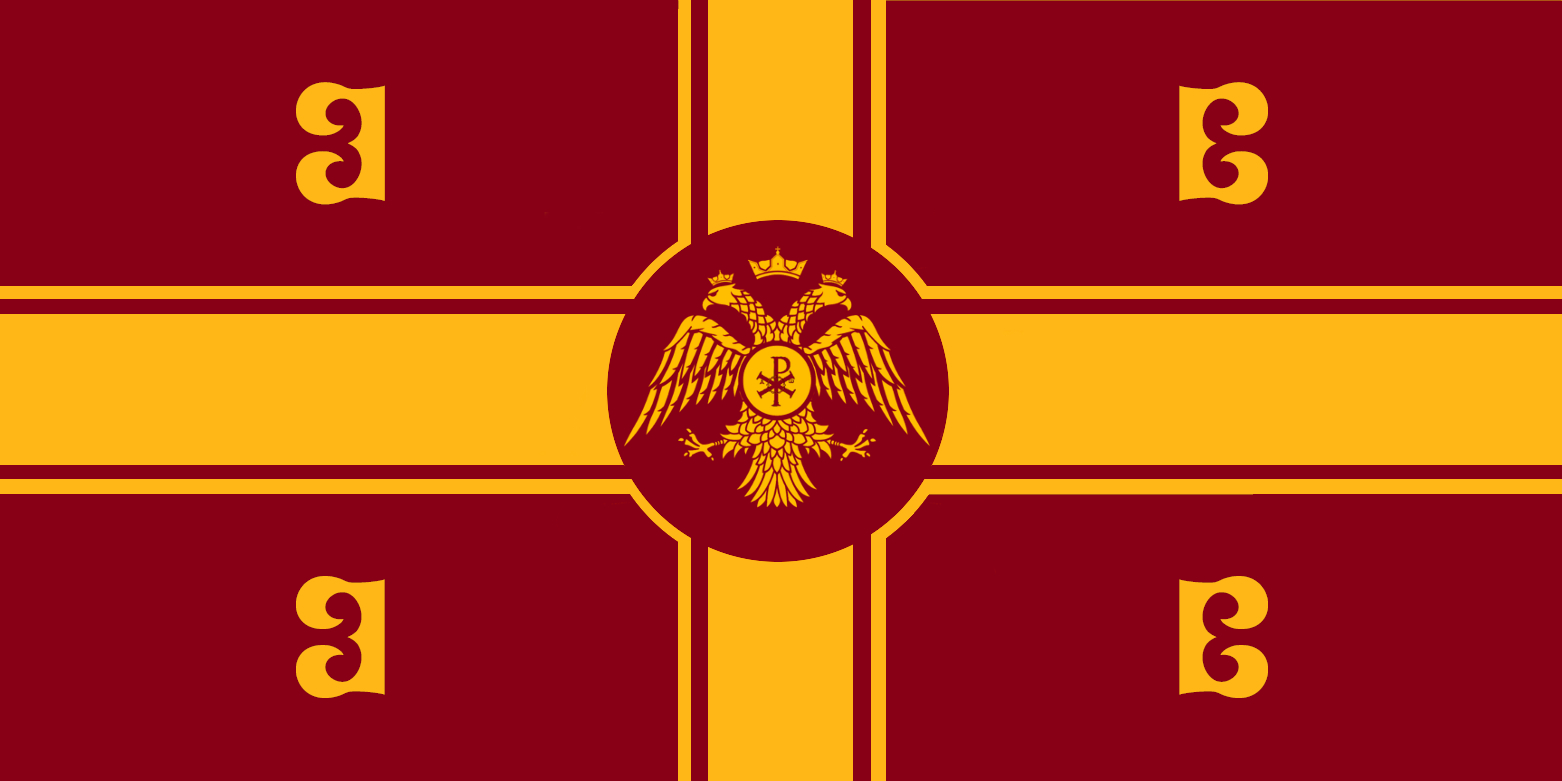

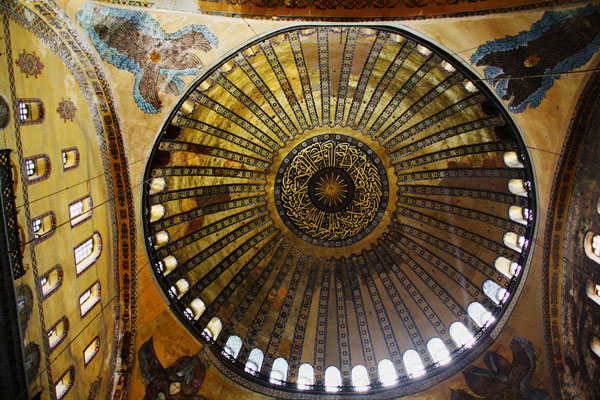


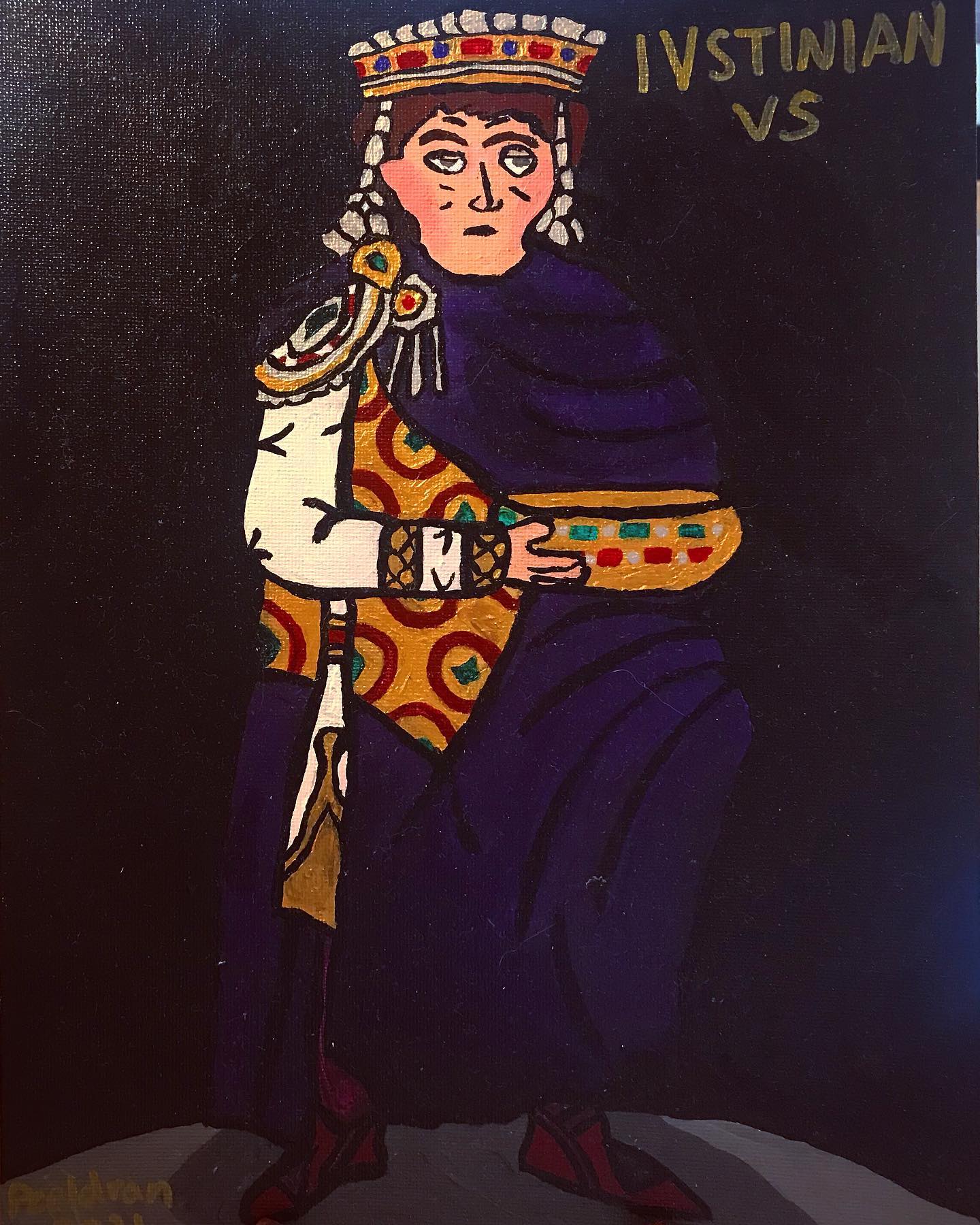


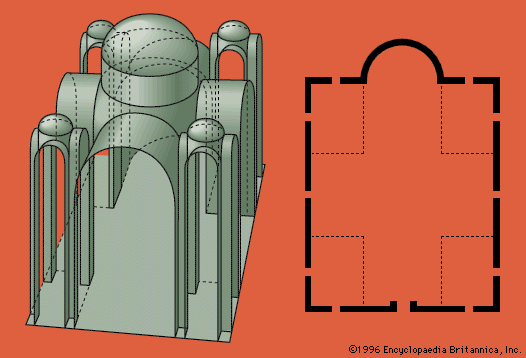
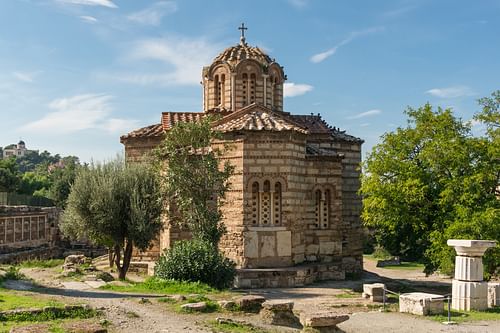
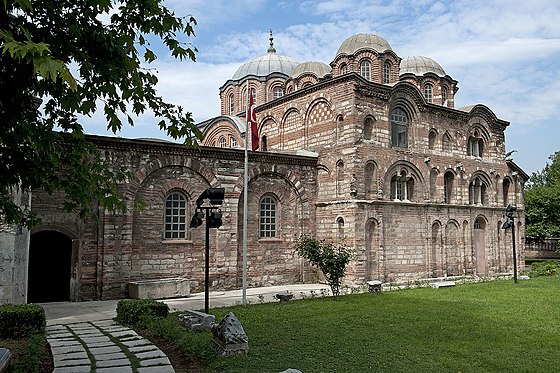
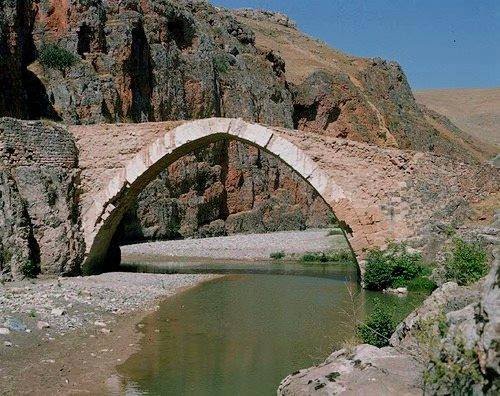


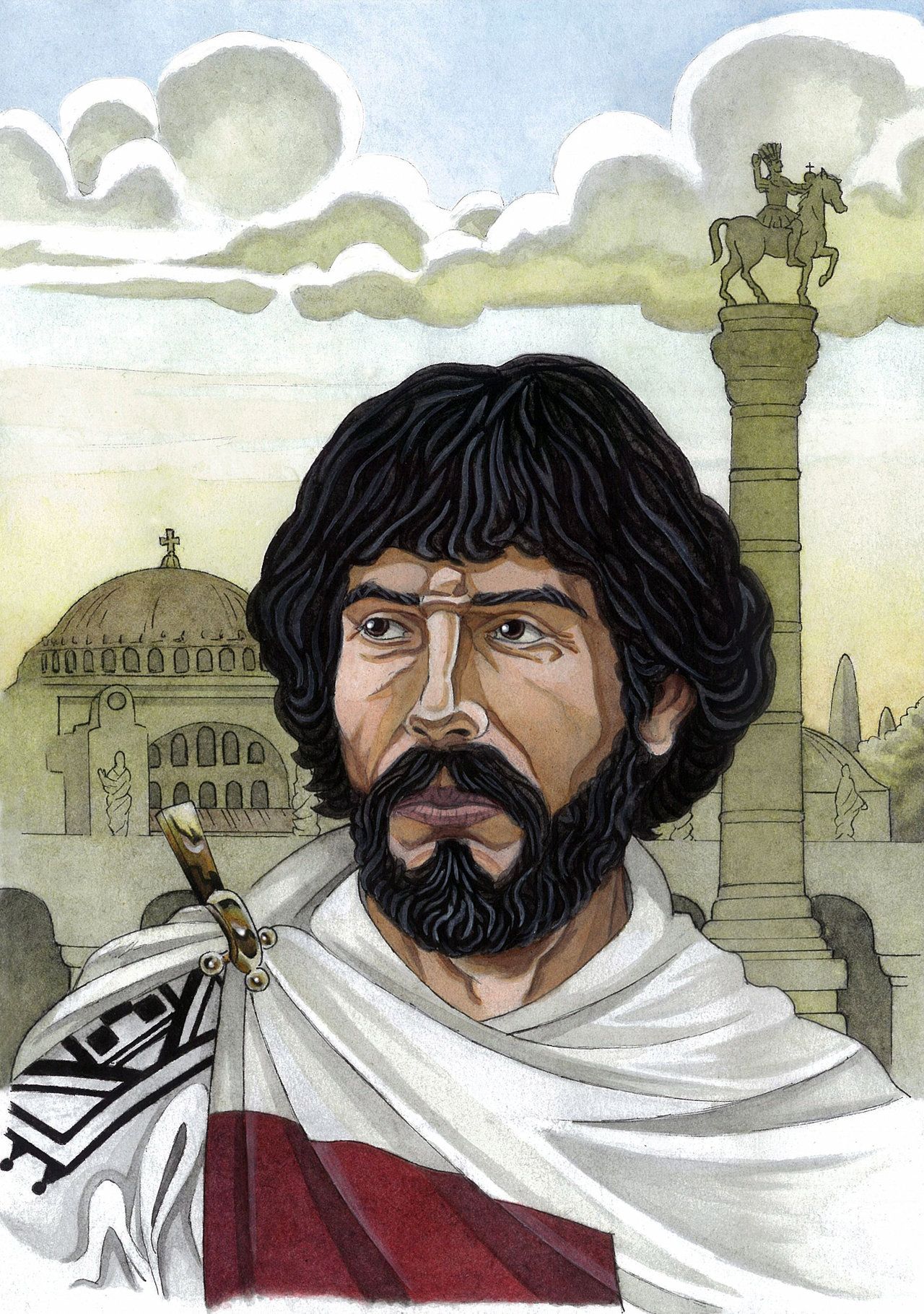

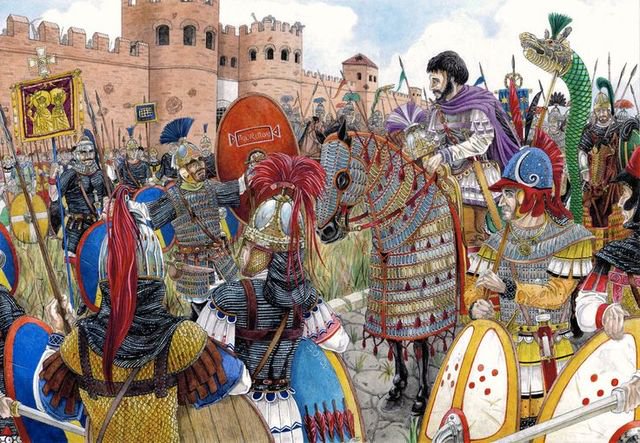


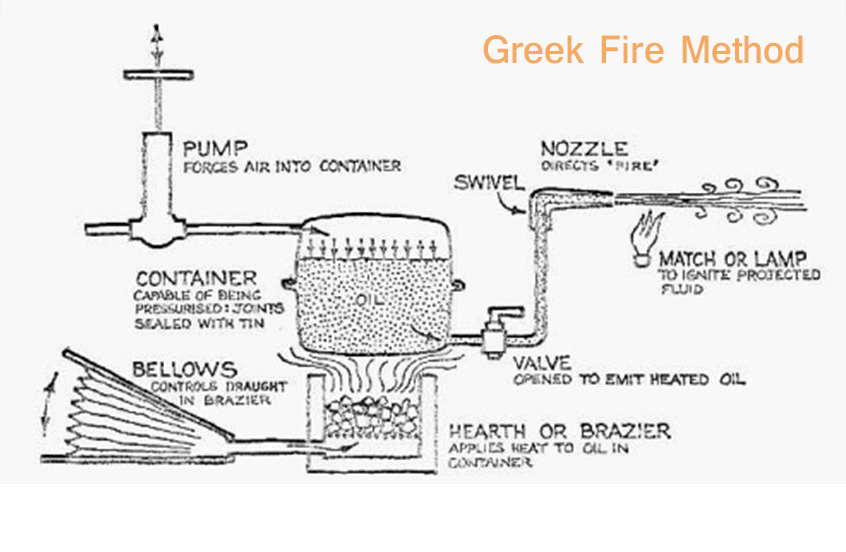
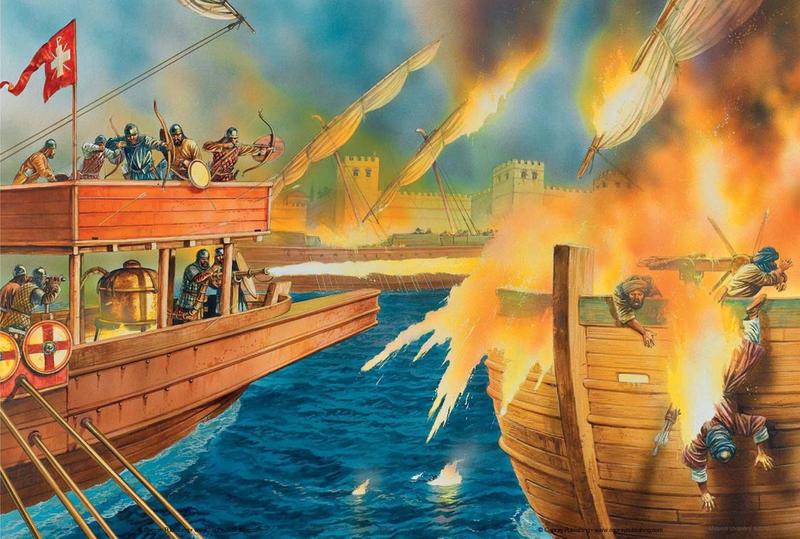
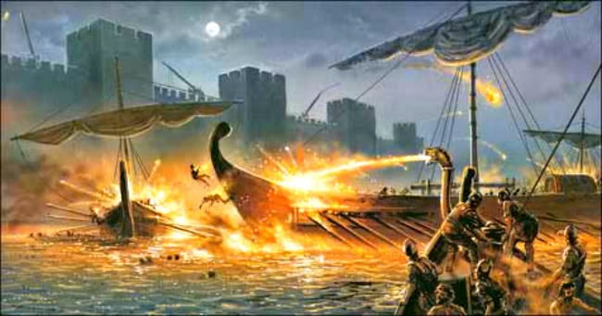


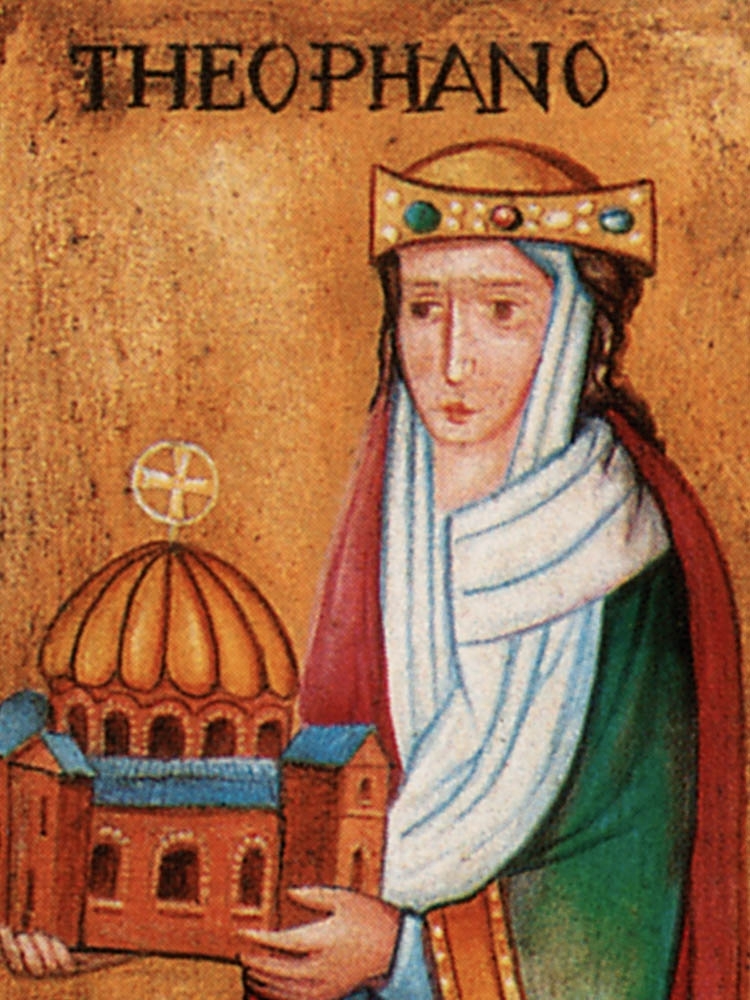
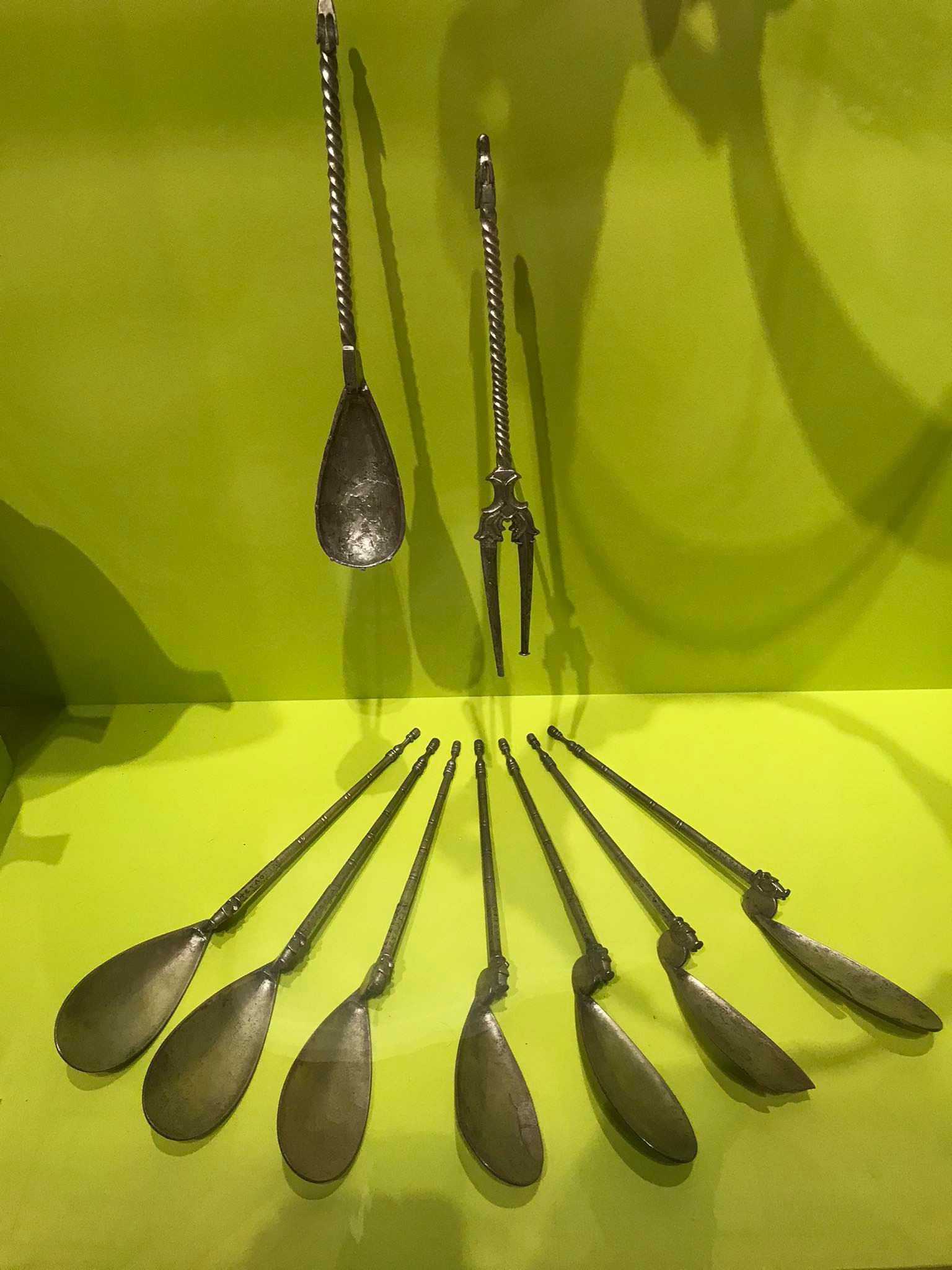
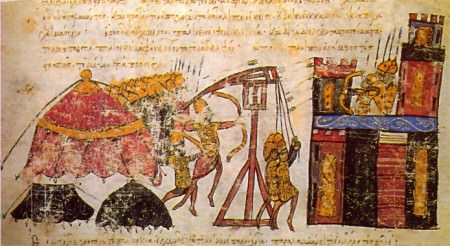
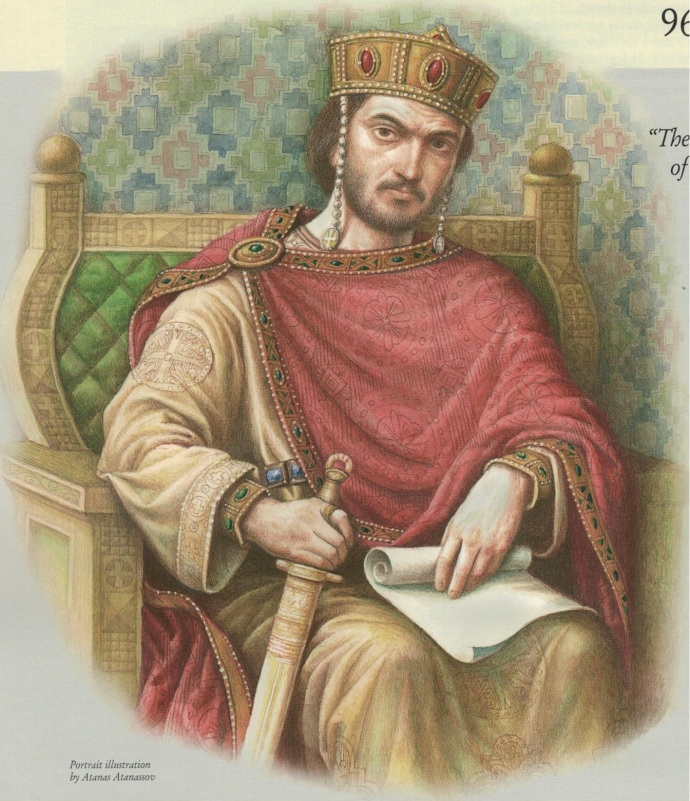
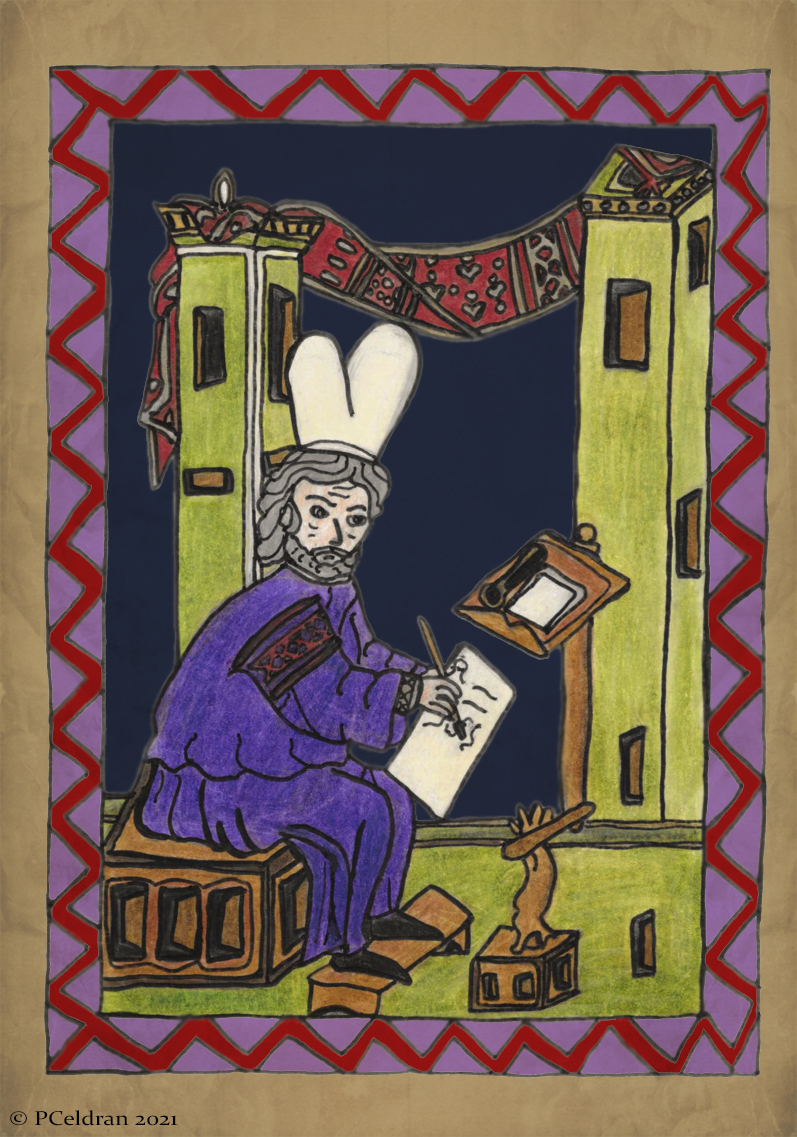
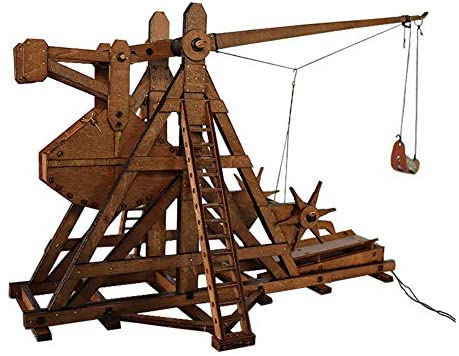
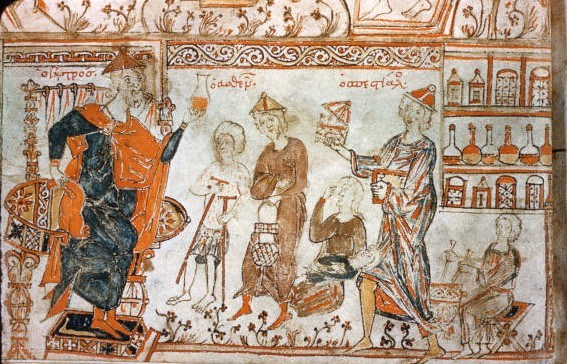
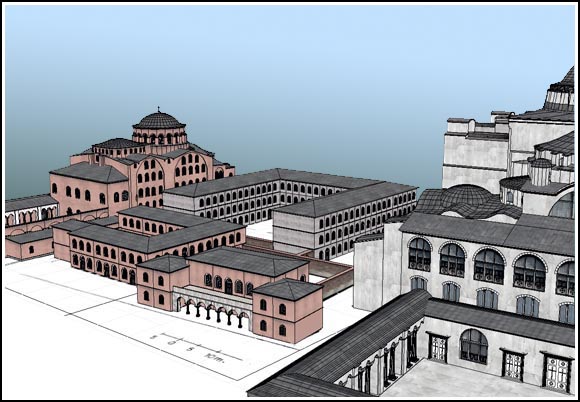
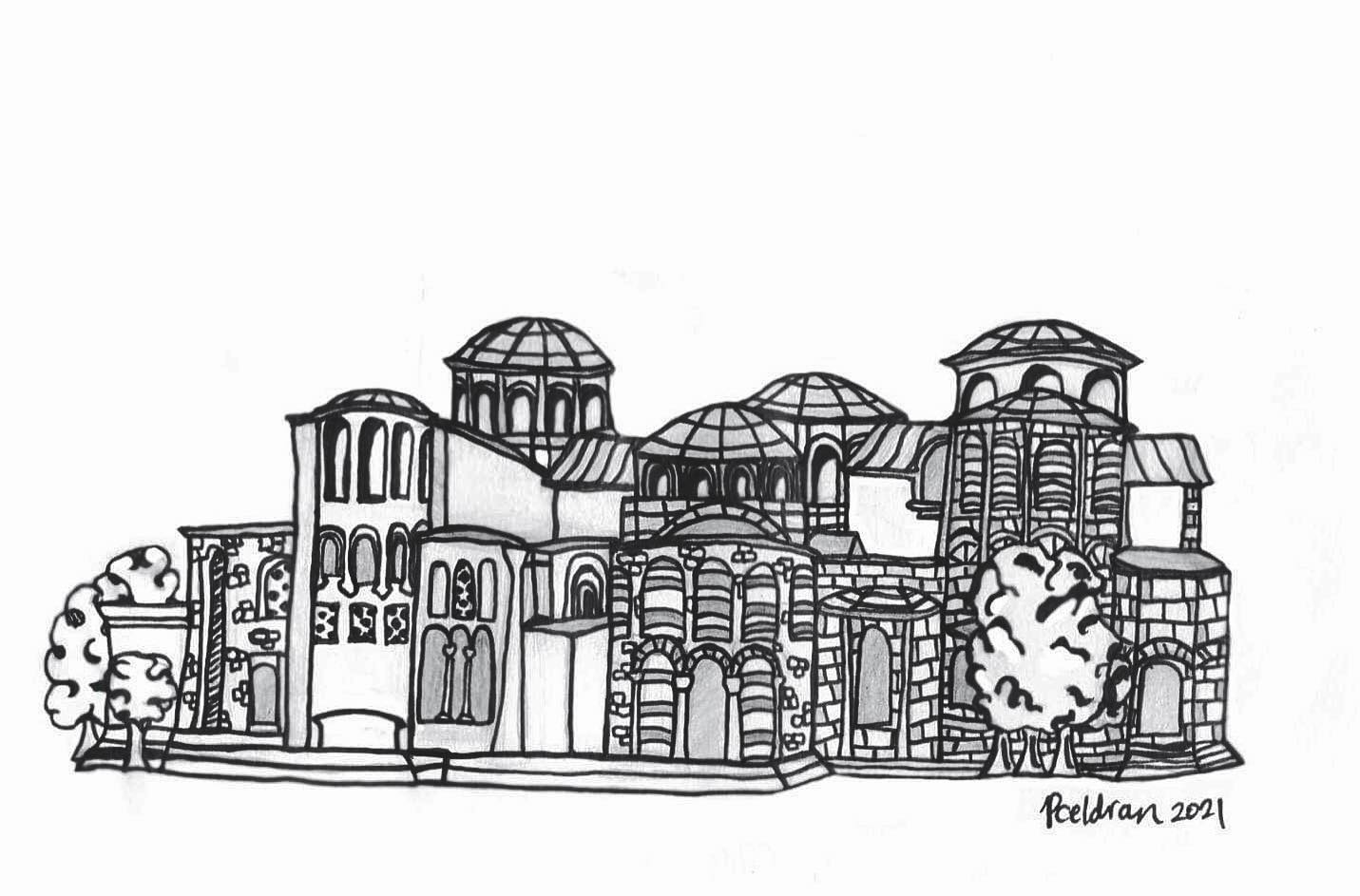

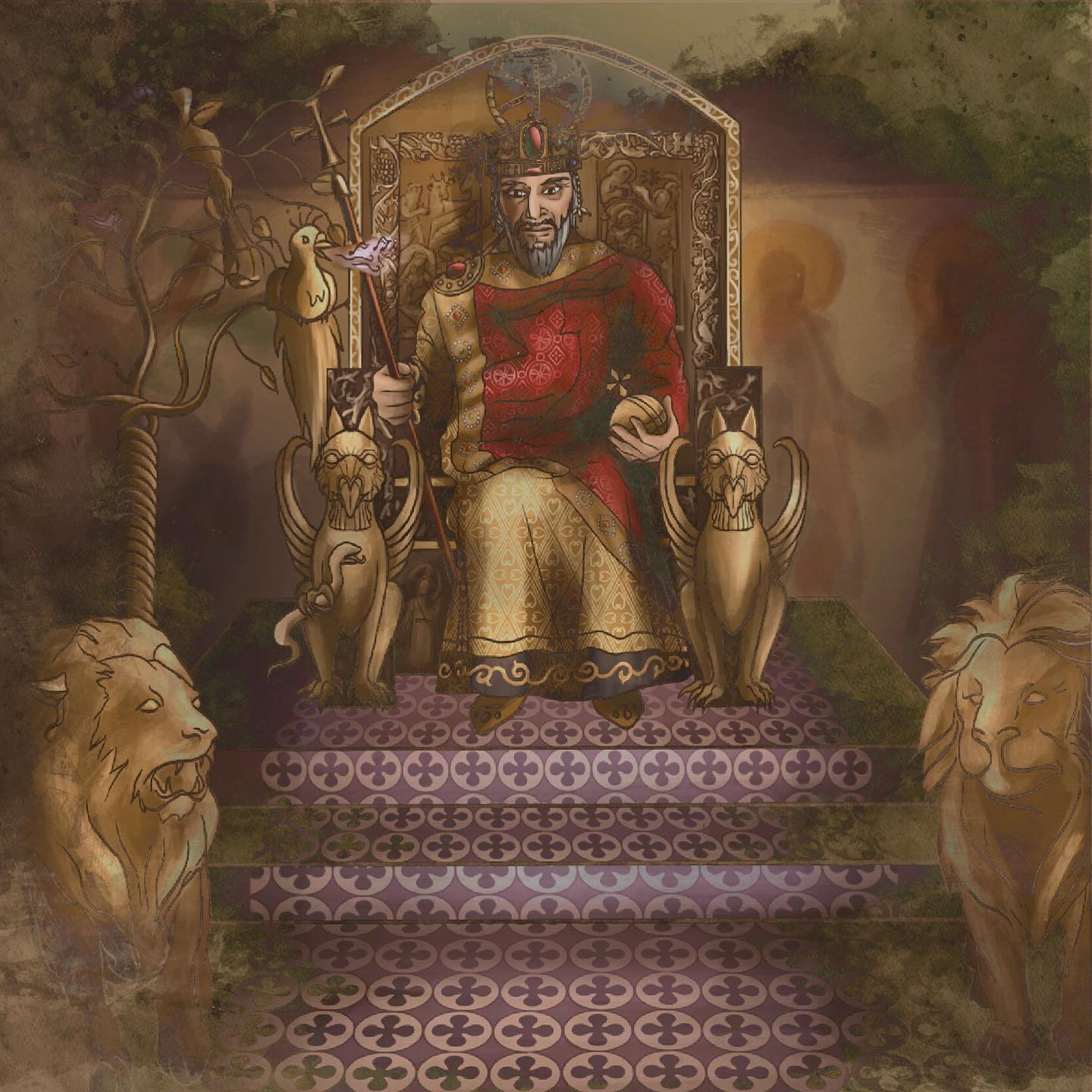
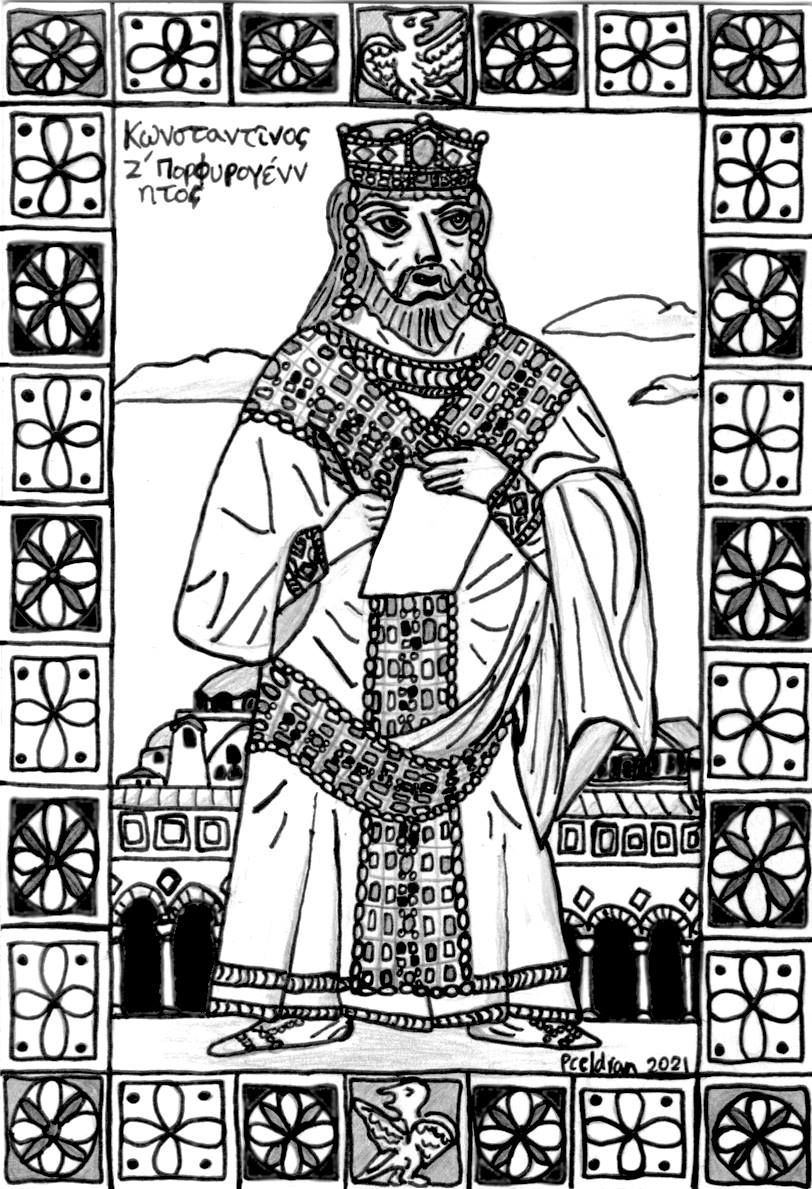



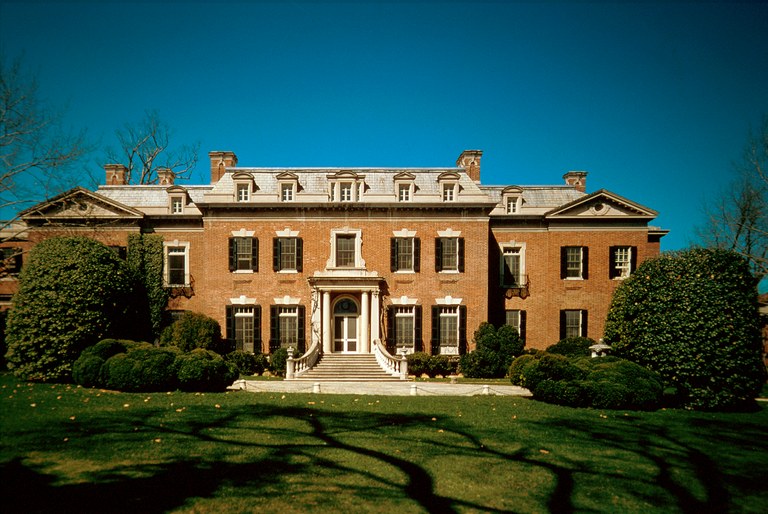
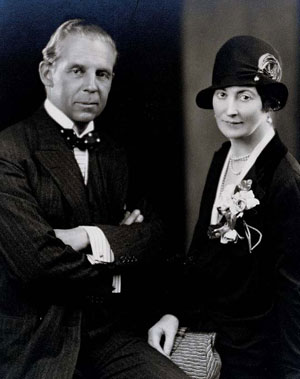
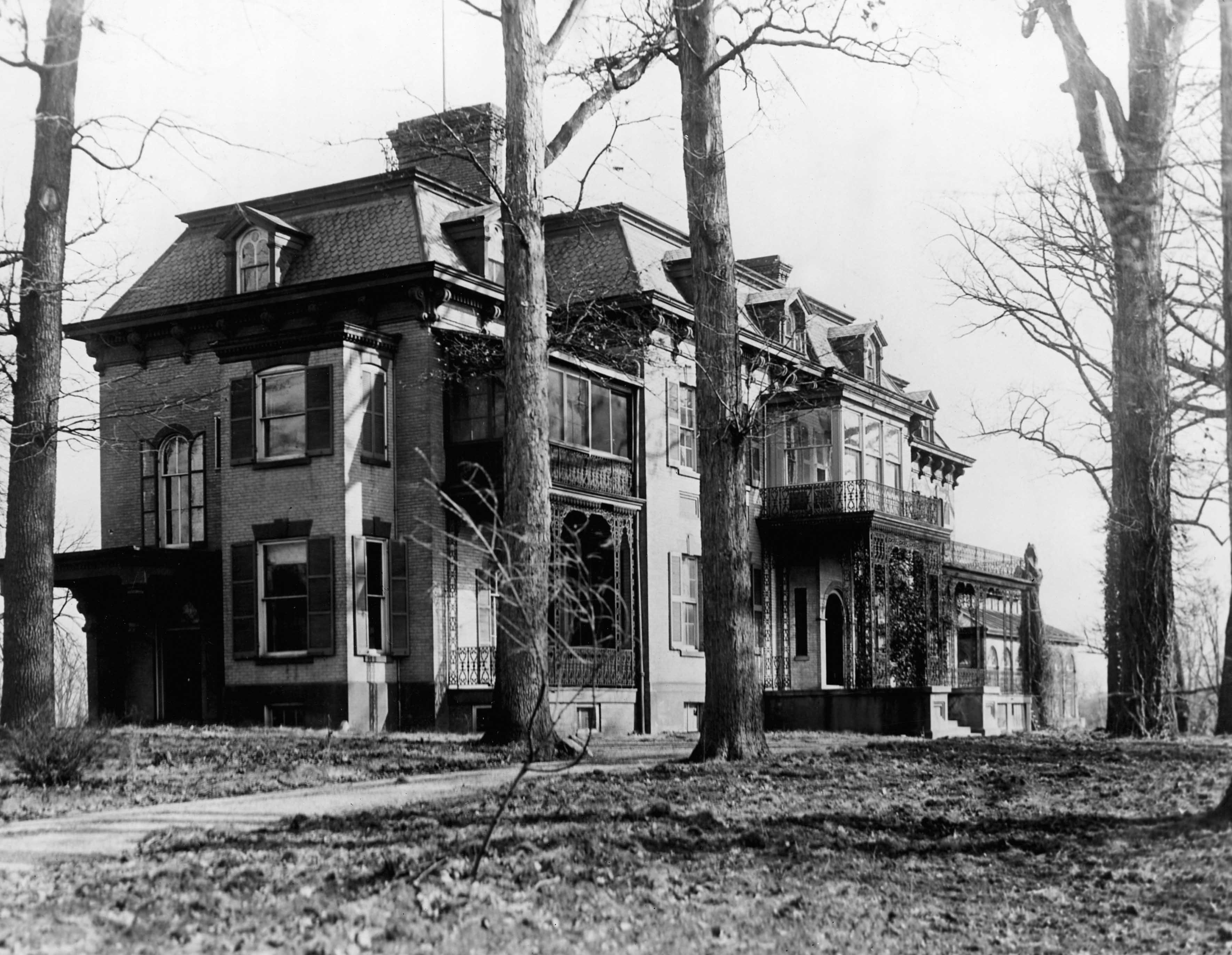


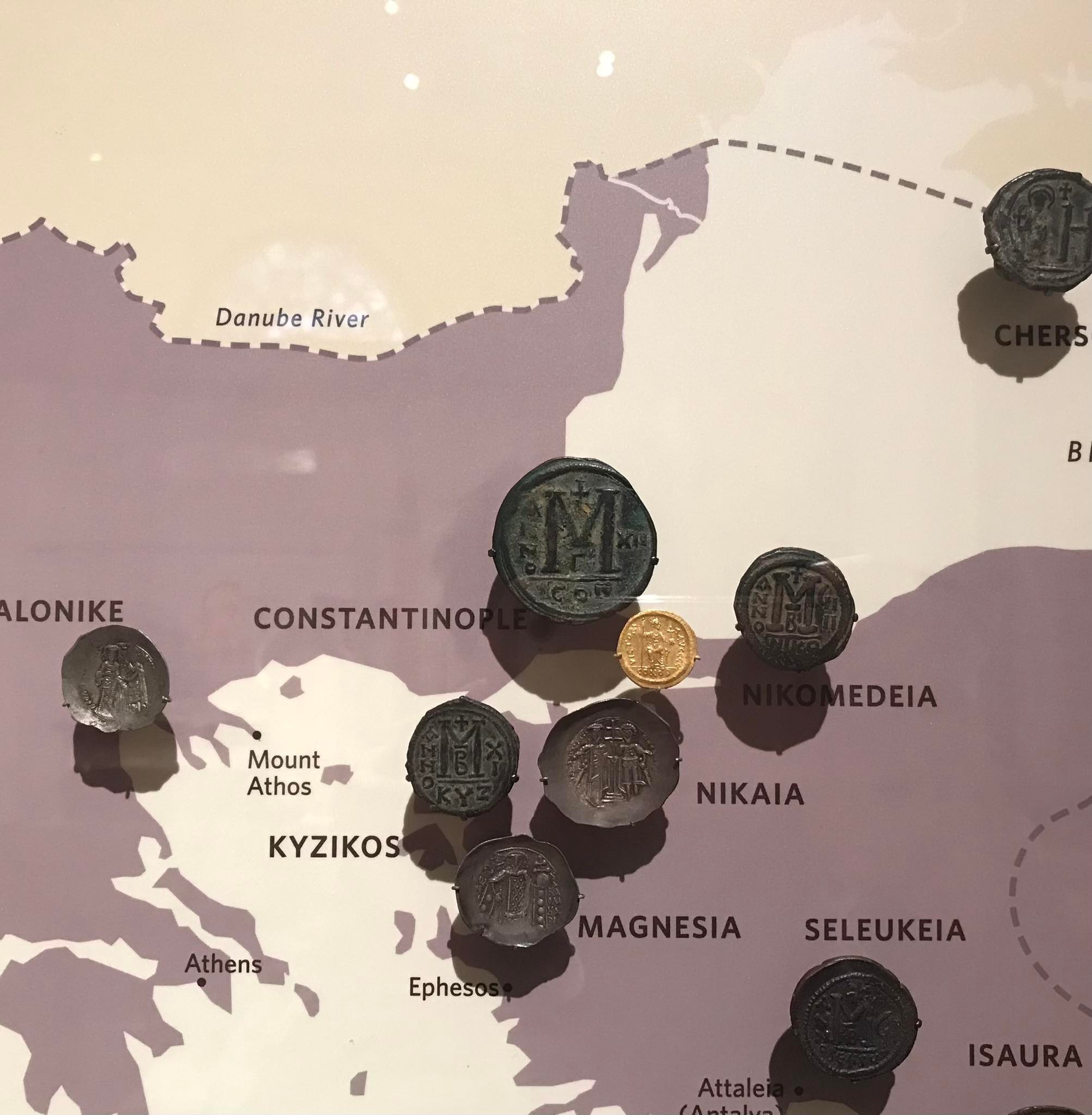
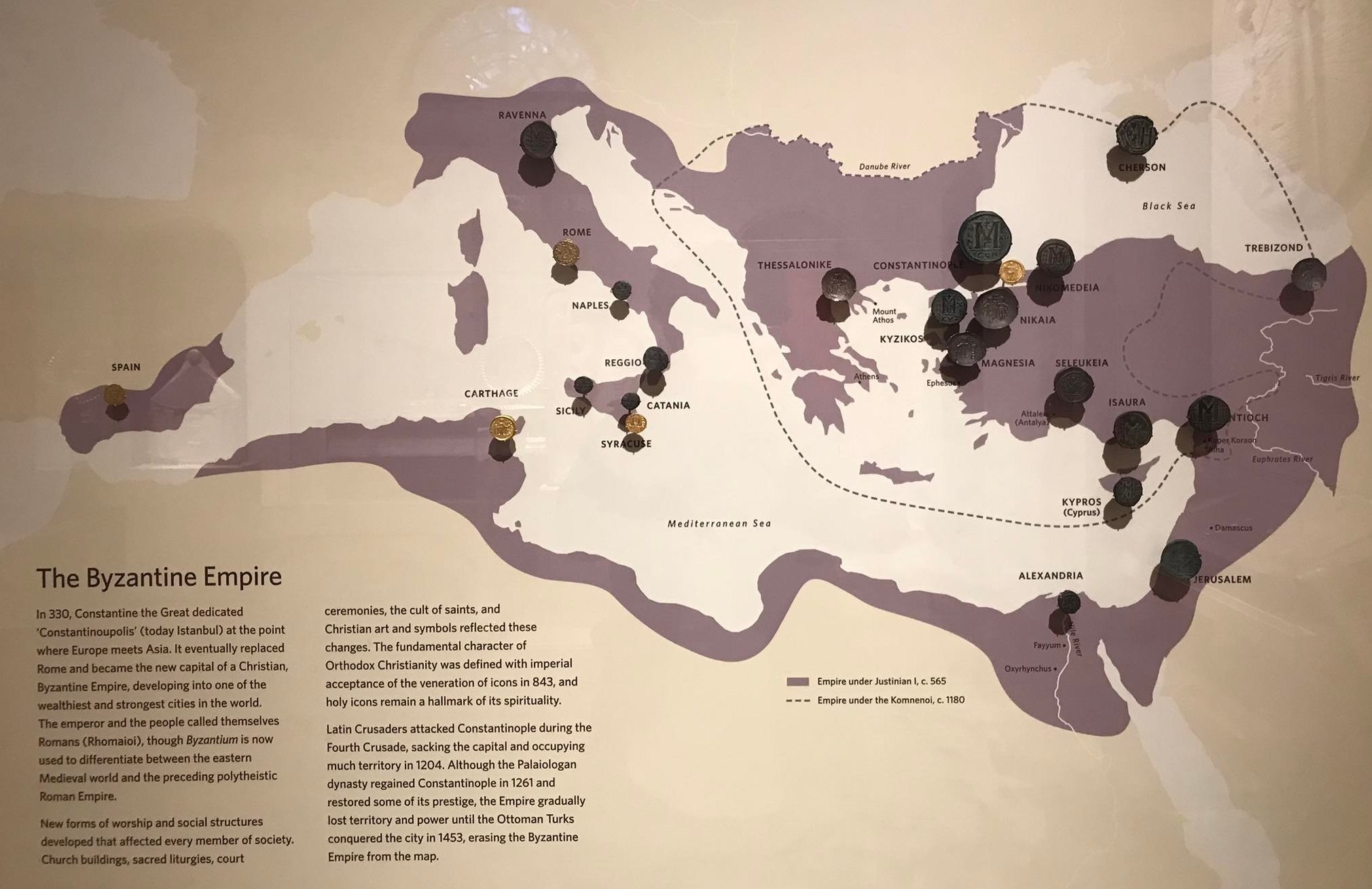
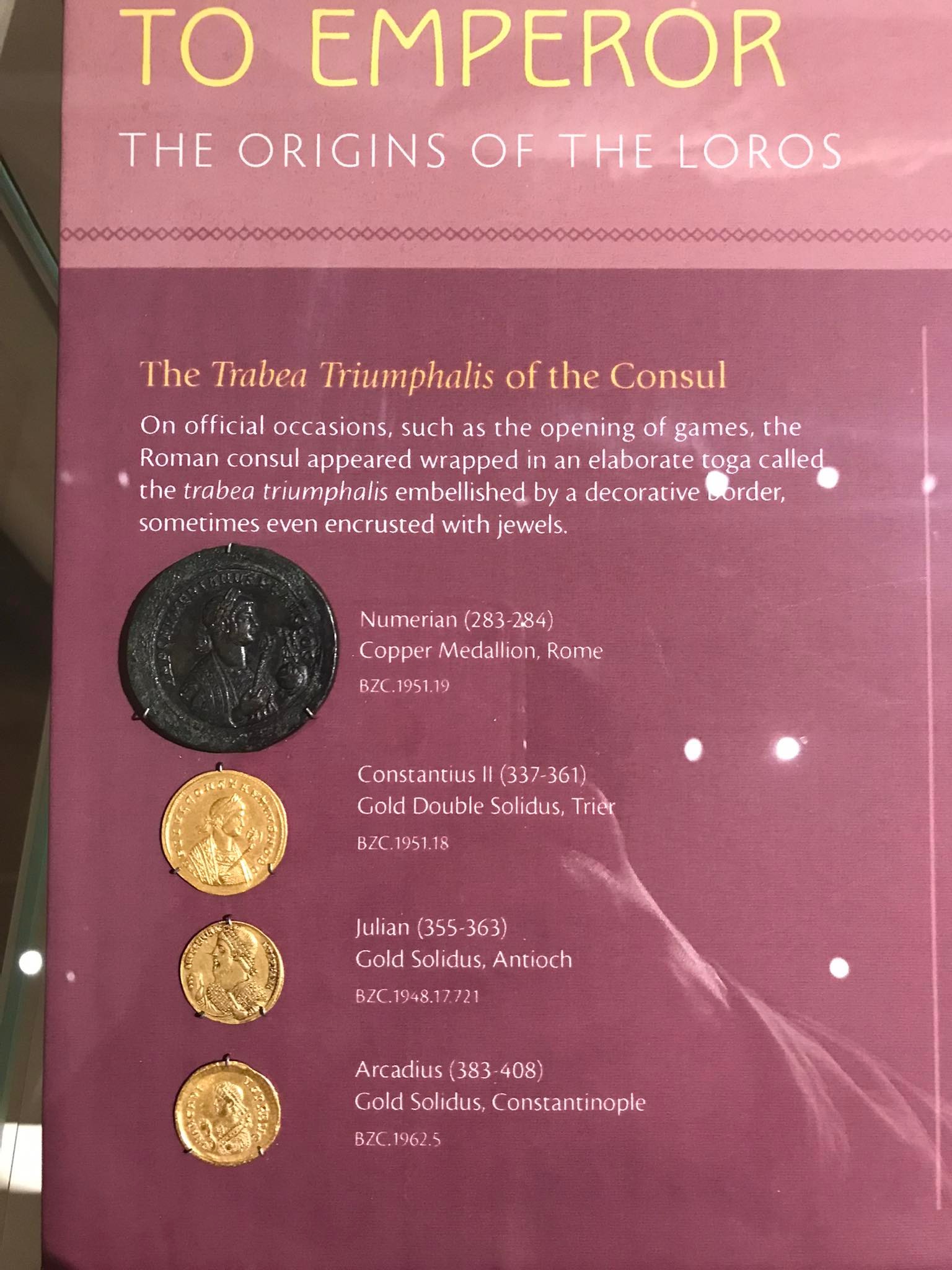

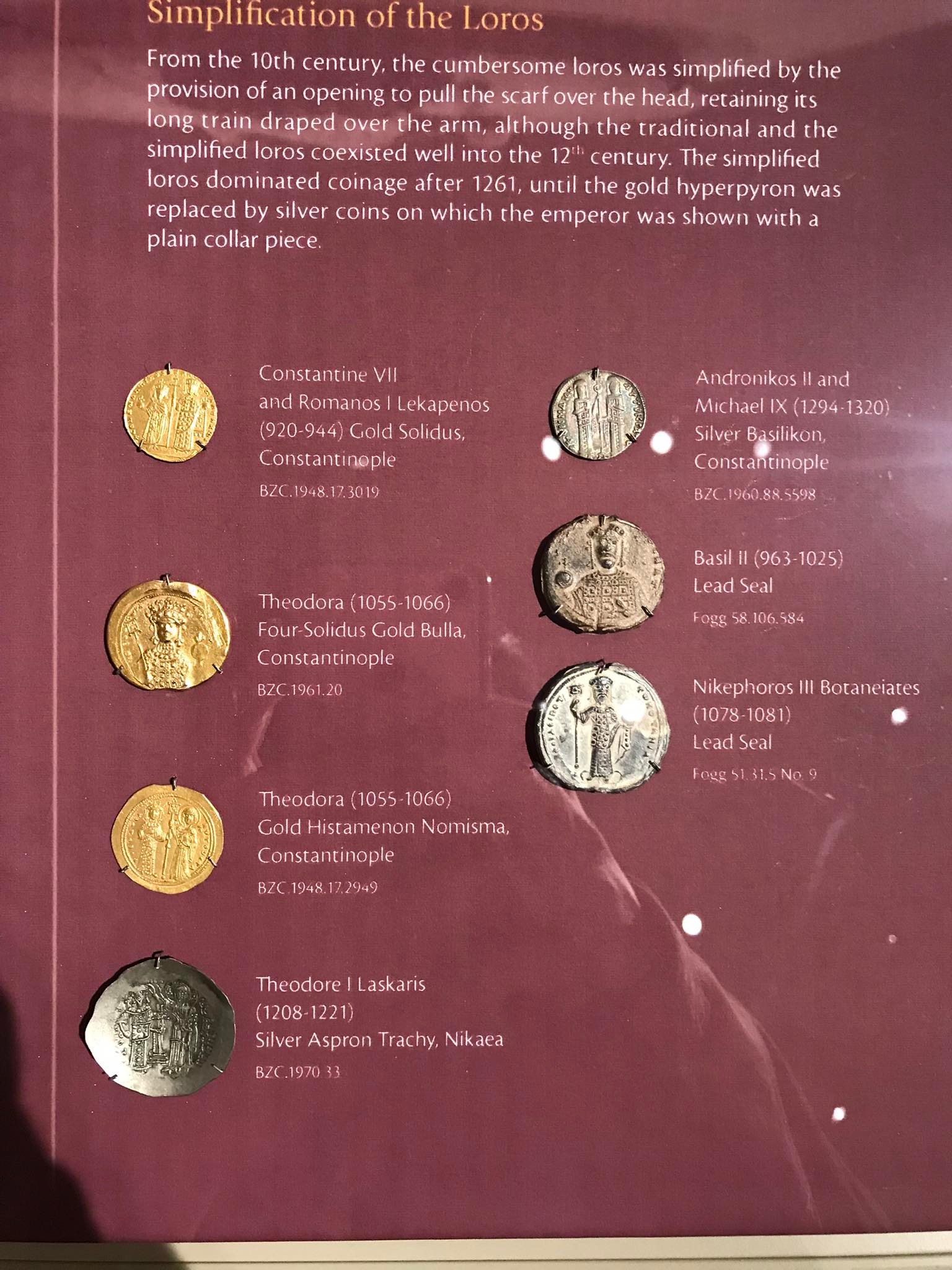

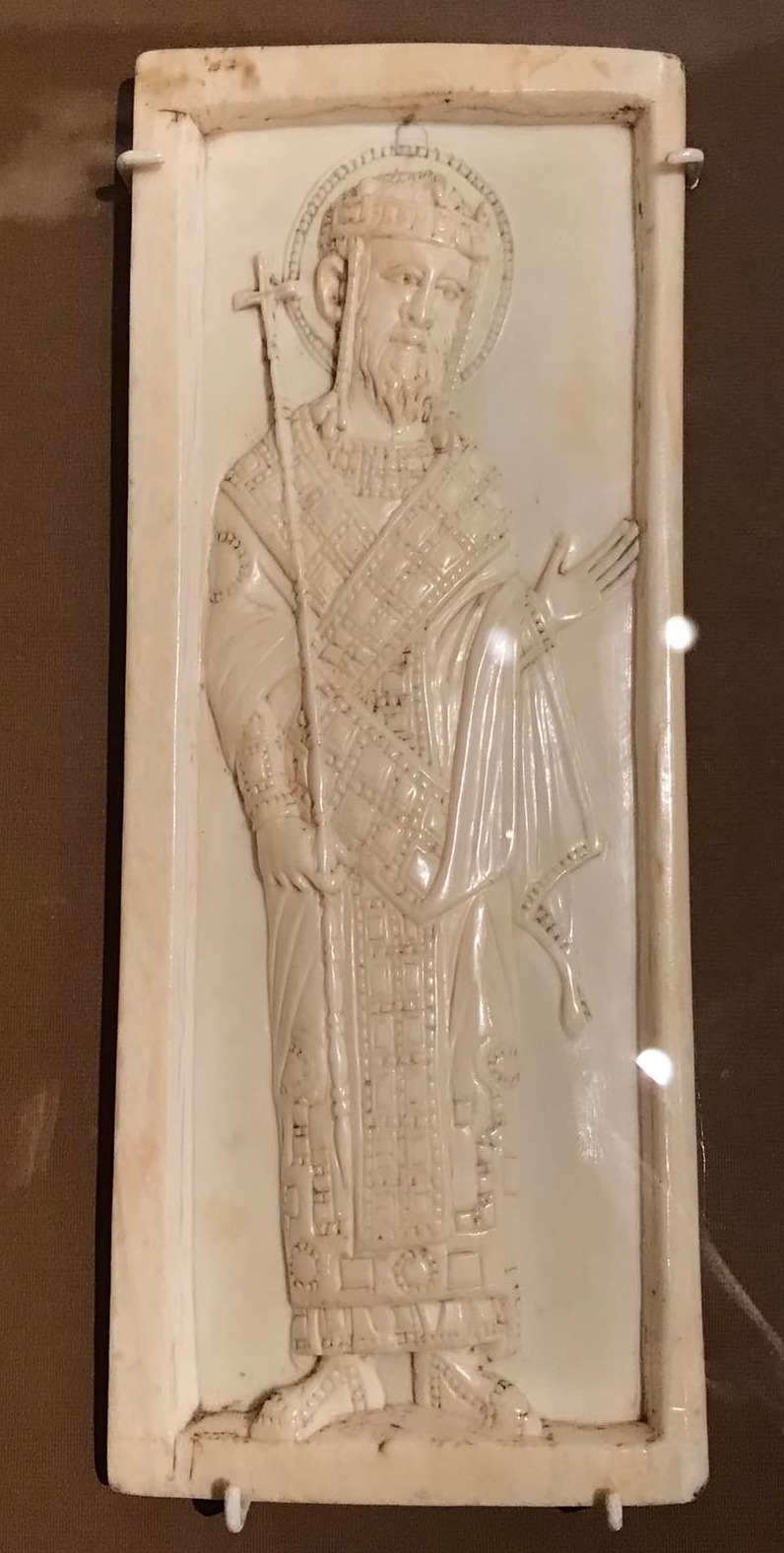

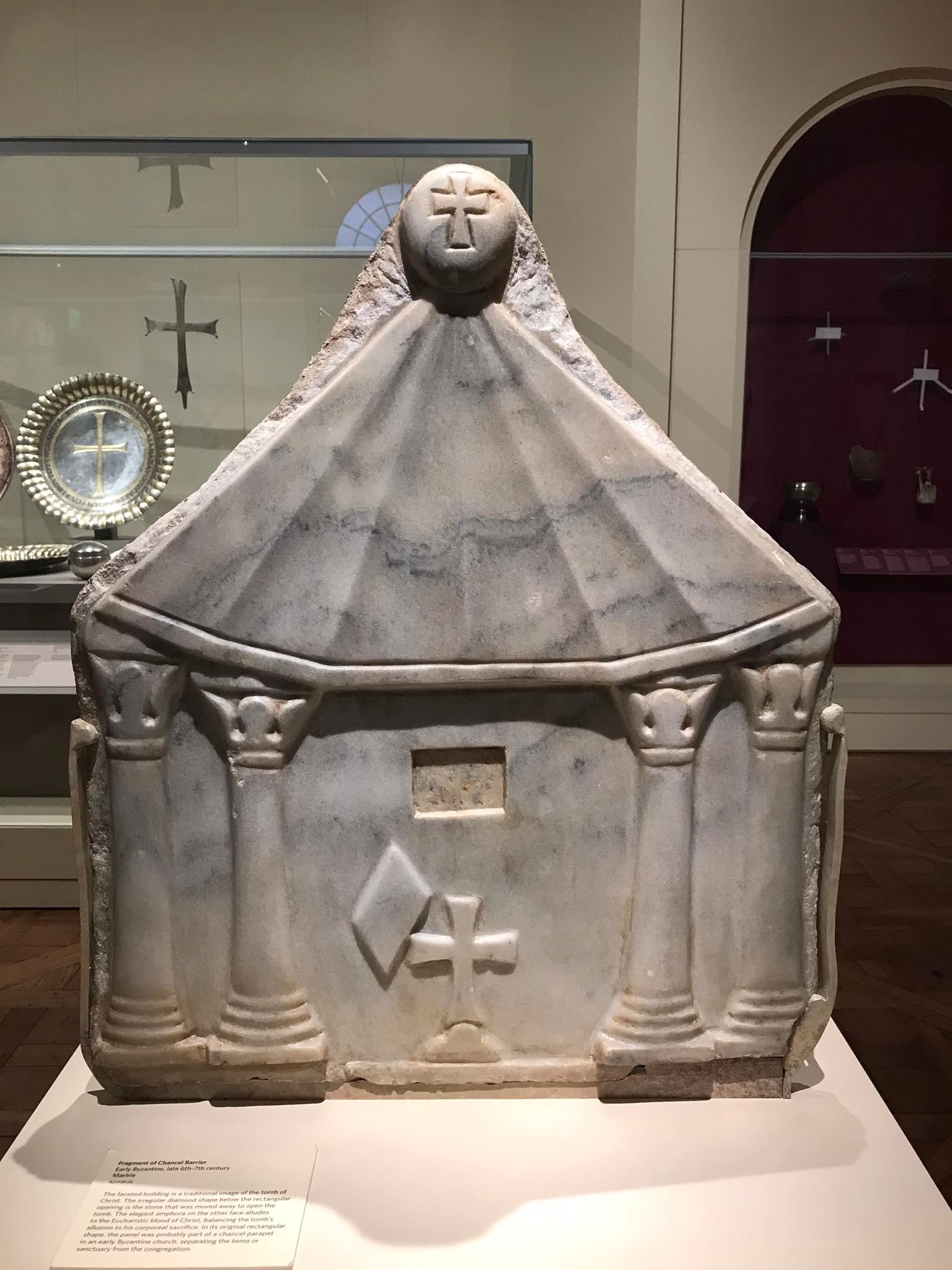
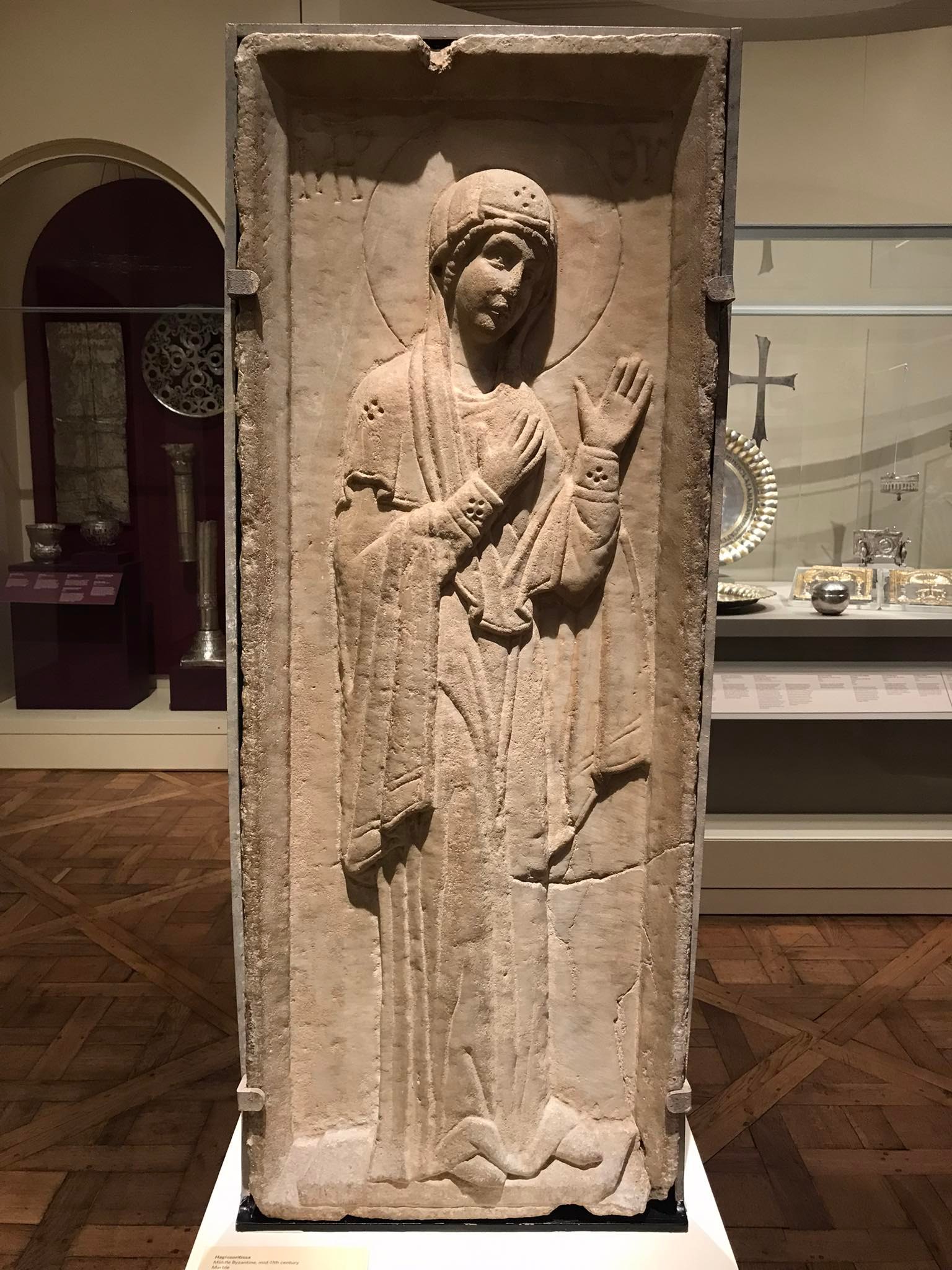
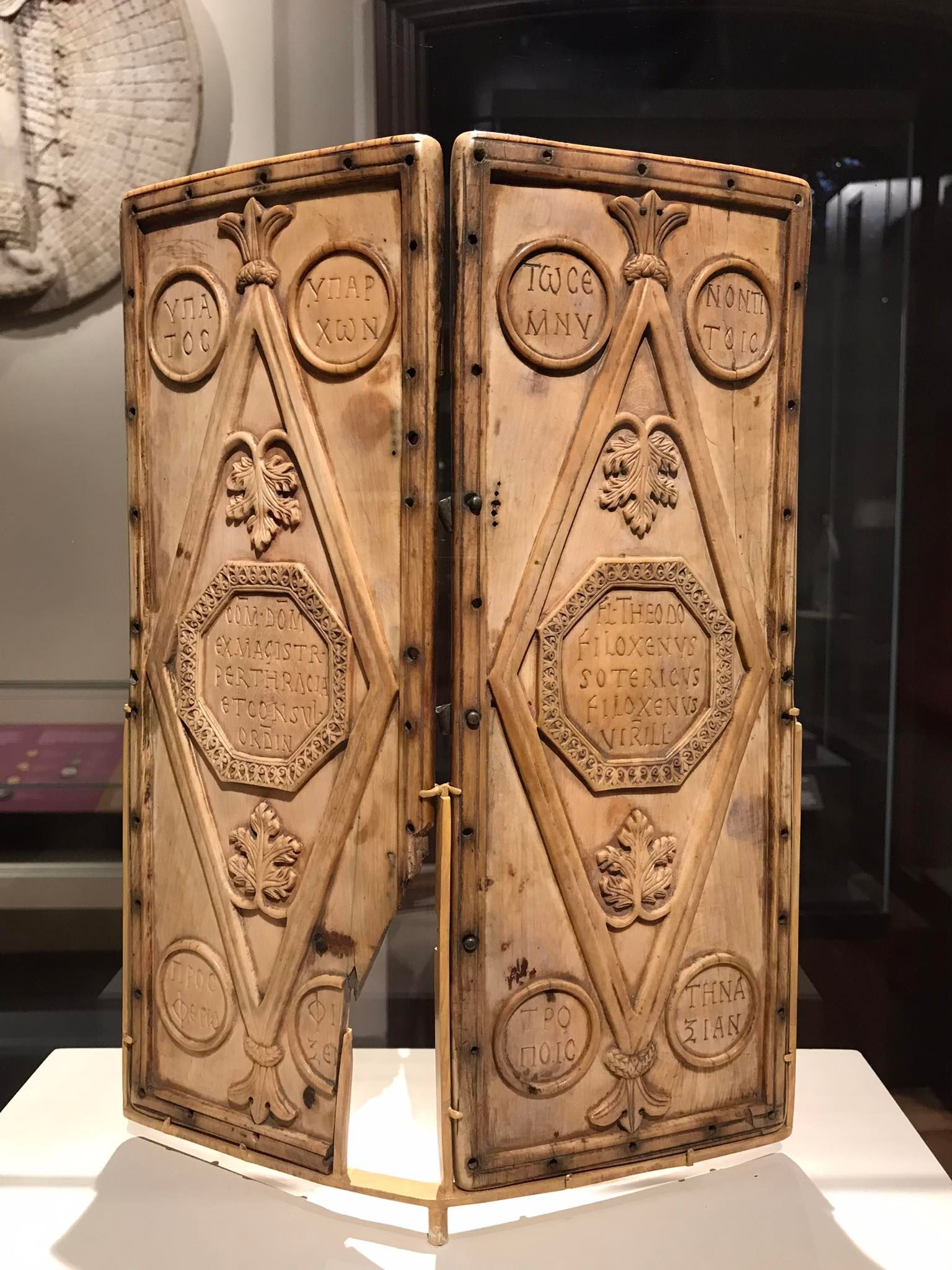
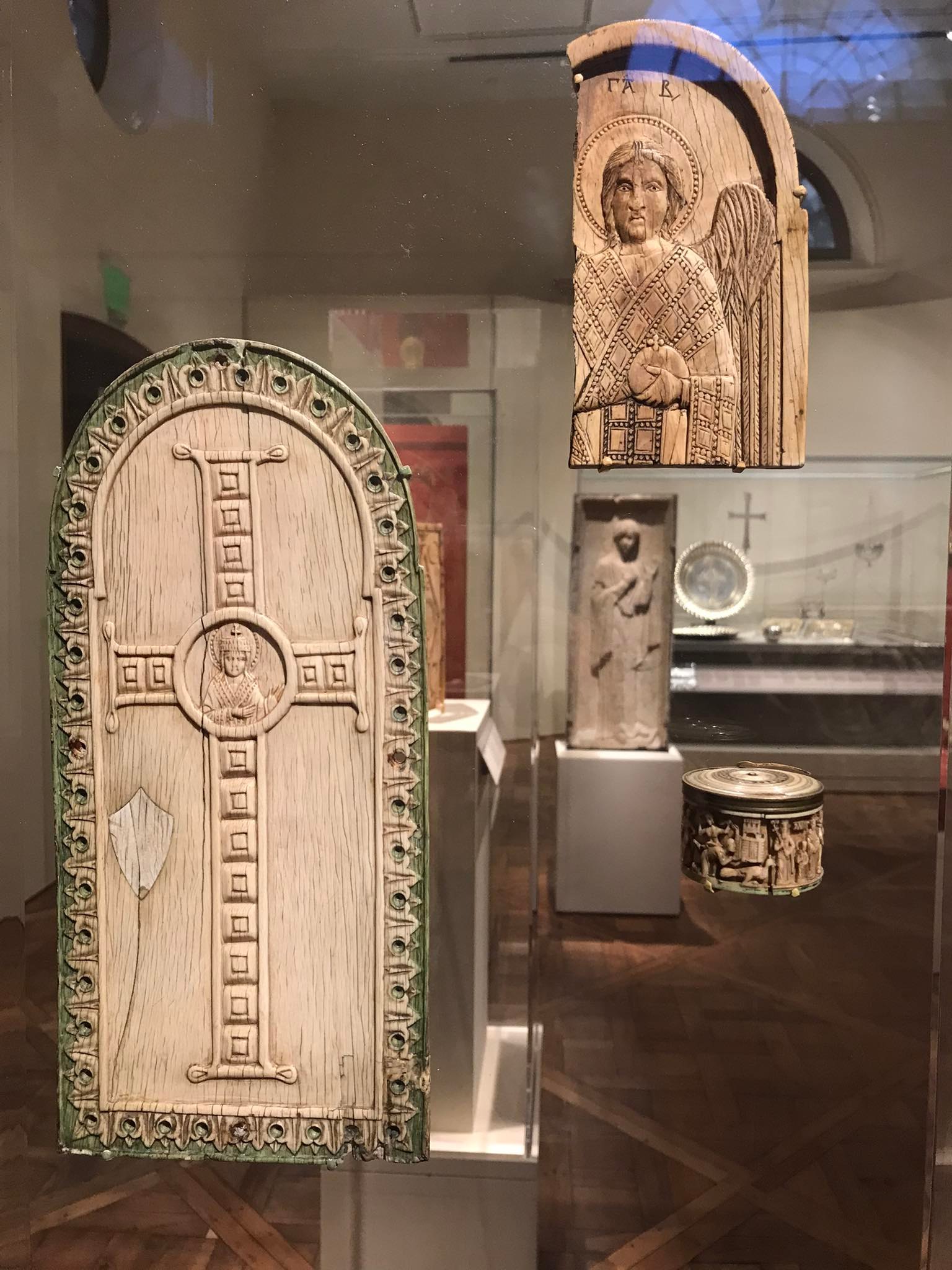
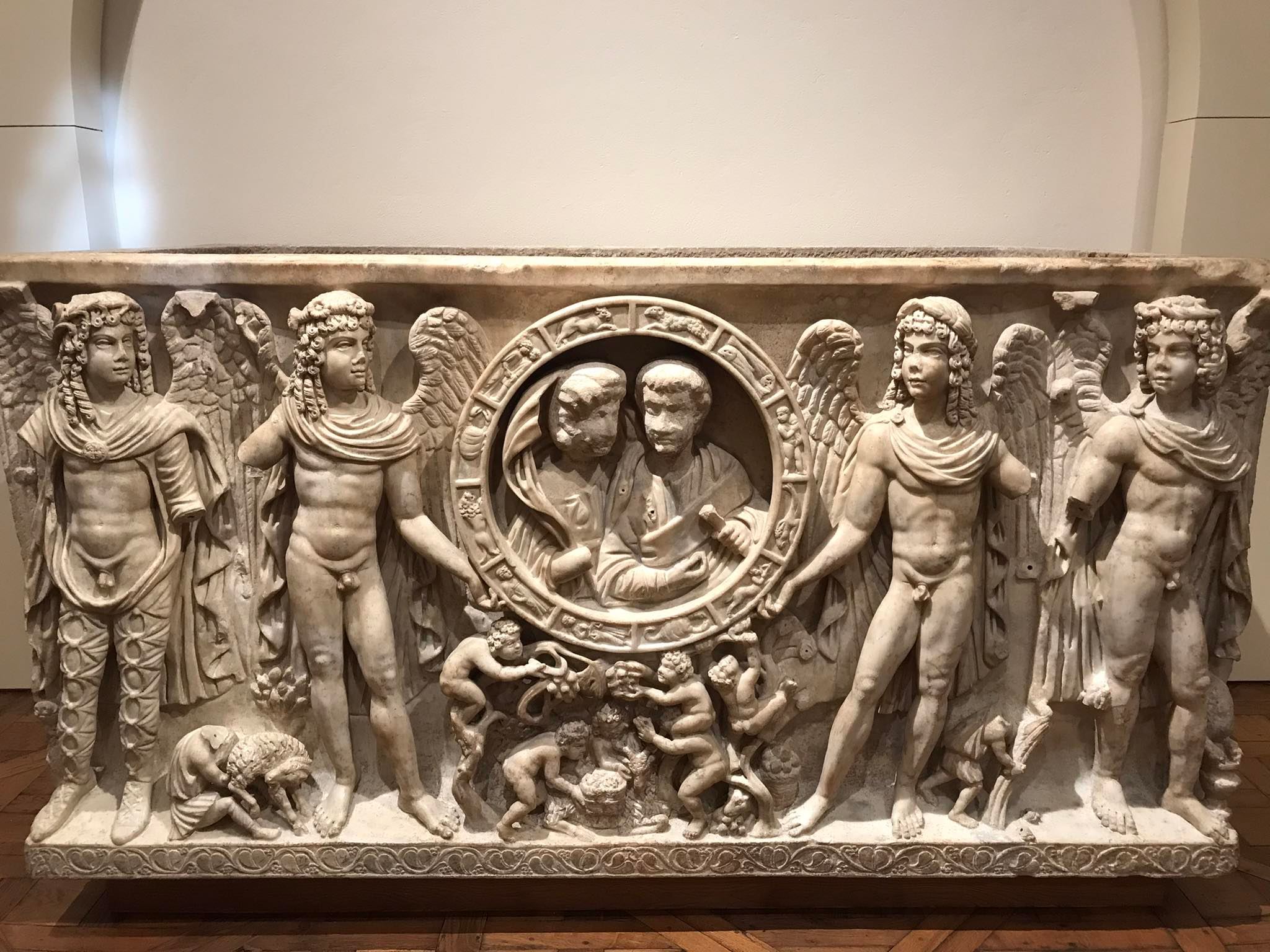
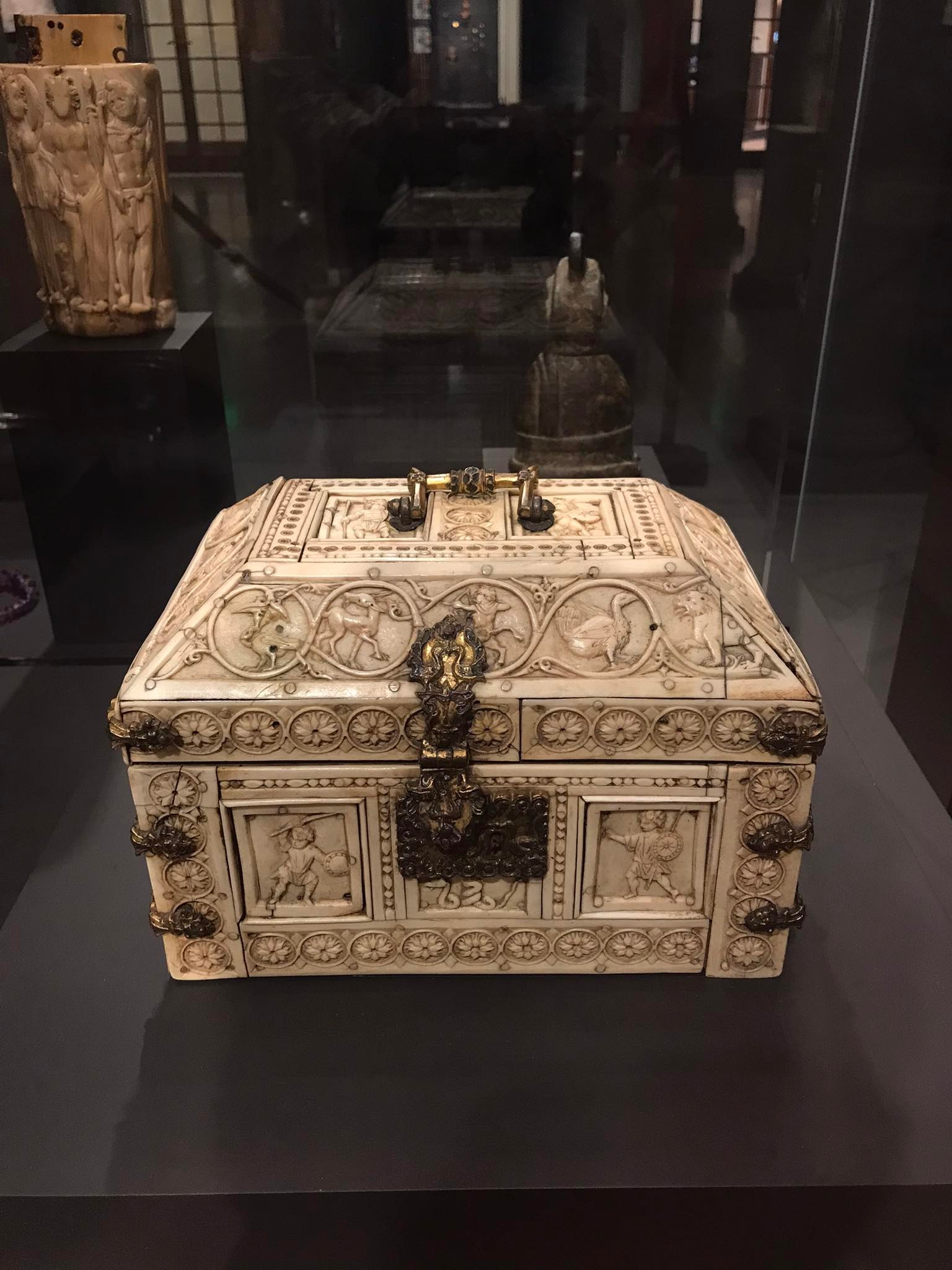
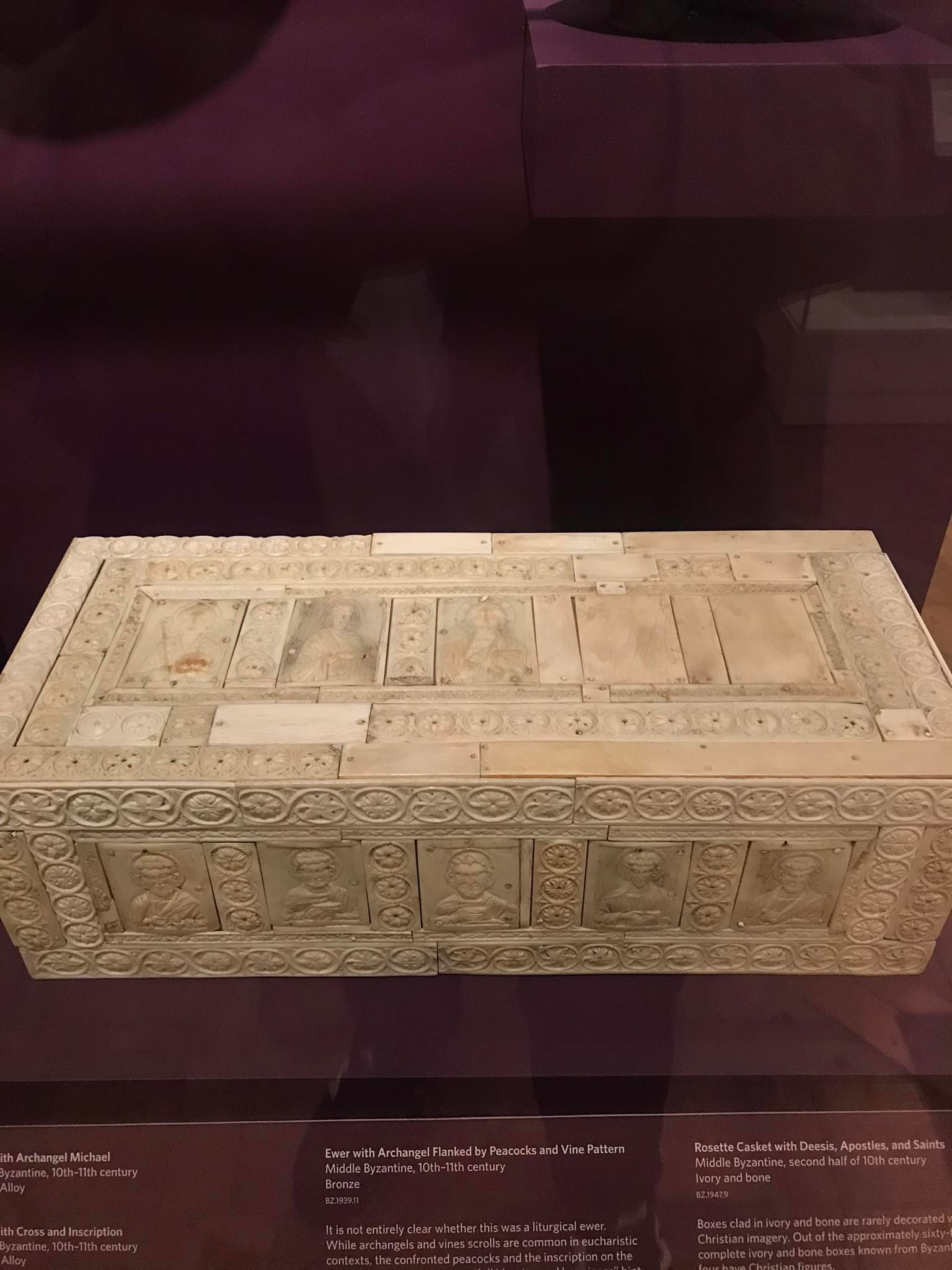
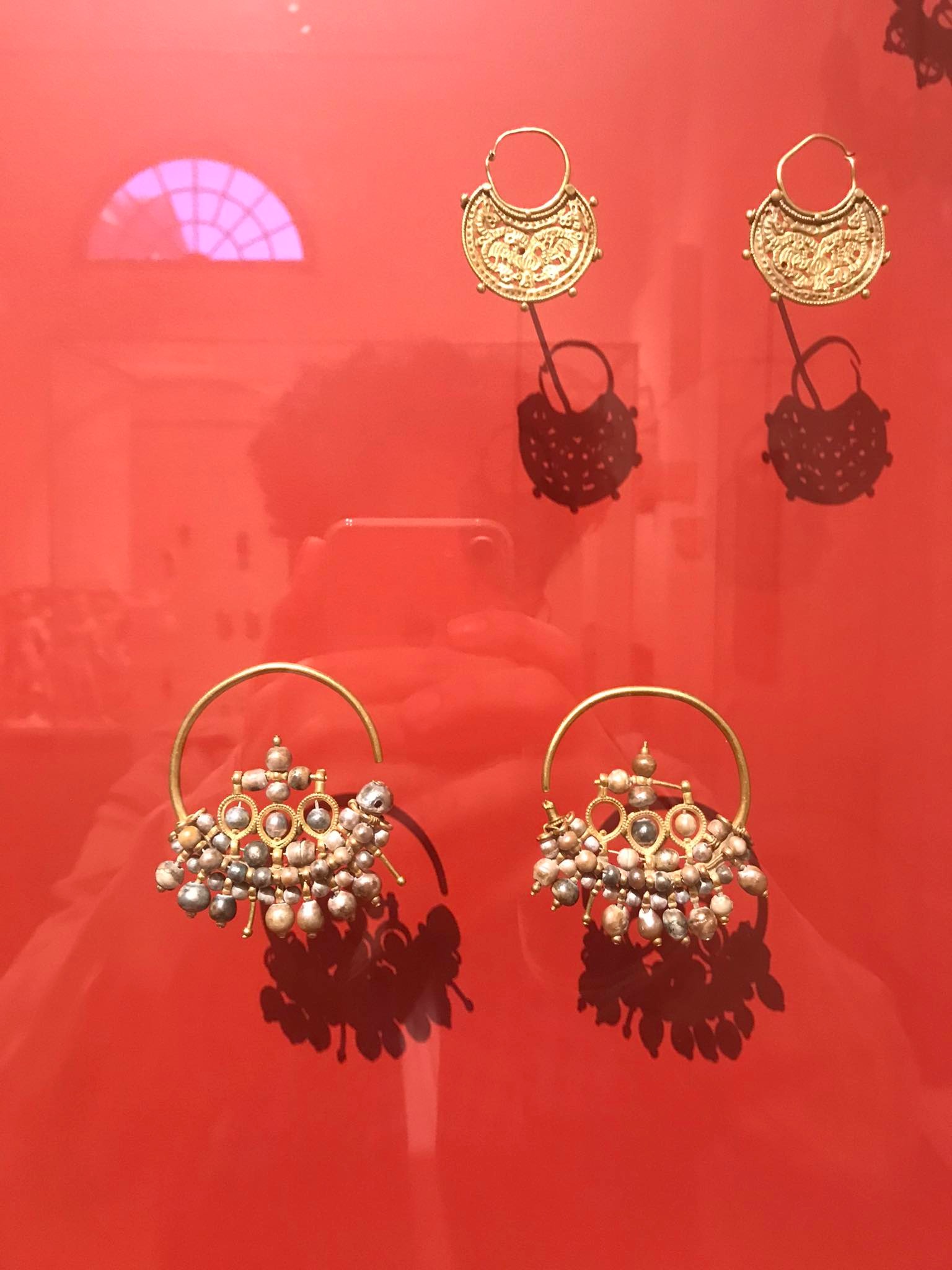
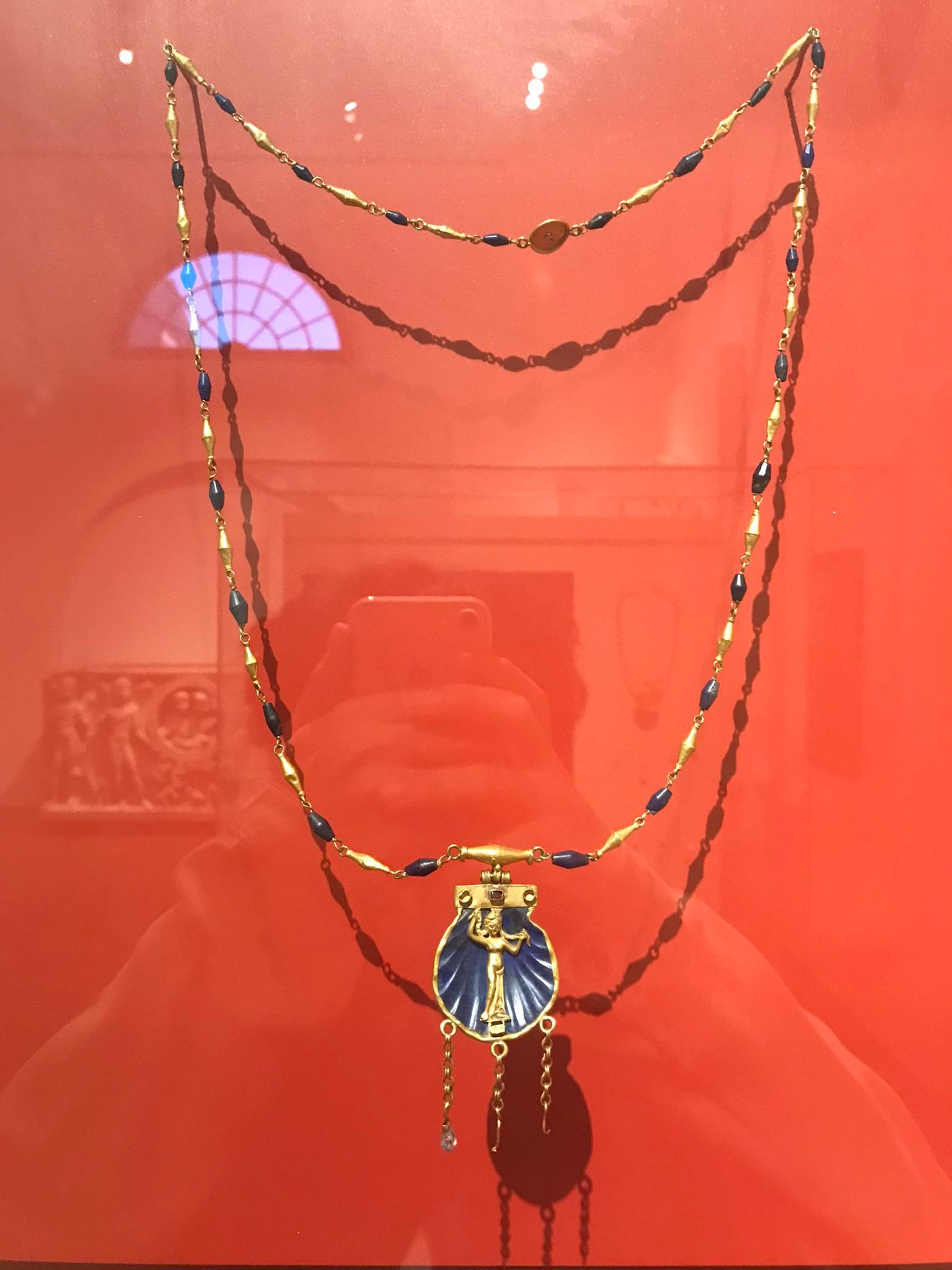
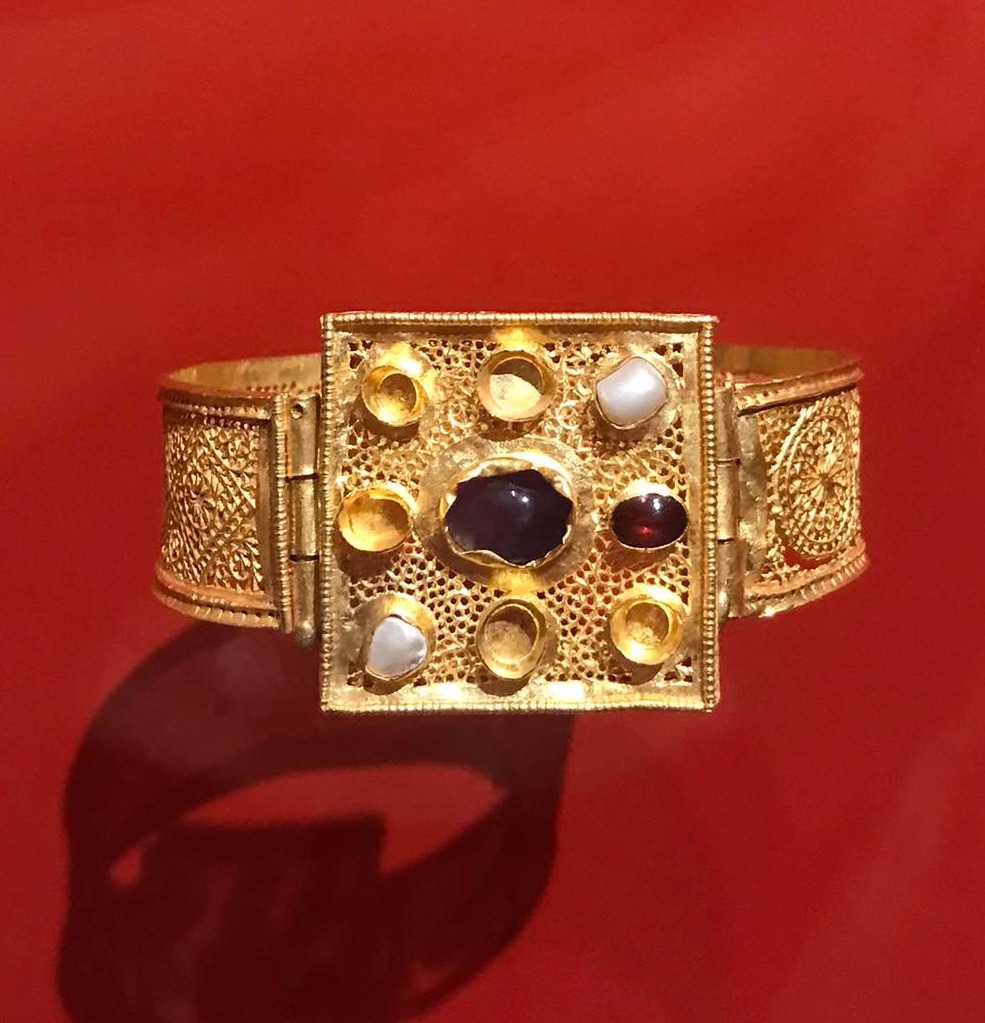
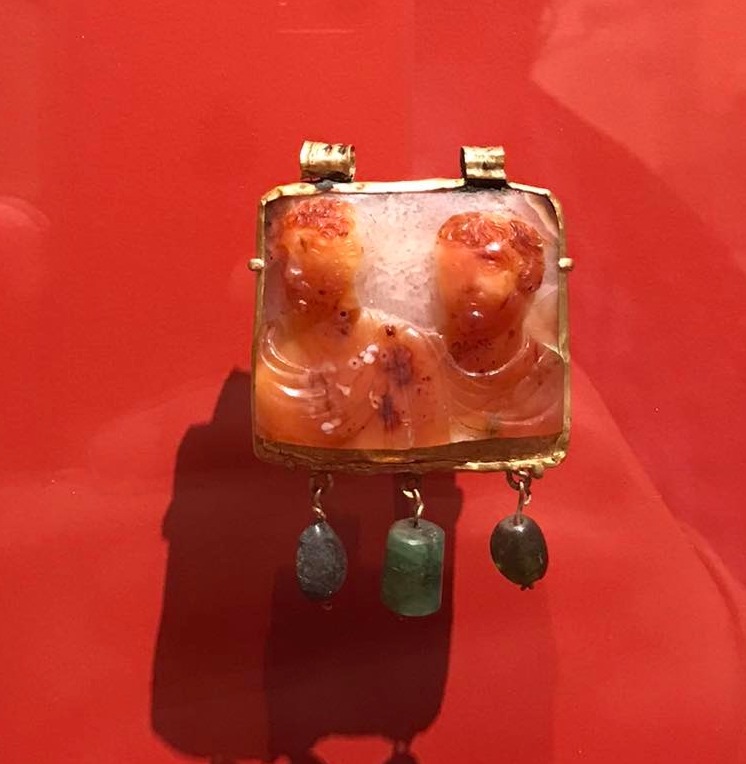
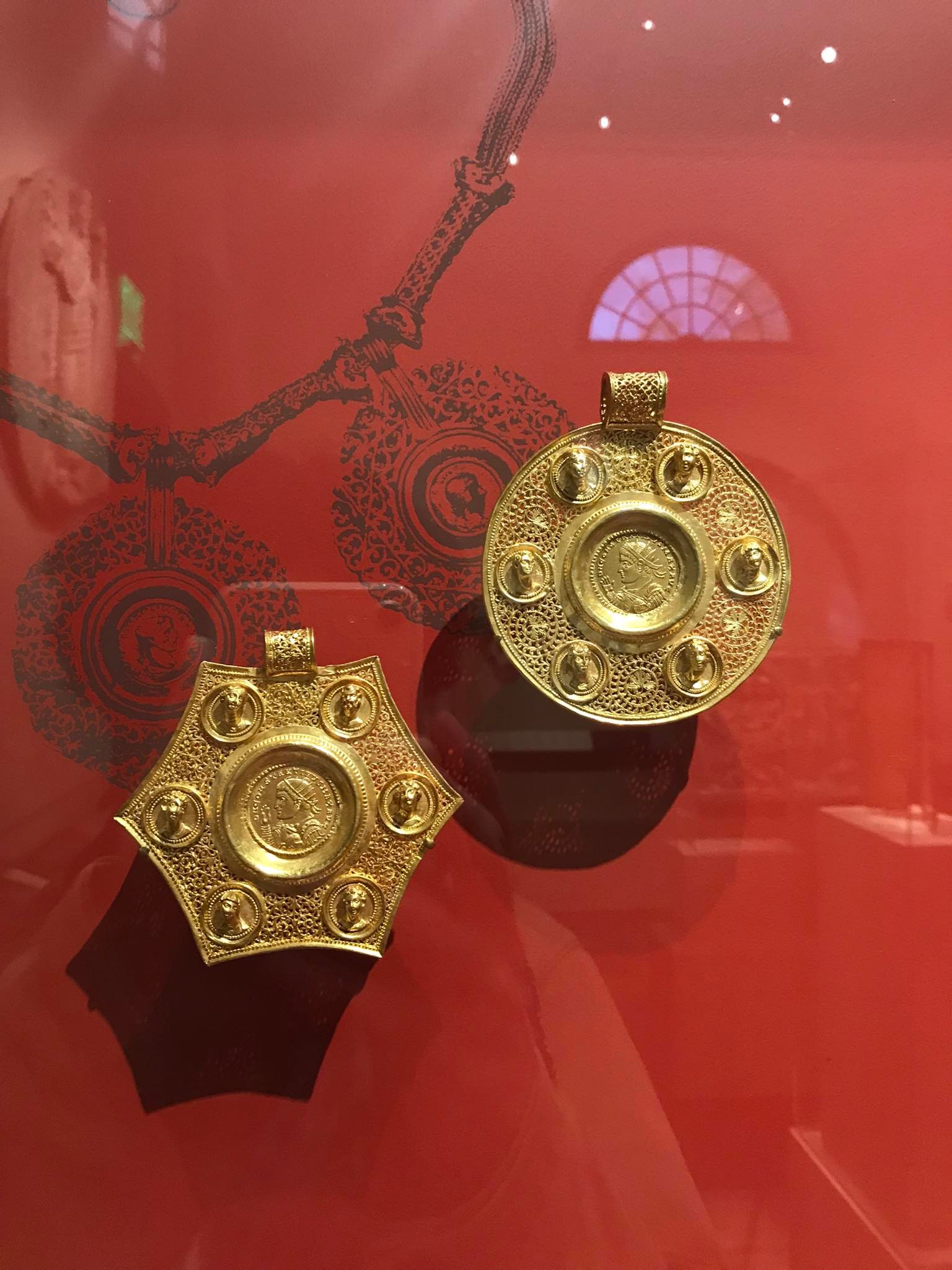
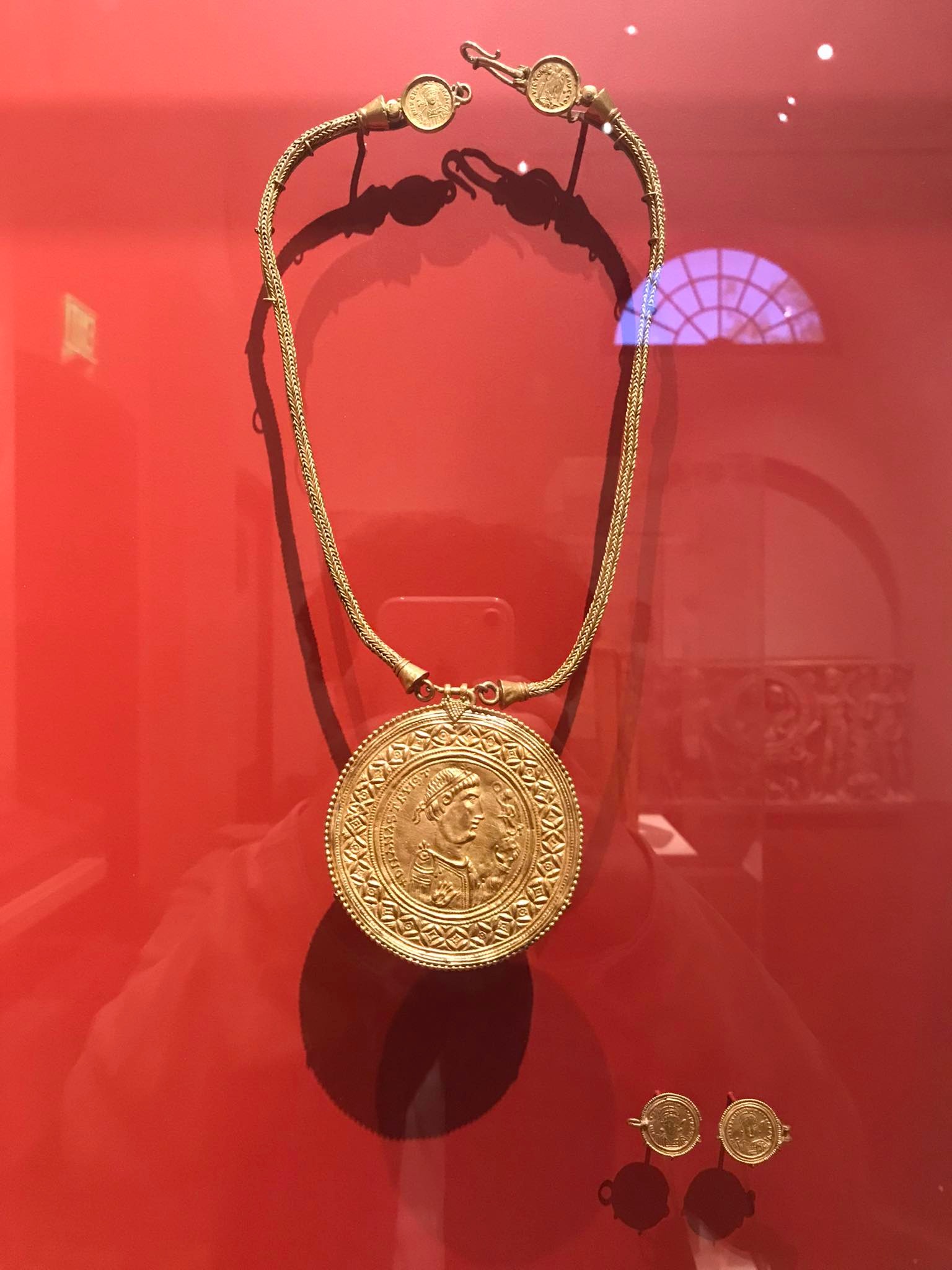
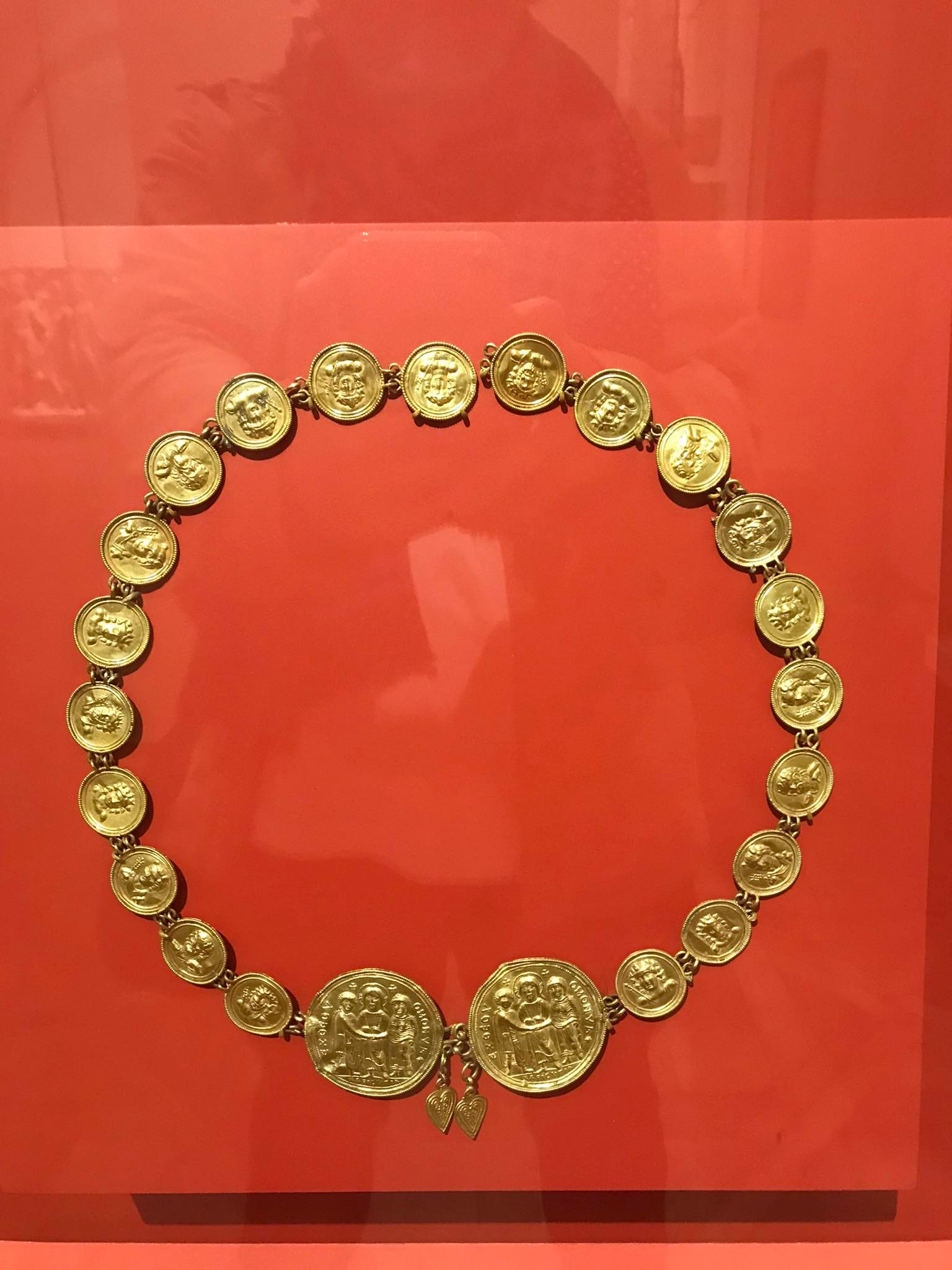
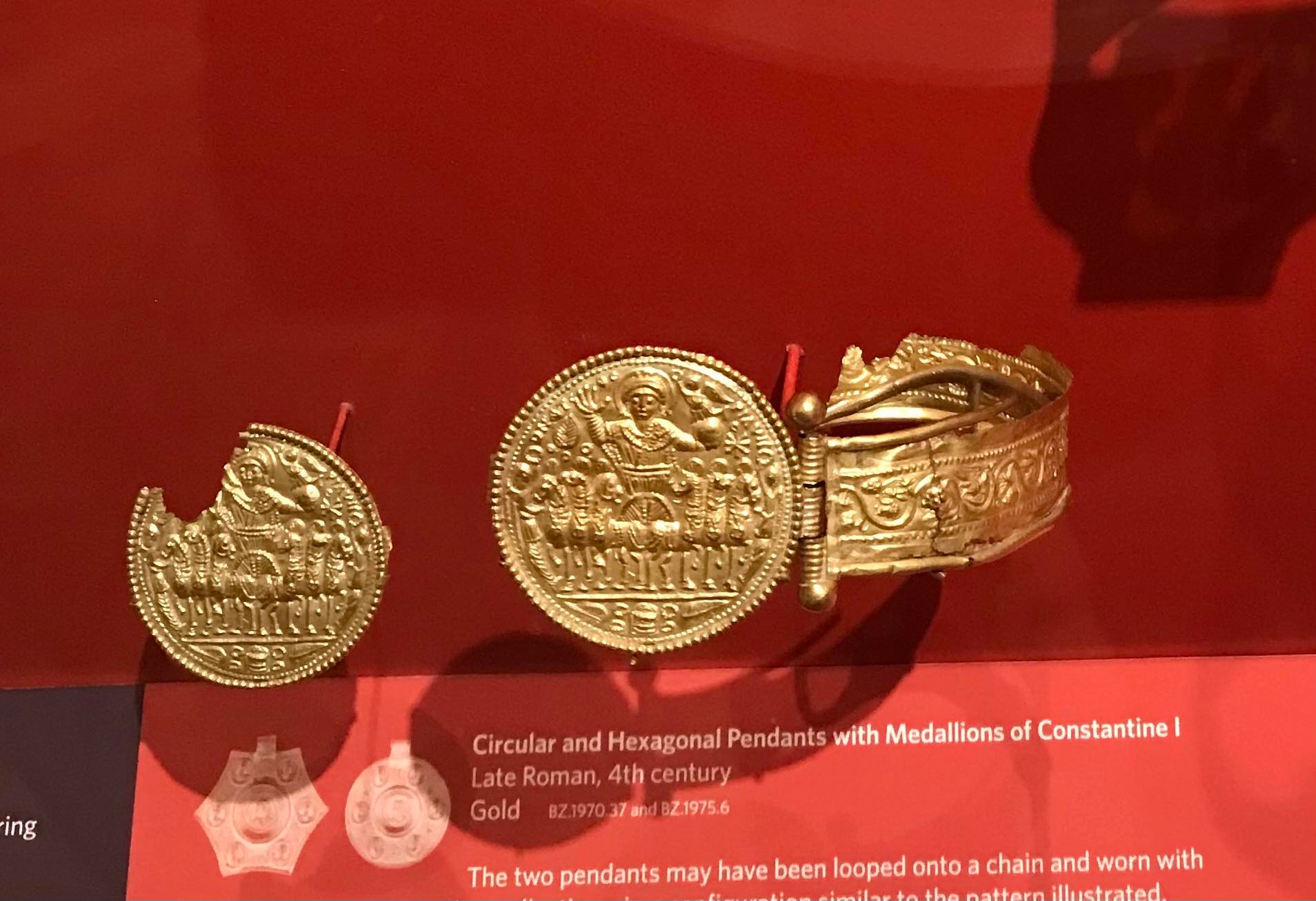
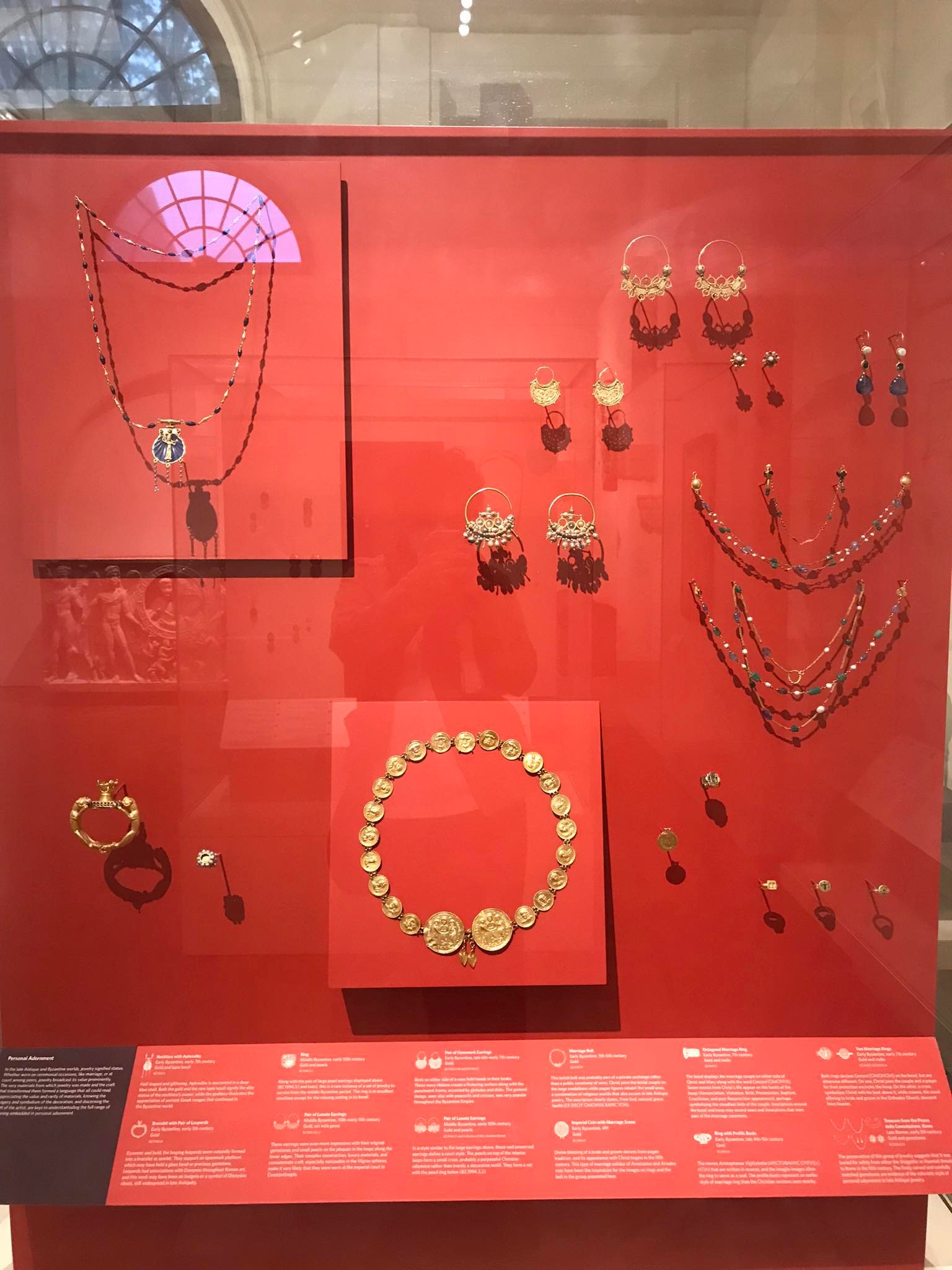
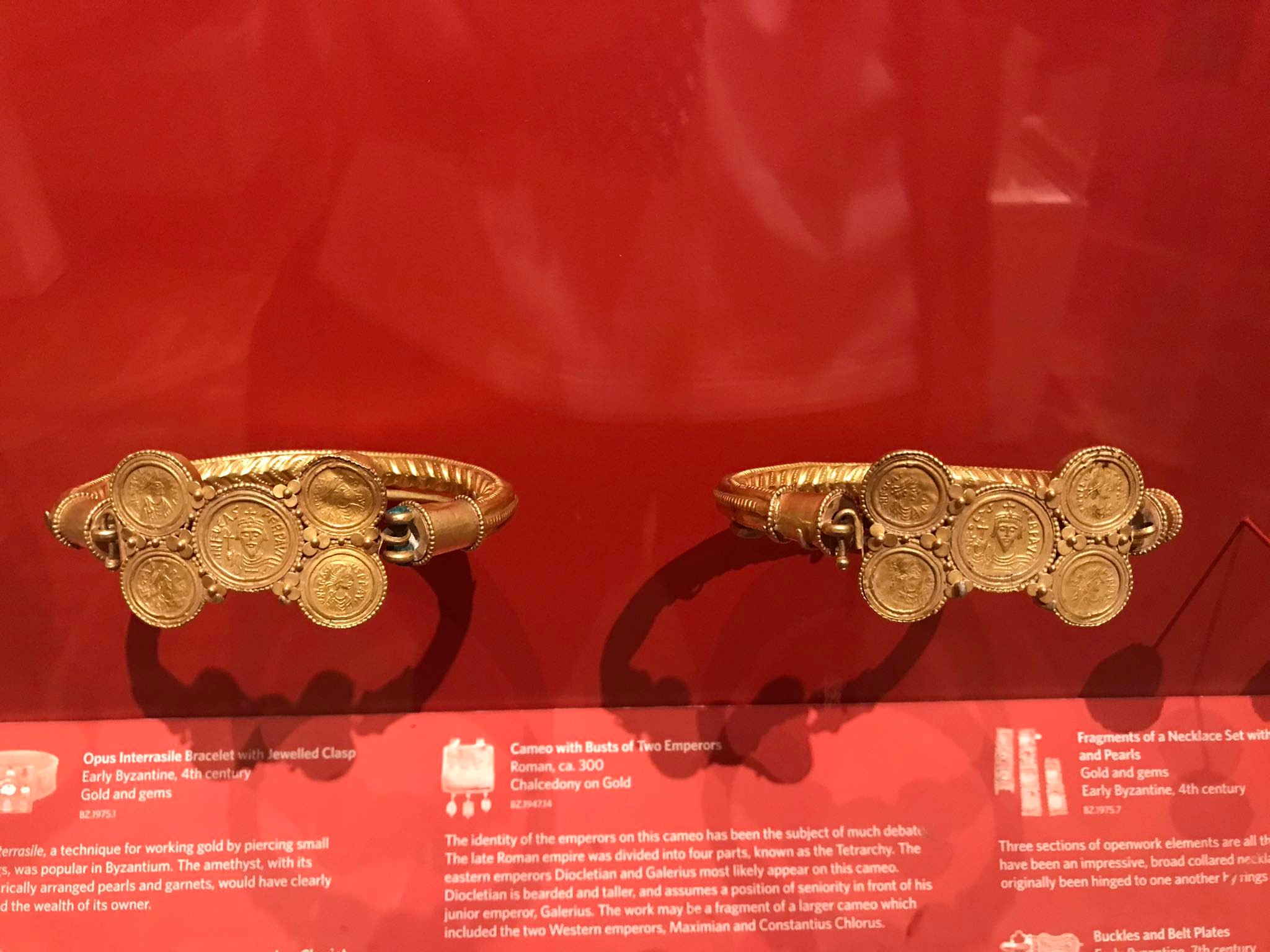
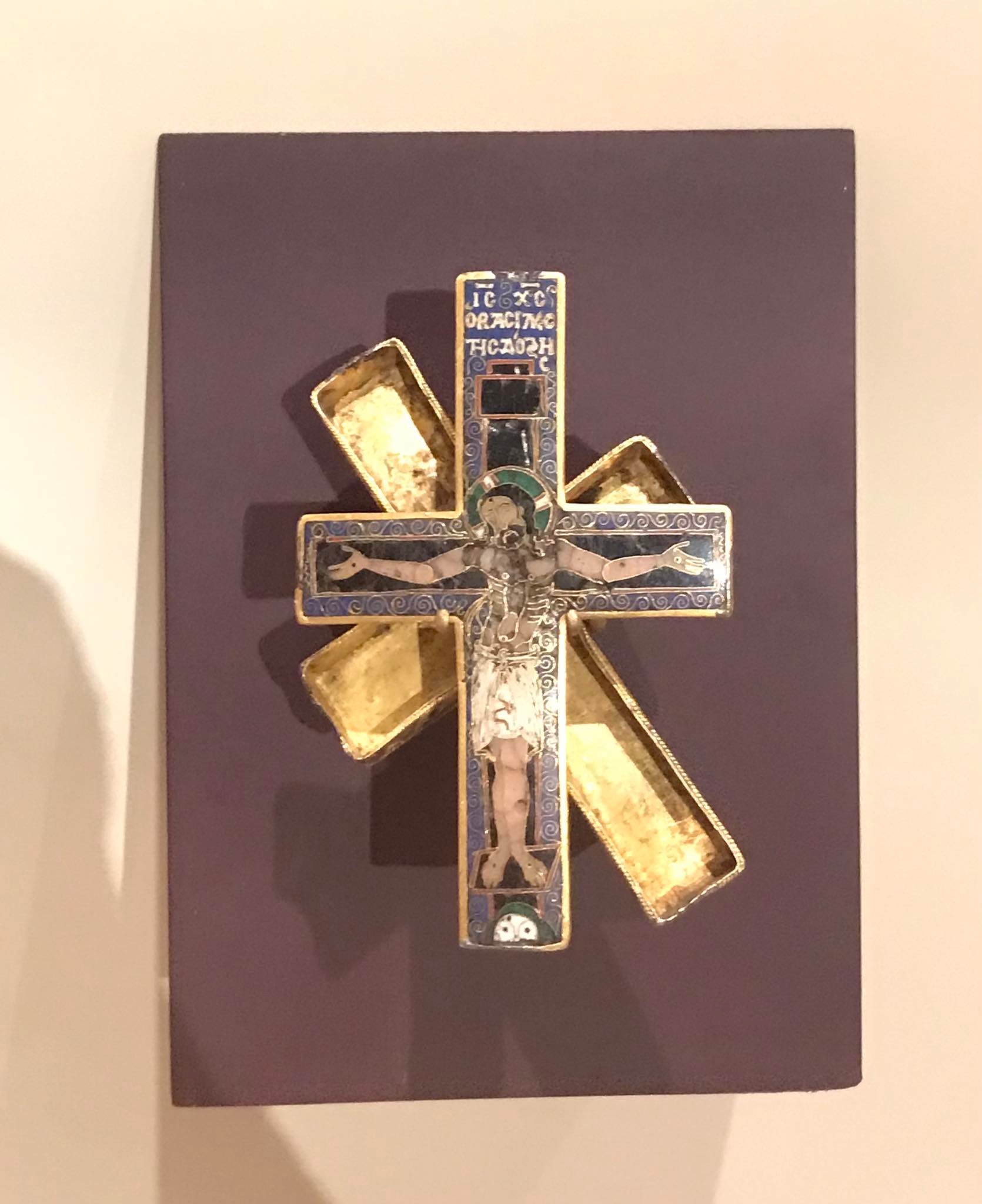

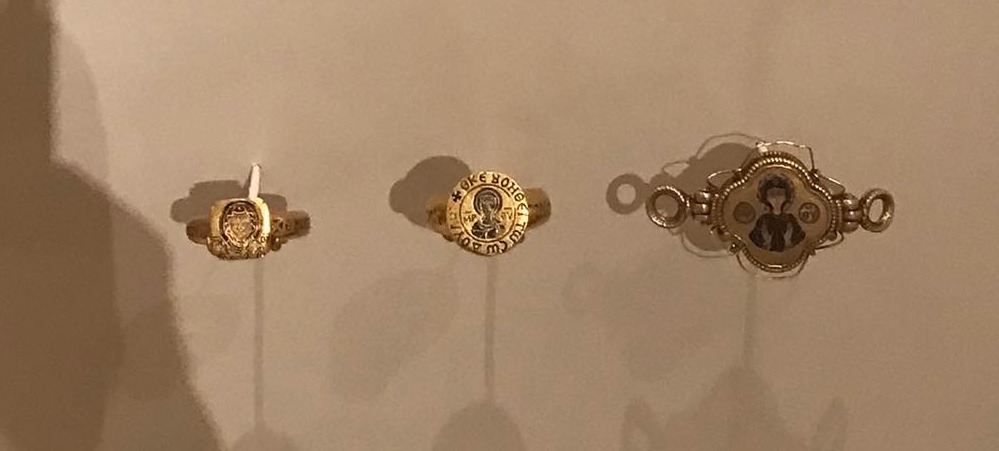
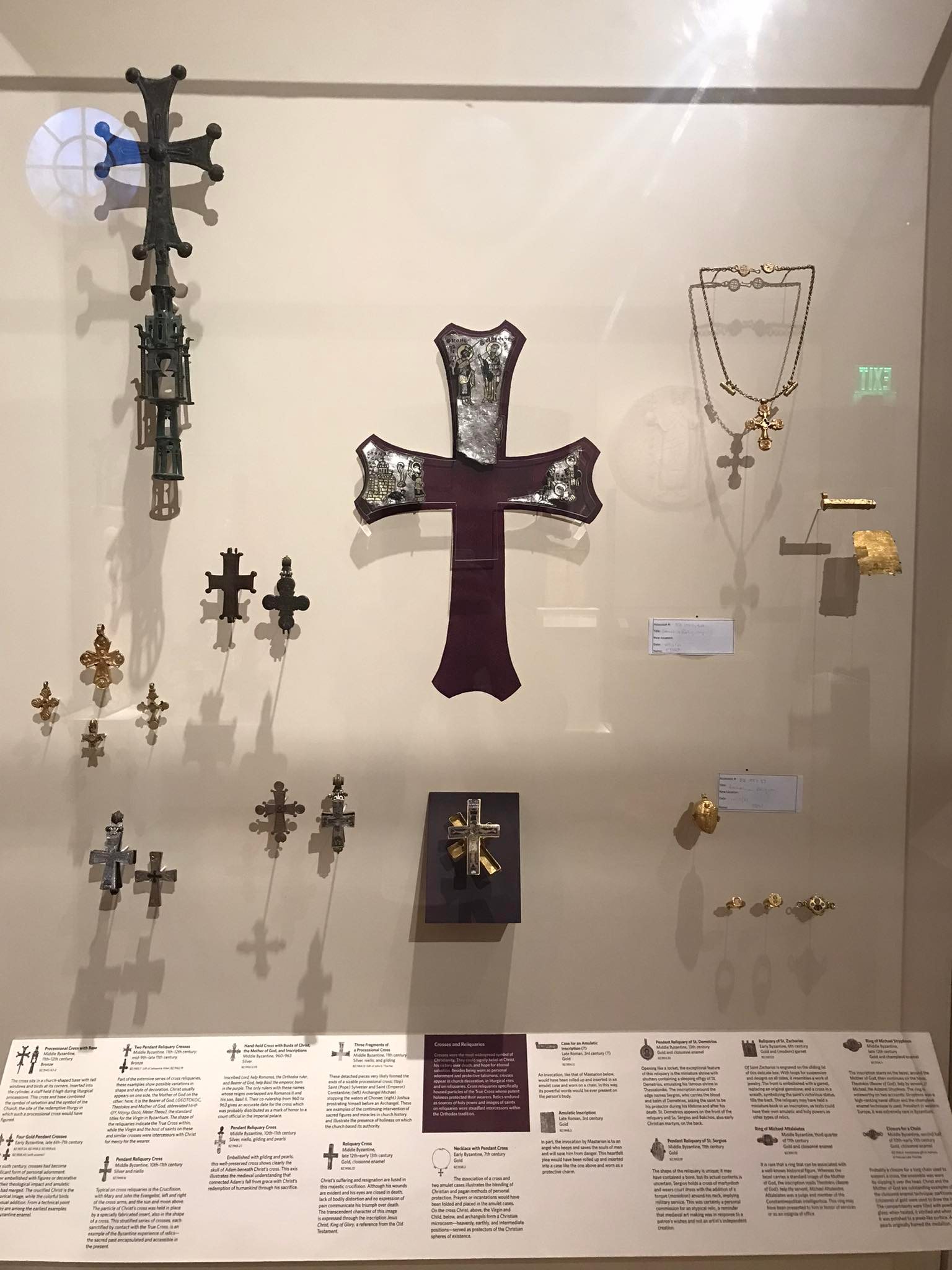


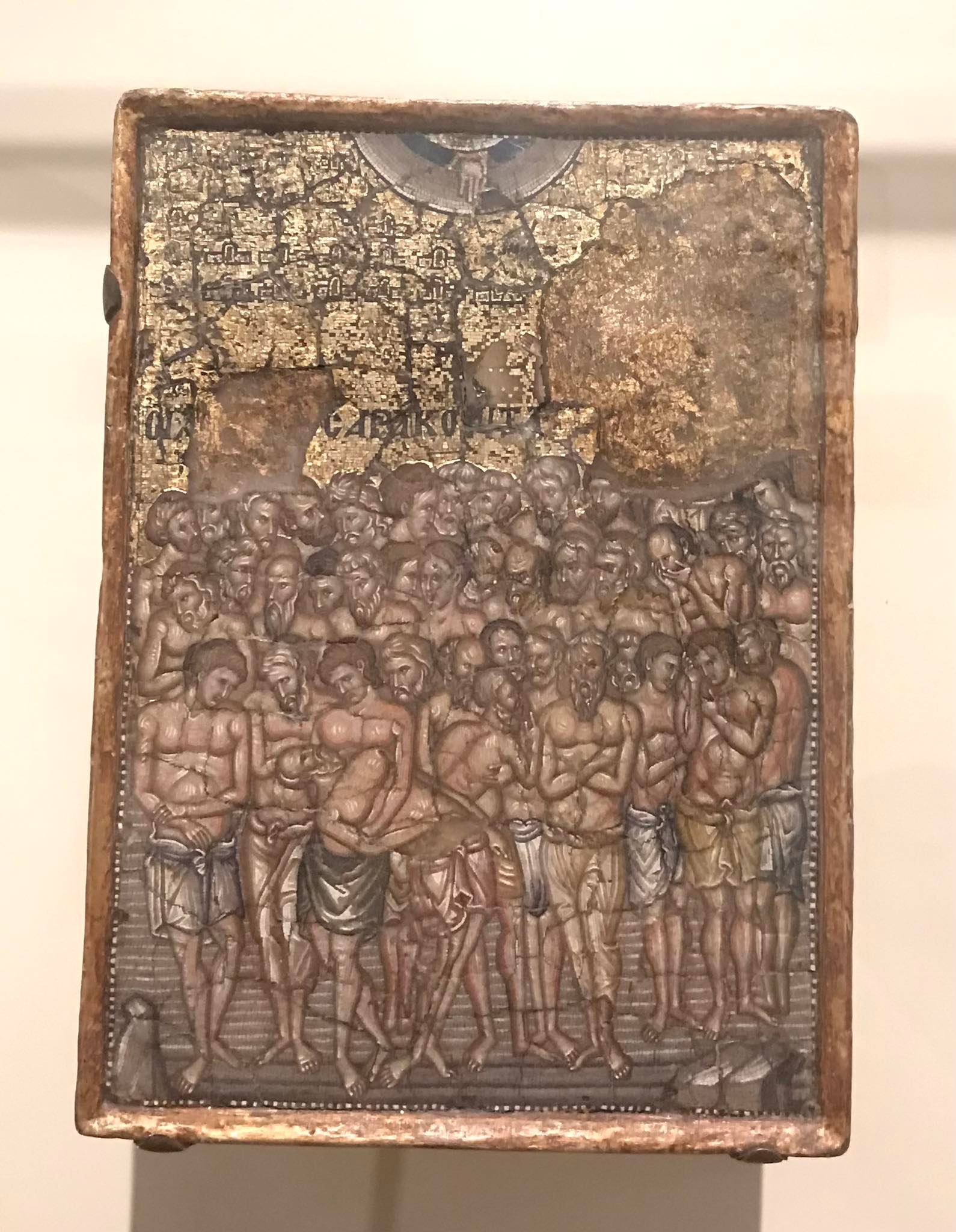
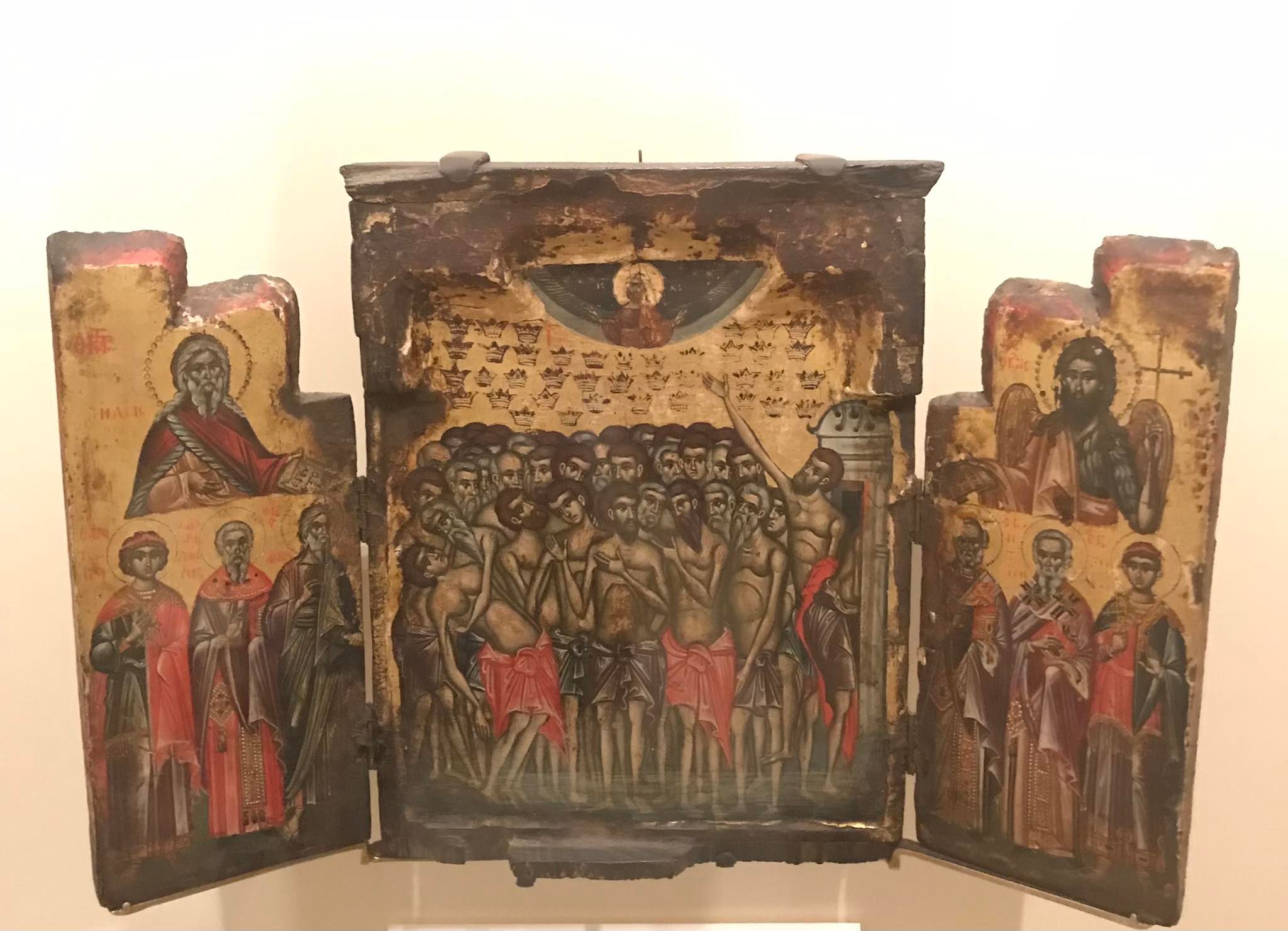
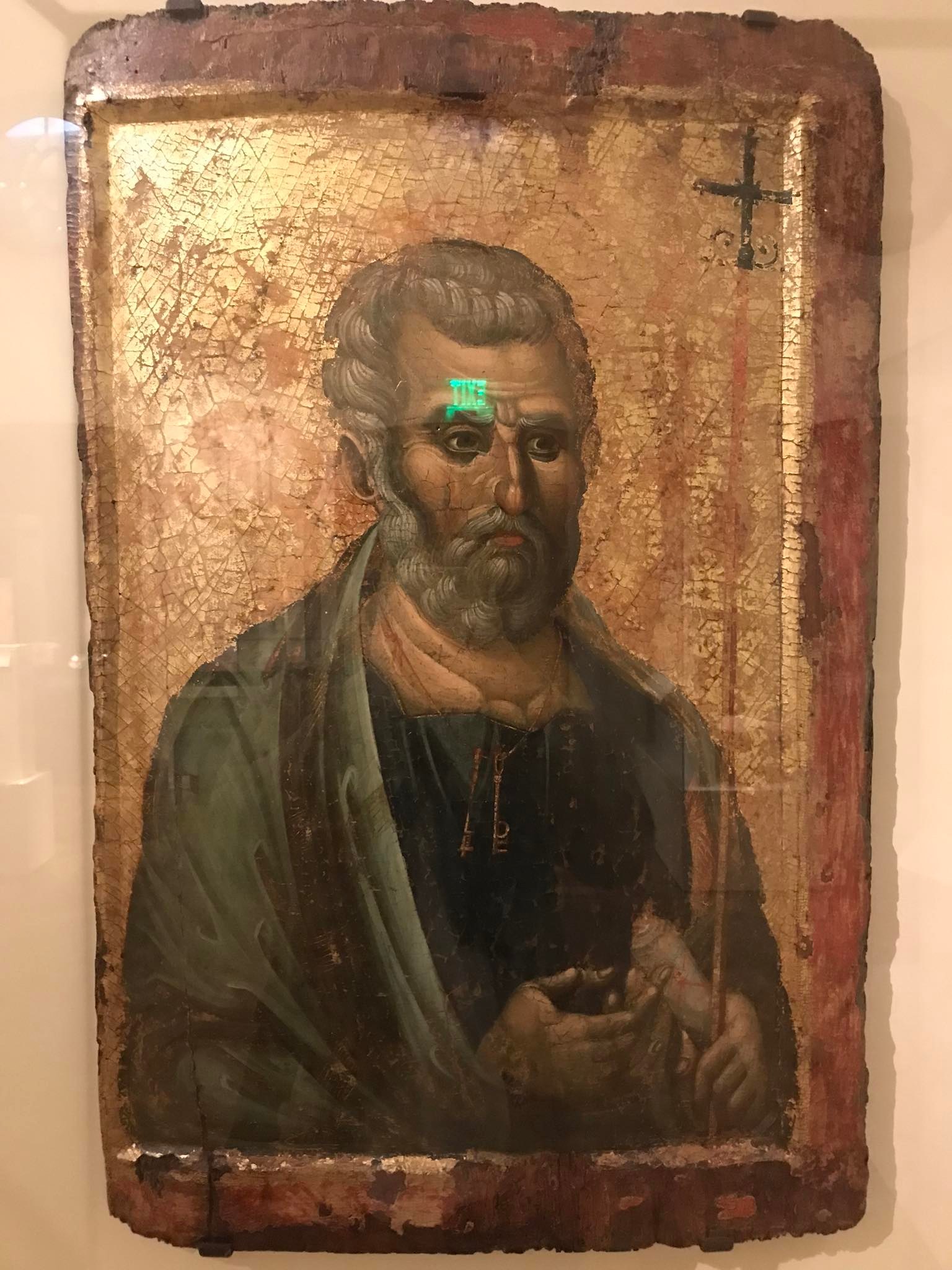

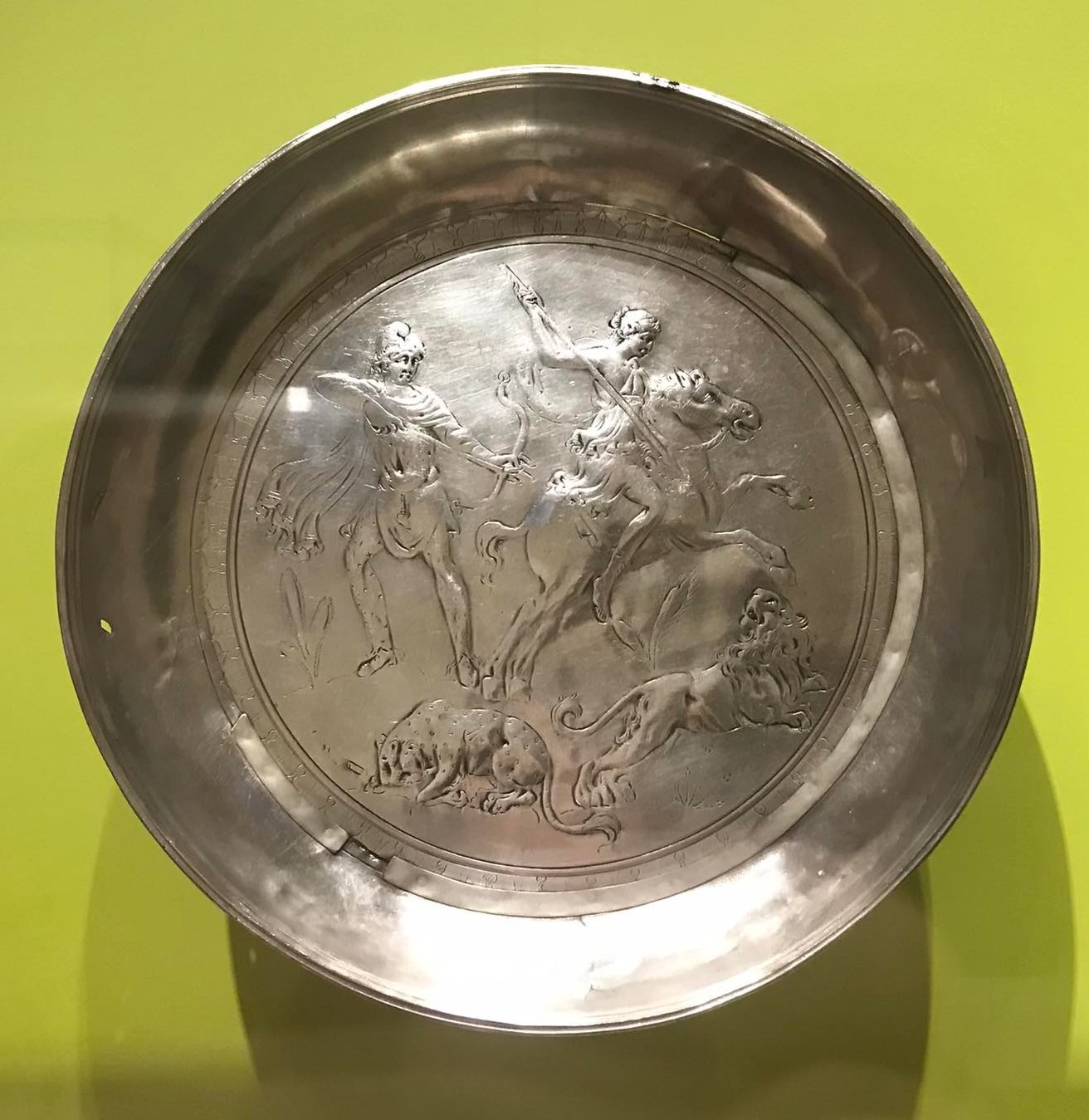

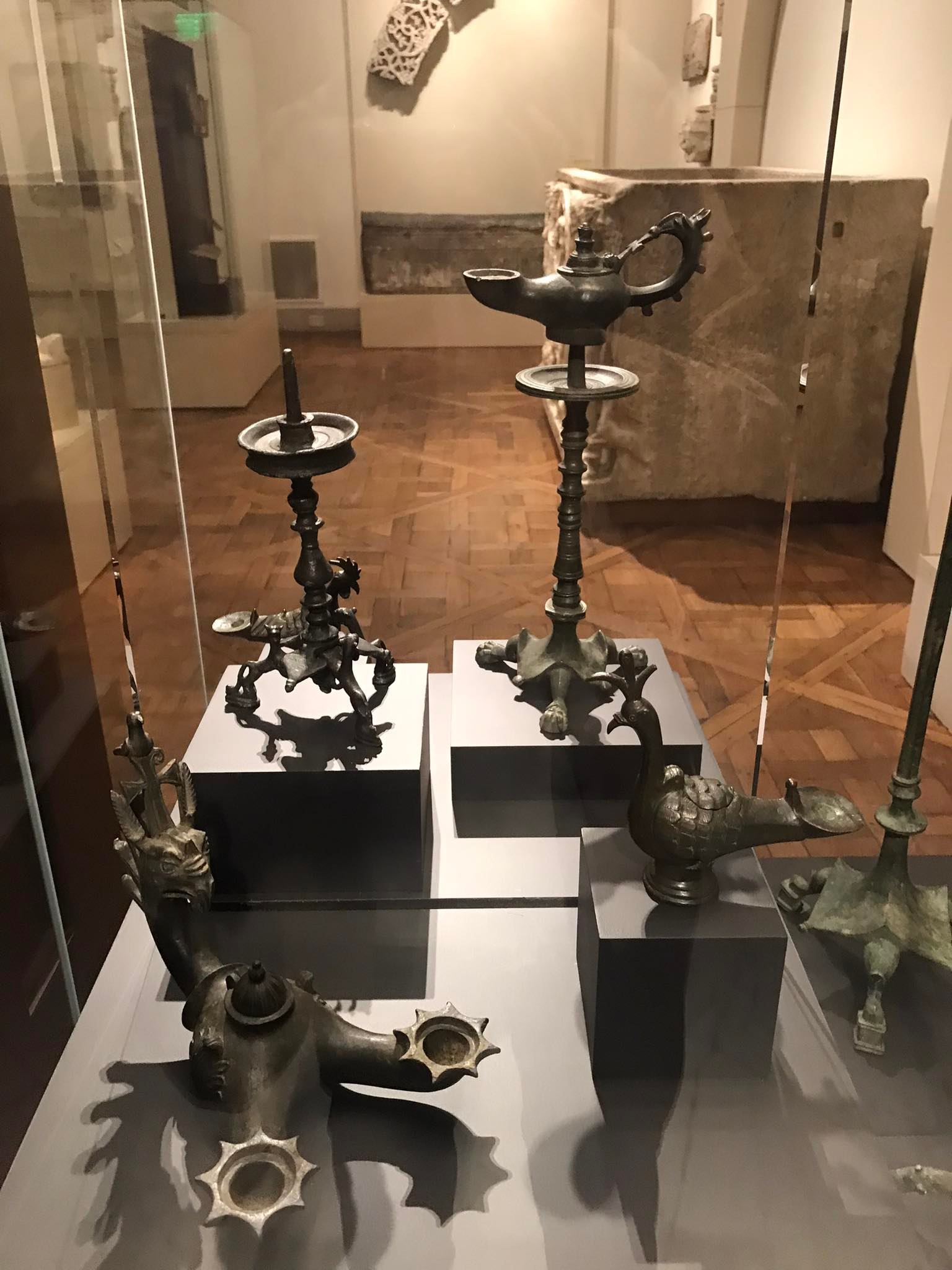
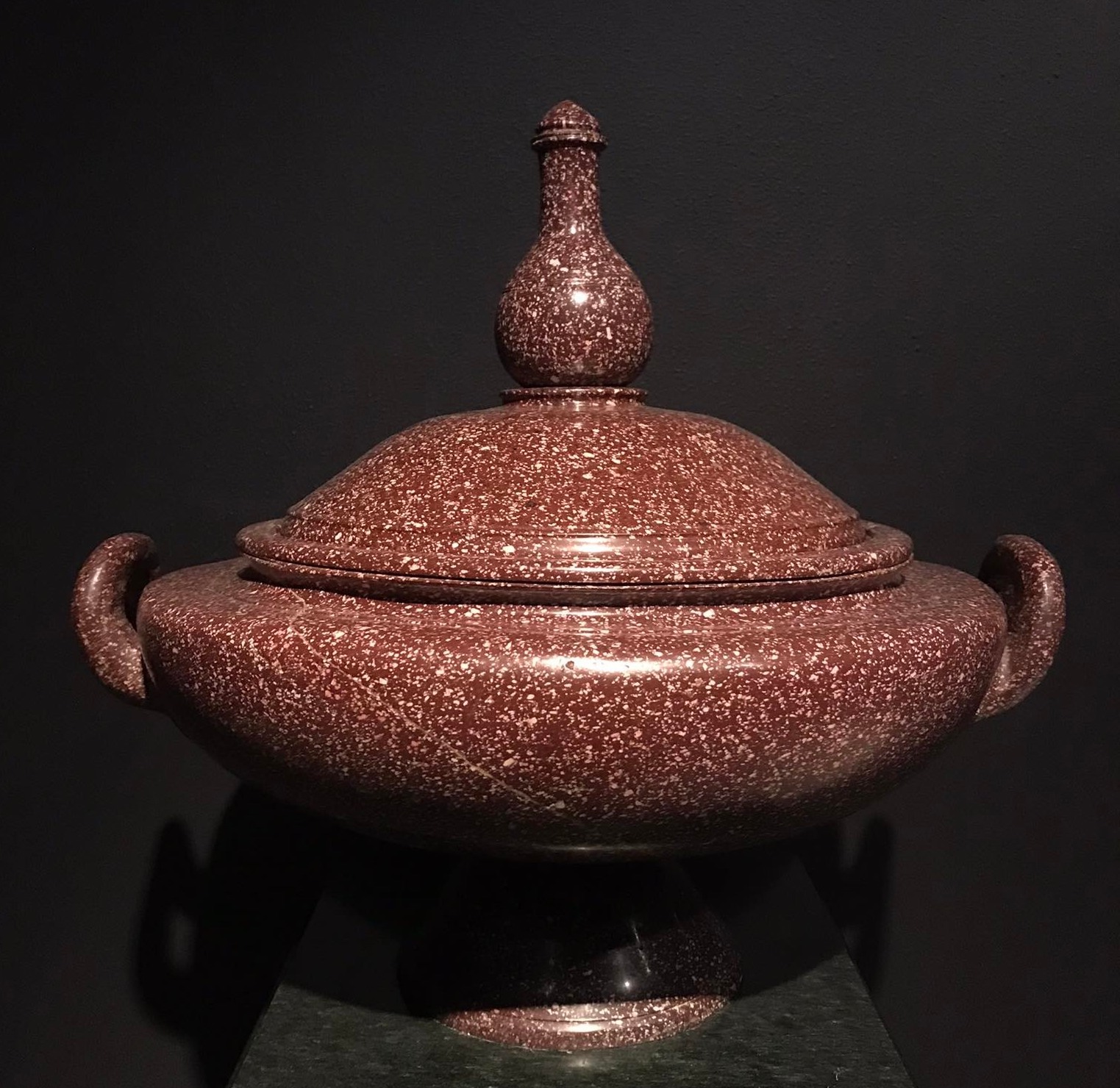


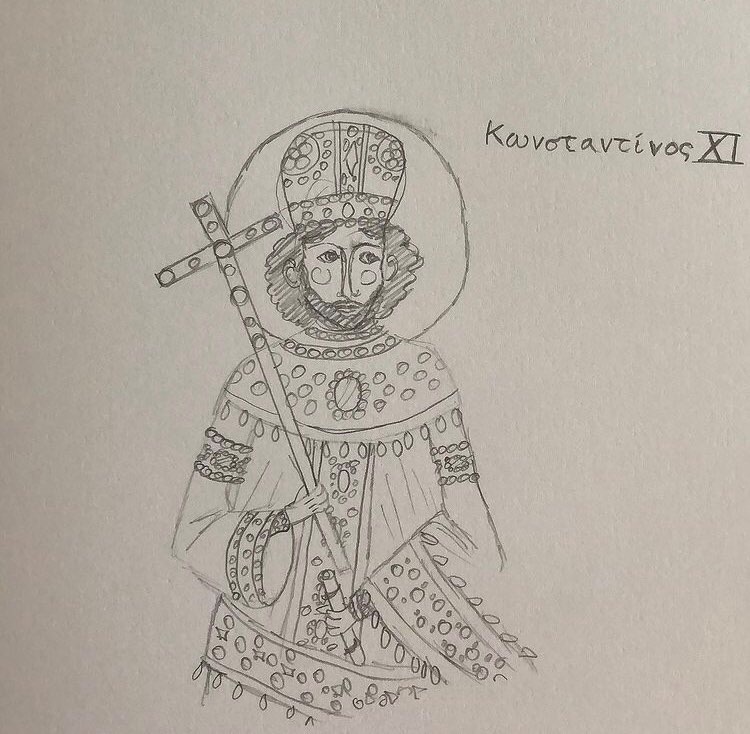
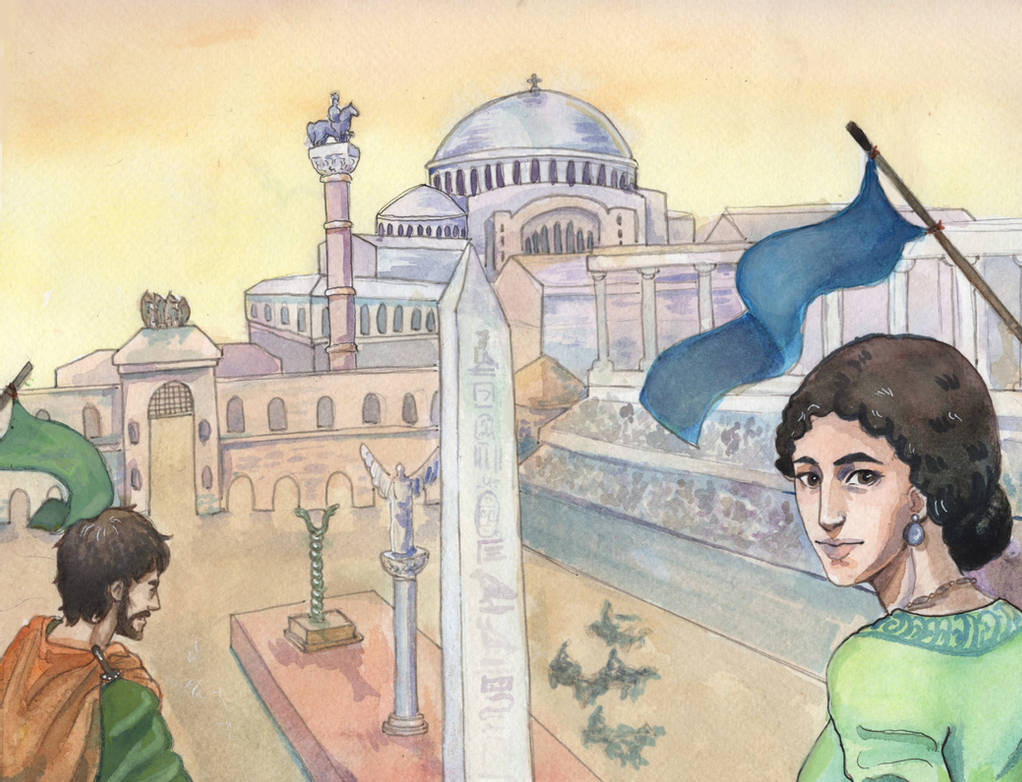

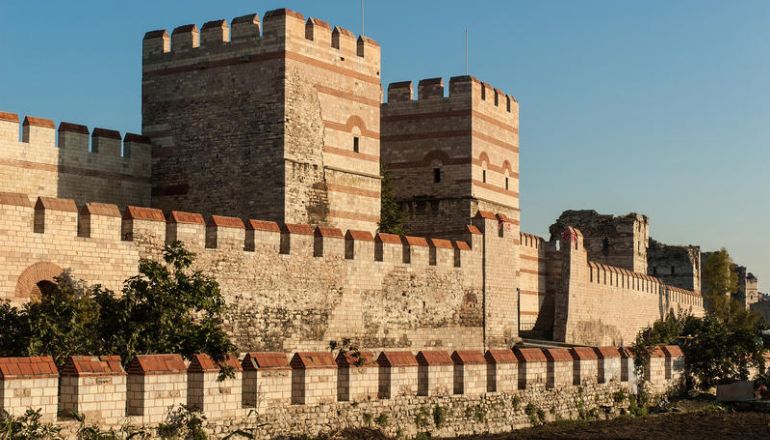
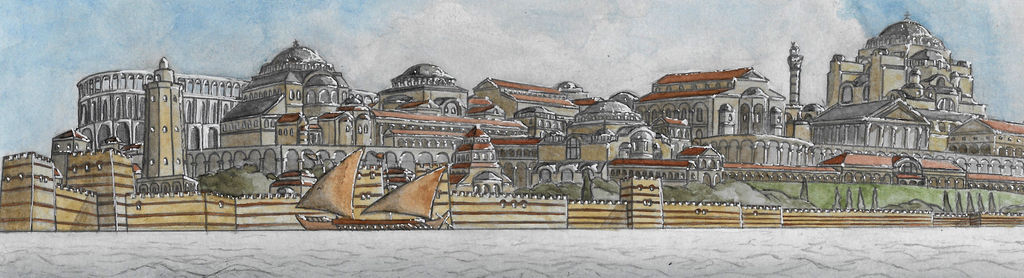

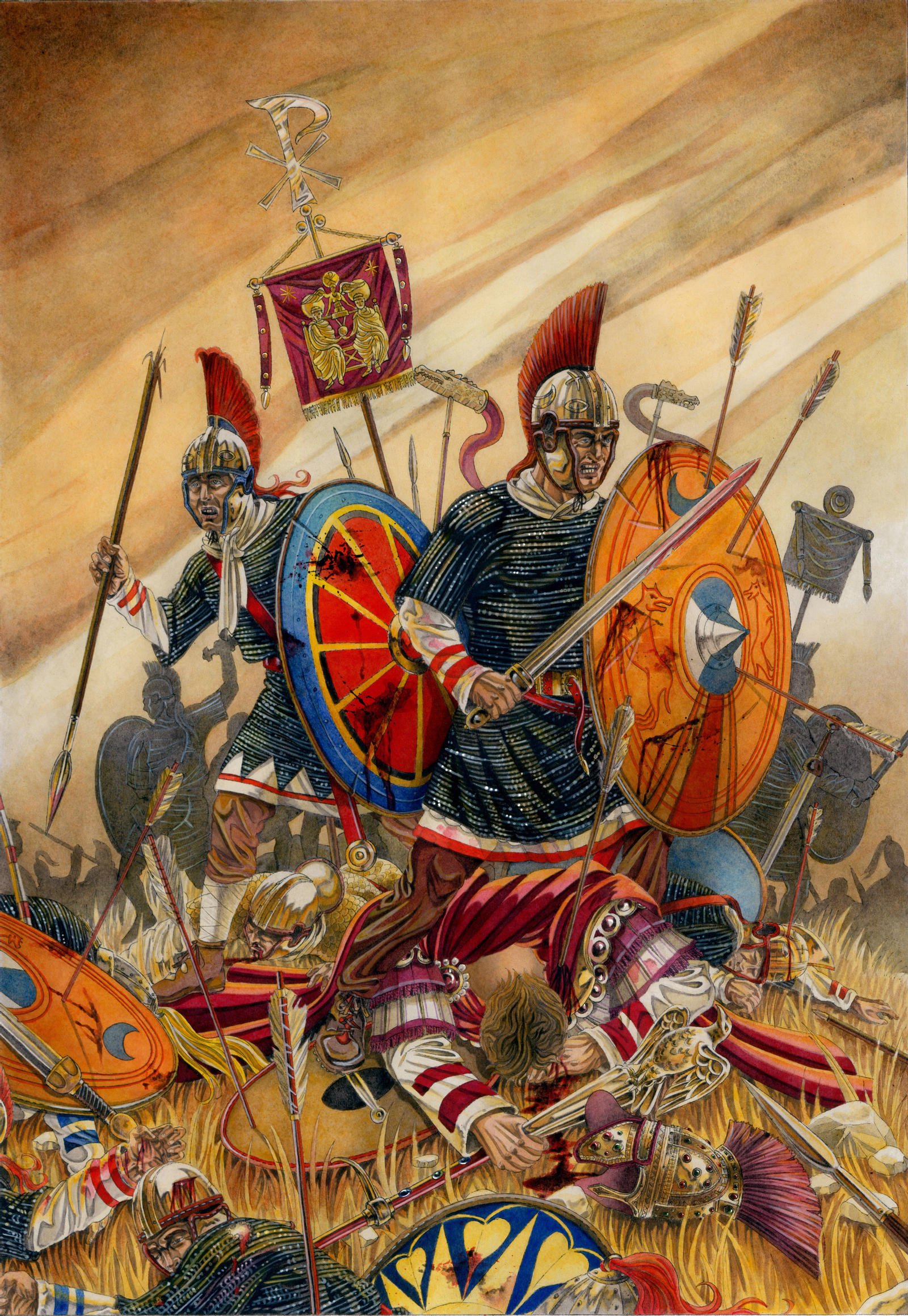

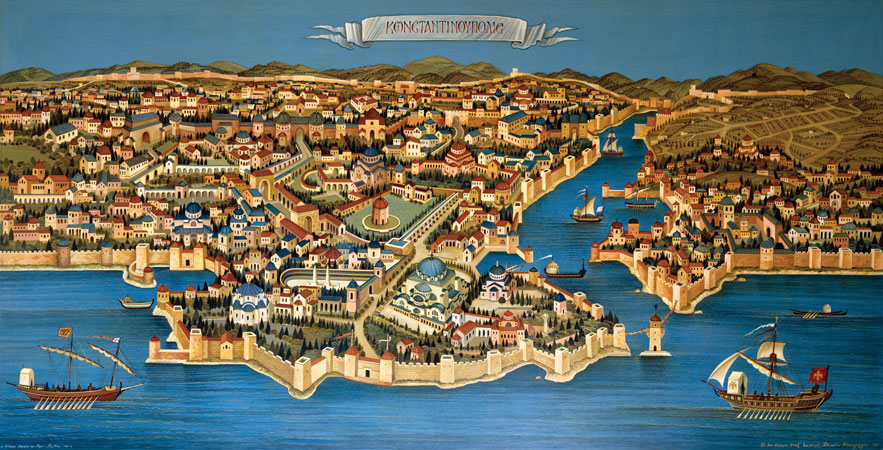
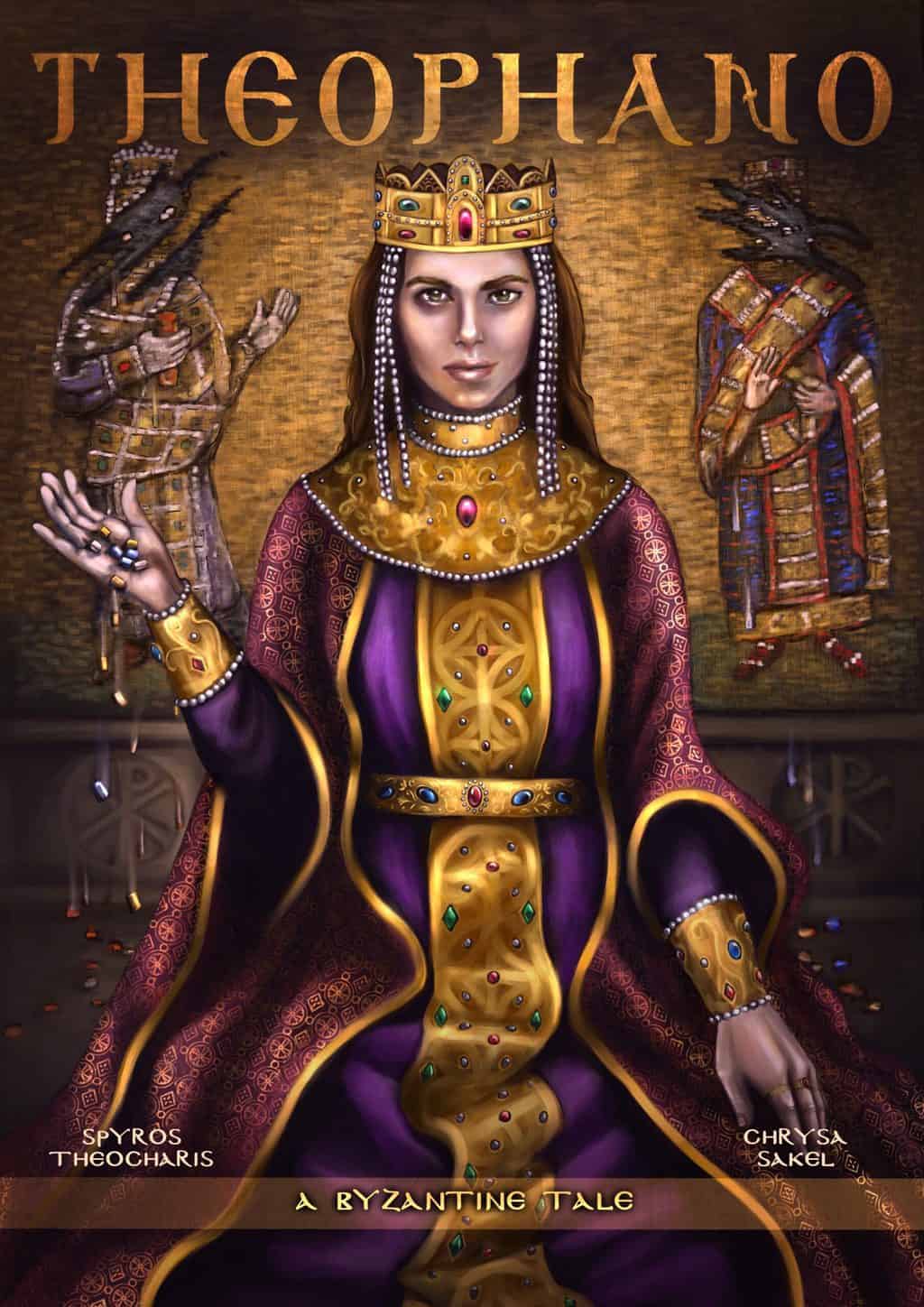

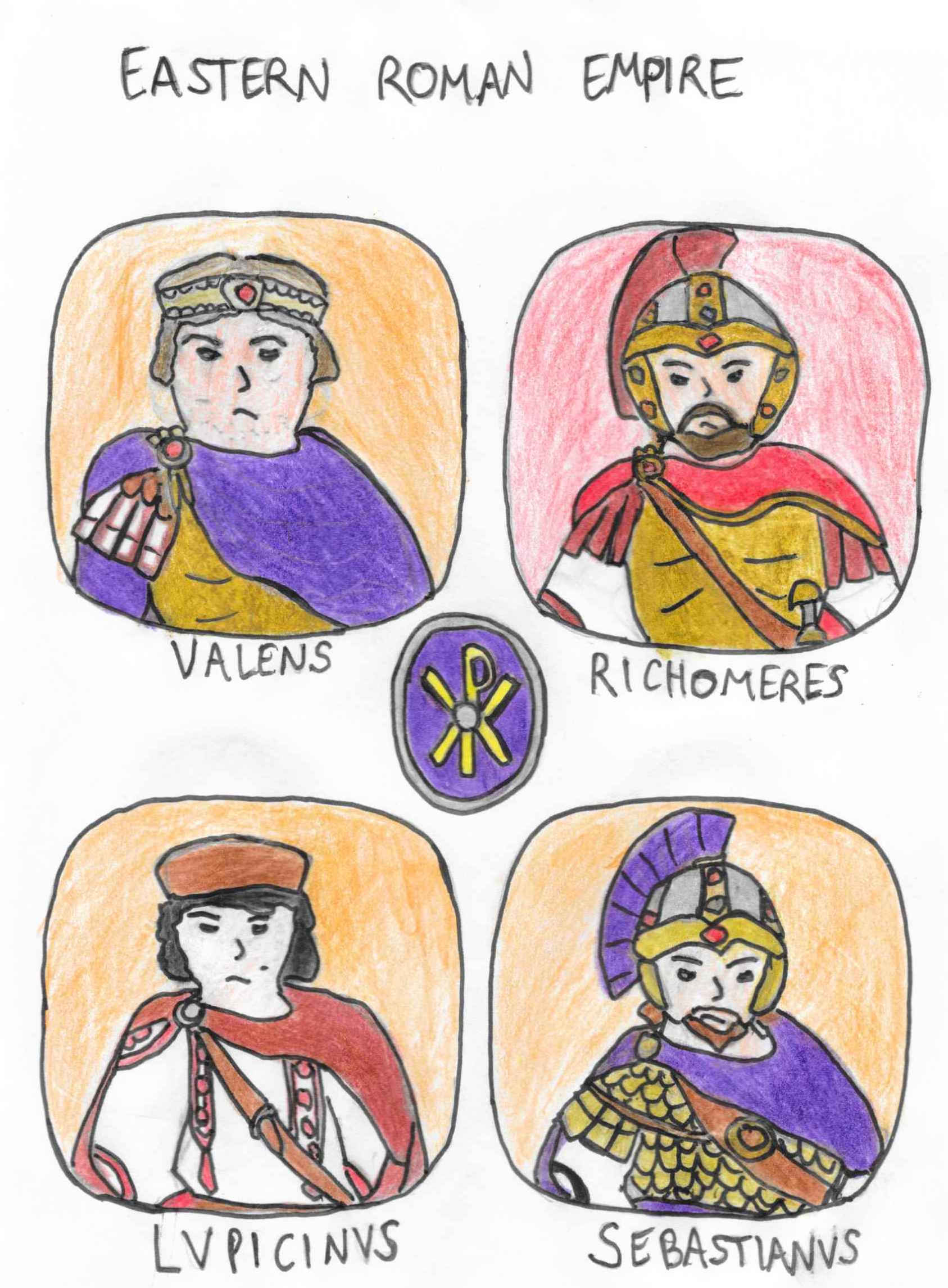
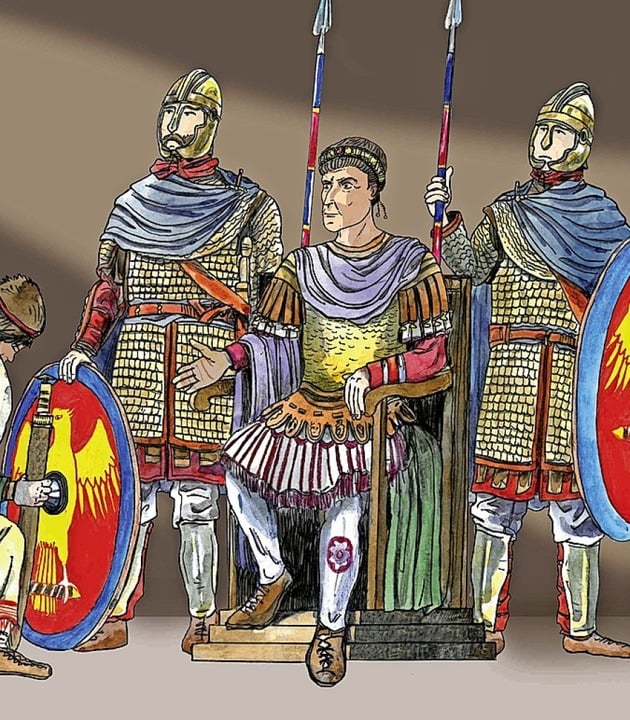


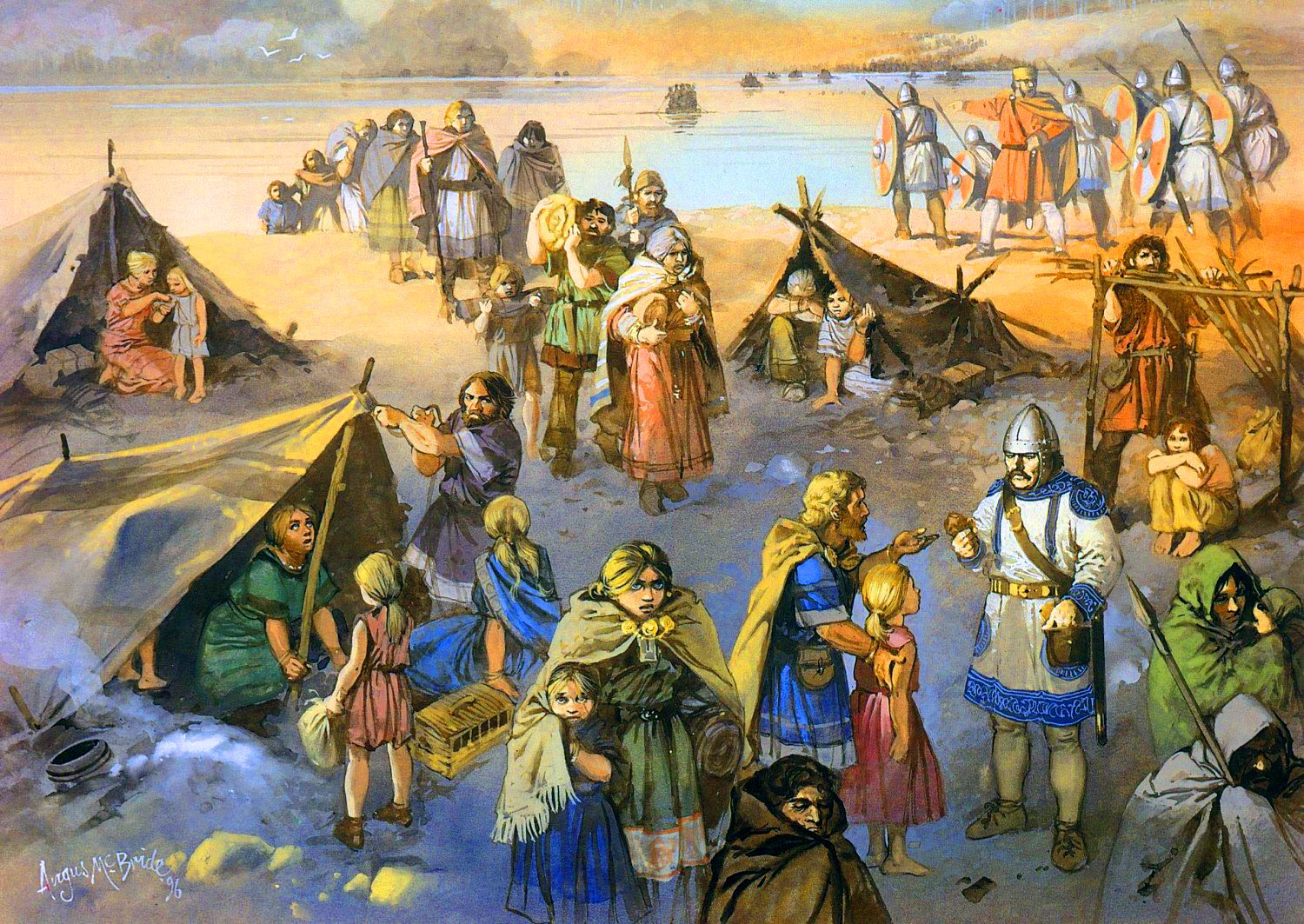
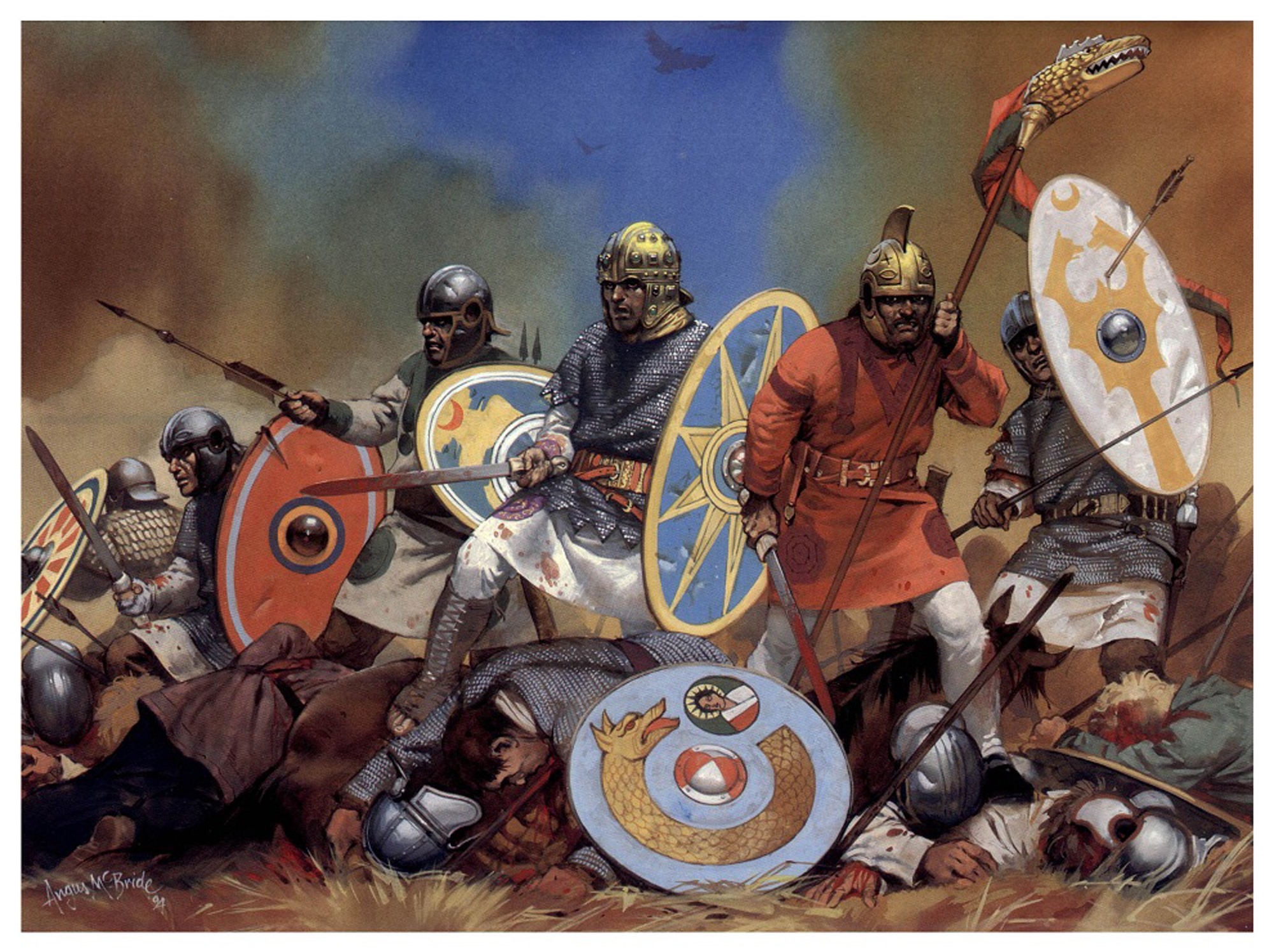


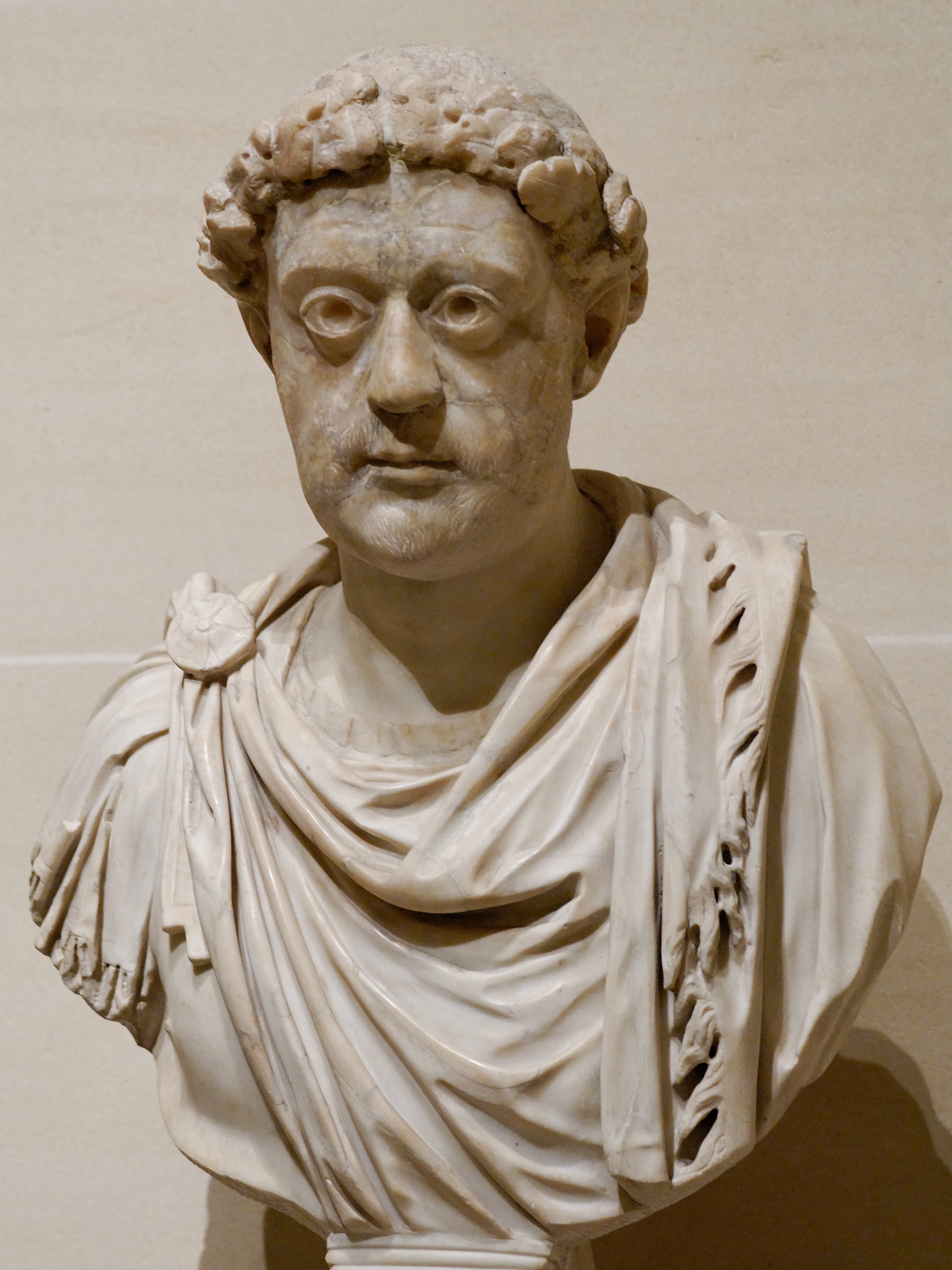


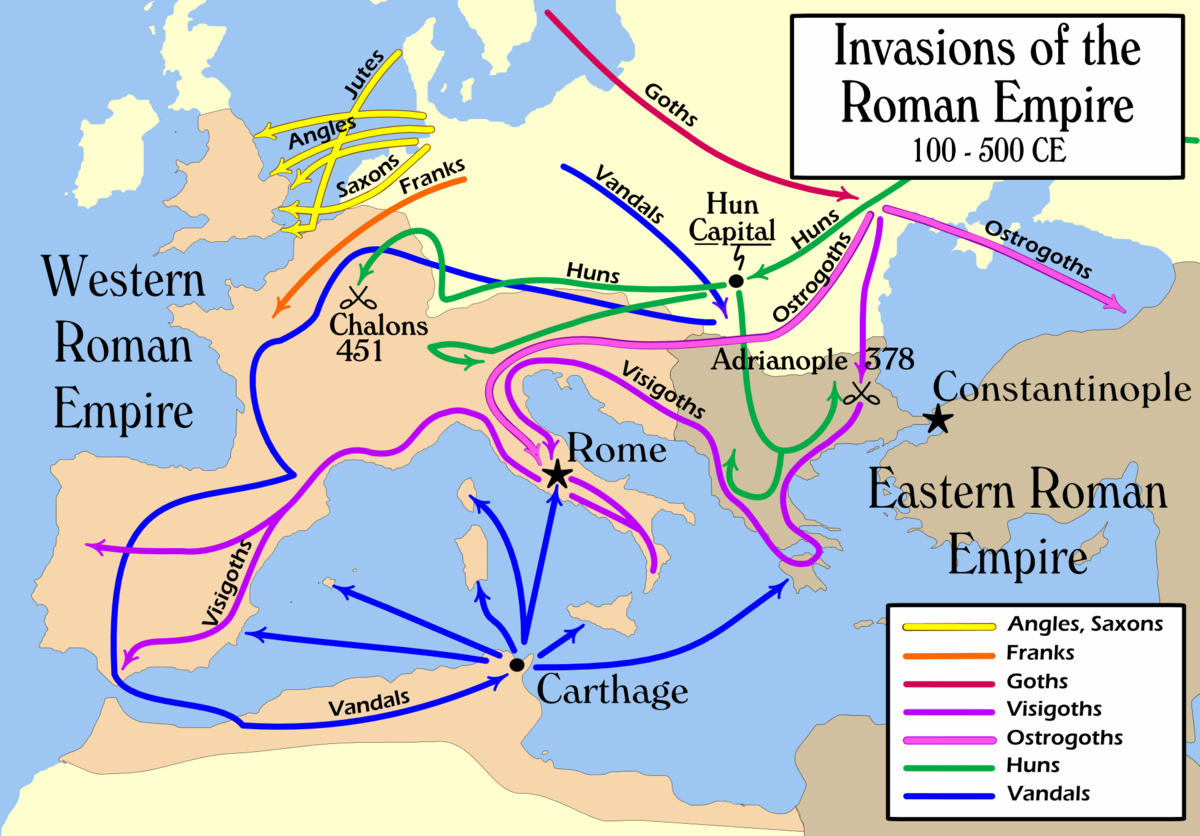

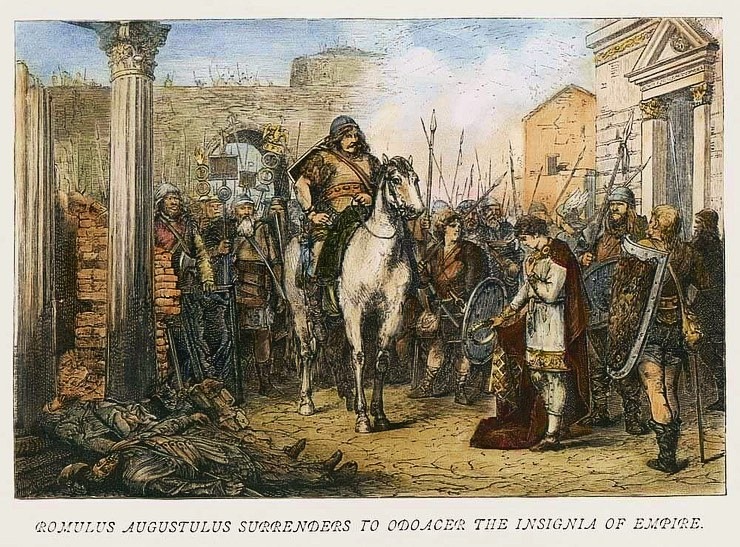
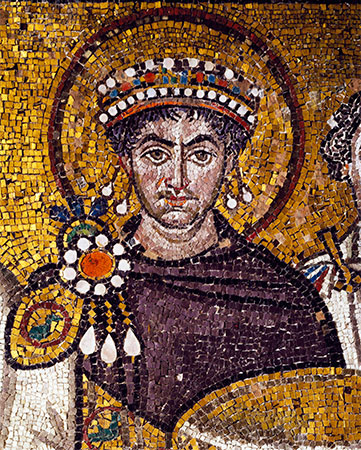


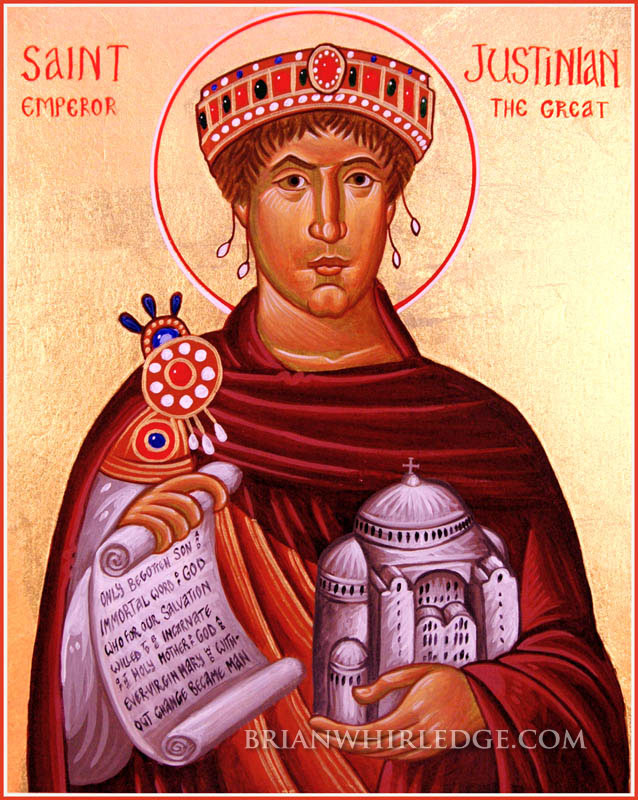

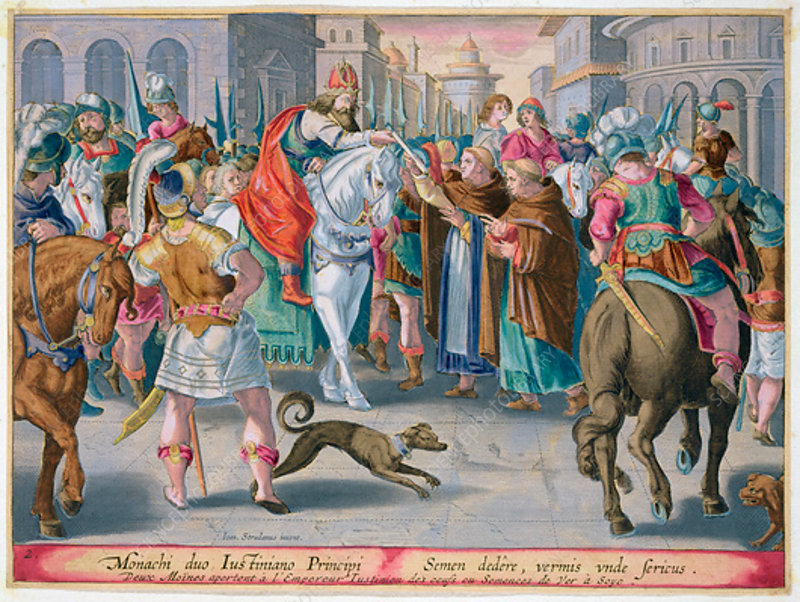


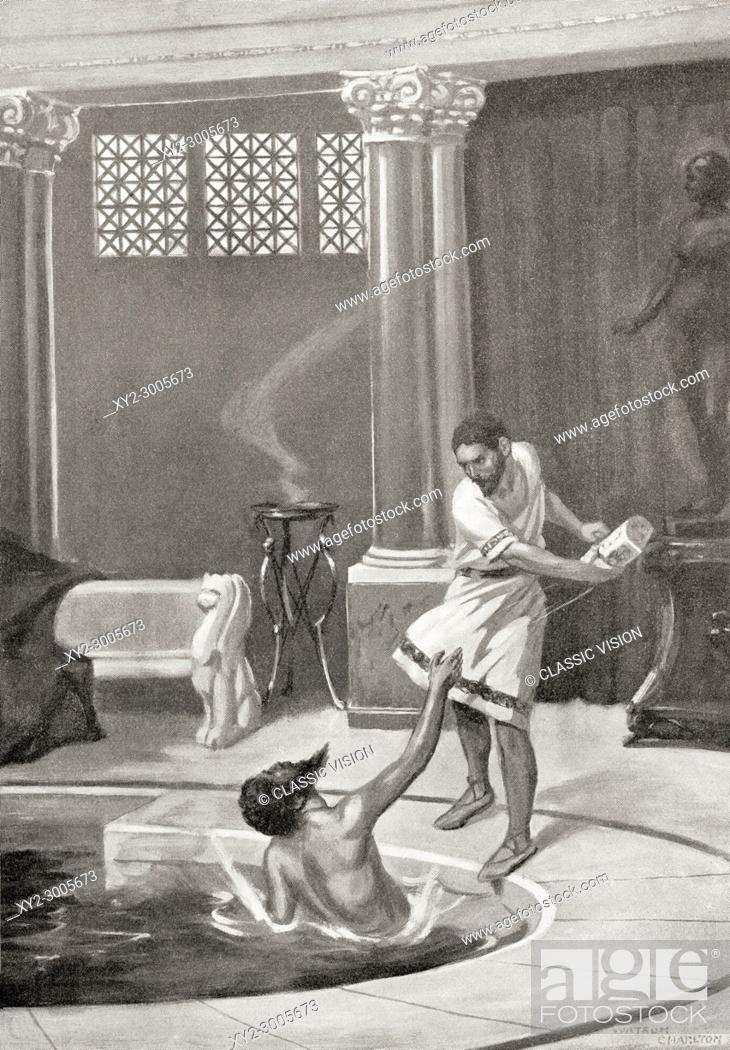

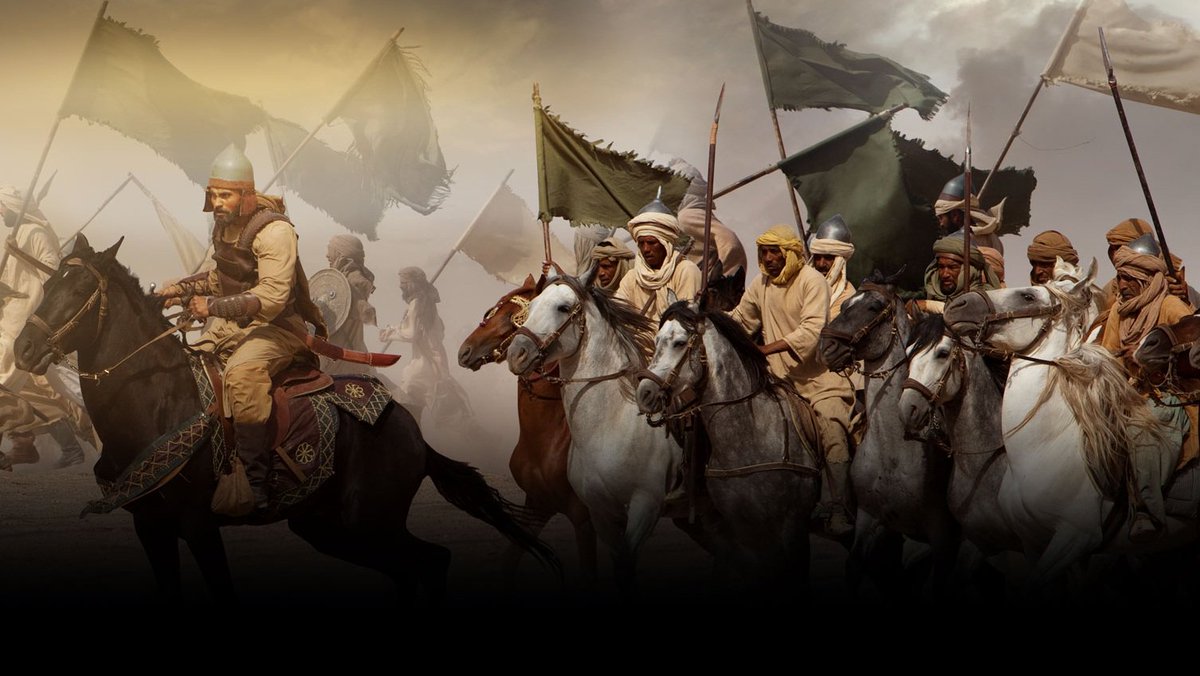
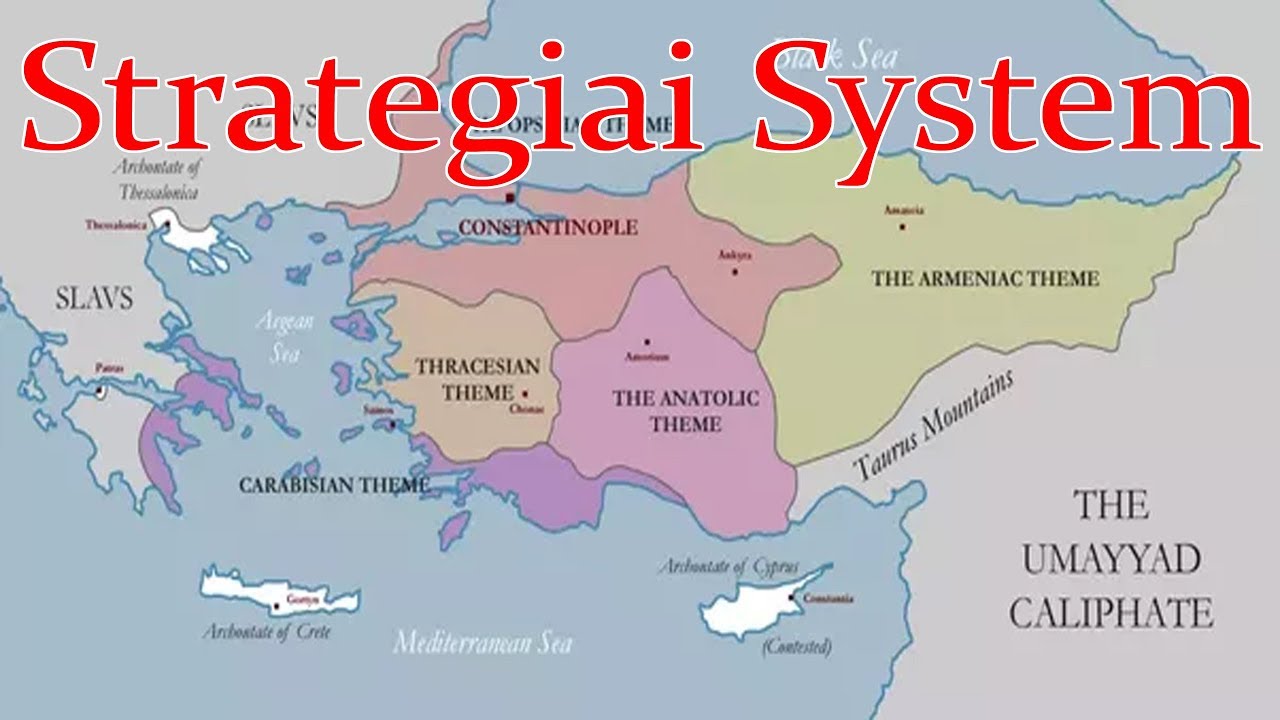
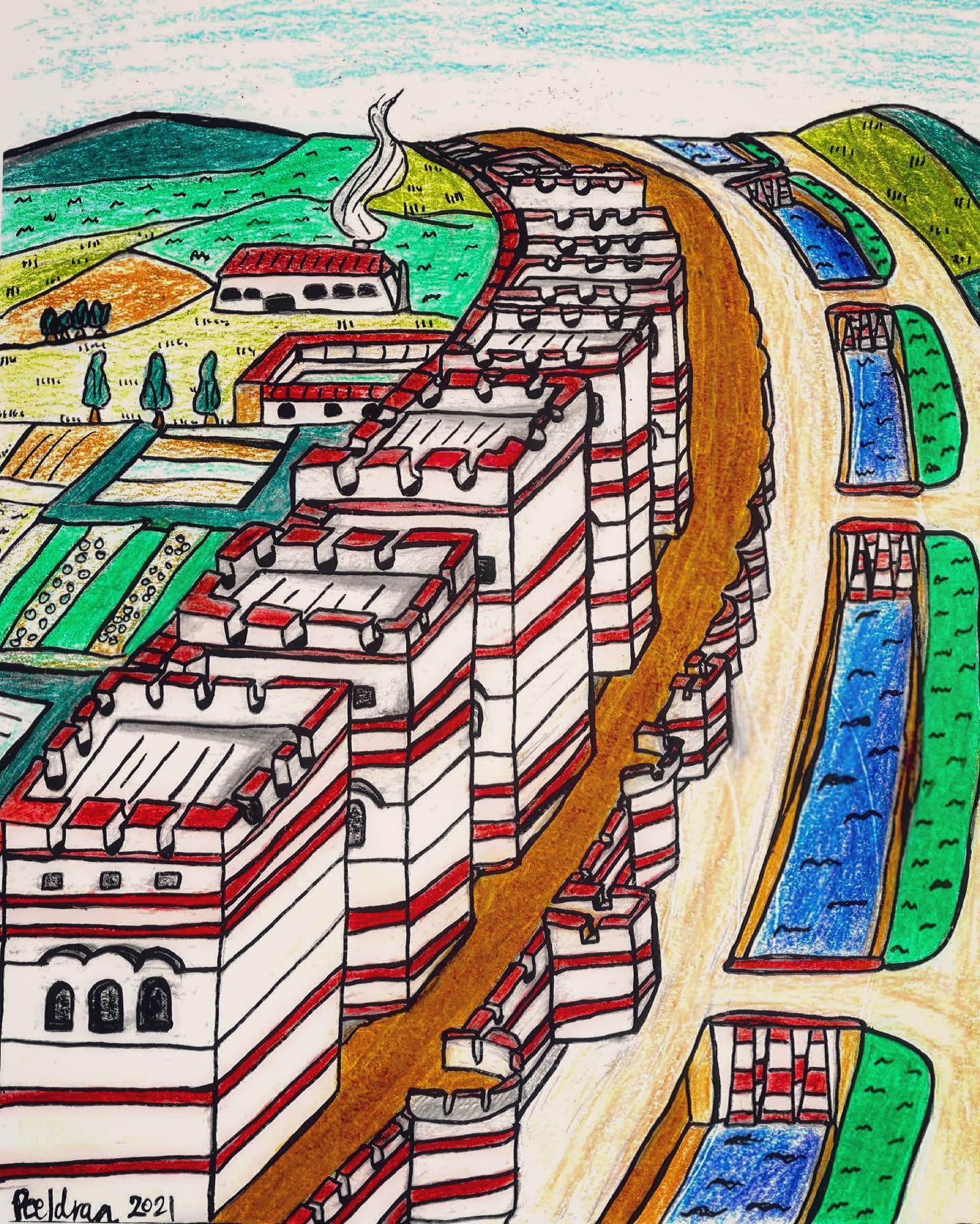

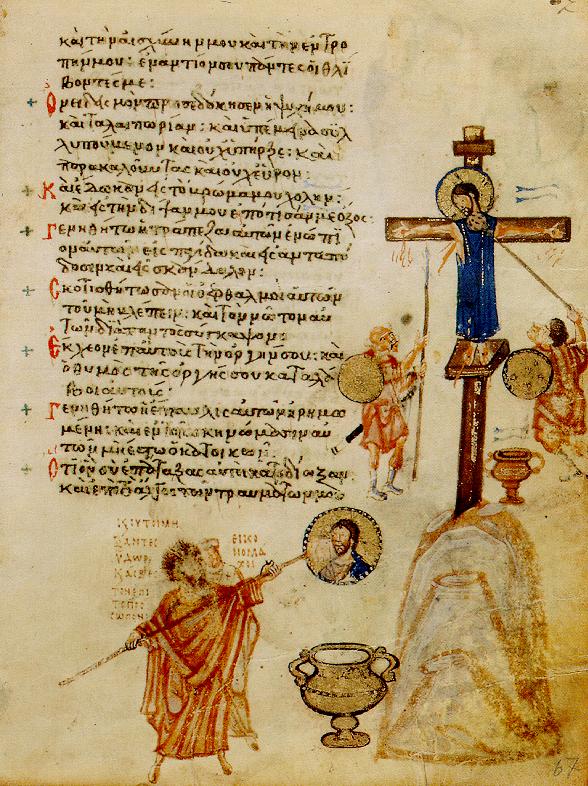


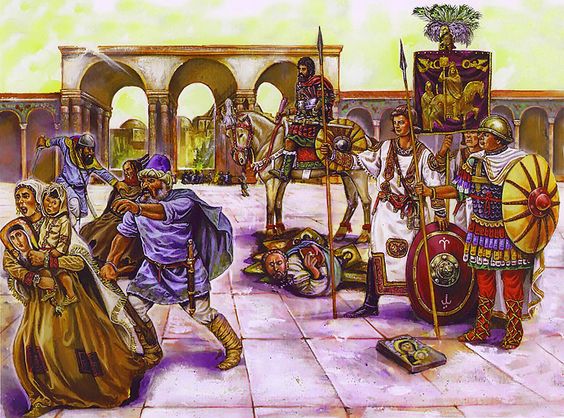
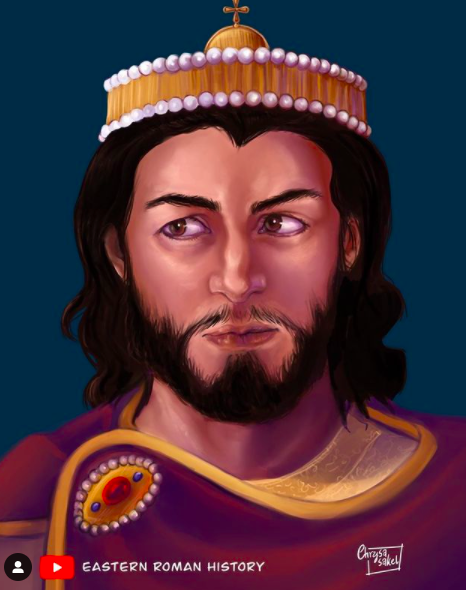




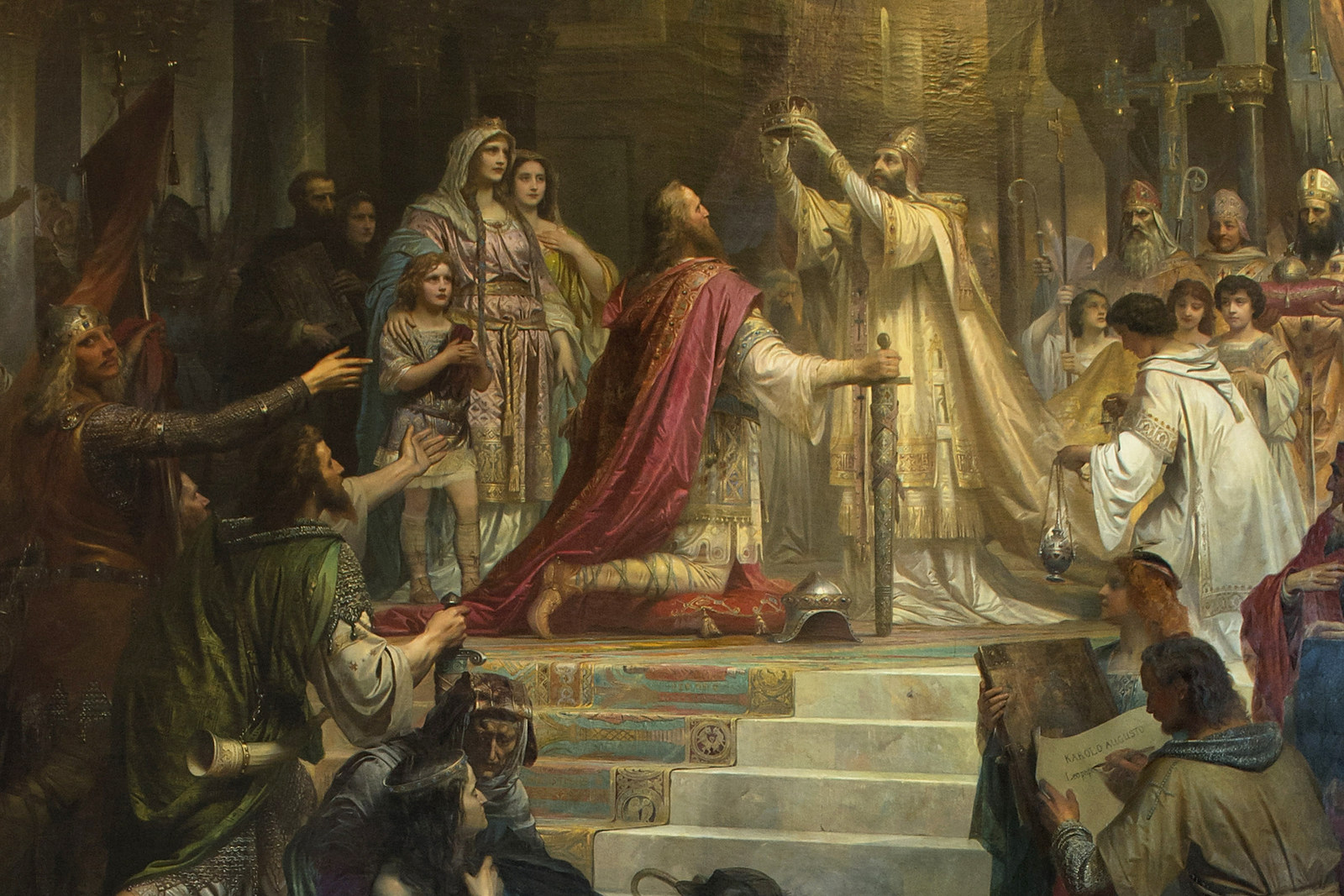
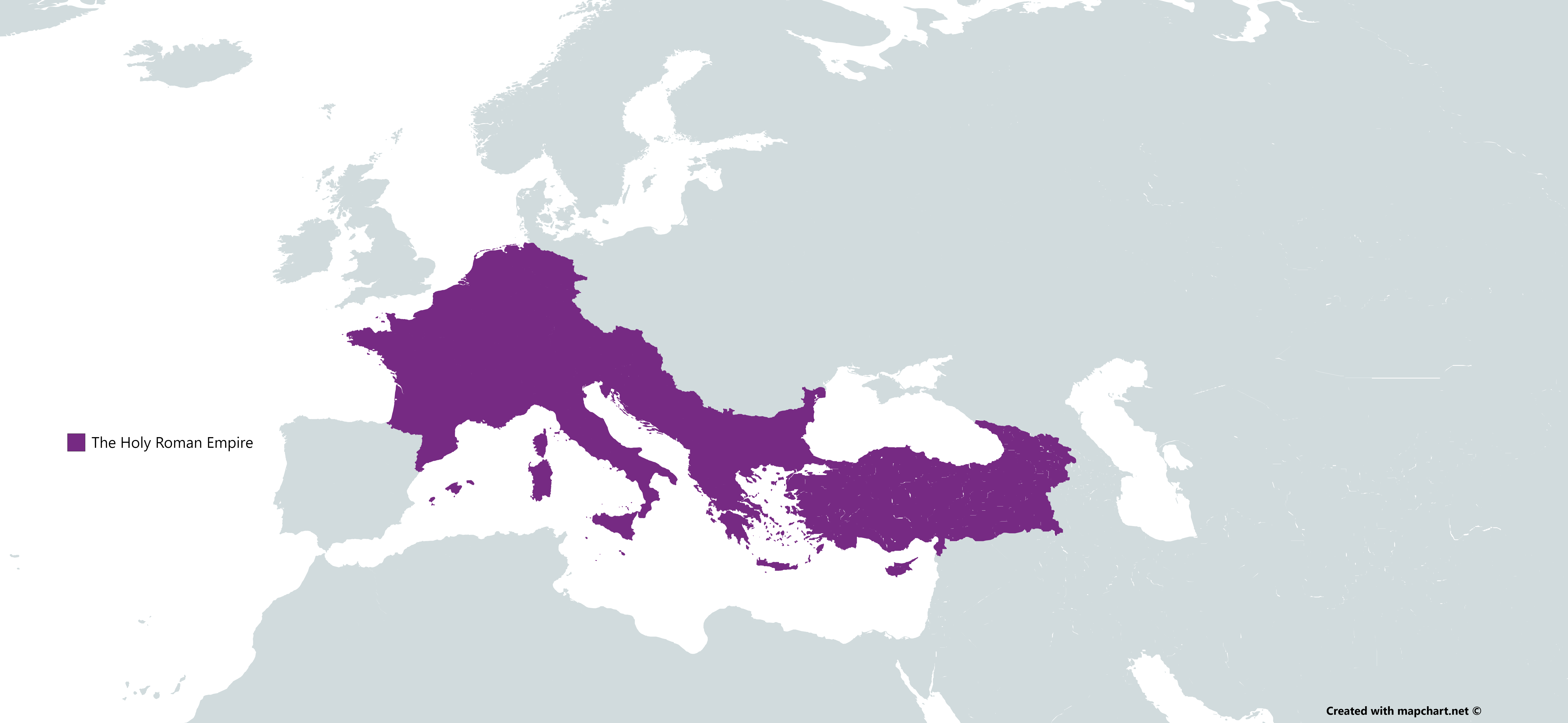
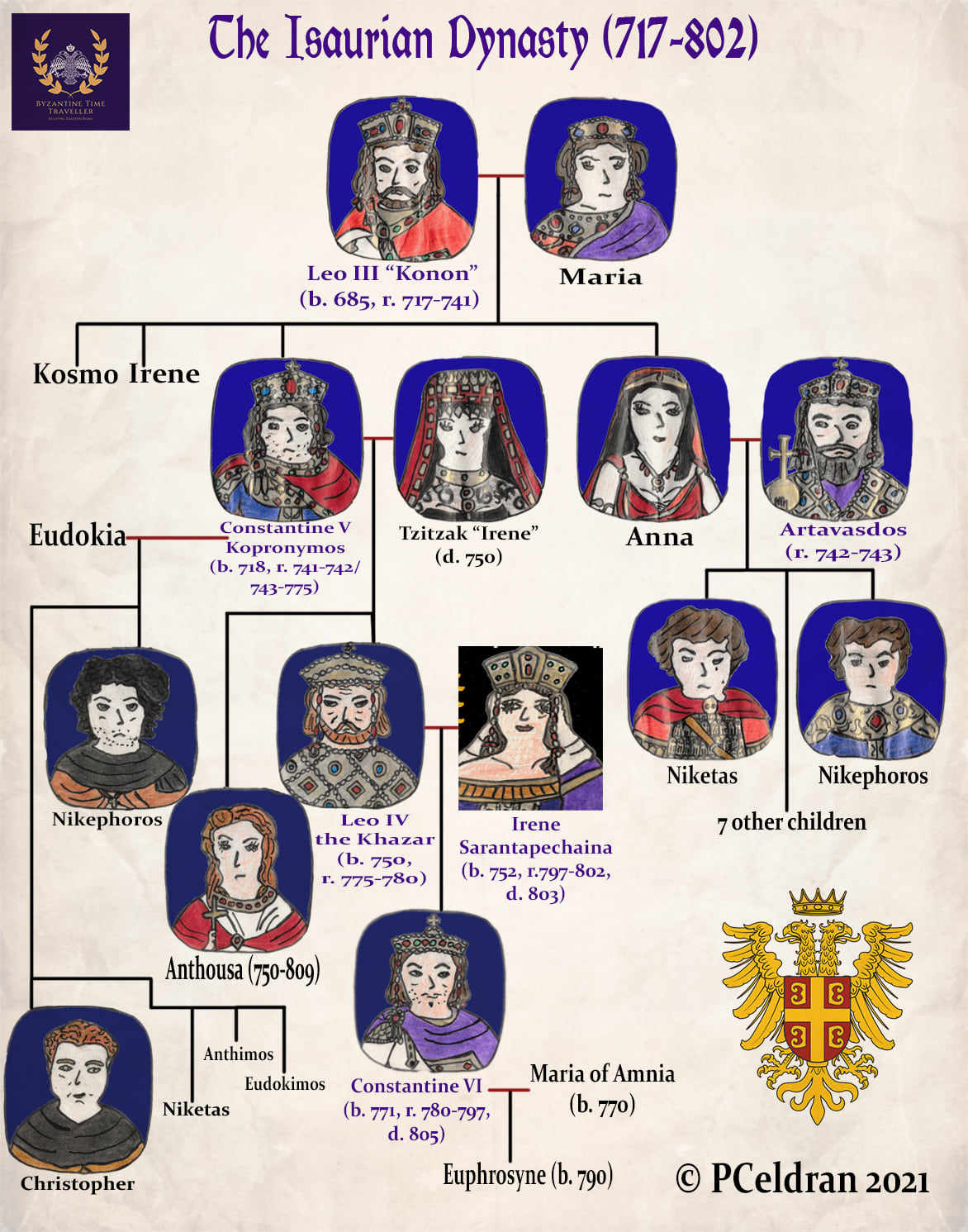
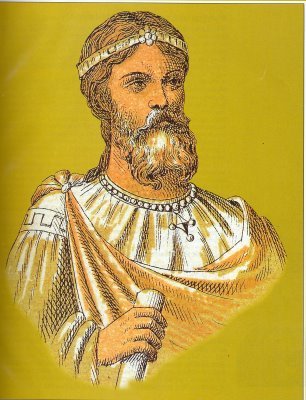
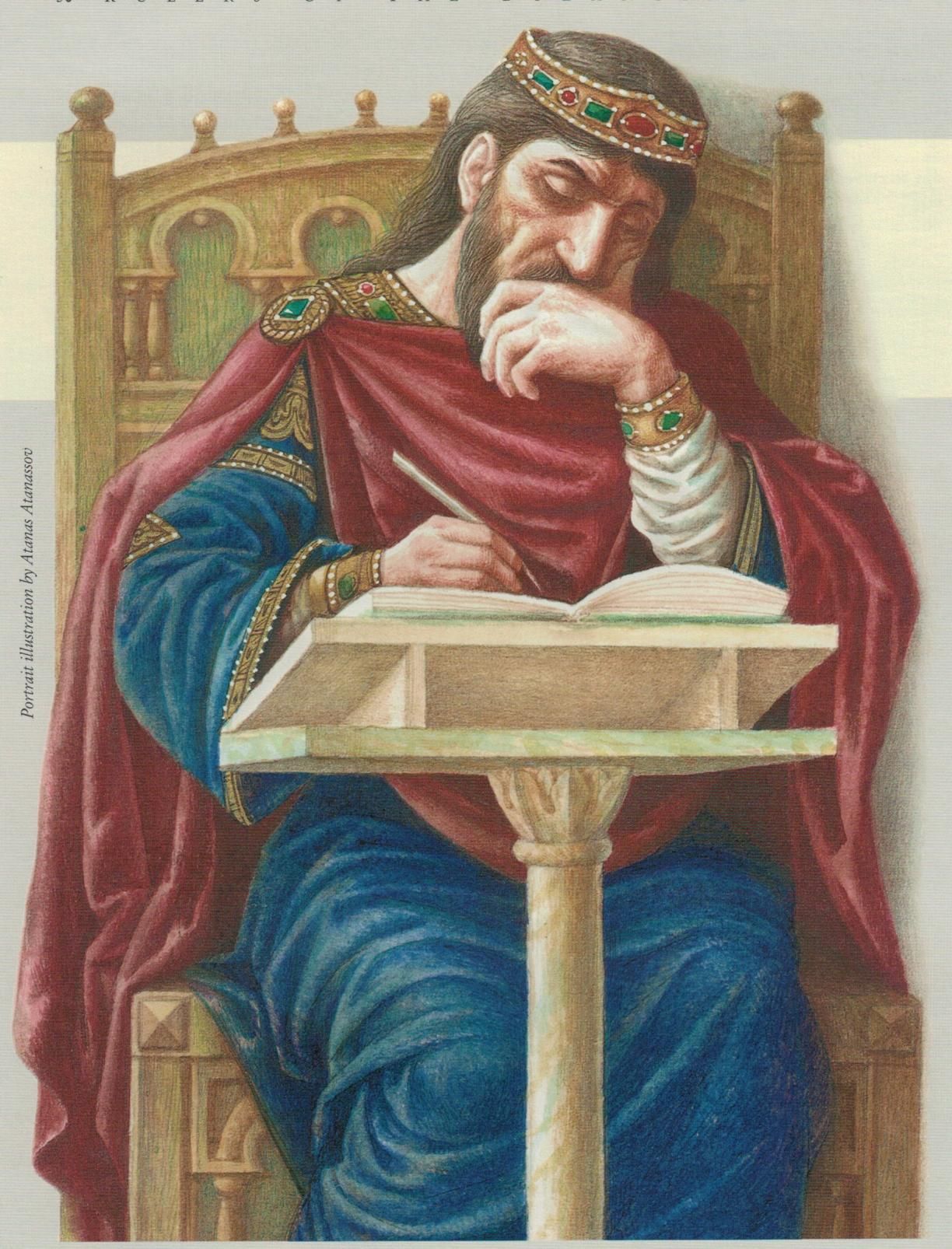

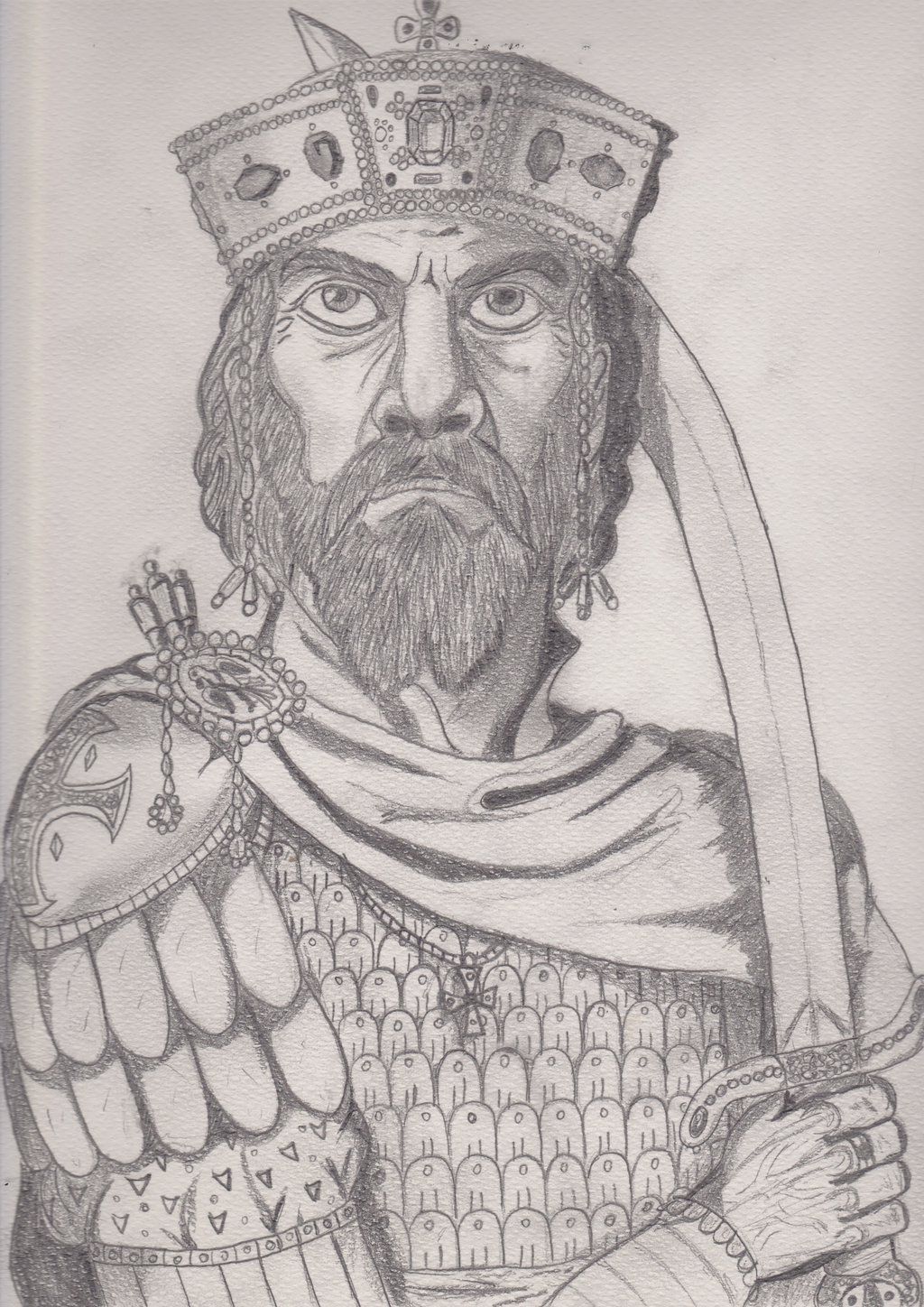
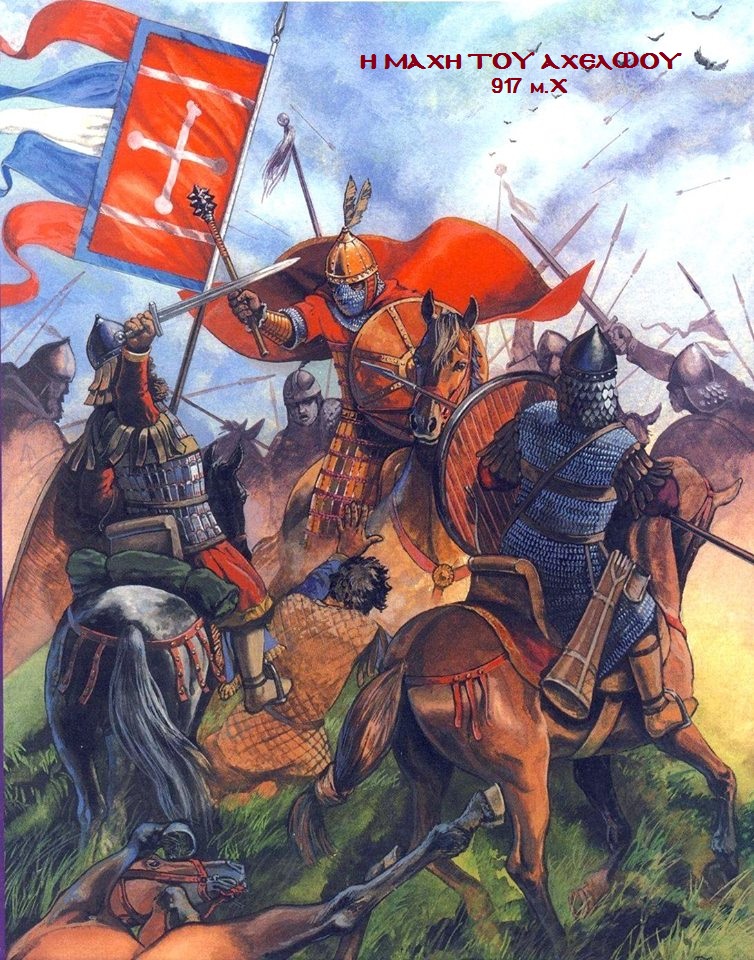

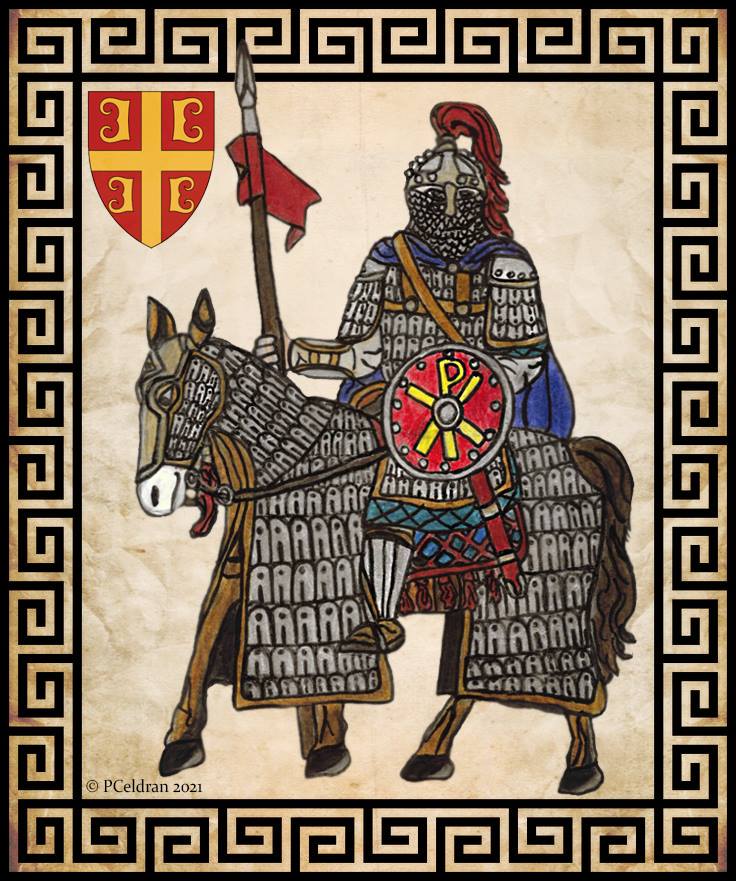

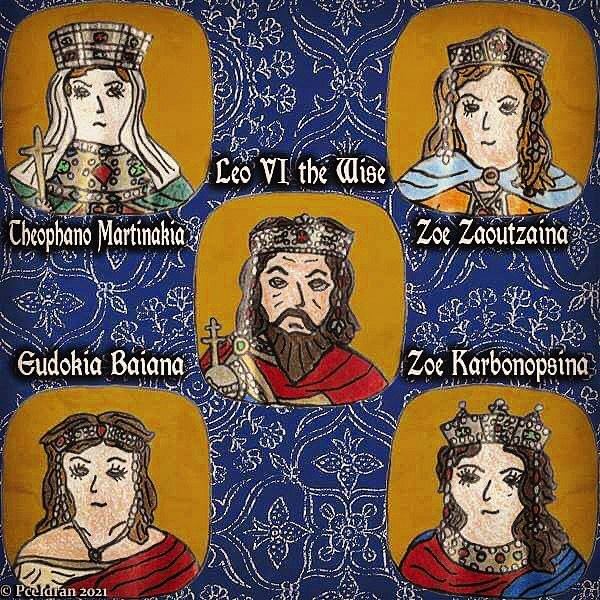
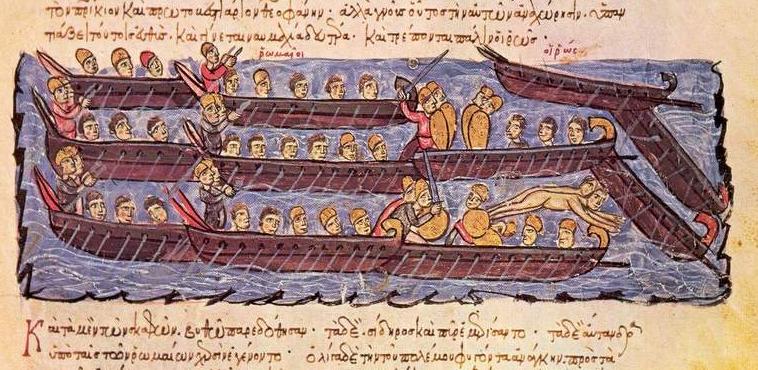
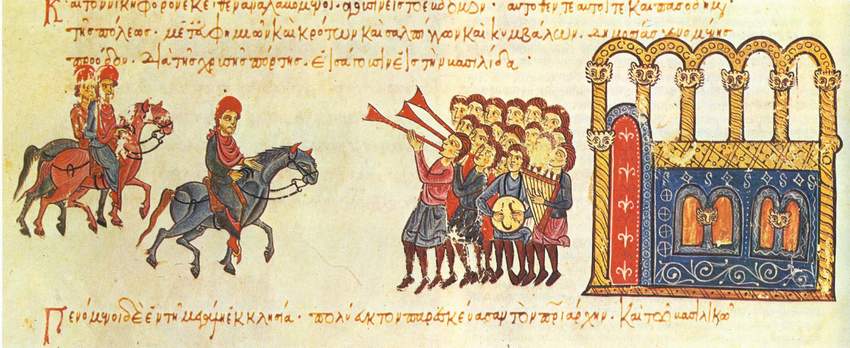
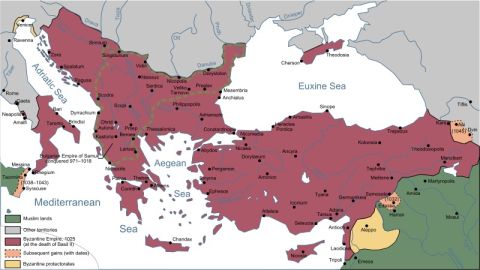
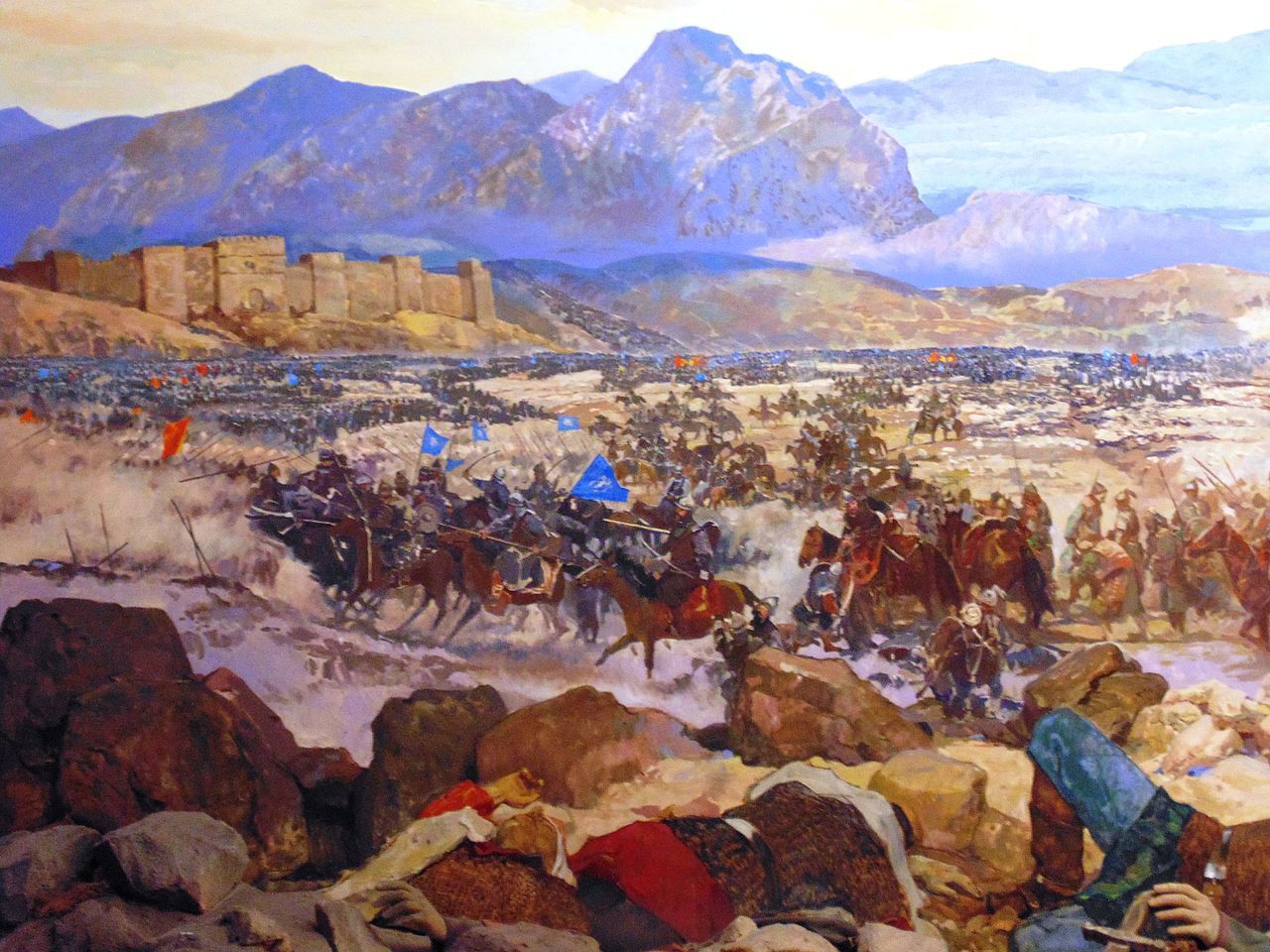
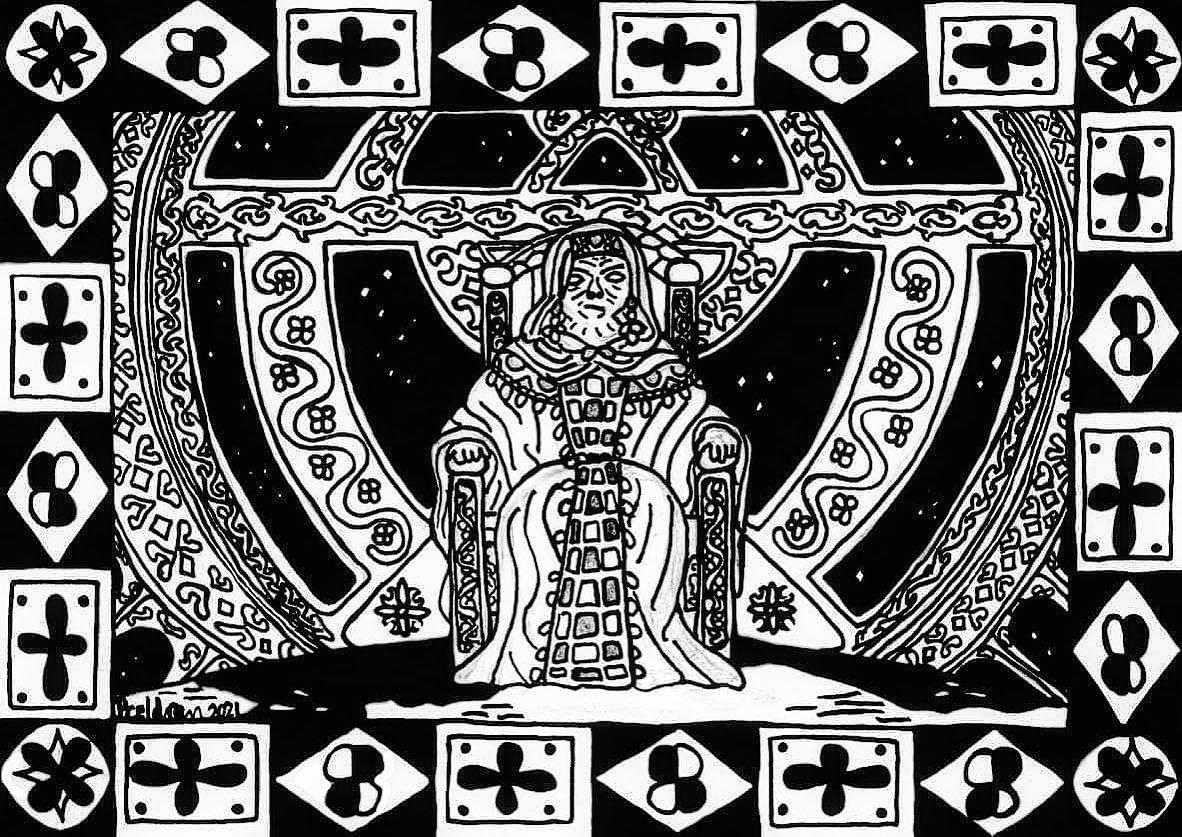
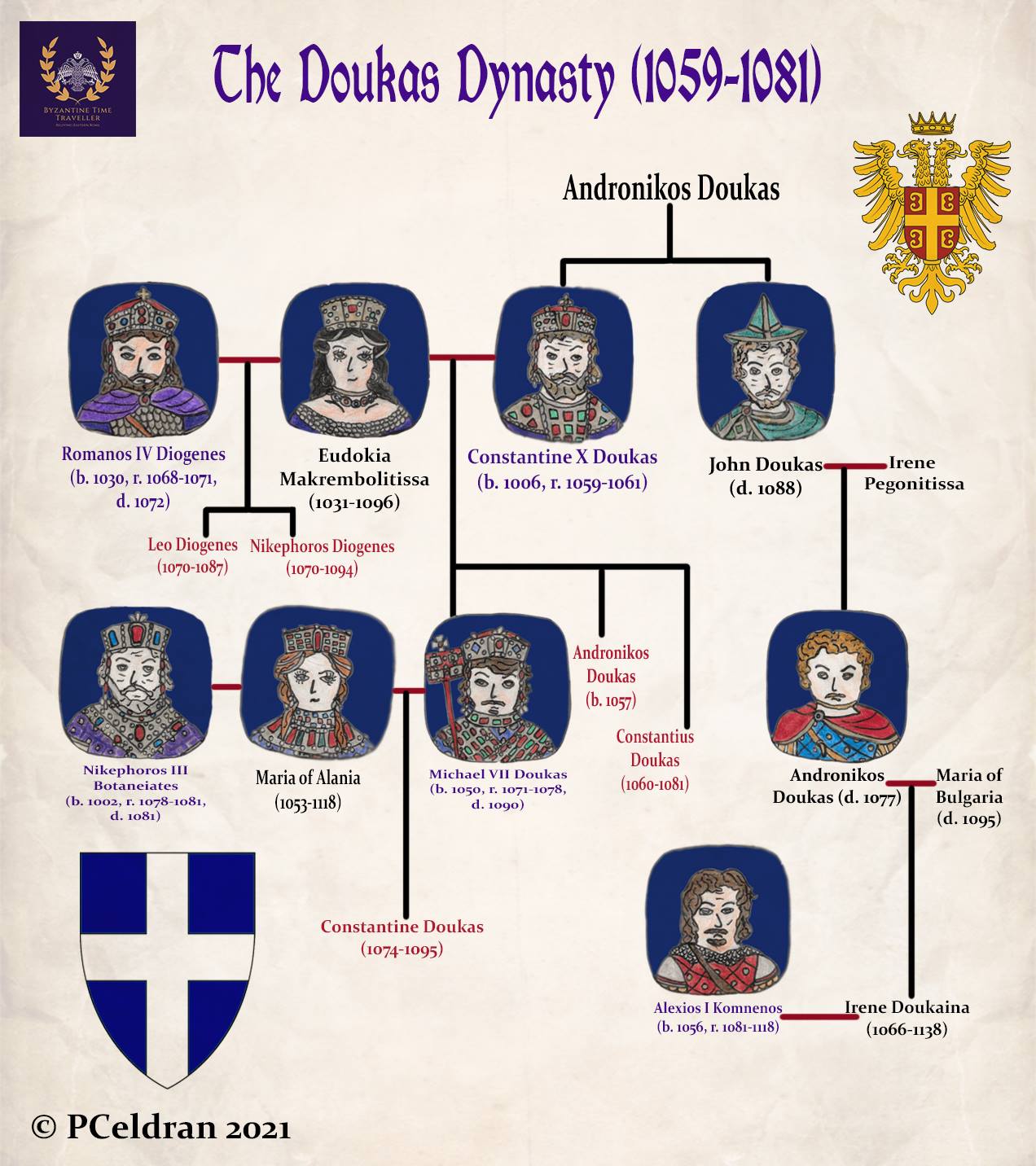
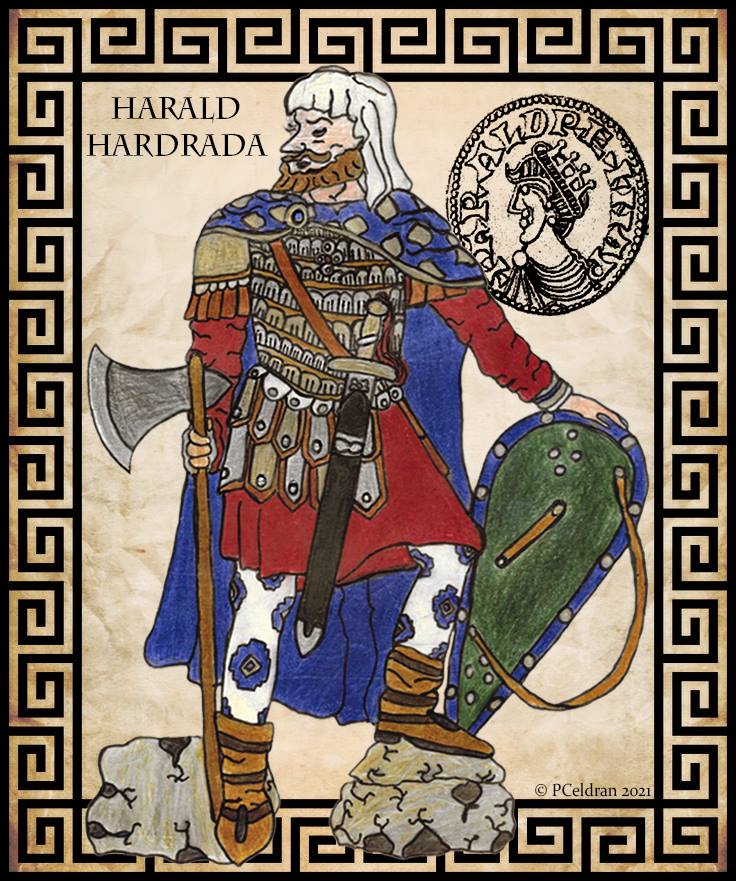
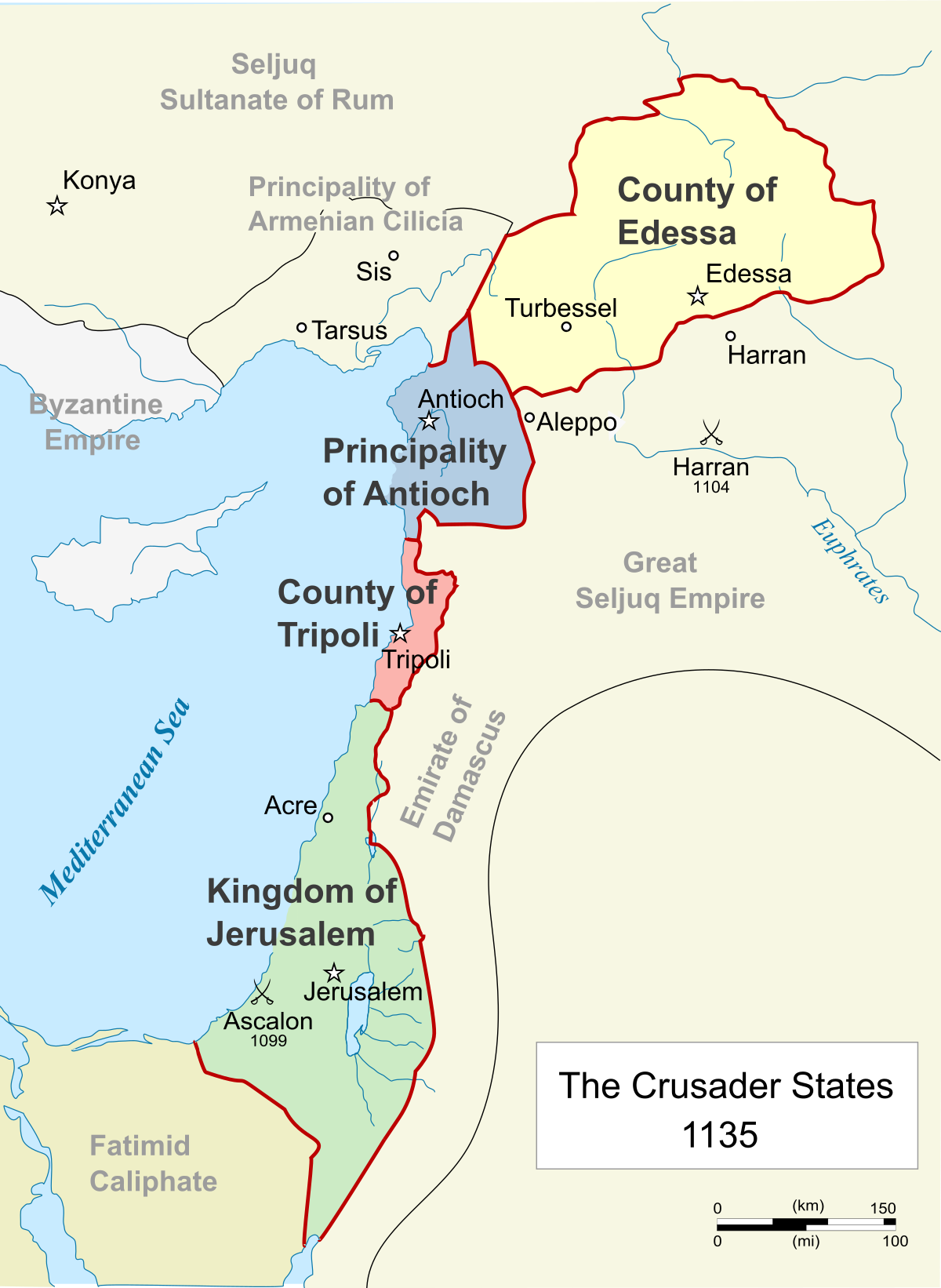
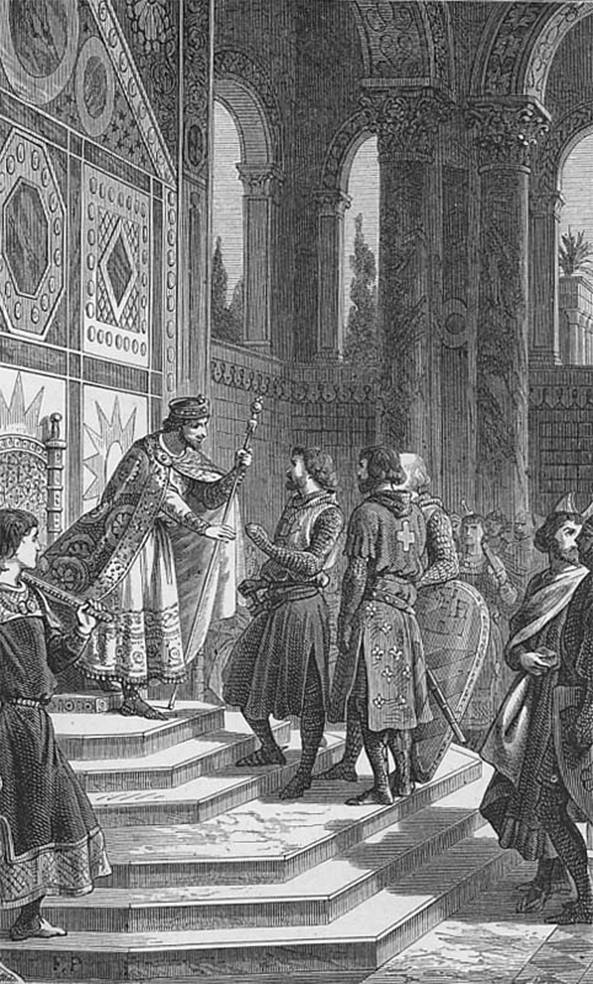
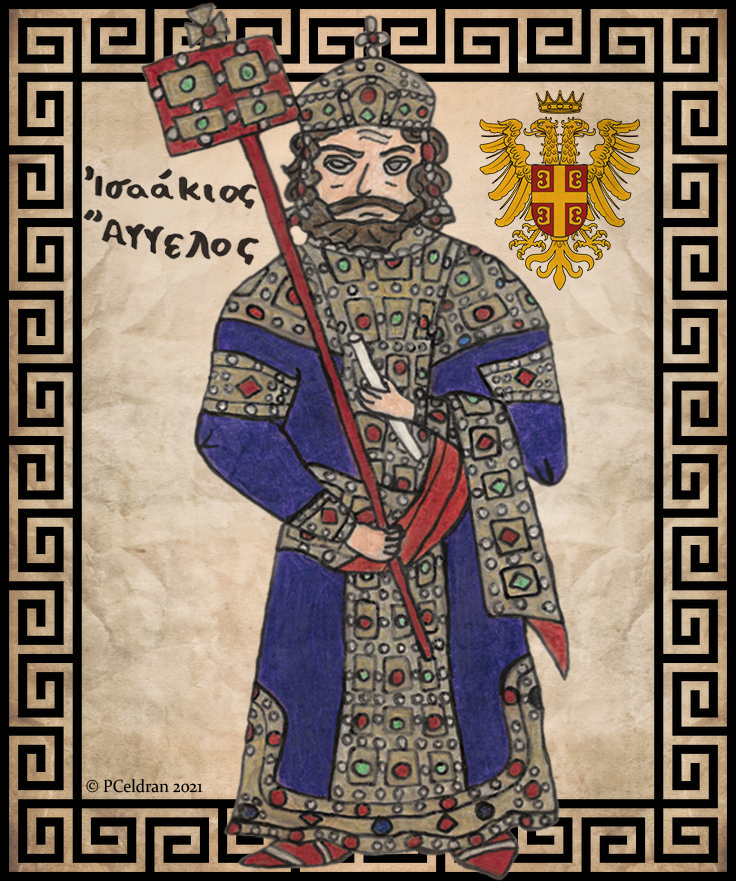

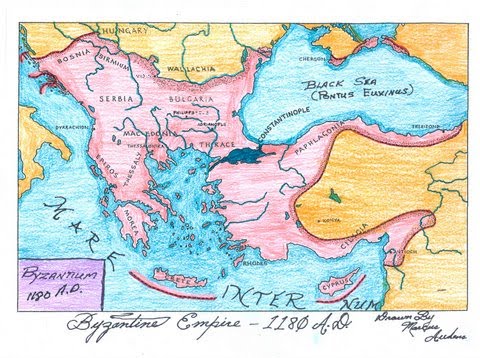
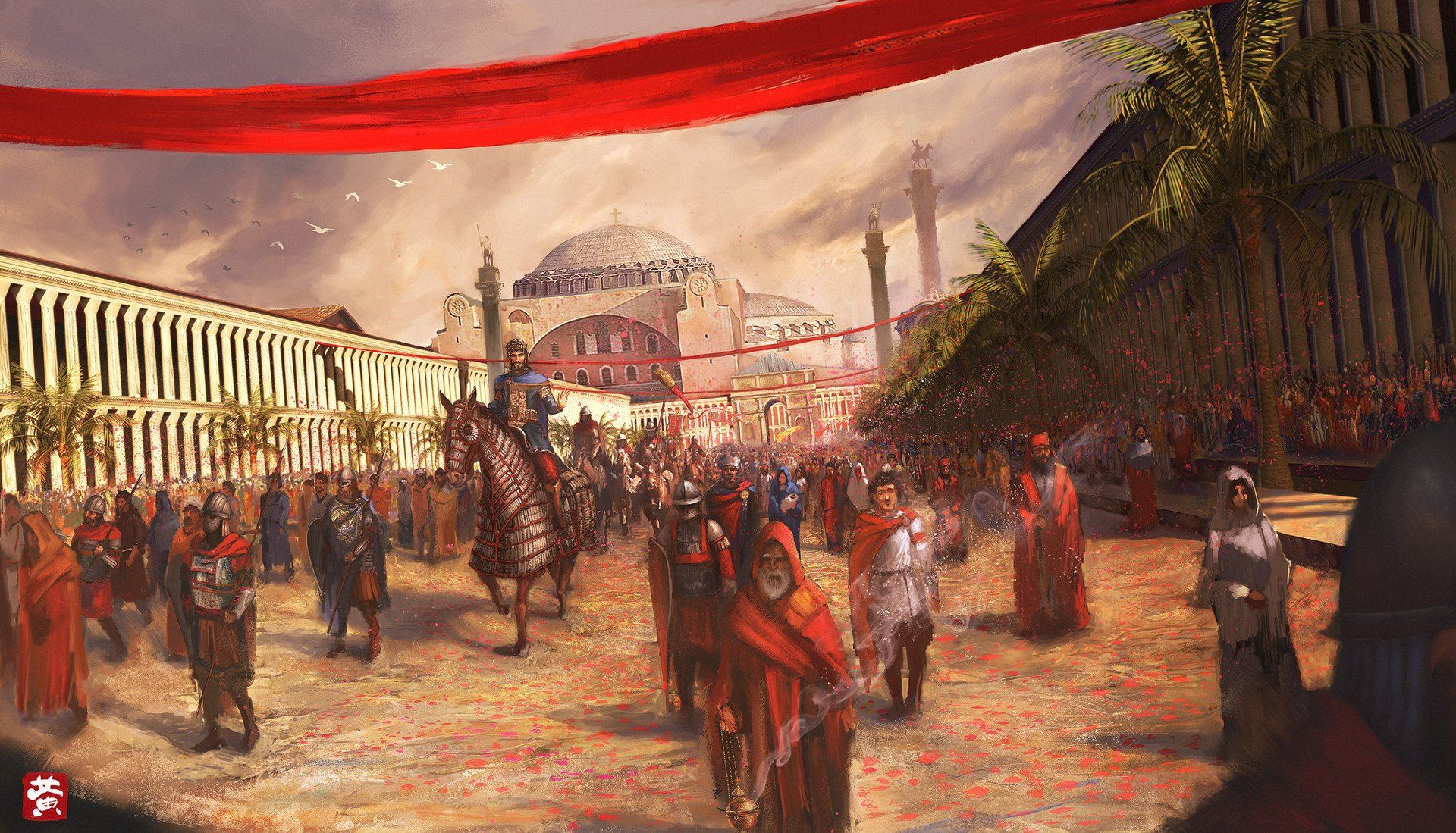

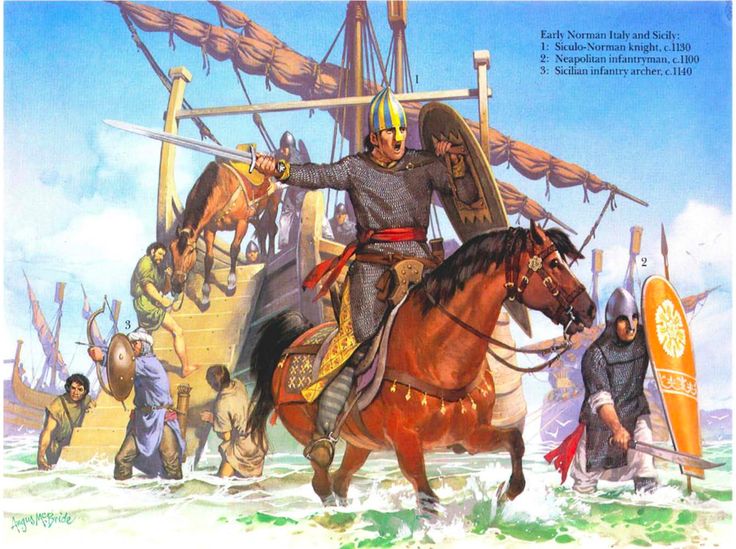
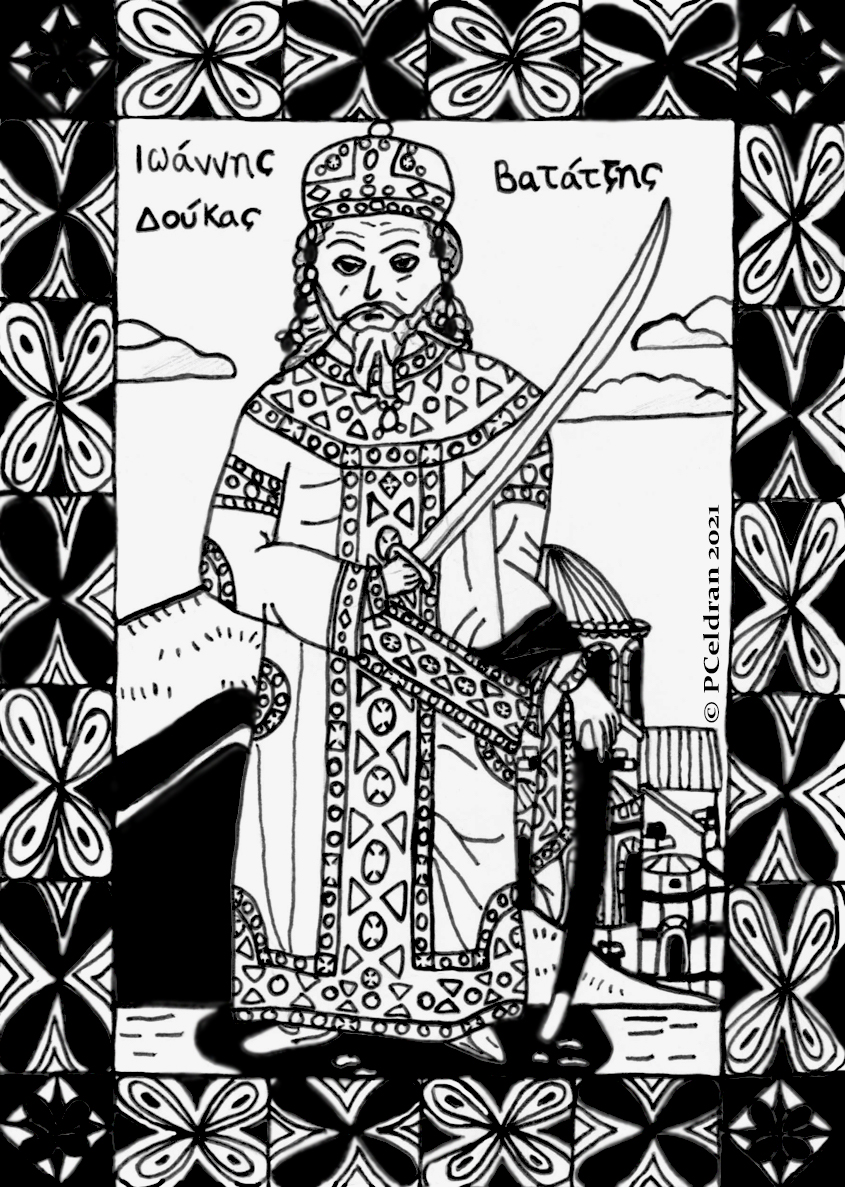


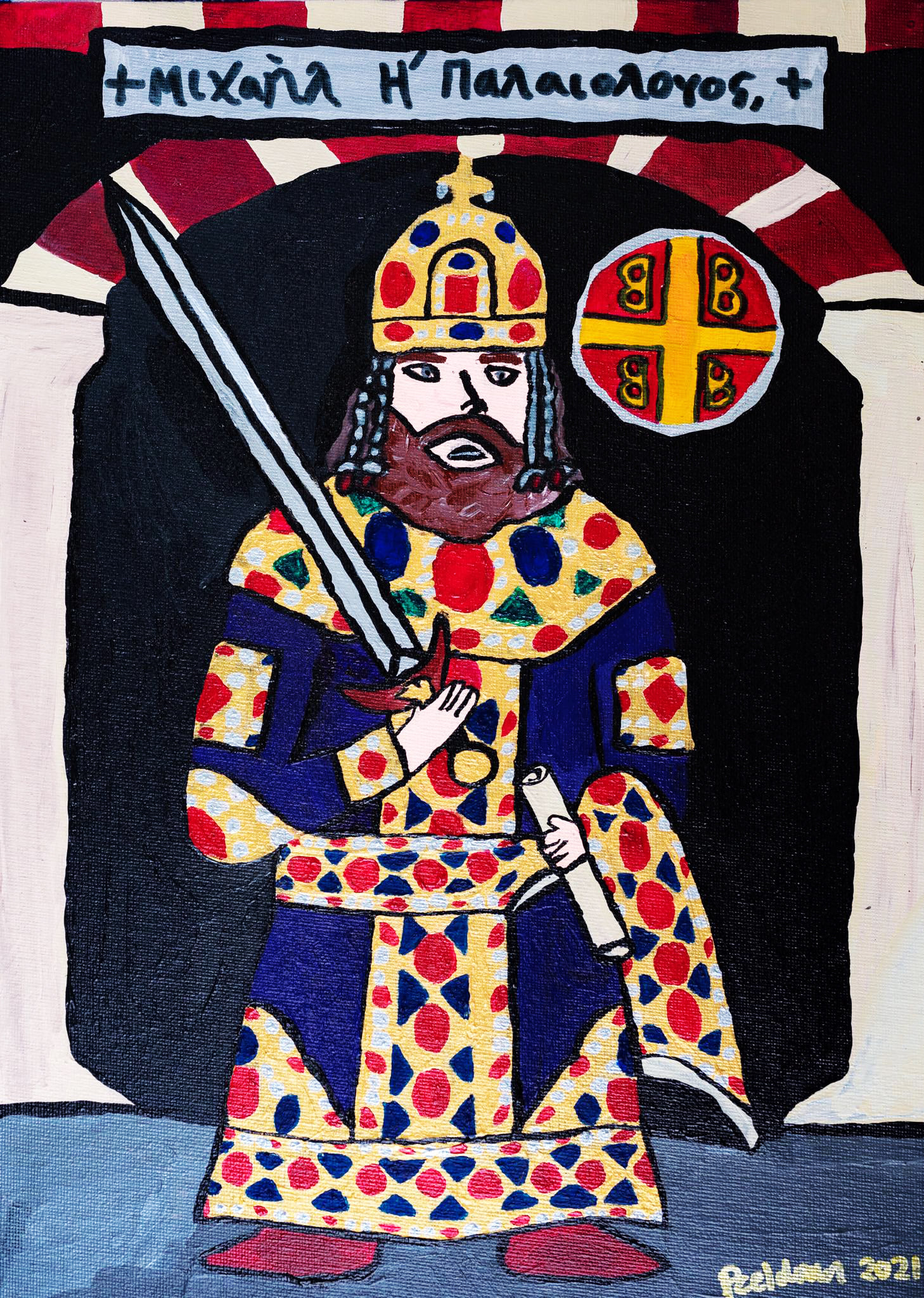

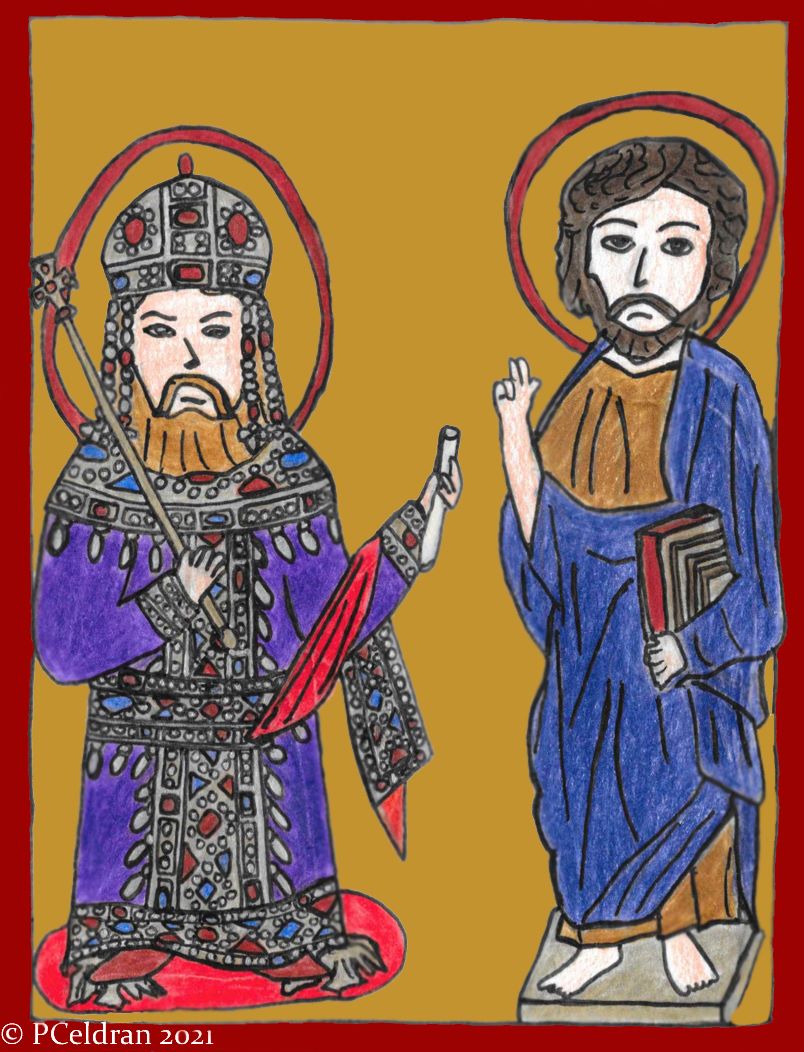
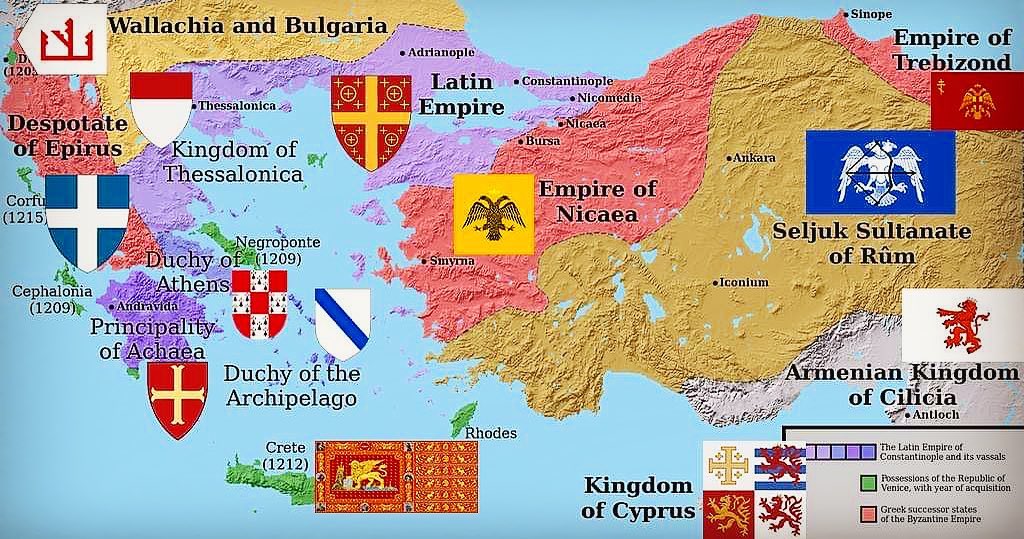
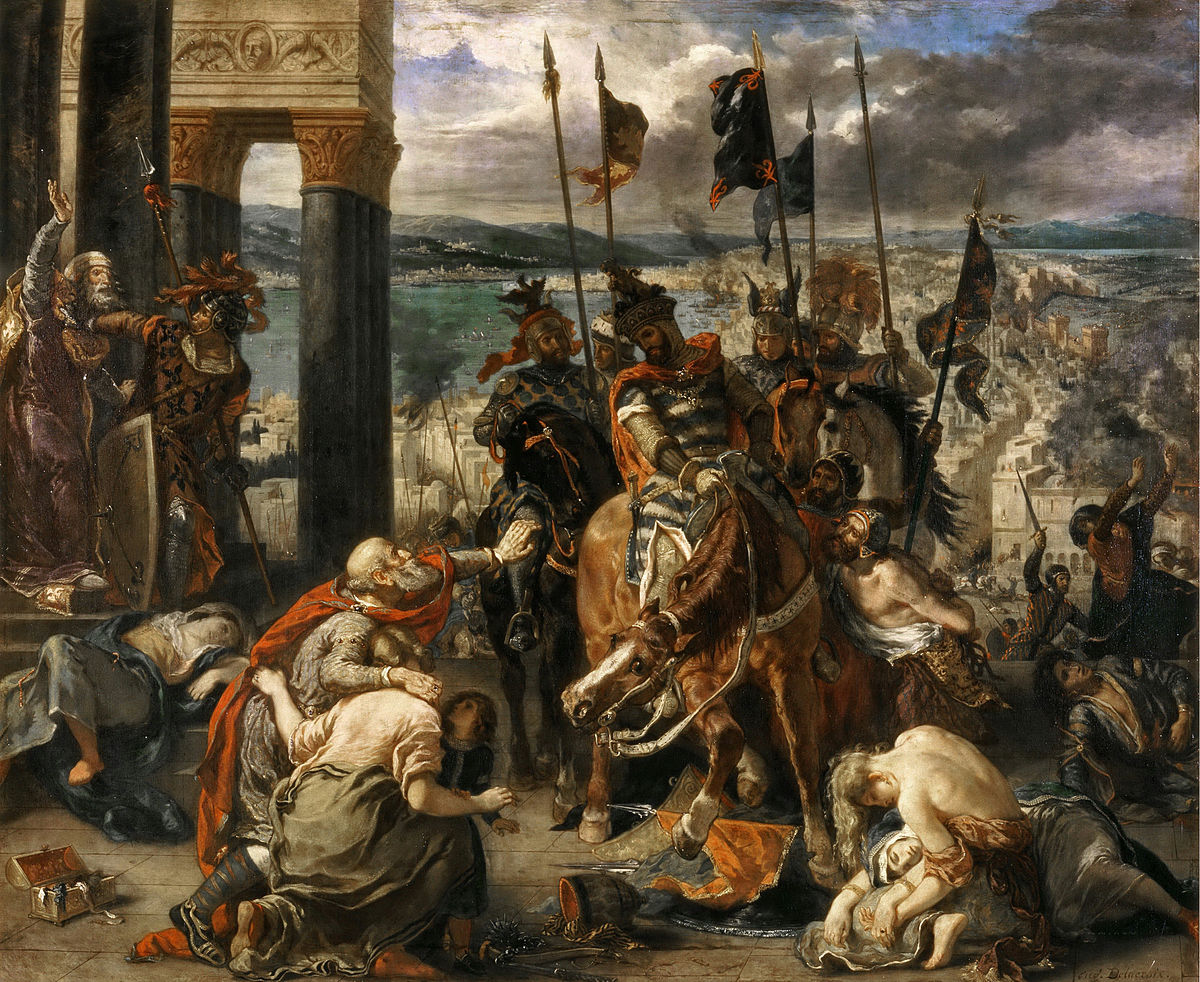
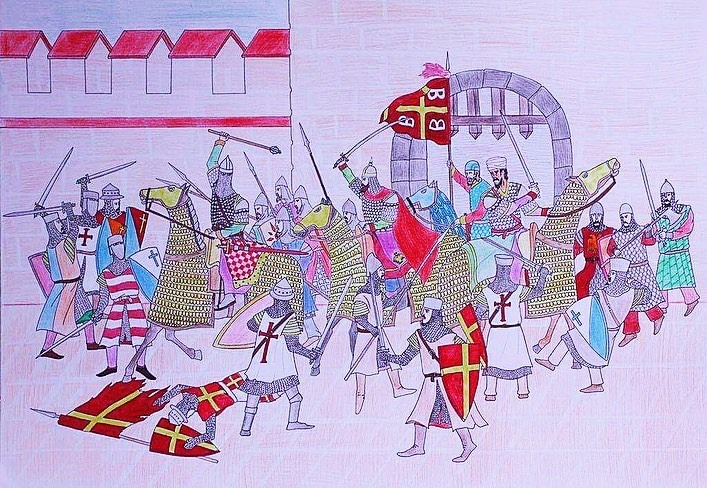
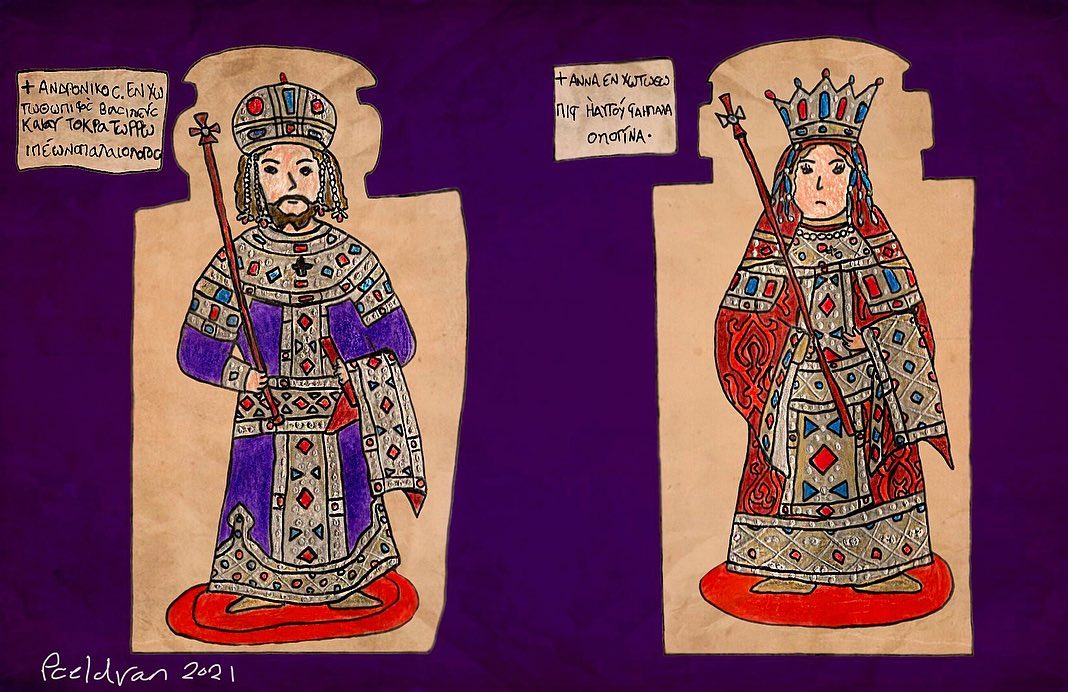
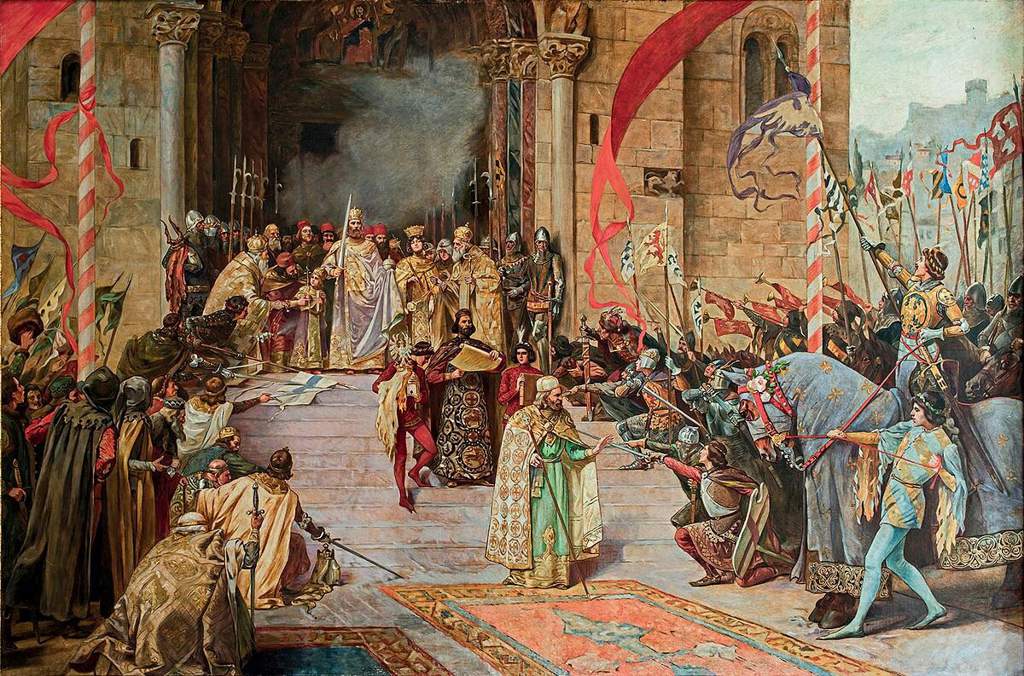
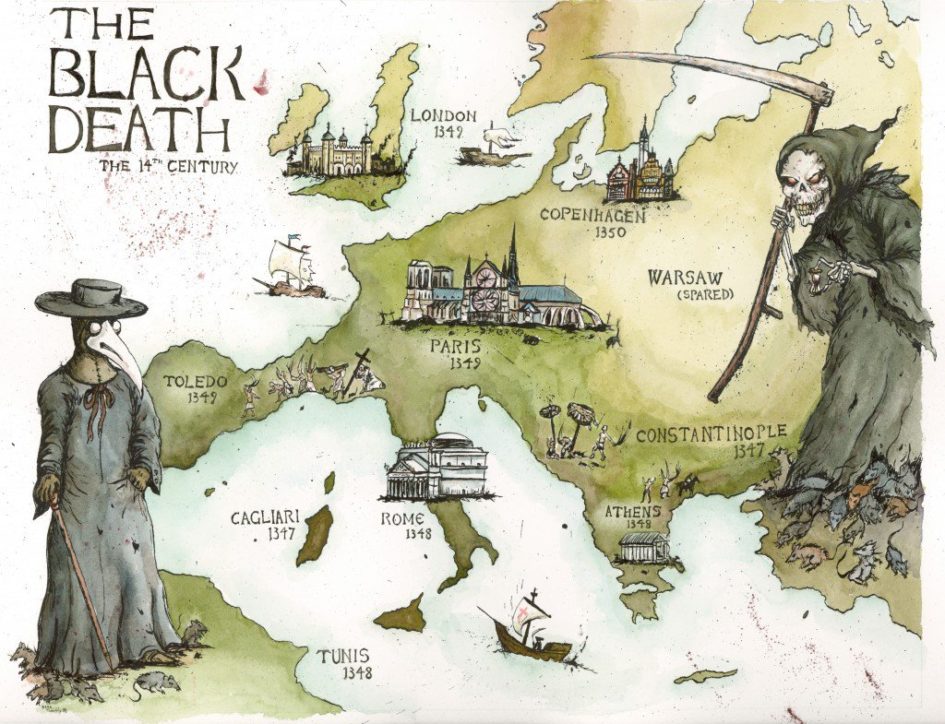
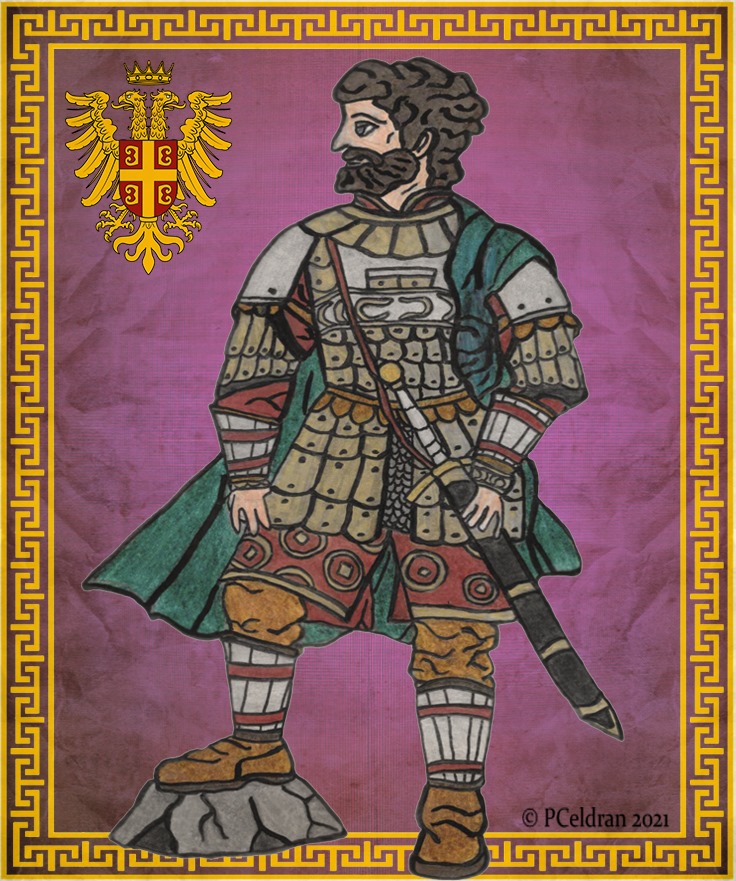

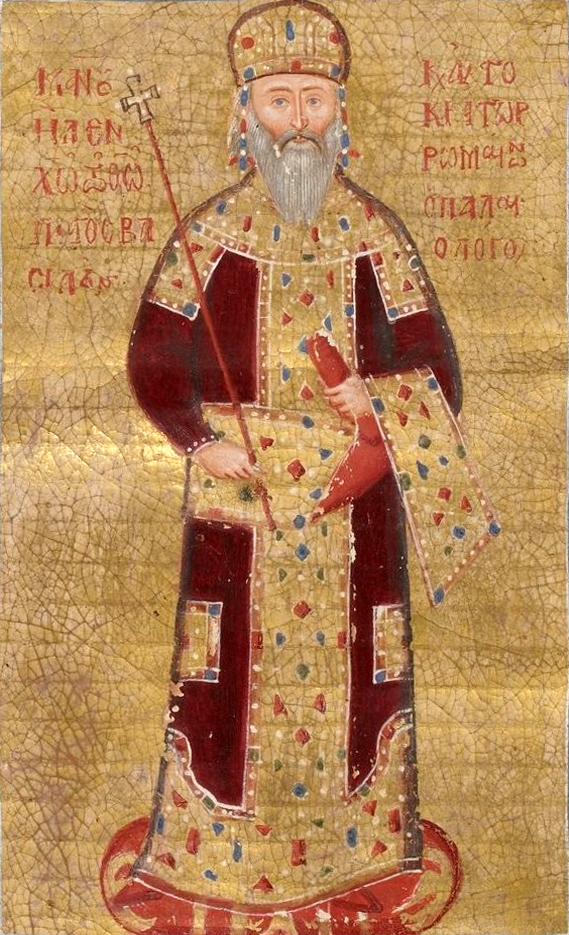
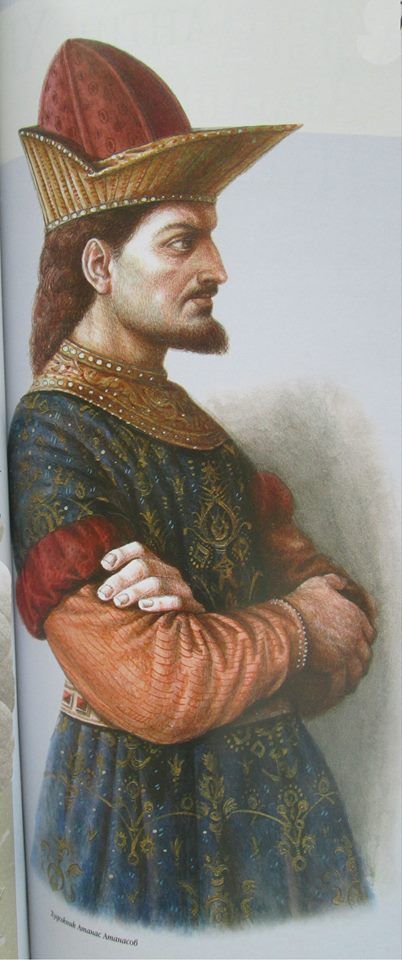
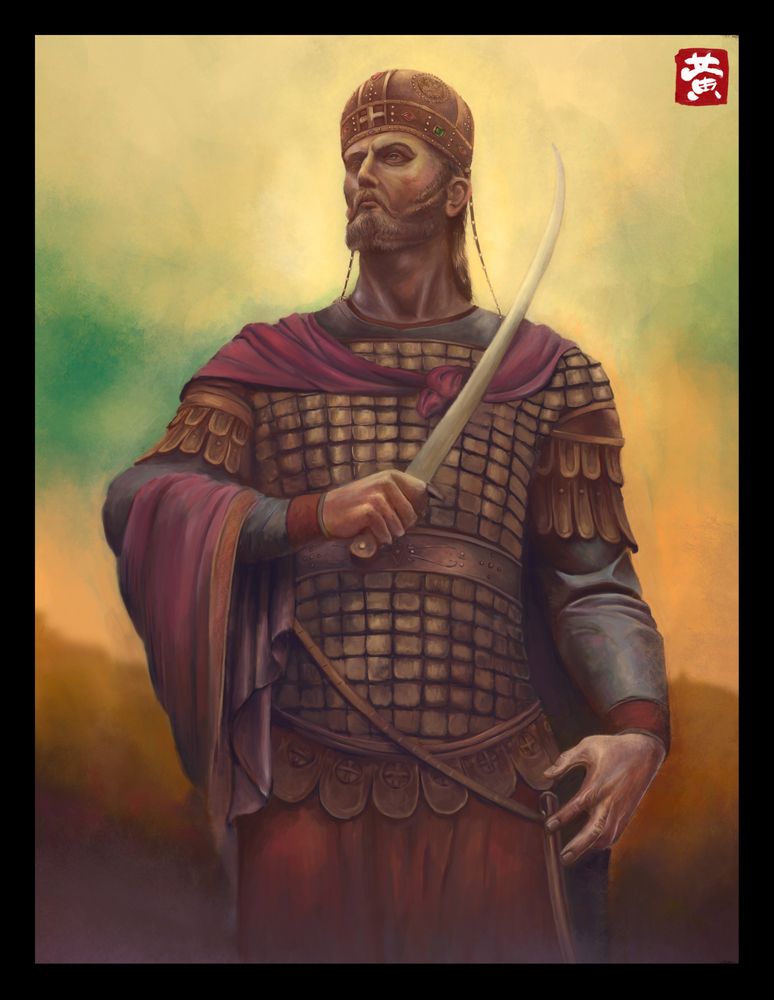


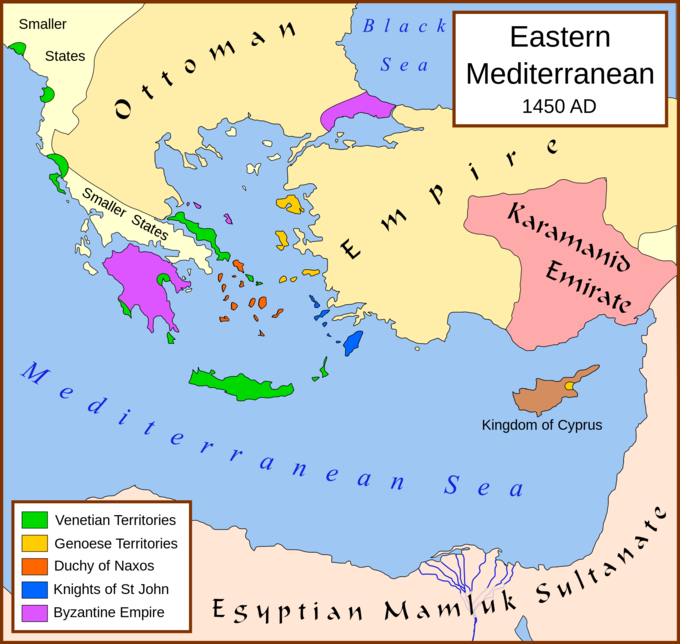


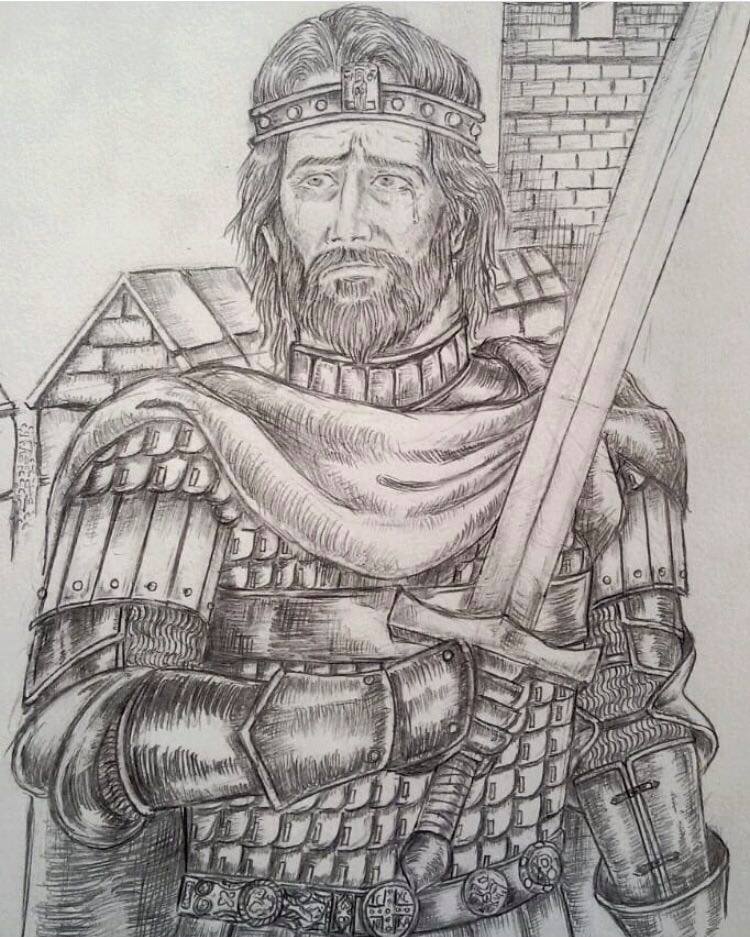
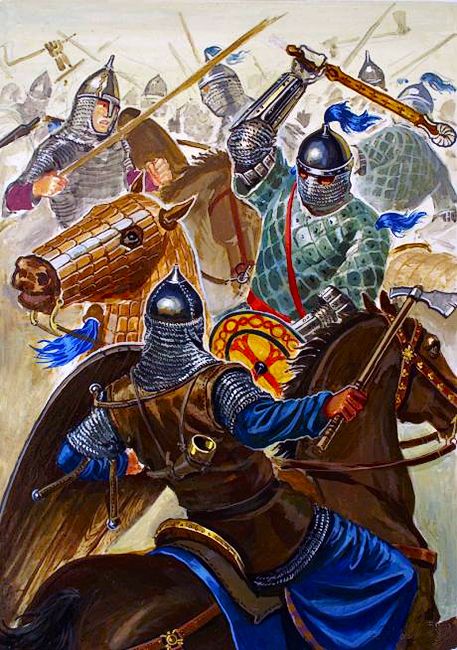
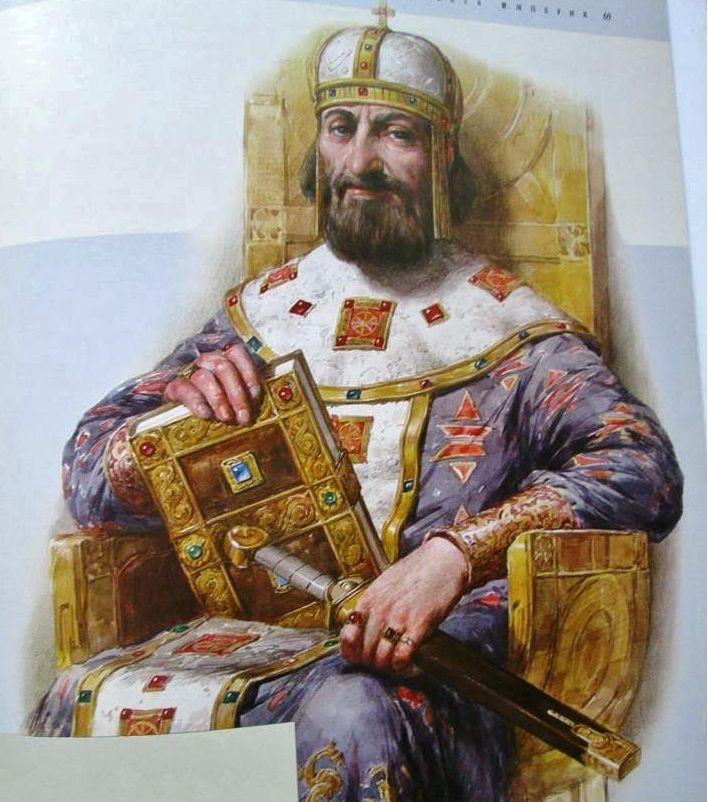
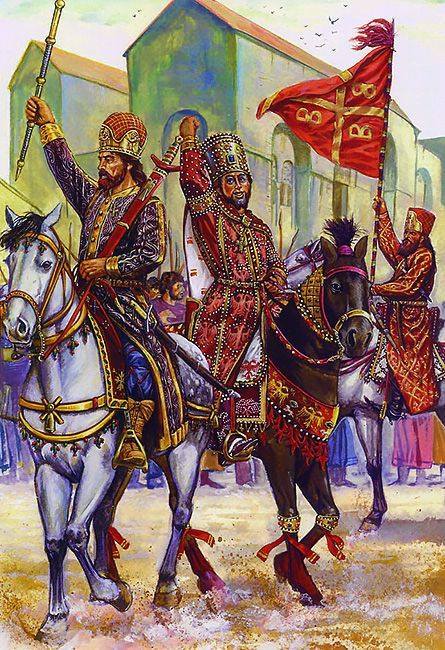
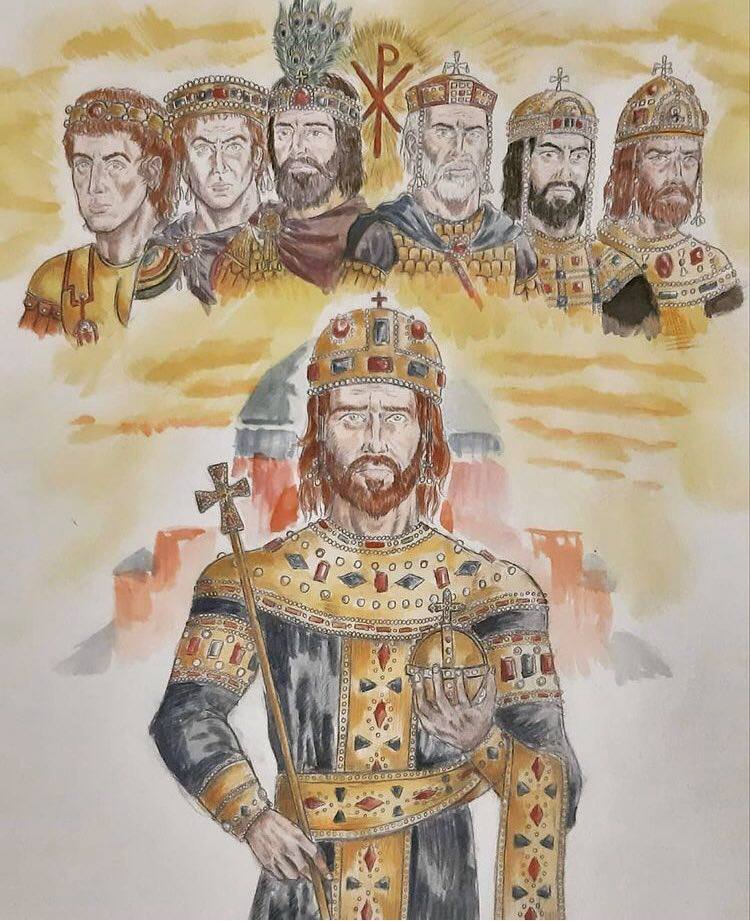
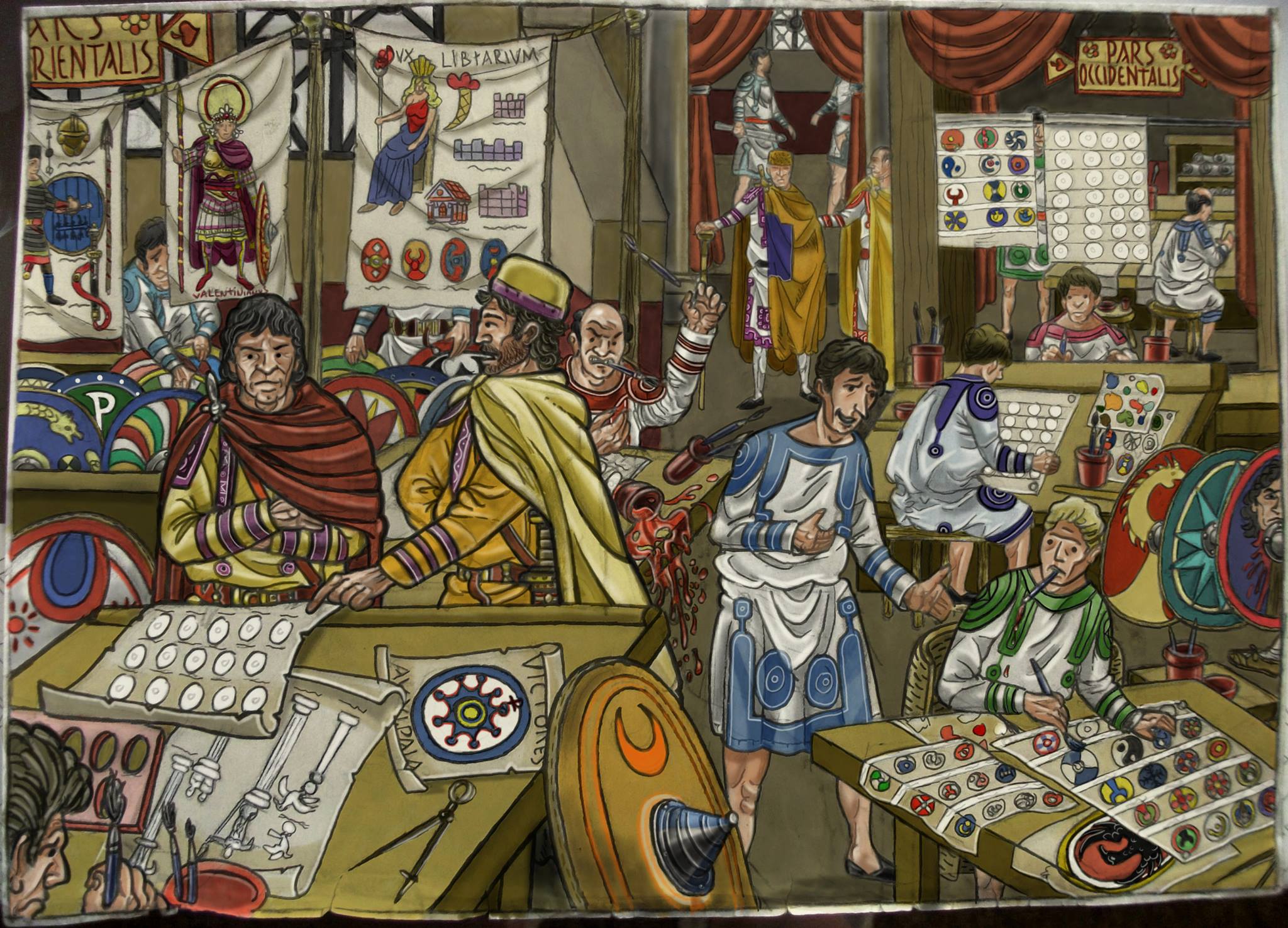
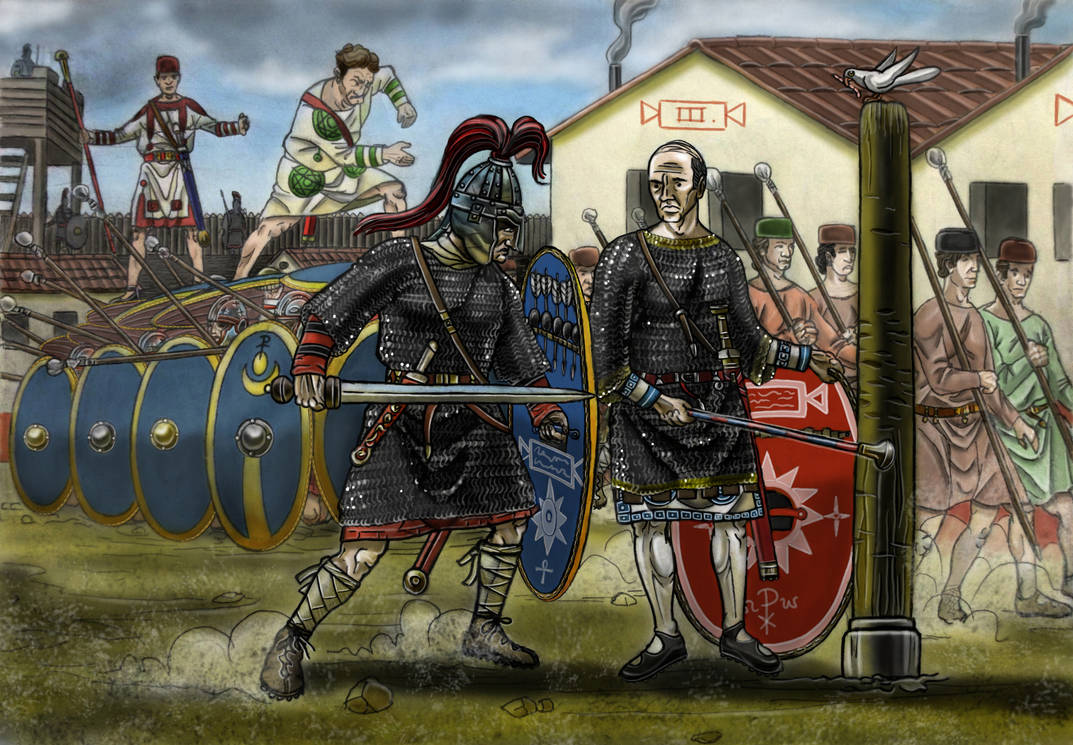
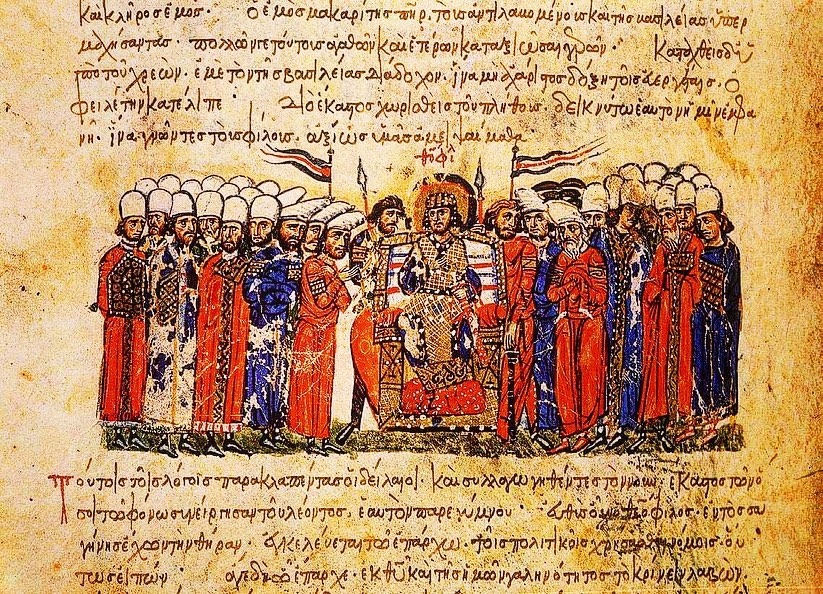
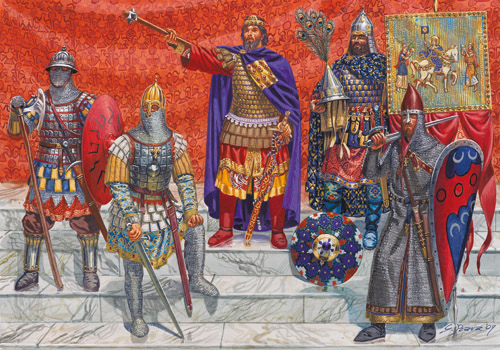
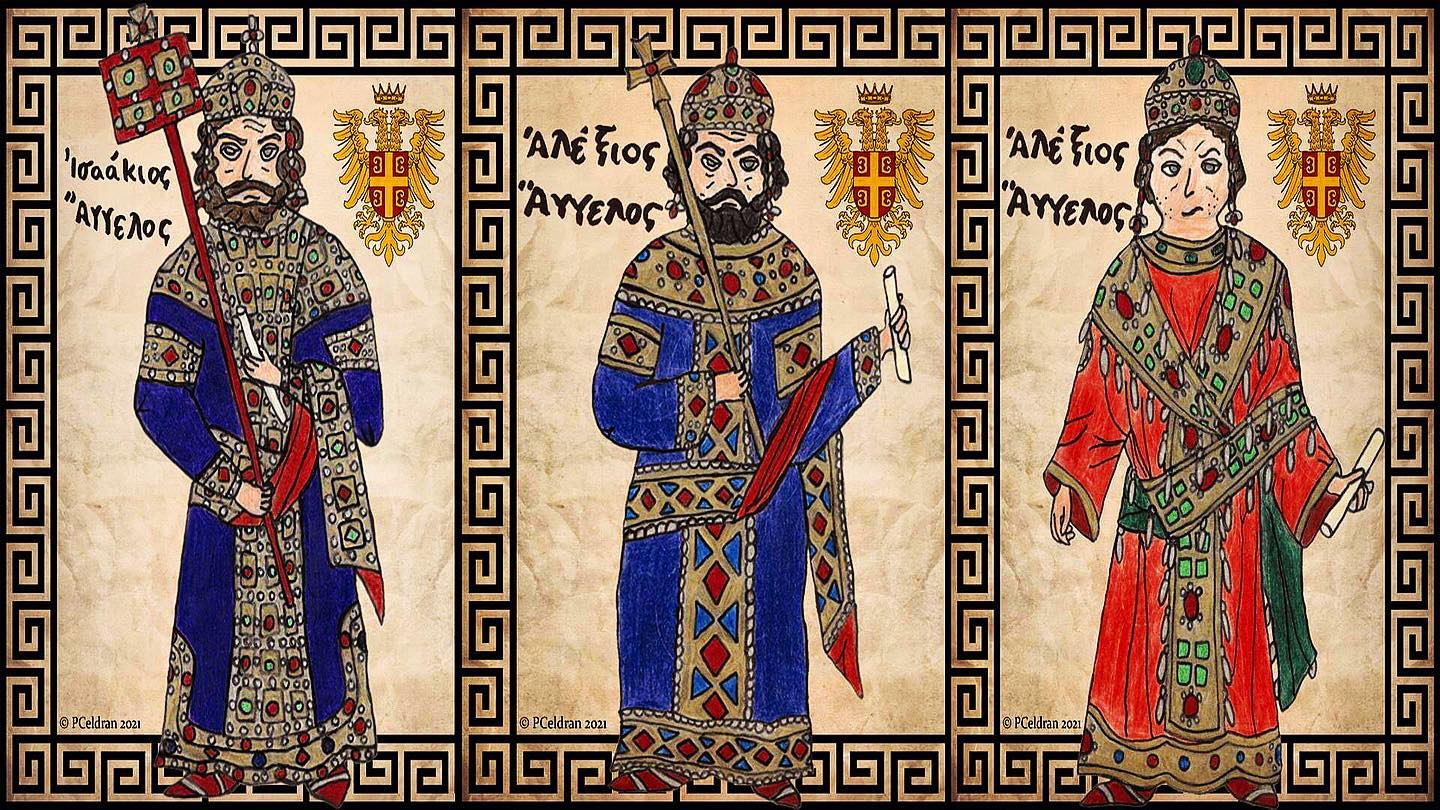
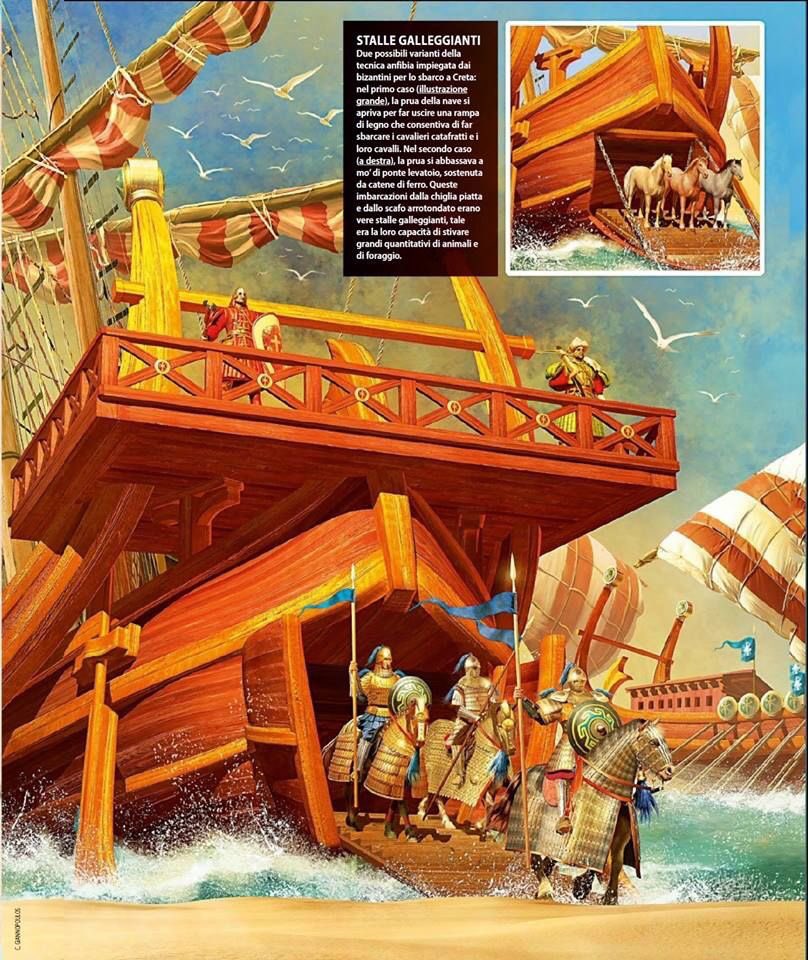
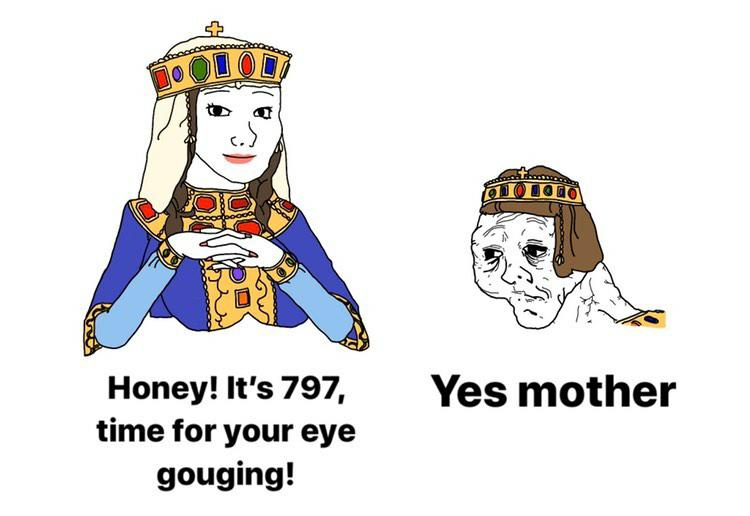

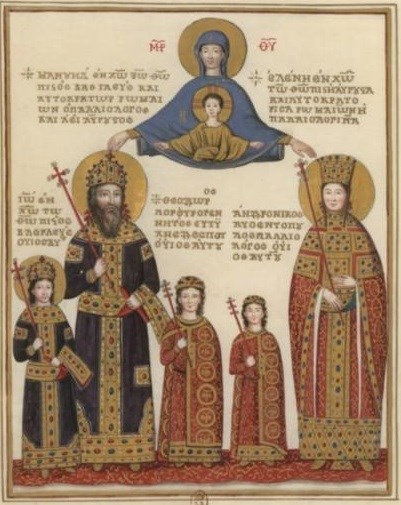

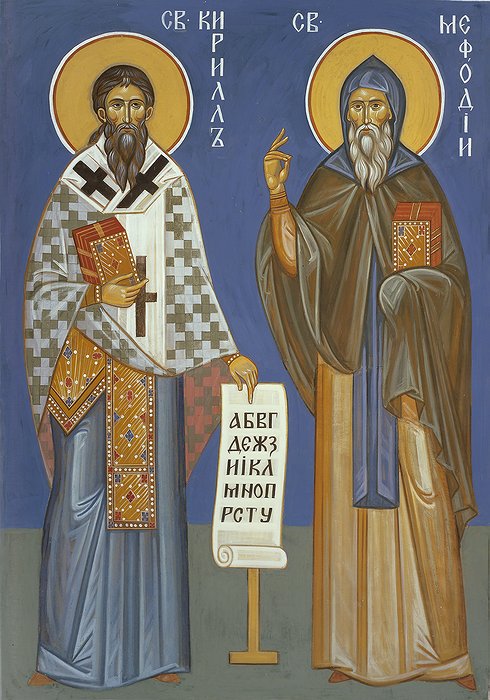

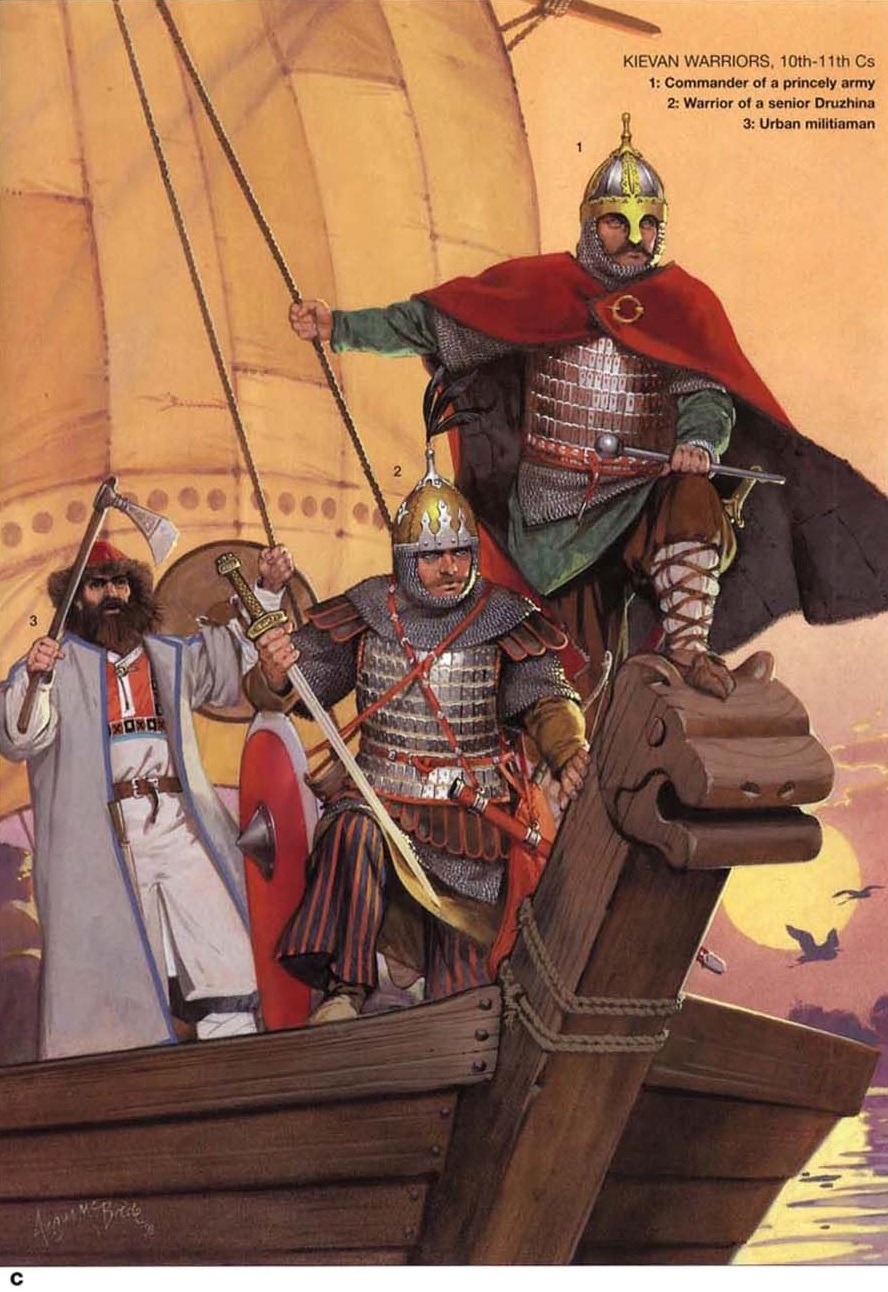


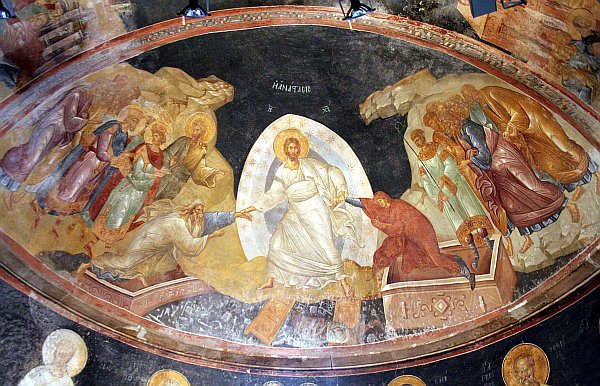
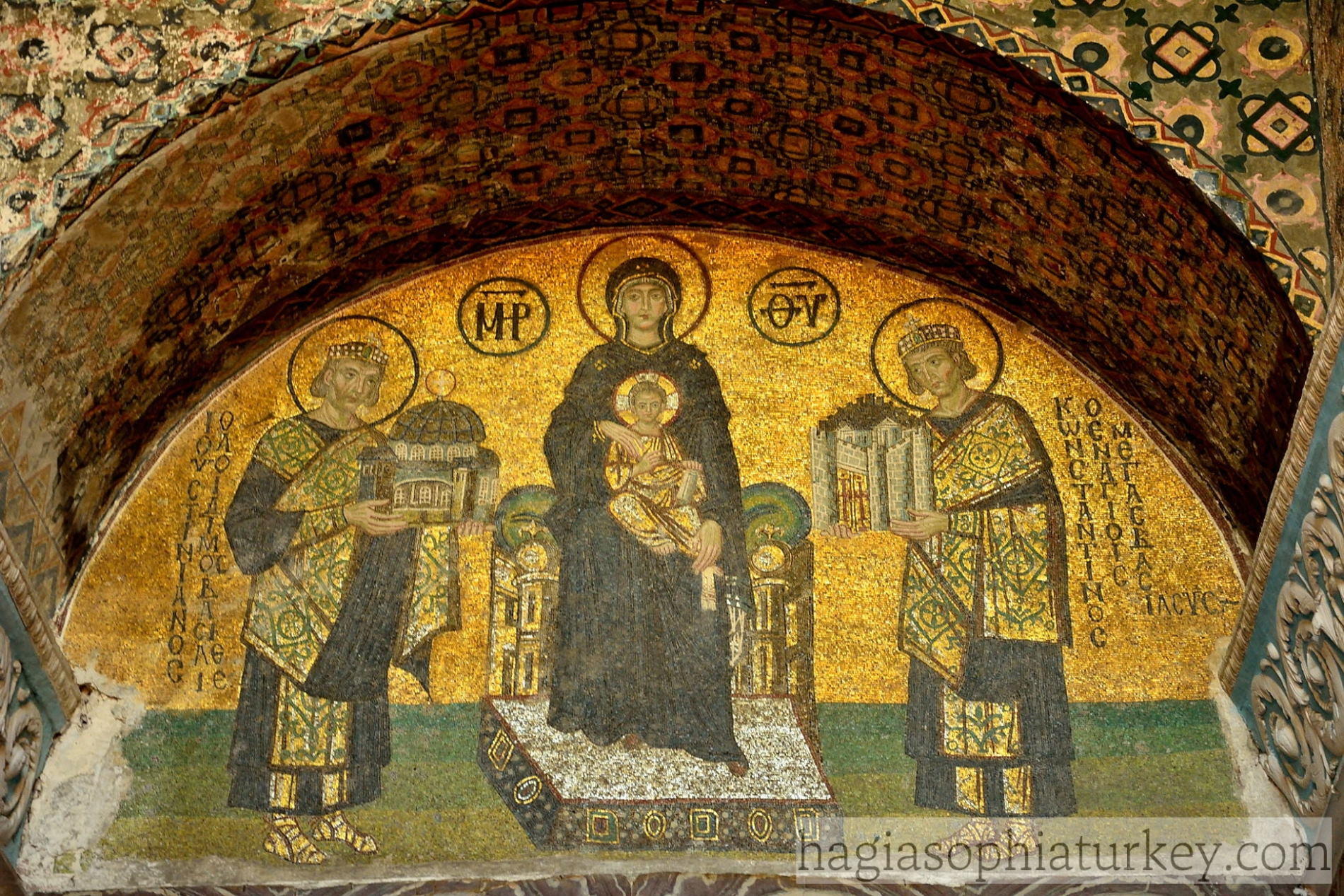
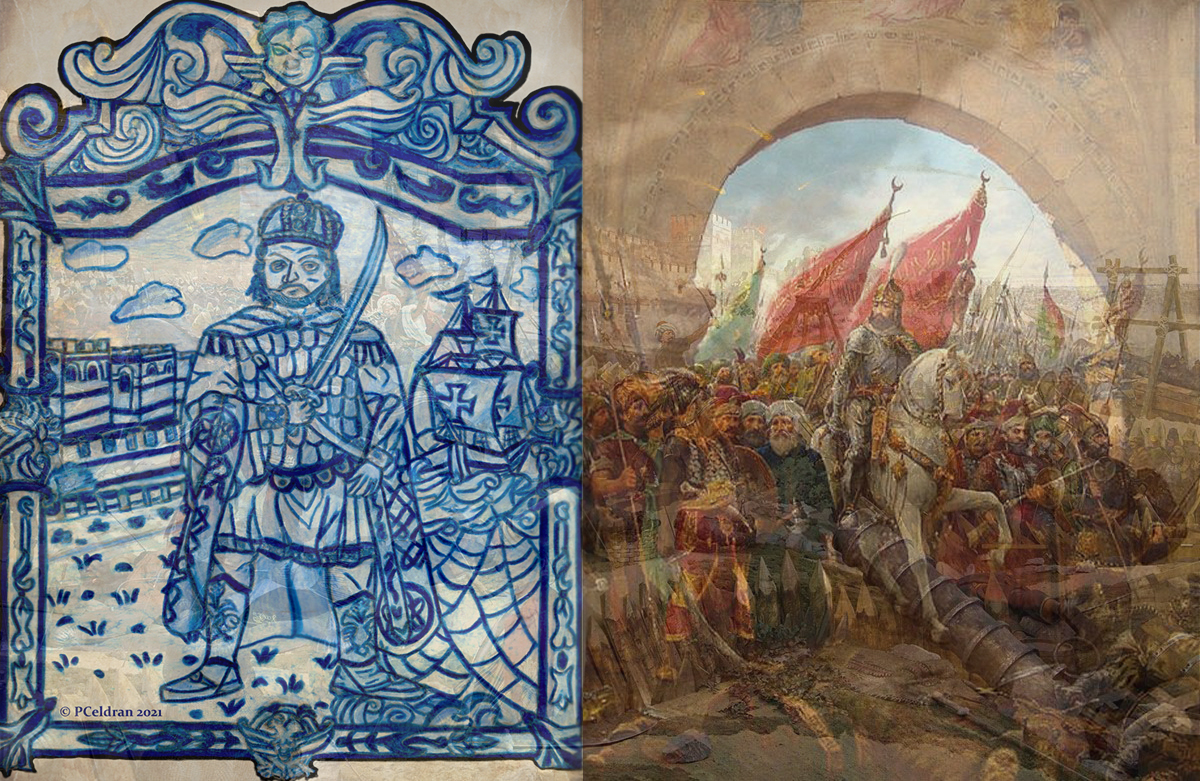
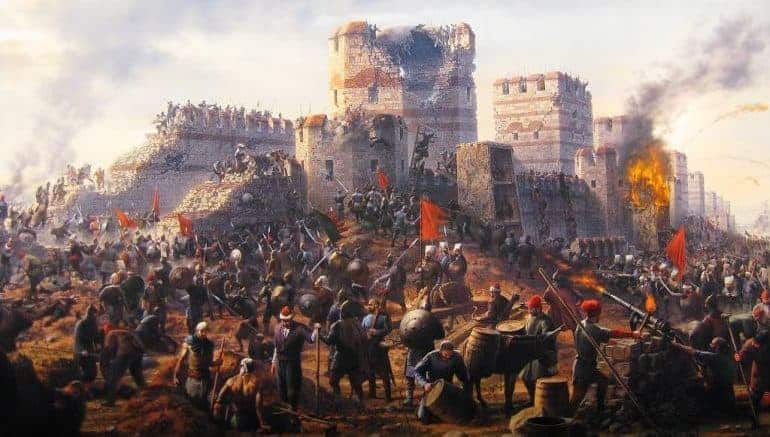

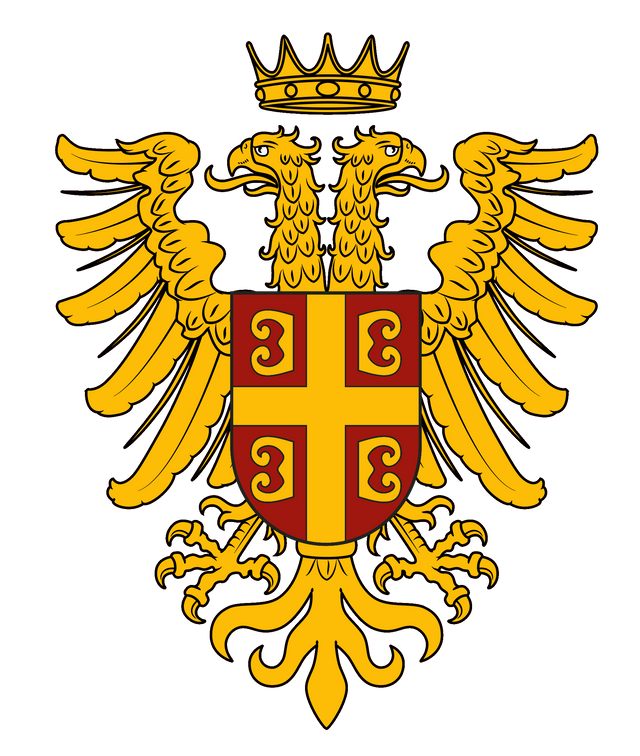


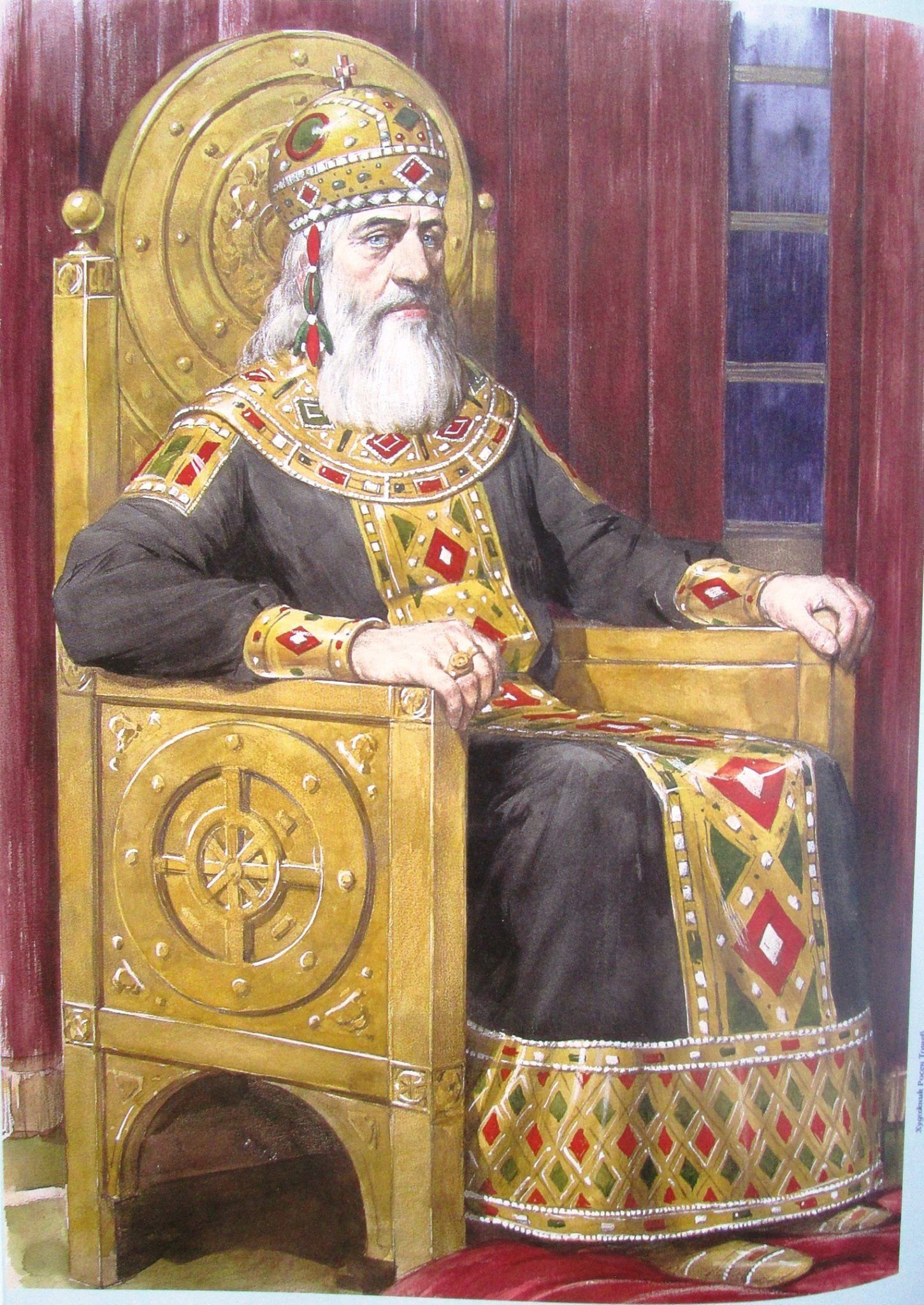
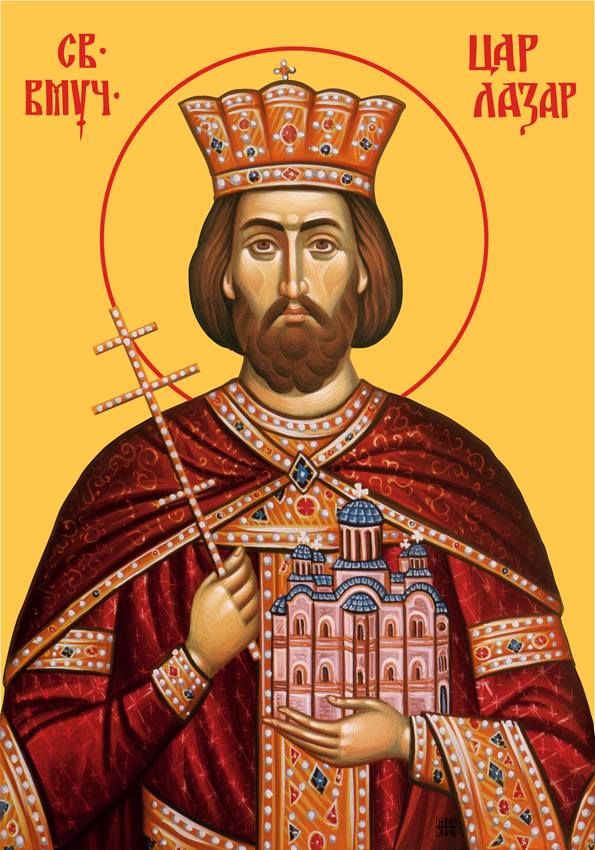
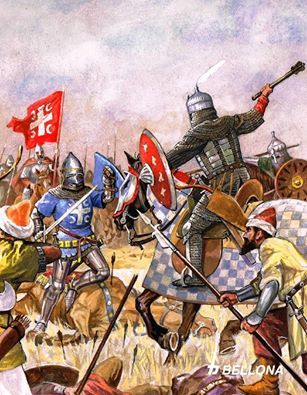
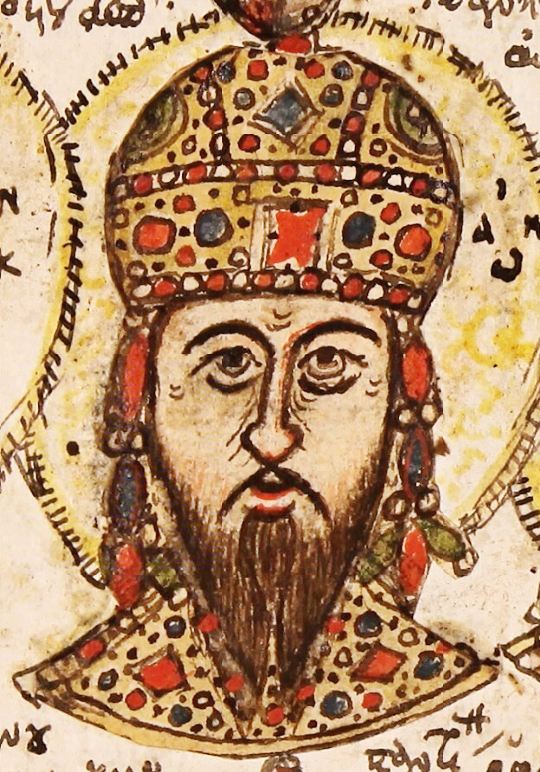

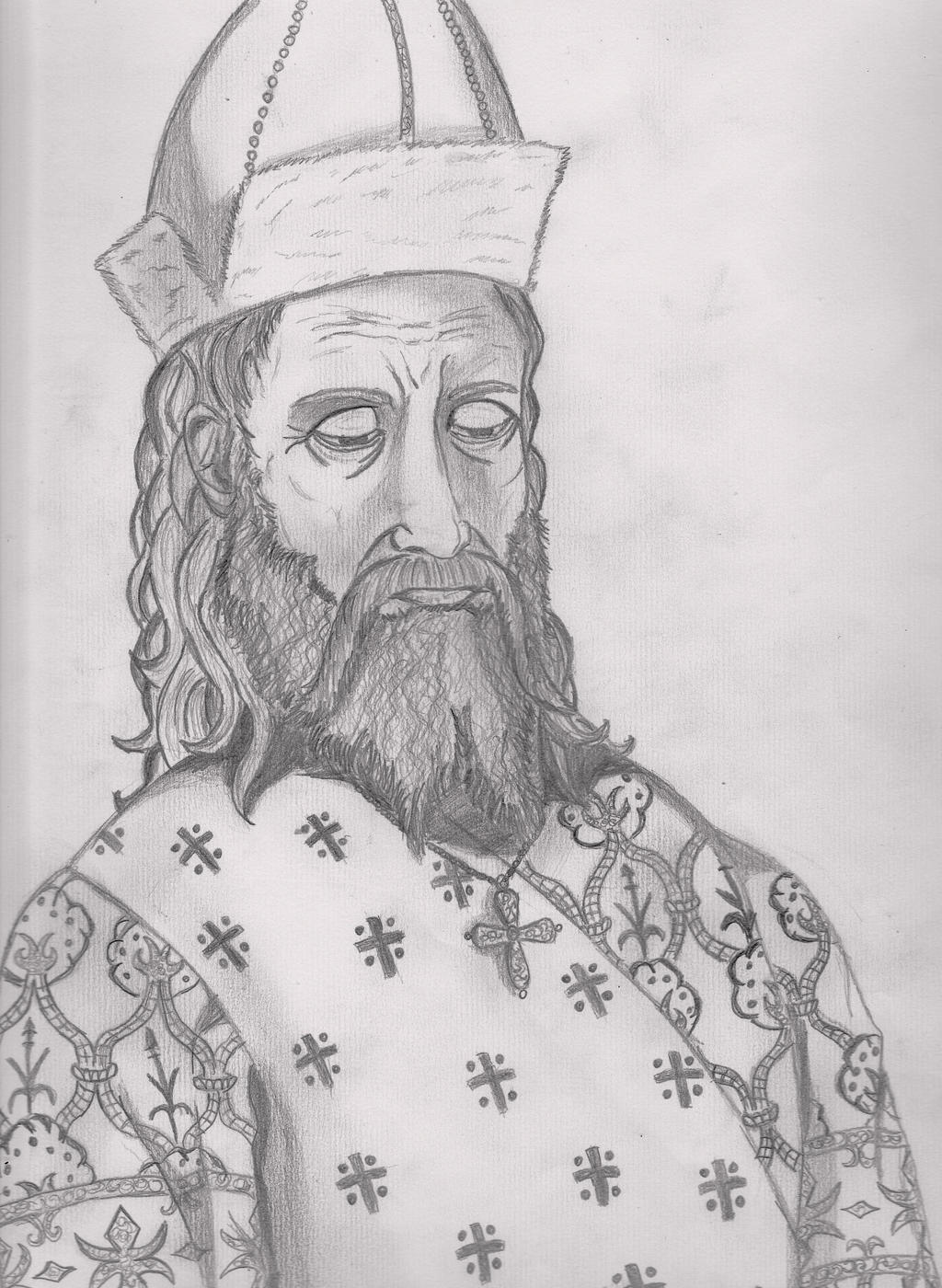
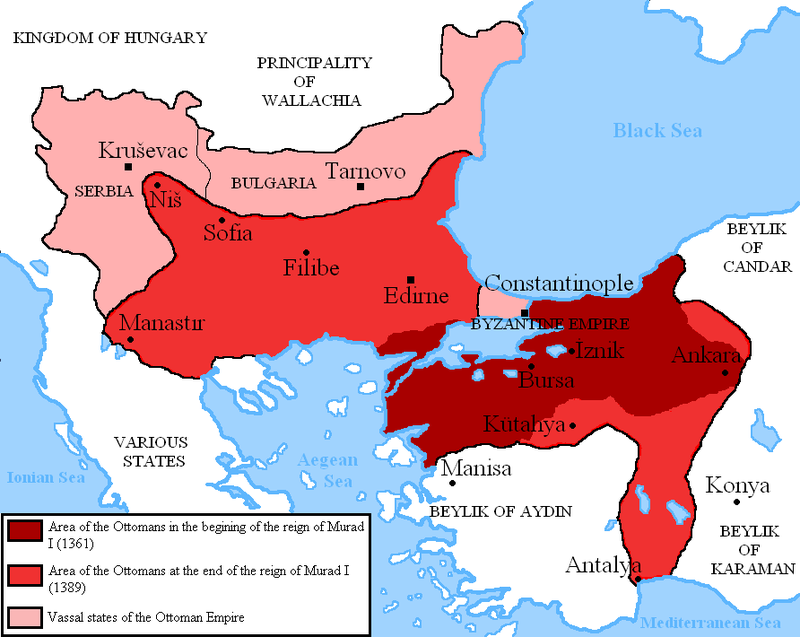
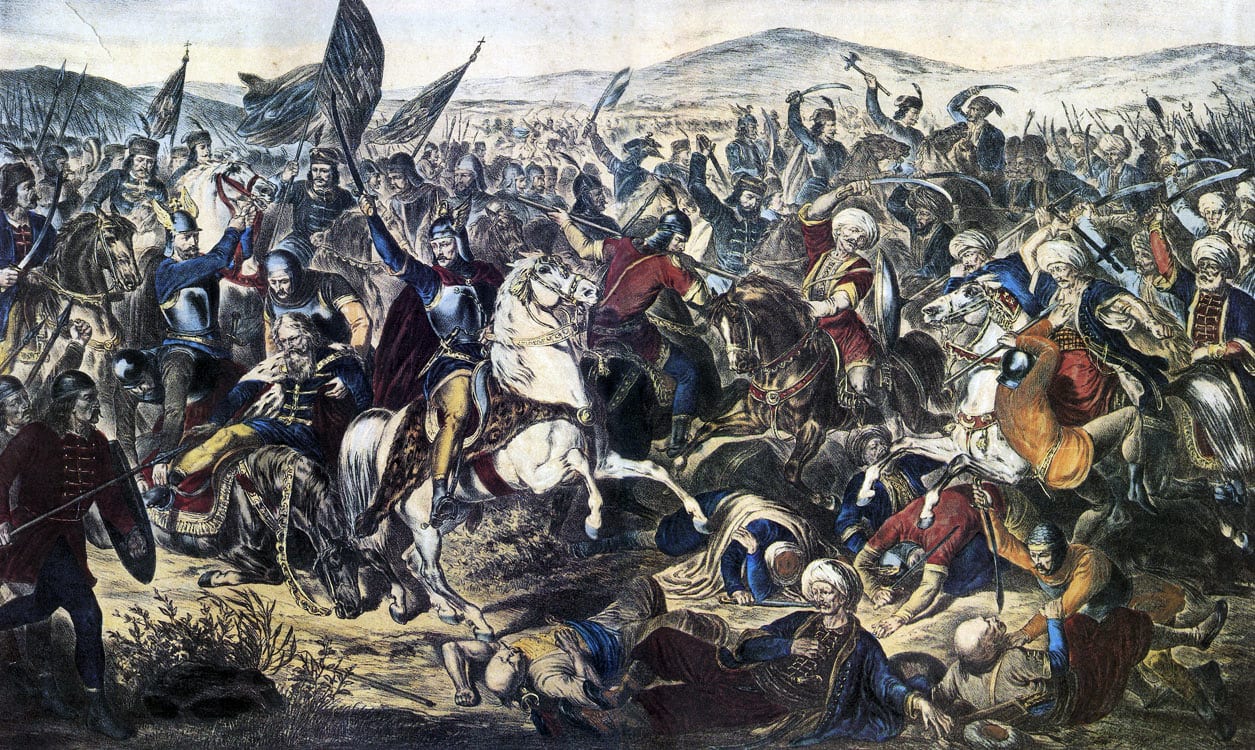
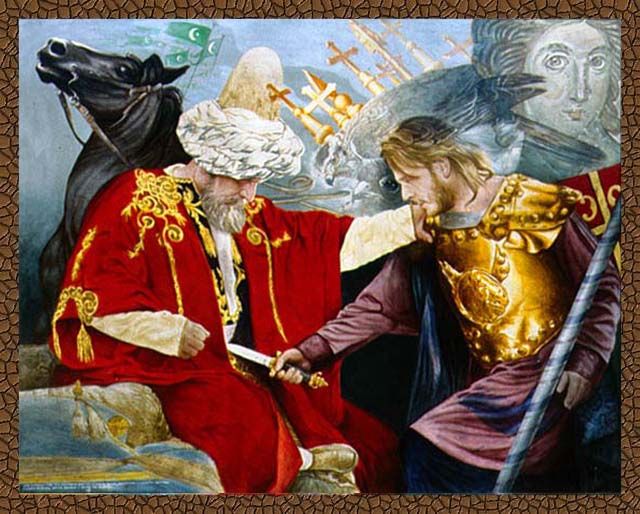
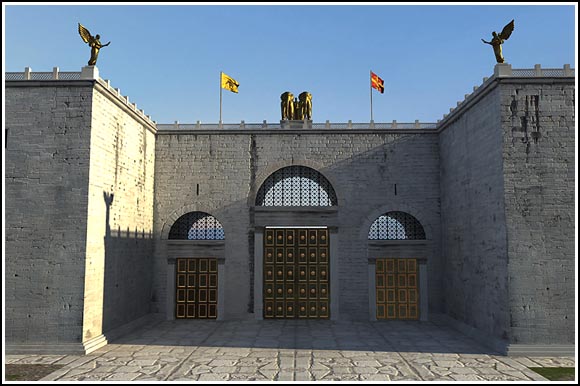
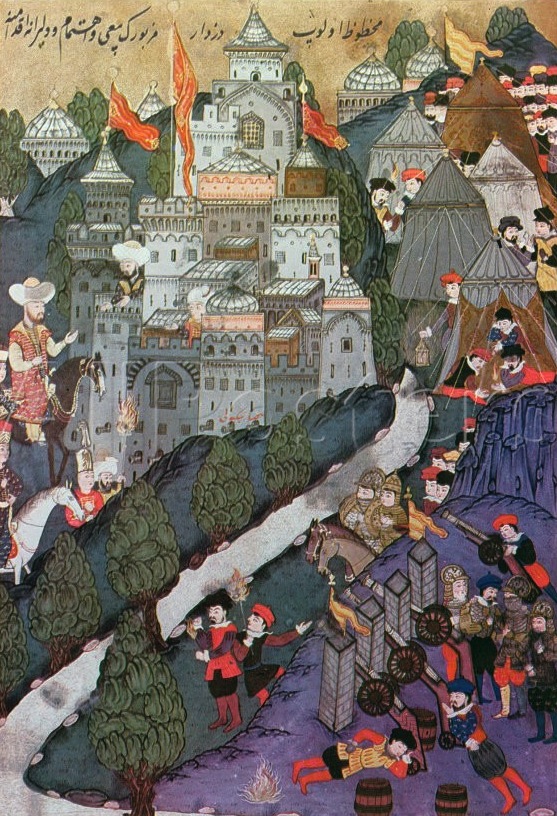
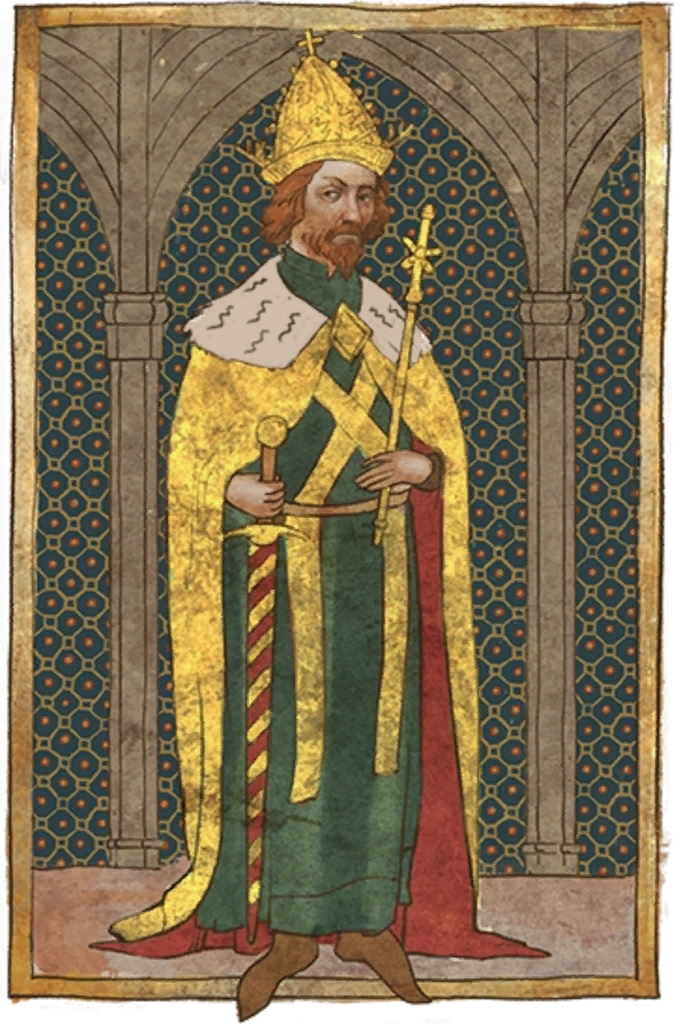
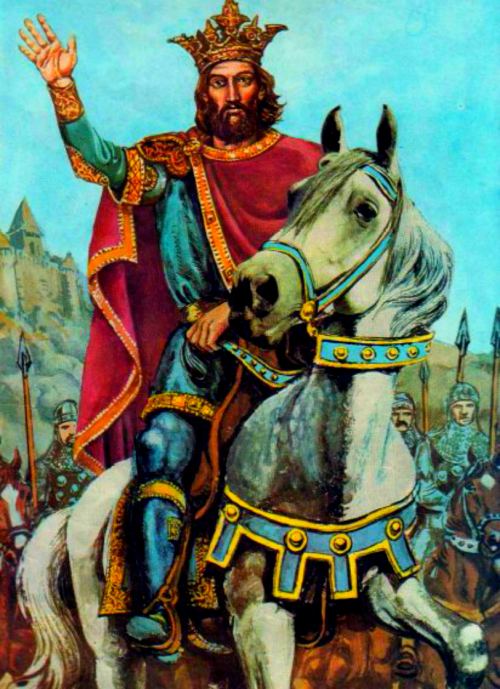
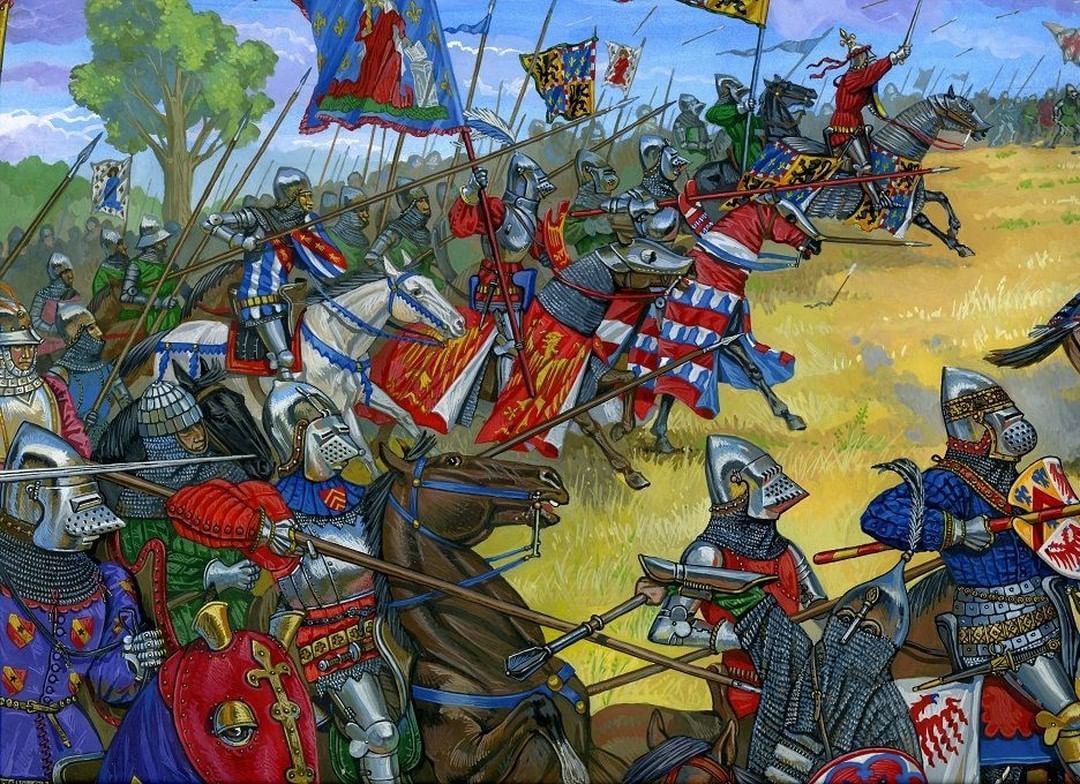
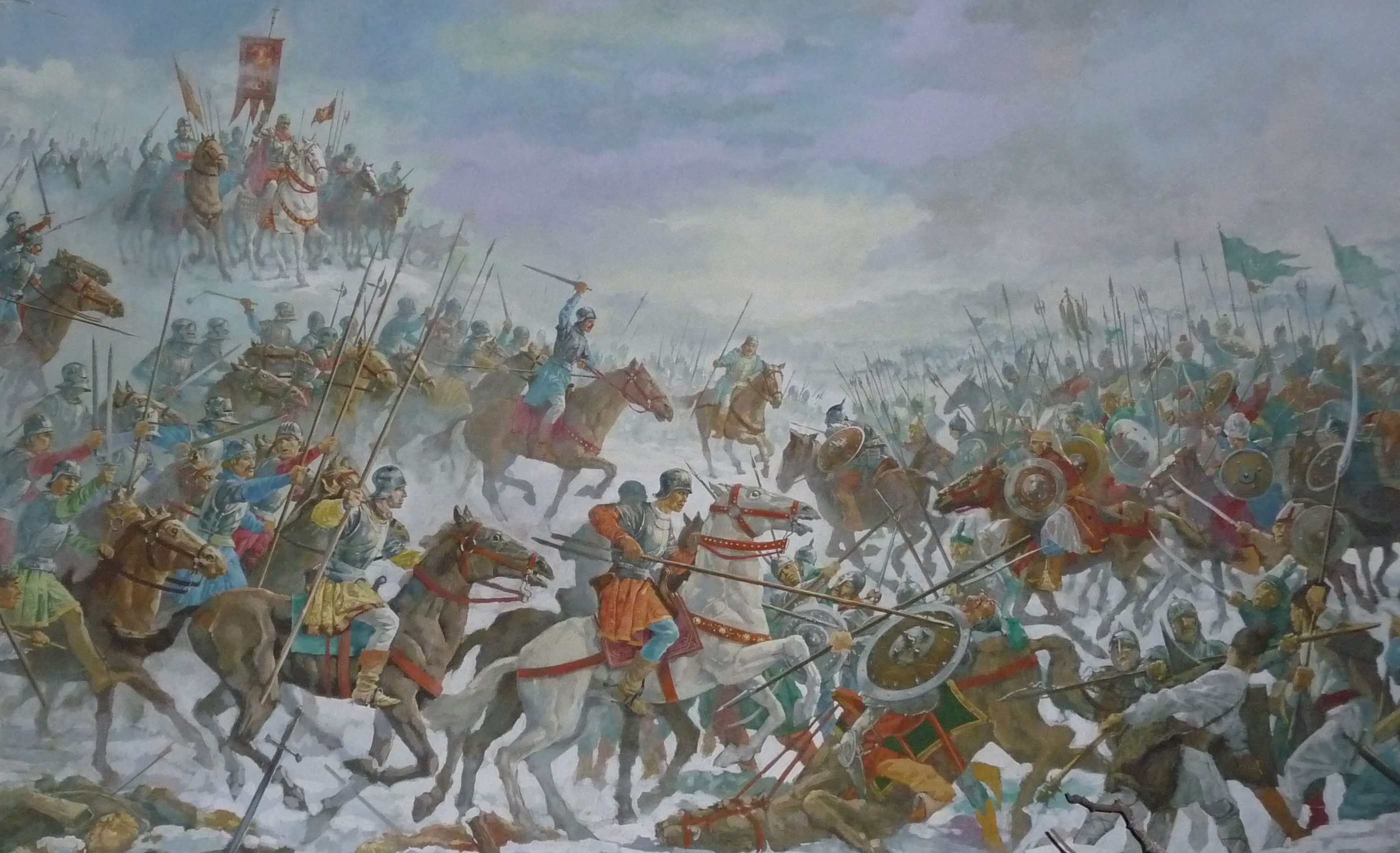
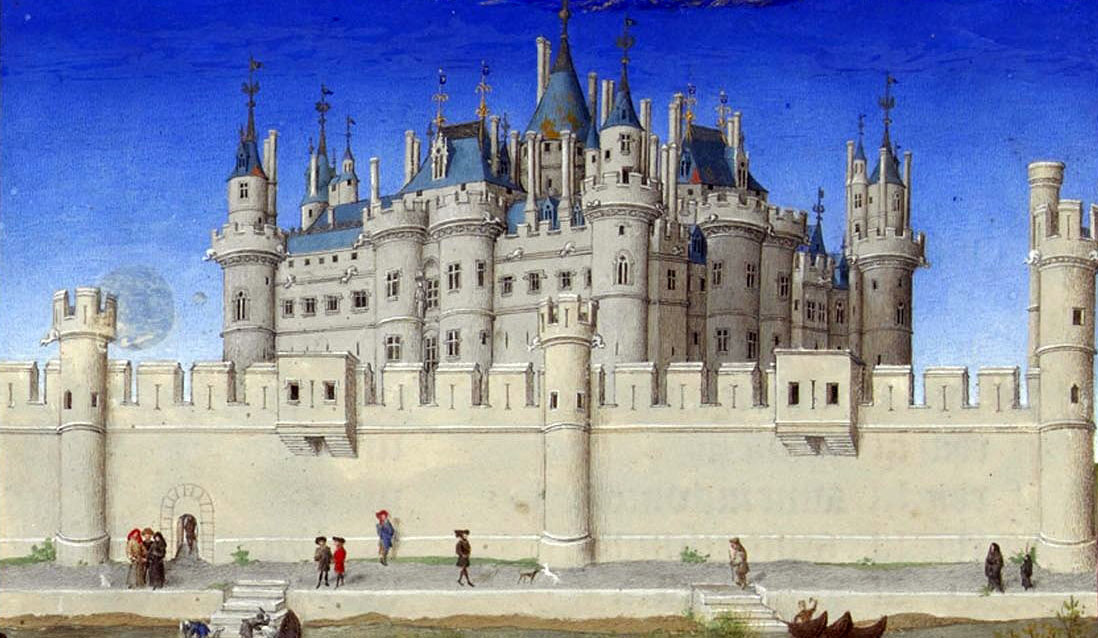
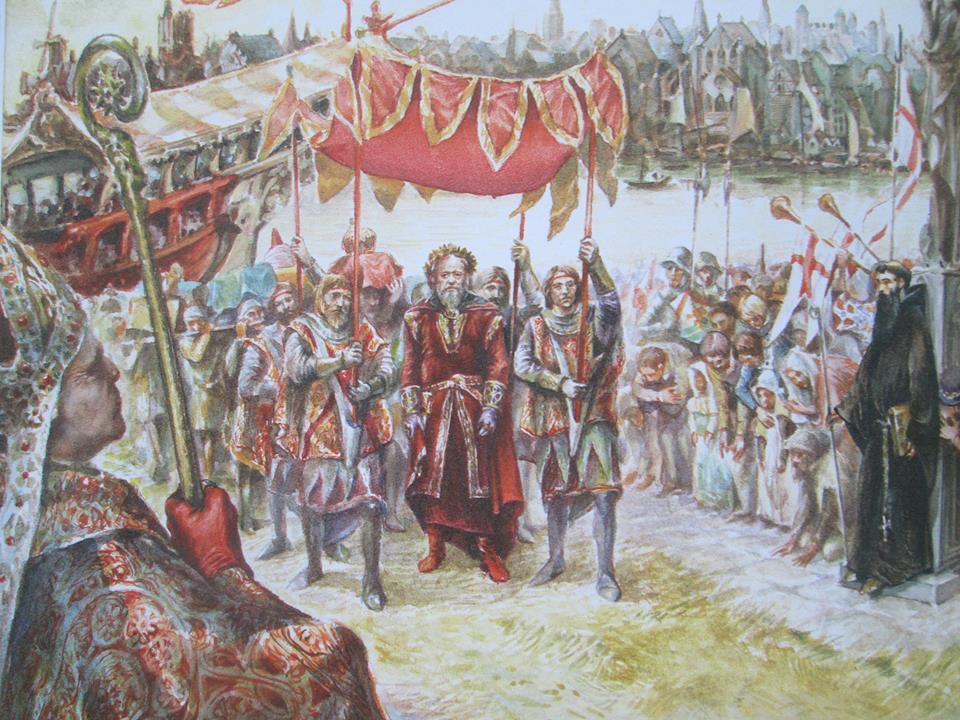
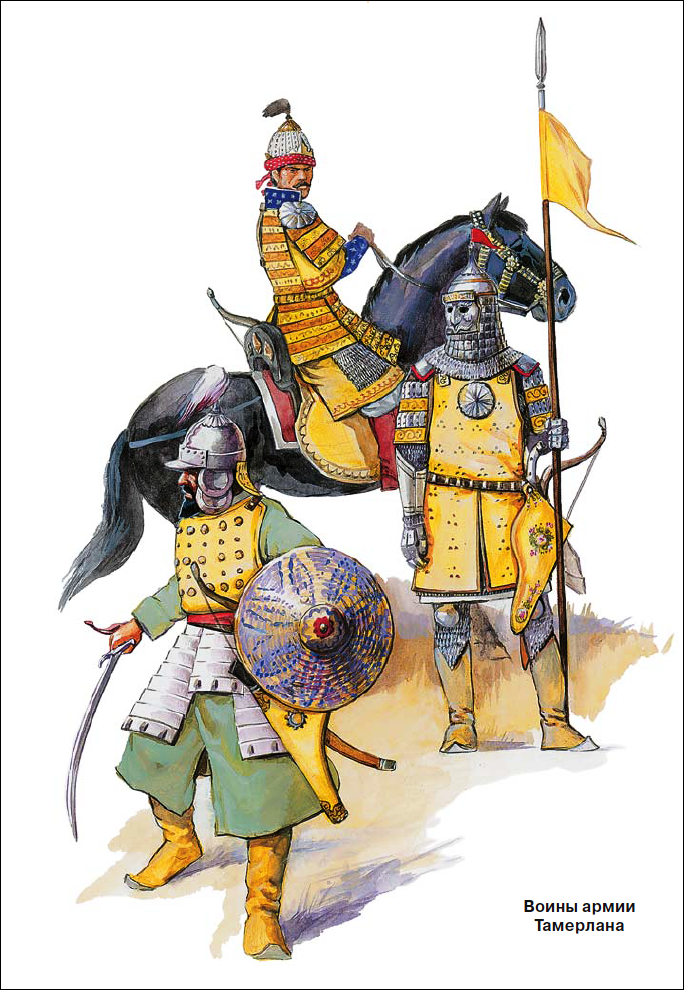
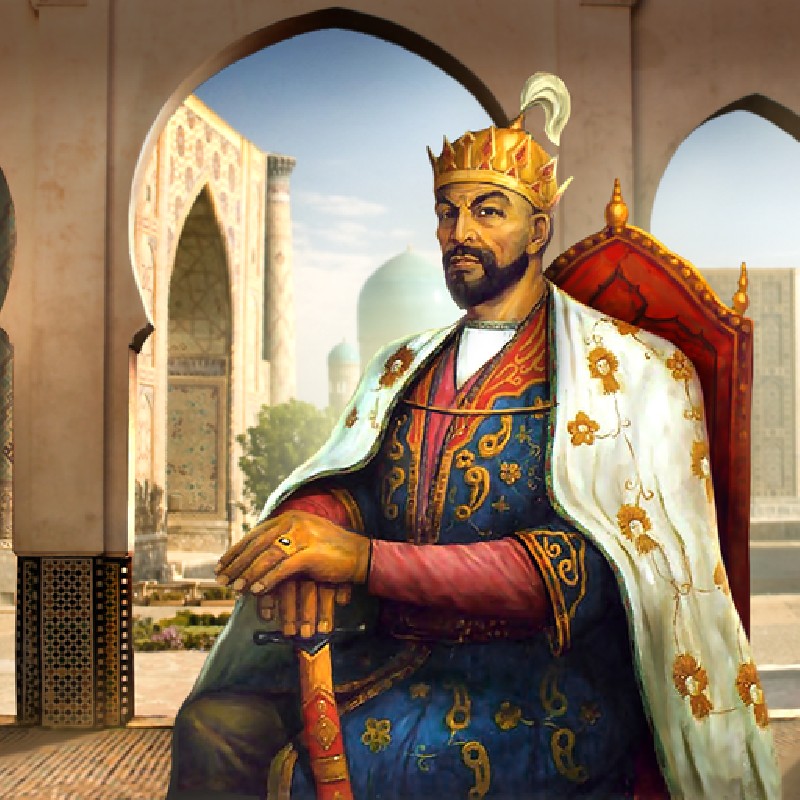
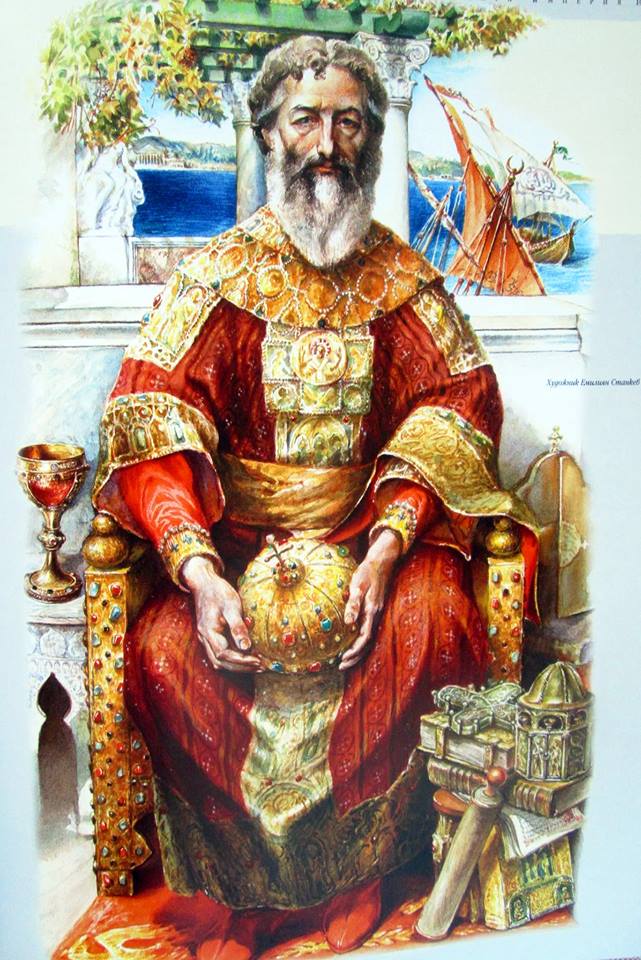

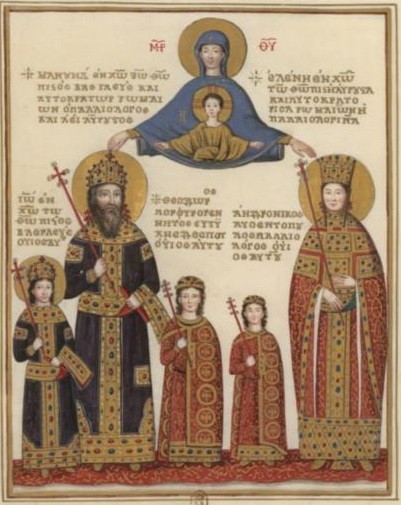

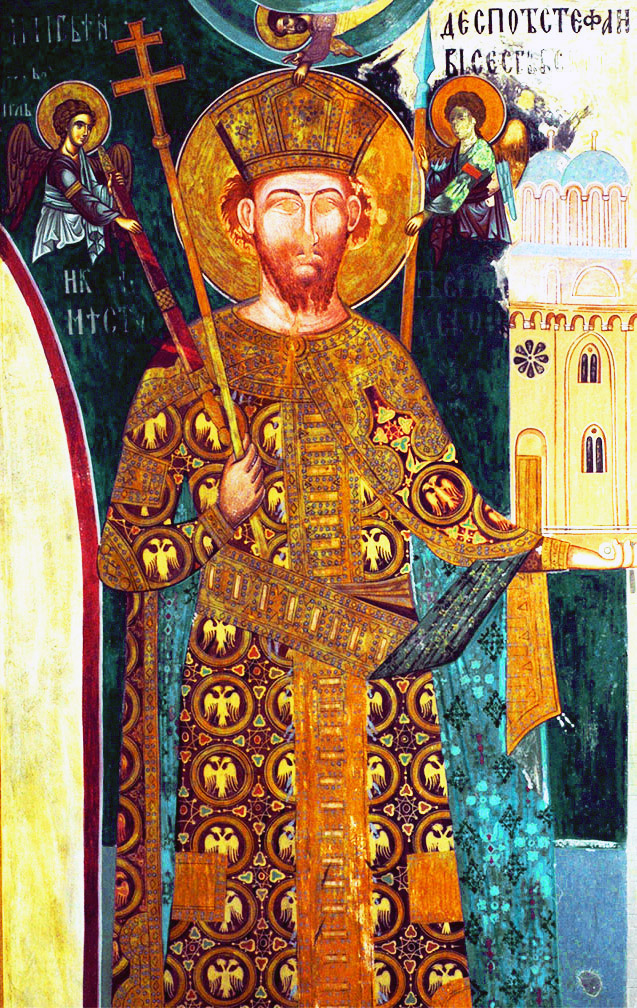


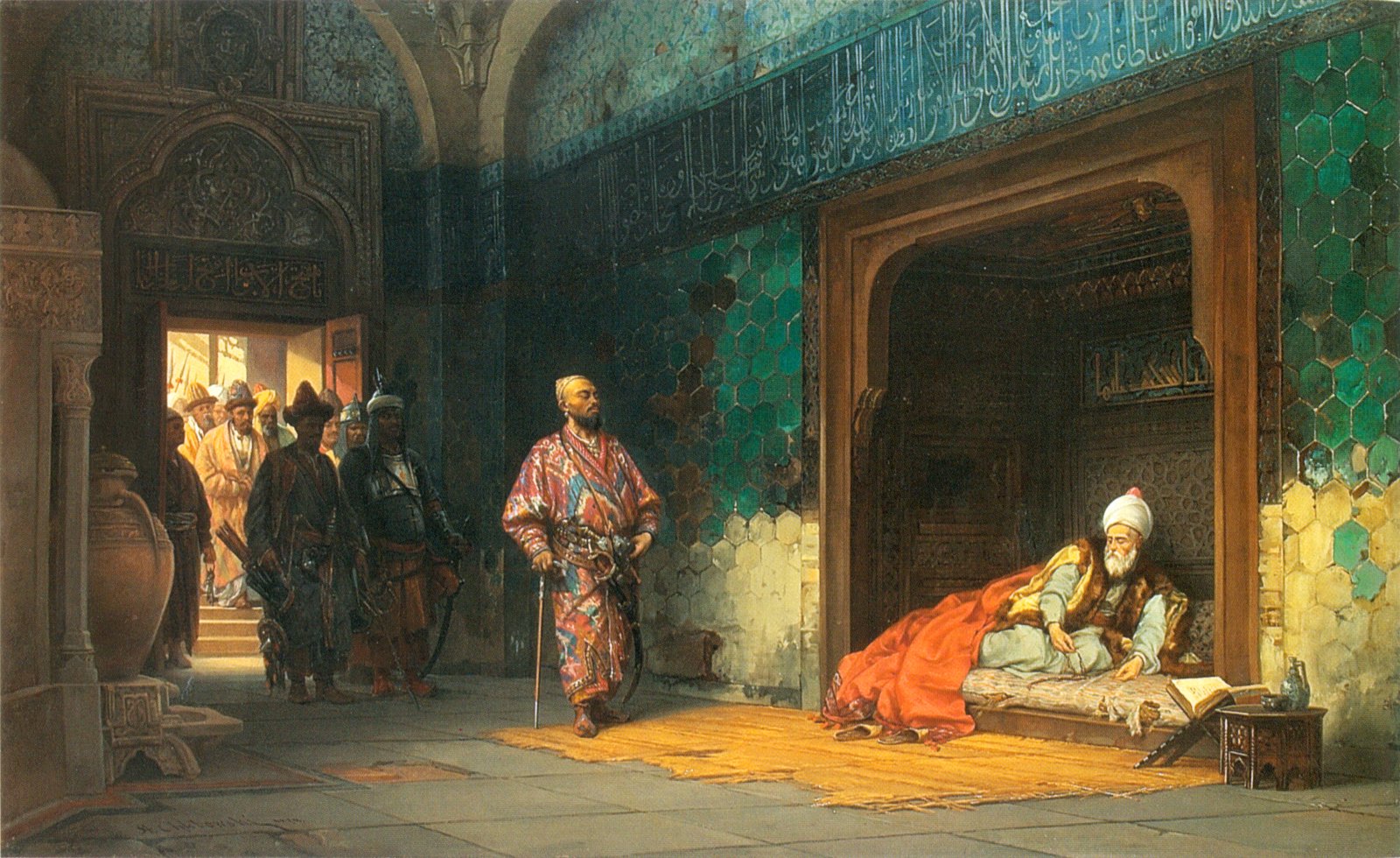
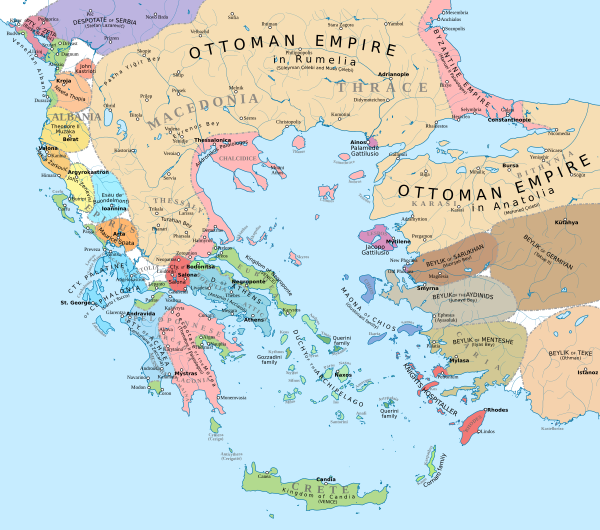
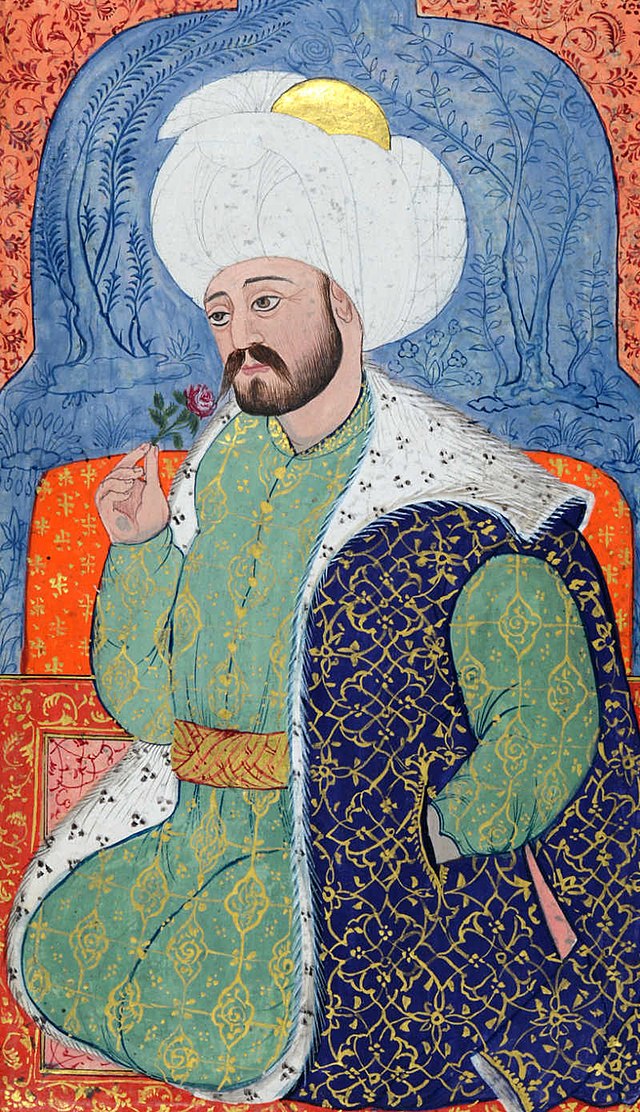

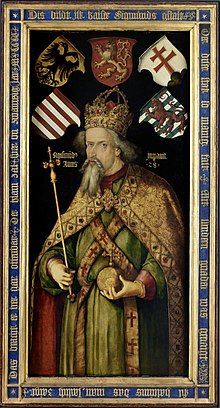

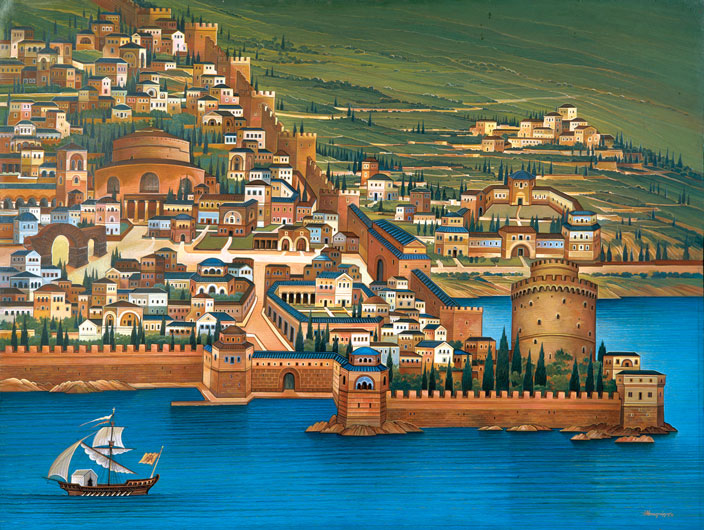
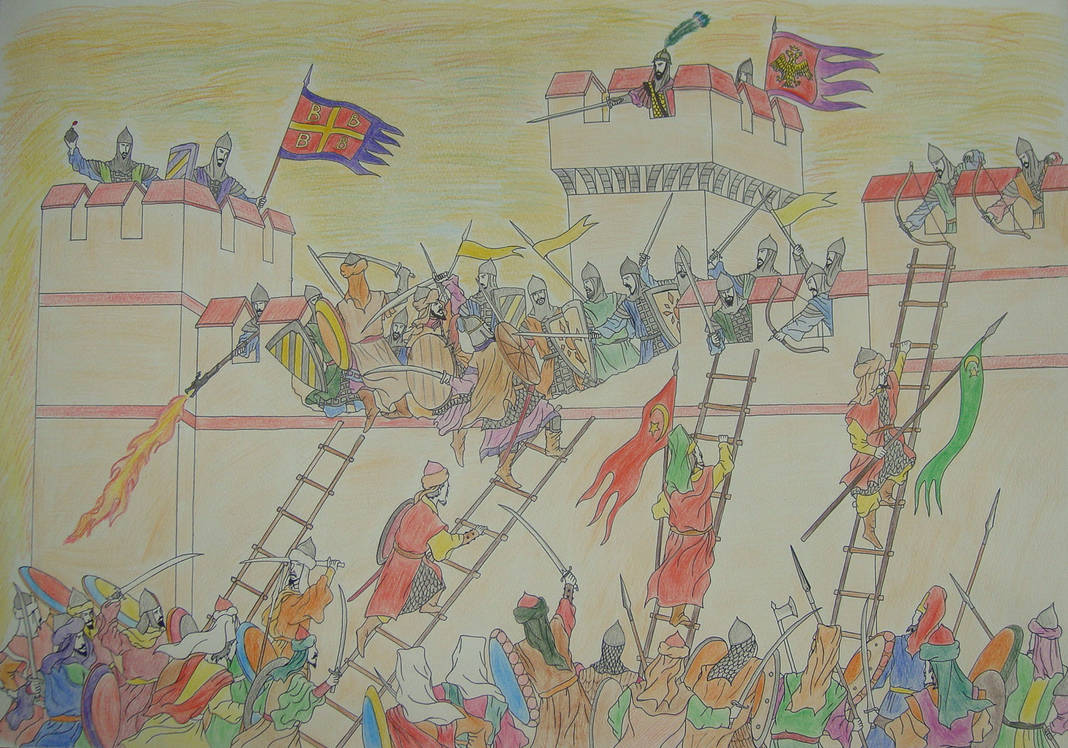
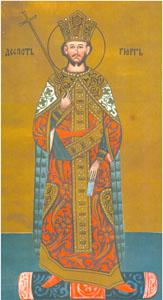
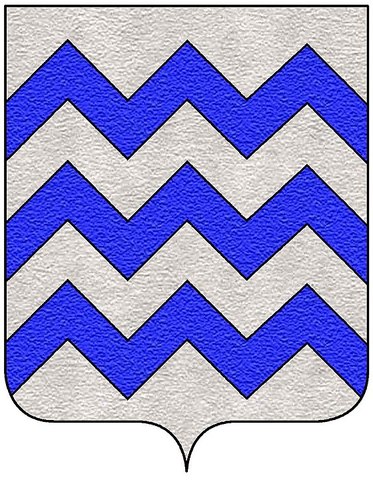

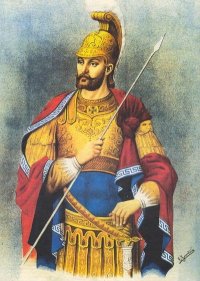
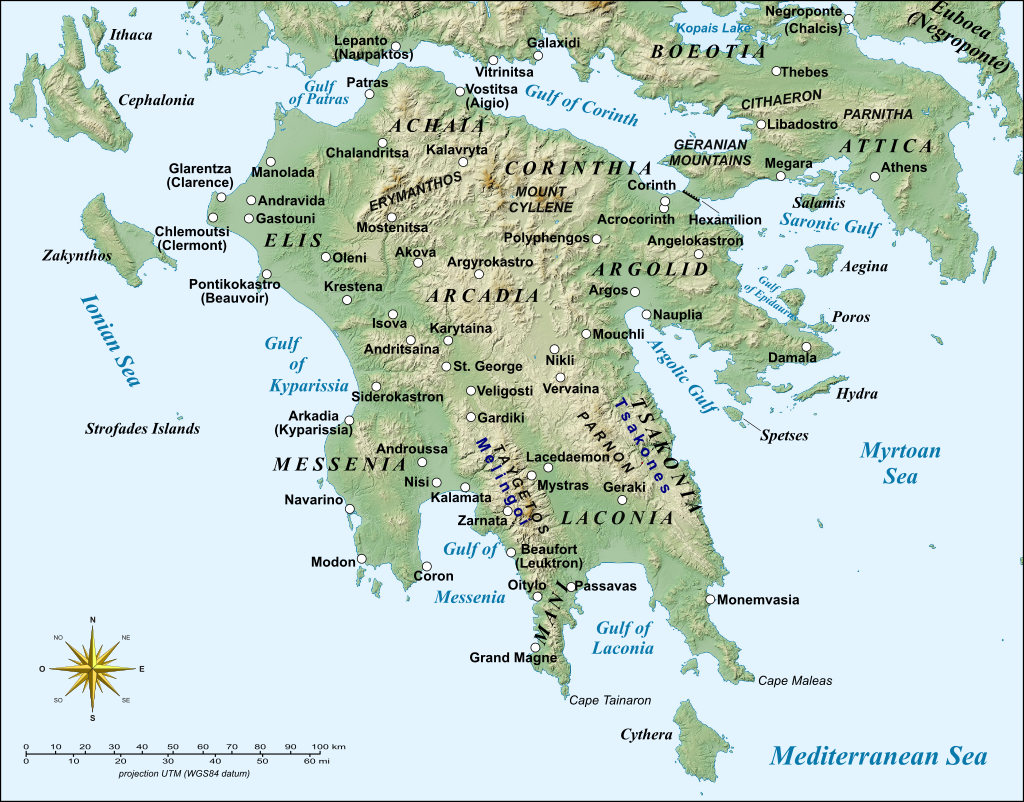
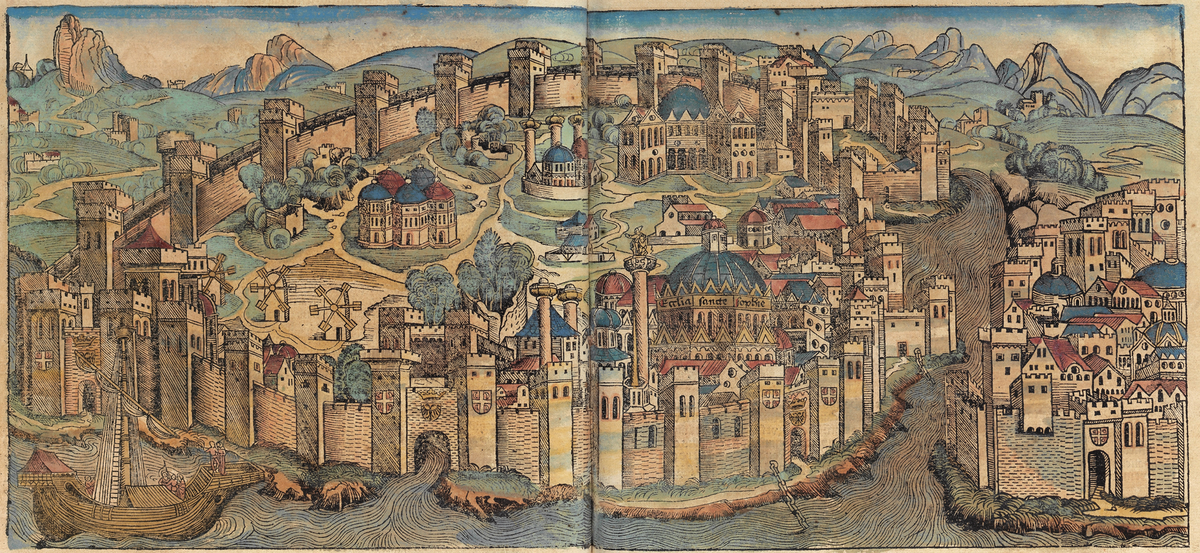
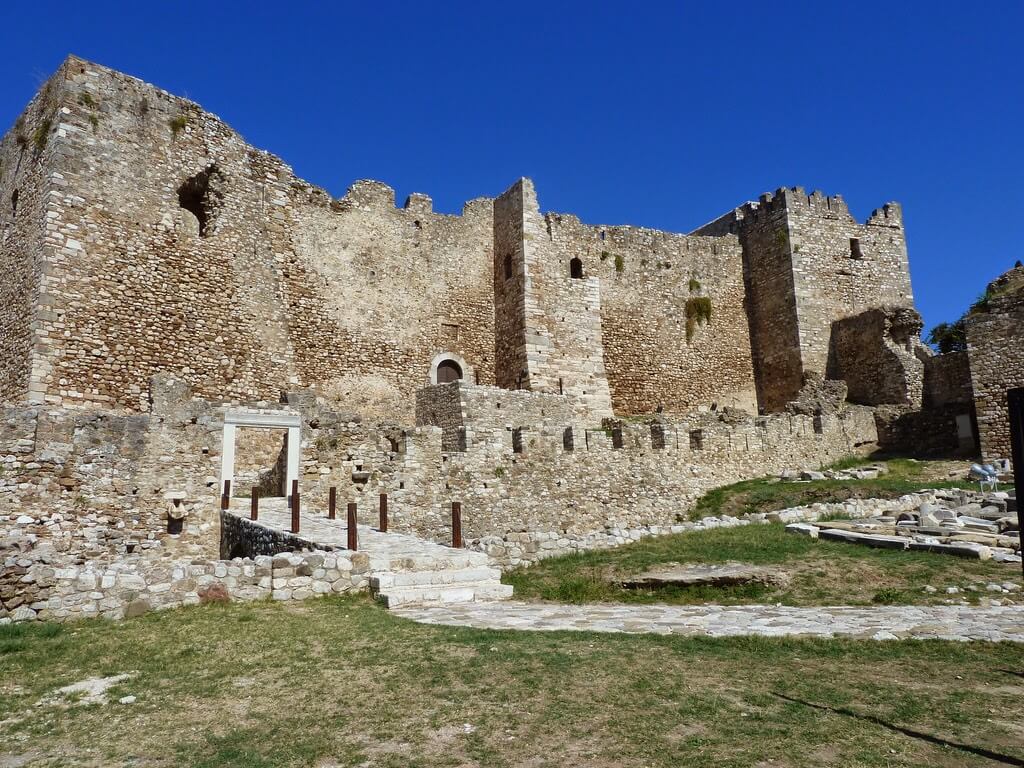






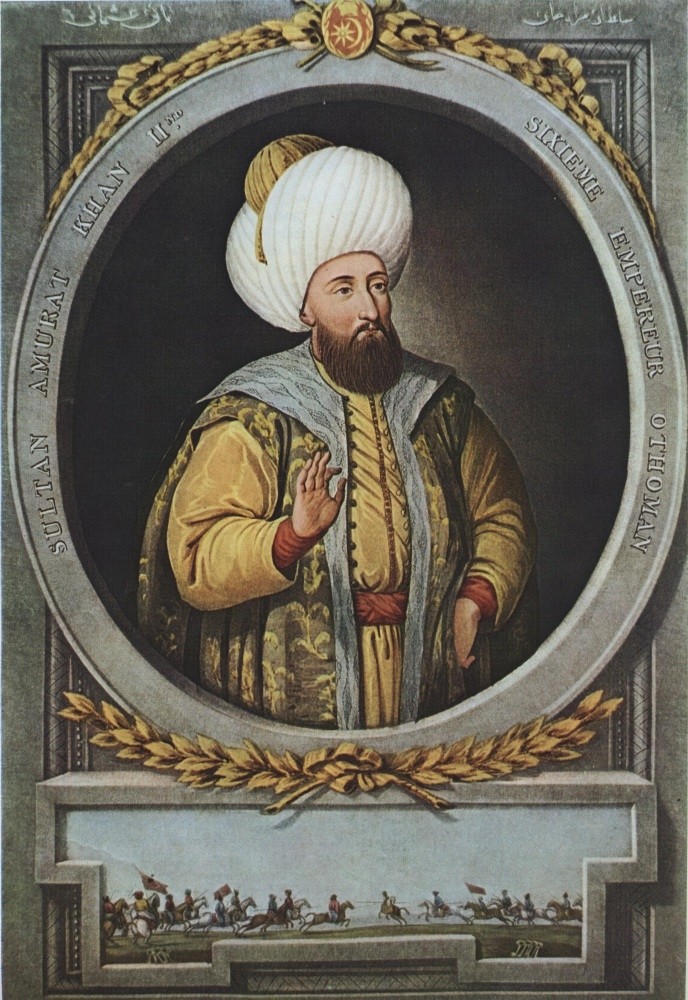
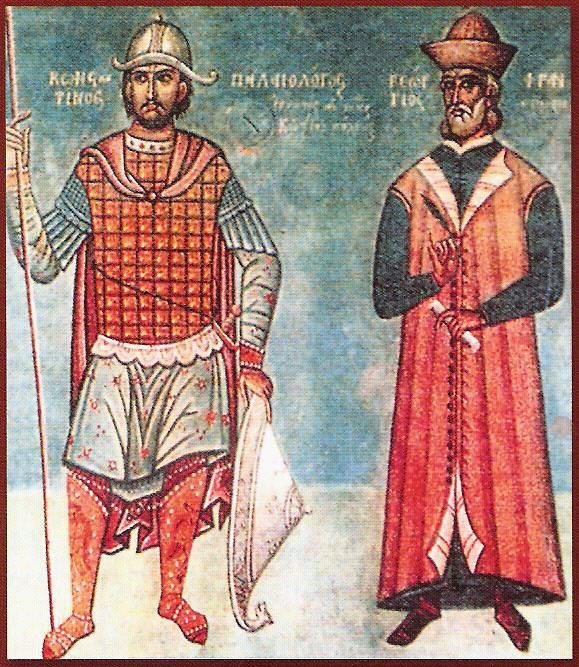

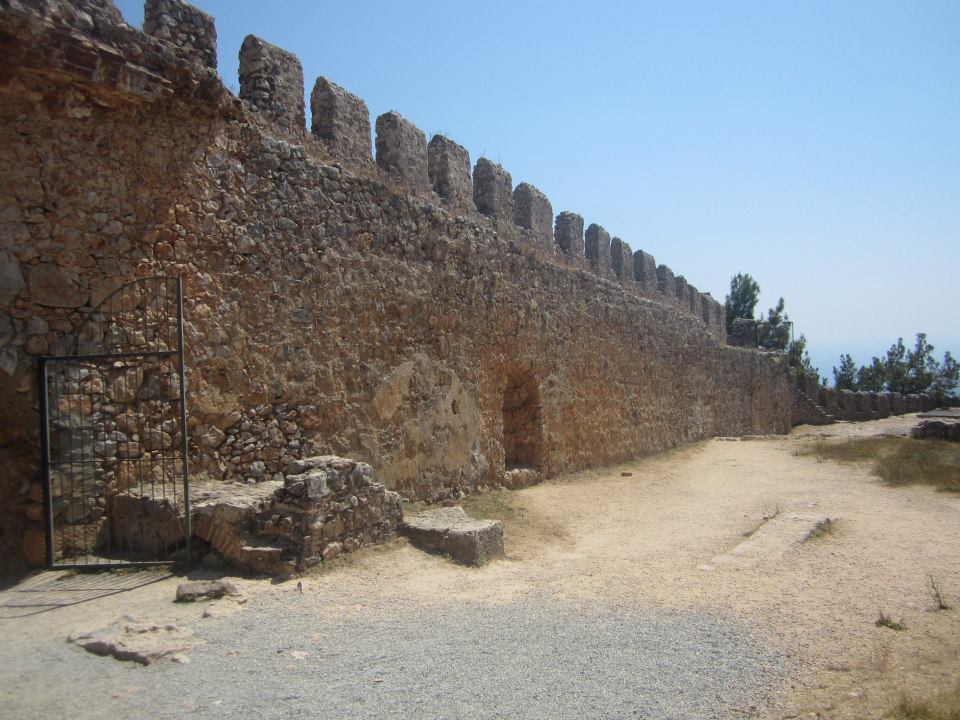
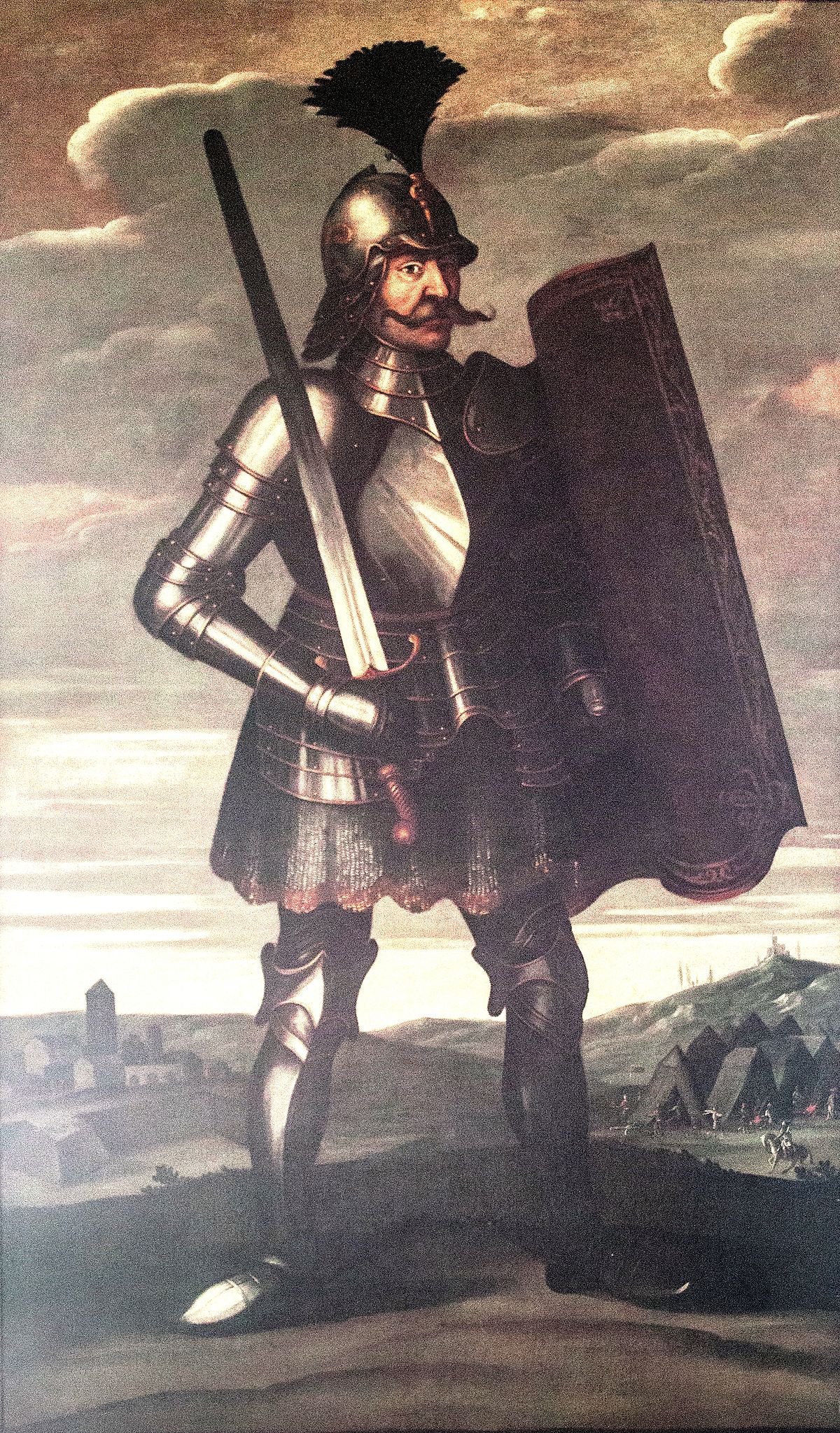
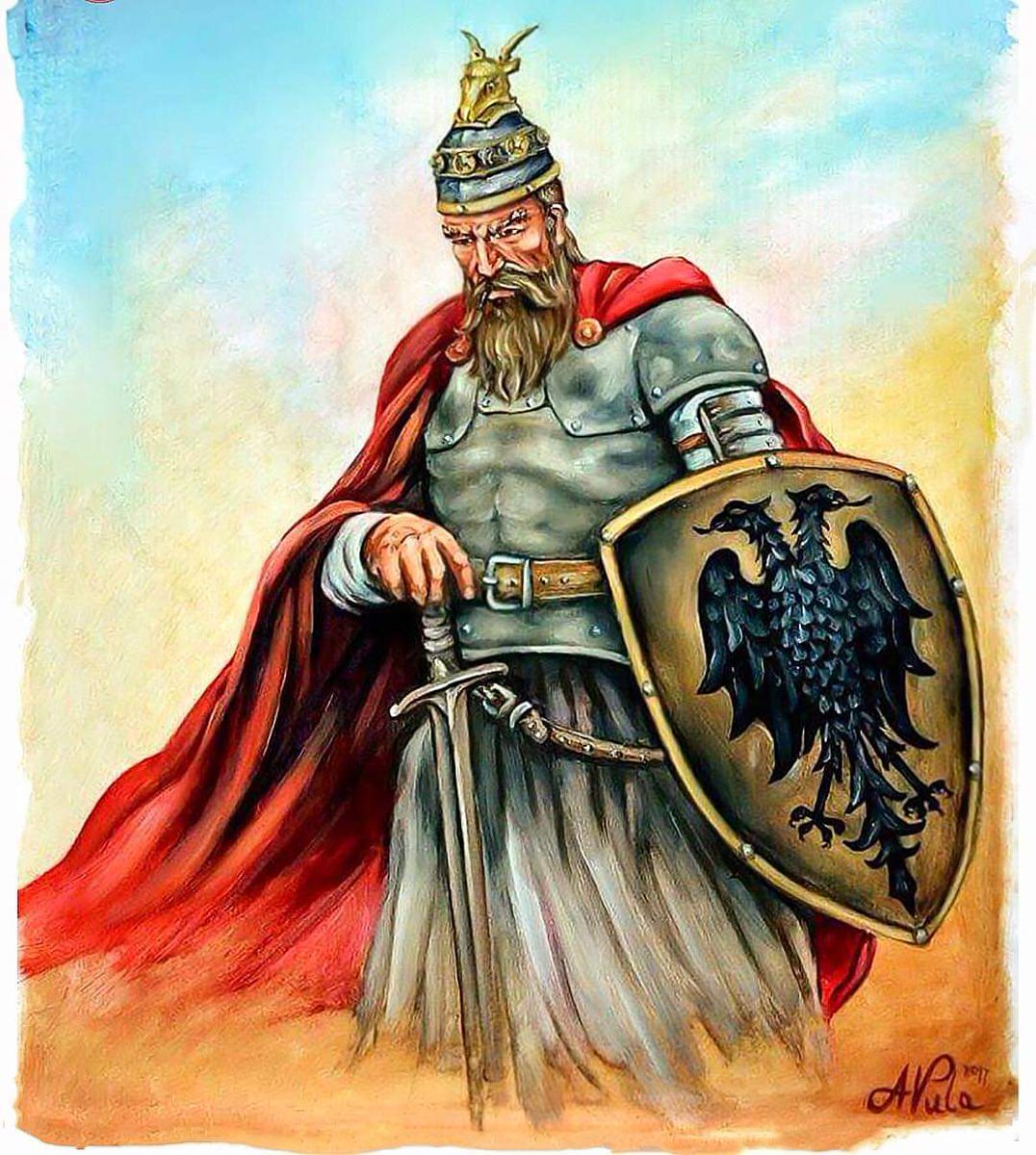
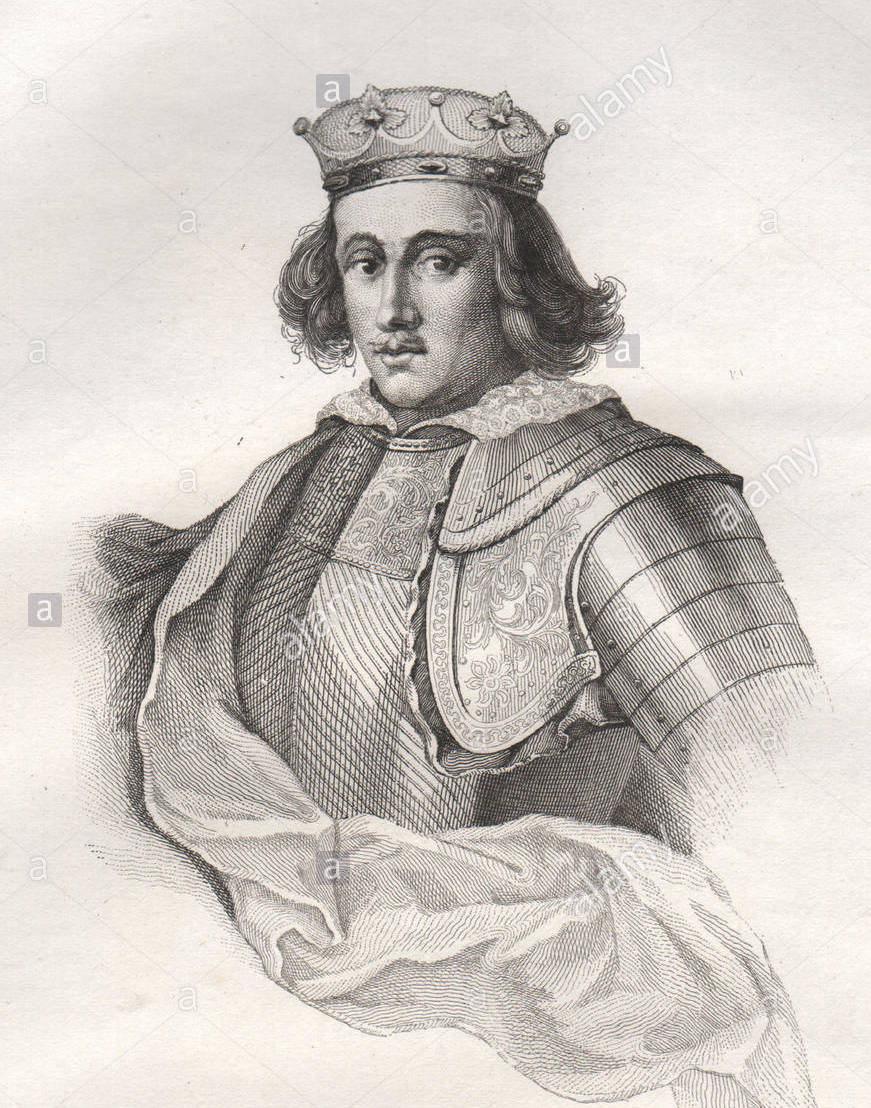
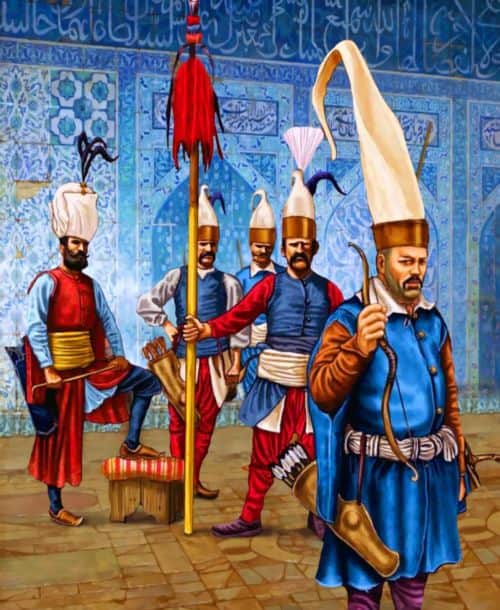
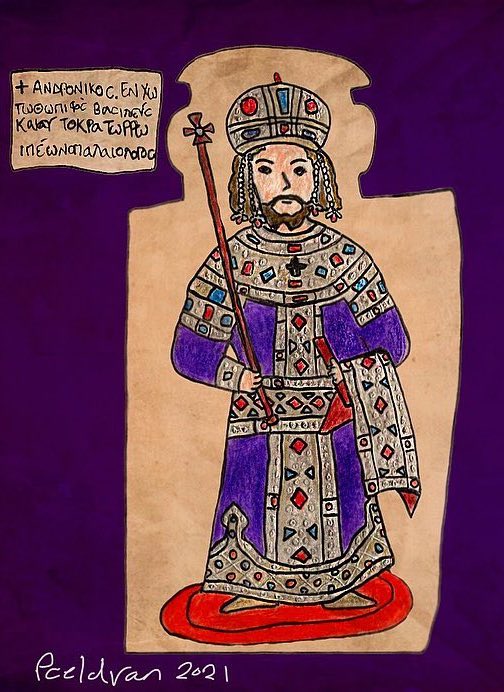
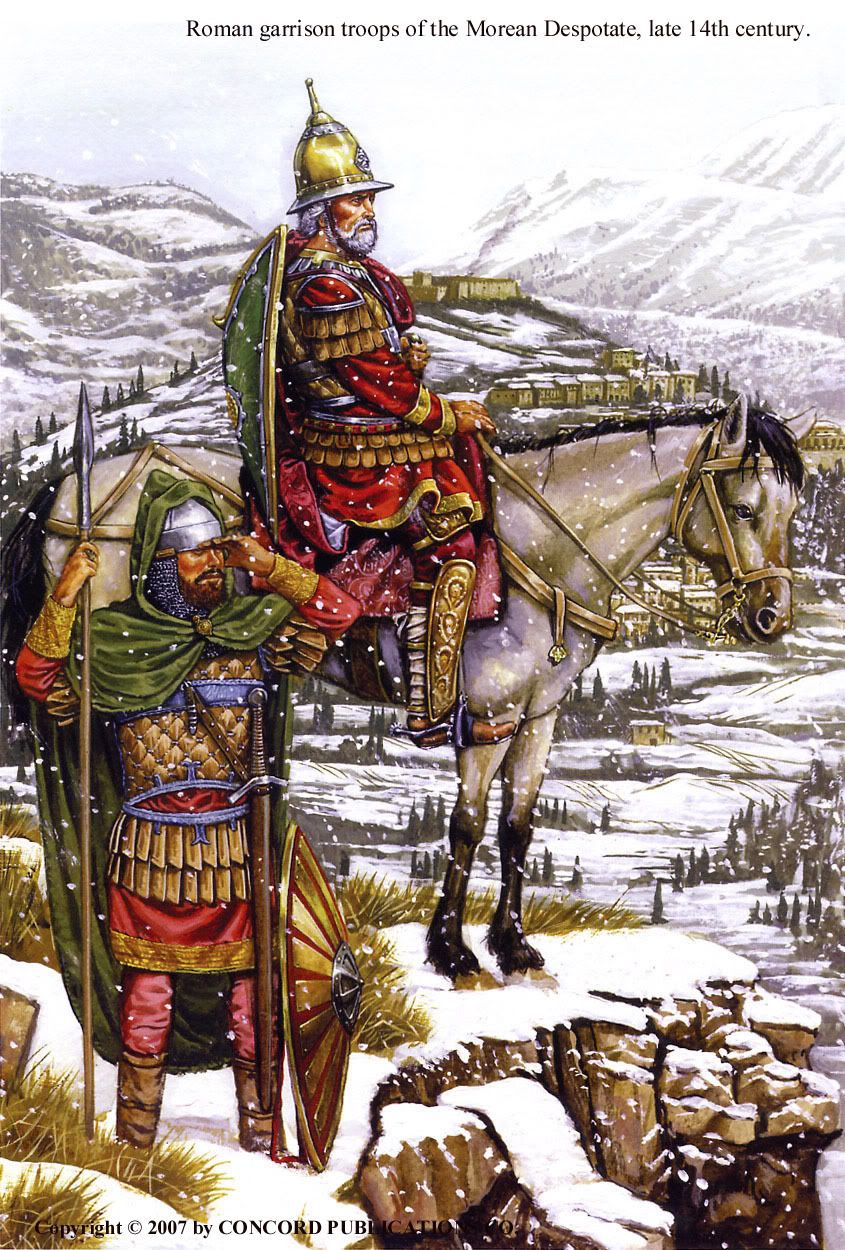

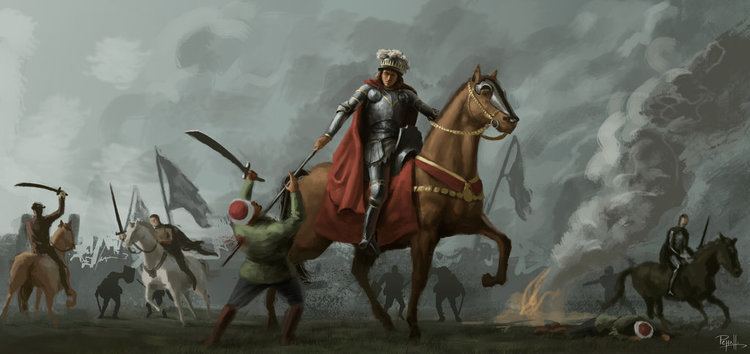

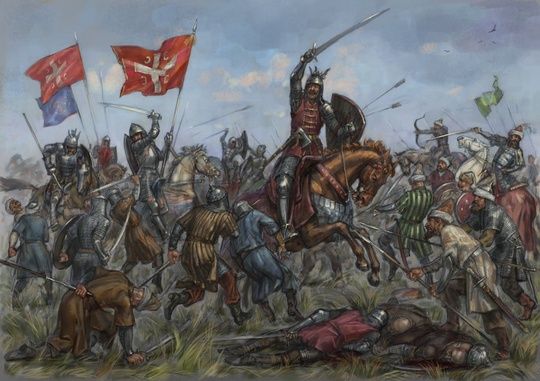
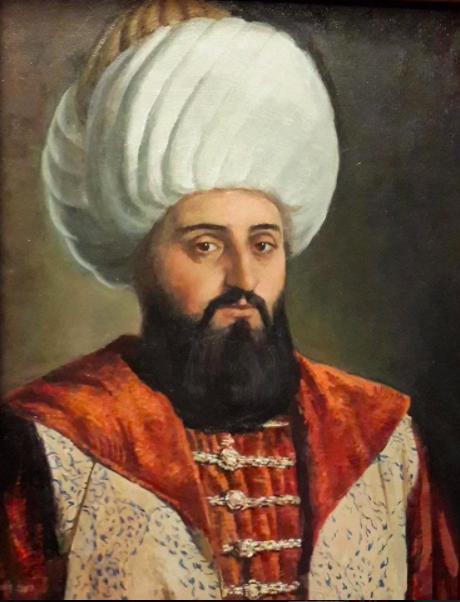
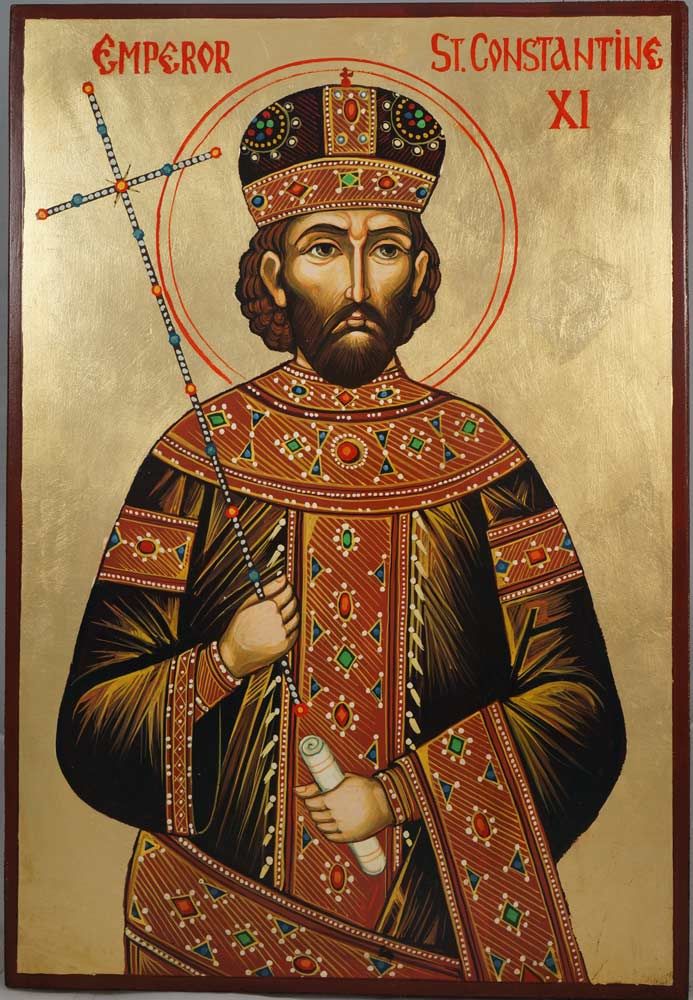
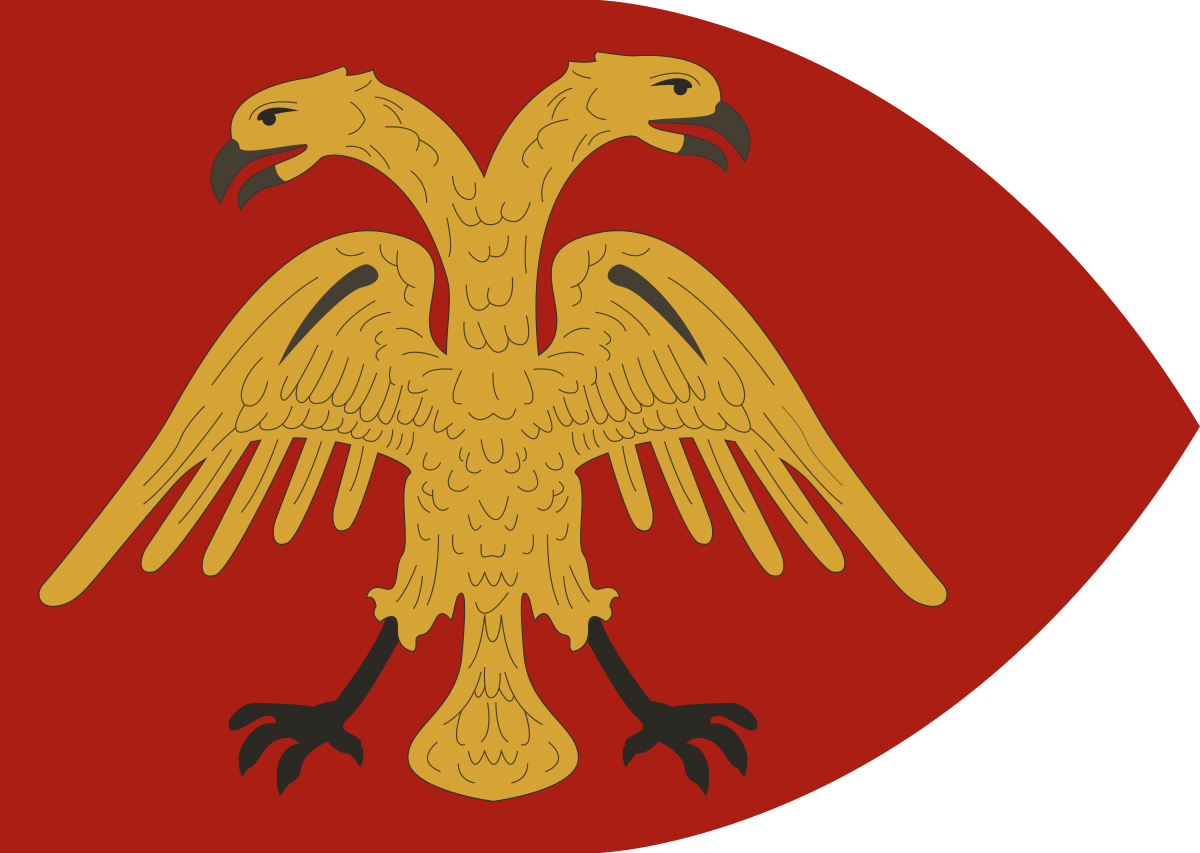

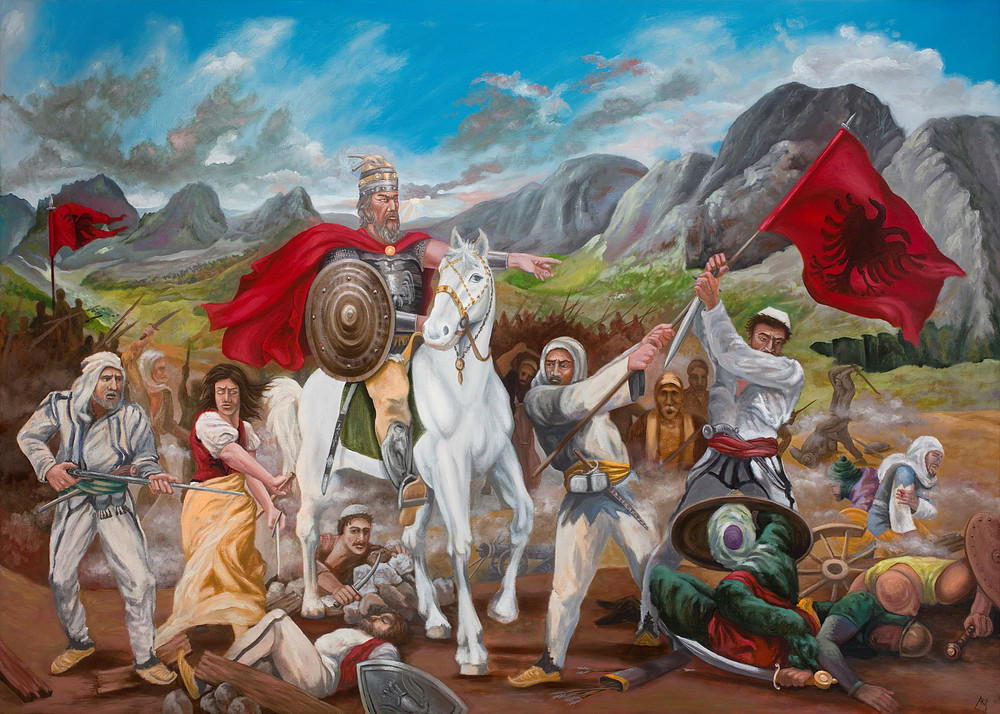
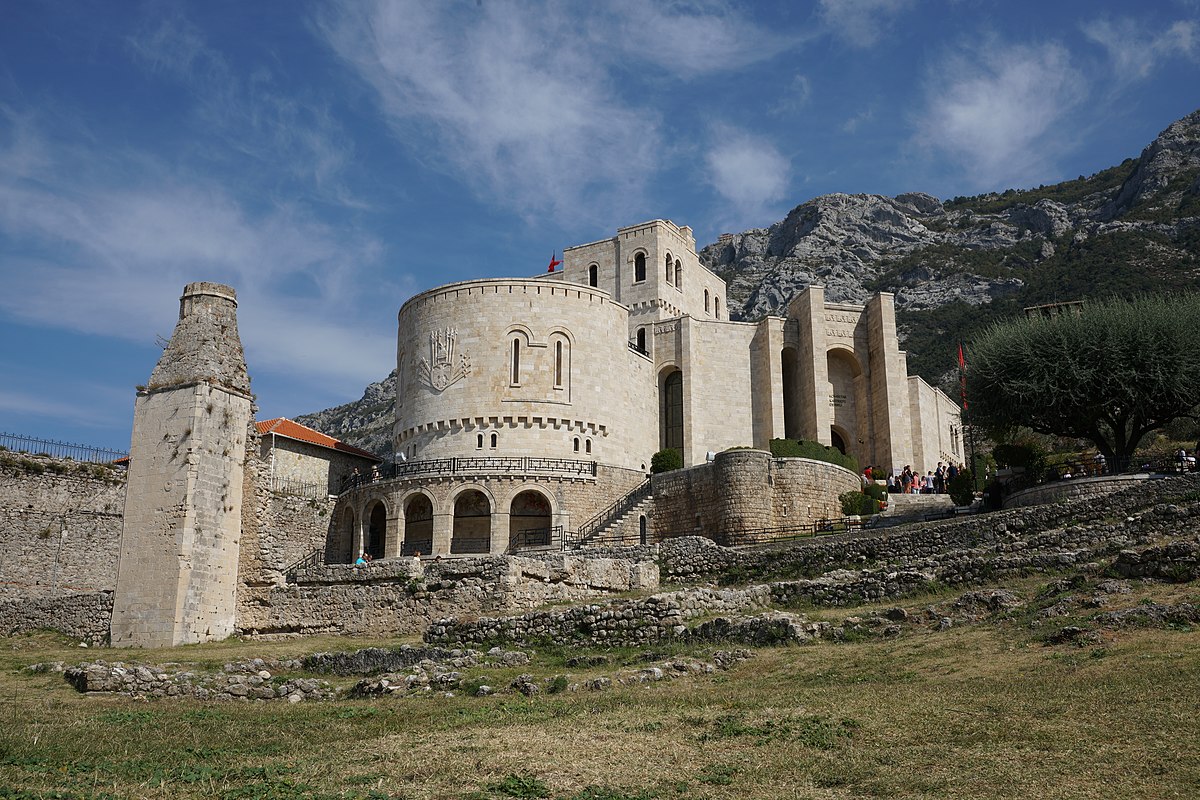

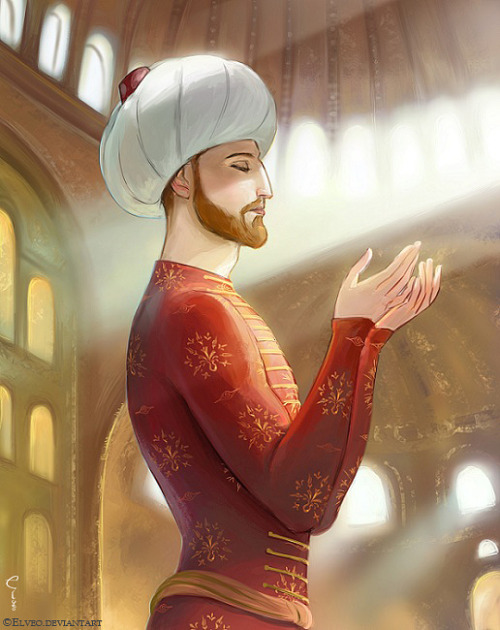
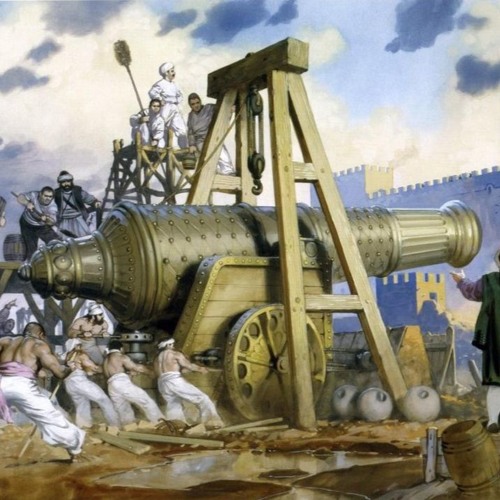
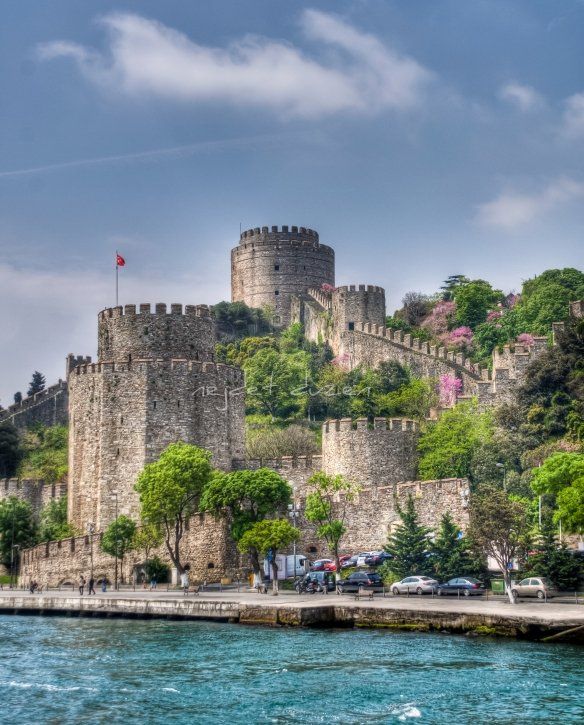
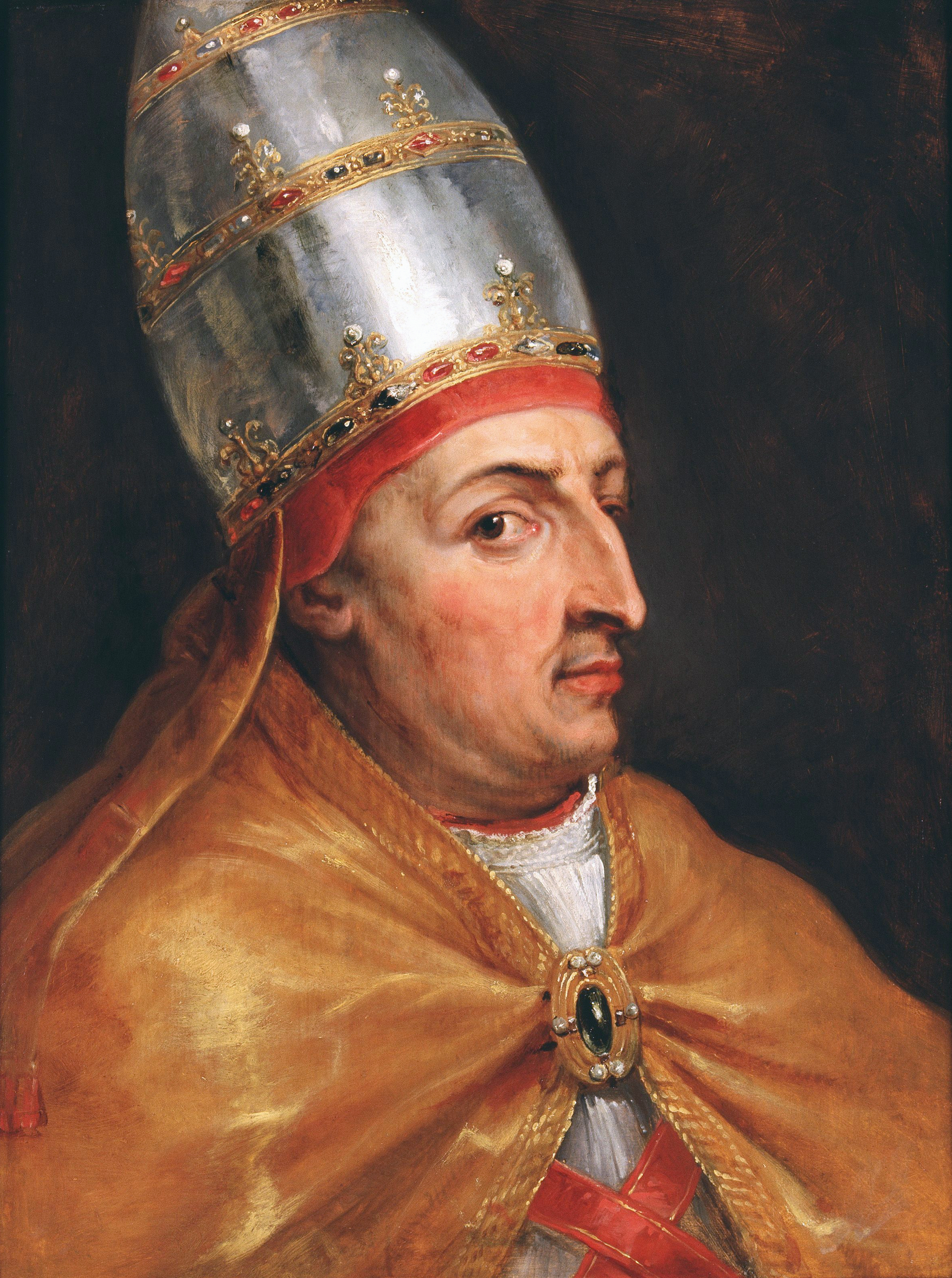


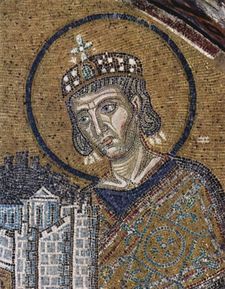
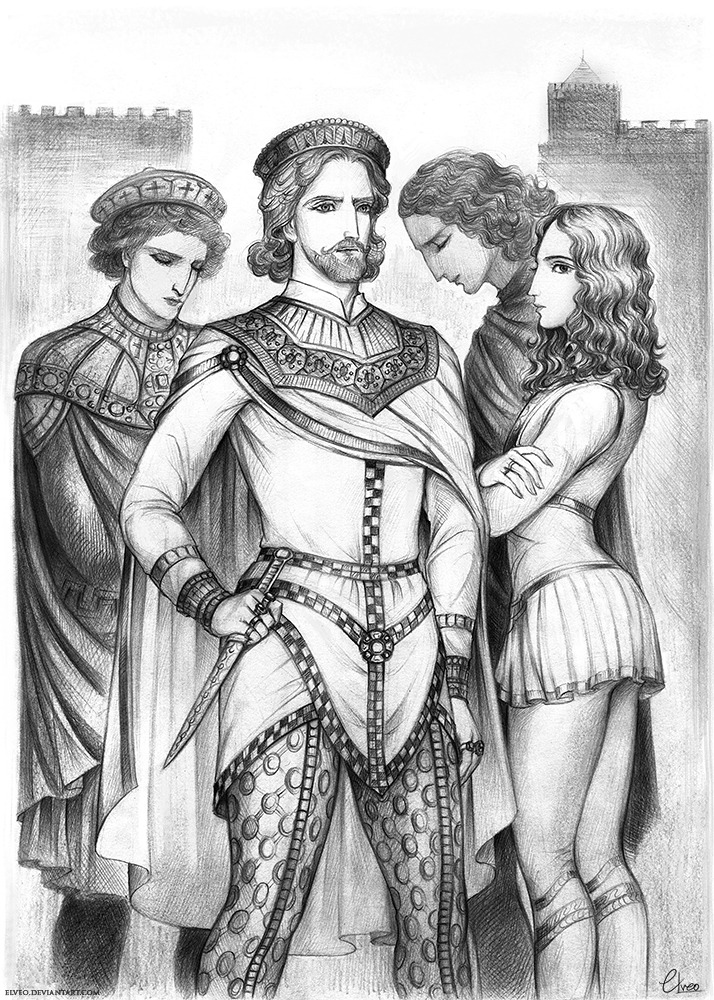
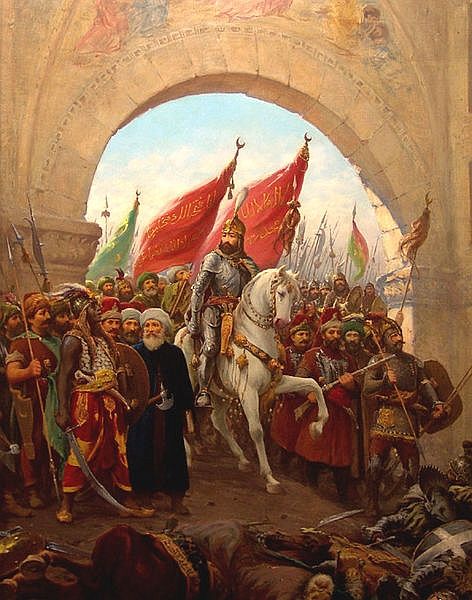
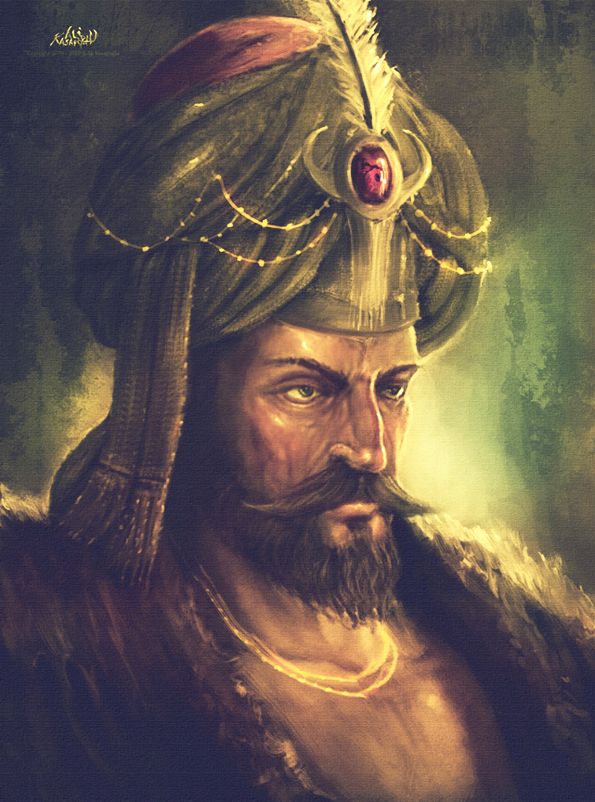

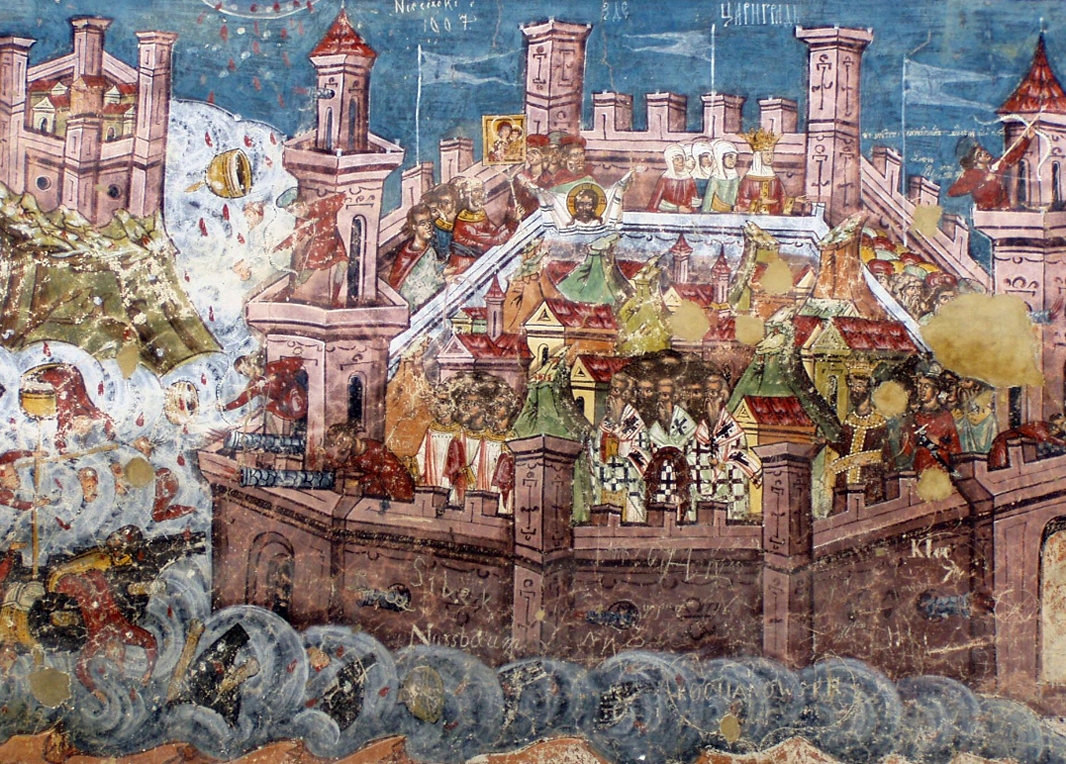
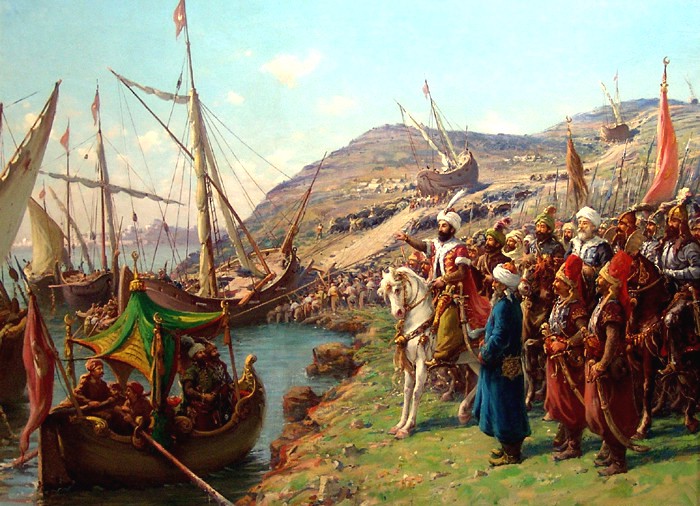
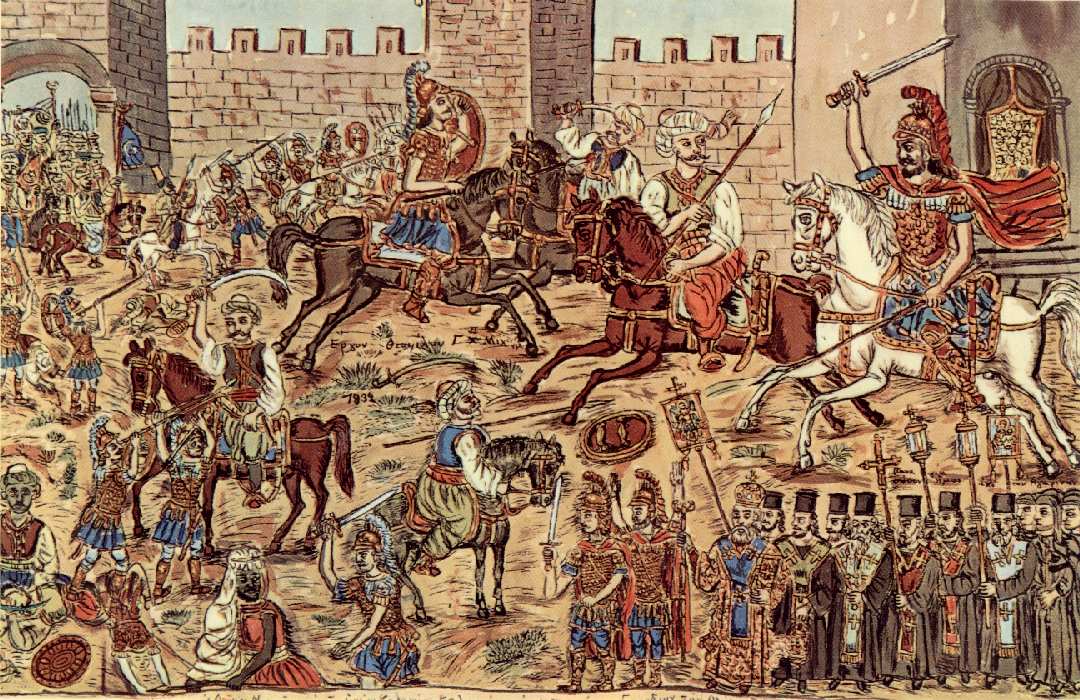
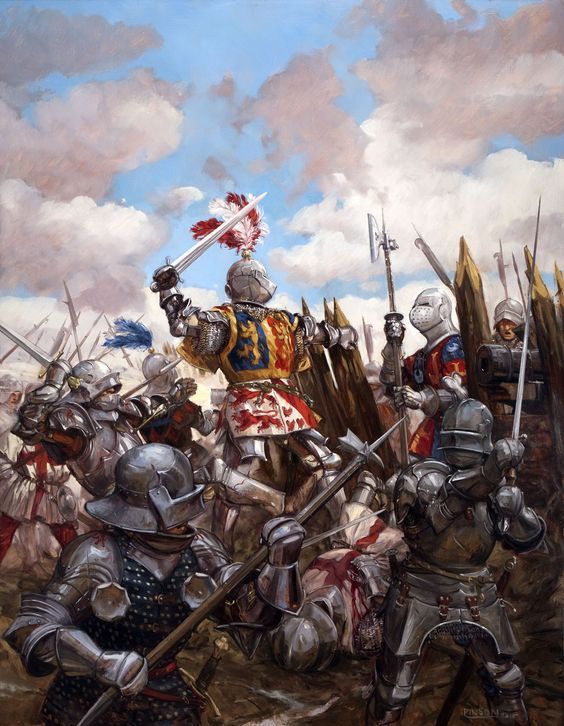
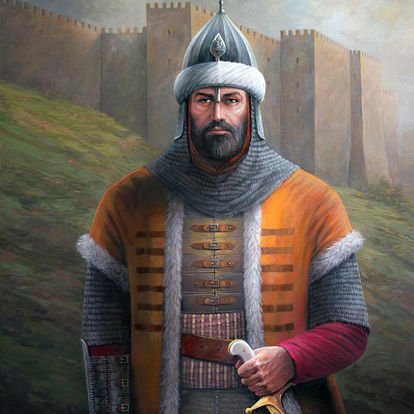
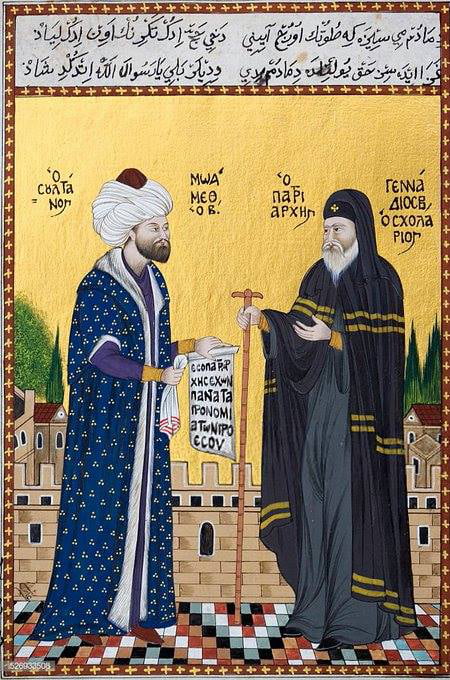
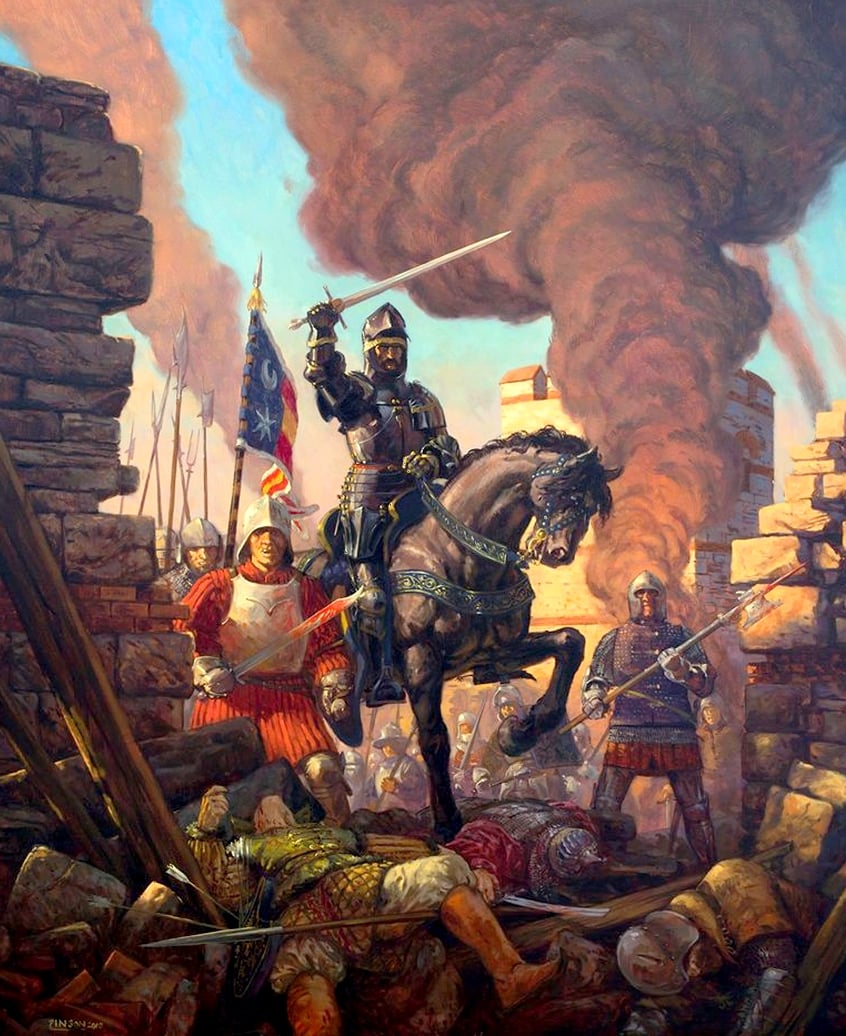

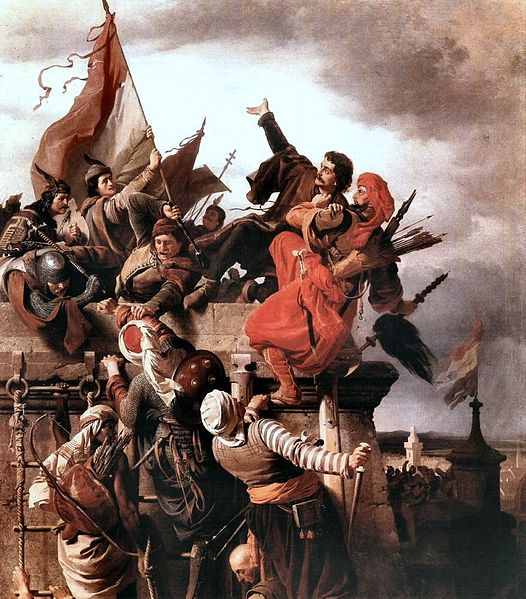
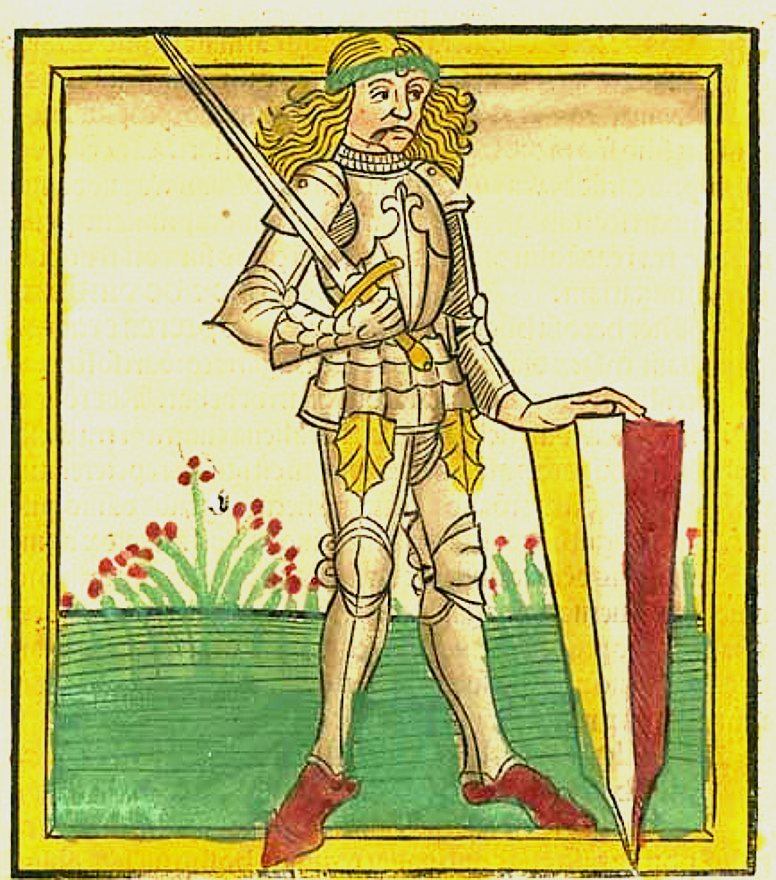
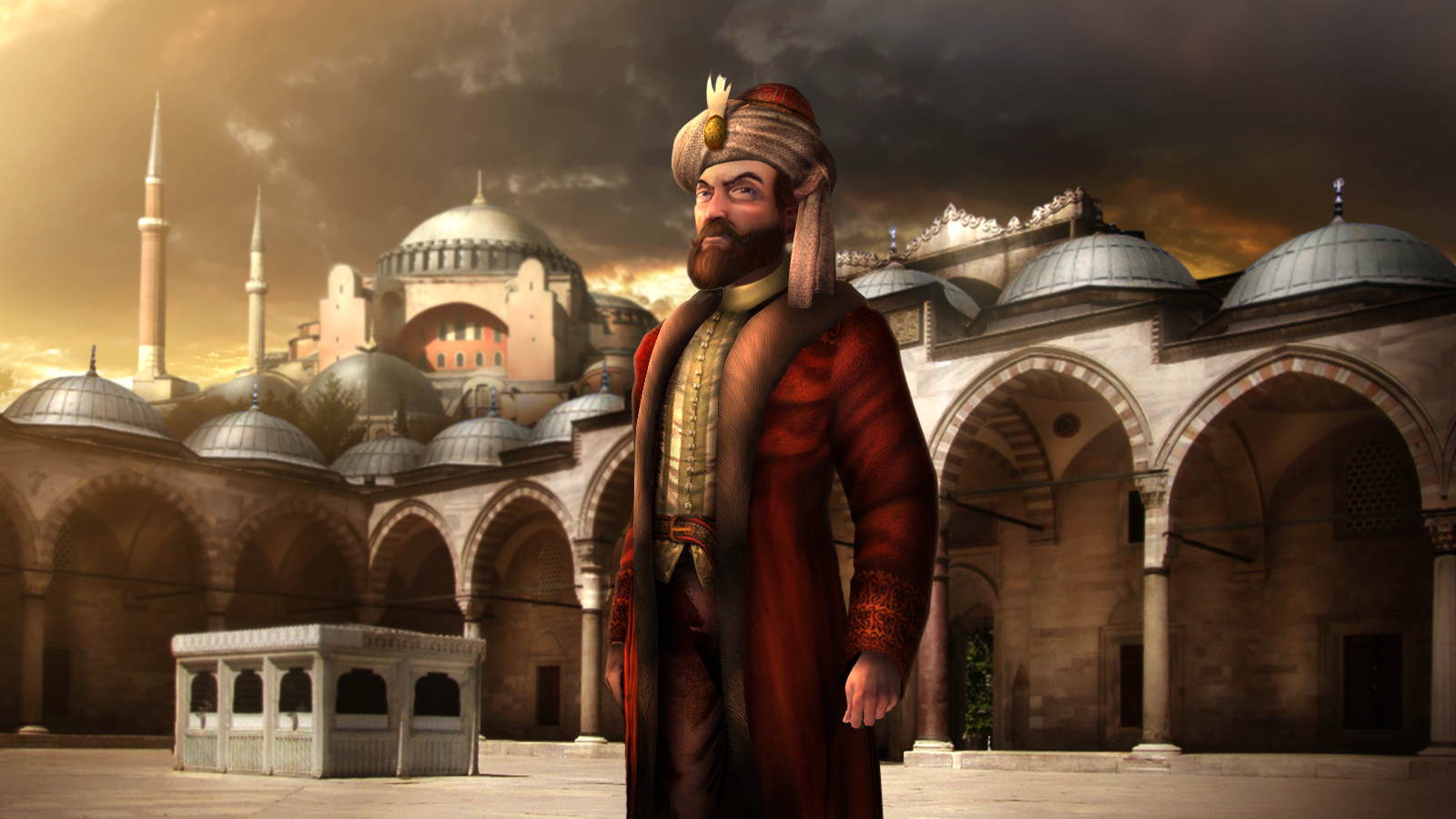
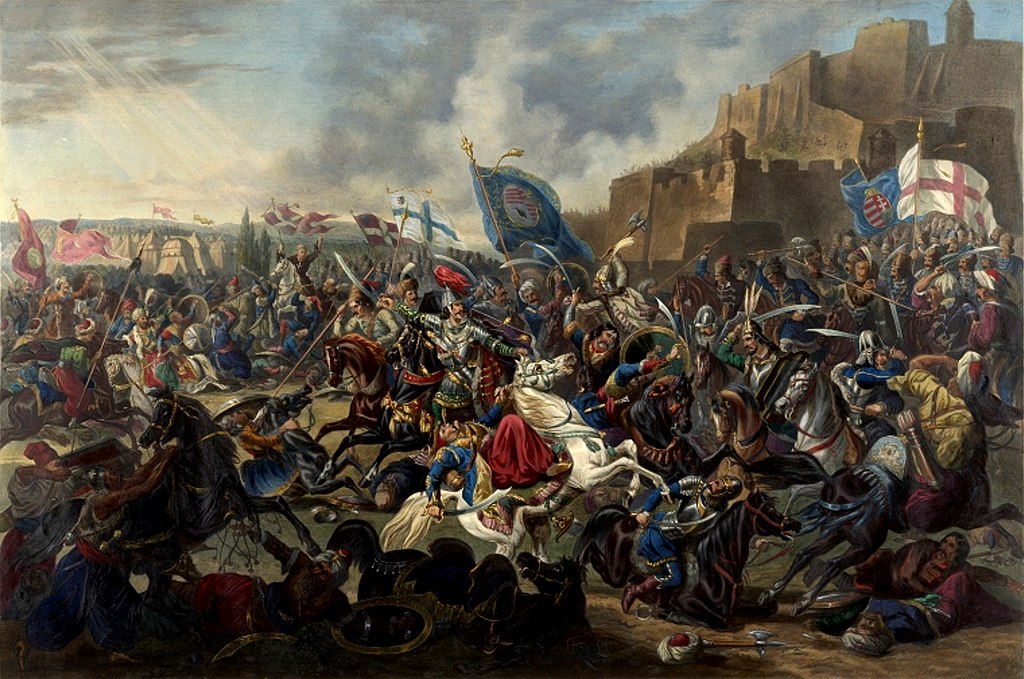


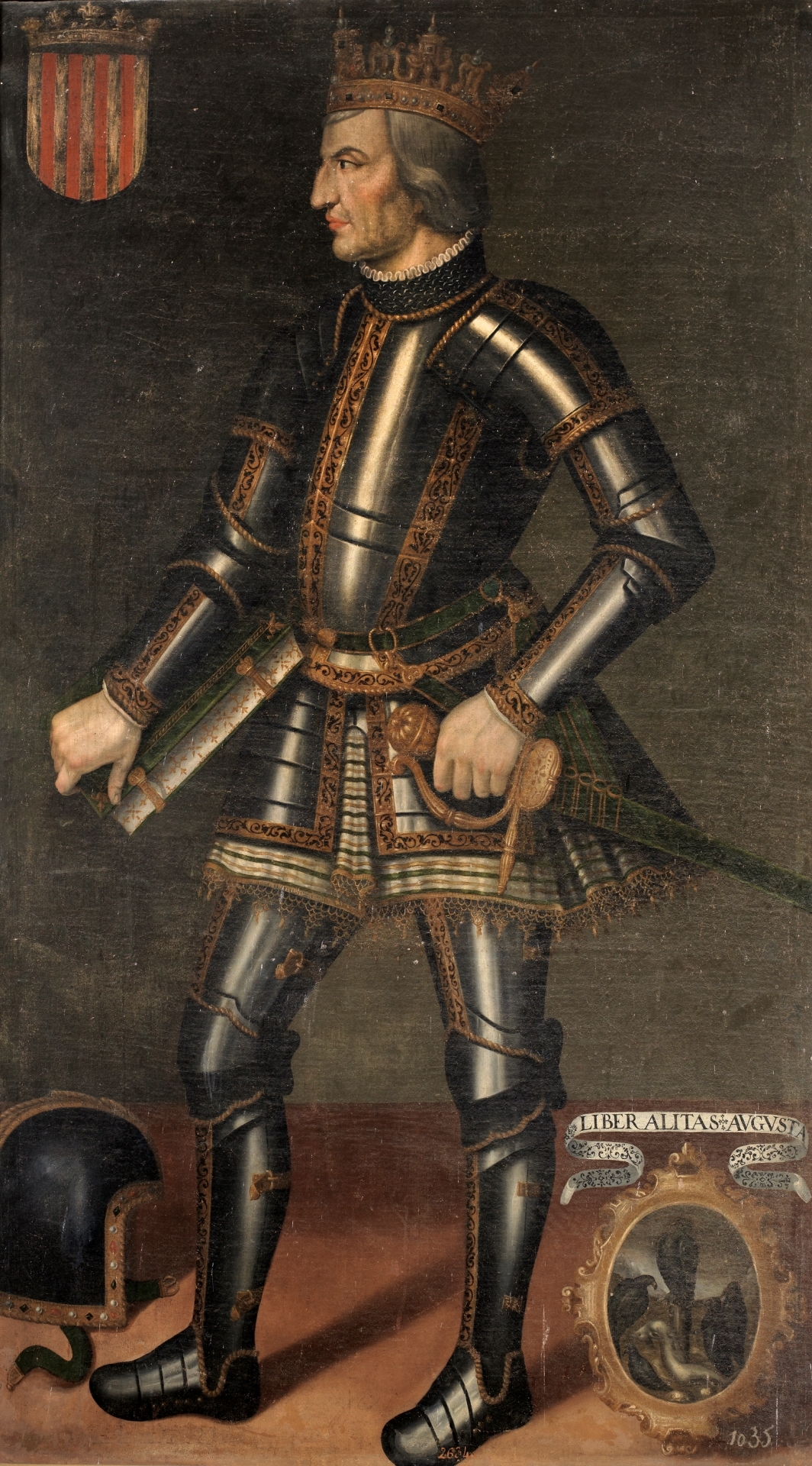
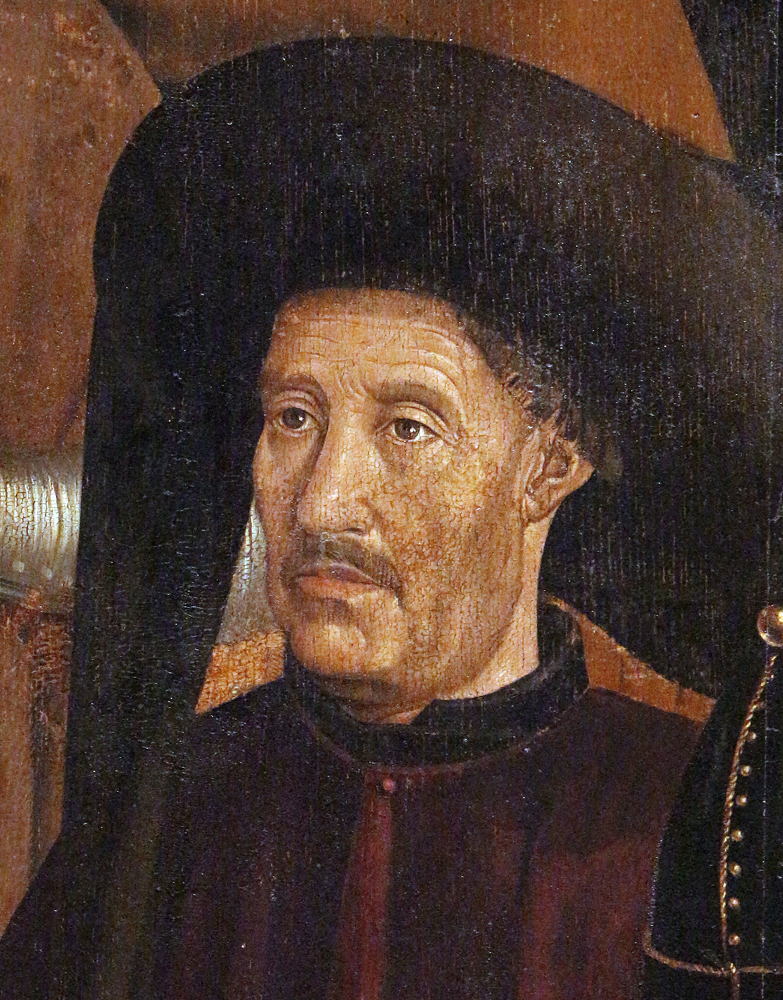

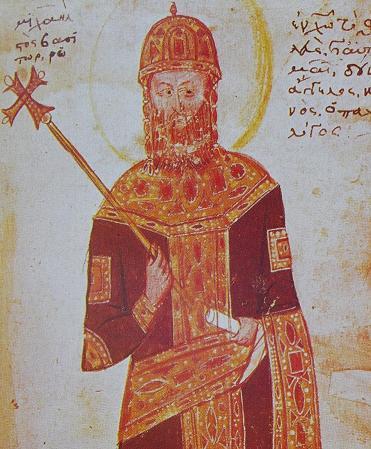
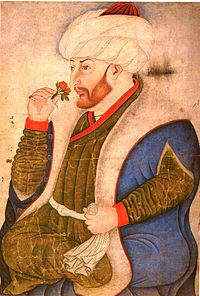
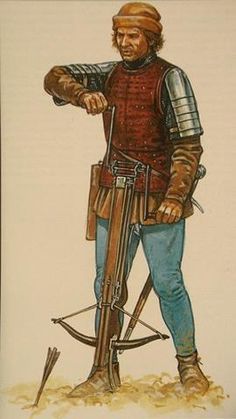


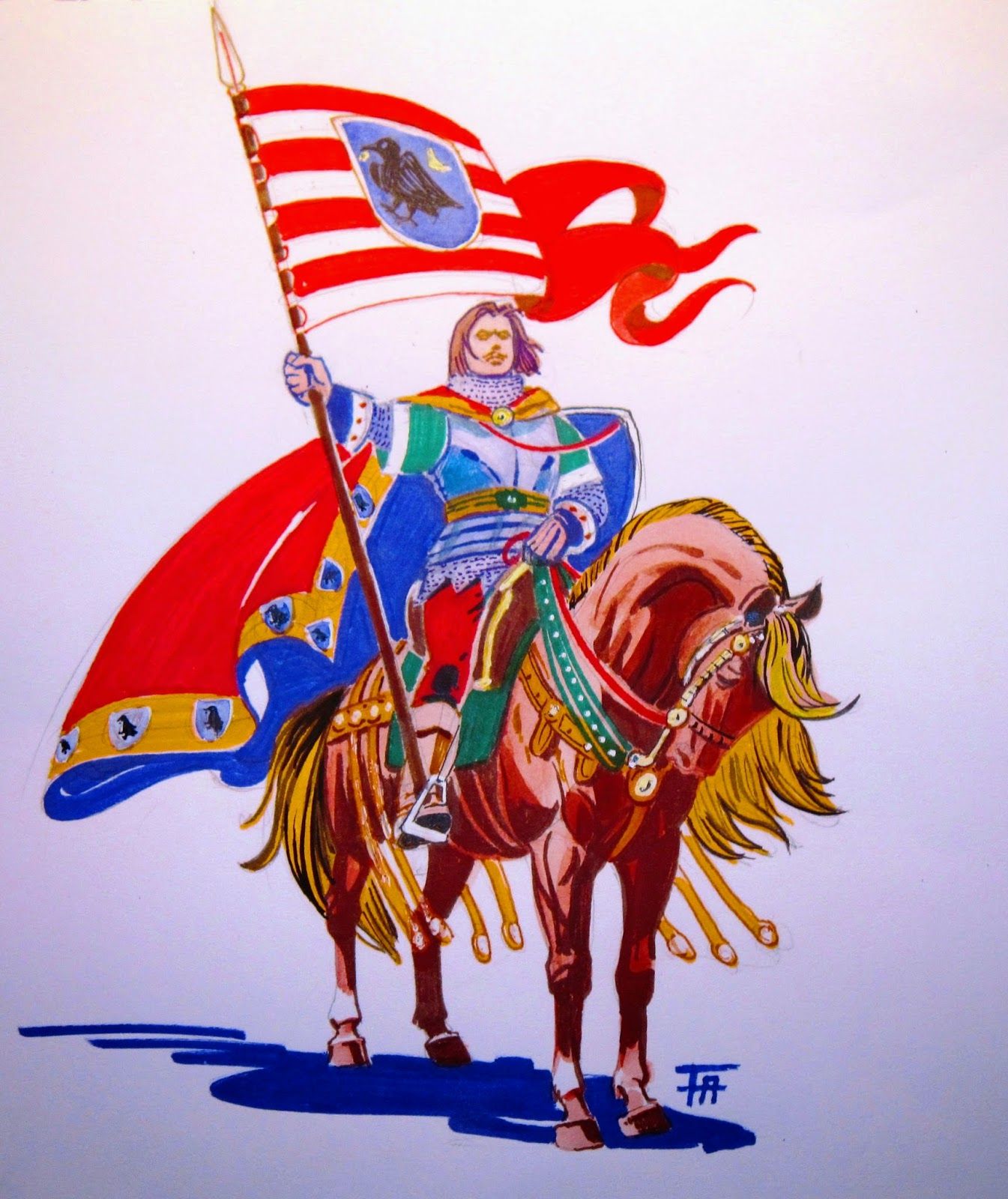
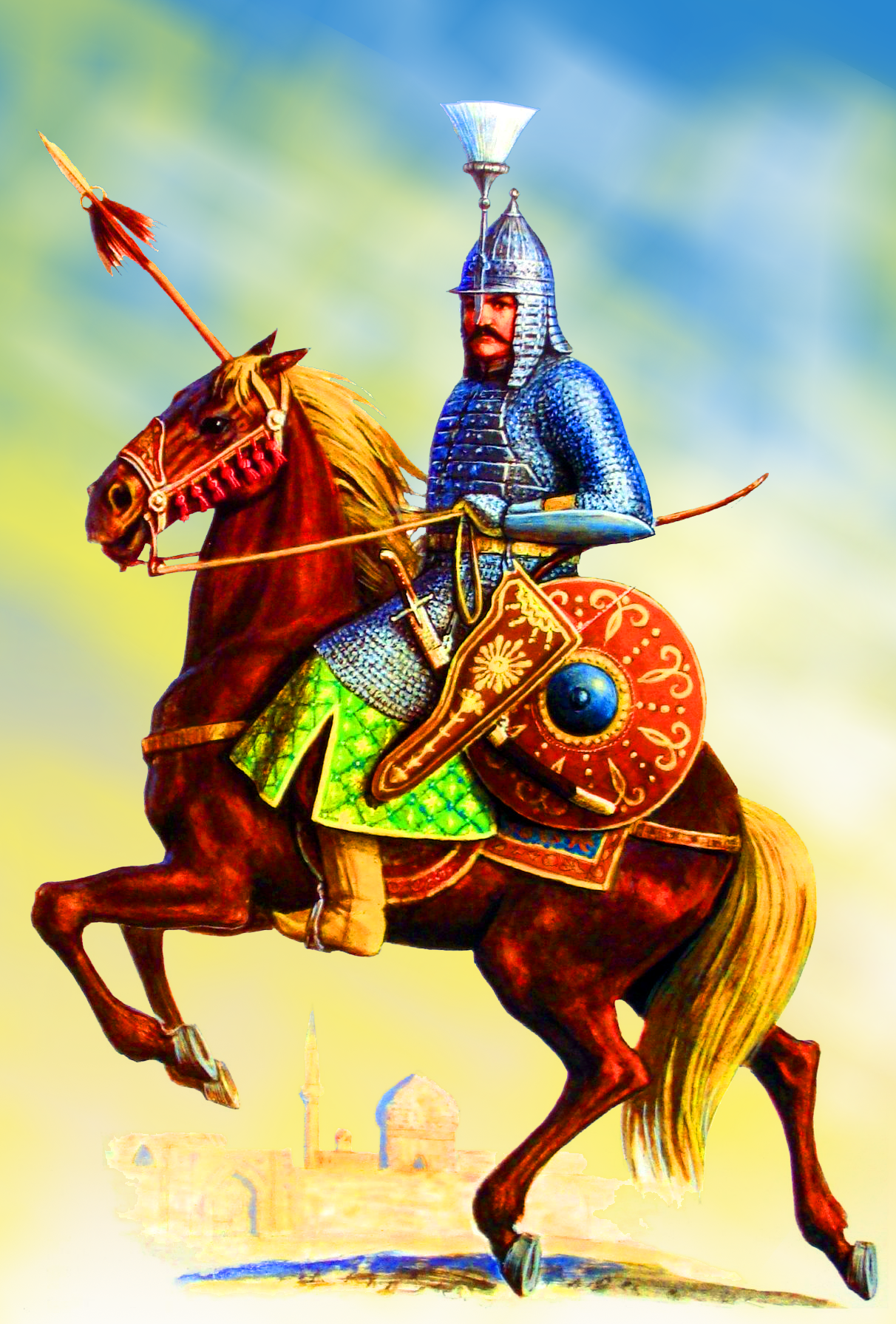
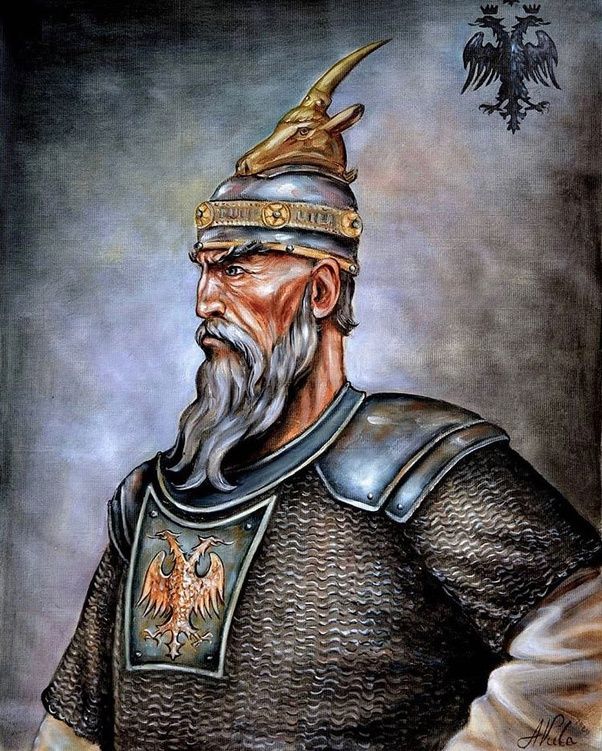

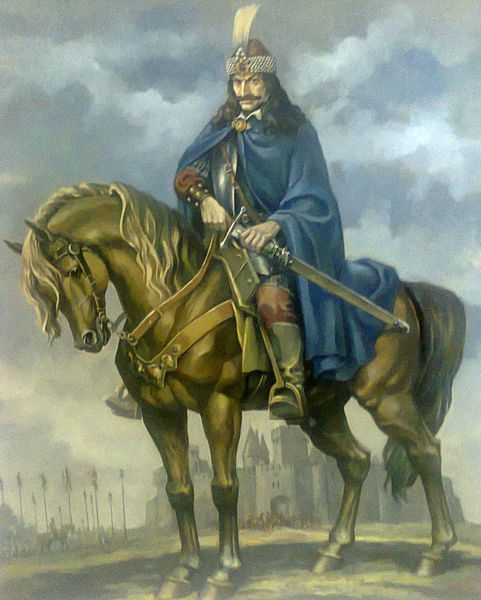
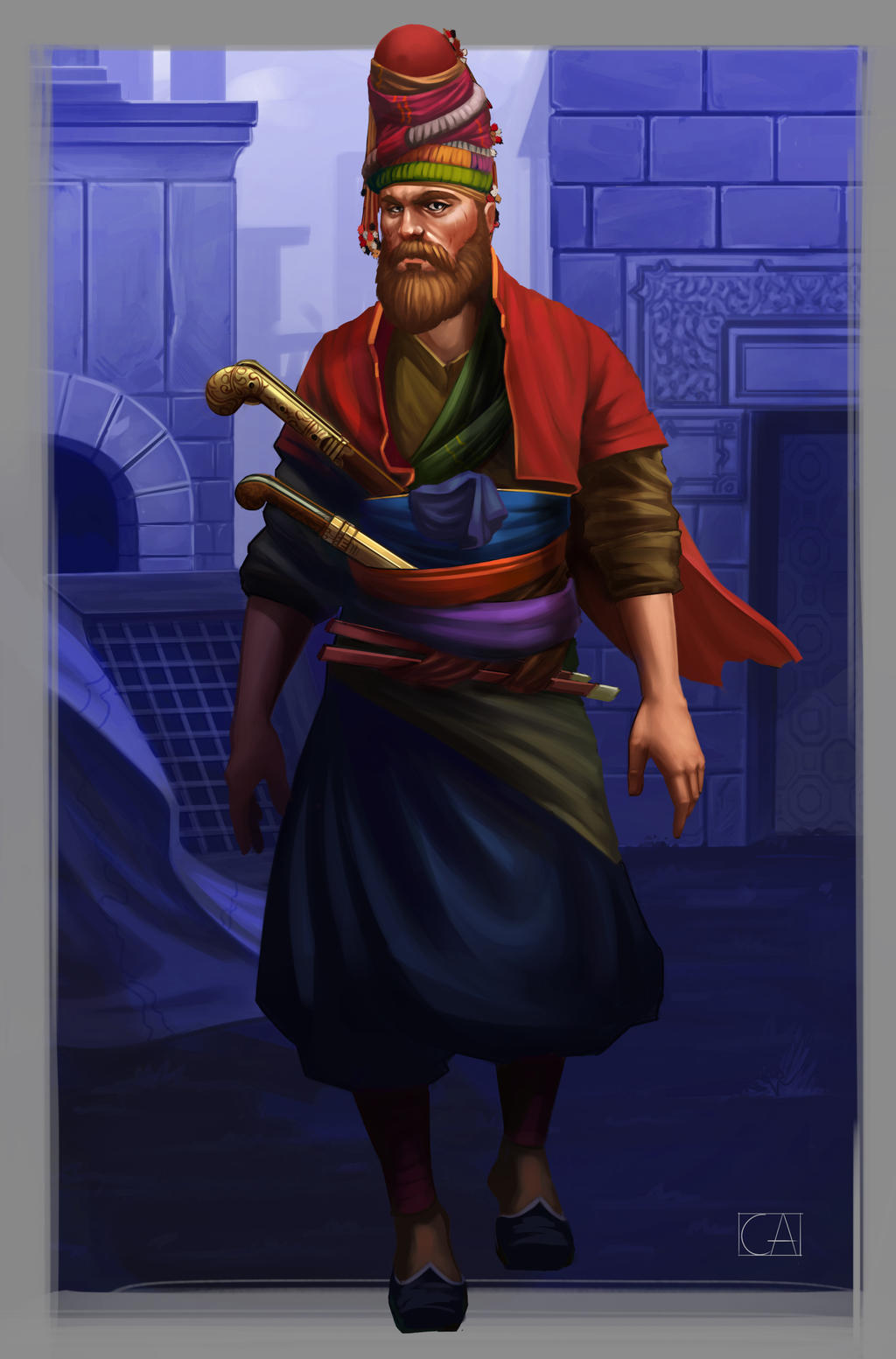
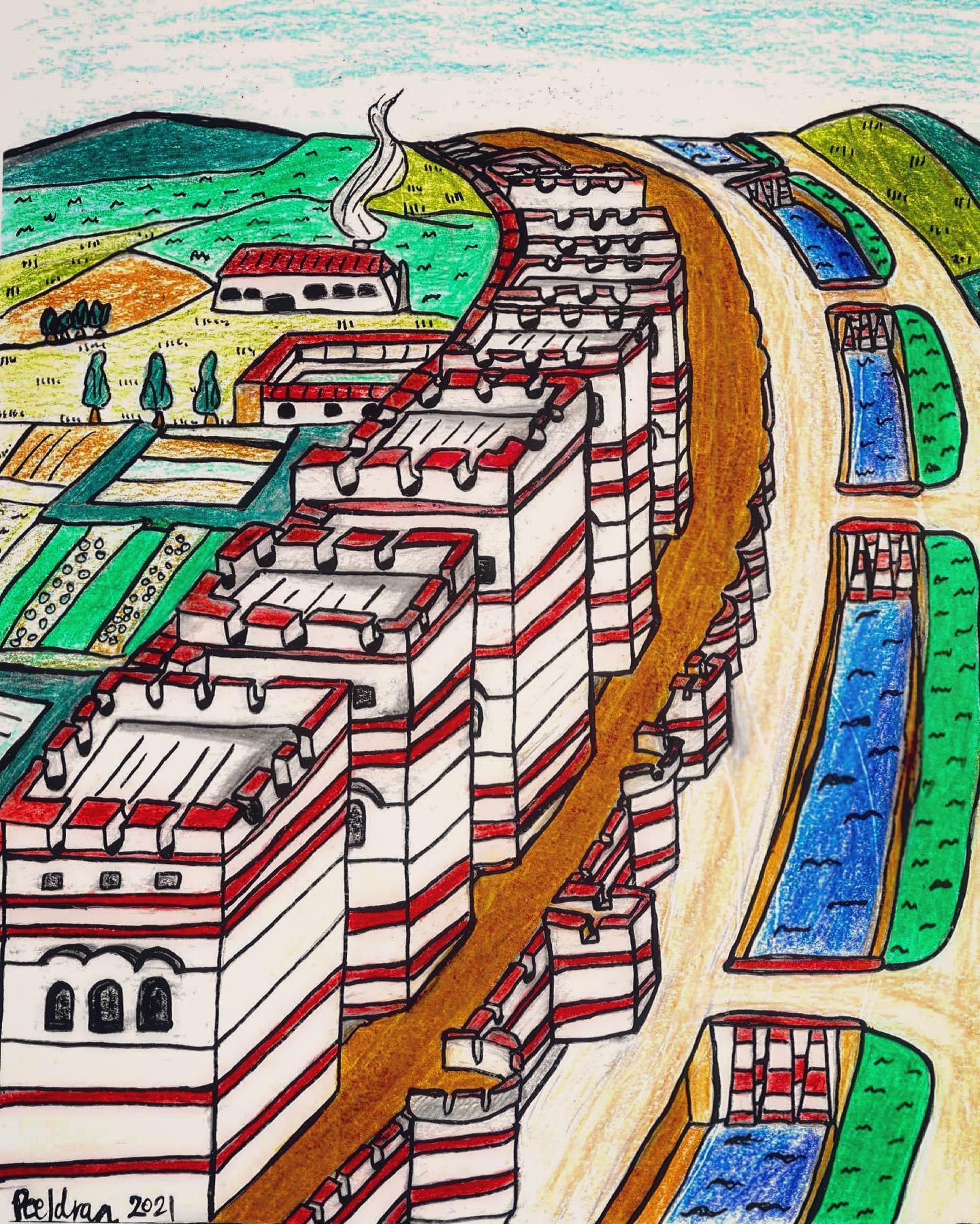
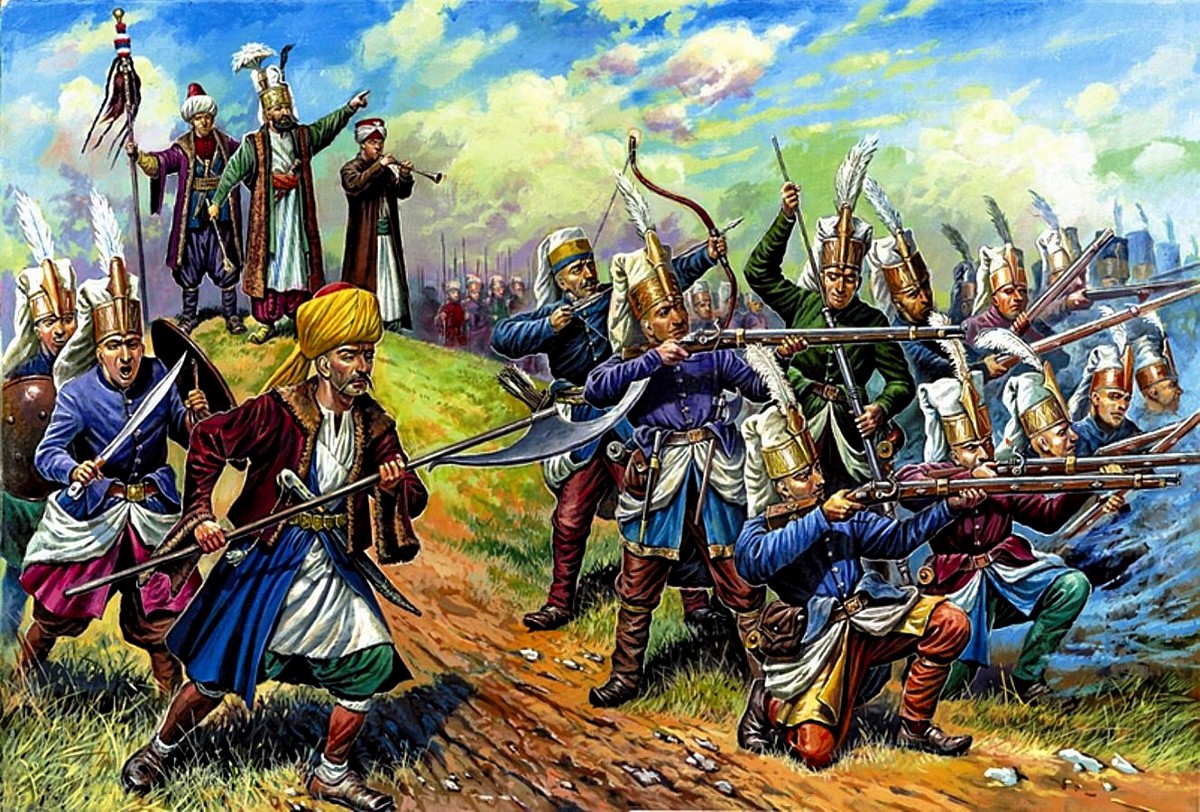
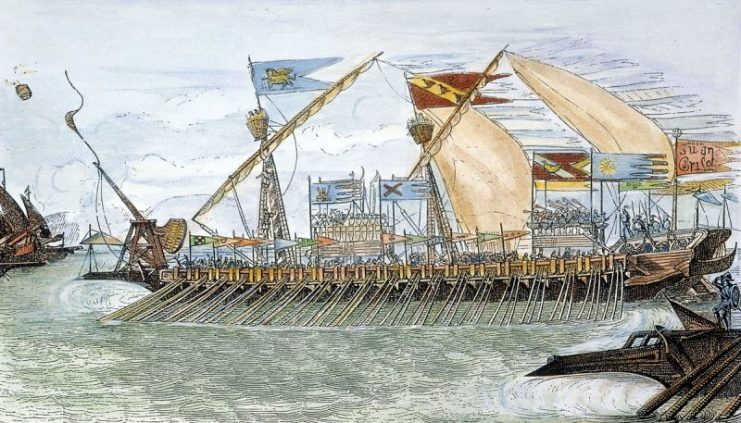


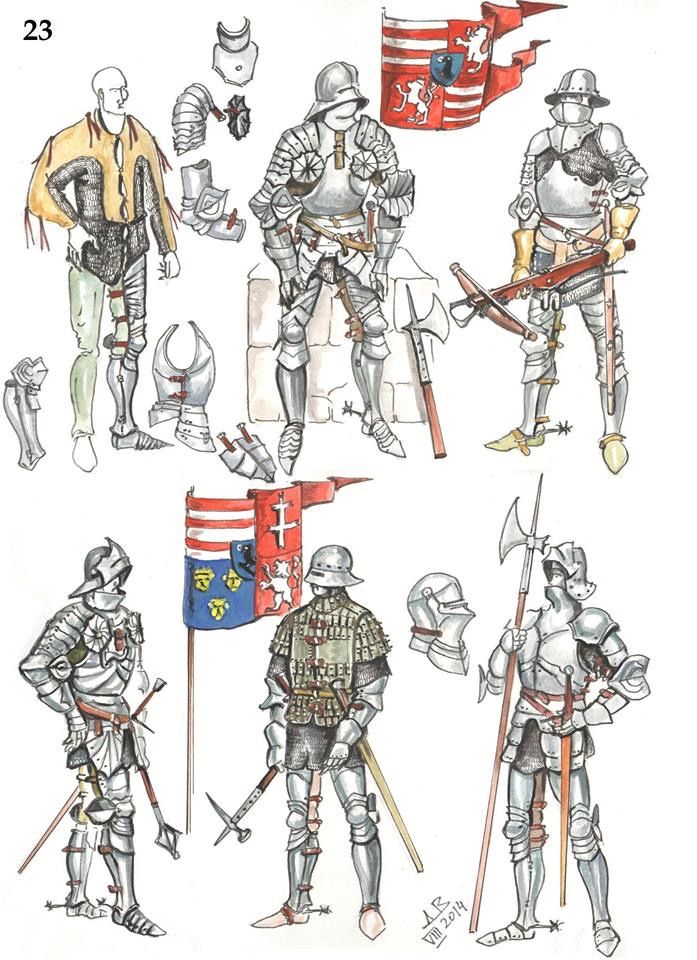
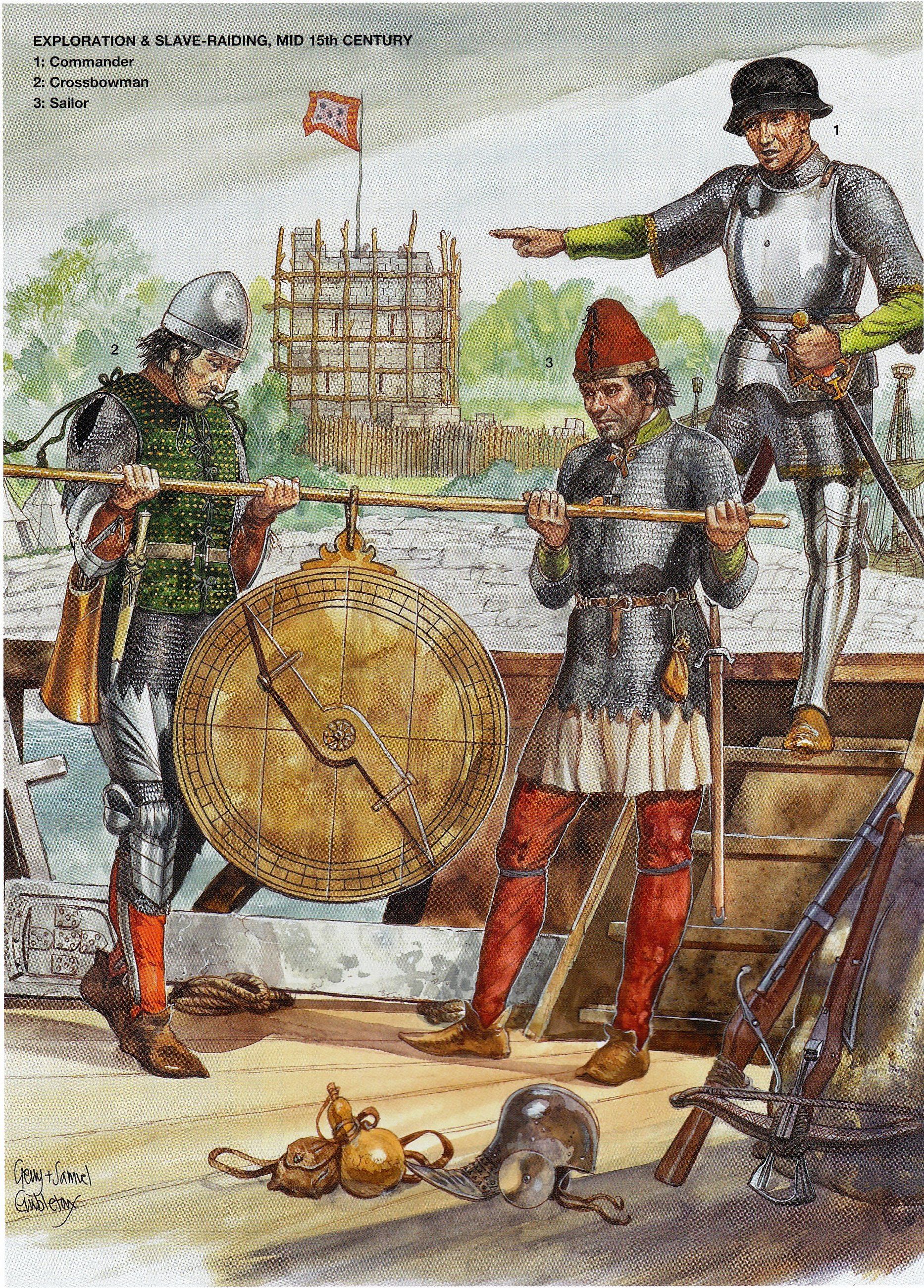
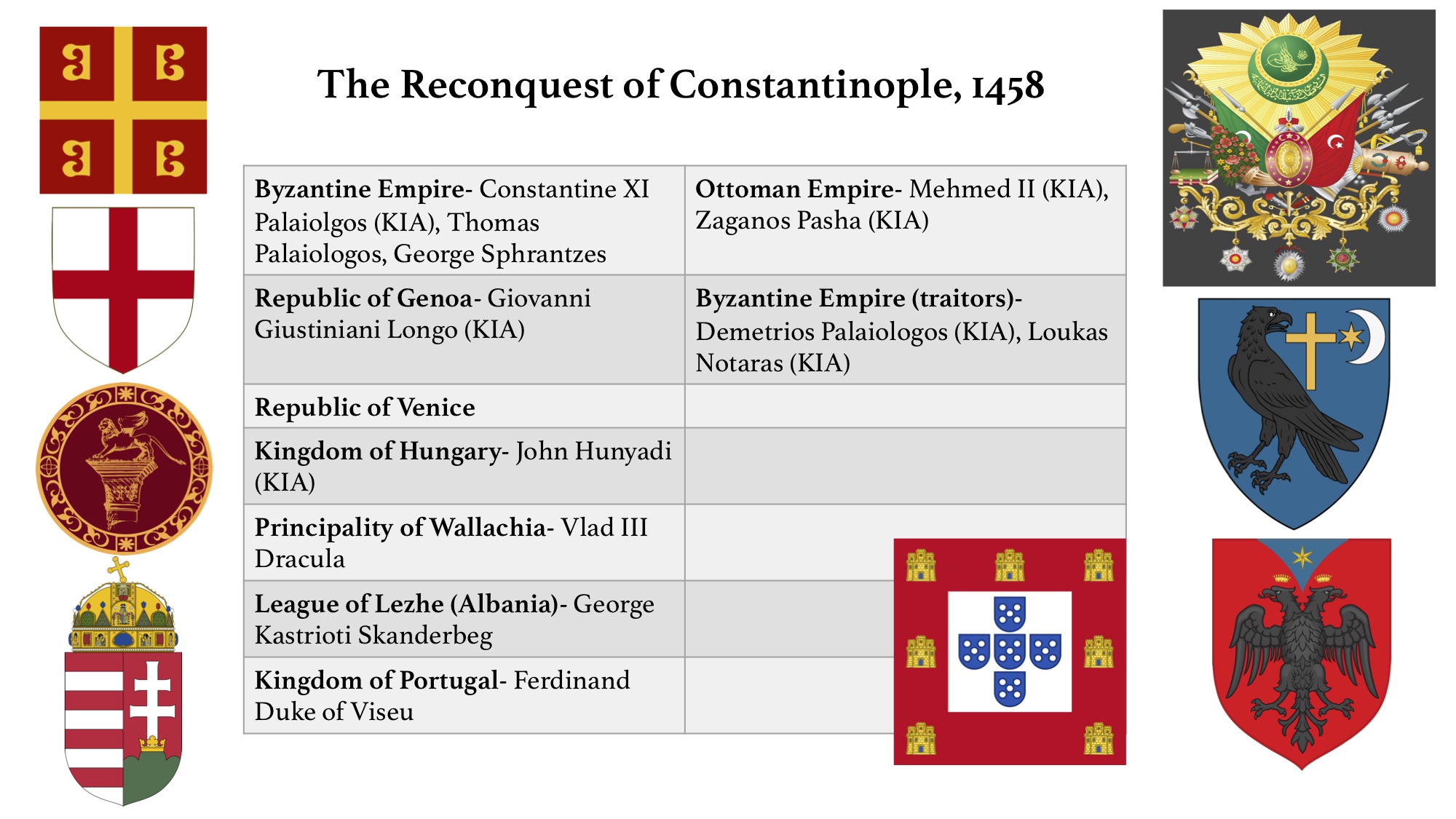
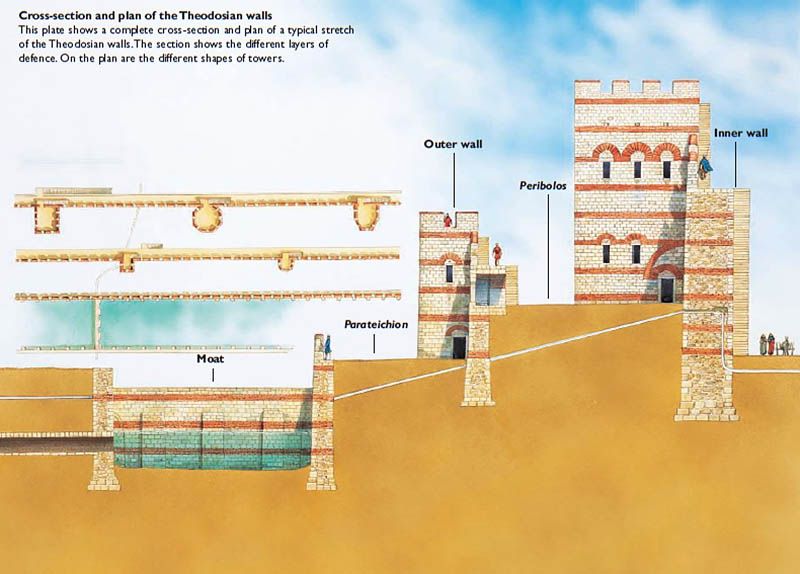
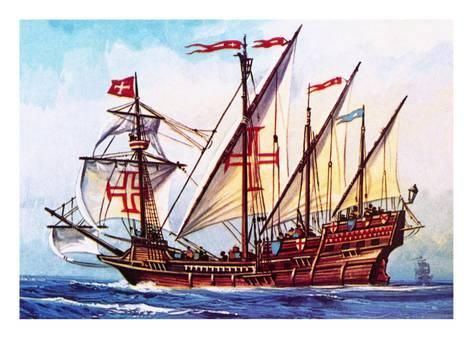

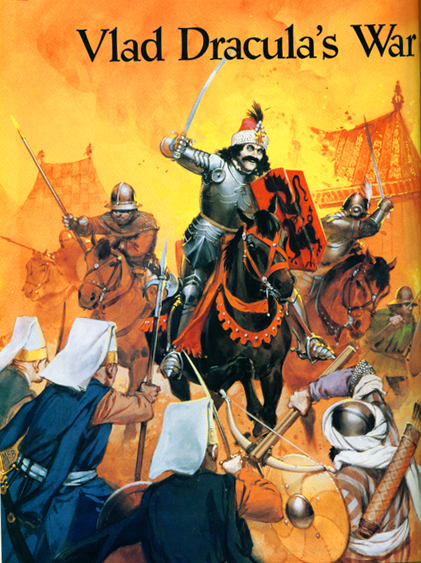


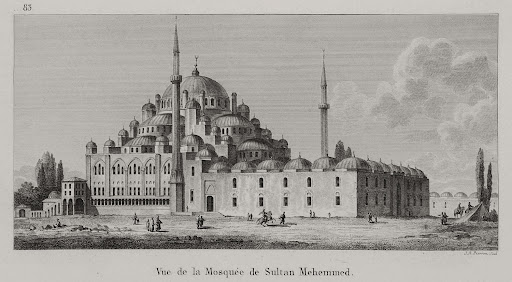
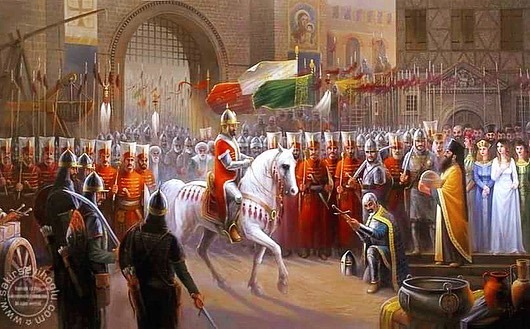
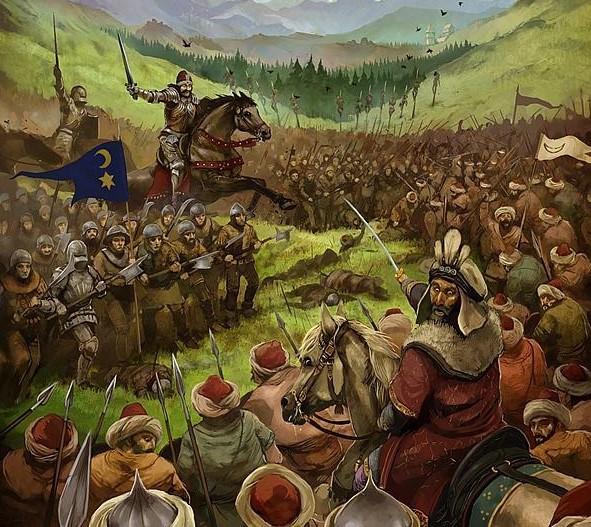
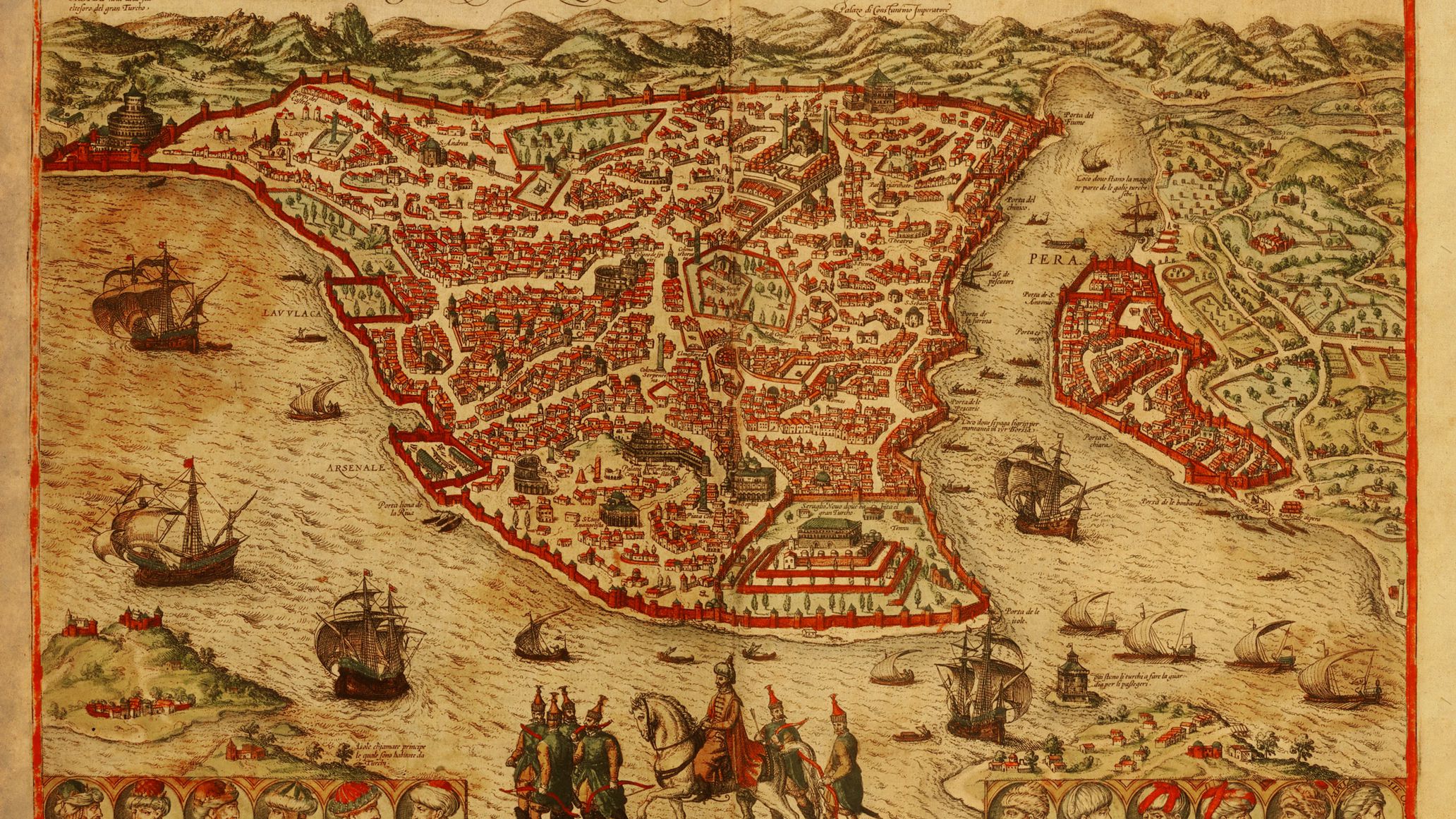
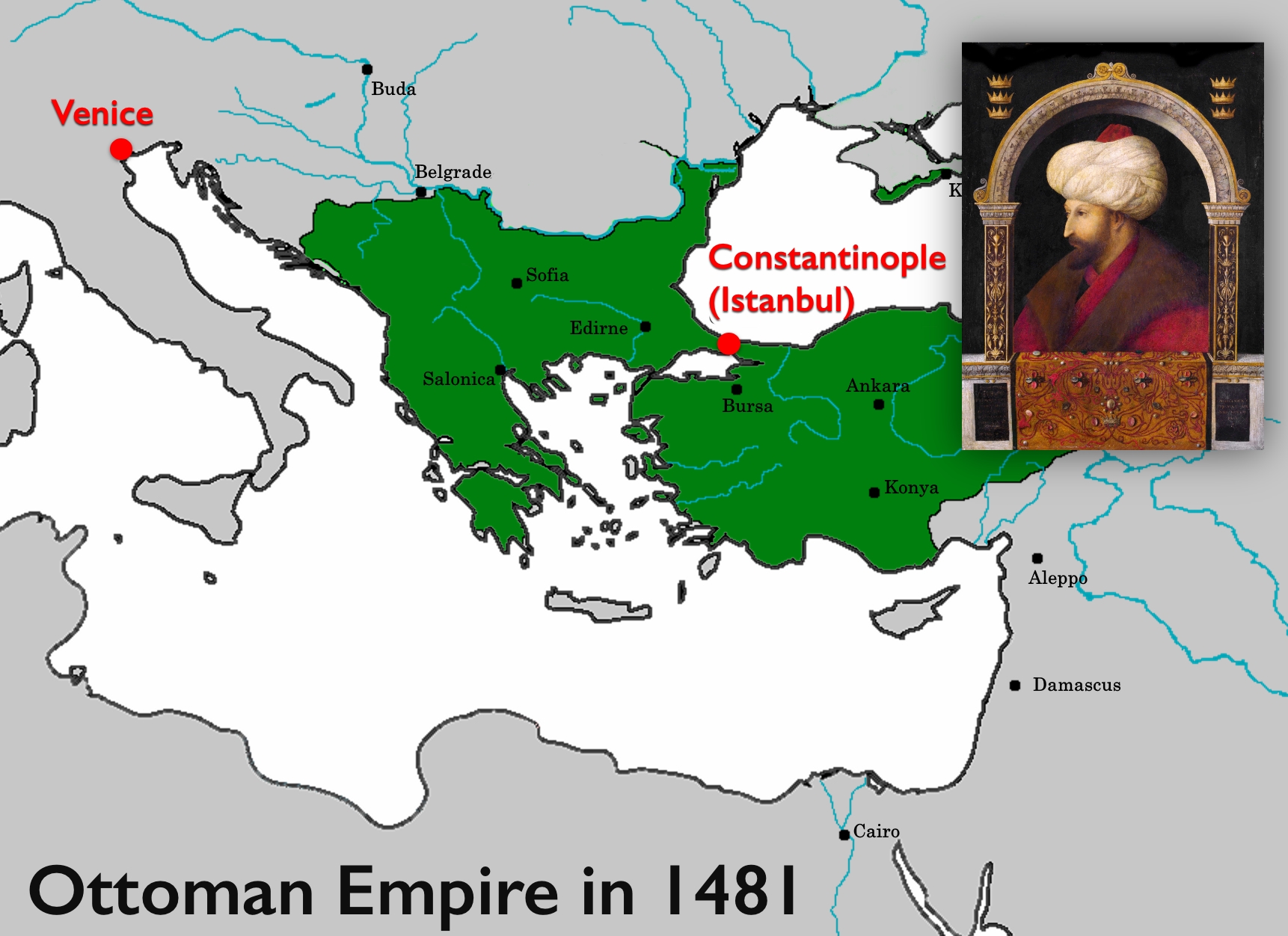
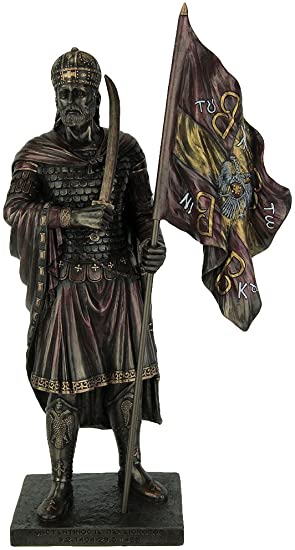
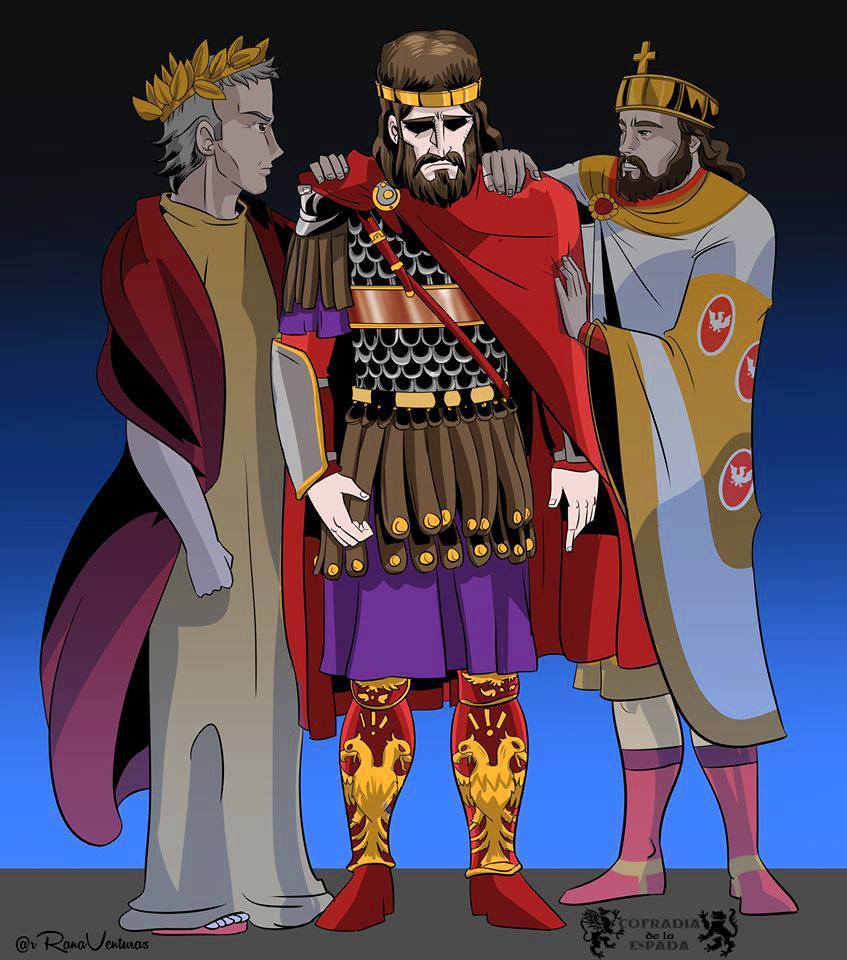

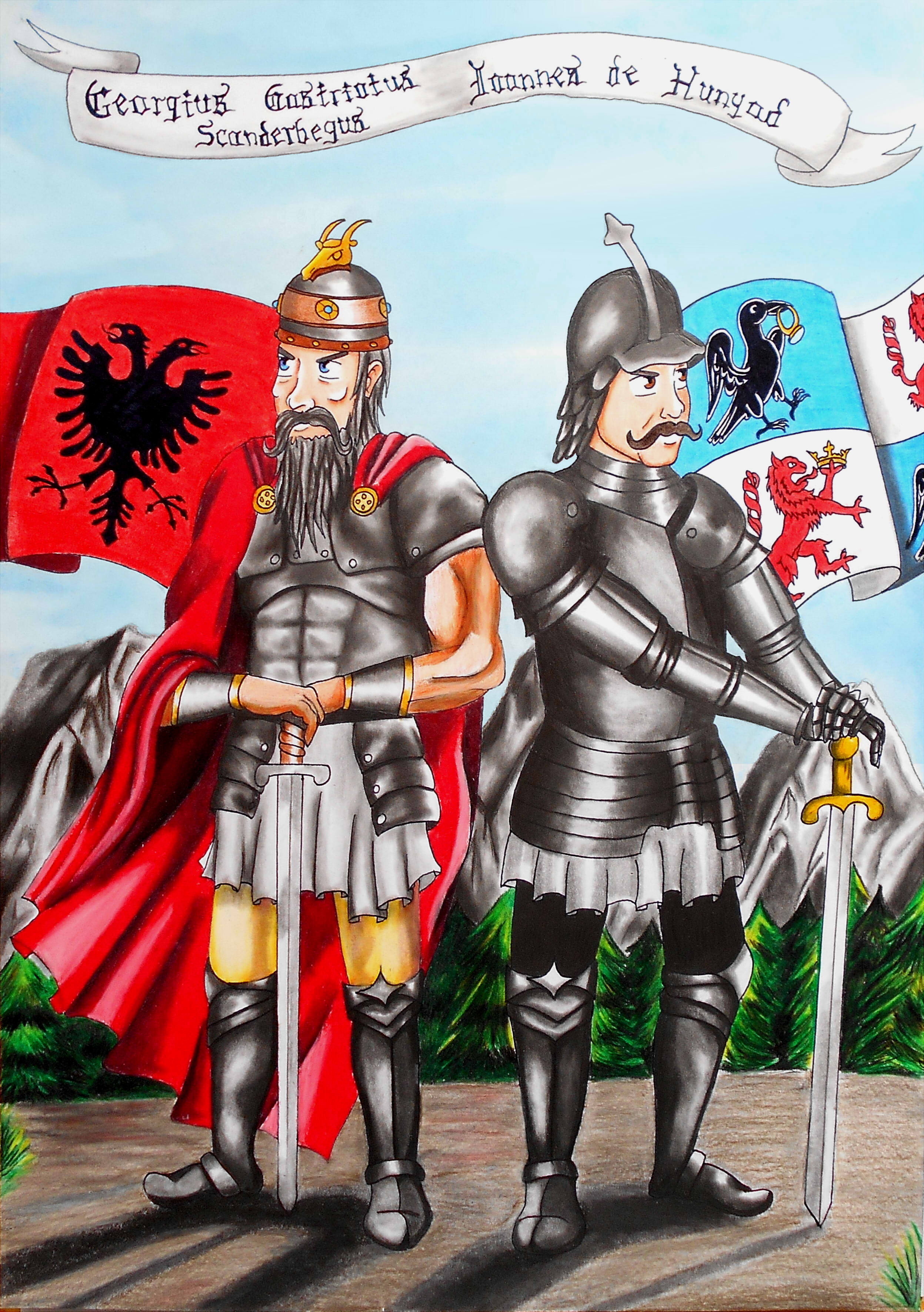

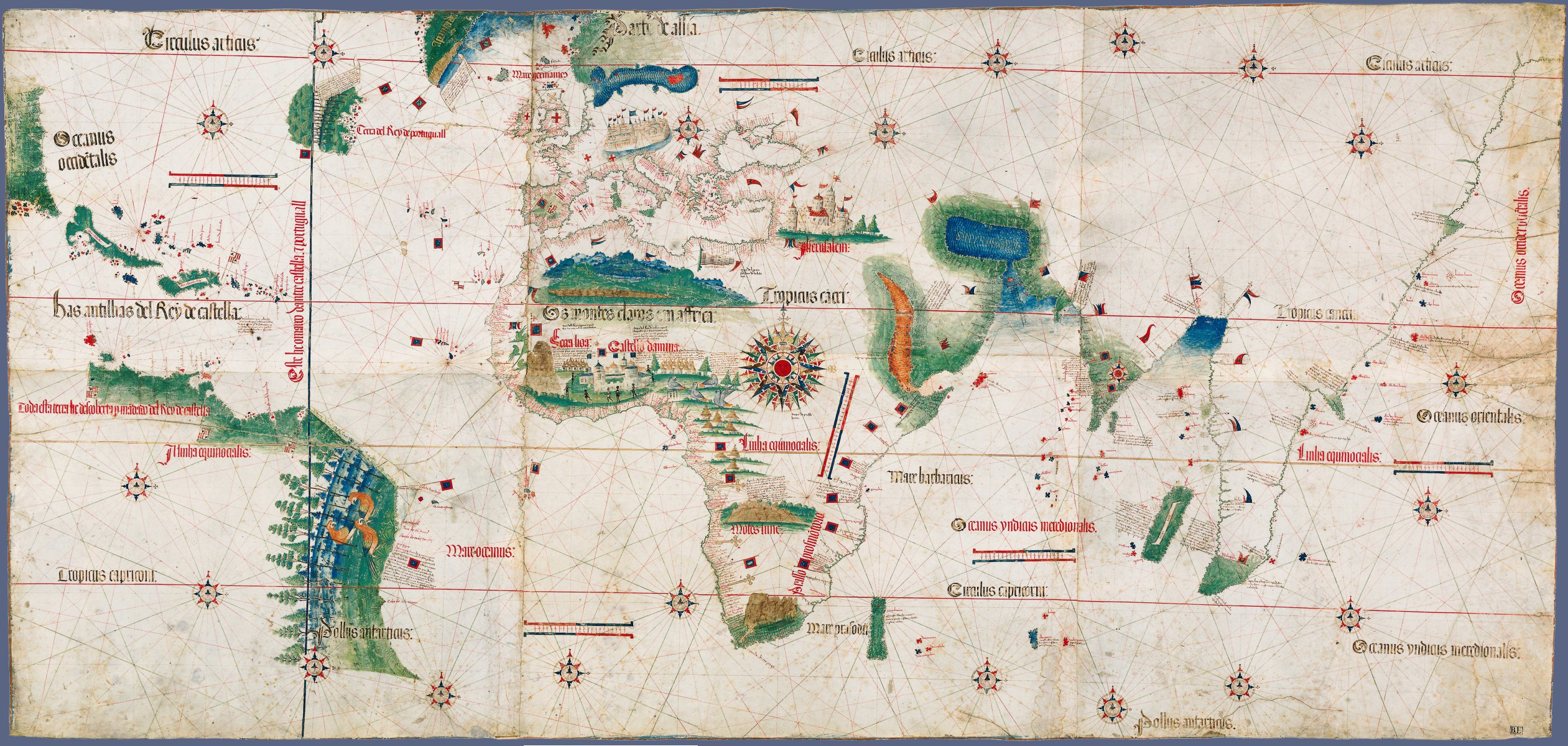

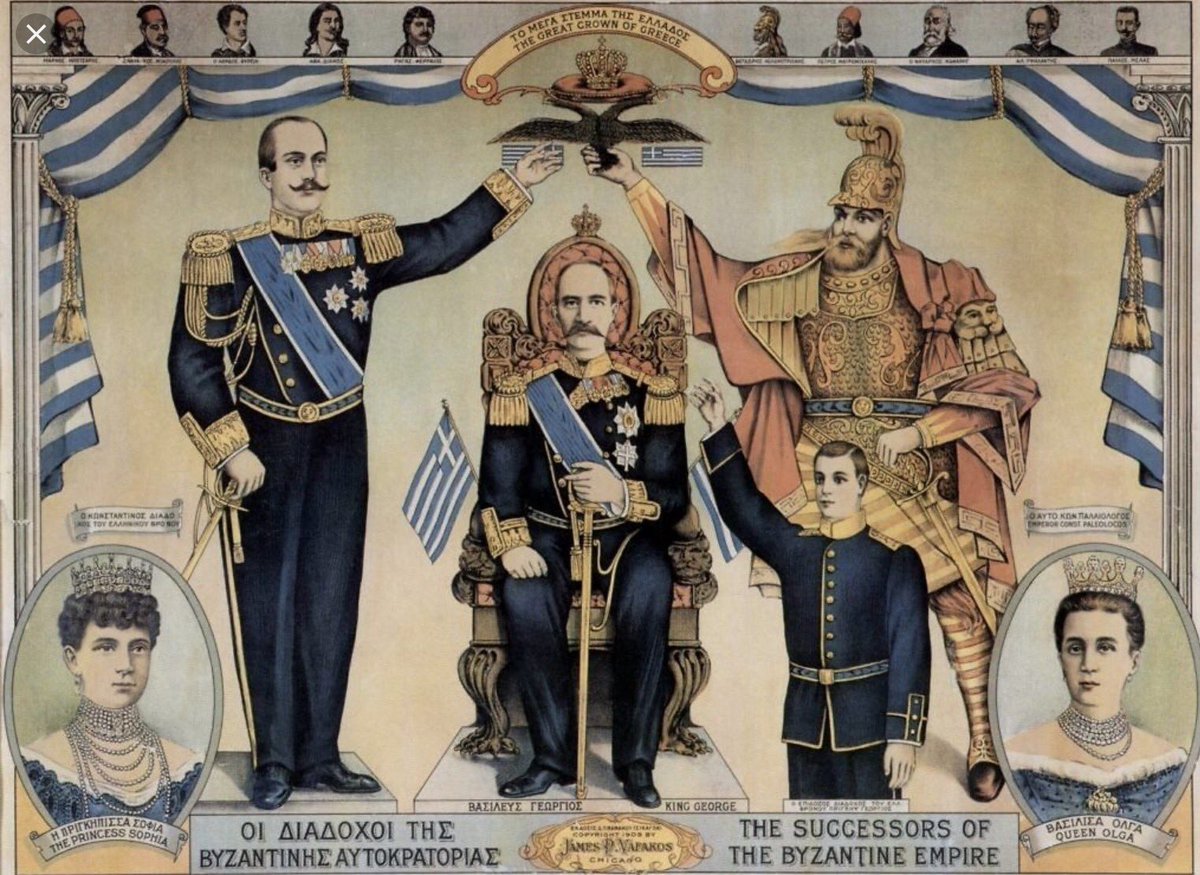
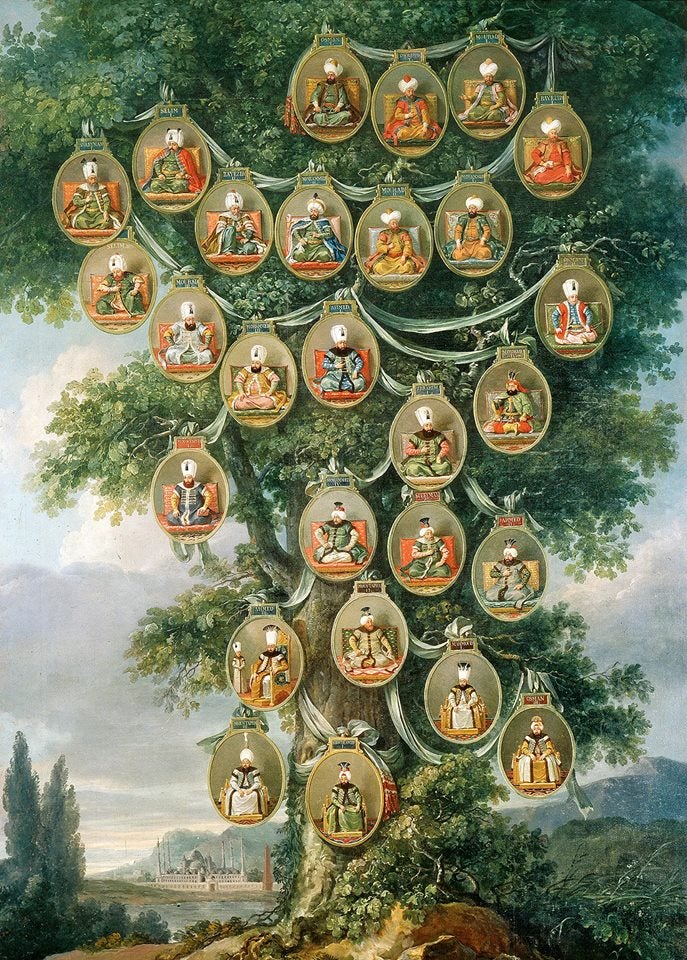



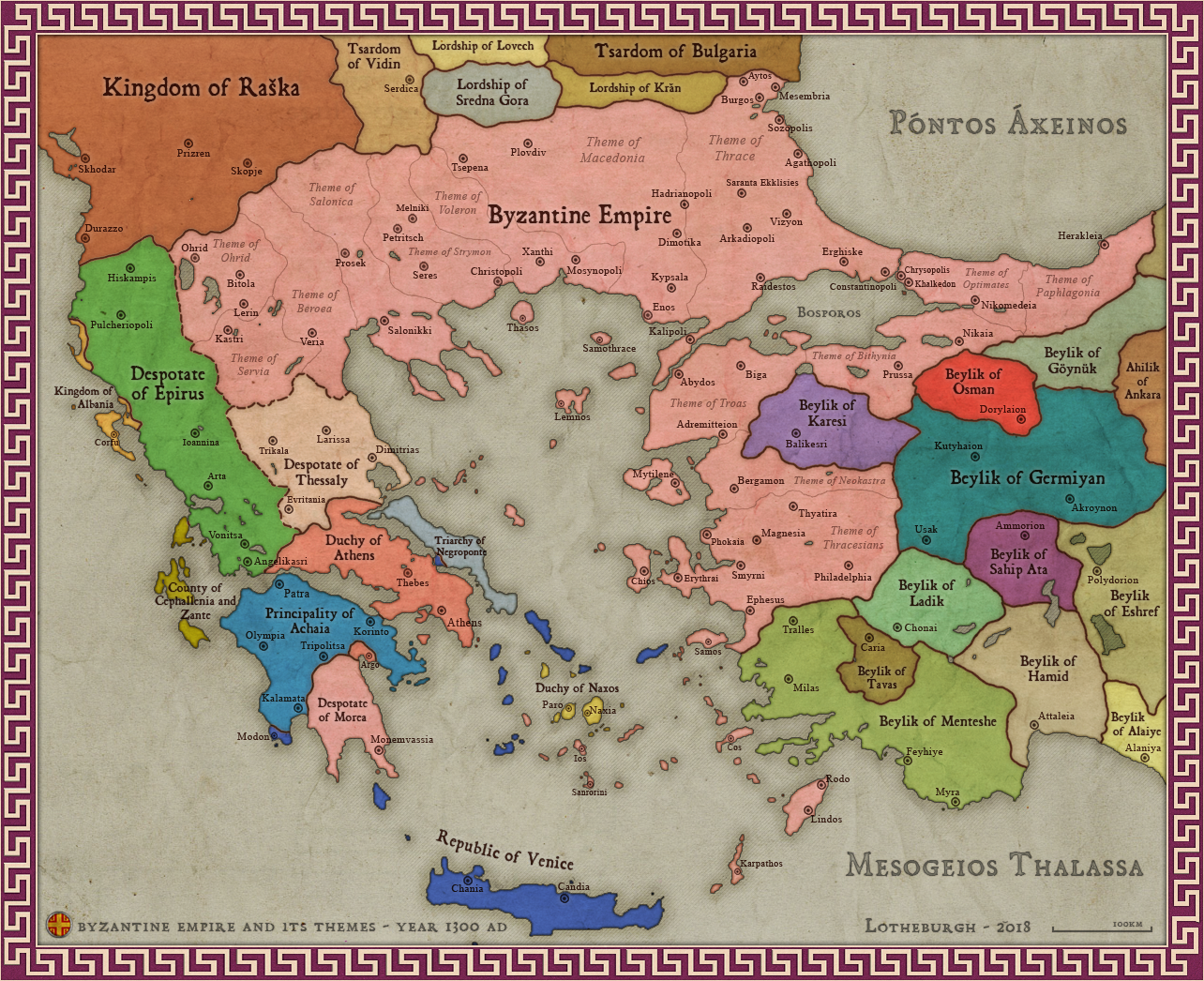
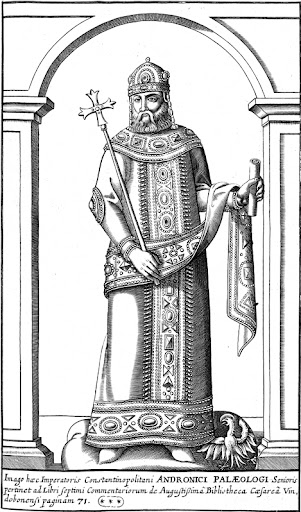

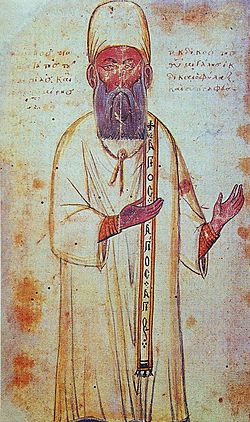
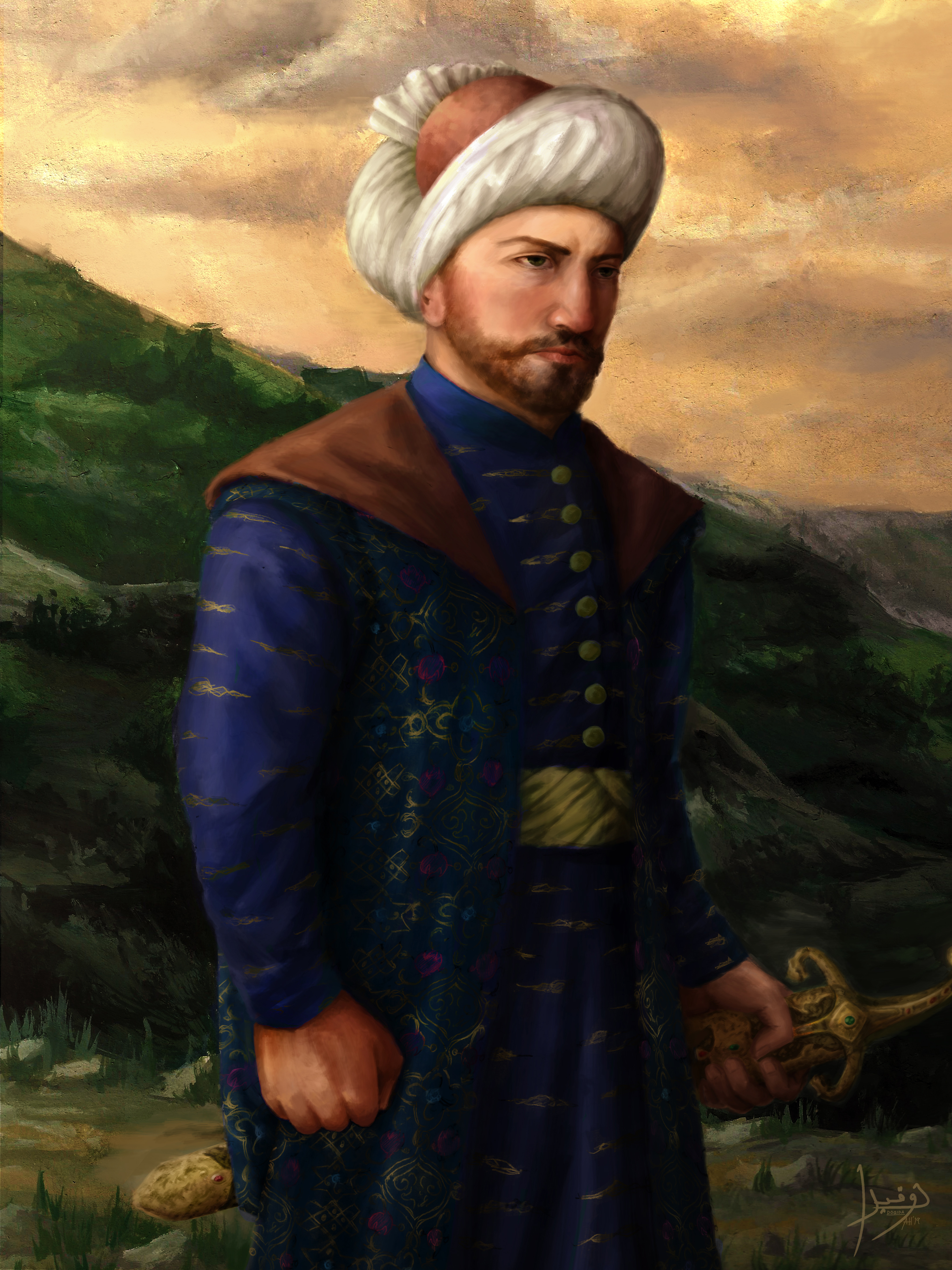
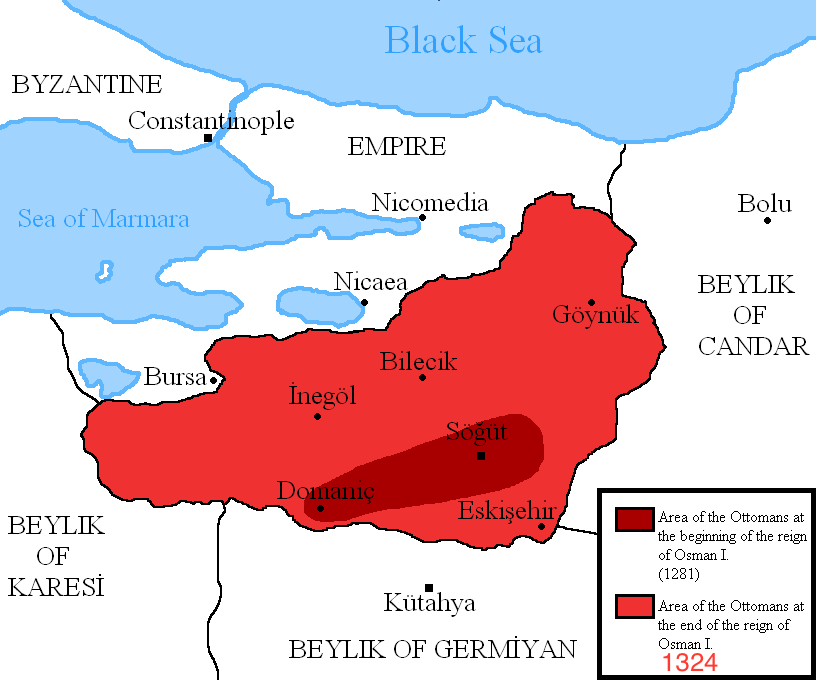
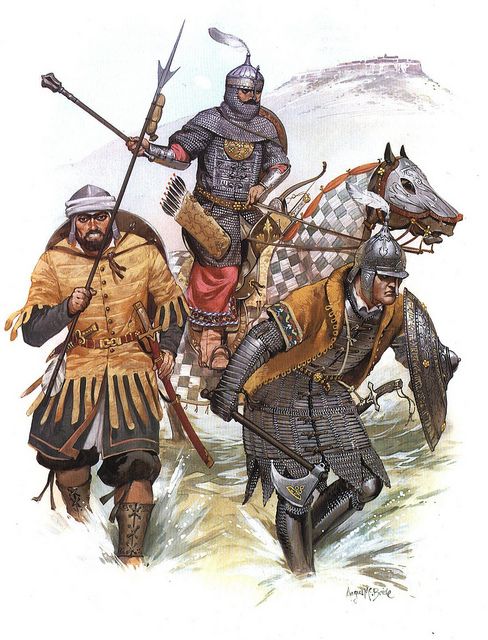
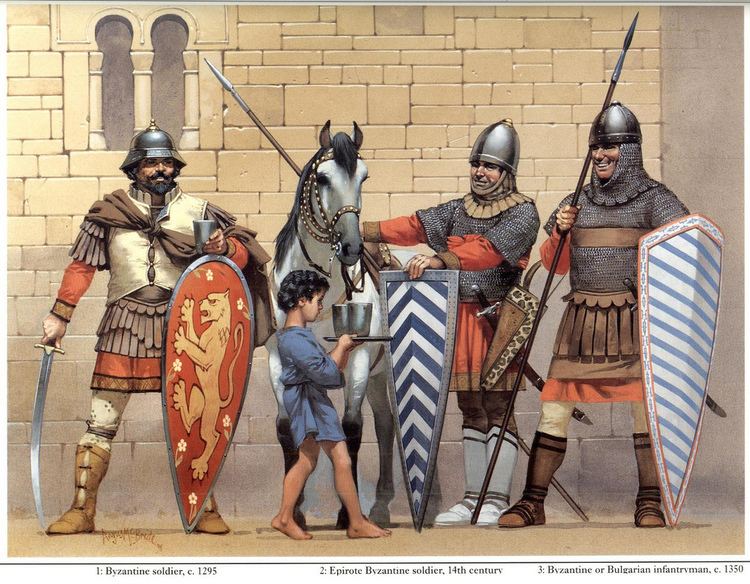
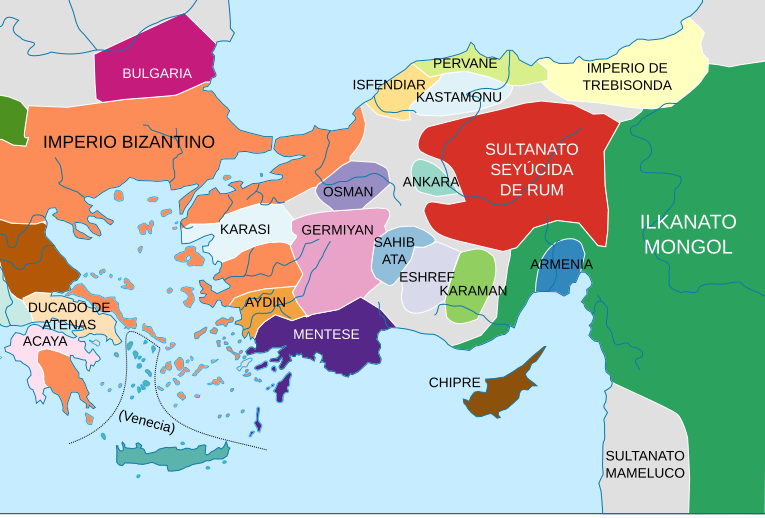

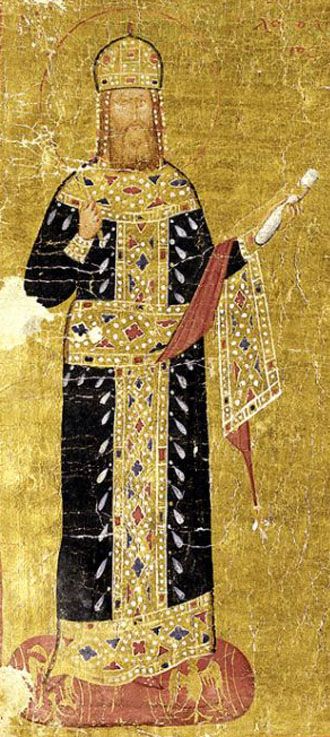

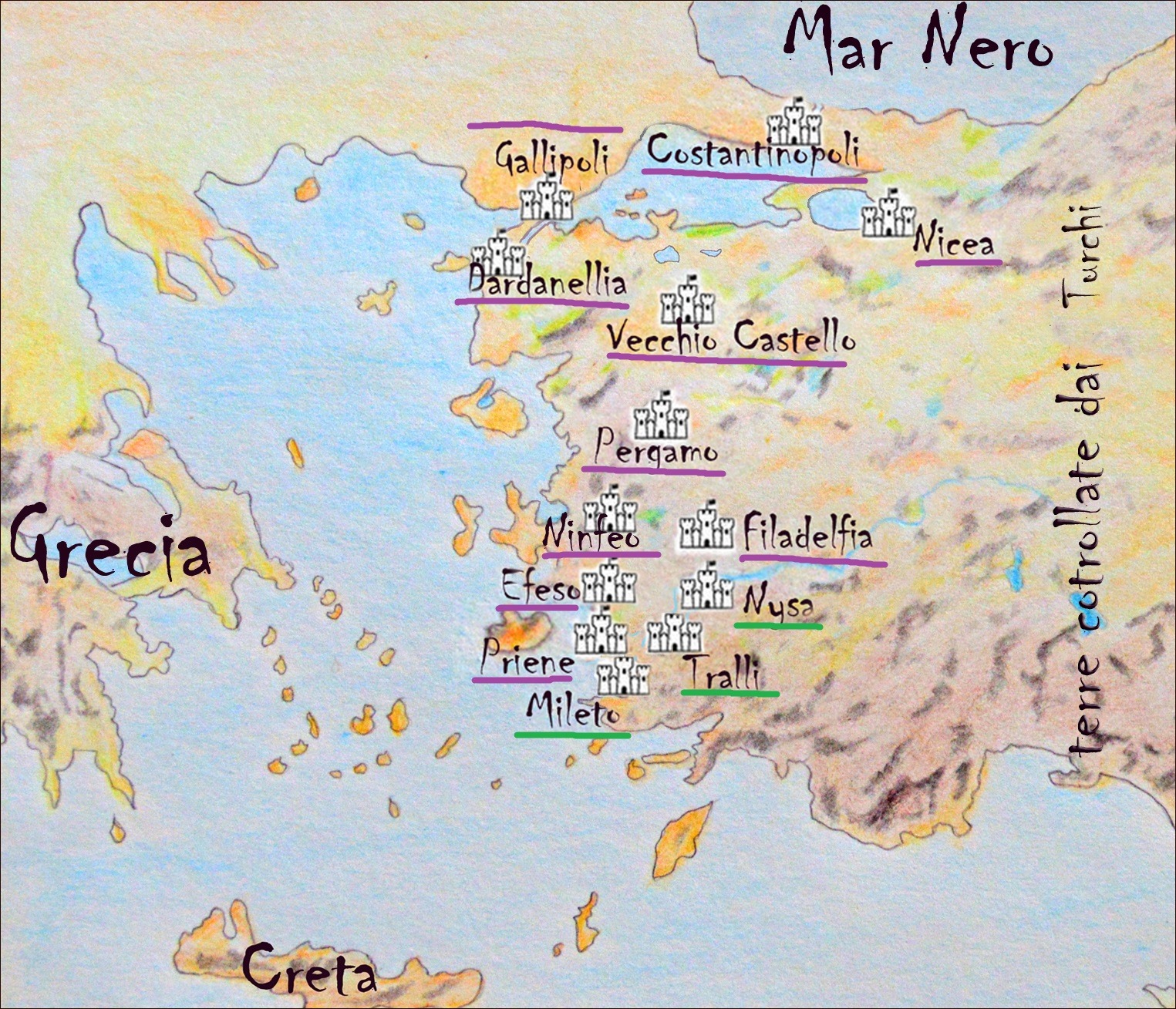


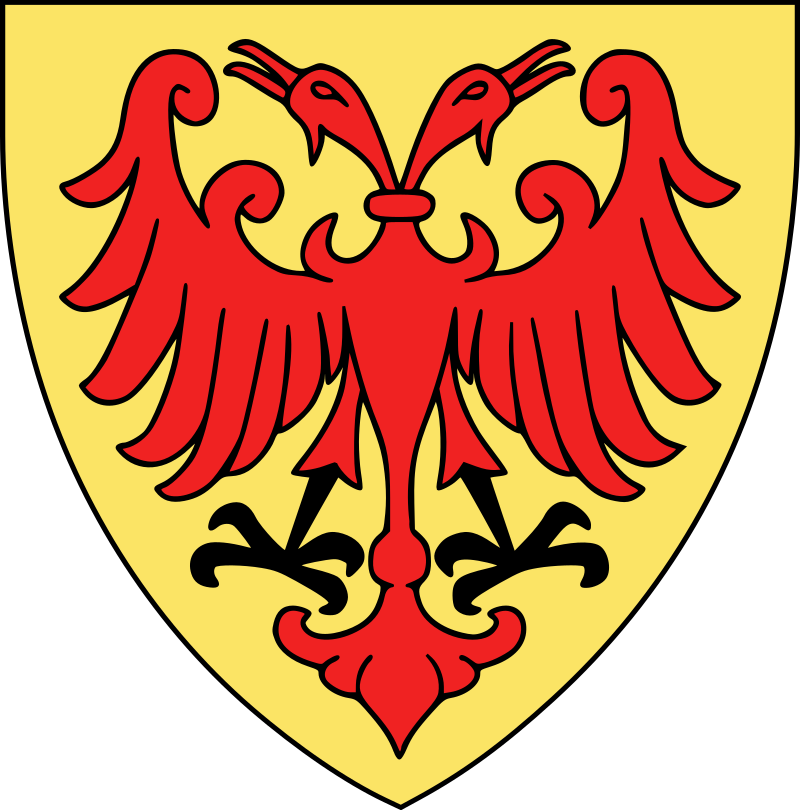

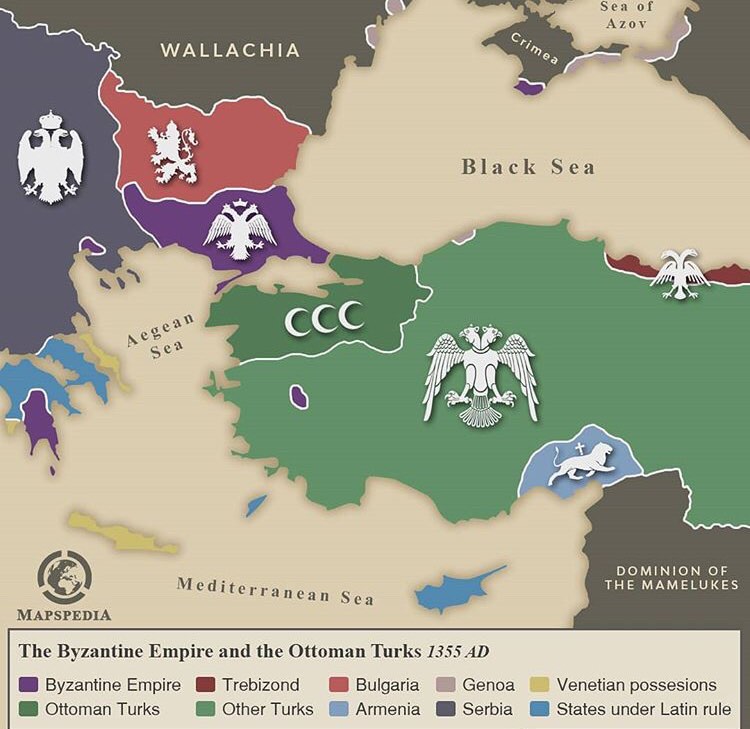
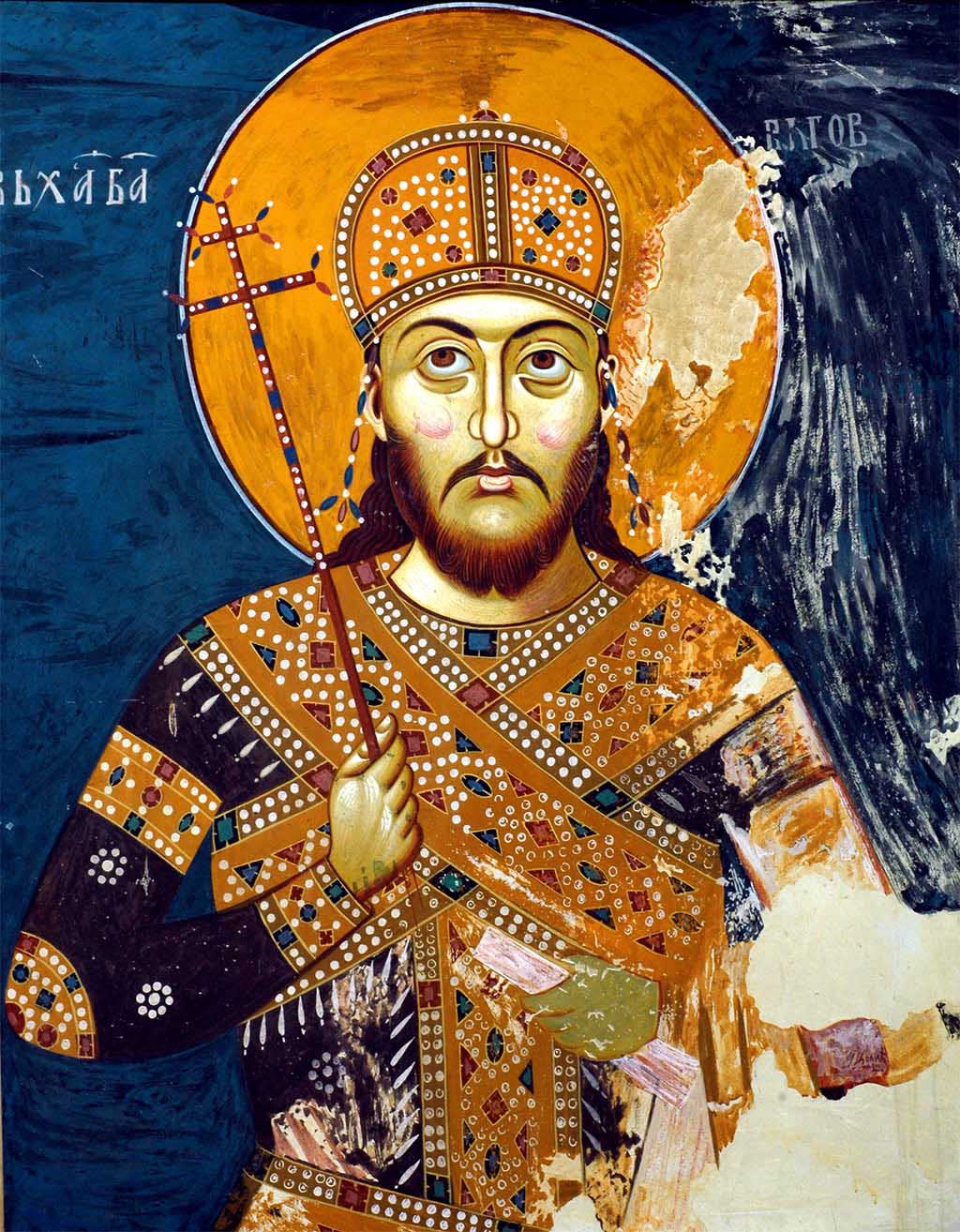
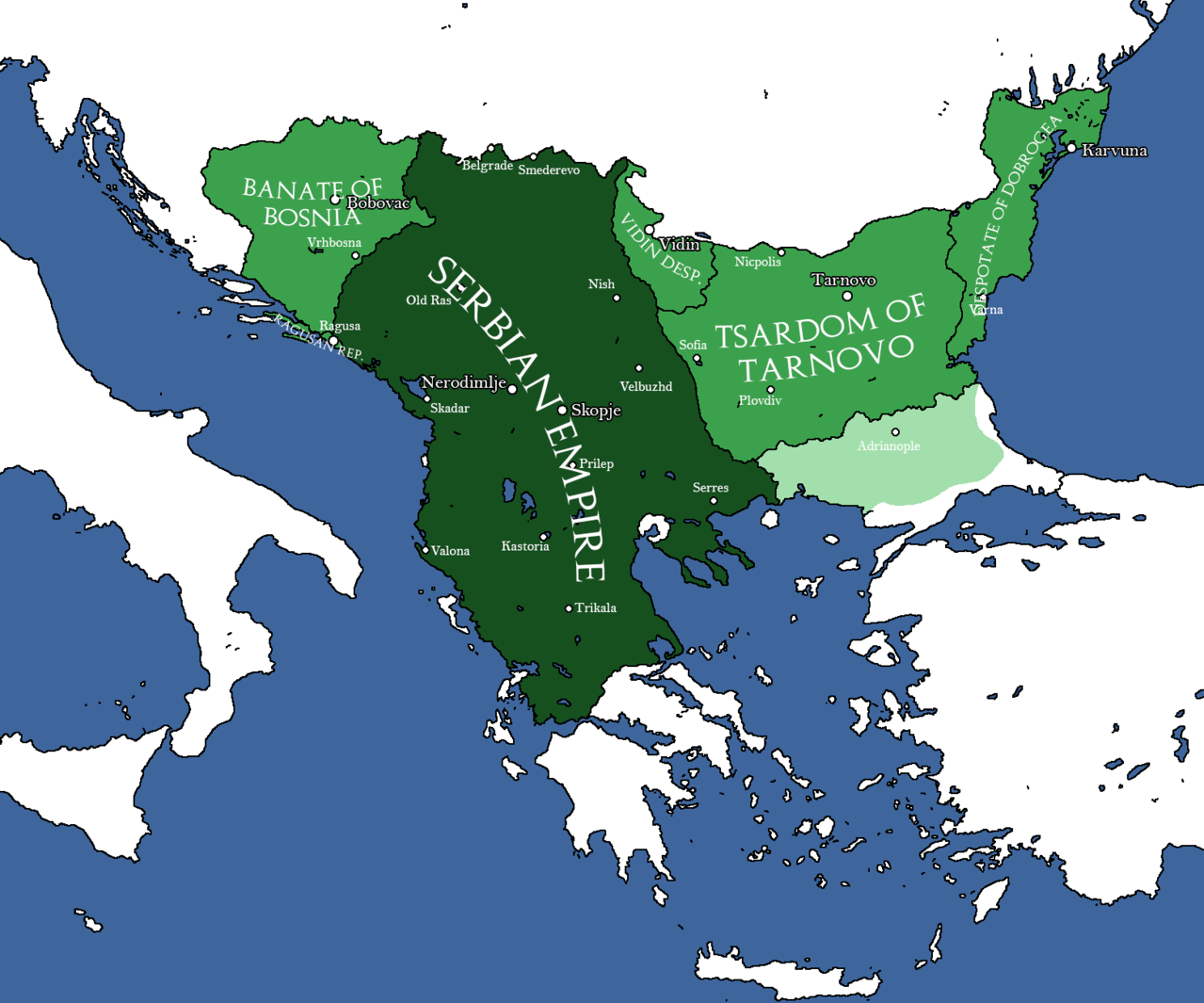


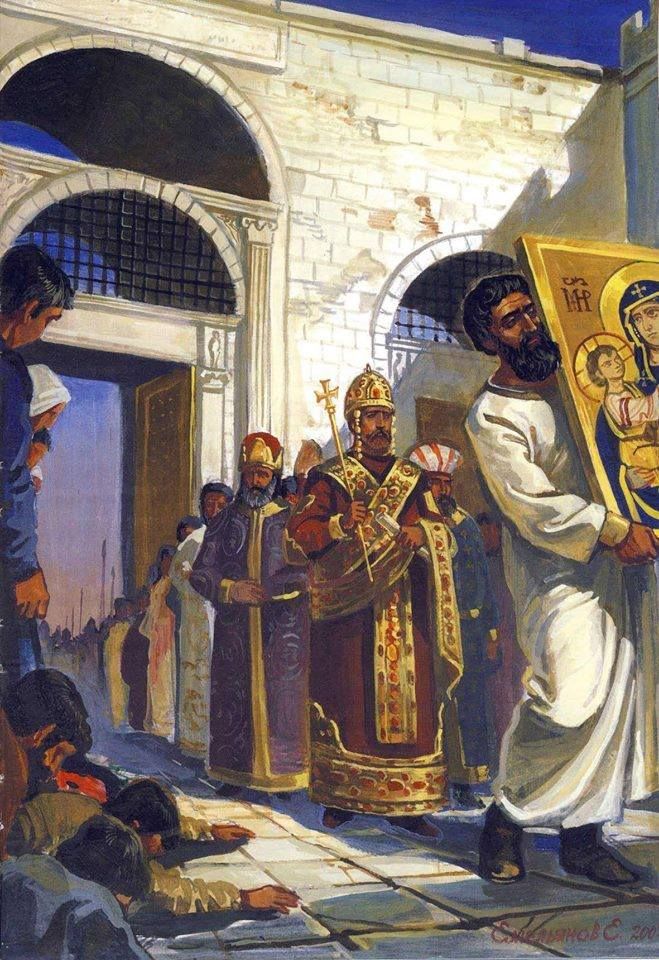
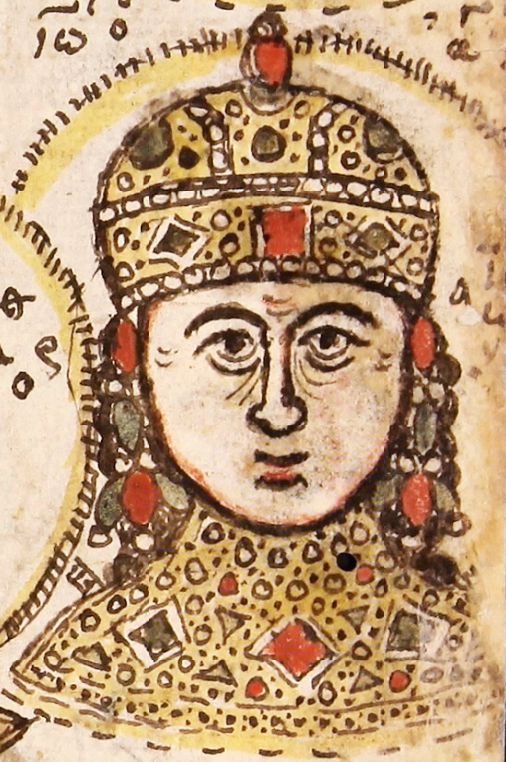
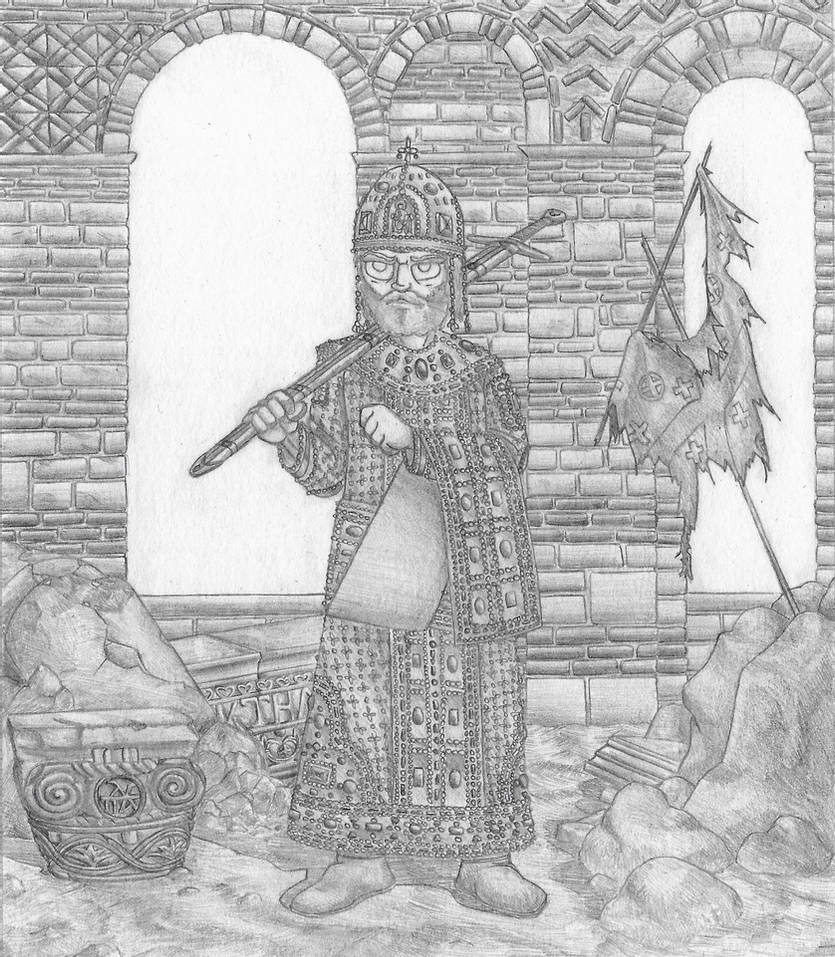

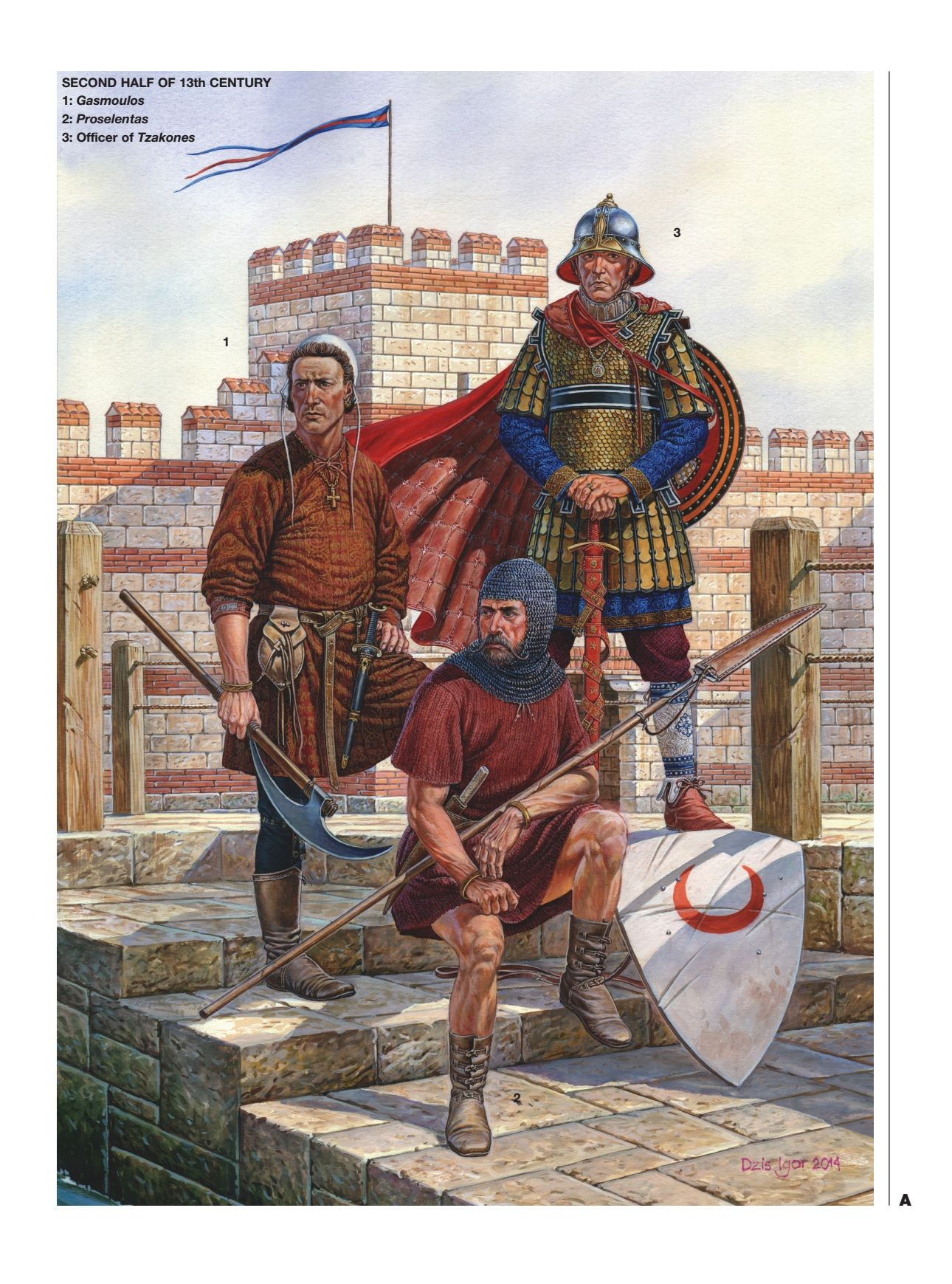
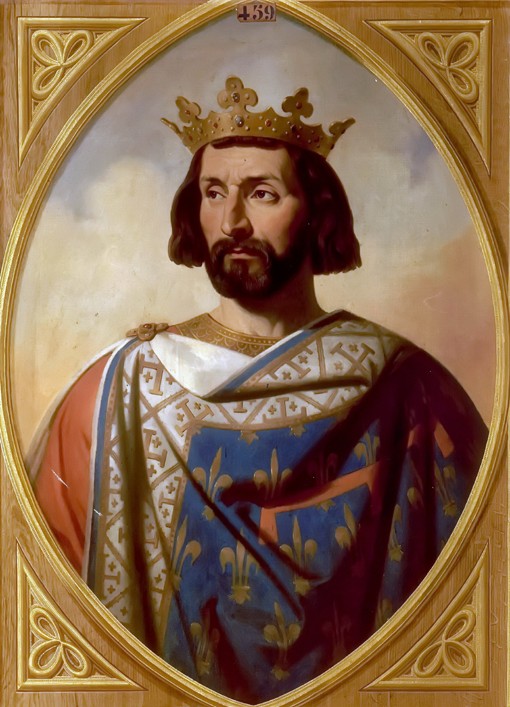
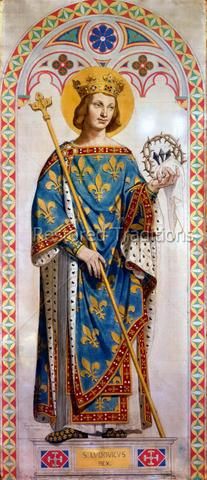
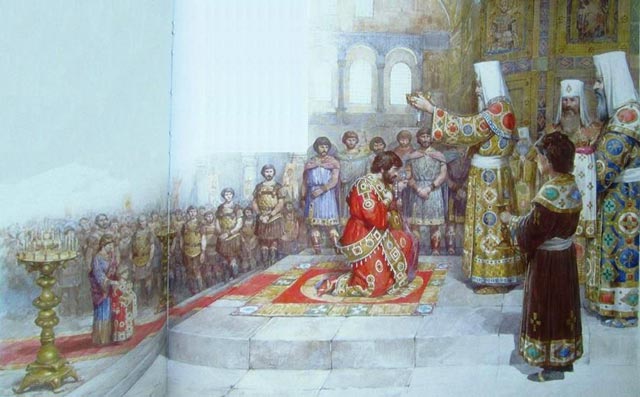
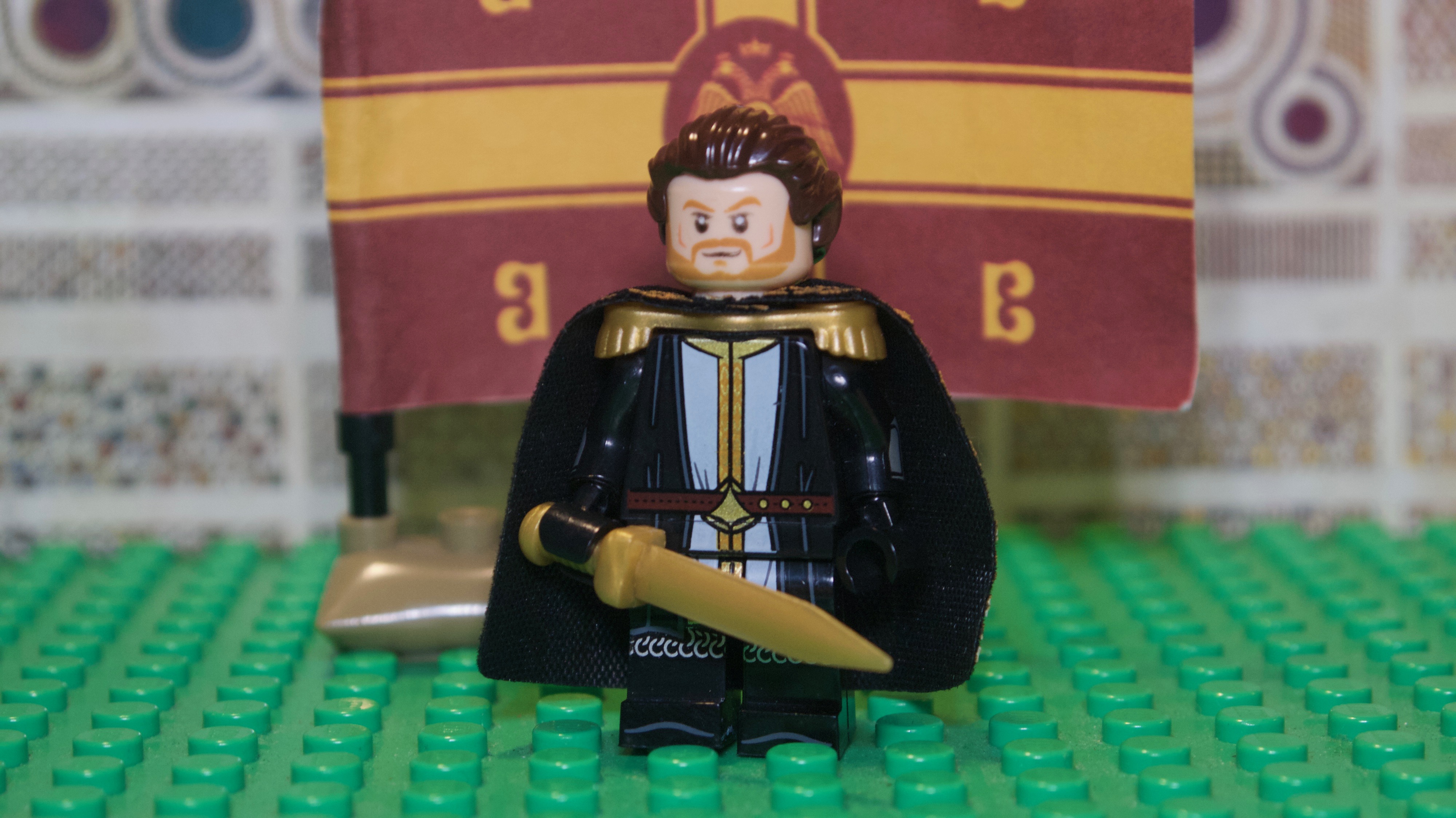
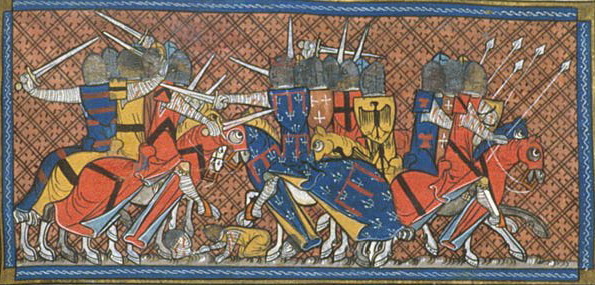
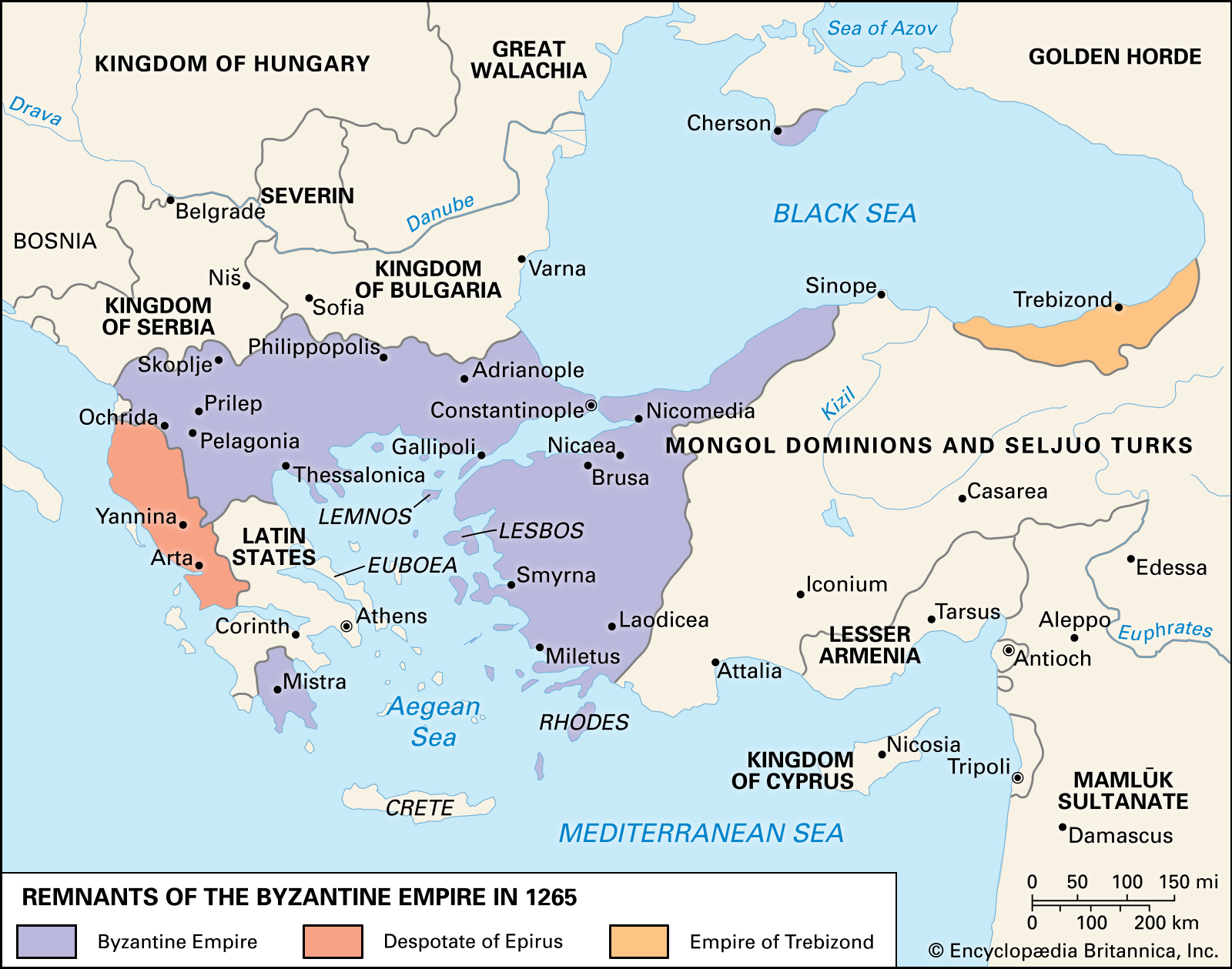
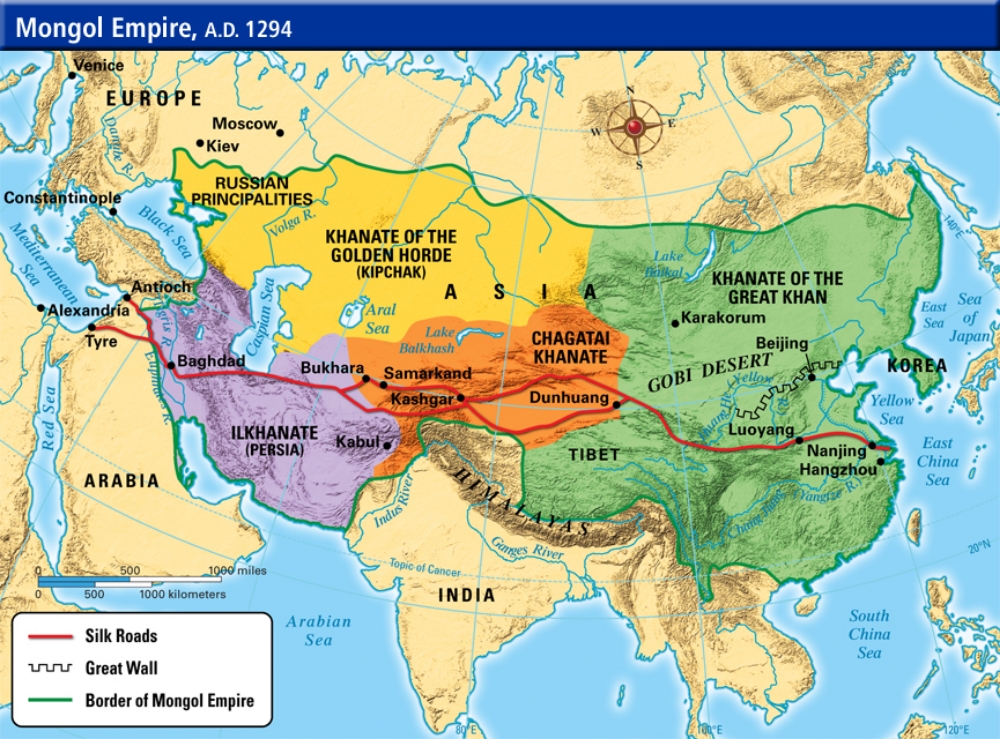

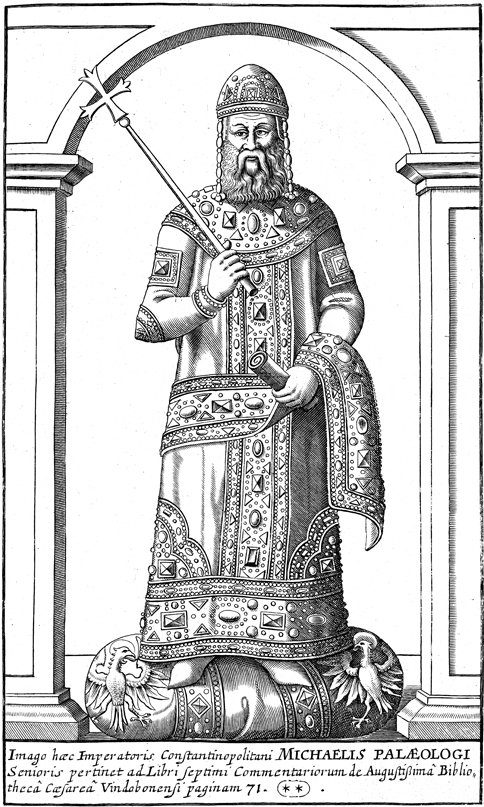




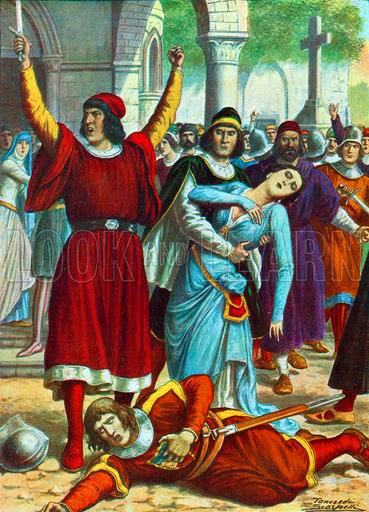

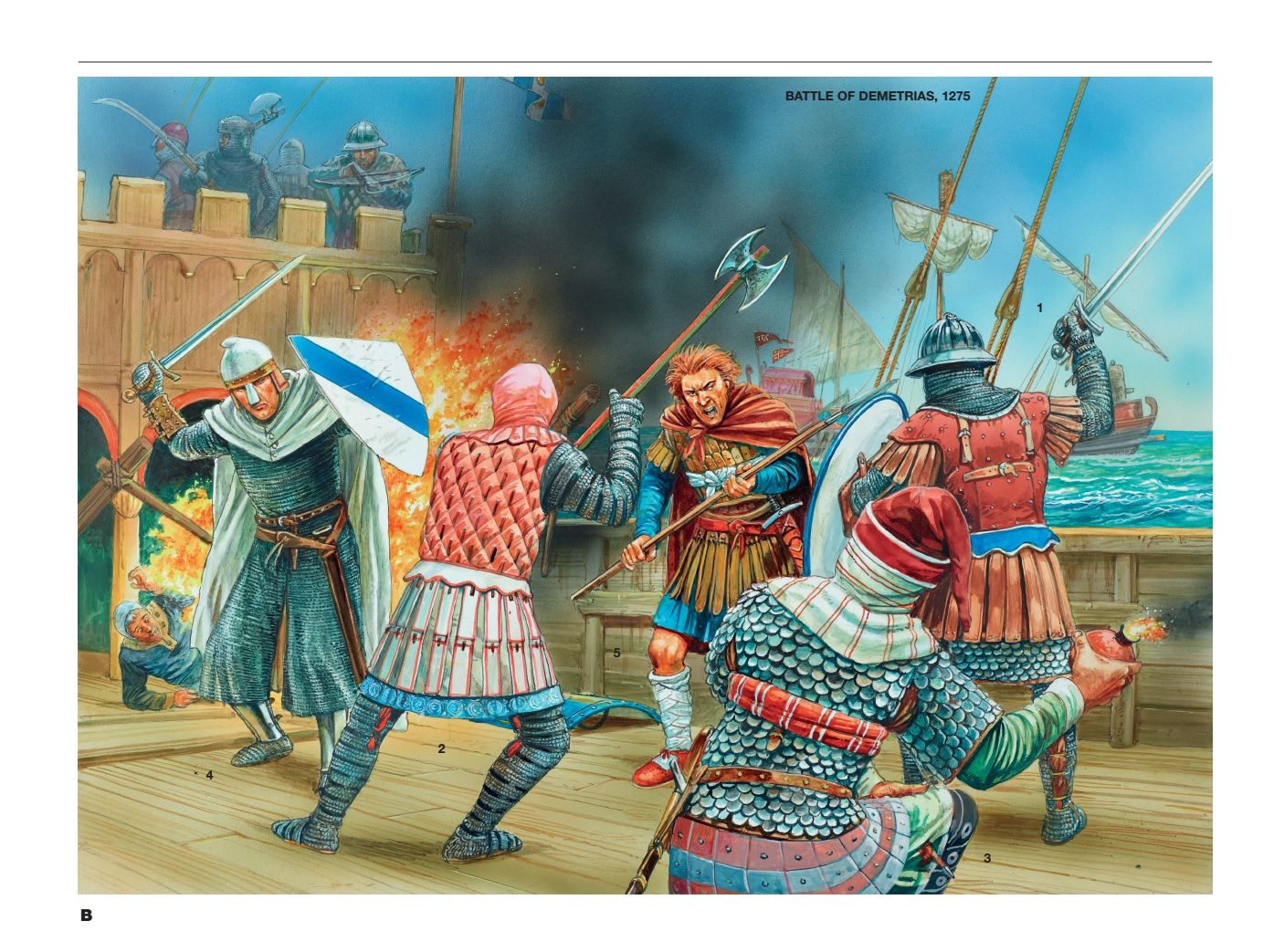
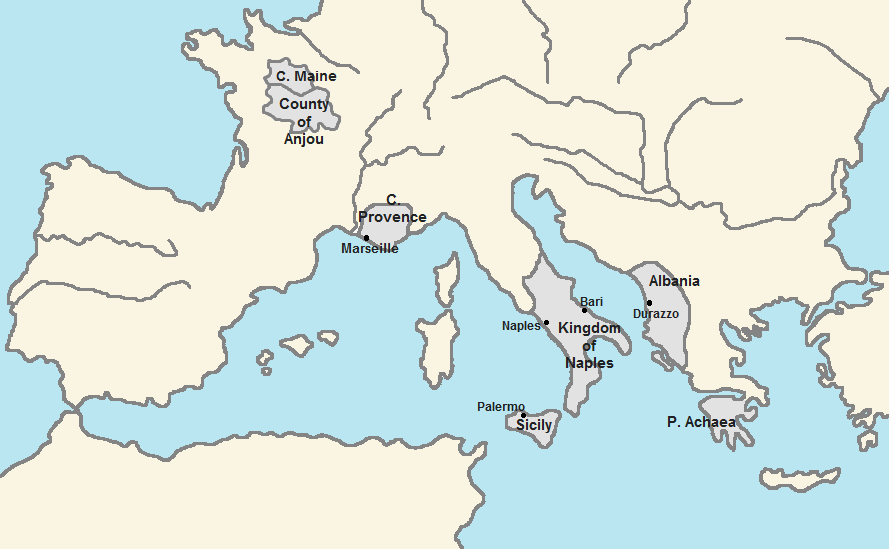
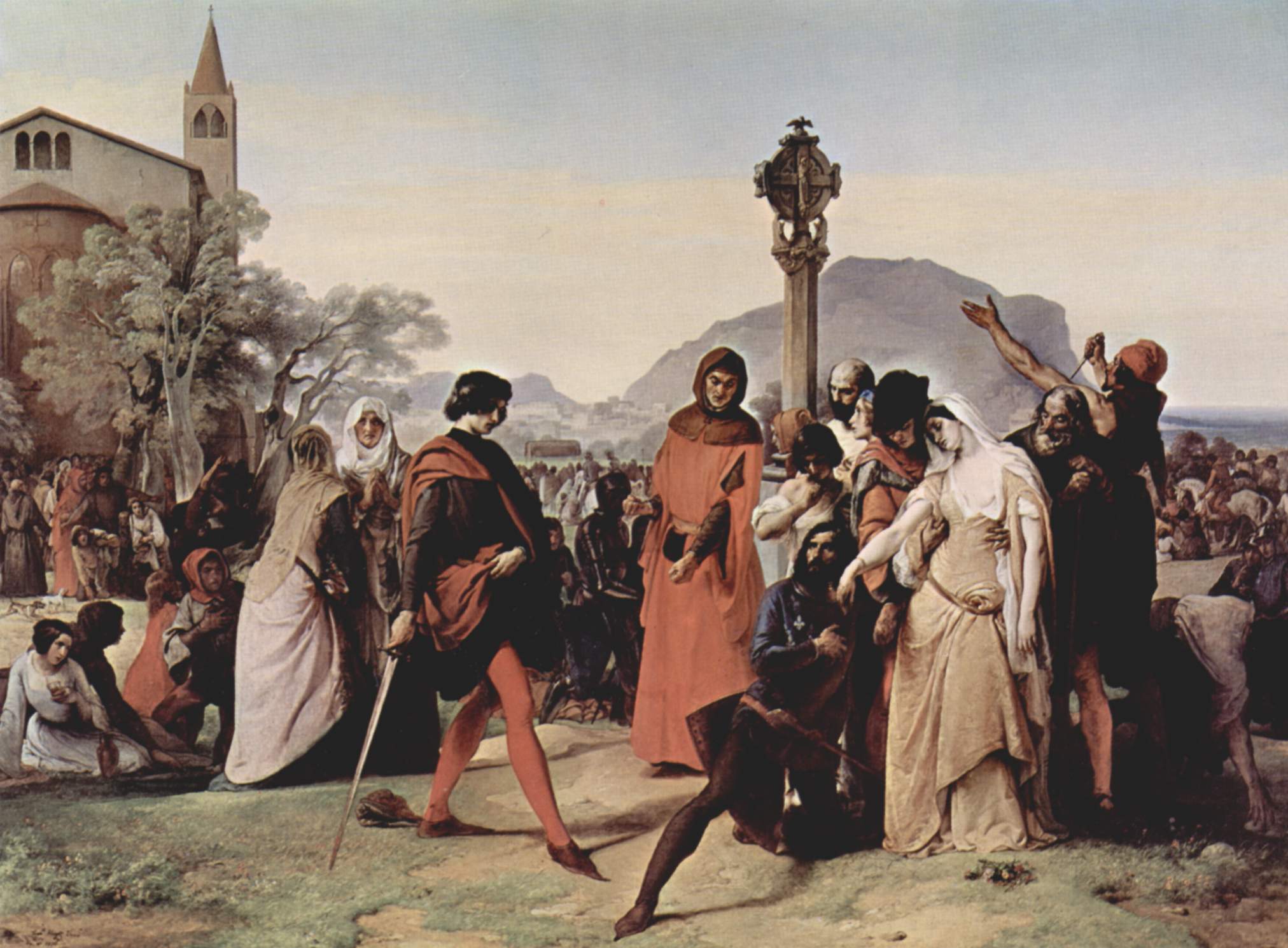
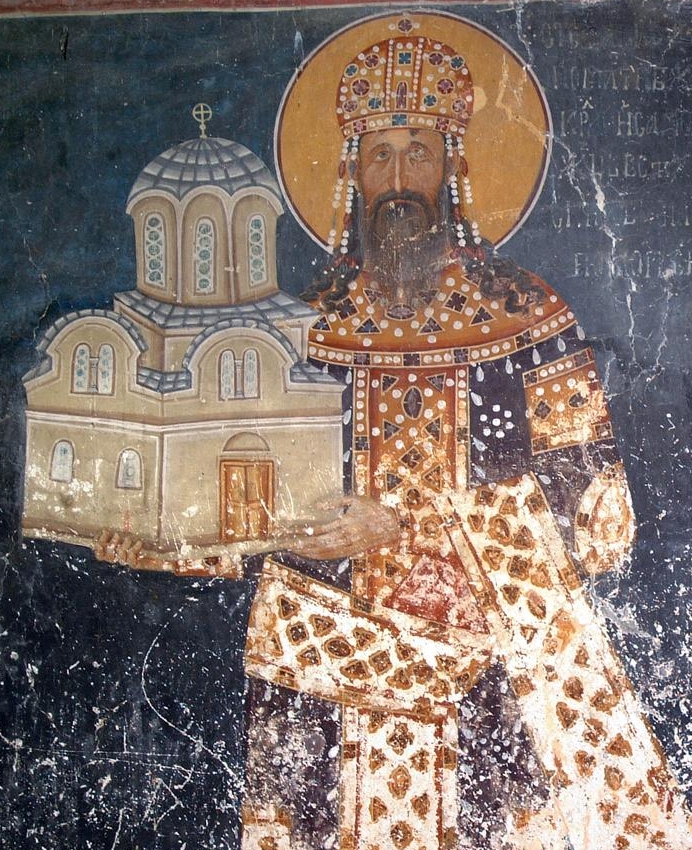
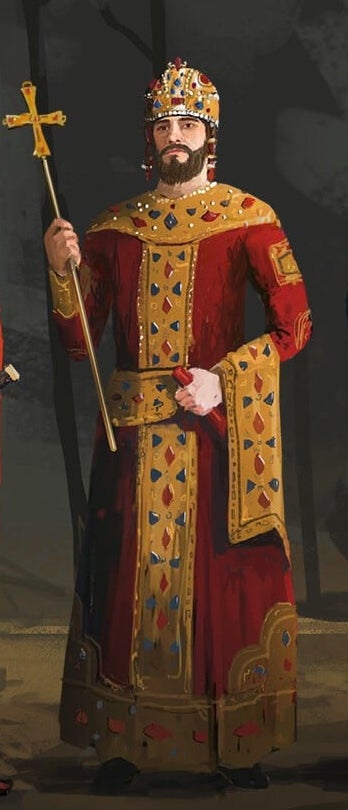

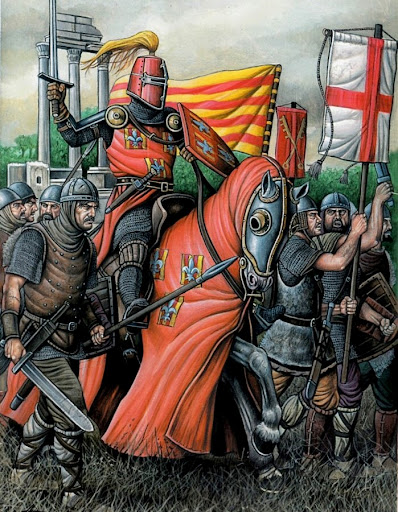
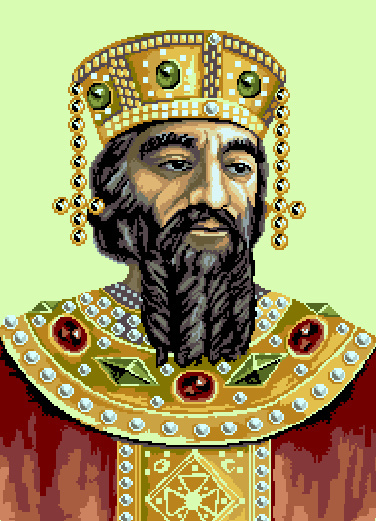


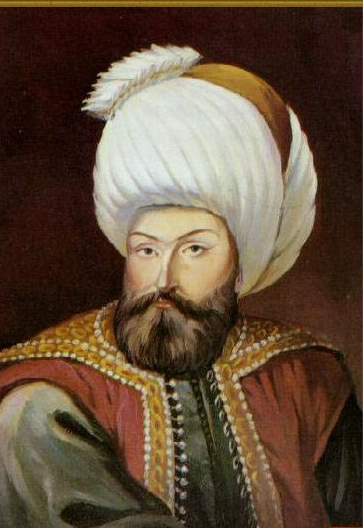

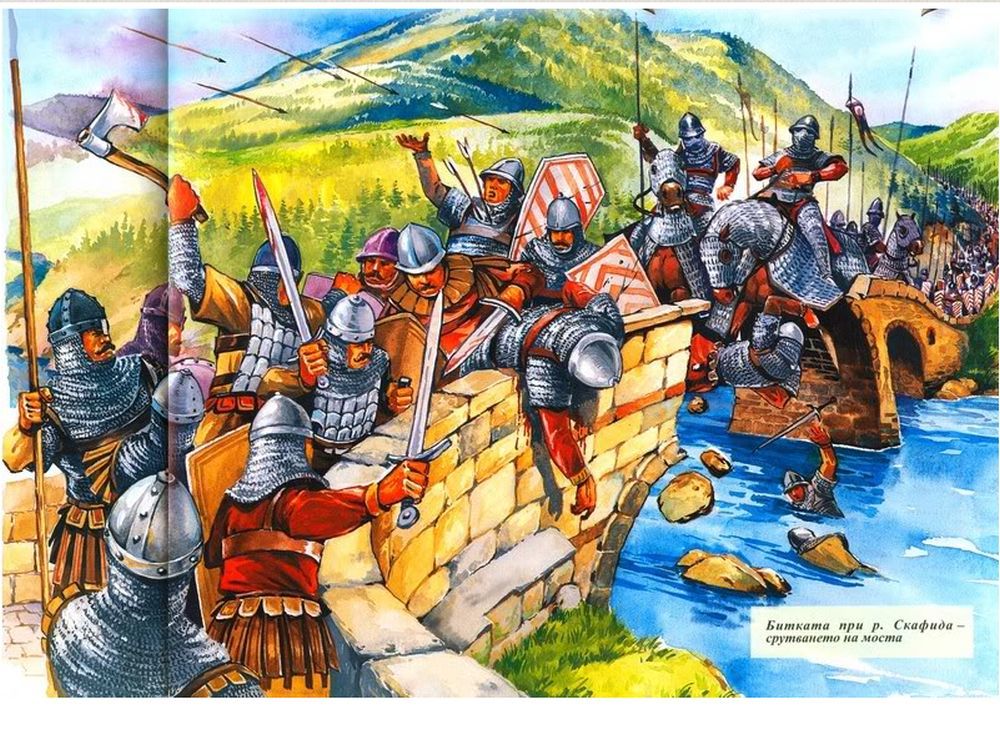
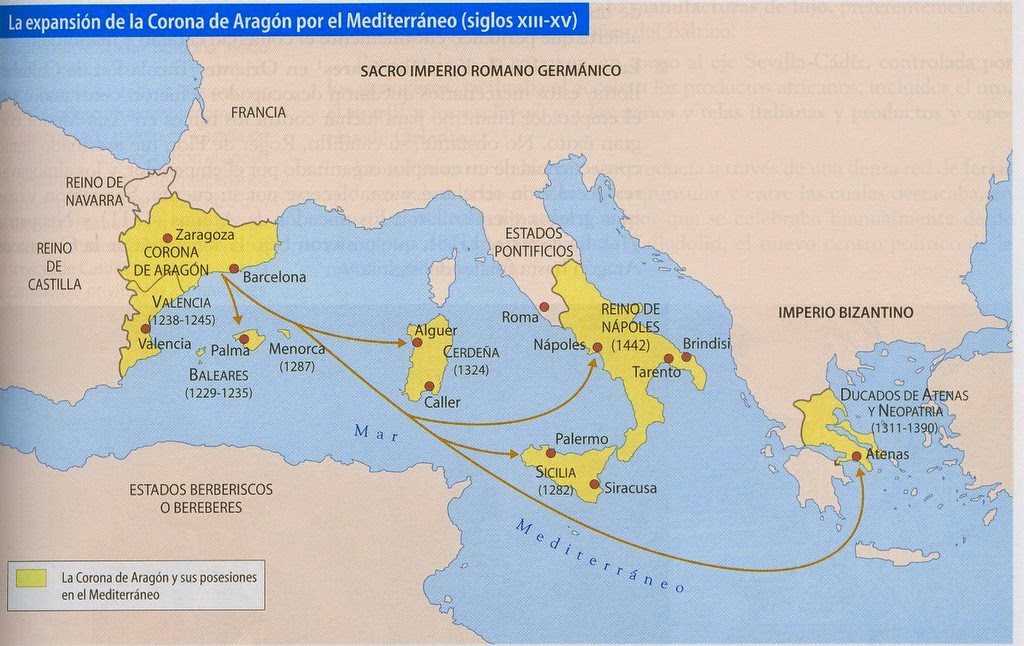
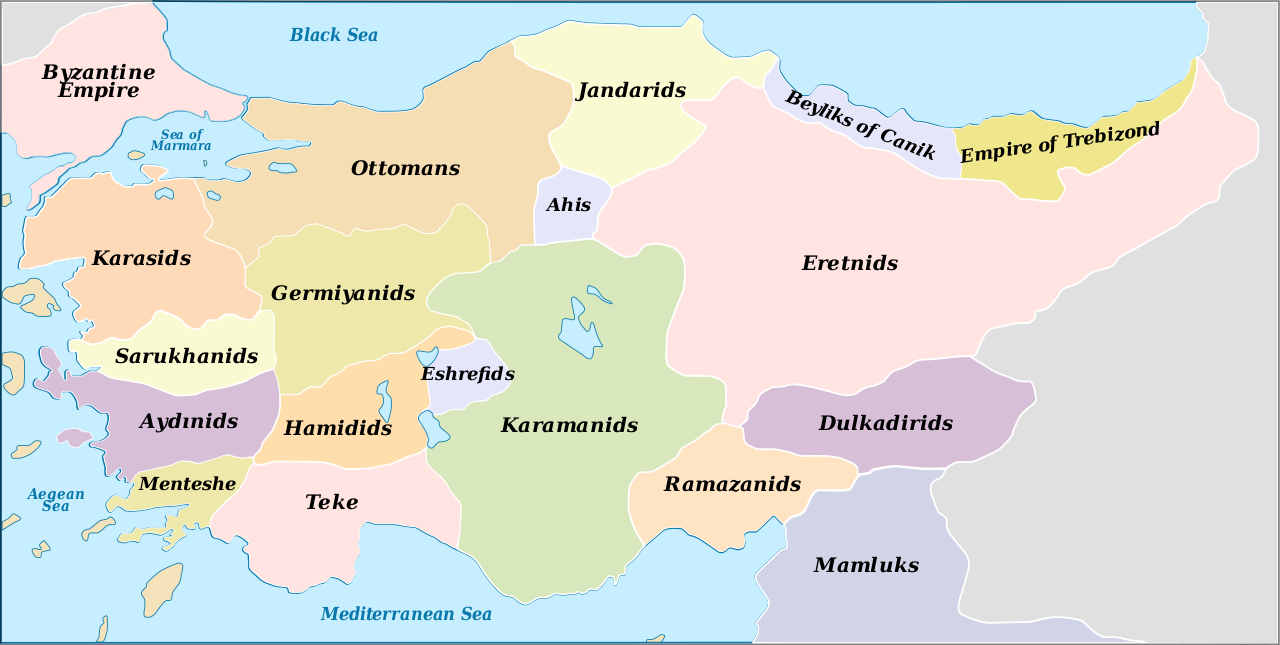
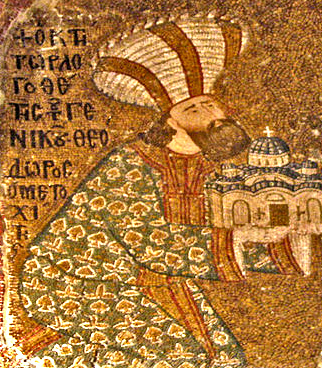
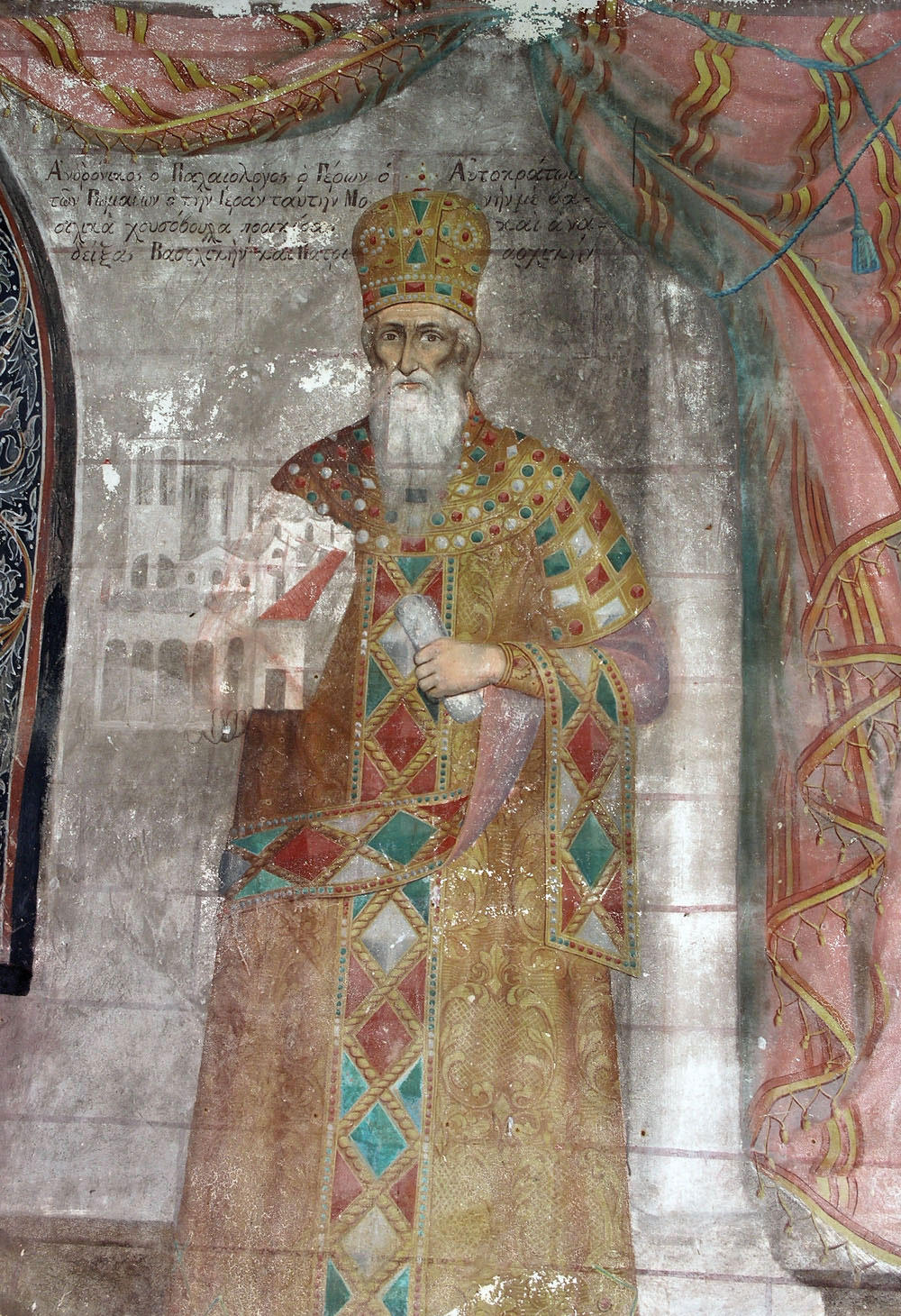
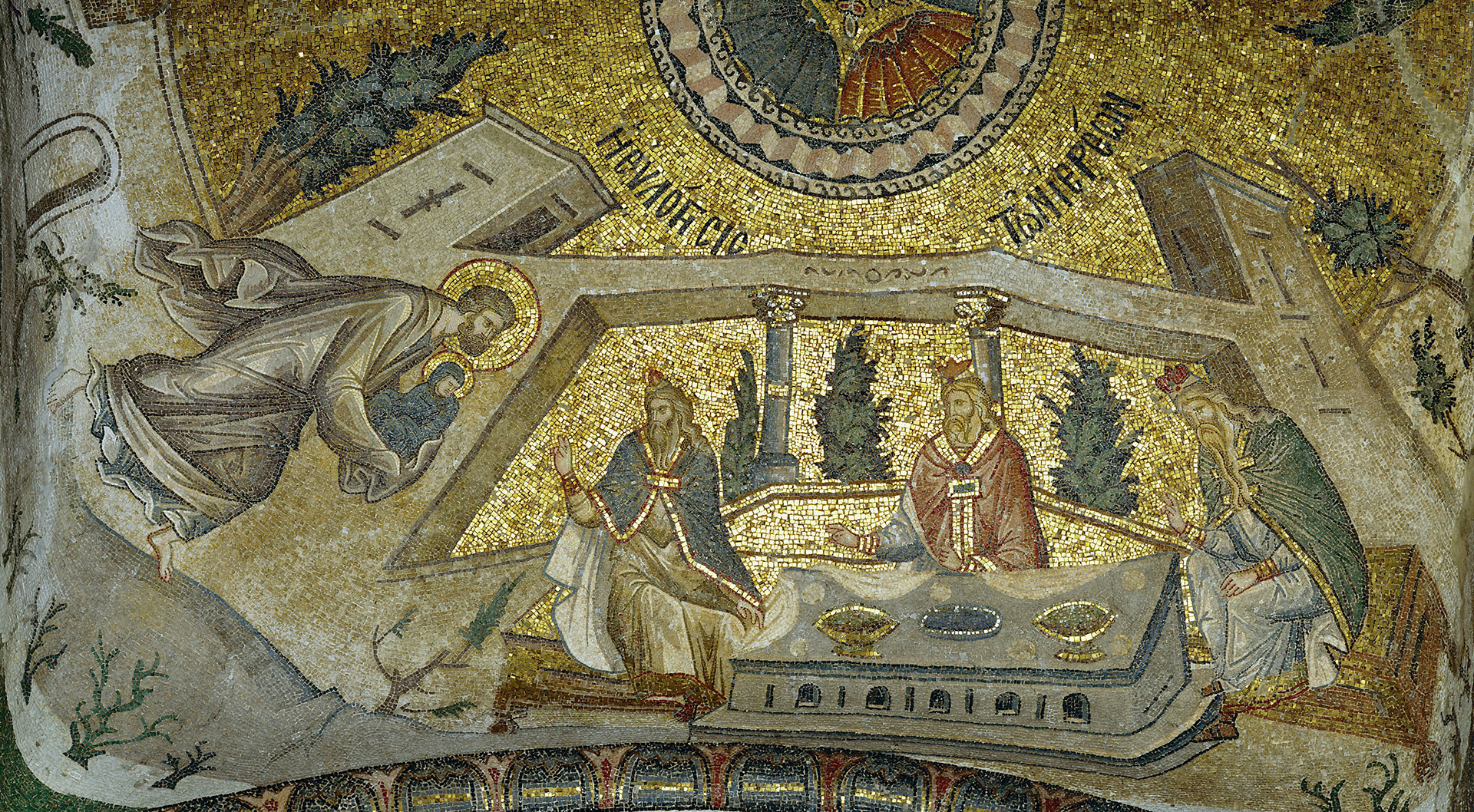
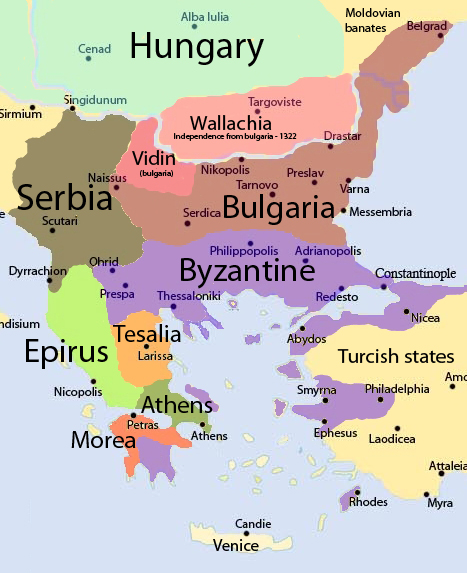
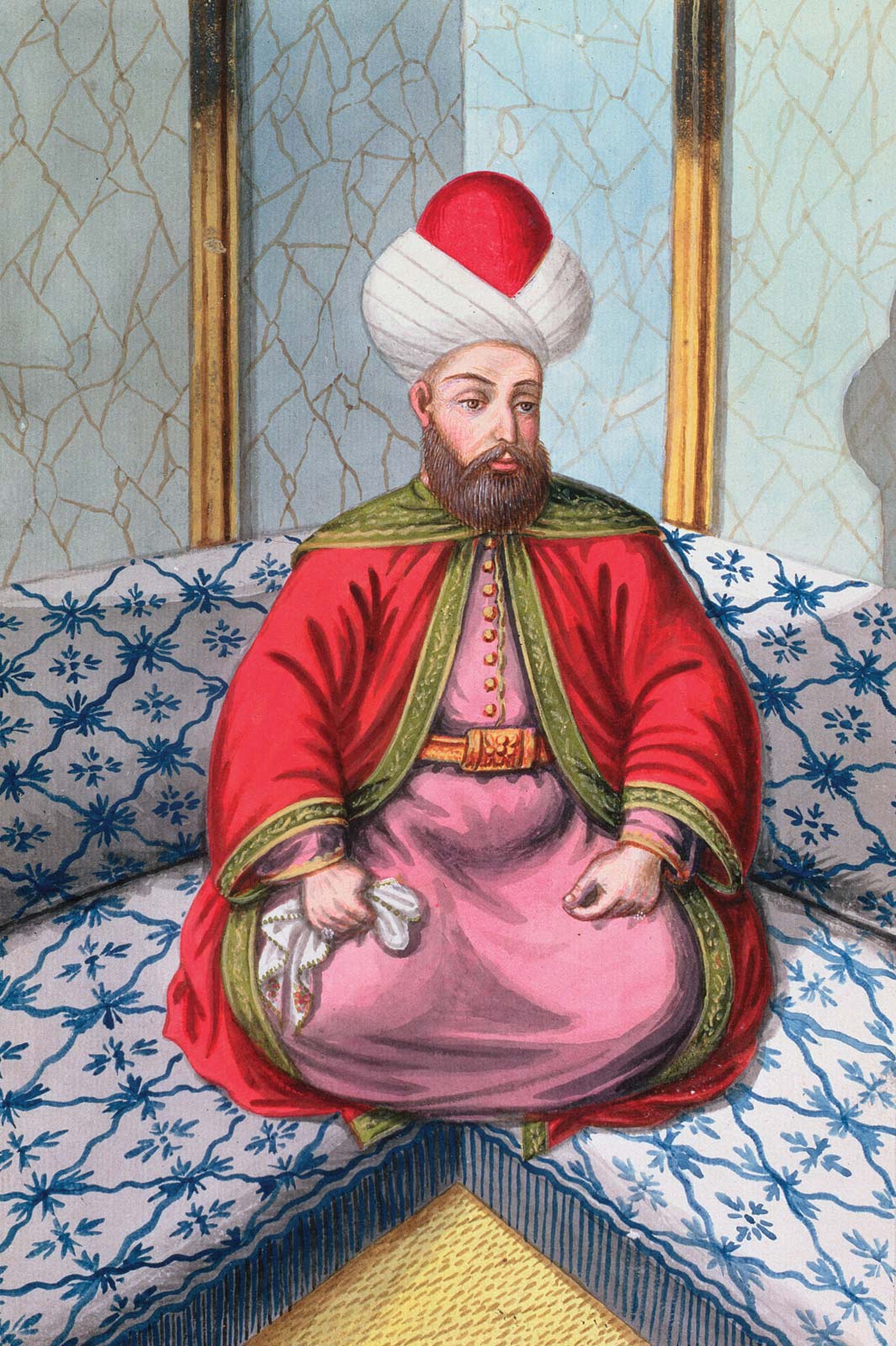
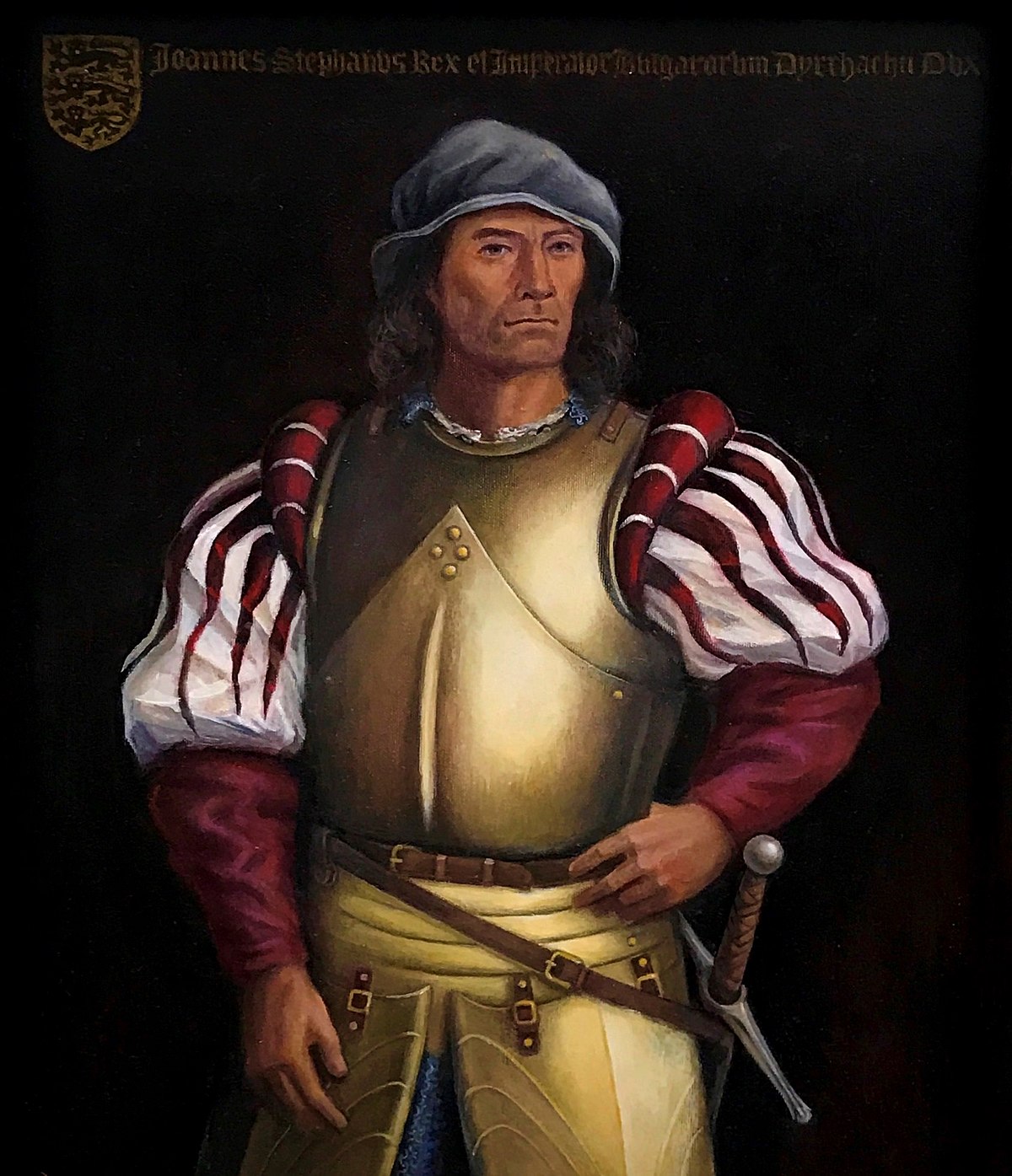
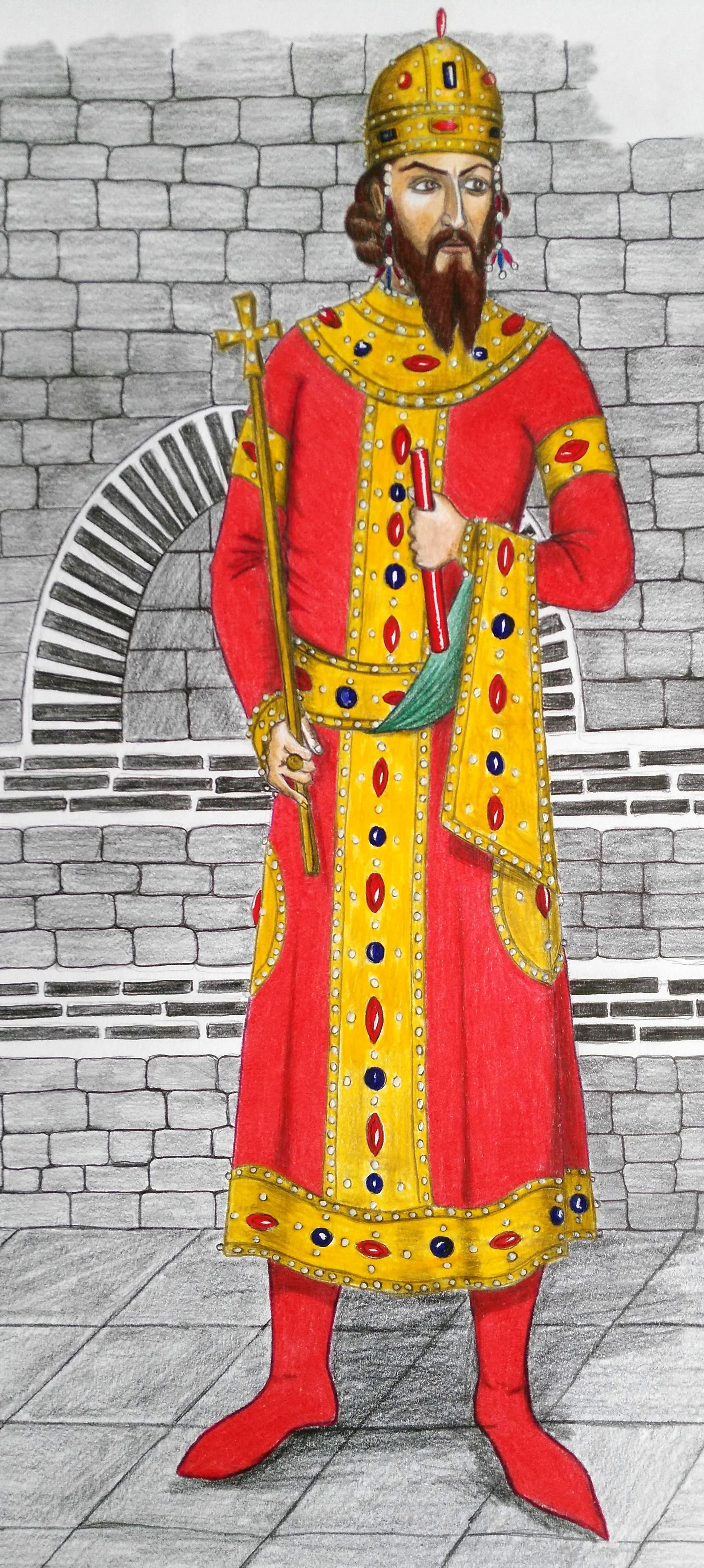

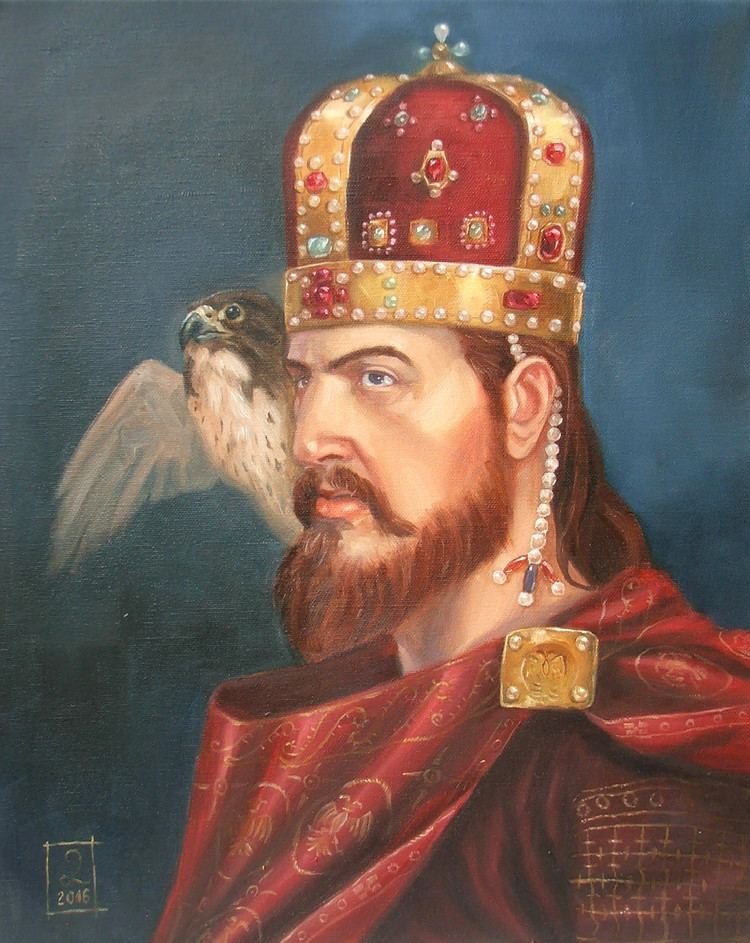
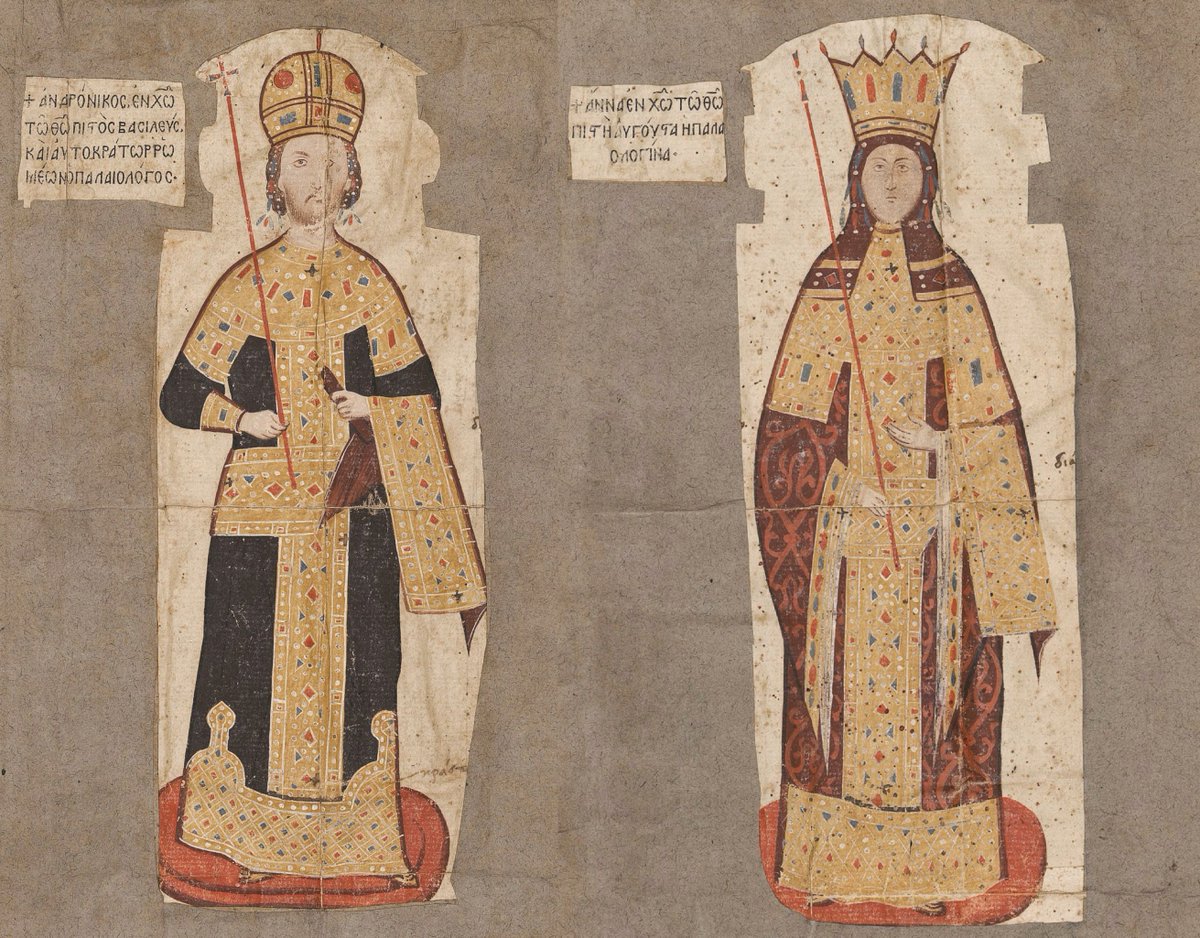
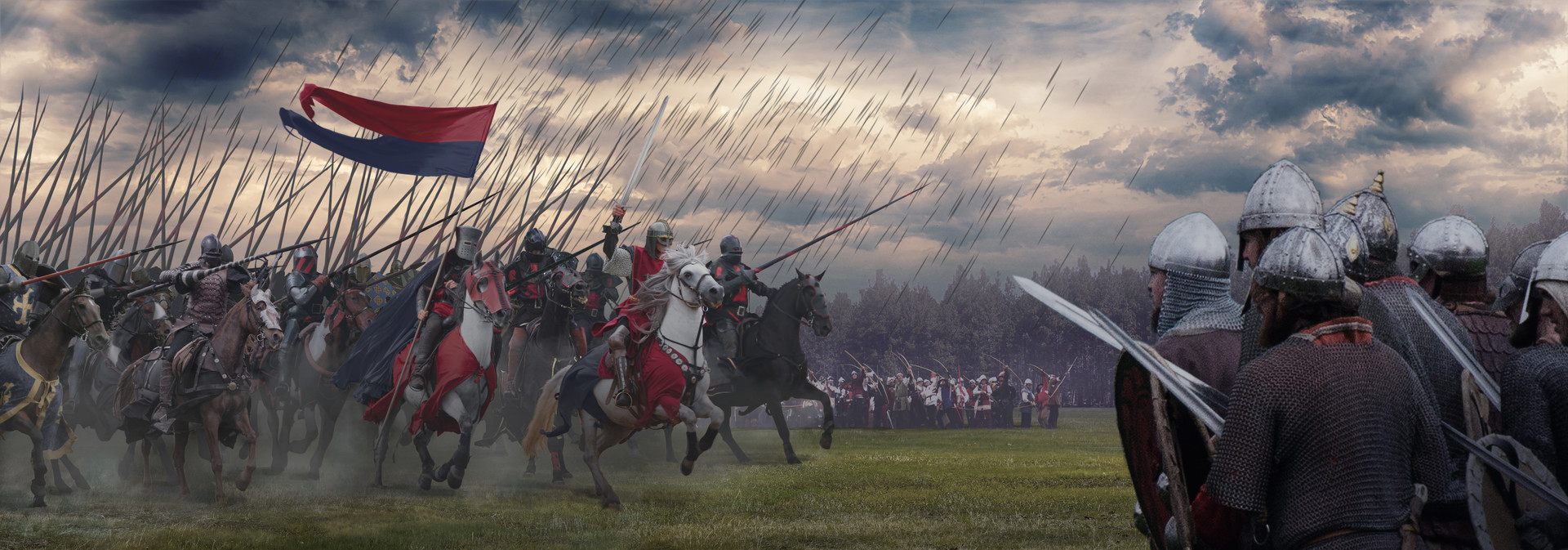
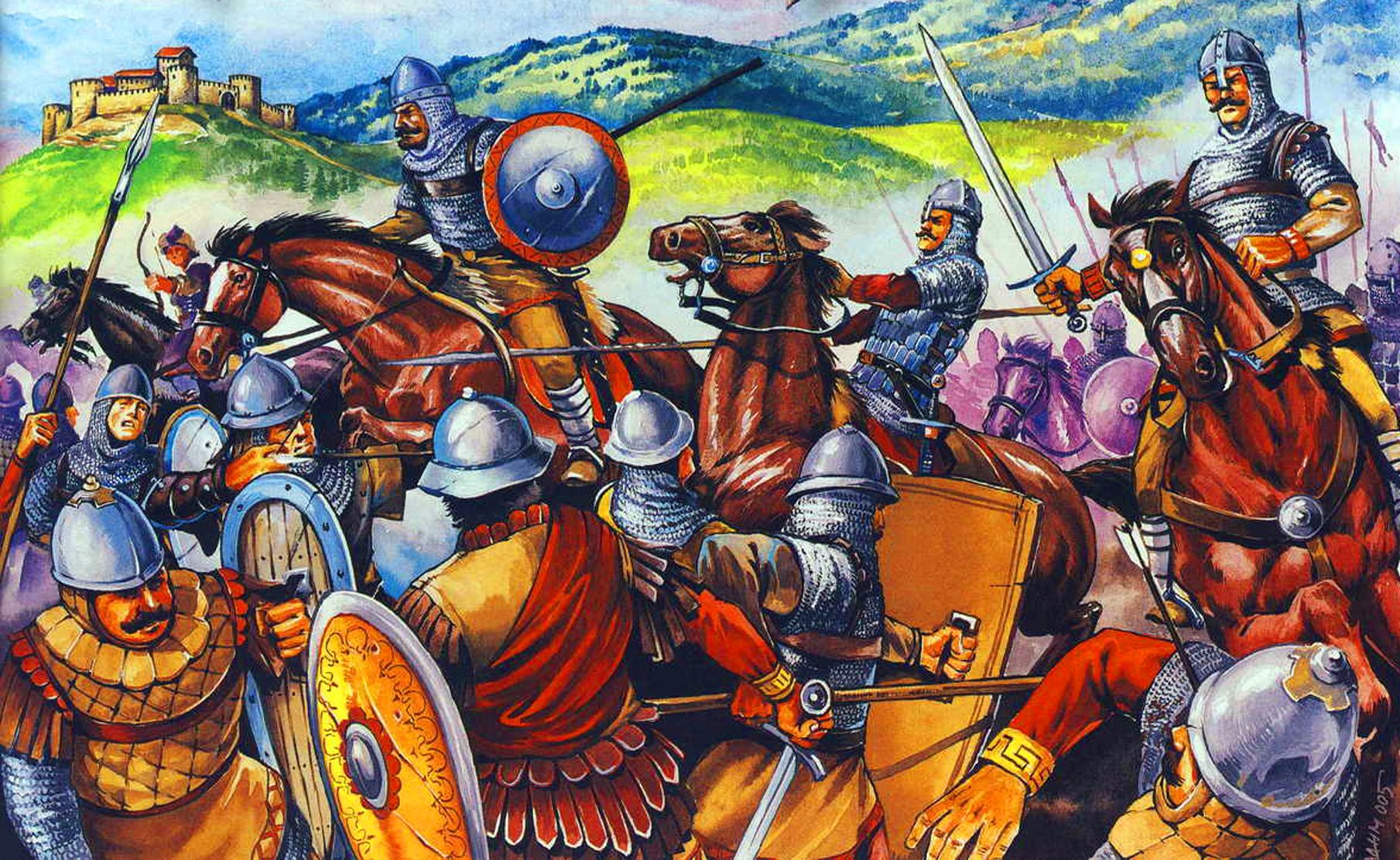

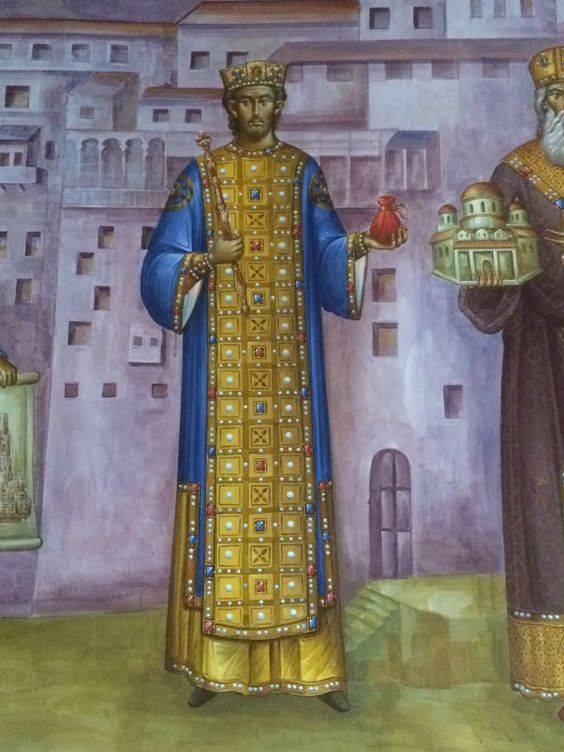

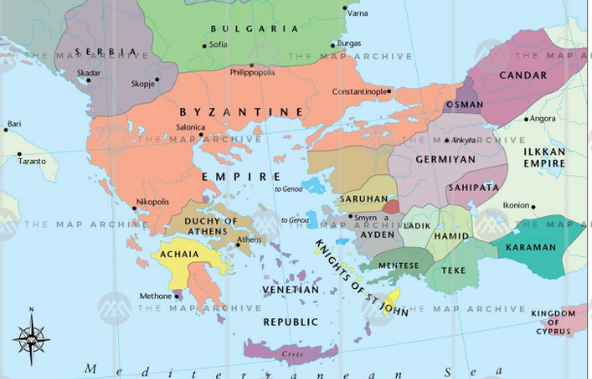

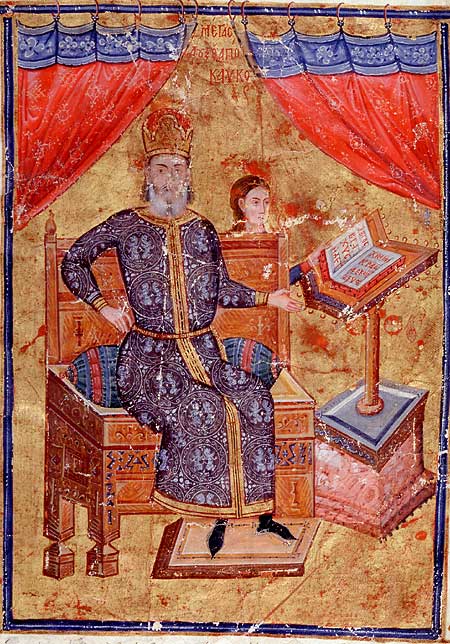
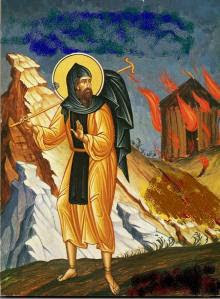

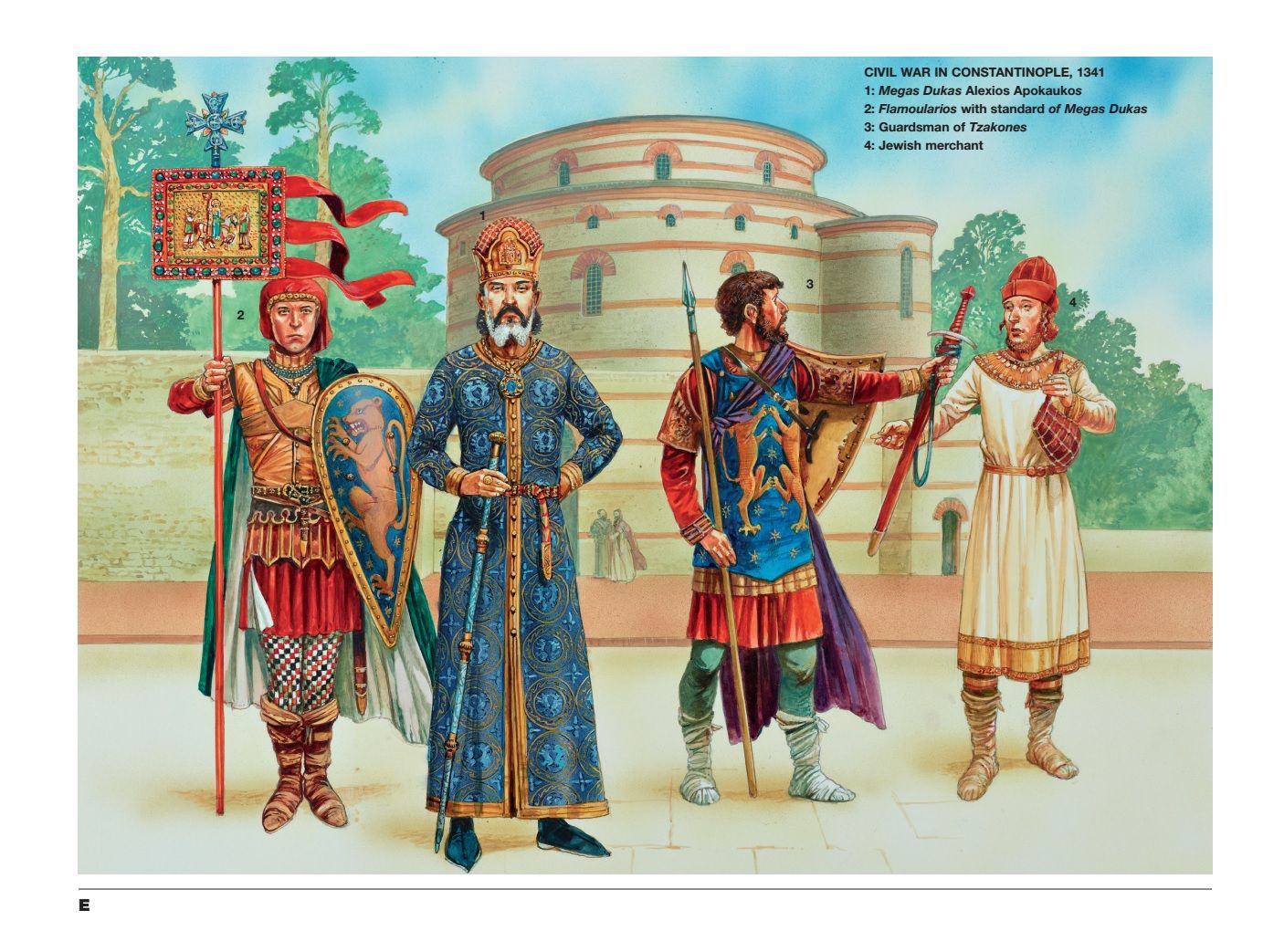
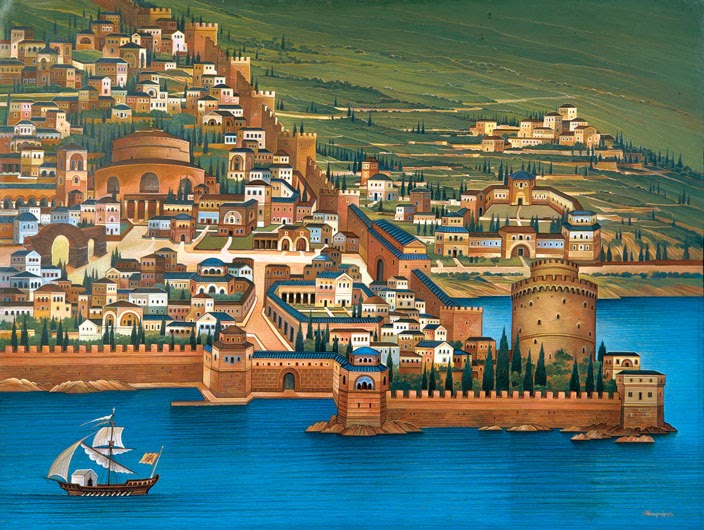

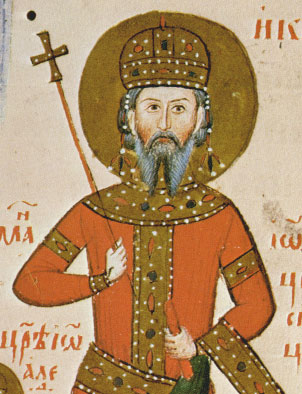
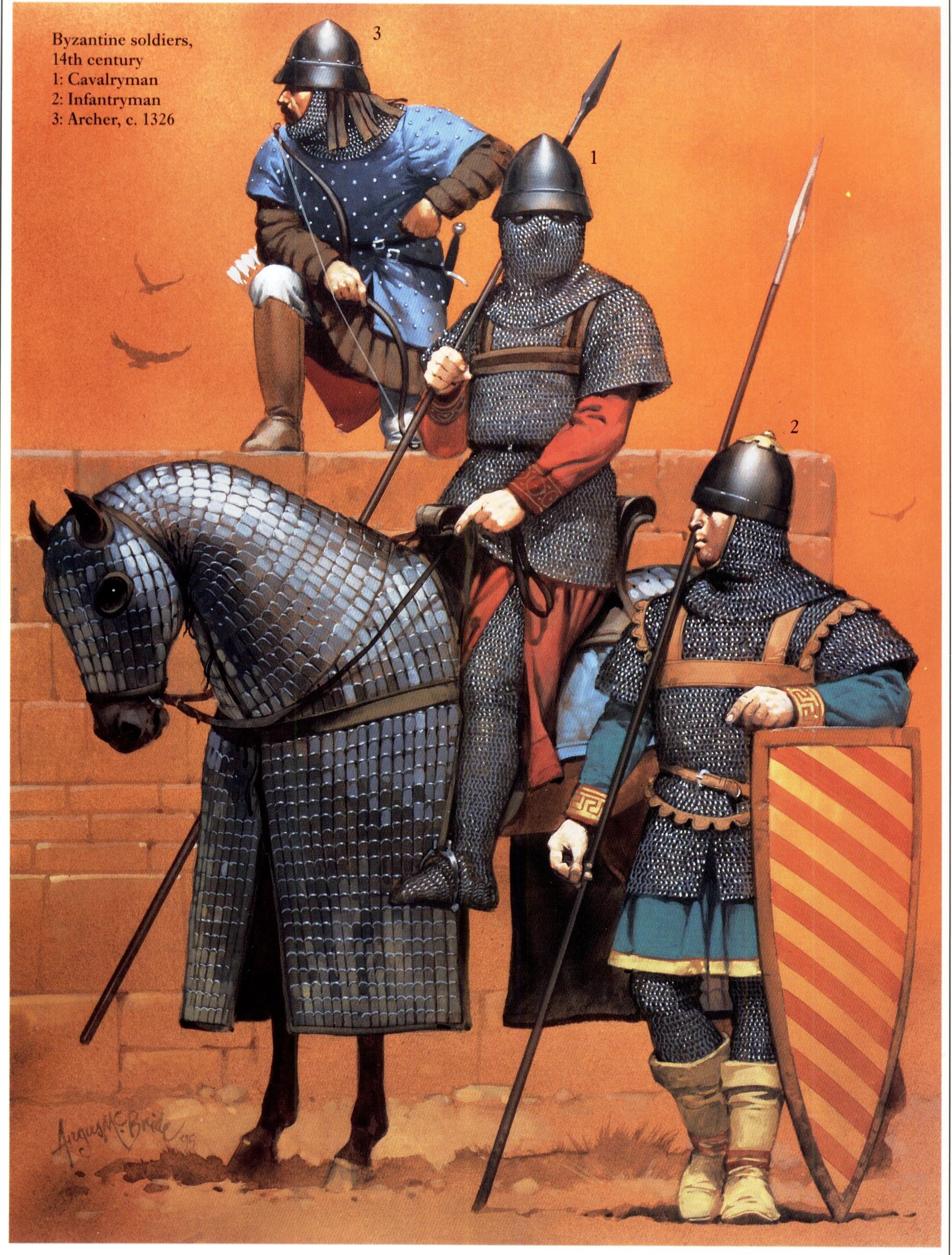
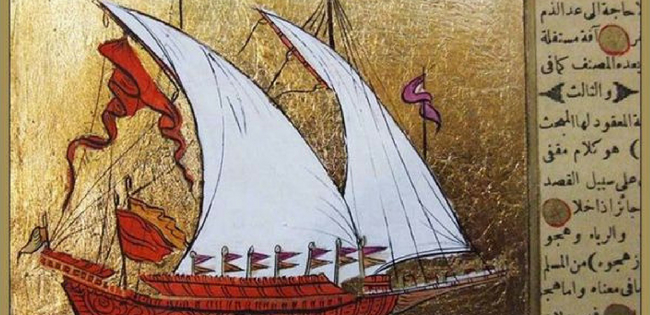

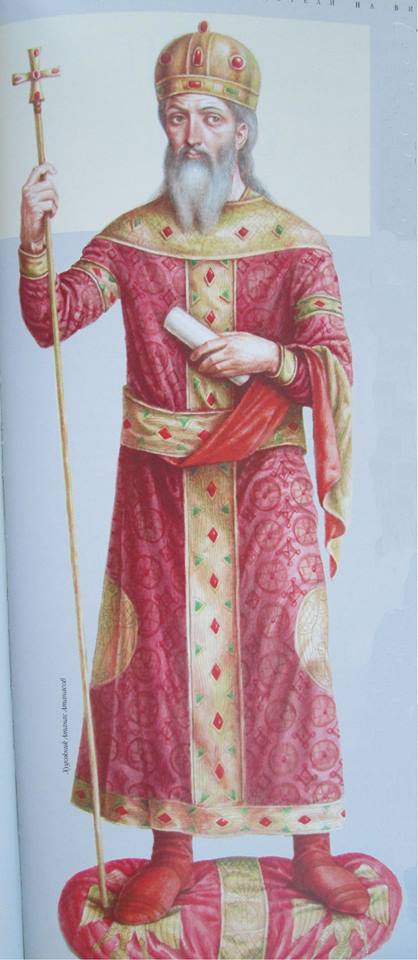
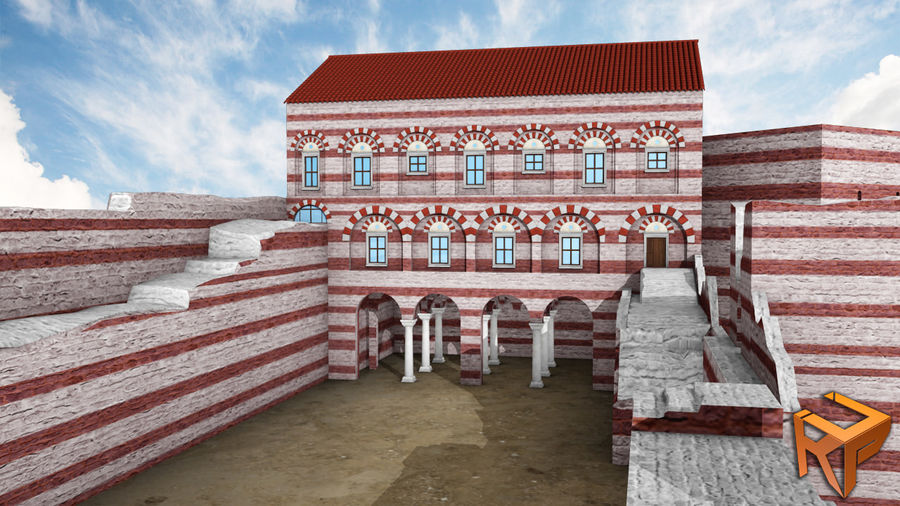
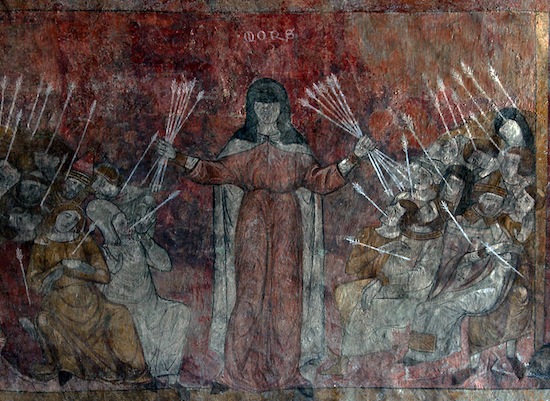
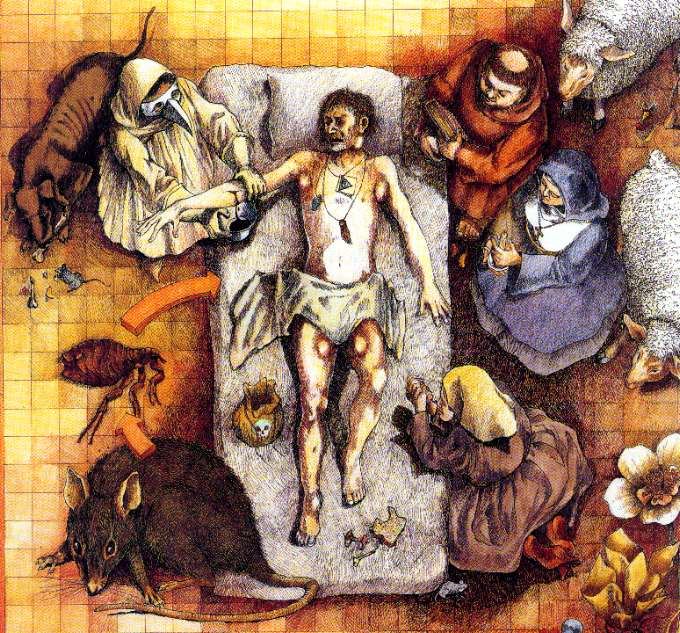
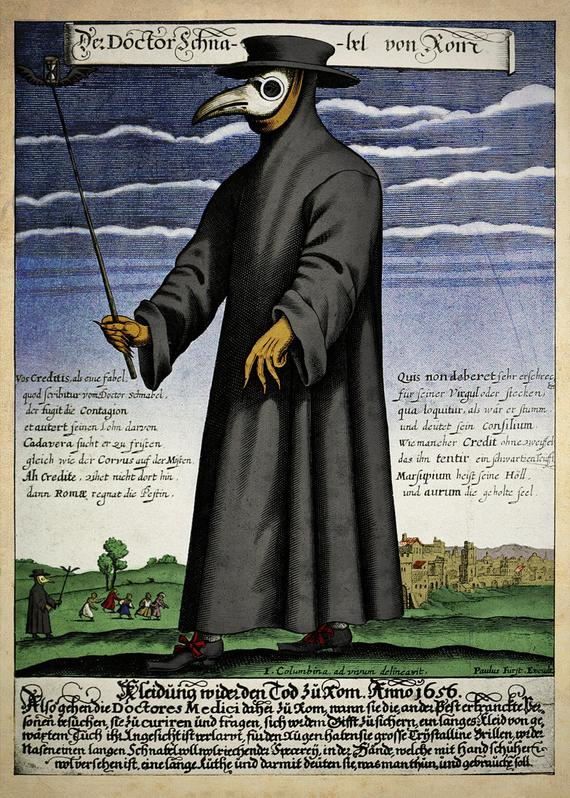



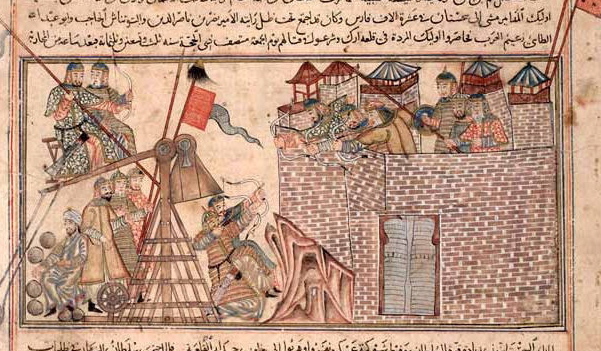

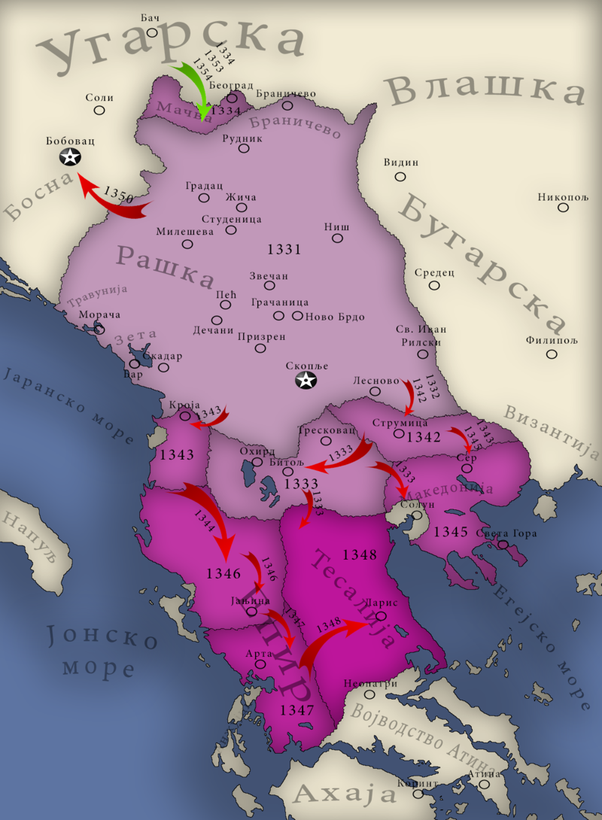
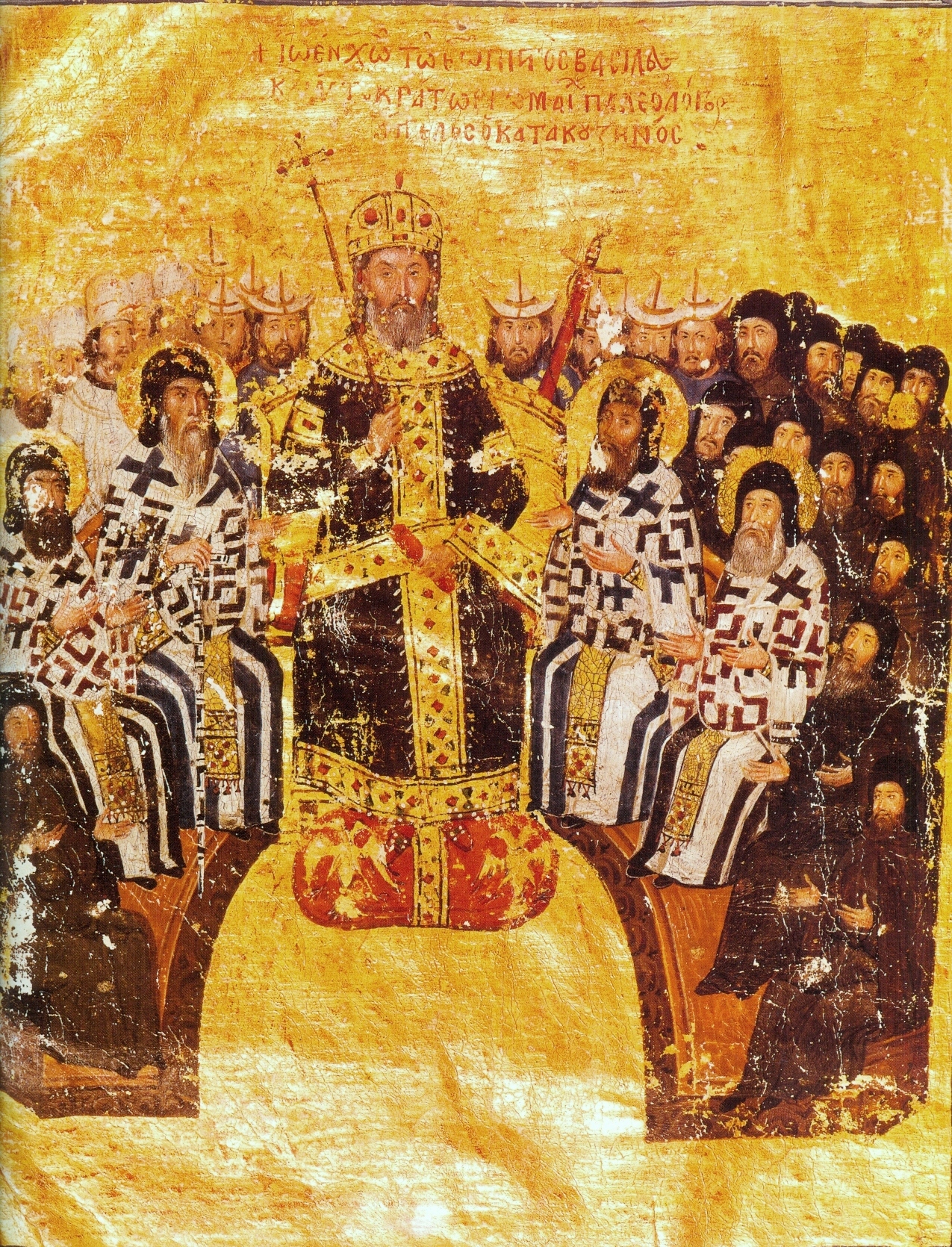
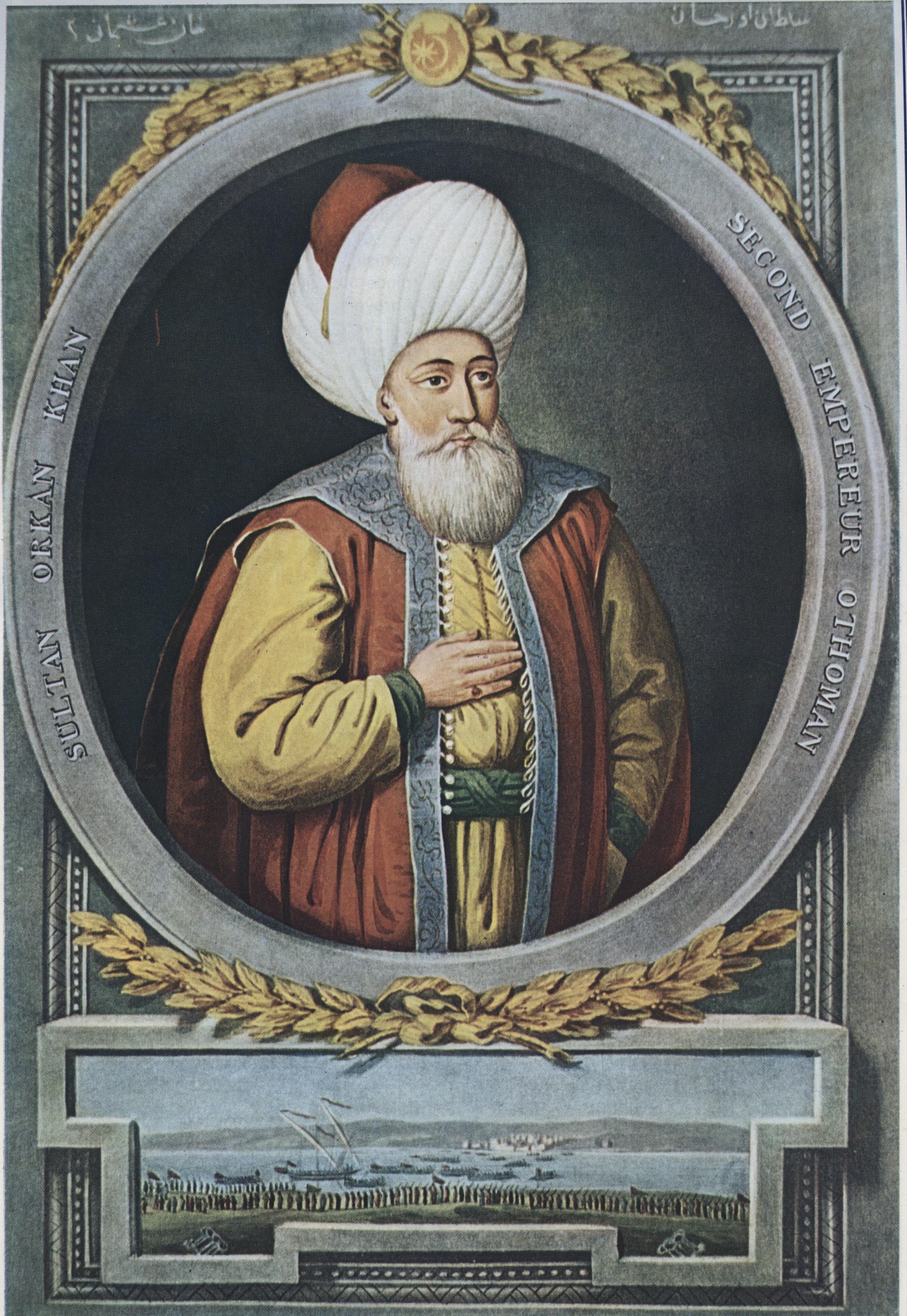


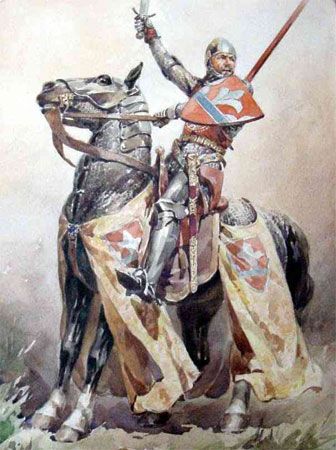
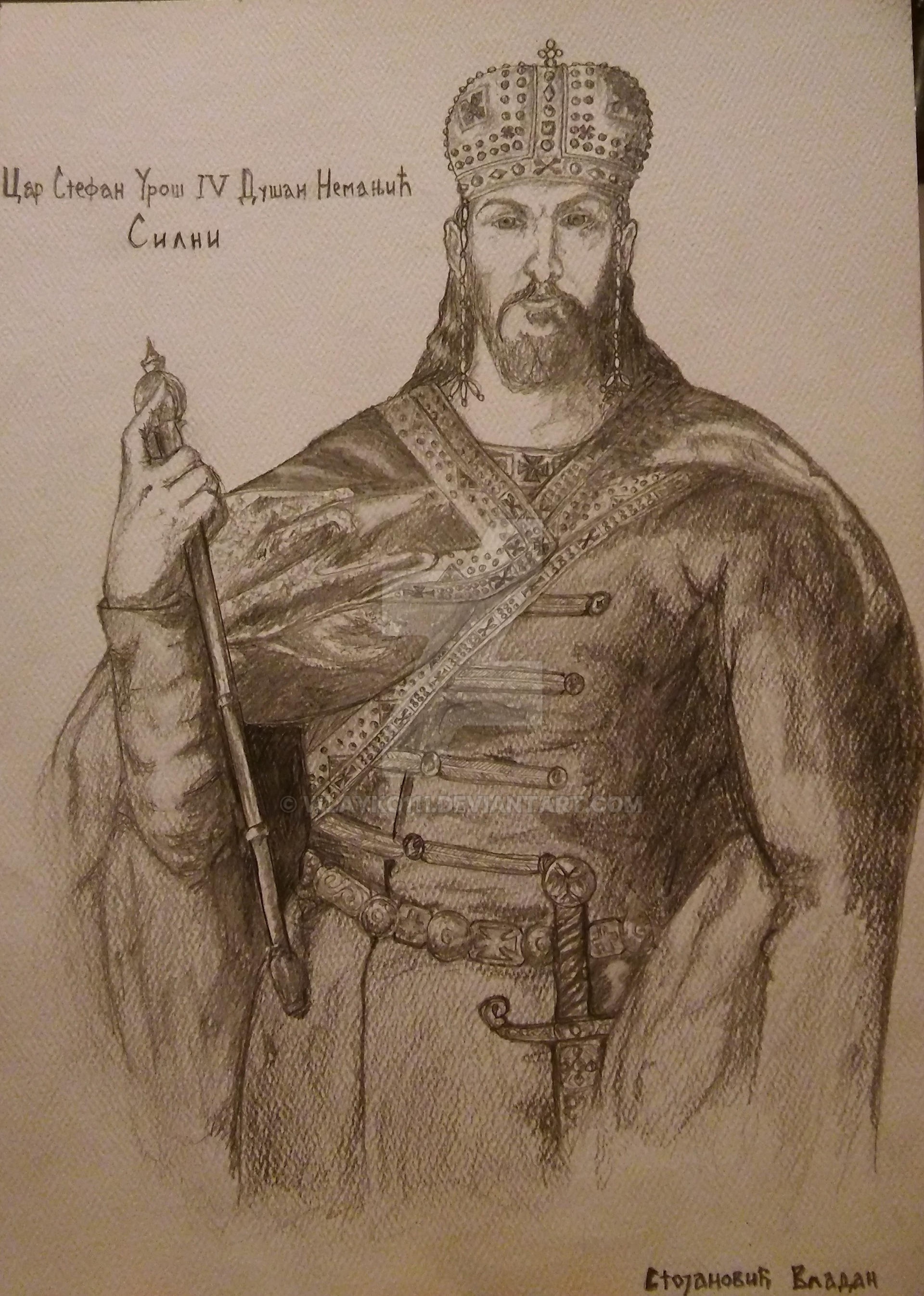
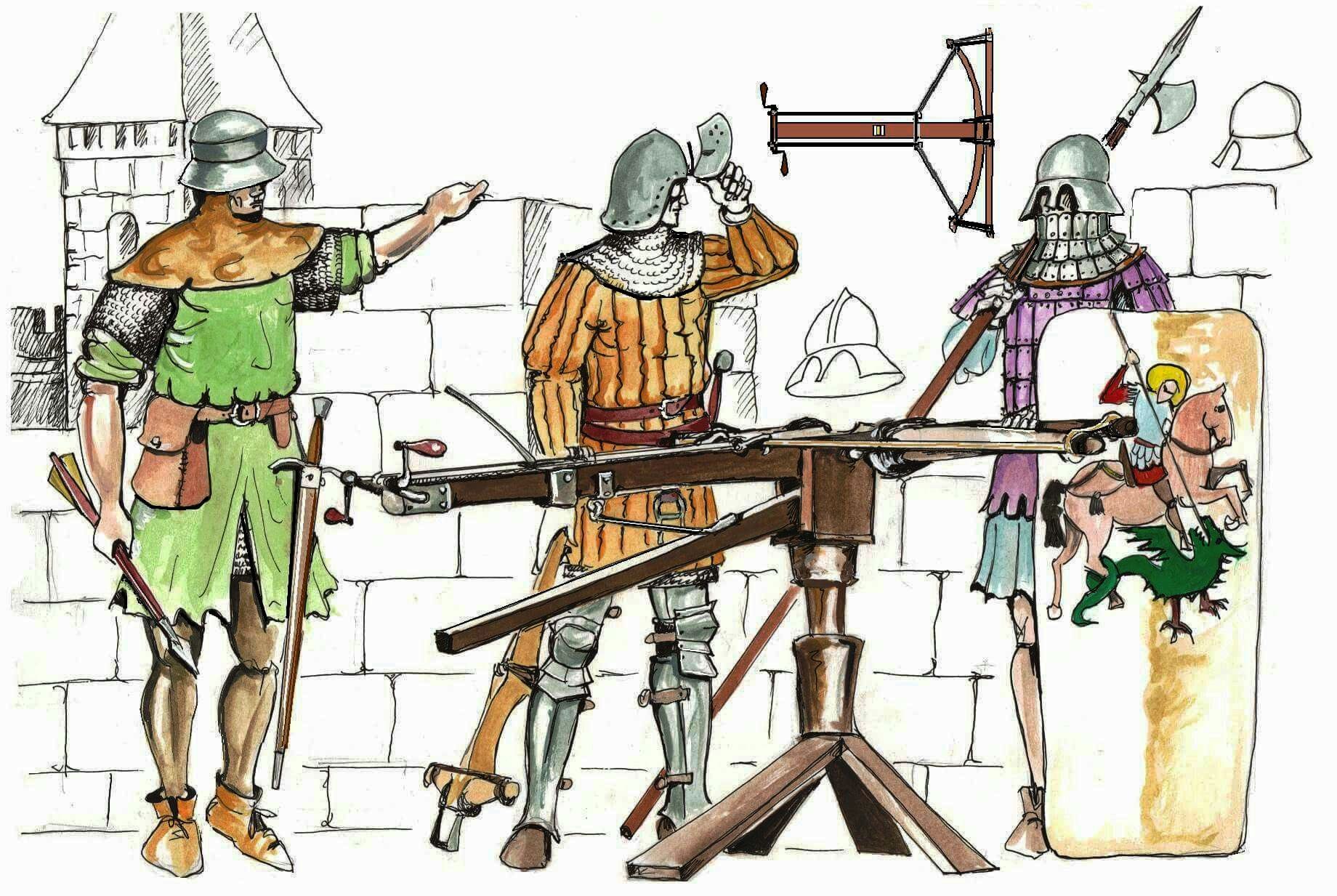
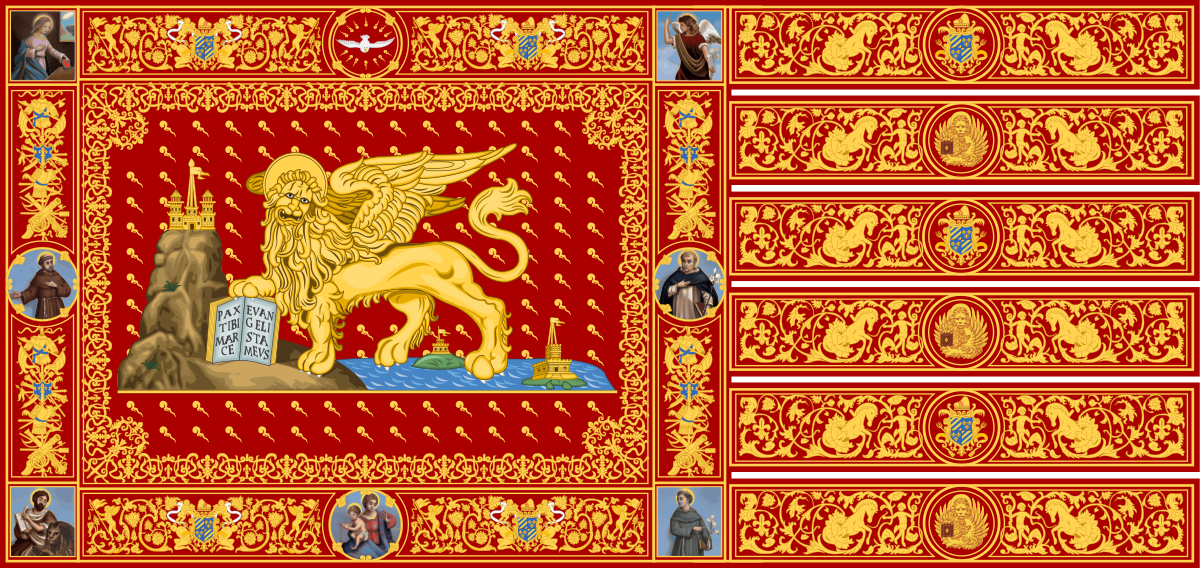
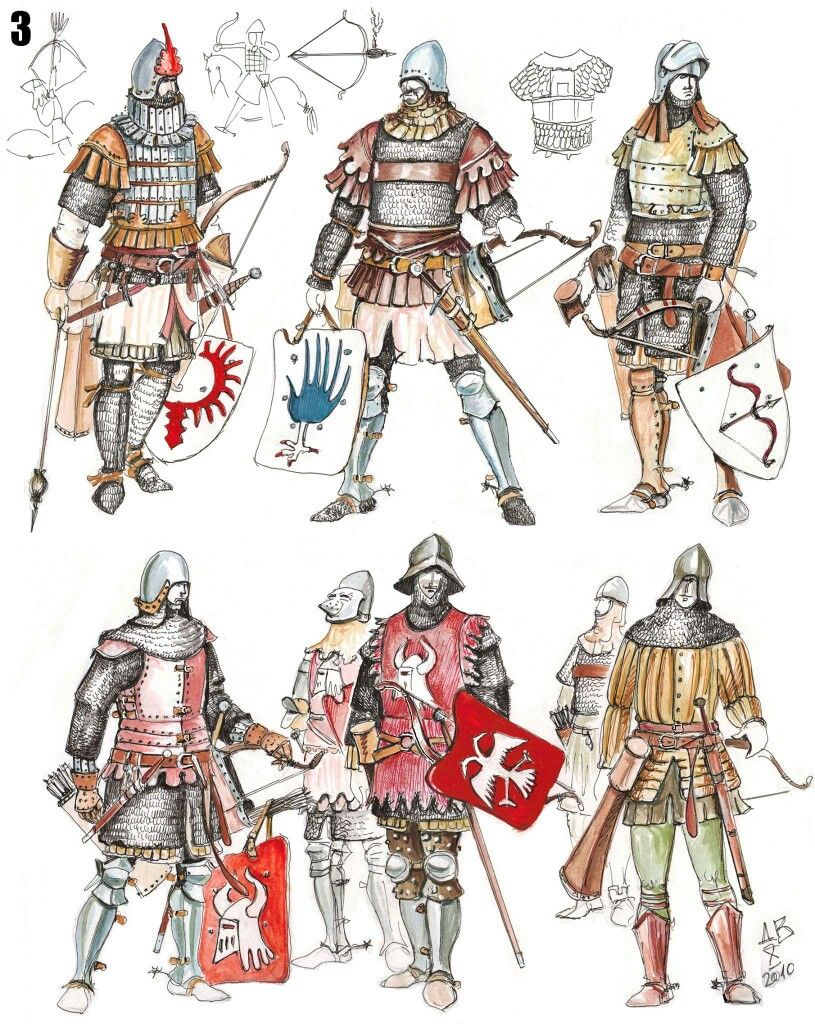
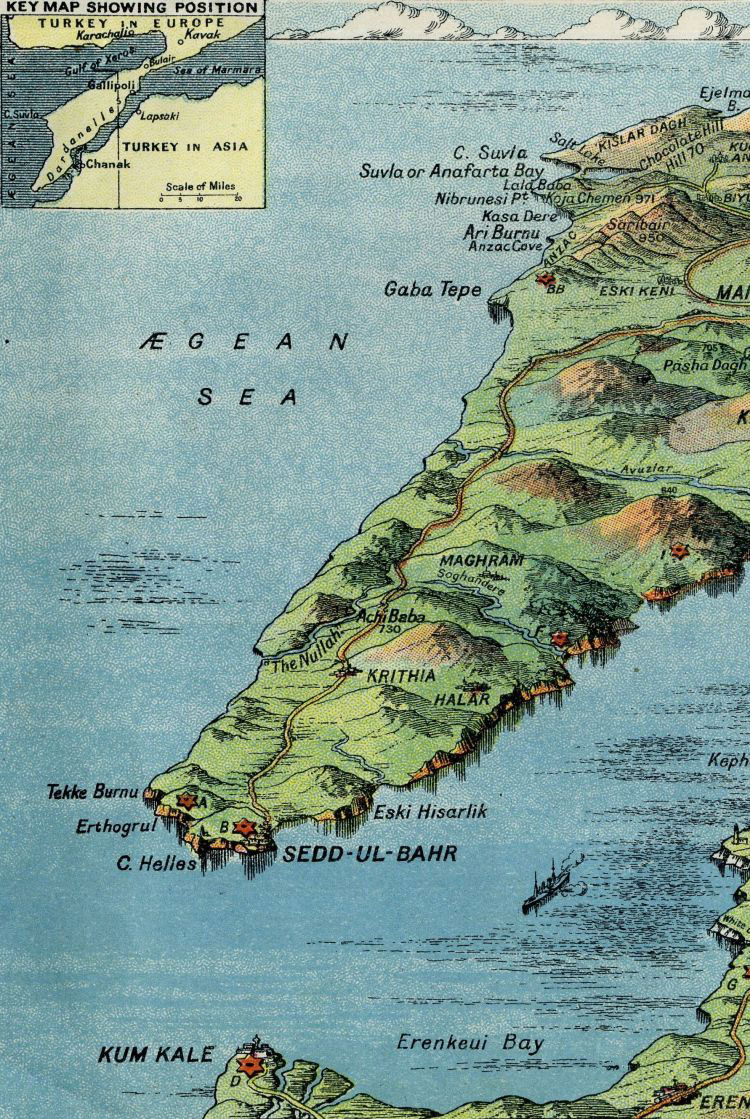

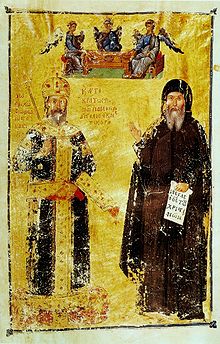
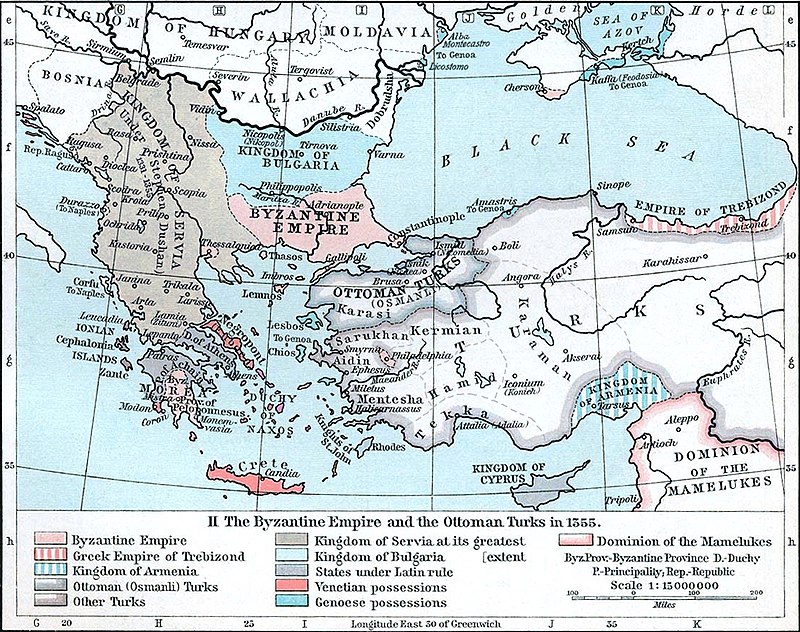


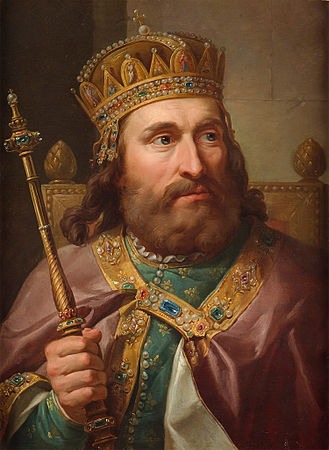
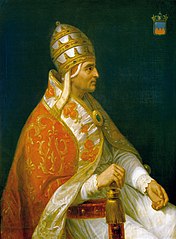
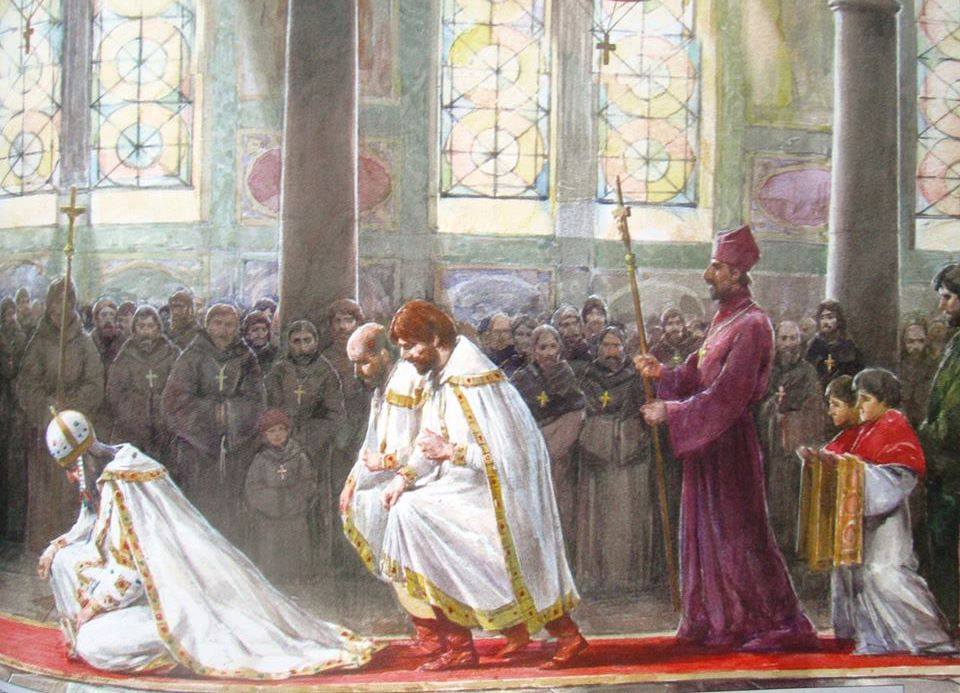

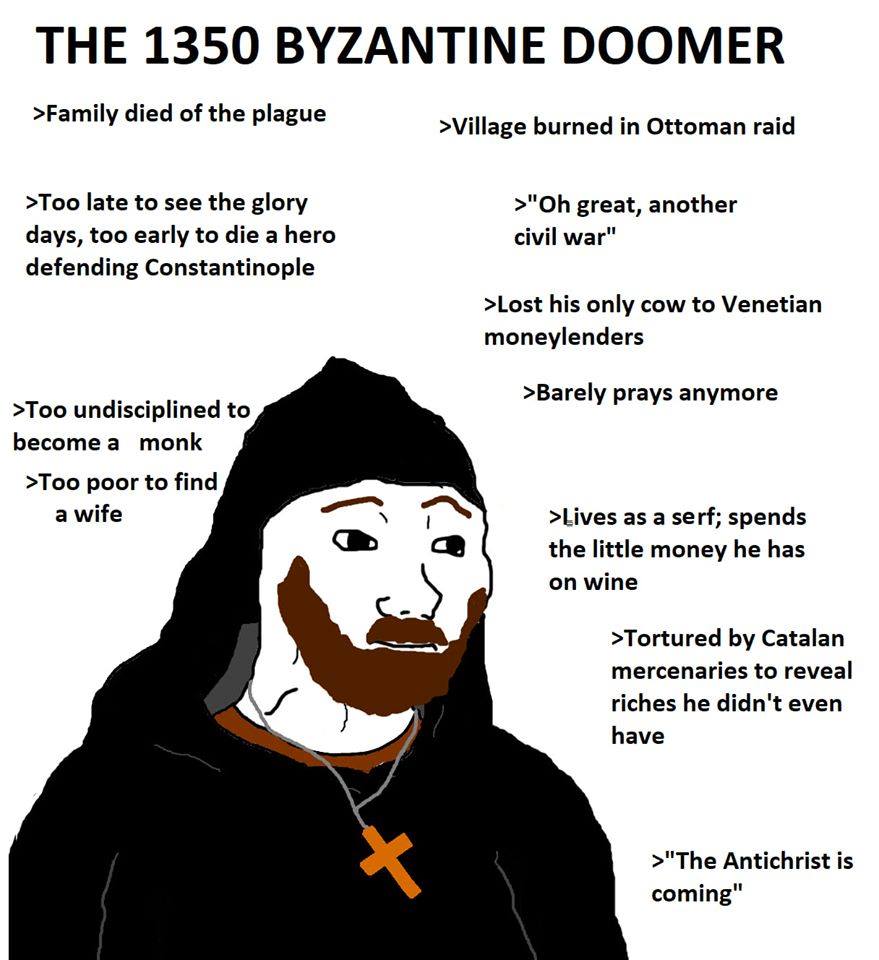


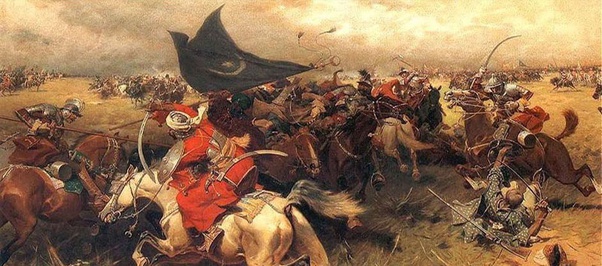


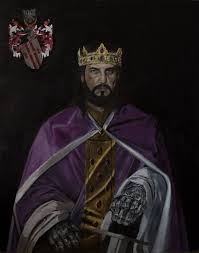
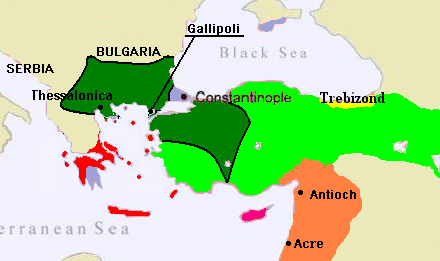
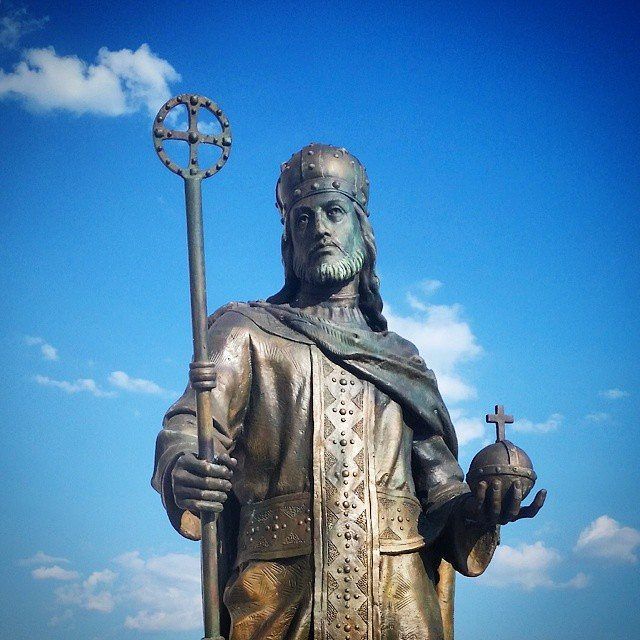

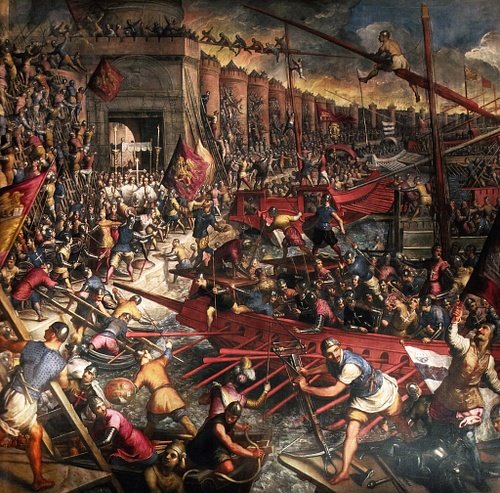



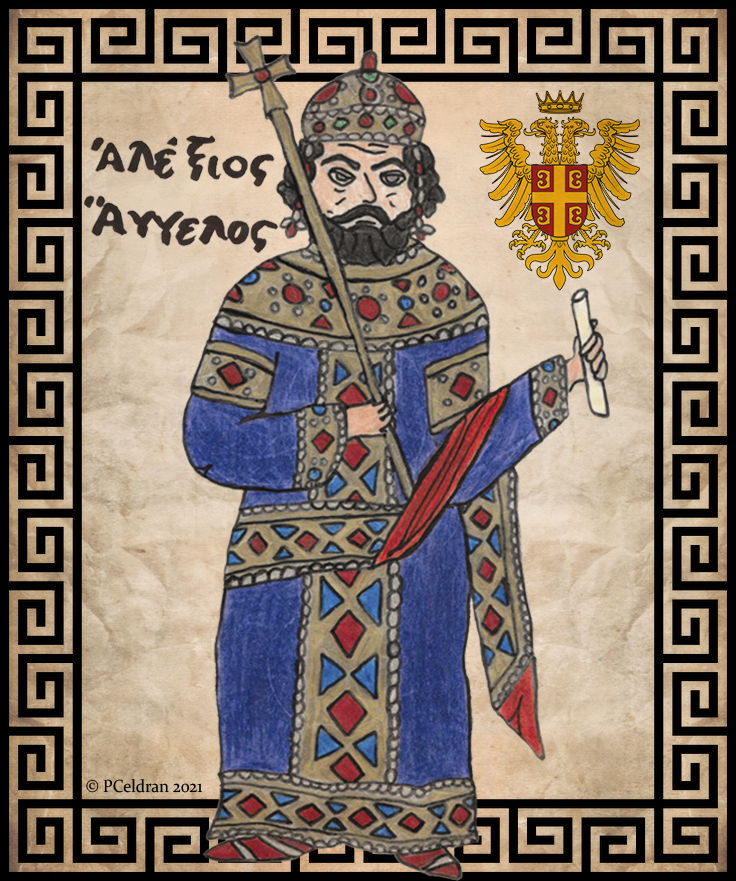
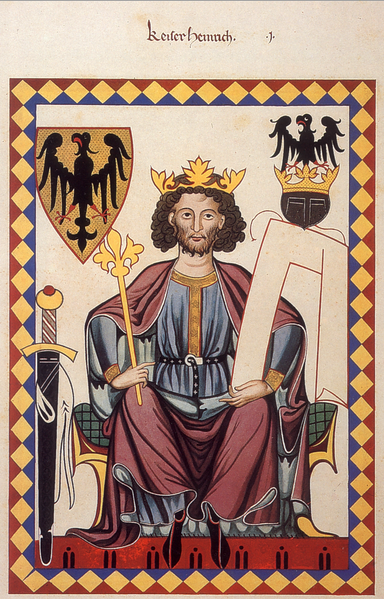
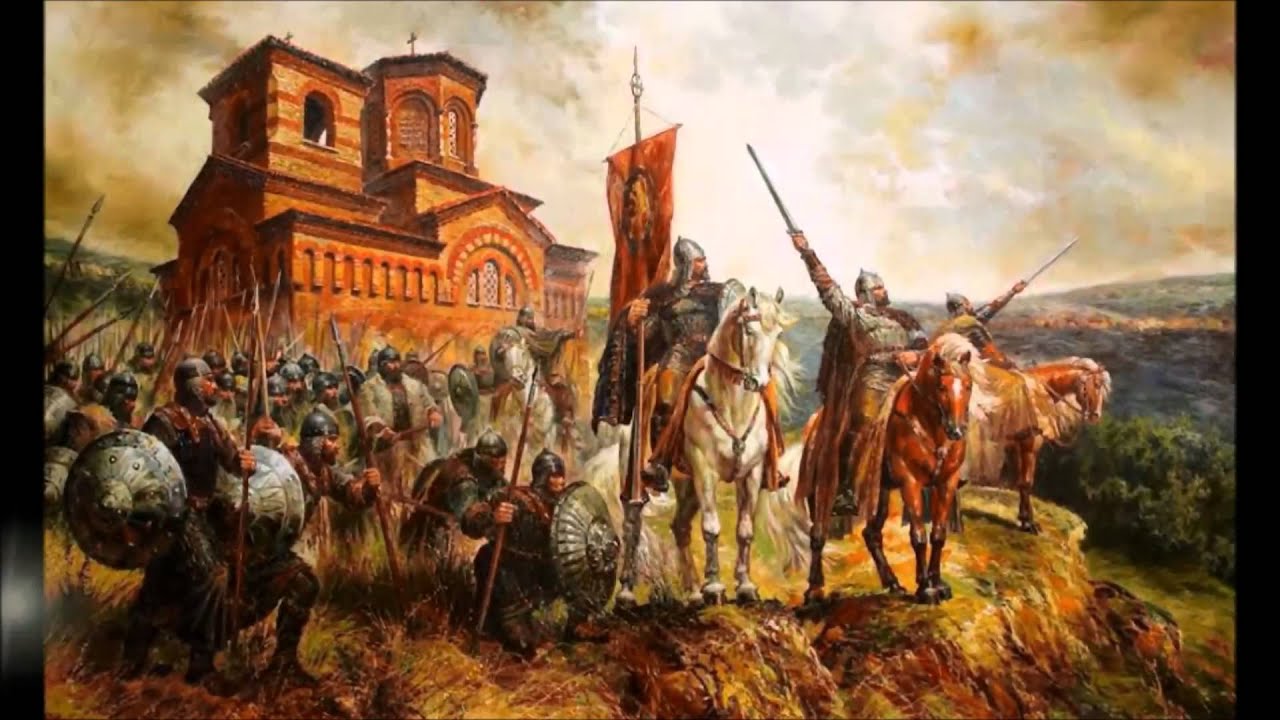
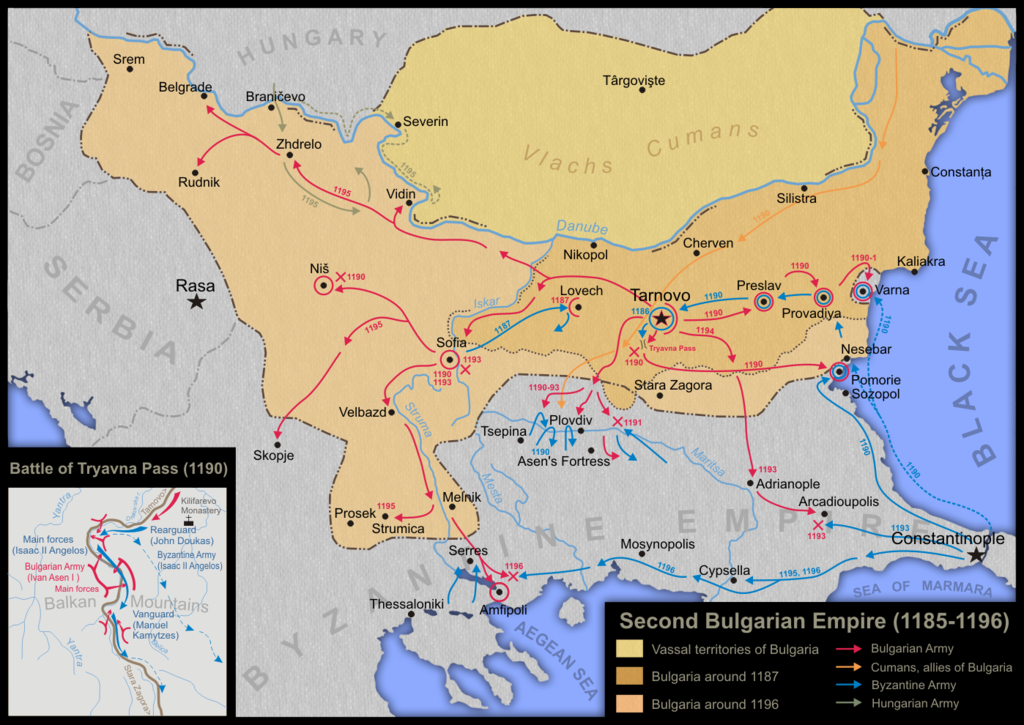


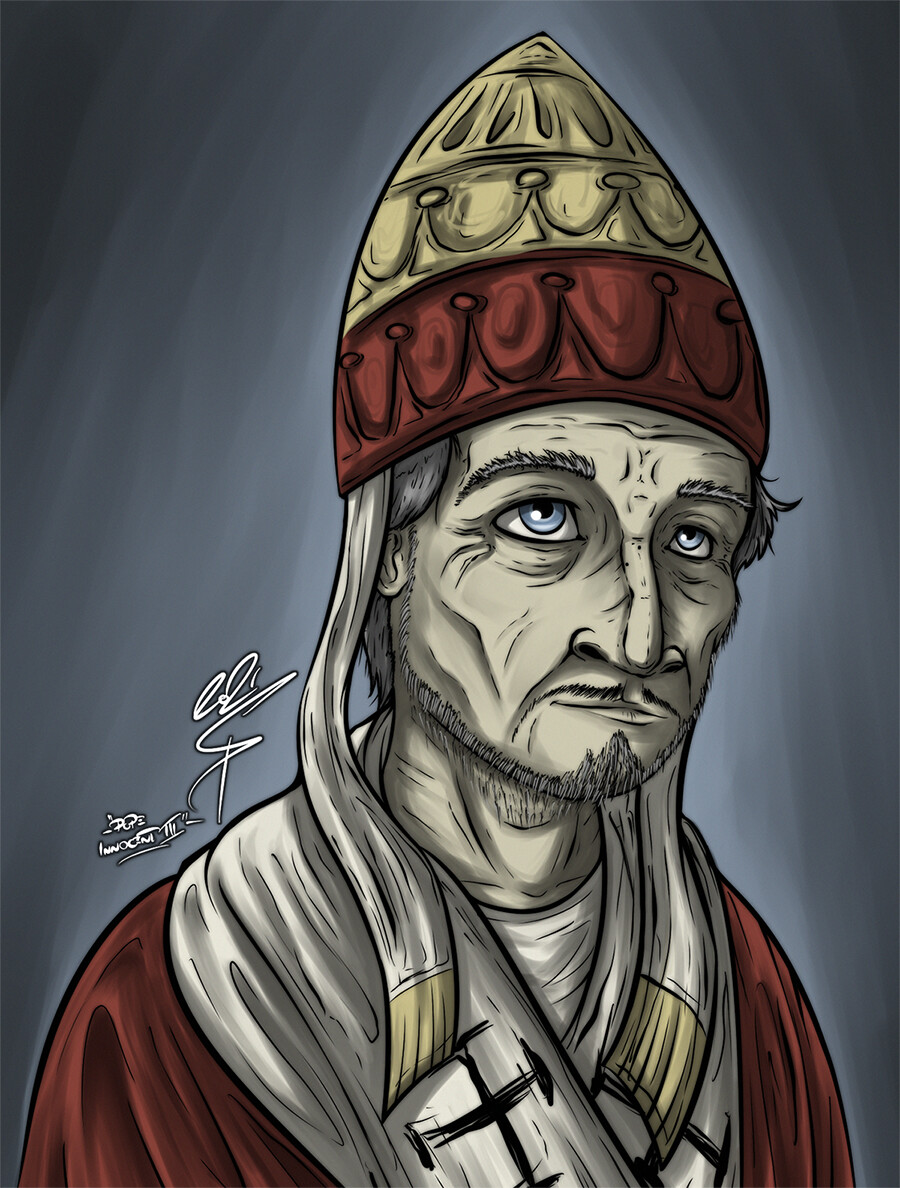
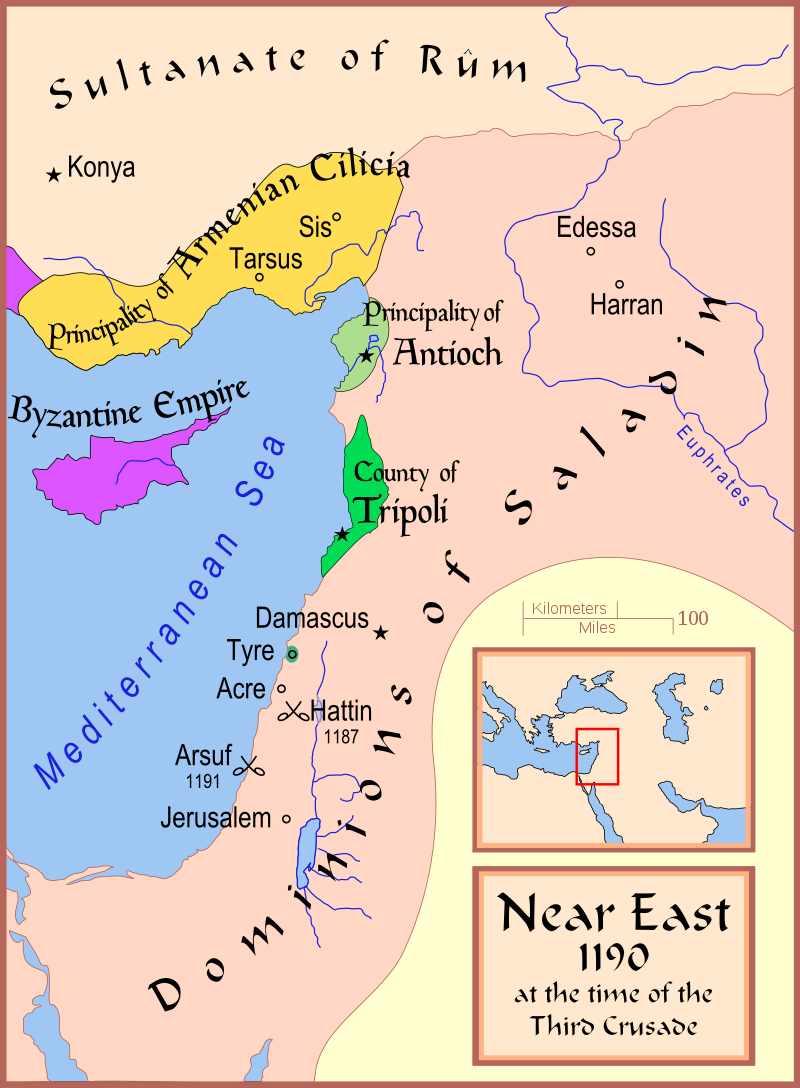
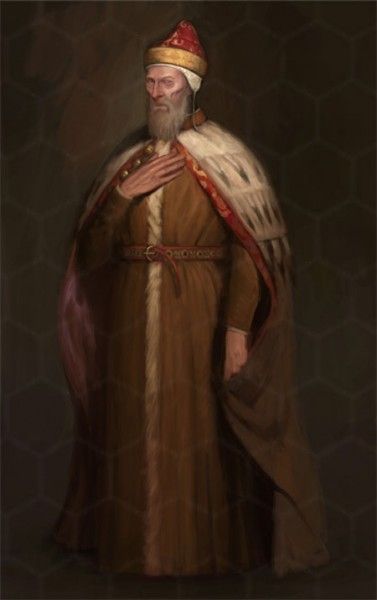
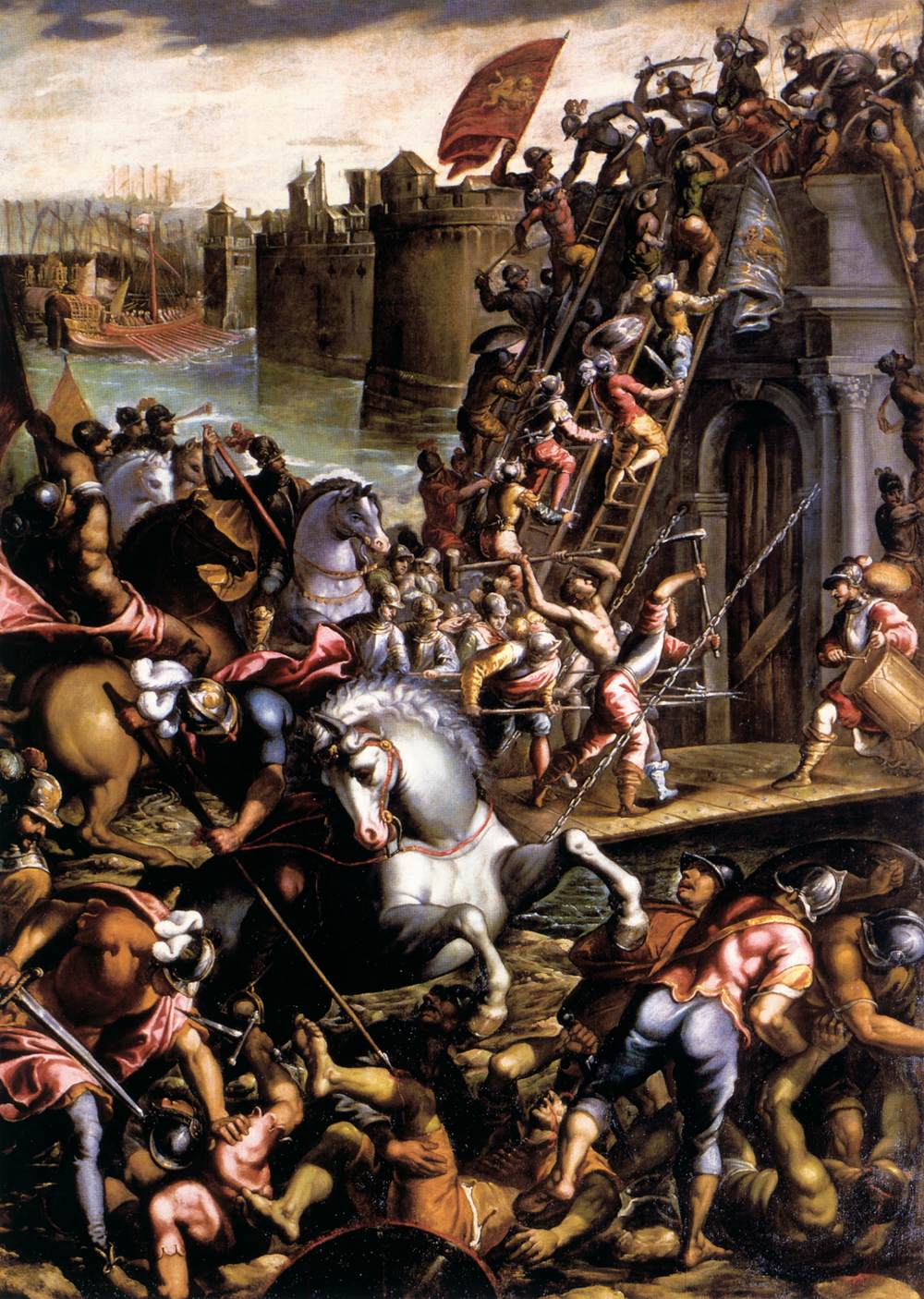
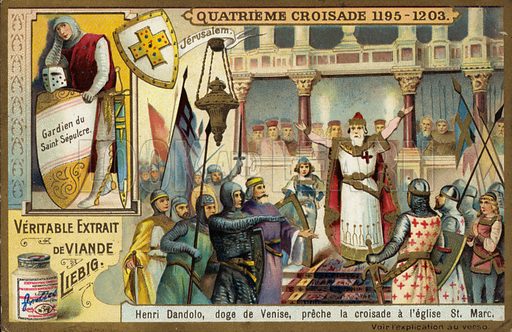
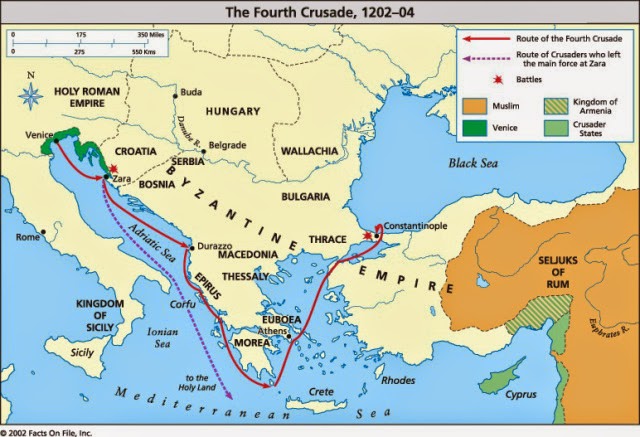
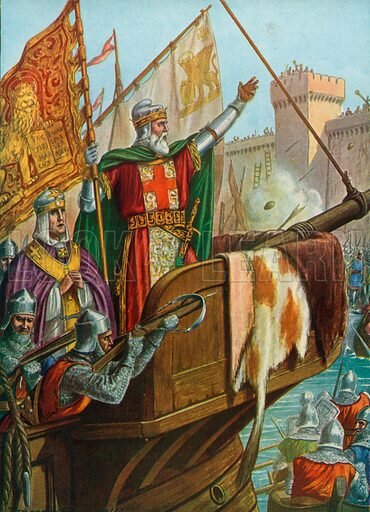
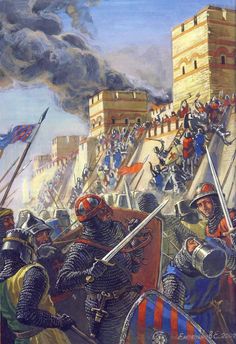


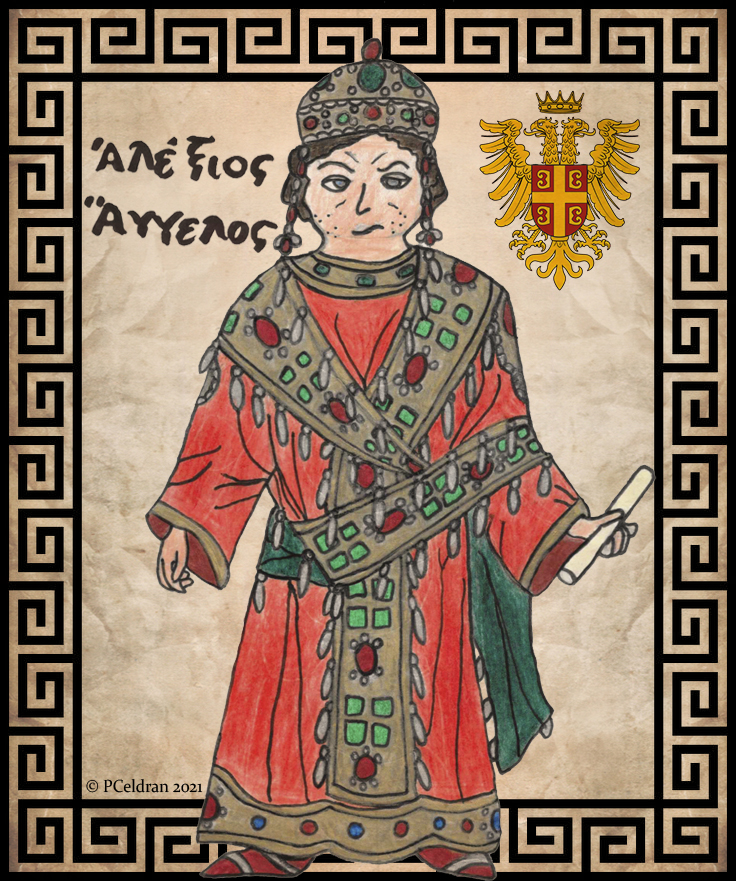
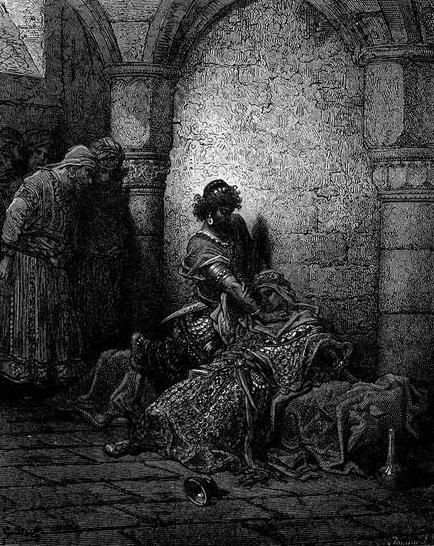
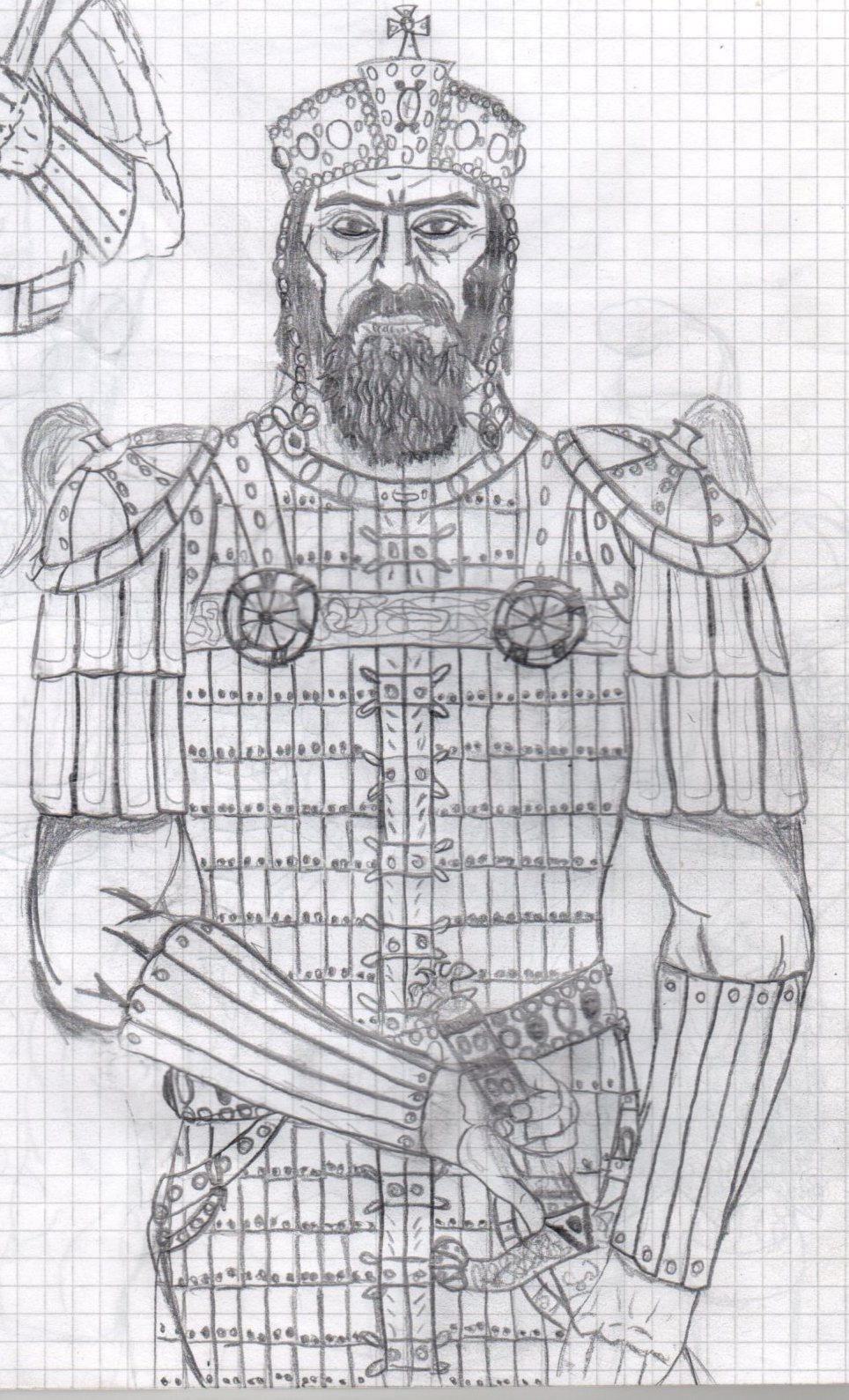
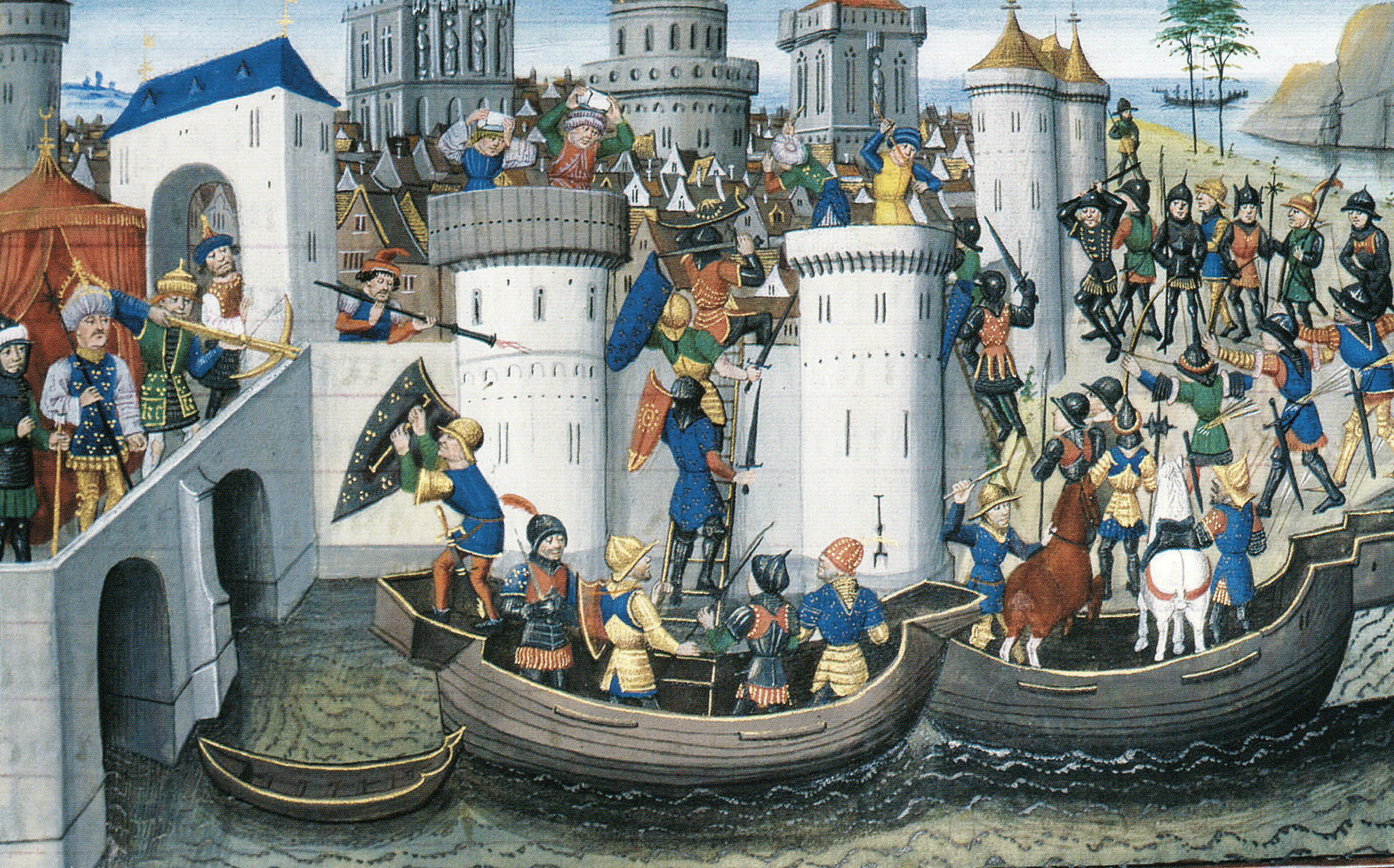

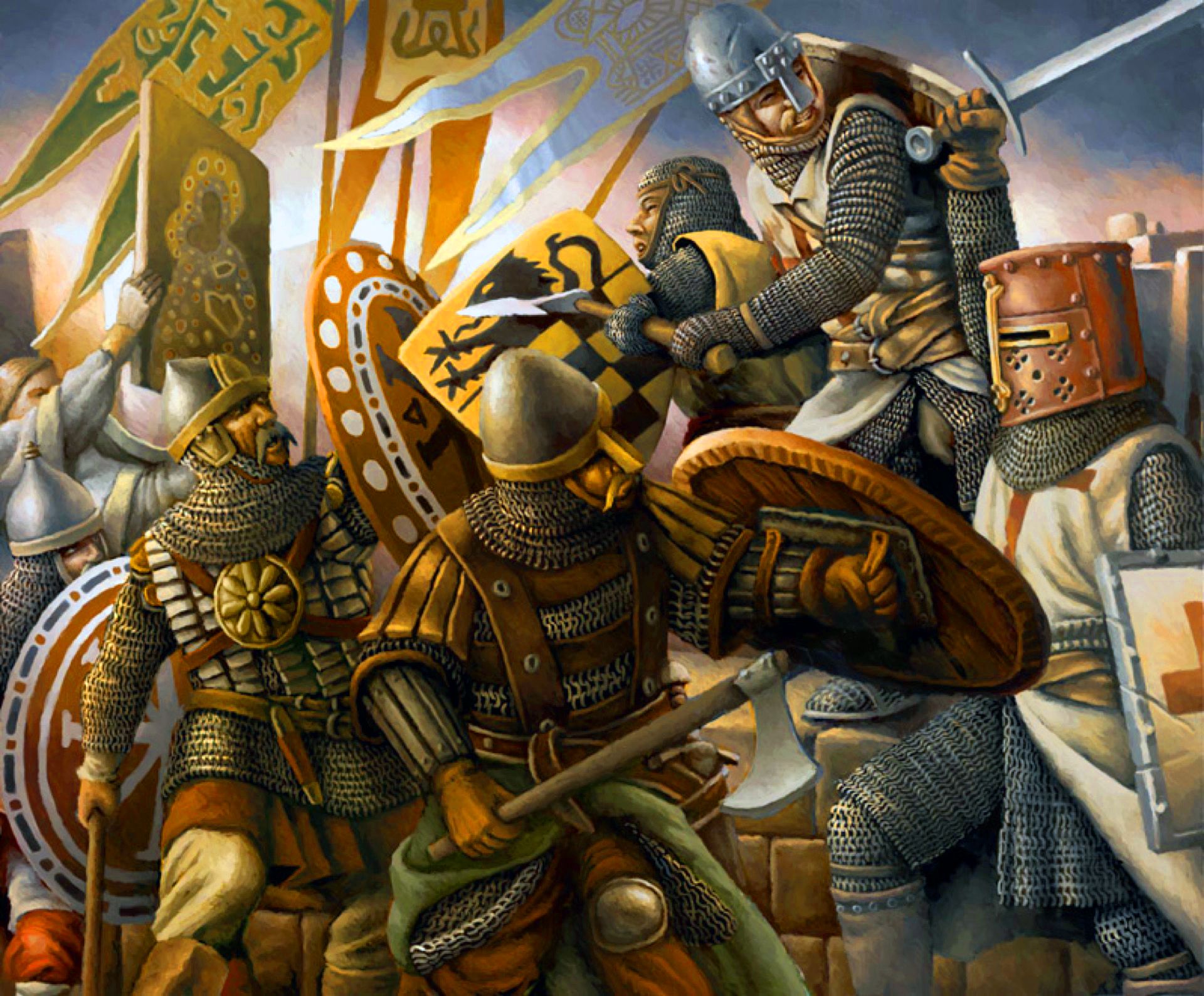
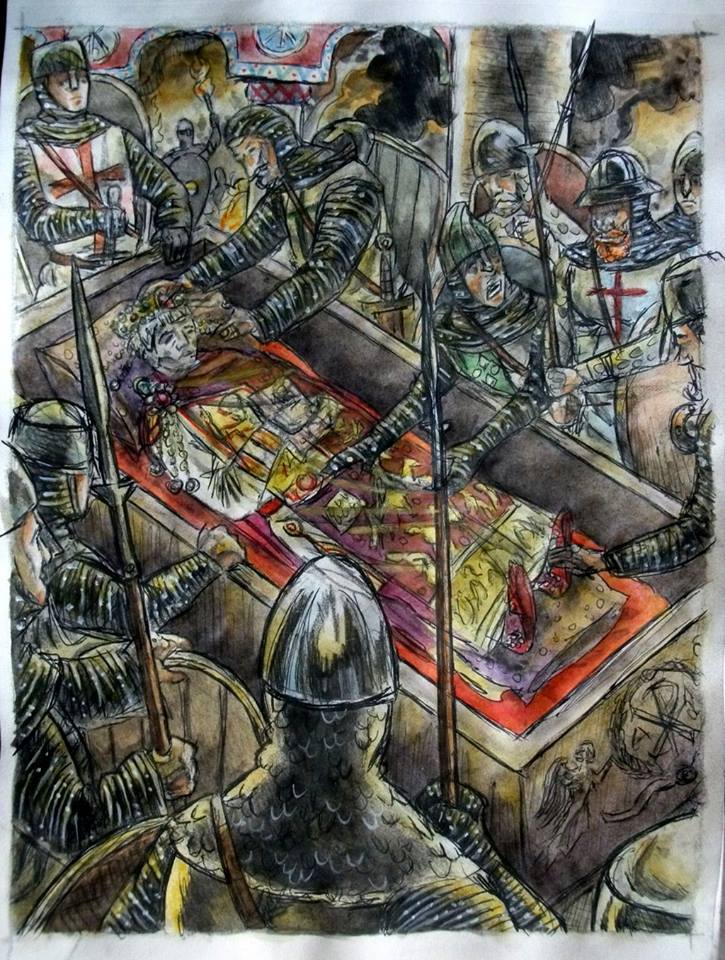
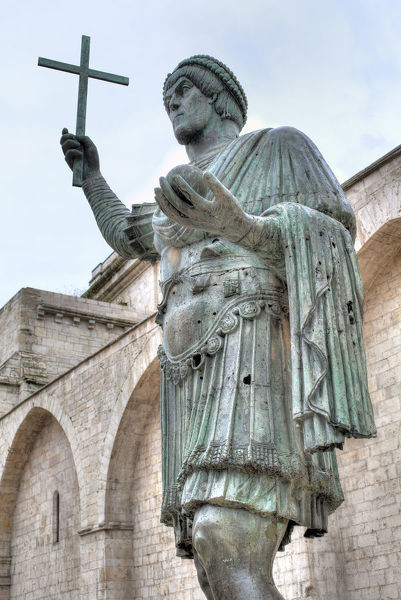

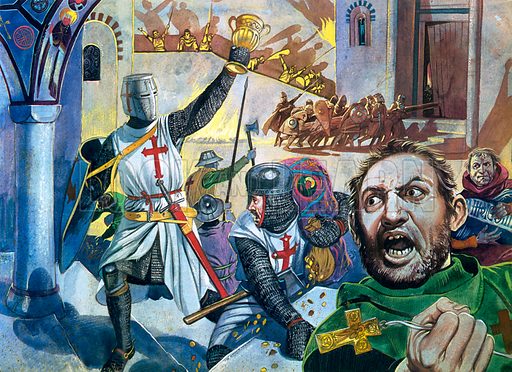
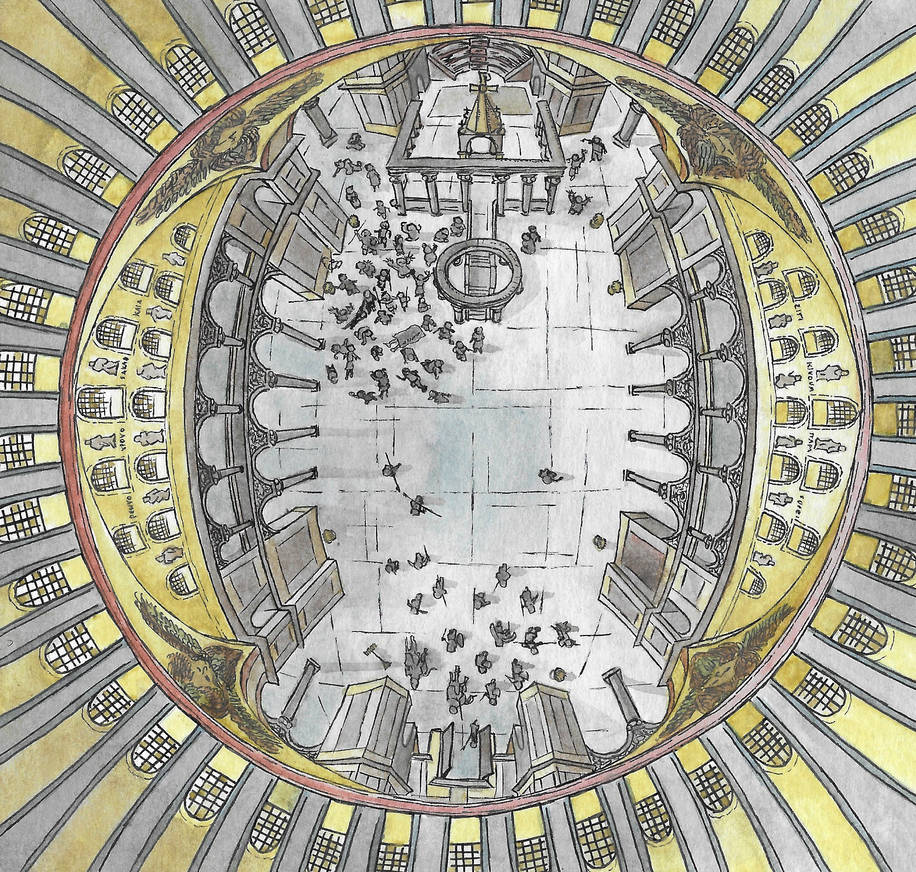
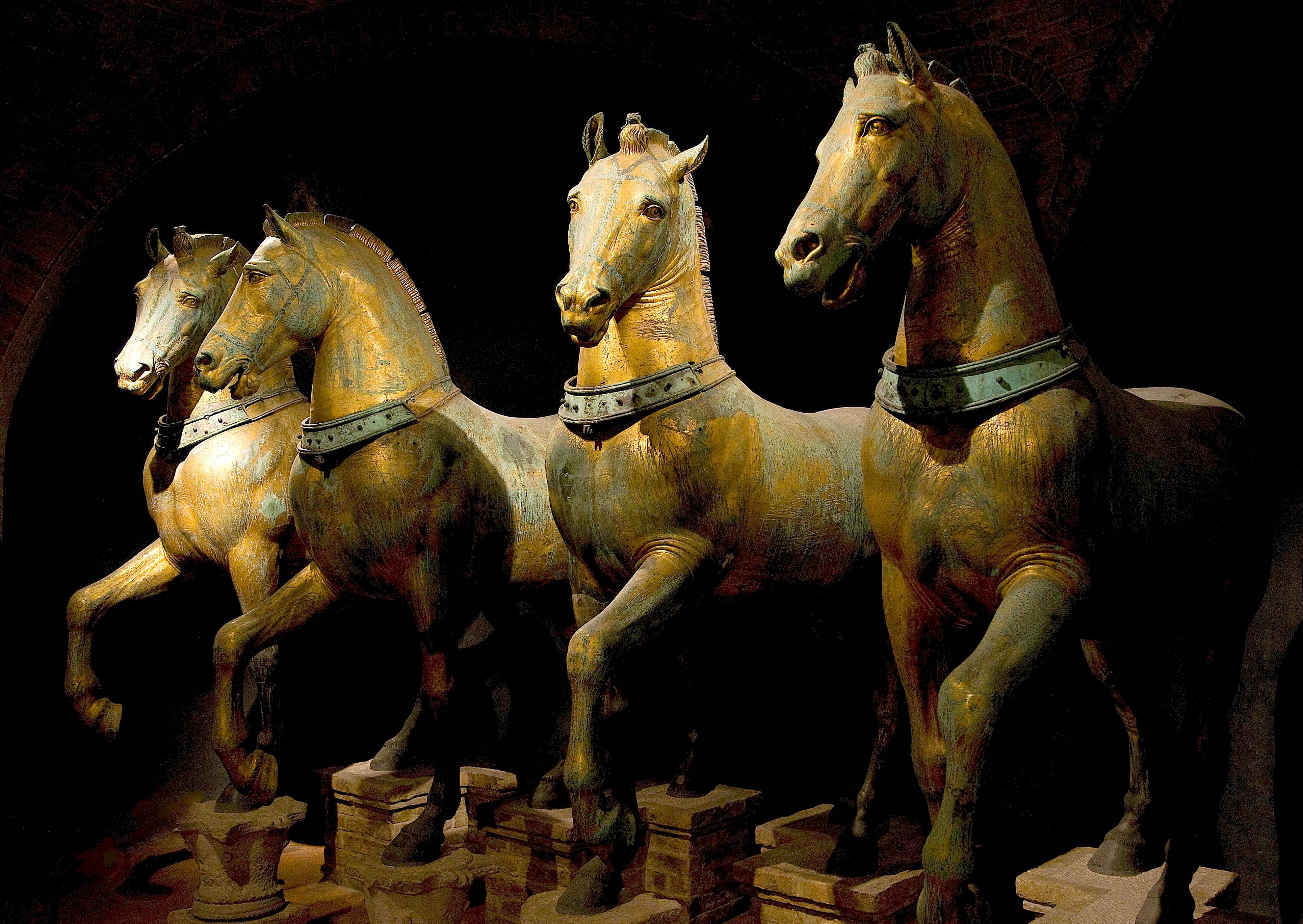
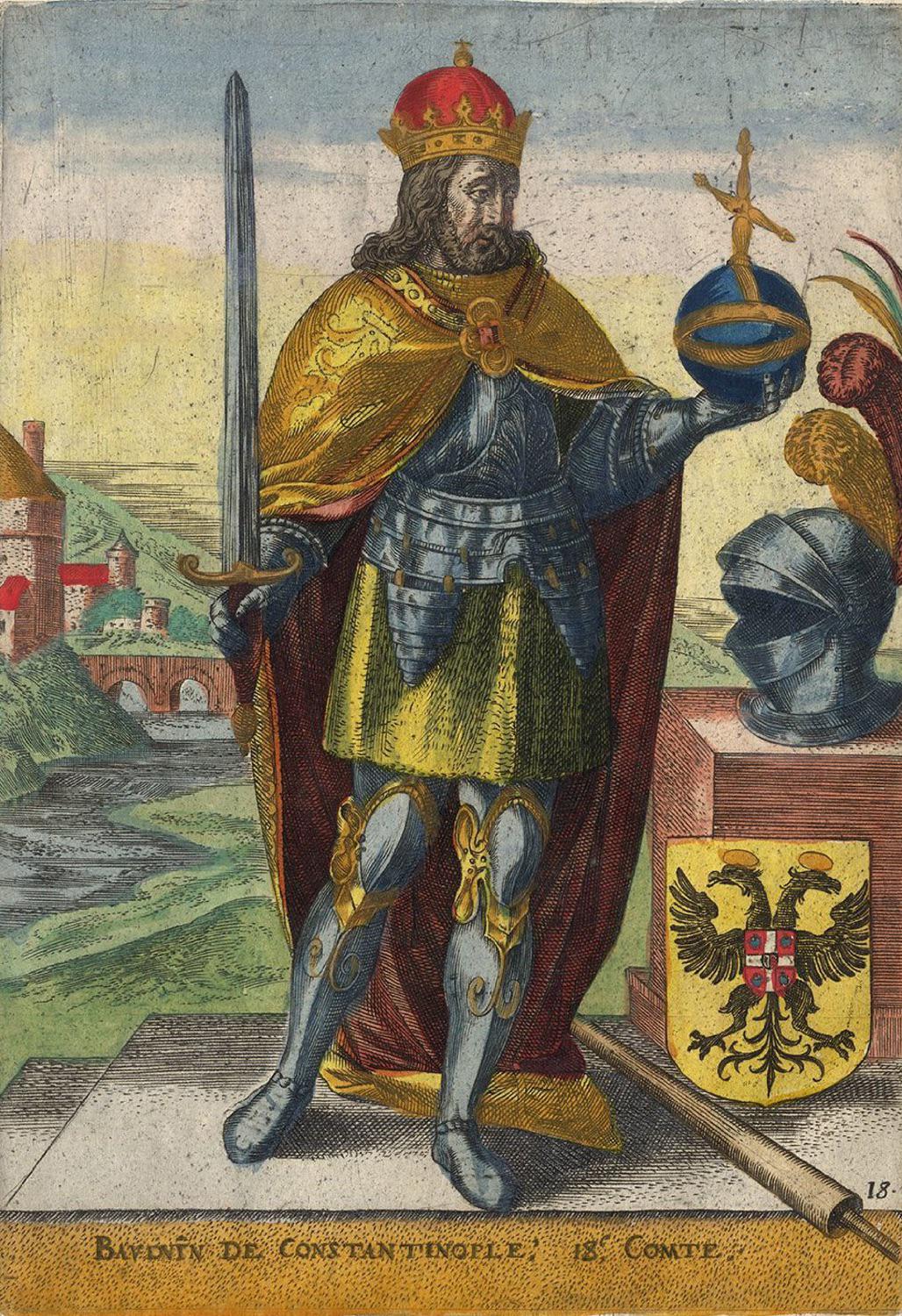
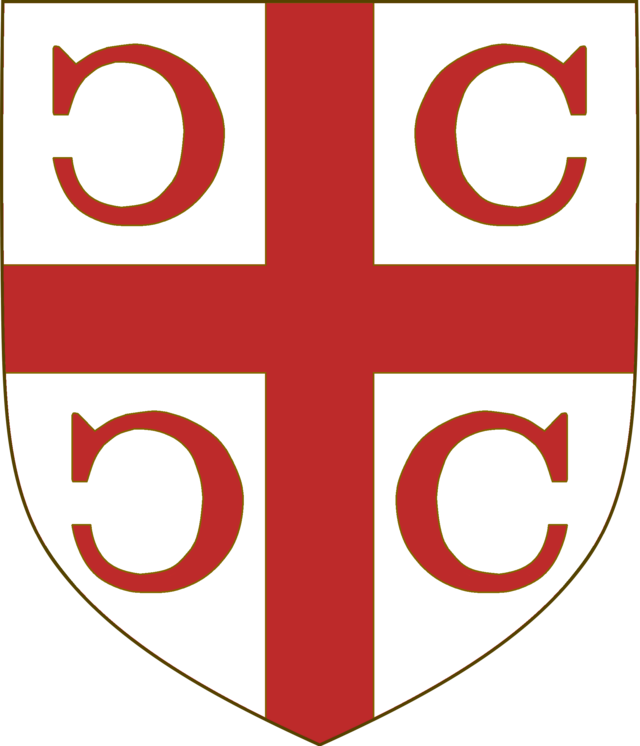
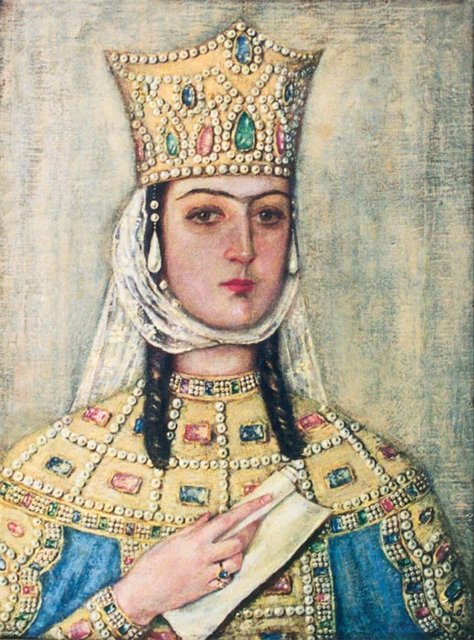
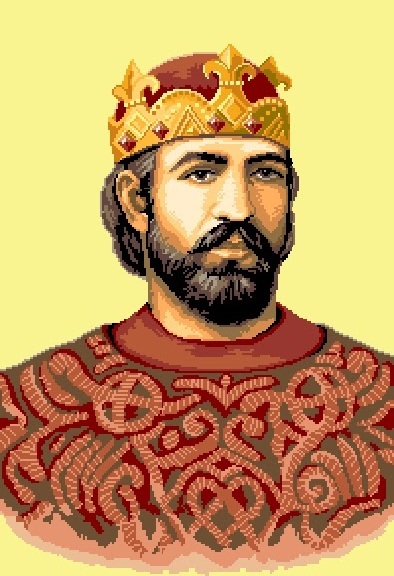

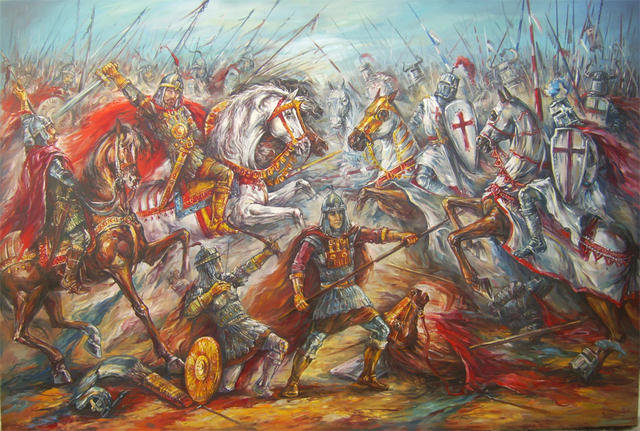
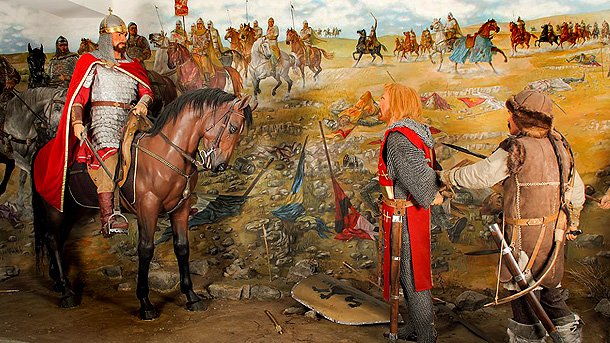
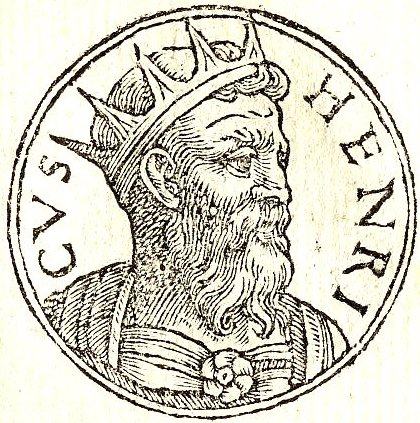

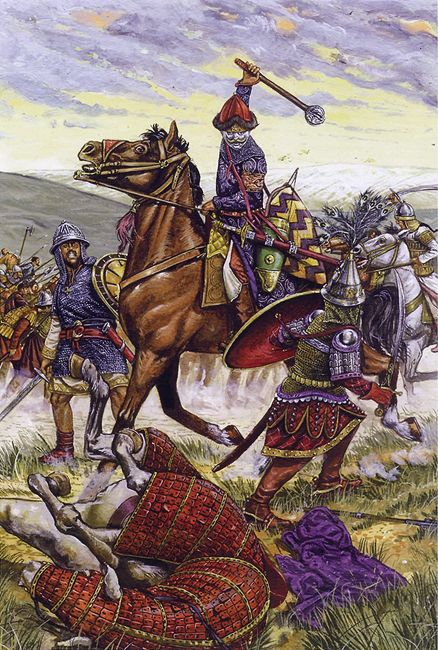
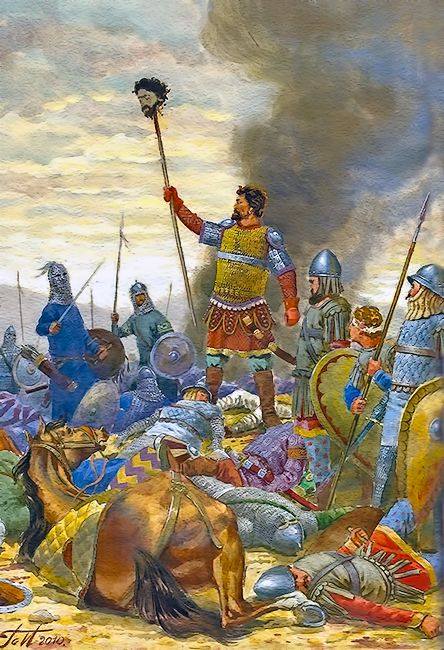

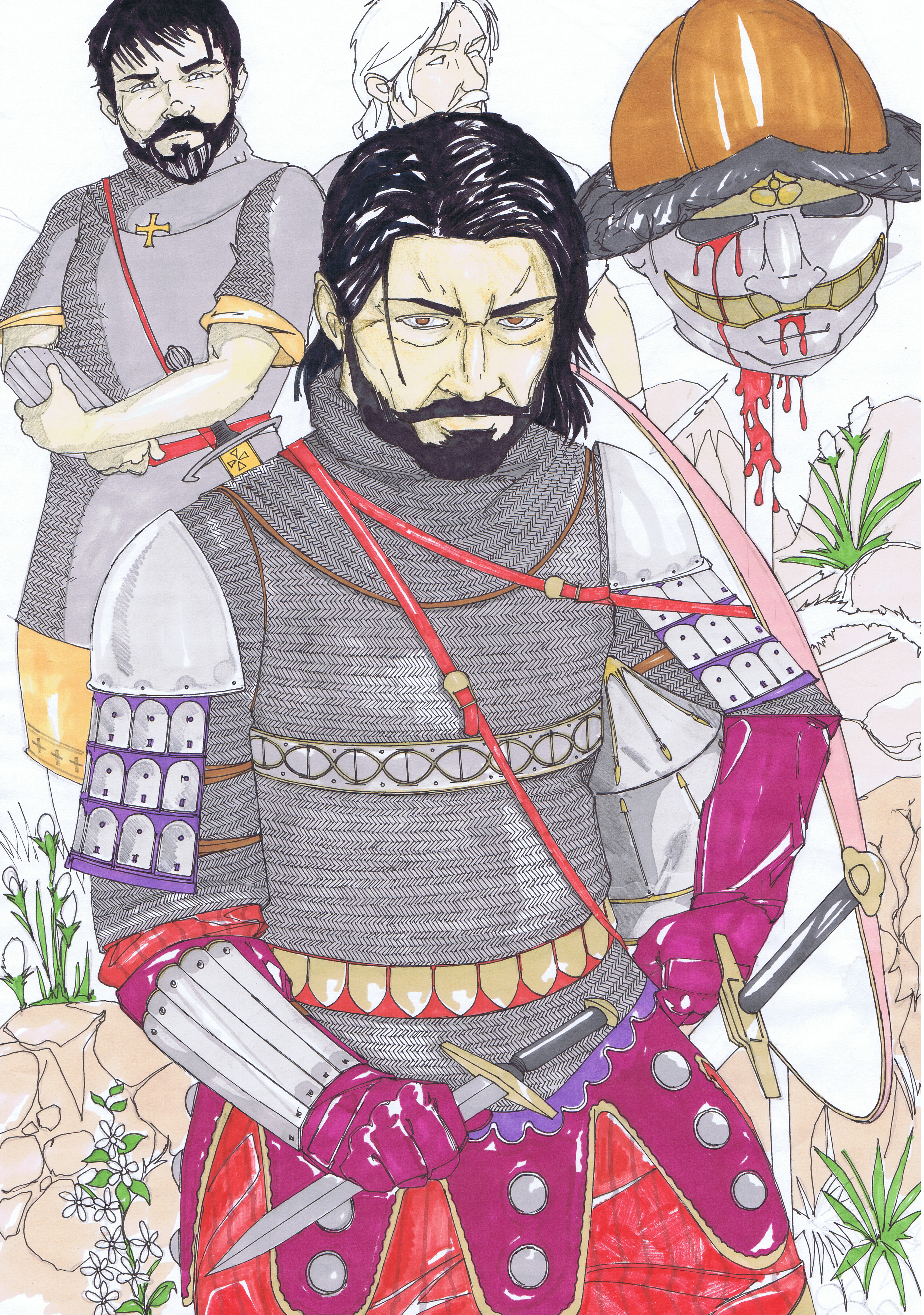
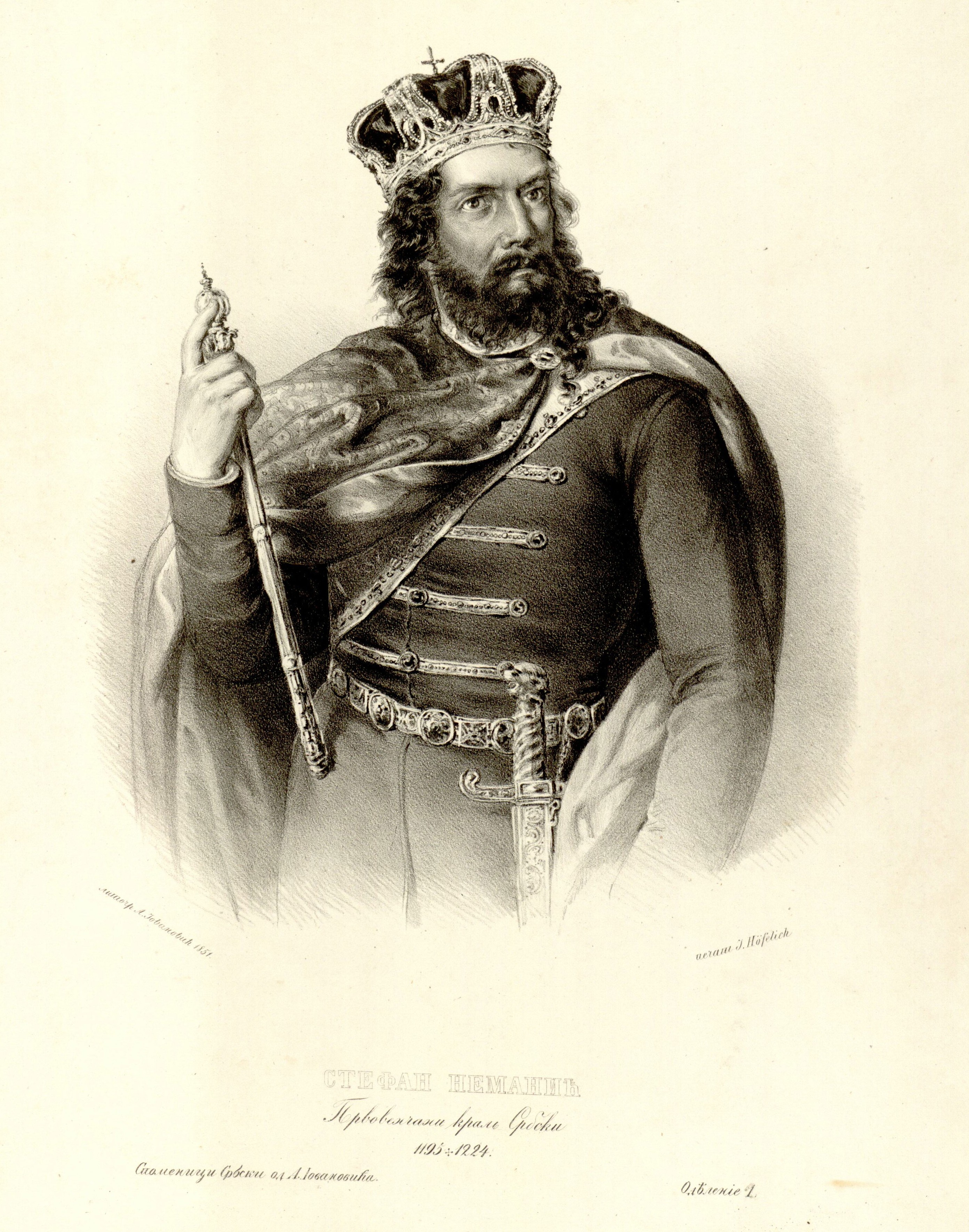
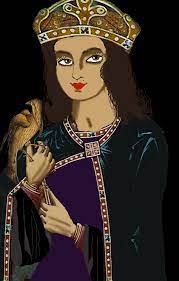
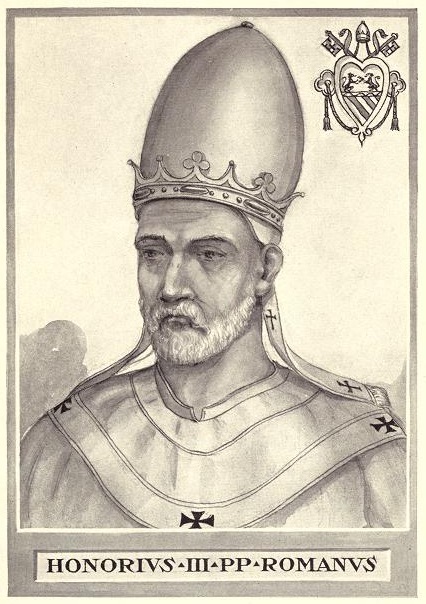
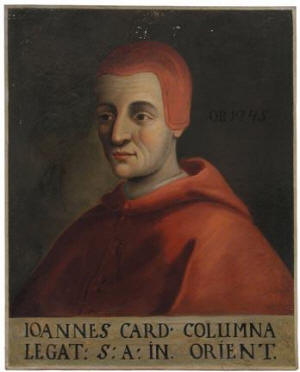


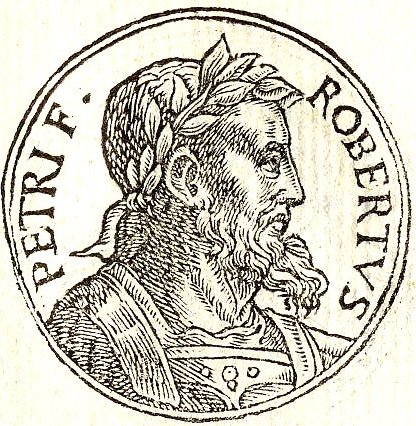
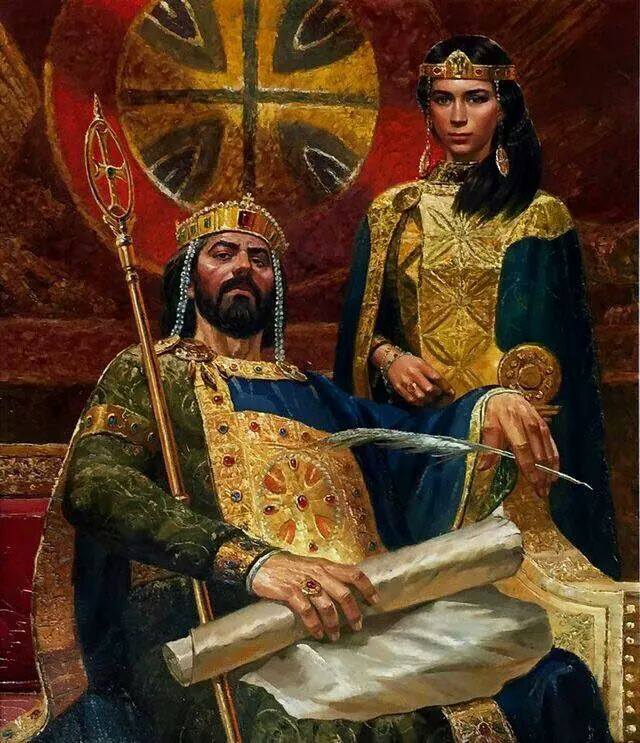

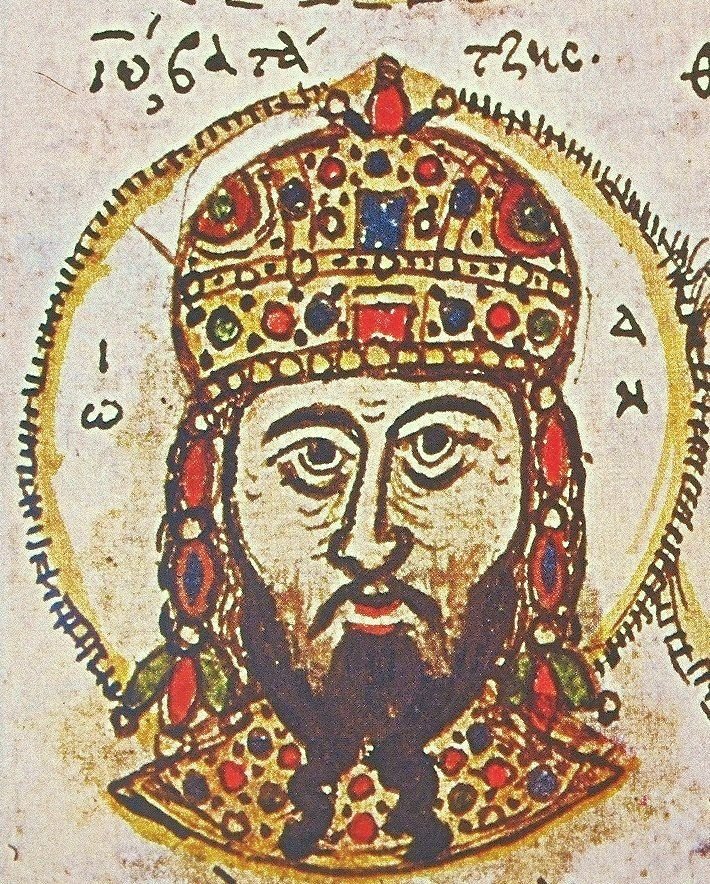
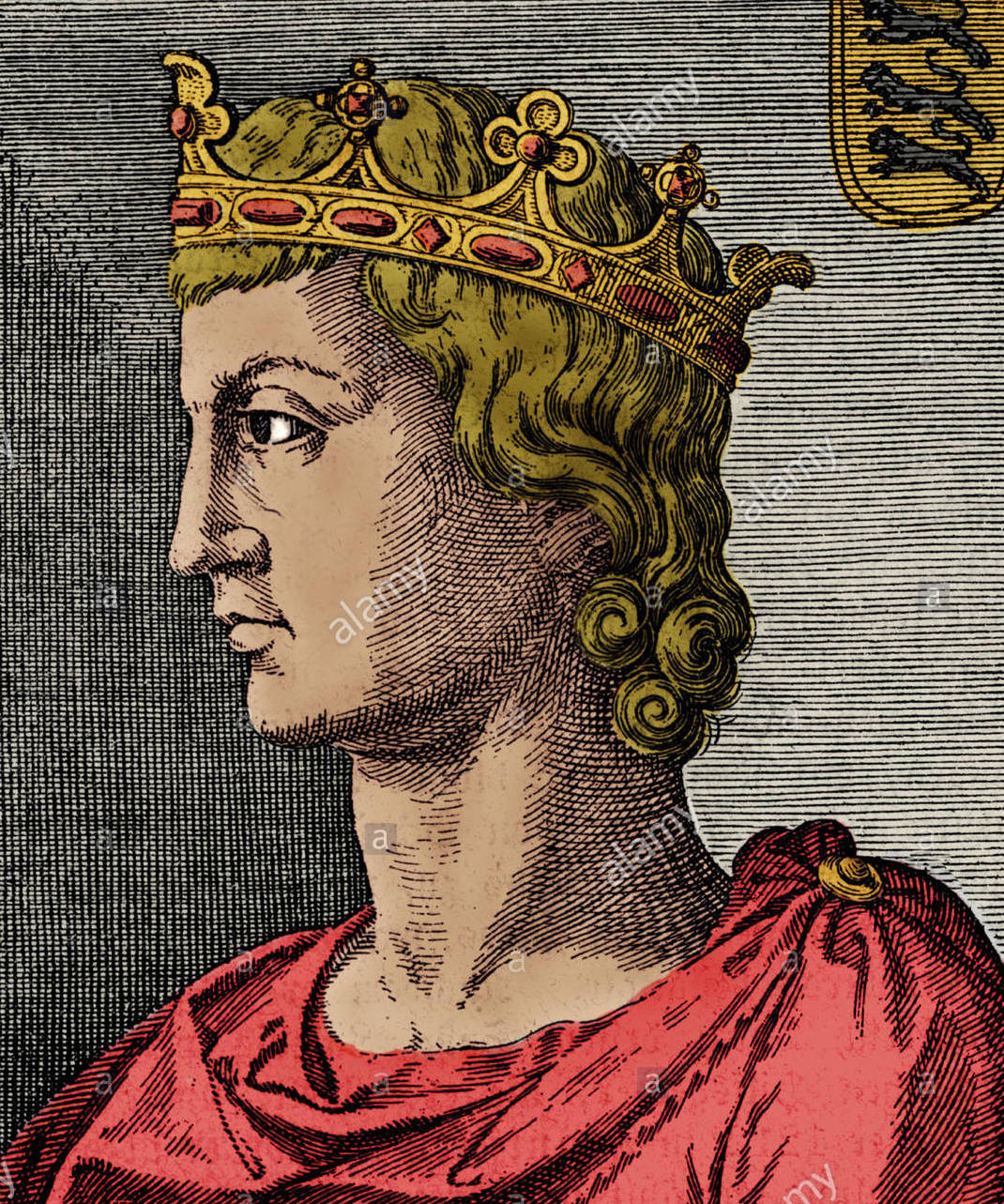
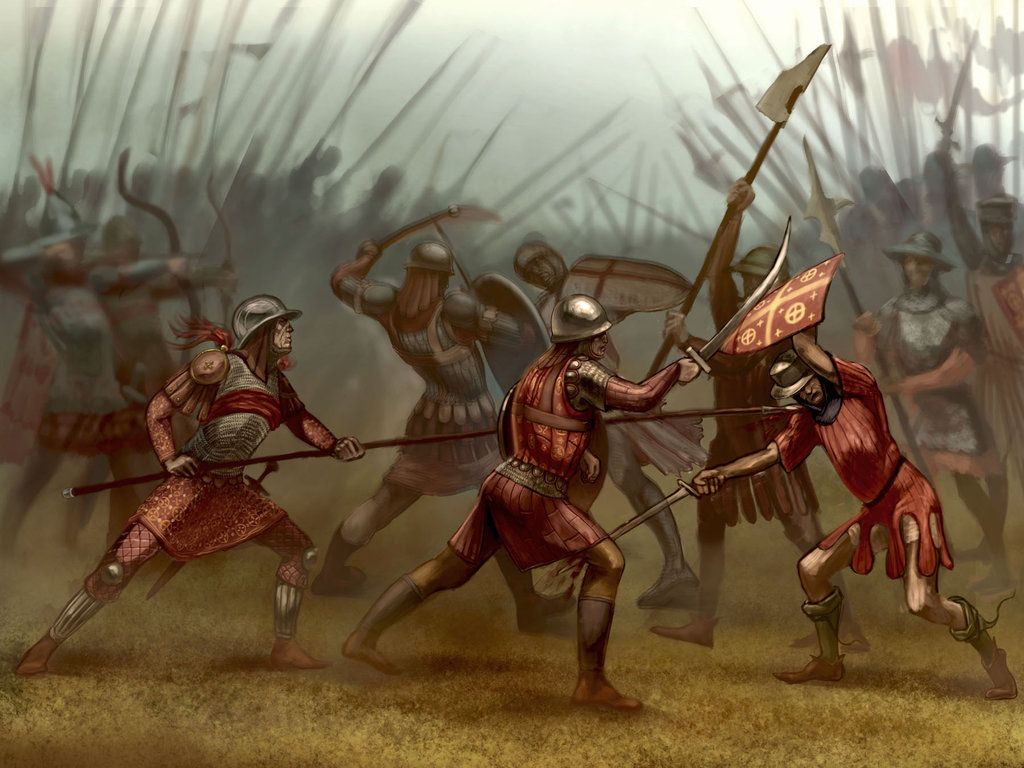
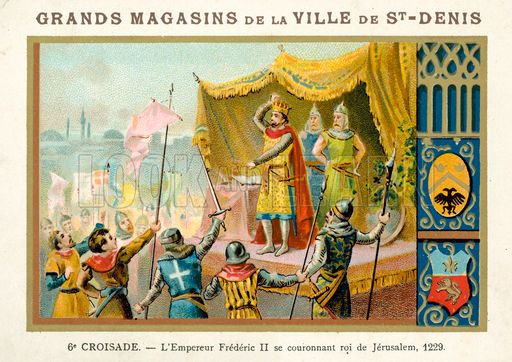
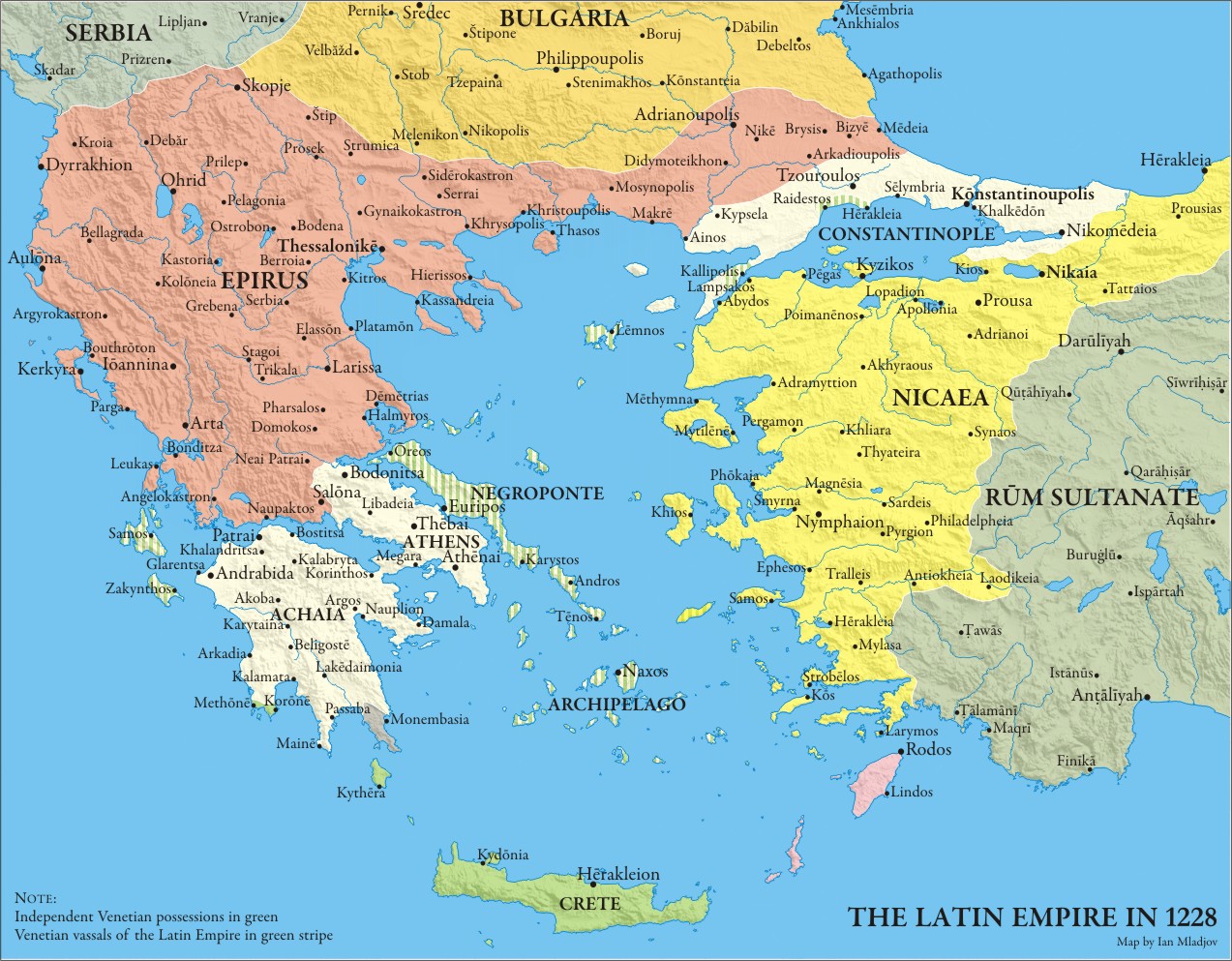
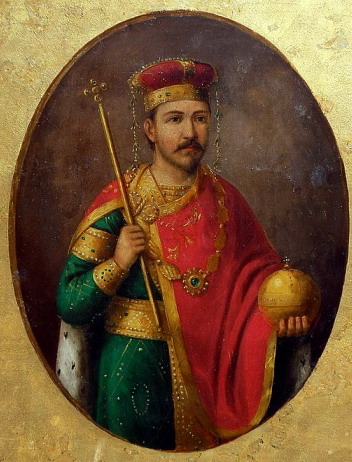
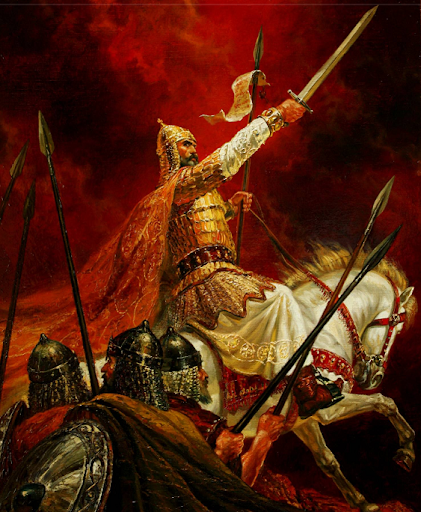
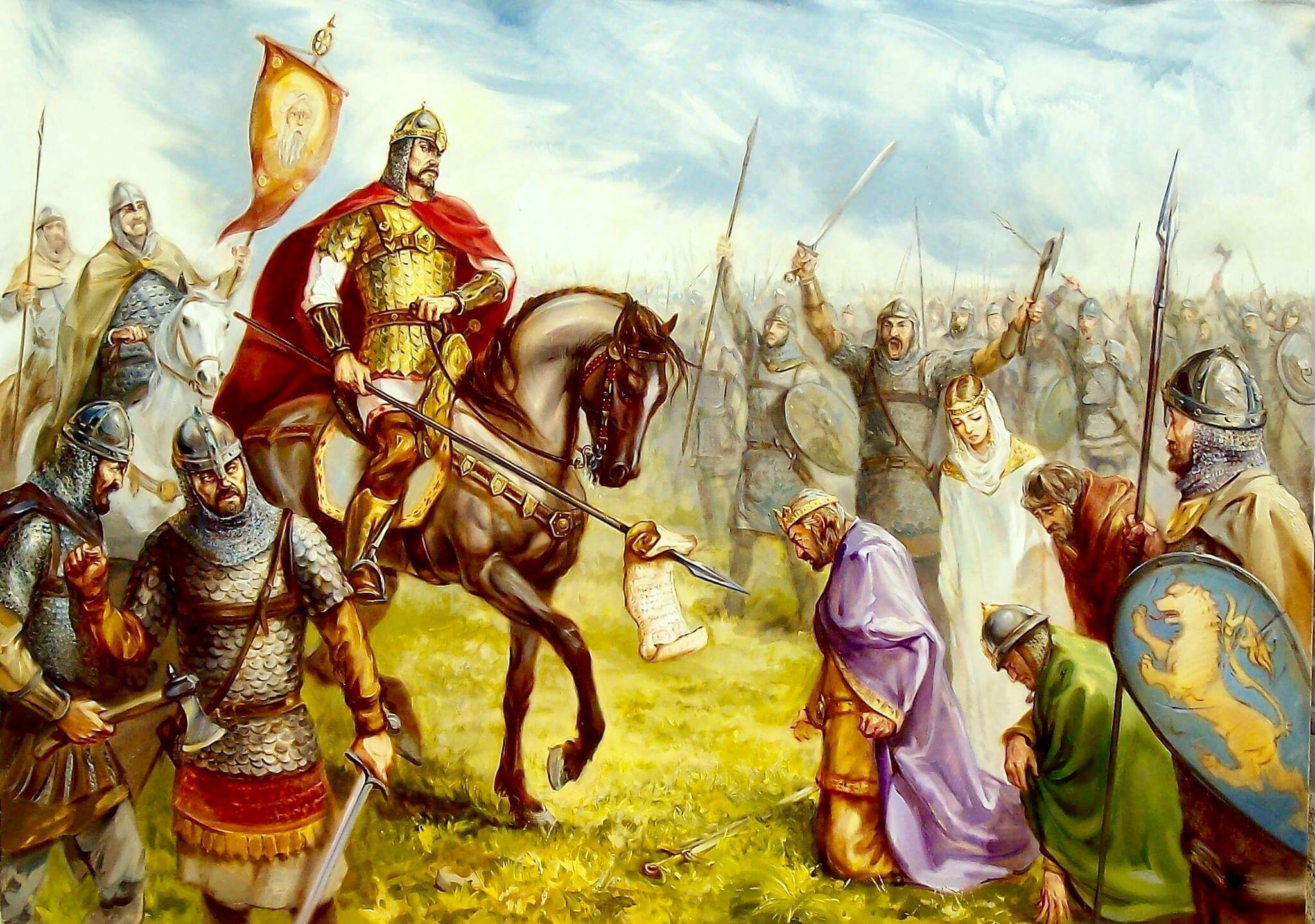
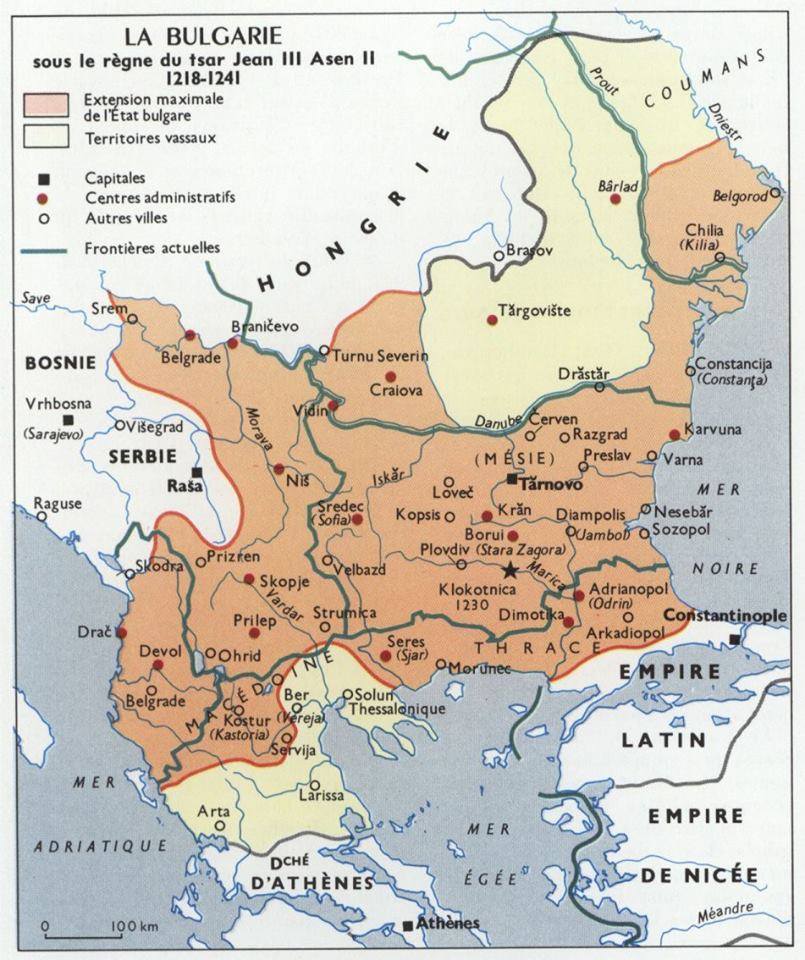
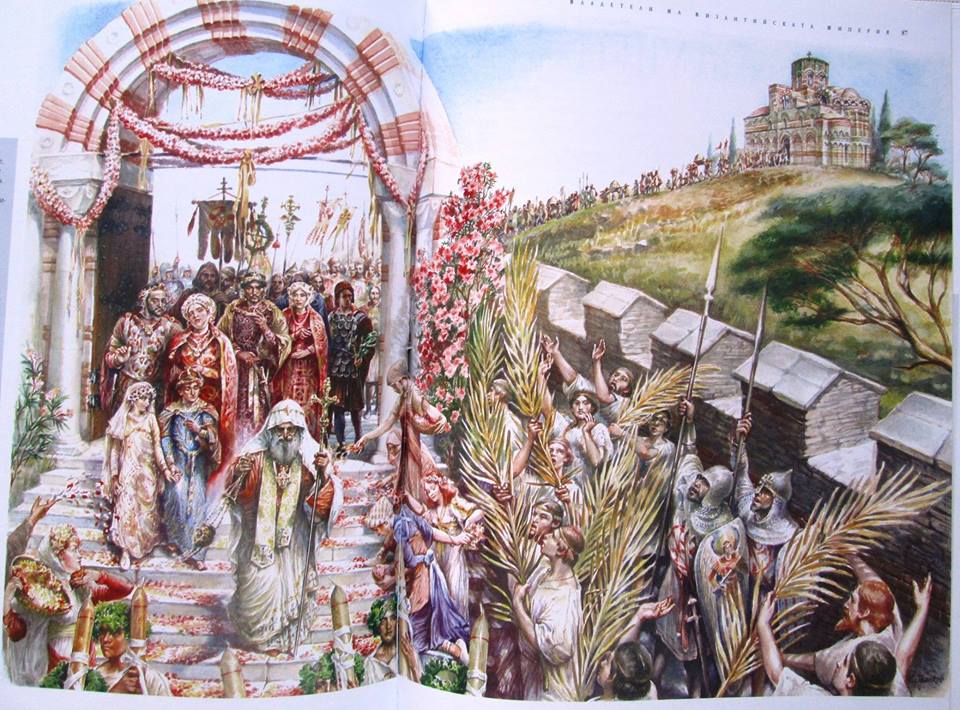
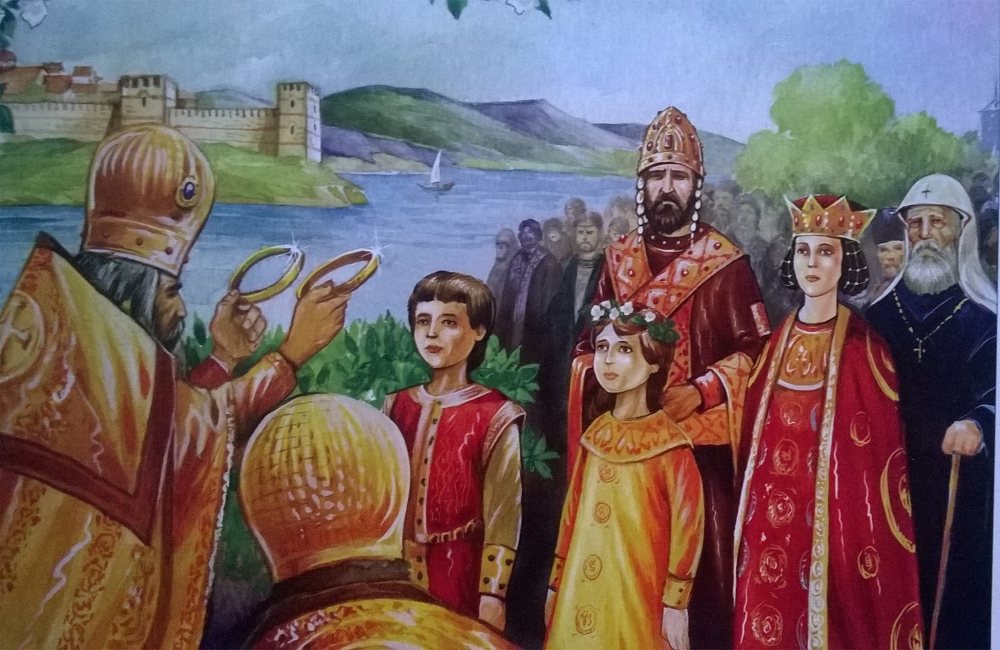


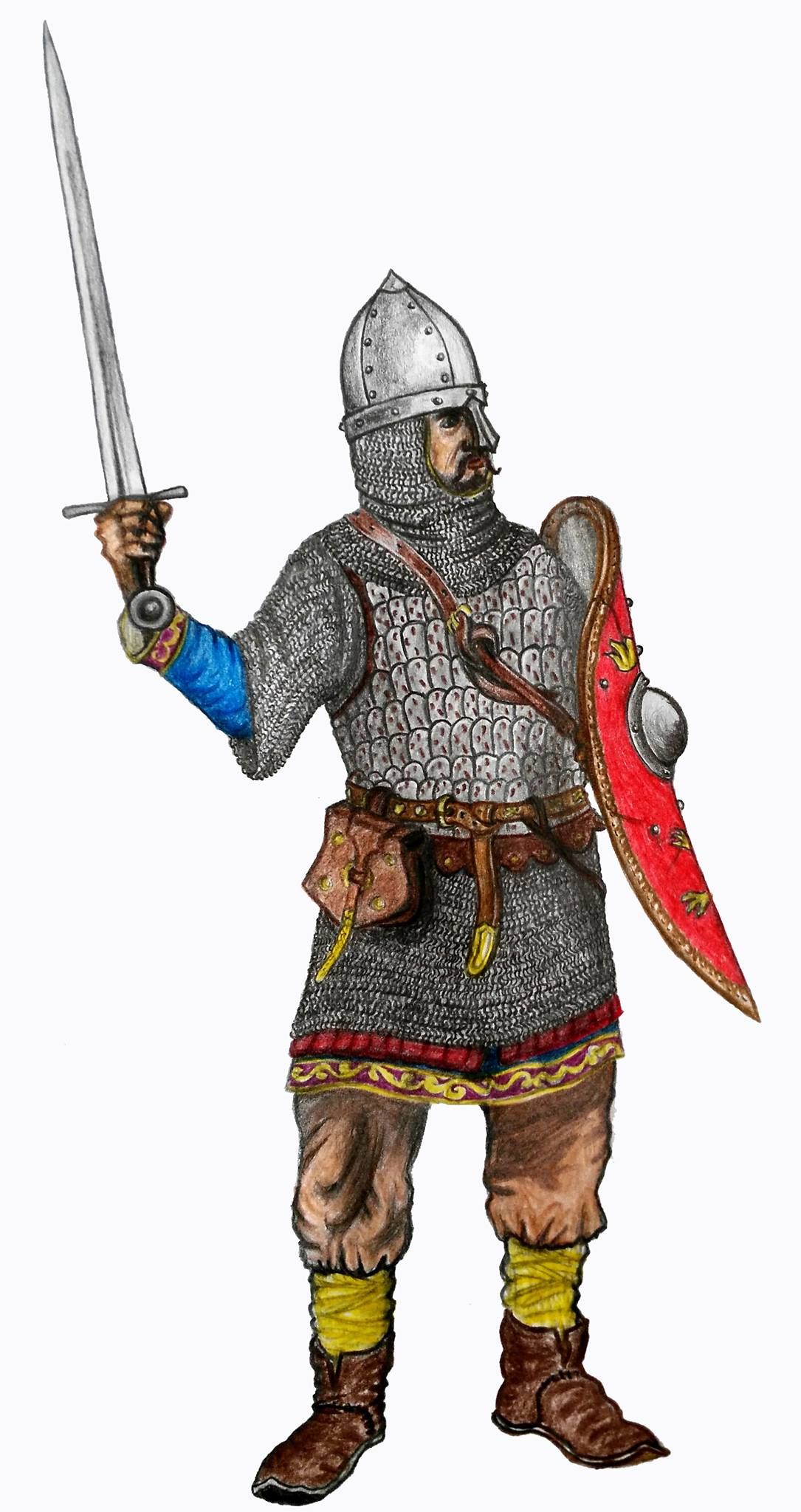
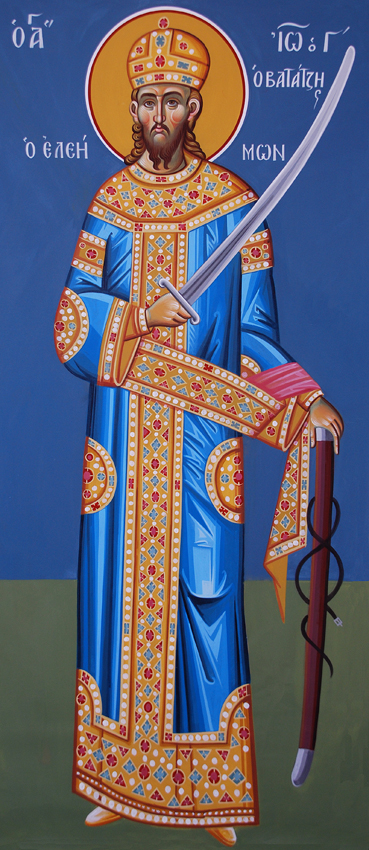

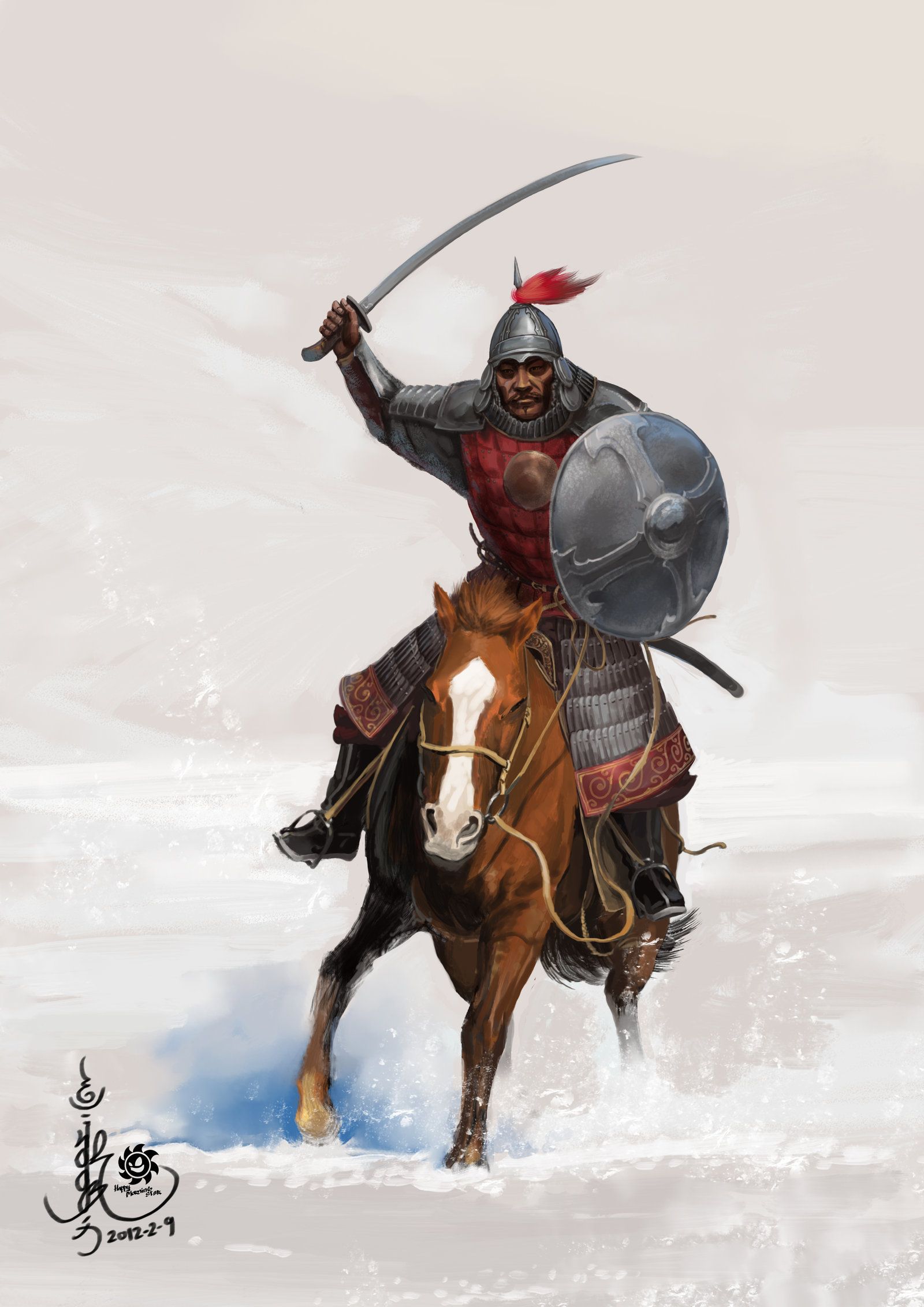
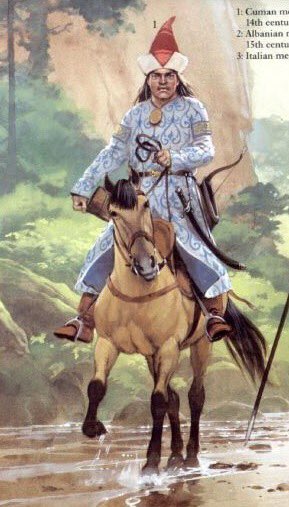
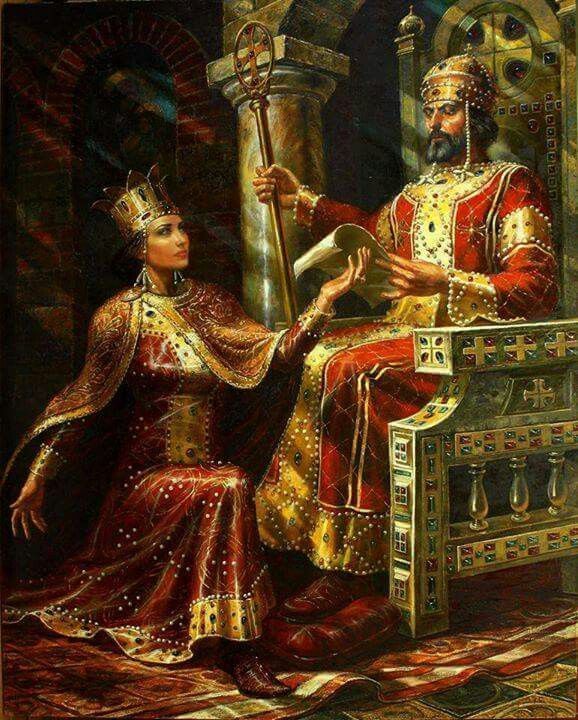
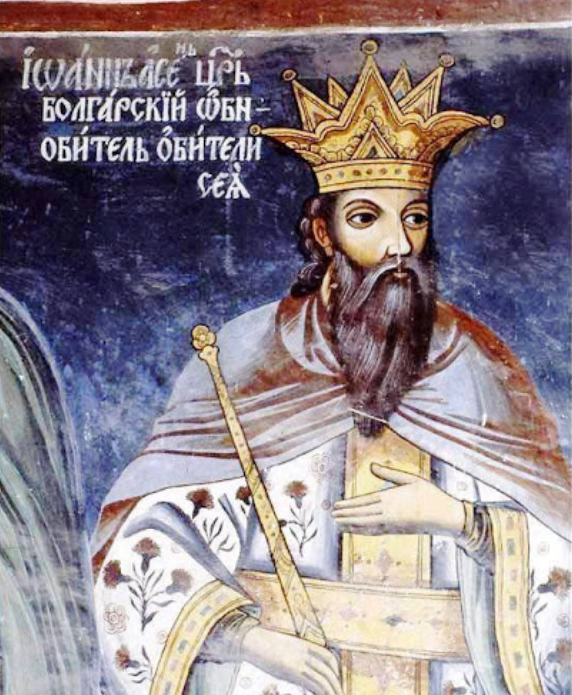

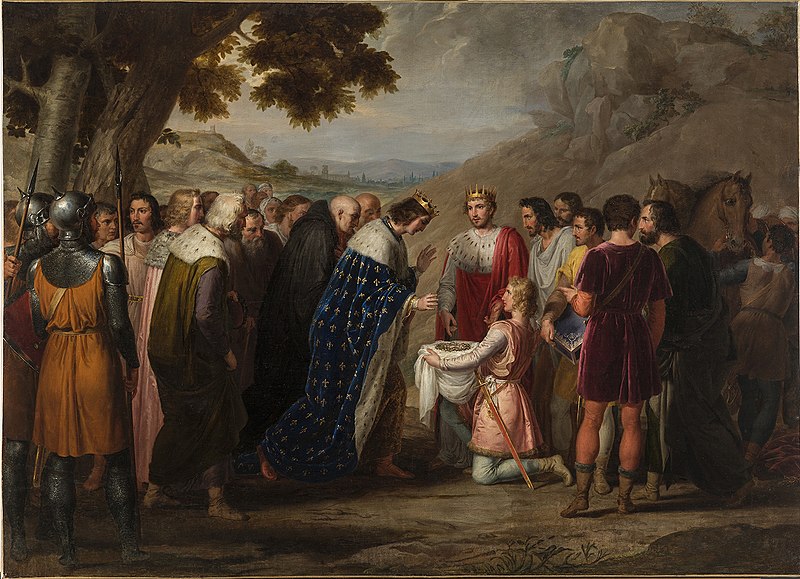
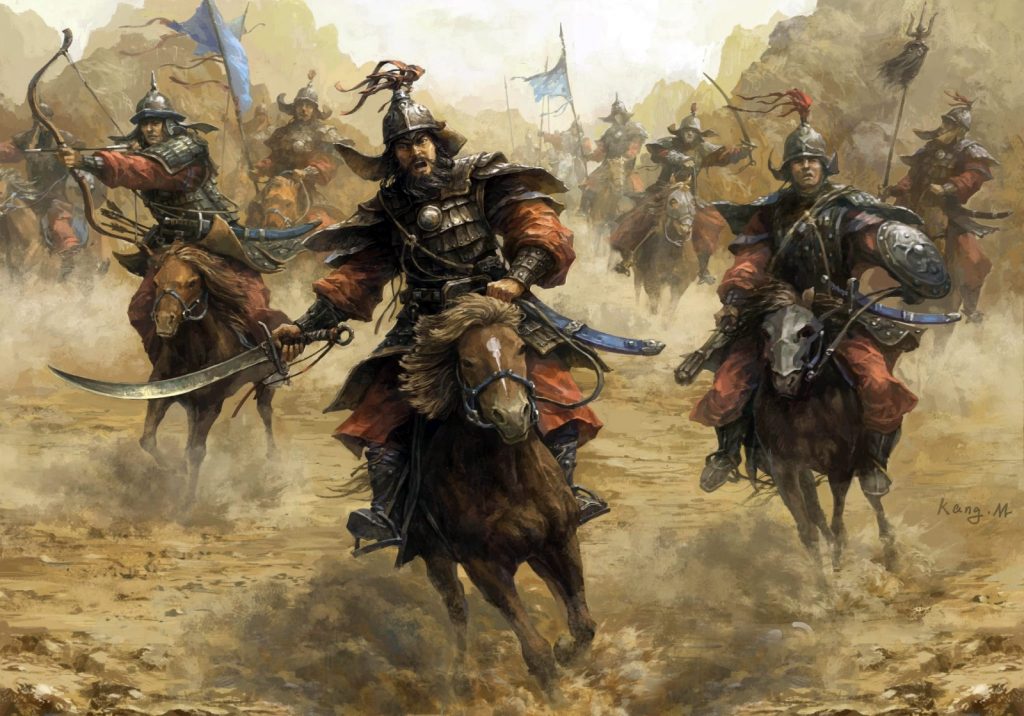
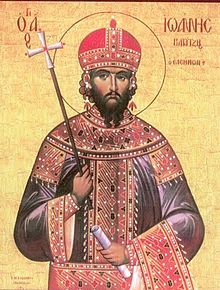
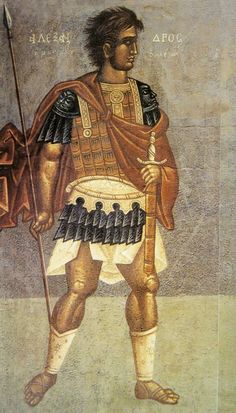
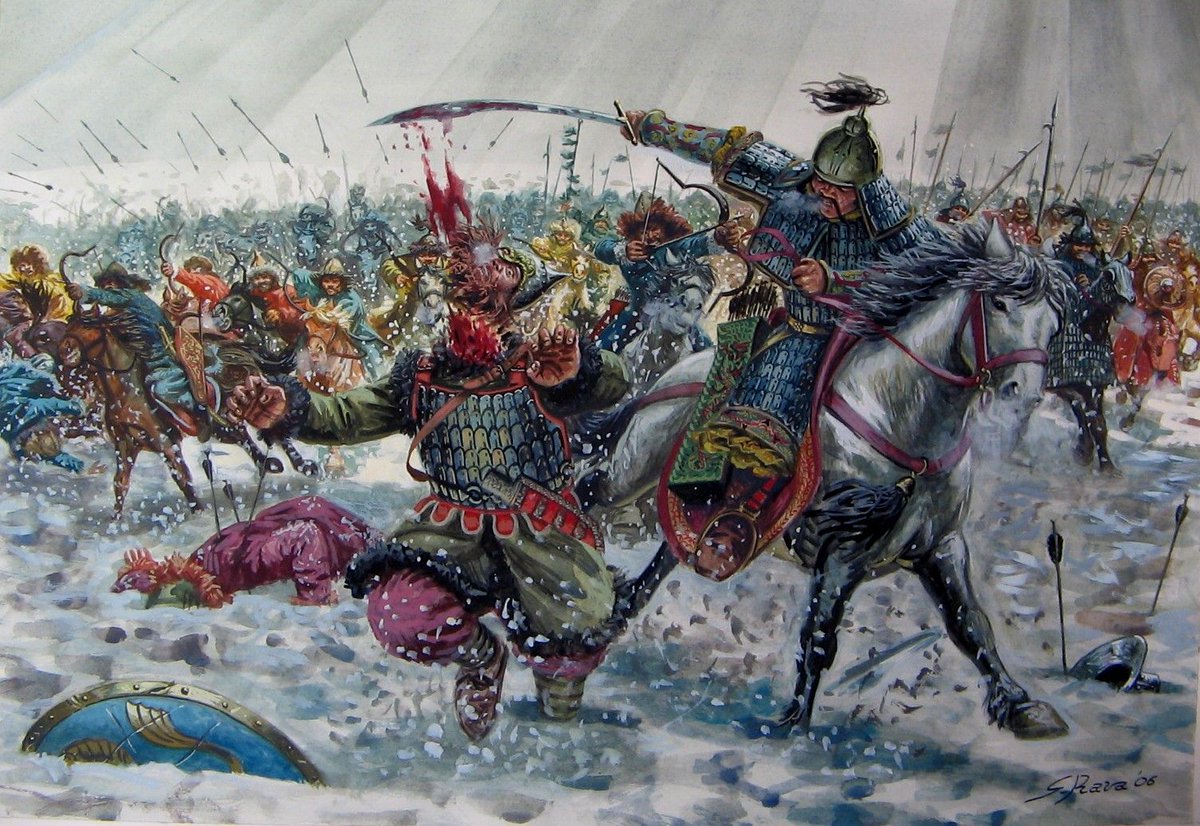
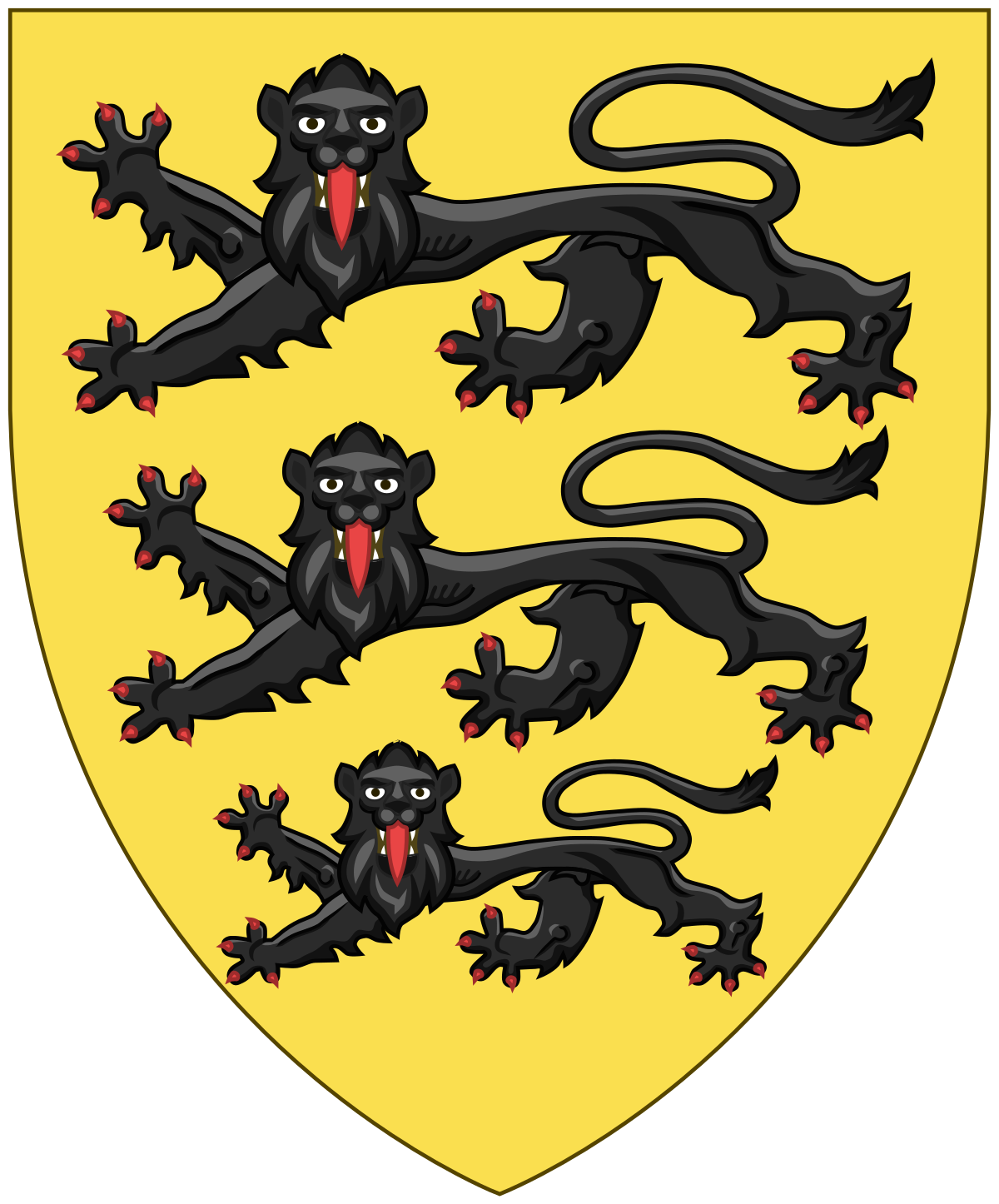
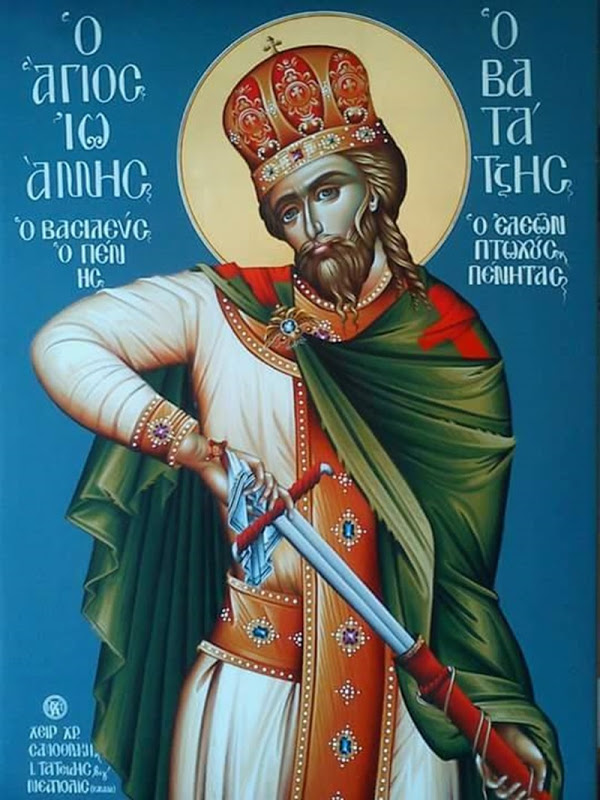
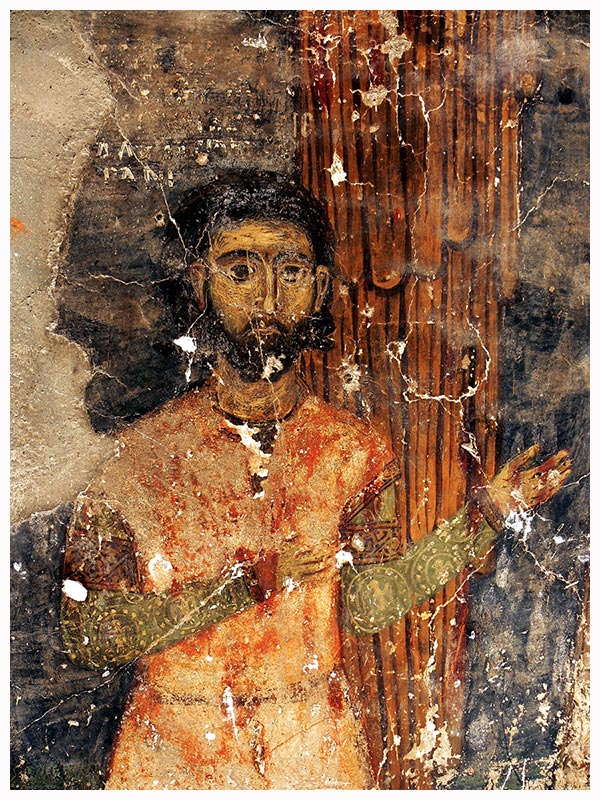
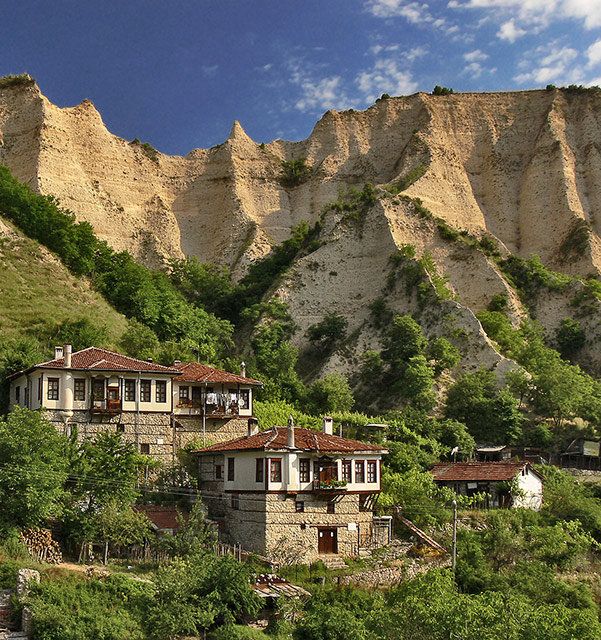
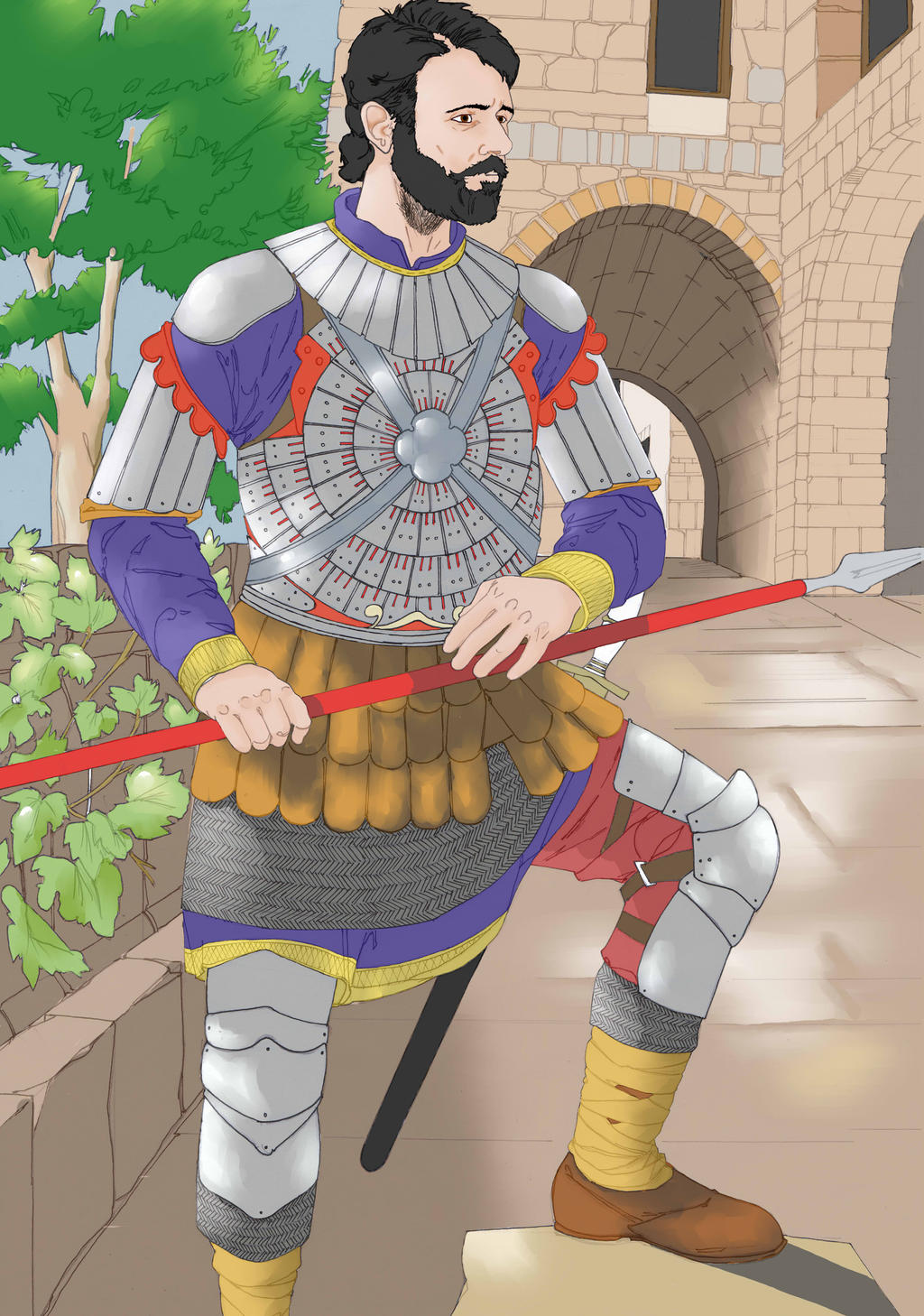
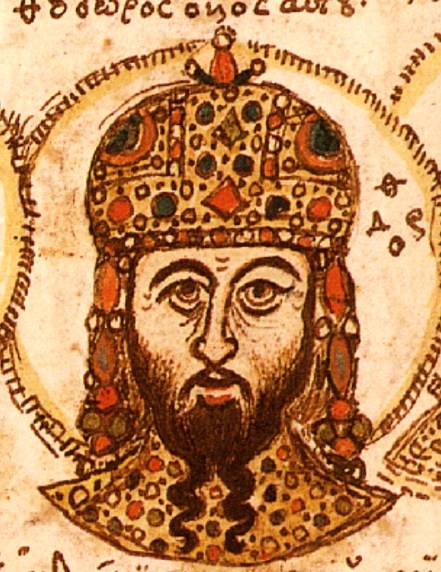
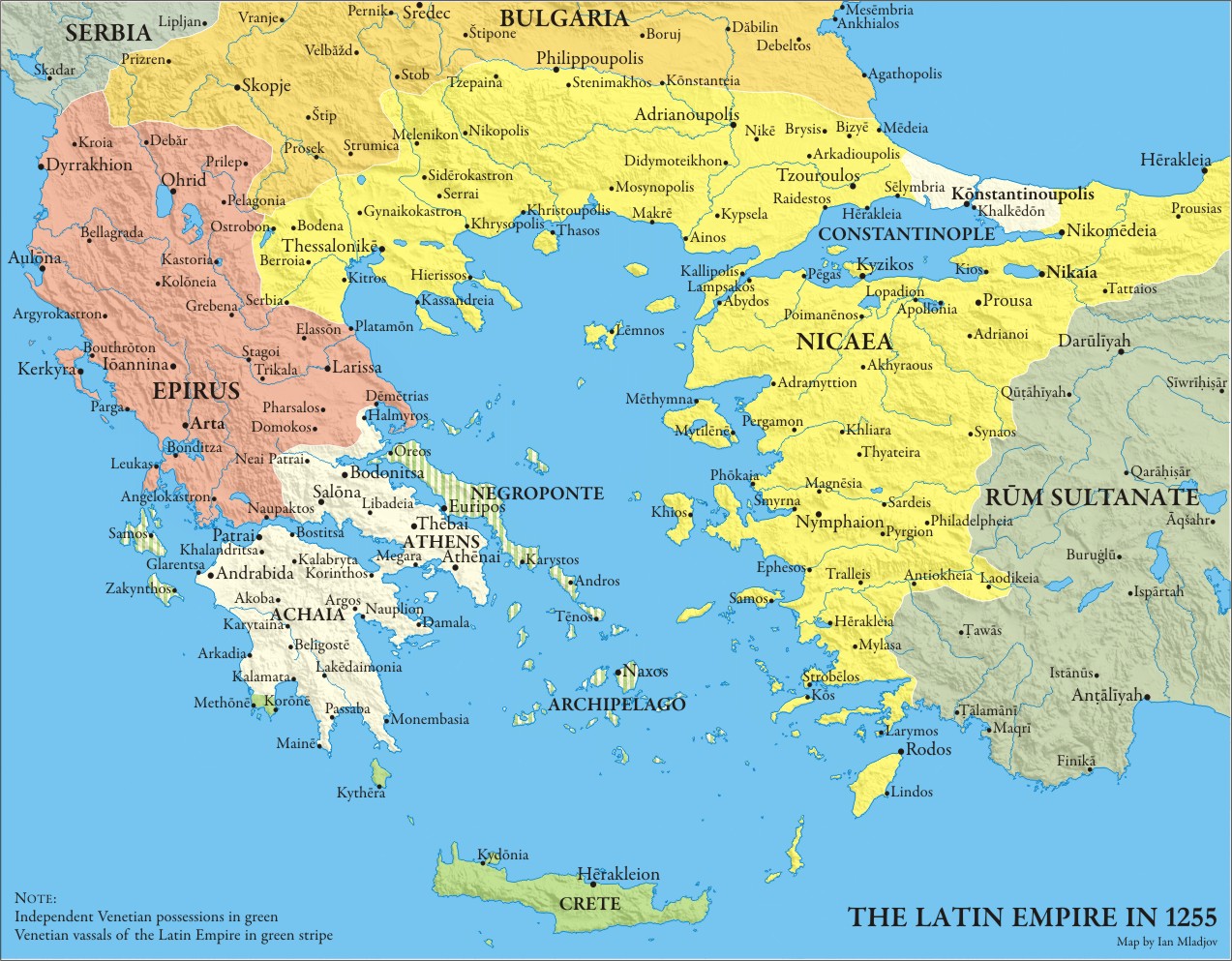

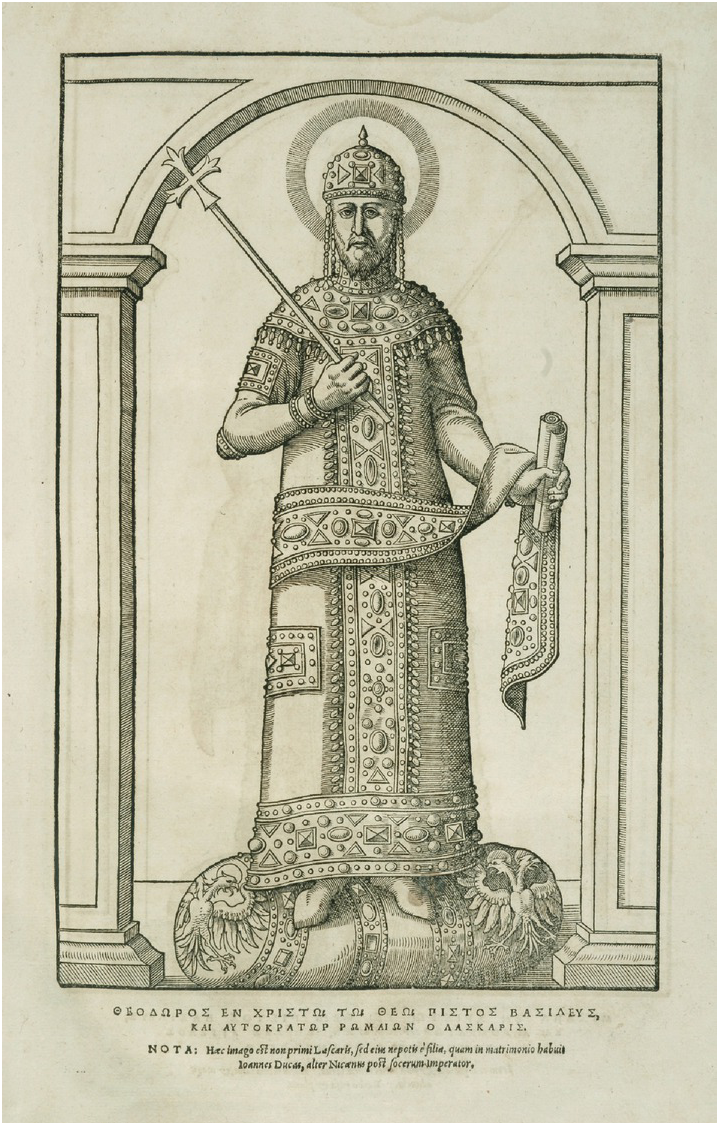
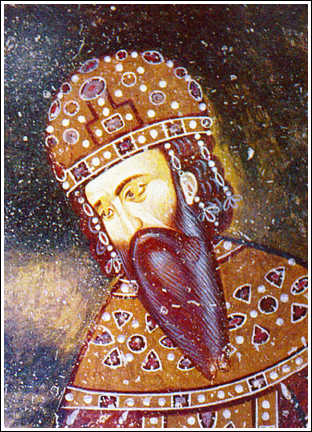
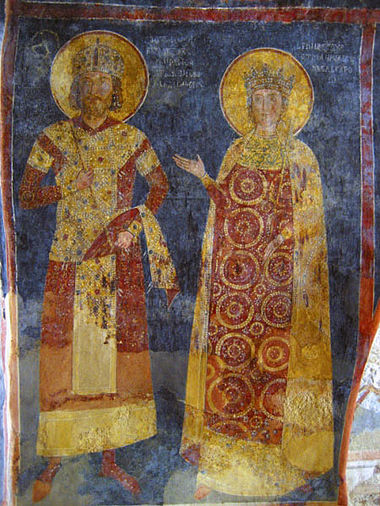
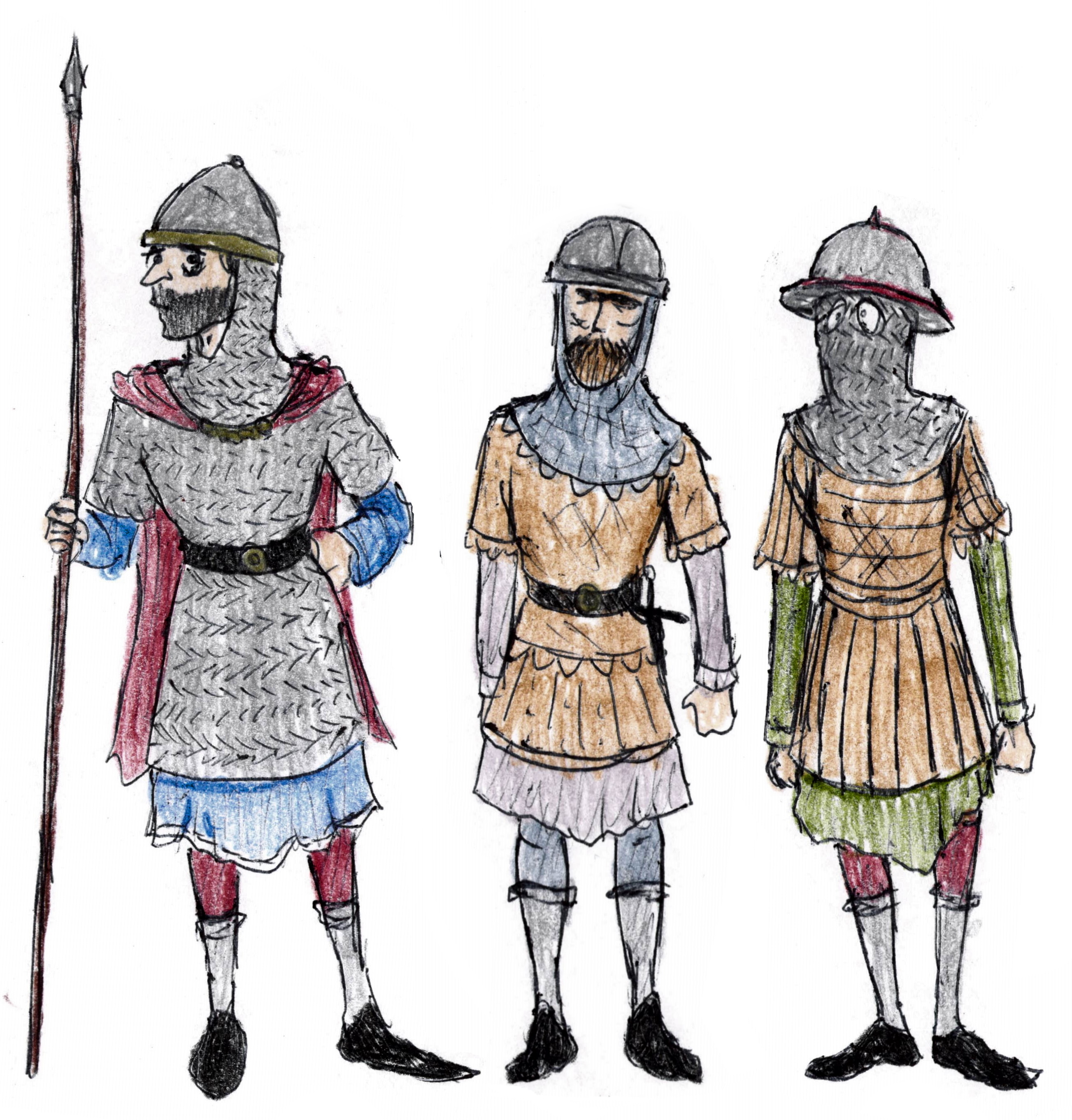
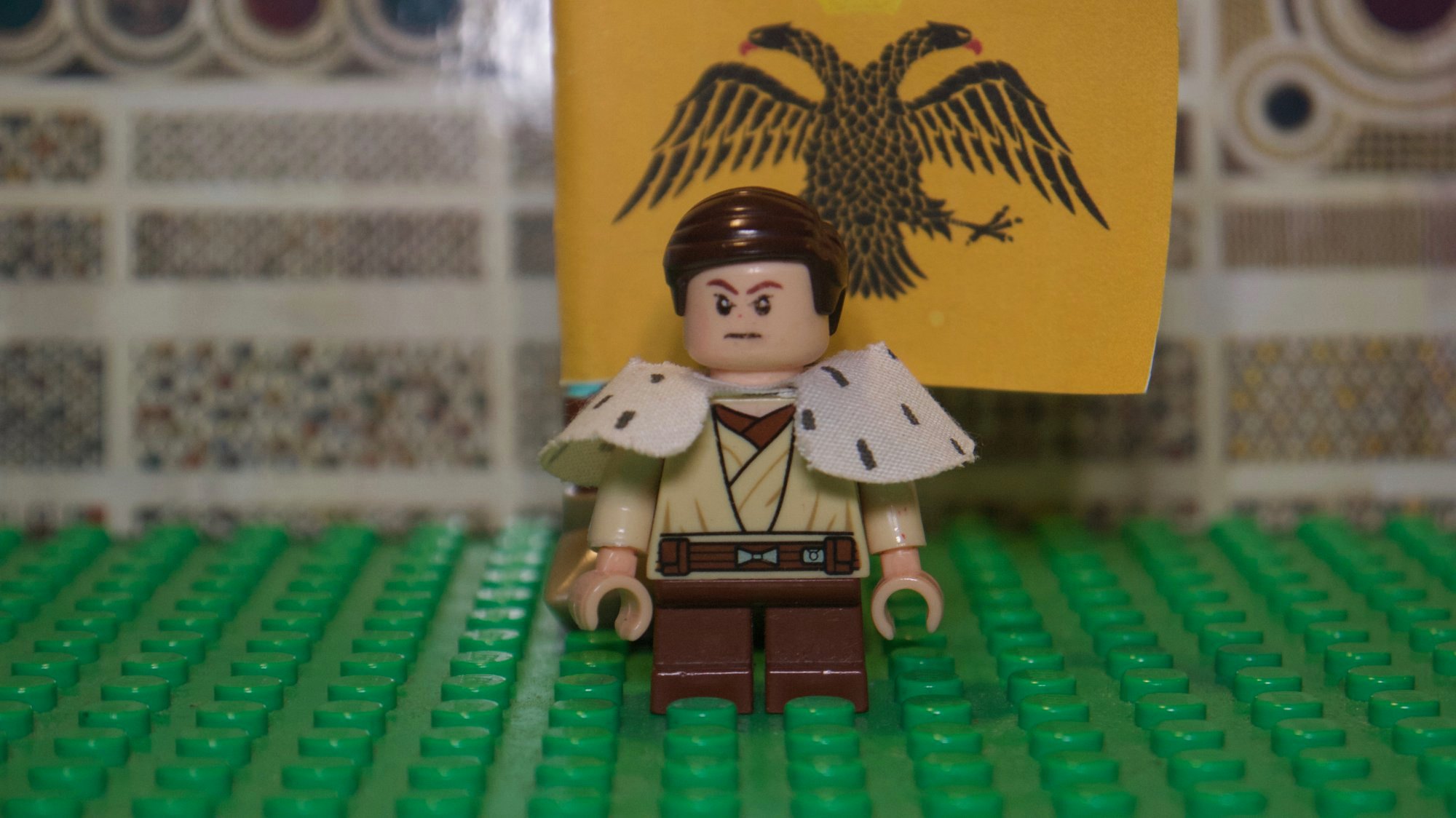
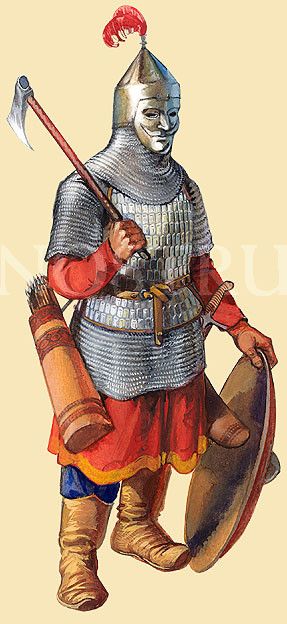
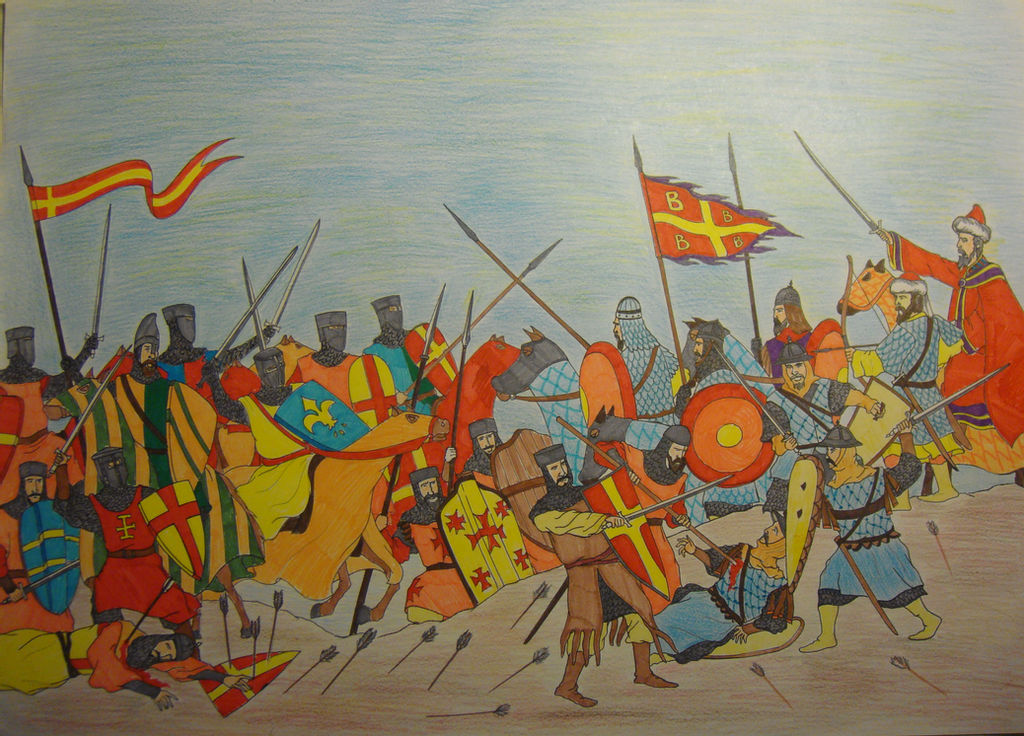
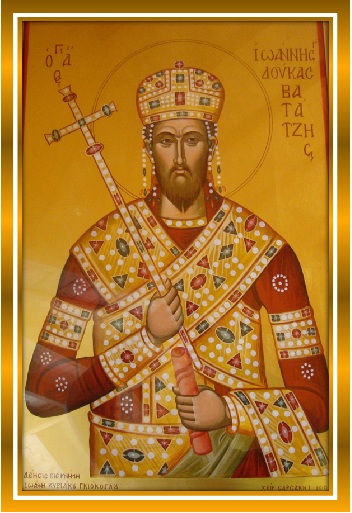



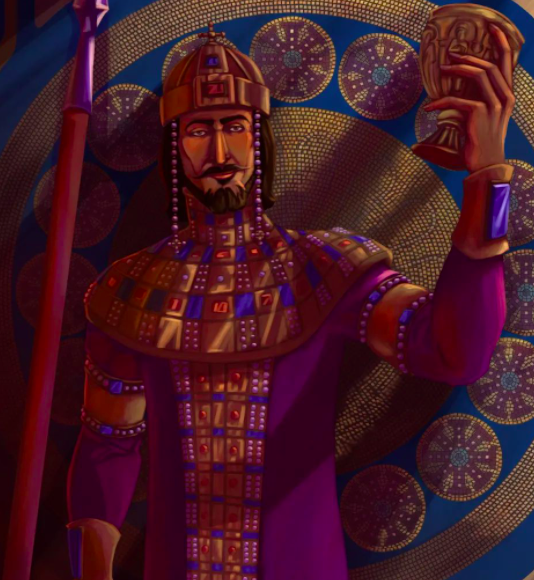
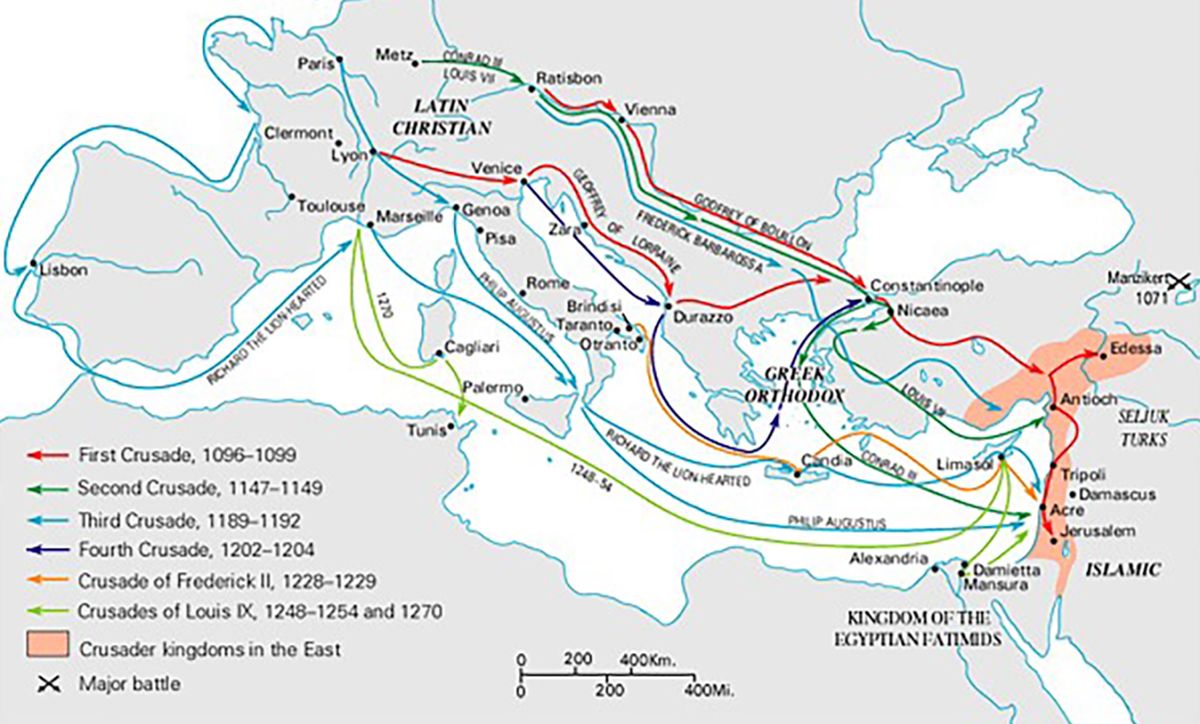


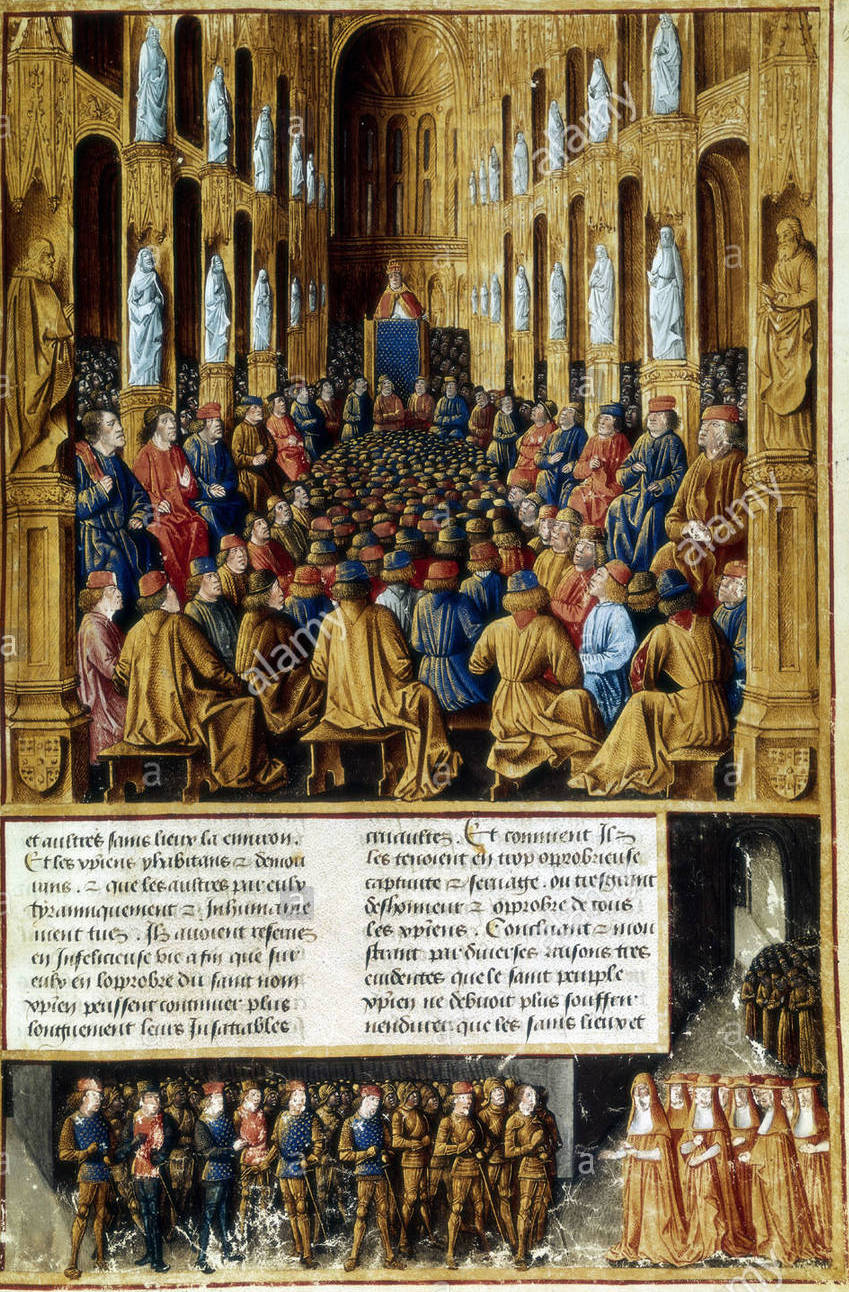
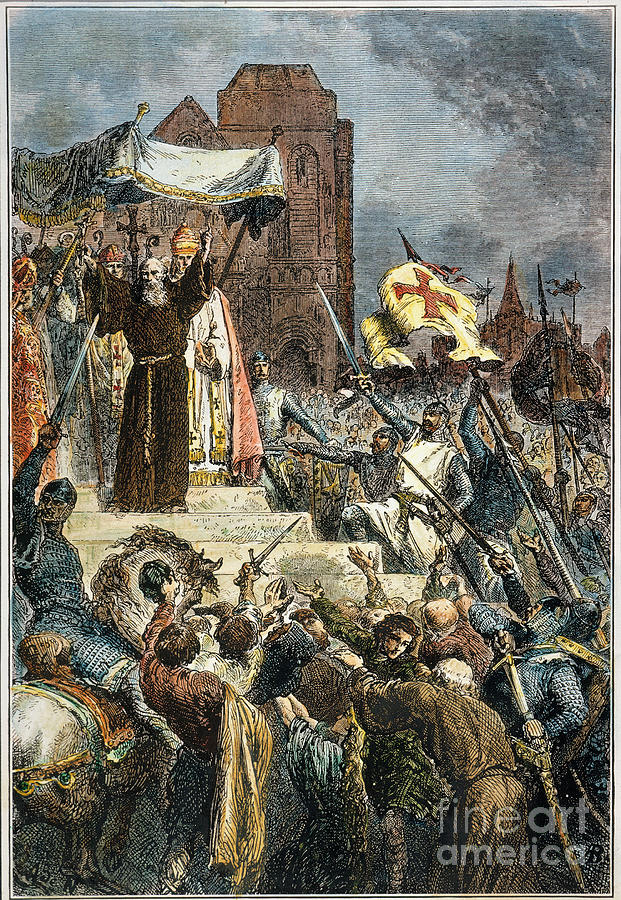
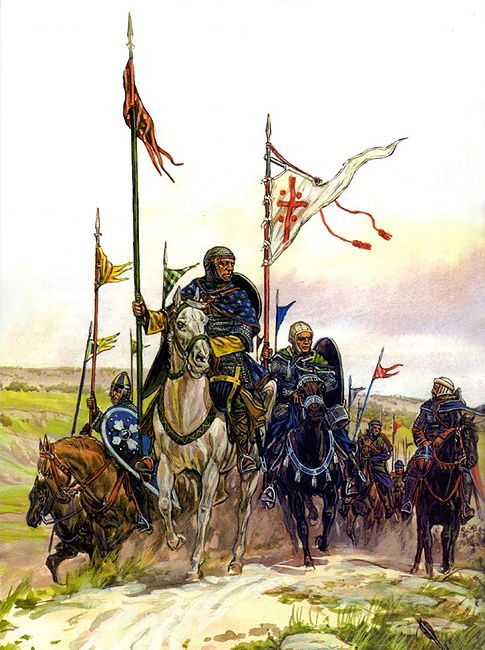
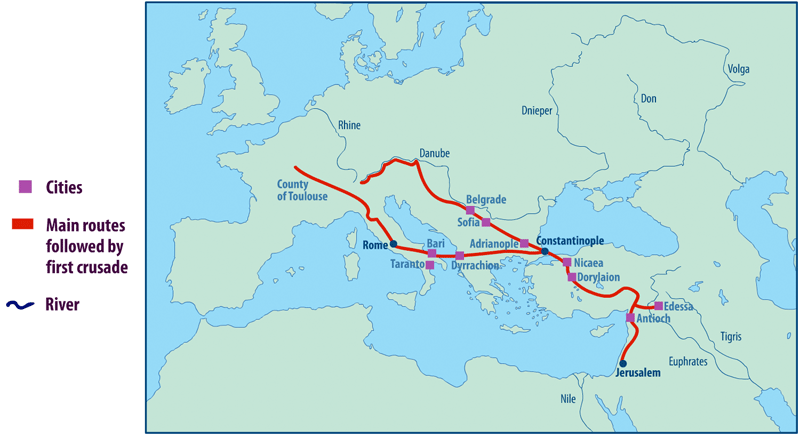
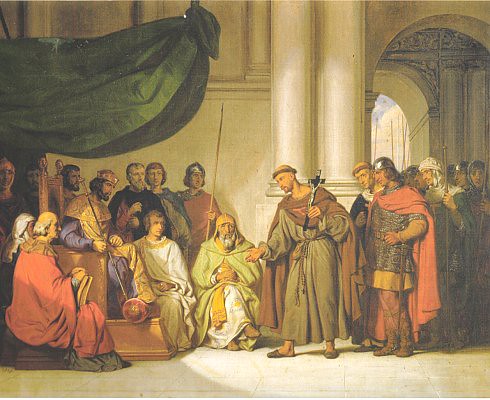
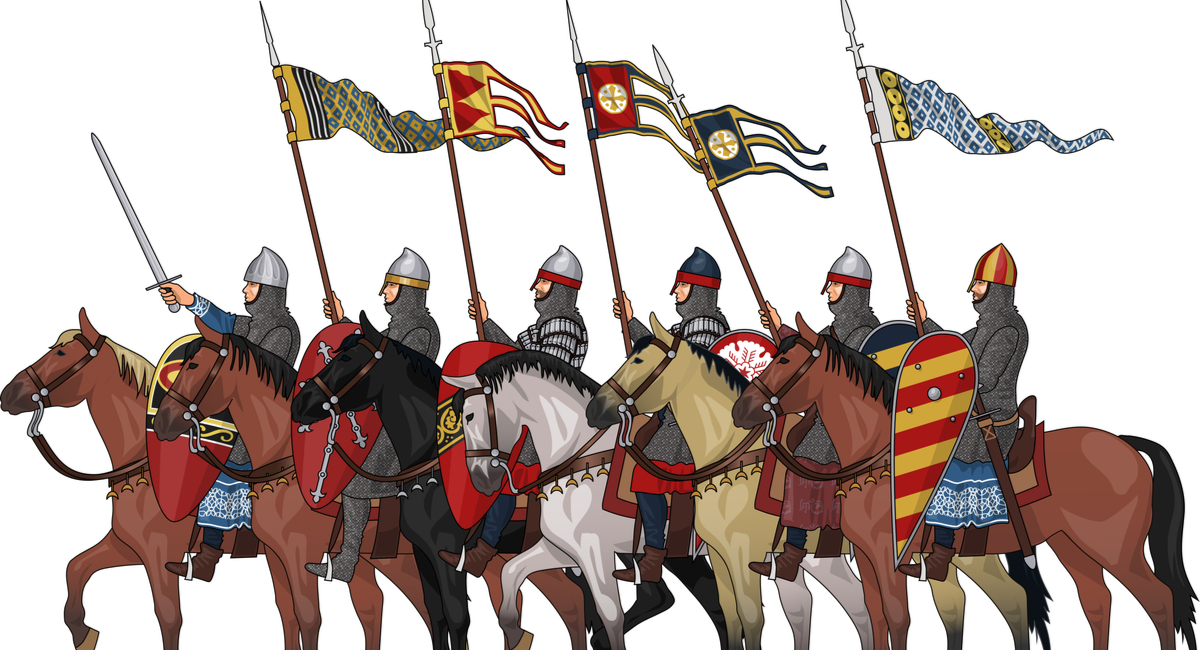
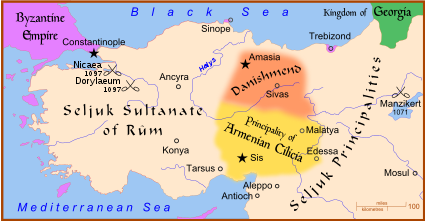
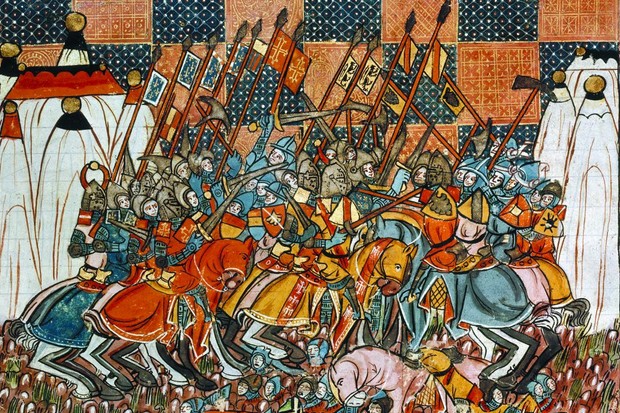
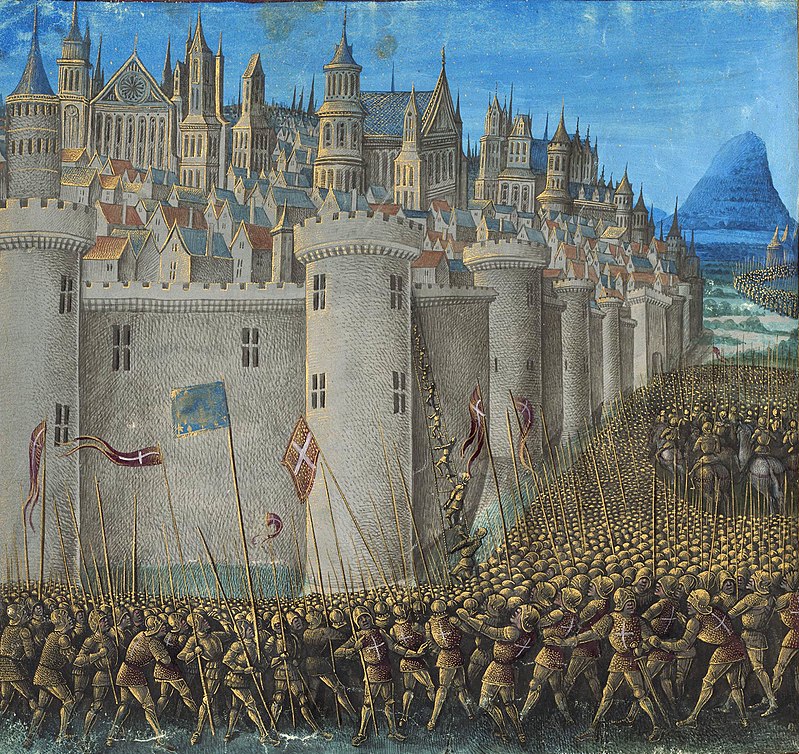
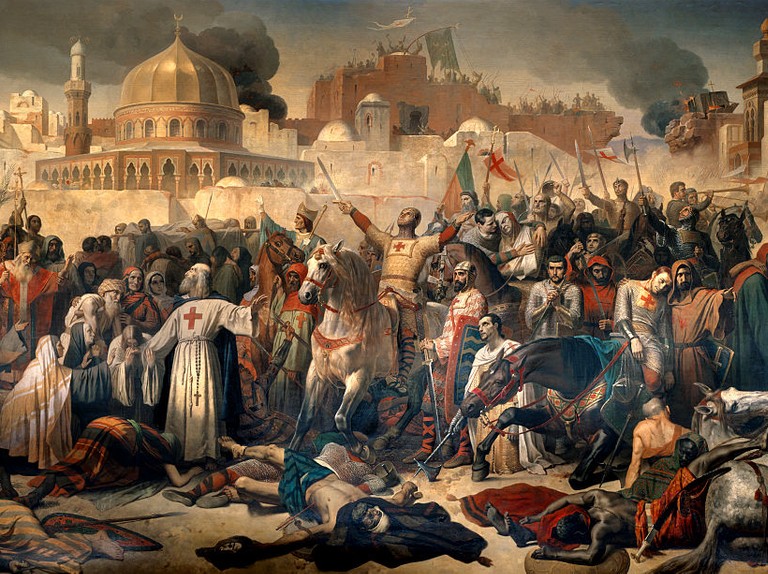
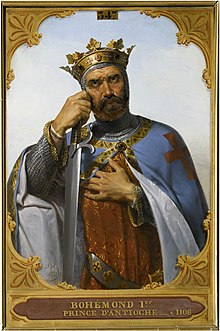
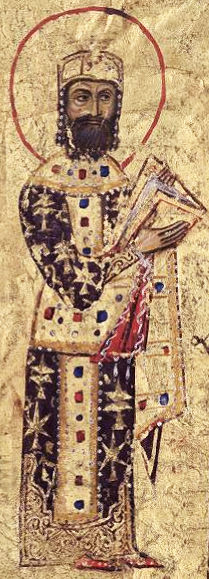
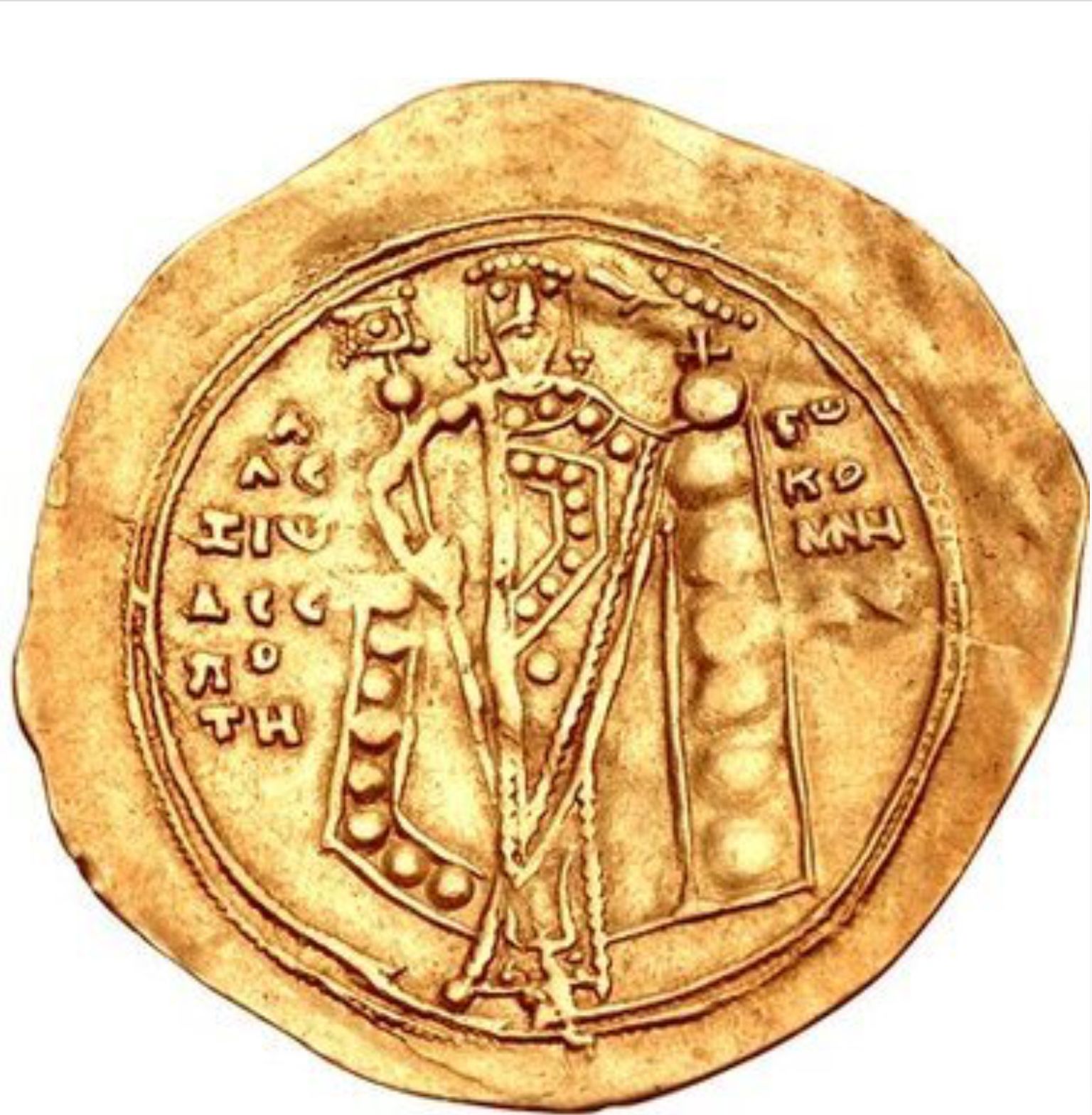
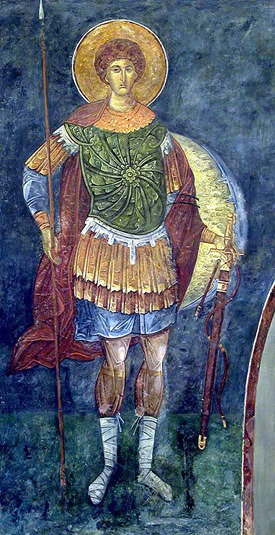

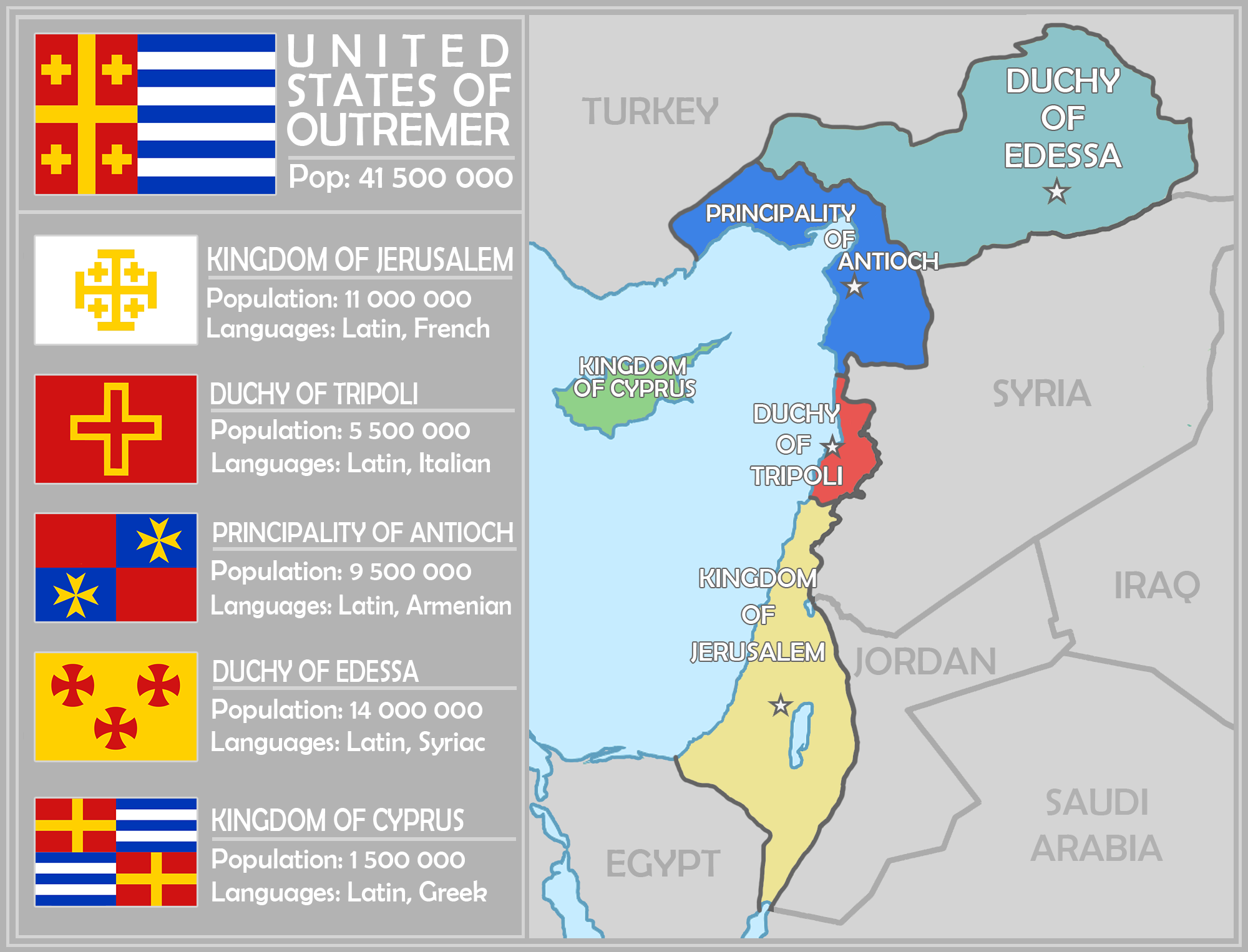


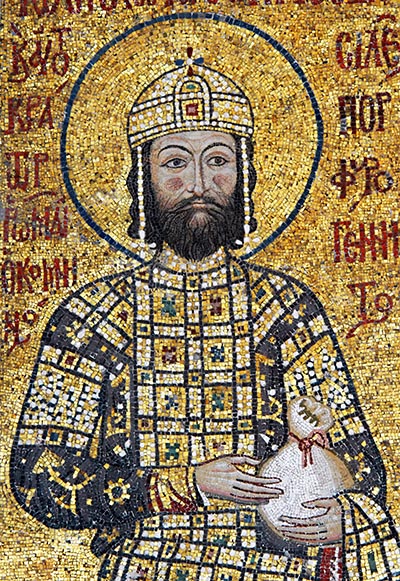

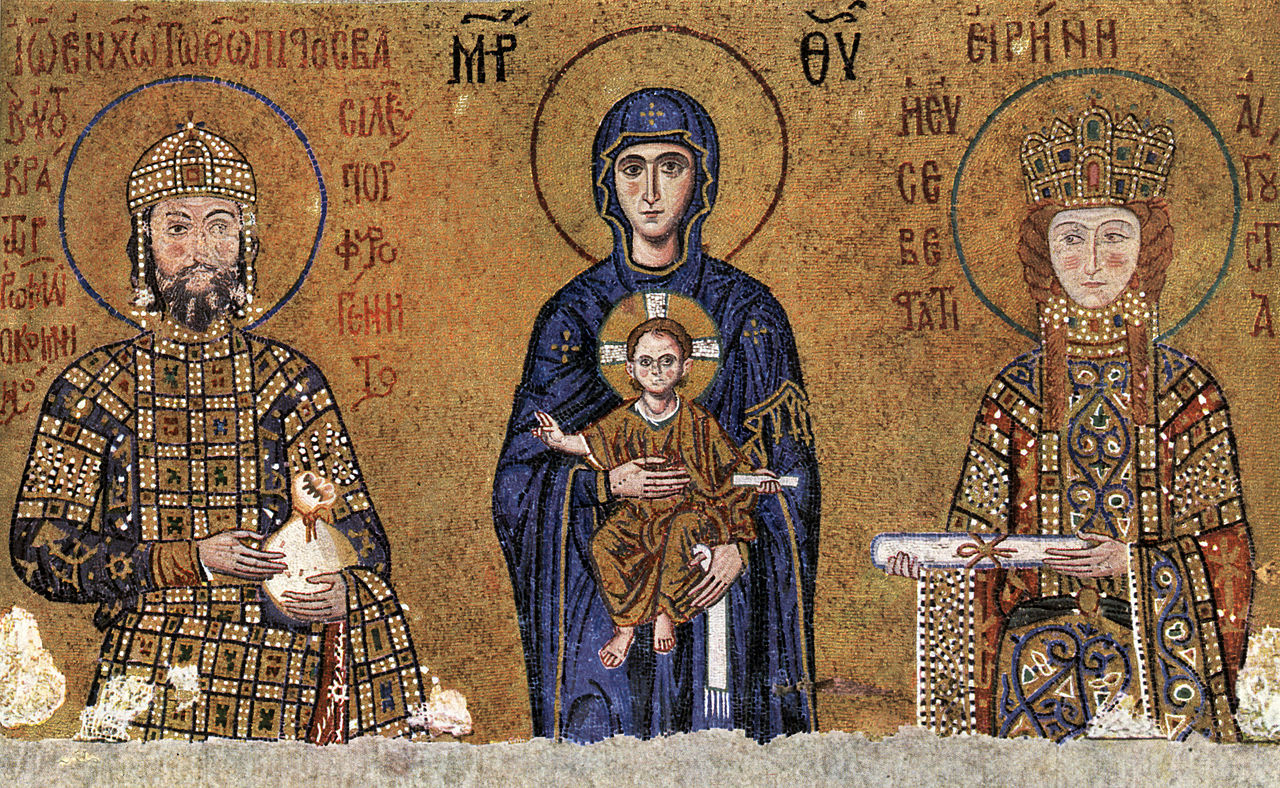
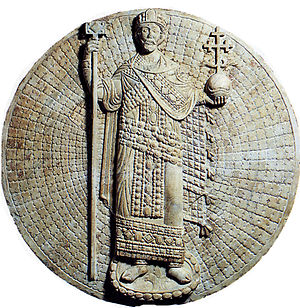
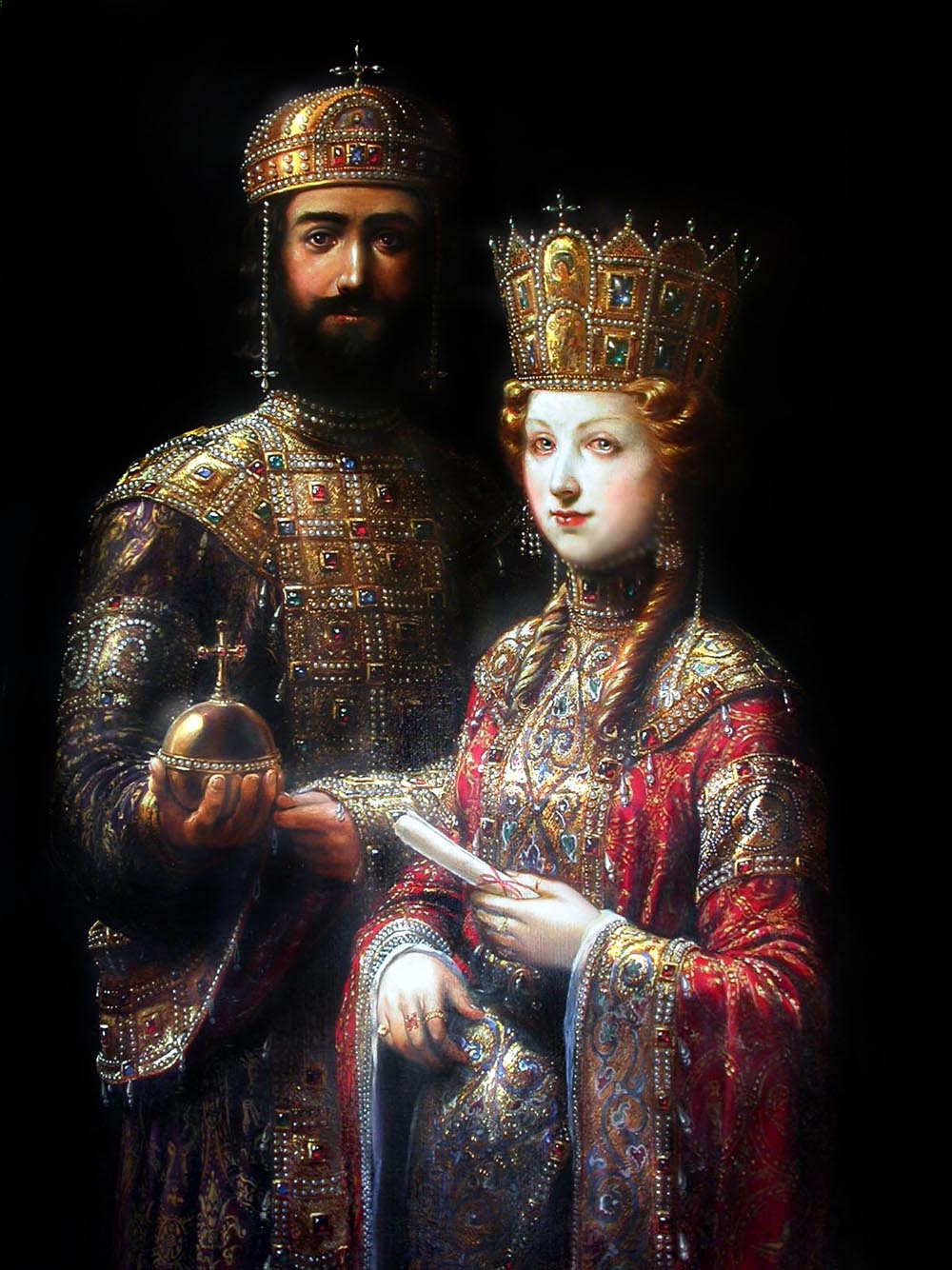
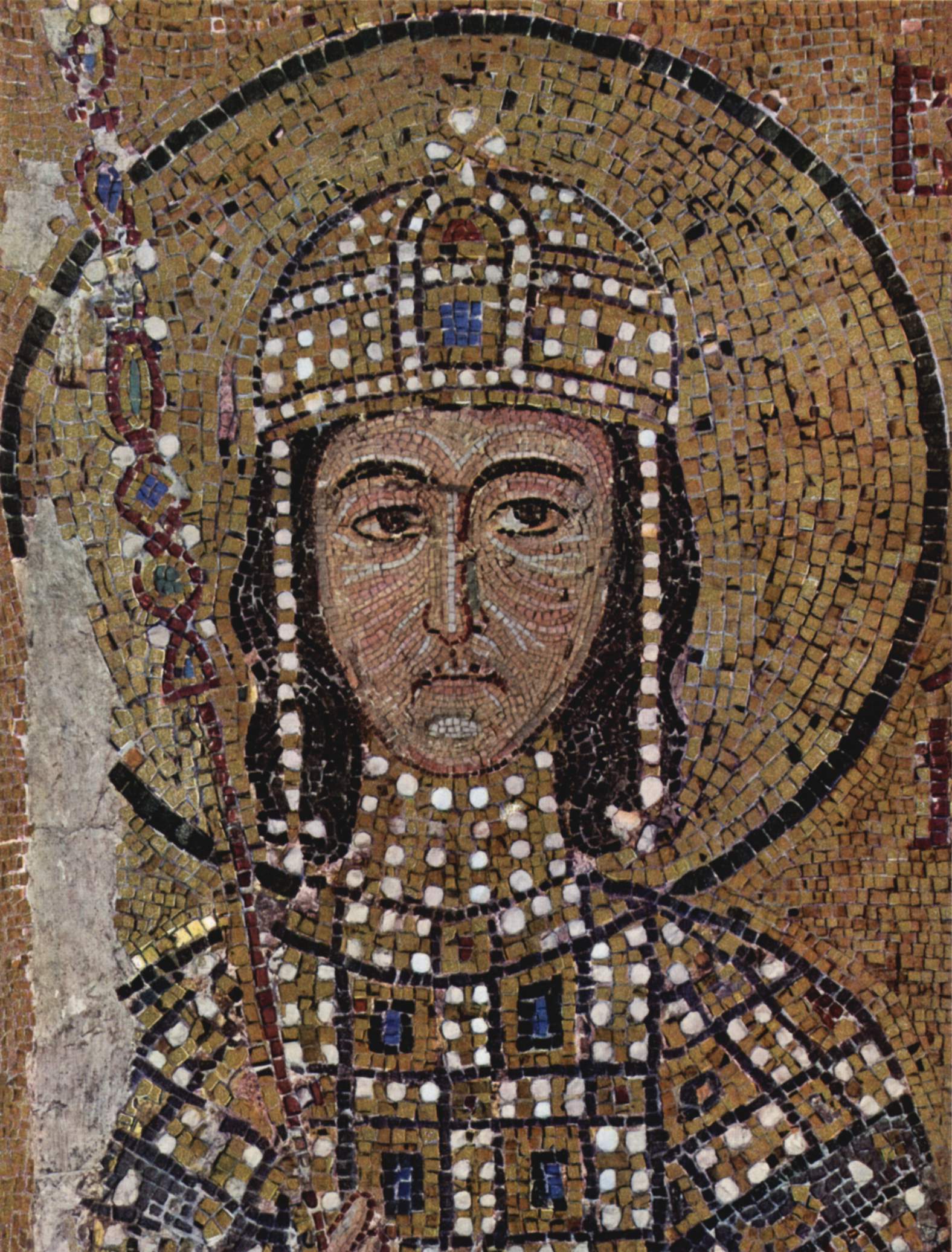
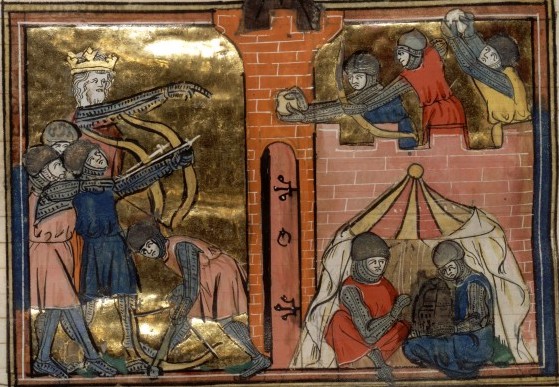
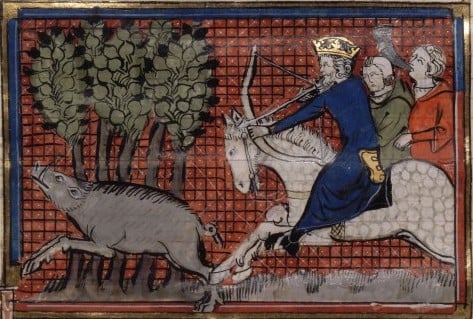
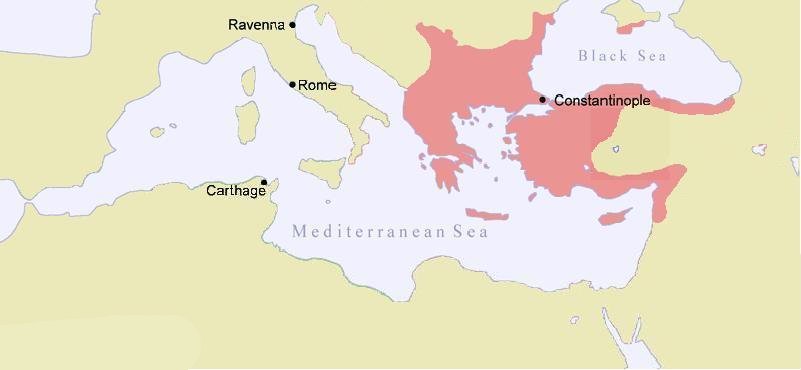
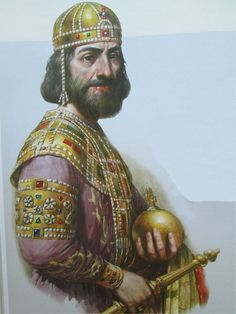

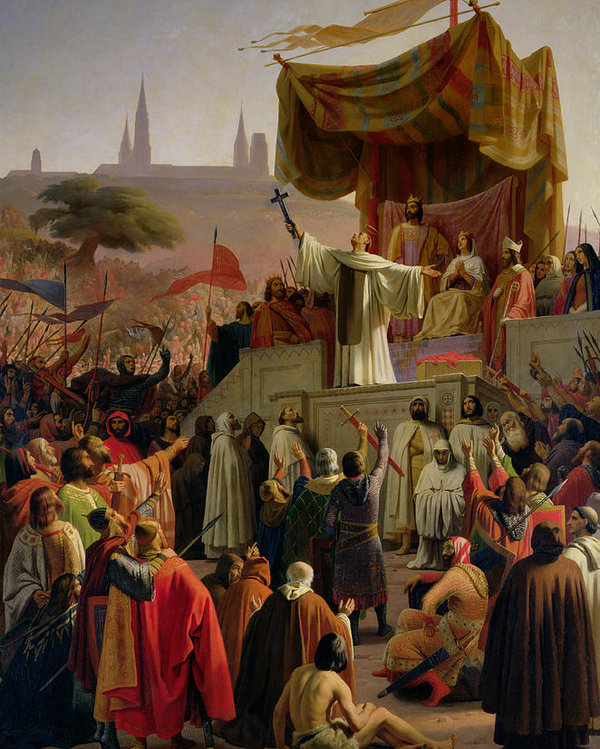
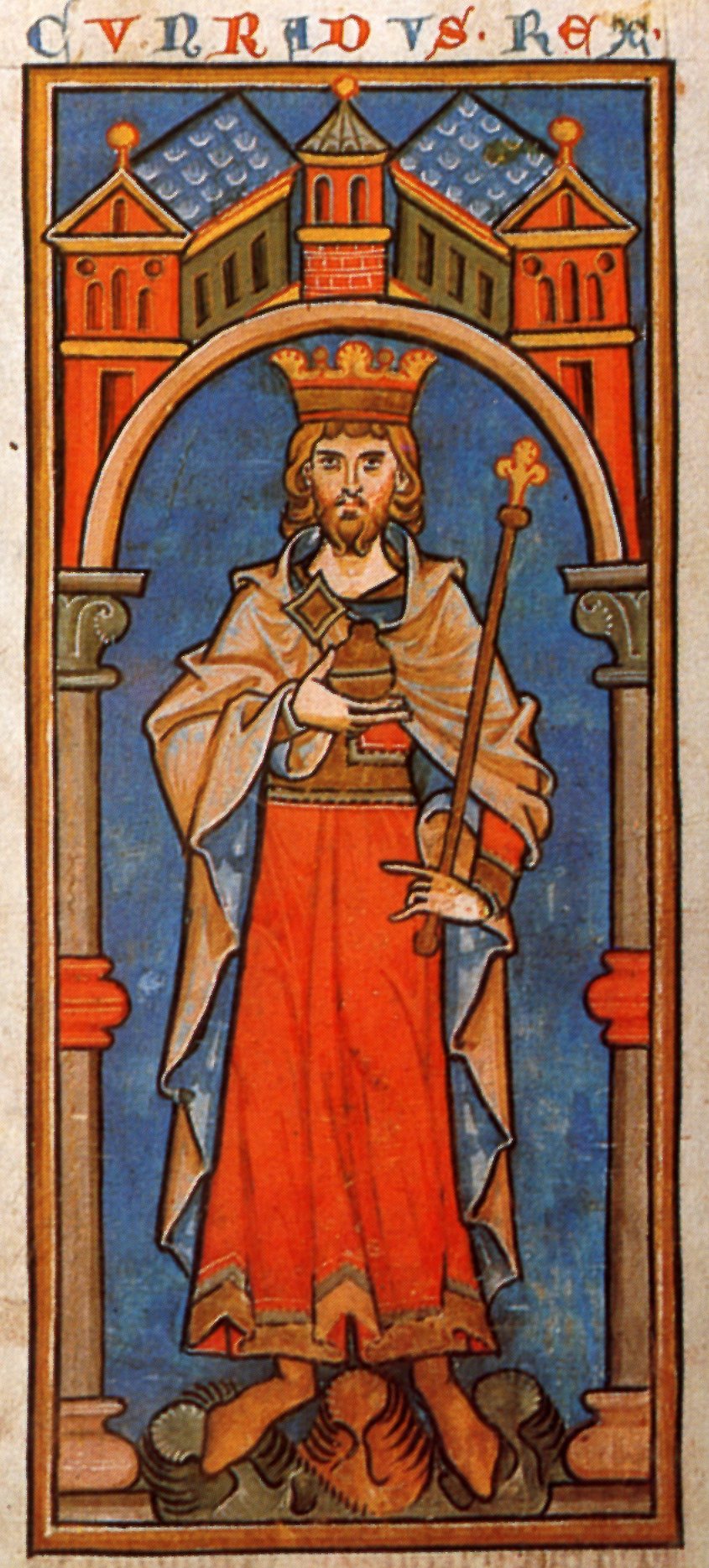
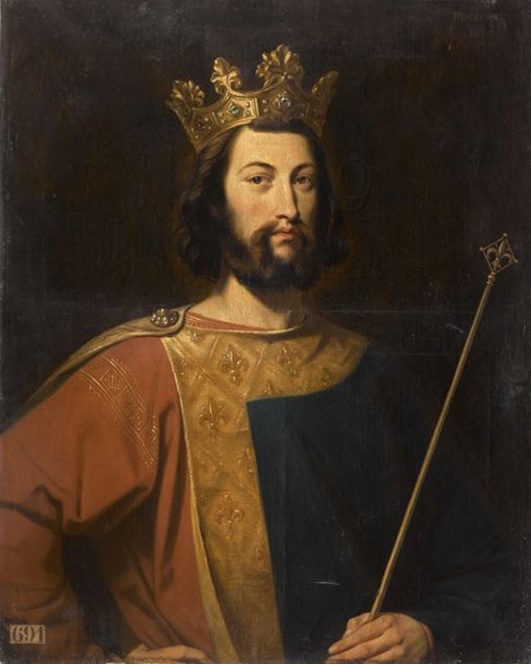
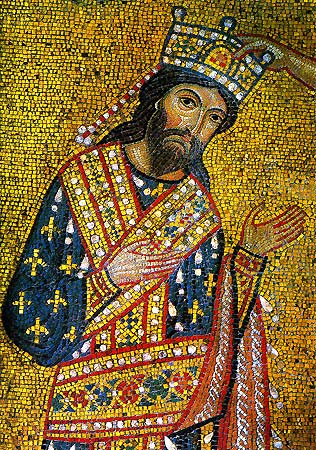
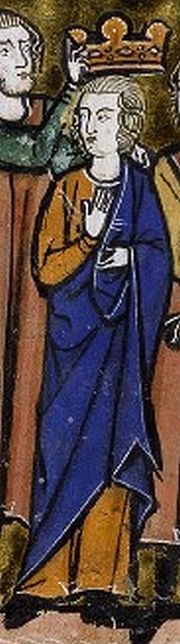

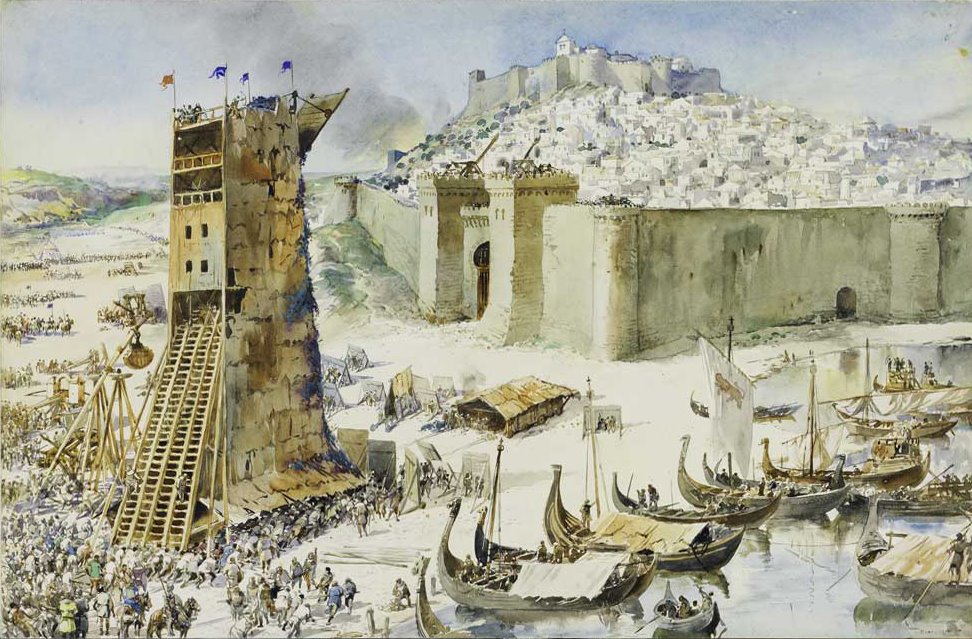
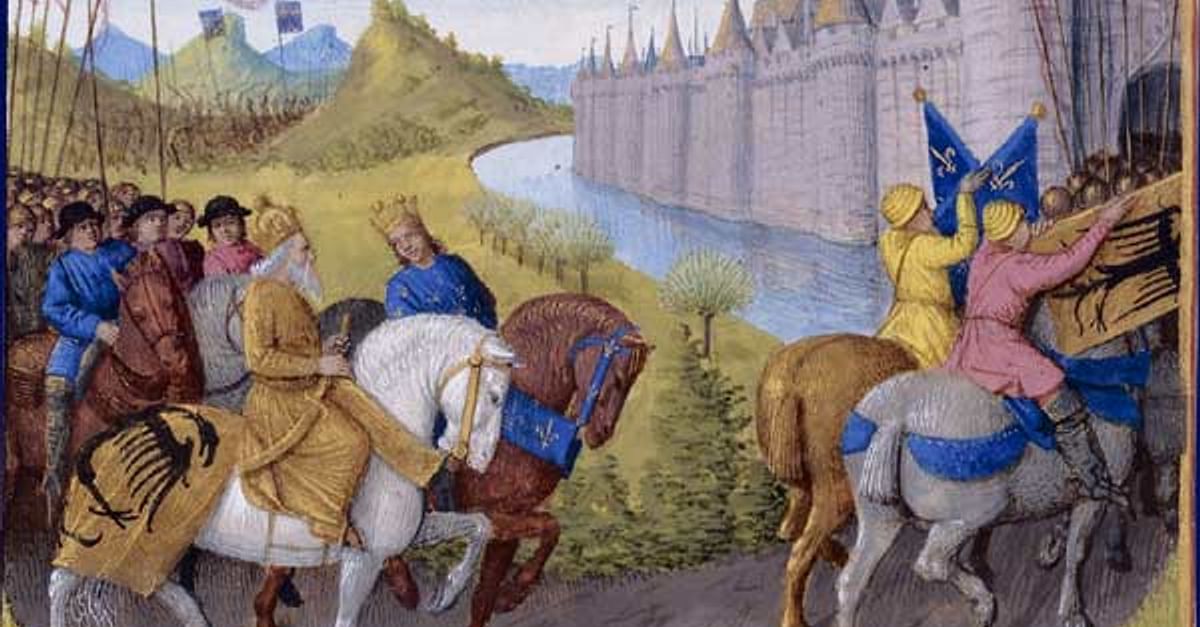
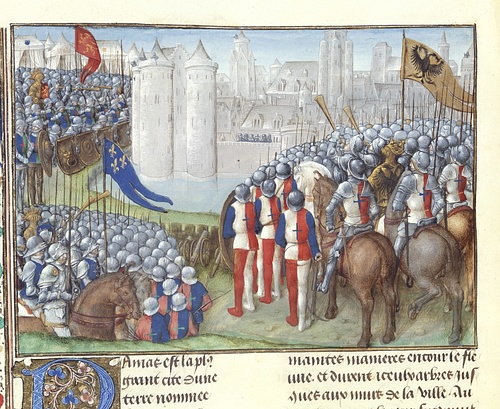
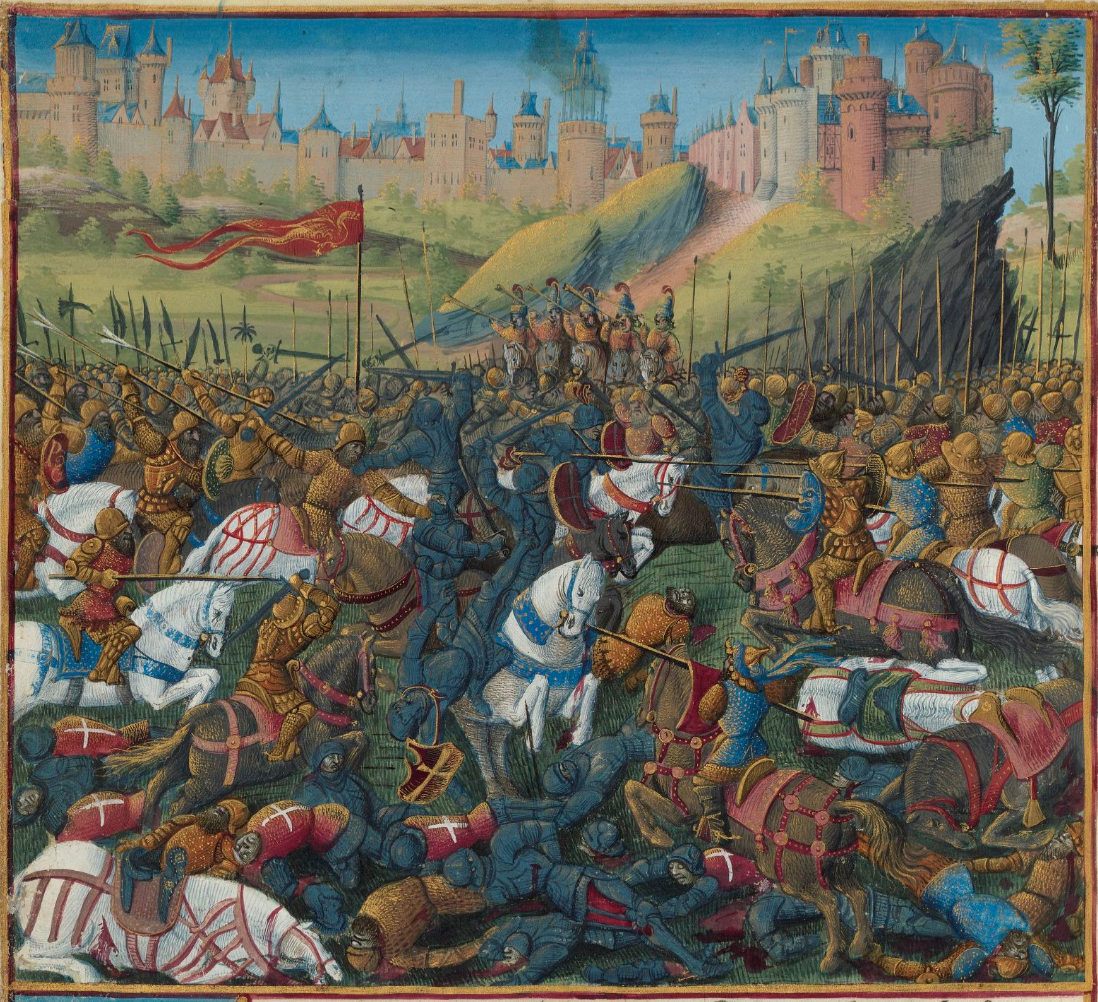
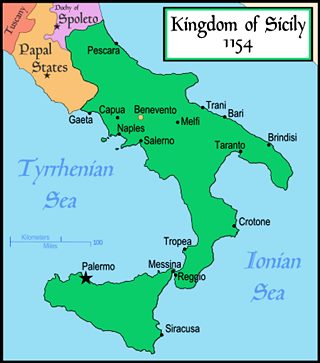

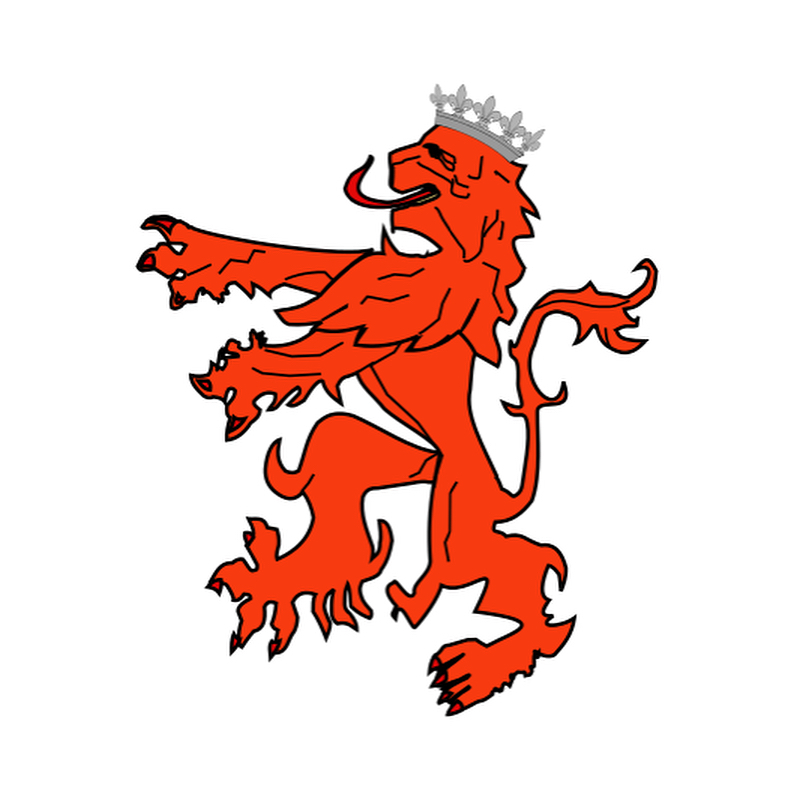
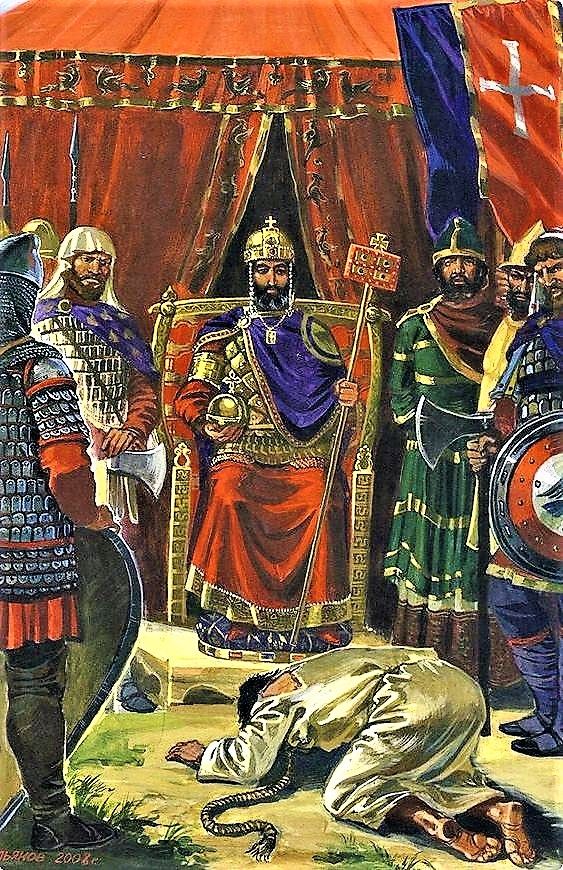

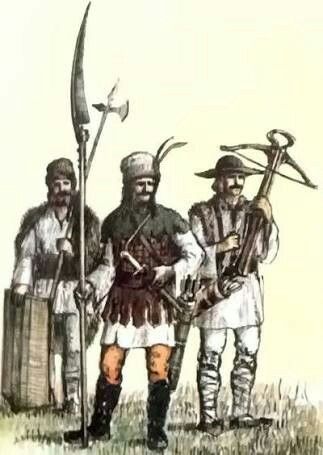
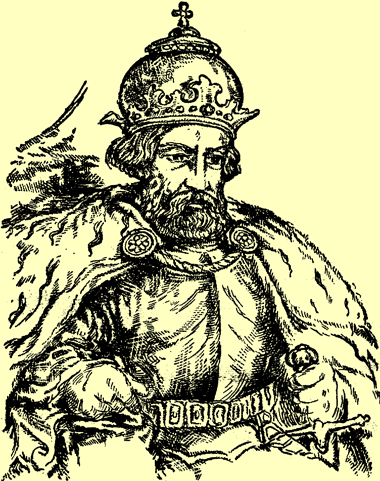
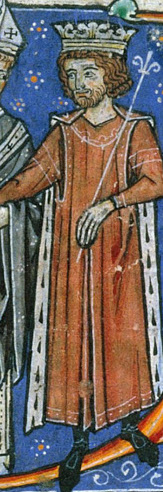


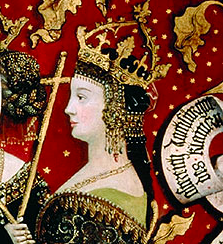
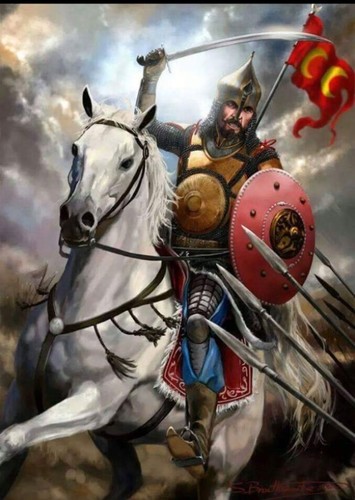


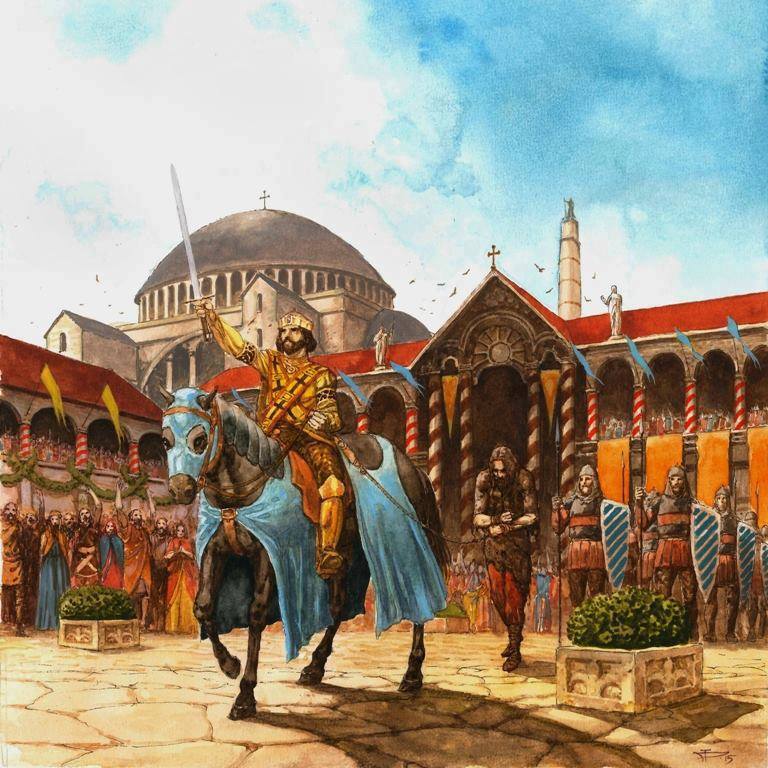
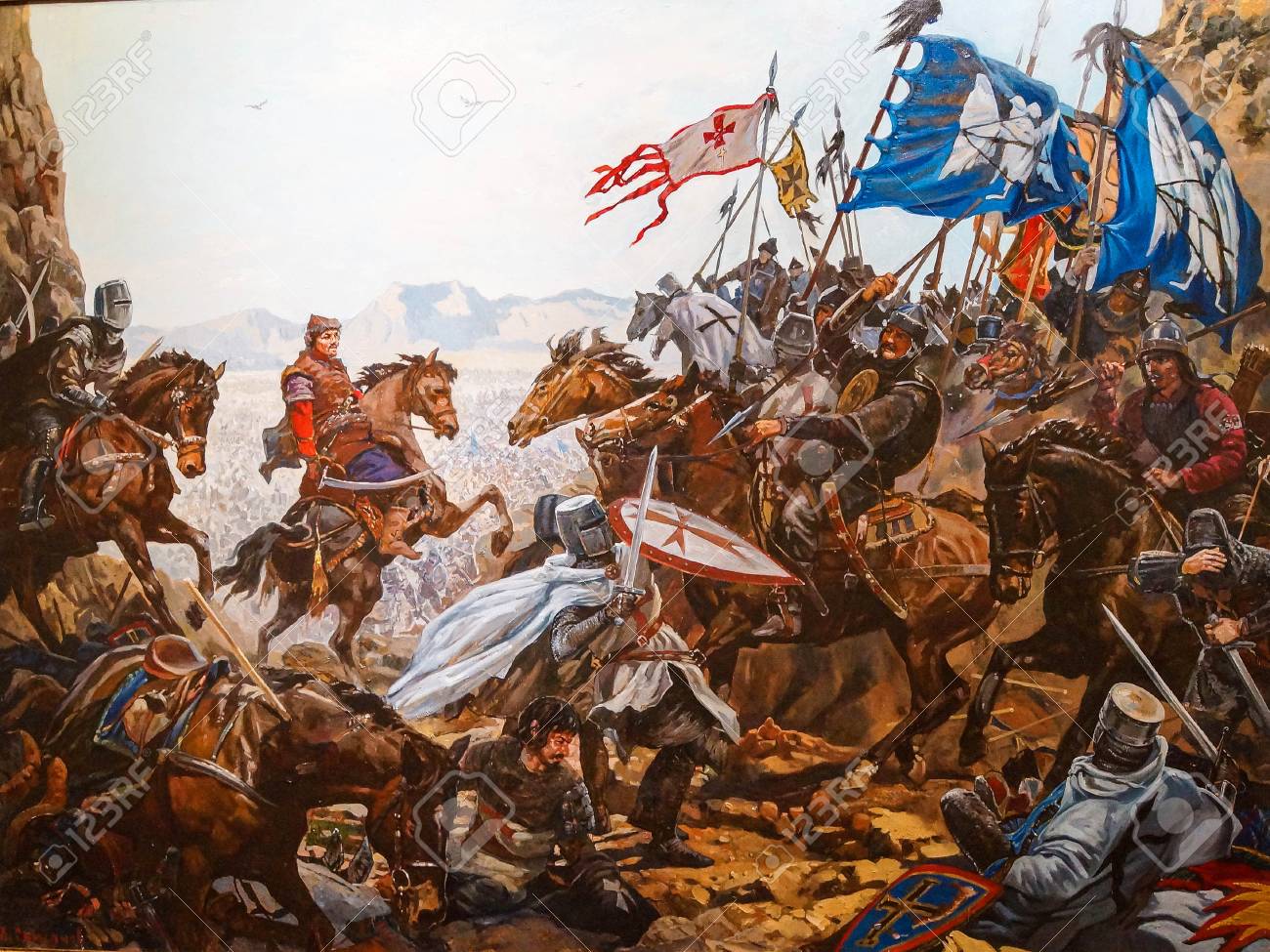


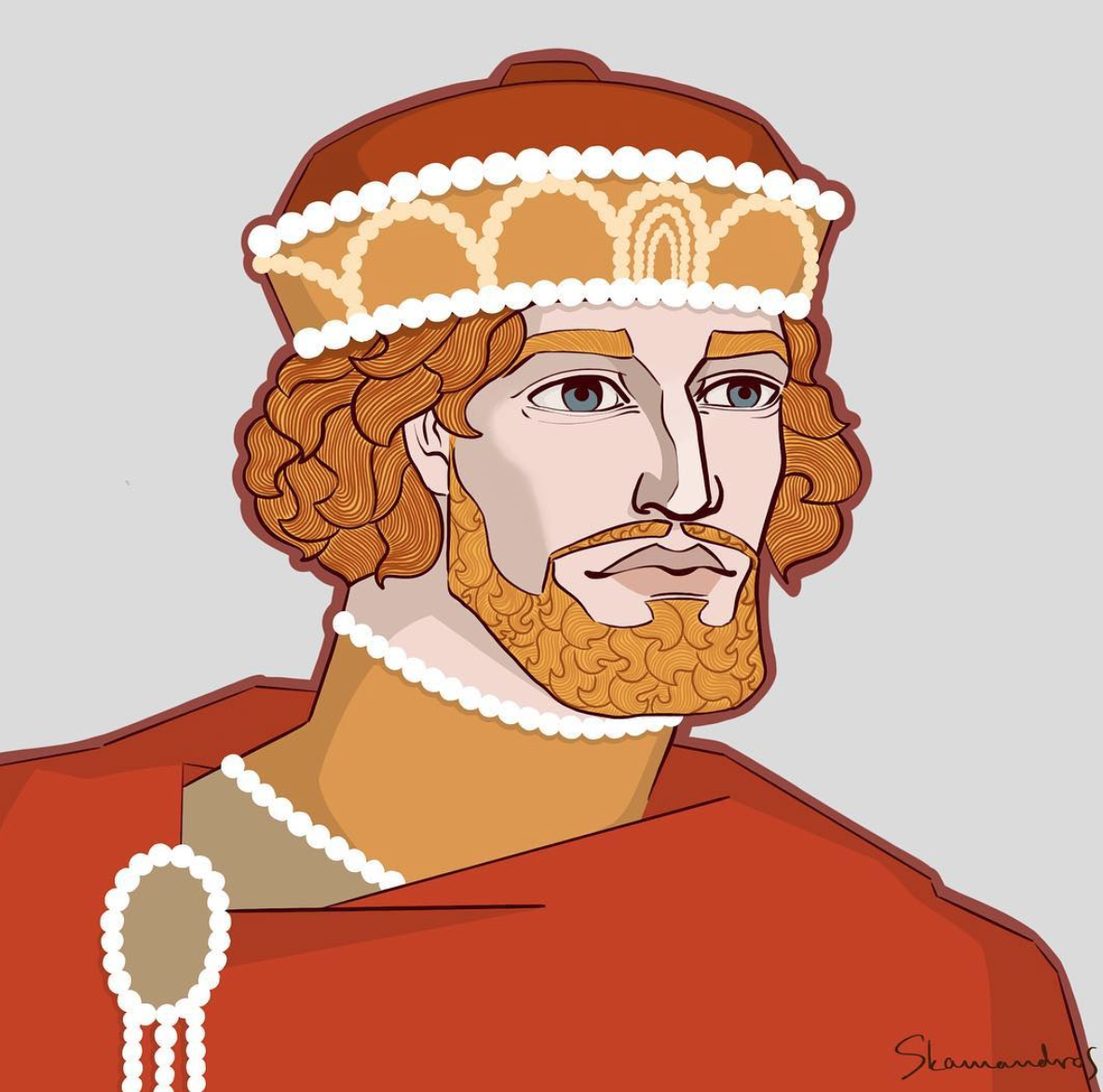
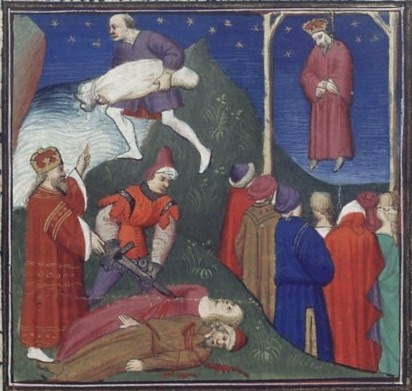
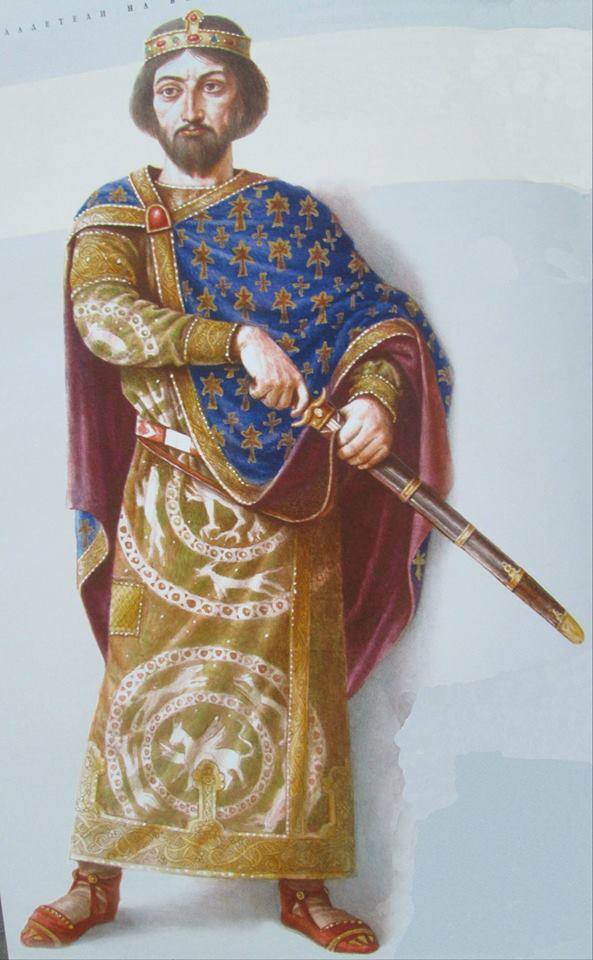


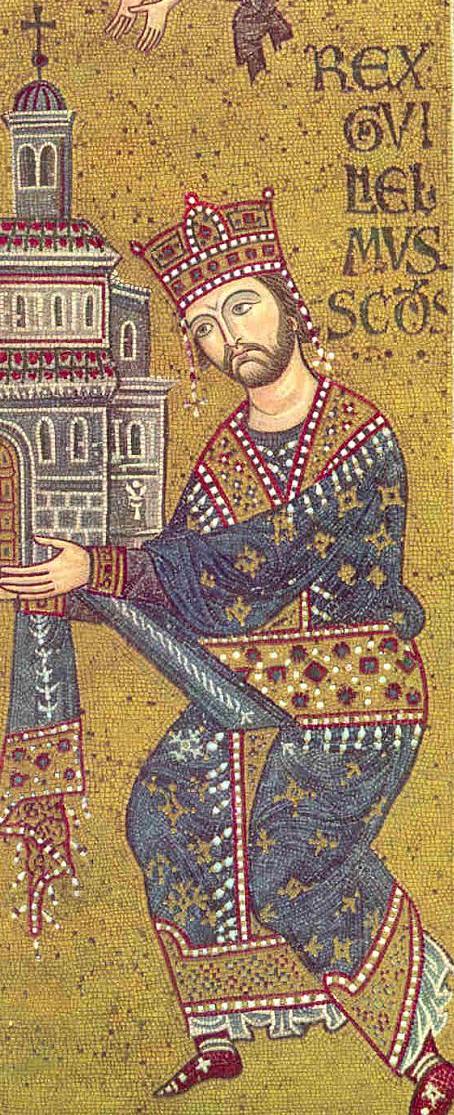
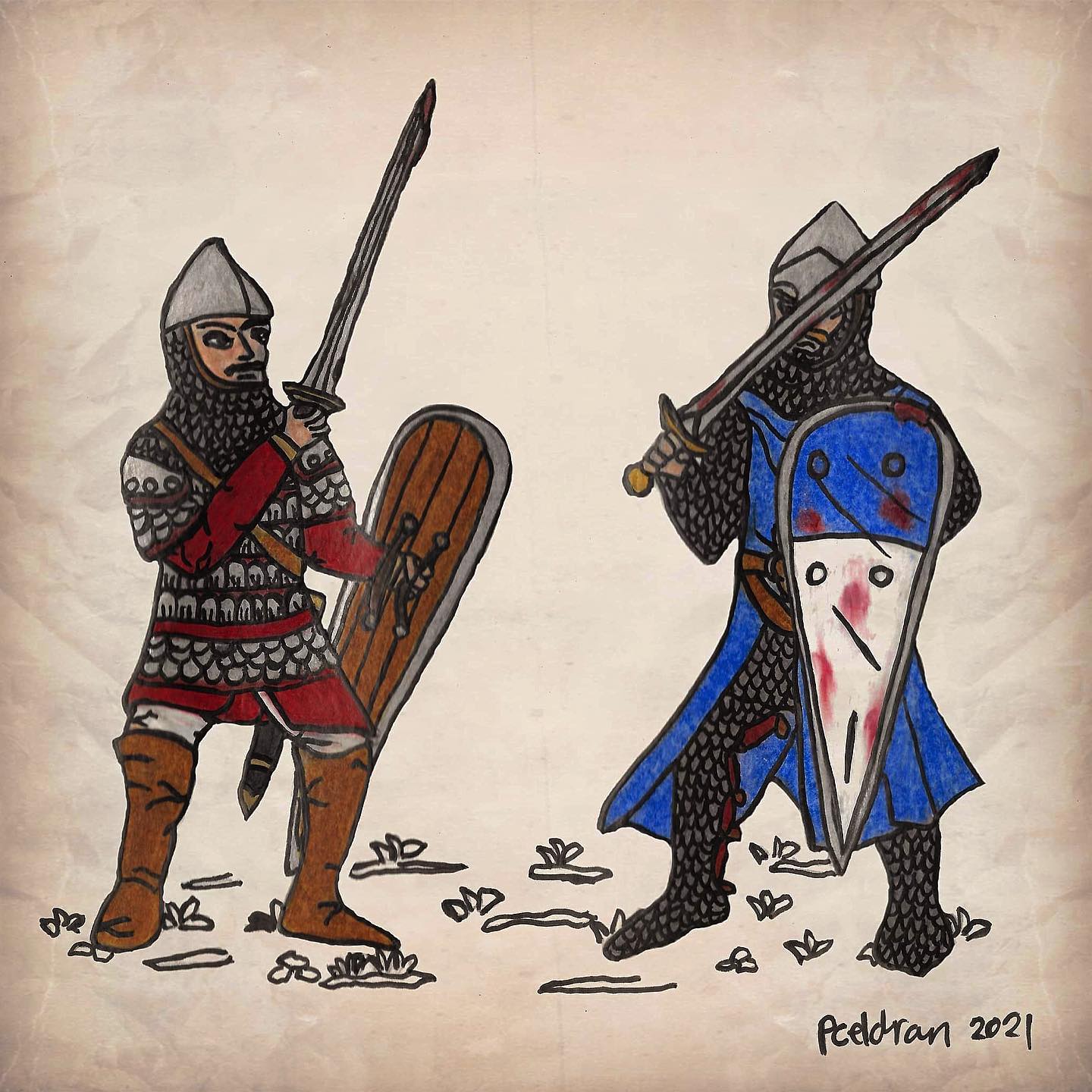
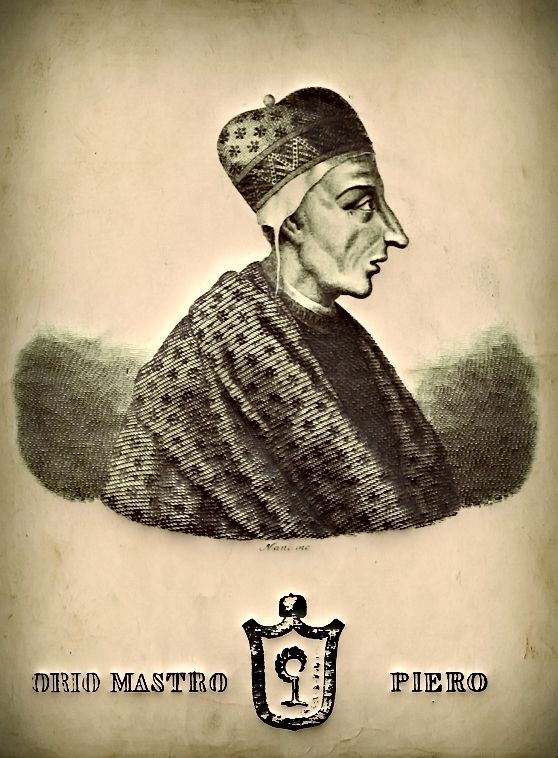
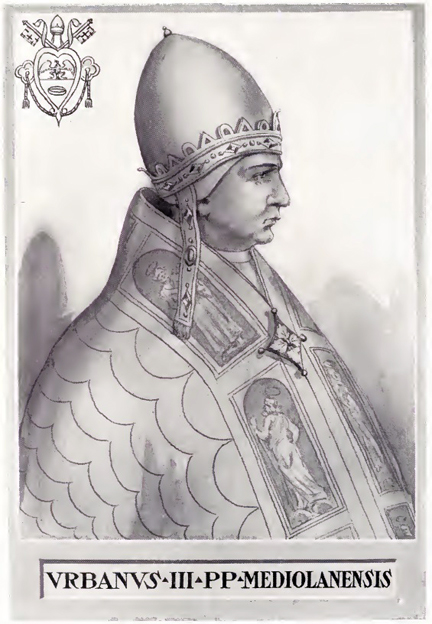

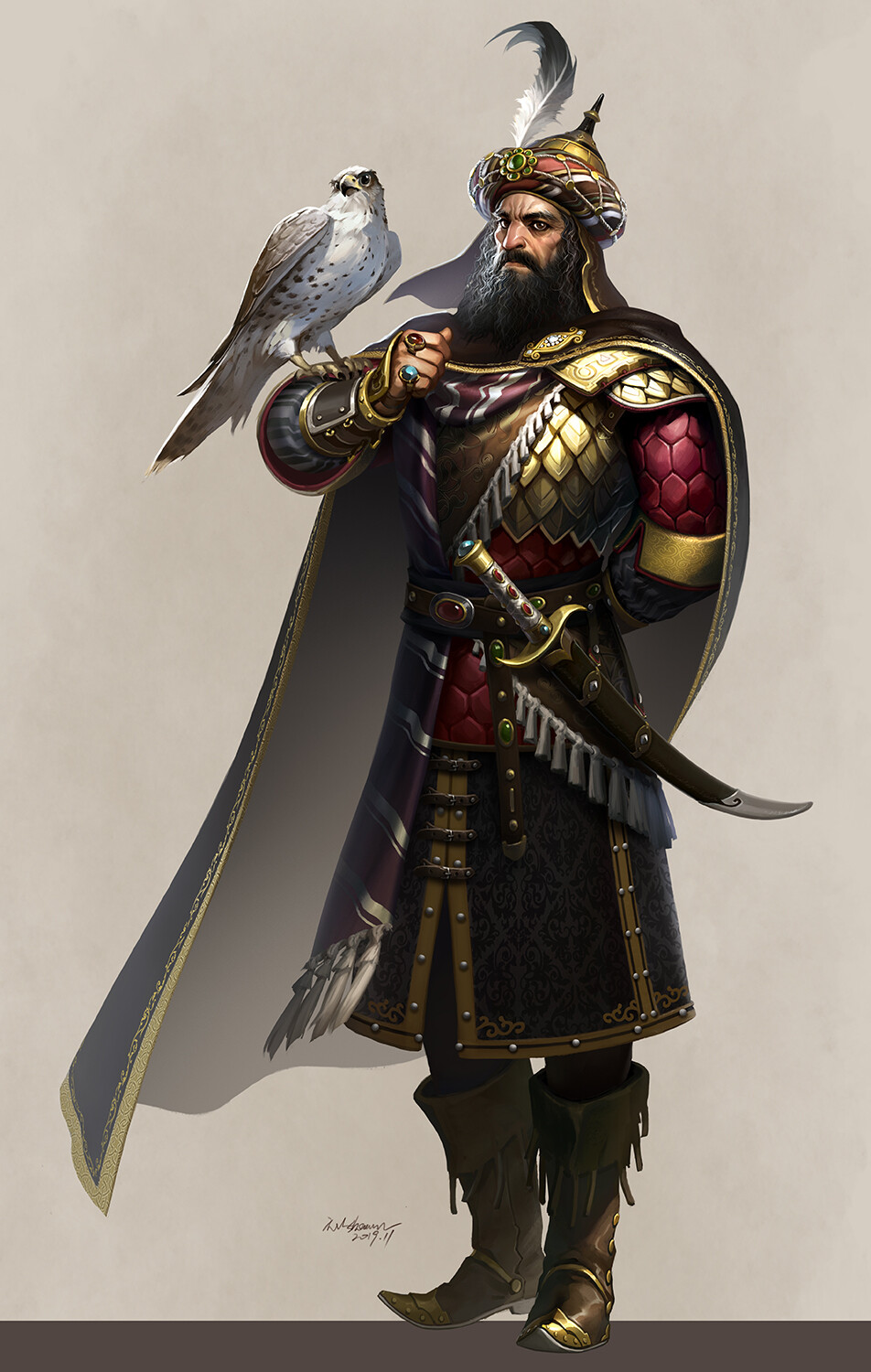
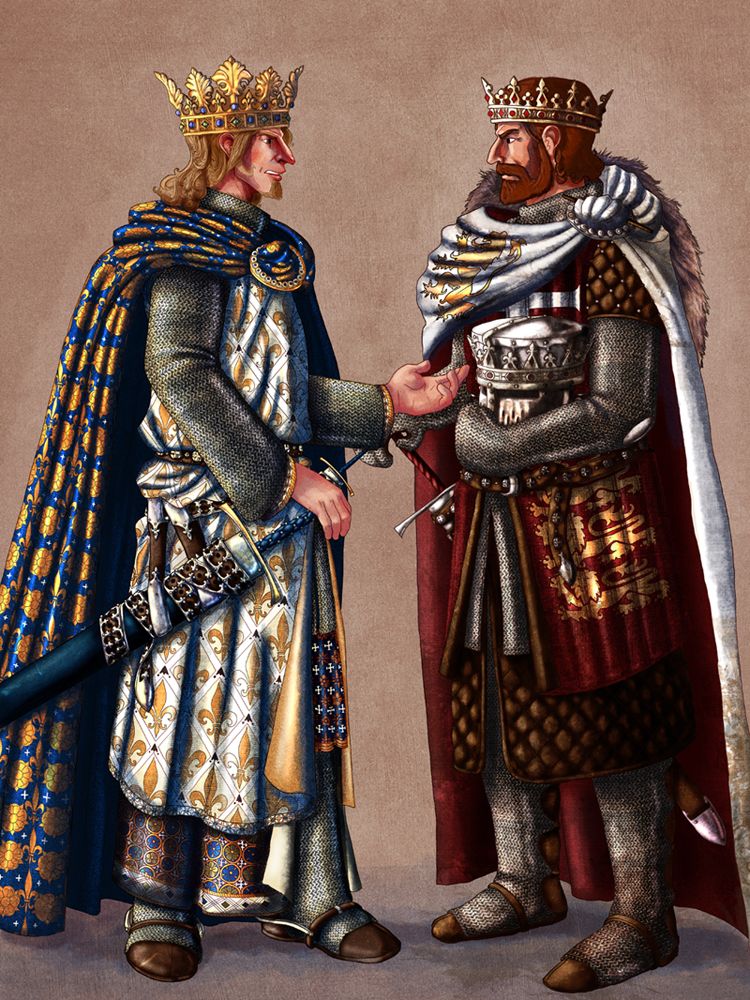

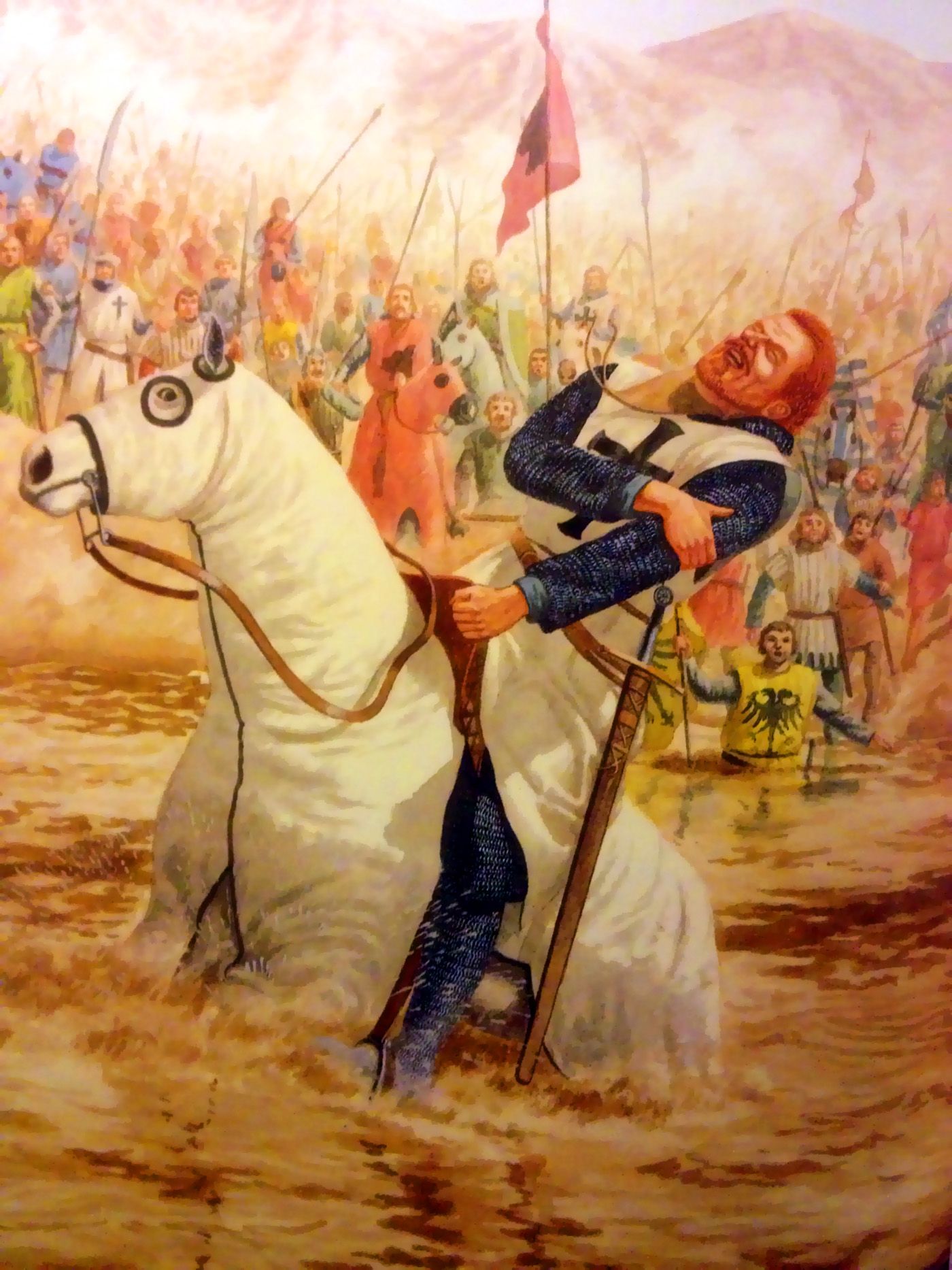

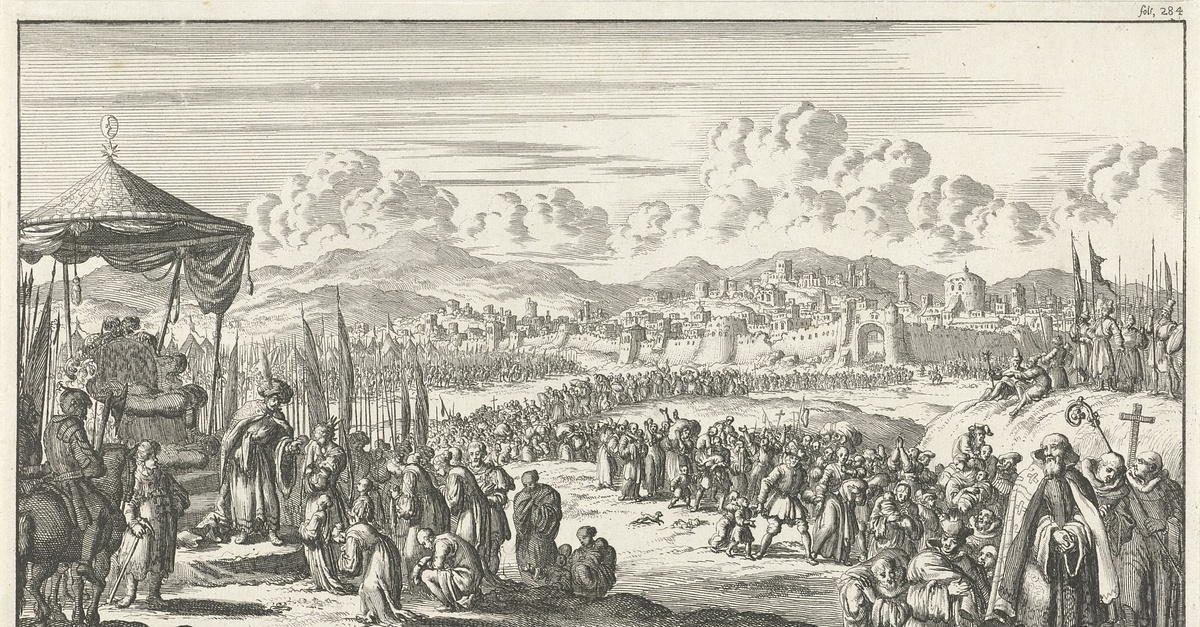
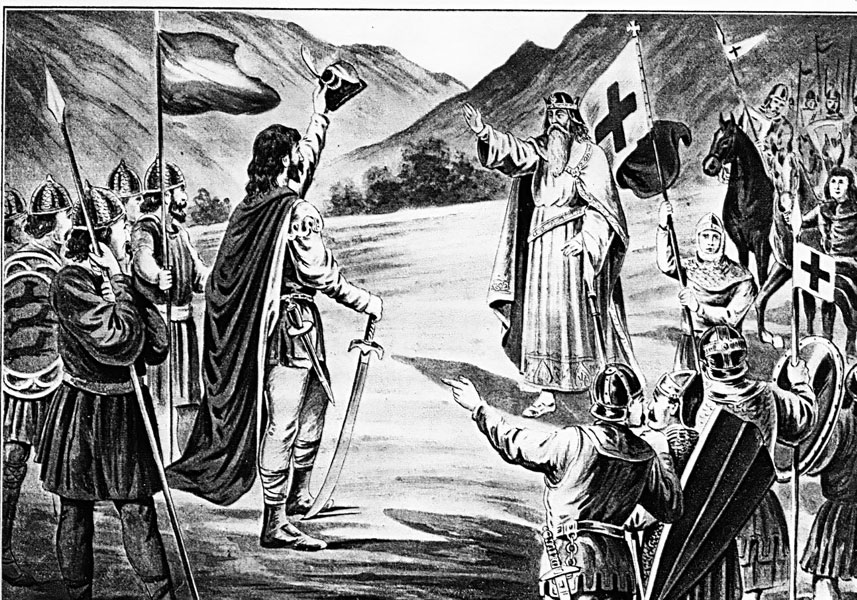
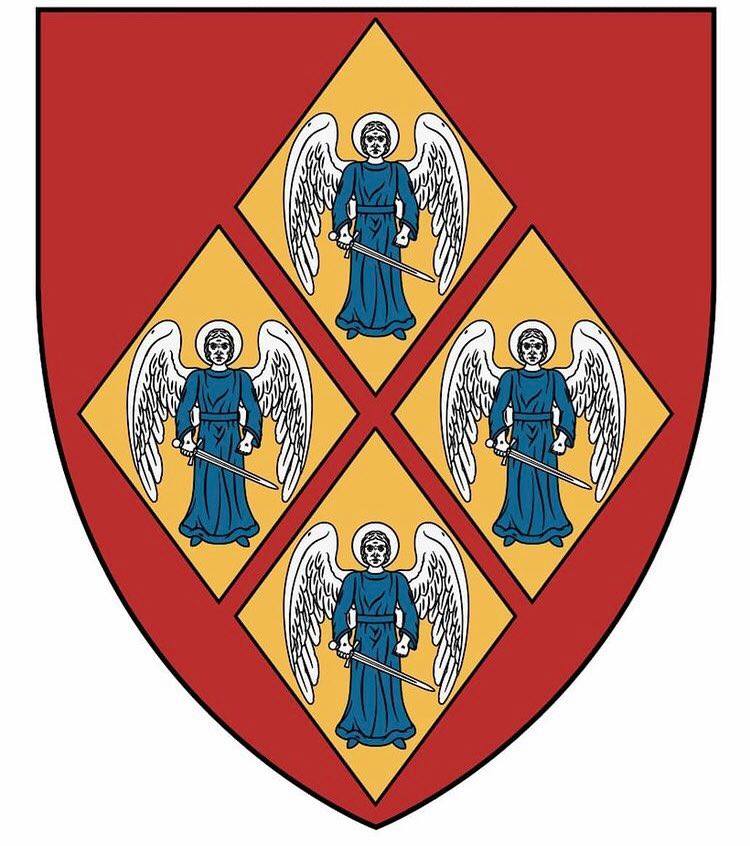
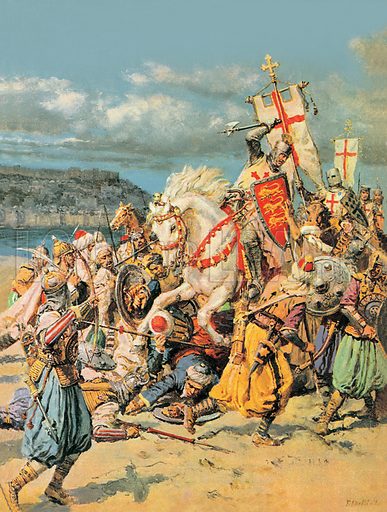
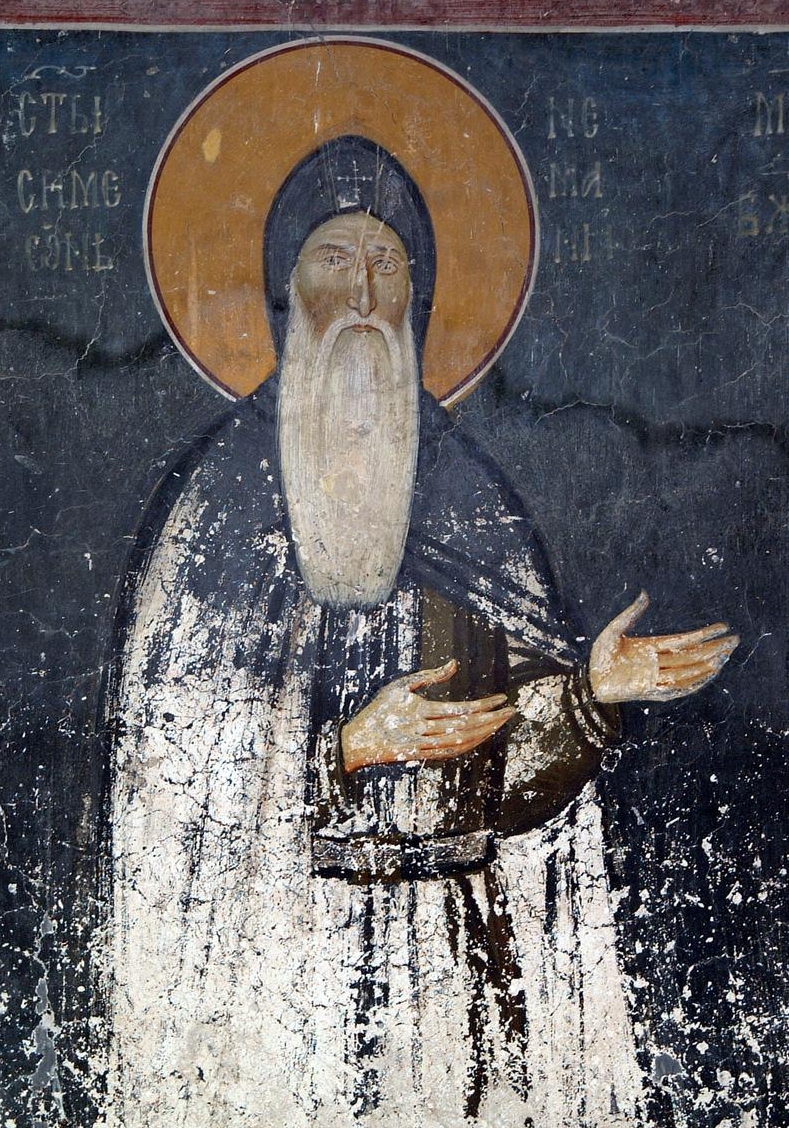
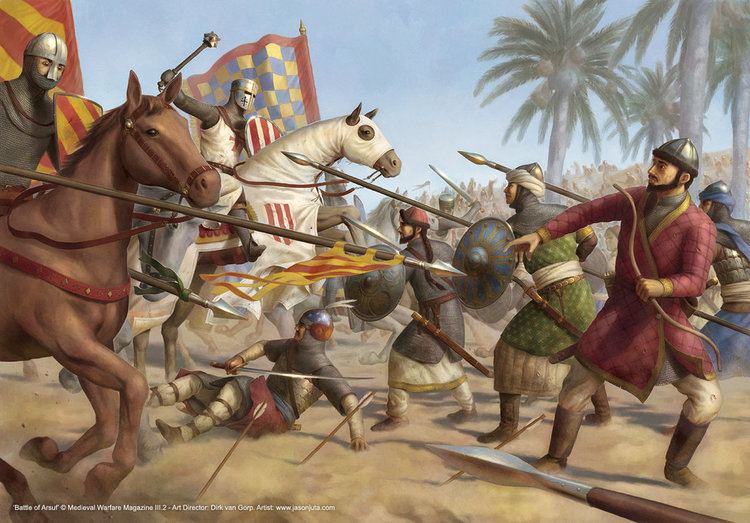

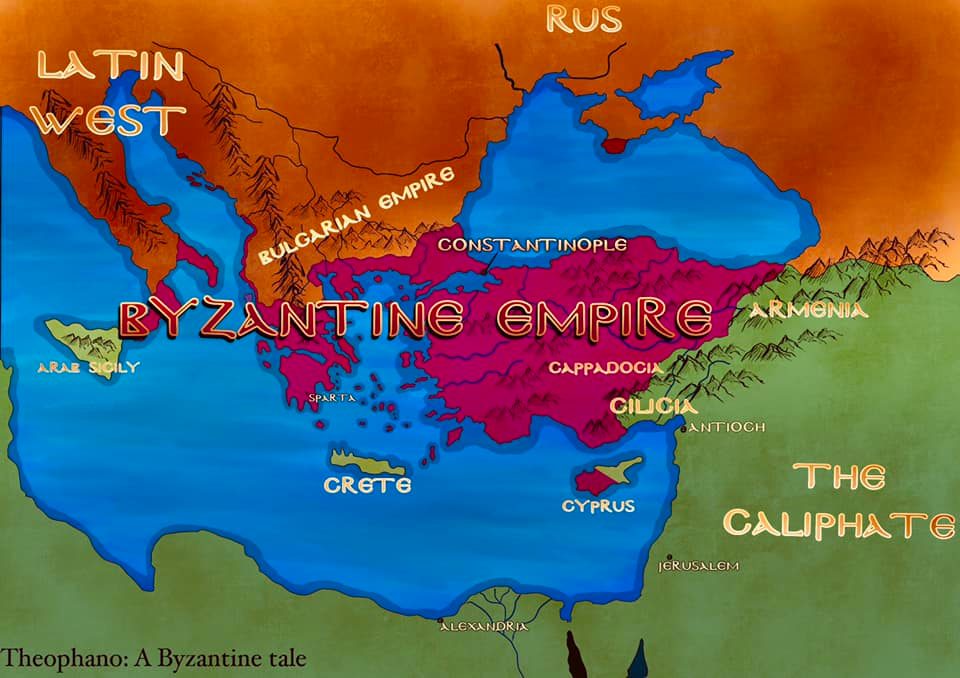
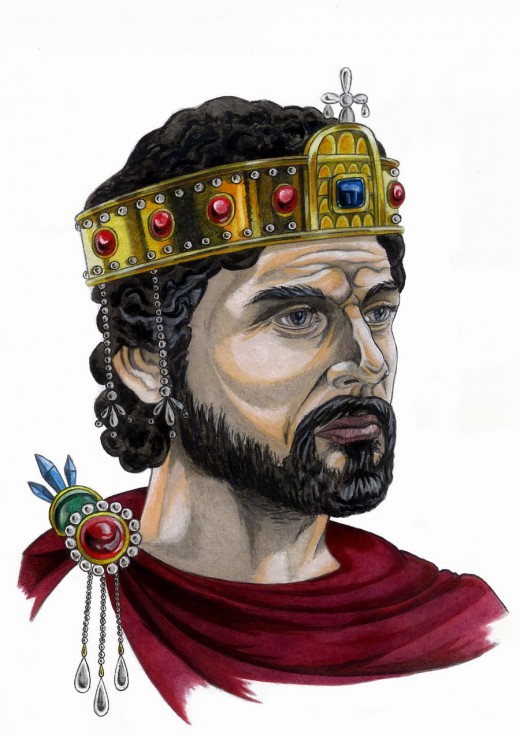
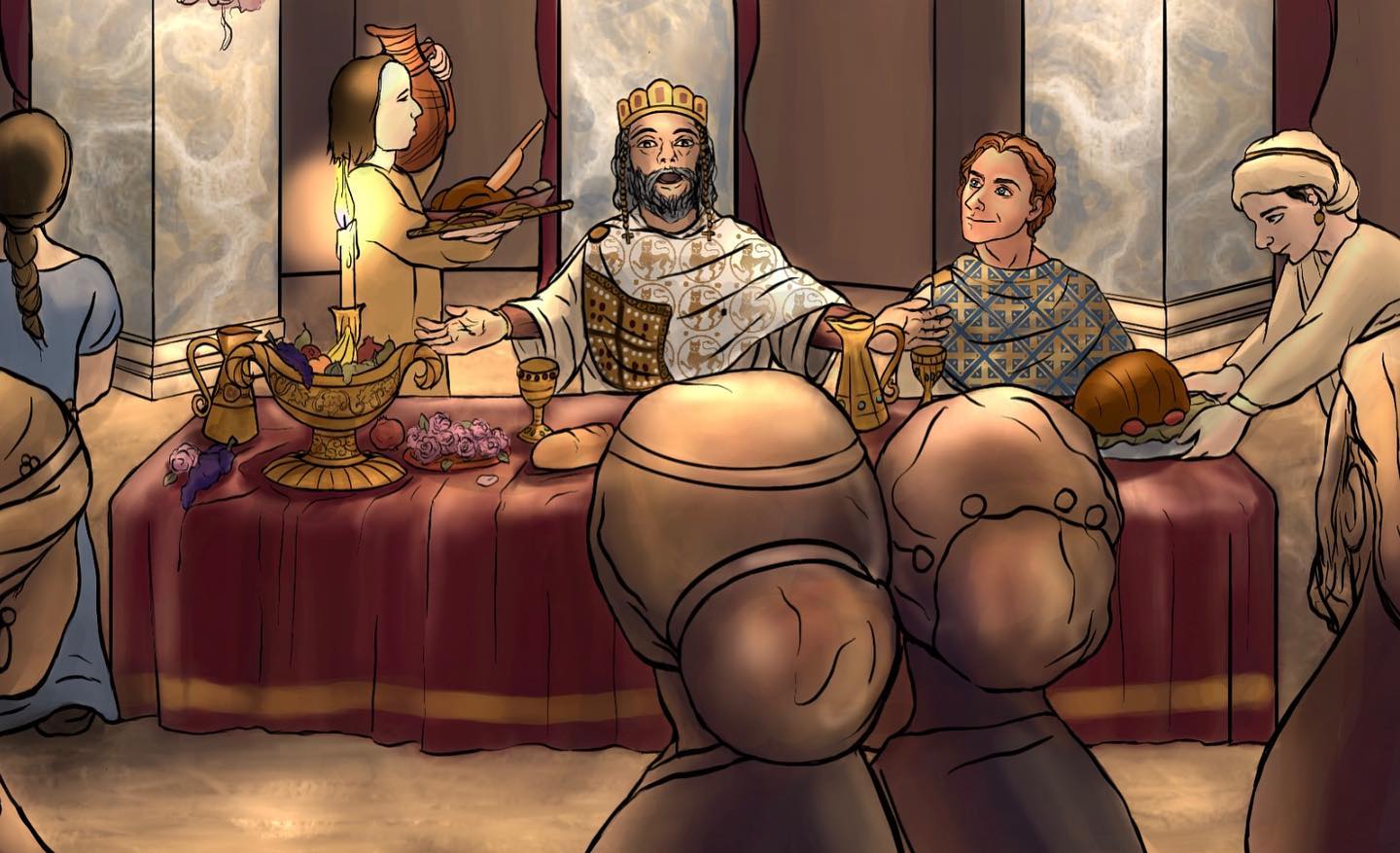
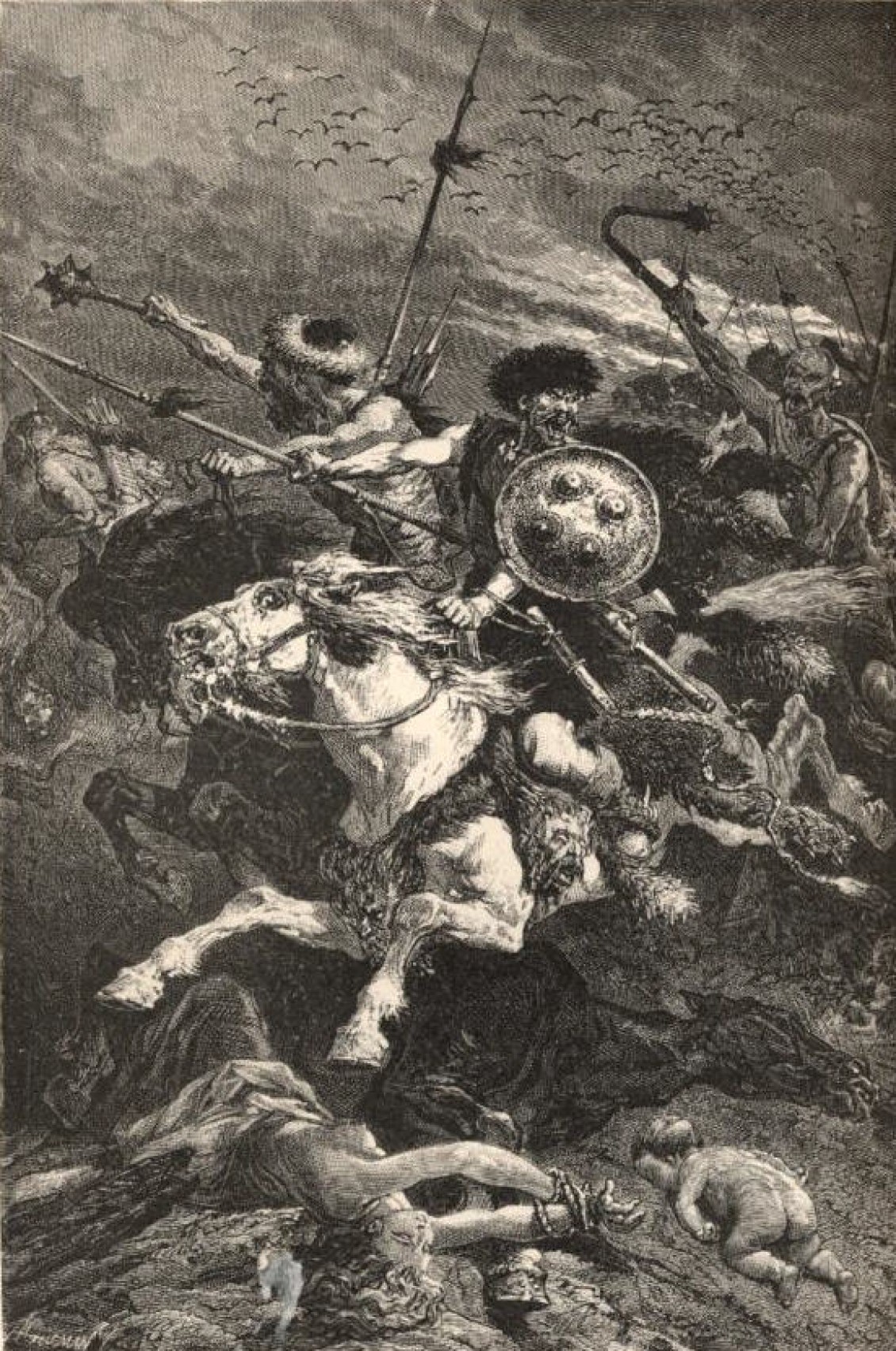
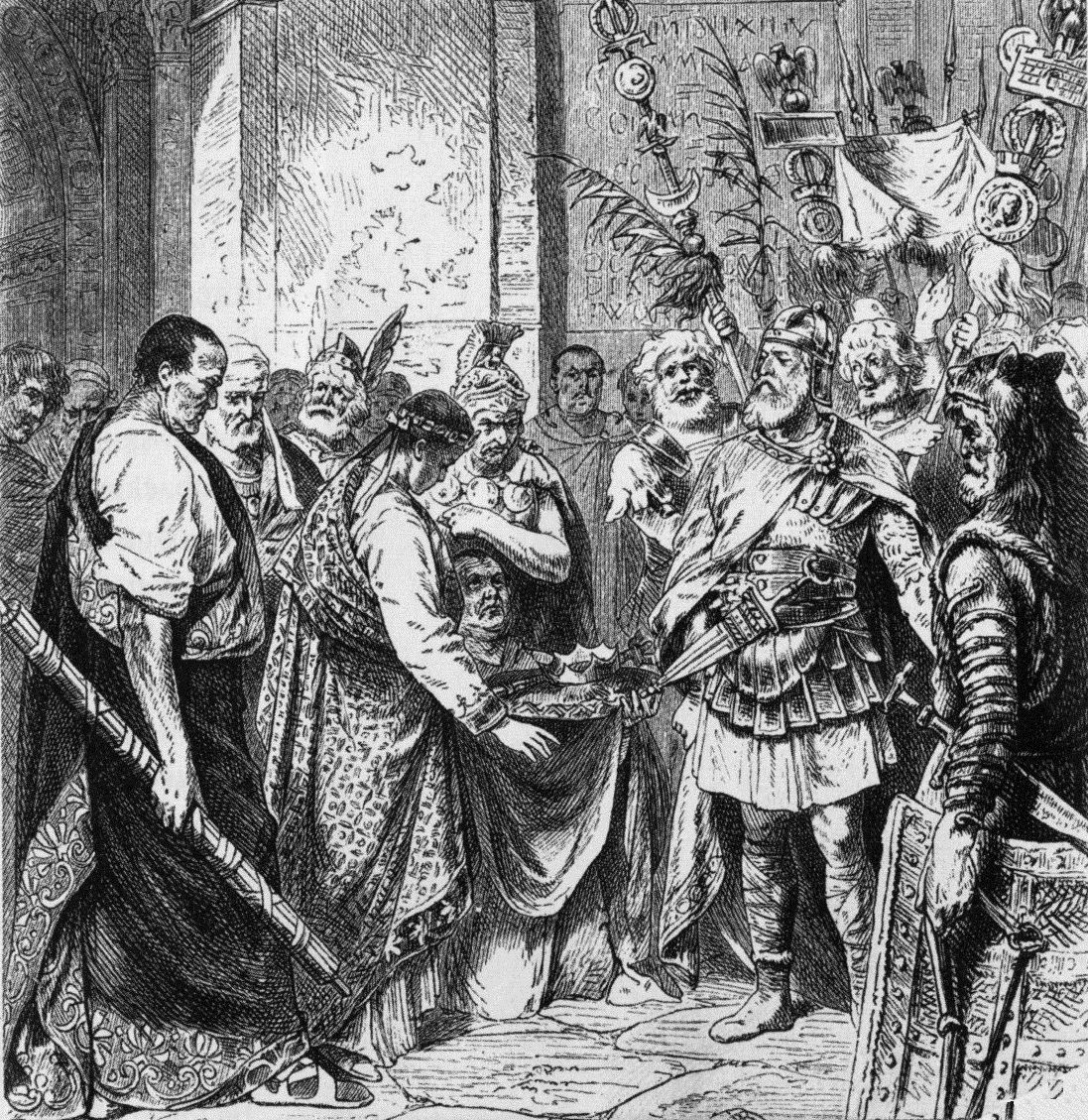
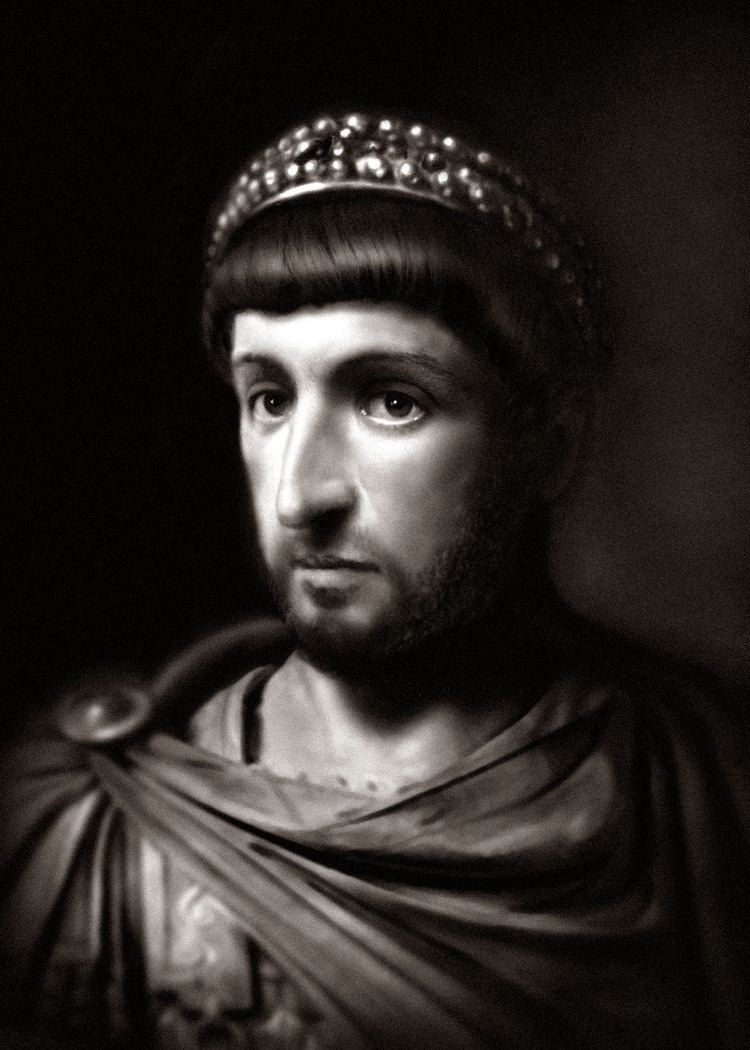
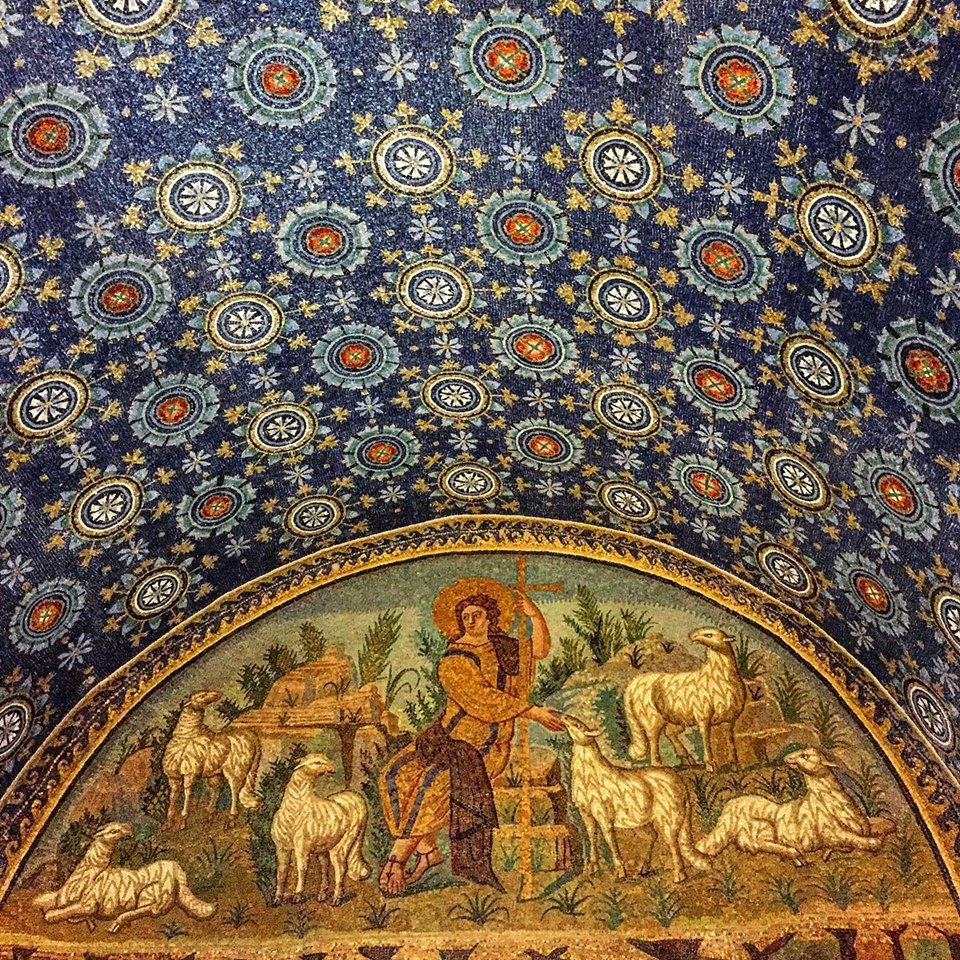
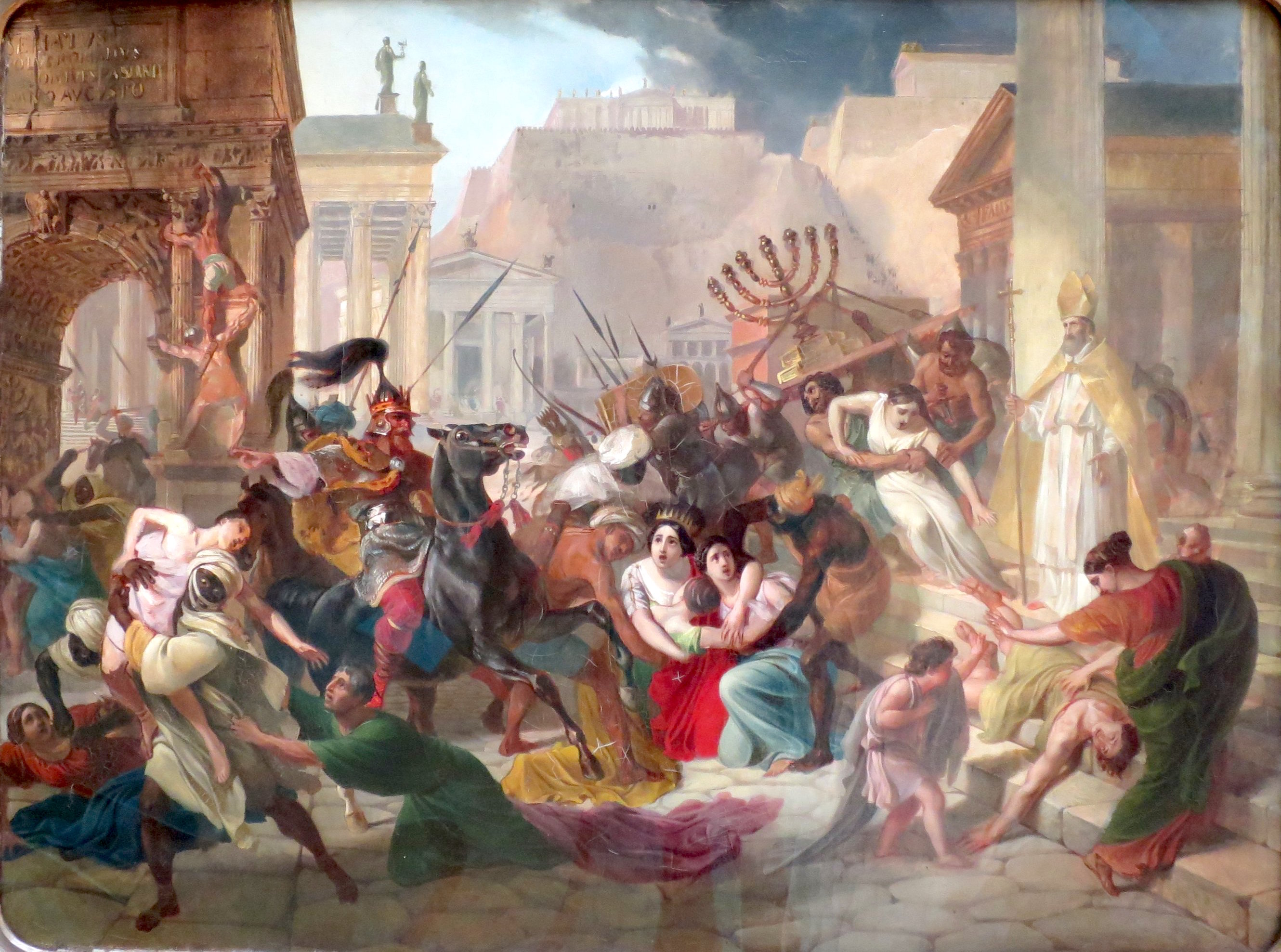

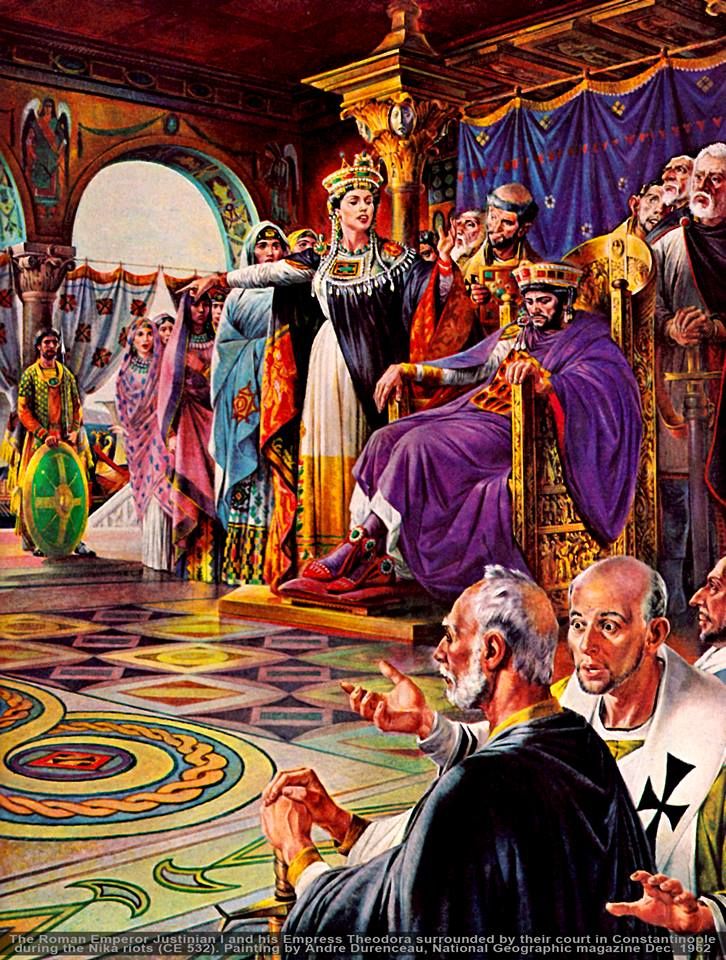
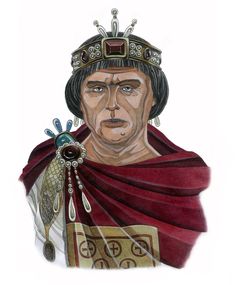


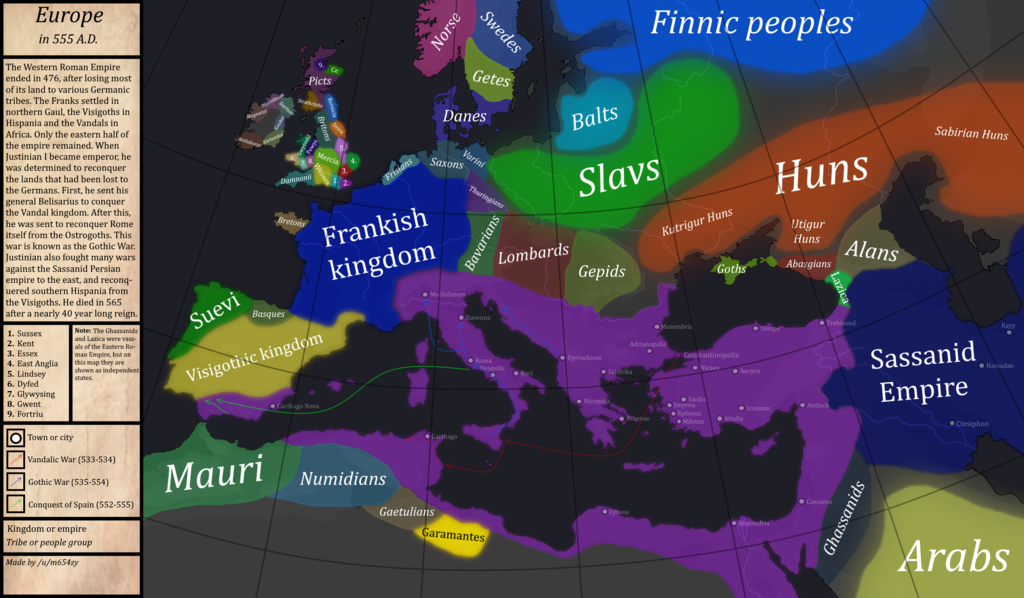
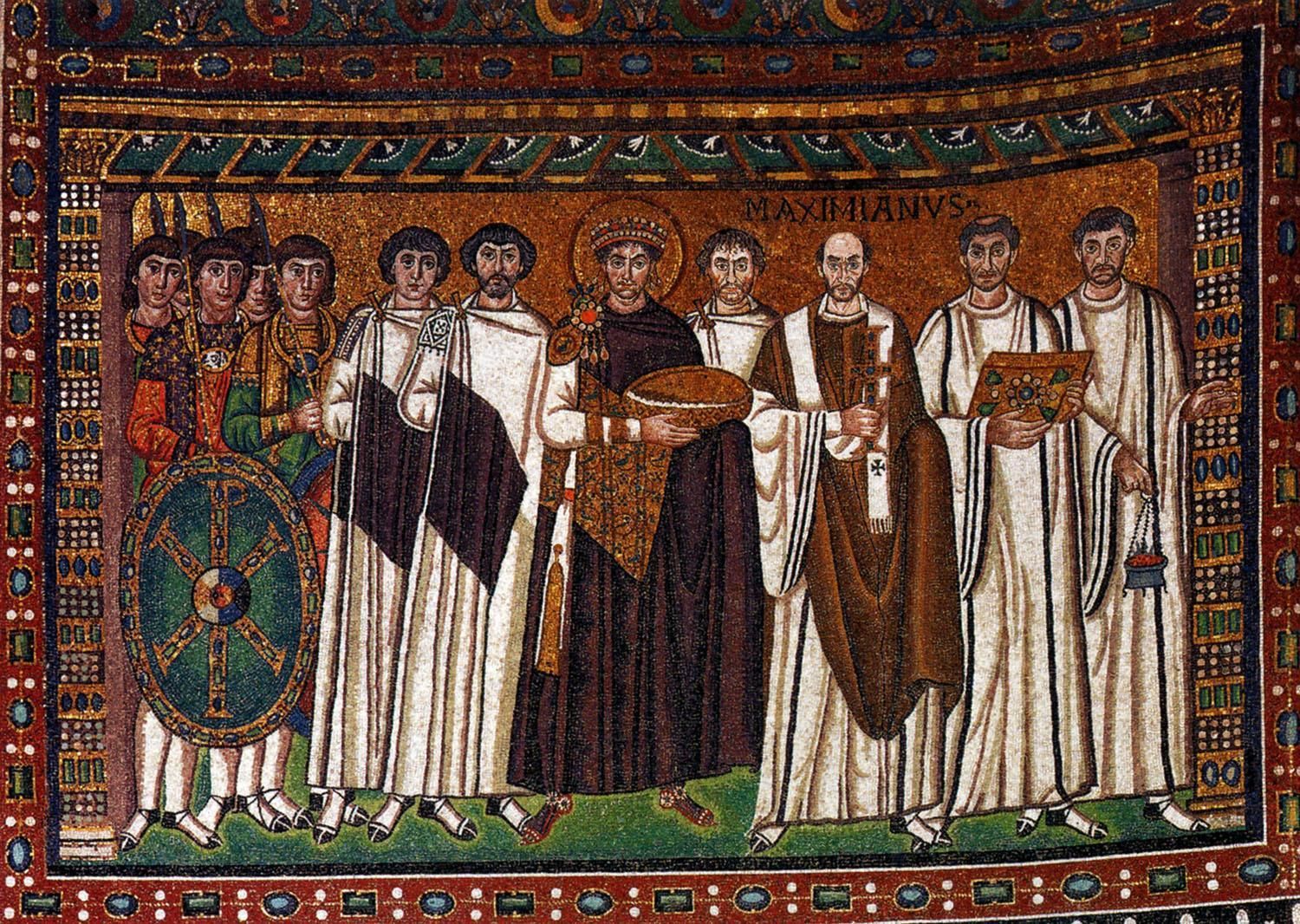
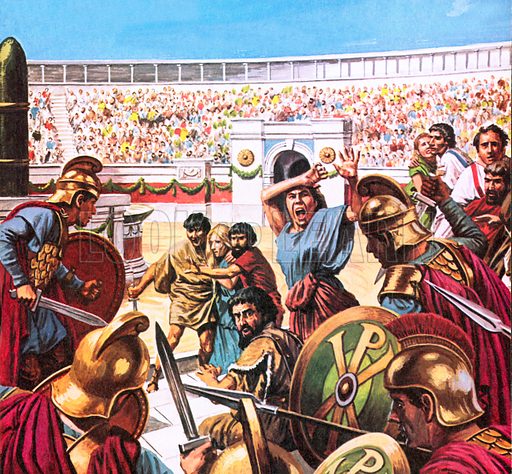
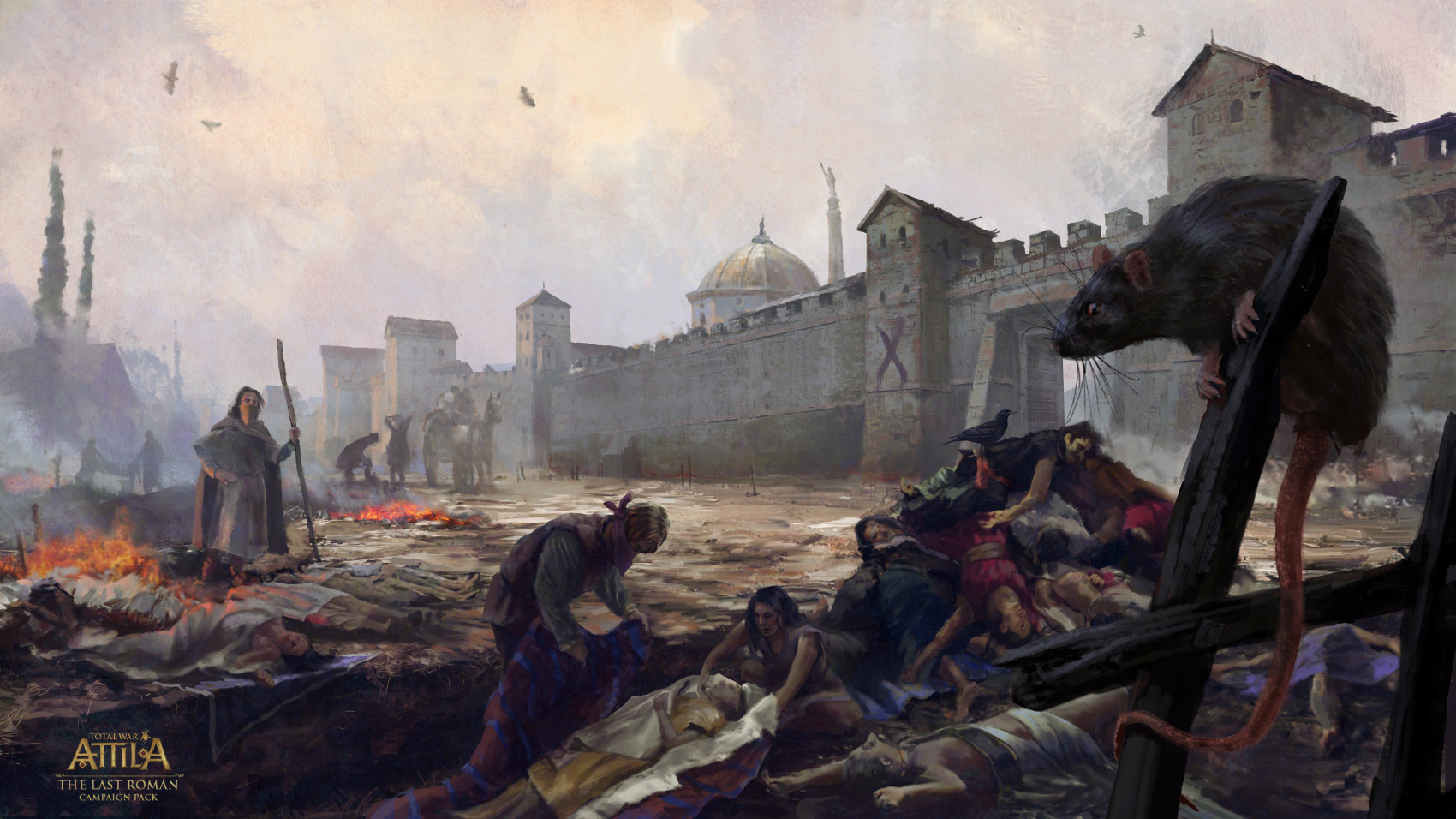




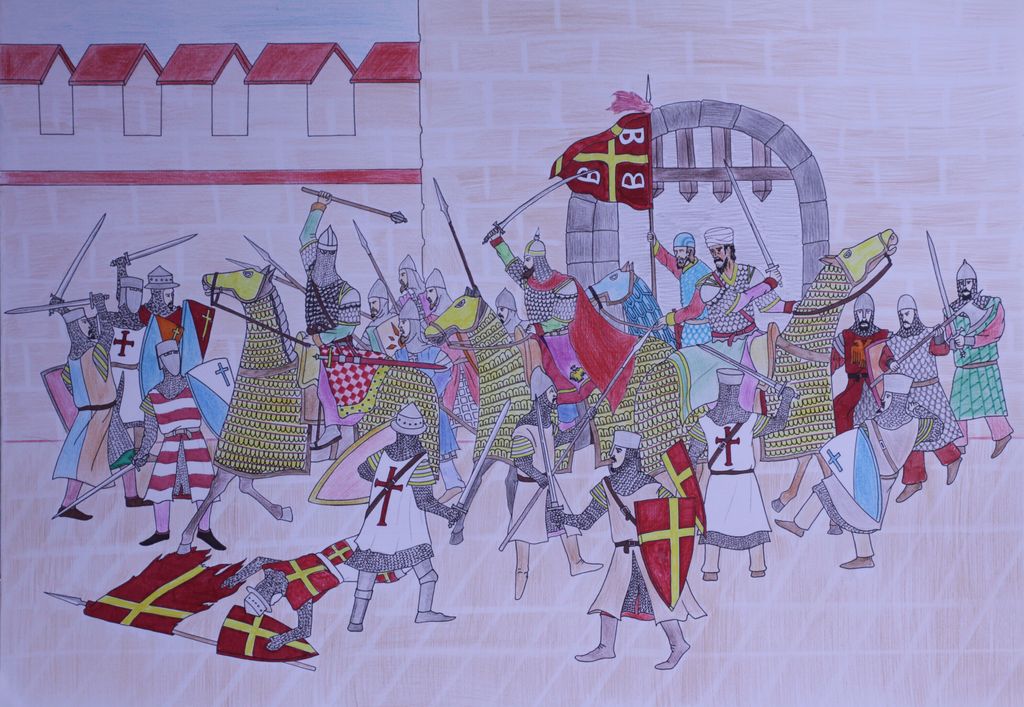

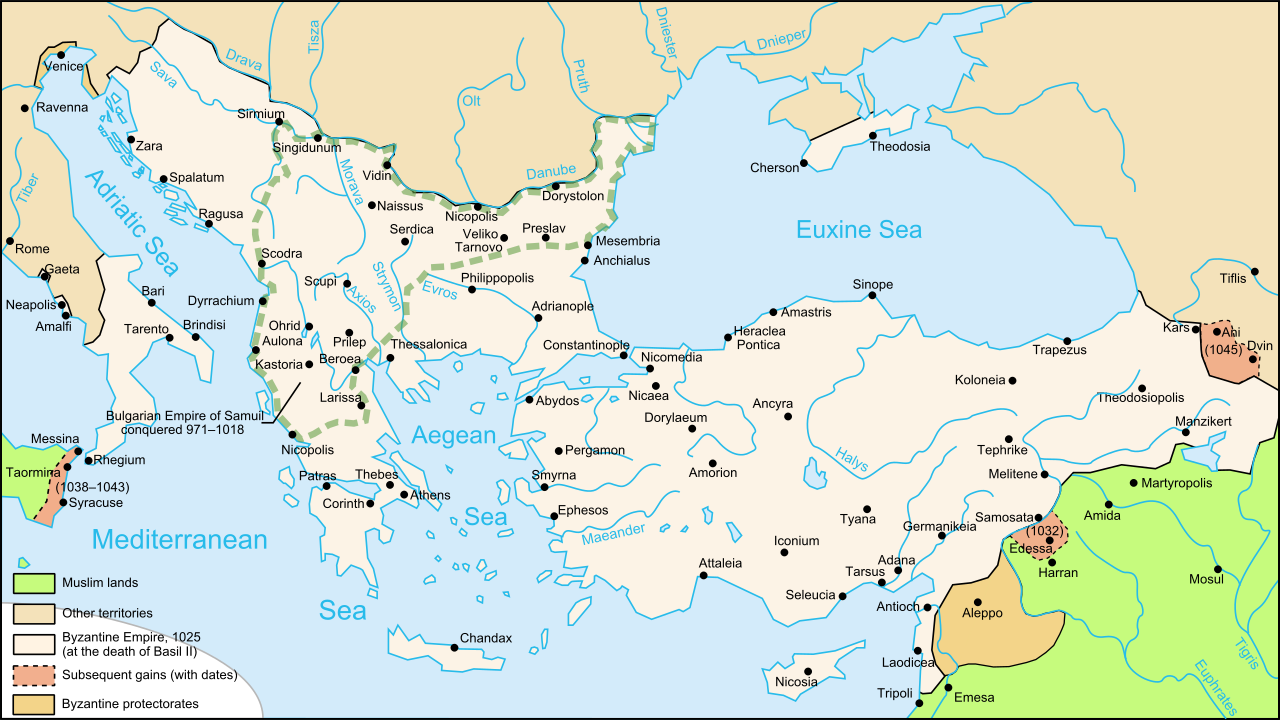
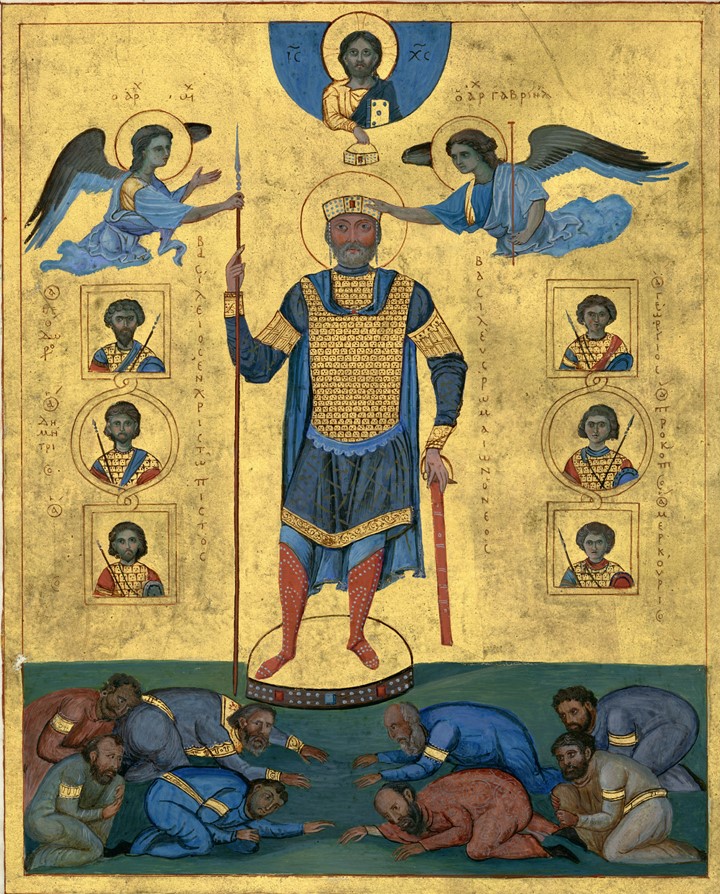
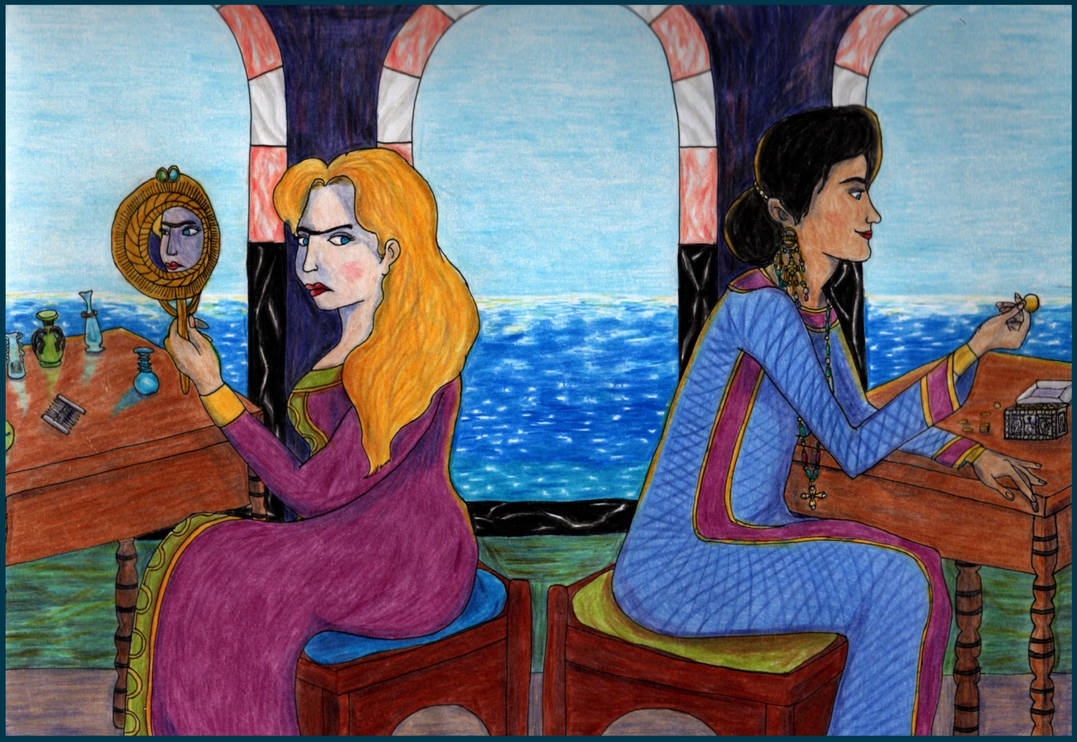
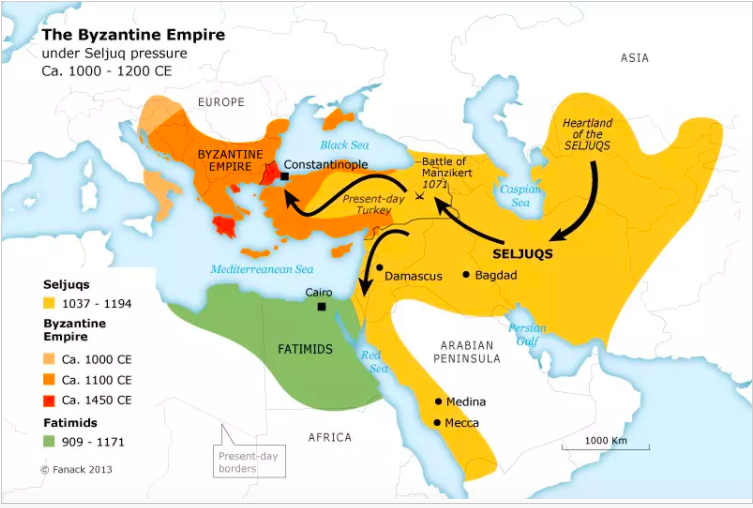
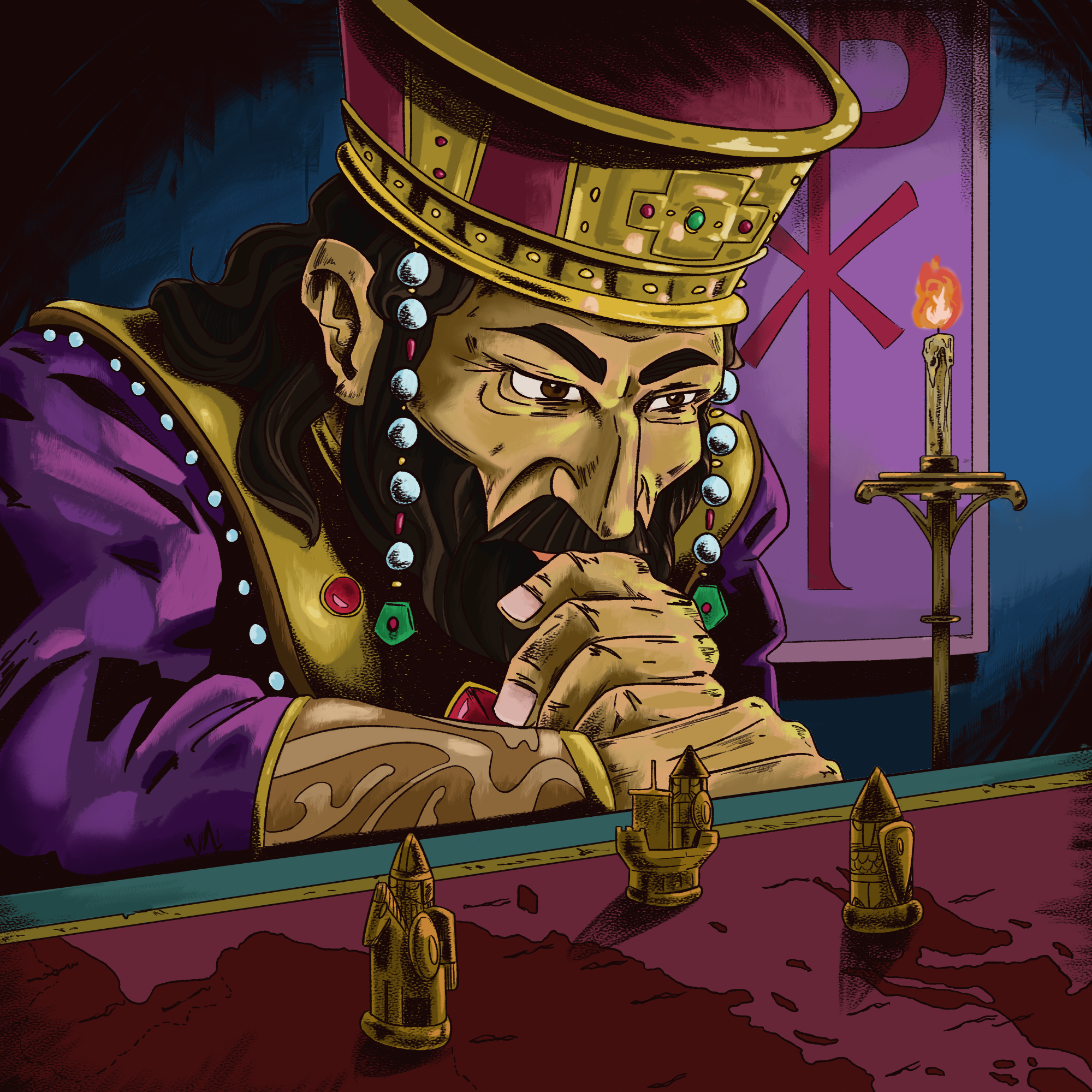
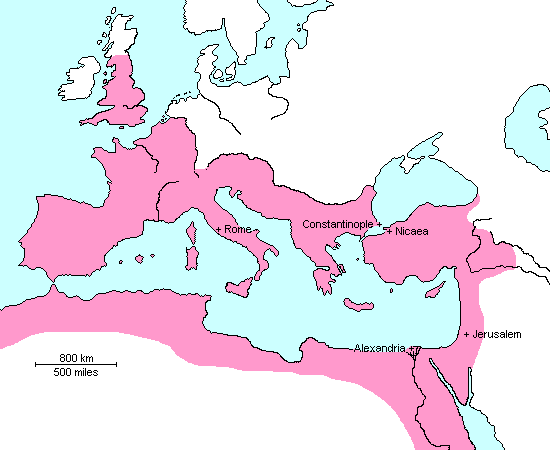
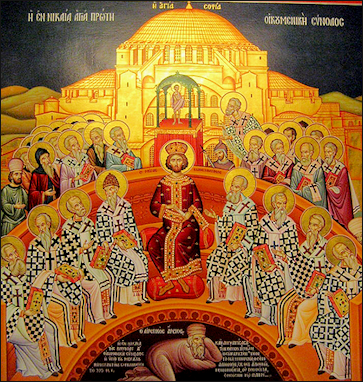
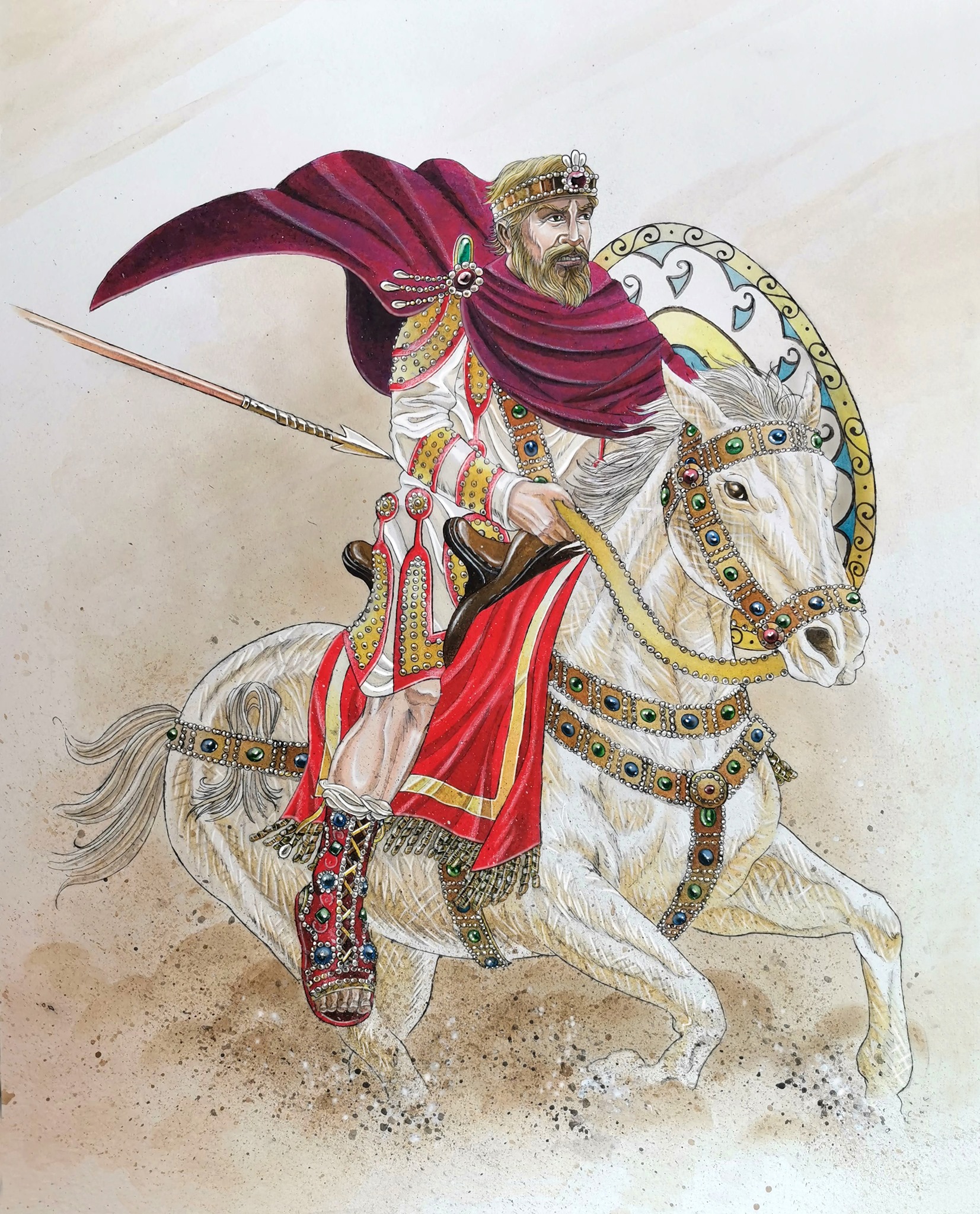
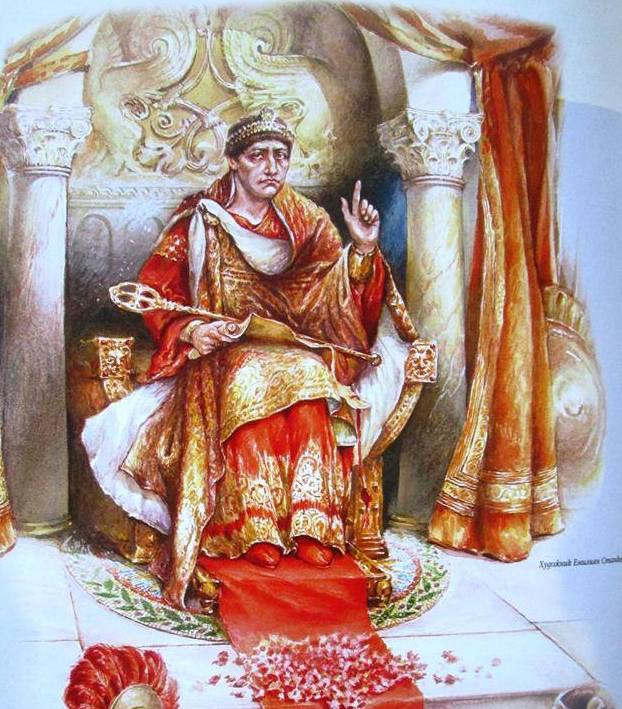
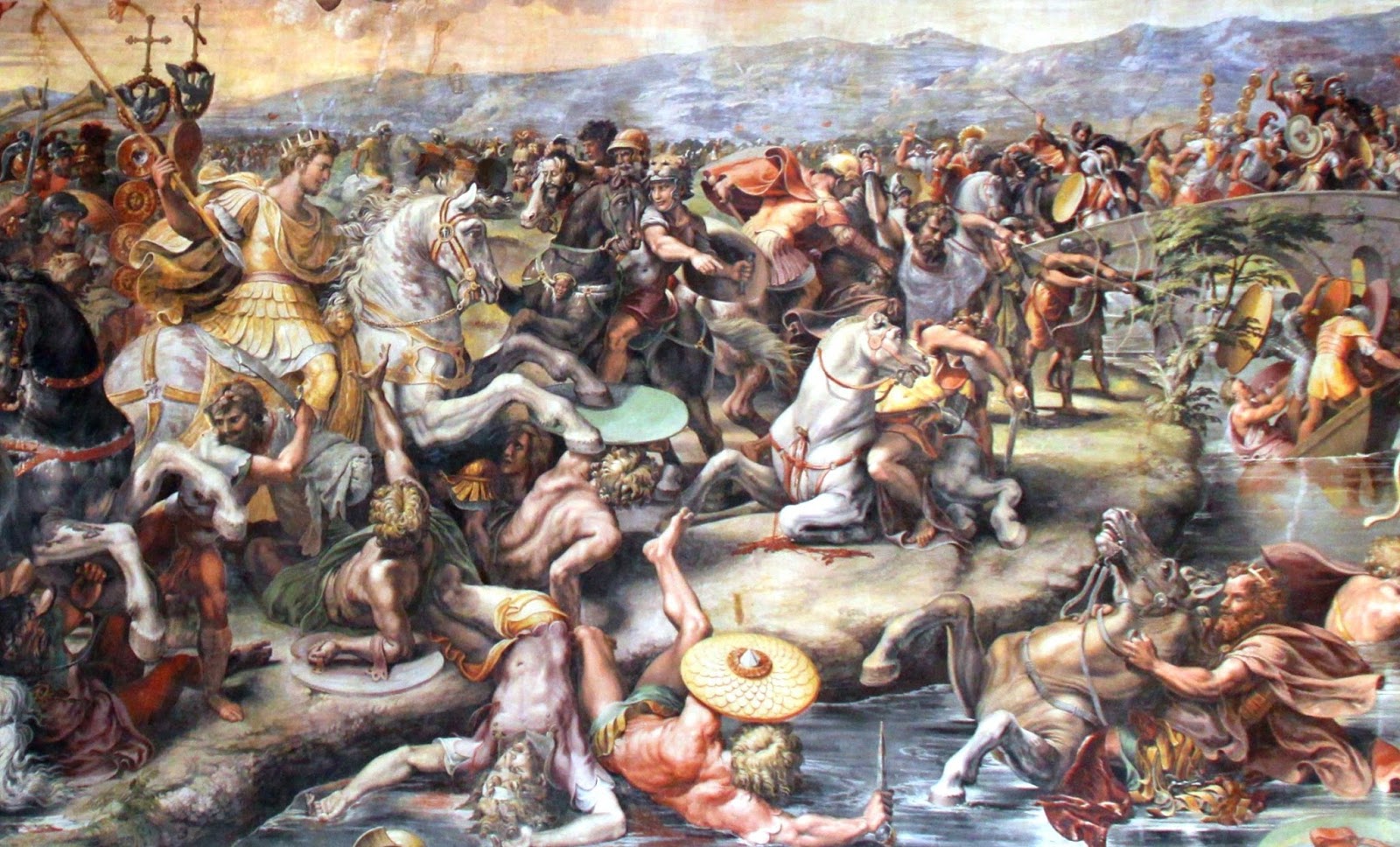
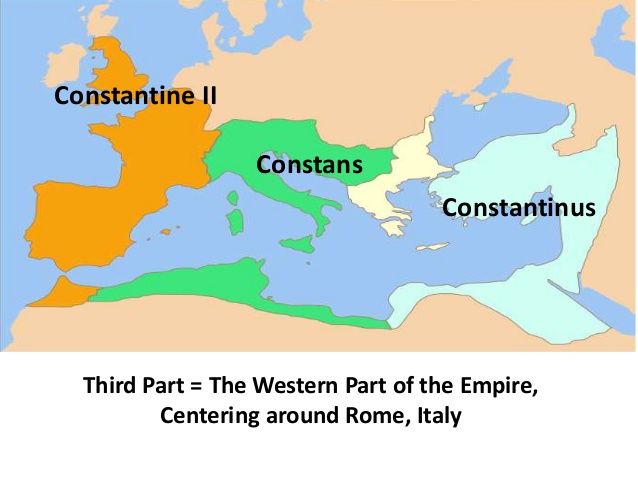
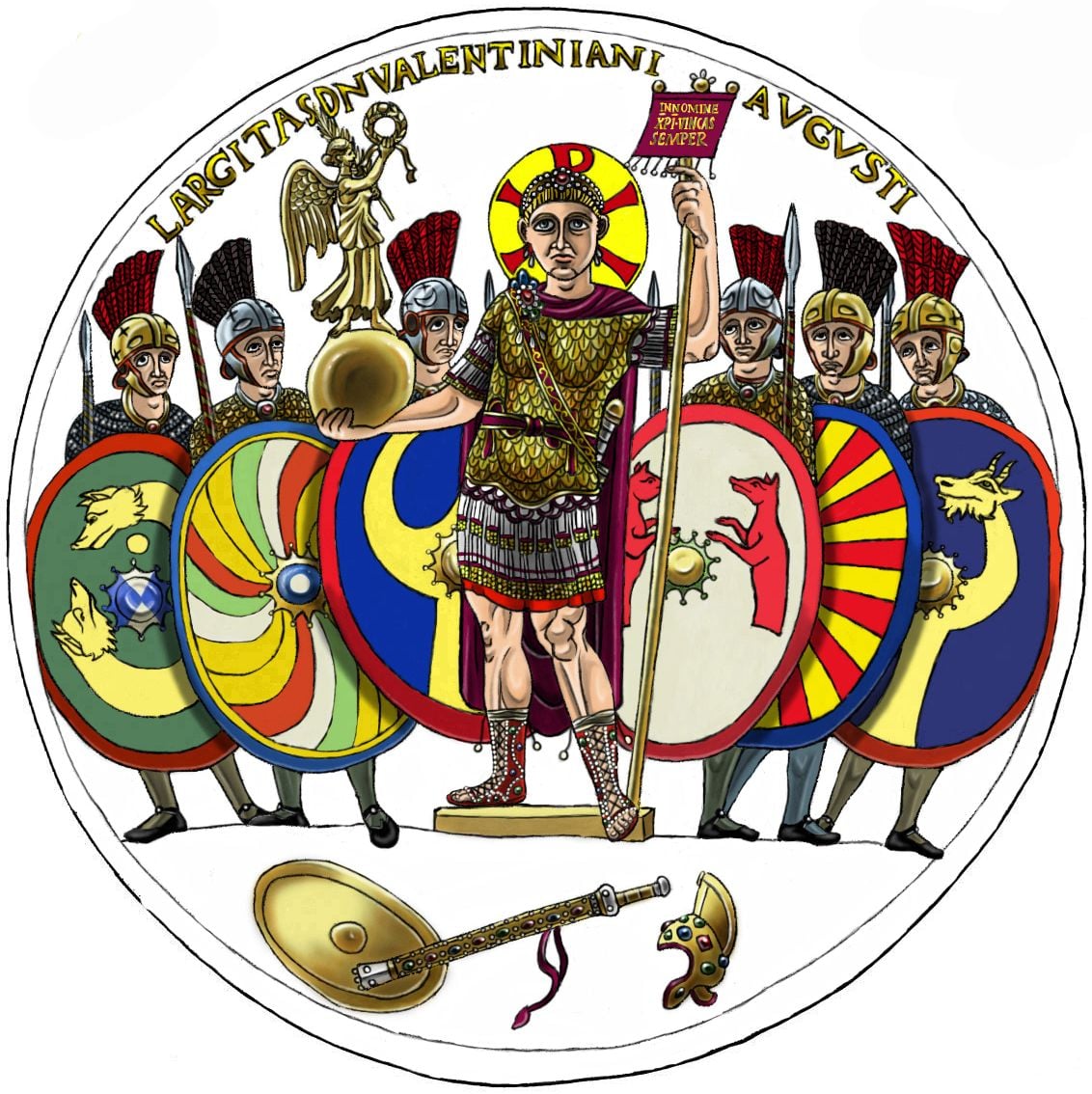
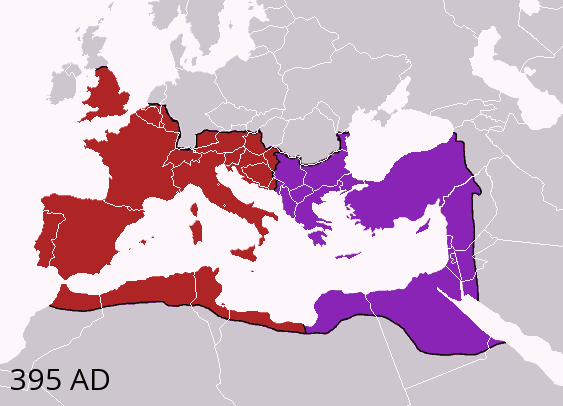
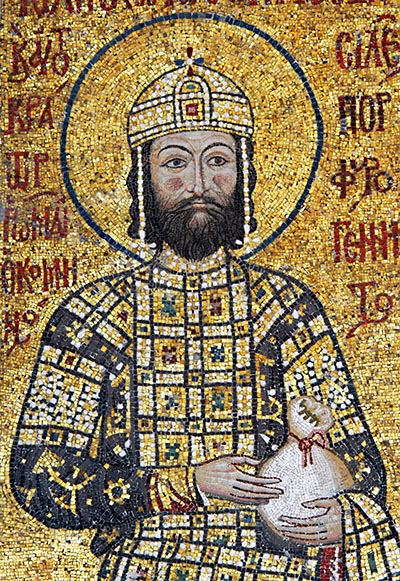


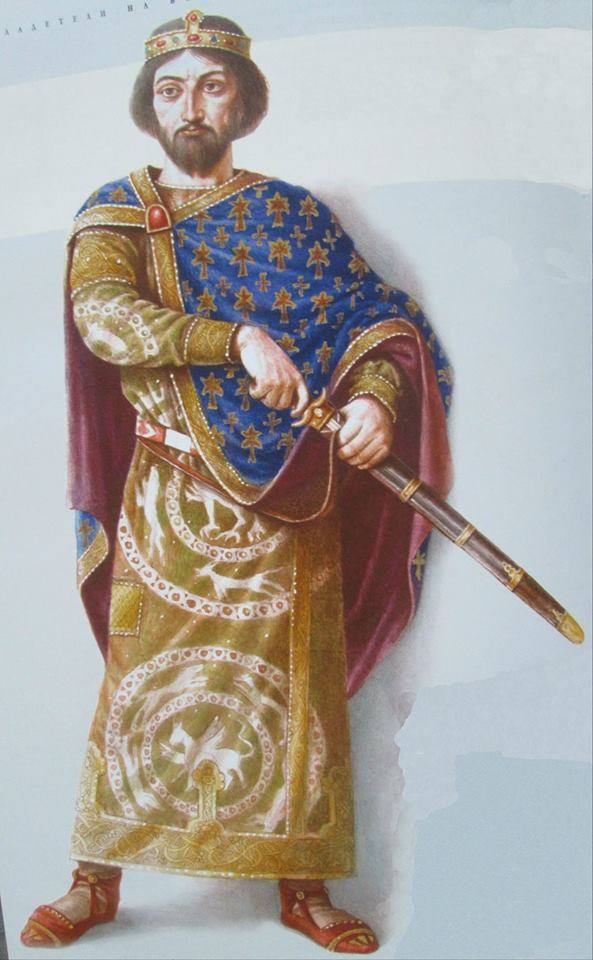

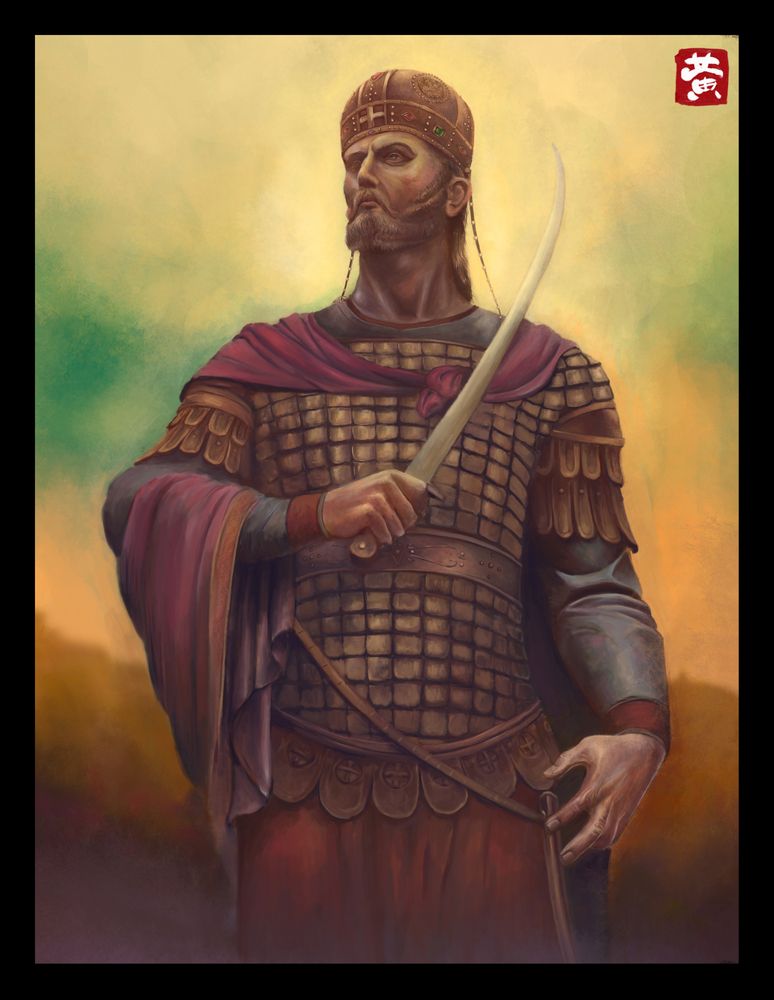
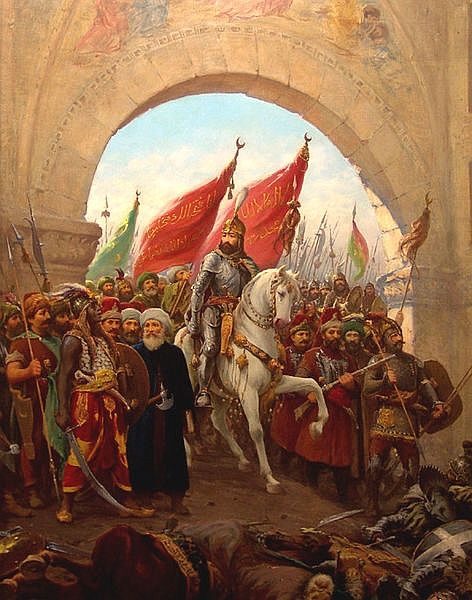
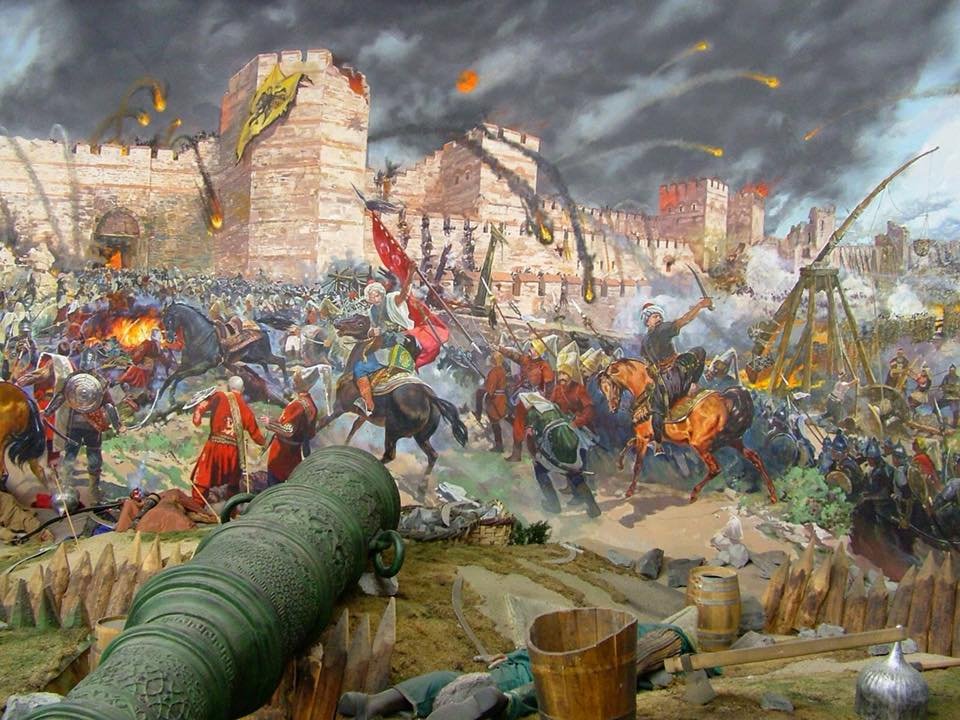
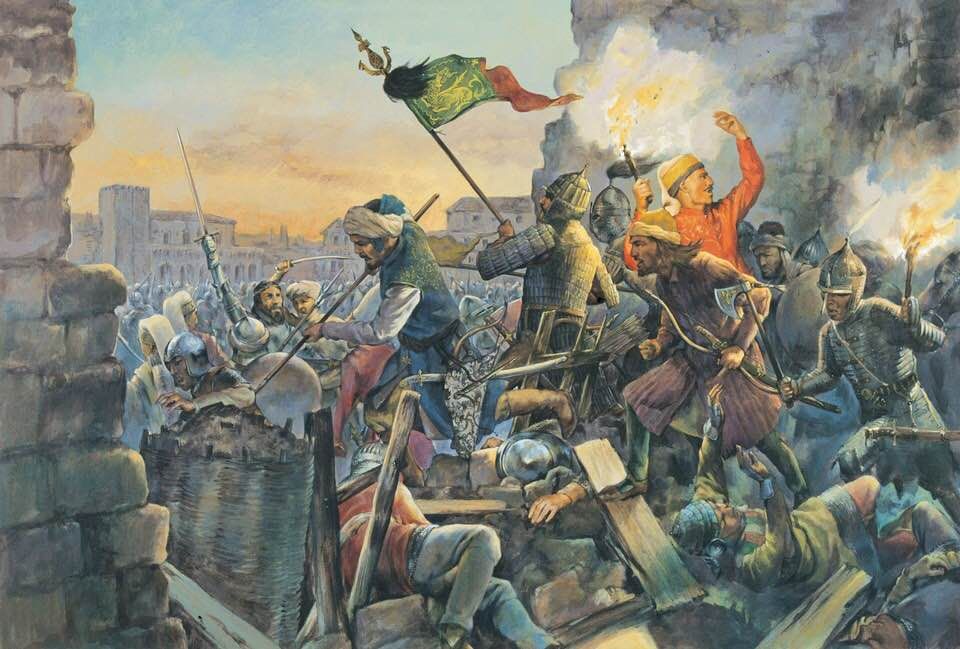
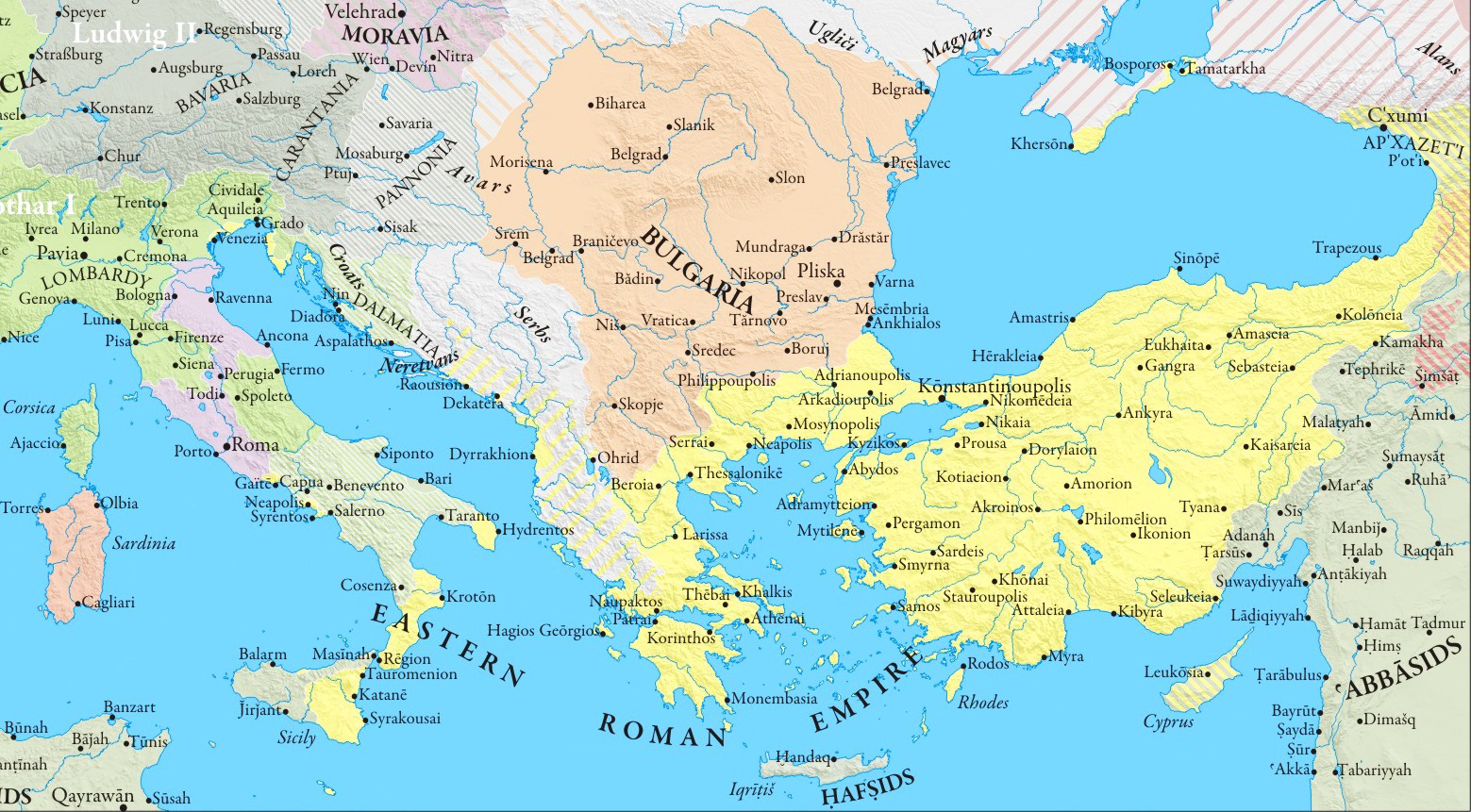
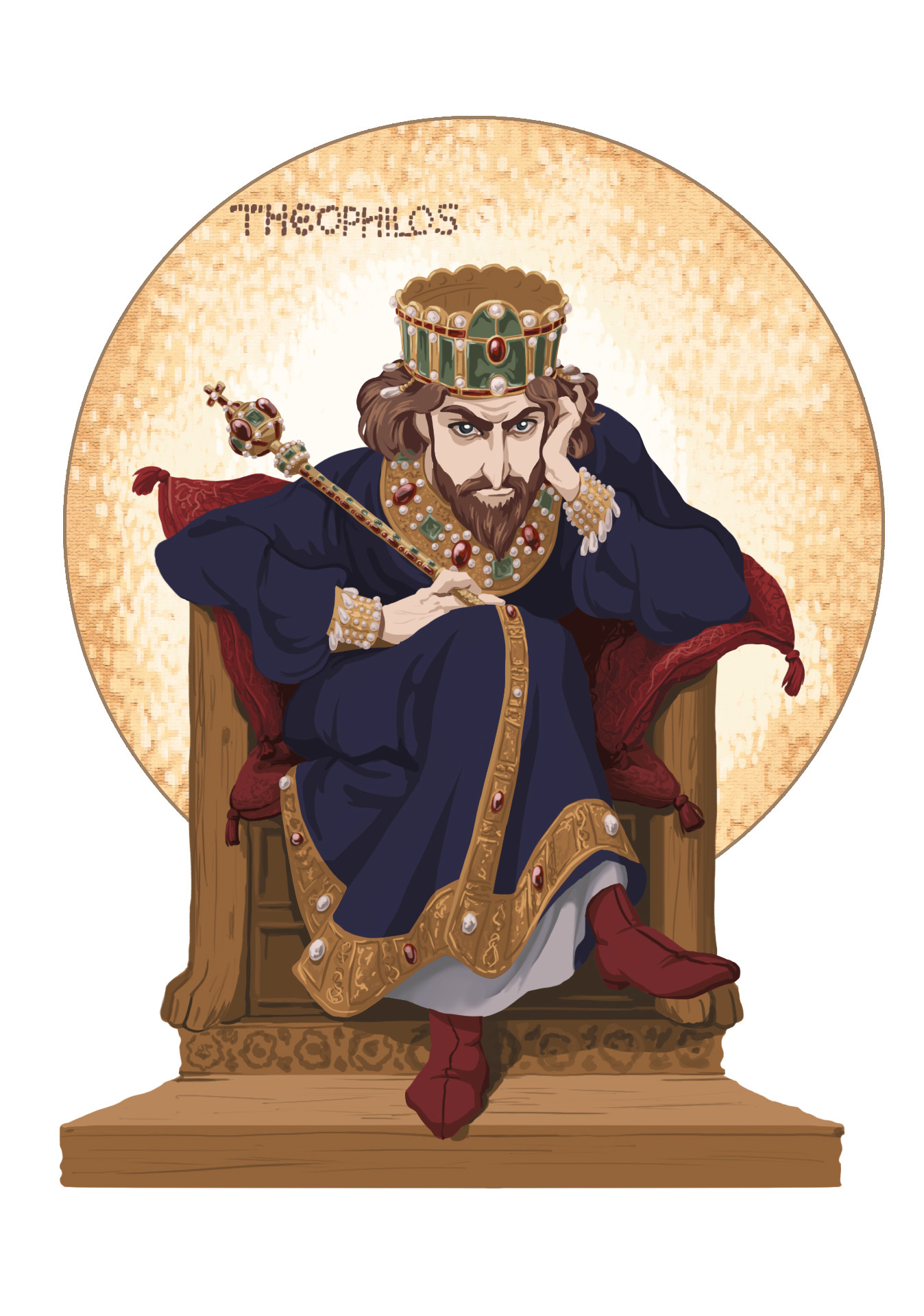
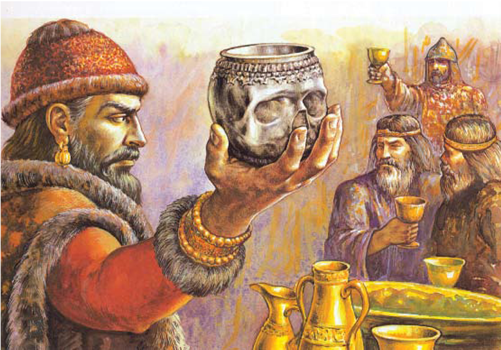
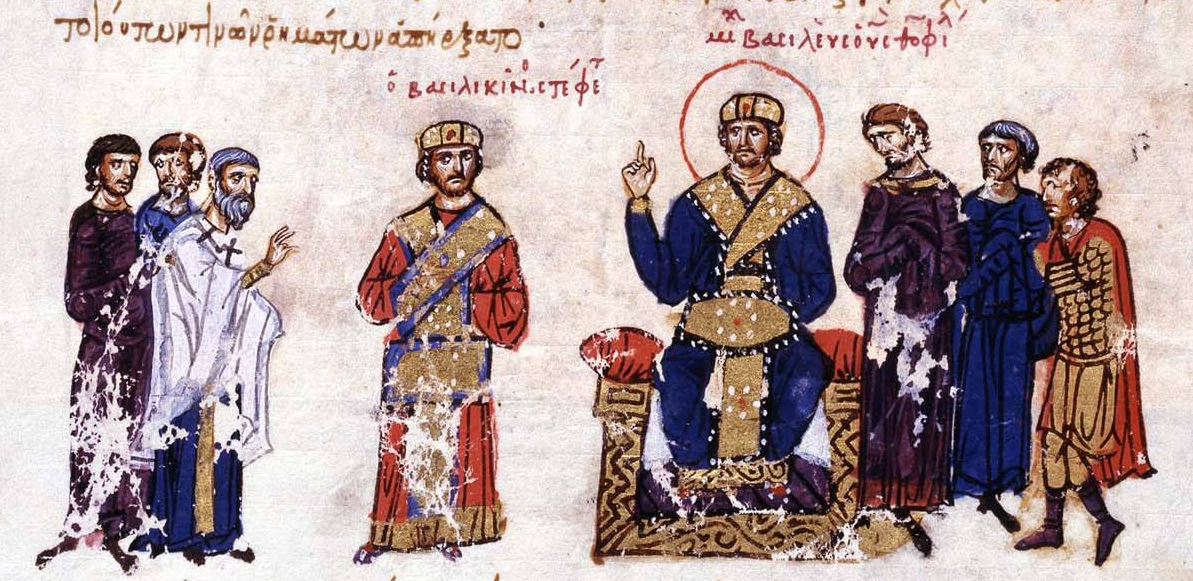


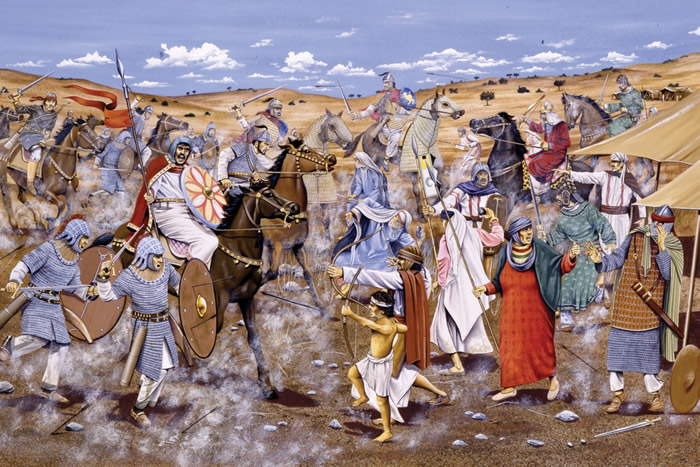

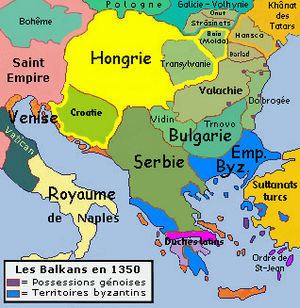
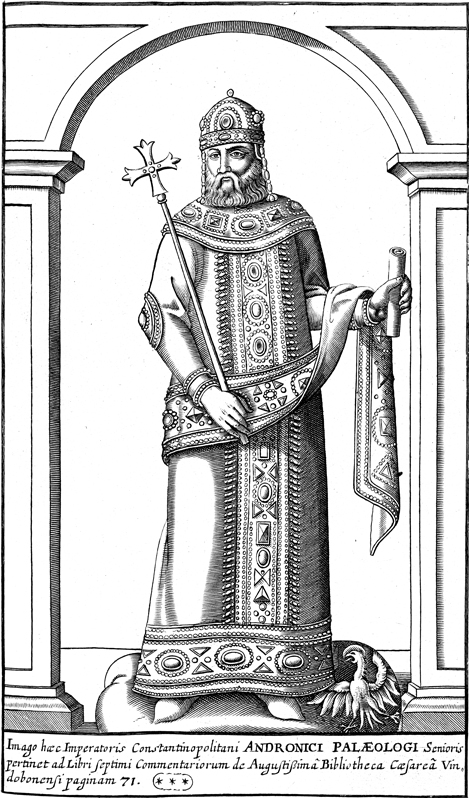

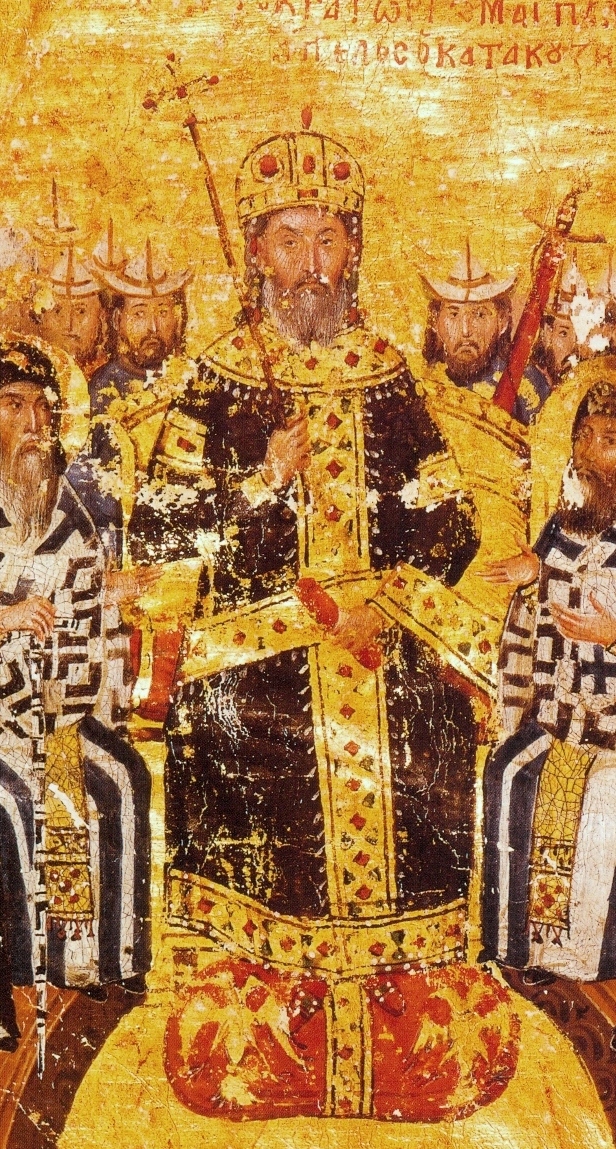

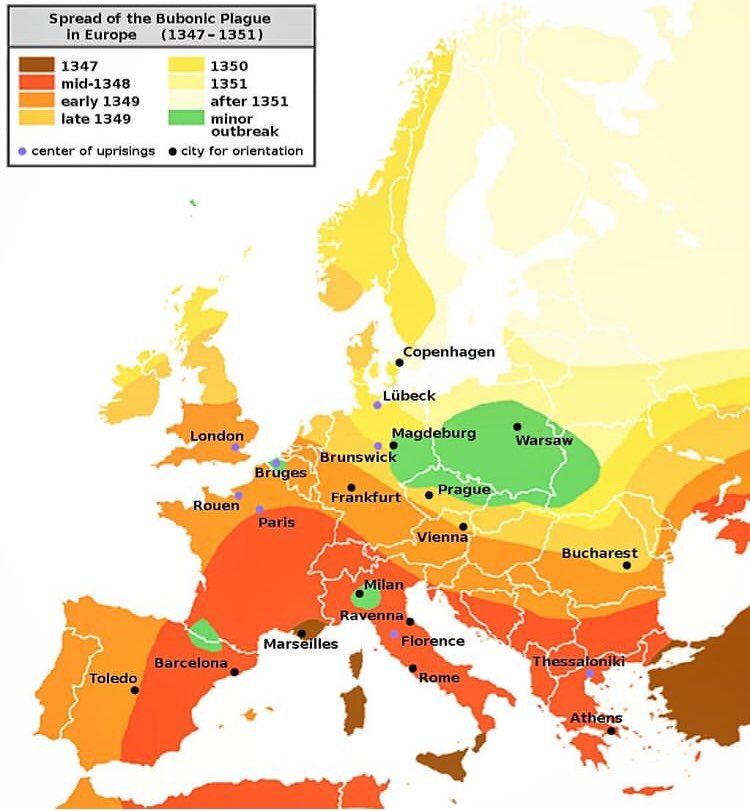
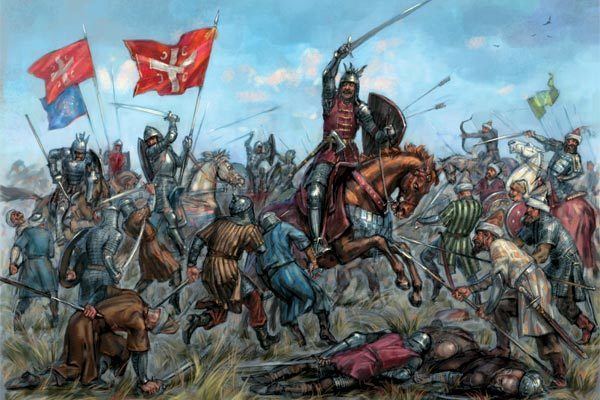
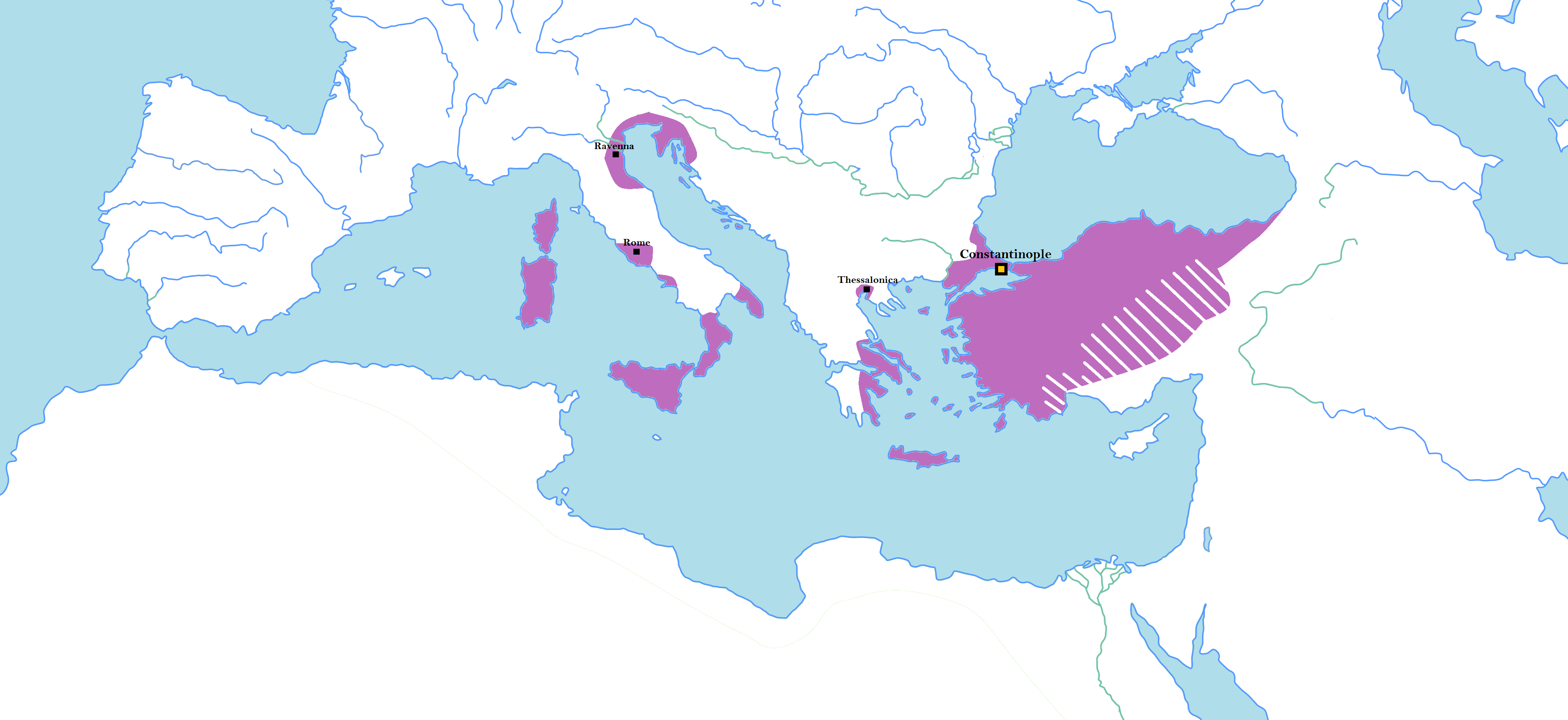
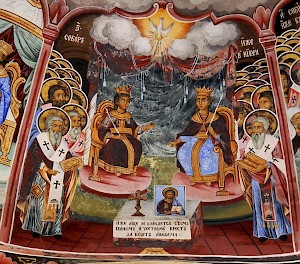
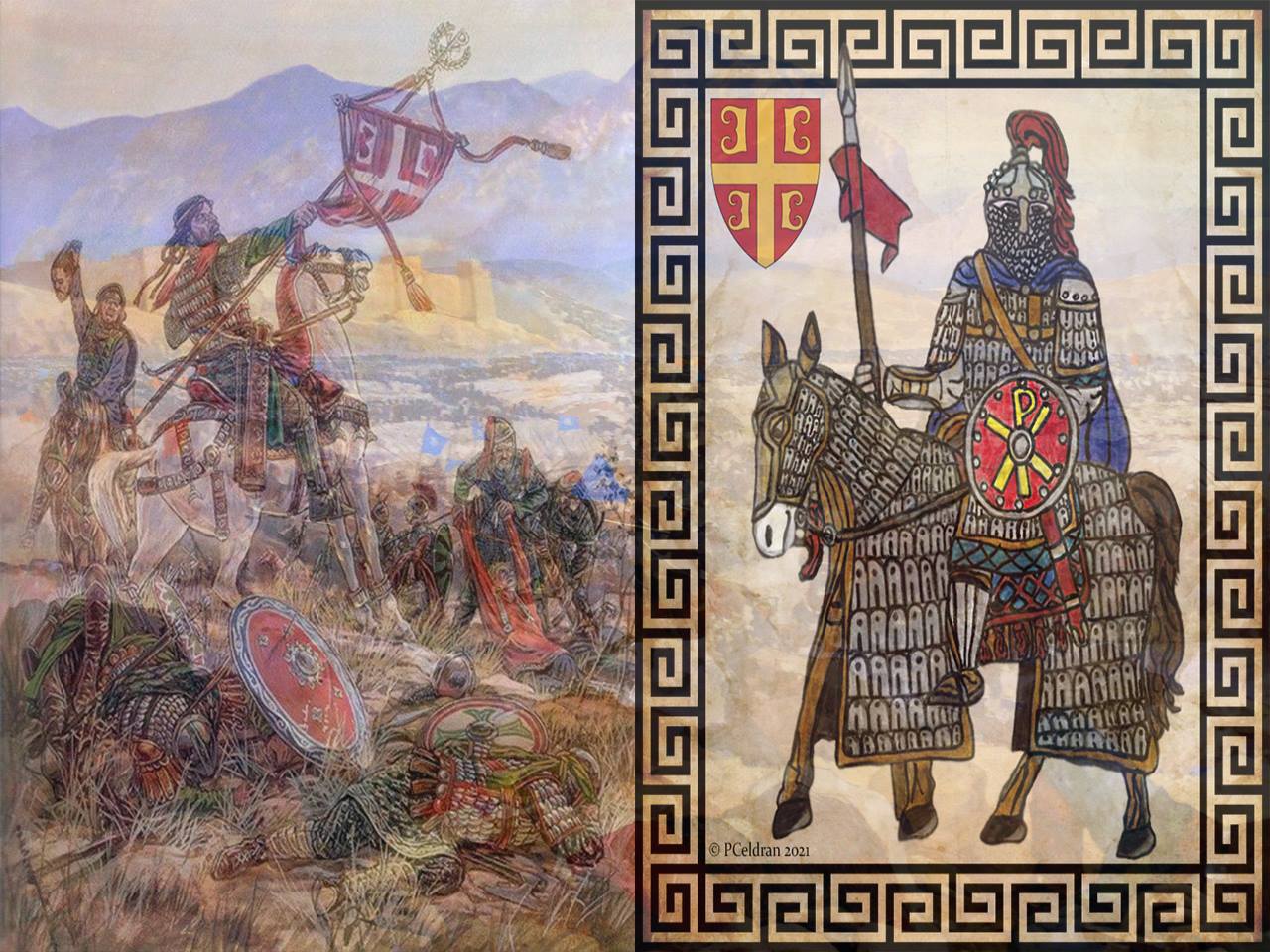


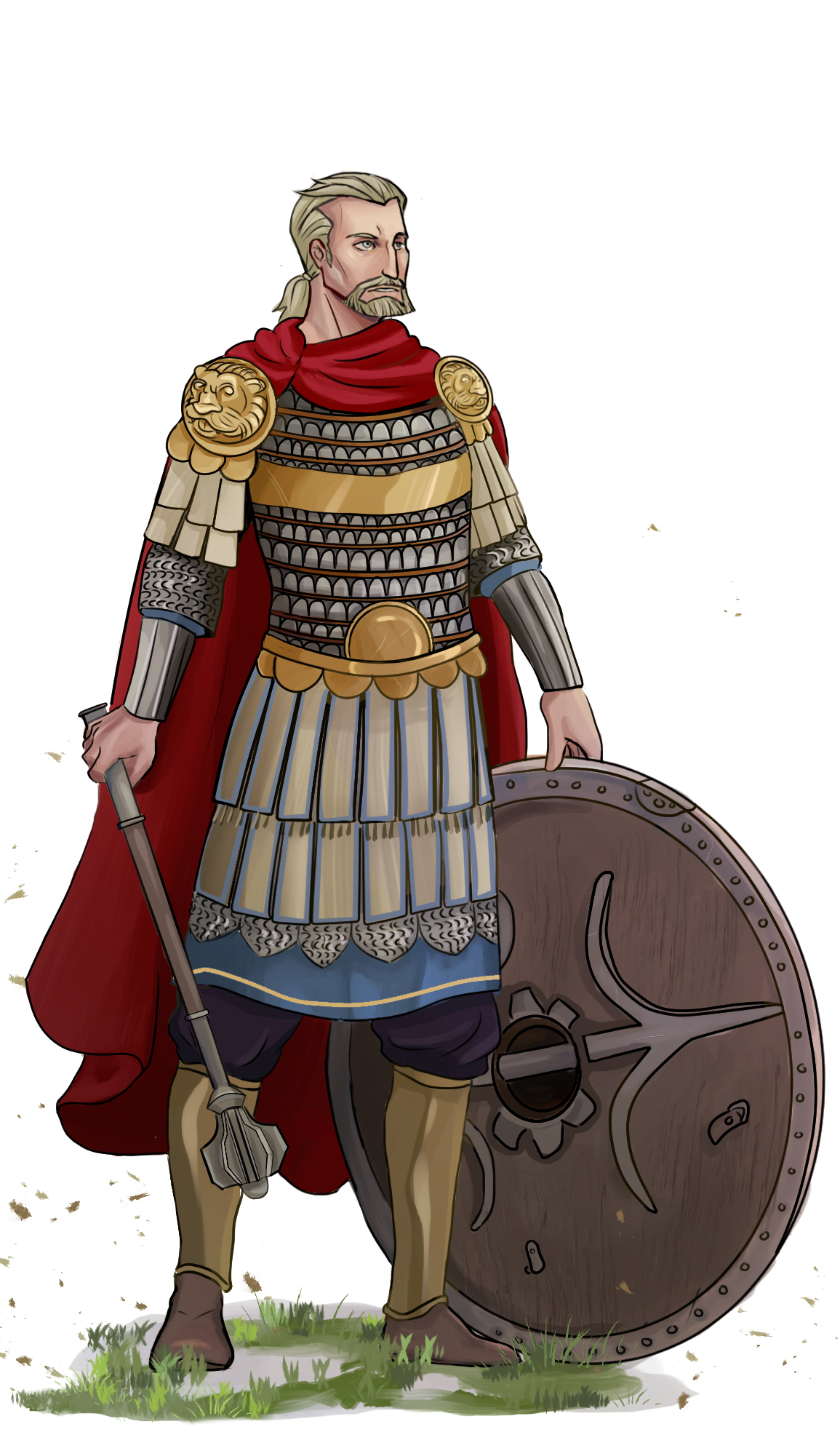
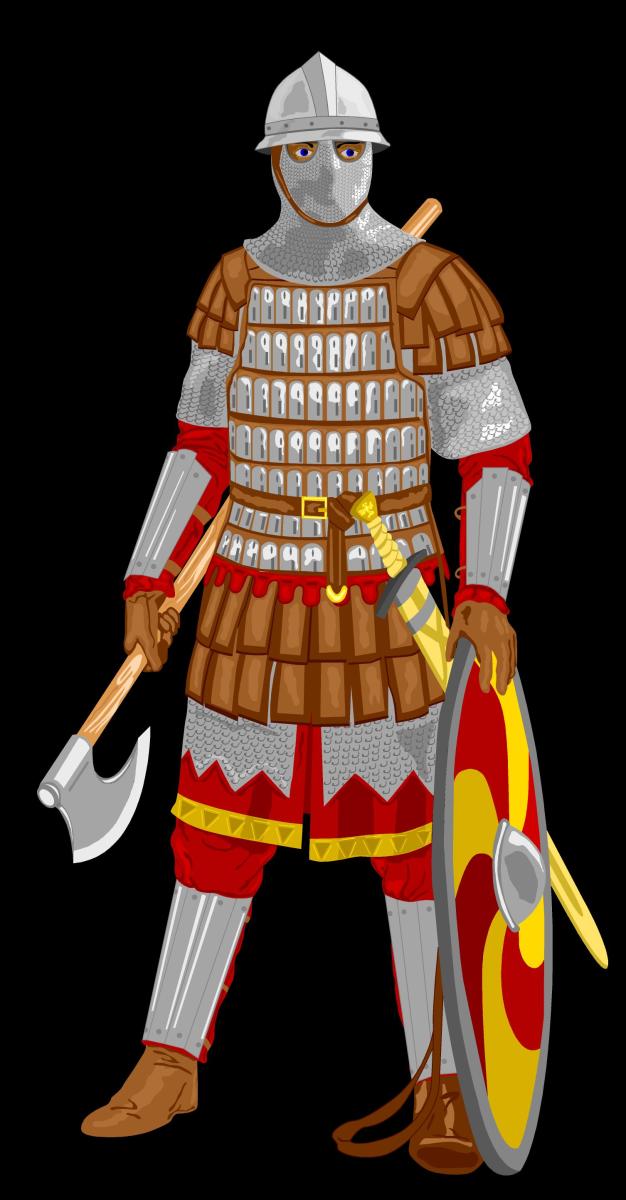
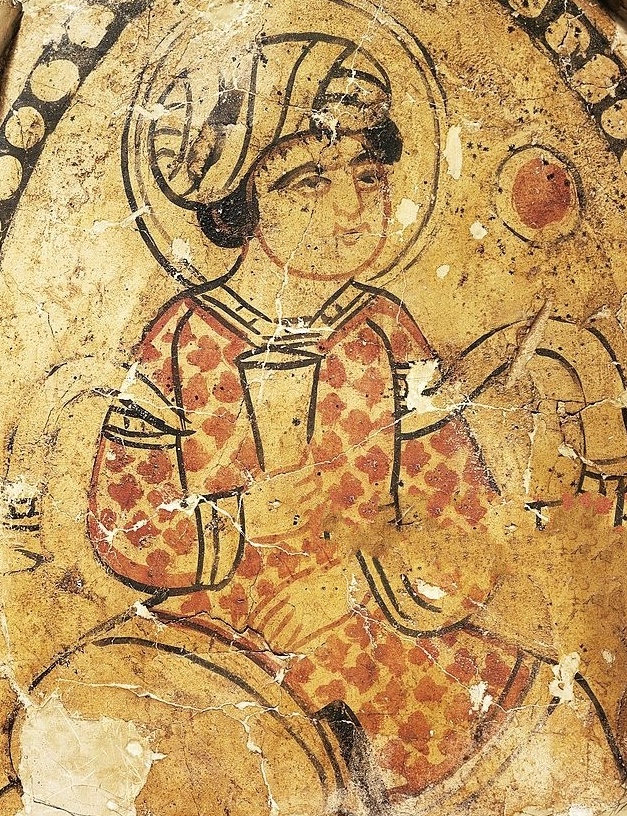
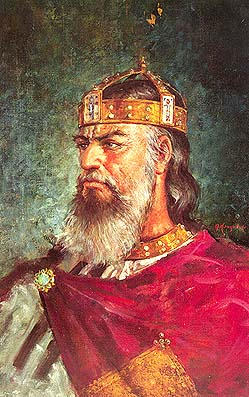
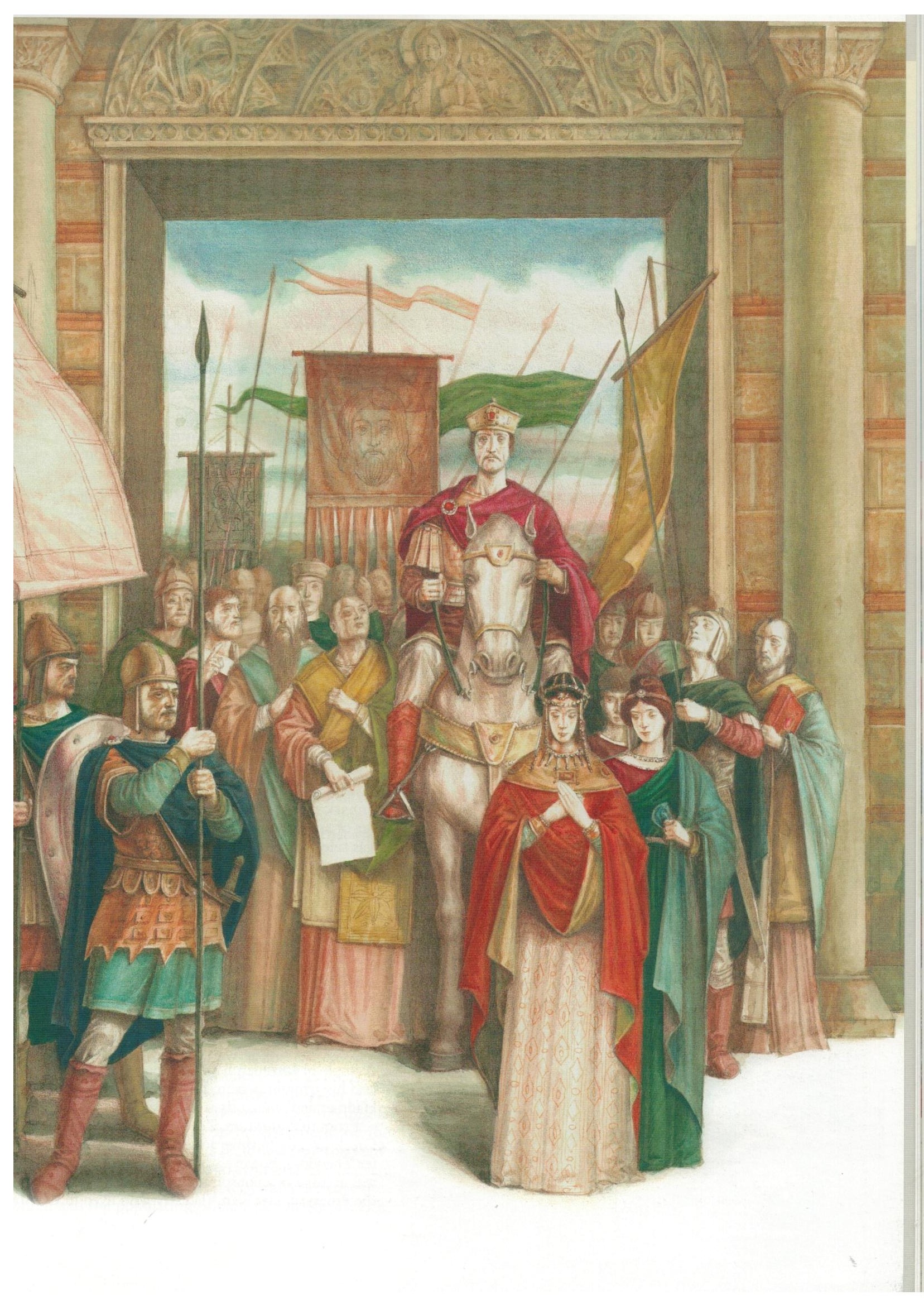
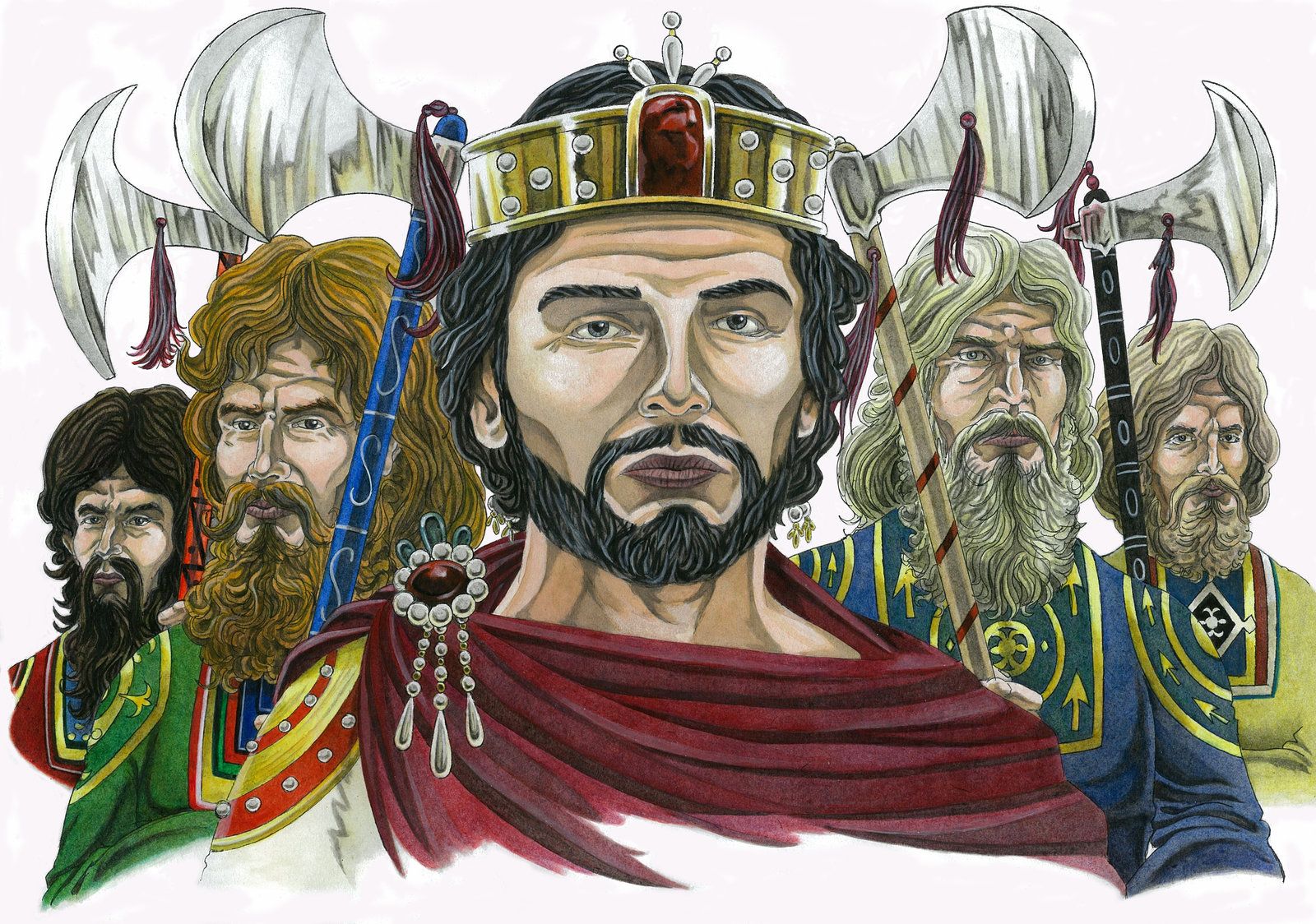
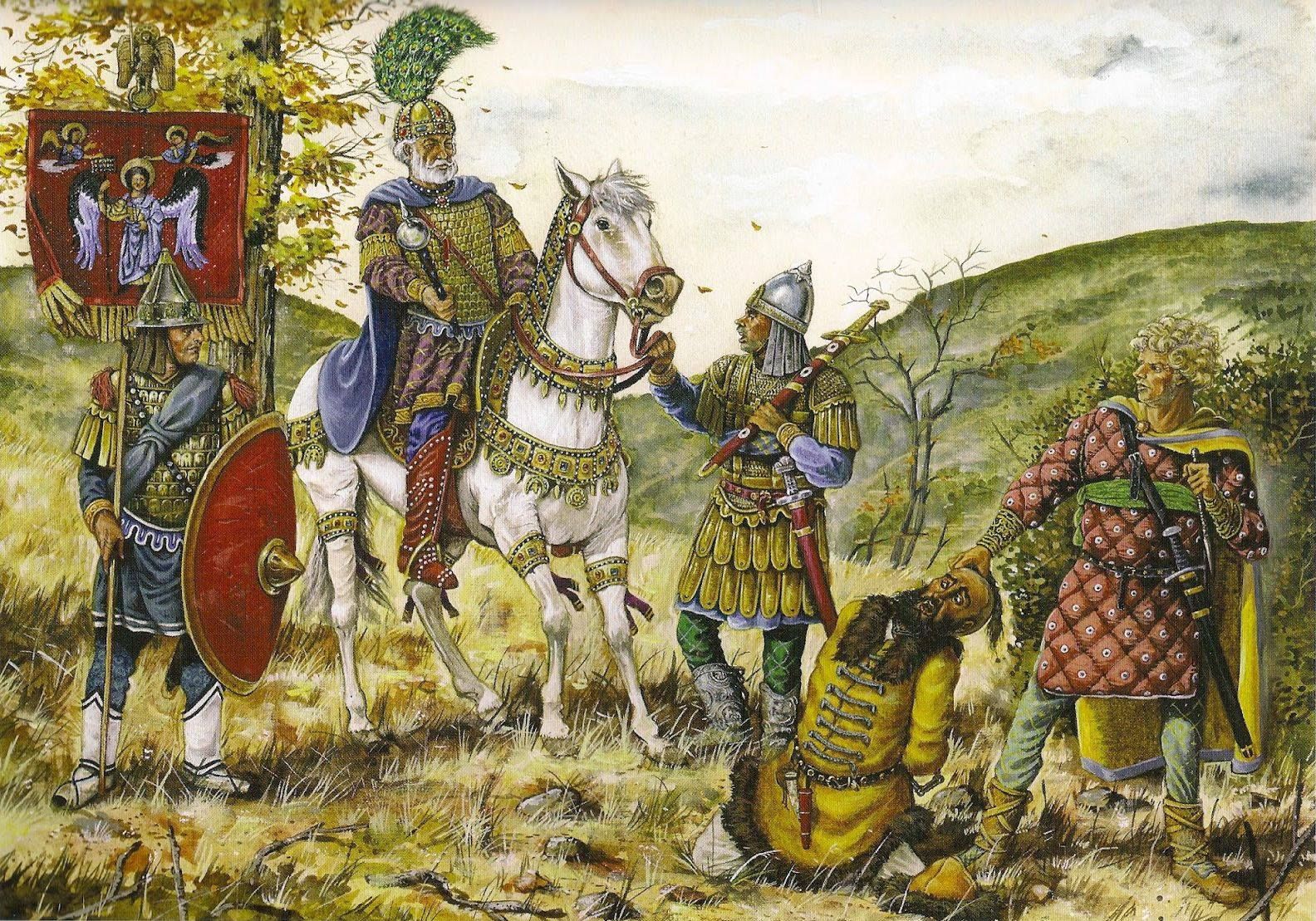
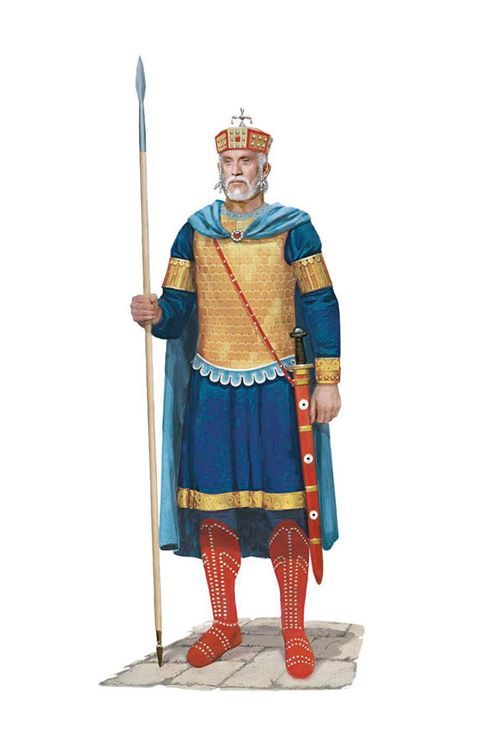
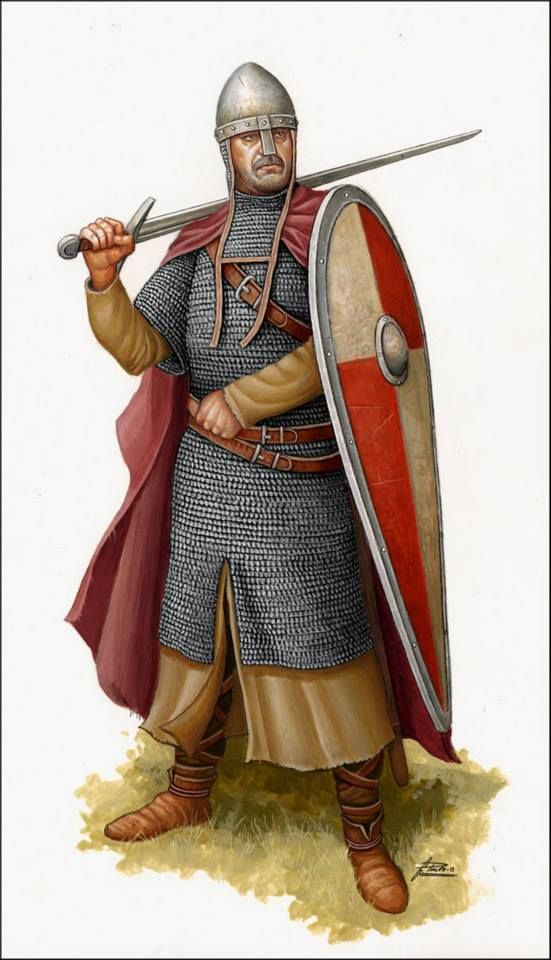


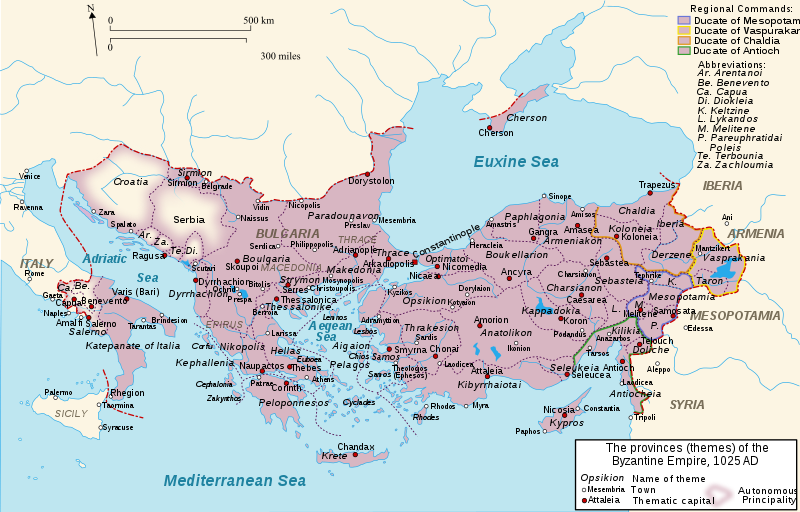
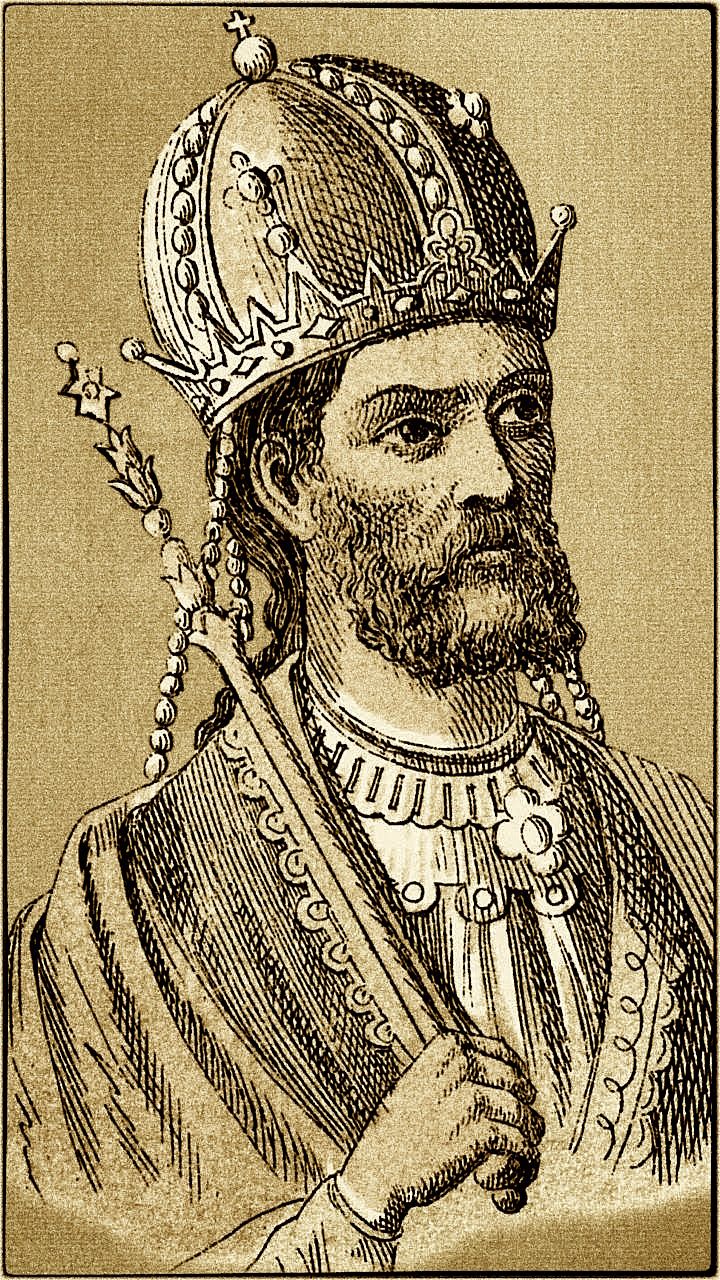


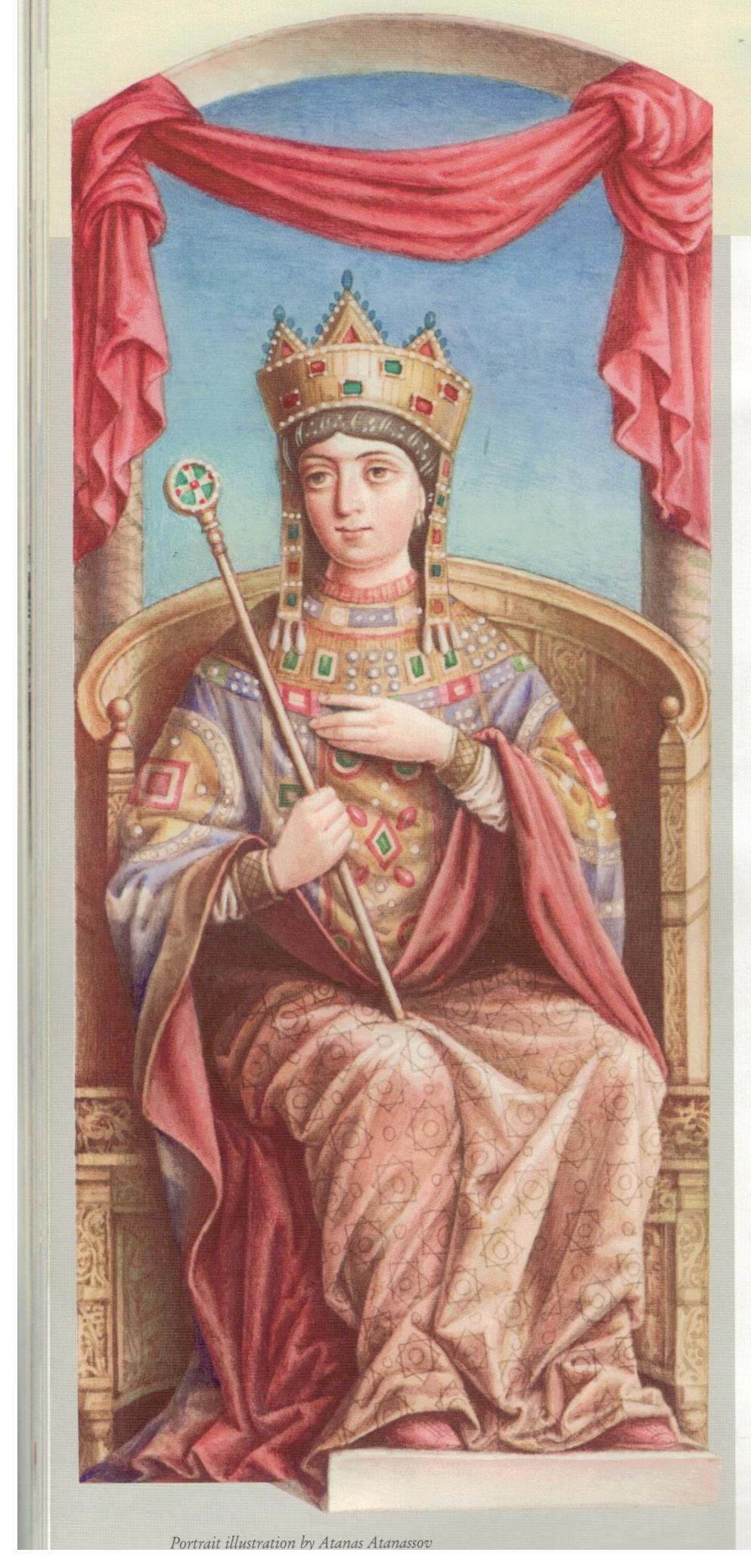
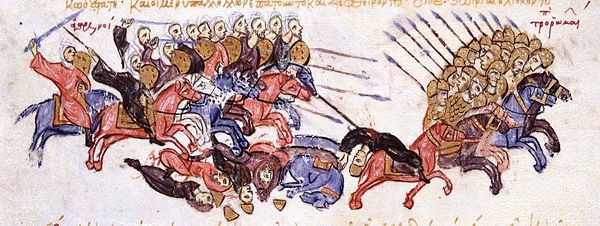
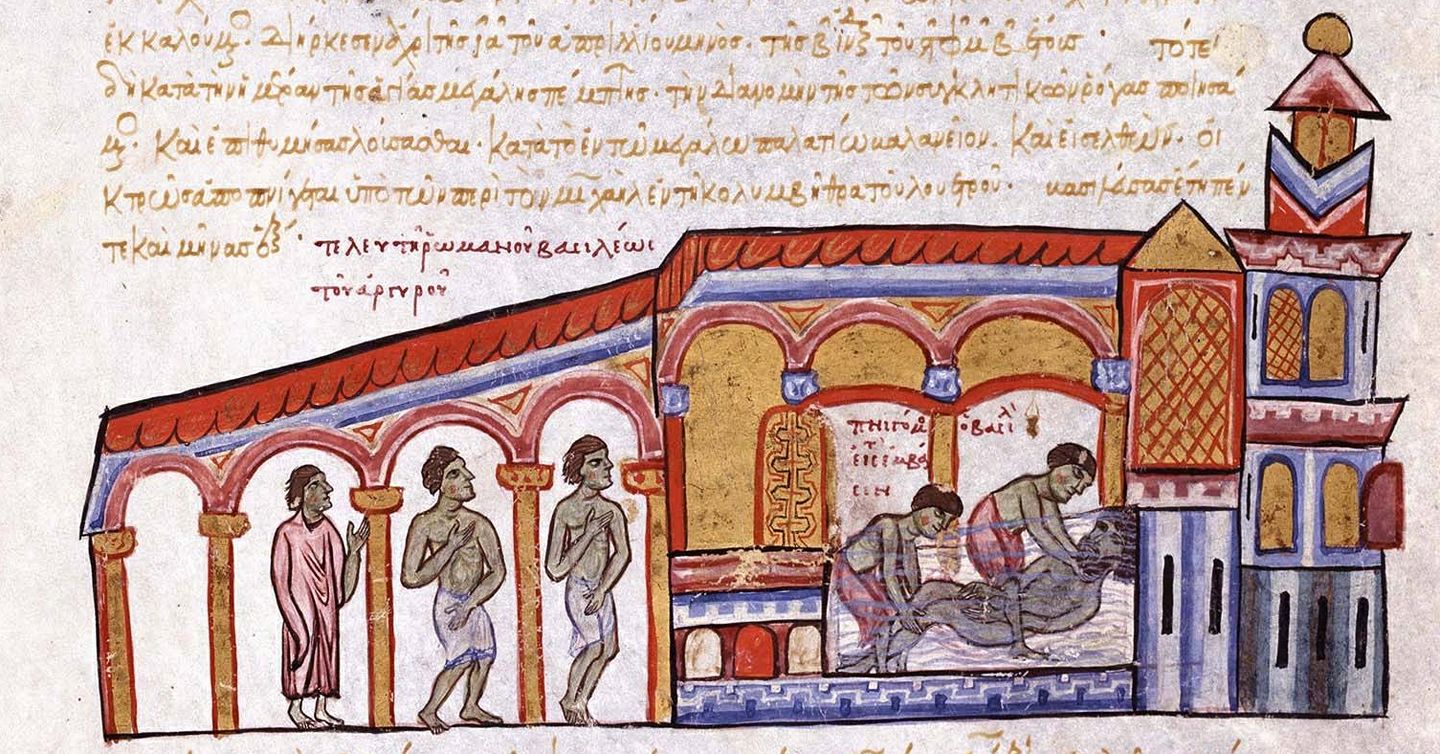
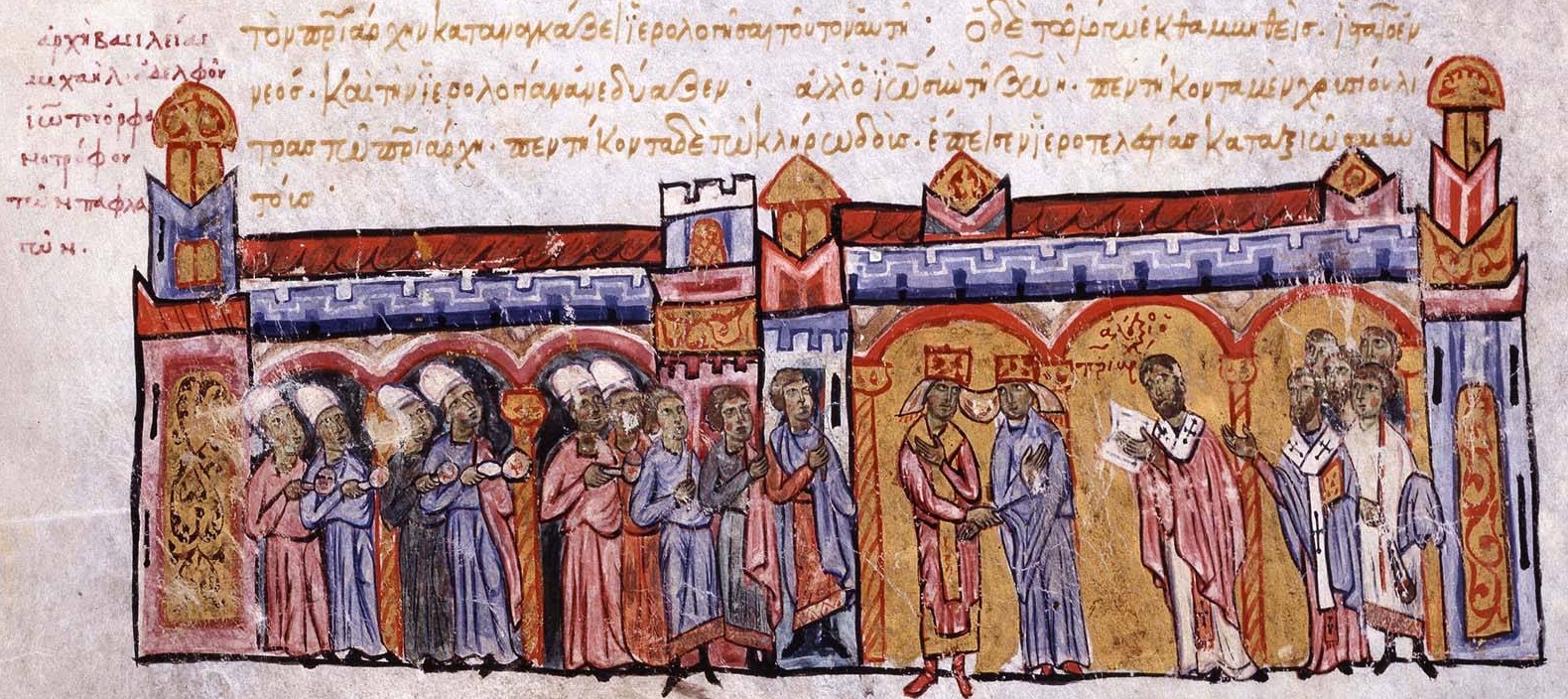
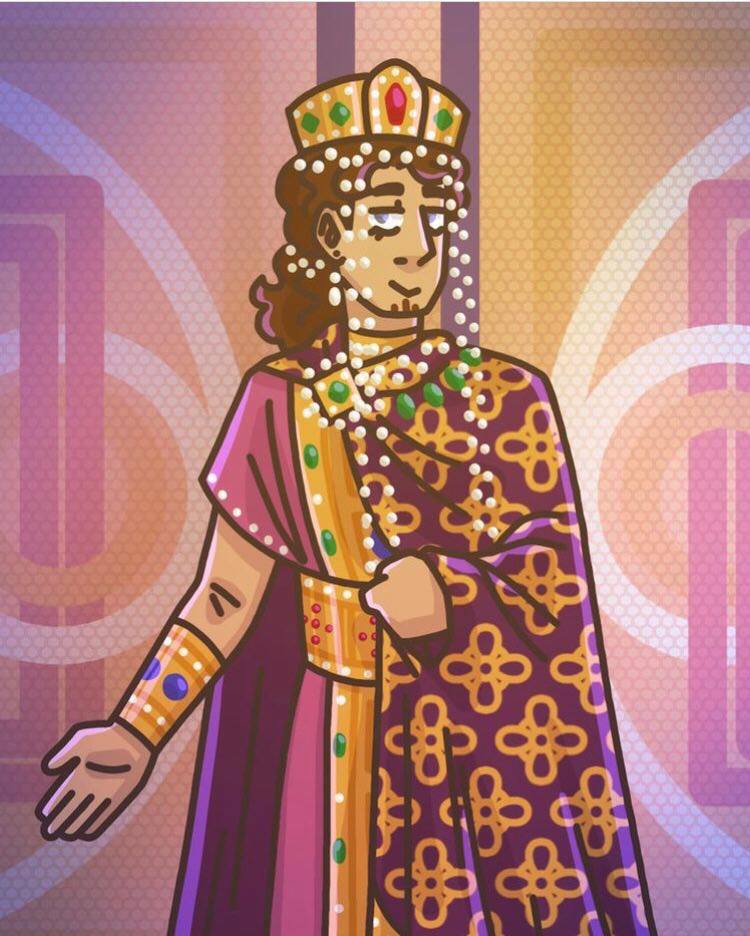
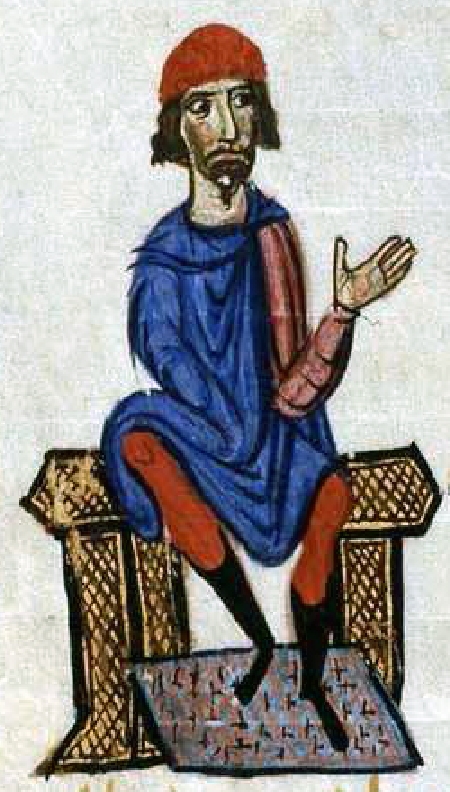

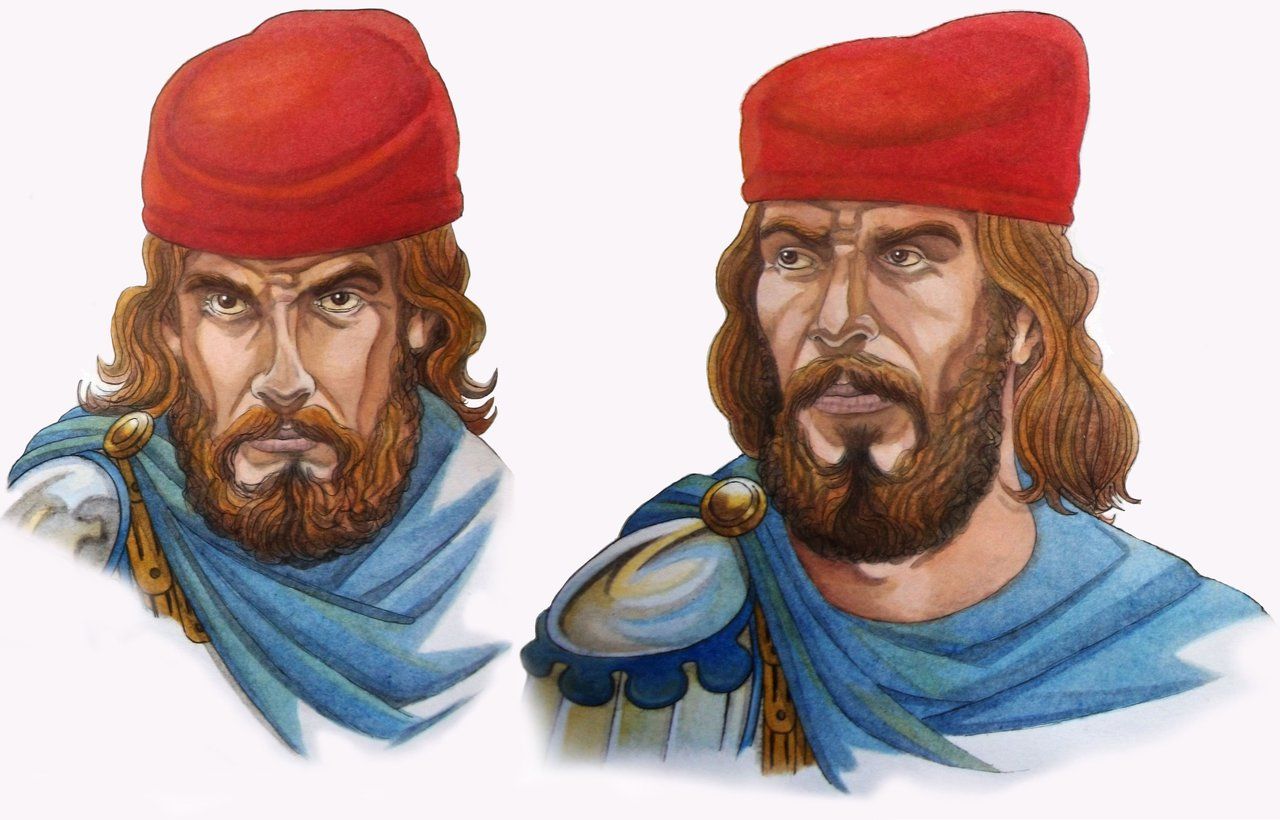
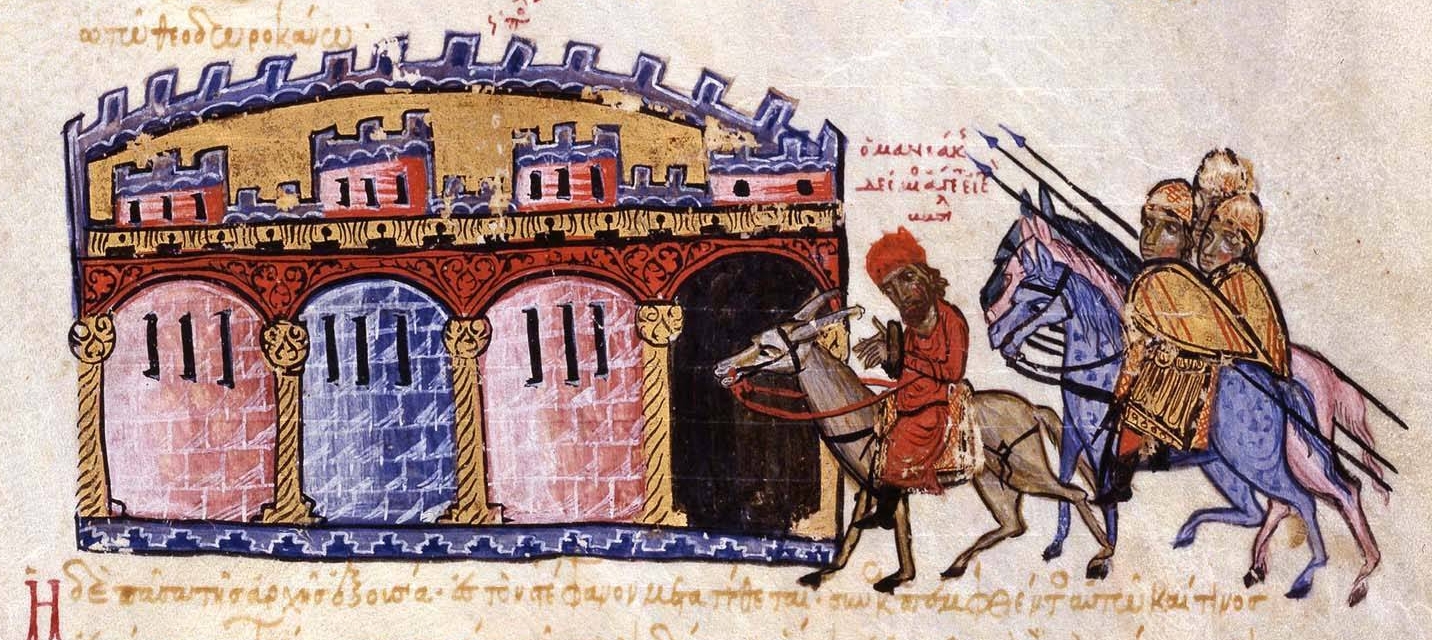

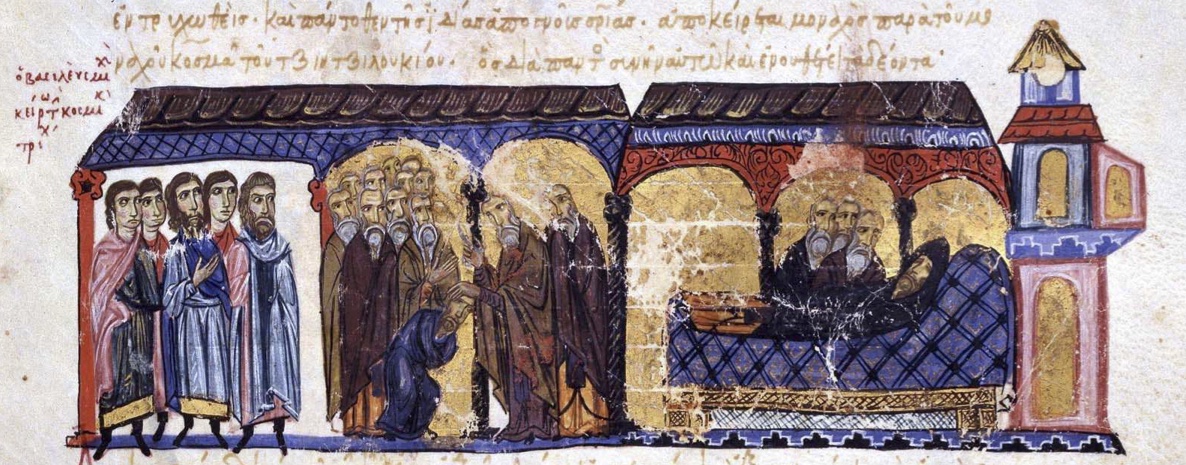


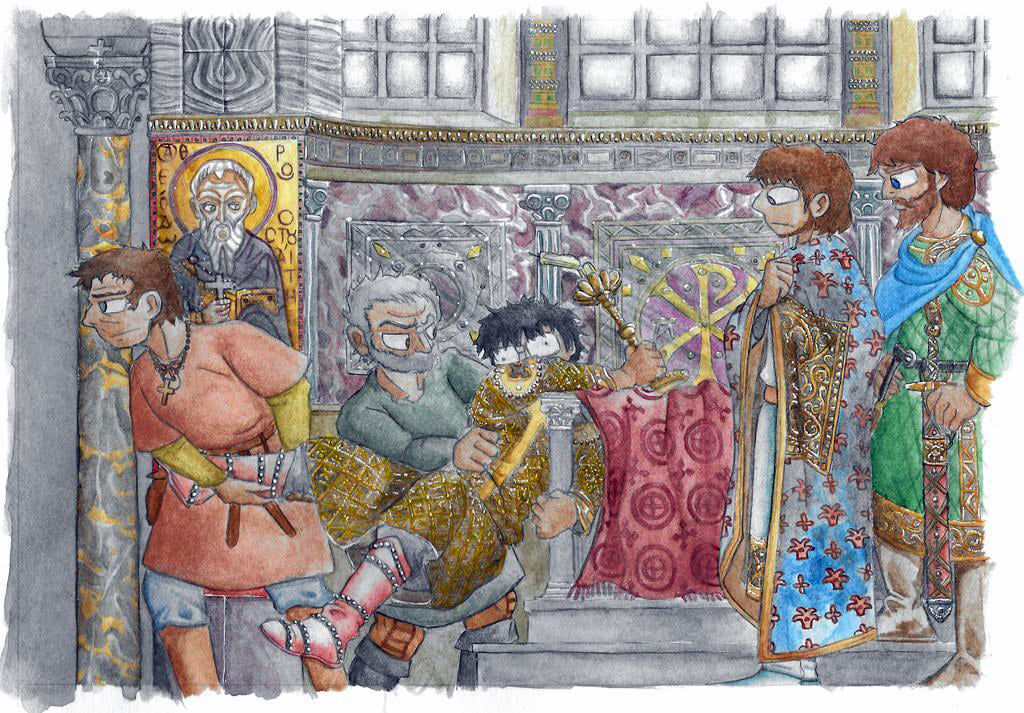
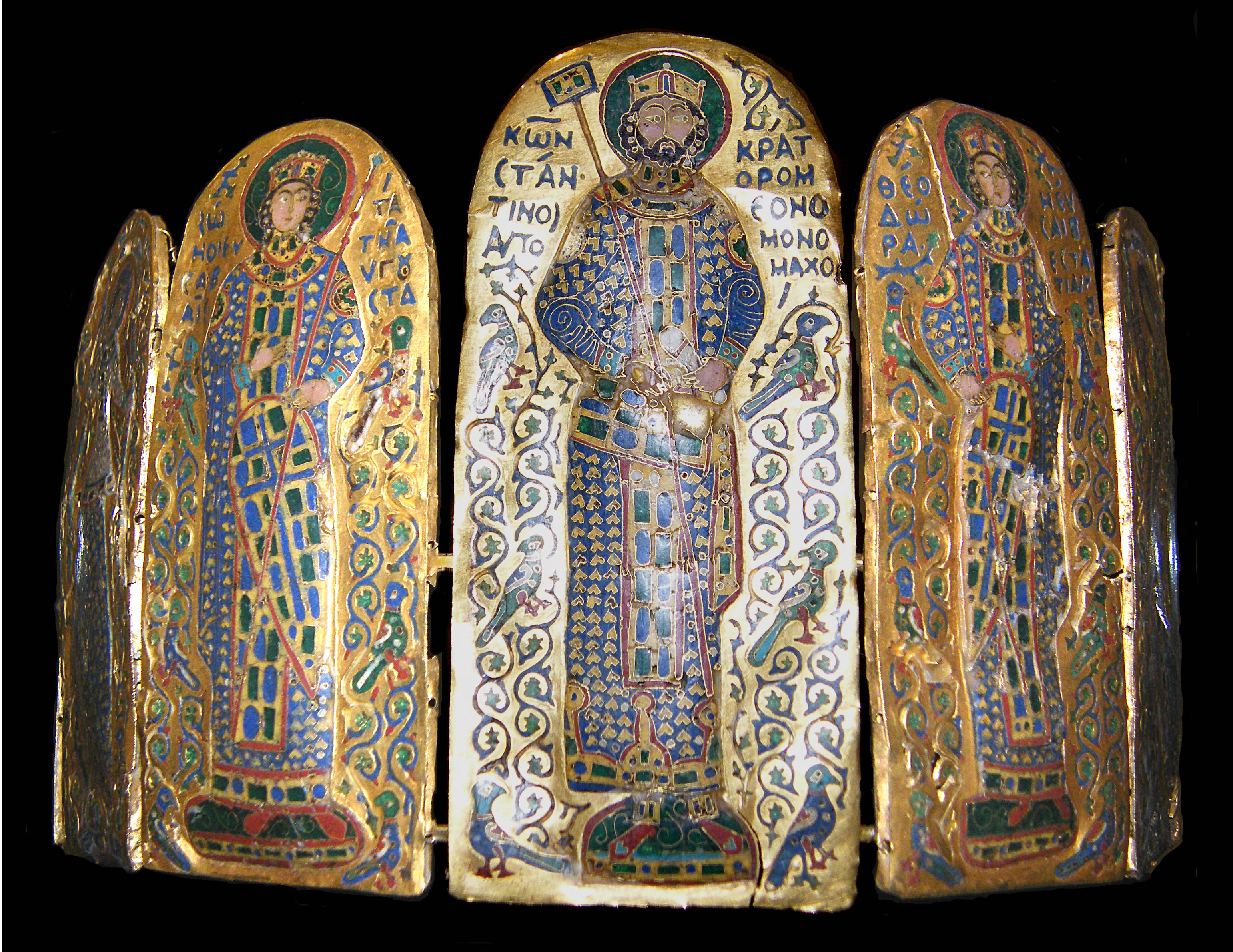
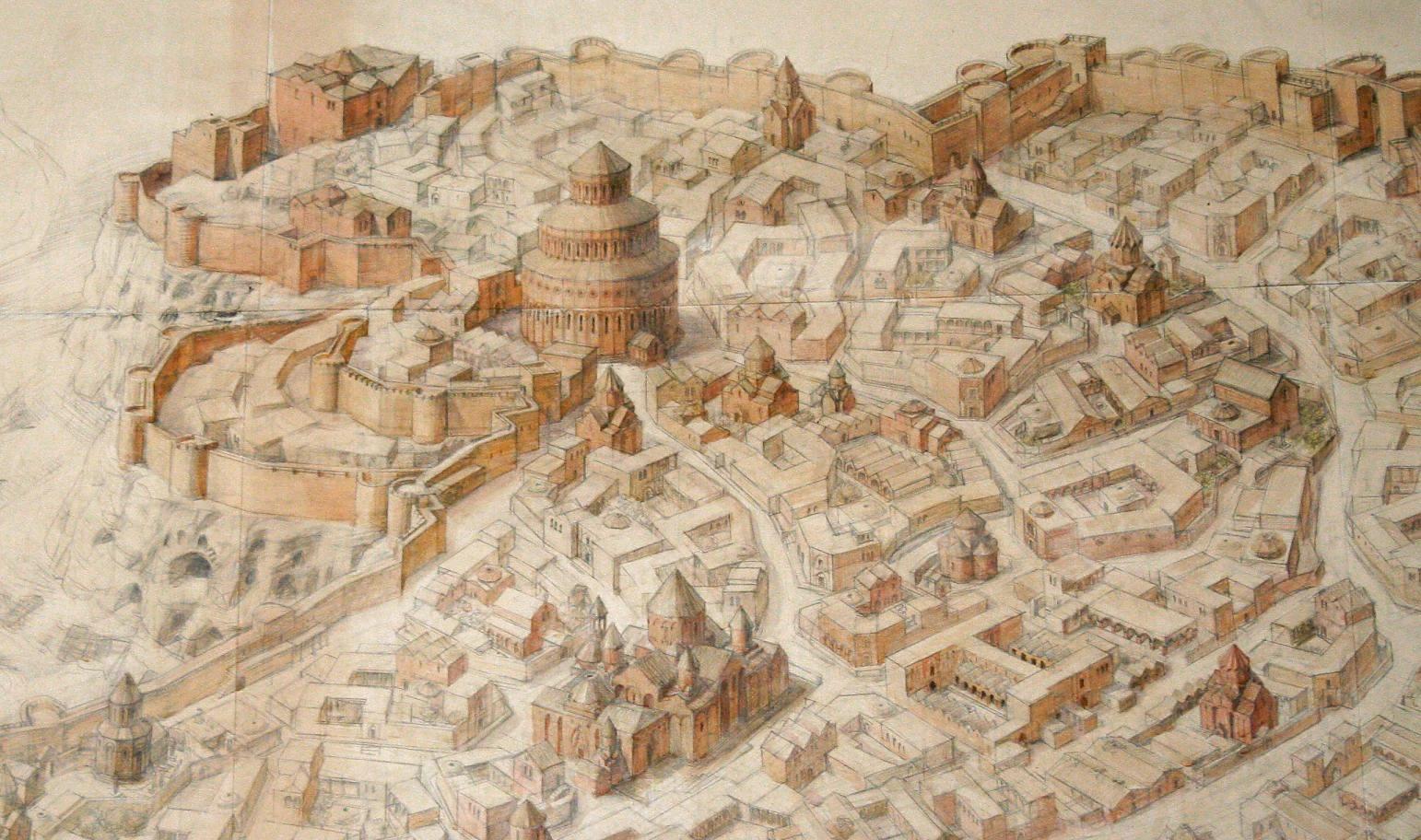
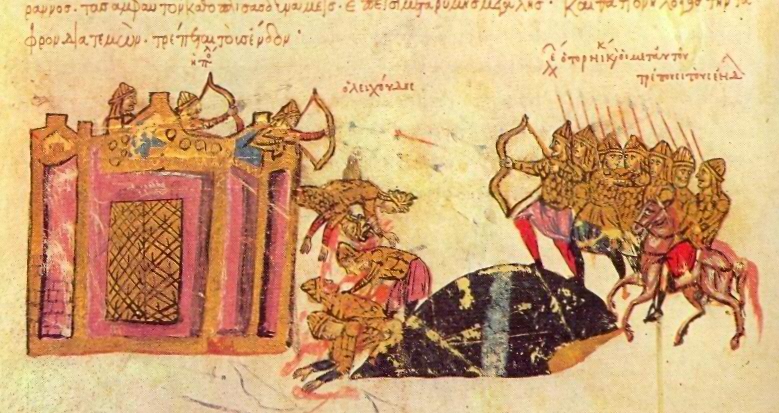

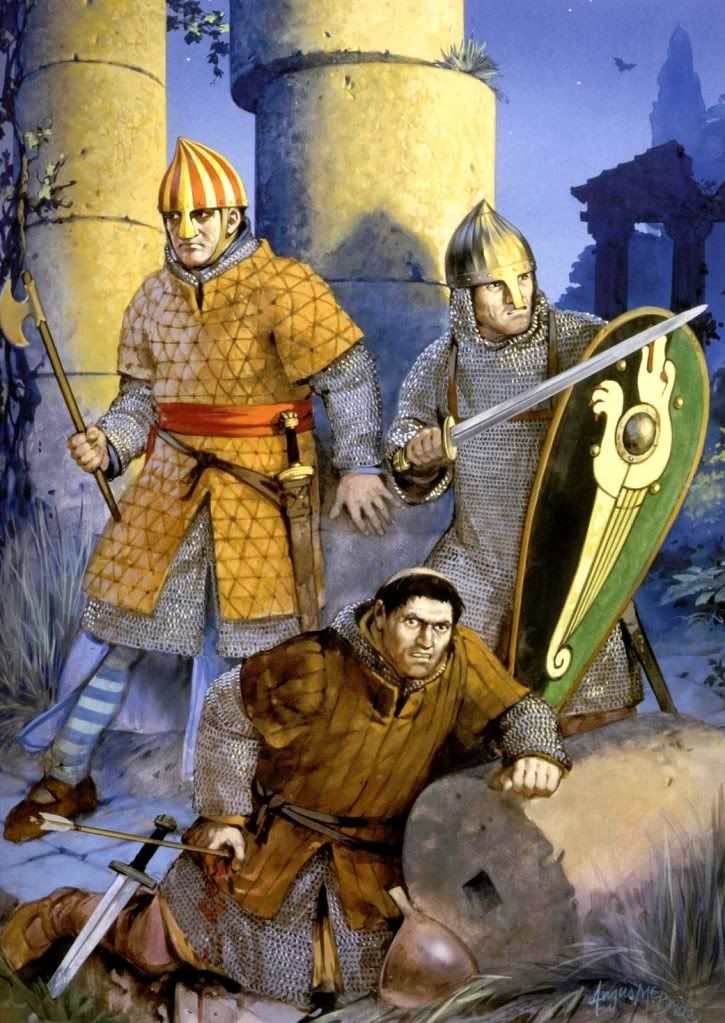
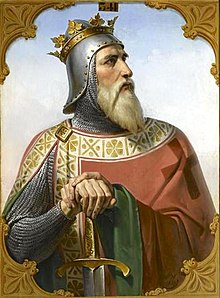
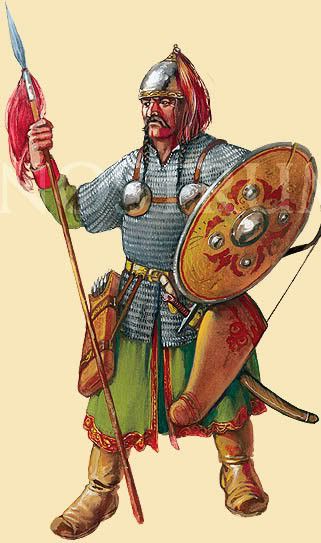
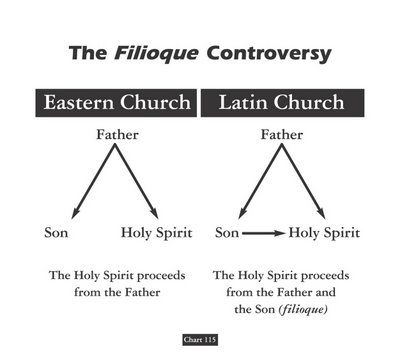
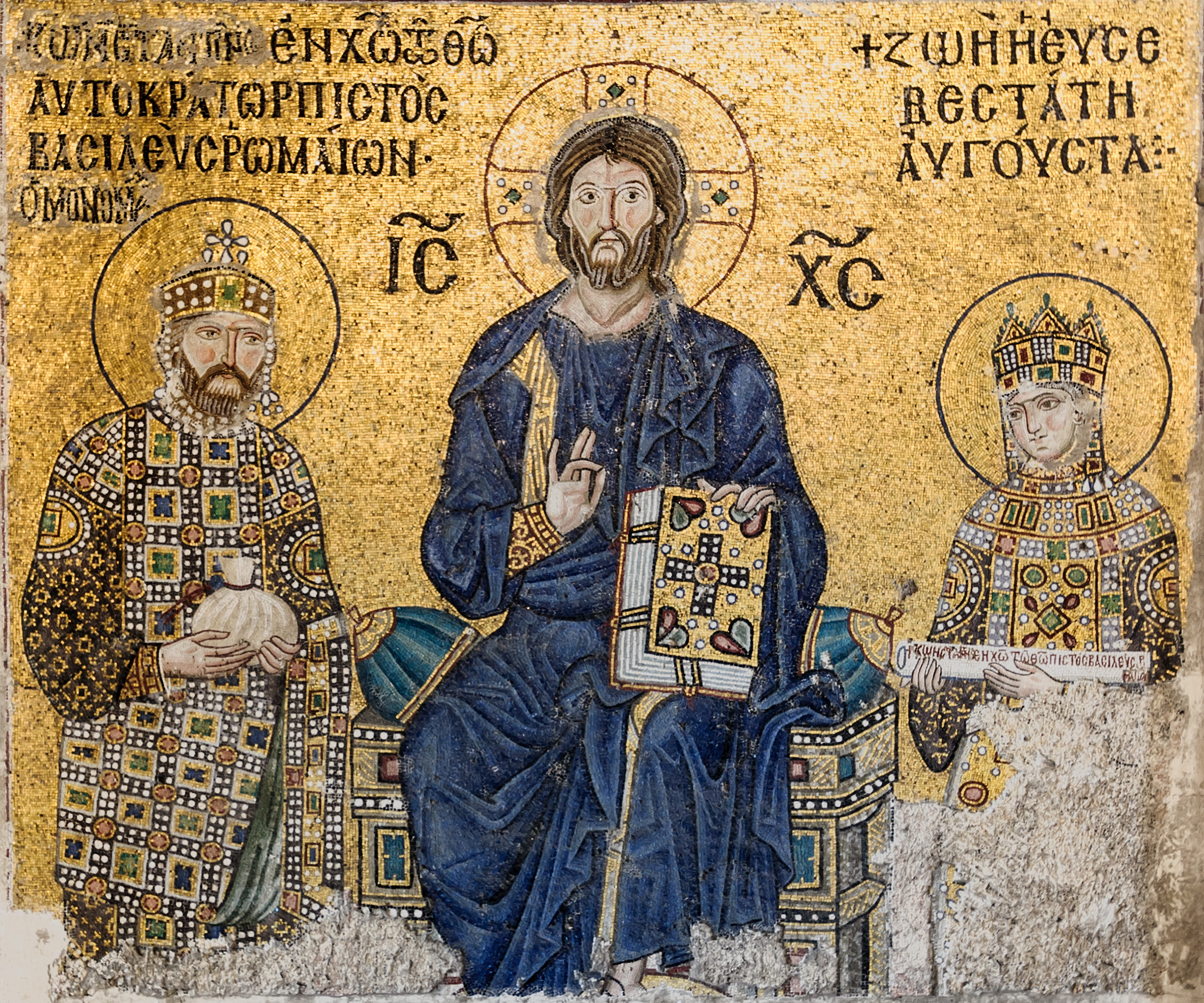
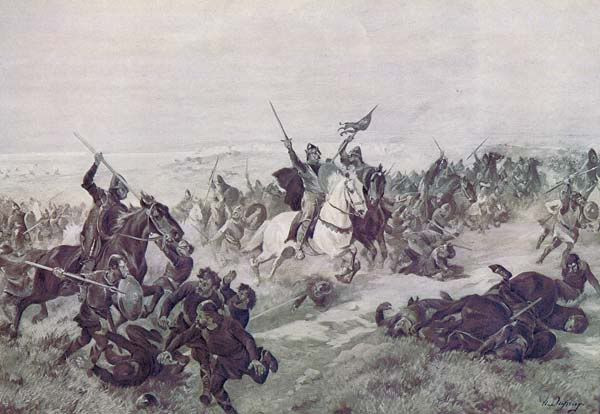
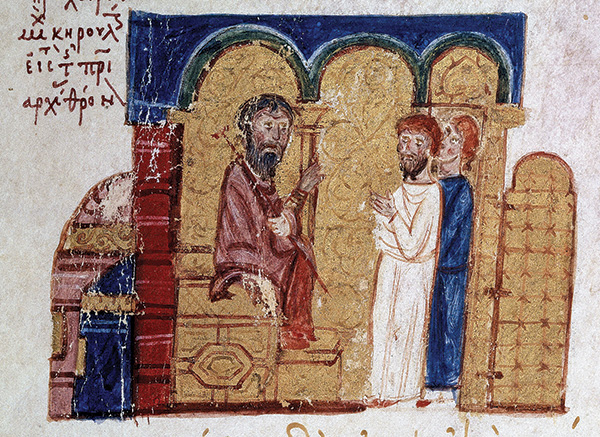
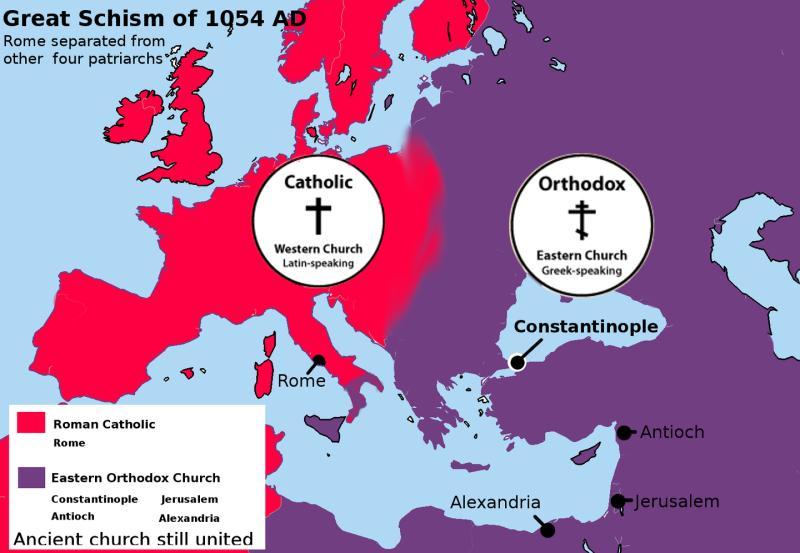
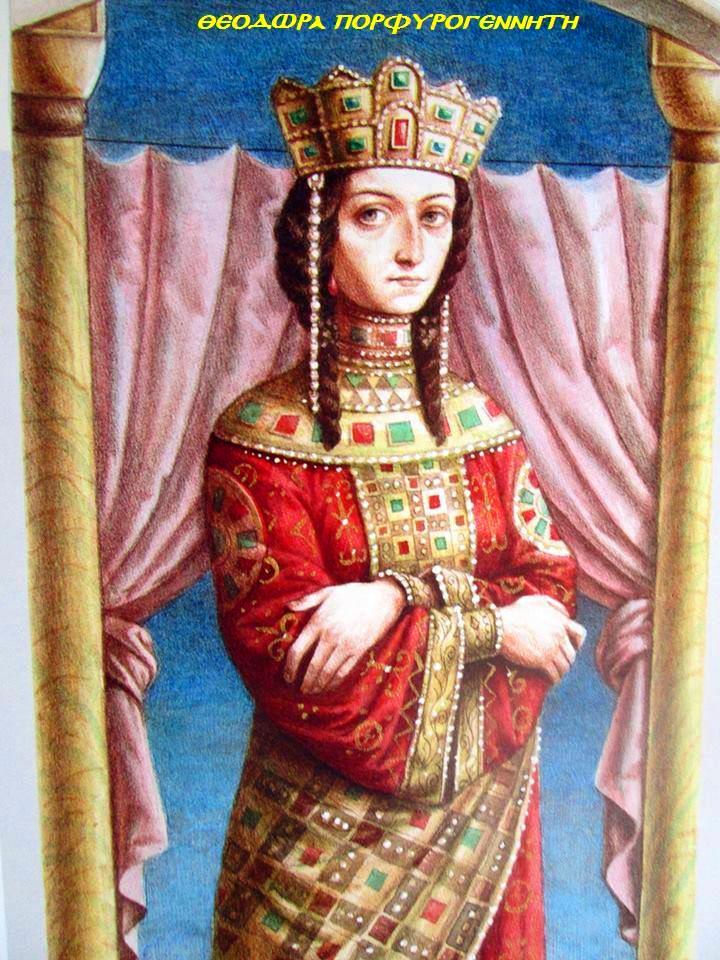
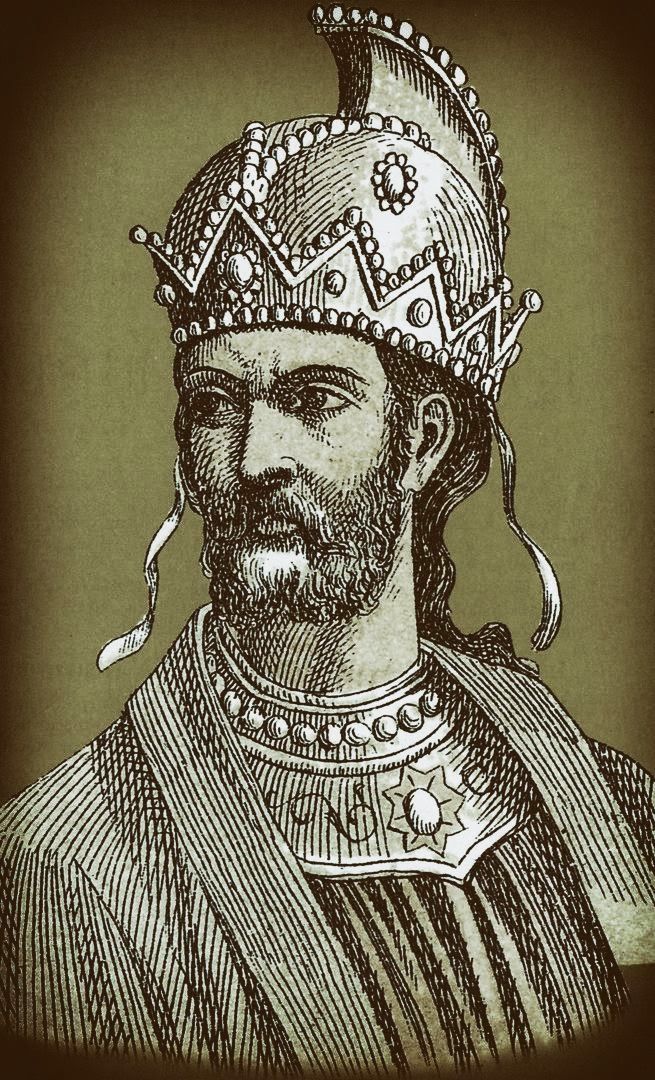
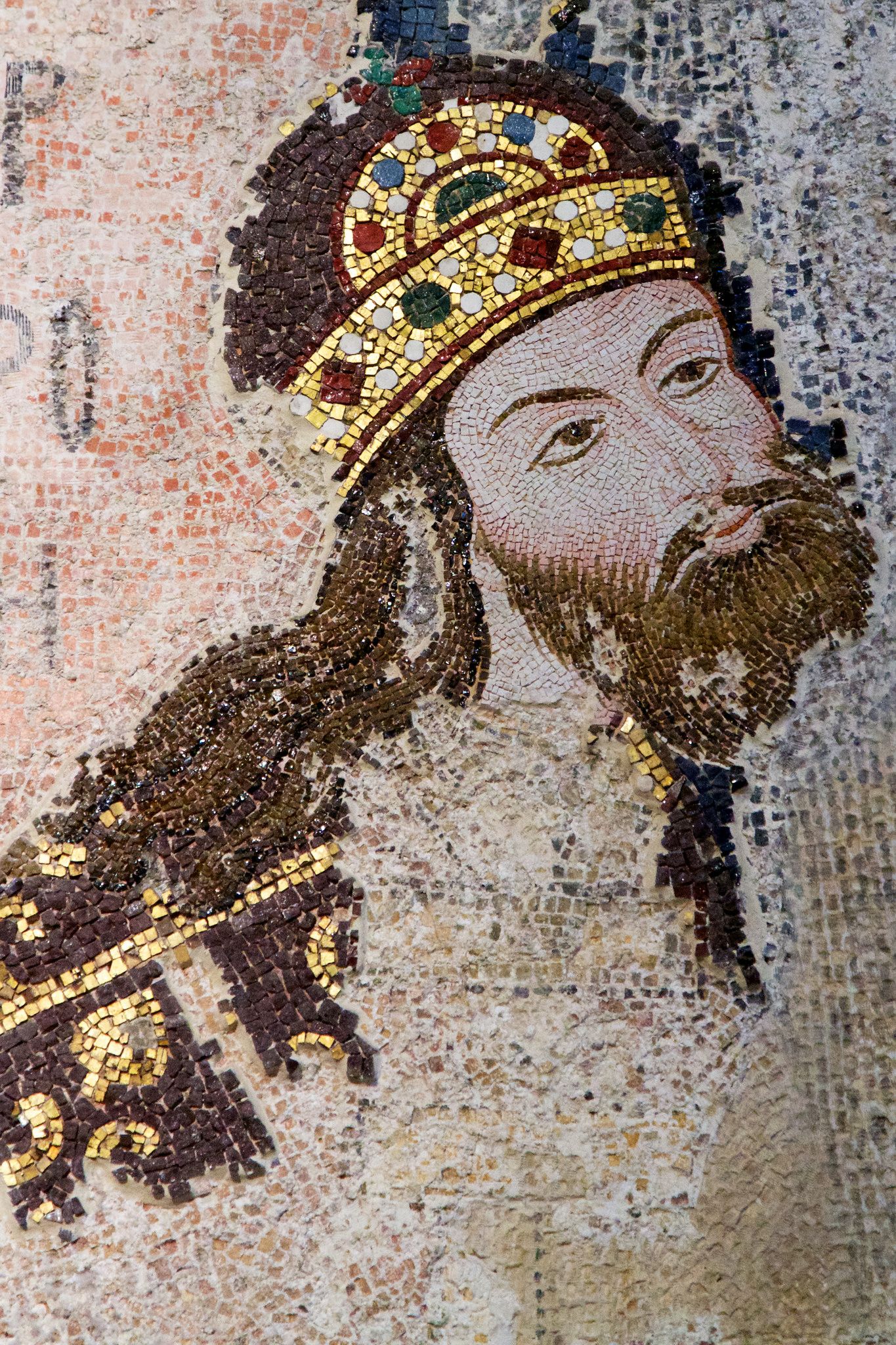
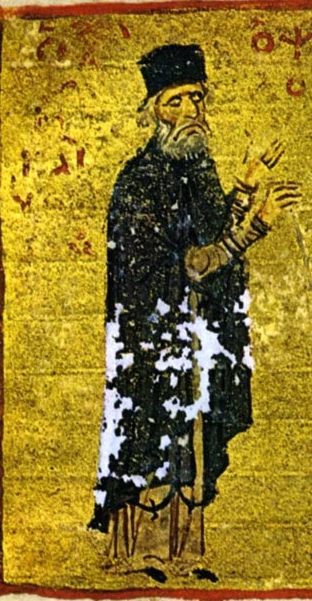
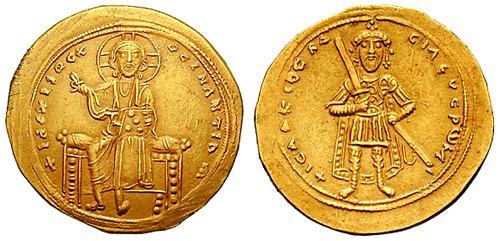

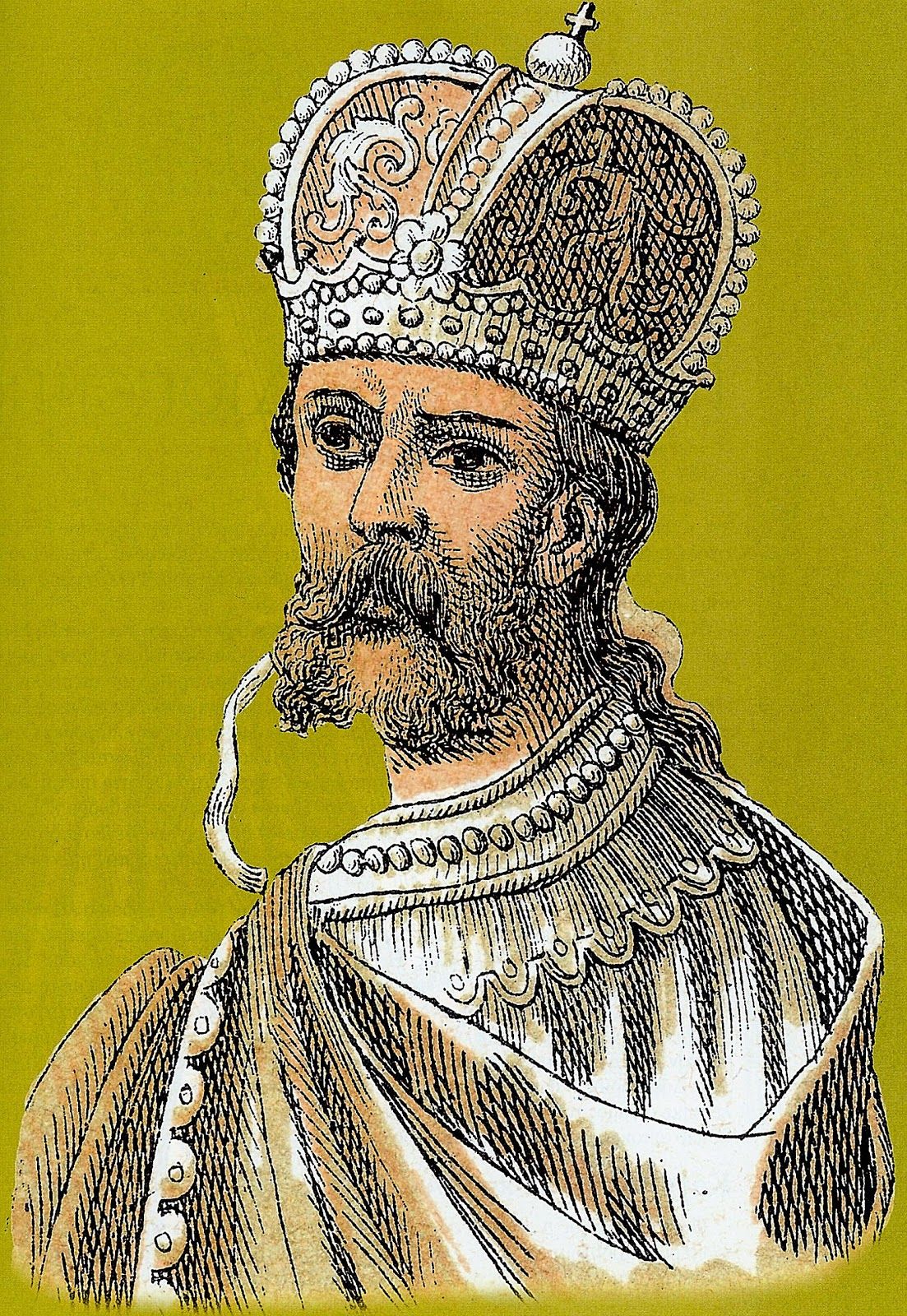


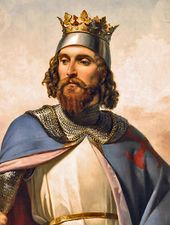

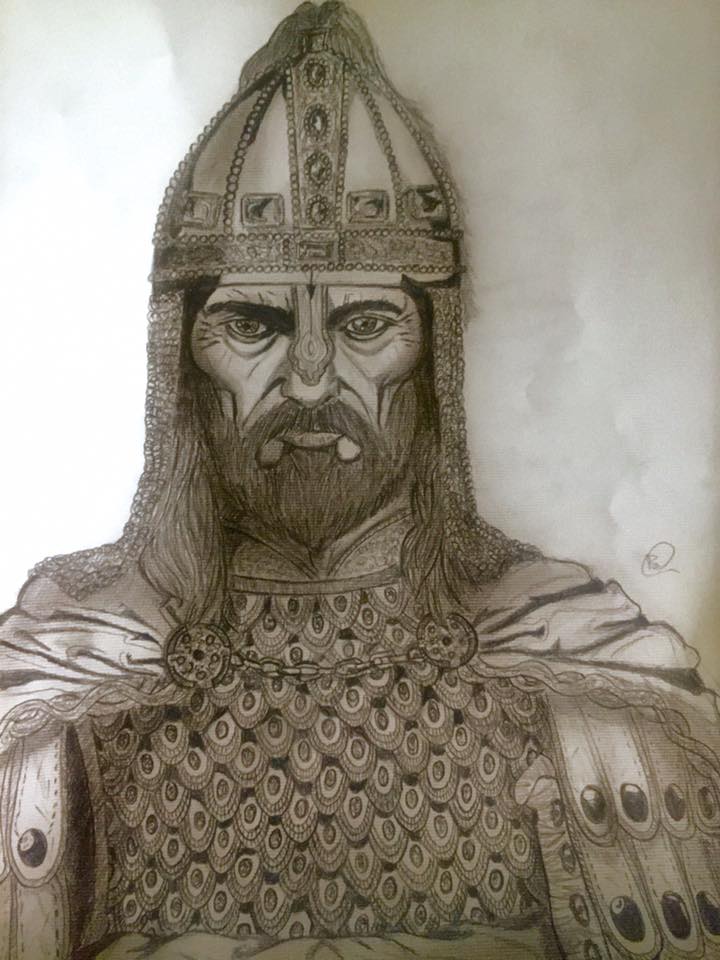
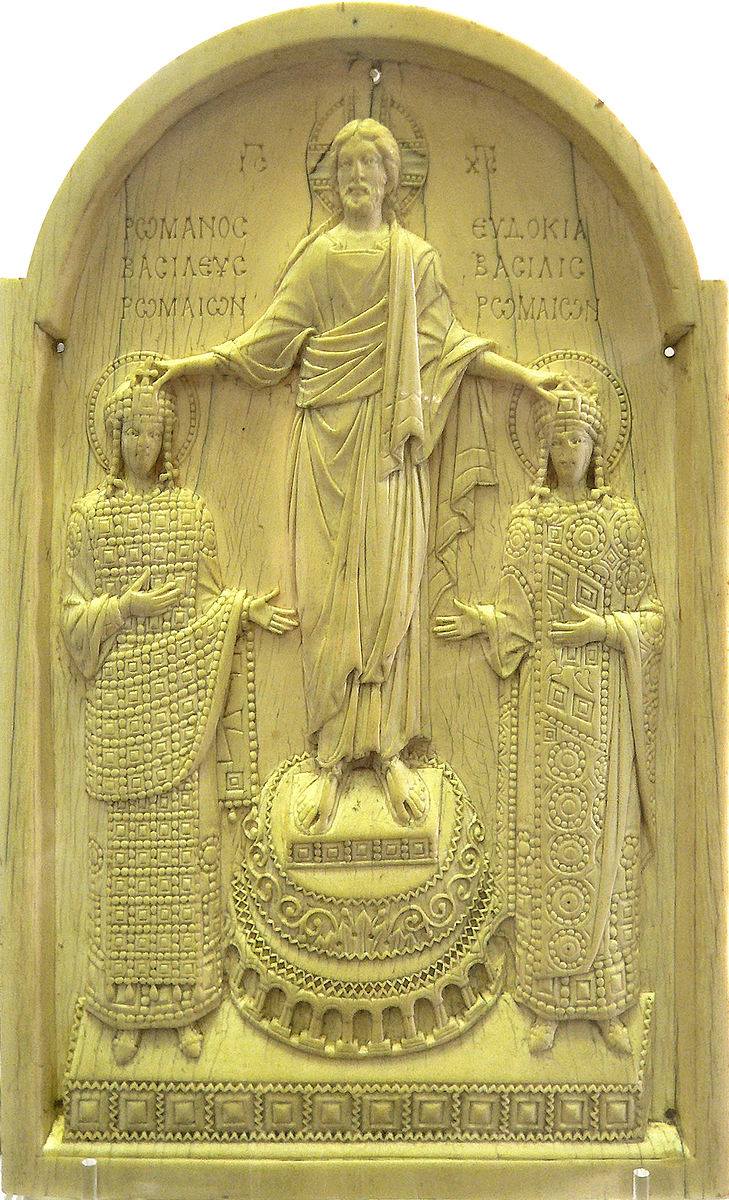
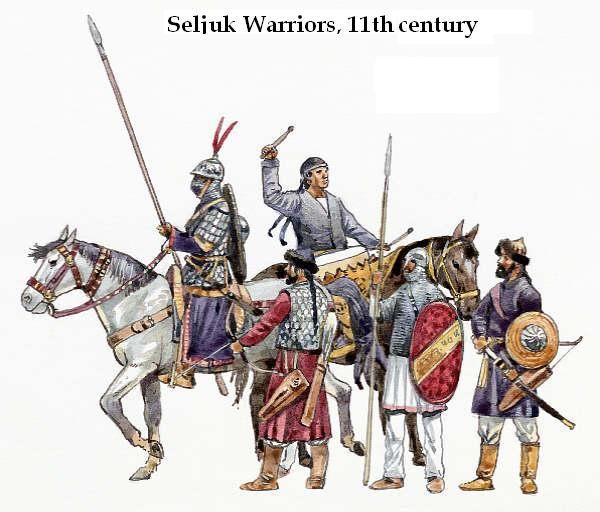
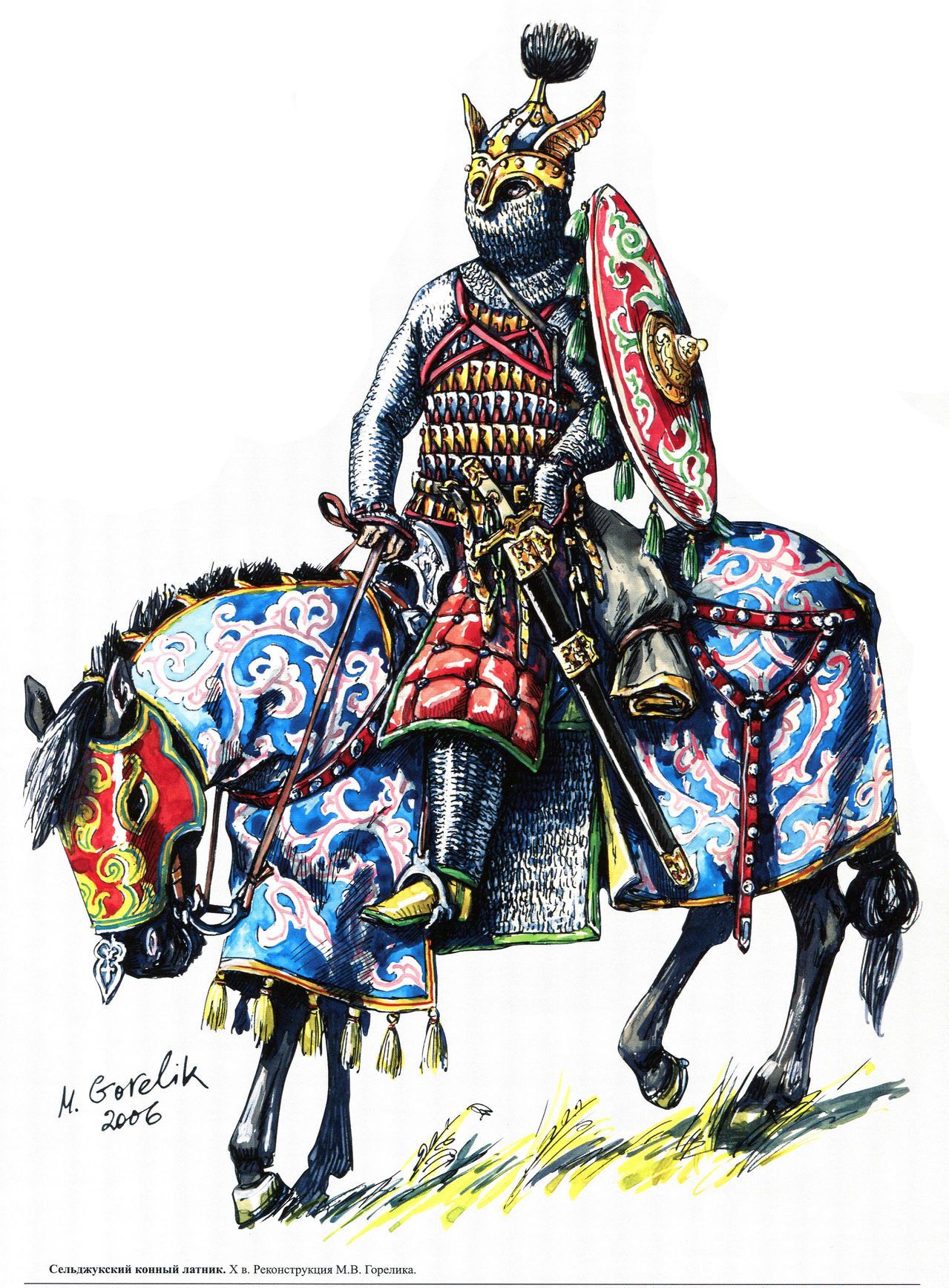
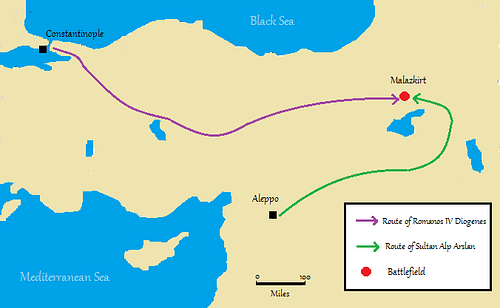

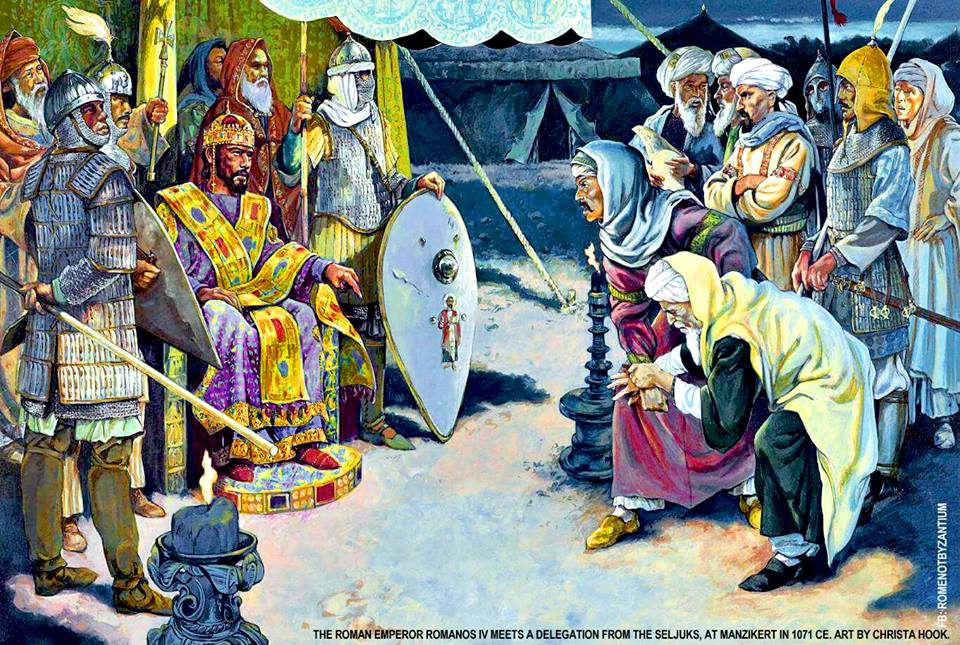
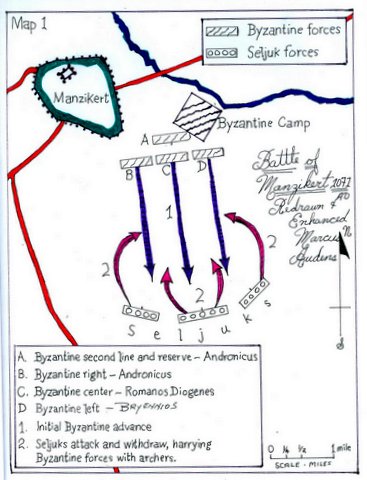
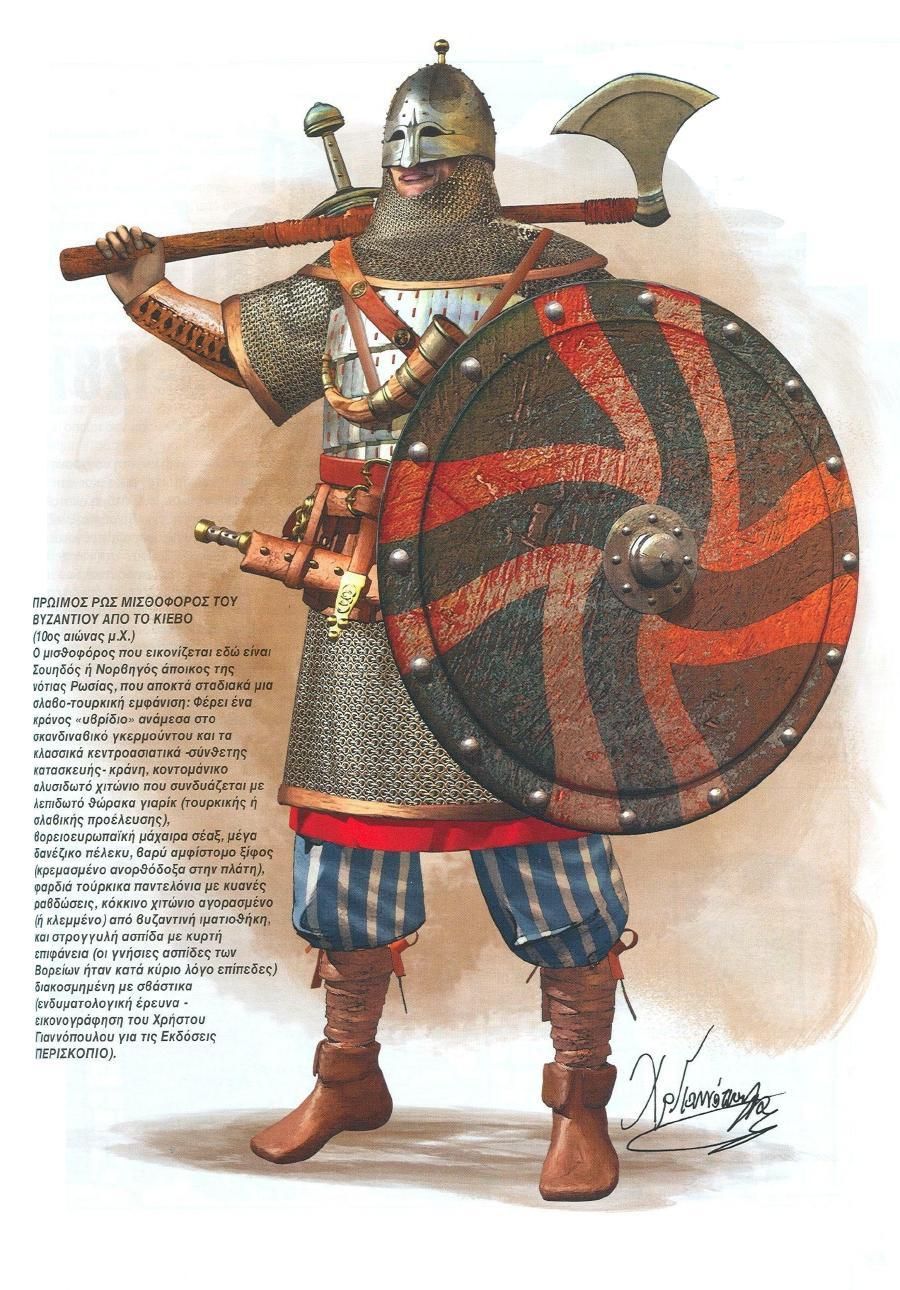

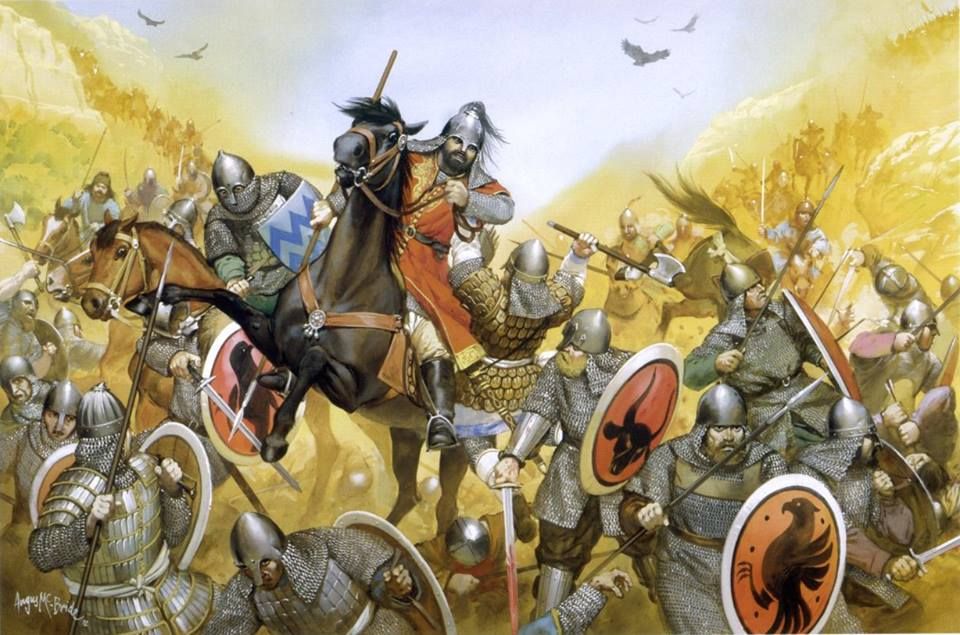
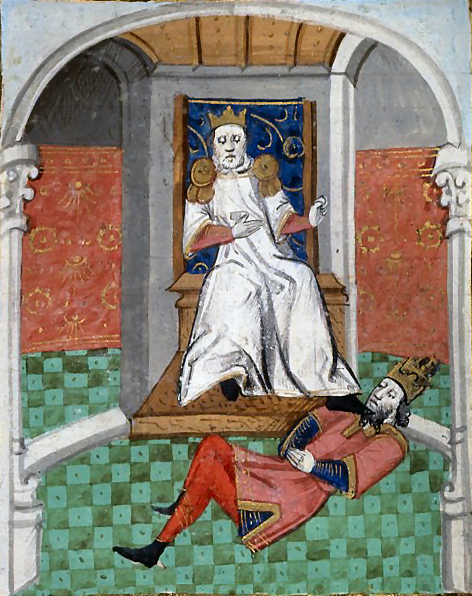
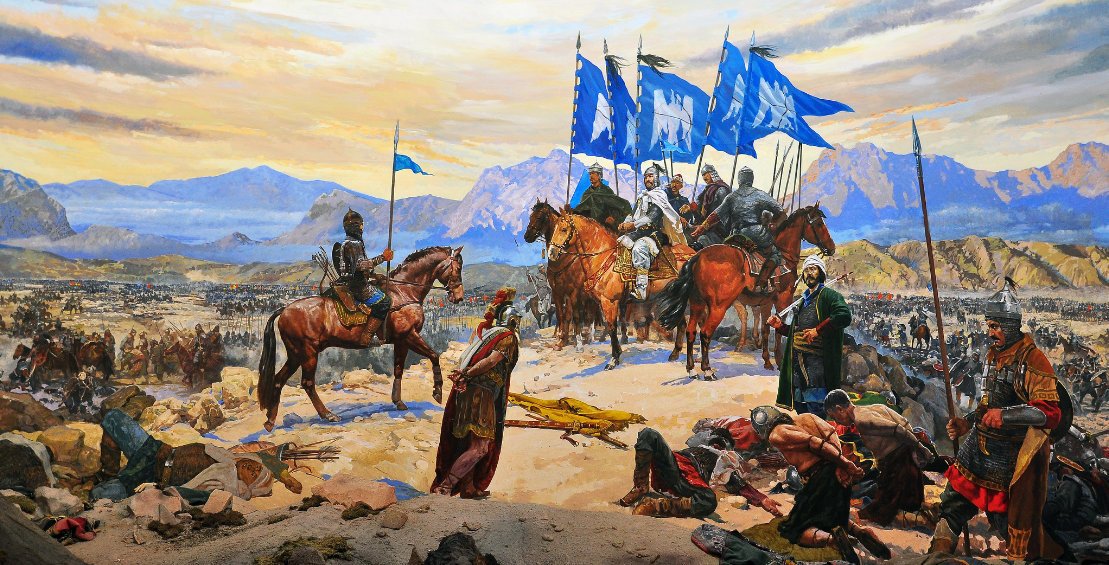

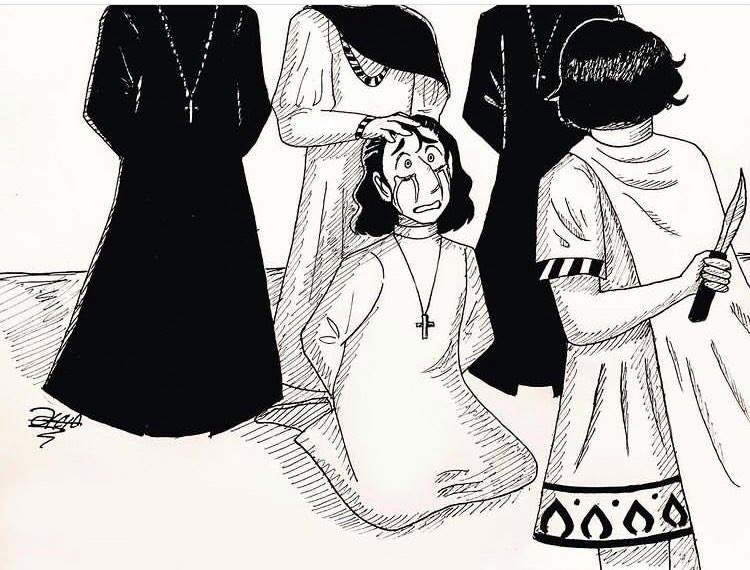
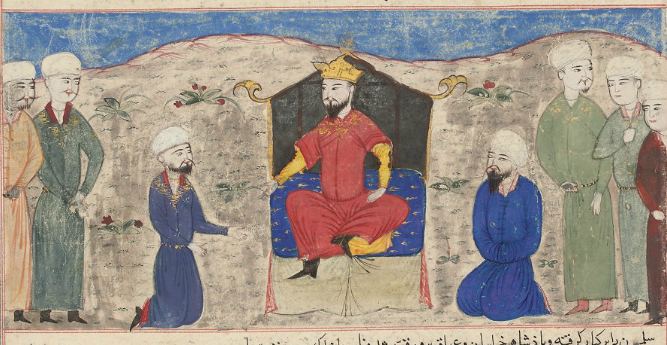
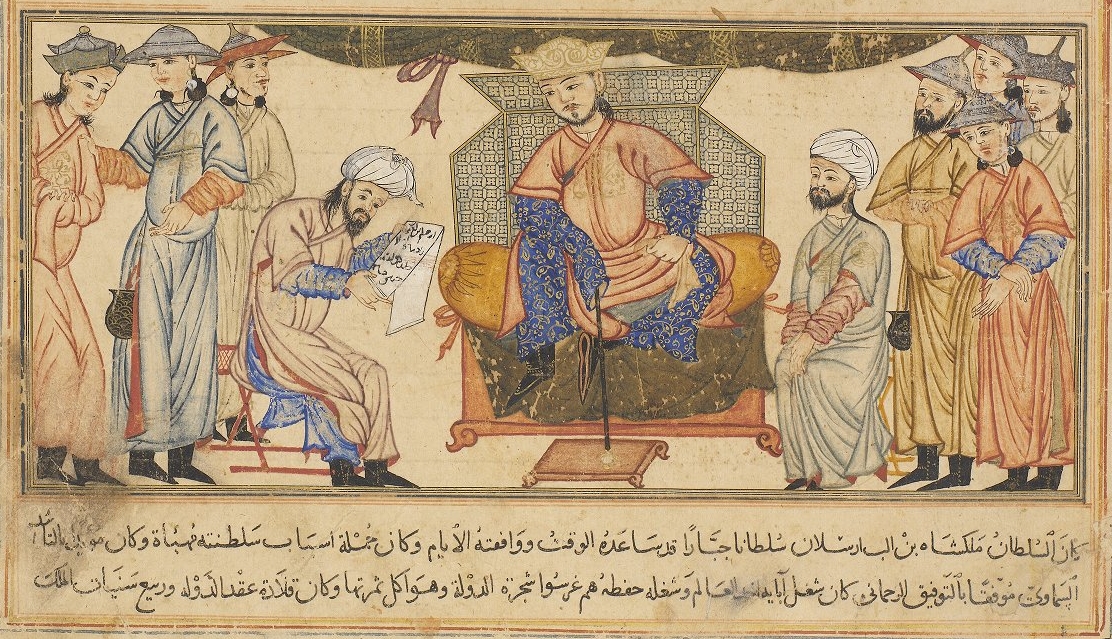

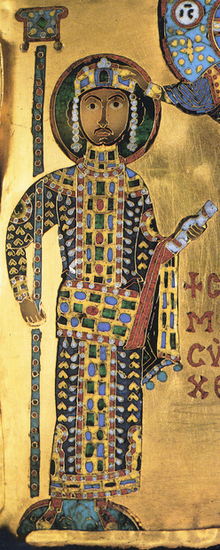

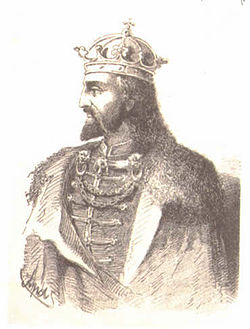
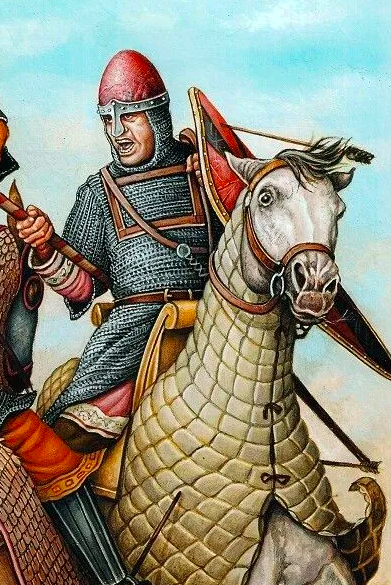
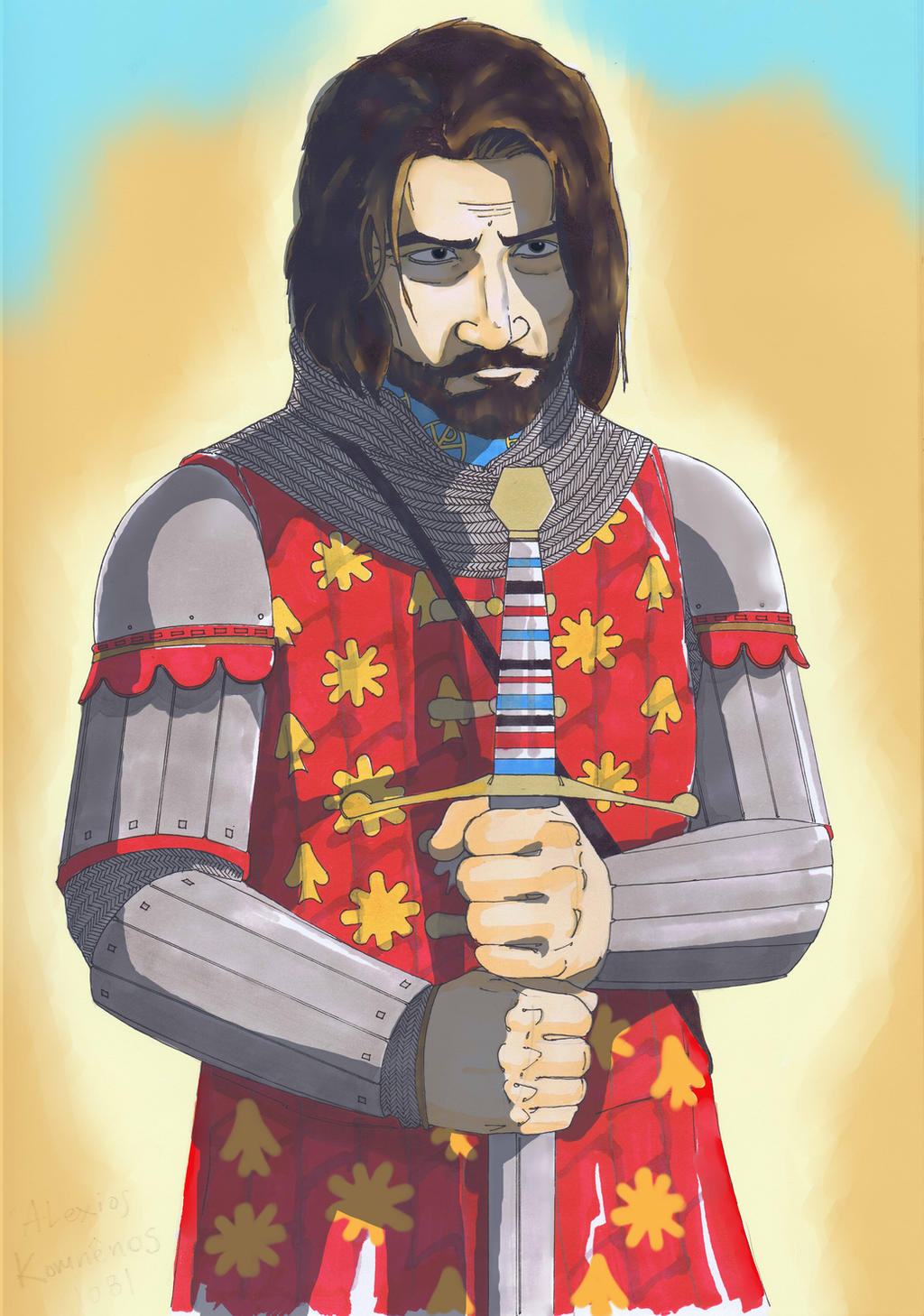


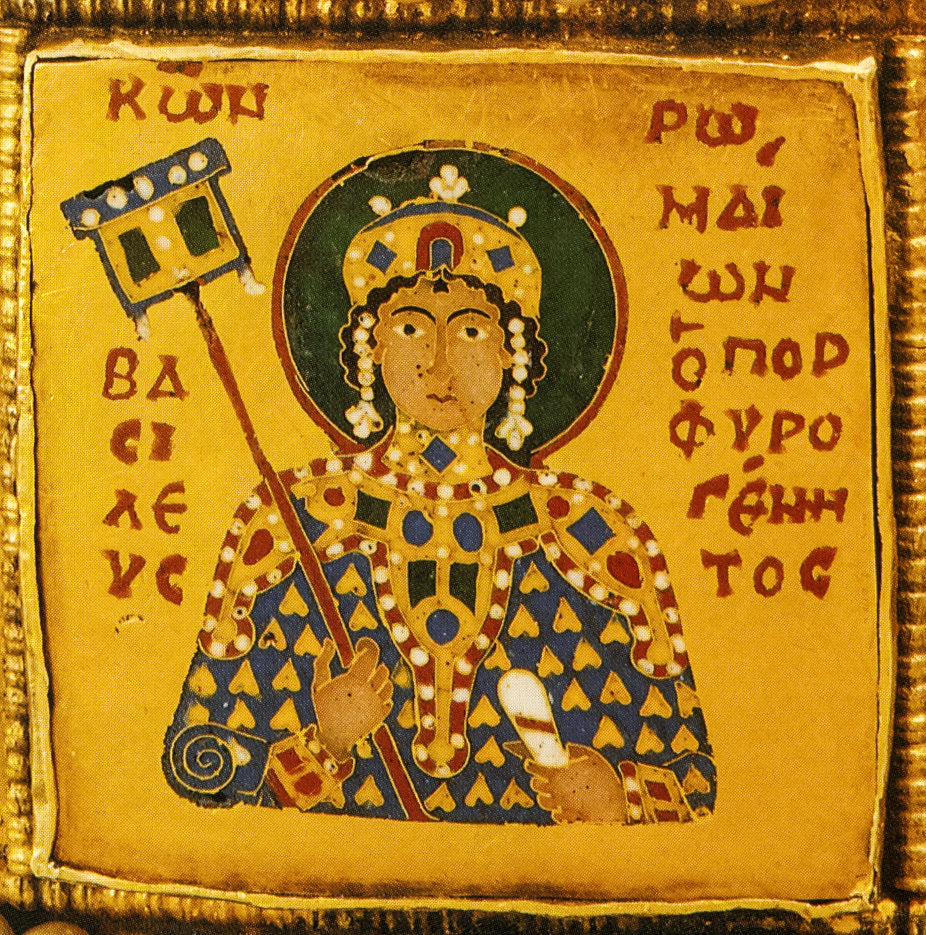
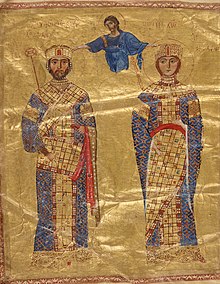

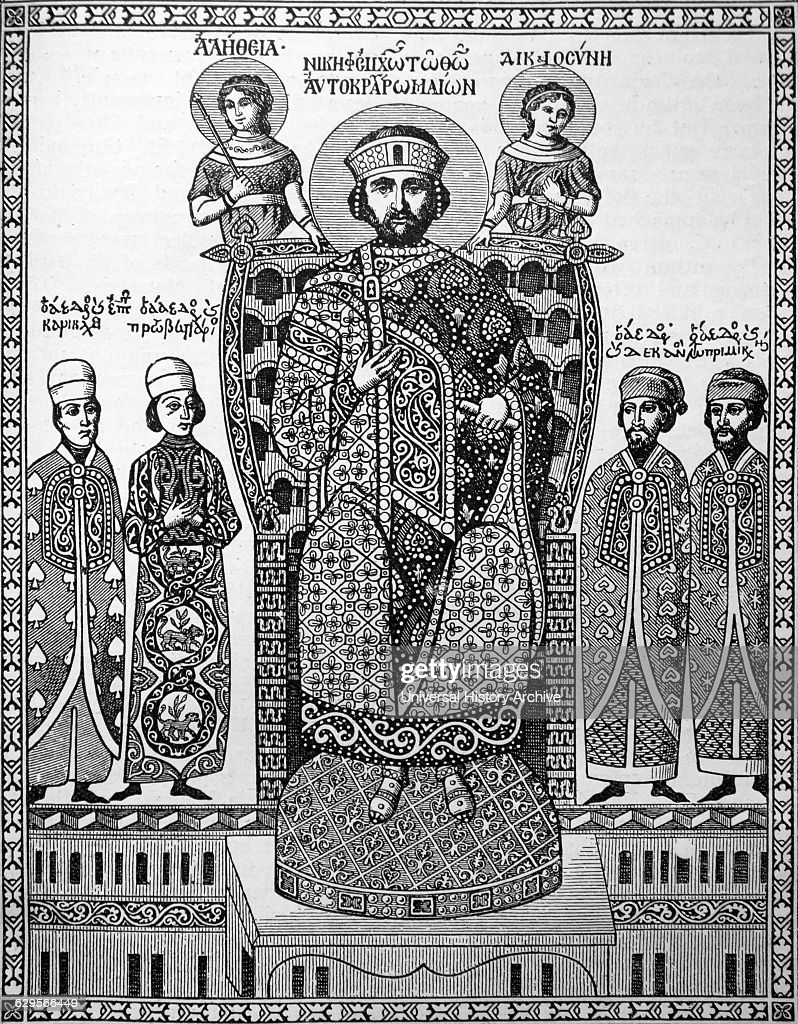

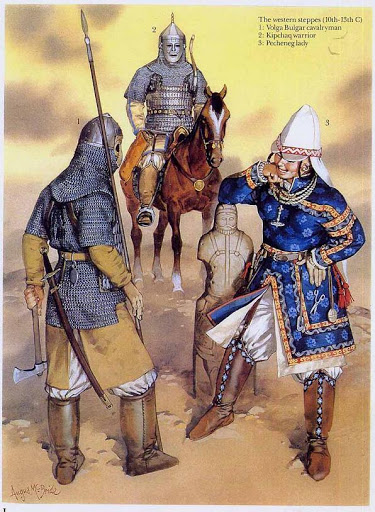
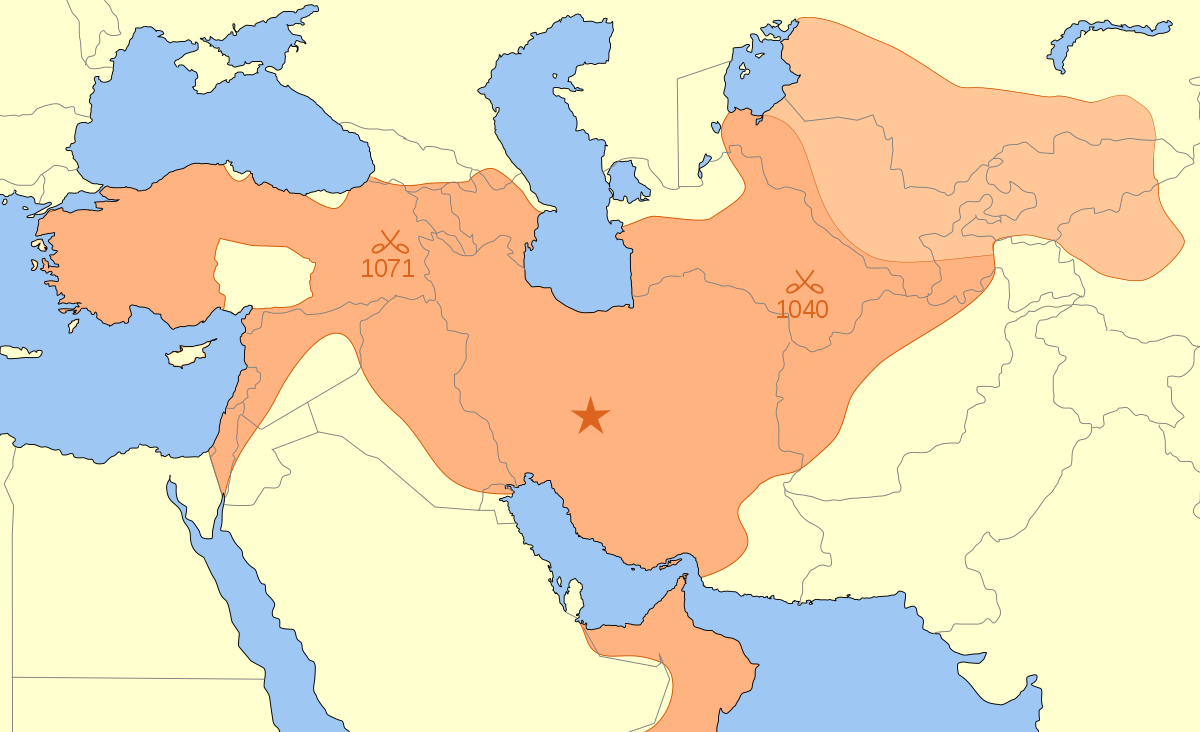
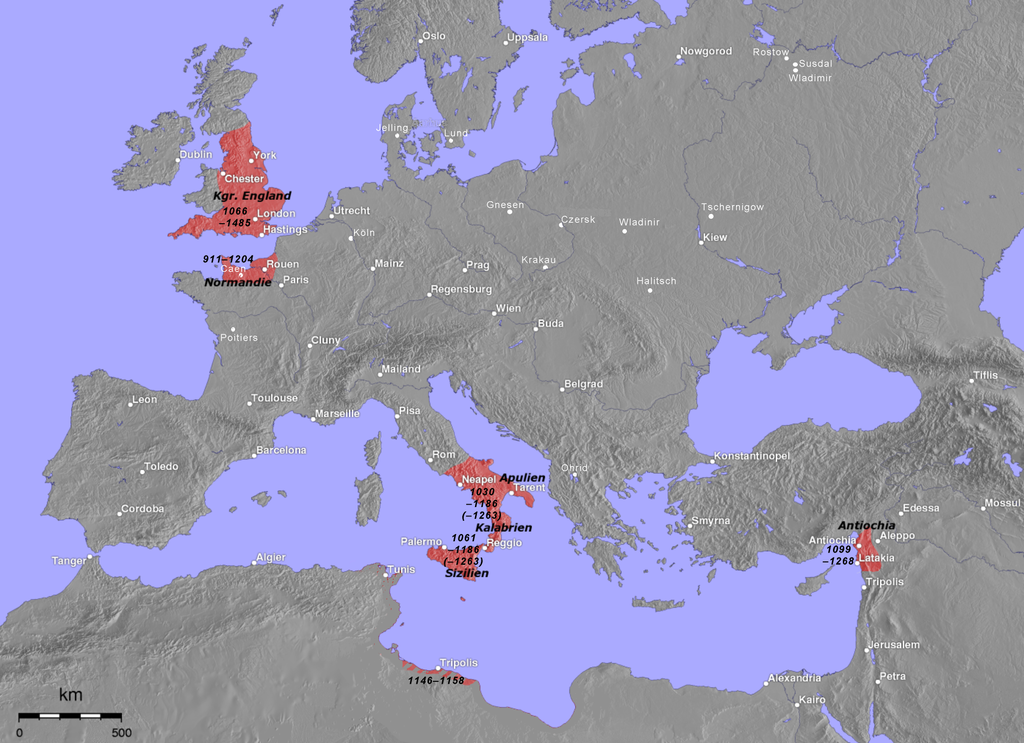
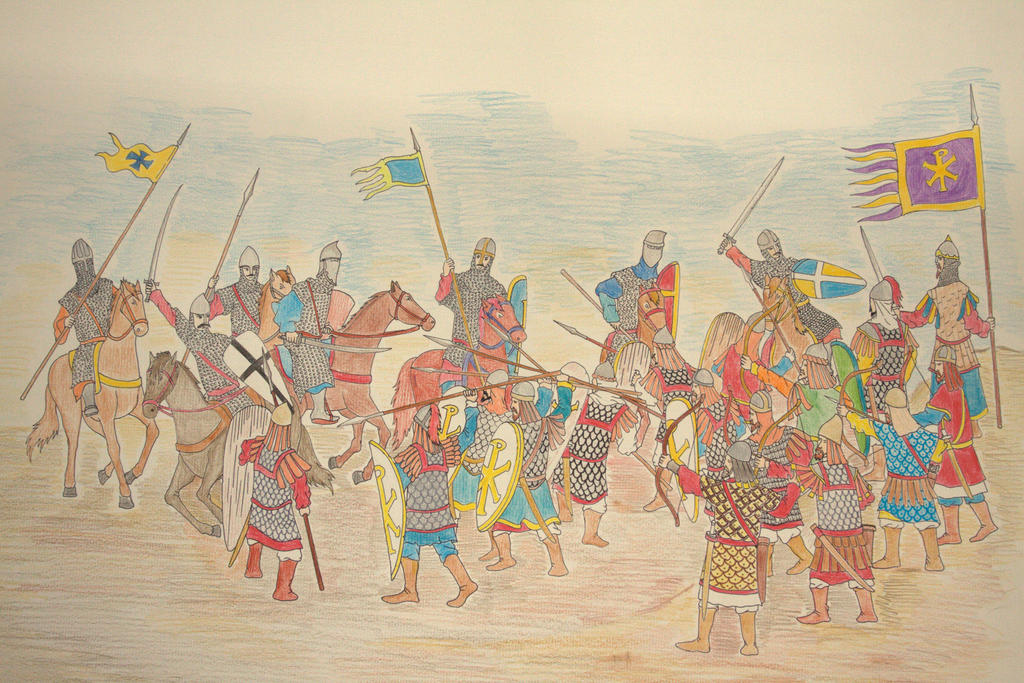
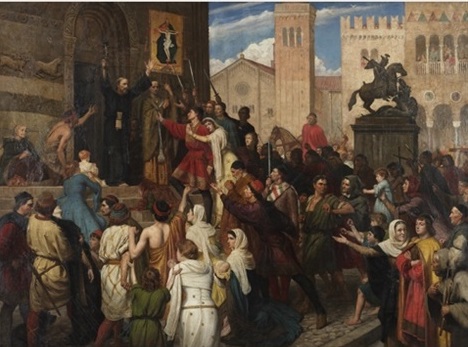
 The Byzantium Blogger