
Posted by Powee Celdran

Welcome back to the Byzantium Blogger and here we are again with another Byzantine history article! In this one being the 10th part of this series featuring top lists concerning the lives of certain emperors who I think have interesting stories, we will go over the 7th century Byzantine emperor Heraclius (r. 610-641), one of the most famous of the Byzantine emperors.
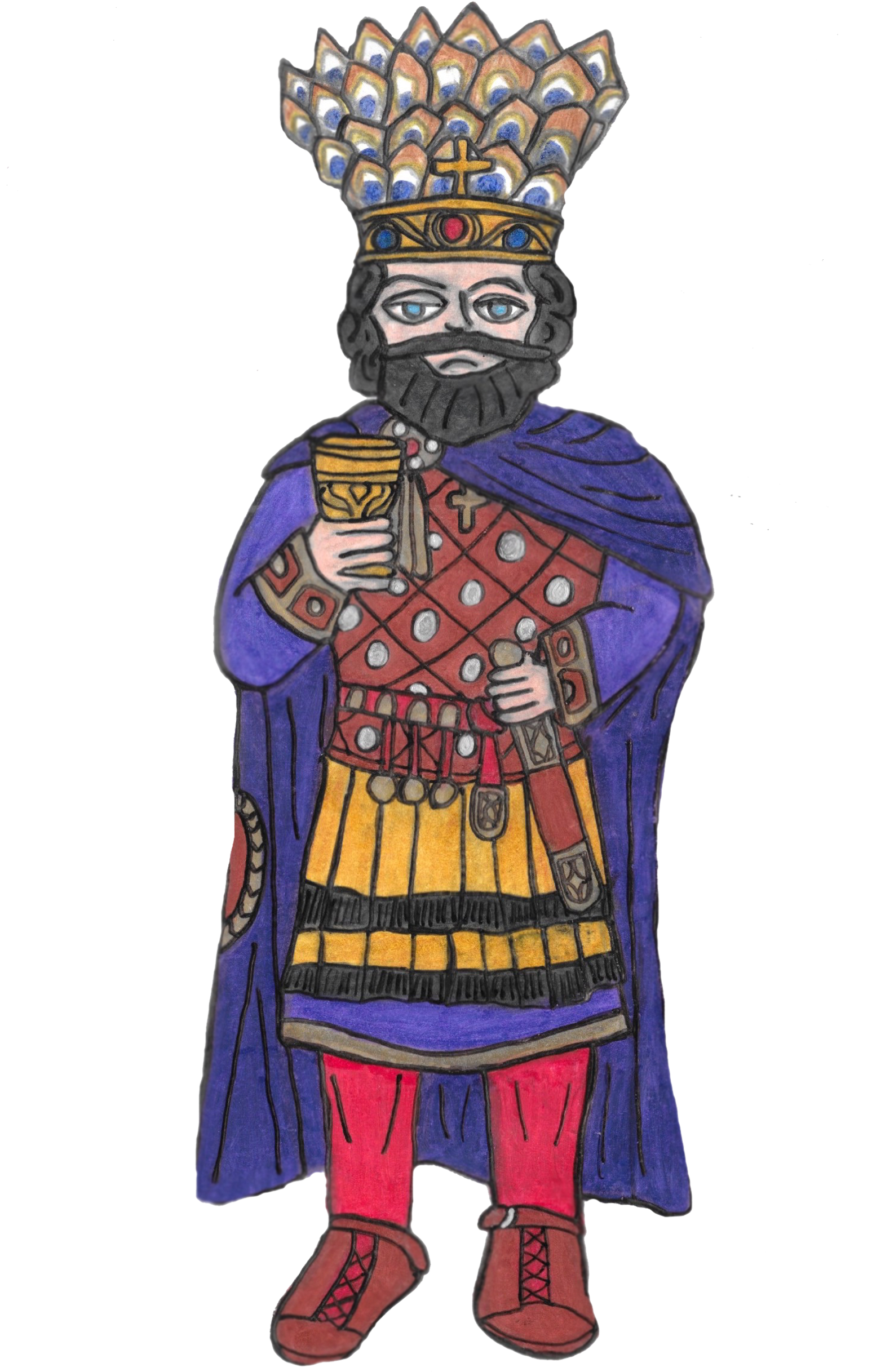
Now, Heraclius came to power as emperor in a way that can be described as heroic as he usurped power from the terrible usurper Phocas in 610 and thus took over a Byzantine Empire in debt and at war on all sides. Heraclius though stood up to all these difficulties and decided to personally lead campaigns against the Sassanid Empire who Byzantium had been engaged in an ultimate and devastating war with since Phocas usurped power in 602. Despite the Sassanid Persians being seemingly undefeatable, Heraclius eventually managed to turn the tide of war against them by campaigning deep into enemy territory. Heraclius’ reign had also seen the Sassanids assisted by other enemies to the Byzantines, namely the Avars and Slavs attack Constantinople in 626 which however ended with a Byzantine victory all while Heraclius continuing his campaigns against the Sassanids won a total victory against them in 628 which resulted with the seemingly undefeatable Sassanid ruler Khosrow II (r. 591-628) overthrown and executed thus throwing the Sassanid Empire into chaos and Byzantium emerging victorious. Although Heraclius and the Byzantines won the war against the Sassanids and took back territory they lost, this victory was short lived as the war had severely drained the Byzantines of troops and resources and true enough just a few years after Byzantium’s ultimate victory over the Sassanids, they were to face a new and unexpected enemy from the south being the Arabs now having united as the Rashidun Caliphate under the new faith of Islam.
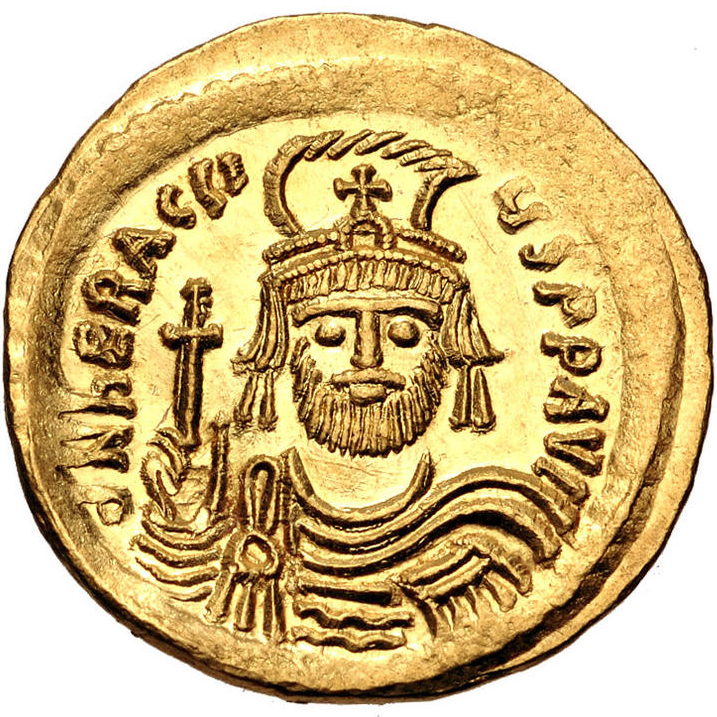
Heraclius now despite all his heroic efforts ended his life in misery as the now expanding Arabs took everything the Byzantines took back from the Sassanids being Palestine, Syria, and later even Egypt following their unexpected victory over the Byzantines at the Battle of Yarmuk in 636. Heraclius thus died a broken man in 641 with his empire severely reduced and now forced to fight on the defensive against the Arabs for the next centuries to come. Aside from having a reign filled with battles against enemies, Heraclius’ reign too was a turning point in Byzantine history as it was during his time when the empire’s official language had changed from Latin to Greek while it was also in his reign when the Byzantine Balkans officially began being occupied by the Slavs. Now, in this article we will go over 10 key moments in the life and reign of Emperor Heraclius which would include his wars against foreign enemies such as the Sassanid Persians, Avars, and Arabs as well as his notable policies for the Byzantine Empire which had a major impact in its history. Before we begin the top 10 list, I would first give a background to Heraclius and the troubled Byzantine Empire he grew up in.

Follow me, Byzantine Time Traveller on Social Media:
Instagram: @byzantine_time_traveller
Facebook: Byzantine Time Traveller
Youtube: No Budget Films
Website: Byzantine Time Traveller
Deviantart: Byzantium-blogger55
Art Station: Powee Celdran Porphyrogennetos
Patreon: Byzantine Time Traveller
With the death of the Byzantine emperor Justinian I the Great (r. 527-565) in 565, everything would more or less go downhill for the Byzantine Empire. Justinian I’s nephew and successor Justin II (r. 565-578) had inherited an empire short of funds thanks to his uncle and predecessor spending them all on wars and construction projects all while the empire he inherited too was too large thanks to his uncle’s expansionist policy.
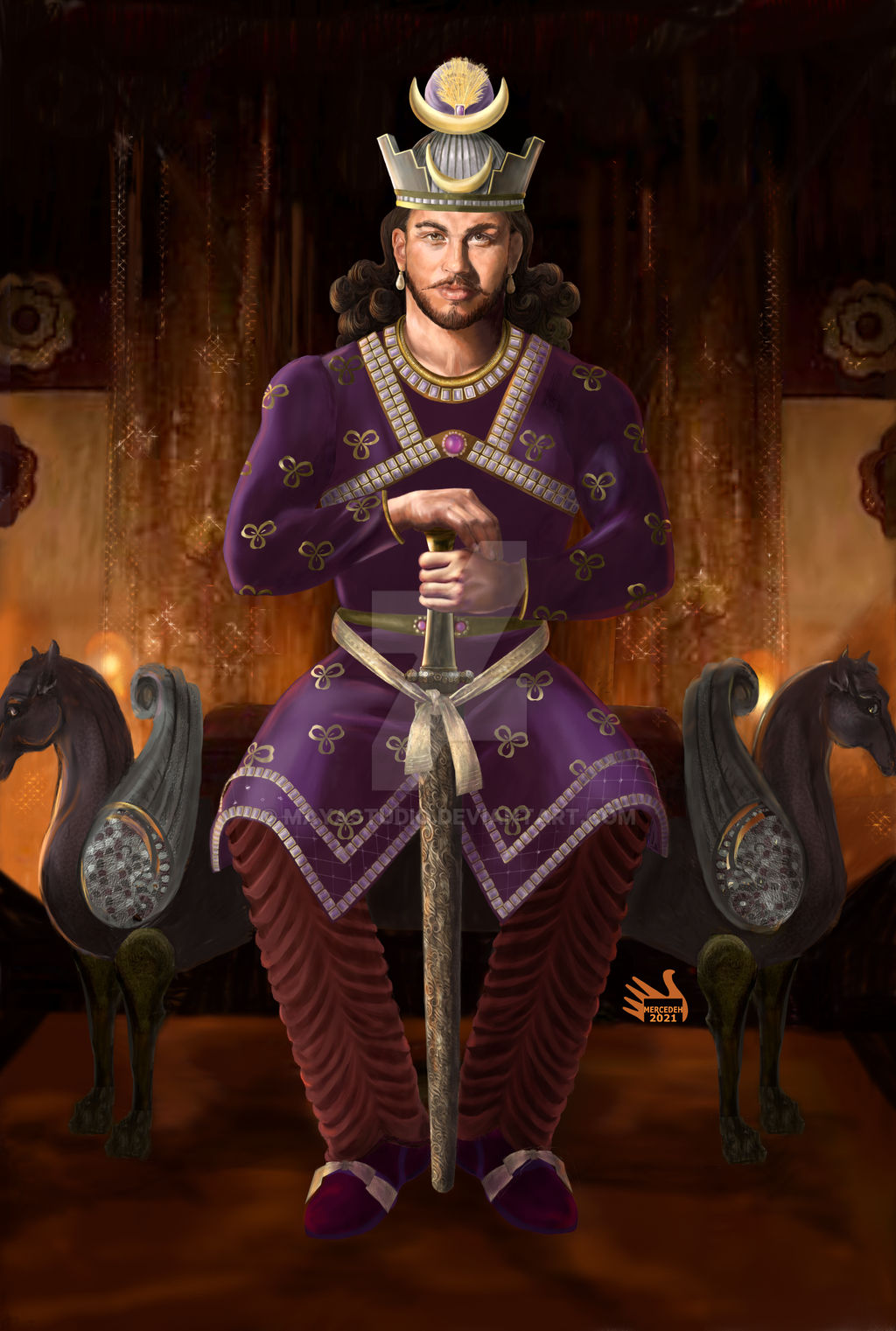
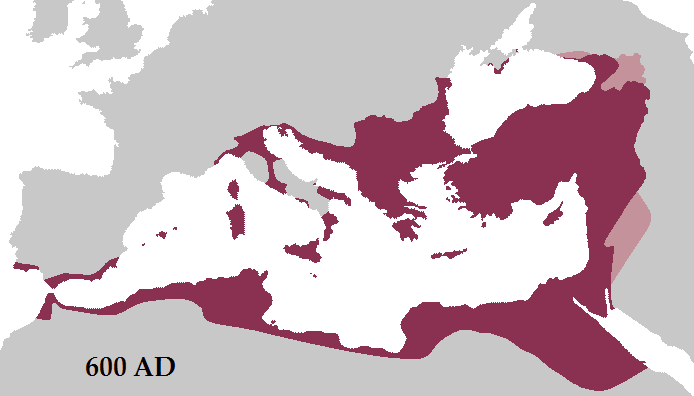
Justin II too inherited an empire too massive- extending all the way west to Southern Spain and east to Syria, north from the Danube and Crimea and south to Egypt- and short of troops thanks to the great plague of 542 killing a large number of the empire’s population. As emperor, Justin II too did not spend the nearly empty treasury wisely as he continued spending on lavish building projects instead of paying off their enemies to not attack them. As the Byzantine Empire was short of funds to pay off foreign enemies, Justin II decided to resume war against the Avars to the north and with the Sassanid Empire ruled by the powerful shah Khosrow I (r. 531-579) to the east. This decision of Justin II however proved to be disastrous for the empire as the Byzantines ended up losing many battles notably to the Sassanid Persians that when the fortress of Dara in Syria fell to the Sassanids in 573, Justin II was reported to have gone insane that he eventually stepped down as emperor by 574 naming his palace guard commander Tiberius as his Caesar and thus putting him in charge of the empire.
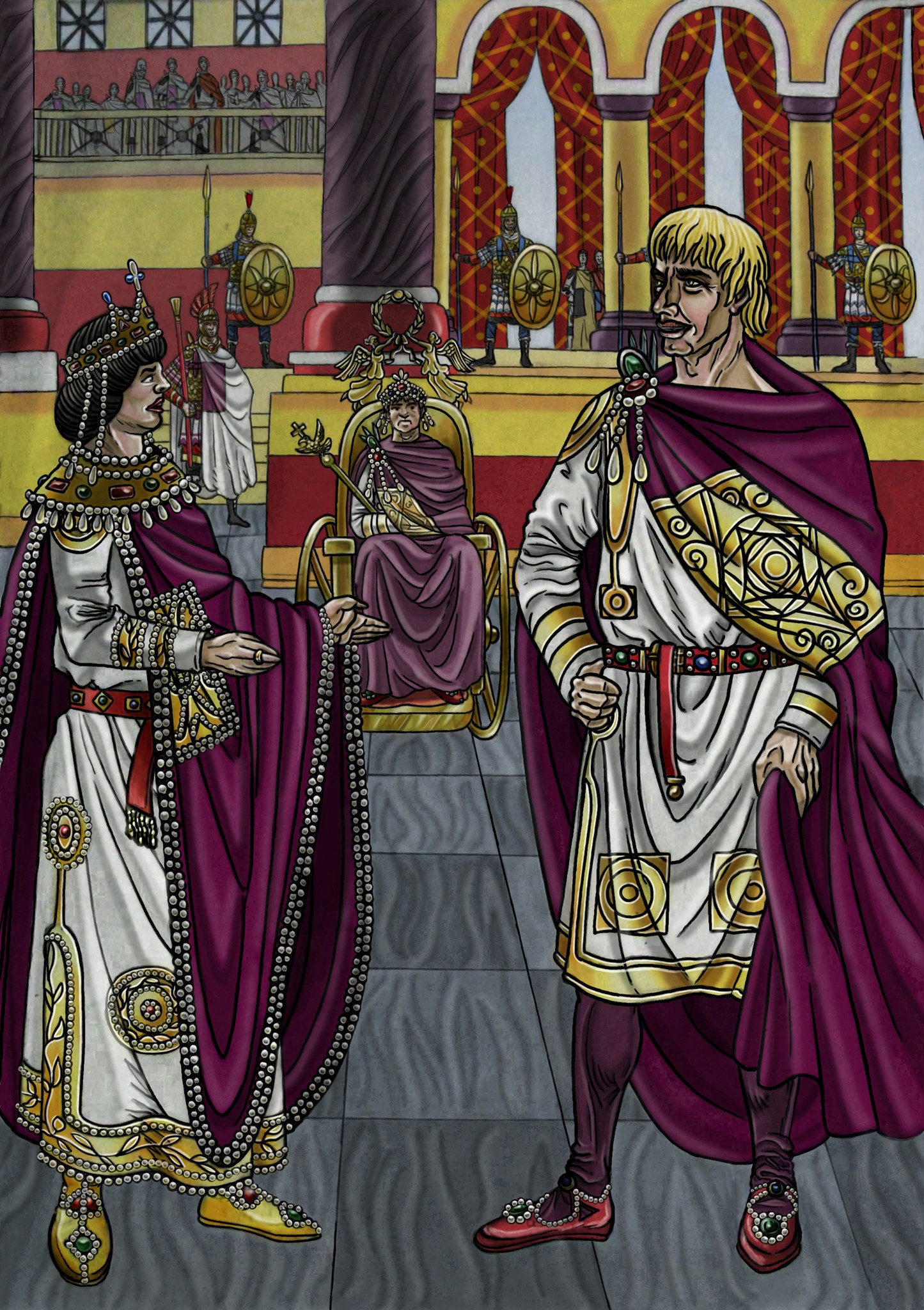
When Justin II died in 578, Tiberius II (r. 578-582) thus succeeded him as emperor or Augustus and despite having a different policy of agreeing to pay off Byzantium’s enemies, war still continued against the Sassanids in the east, the Avars and Slavs in the Balkans, and the invading Lombards in Italy. The future emperor Heraclius in the meantime was born in around 575 in Byzantine Cappadocia in Asia Minor; his father the general Heraclius the Elder was said to be of Armenian origins while his mother Epiphania was probably a Greek of Cappadocia. When growing up, Heraclius the Younger was bilingual speaking both Armenian and Greek all while he too grew up trained to be a soldier. Meanwhile, in 582 the emperor Tiberius II died and was thus succeeded by his successful general and son-in-law Maurice (r. 582-602) and as the new emperor, Maurice inherited an empire at war on all frontiers that true enough in his entire reign, Maurice was forced to fight a war on 7 fronts.
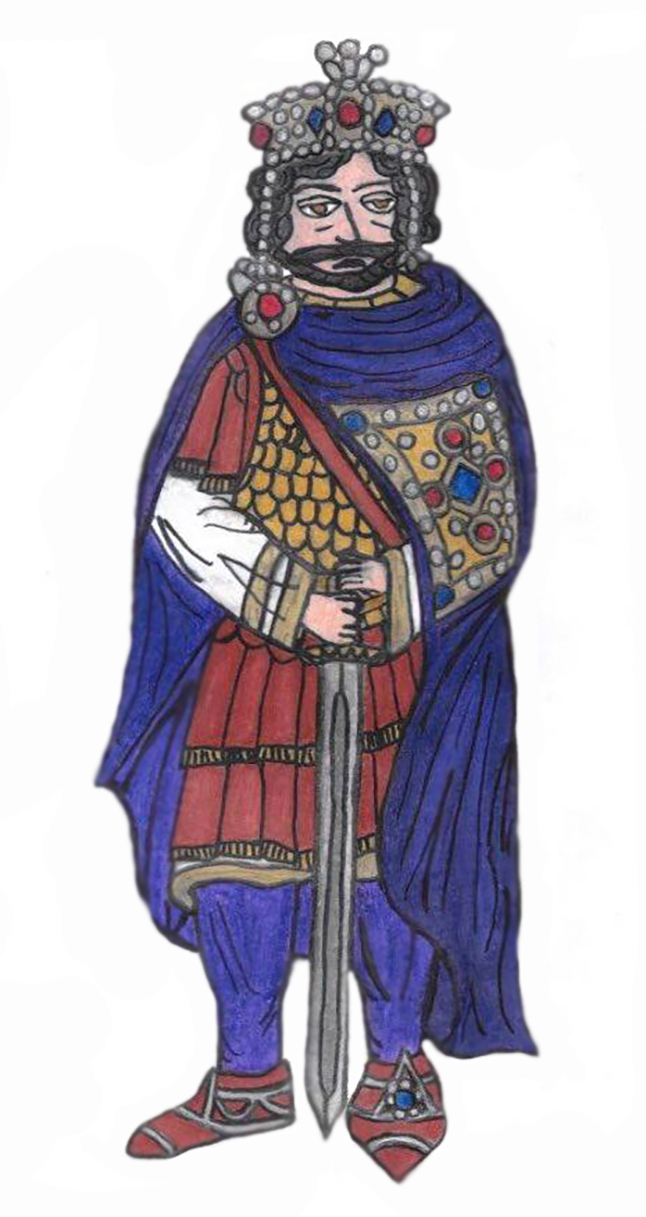
To defend the empire against its foreign enemies, Maurice appointed capable generals to do the job and one of these generals was Heraclius the Elder, father of the future emperor Heraclius who was assigned to the east to battle the Sassanids. Here, the future emperor joined his father in his campaigns against the Sassanids, the notable one being in 590 against the Sassanid usurper Bahram VI Chobin (r. 590-591) wherein the Byzantines supported the rightful Sassanid ruler Khosrow II- grandson of Khosrow I- who had been ousted from power by Bahram. In 591, the Byzantines succeeded in ousting Bahram from power and returning Khosrow II as Shah of the Sassanid Empire and in return for their assistance, Khosrow II made peace with the Byzantines even giving them a number of provinces in the east. With the eastern front settled, Maurice thus focused his attention to the Balkans to deal with the Avars and Slavs who have been invading it in the thousands and true enough Maurice was successful once again here. Another problem Maurice had to face were the remote provinces of the Byzantine Empire in the west namely Italy which during his time was constantly threatened by the expansion of the Germanic Lombards since they first invaded Byzantine Italy in 568 and North Africa which was threatened by the Berber tribes from the south. Since both North Africa and Italy and Southern Spain as well was too distant for the emperor to protect, Maurice developed a new system by reorganizing these provinces into Exarchates put under the control of a semi-autonomous governor known as an Exarch and these two Exarchates created by Maurice included the Exarchate of Africa consisting of North Africa, Southern Spain, and the islands of Sardinia and Corsica which was to be ruled from Carthage and the other was the Exarchate of Ravenna which was basically what was left of Byzantine Italy.
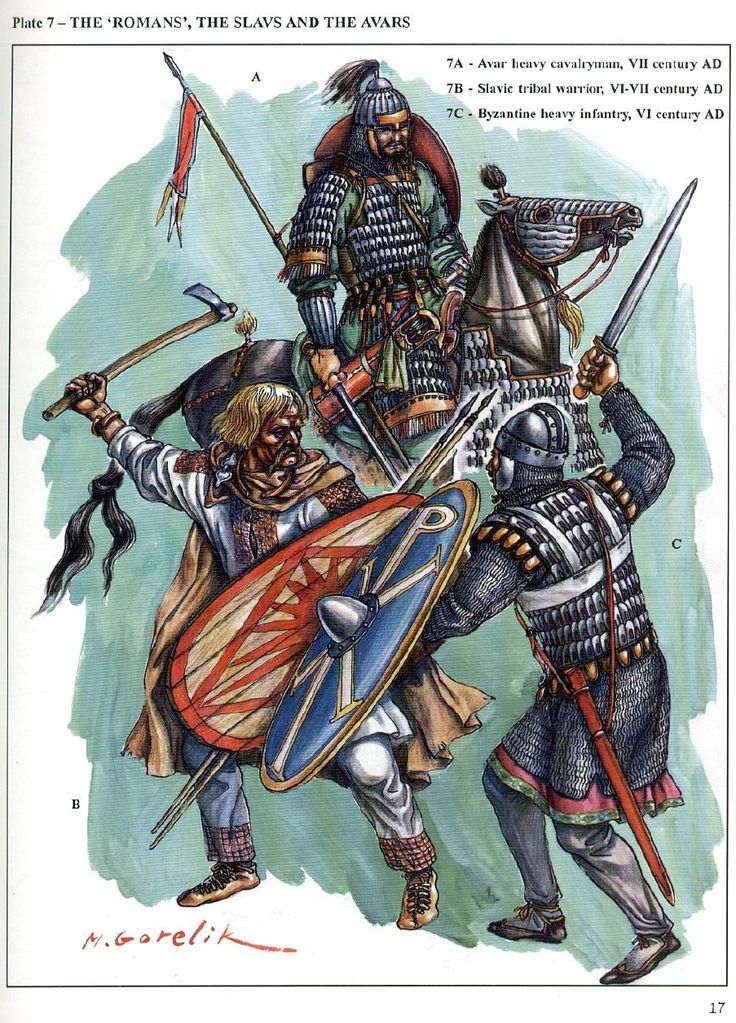
Once the Sassanid threat had been taken care of in 591, Maurice thus appointed Heraclius the Elder as the first Exarch of Africa based in Carthage whereas his son Heraclius the Younger joined his father there too. Although Maurice’s reign was more or less successful militarily, it was not successfully economically that true enough all of his wars to defend the empire against foreign enemies eventually depleted the treasury and with the empire nearly bankrupt, there was no more money left to pay the troops and thus Maurice had lost his popularity. In 602, the troops stationed in the Danube frontier of the empire mutinied due to lack of pay and being forced to camp across the river during winter in order to subdue the Avars and Slavs. Leading this military mutiny was a centurion or low-ranking officer named Phocas who after being proclaimed emperor by his troops marched on Constantinople and successfully deposed and executed Maurice and his sons. With Maurice overthrown and executed, his ally the Sassanid shah Khosrow II used this as a reason to resume war with Byzantium, and thus in 603 Khosrow invaded the Byzantine Empire the moment Maurice’s loyalist general Narses requested assistance from the Sassanids in his rebellion against the new emperor Phocas.
Related Articles from the Byzantium Blogger:
Byzantine Alternate History Chapter IV
6 Times Empress Theodora Exercised Political Power
8 Times Emperor Zeno was a Survivor
5 Achievements and 5 Failures of Theodosius I the Great
10 Achievements of Constantine I the Great
7 Times Constantine XI Exemplified Bravery
10 Unknown Facts About Emperor Justinian I
8 Times Michael VIII Palaiologos was an Evil Genius
10 Surprising Facts About Basil II
5 Reasons to Feel Bad for Justinian II and 5 Reasons to Hate Him
I. The Deposition and Execution of Phocas
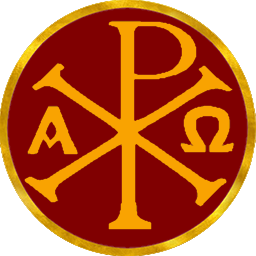
As emperor, Phocas proved to be extremely cruel and incompetent that he focused more on purging Maurice’s loyalists and family members rather than taking care of the immediate threat posed by the Sassanids in the east that soon enough the Sassanids had taken almost all of the Byzantine Empire’s eastern provinces.
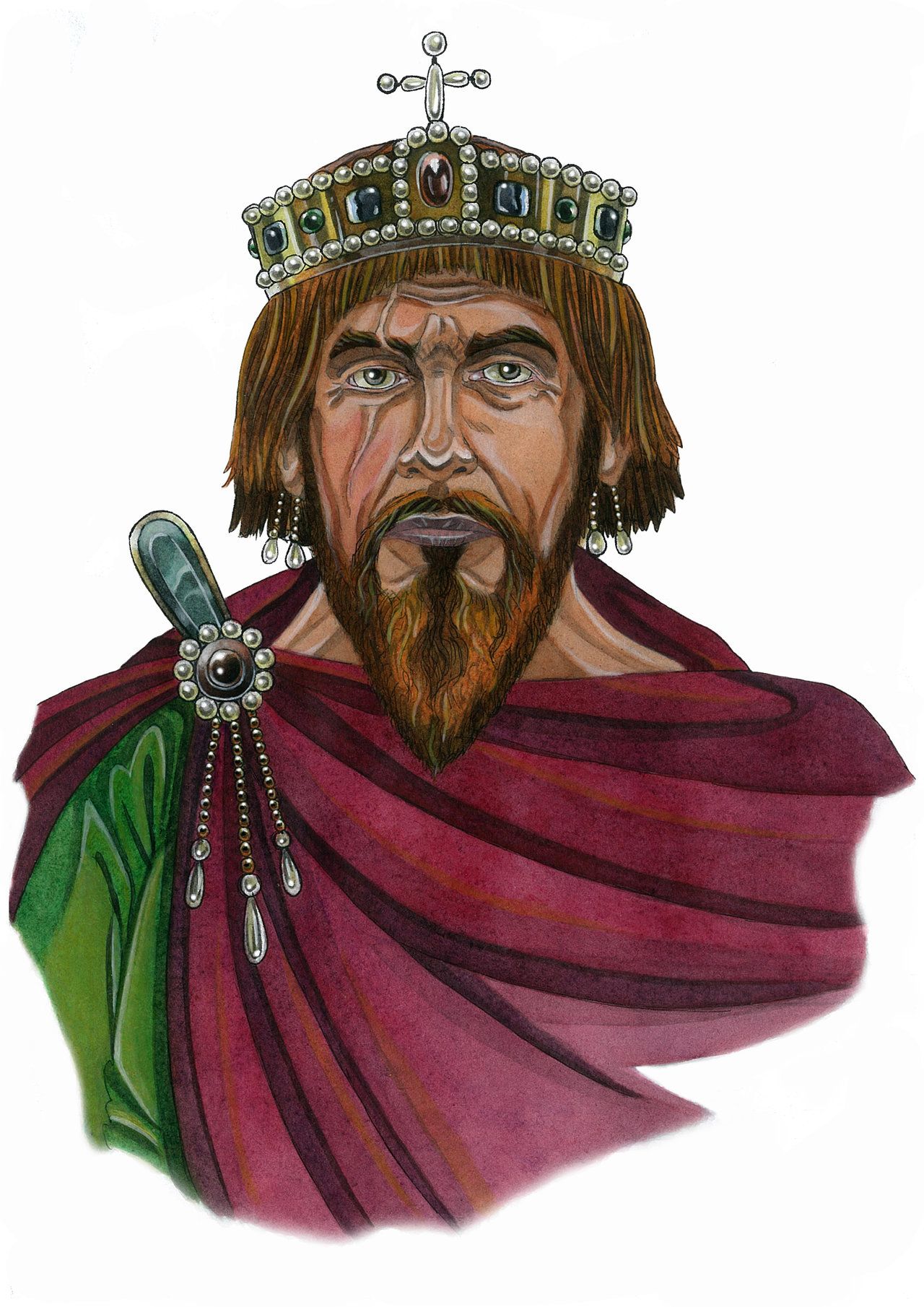
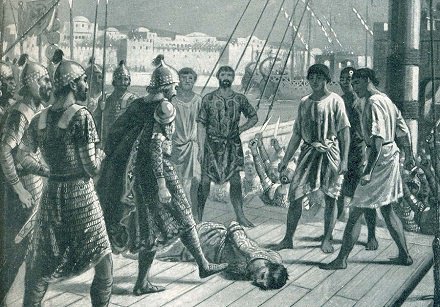
In the meantime, the general Priscus, a loyalist of Maurice although serving Phocas but actually a double agent had been secretly writing letters to the Exarch Heraclius the Elder and his son in Carthage encouraging them to rebel against Phocas and avenge Maurice. True enough, in 608, Heraclius the Elder and his son renounced their loyalty to Phocas and rebelled by minting coins with their faces although neither of them proclaimed themselves as emperor, but they still did start a civil war when Heraclius the Younger’s cousin Nicetas captured Egypt from Phocas’ loyalist forces in 609 all while Heraclius the Younger with an army set sail for Constantinople. As Heraclius the Younger set sail for Constantinople in 610, Priscus knowing that Heraclius was to arrive any time soon suddenly turned on Phocas by having the palace guards known as the Excubitors capture Phocas. As Heraclius’s ship arrived at the harbor of Constantinople, Phocas was brought in chains to the ship where he confronted Heraclius himself wherein Heraclius was reported to have said “Is this how you have ruled, wretch?” whereas Phocas replied “And will you rule better?”.
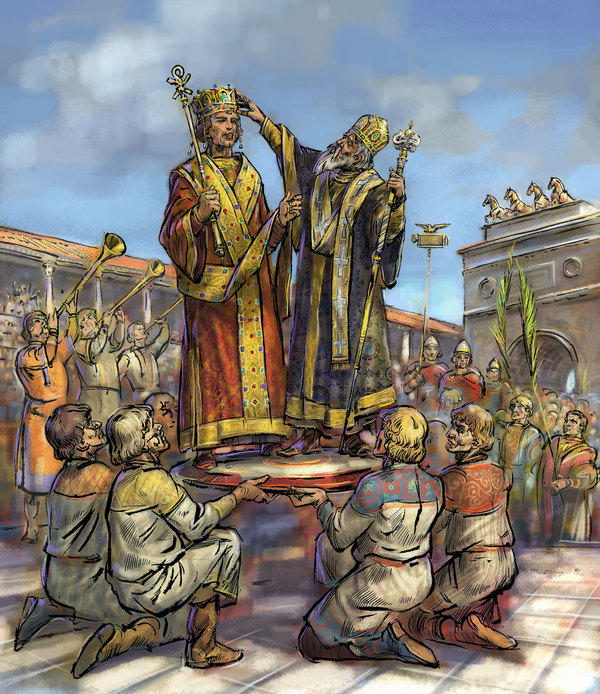
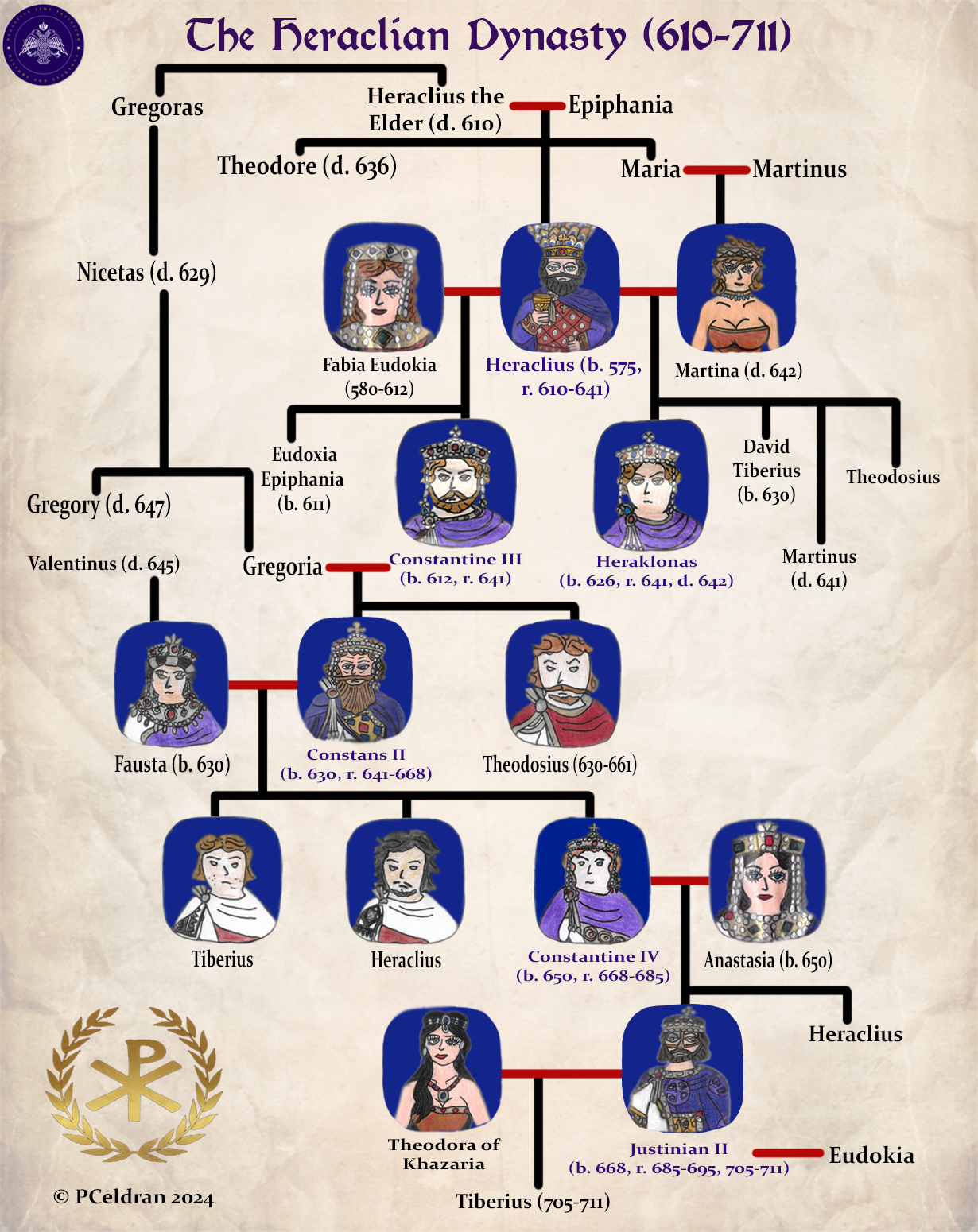
Being enraged, Heraclius beheaded Phocas on the spot and thus had his head put on display for the whole of Constantinople to see. With Phocas executed, Heraclius was thus crowned by the Patriarch of Constantinople Sergius I- who Phocas recently appointed- as the new emperor and following his coronation, Heraclius married Fabia Eudokia who was to be his empress all while his father Heraclius the Elder who remained in Carthage died after hearing that his son successfully took the throne. In the meantime, despite Phocas executed, Heraclius was still not safe in his position as Phocas’ brother the general Comentiolus continued to resist in Asia Minor, though he was eventually assassinated by one of his own men in 611. Heraclius together with Fabia Eudokia had two children, a daughter named Eudoxia Epiphania born in 611 and a son who was to be the future emperor Constantine III (r. 641) born in 612. Fabia Eudokia however died in 612 and her death was greatly mourned and Heraclius needing a new empress ended up marrying his niece Martina- daughter of his sister Maria- in 613 and since this marriage was considered to be incestuous, it was very unpopular and thus Heraclius too began losing his popularity despite having a number of children with Martina.
II. First Campaigns Against the Sassanids and the Fall of Antioch and Jerusalem
Due to the Byzantine Empire being in a civil war between Heraclius and Phocas, the Sassanids had gained the advantage to strike deep into Byzantine territory in Mesopotamia and Syria. When Heraclius seized power from Phocas in 610, he attempted to negotiate with Khosrow II to stop the war claiming that Maurice had been avenged as Phocas was killed, however Khosrow refused to negotiate as he had been gaining the upper hand, thus Heraclius was forced to continue the war with the Sassanids that Phocas had more or less started.

By 611, Sassanid forces had overrun most of Byzantine Syria and Mesopotamia all while also reaching as far as Cappadocia wherein they managed to capture its capital Caesarea. Heraclius thus sent his general Priscus to expel the Sassanids from Cappadocia, and although Priscus had laid siege to Caesarea, the Sassanid general Shahin and his troops managed to break out of the city. Due to Priscus’ failure to contain the Sassanids, Heraclius in 612 recalled him to Constantinople supposedly to become godfather to Heraclius’ son Constantine, however when arriving in the capital, Priscus was fired from command both as the commander of the Excubitors and general in Asia Minor. Priscus was thus replaced as the commander of the Excubitors with Heraclius’ cousin Nicetas and as general in Asia Minor with Philippicus, an aged general and loyalist of Maurice who was brought out of retirement. Priscus was thus brought before the senate, accused of treason against the emperor, and then forced to become a monk dying shortly afterwards. Although Philippicus had replaced Priscus as the general in Asia Minor, he too proved to be incompetent in battling the Sassanids possibly due to his old age, thus Heraclius decided to personally lead the troops himself in battle together with his brother Theodore.
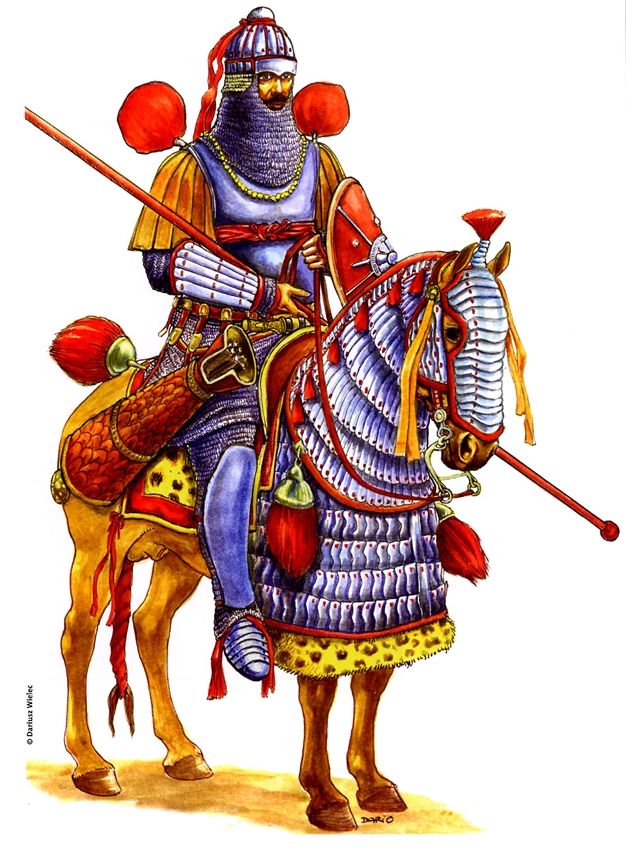
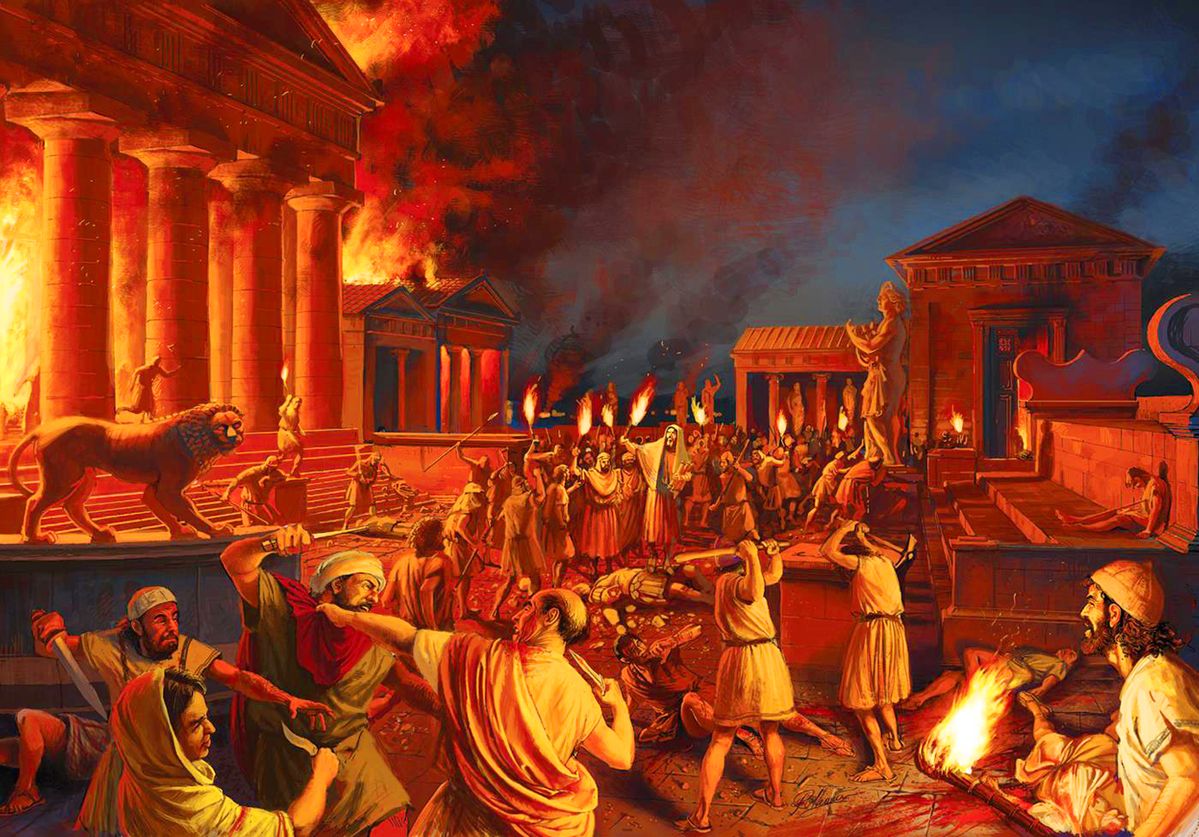
In 613, the Sassanids led by their general Shahrbaraz began attacking the important city of Antioch which then forced Heraclius and Theodore together with their cousin Nicetas to rush to its defense. The Byzantines however suffered a major defeat to the Sassanids led by their generals Shahrbaraz and Shahin outside Antioch and thus the Sassanids had captured Antioch wherein they looted the city and deported its population including its patriarch to Persia. Furthermore, the Sassanids later succeeded in capturing the city of Tarsus and the rest of Cilicia as well as all of Syria following their capture of Antioch. Once Syria had fallen to the Sassanids, they then proceeded south into Palestine which they too conquered from the Byzantines without much resistance despite suffering a minor defeat to the Byzantines led by Nicetas near Emesa. A major blow for the Byzantines however took place in 614 when the Sassanids led by Shahrbaraz captured Jerusalem after a 3-week siege thanks to betrayal by the city’s Jewish population who opened the city to the Sassanid forces. When capturing Jerusalem, the Sassanids were said to have slaughtered up to 60,000 people there all while deporting 35,000 including its patriarch Zacharias to Persia. Aside from that, the Sassanids too had stolen many important Christian relics from the city including the True Cross, the Holy Lance, and Holy Sponge which were then taken to the Sassanid capital Ctesiphon. The loss of Jerusalem true enough was so shocking to the Byzantines in Constantinople and all across the empire that many had blamed the Jews for it that true enough people in Constantinople were seen to have been beating up Jews at will.

III. Further Losses to the Sassanids- Egypt and Asia Minor
As the Sassanids continued making gains in the east, the Avars assisted by the Slavs taking advantage of the situation too overran much of the Byzantine Balkans and had even laid siege to the city of Thessaloniki in 617 but unsuccessfully; true enough nowhere left was safe in the Byzantine Empire. By 615, the Sassanid armies having overrun most of Asia Minor even made it as far as occupying Chalcedon right across the Bosporus from Constantinople.
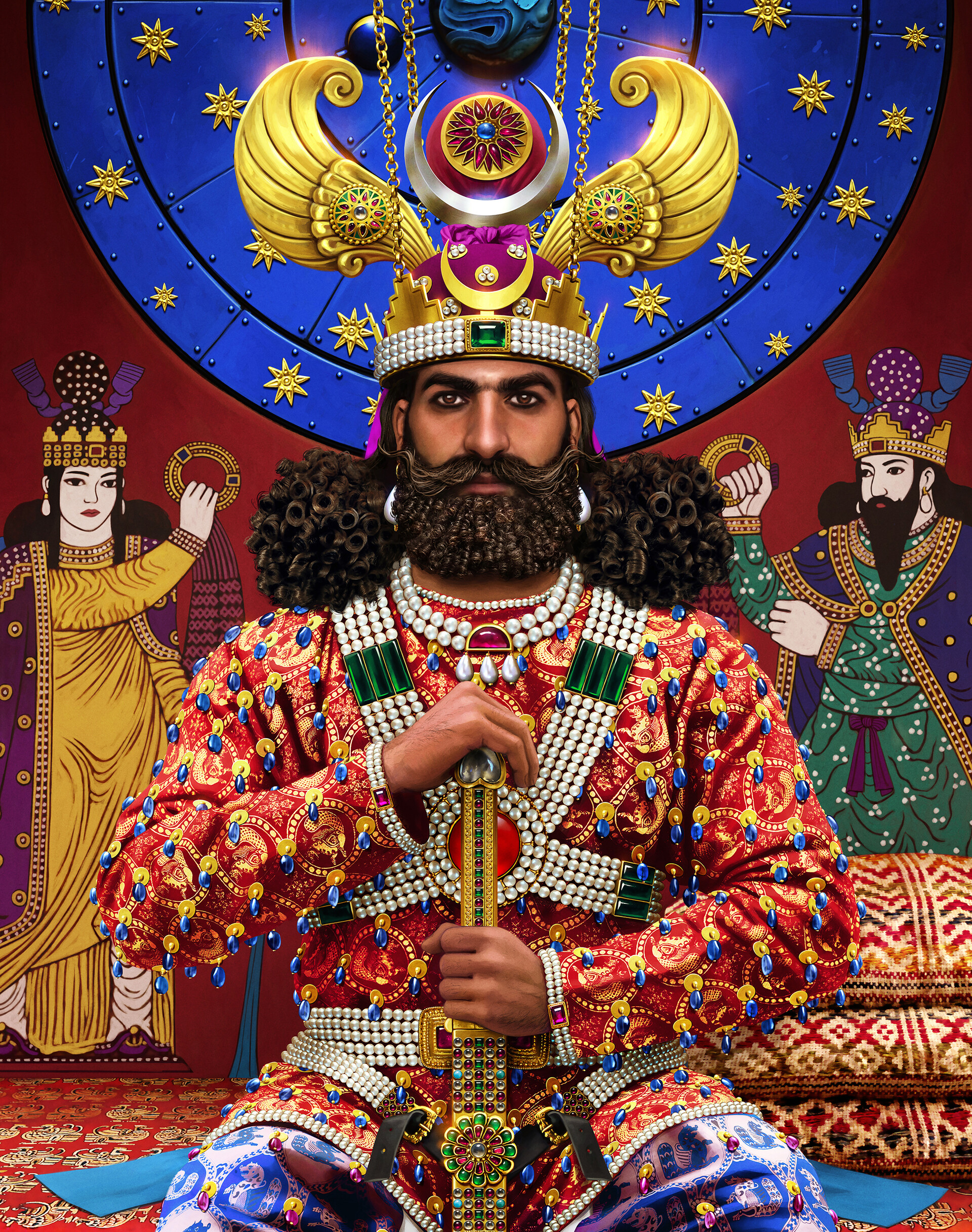
Heraclius at this point seeing that all hope was lost according to the Armenian historian Sebeos agreed to go as far as surrendering Byzantium to Khosrow II as a Sassanid vassal and even permitting Khosrow himself to choose a new Byzantine emperor if he could. In his letter delivered to Khosrow, Heraclius acknowledged the Sassanid Empire as his superior and described himself as Khosrow’s obedient son, however when the ambassadors reached Khosrow in Ctesiphon, Khosrow rejected Heraclius’ offer and imprisoned the ambassadors. With this plan to submit to Khosrow failing, Heraclius then considered moving the Byzantine capital out of Constantinople to Carthage where it was safer, however a number of powerful politicians in Constantinople including the patriarch Sergius convinced Heraclius to stay. During this time when the Sassanids were right outside the Byzantine capital, Heraclius cut down on the payments for government officials and for anything not related to the military in order to grow the army to fight back against the Sassanids all while he too devalued the currency and melted down Church treasures to raise funds.
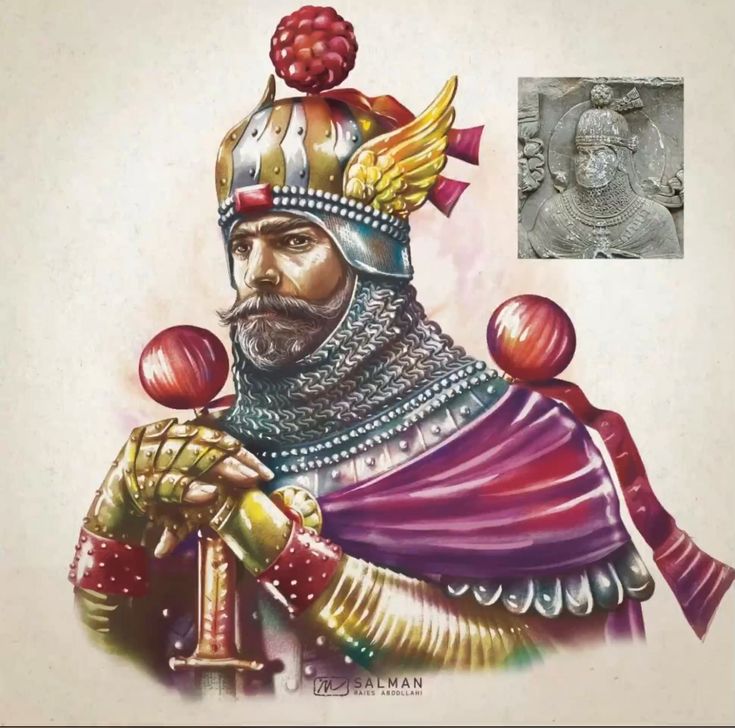
Meanwhile, the Sassanid forces under Shahrbaraz by 618 proceeded south into Byzantine Egypt facing little resistance and thus began laying siege to Alexandria. In 619, the Sassanids successfully captured Alexandria with assistance from a traitor inside the city who revealed to the Sassanids a canal that led into the city all while Nicetas who was defending the city fled and was to never return again. With the loss of Alexandria, the grain supply from Egypt to Constantinople was cut off and thus it was a further blow for the Byzantines as prices of grain had gone up triggering riots. By 621, the Sassanids had taken over all of Byzantine Egypt all while they too had captured Rhodes and other Byzantine held Eastern Mediterranean islands in 620 in order to launch a naval invasion on Constantinople. With his empire on the verge of extinction, Heraclius thus had no other choice left but to launch a brave counter-offensive on the Sassanids who here were at their height of power.

IV. The Counter-Offensive Against the Sassanids and Dealings with the Avars
Seeing no other choice left when dealing with the Sassanids, Heraclius in 622 decided to do the bold move of leading a counter-offensive against them by marching what was left of the Byzantine army into Sassanid territory. Here, Heraclius took with him his wife Martina on the campaign whereas he left behind in Constantinople his son and heir Constantine under the protection of the patriarch Sergius and the general Bonus.
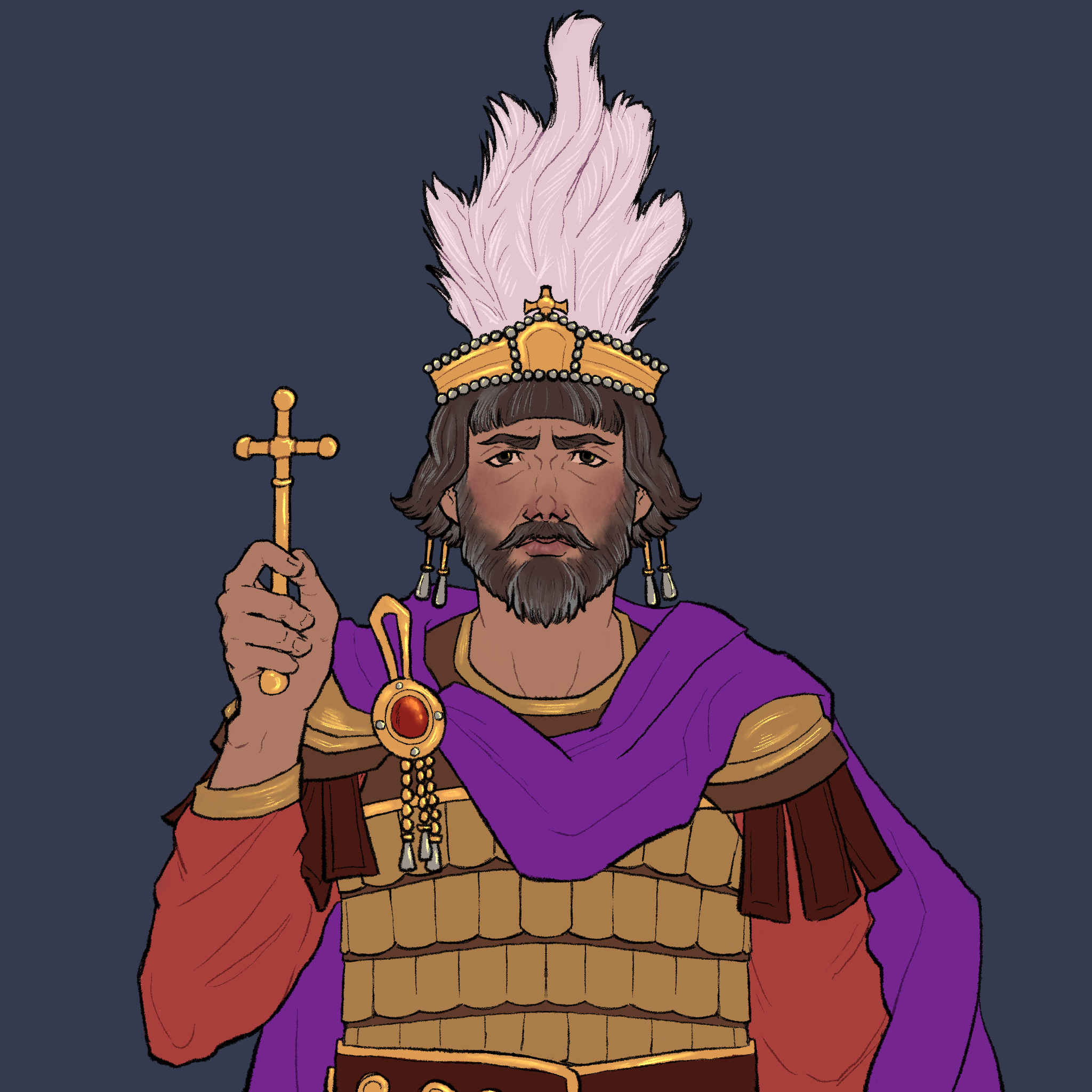
In order to inspire his troops whose morale was low due to the recent losses to the Sassanids, Heraclius claimed that this war was to be a holy war wherein his troops were not just fighting for their empire but for their Christian faith, thus he had the image of Christ put on his army’s banners and so began what was known as the “First Crusade” with Heraclius as the “First Crusader” before the Crusades were even a thing. As the counter-offensive was launched, Heraclius marched his army deep into Sassanid occupied Cappadocia and Armenia wherein the Byzantines scored their first victory in the war, here against no other than Shahrbaraz. Although winning his first victory in the war, Heraclius in 623 had to return to the Balkans as his absence allowed the Avars and Slavs to continue their constant raids. Heraclius thus decided to settle the issue by meeting with the Avar ruler or khagan himself, but at the spot the unnamed khagan set up a trap in which he intended to capture Heraclius who in return barely escaped with his life.
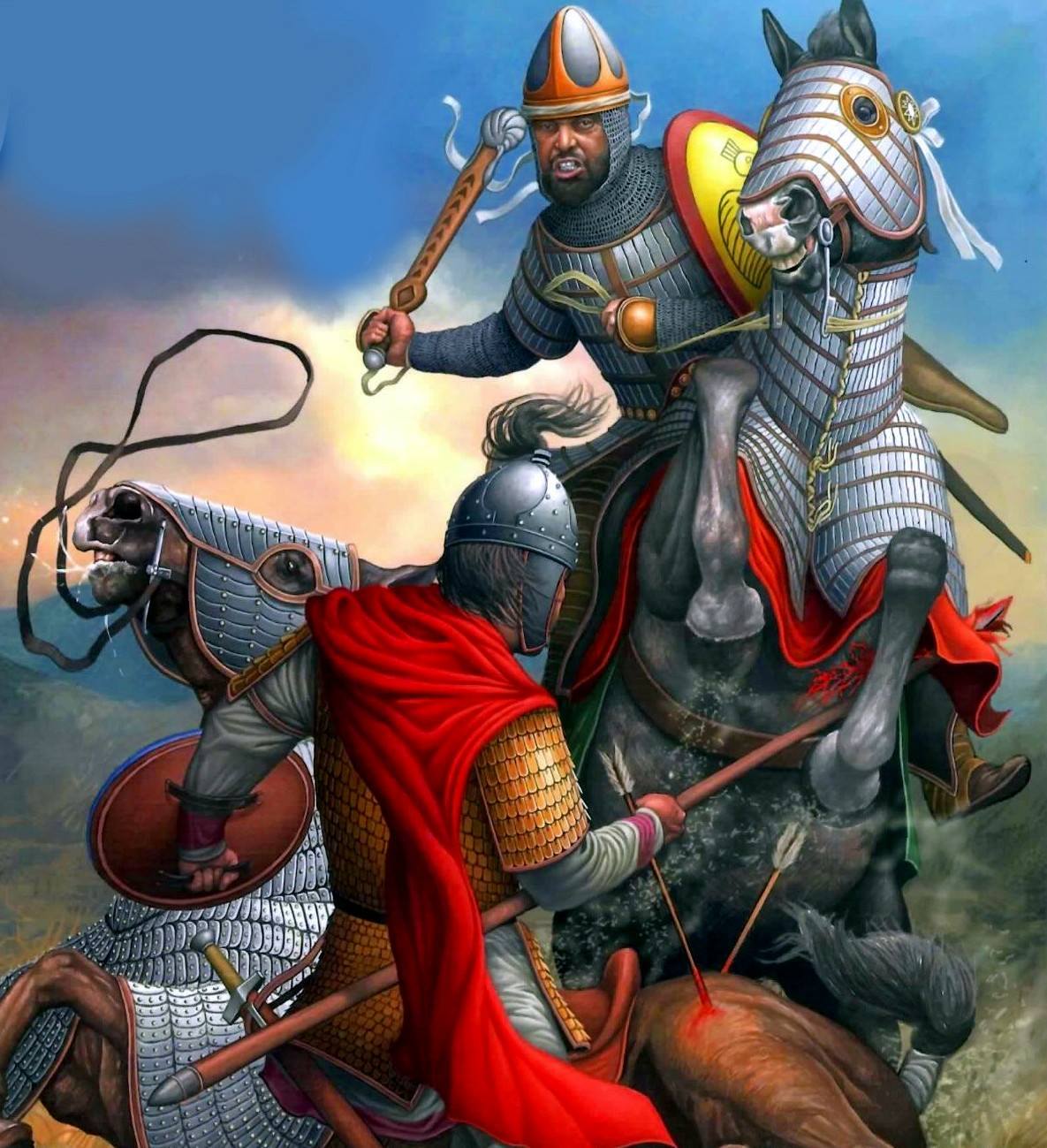
Since defeating the Sassanids was his top priority at this time, Heraclius then decided to simply pay off the Avar khagan so that he and his Slav subjects would not pose a threat to the Byzantines for the meantime. The following year 624 however was to turn out badly for the Byzantines as it was in that year when the Byzantines lost all of their territory in Spain to the Visigoths who recaptured Cartagena, the last Byzantine city there whereas more territory in Byzantine Italy was lost to the Lombards. Despite these losses, Heraclius continued his campaign in the east in 624 wherein he this time invaded the Sassanid heartland through Armenia and Azerbaijan and by this he was able to regain all of Cappadocia. With Cappadocia retaken, Heraclius proceeded east again this time defeating a Sassanid army led by their shah Khosrow II himself at Ganzak where one of the holiest fire temples of the Sassanids was.
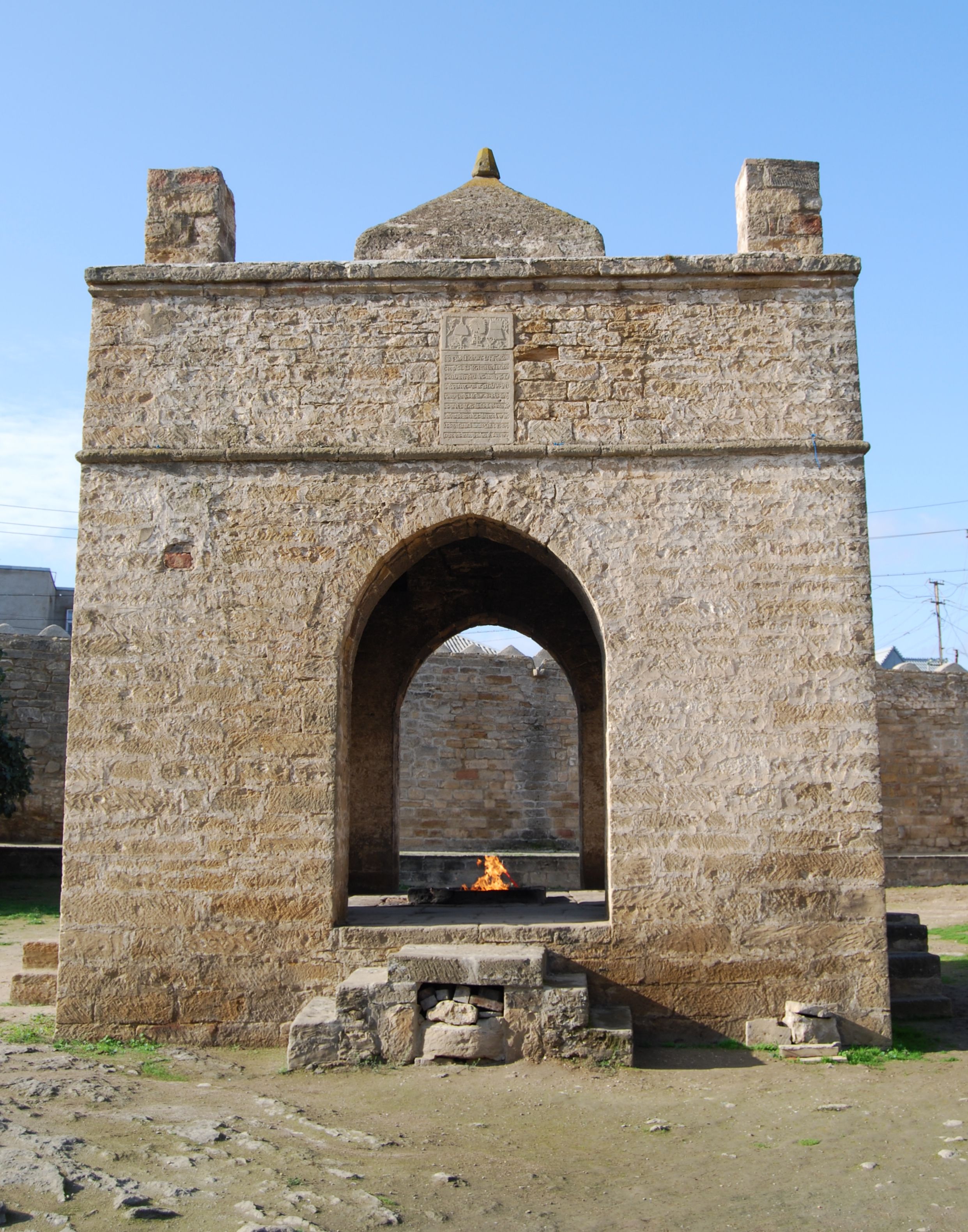
Once defeating the Sassanids, Heraclius had the fire temple at Ganzak destroyed to the ground possibly as an act of retaliation for the Sassanids destroying and looting the Church of the Holy Sepulcher in Jerusalem back in 614. In 625 however, Heraclius and his army were encircled by 3 Sassanid armies commanded by 3 of their best generals: Shahrbaraz, Shahin, and Shahraplakan. Heraclius though managed to defeat all 3 armies and later attack Shahrbaraz’s camp at night knowing that the best strategy to attack the Sassanids was to attack their disorganized camps as mentioned in the late emperor Maurice’s book on war strategies known as the Strategikon. With the attack on the camp successful, Shahrbaraz fled allowing Heraclius to recapture more cities and again defeat Shahrbaraz at a bridge over the Sarus River in Asia Minor, although Shahrbaraz still managed to escape as his next move was to attack Constantinople itself.
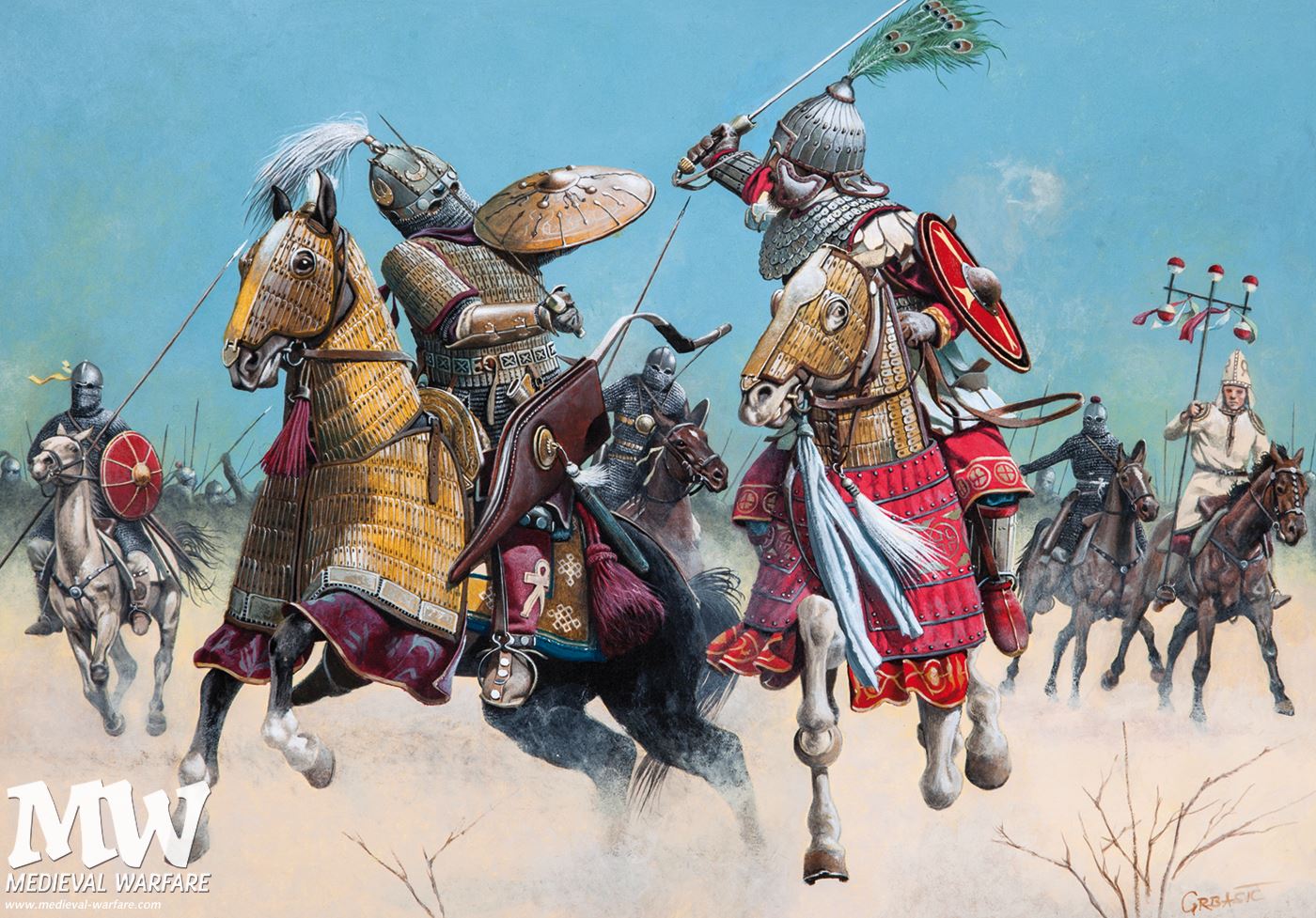
V. The 626 Siege of Constantinople
As Heraclius continued campaigning deep into Sassanid territory, Khosrow II seeing an opportunity had Shahrbaraz go straight to Constantinople and put it under siege knowing that Heraclius was away from the capital. Additionally, Khosrow II ordered his other general Shahin who had 50,000 men under his command to stay behind in Mesopotamia in order to prevent Heraclius from invading the Persian heartland.
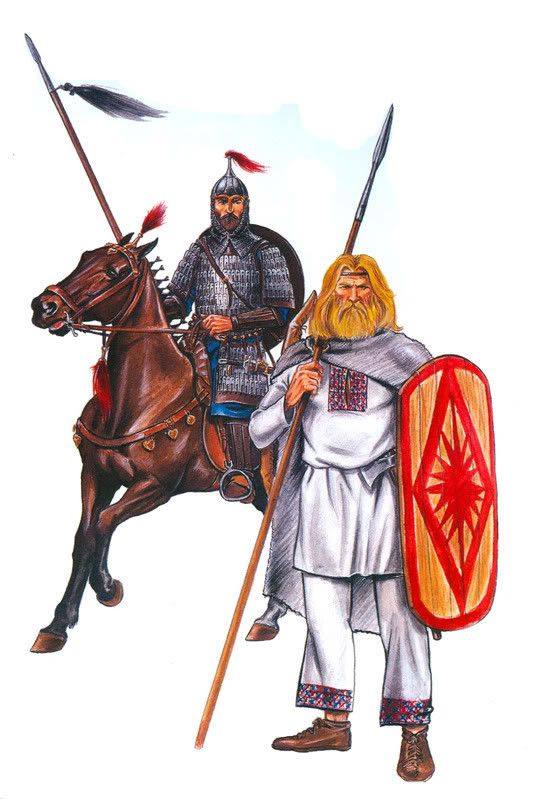
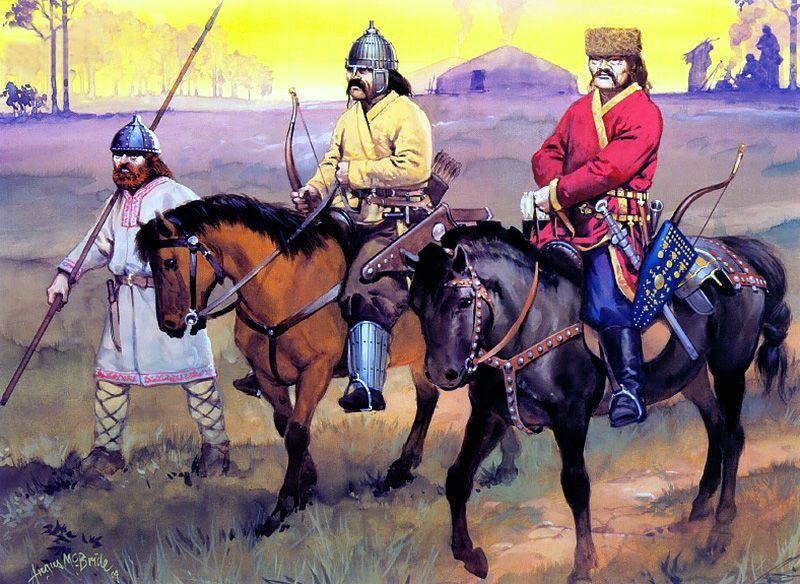
As Shahrbaraz managed to escape despite losing to Heraclius as previously mentioned, he still headed straight for Chalcedon across the Bosporus from Constantinople with a large army and from there he and his troops were to be ferried across the Bosporus to Constantinople by the Slavs using their small boats. Now, Khosrow II at the same time too made an alliance with the Avars and their Slav subjects as he also knew they were at war with the Byzantines at the same time, thus Khosrow coordinated with the same Avar khagan that tried to capture Heraclius back in 623 a joint attack on Constantinople from both the European and Asian sides. Khosrow II had also promised that if they destroy the Byzantine Empire here by capturing Constantinople, then the Sassanids will have all of Byzantium’s territory in Asia and Africa whereas the Avars and Slavs will have their territory in Europe. In this attack on Constantinople meanwhile, the Avars and Slavs were to attack the land walls of the city with their siege engines whereas the Sassanids who were camped at Chalcedon across the Bosporus were to be ferried by the Slavs so that they could join them in attacking the walls considering that the Sassanids had more superior siege engines and tactics as compared to the Avars and Slavs.
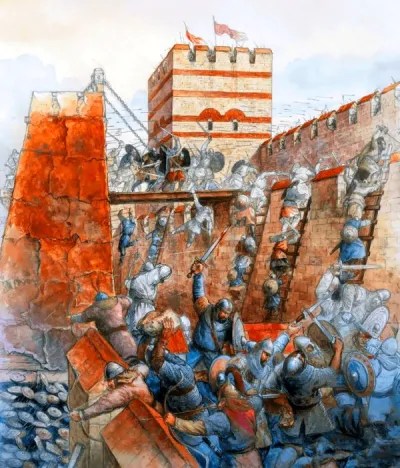
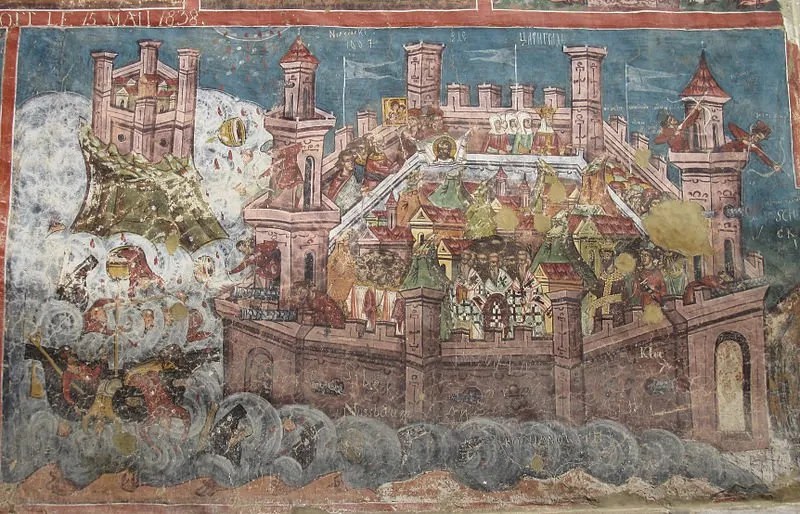
Before the Sassanids could even cross the Bosporus, the Avars and Slavs had already begun their siege of the land walls all while also cutting off the city’s water supply being the 4th century Aqueduct of Valens. Although Heraclius was not there to defend his capital, the outnumbered defenders- numbering up to 15,000- still resisted against the enemy forces who numbered up to 80,000 combined and leading the defense of the city was the patriarch Sergius who rallied the defenders by inspiring them to fight for their faith by holding a religious icon of the Virgin Mary in a procession and the general Bonus as well as Heraclius’ young son and heir Constantine III who despite his young age also rallied the troops to defend the city. When hearing of the capital under attack, Heraclius split his army into 3 parts with one division to rush to the defense of Constantinople, the other under his brother Theodore to deal with Shahin, and the last one under his command to march deep into the Persian heartland. For over a month, the Avars with their siege engines continuously attacked the Theodosian land walls of Constantinople but without achieving any success due to the strength of the walls alone all while their Sassanid allies failed to arrive as the strong currents of the Bosporus made it impossible for them to cross using the small boats of the Slavs.
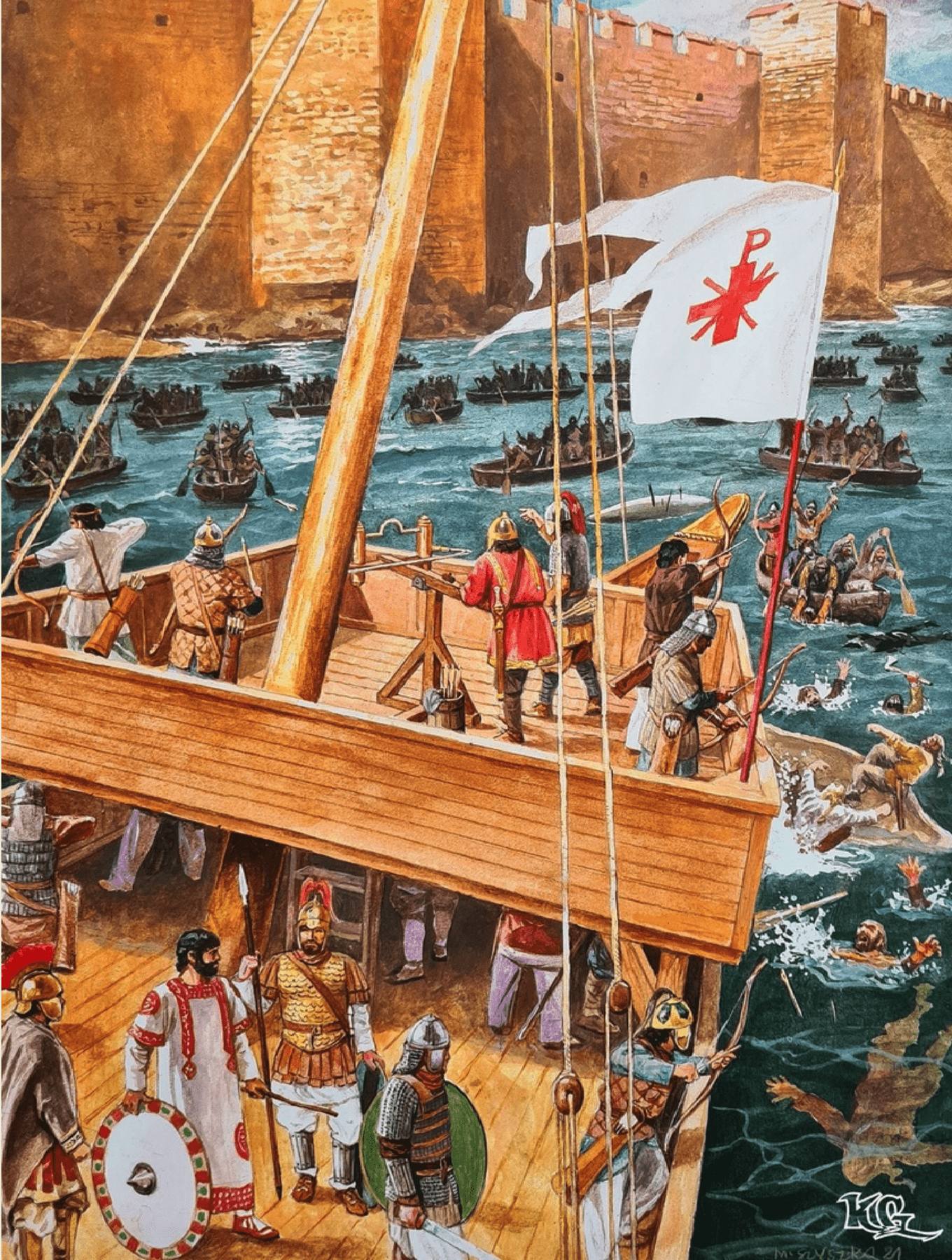
Eventually, a Byzantine fleet with the troops sent by Heraclius arrived in the Bosporus right in time to lift the siege by overpowering and destroying the small boats of the Slavs and thus drowning many Sassanid and Slav soldiers who attempted to cross the Bosporus. The Slav attackers however refused to give up that they even tried launching attacks using their small boats on Constantinople’s sea walls, however the Slavs never succeeded here as their boats were attacked and destroyed by larger Byzantine boats sent to attack them by the general Bonus. The Avars too eventually gave up their siege when seeing that the Sassanids could not arrive to help them, thus by August of 626, the Avars and the Slavs as well lifted their siege, packed up, returned to the Balkans, and would never attack Constantinople again, though the Avars when returning back north would leave behind their Slav subjects in the Byzantine Balkans to stay. The Sassanids under Shahrbaraz too decided to retreat as they could not successfully cross the Bosporus all while they too possibly lifted their siege after receiving news that Heraclius’ brother had just defeated Shahin. Meanwhile, the Byzantine victory over the Avar, Slav, and Sassanid siege of 626 was not only attributed to the arrival of the Byzantine fleet right in time to destroy the Slavs and Sassanids crossing the Bosporus but also to divine intervention wherein it was said that the Virgin Mary herself protected the city.
VI. The Byzantines Turn the Tide of War
As the Sassanids failed at besieging Constantinople in 626 with their Avar and Slav allies, they got word of another loss which was that their general Shahin had lost in battle to the forces of Heraclius’ brother Theodore. Shahin was either killed in battle by the Byzantines or had committed suicide due to his failure but either way, his body was brought to Khosrow II and whipped several times by the shah who was displeased with Shahin’s failure. With the death of Shahin, the Sassanids now began losing the war and thus Heraclius seeing this as an opportunity decided to ally with the Western Gok Turks- also identified as the Khazars- under their khagan Tong Yabghu (Ziebel) who were the Sassanids’ northern enemy for decades.
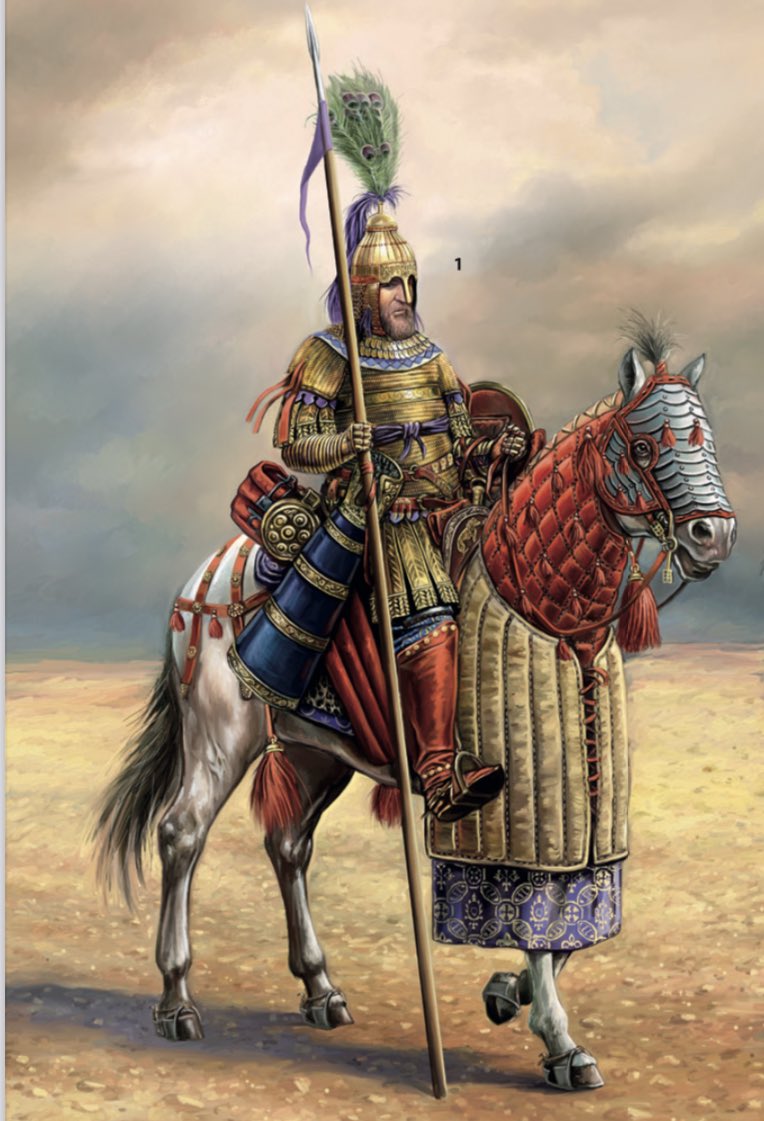
In early 627, the Western Gok Turks had answered Heraclius’ call for help and began their invasion from across the Caucasus Mountains into Sassanid Persian territory. After a long and bloody siege, the Gok Turks had captured the Sassanid fortress of Derbent and from there proceeded south to the Kingdom of Iberia (Georgia), an ally of the Sassanids, wherein they joined forces with the Byzantines and besieged the important Iberian city of Tiflis (modern Tbilisi). In exchange for helping Heraclius in battle against the Sassanids, Tong Yabghu was given in marriage Heraclius’ daughter and firstborn Eudoxia Epiphania. Heraclius however could not stay for long in besieging Tiflis; thus he left his Gok Turk allies behind to do the job in laying siege to the city until they were victorious at it in 628 as Heraclius and his army would then march south into the Persian heartland to defeat the last army of Khosrow II led by the general Rhahzadh. In the meantime, Khosrow II began growing distrustful of his top general Shahrbaraz and thus he sent an order to have Shahrbaraz executed. This letter containing the execution order from Khosrow however was intercepted first by Byzantine soldiers who were then given an order by Heraclius to send the letter to Shahrbaraz himself in order to convince Shahrbaraz to switch sides. True enough, when seeing the letter, Shahrbaraz decided to rebel against his shah by defecting to the Byzantines and thus Khosrow had now lost his top general. Khosrow II in the meantime had been growing more and more unpopular due to the Sassanids’ recent defeats in the war but also due to his oppressive policies towards the nobility thus the Sassanids nobility with Shahrbaraz included began plotting to overthrow him.
VII. The Battle of Nineveh and the End of the War
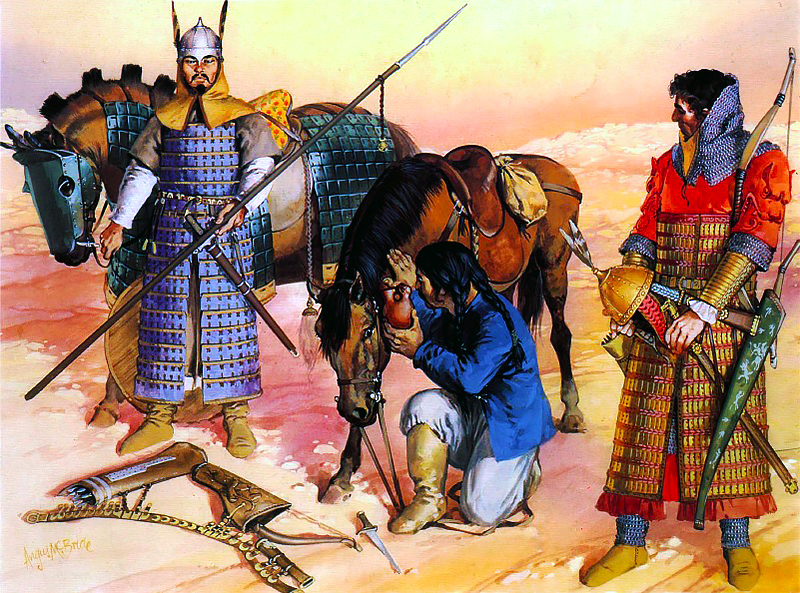
In late 627, Heraclius and his army proceeded south from the Caucasus into the Sassanid heartland in Mesopotamia, however as they came closer to Mesopotamia, Heraclius’ Gok Turk allies who joined him deserted apparently due to strange winter conditions. Heraclius nevertheless proceeded south stalking the last Sassanid army under Rhahzadh to the ruins of the ancient city of Nineveh in Assyria where Heraclius managed to corner Rhahzadh and his much smaller army.
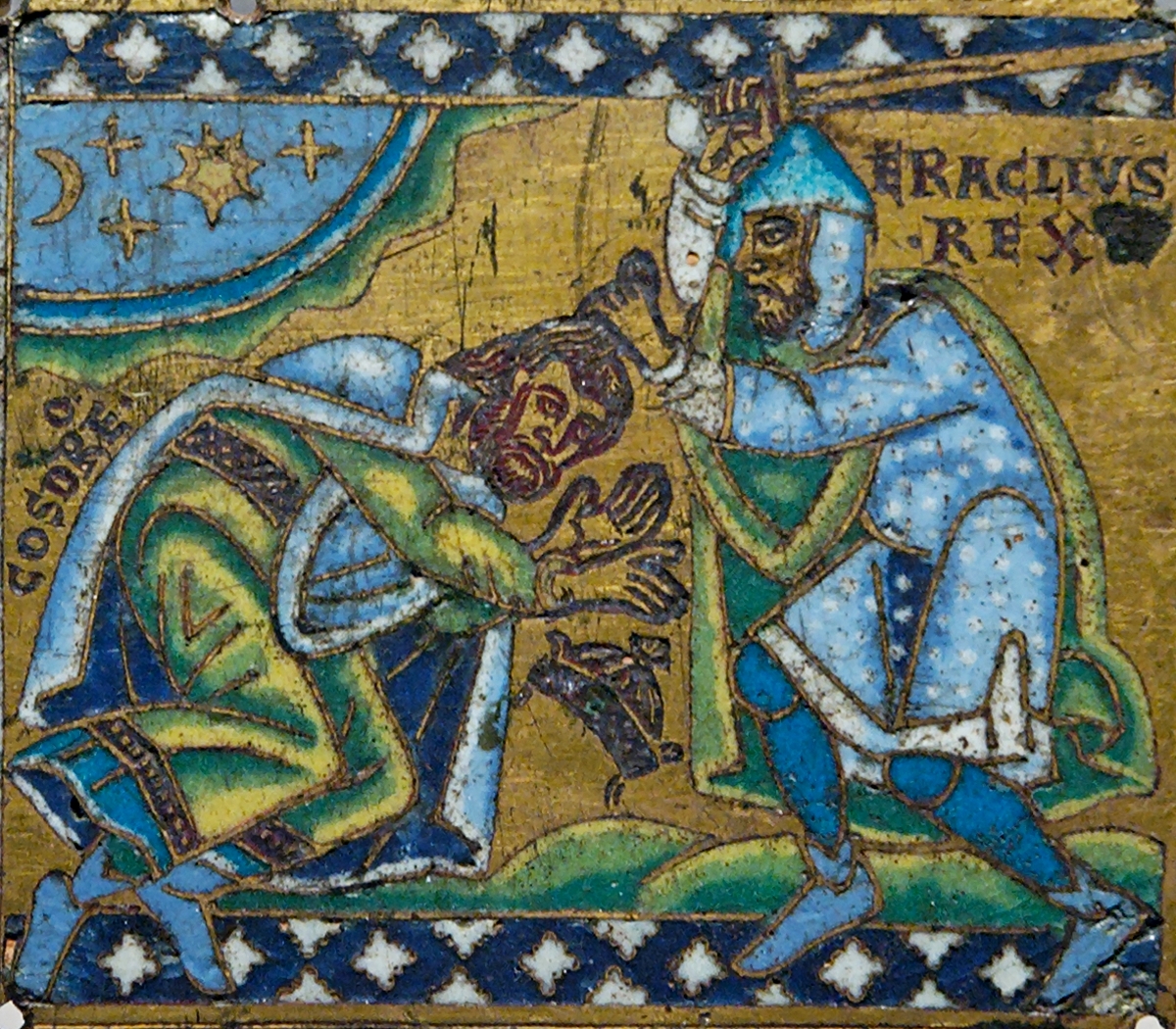
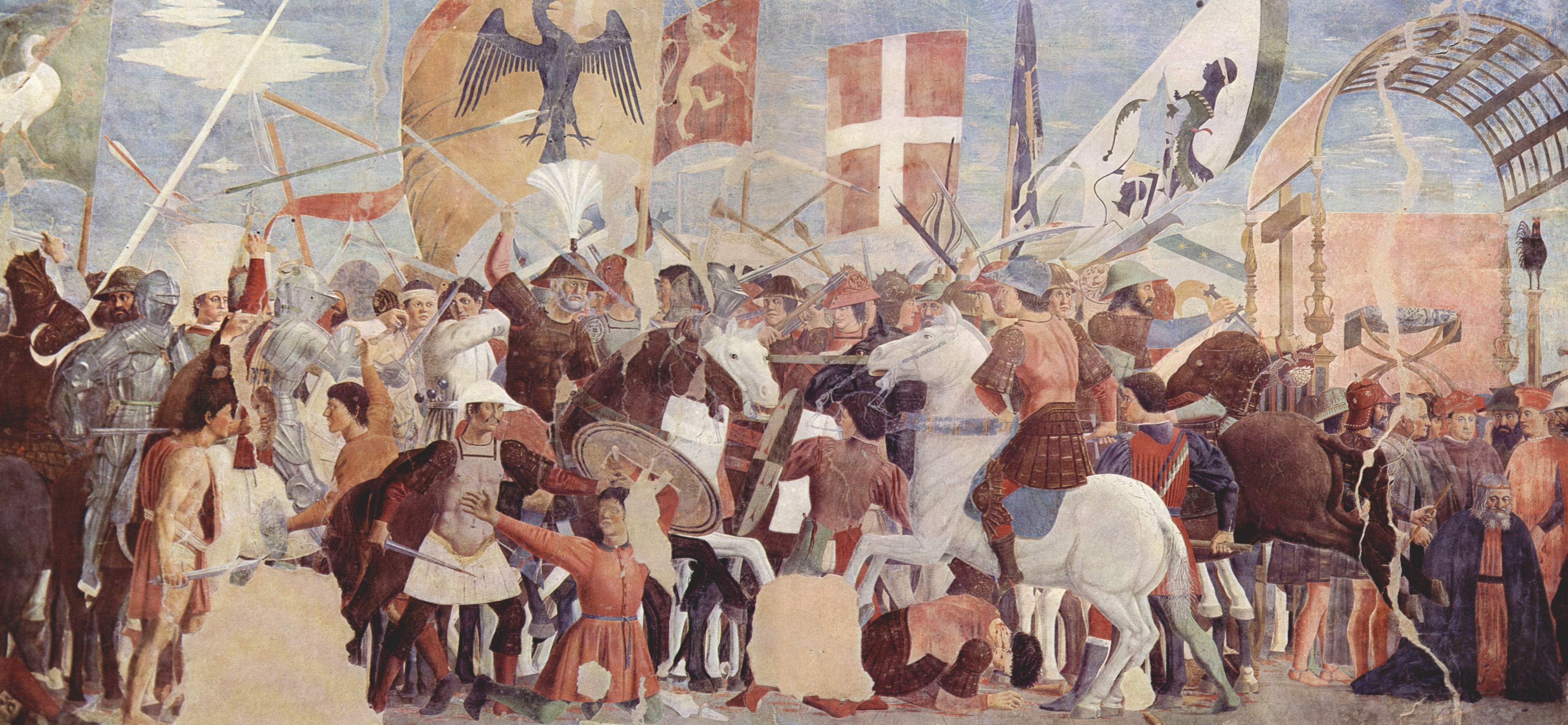
Once both forces met in the field of battle, the Byzantines who had a more advantageous position performed a feigned retreat simply to confuse the Sassanids and lead them to a trap. To make things worse for the Sassanids, a fog occurred making it difficult for them to see the Byzantine forces rush back at them. After 8 hours of fighting, the Sassanids were severely defeated with 6,000 of their soldiers slain and the survivors retreating to the nearby foothills, thus the Byzantines had won. According to the 9th century Byzantine historian Nikephoros the Patriarch, Rhahzadh challenged Heraclius to single combat which Heraclius accepted and killed Rhahzadh with a single blow from his sword; additionally, Heraclius too personally killed two other Sassanid challengers. Whether it is true or not that Heraclius challenged and personally killed Rhahzadh, it is clear that Rhahzadh had died in the Battle of Nineveh as well. With the battle over, Heraclius and his army then proceeded into Khosrow II’s palace at Dastagird which the Byzantines plundered recovering tons of riches such as spices and silks and over 300 Roman/ Byzantine war standards captured by the Sassanids over the past 3 decades of warfare between both empires. Heraclius though failed to take the Sassanid capital Ctesiphon as the bridges leading to it had been cut off.
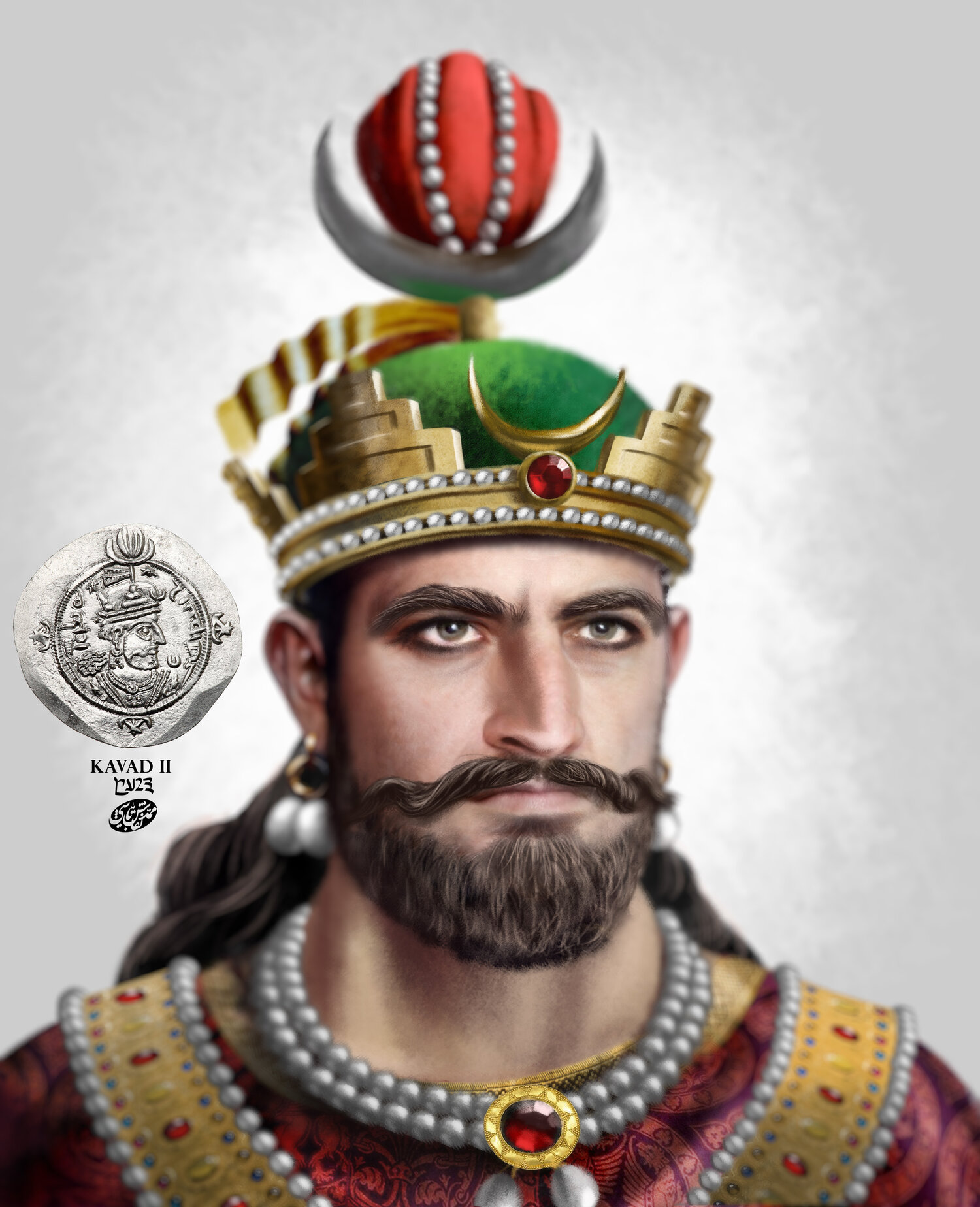
Khosrow II in the meantime after hearing of the defeat of his last army to Heraclius and knowing that he was losing his popularity fled to the mountains near Ctesiphon but did not successfully escape as his troops had just rebelled against him and proclaimed his son Kavad II as shah in his stead. Khosrow was thus betrayed by his troops and thrown in prison where he in February of 628 was shot to death several times by arrows fired by his own soldiers. With Khosrow dead, the Sassanids surrendered to Heraclius as they were no longer interested to continue the war with the Byzantines knowing that they had already lost. The new Sassanid shah Kavad II who was uninterested in continuing his father’s policy of war here was the one to surrender to Heraclius by sending peace offers to him. Heraclius on the other hand did not impose harsh terms on the Sassanids as he knew his empire too had been exhausted from war, thus all Heraclius asked from the defeated Sassanids was to return to the Byzantines all the lands they took from them in the past 26 years of war which included Mesopotamia, Syria, Palestine, and Egypt.

VIII. Heraclius’ Triumph and the Fall of the Sassanids
In 628 with Khosrow II defeated and executed, the great war between Byzantines and Sassanids since 602 finally came to an end. Apart from returning to the Byzantines all the lands the Sassanids had taken from them since the great war began, the new Sassanid shah Kavad II had also returned to Heraclius the relic of the True Cross stolen by the Sassanids during their capture of Jerusalem in 614.
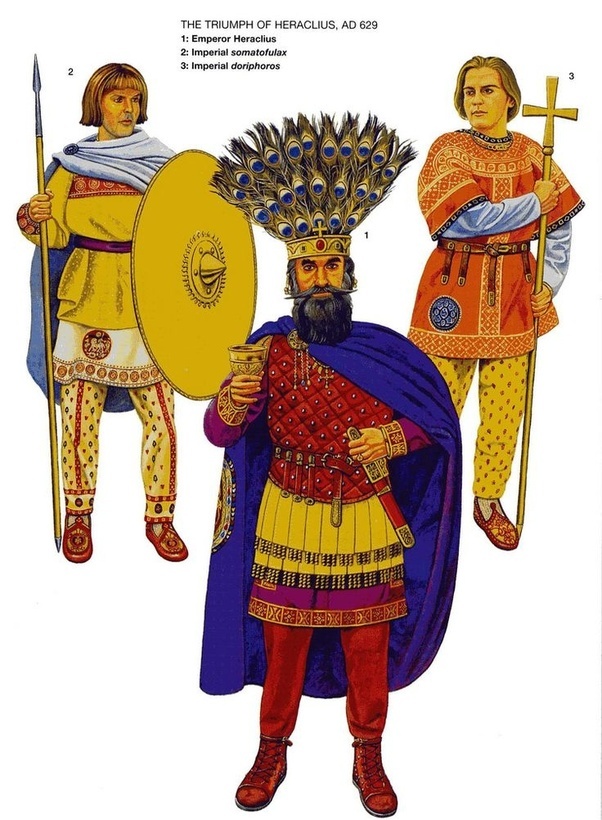
\Once he took back the True Cross and regained the lands taken by the Sassanids, Heraclius returned to Constantinople with a grand triumphal parade wherein he rode on a war elephant captured from the Sassanids. When the True Cross was brought to Constantinople, it was raised in the Hagia Sophia, the main cathedral of the city whereas Heraclius was hailed as the “New Scipio”, after the Ancient Roman hero who defeated Carthage centuries ago. Heraclius too following his victory over the Sassanids began styling himself with the Persian tile “King of Kings” which the Sassanid rulers used and in the following year (629) he began using the Greek title of Basileus which meant “emperor” and thus dropping old Roman imperial titles such as that of Augustus and Imperator, and this new title that Heraclius had adopted here would then be used by all Byzantine emperors for the next 800 years- until the fall of Constantinople in 1453.
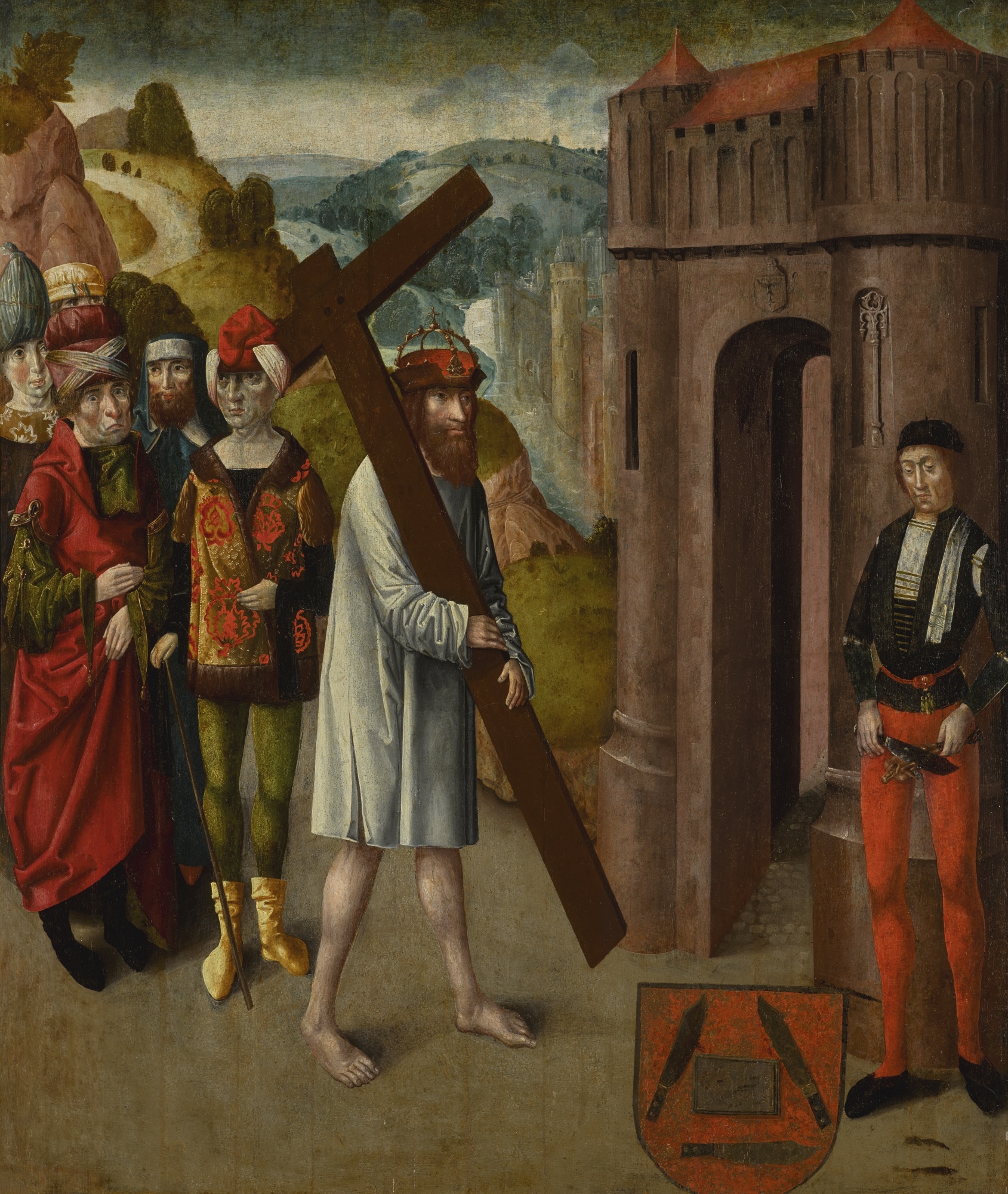
In 629 as well, Heraclius personally travelled to Jerusalem which that the Sassanids had just returned to the Byzantines, and there Heraclius personally carried the relic of the True Cross back to its original place, the Church of the Holy Sepulcher where a grand ceremony was held for the occasion. Heraclius was thus at the highest point of his reign with his popularity very high due to winning the war, however some events in the near future that would turn everything around for him would be unforeseen, thus Heraclius would enjoy his strong popularity for the time being. In the meantime, over in the Sassanid Empire, within 628 their shah Kavad II died only within months after assuming the throne due to an outbreak of plague, thus the Sassanid Empire was plunged into dynastic turmoil and civil war which would therefore spell the end for their empire. Kavad II was then succeeded by his young son Ardashir III (r. 628-630), however Heraclius supported his new ally the general Shahrbaraz who defected to the Byzantines to be his puppet on the Sassanid throne.
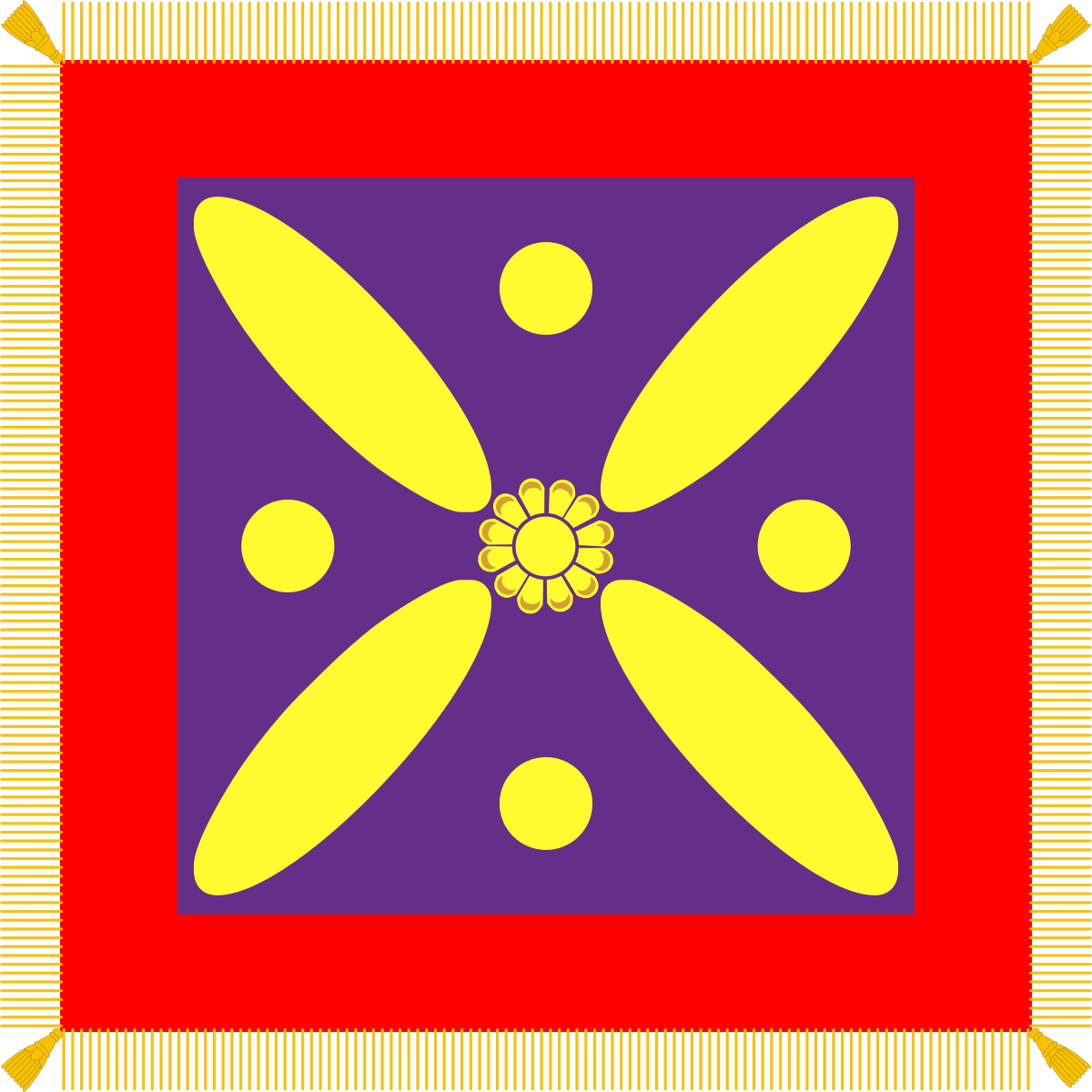
Shahrbaraz true enough succeeded in taking the throne by capturing Ctesiphon and executing the child Ardashir III in 630 but just weeks after becoming shah, he met his end when his rival faction led by Khosrow II’s daughter Boran had him killed by throwing a spear at him during a dinner. Succeeding Sharhbaraz was Boran who also ruled for a brief period of time as she too was overthrown and replaced with another contender who was later overthrown and replaced by Boran’s sister Azarmidokht who too ended up killed by her rivals and thus allowing her sister Boran to rule again in 631. Boran however met her end in 632 again killed by political enemies and thus succeeding her was her nephew Yazdegerd III (r. 632-651), another grandson of Khosrow II, and although stability more or less returned during his reign, he would be the last Sassanid shah. In Yazdegerd III’s reign, the Sassanid Empire being extremely weakened due to their defeat to the Byzantines and years of political infighting and civil wars stood no chance against a new invading force from the south, the Arabs now having united as the Rashidun Caliphate and thus with Yazdegerd’s death in 651, the Sassanid Empire came to an end whereas all its lands had been annexed into the new Arab Caliphate.

IX. The Rise of the Arabs and the Loss of Byzantine Syria and Palestine
As already said earlier, a new power from the south had suddenly risen with the strength to take down both empires exhausted from war against each other: the Byzantines and Sassanids. This new power from the south were the Arabs, once disunited tribes but already united under one faith being Islam by the 620s under the prophet Muhammad all while the Byzantines and Sassanids had fought the long and bloody war against each other.

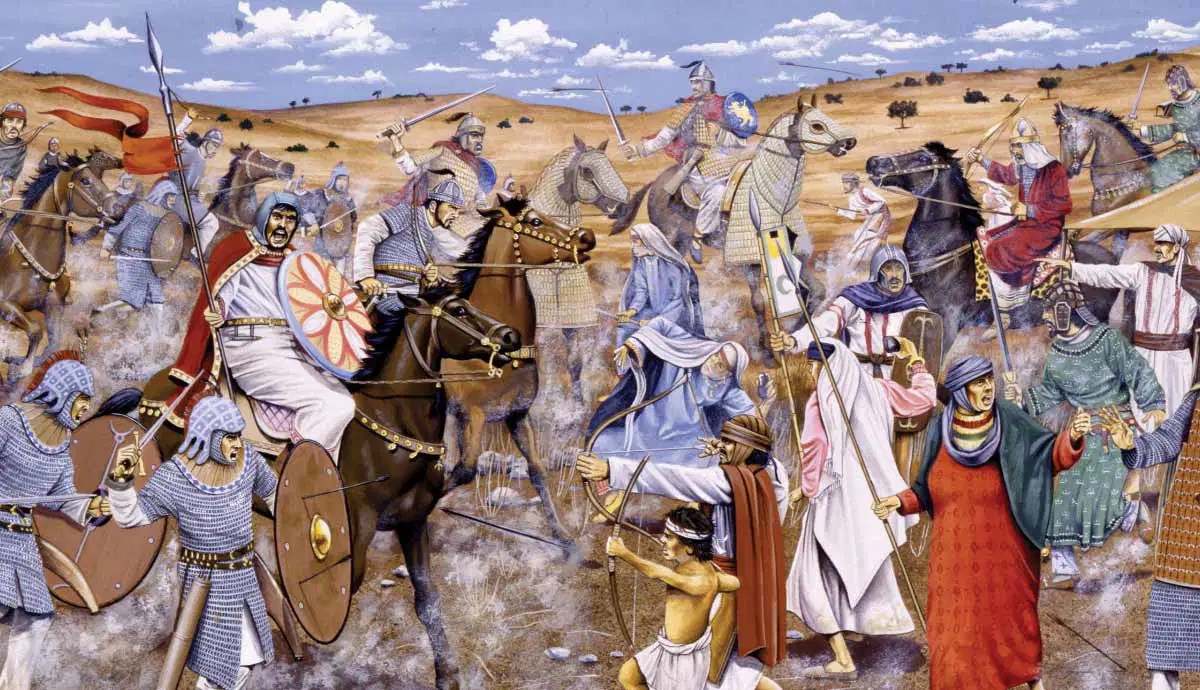
As early as 629 when Sassanid troops had just pulled out from Byzantine territory, the Arab armies from the deserts of Arabia in the south sent by the prophet launched an attack on the territory of the Ghassanids- a Christian Arab kingdom which was a Byzantine vassal- in today’s Jordan in retaliation for Muhammad’s ambassador being killed by the Ghassanids. However, this attack of the Arabs was successfully repelled by the Ghassanids and Byzantines at the Battle of Mu’tah, and because of this victory the Byzantines felt that there was no need to keep a watch on the Arabs from the south. The Byzantines however underestimated the might and numbers that the Arabs would soon have just a few years later all while the Byzantines too had no idea of what the Arabs’ fighting styles were as even the Strategikon of Maurice made no mention of it despite covering all the fighting styles and strategies of all of Byzantium’s enemies at this time. In 632 meanwhile, things would take a complete turn as in that year the prophet Muhammad had died and was thus succeeded by Abu Bakr (r. 632-634) as the first caliph or ruler of the first Islamic Empire known as the Rashidun Caliphate.

Although before the Arabs and Islam itself could expand beyond Arabia, Abu Bakr had to consolidate his rule in Arabia by fighting the Ridda Wars against other tribes in Arabia who refused to be under his rule. Abu Bakr at the end emerged victorious in this war, though after only 2 years of rule he died in 634 and was succeeded by Umar (r. 634-644) as the second caliph and it would be under his rule when the Arabs began marching north out of Arabia to attack both the weakened Byzantines and Sassanids. As the Arab armies marched north into the Byzantine Levant, Byzantine troops despite being unaware of the Arabs and their fighting styles put up a resistance but its Monophysite Christian and Jewish population welcomed the Arab invaders as liberators as they had felt oppressed by the rule of the Orthodox Byzantines. Heraclius in the meantime who by 634 had already grown old and tired decided not to lead his armies in person anymore, thus partly due to his absence in the battlefield, the Byzantines lost two battles in Syria to the Arabs which later resulted in the capture of Byzantine Damascus by the Arabs led by their brilliant general Khalid ibn al-Walid later in 634.
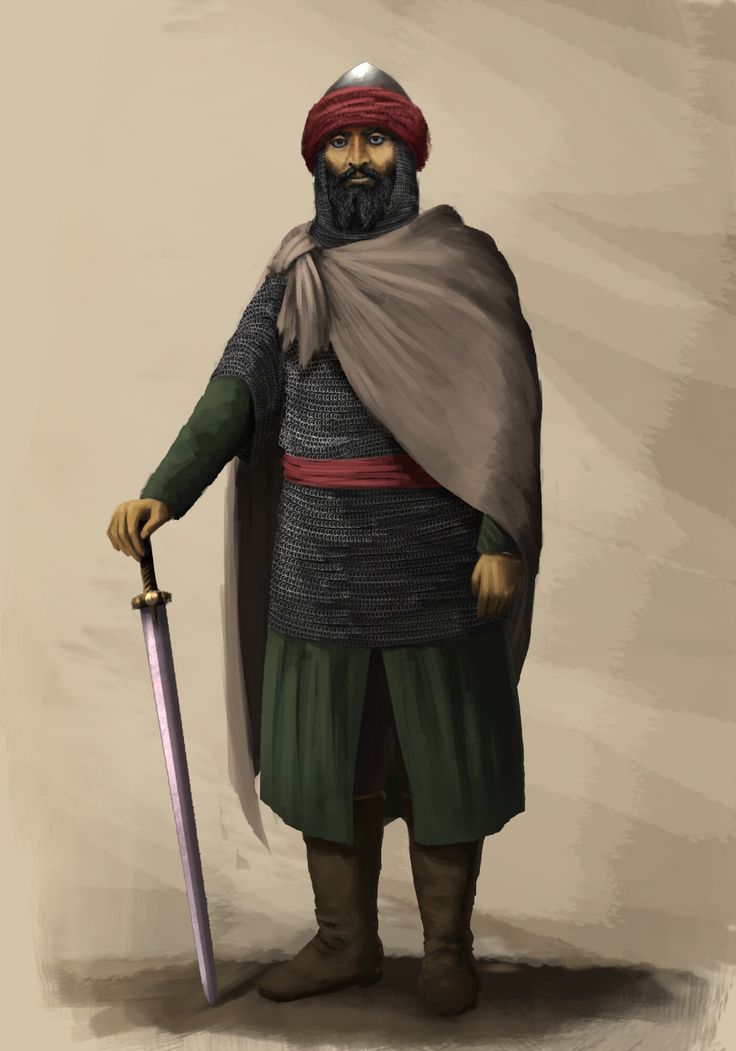
Hearing of the fall of Damascus to the Arabs, Heraclius who here based himself in Antioch had a massive army assembled put under the overall command of the Armenian general Vahan to expel the Arabs from the Levant once and for all. Despite having such a large army with multinational allies included such as Armenians, Iberians, Ghassanids, Gok Turks, Lombards, and Franks, Vahan and the other Byzantine generals were more or less lured into a trap by the much smaller army of the Arabs under Khalid ibn al-Walid at the Battle of Yarmuk in 636. After 5 days of fighting, the Arabs who were much fewer in number but using the land to their advantage won a decisive victory over the much larger forces of the Byzantines and their allies wherein many of their commanders including Vahan were killed and the survivors jumping off the cliffs to their deaths to avoid capture. Later in 636 as well, another Arab army invaded the Sassanid Empire and destroyed them as well in battle thus beginning the Arab invasion that would eventually destroy the Sassanid Empire by 651.

Following the catastrophic defeat of the Byzantines at the Battle of Yarmuk, Heraclius left Antioch and returned to Constantinople whereas he agreed to evacuate Byzantine troops from Syria accepting that they had already lost it to the Arabs. Eventually, Antioch too fell to the Arabs while in 637, the Arabs had captured Jerusalem itself after a long siege, although they unlike the Sassanids before them did not attack the Church of the Holy Sepulcher and steal the relic of the True Cross as before the Arab attack, the Patriarch of Jerusalem Sophronius had already shipped off the relic to Constantinople for safekeeping. With the Arabs successful in their siege of Jerusalem, Sophronius thus surrendered the city to them on the condition that the caliph Umar himself must travel there to receive the keys to the city and spare its population from massacre. The caliph true enough kept his word and was thus welcomed into the city by the patriarch. By 638, the Arab forces then proceeded north to Byzantine Armenia which they also easily conquered while in 639 another division of the Arab army which was in Palestine headed south beginning their invasion of Byzantine Egypt.
X. Heraclius’ Last Days and Death
Despite Heraclius losing most of what he gained back from the Sassanids just a few years later to the rapid expansion of the Arabs, his armies were at least able to hold Asia Minor, the new Byzantine heartland and prevent the Arabs from invading it. The same thing can be said about Byzantine North Africa as despite the Arabs already beginning their invasion of Byzantine Egypt while Heraclius was still alive, Byzantine Carthage was still safe for the meantime.

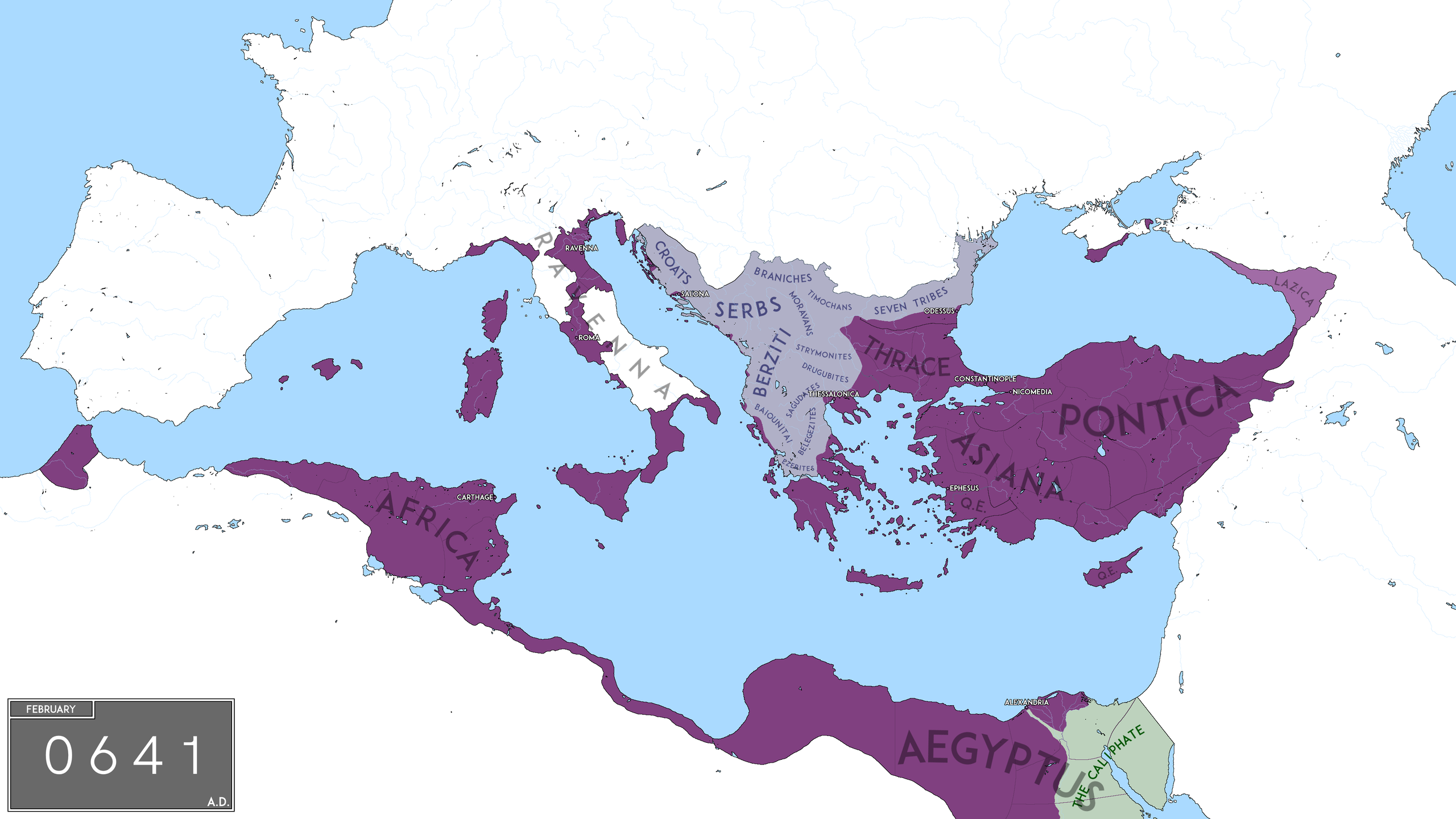
Now following the loss of Syria to the Arabs, Heraclius when retreating back to Constantinople ordered that his armies must withdraw from Syria and the Levant and no longer engage on the offensive against the Arabs and instead fight on the defensive against them. When returning to Constantinople, Heraclius now old and paranoid was said to be so afraid of water that he could only cross the Bosporus if he rode his horse over a pontoon bridge with the sides blocked off, so he does not see the water. However, when back in Constantinople in 637, Heraclius was met with another shocking surprise, this time it was his illegitimate son John Athalarichos conspiring to overthrow him together with his cousin Theodore and the Armenian noble David Saharuni. When discovering the plot, Heraclius had his son’s nose and hands cut off and then exiled him to the Princes’ Islands in the Marmara Sea outside Constantinople whereas the other conspirators were mutilated and exiled too. In the meantime, Heraclius possibly in his later years settled a number of Slavic tribes in the Byzantine Balkans as Foederati or foreign troops serving the empire in exchange for land but not citizenship all while he too had them baptized as Christians. These Slavic tribes settled by Heraclius in the Balkans would eventually become the Serbs and Croats and it is according to tradition that both the states of Serbia and Croatia began here during Heraclius’ reign.

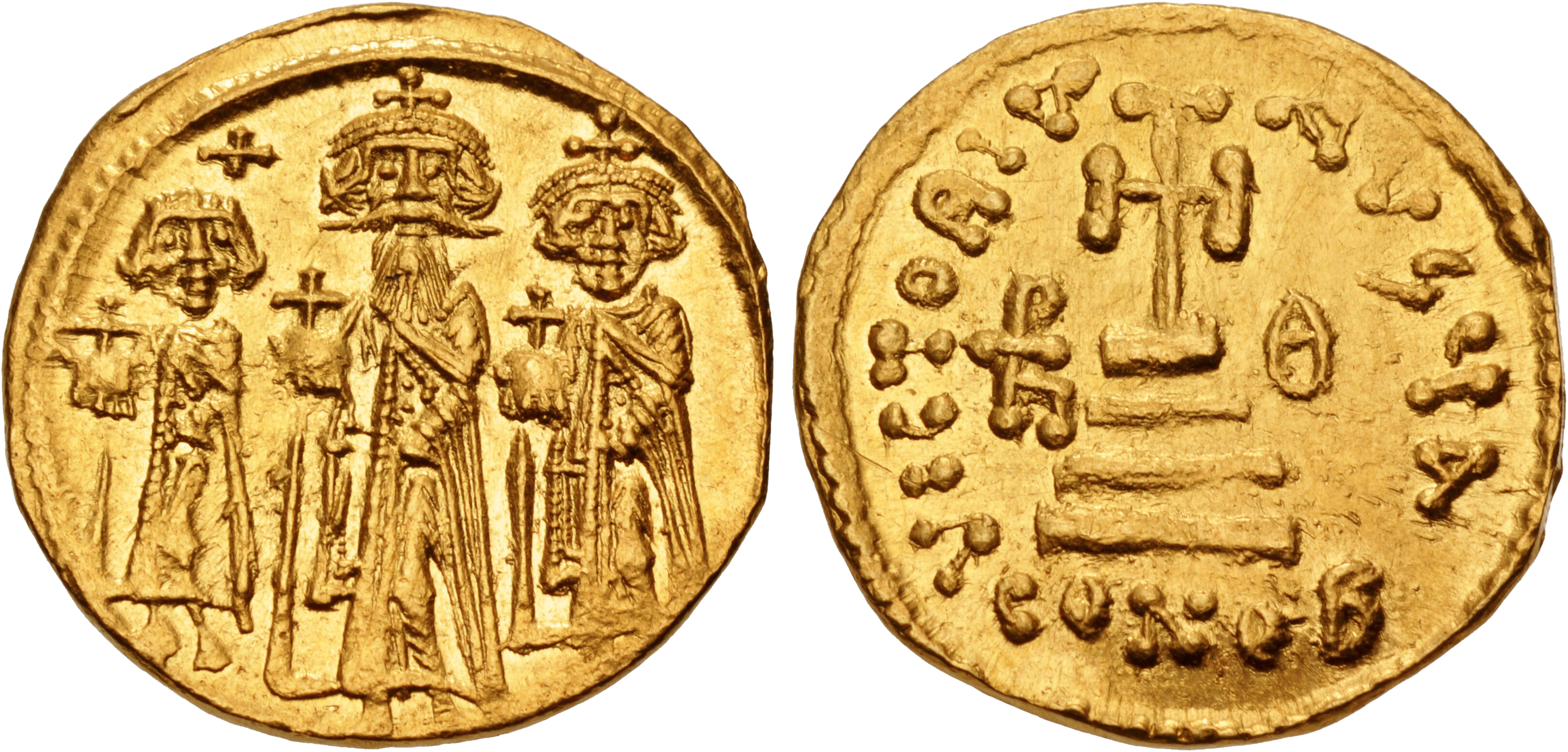
Back in Constantinople however, Heraclius during his later years failed in one major thing together with Patriarch Sergius I of Constantinople which was in attempting to unite his Christian population- the Orthodox and Monophysites- through a heretical compromise doctrine known as Monothelitism which stated that Christ had only one will. This new doctrine was thus seen as heretical especially by the pope in Rome all while this also made Heraclius greatly lose his popularity as he aged and in the same year (638) too as this doctrine was issued, the patriarch Sergius had died, although this new doctrine would remain in place in the empire even after Heraclius’ death that some of his successors true enough even supported it. In 638 as well, Heraclius now being heavily influenced by his wife Martina elevated his eldest surviving son with her Heraklonas- who had been made Caesar in 632- as his co-emperor despite Heraclius having already made his eldest son Constantine from his first marriage as his co-emperor back in 613, thus now there were 3 emperors.

Heraclius and Martina too had other children most of which were born back during Heraclius’ long campaign against the Sassanids, but many of these children either died during infancy or were born with serious defects allegedly due to Heraclius’ incestuous marriage to Martina. By 639 on the other hand, Arab forces led by the general Amr ibn al-As had begun the invasion of Byzantine Egypt which too rapidly fell to Arab control, however Heraclius at least did not live long enough to see all of Egypt fall to the Arabs. In February of 641, Heraclius died a broken man from sickness at the age of 65 or 66 seeing all what he had gained back from the Sassanids suddenly lost to the Arabs. Heraclius was succeeded by his eldest son Constantine III who only ruled for a few months as it was said that he was allegedly poisoned to death by his stepmother Martina so that she could rule as regent for her son Heraklonas, although it is also likely that Constantine III died of illness. Heraklonas and Martina too did not survive the year 641 as before the year ended, she and her son were ousted from power and exiled by the late Constantine III’s forces and replacing Heraklonas as emperor was Constantine III’s 10-year-old son and Heraclius’ grandson Constans II (r. 641-668) whose reign would then see the complete loss of Egypt to the Arabs and thus the beginning of the centuries long conflict between Arabs and Byzantines with the Byzantines now fighting on the defensive.
Conclusion
Heraclius can surely be considered one of the greatest Byzantine emperors and his reign as one of the most eventful periods in Byzantine history. Heraclius true enough saved the Byzantine Empire from destruction many times when he was needed most as he true enough came at the right time to save the empire from the rule of the cruel and incompetent Phocas who could have ended the empire during his rule, he courageously set off to campaign against the Sassanids while they were at their highest point and the Byzantines at their lowest, brilliantly made alliances to help win against the Sassanids, and lastly he overcame all obstacles and won the war defeating the seemingly undefeatable Sassanid Persians.
For literally standing up and saving the empire when all hope seemed to be lost, Heraclius was truly a heroic emperor and thus can make it to the list of the greatest of all Byzantine emperors. However, despite all his achievements, Heraclius’ reign ended in complete failure for the Byzantines as the Arabs suddenly invaded Byzantine territory thus taking almost everything the Byzantines had gained back from the Sassanids, and thus it is for this reason that Heraclius cannot and should not also be considered as one of the greatest Byzantine emperors. On the other hand, it was not his fault that the Byzantines suddenly lost almost everything they gained to the unexpected rise of the Arabs as the long war with the Sassanids true enough weakened both Byzantines and Sassanids, and despite the Byzantines victorious against the Sassanids, they were nothing more but exhausted from war and thus would stand no chance against a new enemy especially one as surprisingly powerful as the Arabs united. However, Heraclius at the end true enough made a bold and practical decision to no longer engage war against the Arabs unless it would be in a defensive position and this decision true enough would be crucial in saving the Byzantine Empire itself and allowing it to live for over 800 more years whereas the Sassanid Empire in the meantime literally collapsed in only a few years due to the sudden invasion of the Arabs.

Heraclius’ choices can more or less be some of the reasons to why the Byzantines would survive the Arabs for the next few centuries before they could turn the tide of war against the Arabs by the time the 9th century came as if not for reorganizing the empire’s armies by fighting on the defensive against the Arabs, then the Byzantines would suffer the same fate as the Sassanids in ceasing to exist. Now asides from fighting numerous battles to restore and defend the Byzantine Empire, Heraclius too as emperor had left behind some great legacies whether positive or negative such as in totally changing the empire’s official language from Latin to Greek and notably adopting the Greek title of “Basileus” for the emperor for the first time and forging diplomatic ties and alliances with other foreign powers such as the Slavs and Gok Turks, but he also created more religious division in the empire by creating the new doctrine of Monothelitism. At the same time too, Heraclius’ other great legacy was in establishing a dynasty known as the Heraclian Dynasty that would rule the Byzantine Empire for the rest of the 7th century which was known for strong emperors that bravely defended the empire against the threat of the Arabs and other external enemies. Overall, as seen with the official shift in the empire culturally and linguistically from Latin to Greek, the final defeat of the Sassanid Empire, and the rise of the Arabs as a new enemy for the Byzantines for the next centuries to come, Heraclius’ reign is therefore considered a major turning point not just in Byzantine history but in world history in general and his reign is true enough considered by historians to be the literal end of antiquity and start of the Middle Ages. Now, what are your thoughts on Emperor Heraclius, and do you also think the same as I do that he was both a brilliant diplomat and courageous warrior as emperor and that his reign was surely a major turning point in world history? I would like to thank you all for reading this article and please continue to support me by following and subscribing to my sites!
 The Byzantium Blogger