
Posted by Powee Celdran

Welcome back to the Byzantium Blogger and here we are again with another Byzantine history article! In this one being the 11th part of this series featuring top lists concerning the lives of certain emperors who I think have interesting stories, we will go over Irene of Athens (r. 797-802), the first sole empress to rule the Byzantine Empire. Now, the Byzantine Empire has had a great share of powerful women who exercised political power whether behind the rule of their husbands, sons, or brothers which I have already discussed before in my previous article on Empress Theodora from the 6th century who played an influential role behind her husband Emperor Justinian I the Great (r. 527-565).
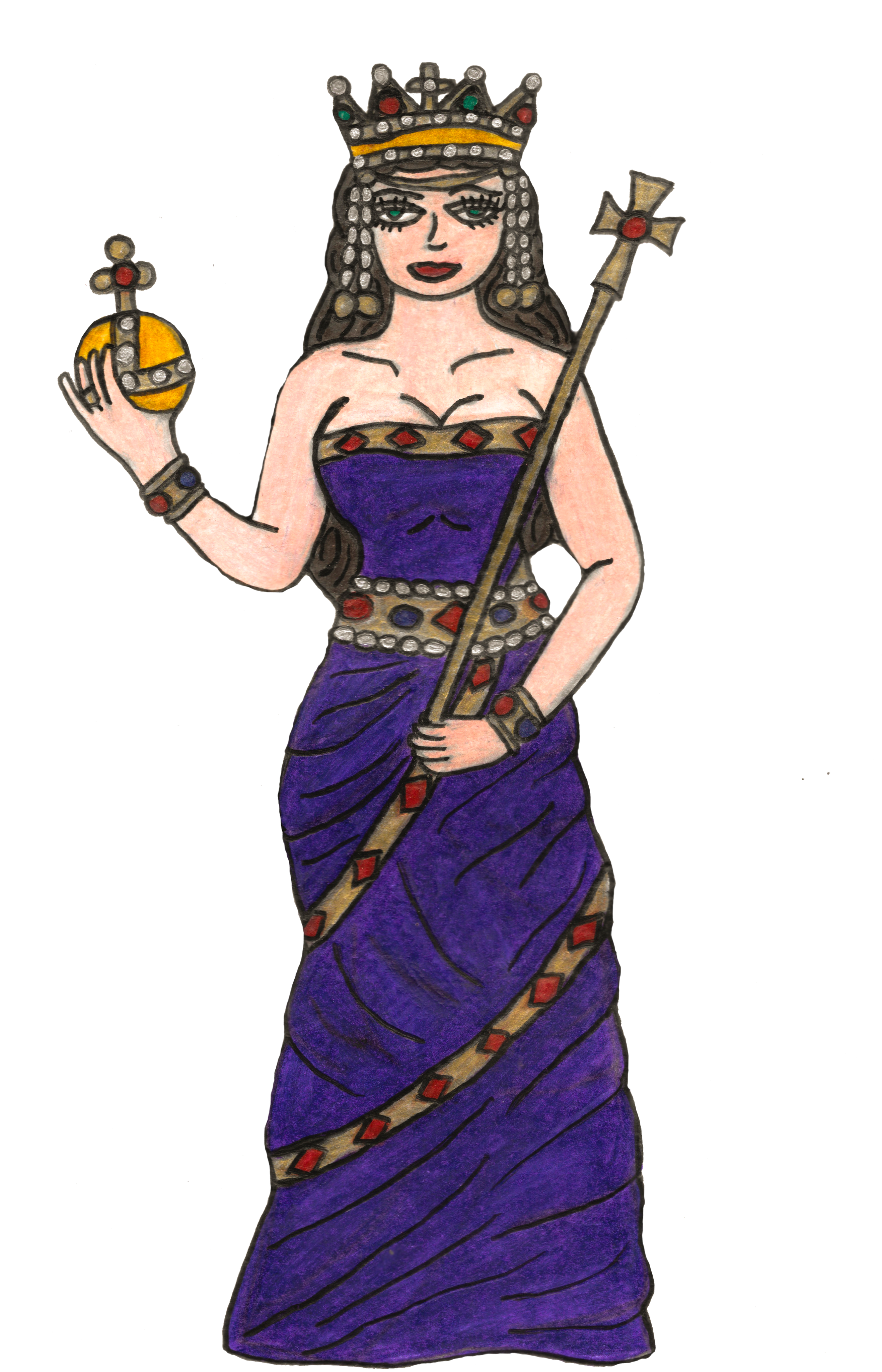
However, despite the Byzantines having a number of powerful women throughout their history, there were not many women who ruled the empire alone as empress the way Irene of Athens did, and she sure did exercise a lot of political power during her time as empress. Irene now despite her rather humble origins coming from an obscure noble family in Byzantine Athens found herself in the imperial capital Constantinople marrying into the ruling Isaurian Dynasty and then becoming empress-consort to her husband Emperor Leo IV (r. 775-780) and following his death regent and co-ruler to their son Constantine VI (r. 780-797), and finally the sole empress of the Byzantine Empire (797-802) after overthrowing and blinding her son. Aside from being the first woman to rule Byzantium in her own right, Irene too had a number of achievements both during her time as empress-regent for her son and as the sole empress. As empress-regent, Irene put a temporary end to the divisive policy of Iconoclasm or “icon-breaking” which her predecessors initiated by convening the Second Council of Nicaea in 787.
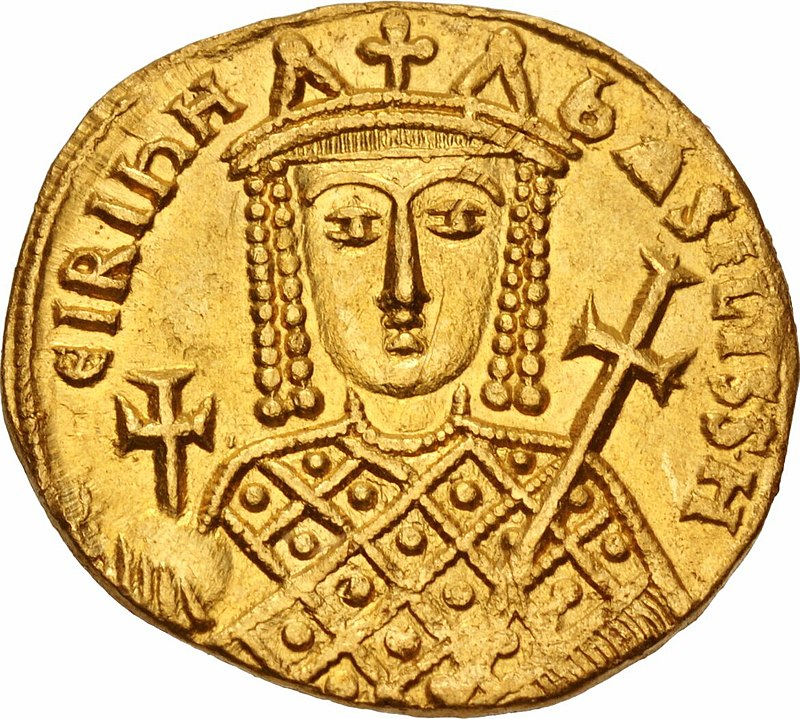
As sole empress though after 797, Irene surely had the achievement of defying tradition by ruling the empire alone as woman, but this did not mean her rule was entirely effective, thus her 5-year reign as sole empress was a rather unstable one with plots and revolts left and right. Additionally, Irene as sole empress witnessed a new potential threat to Byzantium coming from Western Europe with the coronation of the Frankish king Charles (r. 768-814)- or Charlemagne- by the pope as “Roman emperor” in 800 which sure enough threatened the Byzantine Empire as for the longest time the ruler of Byzantium was the true “Roman emperor”, but with a new emperor in the west, things would be more complicated. It was said that Irene had planned to marry Charlemagne in order to “reunite” the Roman Empire and avoid conflict, but this never came to happen as a political coup in 802 suddenly overthrew Irene and exiled her. Here in this article, we will go over 7 incidences in Irene of Athens’ life wherein she exercised political power whether she was empress-consort, regent, or the sole empress. Before we begin with the top 7 list though, I would first give a background to the life of Irene, the troubled Byzantine Empire of the 8th century under the Isaurian Dynasty, and the divisive policy of Iconoclasm.

Follow me, Byzantine Time Traveller on Social Media:
Instagram: @byzantine_time_traveller
Facebook: Byzantine Time Traveller
Youtube: No Budget Films
Website: Byzantine Time Traveller
Deviantart: Byzantium-blogger55
Art Station: Powee Celdran Porphyrogennetos
Patreon: Byzantine Time Traveller
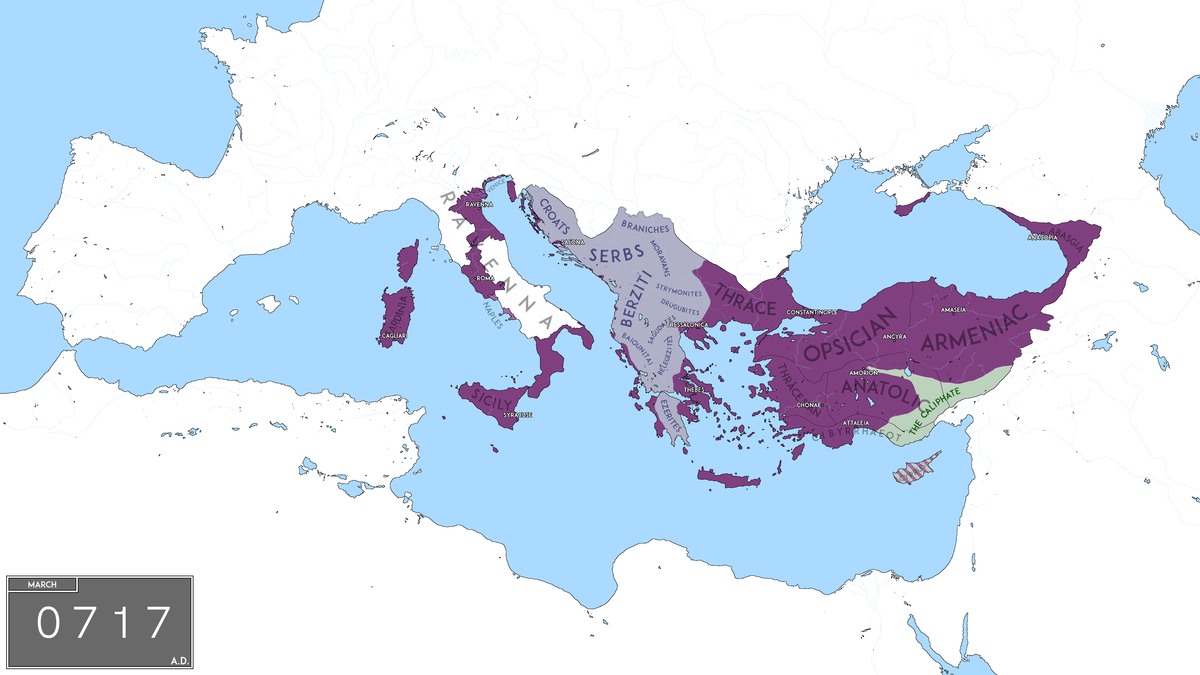
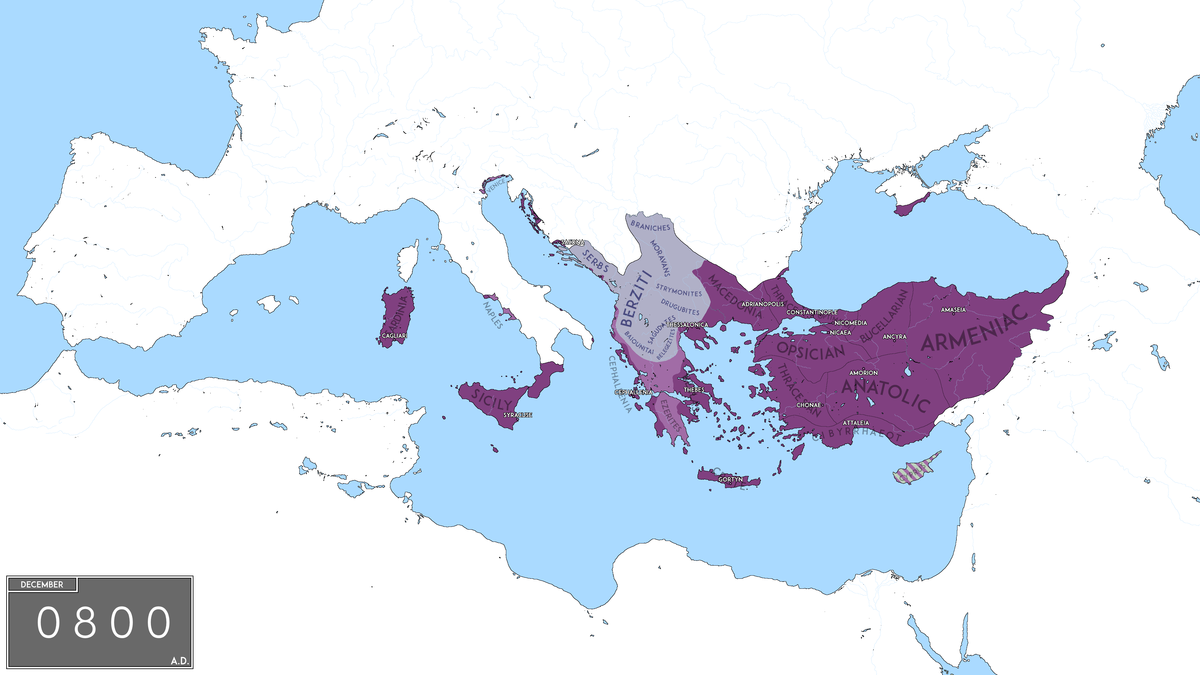
At the turn of the 8th century, the already troubled Byzantine Empire invaded by enemies on all sides, most notably the Arab Umayyad Caliphate from the east faced yet another disaster, this one being a 22-year period of anarchy (695-717) which saw a change of emperor 7 times in just 22 years! To make things worse, as Byzantium had been weakened due to this anarchy, the Arabs taking advantage of the situation began launching constant invasions into Byzantine Asia Minor which intensified as the years passed. Finally, the anarchy period ended in 717 when the general Konon- originally a Syrian shepherd- seized the Byzantine throne and became Emperor Leo III the Isaurian (r. 717-718).
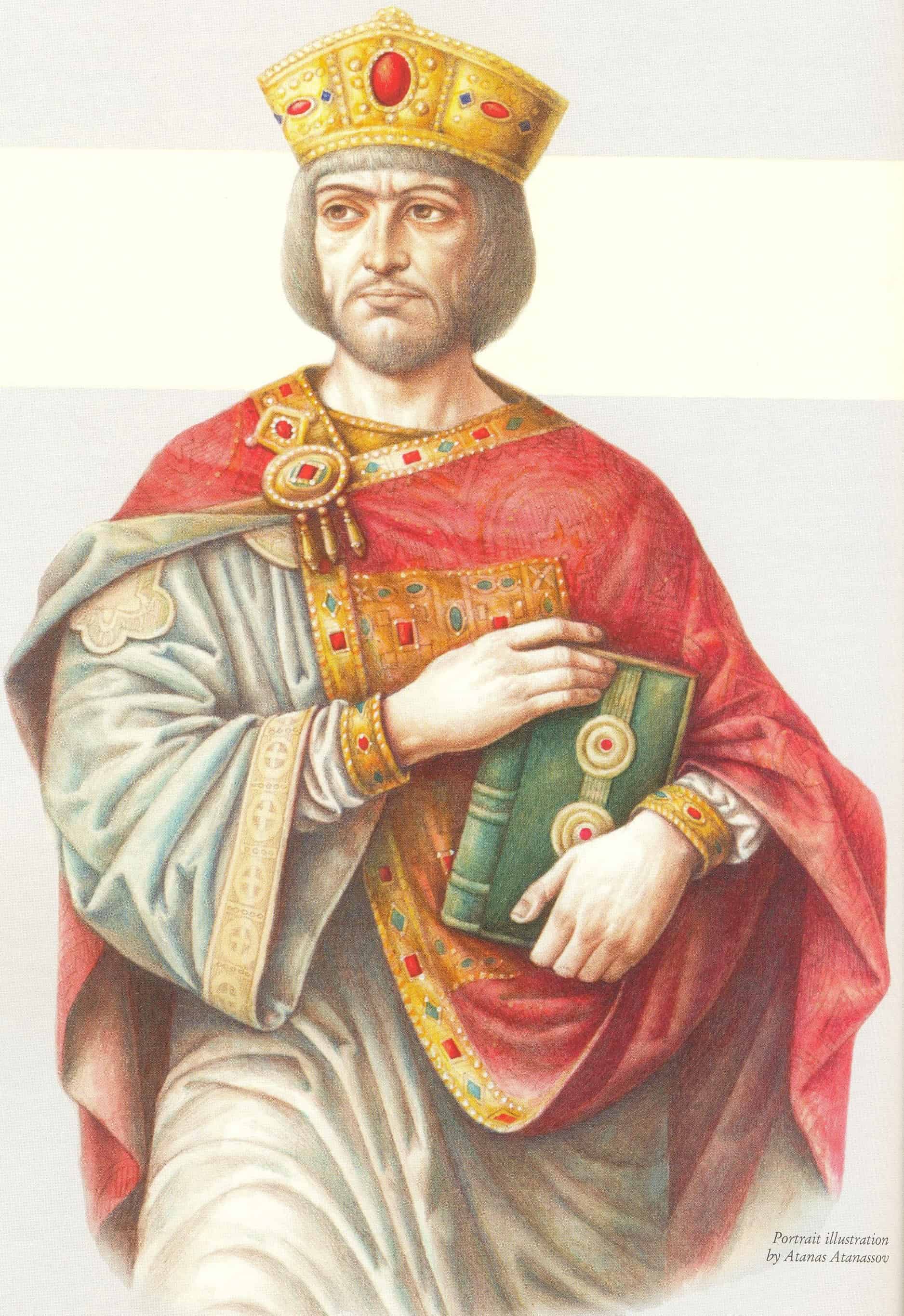
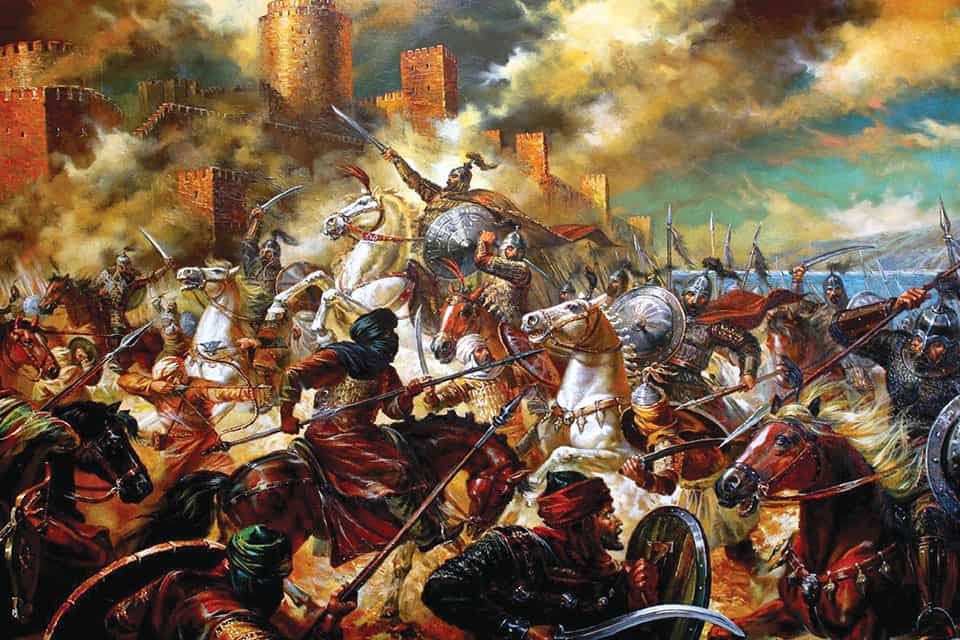
Leo III thus began his reign defending the capital Constantinople from the massive one-year siege (717-718) by the armies of the Arab Umayyad Caliphate and thanks to a brutal winter, the Byzantine secret super-weapon of Greek Fire, and the inability of the Arabs to breach the walls of Constantinople, the siege ended in failure for the Arabs and thus the Byzantine Empire was saved. As emperor, Leo III was known to have successfully campaigned against the Arabs, defeated rebellions against his rule, and issued a new code of laws for the empire known as the Ecloga. Despite having a successful rule, Leo III’s reputation was damaged due to issuing his divisive policy of Iconoclasm or simply the “war on religious icons” and this all began in 726 when Leo ordered that the mosaic of Christ be removed from the gate of Constantinople’s imperial palace which thus triggered rioting in the capital that a group of women went as far as killing the soldier who removed the icon by pushing him off the ladder he was on. Soon enough, revolts broke out across the empire over the emperor’s decision to destroy and remove icons that in 730, Leo III had decided to make the destruction of icons a law and that those who restored or kept icons would be punished by law. Now, it was not for no reason that Leo III issued a general ban on icons as being from the east as a Syrian, he knew the ways of the Muslim Arabs wherein icon veneration was forbidden whereas the Second Commandment too considered icon worship idolatry.
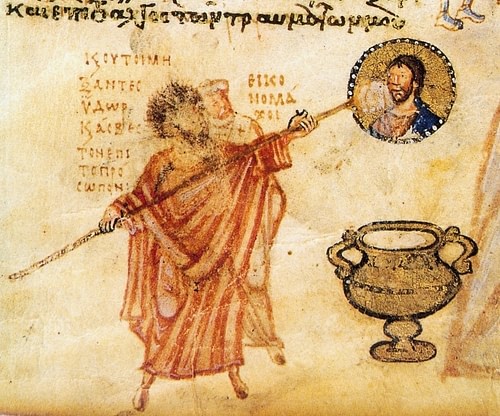
Leo here too believed that all the disasters the Byzantines had faced recently such as the anarchy period and losing against the Arabs were due to the Byzantine people excessively venerating icons whereas the Arabs were winning because they simply did not venerate icons all while an eruption of the volcano of Thera in the Aegean Sea (now the island of Santorini, Greece) in 726 further convinced Leo that God was against the Byzantines for excessive icon veneration. Although Leo III’s policy of Iconoclasm was received well by the imperial army, many in the empire resisted against it, especially women all while Byzantine Iconoclasm too created a schism between the Byzantine Church and the Church of Rome under the pope who saw Leo’s policy as heretical. Leo III at least ended his reign with another decisive victory against the Arabs in 740 which made him further believe God was on his side for banning icons, however in the following year (741) Leo had died and was thus succeeded by his son Constantine V (r. 741-775) who was more extreme in his policy against icons compared to his father.
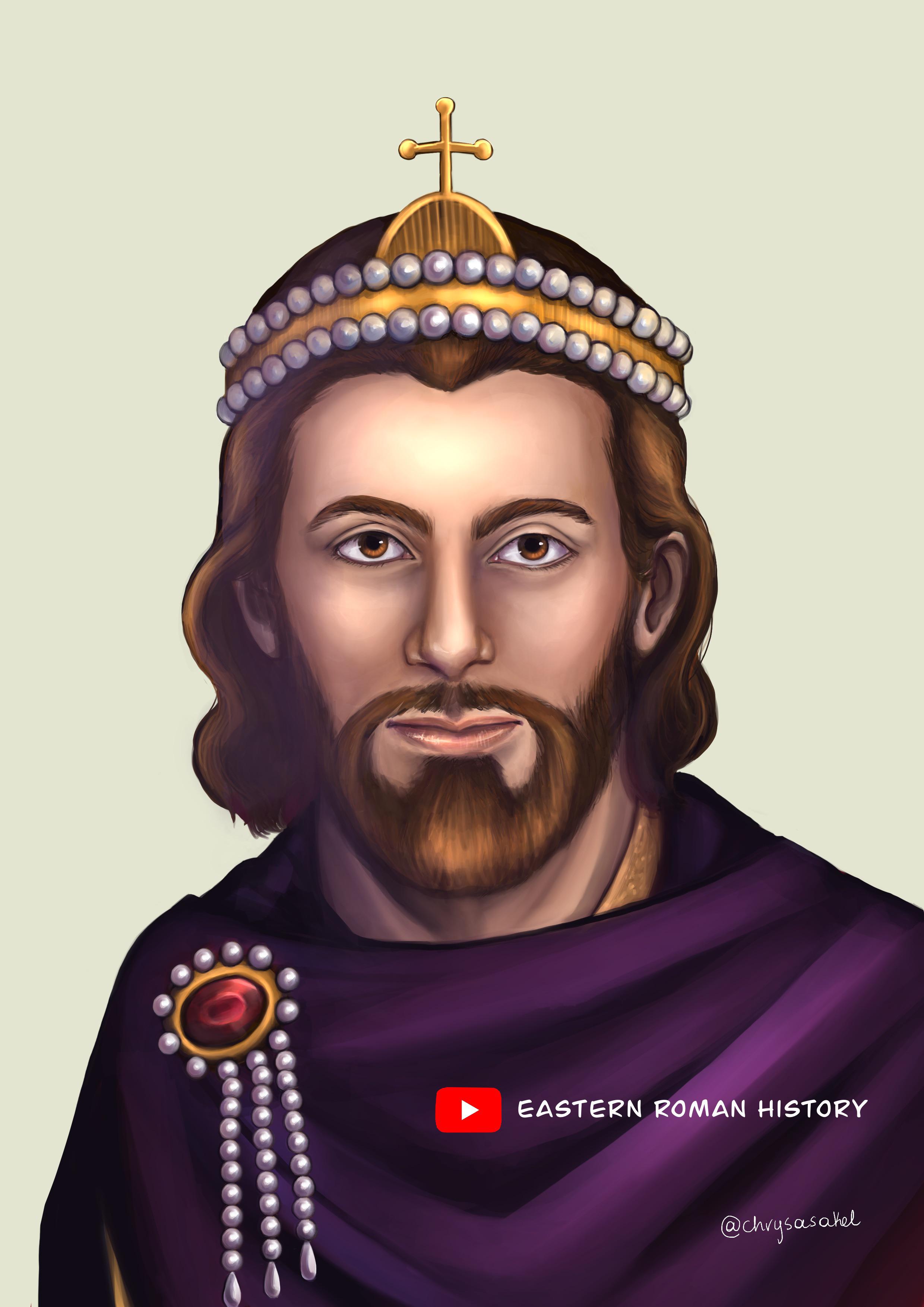
Constantine V’s early reign however was unstable as his brother-in-law the general Artavasdos (r. 742-743) usurped power from him claiming to do it in the name of religious icons, however in 743 Artavasdos’ rebellion was crushed and thus Constantine V returned to power having Artavasdos blinded. Now back in power, Constantine V reformed the army and the Thematic System or military provinces of the empire by reducing their sizes in order to prevent large revolts- like that of Artavasdos- but his reign also saw numerous victories against the Arabs in the east wherein Constantine himself too led a number of campaigns against them. Constantine V true enough crushed the Arab forces so many times in battle that by 750, the Umayyad Caliphate which was based in Syria had collapsed due internal rebellions and thus was replaced by the Abbasid Caliphate which eventually moved its center to Baghdad which was much further away to Constantinople. In the north meanwhile, Constantine V too led numerous successful campaigns against the Bulgarian state in the Balkans- which established itself there in the late 7th century after defeating the Byzantines- during the 750s and 760s that this true enough weakened Bulgaria and threw it into anarchy.
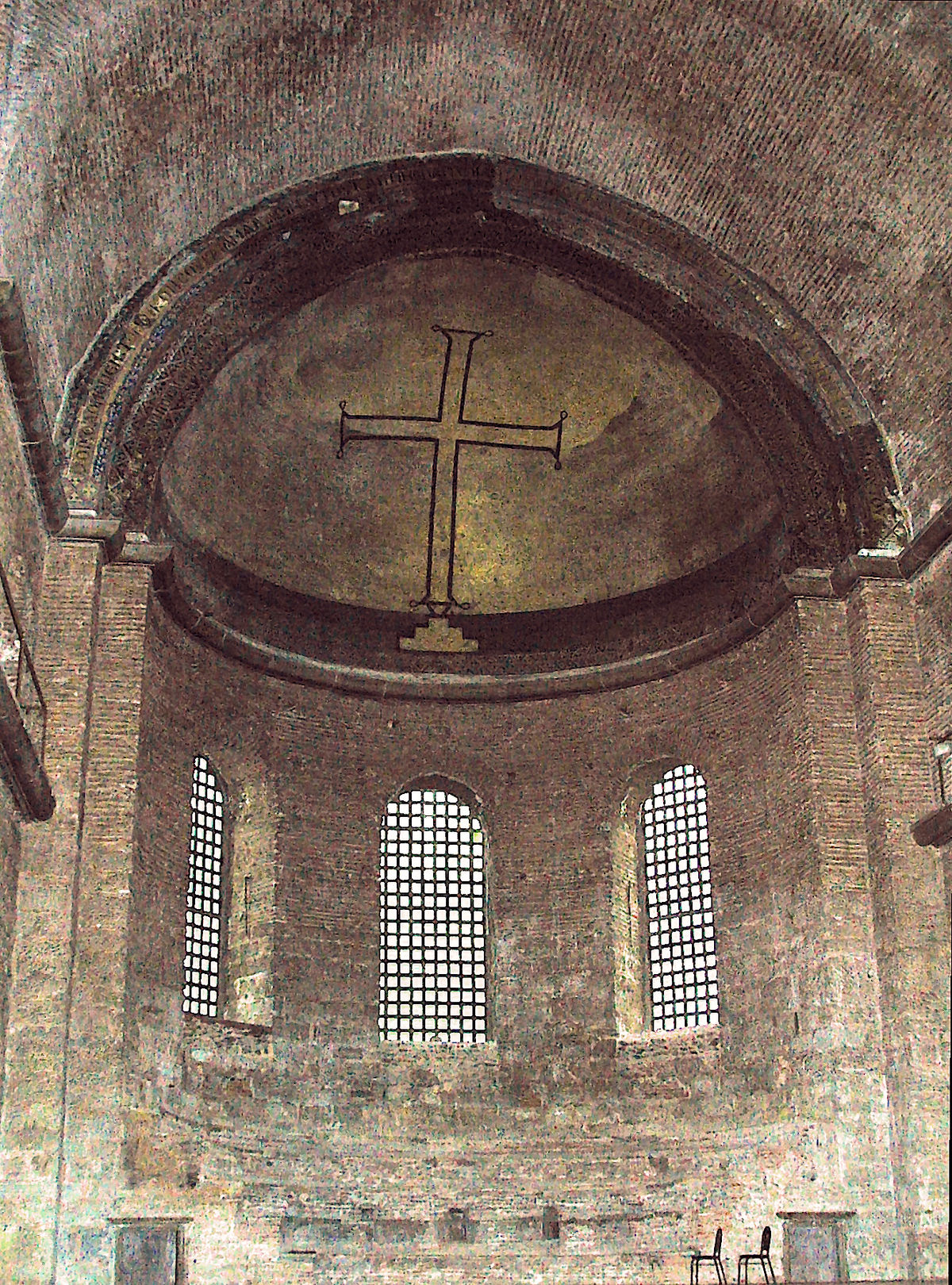
However, Constantine V’s rule was not entirely successful as his reign had also seen the Byzantines completely lose all their territory in Northern Italy to the Lombards which culminated with the fall of the city of Ravenna to them in 751. Although Constantine V’s reign was highly successful militarily and economically as he not only stabilized the empire militarily but made it prosperous again, his reputation was forever ruined by historians of time most notably Theophanes the Confessor (758-817) who portrays Constantine as an evil monster primarily due to his extreme Iconoclast policies. Constantine V was true enough the emperor who held the Church Council of Hieria in 754 which fully condemned religious icons and initiated a persecution on those who supported icons or “Iconophiles”. Constantine V’s measures against icons were so severe that he targeted monks and nuns for keeping them whereas he too ordered troops to confiscate icons from homes and churches and destroy them while some people too such as St. Stephen the Younger were martyred for venerating icons. Irene Sarantapechaina meanwhile was born in Byzantine Athens during Constantine V’s reign in the 750s- possibly in 752- as a member of the noble Sarantapechos family of Greece which despite being part of the nobility was an obscure family. Although an orphan, Irene’s uncle or cousin was the powerful general Constantine Sarantapechos and it was possibly because of her relation to him why she was selected by the emperor Constantine V himself to be the wife of his son and heir Leo (born 750). It is strange for Constantine V to have chosen Irene to marry his son because Irene was an Iconophile who stood for icon veneration whereas the emperor was an Iconoclast extremist. Whatever the reason was for Irene’s selection, Irene travelled from Athens to Constantinople in 769 and married Leo while she too was crowned as co-empress as Leo as a child had already been crowned by his father as co-emperor. Following her marriage to Leo, Irene produced a son with him in 771 named Constantine after his grandfather, the emperor.

Related Articles from the Byzantium Blogger:
Byzantine Alternate History Chapter V
Byzantine Alternate History Chapter VI
10 Key Moments in the Life of Emperor Heraclius
6 Times Empress Theodora Exercised Political Power
8 Times Emperor Zeno was a Survivor
5 Achievements and 5 Failures of Theodosius I the Great
10 Achievements of Constantine I the Great
7 Times Constantine XI Exemplified Bravery
10 Unknown Facts About Emperor Justinian I the Great
8 Times Michael VIII Palaiologos was an Evil Genius
10 Surprising Facts About Basil II
5 Reasons to Feel Bad for Justinian II and 5 Reasons to Hate Him
Article on Irene of Athens on the Freelance History Writer– Guest Post by Me
I. Rule as Empress-Consort of Leo IV

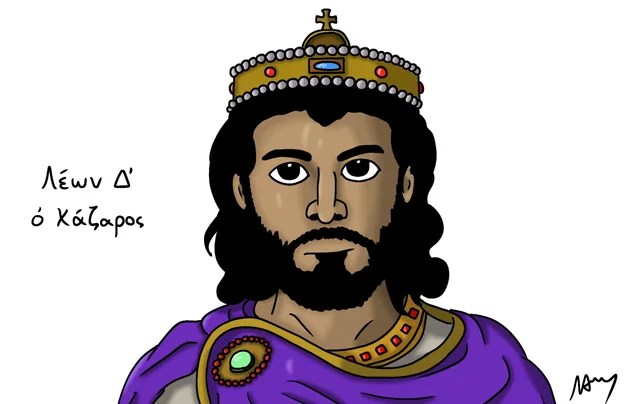
In 775, the emperor Constantine V had died while making preparations for a campaign against Bulgaria under their ruler Khan Telerig (r. 768-777). Constantine V was thus succeeded by his 25-year-old son Leo IV the Khazar- his nickname was due to his late mother being a Khazar princess- as emperor whereas his wife Irene now became the empress.

In 776 though, Leo IV’s half-brothers Christopher and Nikephoros launched a coup intending to overthrow Leo and make either of them emperor, however their coup was discovered, and Leo exiled both of them together with their 3 younger brothers to Cherson in the Crimea all while Leo too proclaimed his young son with Irene Constantine as co-emperor. The Bulgarian khan Telerig in the meantime fled Bulgaria in 777 to seek refuge in the Byzantine court of Leo IV and when in Byzantium, he married an unnamed cousin of Irene; Telerig would then live out the rest of his life in the Byzantine Empire. The highlight of Leo IV’s reign though took place in 778 wherein he personally led the armies of all 5 Themes of the Byzantine Empire and accompanied by the Strategoi (head generals of all these Themes) in a successful campaign against the Abbasid Caliphate Arabs ending with the Byzantines expelling them from Asia Minor and returning to Constantinople with a triumphal parade. Irene now may have had no part in influencing her husband during his military campaigns such as the one previously mentioned but during her time as empress-consort to her husband, she may have influenced him in his religious policy.
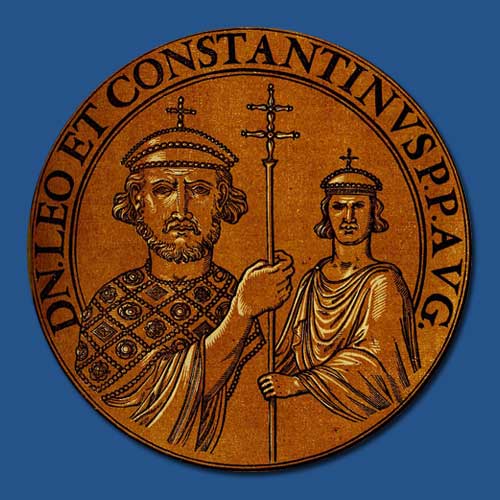
Leo IV true enough had a more moderate policy against religious icons unlike his father Constantine V and grandfather Leo III who were extreme against icons, and this may have possibly been due to his Iconophile wife’s influence. Additionally, Leo IV removed the penalties on monasteries that his father had imposed while in 780, Leo appointed Paul IV who was an Iconophile as Patriarch of Constantinople following the death of the Iconoclast patriarch Nikeatas I. Although Leo IV may have been more tolerant to icon veneration, at one point in 780 he suddenly became much harsher as he had a number of courtiers in the palace arrested, scourged, tonsured, and even tortured after they were caught venerating icons. According to the 11th century Byzantine historian George Kedrenos, Leo began this crackdown on icons after he discovered that Irene hid icons beneath her pillow and because of this Leo scolded Irene and refused to have any marital relations with her ever again. This story though of Leo discovering the icons underneath Irene’s pillow may not have been true as it is confused with another story about the empress Theodora in the 9th century wherein her Iconoclast husband Emperor Theophilos (r. 829-842) discovered the hidden icons. Leo IV then died later in 780 of tuberculosis- or according to legend by a fever caused by wearing a cursed crown of a previous Byzantine emperor- and he was then succeeded by his 9-year-old son Constantine VI.
II. Rule as Empress-Regent of Constantine VI
Following Leo IV’s death and the accession of Constantine VI as the new emperor in 780, Irene assumed the role of empress-regent for her underaged son and immediately after becoming empress-regent, Irene banished a number of Iconoclast court officials and generals who were loyal to her late husband and replaced them with those who were loyal to her.
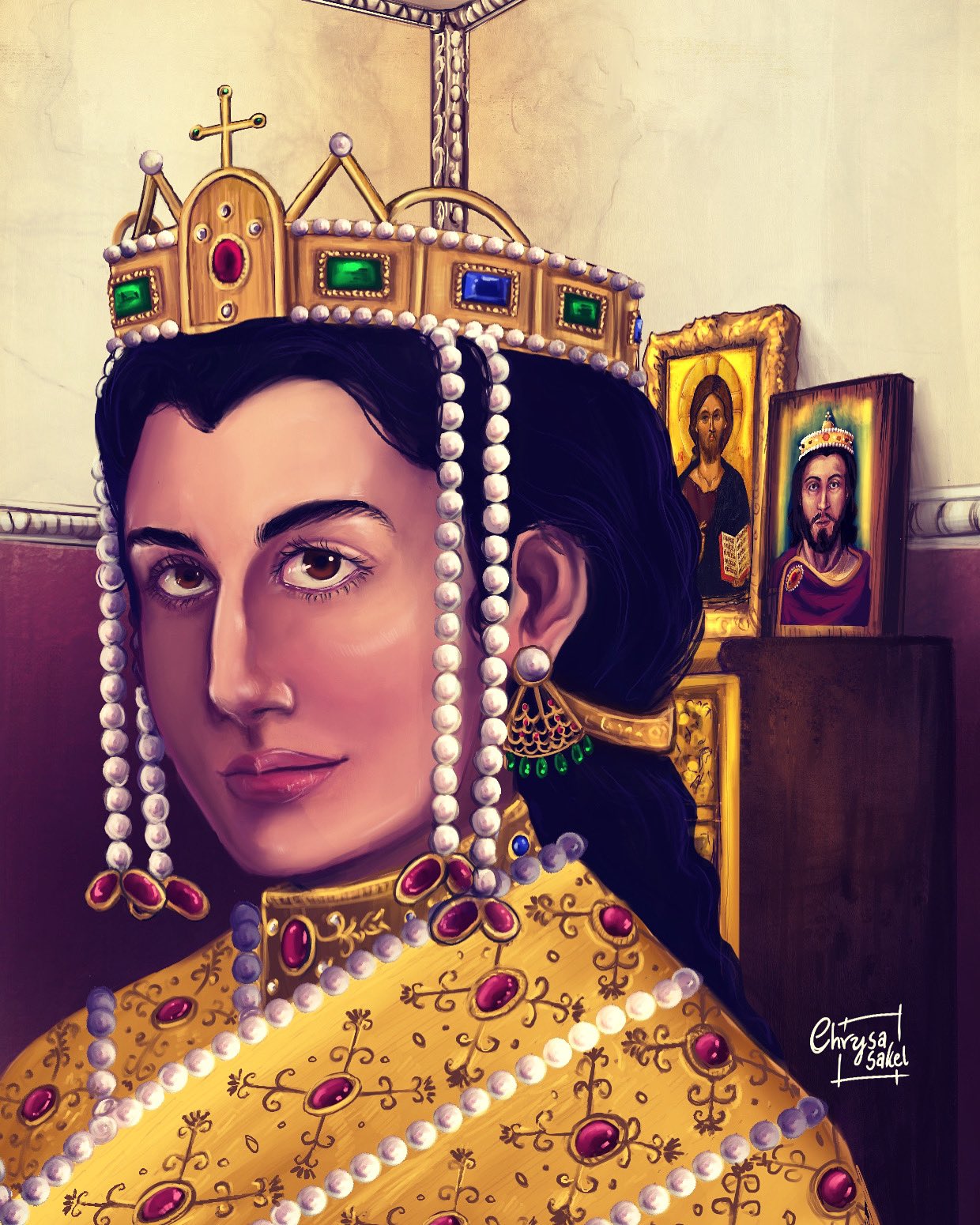
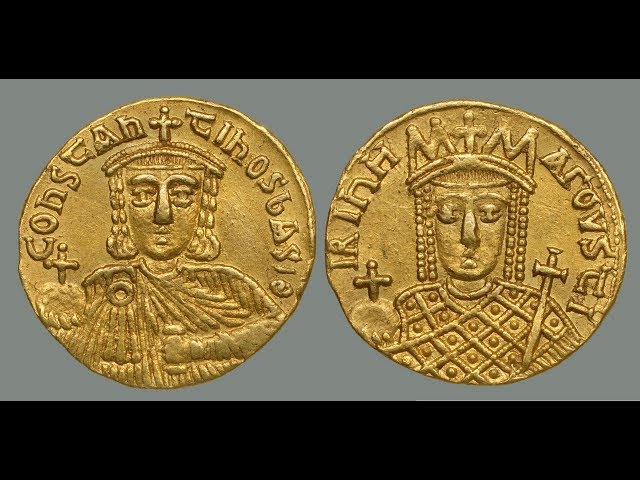
Just 6 weeks after she came to power, Irene was faced with another conspiracy, again with the aim to make Leo IV’s half-brother Nikephoros emperor. Irene however quickly dealt with this conspiracy by having Nikephoros and his brothers ordained as priests in order to disqualify them from ruling and thus on Christmas Day of 780, Nikephoros and his brothers were forced to say Mass at the Hagia Sophia. Irene additionally wanted to have her late husband’s half-sister Anthousa to co-rule with her as regent for the young Constantine VI, although Anthousa refused the offer. The moment she became regent, Irene already began exercising a lot of power, most notably when she minted coins with her image on the obverse- the more important side of the coin- as if she was the emperor whereas her son the real emperor was only on the reverse- the less important side. Irene too made sure that in imperial orders whether oral or written, her name came first before her son’s and that her name too would come first in the oath of allegiance sworn by the people serving the empire.
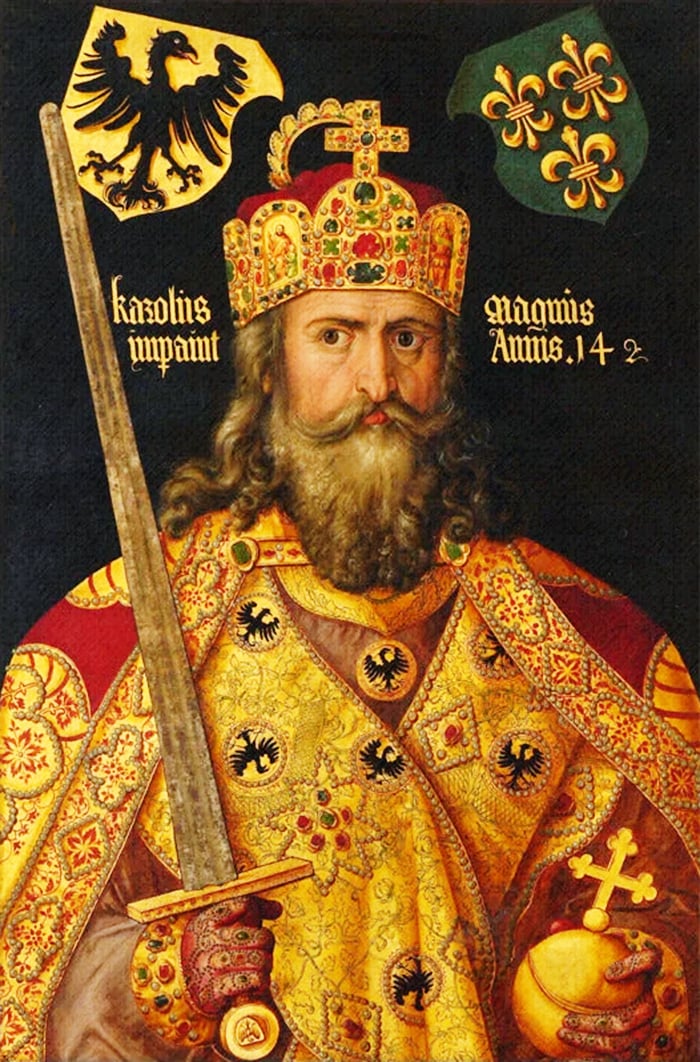
In 781 meanwhile, Irene already began forging diplomatic relations with the Carolingian Dynasty of the Frankish Kingdom and with the Papacy in Rome and thus here, she negotiated a marriage between her son and Rotrude, daughter of the Frankish king Charles (Charlemagne). Irene thus sent a Byzantine official to Western Europe to teach Rotrude the Greek language and Byzantine customs. The regency of Irene however was not all successful as it too faced many difficulties as for one the Strategos (military governor) of Sicily Elpidius rebelled against her rule and thus Irene in 782 sent a fleet to Sicily and crush the rebellion. The rebellion was true enough defeated whereas the governor Elpidius escaped to Africa and defected to the Abbasid Caliphate. In 782 as well, despite an initial Byzantine victory over the Arabs in the east thanks to the successful general Michael Lachanodrakon, a massive Arab army of the Abbasid Caliphate from Baghdad led by the future caliph Harun al-Rashid (r. 786-809) invaded Byzantine Asia Minor by surprise. While this invasion took place, the Byzantine general Tatzates being unhappy with Irene’s rule defected to the Abbasids all while Irene being powerless to stop the invasion agreed to pay off the Abbasid caliph an annual tribute of 70,000 or 90,000 dinars. Despite the Byzantines’ failures against the Arabs in the east, Irene’s trusted eunuch general Staurakios in the meantime was successful in subduing the Slavs in the Balkans and thus recapturing most of Greece from them that Staurakios even returned to Constantinople in 784 with a triumphal parade.
III. Ending Iconoclasm
Irene’s greatest achievement as empress-regent was perhaps her role in ending Iconoclasm- at least for the first time- and restoring the veneration of icons. Ever since becoming empress-regent, Irene had already begun making small measures to end the divisive policy of Iconoclasm that her predecessors initiated by removing Iconoclast officials and generals in the empire and replacing them with Iconophiles who were loyal to her.
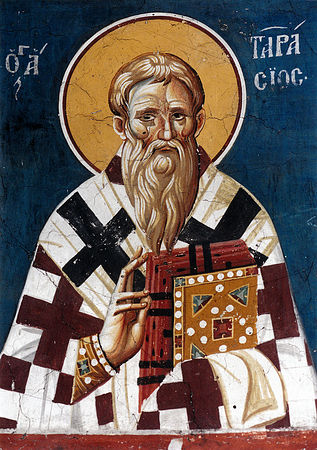
When the Patriarch of Constantinople Paul IV- who was appointed by Leo IV in 780- retired to a monastery in 784, Irene immediately took this as an opportunity to appoint her trusted imperial secretary Tarasios as the new patriarch. Together, Irene and Tarasios worked on how icon veneration could be restored and thus they organized a Church Council intended to overturn the rulings of Constantine V’s Council of Hieria in 754 which banned icons. For this new council, which was to be held in Constantinople, Irene and Tarasios invited the pope Adrian I to participate, however he could not attend but he still sent a delegation from Rome. In 786, the council was then held at the Church of the Holy Apostles in Constantinople which was presided over by Irene, her son the emperor Constantine VI, and the patriarch Tarasios, however the council of 768 could not achieve anything as the Iconoclast imperial troops of the Tagmata– the imperial special force founded by Constantine V- “attacked” and broke into the church thus dispersing the council.
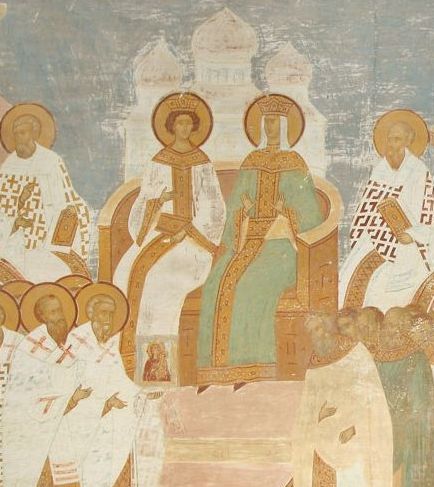
Irene however could not let this happen and thus she sent these soldiers to the frontiers of the empire to “campaign” against foreign enemies as a way to peacefully hold a council. Since Constantinople was not the right place to hold a Church Council, Irene in 787 decided to hold it at the Hagia Sophia church in the nearby city of Nicaea. This council in 787 now was attended by 350 members wherein 308 of them were bishops while 2 Papal legates representing the pope attended as well. Long story short, after days of constant debating, icon veneration was finally declared legal by the Church once again on the condition that icon veneration was only honorary, and that true adoration was preserved only for God alone. This council in 787 being the 7th Ecumenical Council or also known as the Second Council of Nicaea and its rulings are therefore accepted by both Orthodox and Catholic Churches. Furthermore, the restoration of icon veneration as ruled by this council once again restored relations between the Byzantine Empire and the Church of Constantinople with the Catholic Church in Rome.
IV. Conflict with Constantine VI
In 788, Irene suddenly broke off her son Constantine VI’s engagement to Charlemagne’s daughter Rotrude which therefore upset Constantine. To make things worse for Constantine, his mother forced him to marry Maria of Amnia, a woman he did not like, and thus Constantine began slowly resenting his mother. By turning down this marriage, Irene too decided to turn on her potential ally Charlemagne by sending the Lombard pretender Adalgis back to Italy in order to command the Byzantine forces against the Lombards and Franks- the latter which invaded Italy- though this invasion ended in failure as Adalgis was defeated in battle by the Lombards and Franks.

Constantine VI in the meantime who had now come of age and now tired of his mother’s influence over him and more so of the influence of Irene’s chief eunuch minister Staurakios began plotting to overthrow both of them. Staurakios however soon enough heard that Constantine was plotting against him and Irene, and thus Staurakios had Constantine put under house arrest which however did not work as the troops in Asia Minor rebelled demanding that Constantine be released. Constantine was eventually released later in 790 and this time he plotted with the troops who were still Iconoclasts by pretending to support their cause despite still being an Iconophile. Due to pressure by the army, especially from the troops of the Armeniac Theme, Constantine was proclaimed as sole emperor and as sole emperor, his first act was in having Staurakios whipped and banished to the Armeniac Theme. Irene on the other hand was placed under house arrest under her son’s orders at a palace in Constantinople, though she was still able to keep her title as empress. Although now in full control of the empire, Constantine VI proved to be totally incapable of running it especially in terms of military matters as seen when imperial troops were defeated in battle by the Arabs. Constantine VI’s greatest failure however took place in 792 wherein he launched a military campaign against Bulgaria under Khan Kardam (r. 777-803) and here the Byzantines had suffered a humiliating defeat to the Bulgars at the Battle of Marcellae in Thrace wherein many Byzantine commanders were slain including the brilliant general Michael Lachanodrakon all while the Bulgars went as far as to looting the emperor’s tent and chasing Constantine himself all the way back to Constantinople. Because of Constantine’s defeat in 792 to the Bulgars, the army turned on him this time by once again proclaiming his uncle the Caesar Nikephoros- who Irene dealt with back in 780- as emperor. Constantine though when hearing of this conspiracy had Nikephoros brutally blinded and the tongues of Nikephoros’ brothers cut-off. Additionally, Constantine too had the general Alexios Mosele blinded as a way to blame him for his failures in battle. The blinding of Alexios Mosele however only turned the Armeniac Theme against Constantine who then rebelled against him, though Constantine in 793 managed to at least crush this revolt but with extreme cruelty. Eventually, many people including the army had grown tired of Constantine VI’s bloody rule and thus Constantine was forced to restore his mother Irene to power as his co-ruler all while the eunuch Staurakios was recalled to administer the empire for them.
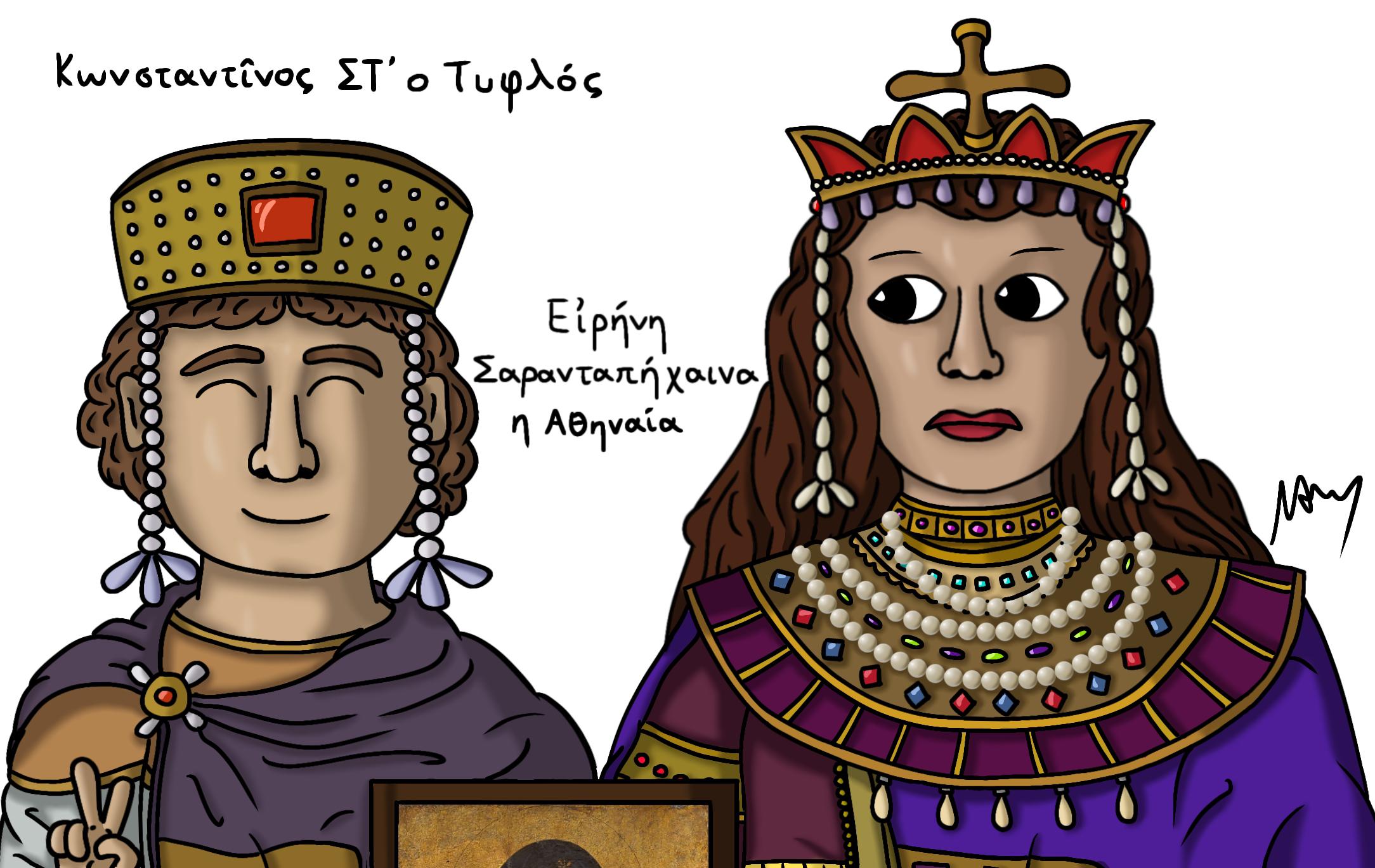
V. Seizing Power and Becoming Sole Empress
Although Irene returned to power co-ruling with her son Constantine VI, the rivalry between both of them grew worse especially in 795 when Constantine divorced his wife Maria of Amnia- who his mother selected for him- despite her producing him two daughters.

Now, Constantine divorced Maria not only because she could not produce him a son but because he accused her of trying to poison him. Constantine then married his mistress Theodote, a lady-in-waiting to his former wife and his mother Irene, however his divorce and second marriage ruined relations between Constantine and the Church and thus creating what was known as the “Moechian Controversy”. Due to creating this controversy, Constantine thus lost support from the Church led by Patriarch Tarasios who now began favoring Irene more and thus Irene’s position from here on was strengthened more so especially since Constantine showed no interest in ruling. In 797, as Constantine withdrew from Constantinople and took the entire imperial court including his mother to Prusa (today’s Bursa, Turkey), he got word that his new wife Theodote in Constantinople had finally given birth to a son. Constantine thus immediately rushed back to Constantinople, but little did he know that this allowed his mother who was left behind in Prusa to plot his downfall with the rest of the court who remained there. As Constantine returned to the capital it was too late as Irene had already bribed the imperial Tagmata army to capture him as he was attempting to flee the capital. Constantine was thus brought to the purple room of the imperial palace, the same place he was born in 26 years earlier and there he was brutally blinded under his mother’s orders.
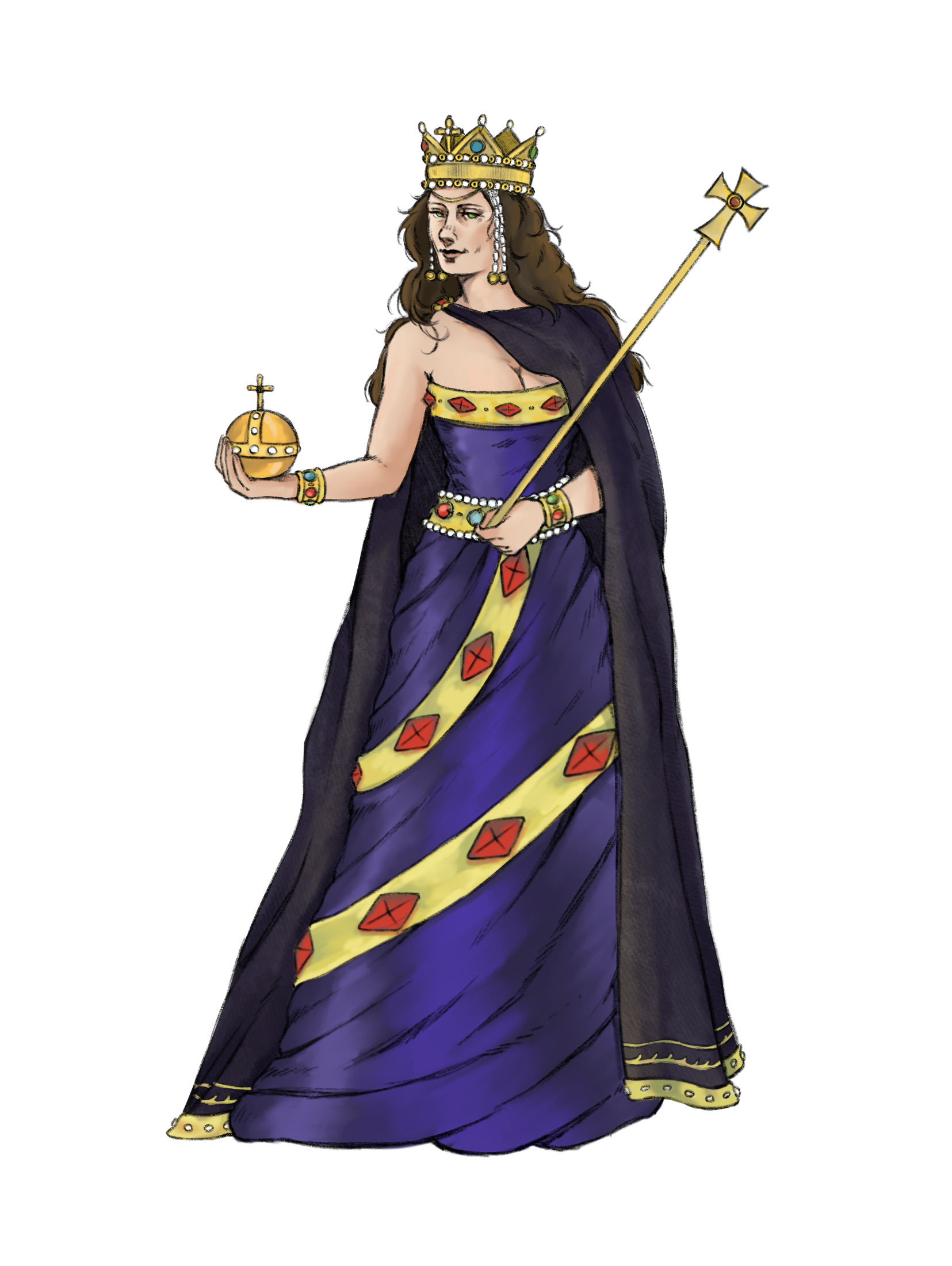
Nothing is therefore known about Constantine VI’s fate after his blinding in August 797 and though some say the blinding was brutal that he immediately died from his wounds, it is more likely that he survived for a few more years exiled to the Prince’s Islands in the Marmara Sea outside Constantinople where he died in 805 outliving his mother by 2 years. Constantine’s former wife Maria meanwhile retired as a nun and so did her daughters wherein one of them being the younger one Euphrosyne (born 790) would later marry the Byzantine emperor Michael II the Amorian (r. 820-829). As for Constantine’s second wife Theodote and their son, nothing much is heard from them but in 821, the rebel general Thomas the Slav claimed to be Constantine VI reborn when he declared rebellion against the same Michael II who married Constantine’s daughter. Now as for Constantine’s mother Irene, once she blinded and exiled him, she now ruled as sole empress in her own right, although it was said that after Constantine was blinded, a solar eclipse occurred and lasted for days. Although Irene began ruling as sole empress in 797, she still continued using the title of Basilissa meaning “empress” in Greek except for 3 instances wherein she used the title of Basileus which meant “emperor”. Irene however as the sole empress proved to be incapable as a ruler and thus to appease her people, partly for blinding her son, she was known to have given money away to them. Furthermore, Irene’s incompetence was seen when she could not do anything to stop the growing rivalry between her eunuch minister Staurakios and Aetios, another eunuch who had recently climbed up the ranks in the imperial court, although Irene also could not stop their rivalry and Aetios’ growing influence as she fell seriously ill at one point in 799, though she eventually recovered.

VI. Irene and Charlemagne’s Supposed Marriage
The Frankish king Charlemagne, who was already mentioned earlier- as his daughter was supposed to marry Constantine VI until Irene cancelled the marriage proposal- in the meantime had scored a lot of successes in Western Europe. By the time Irene became sole empress in 797, Charlemagne had already created a very massive Western European empire.
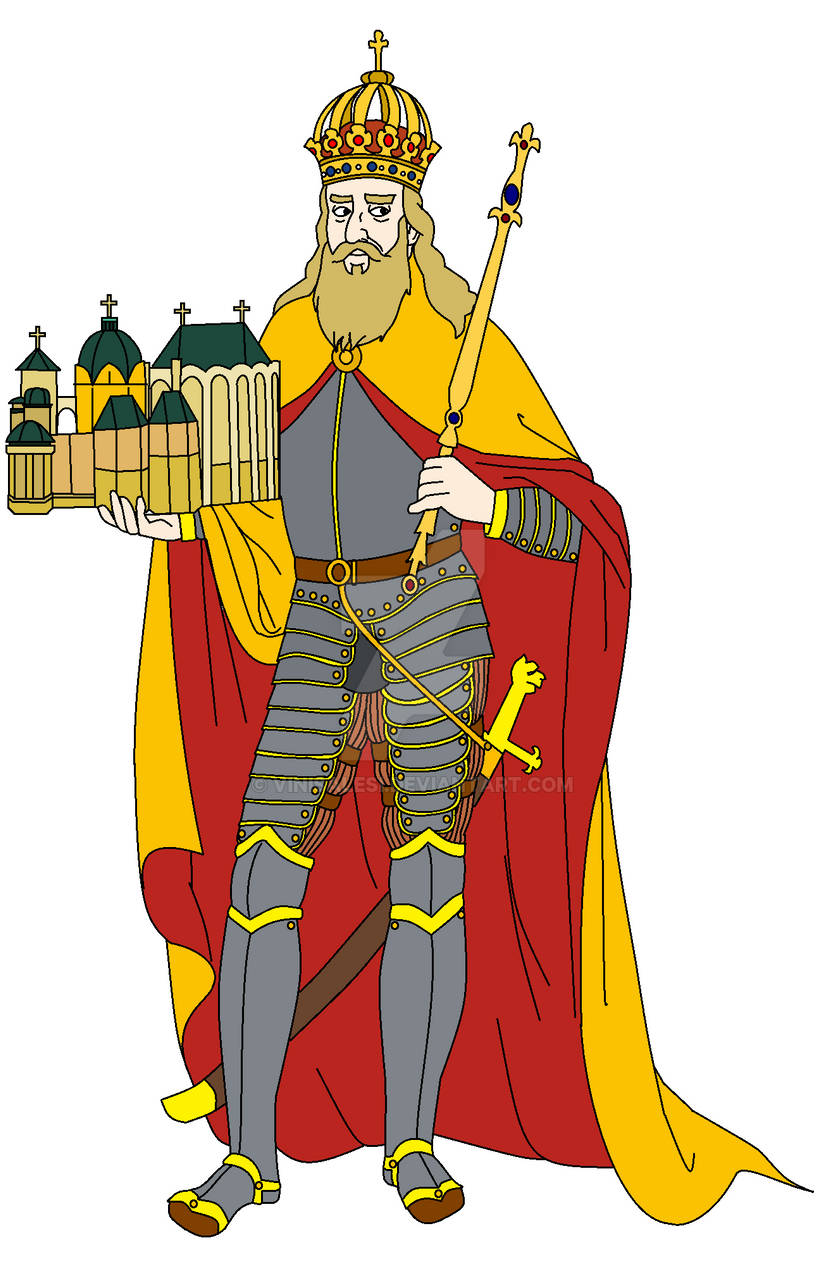
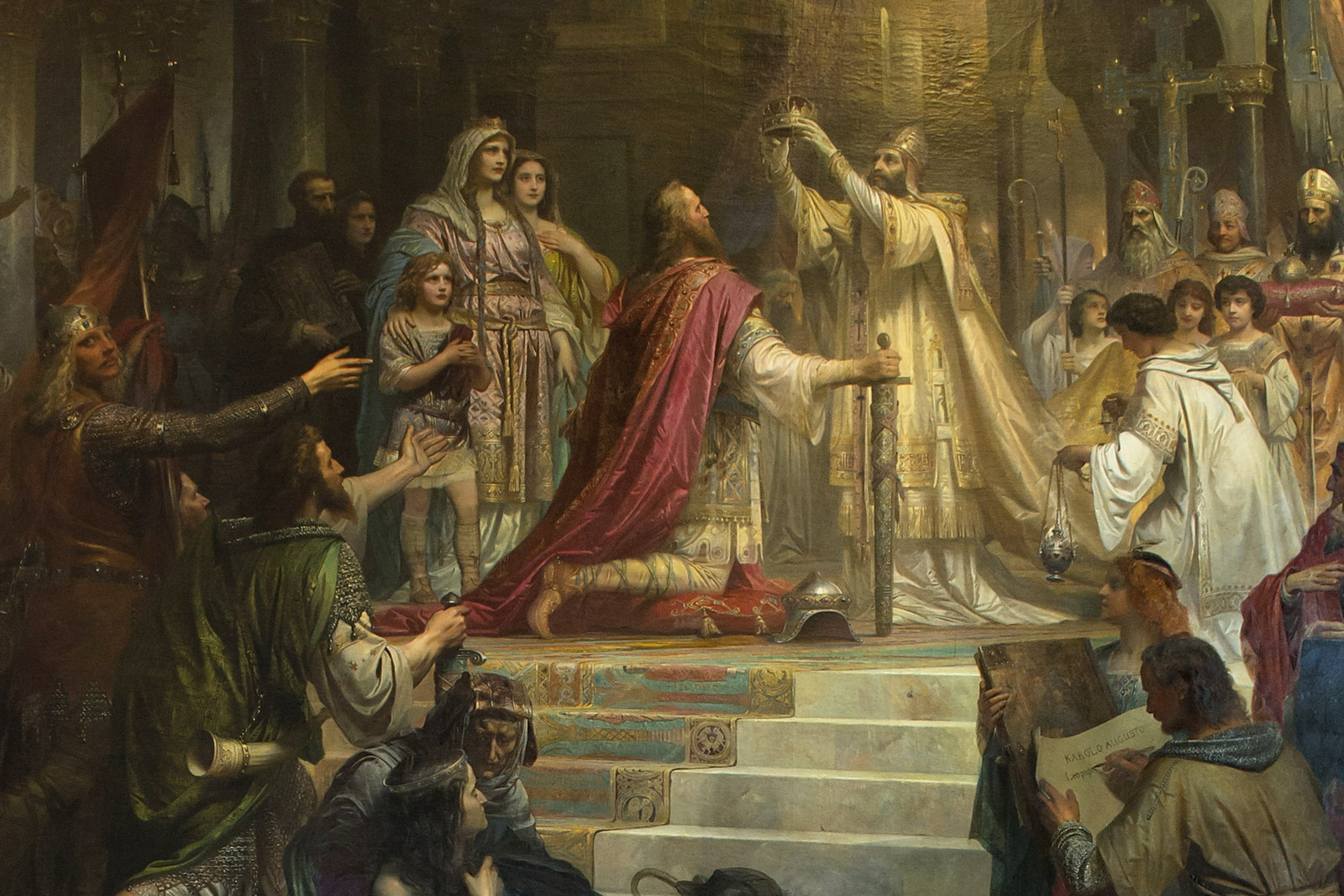
Ever since becoming King of the Franks in 768, Charlemagne already began expanding his kingdom through conquests wherein he first of all had invaded Italy and had completely annexed the Lombard Kingdom there by 774 whereas he too spent more than 30 years at war against the Saxons in Northern Germany which he managed to conquer and convert to Christianity. Additionally, Charlemagne too had expanded his territory east to Central Europe defeating the Avars and in the west while he successfully campaigned against the Moors in Spain and created what was known as the “Spanish Marches” as a buffer zone between his Frankish kingdom and the Muslim held Iberian Peninsula. Apart from his conquests, Charlemagne too modelled his rule after Roman emperors of the past- and Byzantine emperors of his time too- by sponsoring large-scale construction projects such as his palace and the cathedral in his capital of Aachen in Germany while he too sponsored artists and intellectuals the way many Byzantine emperors did. Seeing his great achievements in building a massive and successful “empire”, Pope Leo III in Rome had decided to crown Charlemagne as a “Roman emperor” and thus on Christmas Day of 800, Charlemagne was crowned in Rome by the pope as an “emperor” whereas the clergy and nobles attending the ceremony all proclaimed him as Augustus in title.
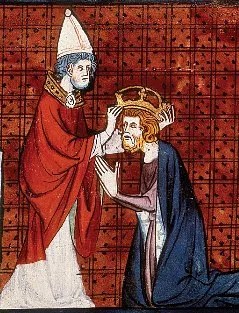
Now, Charlemagne being crowned as an emperor by the pope basically upset the Byzantine Empire and its court as the Byzantine Empire was true enough the true Roman Empire and ever since the Western Roman Empire had fallen in 476, the Byzantine Empire or Eastern Roman Empire was the only Roman Empire and its emperor as the only person in the world who could legitimately call himself an emperor. With the coronation of Charlemagne in 800 however, there was from here on no longer one single person with imperial authority in the world but two like it was before 476. Charlemagne on the other hand too was surprised to find out that the pope decided to crown him as an emperor and this is most likely because the Eastern Roman Empire at this time was ruled by a woman being Irene, and thus for this reason the pope considered that the Roman throne itself was vacant as in the west it was believed that a woman could not rule and thus since there was no male ruler around, the pope simply decided to crown Charlemagne to fill in that position. Charlemagne however now as the “Frankish emperor” made no claim to the Eastern Roman Empire ruled by Irene though Irene on the other hand was said to have considered a marriage alliance with Charlemagne himself- as both Irene and Charlemagne were true enough widowed at this point- in order to unite both their empires. Although this marriage could have reunited the Roman Empire and save the much weaker Byzantium with military assistance from the more powerful Franks, this marriage did not happen as according to the historian Theophanes the Confessor, Irene’s trusted eunuch minister Aetios frustrated this scheme whereas the people of Constantinople opposed it too as they did not want someone who they considered a “barbarian”, in this case Charlemagne ruling over them.
VII. Irene’s Sole Rule and Deposition
As a woman in power ruling alone since 797, Irene’s position was not entirely stable as many could not accept her authority basically for being a woman as it was true enough still unacceptable in Byzantine society and law for a woman to rule alone.
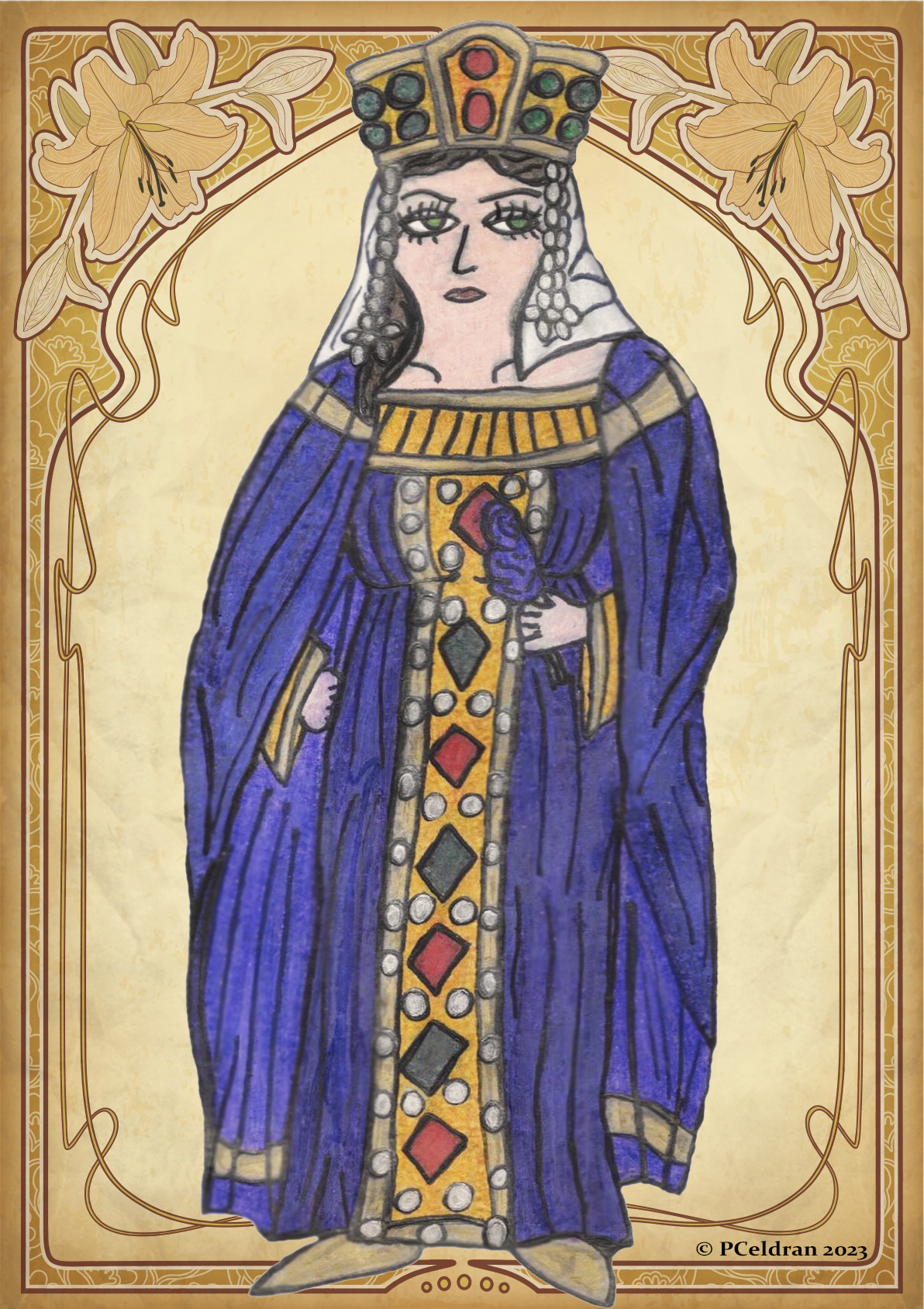
In order to remain popular with her subjects, Irene was said to have distributed money to them while she also lowered taxes, however many of the nobility did not like Irene for doing that as they saw it as being incompetent. As already mentioned earlier, when Irene fell seriously ill in 799, a strong rivalry over influence began growing between her two eunuch ministers Staurakios and Aetios which Irene could do nothing to stop. In 800 then, Staurakios fled the capital to Asia Minor where he raised an army to support his cause in usurping power from Irene and placing himself as emperor believing that Irene had betrayed him in favor of Aetios. Although eunuchs were legally barred from the imperial throne the same way women were, Staurakios still pursued his imperial ambitions claiming that Irene despite being a woman took the throne for herself and for that reason, Staurakios as a eunuch could do the same. Irene in the meantime when hearing of Staurakios’ revolt appointed Aetios to the position of Strategos of the Anatolic Theme, the most powerful of the Byzantine Themes whereas Staurakios marched his army to confront the troops Aetios. This civil war between Staurakios and his rebels against Irene’s loyalists commanded by Aetios however was averted as before Staurakios could lead his troops into battle, he fell seriously ill wherein he was said to have coughed out blood and soon enough he died. With Staurakios dead, Aetios was now the chief minister and power behind Irene’s rule and it was this same Aetios too who was instrumental in preventing the supposed marriage alliance between Irene and Charlemagne.
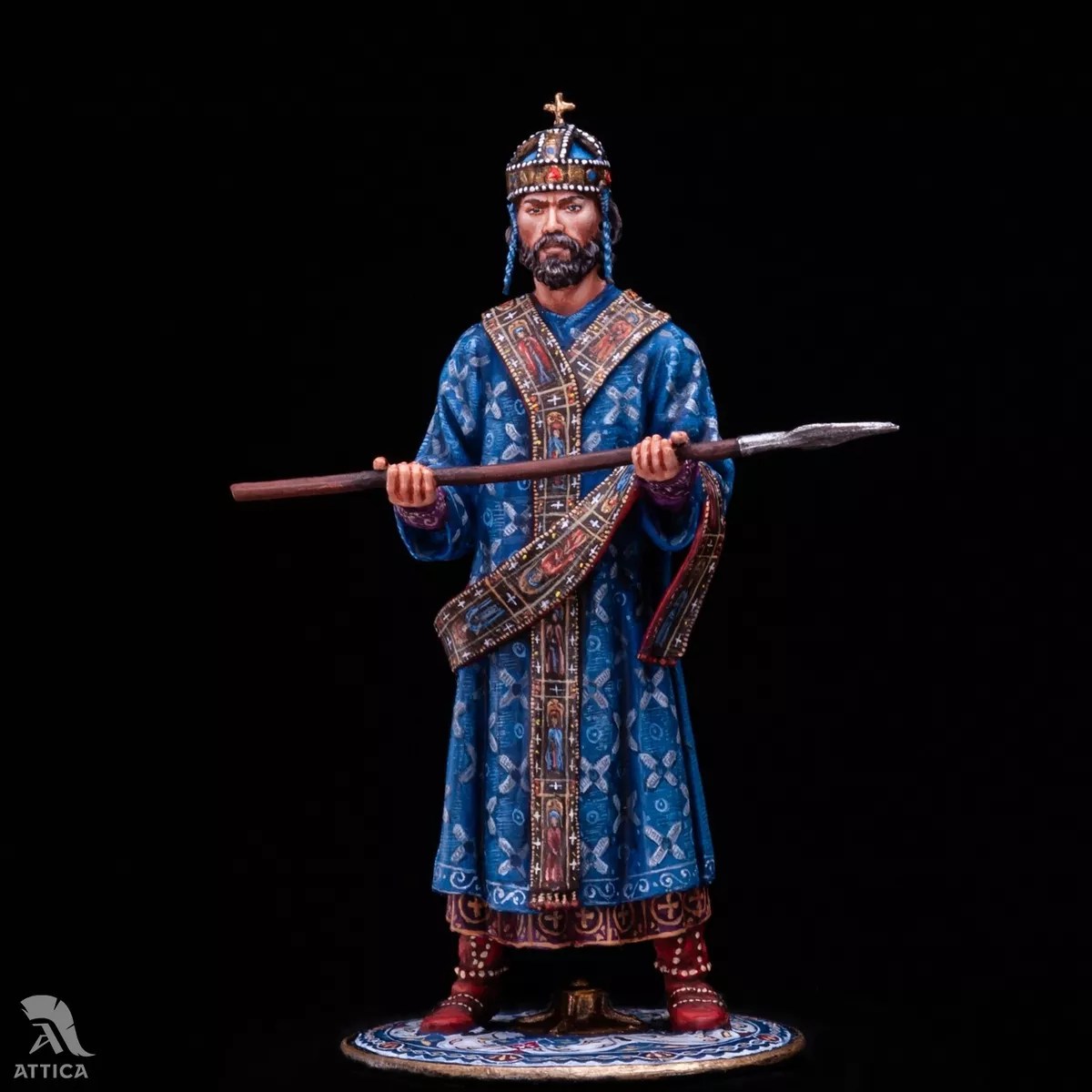
Aetios too scored a major victory over an Arab invasion of Asia Minor later in 800 but in 801 he suffered a defeat to them. Aetios too further consolidated his power by appointing his brother Leo as the commanding general of both Themes of Thrace and Macedonia which had the armies closest to Constantinople, however by doing that it was said that this was Aetios’ way of making his brother the new emperor, but this never came to happen as another faction of the courtiers which included the finance minister Nikephoros, the commander of the palace guard Niketas Triphyllios who was Aetios’ former ally, and Irene’s relative Leo Sarantapechos had staged a coup. Additionally, Irene too began losing her popularity ever since she considered the marriage alliance with Charlemagne as the people could not accept the fact that they would be ruled by a barbarian. These conspirators from the court who were mentioned earlier too were tired of Irene’s incompetent rule and the power of her eunuch ministers, particularly Aetios and thus finally in October of 802, these conspirators together with the patriarch Tarasios launched their coup and entered the imperial palace whereas the leader of the conspiracy being the finance minister Nikephoros was crowned as the new emperor by the patriarch. Irene on the other hand seeing that she had no more allies left, not even Aetios- who strangely defected to Nikephoros- or the patriarch, simply surrendered and abdicated whereas the new emperor Nikephoros I (r. 802-811) banished her to one of the Princes’ Islands. However, due to Irene’s banishment location being too close to the capital, Nikephoros I fearing she might plot her return to power there exiled her to the Greek island of Lesbos in the Aegean Sea and in the following year (803), Irene died there.

Conclusion
Irene of Athens is no doubt one of the most polarizing figures in Byzantine history as despite being Byzantium’s first female ruler and restoring the veneration of icons, she was still a ruthless figure that would do anything to ultimately gain full power including blinding her own son. Despite ruthlessly going through so much to become the sole empress of the Byzantine Empire, Irene as empress was at the end still not a very successful or competent ruler, thus she in no way can make it to the list of the greatest Byzantine rulers. However, Irene as a ruler still achieved a lot that no other Byzantine rulers did as for one during her time as empress-regent for her son Constantine VI, she restored the veneration of icons through the Second Council of Nicaea in 787, though her greatest achievement alone was in being the first ever woman to rule the Byzantine Empire in her own right.

Overall, Irene was still one of the very few Byzantine women in power who truly exercised real political power not only within the empire or imperial court but in foreign policy as well as she true enough was engaged in conflicts with foreign powers such as the Arabs of the Abbasid Caliphate and in negotiations with the Frankish Kingdom of Charlemagne, the two superpowers of her time. Now, things would of course have gone differently in world history if Irene married Charlemagne rather than being overthrown in 802 like in real history as if this happened then perhaps the Roman Empire would have reunited and thus the threat of the Arabs in the east and Bulgarians in the north would have been pushed back earlier. However, this is all just speculation as Irene and Charlemagne true enough never even met each other all while Irene too eventually fell out of power not too long after she considered marrying Charlemagne. On the other hand, Charlemagne’s new Frankish Empire too did not last long as following his death in 814, his massive territory would be split up among his sons into smaller territories, thus it could mean that the supposed marriage between Charlemagne and Irene would have not really resulted in anything great.
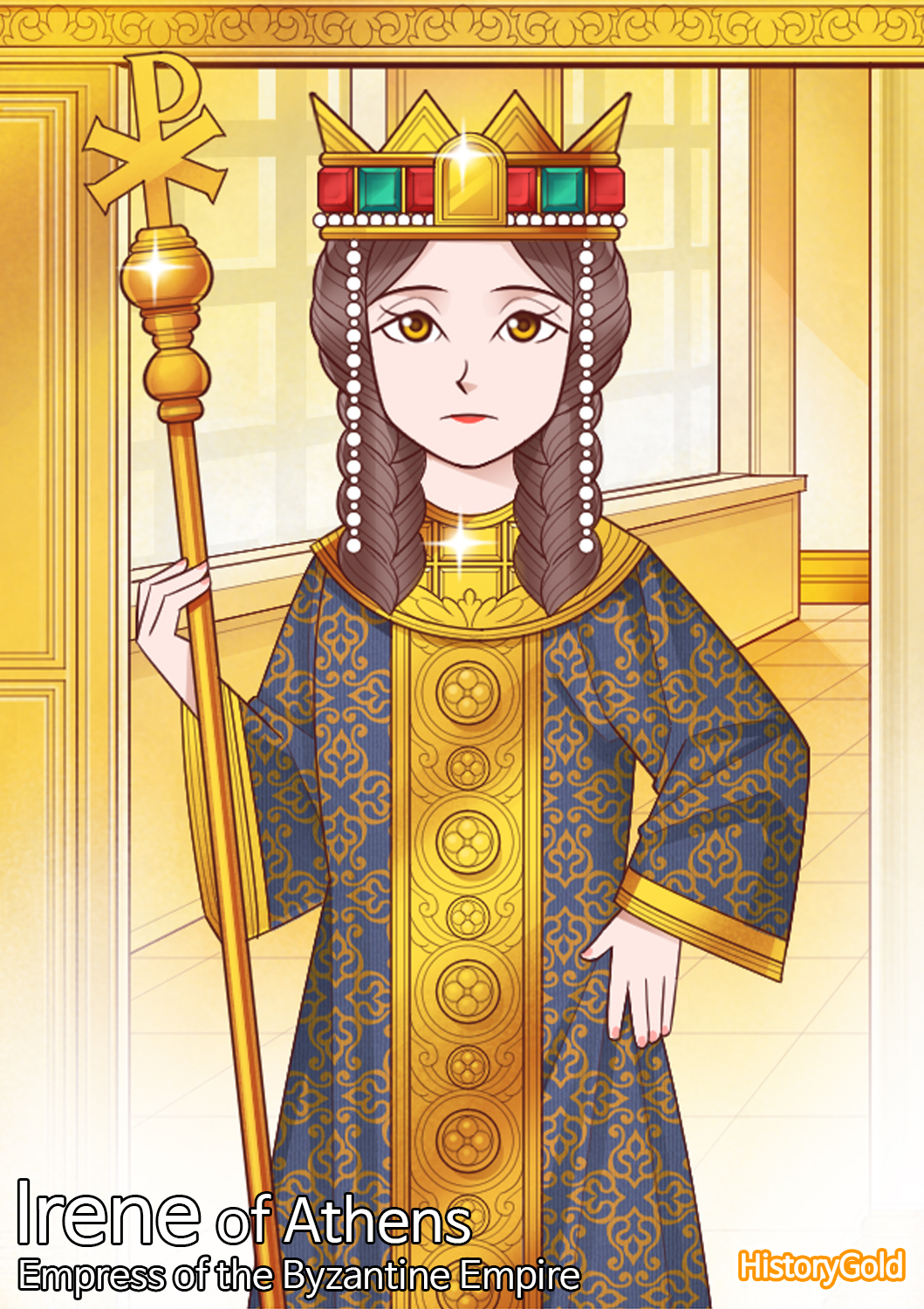
As for Irene, despite her reign ending tragically in a very anti-climactic way in 802 wherein she died in exile a year later, she had at least still left behind a great legacy for the empire and this was not only in being the first woman to rule the Byzantine Empire alone but in setting the stage for the restoration of religious icons and thus ending the controversial movement of Iconoclasm that tore the empire apart. Irene’s successor Nikephoros I who deposed her true enough was also an Iconophile like Irene although he eventually died in battle against the Bulgarians in 811 which thus threw the Byzantine Empire once again into chaos which too was accompanied with the return of Iconoclasm under Emperor Leo V the Armenian (r. 813-820). Iconoclasm would thus once again be imperial policy under the emperors Leo V, Michael II- who was ironically married to Irene’s Iconophile granddaughter Euphrosyne- and Theophilos. Ironically it would be another woman ruling as empress-regent for her young son in this case being the empress Theodora in the 9th century, the wife of the late emperor Theophilos and mother of Emperor Michael III (r. 842-867) that would finally end Iconoclasm once and for all and forever restore the veneration of icons the same way Irene did as empress-regent for her son. Therefore, especially for those who still venerate icons today, we have both Irene and the 9th century empress Theodora to thank for making it an acceptable religious practice. Now, what are your thoughts on Empress Irene of Athens, and do you really think she had left behind a legacy as empress? I would like to thank you all for reading this article and please continue to support me by following and subscribing to my sites!
 The Byzantium Blogger