Posted by Powee Celdran

Welcome back to the Byzantium Blogger and here we are again with another Byzantine history article! In this one being the 9th part of this series featuring top lists concerning the lives of certain emperors who I think have interesting stories, it will be a spin-off article to the previous article I wrote featuring 10 Unknown Facts about Emperor Justinian I the Great as this one will cover the story of his wife the famous empress Theodora.
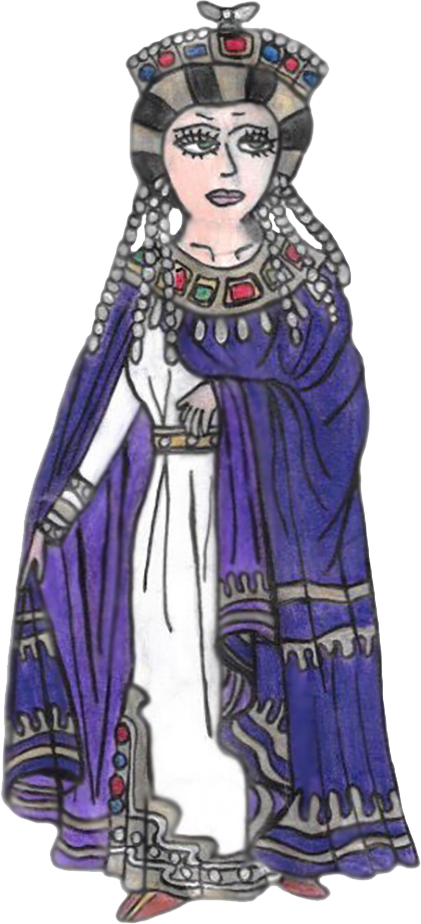
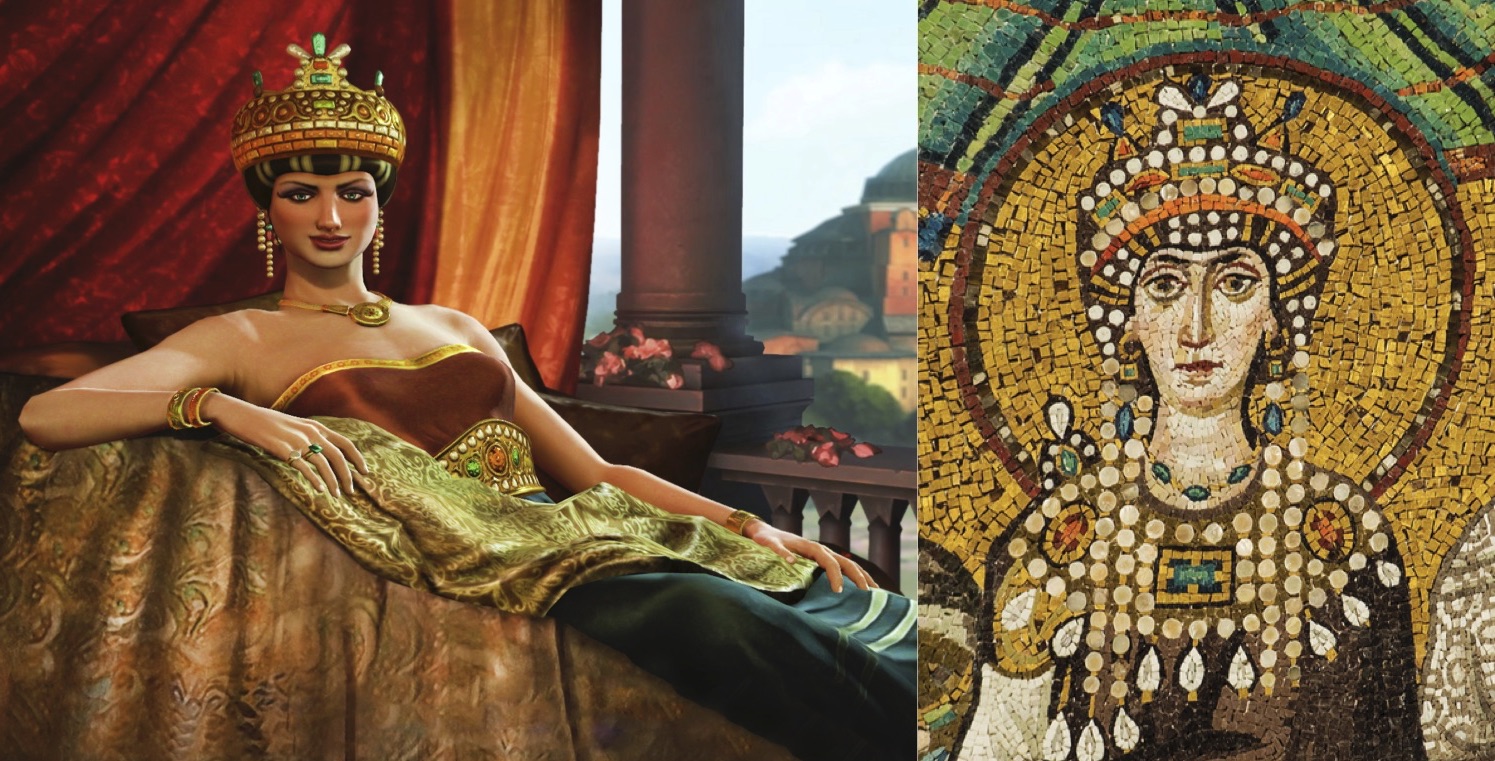
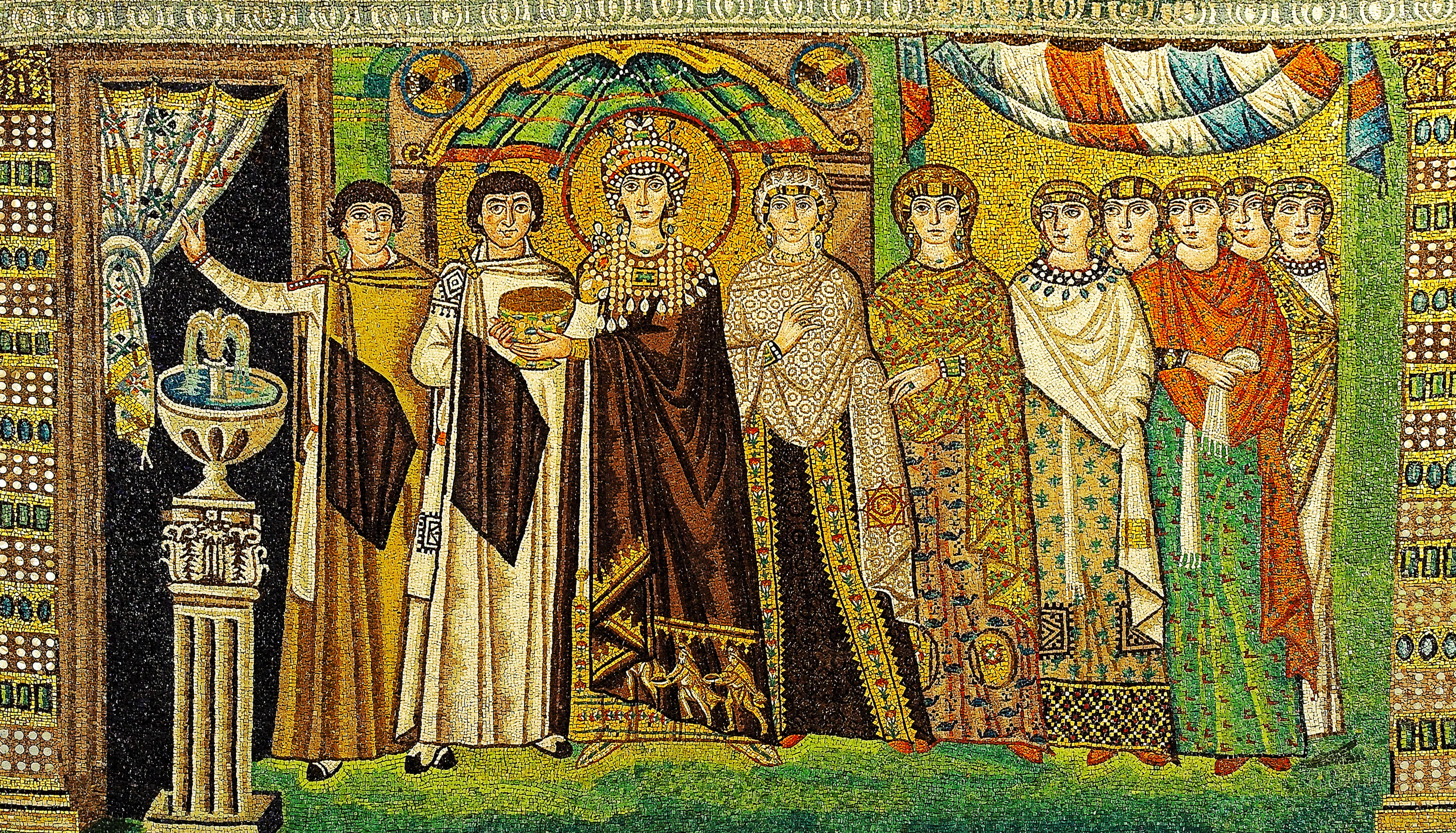
Now, Theodora the wife of Justinian I (r. 527-565) is one of Byzantine history’s most famous figures but also one of the most famous women rulers in history as she had an impressive story of rising from humble origins as a stage performer to becoming the empress of the Byzantine or rather Eastern Roman Empire. As empress, Theodora played a crucial role as one of her husband’s chief advisors that true enough she too was behind many of his reforms. During her time as empress, Theodora influenced Justinian mostly in his policies on women’s rights and court rituals and ceremonial, but it was she who more or less saved his position as emperor and hers as empress during the Nika Riot of 532 that almost cost them their lives as Theodora intervened by having Justinian brutally suppress it with force. Theodora too was influential in religious policy in the Byzantine Empire especially regarding the Monophysite Christian faith which she was part of despite it being considered heretical while she too played an important role in forming their ruling dynasty known as the Justinian Dynasty. Overall, Empress Theodora played such a crucial role in her husband’s rule that she was called by him as his “partner in deliberations”. Unfortunately, Theodora did not influence her husband throughout his entire reign as she died in 548 long before Justinian’s death (565), but in her time as empress-consort to Justinian, she was definitely an influential figure although mostly in domestic policy as she more or less did not have any role in Justinian’s foreign policy which he was very well-known for. Now, this article was not originally in the line-up for my top lists concerning the lives of Byzantine emperors, but since Theodora has such an interesting story and has wielded real power, I decided to include her as well basically as a spin-off to the Justinian I article I wrote previously. In this article, we will go over 6 different occasions in which Theodora as empress and even before that wielded and exercised political power and was influential in government affairs. Before we begin with the list, I would first give a background to Theodora which includes the Byzantine Empire she grew up in and her origin story.

Follow me, Byzantine Time Traveller on Social Media:
Instagram: @byzantine _time_traveller
Facebook: Byzantine Time Traveller
Youtube: No Budget Films
Website: Byzantine Time Traveller
Deviantart: Byzantium-blogger55
Art Station: Powee Celdran Porphyrogennetos
Patreon: Byzantine Time Traveller
Both Theodora’s year and place of birth are disputed as she could have been born as early as 490 or possibly 497 or even as late as 500 whereas sources differ on her place of birth as according to the 12th century historian Michael the Syrian, she was born in Syria while others say she was a native of Cyprus born there or that she came from the region of Paphlagonia in Asia Minor.

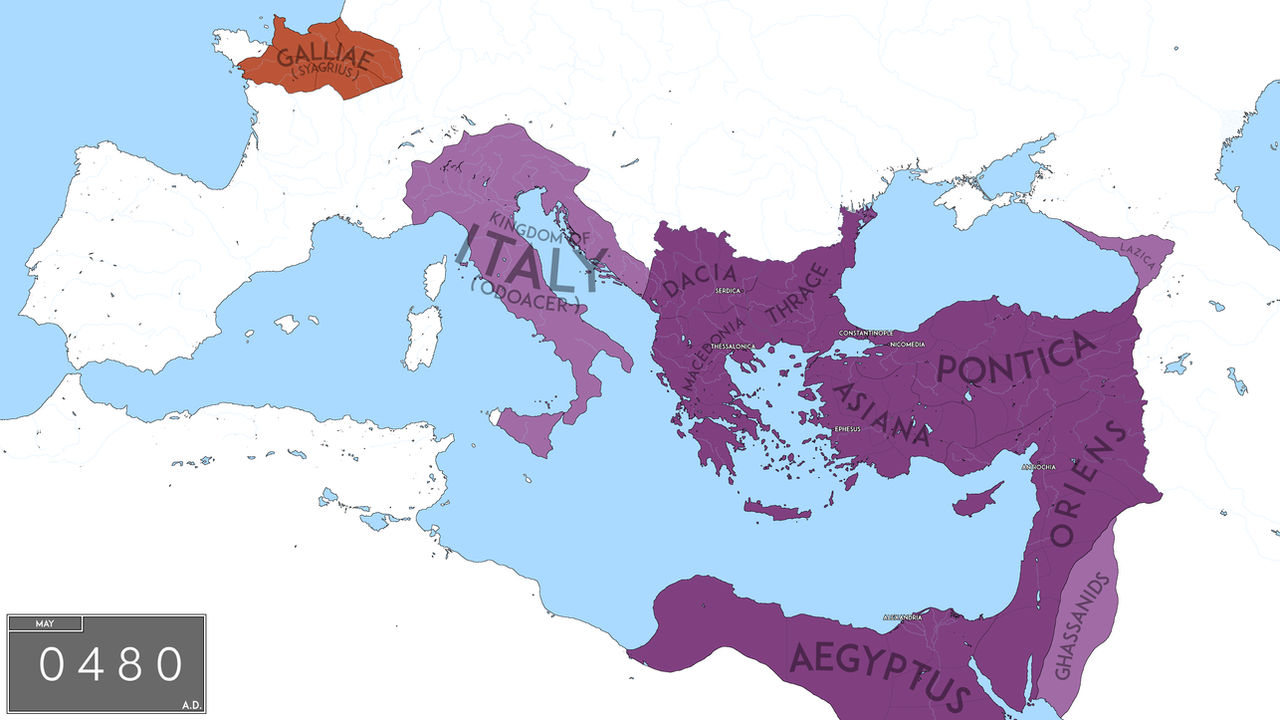
Whatever is said about her place or date of birth, she was born and had grown up in the reign of the Byzantine emperor Anastasius I (491-518) whereas Theodora was the 2nd daughter of a bear trainer for the capital Constantinople’s Green faction named Acacius and an unnamed wife who was a dancer and actress; Theodora too had an older sister named Comito and younger sister named Anastasia. Now, during the time Theodora had grown up, the Byzantine Empire had just recently stabilized politically thanks to the rule of the emperor Zeno (r. 474-475/ 476-491) who managed to defeat all local rebellions in the Eastern empire- despite the Western Roman Empire having fallen in 476- whereas Zeno’s successor Anastasius I during Theodora’s early years had worked hard to stabilize the empire economically in order to make it financially prosperous. After the death of Theodora’s father Acacius when she was still very young, her mother remarried but due to lacking a strong source of income, she presented her 3 daughters to the leader of the Green faction who however refused her offer. Theodora’s mother instead presented her daughters to the rival Blue faction who this time took pity on the family and thus gave the position of bear keeper which Theodora’s late father held to her stepfather.

Theodora then grew up to become an actress in the capital Constantinople, however according to the slander done by the 6th century contemporary historian Procopius, Theodora was not only an actress but a prostitute. However, back then, actresses were considered to be in the bottom of society and therefore equivalent to prostitutes while actresses back then too were known to have done scandalous acts on stage while barely clothed and were also known to have entertained men by doing sexual services off stage. Again, according to Procopius- although again this may be false- when Theodora was an actress, she made a name for herself with her pornographic portrayal of Leda and the Swan where she would lie naked on stage and have birds eat seeds from her naked parts. Later, when Theodora was fully grown up, she travelled to North Africa as a concubine of a Syrian official named Hecebolus who was appointed by the emperor Anastasius I as Governor of Libya but according to Procopius, Theodora left him there due to his mistreatment of her and thus Theodora travelled to Alexandria in Egypt. When in Alexandria, Theodora met its patriarch Timothy IV who was a Monophysite Christian, and it was mainly due to her meeting him that she converted to the Monophysite Christian faith. After her stay in Alexandria, Theodora travelled to Antioch where she met the Blue faction dancer Macedonia who was an informer of Theodora’s future husband Justinian, nephew of the reigning emperor Justin I (518-527), and it is possibly Macedonia who introduced Theodora to Justinian who then was still known as Flavius Petrus Sabbatius.
Related Articles from the Byzantium Blogger:
Byzantine Alternate History Chapter III
Byzantine Alternate History Chapter III- Spin-off
8 Times Emperor Zeno was a Survivor
5 Achievements and 5 Failures of Theodosius I the Great
10 Achievements of Constantine I the Great
7 Times Constantine XI Exemplified Bravery
10 Unknown Facts About Emperor Justinian I
8 Times Michael VIII Palaiologos was an Evil Genius
10 Surprising Facts About Basil II
5 Reasons to Feel Bad for Justinian II and 5 Reasons to Hate Him
I. Theodora and Justinian- Changing the Marriage Law
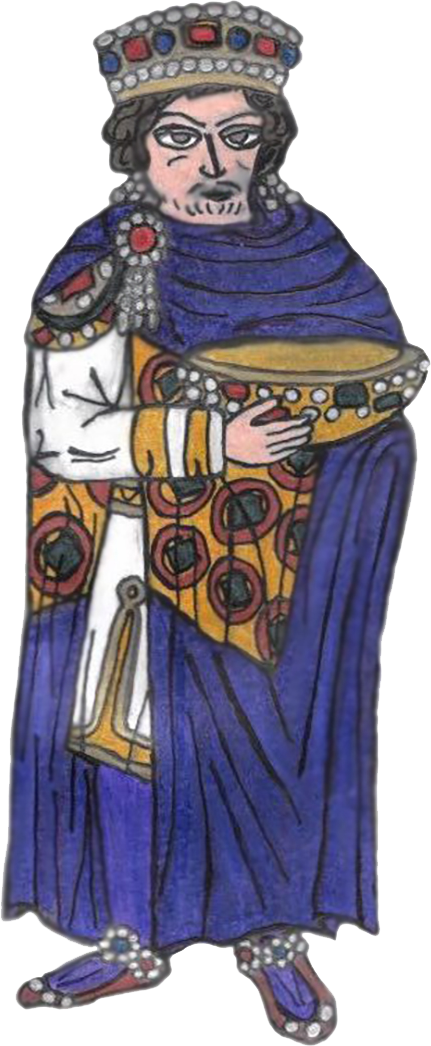
Like Theodora, Justinian or Flavius Petrus Sabbatius who was to be her husband but much older than her also came from humble origins as he was born to a peasant family in the Balkans in 482, but it was thanks to his uncle Justin who rose up the ranks due to military service to why Justinian too was able to climb up the social ladder and eventually become a patrician as he was adopted by his uncle who using the great wealth he amassed by serving in the imperial army paid for the young Justinian’s education.
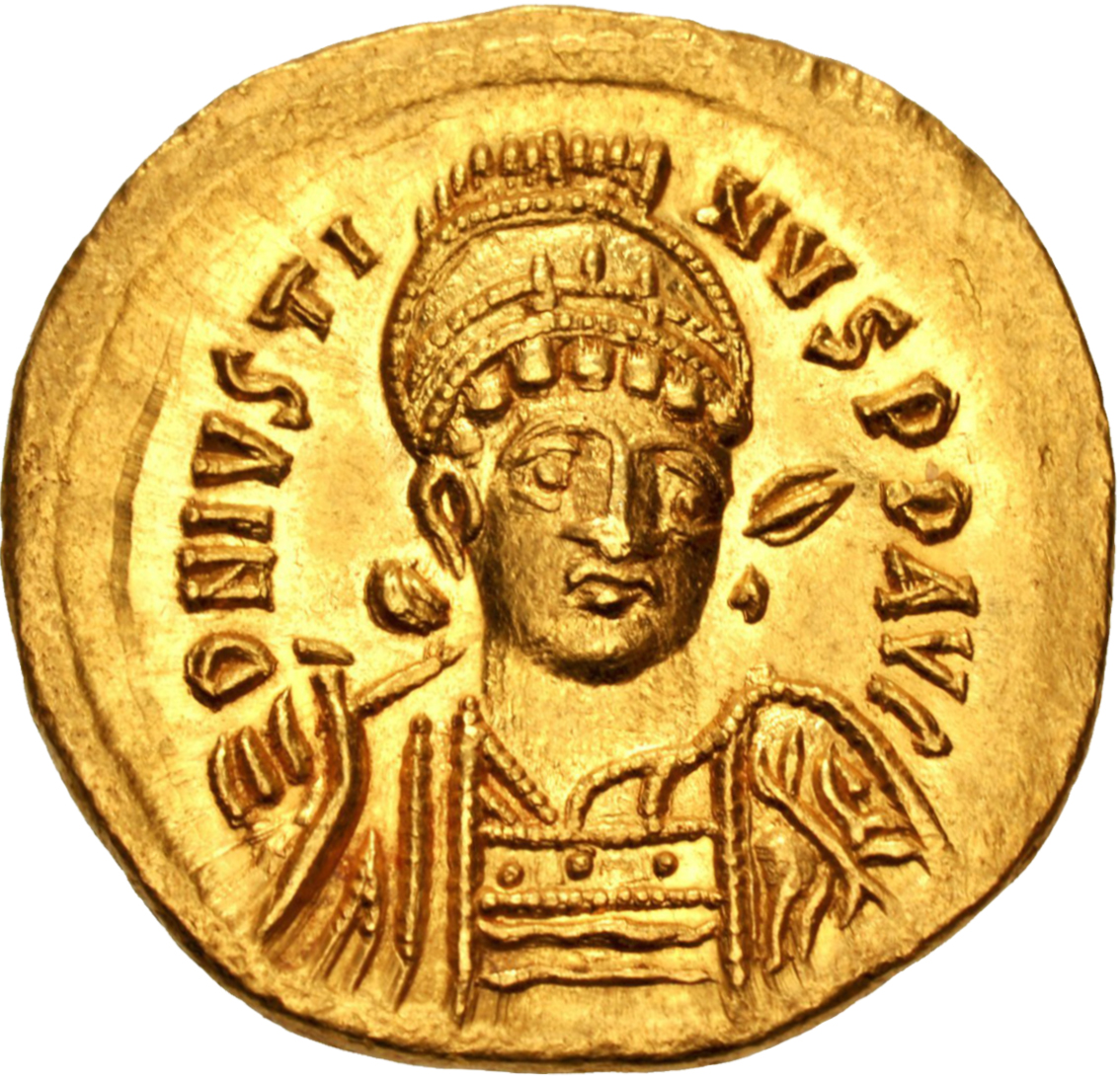
By the time the emperor Anastasius I died at the very old age of 88 in 518 without a named successor, the palace guard force or rather the Excubitors and the imperial court elected Justin who was the commander of the palace guard force as the new emperor although with the backing of Justin’s brilliant nephew Justinian who began using this new name meaning “son of Justin” due to being adopted by Justin. Despite his humble background as a peasant and his illiteracy, Justin I proved to be quite a capable emperor, although it was again his nephew Justinian who was the brains behind his rule as he possessed more intellect than his uncle did. In 521, Justinian held the ceremonial position of consul for the year and although it is not recorded when or where he met Theodora, it is already mentioned that he already was together with Theodora during the time he was consul in 521. Eventually, Justinian planned on marrying Theodora but was unable to as a law from the time of the Roman emperor Constantine I the Great (r. 306-337) forbade any man of senatorial rank- which Justinian had at that time- from marrying actresses, although by this time Theodora was no longer an actress but this law also forbade senatorial men from marrying former actresses too. Additionally, Justin I’s wife Euphemia- also known as Lupicina- who did not have the title of “empress” due to her origin as a former slave strongly opposed Justinian marrying Theodora and thus it was only after her death in 524 when the emperor Justin considered passing a new law that would allow senatorial men to marry actresses so long as the woman repented her old ways as an actress and if the marriage would be approved of by the emperor.
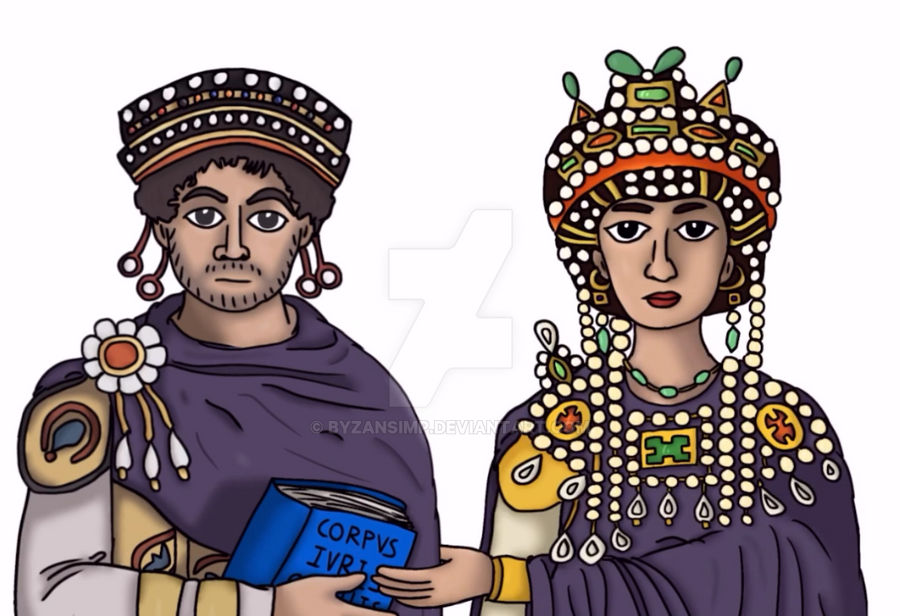
This decision of Justin to overturn this law again was mostly thanks to the influence of Justinian and Theodora as well thus making this an early stage of when Theodora despite her past as an actress have power and influence over government matters. With this new law passed by Justin I allowing senatorial men to marry former actresses, Justinian and Theodora then married possibly in around 525. Justin I then died in 527 from an infected old war wound and thus his nephew succeeded him as Emperor Justinian I at the age of 45 whereas Theodora as his wife was crowned as the new empress or Augusta. According to Procopius, Theodora since day one of their rule helped Justinian make decisions, plans, and political strategies while she also participated in state councils. Overall, Theodora too shared Justinian’s vision in expanding the empire territorially and that the emperor and empress were God’s representatives on earth, though Theodora would not really have any role in Justinian’s foreign policies and territorial expansion.

II. Theodora and Women’s Rights
Many of Justinian I’s policies, especially those concerning women’s rights and helping underprivileged women were greatly influenced by Theodora. Being a woman from the bottom of society and thus knowing what it was like to be underprivileged, Theodora when becoming empress made it her mission to help those who lived that kind of life she did before.
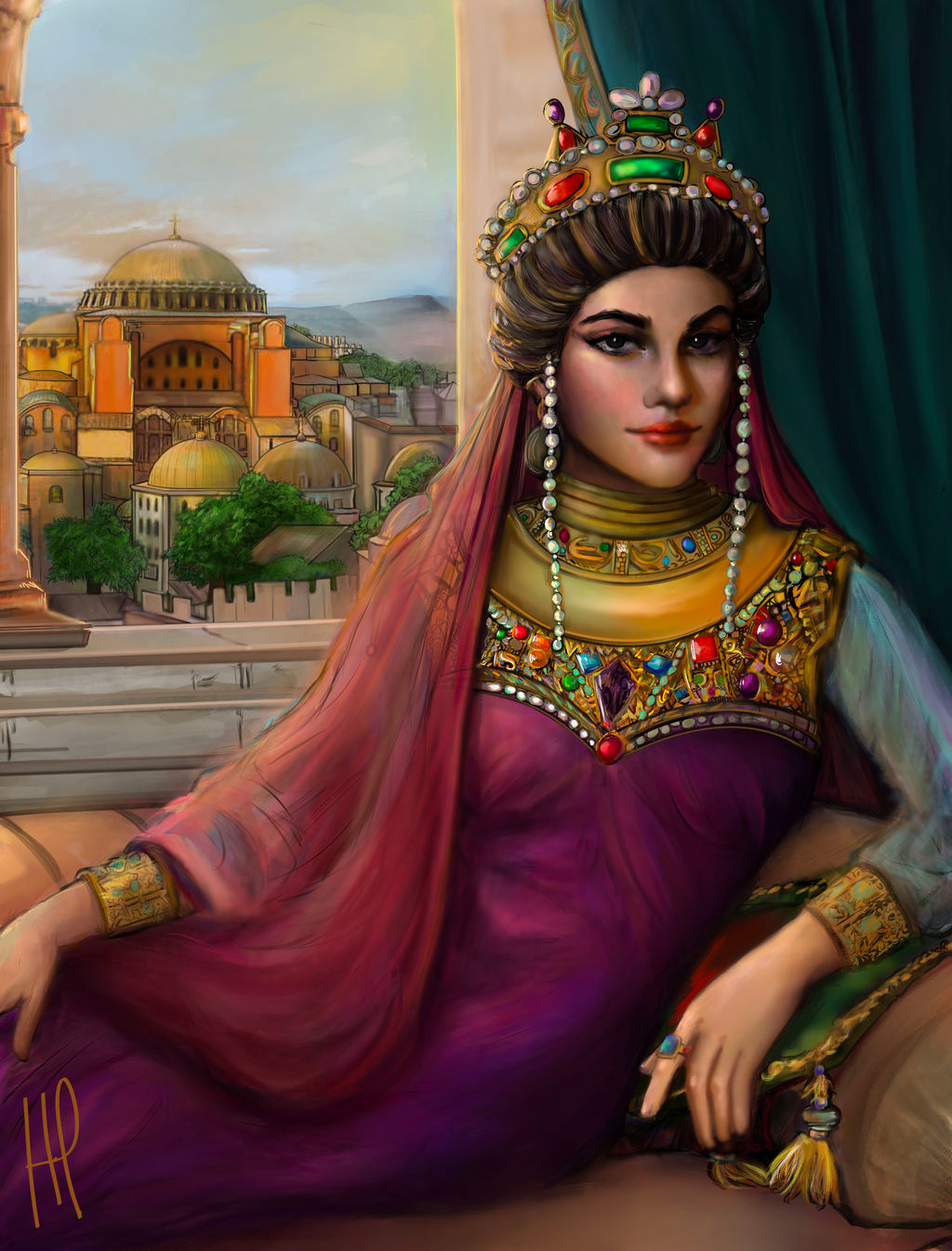
For instance, Theodora was known to have bought girls who had been sold into prostitution and freed them so that they could have a better future while she also founded a convent in Asia Minor across the Dardanelles Strait where ex-prostitutes could support themselves. As early as 528, both Theodora and Justinian ordered the closure of a number of brothels and the arrest of their owners all while freeing the prostitutes kept in them in which she rewarded them each with clothing and a gold nomisma coin. Additionally, some of Justinian’s legislations which were definitely influenced by Theodora expanded the rights of women in divorce and property ownership, made it possible for rapists to be put to death, forbade the exposure of unwanted infants, gave mothers some guardianship rights over their children, and forbade the killing of a wife who committed adultery. The historian Procopius however has mixed things to say about Theodora and her role in promoting women’s rights as in his book Wars, he says she was naturally inclined to assist women in misfortune but in his other work The Secret History, he says she was accused of unfairly championing the wives’ causes more so when they were charged with adultery. Meanwhile, the famous Code of Justinian only allowed women to seek divorce from their husbands if they were abused or if they caught their husbands in obvious adultery, and women seeking divorce had to provide clear evidence of their claims.
III. Suppressing the Nika Riot
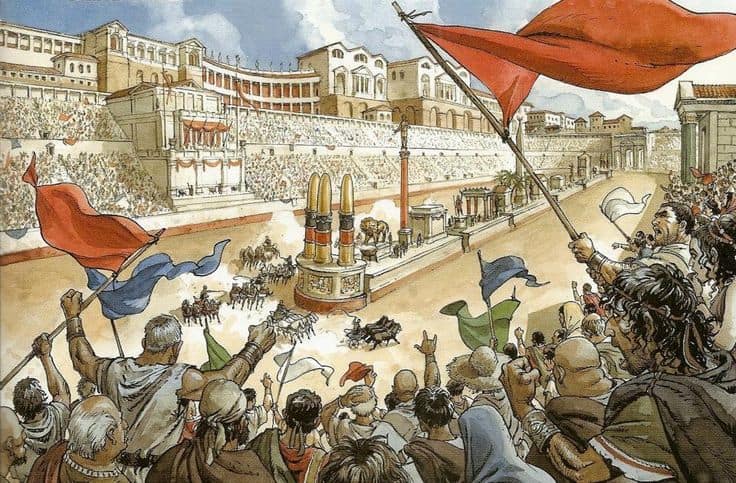
As already mentioned earlier, the Byzantine Empire and particularly Constantinople had two rival factions that were competitors in chariot racing, the Blues and the Greens which stood for two different ideologies, the Greens for radical ideas and the Blues for established ones. Although Justinian and Theodora greatly supported the Blue faction, they were intent to limit the power of both warring factions in order to achieve peace and order in the capital especially since members of both factions were engaged in constant street wars.

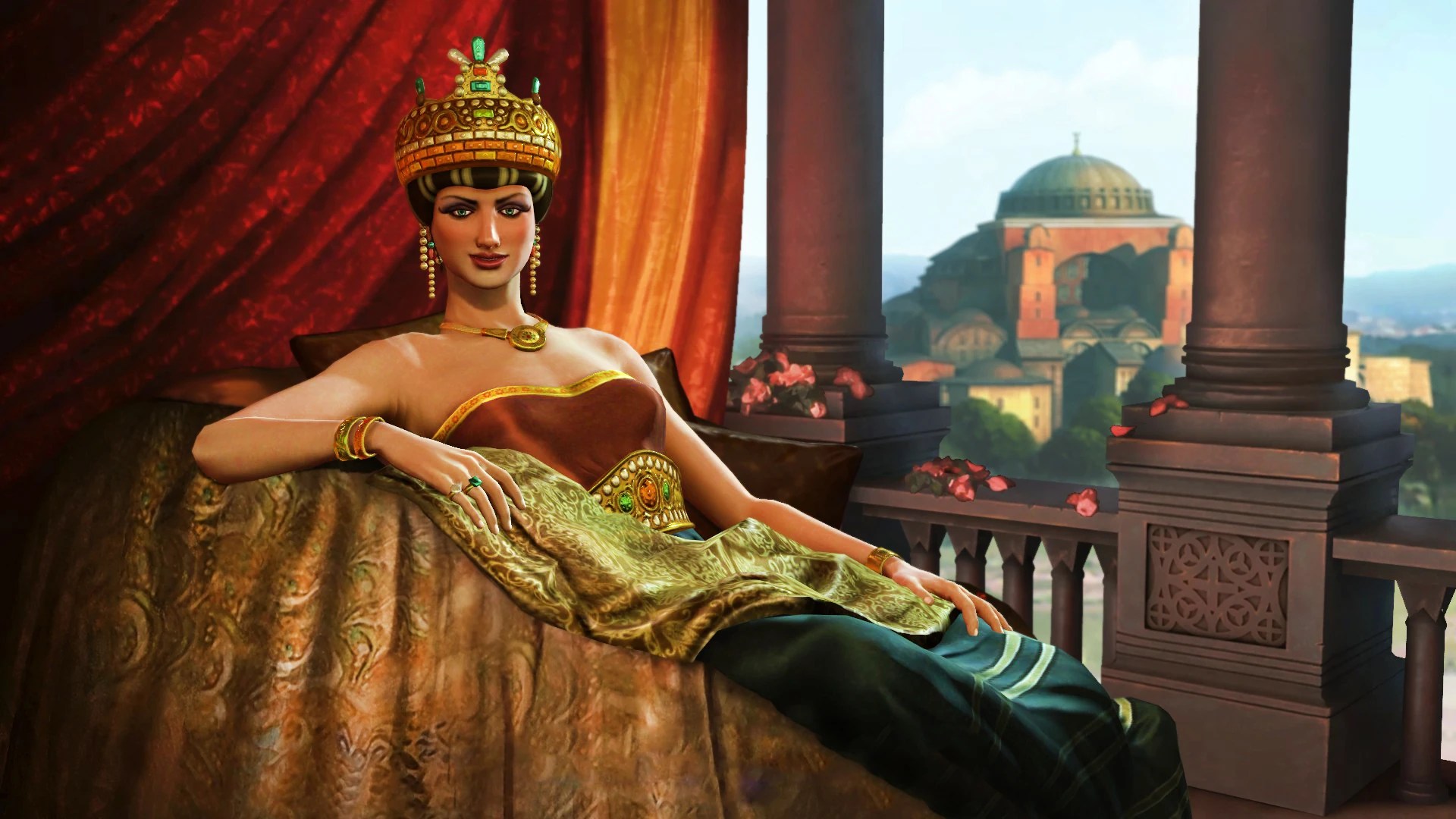
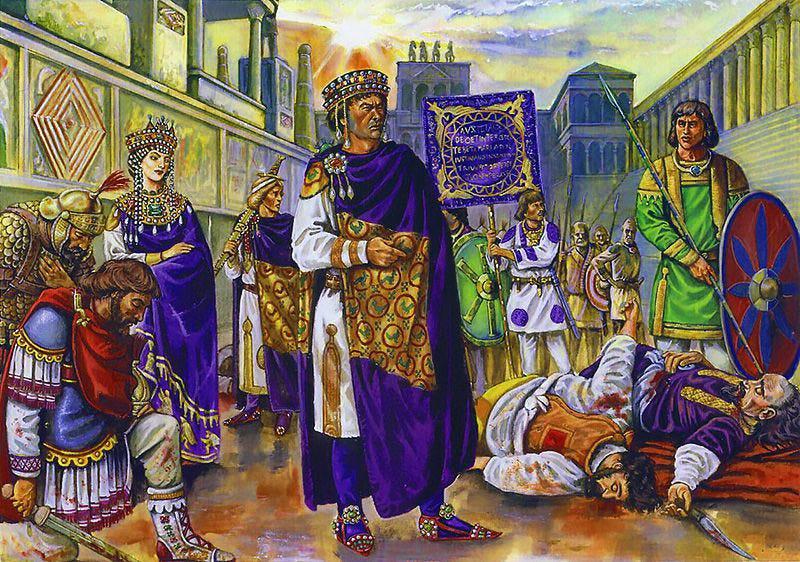
In one instance in early 532, Justinian and the urban prefect (mayor) of Constantinople Eudaemon had the leaders of the Blue and Green factions arrested for starting a street war that killed a number of people and thus these said leaders were sentenced to death by hanging. However, two of the convicted people managed to survive as the scaffold they were being hung on collapsed and thus began a major riot in Constantinople’s streets. Usually, the members of each faction would shout the Greek word Nika meaning “conquer” at their respective charioteers during races, however this time as members of both factions marched to the Hippodrome, they both united together shouting “Nika” against Justinian and Theodora who were watching from the palace. Justinian though listened to their demands which was to fire his two unpopular ministers being the legal minister Tribonian and the finance minister John the Cappadocian, however he only pretended to fire them all while the riots had just gotten worse as the members of both factions set many public buildings including the Church of Hagia Sophia, the palace gate, and the public baths on fire all while they too stormed the prison and freed prisoners.
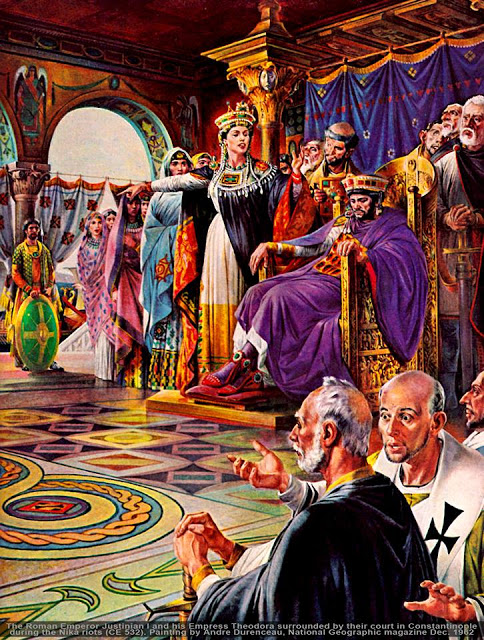
In the meantime, the riots had intensified too due to the backing of many senators and nobles who detested the rule of Justinian and Theodora especially since both originated as commoners. The mob thus later on proclaimed a man named Hypatius who was the nephew of the former emperor Anastasius I as emperor against Justinian which was therefore the last straw for Justinian and Theodora. At this point Justinian being advised by his court considered fleeing the capital even if it meant losing the throne until Theodora, according to Procopius, stood up and convinced Justinian not to leave. To put it short, according to Procopius, Theodora made a long speech saying that it would be better to die than lose the throne, thus Justinian took this advice to heart and interpreted this as killing off the violent mob. Being motivated by Theodora’s speech, Justinian then sent his best generals Belisarius and Mundo to lock up the Hippodrome and slaughter the rioters inside whereas the court eunuch Narses was tasked to pay off the leaders of both factions to stop rioting. At the end of the day, around 30,000 civilian rioters were killed in the Hippodrome whereas their imperial candidate Hypatius too was put to death and so were the senators who backed the riots. With the riots over, Justinian and Theodora began their ultimate project of reconstructing Constantinople into a grander imperial capital. Several structures in Constantinople such as the Church of the Hagia Sophia we see today were thus built under the supervision of Justinian and Theodora.
IV. Theodora and the Imperial Court
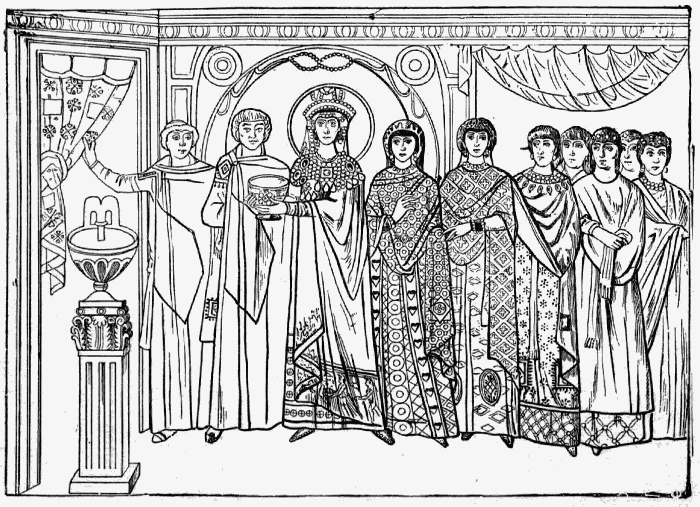
In the first half of Justinian I’s reign, Theodora- before her death in 548- true enough played an active role in court politics whether it be introducing new customs or removing and installing new people in power. Theodora was true enough very interested in court ceremony that Procopius says that senators and patricians were required to prostrate themselves whenever entering the imperial couple’s presence.
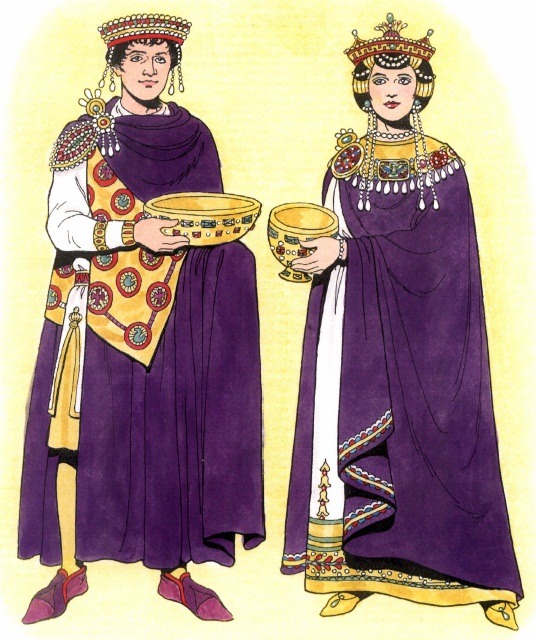
It was even said that government officials who wished to meet the emperor and empress were treated like servants and had to first wait in a small, stuffy room before meeting them. When meeting the emperor and empress, Theodora insisted that they pay their respects by lying face down in front of the couple while also having to kiss their shoes. Theodora too insisted that these officials should not ask anything or make any requests unless she asked them first. In the meantime, Theodora also played an influential role in the imperial court of Justinian especially when it came to dealing with her rivals there such as the famous and accomplished general Belisarius and the finance minister John the Cappadocian. Now, John had been the empire’s top financial minister since Justinian came to power in 527 which made John in charge of collecting taxes empire-wide and raising funds for Justinian’s wars and construction projects. Additionally, John had also been the target of the Nika Riot in 532 wherein he was actually fired due to popular demand, however once the riot was brutally suppressed, Justinian not only restored John to his position but also appointed John as the Praetorian Prefect of the East. However, John’s growing power and influence over Justinian’s imperial court soon enough began making Theodora threatened by it thus building a strong rivalry between them.
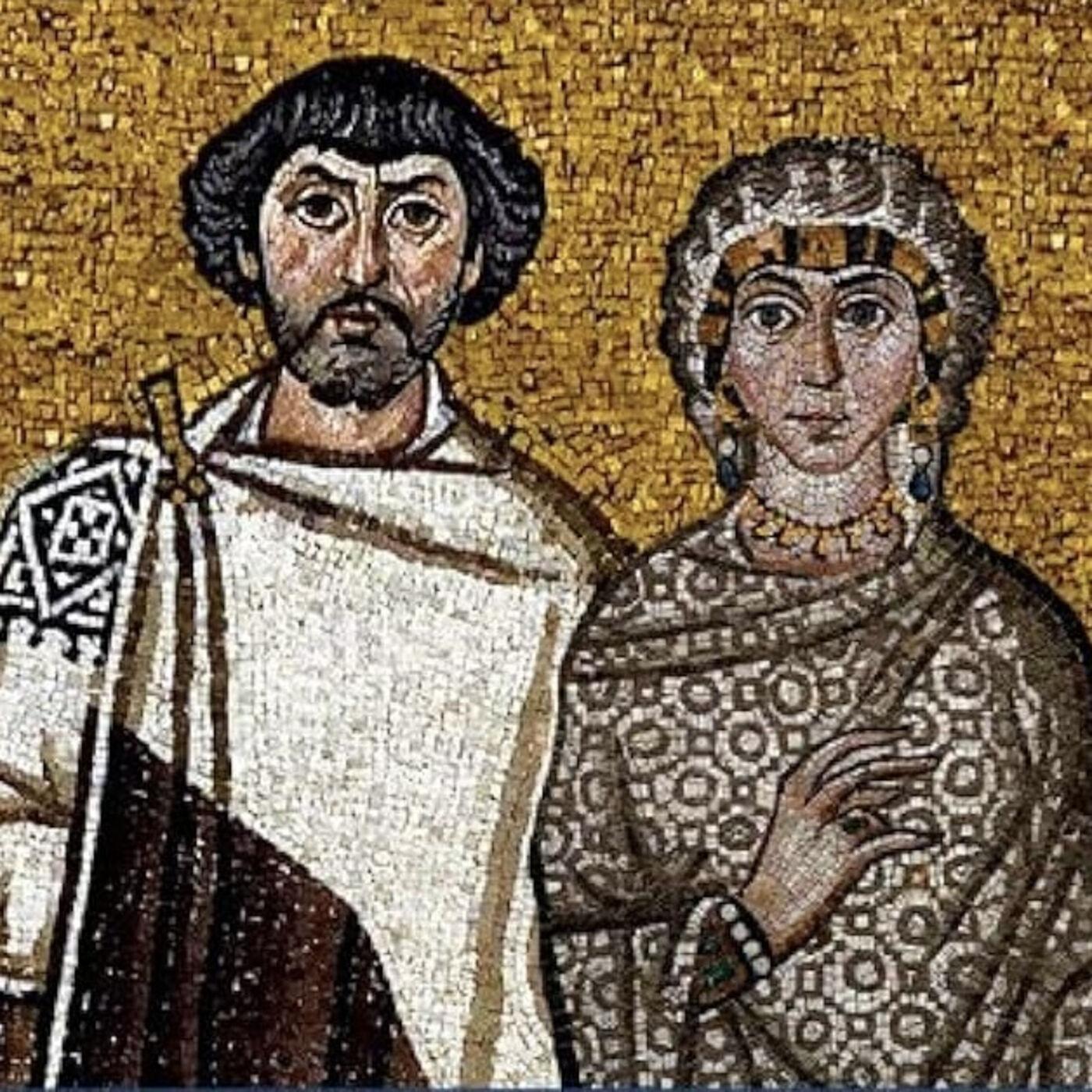
Apparently, it was not only Theodora threatened by John’s growing power and influence as Belisarius too felt the same thus both Theodora and Belisarius’ wife Antonina- who Theodora knew from the past as they were both actresses- plotted to remove John from power. According to Procopius, in 541 Antonina arranged a private meeting with John supposedly to conspire against Justinian, though this was simply to set him up. John fell for the trap and met with Antonina at a palace in Chalcedon across the Bosporus from Constantinople without knowing that both Antonina and Theodora had already sent the palace guard commander Marcellus and the eunuch Narses to spy on John there. John was true enough discovered and caught though he managed to flee the city, though John lost his position as finance minister and Praetorian Prefect of the East and was thus replaced with Theodotus.
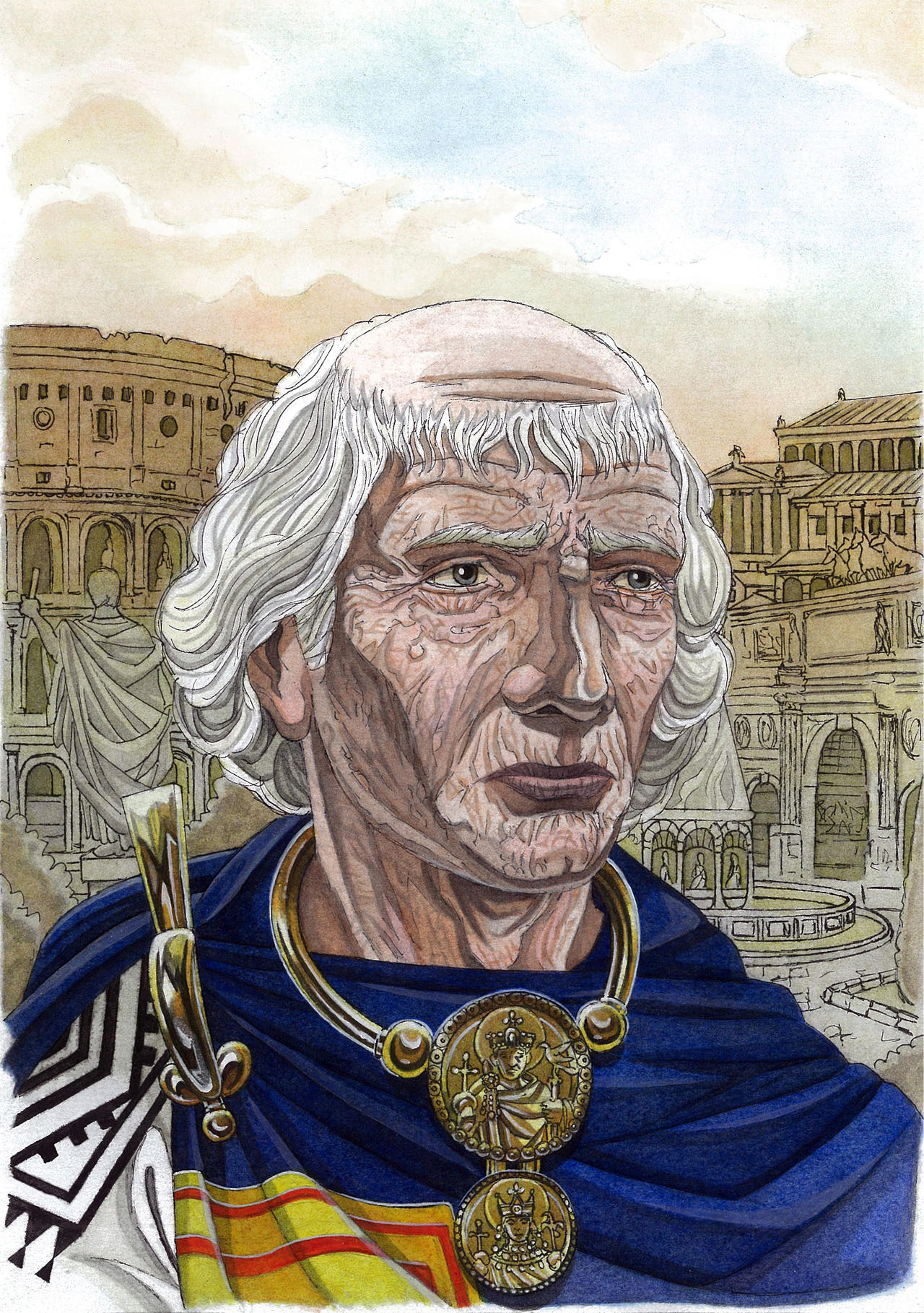
John was thus forced to become a priest while his wealth and property was confiscated by Justinian, although when John came into conflict with a bishop in Asia Minor wherein the latter was found murdered, John was accused of the crime and thus exiled to Egypt where he losing his wealth was forced to become a beggar. However, when Theodora died in 548, Justinian recalled John to Constantinople, but he never returned to politics and died peacefully sometime later. On the other hand, Theodora too played a role in recalling Belisarius from his successful campaign against the Ostrogoths in Italy in 540 out of suspicion when Belisarius was so close to finishing off the war. With Belisarius recalled and moved east to battle the Sassanid Persians, the situation in Italy eventually worsened as the Ostrogoth threat was renewed and thus Belisarius was sent back to Italy in 544 this time with less troops and resources as both Justinian and Theodora now were suspicious of his growing popularity and power. Belisarius unlike John though was never successfully removed from power, rather Belisarius retired from military service in 548 but would continue loyally serving Justinian.
V. Theodora’s Religious Policy
Theodora too played a major role when it came to Justinian’s religious policy and despite both following different sects of Christianity as Justinian was definitely a strong believer of Orthodox (Chalcedonian) Christianity and Theodora on the other hand was a devout Monophysite Christian, which was rival to Chalcedonian Christianity. Although both emperor and empress belonged to different Christian sects, they still got along together as this was true enough part of Justinian’s larger policy to show unity in the empire as a whole between the Chalcedonian and Monophysite populations.

As a strong believer of Monophysite Christianity, Theodora founded a Monophyiste monastery in the quarter of Sykae in Constantinople across the Golden Horn (today’s Galata) while she also provided Monophysites who were persecuted by Chalcedonian Christian leaders shelter at a palace in Constantinople’s imperial palace complex. Theodora true enough even once appointed the Monophysite Anthimus I as Patriarch of Constantinople (535-536), although after just one year he was excommunicated and thus Theodora hid him in her quarters of the palace for the next 12 years. Additionally, Theodora too appointed the Monophysite Theodosius I as Patriarch of Alexandria following the death of the previous patriarch Timothy IV in 535, thus she was able to outmaneuver Justinian here who had intended to appoint a Chalcedonian as Patriarch of Alexandria; however Theodosius did not last as Patriarch of Alexandria as soon enough he was removed from his position by the Chalcedonian mob in Alexandria, thus Theodosius and his Monophysite followers were exiled by Justinian to Thrace.
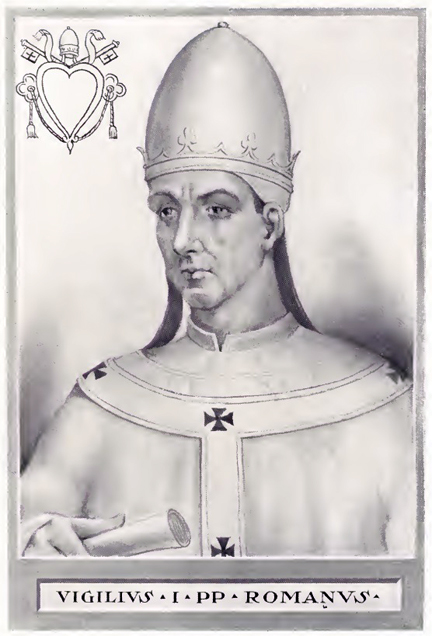
At around the same time too, Theodora had also played a role in choosing the Patriarch of Rome or the pope by having Belisarius who had taken Rome in 536 from the Ostrogoths remove the current pope Silverius who was installed by the Ostrogoth king from his position and replace him as pope with Vigilius in 537 who was a Monophysite and ally of Theodora. On the other hand, Theodora too played a role in sending missionaries to Nobatia in the south of Egypt to convert its people to Monophysite Christianity in around 540 again outmaneuvering Justinian who here wanted to convert them to Chalcedonian Christianity. Although Justinian had already sent Chalcedonian missionaries to convert the people of Nobaita, Theodora in advance informed its governor to delay these missionaries so that hers would get ahead, and they true enough did and thus the people there converted to Monophysite Christianity.
VI. Establishing a Dynasty and Matchmaking
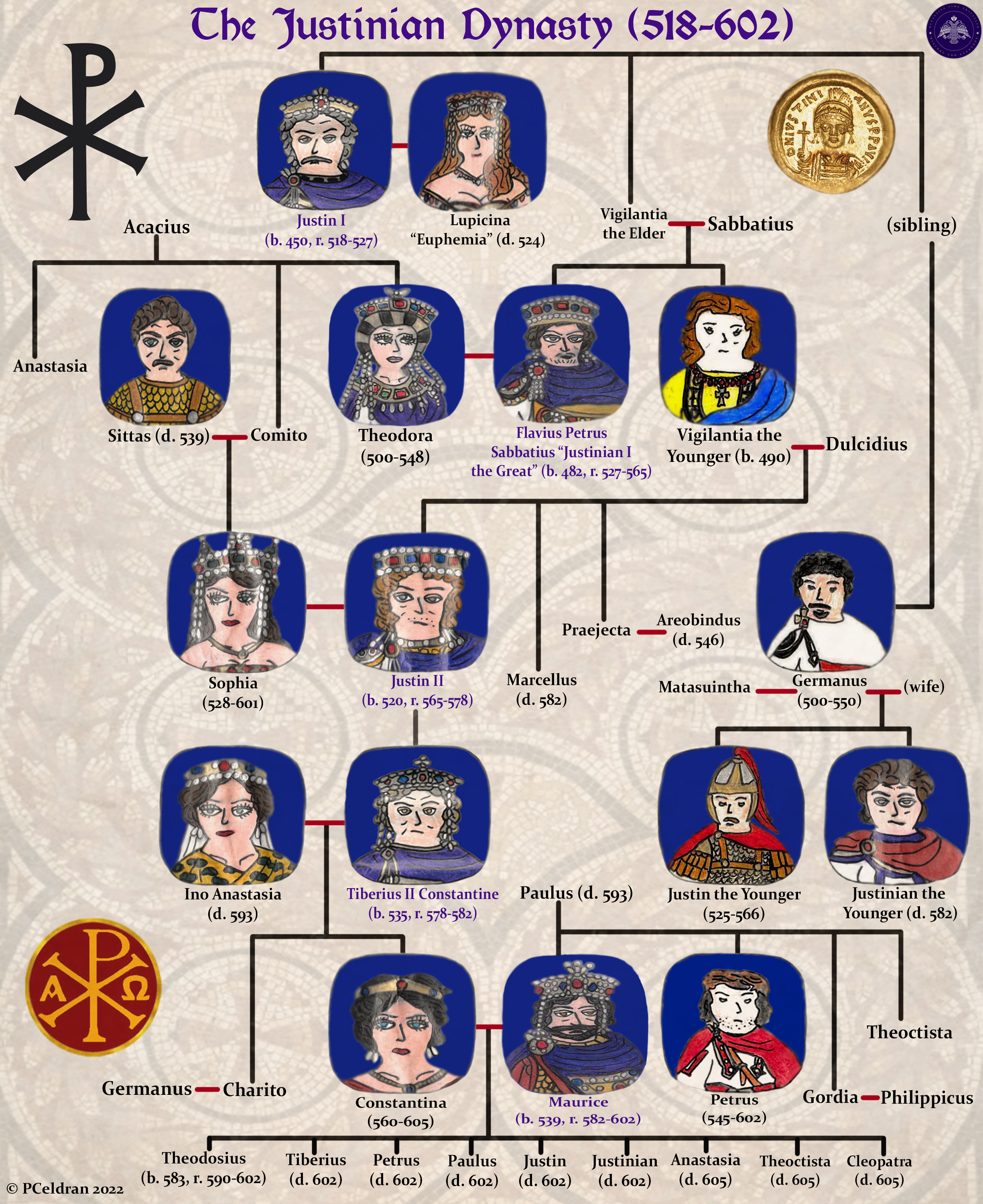
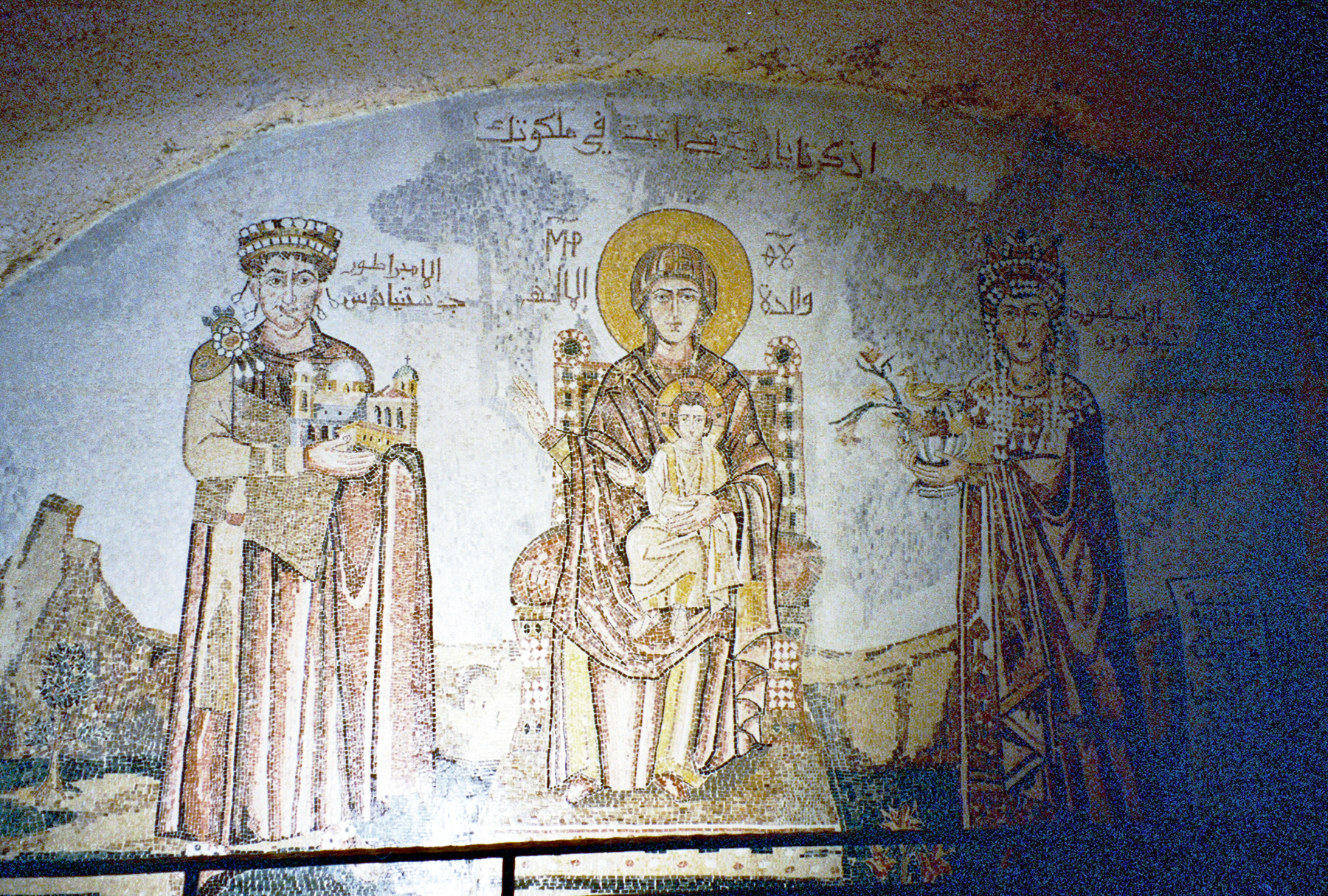
One thing Theodora had also played a main role in was in forming what would be known as the Justinian Dynasty by marrying off members of her own family to different nobles and generals of the Byzantine Empire as well as to members of her husband Justinian’s family. Prior to marrying Justinian, Theodora was known to have had illegitimate children with other men, one unnamed daughter and a son named John. This unnamed daughter now was married to a relative of the former emperor Anastasius I after the emperor Justin I by the influence of Justinian and Theodora overturned the law that forbade patrician men from marrying women of low birth. Theodora’s son John however only arrived in Constantinople to meet his mother after she had already married Justinian, but he was sent away and never to be heard of again.
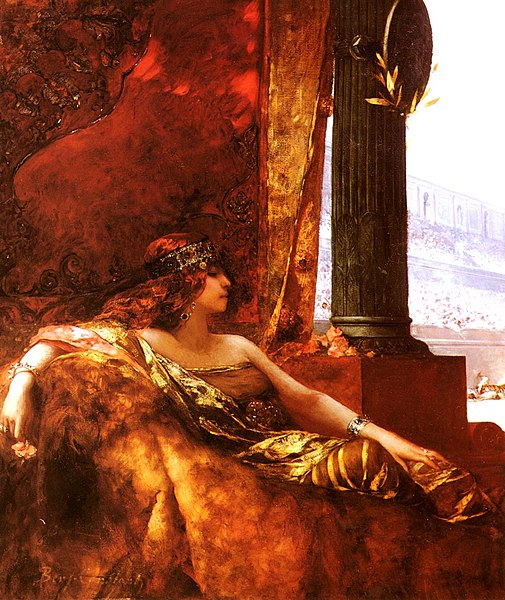
On the other hand, Theodora too had her long-time friend and fellow actress and dancer Antonina from the past marry the influential general Belisarius by the time Justinian had become emperor whereas Belisarius had been promoted to a high military position. Theodora too meanwhile had also engineered another marriage between her older sister Comito and the general Sittas who was once Justinian’s bodyguard before the former was emperor and a mentor to Belisarius in military matters. Together, Sittas and Comito were known to have at least one daughter named Sophia who was Theodora’s niece and some years later Theodora possibly made the most important matchmaking in the Justinian Dynasty as she was the one to have possibly engineered the marriage between her niece Sophia and Justin, the nephew of Justinian who was his sister Vigilantia’s son. Justin II would thus succeed Justinian I when the latter died in 565 whereas his wife Sophia became the new empress following in the footsteps of her aunt Theodora, though that would be a different story altogether. Theodora though never lived to see her niece become the new empress as in June of 548 she died possibly of cancer as sources are not clear of the cause of her death. At her death, she was as young as 48 but most possibly at 51 all while her husband Justinian would rule for the next 17 years without an empress as he refused to remarry despite never having had any children with Theodora. Theodora was thus buried in the Church of the Holy Apostles in Constantinople and in one instance in 559 when Justinian celebrated a triumphal procession for the victory of Belisarius over an invading band of Huns, the procession was diverted to the Church of the Holy Apostles so that Justinian could light candles for her tomb. When Justinian died in 565 at the old age of 83, he was buried next to his wife Theodora.
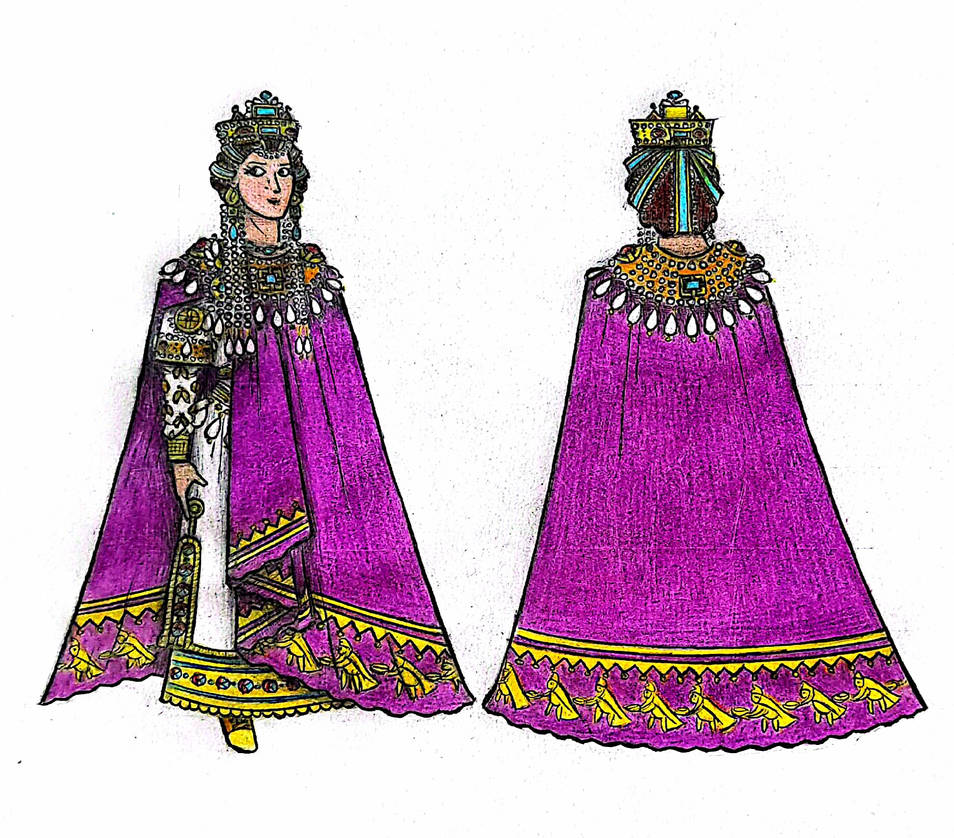
Conclusion
Theodora is one historical figure difficult to judge especially since sources that talk about her are very biased especially Procopius who on one hand in his work Wars describes Theodora as a courageous woman but in his work The Secret History Theodora is portrayed as evil and openly sexual, thus it is difficult to tell which one is true about her. Despite what sources such as Procopius say against her, Theodora is still an overall powerful woman and despite her low birth and lack of education she still possessed a lot of intelligence which thus made her have an influential role in running the empire and advising her husband the influential emperor Justinian I.
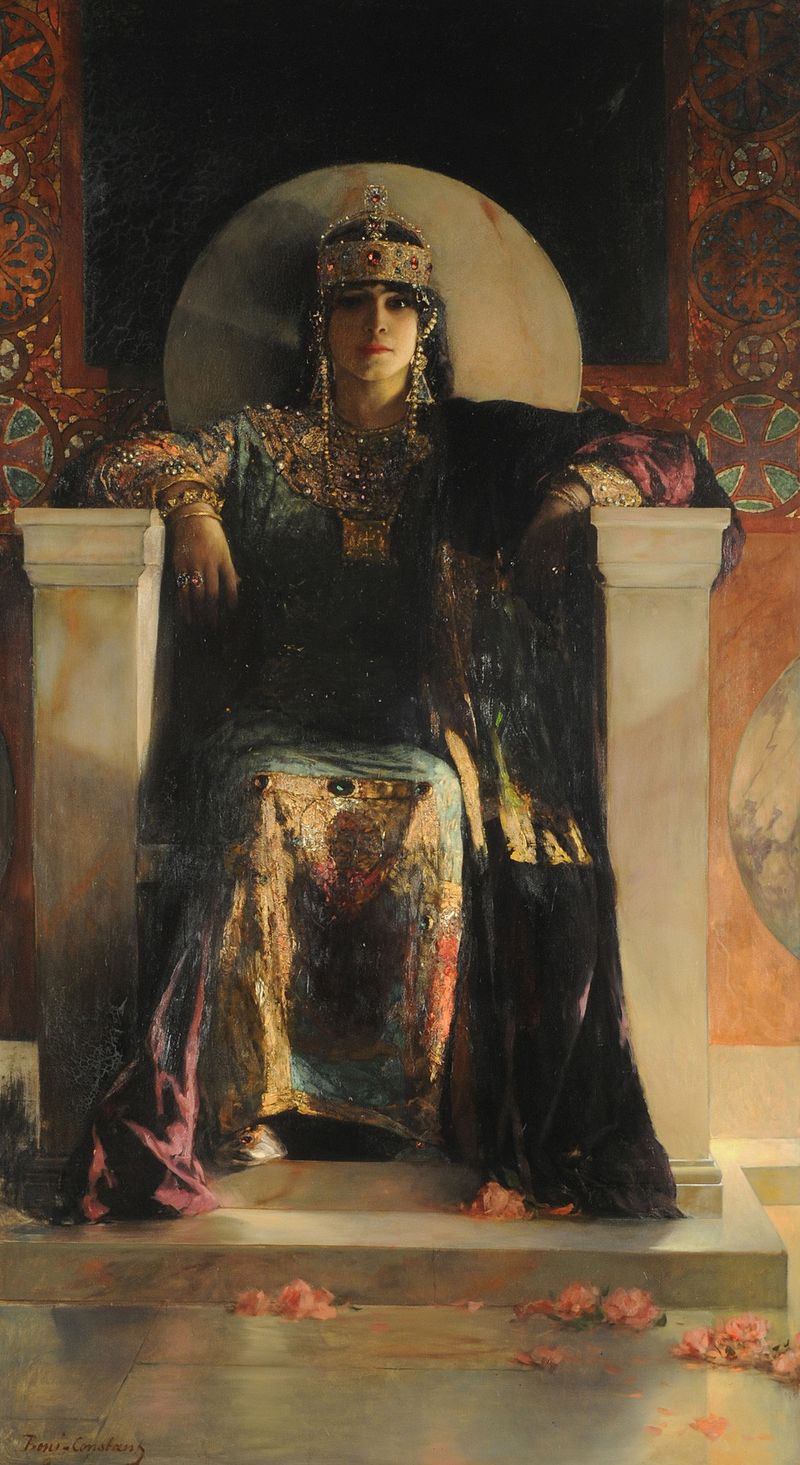
The one thing Theodora shows that can still be admired greatly today is “woman power” especially seen when she did not hesitate to suppress the violent Nika Riots with violence, and it is thanks to her that Justinian stayed in power and was thus able to rule for such a long time and achieve many accomplishments. Of course, the one thing that Theodora should be most remembered for is her role in promoting and enforcing women’s rights in the Byzantine Empire which thus makes her a woman ahead of her time and till this day Theodora too should be considered a champion for women’s rights. On the other hand, Theodora’s role in influencing and being in charge of court politics too shows her as a perfect example of a powerful woman, though this was not uncommon among Byzantine empresses throughout Byzantine history. Overall, it is really Theodora’s role in promoting women’s rights by having Justinian pass laws that supported it that makes her definitely an exceptional woman ahead of her time. The one thing Theodora lacked in though was influencing foreign policy as she was never shown to have influenced Justinian in it considering that many foreign wars were fought during Justinian’s reign. Another negative side of Theodora is that she too failed to produce children with Justinian, hence there was no clear succession plan by the time she died in 548, although Theodora still did at least engineer the marriage between her niece Sophia and Justinian’s nephew Justin who was to be the next emperor Justin II (r. 565-578). However, Theodora too was influential in religious matters in the empire especially with regards to Monophysite Christianity and because of this she is considered a saint in the Monophysite (Oriental Orthodox) Church. Now, Justinian I’s reign was surely a great and influential one in Byzantine history, but it would have not been that great if Theodora were not there to advise and influence him. What are your thoughts now about Empress Theodora and do you really think she was a very influential figure in 6th century Byzantium? I would like to thank you all for reading this article and please continue to support me by following and subscribing to my sites!
 The Byzantium Blogger