
Posted by Powee Celdran
Welcome back to the Byzantium Blogger and here we are once again with another Byzantine history article! In this one being the fourth part of this series featuring top lists concerning the lives of certain emperors who I think have interesting stories, we will go over probably the most famous Byzantine, the emperor Justinian I the Great (r. 527-565), the legendary 6th century ruler who had left behind a great legacy that still lives on to this day. Many now would remember Justinian I for the building of the impressive church of the Hagia Sophia of Constantinople which still stands today in Istanbul, issuing his famous code of laws known as the Corpus Juris Civilis, and for sending his armies to reconquer the lands the Romans once had such as North Africa which had fallen to the Vandals and Italy to the Ostrogoths.
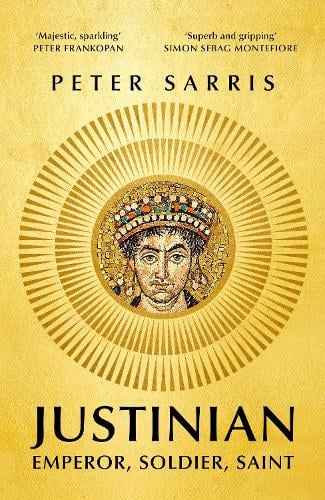
However, other than these famous achievements Justinian had, there are surprisingly many things people may not know about him which are equally just as impressive as the famous things he is remembered for. Just recently, I have finished reading the newly released ultimate biography of the said emperor Justinian the Great by Peter Sarris- Justinian: Emperor, Soldier, Saint– and because of this I decided to create a video on it on my channel No Budget Films (found below) and subsequently this article. Now, as you guessed it, this article will cover some top 10 interesting and yet unknown trivia about Justinian that not a lot of people may know about wherein I discovered most of it from that same book I recently finished. These unknown facts about Justinian I covered here include his other wars of reconquest not as well-known as that in Italy and North Africa, his rather eventful pre-imperial career, his construction projects, and numerous policies throughout his entire reign which thus makes him be remembered as the “emperor that never slept”. Since this article aims to focus on the lesser-known facts about Justinian I, it will therefore no longer explain his full story in detail. For this article, we will simply go over 10 unknown facts about Justinian and so before we begin please check out the video below covering exactly what this article will cover being some 10 surprising unknown facts about the life and reign of Justinian the Great.

Follow me, Byzantine Time Traveller on Social Media:
Instagram: @byzantine_time_traveller
Facebook: Byzantine Time Traveller
Youtube: No Budget Films
Website: Byzantine Time Traveller
Deviantart: Byzantium-blogger55
Art Station: Powee Celdran Porphyrogennetos
Patreon: Byzantine Time Traveller
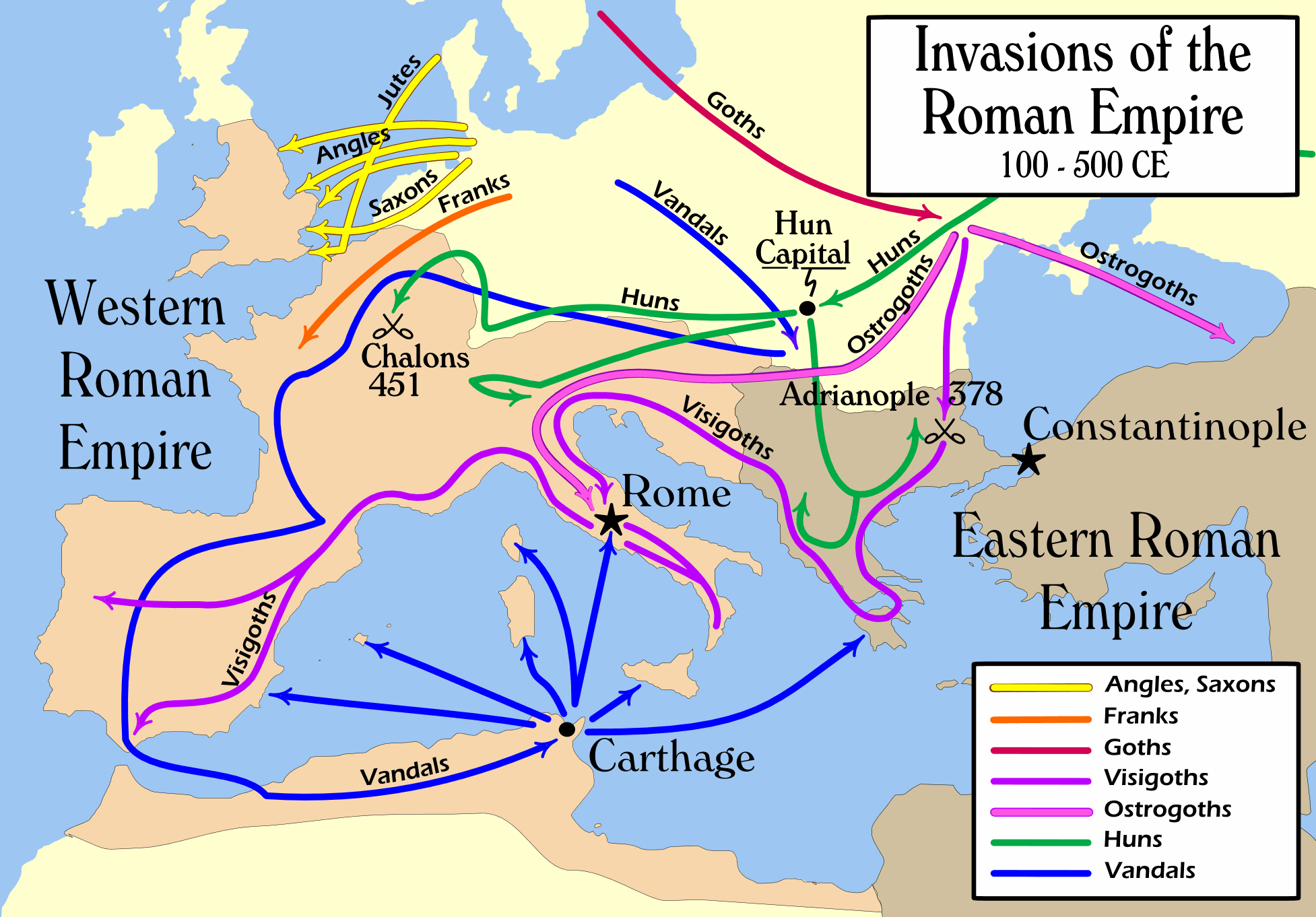
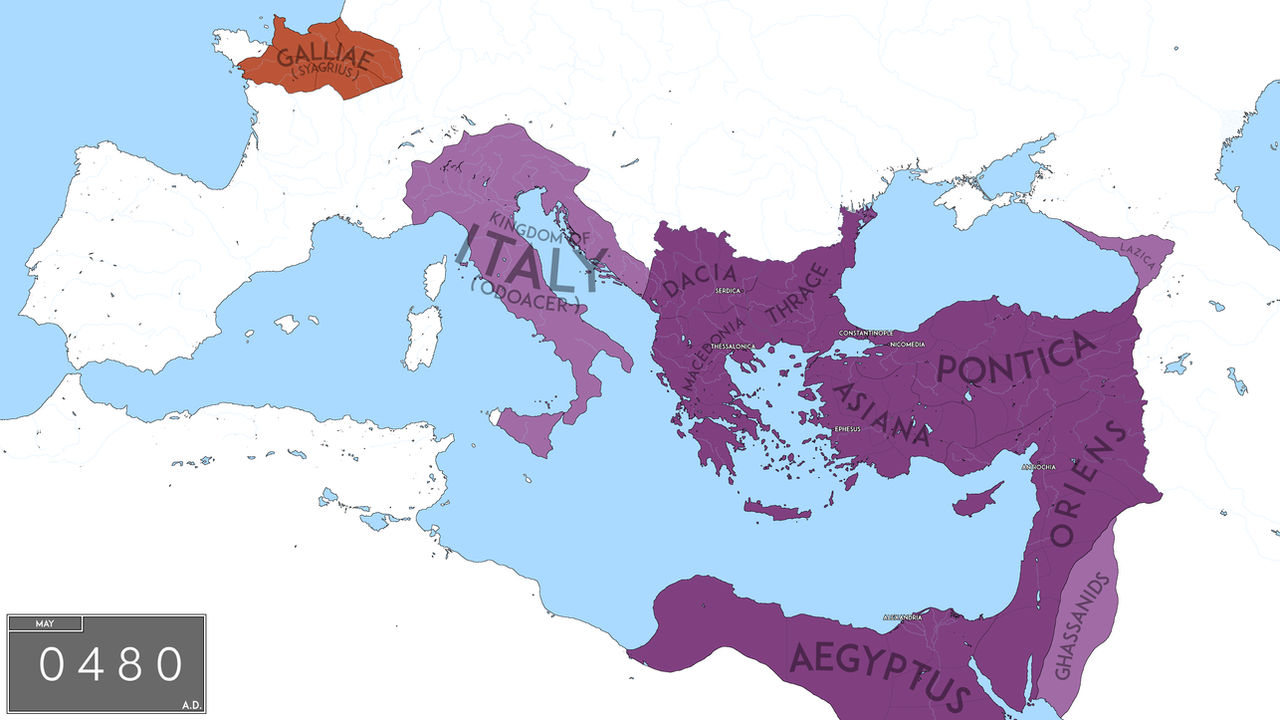
Before we proceed to the top 10 list, here is a quick background on the Byzantine or rather Eastern Roman Empire that Justinian I inherited when becoming emperor in 527. Now during the 5th century, much of the Western Roman Empire- which separated from the east due to the division of the Roman Empire in 395- lost its territory to invading barbarian tribes: The Franks, Burgundians, and Visigoths taking much of Gaul; the Visigoths and Suebi taking Hispania; the Vandals taking North Africa; and Britain being abandoned. The Western Roman Empire itself completely fell when Italy was taken over by the barbarian general Odoacer in 476 who after deposing the last Western Roman emperor Romulus Augustus (r. 475-476) made himself “King of Italy”. However, Odoacer’s rule over Italy would end with his murder in 493 by the Ostrogoth king Theodoric the Amal (r. 475-526) who thus took over Italy transforming it into the Ostrogoth Kingdom which he would rule until his death in 526.
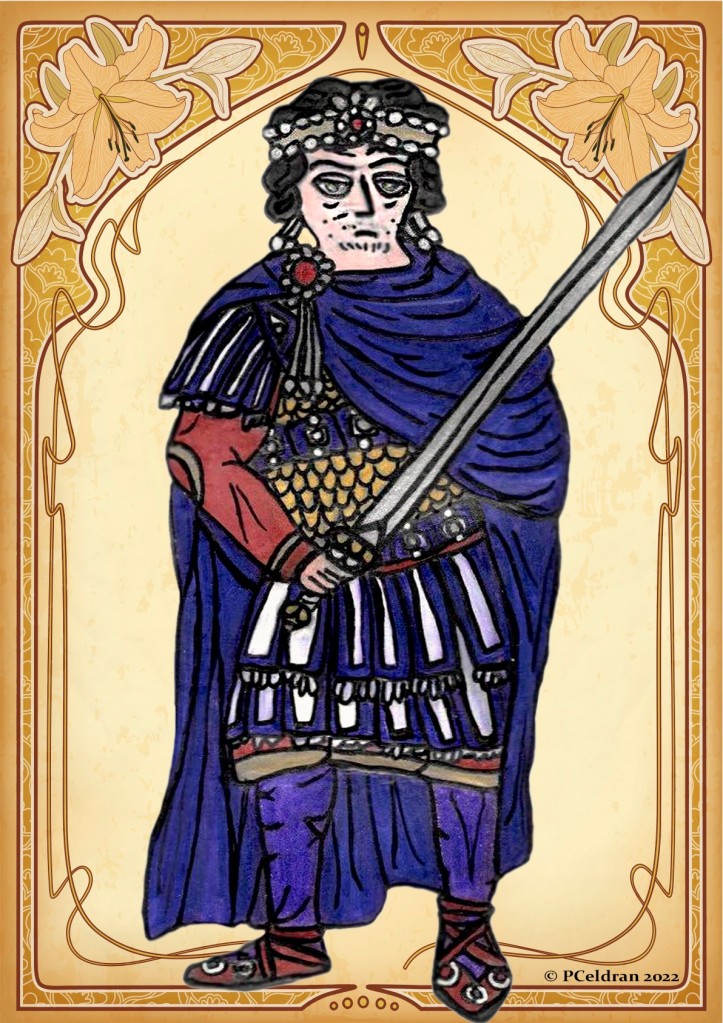
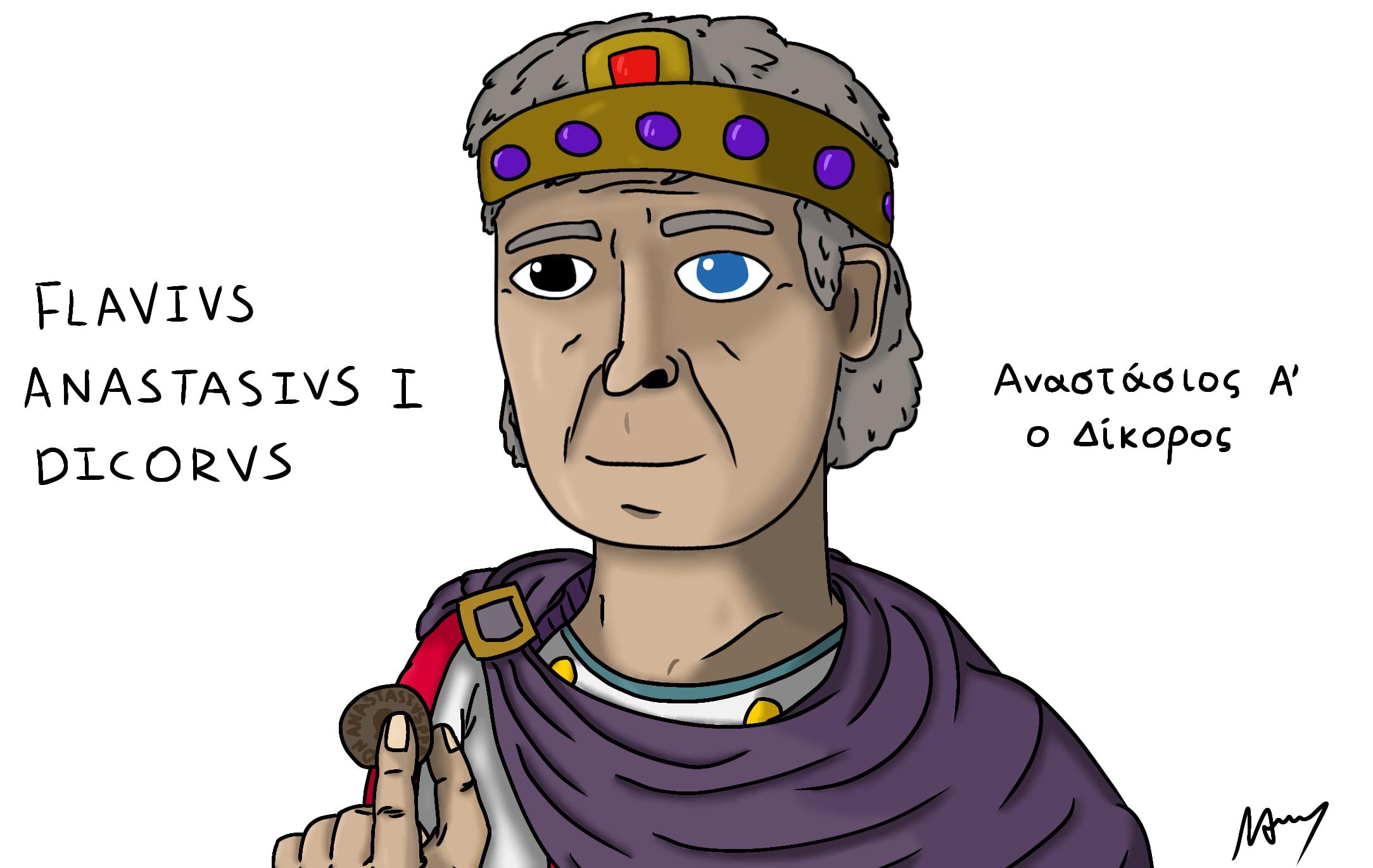
Meanwhile, the Eastern Roman Empire based in Constantinople was at a much more stable situation as compared to the west despite it facing some political instability during the reign of Zeno (474-475/ 476-491) whose rule saw the fall of the Western Roman Empire and a series of military revolts against his rule. Although faced with numerous revolts against his rule, Zeno died in 491 still in power leaving the empire in a much more stable state as compared to how it was when he became emperor. What was thus needed for the Eastern Roman or Byzantine Empire was a ruler who could lead it out of troubled times and into a golden age and fortunately, the Byzantines got one with Anastasius I (r. 491-518), the finance minister who succeeded Zeno after marrying the late emperor’s wife Ariadne. In his long reign, Anastasius faced war against the Sassanid Persian Empire in the east from 502-506 which was although resolved through diplomacy, though more importantly he was known for his economic reforms wherein he left the empire with 320,000 pounds of gold at his death in 518. Although Anastasius I left the Byzantine Empire economically prosperous, his reign was also marked with religious division in the empire between the Orthodox and Monophysite sects of Christianity, the latter one supported by the emperor. Now with the Byzantine Empire prosperous at Anastasius’ death, all the empire needed was someone to use this money to expand the empire’s borders and construct landmarks worthy of making Byzantium a world power, and this someone would be Justinian. However, it would not be Justinian’s time to rule yet as first his uncle Justin I (r. 518-527) would have to rule to pave the way for Justinian’s rise to power.
Related Articles from the Byzantium Blogger:
5 Reasons to Feel Bad for Justinian II and 5 Reasons to Hate Him
10 Surprising Facts About Basil II
8 Times Michael VIII Palaiologos was an “Evil Genius”
Byzantine Alternate History Chapter III
Byzantine Alternate History Chapter III Spin-off
I. The Name
Although being the most influential emperor of Byzantium, Justinian the Great came from humble origins born in Roman Illyria in today’s Macedonia in the year 482 during the reign of Zeno to a family of peasants.
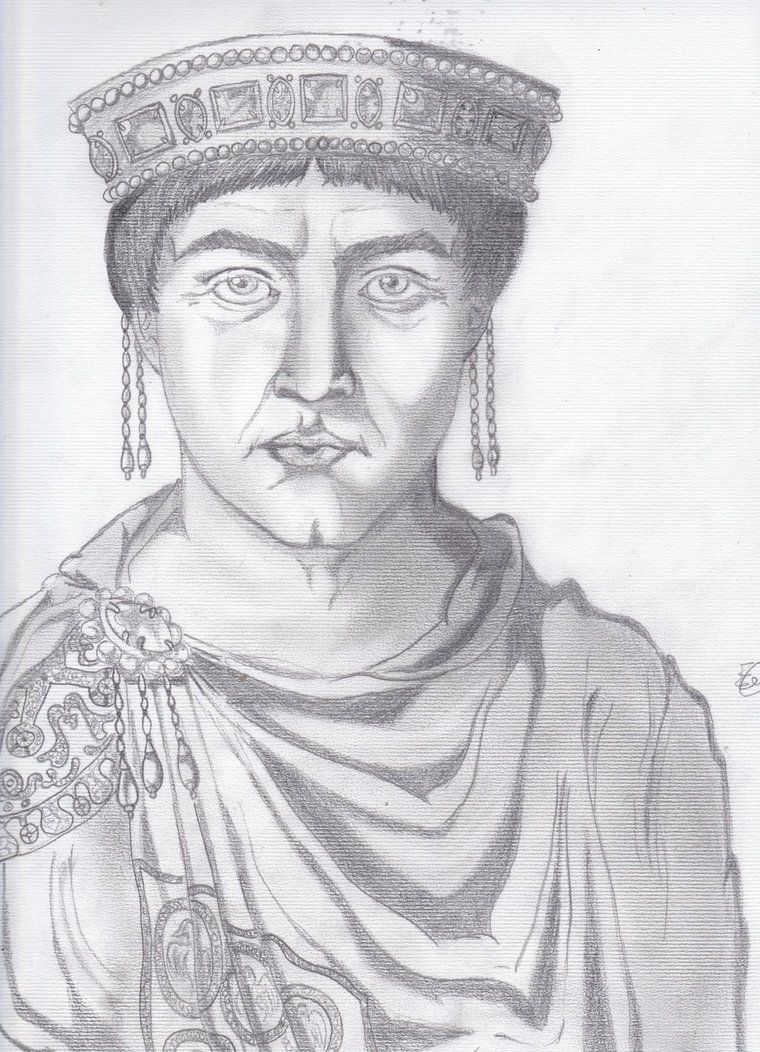
Justinian true enough was not his actual birth name, rather he was born with the name of “Flavius Petrus Sabbatius”. Although the date remains unknown, the young Petrus was taken to the Byzantine capital of Constantinople by his uncle Justin- Petrus’ mother’s brother- who had become a military commander to be educated in the best ways possible. It was due to being adopted by his uncle Justin as a son that Petrus changed his name to “Justinian” meaning “son of Justin” and thus from then on, he was known by the name Justinian. After years of intensive studying as his uncle Justin commanded Byzantine troops in numerous battles notably in the war against the Sassanid Persians from 502-506, Justinian following in his uncle’s footsteps joined the imperial army wherein he was eventually placed in the elite palace guard force known as the Excubitors and later in the highly elite unit of 40 men sworn to protect the emperor known as the Candidati. Although being part of the imperial army of Anastasius I, Justinian had never set foot in any battle throughout his service, however things would change for him when the Byzantine emperor Anastasius died in 518.
II. The Power Behind the Throne
With the death of the Byzantine emperor Anastasius I in 518 without any named heirs, Justinian’s uncle Justin who was the commander of the palace guard force immediately succeeded as emperor despite his humble background and illiteracy. As Justin was uneducated and illiterate, the power and brains behind his rather successful rule was his brilliant nephew Justinian who was now appointed by his uncle as the new commander of the palace guard force.
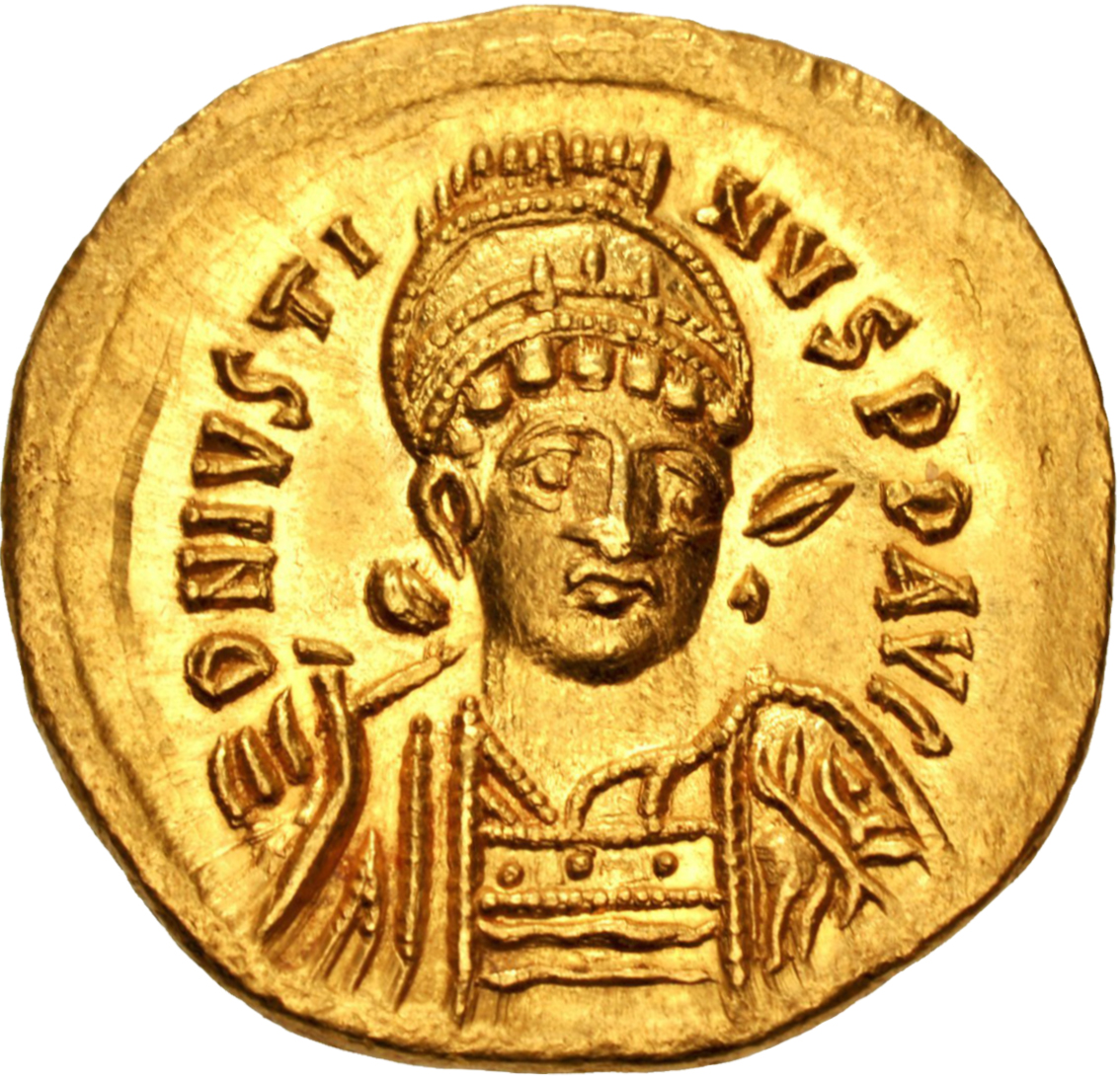
It is believed that it was Justinian who successfully convinced the pope Hormisdas by writing to him to come over to Constantinople in order to solve the schism between the Churches of Rome and Constantinople in 519- this schism had been ongoing since Zeno’s reign- which was therefore successfully resolved through a council held in Constantinople. Aside from that, Justinian during his uncle’s reign eliminated a potential threat to his power by having his rival the general Vitalian- who previously rebelled against Anastasius I from 513-515- killed in 520 whereas in the following year 521, Justinian was appointed as consul of the year thus boosting his power and influence.
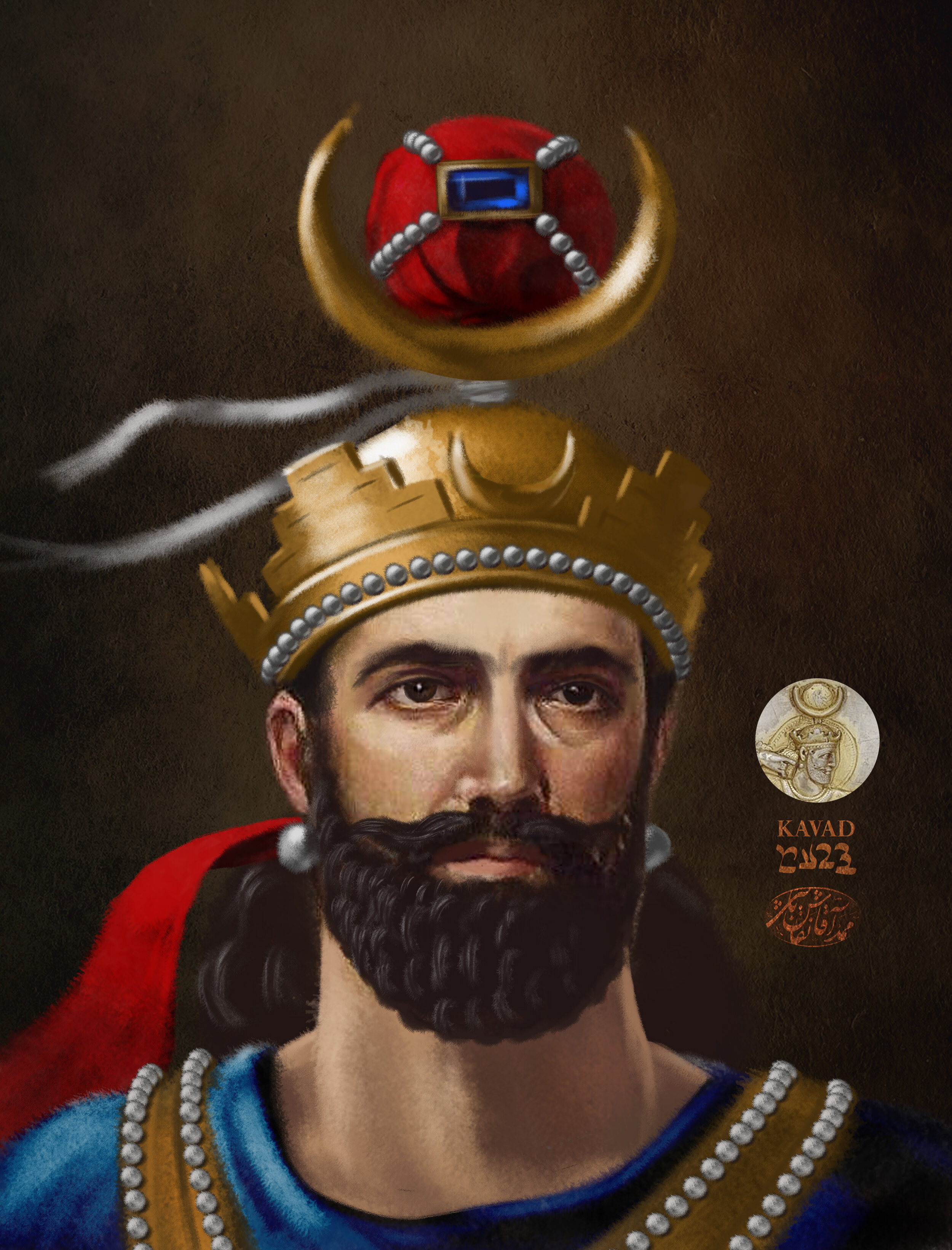
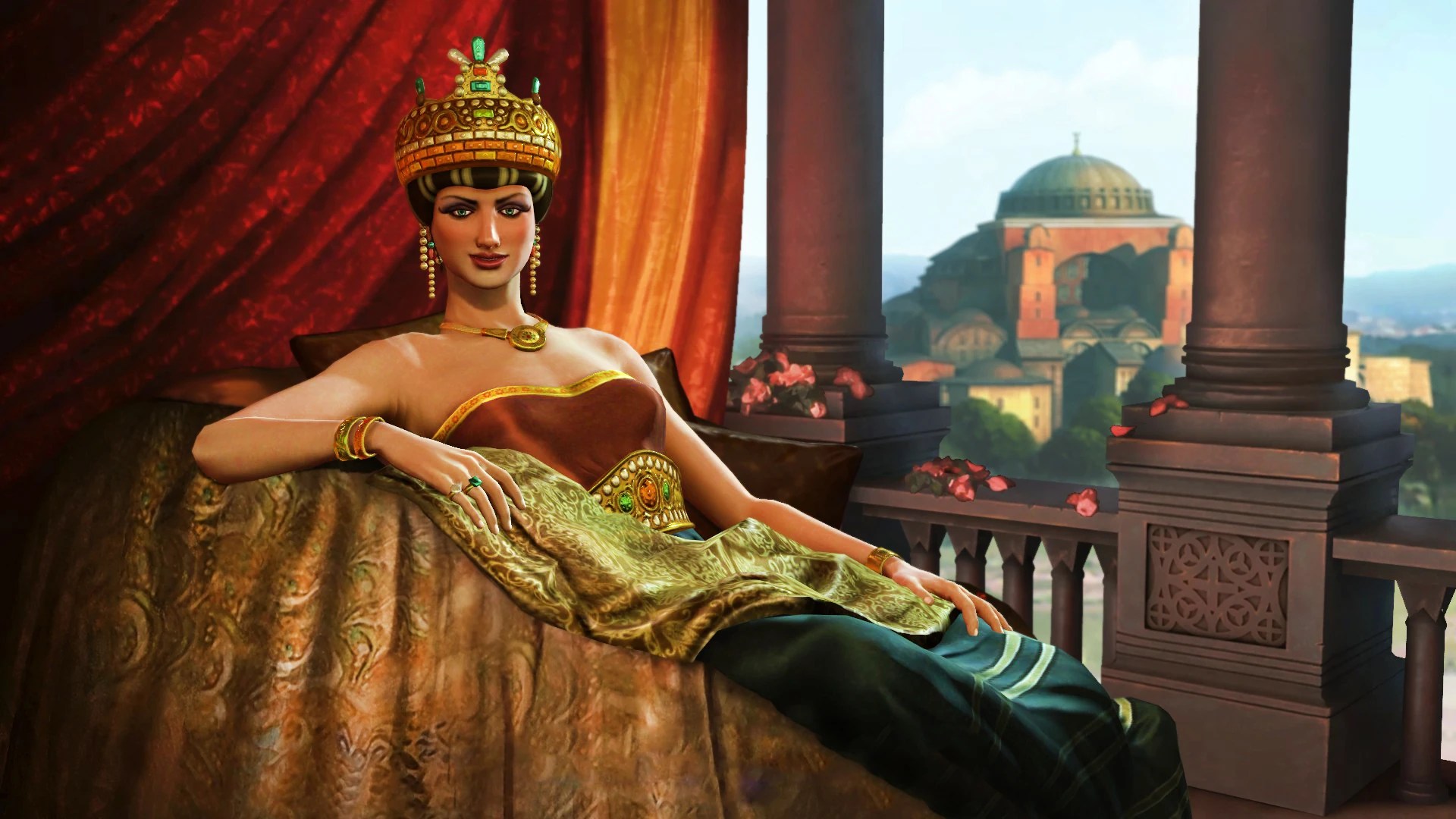
Furthermore, Justinian greatly influenced his uncle Justin’s domestic and foreign policy such as by having Justin overturn a law that forbade men of patrician status from marrying actresses which Justinian had done in order to marry the love of his life, Theodora all while it was possibly Justinian too who convinced his uncle to engage in proxy wars against their main enemy, the Sassanid Empire under Shah Kavad I (r. 488-531) such as by having Byzantine ships transport the Ethiopians (the Kingdom of Aksum) across the Red Sea to invade the enemy Sassanid-allied Kingdom of Himyar or rather Yemen in 525. A lesser-known fact about Justinian in his pre-imperial career was that at one point he was almost arrested by Constantinople’s mayor for stirring up trouble using the blue faction; however, he was immediately pardoned by his uncle, the emperor. Although Justinian was practically running the empire for his uncle, he was never made his uncle’s co-emperor until shortly before Justin’s death in 527. Following Justin I’s death, Justinian thus succeeded him as emperor with his wife Theodora as his empress although inheriting a war with the Sassanid Persians as a result of diplomatic relations failing between both Byzantines and Sassanids during Justin I’s rule as a result of the Byzantines starting proxy wars against the Sassanids. This war known as the “Iberian War” would go on until 531 ending with a truce concluded between both empires wherein Justinian was to pay the new Sassanid shah Khosrow I (r. 531-579), the son of Kavad I an annual tribute of 11,000 pounds of gold which was possible as the treasury was completely full thanks to Anastasius I’s economic policies.


III. Construction Projects
In 532, Justinian could have lost the throne to the violent Nika Riot in Constantinople if Theodora had not intervened by having Justinian send the troops to kill off the rioters which at the end resulted in 30,000 dead. As the violent riot among Constantinople’s blue and green factions combined was violently put down, Constantinople was left in ruins, although Justinian saw this as an opportunity to rebuild the capital at a much grander scale.
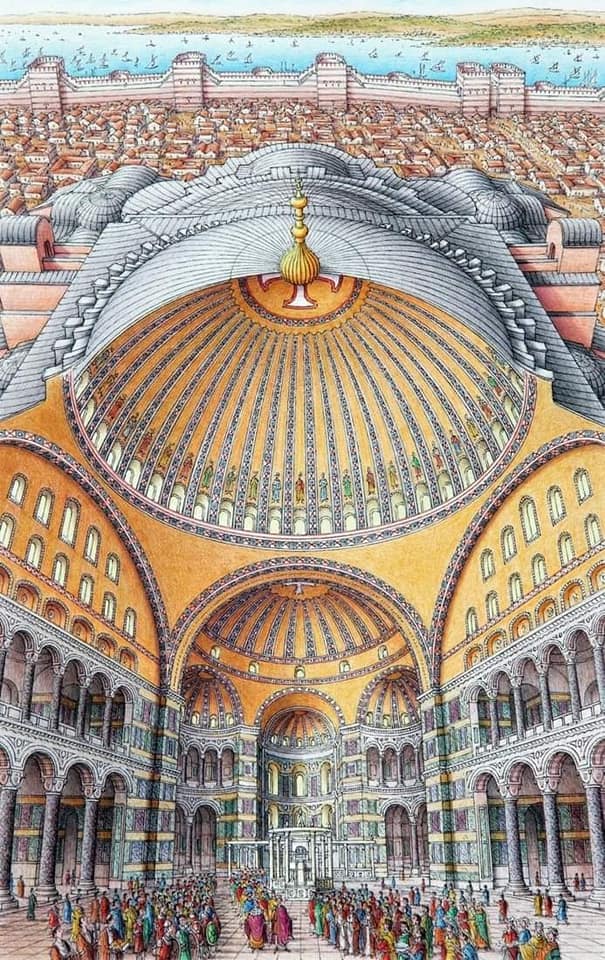
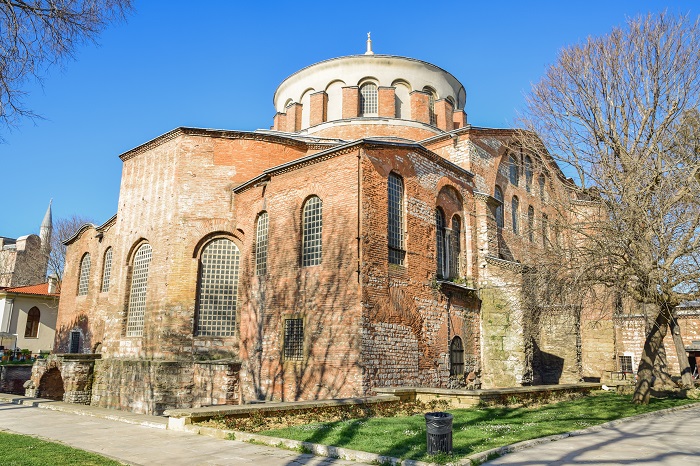
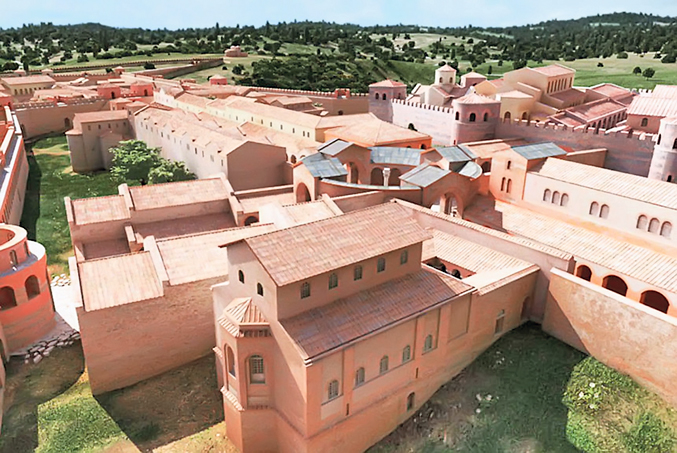
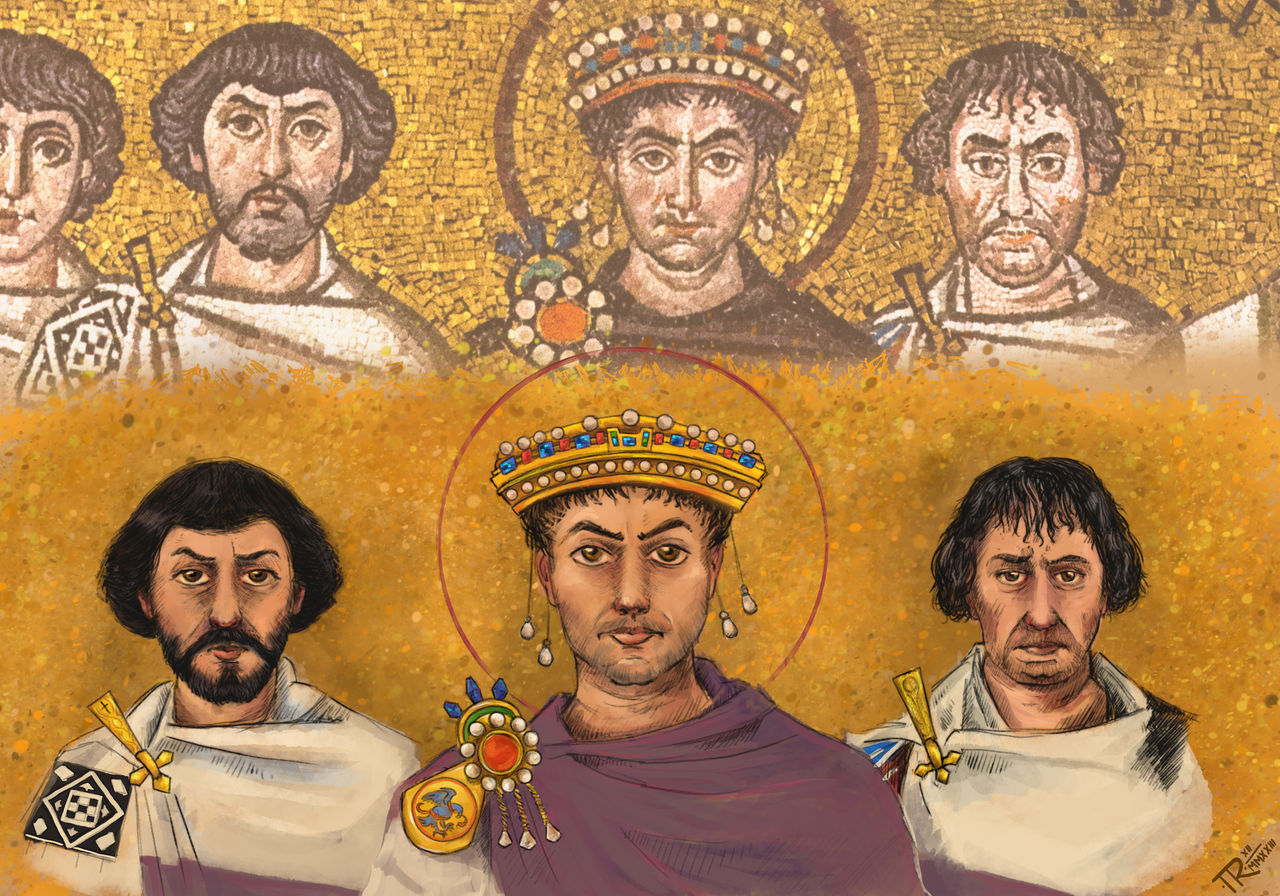
Among the many structures rebuilt by Justinian was the great church of the city or the Hagia Sophia- in which the original structure was also destroyed in the Nika Riot- which was completed in only 5 years despite its massive size! However, other than the Hagia Sophia which was the most famous construction project of Justinian, he had also rebuilt other churches such as the Hagia Eirene which still stands today and the Church of the Holy Apostles which houses the tombs of the Byzantine emperors including Justinian after his death in 565. Justinian too built several more churches and structures around the capital most notably his own triumphal column with his own equestrian statue above built in 543 outside the Hagia Sophia which became a major landmark of Constantinople though it no longer exists today, but another landmark built by Justinian that you can still see in today’s Istanbul is the Basilica Cistern which stored water for the imperial palace complex. Justinian too was known to have built other structures even beyond the capital and these included several fortresses all over the Balkans and later on the famous church of San Vitale in Ravenna Italy which features a mosaic depicting Justinian and Theodora with their respective courts and in Egypt the Monastery of St. Catherine which was built later on in his reign. What I would say though is the most impressive thing constructed by Justinian was the city of Justiniana Prima in today’s Serbia built near Justinian’s birthplace, and although it is now in ruins, the city was impressively built from scratch! At its prime, Justiniana Prima was a complete Roman city with baths, an agora, marketplaces, fountains, shops, colonnaded walkways, and running water. Justinian sadly may have never personally seen the city he had built and named after himself all while in just less than a hundred years, this grand city would be abandoned due to the migrations of the Avars and Slavs into the Balkans.


IV. The Emperor that Never Slept
It is surely no doubt that Justinian the Great was a highly active and ambitious emperor, hence he is known as the “emperor that never slept” as he true enough had to do something in every single day of his reign from passing laws to masterminding imperial conquests.

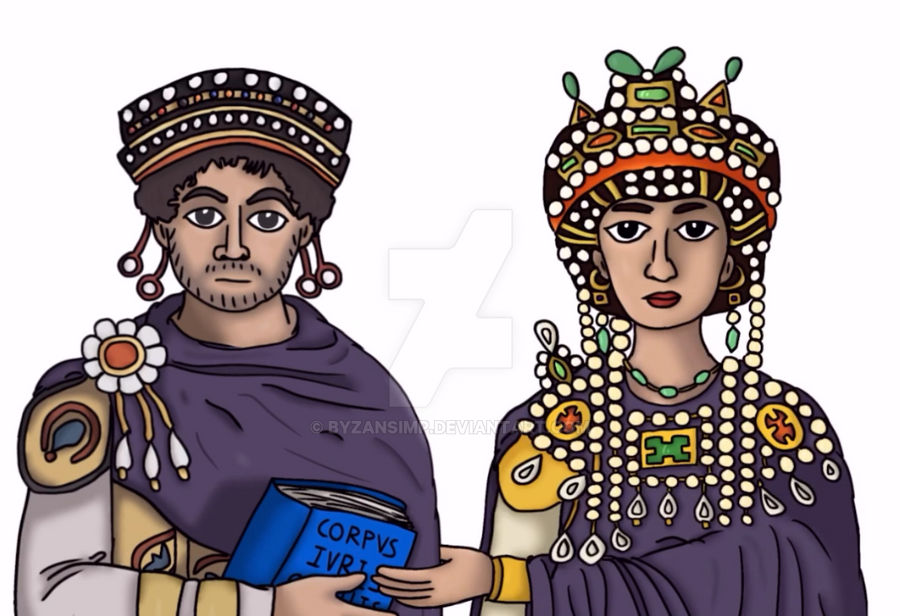
Already during the early years of reign, Justinian began what would be the codification of past Roman laws into a single code of laws known as the Corpus Juris Civilis which was an ambitious project consisting of 3 parts- the Codex, Digest, and Institutes– commissioned by Justinian and headed by his legal minister Tribonian wherein work on this project began in 529 and finished in 534. As the emperor that never slept, Justinian in his long reign was known to have passed over 400 laws most of which regarded property rights, marriage, criminal laws, religious laws, and tax reforms in which many of these said laws he passed made him unpopular among his subjects and the senate wherein the latter would despise his increasingly autocratic way of ruling as Justinian true enough set the standard for emperors acting as God’s representative on earth. However, thanks to the workaholic Justinian being constantly having to do something, the empire he ruled was not only kept stable but had thrived under him despite some setbacks.

V. The Plague of Justinian
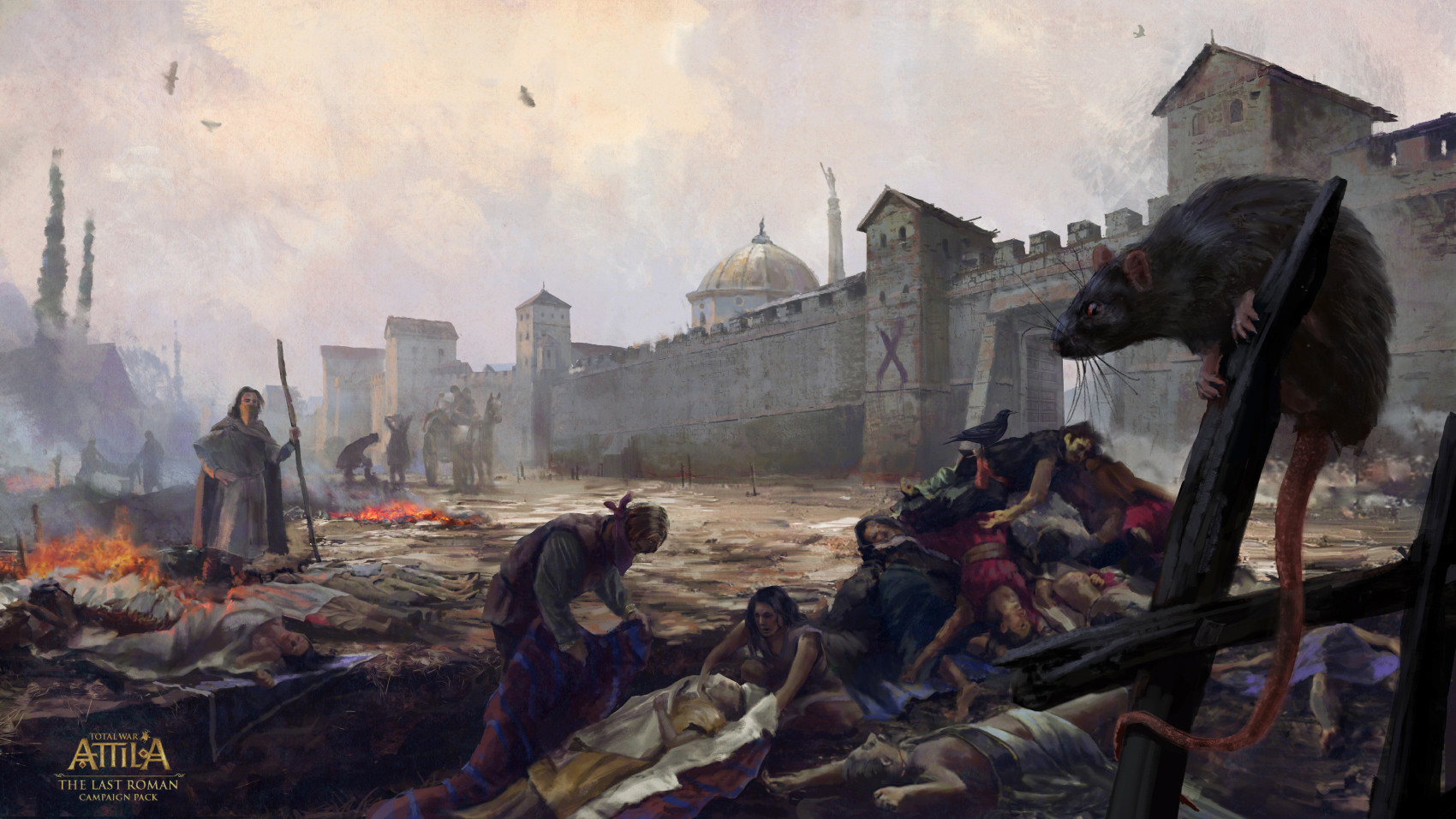
Speaking of setbacks during Justinian the Great’s reign, a majority of them took place in the 530s and 540s beginning with the mysterious weather conditions caused by volcanic eruptions across the world- according to modern research- that affected the entirety of the empire from 536-537 causing poor harvests, an invasion of the eastern provinces by the Sassanid Persian shah Khosrow I in 540 which included the Persians’ capture of Antioch from the Byzantines, and in 541 the arrival of the bubonic plague which was first recorded in Byzantine Egypt.
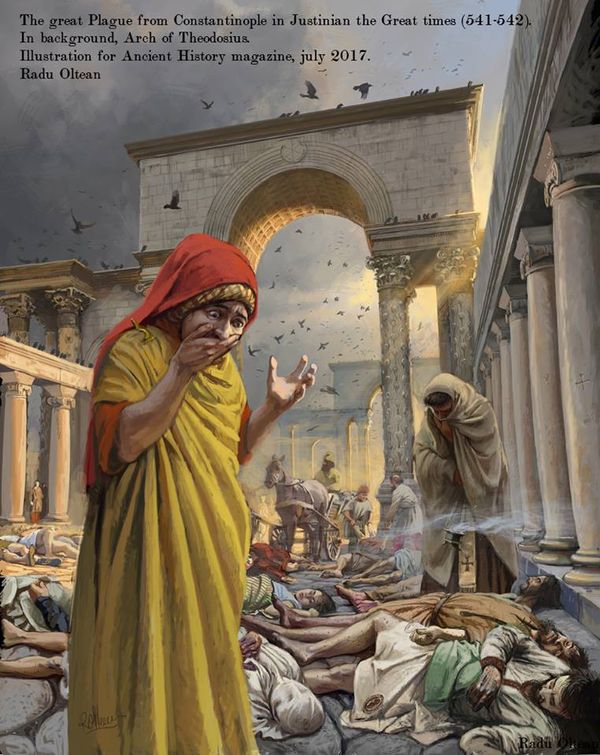
As reported by the historian of this time Procopius, the plague when reaching Constantinople in 542 killed 5-10,000 people a day to the point that there was not enough space to bury the dead all while people of all social classes and walks of life were affected by it. Among the victims of the plague was the emperor Justinian himself who fell into a comma due to it but miraculously survived it and true enough lived for several more years after the plague. Although the emperor survived the plague, his chief legal minister Tribonian did not. Due to the plague occurring in Justinian’s time with the emperor contracting it, it was thus known as the “Plague of Justinian”. To put it short, the Plague of Justinian would be the worst plague pandemic to hit the Byzantine Empire until the plague of Black Death in the 14th century as here, 1/3 of its population had died from it and not to mention it had severely shattered the empire’s economy too. The Plague of Justinian true enough too did not end in the 540s as it would make comebacks every now and then until the 8th century.
VI. The Religious Fanatic Emperor
As being the “emperor that never slept”, Justinian other than being a workaholic was also a fanatical Orthodox Christian whose reign saw the persecution of several religious minorities across the empire including Arian and Monophysite Christians, Jews, and Pagans in order to enforce what was known as “Imperial Orthodoxy” as the official state religion.
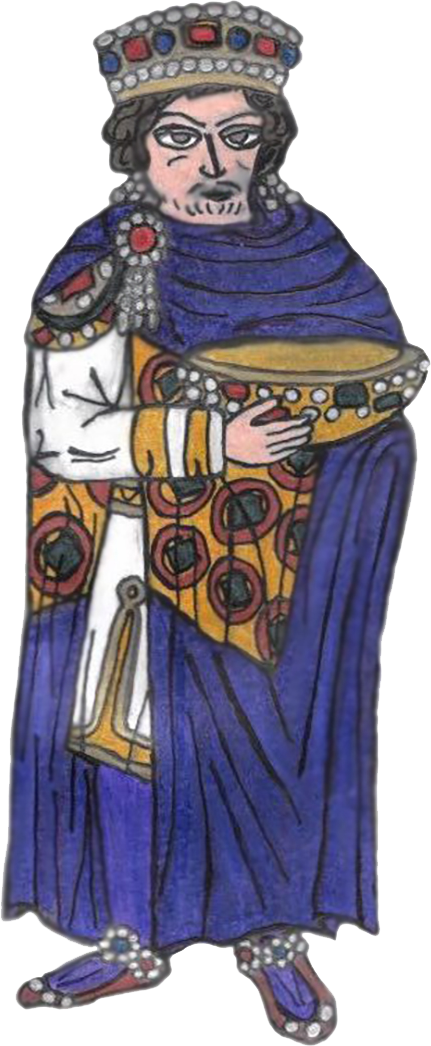
Under Justinian, the old Pagan faith was fully outlawed wherein it true enough became criminal for someone to perform Pagan practices such as sacrificing animals to the old gods and thus one could be jailed or even executed for doing so. Perhaps the greatest blow against the old Pagan faith by Justinian was his shutting down of the prestigious Neoplatonic philosophy academy in Athens in 529 due to its association with Paganism, thus following this the city of Athens would for a long time lose its importance. In the meantime, other branches of Christianity such as the Monophysites and Arians as well as Jews suffered too under Justinian though not as severe as the Pagans did as rather these groups due to not sharing the imperial religion were simply treated as second class citizens and therefore could not join the government or army and could not advance up in society. Strangely, Justinian’s wife the empress Theodora was a Monophysite Christian which is why Justinian true enough at times had an inconsistent policy in tolerating Monophysites or not. Justinian true enough held the Church Council of Constantinople in 553 to resolve the issue between the Orthodox and Monophysite Christians in his empire and possibly unite them both, but this council did not achieve any success to unite both Christian sects. Additionally, Justinian as a fanatically Orthodox emperor also used defending the Orthodox faith as a reason to declare war against foreign enemies such as the Arian Vandals and Ostrogoths and the Zoroastrian Sassanid Persians.

VII. The Emperor that Never Left the Capital
As much as he did not sleep, Justinian too never left the capital Constantinople, except for once in 526 before he became emperor when he visited Armenia to check its defenses against the Sassanid invasion and two times at his old age; one in 559 and the other in 563, but still, these were only to nearby springs for health reasons.
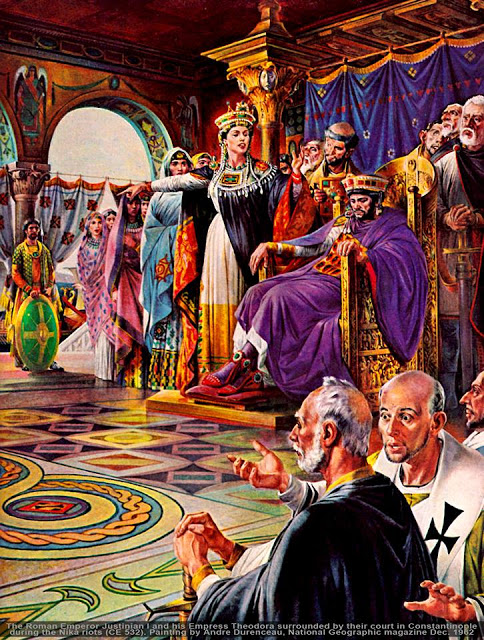
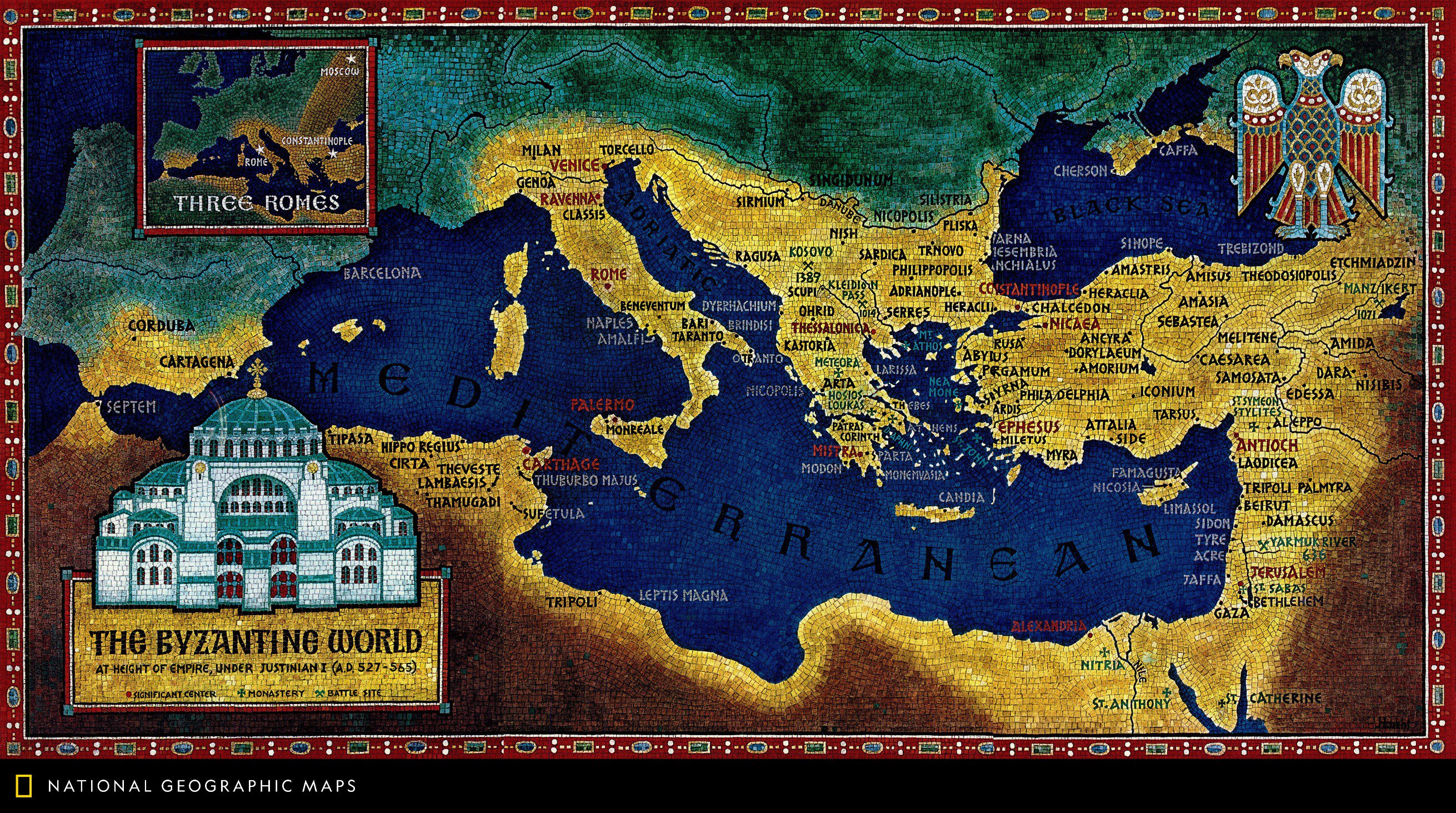
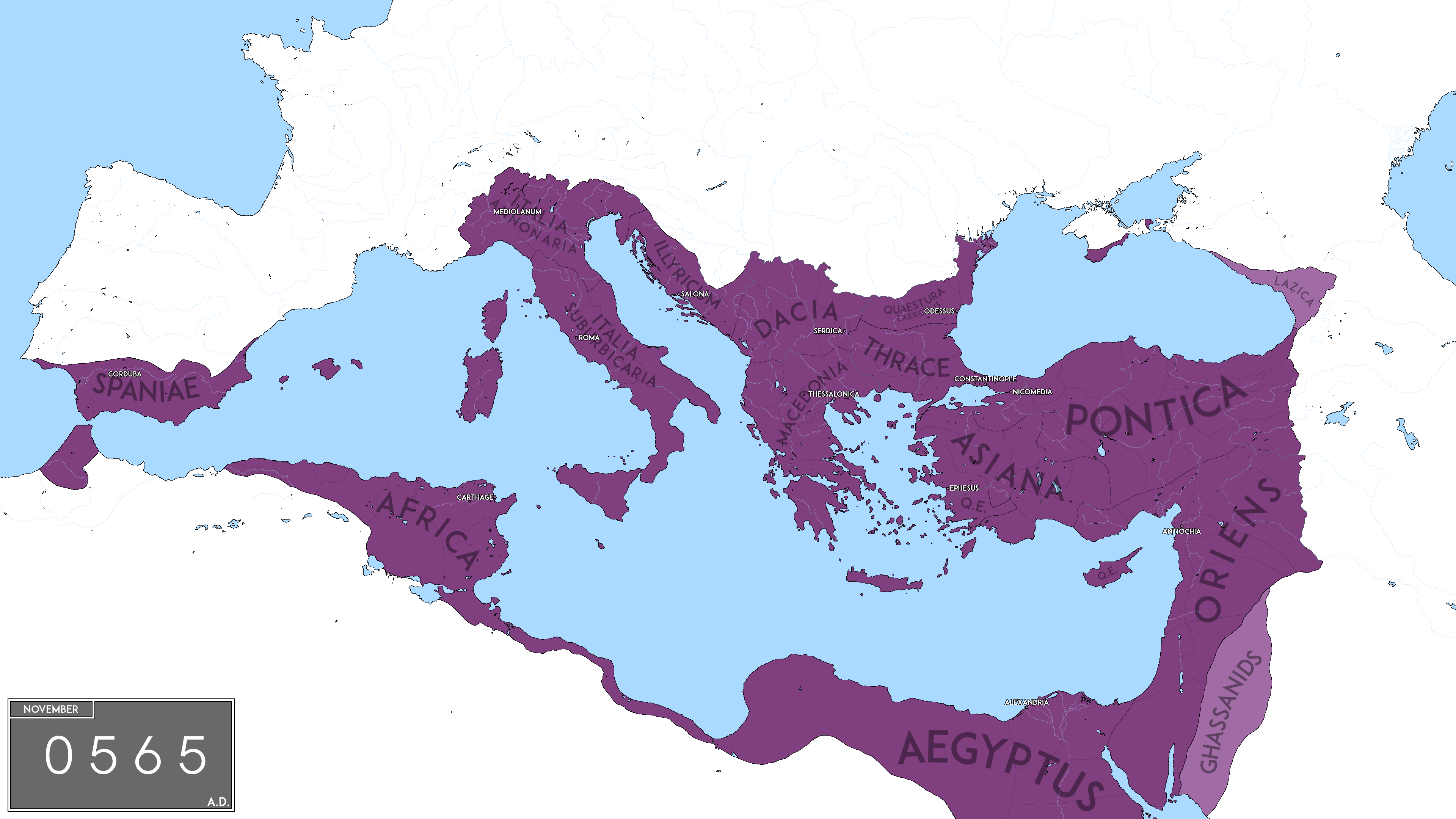
Justinian was the ideal “palace emperor” as for almost his entire rule, he was simply found at the palace surrounded by a large imperial court together with his wife the empress Theodora, at least until her death in 548. As emperor, Justinian had no need to set foot beyond the capital as he appointed loyal people to administer the provinces- that governors true enough had to swear an oath of loyalty to the emperor before being appointed- as well as capable generals to handle the wars of defense and conquest and such generals not only included the famous Belisarius and Narses but a large number of Justinian’s relatives too such as his cousin Germanus and his sons Justin and Justinian the Younger who become prominent in Justinian’s latter reign. Although definitely not a master of conquering by force, Justinian achieved his ambitions of conquests not only through having loyal generals do the work for him but by manipulating his way to conquering through meddling with the politics of other kingdoms to achieve his end goal of conquering them as was again seen when conquering North Africa and Italy. Justinian truly was known to have shown an interventionist and opportunistic style of imperialism through his means of conquest wherein his primary reason for an invasion would again have to do with Orthodoxy and defending it against enemies of the faith. Despite never leaving the capital, the Byzantine Empire under Justinian still grew by more than 50% with the reconquest of North Africa from the Vandals and Italy from the Ostrogoths and later Southern Spain from the Visigoths all while it remained highly stable and prosperous despite facing the plague.
VIII. The Reconquest of Spain
Many would come to remember Justinian’s reign for the Byzantine conquest or rather the Roman reconquest of North Africa from the Vandals and Italy from the Ostrogoths, however many may not know that Justinian had also masterminded the Roman reconquest of at least Southern Spain from the Visigoth Kingdom in the 550s.

Now, Justinian would again have a valid reason to invade and conquer another kingdom if it had to do with defending the Orthodox faith by fighting a non-Orthodox power, however when it came to his conquest of Spain, his reason was primarily for the sake of vanity and simply restoring it to Roman rule. True enough in his reconquest of Spain, Justinian’s ally there the Visigoth rebel leader Athanagild was an Arian Christian rebelling against the Visigoth king Agila (r. 549-554) who was also an Arian. And if you wonder how Justinian had set his eyes on the Iberian Peninsula far to the west, this was because the same rebel leader Athanagild in 551 sent word to Justinian asking for military assistance against the king Agila to which Justinian seeing an opportunity to expand the empire agreed to and thus sent troops to Spain from Sicily led by the aged general Liberius who was already in his 80s. Despite his old age, Liberius managed to take at least the southern and eastern coastal regions of Spain from the Visigoths and annex it to the Byzantine Empire as the province of Spania by 554 all while Athanagild later managed to overthrow the rule of Agila and take over the Visigoth Kingdom but turning on the Byzantines who helped him in the first place. On the other hand, the Byzantine conquest of Southern Spain was at least meant to secure the Mediterranean and the rich grain producing provinces of North Africa by stopping the Visigoths of Spain from invading it. Although the Byzantines surely did control at least some territory in Spain up until the 7th century, up to this day, the borders of Byzantine territory there remain unknown due to no historical records about the extent of Byzantine territory there all while there too is little known remnants of Byzantine structures in Spain and very little archaeological evidence of it as well.

IX. The Imperial Silk Industry
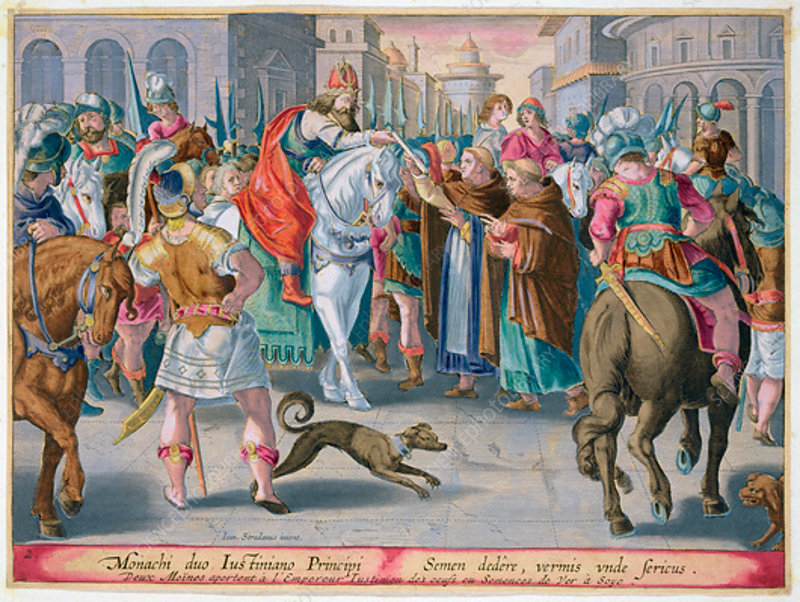
Among the many traits of Justinian, he was definitely an economic genius too and this was seen through a very smart economic policy he made to revive the empire’s economy which had been ruined by plague. Now in the past, silk has always been a very rare commodity especially for the Romans as it came all the way from China, thus making it very expensive to purchase all while the Romans had no knowledge of making it.

It is thanks to Justinian to why the Romans or rather the Byzantines managed to be able to manufacture silk within the empire and thus make it easier for it to be available around Europe. In order to do this, Justinian organized an operation by sending Nestorian monks to travel all the way east to China, although sources do not specify the name of the land they travelled to but rather just the land north of India. When there, these monks after observing the silk making process managed to smuggle the silkworms which made the silk in the first place by stuffing them in their canes and thus transporting them all the way back to the Byzantine Empire. When the monks returned to Constantinople in 552 and showed the silkworms to Justinian, state-owned silk manufacturing facilities were soon enough established across the empire thanks to these smuggled silkworms and the knowledge of silk manufacturing taken by these monks which thus enabled the Byzantines to manufacture their own silk without having to buy overpriced silk from the Persians anymore. Due to now producing silk within the empire, the imperial economy was thus able to recover after having deteriorated from the plague all while the empire too could generate extra income for the next centuries to come despite facing so many setbacks.
X. Death and Succession
No matter how great Justinian I’s rule was, his final years were rather disappointing.
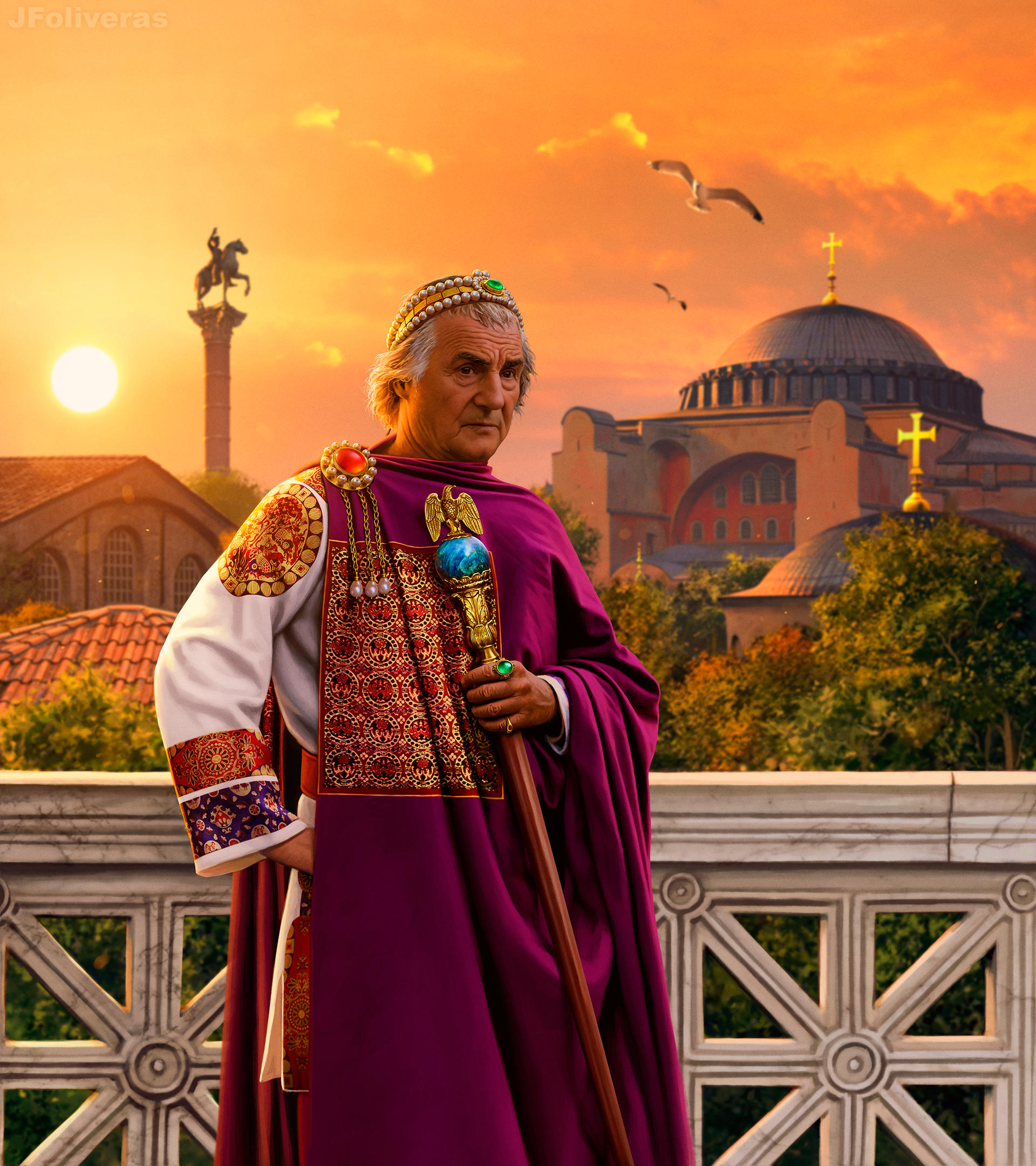
Although Justinian in his last years got to see the cathedral of the Hagia Sophia with the dome that we see today finally completed, peace with Khosrow I’s Sassanid Empire once again settled, and more laws passed, he also witnessed an unsuccessful attempt on his life in 562 by a group of disgruntled bankers in the capital. Justinian though finally met his end on the night of November 14, 565 at the age of 83 wherein it was said that he died in his sleep in the imperial palace. Justinian however died childless considering that his wife the empress Theodora never produced him children all while he too never remarried following her death in 548. The worst part still was that before his death, Justinian never named an heir despite having male relatives to succeed him, however it is said that Justinian’s death was witnessed by the eunuch official Callinicus who claimed that the dying Justinian named his nephew named Justin as his successor.
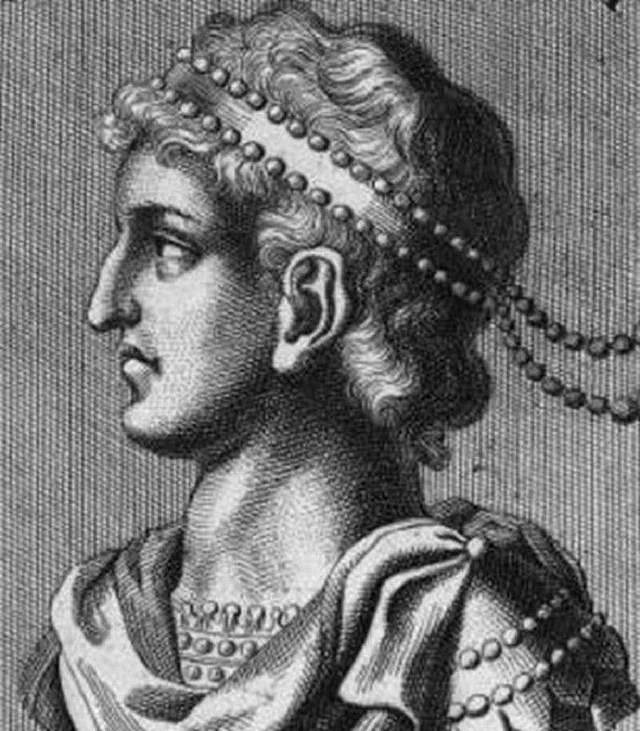
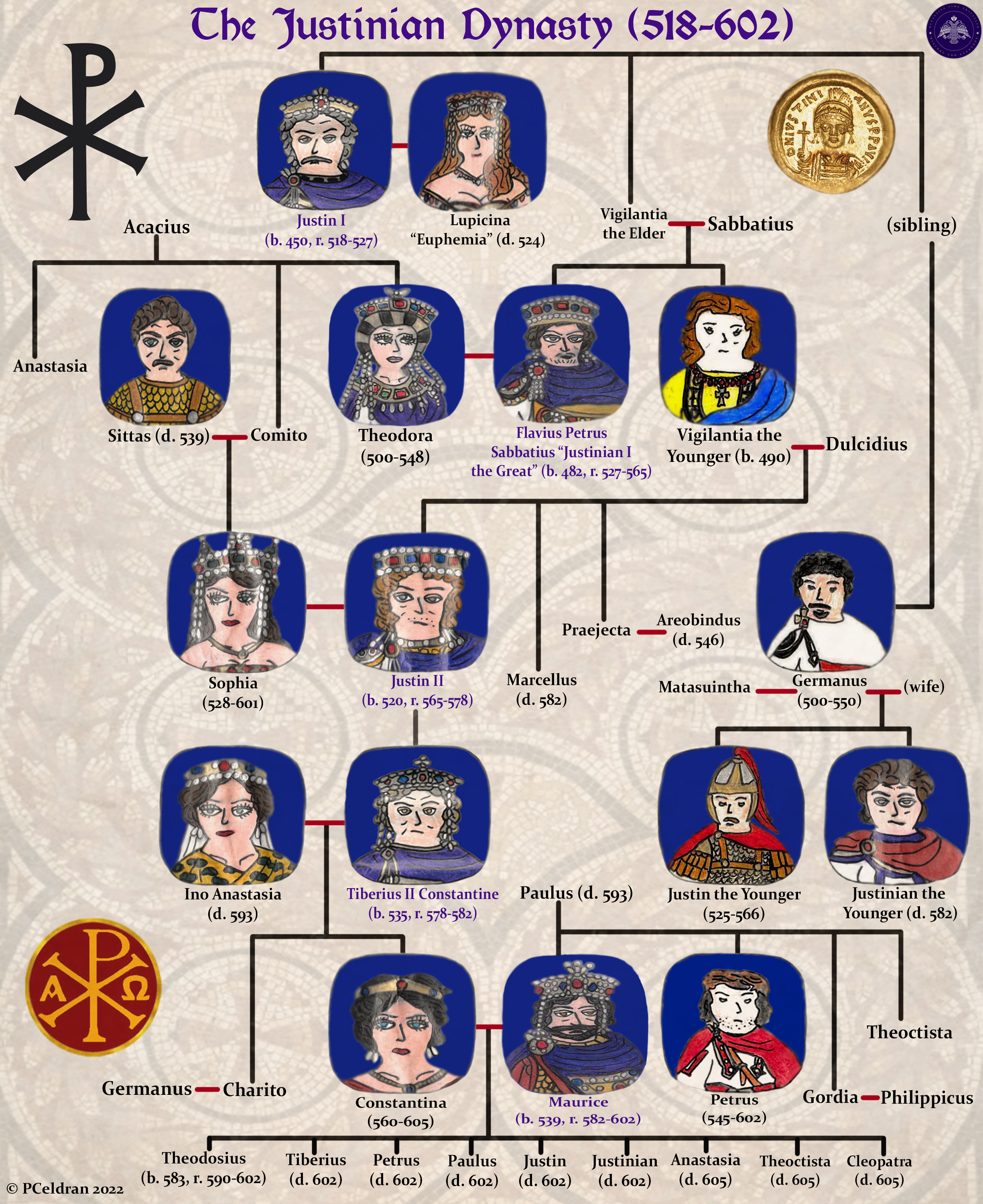
The question now was which Justin was to succeed Justinian as there were two, one being Justinian’s sister Vigilantia’s son who was the Curopalates or “head of the palace” and the other being his cousin the late Germanus’ son who was a successful general. Among the two Justins, it was Justinian’s sister’s son that succeeded him due to having the support of the court including the eunuch Callinicus and palace guards all while his wife Sophia, Theodora’s niece may have played a role in getting the senate to support him in taking the throne. Once Justin II (r. 565-578) was confirmed as the new emperor by the senate and the Patriarch of Constantinople, he was crowned and what followed was Justinian’s grand funeral procession in the streets of Constantinople which according to the court poet Corippus was a lavish occasion all while Justinian was laid in a golden tomb whereas an ornate purple silk burial shroud with gold patterns depicting his victories sewn into it was made by the new empress and Justin II’s wife Sophia to bury him in. Corippus also mentions that even though dead, Justinian’s body had not turned pale and true enough many centuries later, in the Crusaders’ sack of Constantinople in 1204, when they looted Justinian’s tomb at the Church of the Holy Apostles, they found that his body had not decayed.
Conclusion
Now this is about it for the top 10 unknown facts about Justinian the Great. Certainly, Justinian the Great is perhaps one of history’s most complex figures as you may either see him as a great and ideal ruler who was wise, just, and full of energy or a power-hungry megalomaniac waging wars unnecessarily for his own personal greed. Although whichever way you may view him, in my opinion he was still one of the greatest Roman emperors due to the great legacy he has left behind, most notably his codification of Roman laws as this true enough still lives on today as the basis for many of our modern laws and not to mention he too is a saint in the Orthodox Church for his role in shaping Christianity. Now, if you feel that I have missed out on anything about Justinian and his reign or if you have any opinions on Justinian then please leave it in the comments. This is about it for this article and please don’t forget to follow my sites and subscribe to my channel to see more Byzantine content, and once again thanks for reading!
 The Byzantium Blogger