
Posted by Powee Celdran
Ever since I first got fascinated with the rich and colorful history of the Byzantine Empire back in 2019, my interest for it never stopped, hence my life became all about the Byzantine Empire. For the past 5 years, I have read endlessly about Byzantine history whether through books, posted videos and Lego films about it on my YouTube channel No Budget Films, created social media accounts on the subject in both Instagram and Facebook with the page Byzantine Time Traveller, participated in online groups about it, and even designed and sold products inspired by Byzantine history namely the board game Battle for Byzantium and the Byzantine playing cards decks. Now, after reading so many books focused on the rich and fascinating 1,100-year history of the Byzantine Empire, I have decided that it is my time to create my own book about it!

Follow me, Byzantine Time Traveller on Social Media:
Instagram: @byzantine_time_traveller
Facebook: Byzantine Time Traveller
Youtube: No Budget Films
Deviantart: Byzantium-blogger55
Art Station: Powee Celdran Porphyrogennetos
Patreon: Byzantine Time Traveller
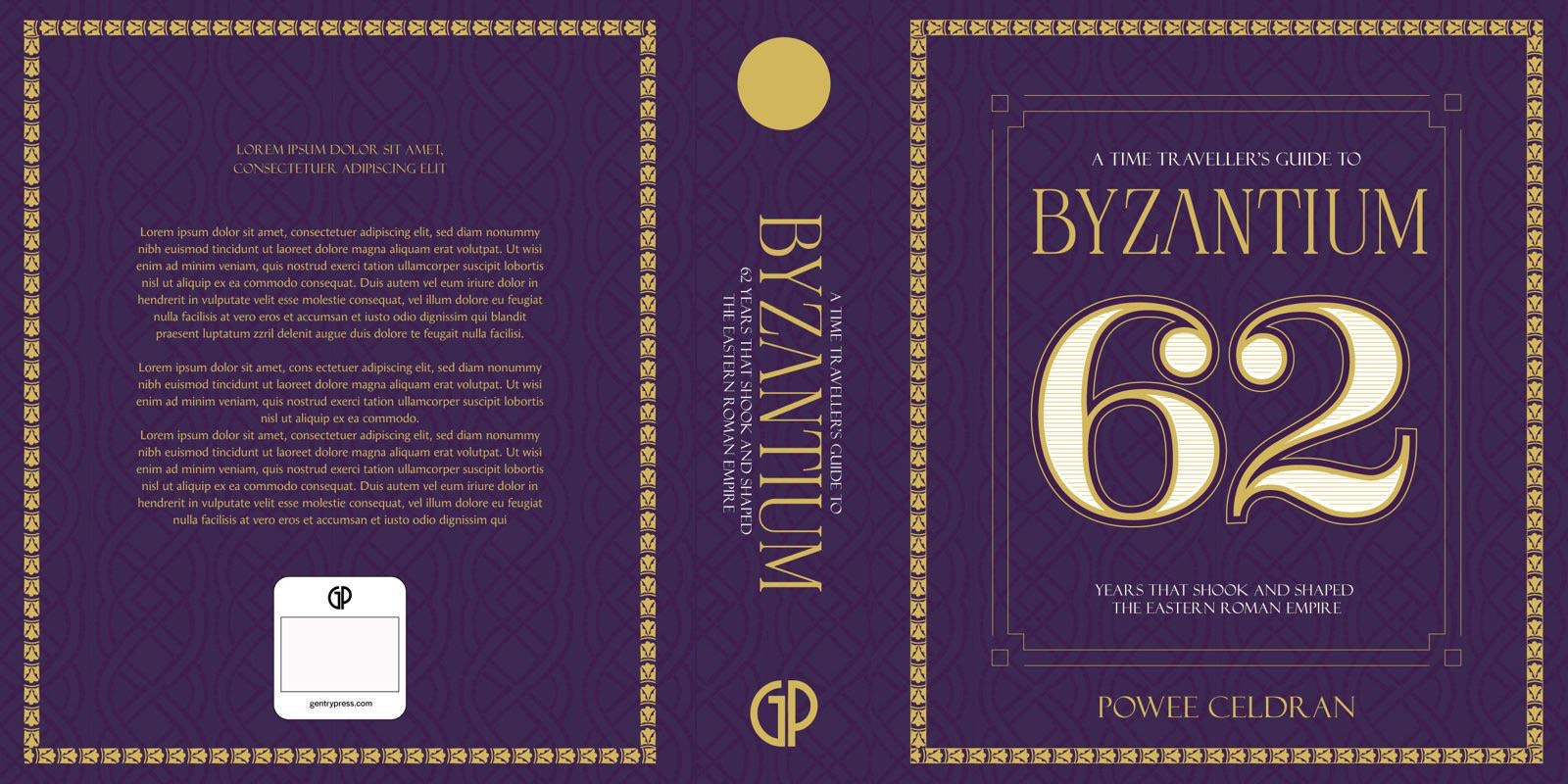
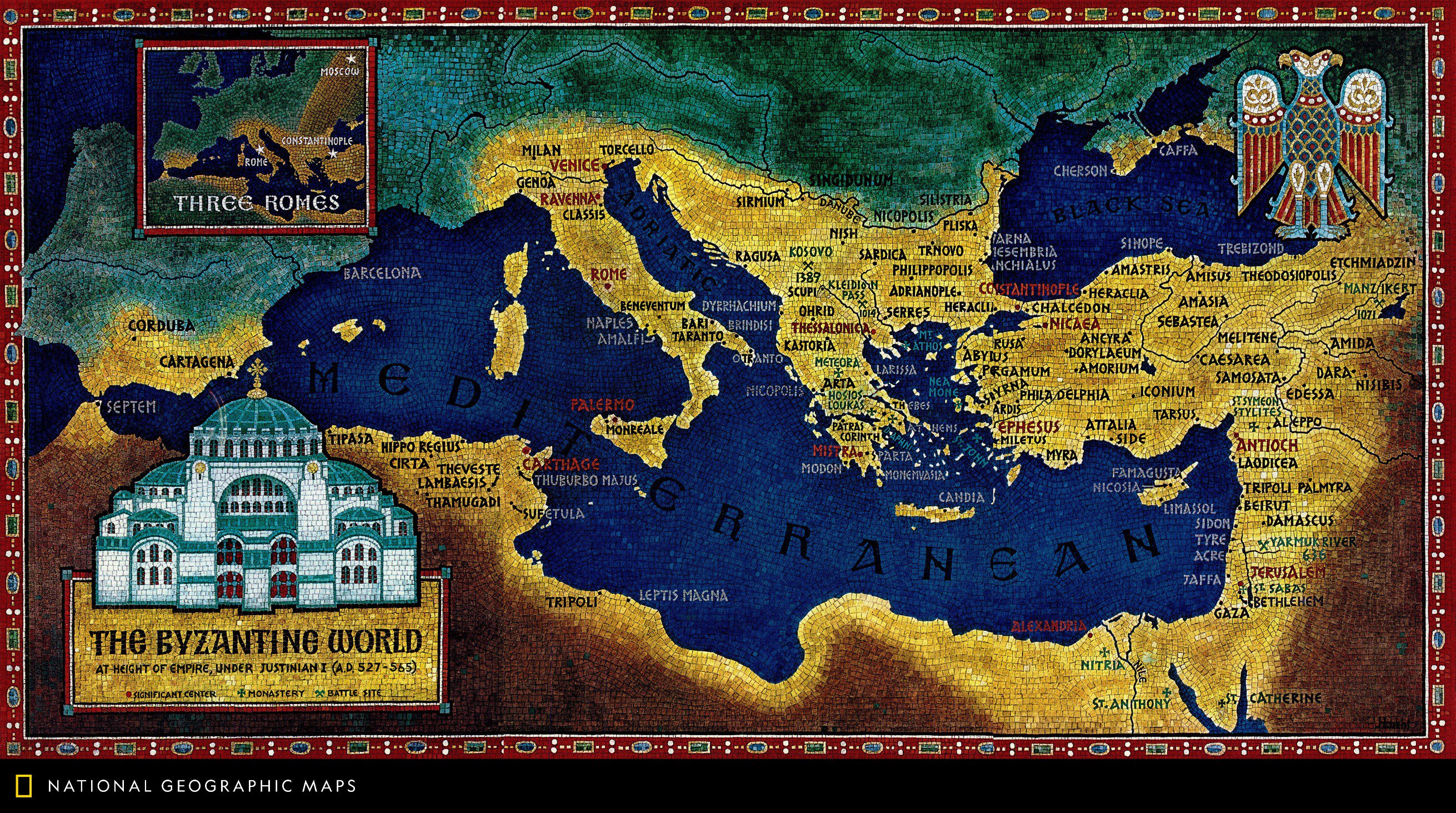
This book on Byzantine history that I have written ever since last year which is soon to be published is entitled A Time Traveller’s Guide to Byzantium: 62 Years that Shook and Shaped the Eastern Roman Empire. As the title suggests, the book focuses on Byzantine history from my perspective as THE Byzantine Time Traveller wherein the whole history of Byzantium is told in a summarized form through 62 different years that I consider in my opinion to be the most important in shaping and shaking the course of Byzantine history. It begins with the year 330AD with the founding of Constantinople as the new capital of the Roman Empire and thus the capital of the Byzantine Empire and ends in 1461 with the fall of the Empire of Trebizond, the last Byzantine state to the Ottoman Empire. The other years featured in the book include major battles that changed the course of Byzantine history such as Yarmuk in 636, Manzikert in 1071, and the Sack of Constantinople in 1204; the ascensions and deaths of certain important Byzantine emperors like Justinian I the Great (r. 527-565), Basil II (r. 976-1025), and Alexios I Komnenos (r. 1081-1118); and major events such as the Plague of 542, the issuing of the policy of Iconoclasm in 730, and the summoning of the First Crusade in 1095. What’s more is that the book will also contain original artworks, excerpts such as trivia and explainers, timelines, unique design elements, and spreads that focus on the entire important 62 years alone. Of course, with myself being the Byzantine Time Traveller, the book will also include my own “Time Traveller Tips” of places to visit relating to each specific year in the book, hence it will feature 62 different locations!
As the book’s title suggests, it is written from the point of view of a Byzantine history content creator and NOT a scholar or academic like most books, especially those on Byzantine history are about. My whole intention to write this book true enough was to represent online history content creators who are often underrepresented in the world of history books which are often written by historians; hence this book will be written in a way easy to understand for all people from all over the world. This is true enough the first book I am writing, and it is my intention to make it a book to introduce Byzantine history to those unfamiliar with it but want to learn it but also to popularize Byzantine history to the rest of the world that may not know about it so well. Usually, books especially about Byzantine history are written in such an academic way that only scholars may appreciate, hence I decided to write a book in a style that will appeal to all with hopes to make Byzantine history more popular beyond academics. By writing this book, I hope that the rich and fascinating history of Byzantium which is often overlooked and underappreciated will become more mainstream the way other periods of history such as Ancient Greece and Rome and Medieval Europe are.
Of course, this book would have not been possible without Gentry Press (follow on Instagram @gentrypress) who will be publishing it, so big thanks to them for believing in this project! Like all major projects, a large team was behind the creation of it aside from myself being the author. First of all I would like to thank Rheea Hermoso-Prudente (follow her on Instagram @reehp) for editing the massive amount of texts in the book and basically reorganizing the texts with the trivia boxes, year spreads, and timelines in order to make the book seem more engaging. Of course, the book would not be possible without the layout so I would like to thank Dany (follow her on Instagram @danyelmaxin) for basically doing the hard work of laying out the texts and chapters. The book will also contain 4 intricate battle maps done by artist Justine (follow him on Instagram @yuwelskiiee)- for 4 certain years in book- who I would like to give a big shoutout to as well. Then of course there are the 2 artists who have also worked hard in bringing the book to life through visuals and these include no other than Alessia Valastro (follow her on Instagram @alessiahv) from Sicily who previously worked on the map for my board game “Battle for Byzantium” and is now returning for this project with 10 unique illustrations and Sarah (follow her on Instagram @sarusquillart) from Spain who is a quest artist in this project who has prepared 3 drawings of 3 different figures from Byzantine history. Lastly, another person I would like to mention who has also played a major role in this project is Istanbul tour guide Anastasia Kizilkaya or Ana (follow her on Instagram @anaredkaya) who here was instrumental in choosing the sites for the Time Traveller Tips on each of the 62 years. Lastly, other people I’d like to thank for this project in terms of consultation for historical aspects include no other than the previous consultant of my board game Nilay Tokaoglu (follow her on Instagram @ntokaoglu) who helped in choosing a number of symbols and motifs; fellow artist and content creator Daniel de Cervantes (follow him on Instagram @mauritius_helios) who played a crucial role in sharing his facts about late Roman history; fellow author Simon Green (follow him on Instagram @galen_hermit1998) who helped also with historical aspects; and fellow content creators Natalie Mallat (follow her on Instagram @medievalarabhistory), Milica Babic (follow her on Instagram @cu_lture), and Byzantium Aeternum (follow him on Instagram @vasilia_romaion) who shared their knowledge too for this project. This article now will include first a history of the book and its publication, the components and what to expect in it, and lastly a Q&A with 3 members of the team namely Alessia, Sarah, and Ana on their experience in working on this project. This article too will be the last one on my site for the year 2024, and truly there is no better way to end the year by announcing this massive project which is sure to be a highlight for next year 2025!
A Quick History on the Project

It was in October of 2023 when I began embarking on this project on writing a book about Byzantine history and back then I had no idea where this project would be going to. After the success of my Byzantine products- namely the Historical Figures of the Byzantine Empire and The Late Roman Empire playing cards and following that the board game Battle for Byzantium– I decided to then give my shot at writing a book based on my own knowledge on Byzantine history with all the social media posts and articles- namely the Byzantine Alternate History series of 2021- I created in the past as a guide to create the book’s contents. Since I had really no idea what this kind of project would be except that it would be an easy-to-read book that basically summarizes the very long history of Byzantium in order to familiarize everyday people with Byzantium, I basically began writing what was a rough draft wherein I just put all my thoughts into the document. However, when beginning I already had a structure in mind which was to subdivide the text into important years, and at the end I ended up randomly with 62 years that I personally handpicked based on what I think are the most important. Little did I know that I had been working on the project so fast that even when I was travelling in Istanbul, Greece, Serbia, and Hungary in November of 2023 I was nonstop writing the draft, and then in December of 2023 I finally finished writing everything! With the new year 2024 coming, I knew that a lot of changes would be needed for the book, hence I spent a lot of time in early 2024 editing the text I wrote before Rheea came into the project to do the actual editing. Additionally, I knew that what was to be the book would need original artworks, hence I contacted Alessia- who previously worked on my board game’s map again- to work on this project by doing 10 different artworks depicting large scenes and she true enough agreed to be in the project last March. As for the other artworks for the book, I originally thought of having other artists be involved but at the end I changed my mind and decided to do the character artworks myself wherein some were recycled ones from my playing cards and others I did from scratch from June to July of this year which were characters I haven’t yet drawn before. Eventually, the other artist of the project Sarah agreed to join as a guest artist and do 3 drawings of characters for the book.

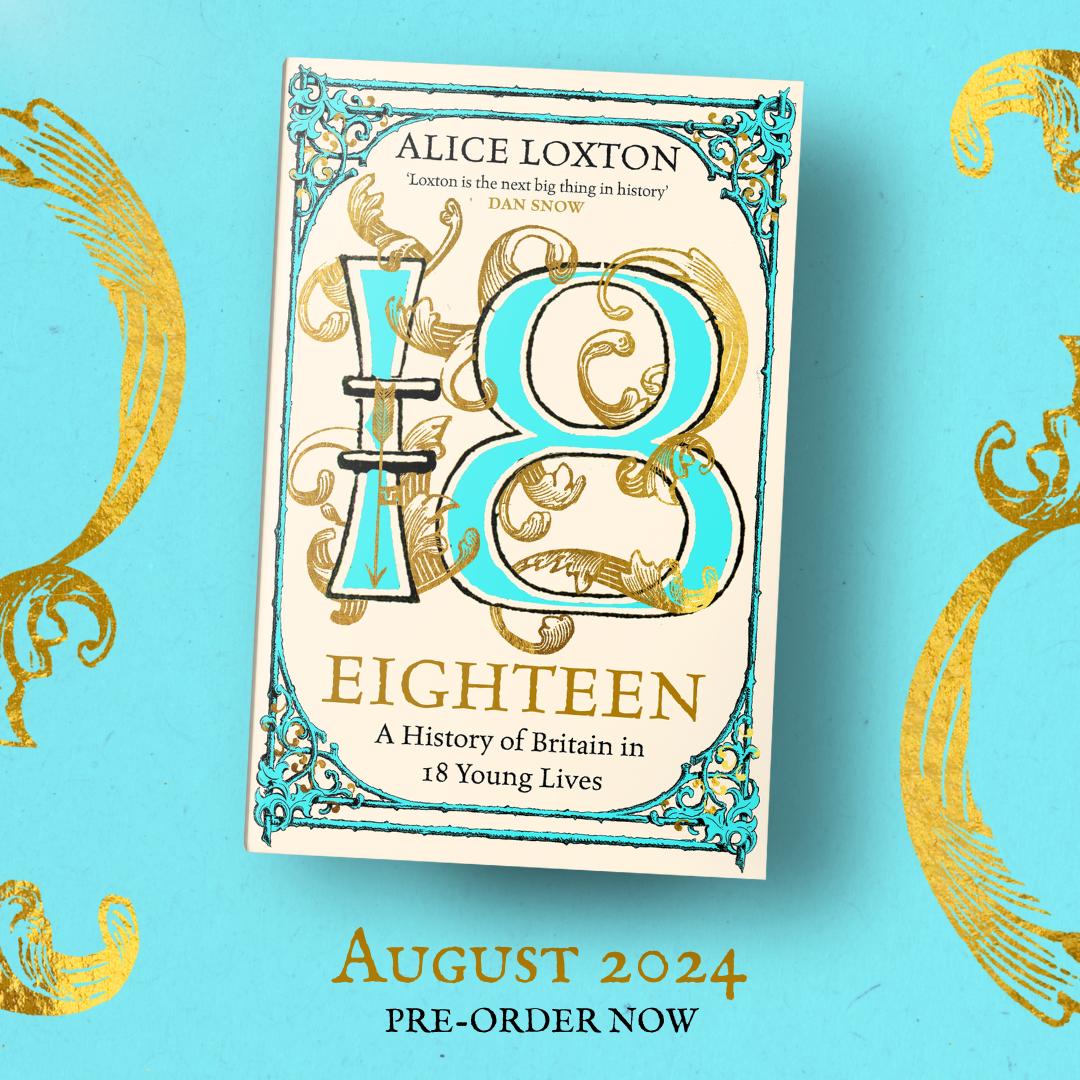
The major turning point came last September when I finally got a publisher for the book in the form of Gentry Press. At the same time, the final structure for the book also came about wherein it was to have the main text accompanied by trivia and explainer boxes and the spreads containing each of the 62 important years to be discussed and the locations I chose for them. On the other hand, I basically based the book’s design for its pages and layout on the visual history books such as those by DK and on one I have being The Emperors of Byzantium by Kevin Lygo whereas the book’s cover was based on an art-nouveau style particularly on the book Eighteen by Alice Loxton. As of now as the year 2024 comes to an end, all the artworks whether by myself, Alessia, or Sarah are completed and so is the book’s final structure. As of now, the rest of the chapters are being edited and the work being laid out by Dany of Gentry Press. Of course, it is still a long way to go before it is fully published but the end is now in sight.
What to Expect from the Book?
As usual it begins with a foreword and an introduction which describes basically what the whole book is about and my purpose for writing it. As of now, I am still in the process of looking for someone rather important to write the foreword whereas I already have the introduction. For the introduction, I will basically explain why I am writing the whole piece, who is the audience, and how the book will be written. The book is primarily made for a general audience especially history buffs and those who want to discover Byzantine history for the first time whereas its writing style as a way to get people to understand the Byzantine Empire more is to connect its history with its Roman origins, hence a lot of the book will have a lot of trivia on the Roman Empire’s history to orient readers about Byzantium and what its origins are especially considering that the Byzantine Empire itself is the Roman Empire continued for a thousand more years. The introduction will also explain that the book was made in order to prove that not only scholars and historians can write history books and that this project was made to represent history content creators like myself.
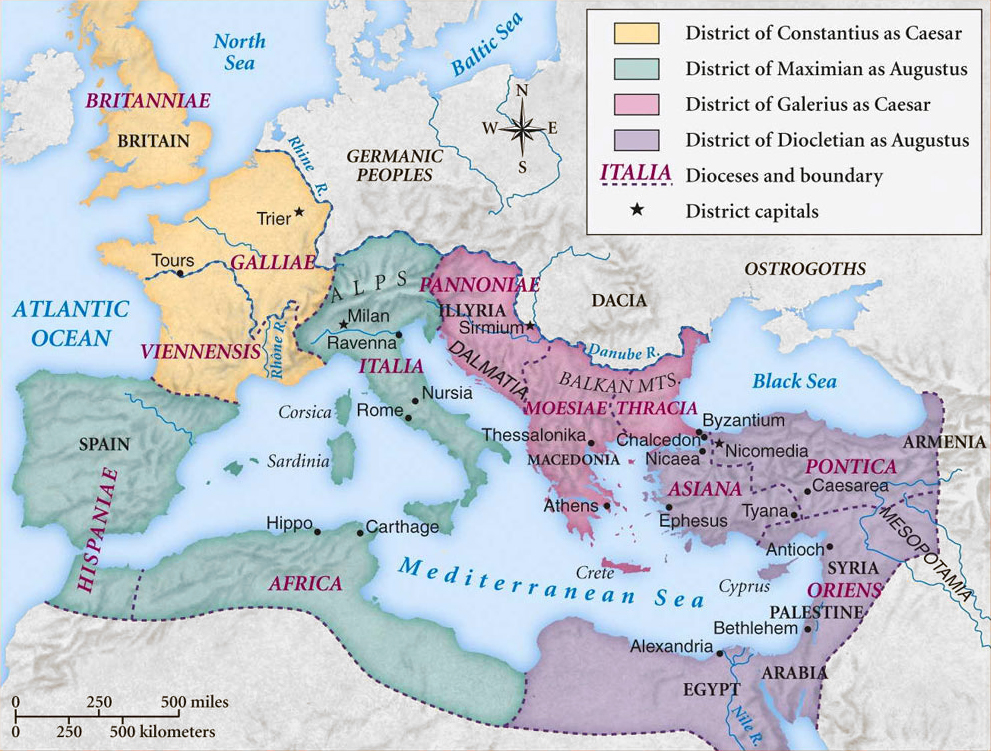
It will have a total 62 important years and 29 chapters which contain certain years which is basically the layout as of now. I will however not spoil the entire project and what all the 29 chapters will be, but to give an example I will discuss Chapter 1. Each chapter contains a certain number of important years; some will have 3 at the most, some 2, and some just have one. In the case of Chapter 1 entitled “The Foundation of the Eastern Roman Empire” it will include first of all the main text explaining the history of the period, then 3 important years which will have its own spread with a purple page to indicate it as its own special part. For chapter 1, the 3 important years highlighted will be 330 being the foundation date of Constantinople as the Roman Empire’s new capital, 363 being the fateful campaign of Emperor Julian in Persia, and 378 being the catastrophic defeat of the Romans to the Goths at the Battle of Adrianople. The 62 years now that will be covered in the book will only be years that played an important part in the Byzantine or Eastern Roman Empire but also for the short-lived Western Roman Empire of the 5th century considering that both empires were more or less the same one. In this case, important years for other Byzantine states such as the Empire of Trebizond from the 13th-15th centuries will not be covered as I barely know anything about its history.
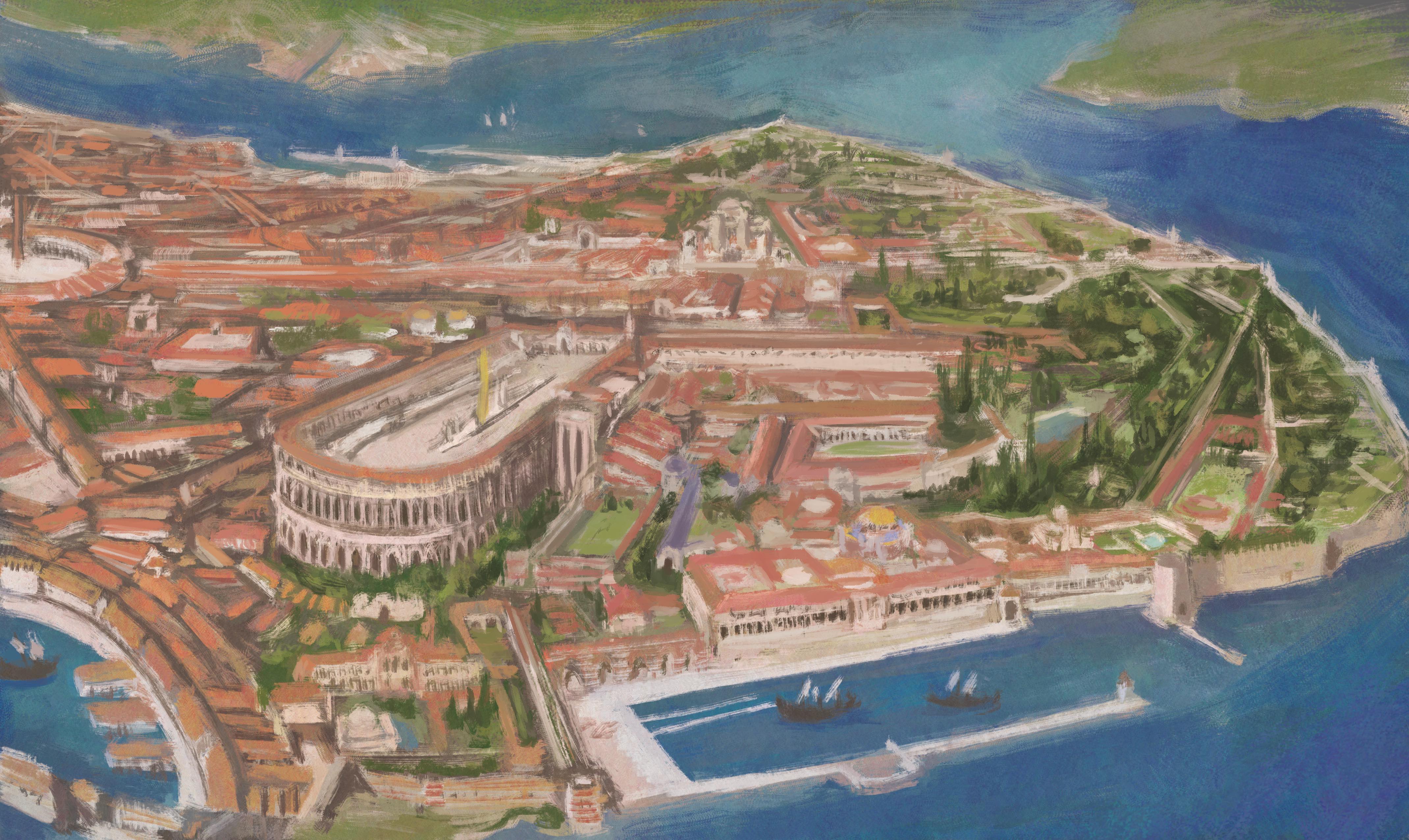
Each important year will have its own spread with a purple page in which there will be 62 of them! Basically, the important year spread will cover the important information about the certain year it features wherein the texts discusses the event of that year and the circumstances that led to that certain event. For example, the first year of the book being 330 will discuss in detail what led to Emperor Constantine I the Great (r. 306-337) to establish the port city of Byzantium into Constantinople as the new capital of the Roman Empire. Meanwhile, each year spread will contain an illustration of the event of the year which in the case of the year 330 will be Alessia’s illustration of the skyline of Byzantine Constantinople which will have a caption underneath it. However, not all of the 62 years in the book will have an image for it but for the years that do have an illustration, it is either a big scene illustrated by Alessia or a drawing of a certain figure in Byzantine history either by myself or Sarah. The year spreads too contain the “Time Traveller’s Tip” featuring a location that I have been to relating to the year it is on, which will be discussed afterwards.
Each of the 62 years will have its own location relating to it which in the book is called a “Time Traveller Tip”. With myself being the “Byzantine Time Traveller”, I have decided to also put my own travel insights to the book and to be more specific for each of the 62 years which will thus have a location that I’ve been to that relates to it. Luckily, I have a location for each of the 62 years which does not necessarily have to be the literal place the year took place in, although some are. For the first year in the book being 330, the location featured is the remains of the Forum of Constantine in today’s Istanbul which I got the chance to see and is literally a location regarding that year. However, for some years such as the next one being 363, since I did not personally go to where Emperor Julian (r. 361-363) died in Mesopotamia, which is in today’s Iraq, instead for that year the location I chose is Julian’s statue in Paris which I have seen myself. For some years such as 628 later on being the end of the Byzantine-Sassanid War of 602-628, rather than showing a location of the war, I instead chose to use something I’ve seen being the silver plates from Emperor Heraclius’ reign (610-641) at the MET Museum in New York. Most of the locations though for the years will be in Istanbul as it was obviously where most of the action in Byzantine history took place in being the capital Constantinople and since I don’t have pictures of all locations of the years taking place in Istanbul, Ana who is from Istanbul shared some with me to be added into the book. Additionally, Ana had also helped in choosing what locations in today’s Istanbul go for certain years such as the St. Romanos Gate for 1453 which was literally where the demise of the last Byzantine emperor Constantine XI Palaiologos (r. 1449-1453) took place in. The locations now for the “Time Traveller’s Tips” have a wide range of locations being in different countries and although most are in Turkey, the locations include Byzantine related places in Greece, Serbia, Hungary, Italy, France, the UK, and even the USA which I have been to before.

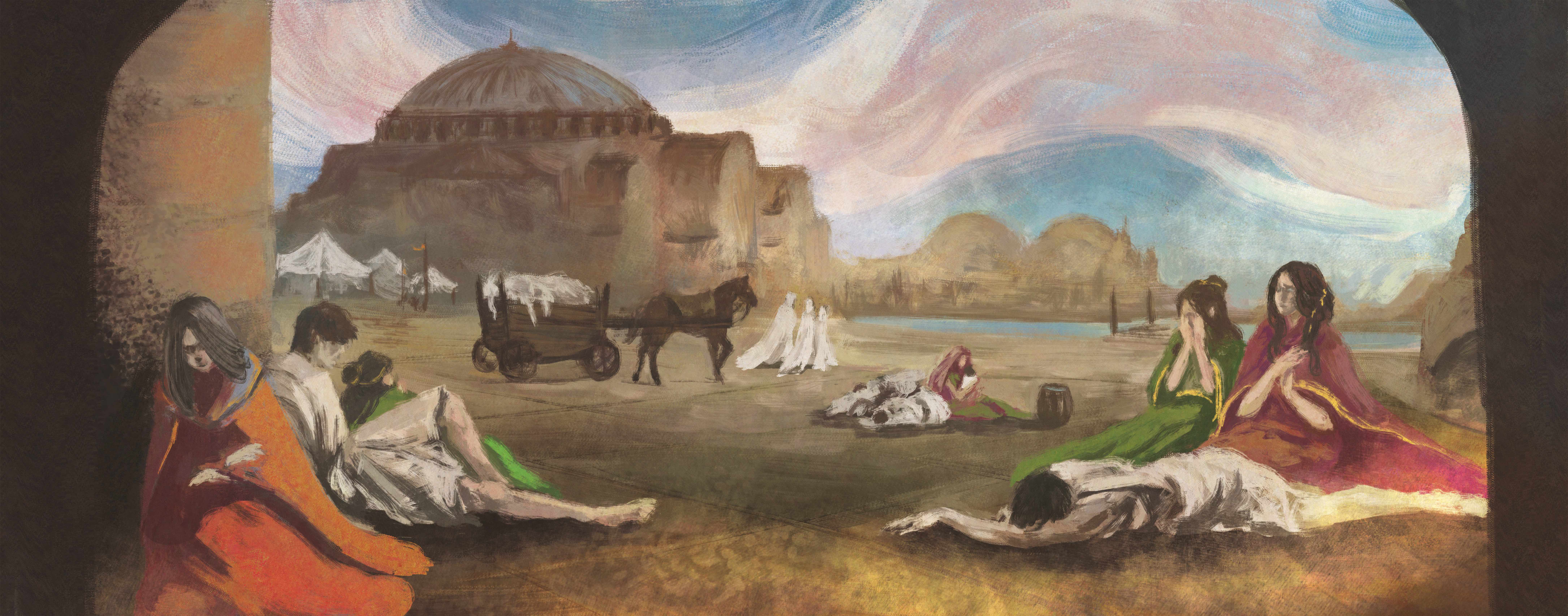
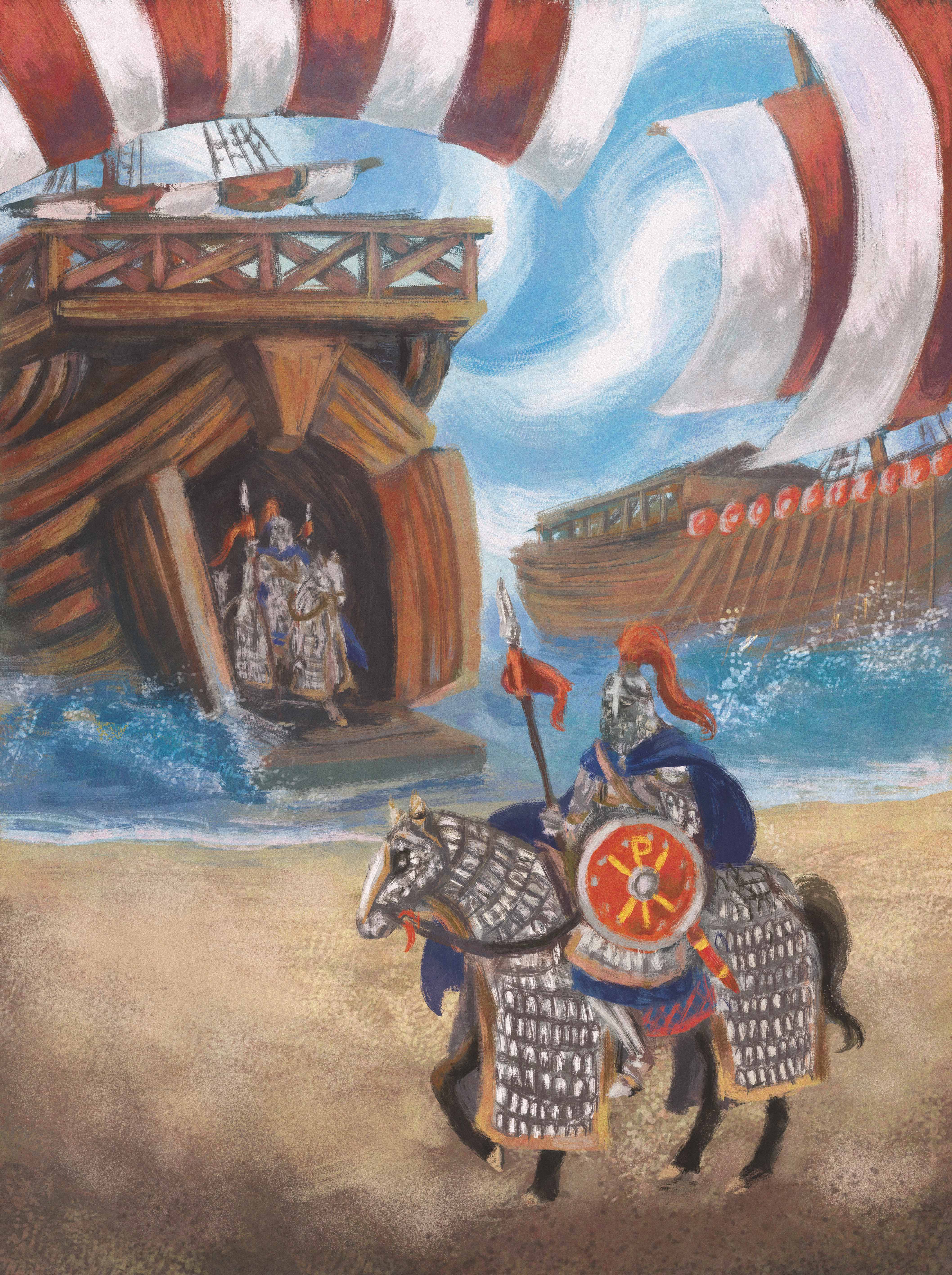
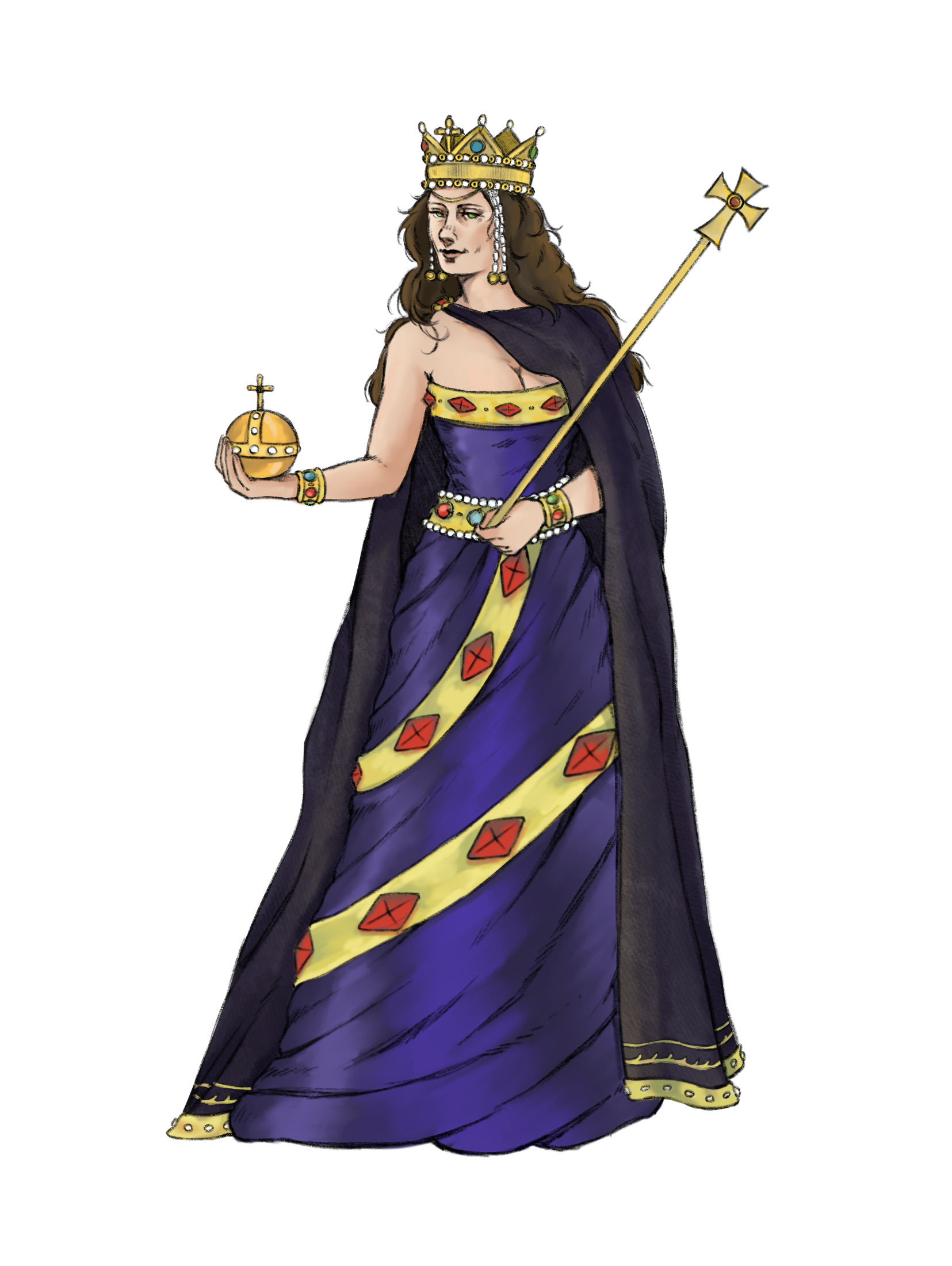
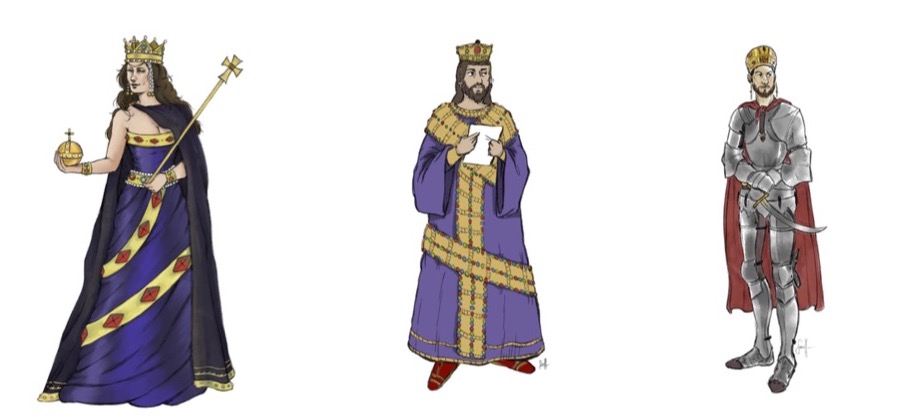
The book will contain all original artworks which will be featured in almost every important year spread. Most of the original artworks were drawn by myself with some recycled from past projects of mine and others being new artworks I illustrated for this project. The drawings by myself include those of emperors, empresses, generals, soldiers, and even some battle scenes- namely the Battle of Demetritzes between the Byzantines and Normans for the year 1185- which will feature in many year spreads. The 10 original artworks by Alessia meanwhile which cover larger scenes will feature in 10 different years: such examples will be the Founding of Constantinople in 330, the Plague of Justinian in 542, and the Sack of Constantinople by the 4th Crusade in 1204. On the other hand, Sarah who is a guest artist for this project will have her 3 different artworks of 3 different characters featured in 3 different years which are 802 featuring her illustration of Byzantine empress Irene of Athens (r. 797-802), 945 featuring Byzantine emperor Constantine VII Porphyrogennetos (r. 913-959), and 1453 featuring the last Byzantine emperor Constantine XI Palaiologos. Lastly, Justine who is another guest artist for the project has illustrated 4 battle maps which is another unique feature of the book wherein 4 year spreads instead of character or scene illustrations would feature recreated battle maps based on existing ones. These years featuring the battle maps are those that were known for major battles being 378 with the Battle of Adrianople, 533 being the general Belisarius’ major victory over the Vandals at the Battle of Ad Decimum, 1071 being the Battle of Manzikert that was catastrophic for the Byzantines, and lastly the map of the final siege of Constantinople by the Ottomans in 1453.
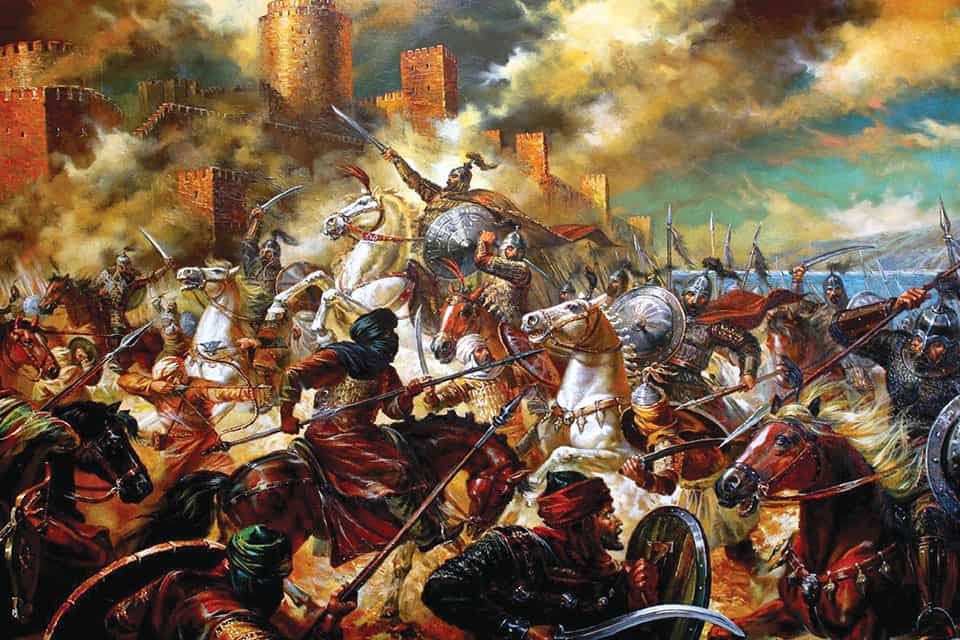
The main texts will include several trivia boxes and explainers as a way to make readers understand Byzantine history and its characters more but also to simplify and make the texts more entertaining. This idea for the book came about when Rheea began editing the chapters and I thought it would be the best way to make the book entertaining and visual especially since this is more or less the format of visual history books such as those by DK. In the early chapters of the book, a lot of the trivia boxes included explain some interesting facts about the emperors and the times such as Constantine the Great’s vision of the cross in 312 that led to his conversion to Christianity and the Romans abandoning Britain in 410 as well as some shocking and extraordinary facts such as the Goths being sold dog meat by the Romans before the Battle of Adrianople in 378 and Emperor Honorius’ (r. 395-423) pet chicken named “Rome”. In the earlier chapters, a lot of the trivia and explainer boxes will discuss earlier Roman history to give a context to late Roman or Byzantine history and basically connect Byzantium with its Roman past considering that Byzantium is the Roman Empire itself continued. Some other explainer boxes meanwhile will include short biographies of certain important people of the time such as the 5th century generals Aetius who defeated Attila the Hun and the Germanic kingmaker Aspar of the Eastern Roman Empire. For the chapters focusing on the highly eventful reign of Emperor Justinian I the Great in the 6th century, these explainer boxes will now explain other facts about Byzantine history such as the Blue and Green faction rivalries and the concept of proxy wars and client kingdoms which was basically what went on between the Byzantines and their enemy then, the Sassanid Persian Empire. Other explainer boxes throughout the book will also discuss the enemies of Byzantium to give some context to them such as the Sassanid Persians, Arabs, Slavs, and Turks.
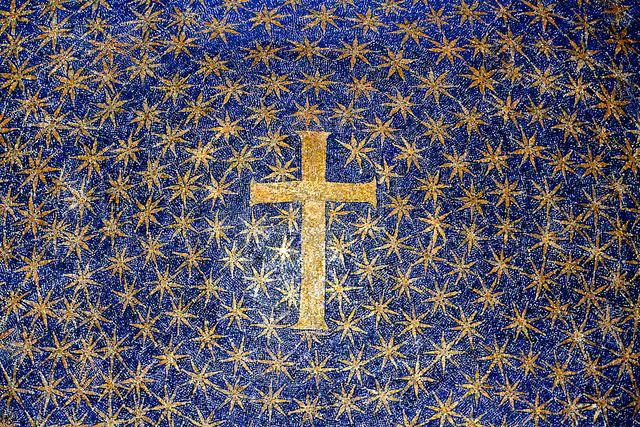
Each chapter has its own Byzantine symbol and border which will be specific for certain periods in Byzantine history. This new idea for the book was suggested by Gentry Press in order to make it more visual and colorful for readers. Basically, each of the 29 chapters will begin with a certain Byzantine symbol which relates to the time period such as the chi-rho for Chapter 1 which takes place in the 4th century, and for later chapters the famous double-headed Byzantine eagle. Another feature will be border patterns which will usually be Byzantine mosaics placed at the edges of pages which will vary depending on the century the chapters are set in, hence earlier chapters covering the earlier years of Byzantine history will feature late Roman mosaics such as those in Ravenna for the page edges while later chapters will feature later Byzantine mosaics or patters such as those seen in the Church of Chora in Istanbul. Aside from the symbols and borders, another new surprise feature of the book is that opening letters of each section contain styled fonts illustrated by myself.
There will be no footnotes, references, or bibliography at the end as this is for one not meant to be a scholarly book. Instead of having these features, the book will end after the final year being 1461 with a conclusion section and following that an appendix which features a list of all Byzantine emperors from Constantine I the Great to Constantine XI Palaiologos (306-1453) with the Emperors of Nicaea from 1205-1261 included as well as a list of all Western Roman emperors from 395-476, the rulers of the Latin Empire of Constantinople from 1204-1261, the Despots of the Morea from 1349-1460, Despots of Epirus from 1205-1475, and the Emperors of Trebizond from 1204-1461. Although the book will have no footnotes and bibliography which discusses the sources used, the text itself includes accounts by primary sources being historians from the Byzantine era while the end of the book will also have a section on further reading which were basically the books I used as sources for writing this project.
Q&As with Some Members of the Project
Now here are some questions I asked 3 members of this project about their thoughts on it wherein their answers will appear too. The 3 members will be sharing their experience on taking part in this project through several questions.
First to answer the questions is the lead artist of the project Alessia Valastro who illustrated 10 major artworks for the book featured in 10 different years of Byzantine history, namely: 330, 413, 476, 542, 678, 730, 961, 1018, 1176, and 1204. She previously worked on the map for my board game “Battle for Byzantium” and all its elements. Here, she will be answering 4 questions related to her work in the project, her experience, and her thoughts on Byzantine history.
- Which of the 10 illustrations that you drew is your favorite and why?
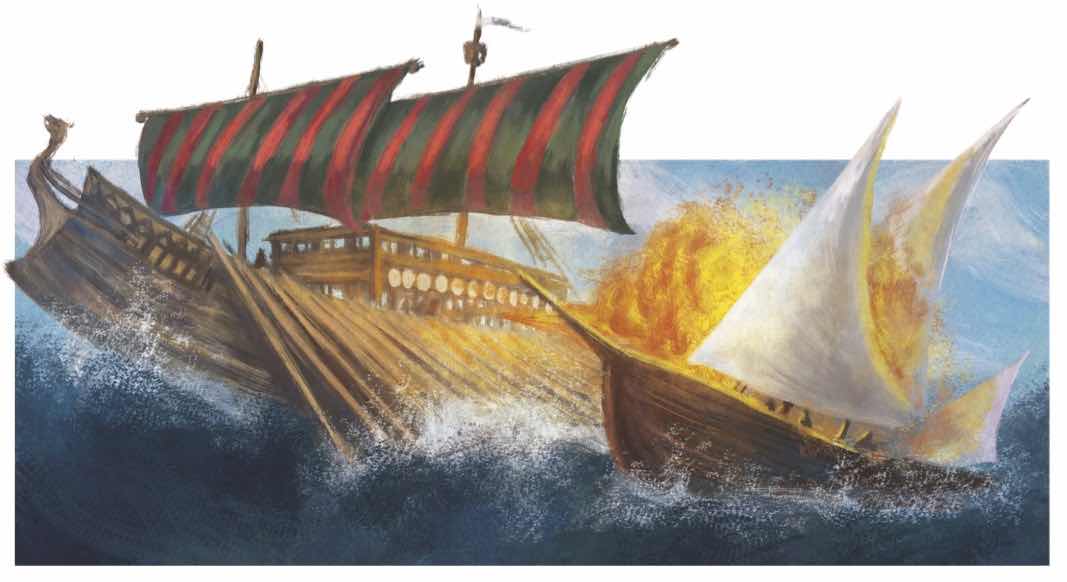
Alessia: My favorite is the 9th, the one with the battle between the Byzantines and Turks (for the year 1176 featuring the Battle of Myriokephalon) and I have a special spot for the Greek Fire one too (for the year 678 featuring the First Arab Siege of Constantinople). Both of them have specific reasons: I love depicting battle scenes, warriors, sand, weapons, etc. and I also love ships and the sea, so it was very satisfying and fulfilling to work on them.
2. What was the process like to do the drawings? Did you need to do a lot of research on Byzantine attire, weapons, and elements?
Alessia: Yes, I had to look for references very often to get the right armor or ships or even buildings and symbols. Sometimes sources can be confusing, so I had to be sure I was depicting the right and most historical element. The process was all about that, besides the purely artistic method (thumbnails, sketches, colors, etc.), once I had to get to the details I used to keep references at hand so I could have a strong grip on the subject.
3. Did doing the illustrations help you understand the Byzantine world more?
Alessia: For sure! I mean for what I like the most (ah! Warfare attire and weapons) it was a good way to learn how to paint them, the main differences with other soldiers and warriors and probably what their strengths in battle were.
4. How was doing the illustrations for the book different from doing the one for the board game previously? Which project did you enjoy more?
Alessia: It’s difficult to say, because I’ve enjoyed both in different ways. The board game gave me a lot of space for creativity, I had to play with props, recreating the map with all the elements, so it was a more dynamic process, while the book gave me the chance to work on something historical, so I had to study and be as close to reality as I could. I honestly love both projects and I would work on the same kind of subject again given the chance!
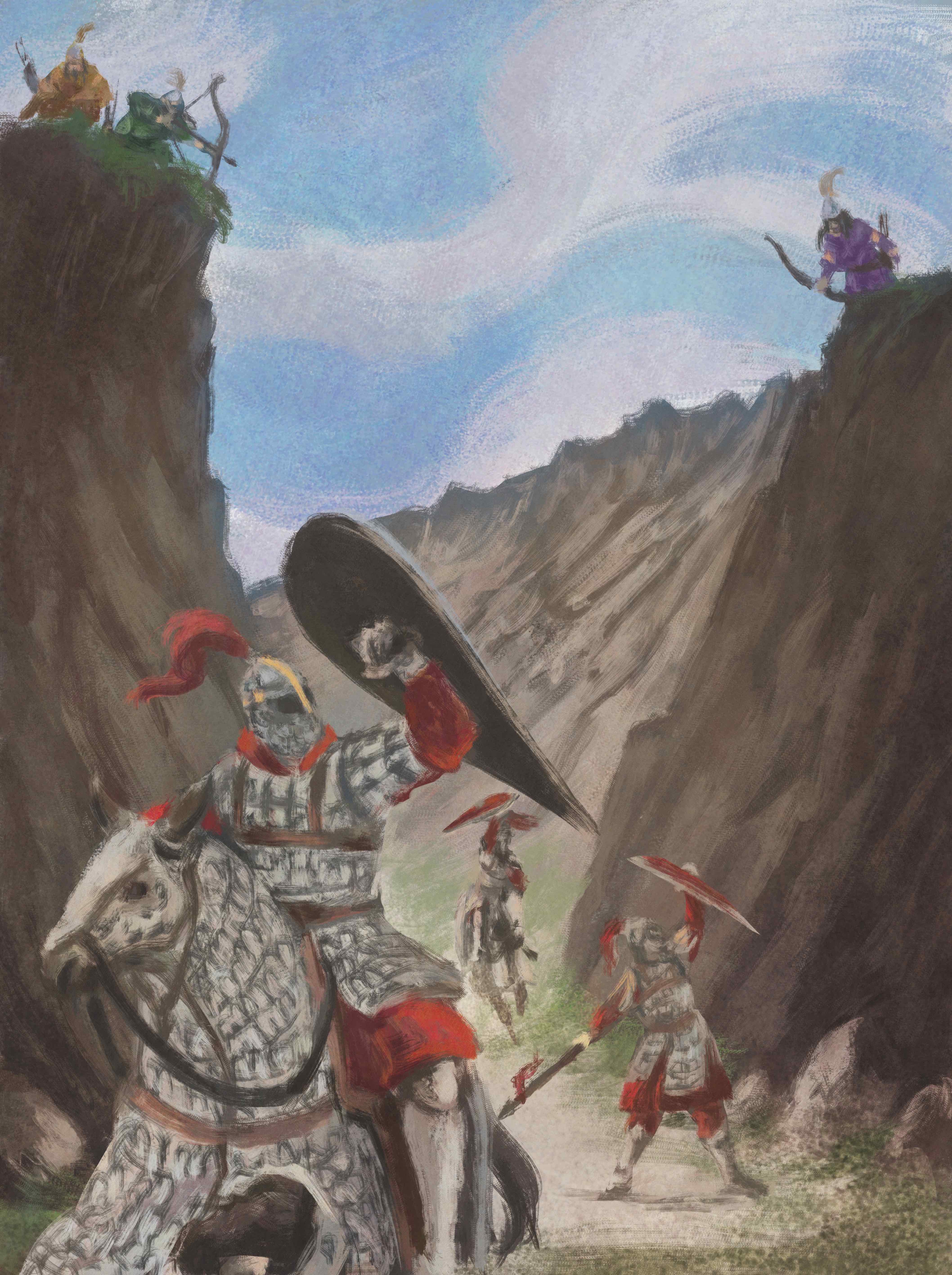
The next team member to be interviewed for this article is the project’s guest artist Sarah who although mainly does medieval themed art has recently been doing a lot of Byzantine themed art as commissions. In this project she illustrated 3 major figures in Byzantine history being Empress Irene of Athens for the year 802, Emperor Constantine VII Porphyrogennetos for the year 945, and the last emperor Constantine XI Palaiologos for the year 1453. Here, she will be answering 4 questions about her part in the project, her experience with Byzantine history, and her thoughts about the project in general.
- How does it feel like to be part of this project in creating an easy to read and accessible Byzantine history book?
Sarah: It has been very interesting to, as a medieval times enthusiast, get in touch with this period in specific. I usually draw later in time representations, and it really helped me to research and find out more about the clothing in the Byzantine era. My art being used as a vehicle for education is such an achievement for me, and the path I want to follow in the future. I really feel grateful for the opportunity.
2. Out of the 3 illustrations you made which is your favorite and why?
Sarah: I think I have a special affection for my illustration of Irene of Athens. I remember talking about her dress and the way it was going to be wrapped around her, I found it very interesting and fun. I also paid real attention to her jewelry and facial expression, which I think is noticeable in the artwork.
3. Did doing these drawings help you get interested in Byzantine history?
Sarah: My interest about it definitely grew! In the past few years many of my commissions have been related to the Byzantine period, and I really hope I get more now that I know more about the topic.
4. Do you think that your drawings will help people see Byzantine history in a more interesting way?
Sarah: I really hope so, it is always the main goal of my historical illustrations. Specially, Byzantine history is one of these subjects of which you struggle to find entertaining as well as educational resources. Therefore, I find this project very promising, and I really hope it achieves its goal.
Last but not least to take part in this Q&A is Istanbul tour guide Ana who played a major role for consultations in this project’s “Time Traveller Tips” through her knowledge of specific Byzantine locations in Istanbul and her pictures of them. Here, she will be answering 4 questions sharing her thoughts on this project and how her knowledge of Byzantine locations helped in it.
- How does it feel like to be part of this project in creating a unique book on Byzantine history?
Ana: I was so excited to know that I have my share in helping to create it. It was in checking on Byzantine places in Istanbul and in what I call “Byzantine gossips”- exchanging information about the history.
2. Which Byzantine locations featured in the book are your favorites?
Ana: The former Chora Monastery (featured for the year 1321). It’s so beautiful and well preserved.
3. Do you think sharing your knowledge on Byzantine history locations will help in growing an interest for Byzantine history?
Ana: Of course, it will. We must know our environment, and knowledge always makes things more interesting.
4. Do you think that we could grow interest in Byzantine history through this book by presenting it in a way everyone can understand?
Ana: It is very important to present it in exactly this way.

Conclusion
Although the project isn’t entirely complete yet, I must say that at this point it has gone such a long way! Overall, this has been such an ambitious project from the beginning, and I would say it was even more ambitious than the “Battle for Byzantium” board game that I was working on 2 years ago. This is because I have never worked not only with such a large team but with a publisher and its team as well. To sum it up, working on this project did not only require me to simply write the text and send it to the publisher but required me to also supervise the project whether it was in the editing part, the artworks, and the layout. Although the project required a lot of work especially from me, I would say that the entire process from writing the text, to receiving the artworks, and supervising the editing and layout was not very stressful at all considering that the book itself has so many elements in it and not just plain text. I do not know what the future will hold but I can say that this project is going the right direction and I do hope to see it published soon! Also, I would like to announce that by next year as well I will be also releasing the 3rd edition to the Byzantine playing cards decks this time with a late Byzantine Empire theme! Of course, before finishing the article, I would like to thank everyone who took part in this project which I believe is going to be a great success! Truly, I am very glad to have this opportunity to write this book as this is my chance to put all my knowledge about Byzantine that I have worked so hard to share to the world for the past few years and make it public to a wider global audience. However, I more grateful to do this project because by doing it, it is my chance to represent the underrepresented Byzantine history content creators in a massive project and I am more than happy to see it become a reality! Now, this is Powee Celdran the Byzantine Time Traveller saying thank you for reading this article and goodbye for 2024! I hope to see you all again for 2025 wherein I will have more articles especially that I will be releasing the book by then, therefore I am ready for whatever you have for me 2025!
 The Byzantium Blogger