
Posted by Powee Celdran

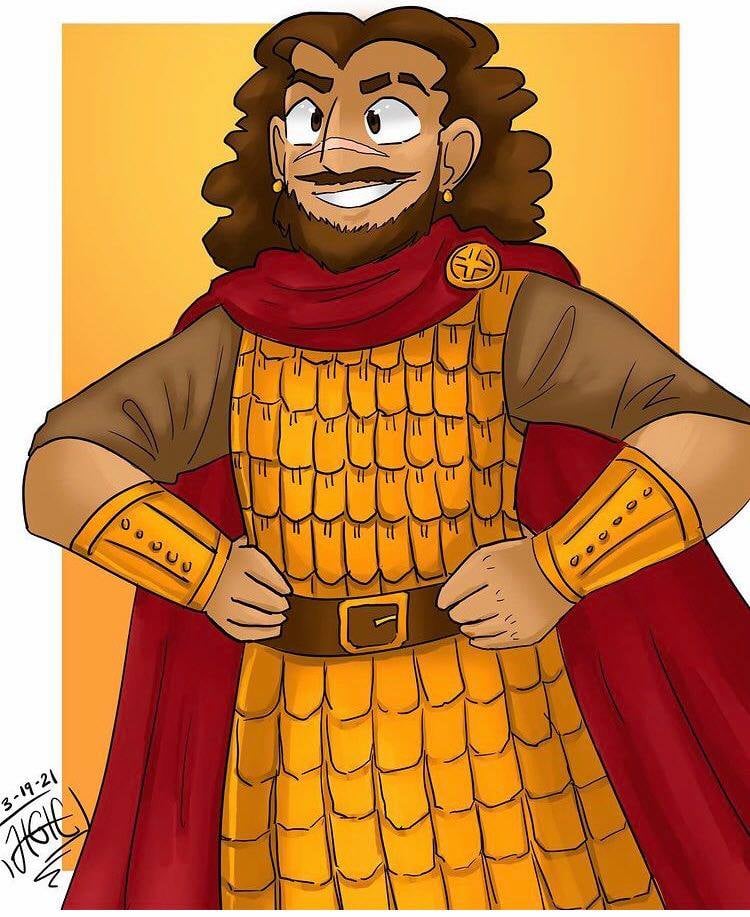
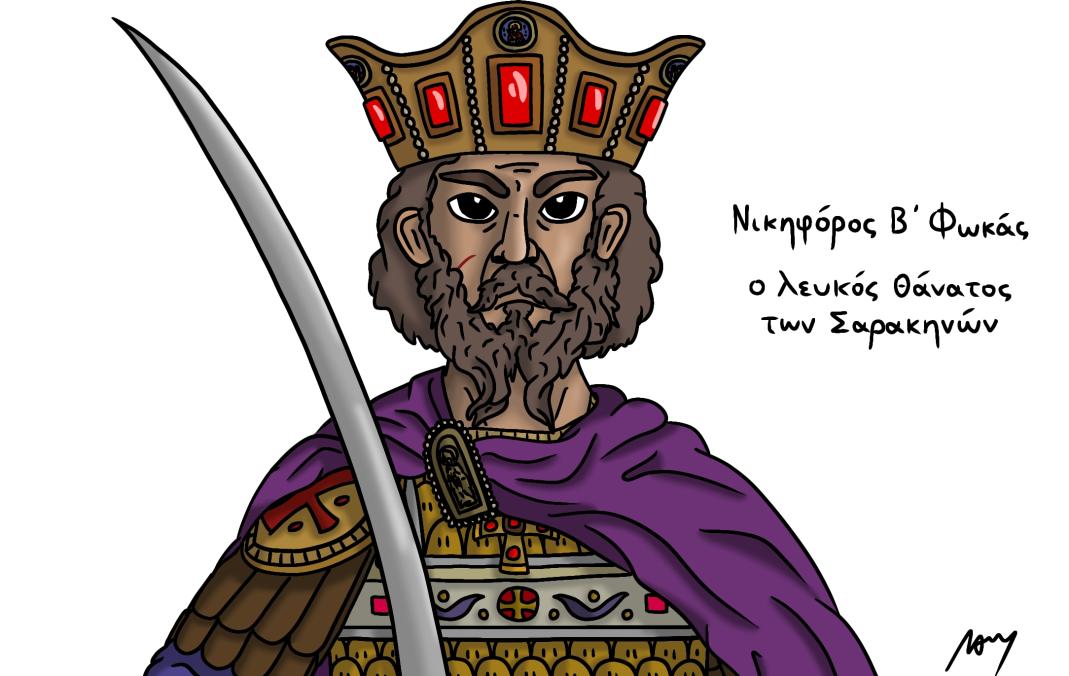
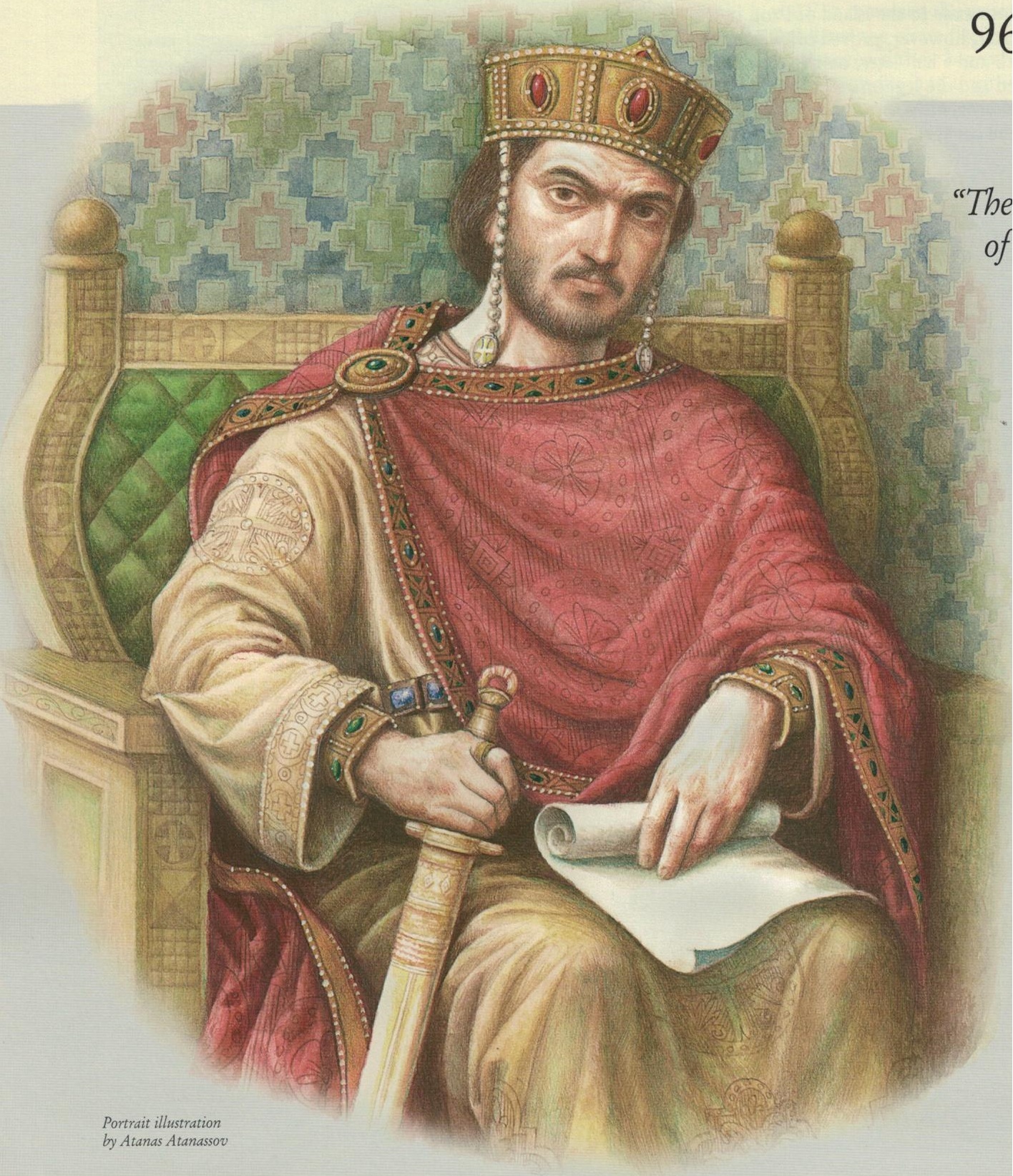
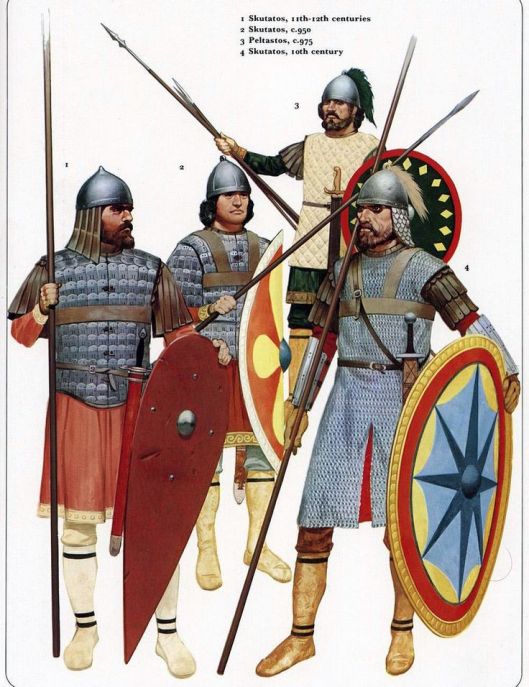
Welcome back to the Byzantium Blogger and here we are again with another Byzantine history article! In this one being the 15th and final part of this series featuring top lists concerning the lives of emperors who I think have interesting stories, we will go over Emperor Nikephoros II Phokas (r. 963-969), one of Byzantium’s greatest warrior-emperors from the military golden age in the 10th century.

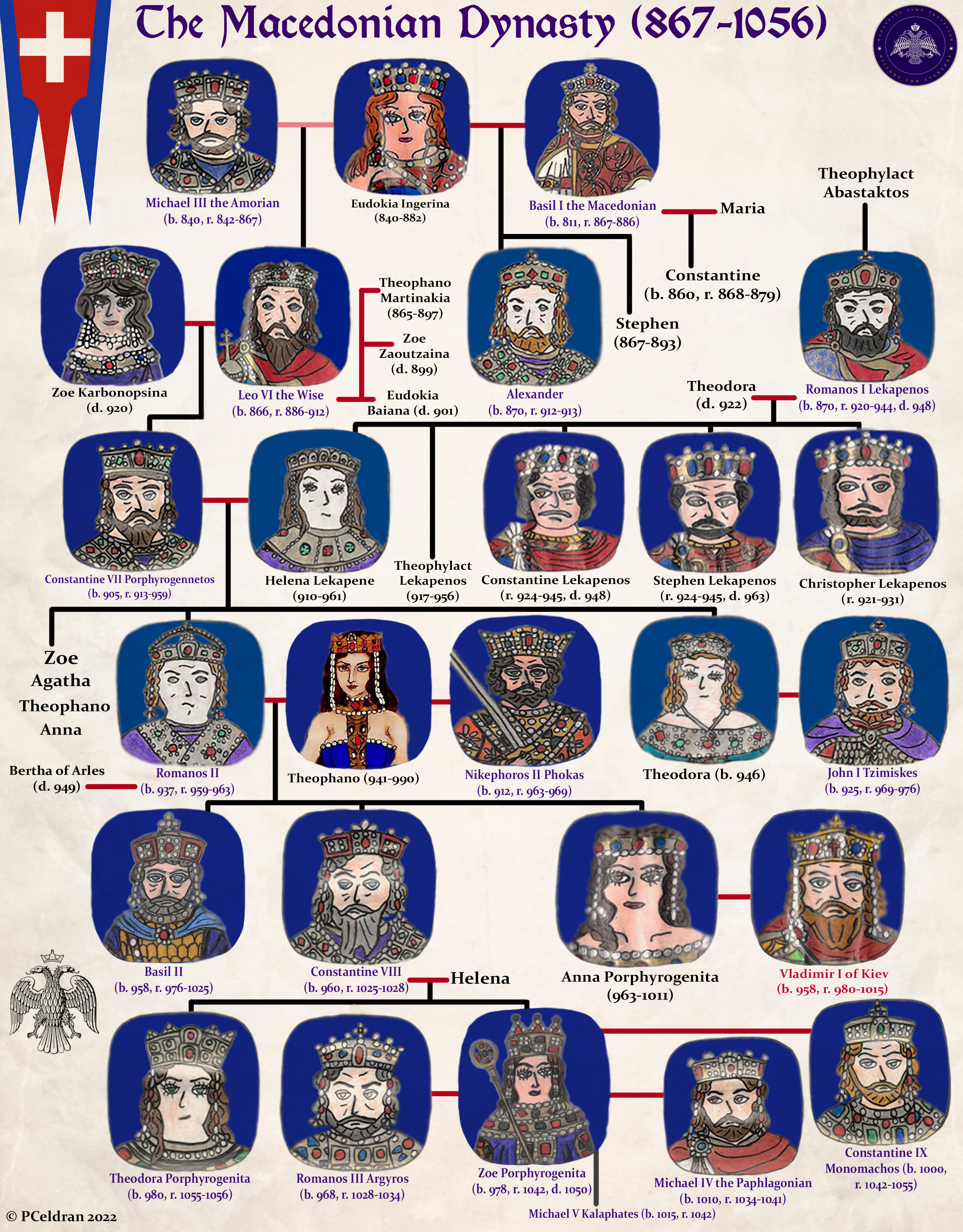
For those who are interested in Byzantium’s military history, Nikephoros II Phokas is one of the first names that comes to mind, and true enough he is also one of the most famous Byzantine emperors despite his rather short rule of only 6 years, and this is for a lot of reasons. Nikephoros Phokas was certainly one of Byzantium’s greatest and accomplished generals before he came to power as emperor in 963; he too was born to the powerful military Phokas clan who owned vast estates in Byzantine Asia Minor, and he too certainly followed in the footsteps of his male family members by being part of the Byzantine army and rising up the ranks. Prior to becoming emperor, Nikephoros serving under different emperors had accomplished many feats of conquest, most notably his recapture of Crete from the Arabs in 961 and further successes in Byzantium’s eastern frontier against the Arabs. As emperor, after marrying the widowed empress Theophano and thus becoming part of the ruling Macedonian Dynasty, Nikephoros II continued his successful campaigns in the east.
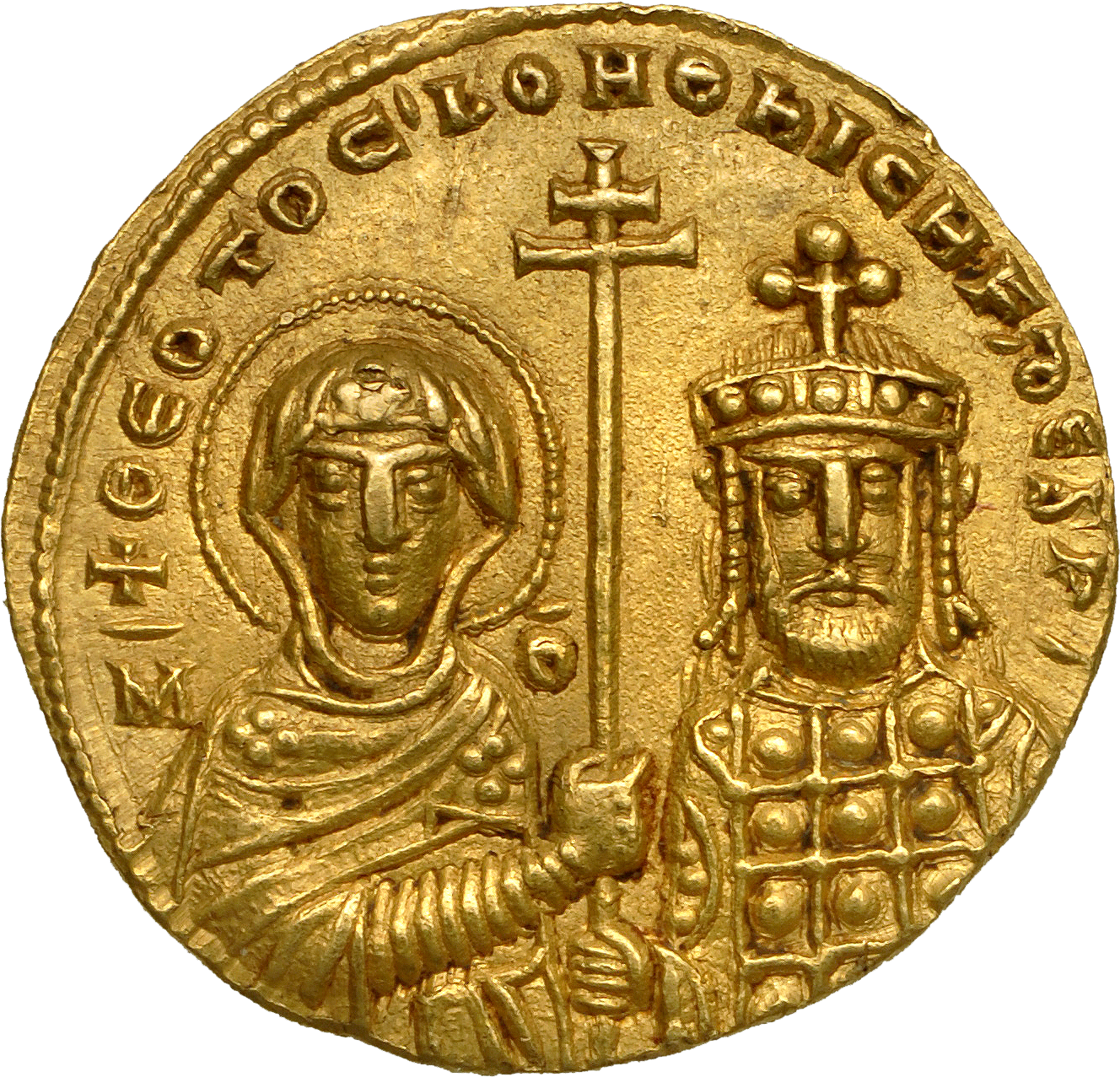
However, despite his successes in the battlefield, especially against the Arabs, Byzantium’s traditional enemy, Nikephoros wasn’t entirely successful in the west and neither was he in diplomacy that he ruined Byzantium’s relations with the new Holy Roman Empire in Germany and with the new state of the Kievan Rus’. Nikephoros II too failed as a politician as his popularity was only based on his military conquests, otherwise he alienated his subjects by his lack of charm, over-religious way of life, and heavy taxation. He too made many enemies from among Byzantium’s military elite including his nephew and successor the general John Tzimiskes who in 969 after organizing a conspiracy murdered Nikephoros in his sleep and thus succeeded as the new emperor John I Tzimiskes (r. 969-976). Now, Nikephoros II Phokas is one of those emperors of Byzantium who is depicted as having a colorful life and career both before becoming emperor and after, thus in this article we will thoroughly examine his colorful life and career through 10 important events in it. Before beginning this top 10 list though, I would first give a background to the 10th century Byzantine Empire Nikephoros grew up in.

Follow me, Byzantine Time Traveller on Social Media:
Instagram: @byzantine_time_traveller
Facebook: Byzantine Time Traveller
Youtube: No Budget Films
Website: Byzantine Time Traveller
Deviantart: Byzantium-blogger55
Art Station: Powee Celdran Porphyrogennetos
Patreon: Byzantine Time Traveller
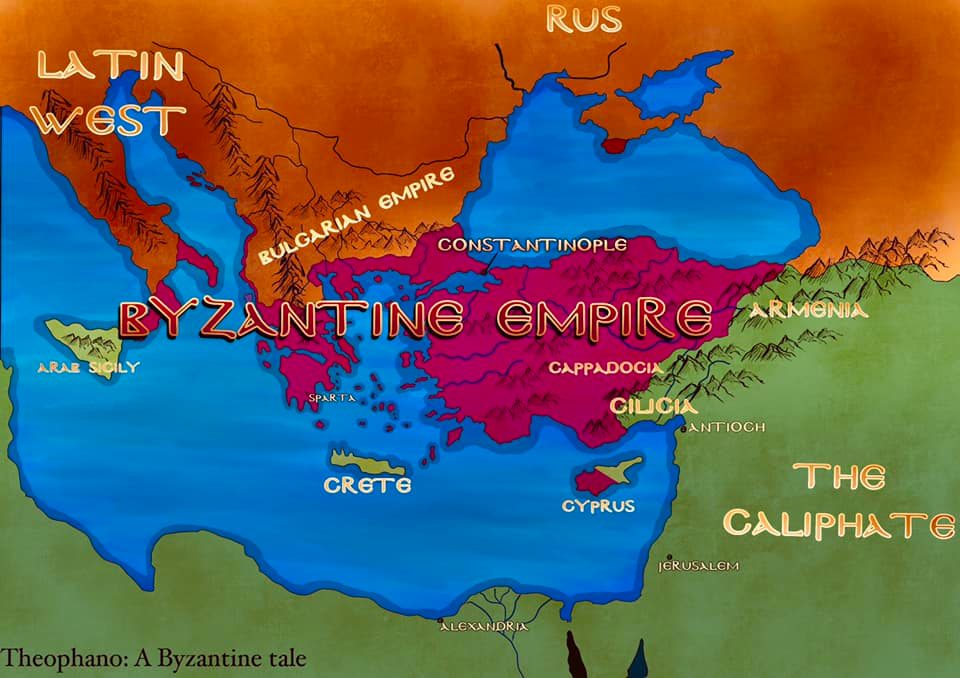
At the turn of the 10th century, the Phokas family to which Nikephoros belonged to was already an established Byzantine military clan from Cappadocia in Asia Minor who had owned vast estates there. Nikephoros Phokas the Elder, who was Nikephoros’ grandfather that he was named after and the first known member of the Phokas clan, served as an important general under the founder of the Macedonian Dynasty Basil I (r. 867-886) and his son and successor Leo VI the Wise (r. 886-912).

Under Basil I, Nikephoros the Elder first served as a general in the east and was notable for winning successes against the Arabs, after which he was reassigned to Byzantine Southern Italy where he continued scoring more successes against the Arabs and thus retaking land from them there. Following Basil I’s death in 886, the new emperor Leo VI reassigned Nikephoros the Elder to the Balkans wherein he was given the position of Domestic of the Schools, the highest military position in Byzantium. Nikephoros the Elder when in the Balkans managed to score successes against the attacking Bulgarians under Tsar Simeon the Great (r. 893-927) who Byzantium was at war with from 894-896, however this war ended in defeat for the Byzantines whereas Nikephoros the Elder died sometime before 900. Leo VI, who was the Byzantine emperor at this time now had a mixed reputation as he was an effective administrator despite being under the influence of corrupt officials and also a learned scholar who published many works including Byzantium’s updated code of laws and some military treatises during his reign, however he was not always successful in the battlefield and he true enough never personally set foot in battle.
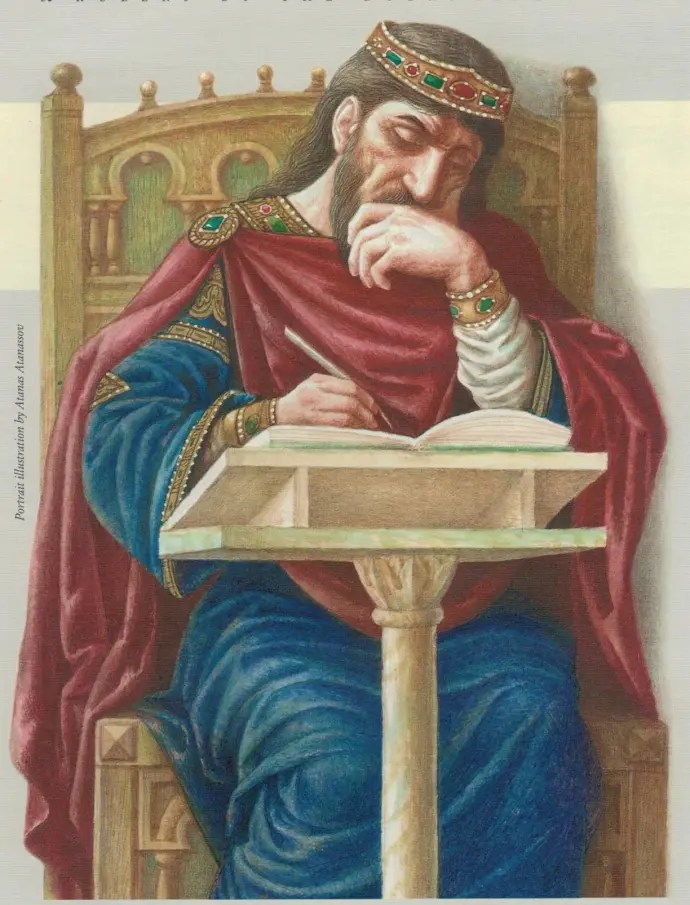
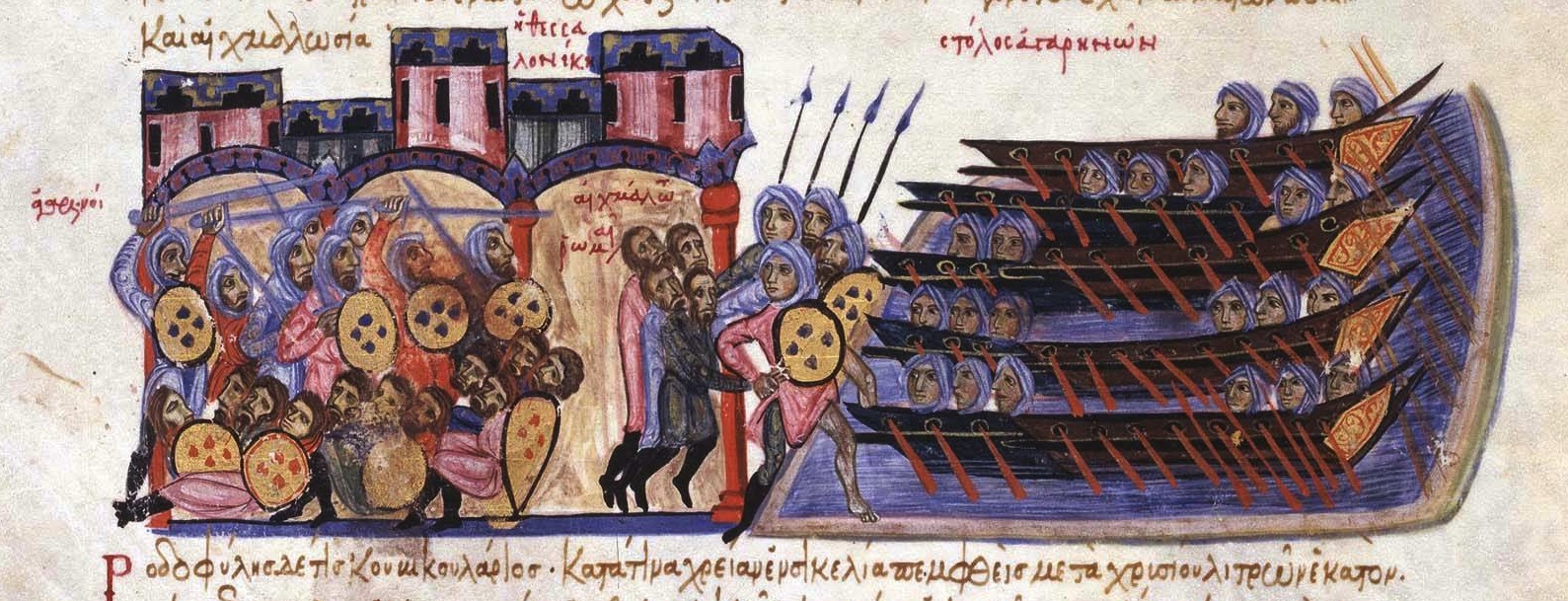
Although the Byzantines were successful in 900 wherein, they defeated the Arab Emirate of Tarsus in battle, Leo VI’s reign still saw two major defeats to the Arabs, first was the fall of Taormina in Sicily to them in 902 and then the sack of Byzantine Thessaloniki by the Arab pirate Leo of Tripoli in 904. However, Leo VI’s reign had also seen the Byzantine navy successfully attack the Arab port of Tarsus in 904 and some successful attacks on a number of Arab ports in Syria in 910. In 907 though, the Kievan Rus’ fleet attacked Constantinople for the second time- first time in 860- although this attack was averted when Leo paid off the Kievan Rus’ to leave. The greatest problem to Leo though was succession and after being married 4 times- which the Church saw as scandalous and troublesome- he finally had a son named Constantine born in 905 with his 4th wife Zoe Karbonopsina. 4th marriages though were seen as unacceptable by the Church that in order for his 4th marriage to be recognized, Leo had to fire the existing Patriarch of Constantinople Nikolaos Mystikos and replace him with his former teacher Euthymios. Leo VI however did not have much longer to live and in 912- the same year as the future emperor Nikephoros II Phokas was born- he died at the age of 45 right after a failed Byzantine expedition to recapture Crete from the Arabs who had held it since the 820s.
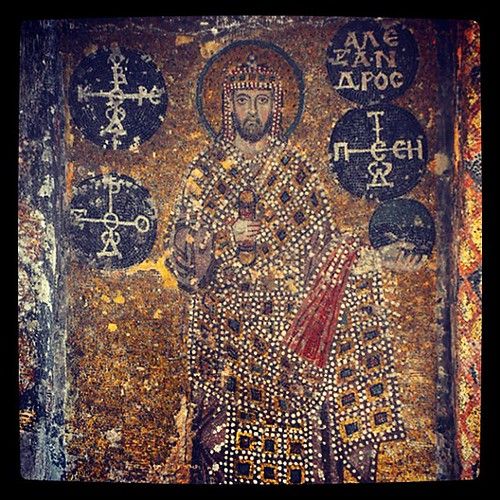
Succeeding Leo VI was his drunk and rather useless brother Alexander (r. 912-913) whose purpose to rule was to undo all of Leo’s policies out of revenge and thus Alexander removed many of Leo’s appointees from their positions including the patriarch Euthymios who was replaced by the old Patriarch Nikolaos Mystikos. Alexander too undid Leo’s policy of paying tribute to the Bulgarians which triggered their ruler Simeon to resume war with Byzantium. However, Alexander never lived to see the war with Bulgaria resume as in 913 after just a year in power he suddenly died from a stroke caused by excessive drinking. With Alexander dead, his young nephew and the late Leo VI’s son Constantine VII Porphyrogennetos (r. 913-959) succeeded as emperor but since he was still a child, he was under a regency council headed by the patriarch Nikolaos. However, the patriarch lost all support due to his violent mishandling of a conspiracy by the general Constantine Doukas- who died as he attacked Constantinople’s walls in 913- and in mishandling the problem of Simeon’s Bulgaria too.
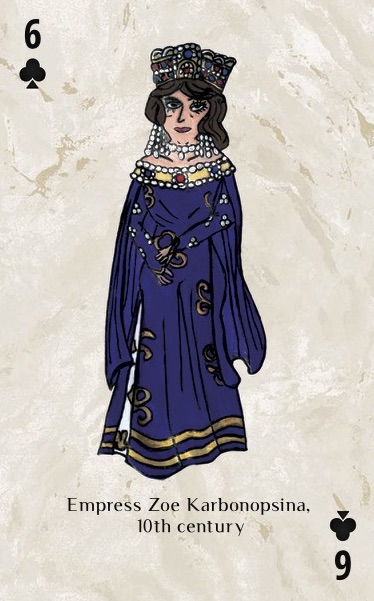
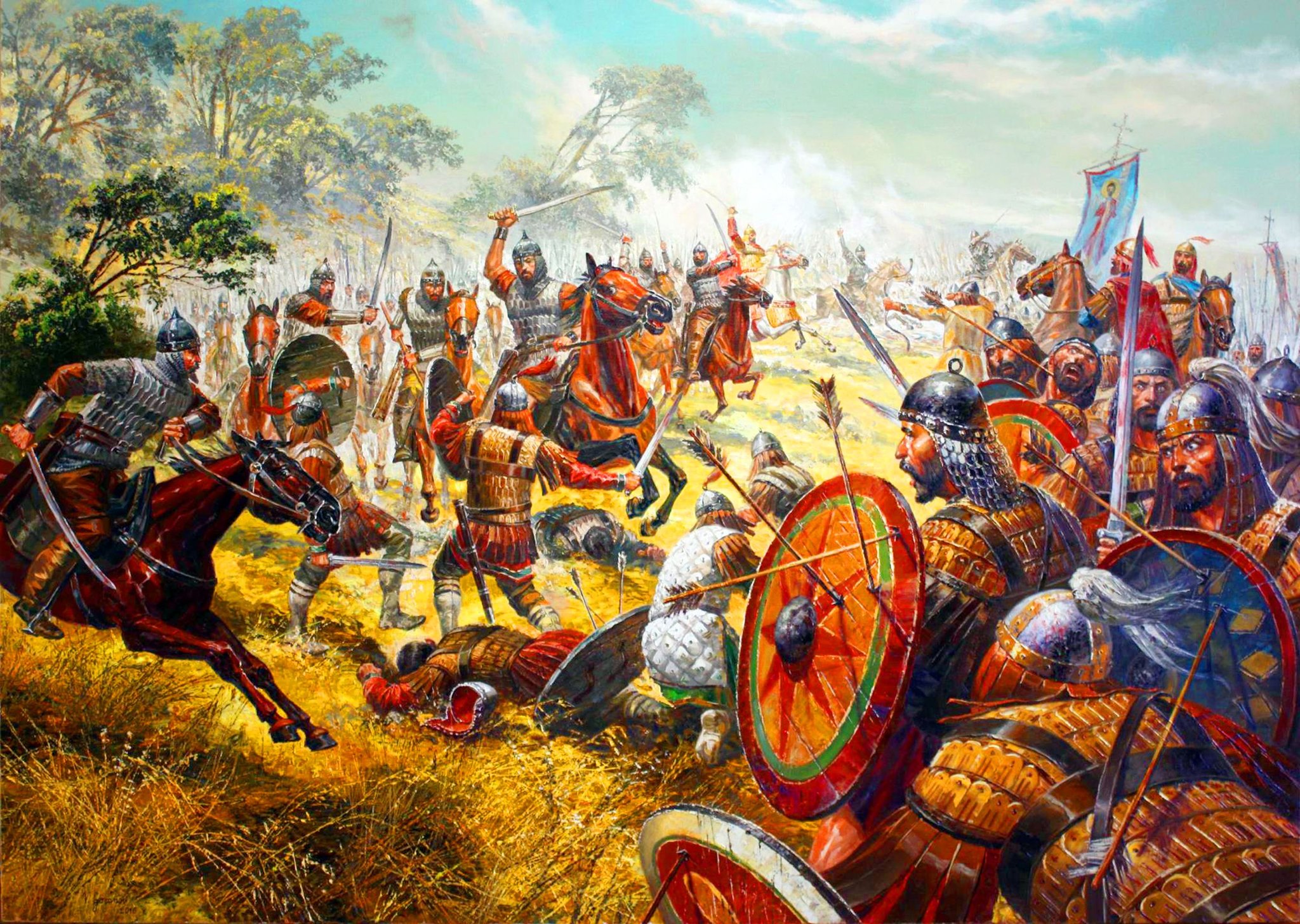
In 914 then, Constantine VII’s mother the empress Zoe Karbonopsina stepped in as regent and although Simeon continued his attacks on the Byzantine Balkans, the Byzantines scored a major victory against the Arabs in the east in 915. Zoe feeling hopeful from this victory against the Arabs ordered an attack on Simeon in the north led by the generals Leo Phokas the Elder- uncle to the future Nikephoros II- and his brother Bardas Phokas the Elder- father of Nikephoros II- all while the Byzantine navy under the admiral Romanos Lekapenos was to lead a naval invasion of Simeon’s Bulgaria. This attack however failed as the navy failed to arrive all while the army under the Phokas brothers were annihilated by Simeon at the Battle of Anchialos along the Black Sea in 917. These defeats thus weakened the empress’ popularity and so in 919, she was ousted from the regency when the admiral Romanos Lekapenos usurped power in order to save himself. Although the empress Zoe still tried to save her position by attempting to marry the disgraced Leo Phokas who would become emperor, Romanos struck first and had Leo Phokas blinded.

In 920, after Romanos married off his daughter Helena to the young Constantine VII, he assumed the position as the senior emperor Romanos I Lekapenos (r. 920-944). As the new emperor, Romanos I had inherited the war with Simeon’s Bulgaria continuing until both rulers settled their problems diplomatically in 925 which thus effectively put an end to the war leaving Byzantium and Bulgaria to be at peace for the next 4 decades. As Romanos I ruled as Byzantium’s senior emperor, his son-in-law Constantine VII despite being the rightful emperor was demoted to become the lowest-ranking emperor out of the 5 who had the title as Romanos true enough made 3 of his sons: Christopher, Stephen, and Constantine as his co-emperors and his other son Theophylact as Patriarch of Constantinople despite having no religious experience. During all those years Romanos I ruled as the senior emperor, Constantine VII was practically a “prisoner” in the palace, though he used this time for literary pursuits such as writing scholarly books the way his father did. In the meantime, Romanos I’s reign was mostly successful militarily and this was mostly thanks to his brilliant general John Kourkouas, who Romanos appointed as the Domestic of the Schools in the East.
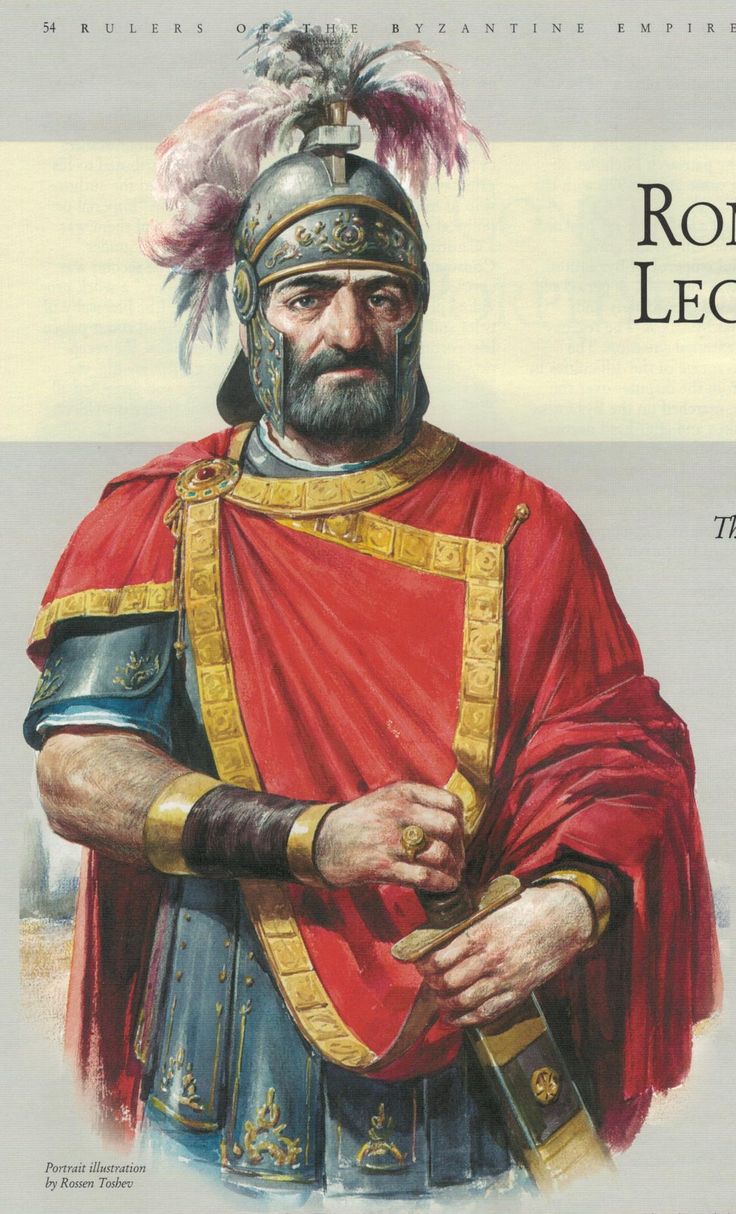
In his long military career, John Kourkouas successfully campaigned against the Arabs of the Abbasid Caliphate in the east and their powerful vassal, the Emirate of Melitene which had been a constant threat to Byzantium since the 9th century. The threat of Arab Melitene however was subdued once and for all in 934 when Kourkouas captured the city of Melitene itself thus ending the Emirate of Melitene making this the first time the Byzantines ever annexed an entire Arab state therefore beginning Byzantium’s eastward expansion. Furthermore, Kourkouas together with the future Nikephoros II’s father Bardas Phokas scored a further victory in 941 by expelling the Kievan Rus’ sudden invasion of Constantinople which was also defeated thanks to the emperor Romanos equipping the fleet with Greek Fire. Kourkouas later in 942 occupied Arab held Edessa temporarily, however he would eventually fall from power when his patron Romanos I was ousted by his sons and co-emperors Stephen and Constantine in 944. Now, ever since the death of Romanos I’s eldest son and co-emperor Christopher in 931, he grew more and more depressed and since he did not really trust Stephen and Constantine, he began favoring his son-in-law more, thus both his sons ousted him from power and sent him to exile in a monastery. The brothers thinking they would stay in power were however mistaken as in early 945, they too were overthrown in a coup by no other than Constantine VII and thus exiled to the same monastery as their father whereas Constantine VII from here on became the sole emperor.
Related Articles from the Byzantium Blogger:
Byzantine Alternate History Chapter VII
5 Victories and 5 Defeats of Isaac II Angelos
10 Times Alexios I Komnenos Saved the Byzantine Empire
7 Key Moments in the Life of Emperor Basil I
7 Times Empress Irene of Athens Exercised Political Power
10 Key Moments in the Life of Emperor Heraclius
6 Times Empress Theodora Exercised Political Power
8 Times Emperor Zeno was a Survivor
5 Achievements and 5 Failures of Theodosius I the Great
10 Achievements of Constantine I the Great
7 Times Constantine XI Exemplified Bravery
10 Unknown Facts About Justinian I the Great
8 Times Michael VIII Palaiologos was an Evil Genius
10 Surprising Facts About Emperor Basil II
5 Reasons to Feel Bad for Justinian II and 5 Reasons to Hate Him
I. Nikephoros’ Early Career

Nikephoros Phokas the Younger- the future emperor Nikephoros II- was born in 912 in Cappadocia to the powerful military Phokas clan; his father as mentioned earlier was the general Bardas Phokas the Elder and his mother belonged the Maleinos clan, another powerful Byzantine Greek family that settled in Cappadocia. In both his father’s and mother’s side, Nikephoros belonged to what was known as the Dynatoi, the landed military elite of Byzantium who gained power and prominence by expanding their lands which they bought from the peasants. Nikephoros thus grew up in Cappadocia destined to be a soldier and so was his younger brother Leo, although aside from choosing to be a soldier, Nikephoros also chose to follow a religious life wherein he made it his purpose to fight not just for the empire but for the Christian faith. When grown up, it was said that Nikephoros had married, but following his wife’s death which occurred before he rose to fame, Nikephoros took an oath of chastity choosing to never remarry and live an ascetic life which included being vegetarian too.
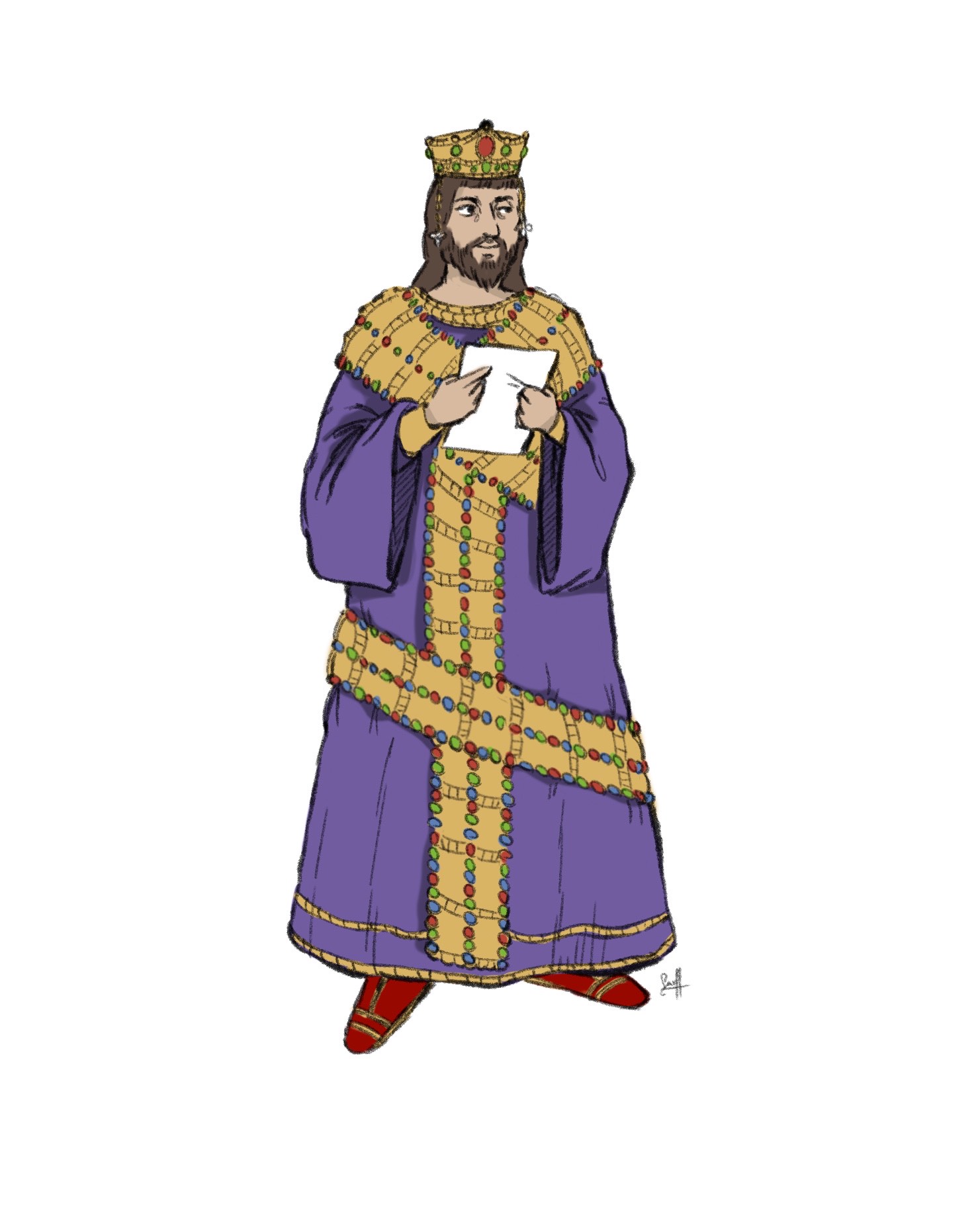
Meanwhile in 945, the rightful emperor Constantine VII Porphyrogennetos returned to power as sole emperor after the deposition of his in-laws, his father-in-law Romanos I Lekapenos- who later died in 948- and his sons Stephen and Constantine, thus when back in power, Constantine removed many of the officials appointed by Romanos I such as the brilliant general John Kourkouas and replaced them with those loyal to him. Part of the new officials Constantine VII appointed to run the empire were those in the Phokas clan whereas Bardas Phokas was made the supreme commander of the Byzantine armies in the east. Bardas’ son Nikephoros is first mentioned here in 945 wherein at the age of 33, he was appointed by Constantine VII as the Strategos (military governor) of the Anatolic Theme (military province). As a learned scholar, Constantine VII was inactive in military matters which he left behind to his generals, all while he too was more interested in pursuing a scholarly life of writing books than administering the empire in which he left that job to his wife the empress Helena Lekapene and his eunuch ministers.
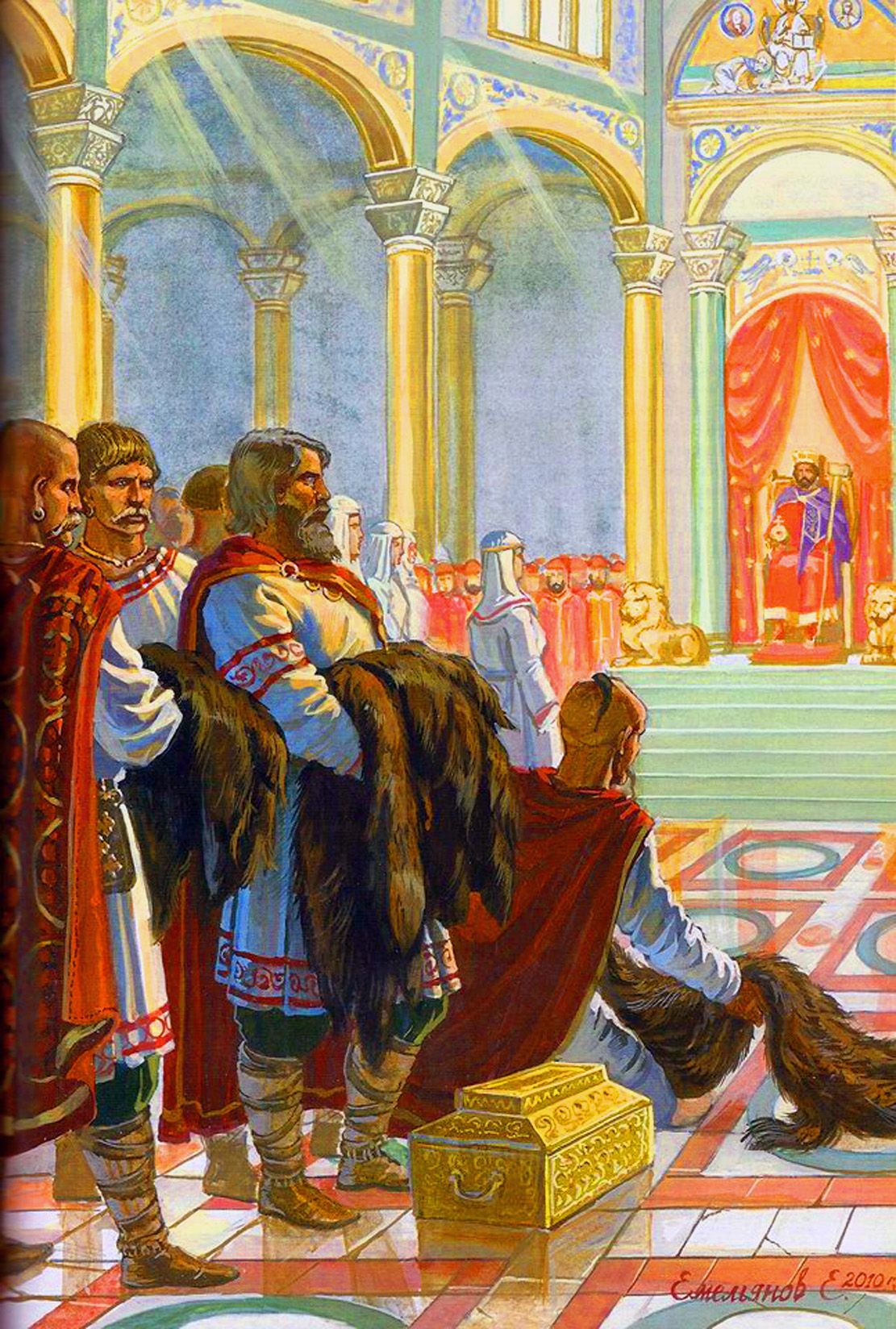
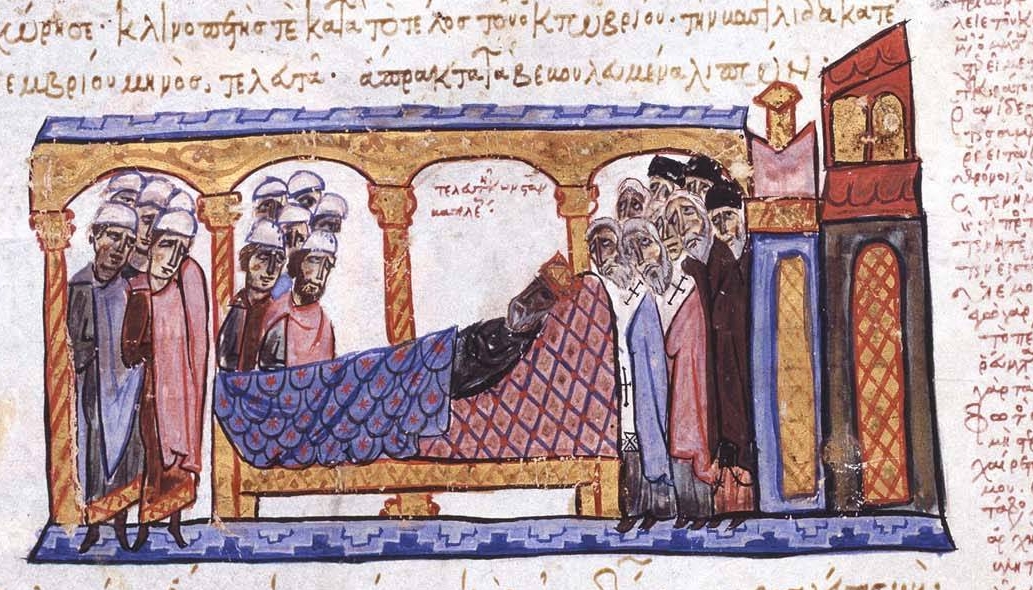
As emperor, Constantine VII published a number of works such as De Ceremoniis being the guidebook to Byzantine court ceremonies and De Administrando Imperio which was the guidebook to managing the empire and dealing with its neighbors. As Constantine VII was busy impressing foreign diplomats with the cultural power of Byzantium, another failed attempt was launched to recapture Crete from the Arabs in 949. Bardas Phokas meanwhile who commanded the armies in the east was not very successful in the battlefield being repeatedly defeated by the Hamdanid Emir of Aleppo Sayf al-Dawla (r. 945-967). After being severely wounded in battle against Sayf’s forces in 953, Bardas decided to retire from military command and was thus replaced in his position by his eldest son Nikephoros who true enough proved to be more successful than his father. In 957, Nikephoros managed to capture and destroy the Arab held town of Adata at the Byzantine-Arab border while in 958, his nephew the young general John Tzimiskes captured Samosata in Eastern Asia Minor from the Arabs. In 959 however, Constantine VII died at age 54 possibly from a heart attack due to being overweight and he was thus succeeded by his son Romanos II (r. 959-963) as emperor.
II. The Reconquest of Crete
The greatest achievement of Nikephoros Phokas in his pre-imperial career was perhaps the successful reconquest of the entire island of Crete from the Arabs in 961. Now, ever since the Byzantines had lost Crete to Arab exiles from Spain in the 920s who captured Crete and created the Emirate of Crete, the Byzantines attempted many times to recapture the island, but all attempts failed including one by Emperor Leo VI in 911 and again by his son Constantine VII in 949.

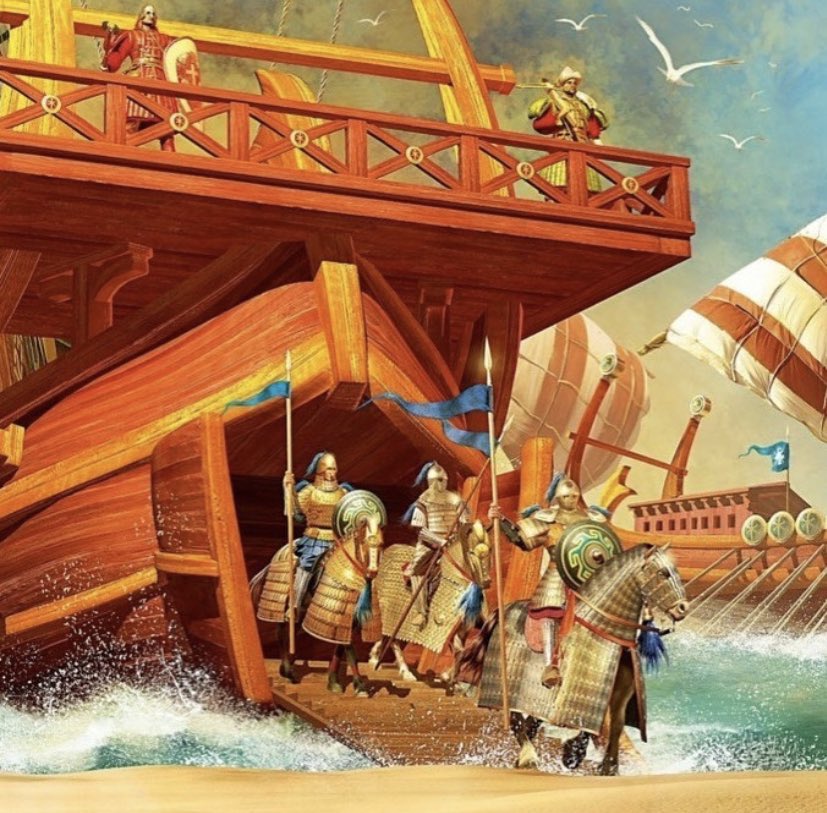
As the new emperor, Romanos II made it his goal to finish what his father failed to do by launching another expedition to recapture Crete, and to lead this expedition he saw no other than the star general Nikephoros Phokas. Now, Romanos II like his father showed no interest in military matters and running the empire and thus he left the job of running the empire to his eunuch minister Joseph Bringas and command of the armies to successful generals such as Nikephoros Phokas and his brother Leo all while Romanos enjoyed life. As Leo was assigned to command the armies in the east, Nikephoros in 960 was tasked by Romanos II and Bringas to command the expedition to recapture Crete which consisted of 27,000 oarsmen and marines, 308 ships, and 50,000 troops. In 960, this expedition led by Nikephoros assembled and set sail from Ephesus and later disembarked at the shore of Crete wherein these ships used ramps to unload soldiers on the beach. When landing at the beach, the Byzantine forces faced little resistance and easily wiped out the Arab forces, and although one division of the Byzantine army was slaughtered as it made a raid on the Cretan-Arab forces, Nikephoros later put Chandax, capital of the Arab Emirate of Crete under siege.
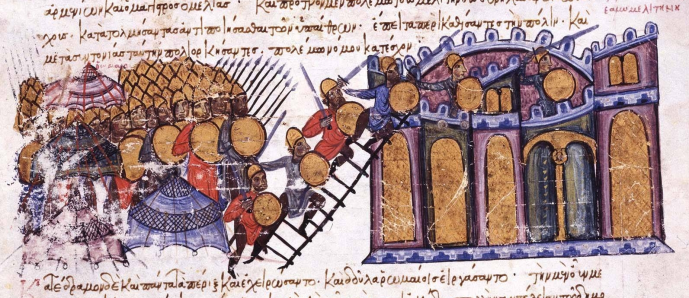
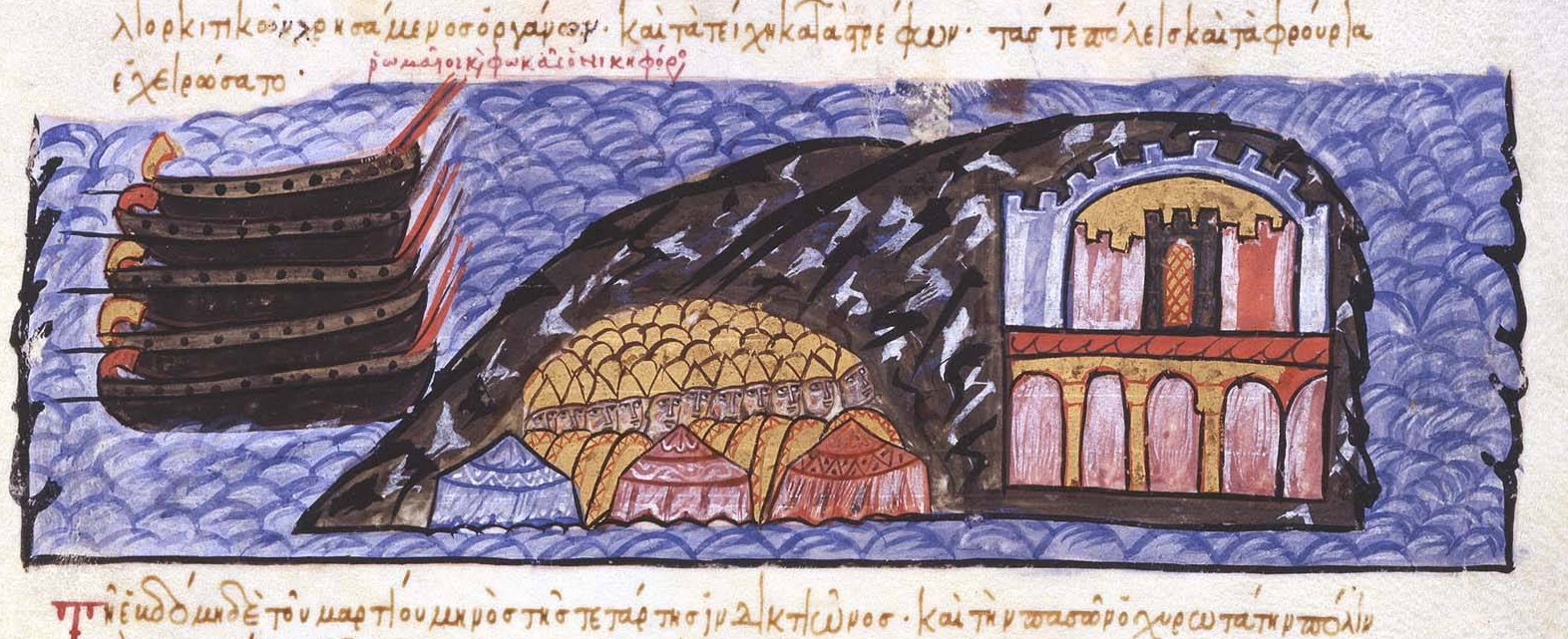
The siege though would last for over 9 months lasting through the winter in which the Byzantines suffered through as they ran out of food supply, although Nikephoros still pushed through with the siege by blockading Chandax both by land and sea. Additionally, once the Byzantines slaughtered the Arab forces outside the city walls, Nikephoros had their heads catapulted into the city to scare its inhabitants. The Emir of Crete Abd al-Aziz meanwhile who was inside Chandax in a panic appealed to different rulers of the Islamic world but got no reply and thus he even wrote to the Byzantine emperor Romanos II asking him to put an end to the war. By the time the spring of 961 came, supplies from Constantinople arrived and thus Nikephoros’ forces were reinvigorated to continue the siege wherein they dug beneath the city walls placing explosive devices in them which true enough led to the walls’ collapse. With the walls down, the Byzantine forces stormed into the city and out of anger for waiting so long to breach the walls, they mercilessly killed off its inhabitants and pillaged the city. With the fall of Chandax in March of 961, the entire island of Crete too returned to Byzantine rule and thus ended the Arab Emirate of Crete and the threat of Arab pirates in the Aegean Sea disrupting Byzantine trade activities. For wiping out the Emirate of Crete from the map and returning the island to Byzantine rule, Nikephoros Phokas gained the nickname “Pale Death of the Saracens” all while Abd al-Aziz as the last Emir of Crete was displayed in Nikephoros’ triumphal parade back in Constantinople and presented before the emperor Romanos II. Although victorious, Nikephoros was immediately assigned by the emperor to return east and deal with the Arab threat there.

III. Campaigns in the East and Rise to Power
All while Nikephoros campaigned against the Arabs in Crete, his brother Leo Phokas who was in command of the armies in the east in 960 decisively defeated the Emir of Aleppo Sayf al-Dawla in battle wherein Sayf barely escaped with his life. In 961, with Crete back under Byzantine hands, Nikephoros returned to the eastern frontier joining his brother wherein they both marched a large and well-equipped army into Arab held Cilicia, not to conquer it, but to devastate it in order to one day conquer it.
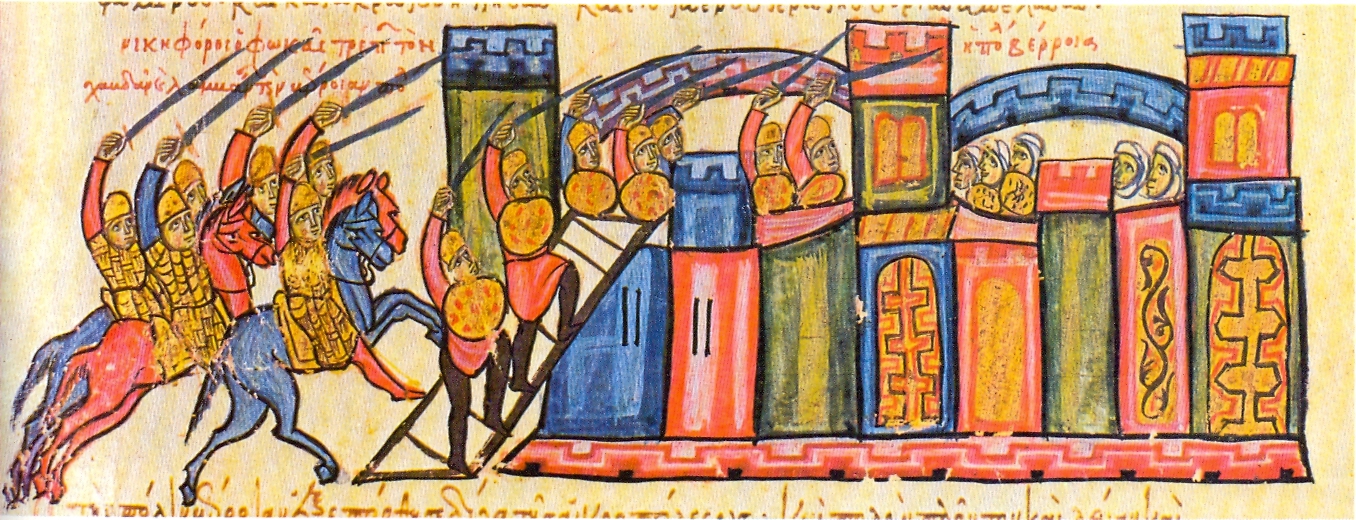
In 962, Nikephoros scored a major victory by taking the Cilician city of Anazarbos from the Arabs and later defeating the forces of the Arab governor of Tarsus Ibn al-Zayyat who killed himself after losing in battle. Sayf al-Dawla however this time conducted raids into Byzantine territory in Asia Minor, though this gave Nikephoros an opportunity to attack Sayf’s capital Aleppo which was left unguarded with Sayf away. After capturing the city of Hierapolis in Syria, Nikephoros in December of 962 marched on Aleppo wherein he split the army into two divisions: one under his and Leo’s command and the other under their nephew John Tzimiskes in order to attack Aleppo on two sides. Nikephoros and his forces true enough managed to defeat Sayf’s forces outside Aleppo and thus in December of 962, they entered the city and brutally sacked it the way they did with Chandax the previous year. The Byzantines however did not capture Aleppo, but the sack and destruction of the city was a major blow to the Muslim world. The Byzantines thus took great amounts of loot from Aleppo and returned west, however in March of 963, word reached Nikephoros in his camp that the emperor Romanos II had died at a young age. Romanos II had either died from an illness caused by excessive drinking, a hunting accident, or by being poisoned by his wife, the ambitious Theophano, but either way the succession was not entirely troubled as Romanos had already crowned both his young sons with Theophano Basil and Constantine as his co-emperors, but due to their young age, Romanos’ top minister Joseph Bringas assumed full control of the empire following Romanos’ death.

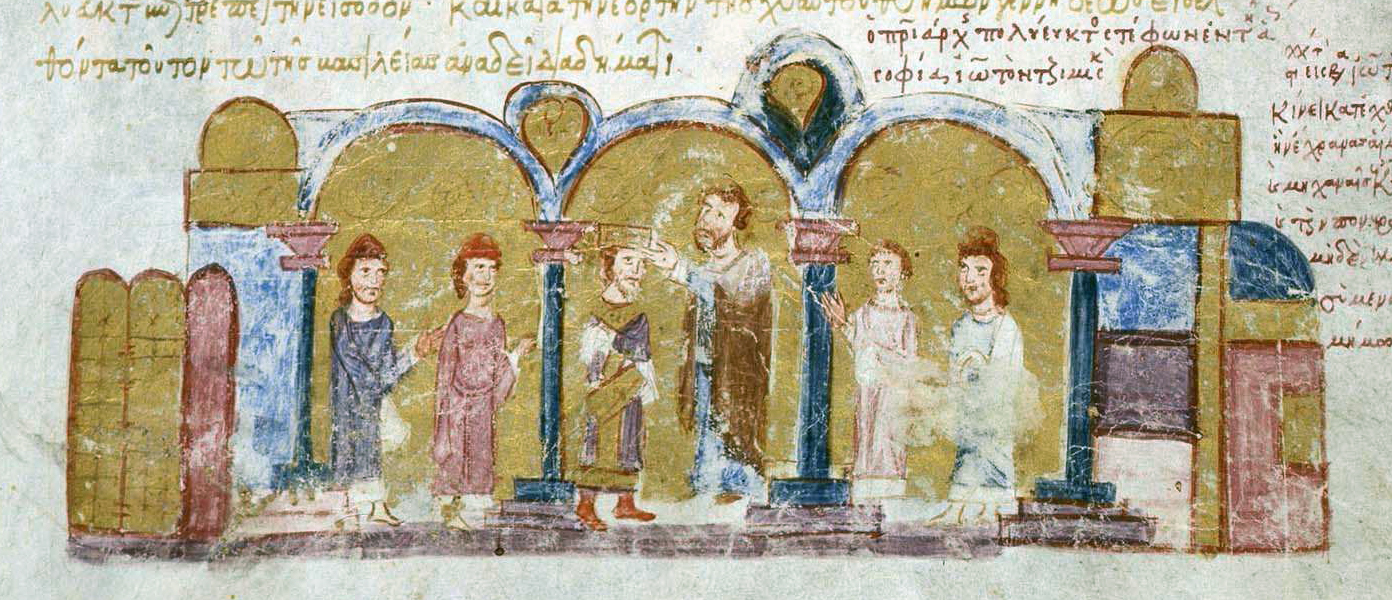
Bringas fearing Nikephoros would be acclaimed as emperor by his troops and the aristocrats due to his popularity sent orders to have Nikephoros arrested, however Nikephoros did exactly what Bringas thought and had his soldiers and officials proclaim him emperor in Caesarea in Cappadocia in July of 963. Nikephoros with his troops then marched west to Constantinople whereas he too sent a fleet to secure the Bosporus Strait against his enemies. Bringas however when hearing that Nikephoros was proclaimed emperor had Constantinople put under lock-down and thus rallied a number of supporters and troops including the general Marianos Argyros who was tasked to defend Constantinople from Nikephoros. During this time, Nikephoros’ father Bardas now very old took refuge in the Hagia Sophia and although Bringas was able to rally some support, he was not convincing enough to get a number of influential politicians on his side such as the other powerful eunuch minister Basil Lekapenos- illegitimate son of Romanos I- and the Patriarch of Constantinople Polyeuktos. With the assistance of his brother Leo who broke into Constantinople at the dead of night to gather some boats to cross the Bosporus, Nikephoros entered the city with his troops whereas the mob now rioted in his favor. As the riots broke out, Joseph Bringas soon lost support when the mob killed his general Marianos Argyros, and thus without much opposition left, Nikephoros Phokas was formally acclaimed as emperor by the patriarch Polyeuktos all while Bringas now powerless fled the city never to be seen again.

IV. Nikephoros II as Emperor and Eastern Campaigns
In August of 963, Nikephoros II Phokas was formally crowned as emperor by the Patriarch of Constantinople Polyeuktos, but in order to legitimize his claim as emperor, he needed to marry the widowed empress Theophano.

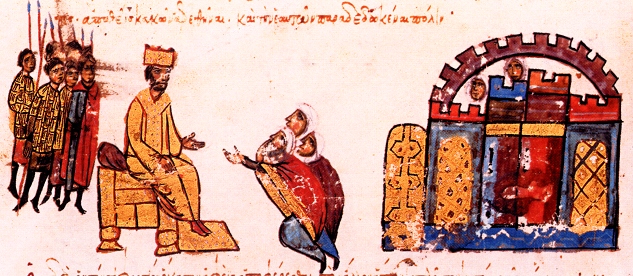
After marrying Theophano, Nikephoros thus became the senior emperor and guardian to his stepsons Basil and Constantine who were his junior co-emperors. Although now the new emperor, Nikephoros did not care for the life in the palace and in the capital, thus after being crowned, he immediately returned to what he loved doing most, campaigning against the Arabs in the east. In the spring of 964, Nikephoros II with an army of 40,000 marched east to once again raid Arab held Cilicia, Upper Mesopotamia, and Syria, and here Byzantine forces managed to capture Adana in Cilicia. Later in 964, Nikephoros attempted to take the Cilician city of Mopsuestia but failed, though by the summer of 965, the full Byzantine conquest of Cilicia had begun. By this time, Nikephoros’ forces together with John Tzimiskes after a long siege finally captured the city of Mopsuestia whereas Leo Phokas laid siege to Tarsus wherein Nikephoros and John arrived there after Mopsuestia was taken. With the help of the Byzantine cataphracts, the Arab forces of Tarsus were routed and thus Tarsus surrendered to the Byzantines whereas Nikephoros allowed its inhabitants to leave unharmed so long as his troops could plunder the city.
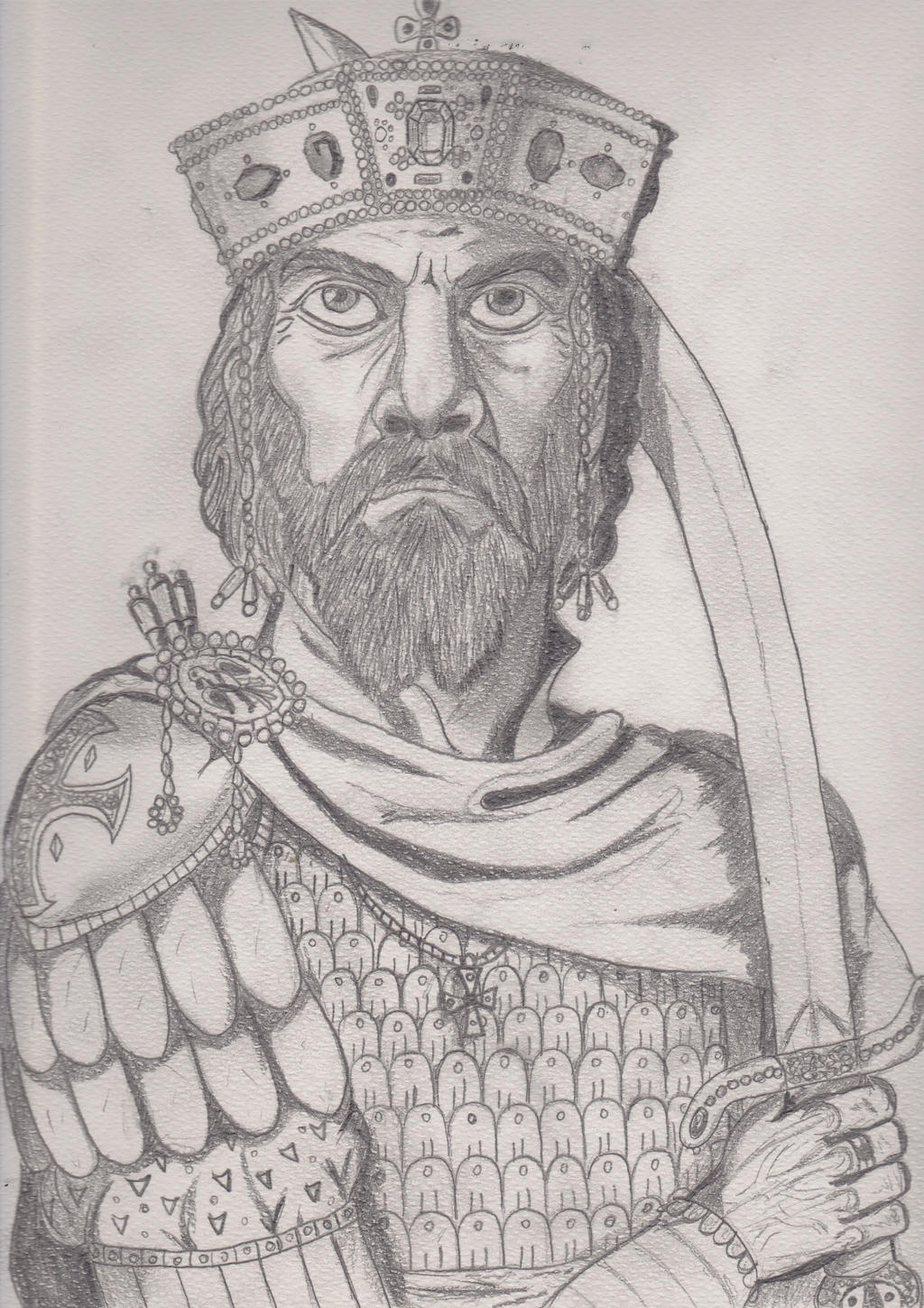
By 965, the whole of Cilicia was once again under Byzantine control but it also happened in 965 that a Byzantine force under the admiral Niketas Chalkoutzes sent by the emperor took back the entire island of Cyprus. Now, since the Arab invasions in the 7th century, the island of Cyprus was split between Arab and Byzantine rule in what was known as a condominium, but from 965 onwards, the whole island was once again fully under Byzantine rule. In 966, Nikephoros had agreed to an exchange of prisoners with his old nemesis the Emir of Aleppo Sayf al-Dawla at Samosata and afterwards he continued campaigning east, here going as far as to raiding Amida, Dara, and Nisibis in Mesopotamia where no Byzantine forces had gone since the 7th century, and then from there he marched towards Hierapolis in Syria where he took a holy relic which was to be displayed in Constantinople. Nikephoros then proceeded deep into Syria wherein he later laid siege to Antioch but abandoned it after 8 days due to the lack of supplies. The Emir of Aleppo Sayf al-Dawla meanwhile had died in 967, thus the Emirate of Aleppo which he ruled was no longer a serious threat to the Byzantines.
V. Nikephoros II’s Religious Policy
Nikephoros II Phokas was not only a skilled warrior and general but also a deeply religious man with ascetic tastes. As emperor, he was fond of collecting holy relics from his conquests and having them displayed in his triumphal parades and in the capital. In warfare, Nikephoros not only encouraged his troops to fight for their empire but for their Christian faith as well, especially against Muslims who he considered to be enemies of the faith.
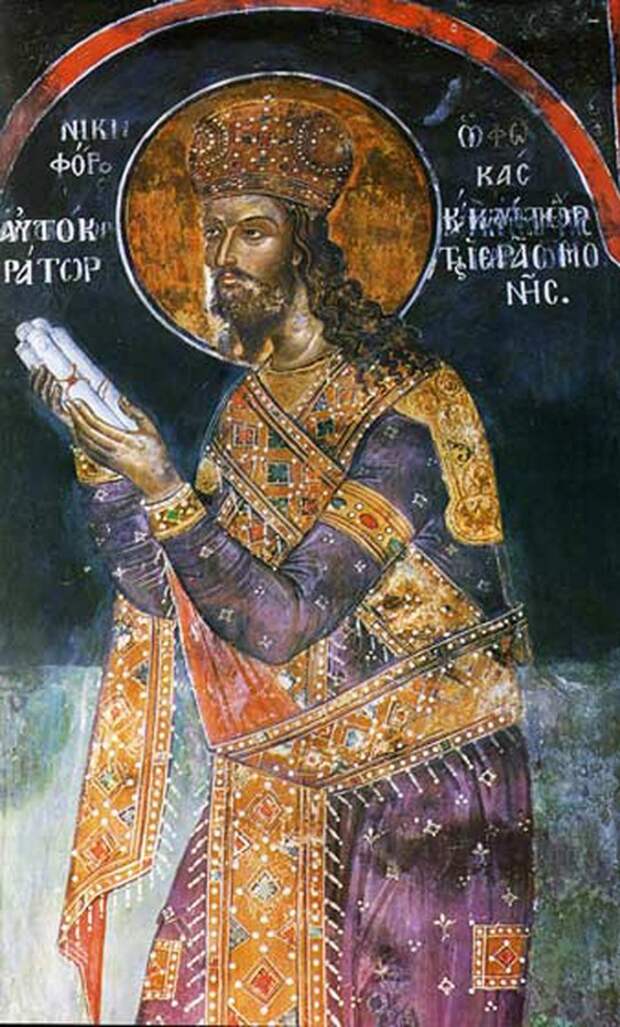
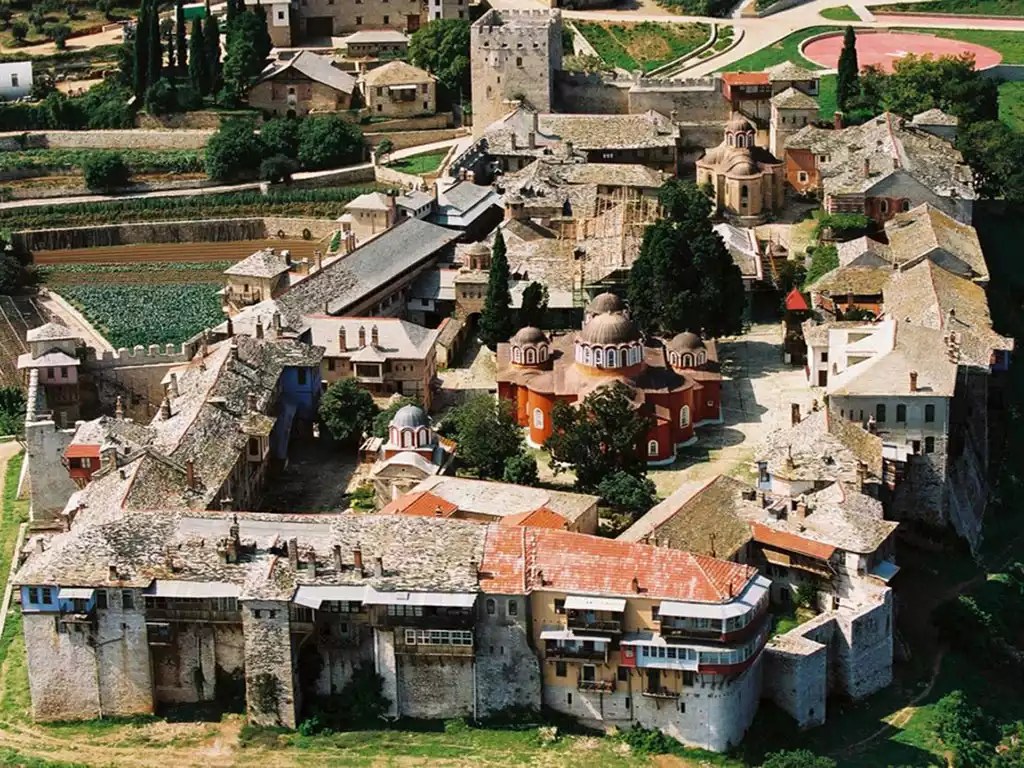
Although he was emperor, Nikephoros disliked the luxuries of the imperial court and instead preferred to live an ascetic life by not getting close to any women that he true enough never slept with his wife the empress Theophano, wearing a hairshirt, sleeping on the floor in a rag which was a gift to him by his uncle who was a famous monk, and having a vegetarian diet the way most monks did. Despite having a strict religious lifestyle, Nikephoros II as emperor oftentimes came into conflict with the Church as his religious views were true enough so extreme that he forbade the founding of new monasteries by nobles as he believed that the Church should not be involved in worldly matters. Furthermore, Nikephoros imposed taxes on the Church as well in order to fund his campaigns which made him unpopular with them. Nikephoros even made himself further unpopular with the Church when he demanded the Church to make all Byzantine Christian soldiers slain in battle by Muslims into martyrs, the way the Muslims did by making their fallen soldiers martyrs known as Shahid. Nikephoros here did not get his wish as the Patriarch of Constantinople Polyeuktos strongly opposed this idea. Although Nikephoros strongly opposed the nobility funding the foundation of monasteries, strangely he hypocritically funded the construction of monasteries. The most famous construction project of Nikephoros II was the Great Lavra Monastery on Mt. Athos which he helped his friend the monk Athanasios the Athonite establish in 963 by funding the construction of it. True enough, Nikephoros funded this monastery as he intended to retire there when his time as emperor is done as the two young co-emperors Basil and Constantine who he was to protect would grow up, however this did not happen due to Nikephoros’ assassination in 969 as will be seen later.
VI. Unsuccessful Wars in the West
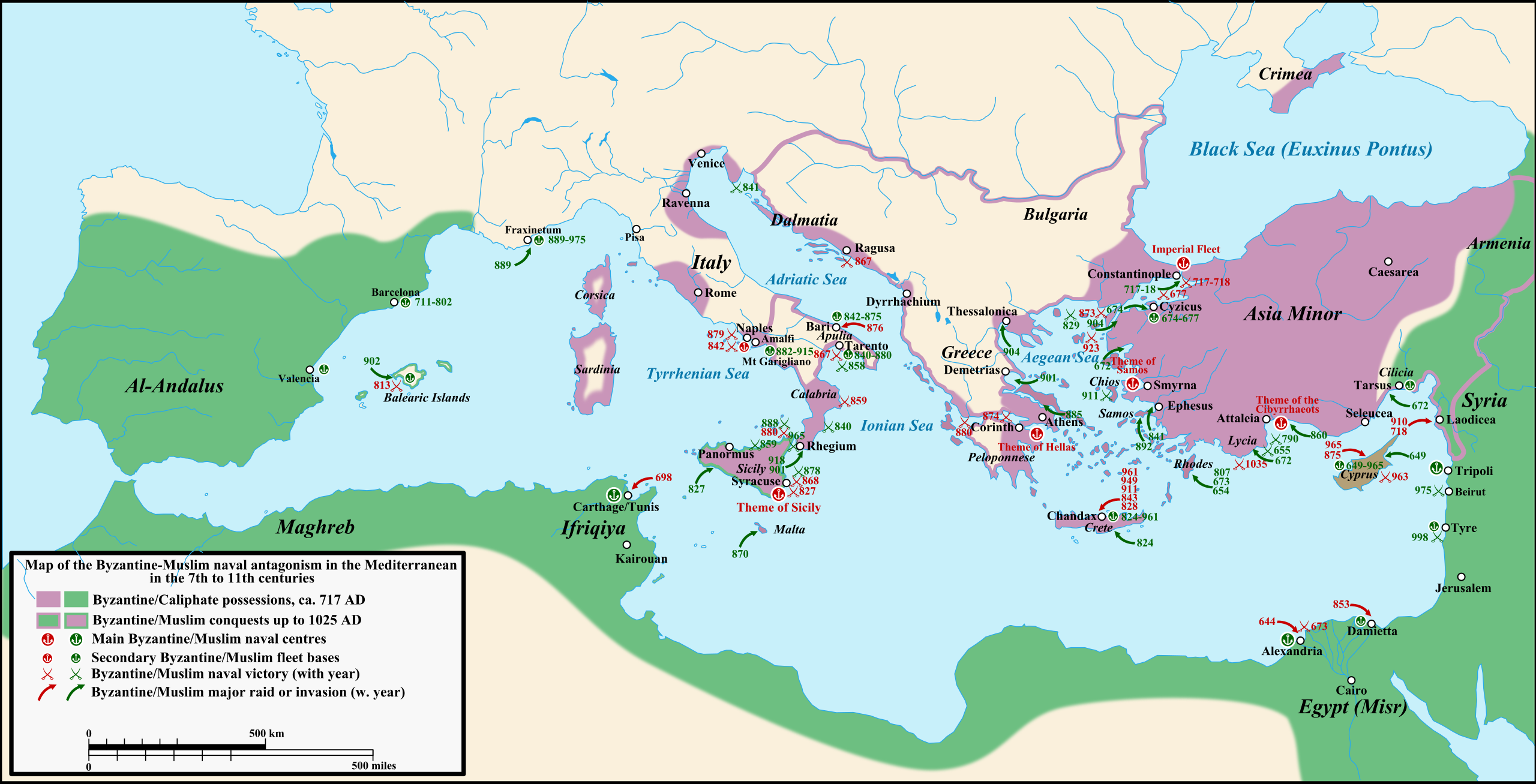
There was no doubt Nikephoros II Phokas was successful in his wars against the Arabs in the east, however when it came to wars in Byzantium’s western front, in which he was not present in, there were mixed results. Most of Byzantium’s military failures in the west during Nikephoros II’s reign were in Sicily and this began in 962, just a year before he came into power, and here the Fatimid Caliphate’s army based in Sicily captured and reduced Taormina, Byzantium’s last major stronghold in Sicily.
One Sicilian stronghold though which the Byzantines still held on to being Rometta appealed to the newly crowned Byzantine emperor Nikephoros II for aid against the approaching Fatimid army. Nikephoros true enough cancelled paying tribute to the Fatimid Caliphate and in 964 sent a naval expedition to Sicily in order to relieve Rometta which here was now under siege by the Fatimid Arabs. As the Byzantine fleet arrived in Sicily, it recaptured the city of Messina from the Arabs, however the fleet failed to relieve Rometta, thus in 965 Rometta fell to the Arabs. Following the fall of Rometta, the Byzantine fleet which was headed to mainland Italy was cornered at the Straits of Messina by the Fatimid fleet, thus beginning the Battle of the Straits. Although the Byzantine navy here was well-equipped with a good amount of ships, the Fatimid Governor of Sicily employed a tactic of sending divers to dive into the sea and climb up into the Byzantine ships. This tactic true enough succeeded as these Arab divers who jumped aboard the Byzantine ships burned these said ships with incendiary devices. The Battle of the Straits thus ended with a decisive Fatimid victory wherein many Byzantine soldiers and sailors were captured including the admiral Niketas.
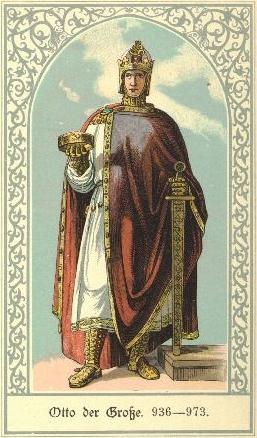
This defeat true enough was such a humiliating one for the Byzantines that Nikephoros II in 966 was forced to request a truce from the Fatimids wherein it was agreed that all of Sicily was lost to the Arabs. Other than this massive defeat to the Arabs in Sicily, Nikephoros II’s Byzantium too was threatened by the newly crowned German “Holy Roman emperor” Otto I (r. 962-973) who had been threatening Byzantine territory in Southern Italy after diplomatic relations broke down between Nikephoros and Otto- as will be seen later. Otto first invaded Byzantine Apulia in 968 though failed to capture the important city of Bari, and although he later proceeded into Byzantine Calabria, Otto failed to make further progress. Otto thus returned to Germany leaving behind his ally the Lombard prince Pandulf I Ironhead to be in charge of the Southern Italian campaign, however Pandulf was later defeated and taken prisoner by the Byzantines. The Byzantines and Germans thus continued being in conflict with each other, even after Nikephoros’ death in 969, but at the end neither side made any real gains.
VII. Nikephoros II as a Failed Politician and Diplomat
As a military emperor, Nikephoros II’s popularity was largely based on his conquests and military victories, otherwise he was not at all loved by his people and this was for many reasons. The moment Nikephoros II’s reign started seeing defeats, such as the one at the Battle of the Straits against the Fatimid Caliphate in 965, his people no longer saw him as the victorious commander that he was, and thus he began losing his popularity.
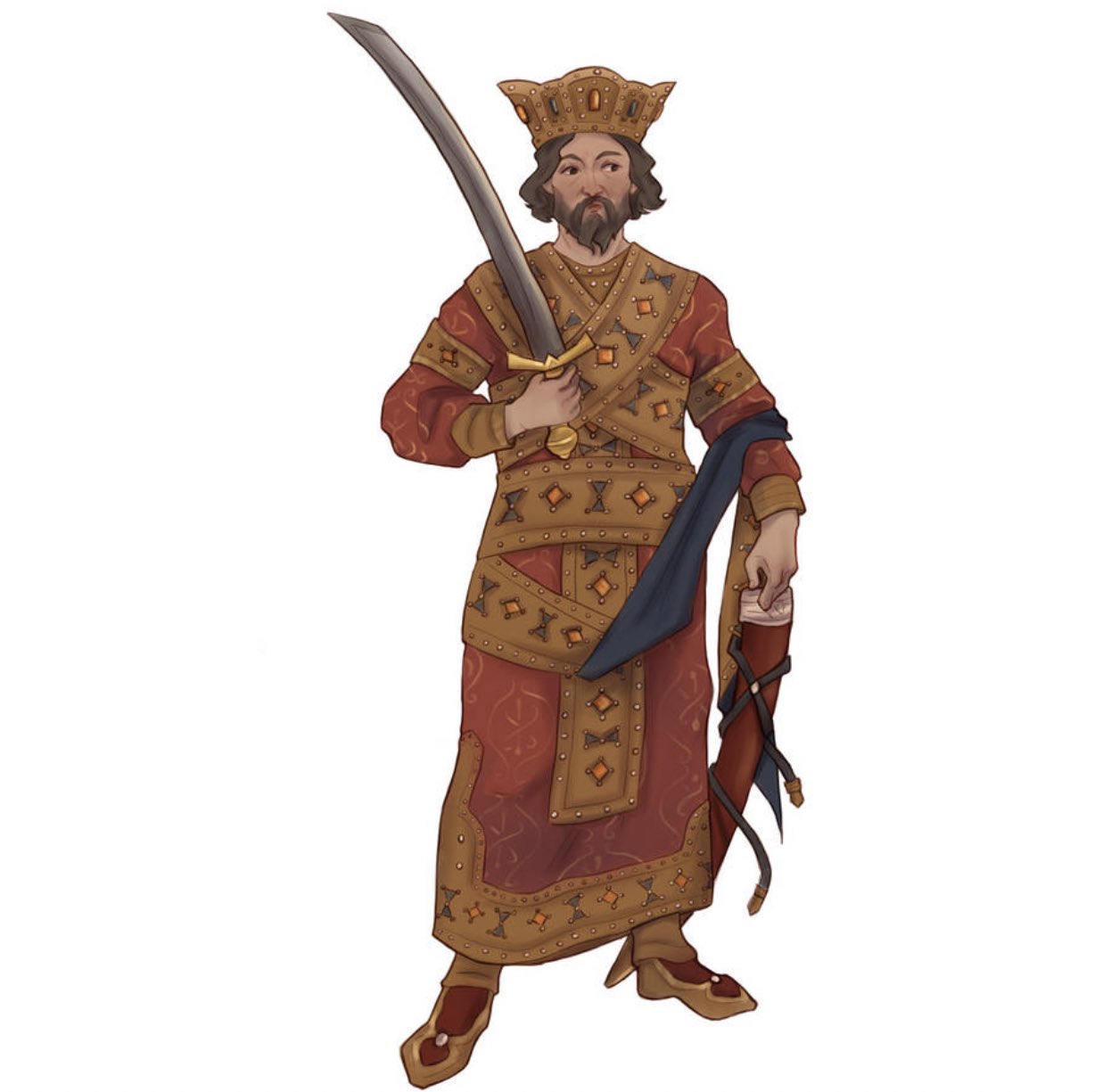
Nikephoros’ antagonistic and puritanical personality too was one major factor to why he was not loved by his subjects and in return he did not like them too as he simply preferred both the ascetic lifestyle of a monk and the life of a soldier constantly on campaign and not the life of a politician in the capital trying to please his people. Additionally, Nikephoros made himself further unpopular with the people for imposing heavy taxes on them to fund his military campaigns which the people seemed to be tired of. There is true enough one instance in 967 that shows how Nikephoros did not care for the well-being of his people despite them facing a major tragedy. Here, due to Nikephoros’ troops’ undisciplined behavior in the capital which led to some civilians being hurt in their brawls, Nikephoros in an act to demonstrate that his troops still had some discipline had them stage marching drills in the Hippodrome of Constantinople. However, some people in the audience here began spreading a rumor that the emperor staged these drills in order to kill those in the audience, thus began a large panic in the Hippodrome that led to a stampede causing a number of deaths as the people rushed to the exits.
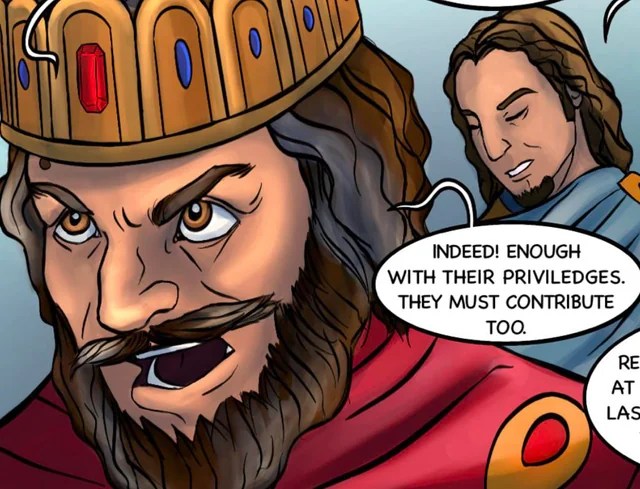
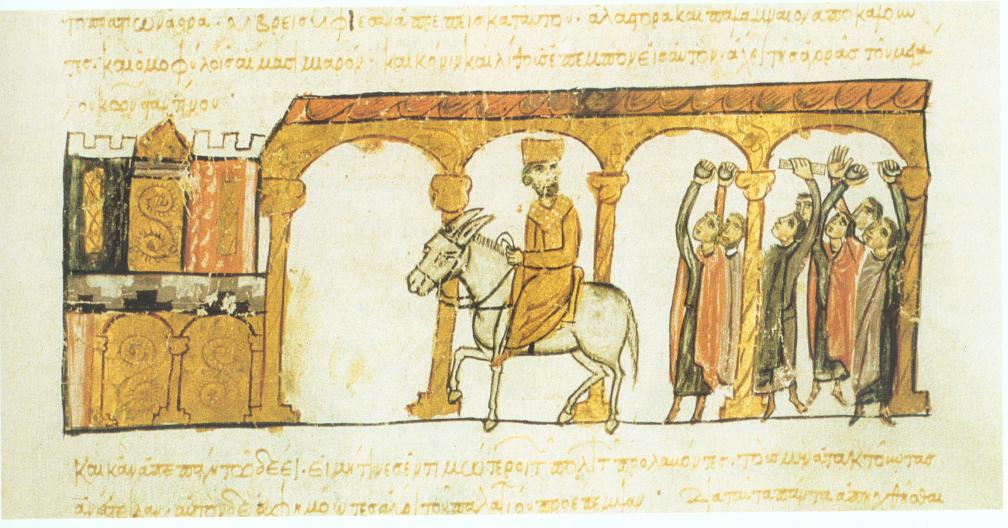
Following this incident, Nikephoros rather than apologizing hid himself in the palace and even constructed an additional wall for it so that he would no longer see his subjects. On the other hand, Nikephoros II too was not very skilled when it came to diplomacy and one incidence of this is shown in 968 when the Italian Bishop of Cremona Liutprand representing the Holy Roman emperor Otto I came to Constantinople. Previously, Liutprand had already visited Constantinople during the reign of Constantine VII wherein he was impressed by the imperial court and seeing the emperor himself be elevated on a mechanical throne. However, during his second mission to Constantinople in Nikephoros II’s reign, Liutprand was this time not impressed and most of this was because of how the emperor treated him. Here in 968, Liutprand came to Constantinople to ask from Nikephoros for the hand of his stepdaughter the Byzantine princess Anna Porphyrogenita- daughter of Romanos II and Theophano and sister to the junior co-emperors Basil and Constantine- for Otto I’s son the future Holy Roman emperor Otto II (r. 973-983). Nikephoros though did not give in to Liutprand’s request due to a letter sent to Nikephoros by the pope John XIII that insulted Nikephoros by calling him only the “Emperor of the Greeks” and not “Roman emperor”. Nikephoros in return insulted Otto I by only calling him a “king” therefore denying his right to the title of “emperor”. Liutprand on the other hand wrote a very graphic account describing Nikephoros as a “monstrosity of a man” and in return Nikephoros insulted Liutprand by making him sit at the far end of the banquet table and serving him the worst food. To make things worse for Liutprand, as he was to return home to Italy with precious Byzantine silks, Nikephoros had these silks he bought confiscated.
VIII. Diplomacy and the Rus’-Bulgarian Conflict
Nikephoros II Phokas may have not been the best emperor when it came to diplomacy, though there were at least some instances wherein he succeeded in making gains through diplomacy and not warfare. In this case, Nikephoros II in 968 was able to annex the entire Armenian Principality of Taron together with the cities of Arzen and Martyropolis into the Byzantine Empire not by conquest but by cutting a deal with its prince. Here, Nikephoros managed to convince the Armenian Prince of Taron to surrender his entire realm to the Byzantines when dies and true enough with this said prince’s death, his entire principality was absorbed into the Byzantine Empire in exchange for the prince’s sons being made generals in the Byzantine army.
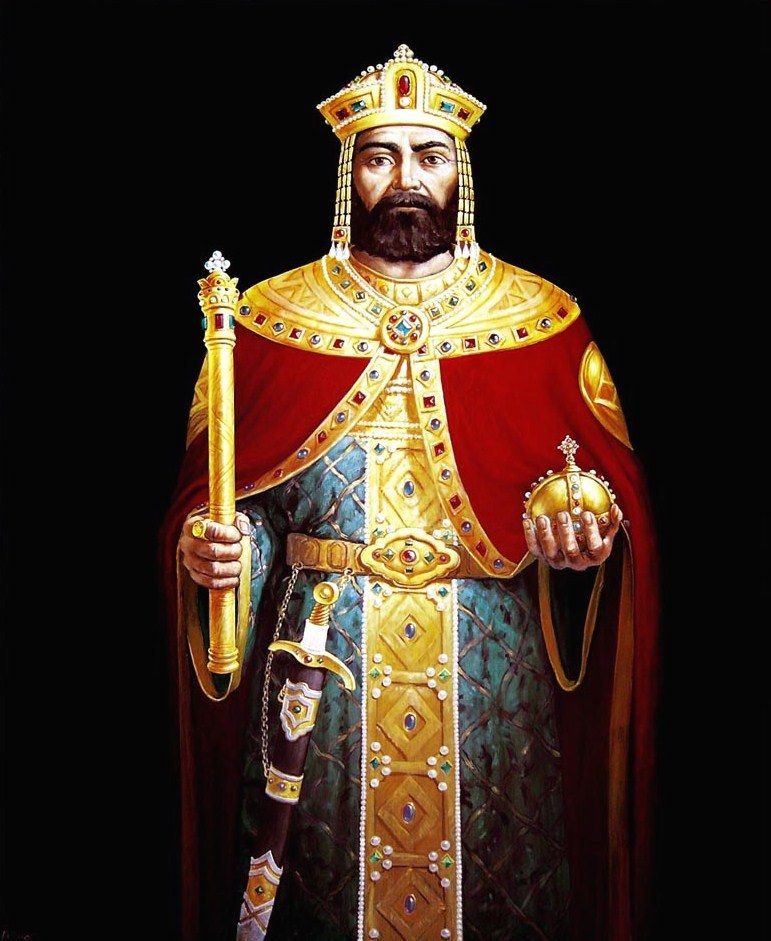
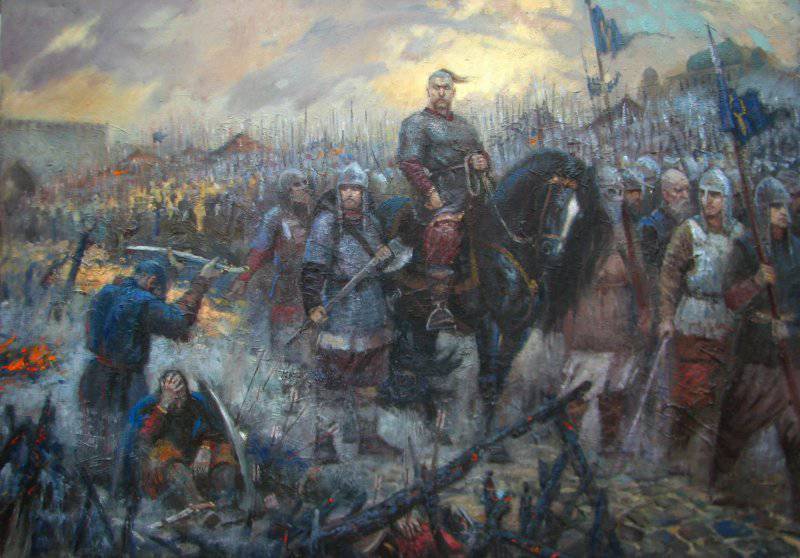
In the meantime, the peaceful relations between Byzantium and their northern neighbor the Bulgarian Empire that had been ongoing since Romanos I’s reign was broken by Nikephoros II in 966 when he refused to continue paying tribute to the Bulgarian tsar Peter I (r. 927-969), son of Simeon. Nikephoros too complained to Peter about his inability to prevent the Magyars from raiding into Byzantine Thrace considering that Bulgaria was in between Byzantium and the land of the Magyars (Hungary). To punish Peter for his inability to stop the Magyar raids, Nikephoros did not respond by leading a campaign against Bulgaria, rather he resolved the issue through diplomacy by asking the Kievan Rus’ prince in the north Sviatoslav I (r. 945-972) to invade Bulgaria. After receiving a messenger sent by Nikephoros to the lands of the Kievan Rus’, Sviatoslav in 969 invaded Bulgaria by crossing the Danube River with an army of 60,000. Sviatoslav here was able to crush the Bulgarians in battle and capture some 80 Bulgarian fortresses thus occupying Bulgaria. The Rus’ invasion however did not only scare the Bulgarian tsar Peter but Nikephoros himself who ended up deciding to sue for peace with Bulgaria. Peter on the other hand managed to get Sviatoslav away by paying off the hostile Pechenegs to attack Kiev itself, however in 969 once Sviatoslav defeated the Pechenegs in his lands, he invaded Bulgaria again intending to conquer it. Due to too much pressure by both the Byzantines and Rus’, Peter abdicated from power in 969 and retired as a monk whereas Sviatoslav’s occupation only ended in 971 when the new Byzantine emperor John I Tzimiskes invaded Bulgaria and expelled the Rus’.
IX. Continued Eastern Campaigns and the Capture of Antioch
In the early centuries of the Byzantine Empire, Antioch was their major city in the east and thus had a very important role especially in the foundations of Christianity. In the 7th century however during the reign of the Byzantine emperor Heraclius (r. 610-641), Antioch was lost twice, first to the Sassanid Persians in 613 and although the Byzantines regained it from them in 628, it fell to the Arabs for good in 637. As mentioned earlier, Nikephoros II in 966 attempted to lay siege to Arab held Antioch but abandoned his siege after 8 days due to the lack of supplies.
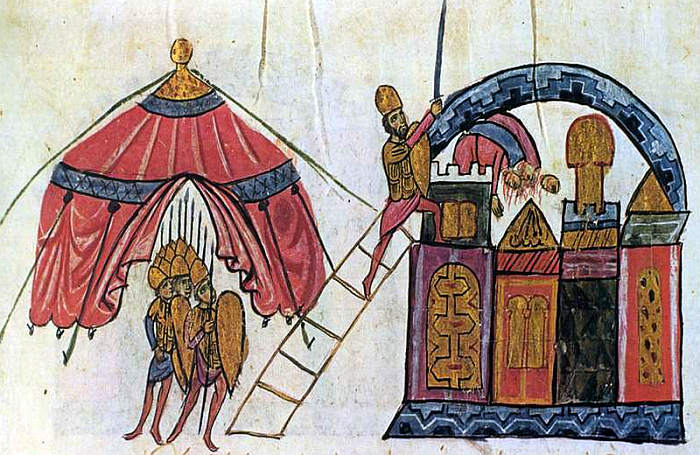
Nikephoros though returned again to besieging Antioch in 968 wherein he laid siege to it this time for 13 days and afterwards he proceeded south to sack a number of Syrian cities including Maarrat Misrin, Maarat al-Numan, Kafartab, Shaizar, Hama, and Homs before reaching Tripoli in Lebanon. Afterwards, Nikephoros captured the Arab held cities of Arqa, Tartus, Maraclea, Jableh, and finally Laodicea (Latakia) which surrendered to him. By capturing all these cities, Nikephoros’ aim was to cut off Antioch from its allies, thus with all these cities captured, Nikephoros left behind a detachment of 1,500 men under the generals Michael Bourtzes and the eunuch Peter at a fort near Antioch in order to capture Antioch itself. Nikephoros thus returned to Constantinople, though before leaving, he instructed his generals not to take Antioch by force but to instead blockade it and starve its population to surrender the city as he wanted to keep this historic city intact. The general Bourtzes however was impatient to take the city all while he too wanted to gain glory for himself by capturing the city, thus Bourtzes entered into negotiations with the city’s defenders hoping they would surrender to him all while Peter raided the countryside surrounding the city. In order to take the city, Bourtzes negotiated with the walls’ commander Aulax in exchange for gifts so that Aulax and his men would get Bourtzes and his men above the walls. In October of 969, as Bourtzes was led into the city walls by Aulax, he sent word to Peter to come and assist him, and although Peter was hesitant at first, he eventually marched into Antioch whereas the presence of his large army forced the Arab garrison of Antioch to surrender. With Antioch now taken by the Byzantines, a large fire broke out due to the battle which thus burned a large part of the city. Bourtzes on the other hand rather than being rewarded by the emperor for capturing Antioch was punished for insubordination and expelled from command which thus led to Bourtzes joining a conspiracy with the emperor’s nephew the general John Tzimiskes who had also been fired from command some years earlier to assassinate the emperor.
X. Assassination and Legacy
Back in 965, Nikephoros II’s nephew and top general John Tzimiskes was dismissed from command and thus sent into exile in Asia Minor. However, in 969 John was back in Constantinople due to the pleas of Nikephoros’ wife the empress Theophano, though little did Nikephoros know that John and Theophano were already having an affair with the aim to kill the emperor, at least according to the historians John Zonaras and John Skylitzes. Additionally, Michael Bourtzes who was dismissed from command for taking Antioch without the emperor’s orders also saw a reason to finish off the emperor thus he too joined the plot of John Tzimiskes. Nikephoros II meanwhile had grown to be more bitter and depressed by 969 and most of it was because of the death of his father Bardas- who he made a Caesar– in the previous year at the old age of 90.
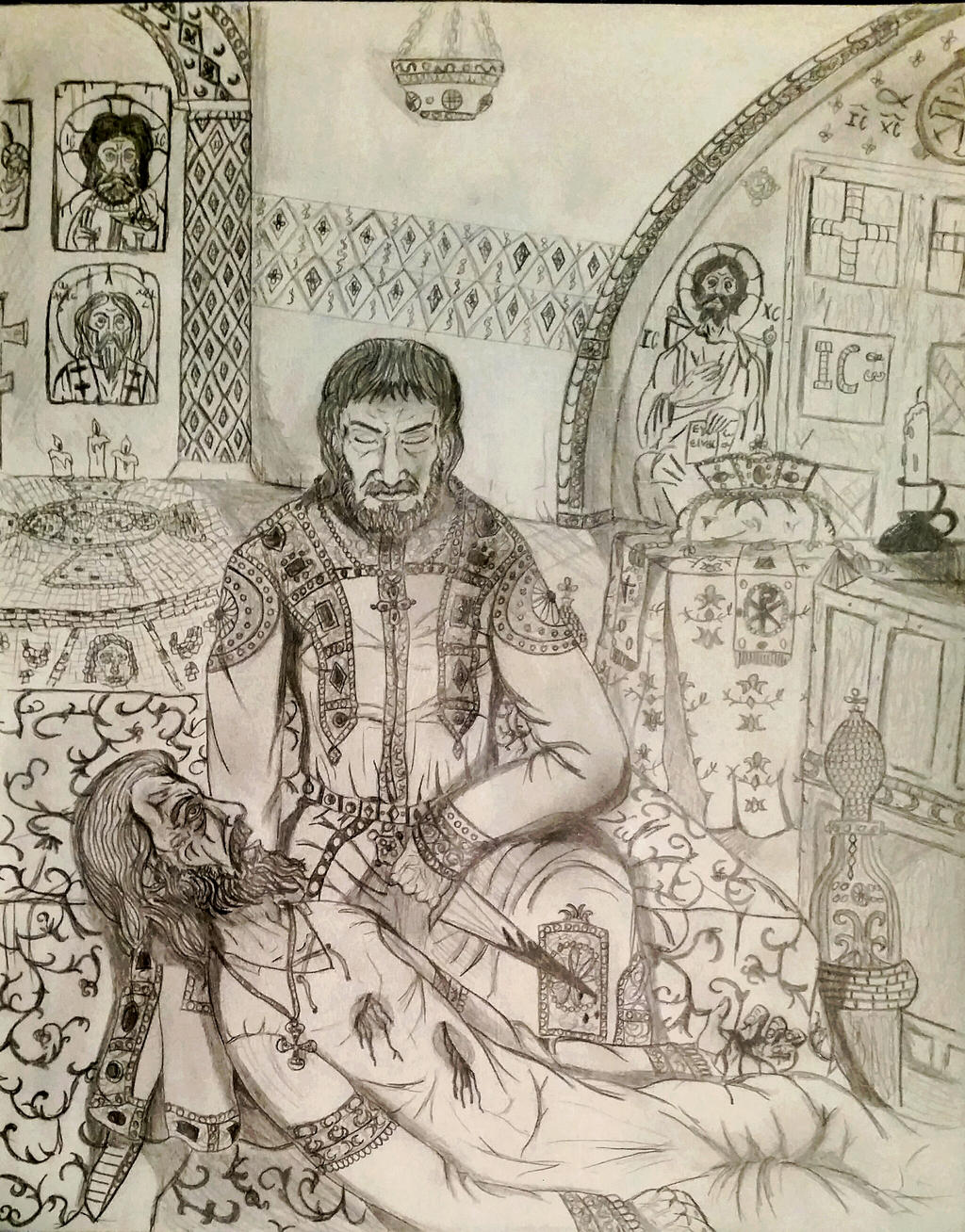
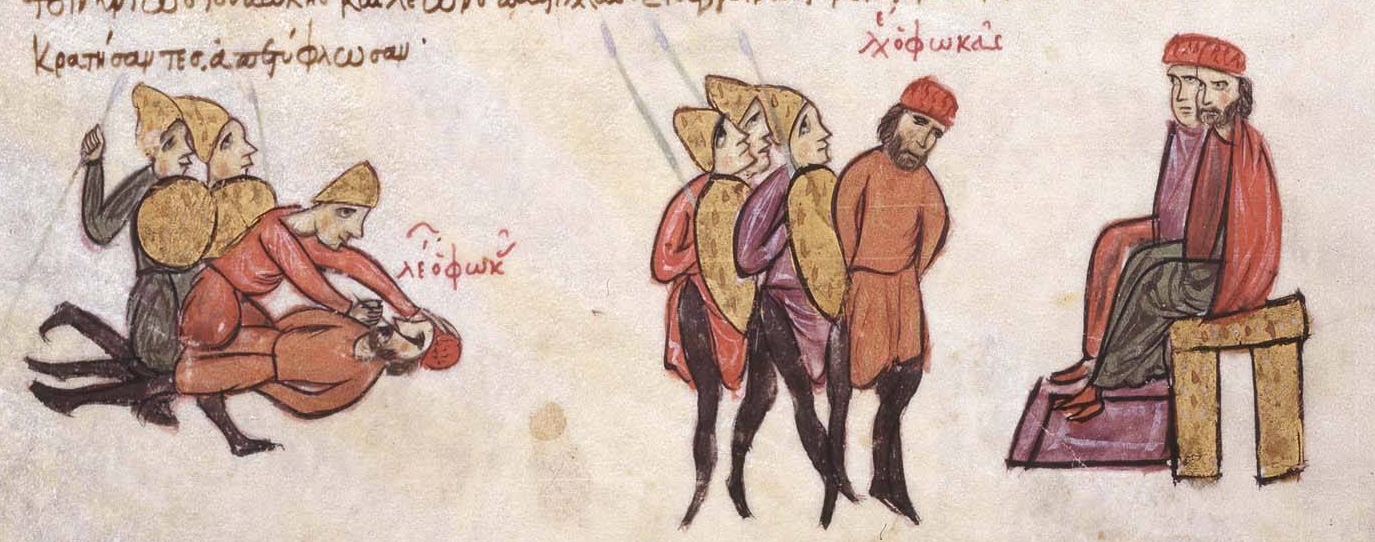
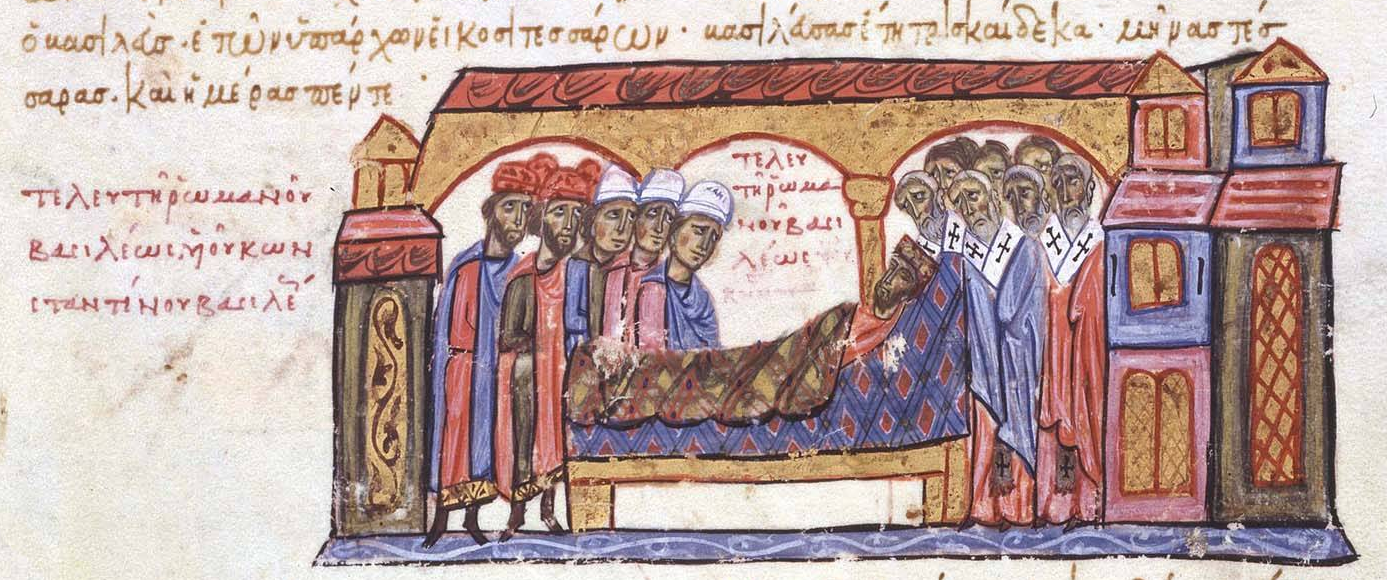
In December of 969, the plot had finally materialized and here according to some sources, Theophano left the door to Nikephoros’ bedroom unlocked so that John Tzimiskes and his conspirators could enter. John and his conspirators with Bourtzes included true enough made their way into the Boukoleon Palace of Constantinople facing the sea by passing through the window and from there, they made their way into the emperor’s bedroom where they found Nikephoros asleep on the floor as usual. As the emperor was asleep, John and the other conspirators began slashing him, and although he woke up praying to the Mother of God, the emperor was given his death blow by John who then severed his head, thus died Nikephoros at age 57. Nikephoros’ brother Leo however tried to rush to defend his brother, however it was too late as he saw the emperor’s severed head all while Theophano put on her imperial dress and rushed to the throne, but it was too late too as the troops together with the powerful eunuch politician Basil Lekapenos had already supported John Tzimiskes as emperor. Following Nikephoros’ assassination, the Patriarch of Constantinople Polyeuktos being horrified at what happened agreed to crown John as the new emperor but only on the condition that he banished Theophano for allegedly convincing him to kill the emperor and to donate his wealth to charity.

Theophano although being banished to the nearby Princes’ Islands returned to Constantinople but she was eventually caught and thus banished to distant Armenia so that she may not return, although following John’s death in 976, her son the new emperor Basil II had her returned to the capital. In order to be crowned as emperor by the patriarch, John had to have Nikephoros buried properly at the Church of the Holy Apostles and also had to marry Theodora, a sister of the late Romanos II in order to be part of the ruling Macedonian Dynasty all while Romanos II’s sons the co-emperors Basil and Constantine were at least still allowed to keep their positions as junior emperors as John I Tzimiskes ruled as the new senior emperor. Nikephoros’ relatives meanwhile being his brother Leo and Leo’s son Bardas rose up in rebellion against the new emperor, though they were eventually defeated and imprisoned. Now in terms of legacy, Nikephoros II Phokas despite his unpopularity as emperor and his short rule due to his assassination in 969 has left behind a great number of legacies. For one, he expanded the Byzantine Empire further east by subduing the Arab states which no emperor before him had done while he too established what would be the first monastic community on Mt. Athos being the Monastery of the Great Lavra thus leading to the establishment of more monasteries there. Another one of Nikephoros II’s legacies were the military manuals he wrote which give us valuable information about how the Byzantines during his time fought. One of these military manuals is the Praecepta Militaria which focuses on military tactics and the other one being the lesser-known On Skirmishing which focuses on guerilla- like tactics against a superior enemy.
Conclusion
Following Nikephoros II Phokas’ assassination and John I Tzimiskes’ accession as emperor, the Byzantine Empire had further expanded and stabilized. As emperor, John I basically resolved most of the problems that began in Nikephoros II’s reign, notably the Rus’ invasion of Bulgaria that eventually spilled into Byzantine Thrace. In 970, John I’s forces under the command of his general Bardas Skleros defeated Sviatoslav’s Rus’ at the Battle of Arcadiopolis and thus expelling the Rus’ forces from Byzantine territory. In the following year (971), once the revolt of Nikephoros II’s nephew Bardas was subdued, John I proceeded with his campaign into Bulgaria wherein he managed to expel Sviatoslav and the Rus’ from Bulgaria for good wherein both Sviatoslav and John I agreed to a treaty.
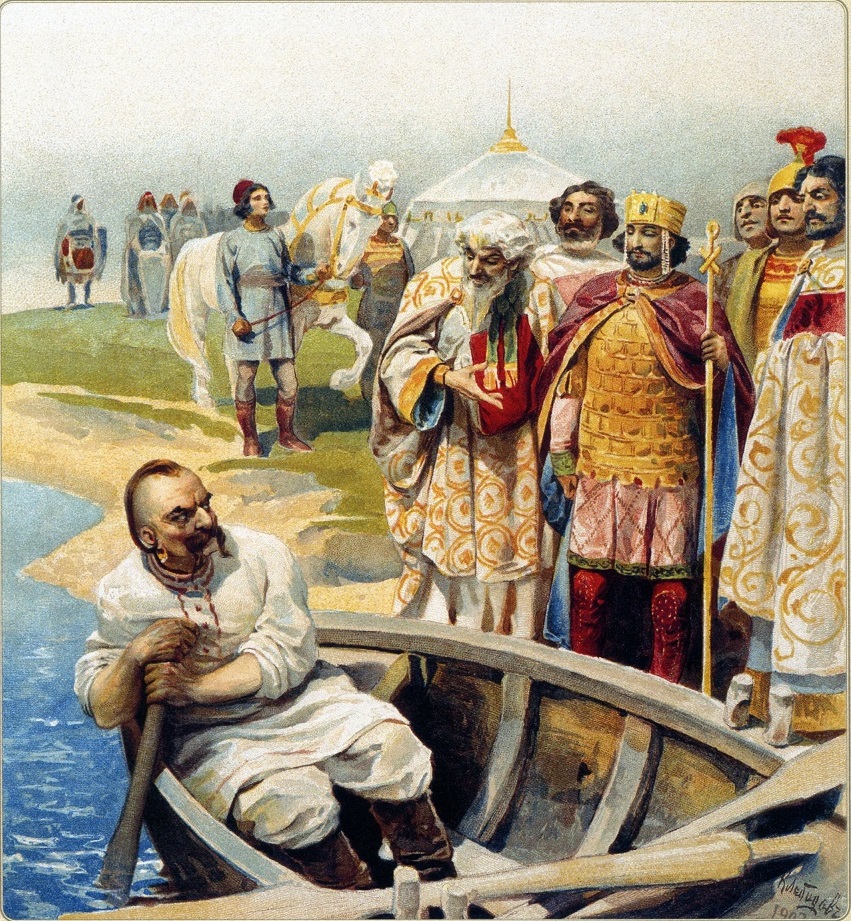
At the same time as well, John I’s expulsion of the Rus’ from Bulgaria effectively put most of the Bulgarian Empire under Byzantine rule as the Bulgarian tsar Boris II (r. 969-971) surrendered to John and was thus brought to Constantinople. However, the western regions of the Bulgarian Empire remained unconquered by the Byzantines which thus made this a place for resistance against Byzantine expansion, though this would later be quelled by Emperor Basil II (r. 976-1025) who effectively put the entire Bulgarian Empire under Byzantine control by 1018. With Bulgaria pacified, John I turned his attention south wherein he further expanded on his predecessor Nikephoros II’s victories by annexing more land in the Middle East into Byzantium. In one swift campaign, John I was able to annex more of Syria into the empire and later even march to as far south as Palestine by 975. Although intending to conquer Jerusalem from the Arabs, John never made it as he fell ill and thus returned to Constantinople where he would die in early 976. Following John I’s death, the rightful emperor Basil II who was now old enough succeeded as the new senior emperor with his younger brother Constantine VIII ruling as his junior co-emperor. It was in Basil II’s reign after he defeated all opposition against his rule that the Byzantine Empire entered a new golden age as the military and cultural superpower of the Middle Ages, but this is a story for another time. Now, when it comes to Nikephoros II Phokas and his achievements, he did not initiate Byzantium’s reconquests in the east as even before his time, Byzantine generals such as John Kourkouas had already done that, but what Nikephoros did was that he basically began the more aggressive territorial expansion of Byzantium.

Nikephoros’ capture of the entire island of Crete in 961 and sack of Aleppo in 962 when he was still a general showed just how aggressive Byzantium had become when it came to taking back lost territory especially with the brutal manner of his reconquests. As emperor, Nikephoros II’s further conquests in the east had definitely shown that Byzantium was once again back as a military superpower and ready to once again fight on the offensive, especially against the Arabs who they had been fighting against for centuries. Although Nikephoros II may have failed in diplomacy especially with the Latin west and in being a politician, his greatest achievements were surely his conquests and in showing that Byzantium was ready to strike back after centuries of fighting on the defensive. His eastern conquests together with that of his successor John I Tzimiskes truly did lay the foundations for Byzantium’s new golden age under Basil II by the turn of the 11th century especially in stabilizing the once hostile eastern frontier of Byzantium. As a fun fact, Nikephoros II Phokas due to his military conquests is revered as a hero in today’s Greece that an entire town in Crete is named after him as well as many streets throughout Greece. Nikephoros II too despite committing genocide is considered a saint in the Orthodox Church and this was because of his religious devotion and for establishing the monastic community at Mt. Athos. Now, what are your thoughts on Nikephoros II Phokas and do you really think his conquests laid the foundations for Byzantium’s golden age as the medieval military and cultural superpower or was he plainly a genocidal maniac? I would like to thank you all for reading this article and please continue to support me by following and subscribing to my sites!
 The Byzantium Blogger