
Posted by Powee Celdran
“Trajan’s Gate, the fourth part of the Basil: Basileus series I have to say is the best so far in the series! It not only has well-done illustrations that bring the world of Byzantium to life but its story is so well-written and intense with action packed battle scenes, exciting court intrigue, and locations all across the Byzantine Empire!” -Powee Celdran, Byzantine Time Traveller
WARNING: THIS ARTICLE CONTAINS SOME SPOILERS
If you do not want any spoilers, please order Basil: Basileus part 4 on the site of Byzantine Tales.

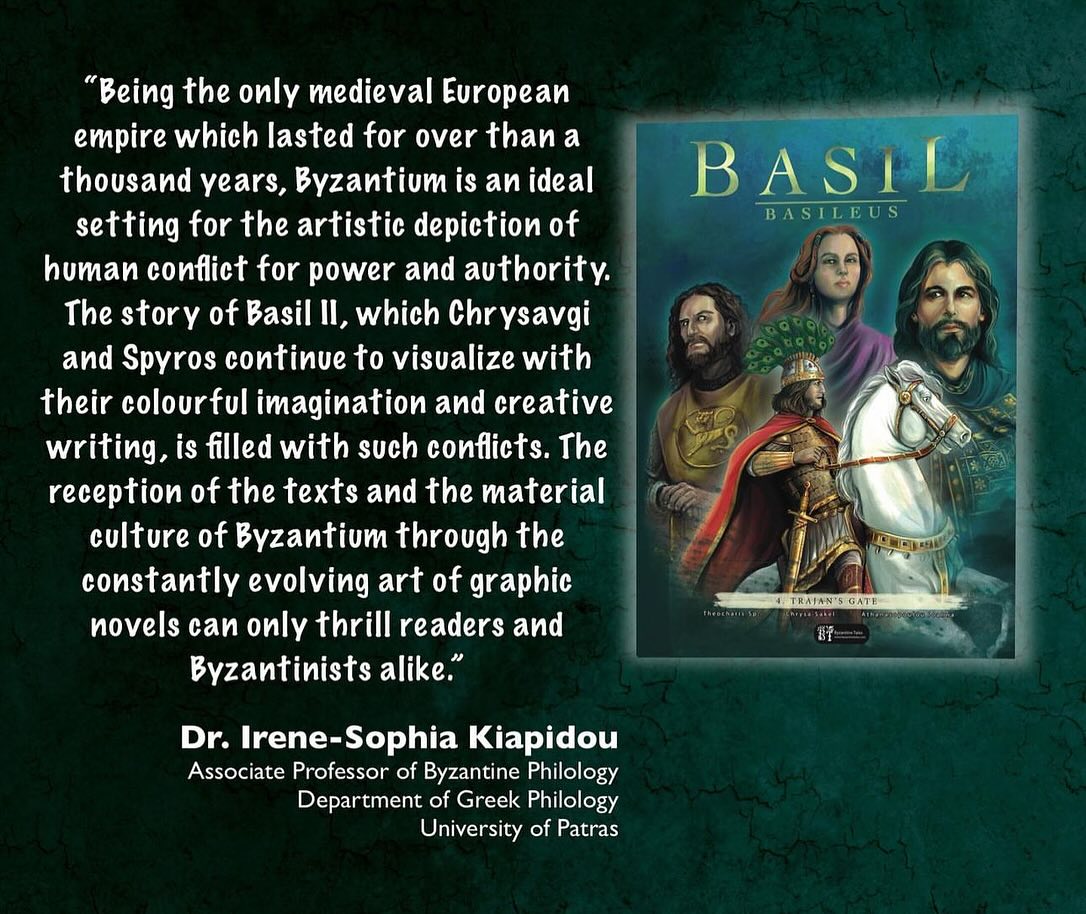
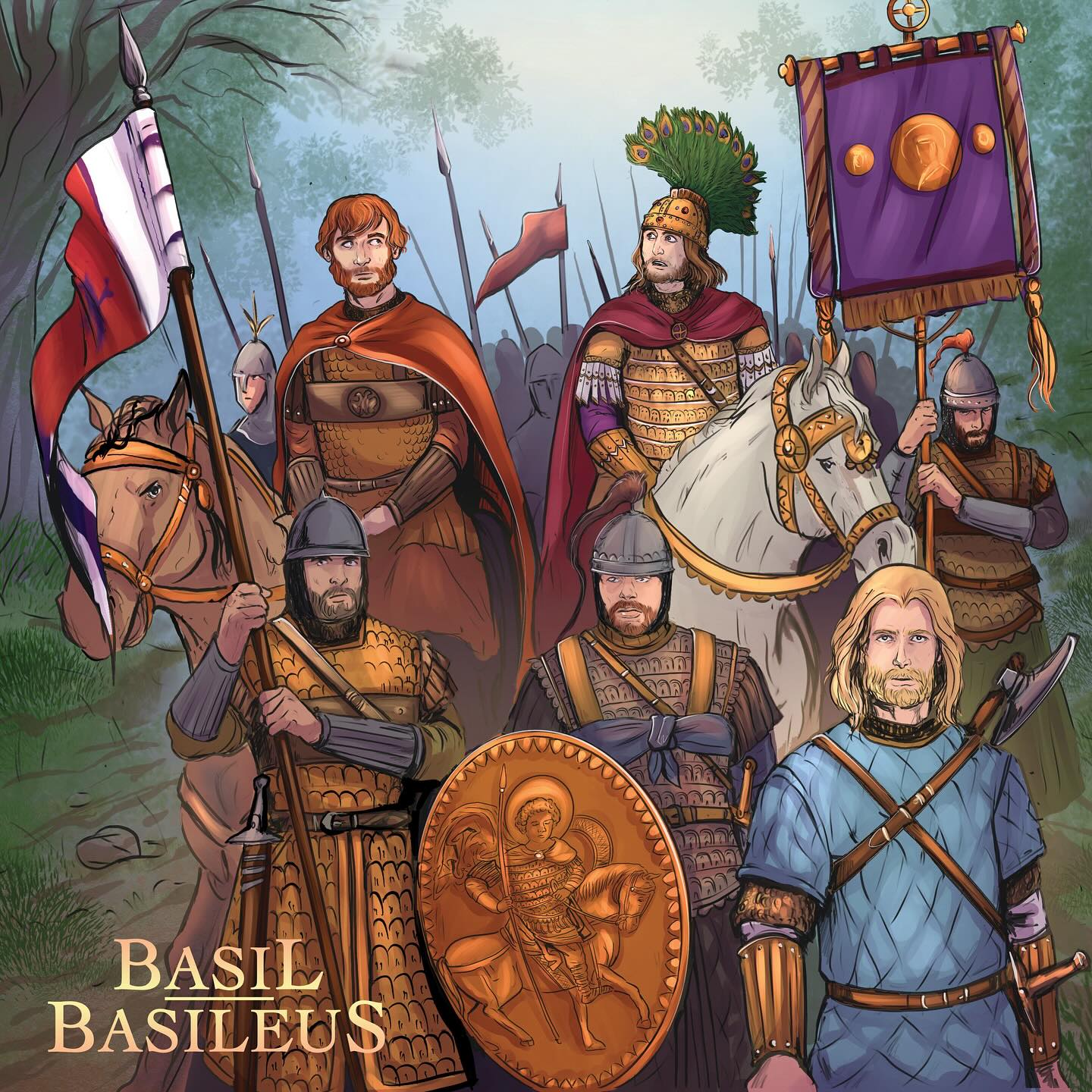
Welcome back to another article by the Byzantium Blogger! Here I am back again with a special edition article reviewing once again another Byzantine graphic novel by no other than Byzantine Tales! In this article I will be reviewing their latest edition in their Basil: Basileus series which is now the 4th part entitled Trajan’s Gate. In the past, I have reviewed the other Byzantine era graphic novels of Byzantine Tales on my site which included Theophano: A Byzantine Tale and its sequels Basil: Basileus Part1- A Test of Loyalty, Part2- Nothos, and Part3- Son of Cappadocia, and so it is now time to write a review for the 4th and latest part of the series! Of course, since this review is about the latest installment in the series, it will contain a lot of SPOILERS, so it’s best that you check out their site and order a copy of it before you read this review. Again, as the title of this novel suggests, it is about the famous Byzantine emperor Basil II (r. 976-1025), and here in the 4th installment, as Basil’s story as emperor progresses, we get to see him more in action as the famous warrior-emperor at the earlier part of his reign in the 980s. Just like in the 4 novels mentioned earlier, this one again is written by Spyros Theocharis (follow him on Instagram @spyrosem) and illustrated by Chrysa Sakel (follow her on Instagram @chrysasakel) with assistance from Ioanna Athanasopoulou (follow her on Instagram @ioanna.athan.art). As the 4th installment of the Basil series, the story once again revolves around the famous emperor Basil II now having developed into a stronger and more determined ruler as the years had passed. Although Basil II is the story’s titular character, it is narrated in the point of view of Basil’s trusted advisor and general Nikephoros Ouranos who tells the story of this crucial period in Byzantine history as we see Basil II evolve from being someone controlled by more powerful figures at court into becoming a determined ruler ruling in his own right free from the influence of others. Here in the 4th part of this series, you will get to see not only Basil’s evolution as an emperor but more exciting court intrigue, epic battles, drama, and sites and sceneries across the Byzantine Empire of the late 10th century. Each character in this story too has an interesting character arc whether it is the emperor Basil II, Nikephoros Ouranos, the rival generals Bardas Phokas and Bardas Skleros, the Bulgarian ruler Samuel, and the top minister of the Byzantine Empire the eunuch Basil Lekapenos. The main part of the story now of the 4th part of the Basil series takes place in the 980s beginning in 984, 5 years after part 3 of the series left off, though it also shows a number of flashback sequences in earlier years to establish the stories of some characters such as the narrator Nikephoros Ouranos. The climax of the story then takes place in 986 with the catastrophic defeat of the Byzantines led by Basil II himself at the Battle of Trajan’s Gate to Samuel’s Bulgaria which led to Basil’s lifelong desire to conquer Bulgaria, though apart from that, it also shows the consequences the defeat had on Basil’s rule. As the 4th part of the series centers on Basil’s evolution into becoming the famous warrior-emperor, the cover of the book thus shows him at the center on his horse dressed in imperial armor while around him is his main adversary Samuel of Bulgaria, his former lover Ariadne who he seeks to find, and the story’s narrator Nikephoros Ouranos. Now, in this article, I will discuss 10 perfect reasons on why to read this novel, some opinions I have on it, and some of my recommendations too. I will also include a short Q&A with the creators wherein I would ask them about some elements in creating the novel. Just like in the articles I made reviewing the first, second, and third parts of the “Basil: Basileus” series, this article will basically be just reviewing the fourth part of the series, therefore no fan casting like I did when reviewing the previous “Theophano: A Byzantine Tale” novel. For the Basil series, I will only do a fan casting for its characters once the entire series is completed.


Check out Byzantine Tales’ Social Media Sites:
Facebook: Byzantine Tales
Instagram: @Byzantine_Tales
Twitter: @byzantinetales
Note: Pictures of the graphic novel here are from the Byzantine Tales FB page. Works of other artists namely Amelianvs and Byzansimp too appear in this article.
Byzantine Tales’ first novel “Theophano” which has been around for already 4 years now was no doubt an excellent graphic novel with a Byzantine setting, hence I could not wait for its sequels to be released, thus when the first 3 parts of the “Basil: Basileus” series was released, I true enough got signed copies of it being a Byzantine history enthusiast, and they all had great stories too! When the English version of the 4th volume was released- as again its first edition was in Greek- I too once again ordered a signed copy of it. The moment I got the signed copy of the fourth volume, I immediately read it and finished the whole story in only 3 days! The fourth volume may have been short in story being only 63 pages, but each page was so vividly illustrated and packed with epic stories of action, intrigue, and drama that basically only took place within more or less a 3-year period with happenings all across the Byzantine world. As the fourth volume covers the whole story of the Byzantine Empire at the time period from 984-987, whether it is the epic battles, exciting court intrigues, or emotional stories experienced by its characters, I would say that this part is so far the BEST of the “Basil: Basileus: series. Overall, this story is one that is easy to follow and understand but at the same time, in order to fully get the whole story, you must have already read the past 3 volumes of the series or if not, you have to know Byzantine history very well in order to fully get it. Now for this article, some of the information I will put were based on the few questions I’ve asked the creators and despite a lot of parts and characters of the story being made up, it was still mostly based off on primary Byzantine era sources as well as secondary sources by modern day Byzantine history scholars and academics.
Please check out my social media sites too:
Instagram: @byzantine_time_traveller
Facebook: Byzantine Time Traveller
Youtube: No Budget Films
Deviantart: Byzantium-blogger55
Art Station: Powee Celdran Porphyrogennetos
Patreon: Byzantine Time Traveller
Related Articles from my site, The Byzantium Blogger:
A Review and Casting for Theophano: A Byzantine Tale
A Review and Reaction for Basil: Basileus Part1- A Test of Loyalty
A Review and Reaction for Basil: Basileus Part2- Nothos
A Review and Reaction for Basil: Basileus Part3- Son of Cappadocia
Marketing Byzantine History Part1
Marketing Byzantine History Part2
Byzantine Alternate History Part VII
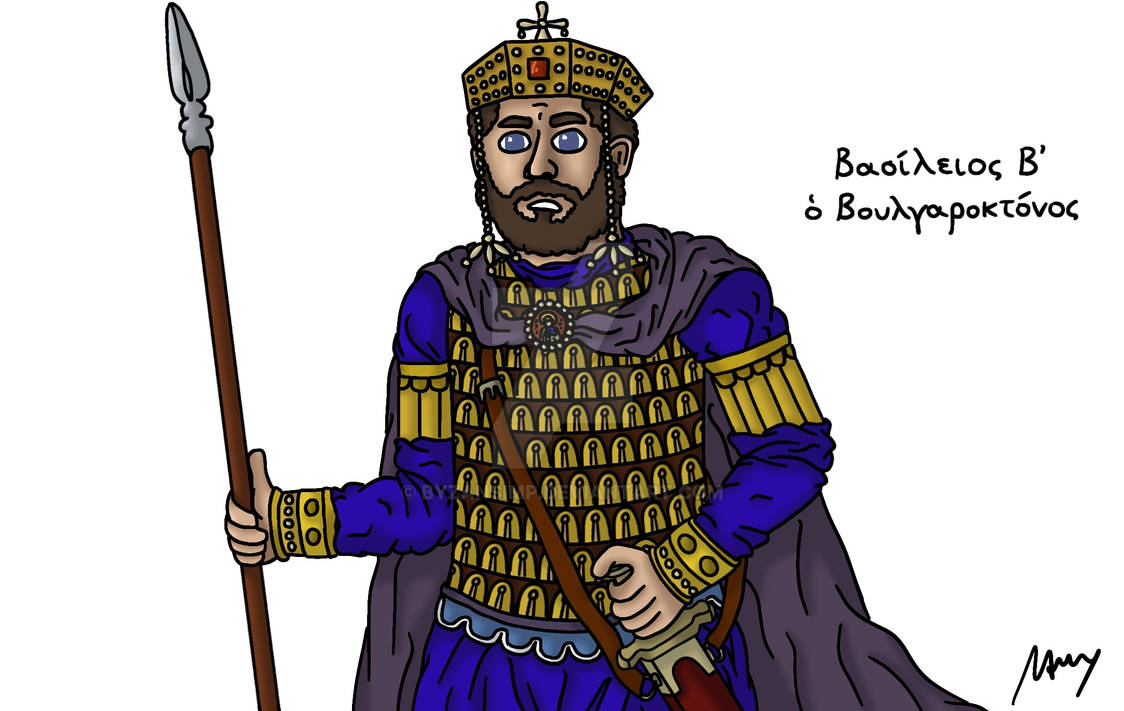
10 Surprising Facts About Basil II
10 Reasons to Buy and Read Basil: Basileus Part 4

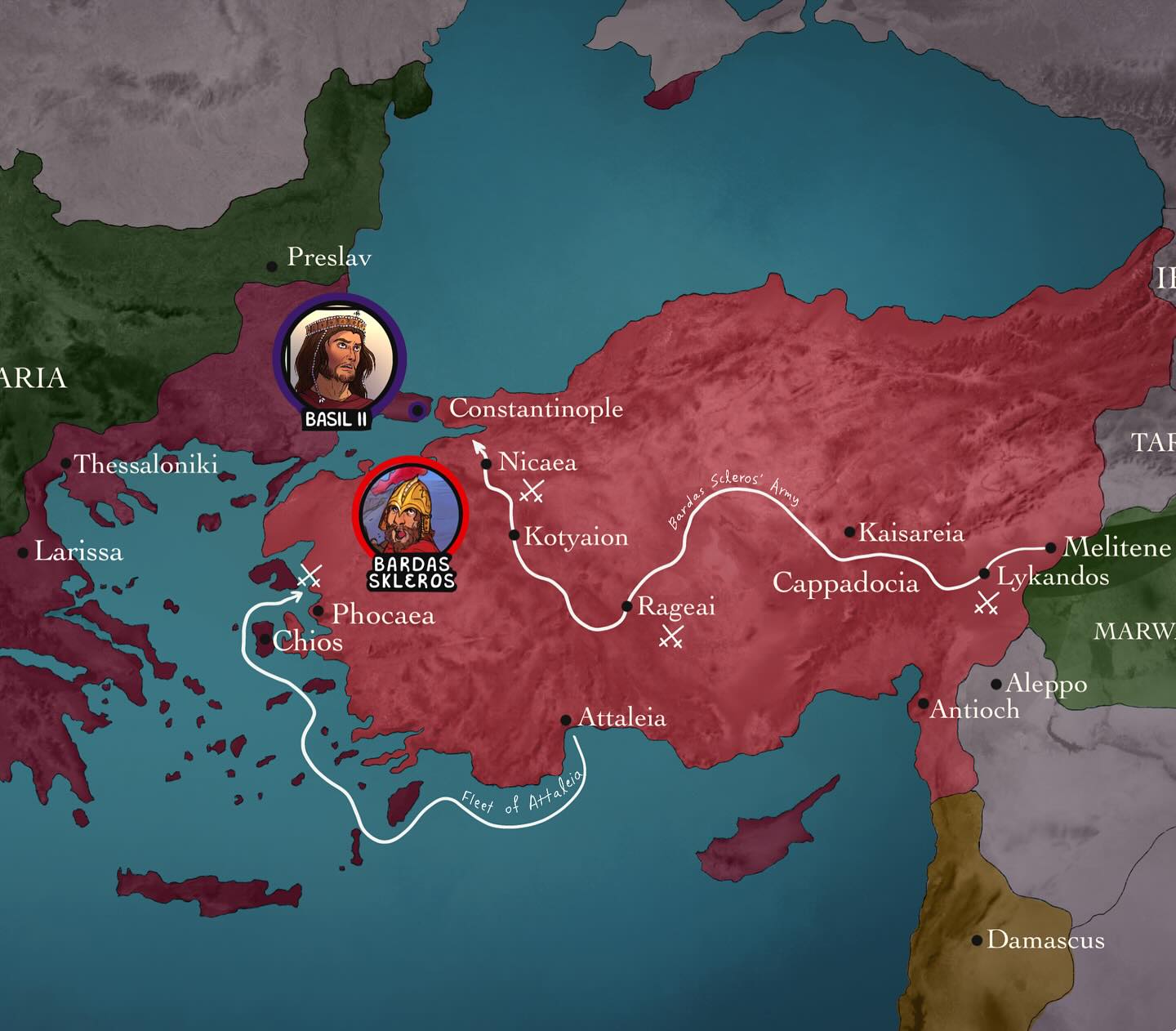
The Byzantine world if not the world of the 10th century is very well represented despite the story taking place within only more or less a 3-year time-period! Aside from once again seeing the magnificent Byzantine capital Constantinople and its famous landmarks like the imperial palace and Hagia Sophia cathedral, we get to see almost the entire Byzantine world, even less significant places. When the story opens, we are introduced to two of its lead characters first being Ariadne who originates in Larissa in Thessaly which is in Greece wherein she is told that she has to go to Constantinople and Nikephoros Ouranos who originates from the Greek port town of Nauplion (Nafplion) where he sets off for Constantinople to start his career. Aside from seeing Nauplion and Larissa, the story also shows us what other parts of the Byzantine Empire looked like such as Thessaly, Cappadocia, and even parts of the Balkans that were at that time of the story under Bulgarian rule such as Prespa which was the Bulgarian ruler Samuel’s capital then, Philippopolis (today’s Plovdiv), Serdica (today’s Sofia), and of course the woodland known as Trajan’s Gate where the catastrophic battle at the story’s climax takes place in. Aside from seeing locations within the Byzantine and Bulgarian Empires, the story too shows places in the east beyond Byzantium such as the notable Arab city of Aleppo and Baghdad which was the capital of the Arab Caliphate shown to look just as impressive as Constantinople with its circular walls and towering landmarks. In this story, Baghdad is where Nikephoros Ouranos travels to on a diplomatic mission to negotiate with Baghdad’s new Persian ruler Adud al-Dawla (r. 949-983) of the Buyid Dynasty only to find himself imprisoned and that the old enemy Bardas Skleros has been kept there.
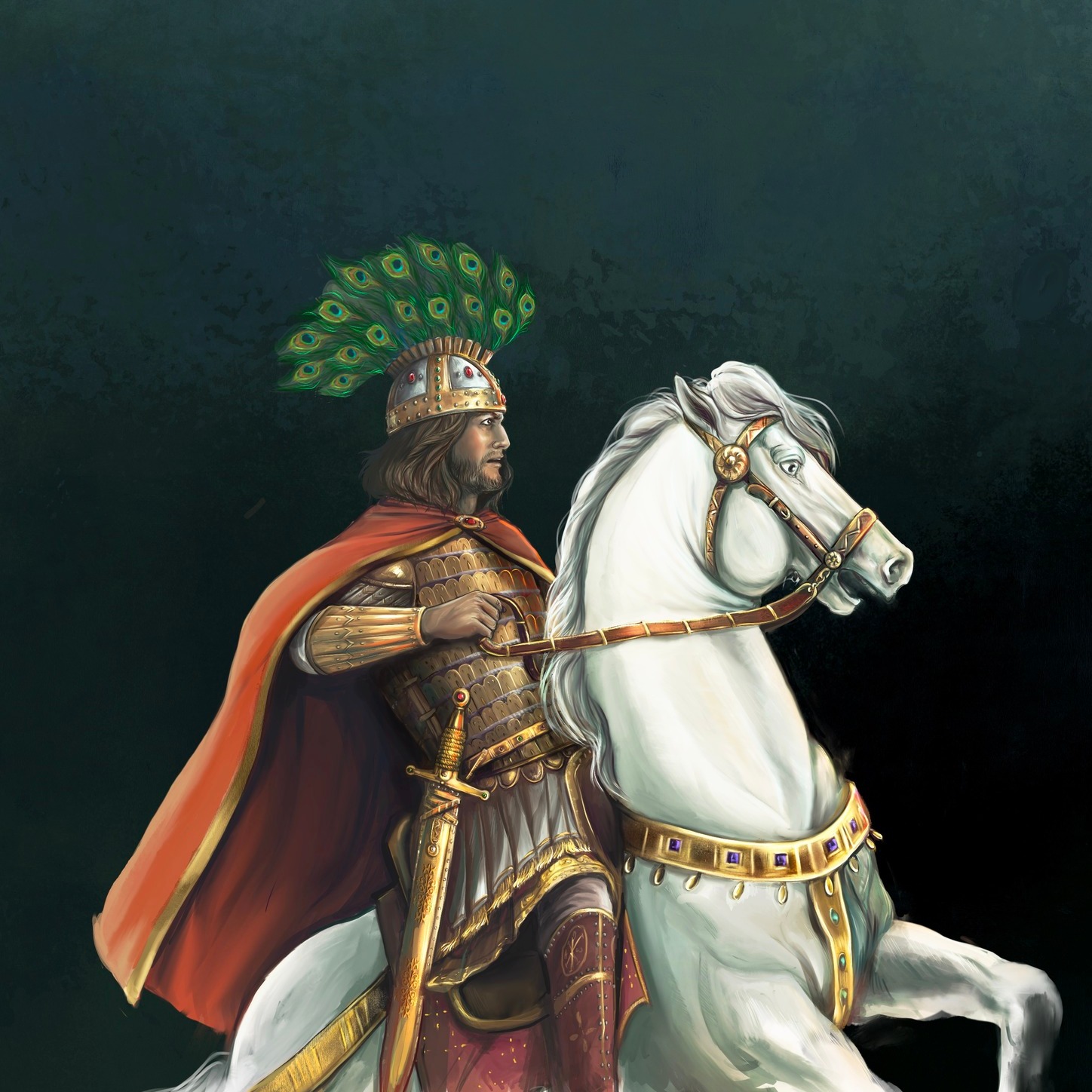
The illustrations once again bring Byzantium to life which had more so improved here in the 4th part of the series! Once again, through the art of Chrysa Sakel, we get to see the rich and colorful history of Byzantium come to life and this time in an even grander scale. As compared to the past 3 volumes of the Basil series, this one being the fourth definitely shows a major improvement in terms of artworks and details. Here, not only do we get to see landmarks of the Byzantine world so well illustrated but we get to see them in such great detail, and these include locations such as the interior of the Hagia Sophia, the imperial palace and particularly Basil II’s throne room, and the intricate palace gate. Apart from the locations, Chrysa’s artworks this time in the fourth volume of the Basil series is more vibrant in color especially when it comes to the lavish imperial costumes, military attire worn by the Byzantine army, and even when it comes to battle scenes with both hand-held weapons and siege weapons. Personally, I really think the lead character Basil II was so well-illustrated here when wearing his imperial armor topped with a richly decorated imperial helmet with peacock feathers known as a toupha. Apart from the well-illustrated landmarks and attire, the artwork here in the fourth volume was so well-made that it shows the emotions of the characters as well as physical movement as seen in the many action-packed battle scenes of the story which is definitely an improvement from the past 3 volumes of the Basil series. Lastly, towards the end of the story, we get to see something very unique being the earthquake that shattered the ceiling of the Hagia Sophia, and I must say this was very well illustrated especially in showing an earthquake in 2D and the damage it caused to the Hagia Sophia.
Through the perspective of Nikephoros Ouranos we get to see the much bigger picture of the late 10th century Byzantine world as from his point of view we get to see beyond the imperial palace. Now in the first two volumes of the Basil series, Nikephoros Ouranos had played a major role, that was until he disappeared at the end of part 2 during the climactic naval battle against Bardas Skleros’ forces.
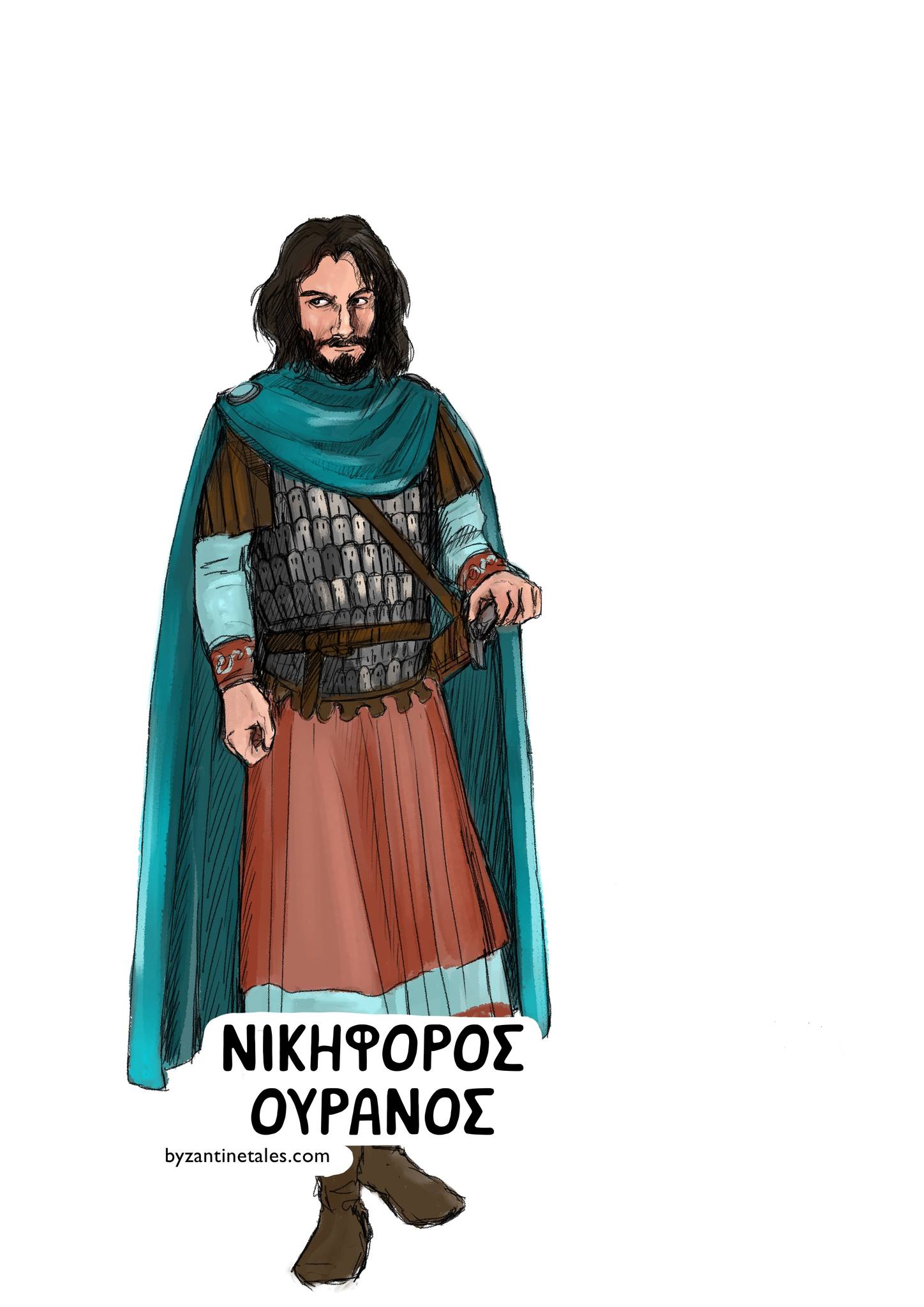
True enough, at the end of part 3 he reappears in the imperial palace by surprise, and thus we as readers discover he was alive after all. Nikephoros Ouranos is true enough a real historical character and one of Basil II’s most trusted generals and advisors, and here in part 4 of the series we finally get to discover his origins story. Ouranos, at least in this story originated in the Greek port town of Nauplion wherein as a young man he travels to the capital Constantinople to pursue a career as a high official in the imperial court and true enough his family knows the high-ranking imperial official Basil Lekapenos. We discover too that Ouranos after finishing his studies gained his position in the court by buying an honorary title from Lekapenos who made him the commander of the foreign troops, although Lekapenos intended to use him to spy on the young Basil II. By seeing these flashbacks of Ouranos’ life, we as readers also get some nostalgia by going back in time to where the first volume of the Basil series took place in the 970s during the reign of Emperor John I Tzimiskes (969-976).
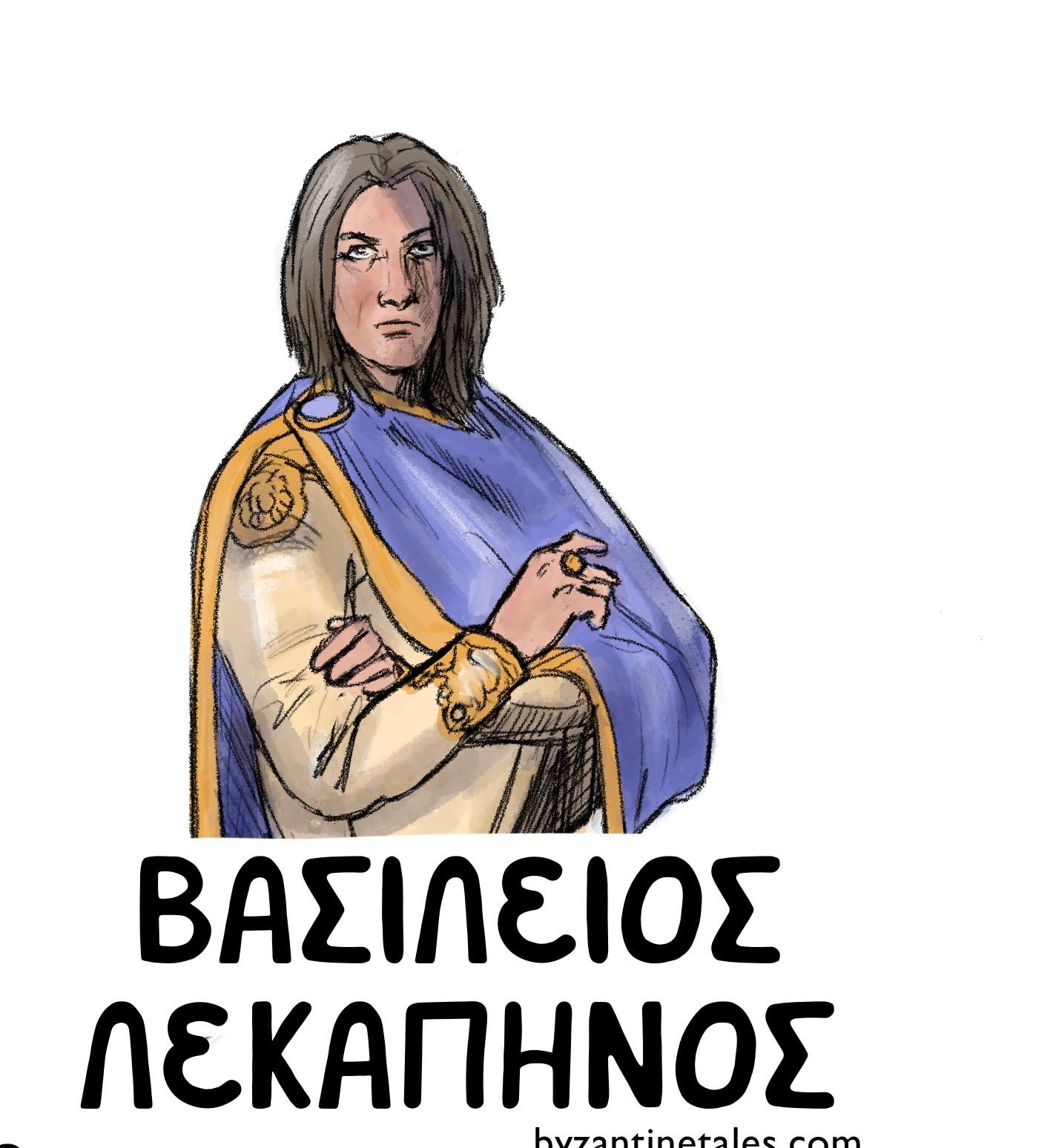
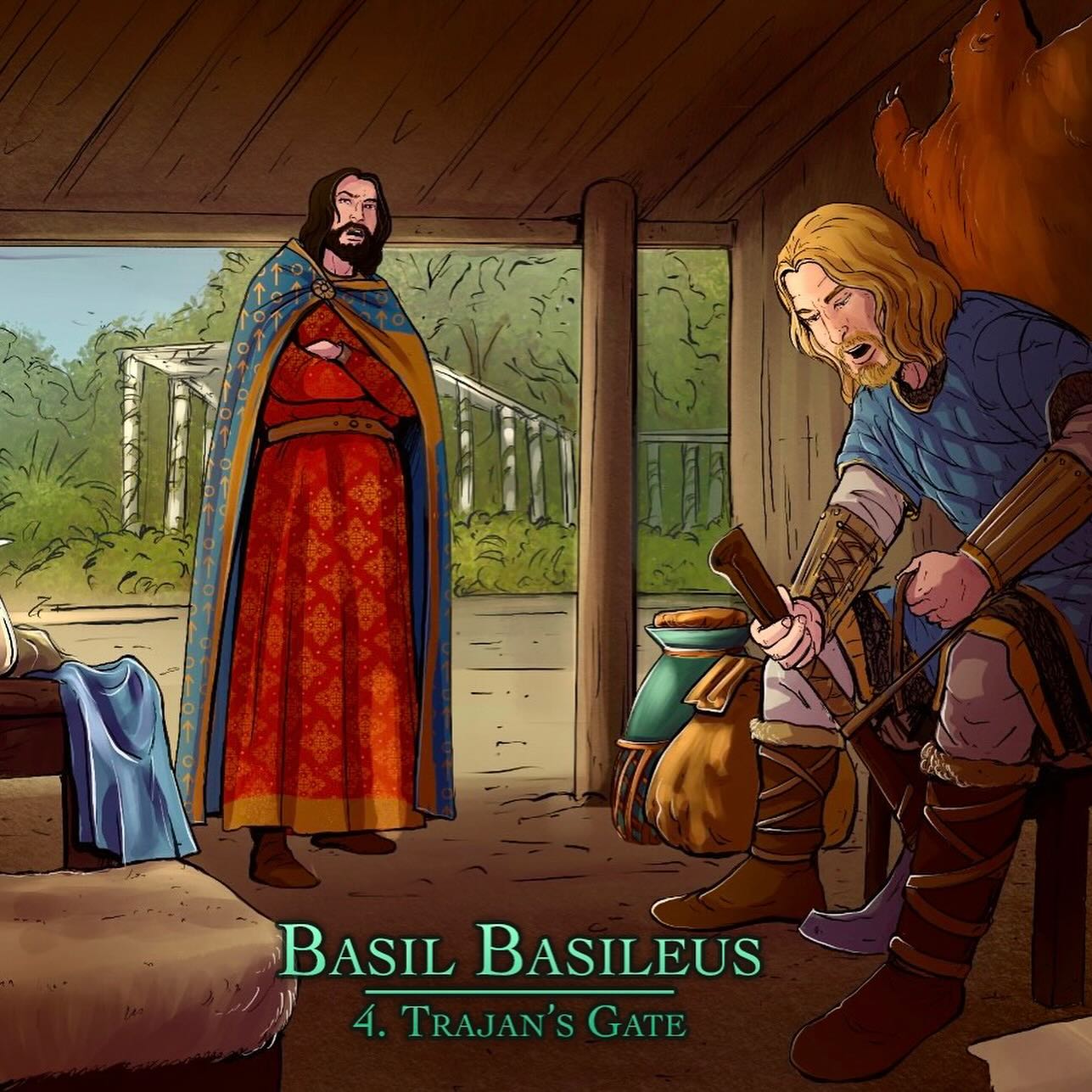
Later, we also get to know how Ouranos survived the naval battle washed up on the coast of Thessaly wherein we also learn that Lekapenos intended for him to die in the naval battle but miraculously he survived. In Thessaly, Ouranos reunites with Ariadne- who Lekepenos also used to spy on Basil II- who true enough was sent there into exile by Lekapenos. Now, in the story’s main setting beginning in 984, Ouranos is back in Constantinople wherein Basil II appoints him as the Kanikleios or keeper of the imperial inkstand as a way to limit Lekapenos’ growing power as Ouranos here with his new position could make decisions such as appointing people in the name of the emperor. As the story progresses, we get to see Ouranos advising the rather impulsive Basil II on military and diplomatic matters wherein Basil is now seen relying more on Ouranos than Lekapenos. Later, Basil II sends Ouranos on a diplomatic mission to Baghdad to sue for peace as Basil II now is directing his attention towards Bulgaria in the north. On his way to Baghdad, Ouranos encounters the lead character of the previous volume Bardas Phokas who is not happy with the emperor’s decision to cease hostilities with the Arabs in the east.
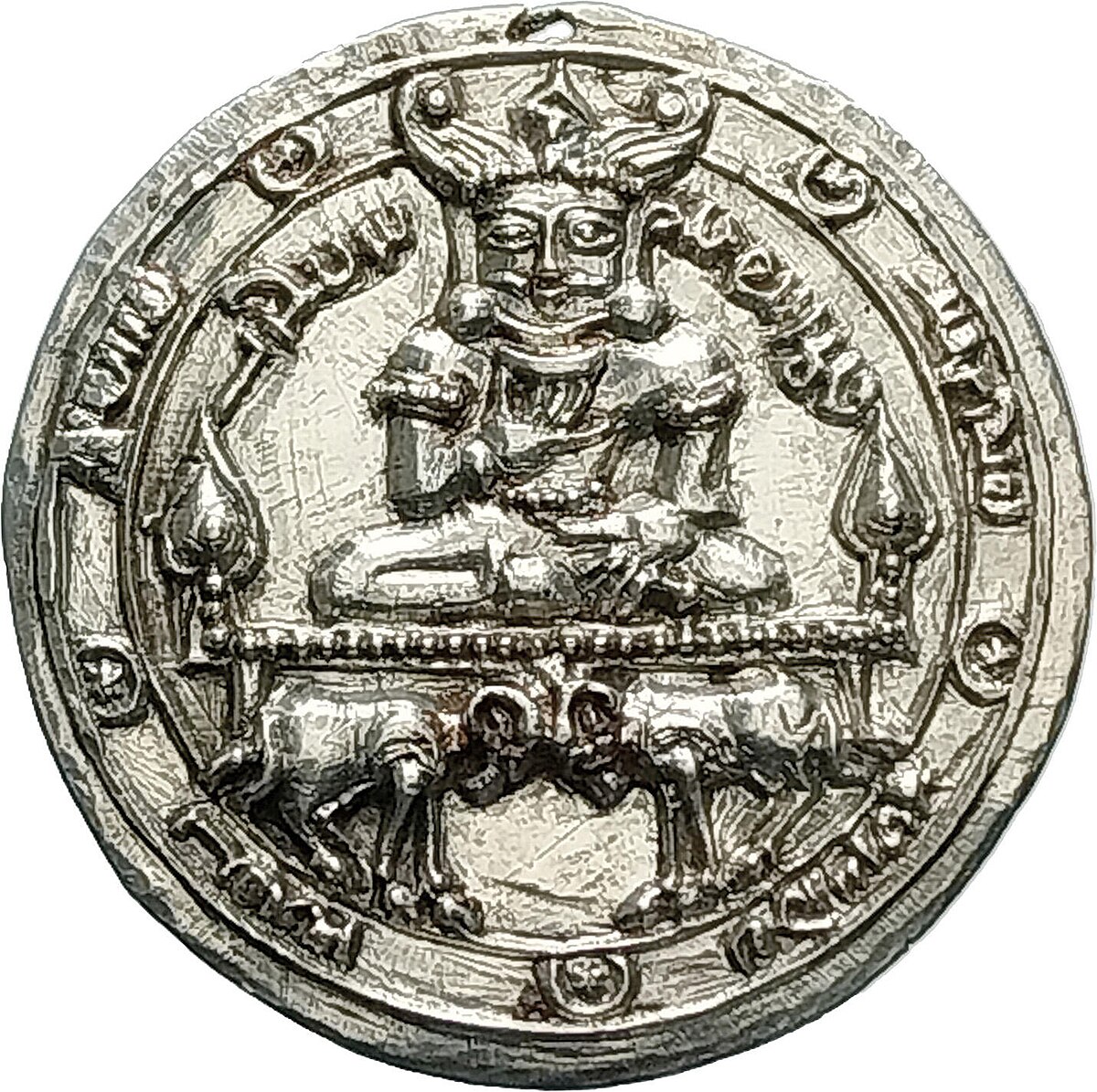
When in Baghdad, Ouranos fails to sue for peace and finds out that Baghdad’s new ruler Adud al-Dawla has kept the old enemy Bardas Skleros there with the intention to release him and back his claim as Emperor of Byzantium. Ouranos is thus thrown into prison in Baghdad, yet he still narrates the story even if he isn’t there to see the crucial events taking place in the Byzantine Empire such as the overthrow of Basil Lekapenos in 985 and the epic war against Bulgaria which ended in a total defeat for Basil II. When Basil II returns to Constantinople following his catastrophic and humiliating defeat to Samuel’s Bulgaria at the Battle of Trajan’s Gate in 986, he discovers that Ouranos had returned to Constantinople after bribing the guards in Baghdad to release him from prison. When back in Constantinople, Ouranos brings Basil news that Skleros has returned with a combined army of Byzantines and Arabs with the intention to take the throne once again from Basil II.

We get introduced to many new faces from the world of the late 10th century which is thus a major improvement from the previous volumes in the series. It is of course great to see characters from the previous volumes of the series that we all got to know and love such as the emperor Basil II, the scheming and powerful eunuch minister Basil Lekapenos, Basil II’s younger brother and co-emperor Constantine VIII, Basil’s younger sister Anna and former lover Ariadne, the rival generals Bardas Skleros and Bardas Phokas, the aged powerful general Eustathios Maleinos, and of course Basil’s loyalists being Nikephoros Ouranos, the rising general Manuel Komnenos, and the Varangian warrior Sigurd.
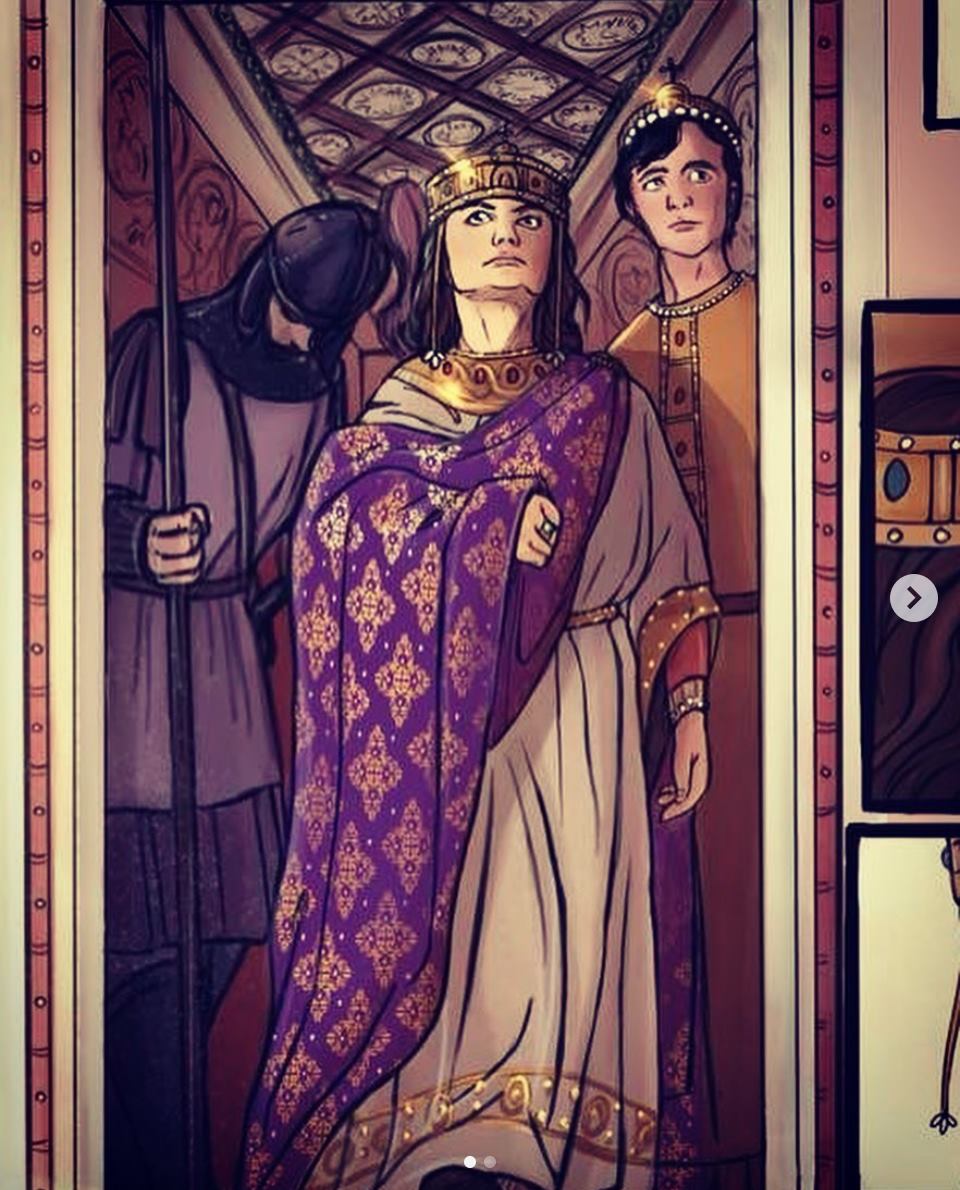
However, part 4 is a lot more exciting than the past 3 volumes as we are introduced to many new faces who each have interesting stories. One such character introduced here with an interesting character arc is the Bulgarian ruler Samuel who here is first introduced when he captures the city of Larissa in Thessaly in 980 wherein he encounters Ariadne- renamed Agatha- who now has a child, he then takes them with him to Bulgaria. Samuel though does not really have much appearances in the story yet he plays such an important role in it especially since he later marries Ariadne as part of a deal he made with her father John Chryselios to appoint the latter as the governor of Dyrrhachion. Basil later discovers that Ariadne had married Samuel which definitely enraged him that he out of pure emotion later charged at Samuel at the Battle of Trajan’s Gate only to fall off his horse and lose to Samuel who had escaped. Although Samuel is more or less the story’s antagonist and one of the main adversaries of Basil II, the story does justice to him by showing Samuel as not an evil person despite being the antagonist but just someone willing to defend his territory the way Basil was doing as well.
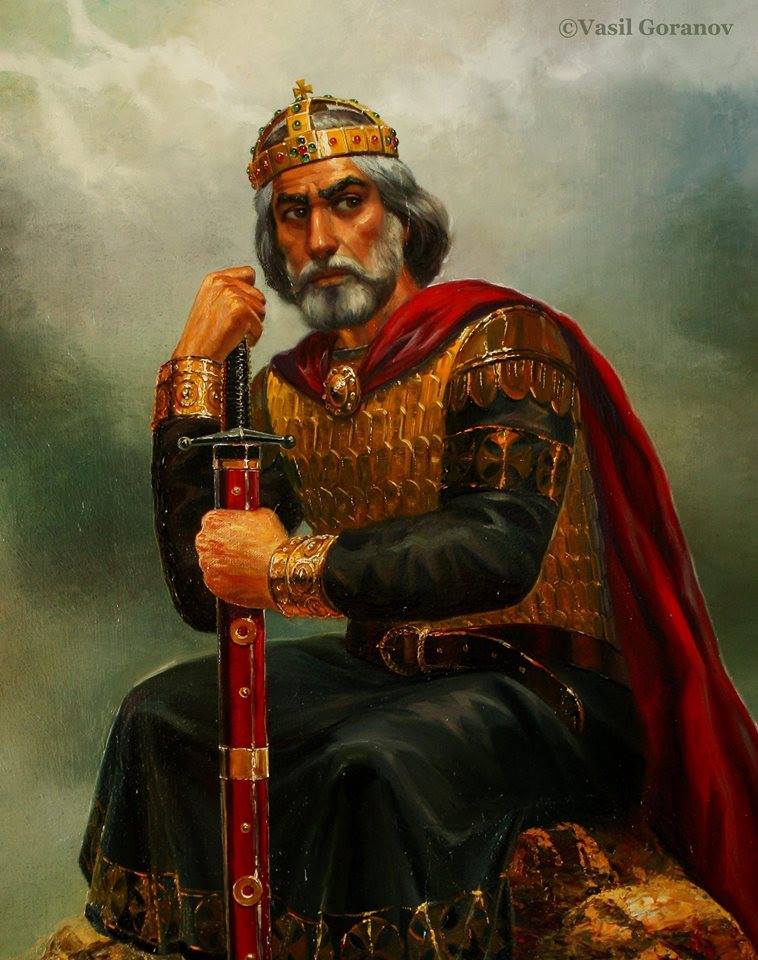
What I like about this story is that it is not a predictable one which is just black and white wherein Basil should be depicted as pure good and Samuel as pure evil, rather it shows the bad and good sides of both characters wherein Basil has an impulsive and irrational side and Samuel just willing to defend his territory. Other interesting new characters introduced in the story include powerful men such as the Governor of Dyrrhachion John Chryselios who is Ariadne’s father and true enough an ally of Lekapenos, Lekapenos’ loyalist general Leo Melissenos, another commander named Kontostephanos who although has a brief appearance, and the poet John Geometres who in the story is exiled by Basil for being an ally of the recently overthrown Lekapenos. In this story, we also get brief cameo appearances of other notable Byzantines of the era such as the unnamed Patriarch of Constantinople who Basil allies himself with and the historian of this time Leo the Deacon who is a primary source for this story and its timeline who Basil here has a brief encounter with. For characters outside the Byzantine Empire, we get to meet the powerful Persian ruler of Baghdad Adud al-Dawla who being intent to restore the ancient Persian title of “King of Kings” in the story is dressed as an Ancient Sassanid Persian shah. Lastly, another character with a brief appearance in the story is Ibn Sahram, Adud al-Dawla’s emissary to Basil II’s Constantinople who Basil settles a peace agreement with. However, in part 4 we also no longer get so see some important characters from the previous stories such as the emperors Nikephoros II Phokas and John I Tzimiskes and Basil’s mother the empress Theophano.
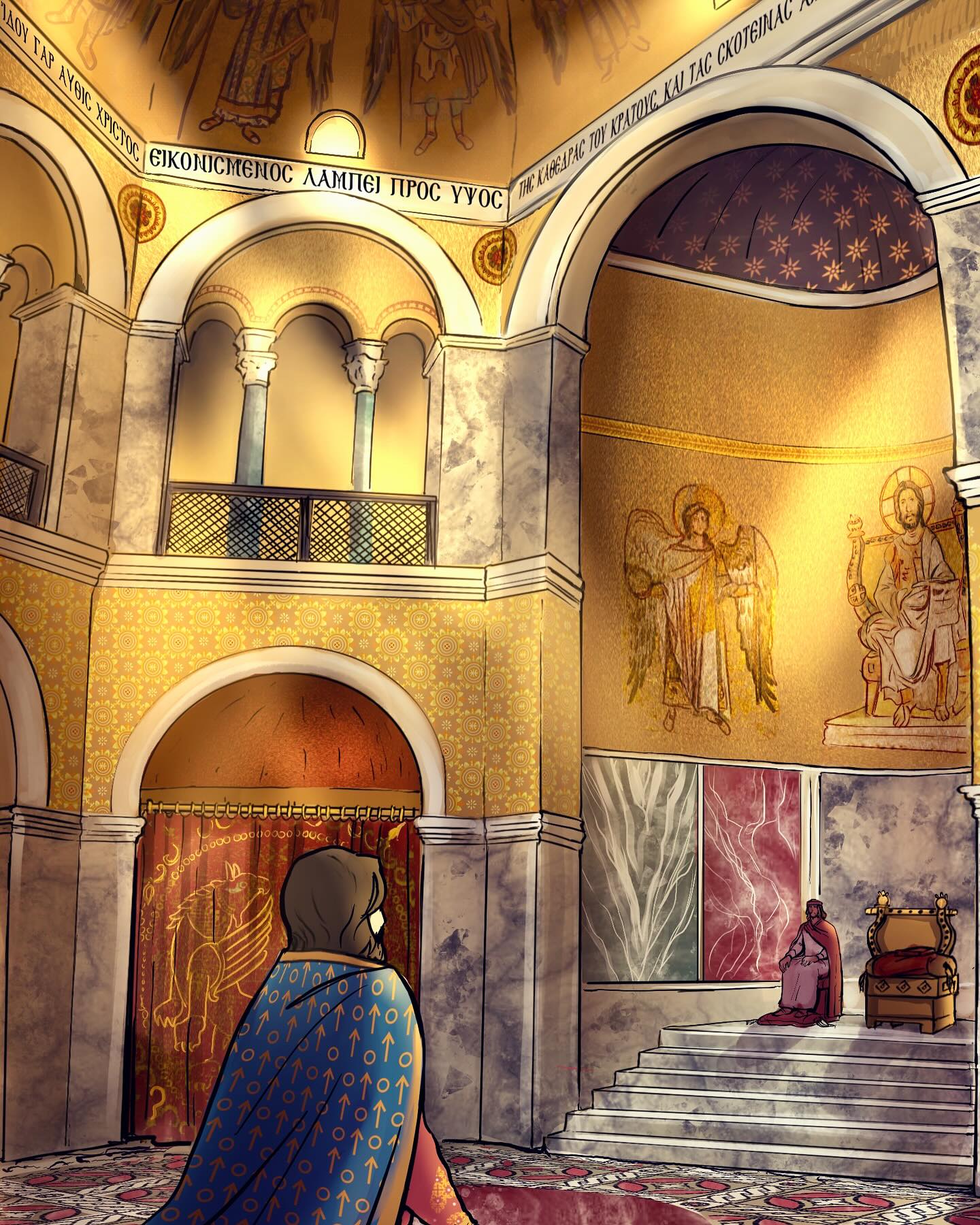
The story also shows us the lesser-known parts of Constantinople that we don’t really know about in which most are documented but not known to us. For instance, here in part 4 we are shown different parts of the vast imperial palace complex of Constantinople that we may not have heard of and that did not appear in the previous volumes of this series. Such locations in the imperial palace complex introduced only here is the lavishly decorated entrance known as the Skyla which was the gate closest to the lower palace where the imperial administration took place, then we also get to see the magnificent golden imperial throne room of the palace known as the Chryostriklinos. Later, we too get to see an often forgotten but important location of Byzantine Constantinople being the patriarch’s palace located beside the Hagia Sophia which here in the story was based on the description of the Russian traveler Anthony of Novgorod who in his visit to Constantinople in 1203 described that the patriarch’s palace was full of flowers and trees and also that fruits there were submerged into wells in order to be kept fresh and cold. As the story progresses past Basil Lekapenos’ fall from power, we get to see once again the Church of the Holy Apostles where Byzantine emperors are buried in where Basil together with his brother and sister visit their mother’s tomb and following that the Monastery of St. Basil which Lekapenos personally had constructed using state money, though here in the story Basil II who now rules in his own right free from being dominated by Lekapenos orders the monastery torn down to fund his military expedition to Bulgaria.
Court intrigues and Byzantine politics are at an all-time-high as here in part 4 we get to see the intense court politics of Byzantium at such a high level as compared to before. Where the main part of the story opens in 984, we already get to see Basil II now slowly asserting his own right to rule despite Basil Lekapenos still being there to dominate him and Lekapenos’ men still dominating the court. Here, Basil II is already trying to be his own person in power as seen by appointing Nikephoros Ouranos to a powerful position in order to limit Lekapenos’ growing power.
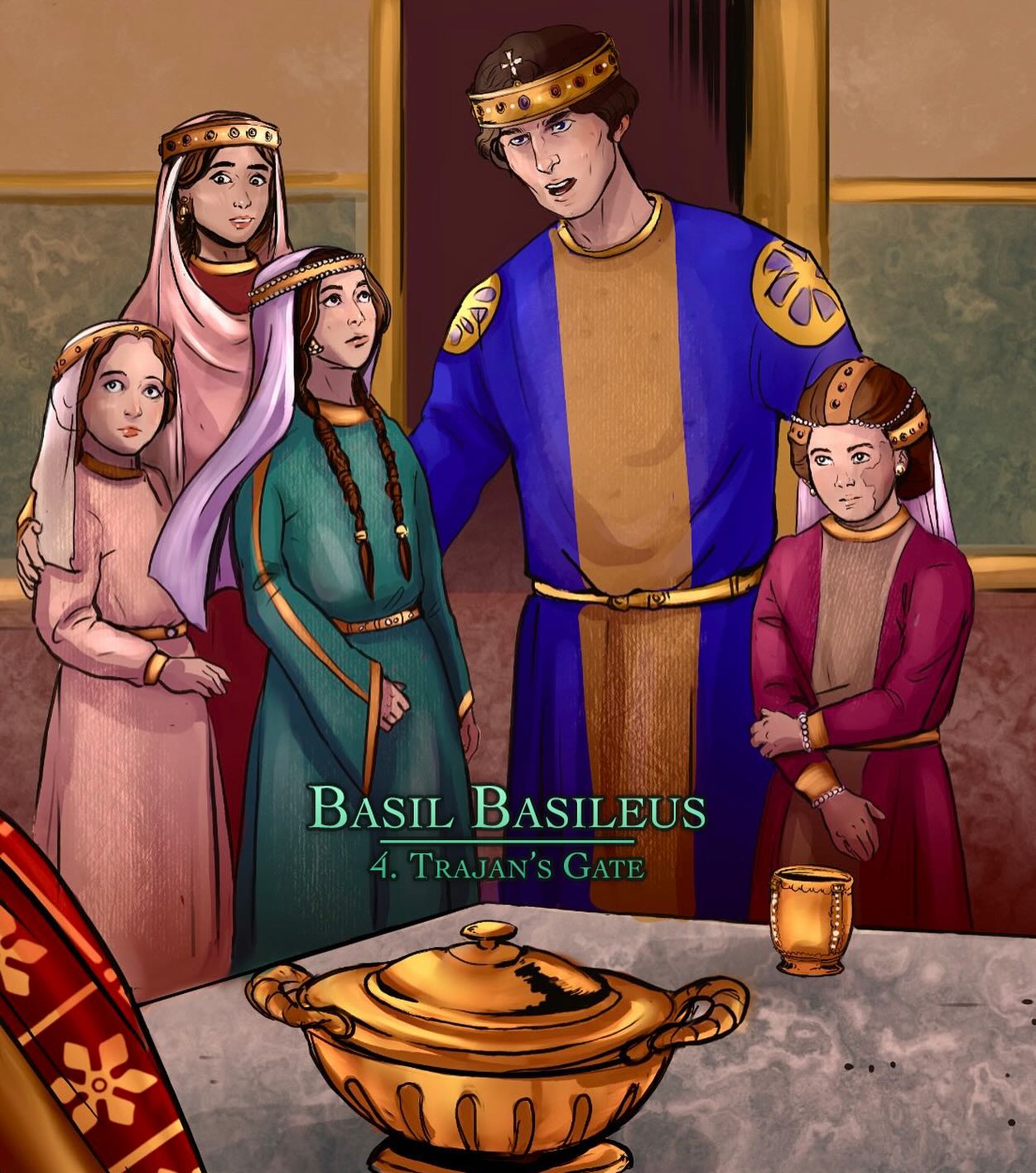
Although Basil intends to limit Lekapenos’ power, Lekapenos still feels he is invincible and thus he finds a way to get Basil II and his brother and co-emperor Constantine to turn on each other, in this sense Lekapenos gets closer to Constantine who he intends to have as his new puppet considering Basil is growing too independent. Little does Lekapenos know though that Basil II and Constantine are actually still communicating with each other through their sister Anna who sends messages between her brothers by using pigeons. As the imperial palace and its court continues to be divided as well as the loyalties of the army, Basil II tries to win the support of the people by allying with the Church which he is successful at. On the other hand, this fourth edition in the Basil series also shows us more of Basil’s younger brother and co-emperor Constantine VIII who did not really have much of a role in the previous volumes as here he seemingly falls under the control of Lekapenos and seems to be turning against Basil who Lekapenos believes has fallen under the influence of Nikephoros Ouranos. Additionally, here we also get to see that Constantine already has a family with a wife and 3 daughters in which one being Eudokia has smallpox and the other two being Zoe and Theodora who become future Byzantine empresses in the 11th century. Apart from the court politics, we also get to see how Byzantine diplomacy especially during the part when Basil being advised by Ouranos attempts at making a peace treaty with Baghdad which however only ends up in failure with Ouranos being imprisoned in Baghdad. However, Basil II’s intention to cease hostilities with the Arabs in the east succeeds, although the general Bardas Phokas doesn’t agree with it as his many victories against the Arabs has been boosting his popularity and his ambitions to take the throne.
Basil Lekapenos’ fall from power is highly dramatic and exciting as this was the part of the story that we may have been all waiting for! In the past 3 volumes of this series, the high-ranking ruthless eunuch minister Basil Lekapenos who is the lead character Basil II’s great-uncle was surely the real antagonist and although his power had seemed to be slowly limited by Basil II who was willing to assert his own independence, Lekapenos never seemed to fall from power.

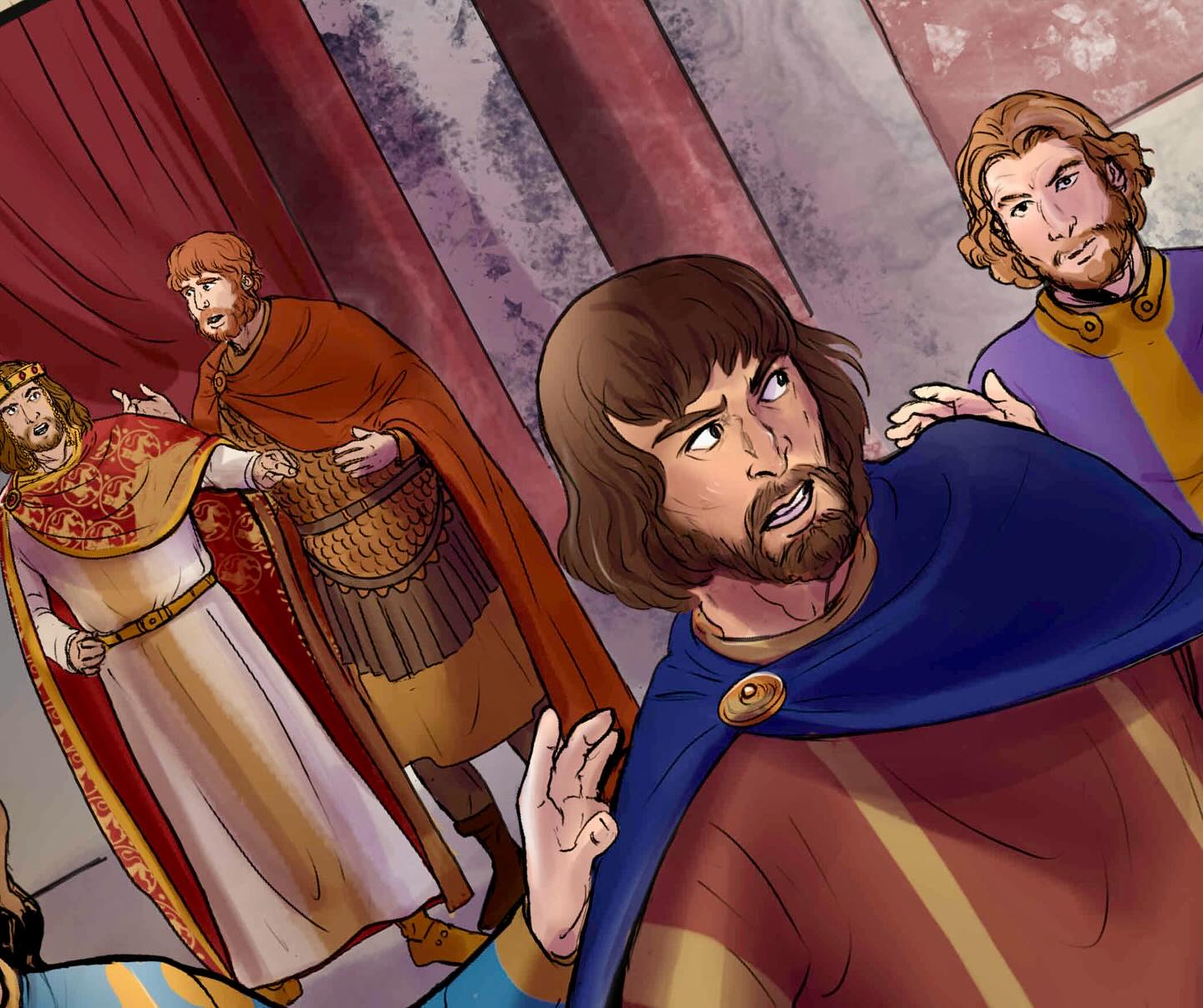
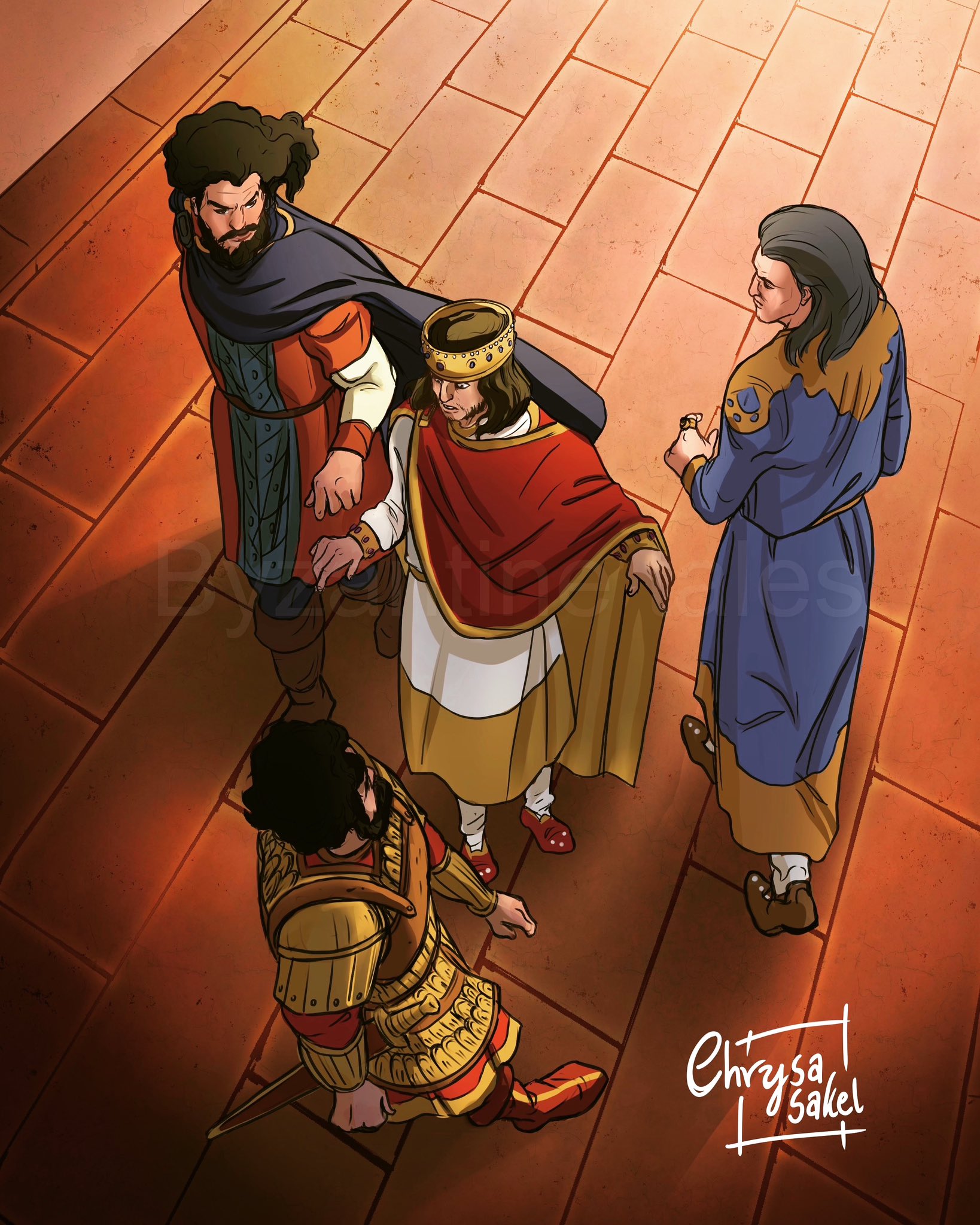
Finally, here in the fourth volume we finally see what we’ve been waiting for as Lekapenos finally falls from power in a coup orchestrated by Basil II in 985. In this part of the story, as Basil sits alone in the throne room secretly ready to strike against Lekapenos and his supporters, Lekapenos has already hatched a plot wherein he intends to replace Basil with the latter’s brother Constantine as his new puppet emperor wherein Lekapenos had already gotten the generals including Bardas Phokas to support Constantine. However, little does Lekapenos know that Basil II had his own plans and as Lekapenos enters the throne room ready to depose Basil, Basil dressed in full armor arms himself with a sword and what follows is an epic confrontation wherein even a few palace guards on both sides of the conflict are killed. At the end, it is a victory for Basil II as Constantine VIII suddenly shows his loyalty to his brother by holding a knife to Lekapenos’ neck. Basil here reveals that he knew of the plot through his sister Anna who had been exchanging messages between the brothers. As Lekapenos had fallen from power, he was thus sent into exile by ship never to return again and despite his ability through many imperial regimes in the past and never lose power, he was defeated by the emperor he least expected could limit his power. Overthrowing Lekapenos was not it yet for Basil as following that, he too now being fully in power purged all of Lekapenos’ supporters such as the poet John Geometres who Basil sent into exile while Basil too demolished some of Lekapenos’ projects such as the Monastery of St. Basil both to erase Lekapenos’ memory and to fund his upcoming campaign against Bulgaria.
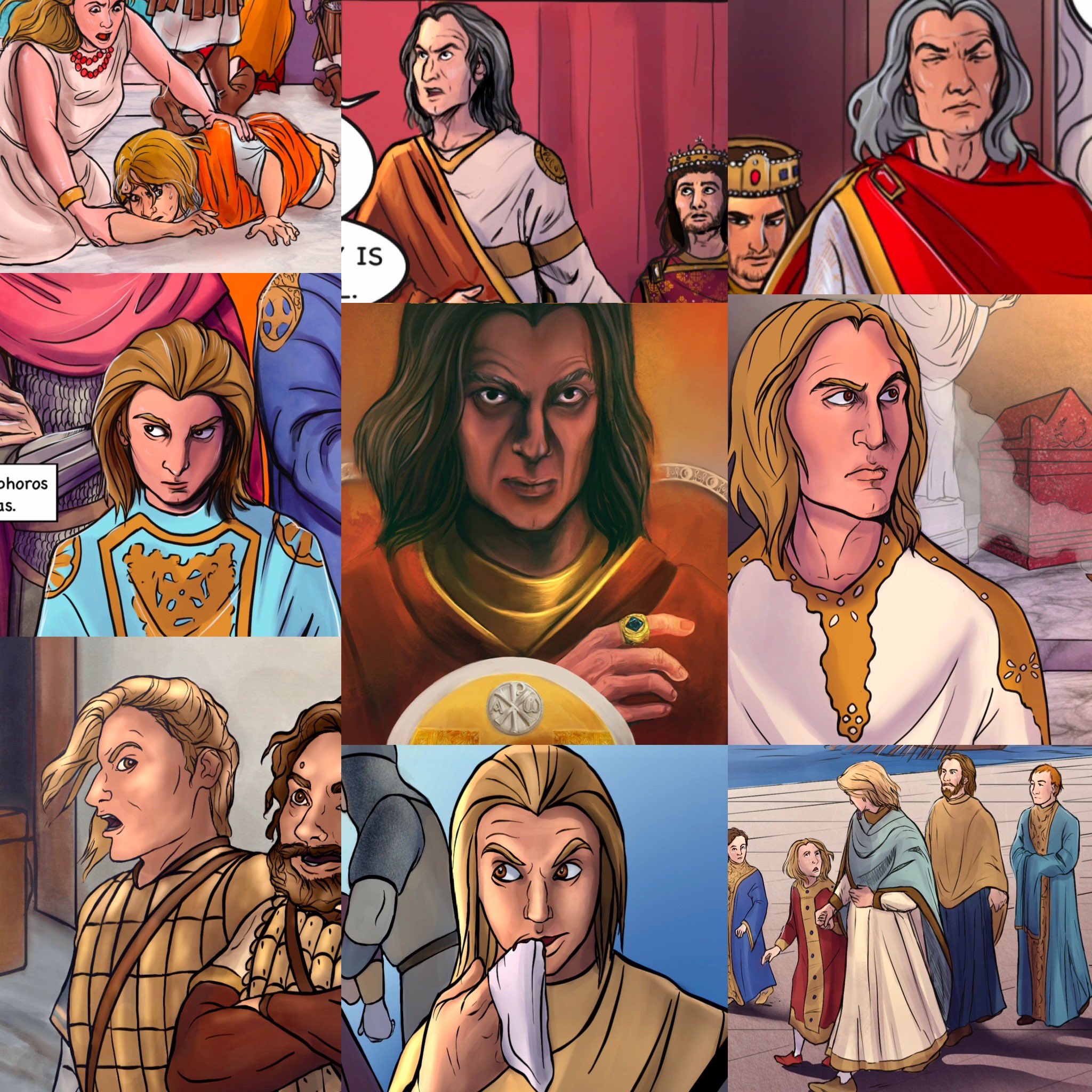
Basil II truly had an impressive character development as here in the fourth part of the series, he drastically evolves from a weak puppet-emperor to one determined to rule in his own right free from the influence of others. Of course, in the past 3 volumes we got to see Basil II slowly evolve as he becomes more and more independent as an emperor, however here in the fourth volume it clearly becomes evident that Basil has finally become independent as an emperor making his own decisions.

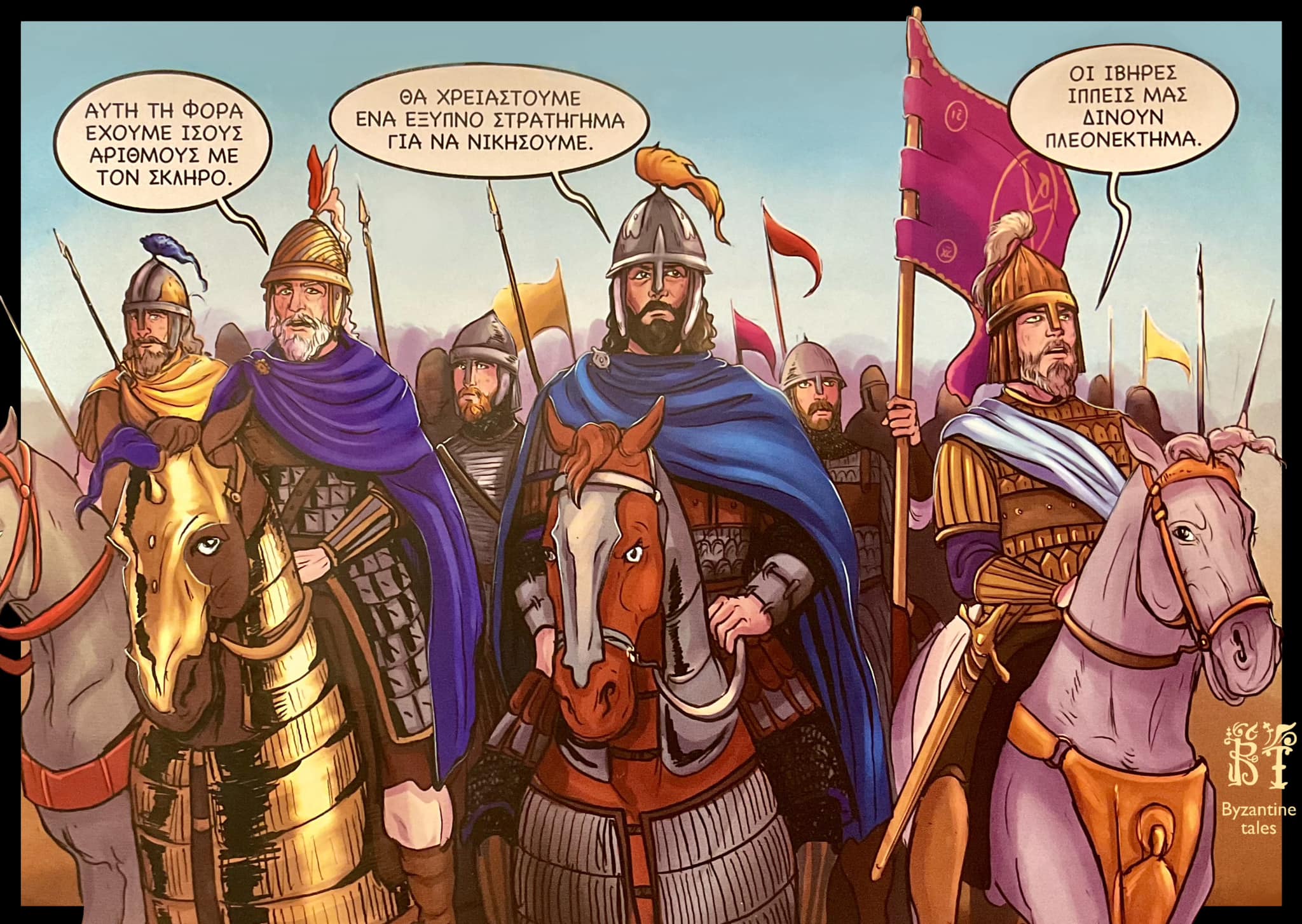
In the earlier part of the story, we see Basil already asserting his own independence when he attempts at making a peace treaty with Baghdad and in winning the support of the Church. However, it is only after Lekapenos’ overthrow where we see Basil now fully independent and determined as an emperor. Not only does Basil purge Lekapenos’ loyalists and demolished his monastery but he also confidently if not rashly decides that he will invade Bulgaria when getting word from Sigurd that Samuel is launching an invasion on Byzantine Greece. With the eastern armies under Bardas Phokas here focused on campaigning against the Arabs, Basil decides that he will lead the army himself against Bulgaria despite his lack of experience and so he summons all the generals of the empire for a meeting. However, despite Basil’s impressive character development wherein he finally decides to command the army, it is evident that his impulsiveness would lead to his downfall especially in his quest to find Ariadne who had been taken into Bulgaria. Ultimately, Basil’s impulsiveness together with his lack of experience leads to his defeat to Samuel’s Bulgaria at the Battle of Trajan’s Gate at the story’s climax. At the end, Basil at least learns from his mistakes but his position has been weakened due to his recent defeat.
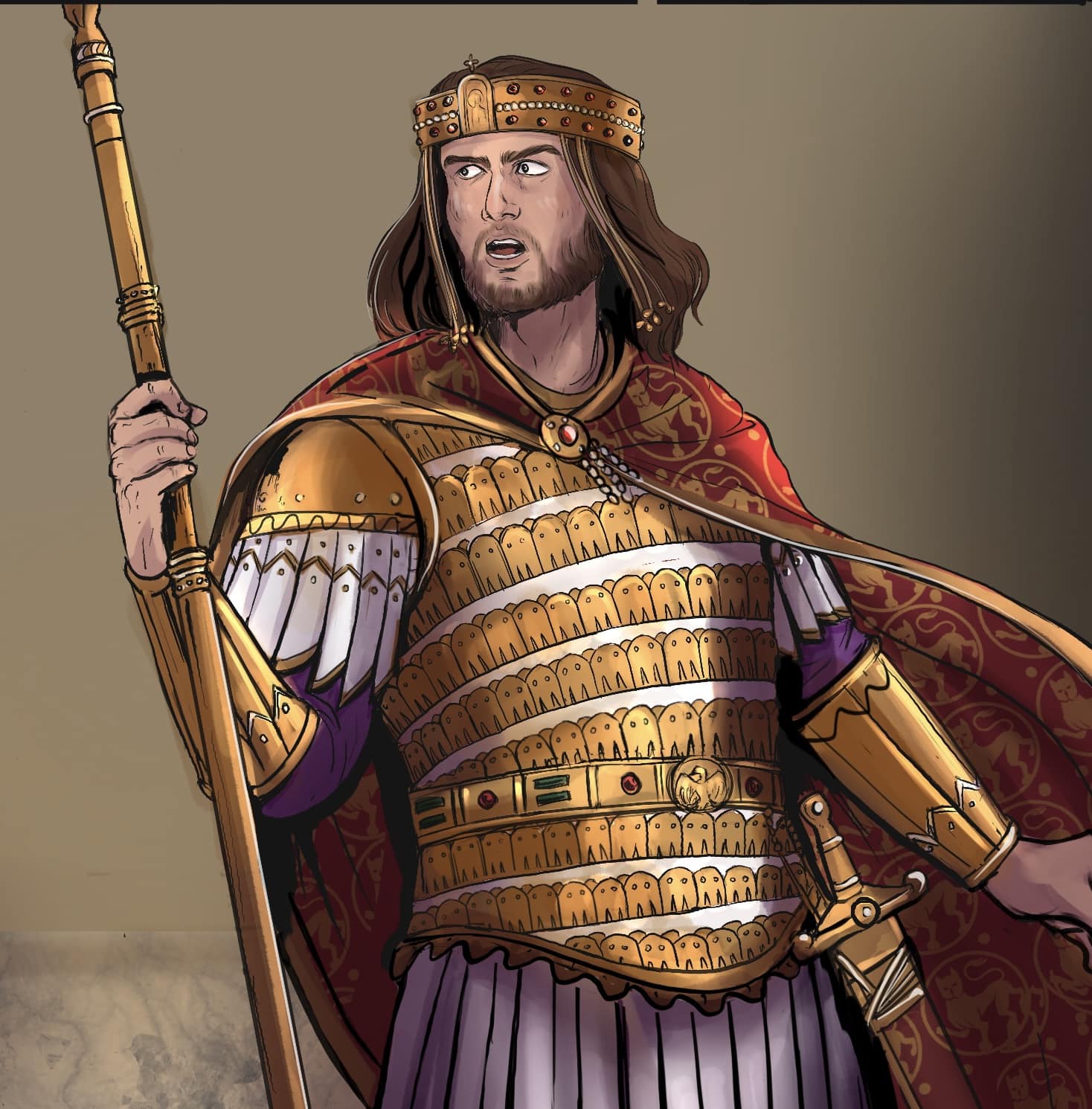
The Battle of Trajan’s Gate gives the story an epic climax as we finally get to see one of the defining battles of Basil II’s reign and one that we’ve all been waiting for! Even before the climactic battle takes place, we already get to see the excitement building up first with Basil’s bold decision to lead the troops himself combined with the very detailed illustrations of Basil and the Byzantine army marching into battle, Byzantine weapons and war standards, and siege engines in action. To add more to the excitement, as Basil marches into Bulgaria and laying siege to Bulgarian held Serdica, simultaneously we see Samuel marrying Ariadne.
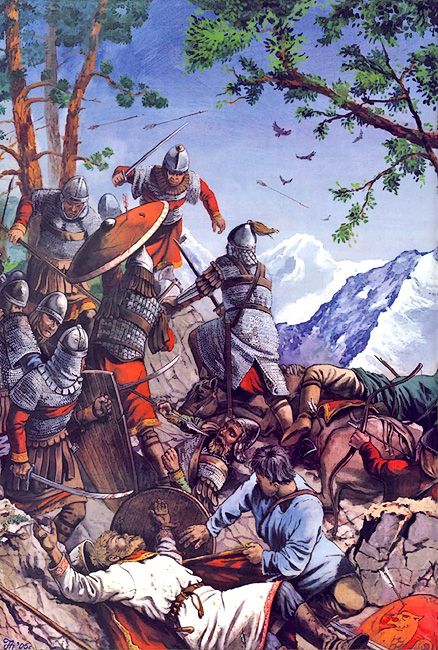
The siege of Serdica however fails and thus Basil orders his army to retreat into the woods where we get to see another interesting Byzantine easter egg of a Byzantine portable bath in the emperor’s tent which true enough did exist all while Basil’s soldiers in the woods are suddenly ambushed by Samuel’s men when they are hunting for animals. Following this, Ariadne finally confronts Basil bringing him news that she has married Samuel which only further enrages Basil that he marches his army in retreat out of Bulgarian territory only to be annihilated by Samuel’s forces at the location known as Trajan’s Gate between Serdica and Philippopolis. Basil here being driven by emotion forgets everything he learned about military tactics and what follows is a total ambush by the Bulgarians on all sides. The intensity of the battlefield was so well depicted in this scene wherein we not only get to see soldiers clashing with each other but Basil daringly charging at Samuel only to fall off his horse as Samuel escapes all while his loyal Varangian bodyguard Sigurd clears the way for him so that Basil could escape. Following the intense battle, we then discover that Basil ordered a hasty retreat as he feared the general Leo Melissenos was planning to usurp power in Basil’s absence only to find out it was not true, yet Basil returns very enraged all while he returns home to Constantinople with a humiliating defeat and not the triumphal parade he was expecting.
It once again has a very suspenseful ending wherein there is once again a cliffhanger that makes us want to anticipate the sequel. As Basil returns to Constantinople after such a humiliating defeat, he is very upset and angry at himself for losing that he does not know what to do anymore. Fortunately, as Basil returned, Nikephoros Ouranos had just arrived back from Baghdad wherein he gives some consolation to Basil telling him that his defeat was a mistake that he must learn something from but more so that tough days are coming as civil war in Byzantium is about to resume. As Ouranos had returned from Baghdad, he saw that Bardas Skleros had been released from captivity with a massive army of Arabs and Byzantine combined wherein his purpose is to take the throne from Basil considering Basil lost credibility due to his recent defeat to the Bulgarians. To make things even worse for Basil, a massive earthquake struck Constantinople and damaged the Hagia Sophia’s ceiling thus making Basil believe that even God is against him. Furthermore, in the east the generals now disgusted at Basil’s incompetence and lack of experience acclaim Bardas Phokas as emperor despite Skleros already having a claim. Due to both powerful generals having their ambitions for the throne, Bardas Phokas and Bardas Skleros who were once bitter enemies reunite and make a deal with each other wherein it is agreed that Phokas is to rule Europe and Skleros is to rule Asia. With this alliance, the armies of both generals have merged and with both forces united it seems that Basil’s position is in ultimate doom. As the story ends, Ouranos convinces Basil to seek foreign assistance from a distant powerful kingdom so that he could stand a chance against the rebel armies.
Opinions, Suggestions for Upcoming Novels, and Conclusion
To put it short, I have to say that volume 4 of the “Basil: Basileus” series “Trajan’s Gate” is the best so far in the series! Basically, it had everything needed to make it truly a Byzantine epic. First of all, the story was very well told wherein we get to see great character development from its lead character Emperor Basil II, Byzantine court intrigue to the highest level, intense battle sequences, and of course a suspenseful ending that makes us all want to anticipate another well-made sequel. Personally, I really like how the epic battle of Trajan’s Gate was portrayed here as we get to see a lot of movement from the soldiers and more so a “wide-angle shot” of the battlefield wherein we get to see both Byzantine and Bulgarian soldiers in action. Aside from the intense battle scenes here whether it was Basil’s war against Bulgaria at the climax of the story or the battle against the Arabs earlier on, what I also really liked about part 4 of the series was that it showed us the wider world of the 10th century and not just Byzantium as a major part here true enough shows Baghdad and the Arab world and Bulgaria as well which is something rather new here as the previous volumes of this series were not really extensive in showing locations beyond Byzantium. Overall, part 4 really does bring Byzantium to life especially since here, aside from the intensity and excitement of the story, the illustrations really do the job especially as it shows a lot more movement and emotions of the characters. Lastly, I would say that part 4 too has a very valuable lesson to learn from which is not to give in to your emotions especially before battle as this is surely a recipe for defeat as seen with Basil II.
Now, despite highly enjoying part 4 of the Basil series, I have to say there are some things that need improvement as well. For one, I think that one really needs to be familiar with Byzantine history or must have read the other volumes of this series to fully understand its story especially since it contains many things only Byzantine history fans would know about while readers might also get lost in the storyline if they hadn’t read the previous volumes. Apart from that, some other elements in the story may contain references that only Greeks would understand such as some traditions that I may not have heard of by not being Greek and festivals such as the “Calends of January” and the Brumalia which those who are not Greek or not of Greek descent may understand, hence I must say that this volume may not really be accessible to other Byzantine history fans who aren’t Greek. The story alone I must say is very well written, however what I find rather disappointing in it is that some parts tend to be repetitive especially when it comes to Basil’s obsession to find Ariadne which affects his judgement. Personally, I think the story focused too much on Basil’s emotions and desire to find Ariadne which I think should be lessened if the story were to improve. Also, I found the scene of the Battle of Trajan’s Gate to be too short as I think it would be better if the battle depicted more action and if it were longer. Other than that, I think nothing else has to be improved in the story all while I really think that the court intrigues and drama, especially the downfall of Basil Lekapenos was really well written and illustrated. The ending too was very intense as it once again makes us look forward to another epic sequel.
And now I have come to the very end of this article reviewing “Basil: Basileus” part 4, and once again despite the things I commented on wherein the story needs some improvement, I still have to say it was a job well done and it is the best so far in this series. It overall truly brings the epic story of the Byzantine Empire of the late 10th century to life with very detailed illustrations and well-made storytelling, hence this way it is a perfect tool to get people unfamiliar with Byzantine history interested in it. Its visuals and easy to understand way of storytelling I can say can surely get everyday people and not just academics excited about Byzantine history considering that the story features so many epic moments that you can only find in comics. Once again, I would like to congratulate the author Spyros Theocharis and artist Chrysa Sakel for doing another excellent job in bringing Byzantium to life here in part 4, and I would like to thank them too for answering the questions I had which were instrumental in creating this article. I would really recommend part 4 of the Basil series to other Byzantine history fans as it true enough also does what my main objective is, which is to make Byzantine history accessible to everyone. This is all for now in this special edition article reviewing “Basil: Basileus” part 4 and thank you all for reading!
 The Byzantium Blogger