
Posted by Natalie Mallat

About me
Natalie Mallat is a freelance writer with a particular interest in Medieval Arab history. She enjoys running the history blog You can follow her Instagram @medievalarabhistory and Linkedin @bibliotecanatalie for regular posts.
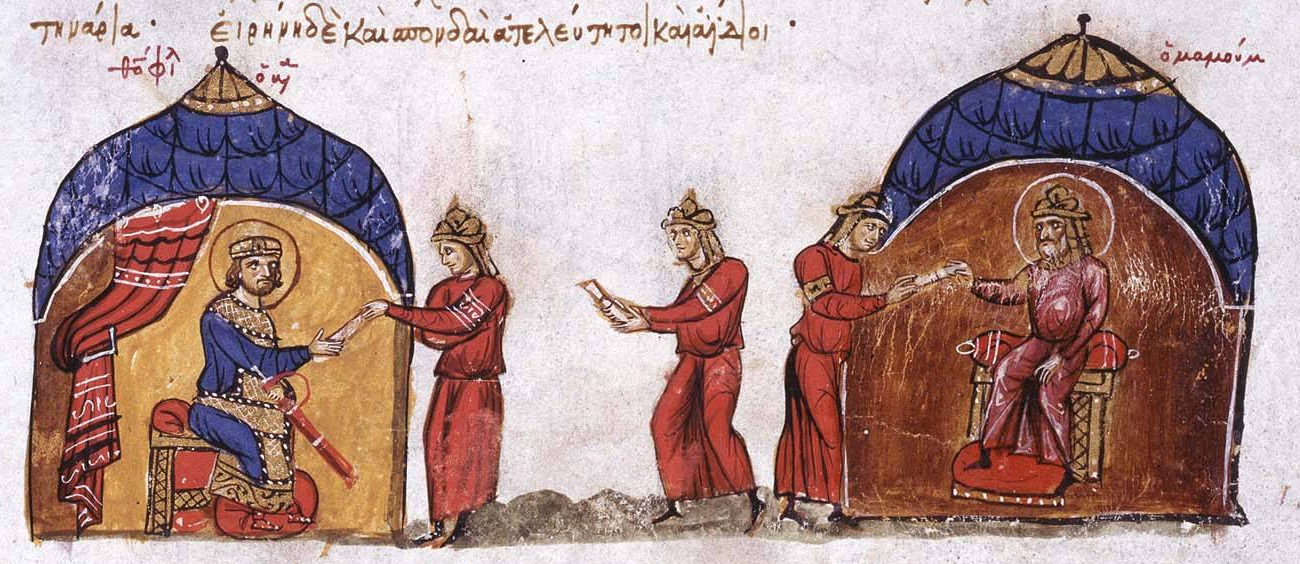
Abbasid and Byzantine sources are filled with names of Arabs in Byzantium. Capturing Arabs and transferring them to Constantinople was a common practice after raiding Abbasid frontiers. The De Ceremoniis of Constantine VII Porphyrogennetos highlighted the employment of Arab prisoners in manufacturing industries and the service of landowners or the State. The Emperors had a general strategy of using converted Arab fighters and spies against the Caliphate. Byzantines considered Arab prisoners very valuable as fighters. When a large army of the Bulgarian Khan Symeon attacked Constantinople in 896 AD, Emperor Leo VI entirely relied on them to protect the city. Converted Arabs were placed in important Byzantine military positions including the Imperial Guard. There were no ends to the Arab possibilities and some of them became Emperors. Arab sources refer to Leo III (Ilyun) born in Umayyad Syria, Nikeporos I (Nakfour) of the Christian Ghassanid tribe, and Nikeporos II Phokas. In his book al Kamil fil Tareekh, Ibn al Athir refers to Phokas’ father as one of the best Muslims at Tarsus called Ibn al-Faqas. Arab merchants were seen walking freely in Constantinople. The Byzantine capital had mosques and places of stay for them.
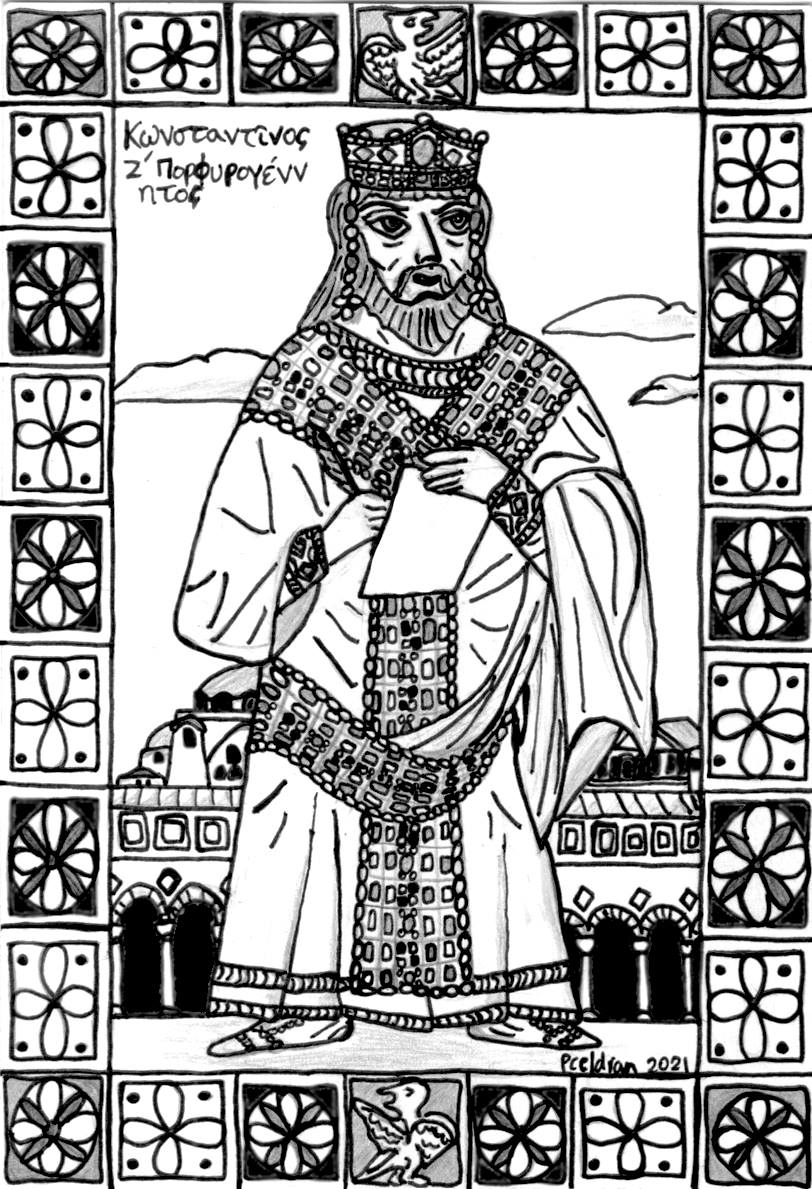
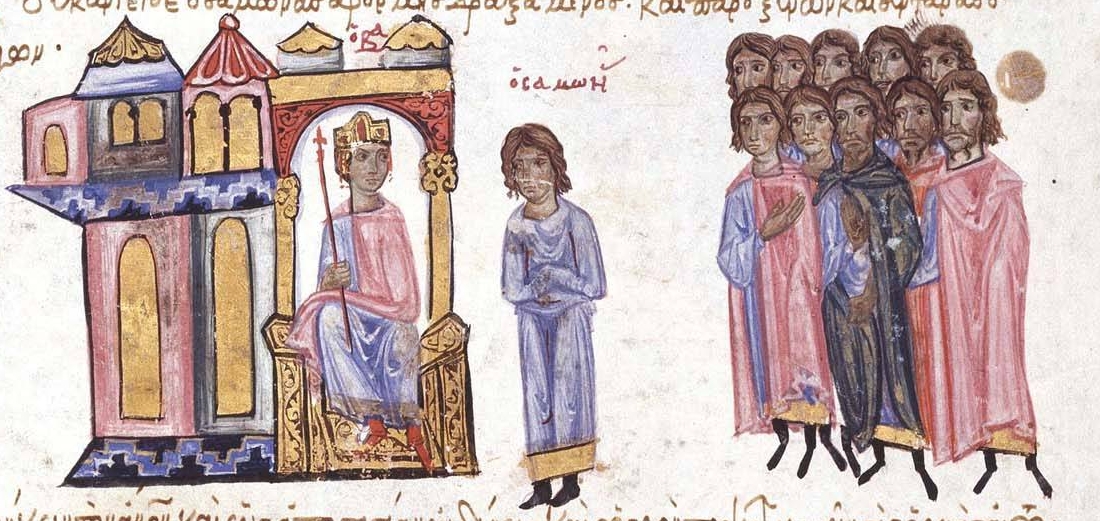
The Imperial satisfaction with the performance of Arabs gained them continuous privileges and allowed them to reach high positions. Samonas, a man from a distinguished Arab family and one of many who were made eunuchs and taken to Constantinople, became the right-hand man of Emperor Leo VI. Emperor Theophilos, who waged war against the Abbasids, tried to assimilate Arabs into his Empire. The Emperor was fond of the sophisticated culture of the Arabs and had special admiration for Caliph Harun al Rashid. Athanasia of Aegina married a Muslim Arab by an imperial decree. The Arab family of Al Nu’man, known in Greek as Anemas, descends from the son of the Arab Amir (Prince) of Crete captured by the Byzantines. He became loyal to the Byzantines and had a splendid career in Constantinople. Byzantine Princess and historian Anna Komnene mentioned his grandsons Michael and Leo. Emperor Constantine IX recruited many Arabs, enlisted them in particular Tagmata under the command of Arab Generals, and dispatched them to guard the oriental Themata. The Imperial privileges granted to the θέματα (Themata) families incited them to give their daughters as wives to Arabs. The Arab Khase family held a high administrative position under Emperor Alexander.
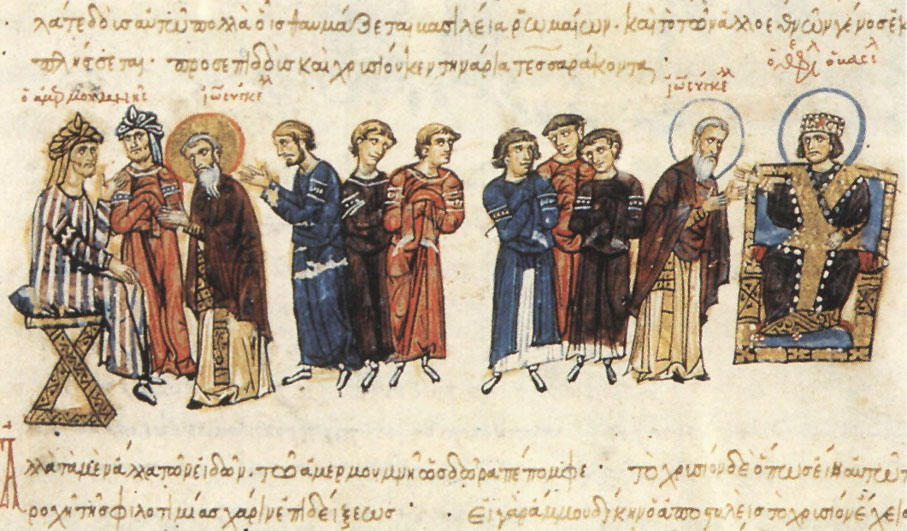
Arabs were recruited to teach the language to Byzantines who held prestigious positions. It was common for Byzantine diplomatic ambassadors and statesmen to speak Arabic. Constantinople had a population of Arab-Byzantine marriage offspring. During the fall of Arab Tarsus, some of the Byzantine women who had been married to Muslim Arabs took their children to Byzantium and baptized them. When Nikephoros Phokas attacked Syria, he killed most of the captured men but took the Arab women and children to Constantinople.
In Arabic chronicles, Byzantine Emperors raised some of the converted Arab prisoners to the patrician degree and encouraged the Byzantine Patrikoi to give their daughters as wives to them. Arab prisoners were integrated into the societies of the Byzantine cities. The Hagiographer of Sta. Theodora of Thessaloniki narrated the story of a man called Elias who lived in Myriophytos and was a member of an Arab family. A colony of Arabs in Athens entered the service of the Byzantine state. An Arab Chase who was captured as a child became the slave of the Patrikios Damian and had exceptional service in the Byzantine Empire. He remained a true Sarakenos in thought and manners and religion. Chase was raised to be a Byzantine Protospatharios and had great freedom of intercourse with Emperor Alexander. His brother the Protospatharios Niketas was appointed the military governor of the Thema of Kibyrrhaiotai.

The Emperors were very charitable to the Arab prisoners and confined them in imperial prisons. Ibn Hawqal named Dar al Balat, Tarqsis, the Obsiq, the Buqlar, and the Numera. Modern historians identified some of these imperial prisons as Thrakesion, Opsikion, and Boukellarion. Many Arab prisoners received excellent treatment like the poet Abu Firas who was captured during the fall of Lerapolis and remained in Constantinople for four years. A practice of Arab prisoners’ attendance at the Christmas Day and Easter Sunday Imperial banquets was established under Leo VI and continued till Constantine VII Porphyrogennetos’ reign. This was recorded by the Arab historian Harun ibn Yahya, who was one of these prisoners during the time of Leo VI. He wrote:
During the feast, the Emperor comes from the church to that assembly, and takes a seat in front of the golden table. It is the Christmas Day. He orders that prisoners should be present and sitting around these tables, … on which an amazing amount of hot and cold food was served. Then the imperial herald said: I swear by the head of the Emperor that in these meals there is no pork at all. Then the food is carried to them in gold and silver plates. … This continues for twelve days, and when the last of these days comes, each prisoner was given two dinars and three dirhams.
Exceptional importance was given to dealings with Arabs. According to the rules of the Kletorologion, the Arab “friends” (ambassadors) should be seated during Imperial celebrations at an advanced table even before the other Christian Bulgarians and Franks. Arab prisoners were invited twice to the Imperial banquets- on Christmas Day and Easter Sunday. These prisoners were Arab aristocrats who could later be ransomed for a high amount of money. Constantine Porphyrogennetos invited the two envoys of the Abbasid Caliph to an imperial banquet in August 946 AD. He ordered that forty prisoners from the Praetorium be present. When forty Arab prisoners were invited again to Constantine Porphyrogennetos’ banquets on Sunday 9 August 946 AD, the day after the feast of the Transfiguration, the Emperor tipped them 1,000 miliaresia and sent a lump sum to the prisoners who were still confined in the Praetorium. Based on Theophanes Continuatus, the Arab prisoners, both males and females, were tipped three nomismata each on Good Friday by Romanos Lekapenos. Also, there was a presence of the newly converted Arabs, who were employed in the imperial guard, the hetaireia. At times, Arab prisoners would be allowed to return home. The geographer Al Mukaddasi mentioned watch stations in Palestine to which Byzantines brought Muslim captives to sell them or exchange them for men or jewelry.
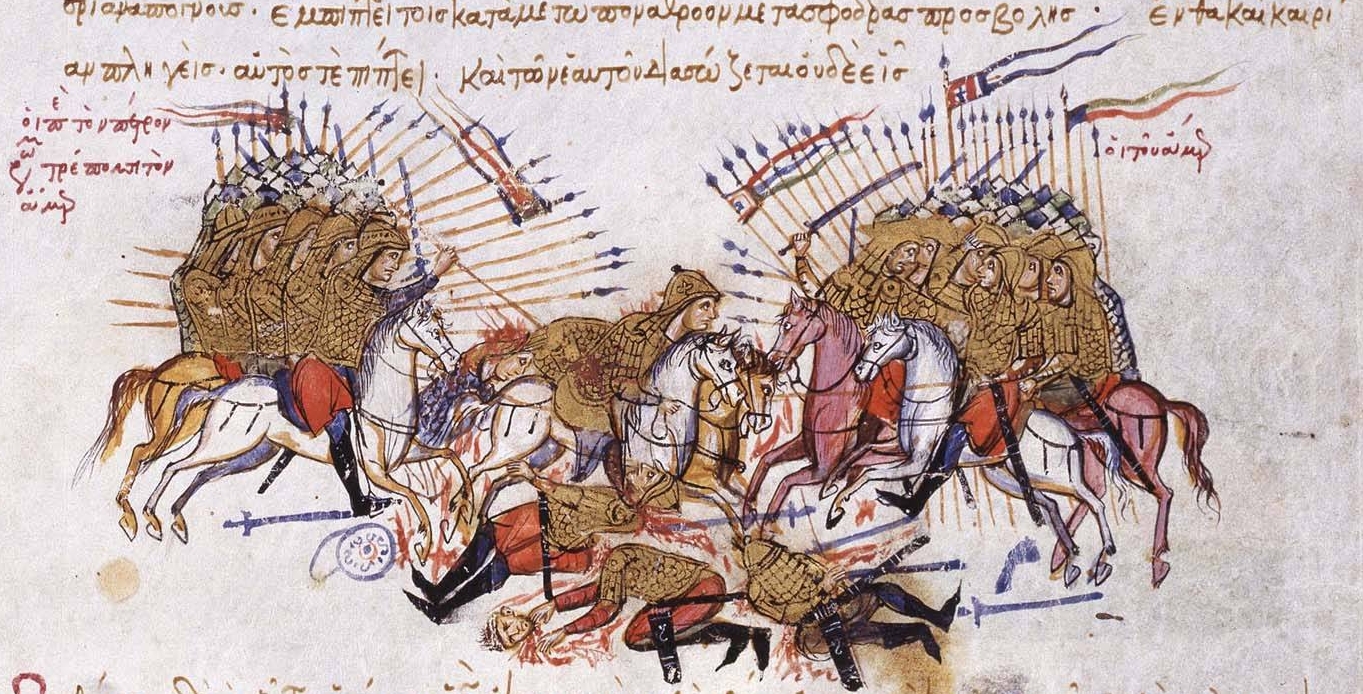
Although many prisoners held an esteemed position by the Byzantines, there were times when they suffered from ill-treatment or restrained religious freedom. For example, when Emperor Theophilos attacked Sozopetra and Melitene, he severely punished the Muslim prisoners by tearing out their eyes and cutting their ears and noses. A great number of Arab captives were executed by Emperors Basil I and Nikophoros Phokas. The Byzantines aimed to convert the Arabs who remained in Constantinople. Empress Theodora ordered to baptize all of the Arab prisoners and improve their conditions. While 8,000 Arabs agreed, the 12,000 who refused were executed. Emperor Michael III adopted a policy of religious tolerance towards the Arab prisoners and gave them the freedom to adopt Christianity or return home. However, the privileges given to Arabs displeased the Byzantine aristocracy who tried to paint a negative image of them. The Andreas Salos apocalypse presented the devils in the form of Arab merchants walking freely in Constantinople and dressed in black garments, the official color of the Abbasid Caliphate. They expressed their displeasure in the quote no Ismaelite will be found in the city. Future Emperor Constantine Porphyrogennetos expressed his dissatisfaction with the Arab aristocracies describing his uncle Alexander as being persuaded by malicious and foolish men. Many Byzantines were suspicious of converted Muslim Arabs. Michael III refused to accept the converted Arab prisoners until they went to the border where prisoners of war were usually exchanged and returned willingly to Byzantine lands.
Sometimes this Byzantine resentment turned into violence. The members of the Khase Arab family were physically attacked and stoned to death before the altar of a church. Emperor Constantine Monomachus was forced to deport tens of thousands of foreigners after the angry population of Constantinople demonstrated in front of the Imperial Palace. Records show that among these were Arabs. Byzantine sources even mention an attempt by Samonas to escape from Byzantium to Syria. Thus, the Arab-Byzantine relations were complex yielding periods of both cooperation and complexity. The situation of Arabs in Byzantium dramatically changed depending on the political conditions and the mood of the Emperors.
Works Cited
Durak, K. (2014). Performance and Ideology in the Exchange of Prisoners between the Byzantines and the Islamic Near Easterners in the Early Middle Ages. In book: Medieval and Early Modern Performance in the Eastern Mediterranean (pp.167–180). DOI: 10.1484/M.LMEMS-EB.1.102266
Ramadan, A. (2021). Assimilation of Arab Minorities into Byzantine Society: In response to the hypothesis of A. Kaldellis.
Ramadan, A. (2009). The Treatment of Arab Prisoners of War in Byzantium, 9th-10th centuries.
 The Byzantium Blogger