
Posted by Powee Celdran
“Son of Cappadocia, the third part of the Basil: Basileus series again does an excellent job in bringing the complex world of 10th century Byzantium to life especially when it comes to the intensity of the battles in this epic civil war fought by the forces of the imperial administration of Basil II led by Bardas Phokas against the rebels of Bardas Skleros. Through the eyes of the general Bardas Phokas the Younger known as the Son of Cappadocia we get to experience the intensity of war in the Byzantine era.” -Powee Celdran, the Byzantine Time Traveller
WARNING: THIS ARTICLE CONTAINS SOME SPOILERS
If you do not want any spoilers, please order Basil: Basileus part 3 on the site of Byzantine Tales.
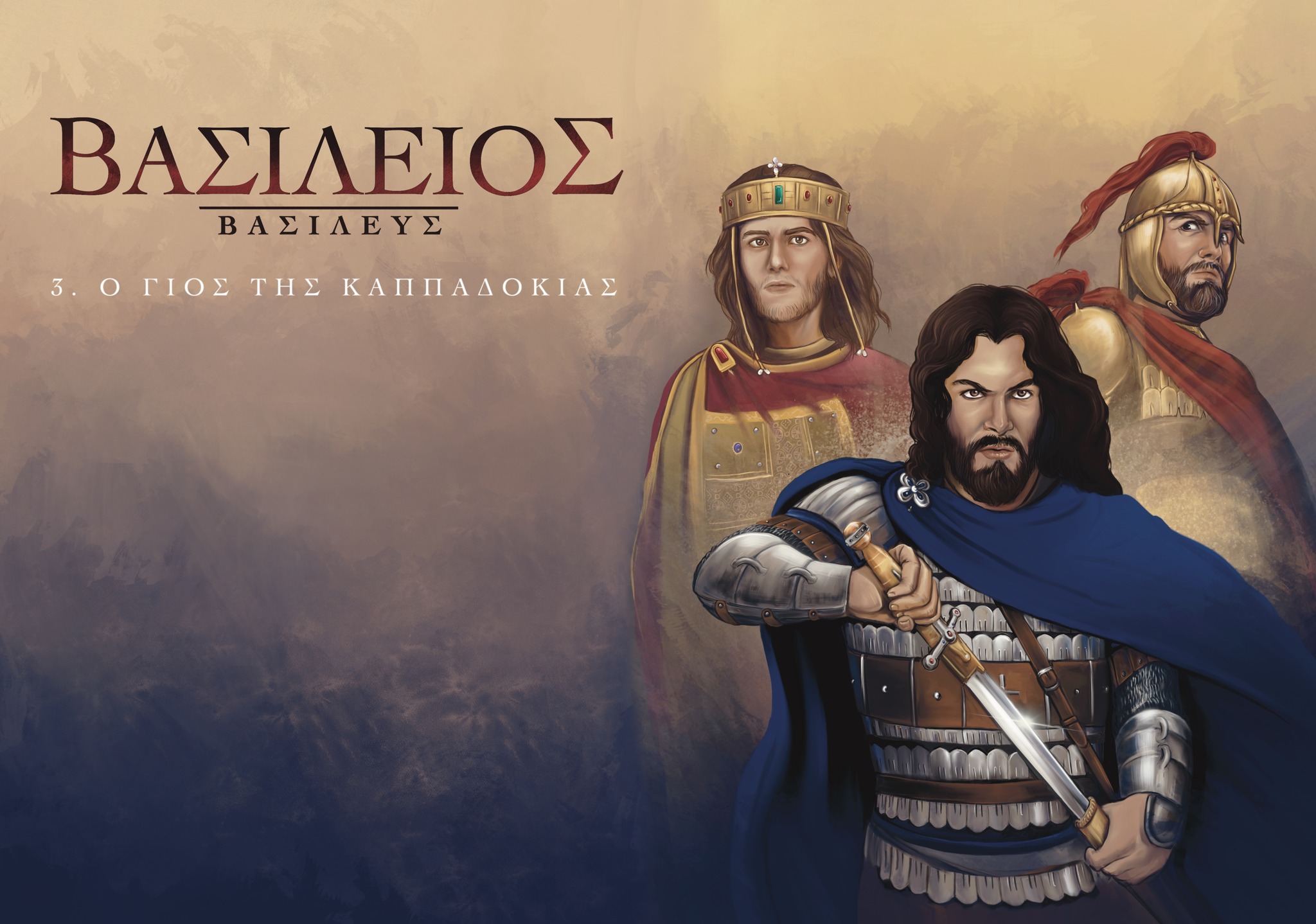
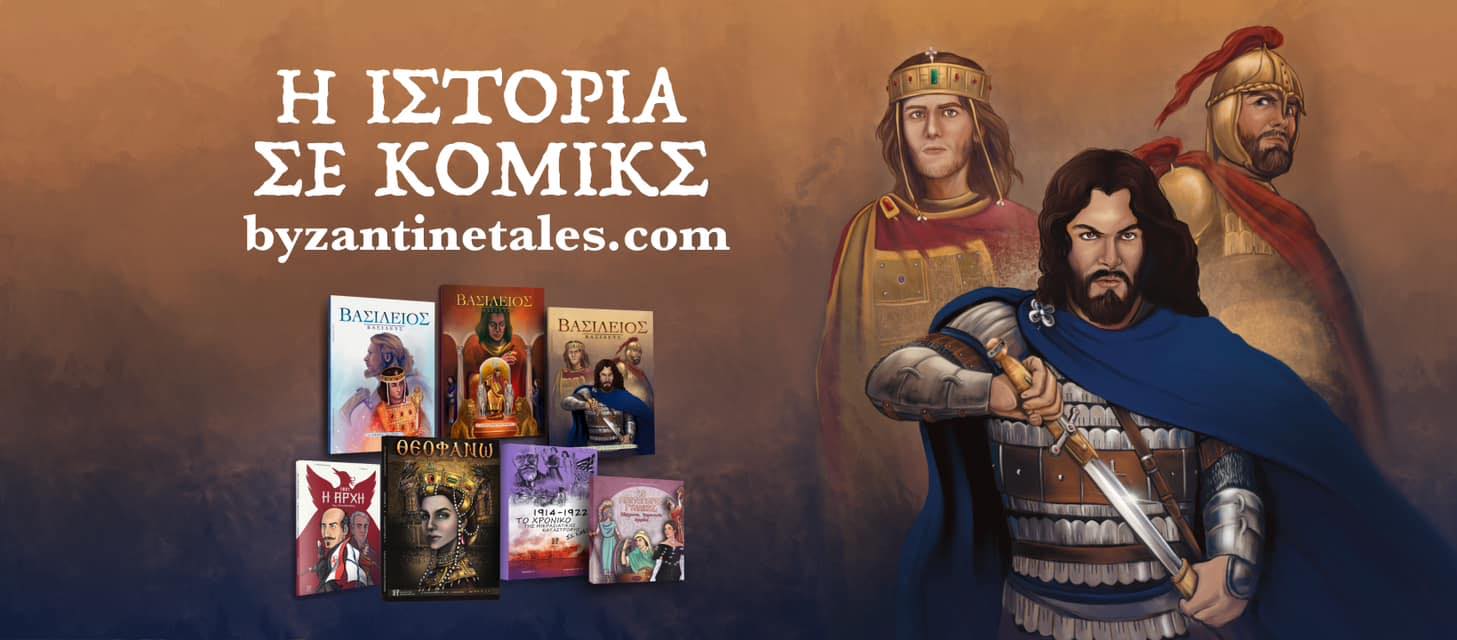
Welcome back to another article by the Byzantium Blogger! It’s been quite a while since I last posted an article on this site, but now I’m back this time with a new special edition article being a review on the Byzantine graphic novel and the third part of the Basil: Basileus series entitled Son of Cappadocia by no other than Byzantine Tales, the creators of the Byzantine graphic novels Theophano: A Byzantine Tale and its sequels Basil: Basileus Part1- A Test of Loyalty and Part2- Nothos in which I already read all 3 before and made reviews on. Now the novel that I will be reviewing here is the third instalment of the “Basil: Basileus” comic book series, and of course since this article which will be reviewing the book will contain SPOILERS, it’s best you check out their site and order a copy of it before you read this. Again, as the title of this novel suggests, it is about the famous Byzantine emperor Basil II (r. 976-1025) who is best remembered as the “Bulgar-slayer” for conquering the entire Bulgarian Empire, however being the third part of this series, it is set during Basil II’s younger years in the late 970s when he had just come to power as the senior emperor of the Byzantine Empire. Just like the 3 novels mentioned earlier, this one again is written by Spyros Theocharis (follow him on Instagram @spyrosem) and illustrated by Chrysa Sakel (follow her on Instagram @chrysasakel). As the third instalment of the Basil series, the story once more revolves around the famous Byzantine emperor in his younger years wherein his character is developing from a weak palace prince to a more decisive ruler making his own decisions, however despite the titular character being the young emperor Basil II, its lead character this time is the powerful general Bardas Phokas the Younger wherein the story is told from his own point of view whereas the novel’s subtitle “Son of Cappadocia” refers to Phokas who is the son of Cappadocia in the story. As it is told from the perspective of Bardas Phokas, the story therefore shows the battles during the civil war between the forces loyal to Basil II’s administration which Phokas leads against the rebel general Bardas Skleros who at this point is still continuing his rebellion against Basil II- ever since the end of the first book of the Basil series. Additionally, the third part of the series not only covers life in the battlefield as the forces of Phokas and Skleros square off but life in the imperial palace in Constantinople as well where the young Basil II is at a dangerous position due to Skleros’ rebellion still ongoing while Basil also begins asserting his independence as an emperor from his uncle the powerful eunuch minister Basil Lekapenos- in whose point of view the second instalment of the series is told. On the other hand, in this exciting and suspenseful third instalment of the Basil series, all characters are more or less given their fair share of story from the young emperor Basil II; to the general Bardas Phokas; the powerful eunuch Basil Lekapenos; Basil’s mother the former empress Theophano, younger brother and co-emperor Constantine VIII, and younger sister Anna; the rebel general Bardas Skleros; and even the minor characters. To make a long story short, this novel as the third part of the “Basil: Basileus” series follows a historical timeline and is set within a period of only 2 years from 978-980 starting off where the second instalment left off wherein Bardas Phokas is introduced; and although it is set within only 2 years or even less, a lot of action takes place both in the battlefield and in the palace where more court intrigues are being formed, while additionally this novel also contains a few flashback scenes such as Bardas Phokas’ origins to give some more context to the story as well as dream sequences. Although Basil II is who this story again revolves around- just as it did in the first and second volumes- the character now that is mostly driving the story is the general Bardas Phokas, hence Phokas is the lead character placed in front of the book’s cover wherein behind him to his left is Basil II as a young man and behind him to his right is the story’s main antagonist the rebel general Bardas Skleros. This article now will be discussing some perfect reasons on why to read this novel, some opinions I have on it, and some of my recommendations too. I will also include a short Q&A with the creators wherein I asked them about some elements in creating the novel. Just like the article I made for the first and second parts of the “Basil: Basileus” series, this article will basically be just reviewing the third part of the series, therefore no fan casting like I did when reviewing the previous “Theophano: A Byzantine Tale” novel. For the Basil series, I will only do a fan casting for its characters once the entire series is completed.
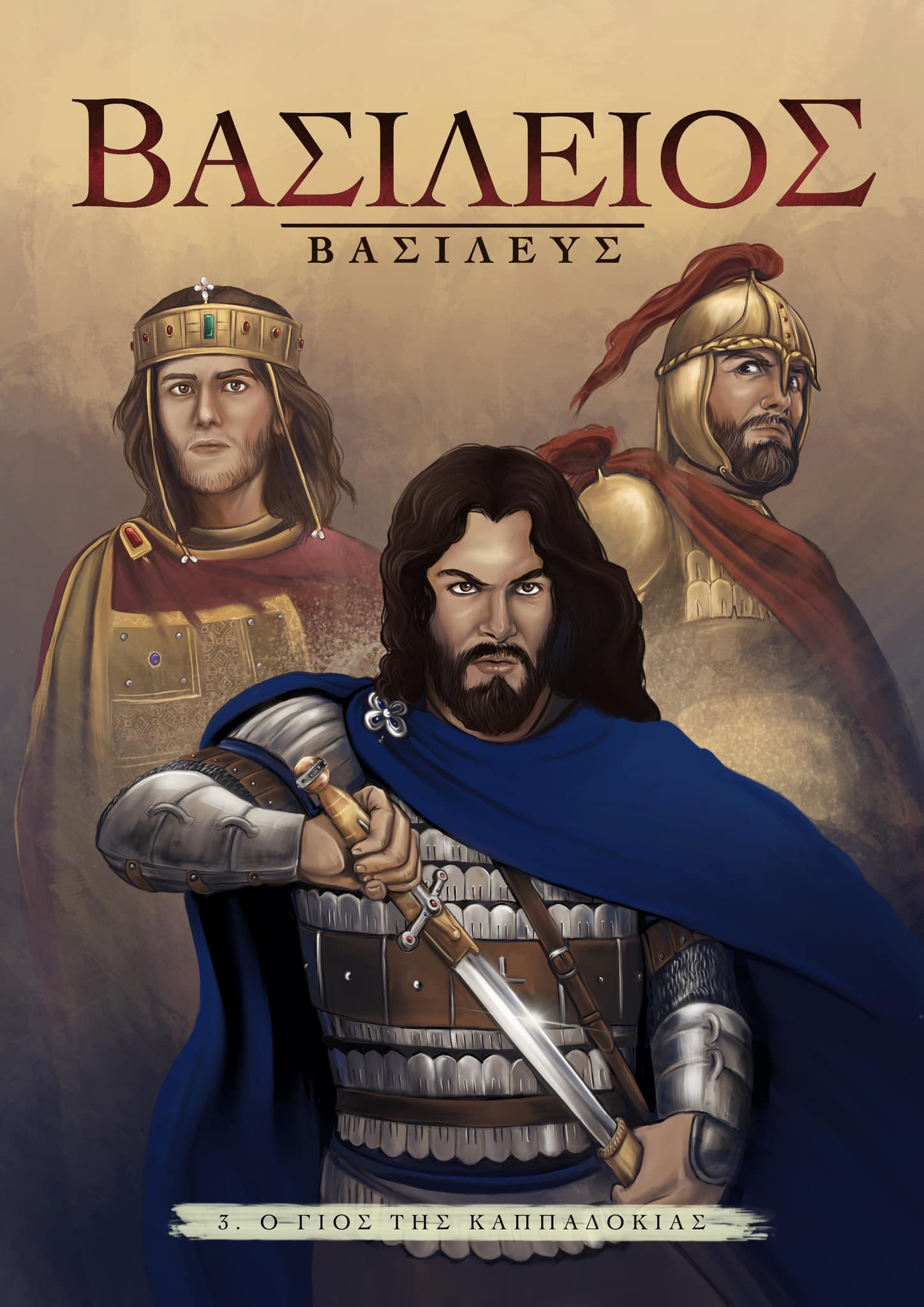

Check out their website byzantinetales.com/basilbasileus to get more info on the graphic novel.
Check out their social media sites:
Facebook: Byzantine Tales
Instagram: @Byzantine_Tales
Twitter: @byzantinetales
Youtube: Byzantine Tales
Note: pictures of the graphic novel from the Byzantine Tales FB page. Works of other artists namely Byzansimp, Amelianvs, Akitku, Nikos Boukouvalas, and Ediacar too appear in this article.
Byzantine Tales’ first novel “Theophano” which has been around for already 3 years now was no doubt an excellent graphic novel with a Byzantine setting, hence I could not wait for its sequels to be released, thus when the first and second parts of the “Basil: Basileus” series were released, I true enough got signed copies of it, and certainly both were excellent graphic novels too. When the English version of the third volume was released- as again the first edition was in Greek- I too once again ordered a signed copy of it. The moment I got the signed copy of the third volume, I immediately read it and finished the whole story in only 5 days! Despite the shortness of the third volume like the first and second ones with its storyline taking place only within a span of less than 2 years, it was still very much exciting and full of substance wherein every page had something exciting happening. Basically, the third volume simply brings the action and excitement of Byzantine warfare to life as the third volume being told from Bardas Phokas’ perspective seemed to be more or less a war epic filled with bloody battles and intense action scenes. In terms of story, it was actually told very clearly in a more or less linear way- despite it beginning with a flashback sequence to explain Bardas Phokas’ story- and thus for those who are already familiar with Byzantine history, this story will then be something easy to follow. Now for this article, some of the information I will put were based on the few questions I’ve asked the creators, though a lot of the story in this novel was basically based off on primary Byzantine era sources as well as secondary sources by modern day Byzantine history scholars and academics.
Please check out my social media sites too:
Instagram: @byzantine_time_traveller
Facebook: Byzantine Time Traveller
Youtube: No Budget Films
Deviantart: Byzantium-blogger55
Art Station: Powee Celdran Porphyrogennetos
Patreon: Byzantine Time Traveller
Related Articles from my site, The Byzantium Blogger:
A Review and Casting for Theophano: A Byzantine Tale
A Review and Reaction for Basil: Basileus Part1- A Test of Loyalty
A Review and Reaction for Basil: Basileus Part2- Nothos
A Review and Reaction for Byzantine novel “The Usurper”
Marketing Byzantine History Part1
Marketing Byzantine History Part2
Byzantine Alternate History Part VII- A Retelling of the Bizarre Byzantine Renaissance
8 Reasons to Buy and Read Basil: Basileus Part 3

Every single moment is action-packed and exciting despite the novel being set within a short period of just less than 2 years. From the beginning already, the story is already filled with excitement as we are introduced to its leading character Bardas Phokas who in 969 rebels in order to seize the throne believing he has the right to do so but at the end he is defeated by the general Bardas Skleros and thus surrenders. Bardas Phokas however is recalled from exile in the island of Chios by the powerful minister Basil Lekapenos who is the power behind Basil II as Phokas seems to be the only one strong enough to beat the powerful army of Bardas Skleros who is the one rebelling this time. As the story progresses, we get to see more intense action scenes especially with Bardas Phokas which includes him practicing sword-fighting skills with Basil II and afterwards heading off to Asia Minor to battle the forces of Skleros. Later, we get to see the forces of Phokas and Skleros square off at the Battle of Pankaleia in 978 in a very vivid way which although ends in defeat for Phokas. However, near the end of the story again, this time we get to see Phokas’ and Skleros’ forces square off again at the Battle of Aquae Saravenae in 979 which this time ends in a victory for Phokas who seriously injures Skleros, and thus Phokas returns to Constantinople as a hero. However, aside from all the battles and action scenes, the story is also exciting when it comes to the politics in the imperial court, forging alliances with foreign powers, family drama in the ruling Macedonian Dynasty, and even suspenseful dream sequences such as that experienced by Phokas at the beginning of the story and by Basil II later on. The part though that I personally found fascinating in the novel was when we are introduced to the Principality of Tao in Iberia (today’s Georgia) and its ruler David who Phokas would make a military alliance with to battle Skleros which definitely shows Byzantine diplomacy at its finest. Another thing I found fascinating about this novel is the way the story is paced wherein there is a lot of cross-cutting, meaning shifting of scenes wherein for example while a battle is taking place, it suddenly cuts to the palace or to something else and then returns back to the battle. Aside from these scenes I mentioned, the ending too is very suspenseful, which I will go over later.
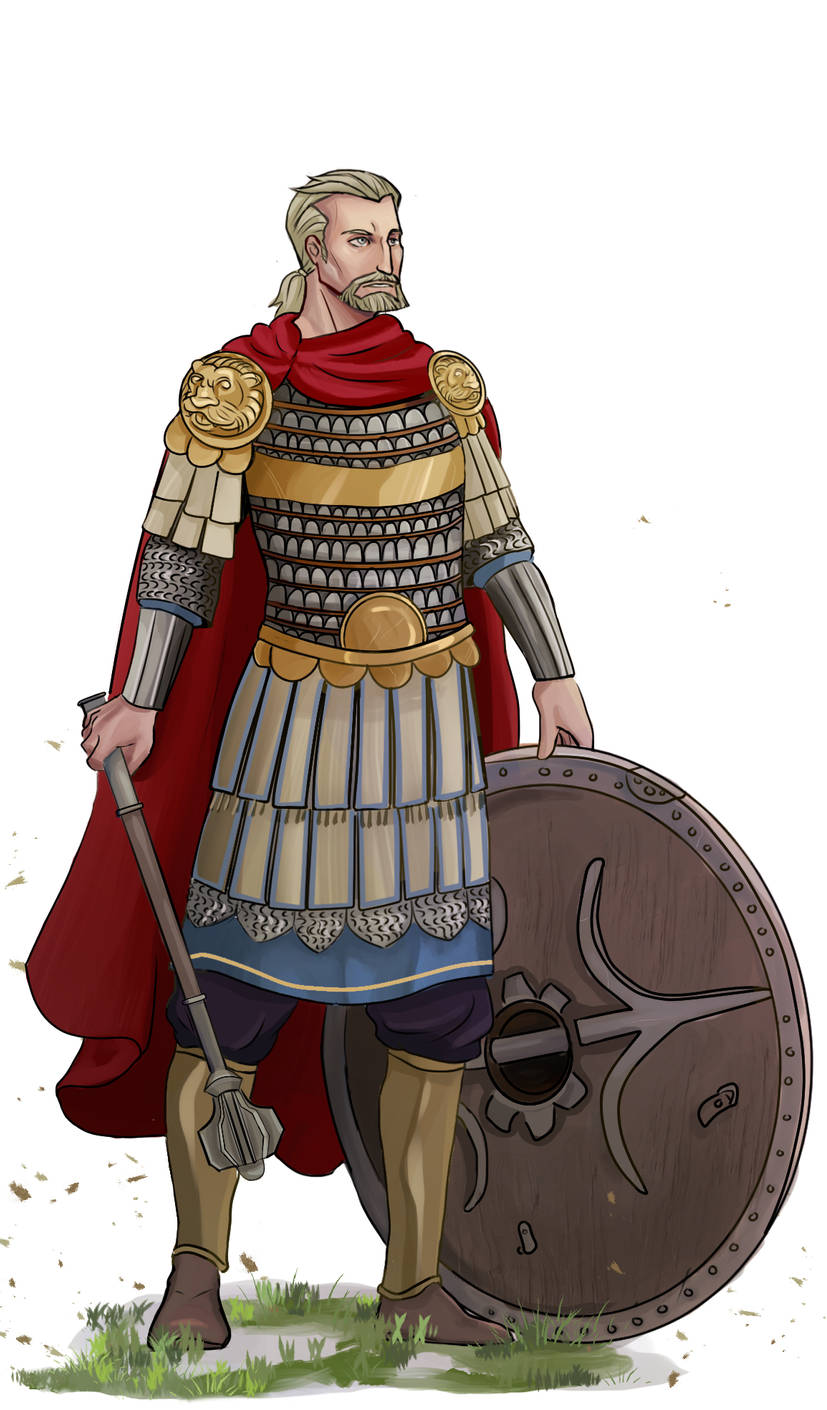
Once again, the illustrations truly bring the greatness of Byzantium to life and thus Chrysa Sakel once again has done a great job with the illustrations which again brings the rich history of Byzantium to life. Here, in the third volume of the Basil series, we get to see the lavishly decorated imperial robes worn by the co-emperors Basil II and his younger brother Constantine VIII in vivid detail as well as the lavish clothes worn by members of the imperial court. Aside from these costumes mentioned earlier, since this novel features a lot of battle sequences, the armor worn by Byzantine soldiers as well as the armor worn by the generals are also excellently and vividly illustrated most especially Bardas Skleros’ gold armor with a red cloak over it and Bardas Phokas’ silver one with a blue cloak over it.

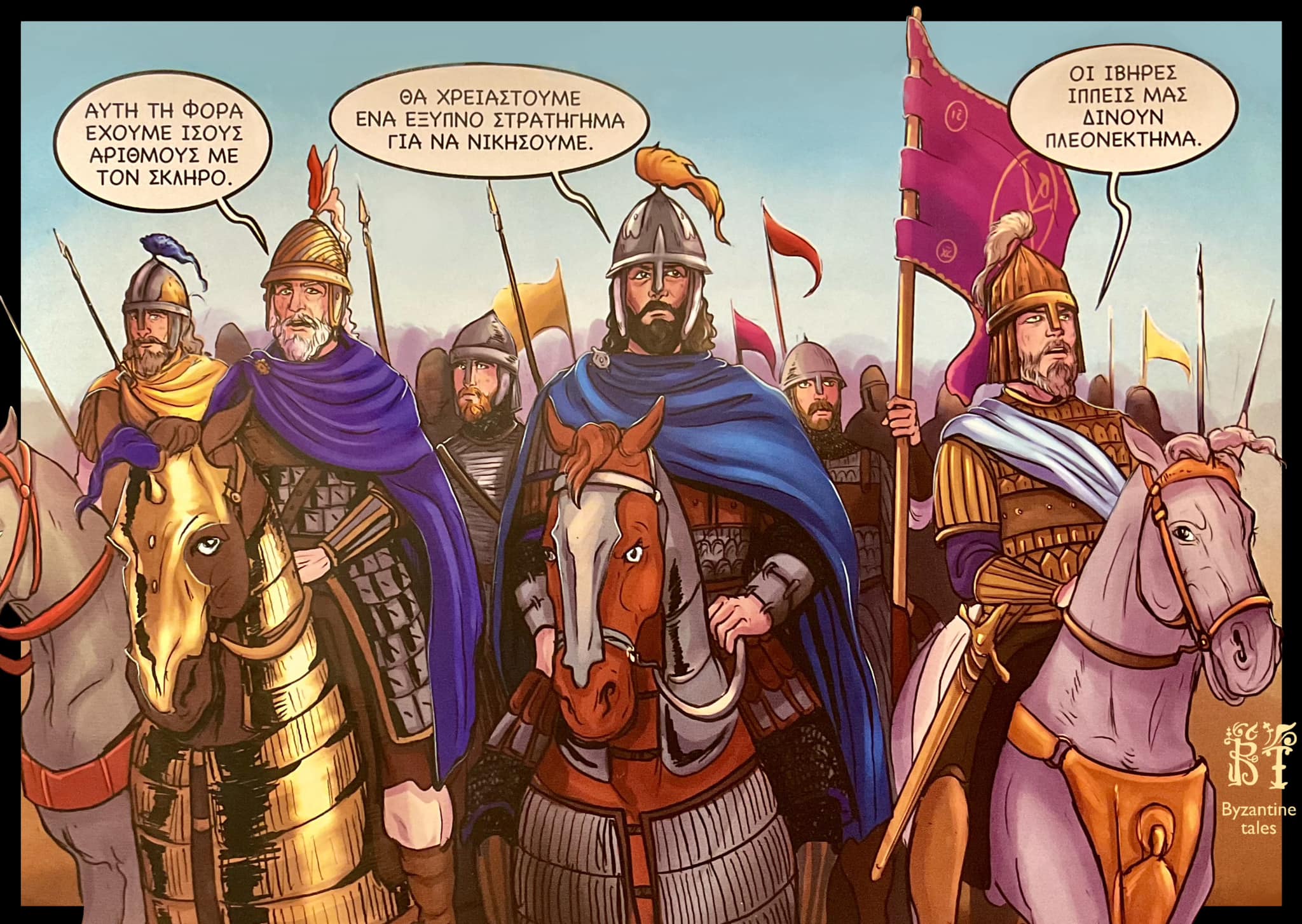
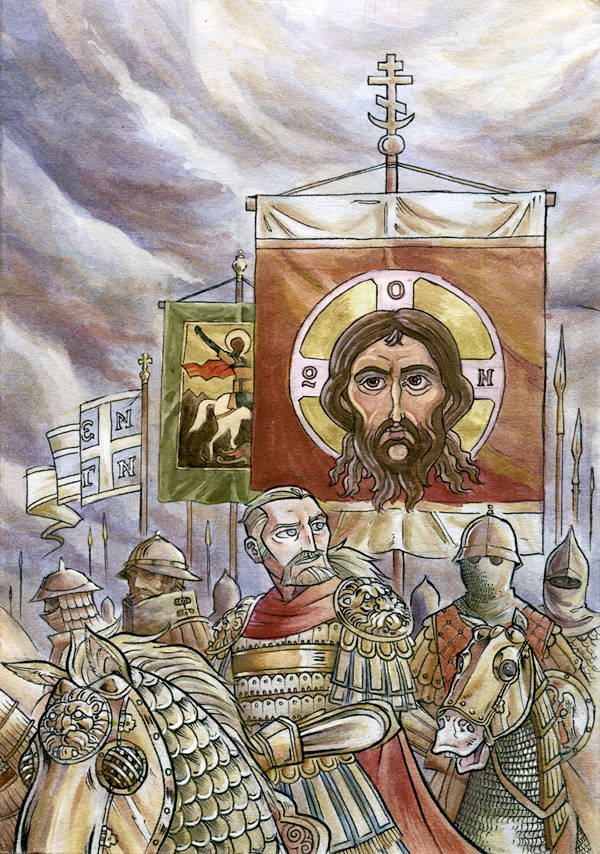
True enough, according to the creators, having Phokas wear blue and Skleros wear red was intentional as the red Skleros wears is to show that he proclaimed himself emperor as red is considered an imperial color while it is also to match his fiery personality whereas for Phokas his blue and silver outfit is to show he is wearing something opposite to what Skleros is wearing as both generals clash in battle, however blue was also used to symbolize mystery and Phokas’ ambitions as blue again is also another Byzantine imperial color. For me however, the most impressively illustrated part of this novel are the battle sequences as they surely show a lot of action and movement among the soldiers and the most impressive part here is that it shows not just a few soldiers in action but multiple soldiers in battle formations, most notably the hollow-square formation which Phokas’ infantry uses. Other than the outfits and battle scenes, what is also impressively illustrated in this novel are the numerous locations it is set in whether it is the lavish imperial palace at Constantinople or in the vast countryside of Byzantine Asia Minor where most of the battles take place. Additionally, the colors are surely very vibrant, and therefore I should say that it is the colors that bring Byzantium to life in this novel. The particular panel in the novel I am most fascinated with is the one depicting Bardas Phokas leading his army on a march wherein you can spot countless soldiers and officers behind him all in colorful attire together with the respective flags of their units as well as an important Byzantine Easter egg being the icon of the 40 Martyrs of Sebasteia which is a unique 10th century Byzantine work of art made of ivory.
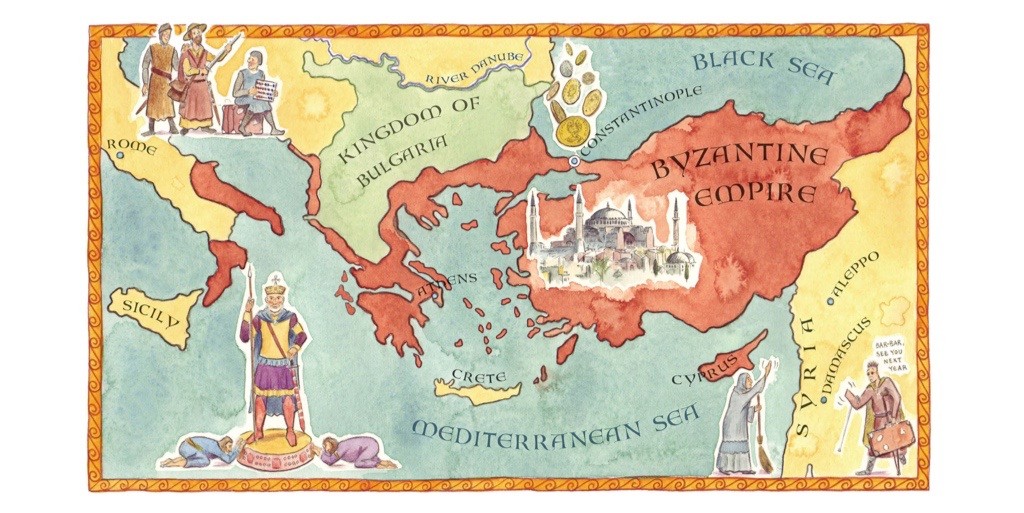
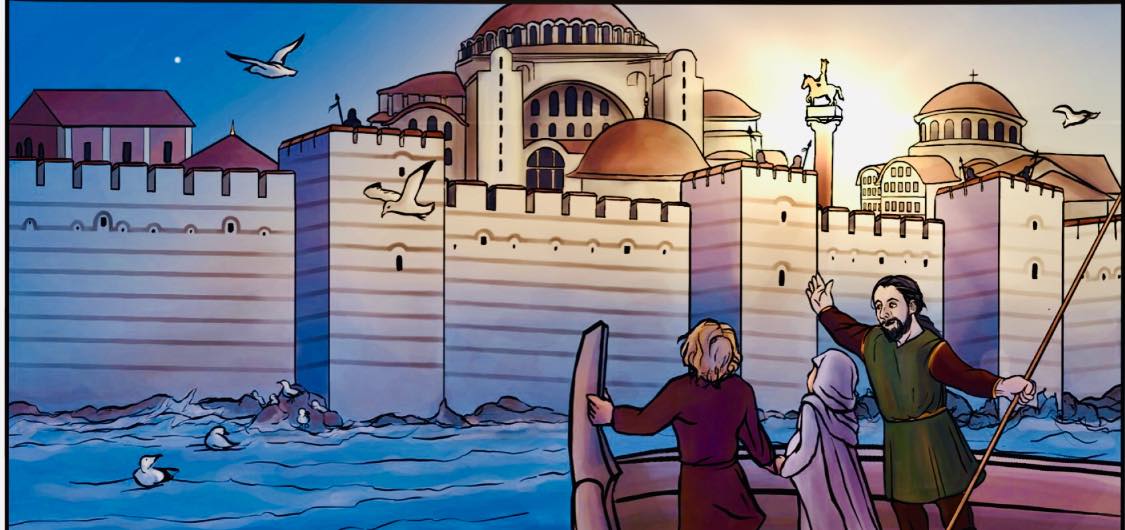
It features a very diverse number of locations in the Byzantine Empire and beyond during the late 10th century. Now, what I personally like most about this novel being the third instalment to the Basil series is the huge number of locations featured in it within the Byzantine Empire and even beyond. Here, already where the novel begins, we get to see the impressive landscape of Cappadocia in Asia Minor where the Phokas family comes from, then later we get to see the Greek island of Chios where Bardas Phokas was exiled to but where he is also recalled from exile in 978 by Basil Lekapenos to battle the rebel army of Bardas Skleros. Once again, we get to see a lot more of the imperial palace in Constantinople including new locations within it that the previous novels of this series have not shown us such as the Oratory of St. Theodore in the throne room, the training grounds, the bedchambers, and even the underground passages which allows safer passage for the emperors. True enough the imperial palace complex of Constantinople can be compared to a small city as mentioned at the notes section at the back of the novel while other locations in the capital Constantinople which this novel shows us as well include the docks where Bardas Phokas departs by ship, the suburb of Chalcedon on the Asian side across the Bosporus from Constantinople, the Church of the Holy Apostles where Byzantine emperors are buried in, and the Golden Gate where Phokas enters the capital in a triumph at the end of the novel. Now other than the imperial palace complex, this novel too shows us other cities in the Byzantine Empire aside from Constantinople such as Thessaloniki, the empire’s second city where Basil II sends his loyal men Sigurd the Varangian and the officer Manuel Komnenos to, and although Thessaloniki makes a brief appearance in the novel, its landmarks such as the Arch of Galerius and Church of St. Demetrios are impressively illustrated. Other than Thessaloniki, two other major Byzantine cities makes an appearance as well namely Caesarea in Cappadocia where Phokas in 978 assembles his army and at the beginning of the novel the Black Sea port of Trebizond in northeast Asia Minor where Bardas Phokas was appointed as its governor- although only indoor scenes are shown for Trebizond. Another impressive location shown in the novel is the monastic community at Mt. Athos founded by the emperor Nikephoros II Phokas (r. 963-969) who was Bardas Phokas’ uncle and here Mt. Athos’ monastery complex despite appearing so quickly is beautifully illustrated. However, the one location I found the most impressive in the novel was the Iberian Principality of Tao where for once we get to see a location beyond the empire which here features an impressive Iberian (Georgian) walled city being Ardanuc on a hill with impressive houses and churches. Additionally, the novel also shows us some obscure Byzantine locations many may not know of such as the Tyropoion Castle at the beginning of the story where Skleros chases Phokas to, which is also where Phokas surrenders to Skleros.
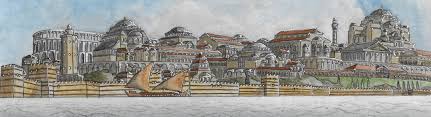
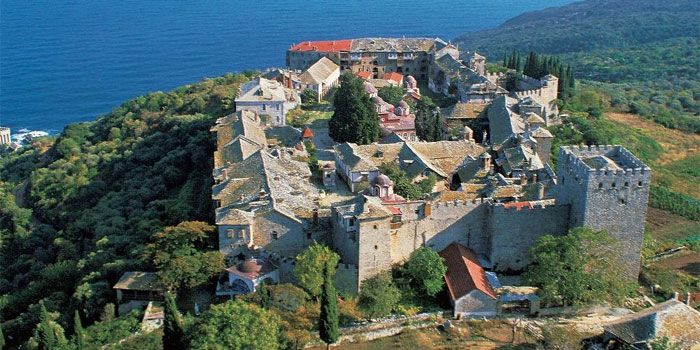
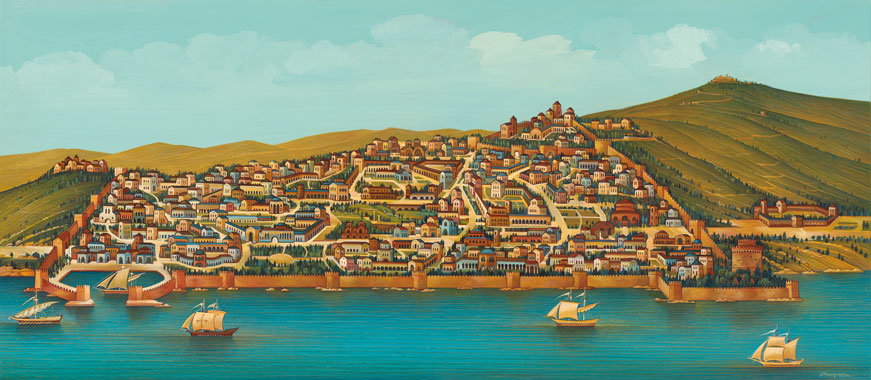
It has an exciting narrative told from the perspective of the general Bardas Phokas the Younger as certainly when being told from the point of view of a general who is the titular character the “Son of Cappadocia”, it is surely very exciting and action-packed with battle scenes.

Where the story begins, it is a flashback sequence going back to the year 963 which happens to overlap with the setting of the first novel of the series being “Theophano: A Byzantine Tale” and here we are introduced to Bardas Phokas- though not shown in the Theophano novel- who at this time is in Cappadocia as his uncle the new emperor Nikephoros II Phokas arrives there, and yes, we get to see the warrior emperor Nikephoros II in action once again! Here, Bardas narrates the story of how Cappadocia was once a constant warzone between Byzantines and Arabs which thus forced its people to live in underground cities until military aristocratic clans such his own being the Phokas clan rose to prominence producing great generals such as his uncle Nikephoros and father Leo- Nikephoros’ younger brother- who were able to turn the tide of war and push the invading Arabs away. In the Cappadocia sequence where the novel begins, Bardas is introduced to the empress Theophano who Nikephoros had just married and her son the young co-emperor Basil, her son by her previous marriage with the late former emperor Romanos II (r. 959-963). Following this, Bardas is assigned to Trebizond where he later gets word that his uncle Nikephoros II was assassinated by no other than Bardas’ cousin and Nikephoros’ nephew John Tzimiskes who thus takes over as emperor, and due to this Bardas is dismissed from his position and thus declares rebellion against the new emperor believing he has the right to claim the throne and to continue the Phokas’ family’s rule over the empire as he is the late emperor’s nephew. Bardas Phokas’ rebellion is thus launched with many joining his cause, though the new emperor John I responds to Bardas’ rebellion by sending his most trusted general and brother-in-law Bardas Skleros to Asia Minor and crush Phokas’ rebellion in which a number of Phokas’ rebels defect to.
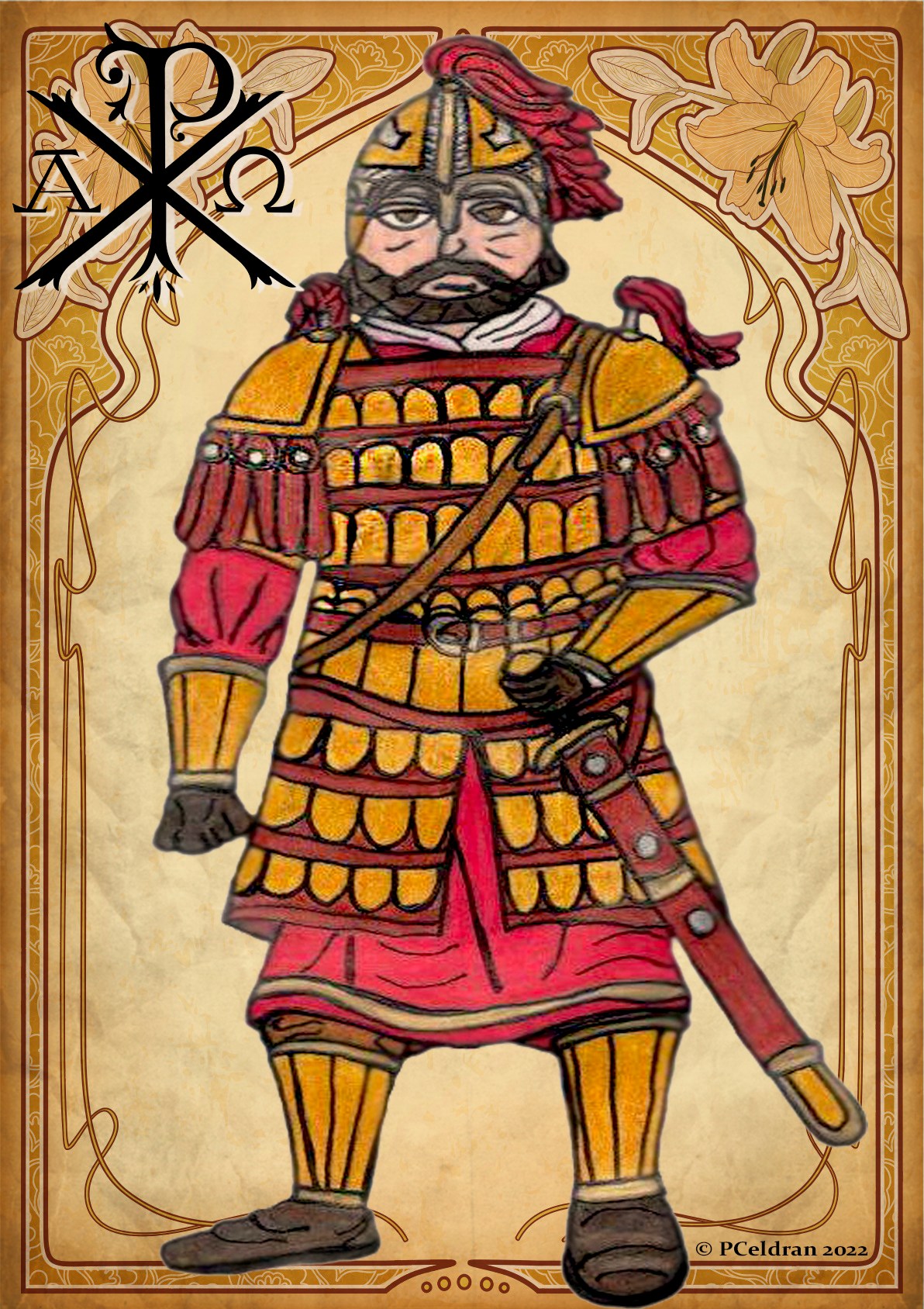
Although Phokas bravely rides to the castle of Tyropoion where he personally kills a soldier sent to chase him with his mace, Phokas is eventually overpowered by Bardas Skleros’ forces and thus surrenders to Skleros and thus Phokas is banished to the island of Chios until he is recalled in 978 as the imperial administration changes wherein Skleros is now the rebel general. Phokas is then summoned to the imperial palace in Constantinople by the powerful eunuch minister Basil Lekapenos and swears an oath of loyalty to the emperor Basil II thus making Phokas the “Domestic of the East”. Although Basil II’s mother Theophano is suspicious of Bardas Phokas believing him to be only used as a tool of Lekapenos to further his powerful position, Lekapenos tells Theophano that it is only Phokas that can beat Skleros and end the long devastating civil war. However, Lekapenos is secretly using Phokas as a tool to gain full authority over the empire once they defeat Skleros. Before departing for Asia Minor to battle Skleros’ forces, Phokas is seen training with Basil II in sword-fighting where he gives some useful advice to Basil when it comes to battle.
When in Asia Minor, Phokas builds his army among the locals there all while the generals Eustathios Maleinos and Michael Bourtzes- who appear in the previous novels of the series- join his cause before they march deep into Asia Minor and confront the forces of Skleros at the Battle of Pankaleia in June of 978 which although ends in a defeat for Phokas’ forces who then retreat to the Principality of Tao in Iberia wherein Phokas tries to persuade its prince David, his long-time ally to provide him troops in order to crush Skleros’ army. David is although considering an alliance believing that he will be surrounded by enemies if Skleros wins but as word gets to Constantinople on this, Lekapenos and the Byzantine Senate do not agree with allying with David’s Iberians, however Basil considers allying with David believing it’s the only way to beat Skleros’ rebels. The final say however comes from the empress-mother Theophano who successfully gets David of Tao to support their cause by having the retired Iberian general Tornikios brought out of retirement in Mt. Athos and summoned to the palace in Constantinople. Tornikios agrees to support the cause of keeping Basil II in power and fighting off Skleros after he asks Basil II to fund an Iberian monastery in Mt. Athos in exchange for Tornikios in convincing David to provide Phokas with an army. David finally agrees to provide Phokas with an Iberian army when Tornikios arrives in Iberia telling David that Basil II is offering him territory in Western Armenia and the high imperial title of Kouropalates. Following this, Bardas Phokas with an Iberian army of 5,000 led by no other than Tornikios marches off to confront the rebels of Skleros, this time at Aquae Saravenae in March of 979 wherein after a long bloody battle, Phokas courageously charges at Skleros who is thus brutally struck down by Phokas using a mace and is therefore seriously injured. The battle then ends with Skleros to be presumed dead and thus Skleros’ forces surrender whereas the victorious Phokas returns to Constantinople in a triumphal parade through the Golden Gate while at the end Phokas is thus assigned to Antioch. Now as the story is told from the point of view of Bardas Phokas, it is told in a very exciting and action-packed way as not only do we get to see intense battles but aside from that, Phokas’ own character is very interesting. In the novel, we get to see Phokas as someone courageous, ambitious, charismatic, mysterious, vengeful, and more so someone who wants to bring honor to his clan- the Phokas clan- no matter the cost which makes him someone interesting to follow in a graphic novel.
Battle scenes are very intense and thus exciting as they are portrayed so vividly as if it were in a medieval action movie and not just briefly skimmed over. Already at the start of the novel we get to see an action-packed scene wherein Bardas Phokas himself is chased by Bardas Skleros’ forces wherein Phokas personally kills a soldier chasing him by slamming his mace into his face in a very detailed manner. Later on, at the scene featuring the Battle of Pankaleia in 978, we get to see in full-view an epic Byzantine battle between Phokas’ and Skleros’ forces which begins wherein Skleros has more cavalry and Phokas more infantry and here the battle begins when Phokas orders his infantry to form a large hollow-square formation or simply a phalanx formation in the form of a square to counter Skleros’ cavalry.
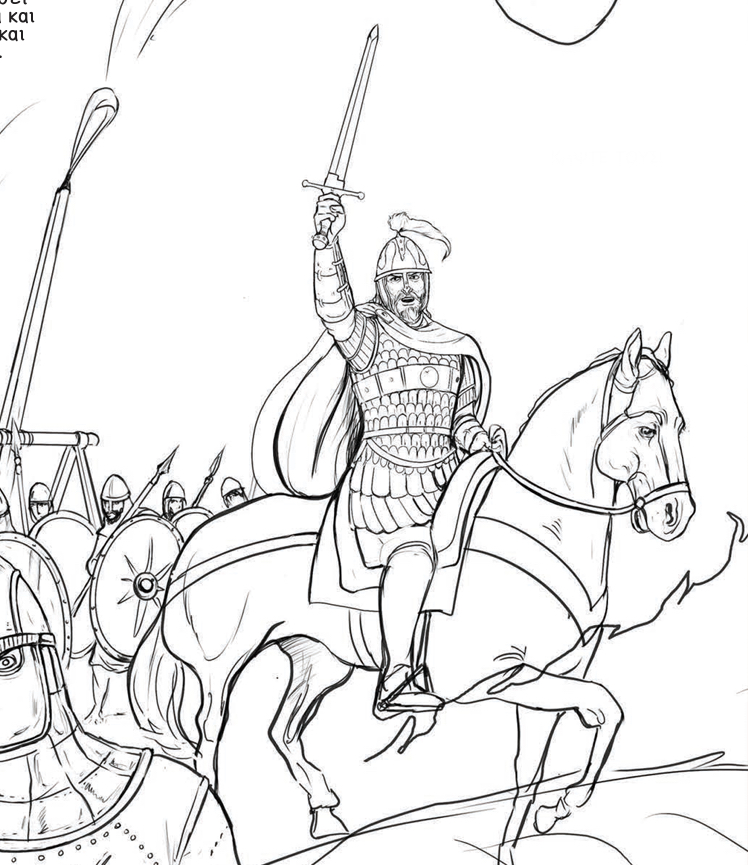
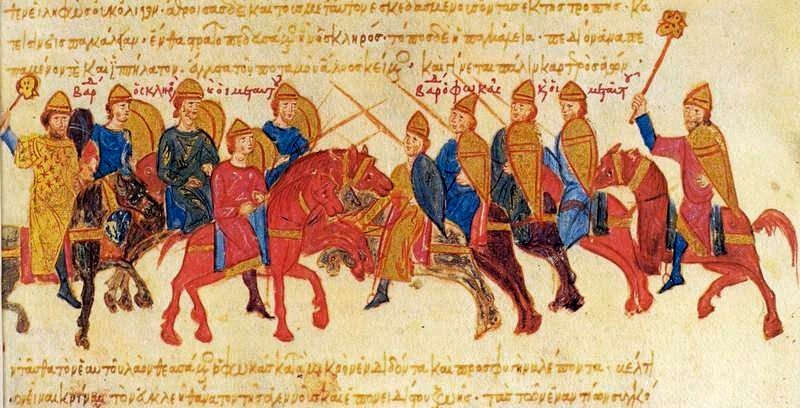
The hollow-square formation true enough worked in blocking Skleros’ cavalry and thus Phokas’ cavalry charged at Skleros’ forces, however Skleros ordered his cavalry to charge all at the same time thus breaking the lines of Phokas’ troops and therefore forcing them to retreat. Later on, near the end of the story, we get to see an even more epic battle once again between Phokas’ and Skleros’ forces being the Battle of Aquae Saravenae in Cappadocia in March of 979. The battle here begins with Phokas and Skleros exchanging a dialogue where Skleros arrogantly claims he is the emperor while Phokas denounces Skleros as a pretender. Skleros thus orders his troops consisting not only of Byzantines (Romans) but Arab and Armenian allies to charge at Phokas’ men whereas Phokas in return has his recently gained allied Iberian cavalry under the general Tornikios charge at Skleros’ men from above a hill. Despite Phokas’ side having the upper hand, Skleros unleashes a massive surprise first by having his catapults or rather onagers fire Greek Fire bombs and beehives to paralyze Phokas’ troops. According to the creators, Byzantine manuscripts use such a biowarfare weapon being beehives, but not specifically in that battle seen at the climax of the novel. Other than the Greek Fire bombs and the beehives, Skleros’ men unleash a deadlier weapon being the portable Greek Fire cannon known as a Cheirosiphon, which is simply a handheld flamethrower which was powerful enough to burn the battlefield and countless soldiers, and it is here where Phokas leads a courageous charge against Skleros. Here, as Phokas gallops, an intense scene is shown wherein Phokas using his sword slices off the ear of Skleros’ horse and with one blow of his spiked mace brutally injures Skleros by hitting him in the face with it. With Skleros injured, his soldiers presume he is dead and thus they either all retreat or surrender whereas Phokas now wins the battle. Skleros however survived and fled later finding refuge among his Arab allies but is arrested by the forces of the new Persian Buyid ruler Adud al-Dawla who defeated his Arab allies.


All characters in the story are given a great amount of substance and not only its leading characters being Bardas Phokas, Basil II, and the main antagonist Bardas Skleros.
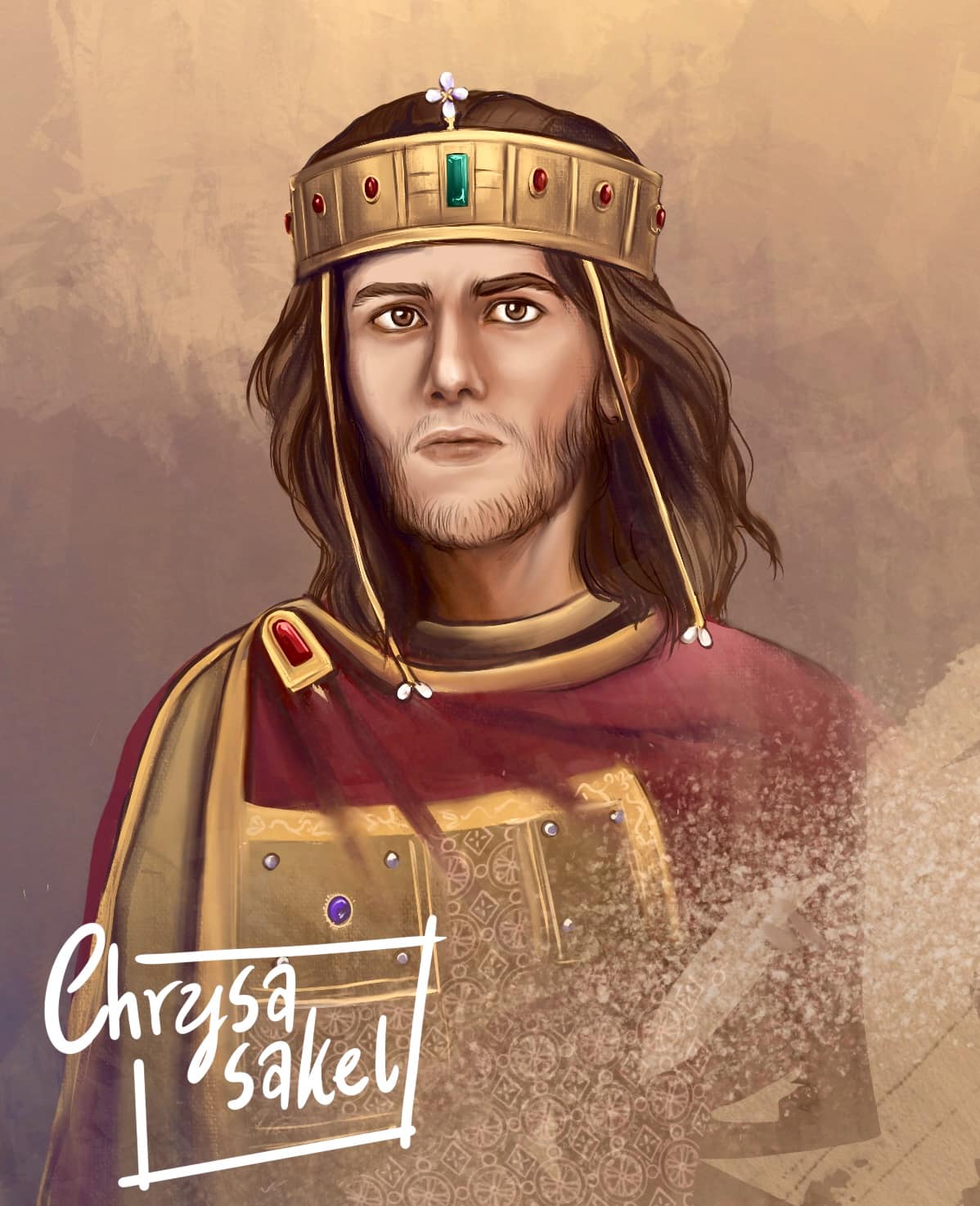
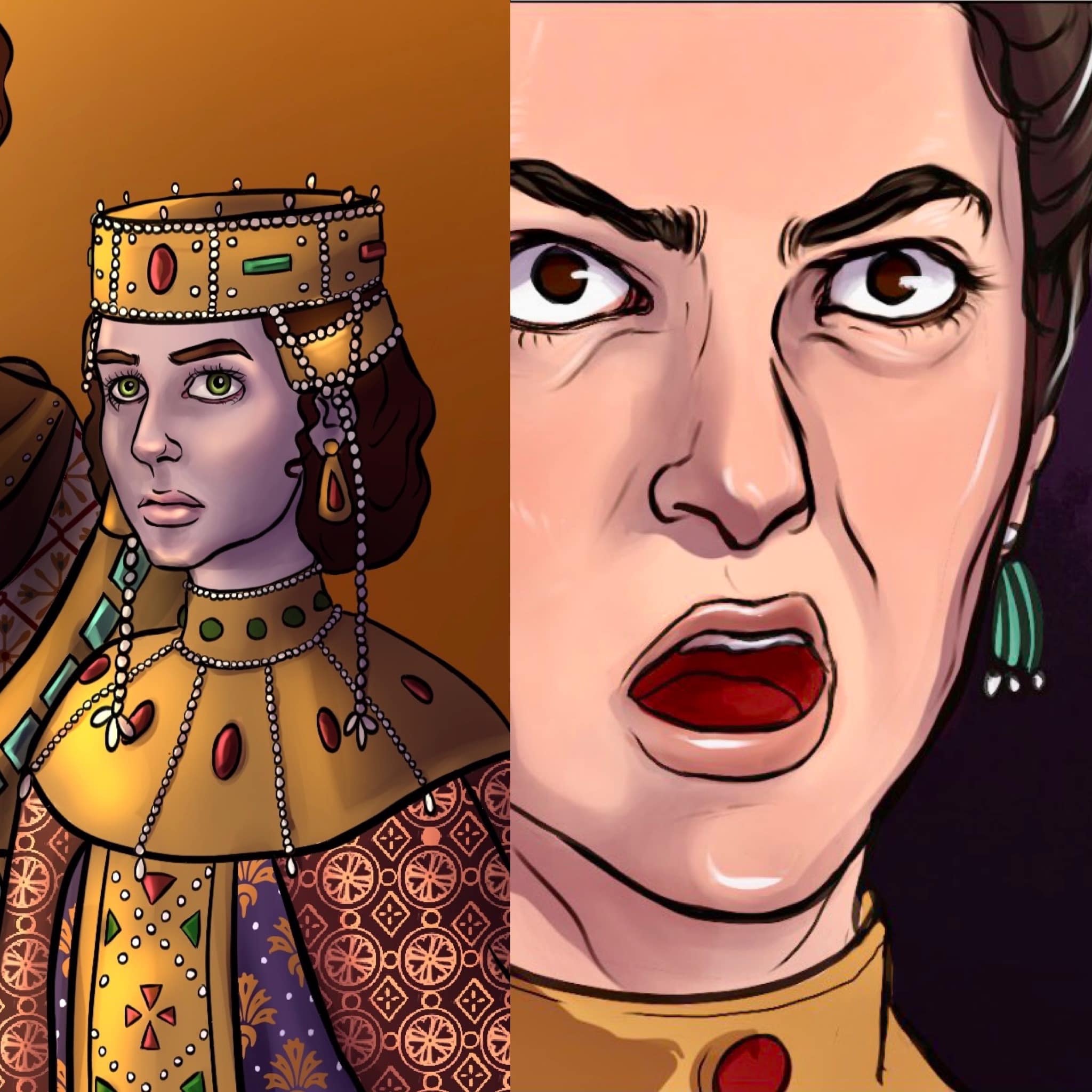
Although no matter how much of a badass both Phokas and Skleros are presented as, Basil II in the third part of the series bearing his name also shows a lot of character development as here in the third instalment you already get to see him making his own decisions as the emperor although still trying to free himself from the influence of his powerful eunuch minister and uncle Basil Lekapenos all while facing a lot of stress due to the conflict with the usurper Skleros still being at large. Just like in the previous novel being part 2 of the series, Basil Lekapenos who was the character that the story of the second part of the series revolved around once again has a major role here, and once again he is seen as the same old scheming eunuch with his own ambitions to rule the empire as here Lekapenos true enough released Phokas from exile to further his own position by having Phokas crush Skleros’ rebellion for his own interest of ruling the empire with the young Basil II as his puppet. Aside from Basil II, his surviving family members too have quite some substance in the novel such as his younger brother and co-emperor Constantine VIII who is for most of the novel often relaxed and easily swayed by advisors, their younger sister Anna who is often unaware of events happening and just assumes everything will work out for them, and of course their mother Theophano who here plays a very important role in the story by once again being in conflict with Lekapenos and suspicious of Bardas Phokas especially due to him being from the Phokas clan who Theophano now distrusts due to past experiences with them, though later on in the novel Theophano plays an important role in the story by suggesting that the retired Iberian general Tornikios be recalled from exile to assist Basil’s side of the conflict led by Phokas to finally defeat Skleros.

Two other characters who also are given some substance in the novel include Basil’s loyal Varangian protector Sigurd who was the main character of the first novel of the series and the officer Manuel Komnenos who remains loyal to the emperor Basil II, and both Sigurd and Komnenos escort the retired Tornikios from Thessaloniki to Constantinople. The minor characters of the story too are given quite some substance such as the generals Eustathios Maleinos and Michael Bourtzes who join Phokas’ cause as well as characters from the very first novel being “Theophano” who return here as cameos such as the great Nikephoros Phokas himself and John Tzimiskes. Aside from the Byzantine characters in the story, the Iberian ones too play quite a role namely the Prince of Tao David III who after a lot of convincing and being given the high title of “Kouropalates” by Basil II agrees to provide Phokas an army and the general Tornikios who plays a crucial role later on in the novel in assisting Phokas defeat Skleros despite his reluctance to come out of retirement in Mt. Athos seen earlier on. Through these two Iberian characters we get to also see a different perspective of Byzantium during this time in history.
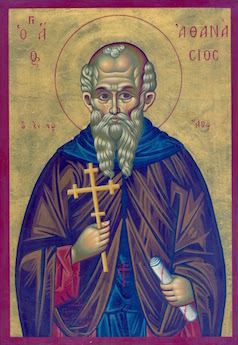
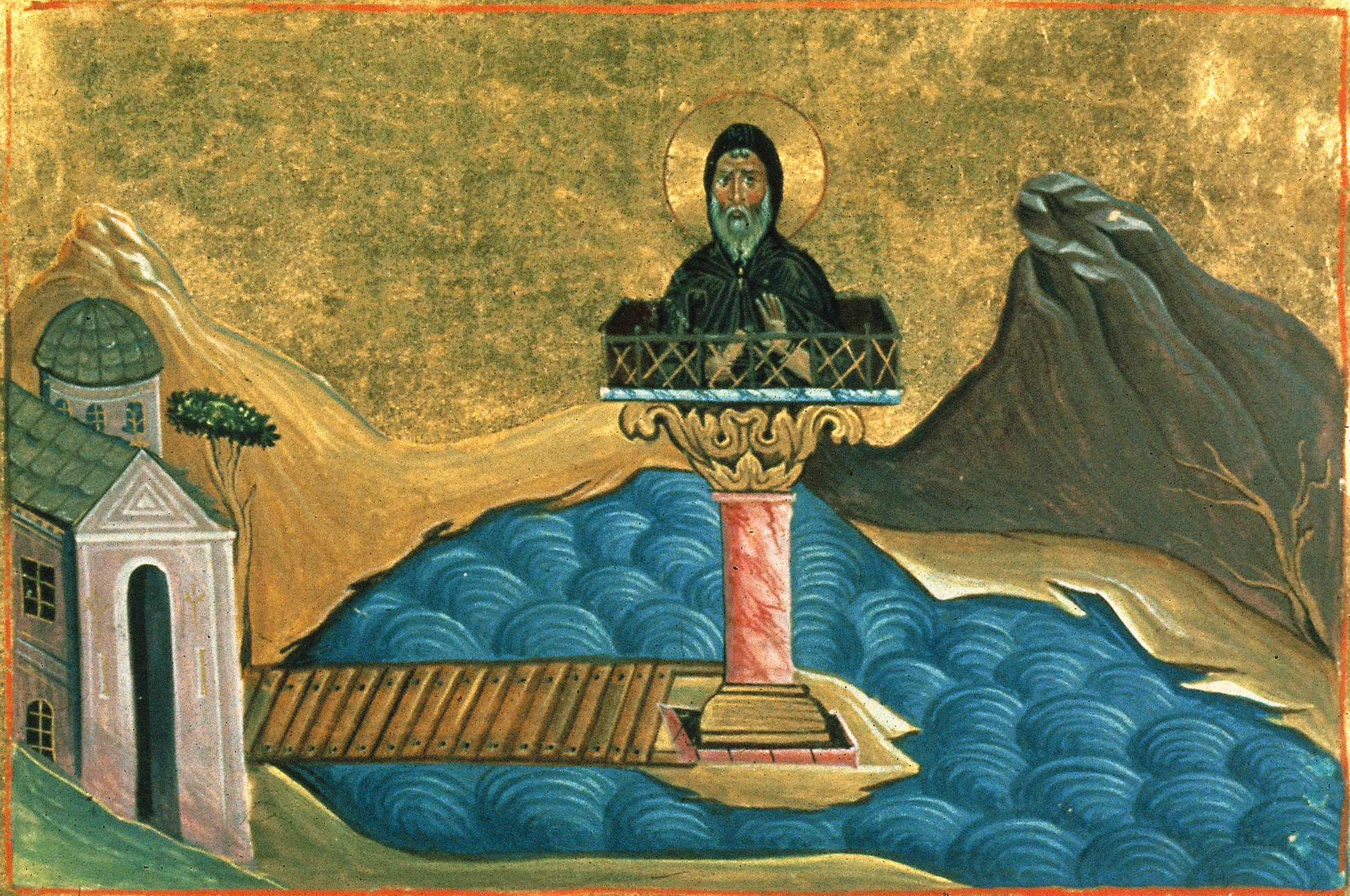
Not to mention, other historical figures who make a cameo in the novel too include the monk Athanasios the Athonite who appears very briefly in the Mt. Athos scene who was a friend of the late emperor Nikephoros II Phokas and a founder of the first monastic community at Mt. Athos. At one part of the story, the one character that makes a cameo appearance for those who know him is the stylite monk St. Luke, a former Byzantine soldier who in the story’s setting lives above a column in isolation. Then at the very end of the novel the one who makes a shocking cameo appearance is the Bulgarian ruler Samuil who eventually becomes Basil II’s main enemy. Another character too who makes a surprising comeback is Basil II’s loyal general and agent Nikephoros Ouranos who was presumed dead at the end of the previous novel, however here he returns at the end giving us all a surprise.
It does great “fan service” by giving us throwbacks to previous novels in the series, especially the first one “Theophano: A Byzantine Tale”. This means that this particular novel is full of references to the successful first novel of the series whether by bringing back old characters from the first novel or just references to the first novel as seen in the characters’ dialogue.

At the beginning of the story, we already get a throwback to the first novel as it starts with a scene in the year 963 which is during the setting of the Theophano novel wherein we get to see familiar faces from the first novel once again such as the emperor Nikephoros II Phokas, the empress Theophano, and the general John Tzimiskes. Later on in the story, during the scene where Basil II practices sword fighting with Bardas Phokas, we get another reference to the first novel when Phokas tells Basil about his father the emperor Romanos II and grandfather the emperor Constantine VII (r. 913-959) wherein Phokas tells Basil that both of them didn’t even know how to hold a sword properly, and surely they didn’t as both Basil’s father and grandfather appeared in the Theophano novel as major characters and they were never seen holding any weapons whereas Basil on the other hand since a young age wanted to be the opposite of his father and grandfather by mastering the art of war and using weapons. Of course, the biggest piece of “fan service” in this novel is the appearance of the empress-mother Theophano, the lead character of the first novel who here plays a very major role, though it is also her last one in this novel. Theophano’s role was in fact such a major one that the last page of the novel includes a section dedicated to her with a full-body illustration of her as this novel is her last appearance in this series. Aside from all the “fan service” in returning characters and giving reference to the highly successful first story of the series, I would say that this third part of the Basil series really does show more fan service by making it seem like a movie where we get to see dream sequences, the first one experienced by Bardas Phokas where he sees a vision of himself losing to the imperial army of the emperor John I Tzimiskes and the next one later on experienced by Basil II where he sees himself in danger. True enough, according to the creators, Bardas Phokas’ dream sequence is based on a primary source being the Madrid Skylitzes illuminated manuscript, though Basil’s dream sequence here was fictional; though through these dream sequences the creators wanted to stress how much importance the Byzantines gave to dreams.
Its ending is once again very suspenseful that it once again makes you want to anticipate its sequel. True enough this novel being the third one of the series only ends in 980- although according to the creators some events at the end of the novel take place at an undefined time period- being only the beginning of Basil II’s long reign, thus there is so much more to happen later on especially since Basil would rule the empire for almost 50 more years!

The ending of this novel is surely a satisfying one as finally the rebel Bardas Skleros who has been rebelling against Basil II for such a long time- ever since the first novel of the Basil series- has been taken care off as Bardas Phokas severely injures him in battle and thus the wounded Skleros flees with his Arab allies but is eventually arrested by the new Buyid ruler of Persia Adud al-Dawla, thus Skleros’ threat is finally taken care of. Following this, the 3-year long civil war between the forces of the administration of Basil II and the rebel Bardas Skleros comes to an end wherein Phokas rides into Constantinople as a hero, though this is still not yet the end. The surprising part at the end comes with Basil II who now shows that he is no longer the weak young puppet-emperor but someone acting on his own as not only does he say that he wants to make peace with Byzantium’s foreign enemies as the war is over, he also shows that he is finally able enough to rule on his own as he says that he will now take control of the government from his uncle Basil Lekapenos now that the war is over whereas Basil even lets his uncle know of these intentions of his which however further enrages Lekapenos who tells Basil that Basil still can’t rule alone due to new external threats the empire is facing. Basil II’s younger brother and co-emperor Constantine VIII too doesn’t agree with his brother’s choice in letting go of Lekapenos and thus Lekapenos still refuses to give up power over the empire, though Basil II true enough “counter-plotted” on his own against Lekapenos by getting his old ally Nikephoros Ouranos who was previously presumed dead at the end of the previous novel back in the imperial court, thus deeply upsetting Lekapenos who never expected Ouranos’ return as true Lekapenos would always be aware of everything.
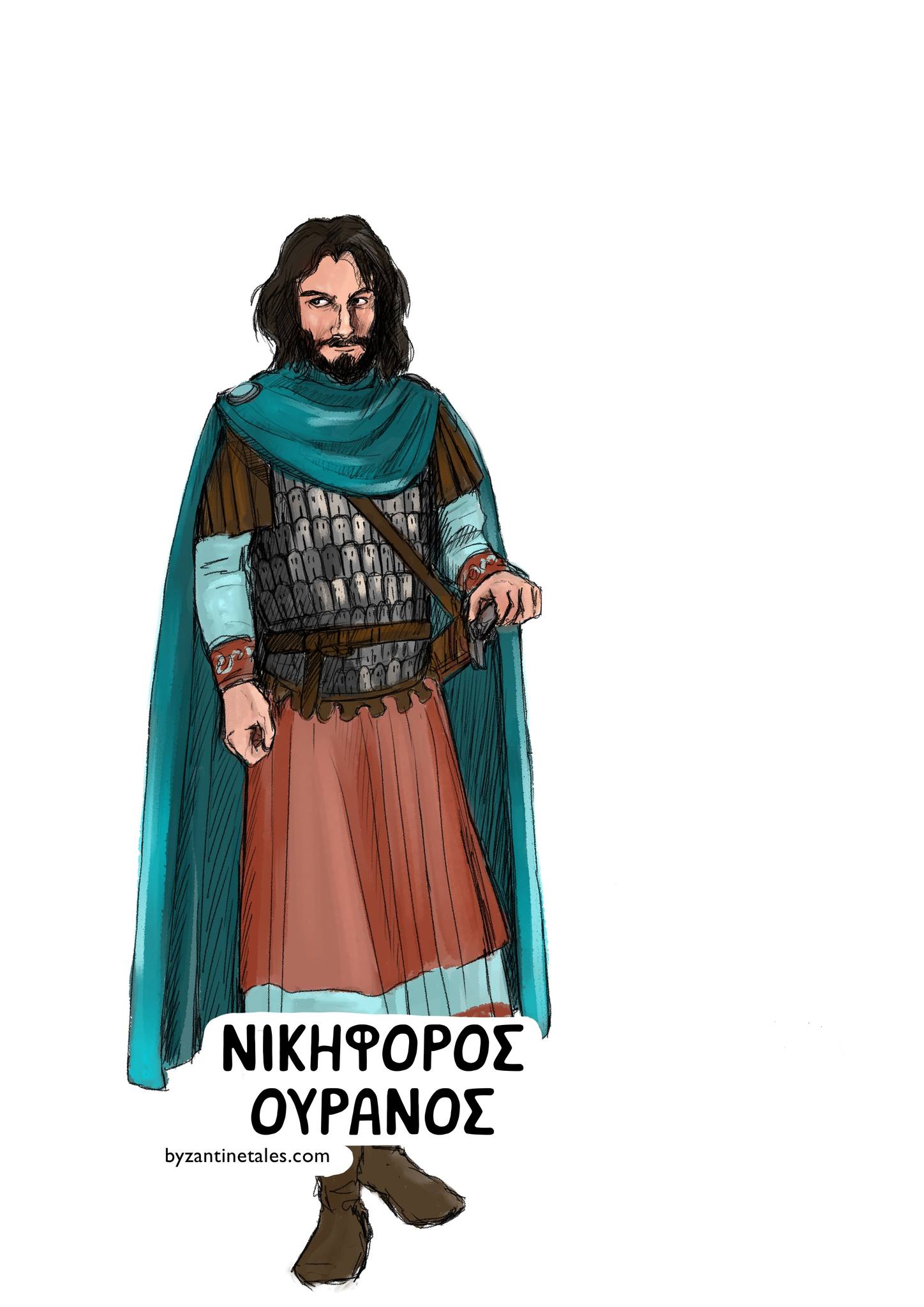
Nikephoros Ouranos true enough survived despite him drowning in the sea as seen in the previous novel, and earlier on in this novel in the Thessaloniki scene, Ouranos despite not revealing who he is returns as a mysterious cloaked figure who is then brought to Constantinople as a “guest” by Basil’s loyalists Sigurd the Varangian and Manuel Komnenos wherein Ouranos is kept at the palace’s underground passages to make sure Lekapenos knows nothing of Ouranos’ return. Sigurd later leads Basil II into the palace’s underground passages where Basil and Ouranos reunite and here Ouranos who survived drowning by being saved by a fishing boat tells Basil that Lekapenos planned to get rid of him and now Ouranos tells Basil that they will together plot to reduce Lekapenos’ influence. The story therefore has a kind of cliffhanger ending wherein Lekapenos now sets up his new pawns in the upcoming struggle for authority and power in the palace knowing now that Basil is starting to become too independent. However, the real ending of the story is more shocking as the empress-mother Theophano falls ill and dies- although according to the creators, historical sources stopped mentioning her after a certain period so the date of her death remains unclear- though in this story, before her death Theophano reveals to Basil that his empress is somewhere in the west, but before giving exact details to her son Basil, Theophano dies. Lastly, before the novel finishes, we get an even bigger surprise as when Basil now believes it’s time to turn the empire’s attention to threats in the west, over in Thessaly Basil’s love interest Ariadne- at least in this series only- gives birth to a boy named Romanos who may be Basil’s son, and although she believes Basil and his army is coming to rescue her when getting word of an army approaching, it is however a different army that is approaching. The story thus ends with a major cliffhanger as the army approaching Thessaly is not a Byzantine one but a Bulgarian one led by its new ruler Samuil now ready to strike at Byzantine Greece which had been exposed due to the recent Byzantine civil war in the east. True enough, Samuil plays an important part in Basil II’s story as his main enemy in the north.
Opinions, Suggestions for Upcoming Novels, and Conclusion
To put it short, the third volume in the “Basil” series being “Son of Cappadocia” was surely a great read by showing so much action and activity in a very short period of time. Overall, the novel is very easy to understand and follow, especially if the reader is already familiar with Byzantine history or with the comic series this novel is part of. The one thing I would say is the most impressive part of this novel are the intense battle scenes as they really show how Byzantine era battles were in full detail including armies clashing with each other, swords and maces swinging, spears impaling bodies, and so much more. The one element that I could say makes this novel different from the other ones in this series is the intensity of the battle scenes and all kinds of weapons seen on the battlefield as it is certainly in this novel only where they are so full of life. Other than the battle scenes, those set in the palace or in other places too are exciting and suspenseful at the same time that it makes the reader want to continue reading. Not to mention, the novel also stays very authentic once again to the era it is set in as the word “Byzantine” is never used as true enough the word never existed in their time whereas the Byzantines still referred to themselves as “Romans” and their empire as the “Roman Empire”. For me however, what I found most impressive in the story aside from the intense battle scenes was the diversity of its locations which is also what I think would make this novel different from the others in the series. Overall, the intense battle scenes, court intrigue, and diverse locations surely bring Byzantium to life in this novel. What I also find interesting in this novel is also how we get to see Byzantium this time from a military perspective through the eyes of Bardas Phokas which thus makes this novel an intense one especially with the battles. However, the end of the story surely makes it an exciting one as it is a major cliffhanger, and thus makes us definitely anticipate the next novel in the series.

Now, as much as I enjoyed the third instalment to the “Basil” series, there are a few things I am disappointed about in the story and how it was written. First of all, the one negative thing I would have to say about the story is that it is quite confusing to follow especially as it starts with a flashback sequence, though this flashback at the same time is also important as it gives context to the character of Bardas Phokas; though what I mean by being confusing is that sometimes the story can be hard to follow unless the reader is already familiar with Byzantine history. The other thing I found disappointing about the story is that it is simply too short while it also felt rushed especially with the death of Theophano at the end of the story, thus if I were to write it, I would not let Theophano die this suddenly. Meanwhile, the one thing I would suggest that the novel should feature are more of everyday life scenes in the Byzantine Empire aside from palace intrigue and epic battle scenes as this way readers can really get a glimpse of life in 10th century Byzantium; however, this may be difficult to achieve as Byzantine sources do not really mention much about everyday life in the empire. Overall, the novel was still very exciting and full of life while it also has a very satisfying and even suspenseful ending as finally the threat of Bardas Skleros is finally taken care of yet more trouble awaits the empire. Of course, this is not yet the end of the series as more things are bound to happen in the very long reign of Basil II.
And now I have come to the very end of this article reviewing “Basil: Basileus” part 3, and once again I shall say it was a job well done in bringing 10th century Byzantium to life despite some disappointments I mentioned earlier. Certainly, this novel once again brings the exciting story of 10th century Byzantium alive with its very vivid visuals and exciting action scenes which can therefore make this novel like the rest in the series a perfect tool to get people unfamiliar with Byzantine history get into it. To put it simply, the visuals of the novel will really help everyday people once again understand Byzantine history and possibly be fascinated with it without having to read long history books about Byzantium. Thus, in this way, Byzantium can be again accessed to a wider audience and not just for academics. Once again, I would like to congratulate the author Spyros Theocharis and artist Chrysa Sakel for doing another excellent job in bringing Byzantium to life in this novel, and I would like to thank them too for answering the questions I had for them which was very instrumental in making this review article. Of course, this is not yet it as I have already completed my board game “Battle for Byzantium” which is now available and again most of its artworks were illustrated by Chrysa while its setting too is very similar to her comic series as the game is set in Basil II’s reign, except the game takes place at Basil II’s death in 1025 wherein Byzantium has turned into a military and cultural power thanks to the efforts of the great emperor Basil II. Now, I would once again highly recommend the 3rd instalment to the Basil series being “Son of Cappadocia” especially to those who like Byzantine history as it contains many references Byzantine history fans would be familiar with. This is all for now in this special edition article reviewing “Basil: Basileus” part 3 and thank you all for reading!
 The Byzantium Blogger